
Indian values culturally incompatible with Kiwis, ex-NZer of the Year finalist tells MPs
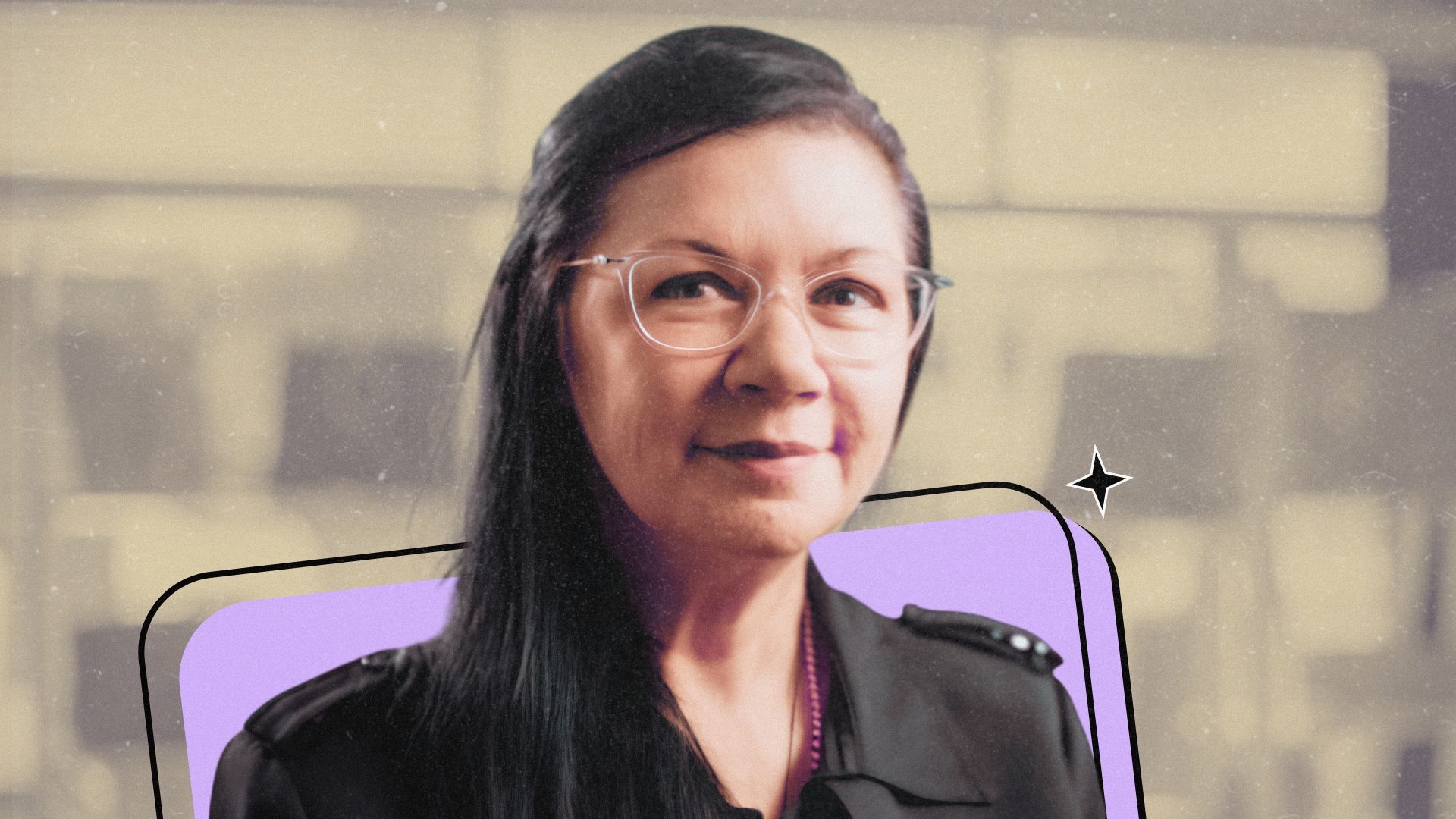
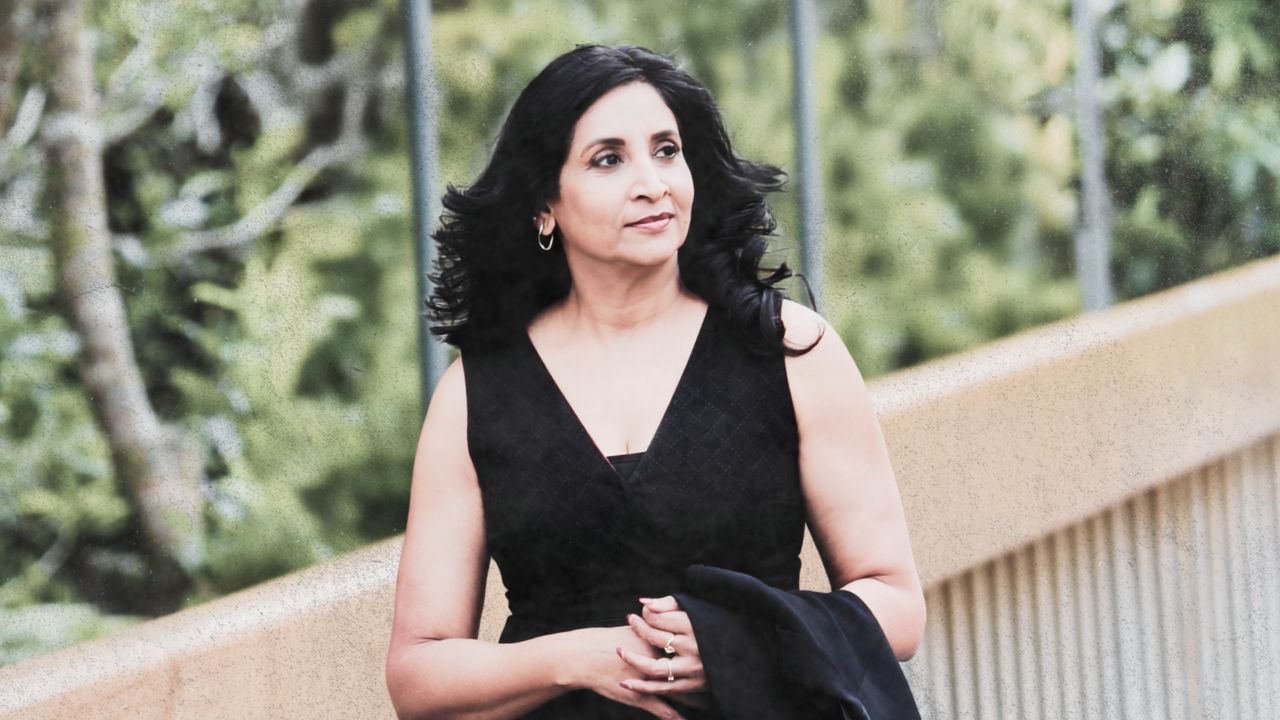
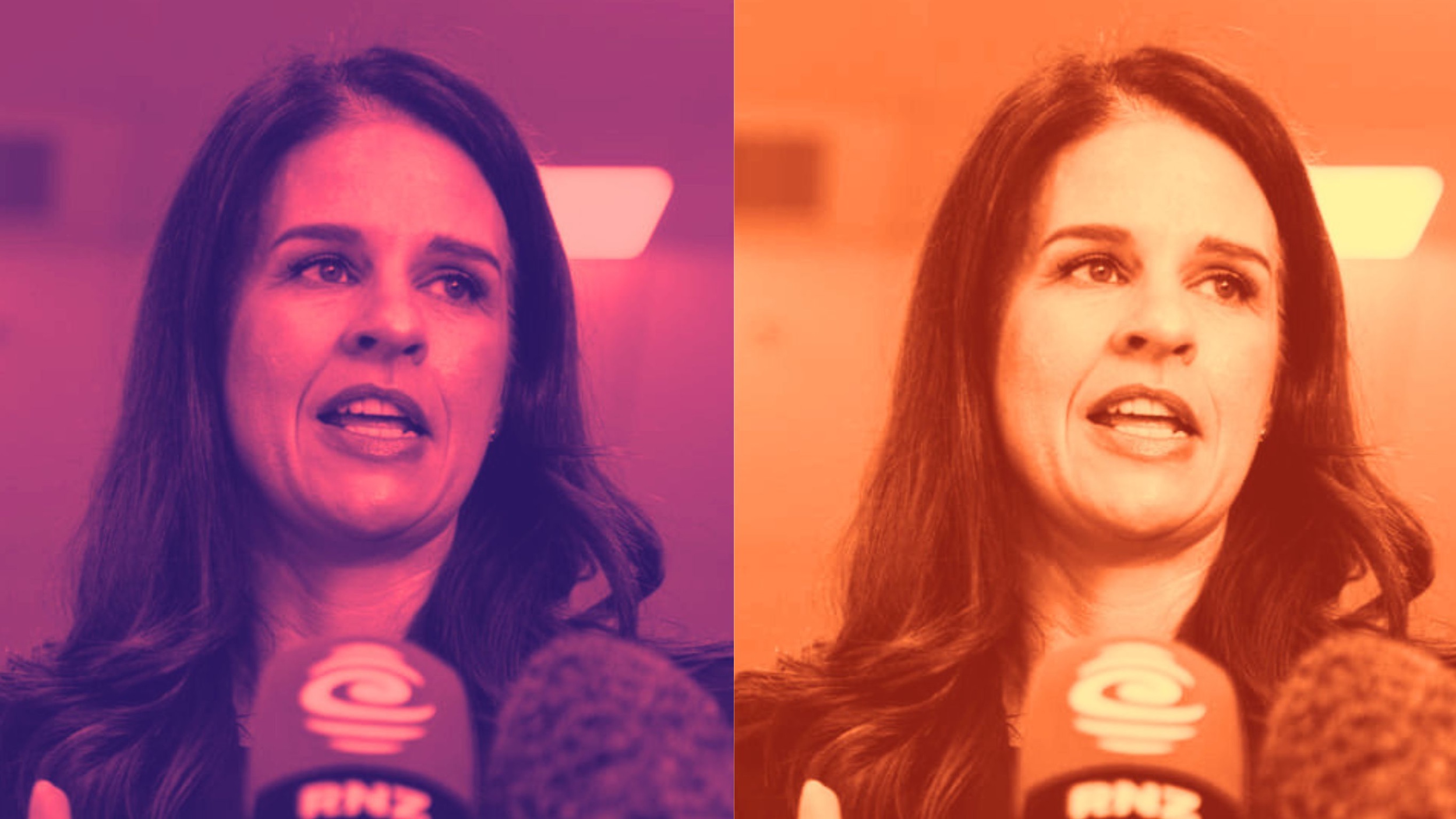
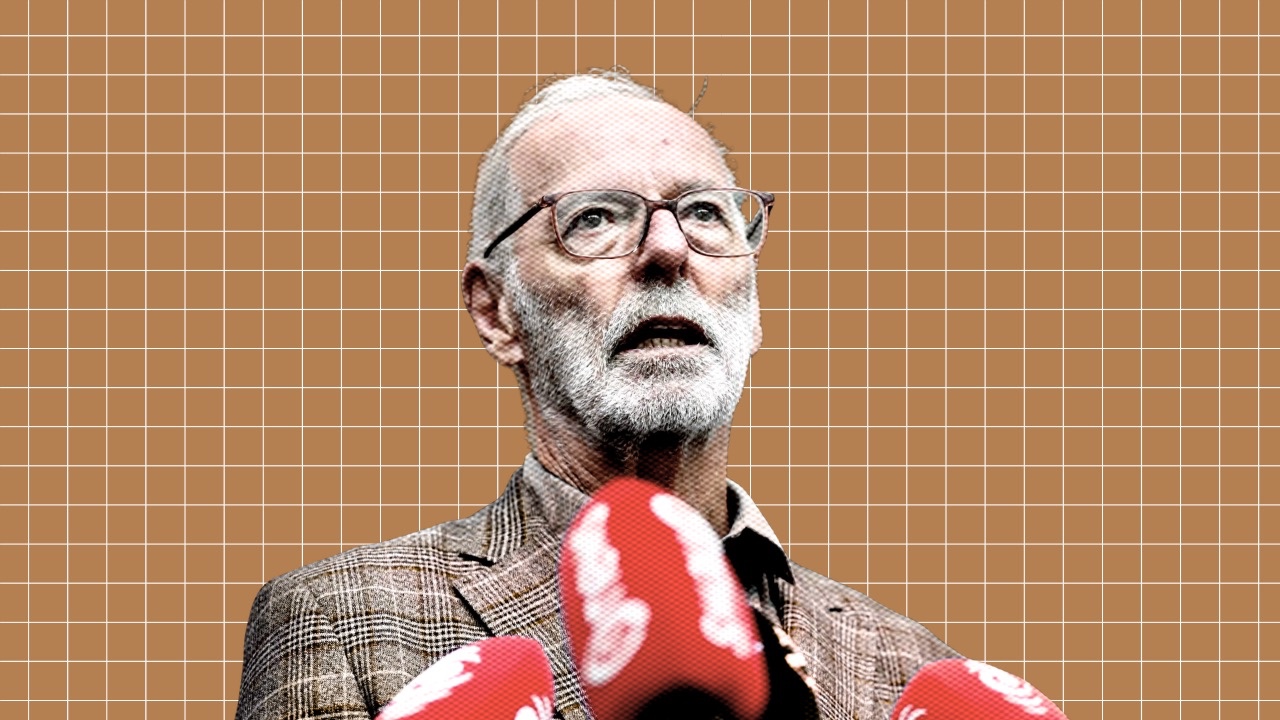
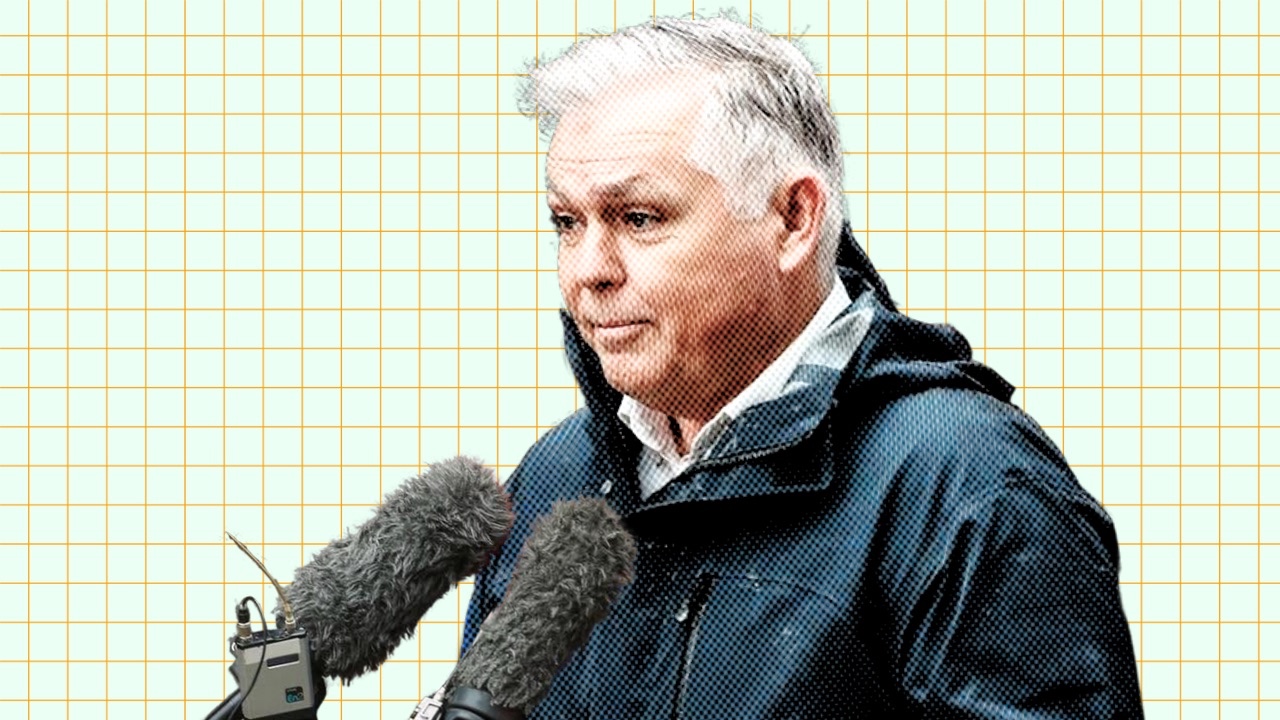
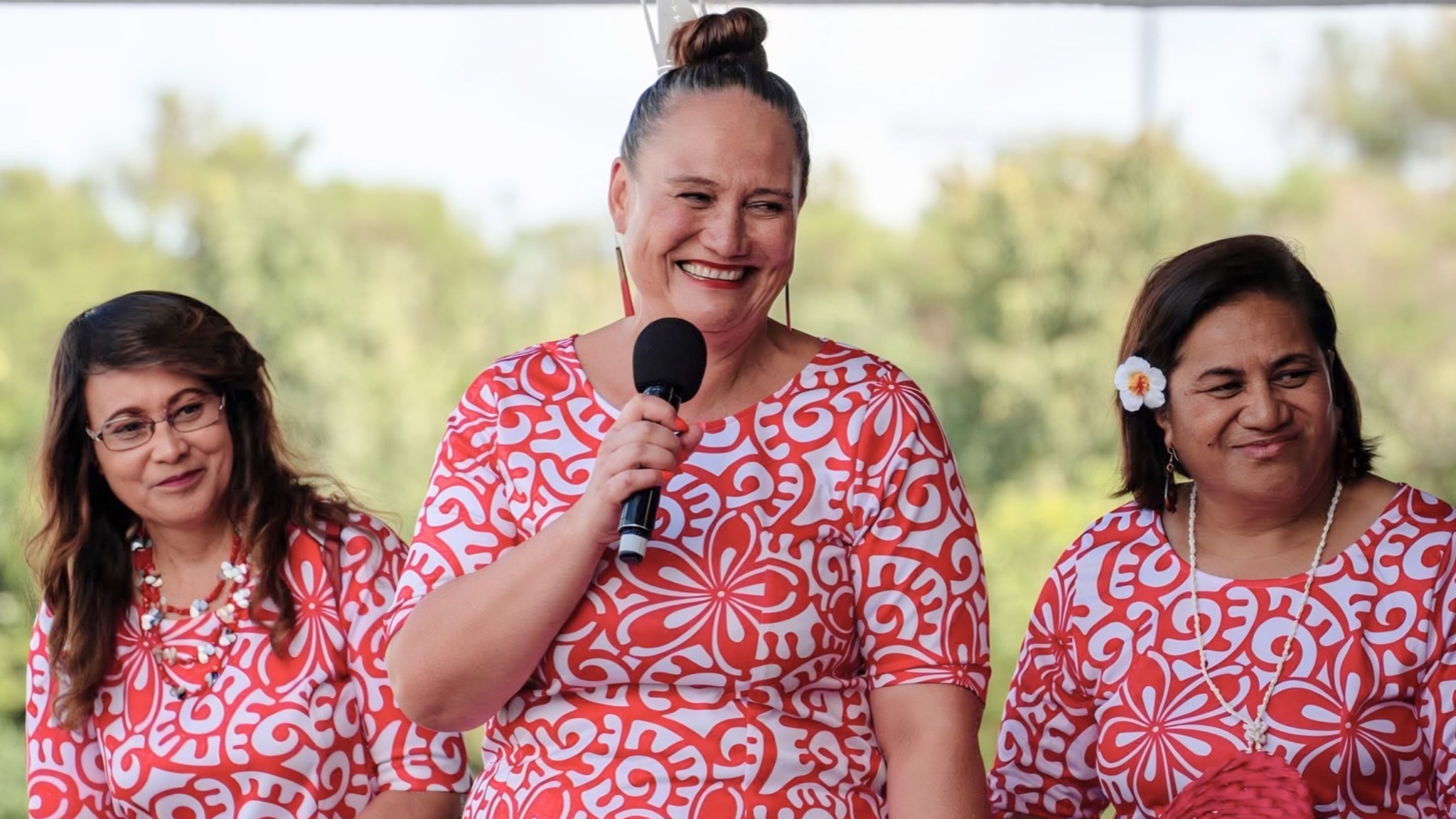
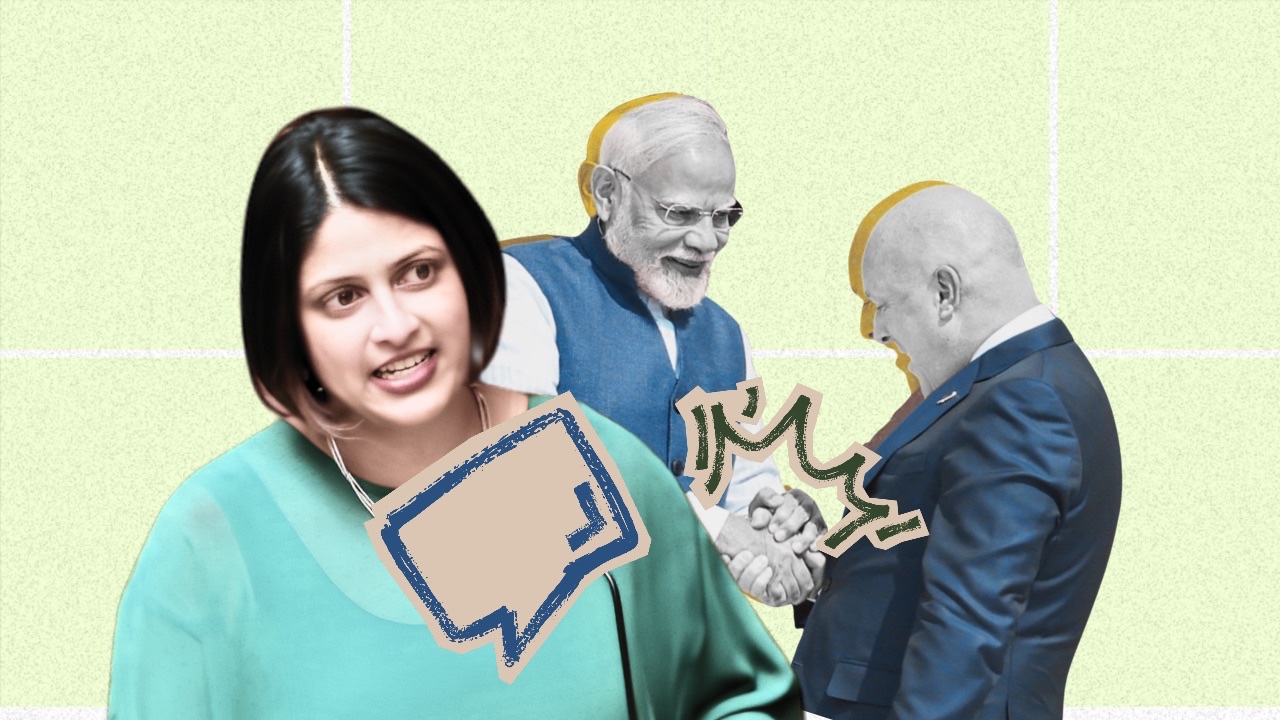
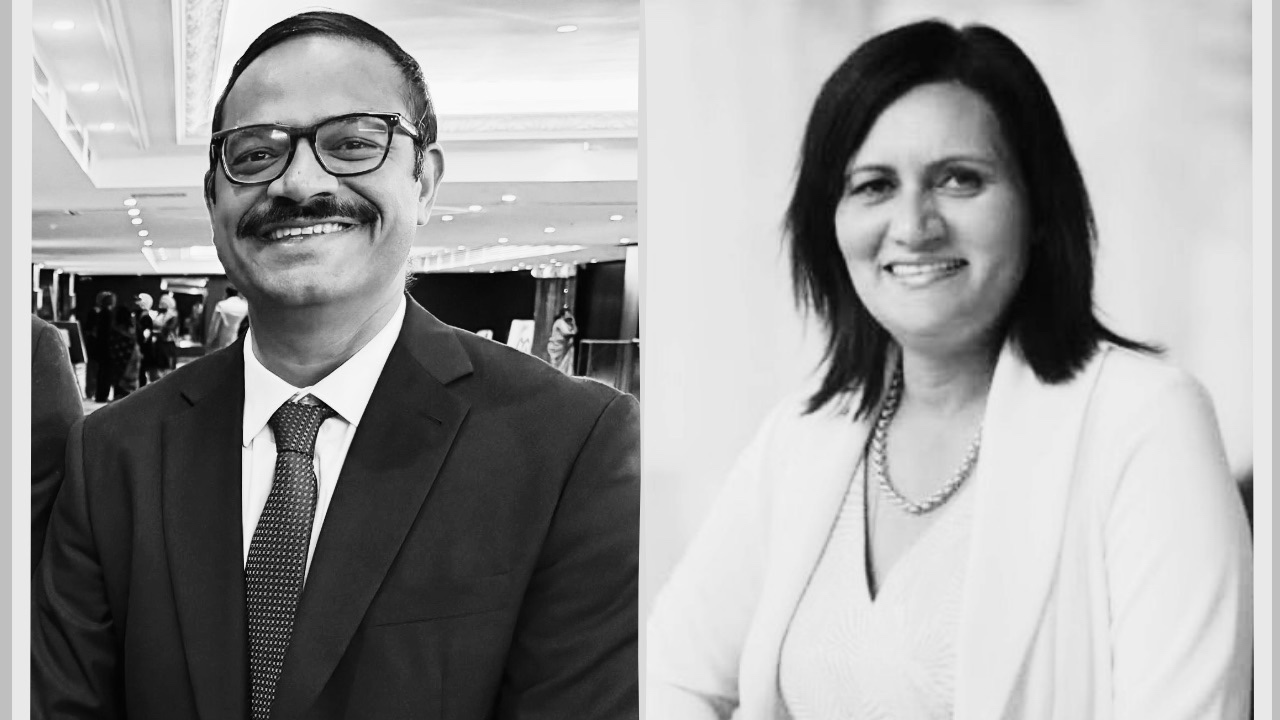
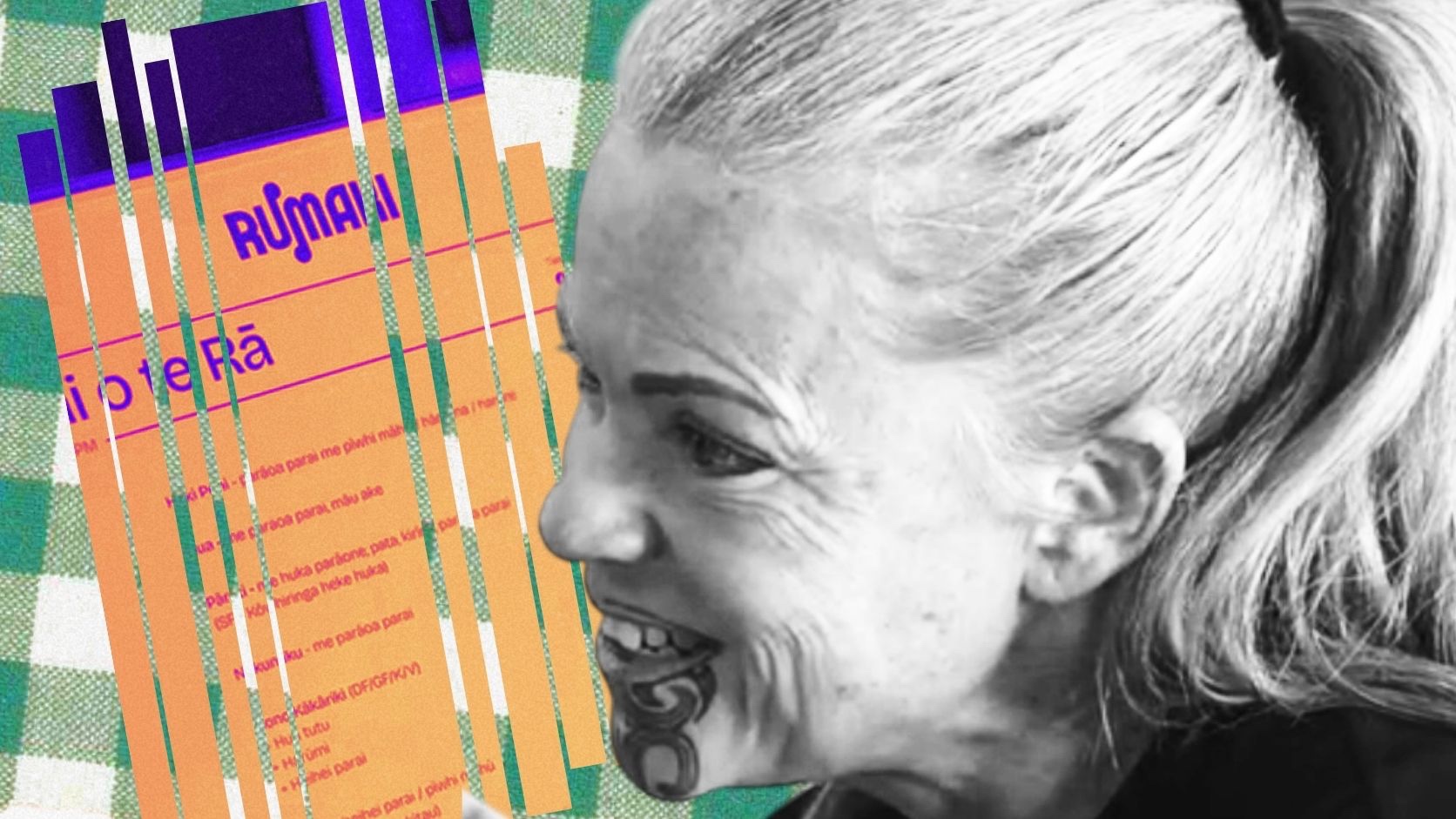
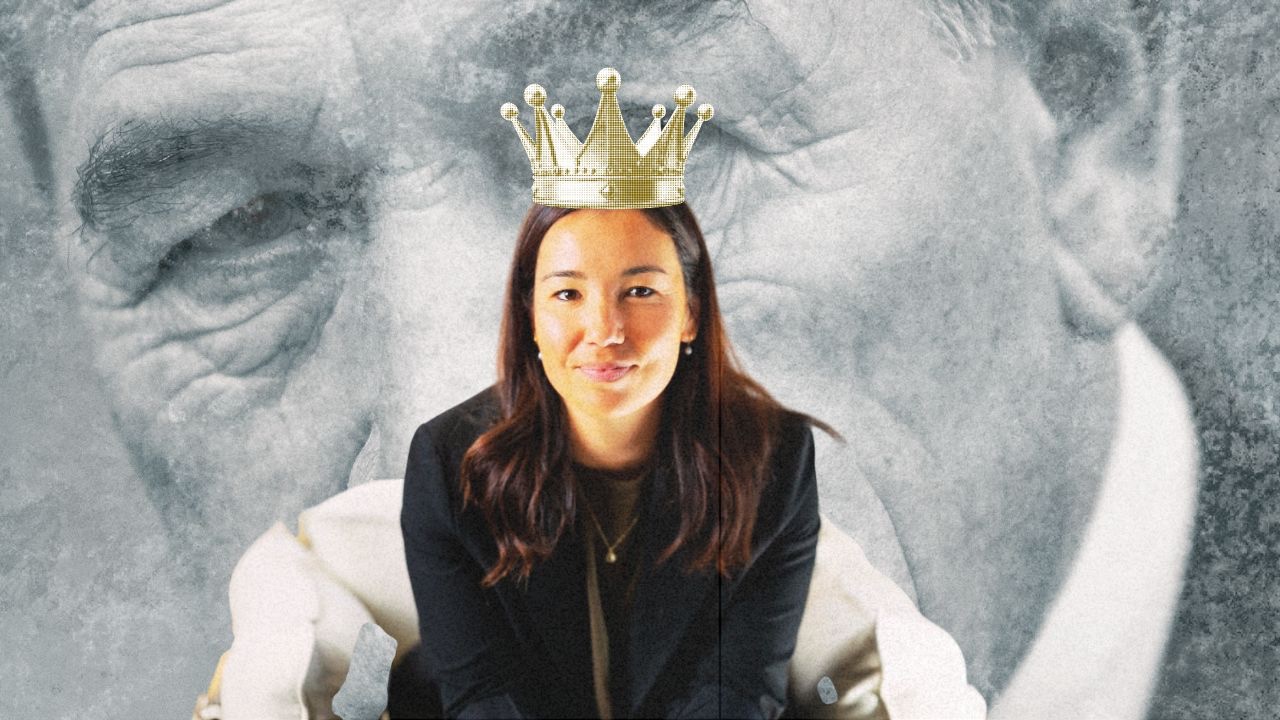
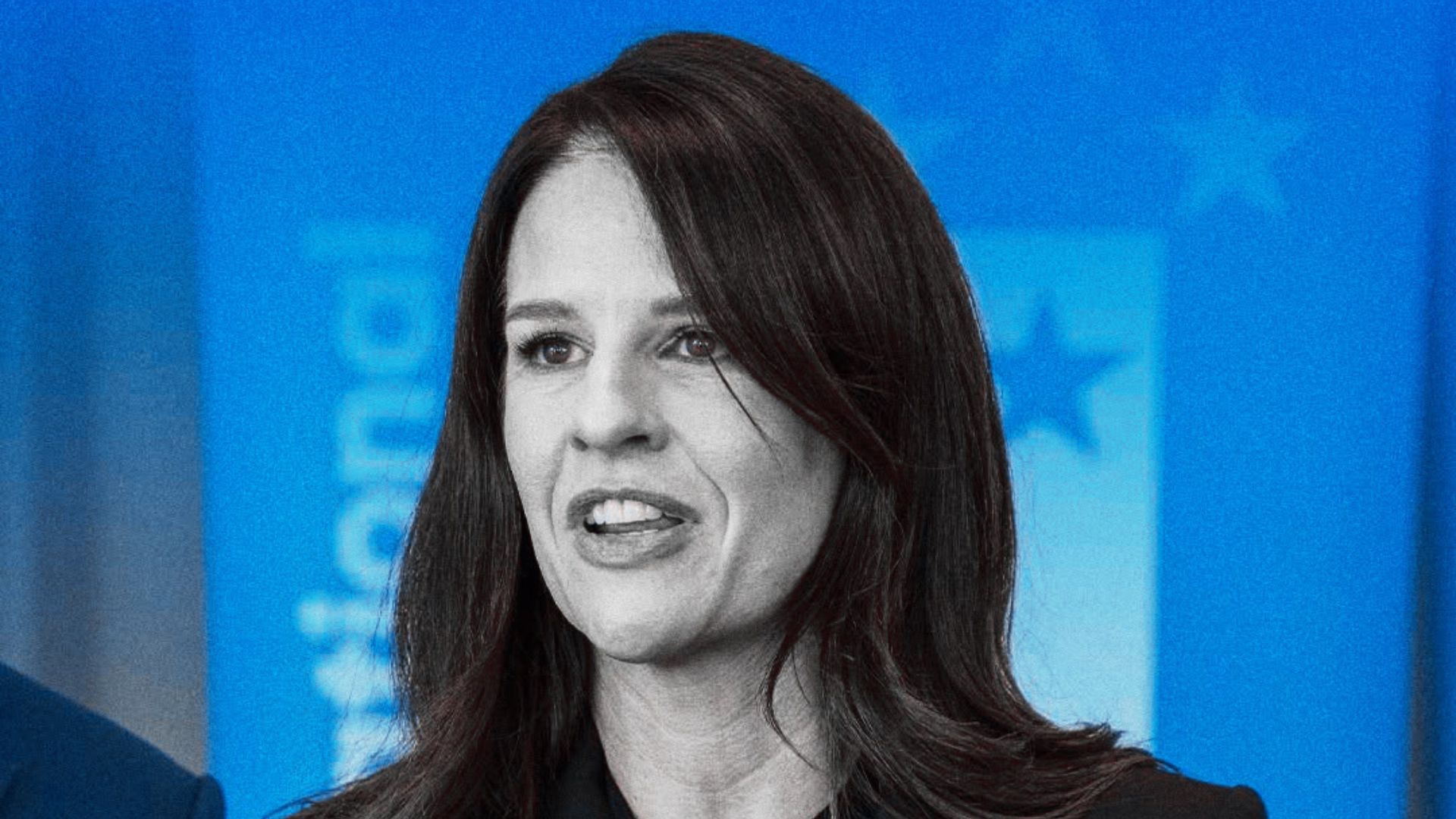
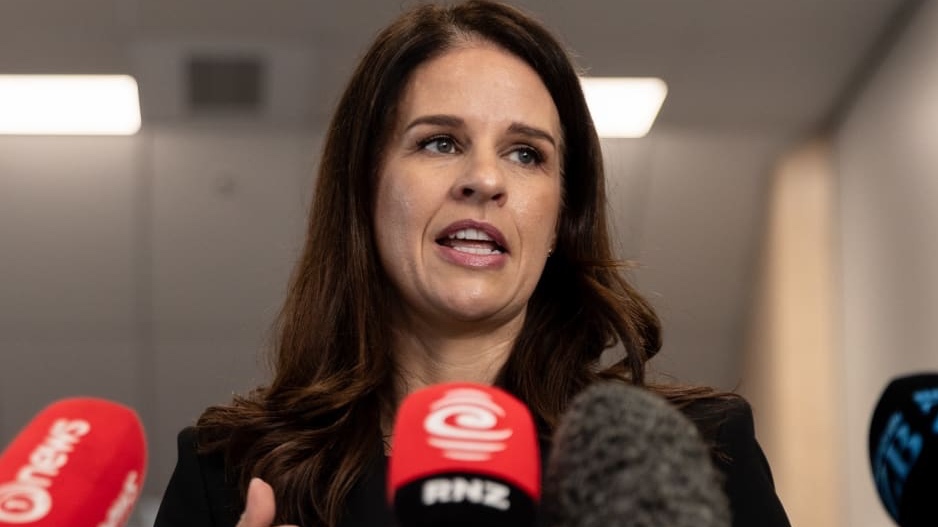
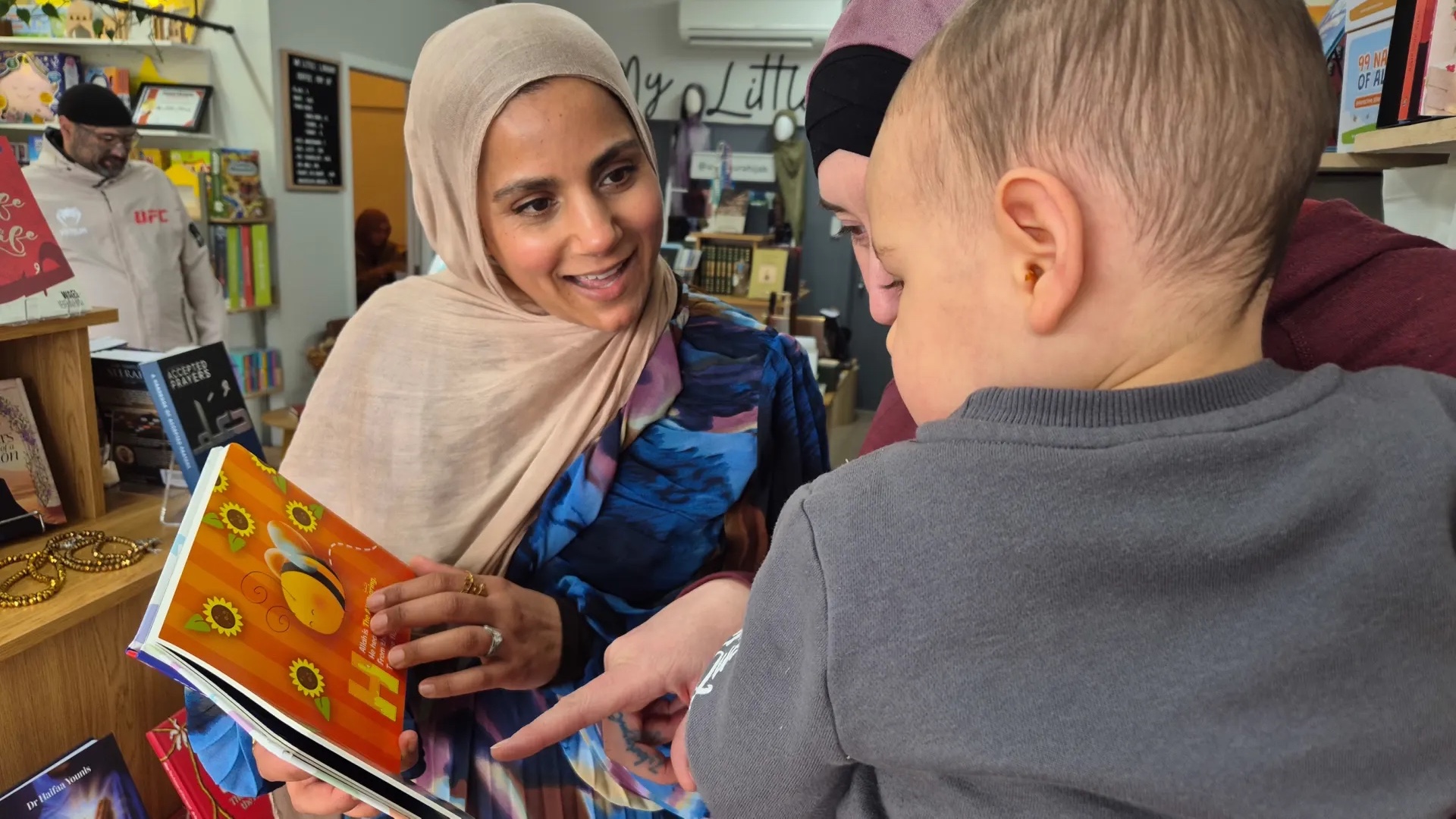
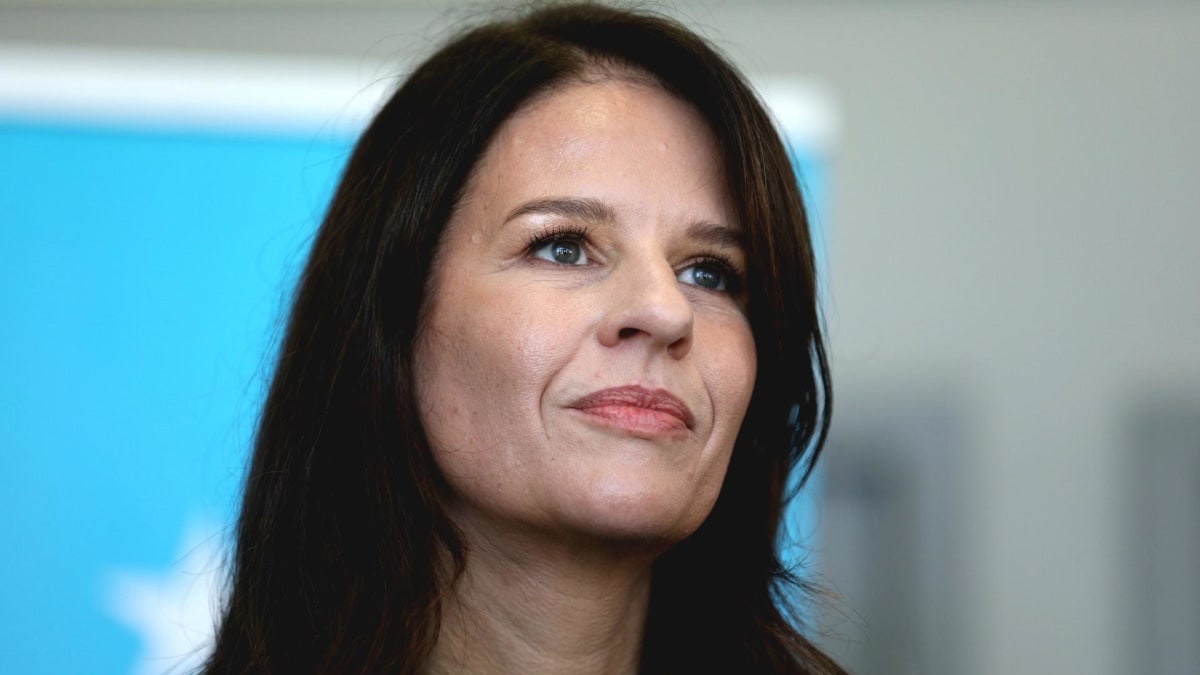
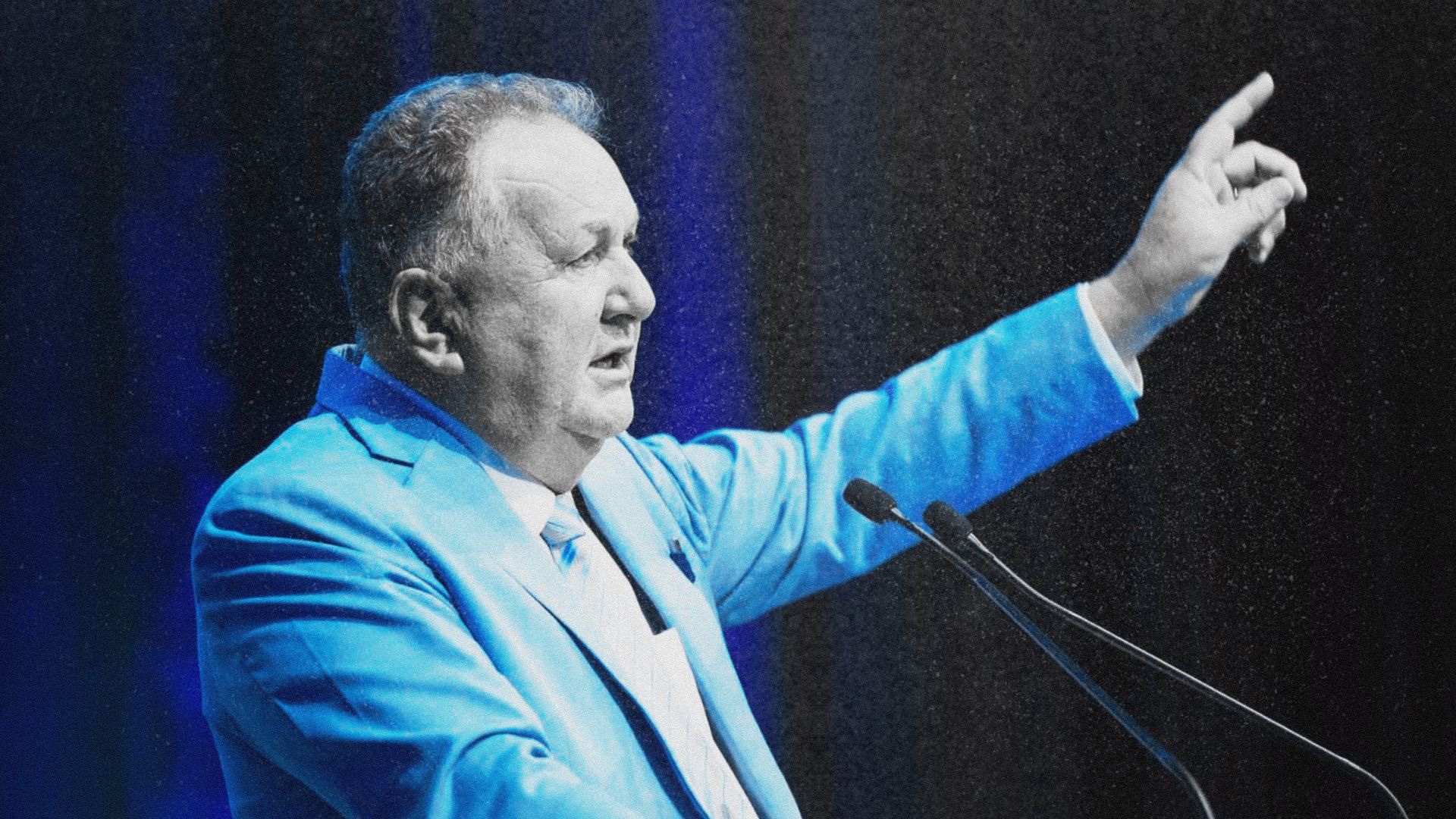
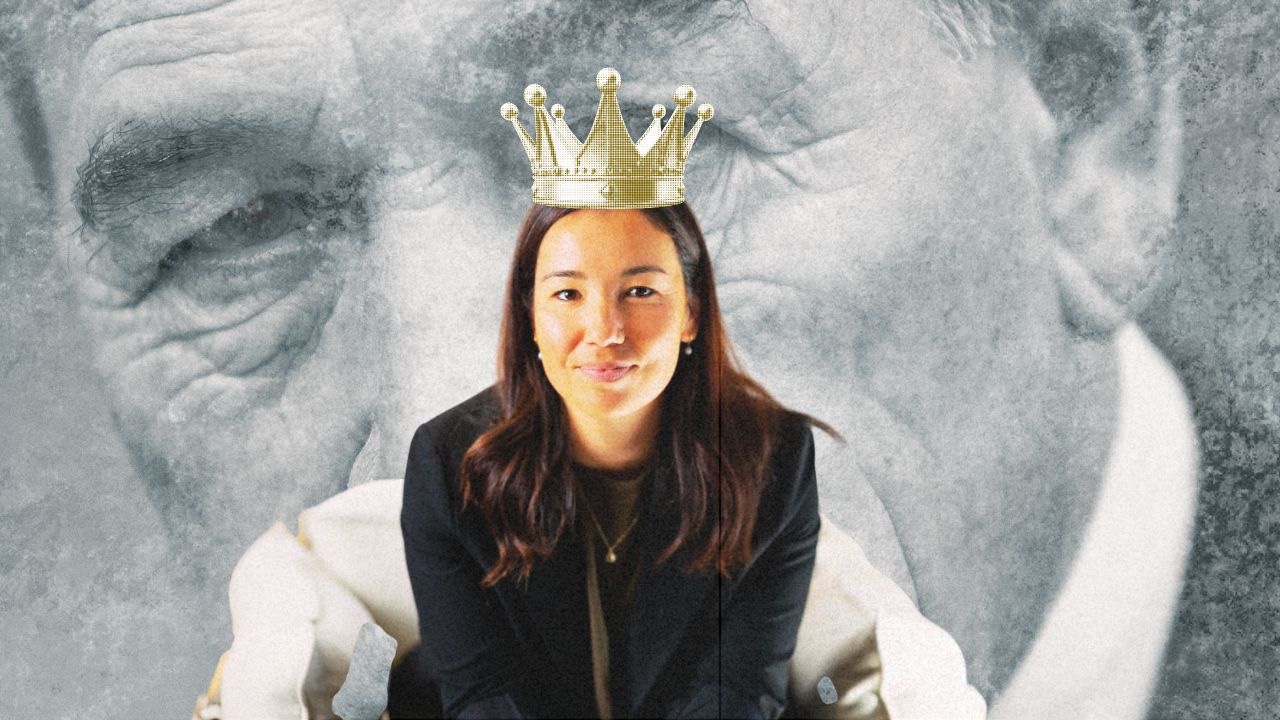
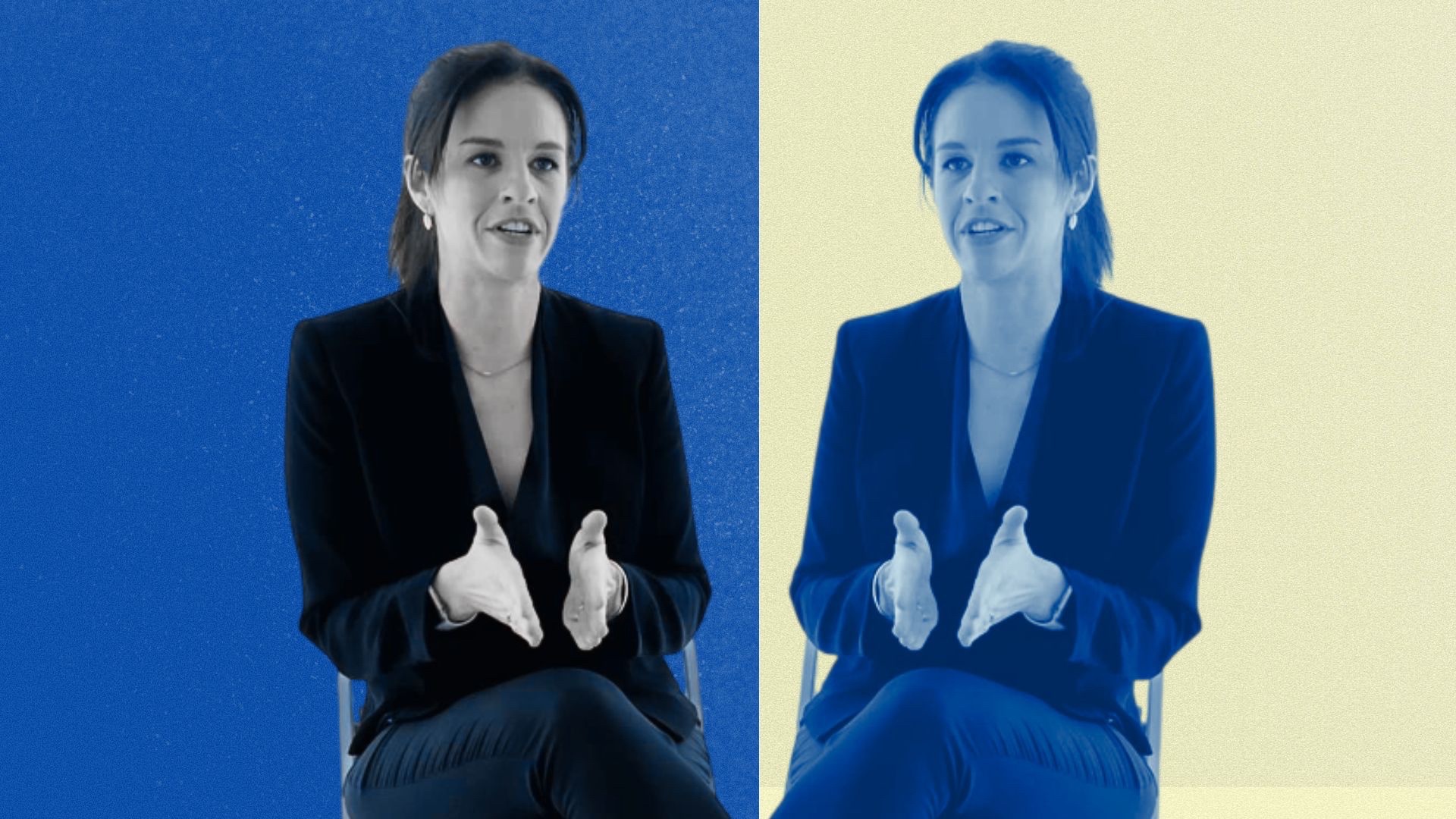
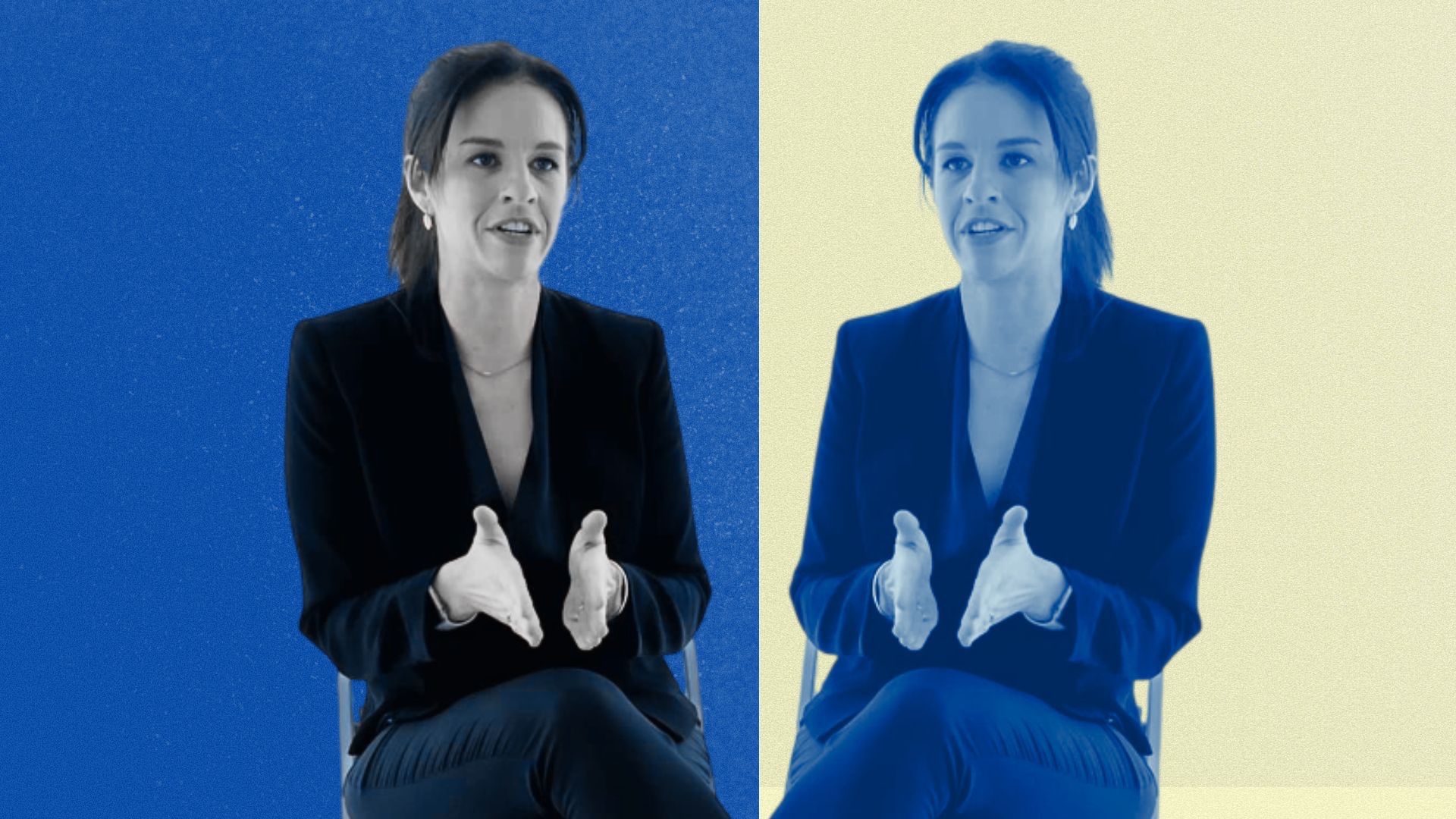
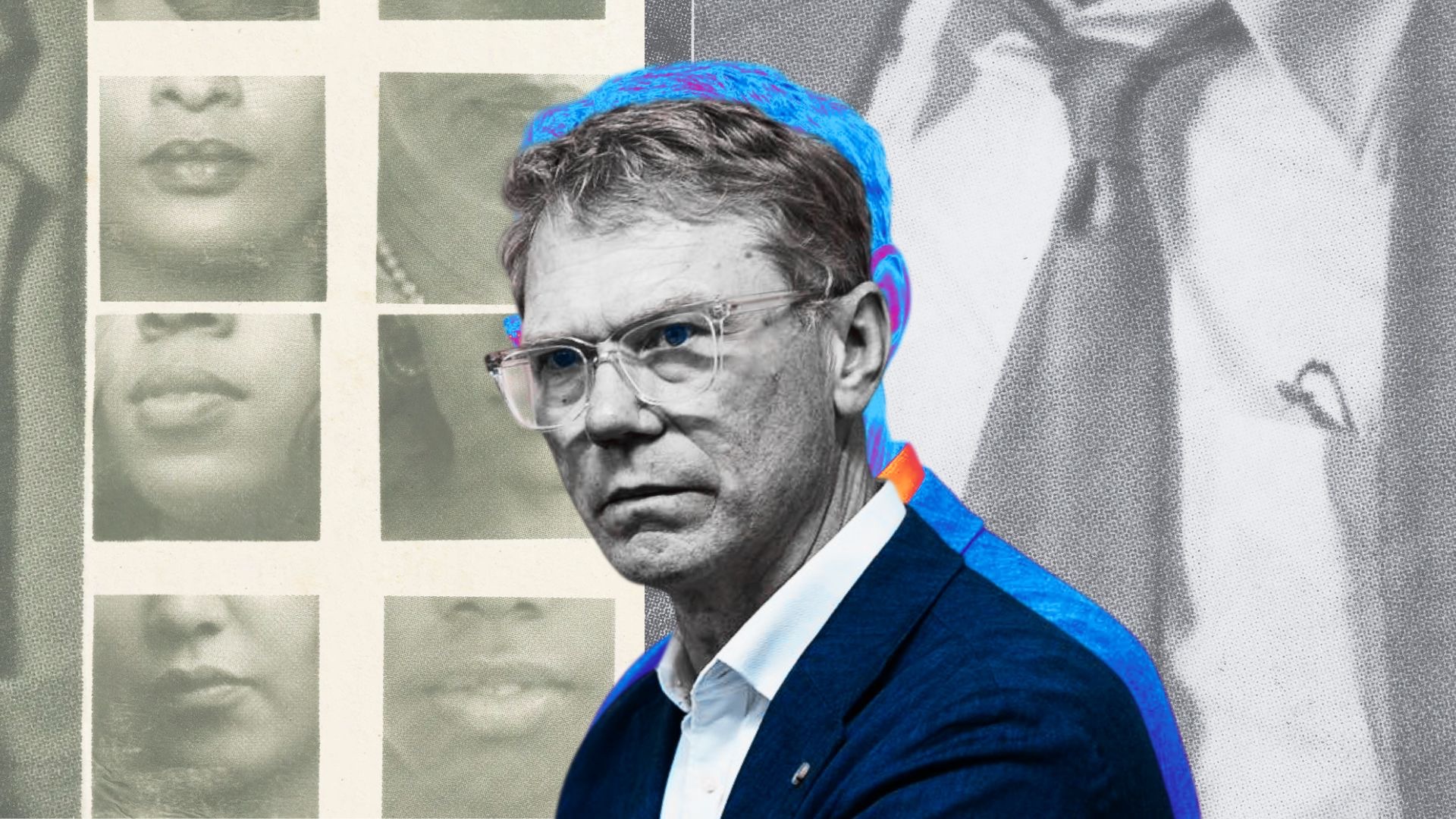
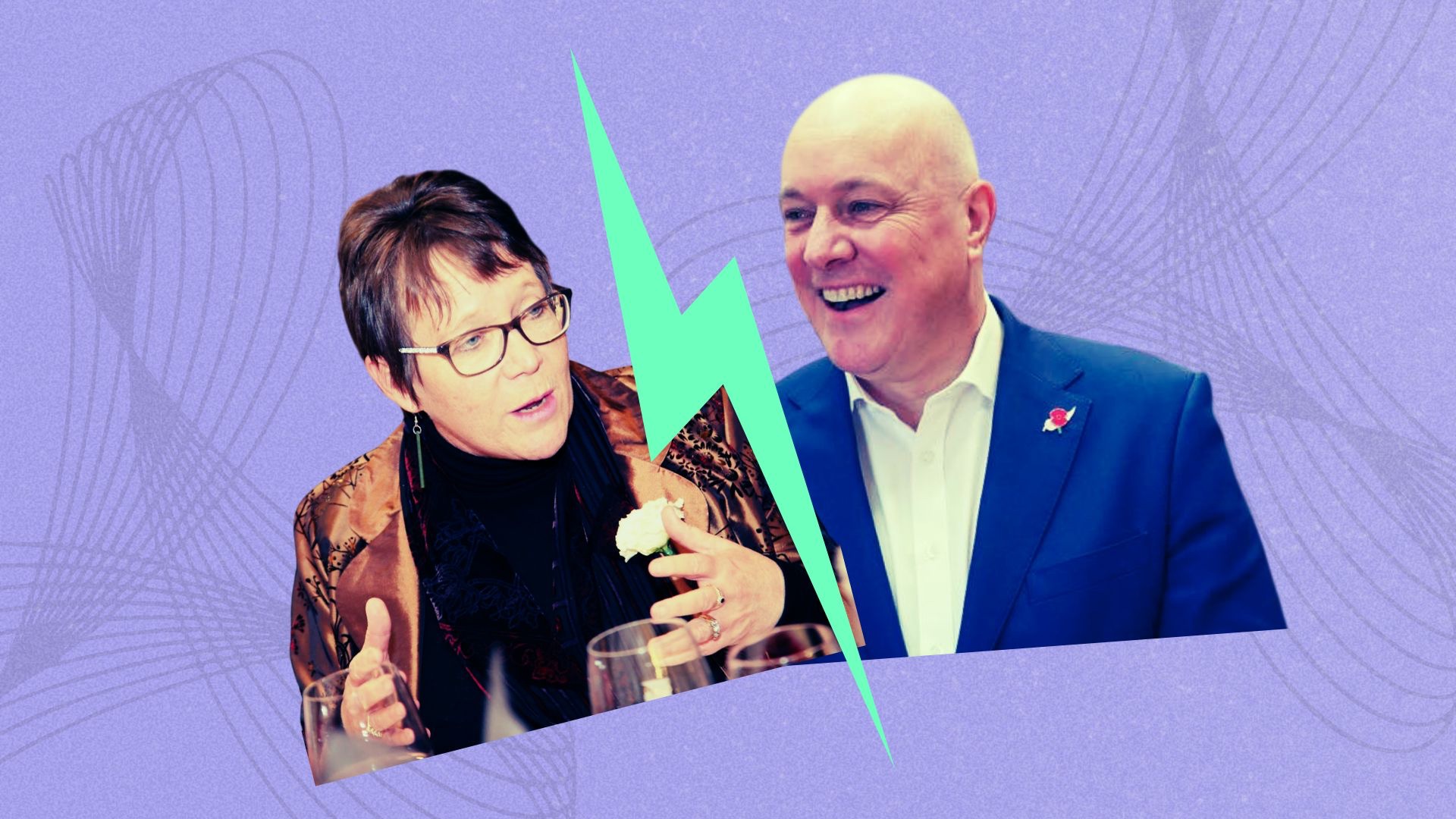
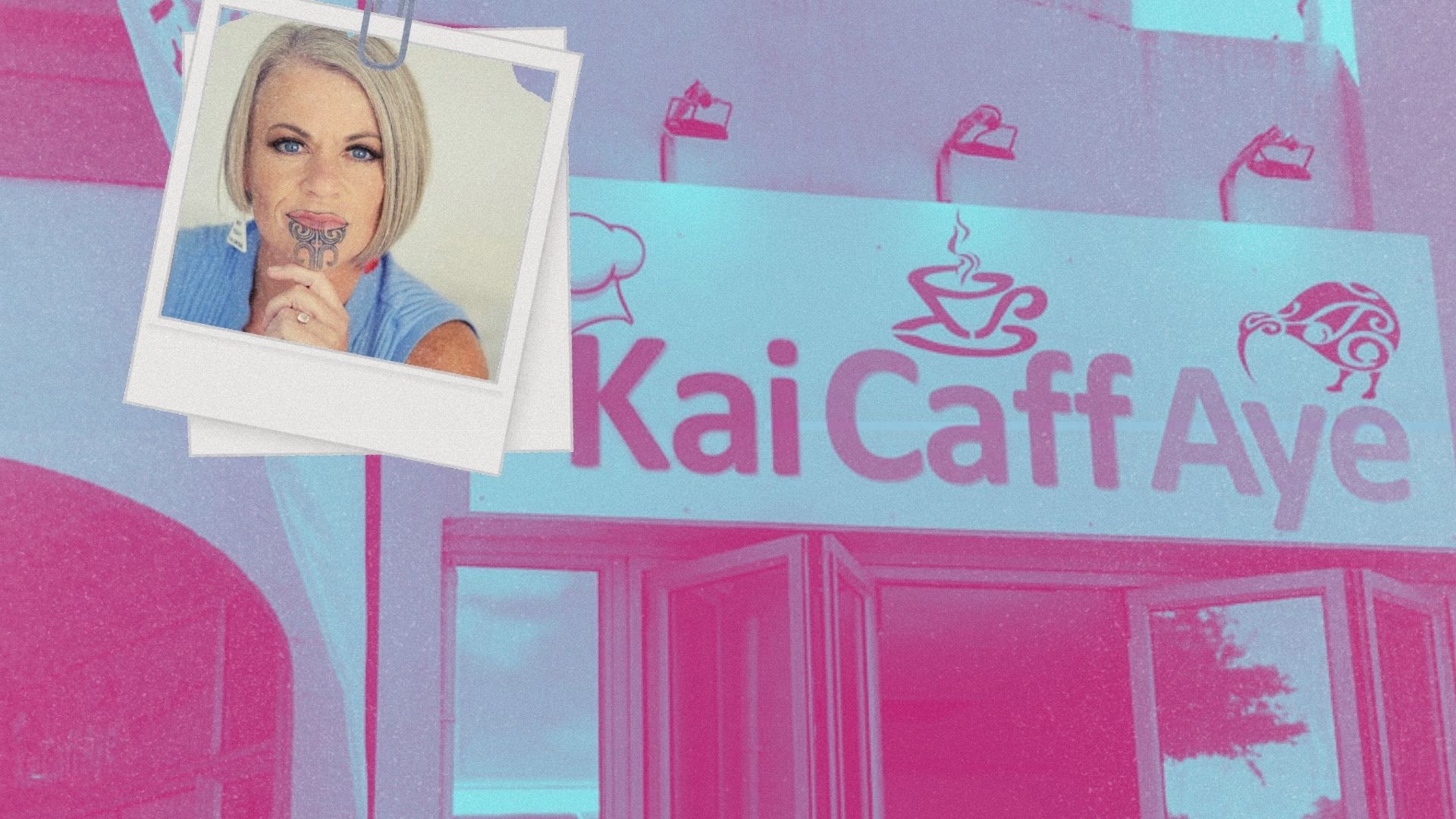
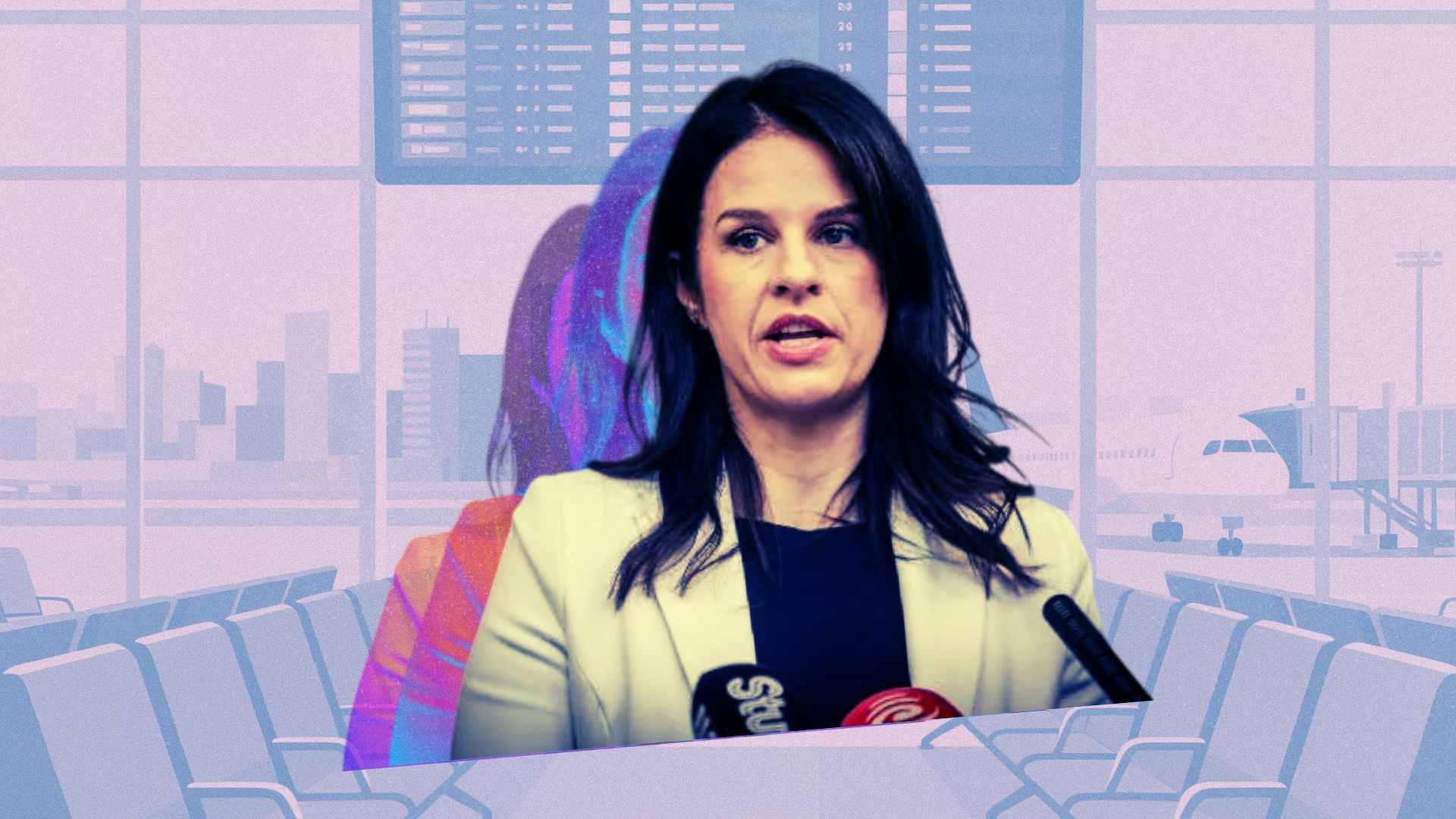
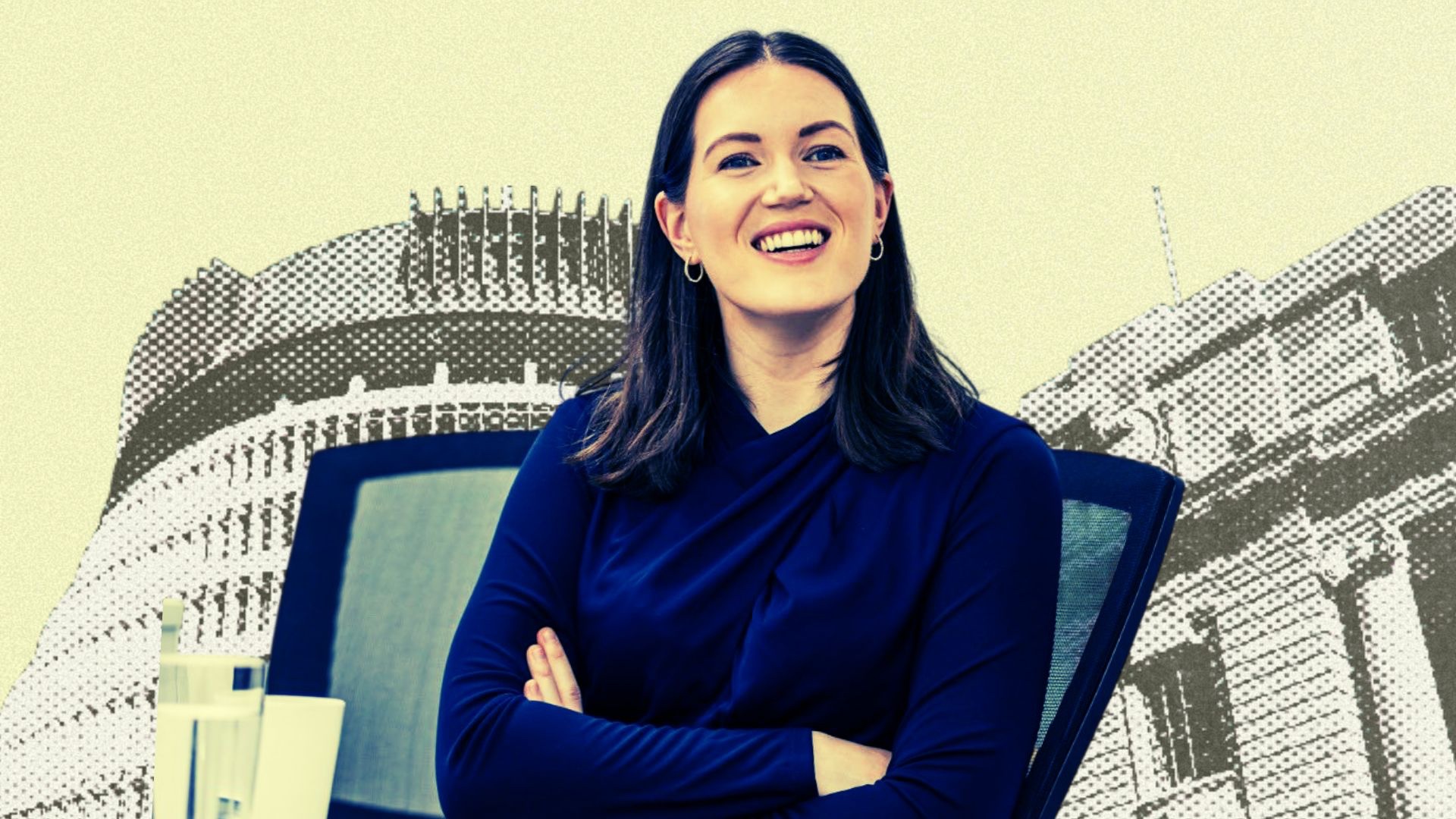
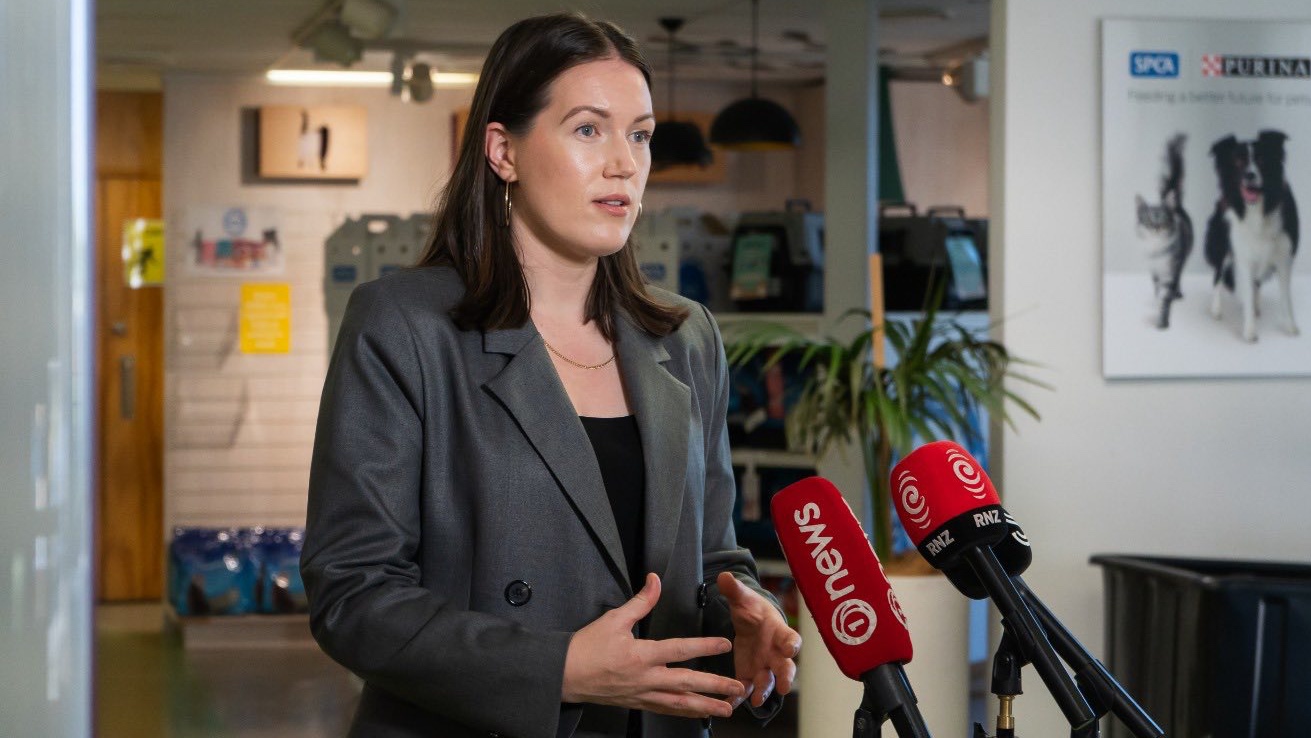
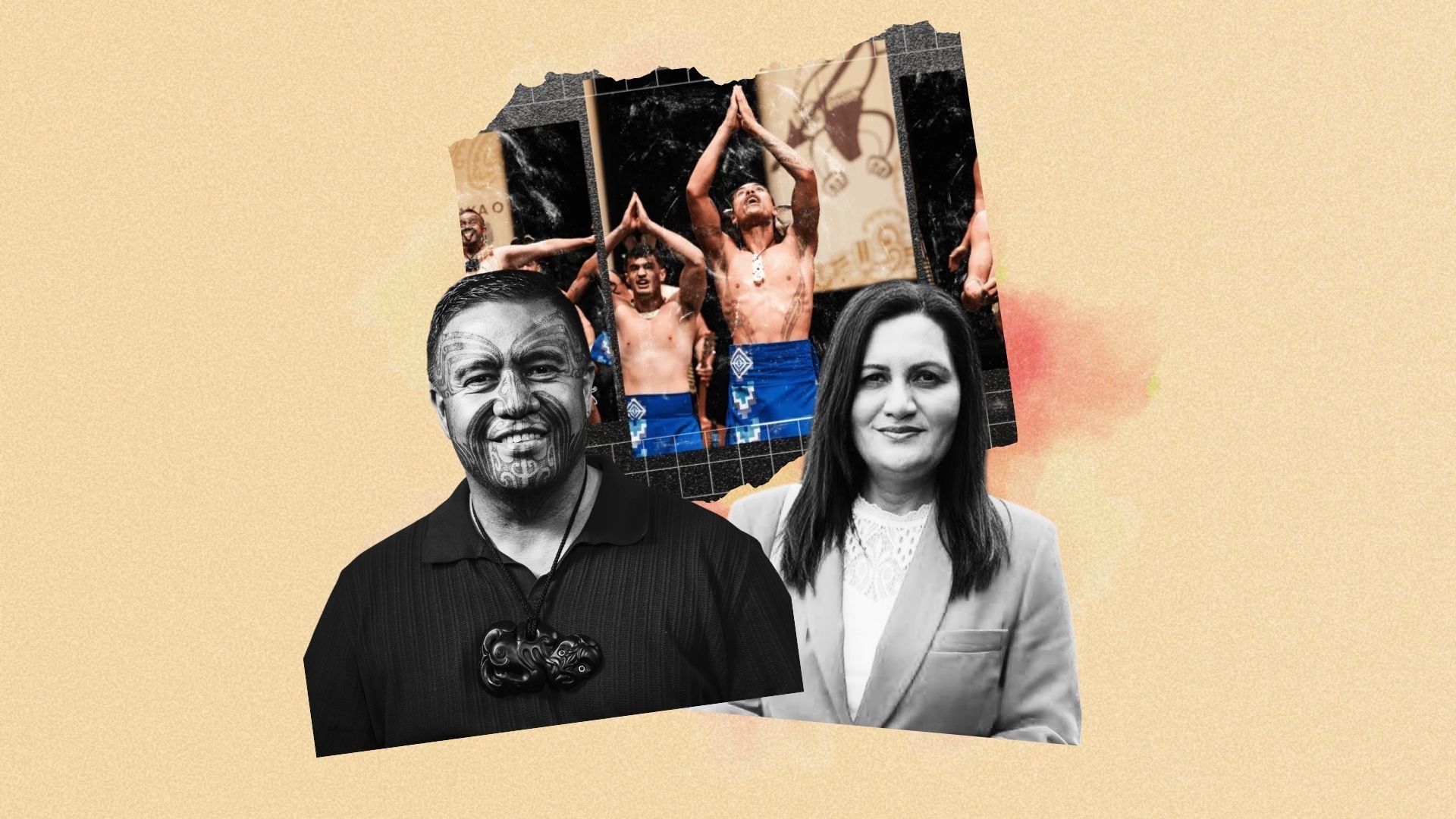
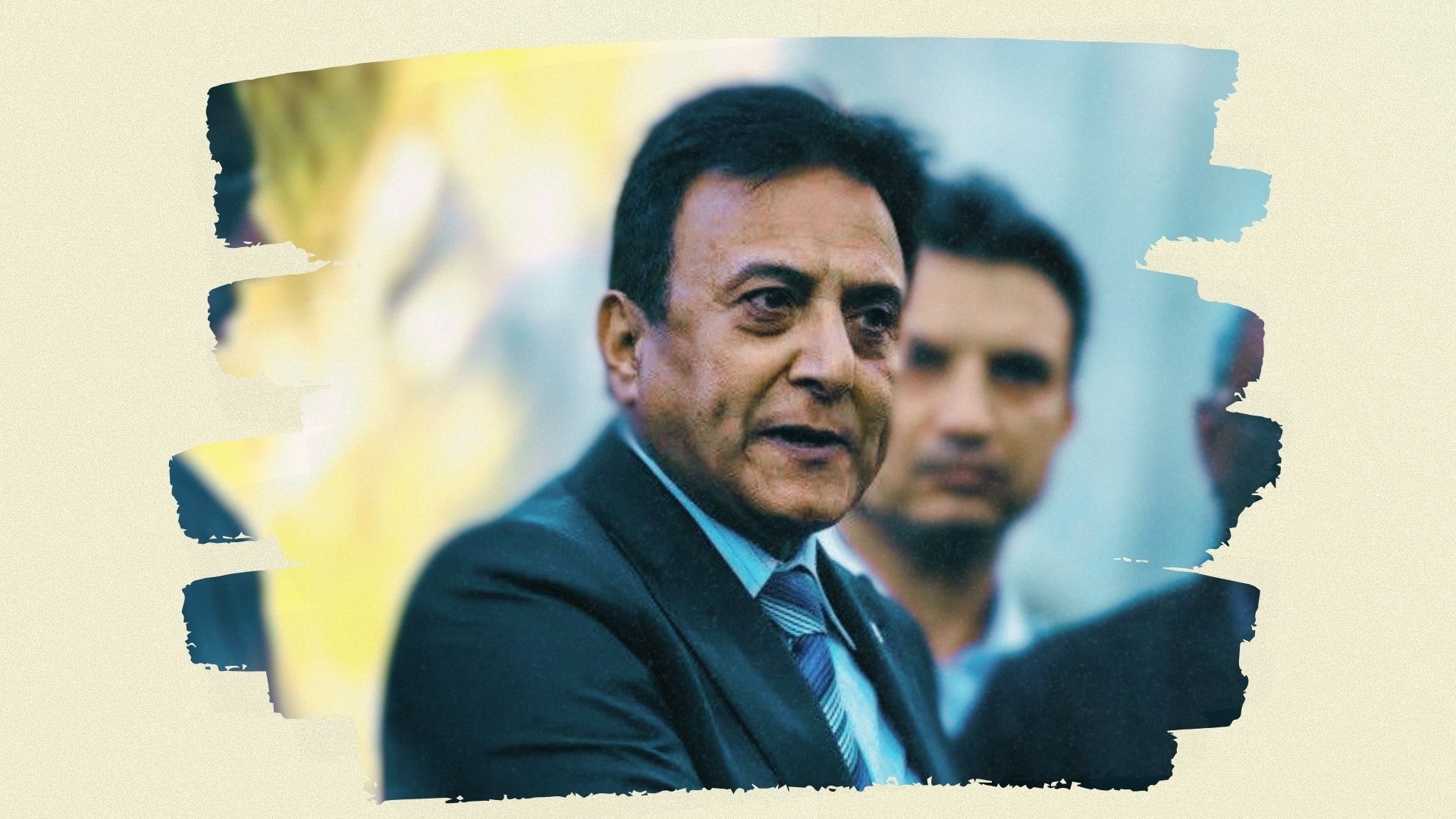
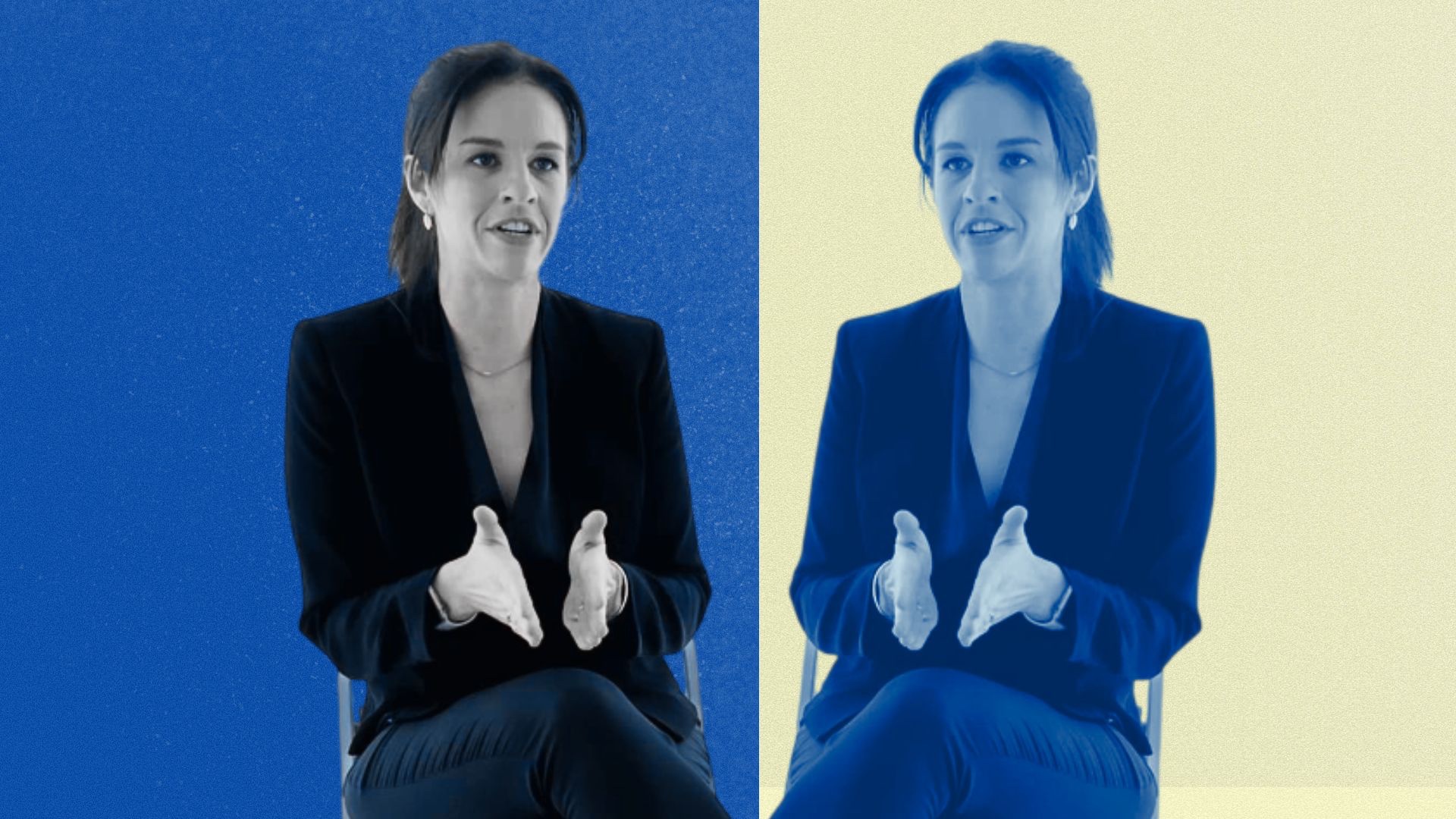
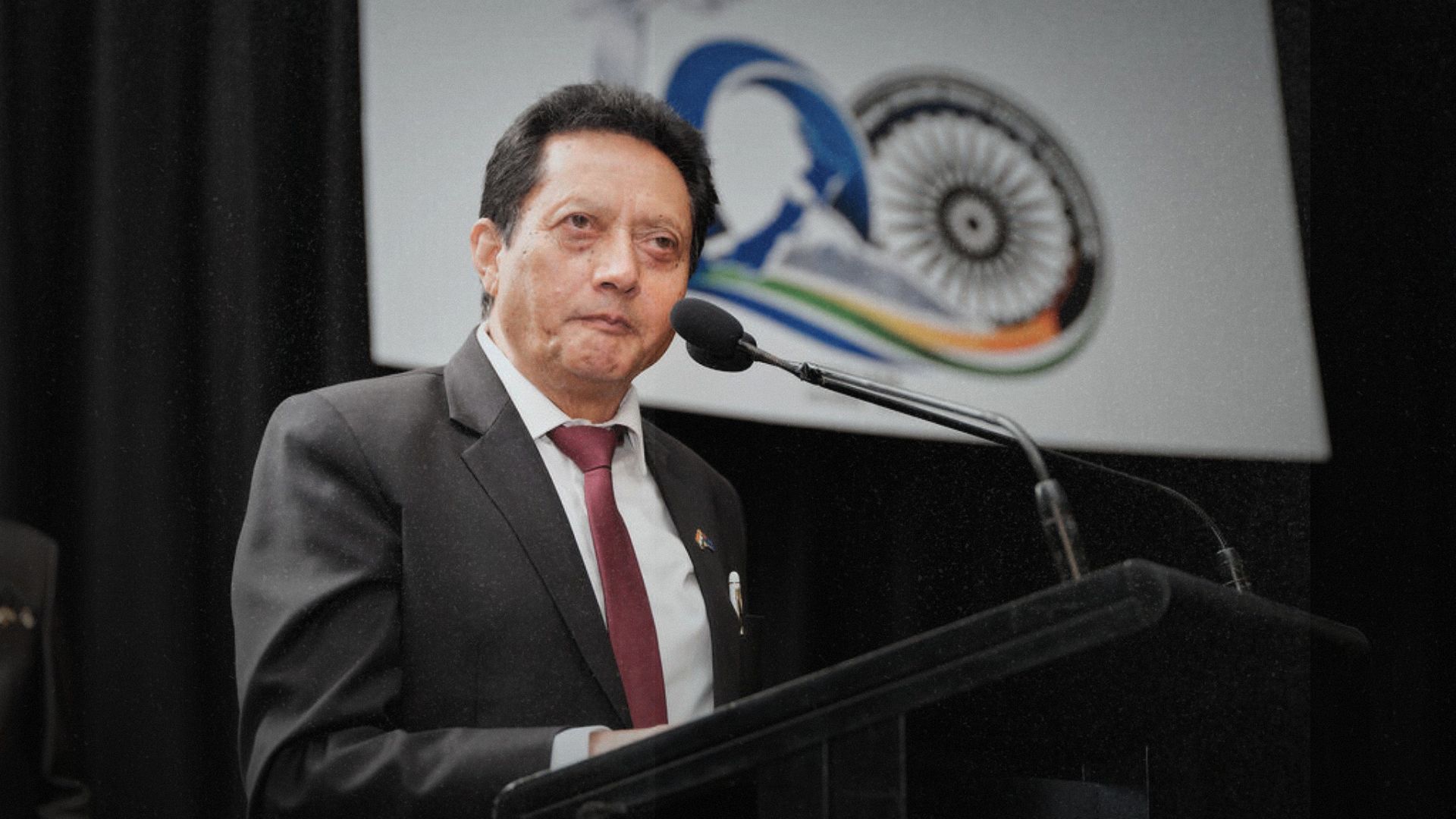
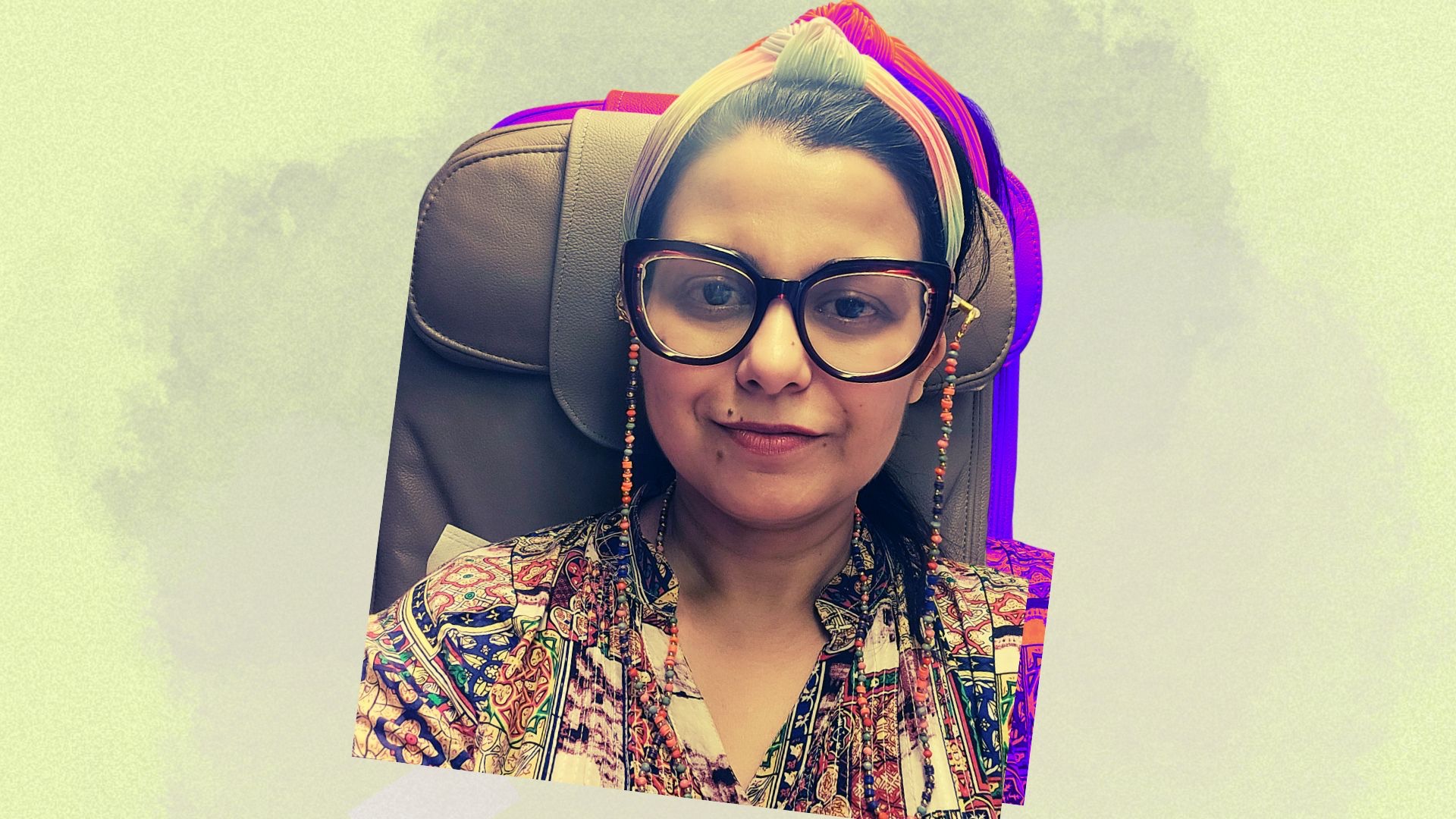
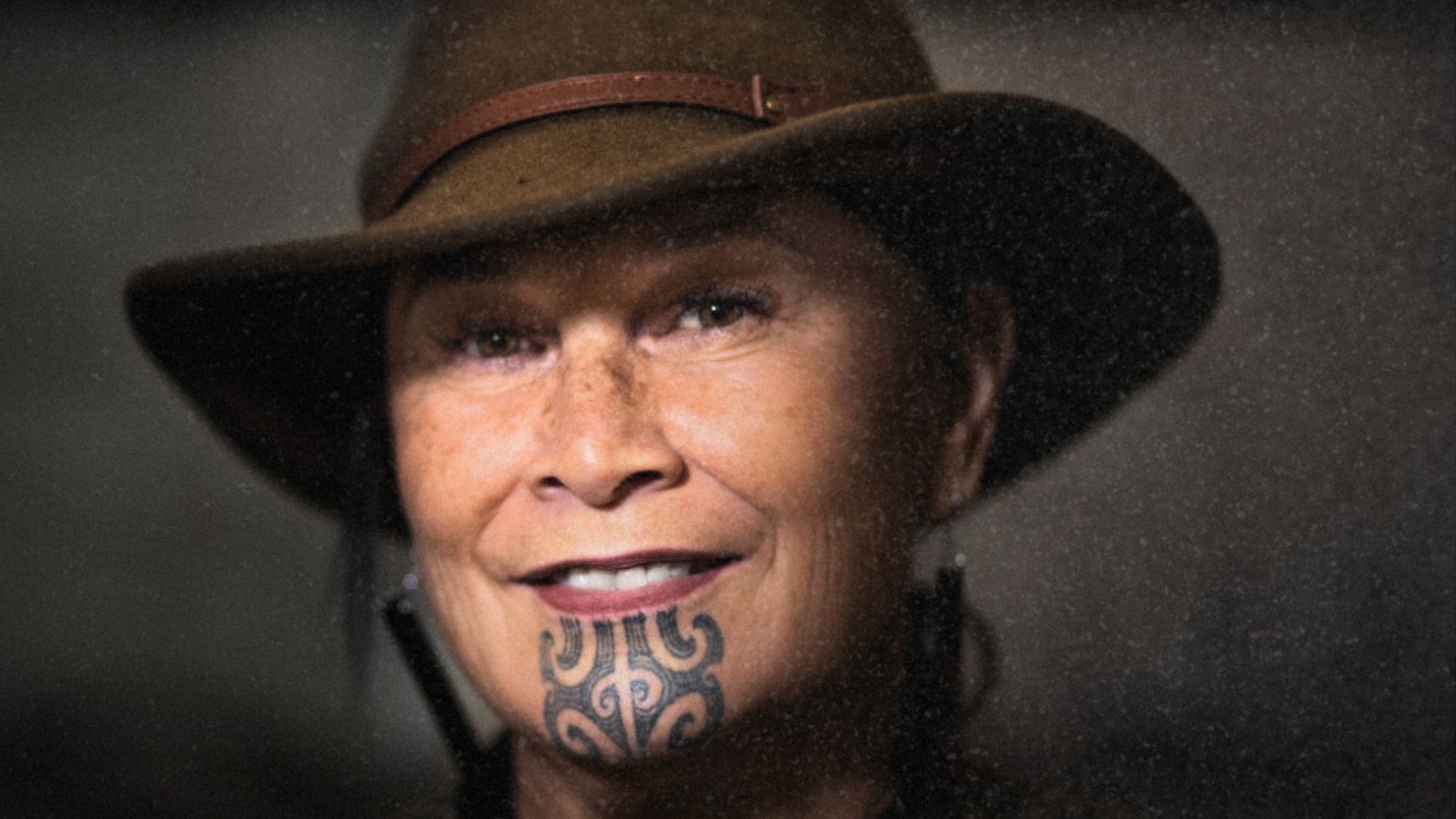
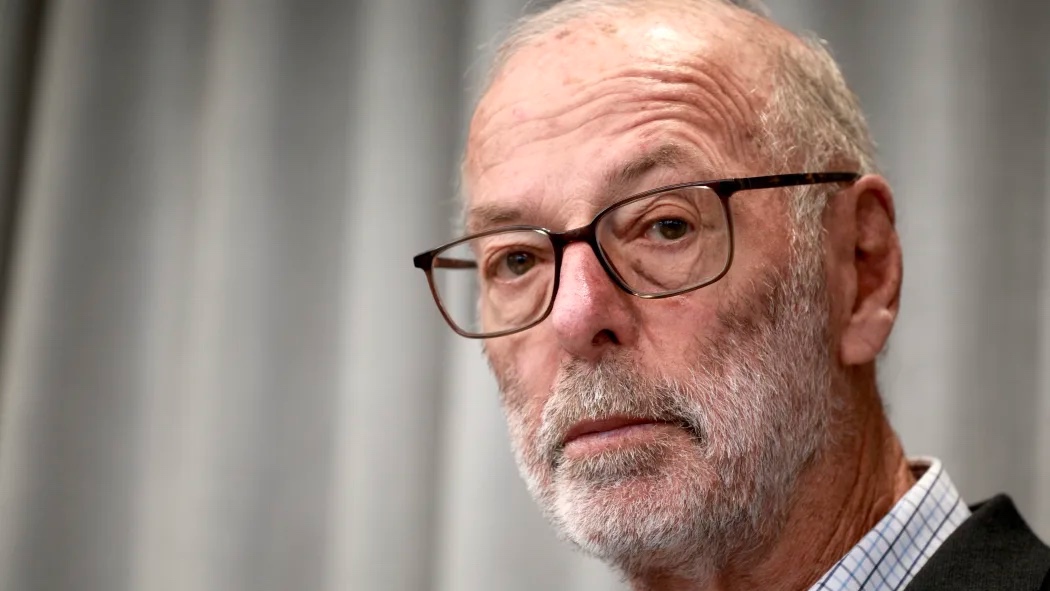
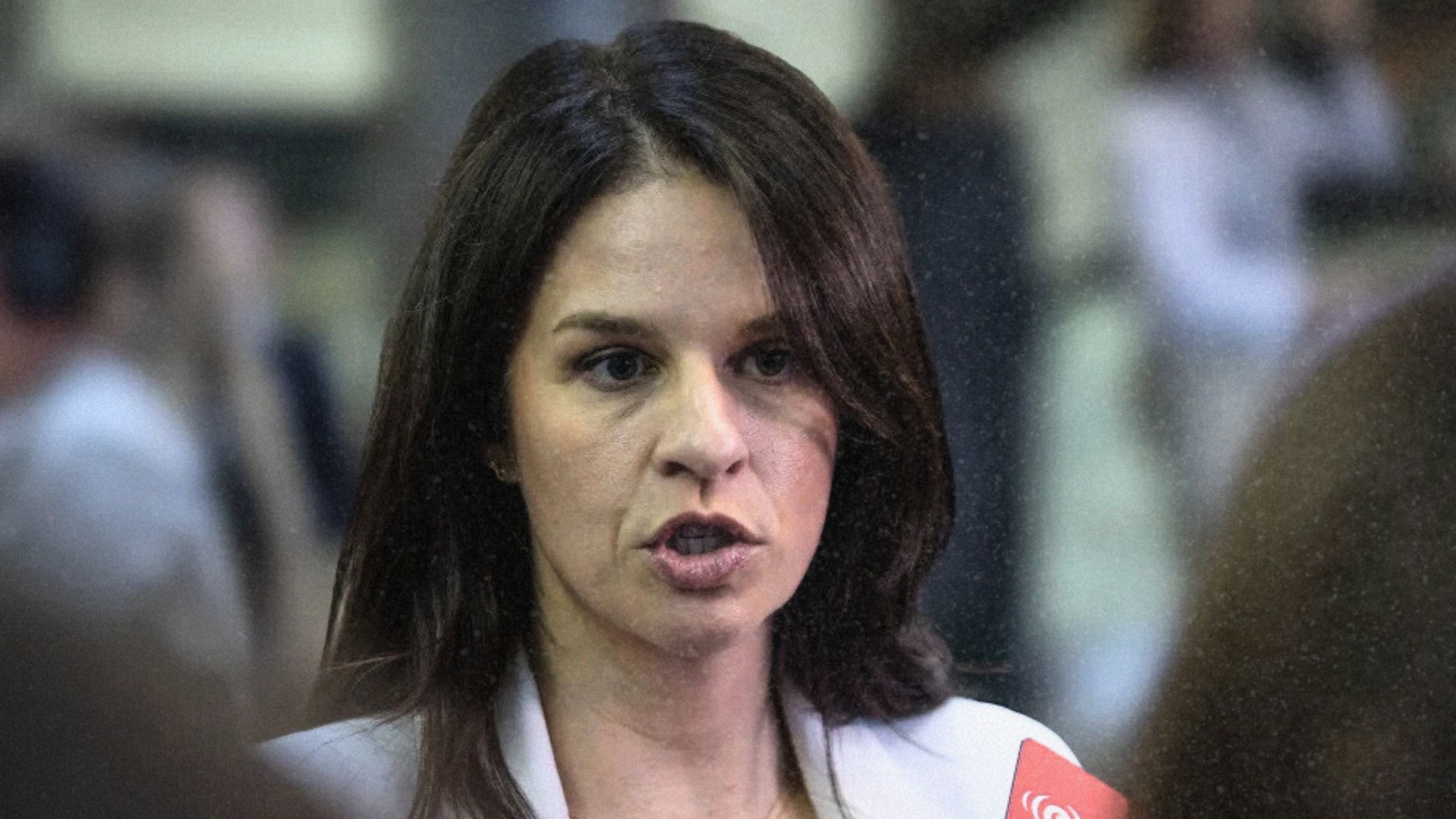
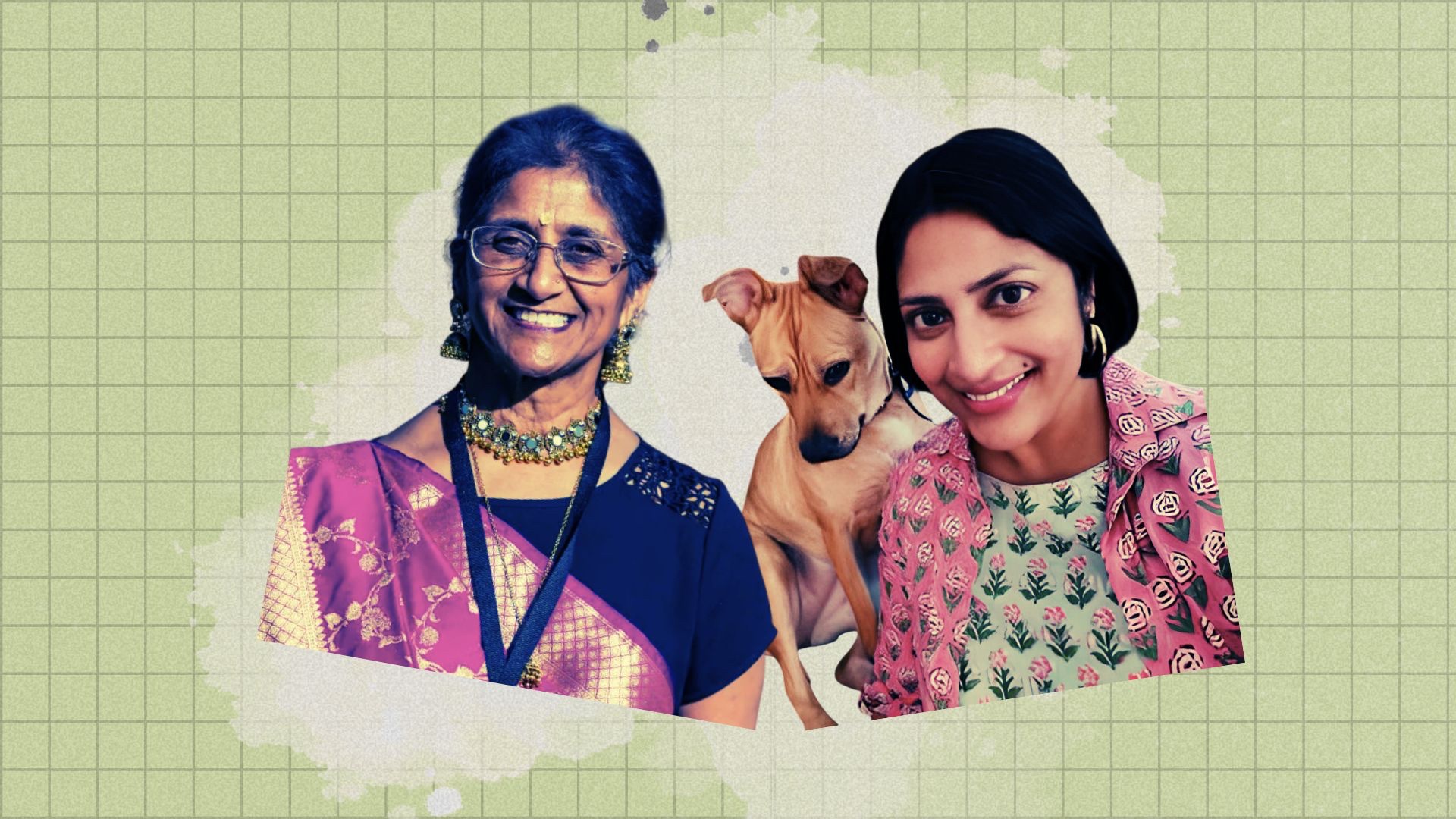
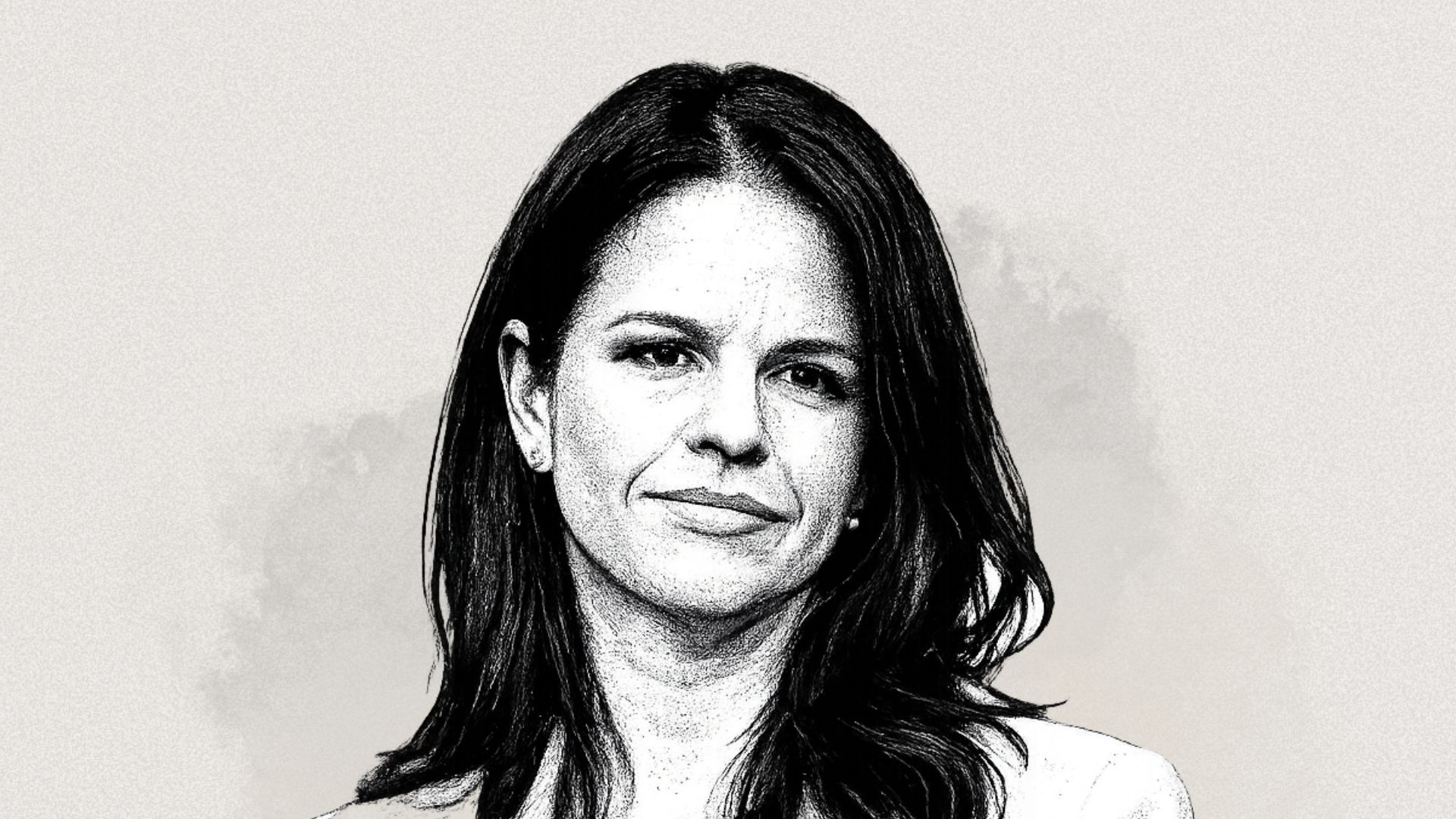
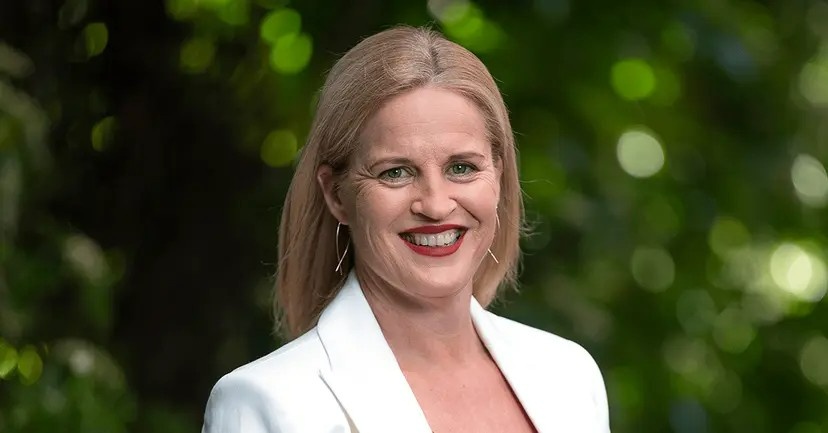
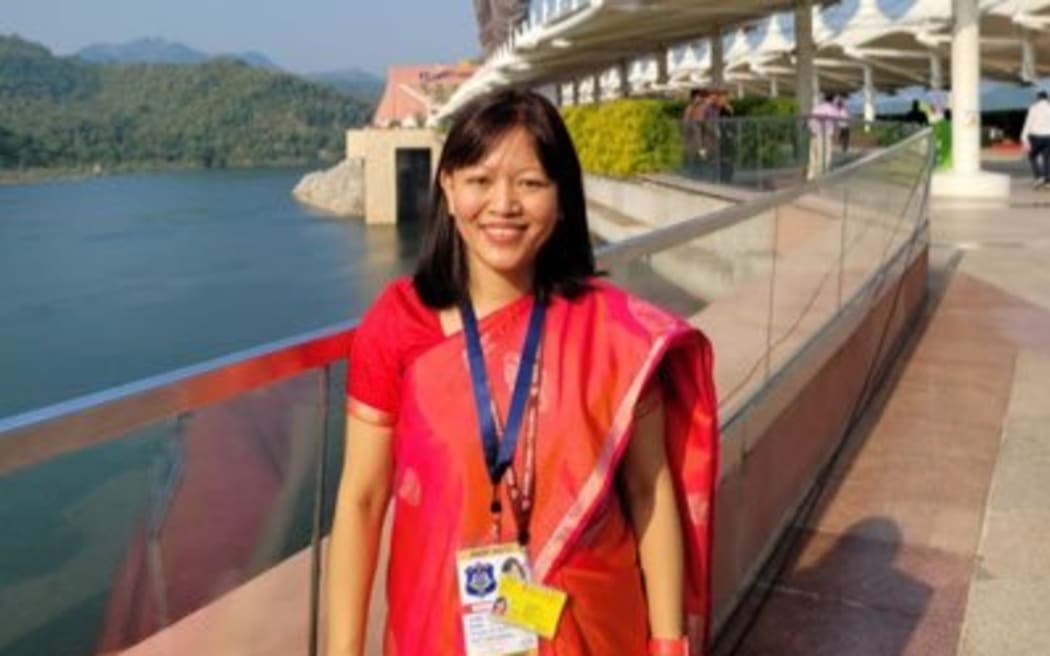
Dr Marewa Glover is a public health researcher.
Dr Marewa Glover also has an idea exactly how many Indian and Chinese migrants can New Zealand accommodate without a problem.
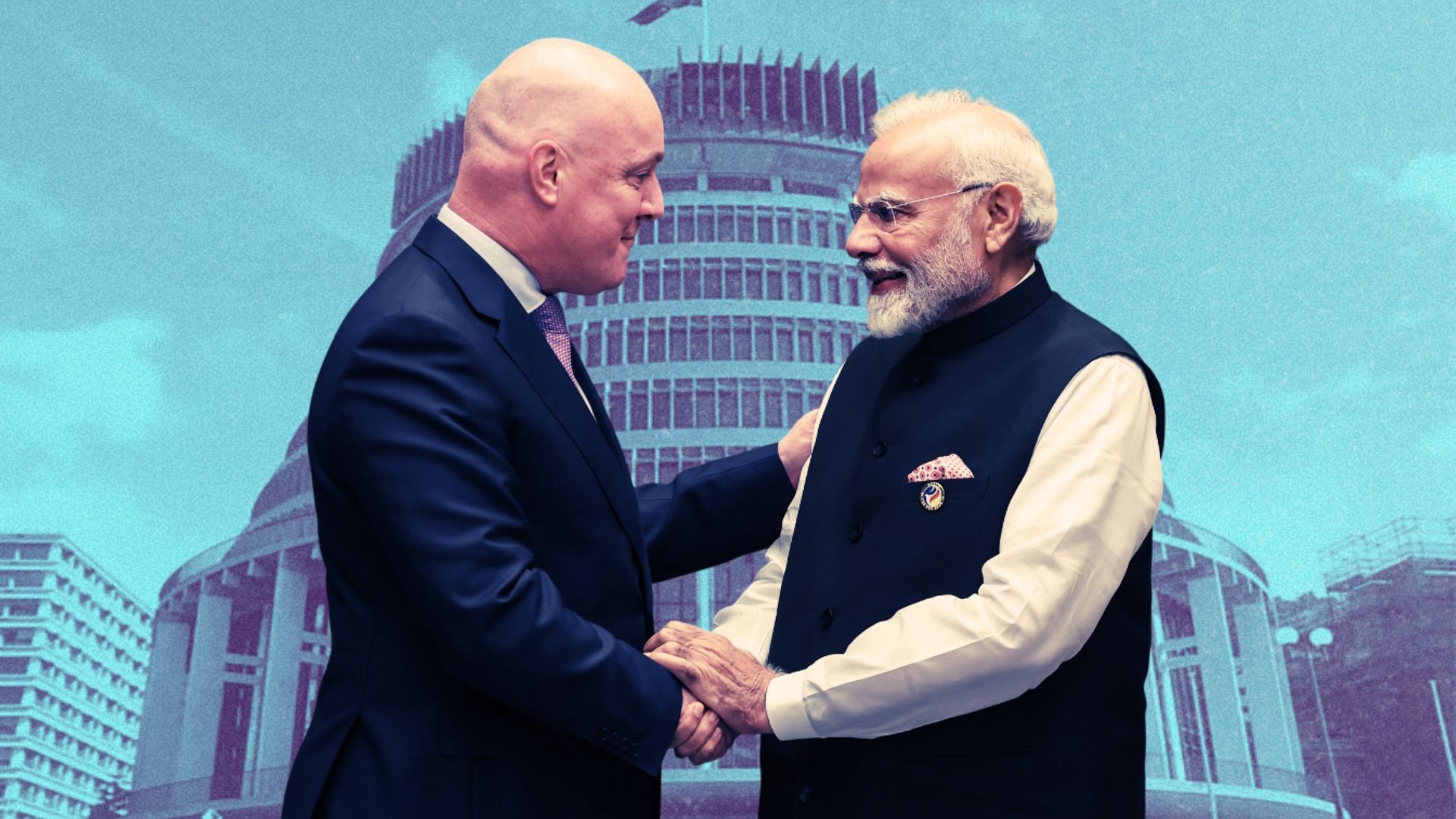
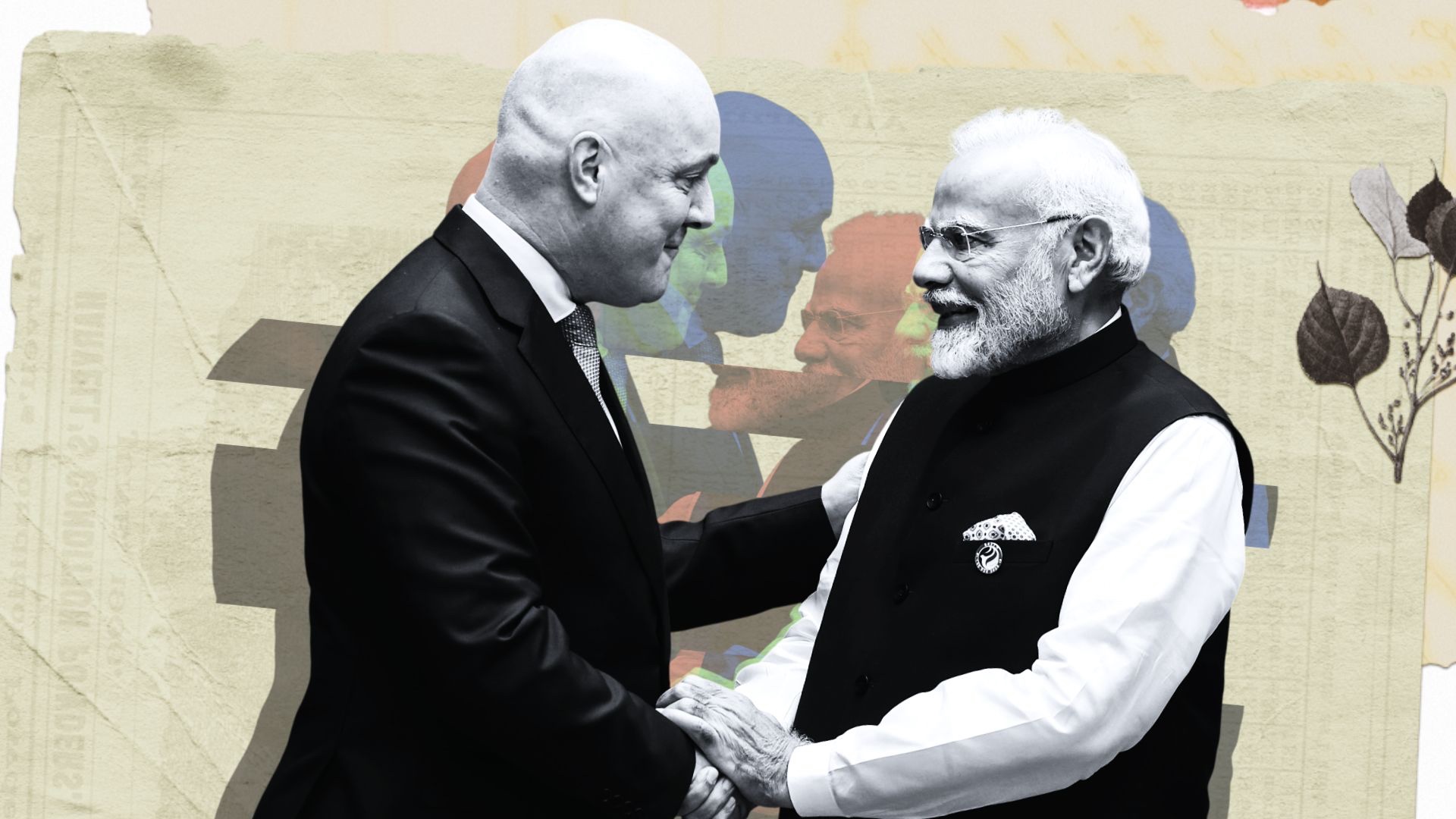
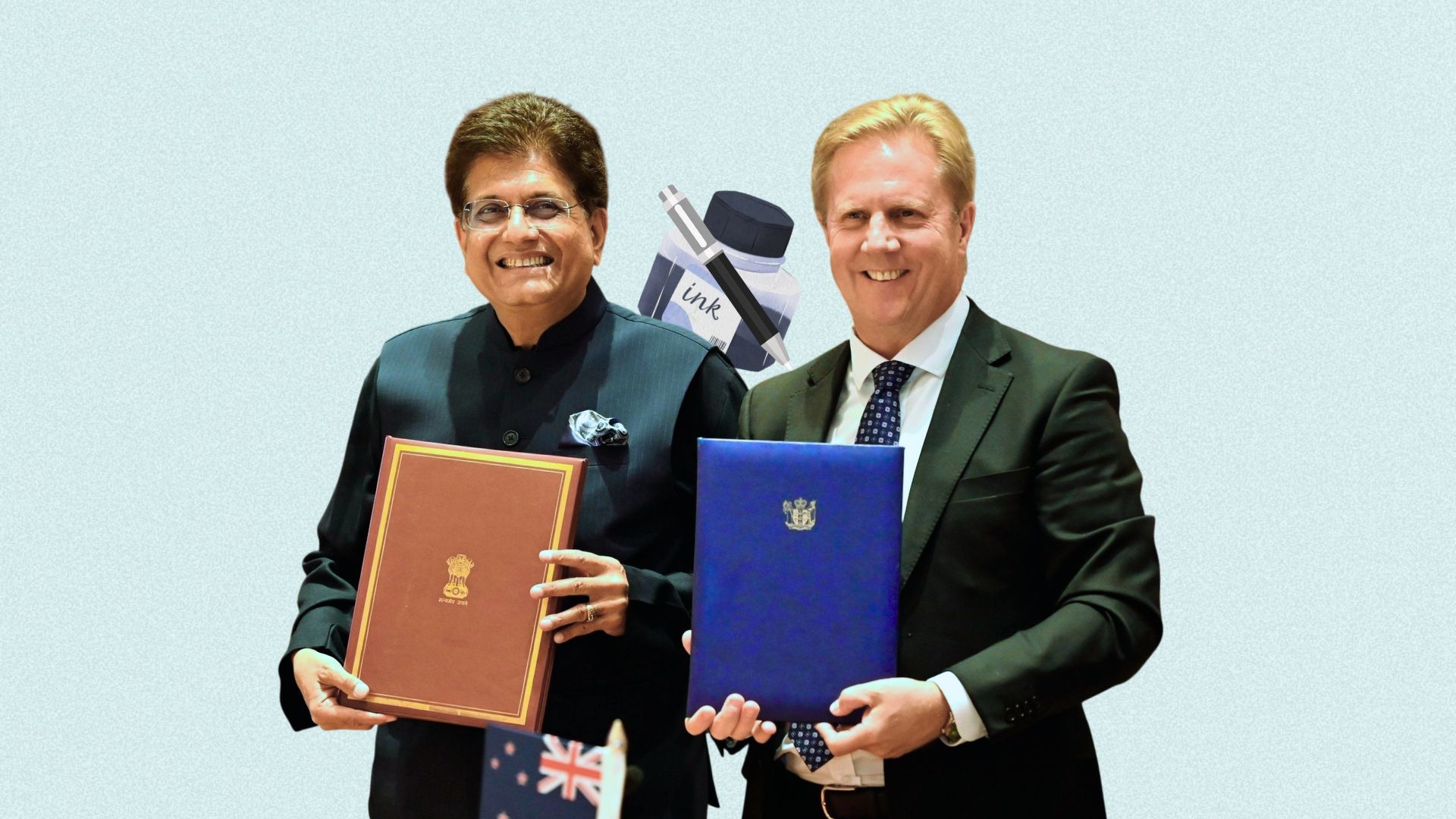
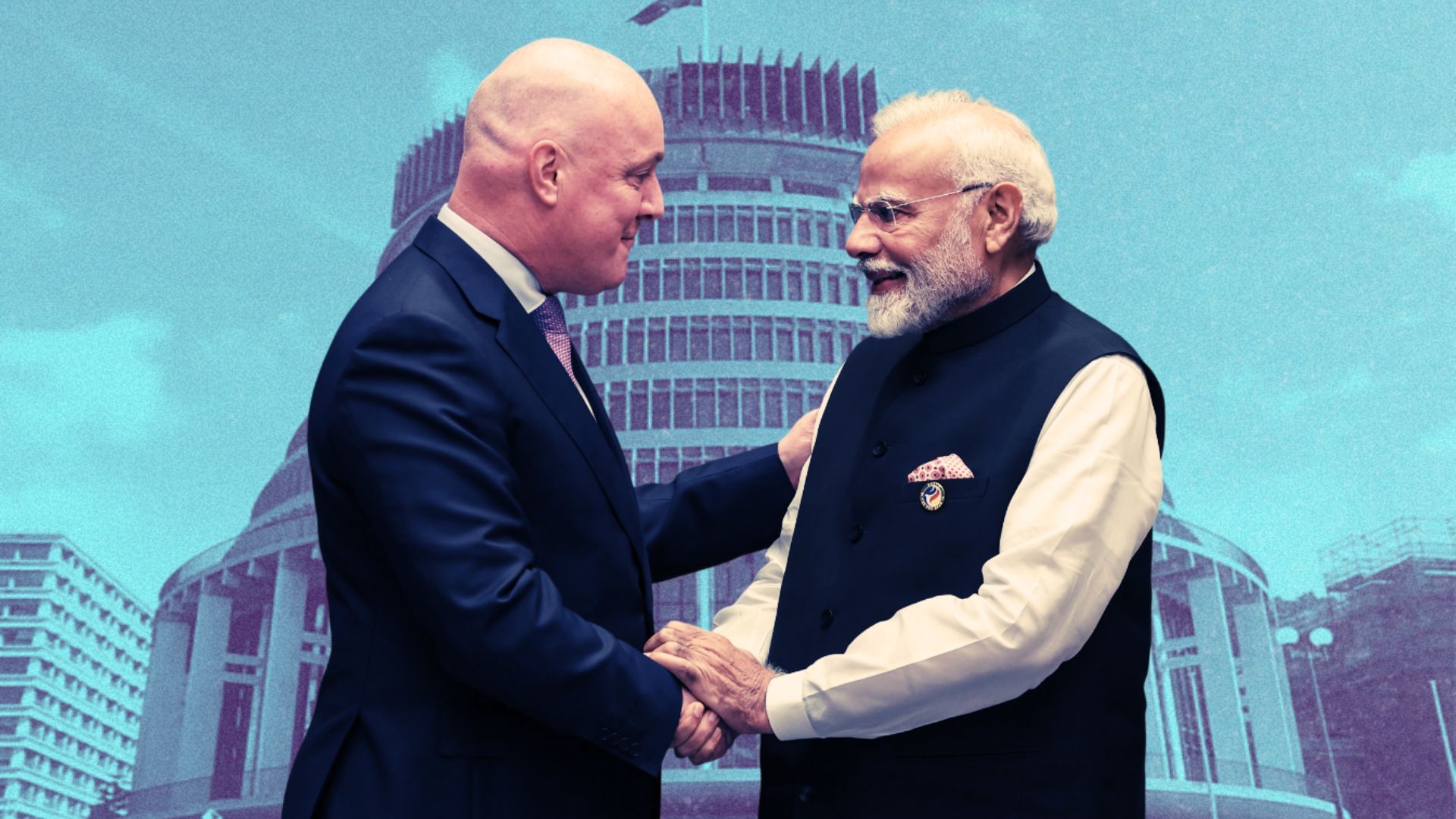
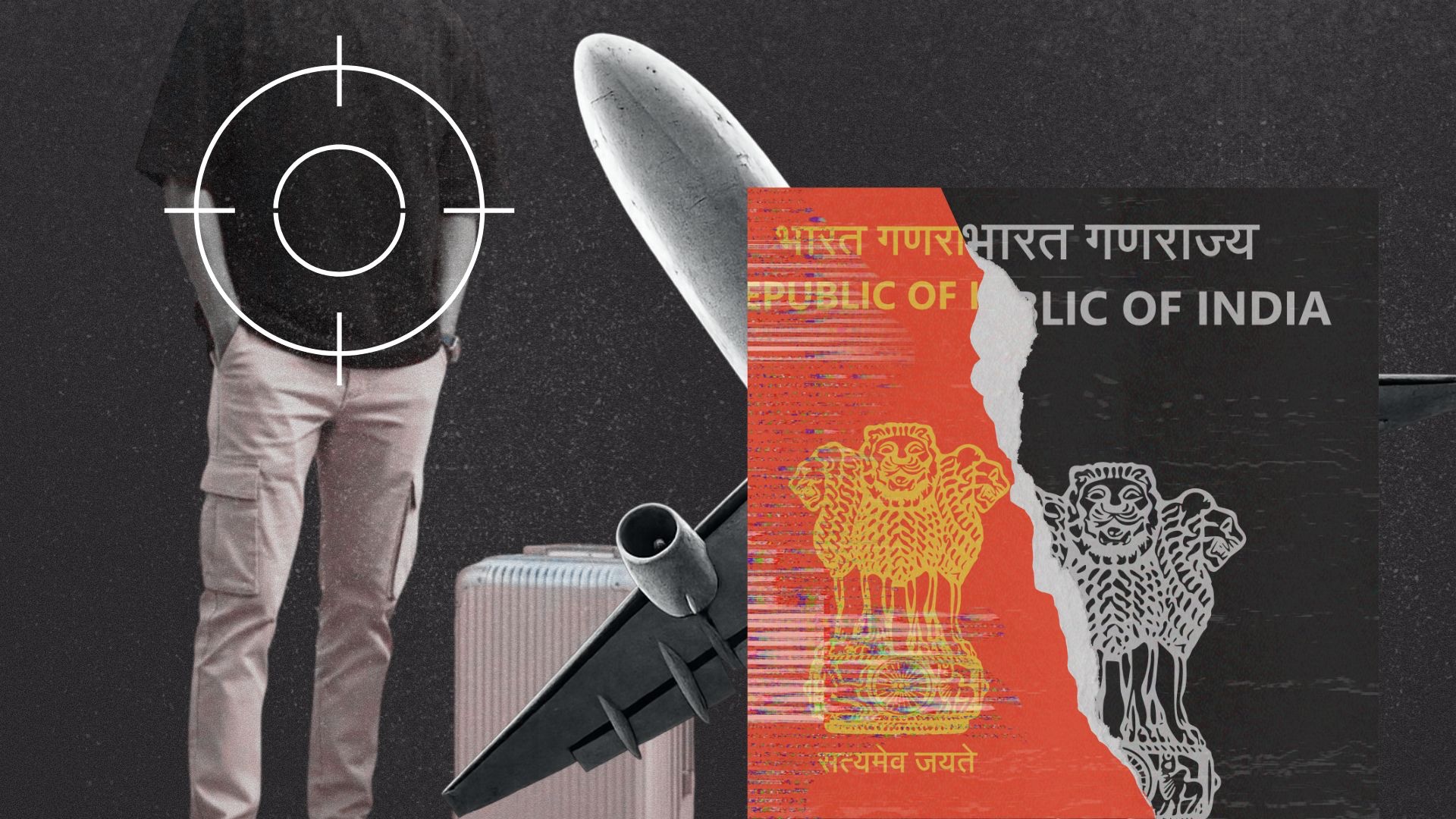
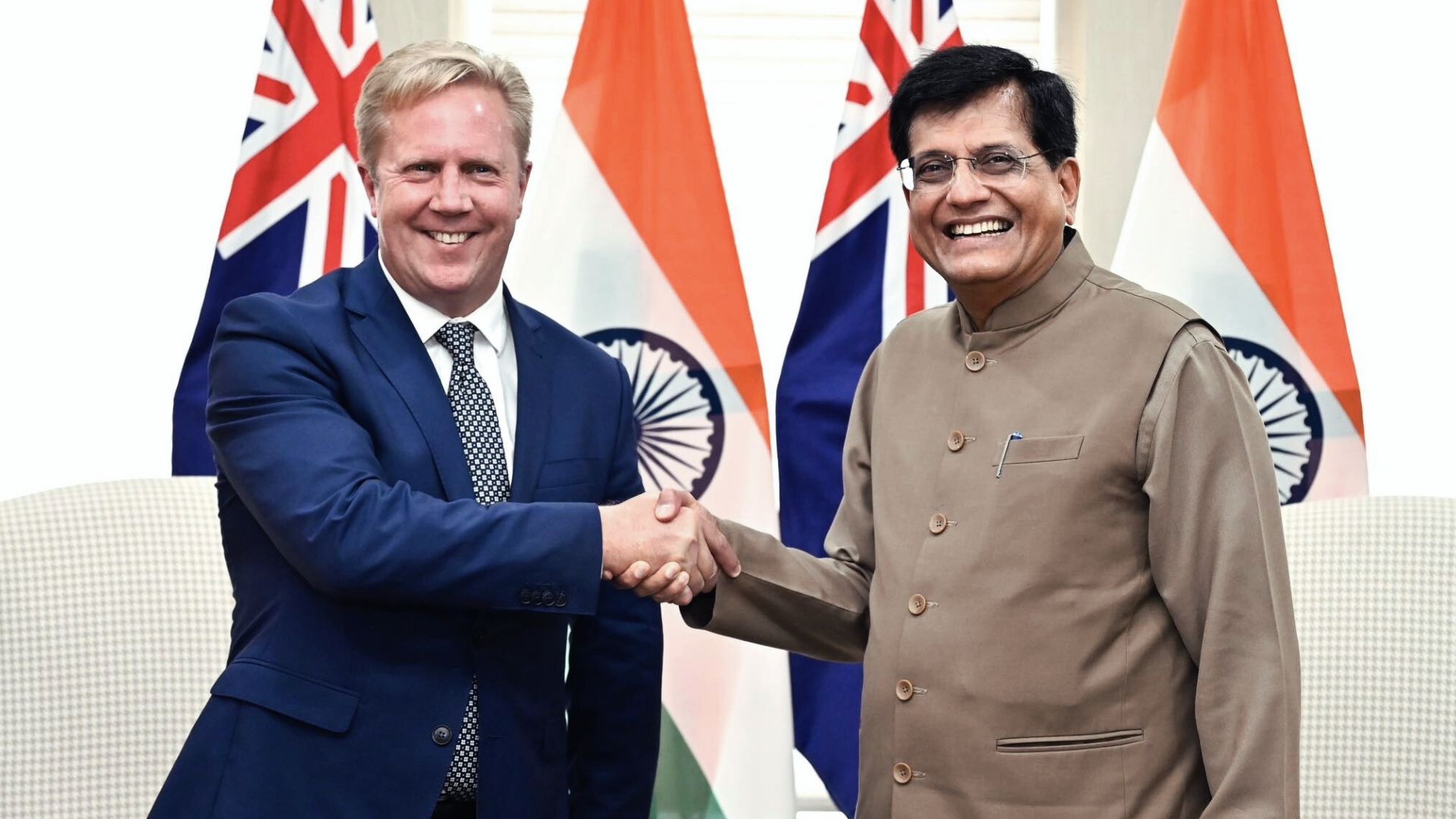
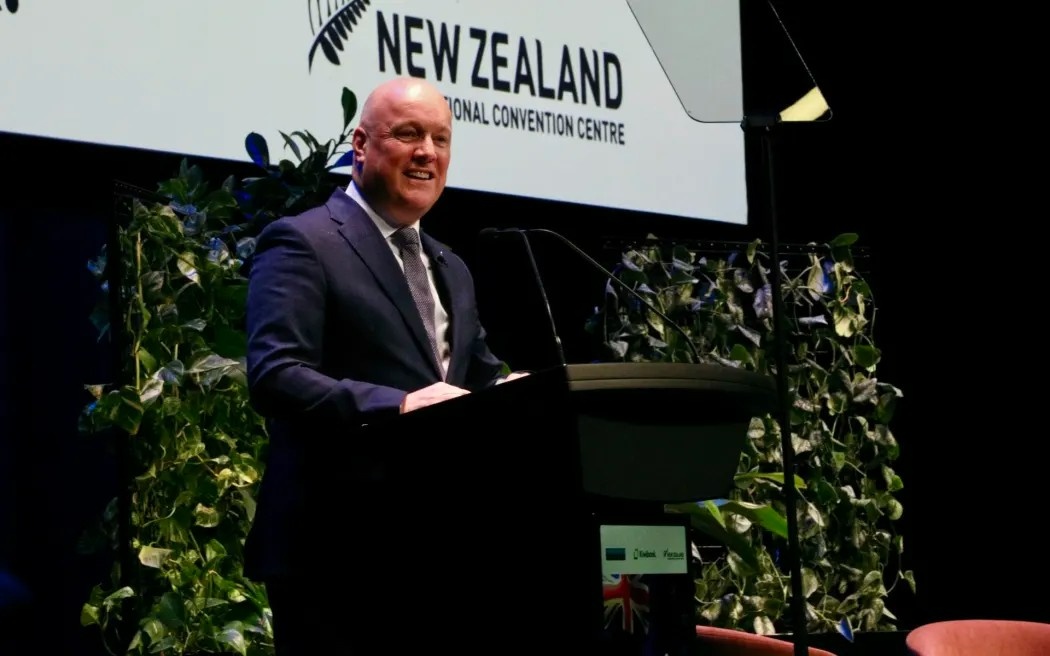
A former Massey University professor is warning parliamentarians the trade deal with India would exacerbate the "permanent detrimental effects that rapid cultural change is having on Kiwis".
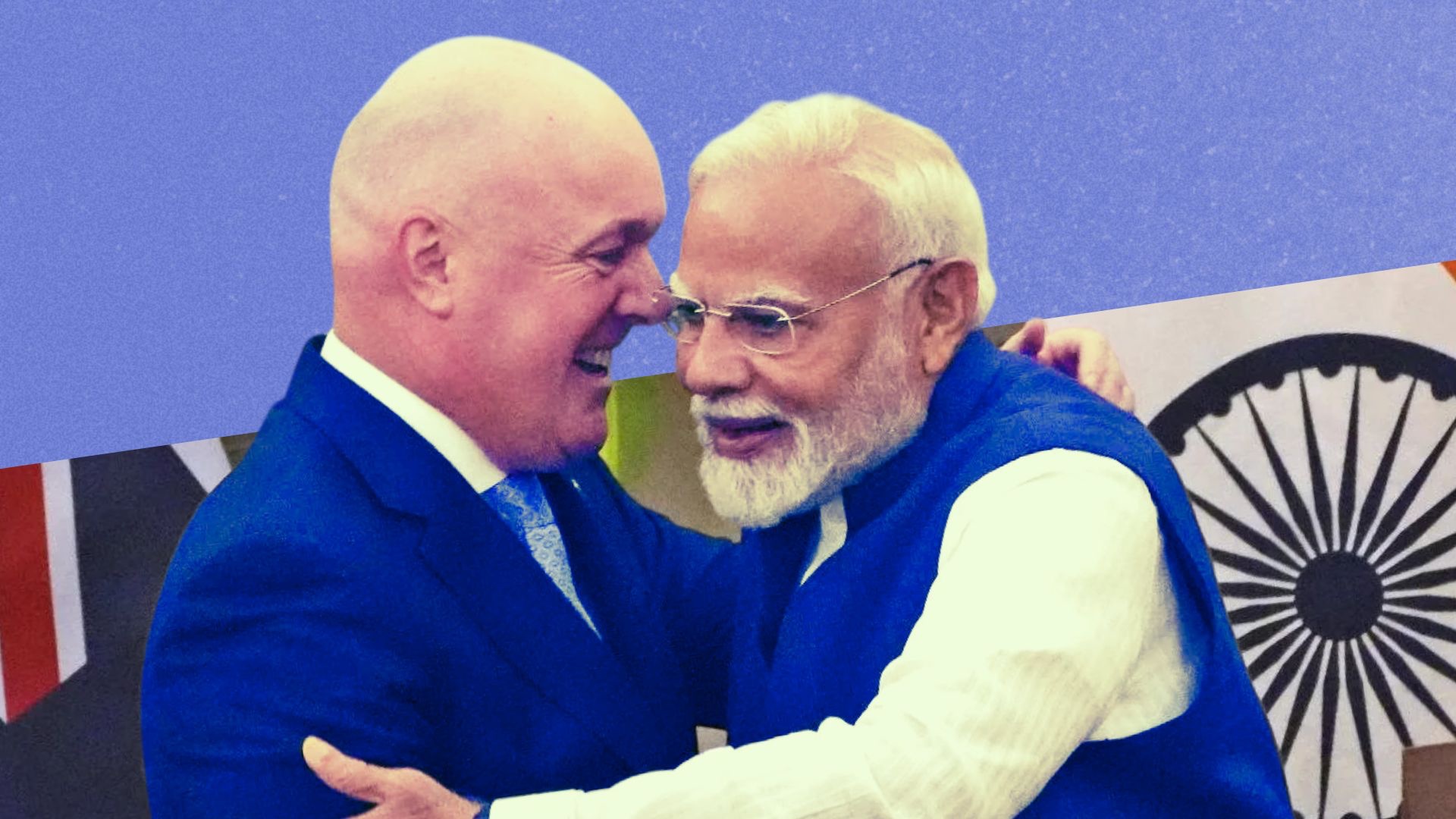
Dr Marewa Glover says she is worried the free trade agreement (FTA) will lead to an influx of Indian migrants.
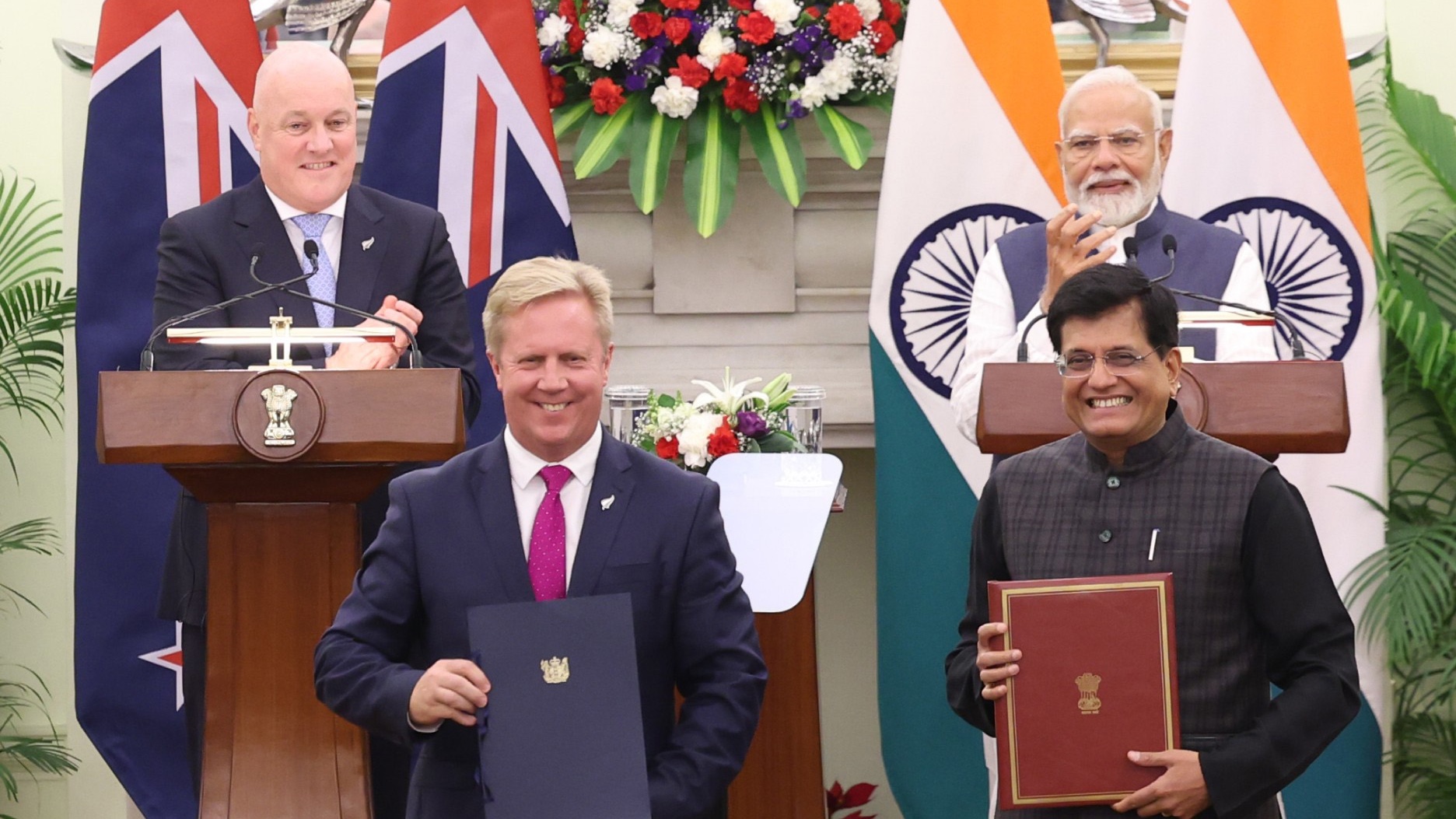
"My concern is entirely about cultural incompatibility and the urgent need to protect New Zealanders and our distinctive way of life," she has told a parliamentary select committee that is reviewing the trade deal signed in April this year.
Glover was one of the three finalists for the Kiwibank New Zealander of the Year Award in 2019 for her work with Maori smokers.
She taught public health at Massey University, before establishing an organisation focused on reducing tobacco related harms among indigenous peoples, the Centre of Research Excellence: Indigenous Sovereignty & Smoking.
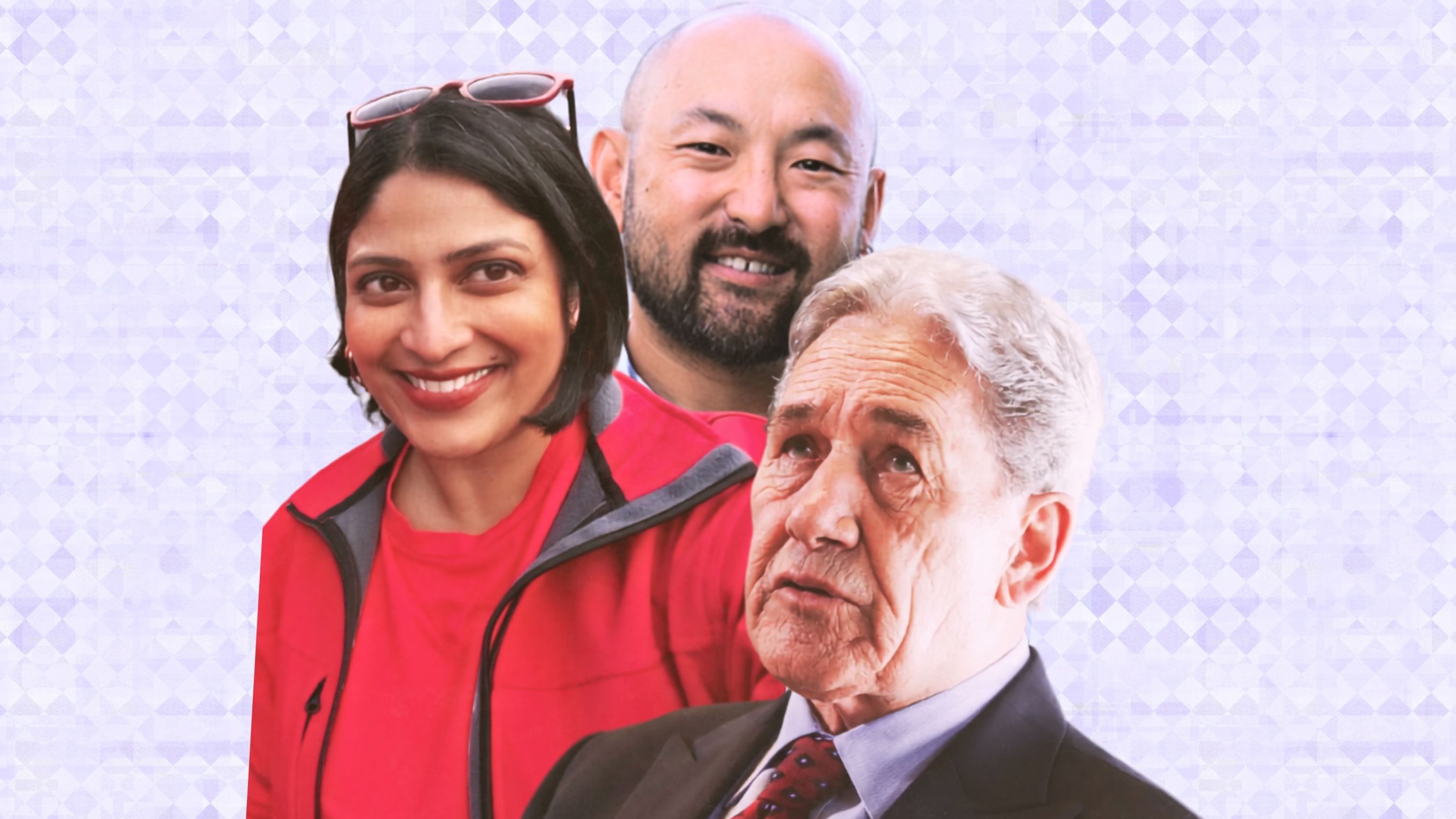
Migrant who shouted down Peters over racism 24 years ago now vying for Parliament From arriving with $500 in his pocket to confronting NZ First's leader, National Party's Karuna Muthu reflects on his unlikely journey into politics.
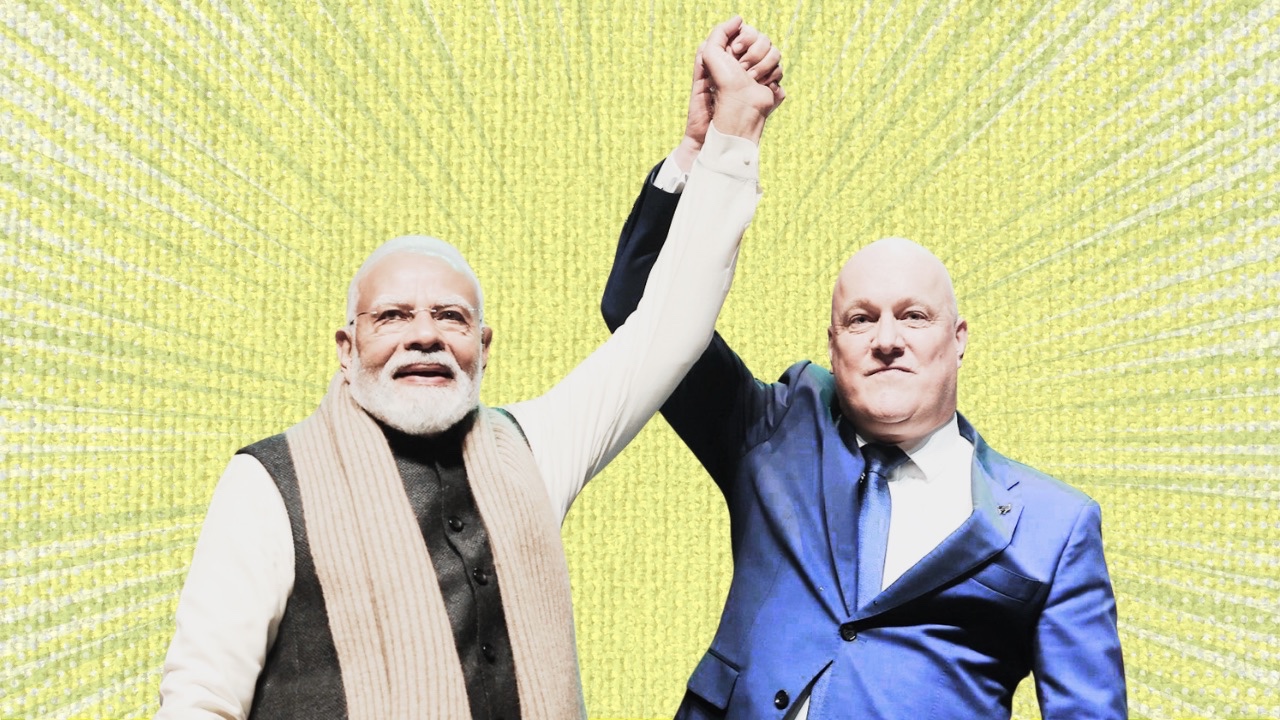
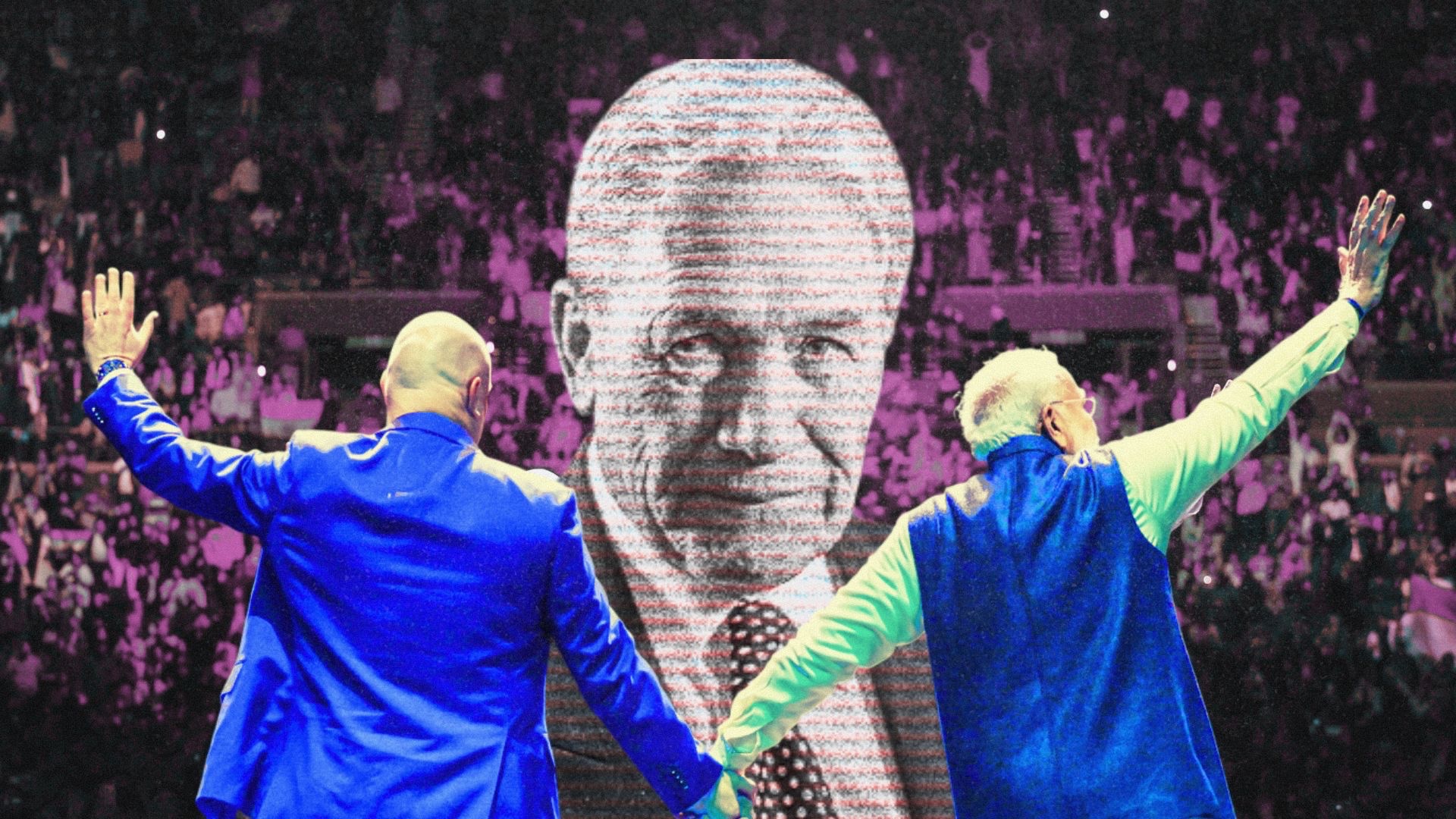
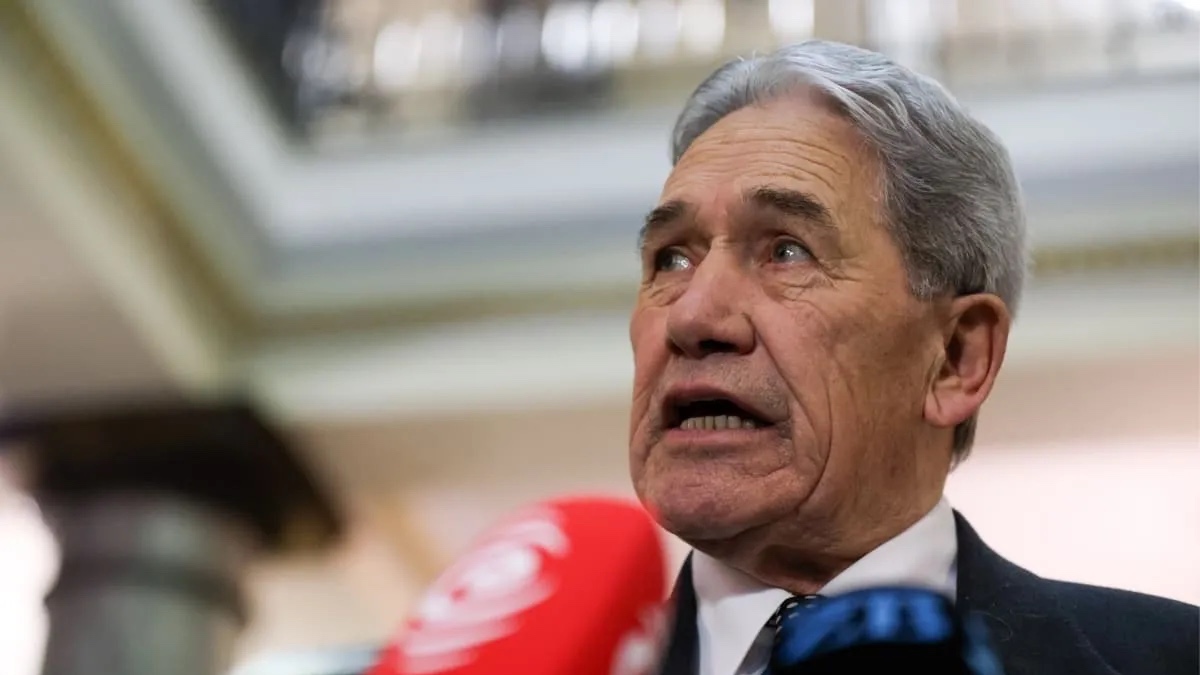
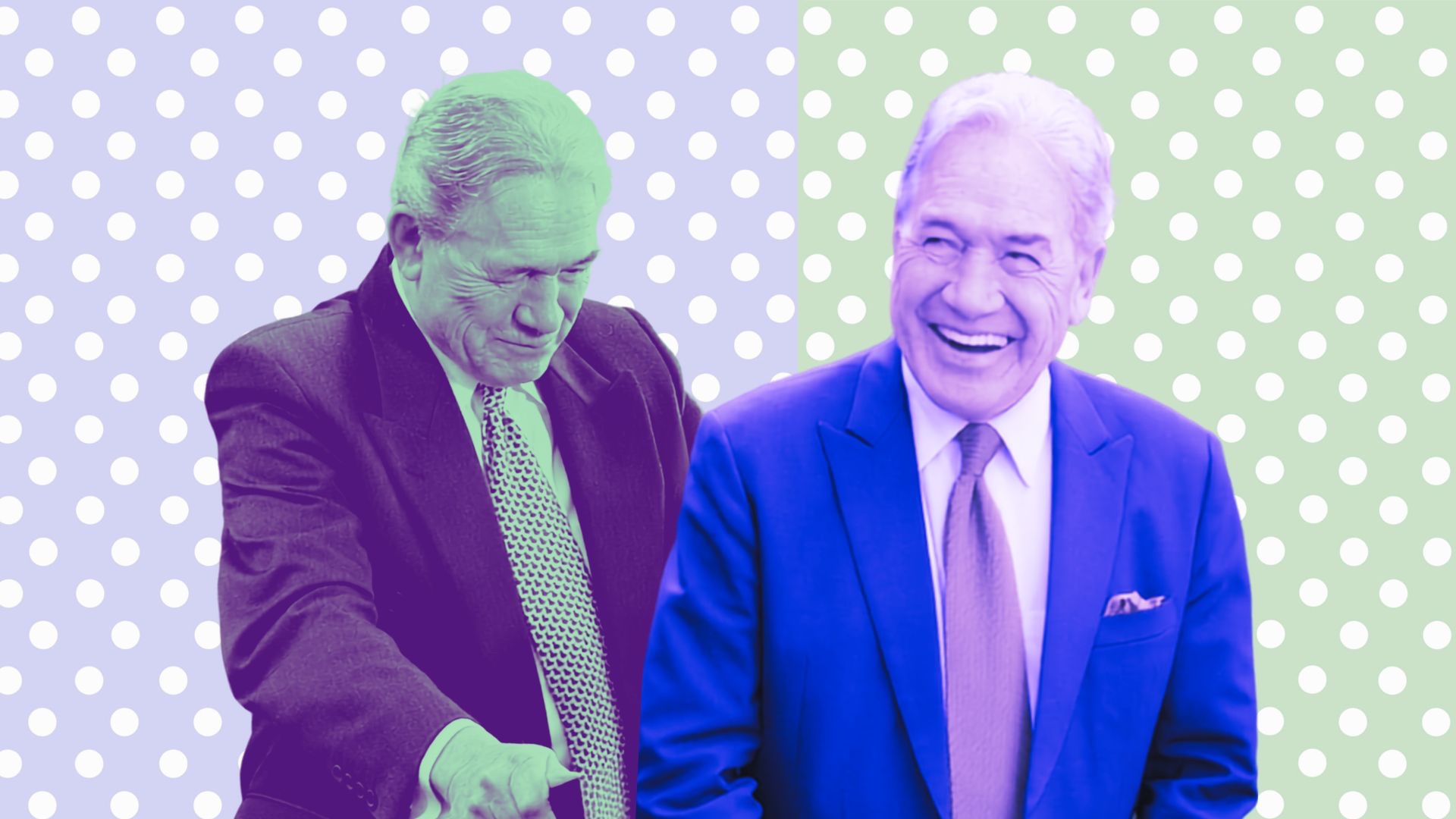
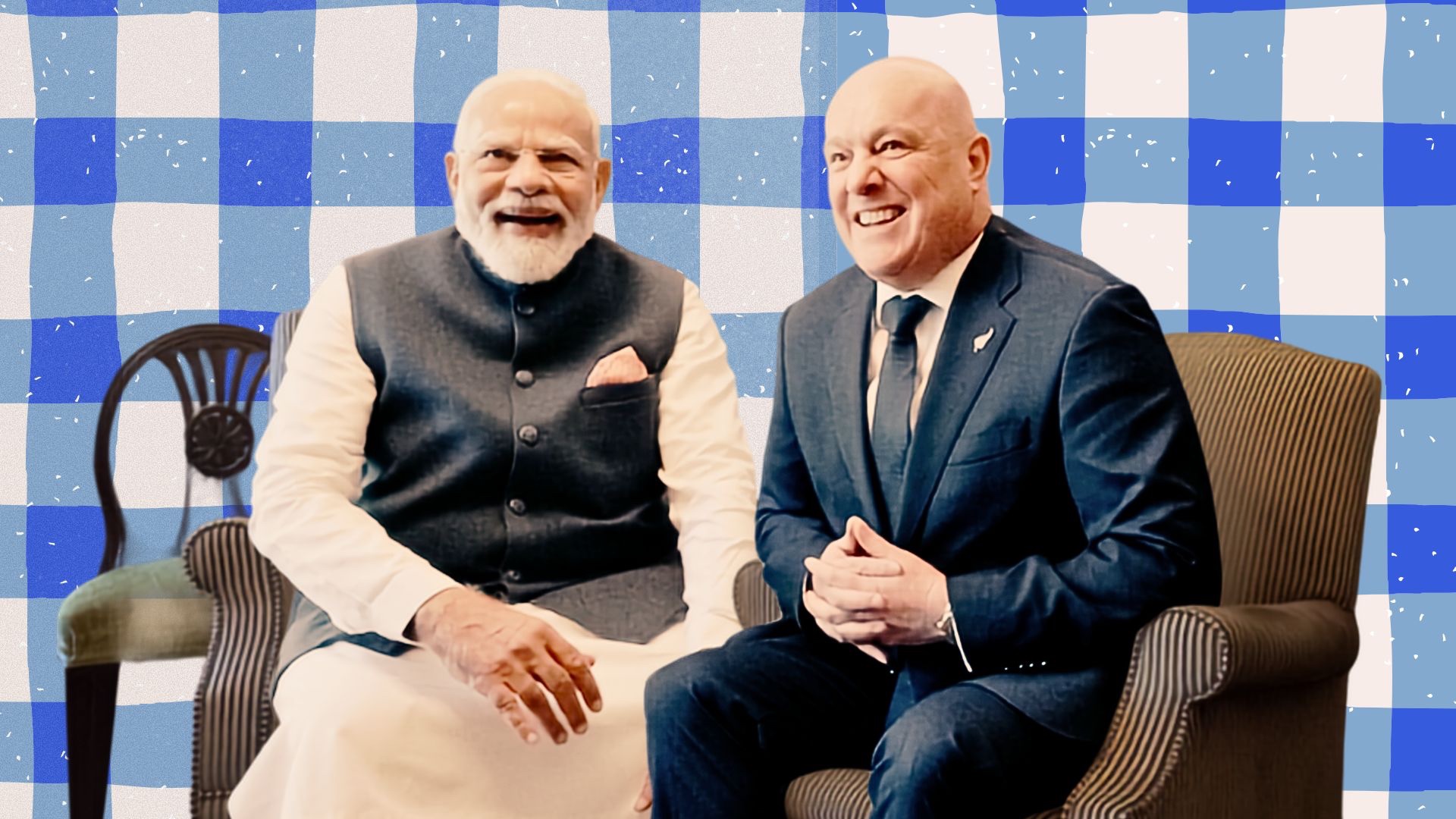
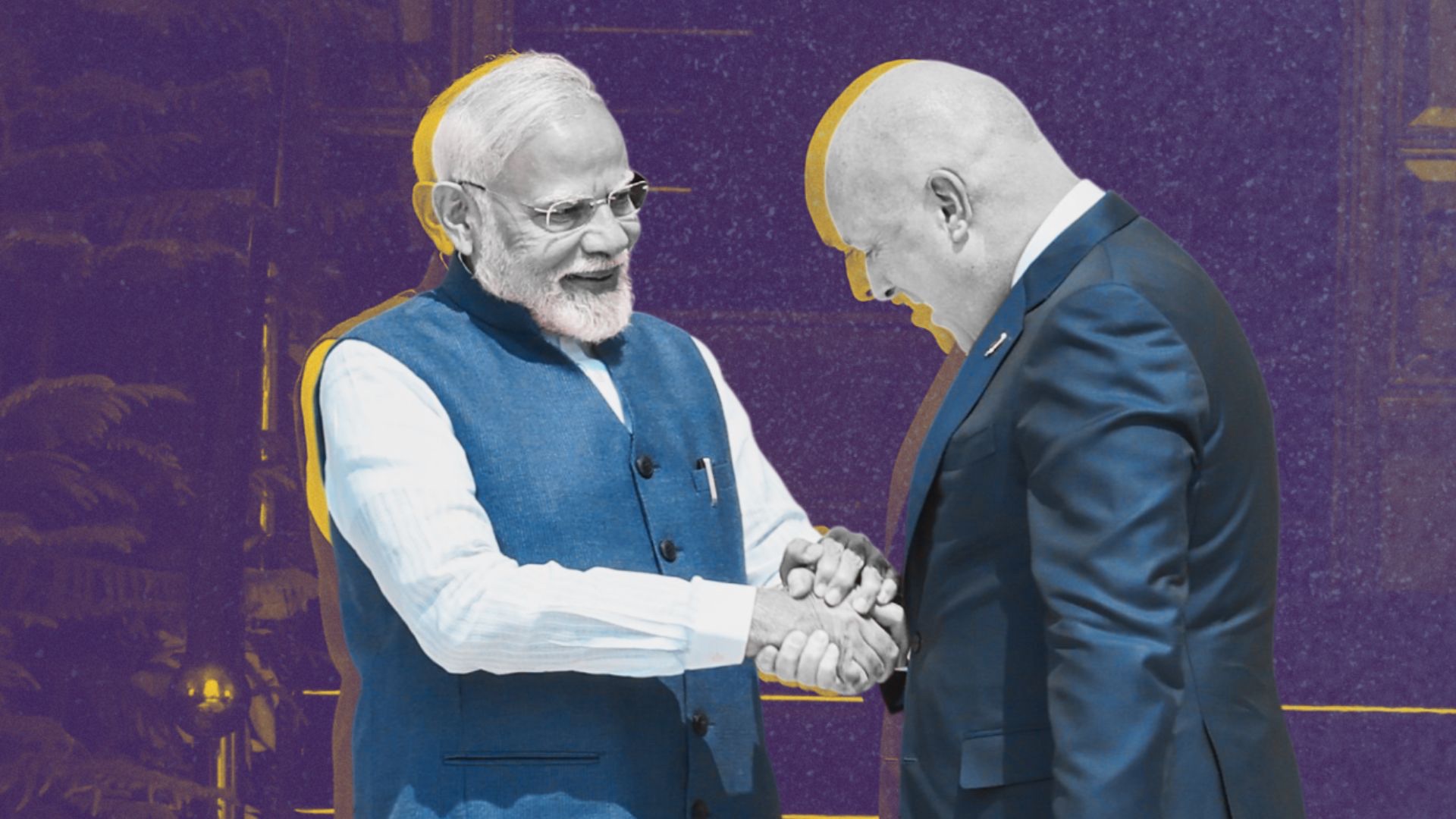
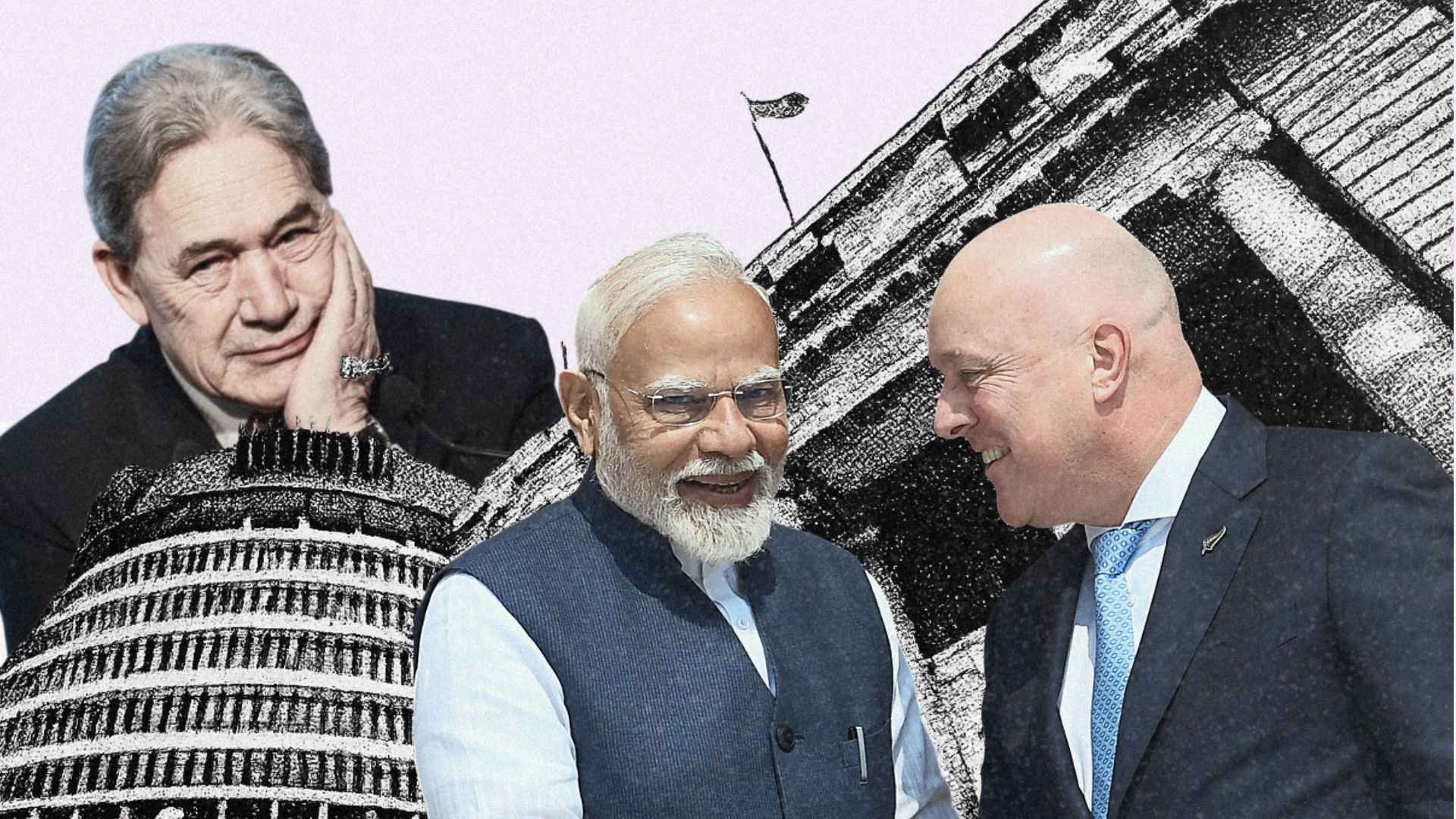
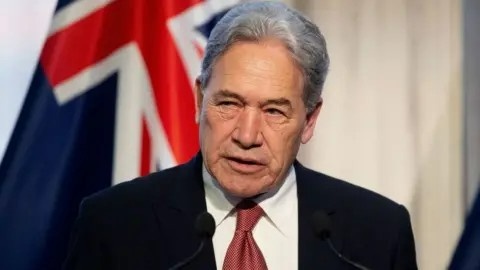
‘Two types of Indians’: Peters questions Kiwi Indians’ loyalty after watching Modi welcome The New Zealand First leader on why changing passports alone may not make someone a New Zealander.
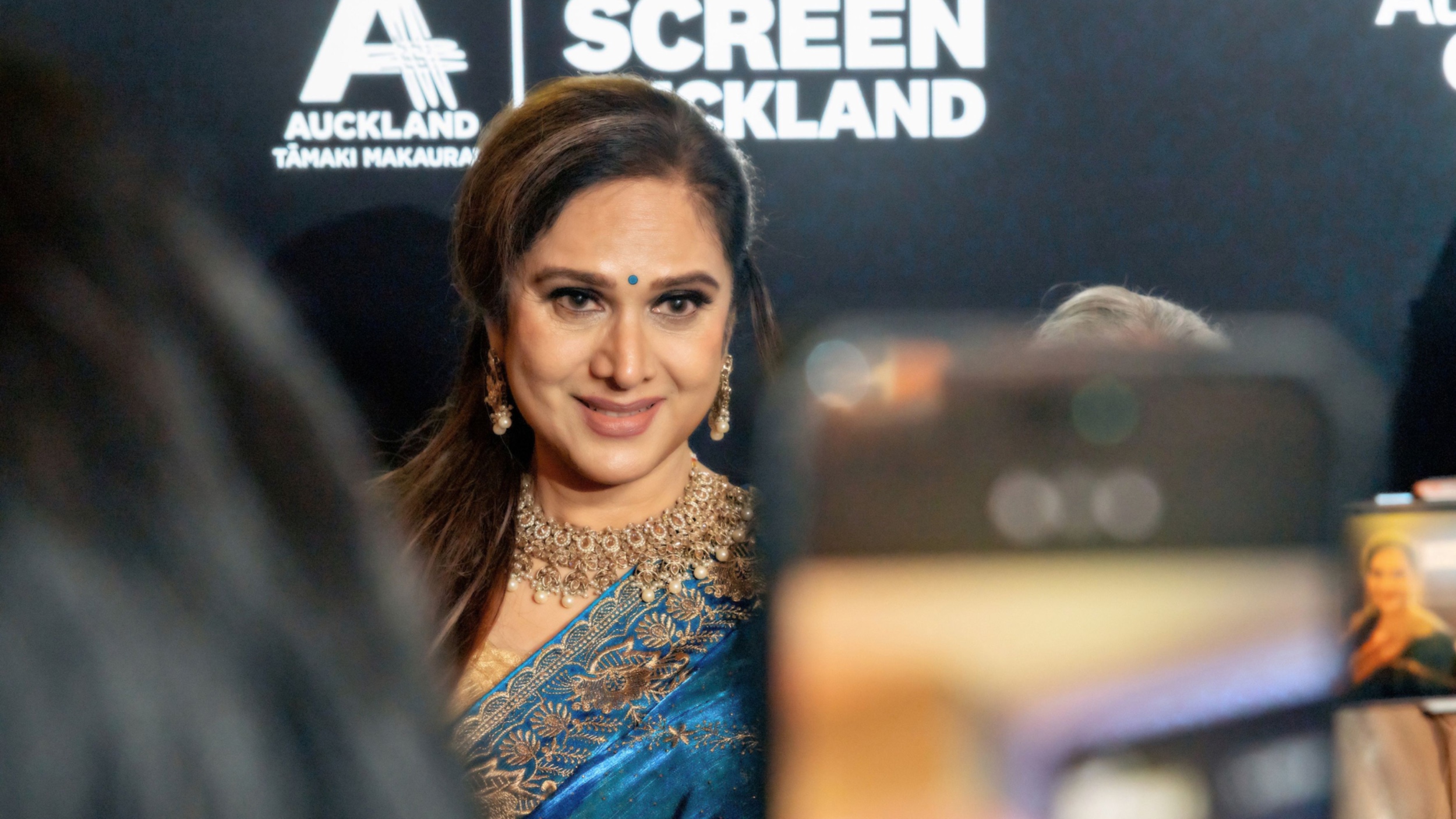
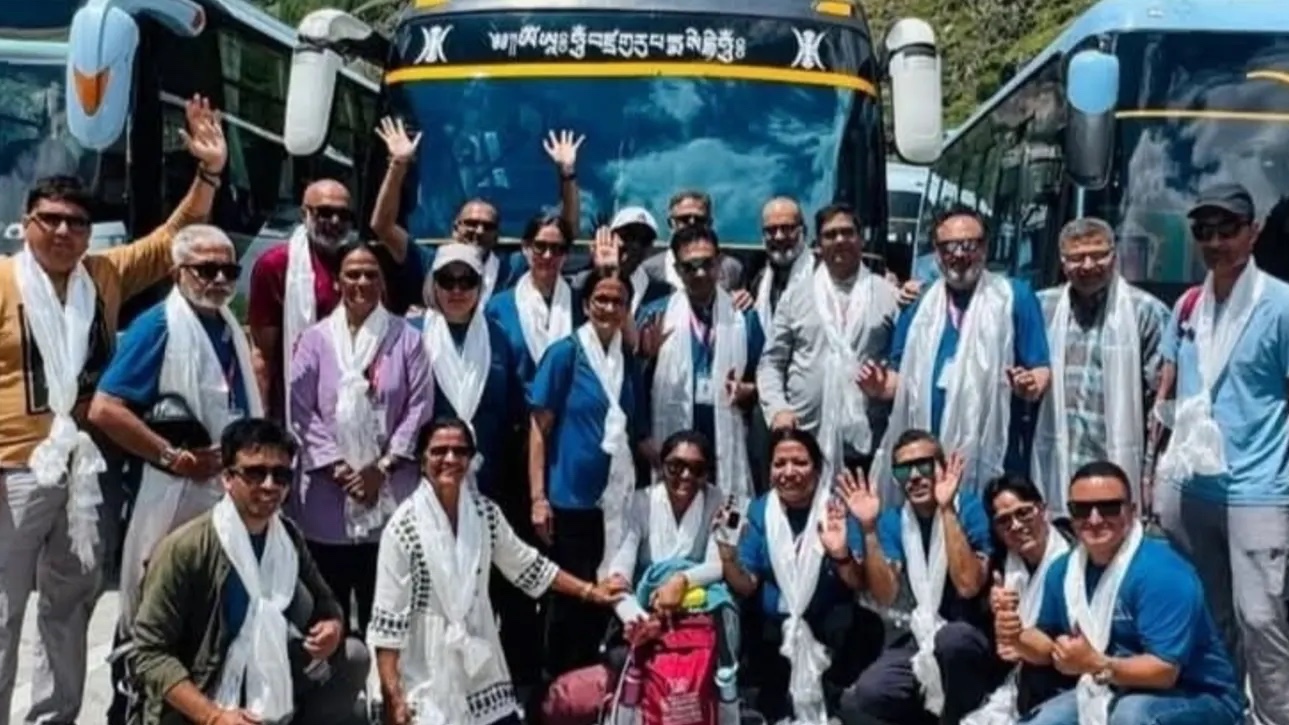
BNZ Diwali rolls out Bollywood red carpet as Meenakshi Sheshadri revisits Damini in Auckland A Screen Auckland-backed cinema showcase is bringing South Asian films into Auckland theatres as part of this year’s Diwali celebrations.
In her submission on May 16, 2026, Glover says her views are not motivated by racism.
"Disagreeing with a people’s perceived values, religious beliefs and cultural practices, such as forcing girl children into marriage, is not racism per se," she says in her submission.
Underage marriage is prevalent in India, she says, pointing out some girls are married as young as eight years.
"These fundamentally different norms...highlight why large-scale immigration from India through the FTA risks importing practices that clash with core New Zealand values."
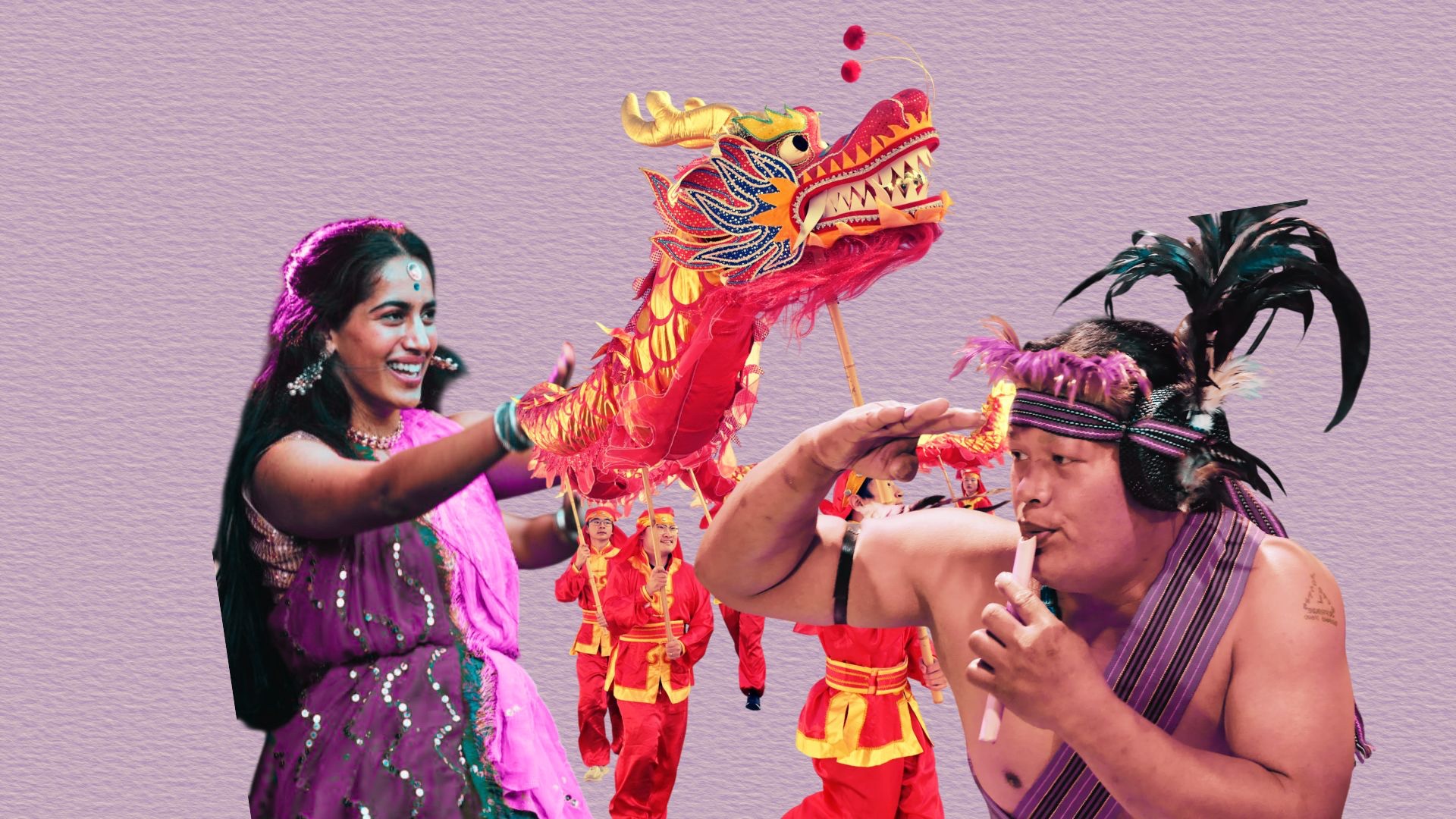
According to the 2023 census, about one in every 10 New Zealanders is of Indian or Chinese descent. Glover says the rapidity of the demographic change has outpaced the level at which assimilation to "Kiwi culture can occur".
"The proportion of Indian and Chinese nationals has grown to a point where they are no longer small minority groups. The crux of the problem is that their cultures vary in some important ways from the long-standing Kiwi culture."
The change in the population mix is faster than what "pre-existing demography can psychologically adapt to". This, she says, is negatively impacting wellbeing through acculturative stress.
"Promotion of multiculturalism has failed to assuage the fear and panic an increasing number of Kiwis are feeling as they experience our culture being trivialised..." her submission reads.
The professor points to problems that arise when people from cultures with "different institutional histories" and "lower regulatory enforcement" migrate to an economy like New Zealand.
She says Kiwis struggle to find jobs as employers and managers from ethnic communities prefer to hire from their culture and networks.
"Migrants are often willing to work for minimum wage (or sometimes below) while young Kiwis expect fair pay for skilled work."
Not all migration is problematic though, Glover suggests. She defines Kiwis by way of "historically established intergenerational majority demographic" to include "New Zealand Europeans, Pacific Island and Chinese New Zealand Kiwis".
Awaaz asked Glover how does she define Kiwis and Kiwi values, especially given people from Europe migrated in the 19th century to an indigenous culture that was arguably quite different to theirs.
She pointed out "lots of today’s NZ European and Maori have genealogy to both sides".
"Our unique Kiwi culture is a blend - shared predominantly Western Christian beliefs and values. A significant population of Pacific people have lived here since around the 1950s."
Glover says New Zealand is a young nation, and a high-trust society.
"...children are very important, sex equality is very important. Honesty, integrity and faith are strong values. Helping others. Enjoying a sense of community - a community that bands together when needed."
We asked her what level of Indian and Chinese migration would she reckon is appropriate.
"The proportion of the population who identify as Samoan should be the absolute maximum for any single foreign ethnicity coming from a country with beliefs and values, incompatible with the Kiwi culture," she says.
According to the 2023 Census, about 4.8 per cent of New Zealanders are of Samaon descent, 5.8 per cent Indian and 5.6 per cent Chinese.
In closing her submission to the select committee, Glover has recommended the government removes all immigration-related commitments from the FTA.
She is asking that the government shouldn't "lock future governments into India-specific pathways that "risk accelerating stealth colonisation".