
Immigration has become an election weapon in New Zealand. How did it all begin?
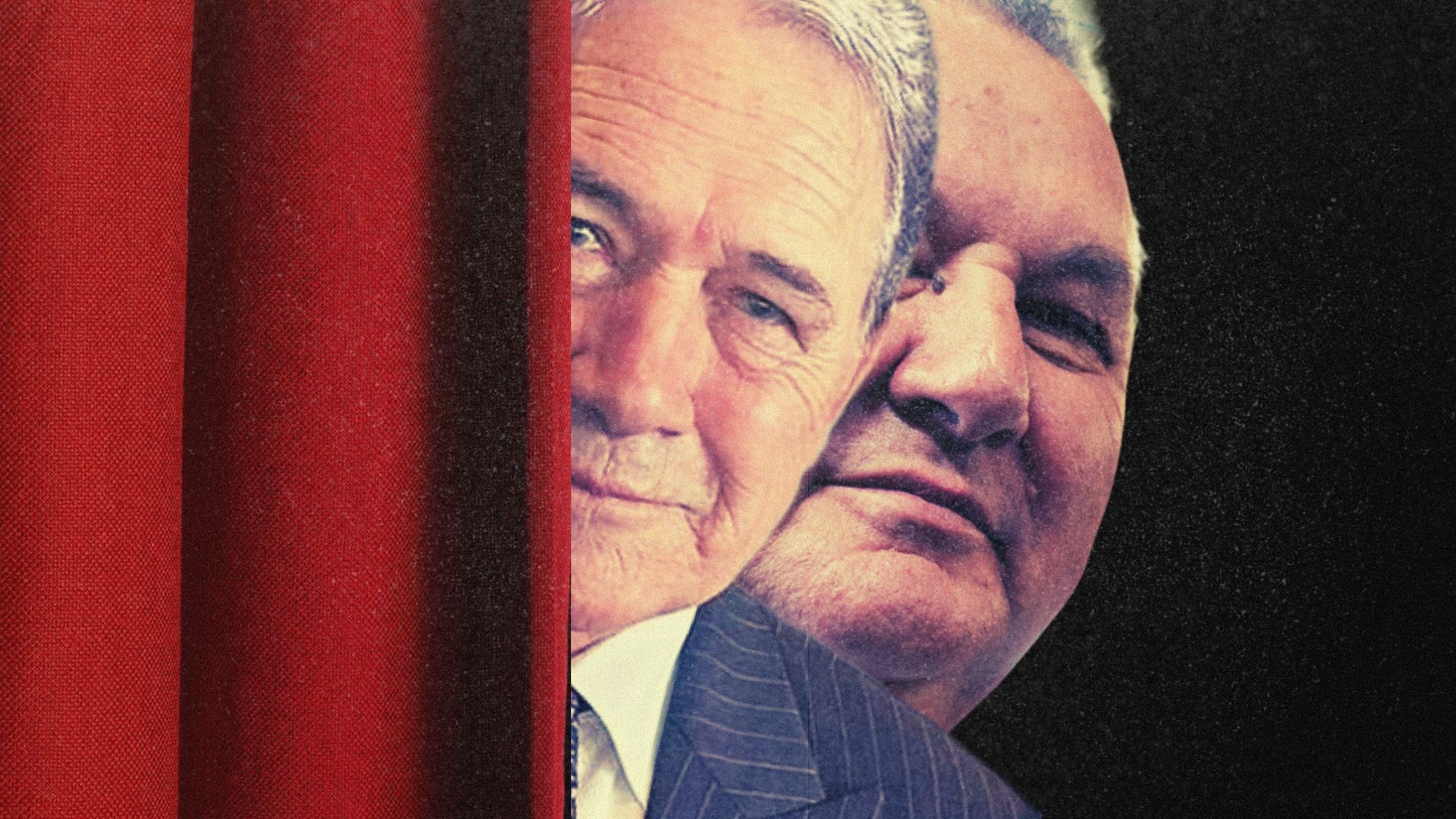
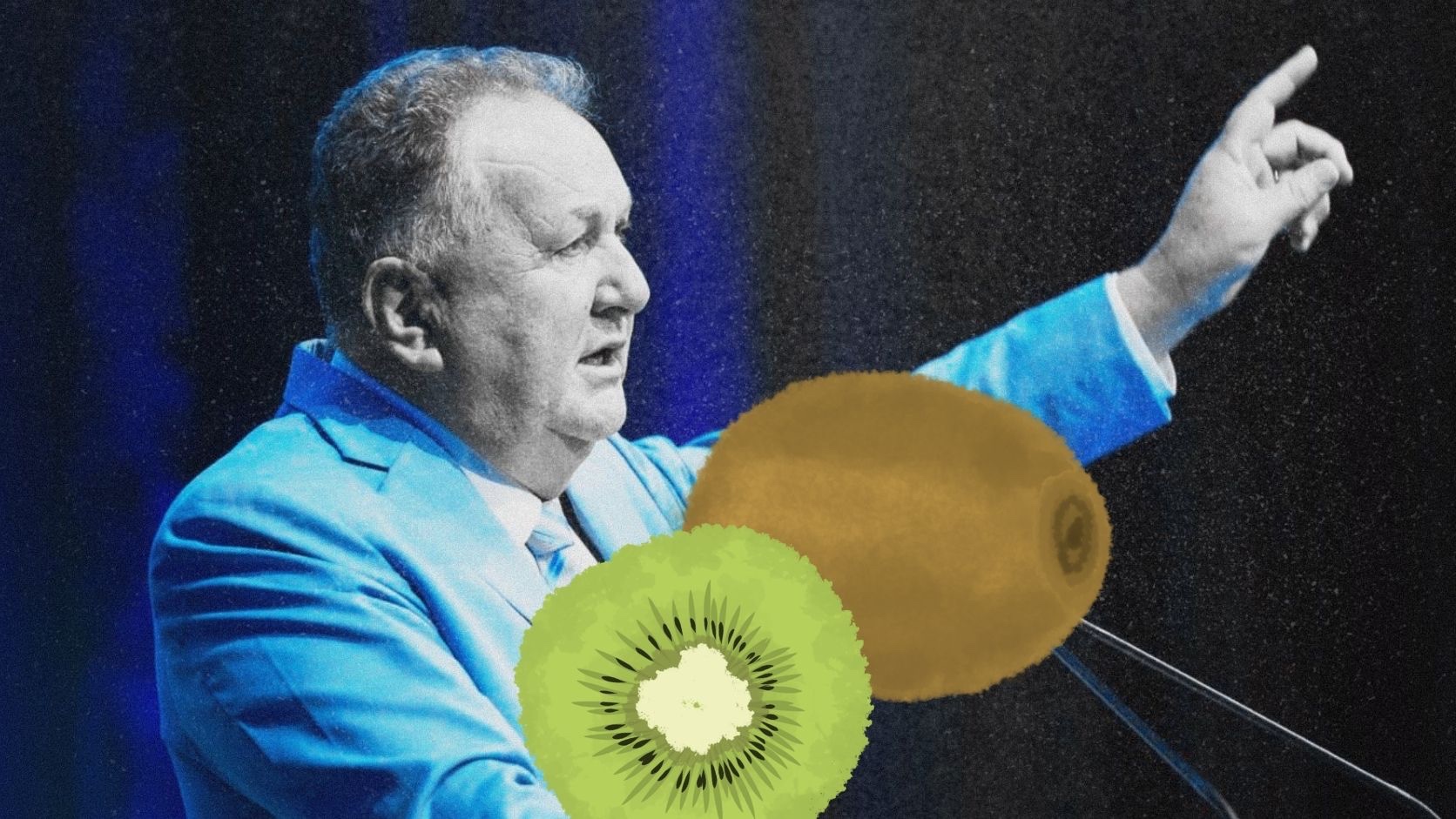
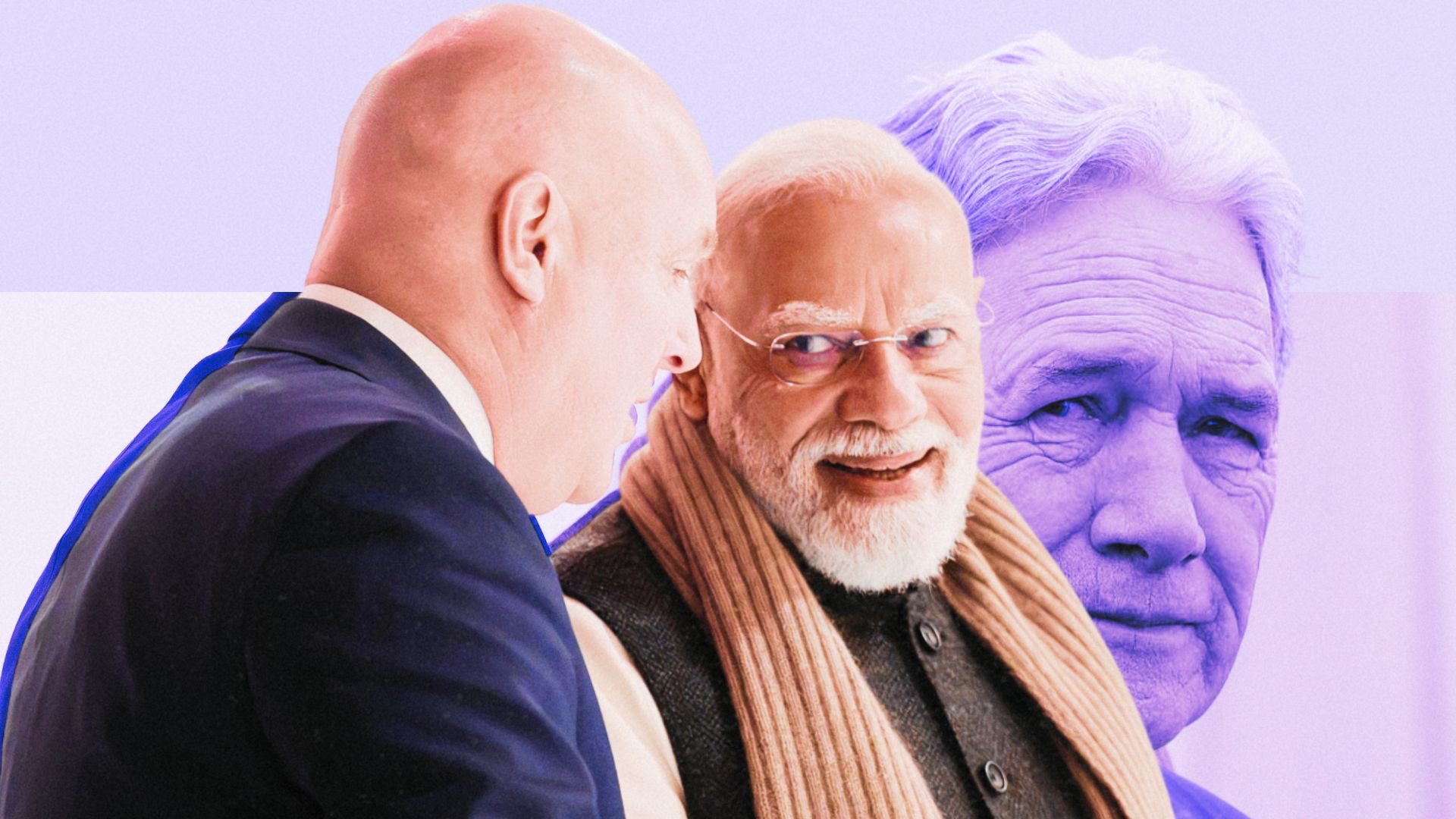
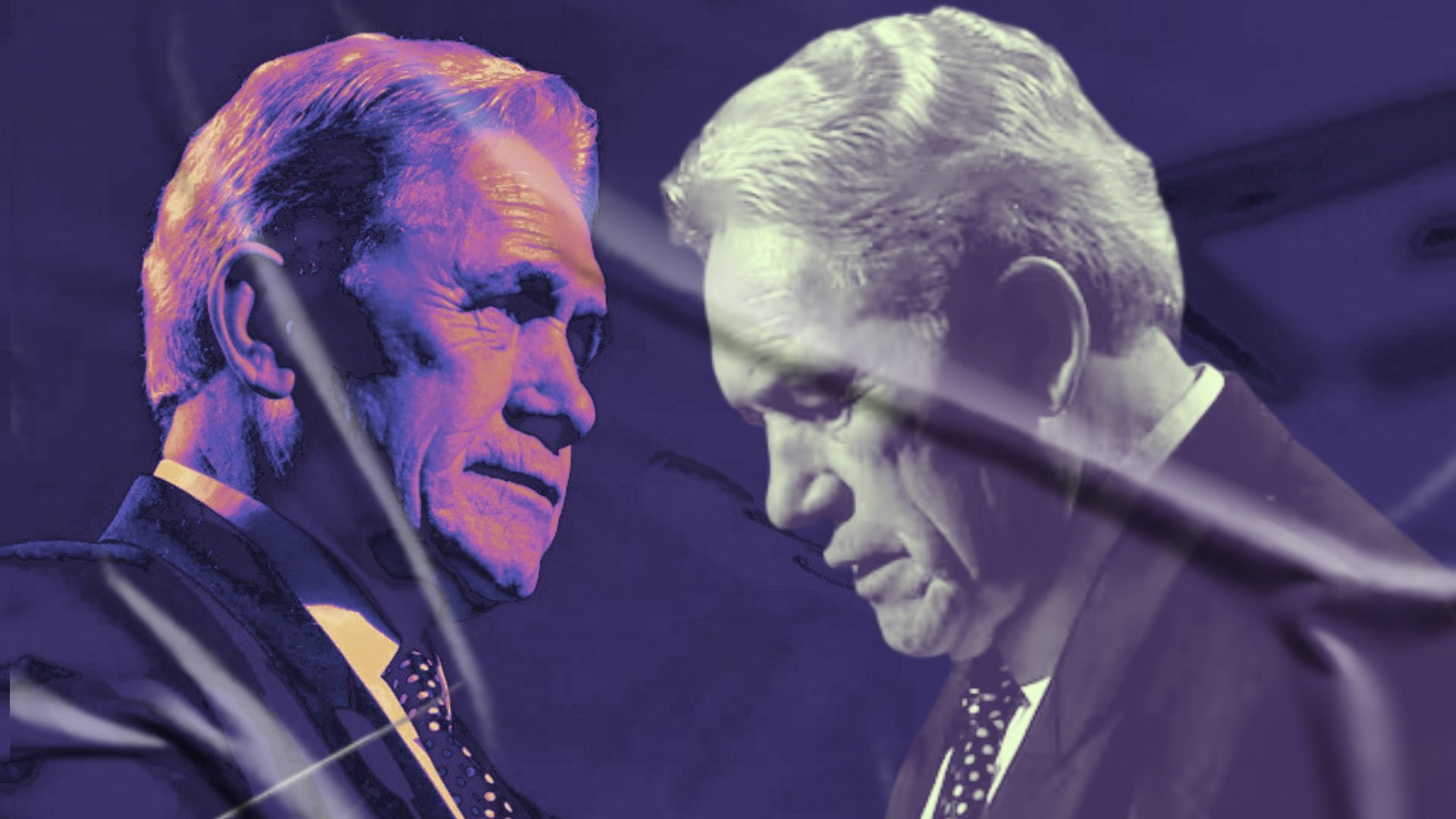
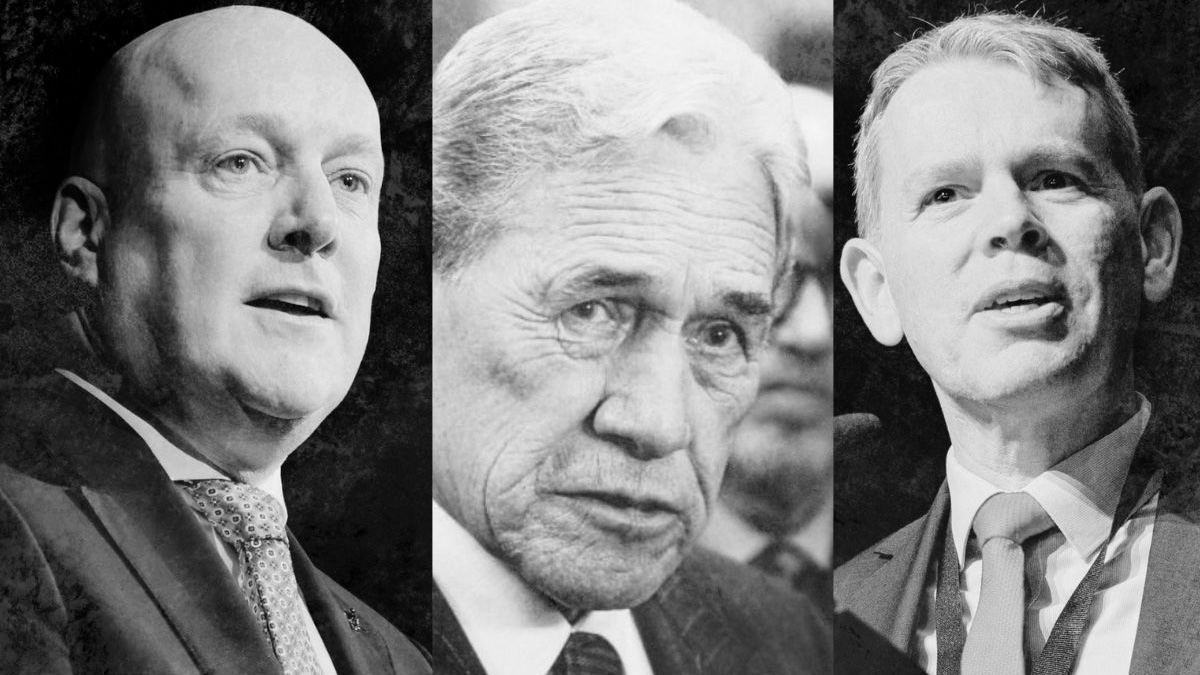
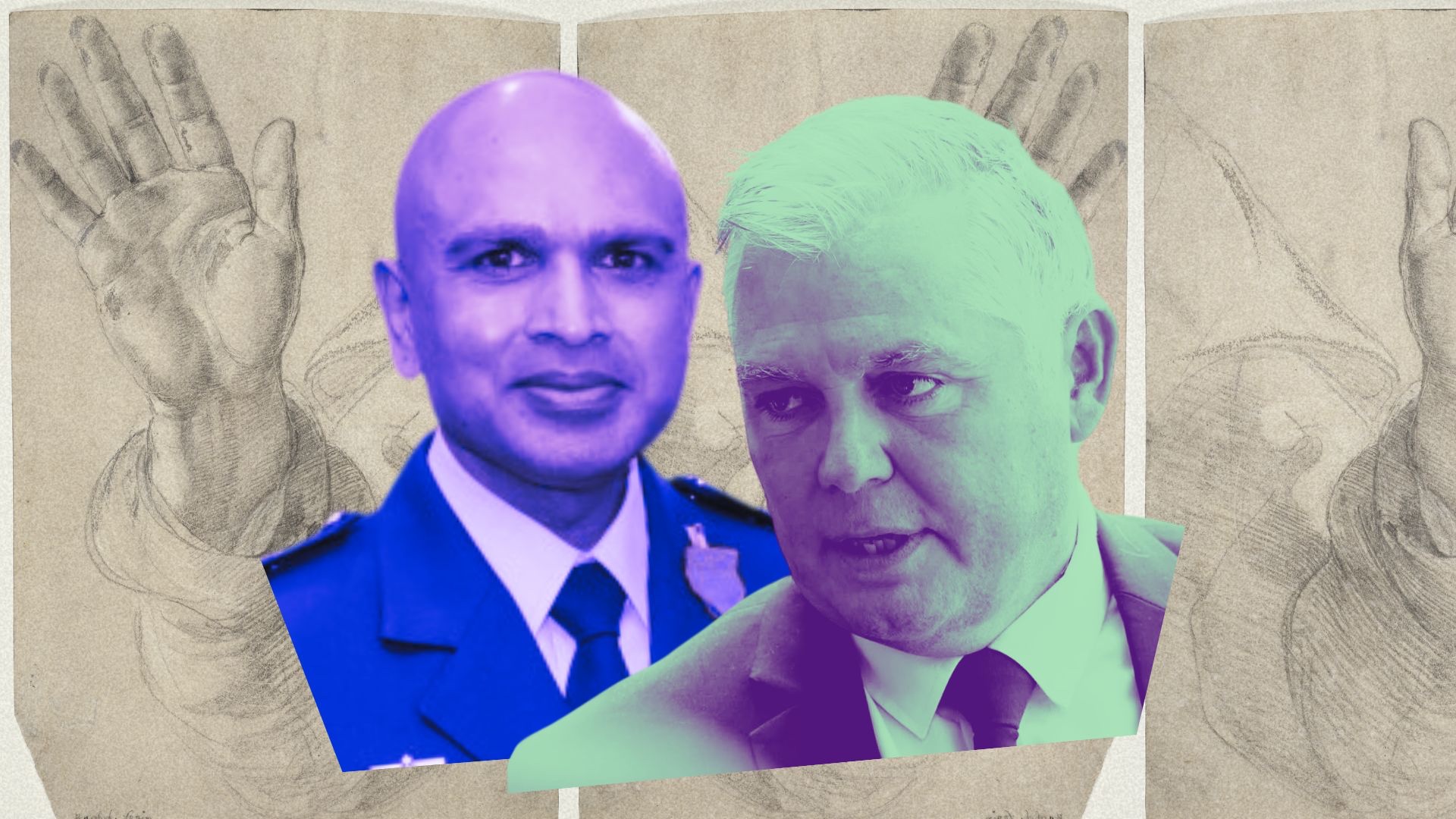
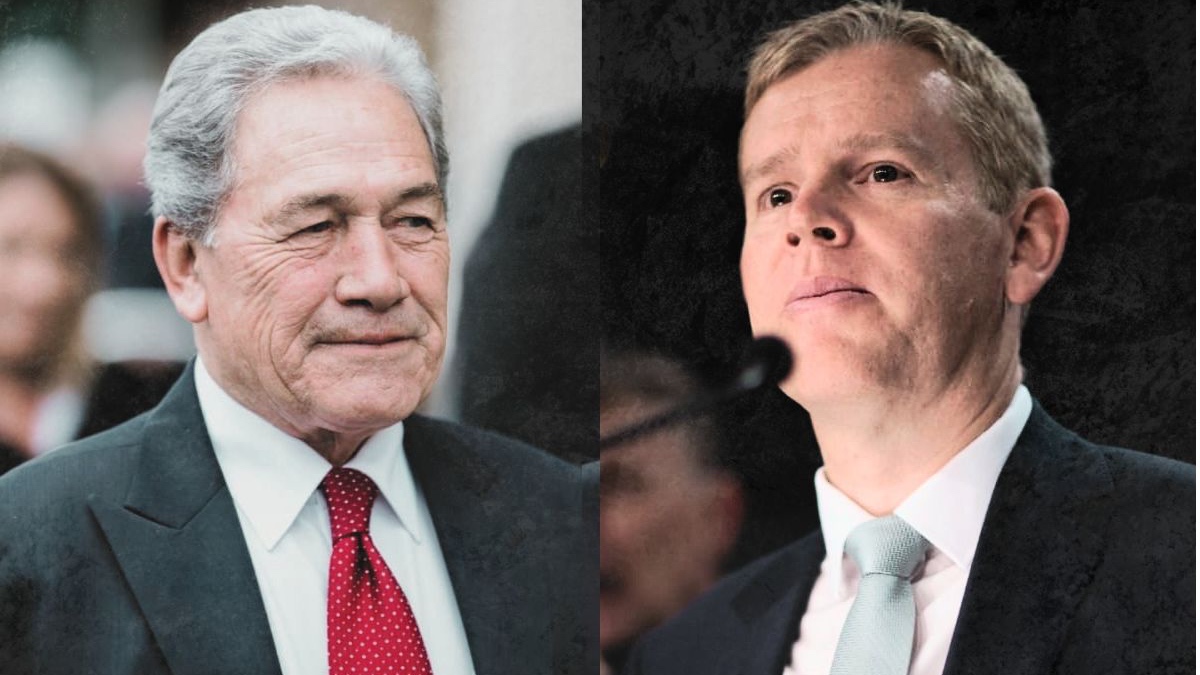
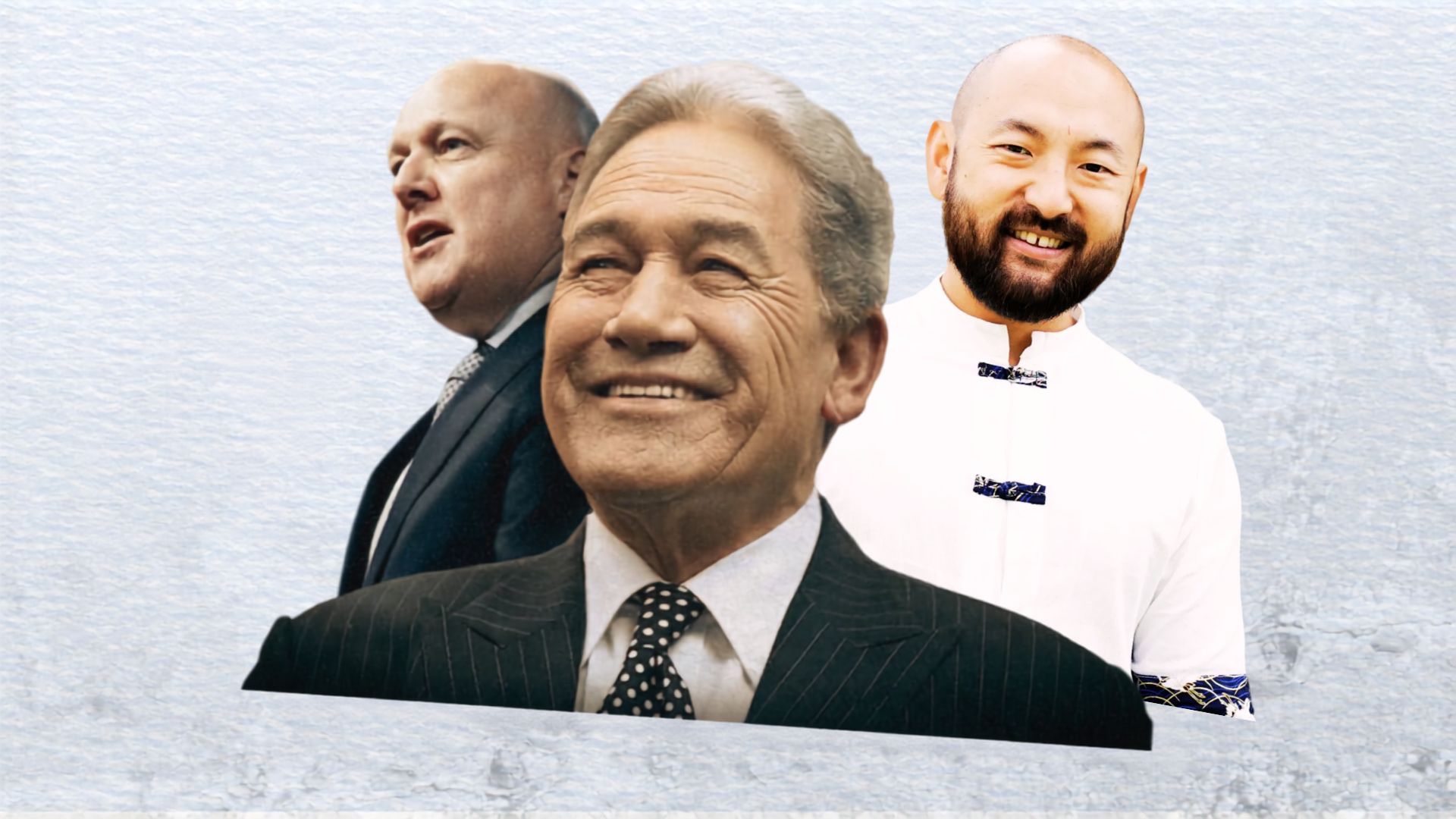
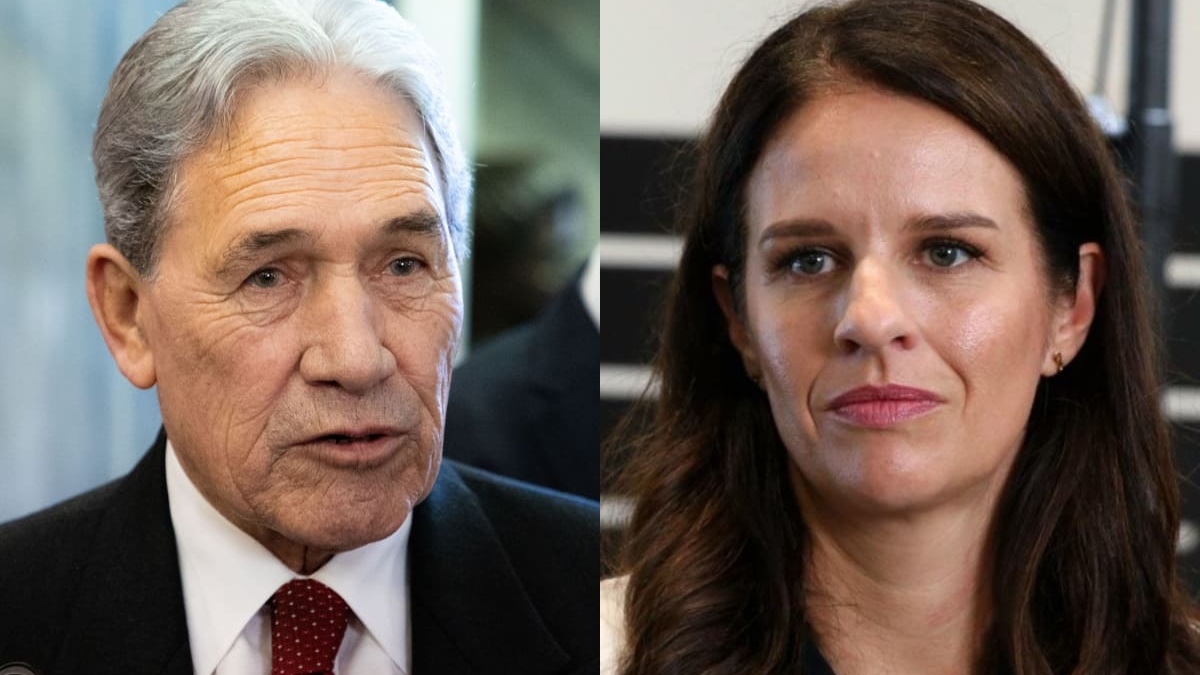
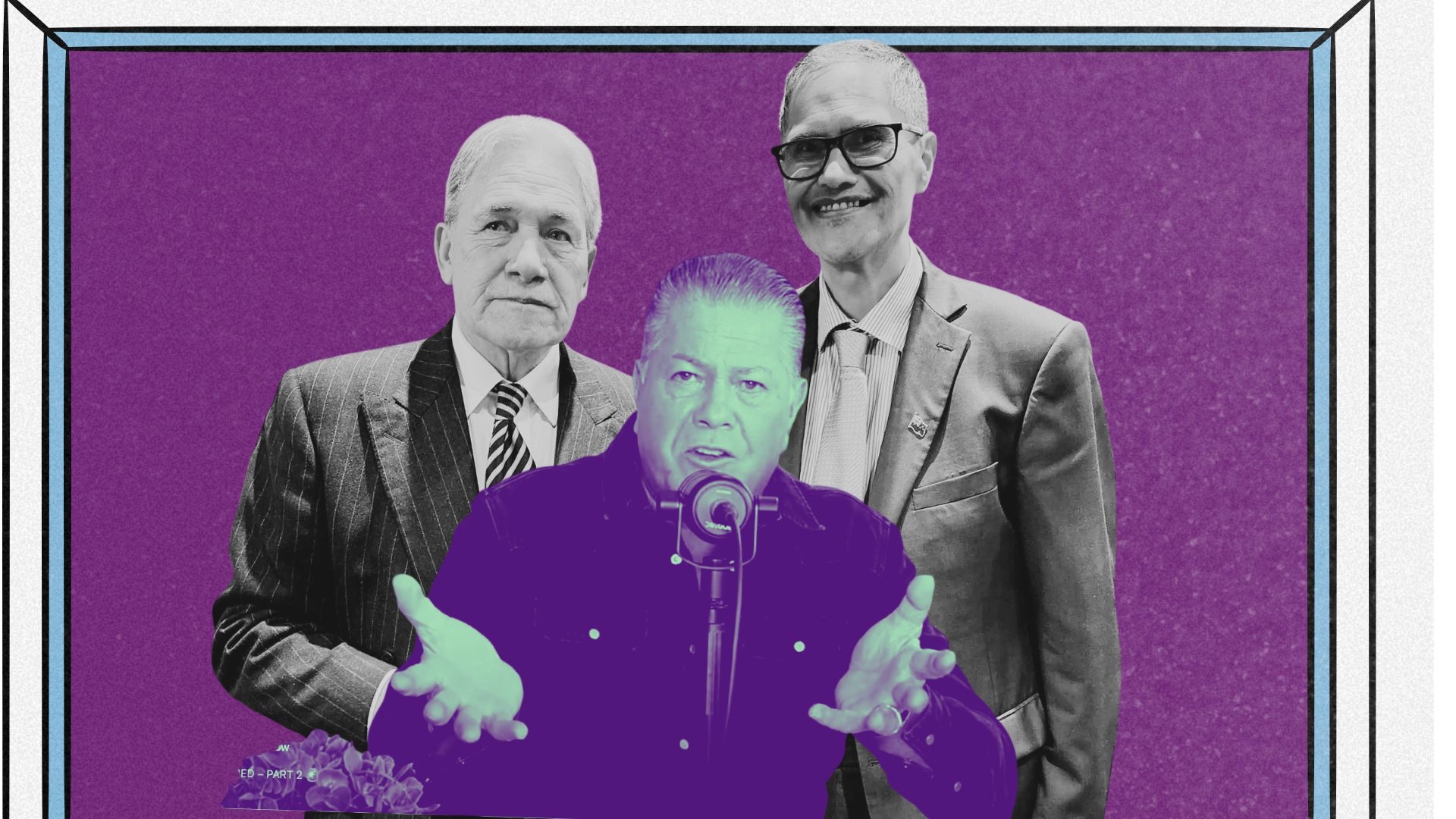
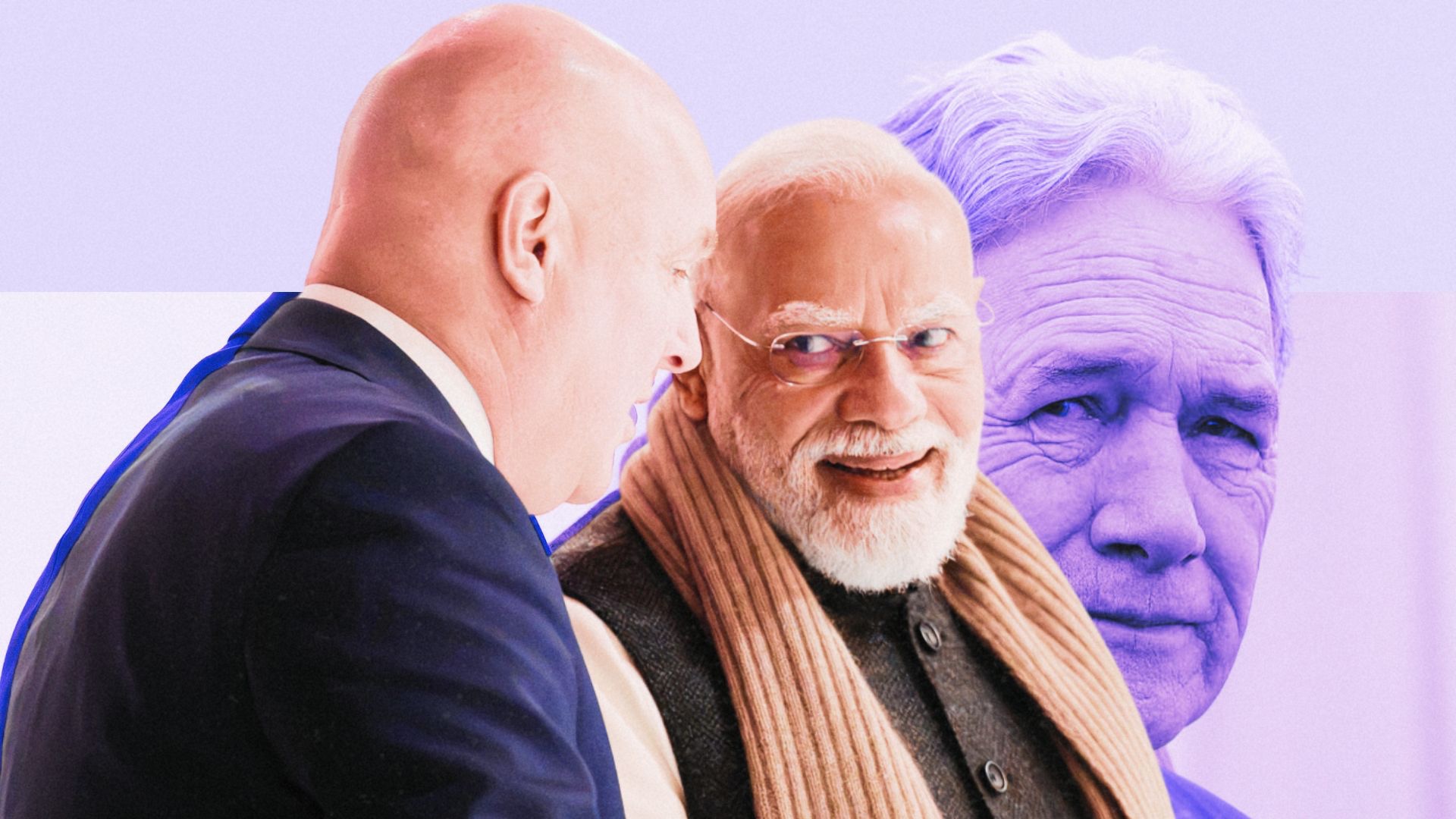
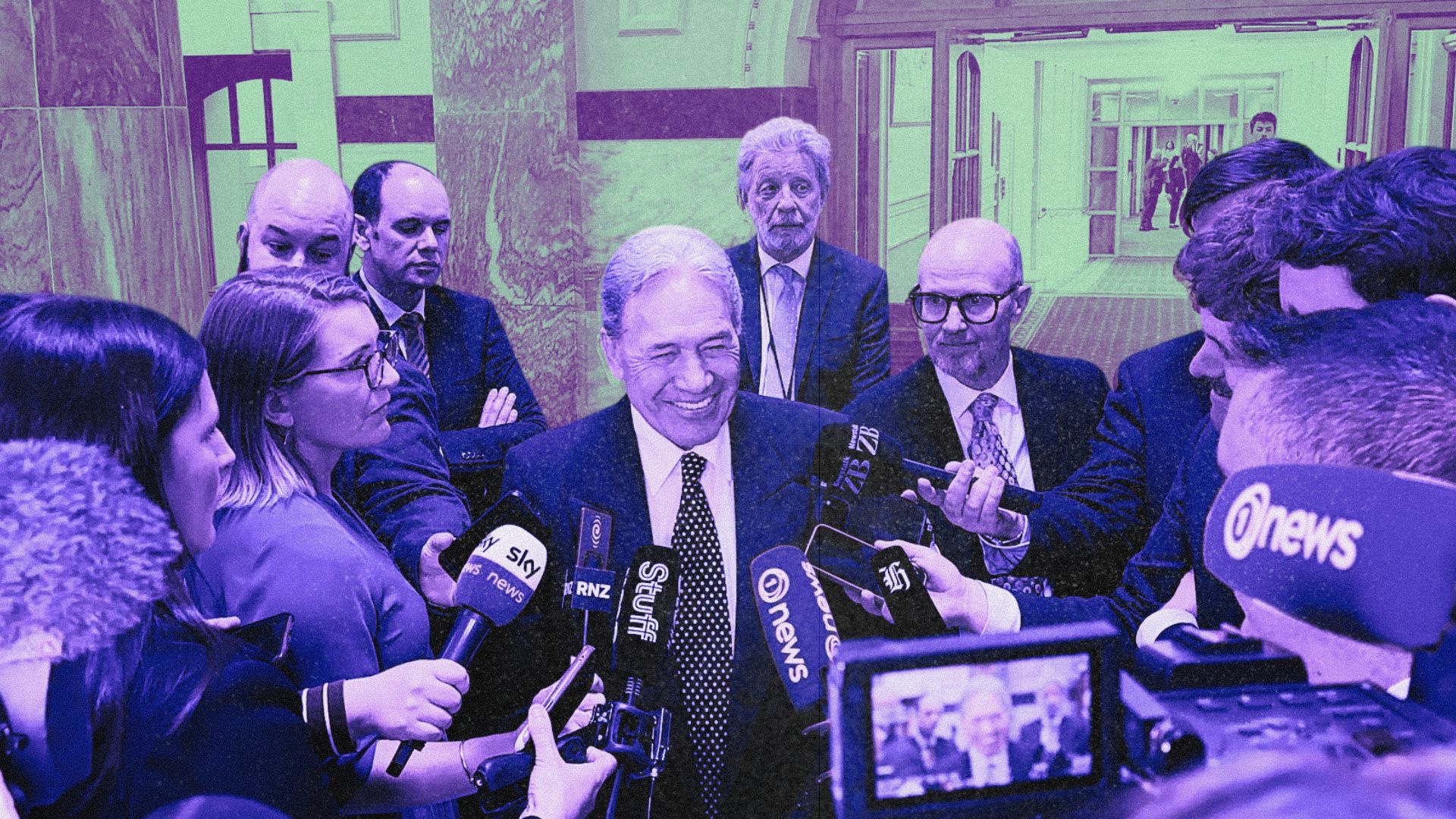
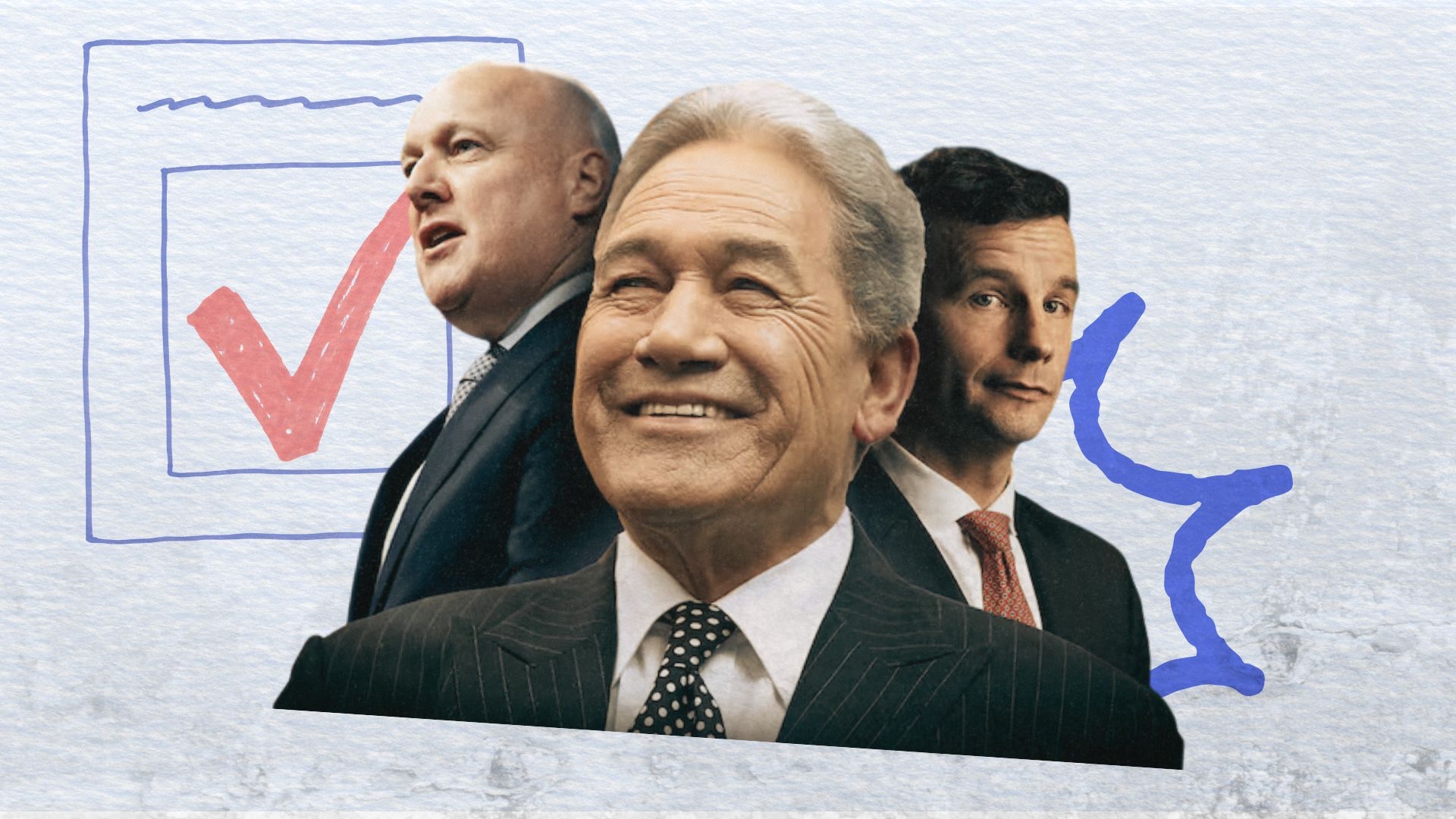
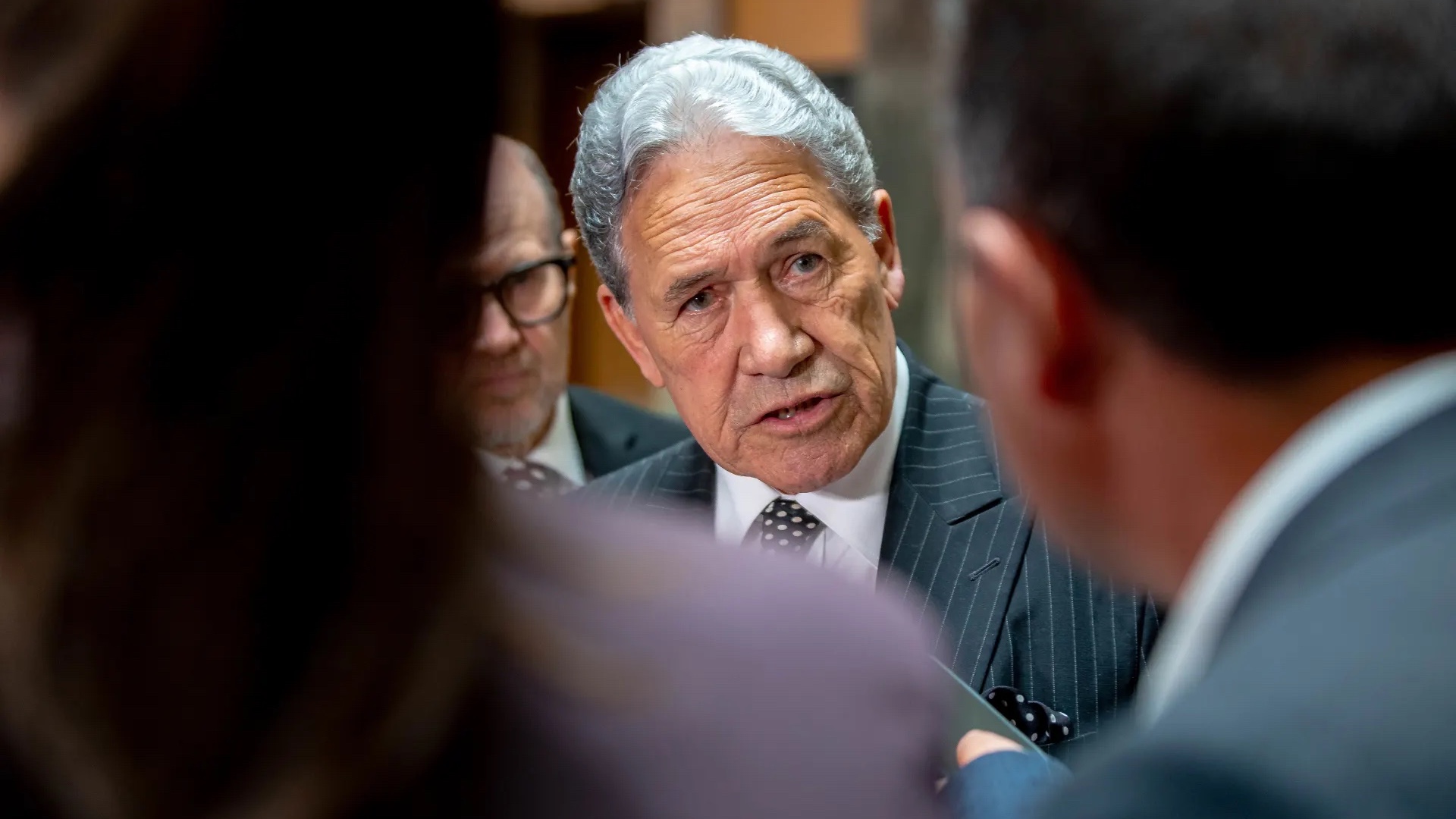
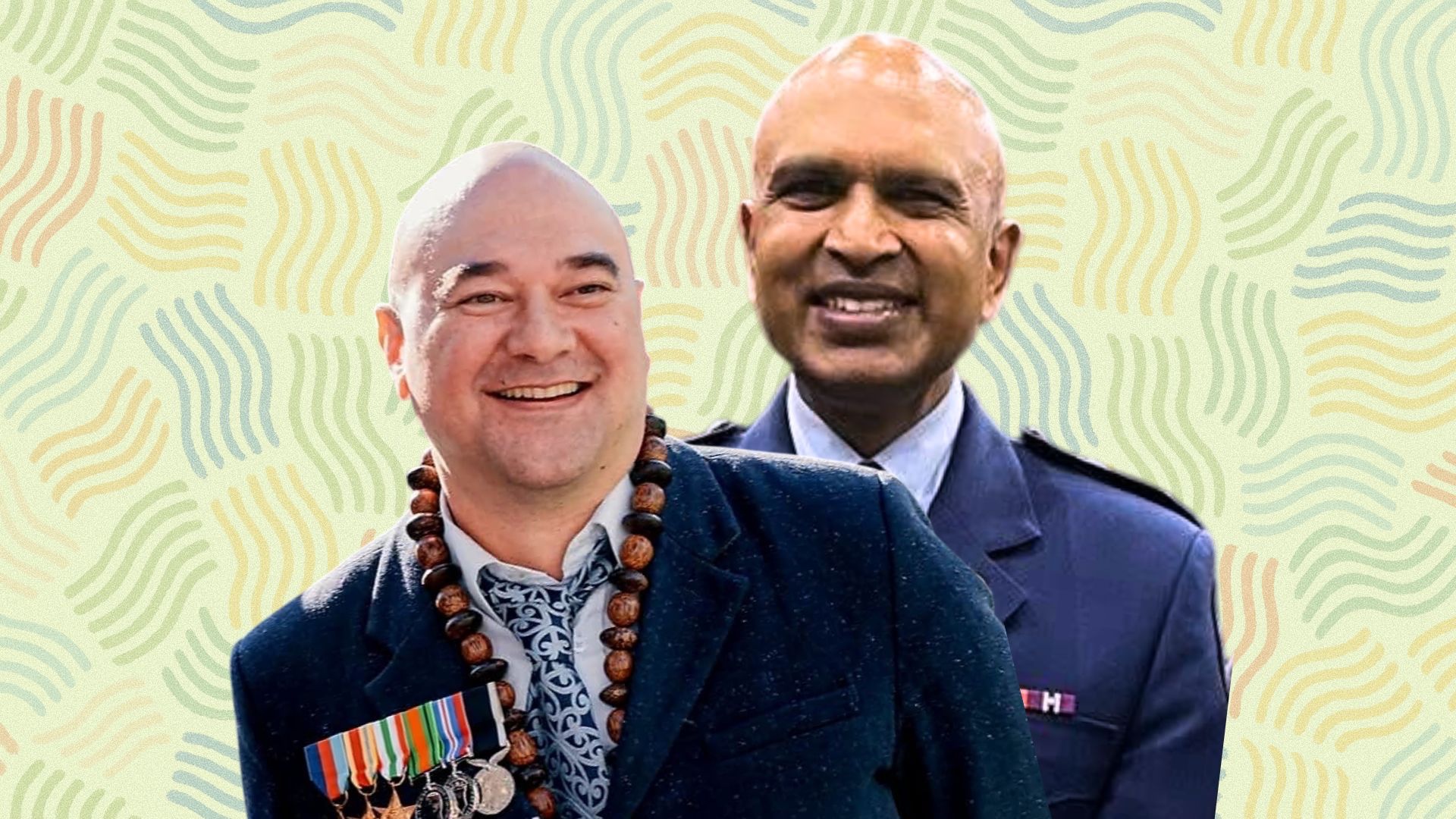
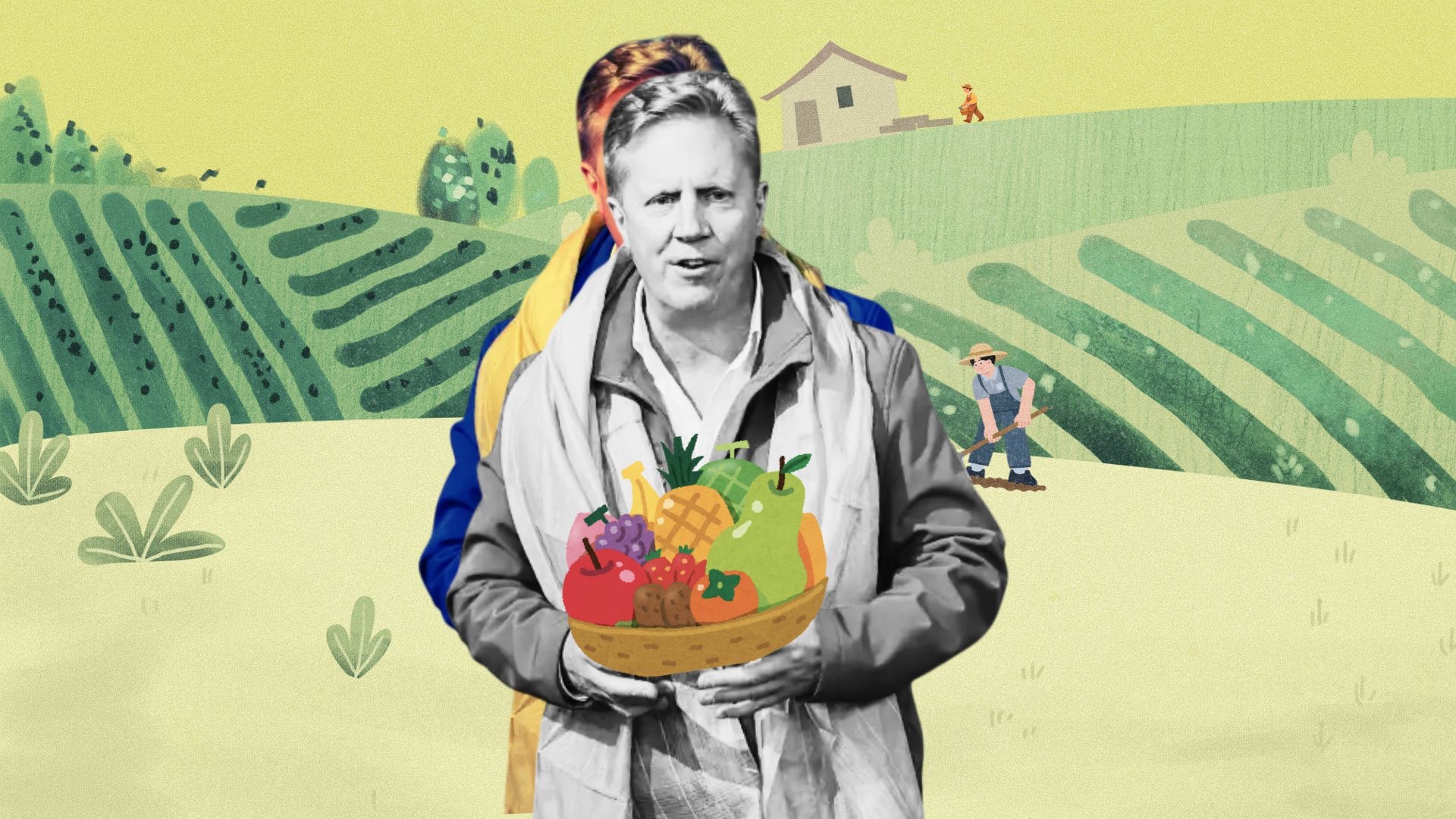
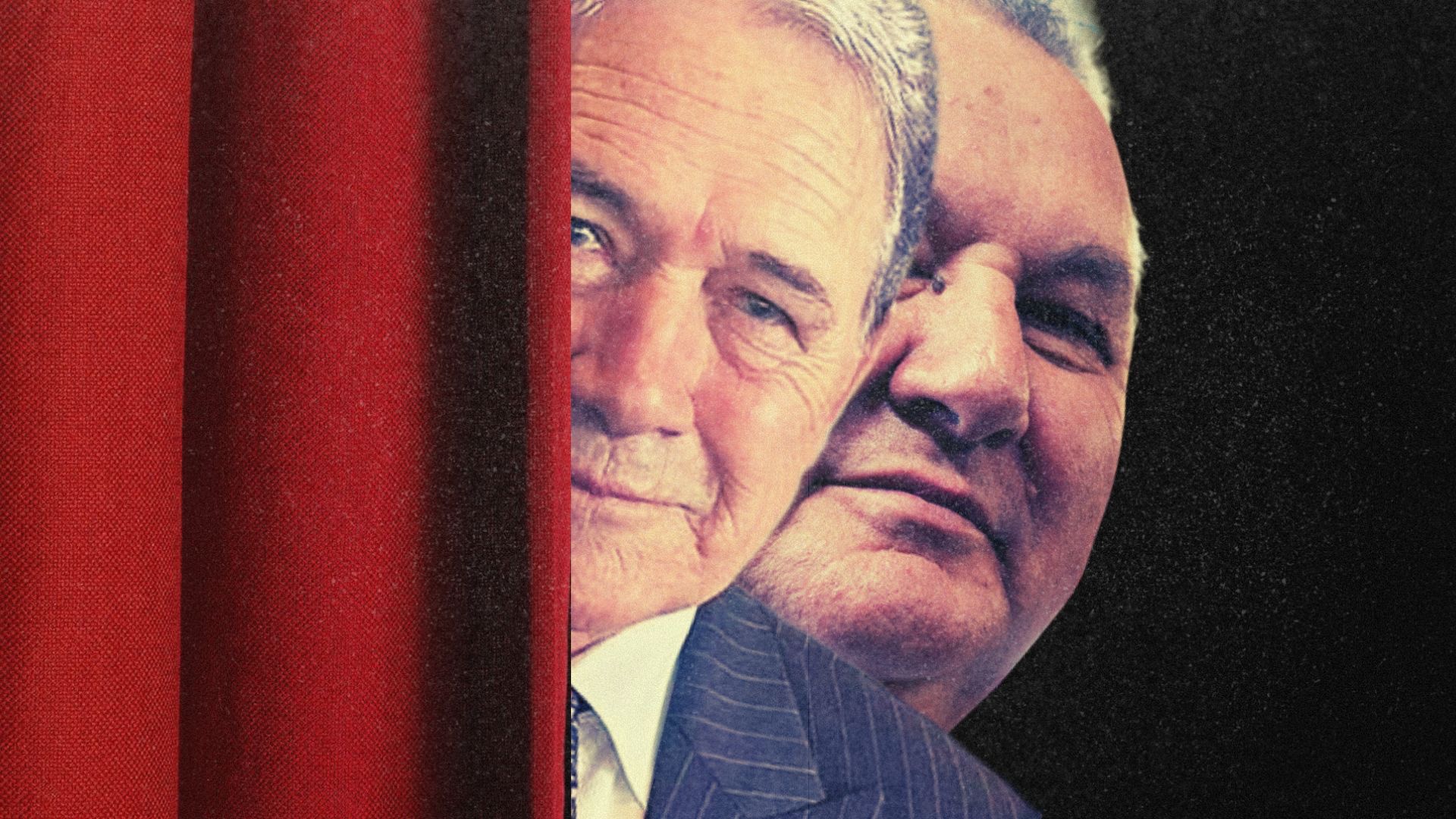
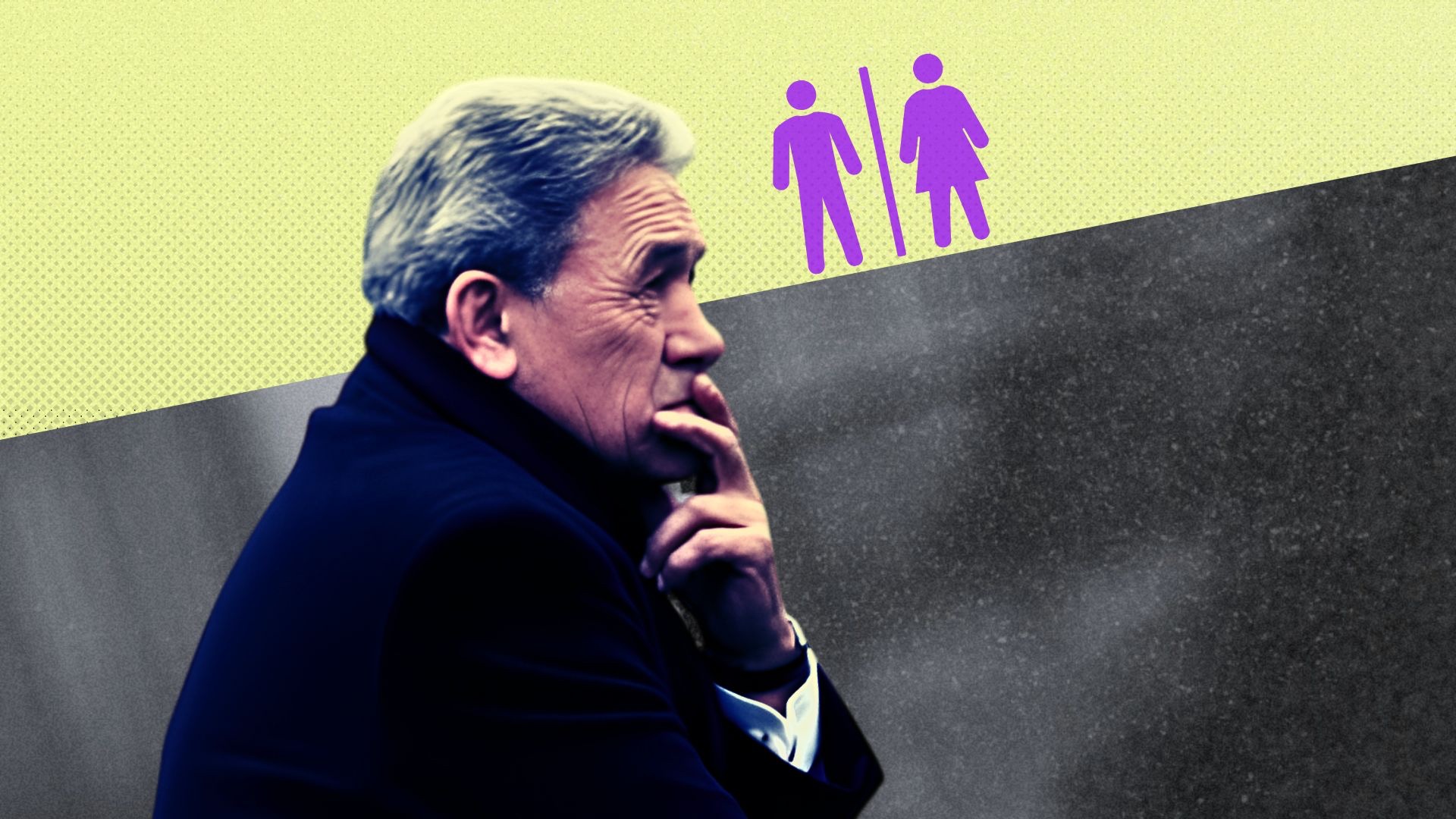
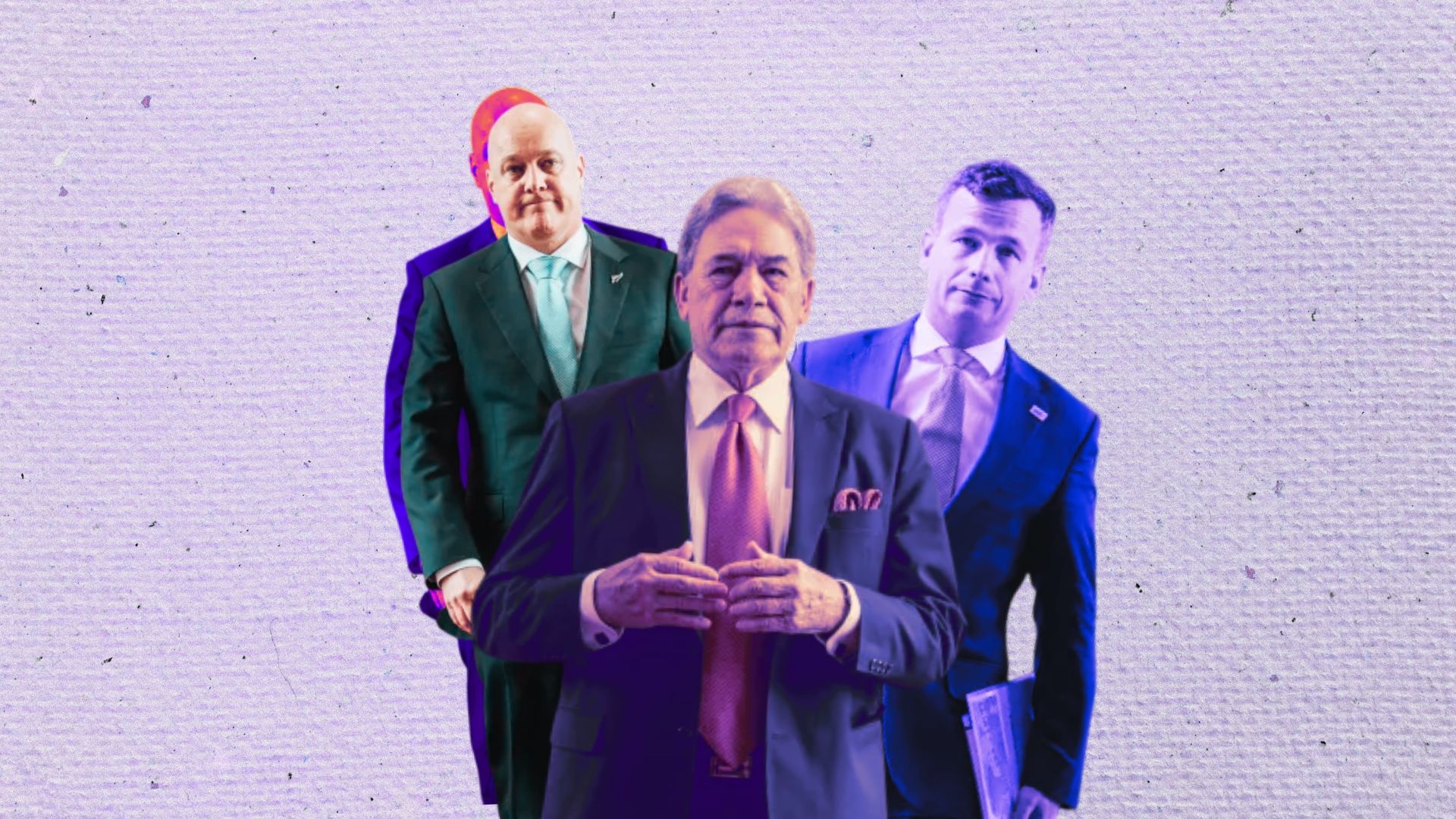
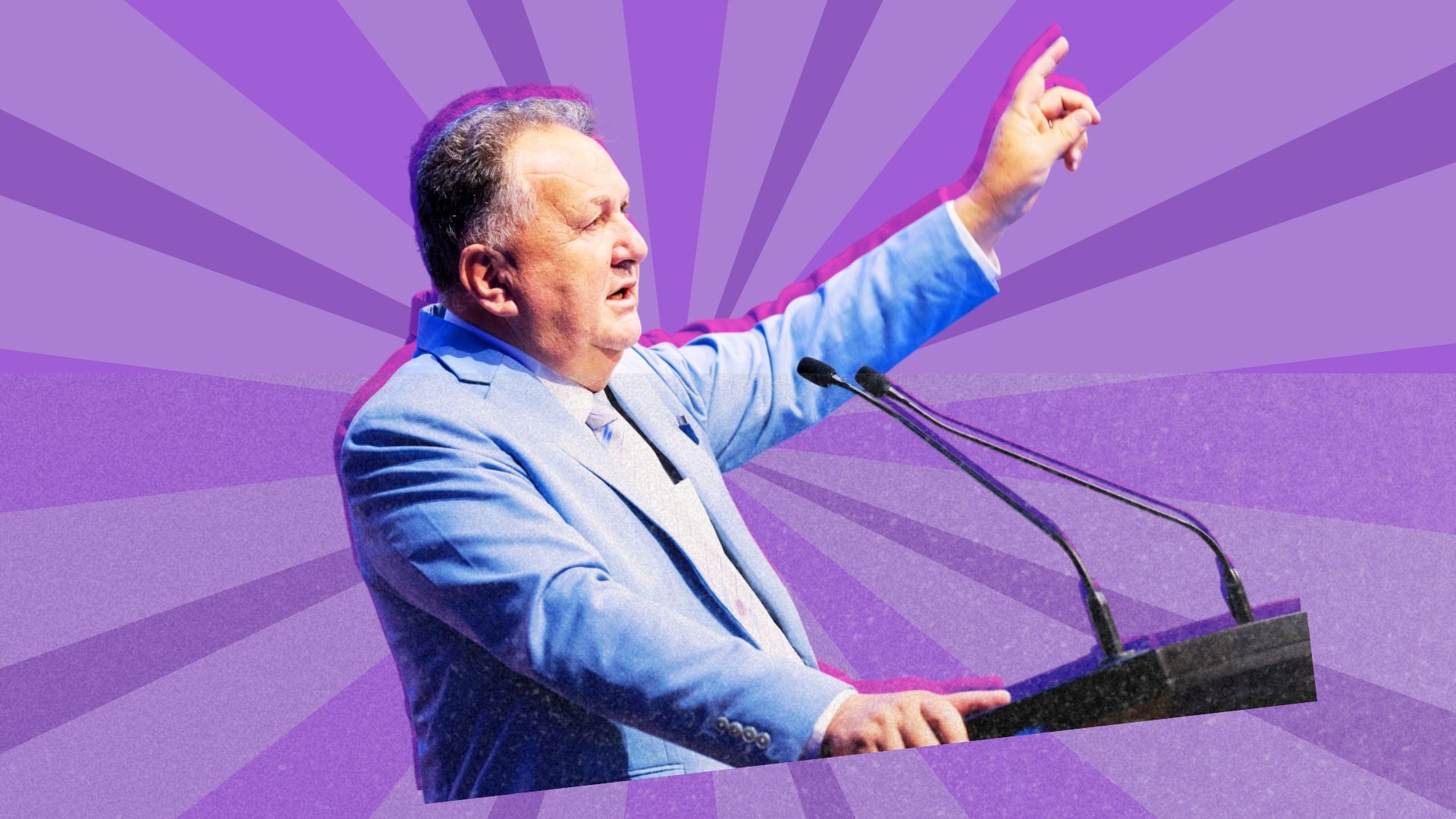
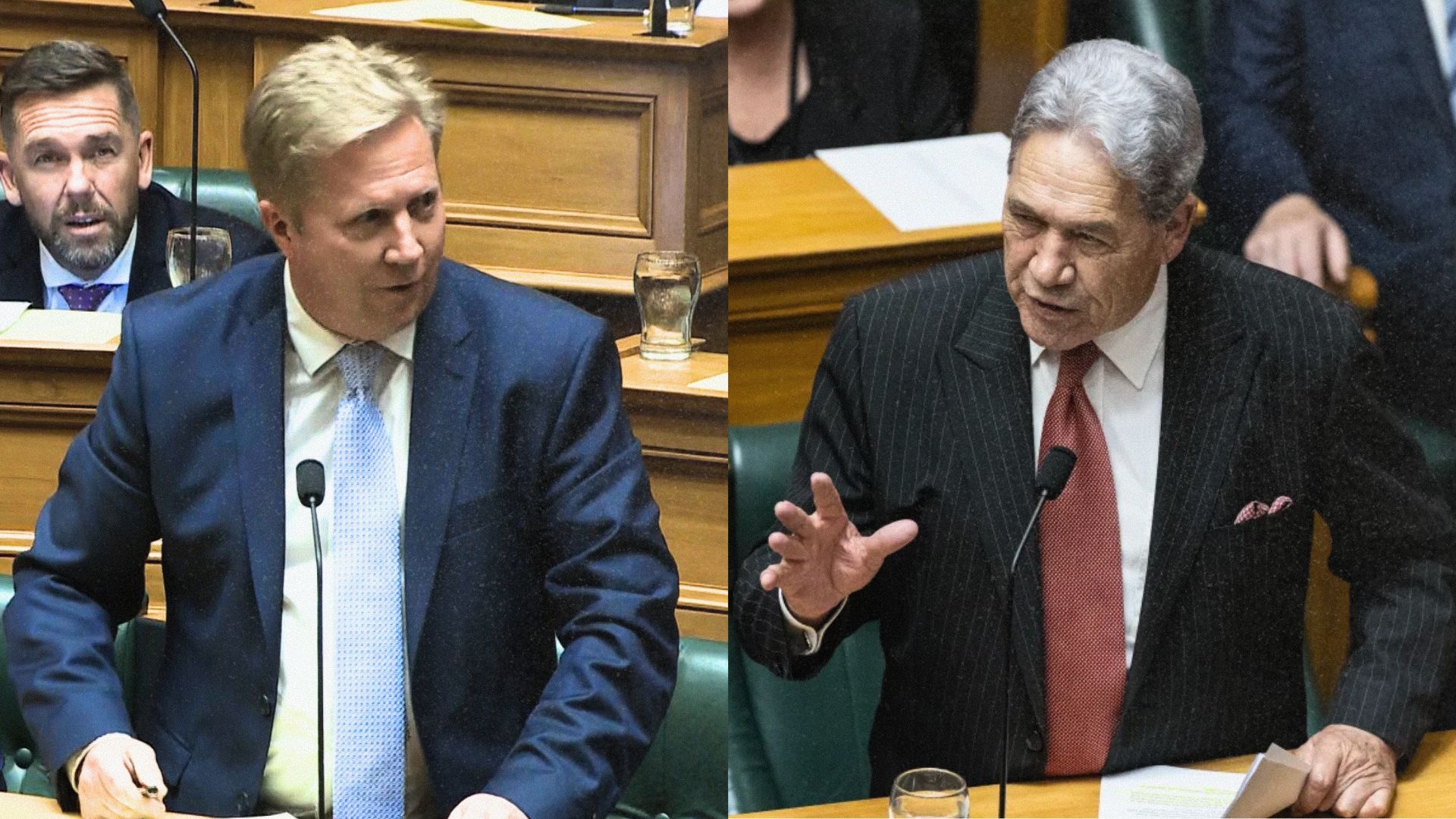
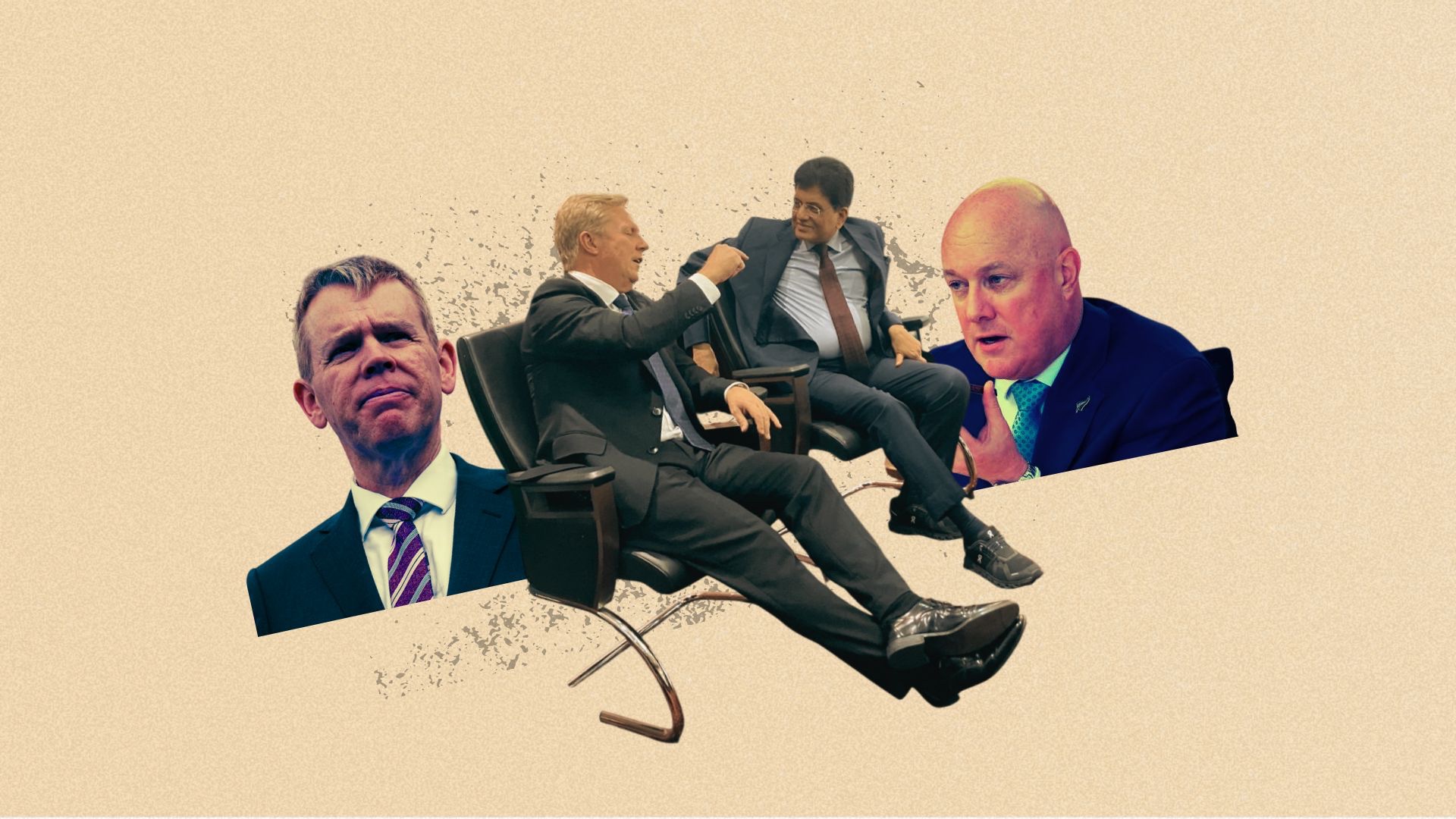
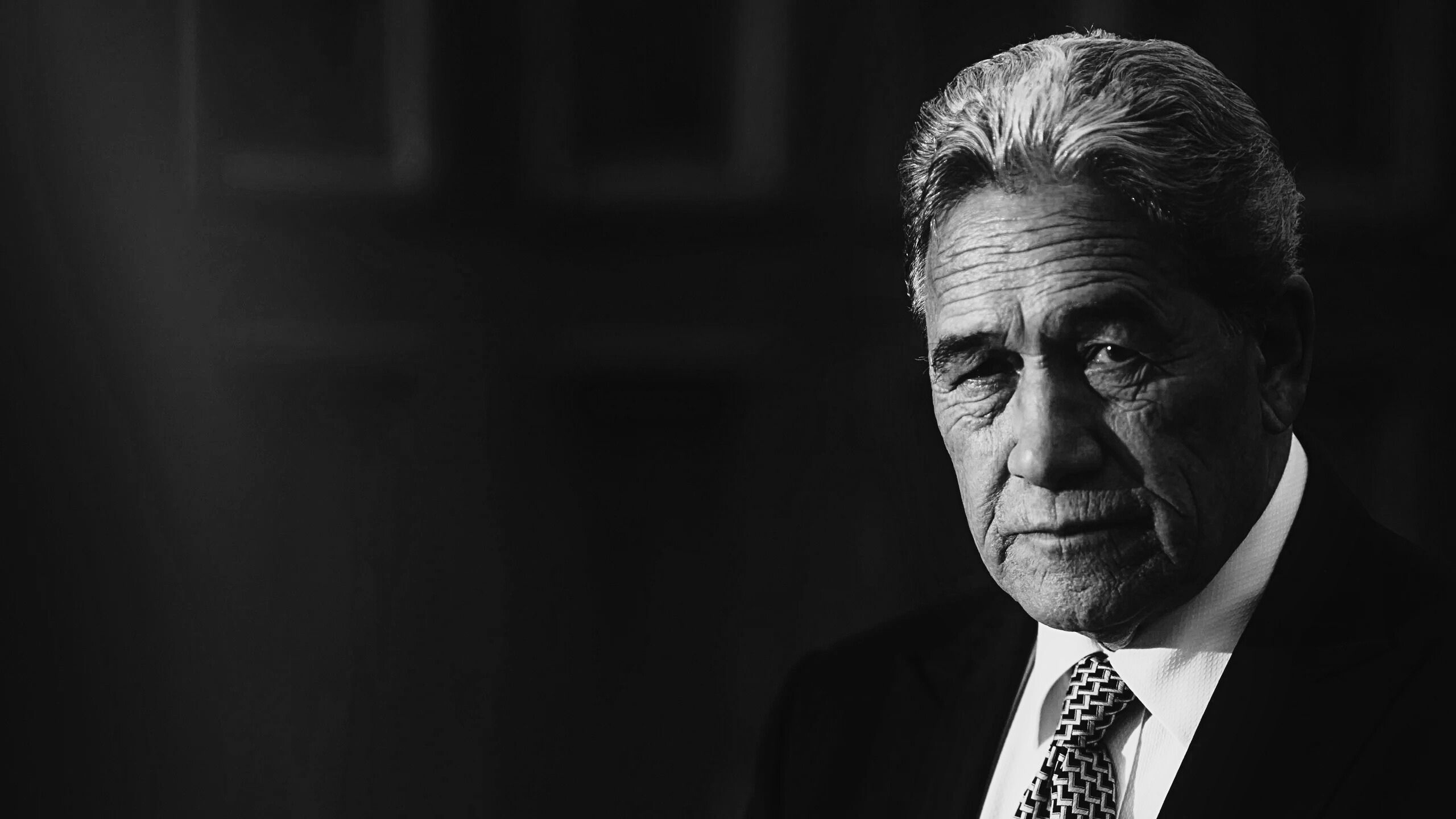
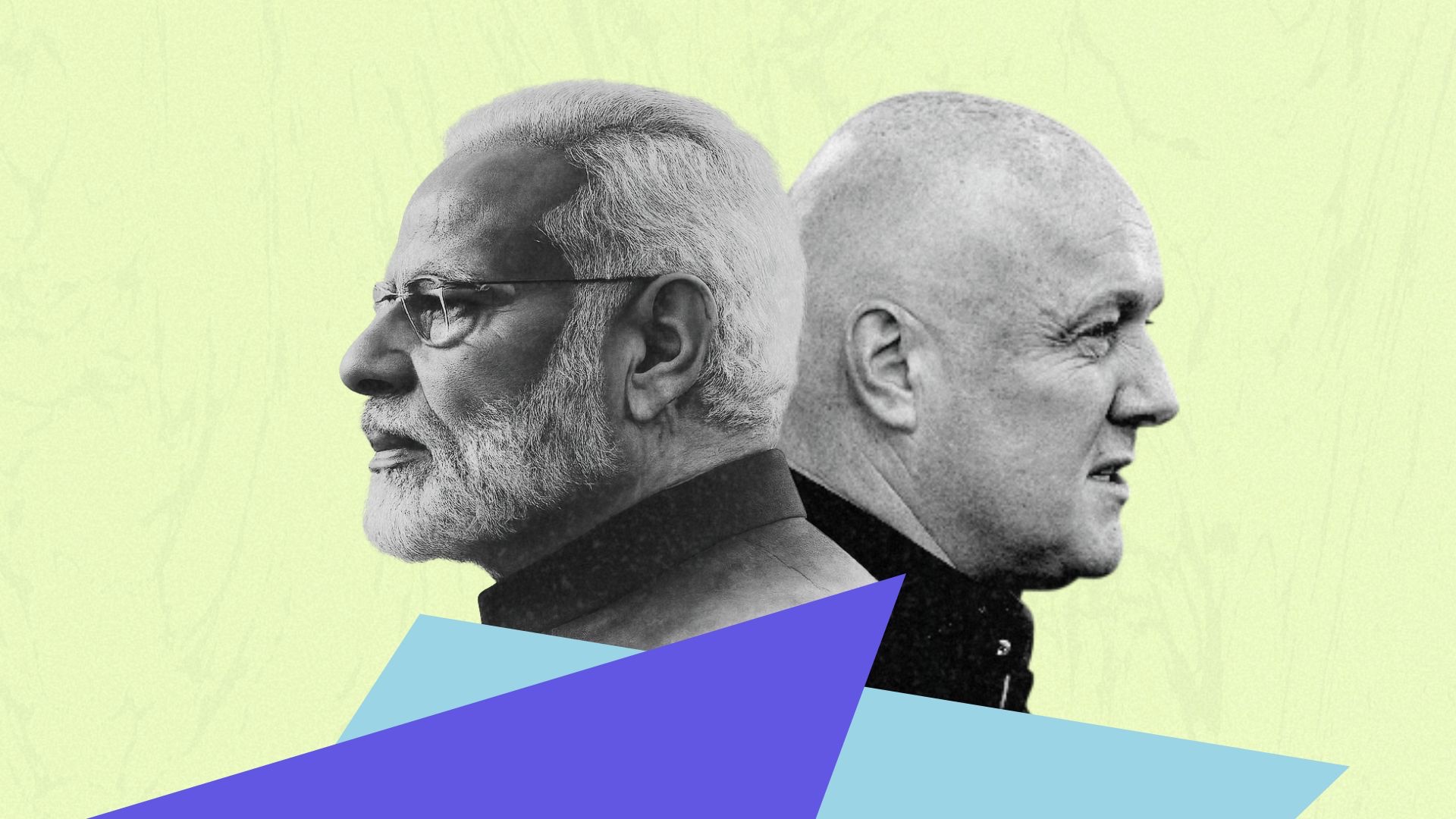
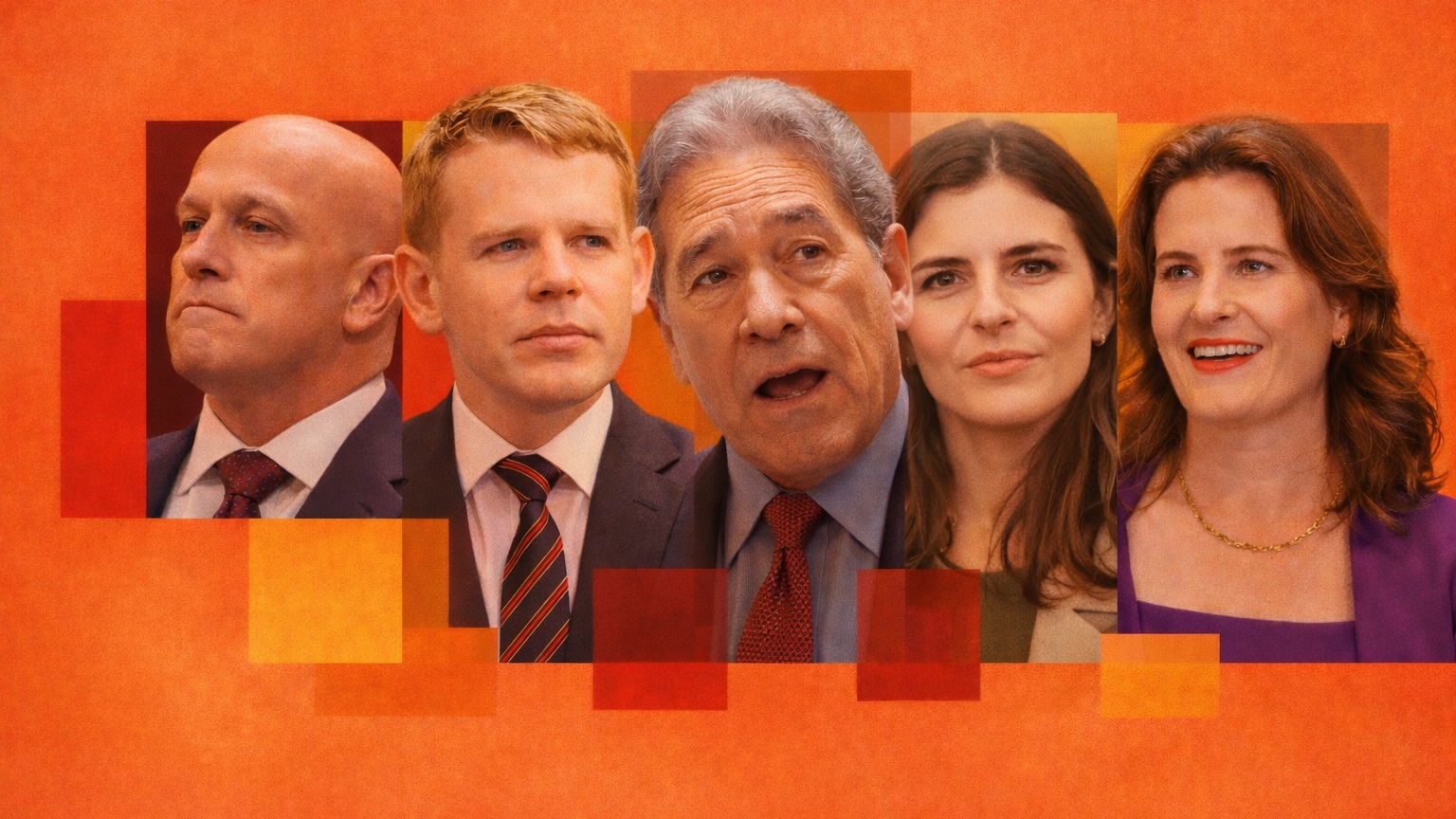
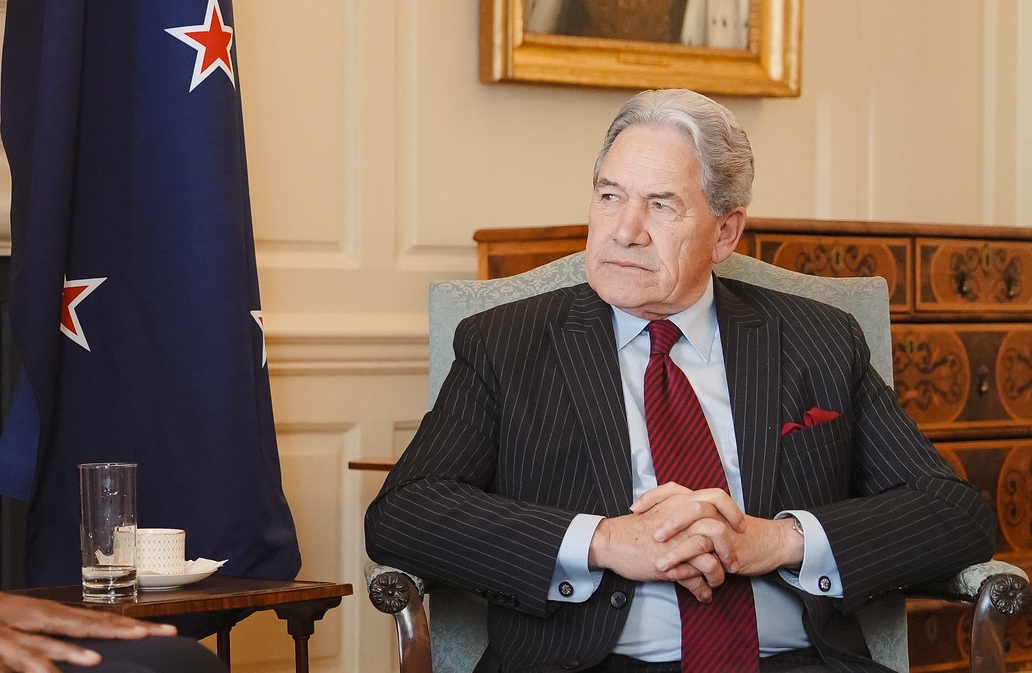
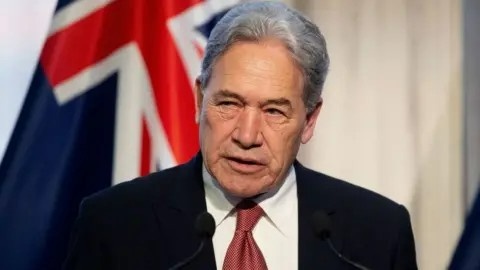
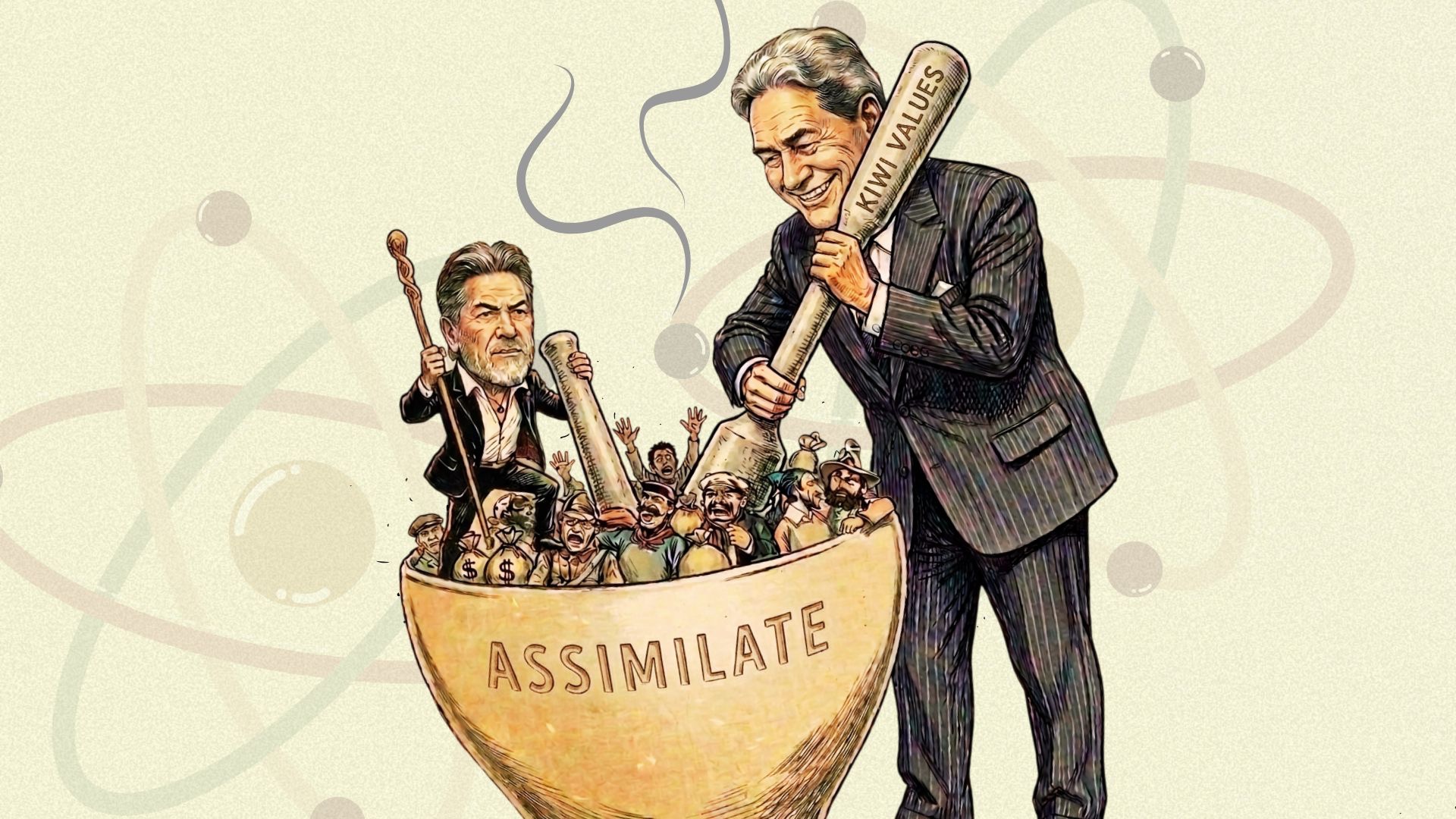
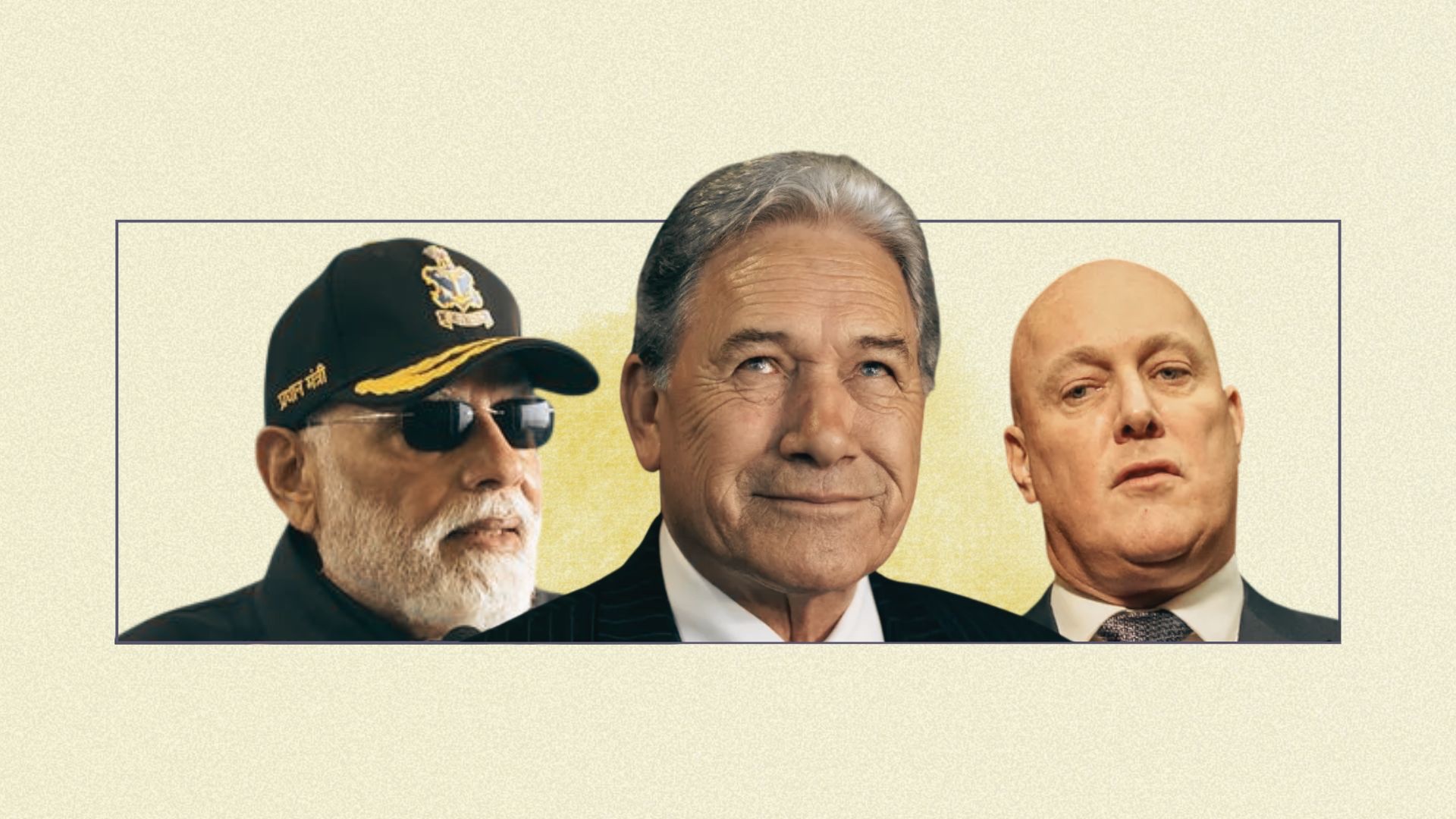
NZ First leader Winston Peters and deputy Shane Jones.
The anti-immigration rhetoric of recent months has been part of the country's election cycles in varying degrees since 1987.
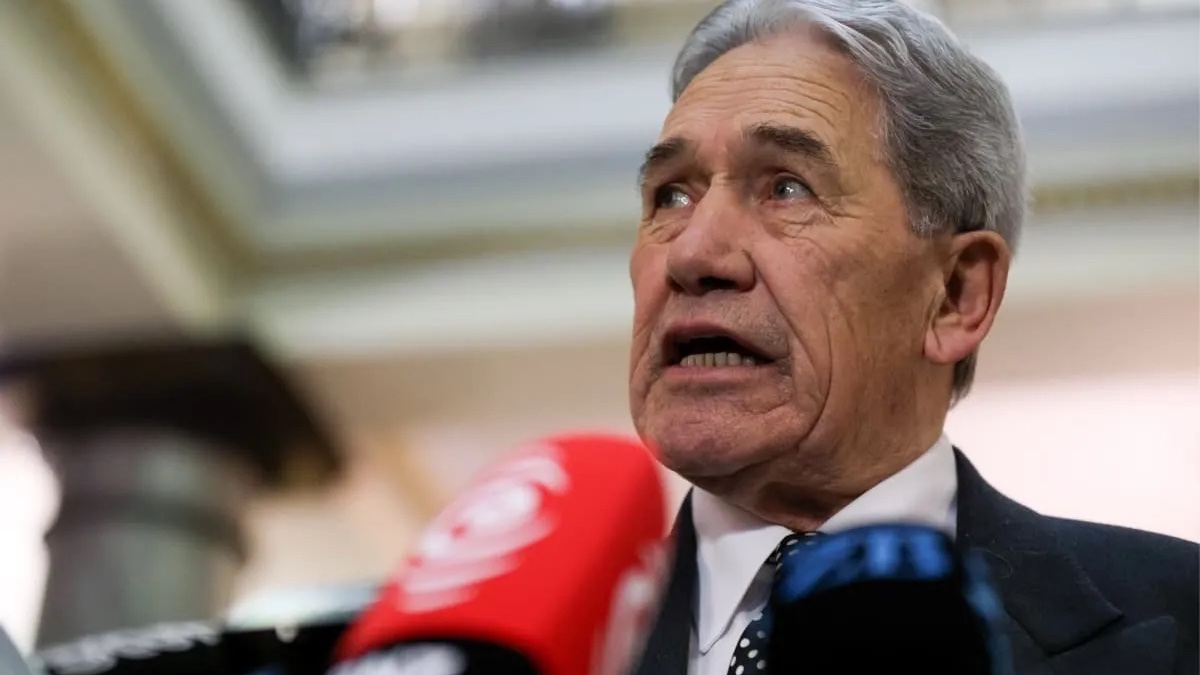
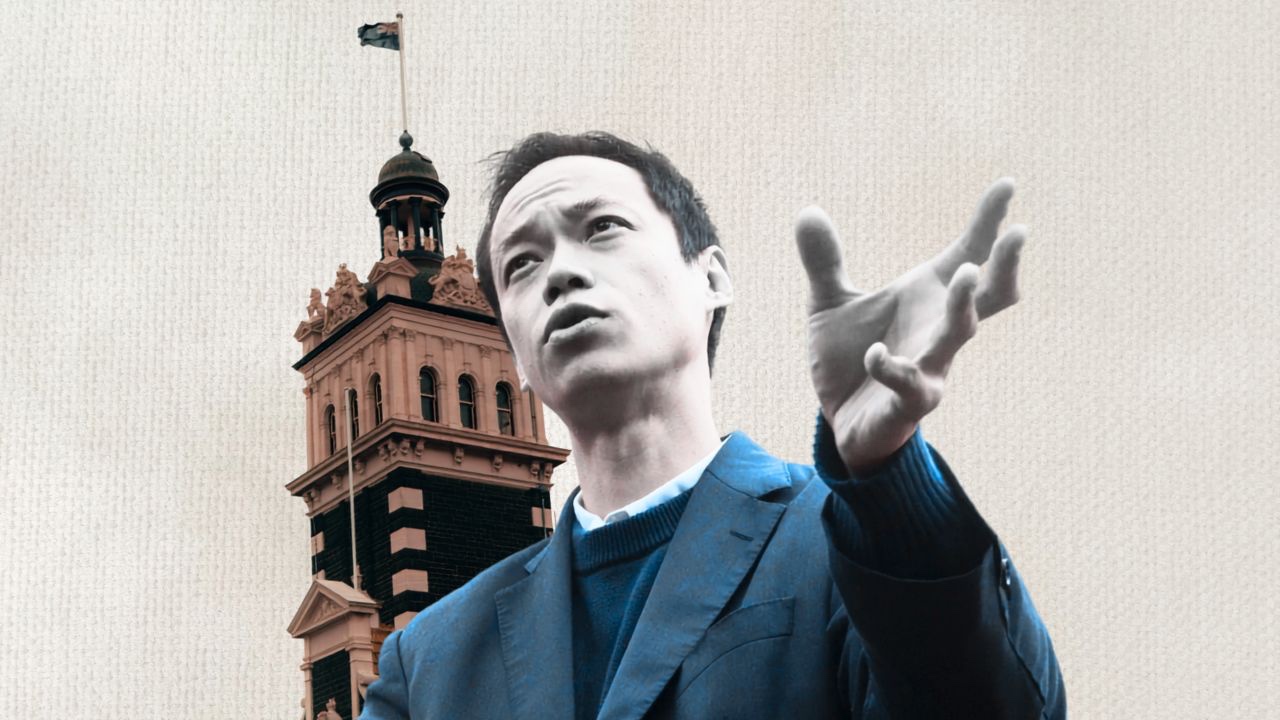
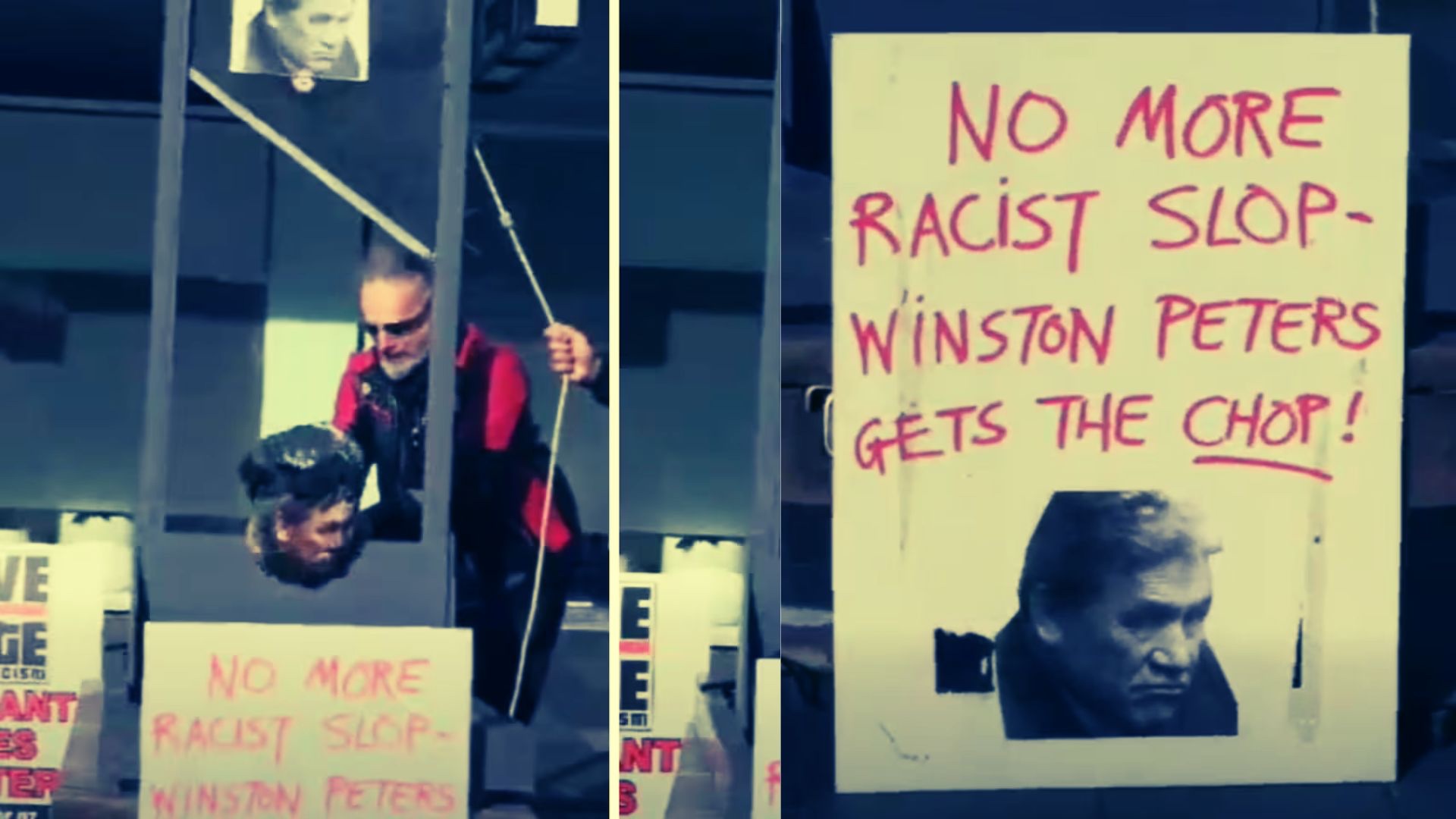
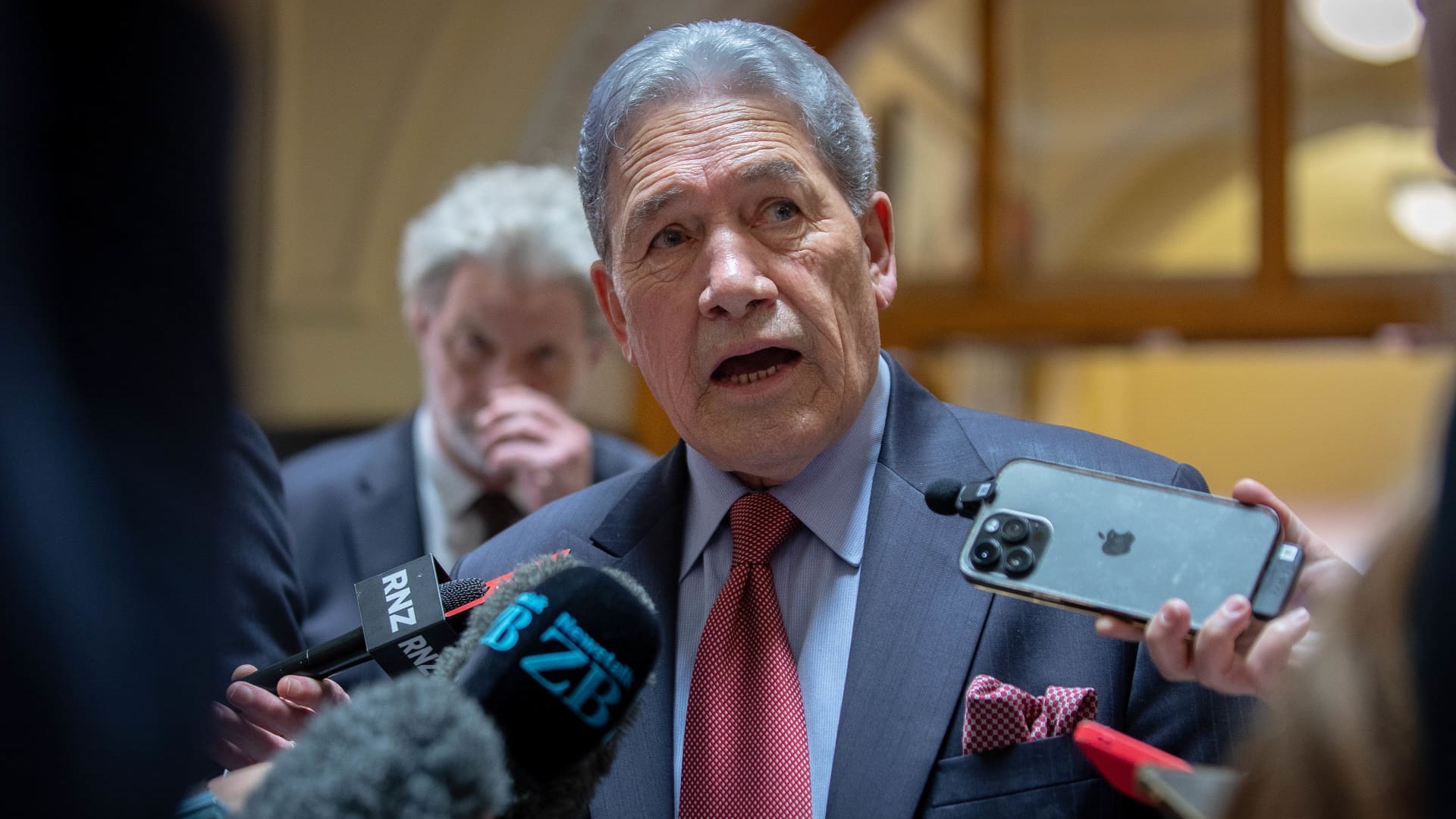
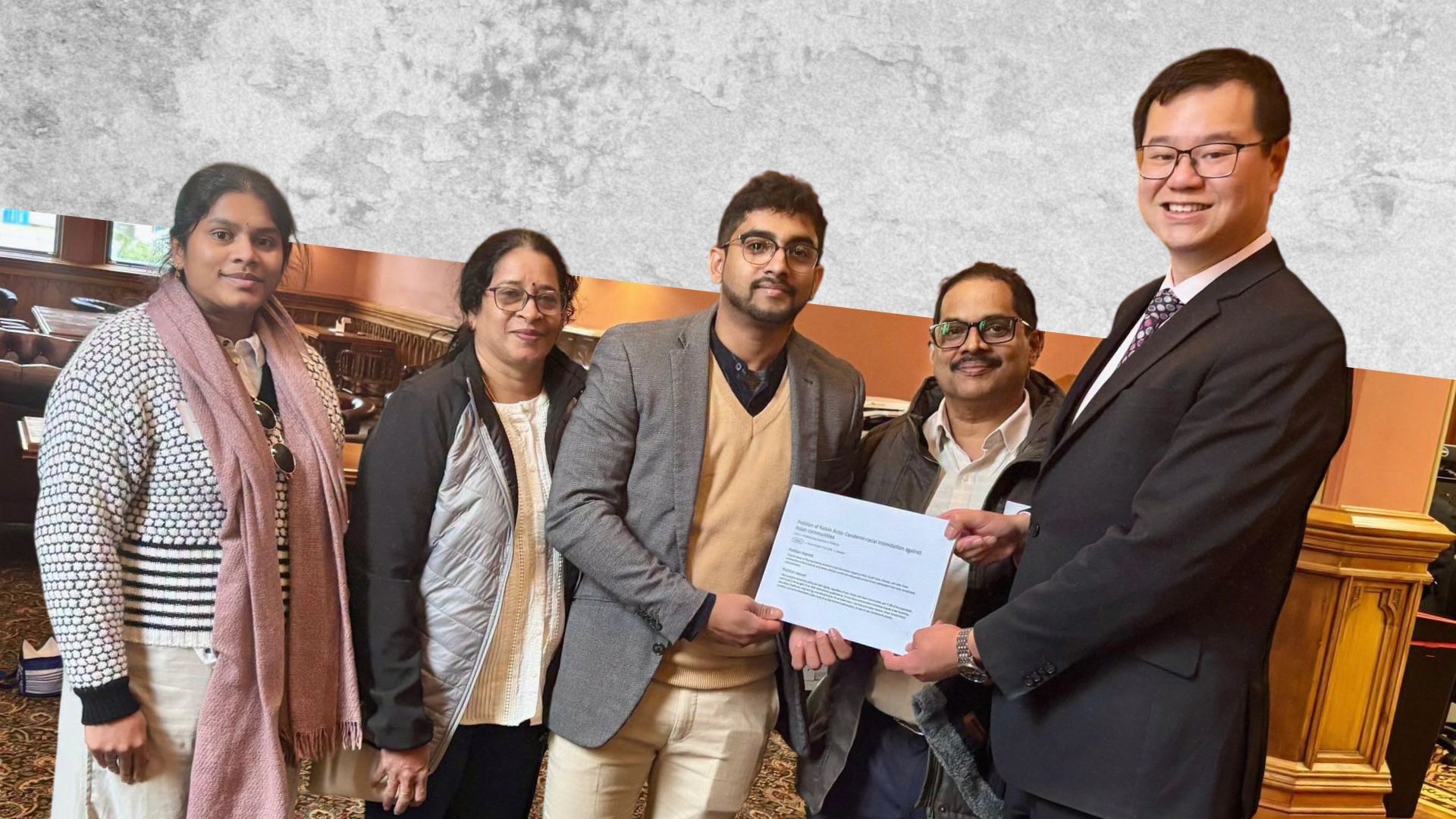
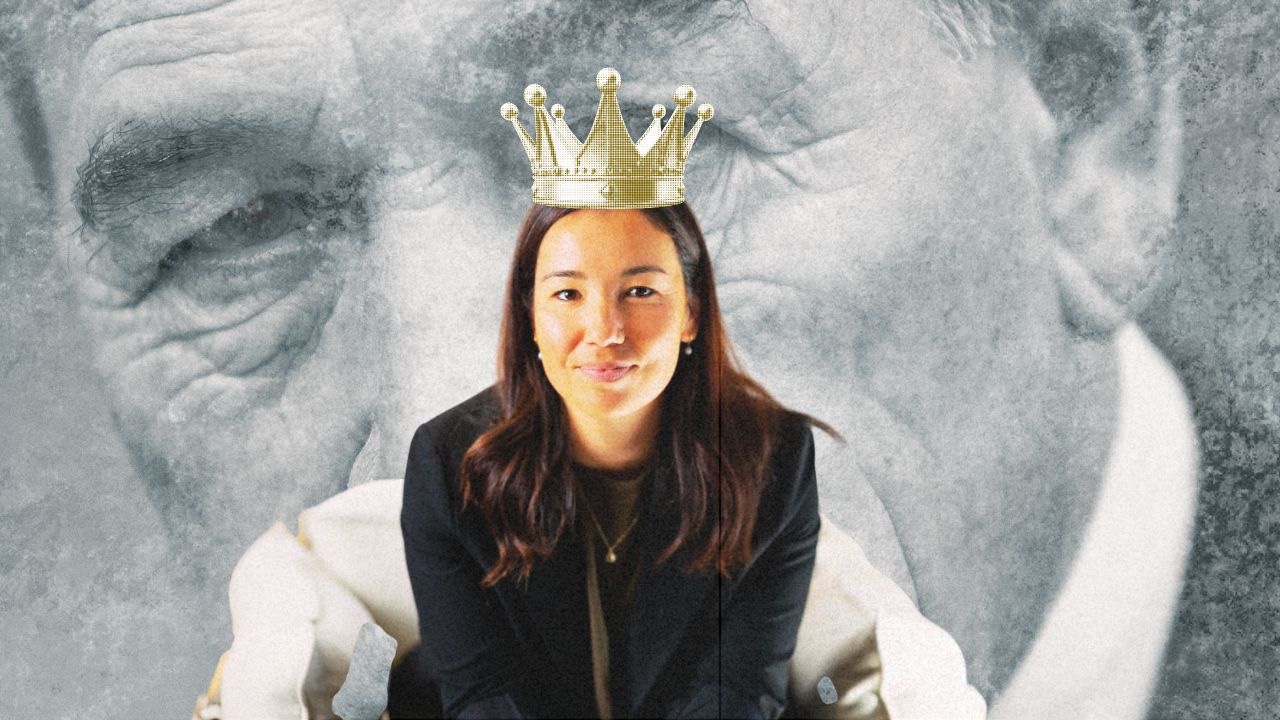
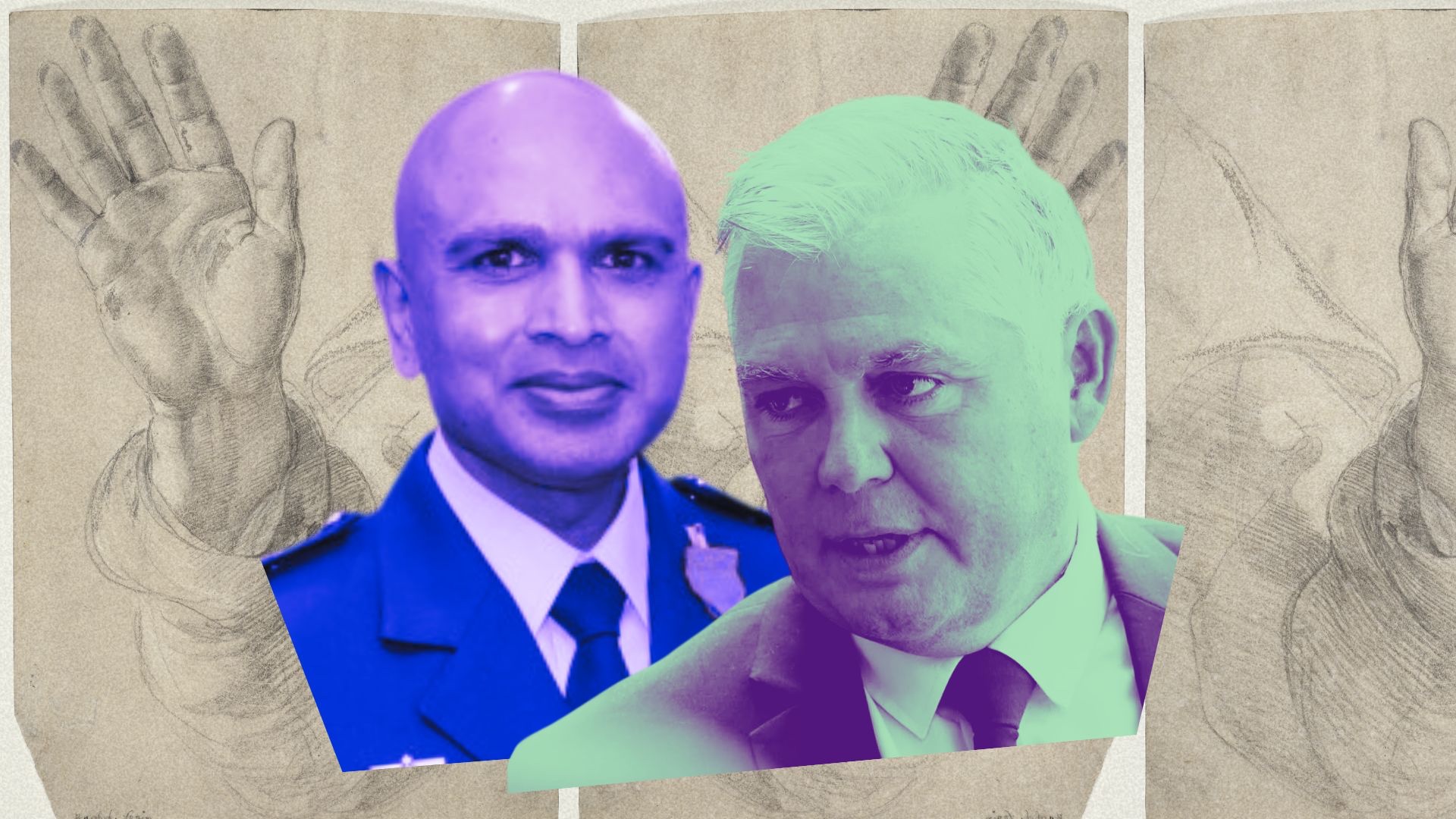
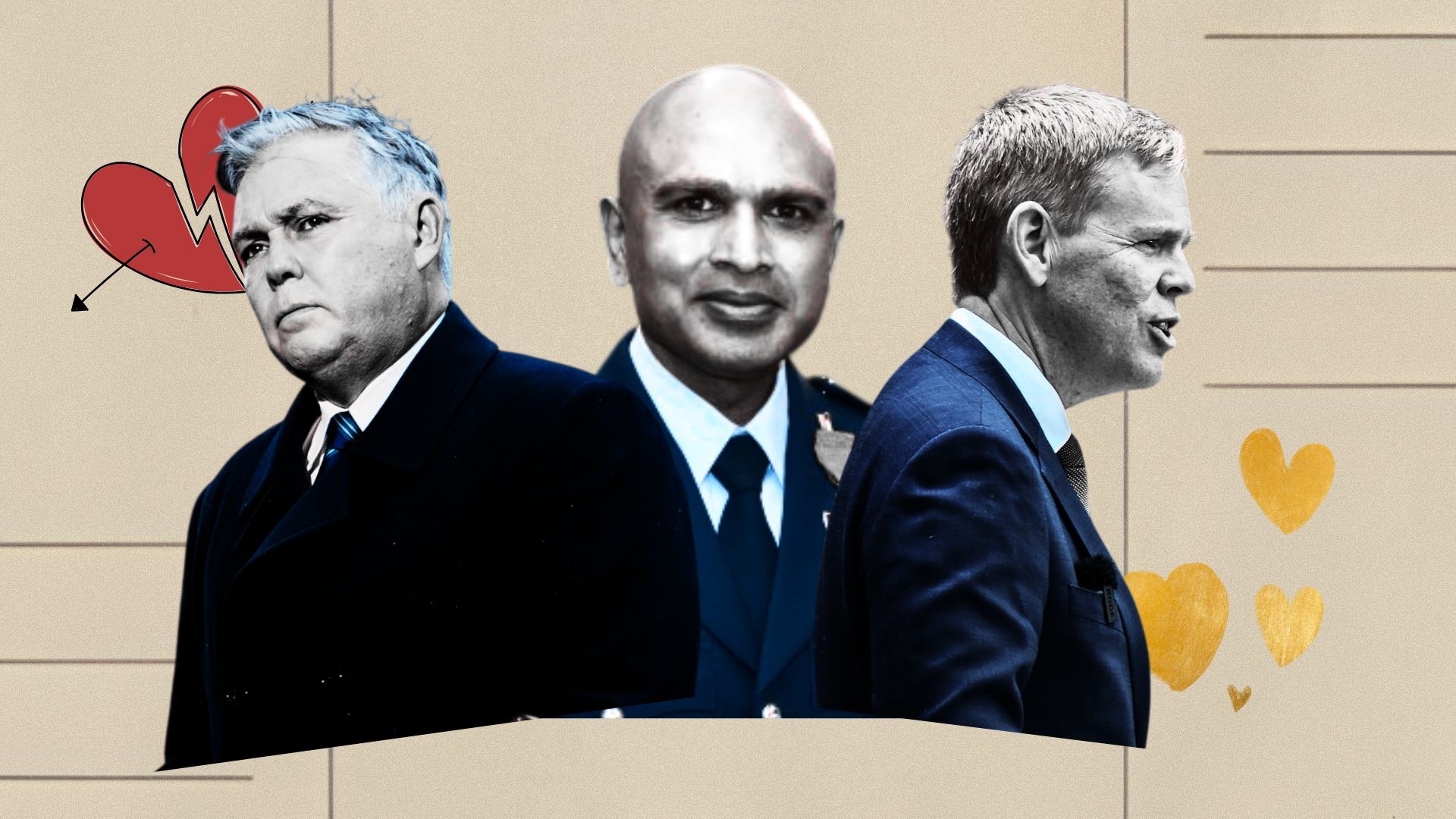
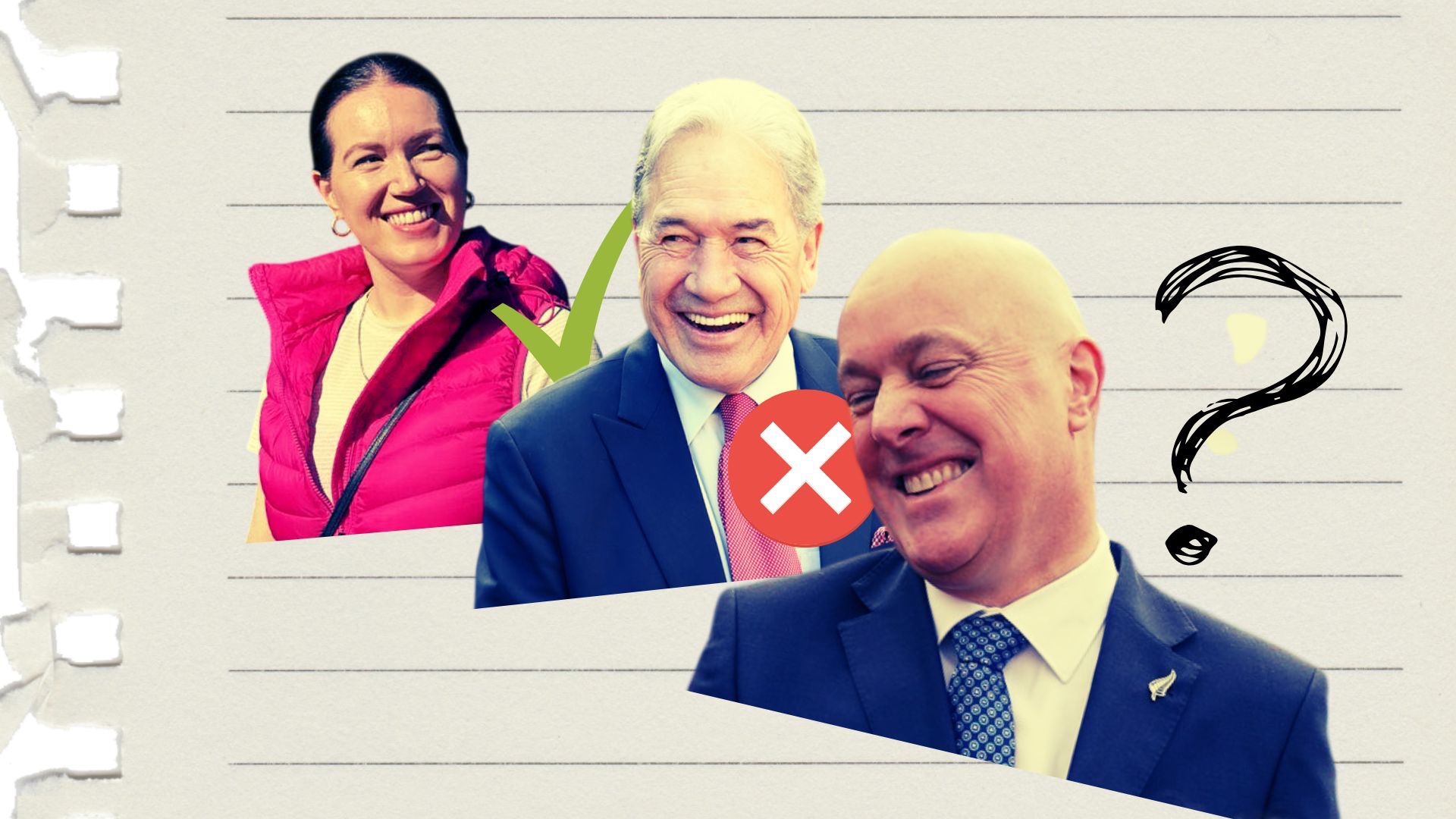
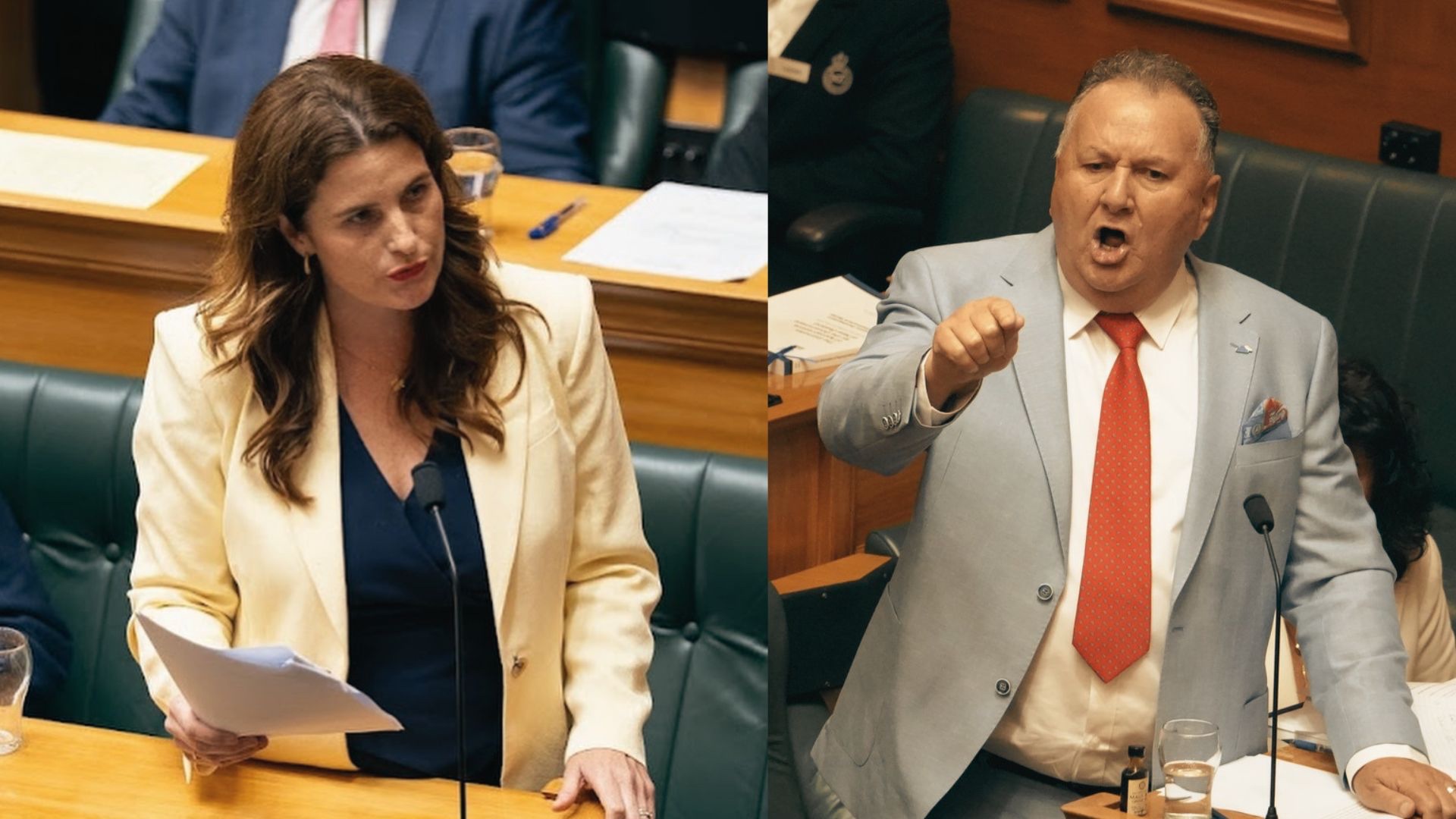
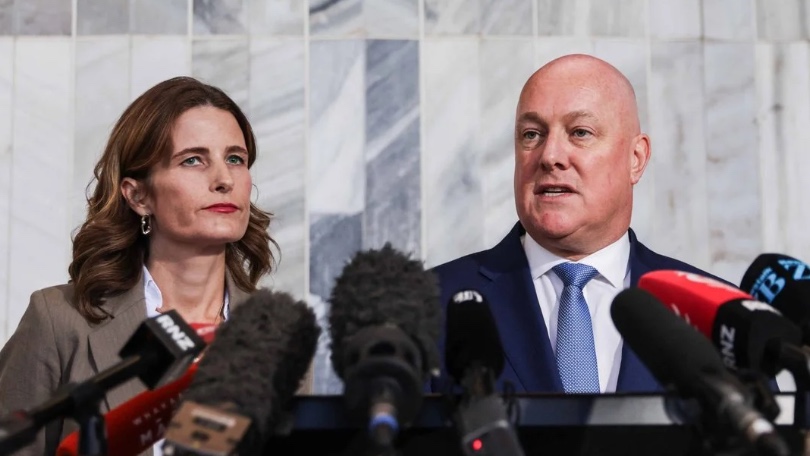
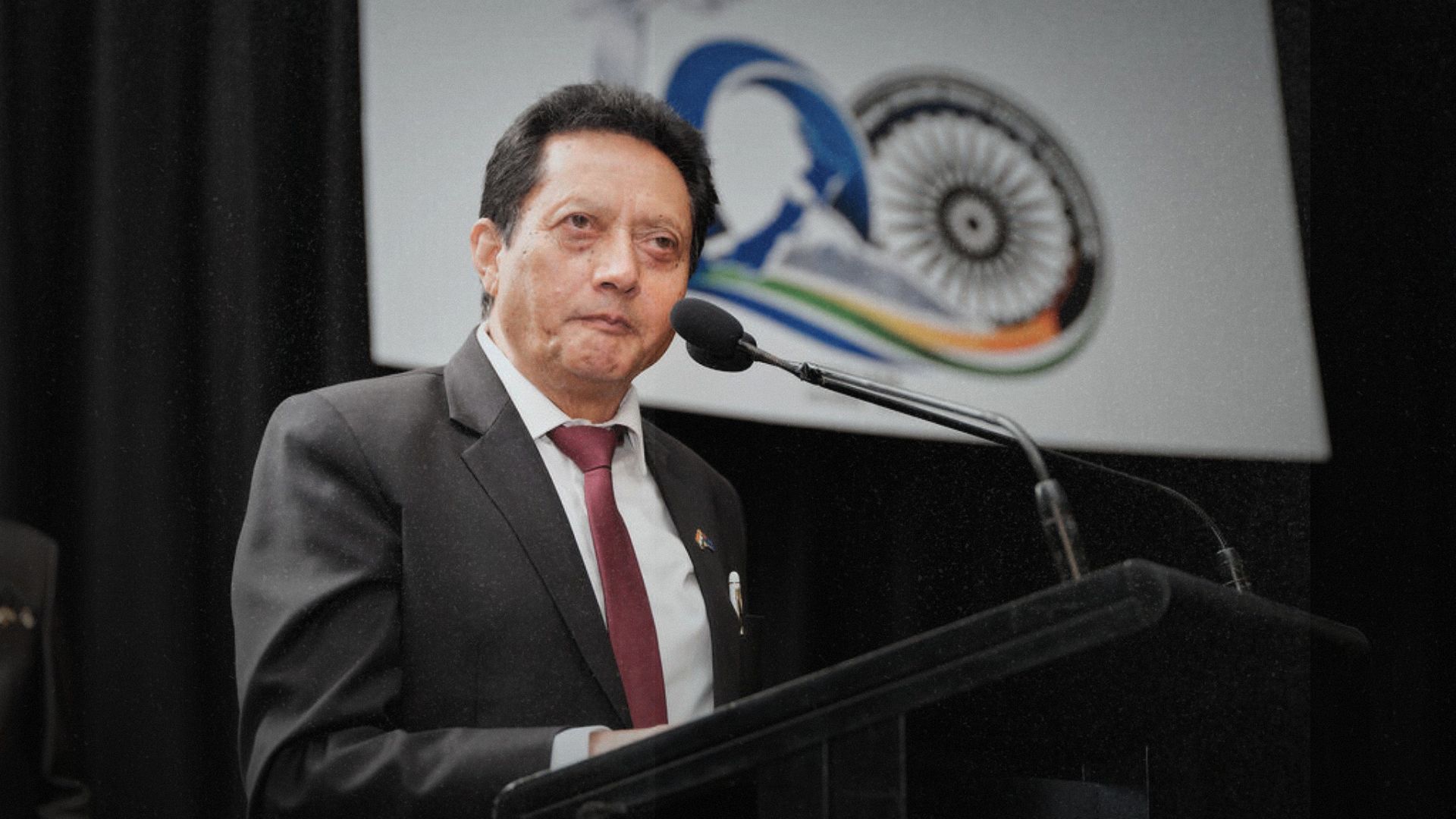
New Zealand First leader Winston Peters attracted a firestorm of criticism last month after telling China-born Green MP Lawrence Xu-Nan to "go back to where you've come from" during a tirade in Parliament.
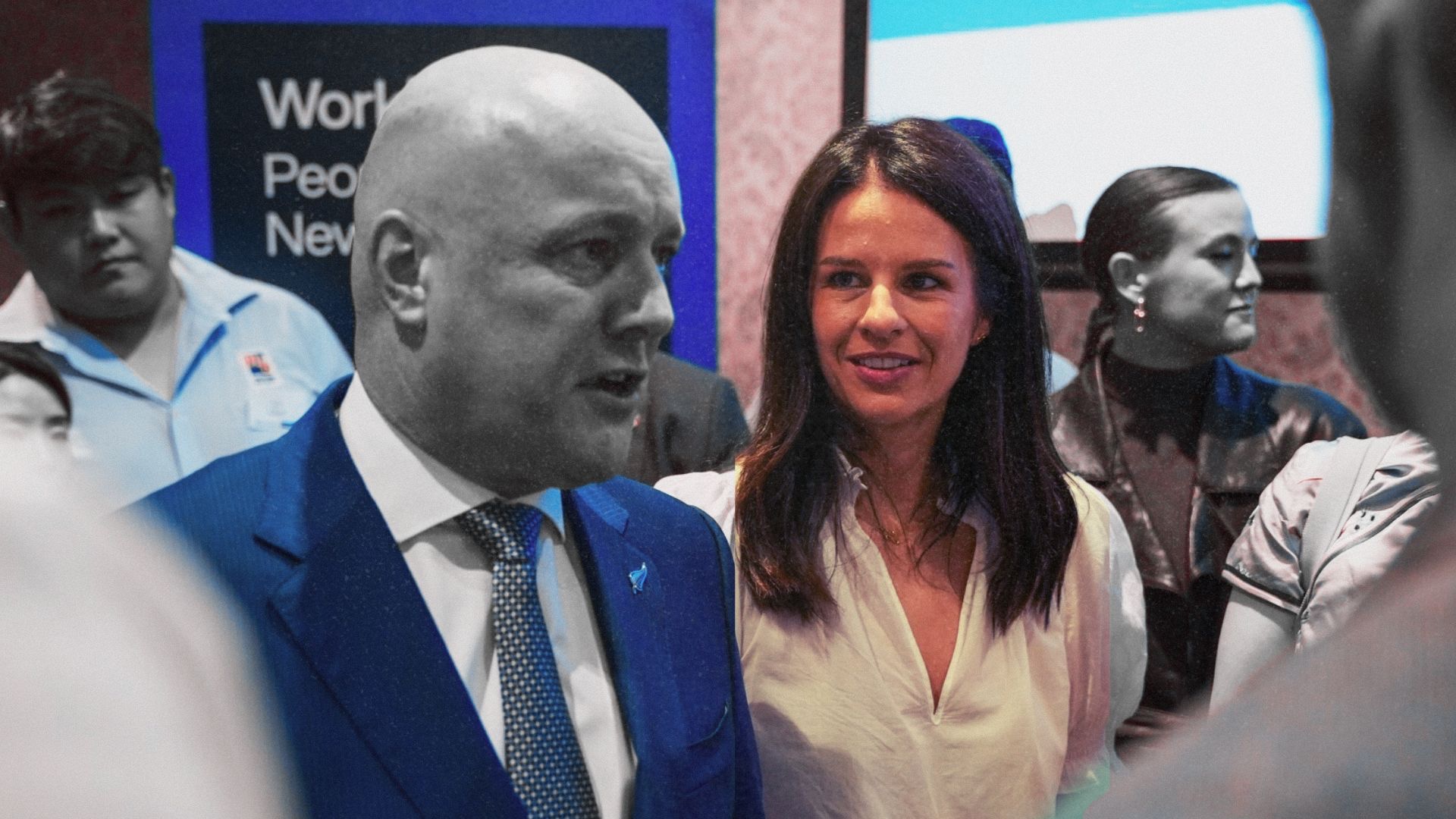
Prime Minister Christopher Luxon called the remarks racist, with other party leaders calling for Peters to lose his foreign affairs portfolio.
Amid calls for an apology, Peters argued his conduct was justified given Xu-Nan's heckling during his speech in Parliament.
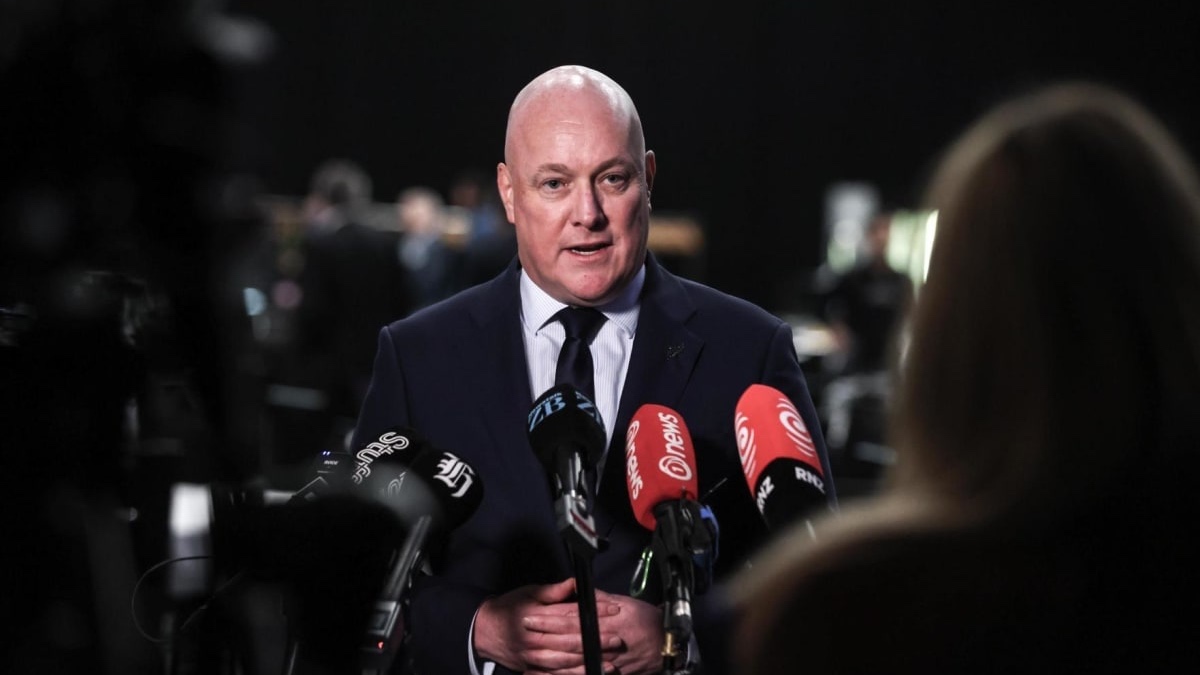
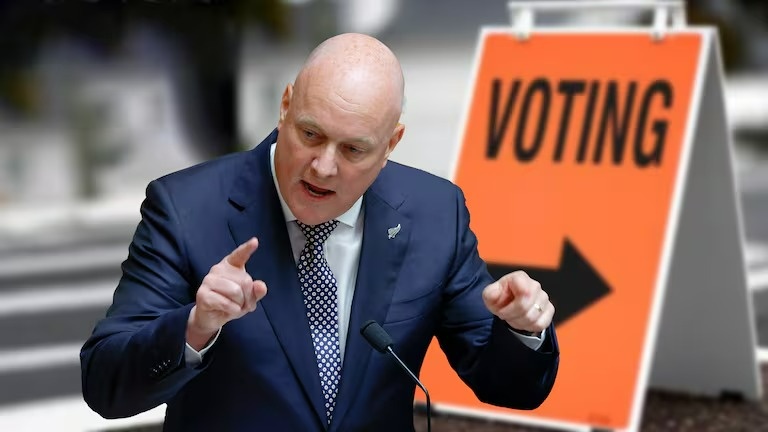
However, Luxon pointed to another reason Peters made the comments, suggesting the foreign minister was "playing a game" to attract voters ahead of the November election.
Luxon expressed confidence in his foreign minister but noted that "the reality is we're now in full-blown campaign mode".
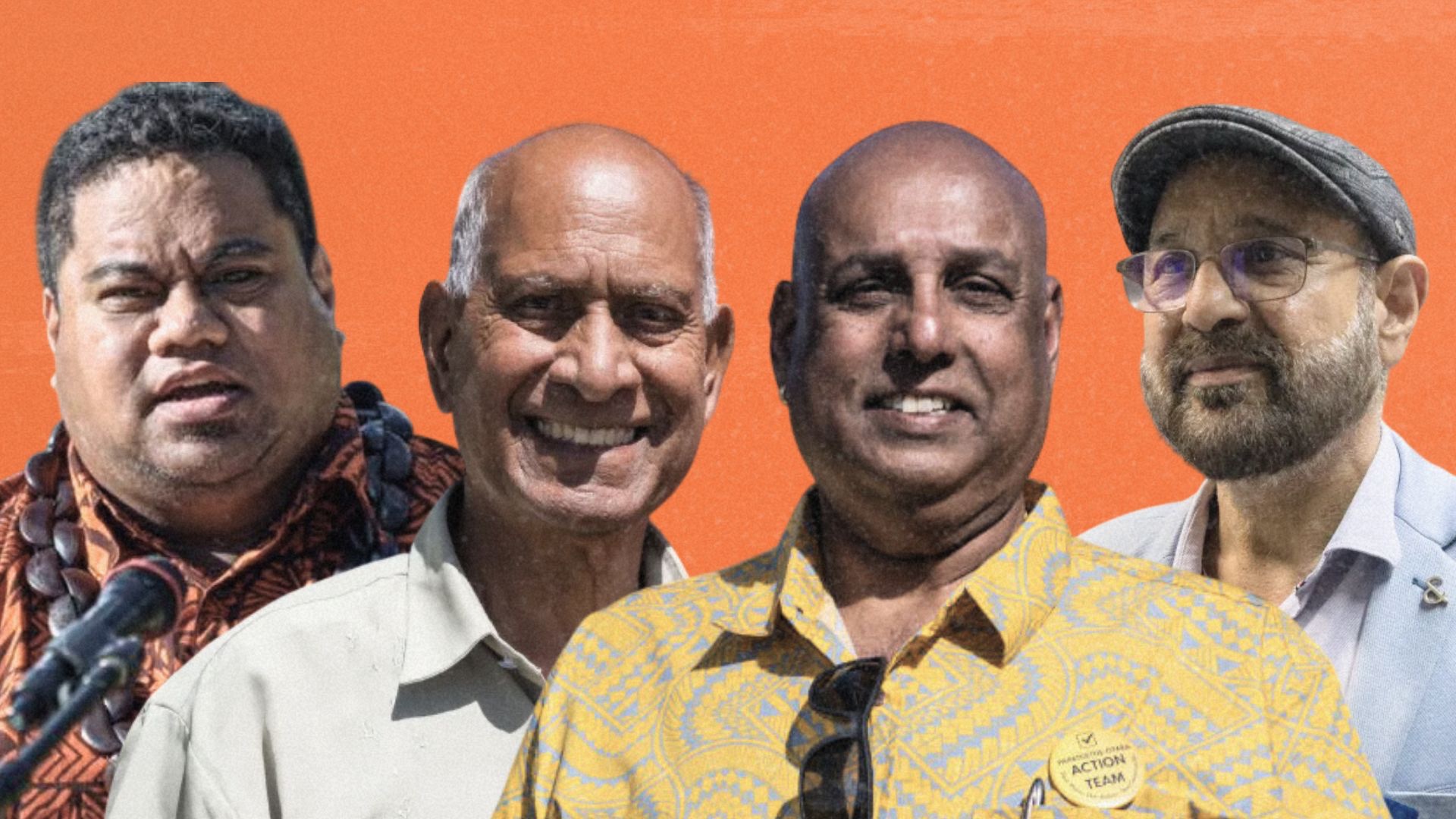
Election 2026: Will Kiwi-Indian voters decide the battle for Takanini? A South Auckland seat with one of New Zealand’s biggest Indian populations is shaping up as a test for ethnic identity and the ballot box.
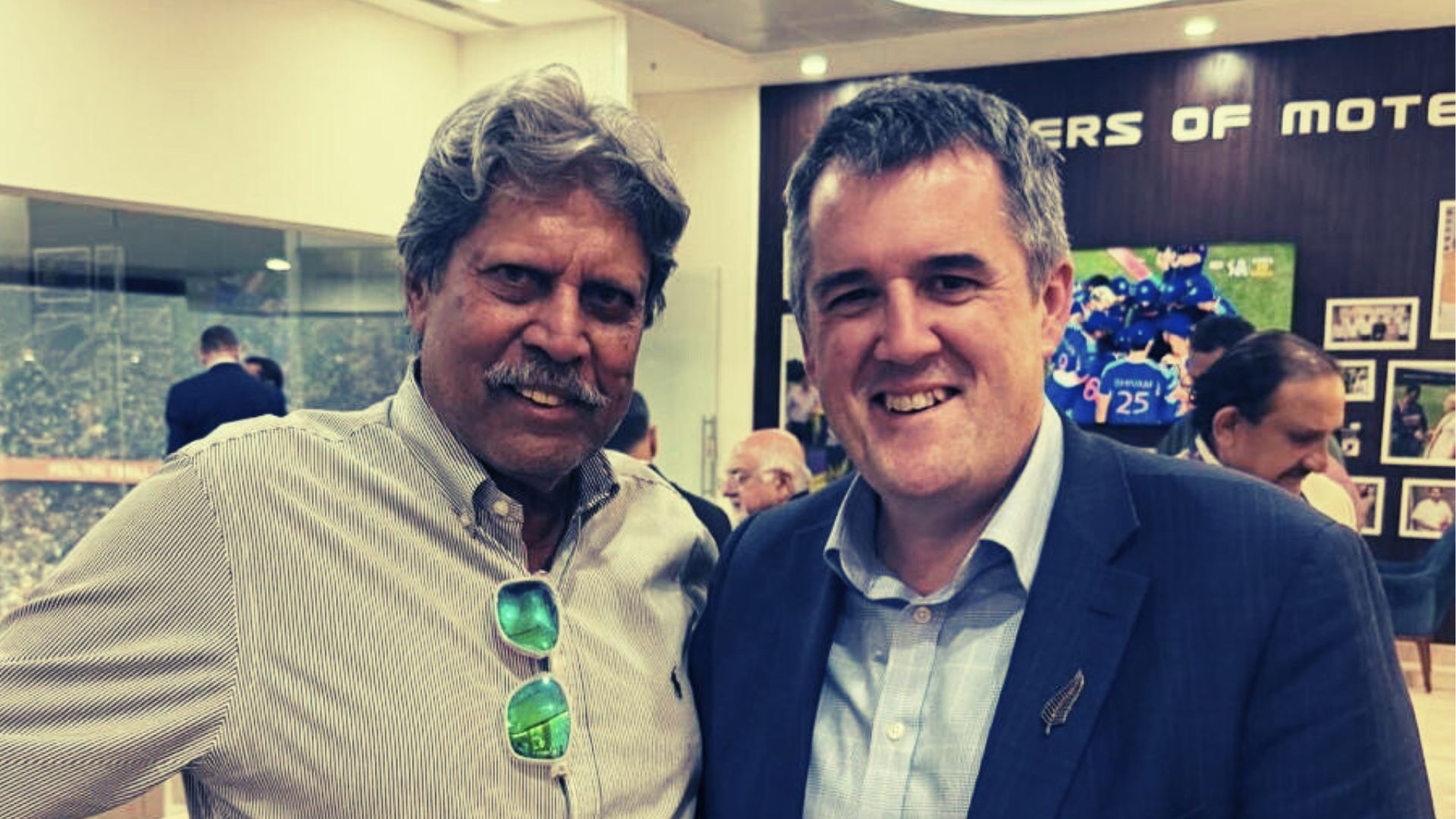
India is coming to Auckland: Full schedule revealed for cricket, football, hockey, Diwali From the Black Caps and All Whites taking on India to Diwali, hockey, bowls and city-wide light displays, Auckland has revealed its sporting centenary programme.
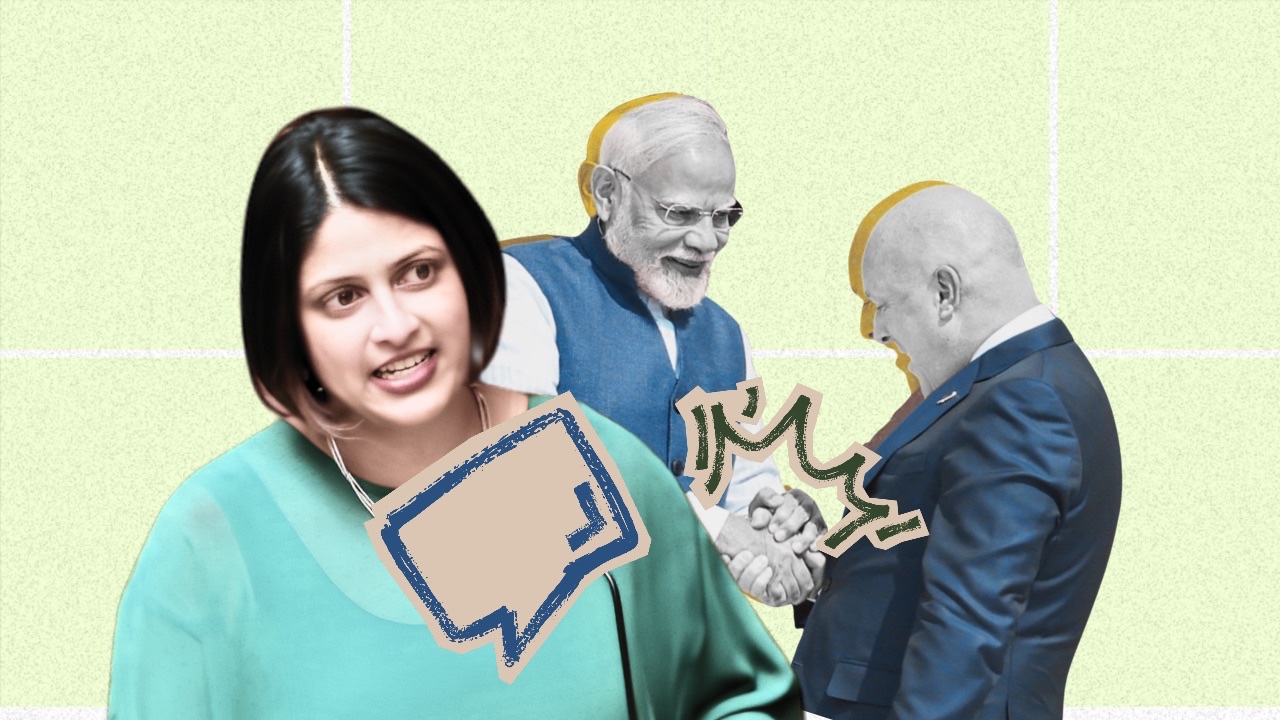
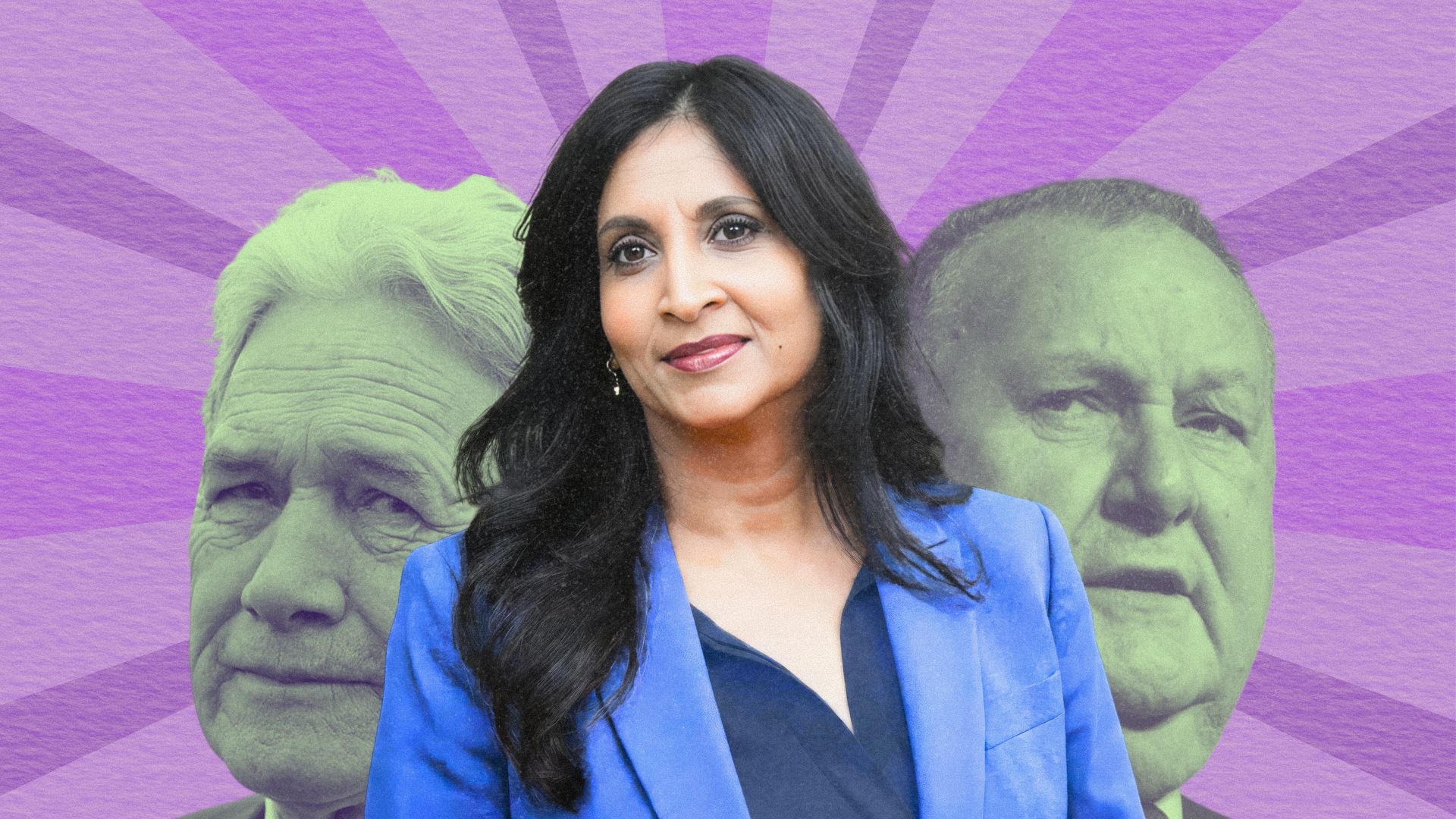
What does an Indian-origin MP owe Kiwi Indians? Priyanca Radhakrishnan on identity, belonging The three-term Labour MP says you can be Indian and Kiwi. Why should belonging require you to choose sides?

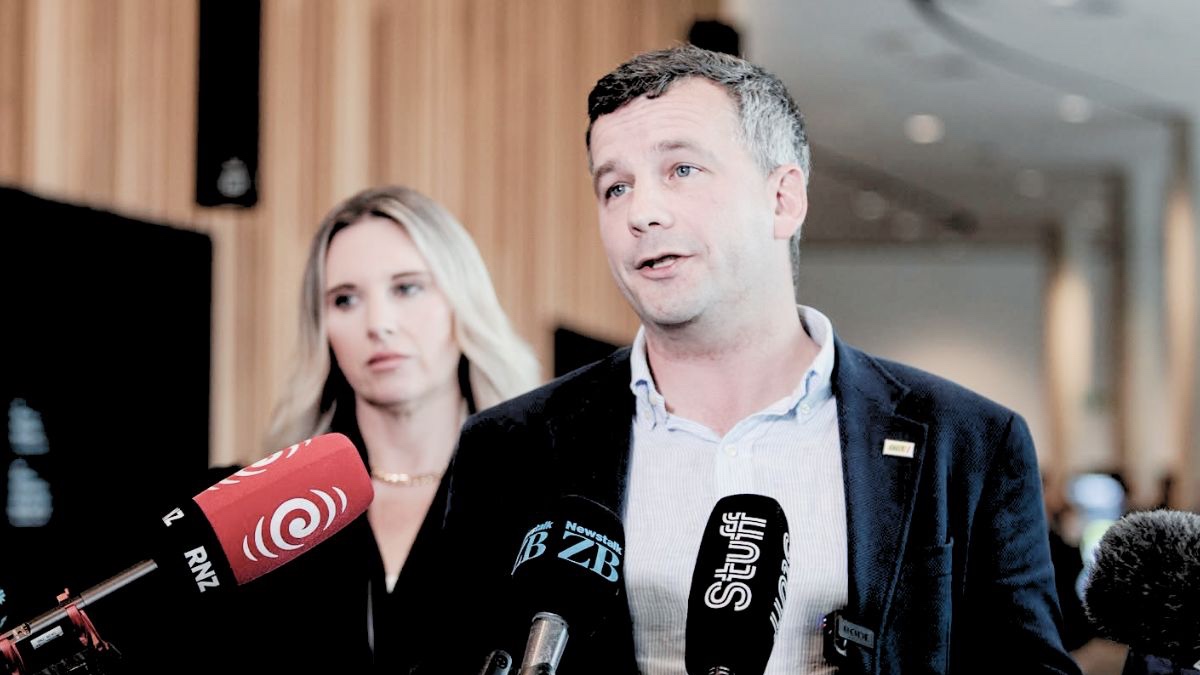
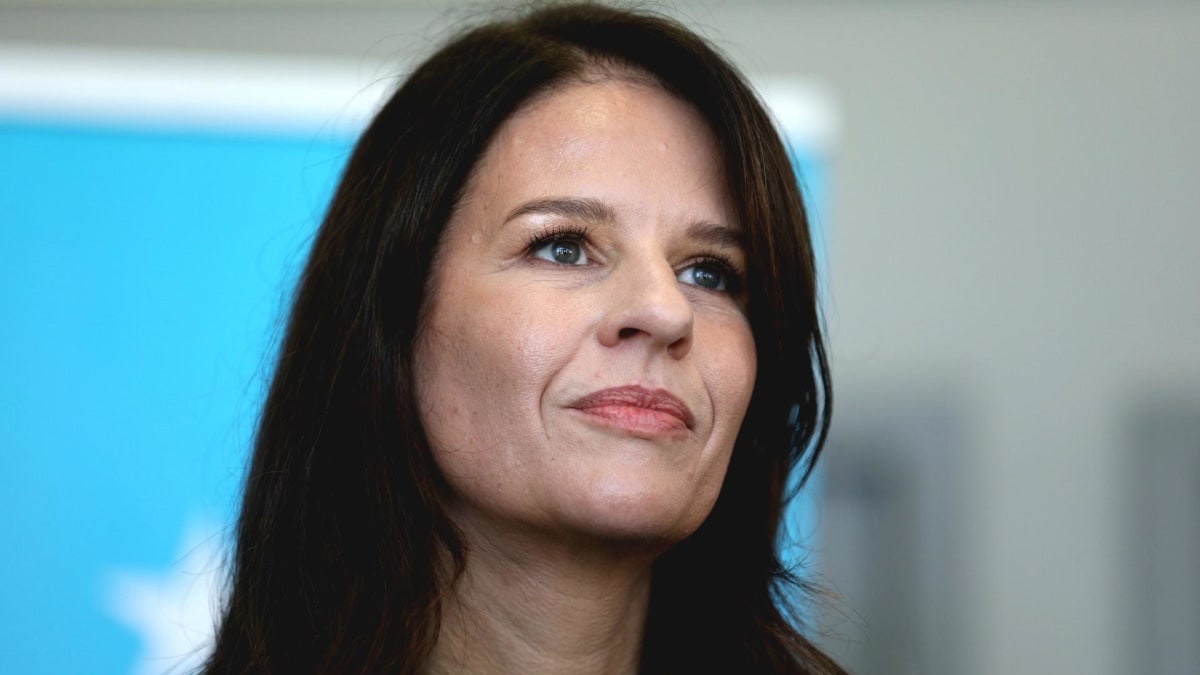
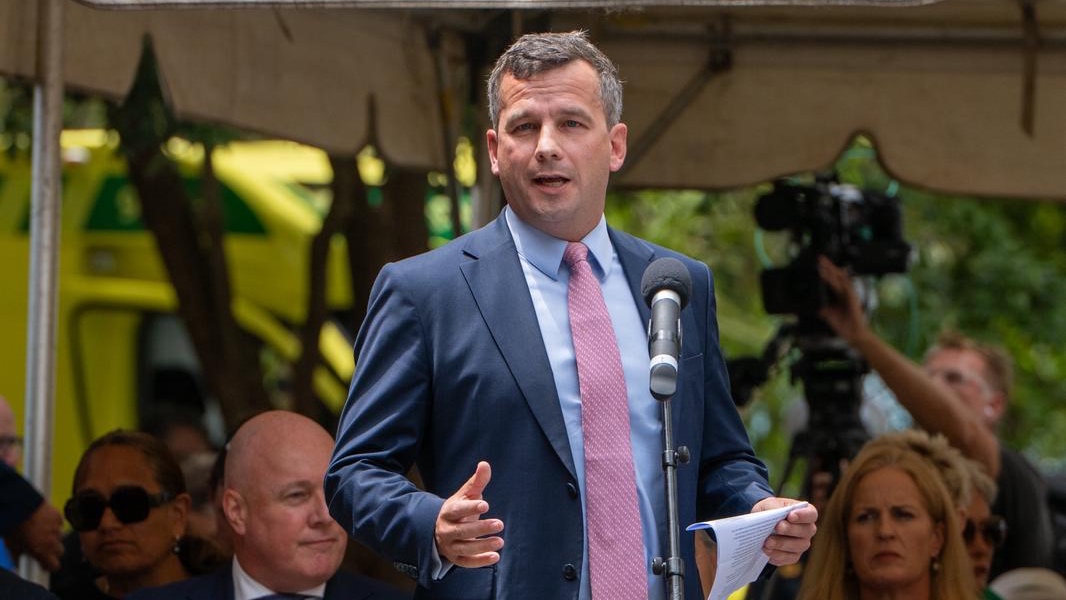
Green MP Lawrence Xu-Nan. (Supplied photo)
Immigration has already been deployed by a New Zealand First MP in the lead-up to the election.
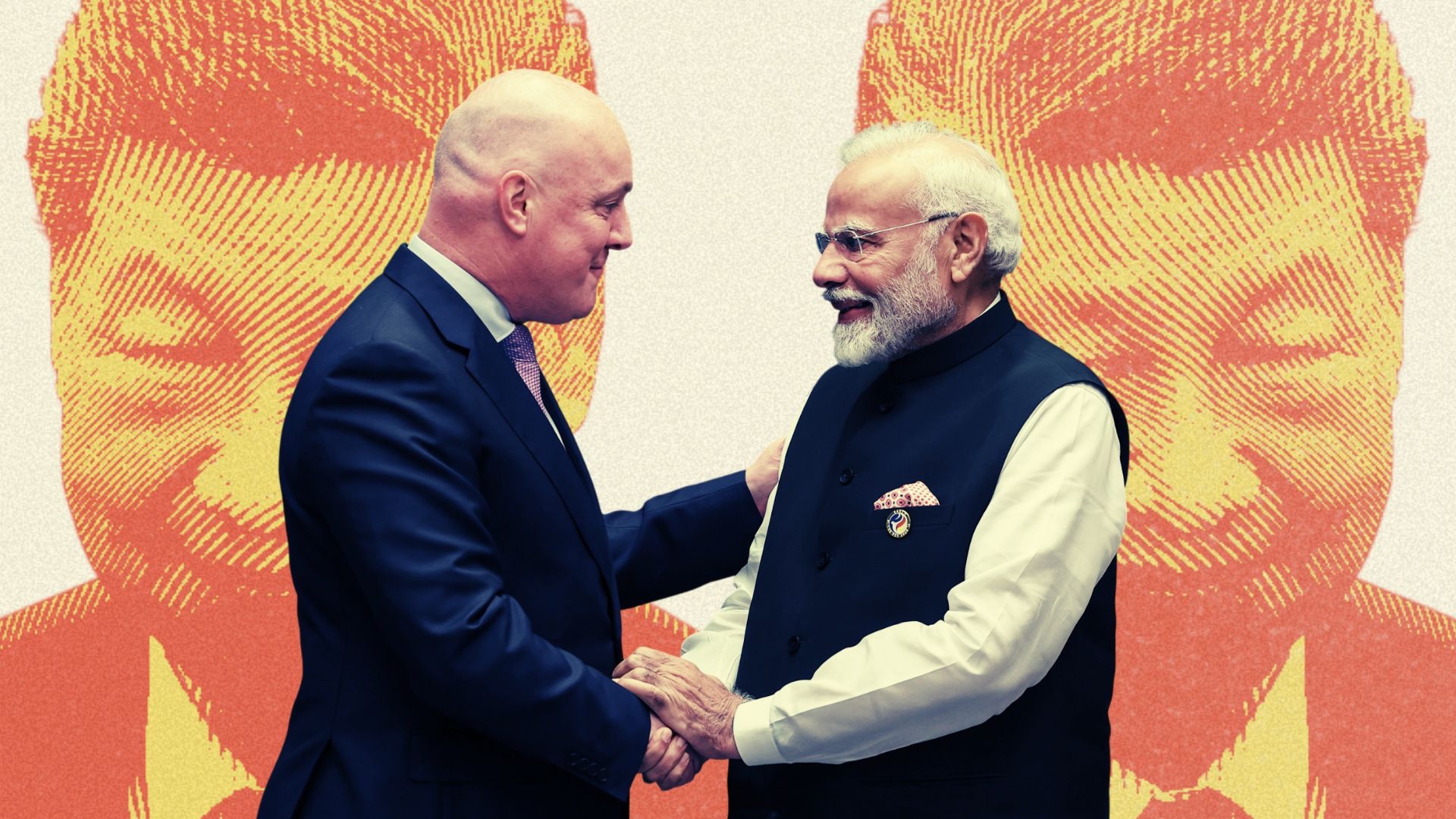
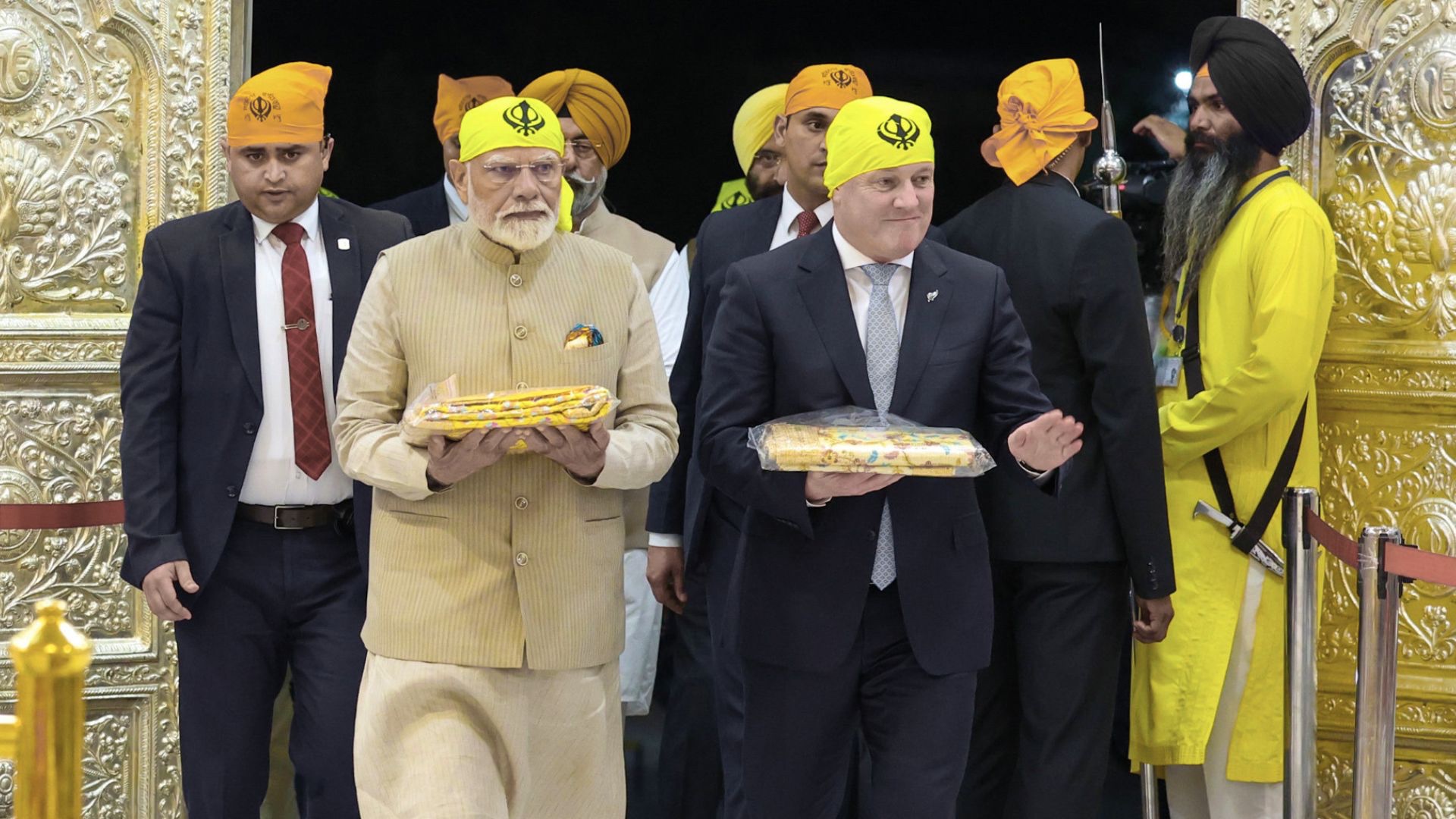
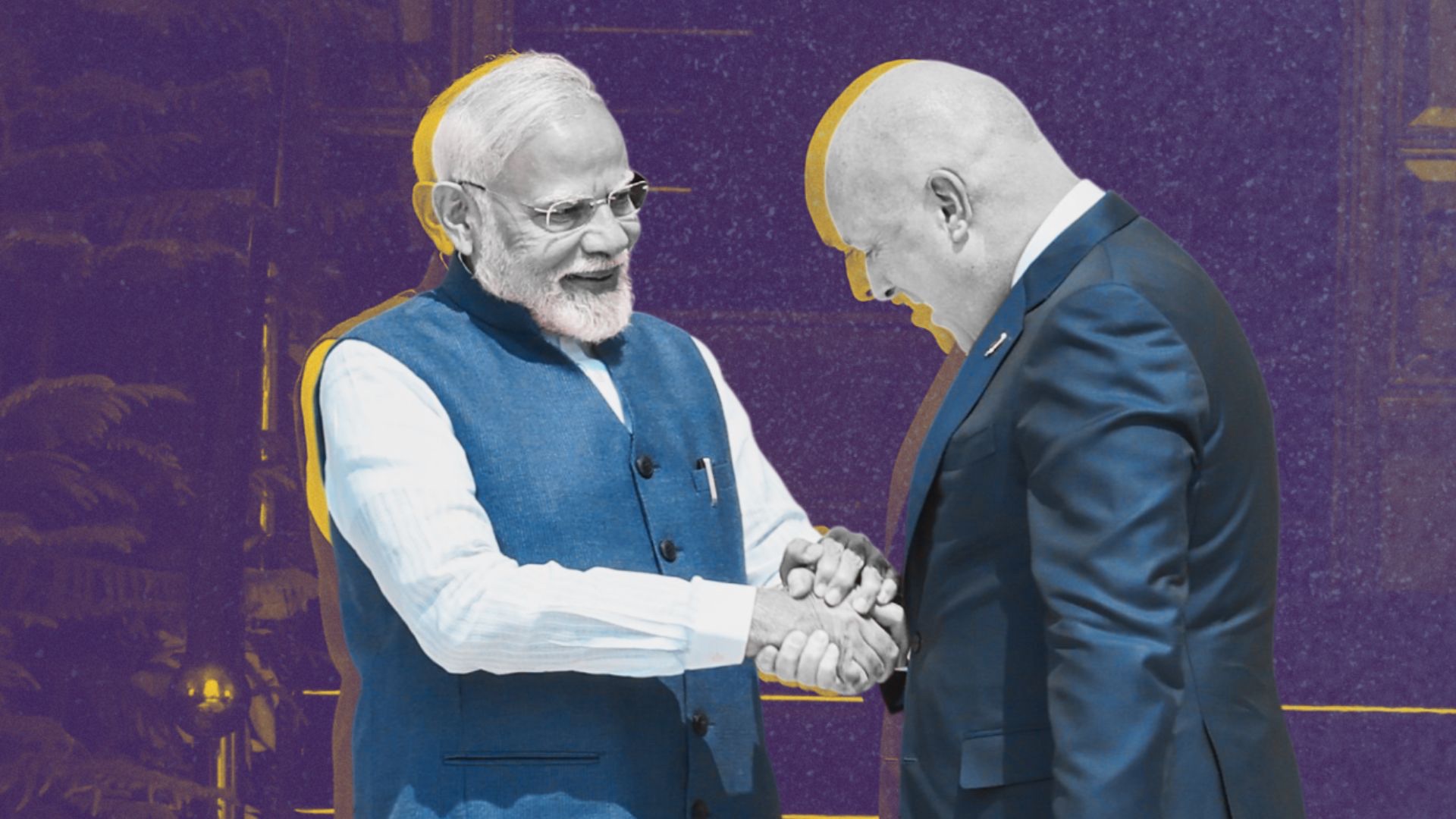
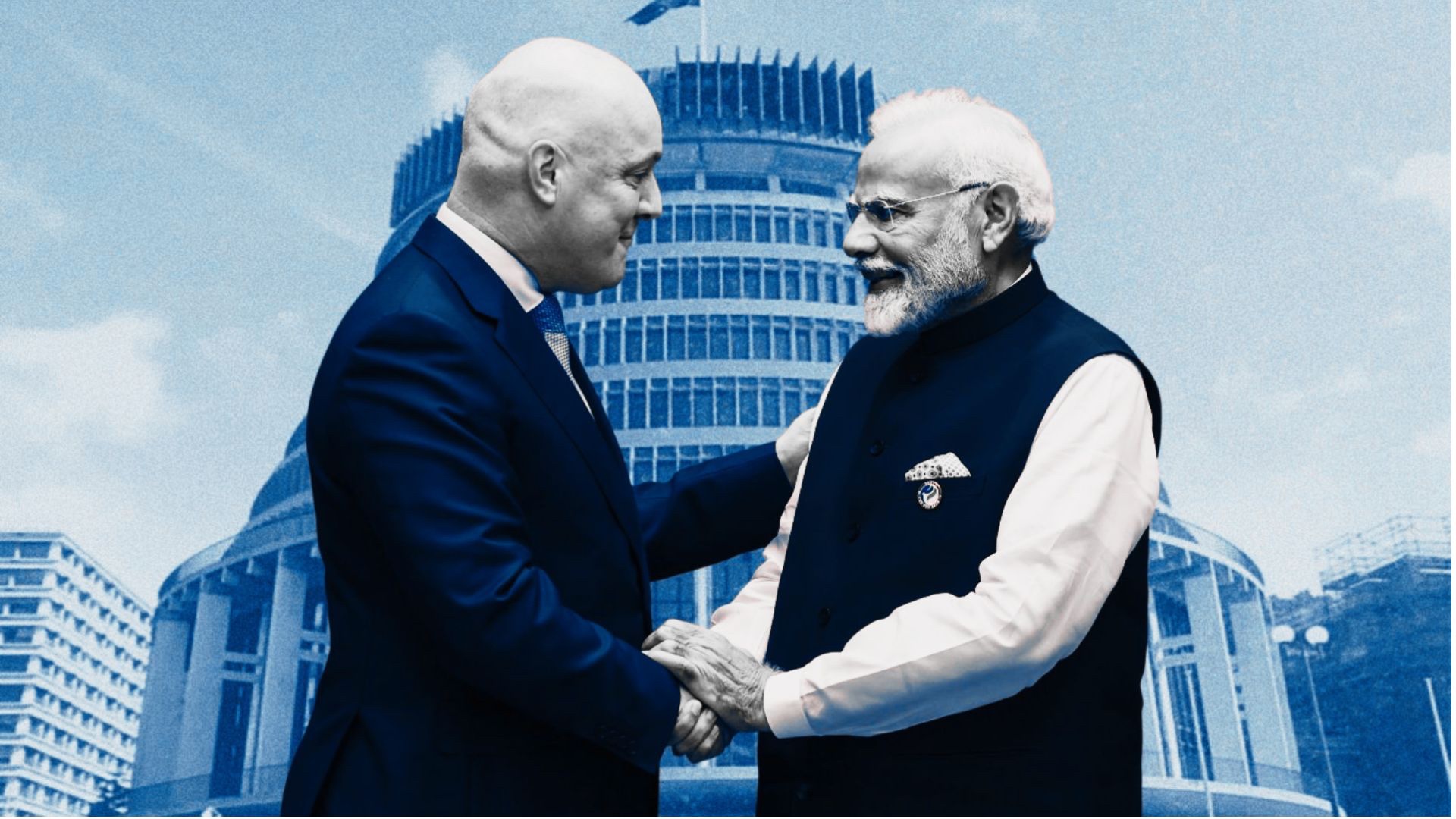
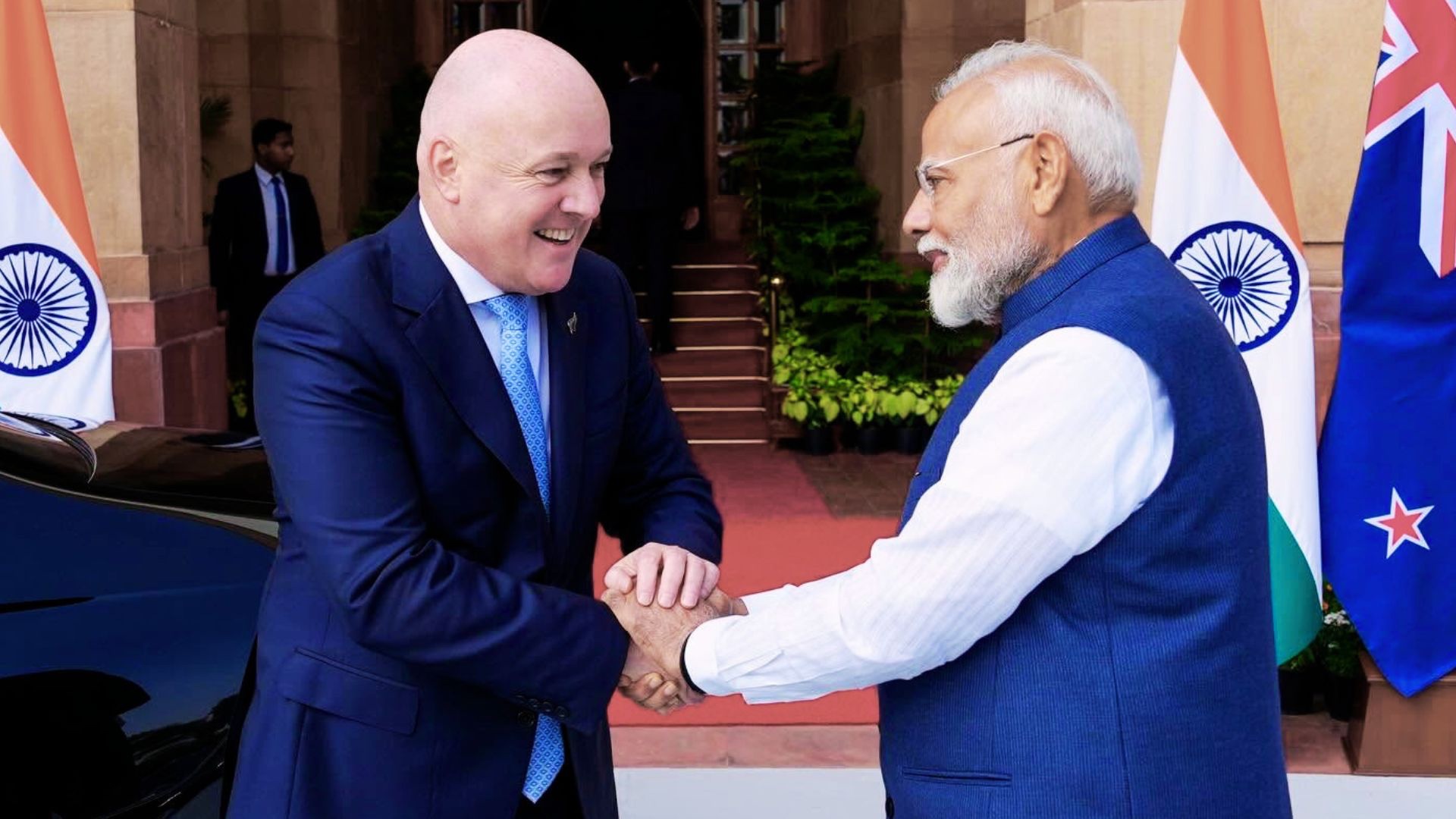
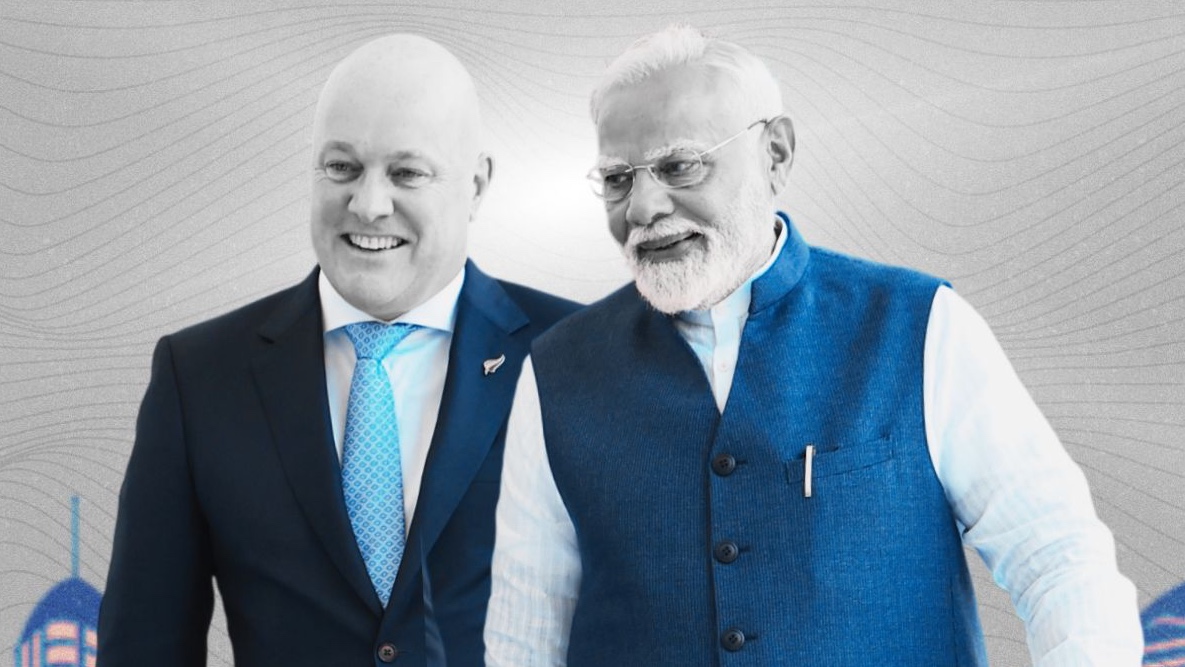
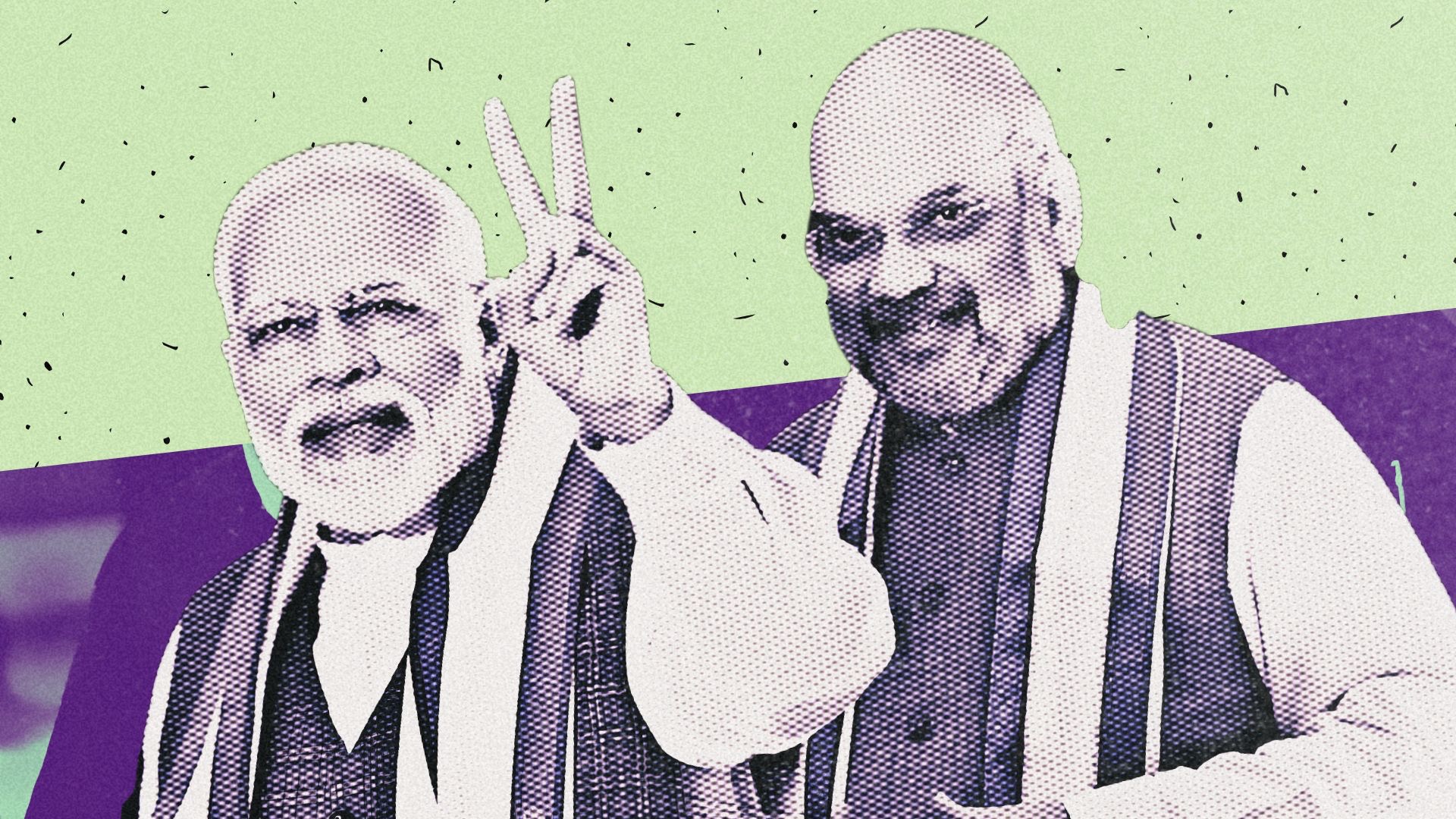
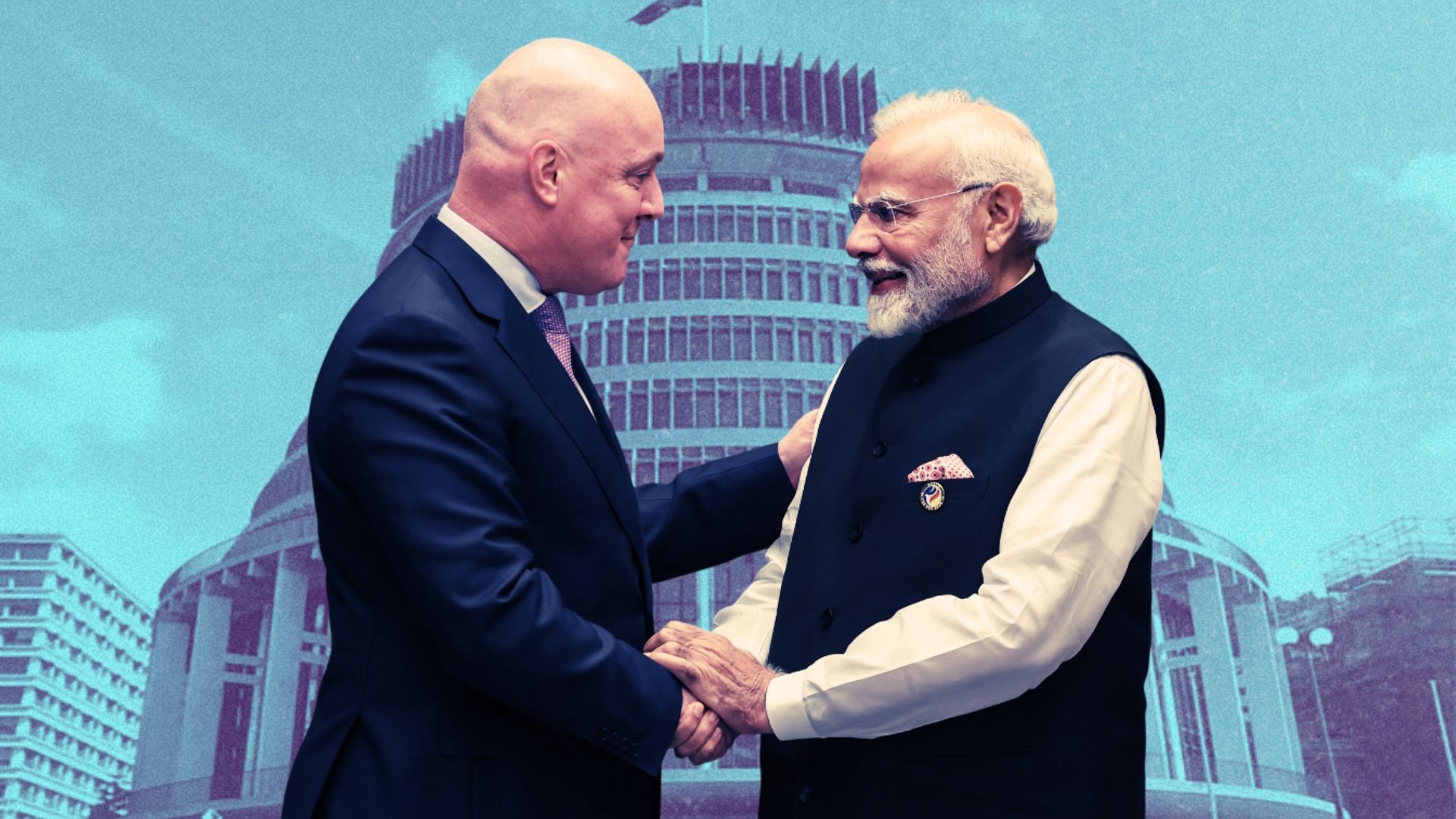
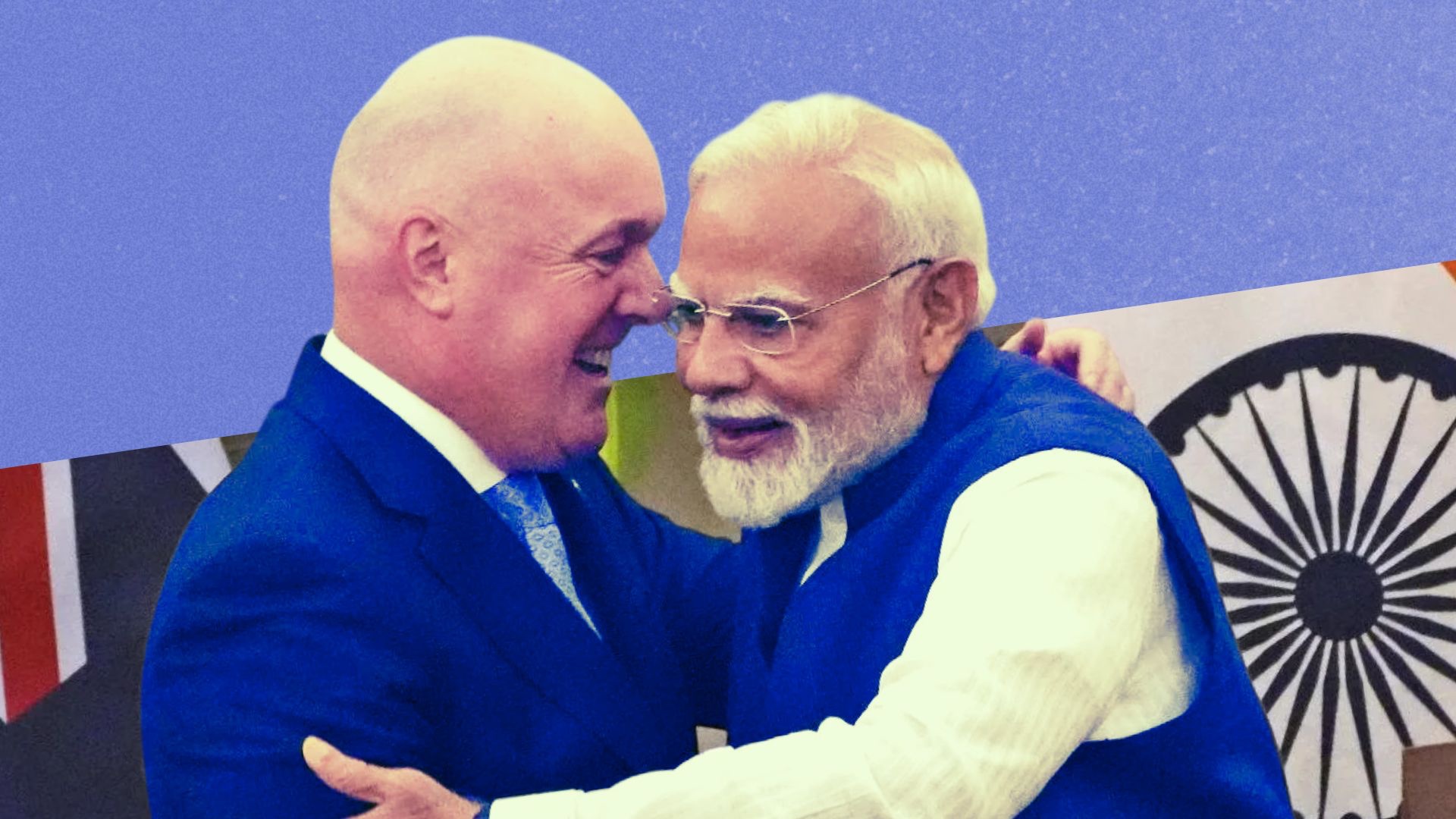
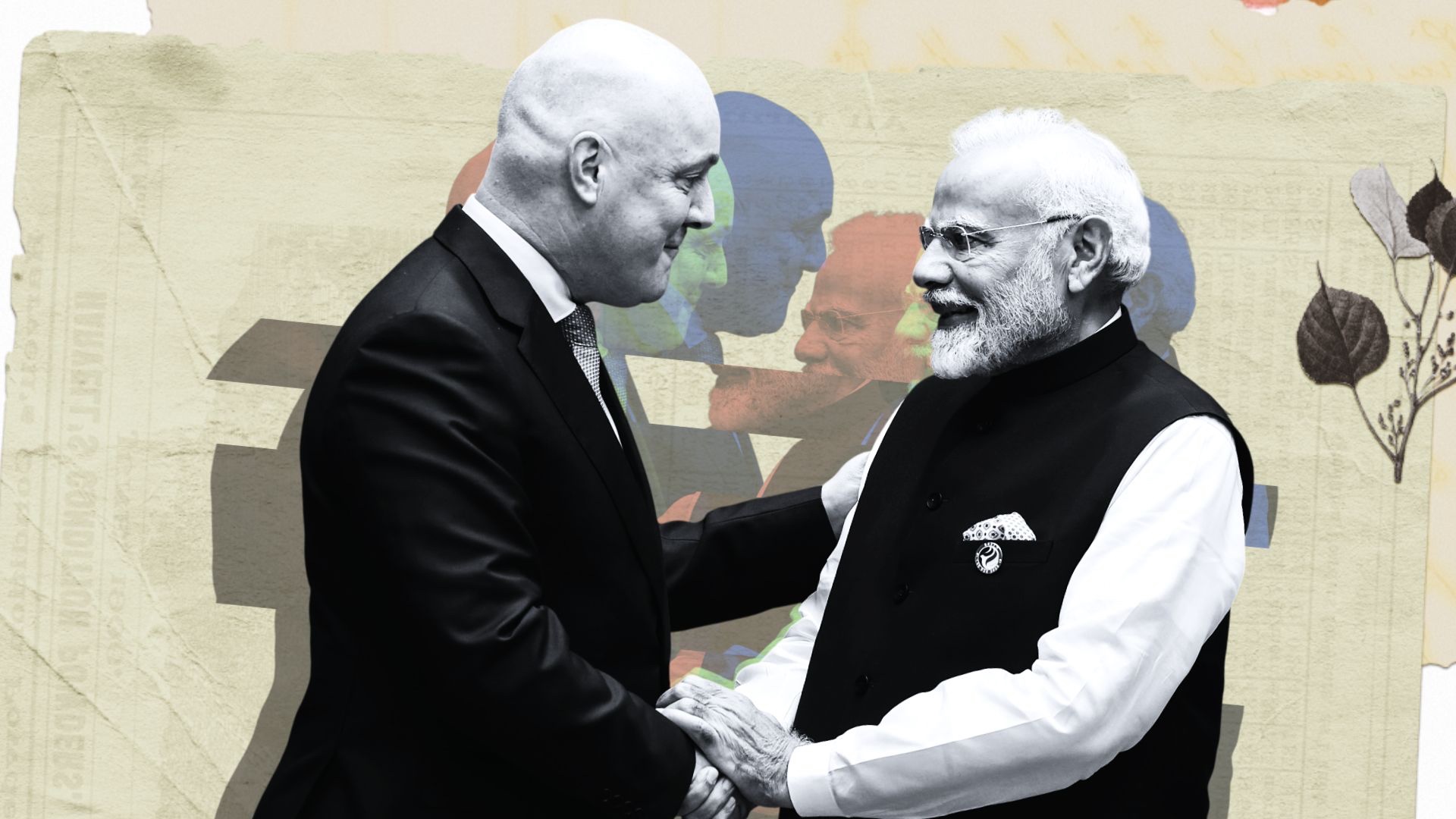
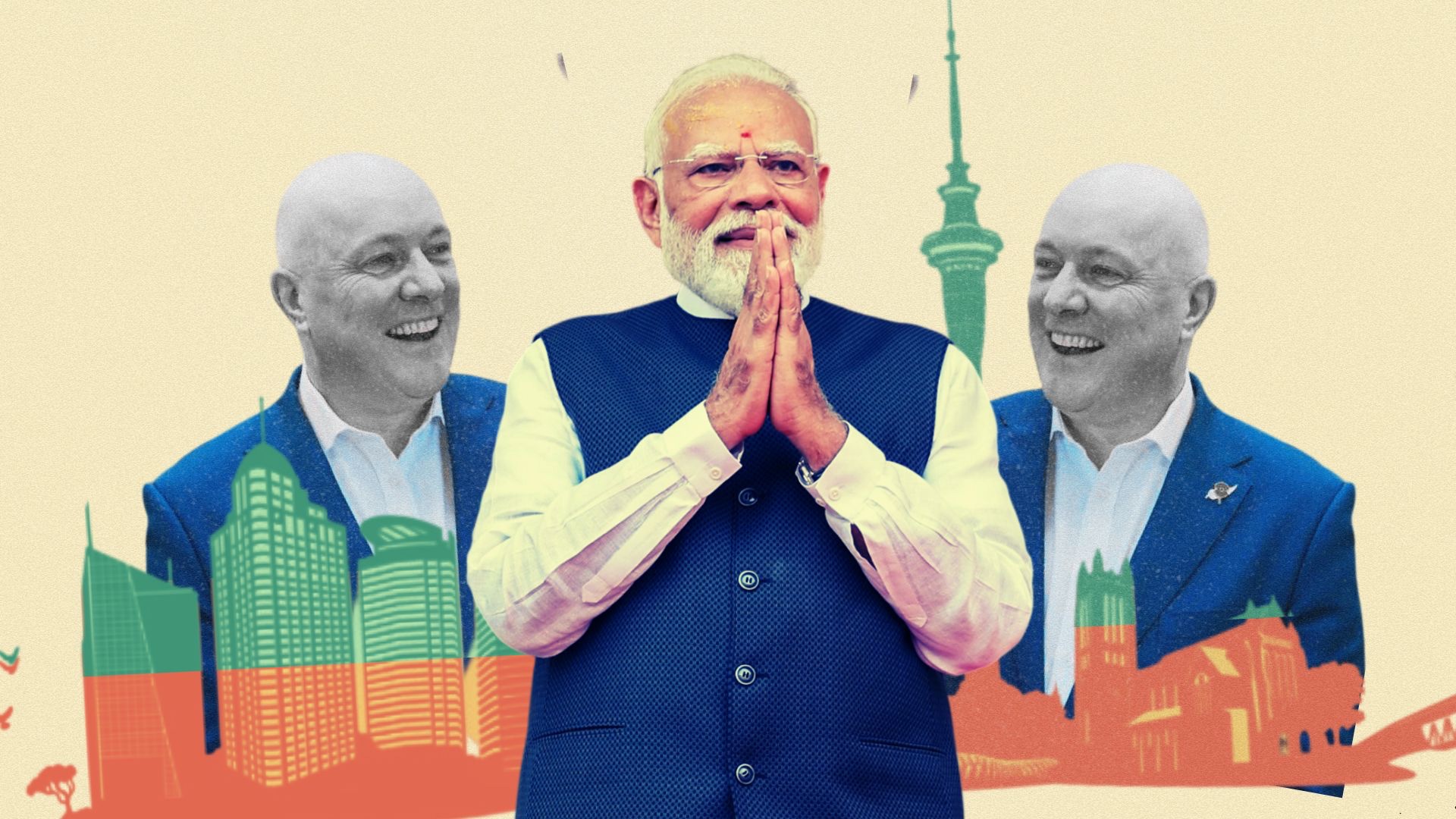
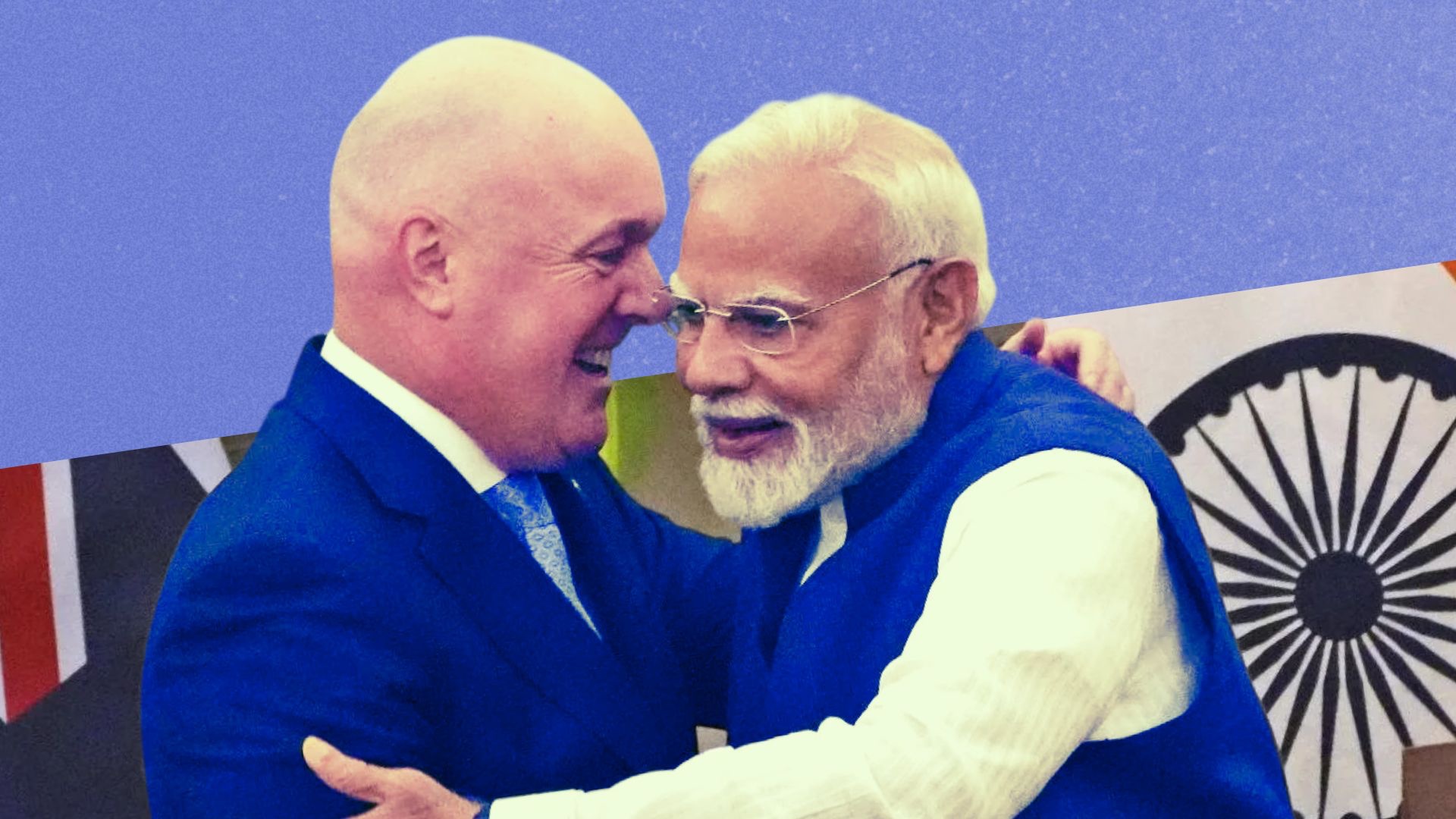
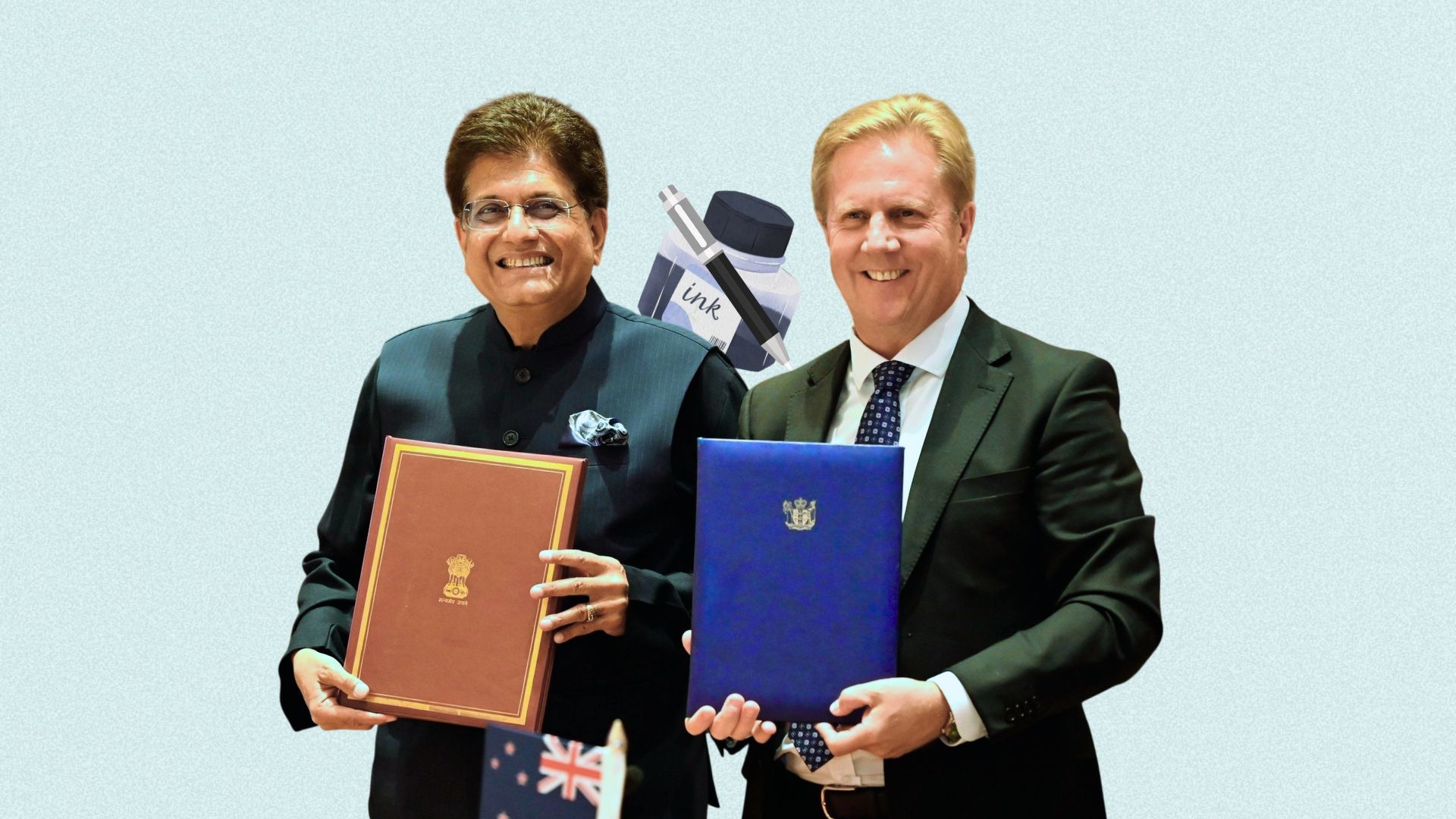
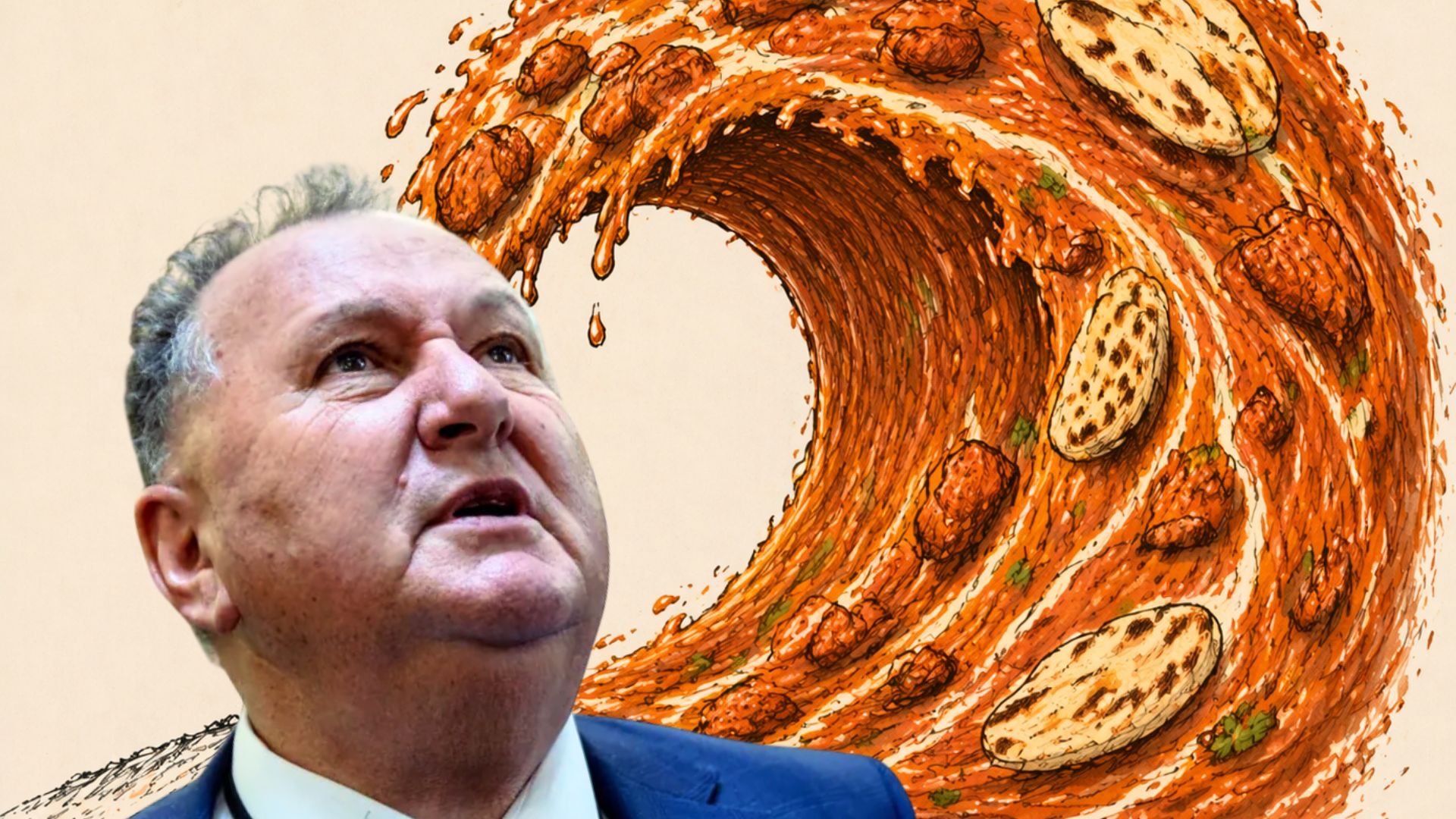
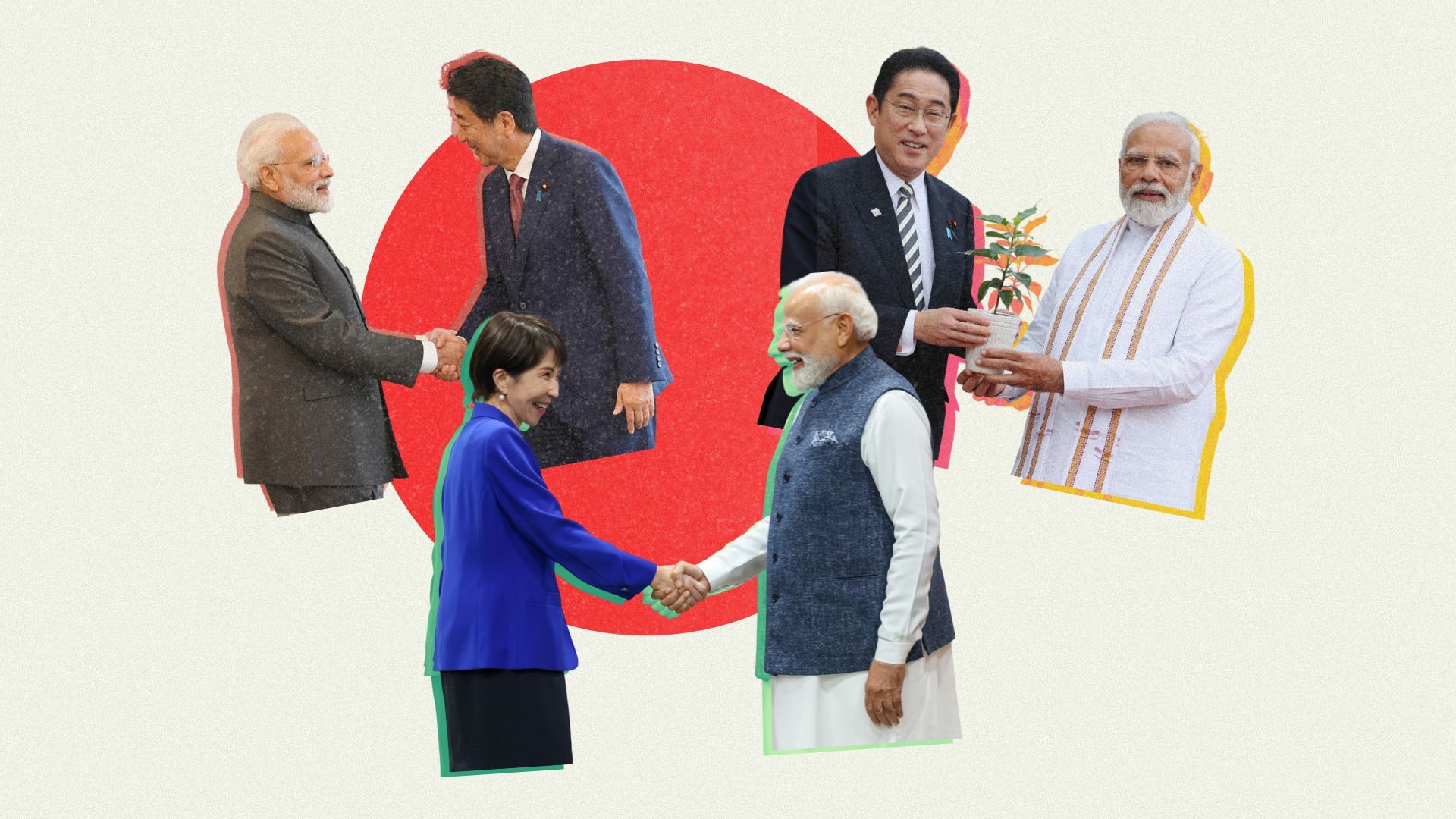
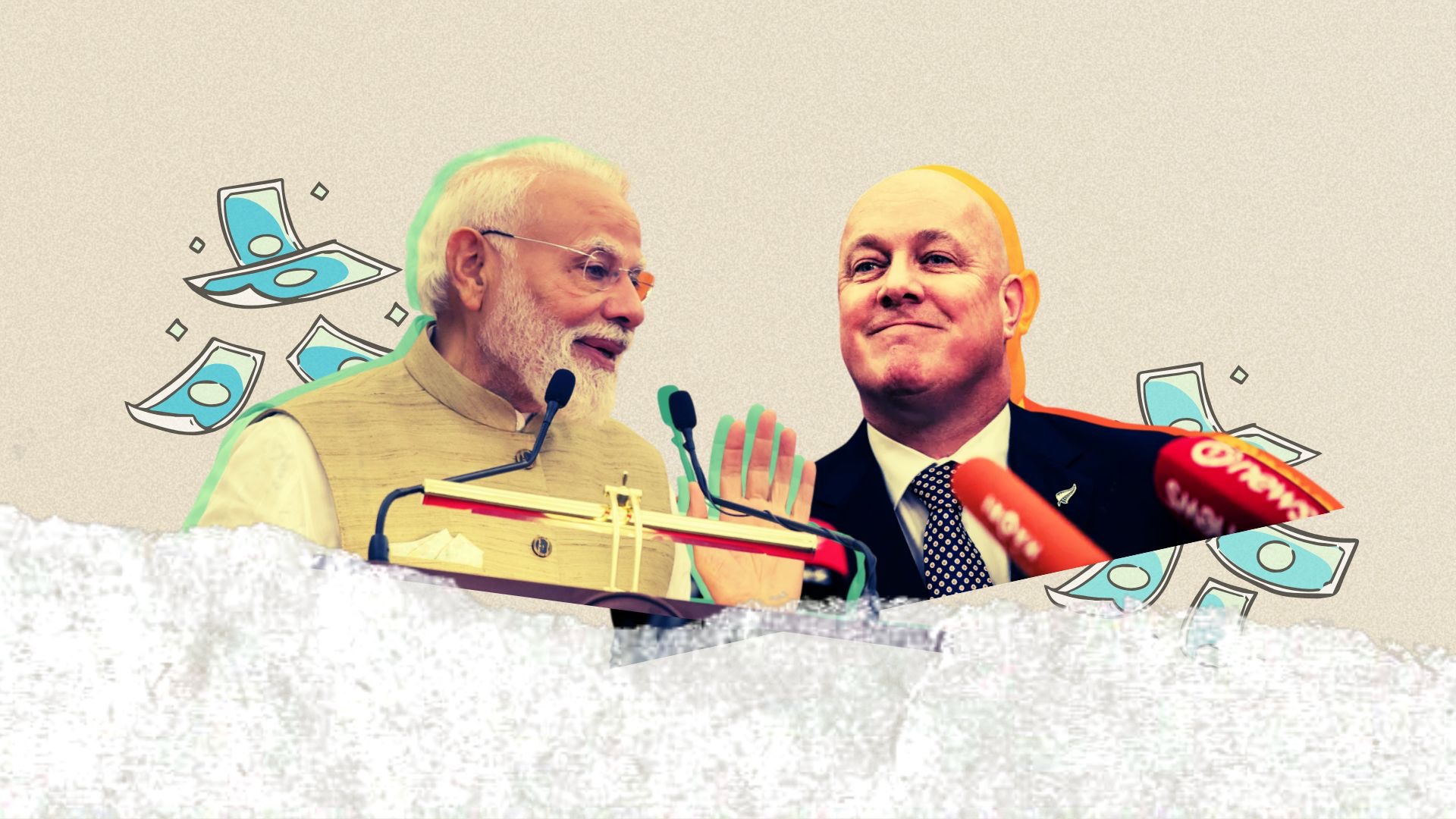
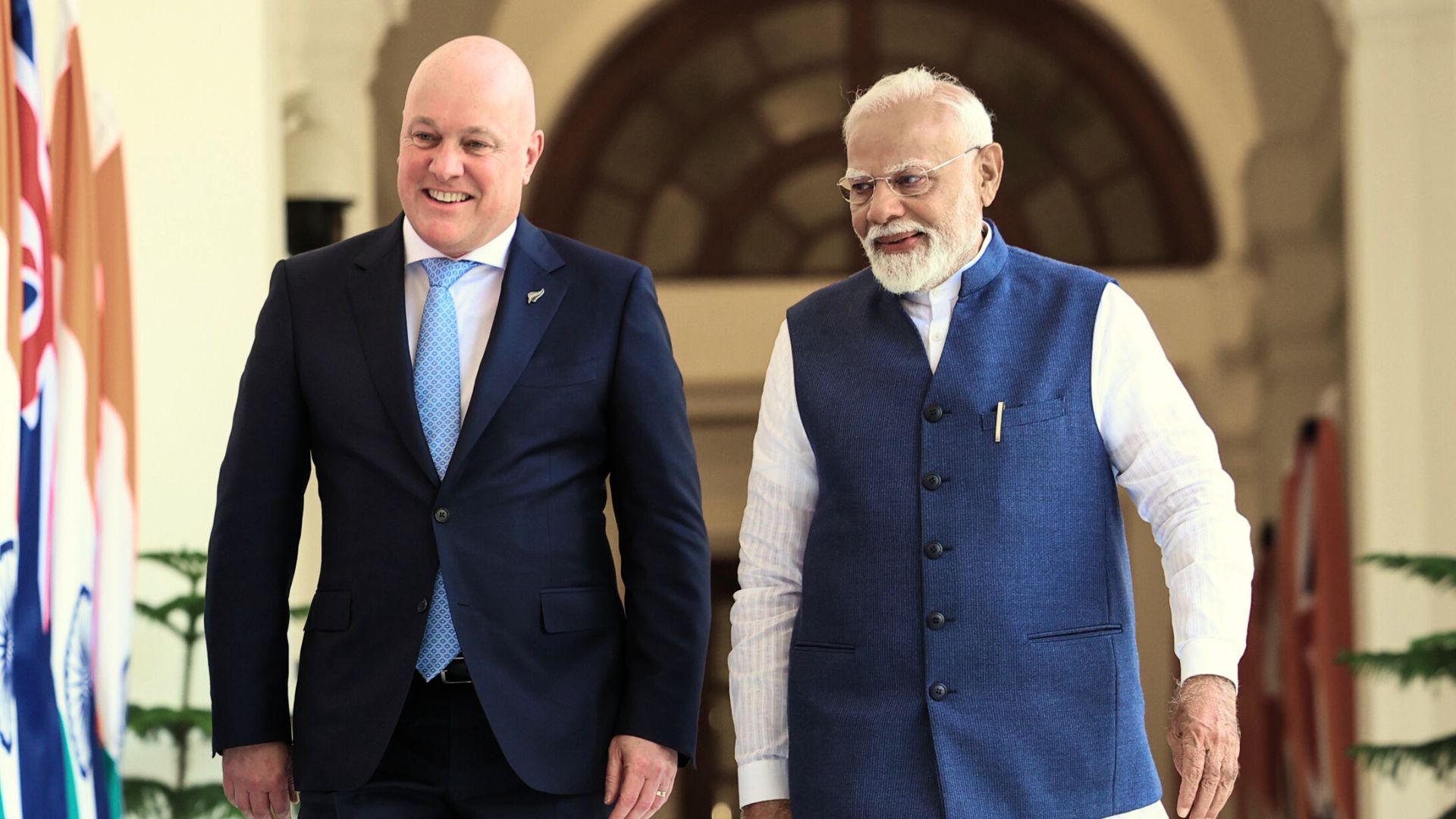
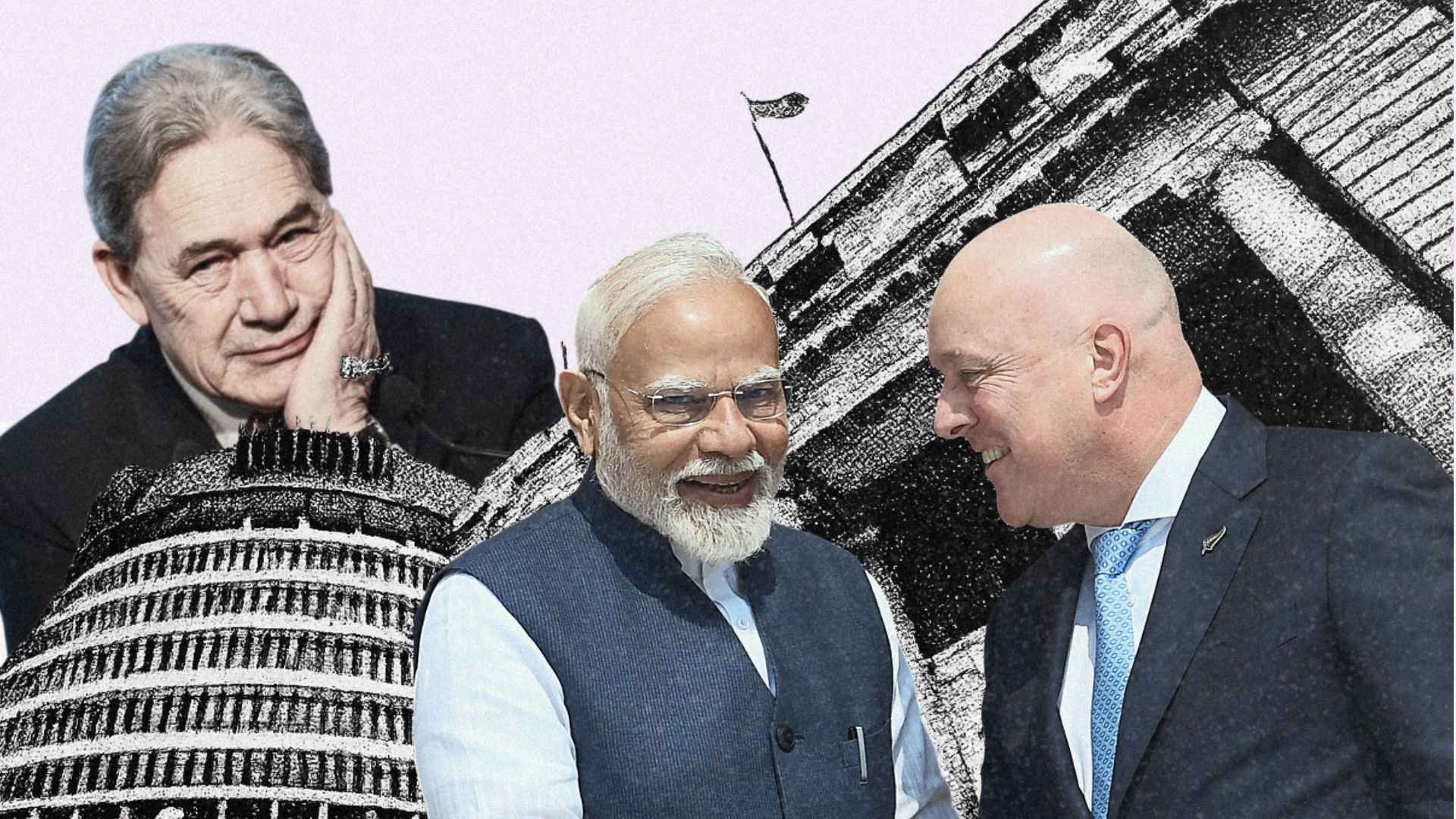
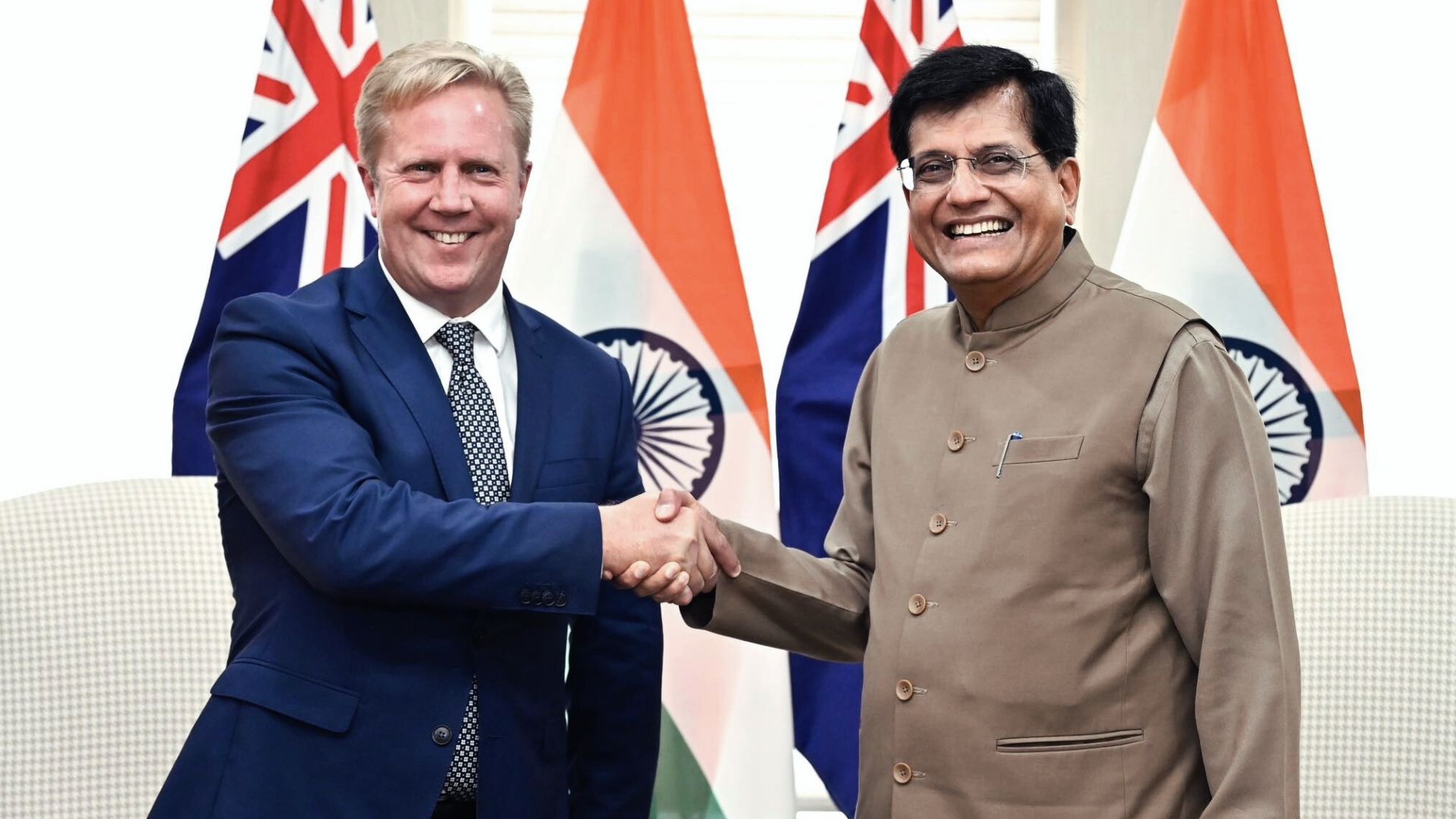
In April, New Zealand First deputy leader Shane Jones compared the country's free trade deal with India to a "butter chicken tsunami".
New Zealand First opposes the trade deal.
The country's Indian community called Jones' remarks "distasteful", with some suggesting the rhetoric was linked to the upcoming election.
Indeed, the latest remarks from Peters and Jones on immigration follow similar patterns that have been part of the country's election cycles in varying degrees since 1987, when the Immigration Act was introduced to remove racial and national discrimination.
Victoria University historian Sekhar Bandyopadhyay highlighted these patterns in an RNZ interview in July, saying that "migration has always been an issue in every election, with this year being no exception".
Blame games begin
New Zealand has a well-documented history of racism against Chinese, Indian and Māori communities in the early 20th century.
However, such attacks weren't typically part of an election cycle.
This changed in the 1970s after a series of dawn raids were carried out by successive Labour and National governments during the era.
At the time, the country faced unprecedented hardship due to factors such as global oil shocks and the United Kingdom entering the European Economic Community, which ended New Zealand's preferential access to its market.
Cost of living increases and rising unemployment became election issues in 1975 and attitudes towards immigration hardened.
National Party leader Robert Muldoon, who was in opposition at the time, adopted a hardline stance on immigration, running controversial television advertisements that depicted Pacific Islanders in a negative light as a drain on economy and social services.
Muldoon won the election by a landslide and remained prime minister until 1984, when David Lange secured a win for Labour.
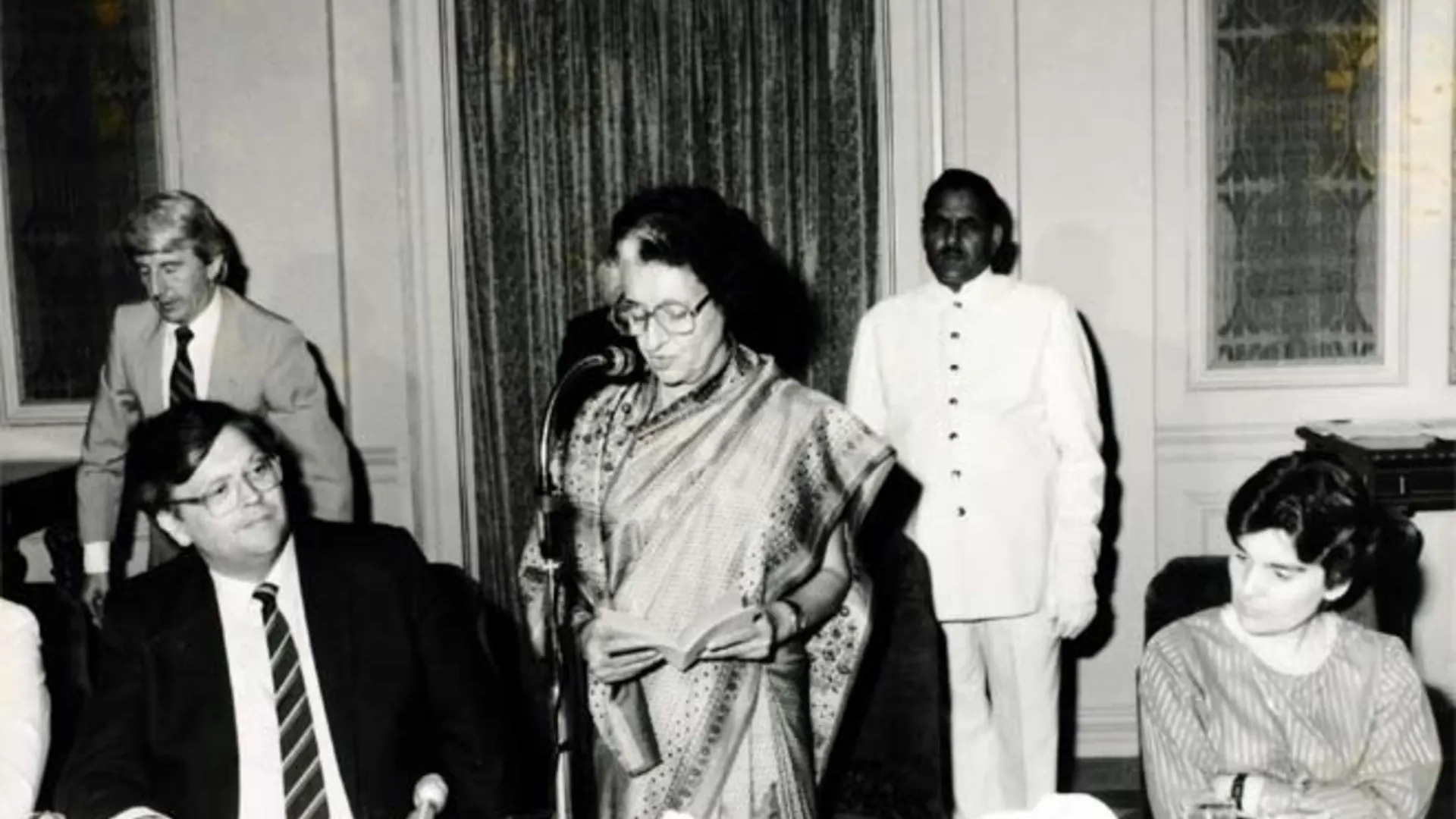
Prime Minister David Lange visited India during his first overseas tour after taking office, meeting Indian Prime Minister Indira Gandhi in 1984. (Archives New Zealand - Te Rua Mahara o te Kāwanatanga)
Immigration reform
It was Lange who introduced the Immigration Act three years later, which saw New Zealand moving away from migration predominantly from traditional countries such as Britain and Ireland to anyone based on merit.
According to New Zealand encyclopaedia Te Ara, the legislation "marked a real break with the earlier emphasis on nationality and ethnic origin as the basis for admitting immigrants".
"Any person who met specified educational, business, professional, age or asset requirements was to be admitted, regardless of race or nationality," Te Ara says.
Four years later, the Immigration Amendment Act replaced the occupational priority list with a points system, which were awarded for employability, age, educational qualifications and available funds.
A modest level of English was also required.
These policy changes led to an increased influx of migrants from Asia.
Census data shows the country's Asian population increased at least three times between 1986 and 1996, with immigrants relocating from Taiwan, Hong Kong, South Korea, Japan, China and India.
In 1993, Winston Peters founded New Zealand First after leaving the National Party.
By the time the country faced its first election under Mixed Member Proportional representation in 1996, public anxiety over the changing demographics had reached a crescendo.
According to Te Ara, several groups were formed to oppose immigration from Asia.
"In 1993, Auckland community newspapers published articles by journalists Pat Booth and Yvonne Martin on the 'Inv-Asian'," Te Ara says.
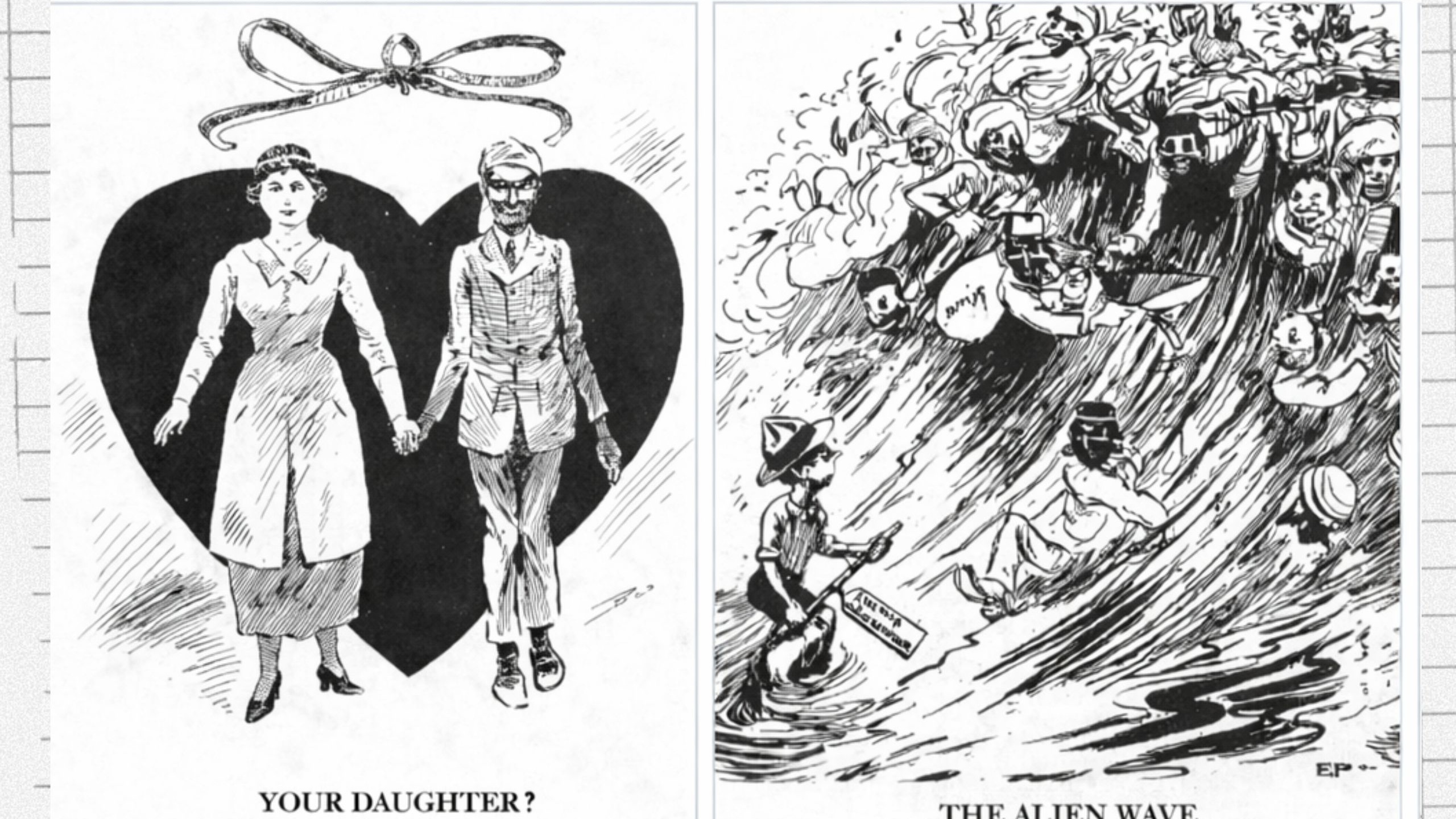
"There was concern about a range of issues - everything from the driving abilities of Asians to the impact of non-English speakers on schools. Much public comment echoed the 'yellow peril' concerns of a century earlier."
Peters campaigned heavily against high migration levels and "non-traditional" immigrants.
Critics have accused Peters of stroking fear surrounding "Asian invasion" at the time, something distinguished professor emeritus Paul Spoonley alluded to on RNZ's The Detail in May.
"If you look at that electoral cycle and the way in which migrants and migration is politicised, then we have quite a history," Spoonley said.
"You can go back to the 1970s: 1973 the overstayers campaign; the 1996 election which saw New Zealand First arrive in Parliament on an anti-immigrant but mainly an anti-Asian immigrant position."
In his defense, Peters has maintained he was only advocating for a "well-planned and managed immigration policy over the short to long term".
Indeed, some years later in 2002, Peters told a predominantly Chinese audience in Auckland that "no New Zealand First immigration policy has ever been anti-Asian, or anti-Chinese or anti any race".
"Immigration is not about race, it is about the number of migrants that New Zealand can reasonably sustain," Peters said.
Nevertheless, New Zealand First secured 13.4 percent of votes in the 1996 election, putting Peters in the kingmaker role for the first time.
Fluctuating fortunes
Over the next few election cycles, anti-immigrant sentiment took a backseat as New Zealand First's electoral fortunes fluctuated.
Support for the party plummeted to just over 4 percent party vote in 1999, before rebounding significantly in 2002 to more than 10 percent.
In 2004, National Party leader Don Brash delivered a speech in Orewa in which he decried what he saw as the special status given to Māori.
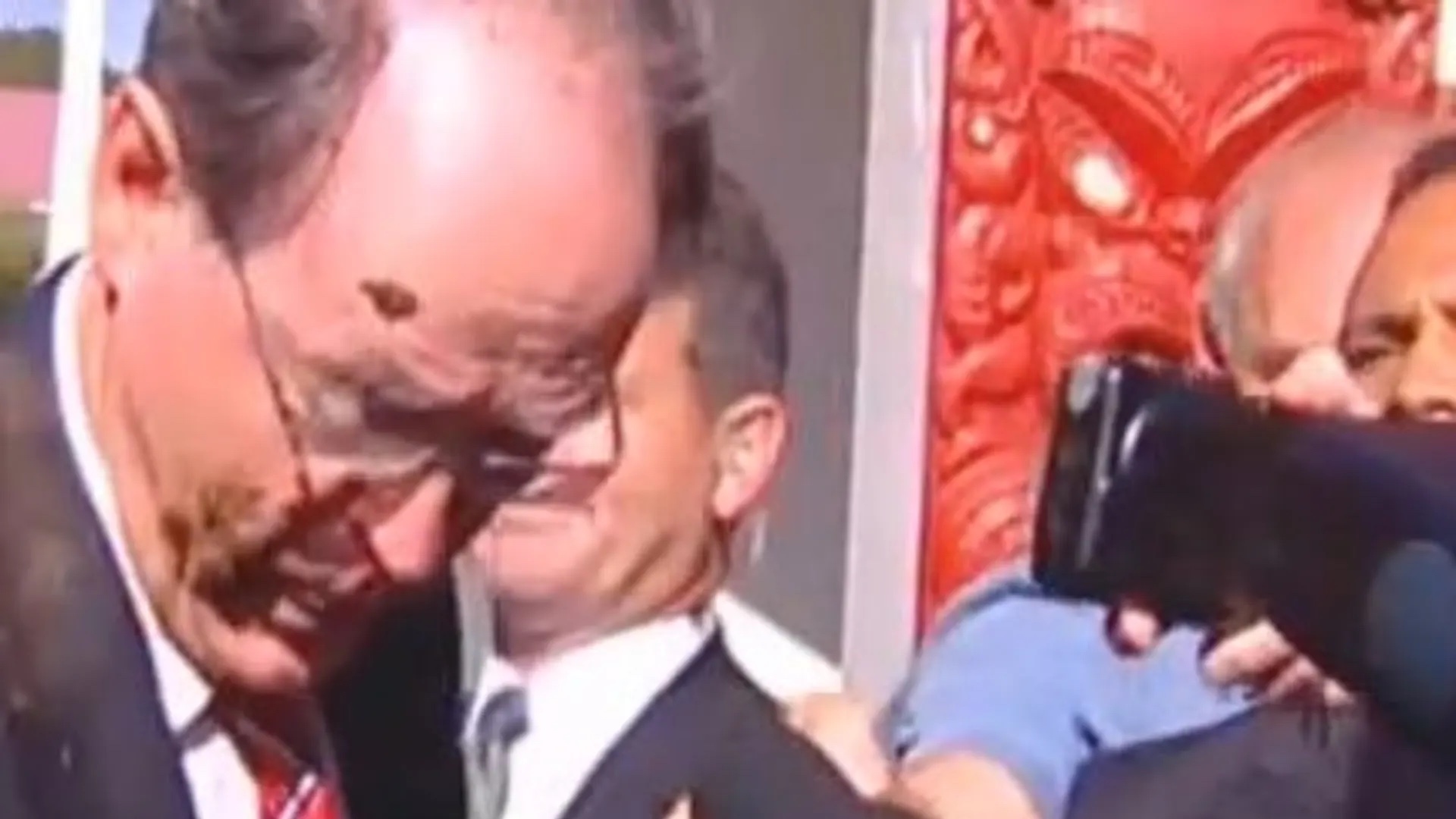
National Party leader Don Brash has mud thrown at him by a protester in 2004 a few days after his controversial speech at Orewa. (teara.govt.nz)
Although his remarks were not aimed at immigrants per se, the speech once again brought the issue of national identity and social cohesion to the forefront of politics.
And as New Zealand counted down to the 2005 election, Peters again made Asian immigration central to his election campaign.
He called New Zealand the "last Asian colony" in a statement to media in April 2005.
"The government's lax immigration laws are changing the face of our country forever," he said.
"Statistics New Zealand's figures demonstrate a huge demographic change with social and cultural implications which will echo through the centuries ahead.
"At this rate, it won't take long for New Zealand to be unrecognisable."
Peters stressed his concern was not about racism or bigotry, but about the impact of mass immigration on a small nation in the South Pacific.
Almost a decade later, in 2014, Peters riffed off the phrase "two wrongs don't make a right" when launching his election campaign, targeting Chinese buyers in an attack on the government's foreign land ownership policy.
The comment was widely condemned but Peters dismissed the criticism, describing the remark as a joke.
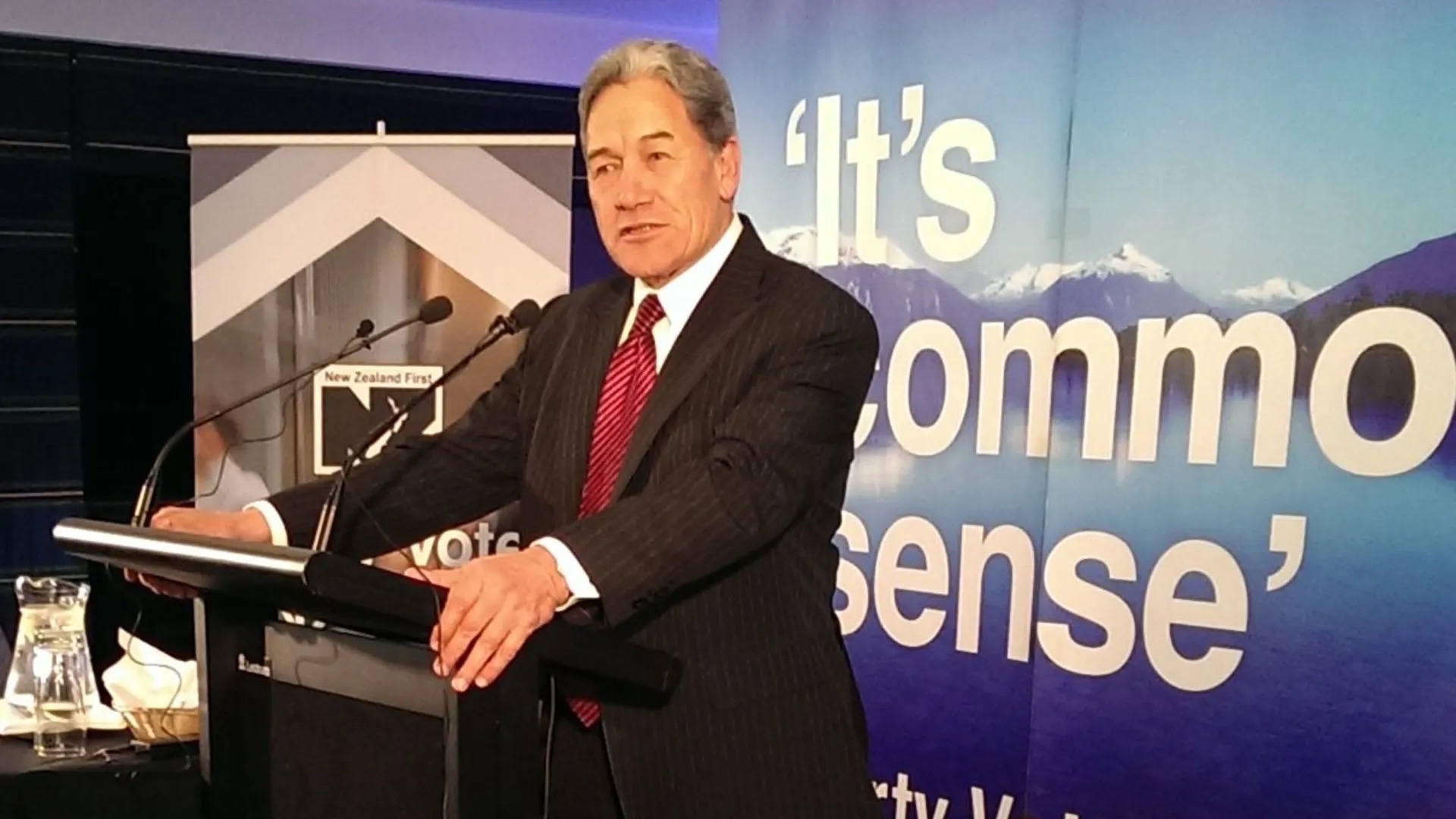
New Zealand First leader Winston Peters speaks to supporters in September 2014. (Winston Peters)
Immigration push
After John Key became prime minister in 2008, the country's annual net migration was just 4700.
Key maintained a largely pro-immigration stance for the next eight years and, as a result, the country saw record migration - so much so that annual net migration eventually exceeded 72,500 in July 2017.
In 2016, Key acknowledged that high levels of immigration were straining the country's infrastructure, but migrants were needed to fill even simple jobs.
Opposition parties Labour and New Zealand First both promised to cut immigration numbers drastically in the lead-up to the 2017 election.
Labour under Jacinda Ardern vowed to reduce net migration to 20,000-30,000 a year, while New Zealand First wanted to see the number drop below 10,000.
By 2017, the narrative around immigration had changed.
Politicians were more likely to debate the sustainable number of migrants that were needed in New Zealand instead of opposing migration completely.
In August, Ardern told RNZ she felt "uncomfortable" with her Labour colleague Phil Twyford's claims two years earlier that overseas Chinese buyers had pushed up Auckland house prices, eventually apologising to anyone offended by the controversy.
In 2018, Twyford expressed regret for the incident.
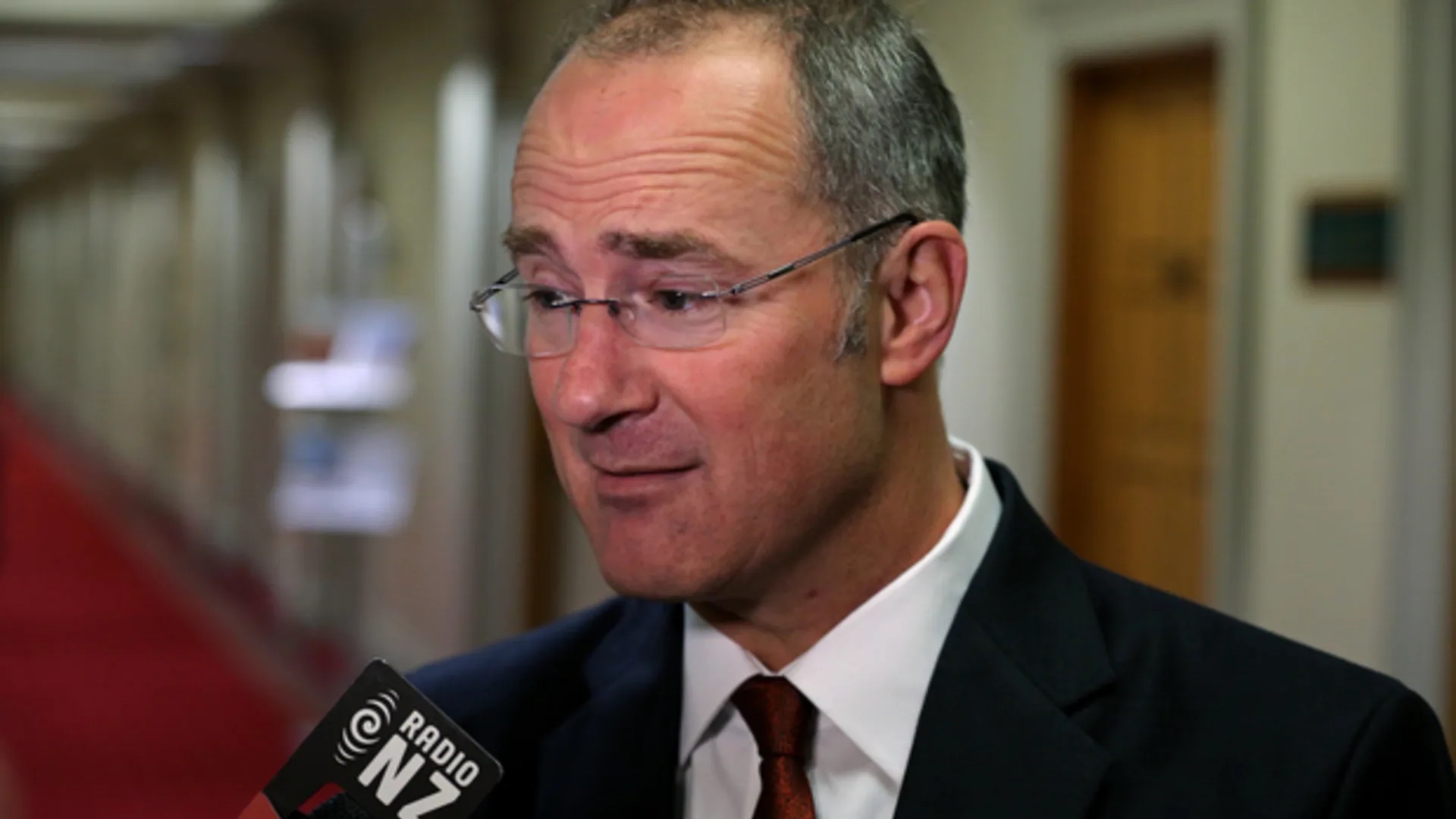
Labour MP Phil Twyford expressed regret in 2018 for saying that overseas Chinese buyers had pushed up Auckland house prices. (RNZ)
Border closures
The 2020 election coincided with the country going through various cycles of border closures and lockdowns.
Immigration was no longer a top-tier issue, and political parties were waiting for borders to reopen to form their immigration policies.
As borders reopened in the latter half of 2022, the Labour government introduced an accredited employer work visa scheme to bring in workers to support the struggling economy.
More than 80,000 accredited employer work visas were issued within a year before reports started indicating a significant uptick in cases of migrant exploitation.
National, ACT and Labour all announced similar immigration policies targeting migrant parents and grandparents ahead of the 2023 election, with Labour also promising an amnesty for overstayers who have been in the country for 10 years or more.

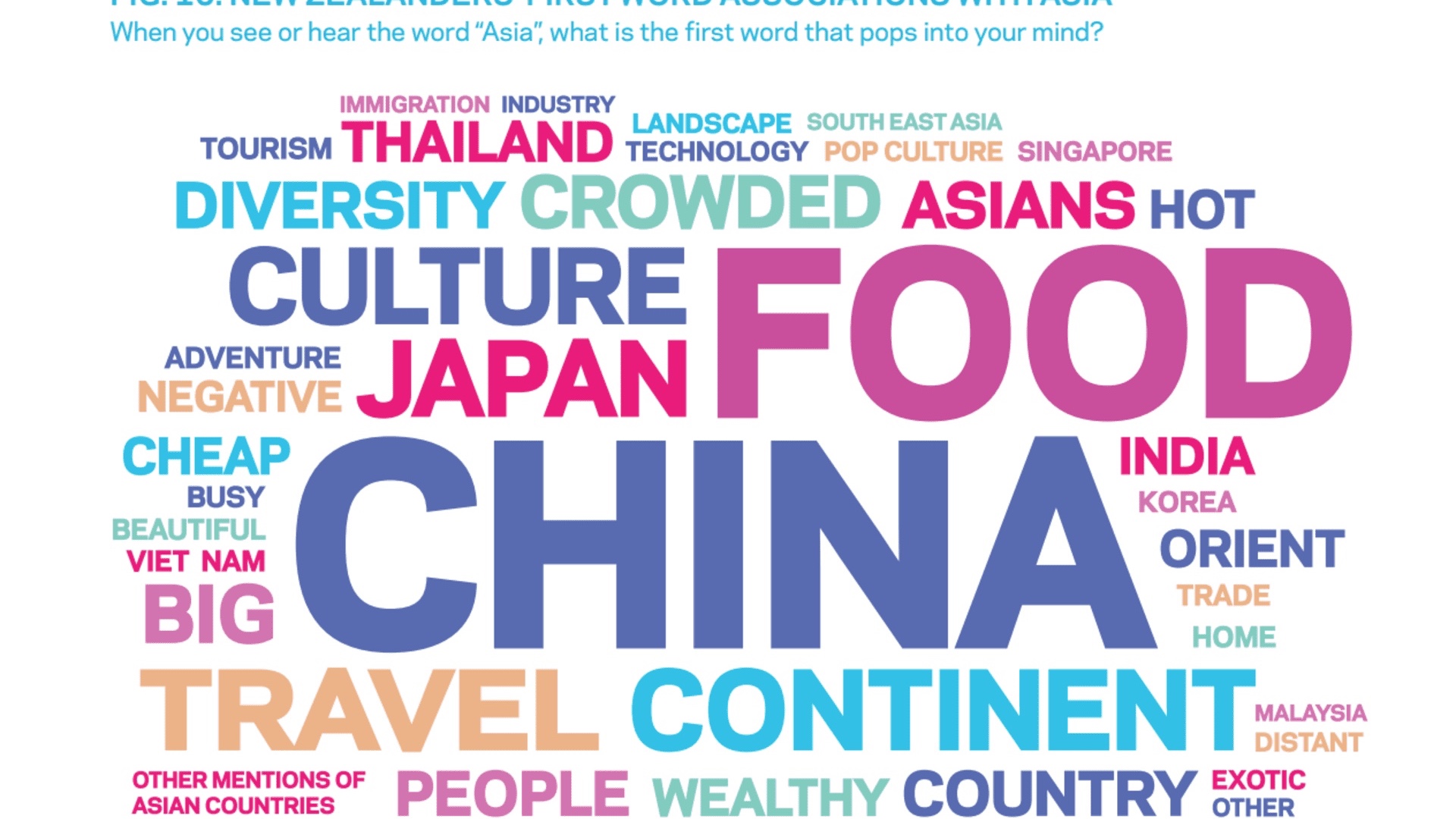
A growing number of New Zealanders view Asia as being important to the country's future. (RNZ/Ruth Kuo)
Growing importance of Asia
The latest Ipsos Issues Monitor, which surveyed around 1000 New Zealanders on the most pressing issues facing the country in July, ranked immigration as the 11th most important priority.
Cost of living, healthcare, economy, housing and unemployment led the list, with just 8 percent of those surveyed identifying immigration as an issue.
However, this hasn't stopped some politicians dragging immigration into the election cycle, with individuals of Indian and Chinese heritage bearing the brunt of attacks.
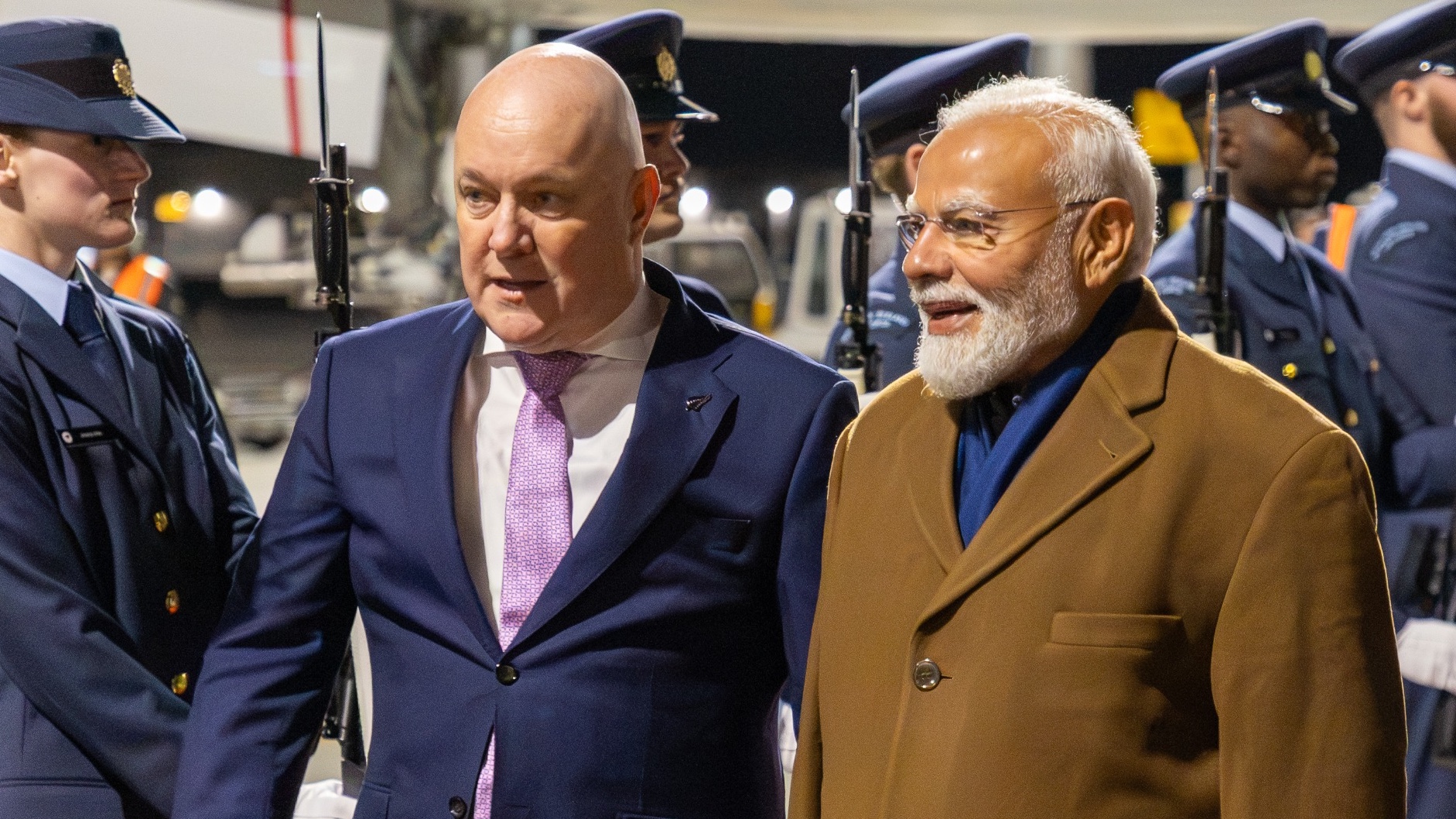
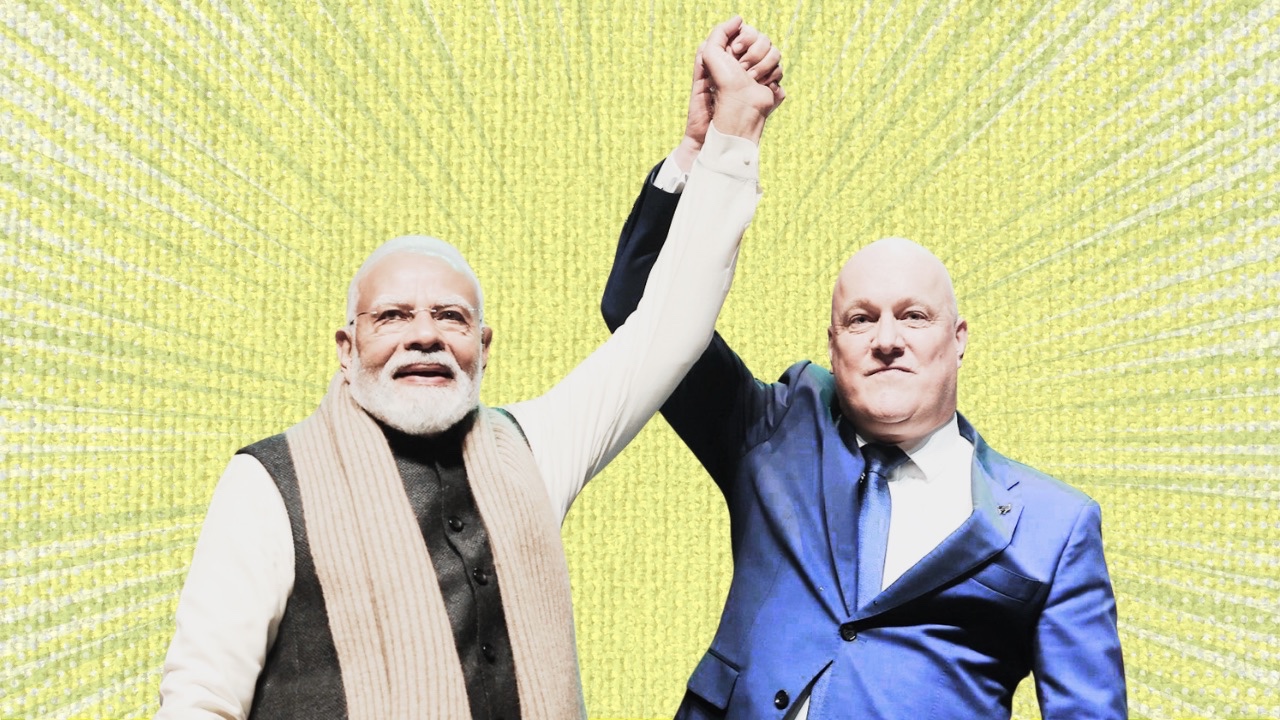
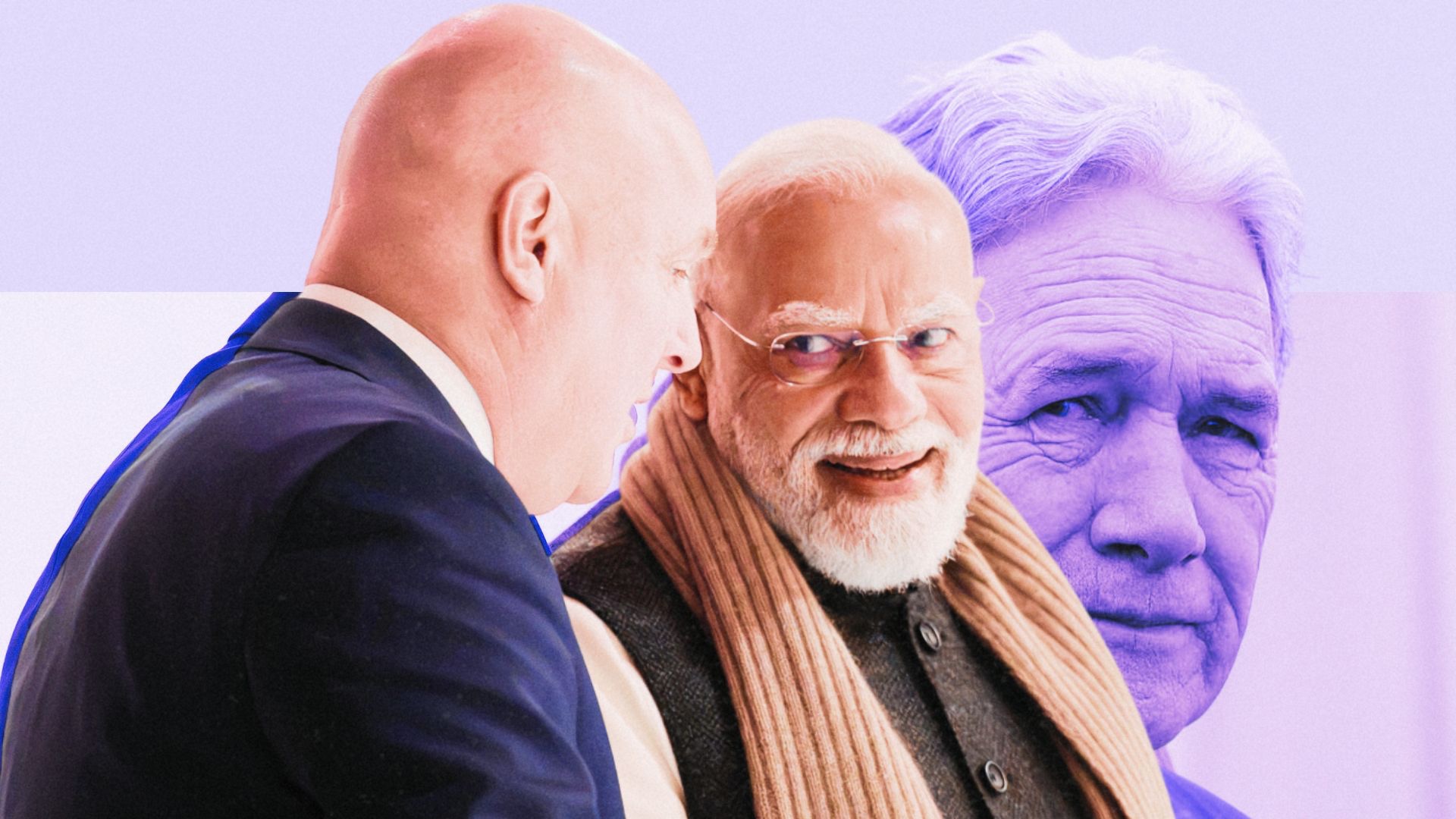
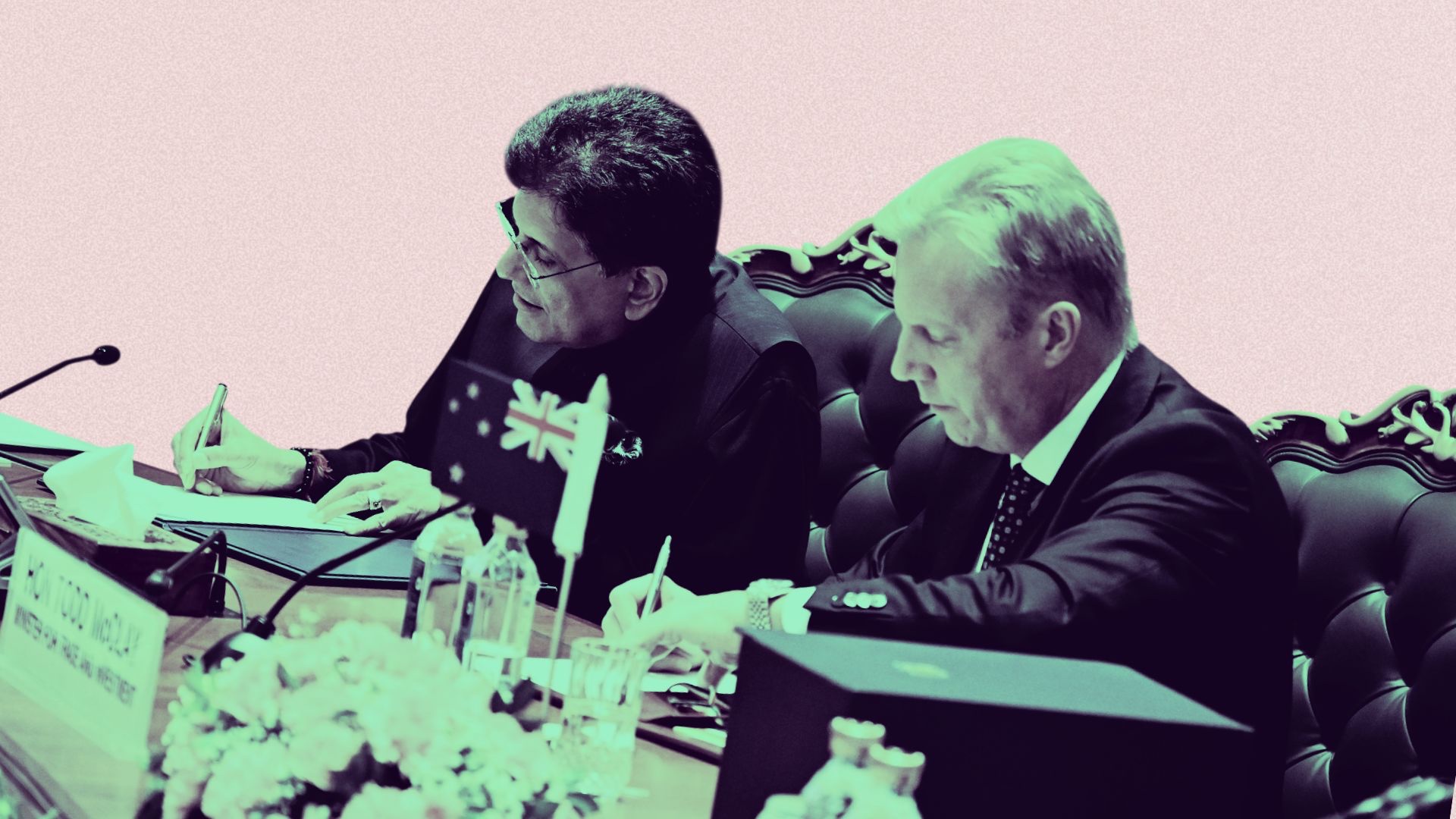
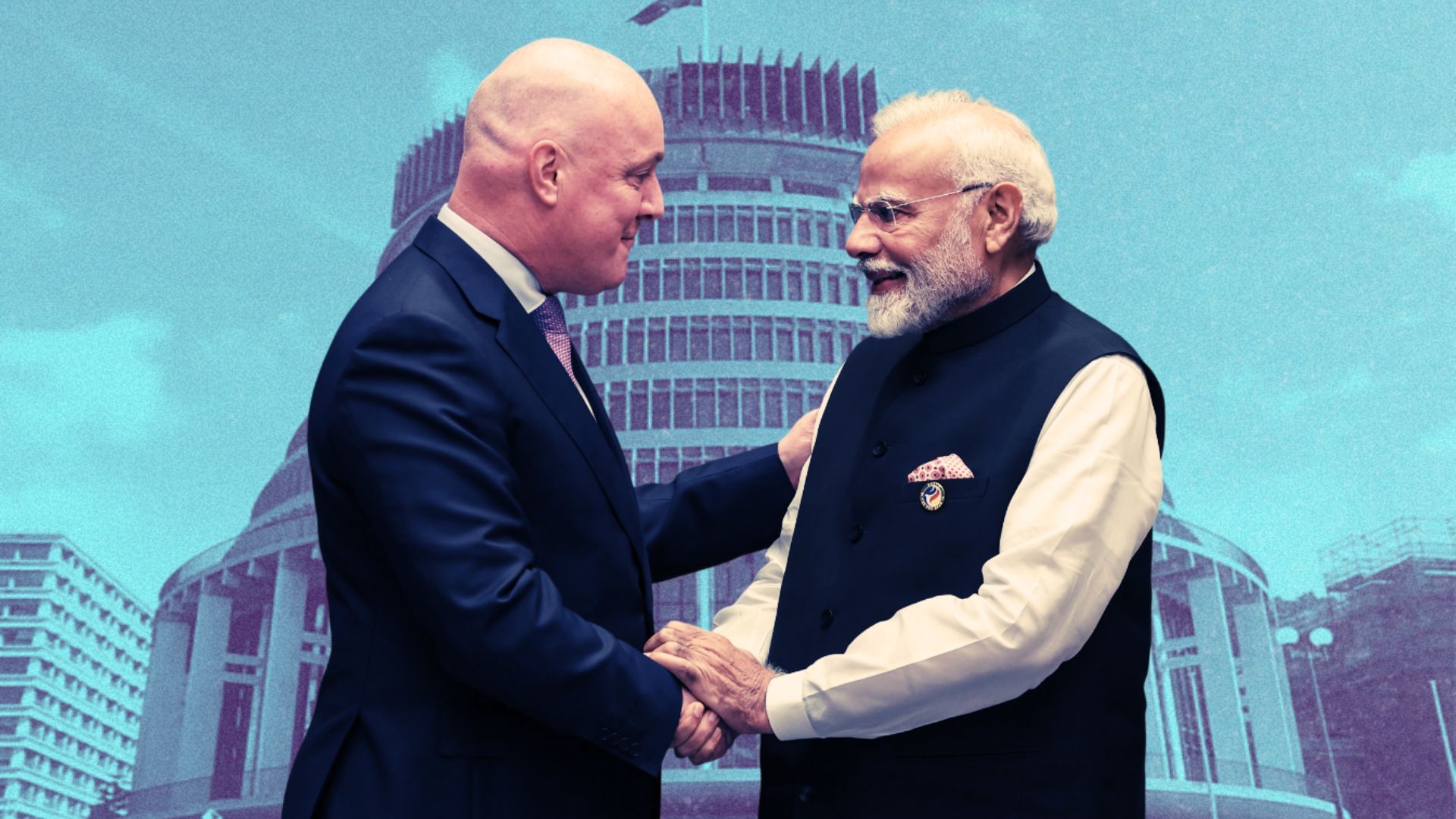
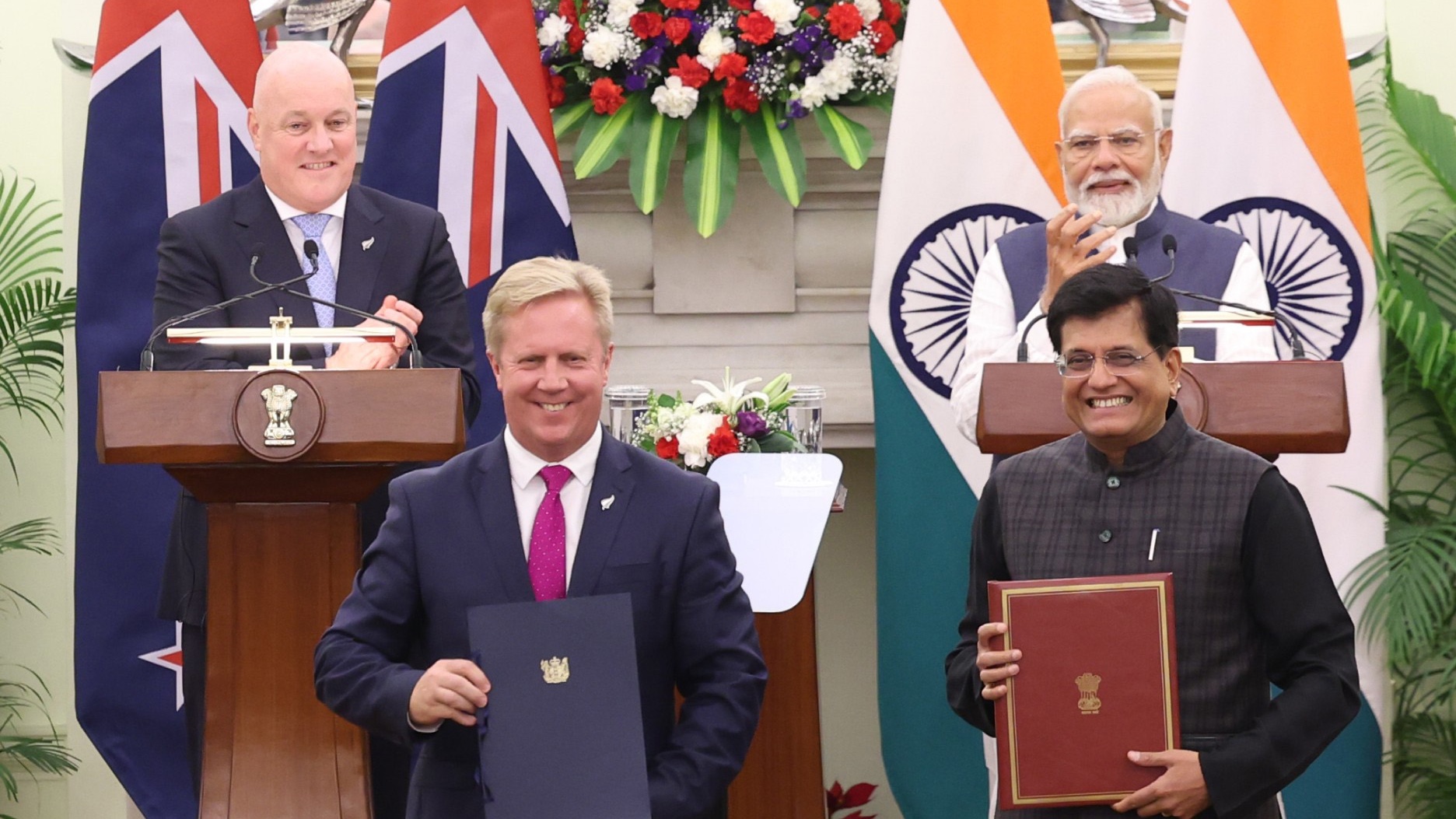
The recent signing of a free trade deal with India - which Peters has called "far too generous", particularly on immigration - hasn't helped either.
Importantly, though, a growing number of New Zealanders are continuing to view Asia as being important to the country's future.
The Perceptions of Asia and Asian Peoples survey in June found 81 percent of New Zealanders believed that developing ties with Asia is important.
New Zealanders were also feeling more connected to Asia than ever, the survey said, with food, travel and entertainment viewed as key avenues for engagement.
Speaking at the launch of the report, Spoonley said more engagement and education was needed to help people who were anxious about migration understand "how significant immigration is and how positive it is".