
Air New Zealand boss has a message for those waiting for direct flights to India
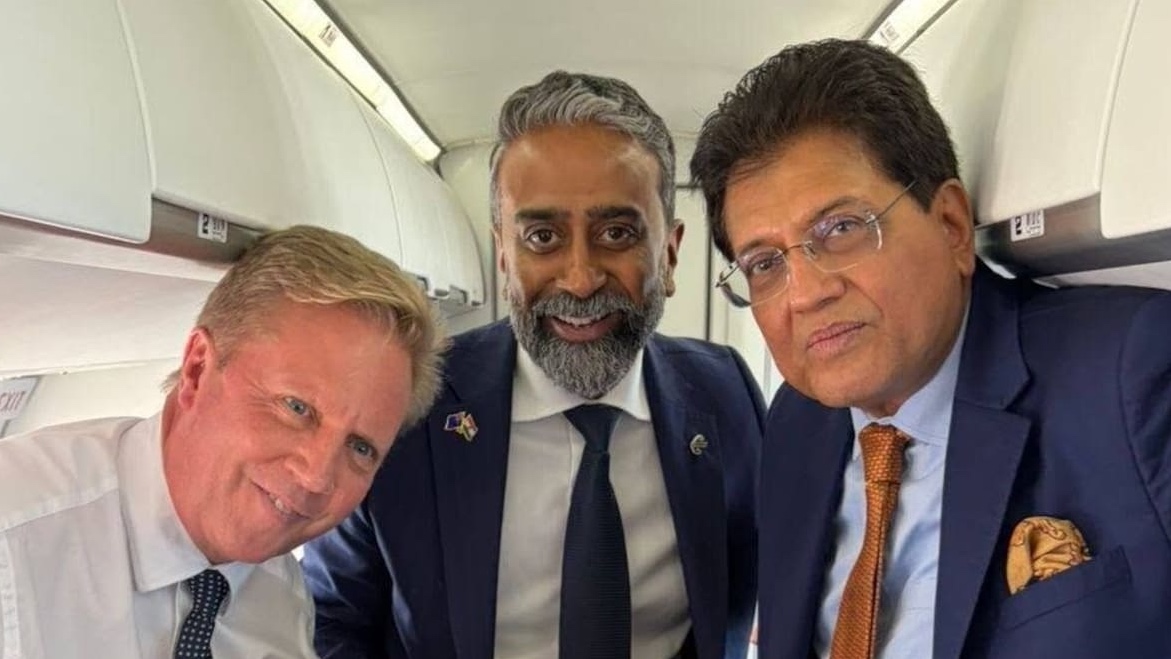
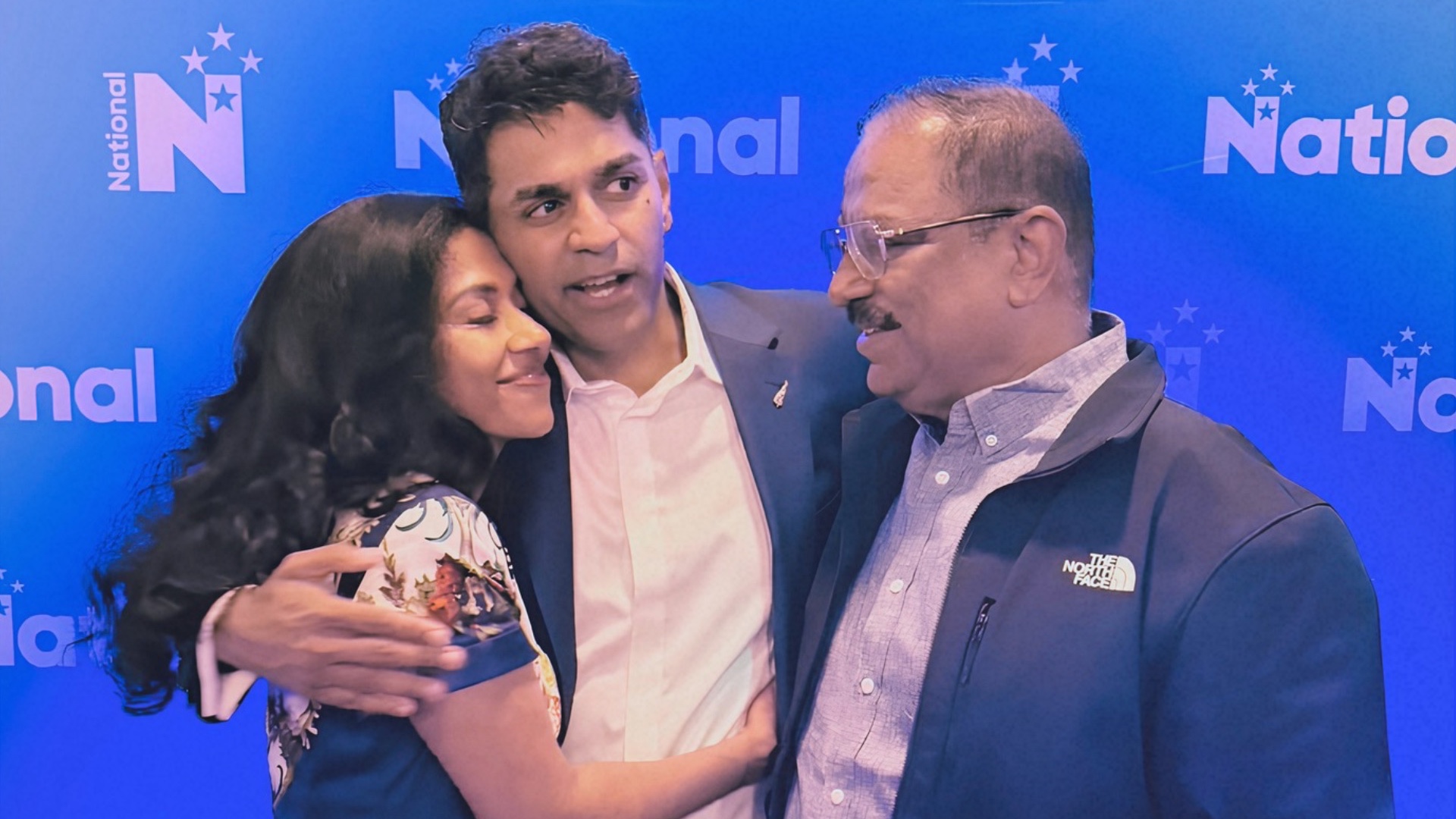
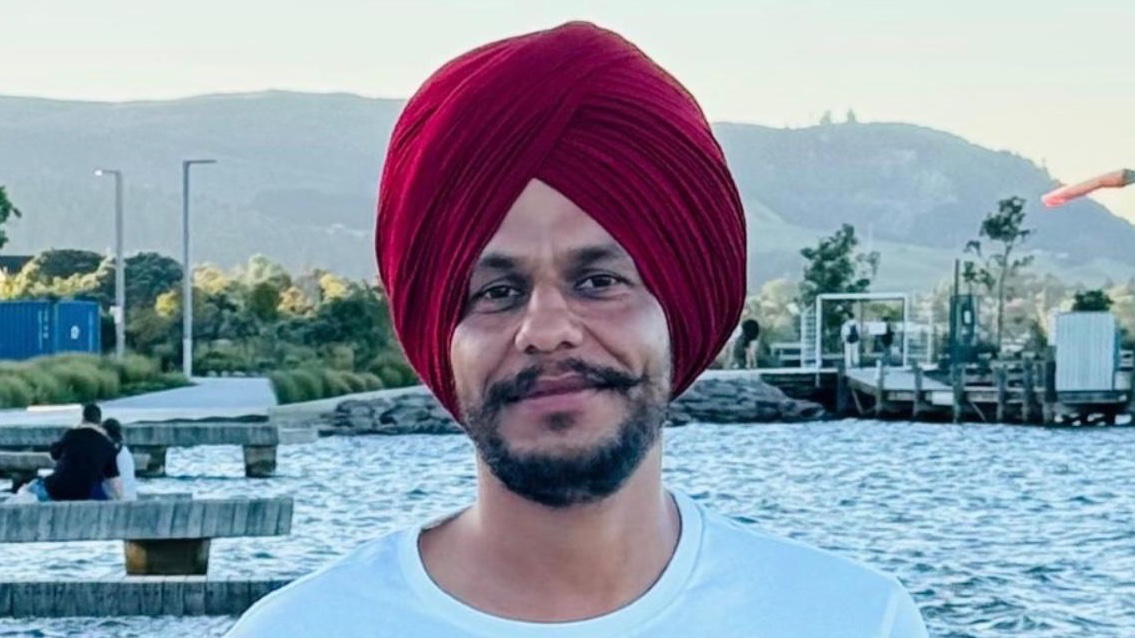
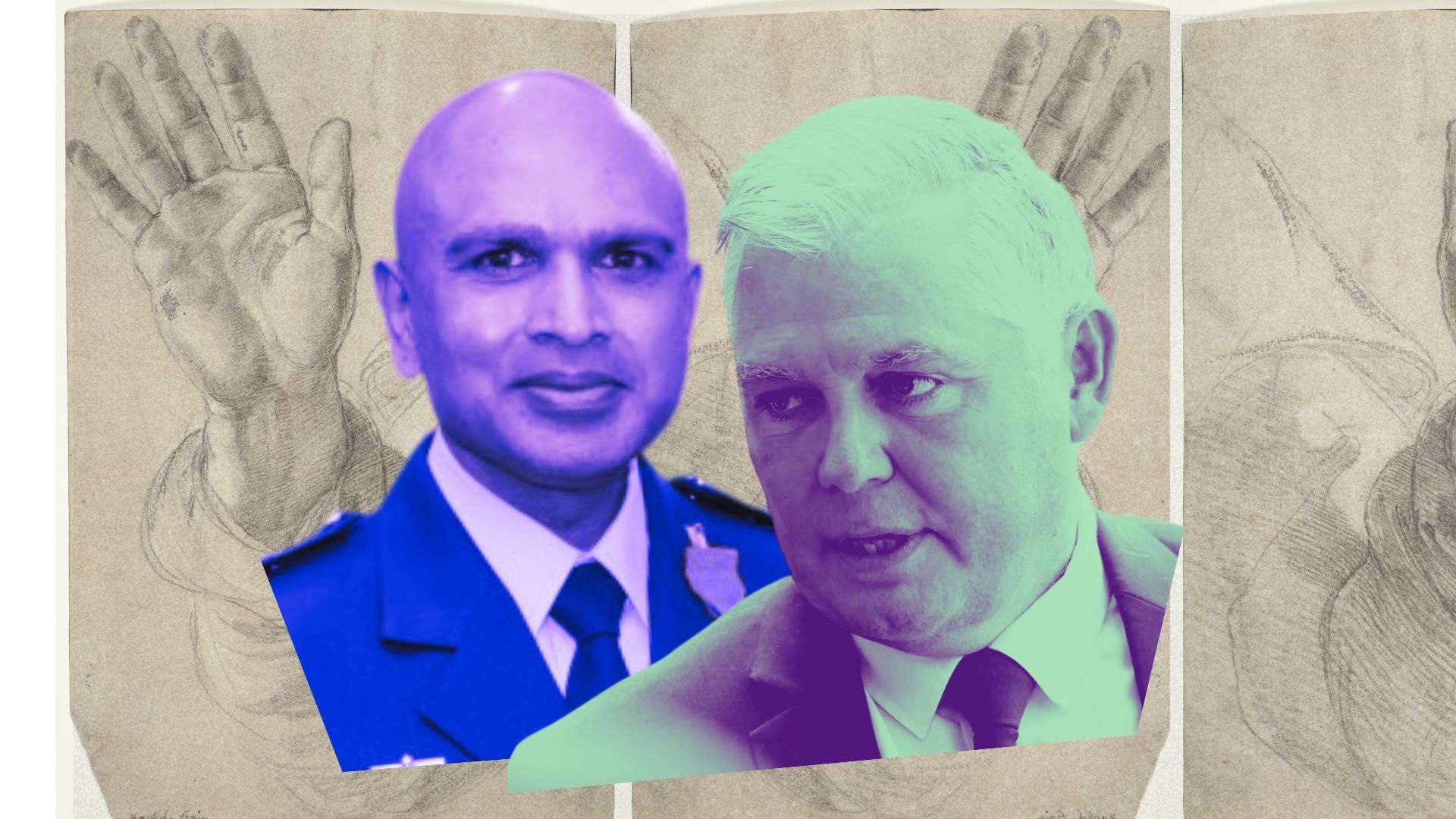
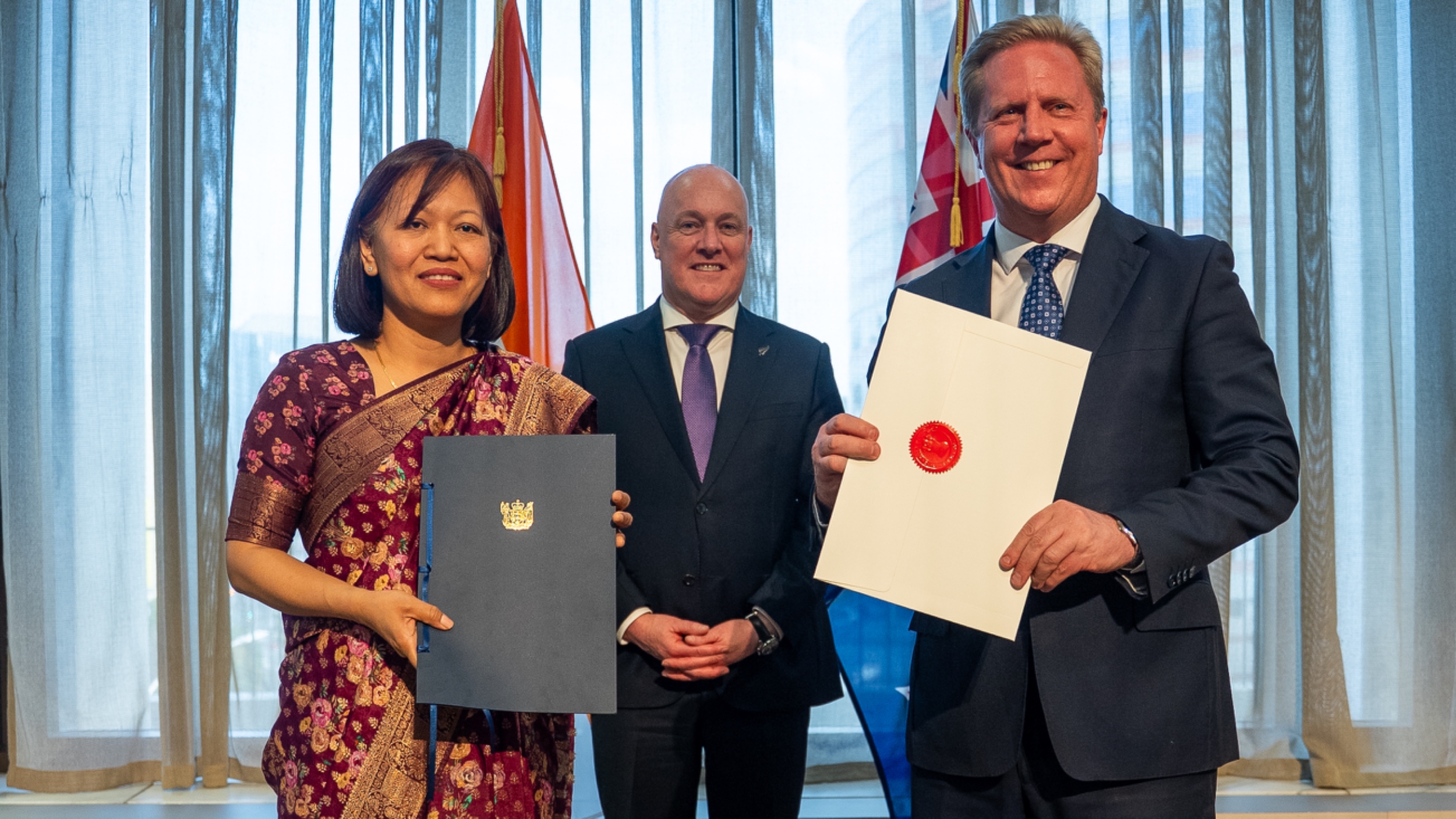
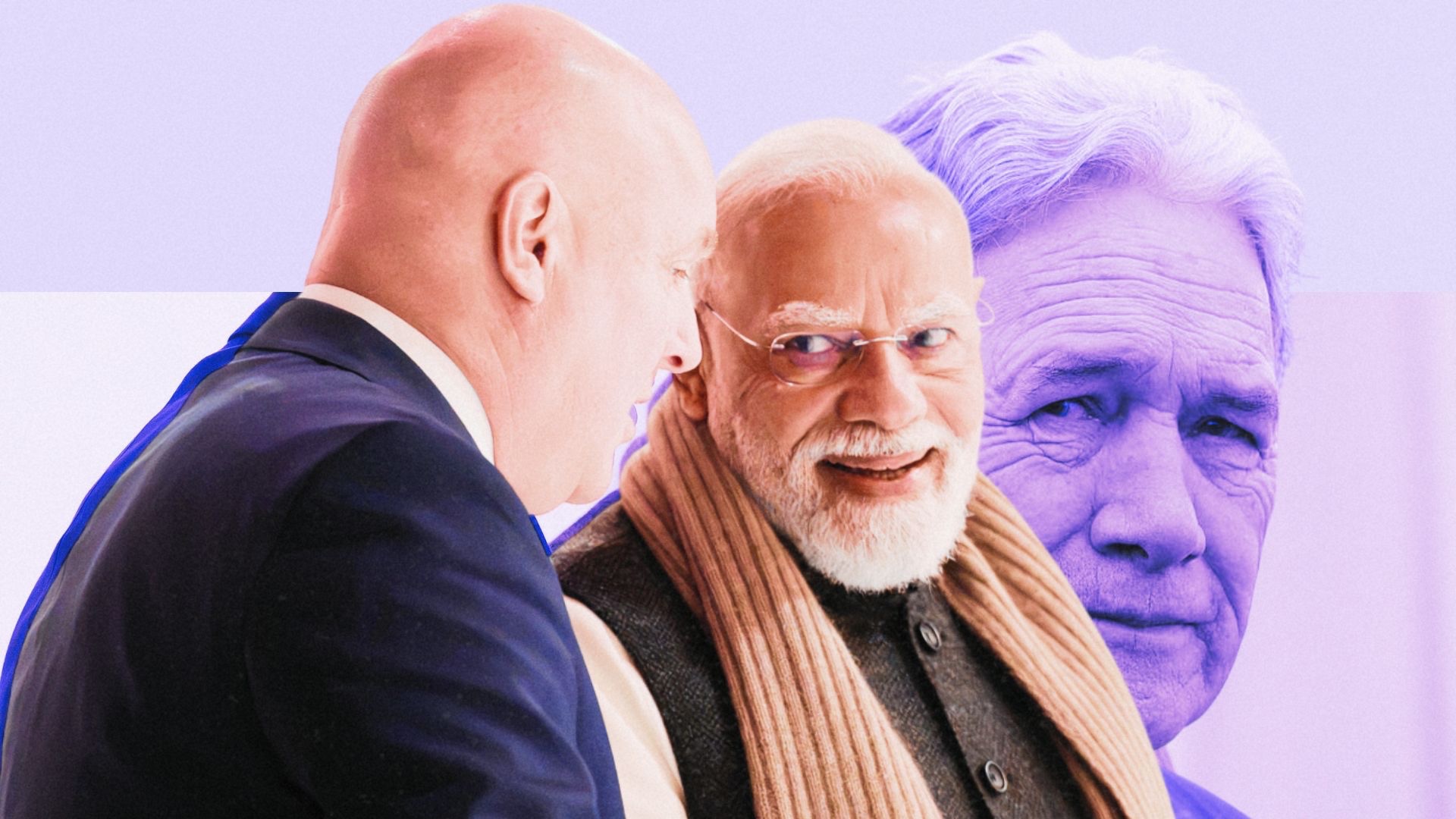
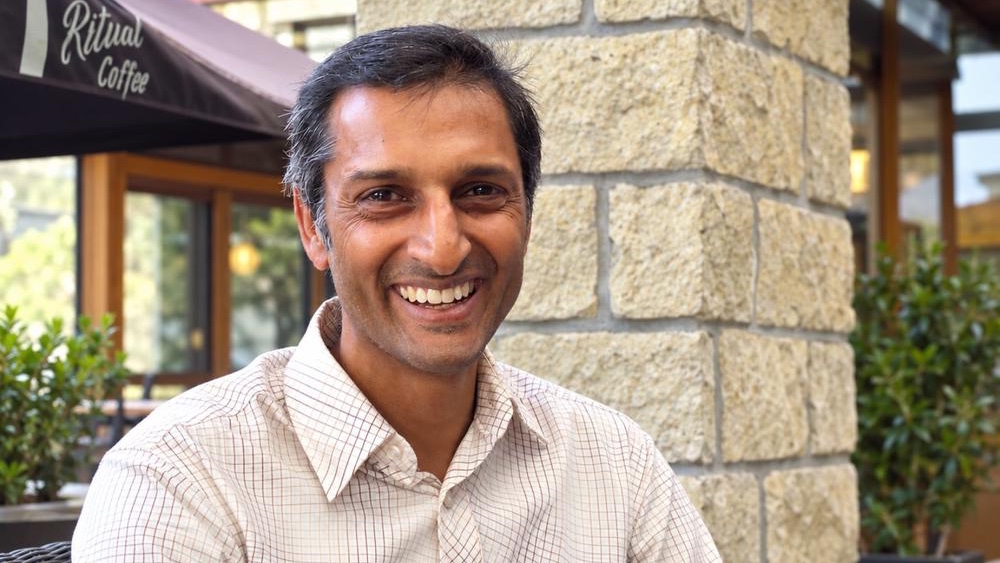
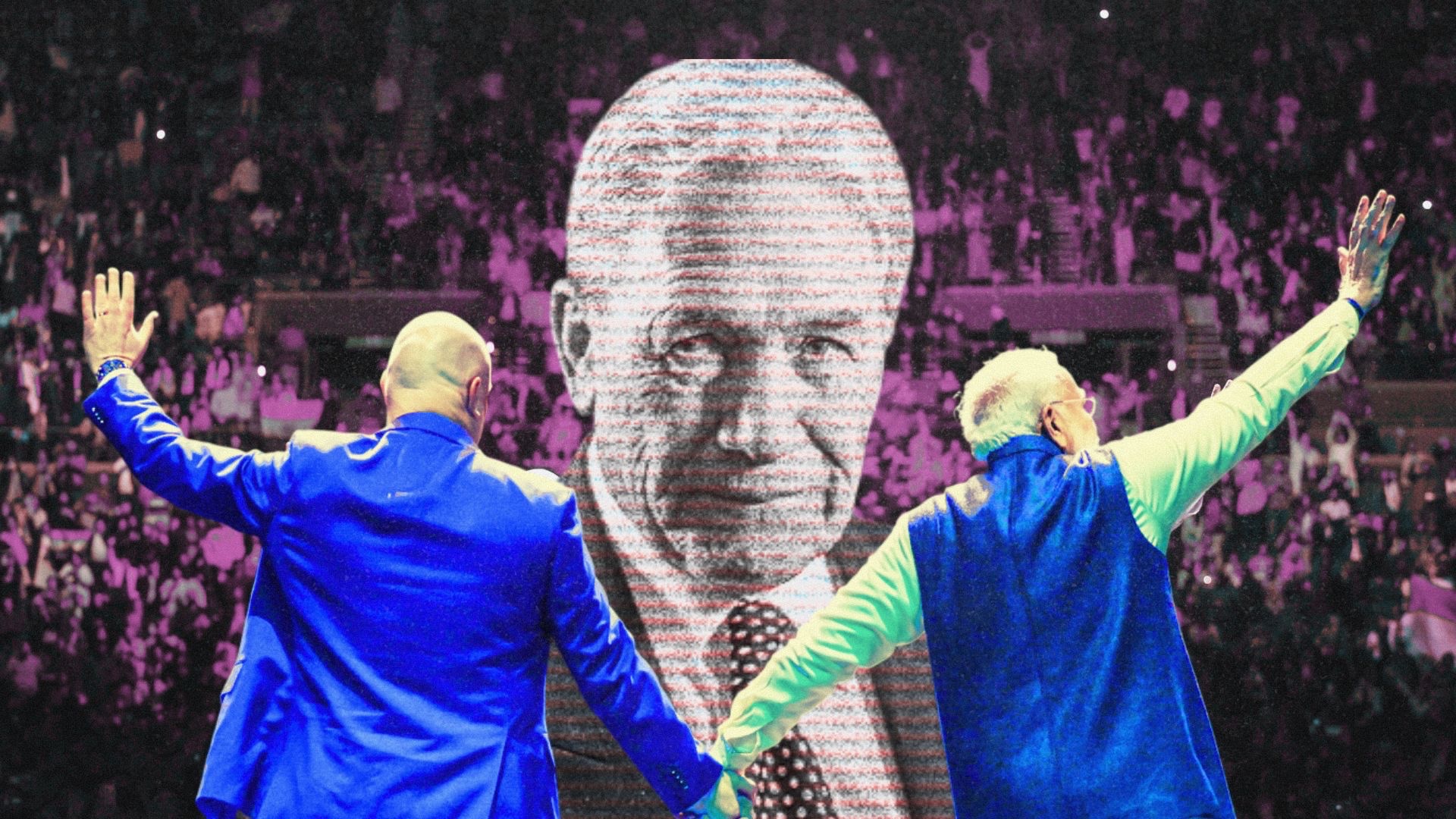
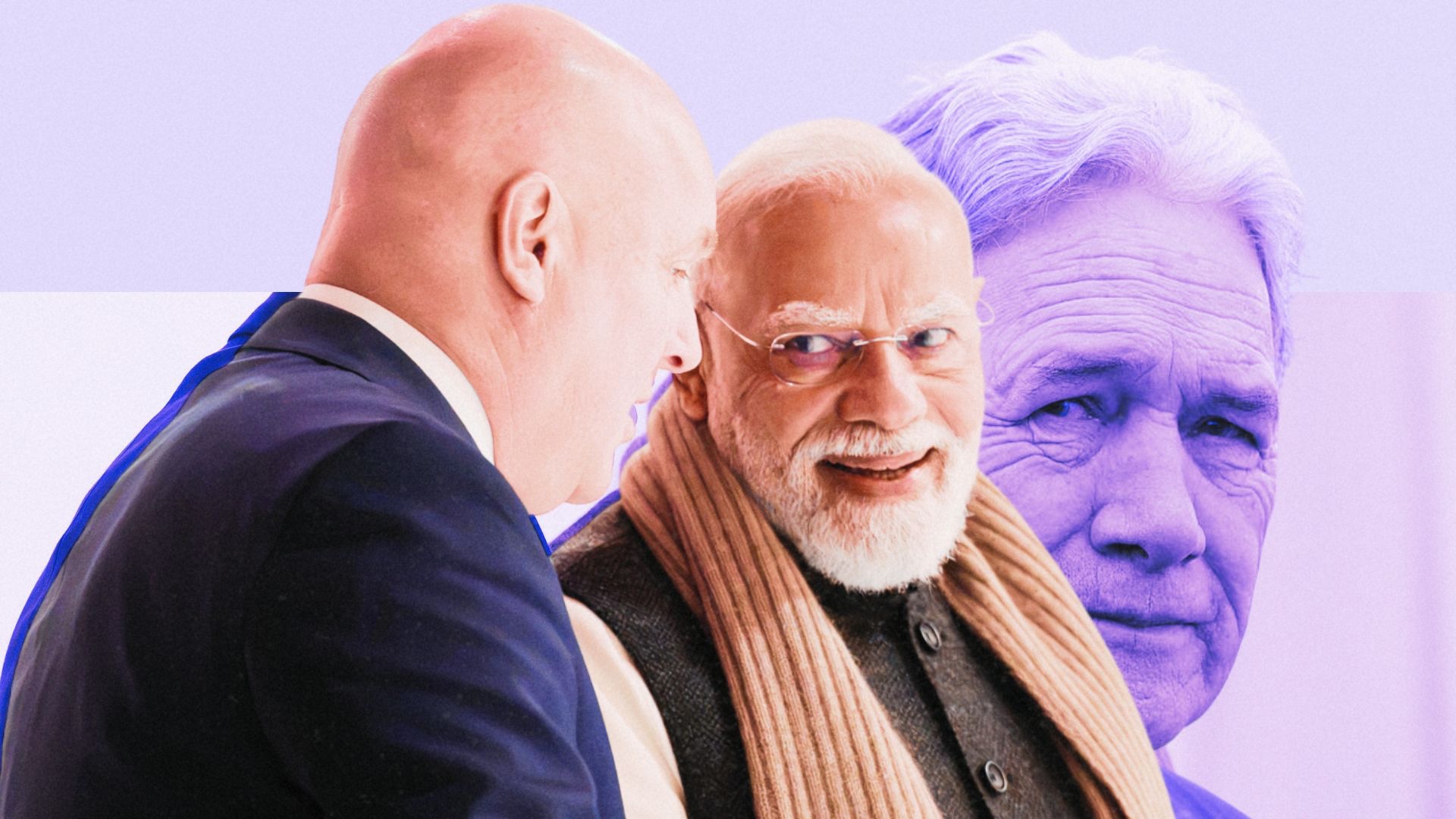
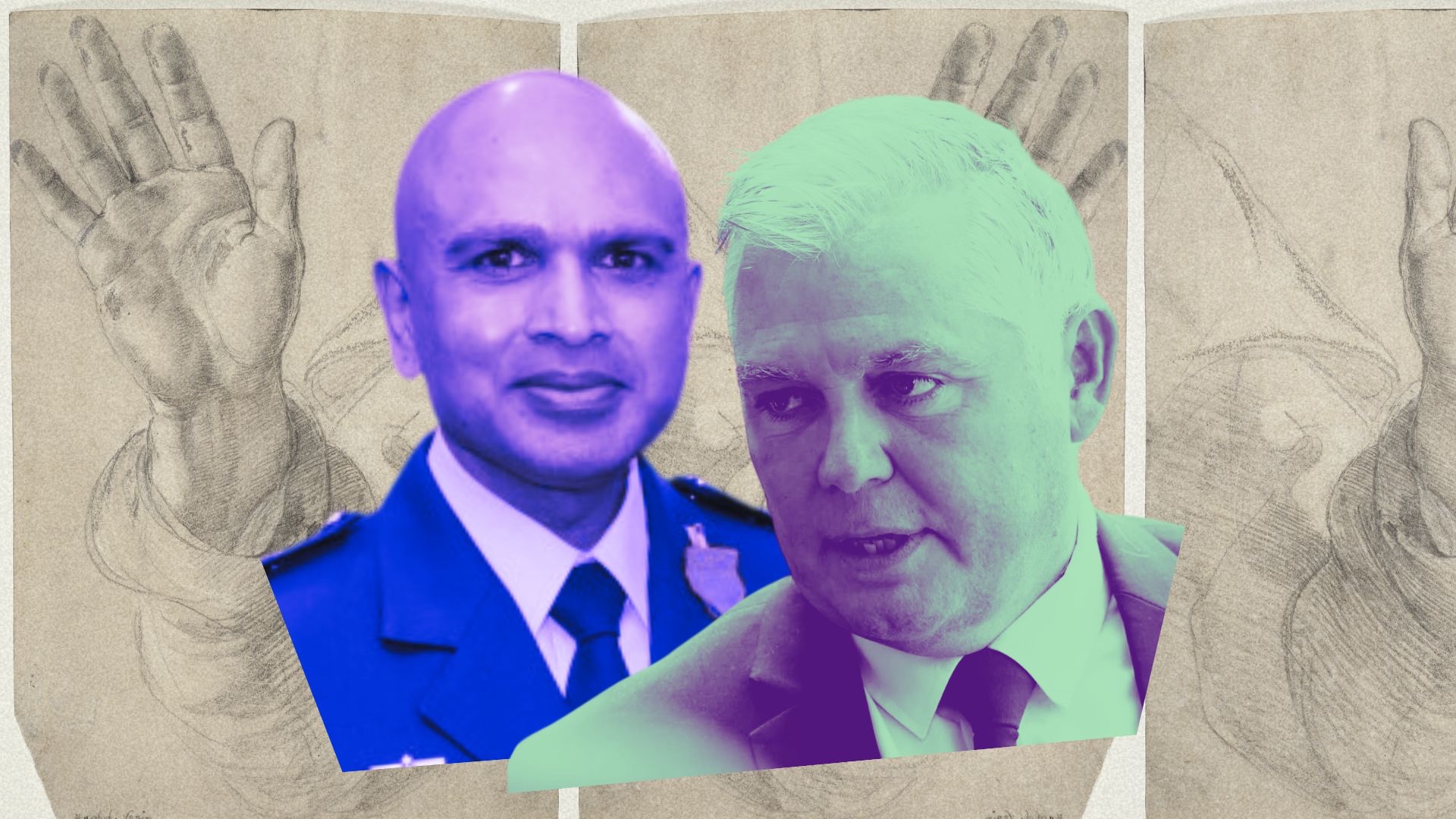
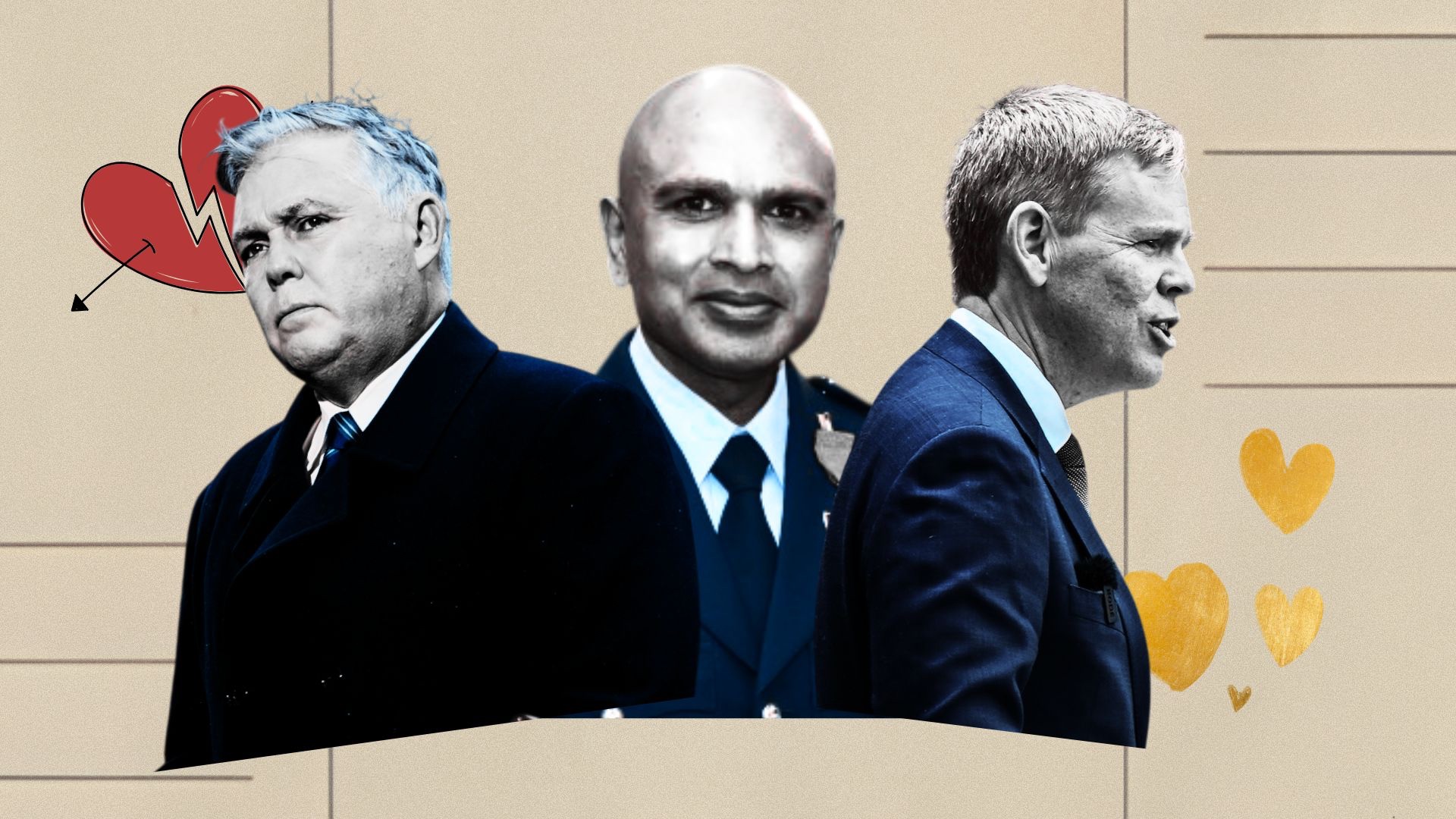
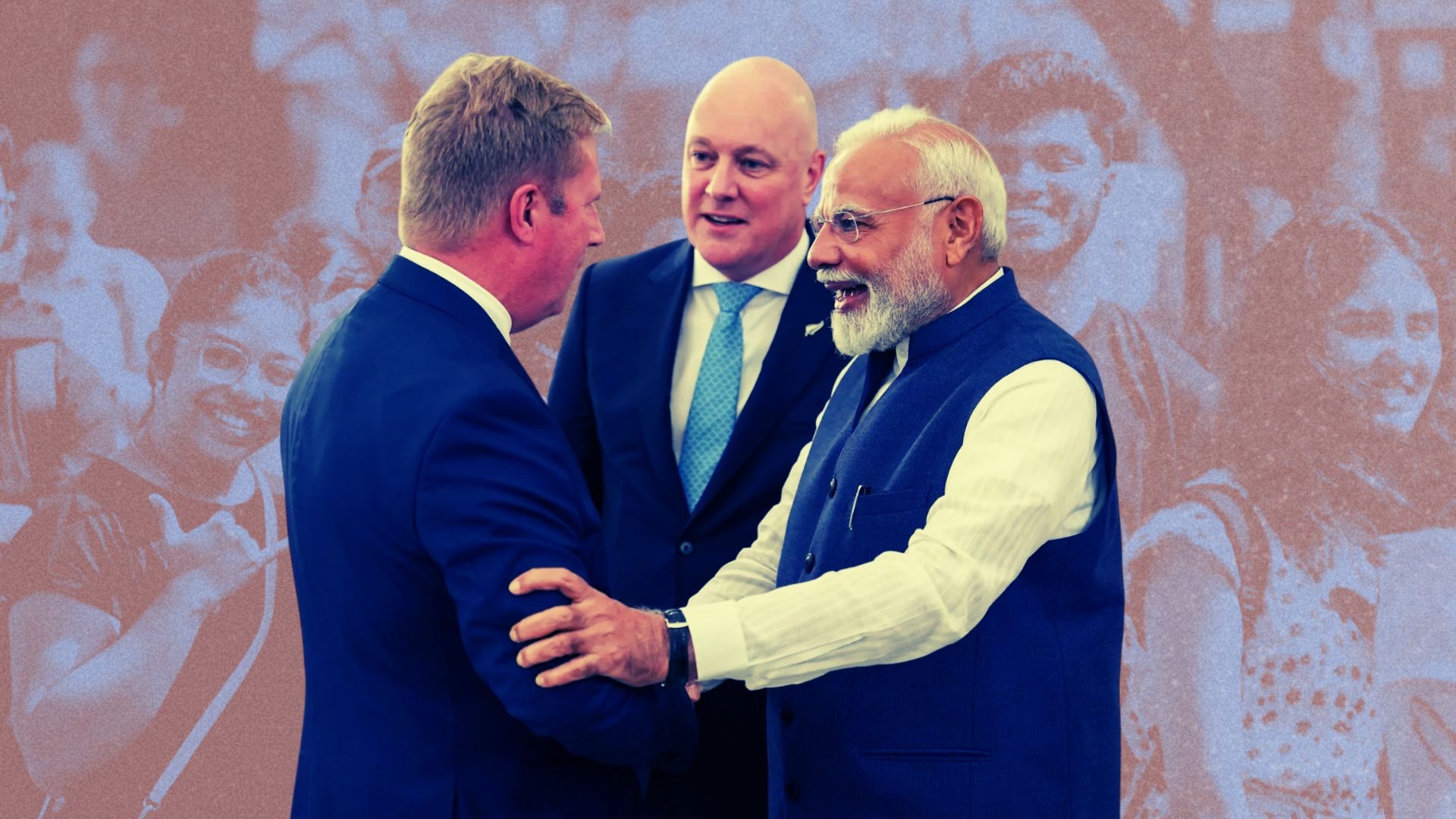
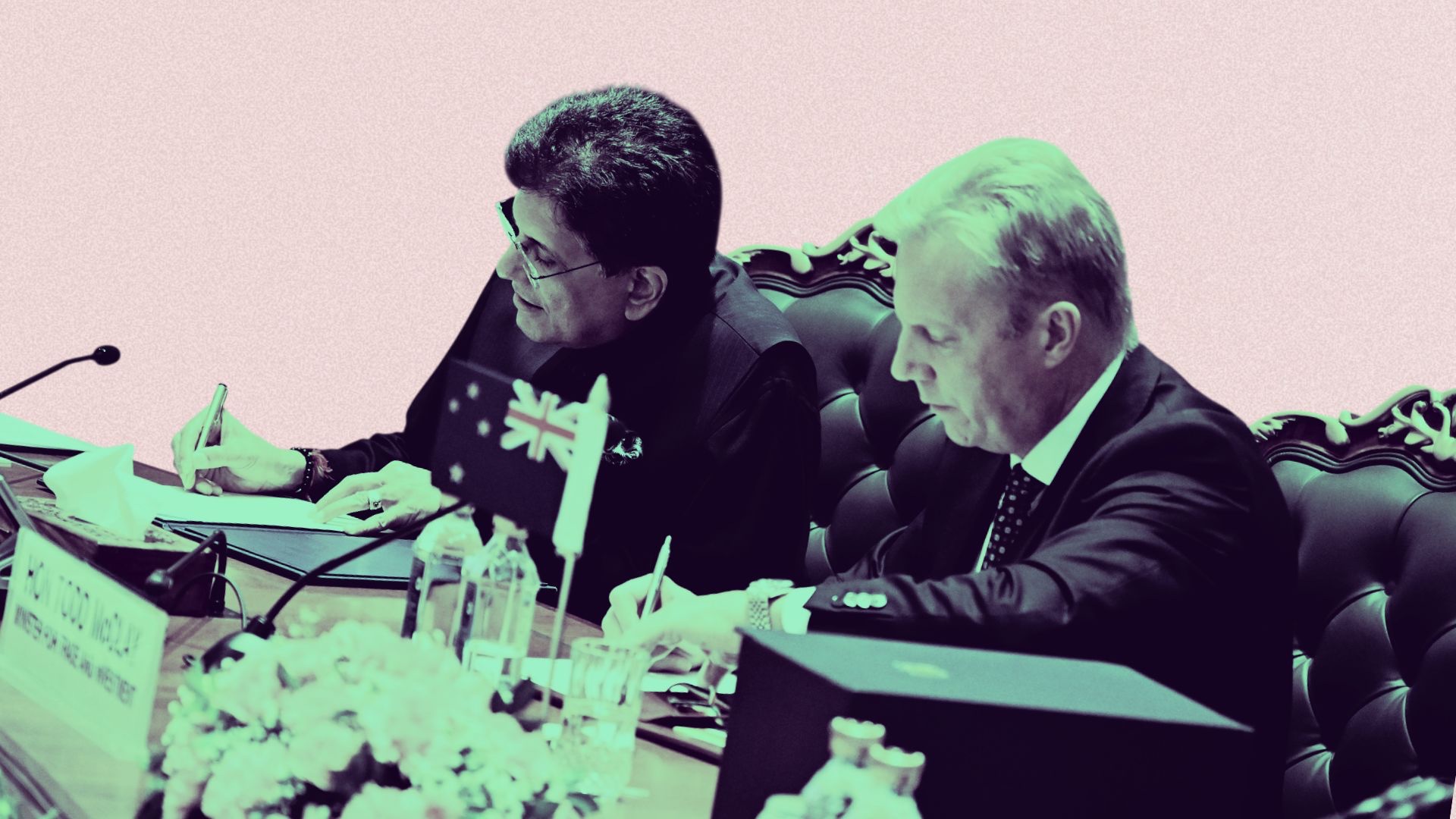
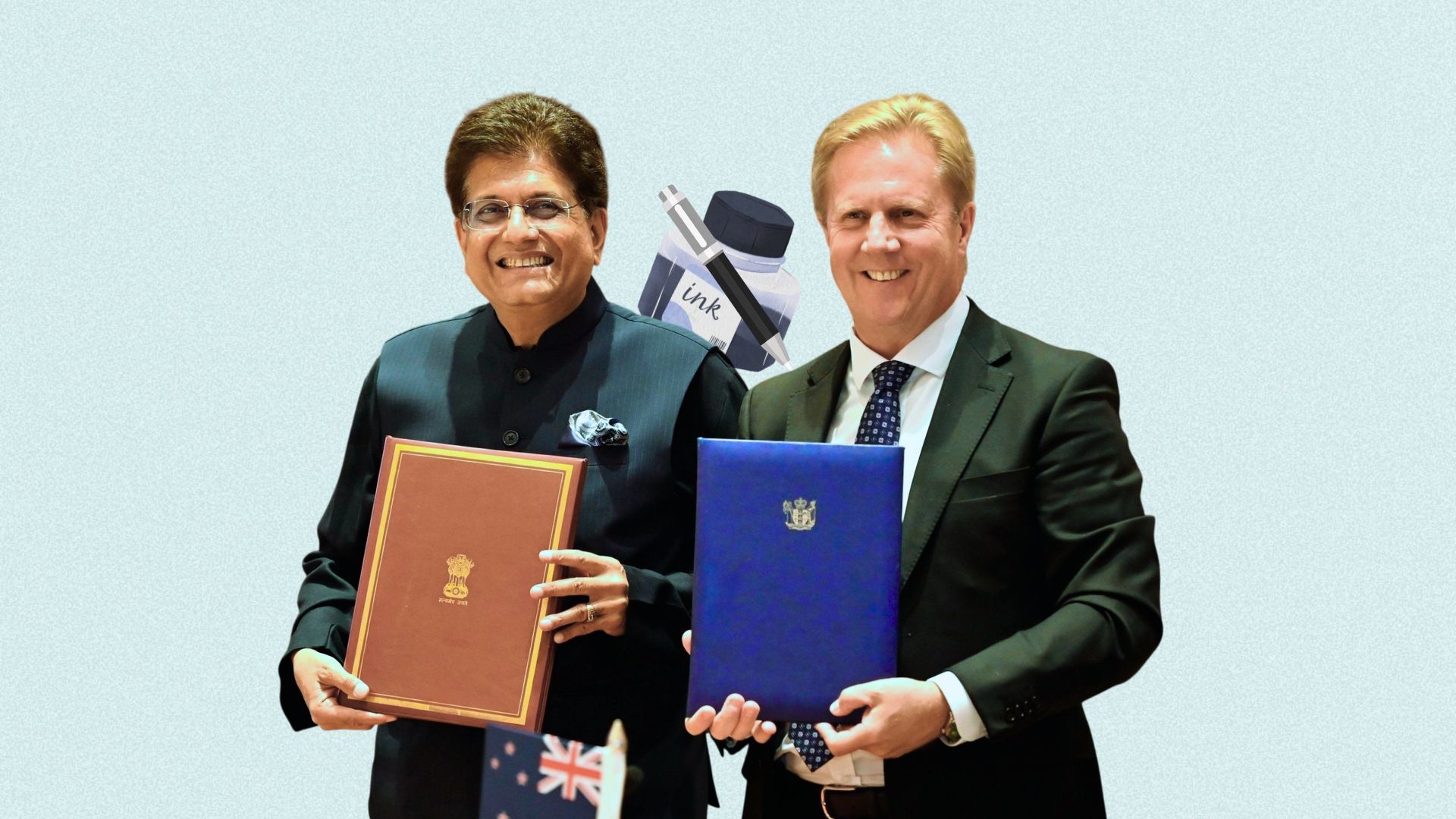
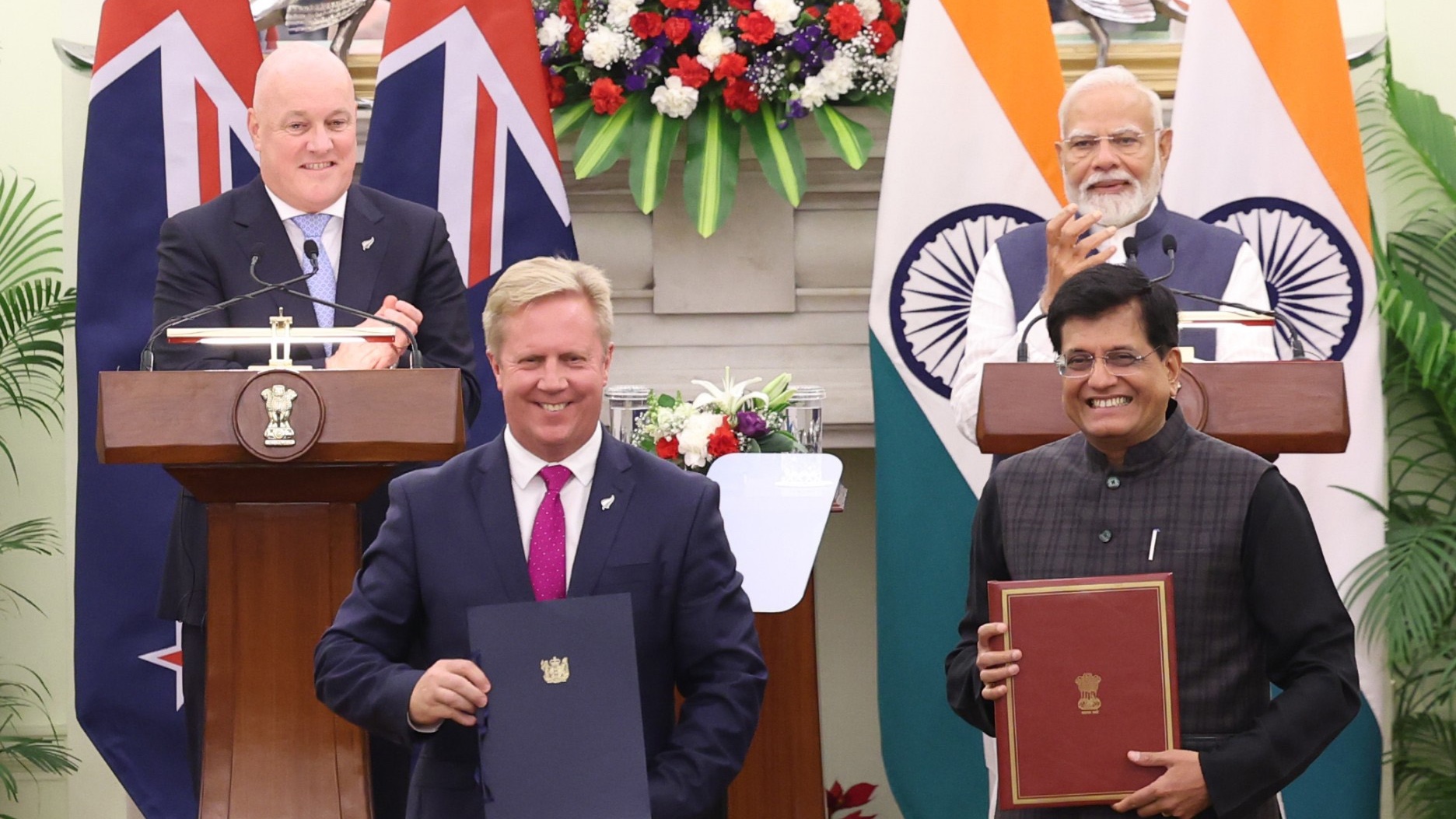
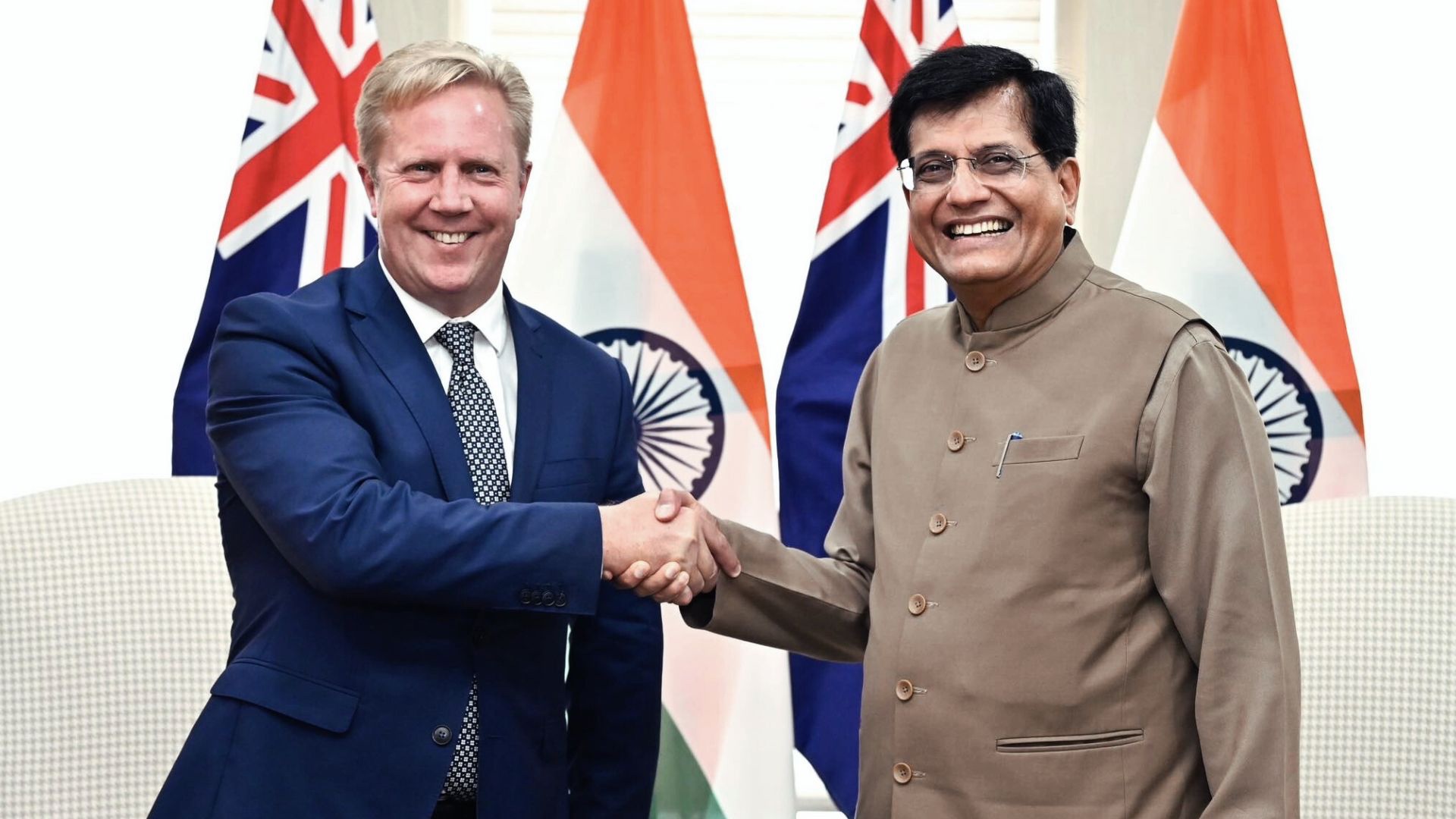
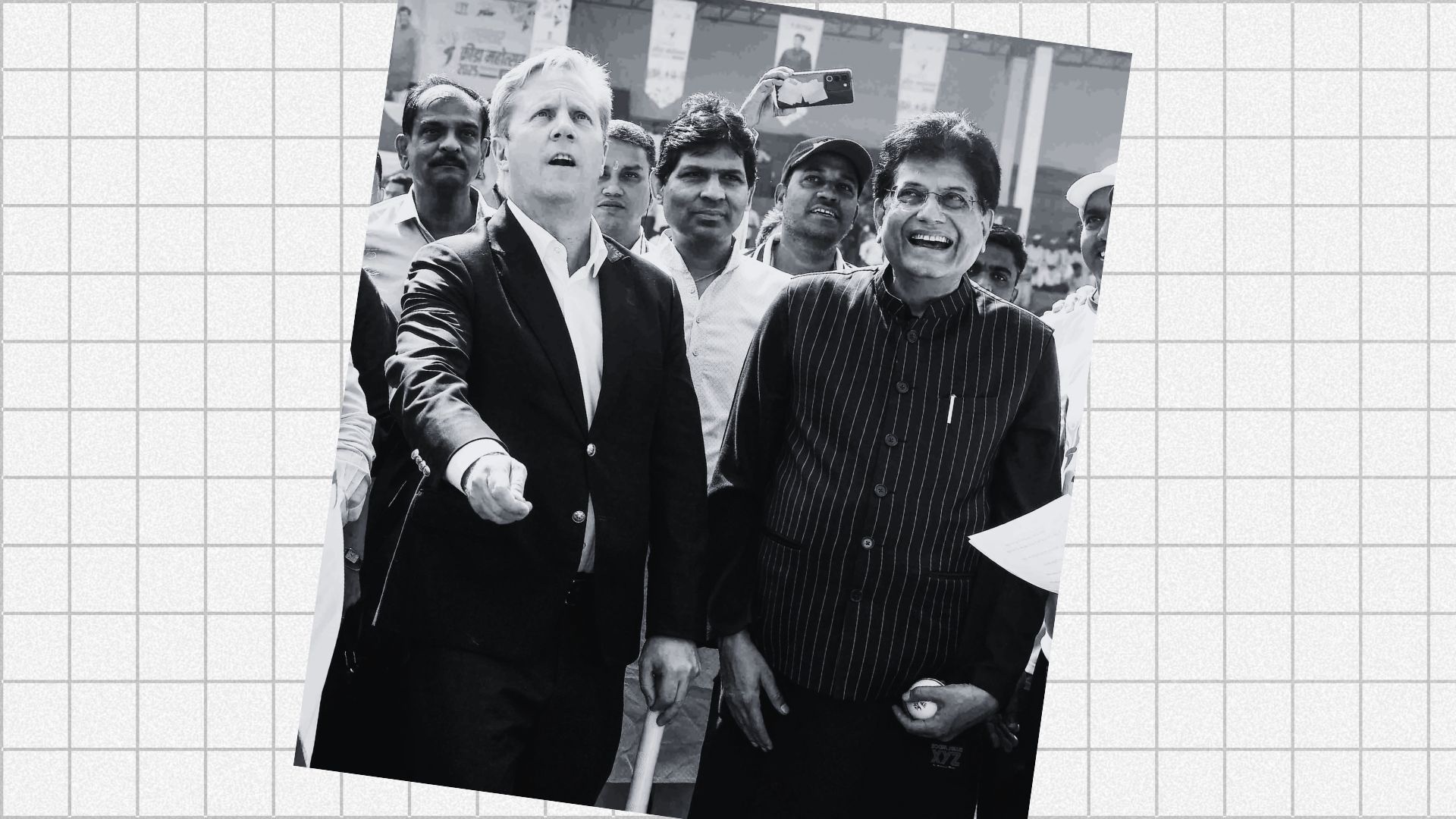
Air New Zealand CEO Nikhil Ravishankar (centre) with trade minister Todd McClay and India's Piyush Goyal on a flight to Rotorua in 2025.
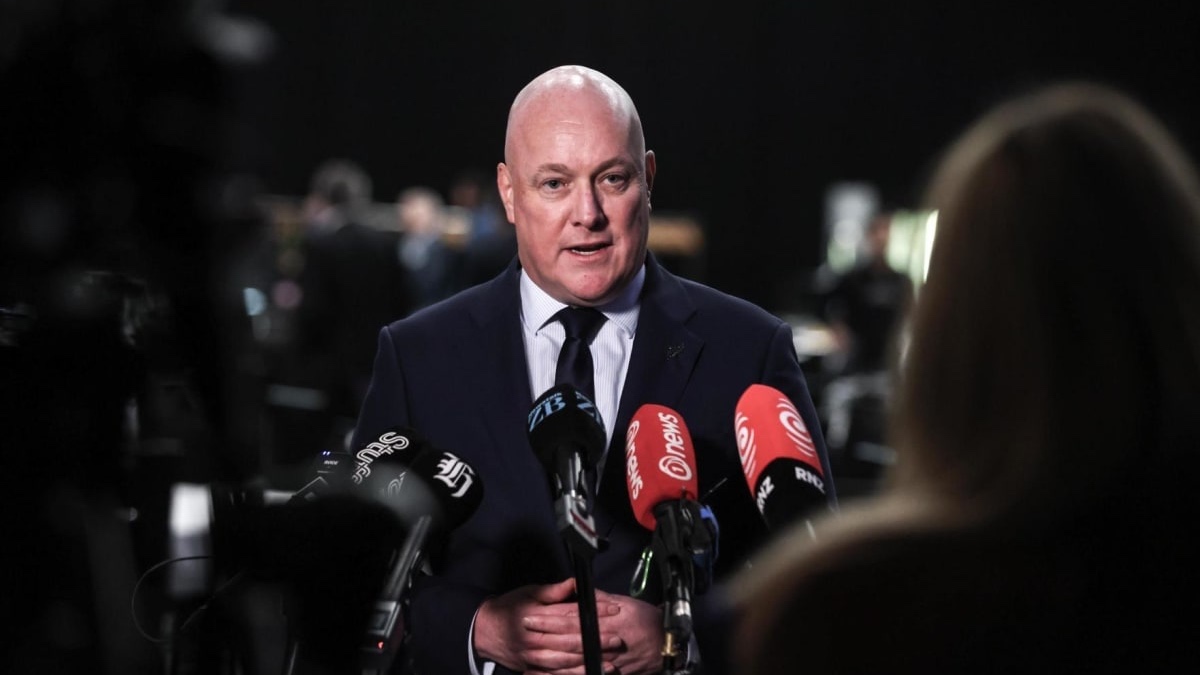
Nikhil Ravishankar says the airline is still aiming for 2028 but hurdles remain.
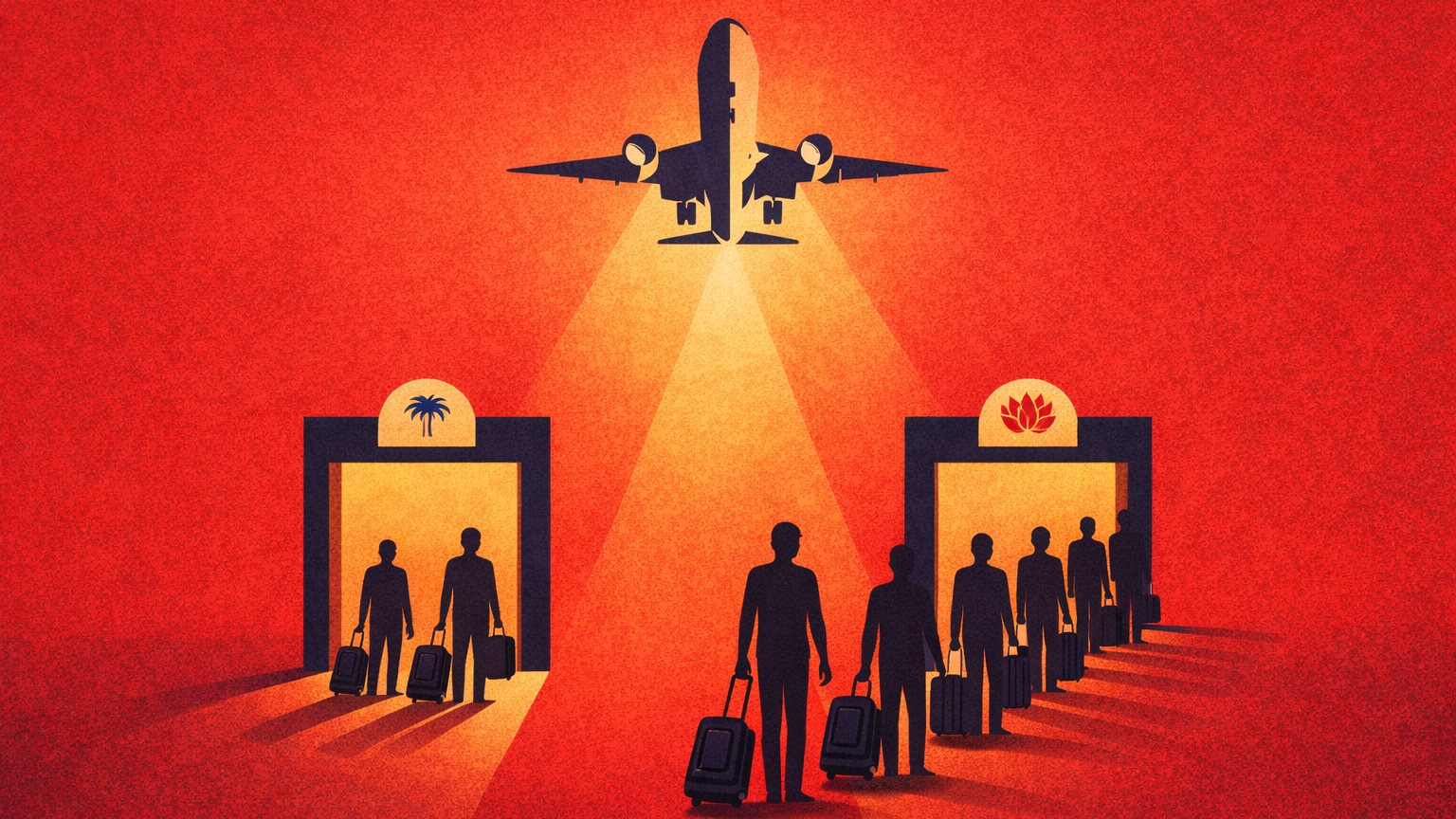
Air New Zealand is still working towards launching direct flights to India by 2028 but two major hurdles remain. The rising cost of aviation fuel and the need for more passengers travelling between the two countries.
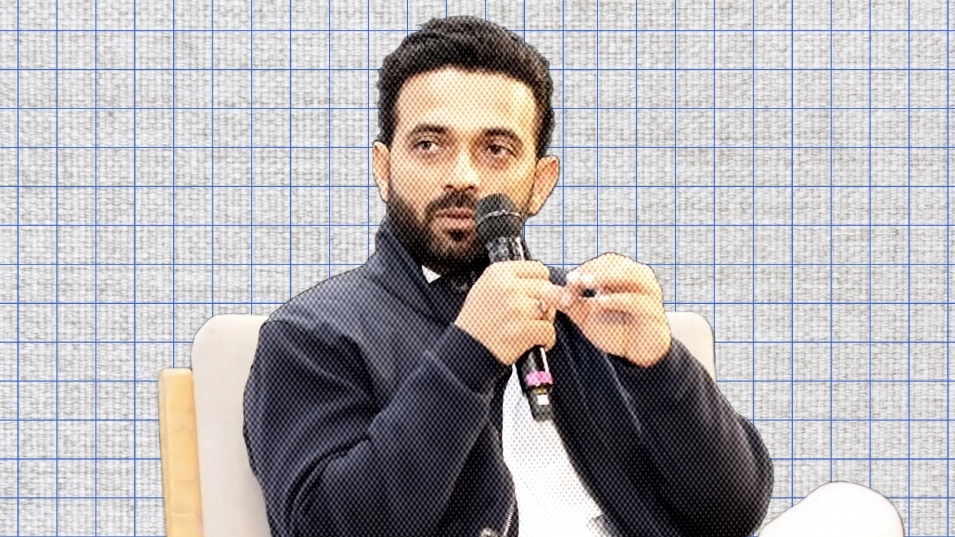
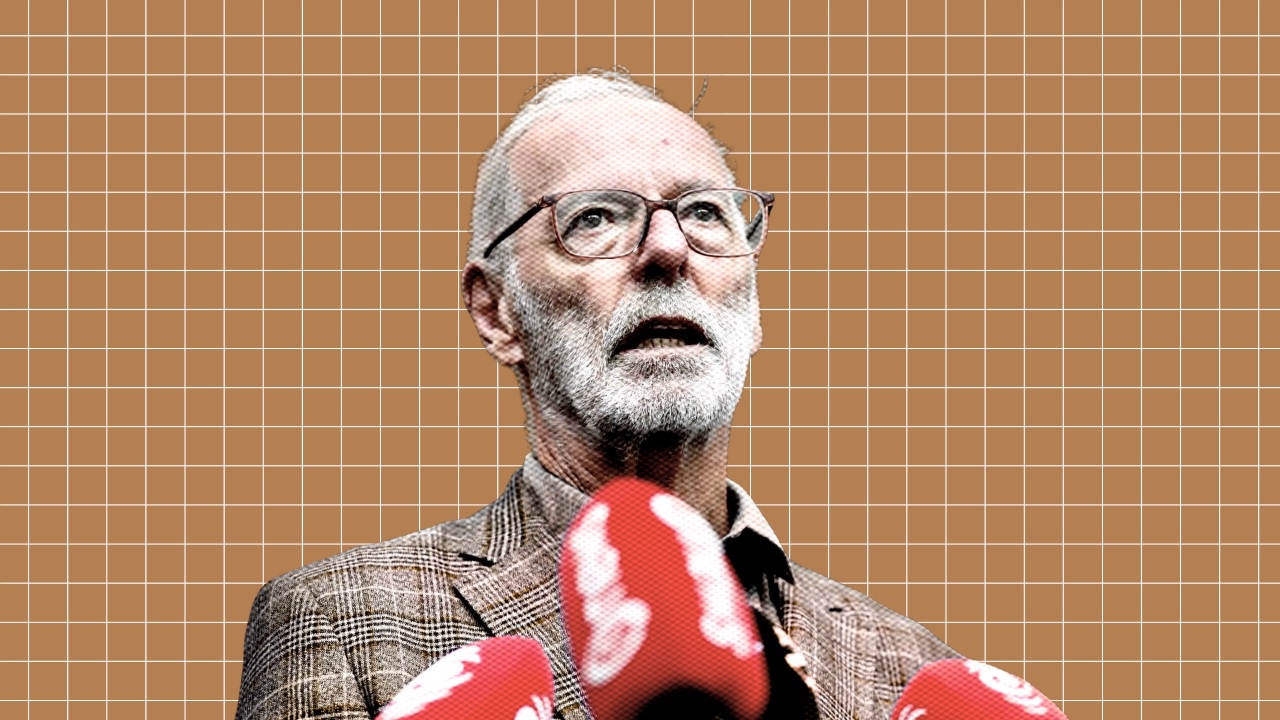
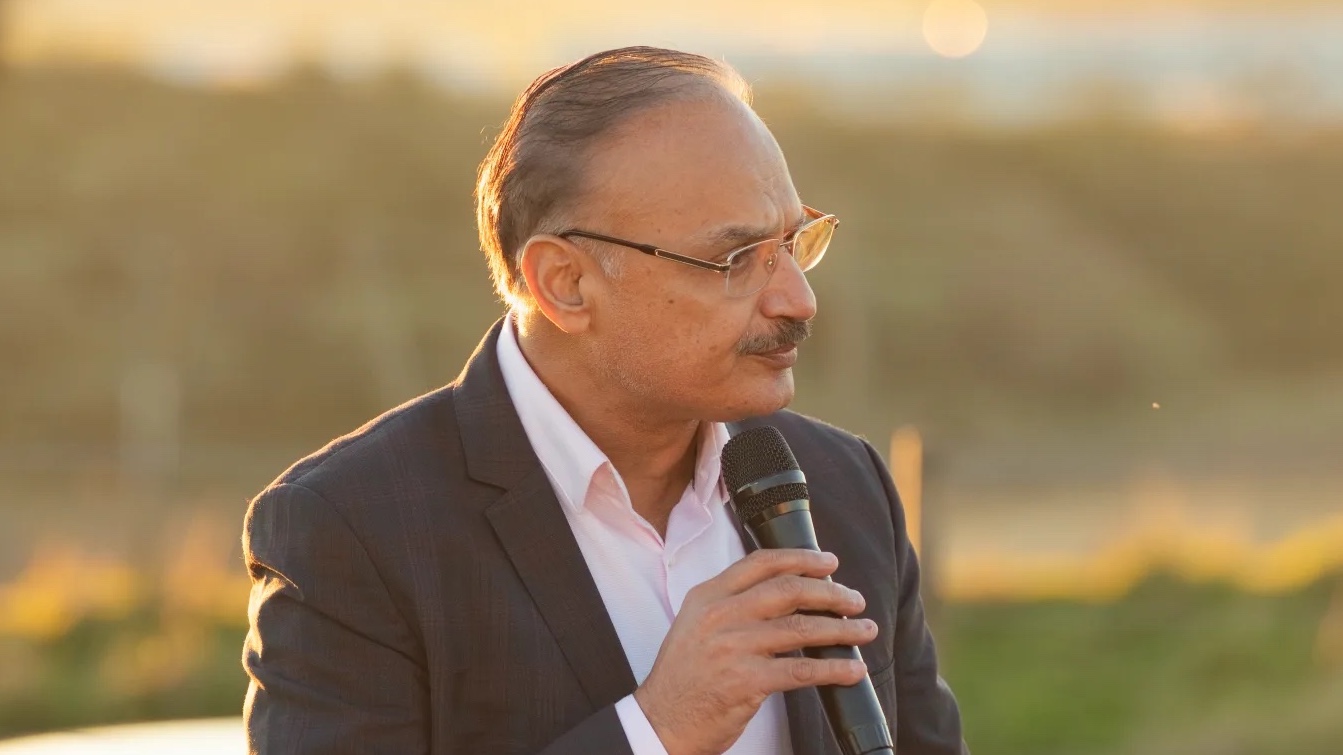
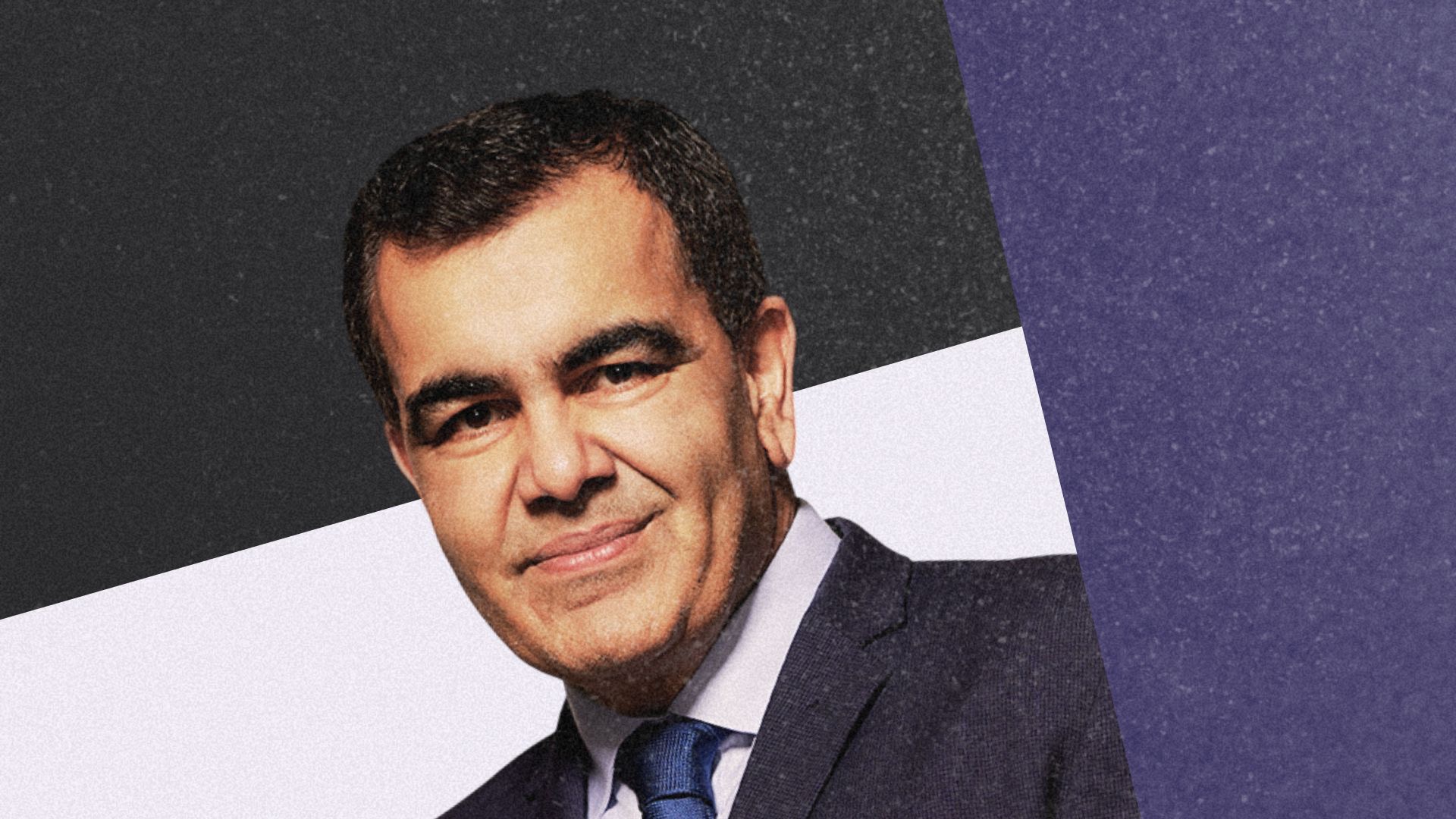
Chief executive Nikhil Ravishankar confirmed the airline's target in an interview with Awaaz on Friday, saying earlier concerns about the availability of new aircraft had largely been resolved, but the economics of operating a nonstop service remained challenging.
“We are still working towards the 2028 target. But a major variable that has changed over the last few months is the cost of fuel,” he said.
“The initial concerns about new aircraft being available has largely been dealt with. But the cost of fuel has to come down, and the passenger traffic between India and New Zealand must go up for the direct flight to happen.”
Ravishankar also confirmed that Air New Zealand was continuing work on a joint regulatory application with Air India, part of the process of securing approval for a closer partnership between the two airlines.
'Life-ruining': Fears over immigration change announced by caretaker government The Labour party says it was unaware of the changes, as Green MP questions minister Erica Stanford.
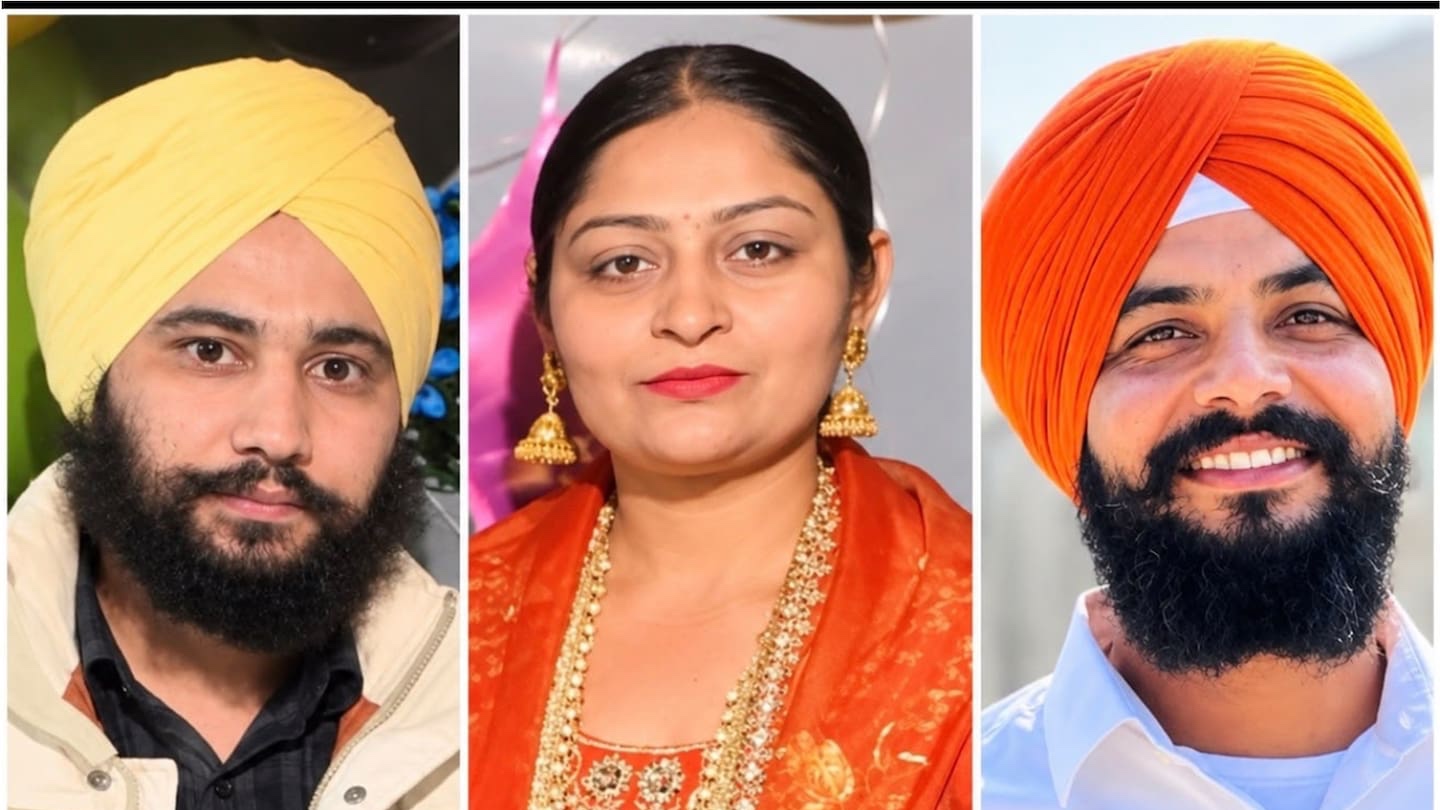
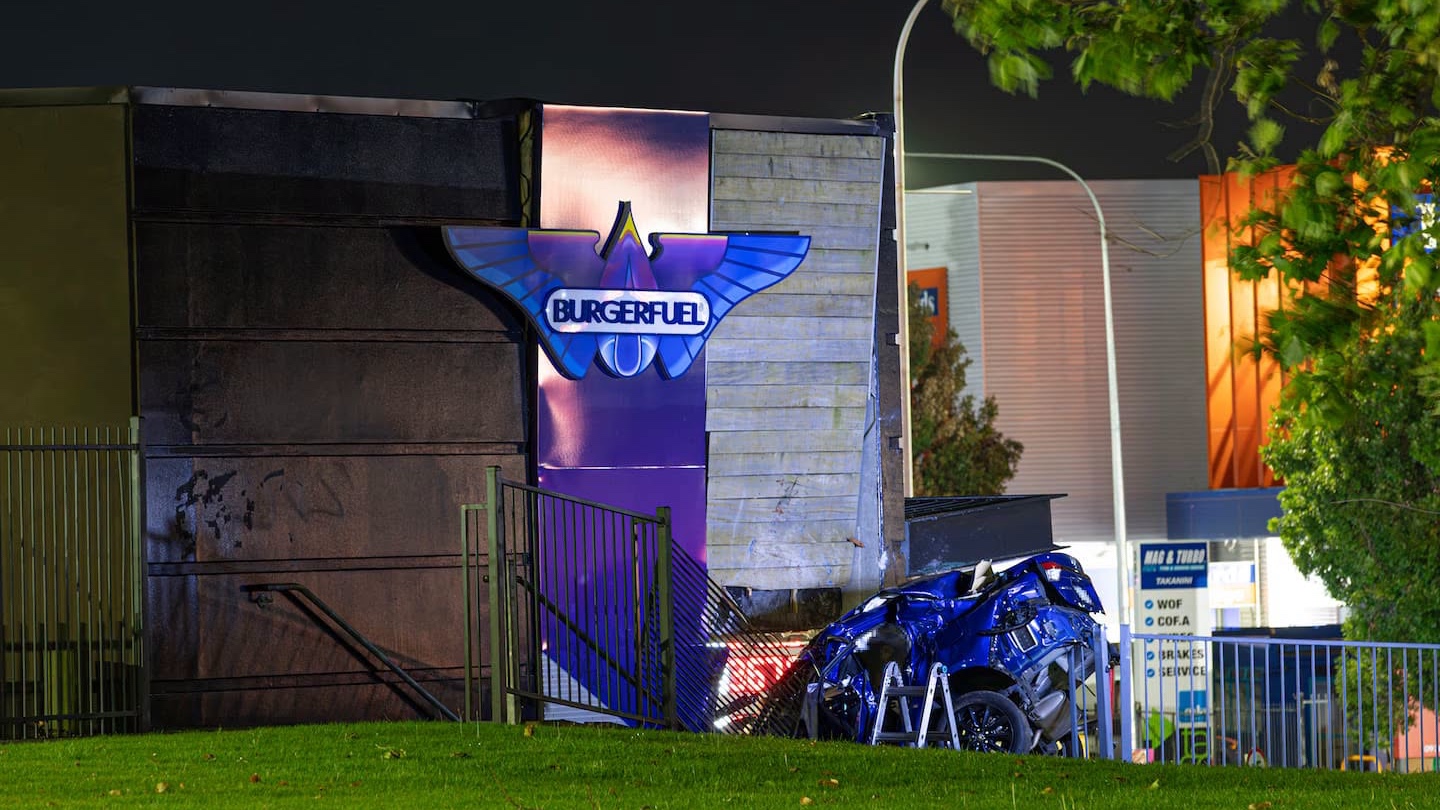
Sikh community plans fundraiser to bring bodies of Takanini crash victims to Punjab A newlywed couple were among the three who died, just minutes after leaving Diwali celebrations at a Manurewa gurdwara.
'Precautionary step': INZ freezes all NZTC student visa applications amid investigation Applicants are being told they can switch providers or withdraw and get their college fees back.
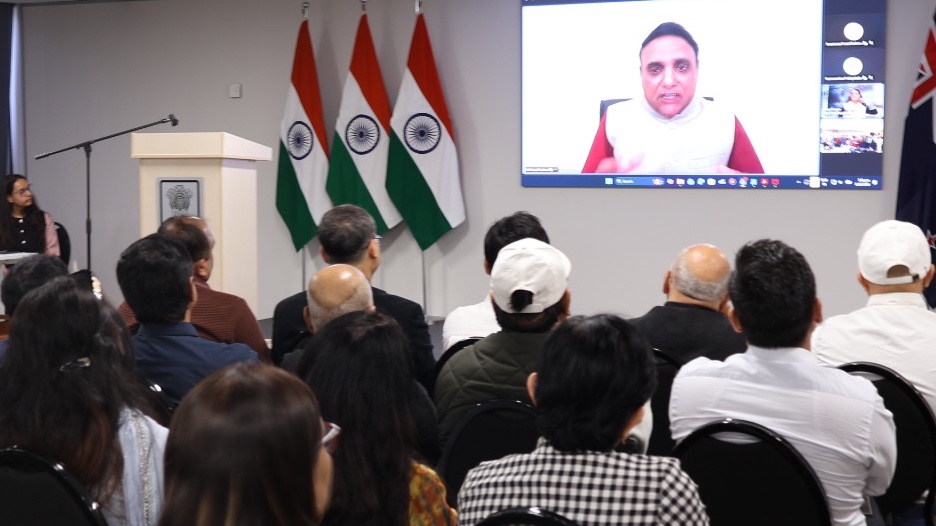
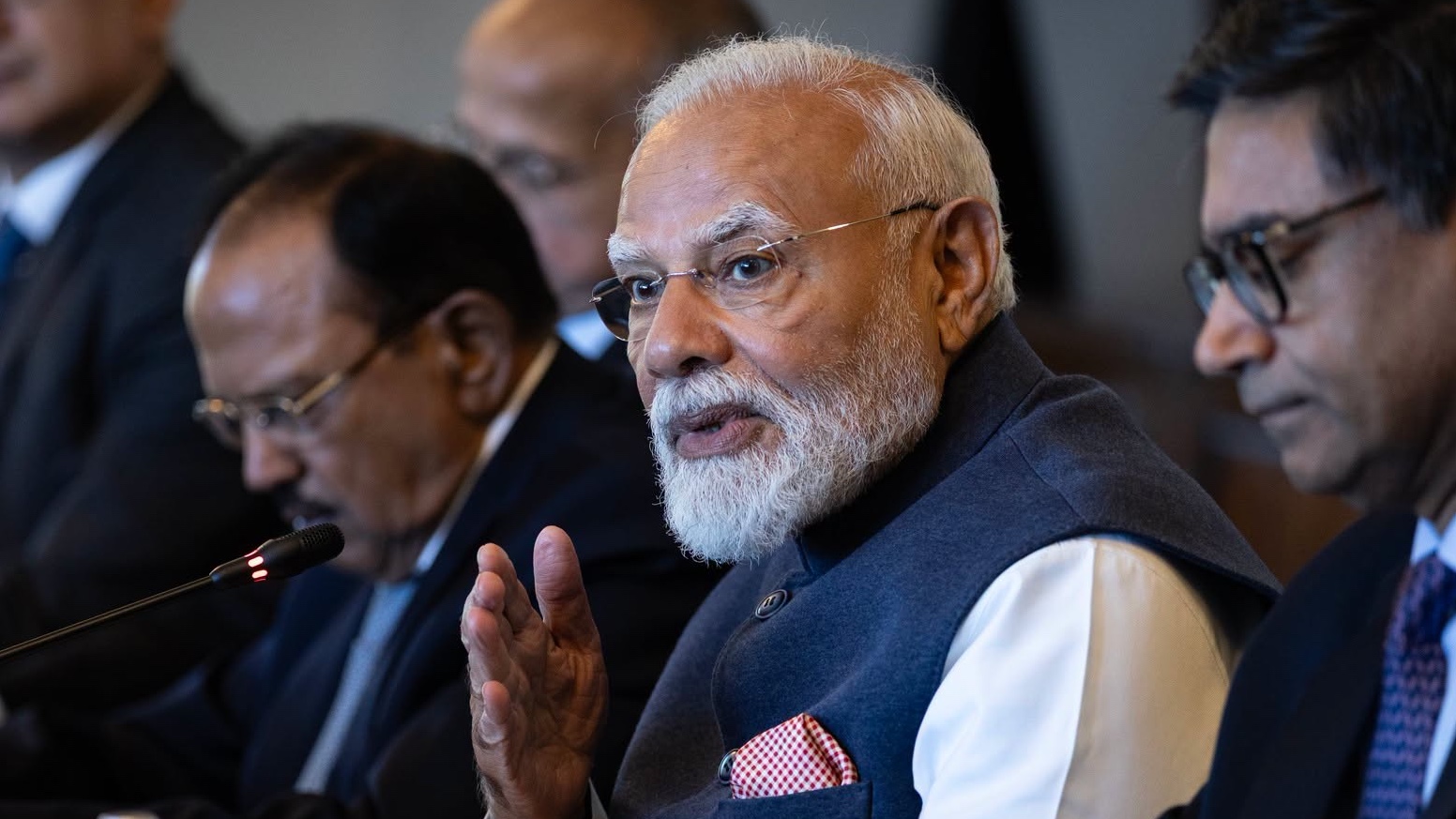
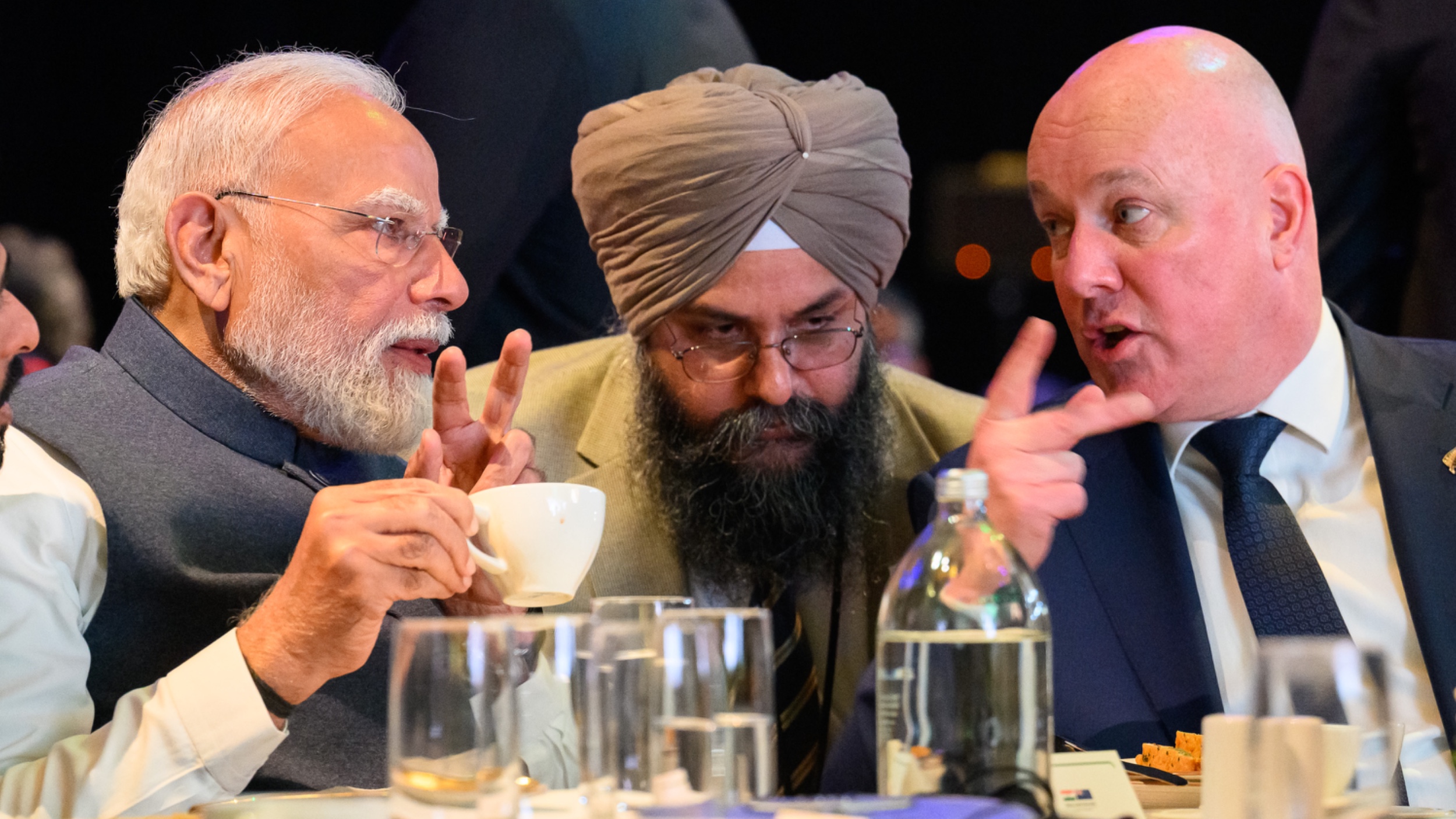
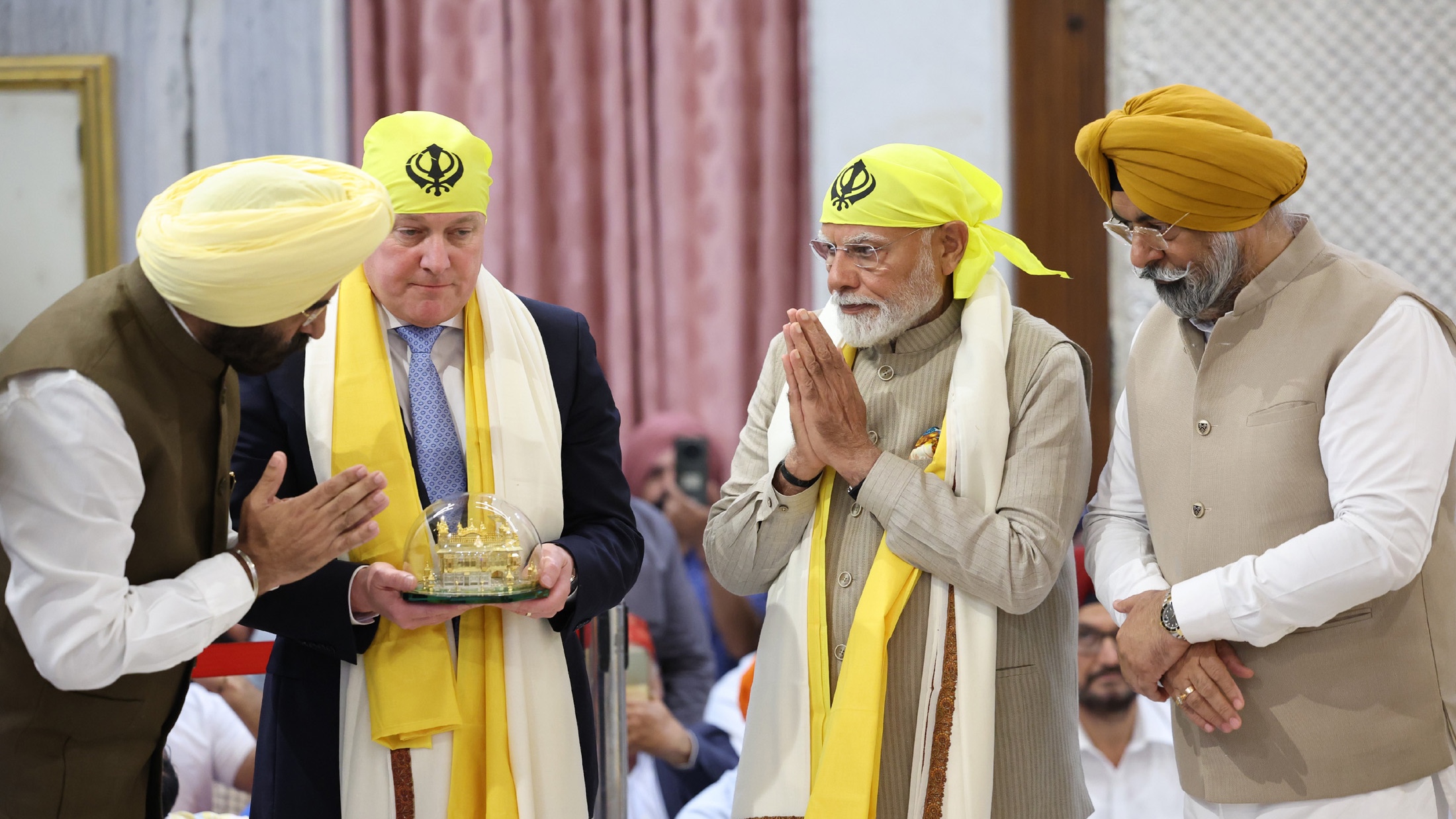
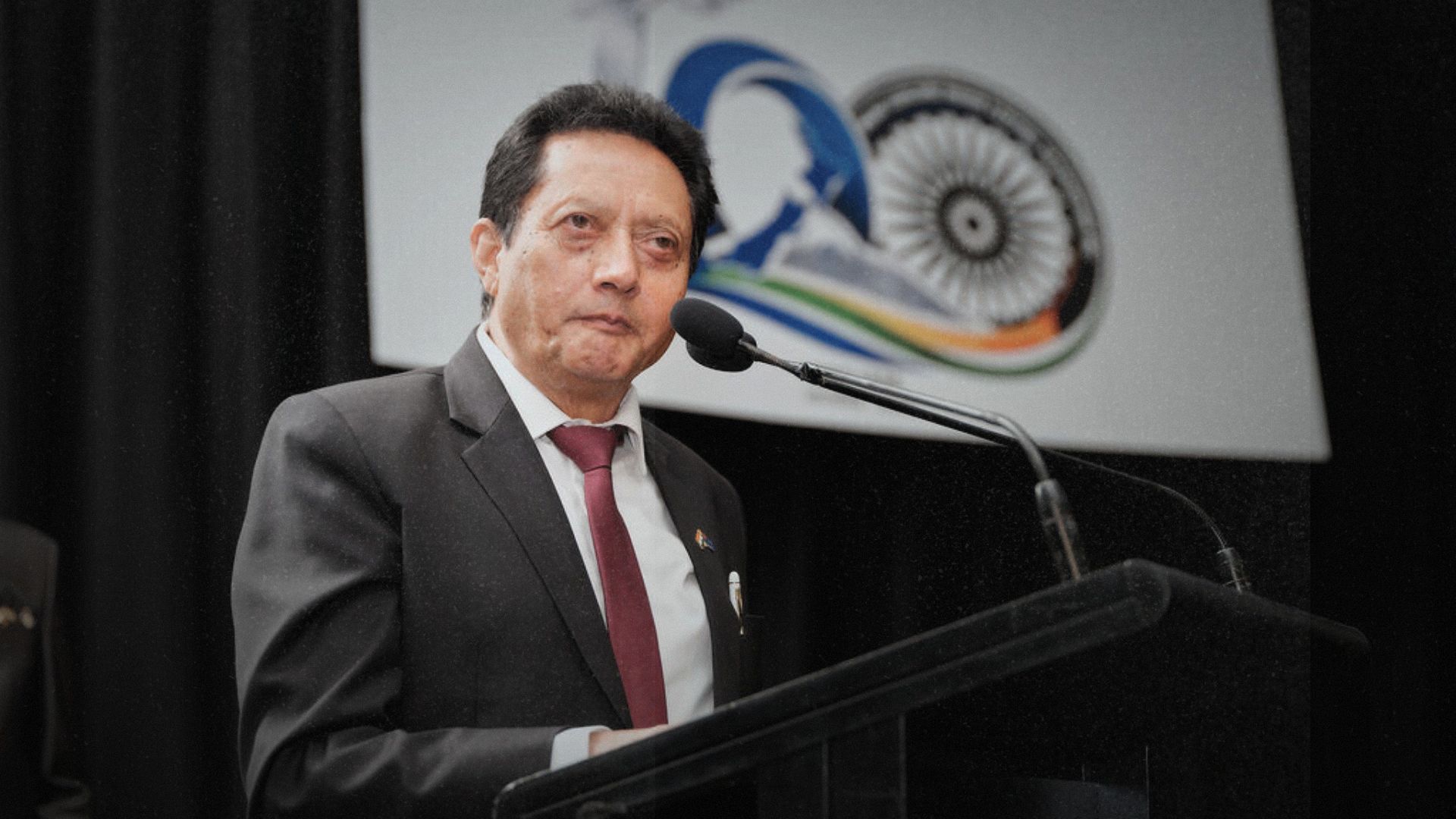
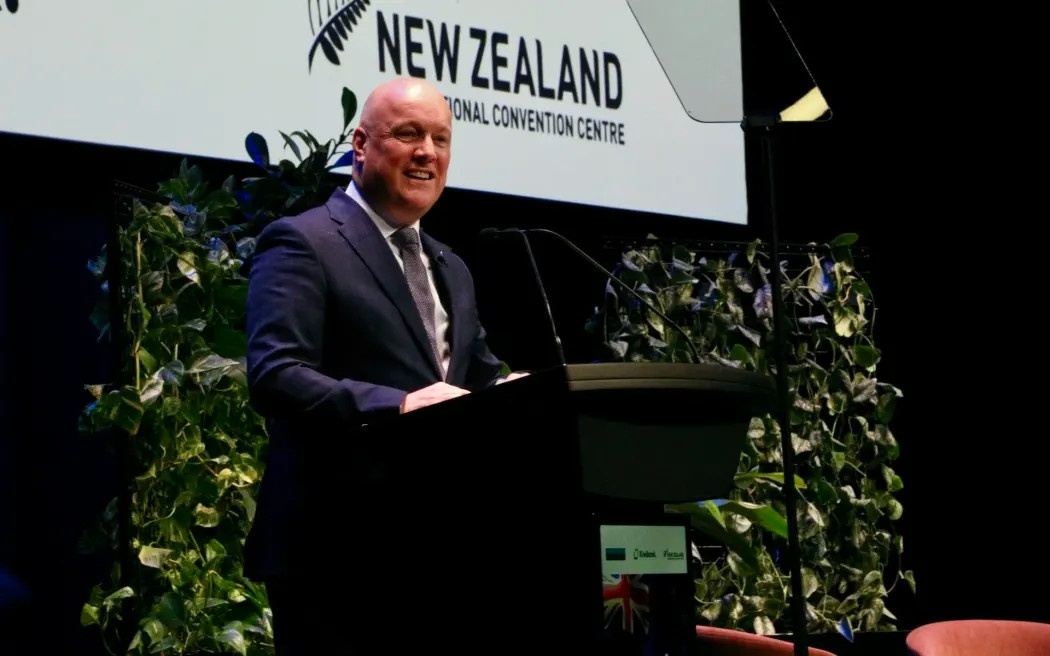
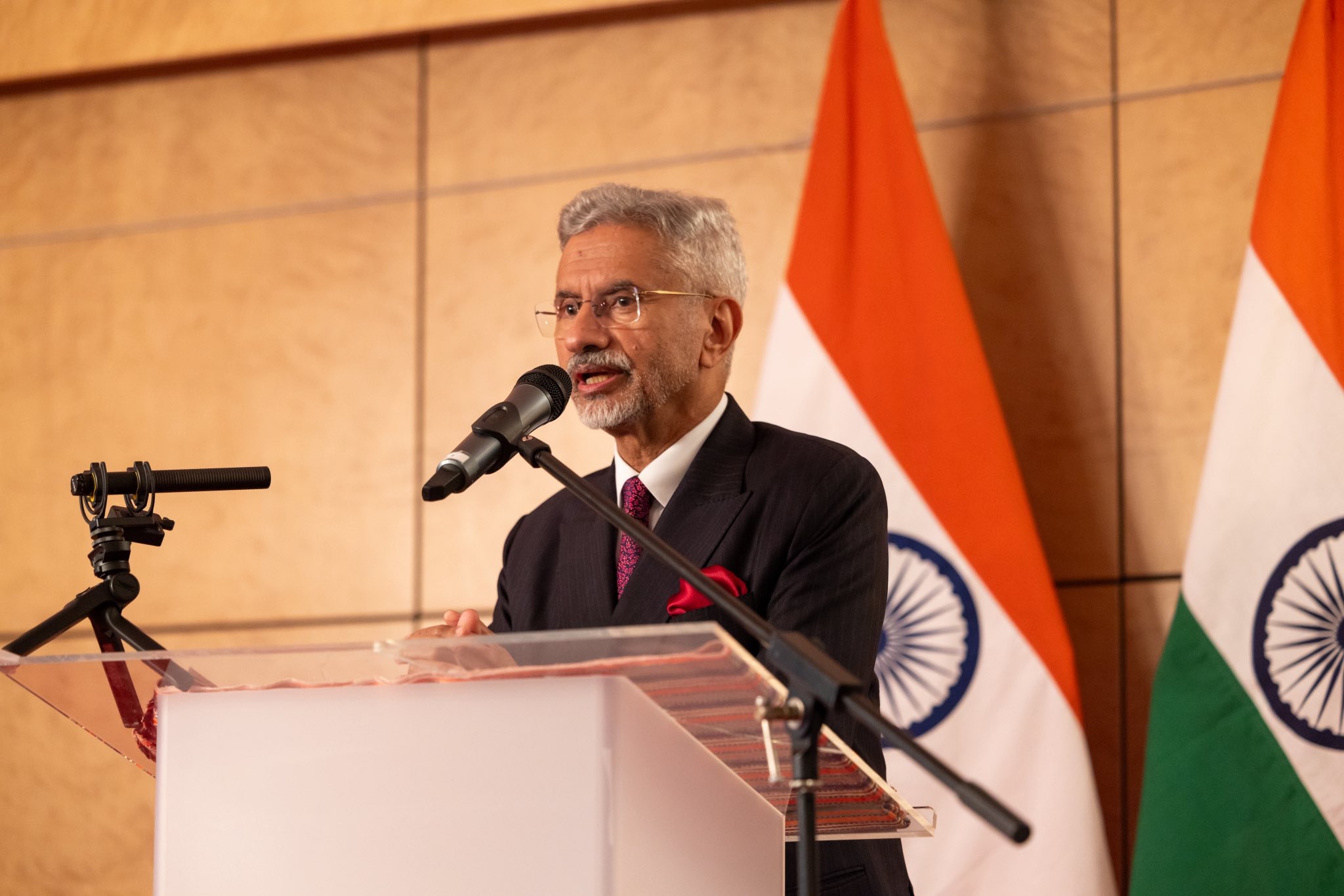
The comments came after he delivered a keynote address at the New Zealand–India Business, Innovation and Sport Summit in Auckland on November 13, where he urged businesses, universities, governments and communities to strengthen connections between the countries rather than wait for airlines to establish a nonstop route.
“Let's not wait for the first direct flight to build the relationships,” he told the gathering. “Let's build the relationships now and make the first direct flight possible.”
Air New Zealand and Air India announced a partnership in March 2025 to explore nonstop flights between the two countries by 2028, subject to aircraft availability and regulatory approvals.
Auckland–Delhi was identified as the likely first route, with Mumbai a possible future destination. The agreement also included codeshare arrangements to improve connections between the countries through existing international hubs.
The regulatory process has been another part of the airlines' efforts to deepen their partnership.
Air New Zealand previously indicated it was preparing to seek regulatory approval for its proposed partnership with Air India. BusinessDesk reported in July that officials had confirmed no application had been lodged at the time.
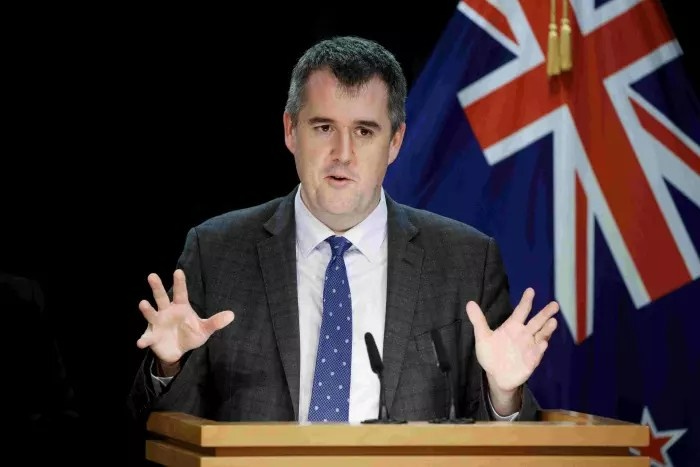
In July this year, trade minister Todd McClay predicted direct flights could begin within two or three years. He also spoke about Air New Zealand's plans to establish offices in India to help promote travel between the countries.
But while the 2028 target remains, Ravishankar's comments suggest that aircraft availability, once a significant concern, has become less of an obstacle than the cost of operating a service and the level of demand it could attract.
During his keynote, he explained why a commercially sustainable route required years of groundwork. “A successful direct route doesn't begin the day an aircraft takes off. It begins years earlier,” he said.
That groundwork, he explained, involves businesses trading, students building lifelong friendships, athletes touring, manufacturers finding customers, entrepreneurs finding partners and families visiting one another.
“With tourism campaigns, easier travel, and good onward connections, curiosity becomes confidence, and confidence becomes intention.”
The goal, he said, was to build a market of customers travelling in both directions, repeatedly, rather than relying on initial enthusiasm for a new route.
For New Zealand, Ravishankar said, international air connectivity was essential.
“We have no land borders, and no realistic prospect of building a road to Bangalore,” he joked, adding that he would welcome ambitious engineering proposals.
“We have wings,” he said.
Ravishankar said New Zealand already had strong family and cultural connections with India, but the opportunity was to turn those links into a much larger tourism market.
That meant attracting more Indian holidaymakers and generating economic activity beyond airlines and airports, including employment and business opportunities across New Zealand's regions.
“The question is whether we're prepared to turn the potential into sustained demand.”