
Otara-Papatoetoe leaders just wasted a second chance at social cohesion
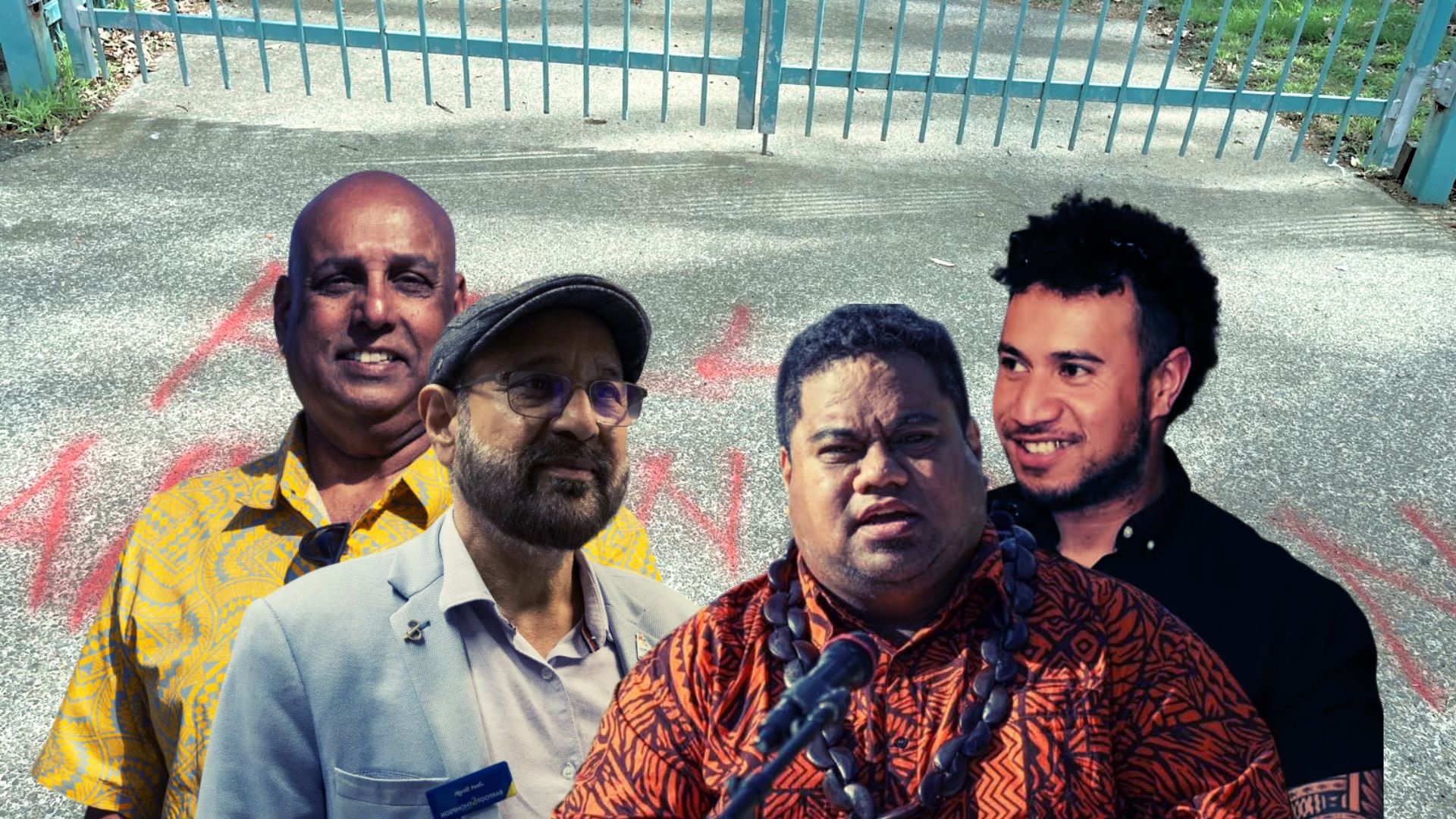
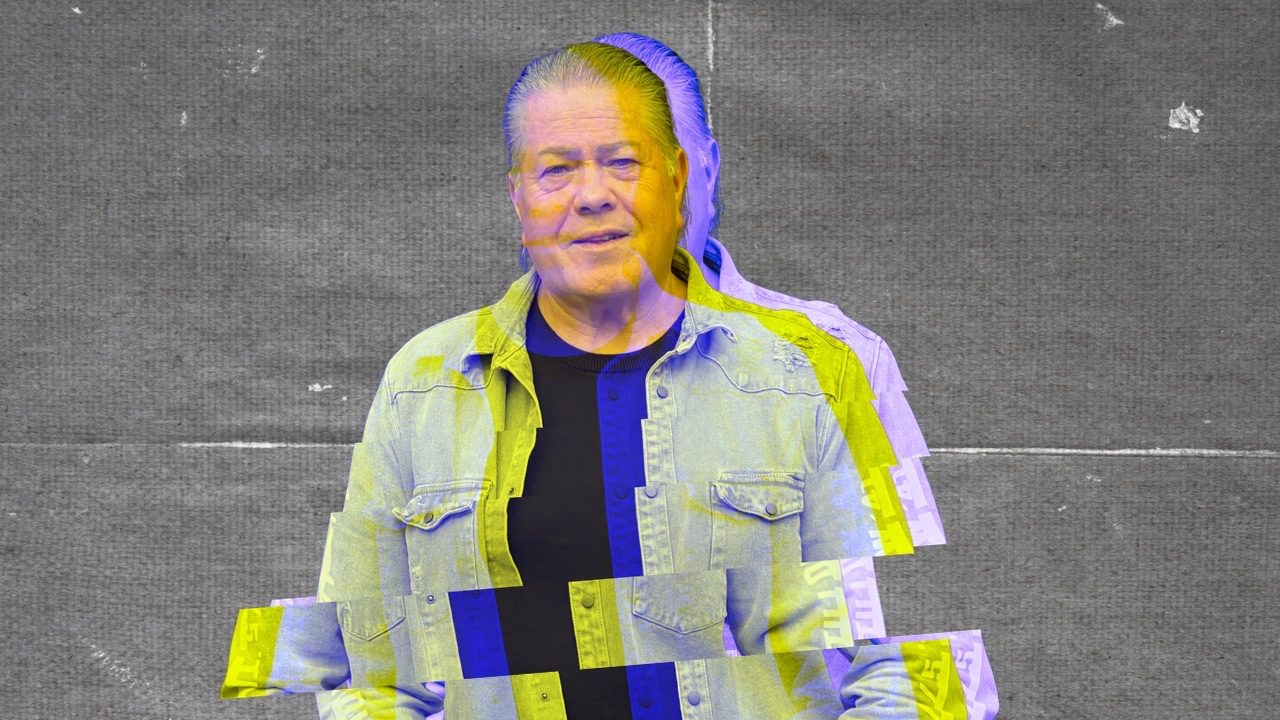
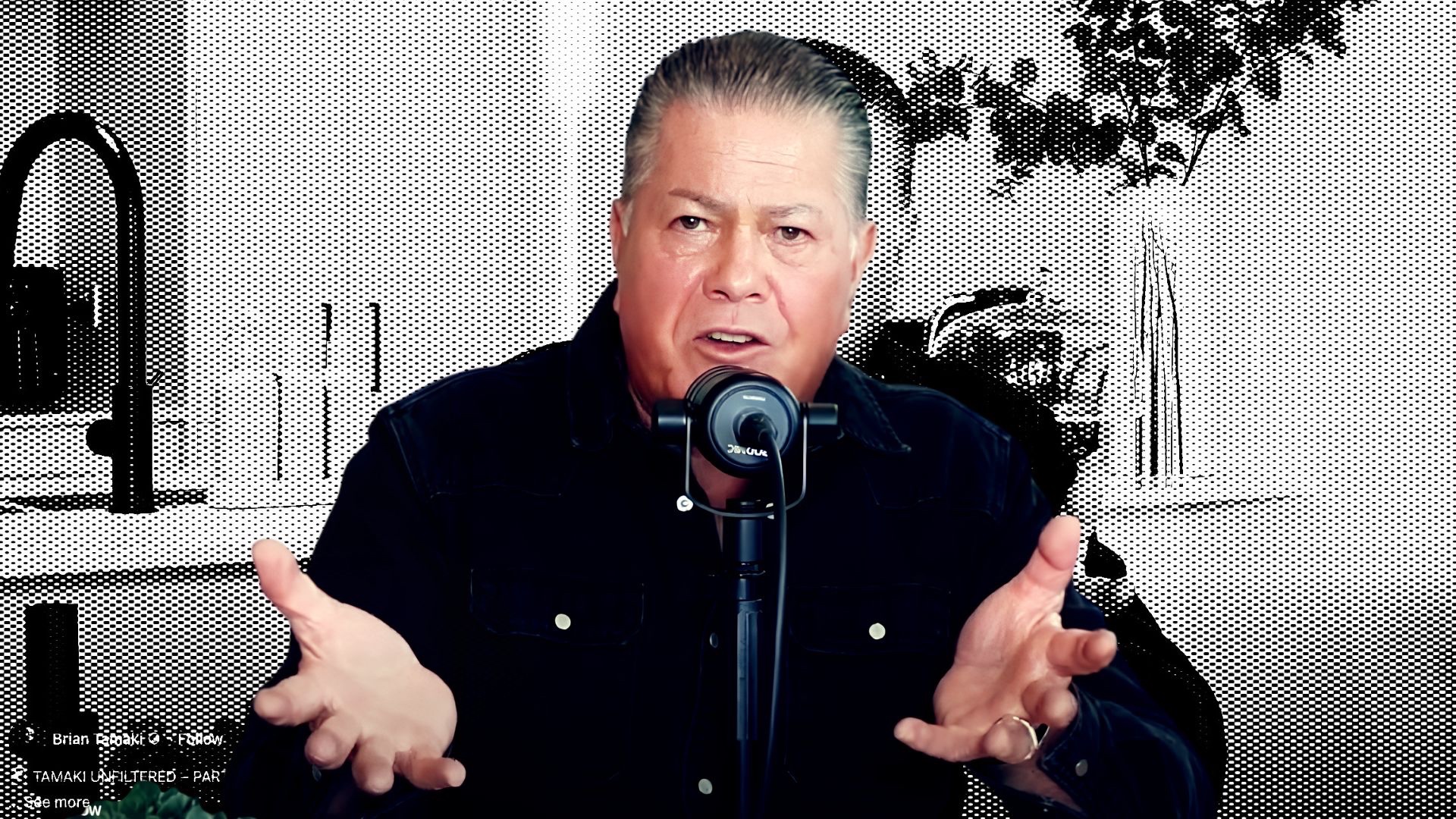
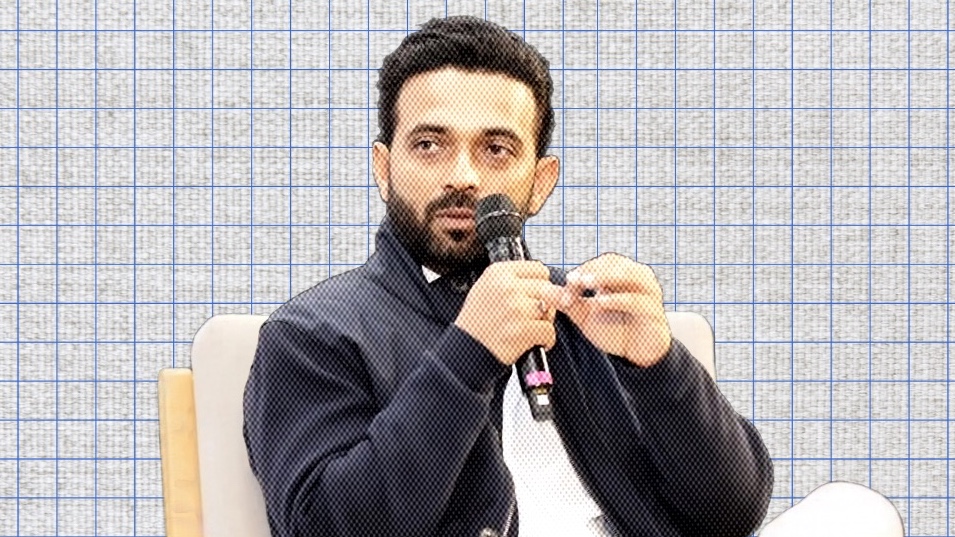
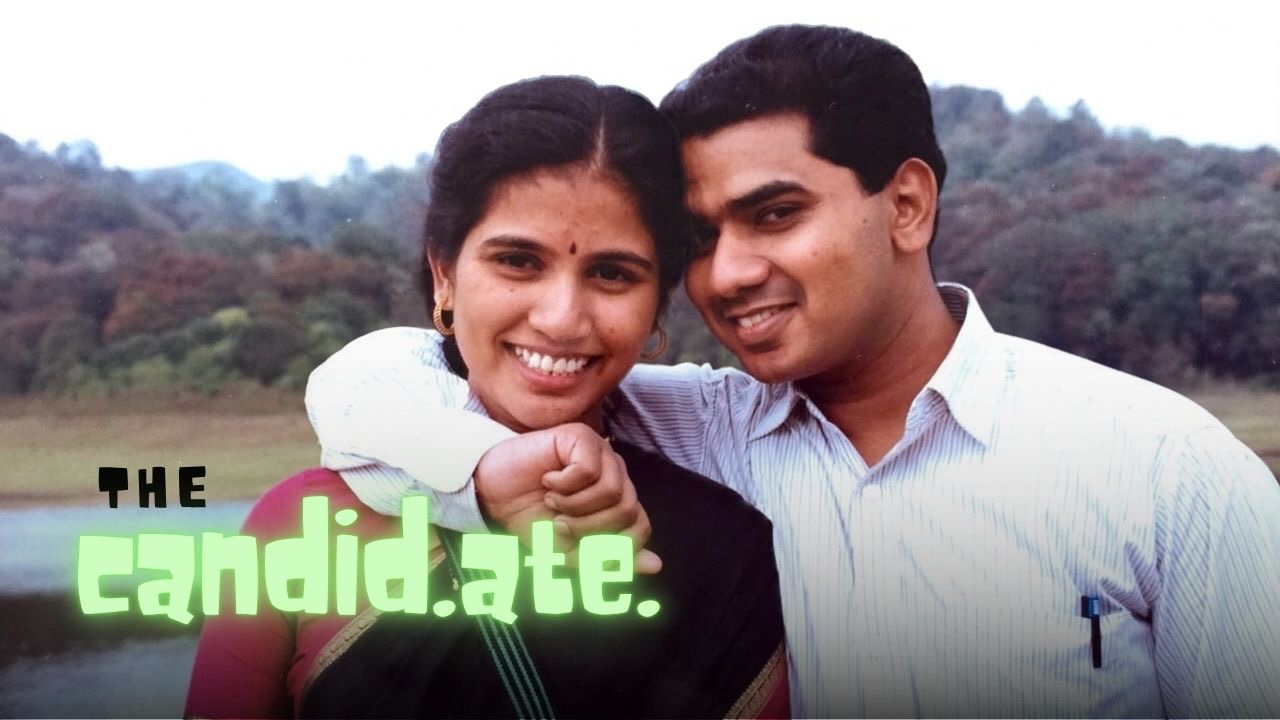
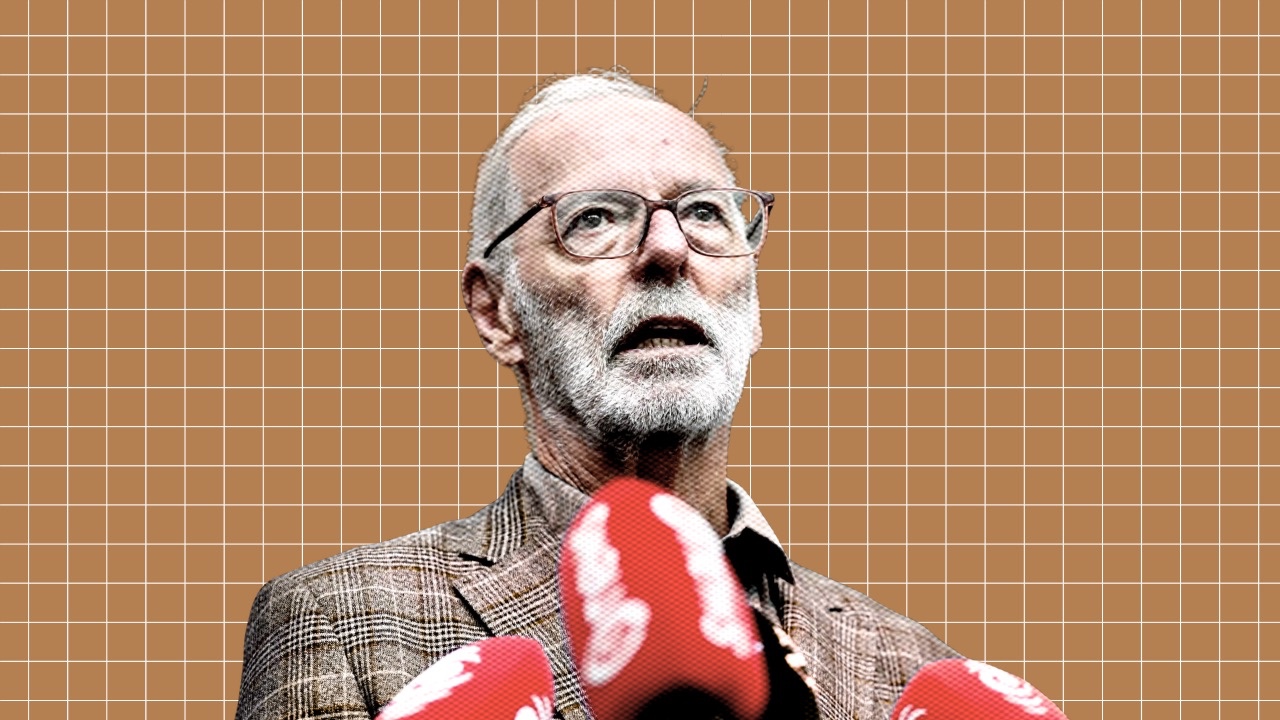
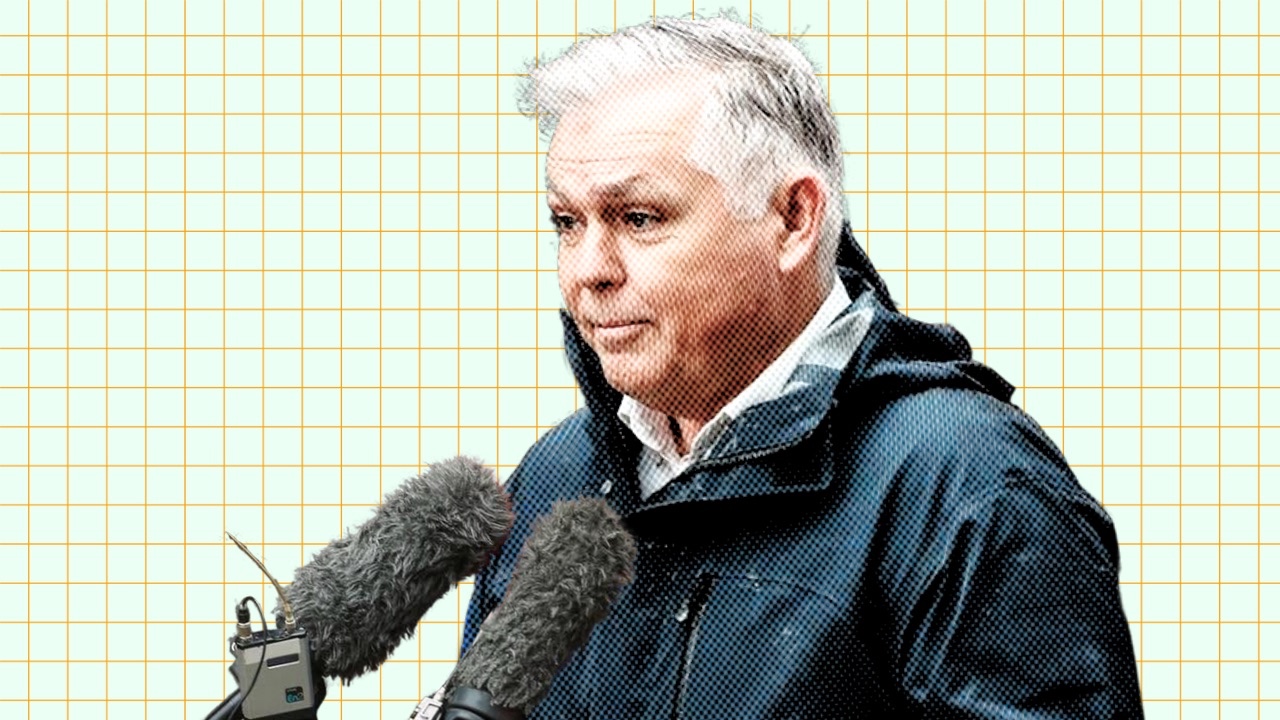
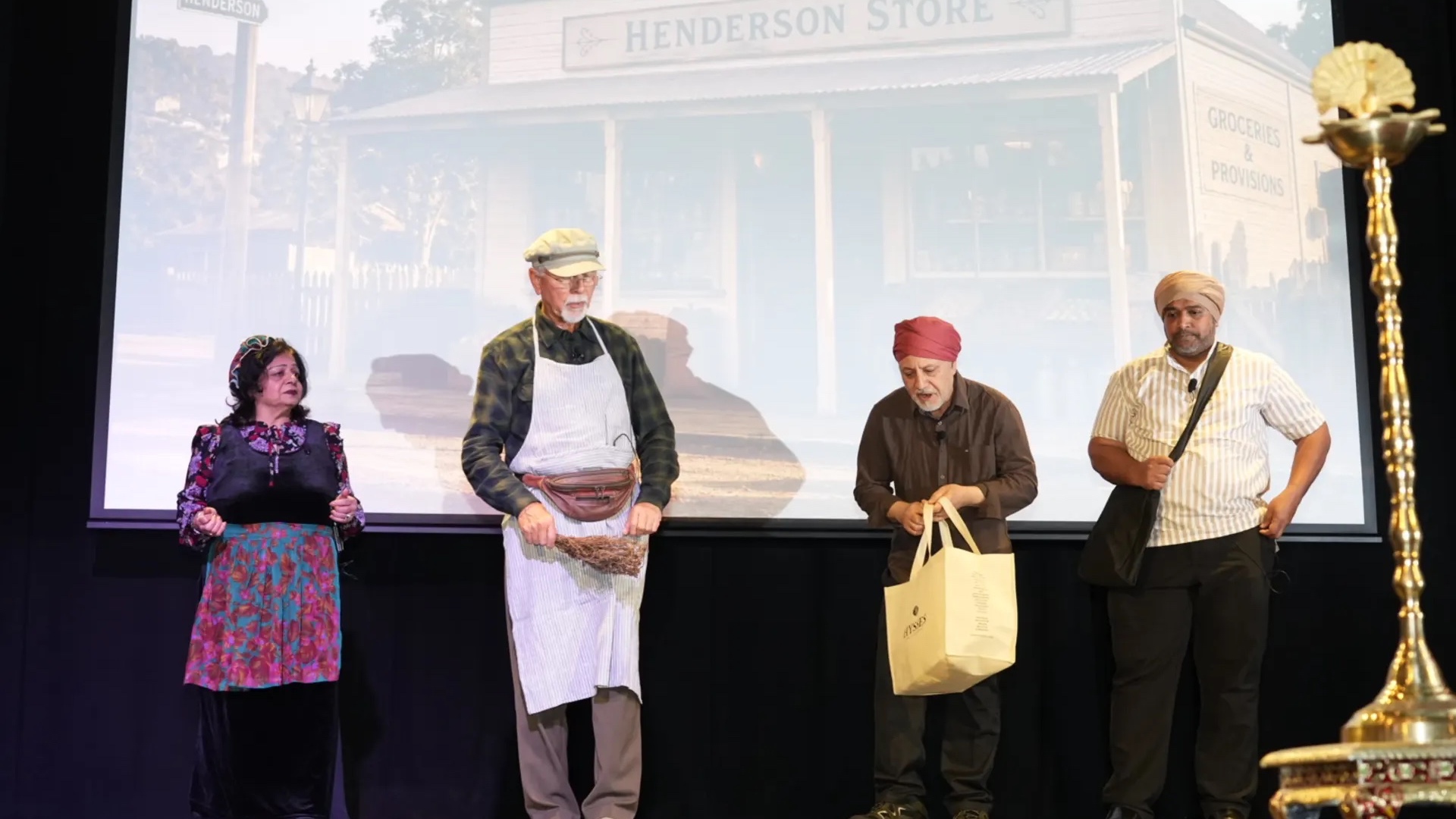
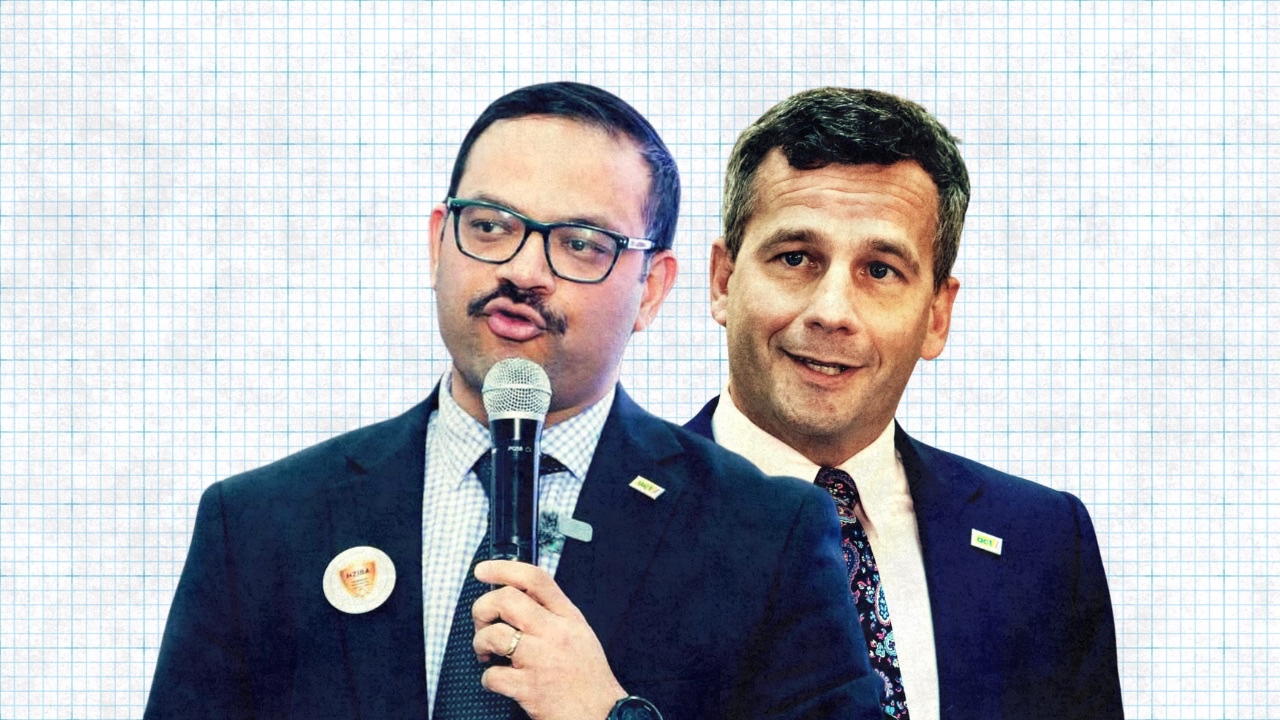
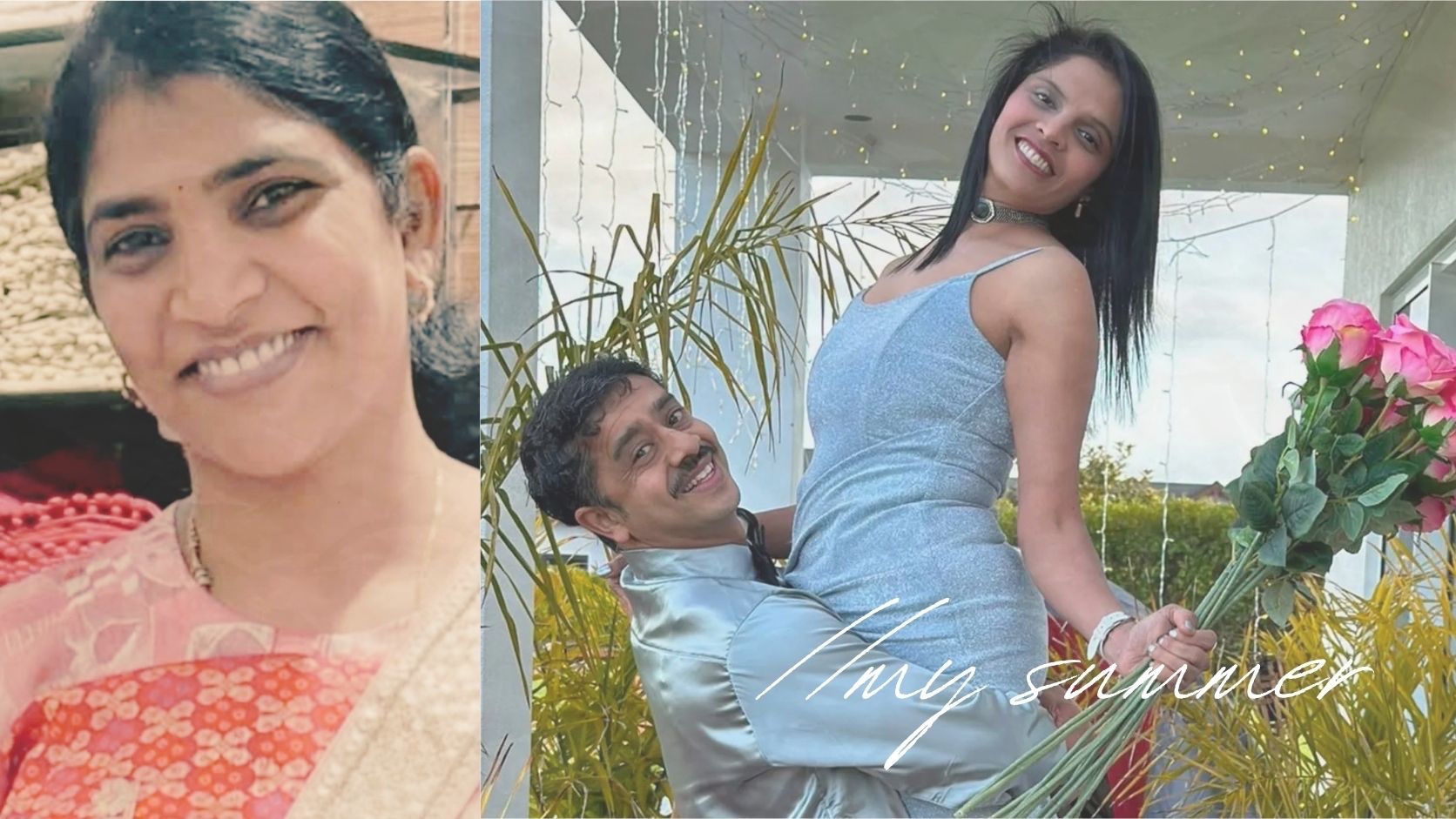
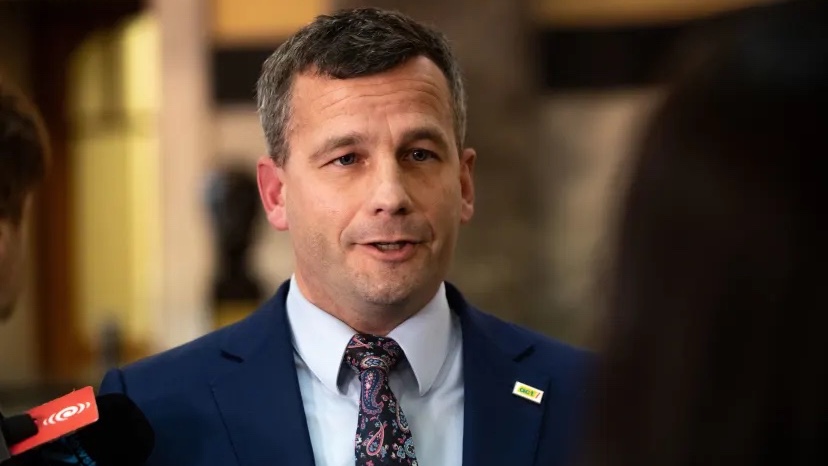
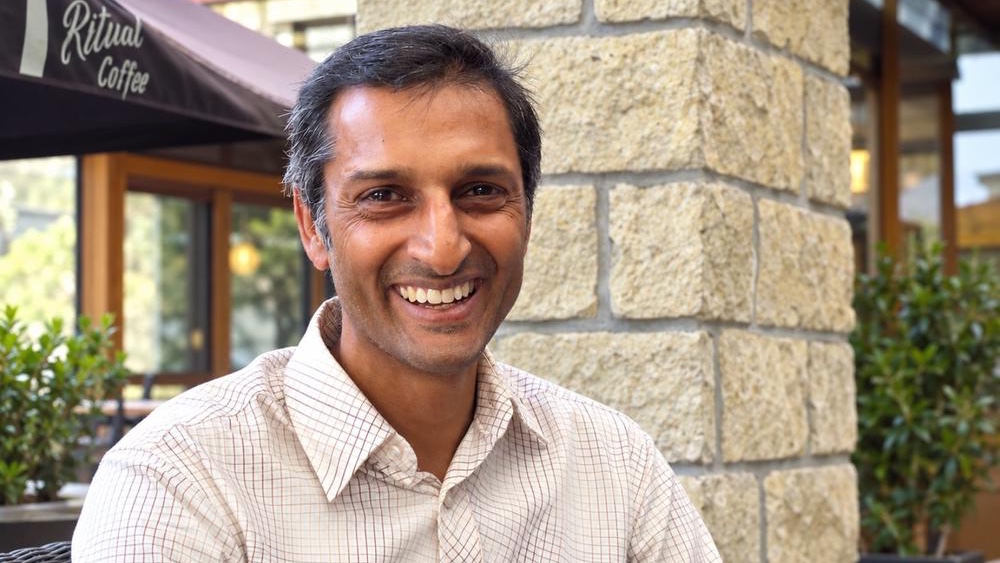
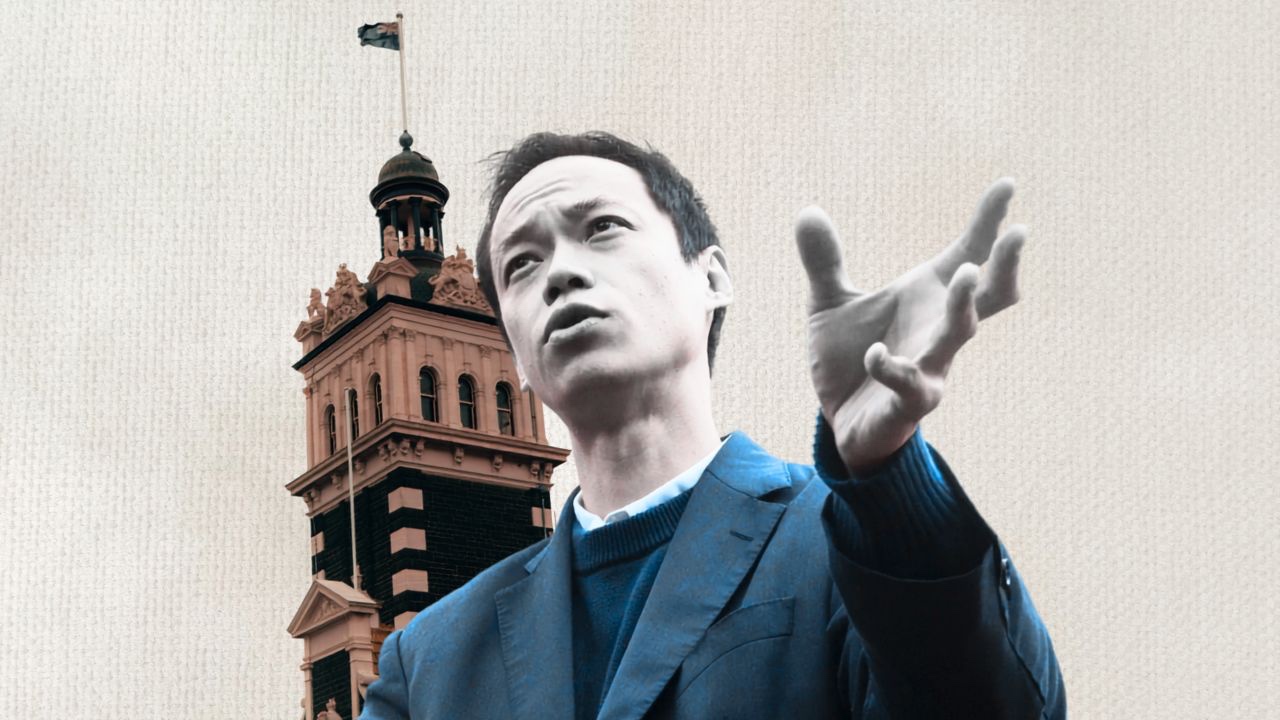
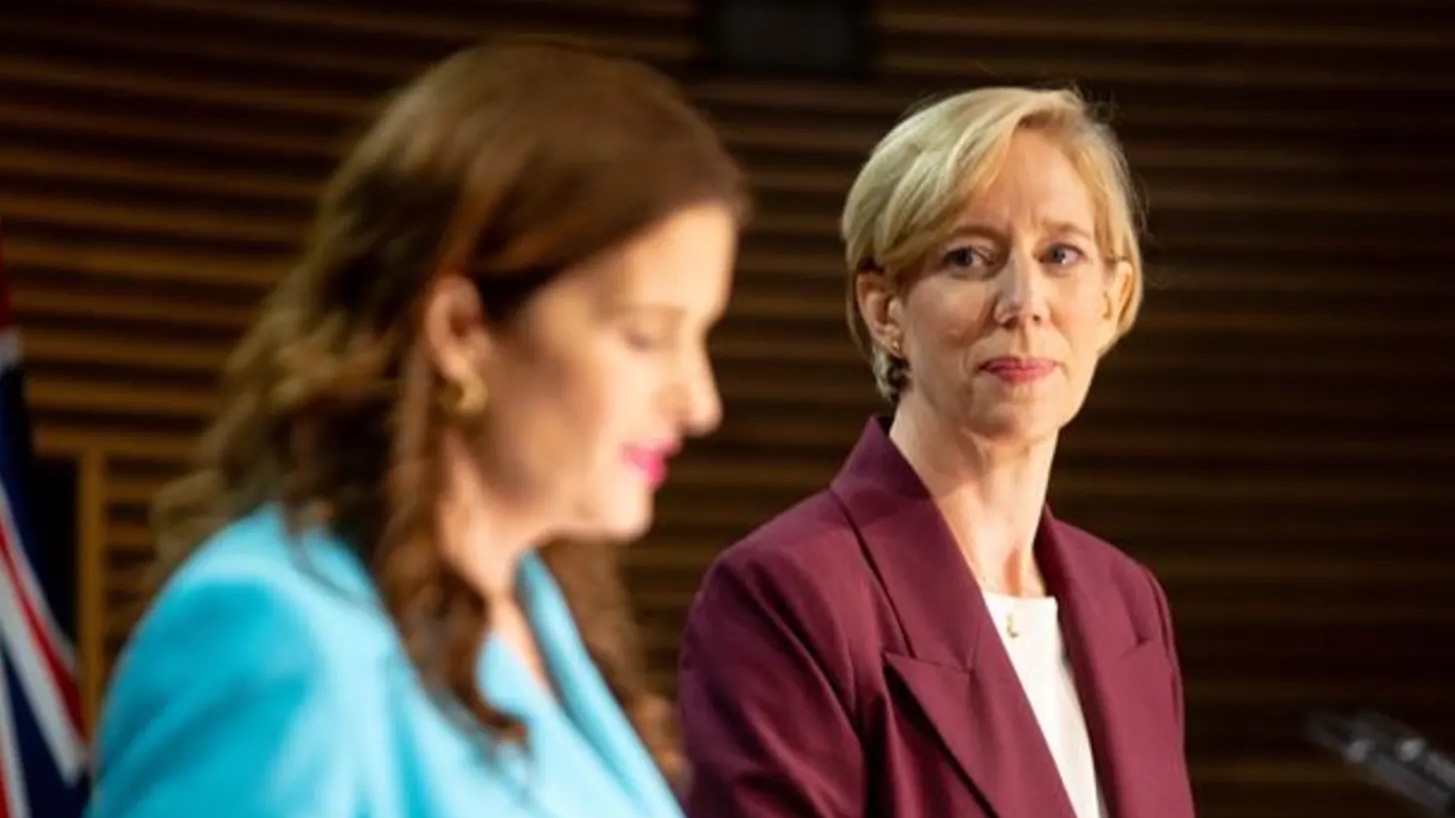
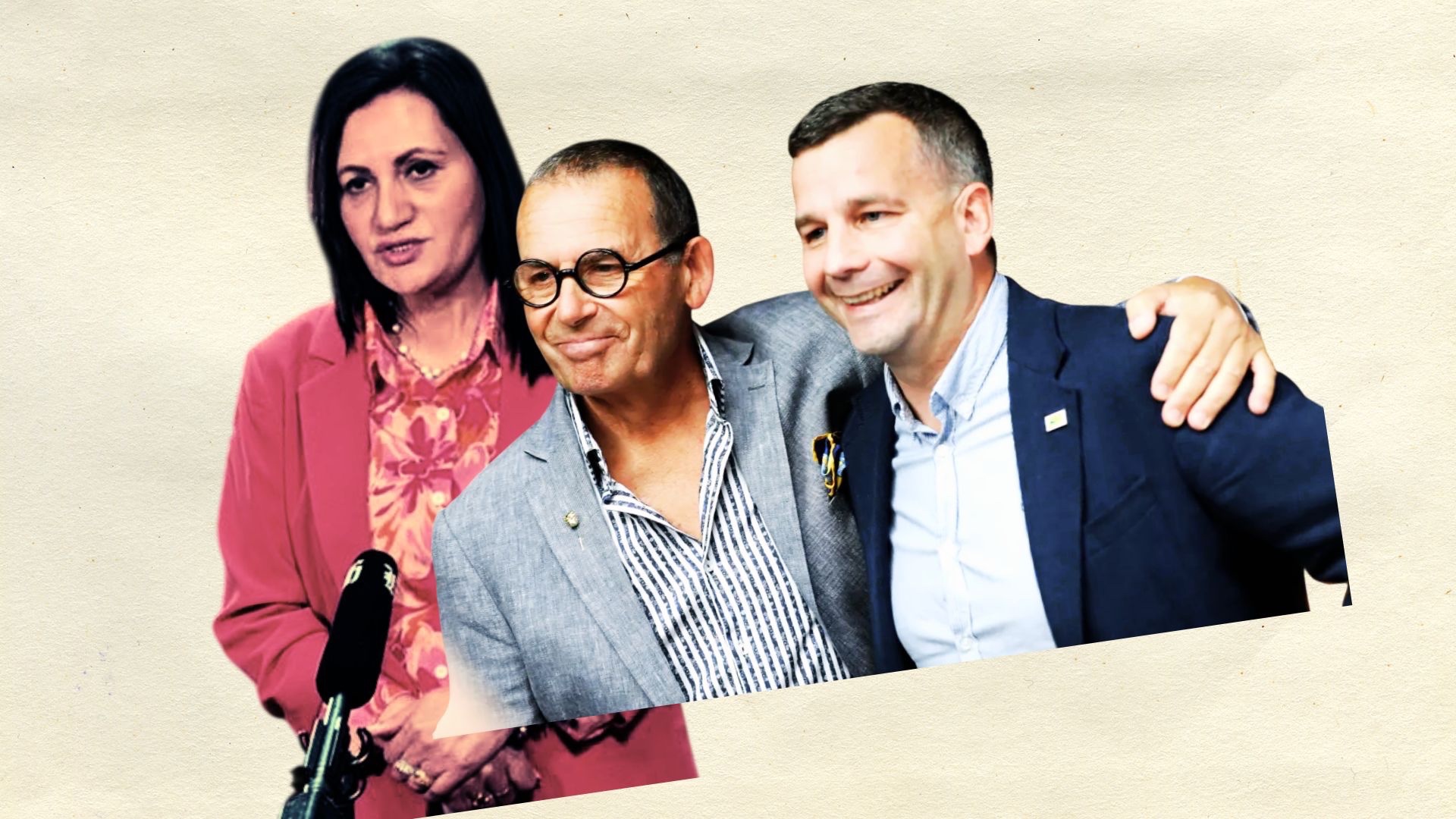
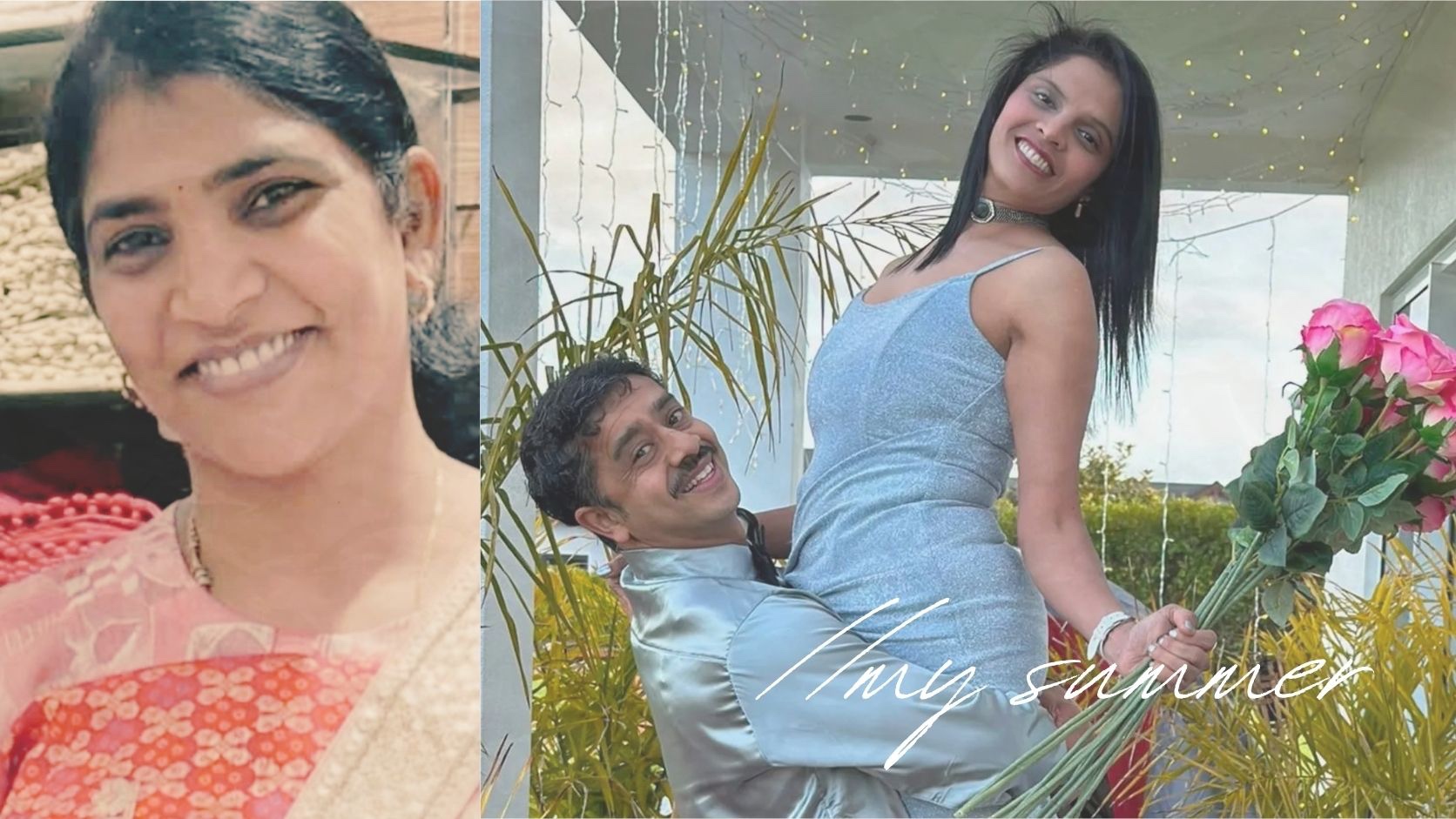
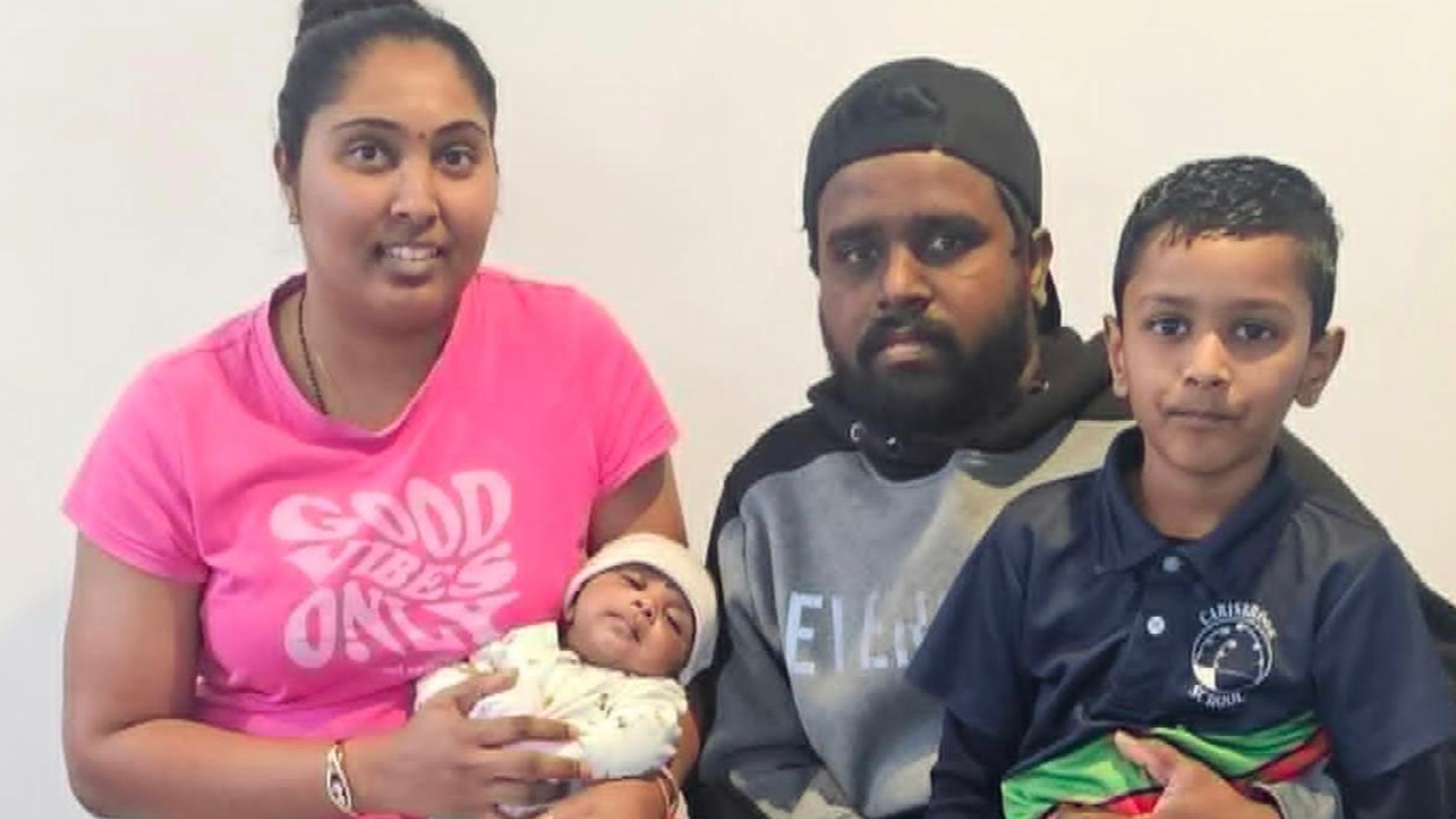
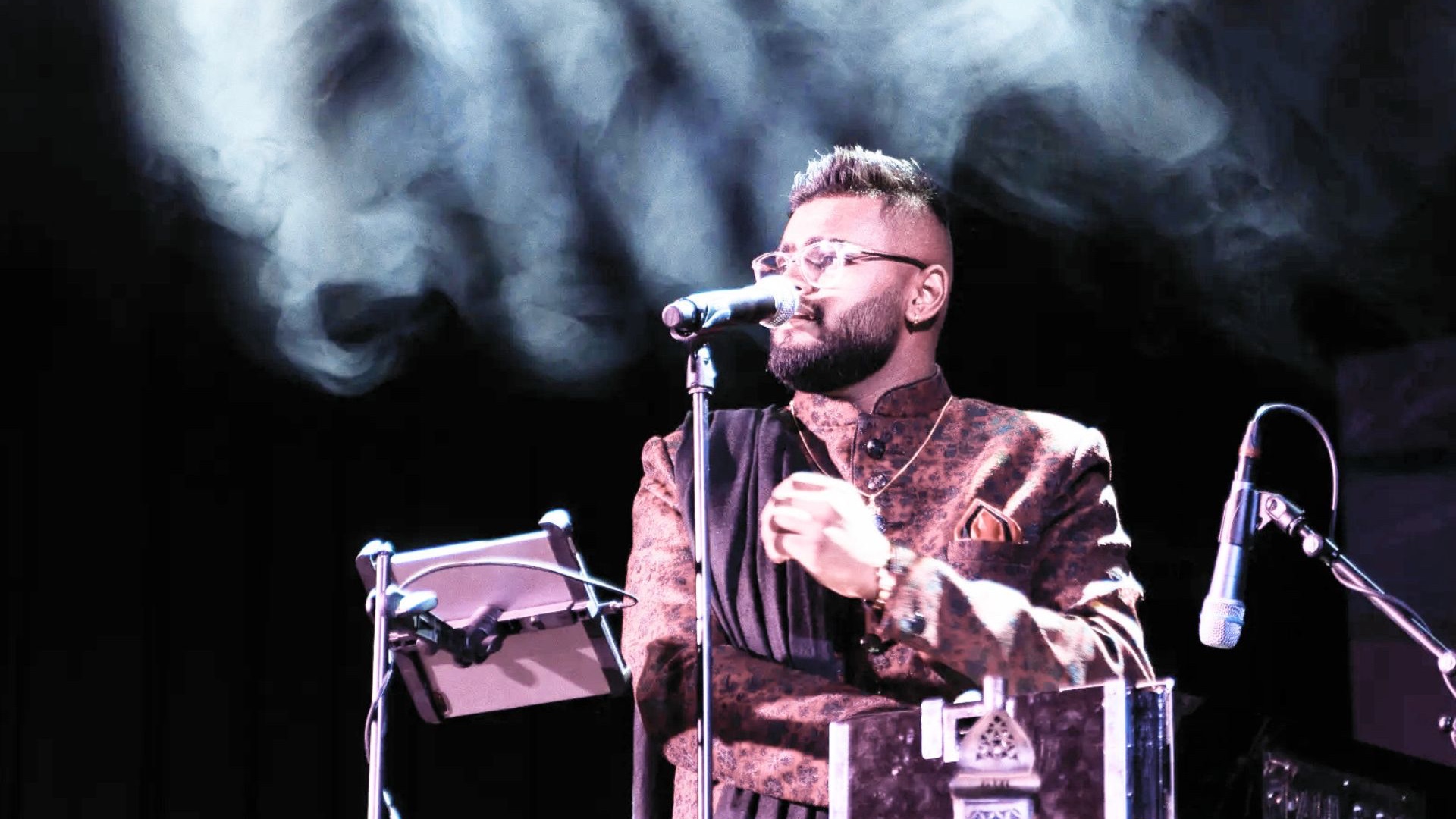
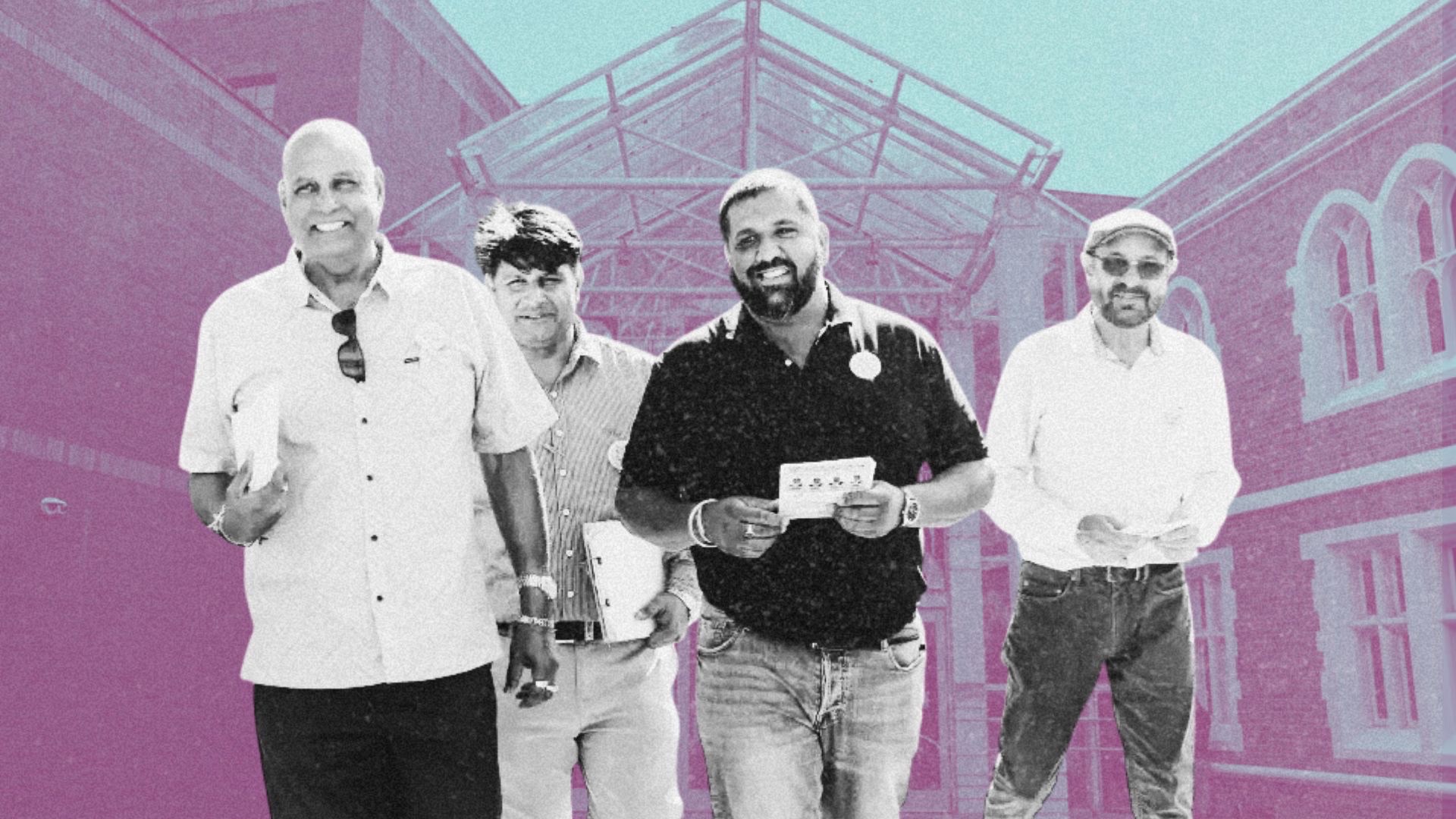
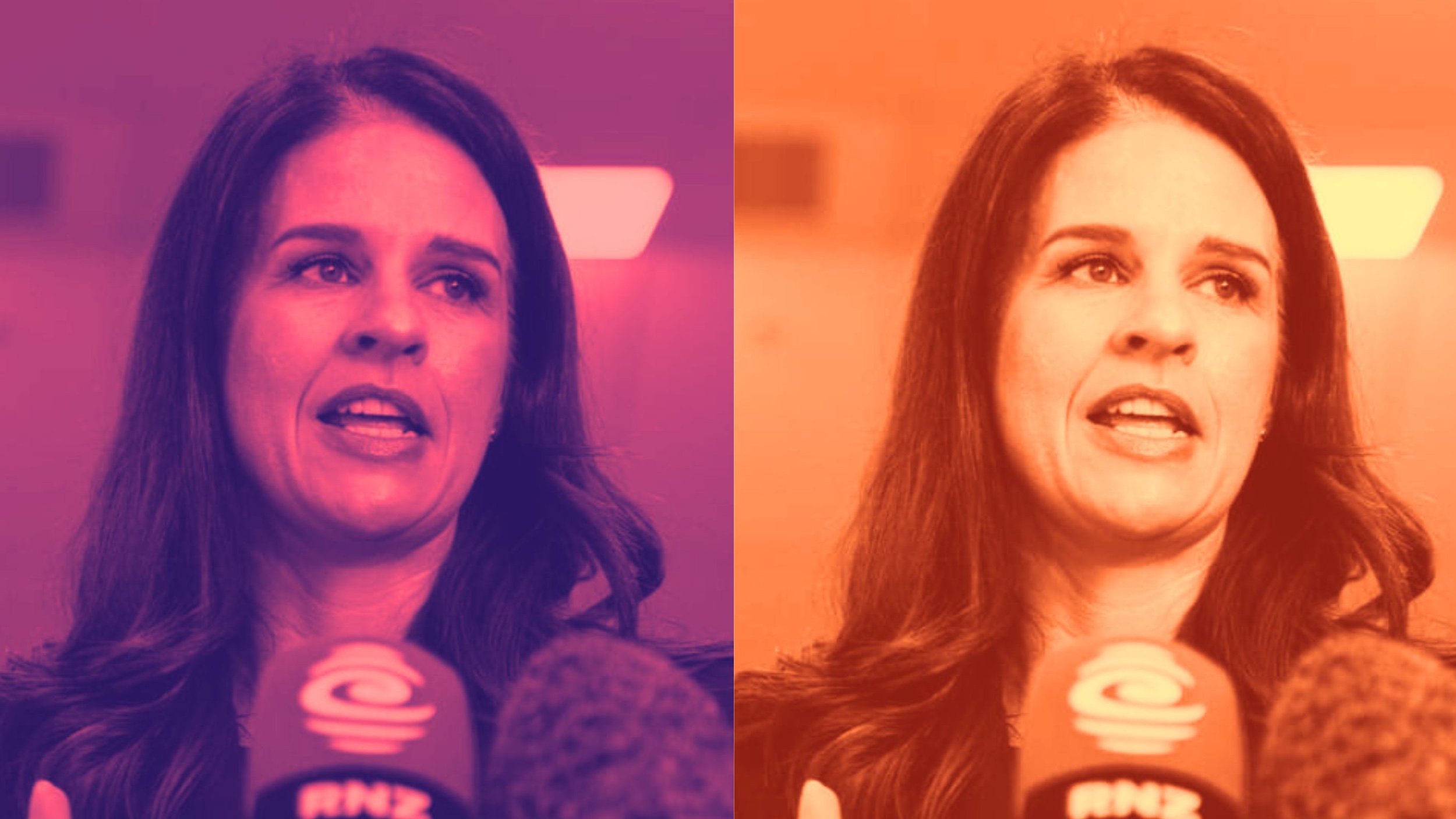
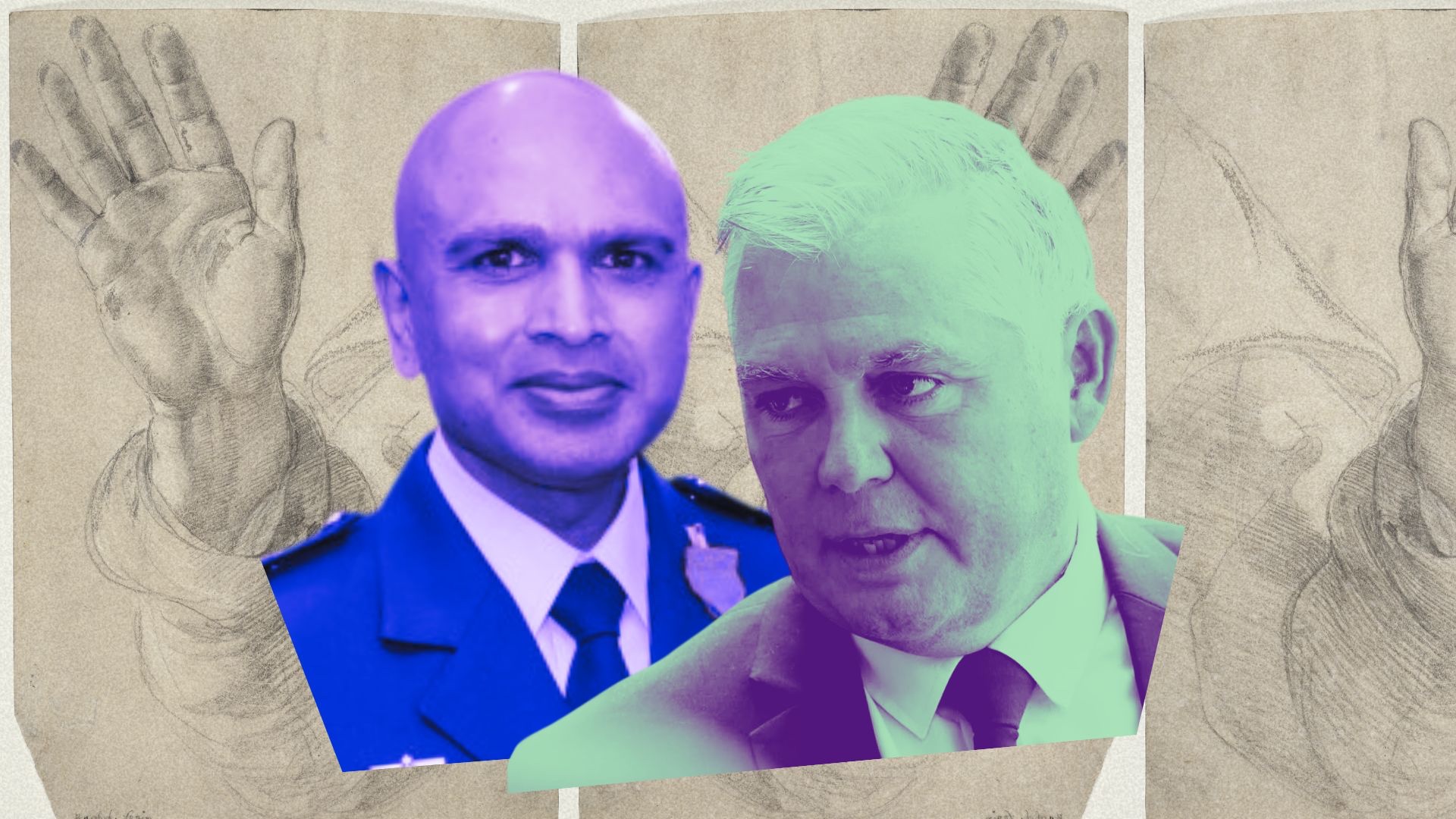
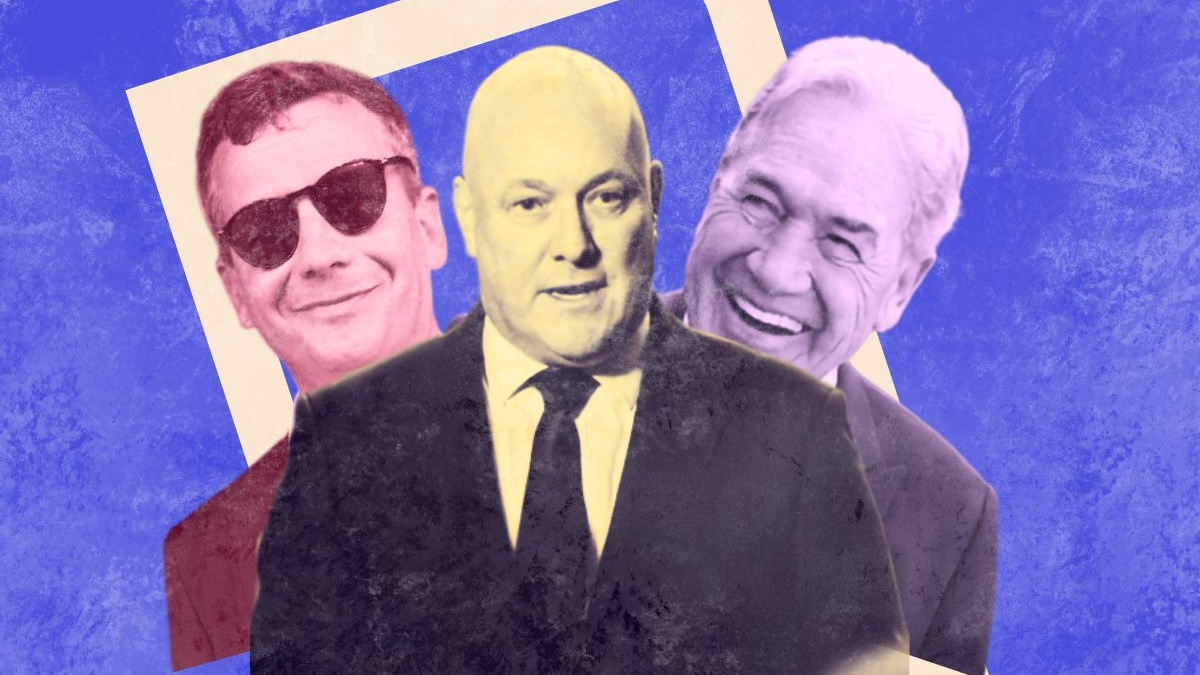
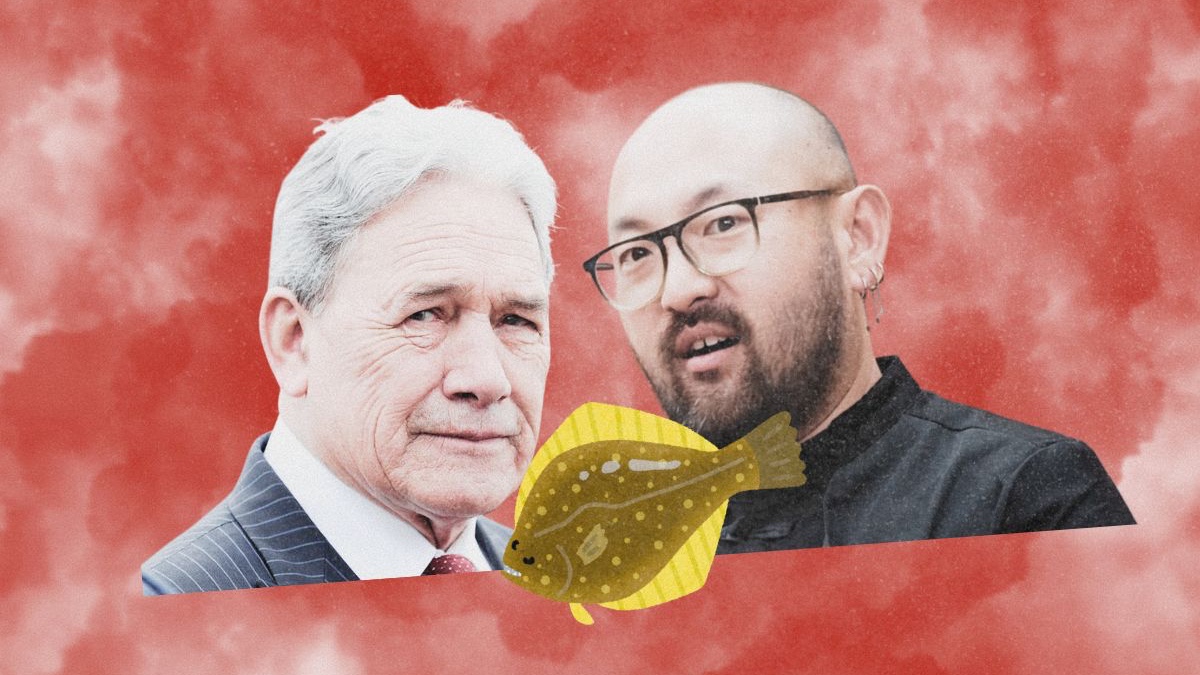
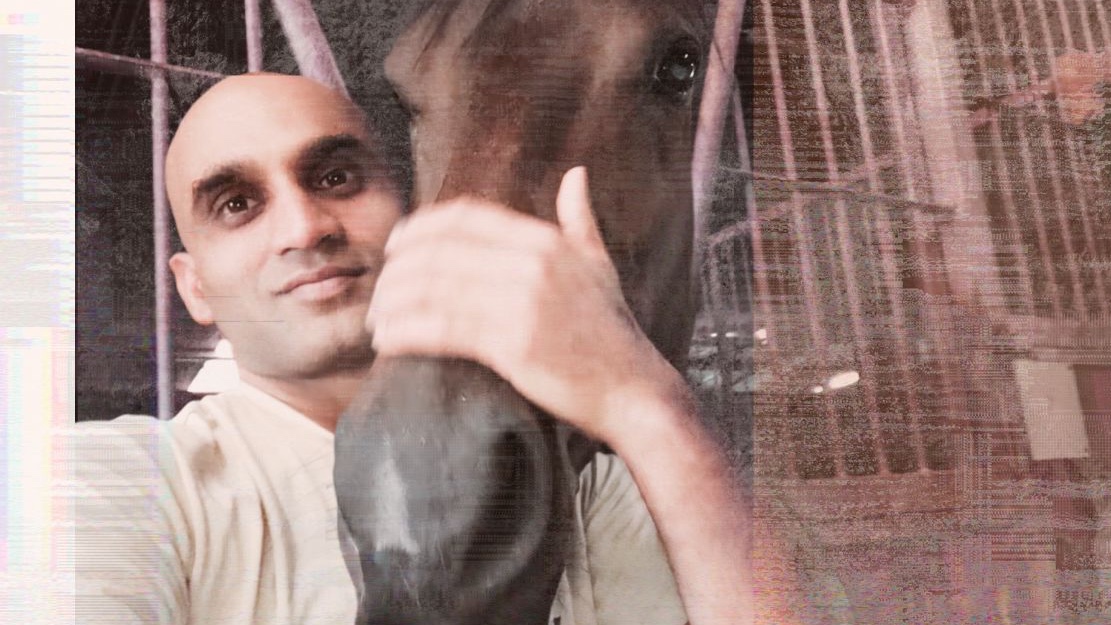
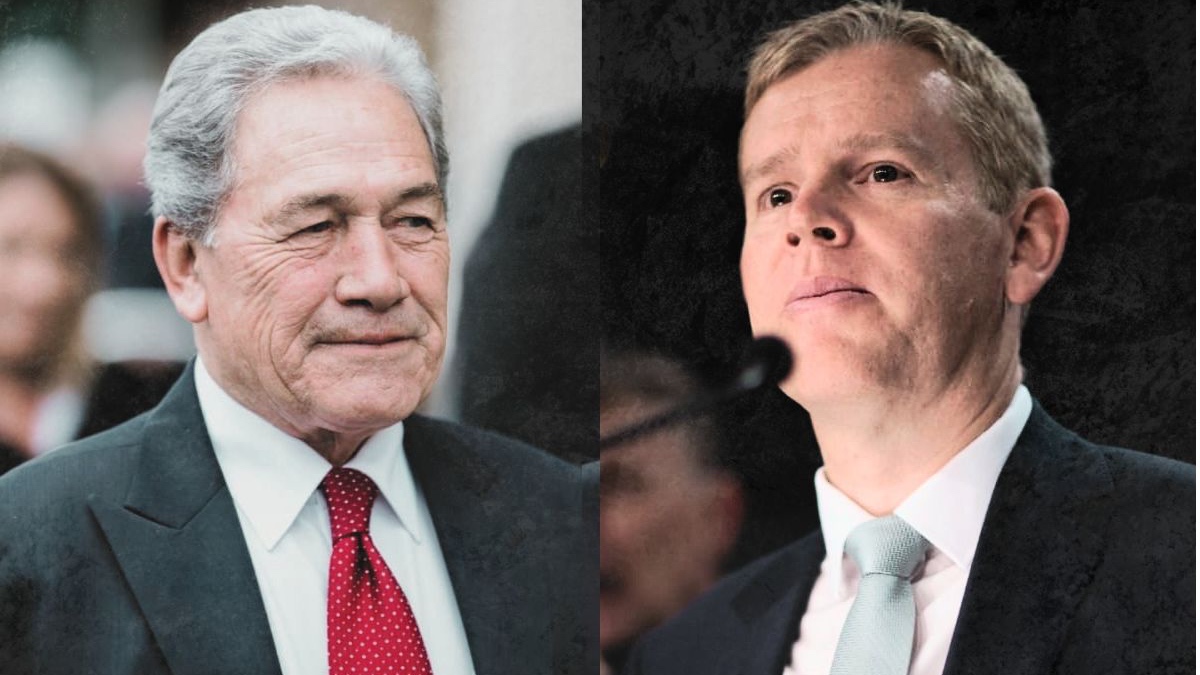
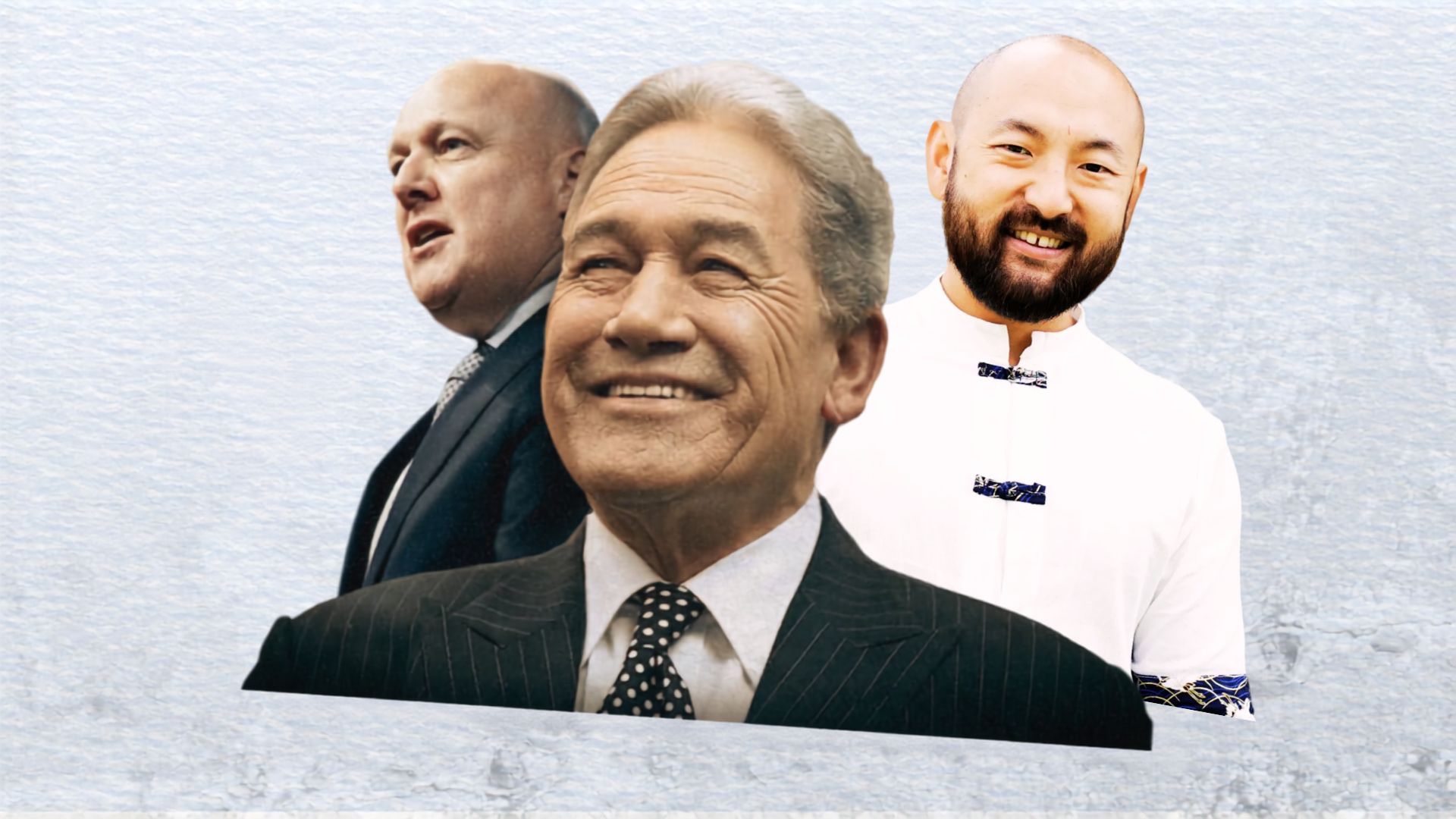
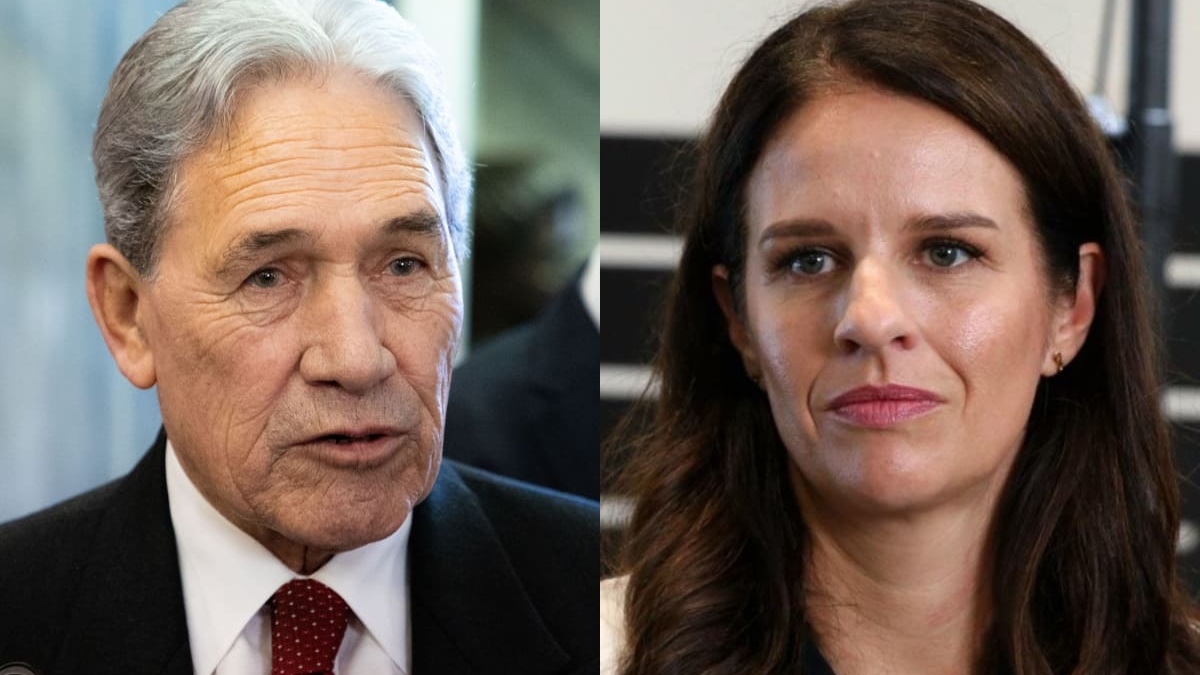
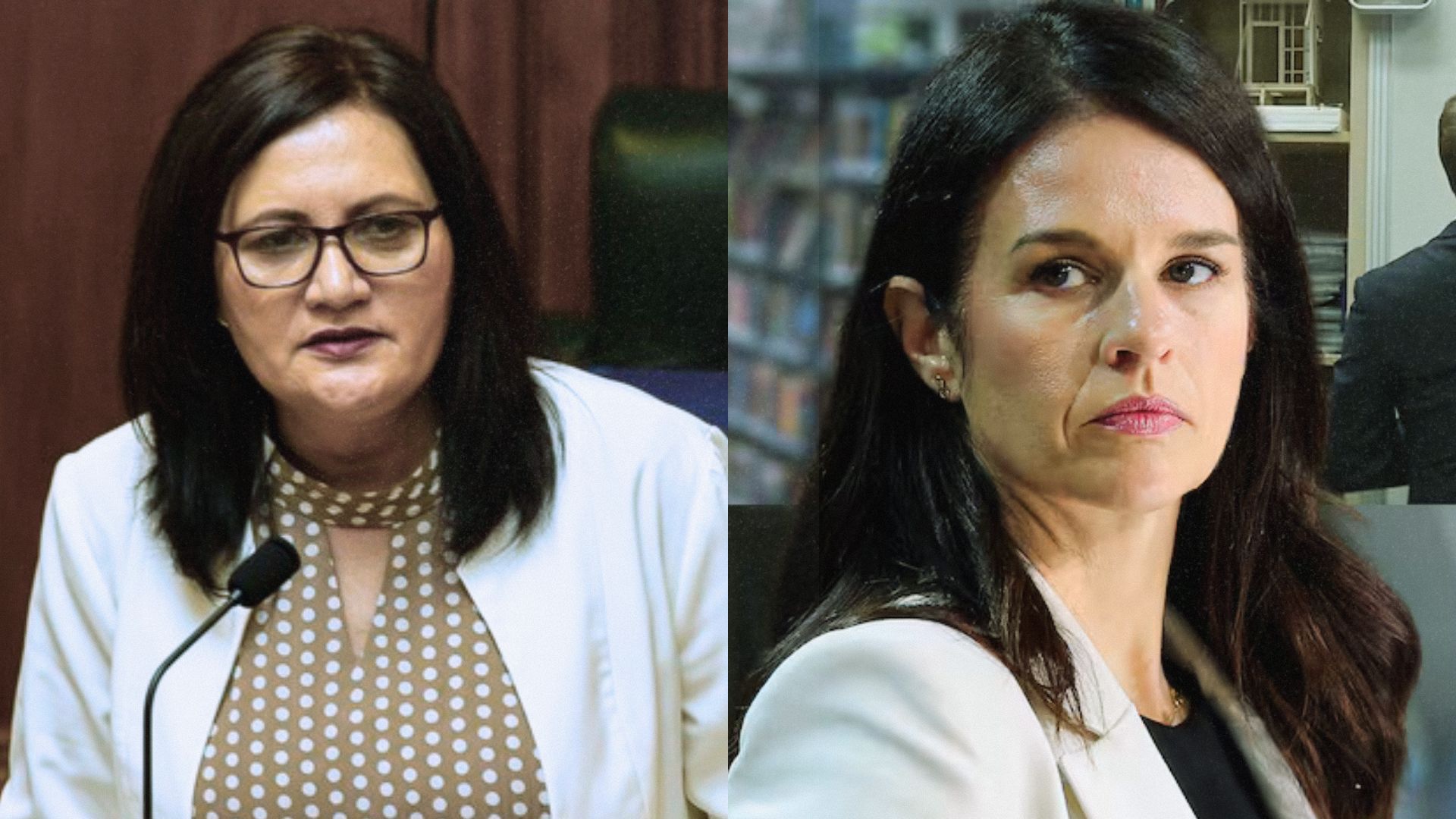
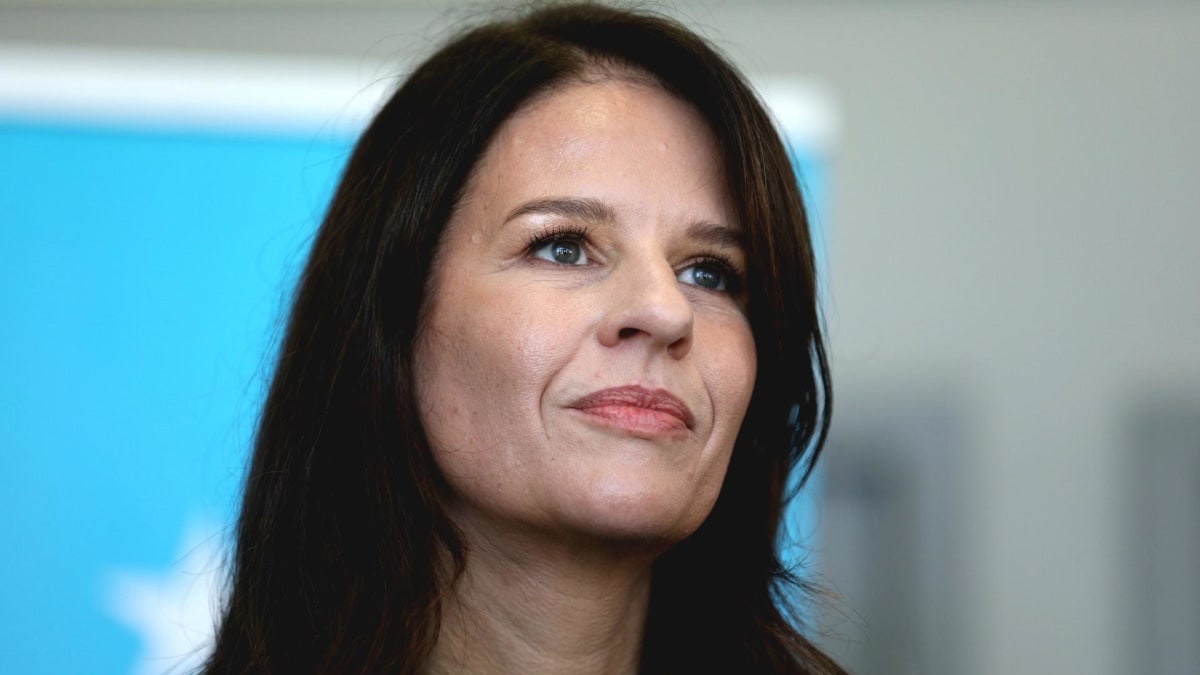
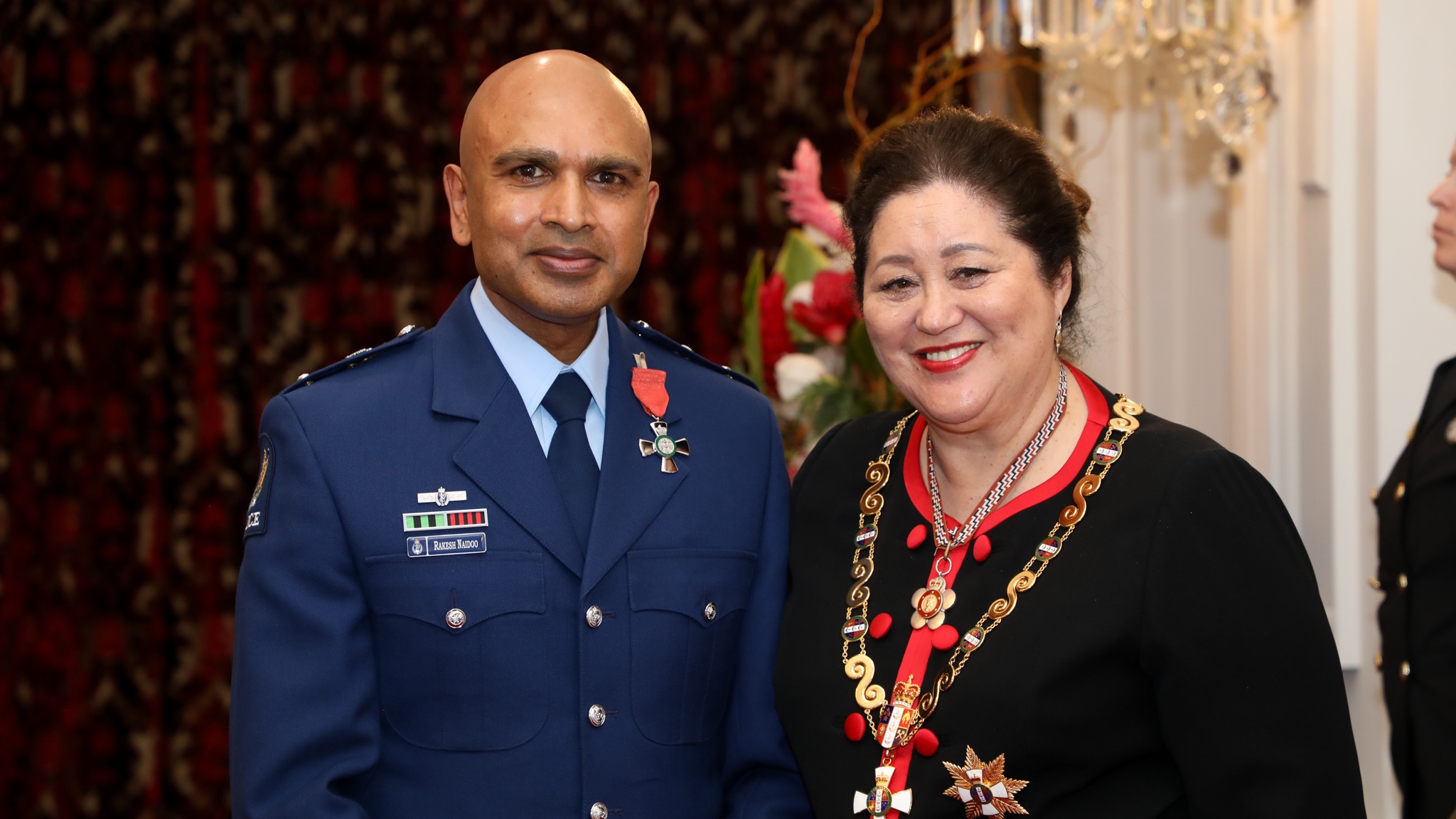
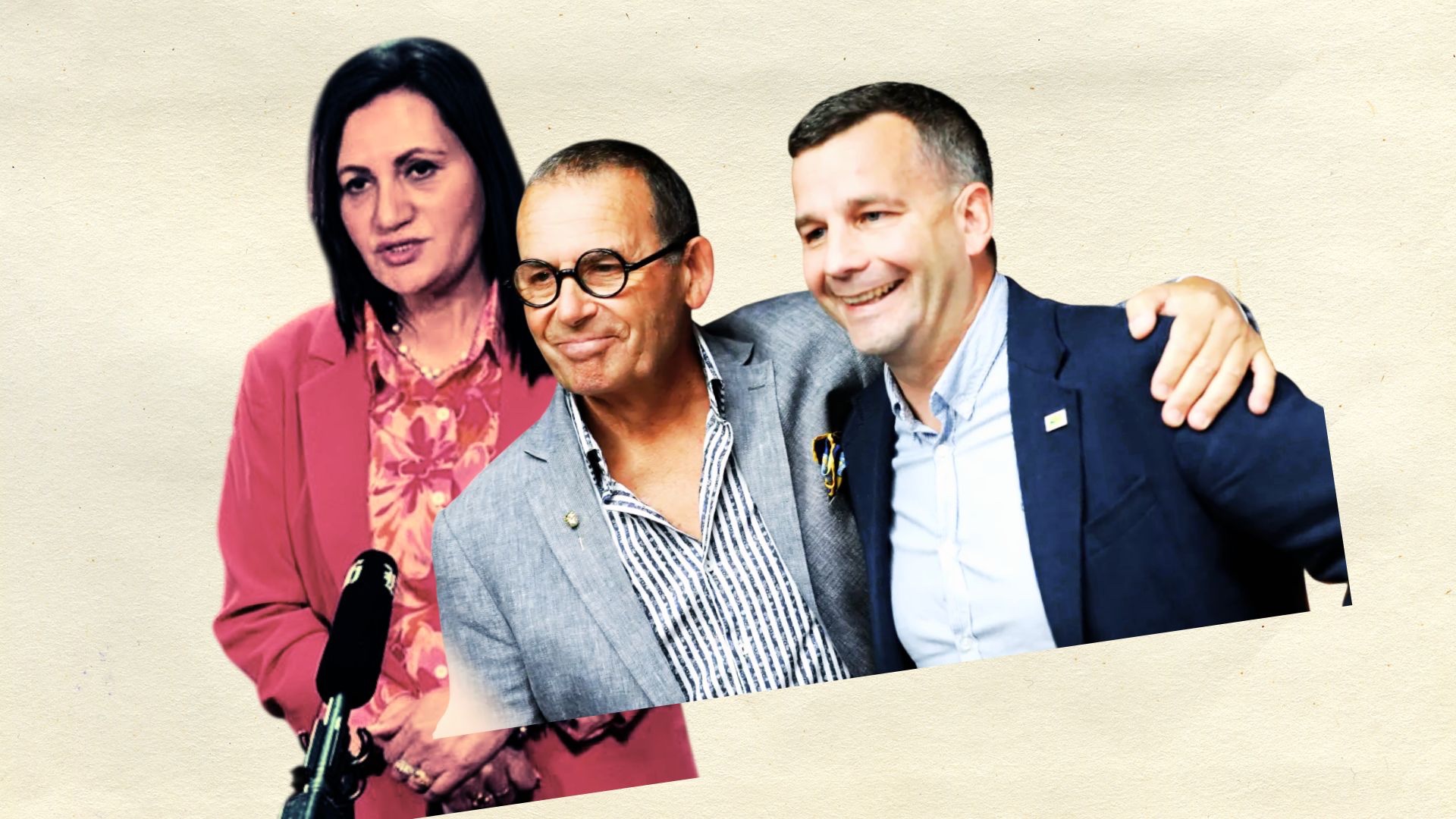
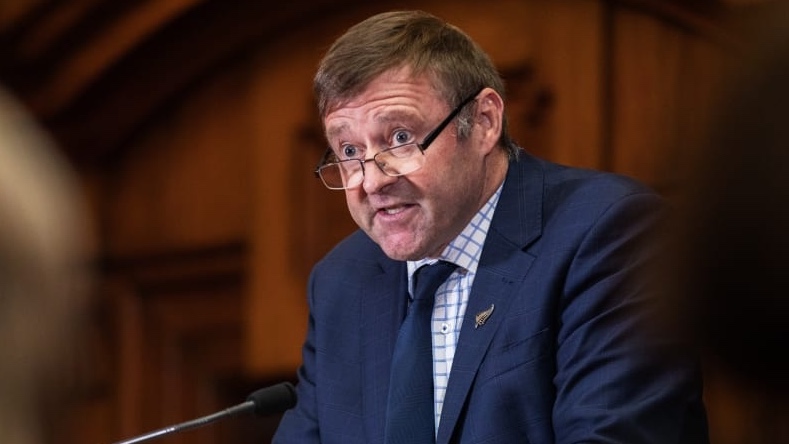
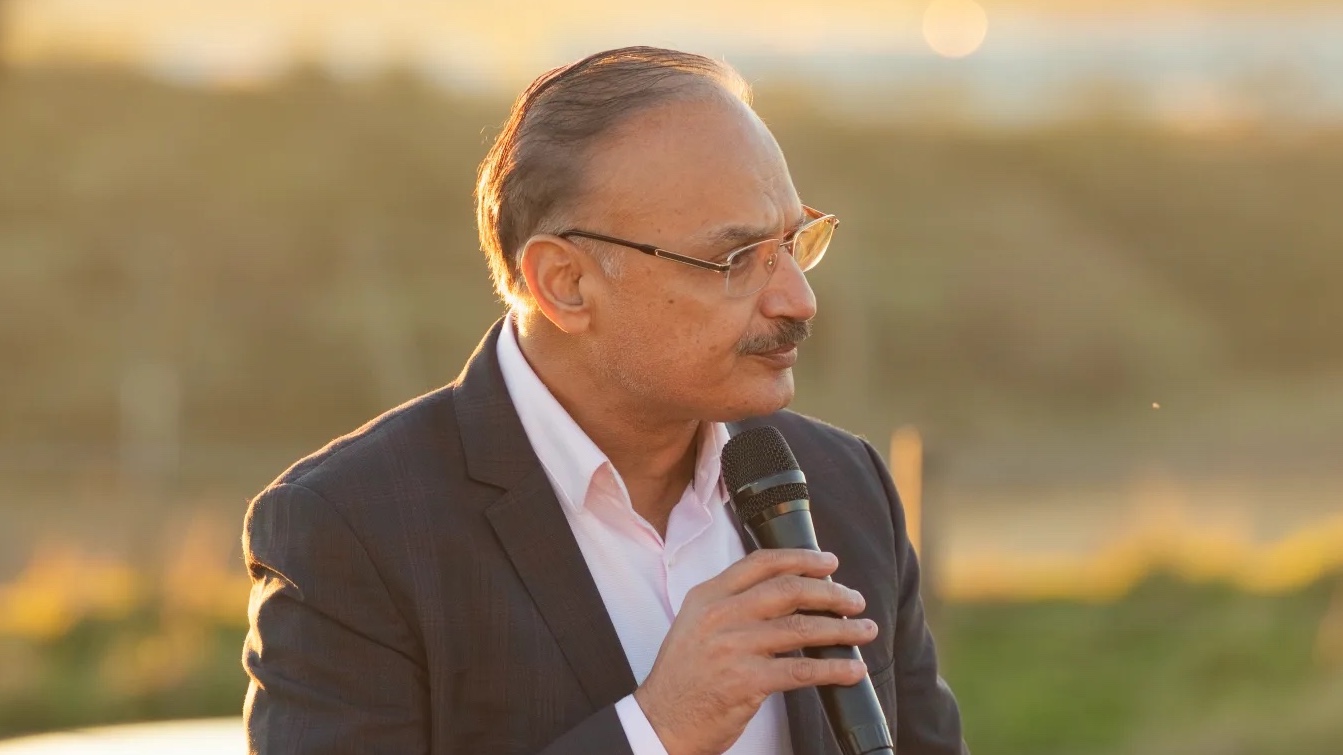
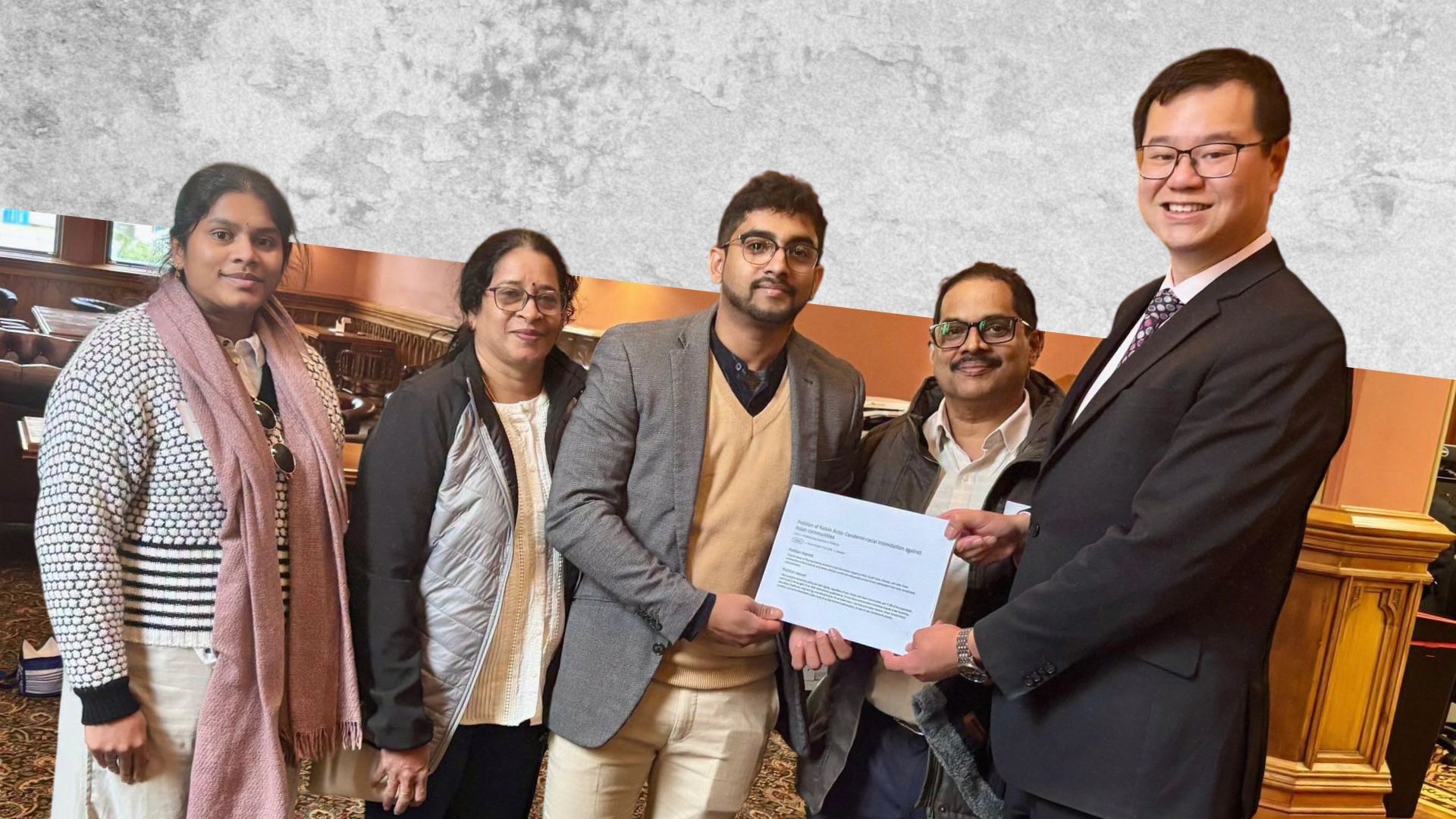
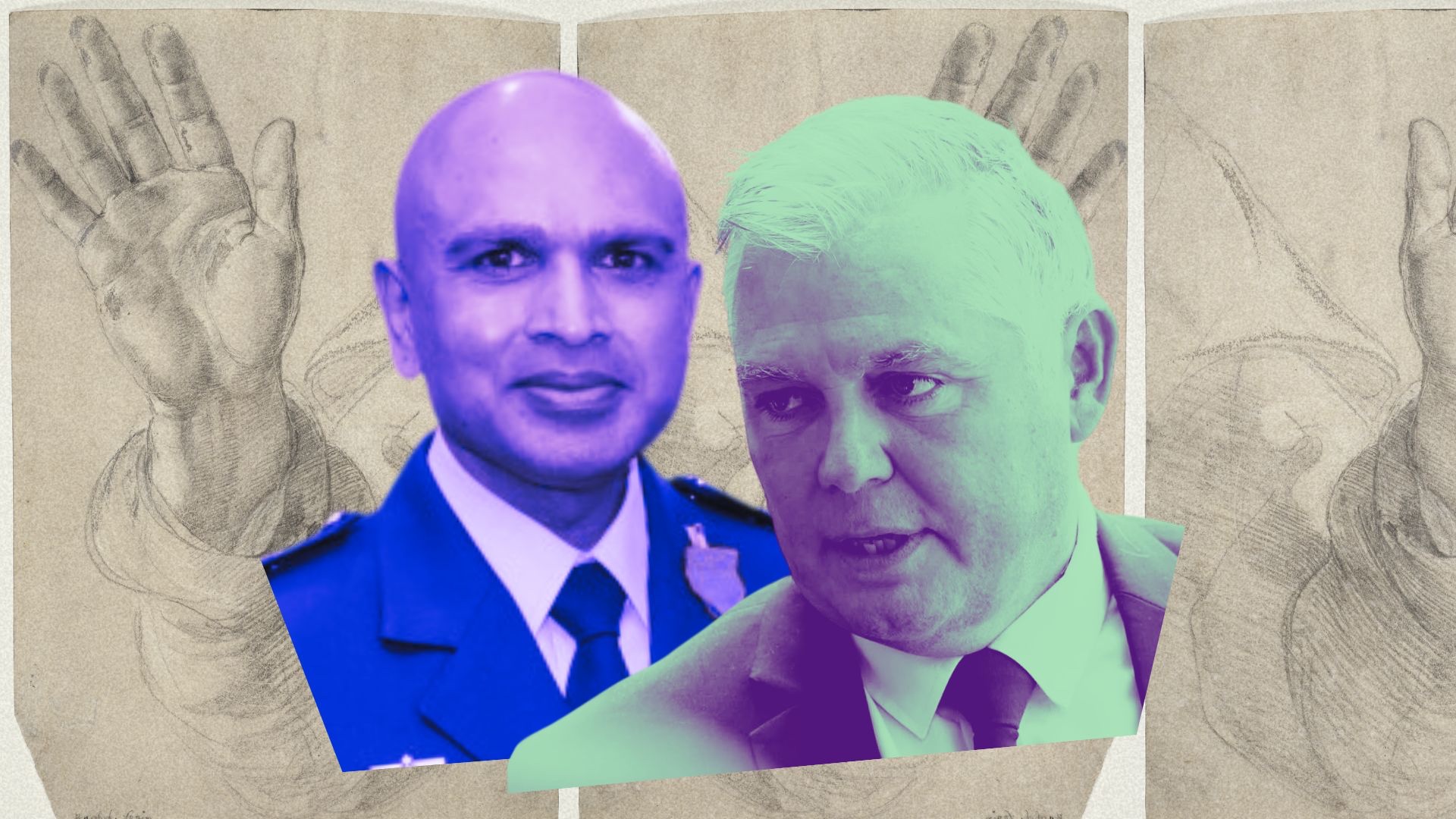
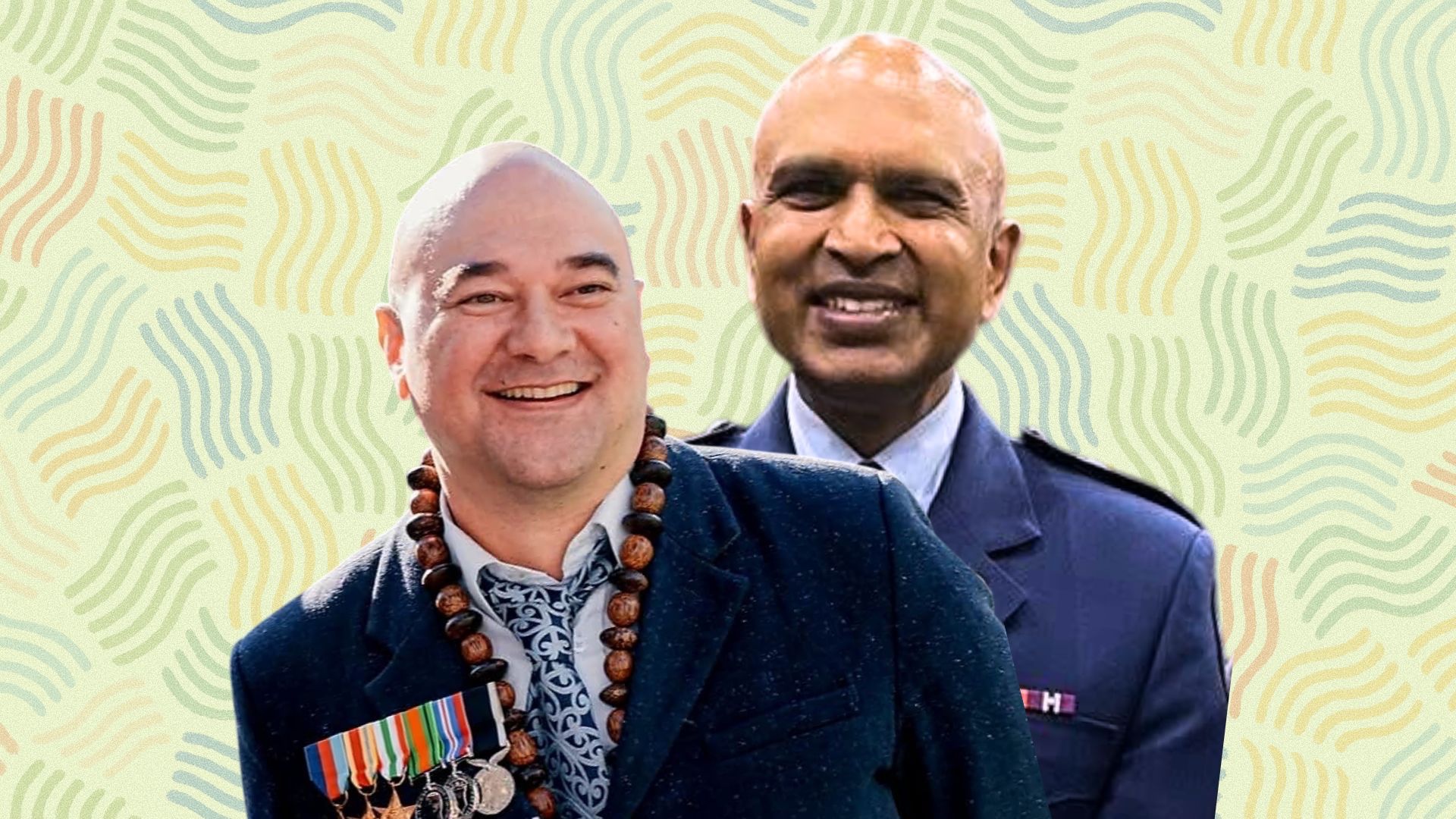
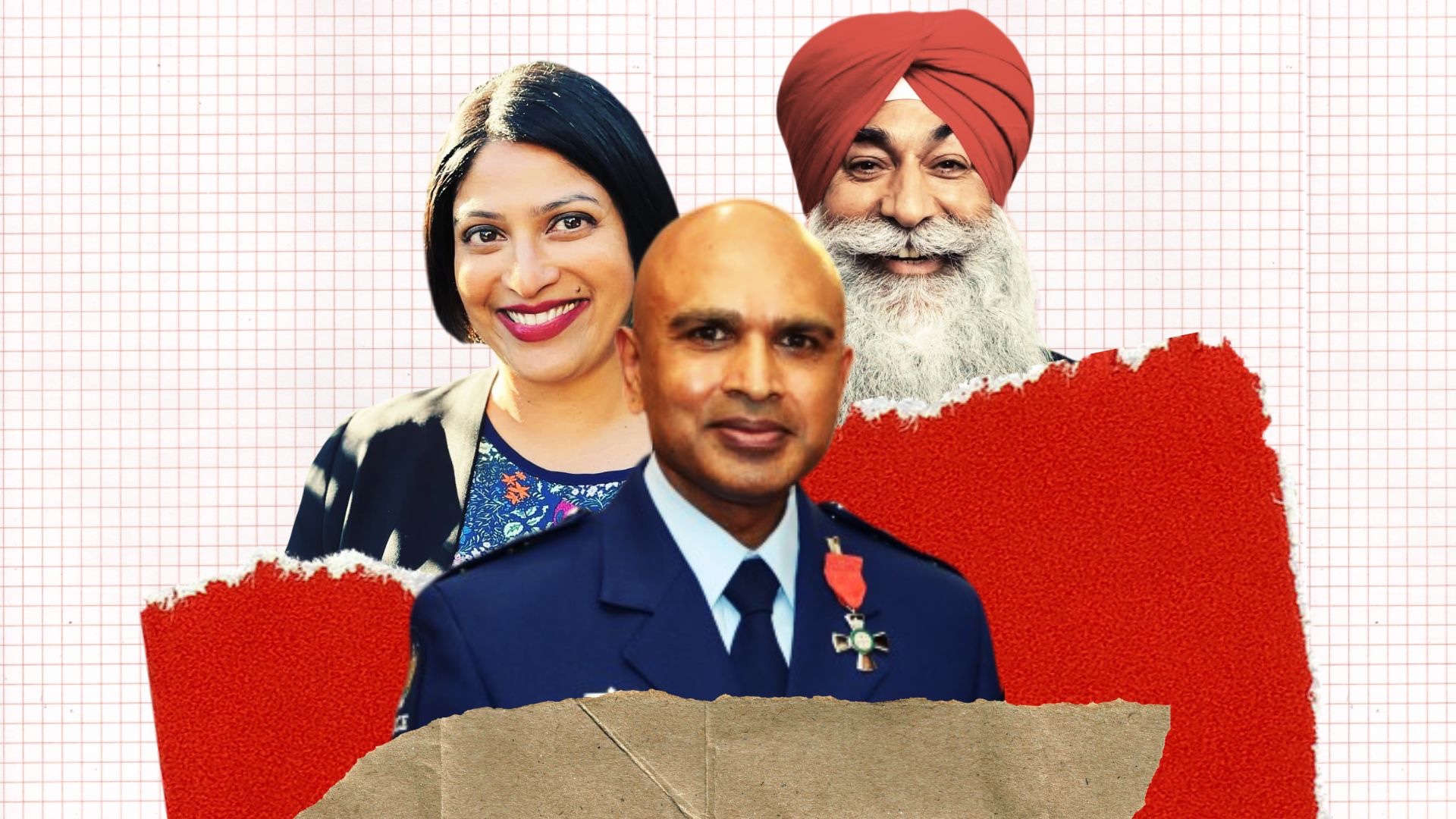
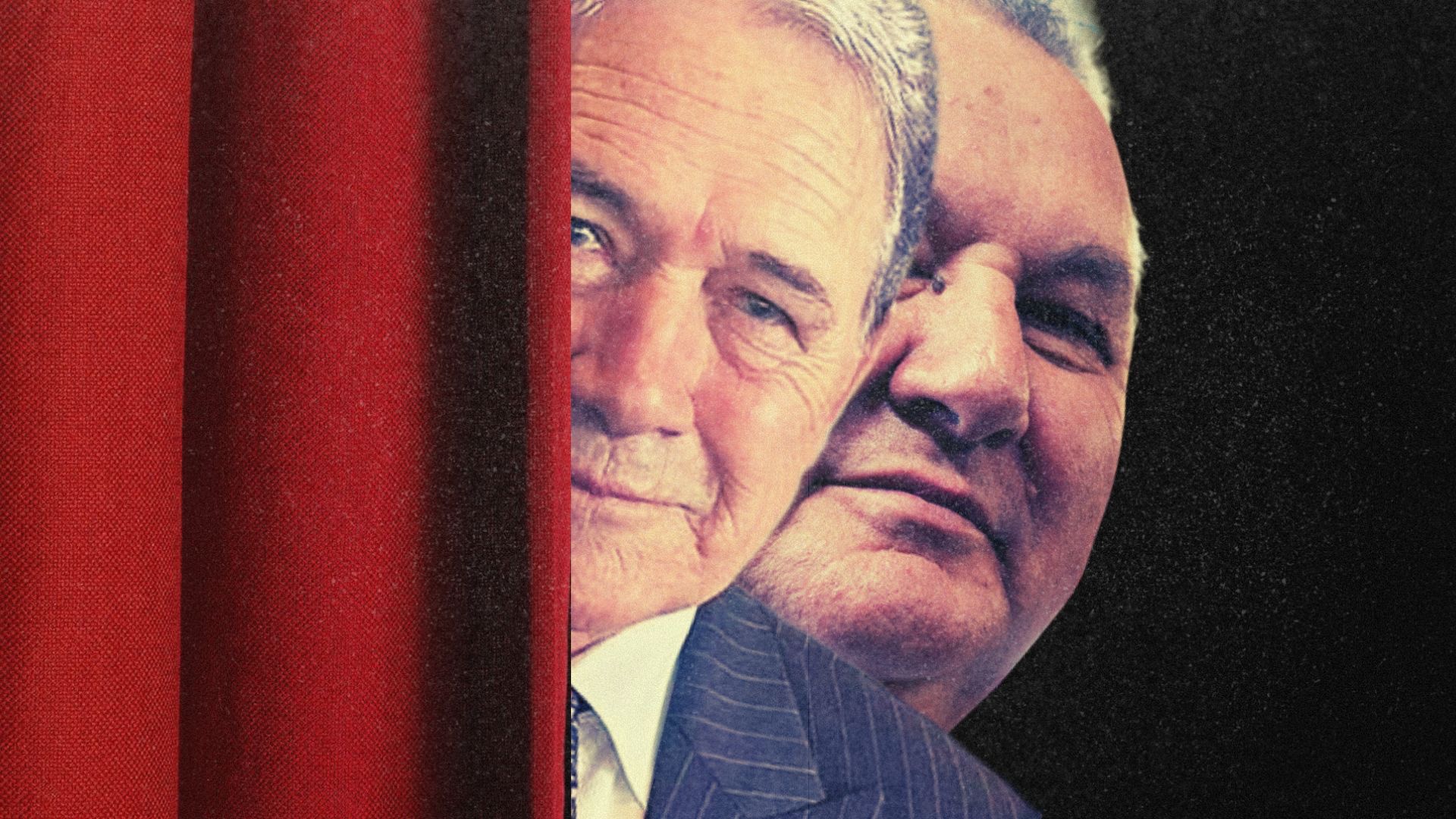
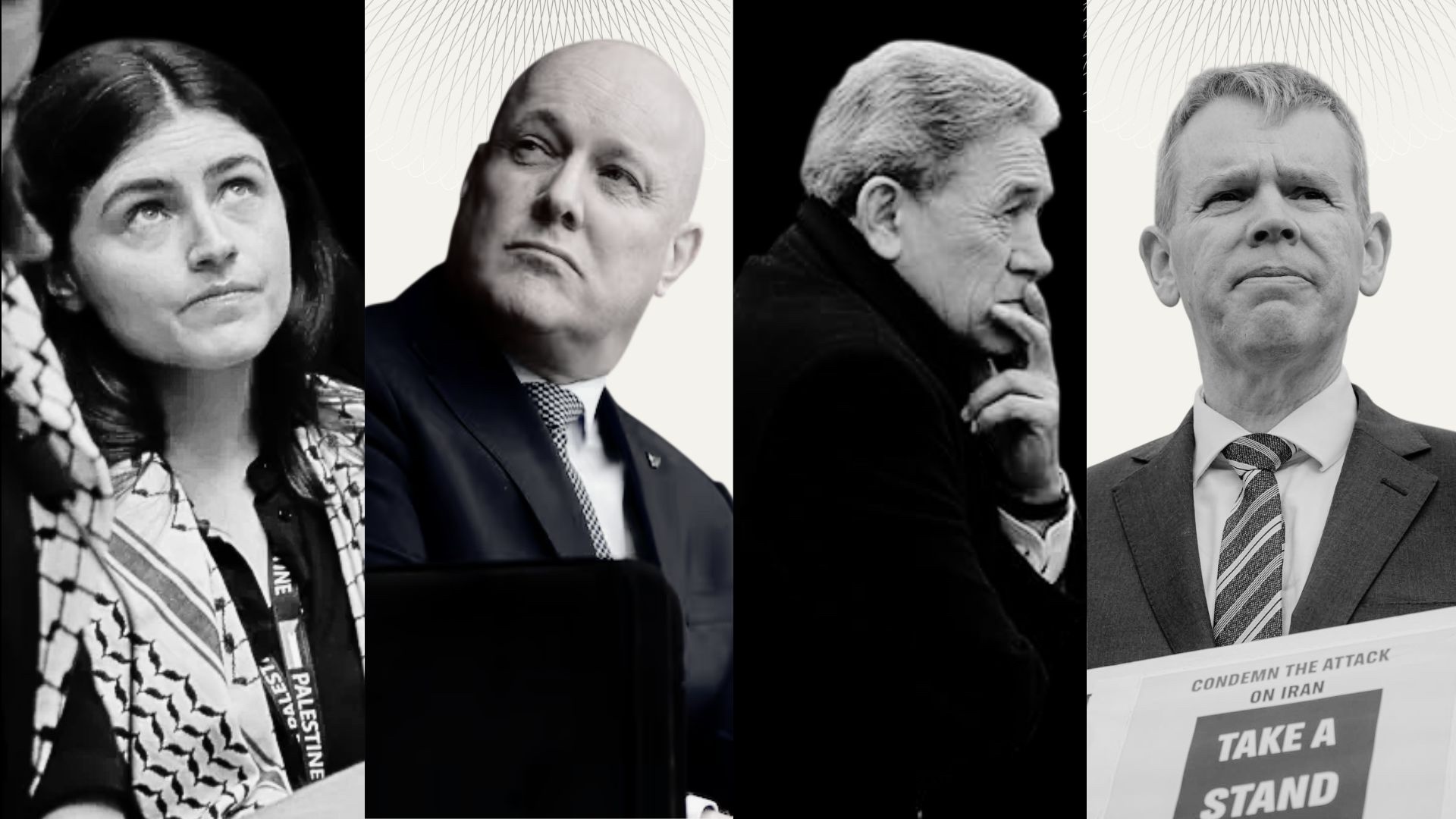
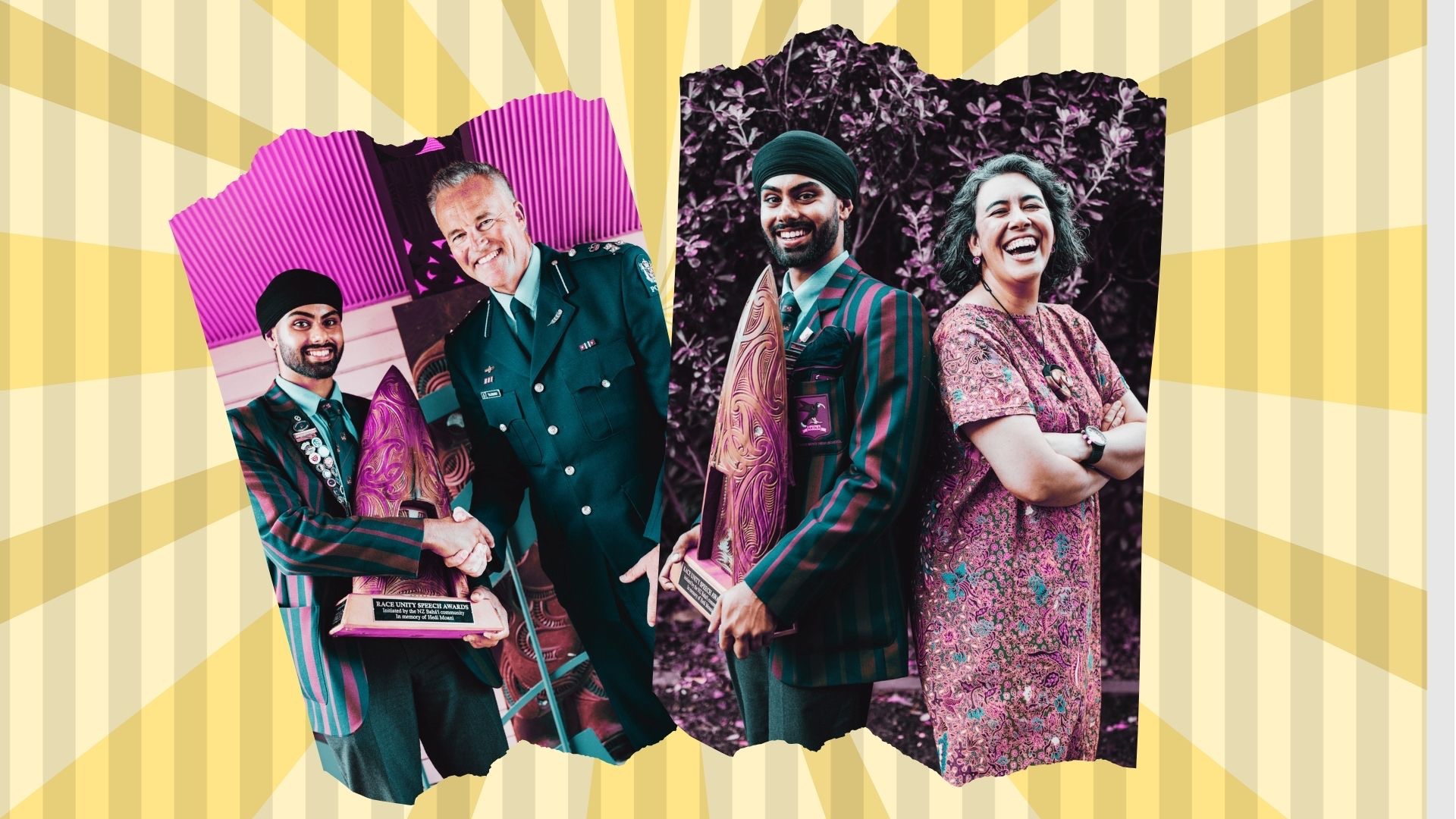
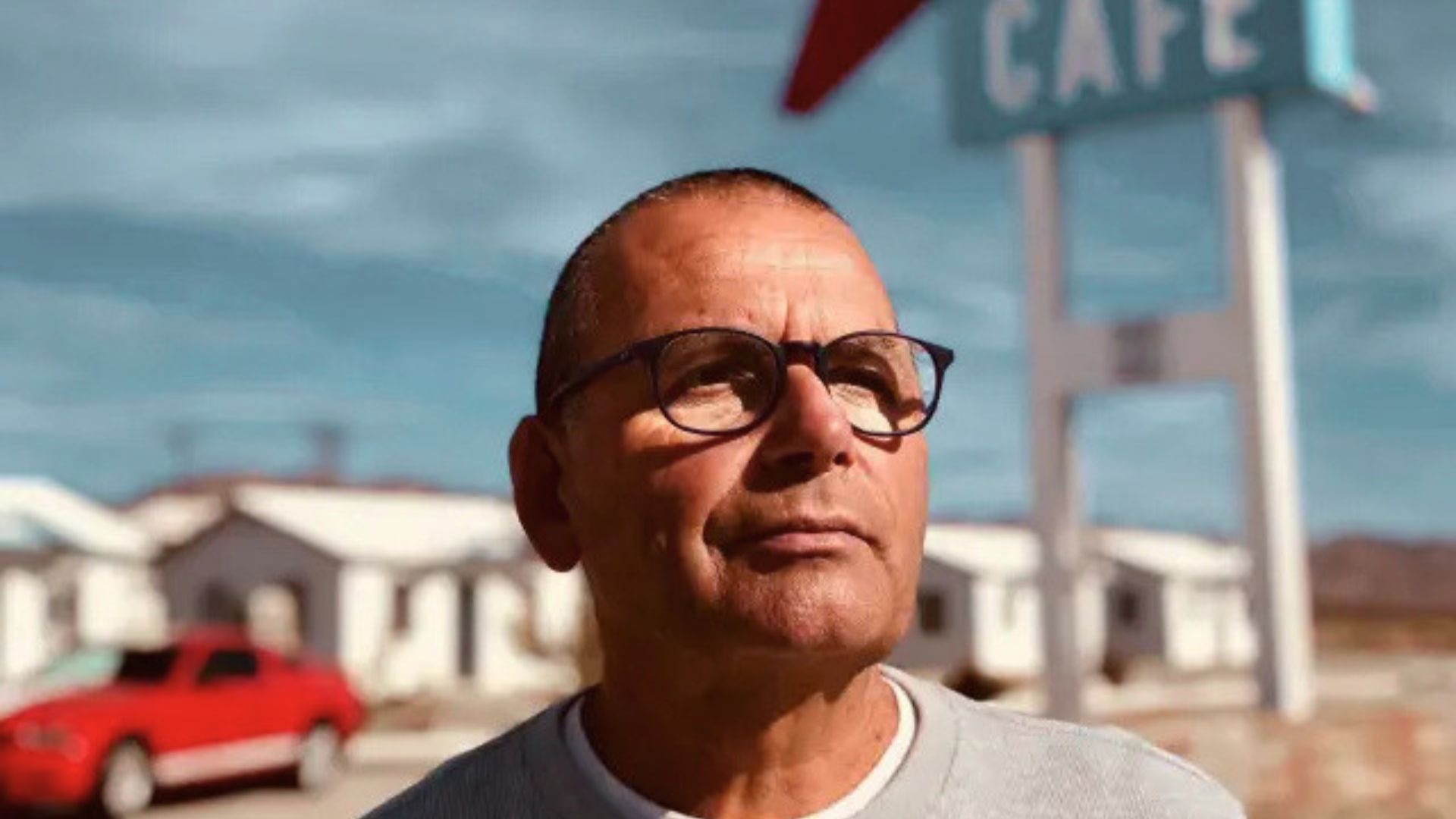
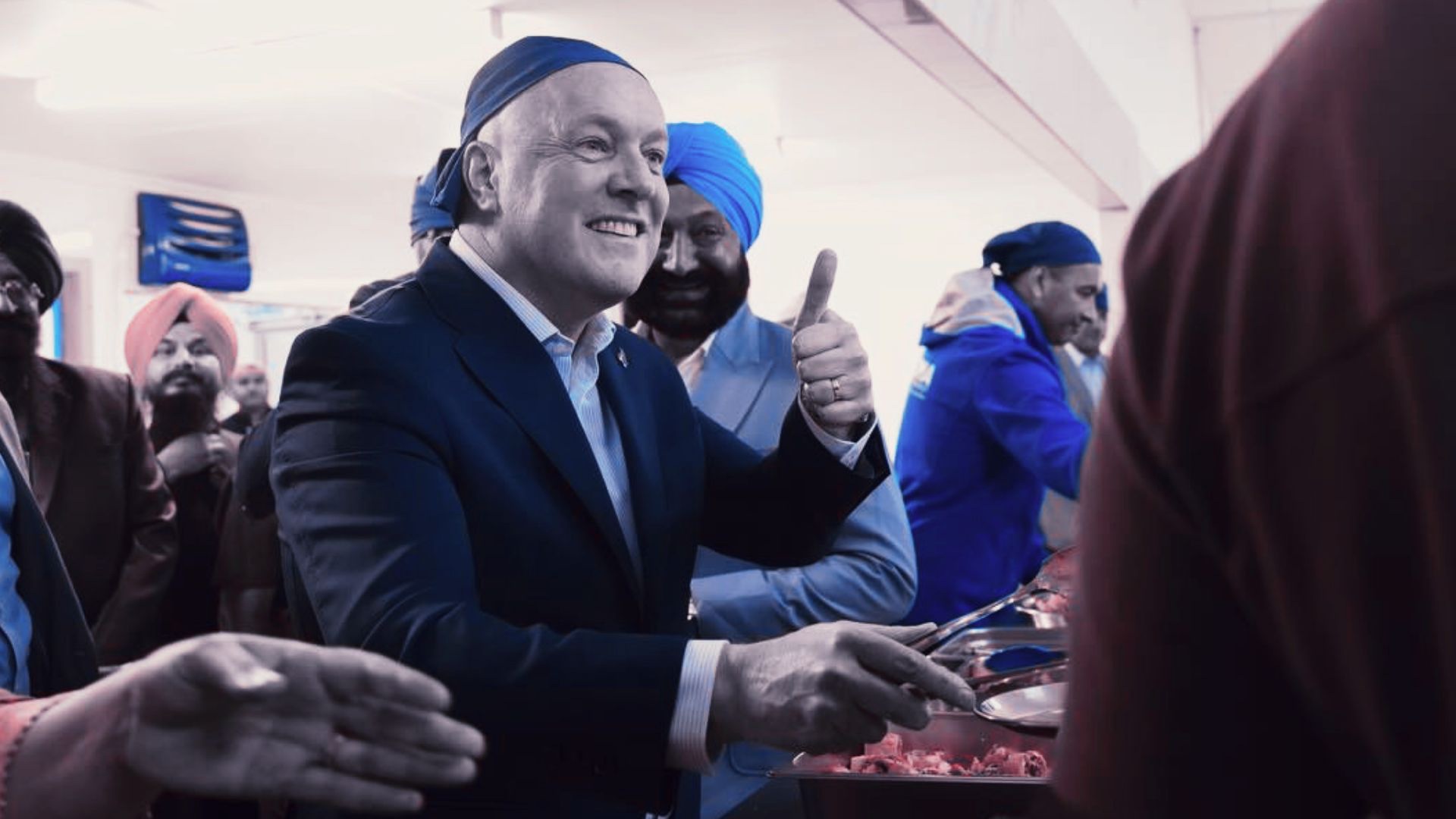
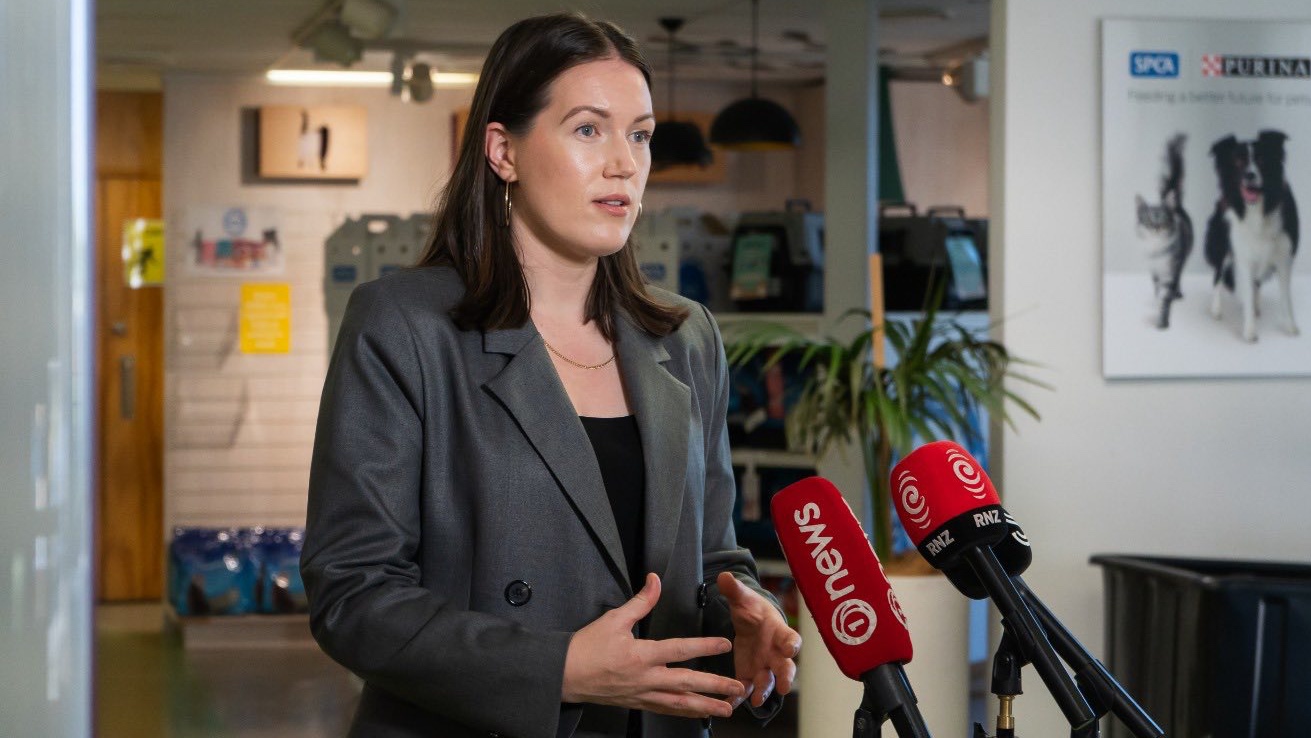
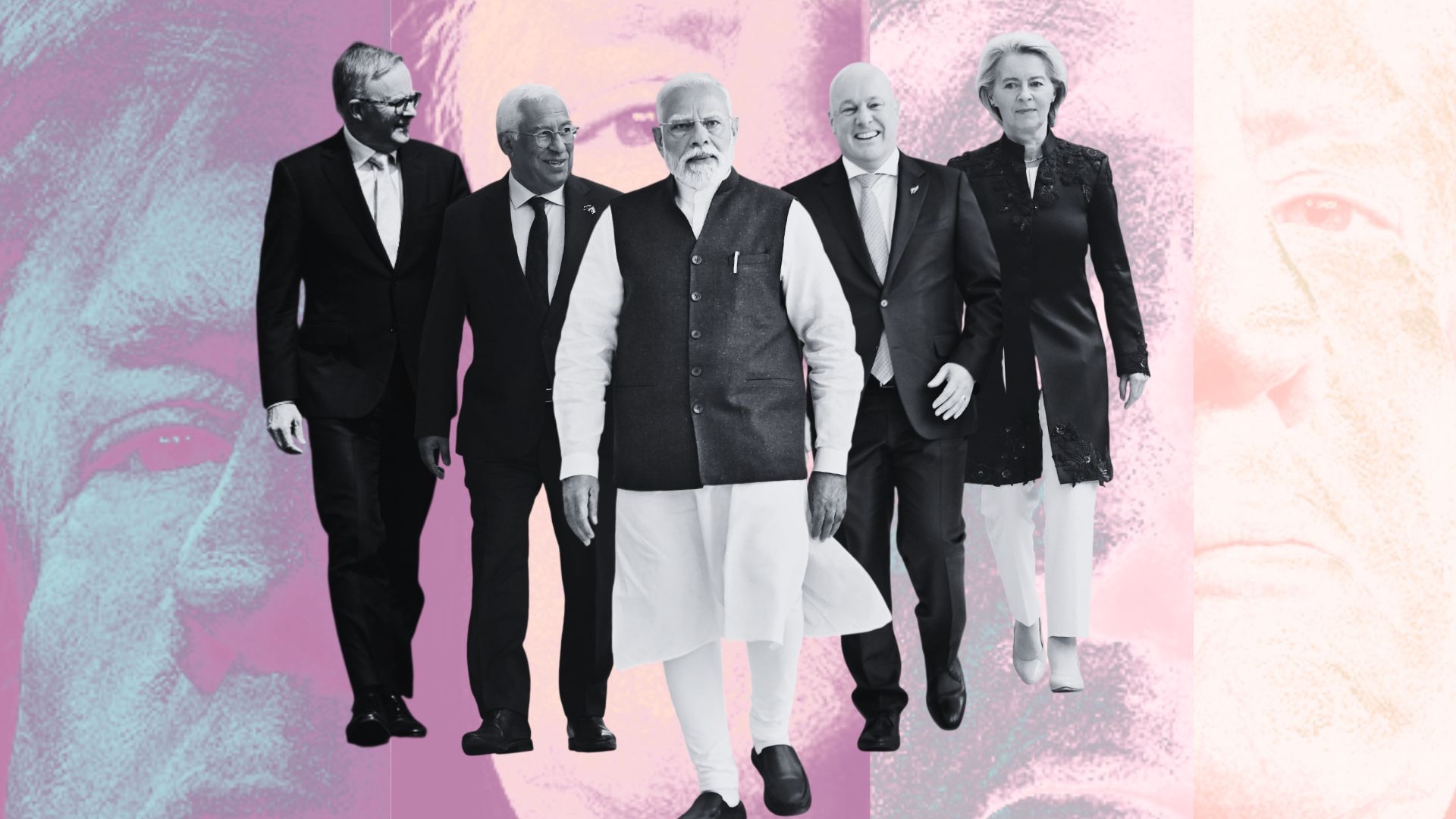
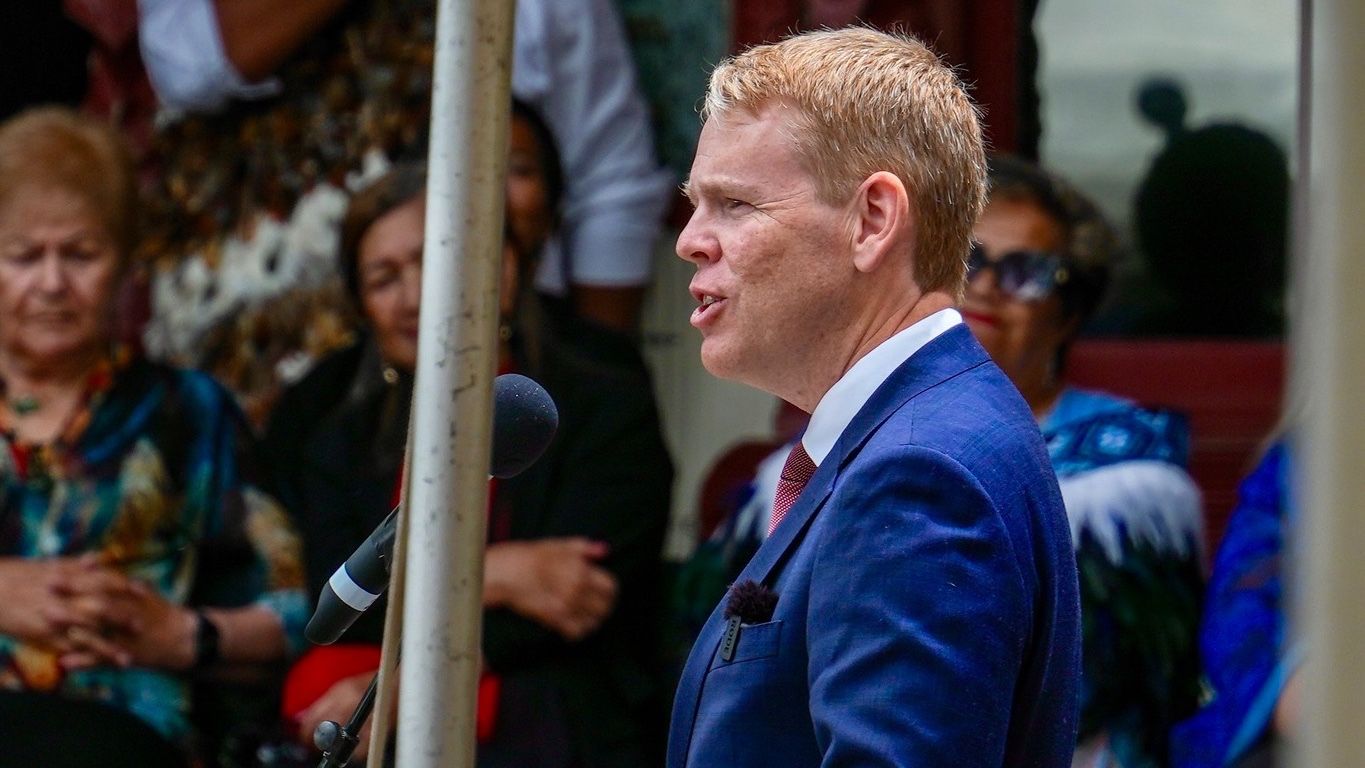
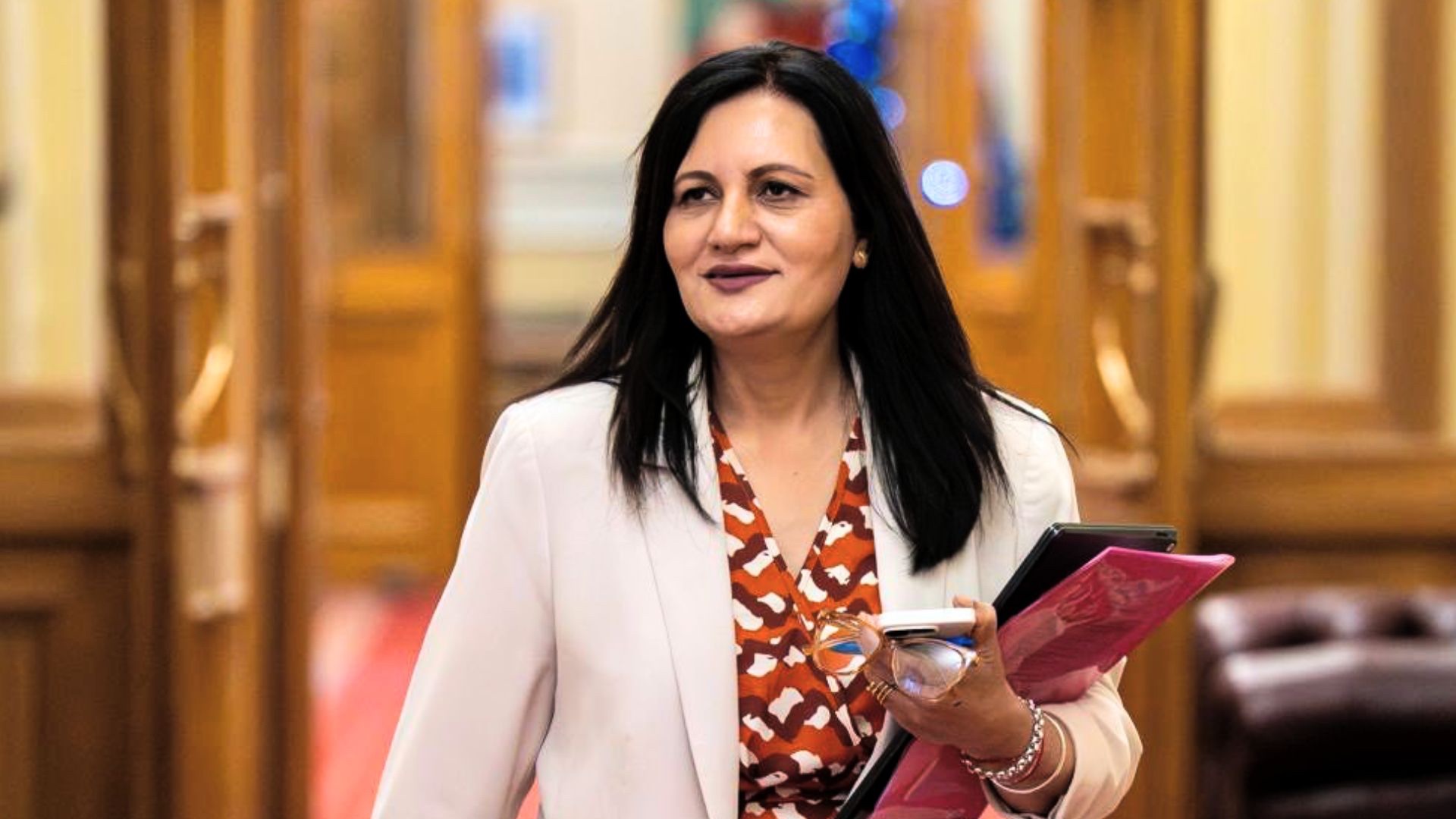
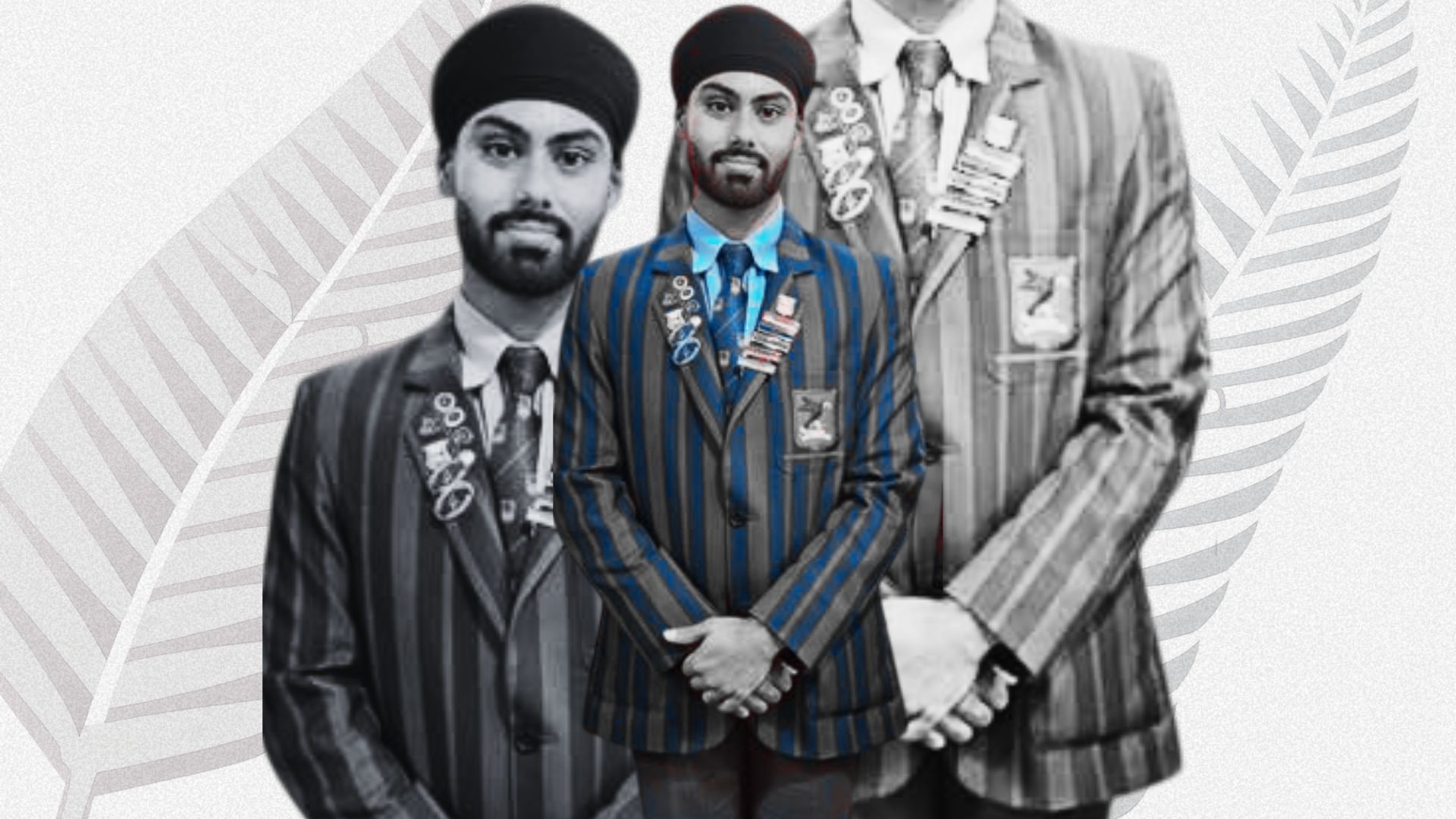
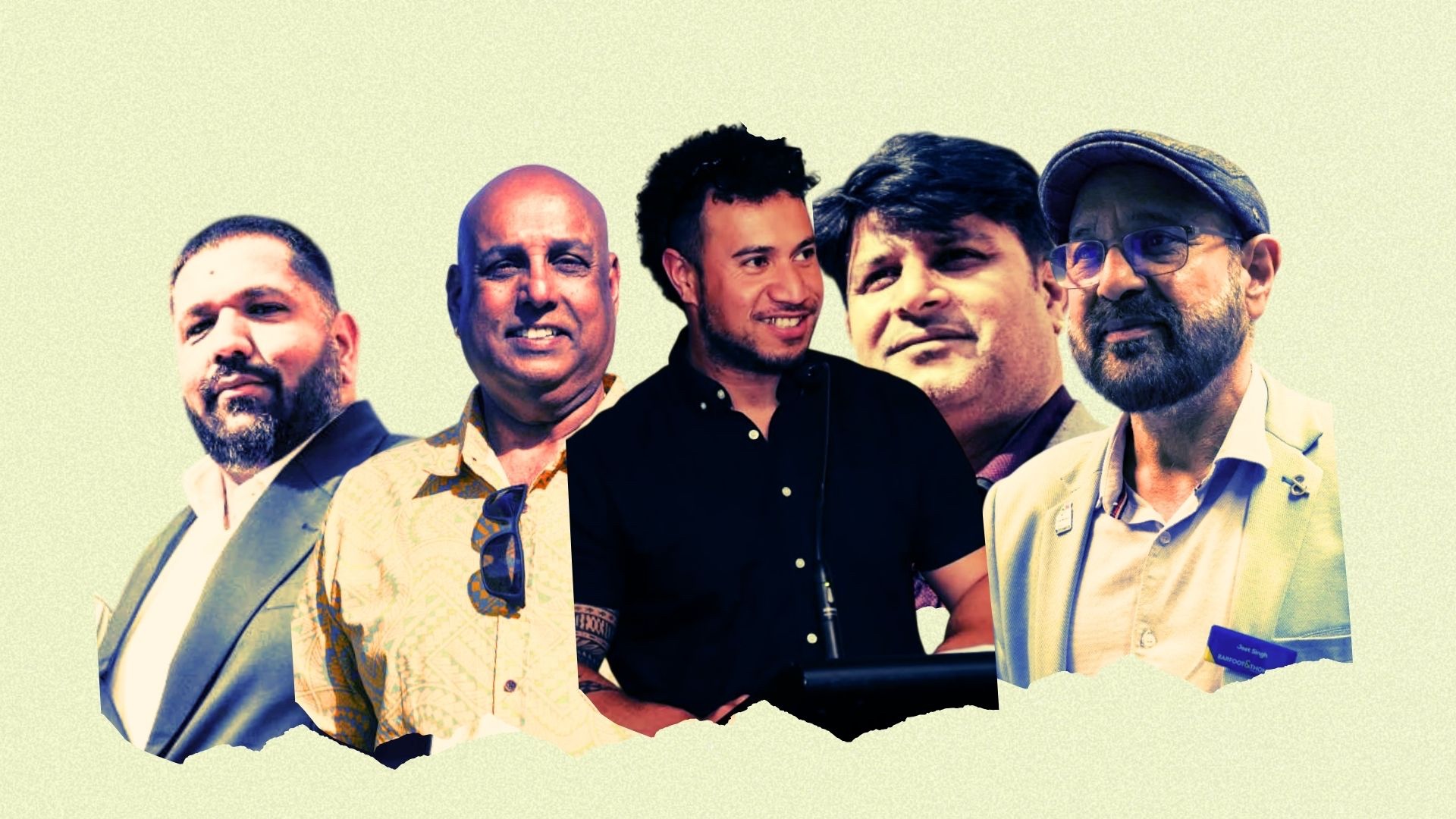
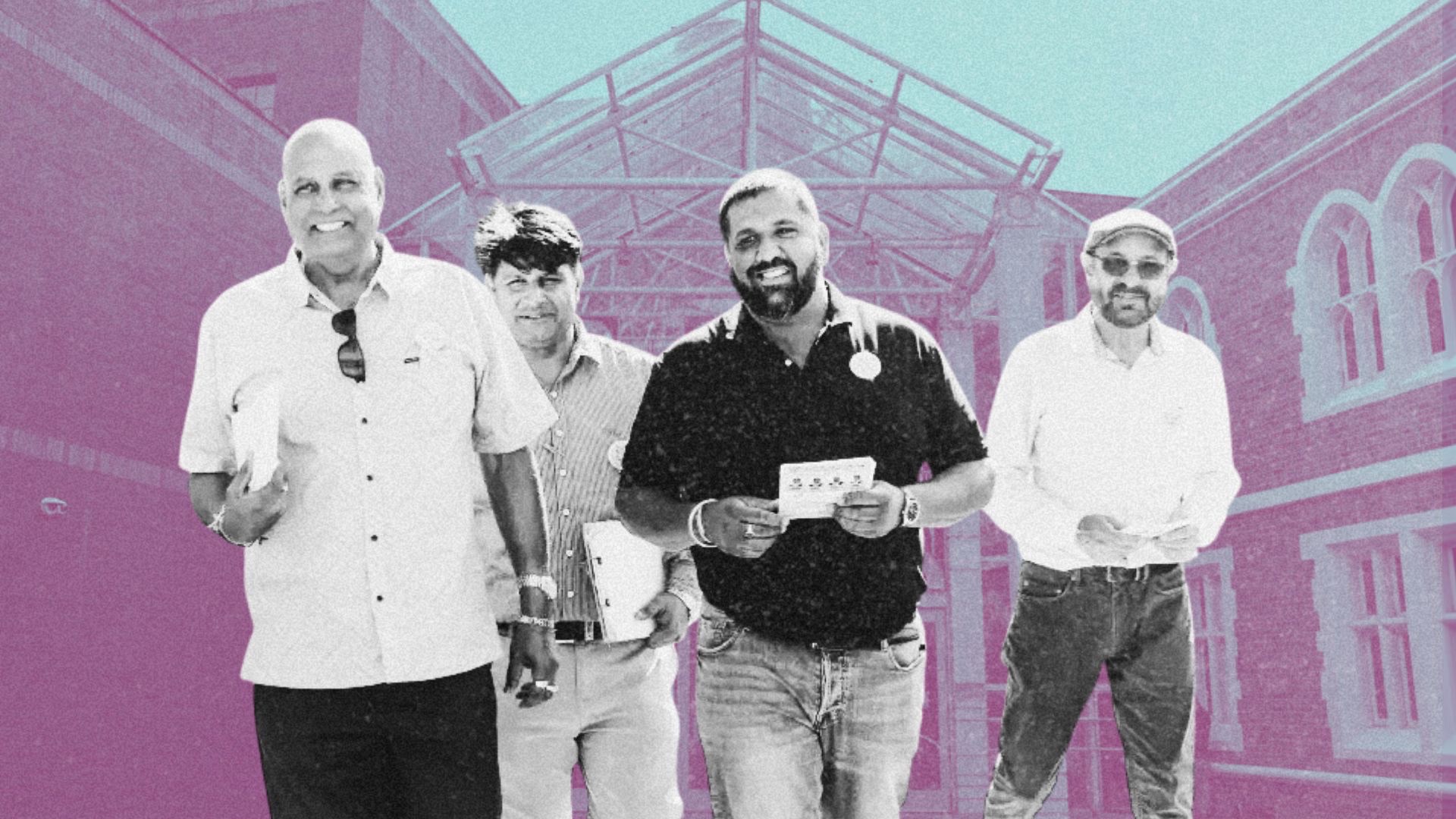
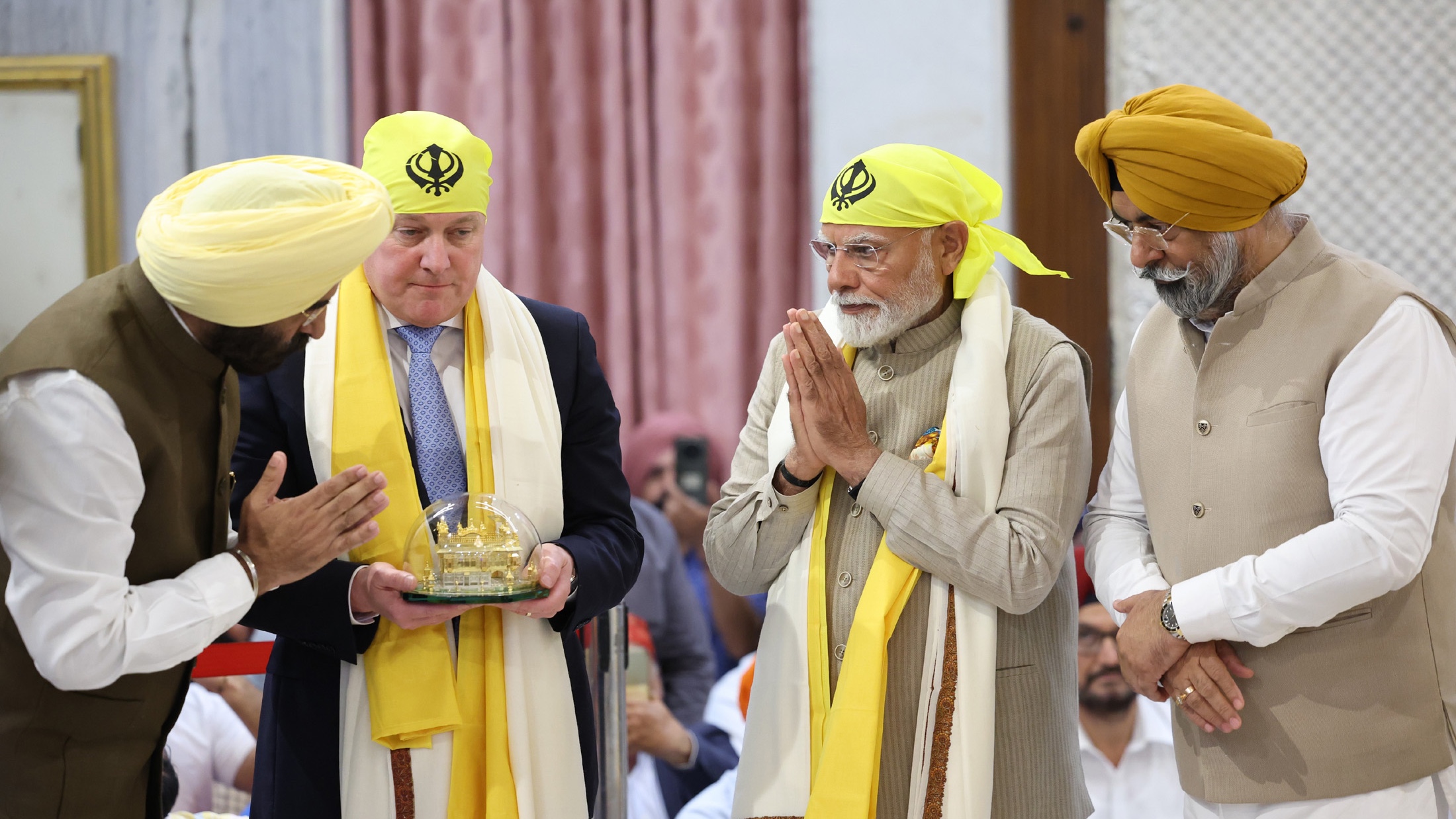
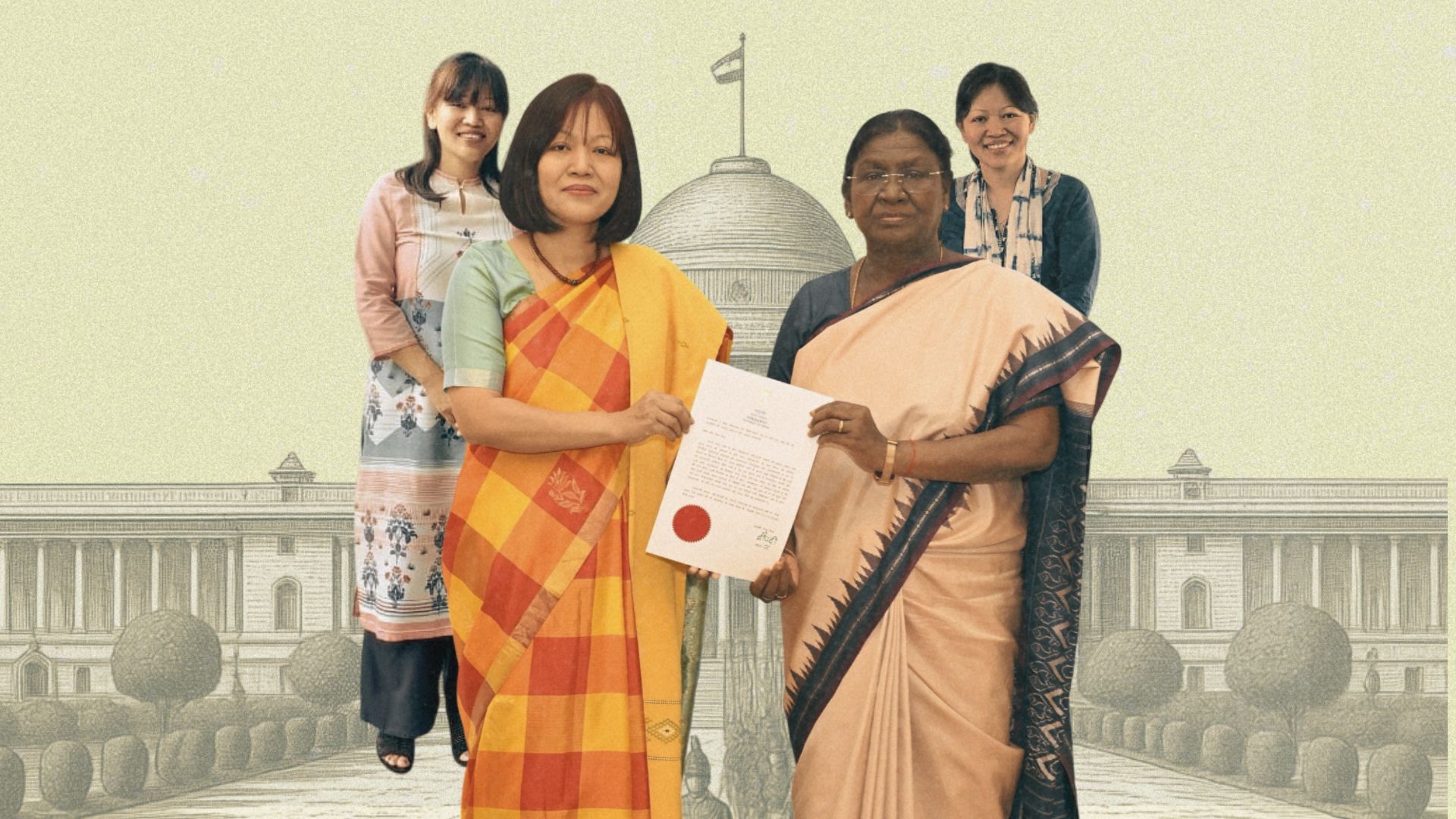
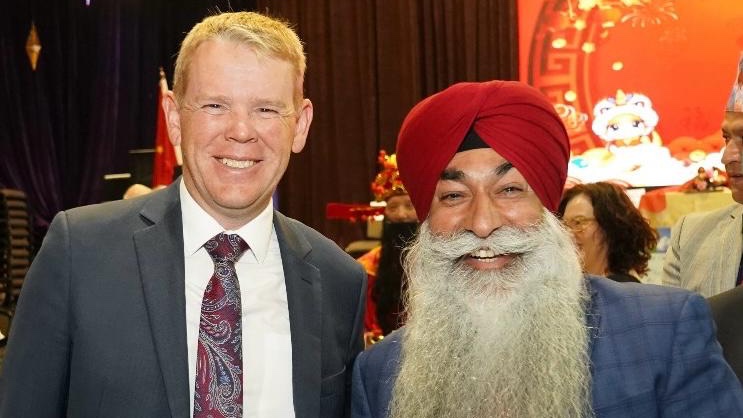
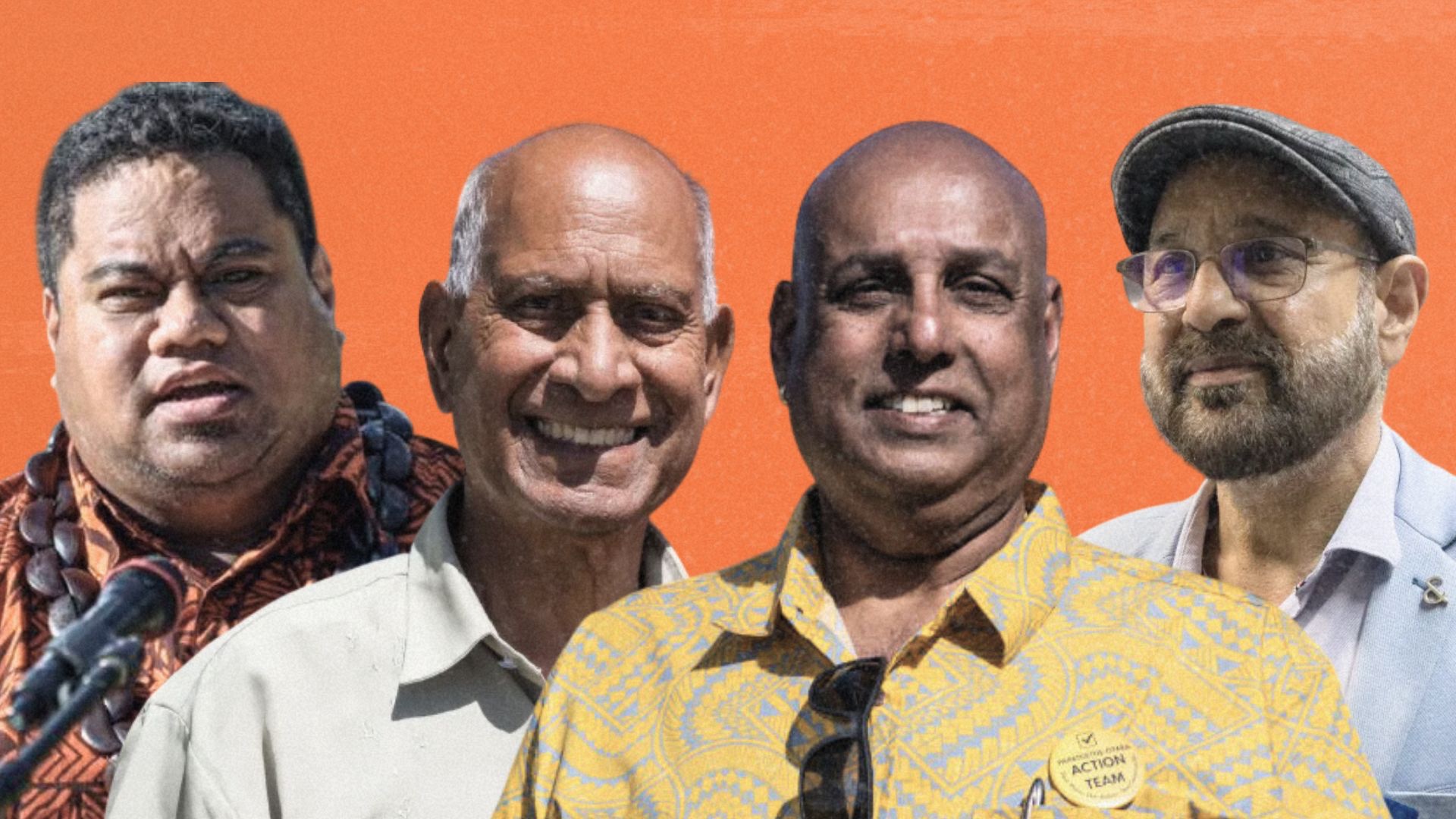
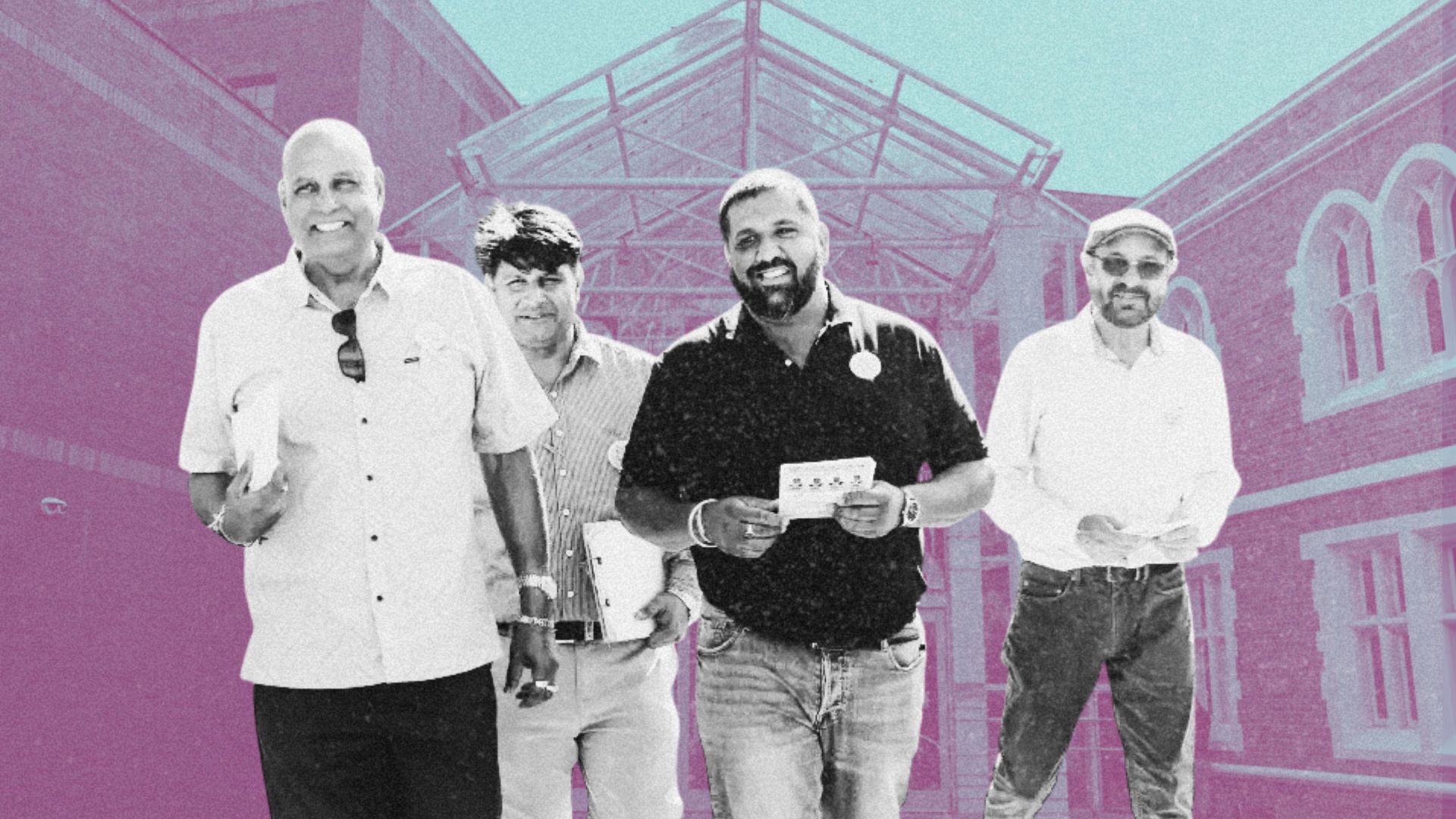
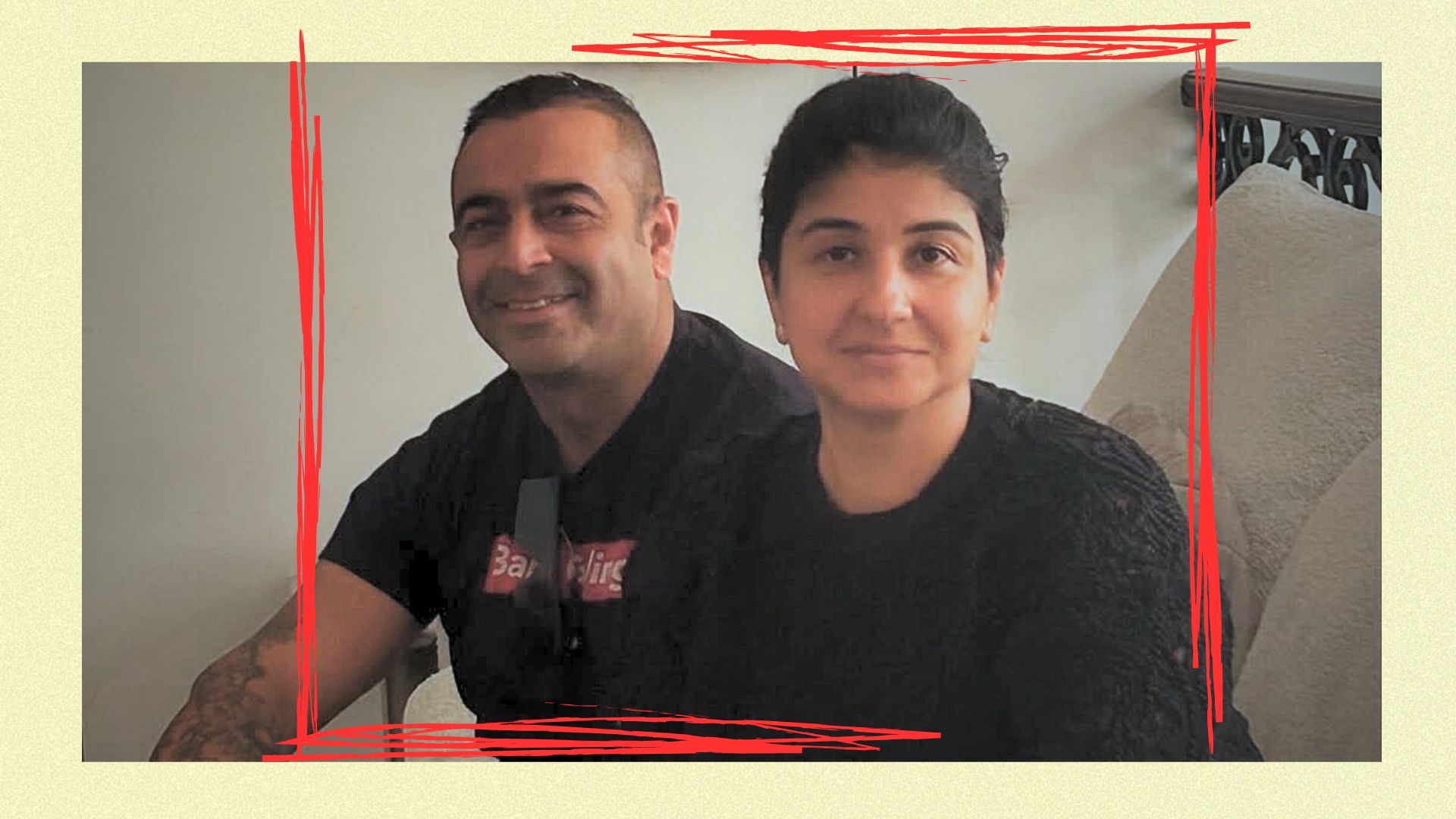
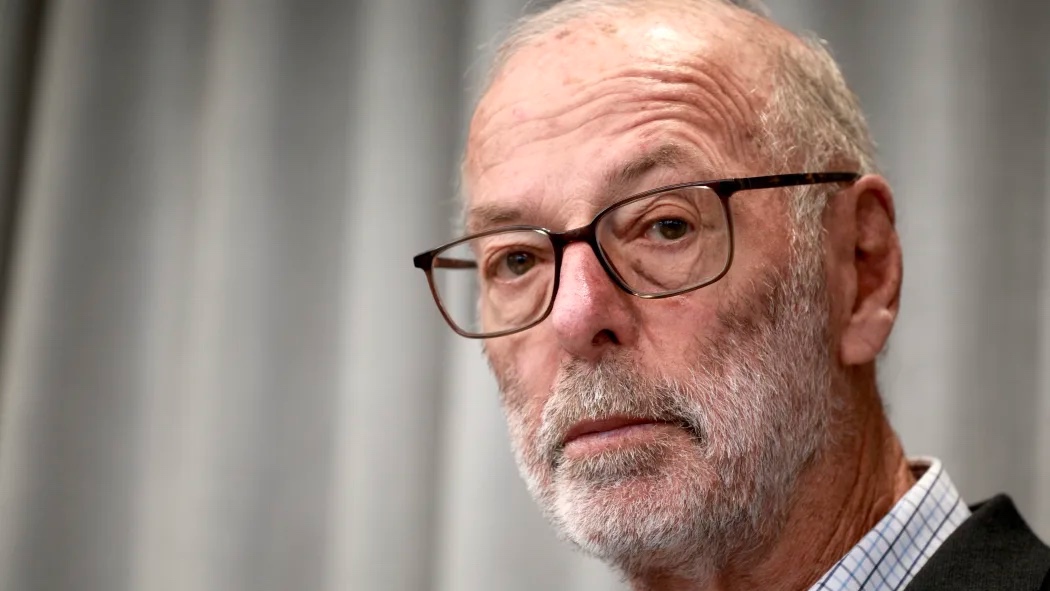
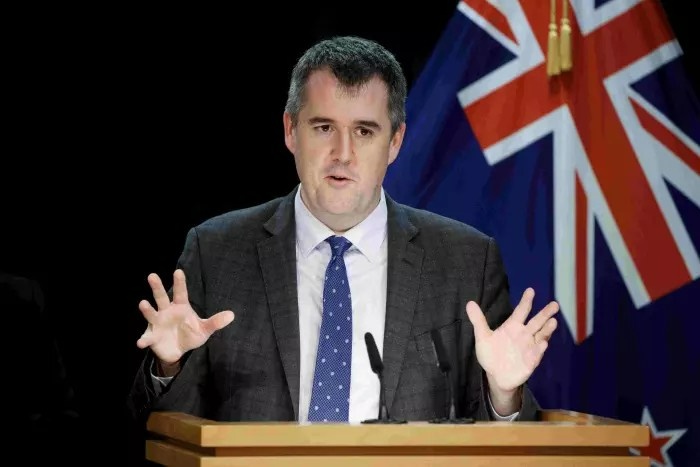
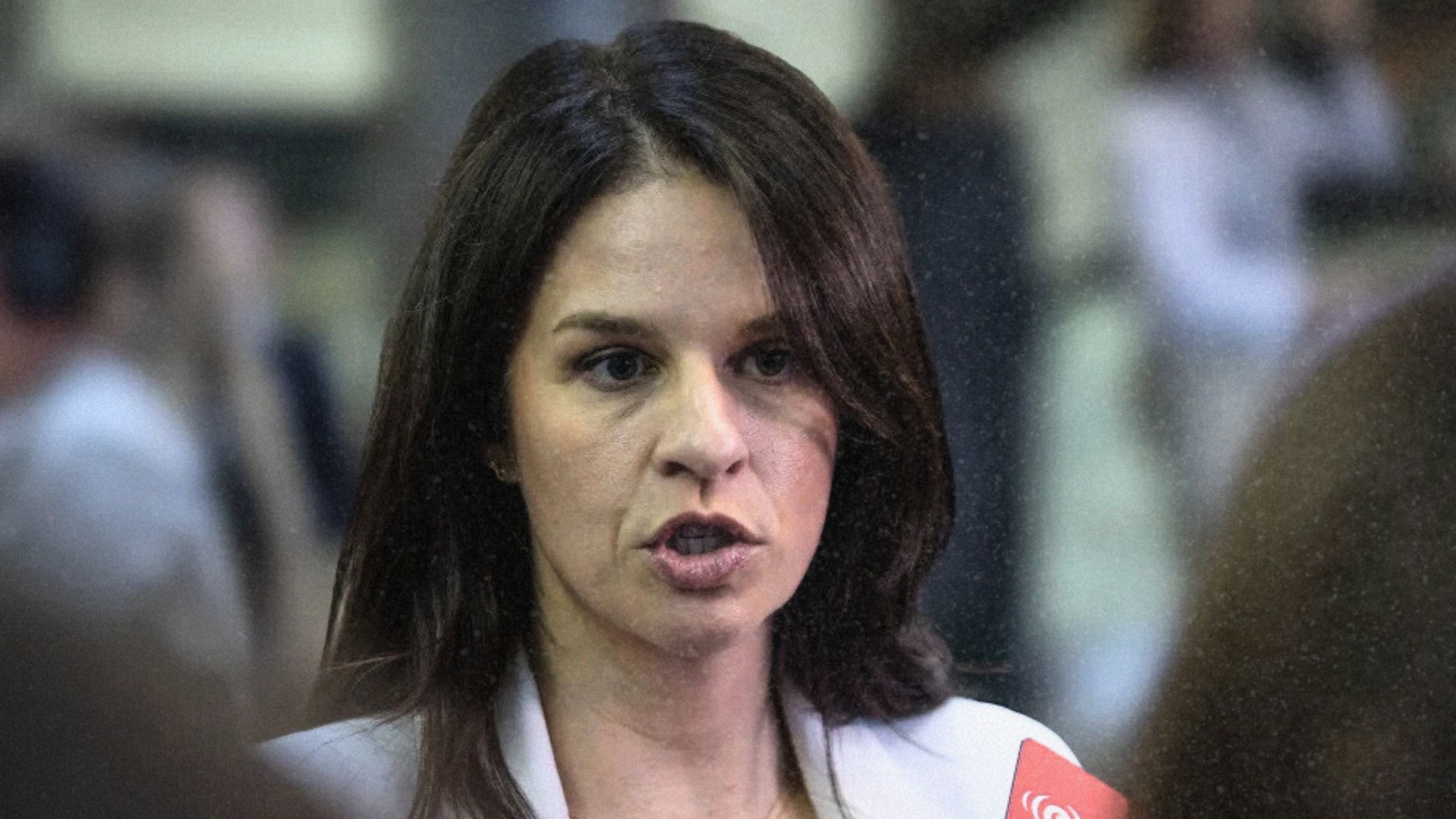
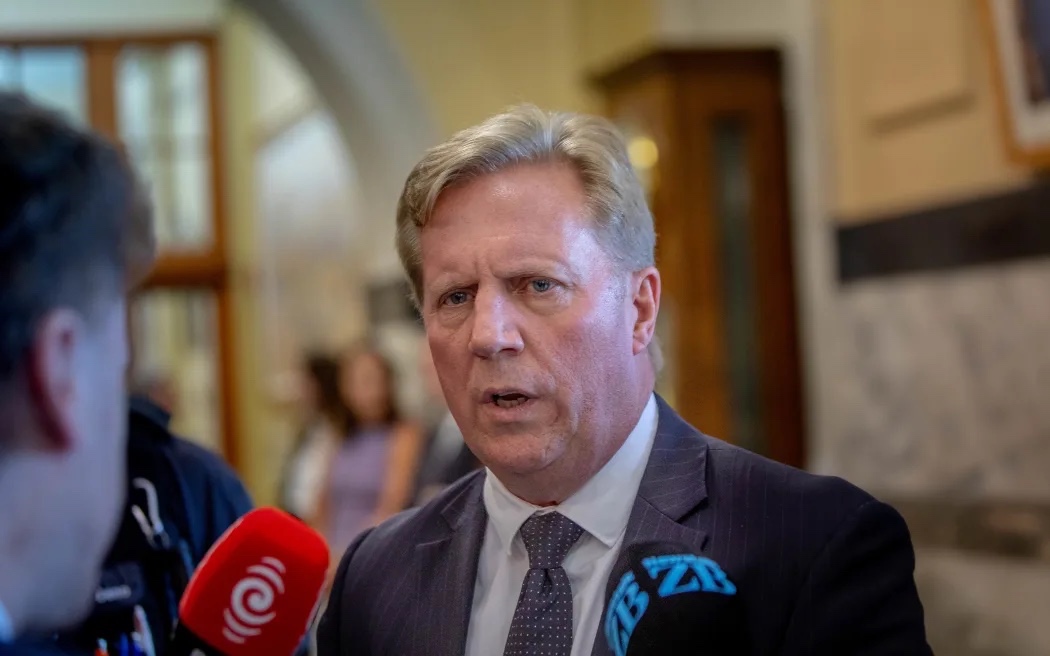
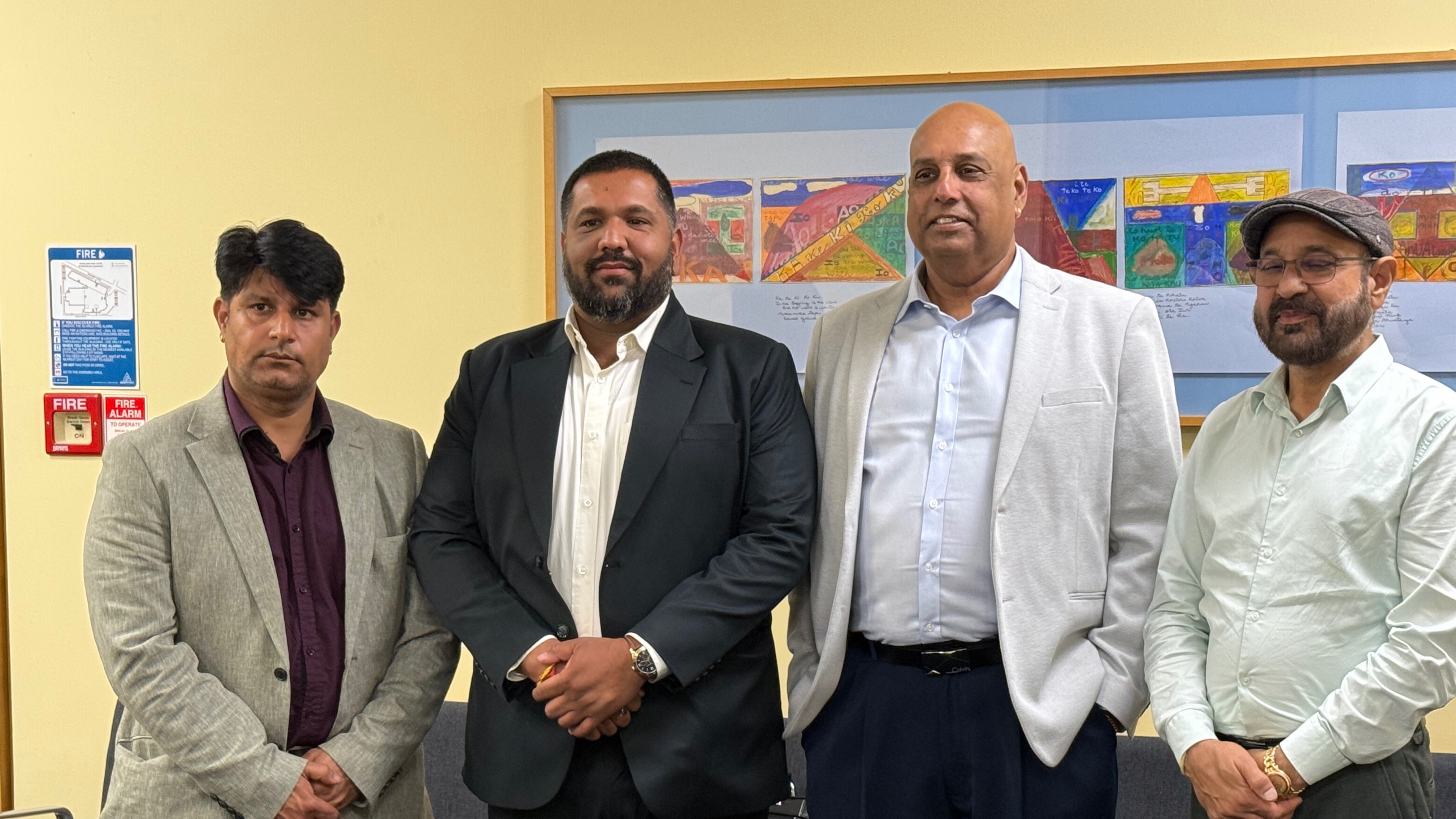
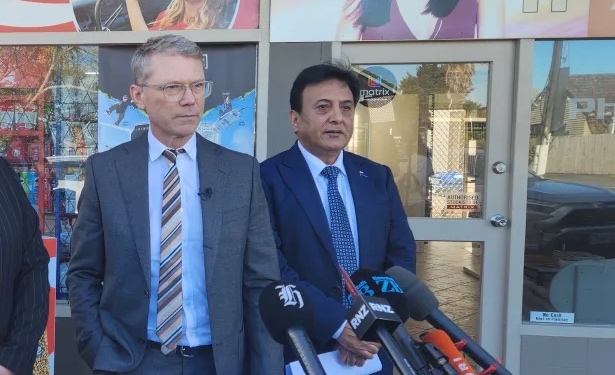
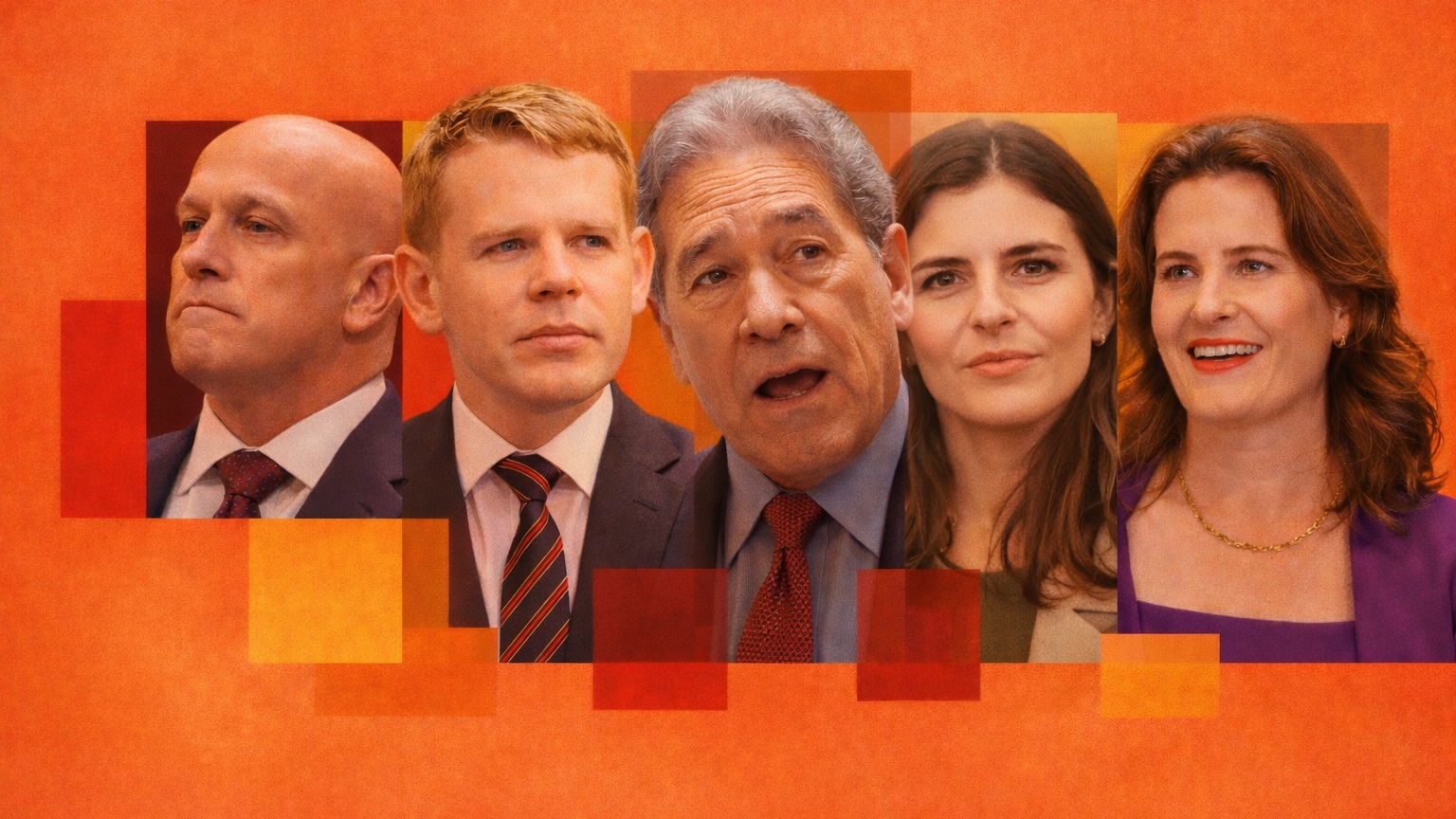
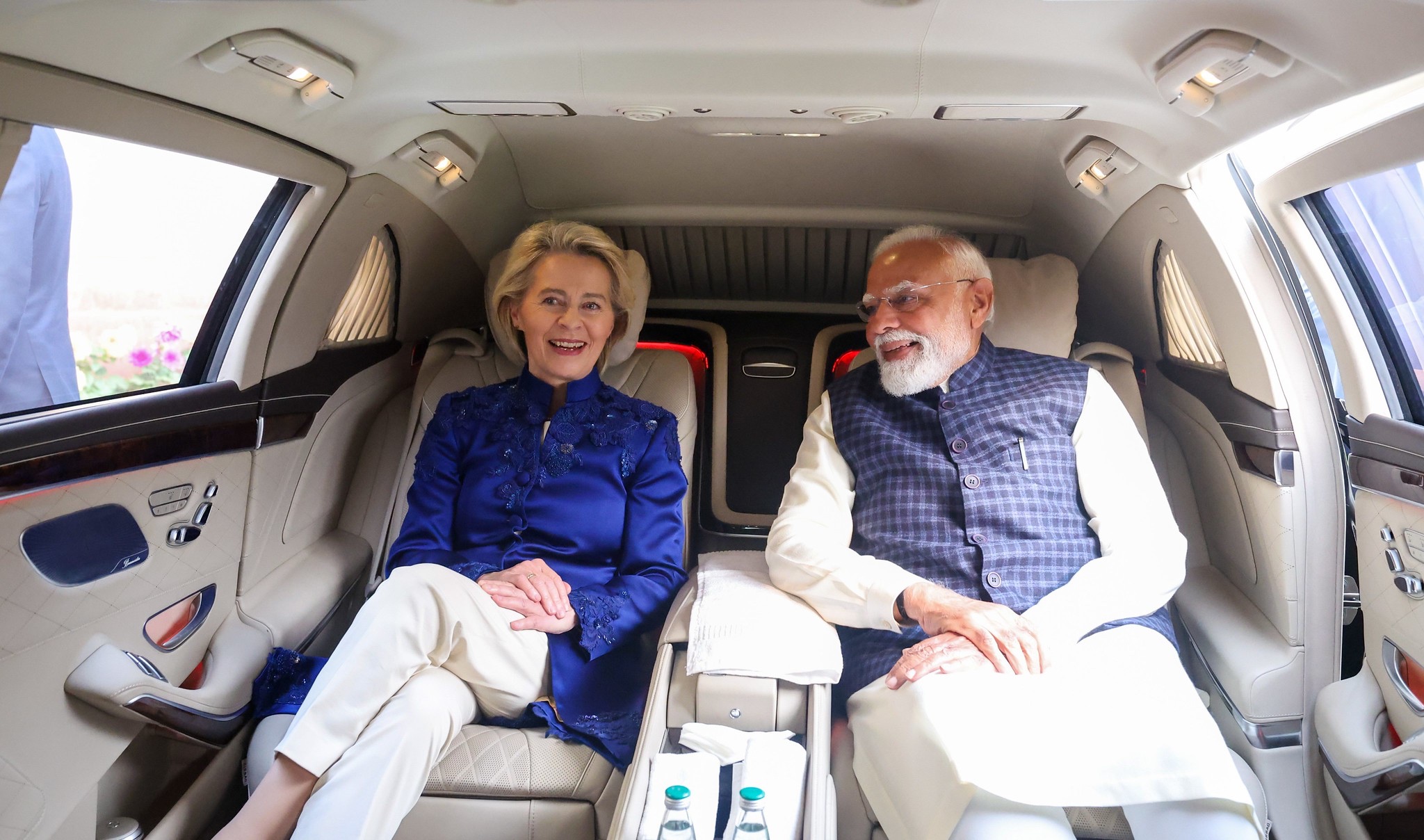
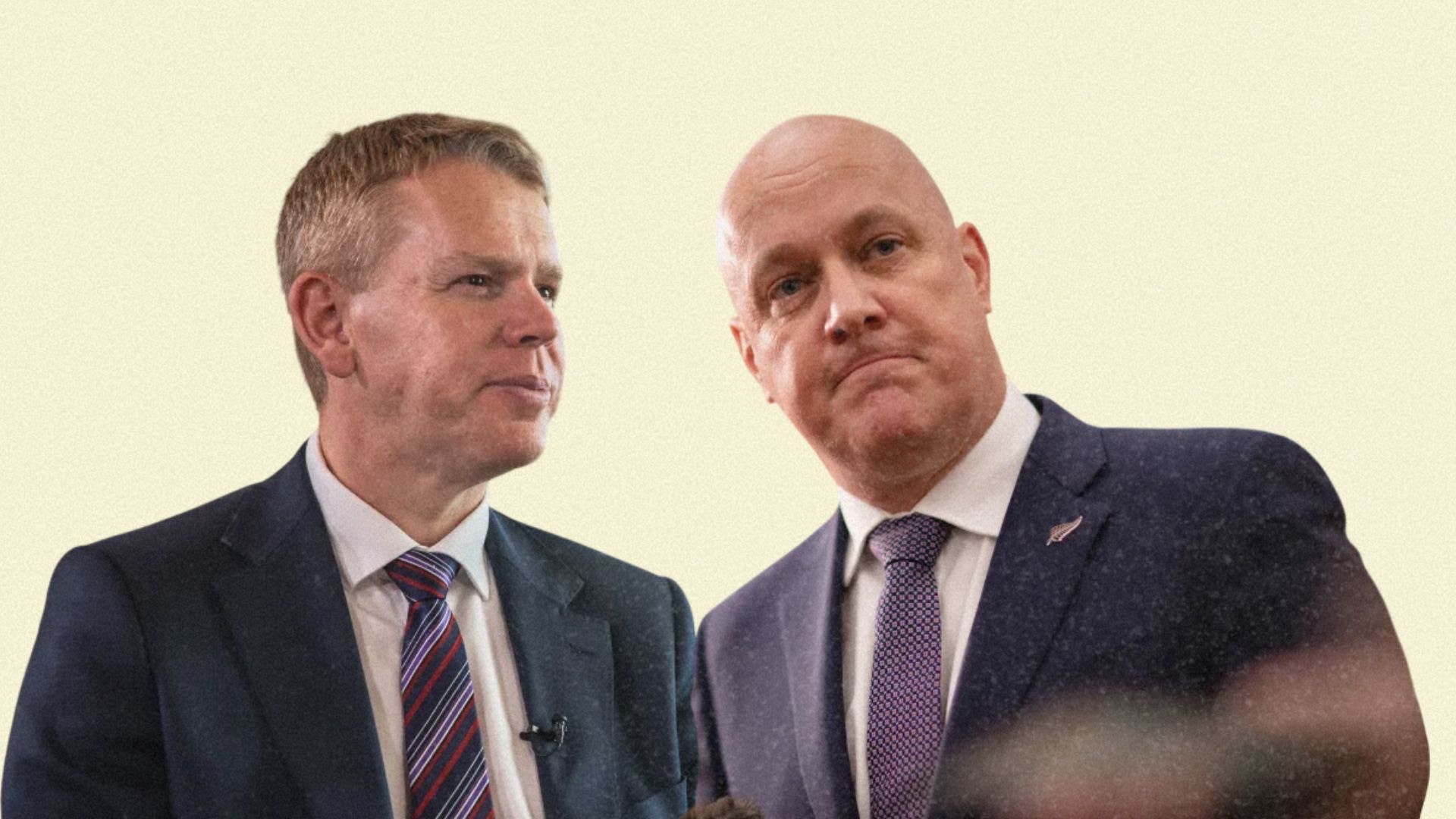
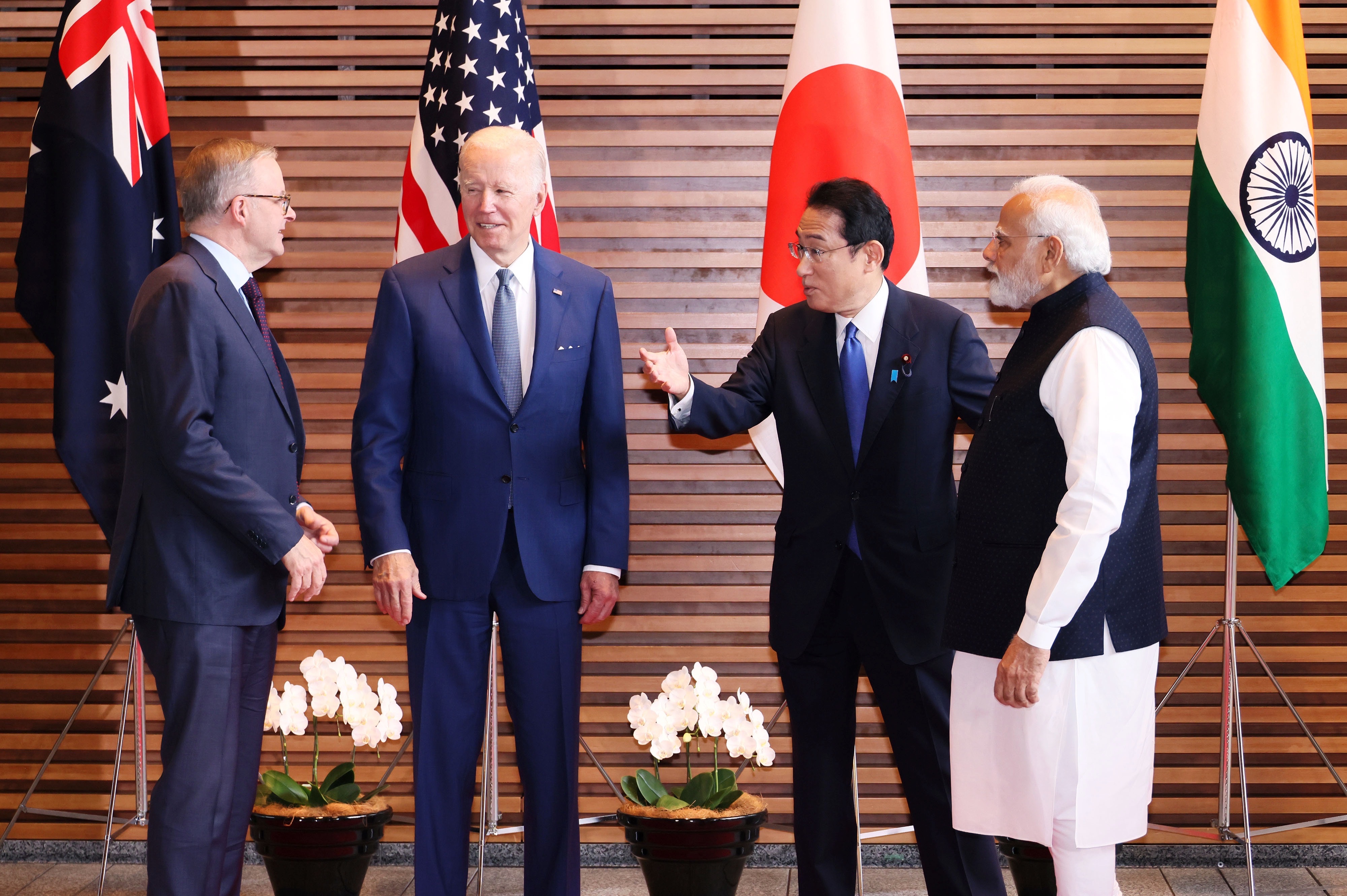
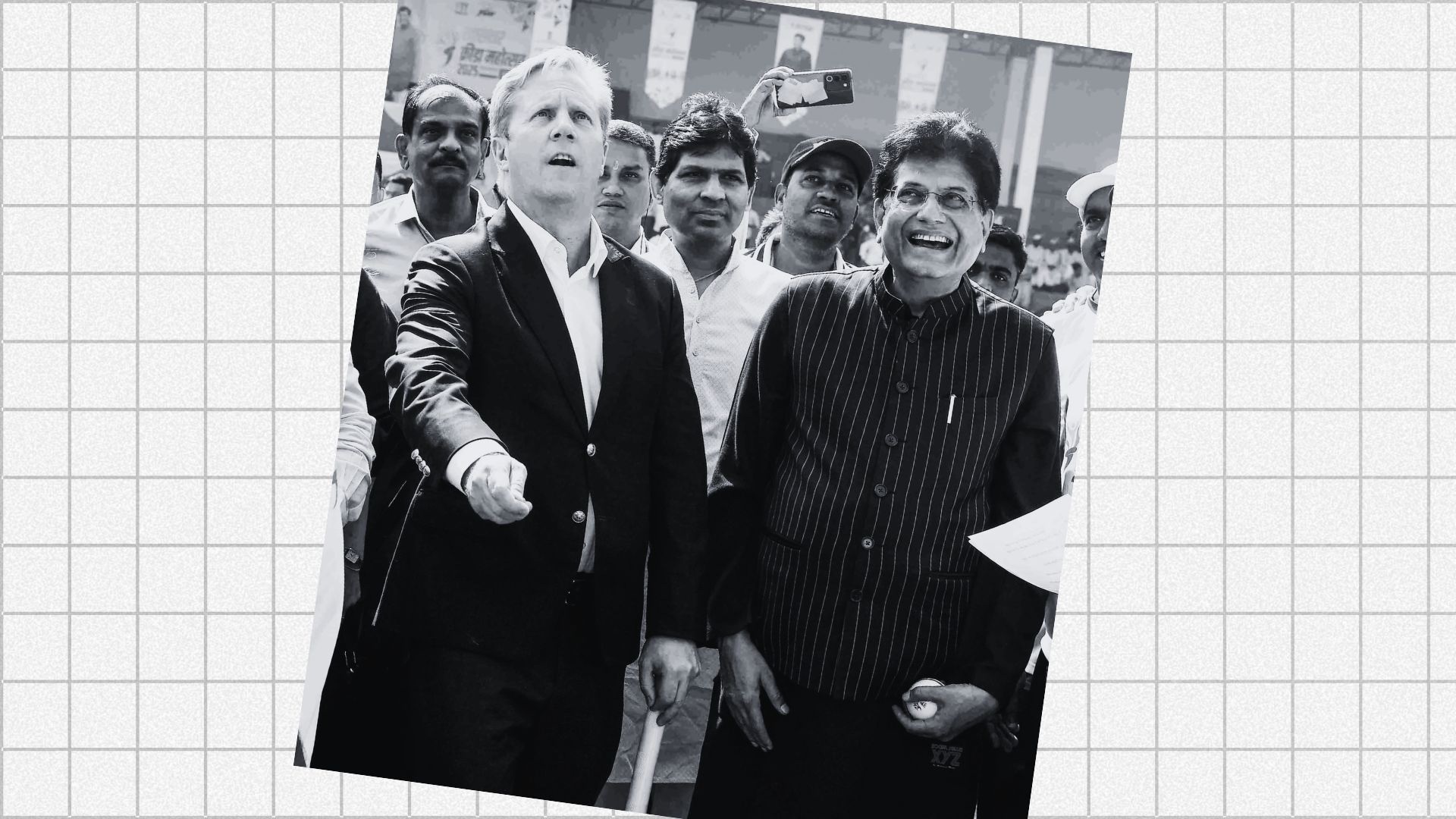
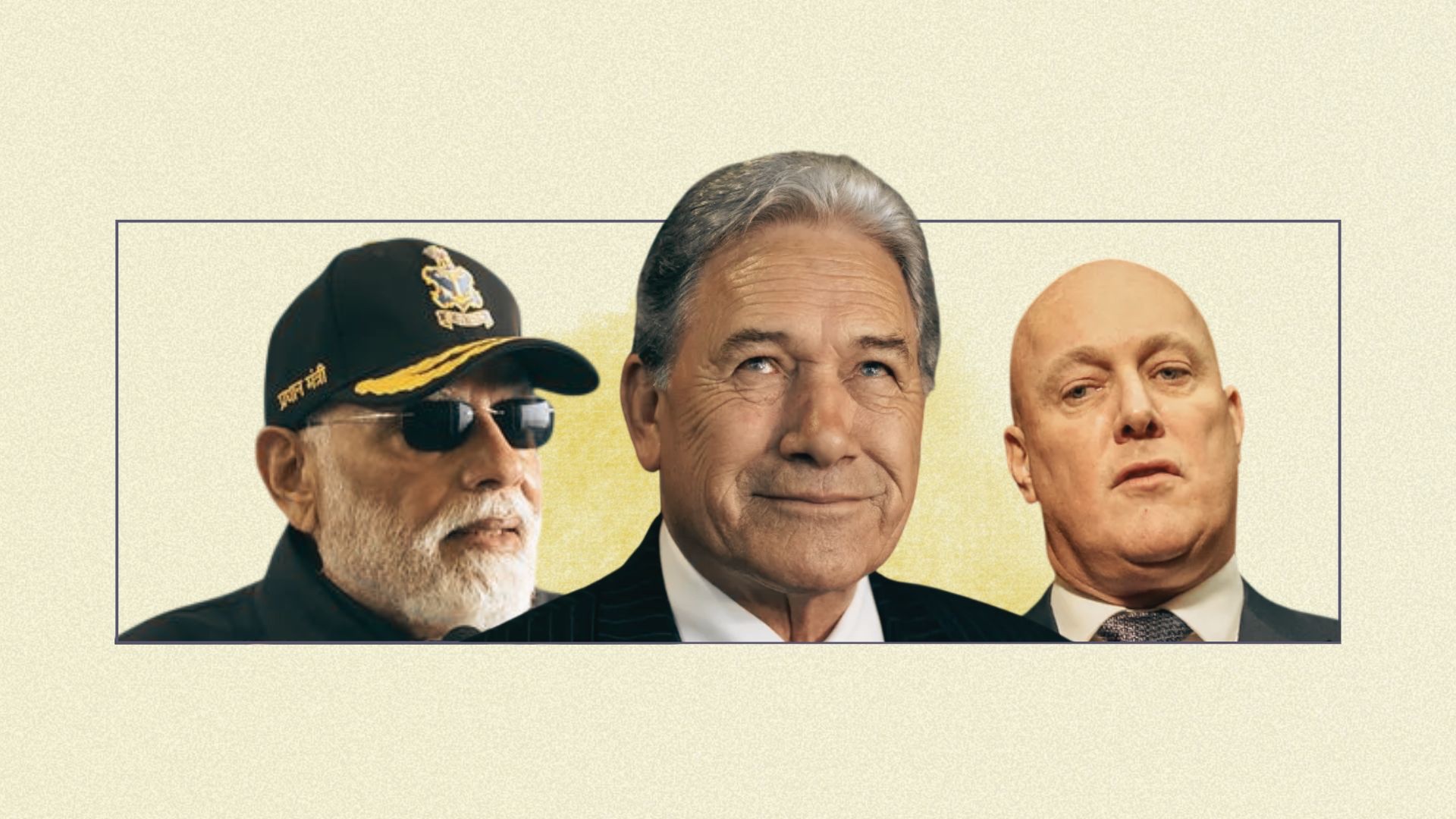
From left: Kushma Nair, Jeet Singh, Apulu Reece Autagavaia and Vi Hausia.
Twice now, the Otara-Papatoetoe Local Board has been handed a moment that required restraint.
Opinion: Last evening, on April 21, the Otara–Papatoetoe Local Board met to decide its leadership. It was a routine vote, at least on paper. Seven members around a table, choosing a chair and a deputy.
The Labour-aligned bloc had the numbers. They used them to share the leadership among themselves. Apulu Reece Autagavaia and Vi Hausia. It was all procedural and tidy. And yet, it felt familiar in a way that should make people uneasy.
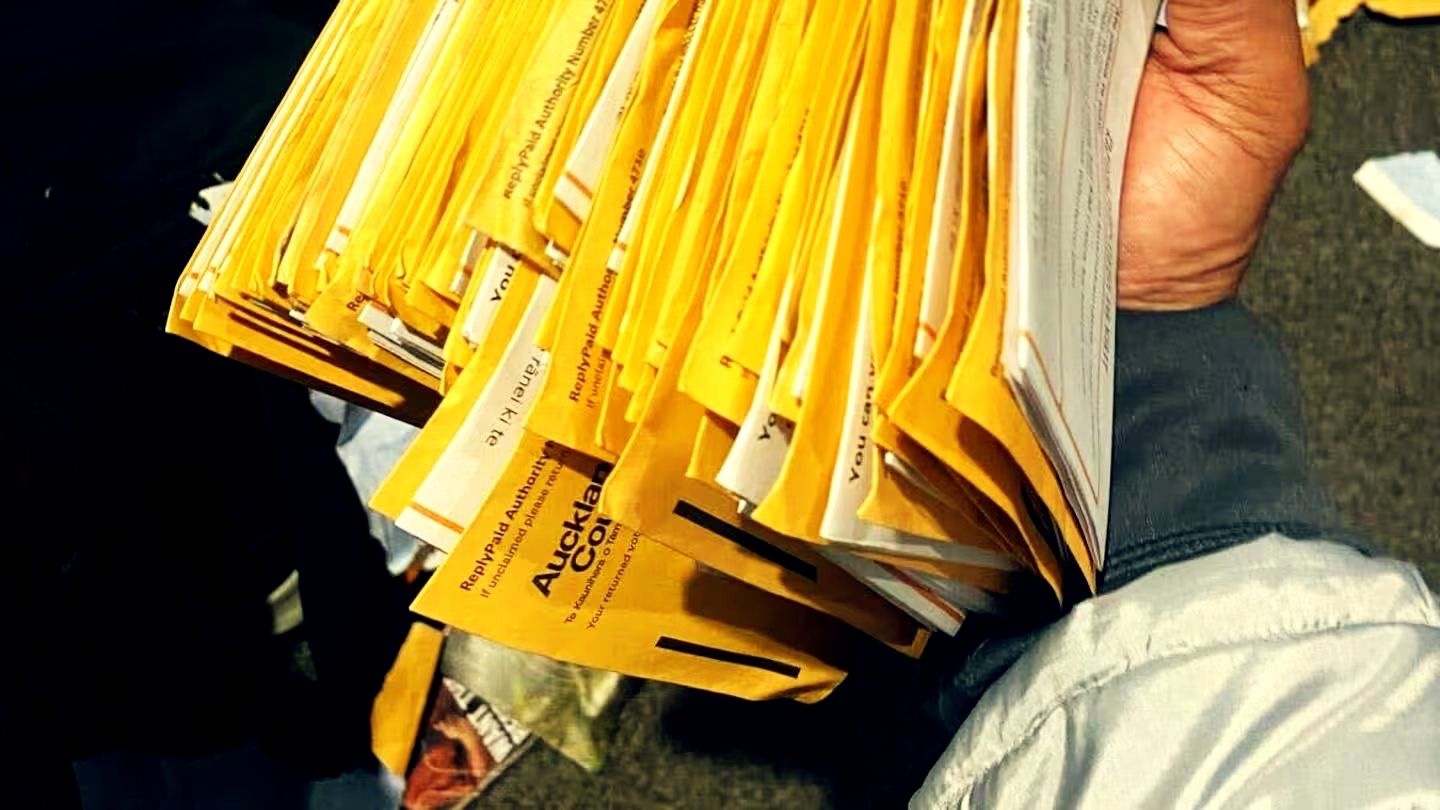
Race relations don't get do-overs very often. This one came wrapped in embarrassment. A voided election in the board's Papatoetoe subdivision, allegations that dragged the process into courtrooms, and a sense that something fundamental had gone off track. Then came the reset. Vote again. Say it properly this time.
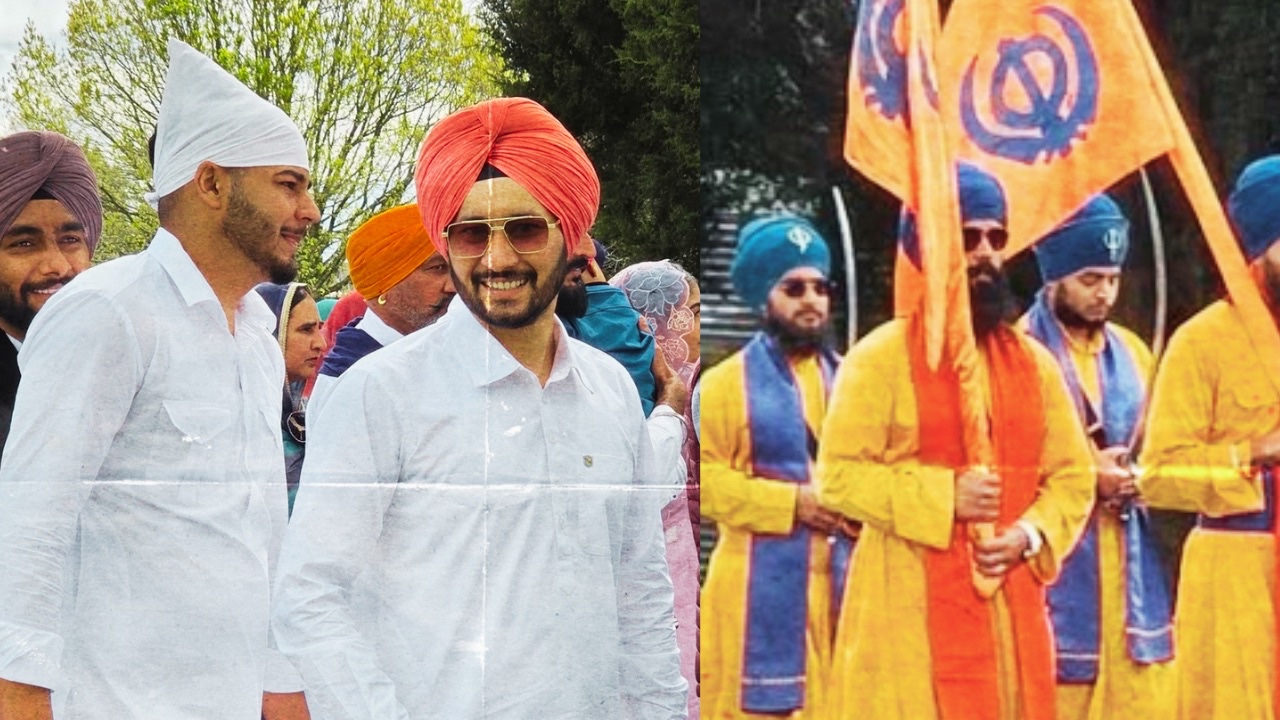
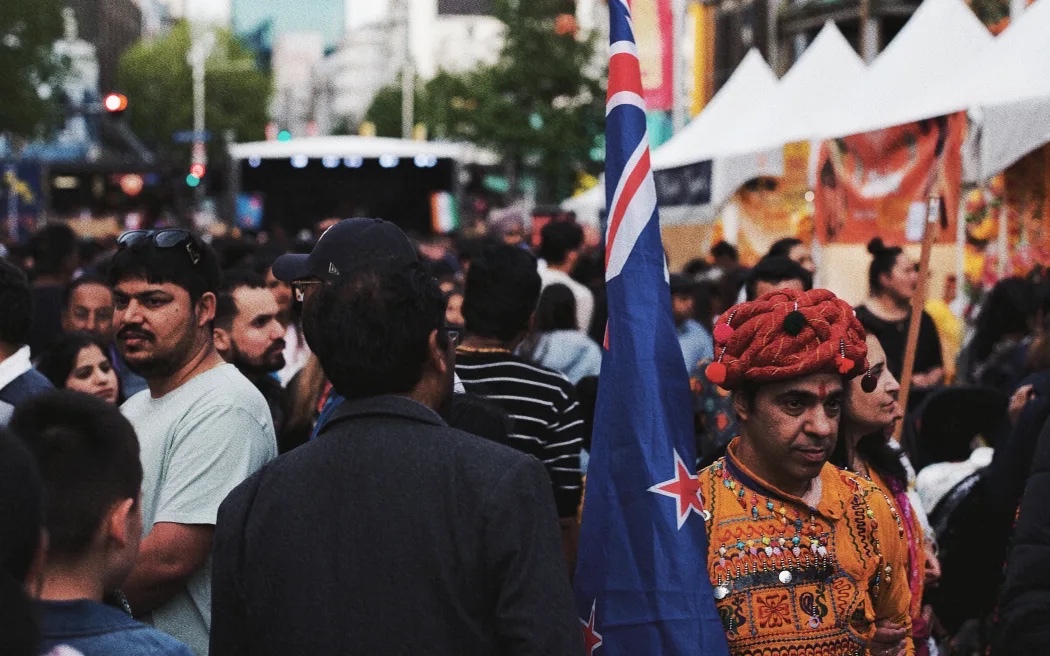
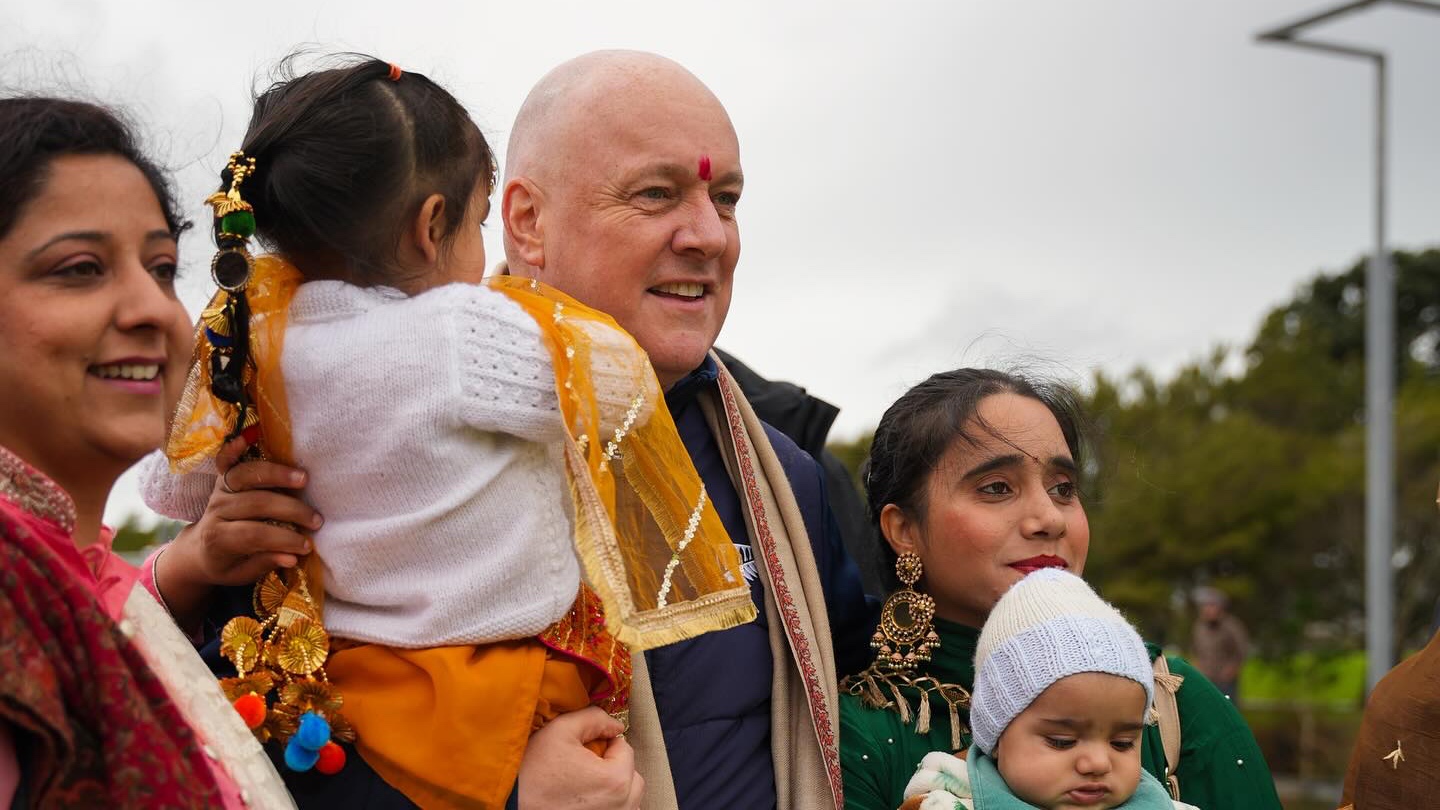
The voters did. The result was clear, but not absolute. Three of the four Kiwi-Indians from Papatoetoe-Otara Action Team (POAT) who won last year were voted back to power.
The fourth seat, this time, went to Vi Hausia. That handed Labour the controlling vote in the seven-member board.
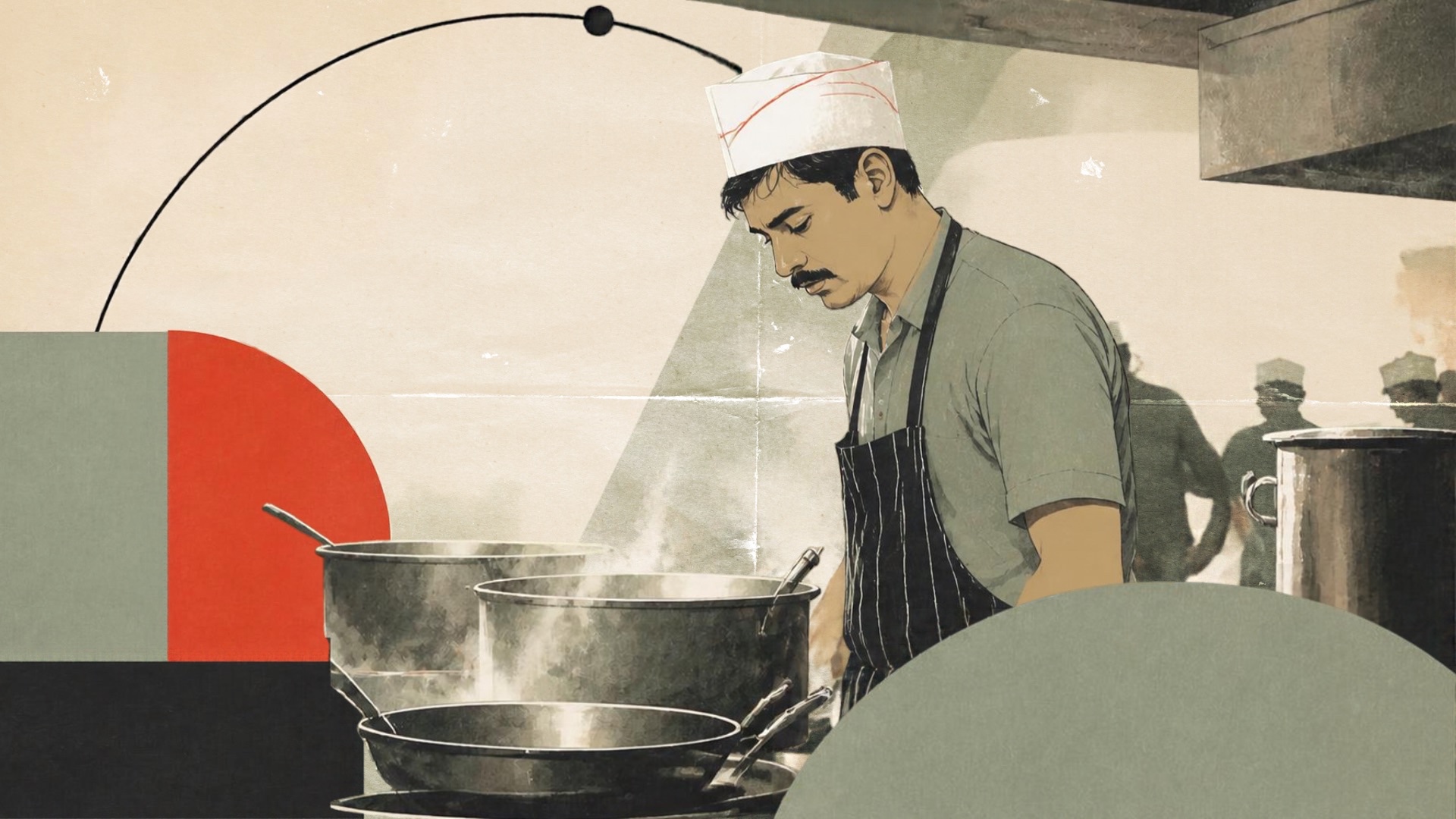
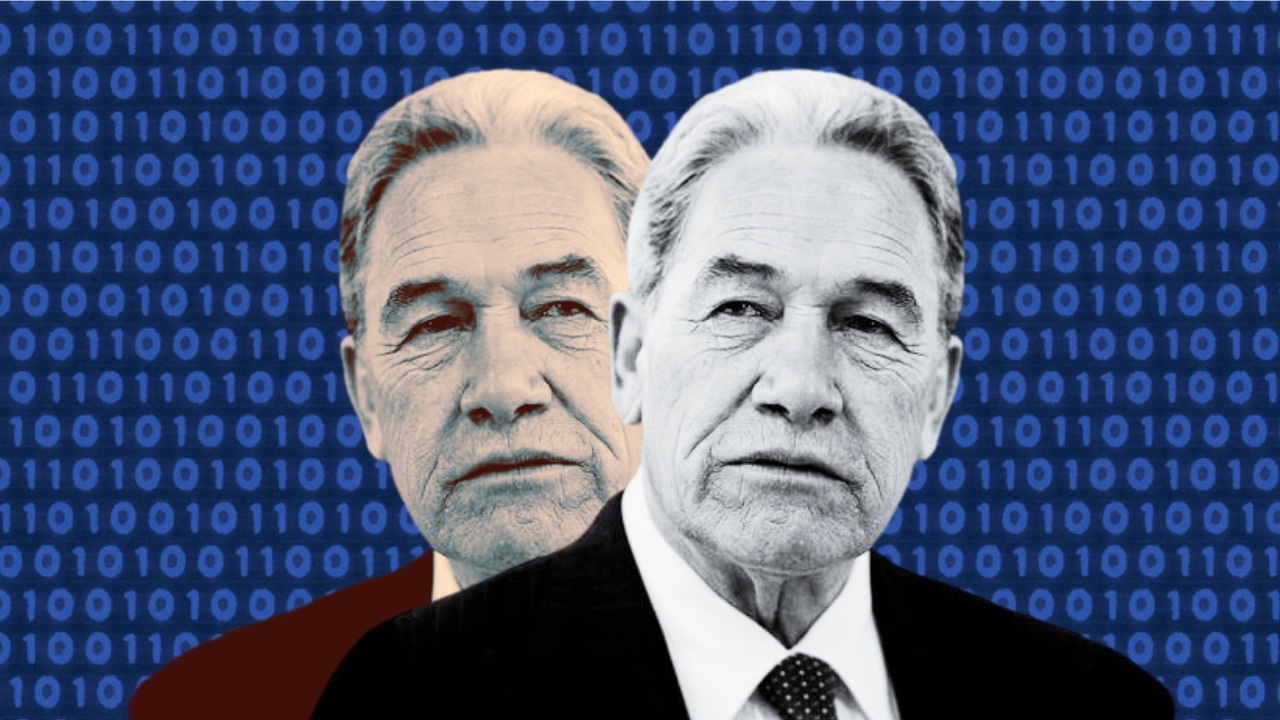
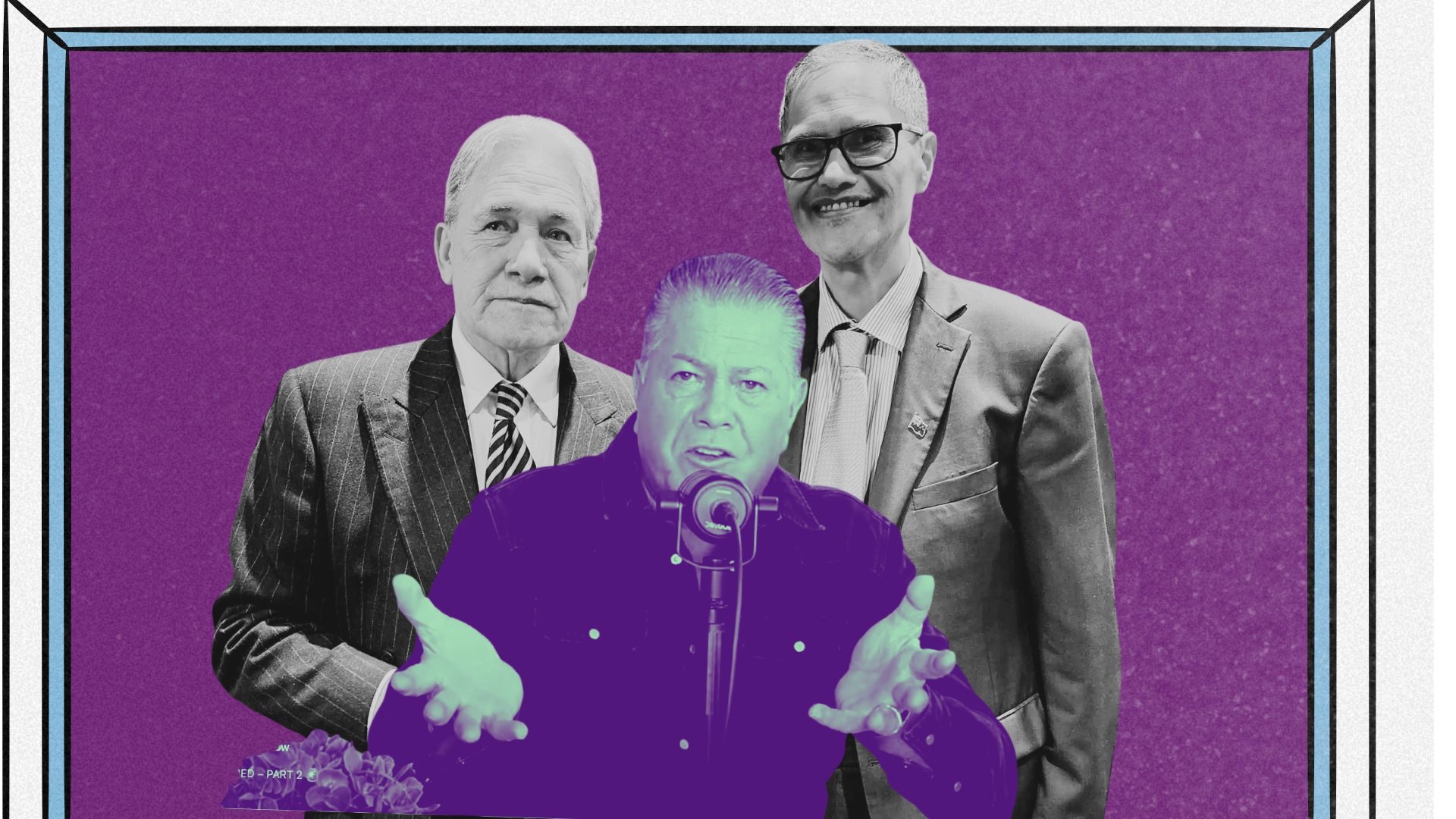
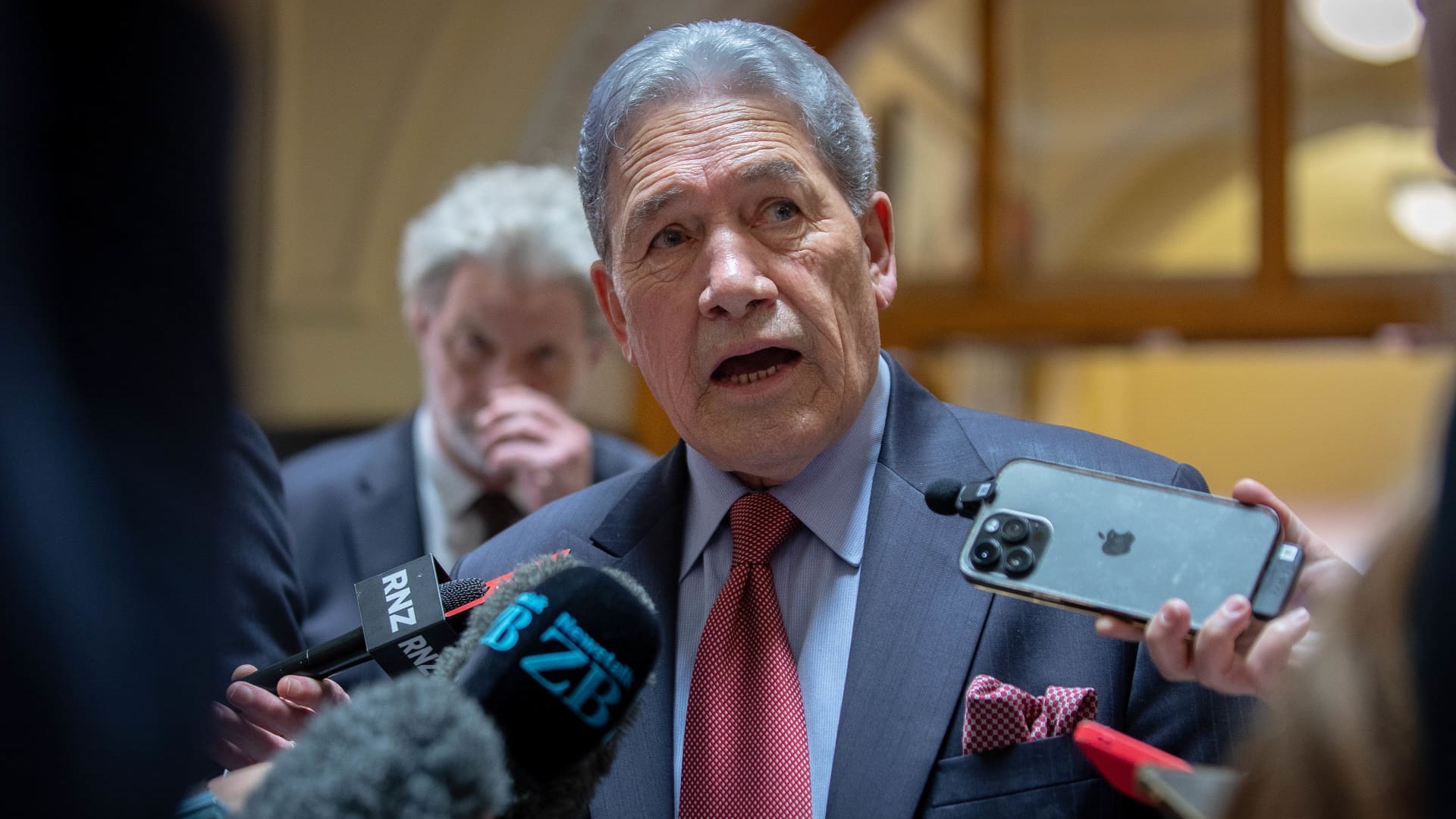
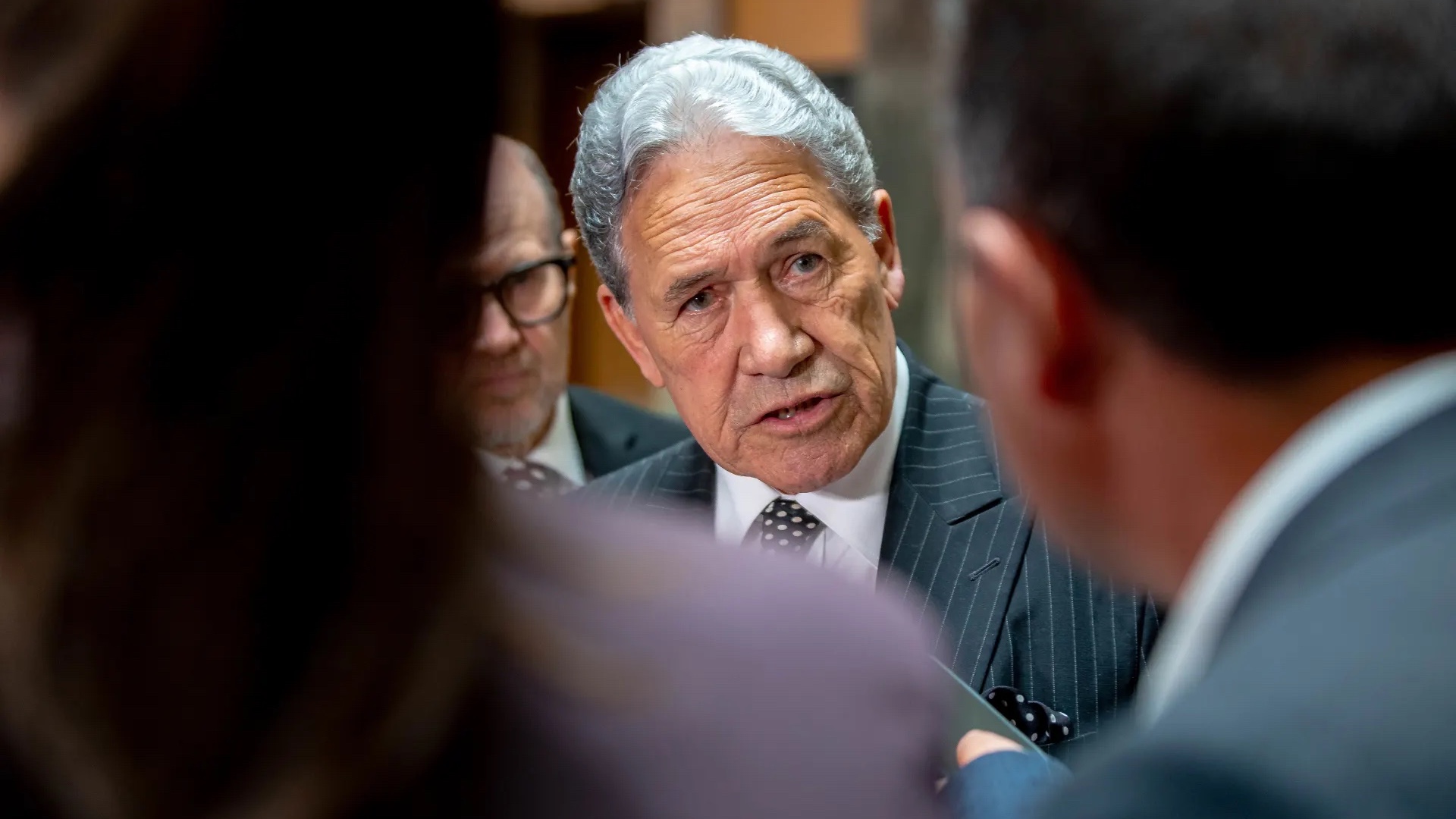
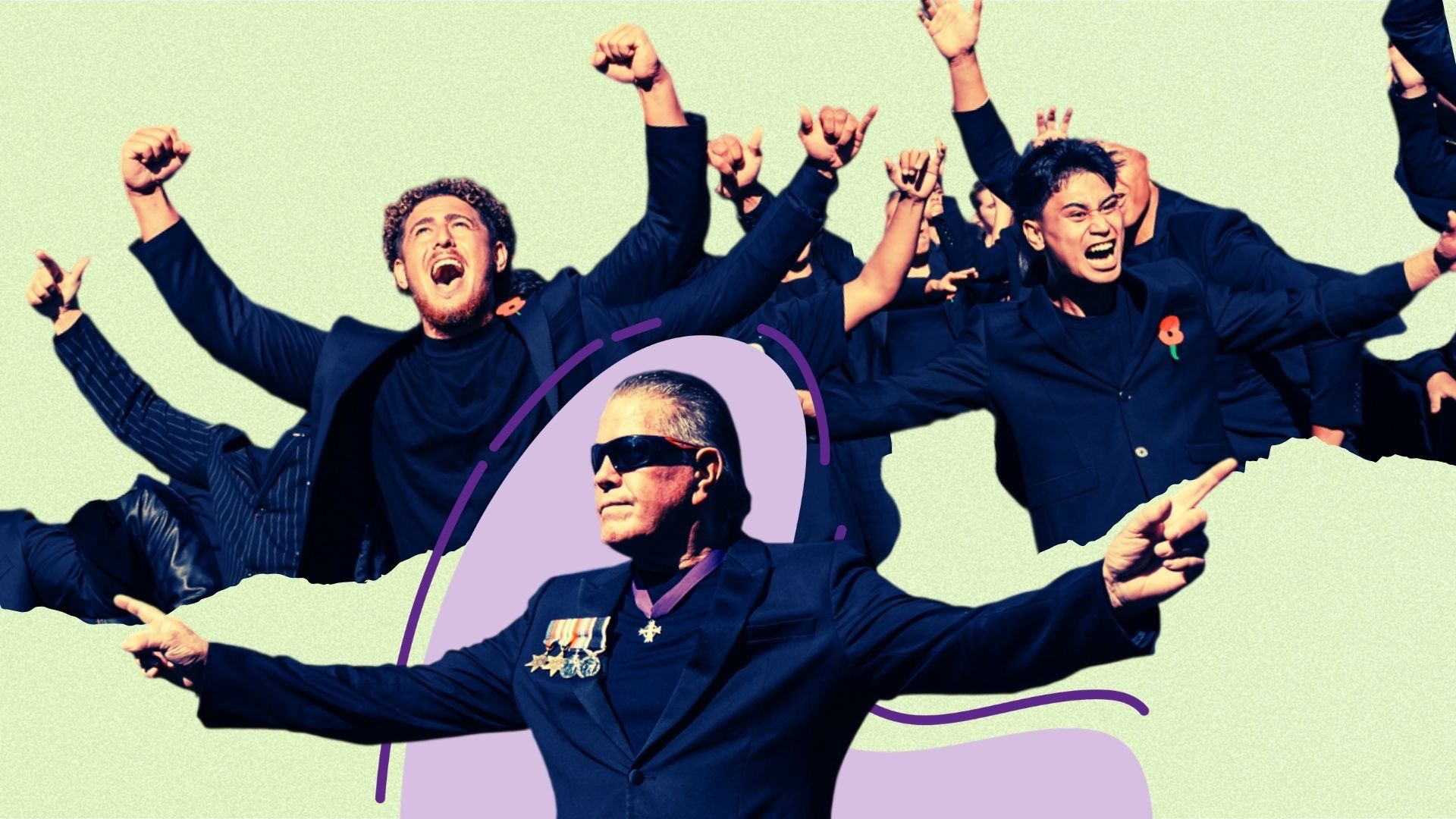
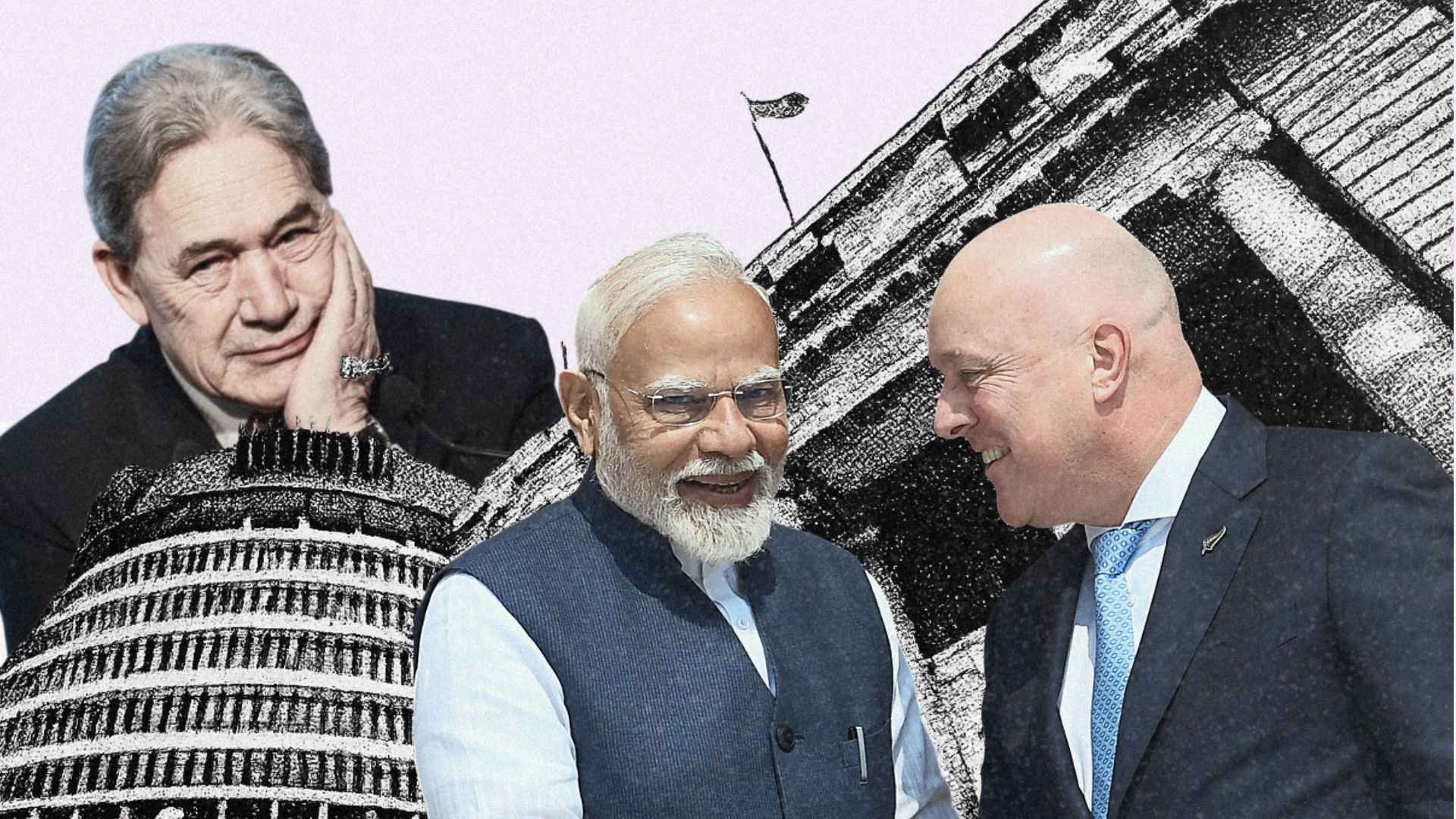
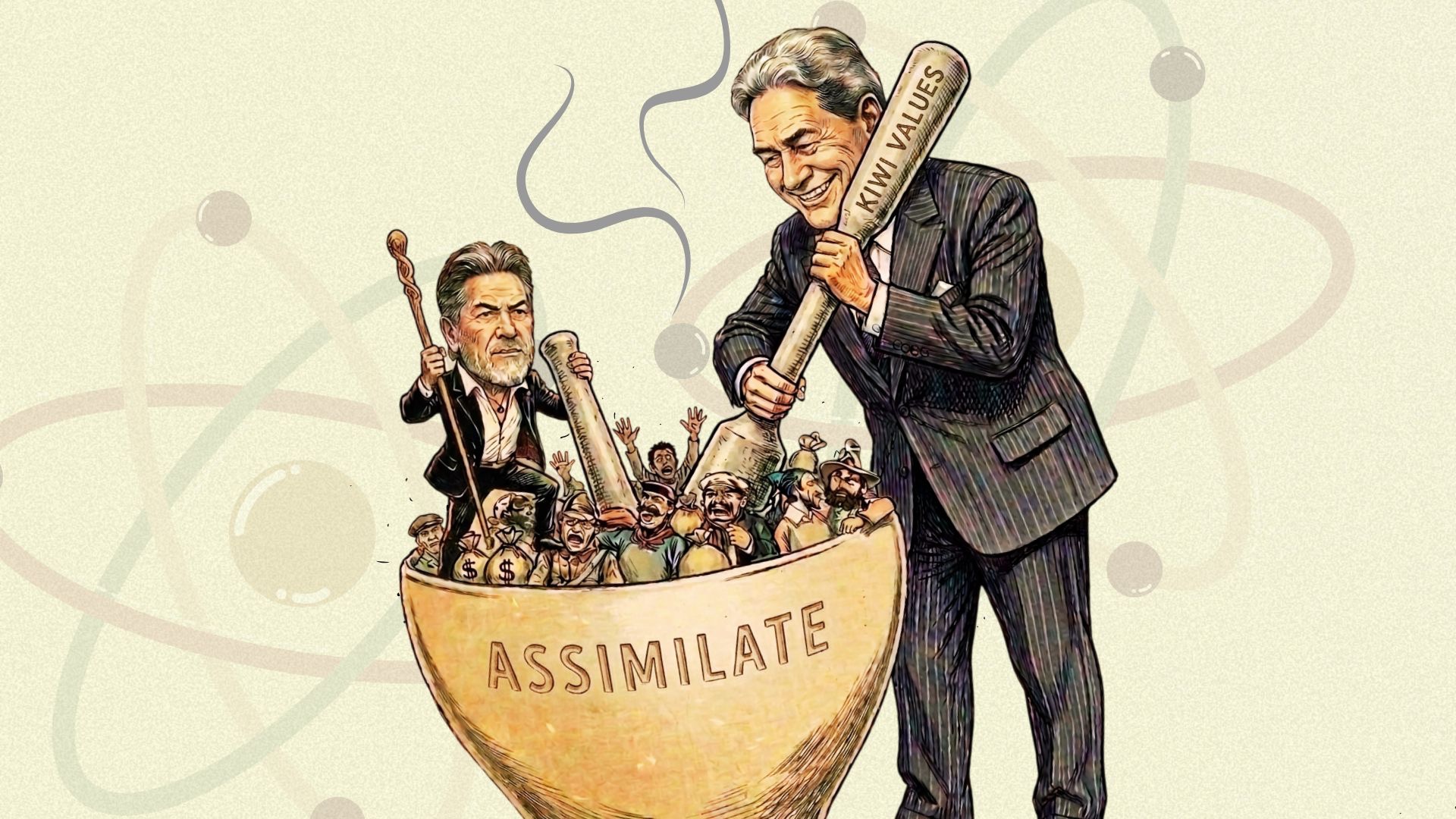
Out Loud: Winston Peters wants migrants to assimilate. But he keeps seeing us as migrants If acceptance matters, can assimilation be only a one-way obligation?
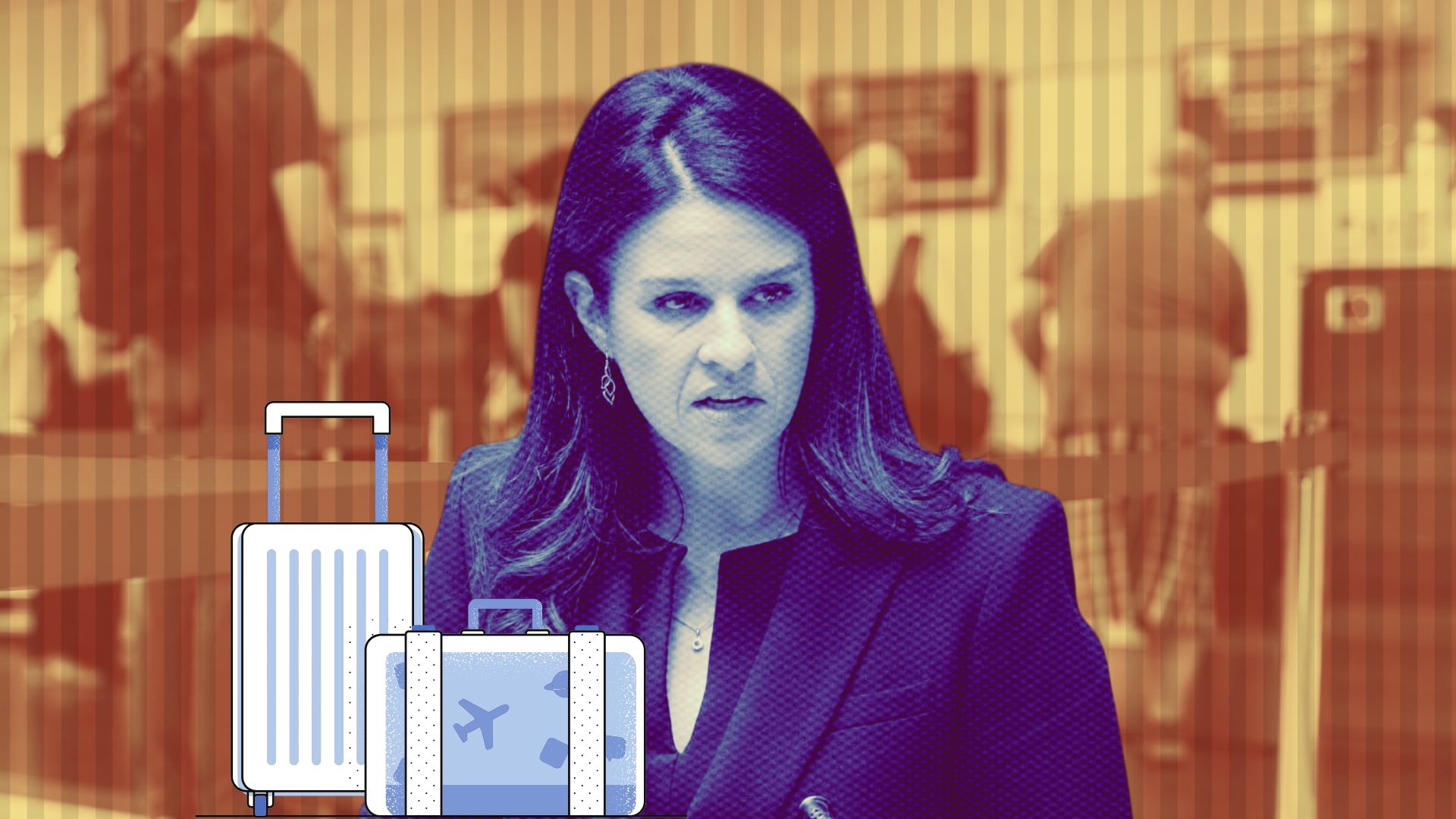
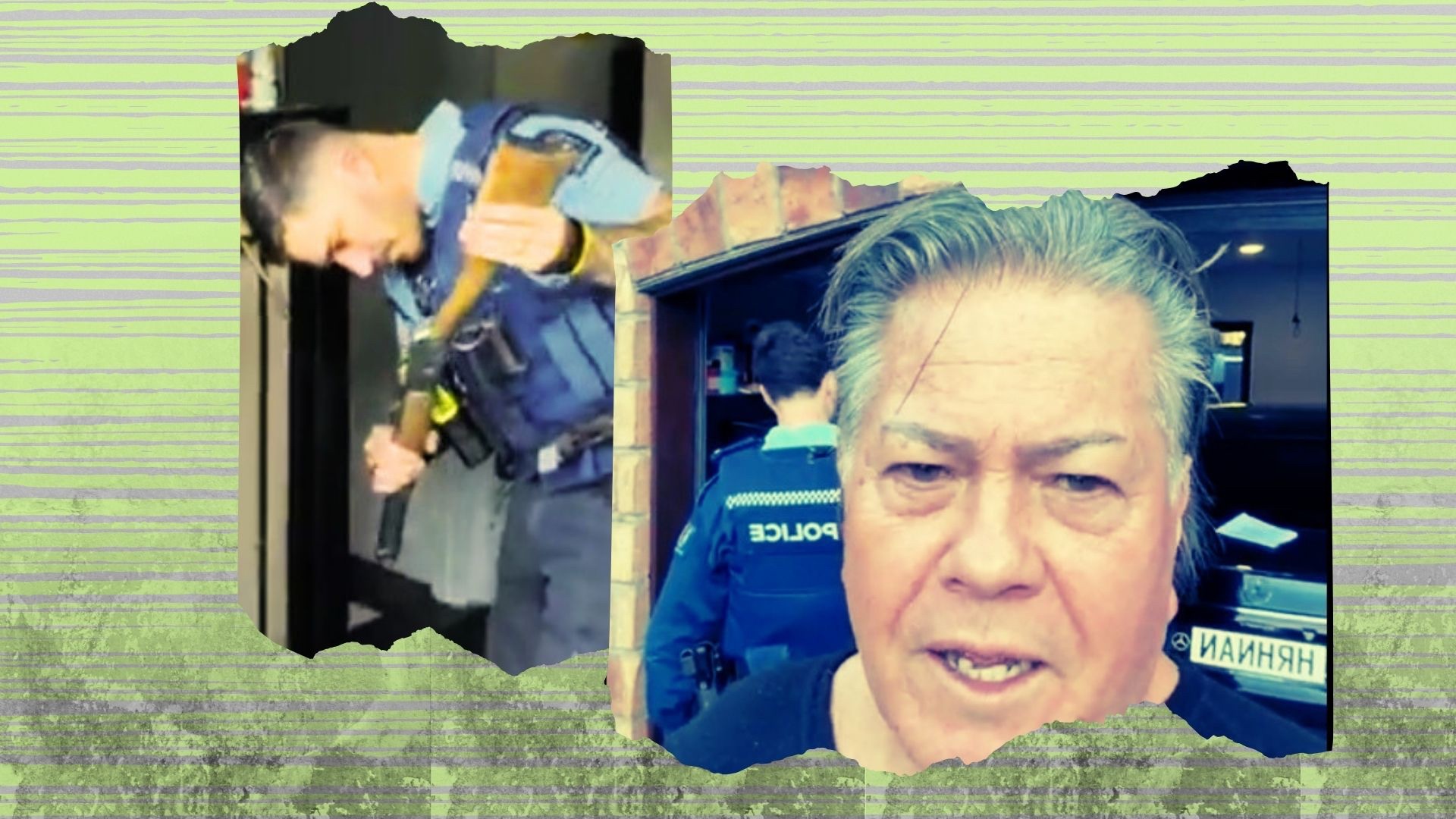
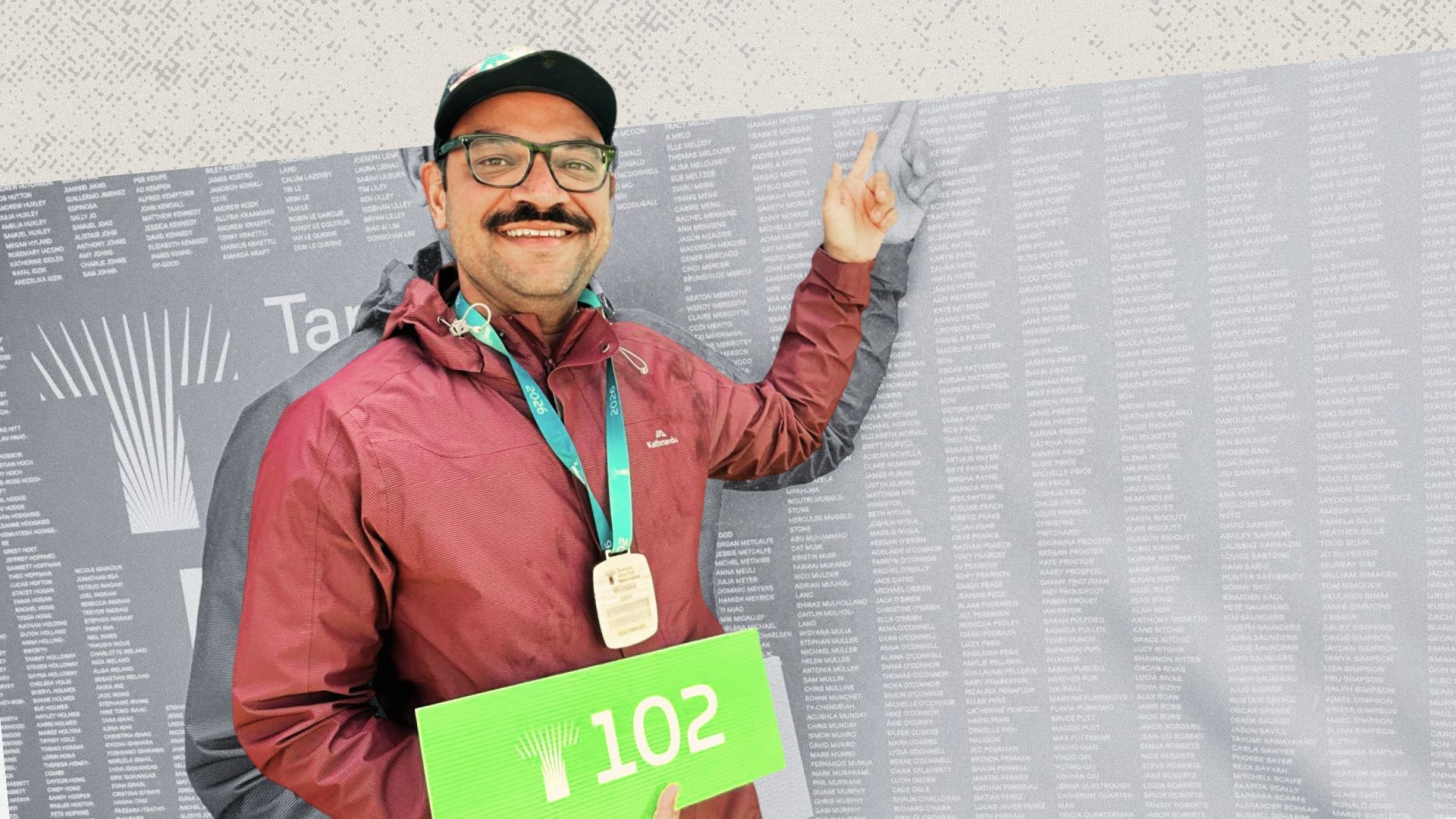
Woman says marriage at risk as husband's drink-driving conviction jeopardises NZ residence The Indian woman fears family backlash, social rejection and pressure to remarry if she is forced to return.
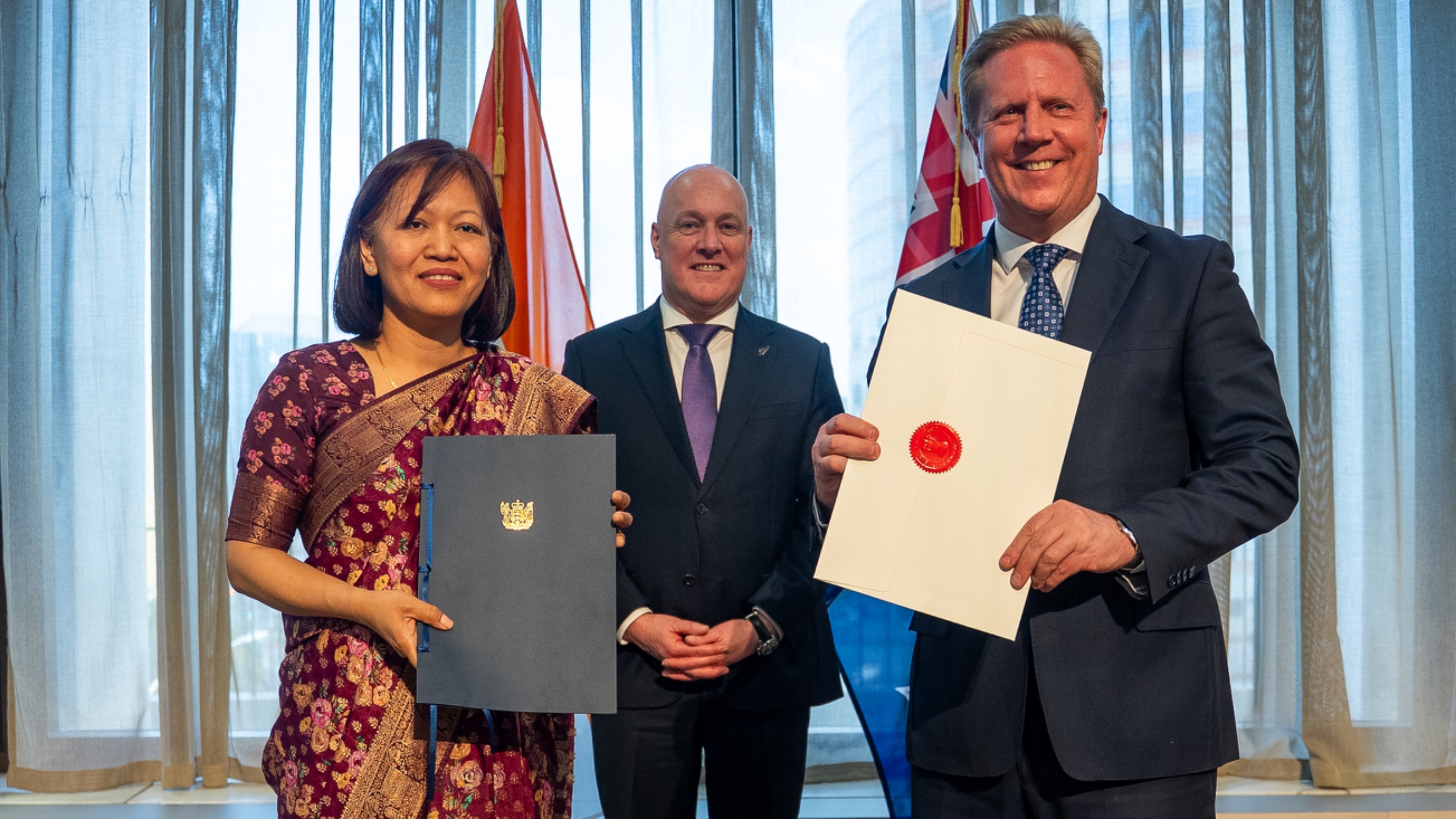
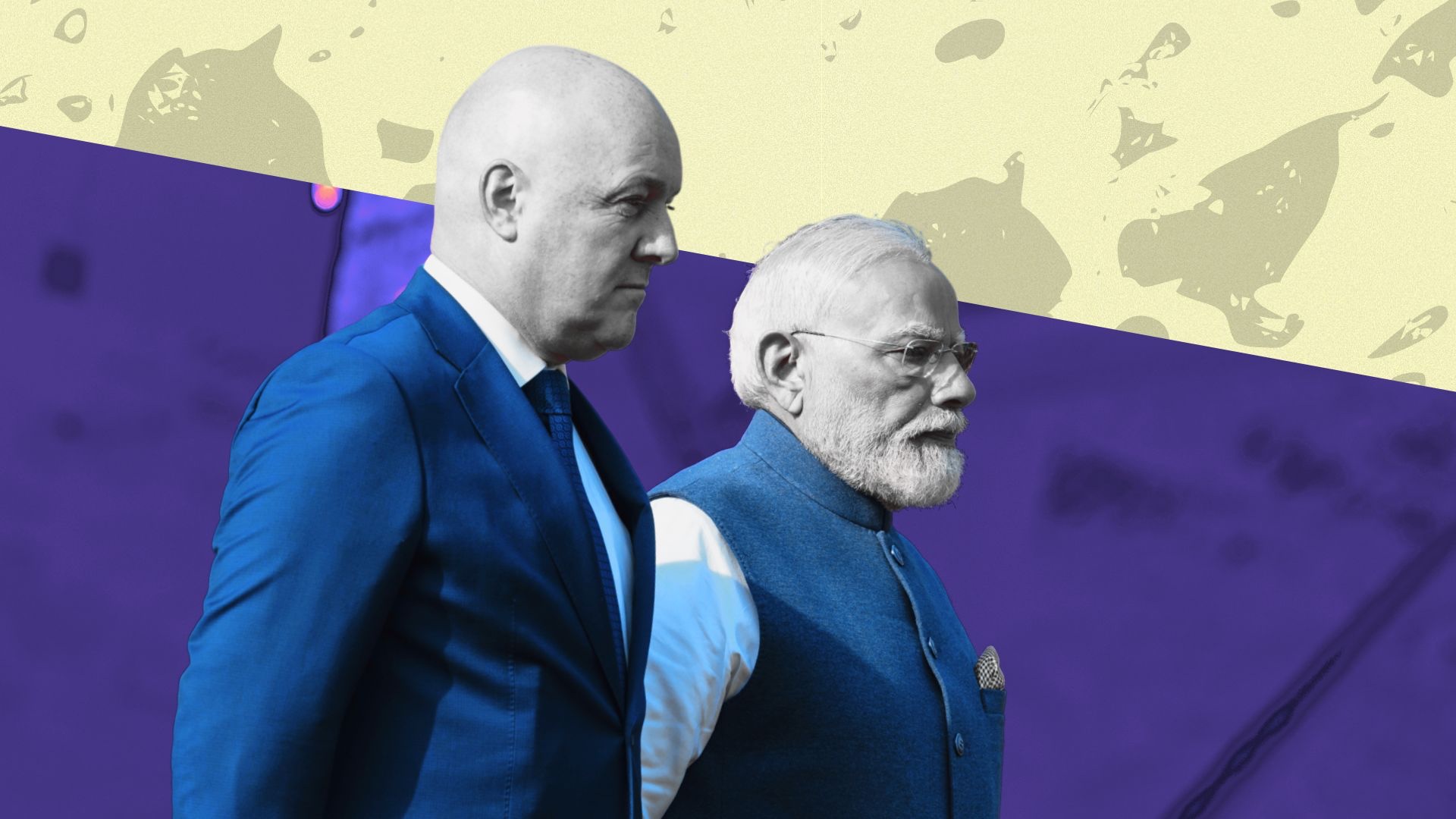
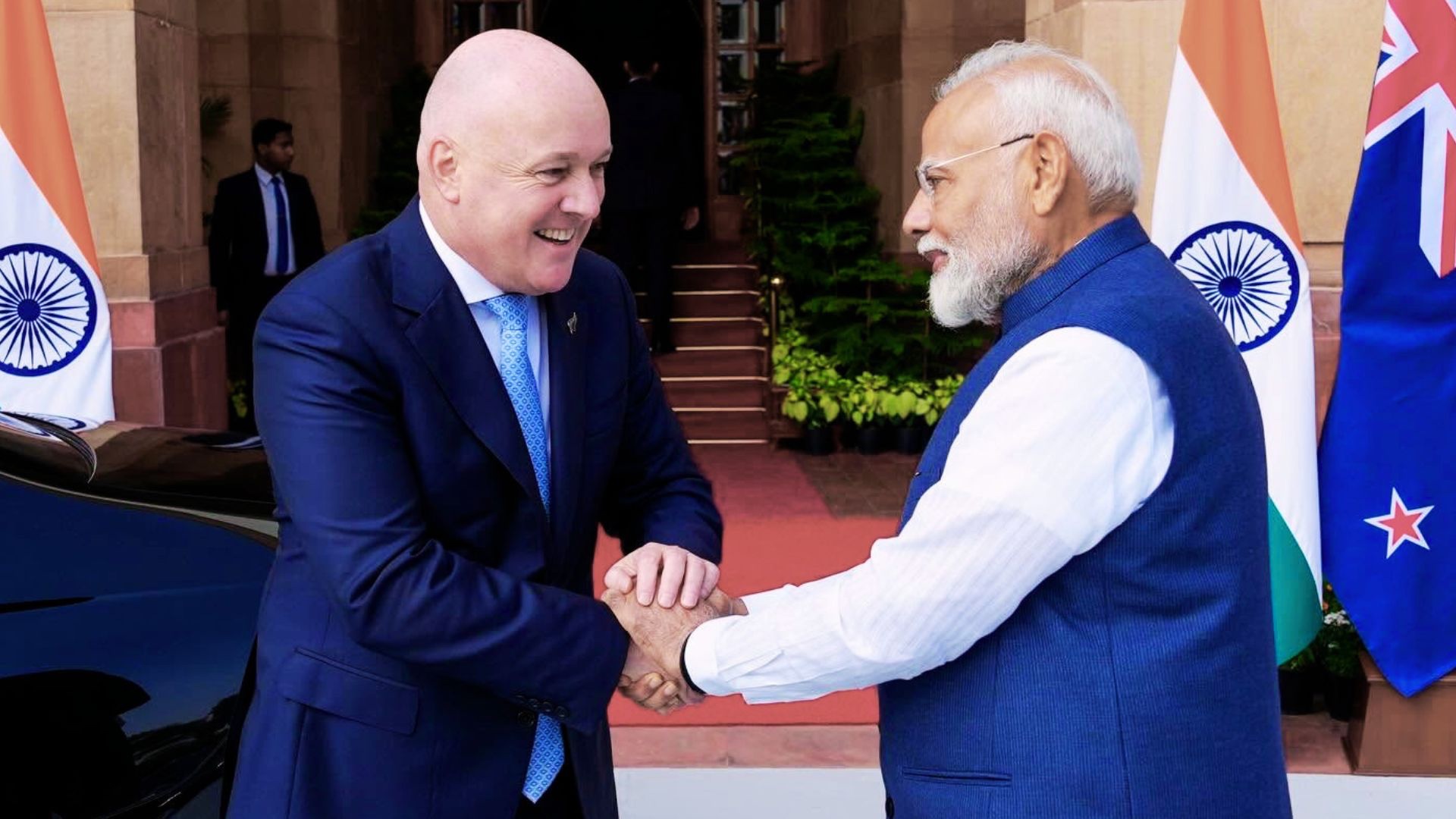
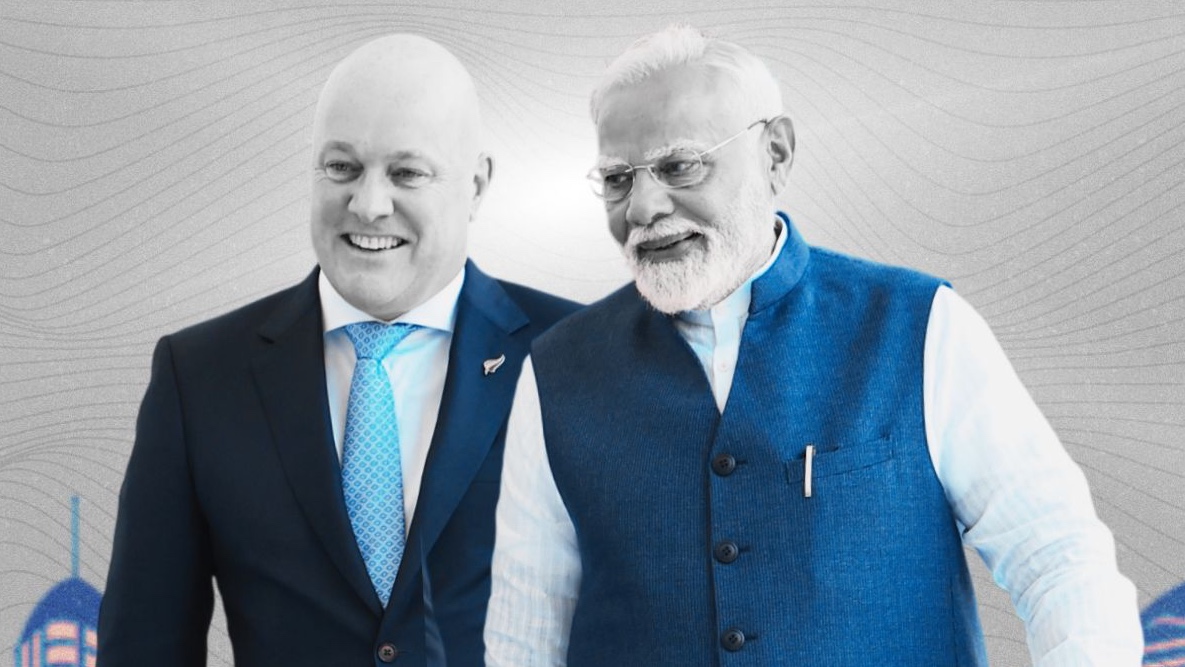
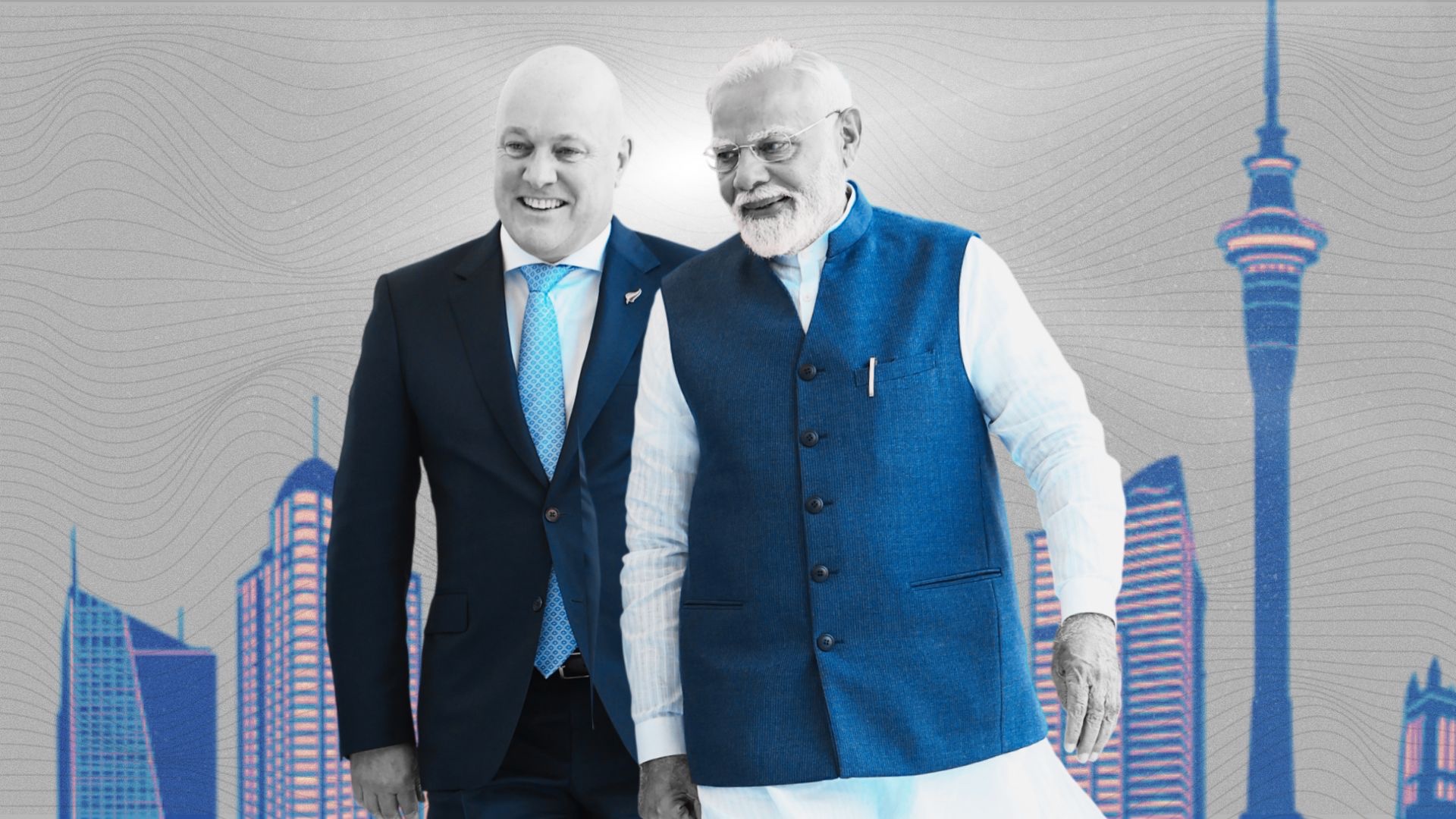
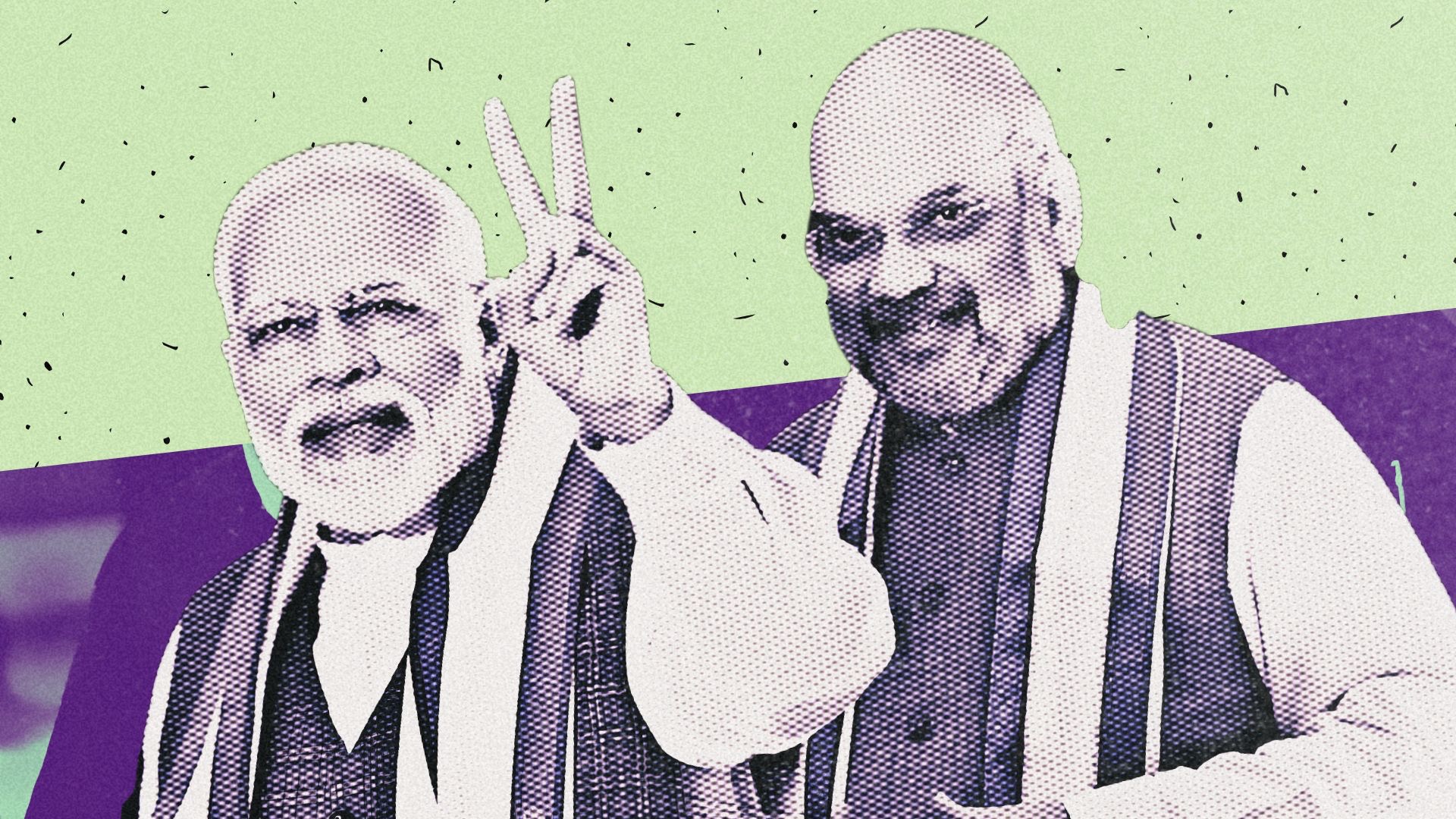
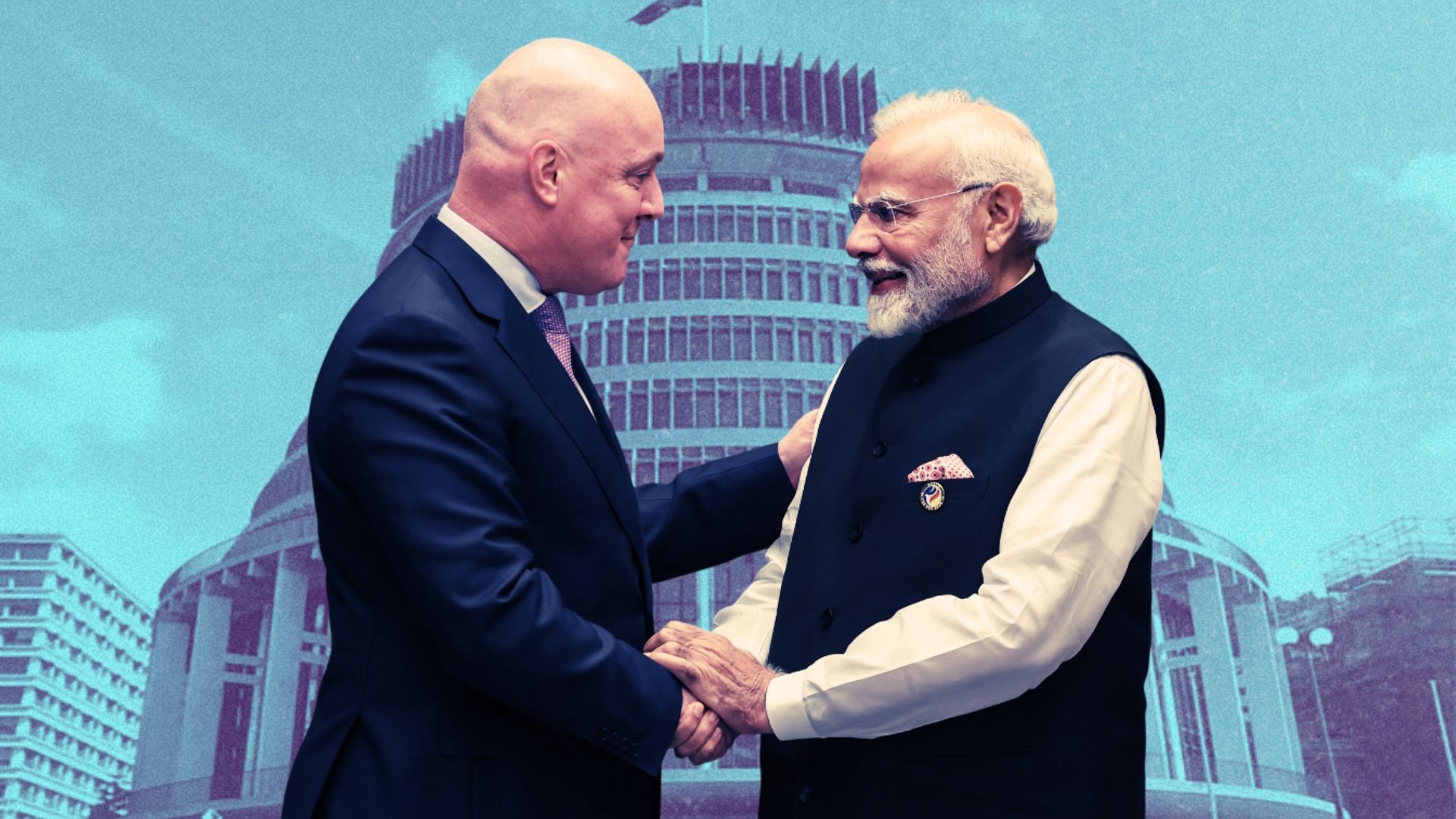
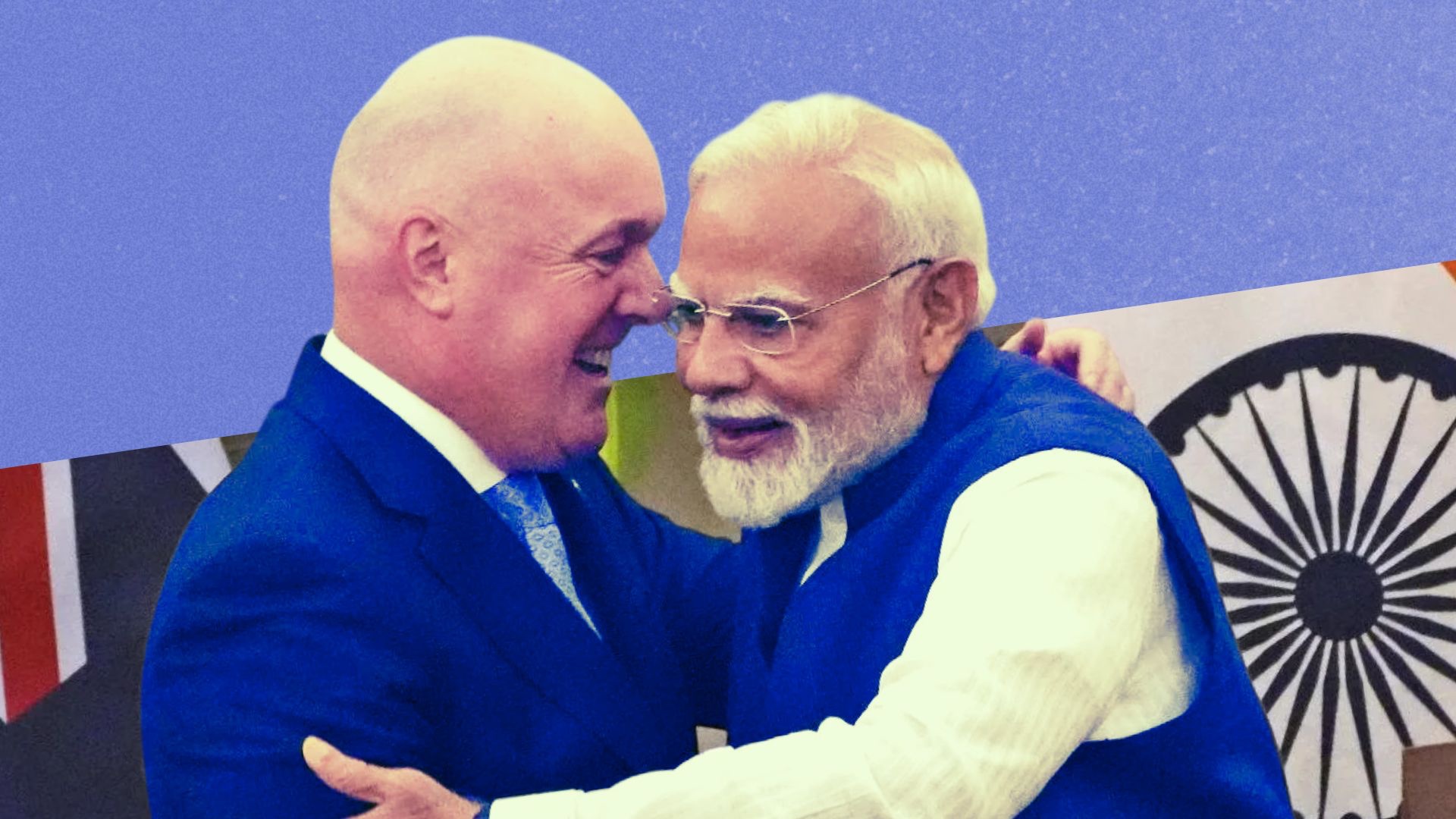
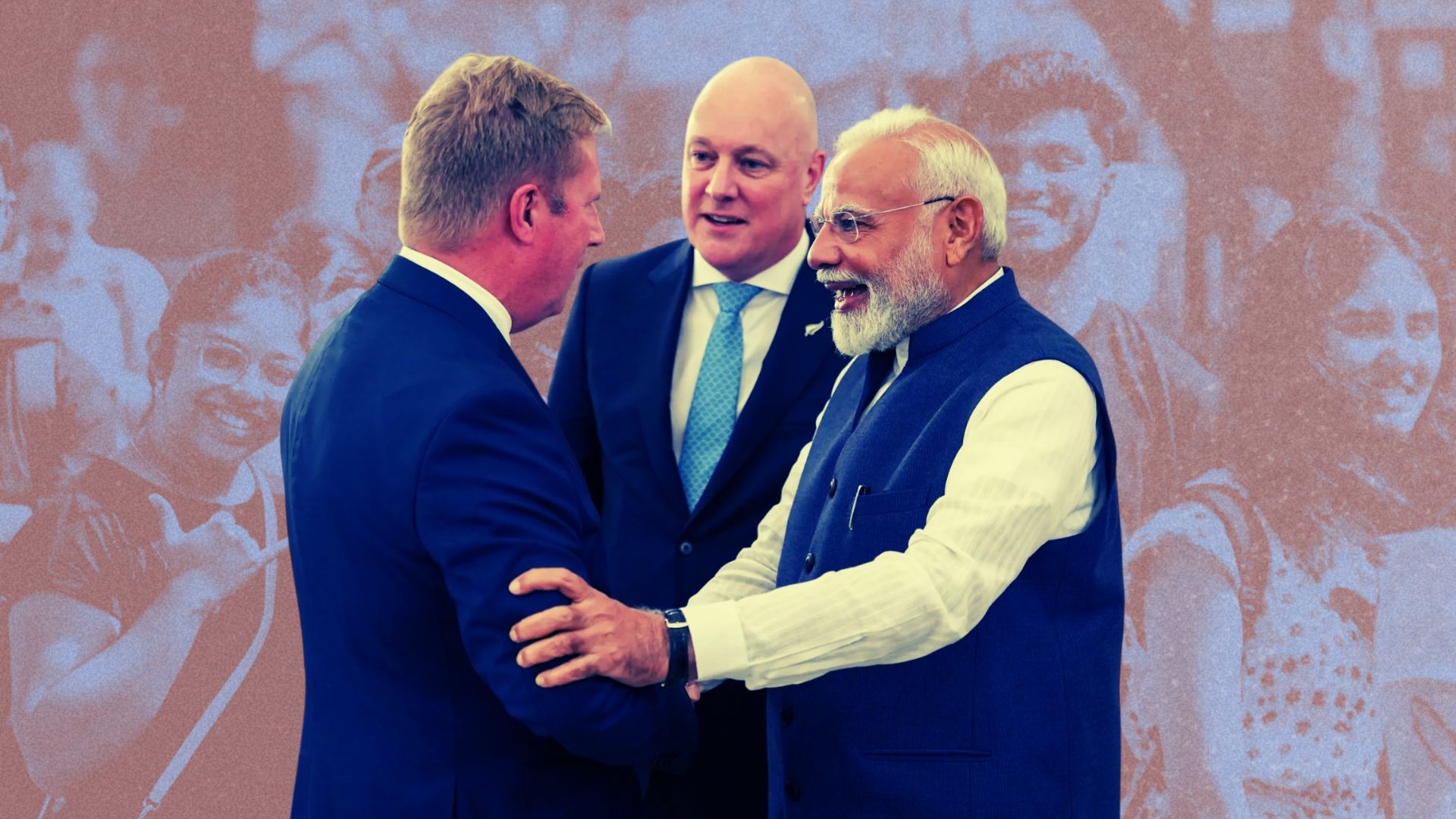
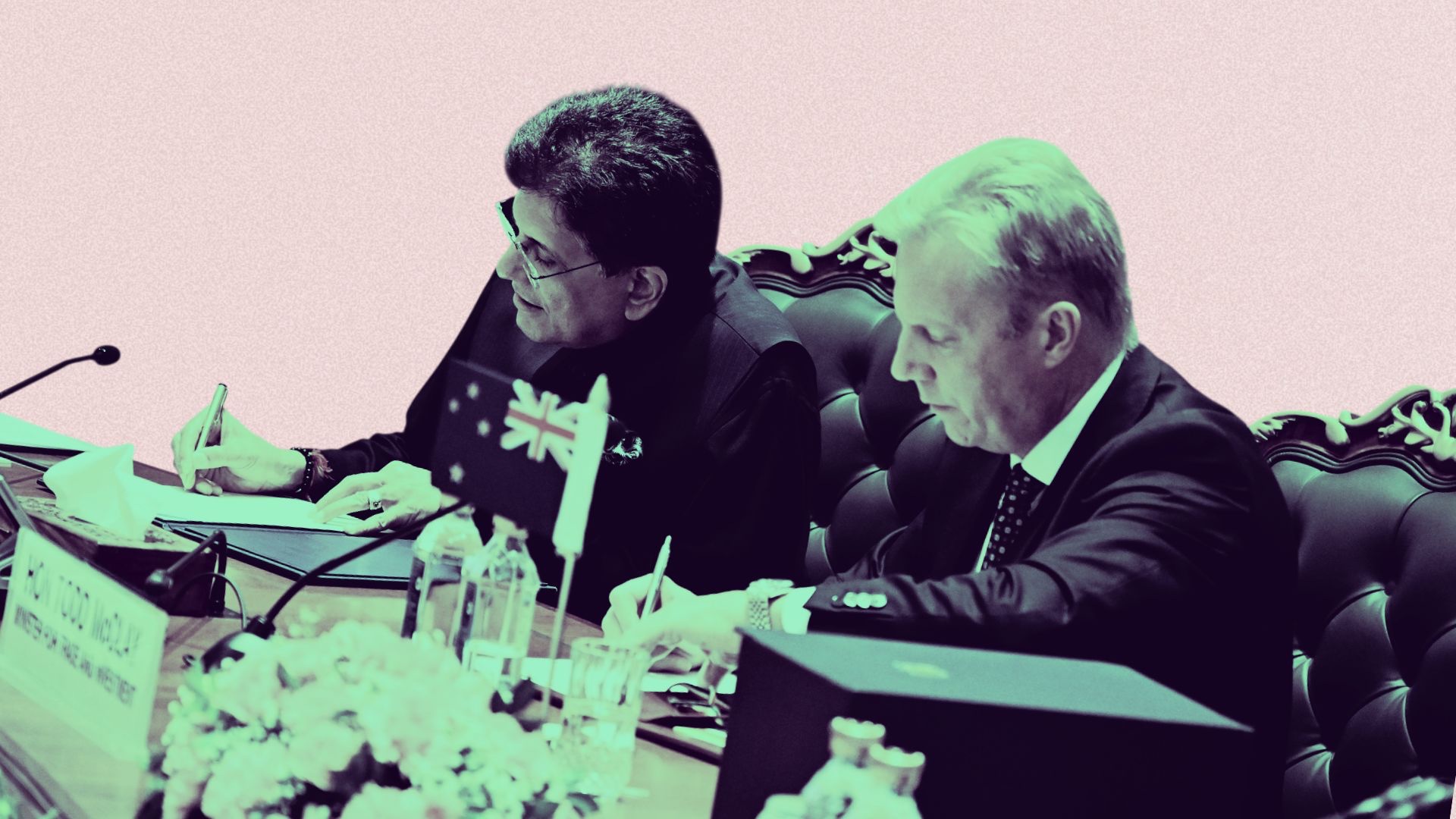
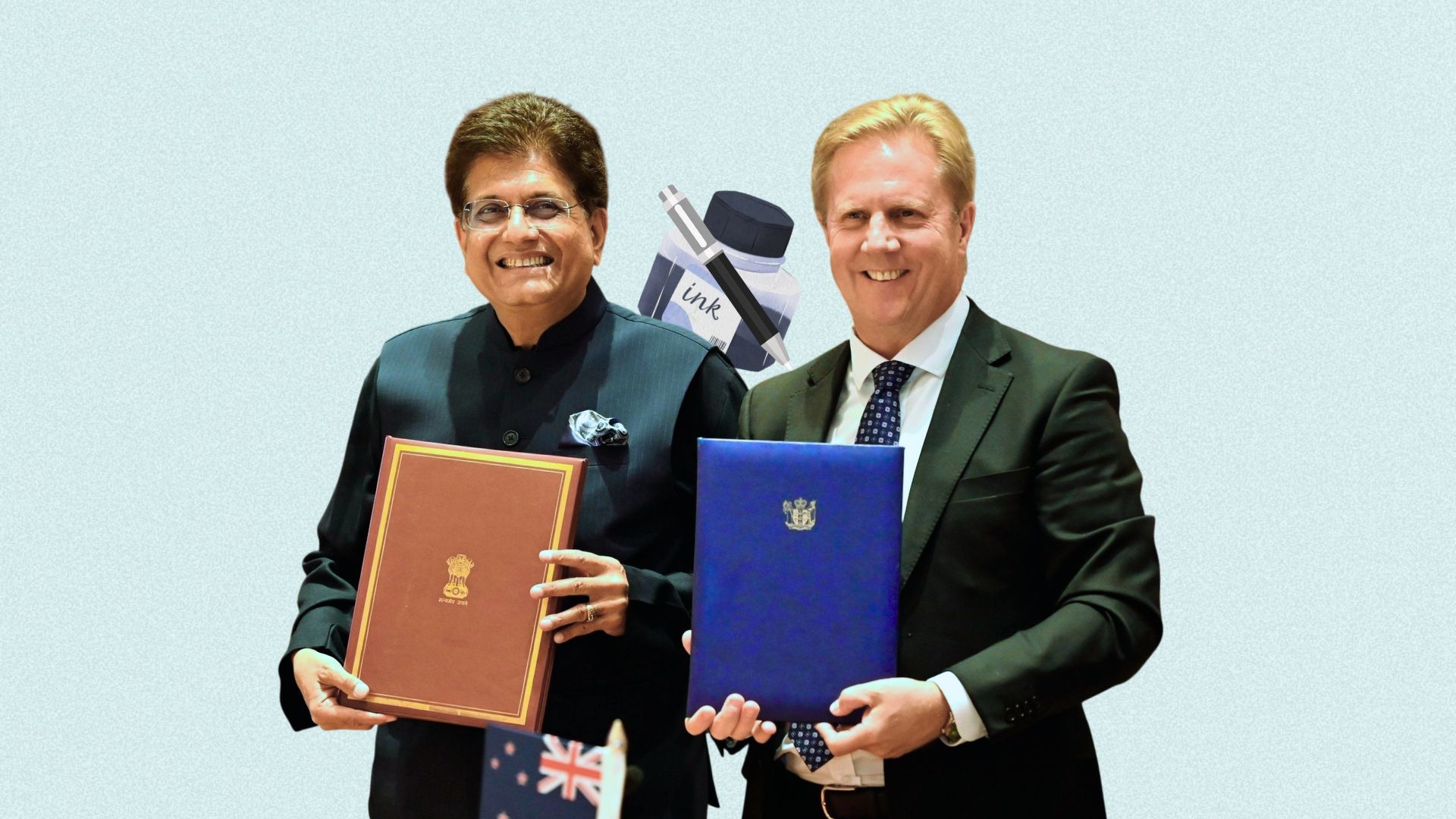
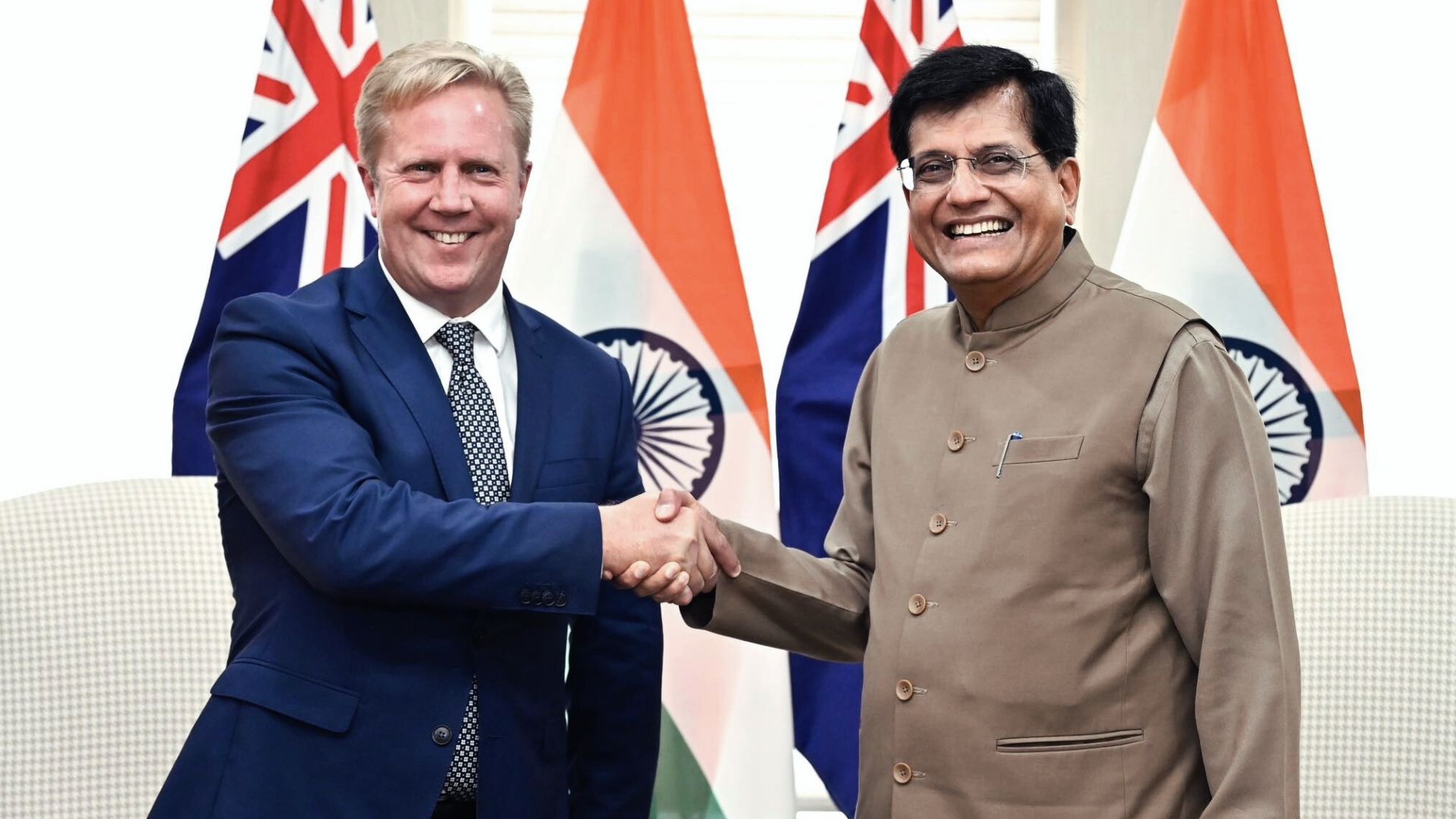
'Highest quality deal': NZ-India free trade agreement officially begins "Big step towards doubling the value of our exports in 10 years."
To any astute politician, the message from Papatoetoe's voters was clear. Lead, but don’t take everything. Labour winners chose to take everything anyway.
The first time this story played out, last year, the mistake was obvious. POAT had won all four seats and used that majority to take both the chair and deputy roles.
It was legal, clean, entirely within the rules. But it was politically clumsy. A new majority, eager to assert itself, mistook victory for entitlement.
The backlash that followed wasn’t about procedure. It was about recognition. A place that had for more than a decade managed its diversity through informal balance suddenly saw that balance collapse in a single vote.
The re-election should have reset that. Not just the numbers, but the tone.
This time, POAT no longer had control. Labour, with the three Otara members and one Papatoetoe seat, did. Different majority, same arithmetic, and with it came a second chance. Not for voters, but for those now holding power.
The moment didn’t demand anything dramatic. Just enough awareness to read what had happened before and adjust accordingly. Share the leadership. Signal, quietly, that the lesson had landed.
Instead, the board followed the same logic it had rejected months earlier. Four votes on one side, three on the other. Chair to Labour. Deputy to Labour.
It’s tempting to see this as symmetry. It isn’t. It’s repetition. Twice now, this board has been handed a moment that required restraint. Twice, it has chosen control. The actors have changed but the instinct has not.
That matters more than it seems. Papatoetoe does not run on numbers alone. It runs on signals. On the quiet understanding that different communities, living in close proximity and watching each other closely, will see themselves reflected not just in who holds power, but in how it is used.
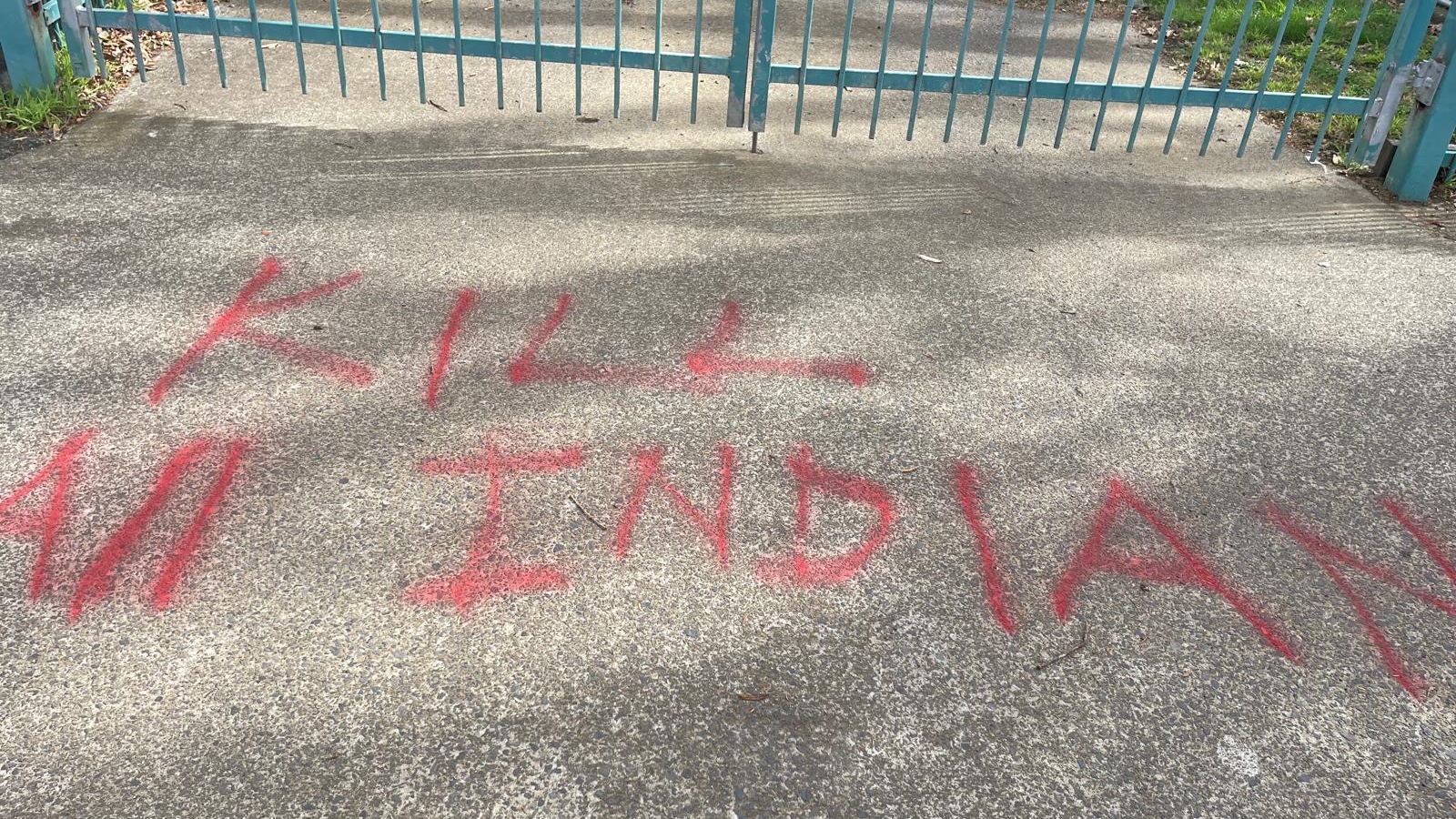
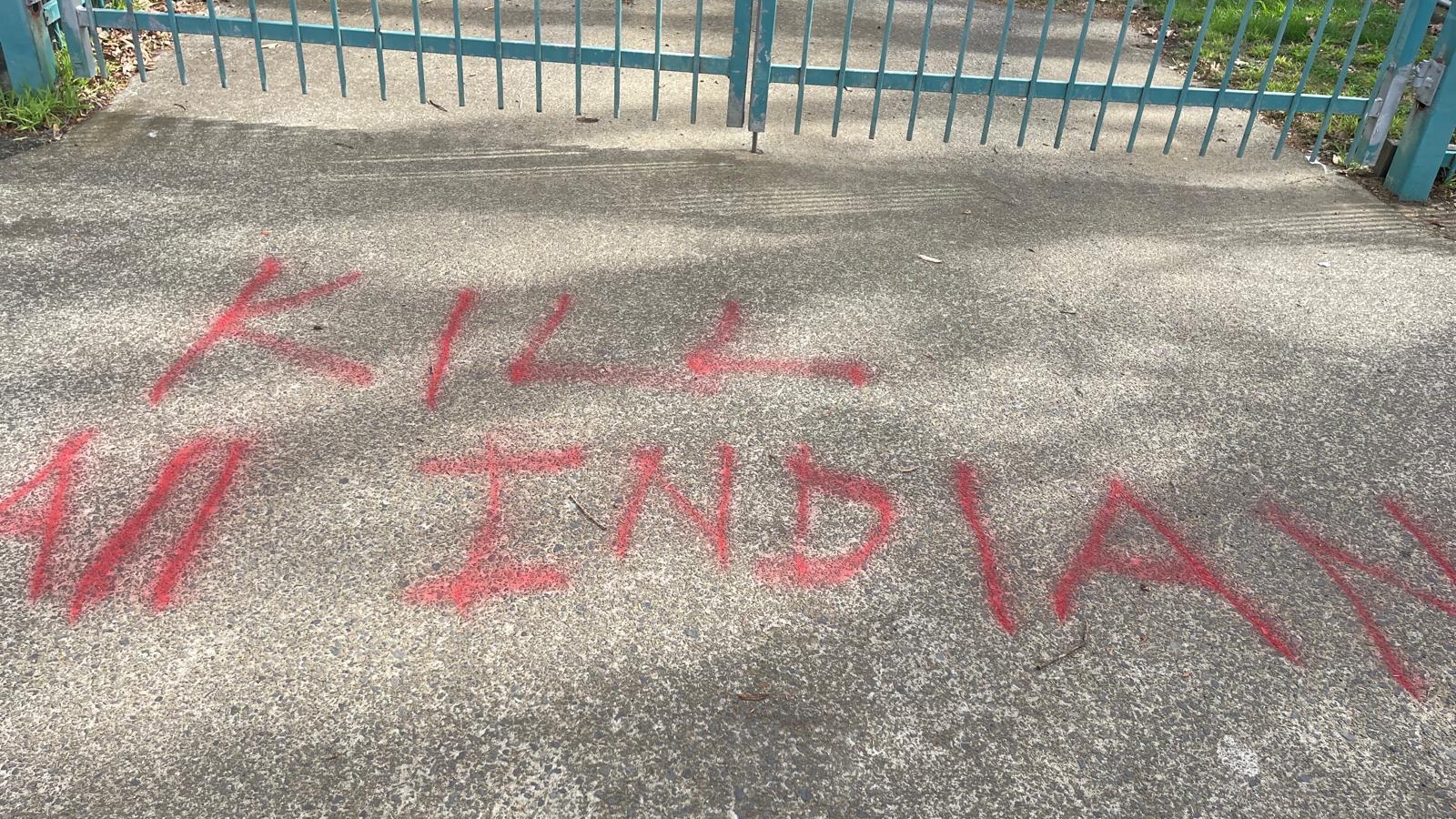
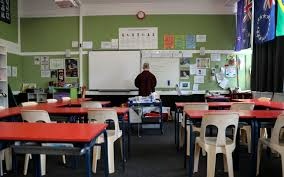
In the past few weeks, those signals have been off. On April 11, a 61-year-old Papatoetoe resident spray painted a graffiti outside a local school with the message 'Kill All Indian'.
In an election where identity hovered just beneath the surface, politicians have a different job. Not to assert, but to steady.
At a solidarity meeting in Papatoetoe last week following the graffiti scare, community members discussed the role of political rhetoric in exacerbating racism.
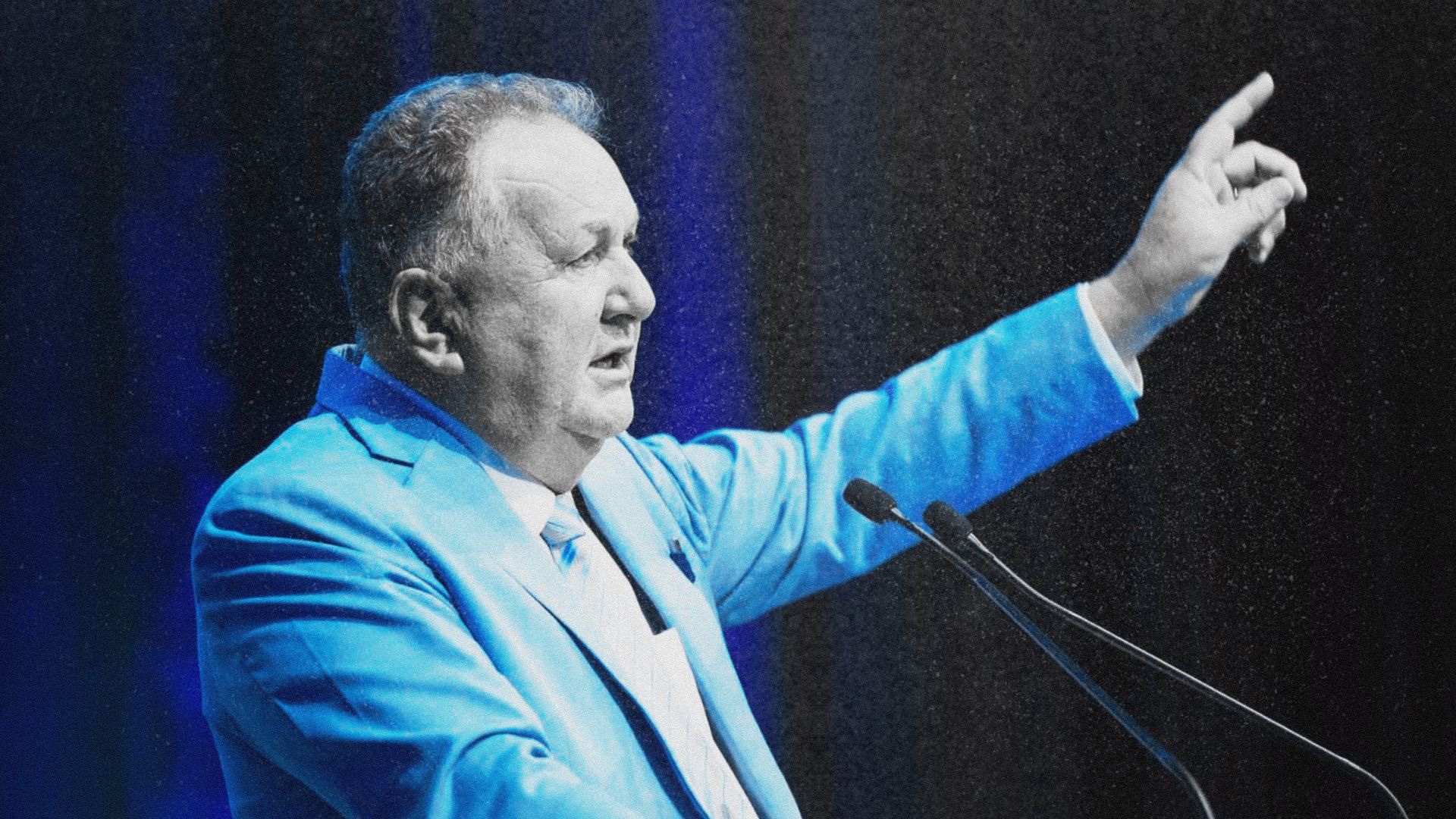
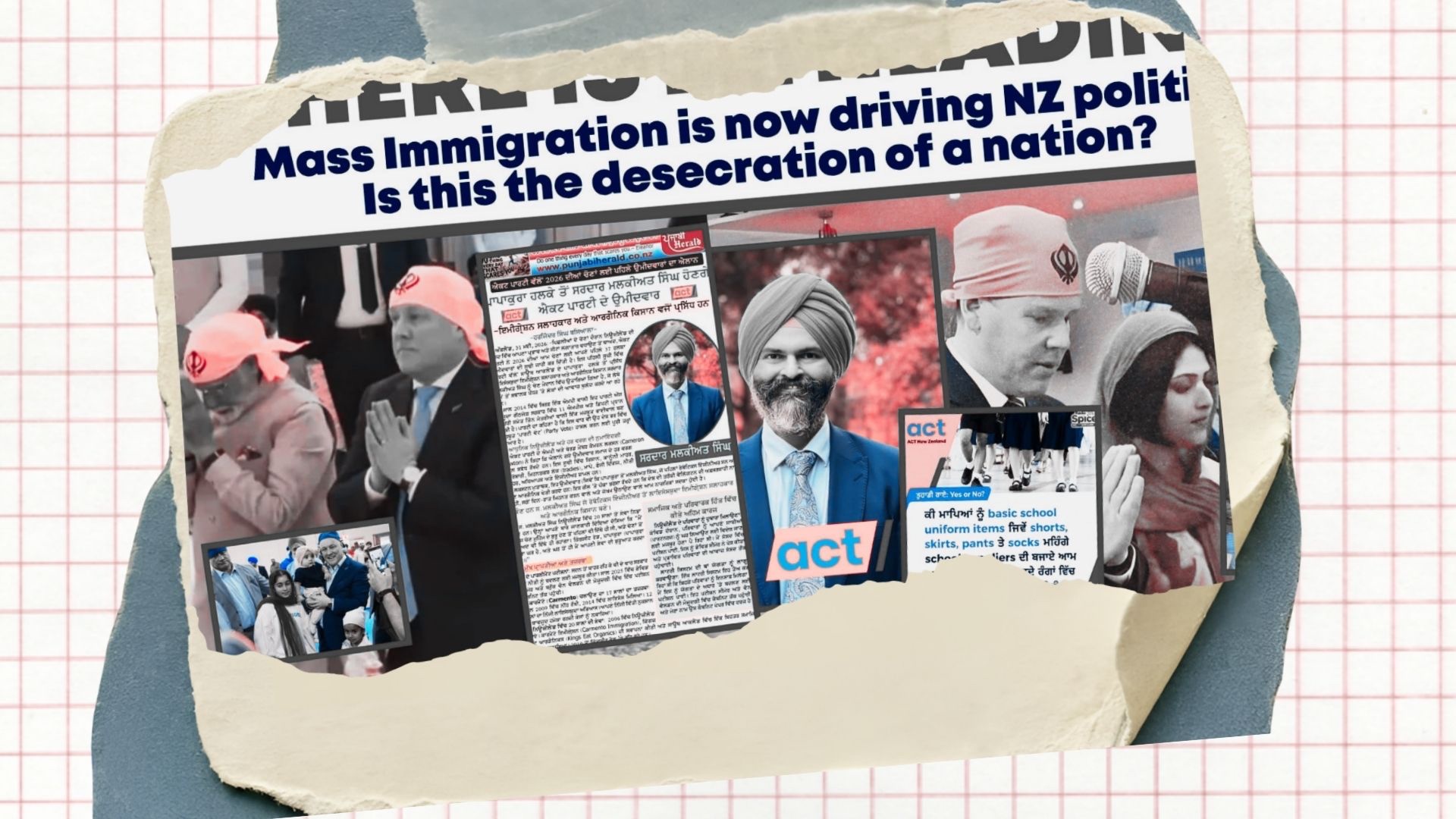
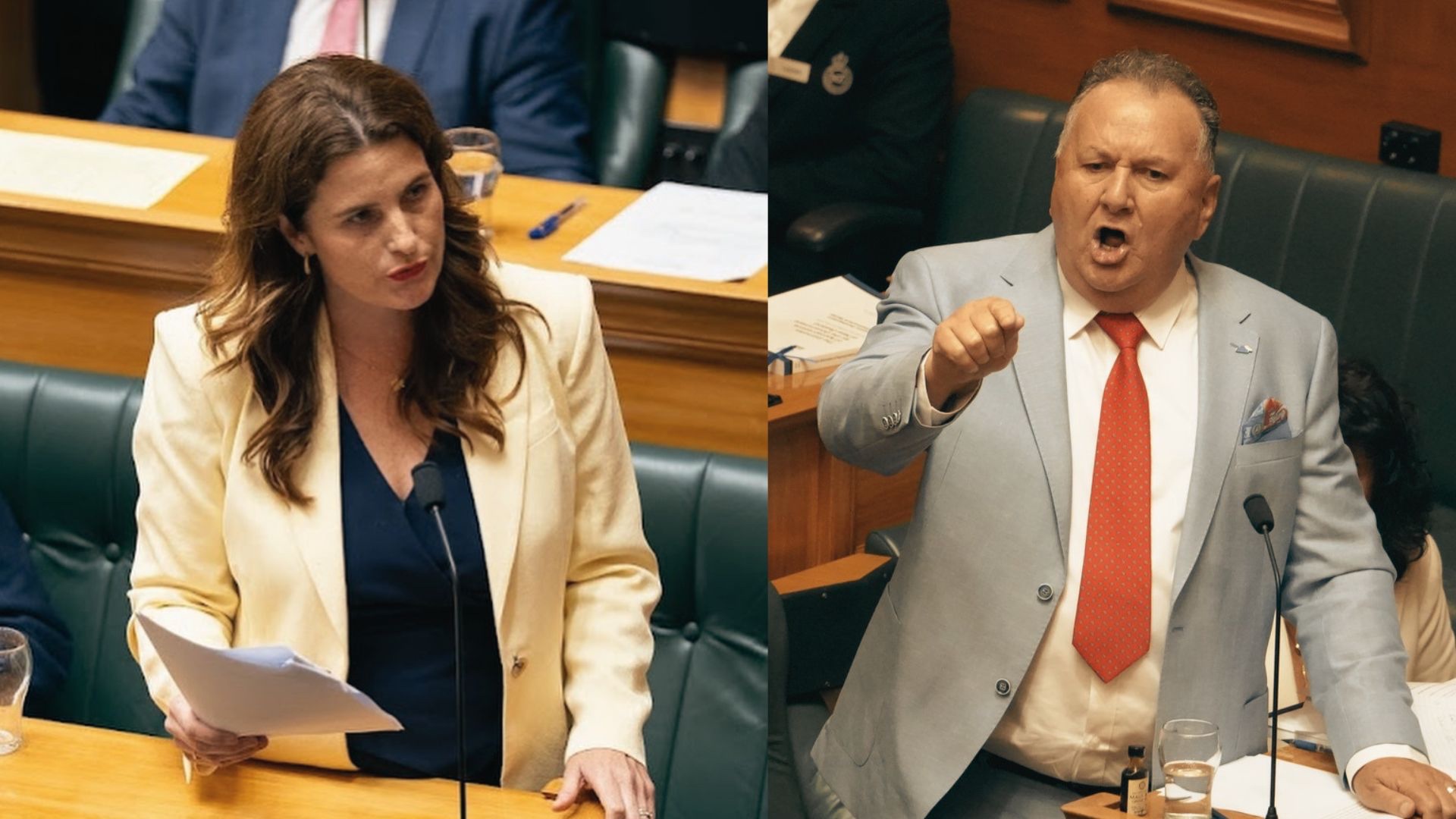
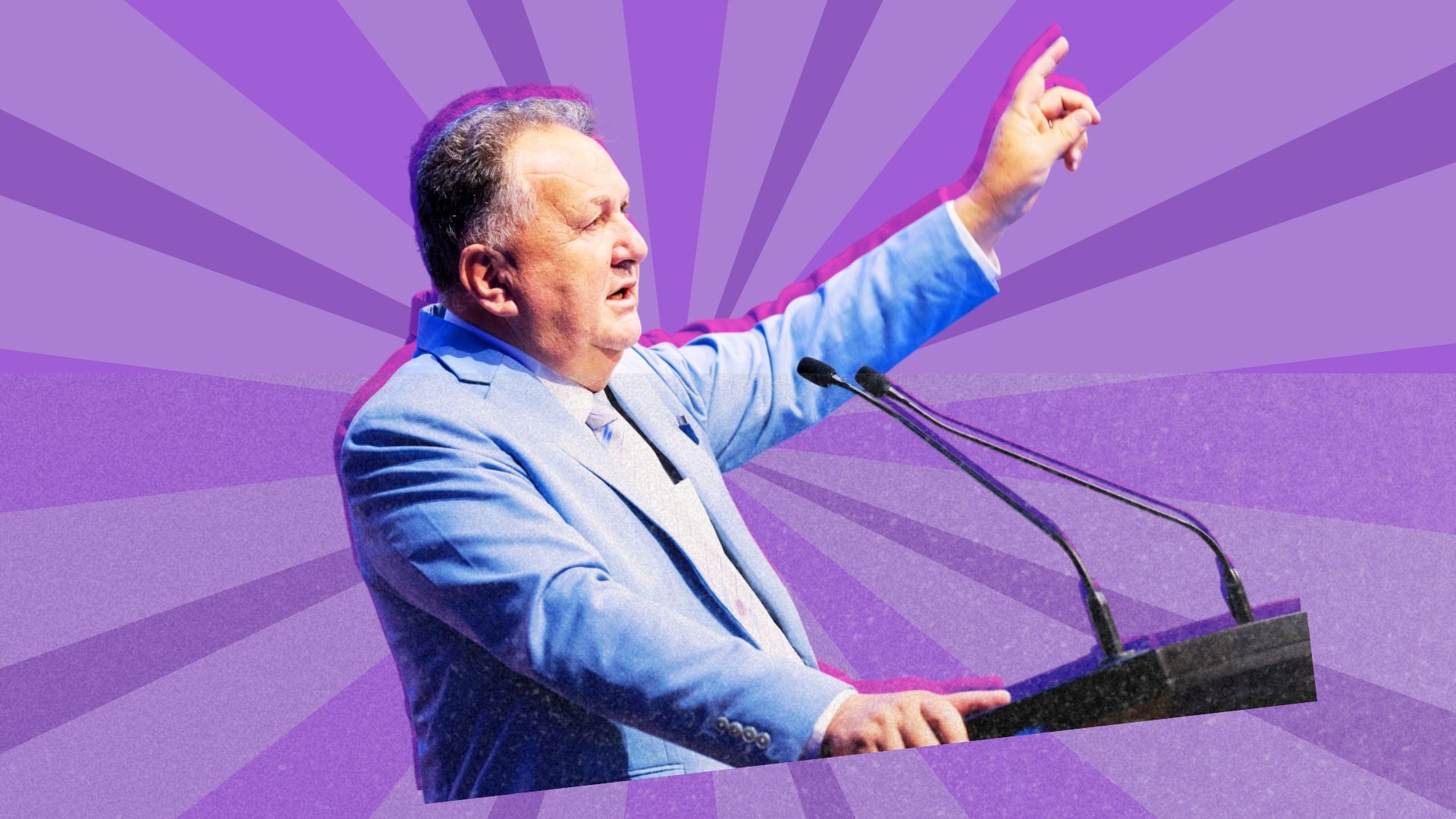
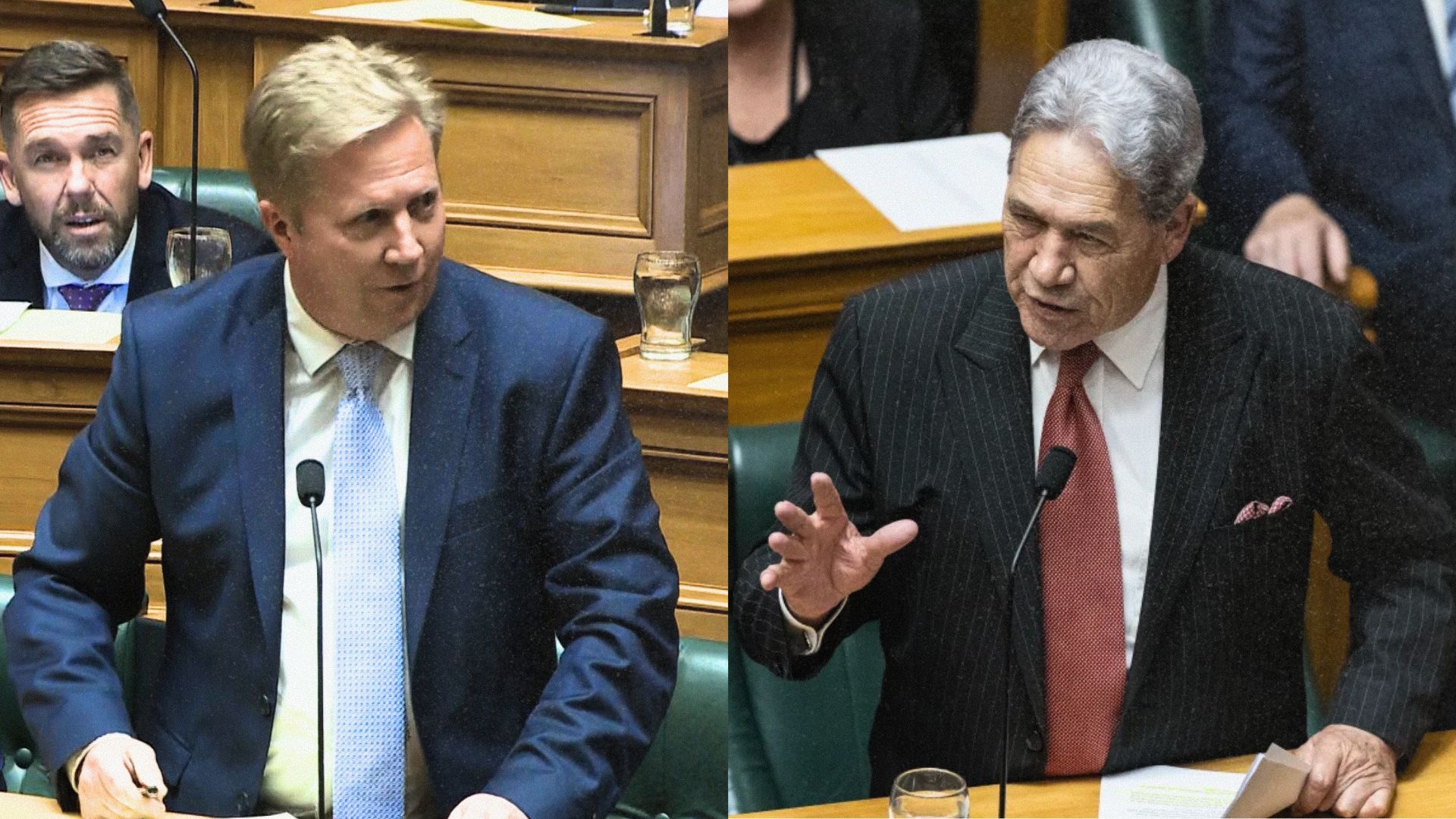
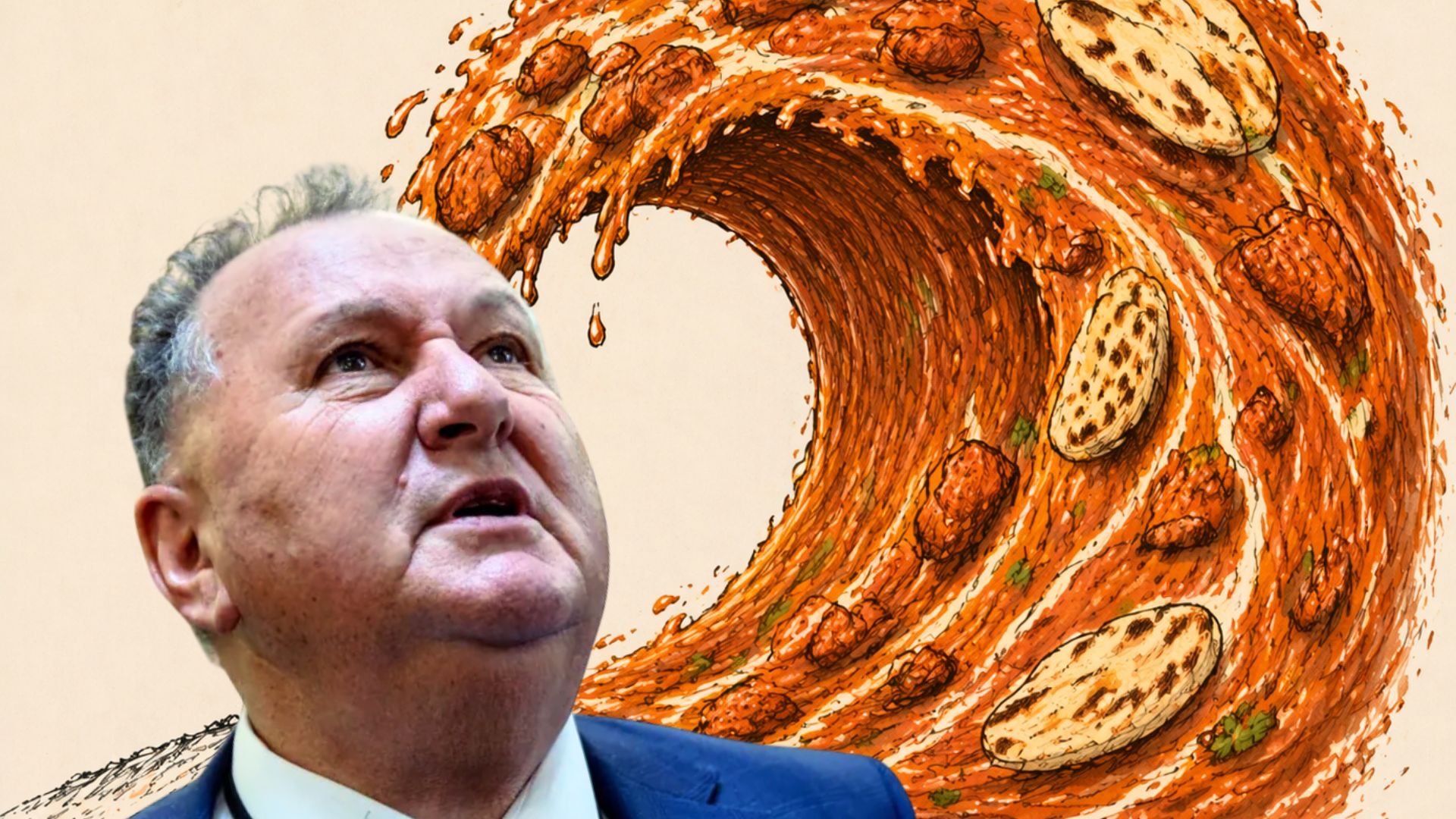
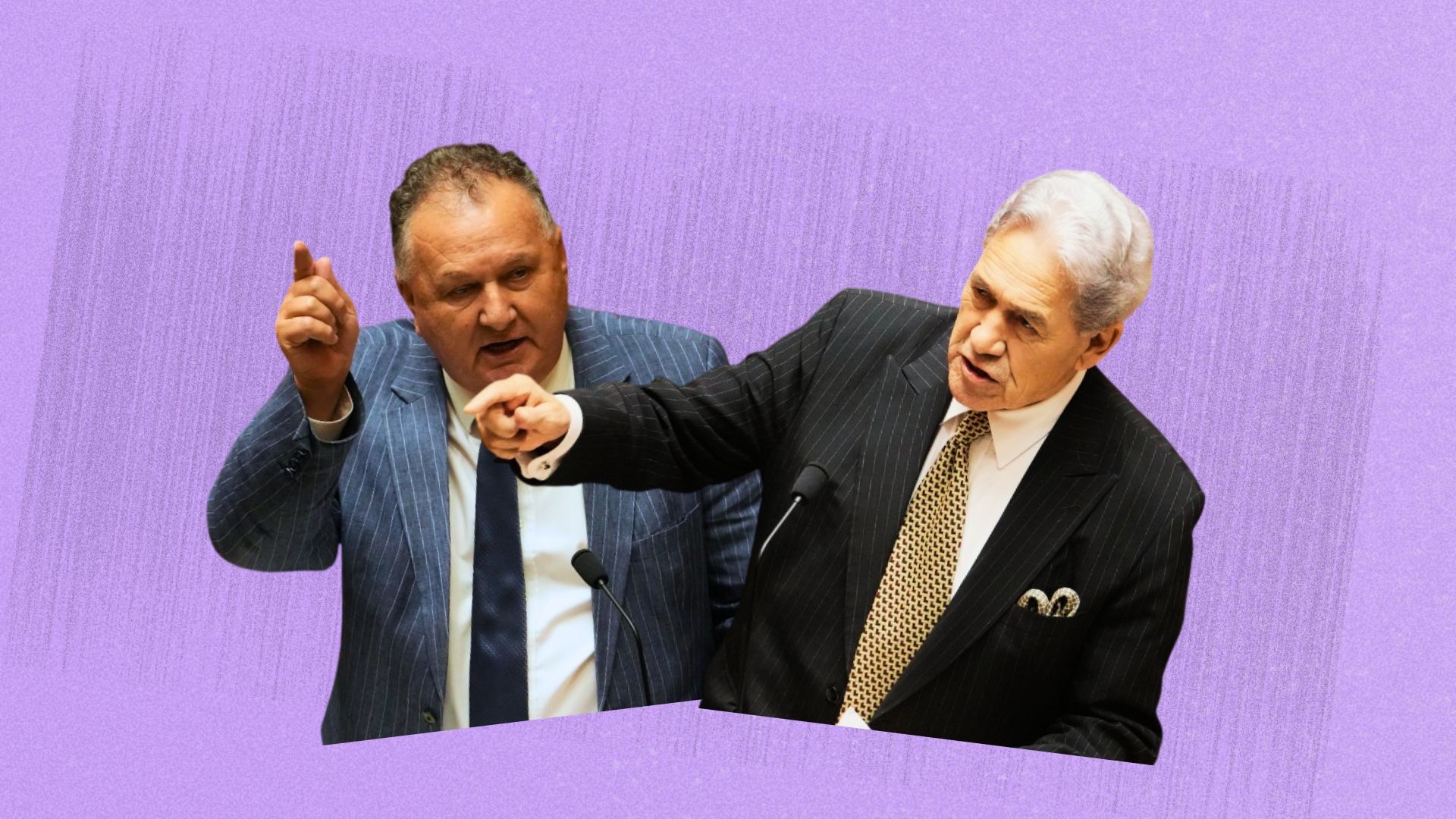
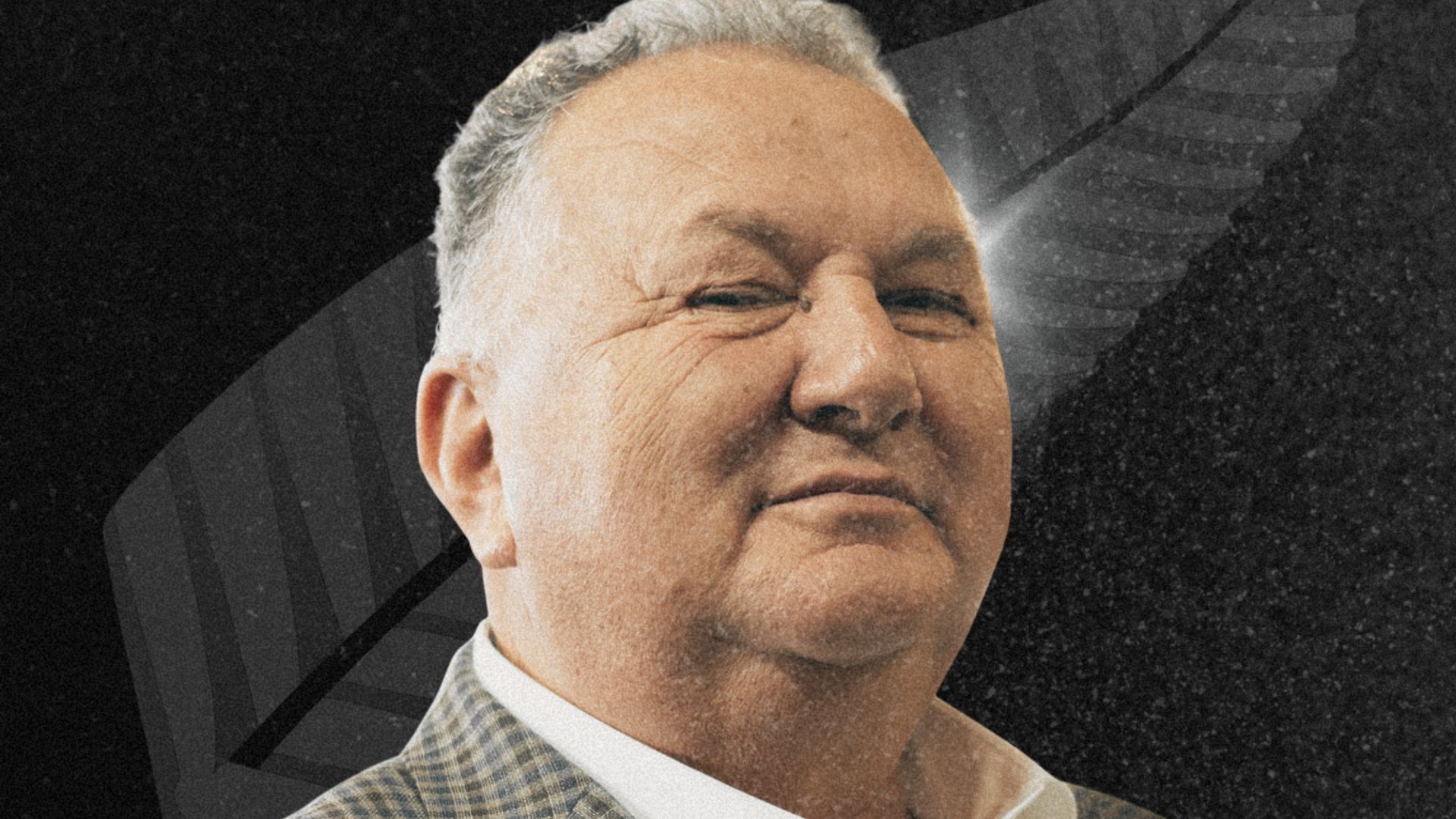
NZ First's use of the India-New Zealand FTA to fan demographic scaremongering was in focus. Its deputy leader, Shane Jones, has particularly been gaslighting about a migrant apocalypse using misleading predictions.
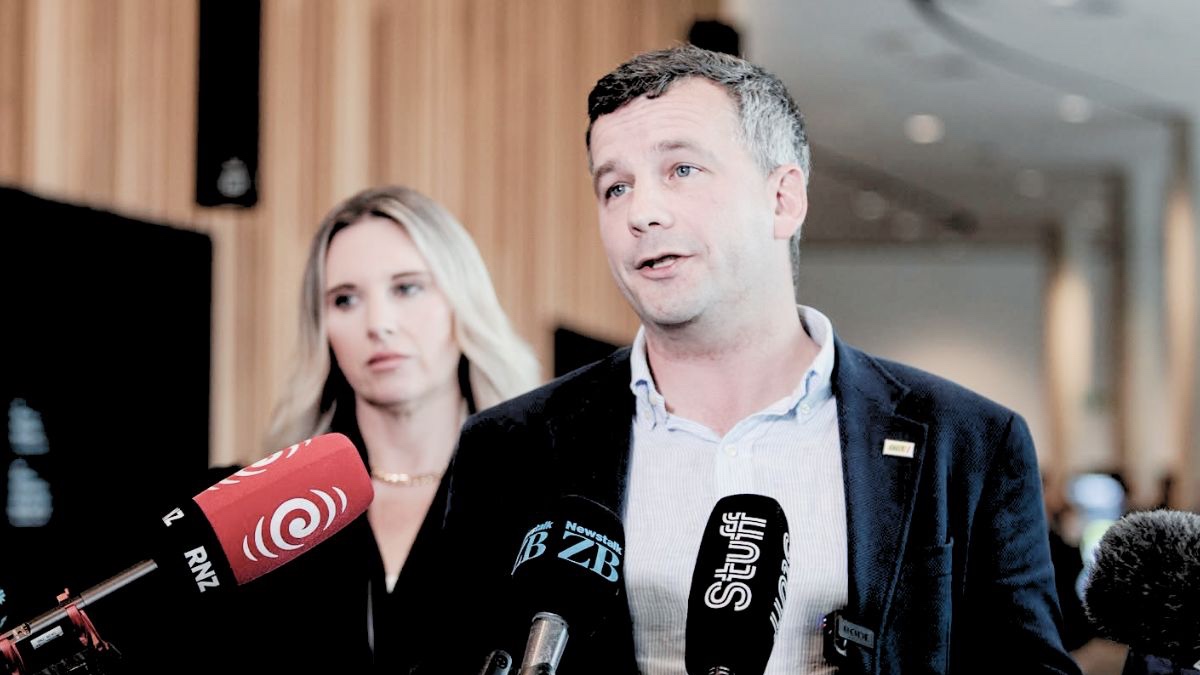
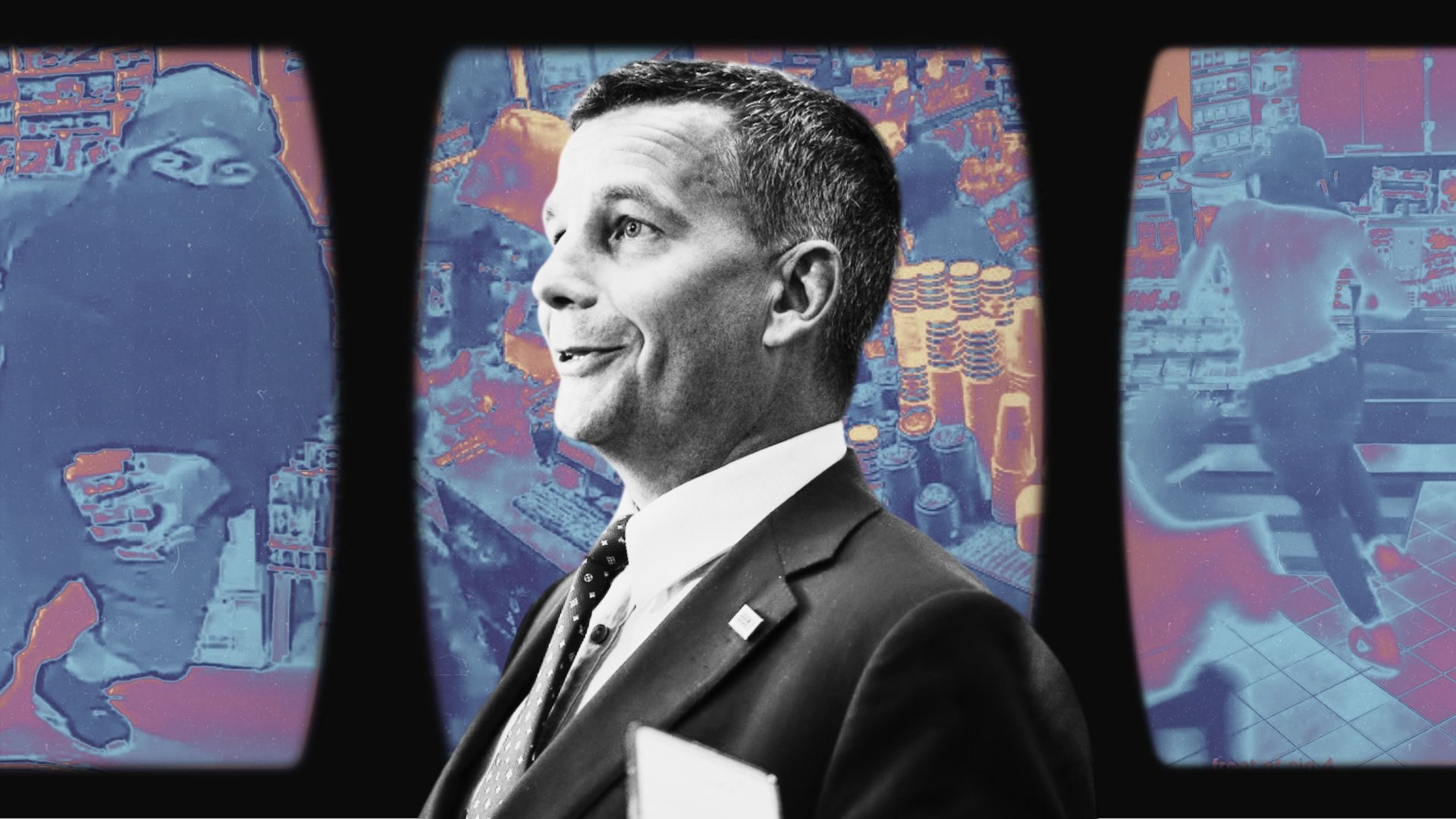
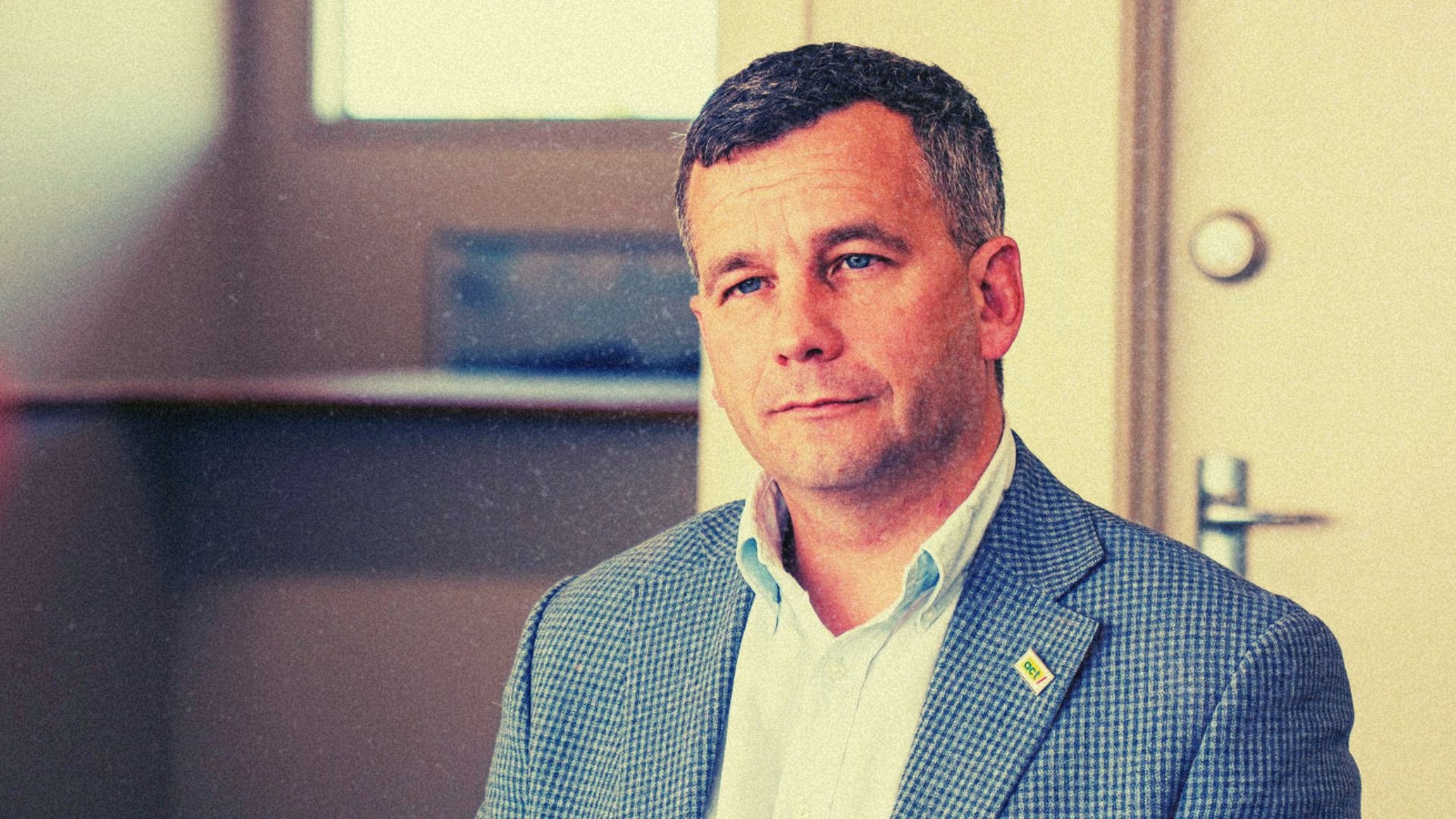
All this against the backdrop of deputy prime minister David Seymour having already warned the public discourse around the trade deal is fanning an anti-Indian sentiment, especially in South Auckland.
The selection of the leadership on April 21, 2026, was a chance for the board members to make a statement. Not with speeches, but with something smaller and more deliberate. A gesture that acknowledged the moment for what it was.
It didn’t come.