
Opinion: The idea of setting repeat offenders loose to reduce prison costs is bizarre
A simple spreadsheet analysis doesn't reveal the true cost of everyday crime.
A great weakness in New Zealand’s justice debate is the tendency to measure risk through the lens of serious violence.
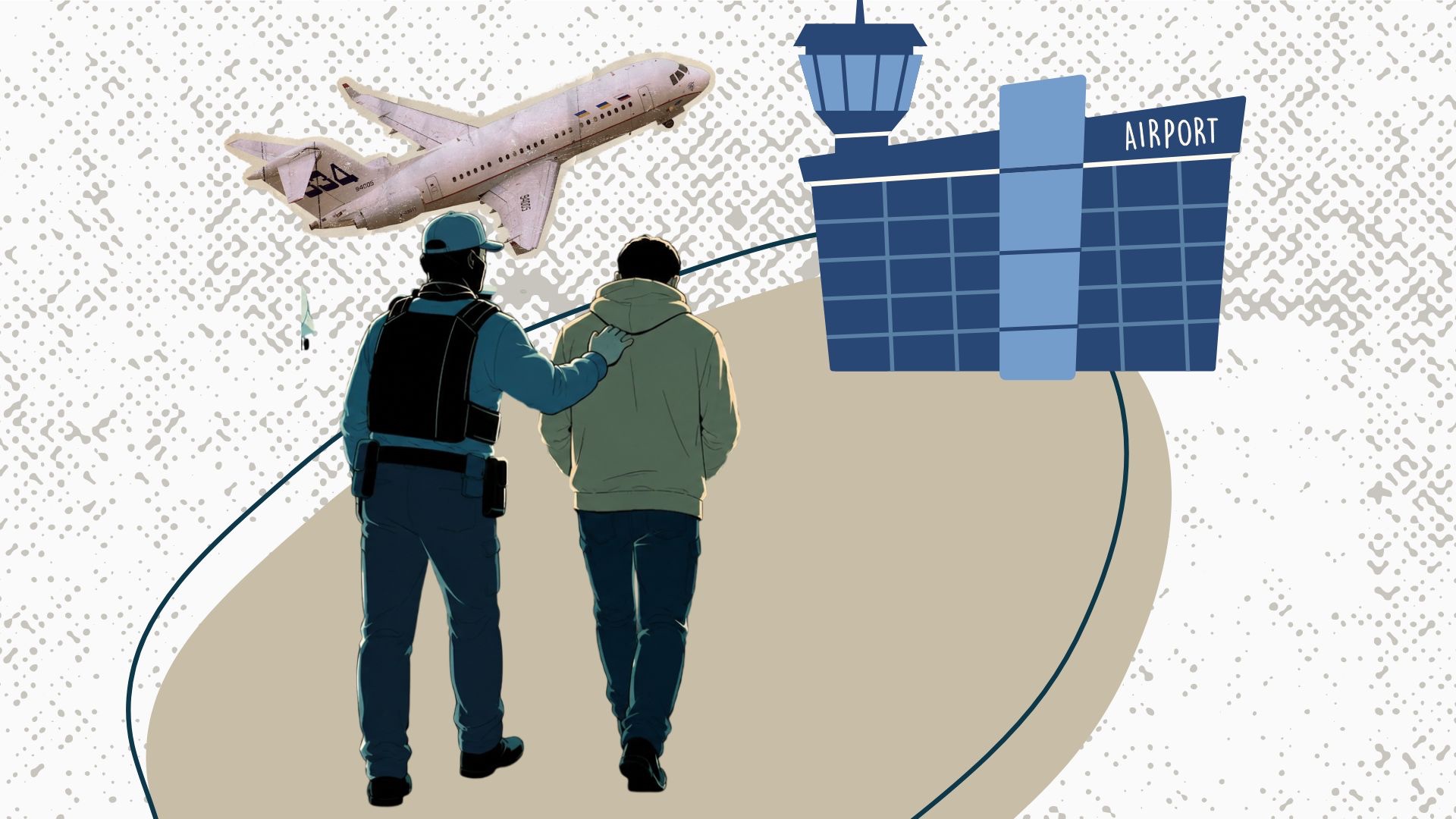
The cost and consequences of holding defendants on remand in New Zealand have become a growing point of debate, particularly as court delays stretch on and prison populations remain under pressure.
A recent opinion piece by professor Antje Deckert argues New Zealand is spending around $1 million a day keeping low-risk defendants on remand, and that building more prisons is not the answer.
The article raises an important issue. Court delays are too long. Justice delayed is justice denied, whether for victims awaiting closure or defendants awaiting their day in court. A justice system that takes months, and sometimes years, to resolve cases is failing everyone involved.
But where I part company with the article is its repeated reliance on the term “low risk”.
Because the obvious question is: low risk to whom?
From designing restaurants to running Auckland Diwali: The many lives of Arnav Taode Taode brings his passion for Indian arts and culture to his first year managing BNZ Auckland Diwali 2026.
Winston Peters says ‘diversity is disunity’. What does the evidence tell us? Evidence from business, sport and social policy suggests diversity can strengthen economies and cohesion but on one condition.
Baby born in Sri Lanka to New Zealand residents caught in limbo after Down syndrome diagnosis Immigration tribunal orders fresh residence assessment after finding a “serious mistake” by immigration officials.
Low risk to Corrections? Low risk to the courts? Low risk to taxpayers?
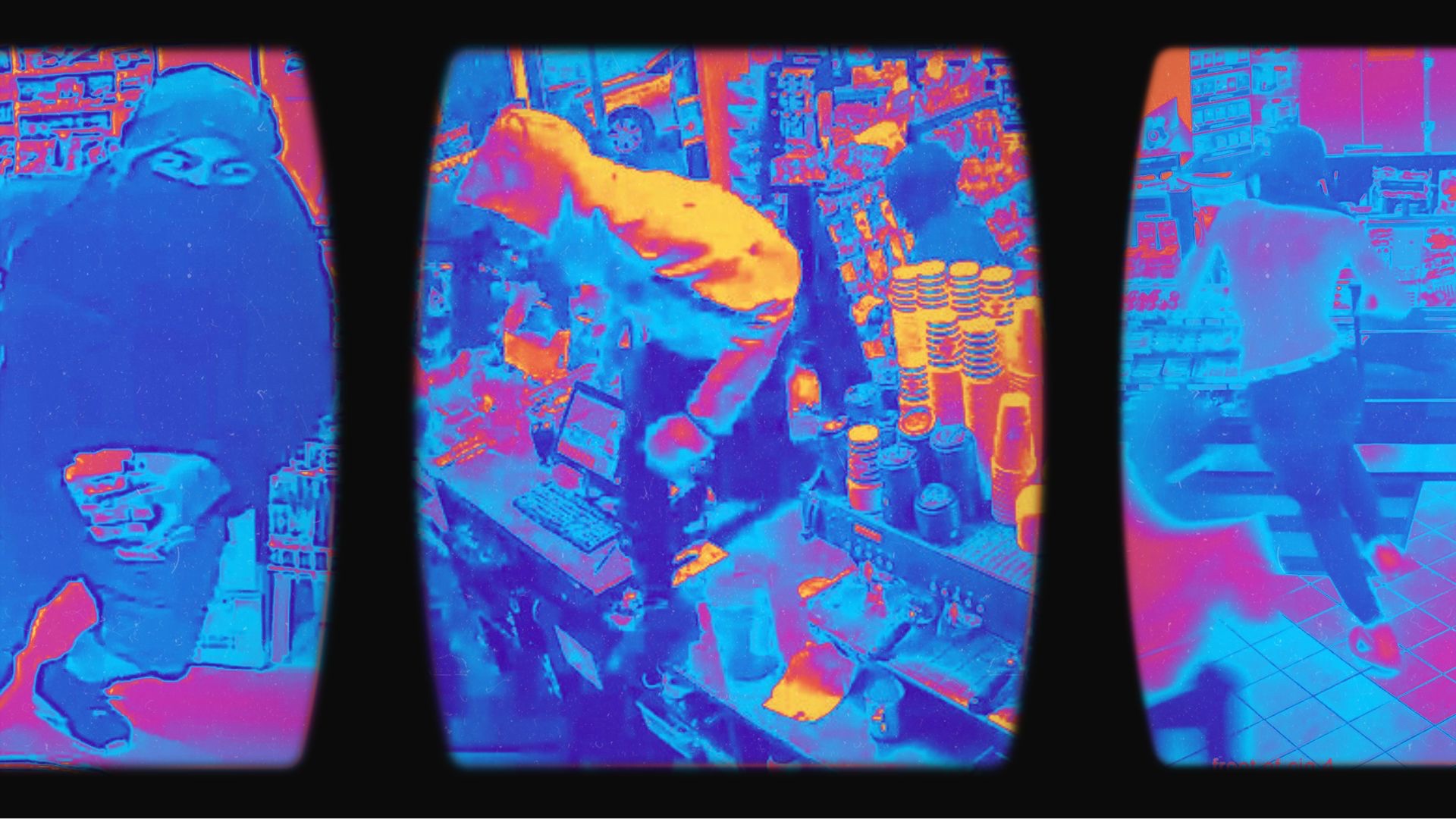
Or low risk to the dairy owner who has been robbed multiple times? Low risk to the retailer dealing with the same shoplifter week after week?
Low risk to the elderly person whose car has been broken into repeatedly? Low risk to the worker subjected to abuse, intimidation and theft as part of their daily job?
These are very different questions.
One of the greatest weaknesses in New Zealand’s justice debate is the tendency to measure risk almost exclusively through the lens of serious violence.
If an offender is unlikely to commit homicide or cause significant physical harm, they are often categorised as low risk.
Yet many of the offenders causing the greatest frustration in communities are not murderers or violent gang members.
They are prolific repeat offenders who commit dozens, sometimes hundreds, of offences that individually may appear minor but collectively inflict enormous harm.
For years New Zealanders were told that more offenders could safely remain in the community. We were told prison populations were too high. We were told incarceration was not the answer.
Yet at the same time retail crime surged, ram raids became a national issue, shoplifting became increasingly brazen and frontline workers were left to bear the consequences.
The reality is that a person can be low risk to the justice system while being high impact to the community.
That distinction matters.
The cost of remand prisoners is easy to measure. Government agencies can calculate prison operating costs down to the dollar.
What is much harder to measure is the cost of repeated offending.
The family business investing thousands in security upgrades.
The staff member who leaves their job after one too many confrontations.
The retailer absorbing loss after loss while being told the offender responsible is considered low risk.
The elderly victim who no longer feels safe in their own neighbourhood.
These costs rarely appear in official calculations, but they are paid every day by ordinary New Zealanders.
None of this is an argument for locking everyone up. Nor is it an argument against improving court efficiency. In fact, faster courts are one of the few areas where most New Zealanders would agree.
Those who are innocent should be cleared quickly. Those suitable for bail should have their cases assessed promptly. Those who are guilty should face swift consequences.
But we should stop pretending that repeated offending has little impact simply because it falls below a bureaucratic threshold for serious violence.
The debate should not be about whether remand prisoners cost taxpayers money.
The debate should be about whether our justice system is properly balancing the rights of offenders with the rights of victims and communities.
Because while someone may be classified as low risk on paper, the people living with the consequences often experience something very different.