
Opinion: Erica Stanford’s overstayer crackdown puts civil liberties of migrants at stake
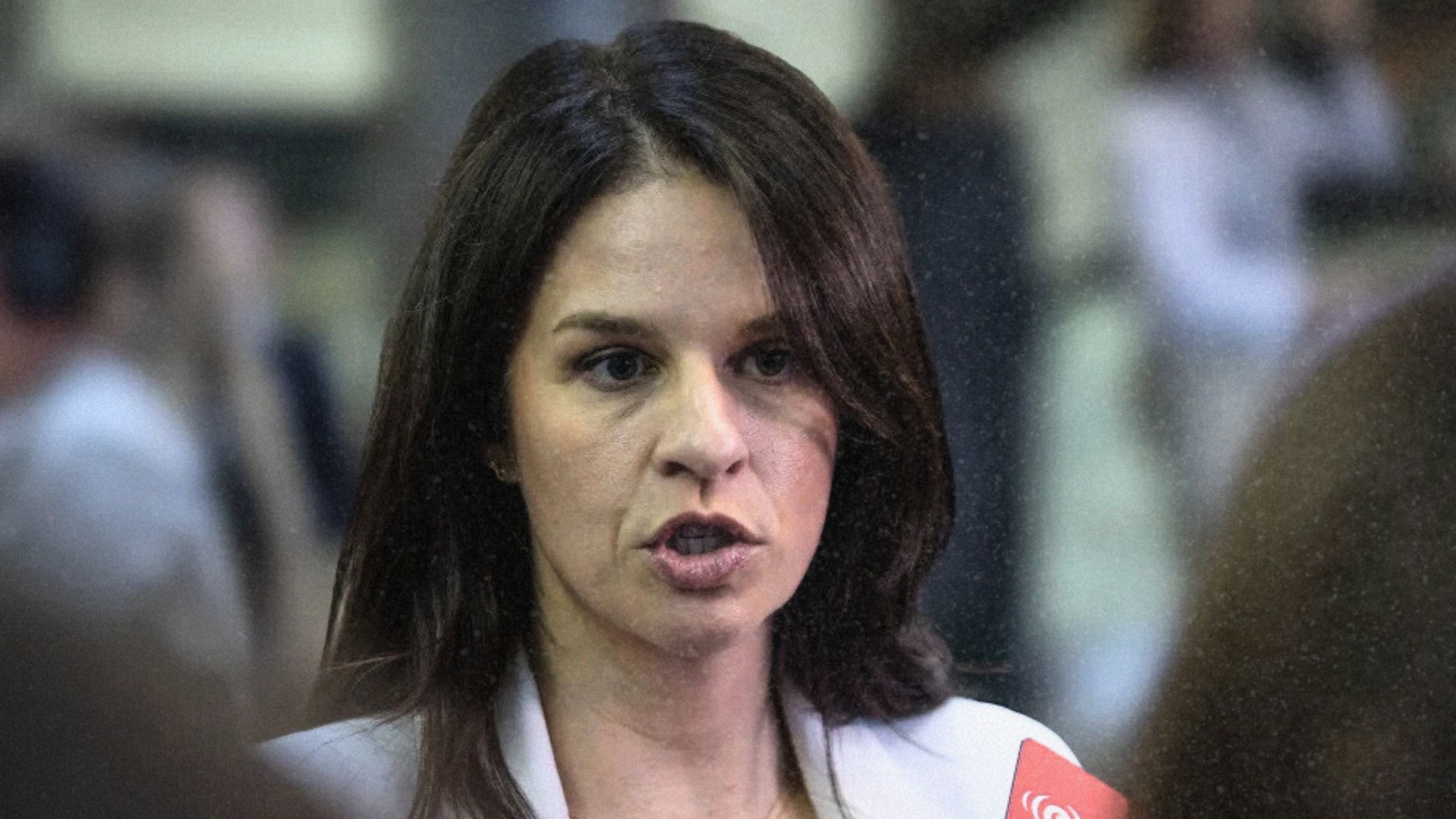
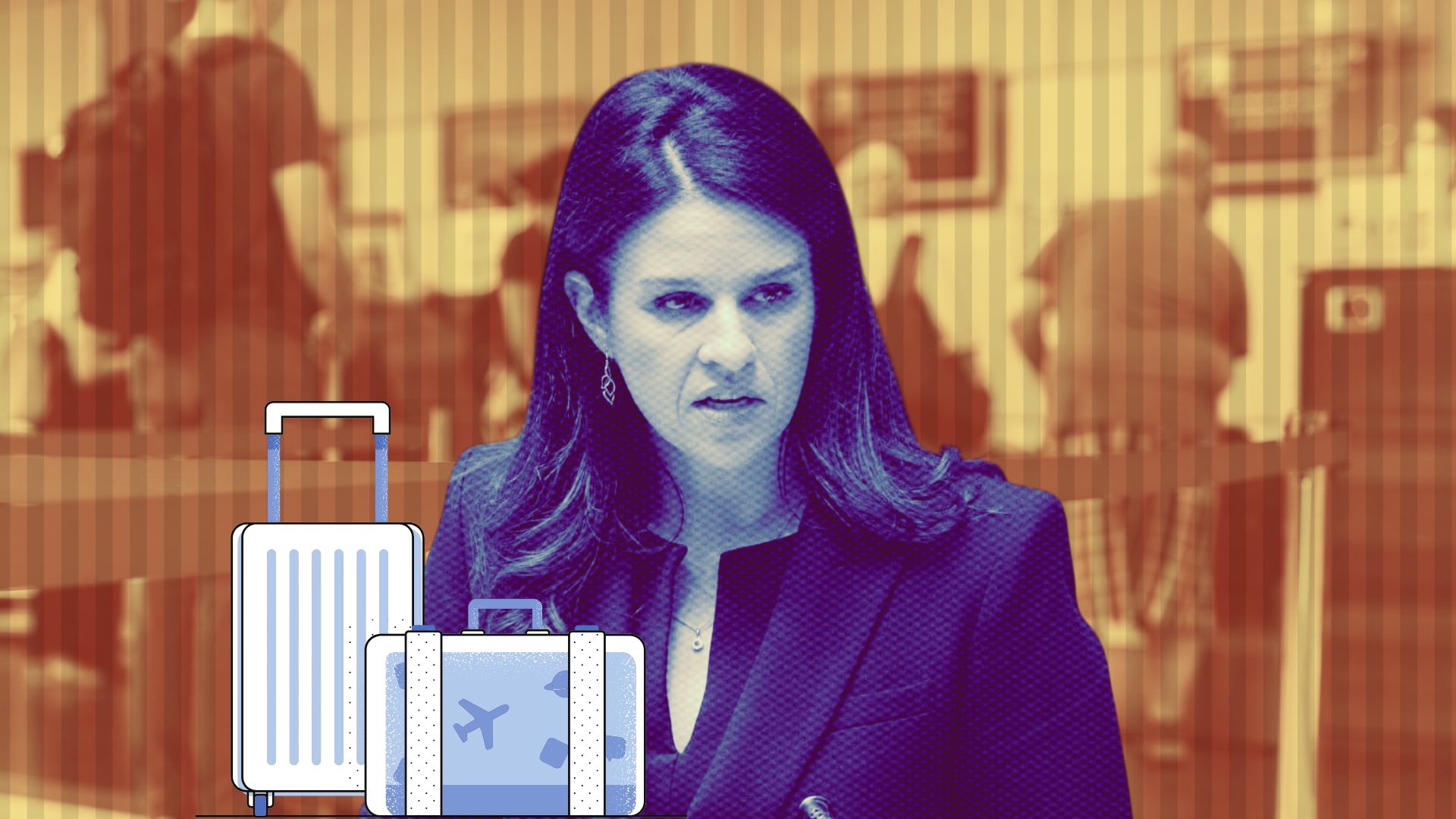
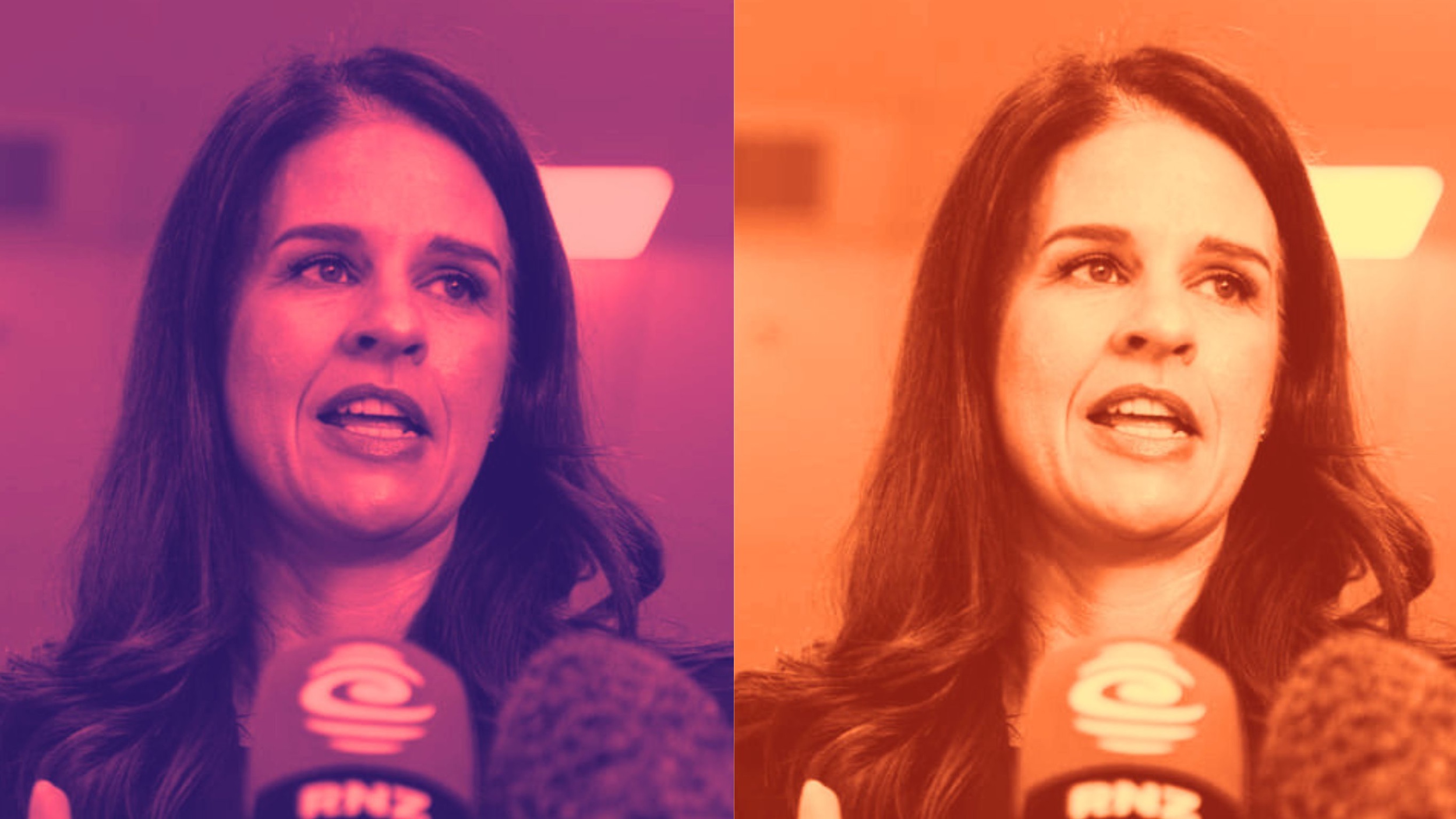
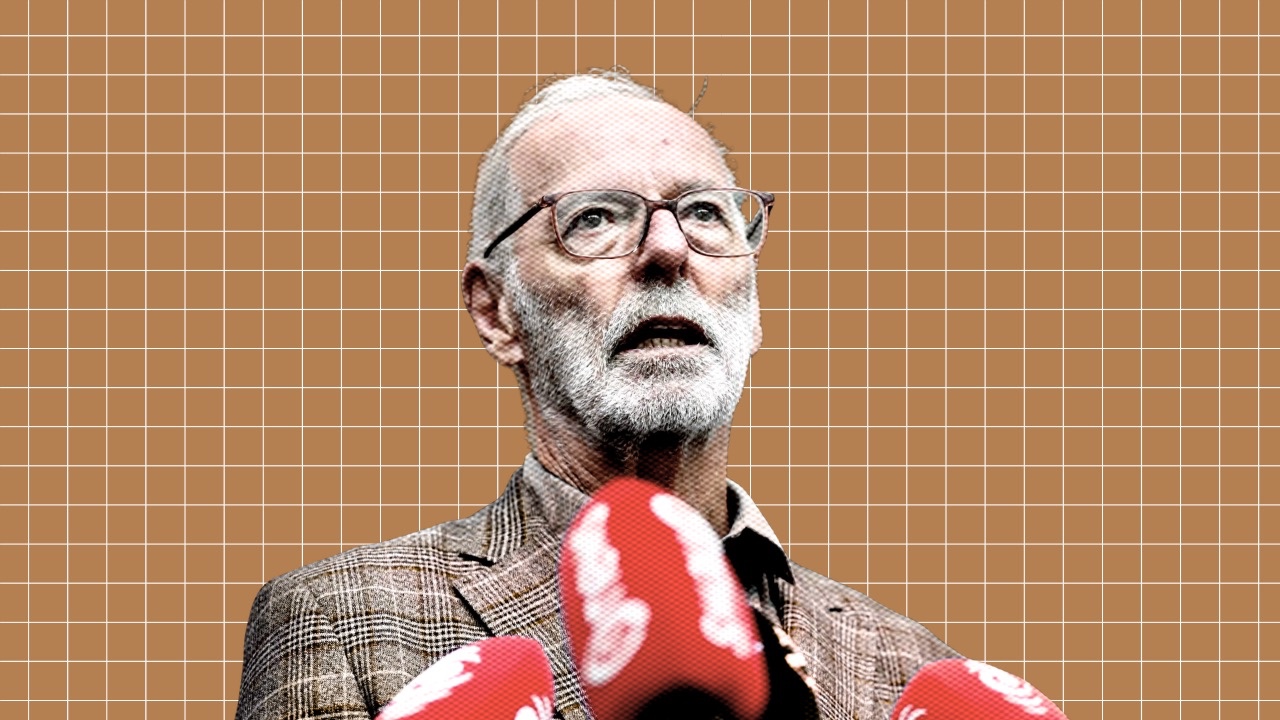
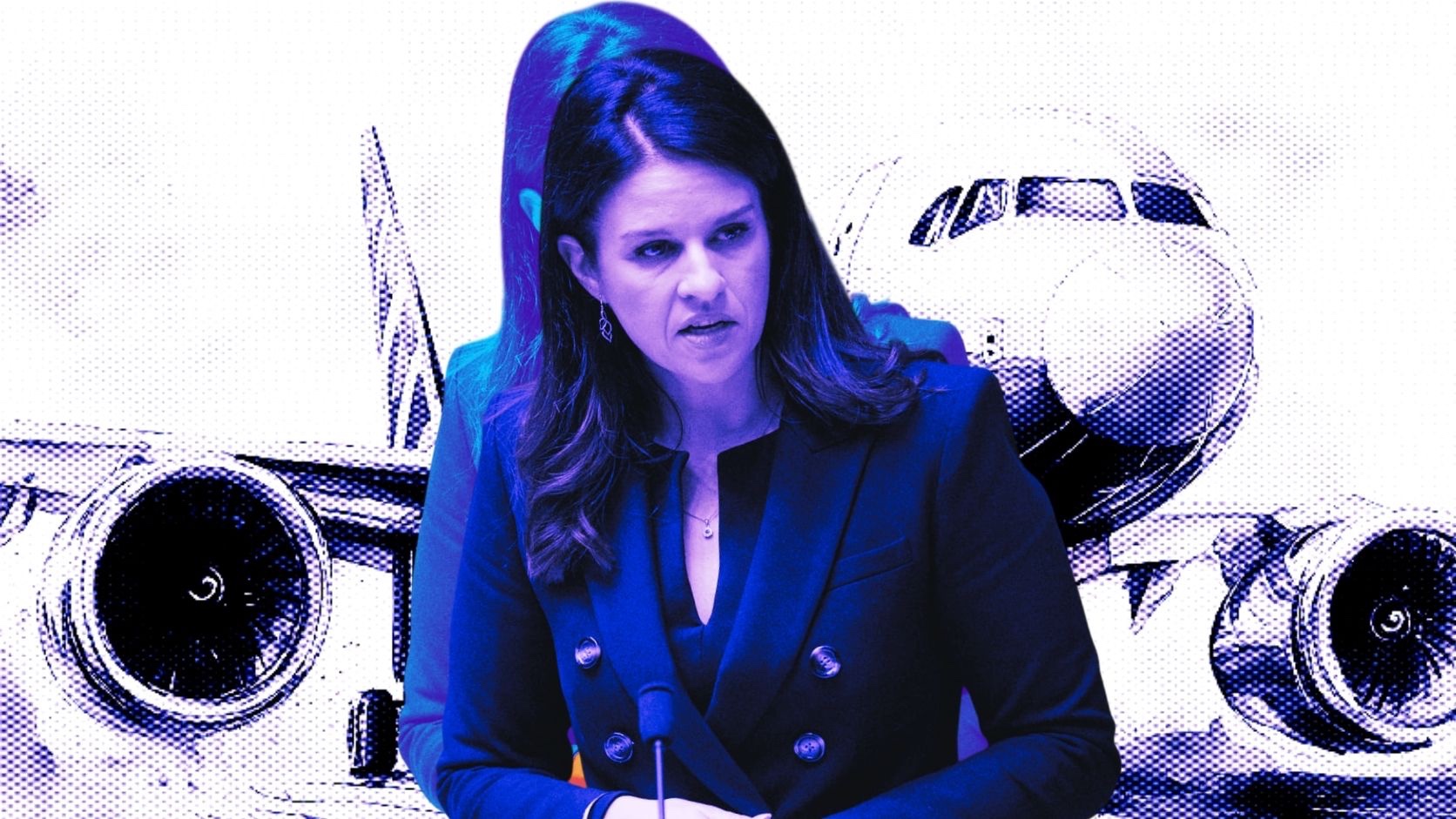
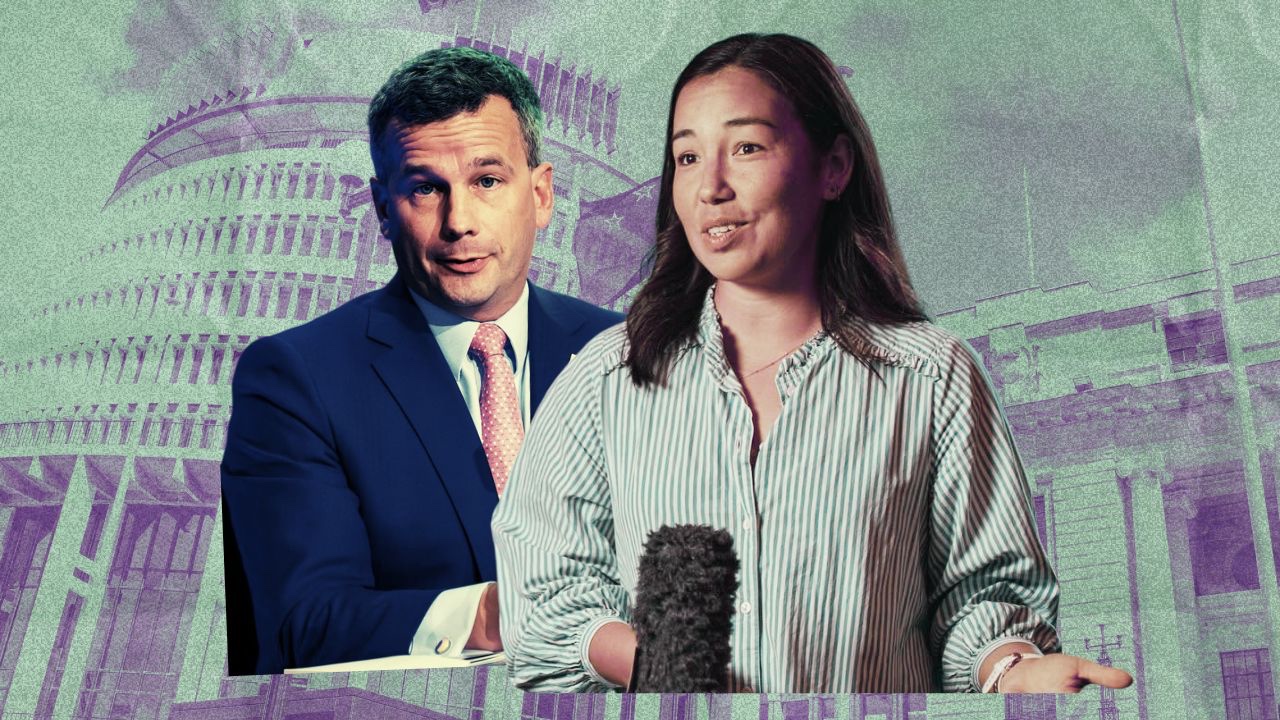
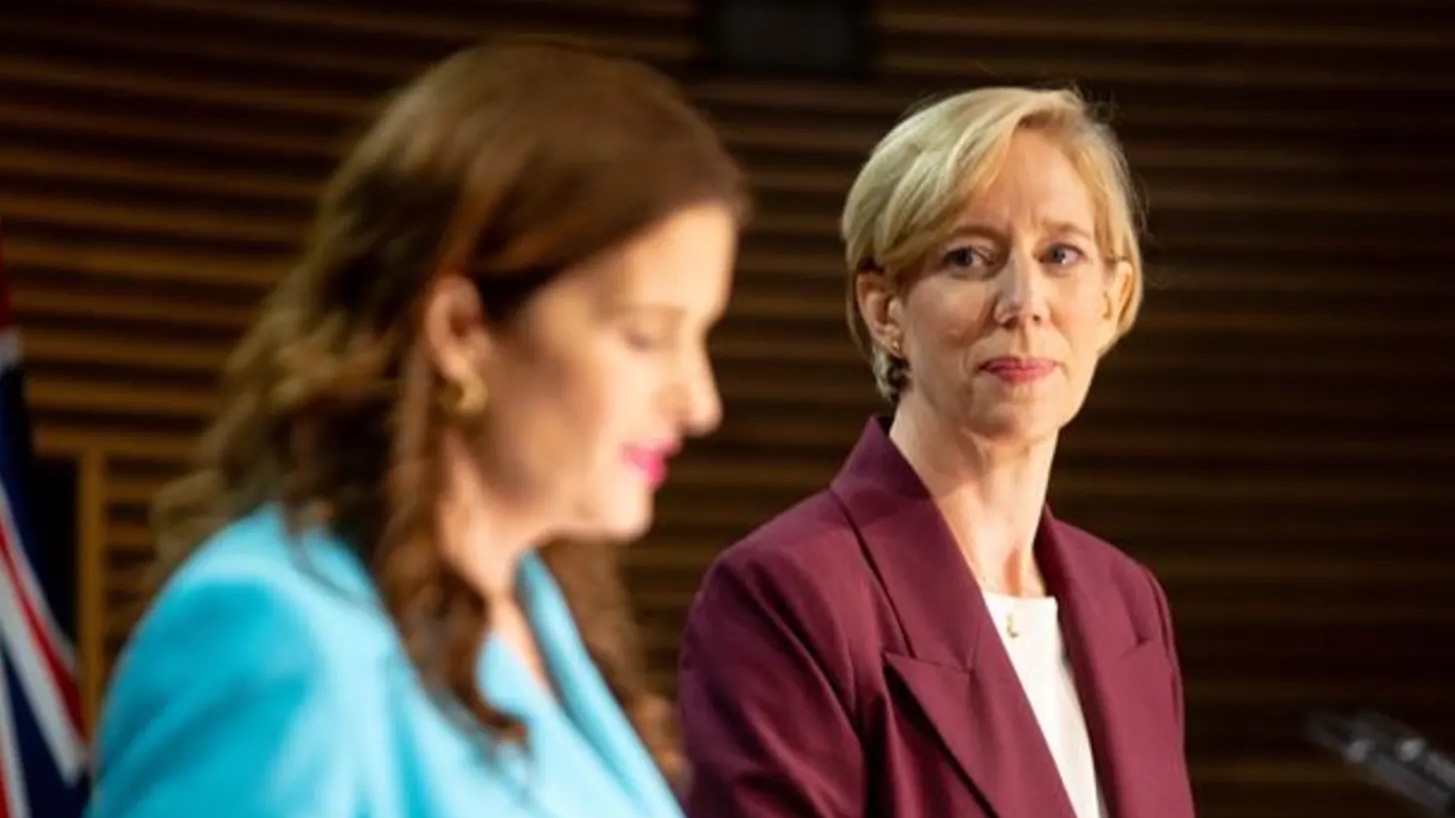
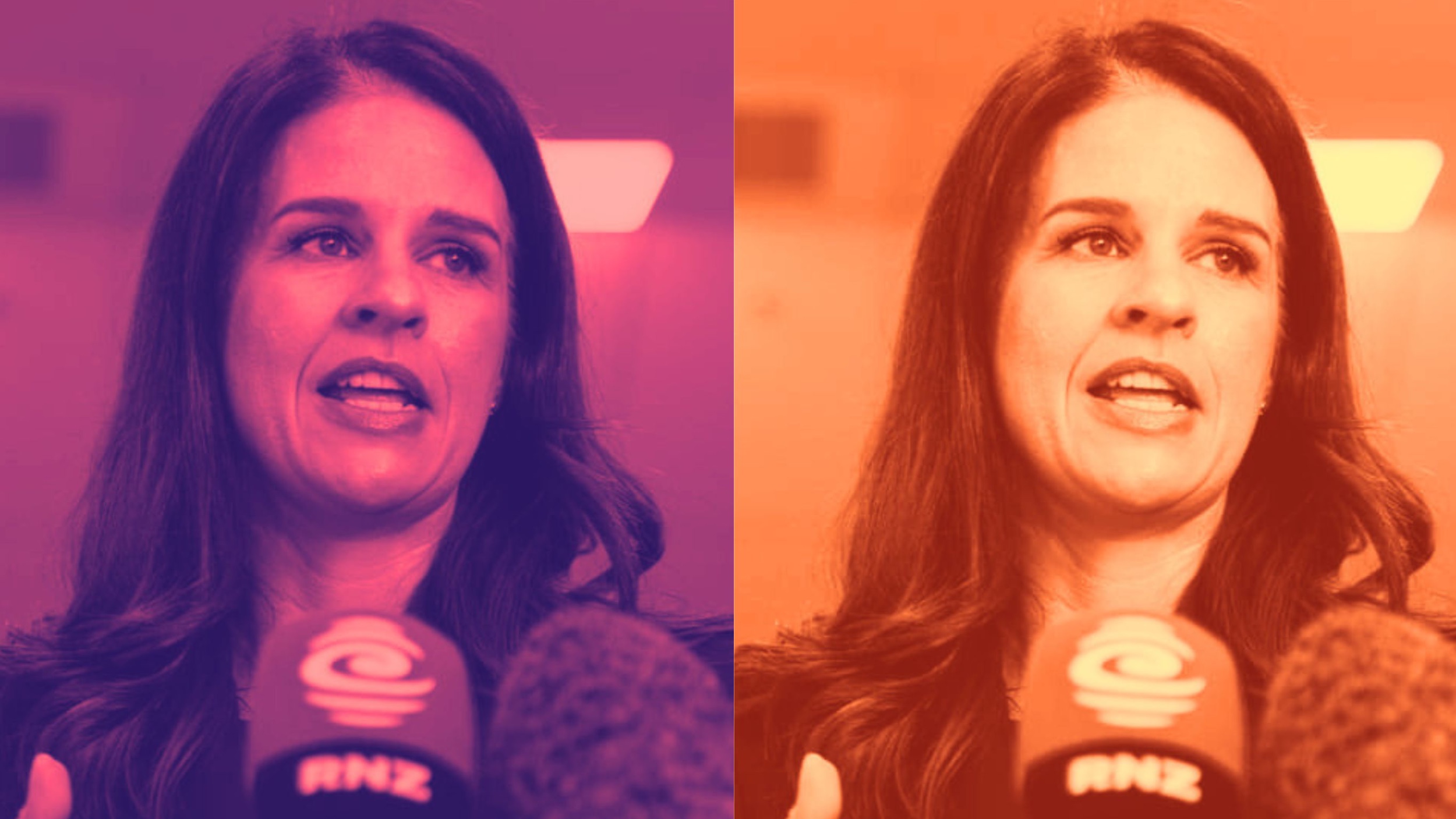
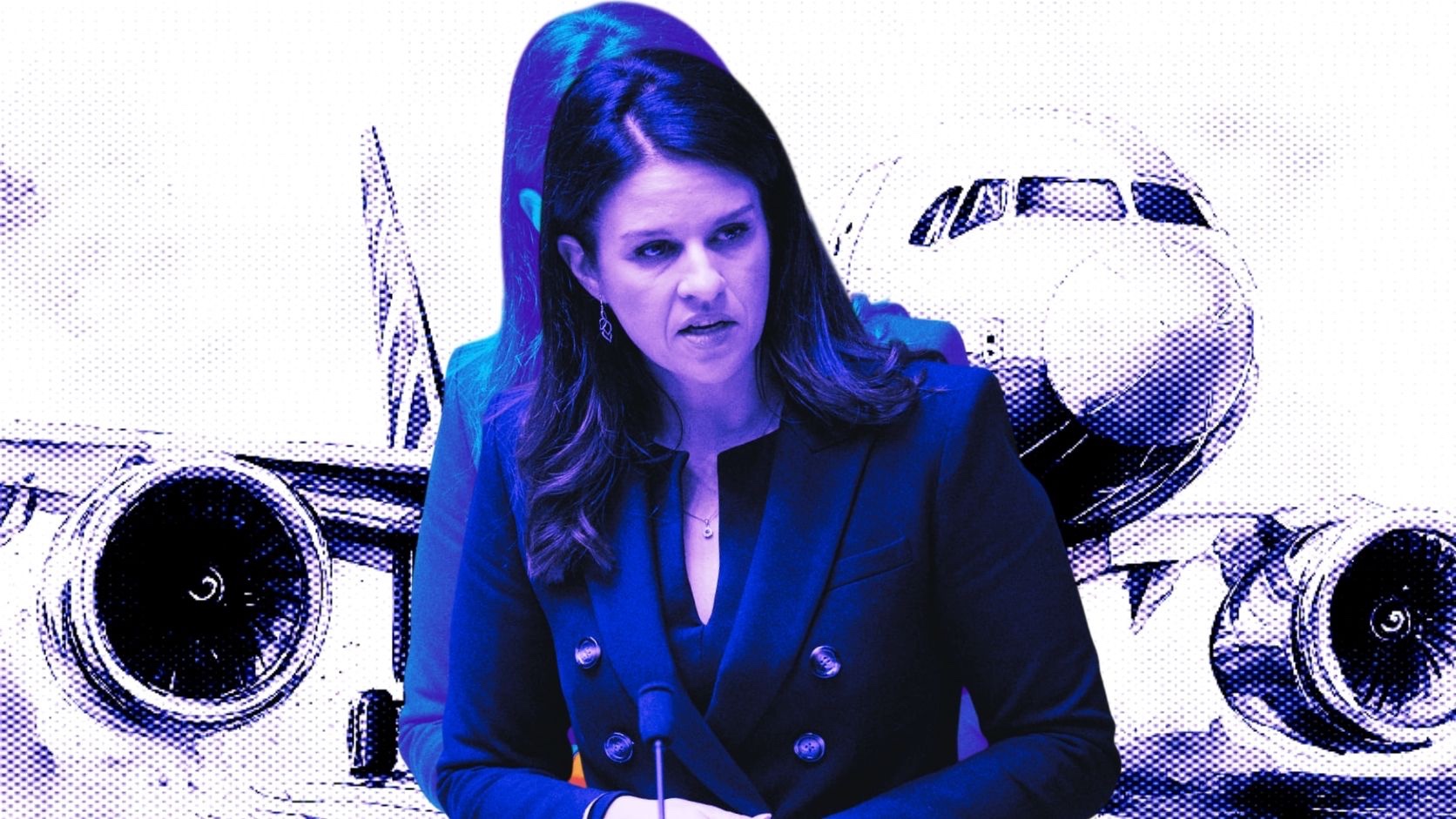
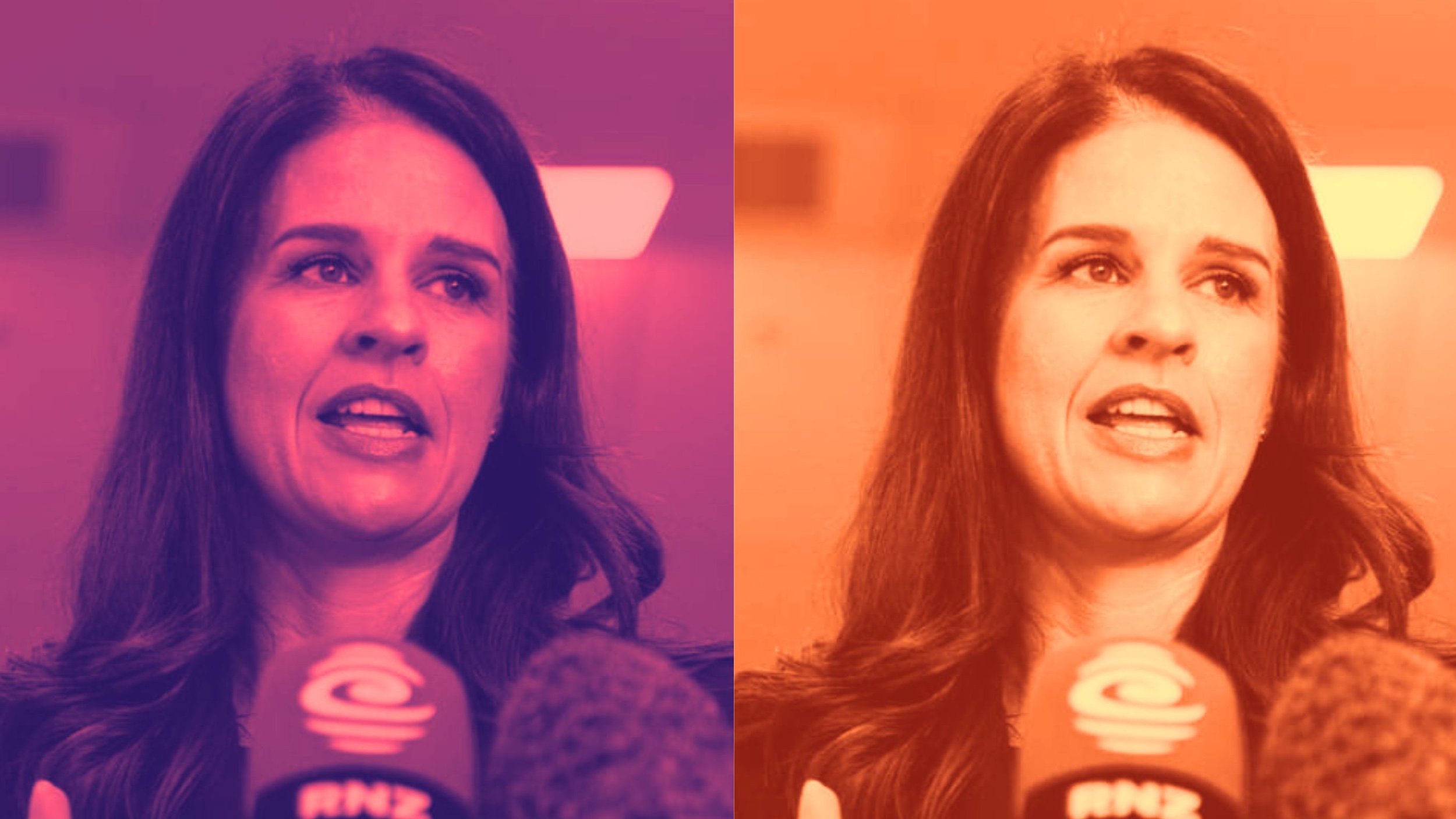
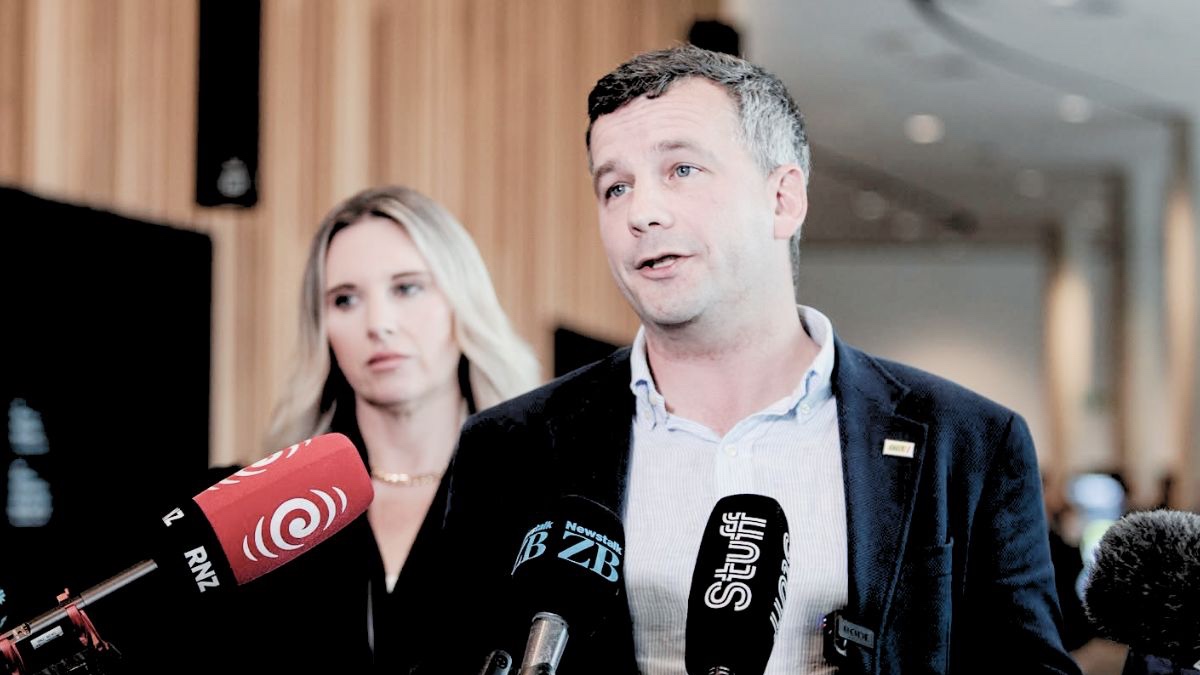
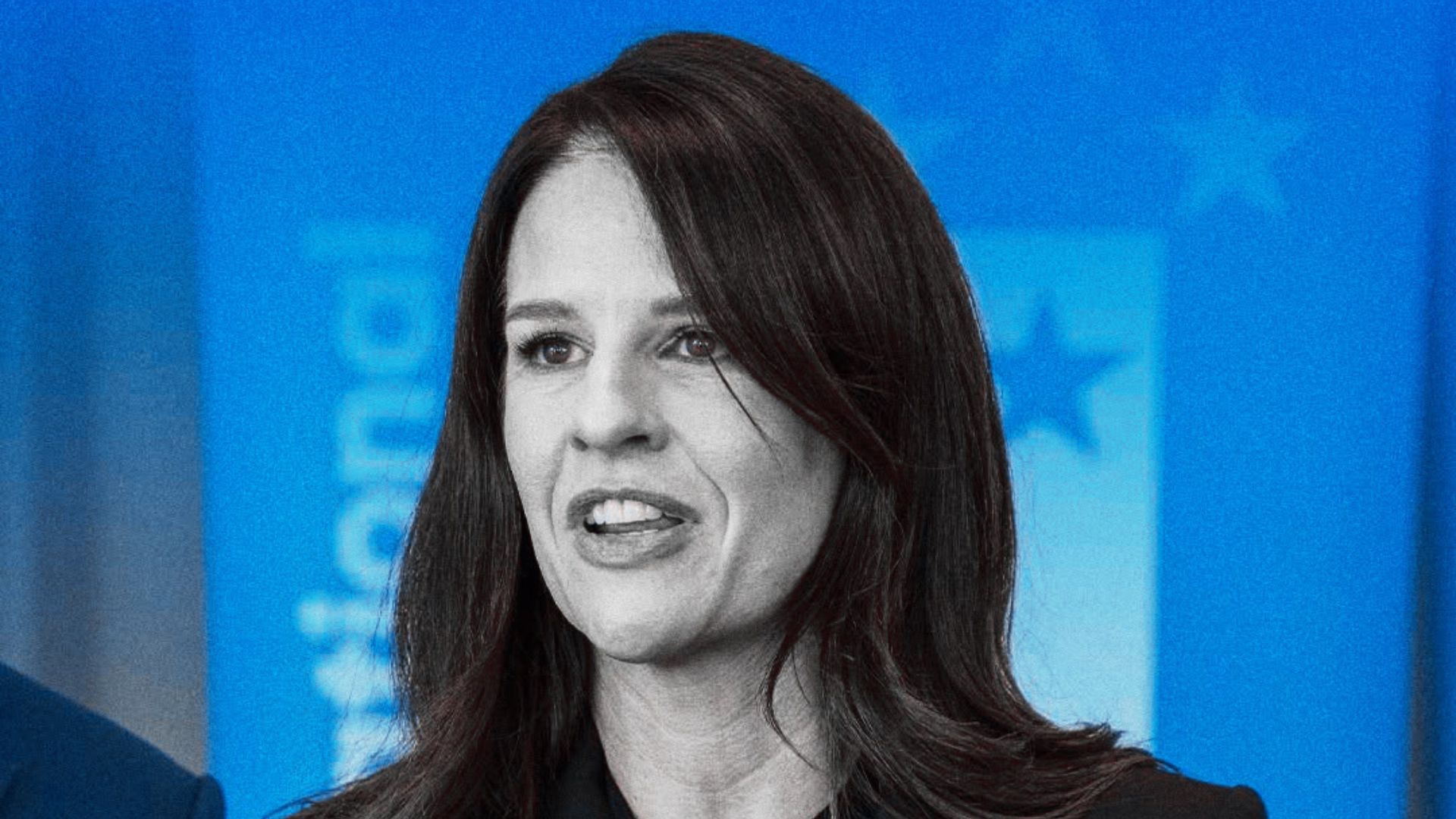
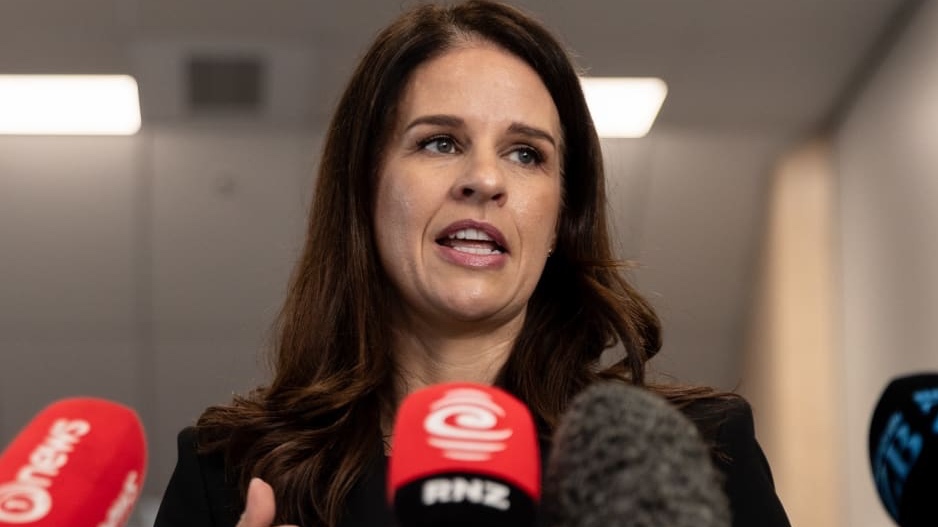
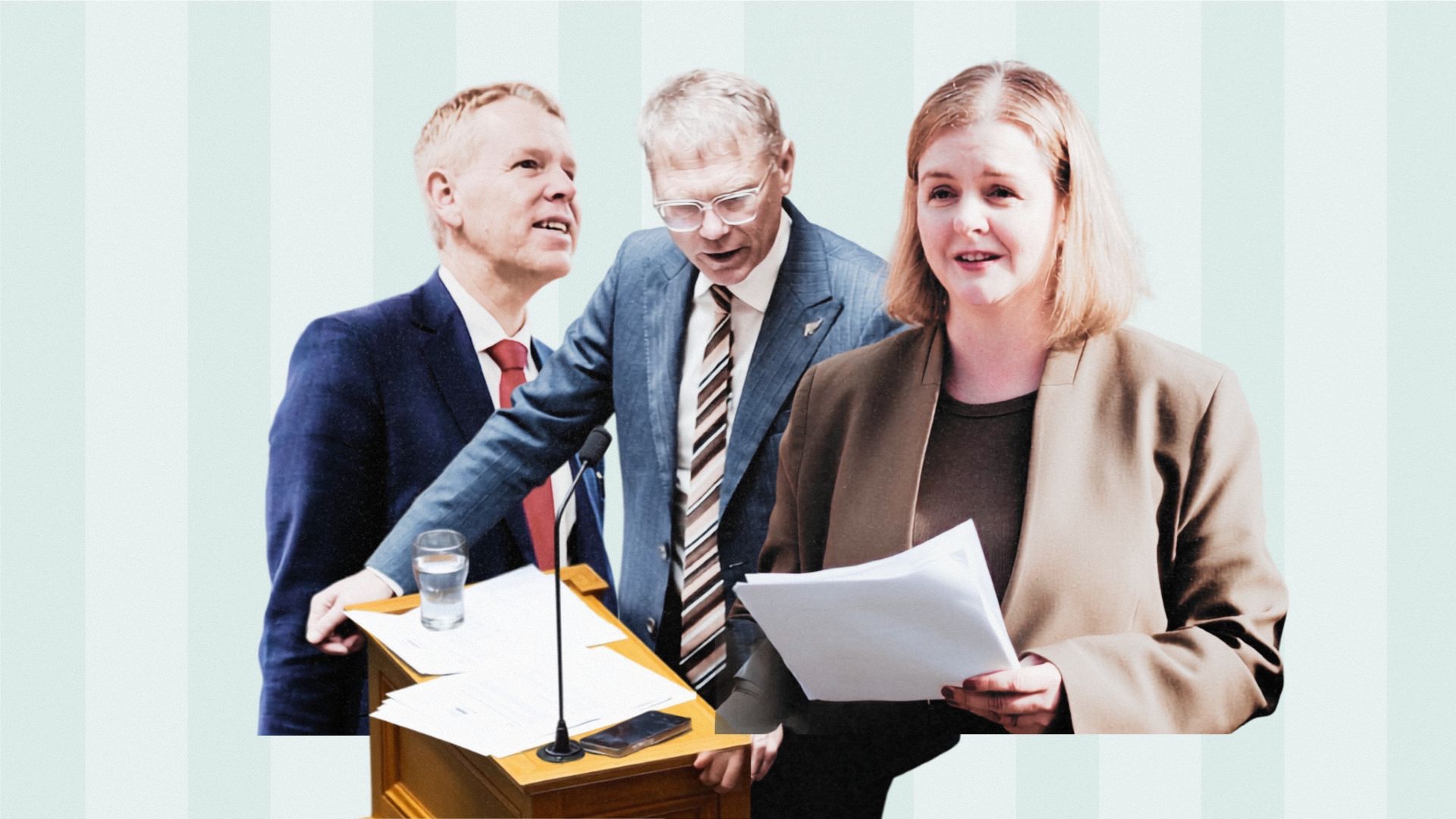
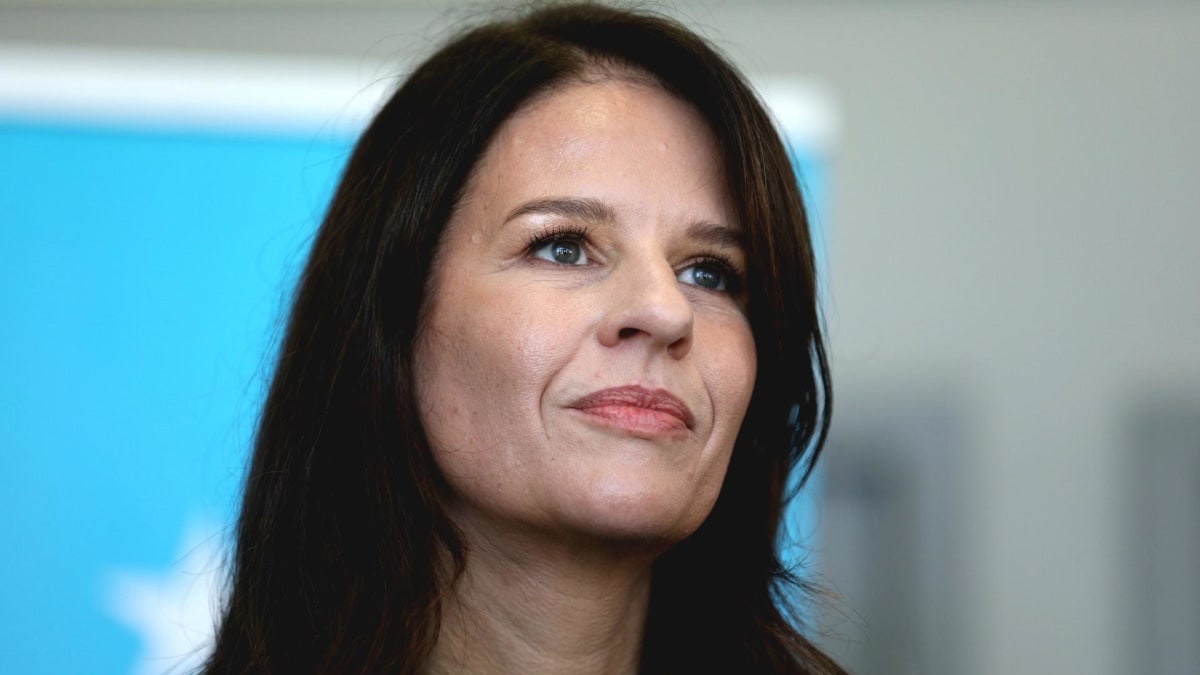
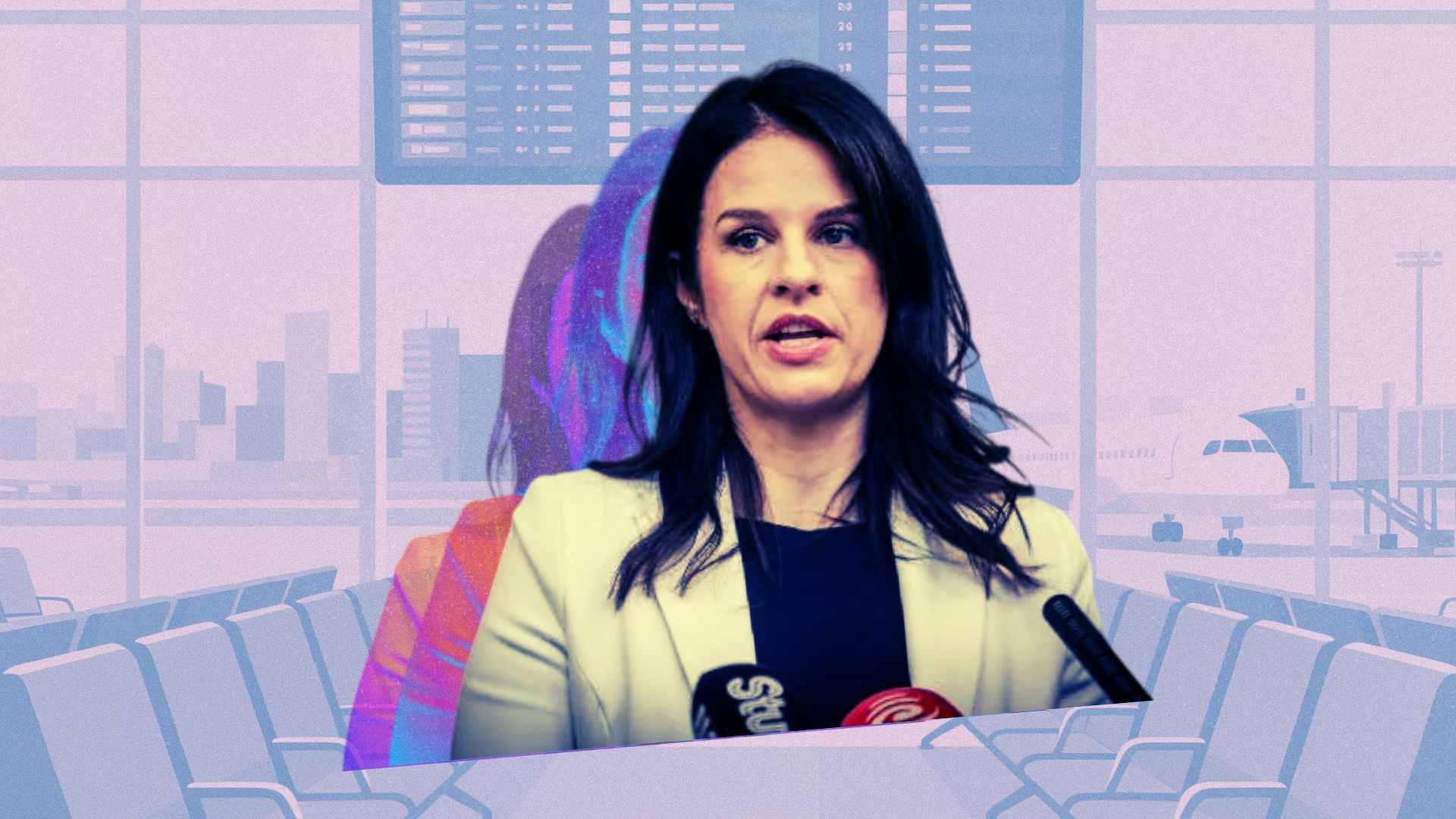
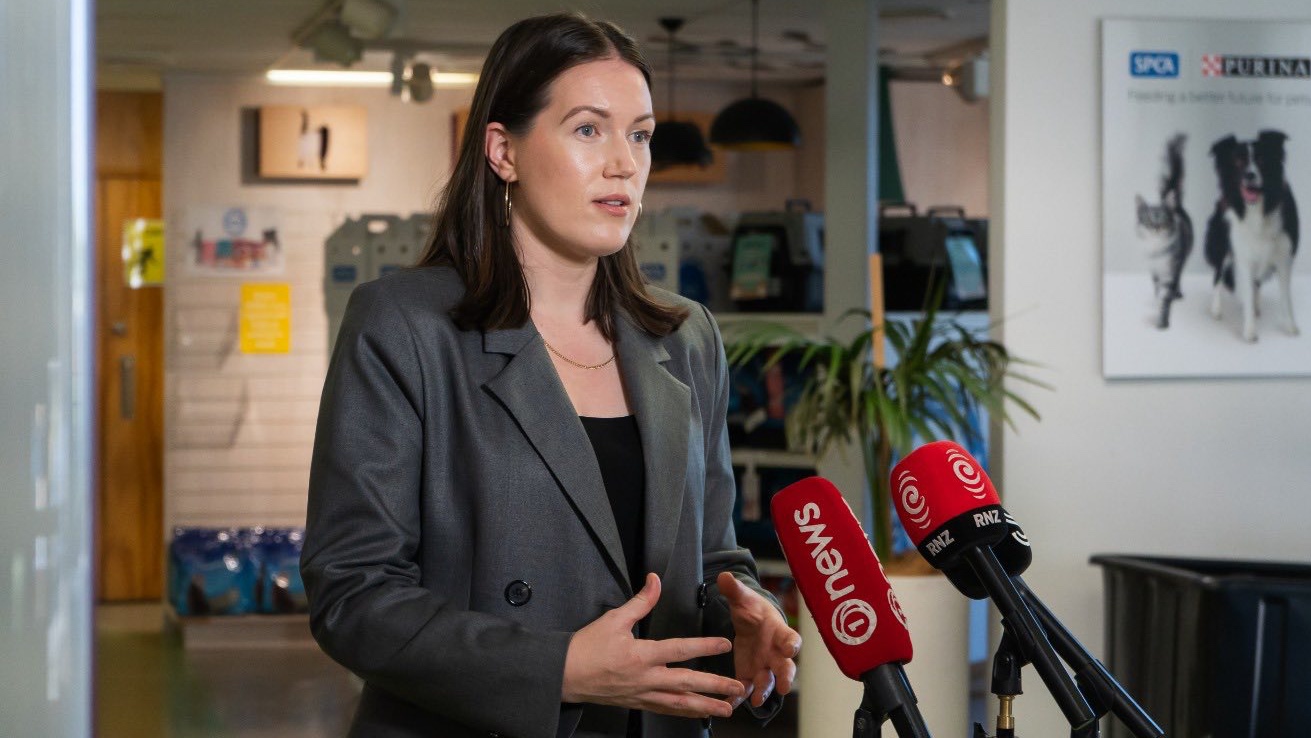
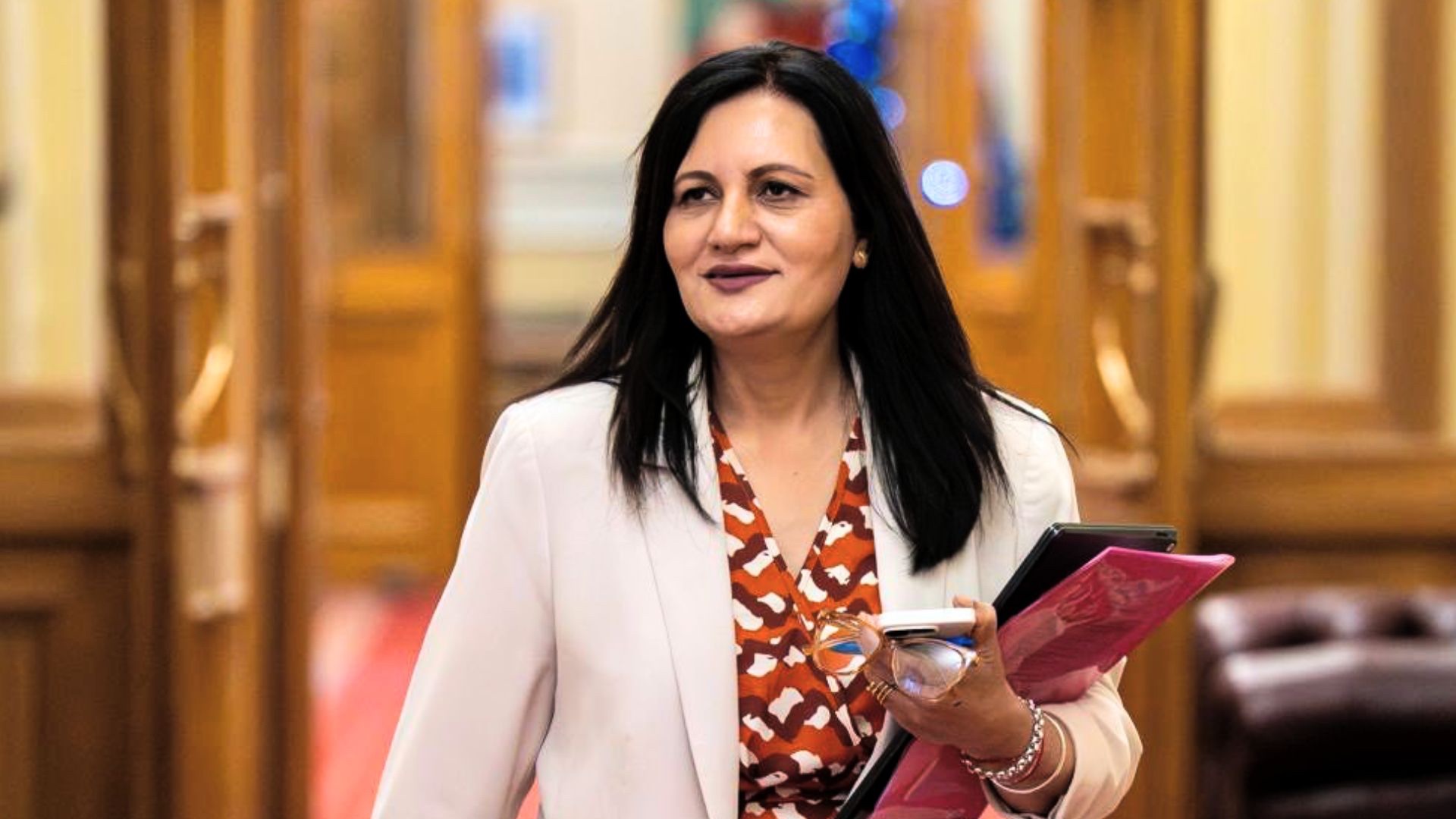
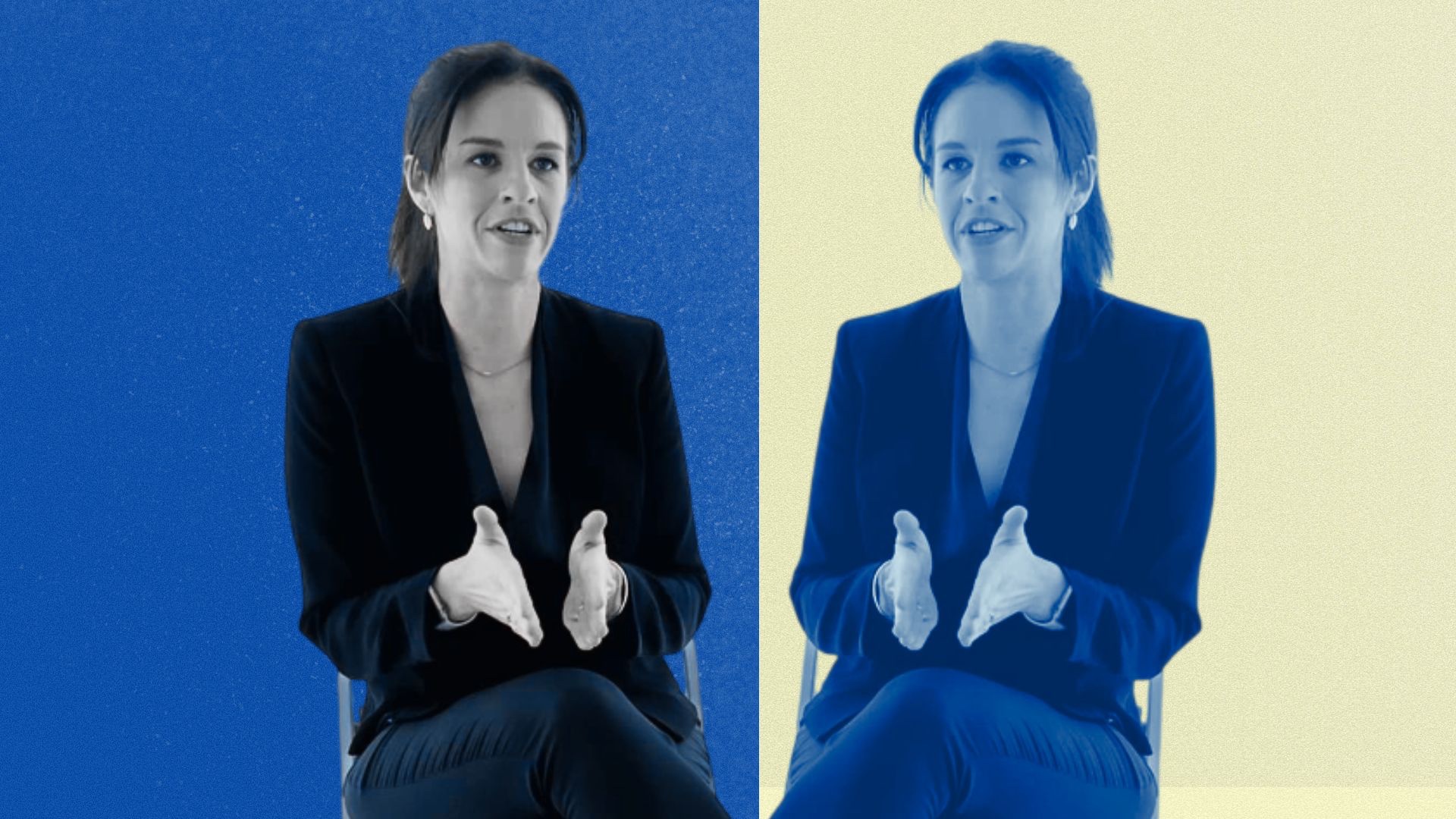
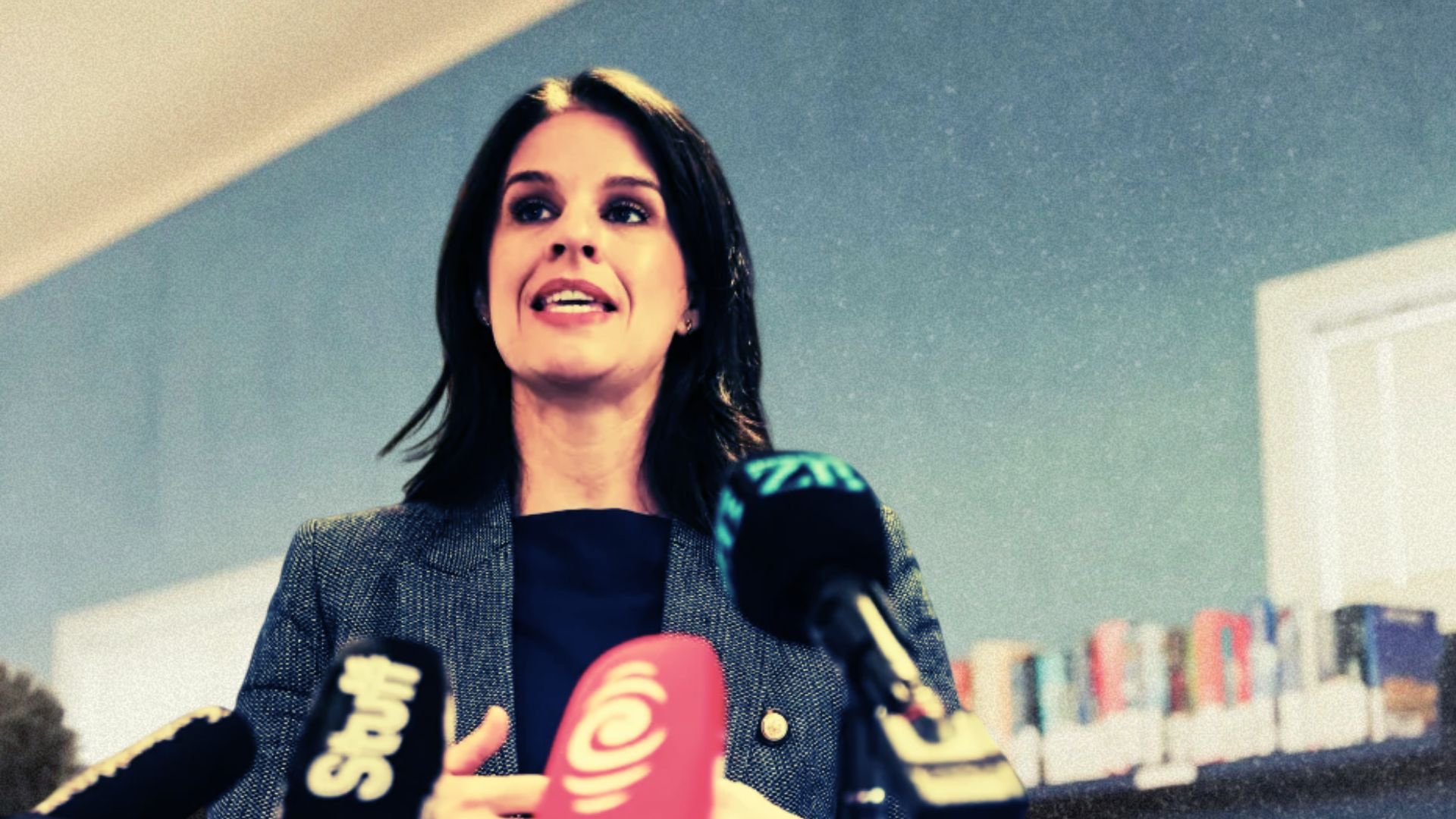
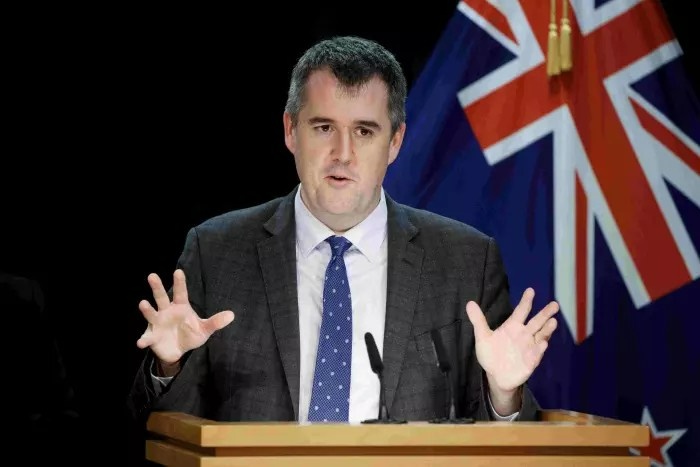
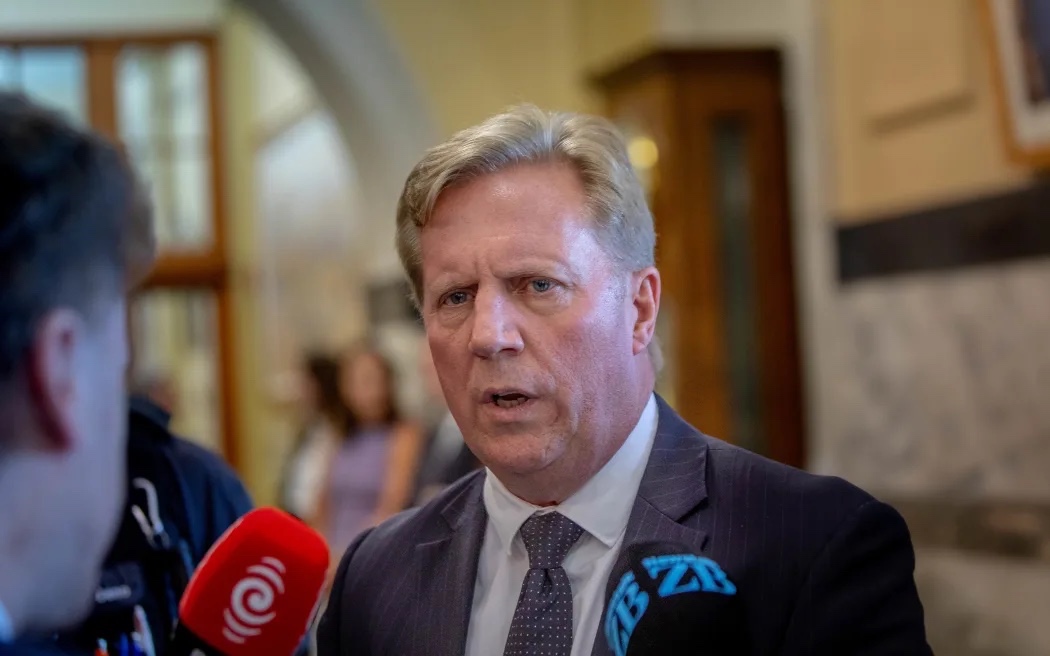
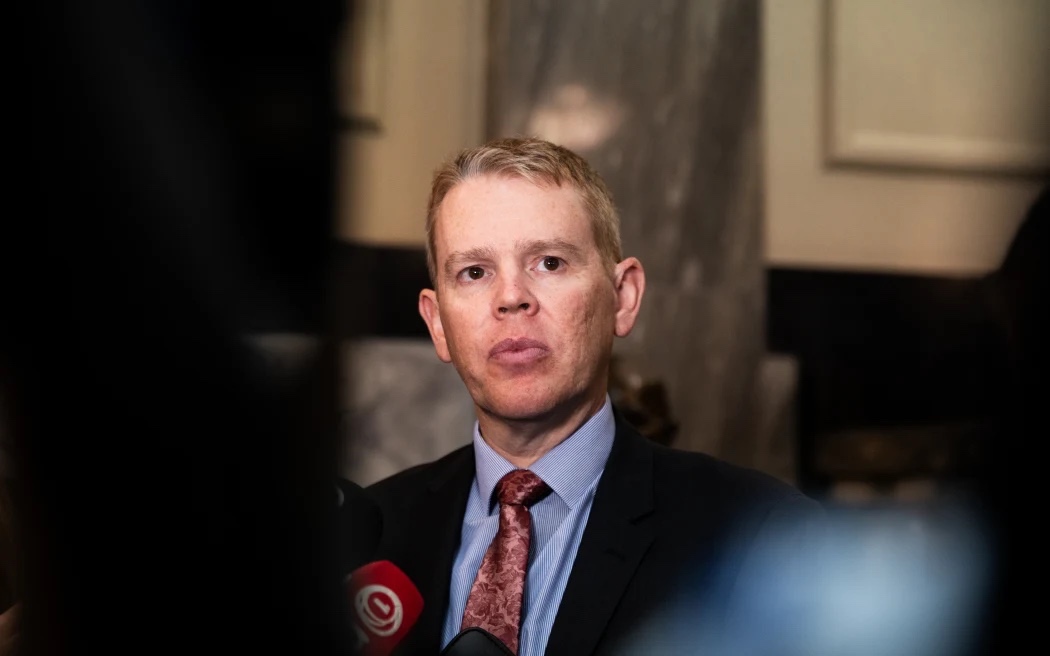
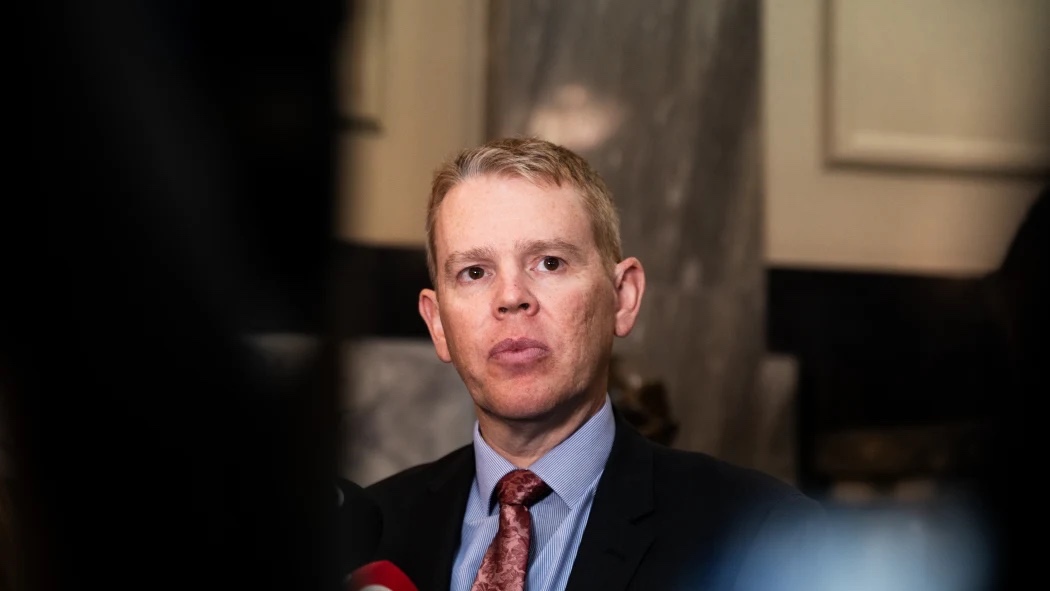
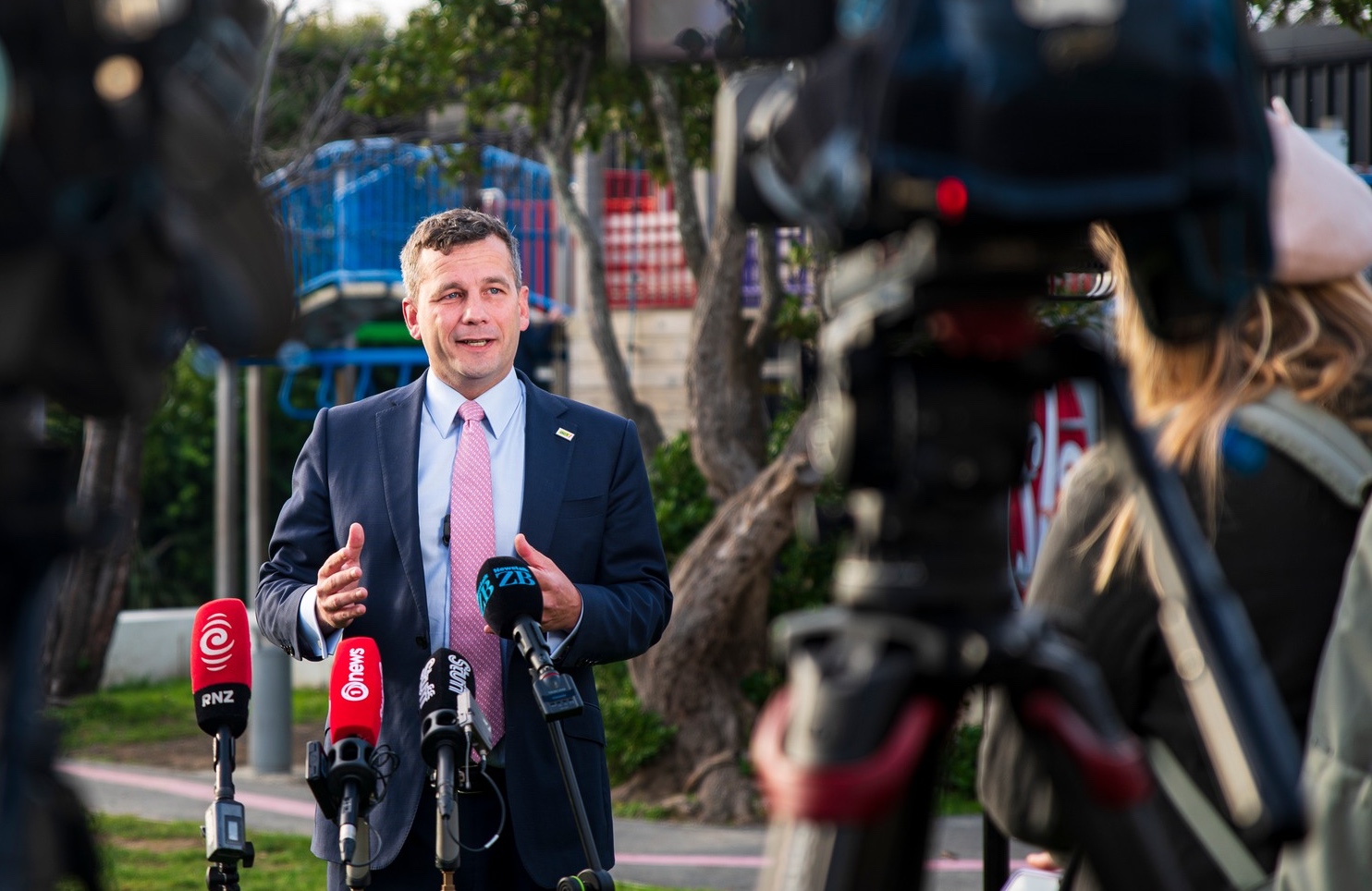
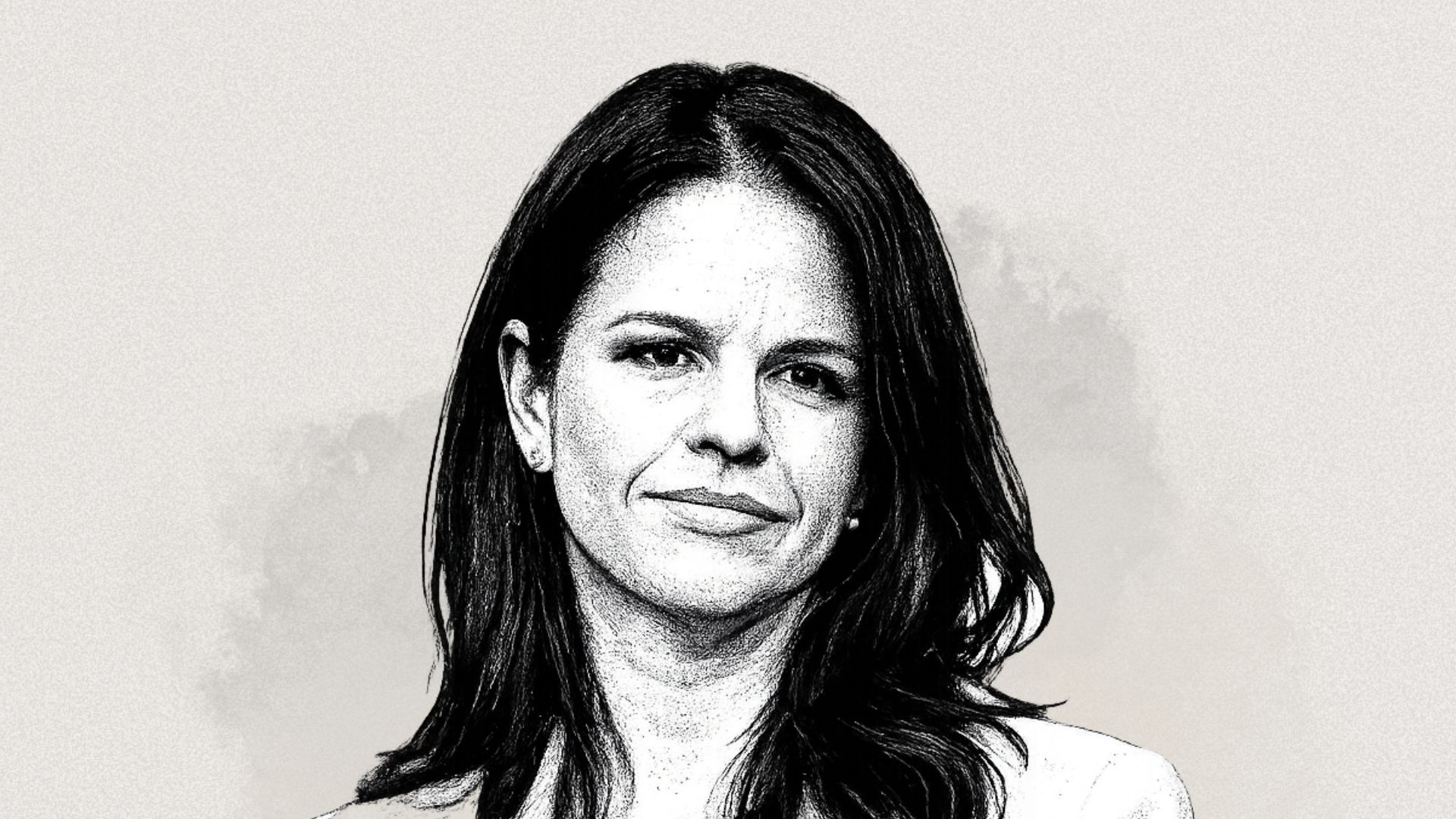
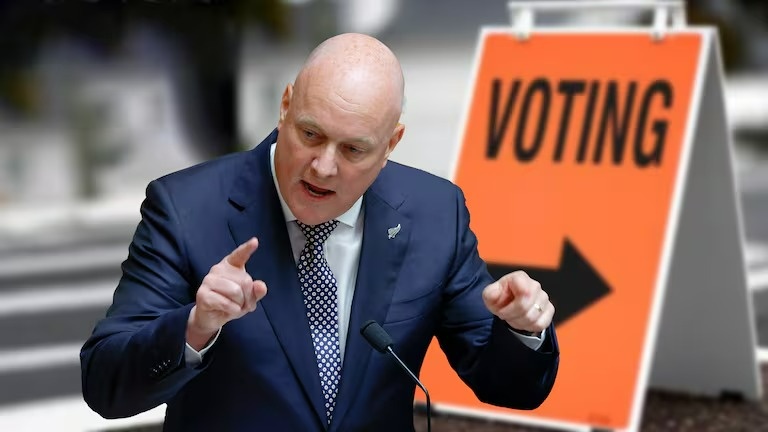
Immigration minister Erica Stanford. (Mark Papalii/RNZ)
The law change makes a distinction between the civil rights New Zealand residents enjoy based on their ethnicity, their language, or their choice of occupation.
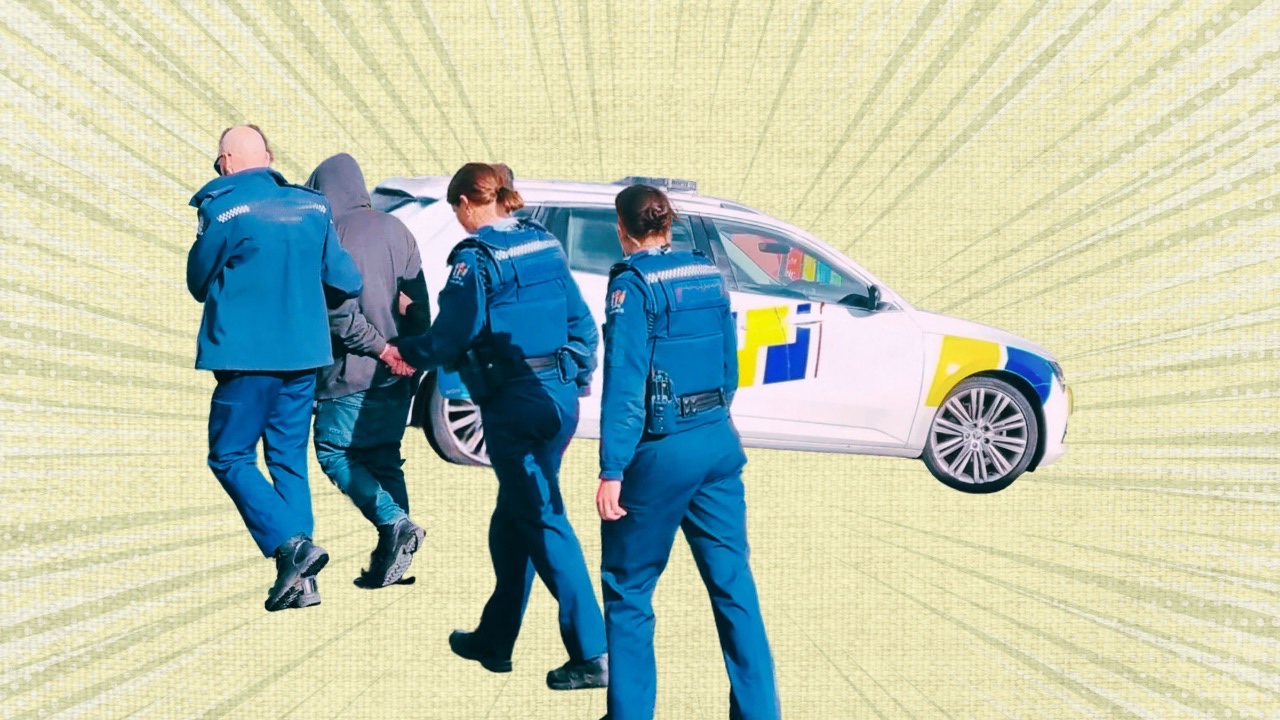
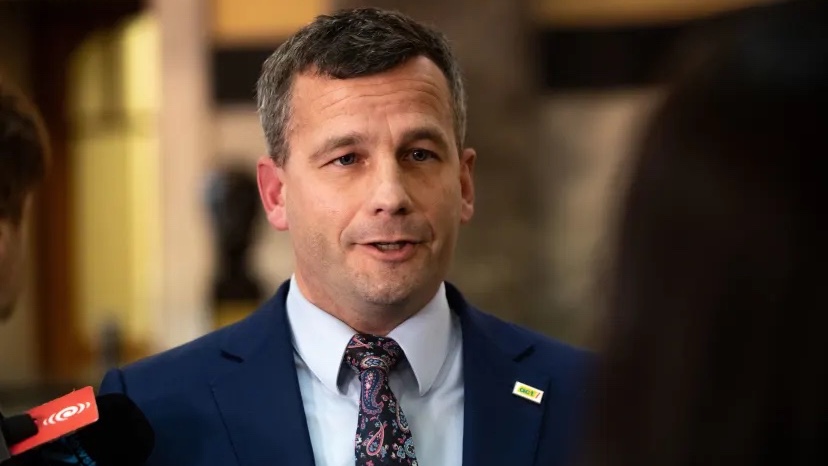
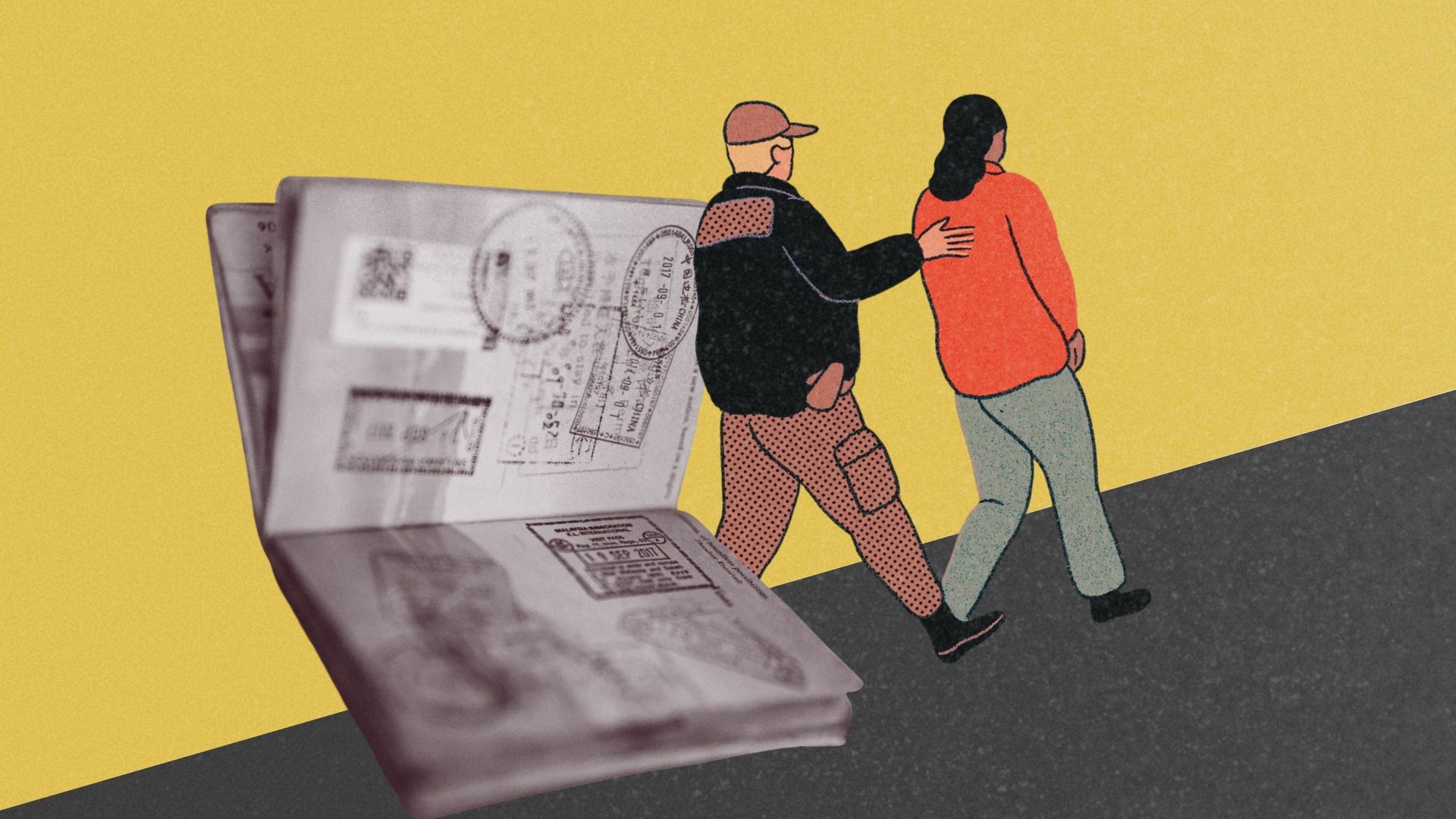
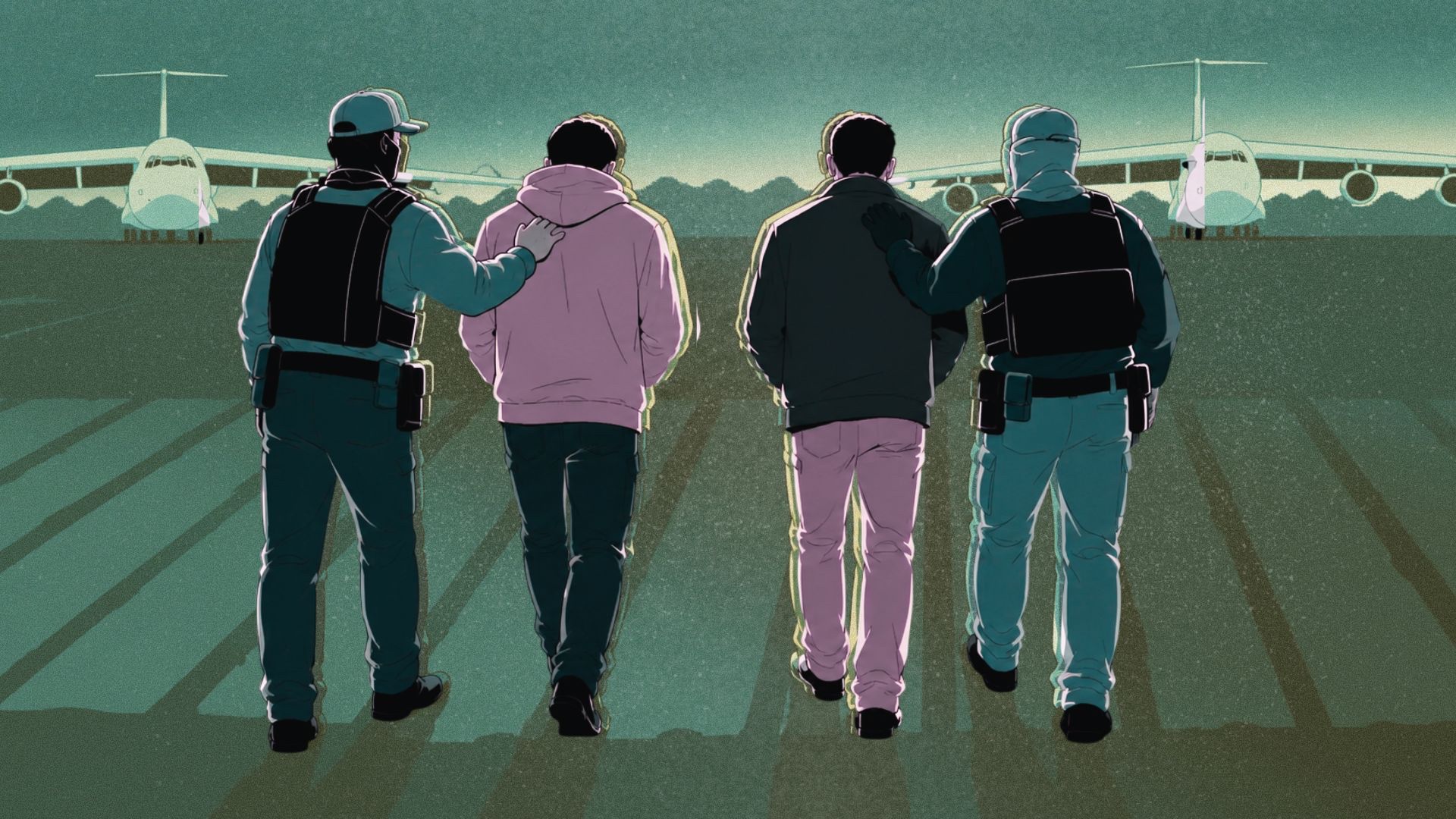
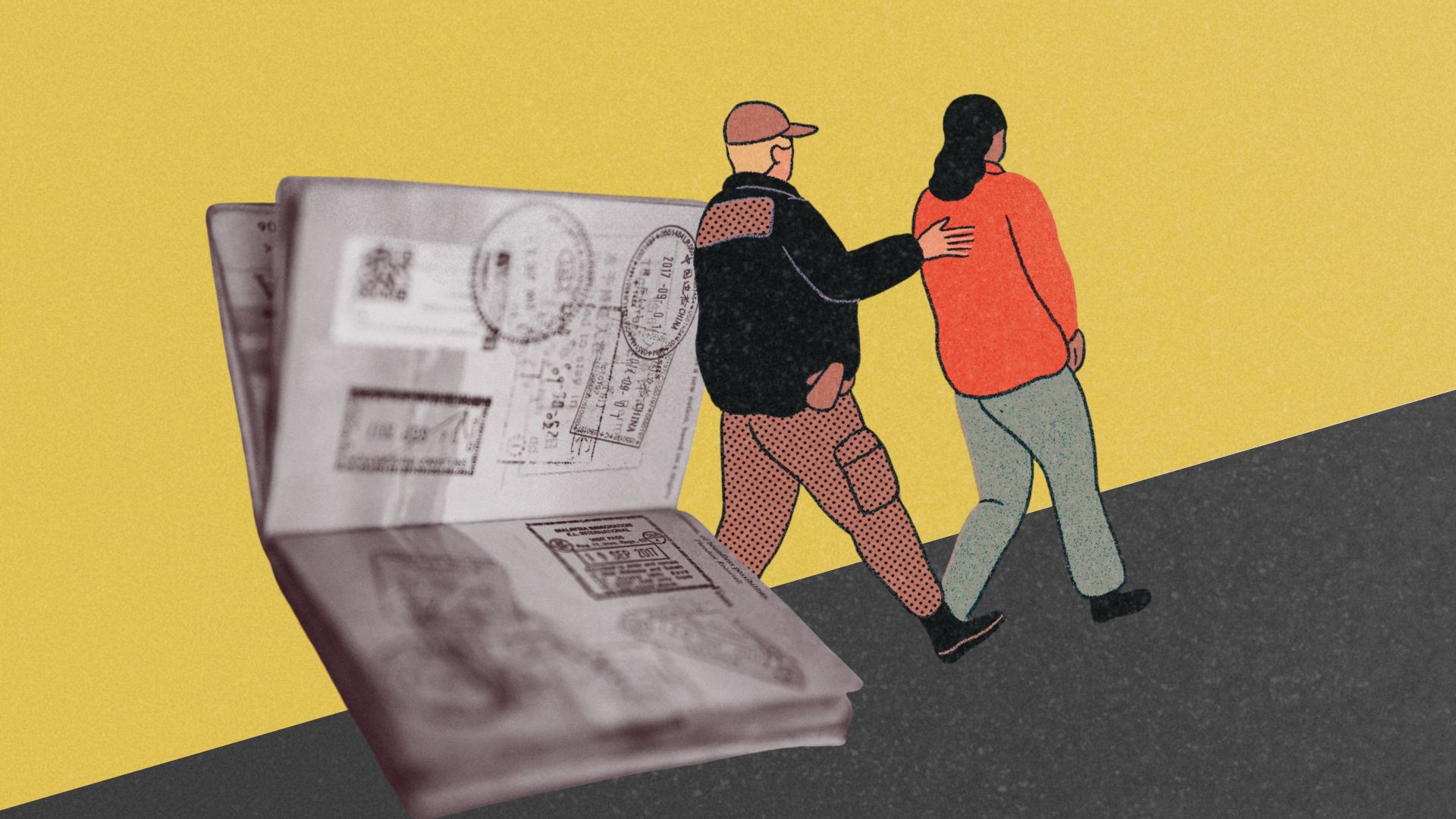
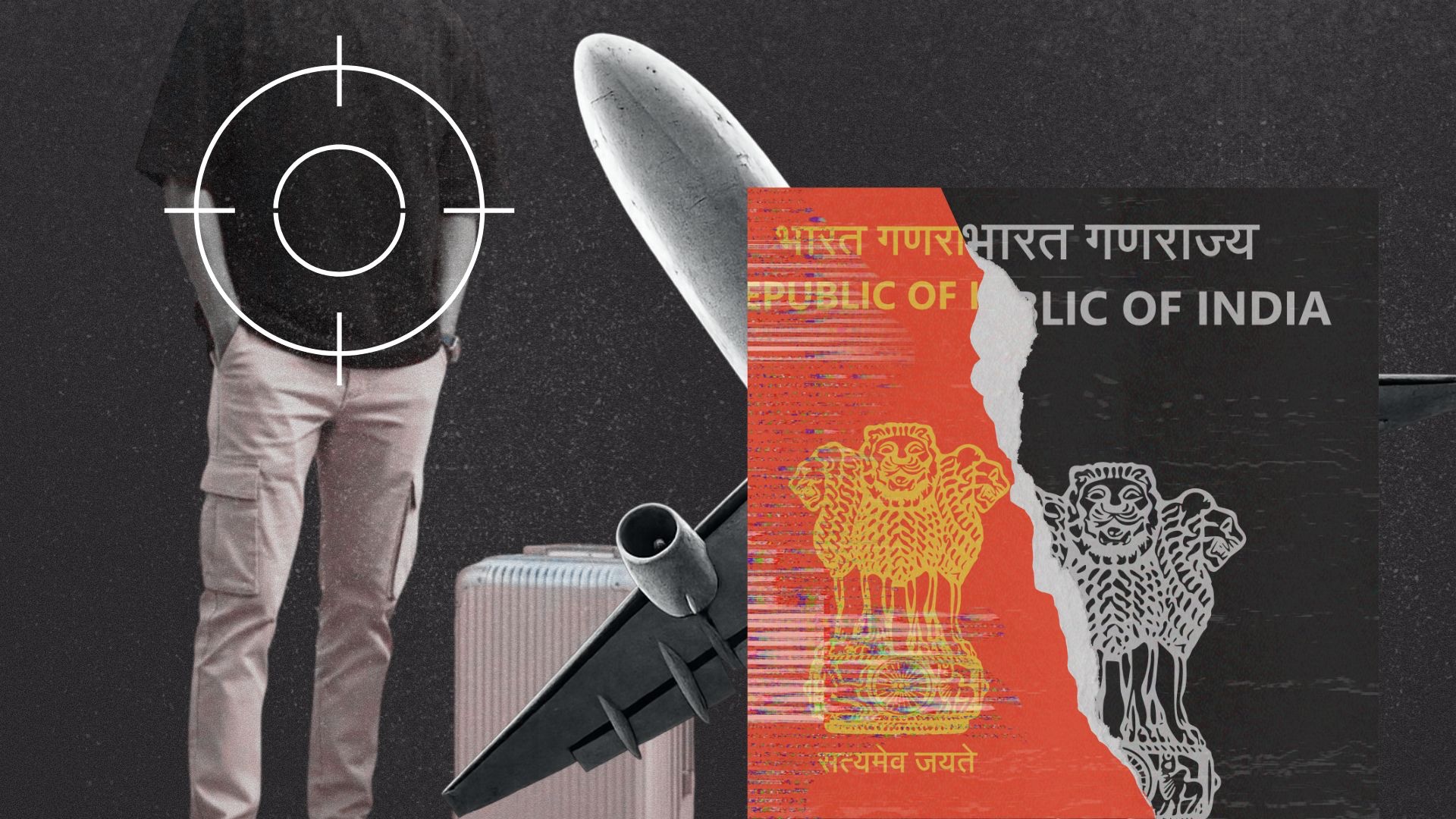
Opinion: Immigration minister Erica Stanford is proposing an amendment to the Immigration Act that will enable immigration officers to require a person to provide identification when they have reasonable cause to believe someone is in breach of immigration conditions.
"Often they're in a situation where they are looking for a particular person, they find that particular person, and then at that residence or workplace, there are other people who are either fleeing or acting suspiciously," RNZ quoted Stanford as saying.
The minister has indicated the proposed changes will be brought to Parliament for approval in March. The draft of the Bill has yet to be made public, and it hasn't been shared even with fellow parliamentarians who are expected to vote on it.
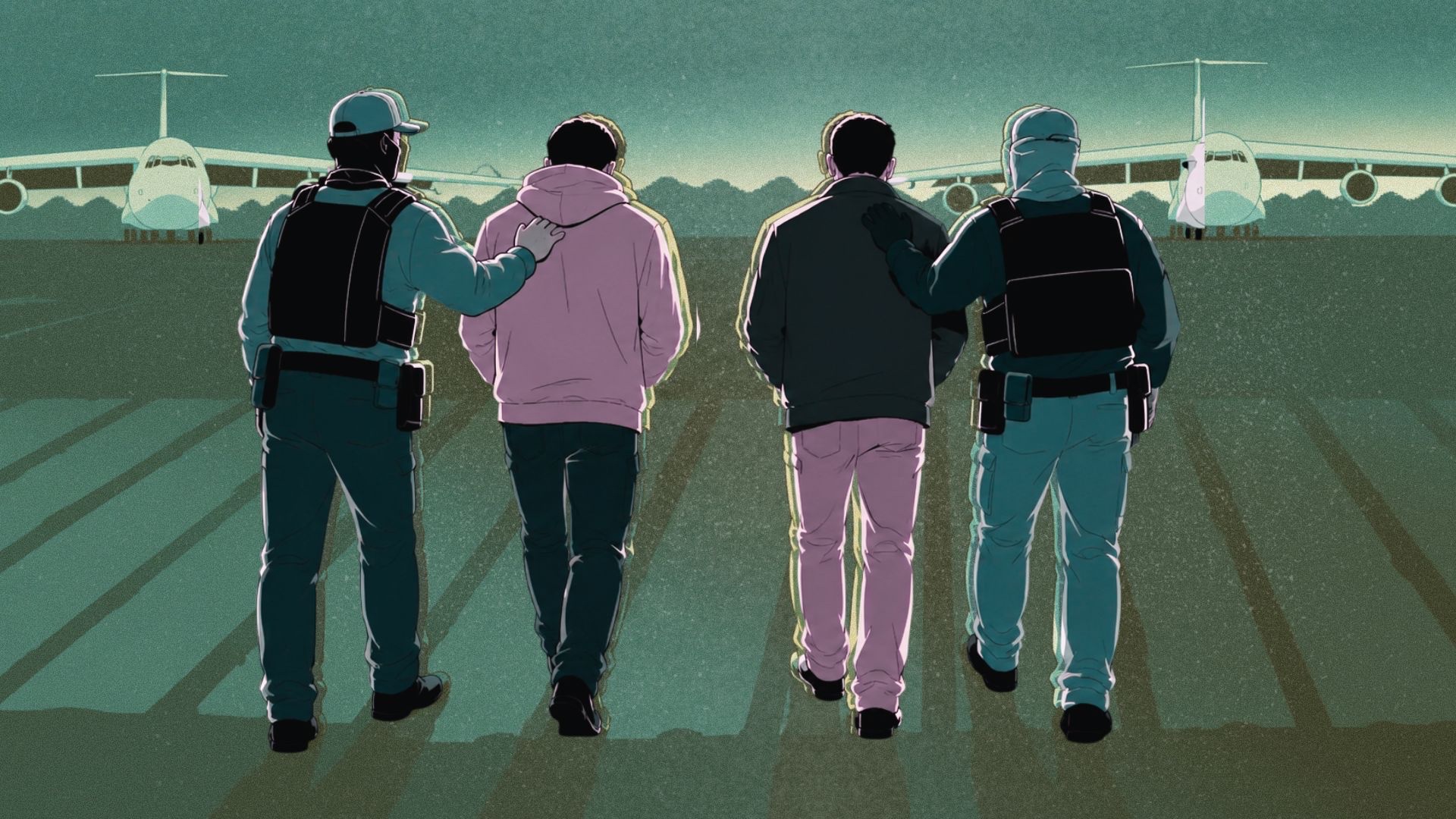
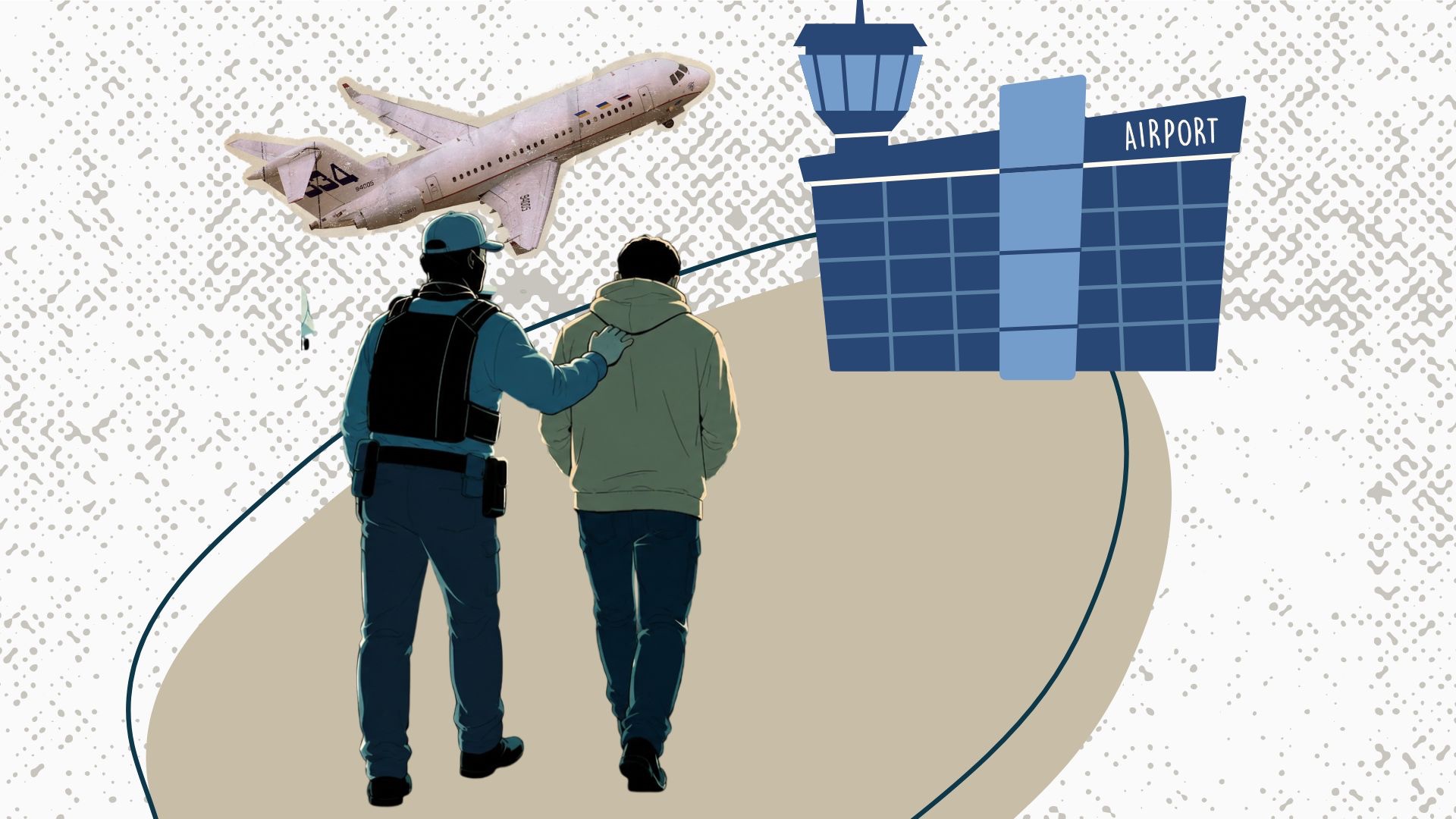
Stanford illustrated the use case for the change by laying out a scenario where a person tries to hide when an immigration officer visits their workplace or home suspecting the presence of undocumented migrants. The minister's office insists that it only applies to those types of situations, and that the behaviour of a particular person in such a situation will help immigration officers decide whether an identification is required.
One wonders why this has become an issue only now. The minister has claimed it is highly restricted, but it's unclear how a law change requiring an individual to provide identification is going to assist immigration officers from pursuing someone who flees.
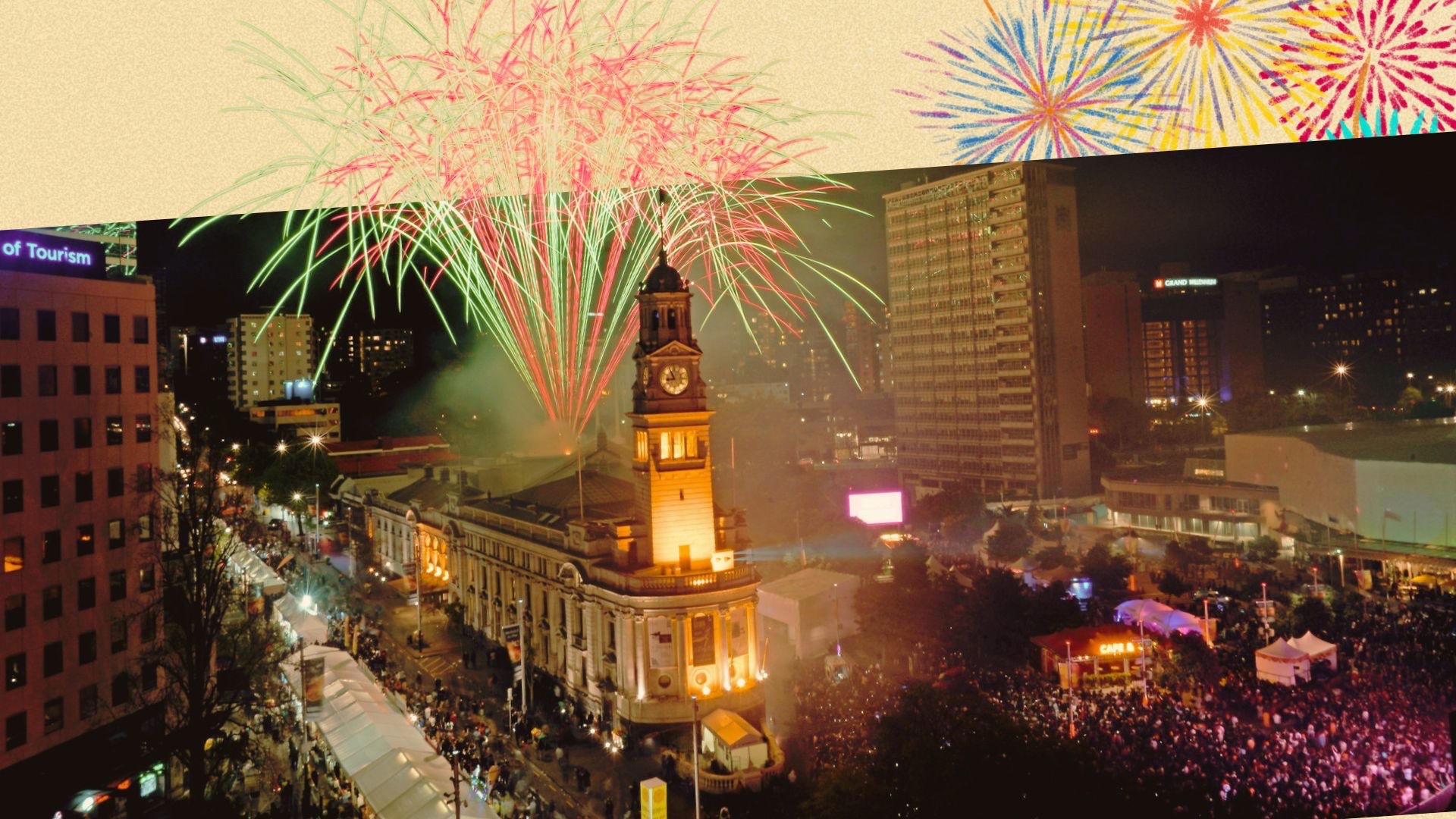
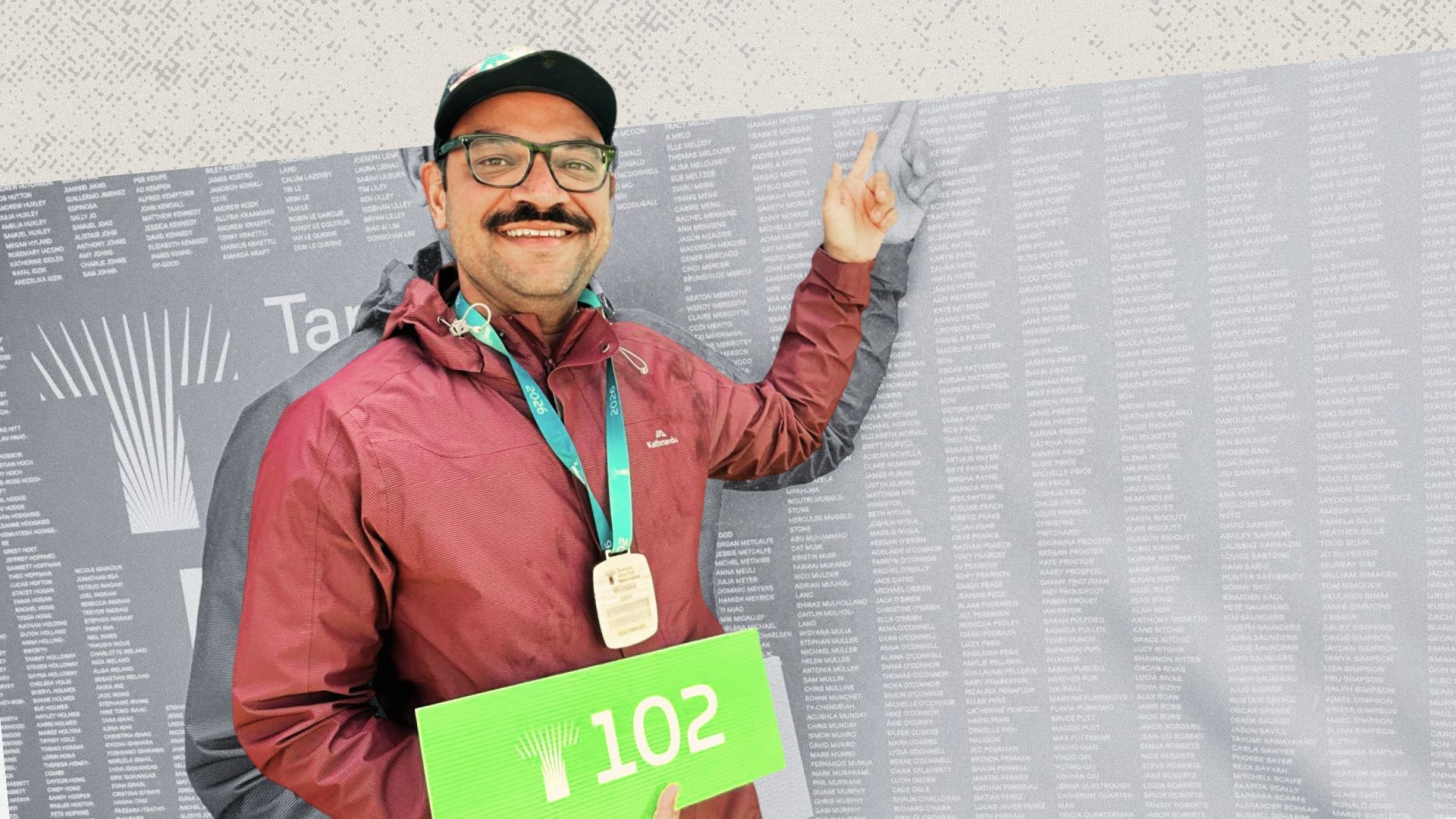
From designing restaurants to running Auckland Diwali: The many lives of Arnav Taode Taode brings his passion for Indian arts and culture to his first year managing BNZ Auckland Diwali 2026.
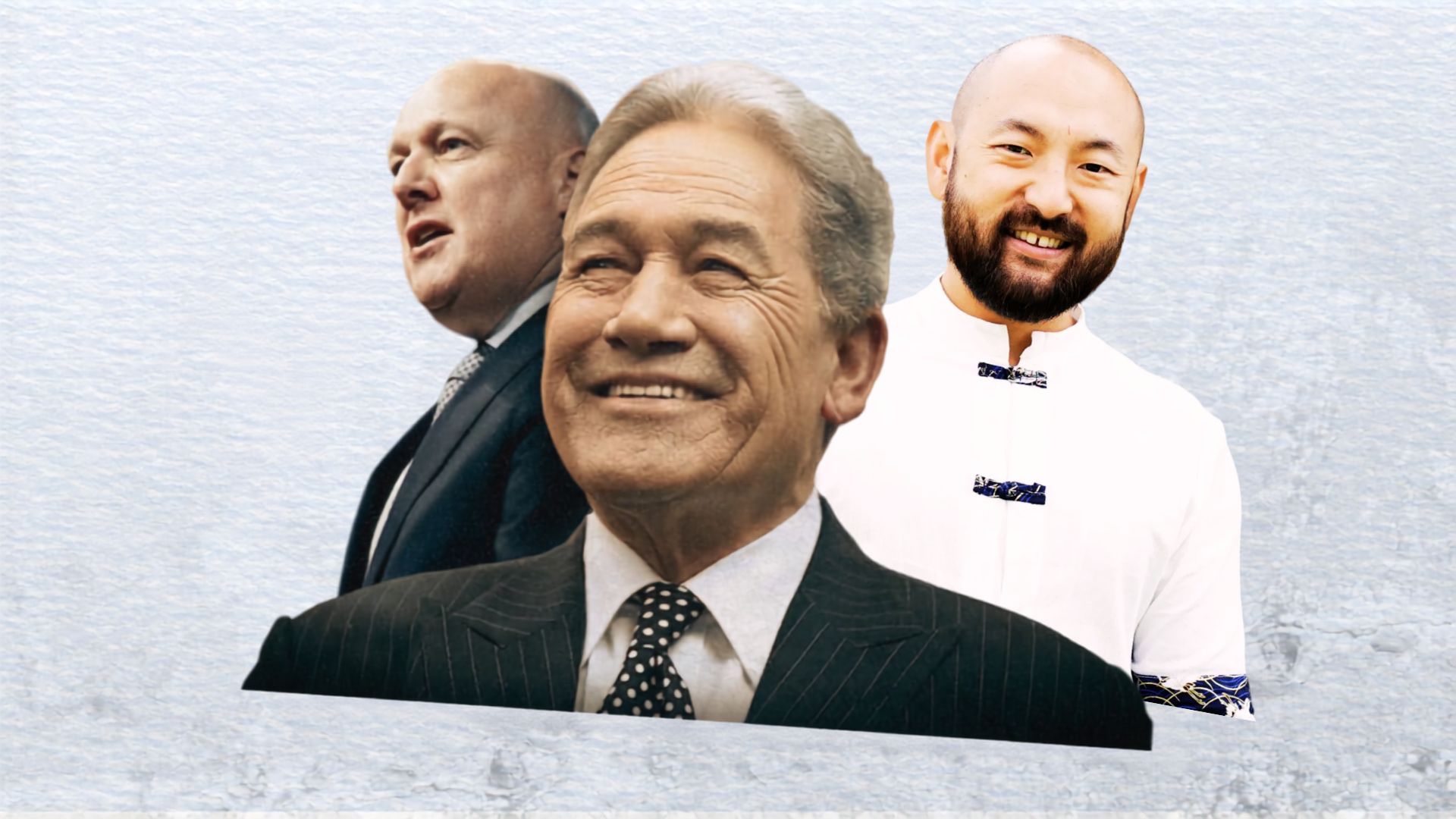
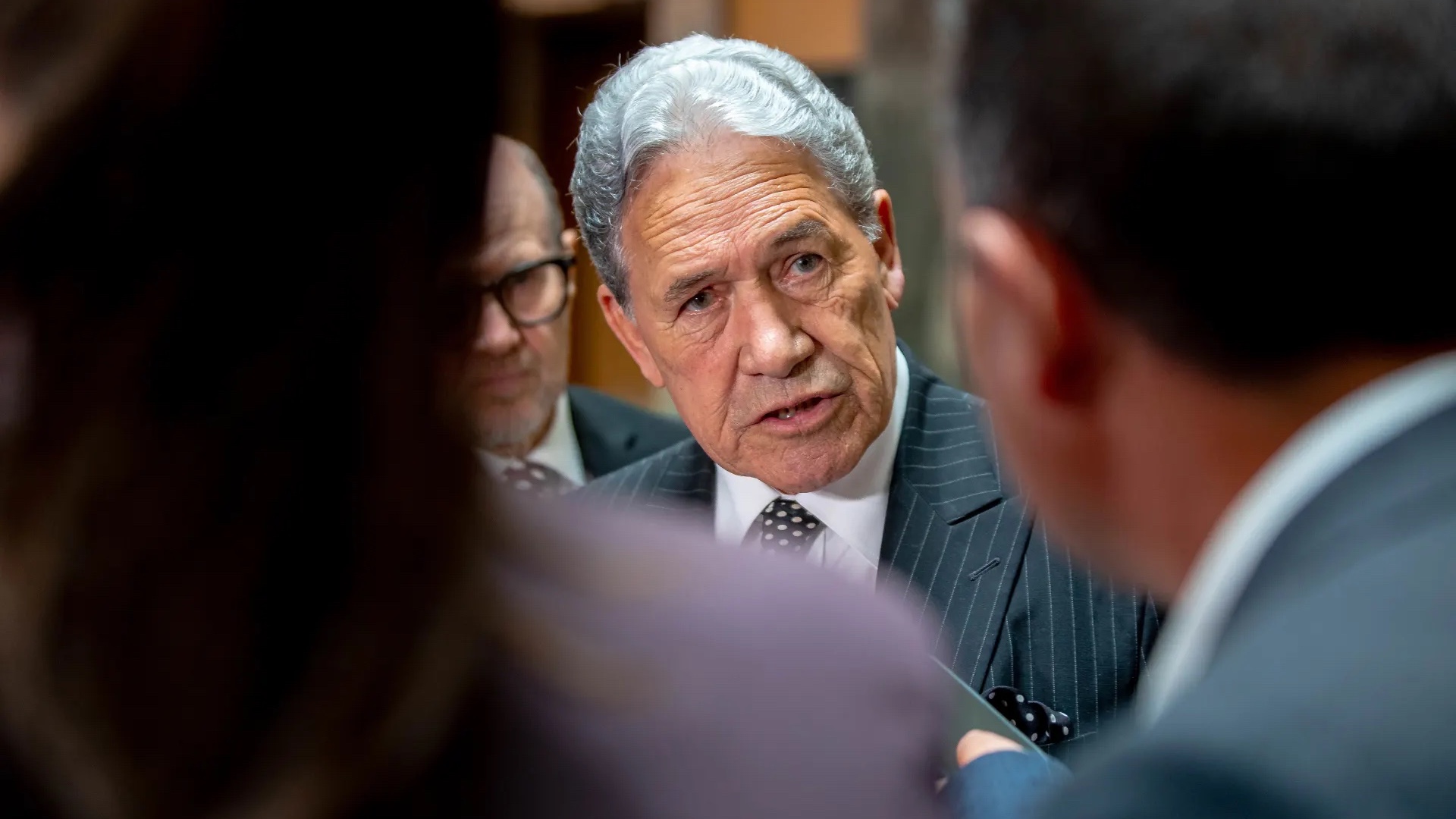
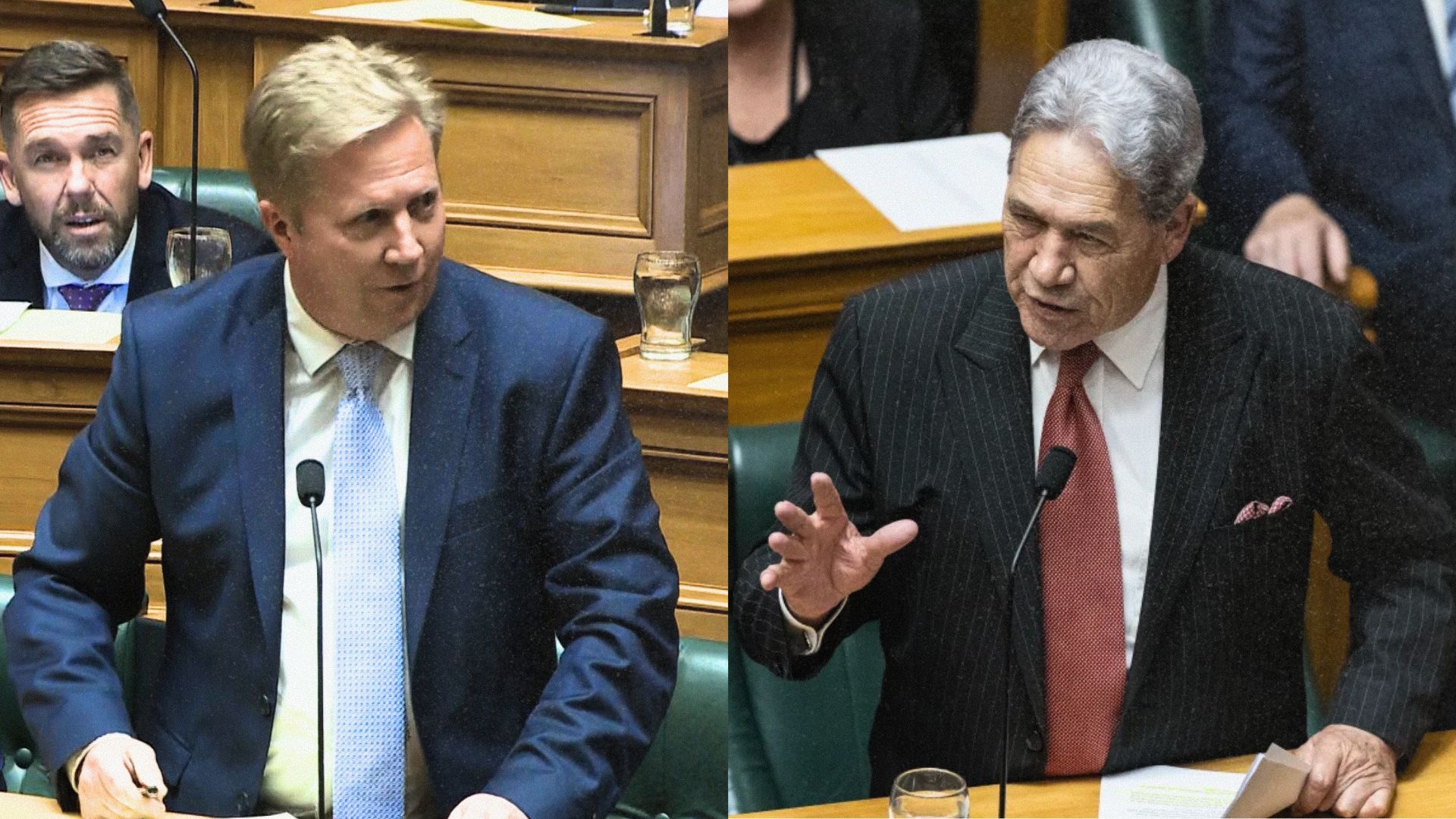
Winston Peters says ‘diversity is disunity’. What does the evidence tell us? Evidence from business, sport and social policy suggests diversity can strengthen economies and cohesion but on one condition.
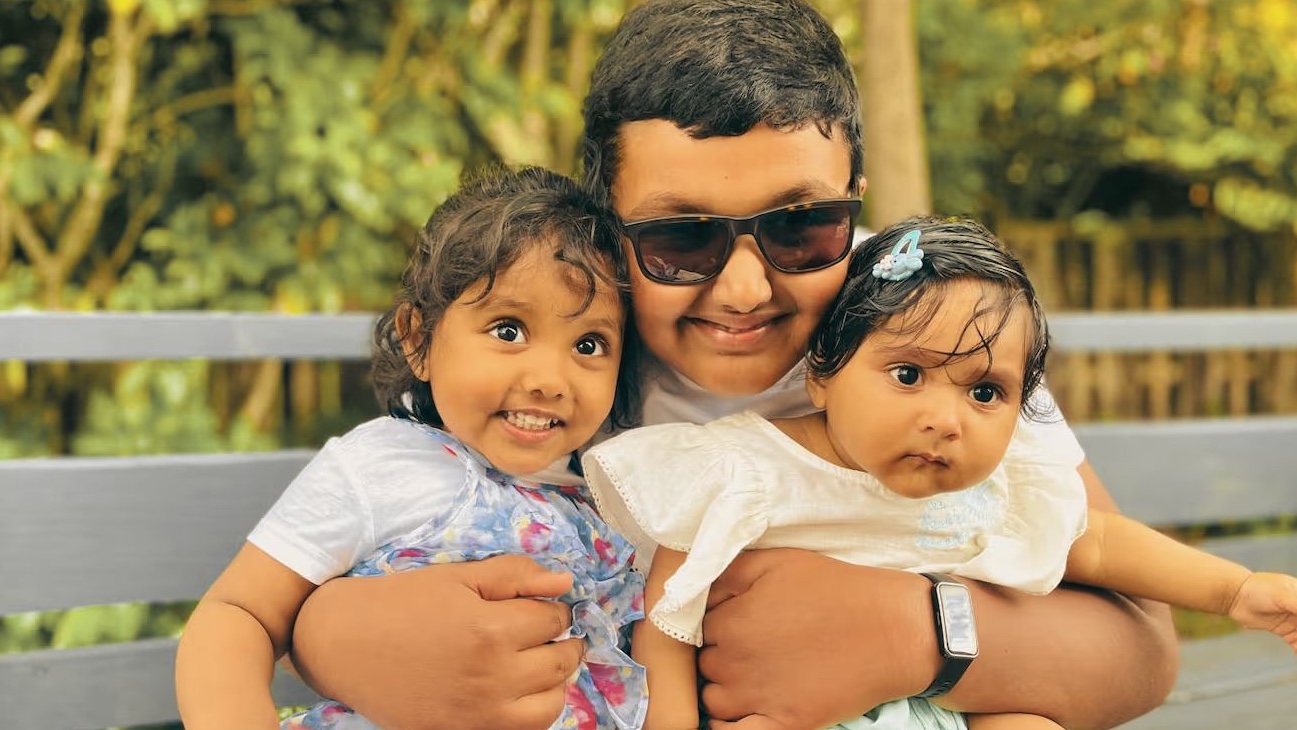
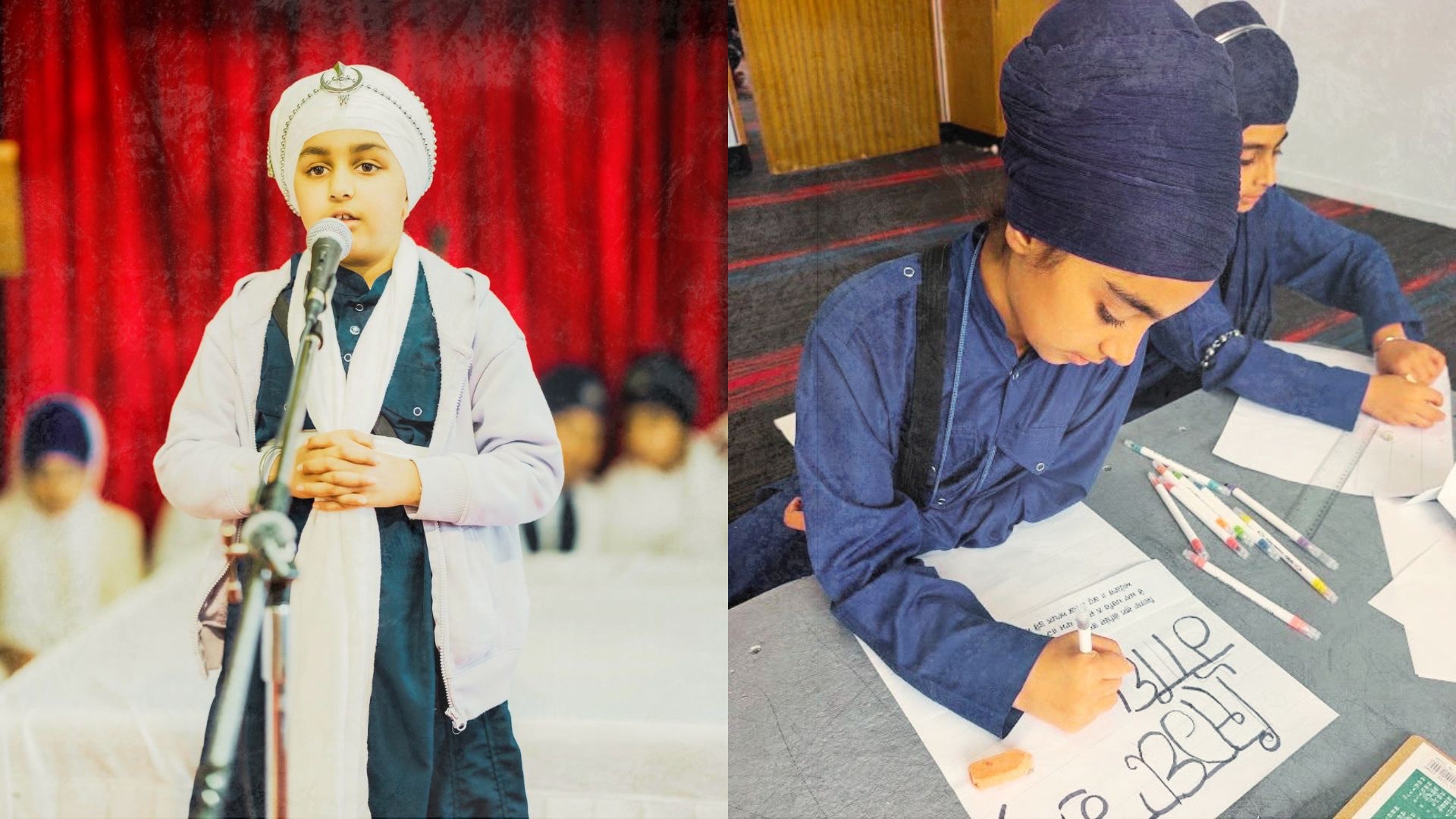
Baby born in Sri Lanka to New Zealand residents caught in limbo after Down syndrome diagnosis Immigration tribunal orders fresh residence assessment after finding a “serious mistake” by immigration officials.
There are many other troubling aspects in the minister's claims, which raise significant concerns regarding the civil liberties not only of migrants in this country but also New Zealand residents and citizens, who may be mistakenly believed to be a recent migrant and in breach of immigration conditions.
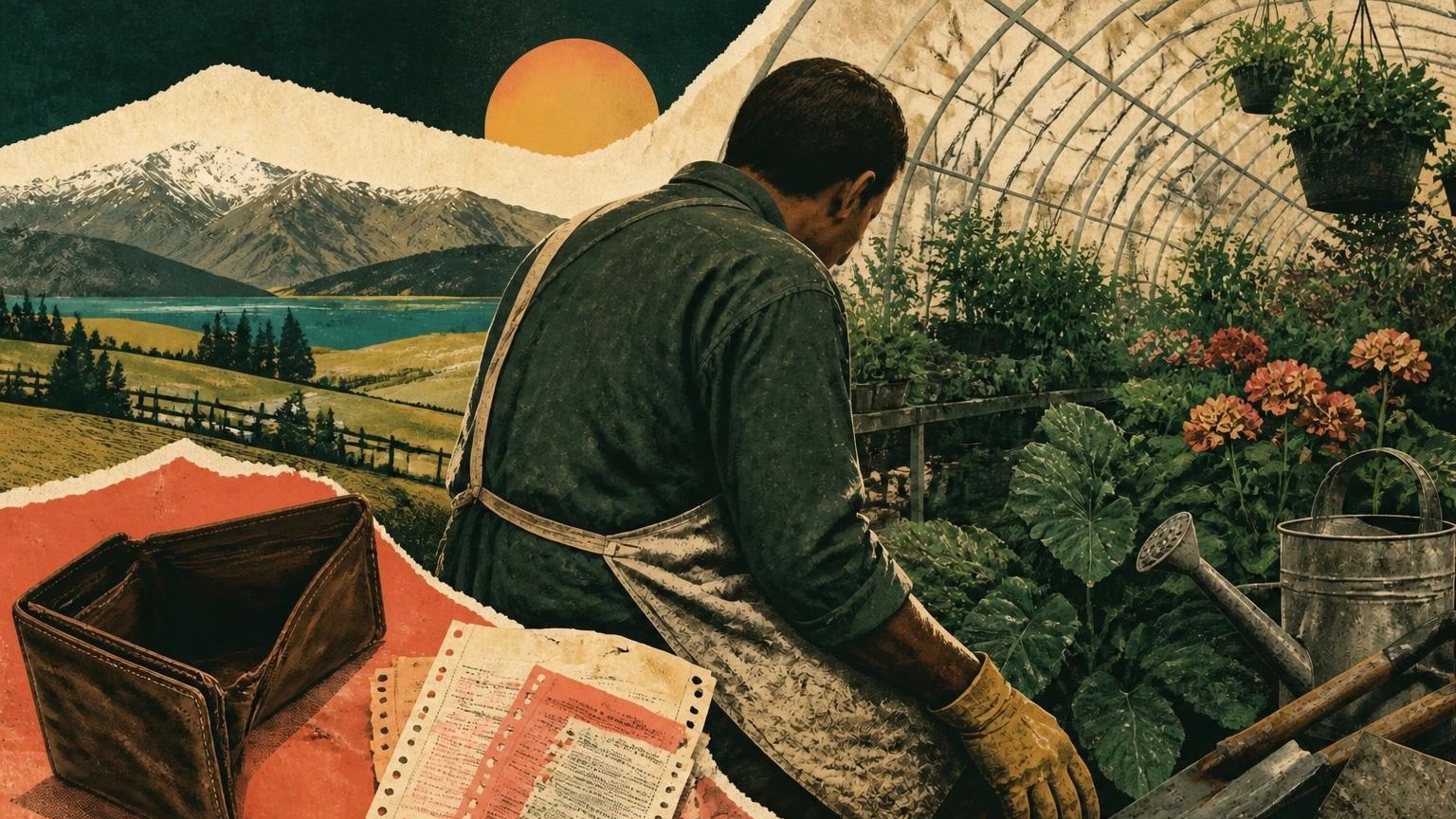
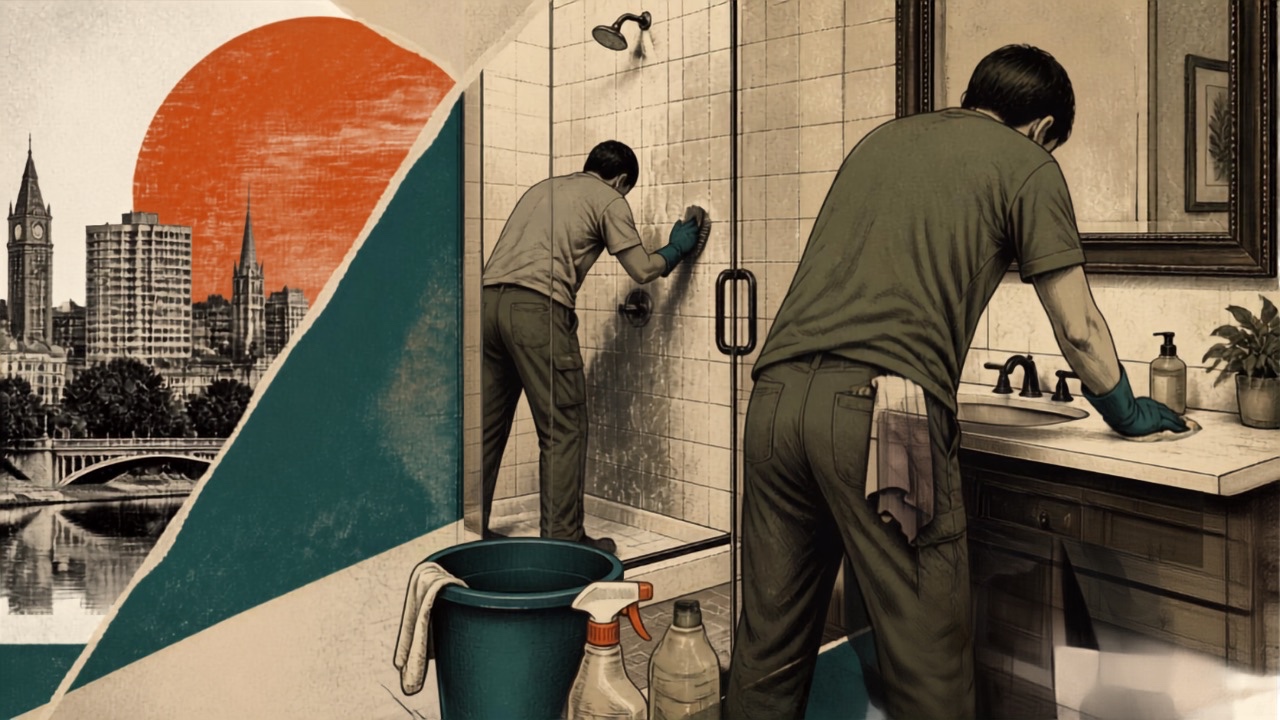
Let's imagine Immigration New Zealand (INZ) receives information about undocumented migrants working in a market garden in Pukekohe. They visit the workplace with police and find 20 people of Indian origin working in the market garden. They then have reasonable cause to believe, from the information received, that some of these migrants may be in breach of their visa conditions. That then, under this amendment, gives them the right to demand identification from those suspected of being in breach.
Let's now imagine that the information they received is that there are two migrants working in the market garden with the surname Singh. What if they discover that more than two people at the site, in fact, go by the surname Singh? Does that make everyone named Singh a suspect? Do they all need to show identification?
What the minister also doesn't explain is what powers will be given to the immigration officers who demand identification. Presumably, the amendment will give the officers powers to demand identification, but there must be some sort of enforcement provision to enable them to do so. Otherwise, the amendment is not only pointless it's completely unworkable.
Therefore, we must assume they also have the power to detain someone. Let's now imagine that some of the workers in the market garden are not carrying identification with them. They look scared, thereby meeting the criteria of coming under suspicion based on their behaviour, as defined by the minister's office, and are then detained by the officers and police on the basis that they have breached the law by not presenting identification when required.
However, let's now imagine that those people being detained for not carrying identification are actually New Zealand citizens. Let's further imagine that some of these citizens who have been observed as exhibiting fear were successful refugee applicants who may well have been traumatised by past experiences relating to government authorities or police.
You can already see a situation here where New Zealand citizens are being detained in a breach of their civil liberties on the grounds that they are in a public place undertaking their daily work without carrying identification documents with them.
Meanwhile, other New Zealand citizens not working in such workplaces, not living with other migrants, and who do not look like migrants or sound like migrants or work in occupations in which migrants tend to work, will practically not need to either carry identification or to present identification when asked.
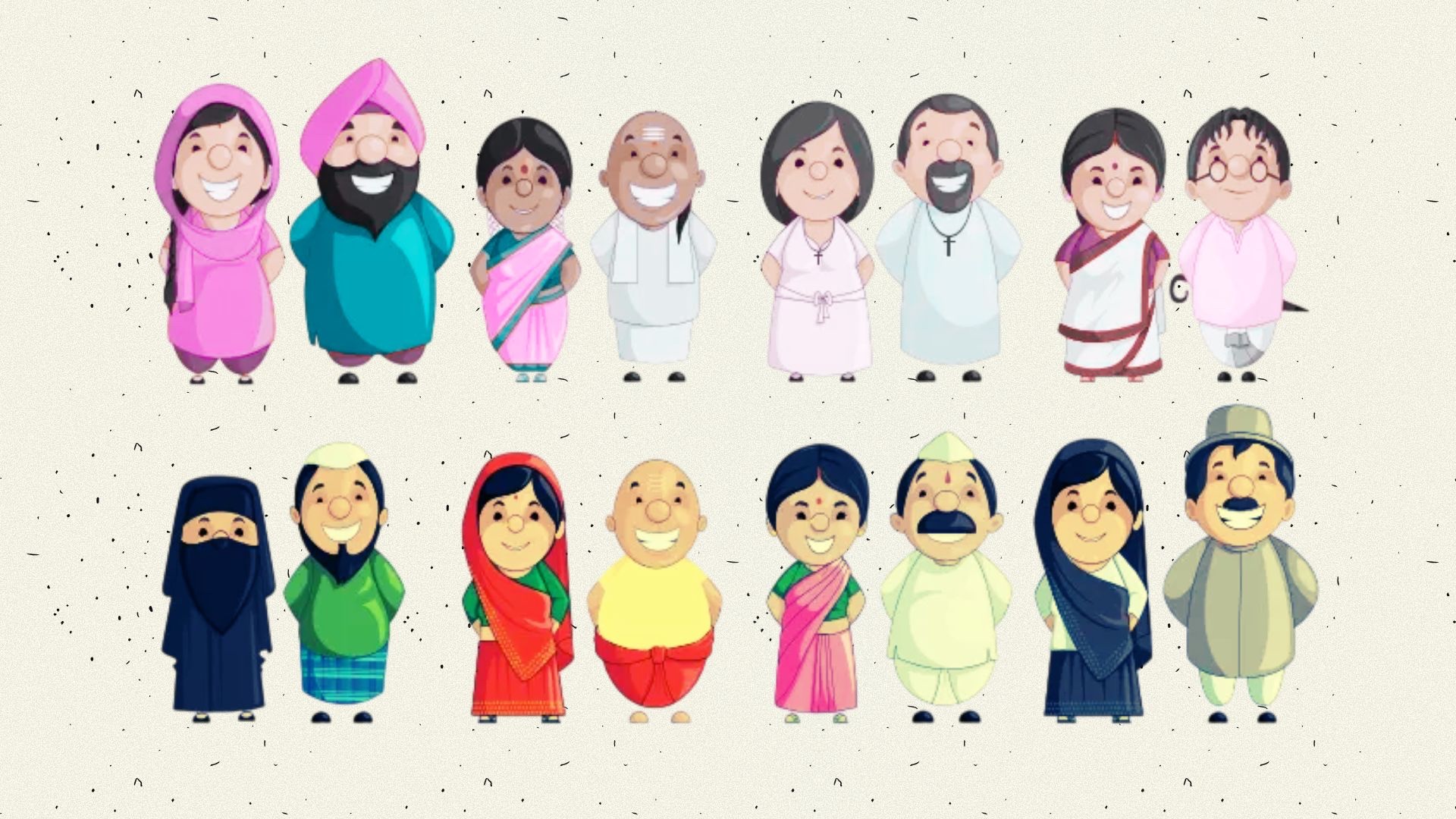
This then raises the question as to why it is that Pakeha citizens are not required to carry identification with them, but citizens of Indian, Chinese, or other non-European ethnicity are required to carry identification with them simply because they look like a migrant, sound like a migrant, or work in occupations in which other migrants work.
This then creates a dual system of civil liberties, which in some ways already do exist. It's a standard element of our immigration policy that migrants in New Zealand on temporary visas carry with them a different set of rights than New Zealand residents or citizens.
Whilst that is debatable in terms of ethics, and why temporary migrants carry a lesser bundle of rights than New Zealand residents or citizens, this amendment to the Immigration Act breaks new ground in that there is potentially now a distinction between the civil rights that New Zealand residents and citizens have based on their ethnicity, their language, or their choice of occupation.
The minister claims that undocumented migrants in this country are a significant problem. However, that is clearly not the case. We have relatively low numbers of undocumented migrants in New Zealand compared to other countries, primarily because of the geographic barrier of thousands of miles of open ocean, meaning that every single undocumented migrant in this country was at one stage granted a visa for entry. We don't have a border problem like the United States, Europe, or Australia.
The undocumented migrant problem that the minister claims she is solving for is a solution looking for a problem. Our questions must be asked as to why the minister now feels this is vitally important.
Remember that in 2022, the then Labour government basically opened the door for a large number of visitors and work visa migrants to enter the country to stimulate the economy and the labour market after the COVID lockdowns. The minister has already raised this as an issue, as many of those people who entered without proper verification taking place are now coming to the end of their three-year work visas, and are therefore likely to remain in New Zealand without a valid visa.
This is a problem of the New Zealand government and INZ's own making. Yet, rather than them acknowledging their failures and finding ways to fix it, instead they are creating legal instruments which create significant risk to migrant communities in this country, further alienating them through significant breach of their civil liberties.
(Alastair McClymont is a veteran immigration law specialist with a particular interest in human rights and immigration ethics)