
Selfie: At an Auckland pool, I realised how quickly prejudice can distort what we see

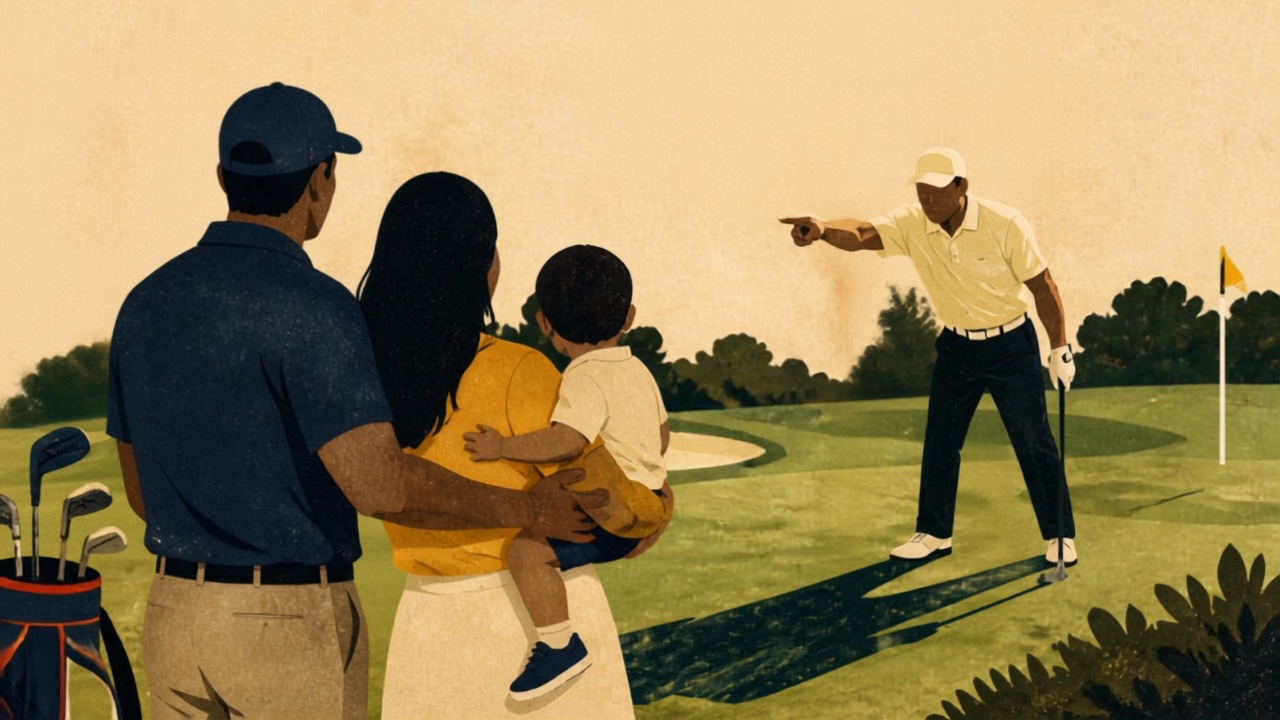
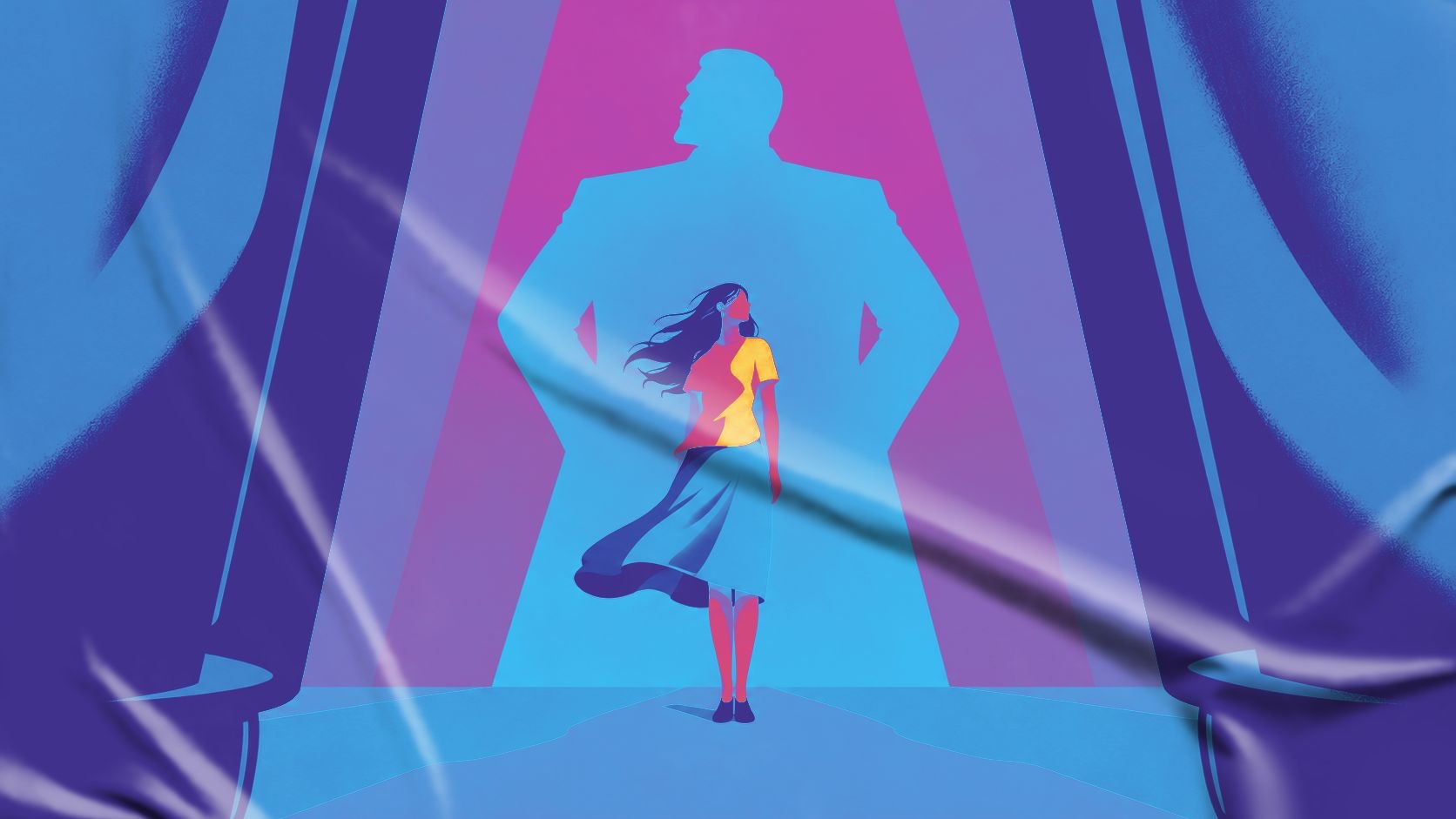
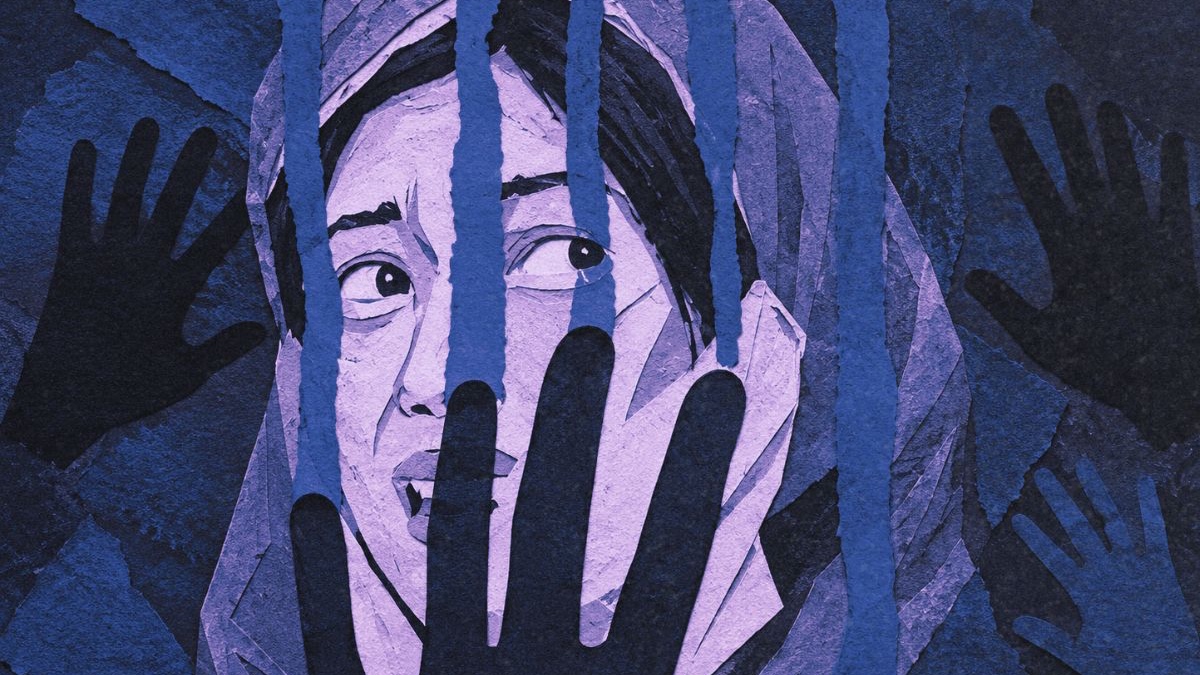
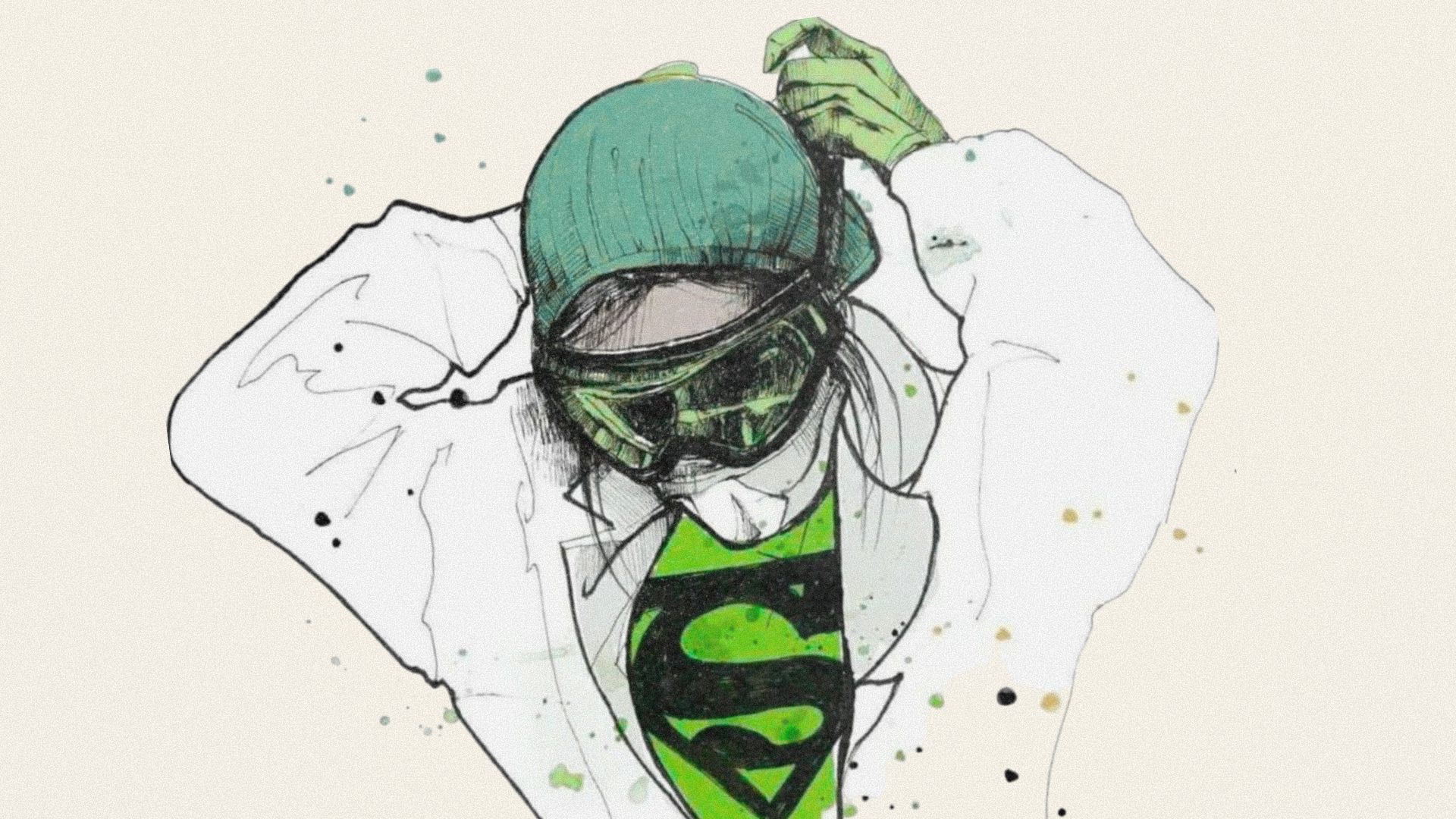
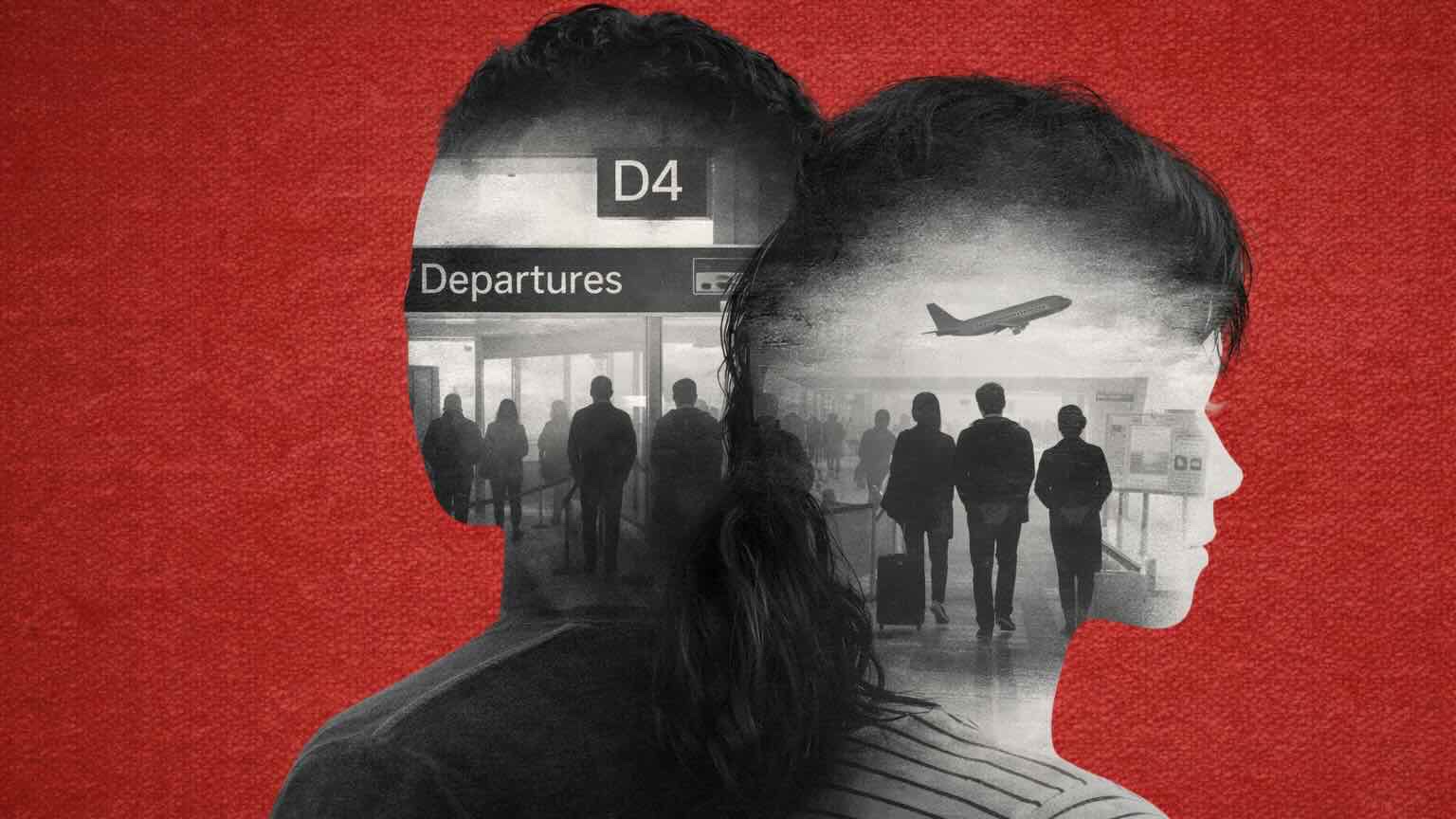
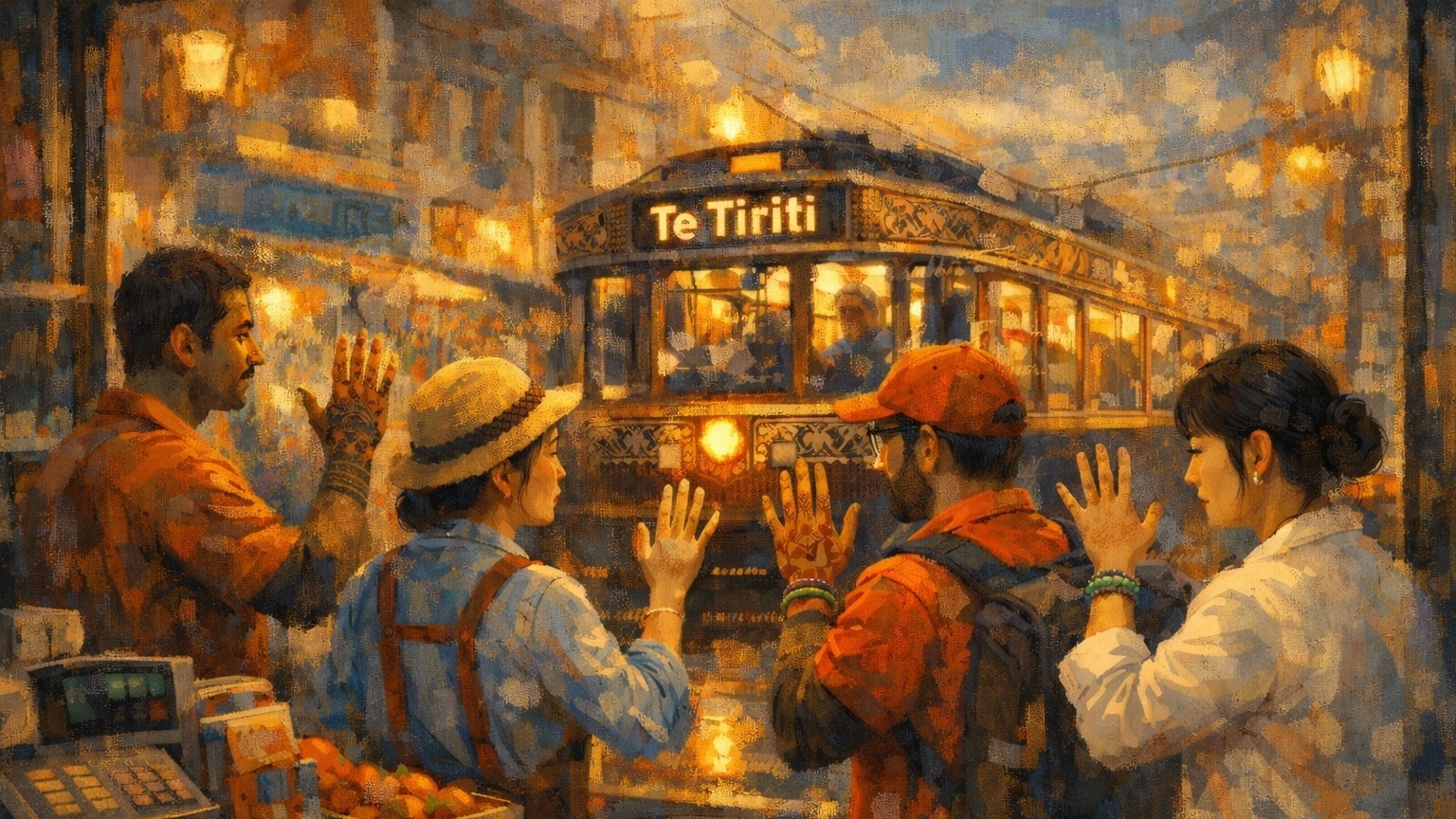
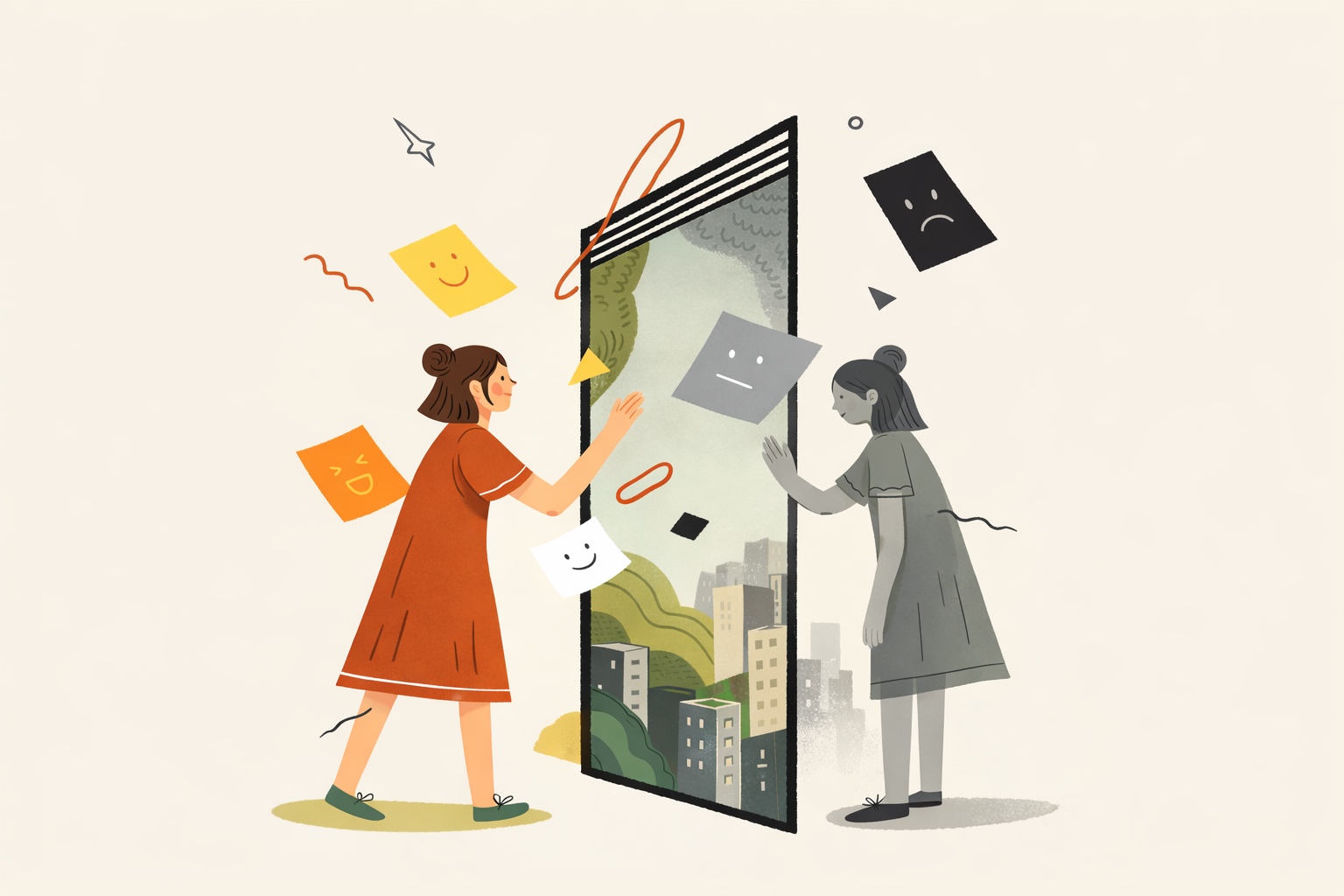
Awaaz artwork.
If an Indian teenager had behaved the exact same way, I probably wouldn't even have noticed it.
('Selfie' is an inward-looking column on the everyday anxieties, ambitions, and contradictions of Kiwi-Indian migrant life. No hard feelings please.)
The boy at the swimming pool looked exactly like the kind of teenager I have taught myself to avoid.
He looked like he was Maori or Pasifika (that was probably the first of many assumptions I made that evening). He had the kind of loud, restless energy teenage boys often have in public spaces like this.
He was with his younger brother in the changing room at the local pool. The younger one was taking too long to get changed. The older one was visibly irritated. The familiar chaos of siblings in fluorescent lighting and wet floors.
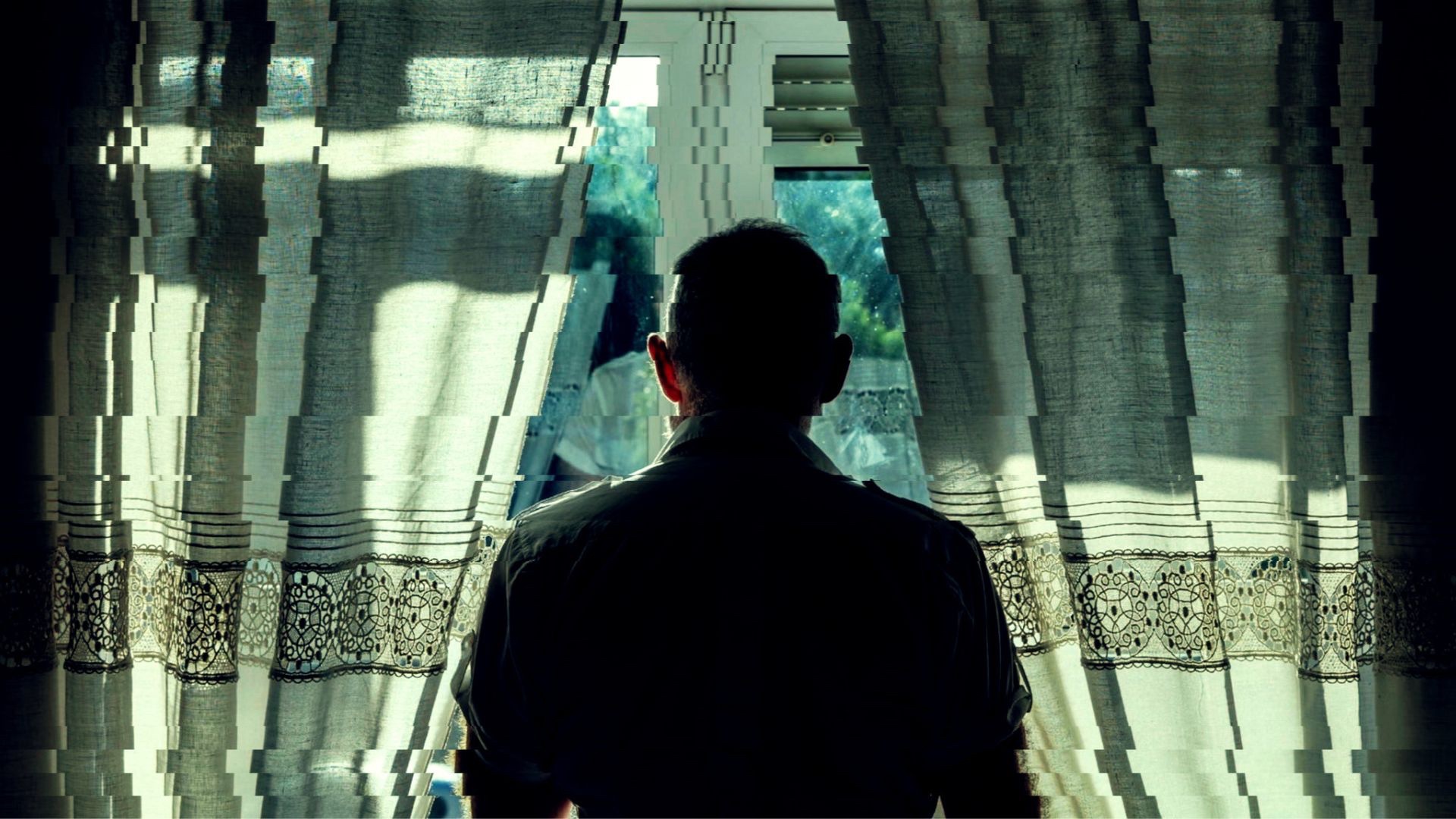
I kept my eyes down. Or more accurately, I kept my instincts up.
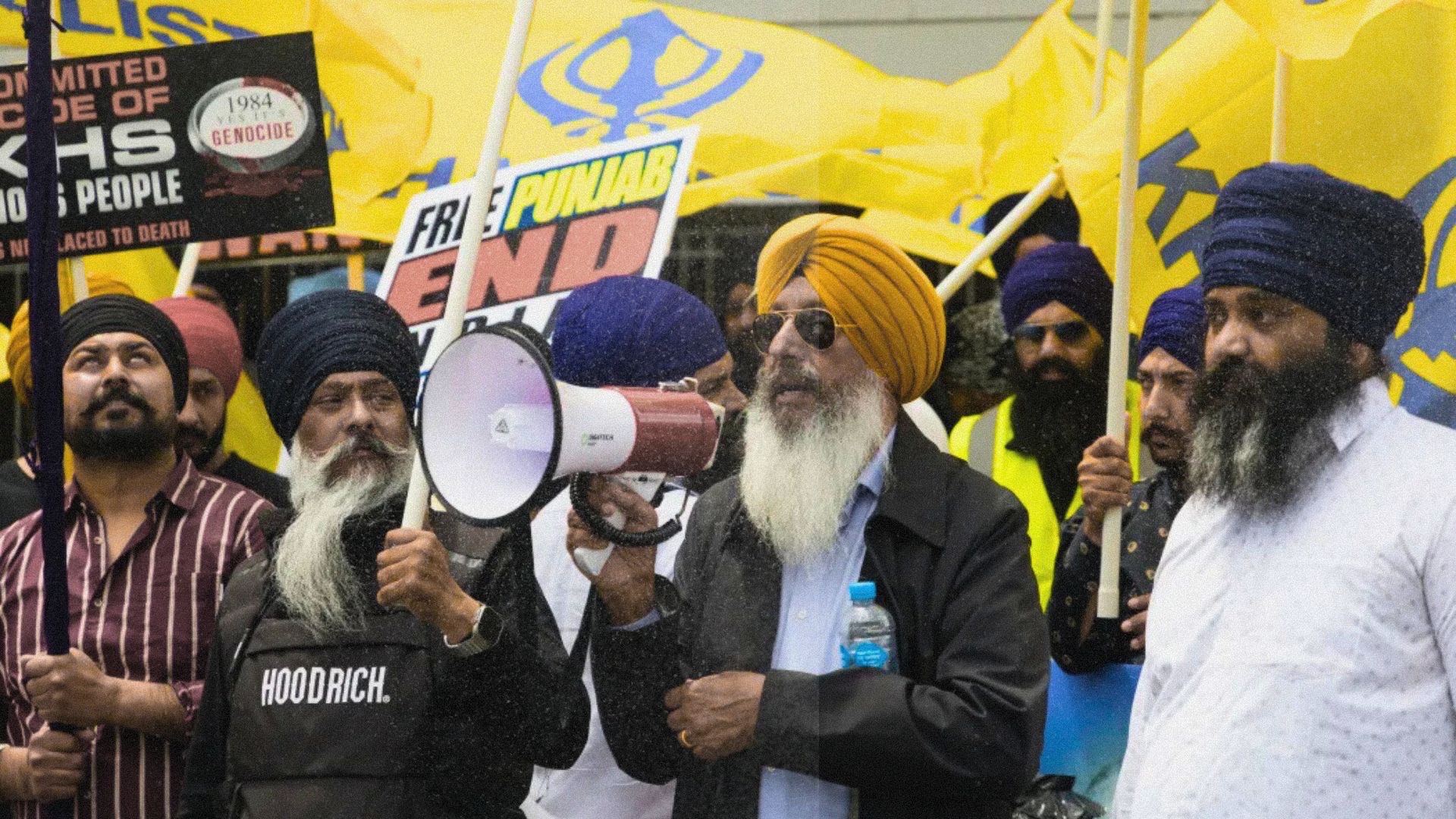
Truant student may have to curb Khalistan speech in India but will be deported, NZ tribunal rules The 21-year-old's education provider terminated his enrollment within a year because of poor attendance.
New Zealand-trained Indian pilot hailed for saving 174 people in Flydubai suspected crash bid Smit Machchhar trained with Mainland Air in Dunedin for about 18 months between 2008 and 2009.
54 hours worked, 26 hours paid: Indian migrant wins $60,000 from Auckland employer The man's additional claim that he paid unlawful premiums to procure the visa didn't hold up in the employment tribunal.
There is a particular kind of alertness migrants develop in public spaces. Especially brown migrants who arrive carrying both gratitude and caution.
It is not always dramatic enough to call fear. Sometimes it is just calculation. Don’t stare too long. Don’t accidentally offend someone. Don’t become part of somebody else’s bad mood.
So I did what I often do around loud young men I don’t know. I avoided eye contact.
Then, inevitably, our eyes met.
He said something to me in English. Fast. Casual. I couldn’t catch the accent properly. Before my brain even processed the words, my body had already answered. I shrugged my shoulders slightly. Shook my head. Looked away.
It was the body language of surrender. An answer to a question he had never actually asked.
“What are you looking at?”
That was the conversation I had imagined. The confrontation I had pre-loaded into the moment before reality had even arrived.
He tried again. I still couldn’t follow him fully. Then between the younger brother’s whining and his own exaggerated frustration, I finally understood.
He was asking whether I had siblings too. That was it.
He was trying to pull me into the oldest, most ordinary conversation in the world, of older brothers and younger brothers, and the small wars between them.
He wanted solidarity, not conflict. A witness to his inconvenience. Maybe even a laugh.
And suddenly I felt embarrassed in a way that sat deeper than ordinary embarrassment.
My mistake was not linguistic. I had mistaken volume for threat. Energy for aggression. A Maori or Pasifika boy for a problem.
And therein lies the uncomfortable truth. If an Indian teenager had behaved the exact same way, I probably would not have felt the same tension rise in my body.
The strange thing is how quickly that reading formed. Before meaning arrived, judgment had already moved in.
There is a version of prejudice that doesn’t announce itself. It doesn’t need certainty. It only needs a gap. A pause. A moment of not understanding someone’s words. And in that gap, the mind fills in the rest.
Mine filled it with suspicion.
Not out of explicit malice, I think. Out of absorption. Out of repetition. Out of living in a society where certain bodies are unconsciously coded as more dangerous than others.
Migrants learn quickly how to read rooms. Which corners feel safe. Which voices lower when certain groups walk in. Which stories circulate quietly in the background. Over time, that learning can harden into reflex. A way of staying prepared that eventually confuses preparedness with truth.
And so I had quietly assigned that teenager a role he was not playing. Not because of anything he had done, but because my mind had already written part of the script before he spoke.
He eventually laughed, gathered his things, yelled at his younger brother one final time, and disappeared out into the Auckland cold. The changing room settled again into its ordinary silence.
But I stayed there a little longer than I needed to.
Thinking about how easily people become strangers to each other in the space between glance and understanding.
And how often the story we invent can be more violent than the person standing in front of us.