
Opinion: The COVID inquiry settles one debate. But opens another

Did the government of the time possess the economic judgement required to manage such an enormous fiscal intervention?
Royal commissions examine how decisions were made, not necessarily the competence of the people making them.
The release of New Zealand’s COVID-19 response inquiry this week will inevitably reopen one of the most emotionally charged periods in our recent history.
For many, the pandemic years remain a blur of lockdowns, press conferences, border closures, and a nation attempting to navigate an unprecedented crisis together. The report itself reaches a broadly familiar conclusion: New Zealand’s early public health response saved lives.
Compared with much of the world, the country experienced lower mortality rates and managed to delay the widespread arrival of the virus through strict border controls and aggressive lockdown measures. That conclusion is difficult to dispute.


Yet, the inquiry’s findings also leave a lingering sense that while many operational questions have been examined, a deeper and arguably more consequential issue has been left largely untouched. The real debate about the pandemic response is no longer about lockdowns. It is about economic judgement.
A crisis that became a fiscal free-for-all
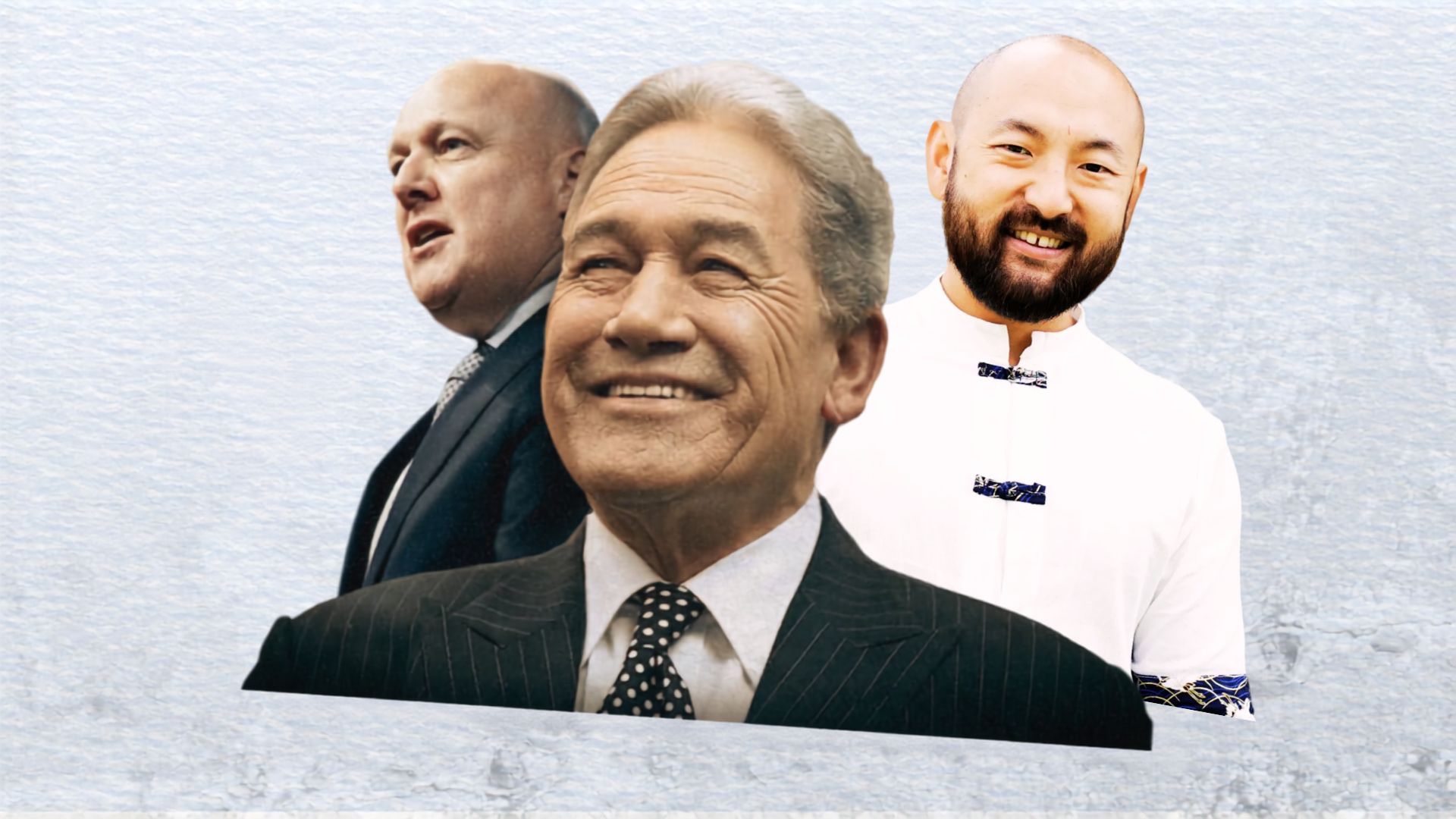
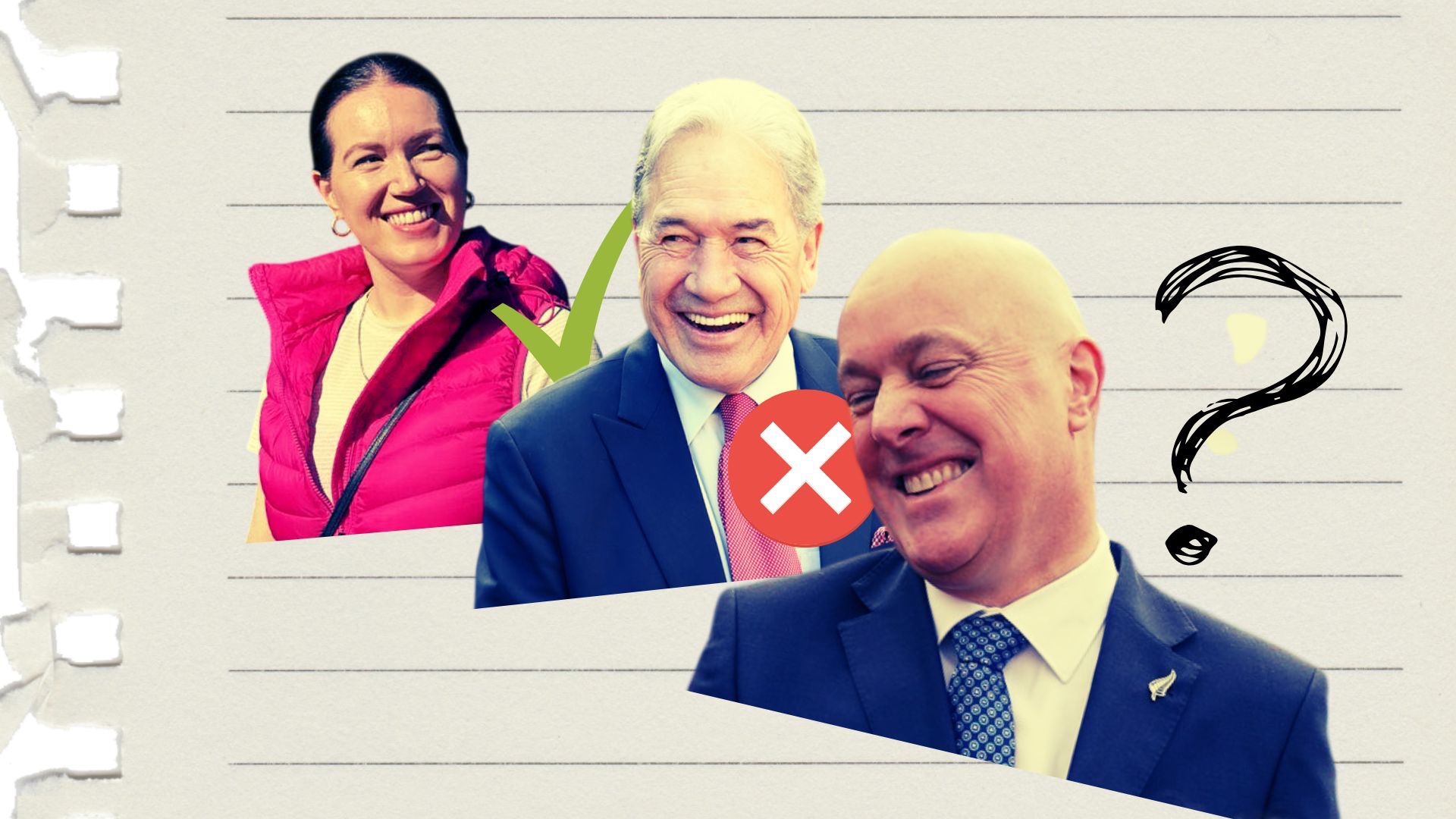
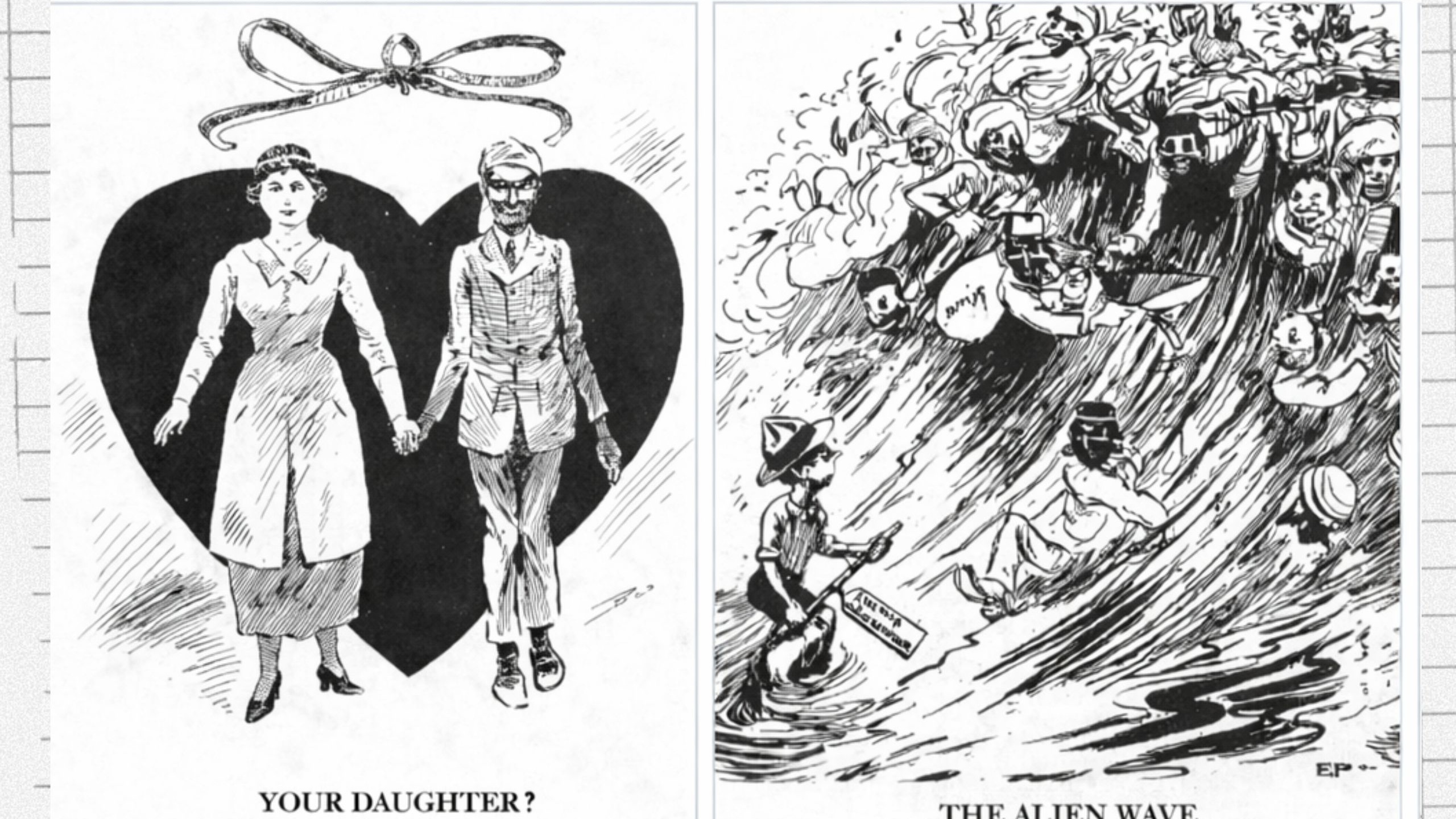
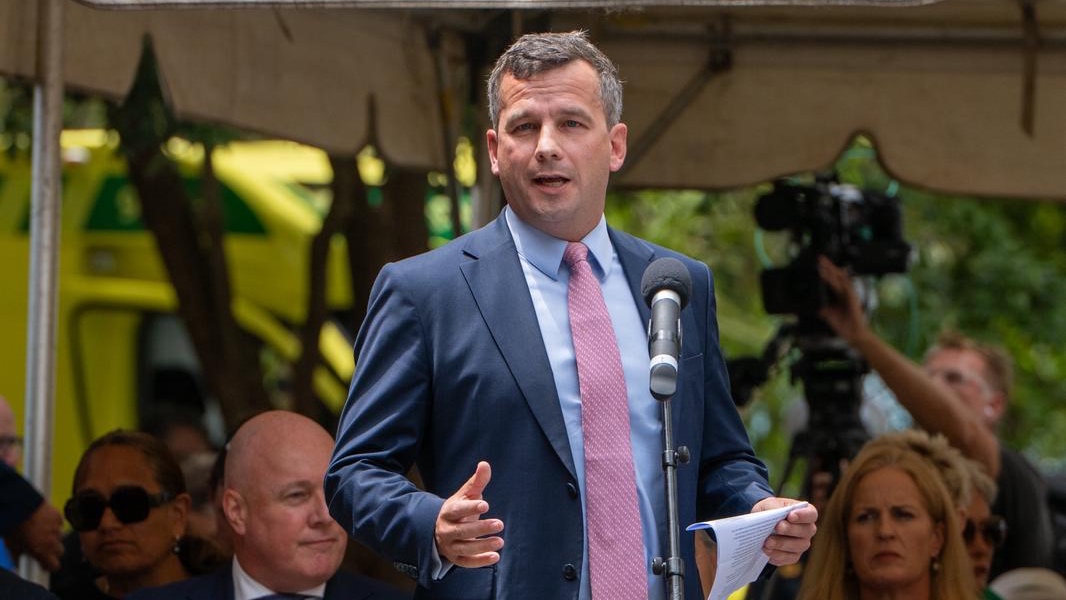
NZ First wants to end birthright citizenship for children of migrants, work rights for students "This set of polices is about taking back control of the future of our country and valuing our unique citizenship the way it should be."
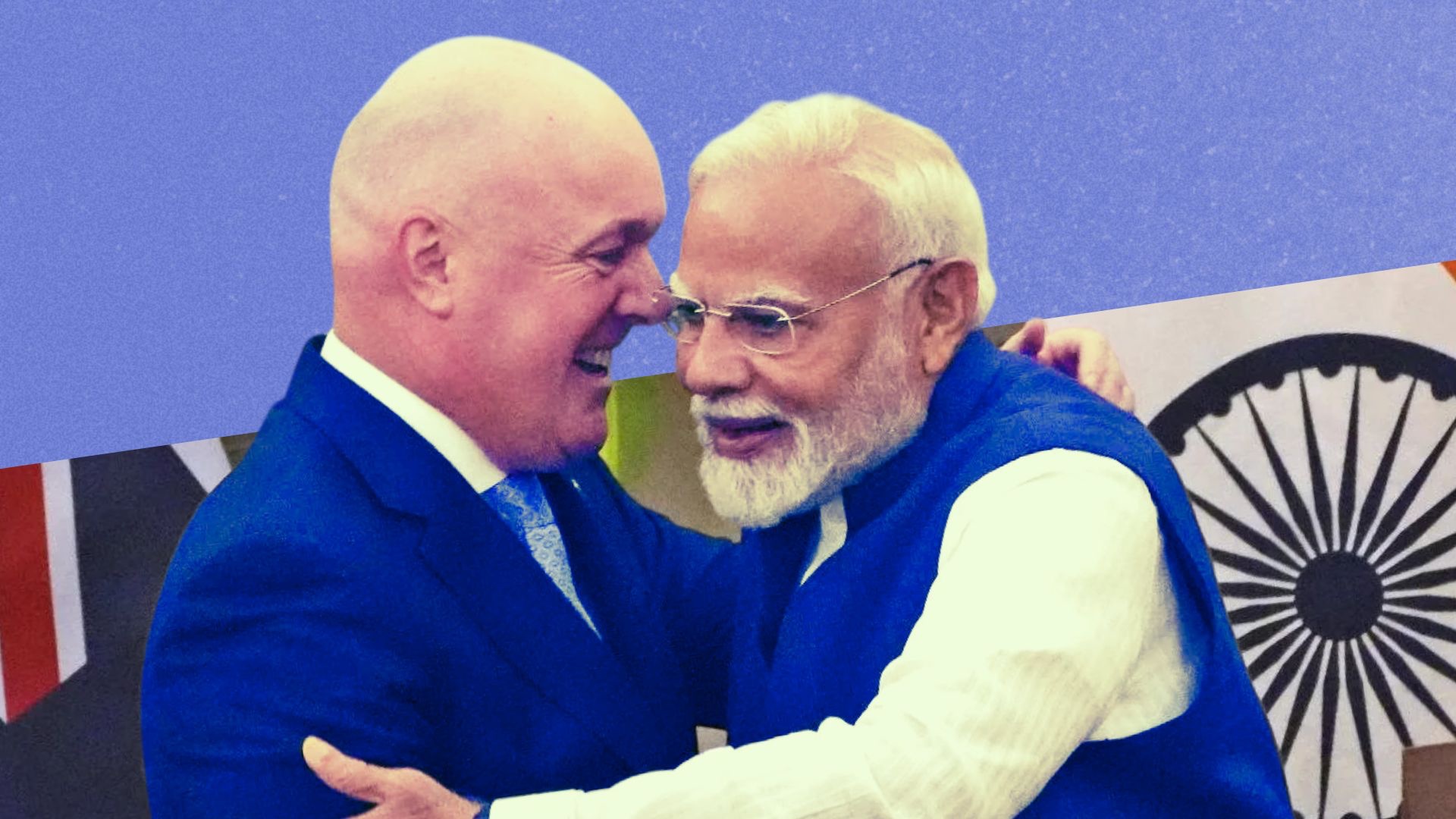
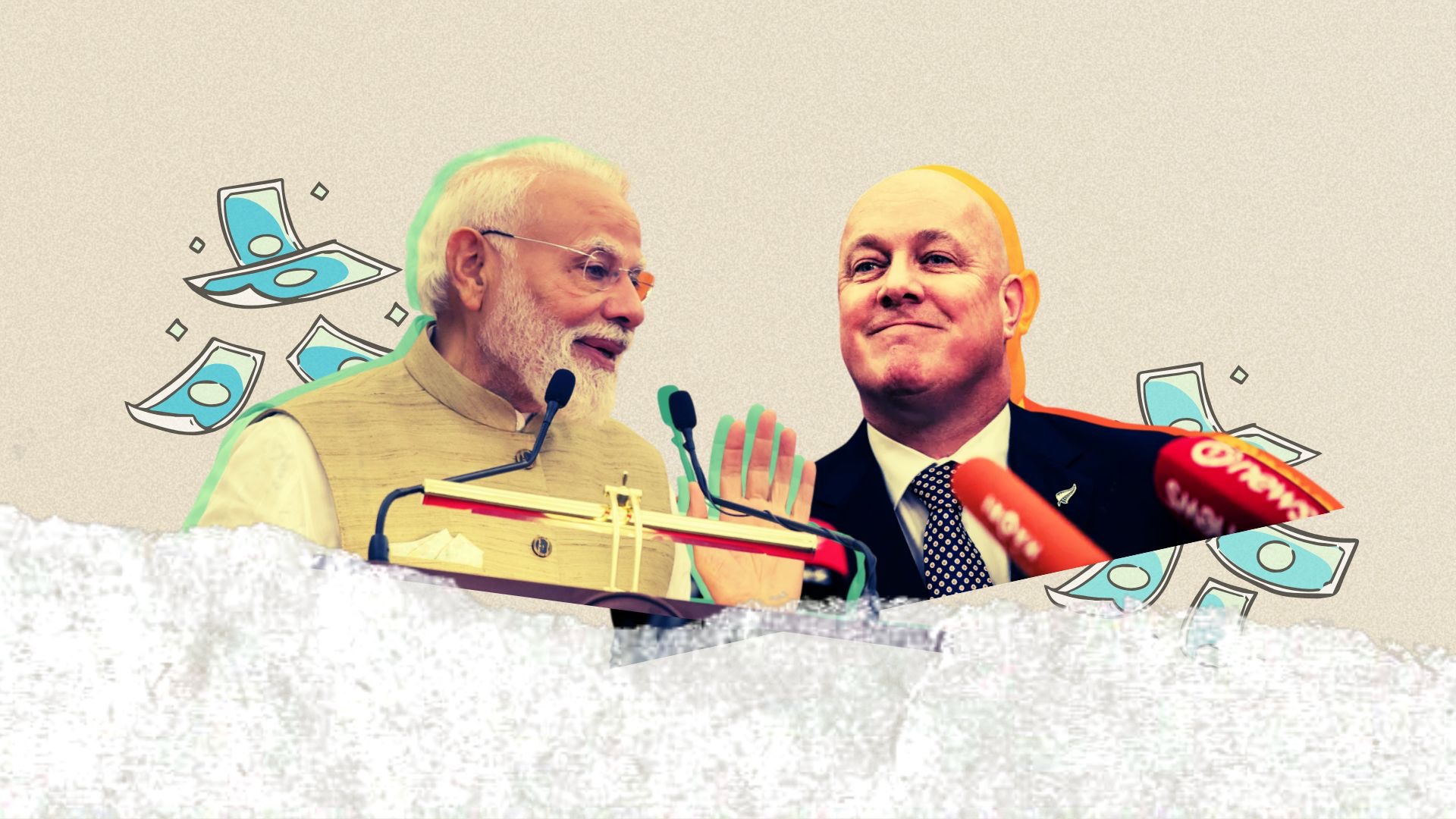
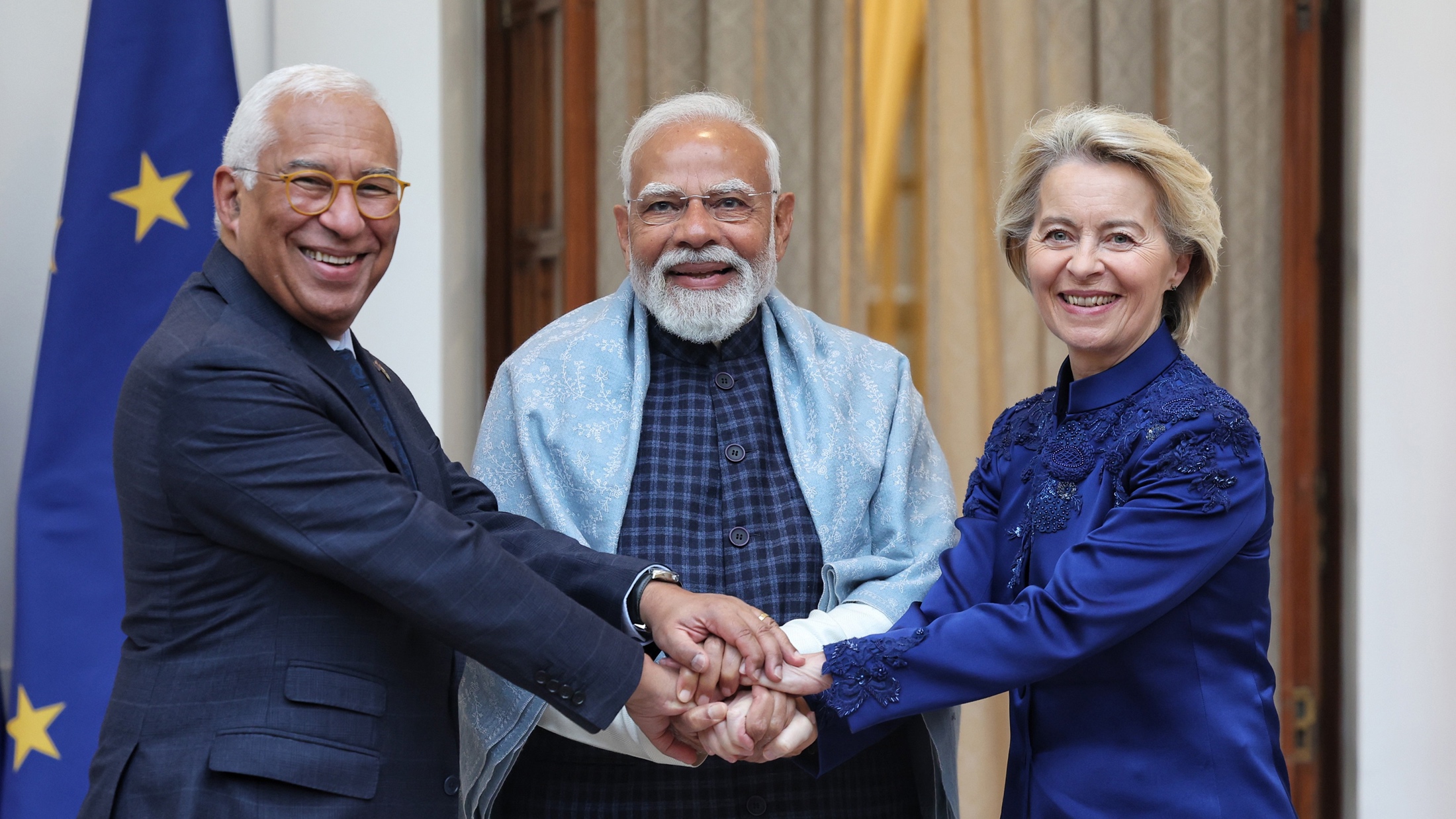
India-NZ FTA gets select committee nod, stage set for anticipated October launch “If that is the case, how exciting is that for New Zealand. Exciting, isn’t it?”
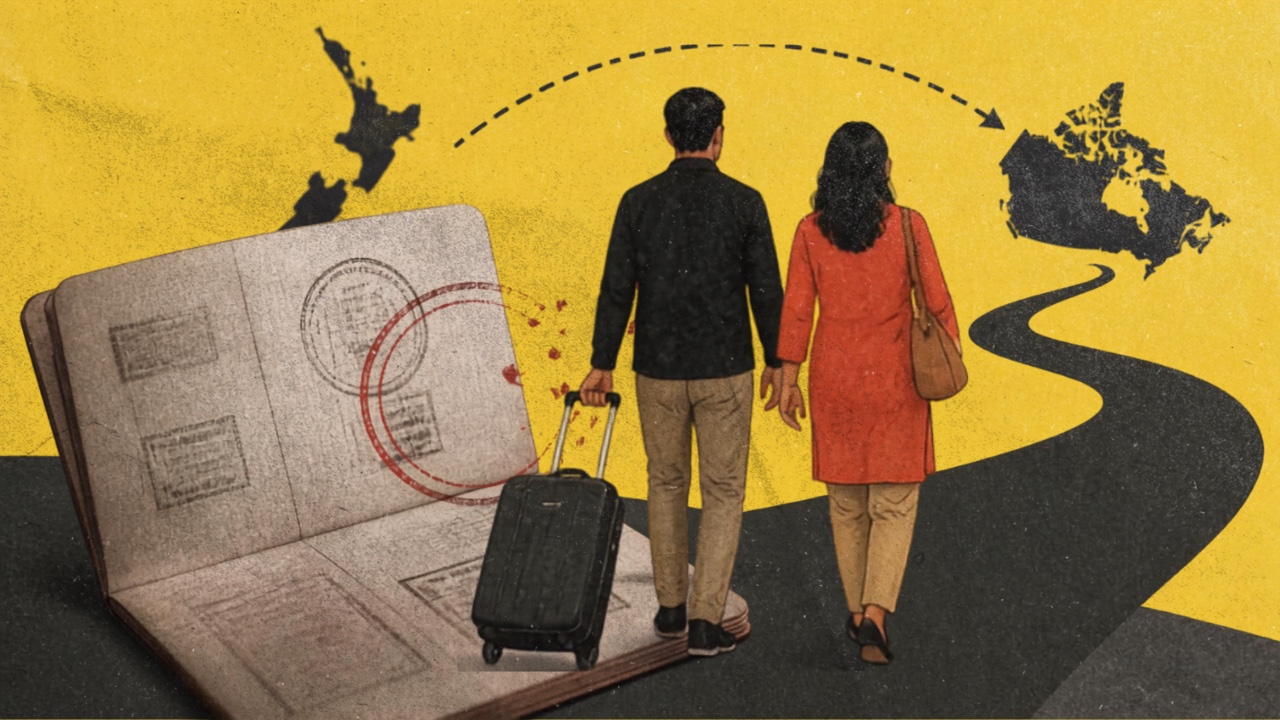
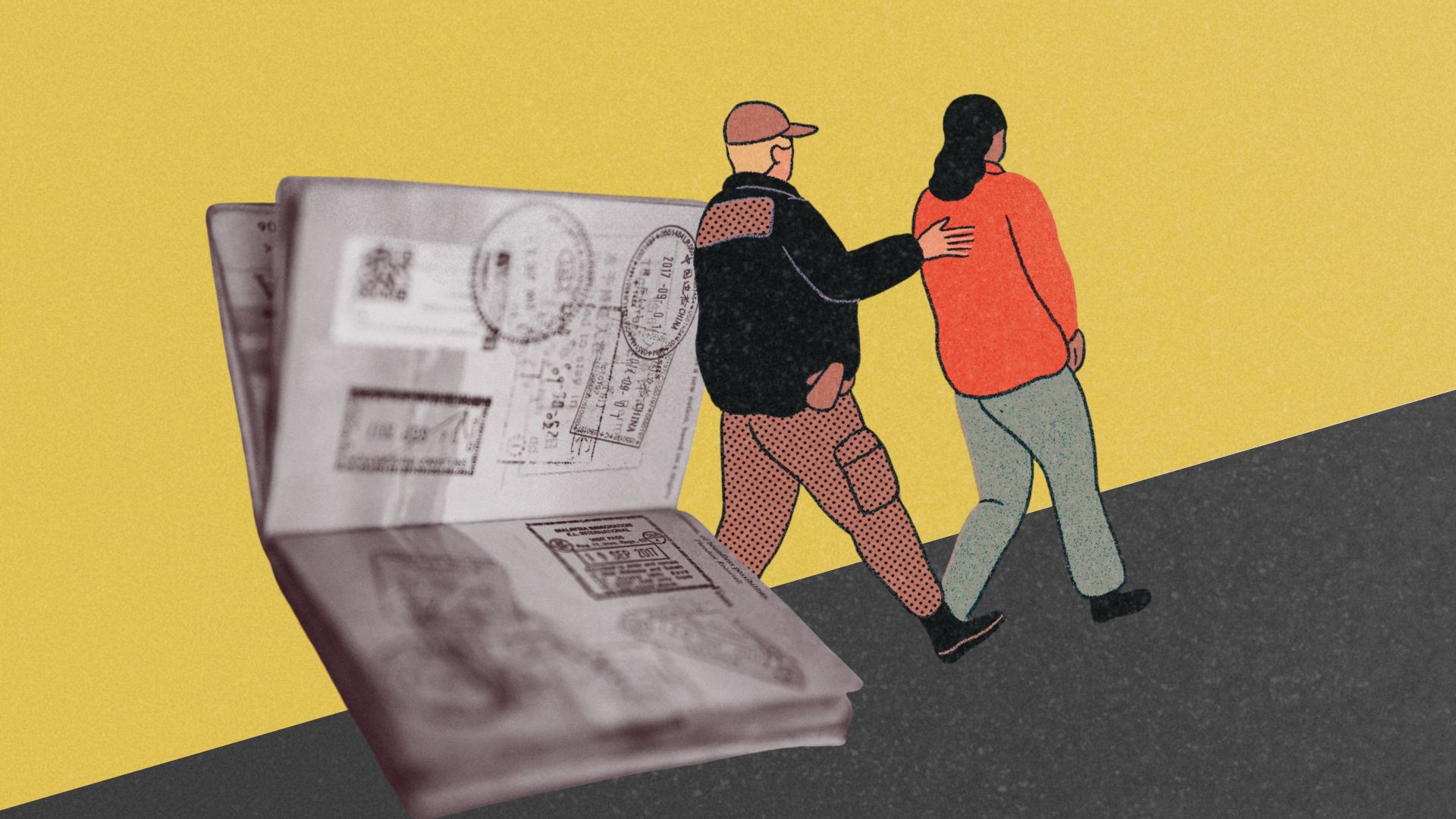
‘Huge mistake’: Indian couple lose New Zealand residence while living in Canada The family had a second shot at applying for permanent residency but they were late by less than a month.
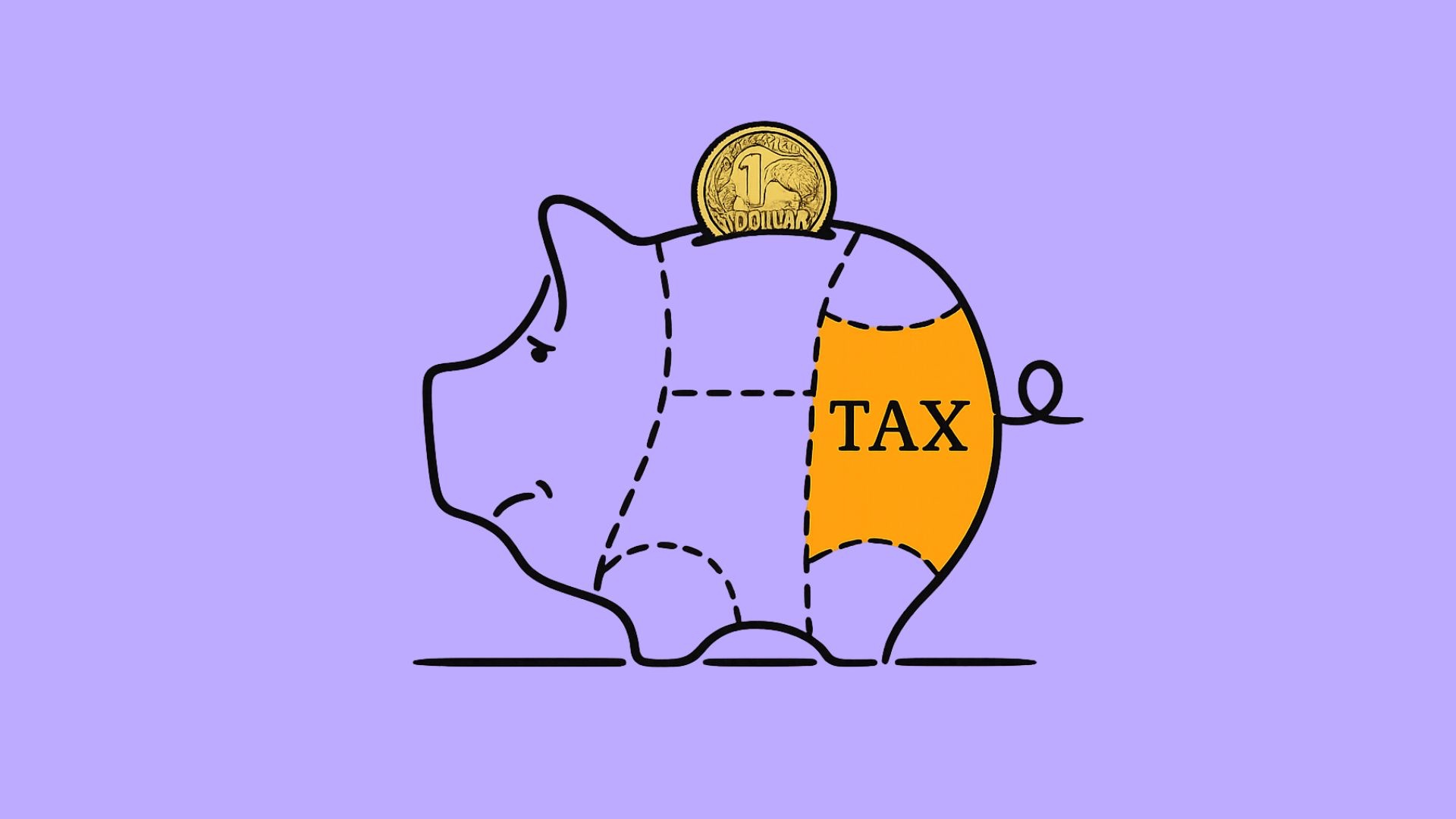
During the pandemic, the government established the COVID Response and Recovery Fund (CRRF), which ultimately totaled roughly NZ$60 billion. For a country the size of New Zealand, this was an extraordinary level of fiscal intervention, equivalent to well over half of a typical annual government budget at the time.
In the early phase of the crisis, such spending was understandable. Governments across the world faced a sudden economic shutdown and had little choice but to act quickly. Wage subsidies protected jobs, businesses were supported through emergency programmes, and the health system required urgent resources.
But emergency spending, by its nature, demands two things: speed at the beginning, and discipline soon after.
The inquiry acknowledges that not all spending from the COVID fund was tightly connected to pandemic response. Yet, it stops short of asking the harder question: how did a temporary emergency fund gradually evolve into what many critics described as a general spending pool for a wide range of policy initiatives?
Once the immediate economic shock had passed, the principle guiding fiscal policy should have shifted toward restraint. Instead, the spending momentum continued.
The problem of economic nuance
This raises a deeper issue that the inquiry appears reluctant to confront directly. Did the government of the time possess the broader economic judgement required to manage such an enormous fiscal intervention?
Public policy during crises requires constant recalibration. Early decisions must be revisited as conditions change. What is necessary in the first weeks of an emergency can become counterproductive months later.
By late 2021, New Zealand’s economic landscape had changed significantly. The labour market was tightening, house prices were rising rapidly, and inflationary pressures were beginning to emerge globally.
Yet, fiscal stimulus remained substantial. Managing this transition, from emergency support to disciplined recovery, requires a certain economic nuance. It involves recognising when extraordinary policy settings have outlived their usefulness.In hindsight, that transition appears to have been poorly executed.
COVID did not occur in a vacuum
To understand this issue fully, it is important to remember that the pandemic did not arrive in a policy vacuum. Even before COVID-19, there were growing concerns about economic management in New Zealand.
Questions had been raised about infrastructure delivery, productivity growth, housing policy complexity, and the expanding size of the public sector. The pandemic did not create these structural challenges. It simply magnified them.
When large pools of emergency funding become available in an environment already struggling with policy execution, the risk of poorly targetted spending increases dramatically. In effect, the crisis exposed weaknesses that may have already been present.
The inquiry’s narrow lens
Royal commissions often focus on decision-making processes rather than political philosophy. That is understandable. Their role is to examine how decisions were made, not necessarily to judge the competence of the people making them.
As a result, the report devotes significant attention to coordination, communication, and institutional structures.What it does not fully interrogate is whether the broader economic framework guiding the government’s decisions was sufficiently robust.
This omission matters because the economic legacy of the pandemic will likely last far longer than the virus itself. New Zealand emerged from the COVID period with significantly higher public debt, persistent inflationary pressures, and a public sector that had expanded rapidly during the crisis years.
These outcomes cannot be explained solely by the pandemic. They reflect policy choices.
The debate that still lies ahead
Five years from now, historians may look back at the pandemic response in two very different ways.
On the one hand, New Zealand’s early public health measures will likely be remembered as decisive and effective. In a world where many countries struggled to contain the virus, the initial strategy bought valuable time.
On the other hand, the economic management of the recovery period may attract far more scrutiny. Crises test governments not only in how they respond to immediate danger, but in how they manage the transition back to normality.
It is in that transition that leadership is truly revealed.The COVID inquiry provides a detailed account of how the crisis was navigated. What it leaves unanswered is the question that may ultimately matter more. Was New Zealand governed during this extraordinary period by a cabinet that possessed the economic judgement required to manage one of the largest fiscal interventions in the country’s history?
Until that question is properly addressed, the debate about the pandemic response will remain unfinished.