
FTA: India seems to know where and how US$20-bn investment will flow from NZ

The trade deal can become operational only after both the countries ratify it.
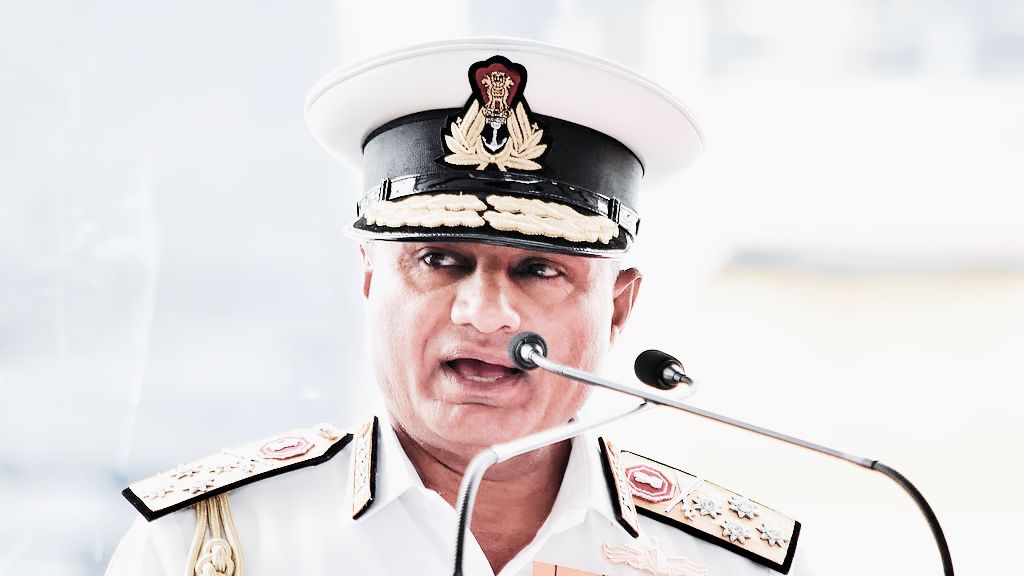
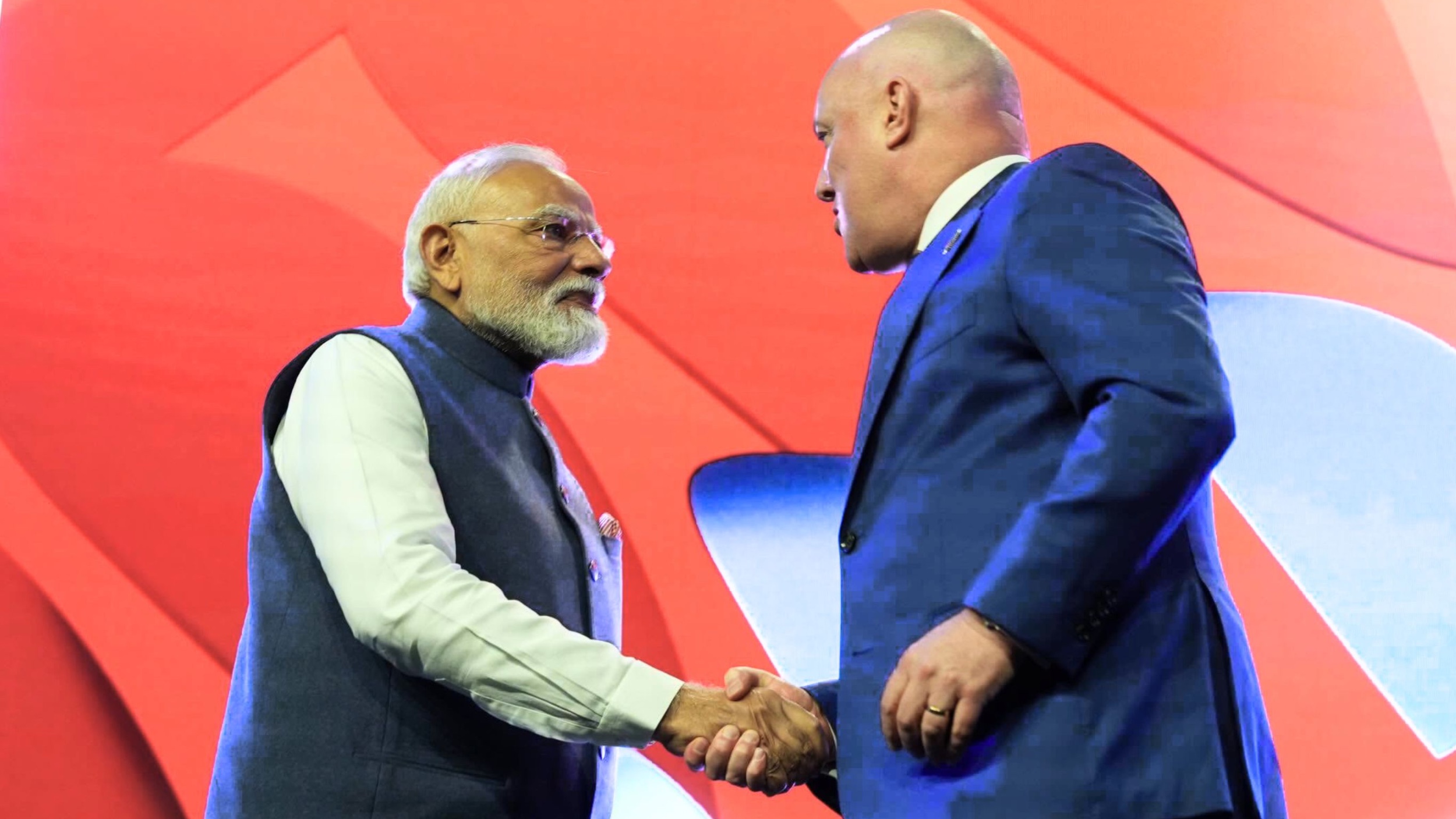
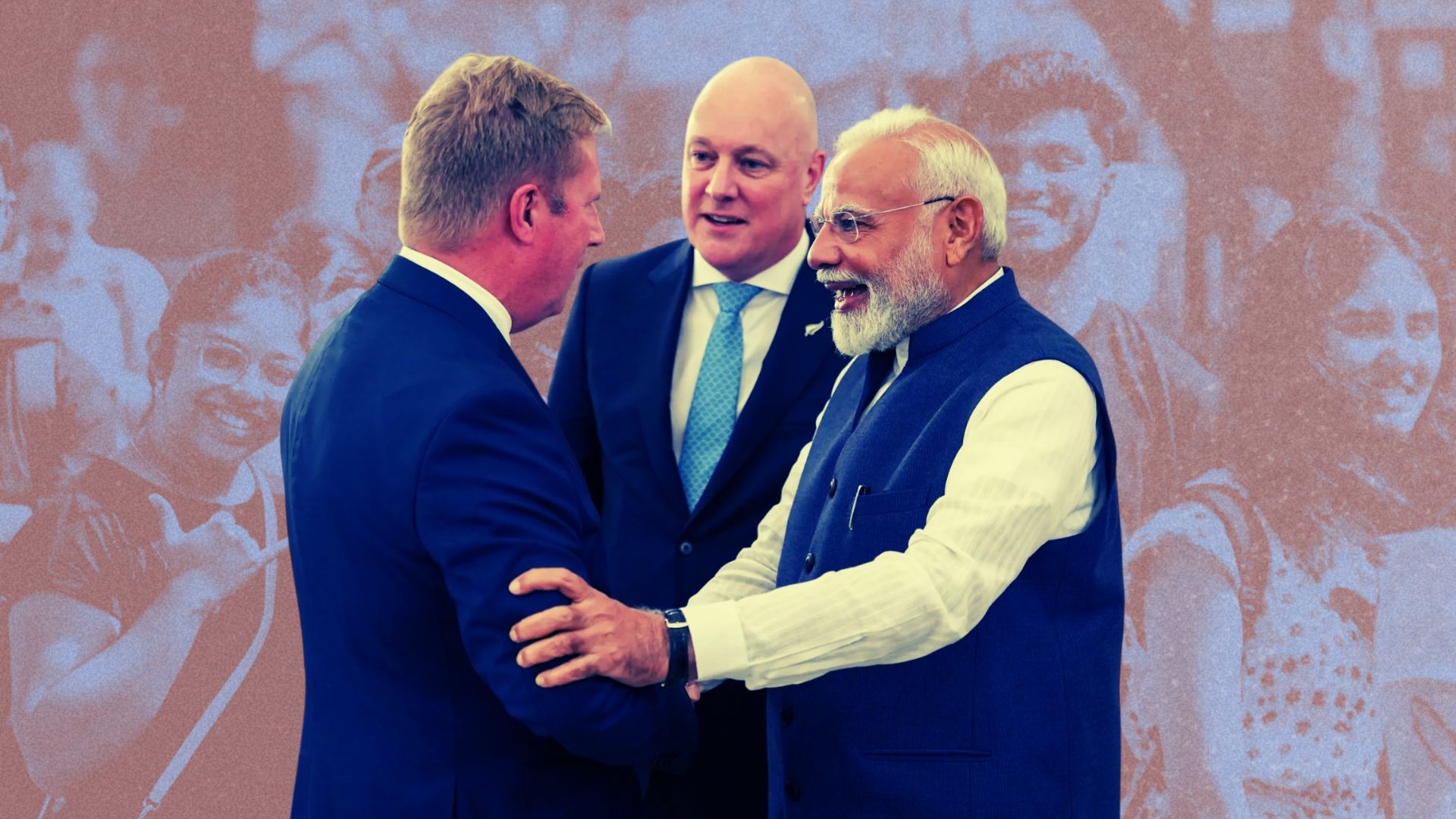
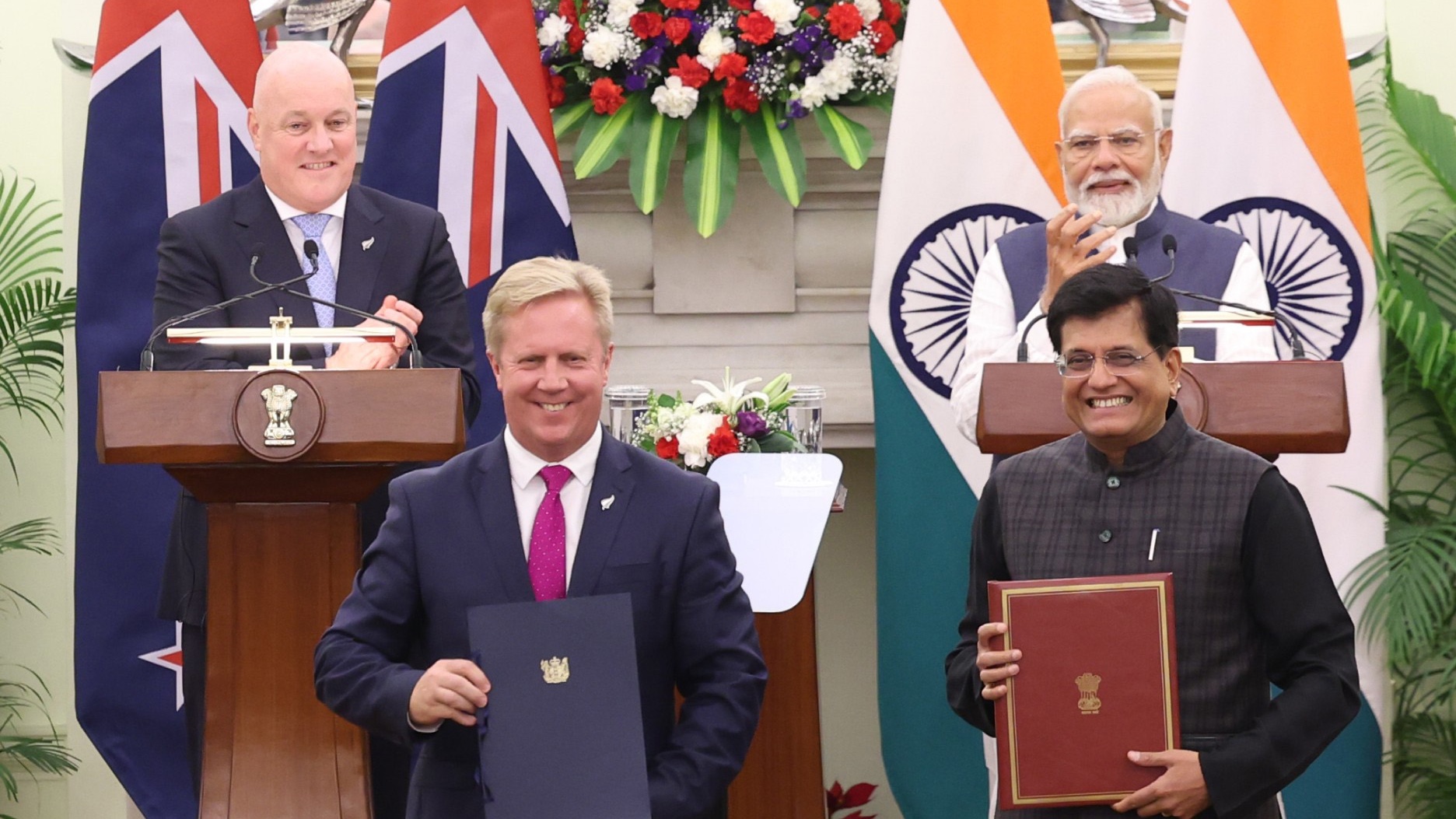
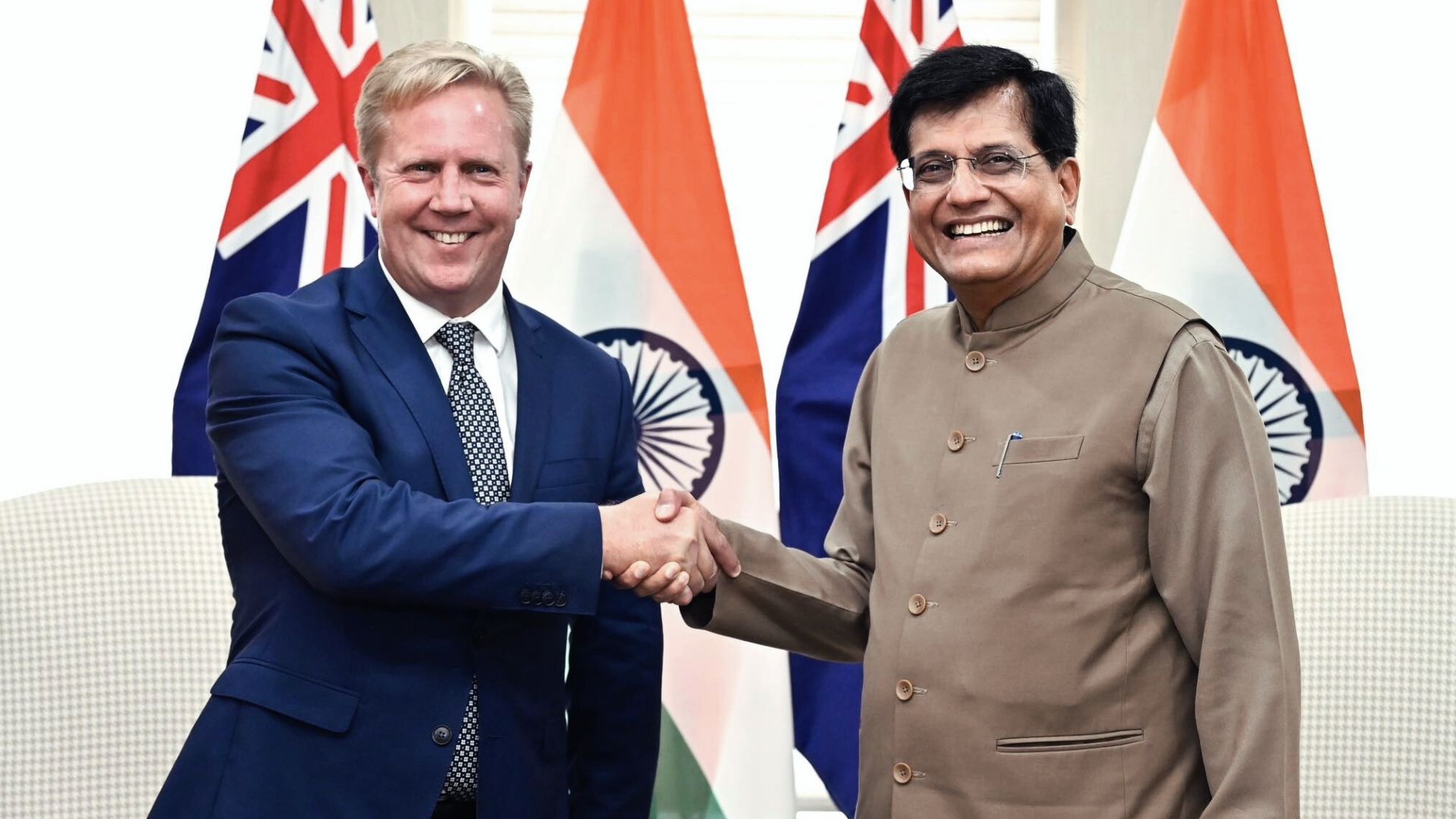
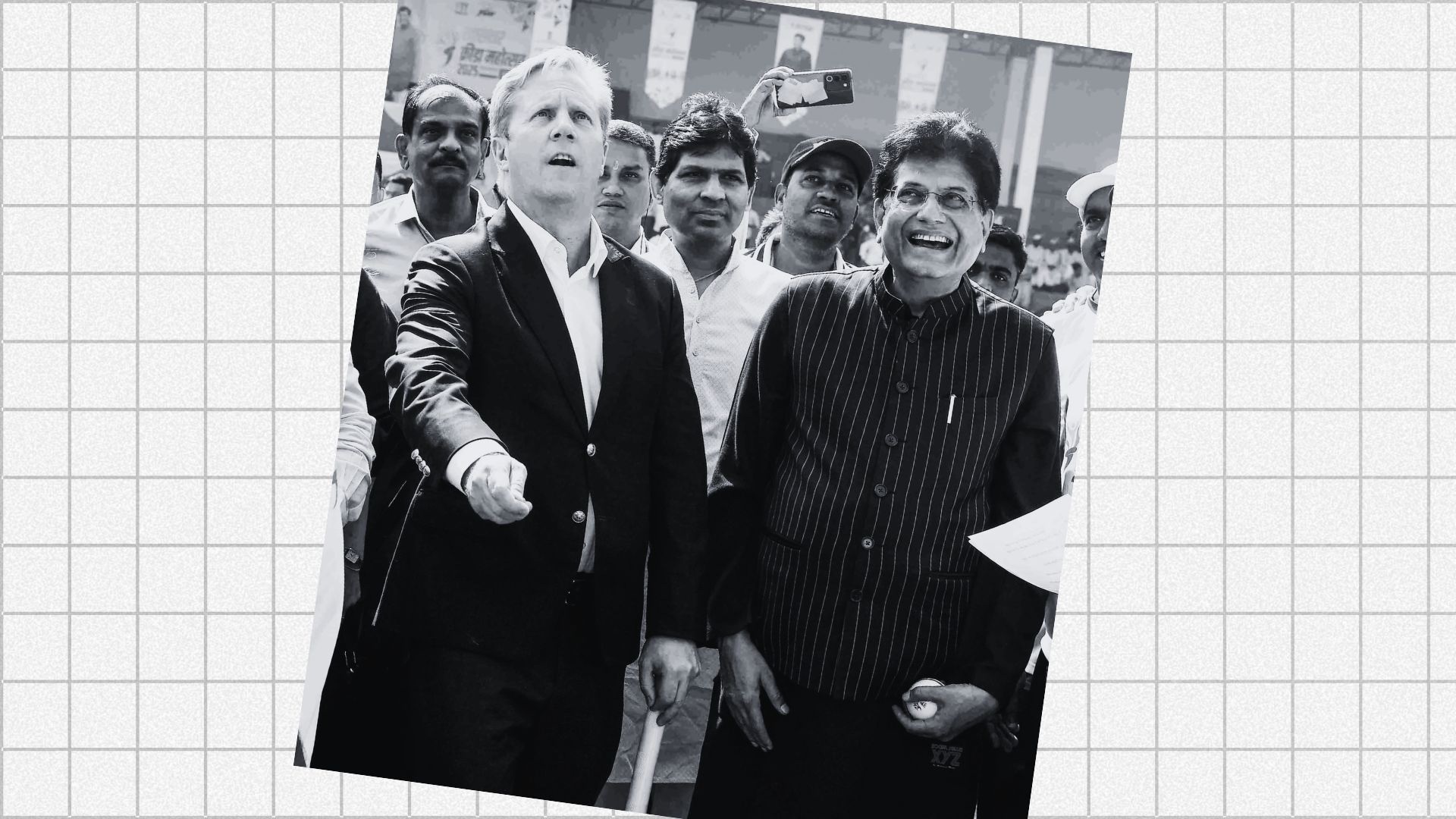
India's minister Piyush Goyal has indicated New Delhi wants tangible projects in areas of manufacture, infrastructure and sports among other.
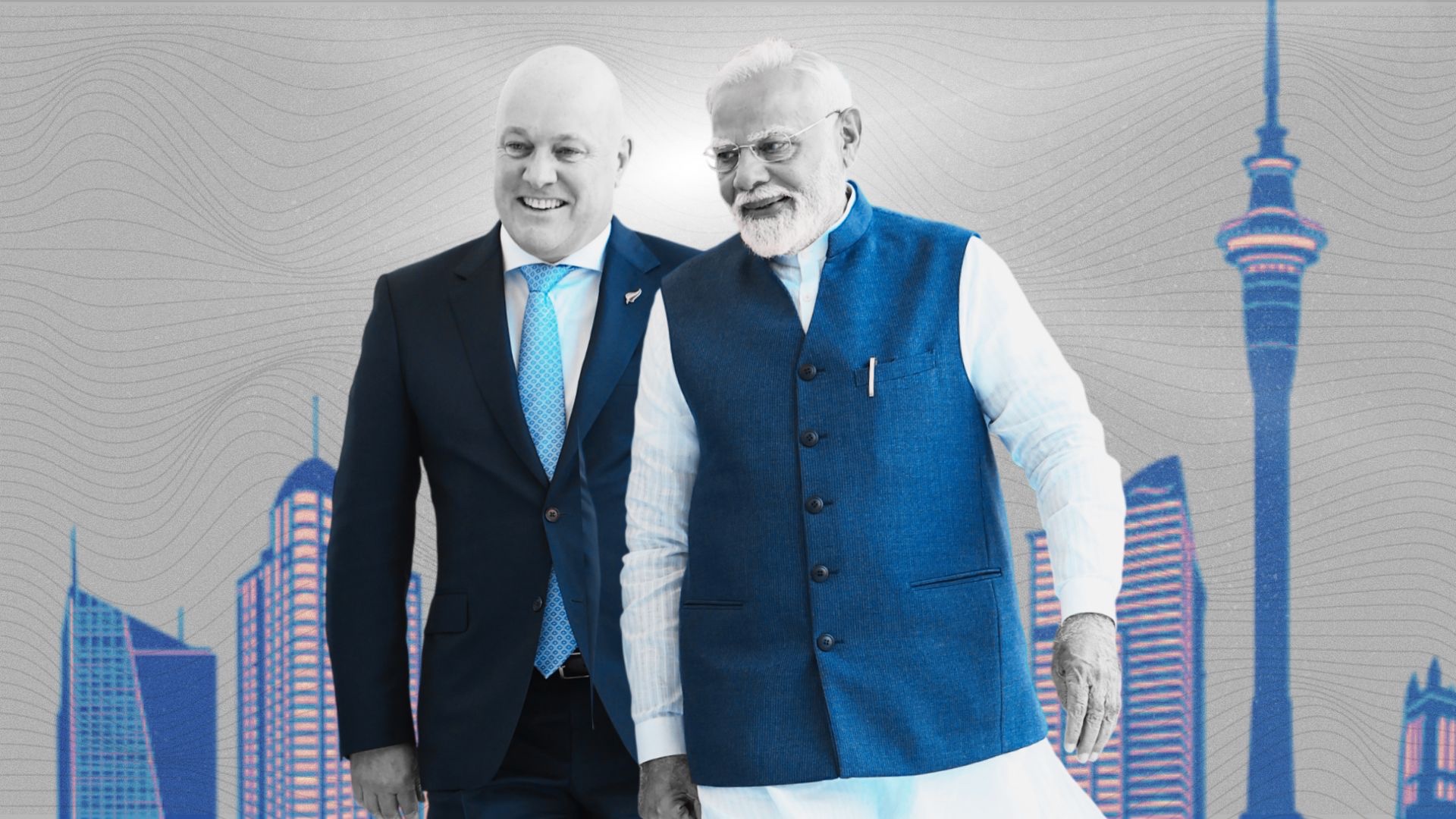
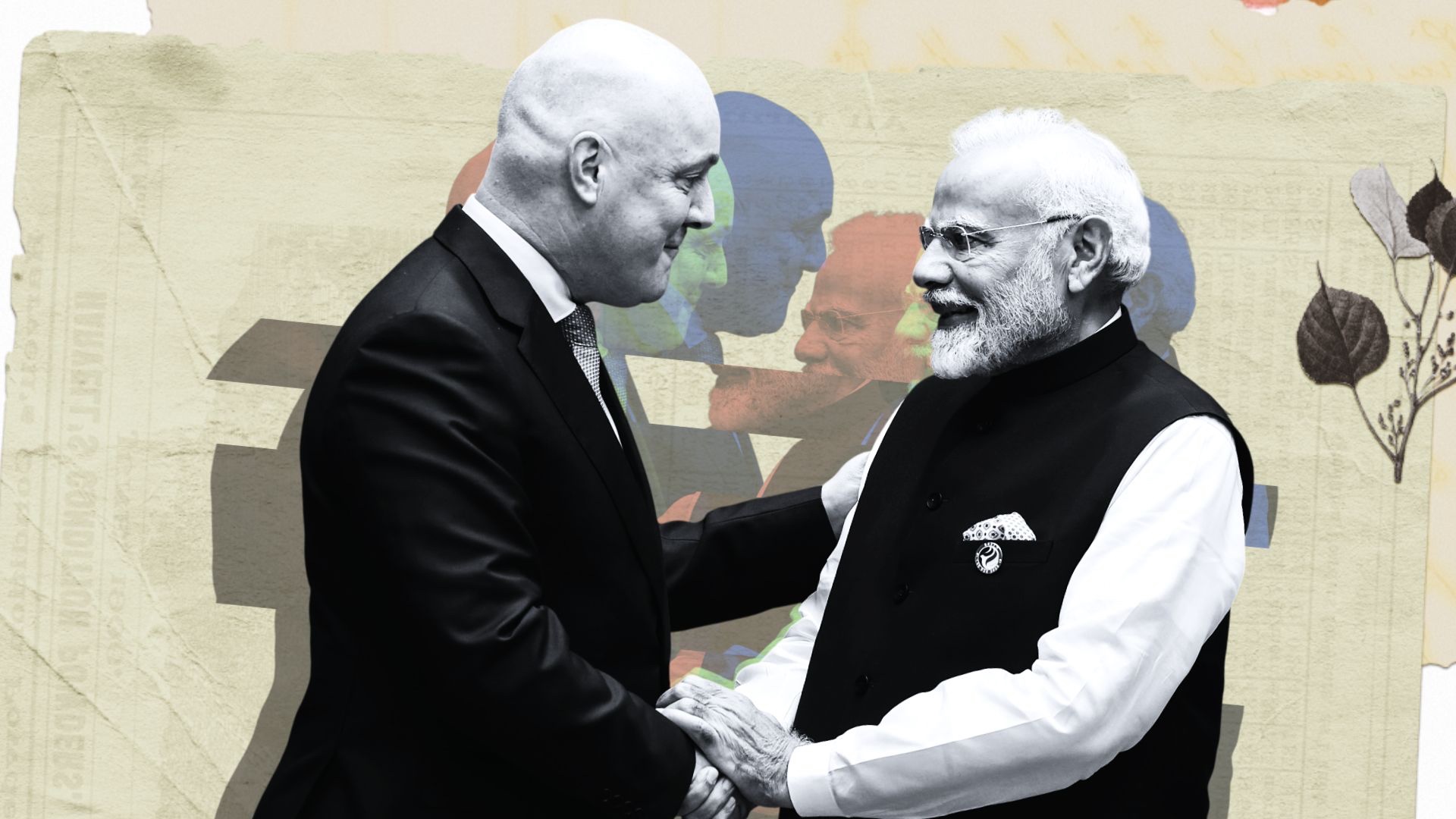
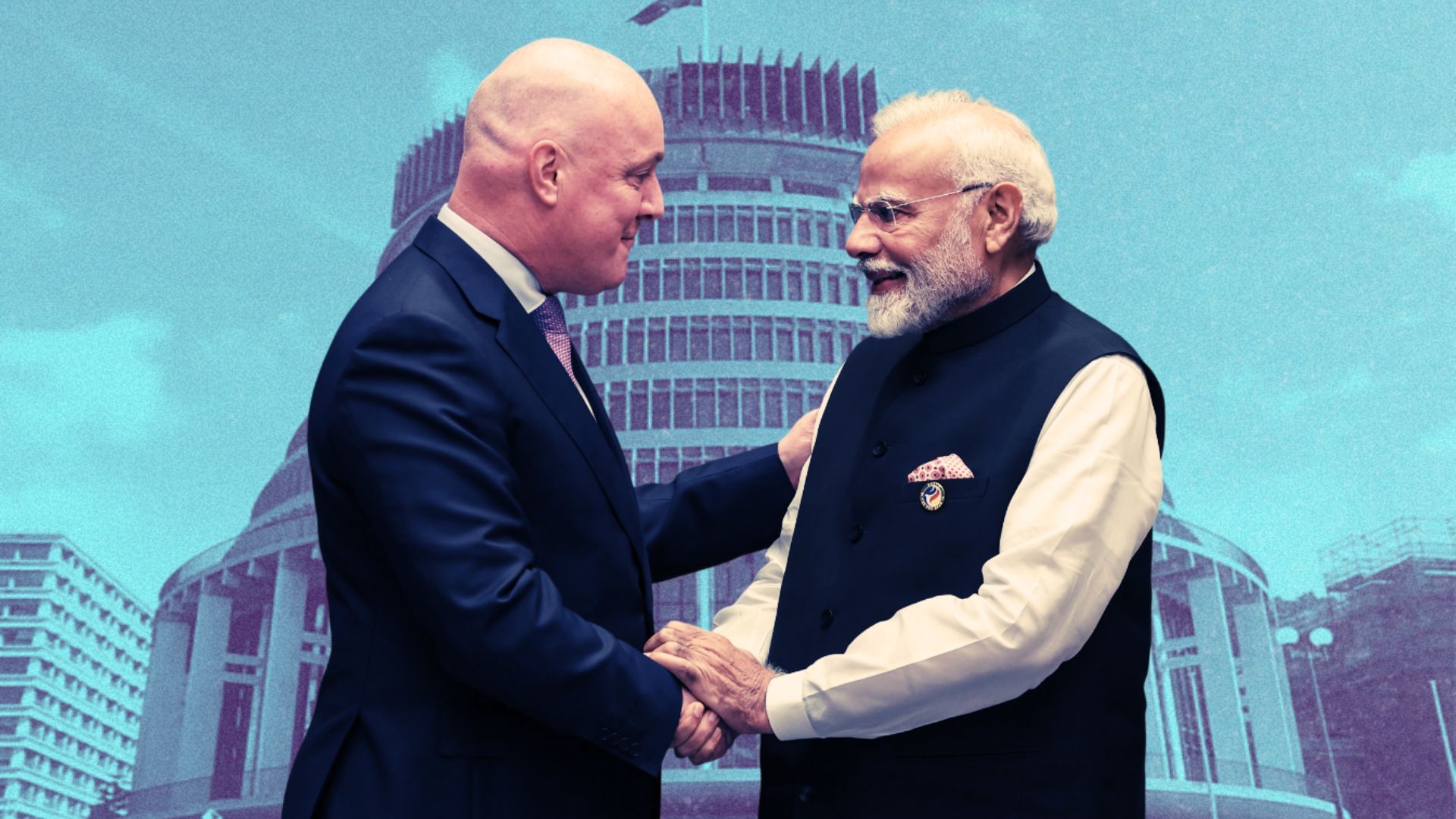
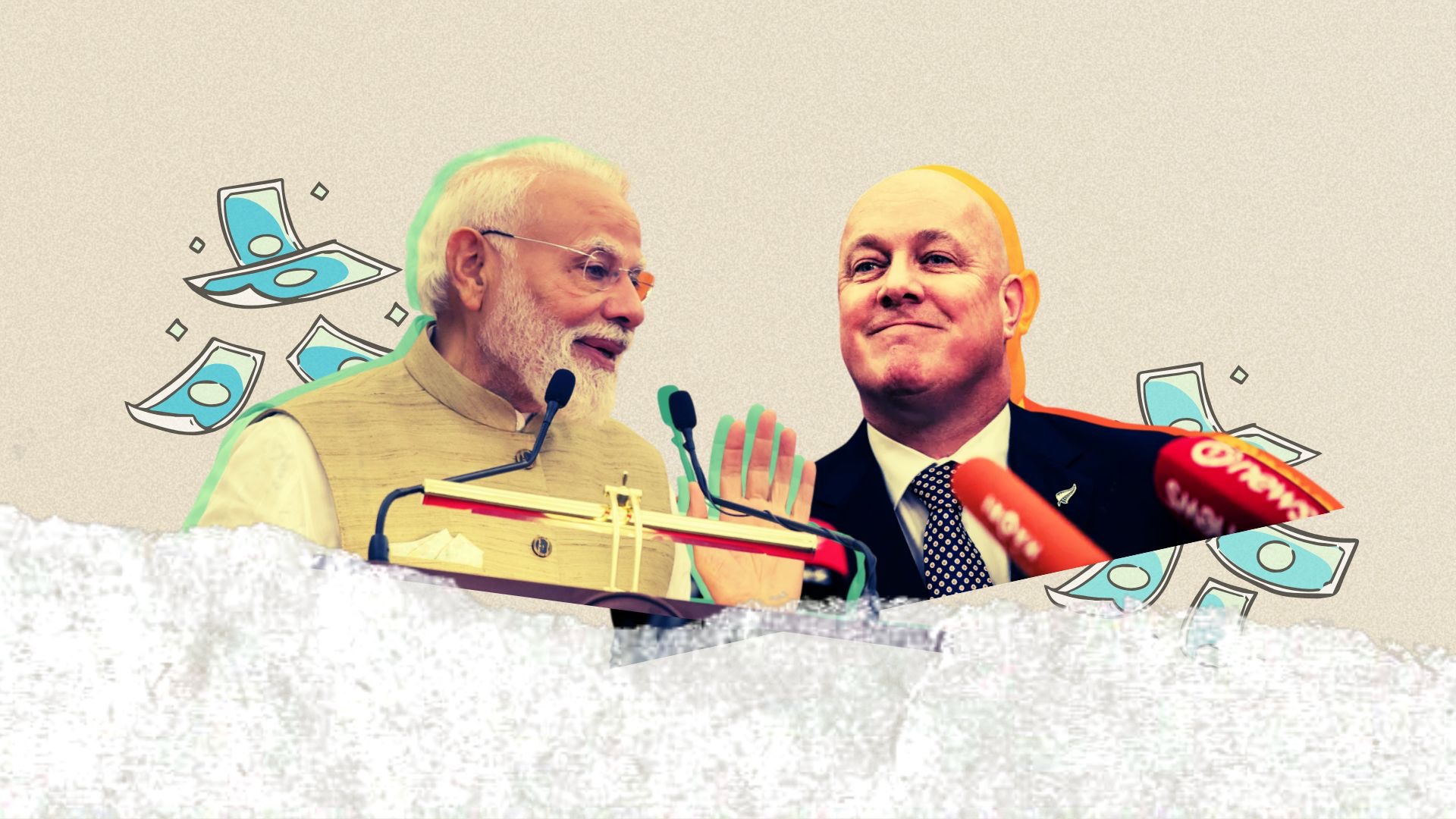
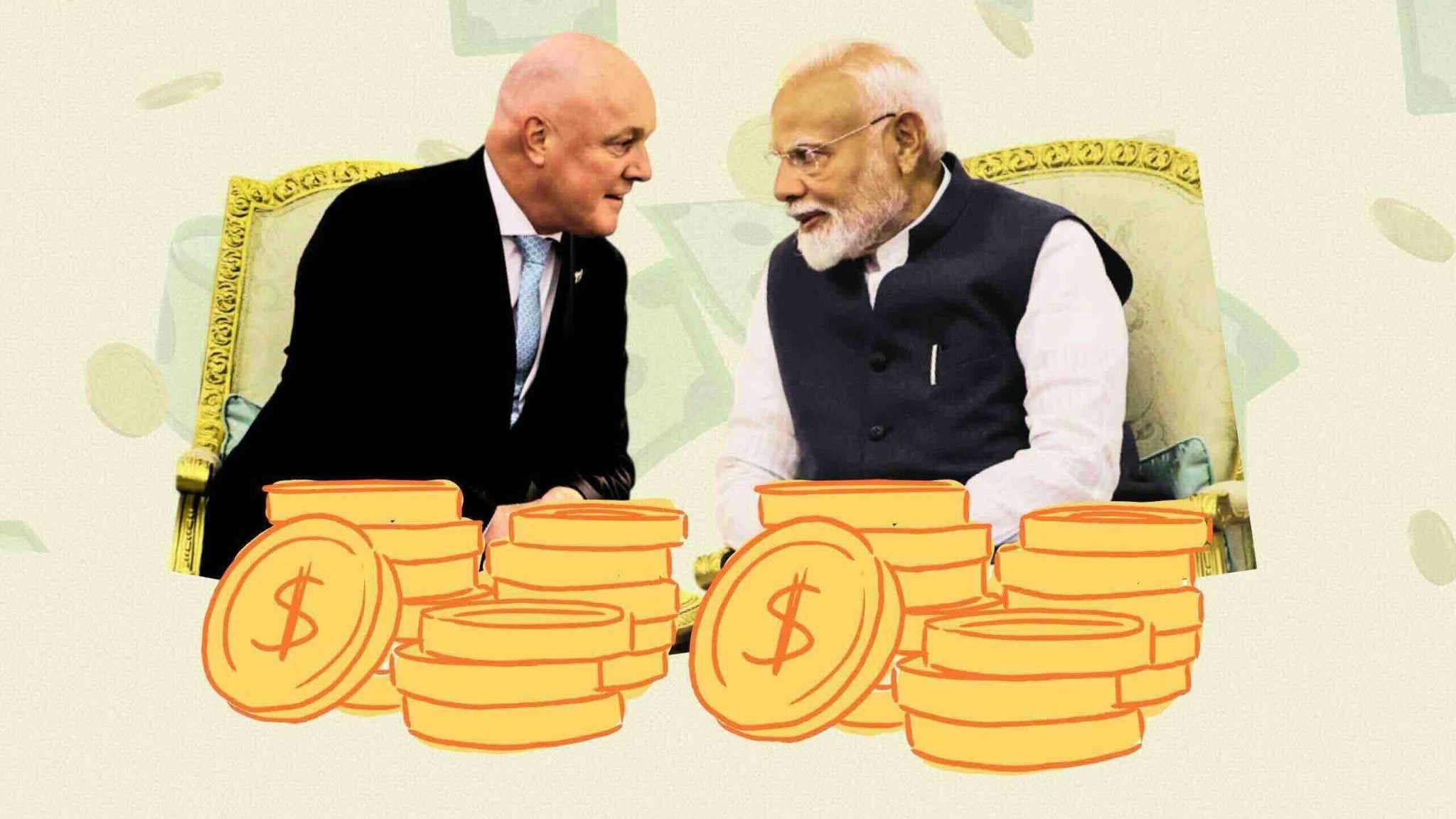
India seems quite sure about out how it expects New Zealand to facilitate the investment of US$20 billion under the free trade agreement (FTA), even as uncertainty continues in New Zealand over what the clause means and whether it could jeopardize the deal.
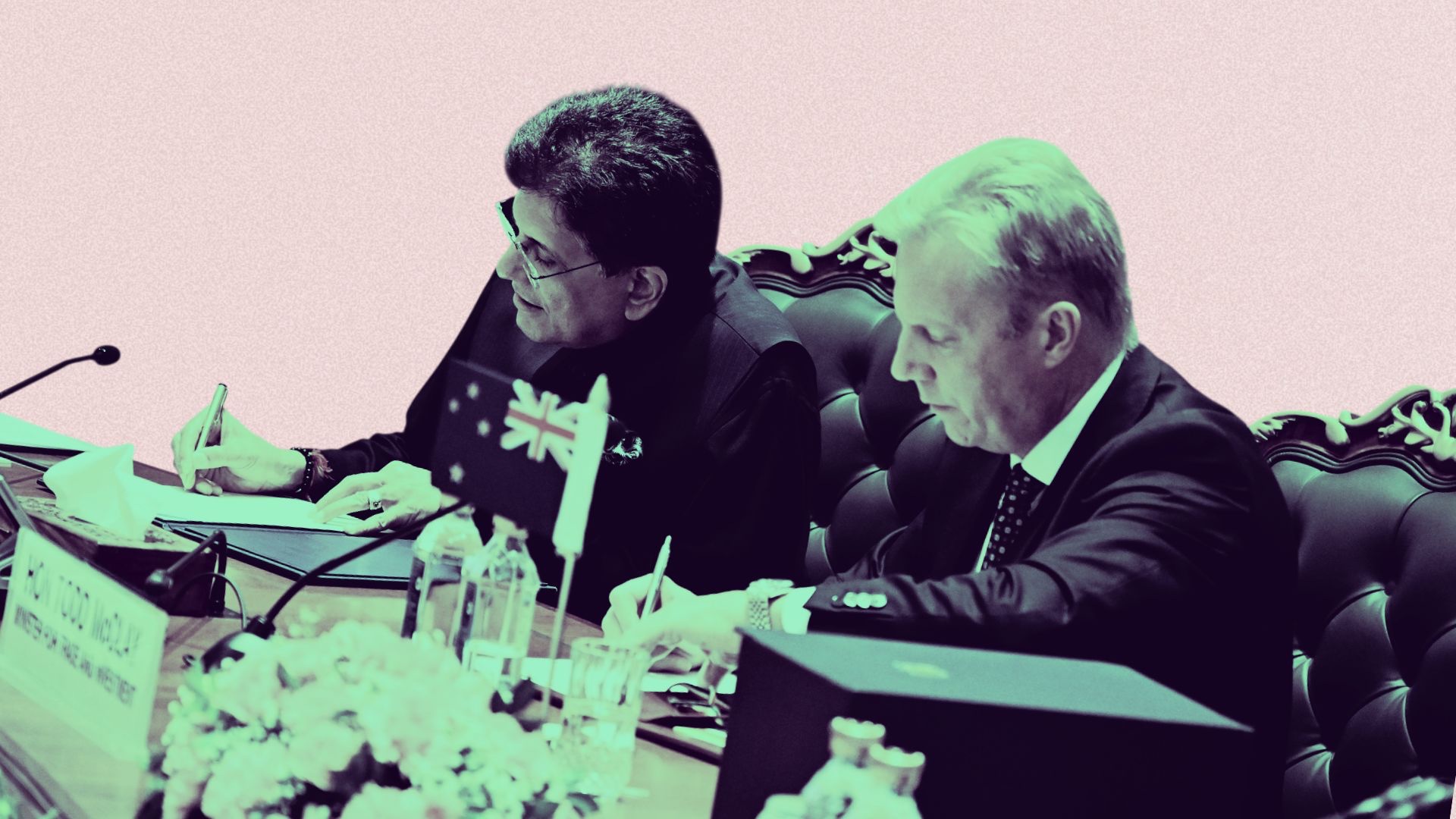
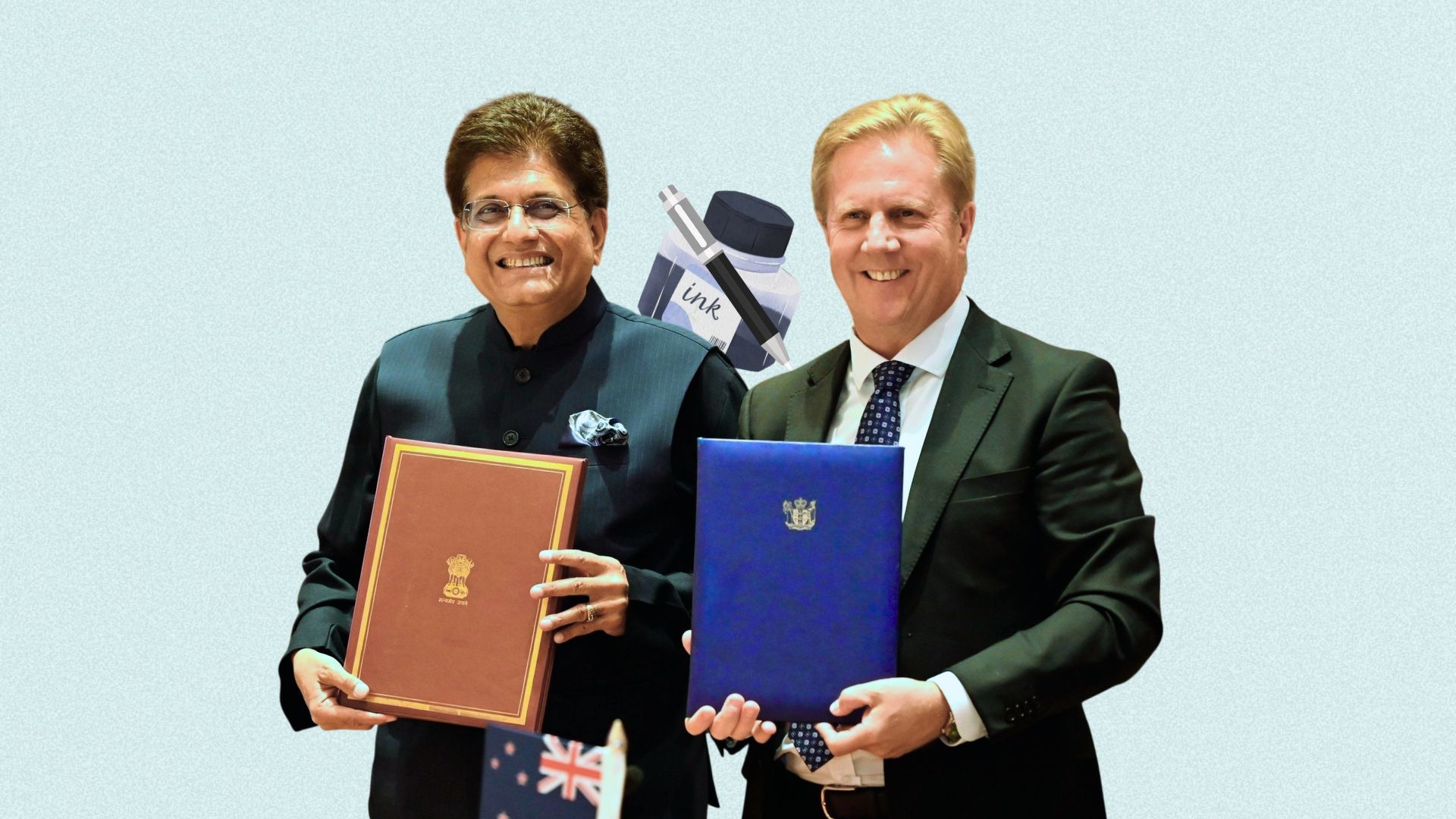
The deal was negotiated in December 2025, and it can become operational only after it is ratified by parliaments of both the countries, an outcome that's still not certain in New Zealand's case.
India's commerce and industry minister Piyush Goyal says New Delhi is expecting the money to arrive as "long-term sustaining" foreign direct investment for facilities like factories, infrastructure builds, education campuses, sports facilities and service hubs, rather than portfolio inflows like FII that can "come and go".
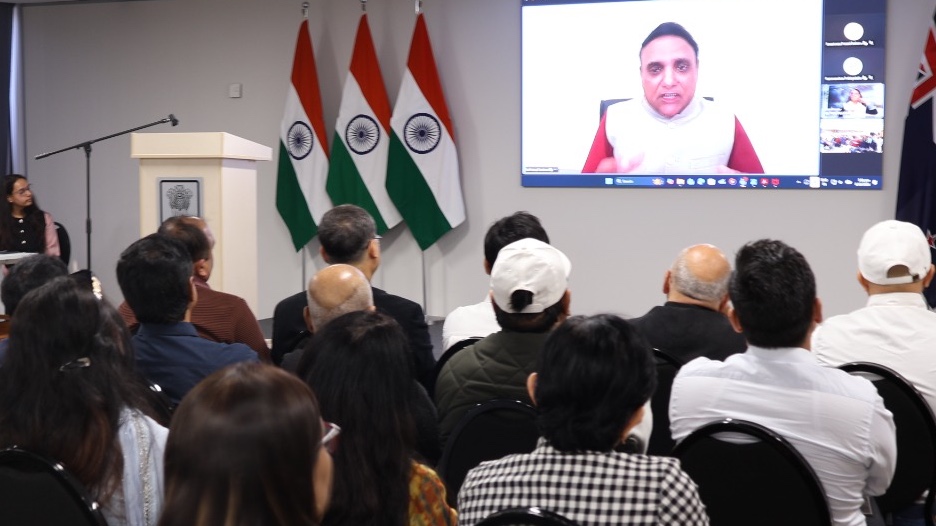
"They (New Zealand) are investing US$20 billion over 15 years...broadly, it is going to be in the area of manufacture, infrastructure, sports, education and services," he told journalists in New Delhi at a press conference about the FTA. New Delhi has left it open to Wellington to decide which areas it would like to pursue as time evolves, an official added.
Pressed on what the investment pledge really meant, Goyal pivoted to the scale of the commitment, framing it against New Zealand’s track record. "Incidentally, I just want to clarify that this US$20 billion we must see in the context of the size of the New Zealand economy. So far, in the last 25 years, New Zealand has only invested US$70 million [in India]."
From designing restaurants to running Auckland Diwali: The many lives of Arnav Taode Taode brings his passion for Indian arts and culture to his first year managing BNZ Auckland Diwali 2026.
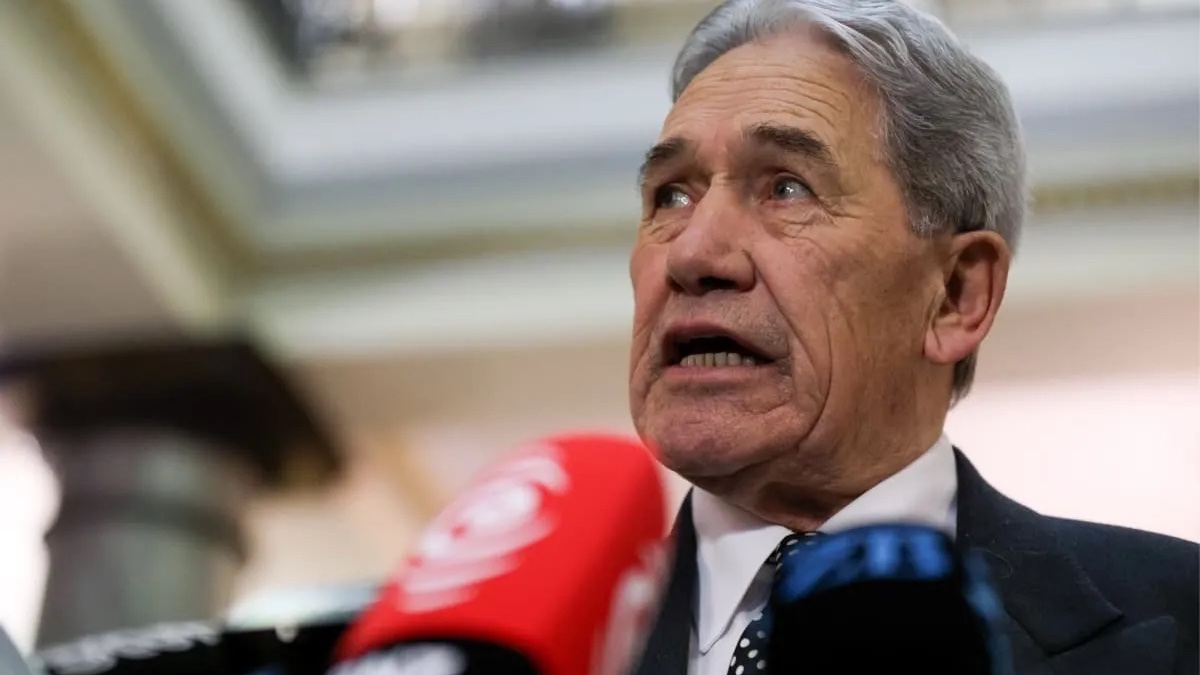
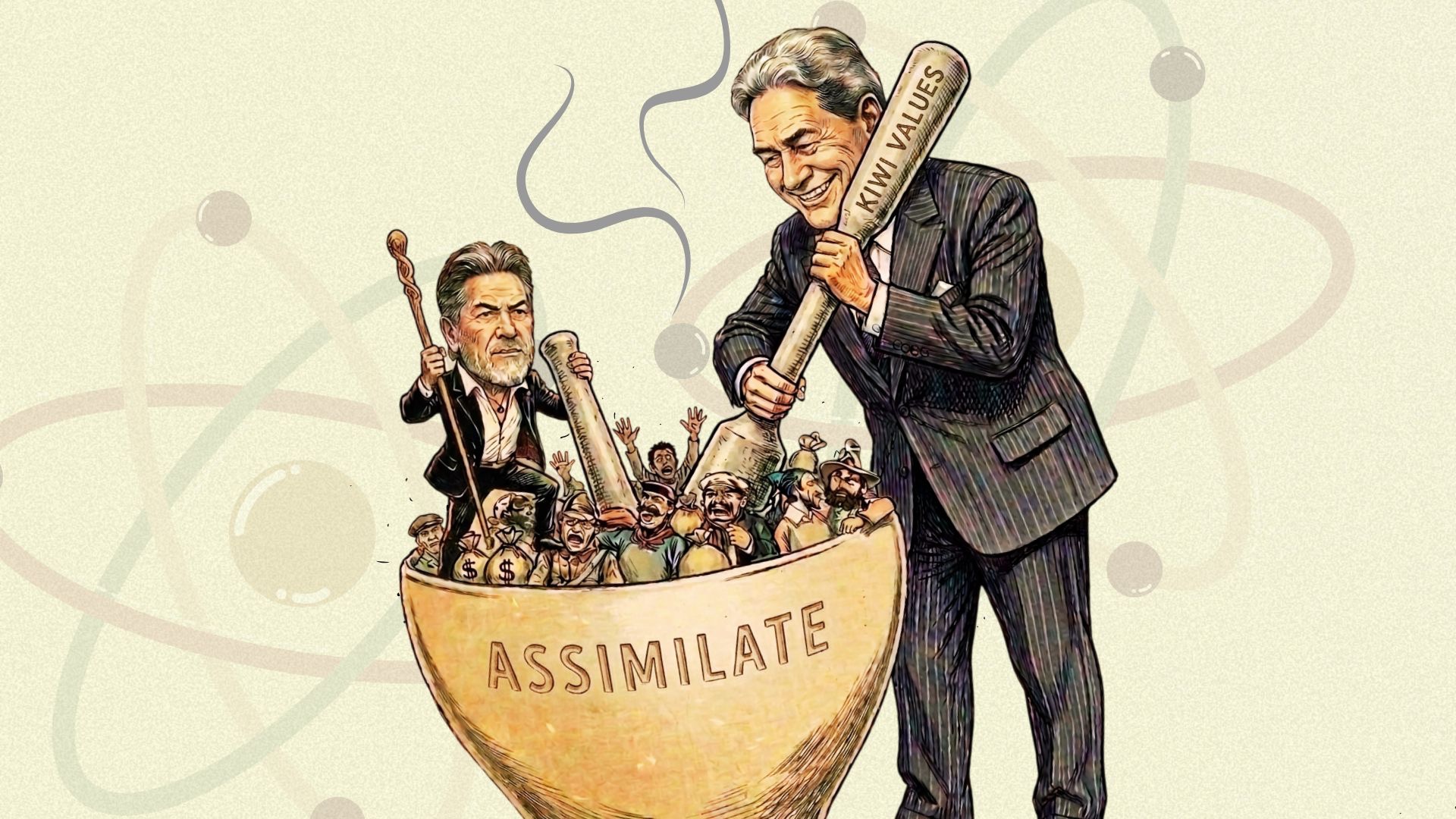
Winston Peters says ‘diversity is disunity’. What does the evidence tell us? Evidence from business, sport and social policy suggests diversity can strengthen economies and cohesion but on one condition.
Baby born in Sri Lanka to New Zealand residents caught in limbo after Down syndrome diagnosis Immigration tribunal orders fresh residence assessment after finding a “serious mistake” by immigration officials.
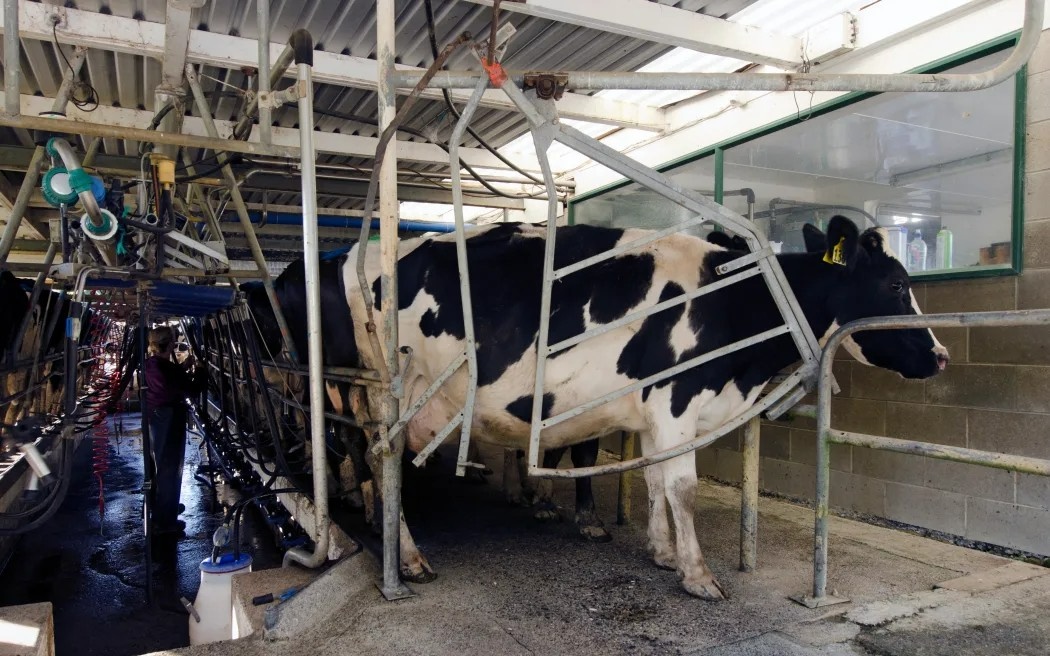
The minister pointed to the relatively small FDI flow from New Zealand to highlight "what a big gain it was for India". "This will open up, as I said, collaboration in several sectors, particularly benefiting our farmers, our dairy, and our MSMEs. At the same time, I want you to appreciate that this will include investments in education, in sports, in service sectors, opening up large opportunities for our youth, and opening up for us cleaning facilities, skill development, and many other areas, which will really help our youth, men and women, our youngsters."
Goyal pointed out India's expectation that the New Zealand trade deal will bring in foreign investment was neither new nor unusual. New Delhi had imported the clawback language from its India-EFTA Trade and Economic Partnership Agreement signed in 2024, he said.
“This is FDI investment…and with a clawback clause similar to EFTA nations, that if they do not invest, there will be a clawback of benefits,” he said.
The real political sticking point is whether the US$20-billion investment is binding on New Zealand, and allows India to potentially go back on the tariff concessions the FTA allows.
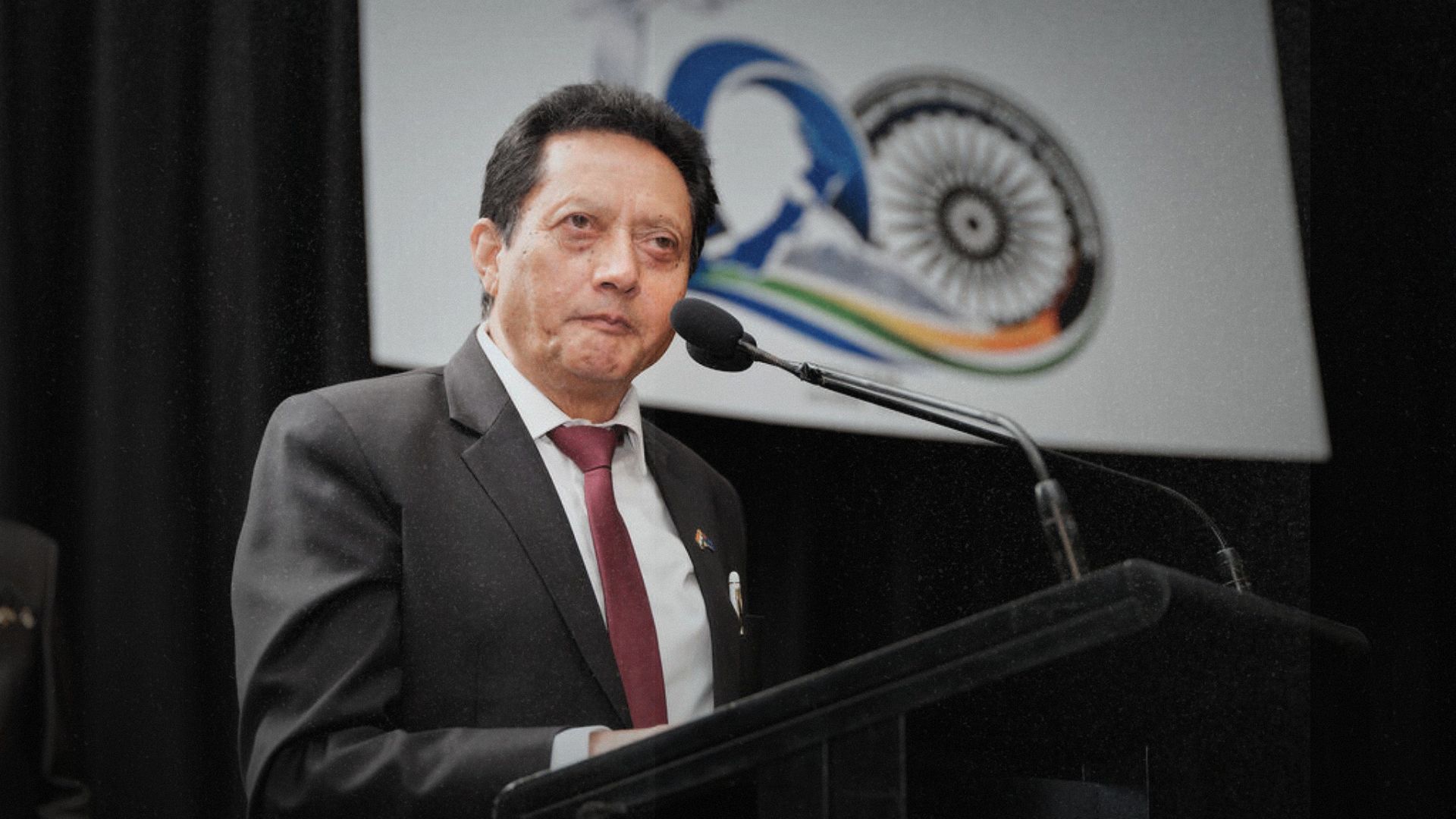
The outgoing Indian High Commissioner, Neeta Bhushan, indicated last week the FDI provision was an "aspiration" for New Zealand’s private sector. The New Zealand Herald quoted her as saying the investment was "something to aspire towards".
Goyal’s detail clarifies that although the FTA text speaks of "facilitating" or "promoting" investment, New Delhi wants tangible projects like joint ventures or re-export hubs in agritech, dairy and services; and that it sees failure to mobilise capital as grounds to trigger a potential clawback of tariff concessions. That interpretation is now at the centre of a political stalemate in Wellington.
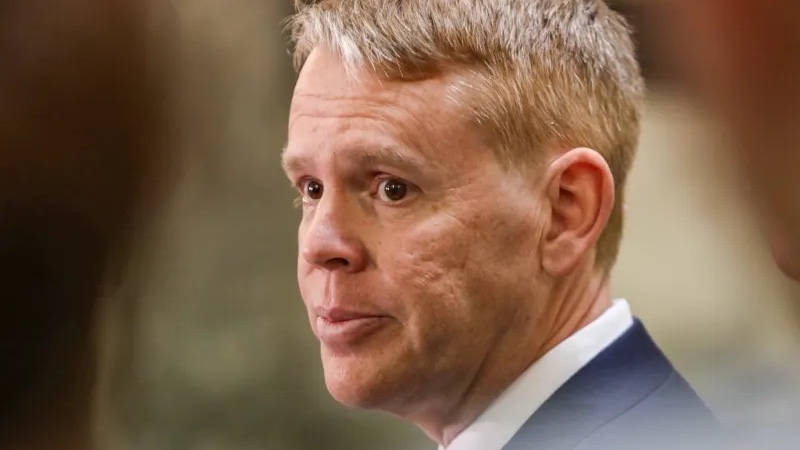
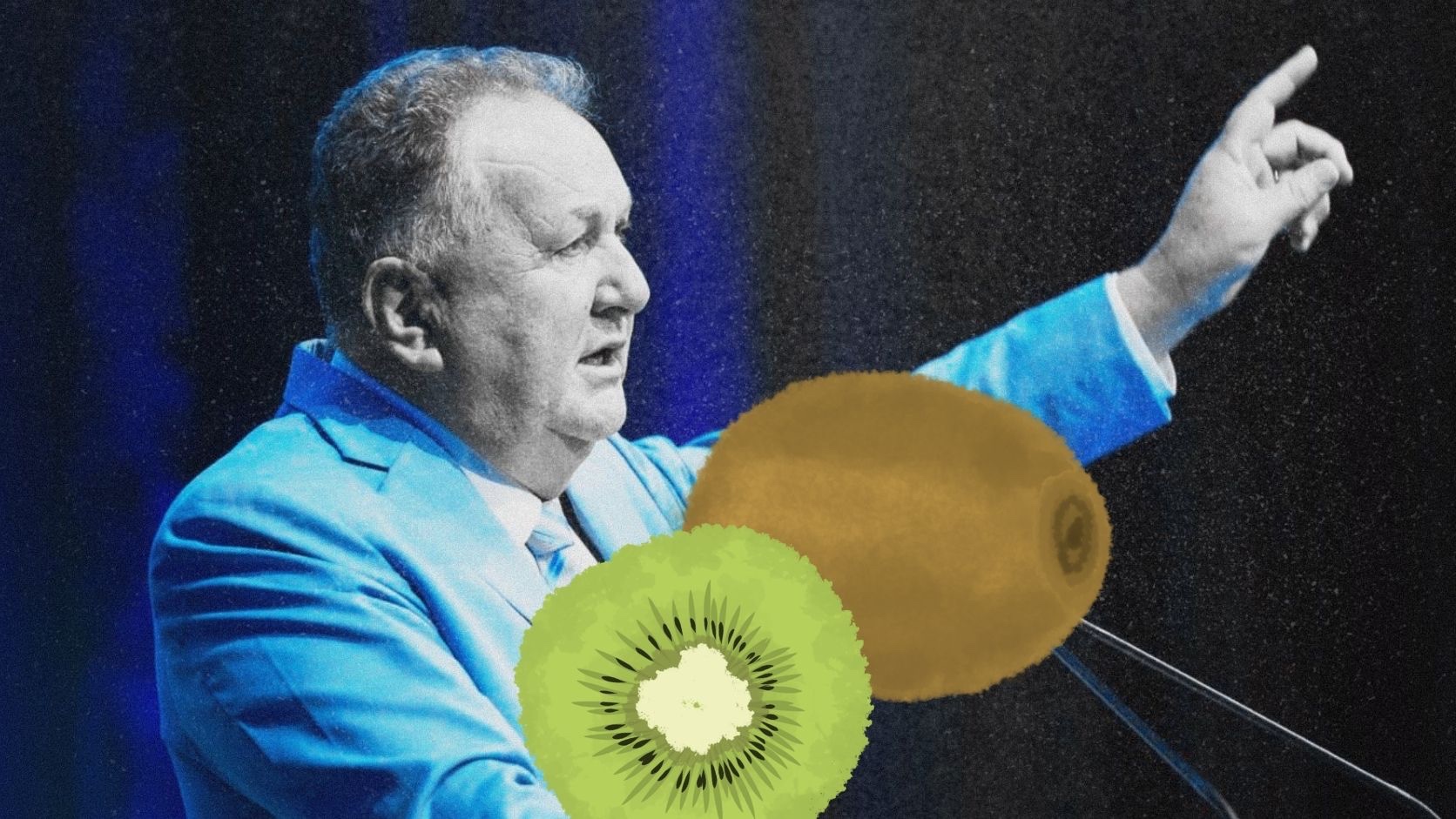
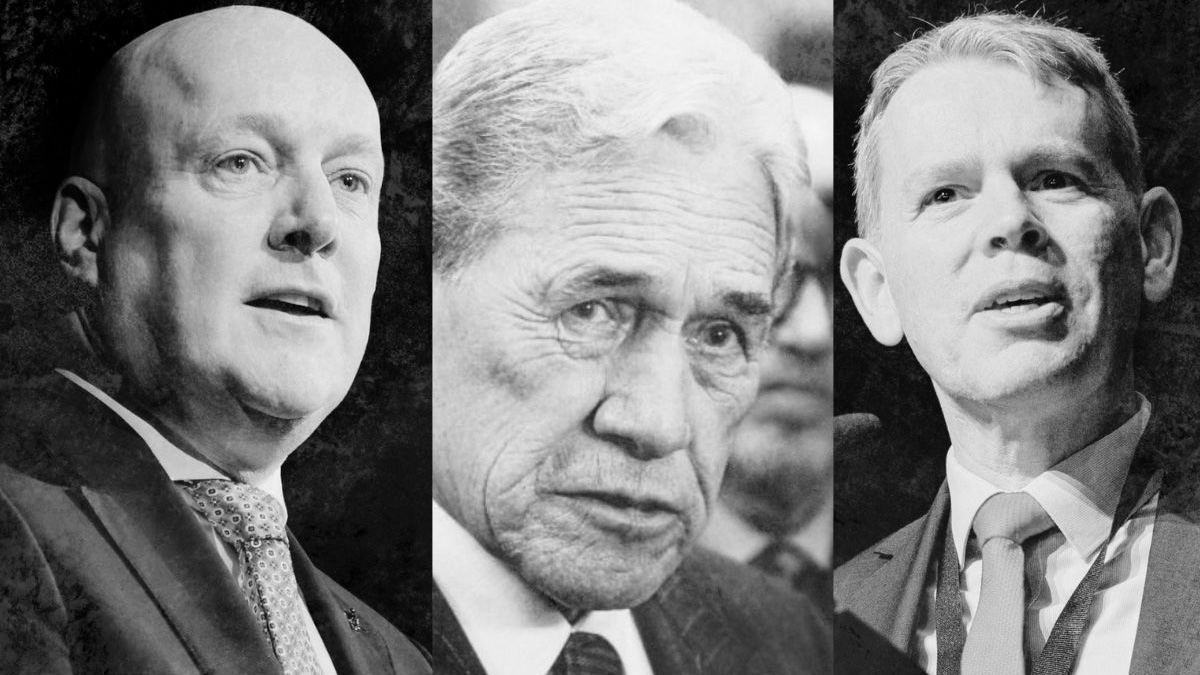
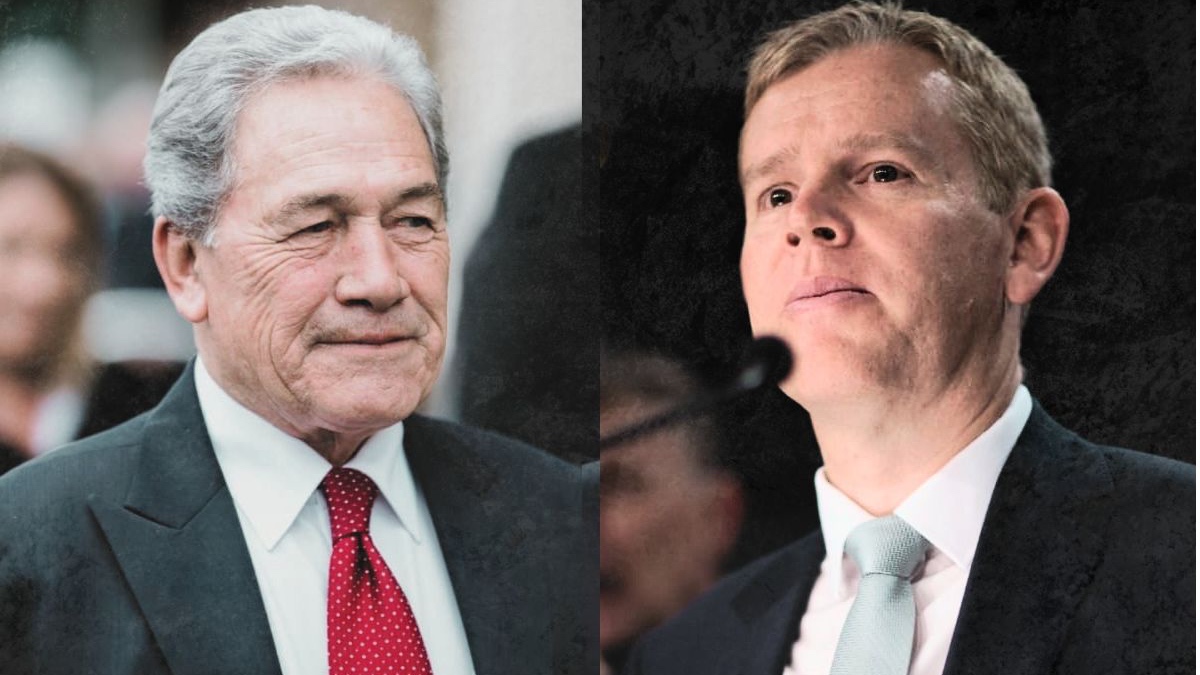
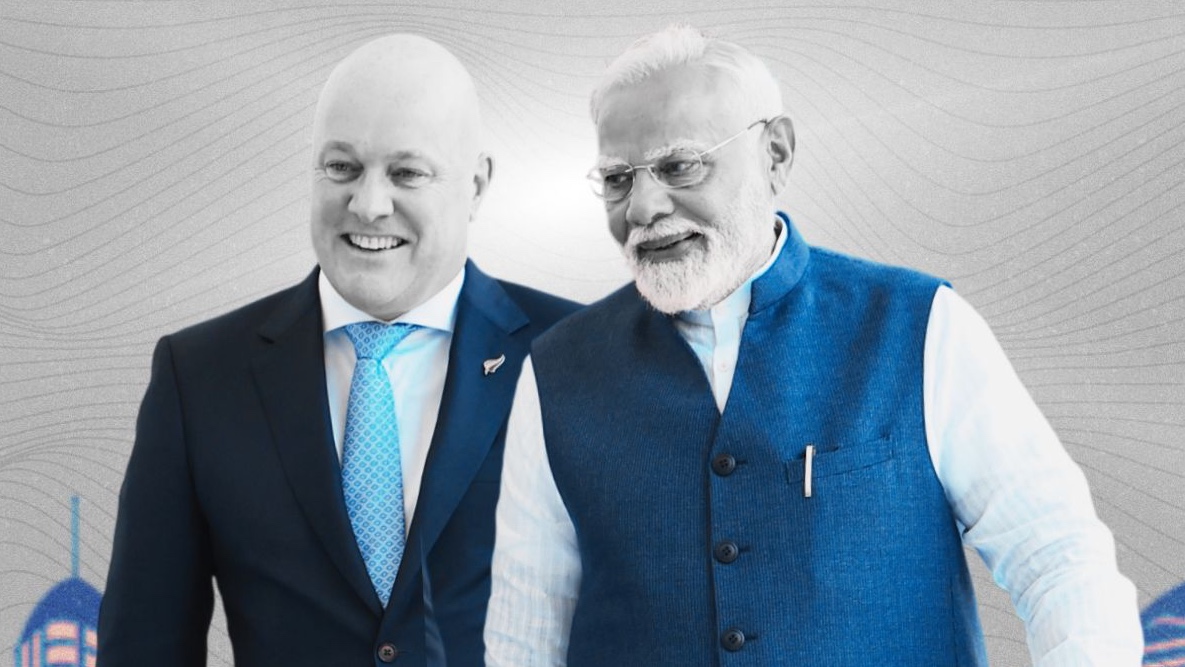
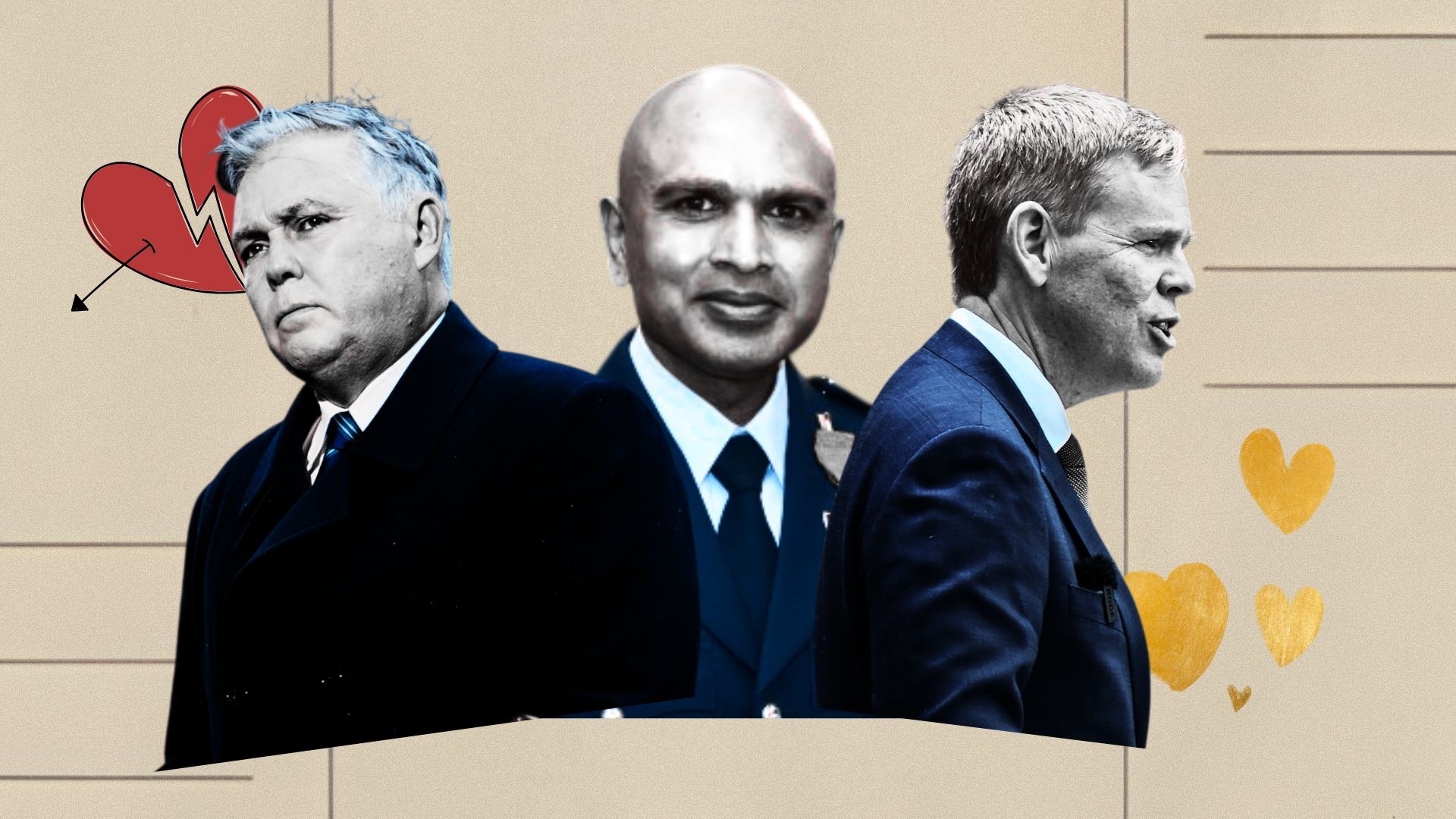
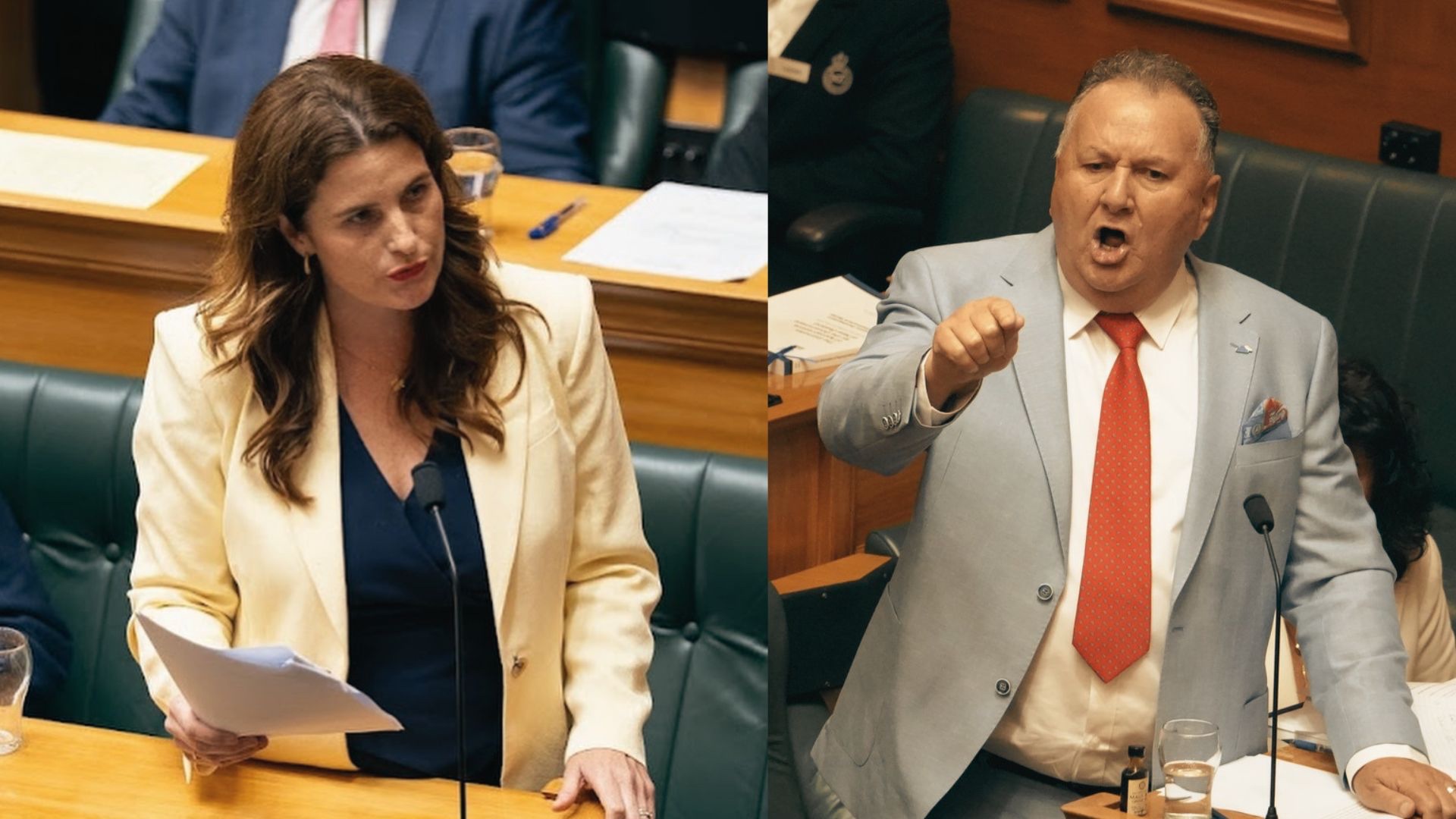
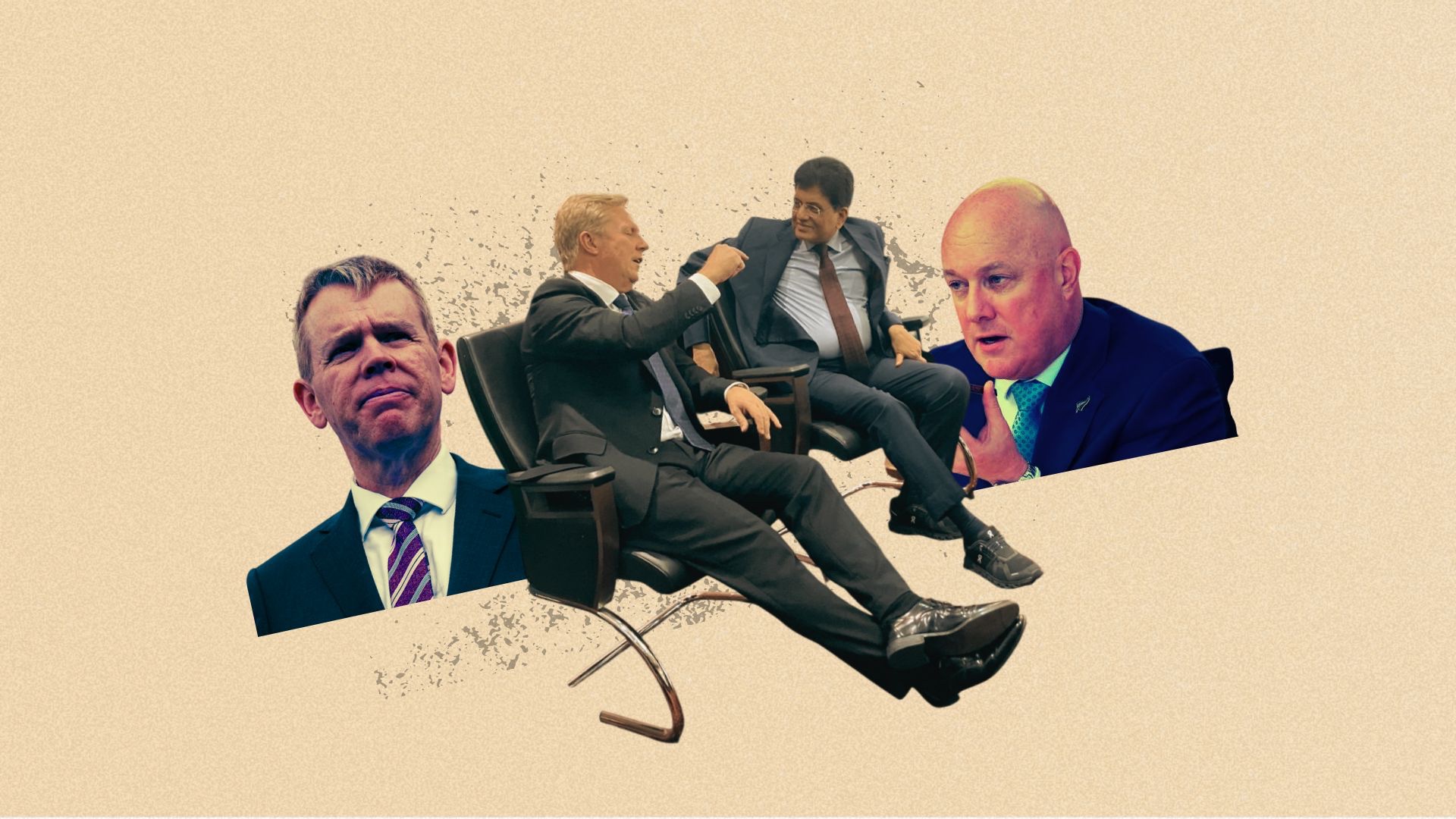
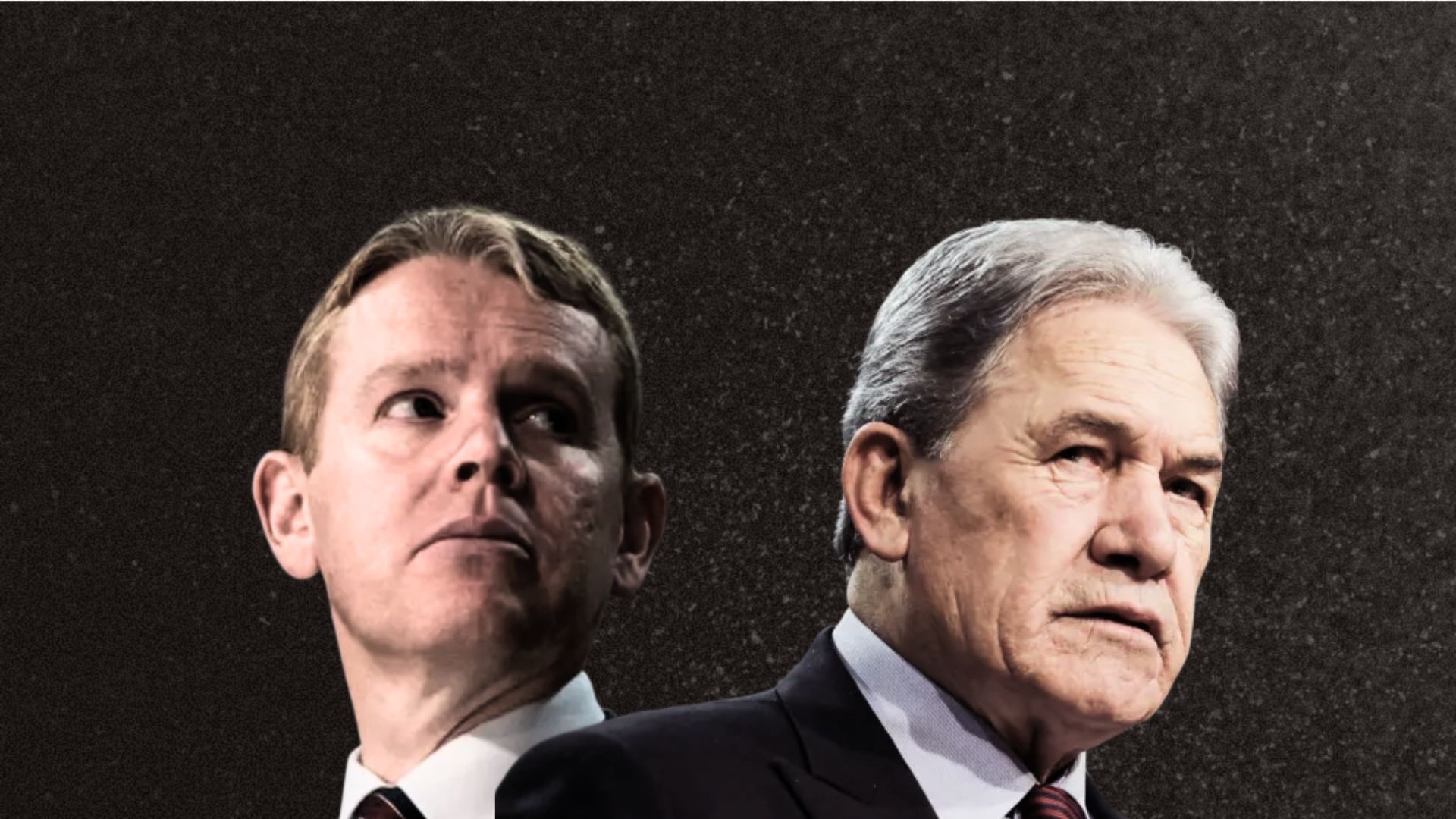
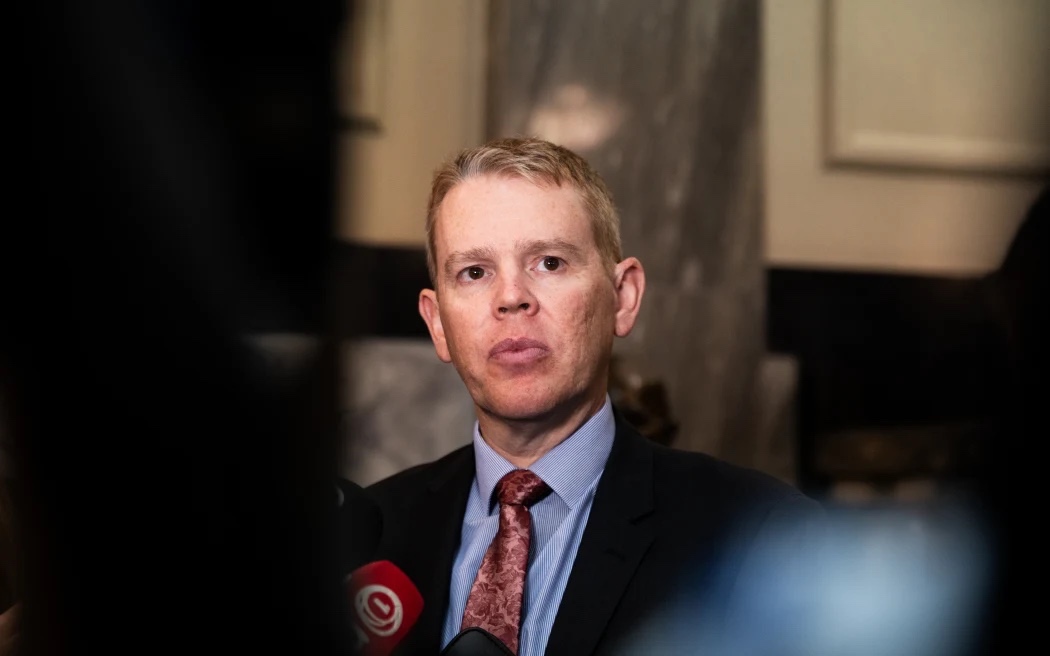
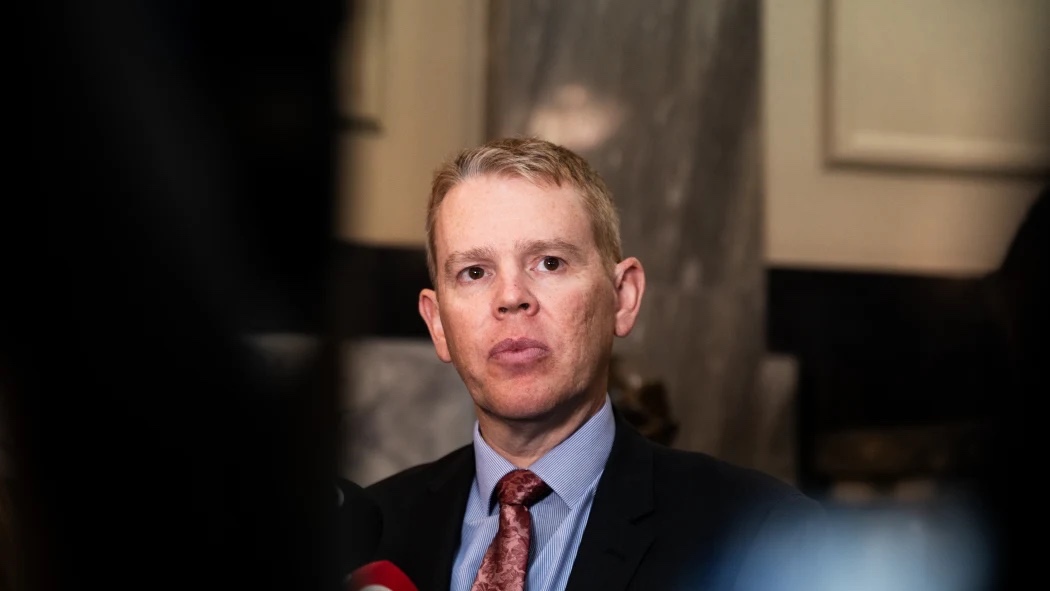
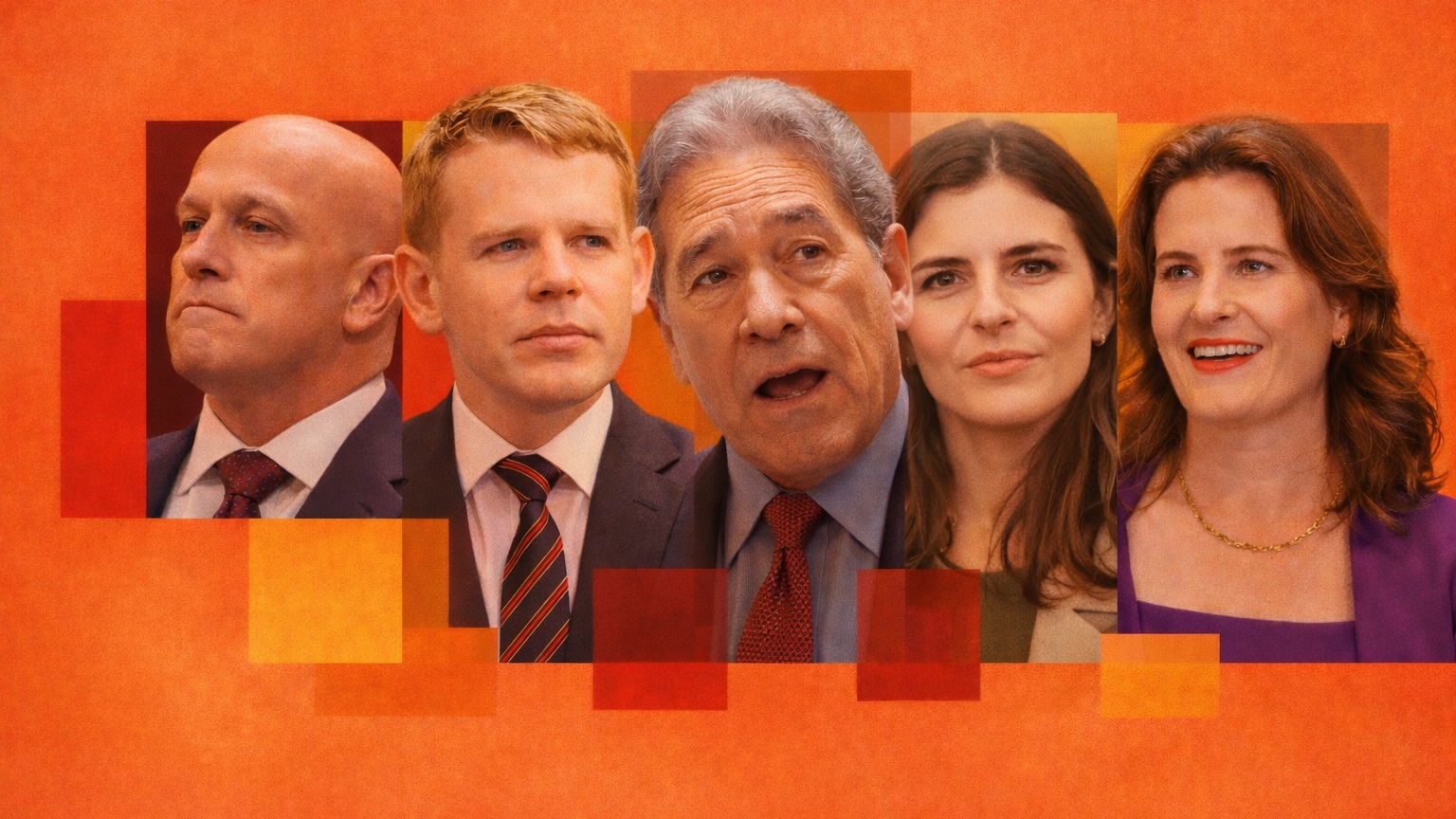
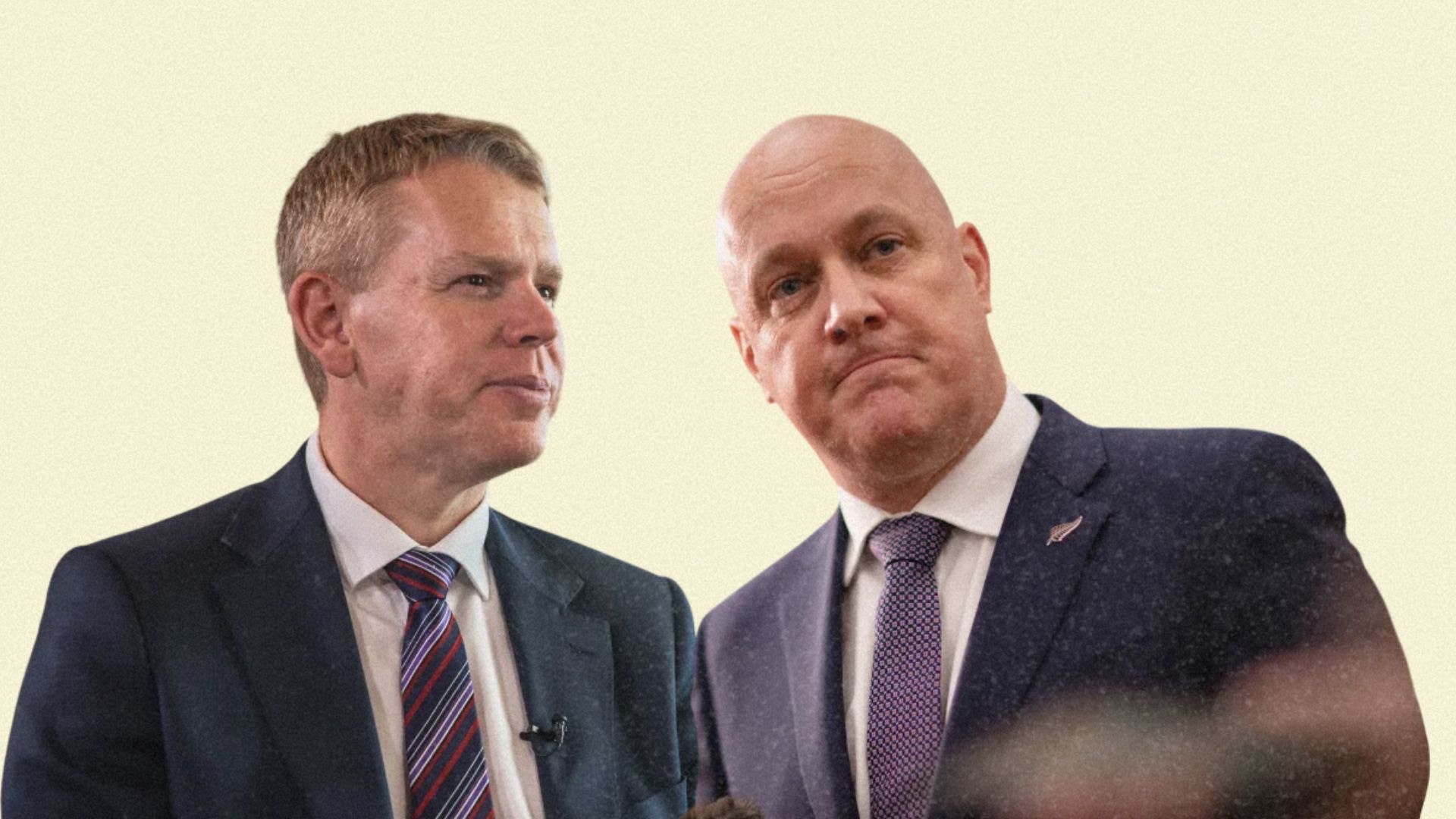
Labour leader Chris Hipkins has written to Prime Minister Christopher Luxon warning that any shortfall could let India trigger a “rebalancing mechanism” removing tariff gains for apples, honey and kiwifruit. Labour has set out three conditions for it to cast the deciding vote in favour of the deal when it comes up for ratification in Parliament.
The opposition party wants "clarity on the rationale, precedence, and national interest" behind arriving at the US$20-billion figure, given the relatively low volume of FDI outflow from New Zealand to India. Labour leader Chris Hipkins has described the FTA commitment as unprecedented in scale and has questioned its realism.
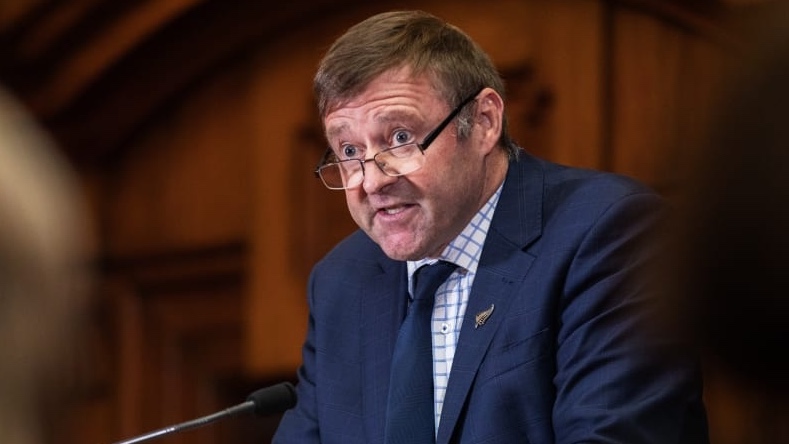
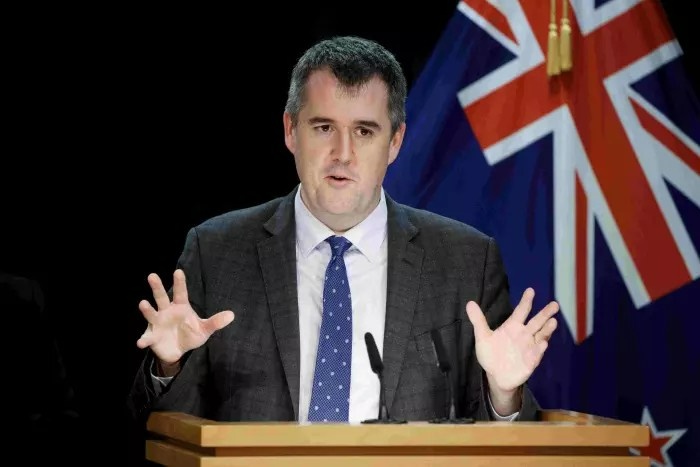
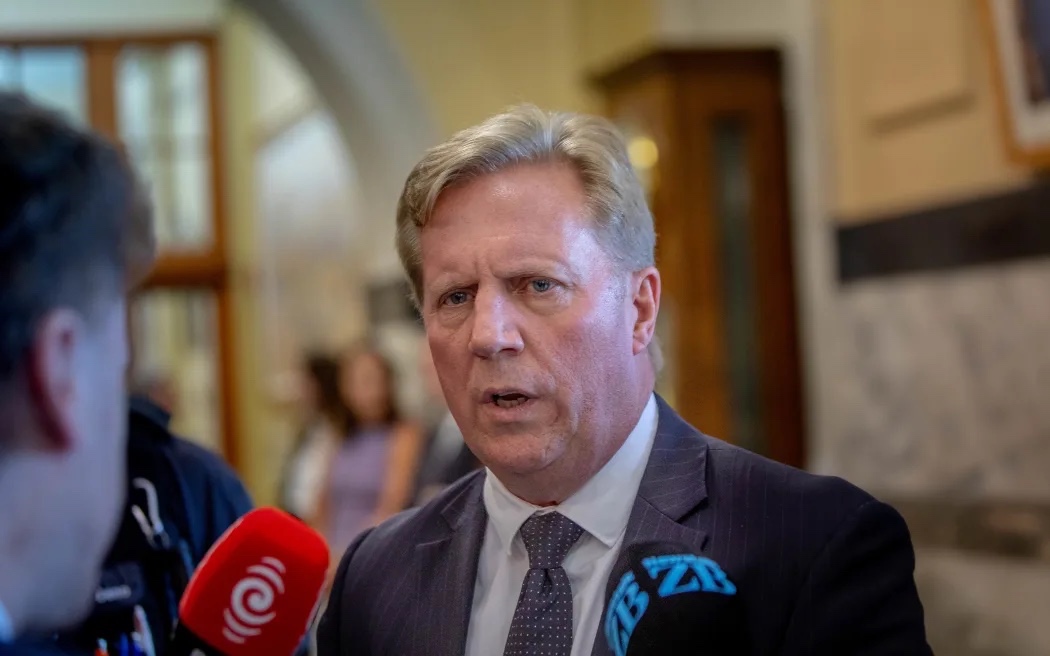
Trade minister Todd McClay has been at pains to point out New Zealand's commitment is to "promote" investment rather than an agreement to invest. "India has a similar agreement with the EFTA countries, Switzerland and others, and theirs is 'to invest'," he said in a interview to TVNZ’s Q+A. "Our language is different than that because we don’t have the ability to do that, nor would we agree to."
Auckland-based economist Dr Rahul Sen says Goyal's remarks clearly set out India's expectations from its trade partners to invest in the country's long-term development goals of Vision 2024.
"It's their new FTA strategy, it is strategic and not just about increasing exports and imports only. In the NZ context, the expectation is that NZ businesses work with the agencies and investment desk in India to invest in areas where NZ expertise would help improve their productivity and growth, for instance in agri business, education, renewable energy and waste management among others," says Sen, Senior Lecturer in Economics and Finance at Auckland University of Technology (AUT) Business School.
Dr Sen says it's important to understand how modern-day India perceives its bilateral deals. "It's definitely not just transactional and has a strategic importance, attached to creating partnerships for risk diversification and supply chain resilience. Therefore, any assessment based on headline numbers only on trade in goods risks oversimplification," he points out.