
Trespass bill will tackle shoplifters who ‘hide their hands’, but needs fixes, MPs told

Justice minister Paul Goldsmith.
Woolworths group has argued the bill strikes a more balanced approach than expanding citizen’s arrest powers.
Proposed changes to trespass laws could close loopholes used by repeat shoplifters, MPs have been told, but the bill still needs refinement to be able to work in practice.
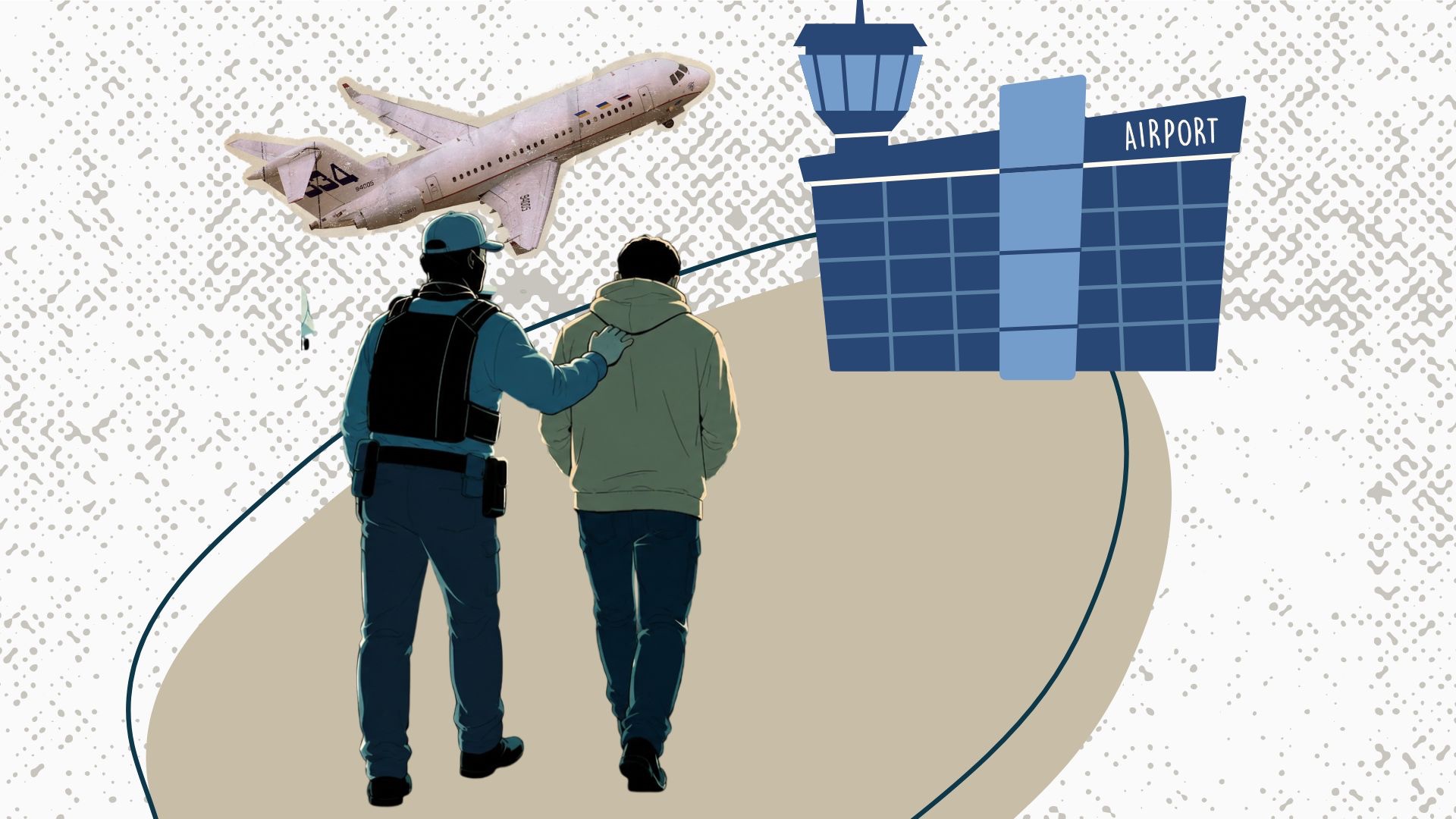
Offenders are increasingly evading trespass enforcement by refusing to cooperate or actively obstructing the serving of notices.
In its evidence to MPs, Woolworths New Zealand said frontline staff routinely deal with people who “run away, hide their hands, or become physically aggressive” in an effort to avoid being formally trespassed.
Parliament’s justice select committee is now reviewing such public submissions on the Trespass (Specified Retail Premises and Other Matters) Amendment Bill.
Its report is due by August 3, 2026, after which it will be presented for a second reading in Parliament.
Selfie: ‘Daddy, please don’t take me to an India-NZ cricket match’. A migrant's dilemma Can a migrant embrace a new home without abandoning old loyalties? Sports often offers a reckoning for migrants.
Migrant prison guards in Auckland accused of drug smuggling can't work, can't go home Two fathers facing serious corruption charges have been unable to work elsewhere because of their visas and awaiting criminal trials in 2028.
Can you be Indian and Kiwi? National's Mahesh Muralidhar on patriotism, racism and belonging National's big ticket Indian-origin candidate on what ethnic representation really achieves and why New Zealanders still struggle to get along.
The submitters say the changes are aimed at making the law more workable in modern retail settings, where stores are open to the public but empowers shop owners to still revoke access for safety and security reasons.
The bill, which follows recommendations from the government's advisory group chaired by Sunny Kaushal, would expand retailers’ ability to issue trespass notices, extend their duration, and allow bans to apply across multiple locations and store networks.
Woolworths told MPs the current system allows offenders to later dispute whether they were properly served. It said this has led to prosecutions being dismissed on technical grounds.
The supermarket group backed a proposed change that would deem a person to have been warned if they intentionally refuse or obstruct the delivery of a trespass notice.
It said this would close what it called a “lack of awareness” loophole exploited by repeat offenders.
It also supported modernising how warnings are delivered, including the use of body-worn cameras and mobile phones to record interactions.
“The use of BWC footage protects both the staff member and the rights of the individual concerned by ensuring a clear, objective video record exists,” Woolworths said.
The company argued the bill strikes a more balanced approach than expanding citizen’s arrest powers.
It said those changes increase the risk of physical harm, and that the trespass regime instead enables de-escalation by keeping offenders out of stores rather than escalating confrontation.
However, submissions to the committee also point to concerns about how the changes would operate in practice, particularly given the scale of discretion being handed to private retailers under the proposed regime.
Retail NZ, which represents about 70 per cent of domestic retail turnover, told MPs the bill strengthens an “important protection for staff who should be able to come to work without facing an individual who has previously behaved in an inappropriate way”.
It supported increasing the maximum trespass period from two to three years, saying retail crime has “exploded in recent years” and stronger consequences are needed.
But it warned that the effectiveness of the regime depends on proportional use of the powers.
Retail NZ said maximum penalties should be reserved for “high-harm conduct like physical assault or repeat blatant theft”, and cautioned that without clearer guidance the default three-year period could be applied too broadly, including to lower-level offending.
It also backed the new ability to issue trespass notices across multiple locations, saying it would address “store-hopping behaviour” where offenders move between branches to avoid consequences.
However, it said this expansion must be matched with safeguards to ensure consistency and fairness across large retail networks and franchise models.
Retail NZ recommended a tiered framework for issuing trespass notices, with shorter durations for lower-level offending and stronger thresholds for more serious exclusions.
It also called for mandatory documentation of decisions, including justification and supporting evidence, such as CCTV or body-worn camera footage, to ensure accountability and compliance with privacy obligations.
The New Zealand Law Society took a more fundamental view, warning MPs that the bill risks being “ineffective and unworkable in practice” as drafted.
It told the committee the proposals create uncertainty in how key clauses would operate in court.
It pointed to expanded “knowledge” provisions and deemed warning rules, warning they could make it harder to prove whether a person understood they had been trespassed.
“The inclusion of a negligence-based or constructive knowledge threshold is conceptually inconsistent with an intention requirement,” it said.
It also raised concerns about multi-location trespass powers, saying it may be unclear how individuals are expected to understand bans that apply across multiple stores or brands.
It warned this could create compliance and enforceability problems. The Law Society also questioned reliance on oral warnings alone.
“An oral warning alone may be insufficient in a modern and multicultural society,” it said, warning that longer exclusion periods increase the risk warnings are misunderstood or not retained.
It also highlighted the absence of any appeal or review mechanism, saying affected people would likely need to go through court to challenge a notice, raising access-to-justice concerns.
MPs are now considering whether the reforms will strengthen enforcement tools, without undermining clarity, fairness, and legal certainty.
(You can read the submissions cited in this piece at Woolworths Group New Zealand, Retail NZ, New Zealand Law Society.)