
Seymour links Papatoetoe poll fraud with migrant corruption, winners say divisive

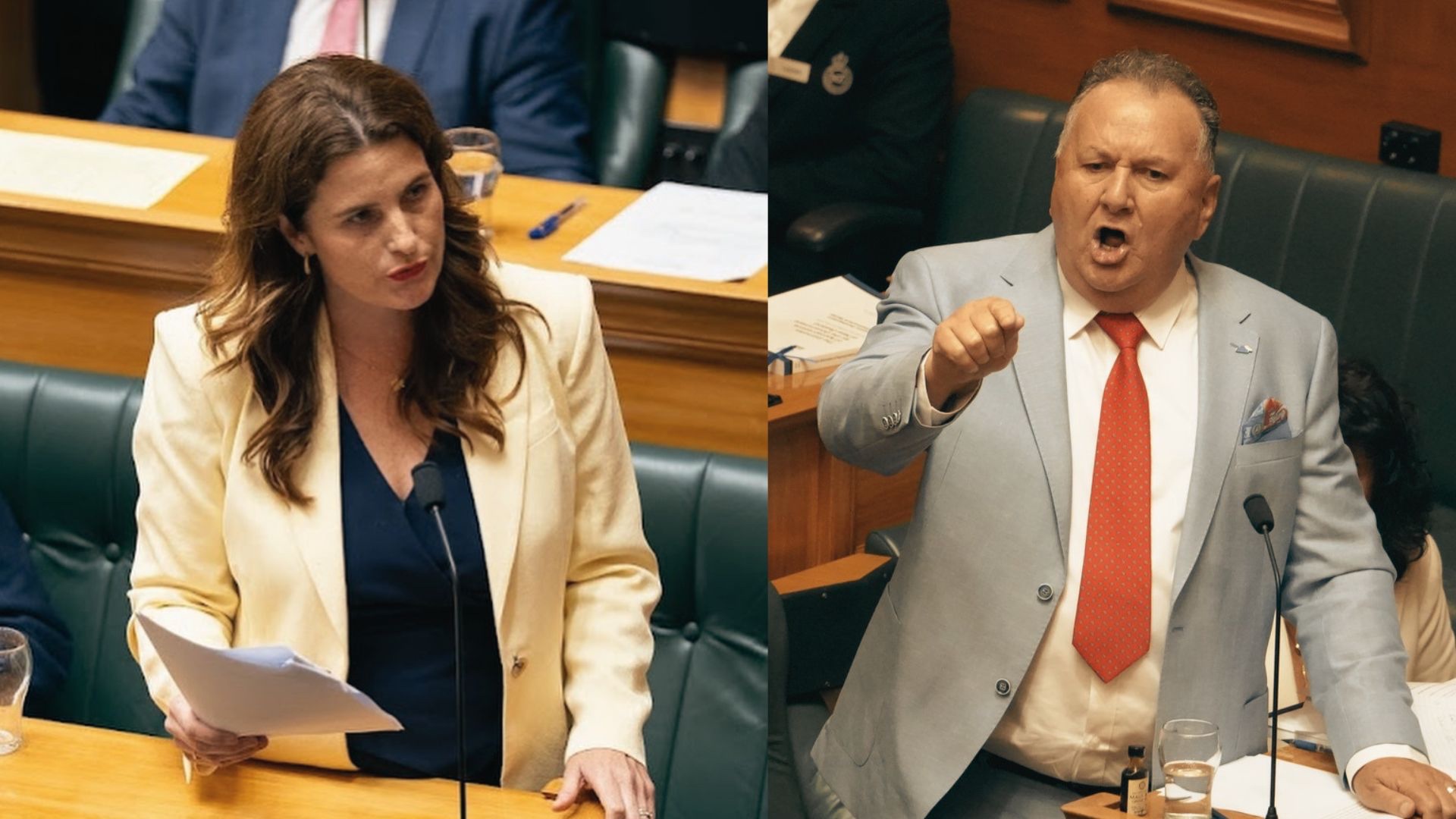
ACT leader David Seymour.
"More and more settlers are challenging the democratic values that the societies they move to were built on," says ACT leader.
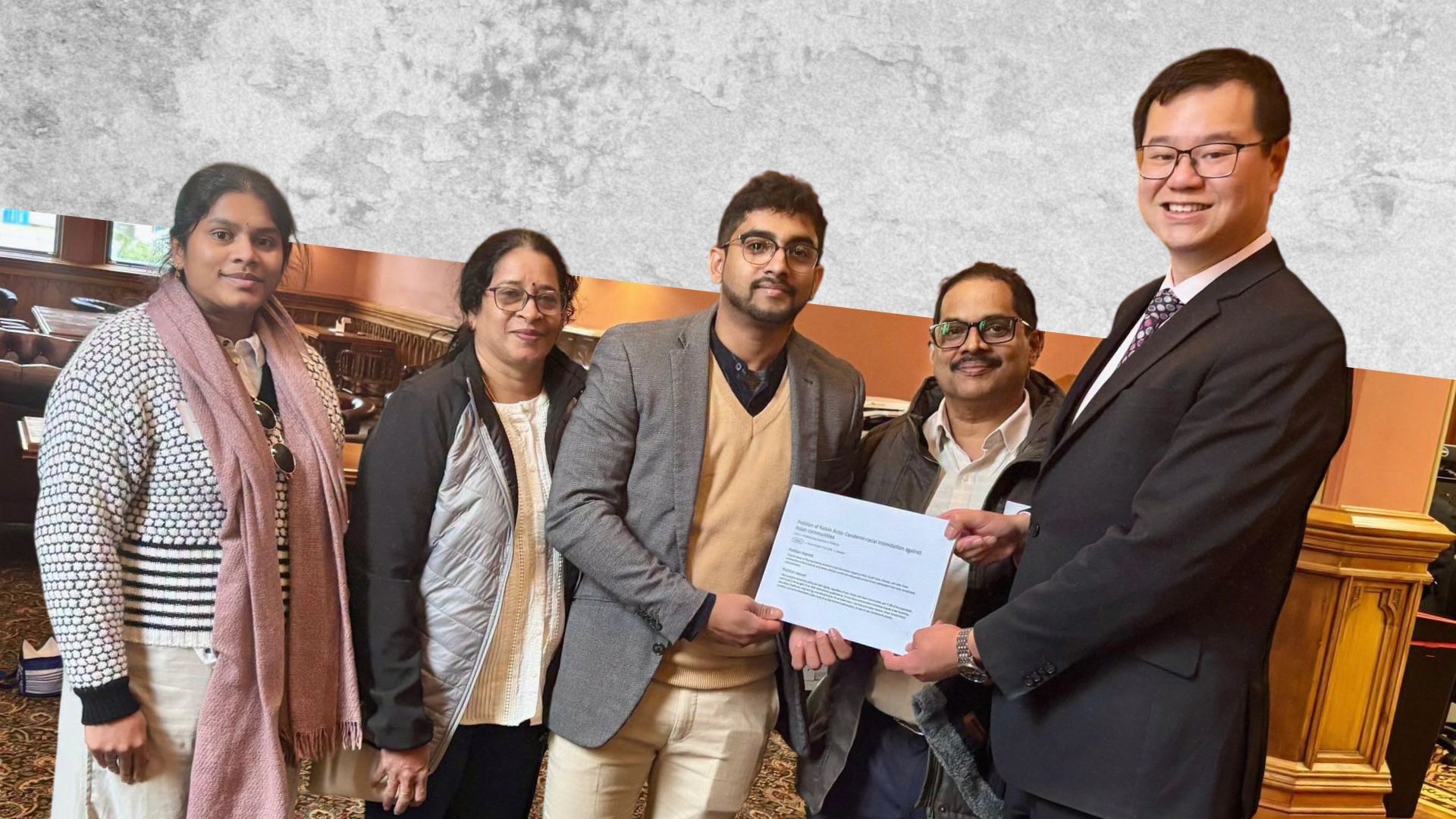
Members of the Otara Papatoetoe Local Board have called out David Seymour for suggesting they might have compromised New Zealand's democratic values.
They have described the ACT leader's claim as "highly irresponsible", and are appealing for a "more responsible tone...at a time when communities are already facing division".
During a speech on May 1, Seymour was talking about the immigration challenge New Zealand faces when he brought up the issue of the re-run of elections for the South Auckland board that concluded last month.


"More and more settlers are challenging the democratic values that the societies they move to were built on," he said at Forum North in Whangarei, two days before the party announced its immigration policy for Elections 2026.
"The recent Local Government election scandals should be a wakeup call to New Zealand. It was not a few people, nor was it a whole community, but never have we seen a group openly committed to stealing an election."
South Asian diaspora raises over $200,000 for New Zealanders missing in Nepal flood "I'm so proud of the Indian community here who...supported us, saying it is not a Nepal problem but our problem."
Tamakis launch Indian-origin candidate for Epsom who surrendered passport and has ‘assimilated’ “I know a whole lot of people are going to be like shocked,” says Hannah Tamaki.
Priyanca Radhakrishnan tries to puncture Luxon’s FTA victory, says India was already sold “Things have changed quite dramatically on the Indian government side,” says the Indian-origin Labour MP.
The comments were part of a speech in which the ACT leader spoke about the challenges of migration, and how his party plans to "make immigration work for New Zealand".
In an email query by Awaaz, Seymour's office confirmed he was referring to the Papatoetoe election that was annulled over voter irregularities in December last year.
A losing candidate had told the court missing voting papers, a few dozen special votes, and a voter turnout he described as unusually high suggested something seemed off.
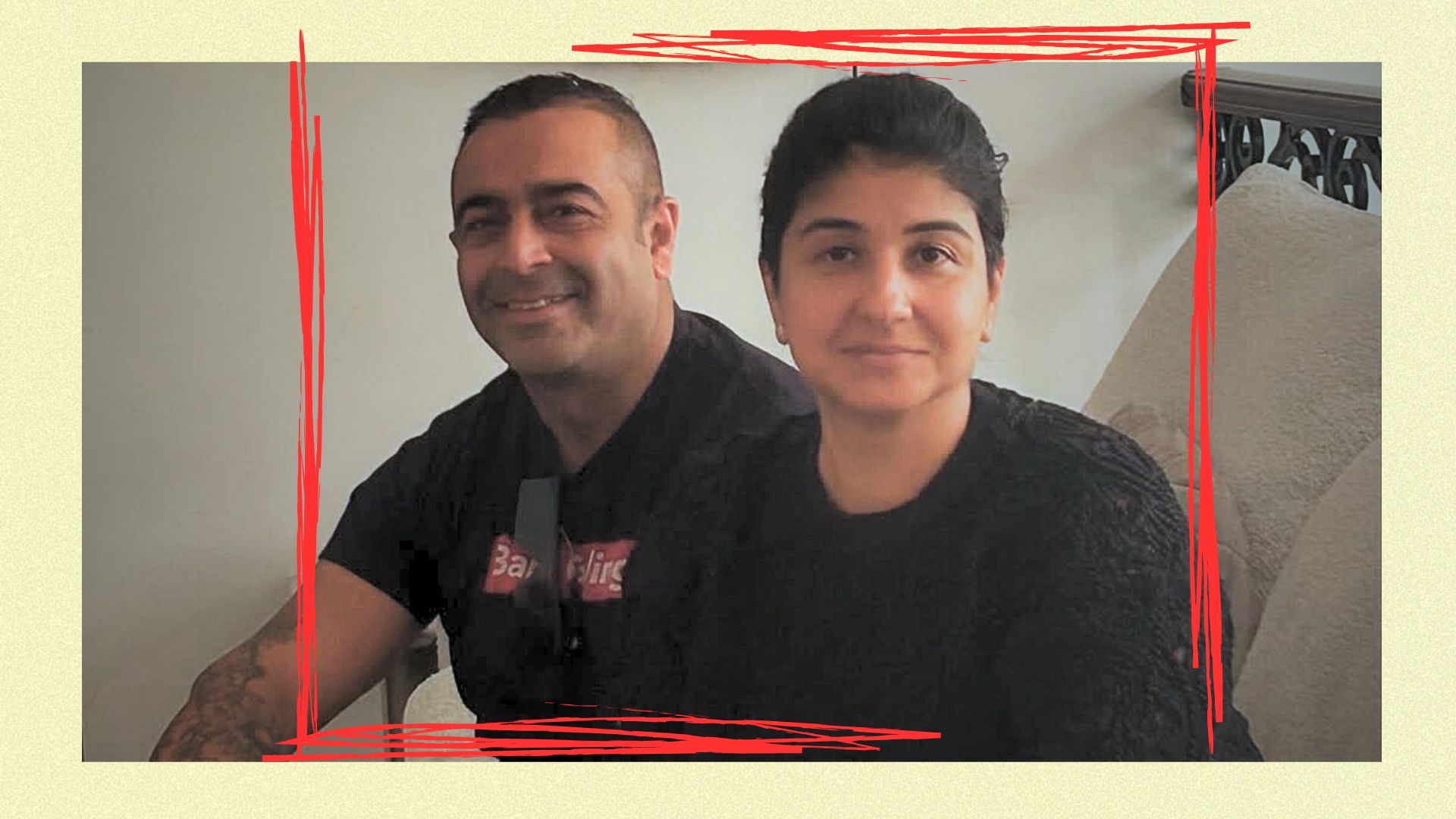
The lower court agreed and ordered a re-run. All the four winners were debutants – Kiwi-Indians from a new outfit called Papatoetoe Otara Action Team (POAT). None of them were accused of any fraud.
Three of those four Kiwi-Indians were voted back to power in the re-run, without any allegations of irregularities this time.
When asked why he had brought up the issue of the Papatoetoe election in the context of the challenges posed by immigration, Seymour said electoral fraud is something "New Zealanders expect to see happening overseas".
"We do not expect these practices to ever make their way to New Zealand, but it appears that, in at least one local election, they have."
Seymour did acknowledge that no one had been found guilty as yet.
“It’s not clear yet who was responsible for the irregularities. I understand Police are investigating, and it wouldn’t be appropriate for me to pre-empt their findings."
We asked his office whether it was correct to infer from his reply that: "Mr Seymour is saying New Zealanders don’t expect electoral fraud to happen in the country, and if it has happened it must have (or is likely to have) been imported?"
The office replied saying, "No additional comments from us."
Kunal Bhalla, POAT spokesperson, says that is a serious and highly irresponsible claim to make, particularly when no such conclusion has been established by the police, nor determined by any court.
"To imply otherwise is not only careless, it risks creating a false narrative that unfairly casts suspicion over communities without evidence."
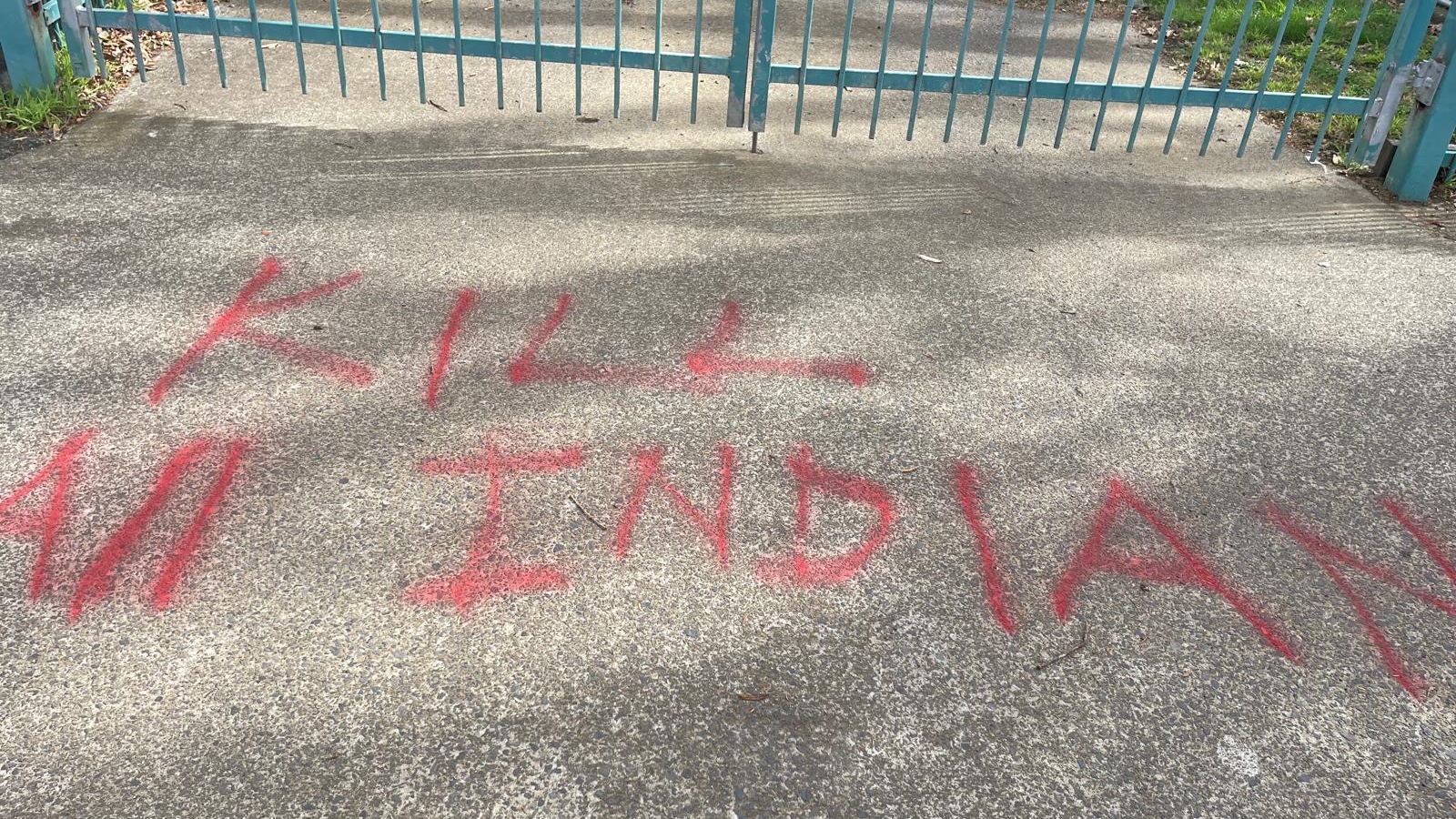
The four POAT candidates had appealed the annulment of the first election in the High Court. They didn't win. But in her judgment, Justice Jane Anderson noted social media commentary scapegoating migrants.
She said portraying the (annulment) decision as demonstrating "immigrant corruption" and as concluding that the "Indian candidates masterminded fraudulent votes" were misleading and improper assessment of the decision.
"The applicants have strongly condemned that conduct, whether it arose through a misguided attempt to assist them or through other mischief. Police enquiries are continuing into the electoral fraud."
ACT's office told Awaaz, "ACT also acknowledges this statement from Justice Jane Anderson."
POAT is calling for clarity, accountability, and a more responsible tone in how "such sensitive matters are communicated to the public".
"At a time when communities are already facing division, leadership must bring people together and not leave room for narratives that risk doing the opposite," Bhalla says.