
Opinion: New Zealand wants migrant labour, not migrants. That's not done

The real story of immigration policy is rarely found in the press release.
If New Zealand continues to depend on migrant workers, it must recognise them as future members of the society.
(This story has been updated since it was first published on March 16, 2026)
Opinion: Announcements about changes to the Skilled Migrant Category this election year have been widely welcomed by immigration advisers and lawyers as a significant improvement on the flawed thinking behind the previous Labour Government’s changes to the same policy.
However, much of the commentary has both repeated the current government’s official explanation of the reforms and ignored the broader context that the changes imply.


But after nearly 30 years practising immigration law, I have learned that the real story of immigration policy is rarely found in the press release.
To understand what these changes really mean, we need to look at how New Zealand’s immigration system has evolved over the past two decades, and what it reveals about the way migrant workers are increasingly treated.
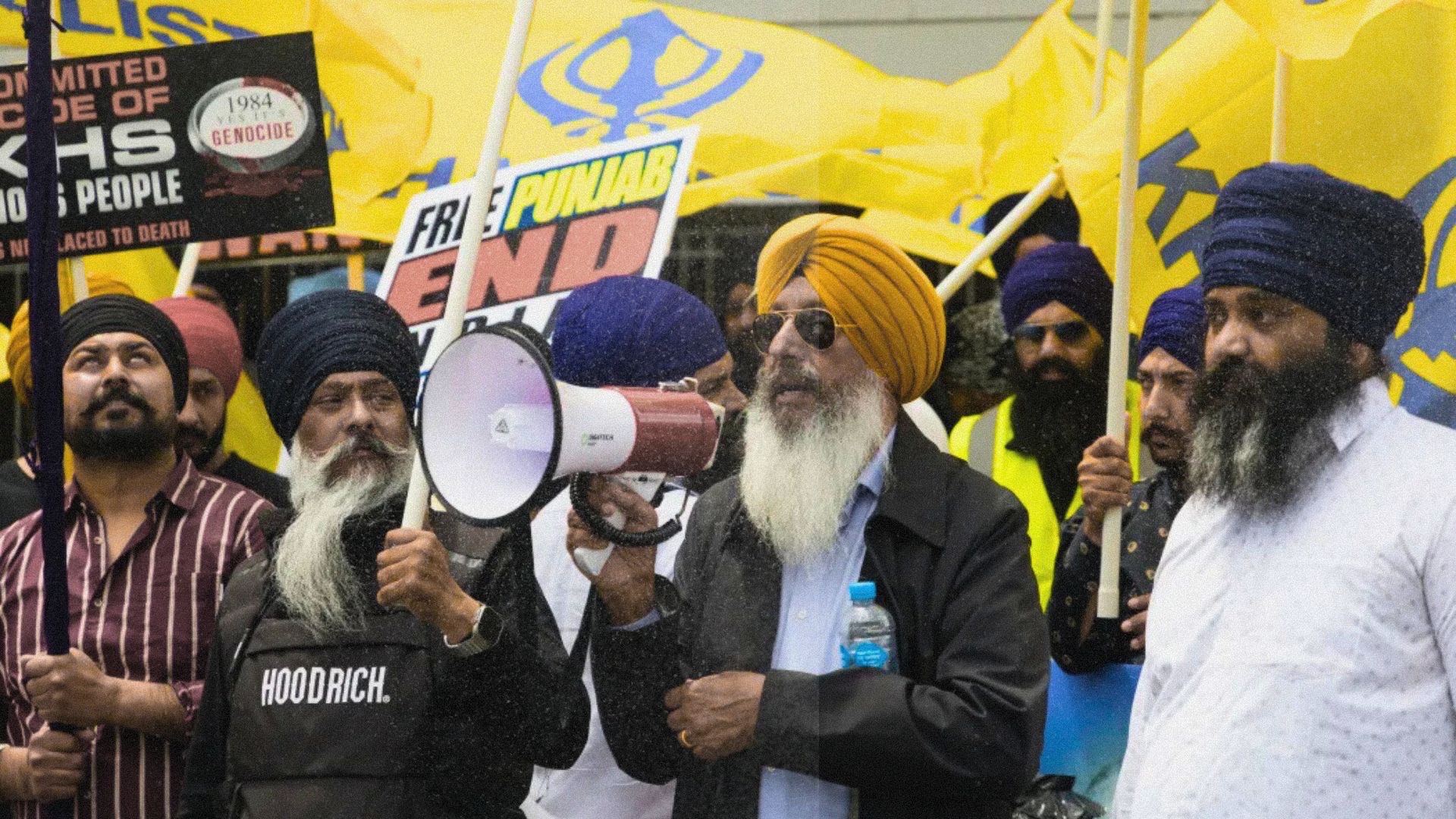
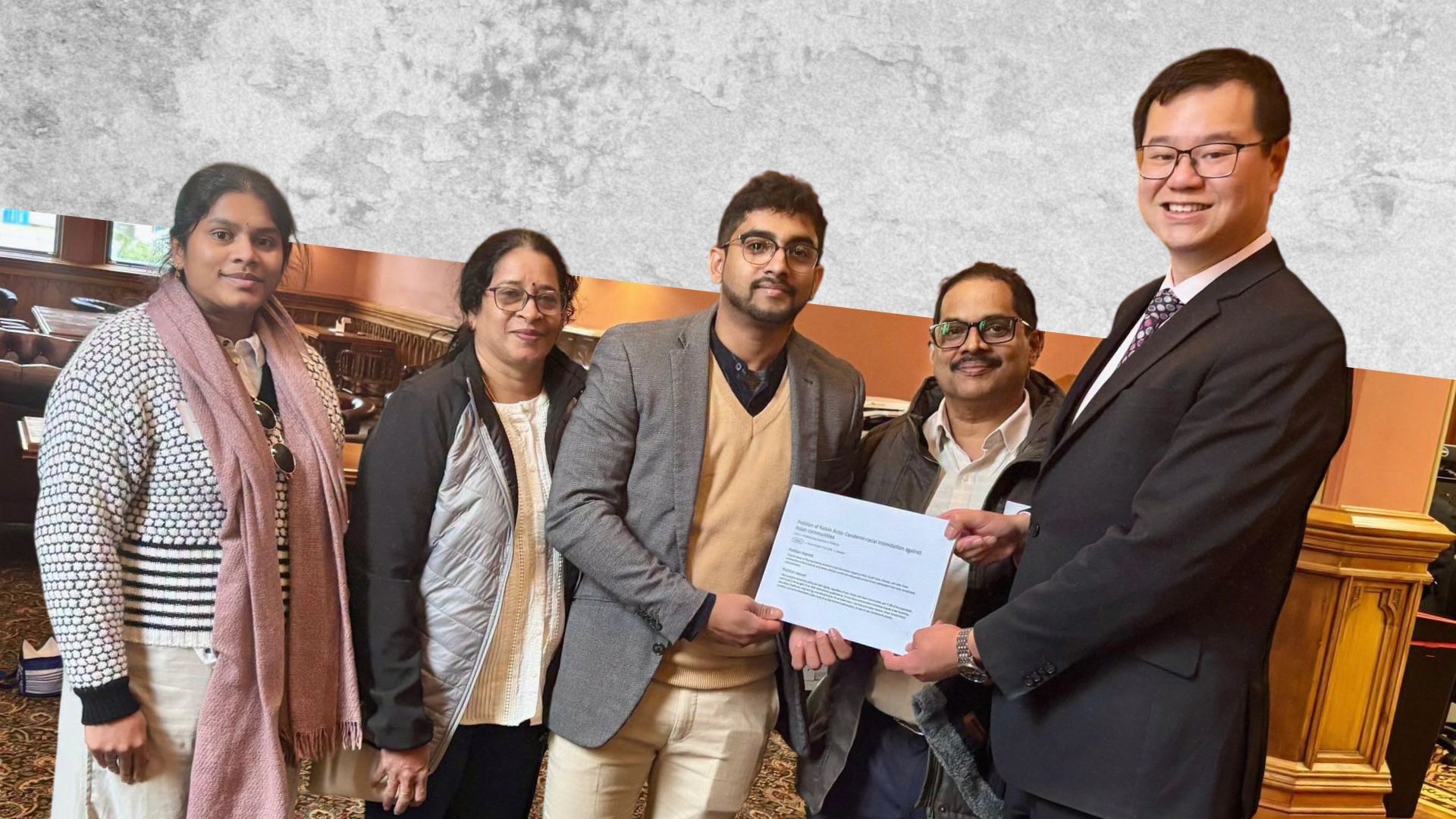
'Devastating': Indian family racially abused in Christchurch, hunt on to identify attacker “We’ll always be reminded of this, thanks to this man who thinks we don’t belong.”
Immigration reset: National drops hints as parties on left and right target permanent residence New Zealand's permanent residence framework provides an edge over Australia and Canada in attracting overseas talent.
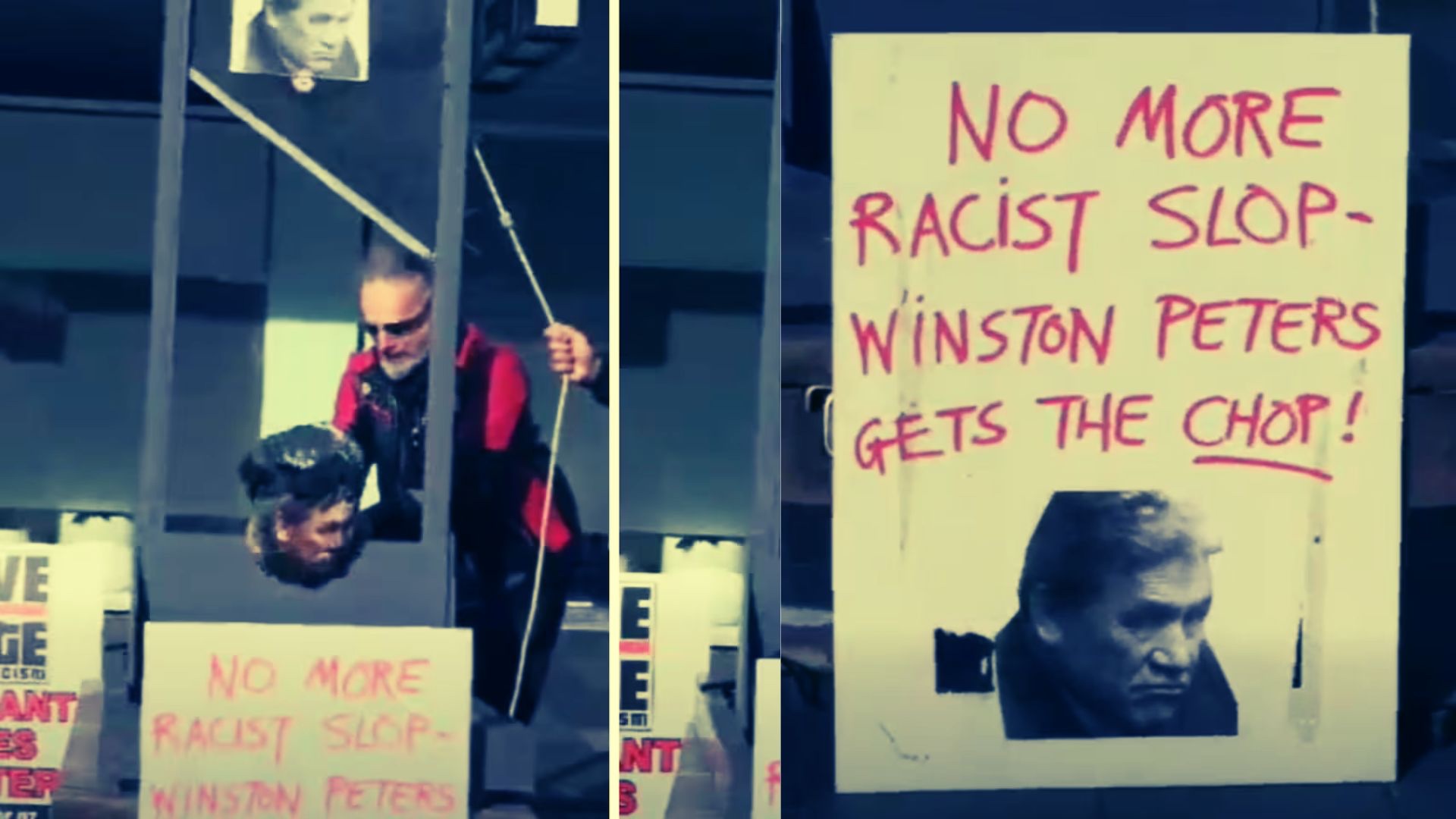
NZ First’s policy of division: Turning hatred of migrants into political power This is no immigration reform. It is the politics of exclusion presented as population planning.
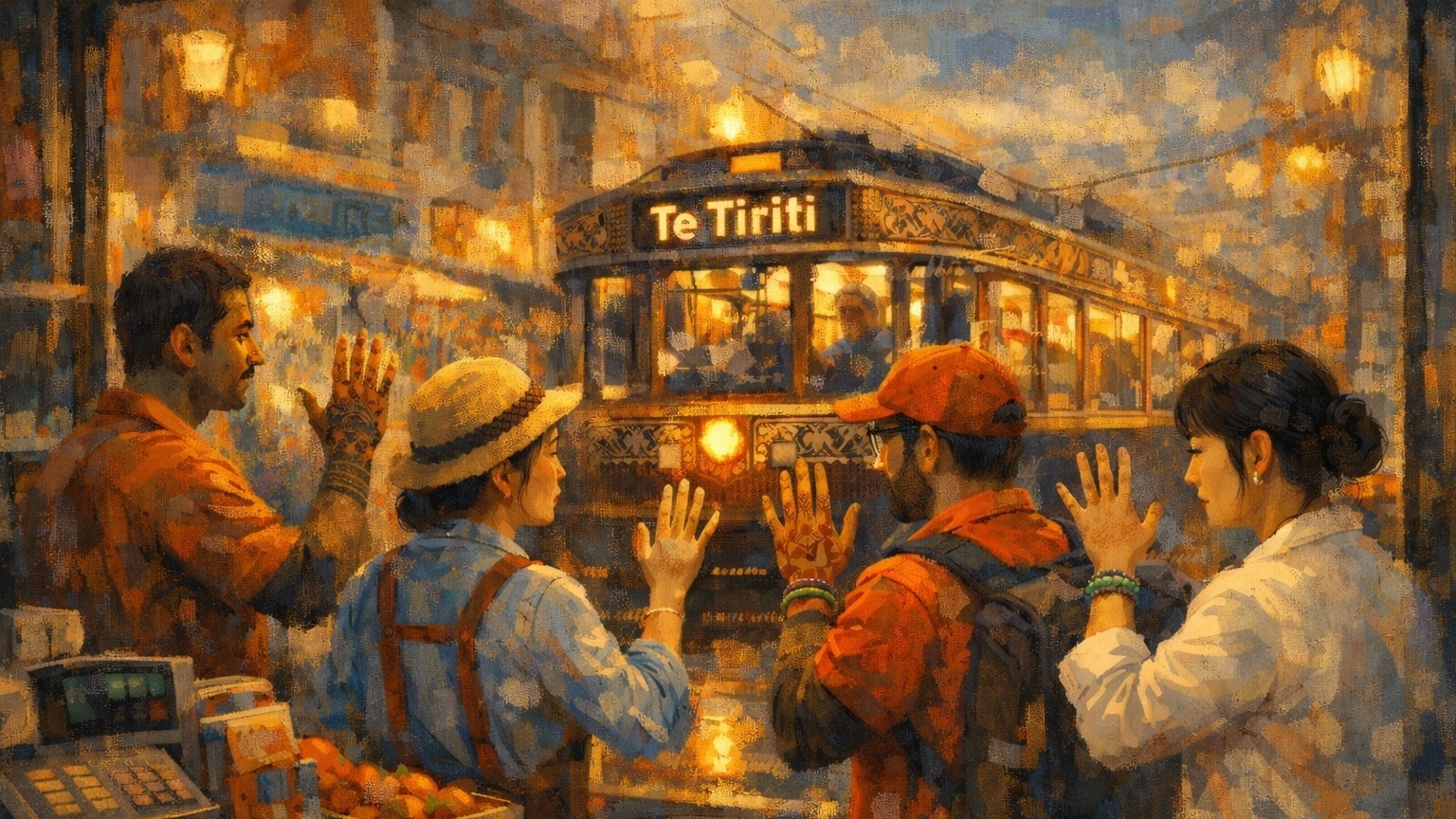
New Zealand’s immigration system is increasingly built on a quiet contradiction: we rely on migrant workers to keep the economy running while denying many of them any realistic chance to become permanent members of our society.
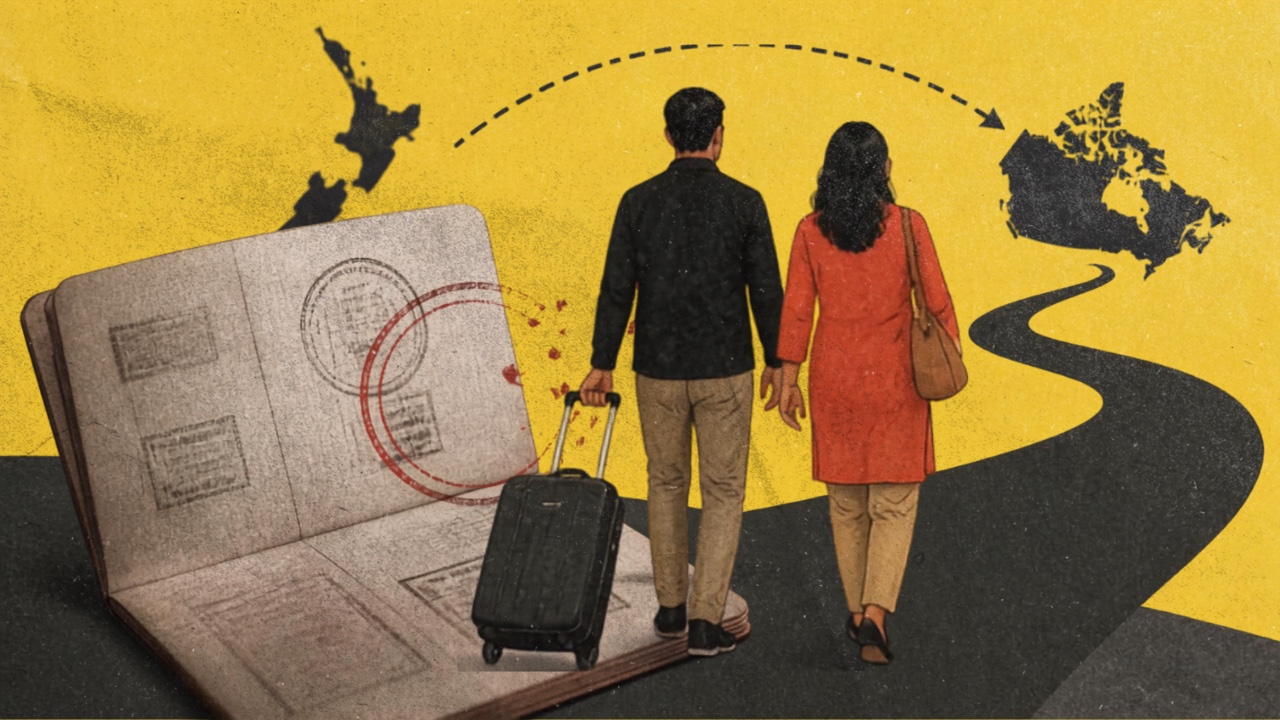
New Zealand increasingly depends on migrant workers, but not on migrants.
The skilled migrant changes
Many commentators have described the latest reforms as an improvement. In a narrow sense, they are right. The previous Labour government introduced some of the most damaging and poorly conceived changes in recent immigration policy history.
Its system placed excessive emphasis on university qualifications and imposed unrealistically high wage thresholds at a time when New Zealand was struggling to attract and retain workers in trades and technical occupations.
The new policy attempts to correct this through the introduction of a trades and technicians pathway. But even here the same underlying mistake persists: an ongoing fixation on formal qualifications.
In many industries, practical experience matters far more than a piece of paper. Countries like Germany, the United Kingdom and Fiji have strong formal training systems for trades. But many others do not. In those countries, skilled tradespeople develop their abilities through years of hands-on work. Employers often value that experience more highly than formal qualifications.
Yet the new rules still struggle to recognise this reality. But the real significance of these reforms lies deeper than the technical adjustments themselves.
The system’s structural failures
For decades Immigration New Zealand relied heavily on ANZSCO, a statistical classification tool originally designed for statistical labour market analysis to determine whether an occupation was considered "skilled". The result was confusion and inconsistency.
Take the example of chefs. The ANZSCO classification clearly includes sous chefs, commis chefs and demi chefs. Yet immigration policy often treated only executive chefs as "skilled". The contradiction created enormous difficulties for hospitality businesses across the country.
Retail managers faced similar problems. Migrants working in large and reputable retail businesses frequently had residency applications declined because of minor wording differences in ANZSCO descriptions. Immigration officers were left with wide discretion, and decisions often appeared arbitrary.
These were not failures by migrants, they were failures of policy design. Yet, migrants are now being blamed for the consequences.
Under the latest changes, many of these occupations have been placed on "red" or "amber" lists, described as posing risks to the "integrity" of the immigration system because of alleged inflation of skill levels.
Migrants are now being blamed for exploiting loopholes that only existed because policymakers wrote them into the system (whether by design or incompetence is another argument, I would argue for the former)
The consequences are significant. When occupations are placed on uncertain pathways to residency, insecurity increases among migrant workers, many of whom have already invested their life savings to come to New Zealand after being promised opportunities through international education. That insecurity creates fertile ground for exploitation.
The continued reliance on median wage thresholds – sometimes requiring migrants to earn 1.1, 1.2 or even 1.5 times the median wage – has also encouraged the practice known as wage recycling, where migrants are forced to return part of their wages to employers in order to meet visa requirements.
Meanwhile many of the occupations now pushed to the margins of residency pathways are in hospitality and tourism, one of New Zealand's largest export sectors and one that relies heavily on migrant labour.
Yet the deeper issue goes beyond ANZSCO classifications or wage thresholds.
Permanent temporariness
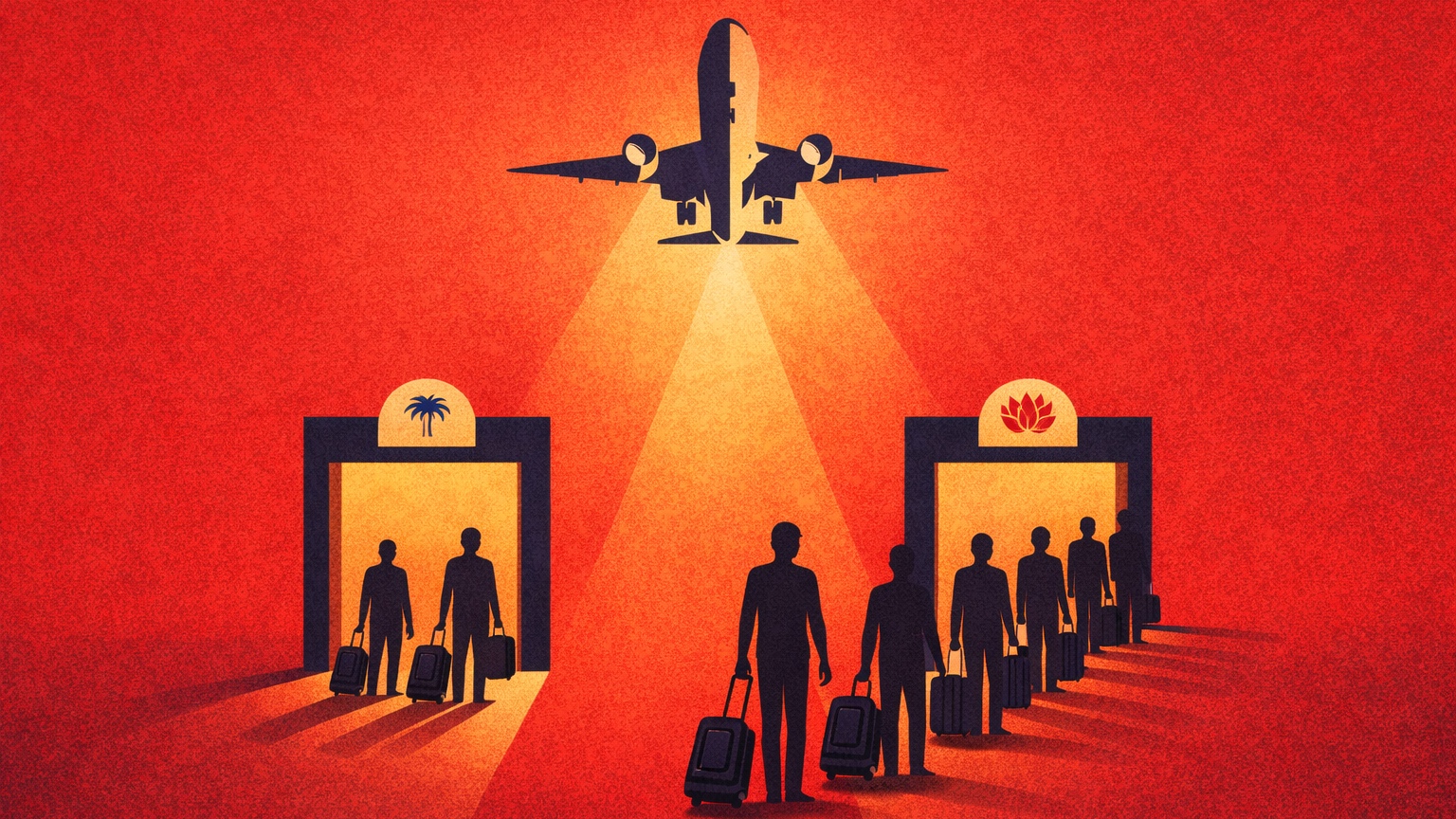
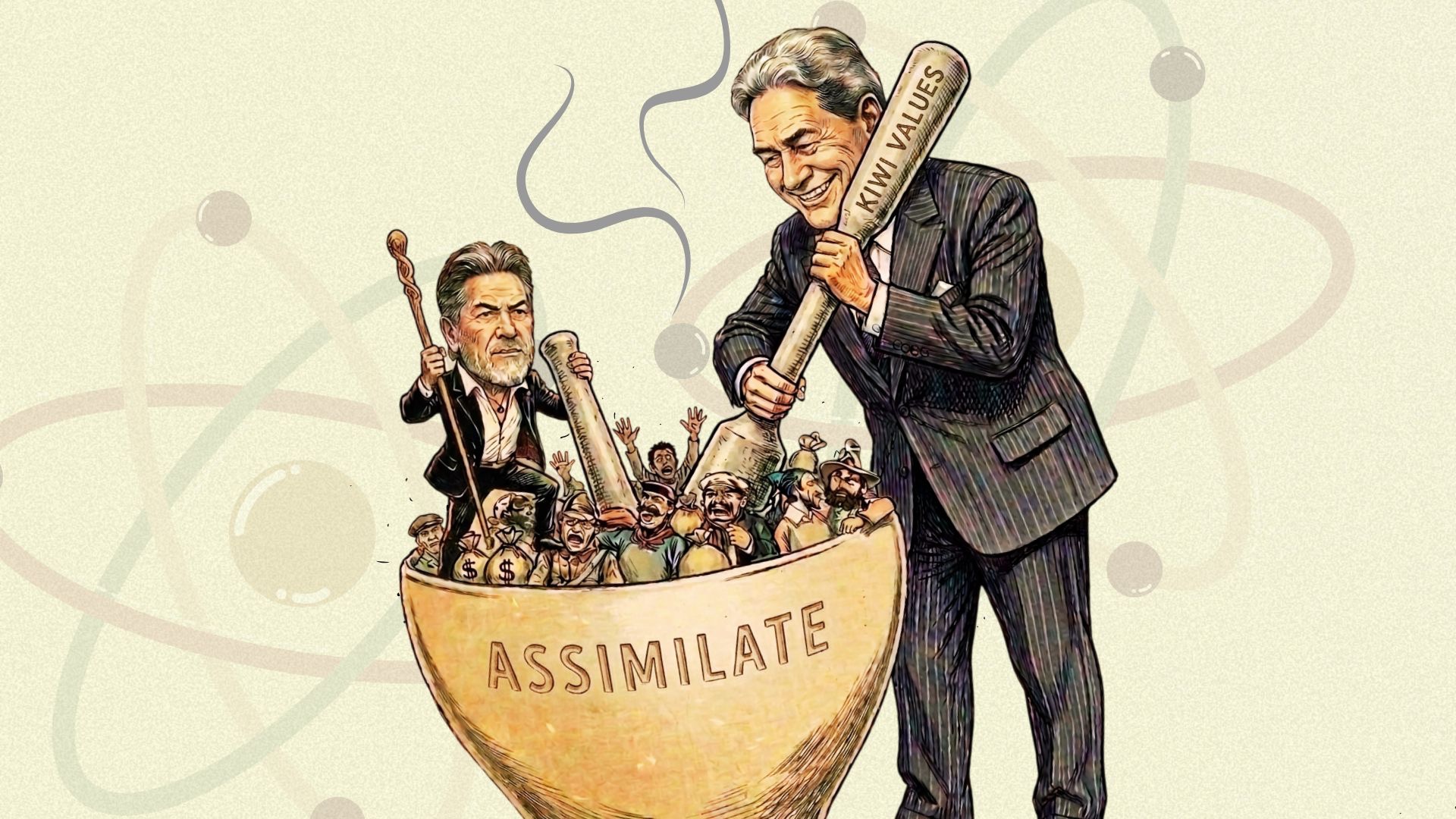
Taken together, these policies point toward a broader strategy that could best be described as permanently temporary migration, a foundational basis for a neo-liberal immigration system that values migrants solely in terms of their value as economic units.
Migrants are encouraged to come to New Zealand to study and work, often believing this will lead to residency. But the pathway to permanent settlement is increasingly restricted. Instead, workers are tied to specific employers through visa conditions and constantly changing policy thresholds.
The result is a labour market that advantages employers.
A worker who cannot freely change jobs is not participating in a free labour market, they are participating in a heavily controlled one.
Migrant workers cannot easily change employers, and their immigration status often depends on maintaining employment under restrictive visa conditions. This creates a structural imbalance of power that leaves workers vulnerable and suppresses wages for everyone.
This is what permanently temporary migration looks like. Yet the reality is very different. These workers live in our communities. Their children attend our schools. They play on local sports teams, volunteer in community organisations and contribute to the social fabric of the country.
Many have lived in New Zealand for years while remaining locked out of residency. During the COVID-19 lockdowns many of these workers were described as "essential". They kept supermarkets stocked, restaurants operating and supply chains moving.
Yet many remain excluded from meaningful pathways to permanent settlement. Our immigration system increasingly welcomes migrant labour while quietly refusing to welcome migrants themselves.
A fair and sustainable immigration system should recognise a simple truth: migrants are not disposable units of labour. They are people building lives, families and communities.
If New Zealand continues to depend on migrant workers, it must also be prepared to recognise them as future members of the society they help sustain. The recent changes to the Skilled Migrant do nothing to further that goal; instead entrenching temporary workers even deeper into a system of permanent temporary immigration status designed to utilise cheap and easily replaceable migrant labour whilst creating permanent barriers to belonging within our communities.
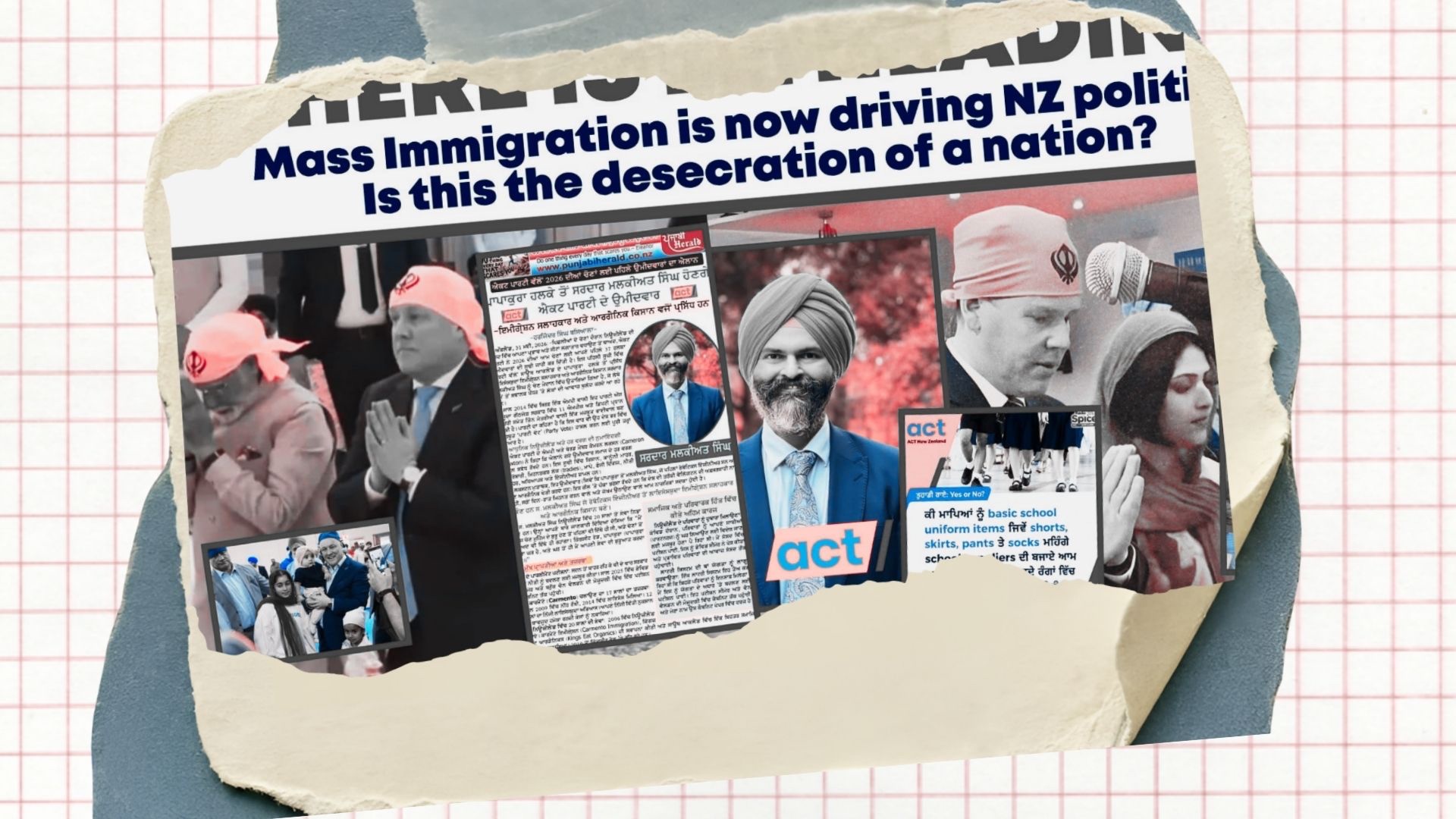
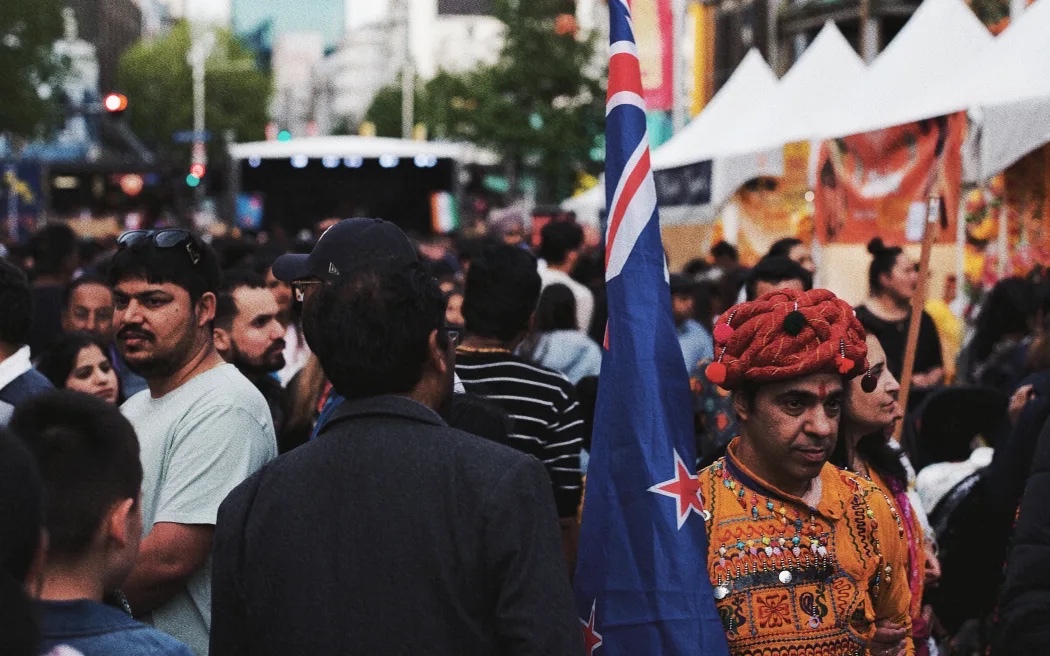
This is a process which engenders and encourages an ‘us’ versus ‘them’ approach to thinking about migration, feeding into and exacerbating anti-migrant rhetoric, often targeted by politicians towards those originating from the Indian sub-continent.
(Alastair McClymont is an immigration lawyer with nearly 30 years’ experience working with migrant communities in New Zealand. He has recently taken the position of Immigration Principle at Righteous Law, a large multi-disciplined Auckland Law Firm.)