
Out Loud: Parliament debated our grim fiscal outlook. How did race enter the conversation?
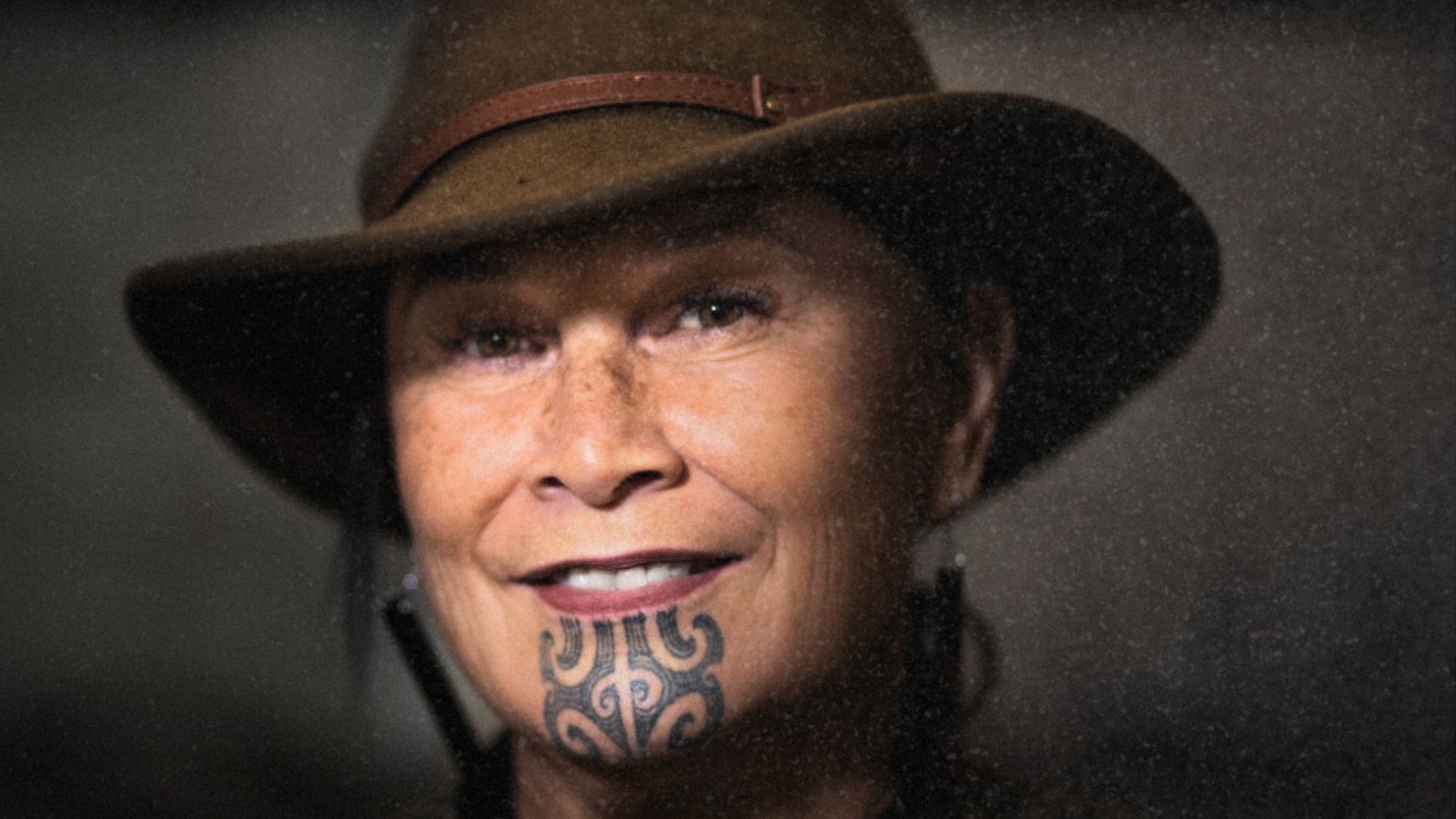
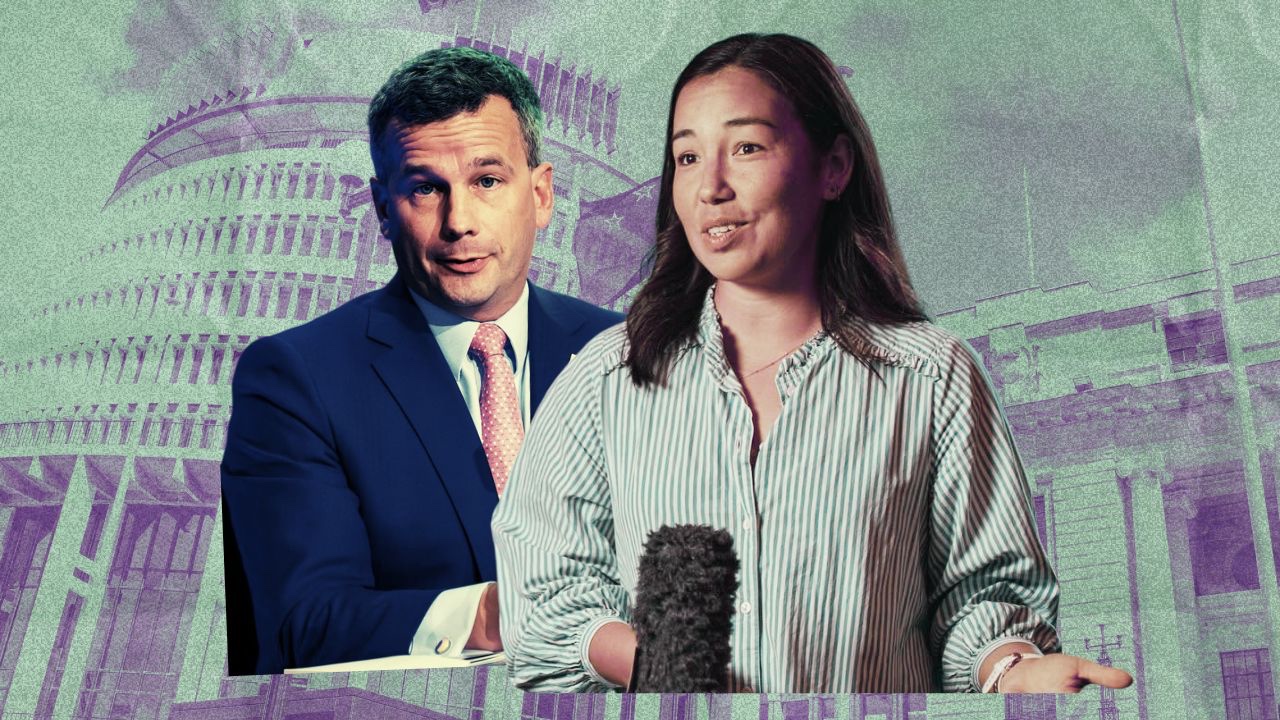
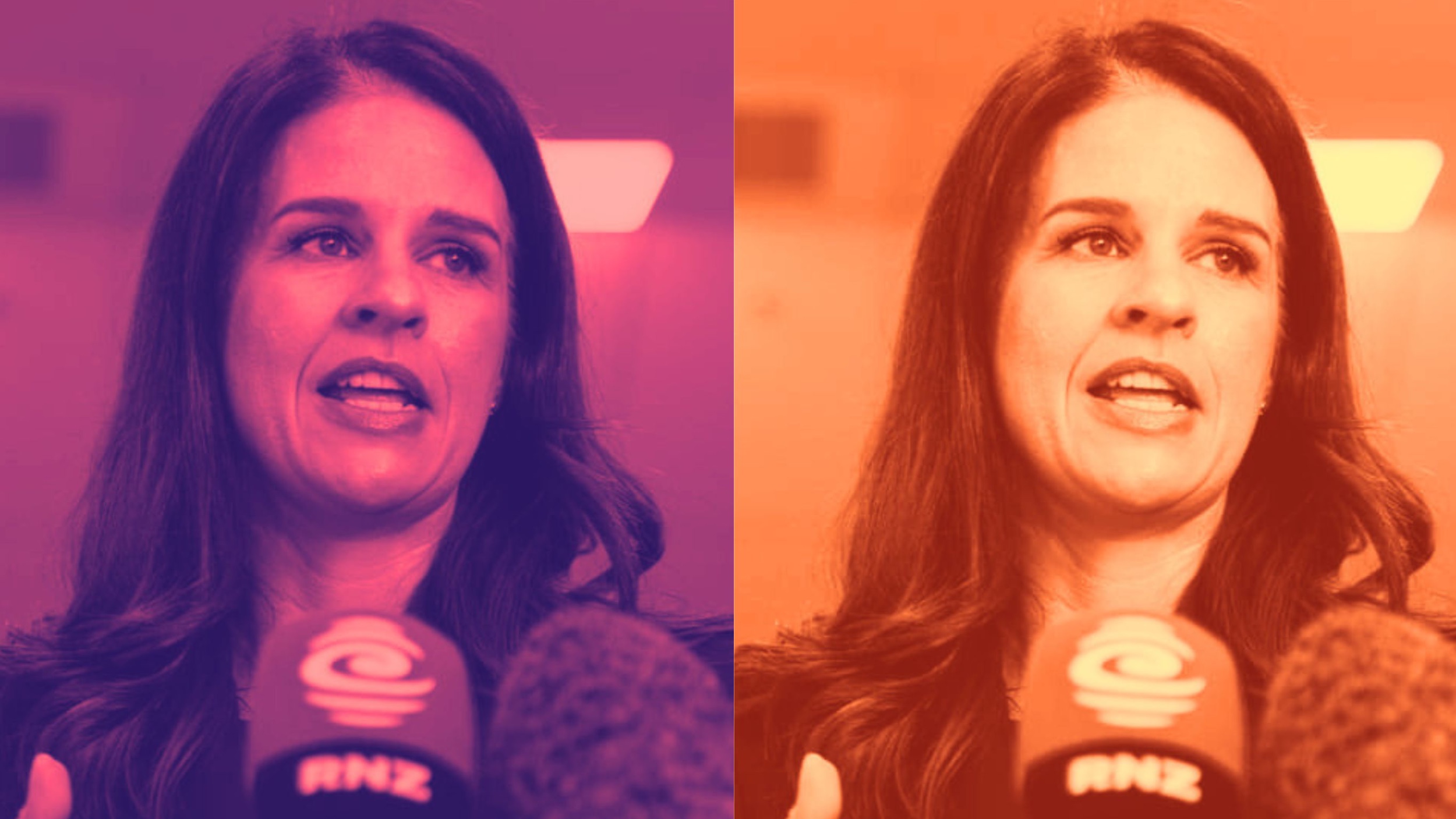
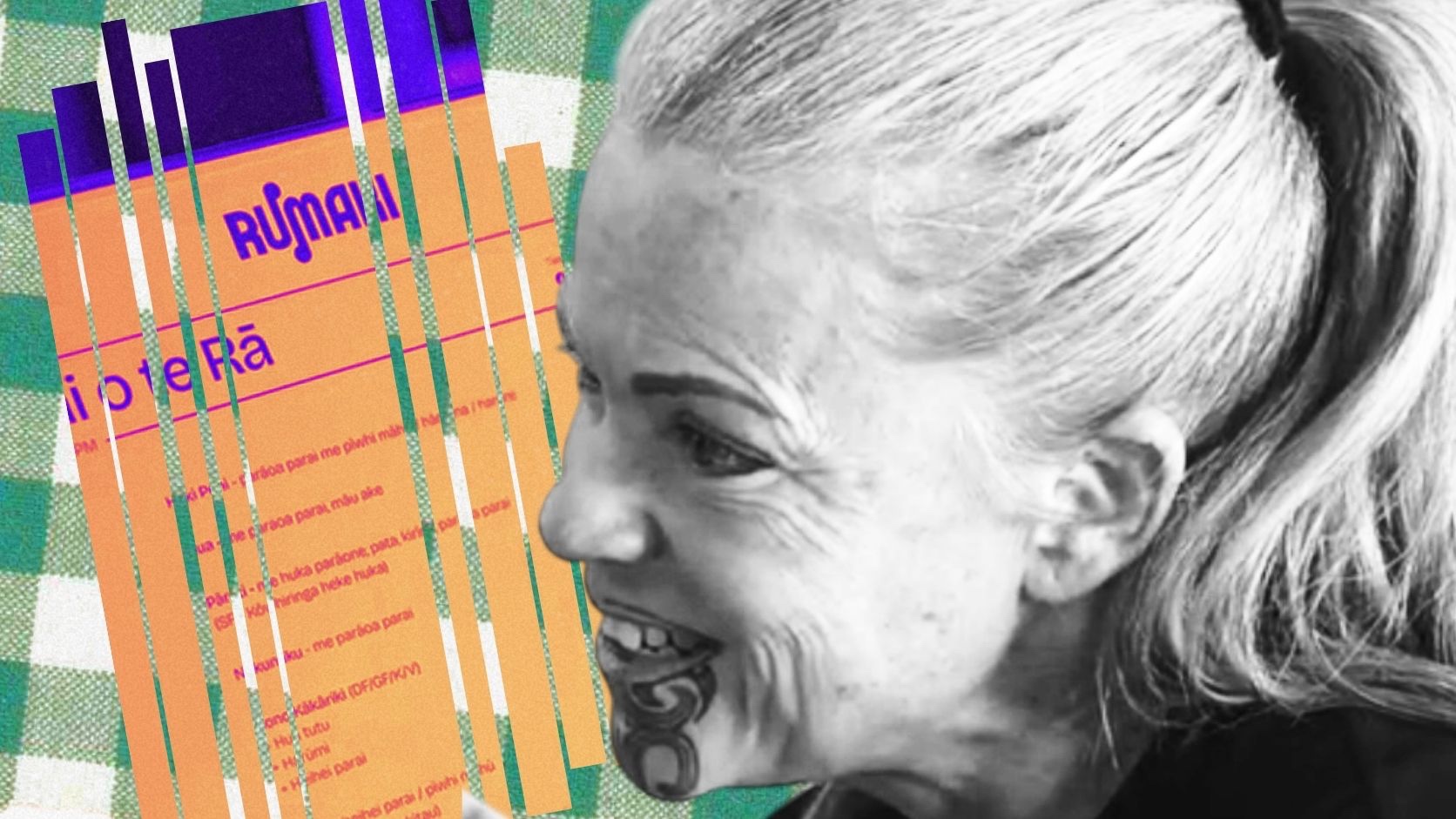
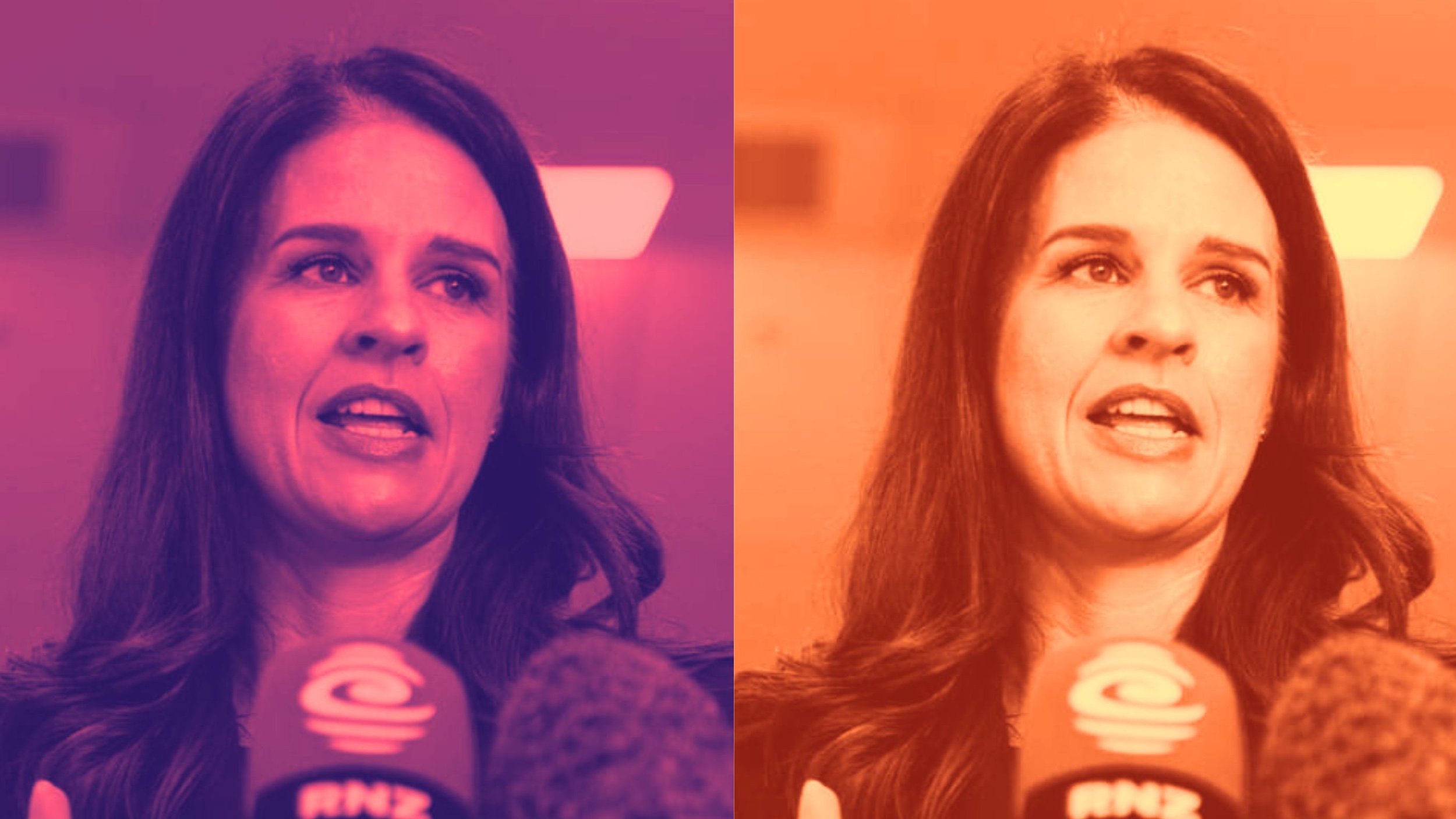
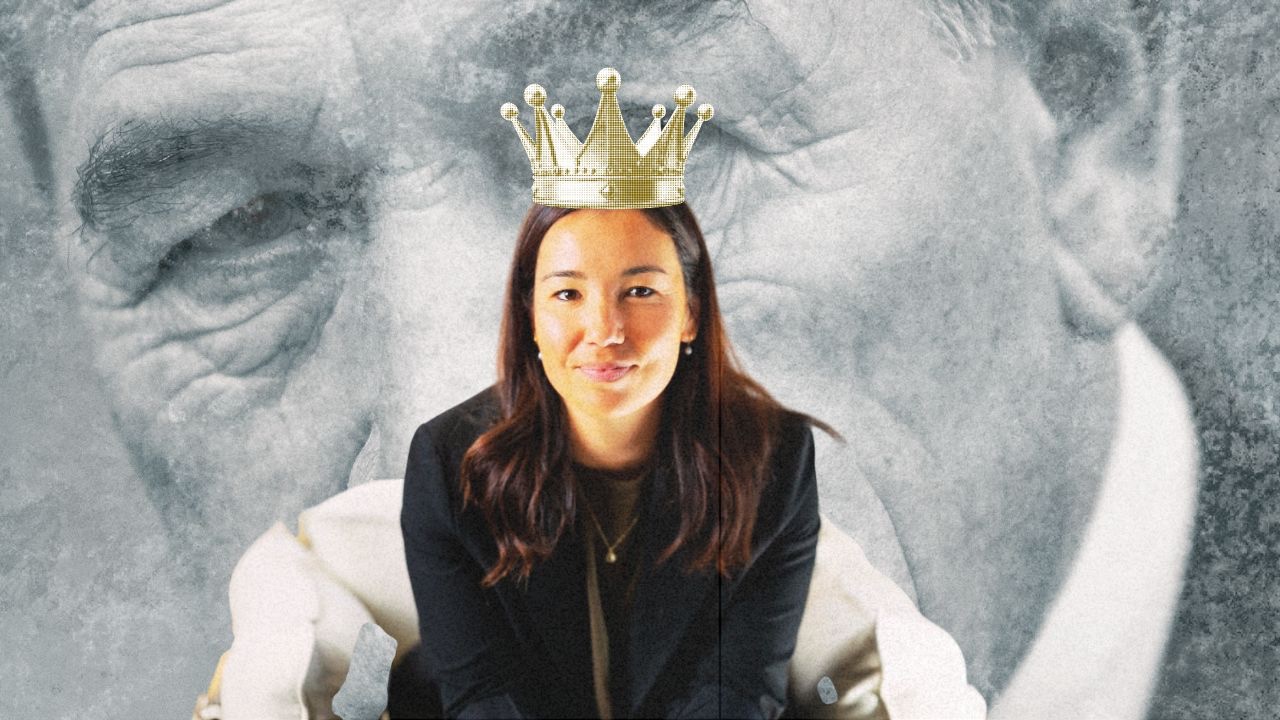
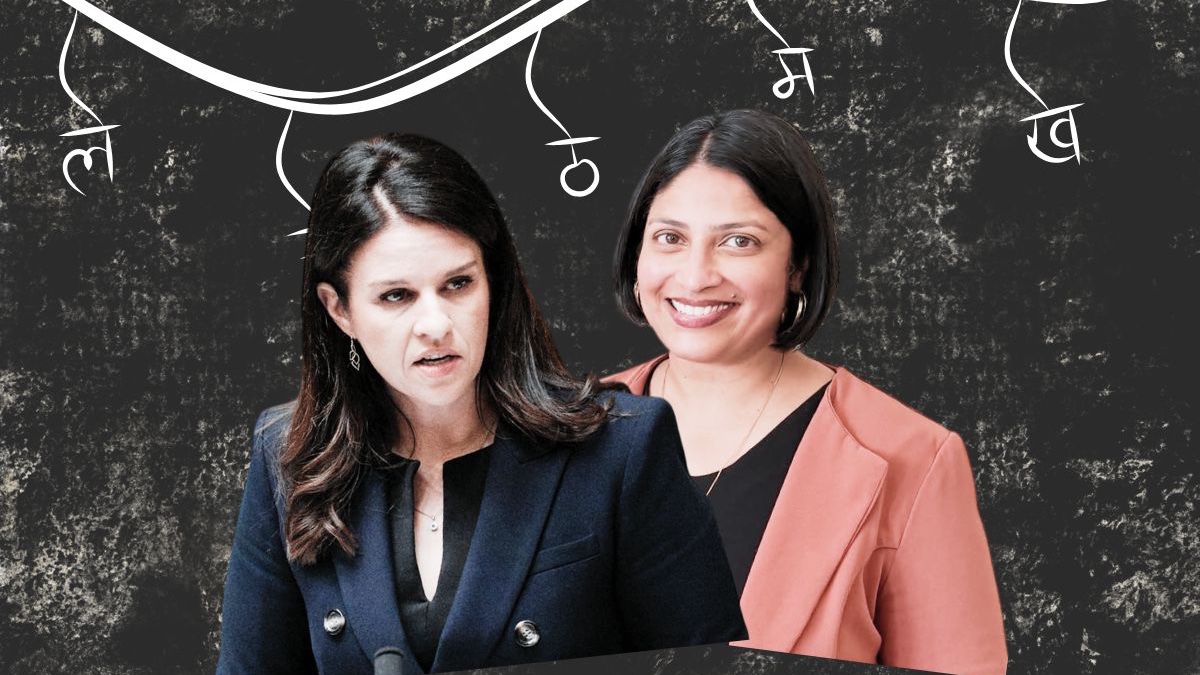
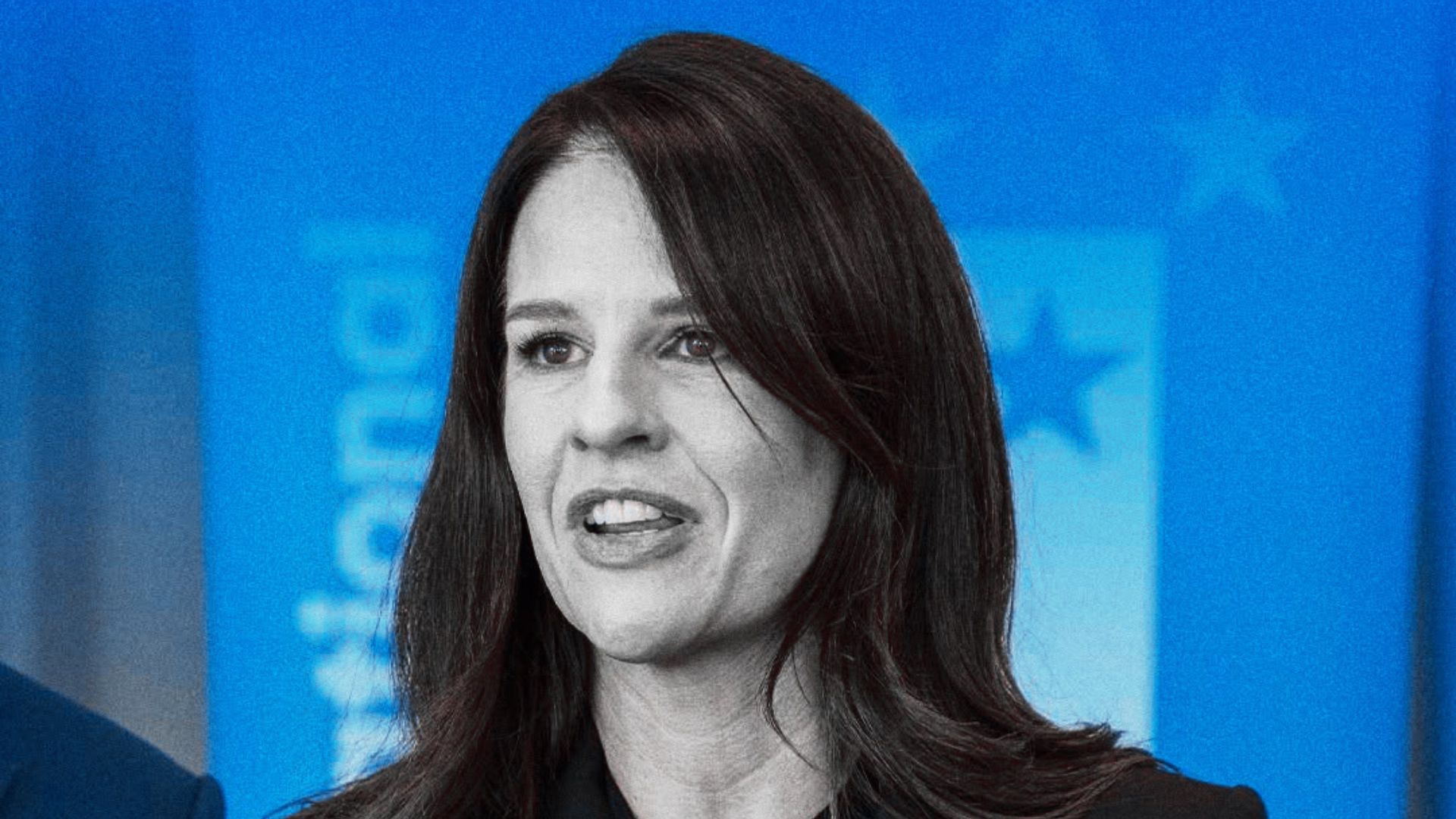
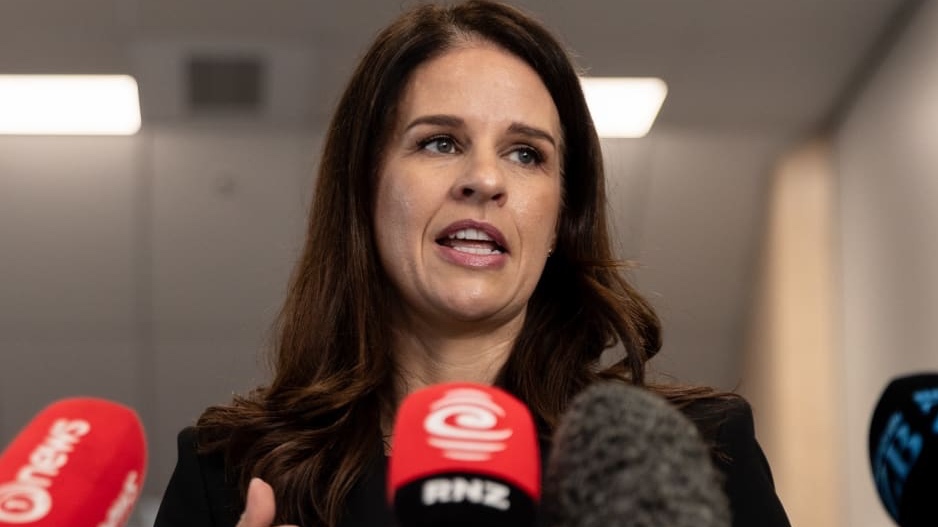
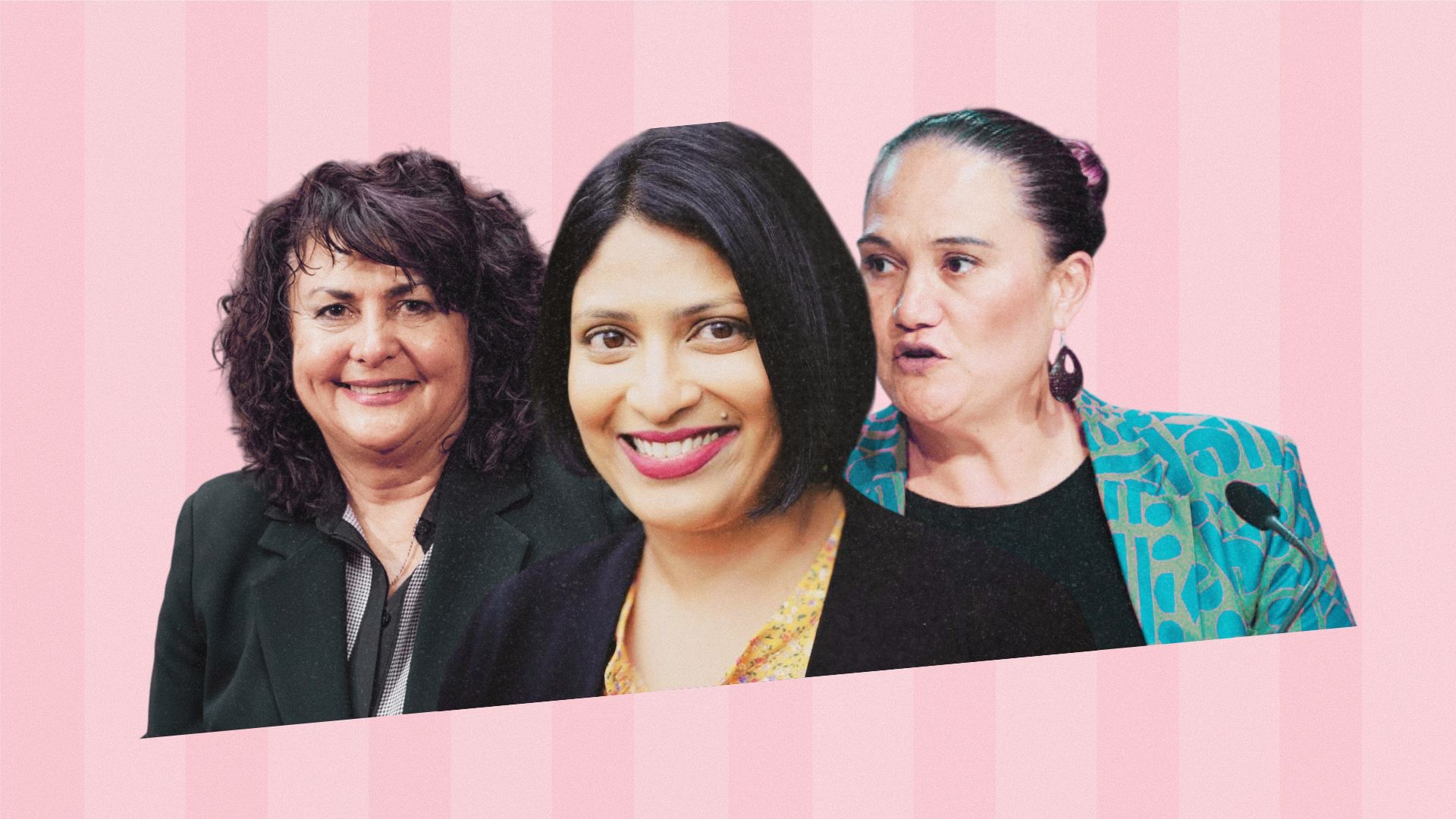
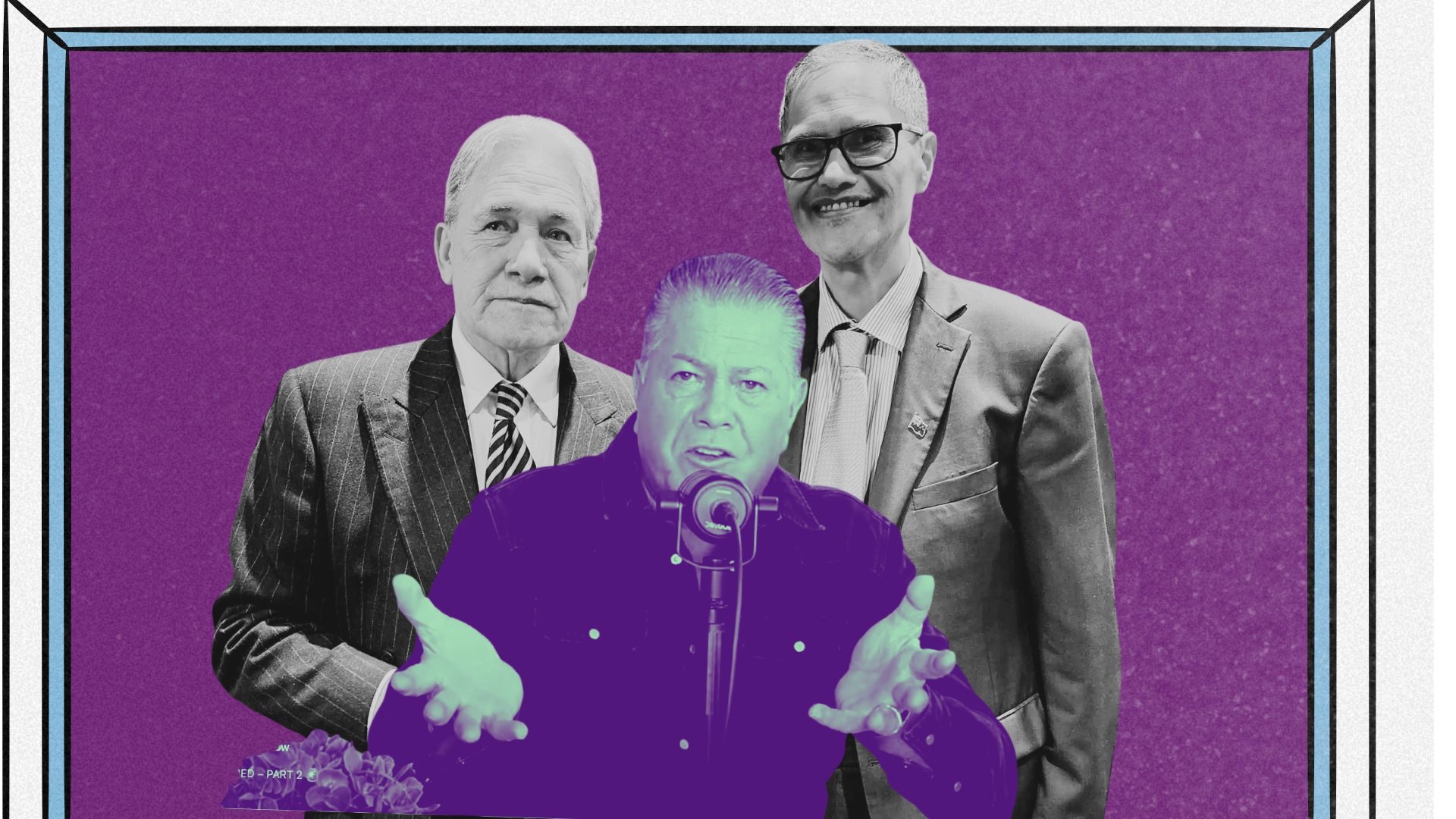
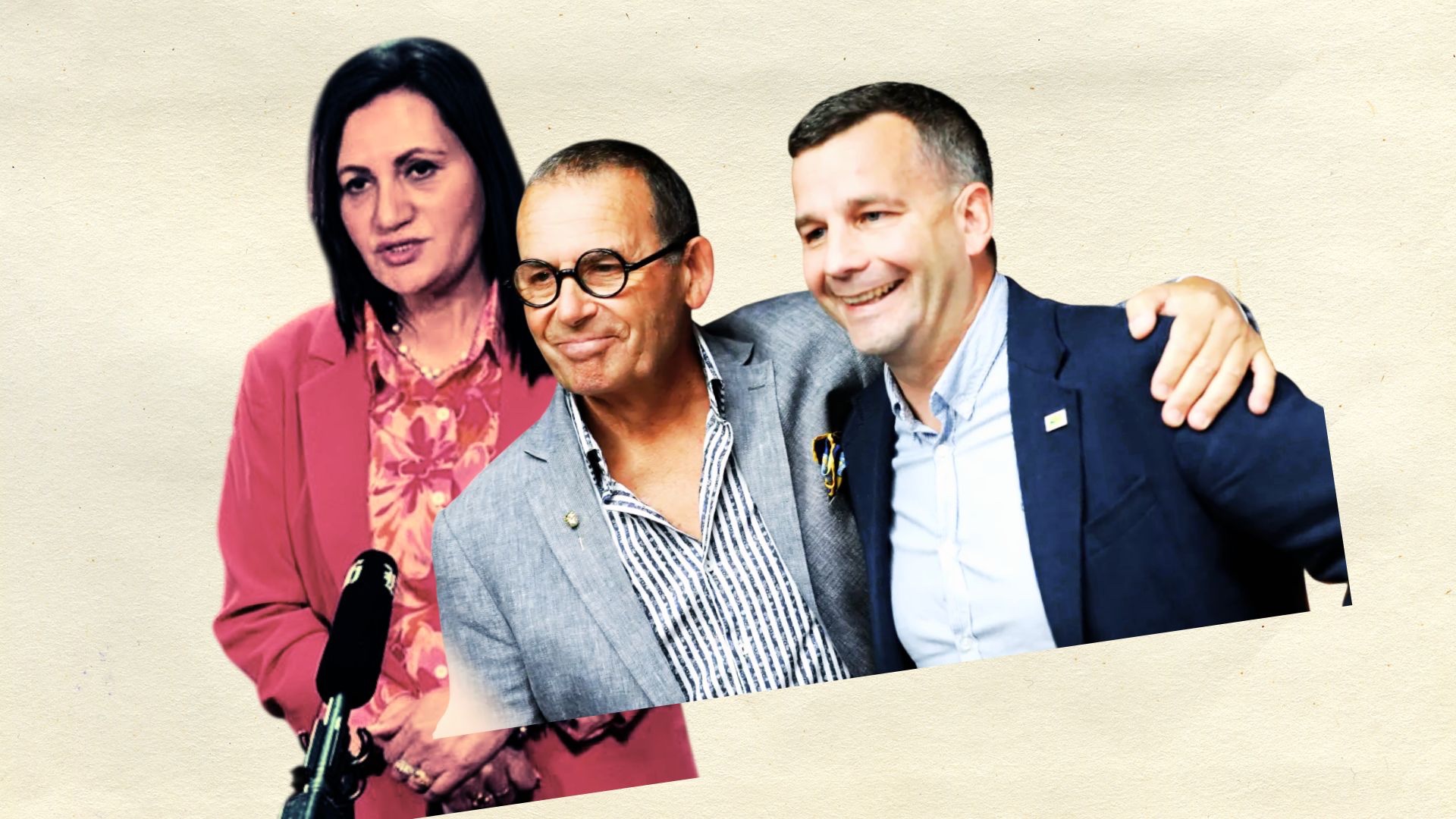
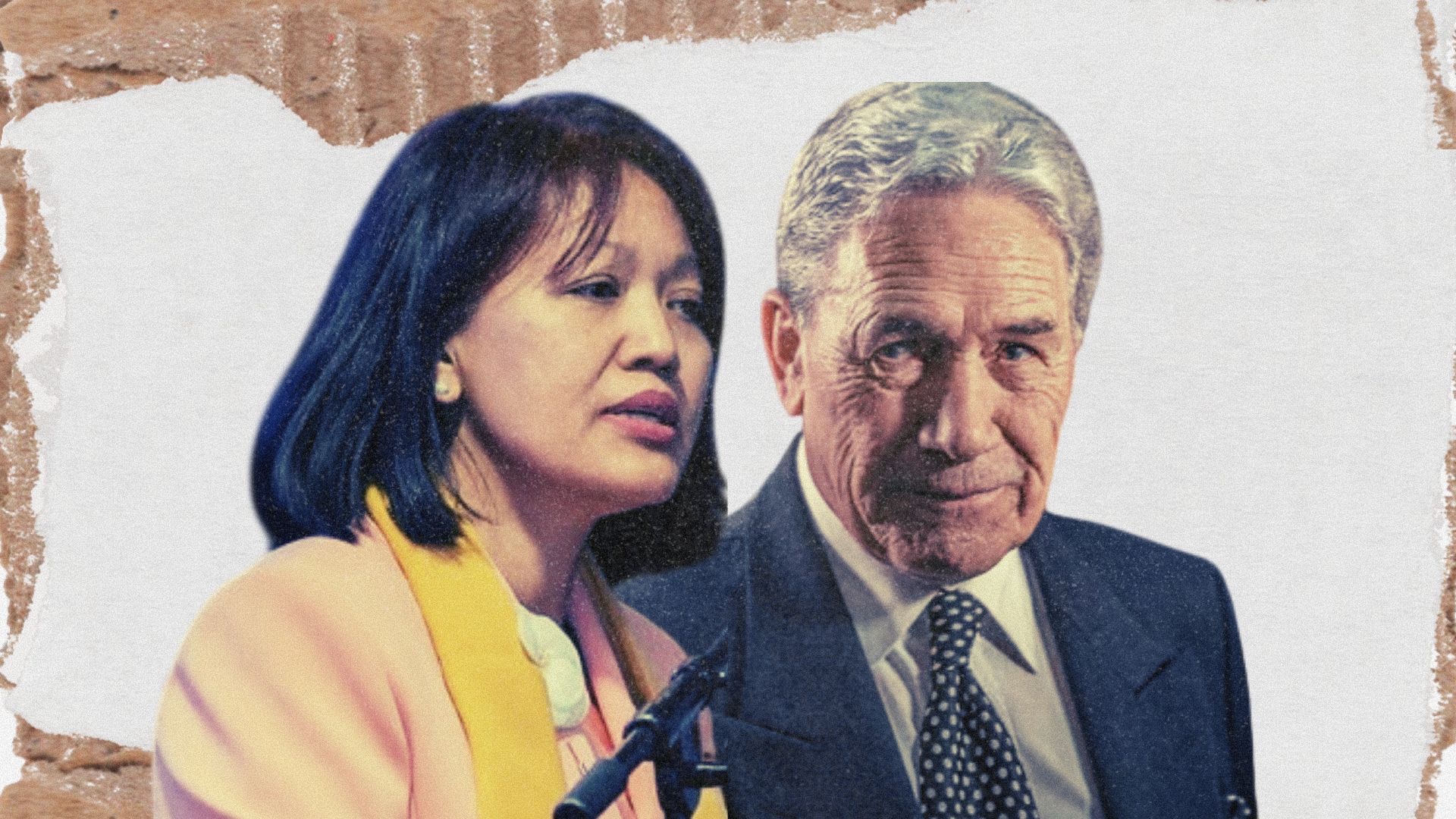
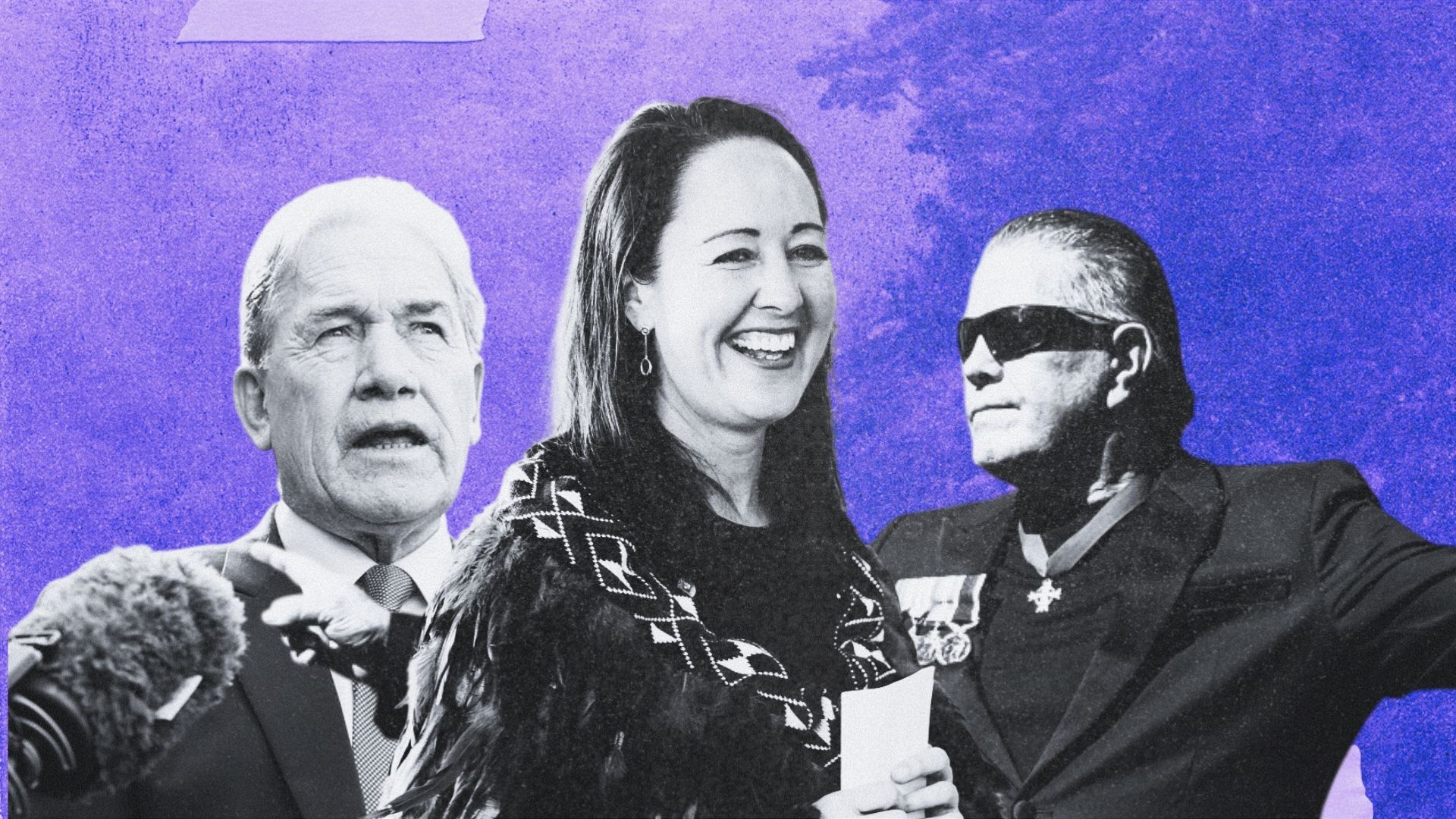
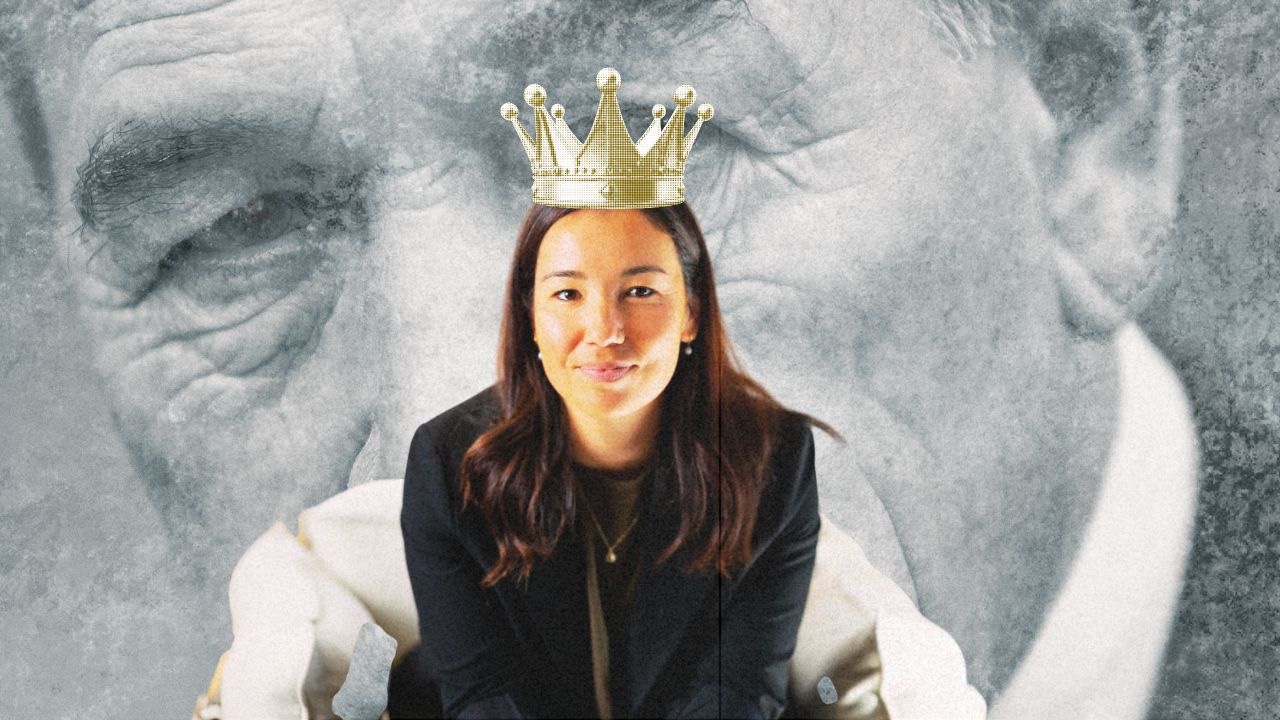
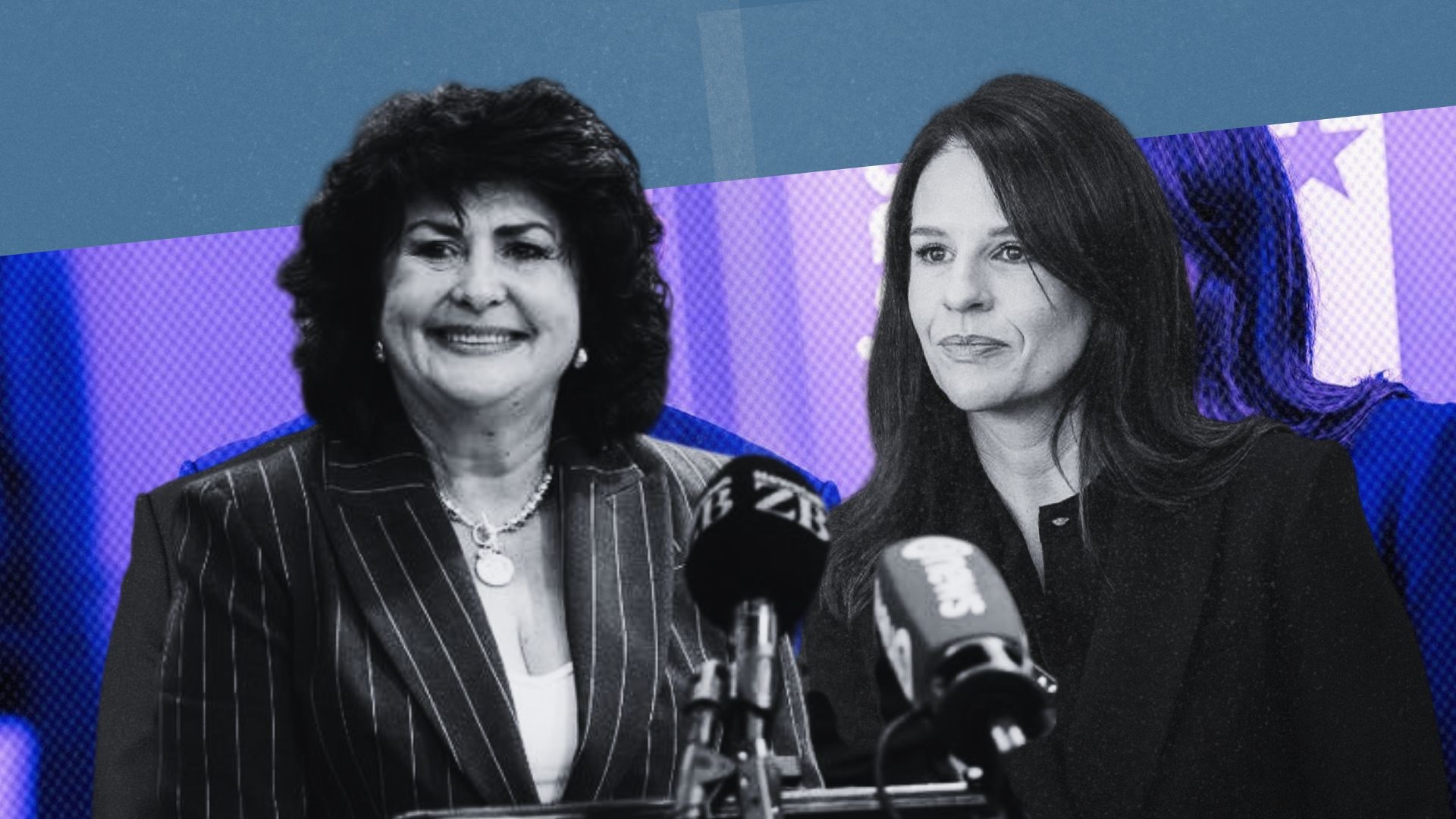
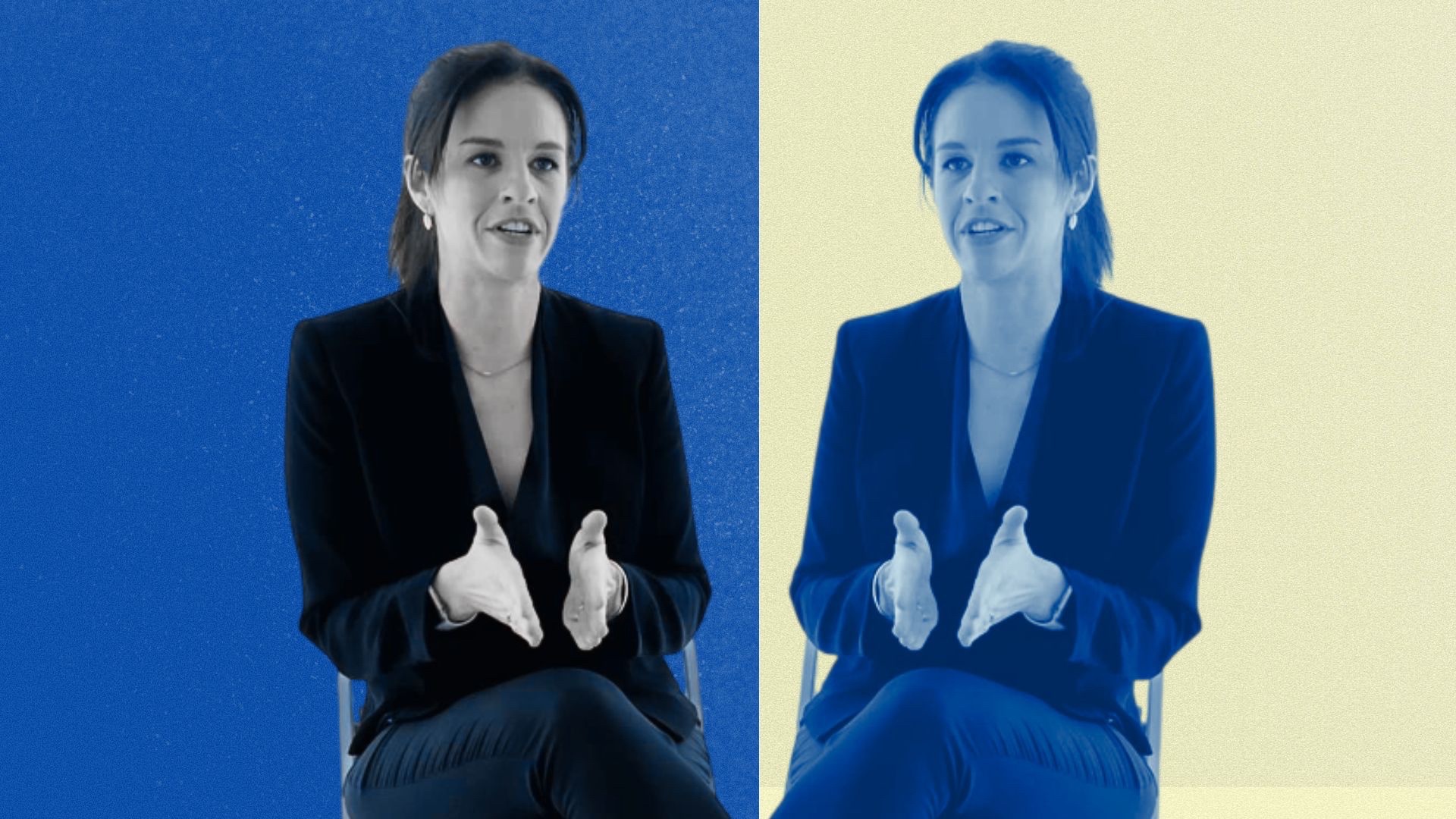
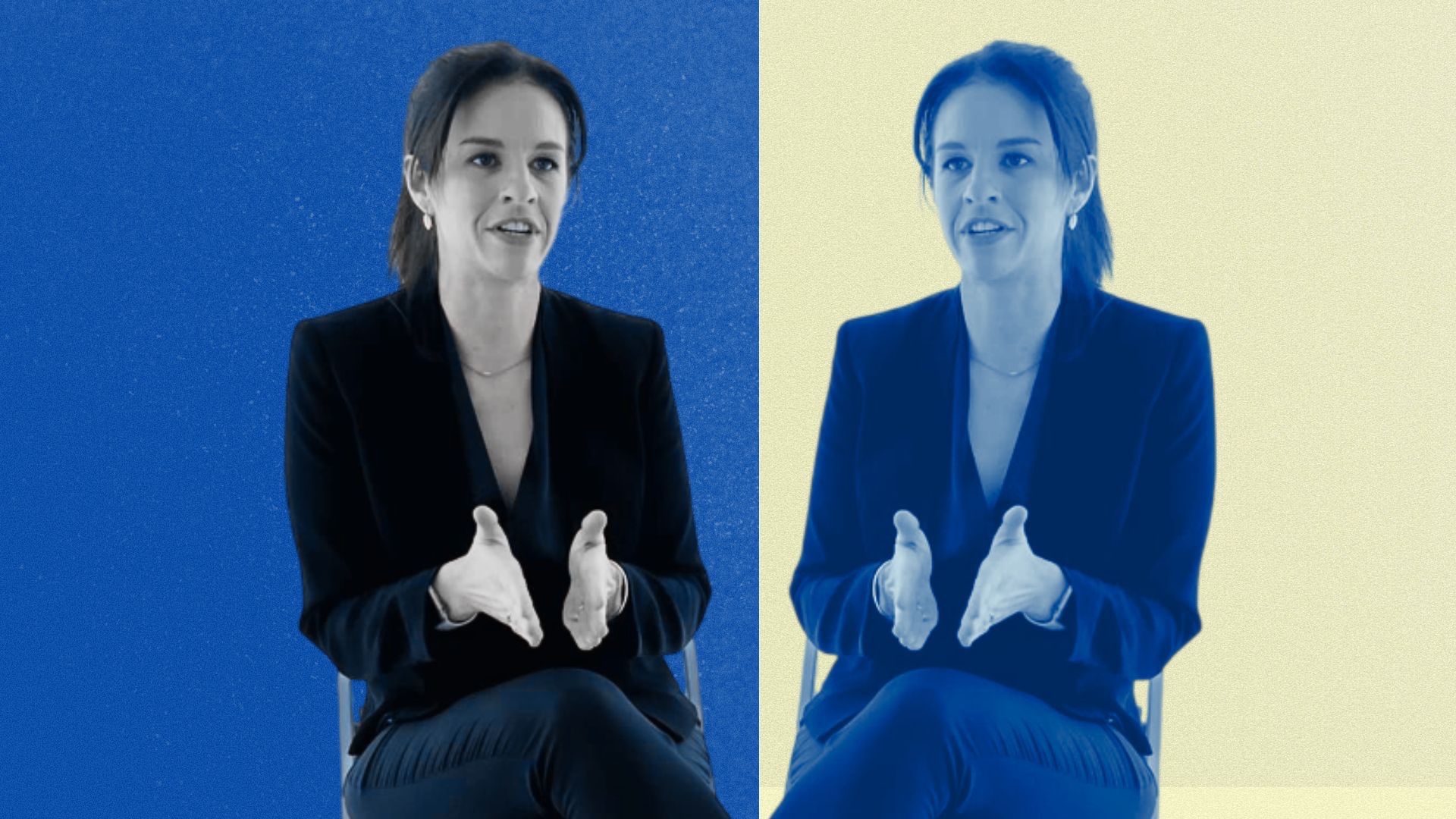
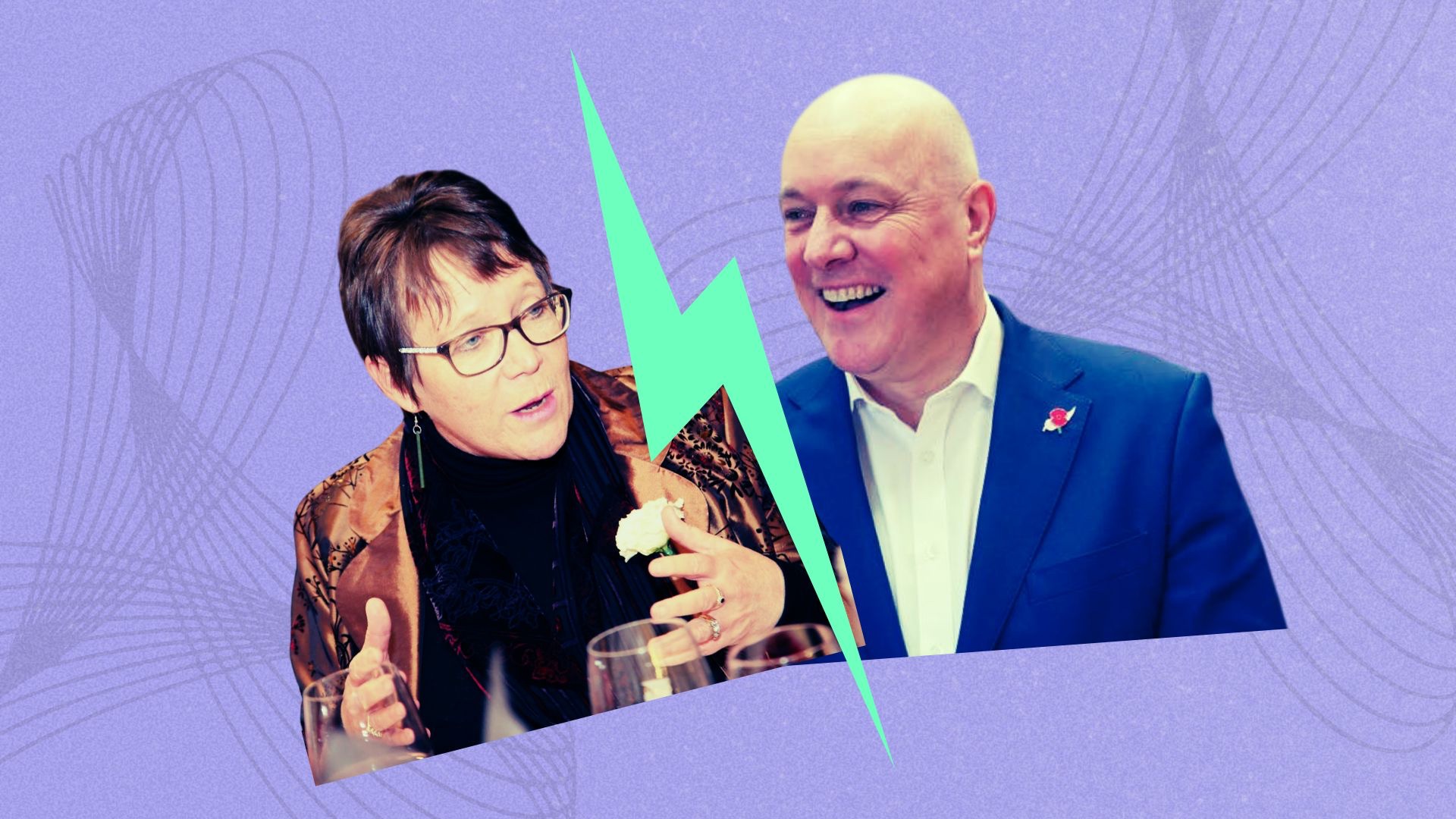
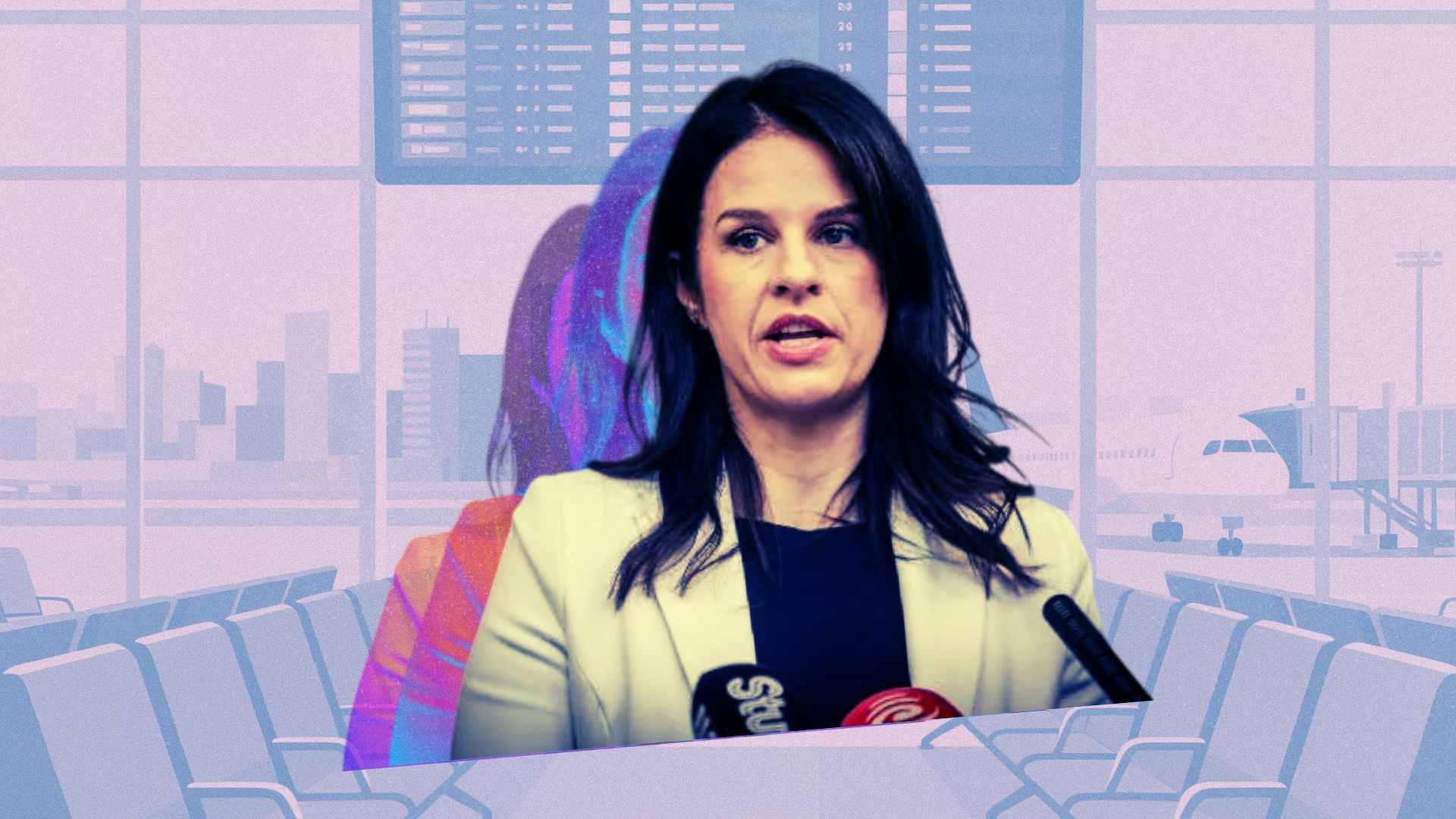
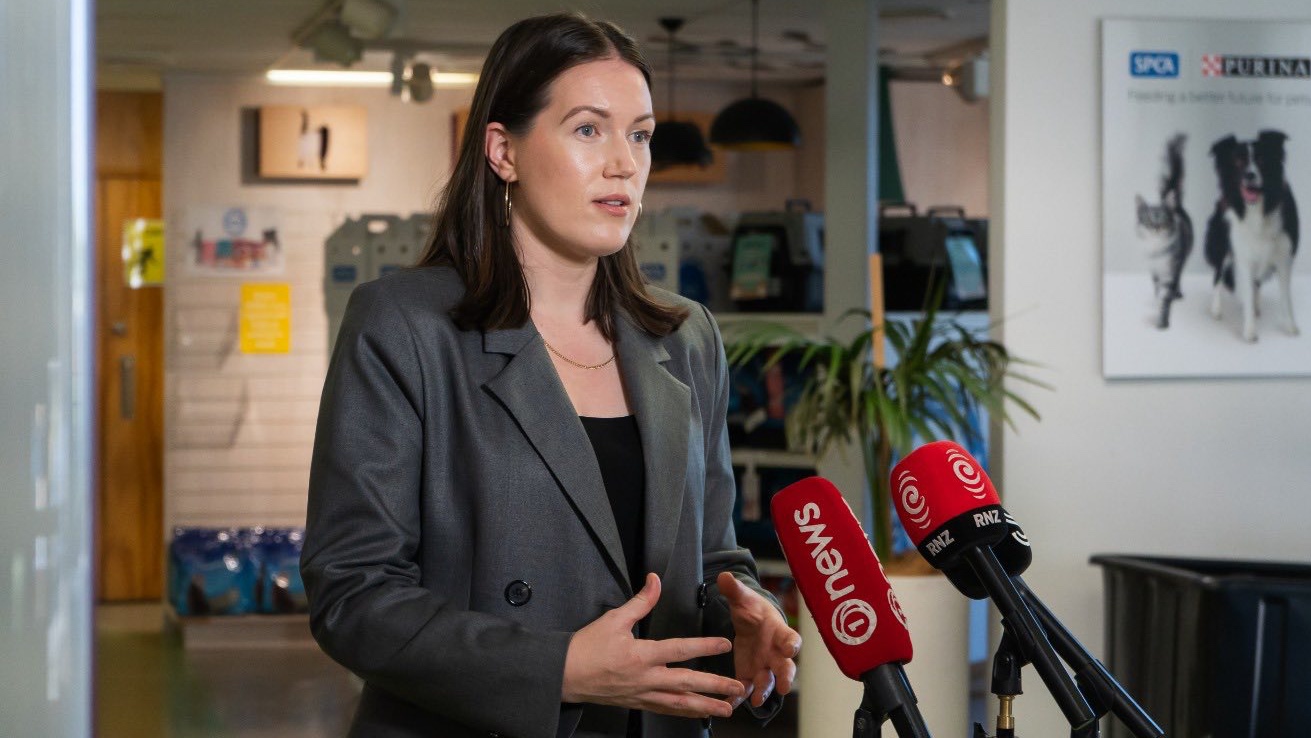
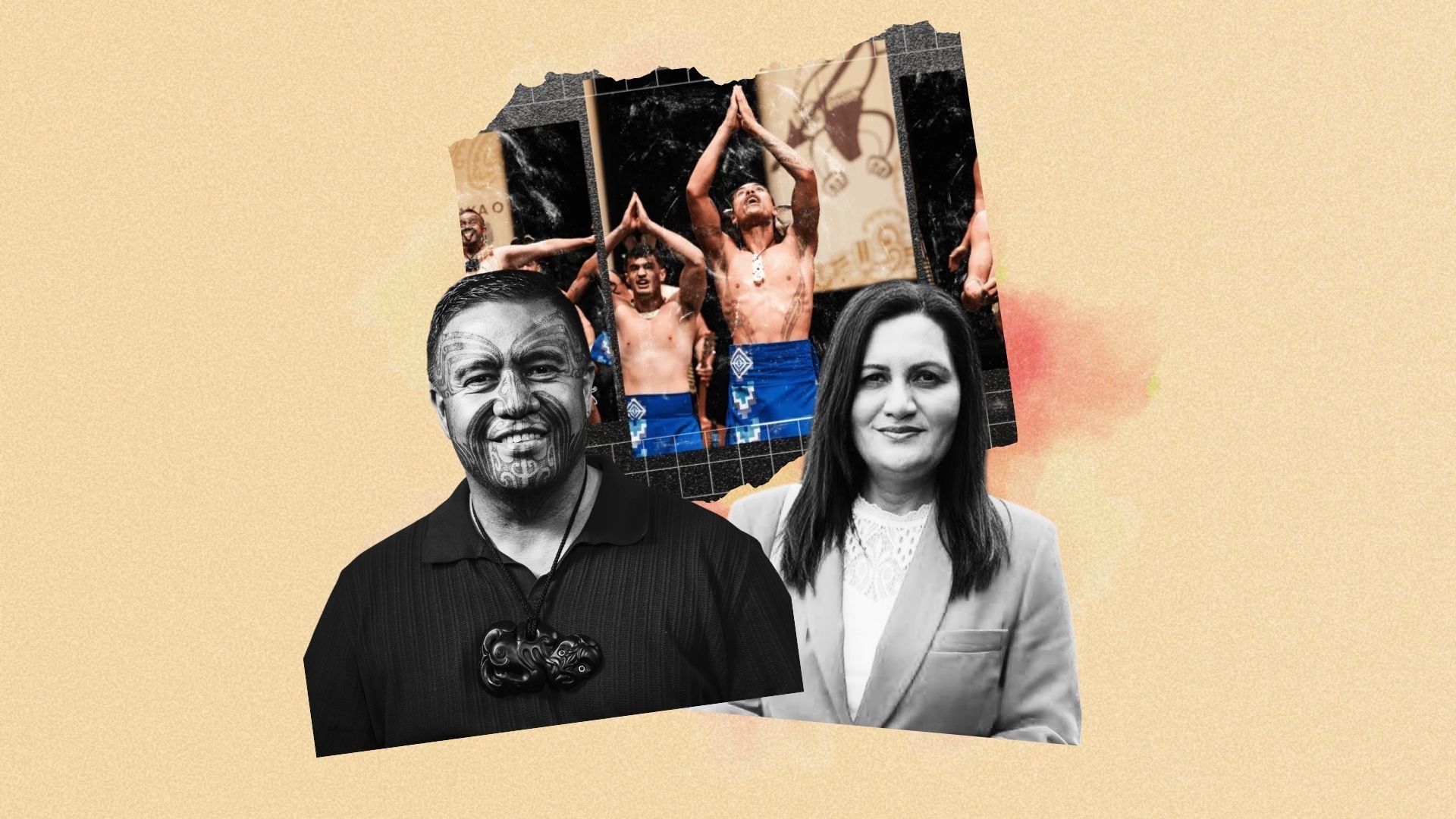
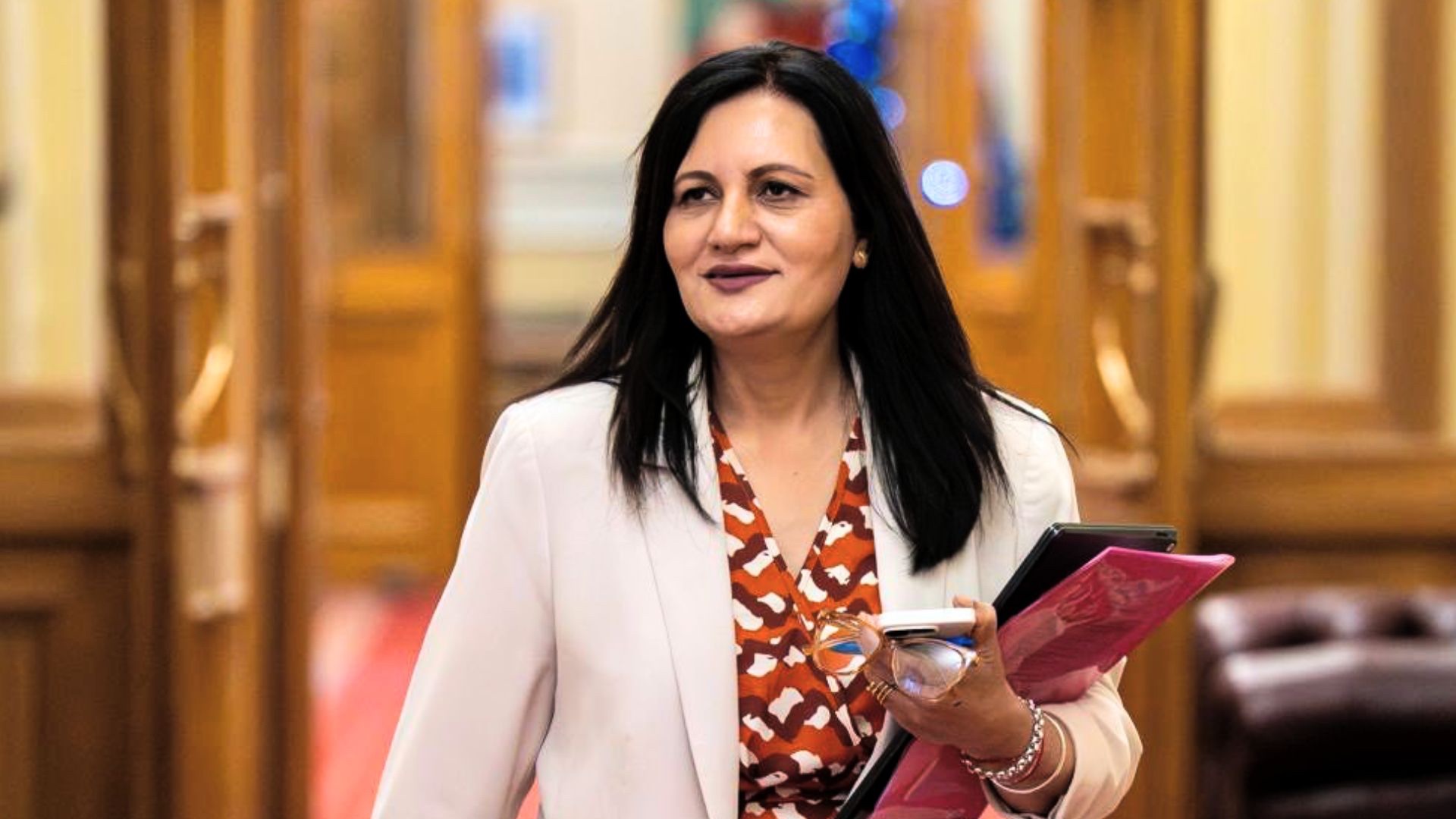
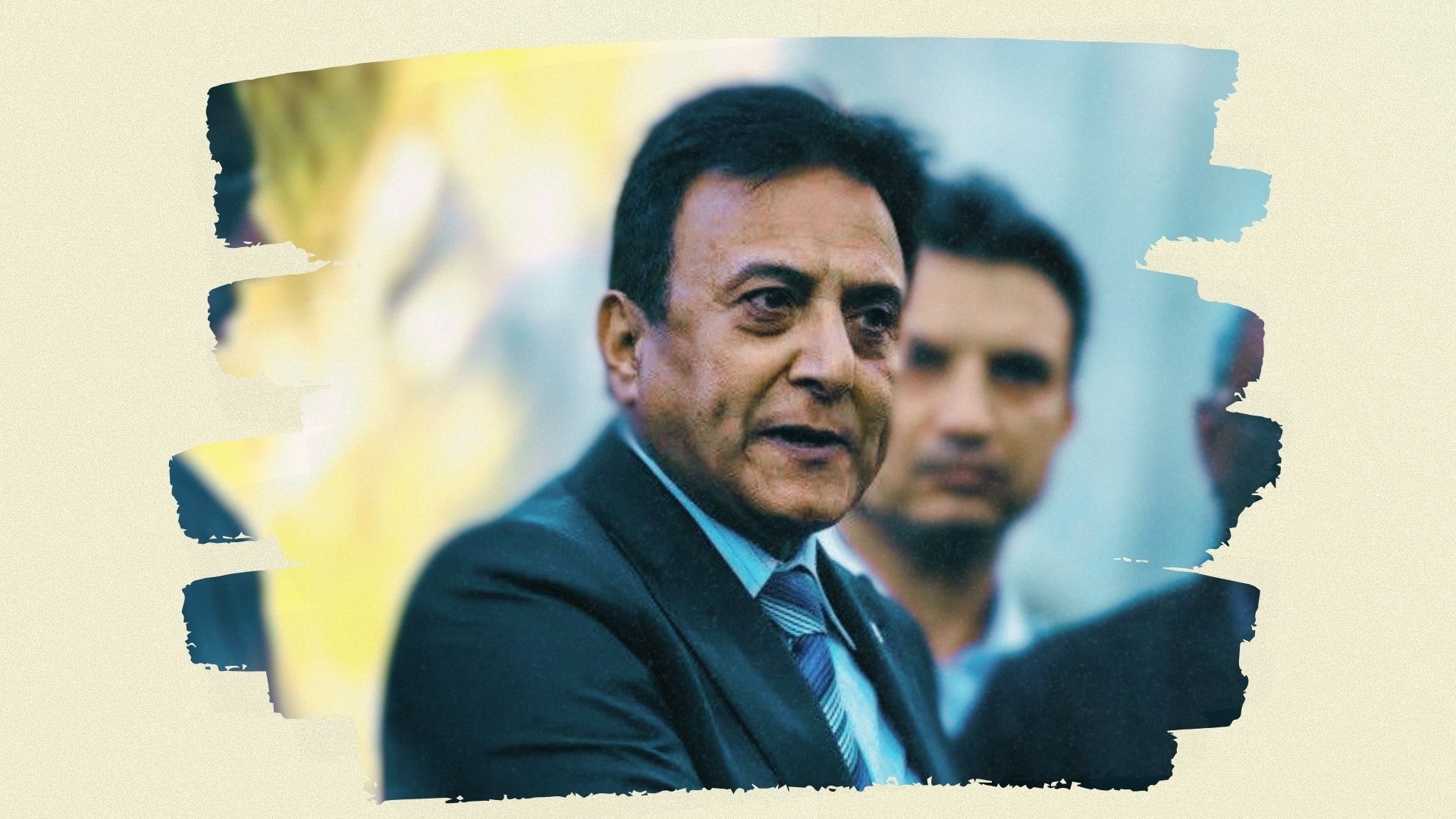
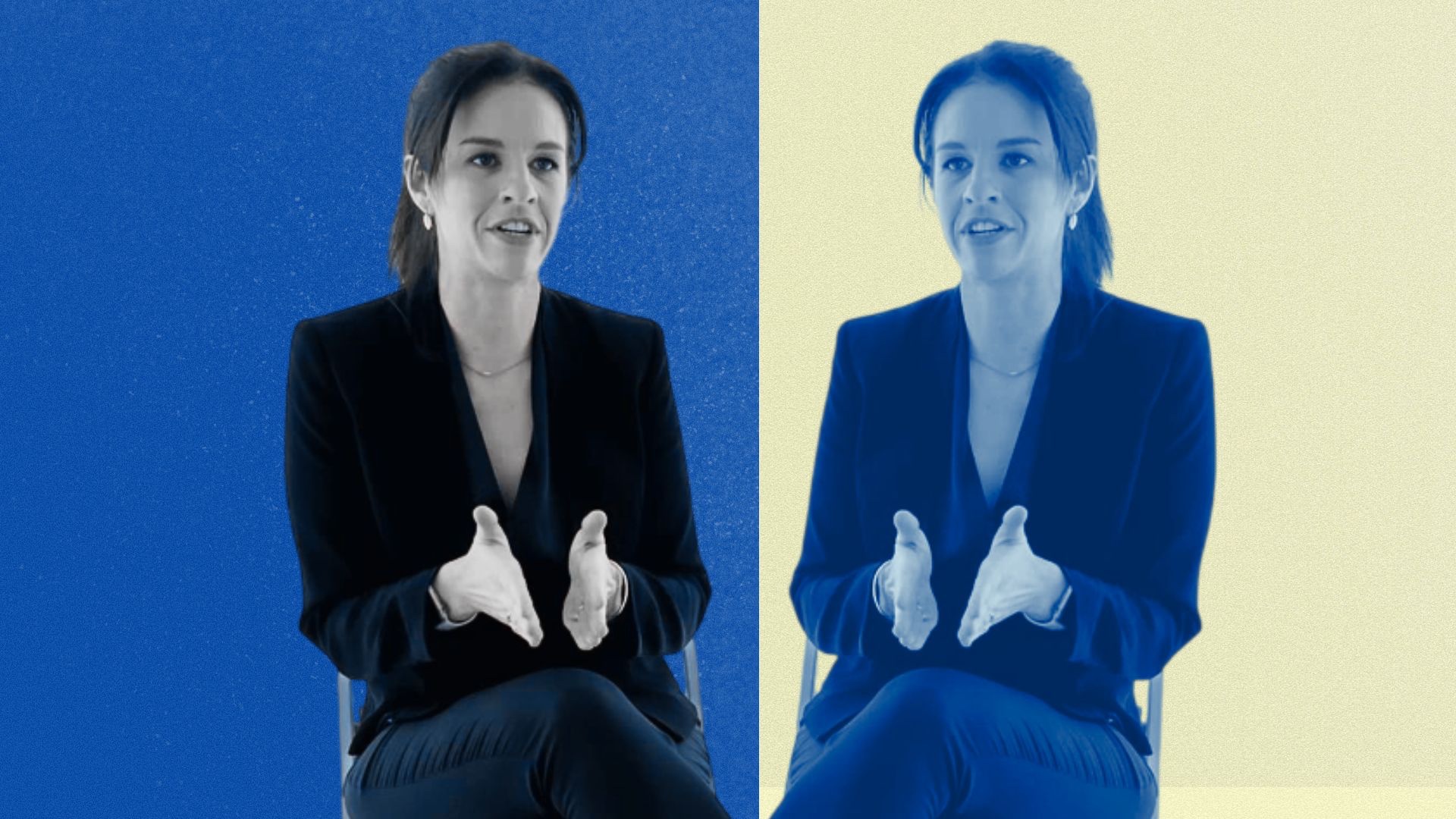
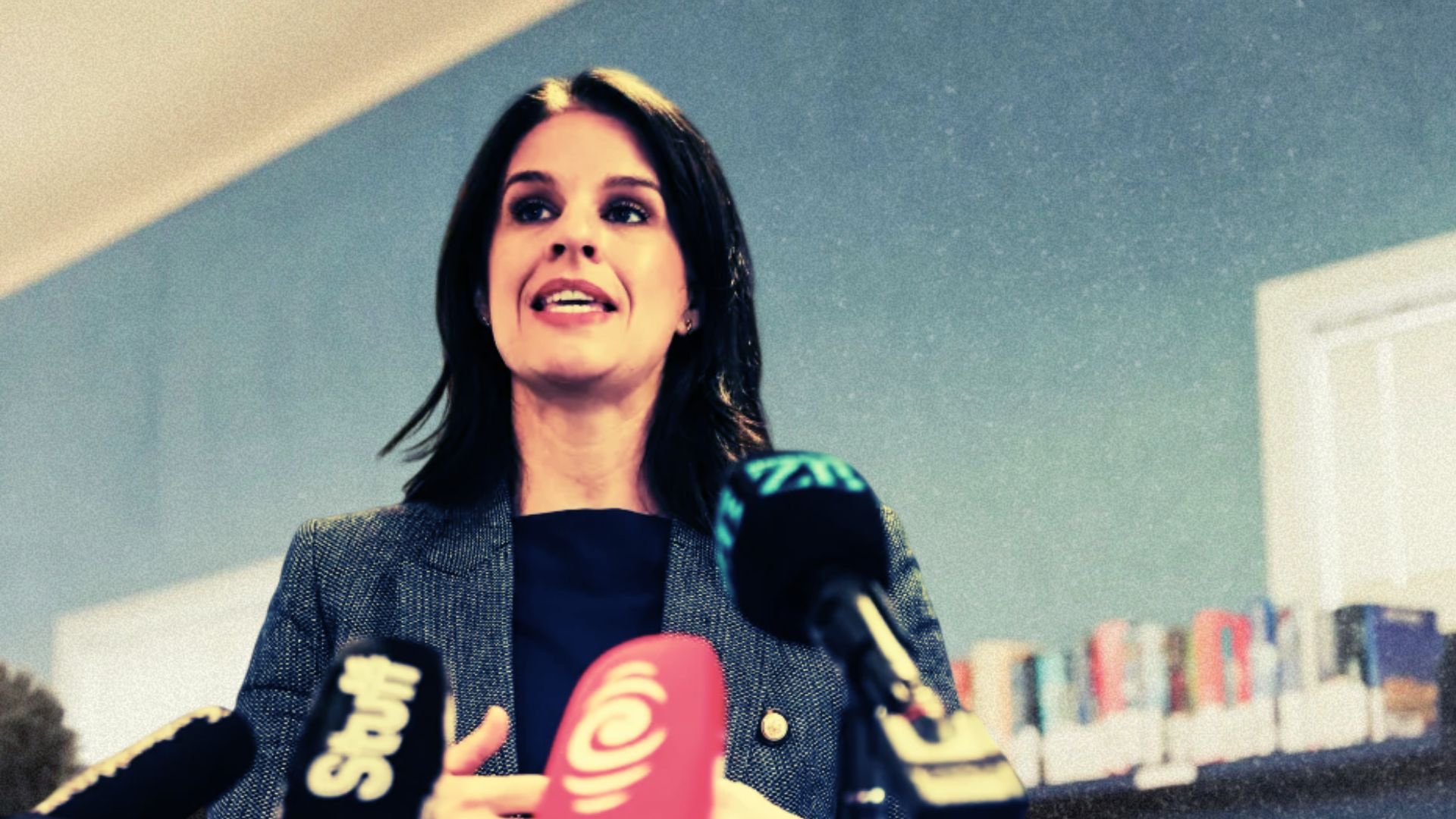
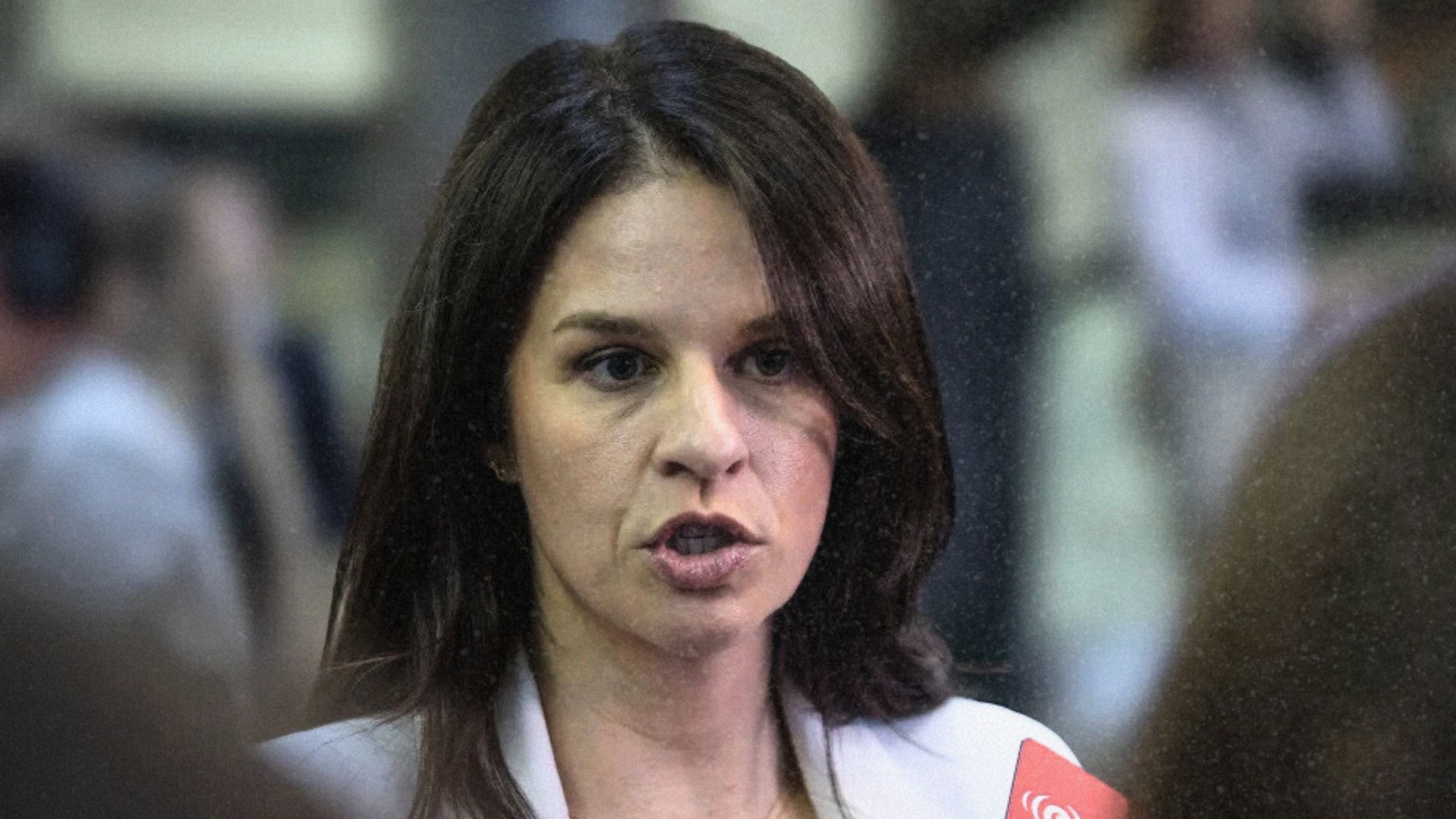
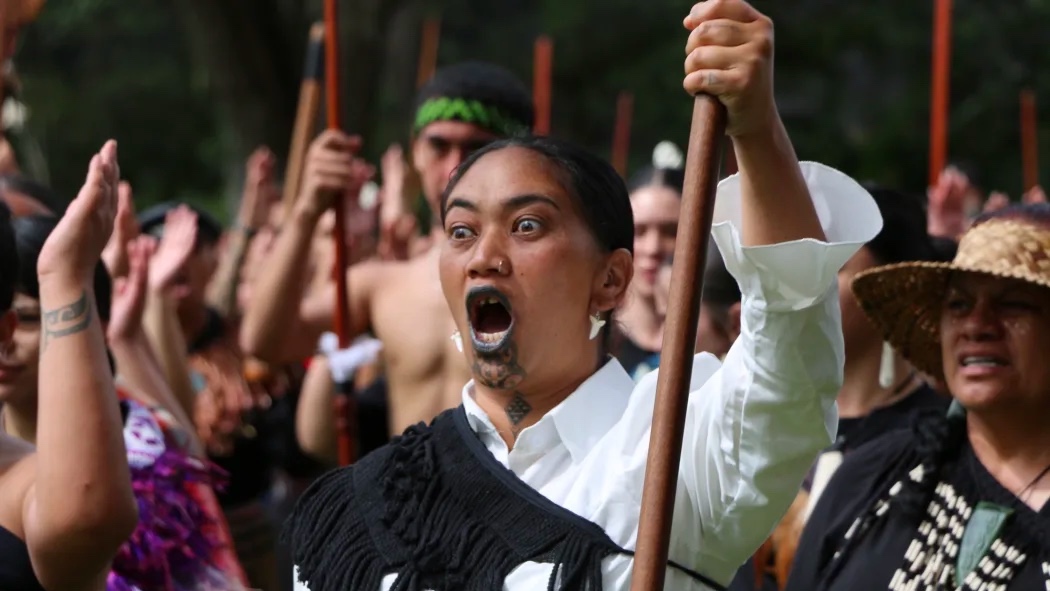
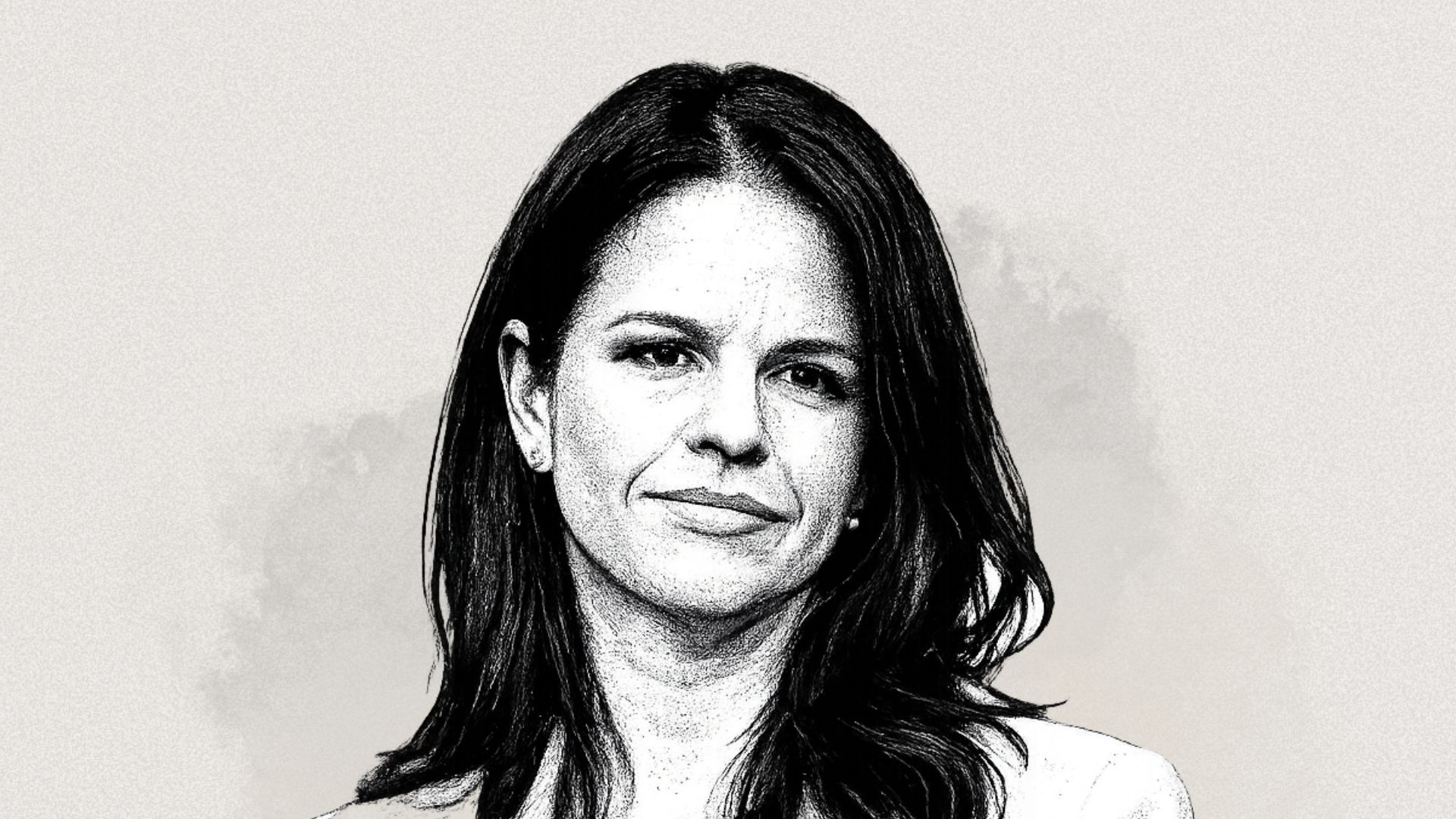
Te Pati Maori co-leader Debbie Ngarewa-Packer.
The exchange revealed something deeper about the way New Zealand’s political conversation can sound to migrants.
Watching Parliament debate New Zealand’s long-term fiscal outlook this week, the arithmetic itself was fairly straightforward. The politics that followed wasn't.
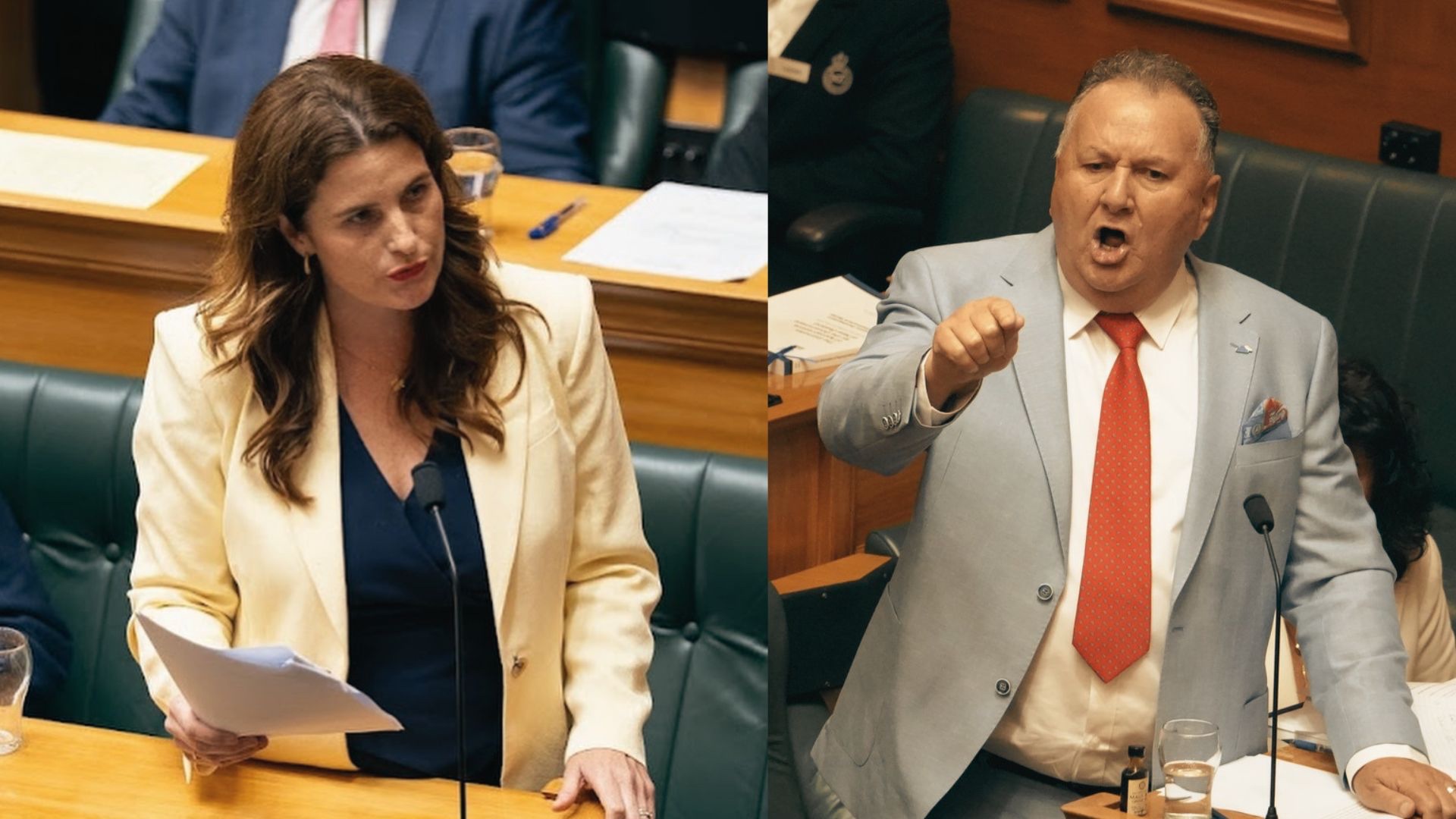
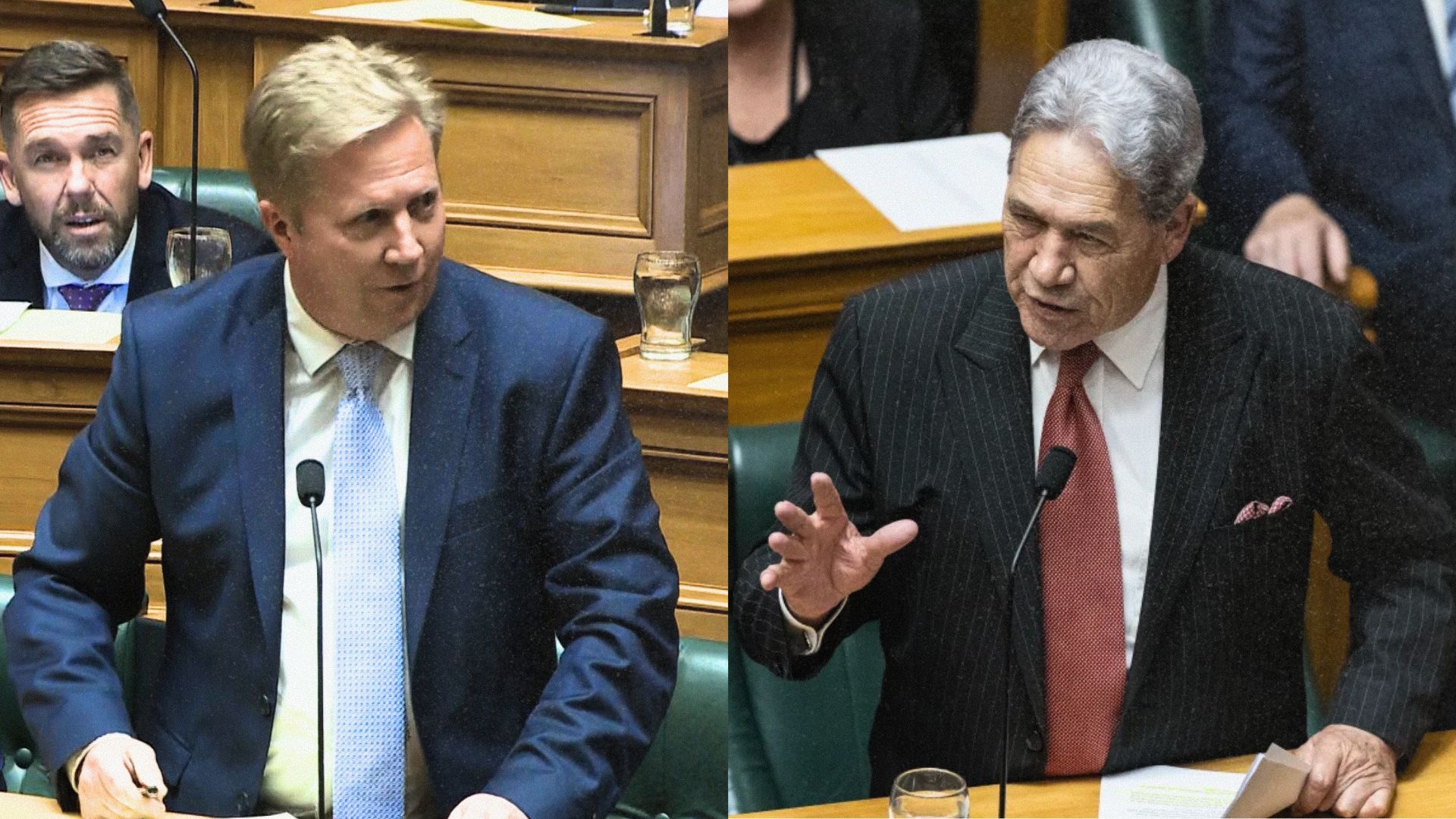
The exchange took place on Wednesday during a special debate in Parliament on treasury's 'Statement on long-term fiscal position and the investment statement', a report examining the long-term sustainability of New Zealand’s public finances.
Treasury's projections were meant to force Parliament to confront an uncomfortable reality. New Zealand is ageing, and the numbers are not on our side.


In the 1960s, there were roughly seven working-age New Zealanders for every person over 65, our MPs were told. Today, there are about four. By the 2060s, that ratio is expected to fall to around two workers supporting each retiree.
More retirees. Fewer taxpayers. Rising healthcare and pension costs. For any country, that is a difficult equation. It was in the middle of this debate about the nation’s fiscal future that something else entered the conversation.
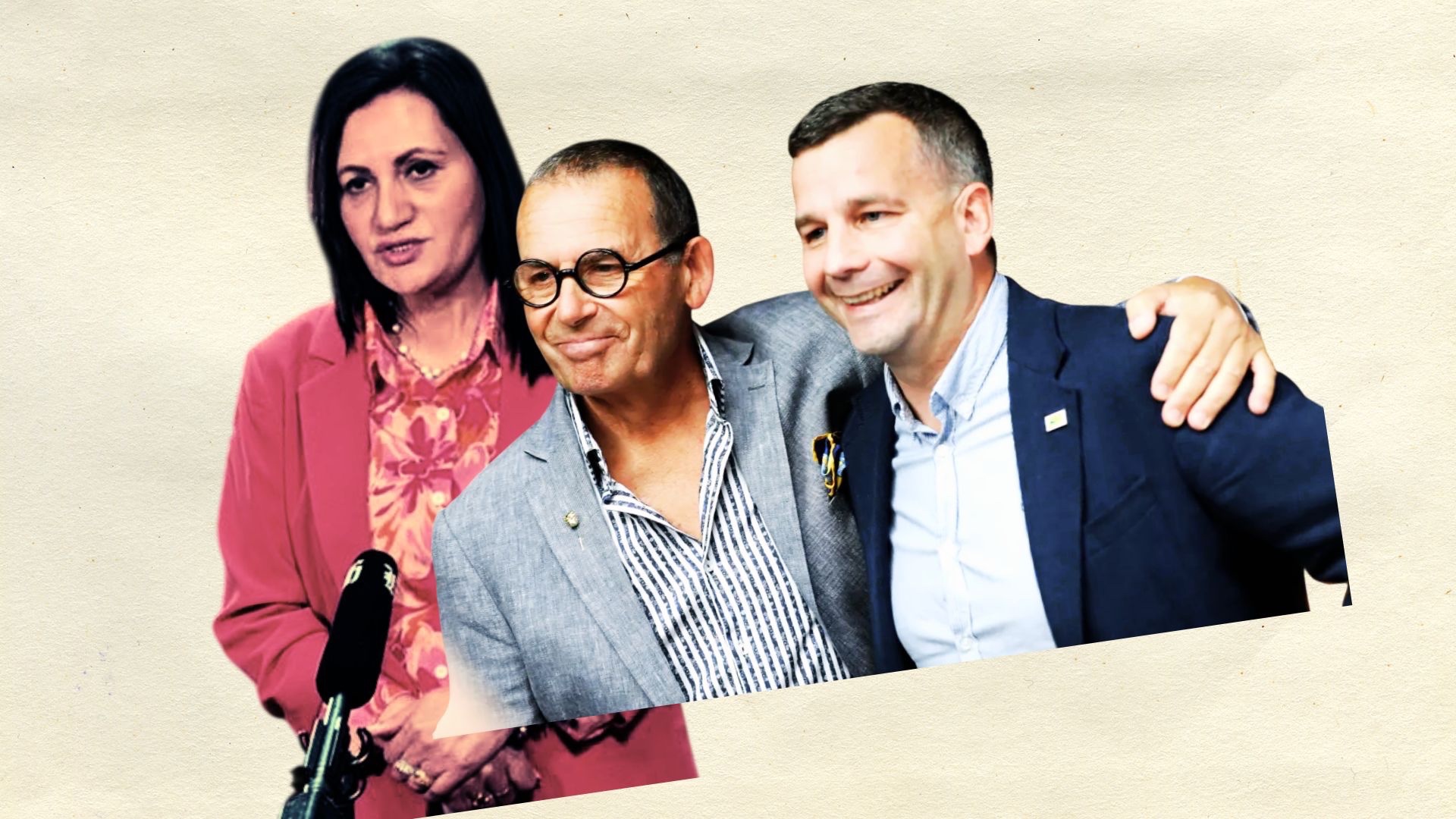
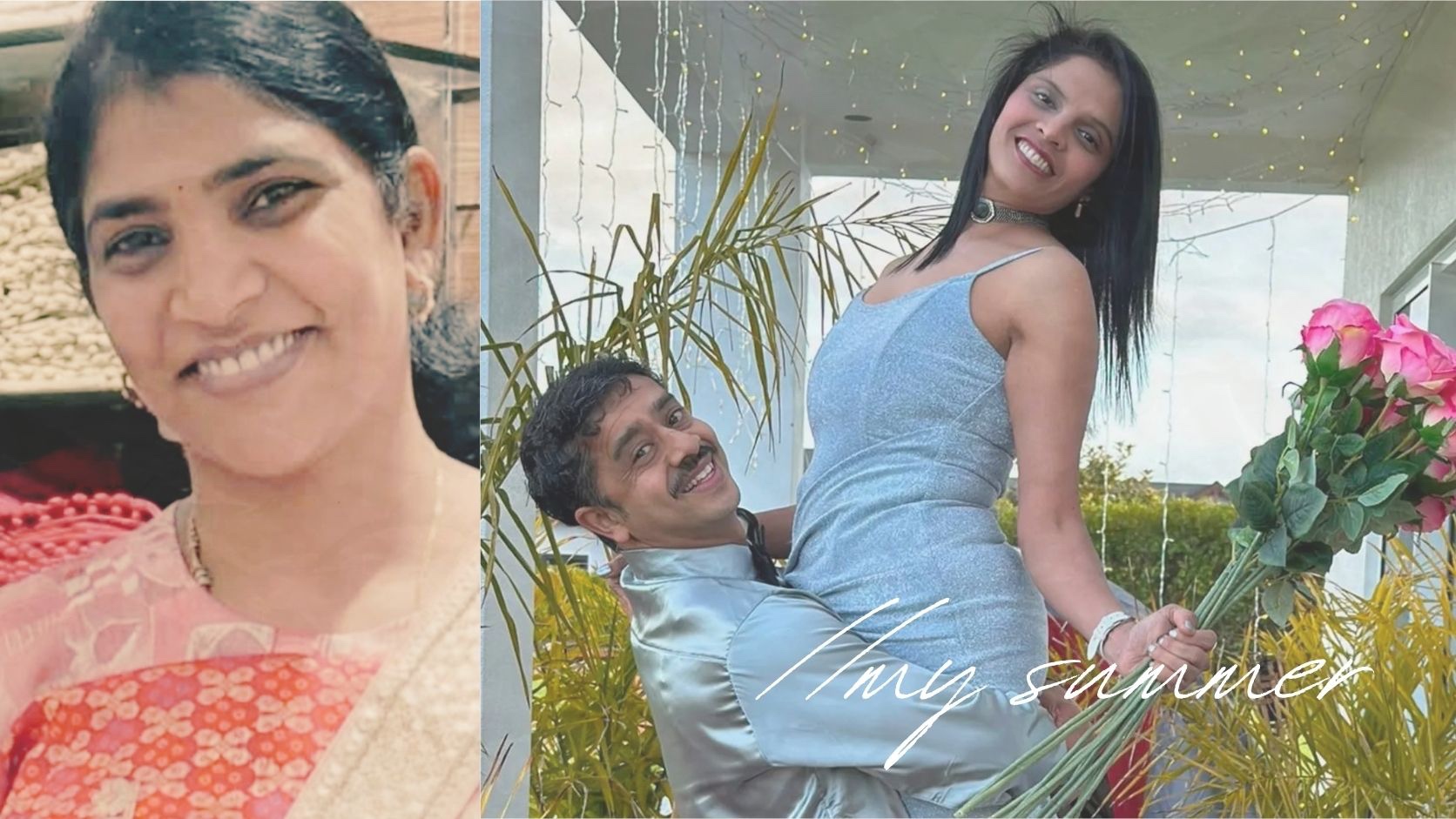
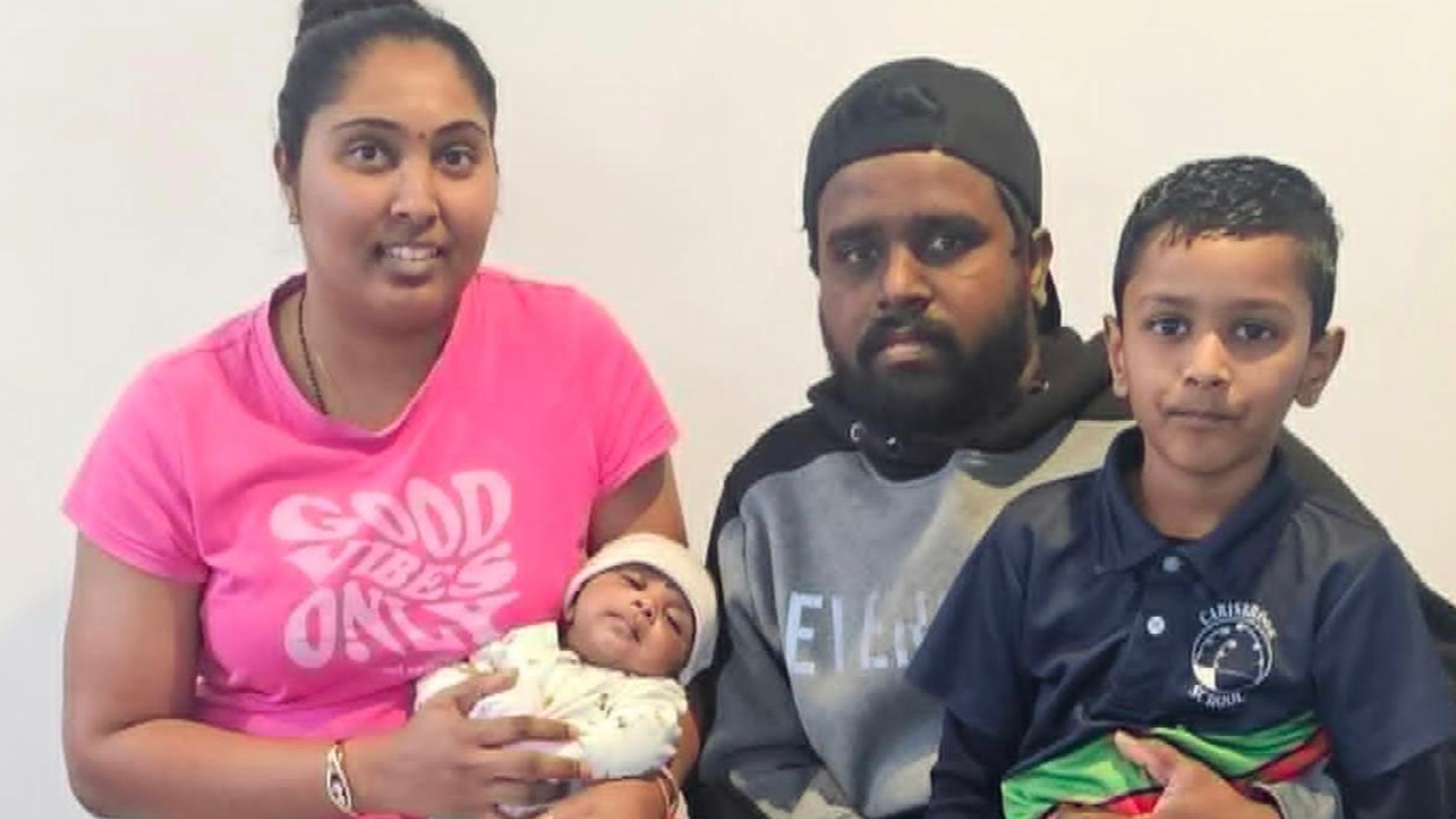
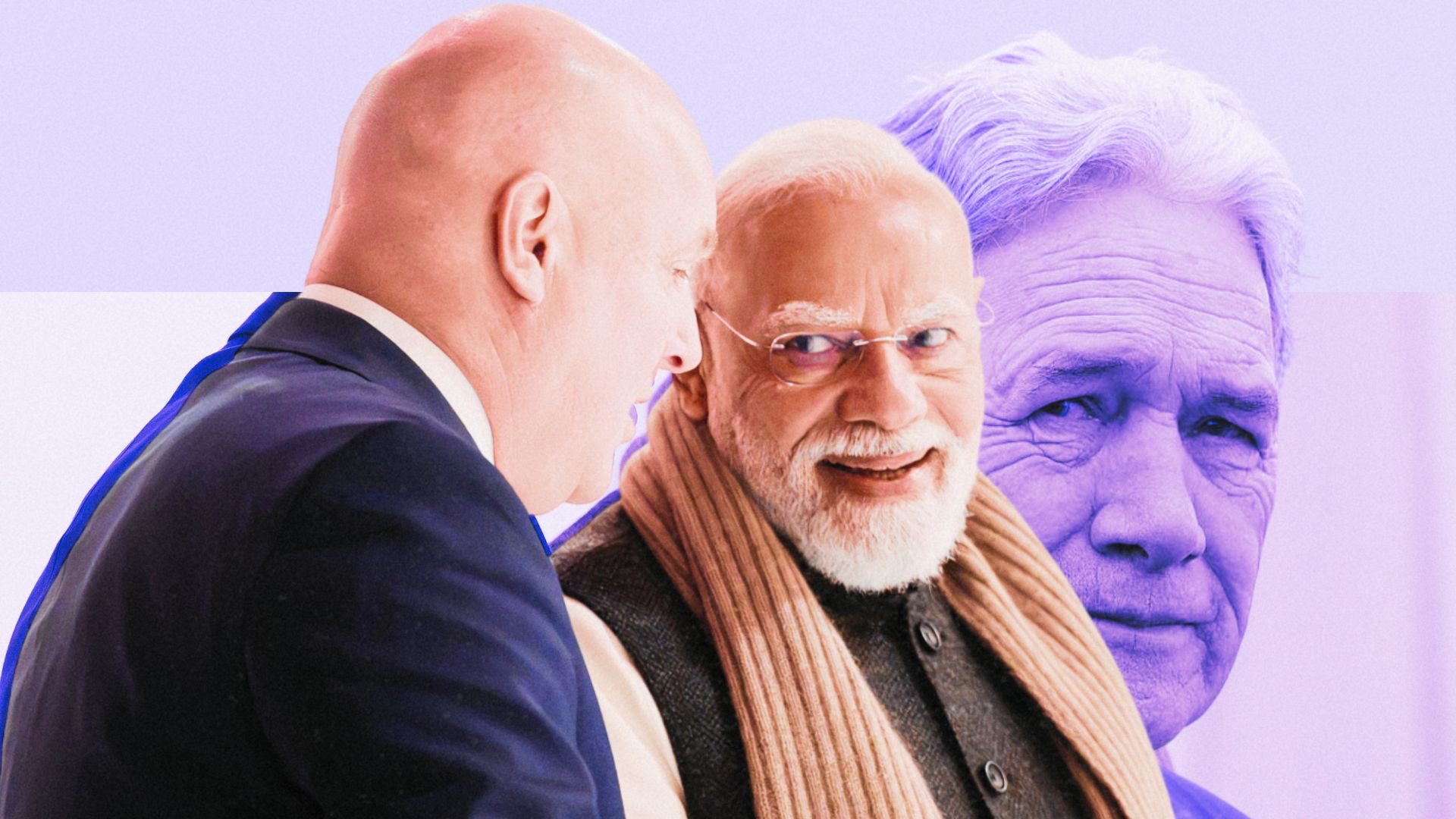
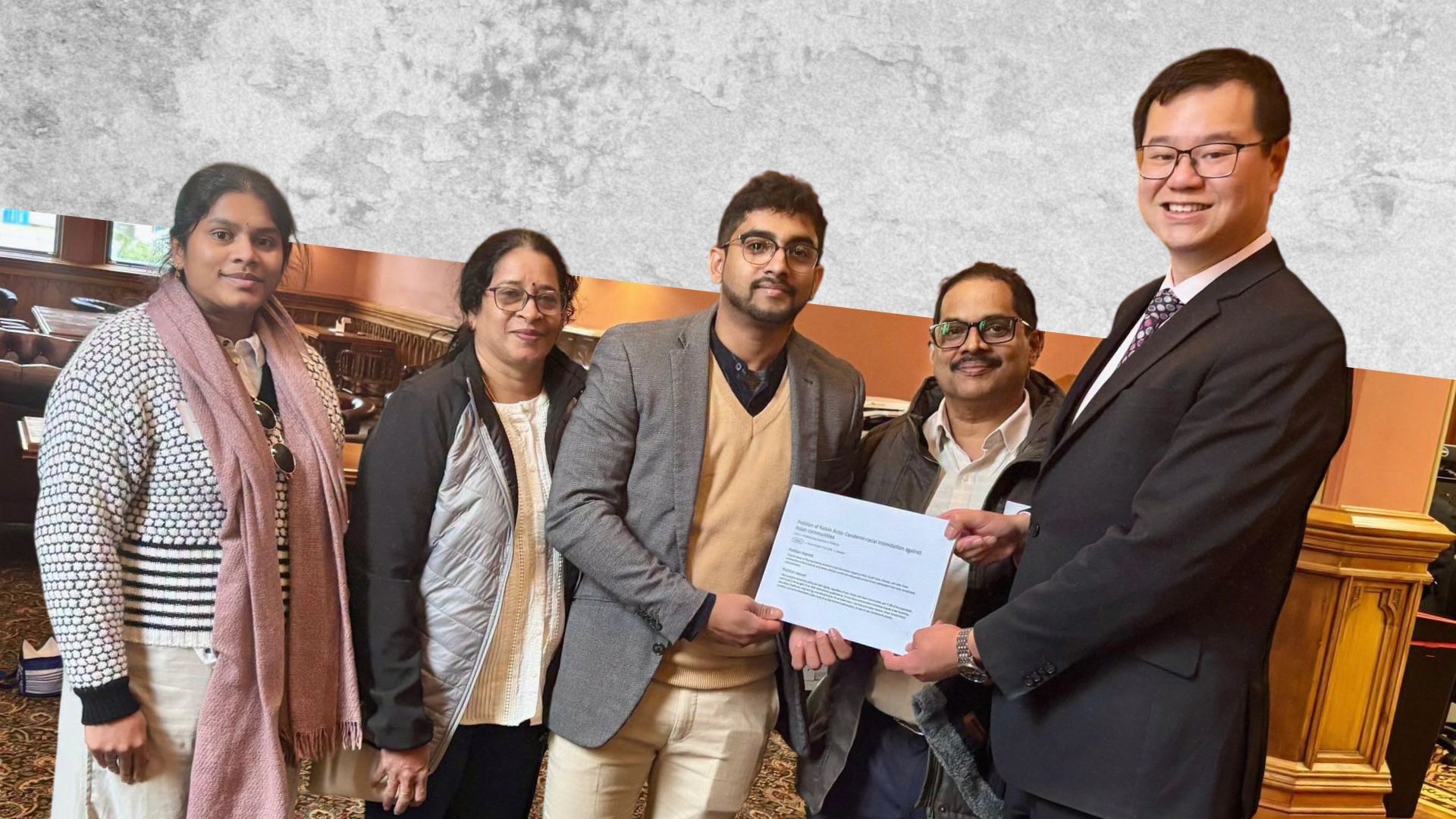
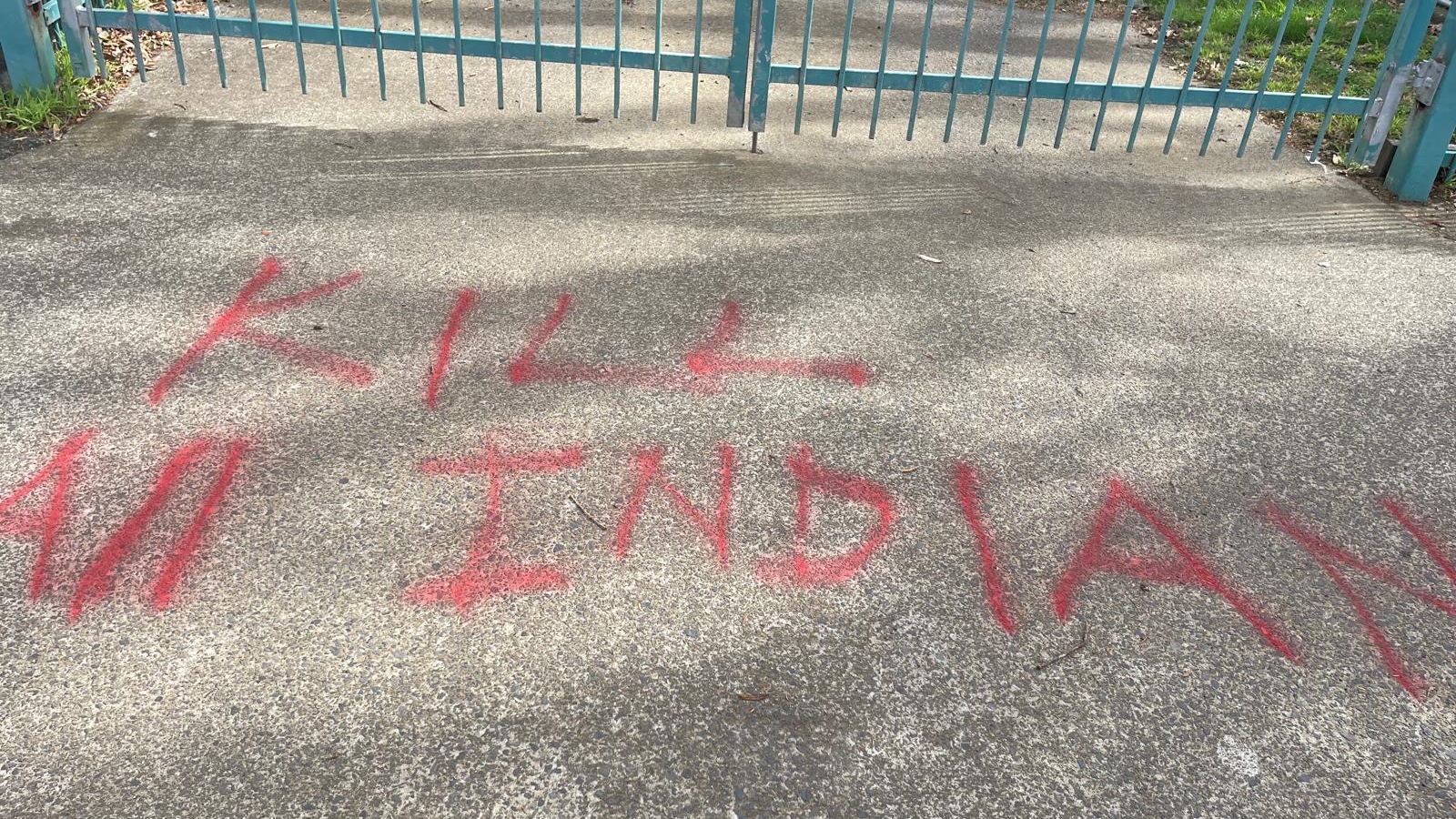
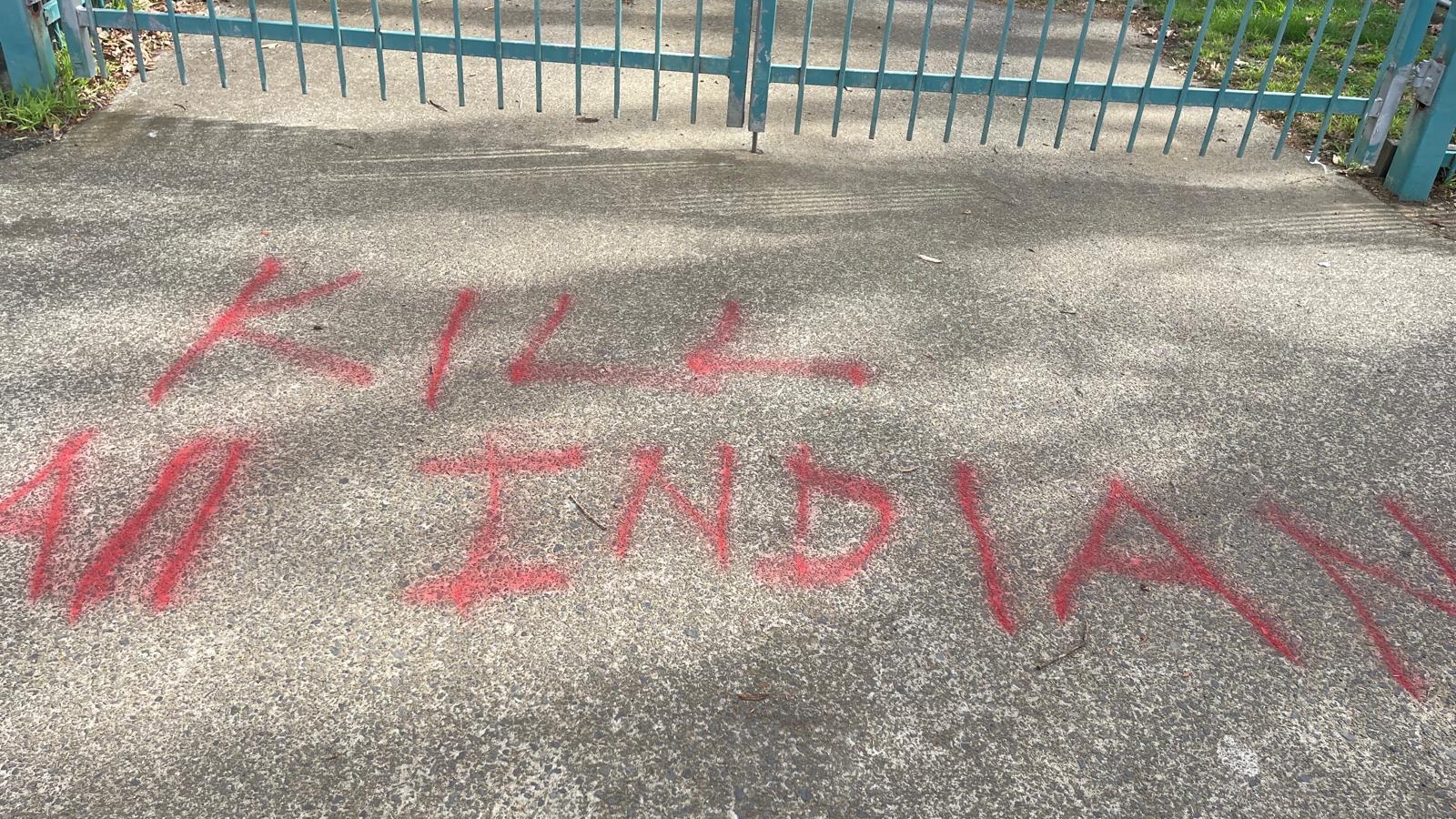
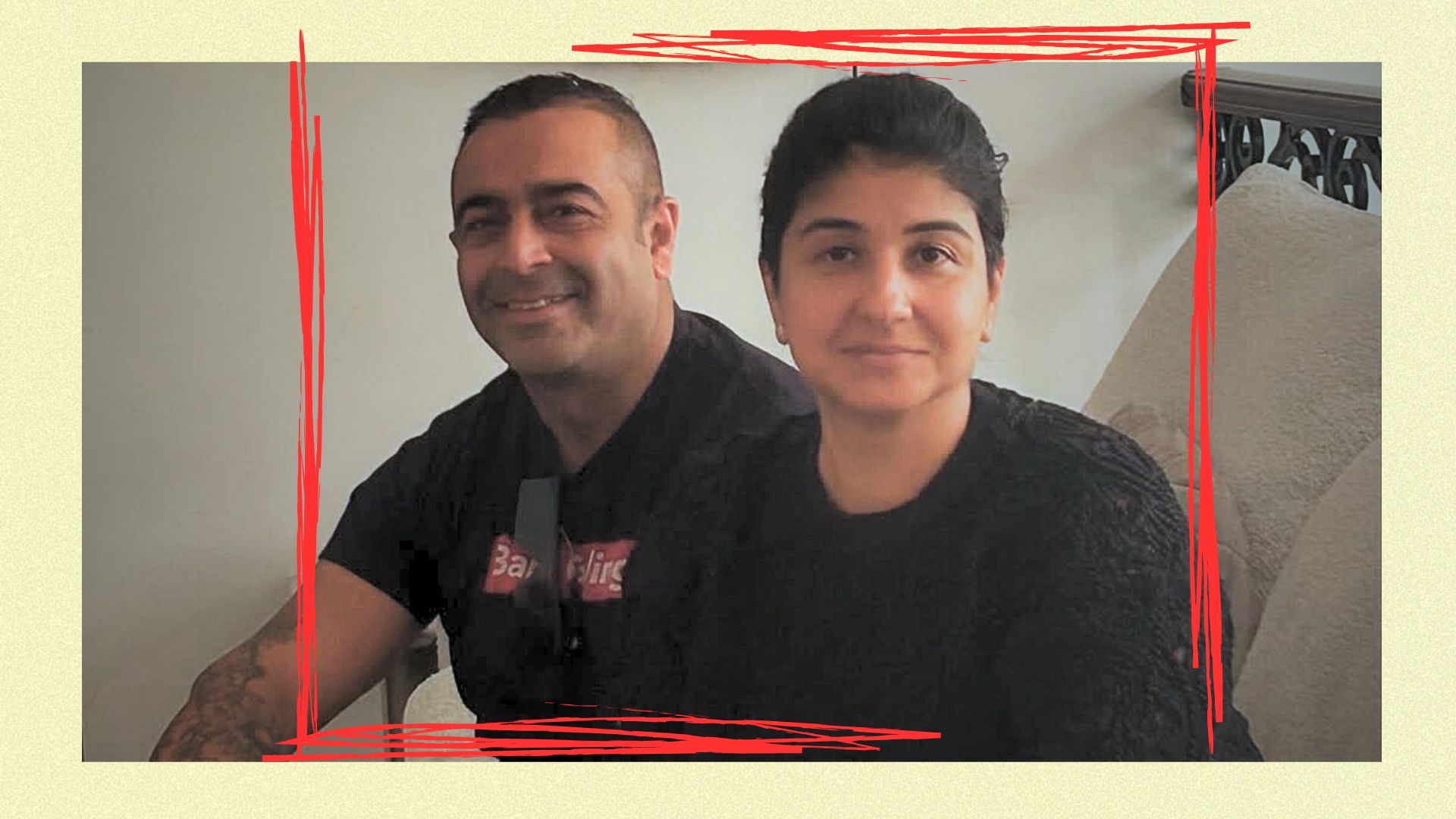
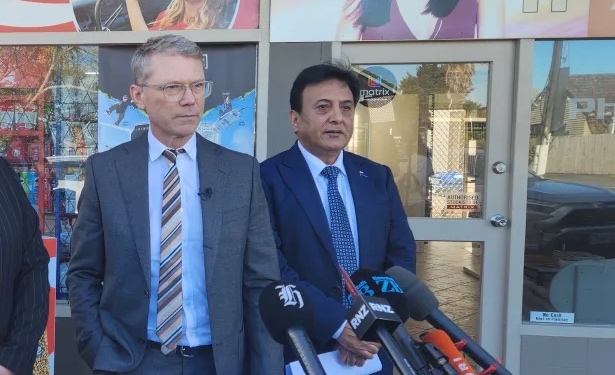
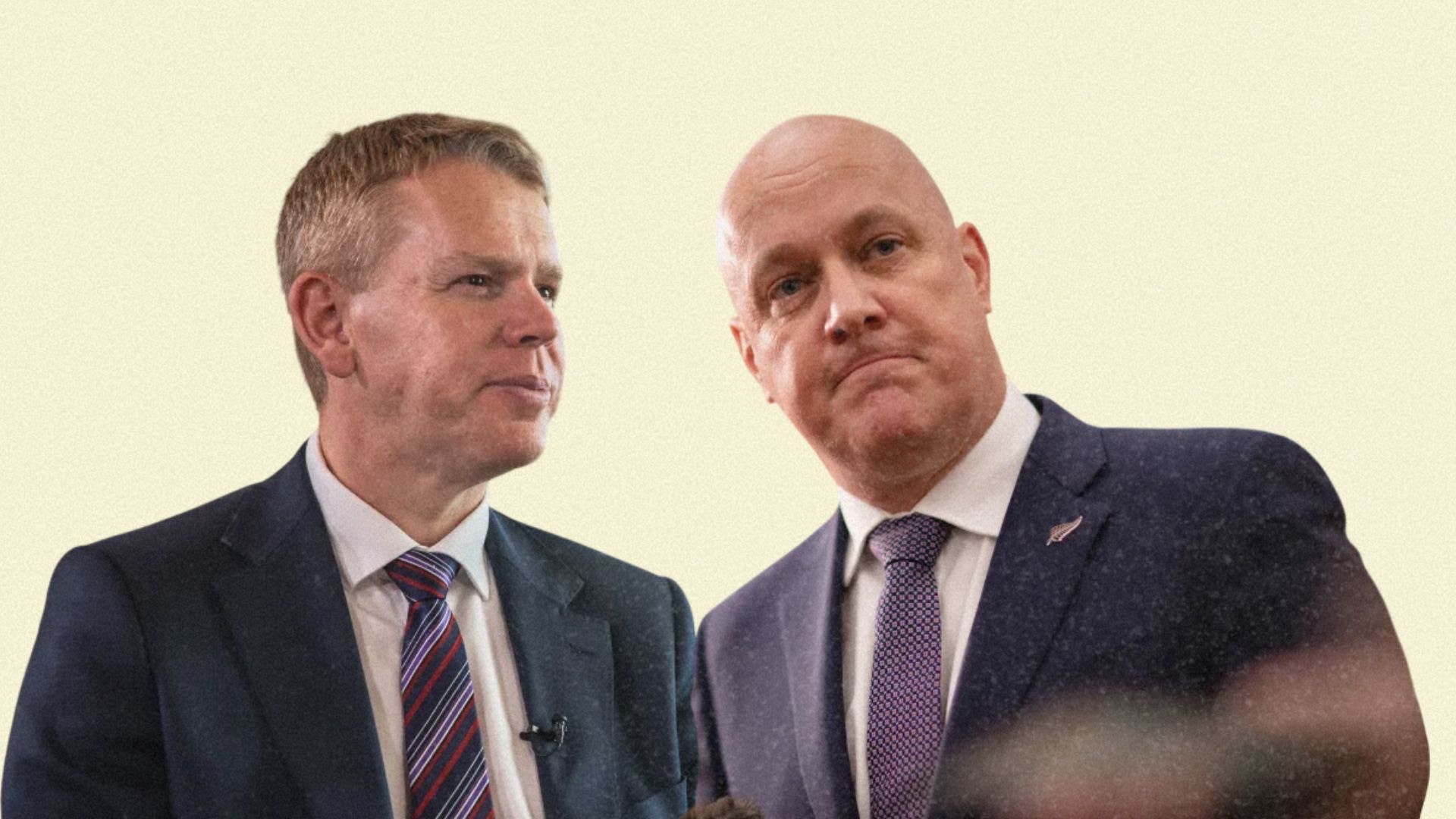
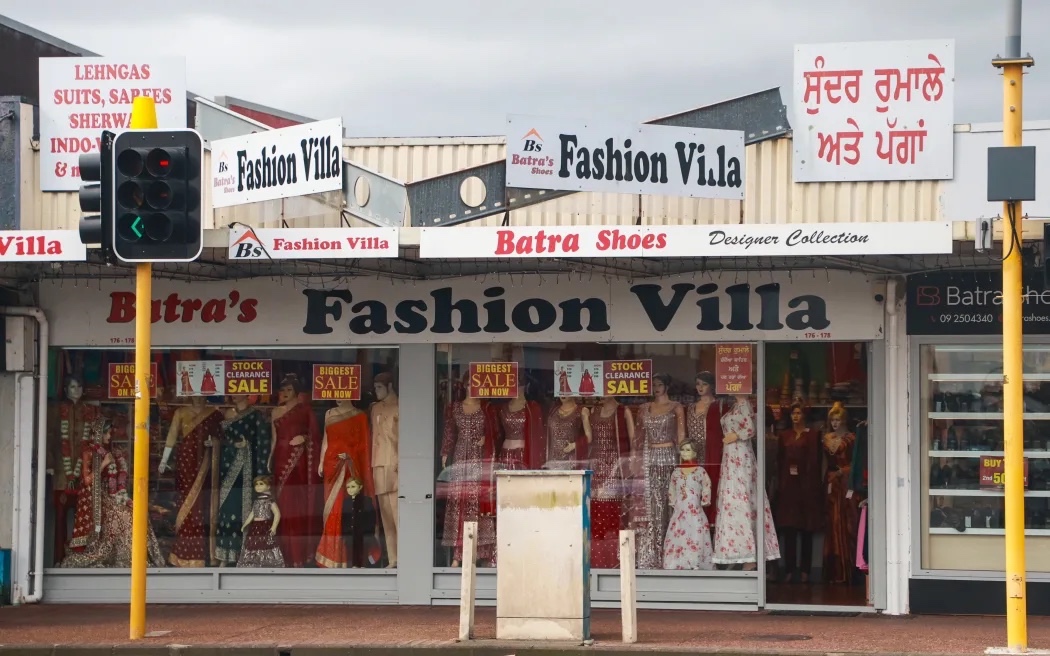
'Devastating': Indian family racially abused in Christchurch, hunt on to identify attacker “We’ll always be reminded of this, thanks to this man who thinks we don’t belong.”
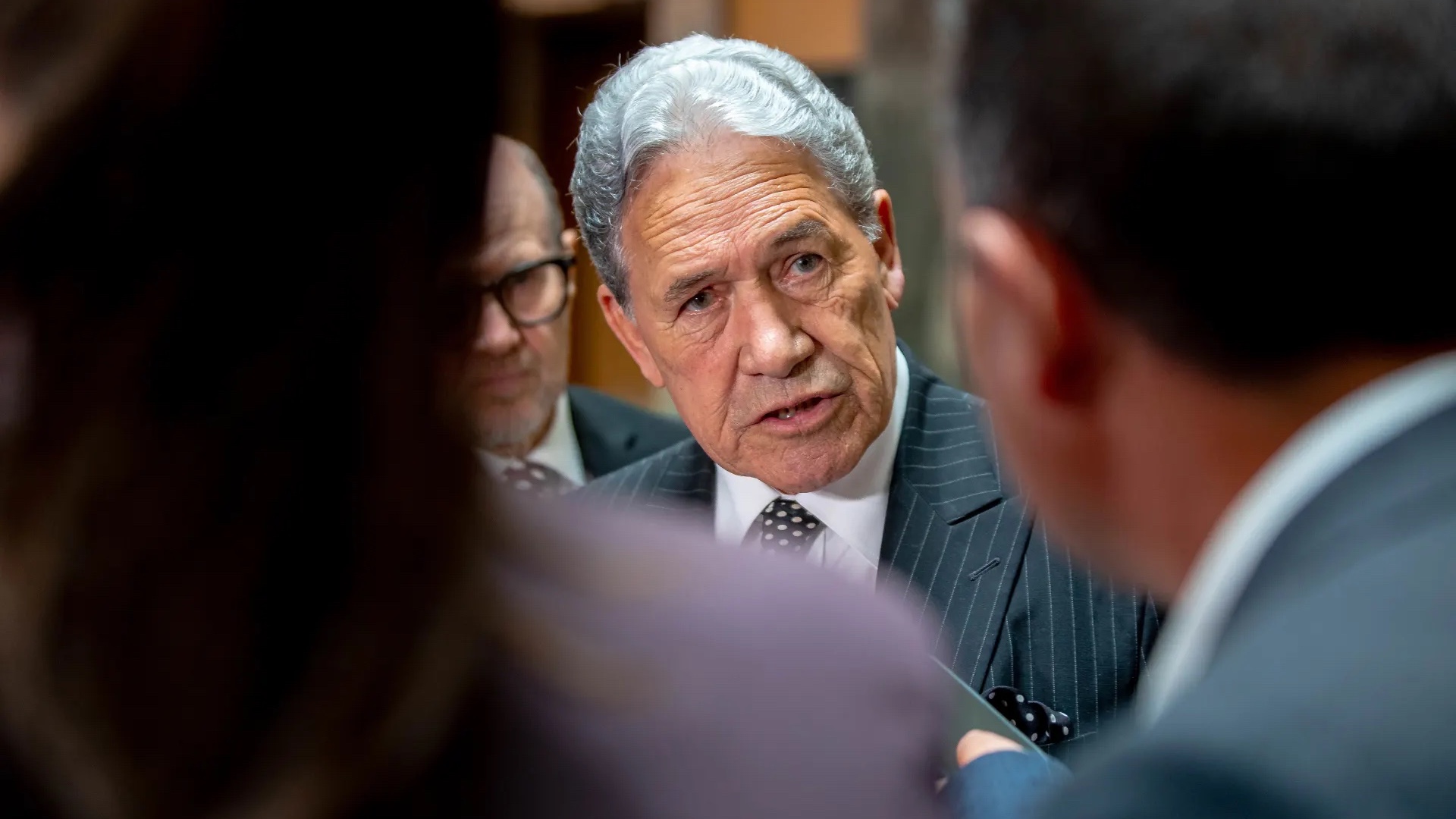
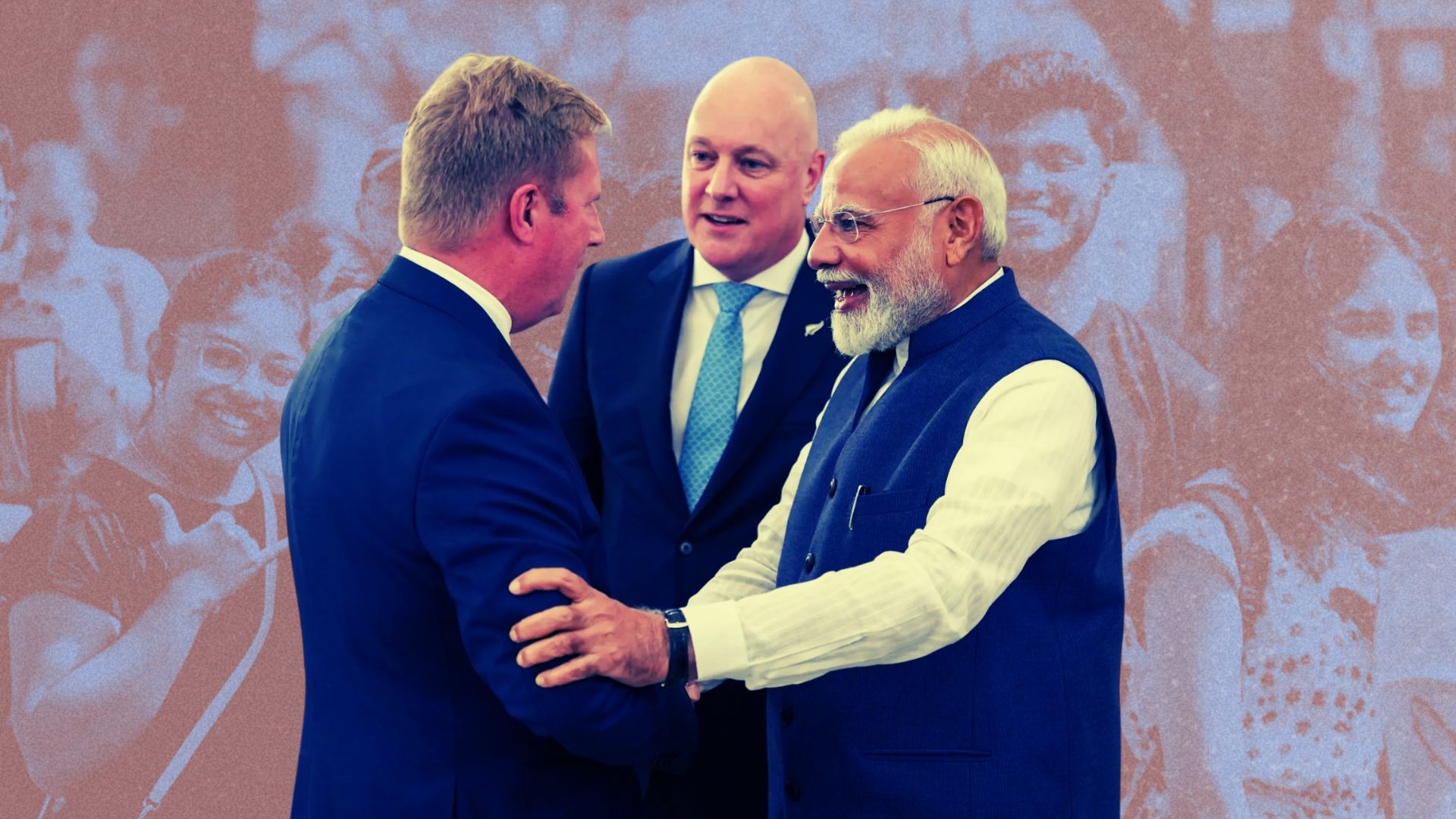
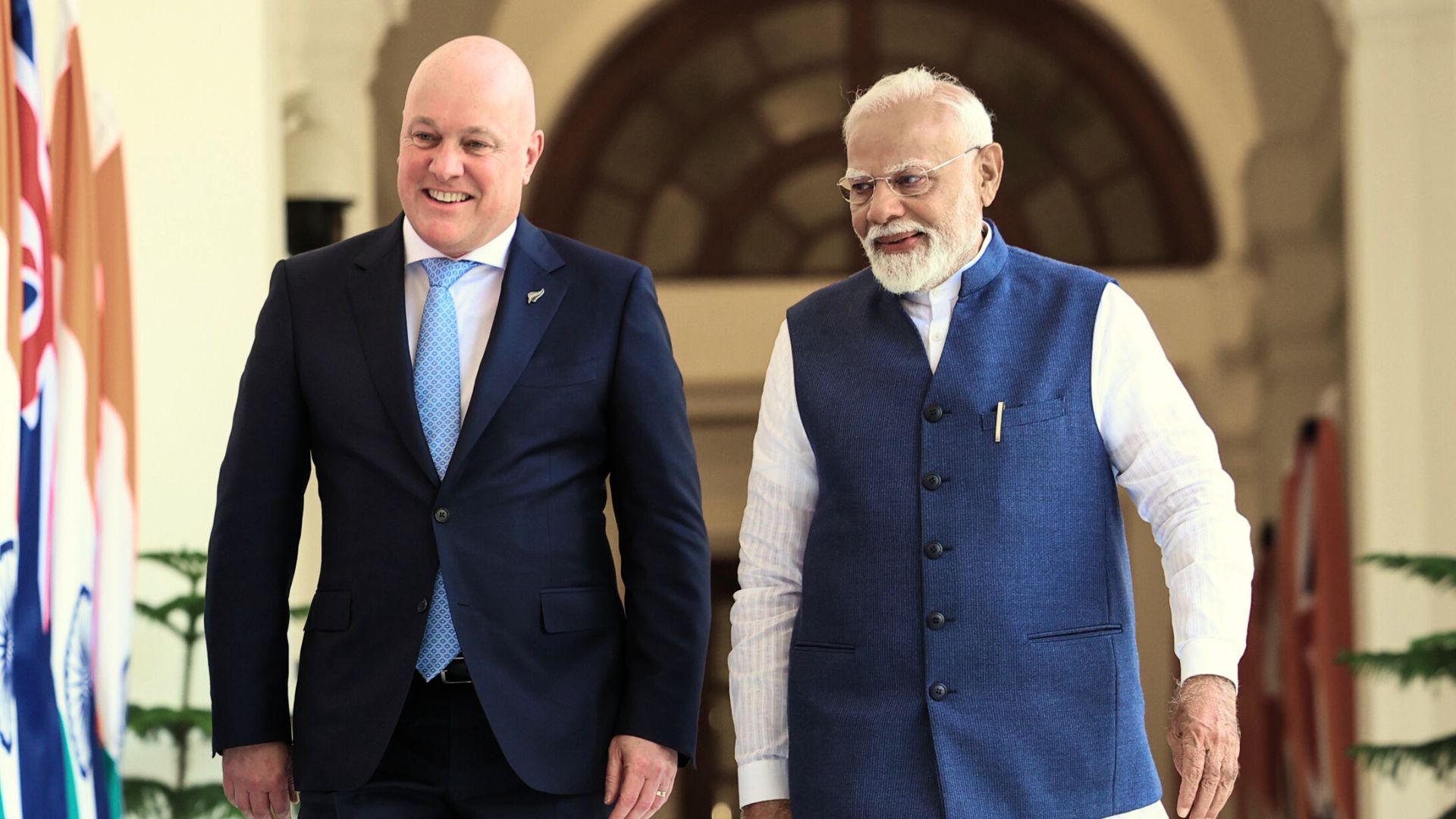
Immigration reset: National drops hints as parties on left and right target permanent residence New Zealand's permanent residence framework provides an edge over Australia and Canada in attracting overseas talent.
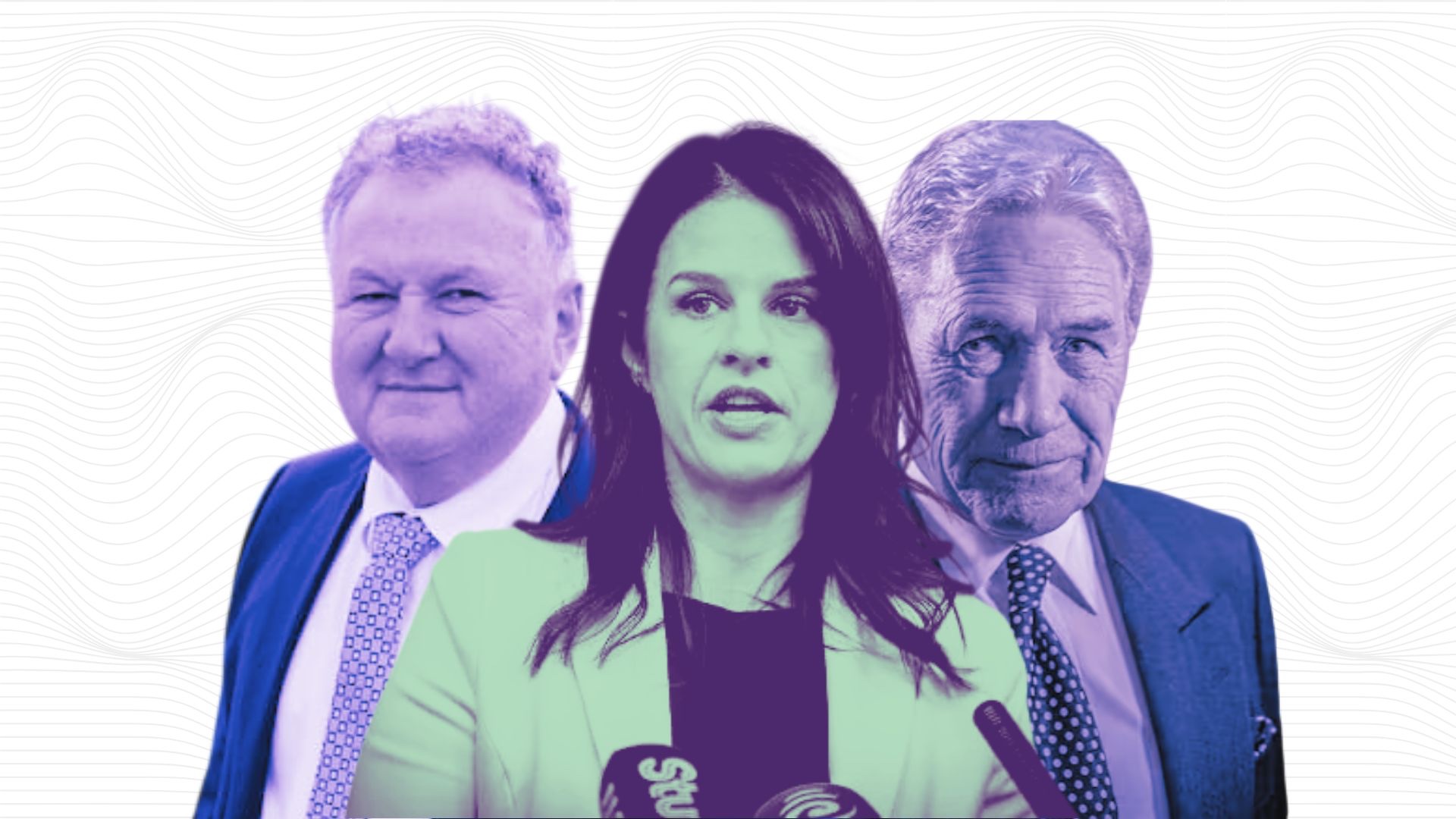
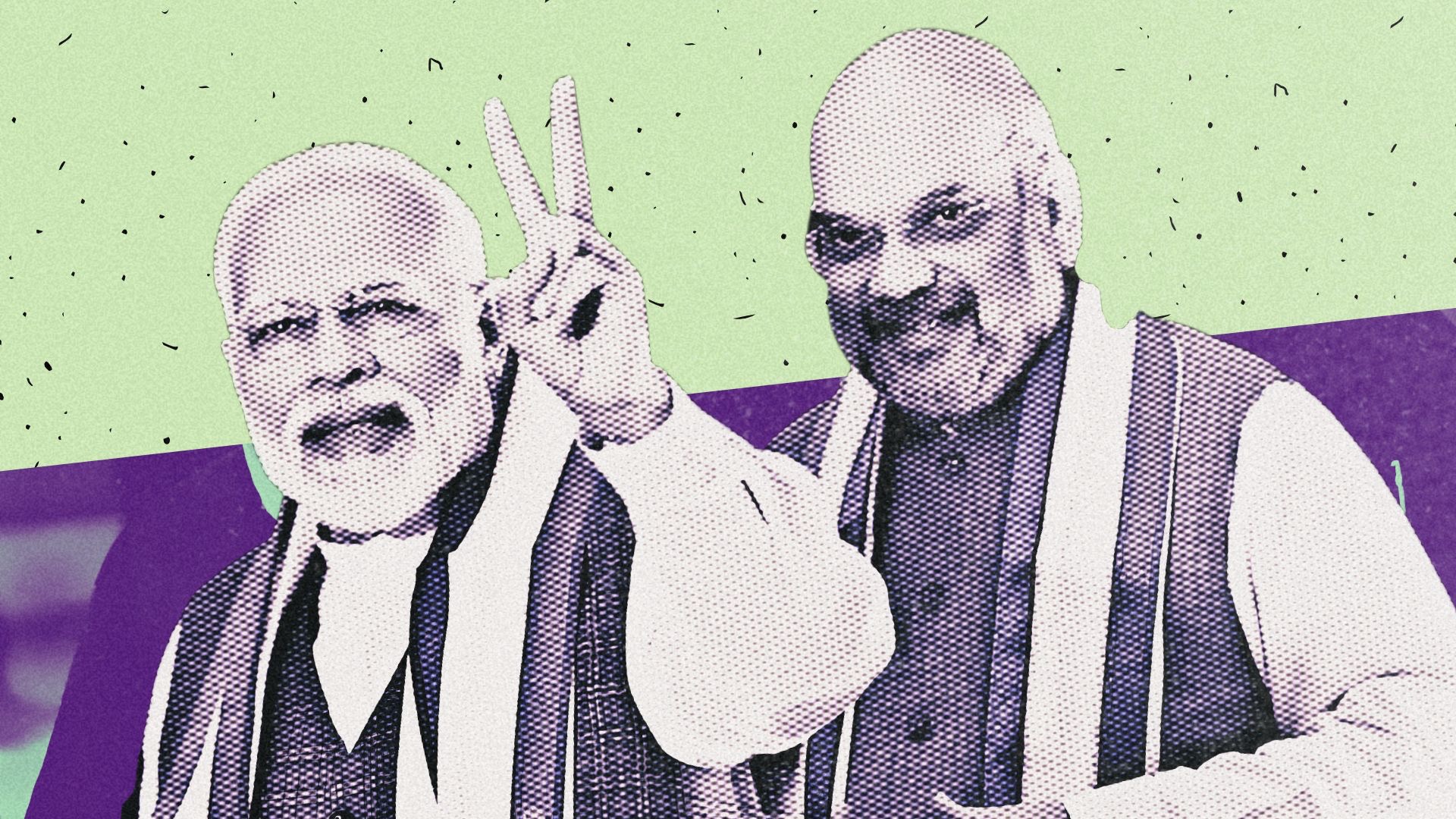
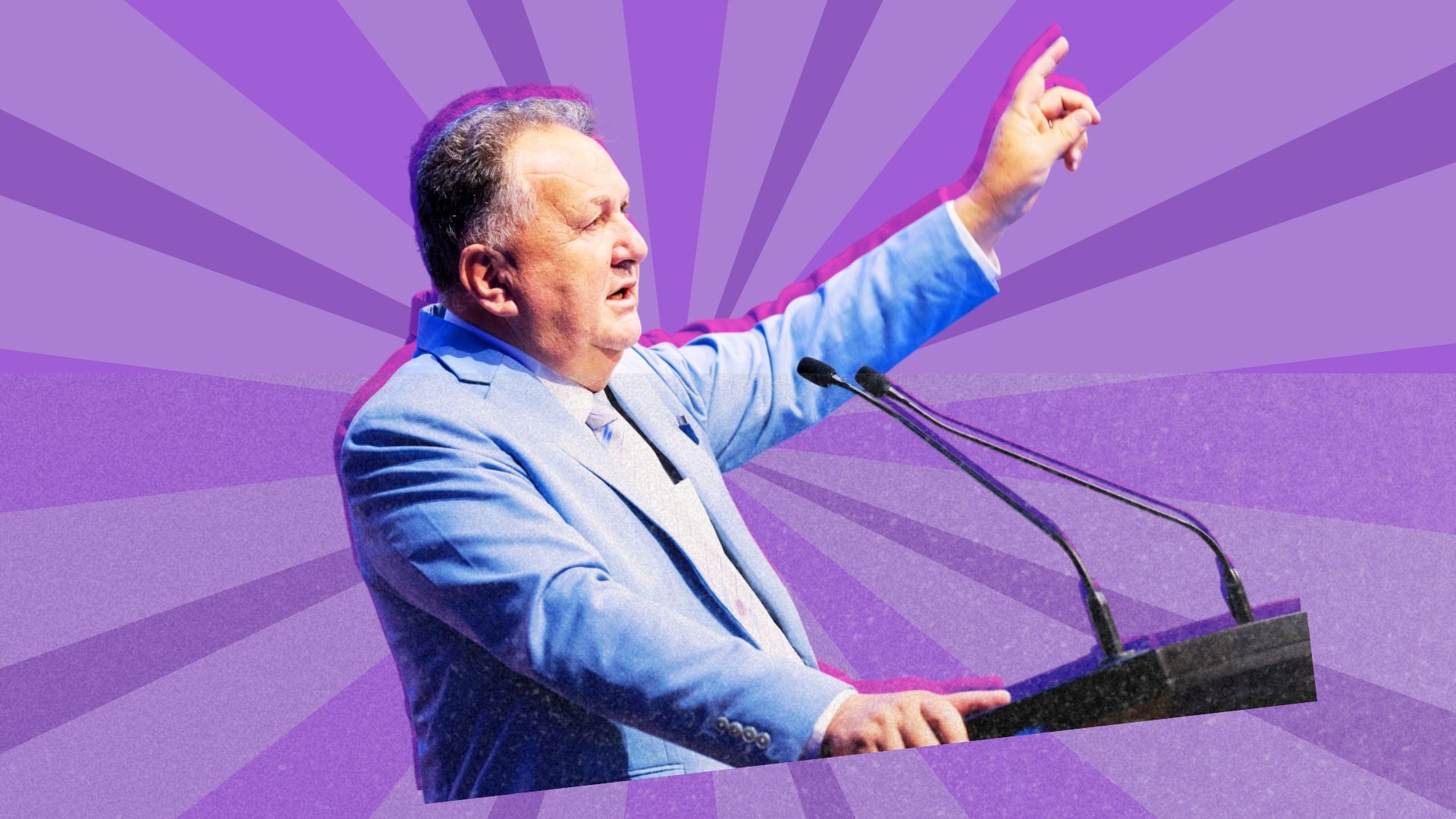
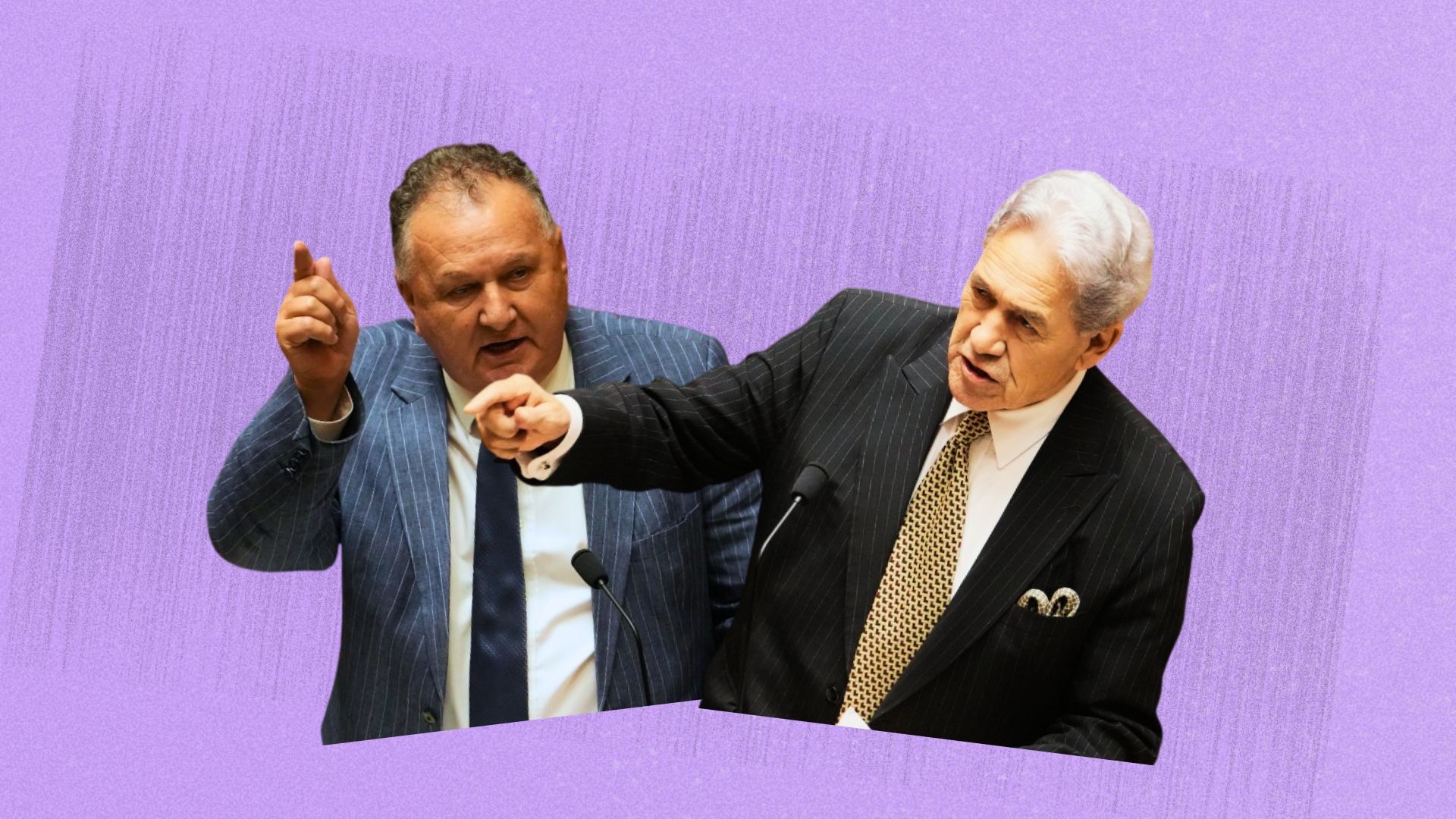
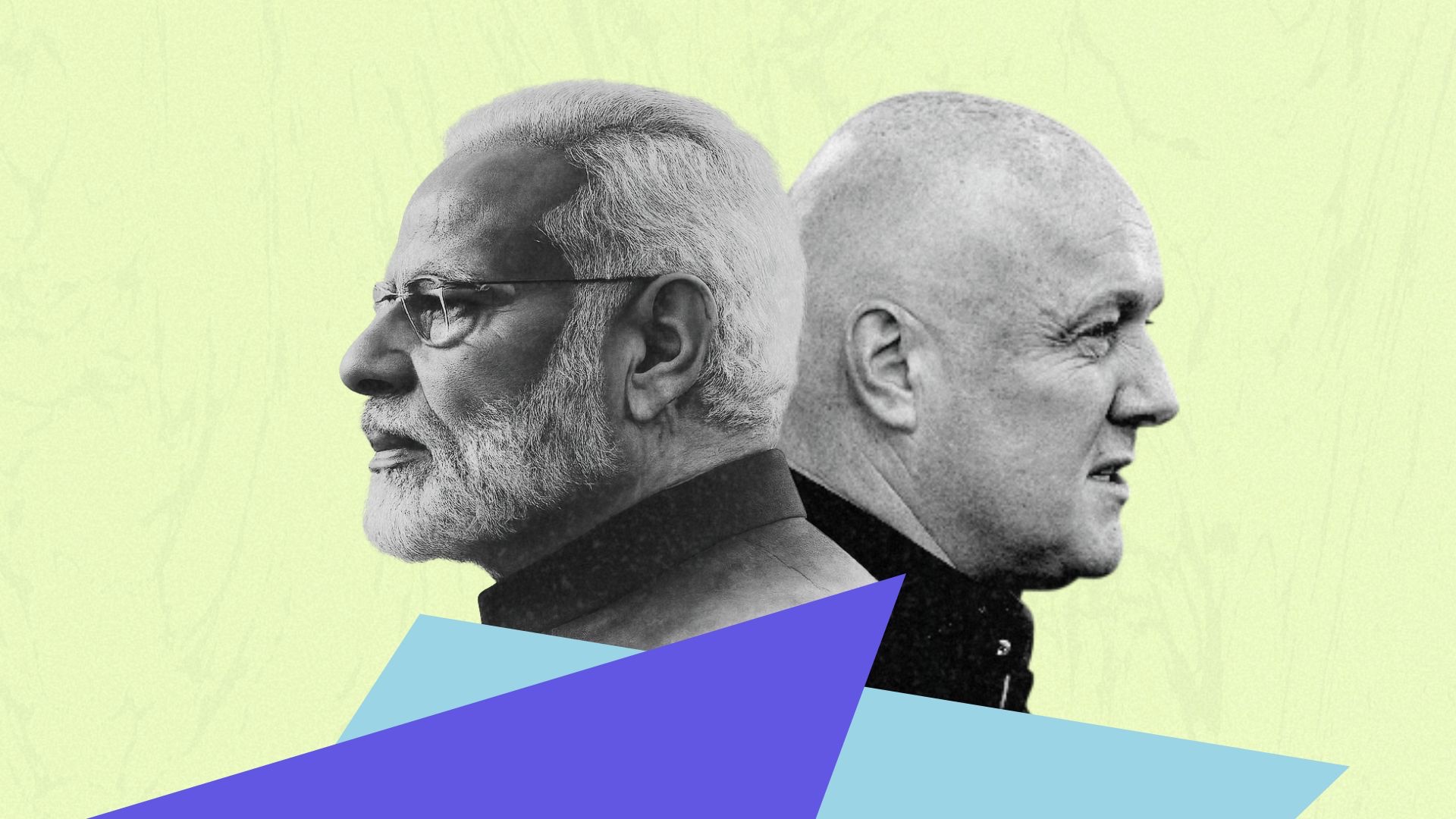
NZ First’s policy of division: Turning hatred of migrants into political power This is no immigration reform. It is the politics of exclusion presented as population planning.
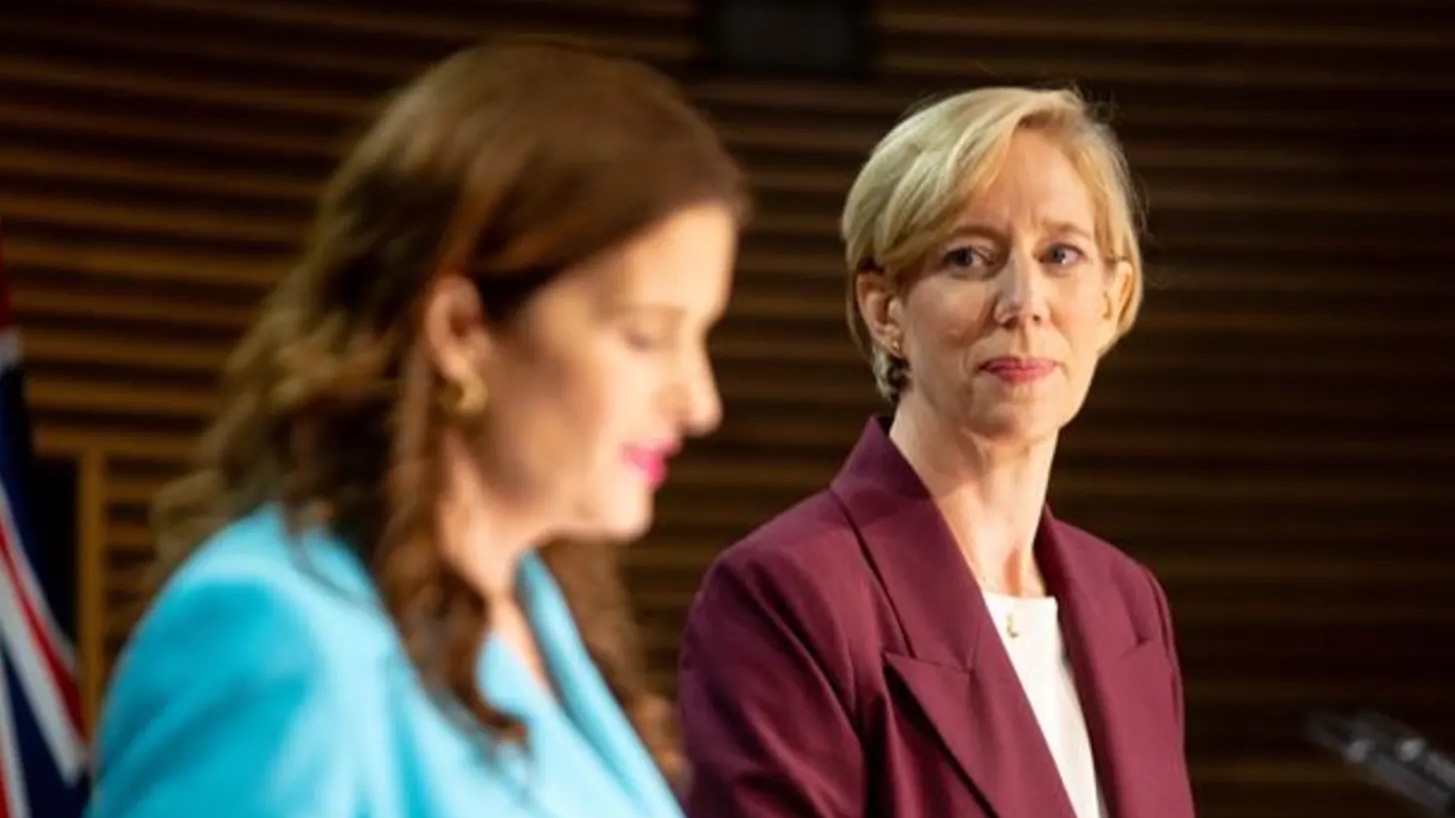
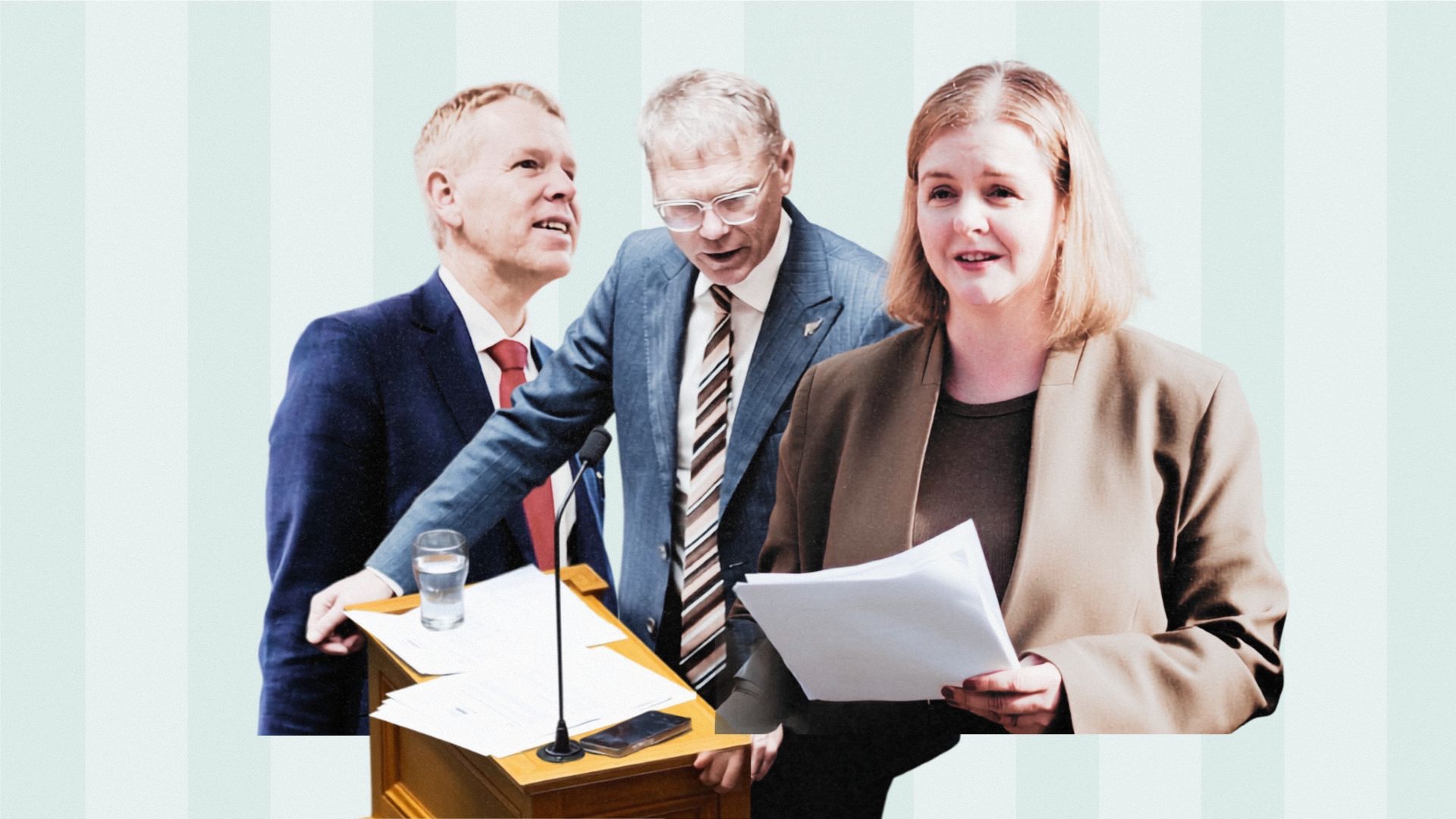
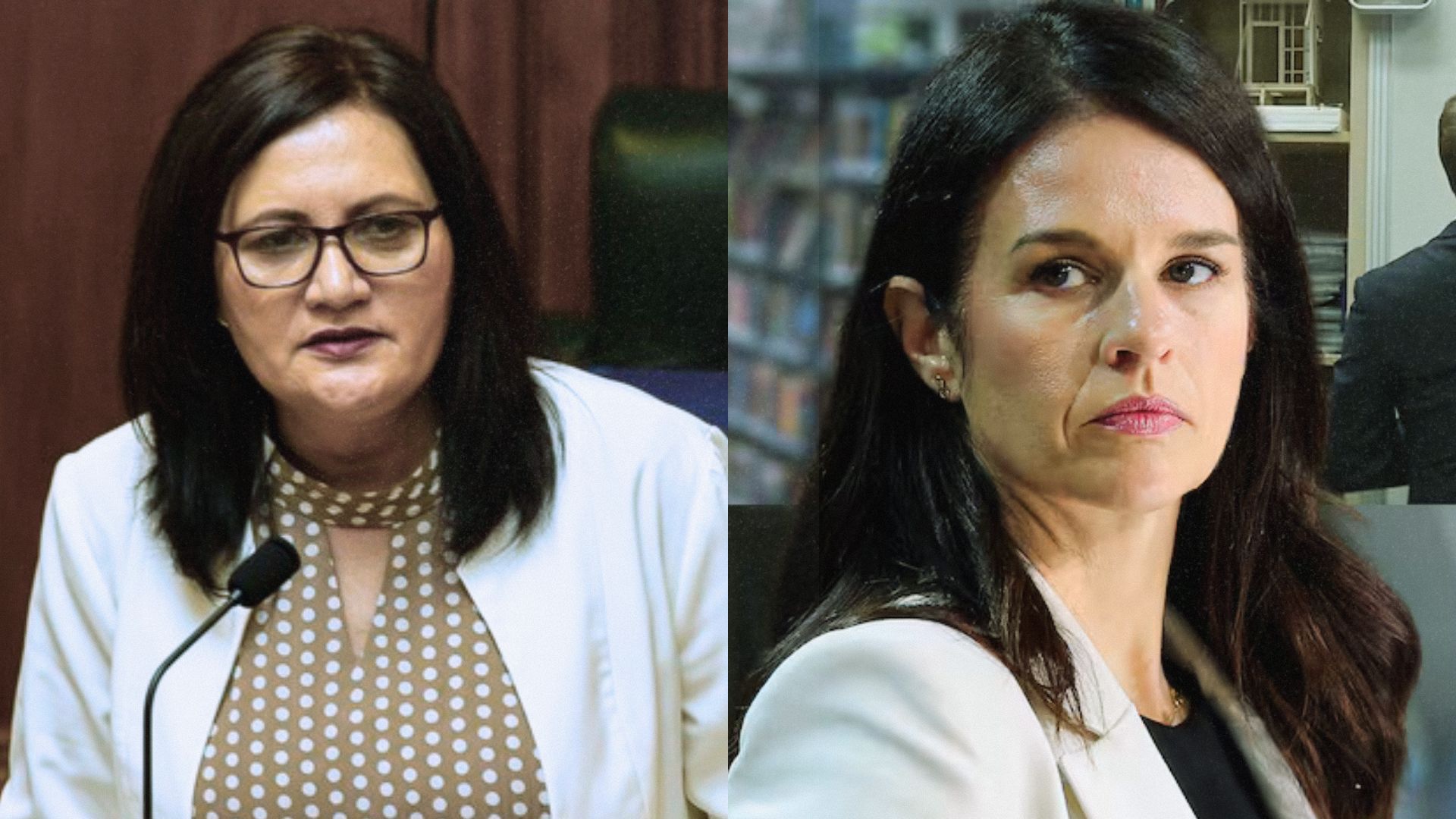
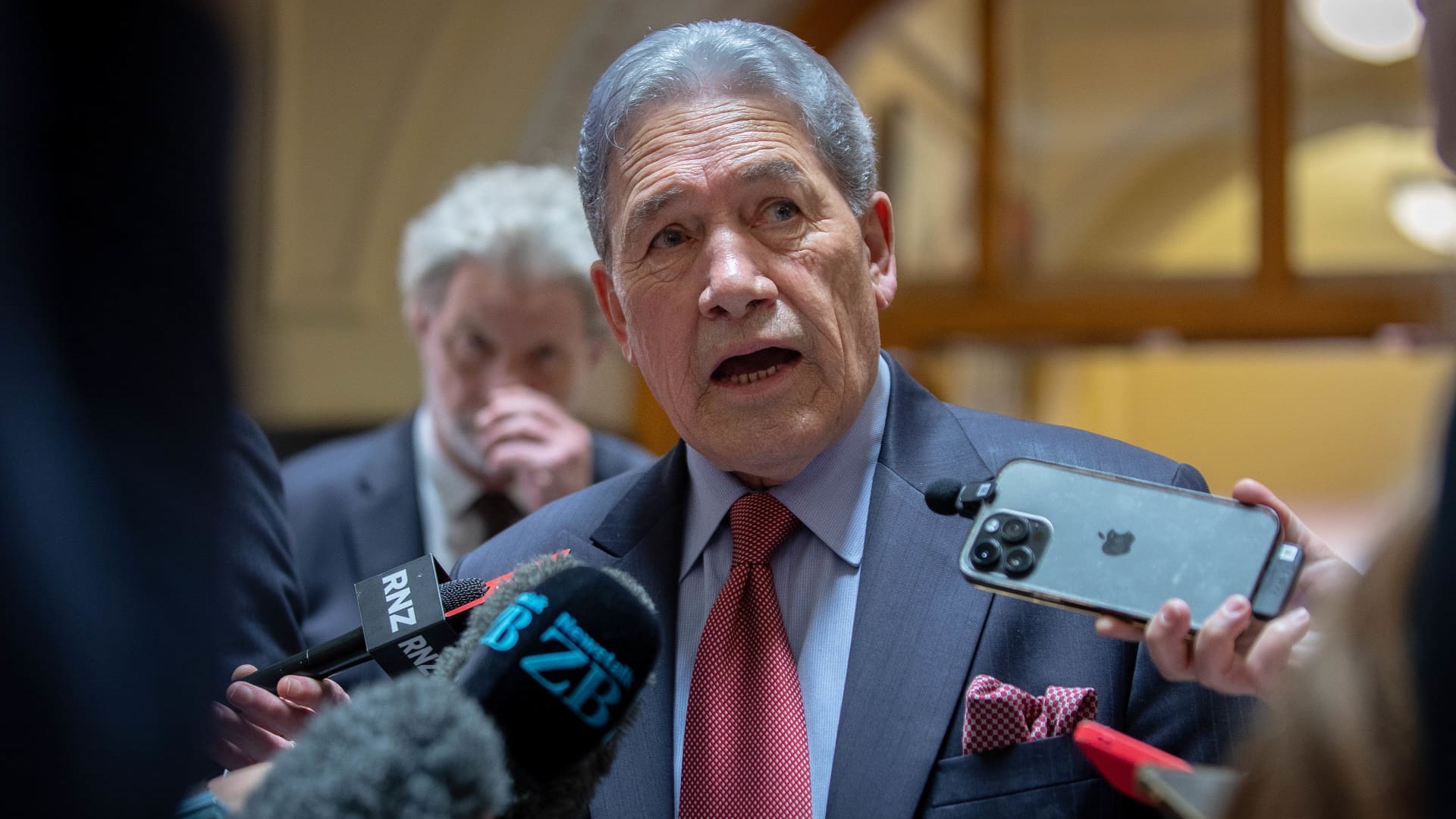
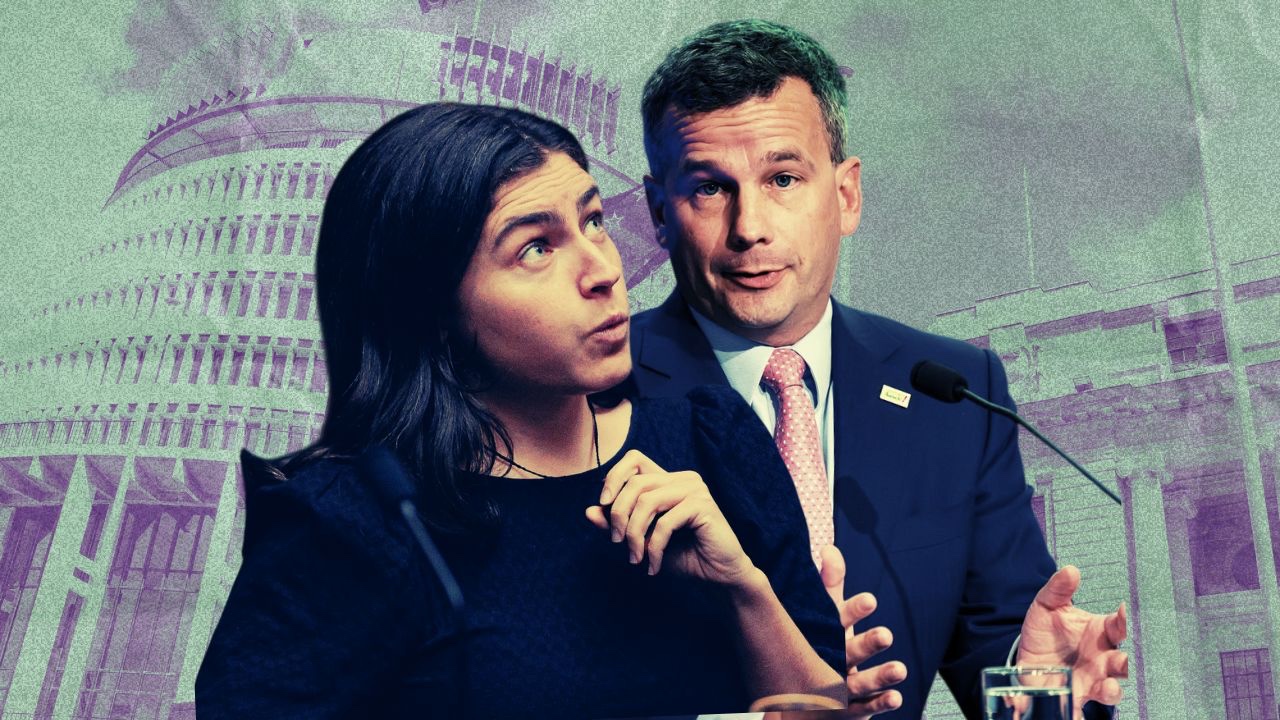
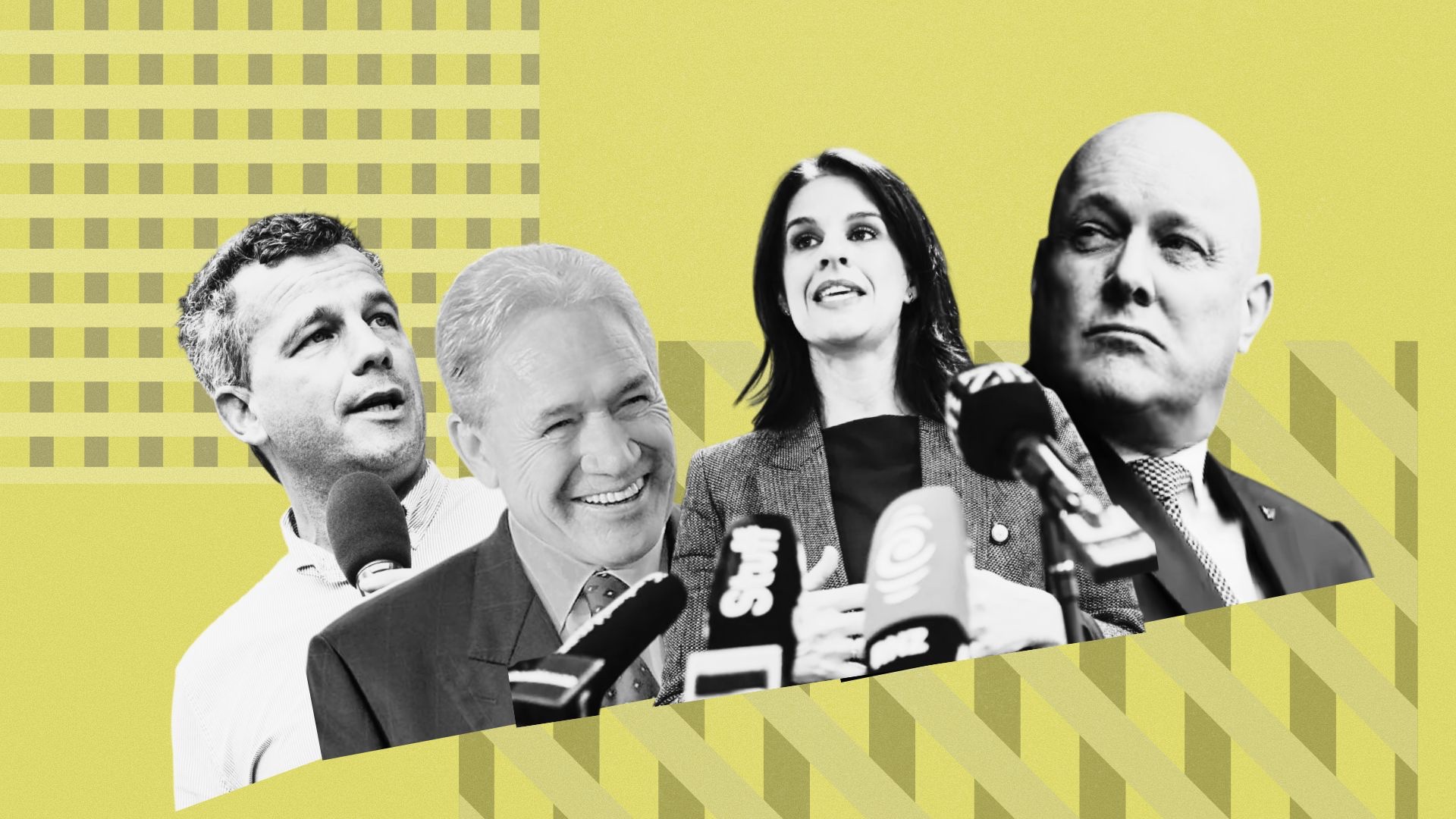
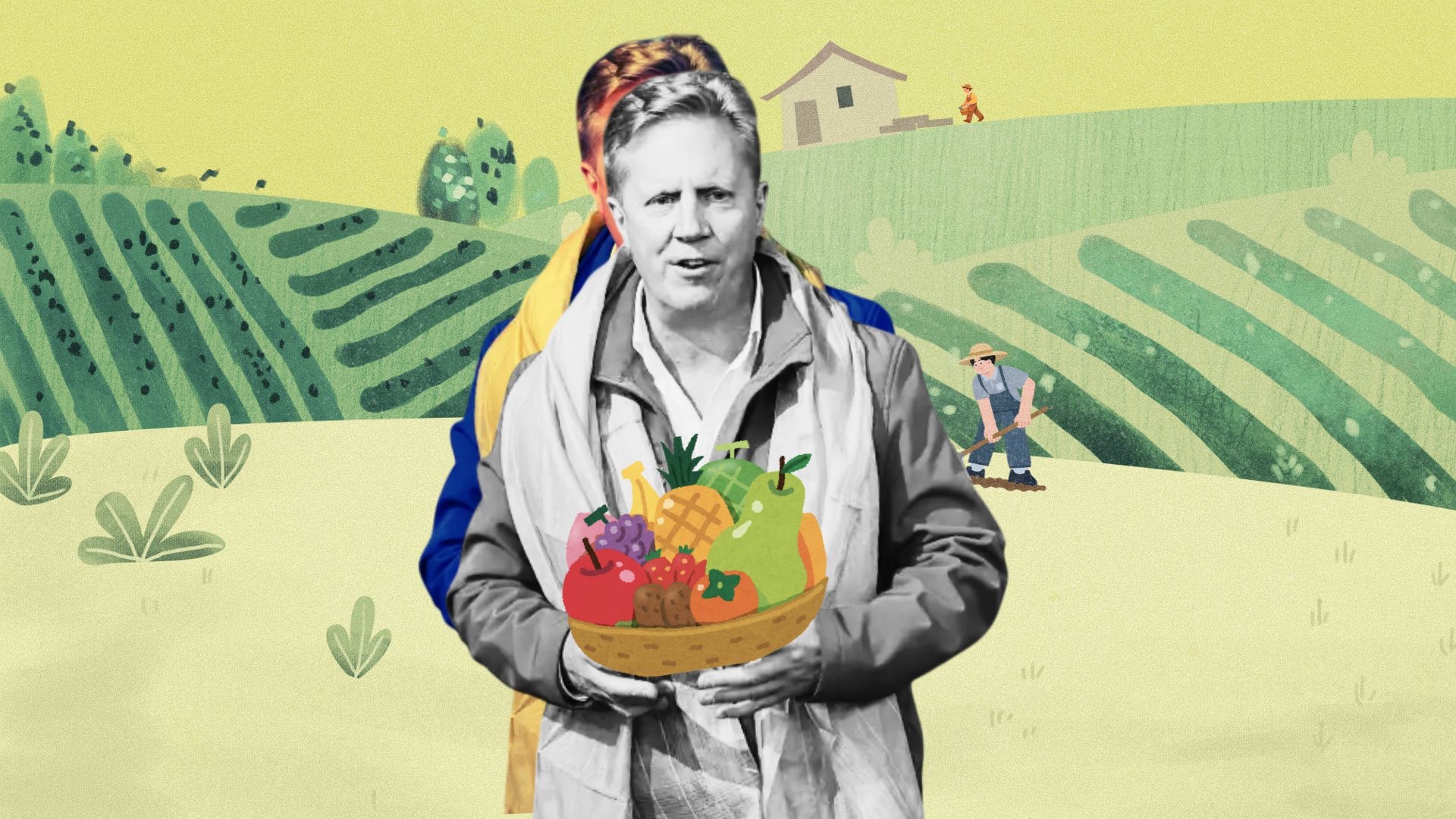
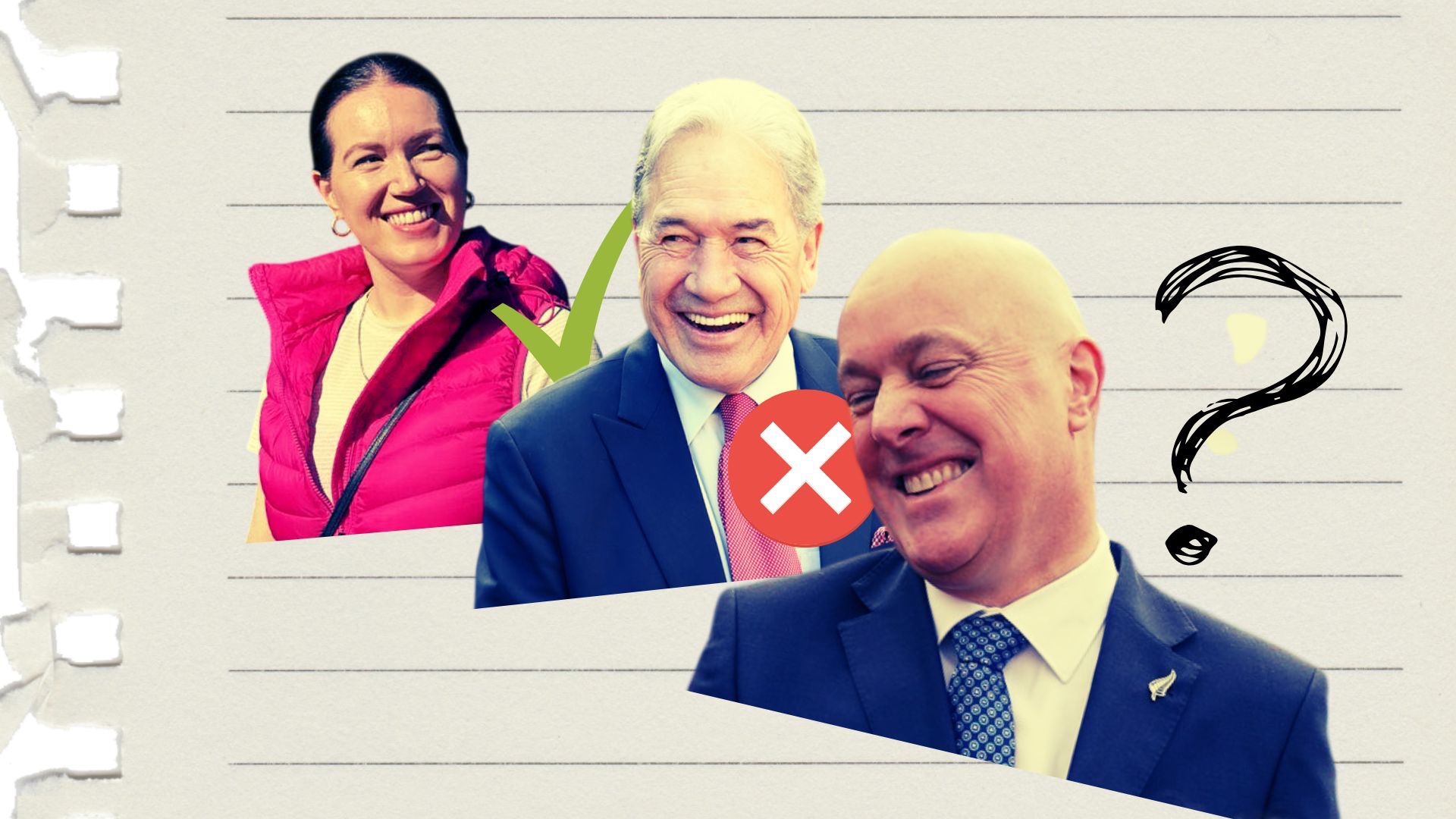
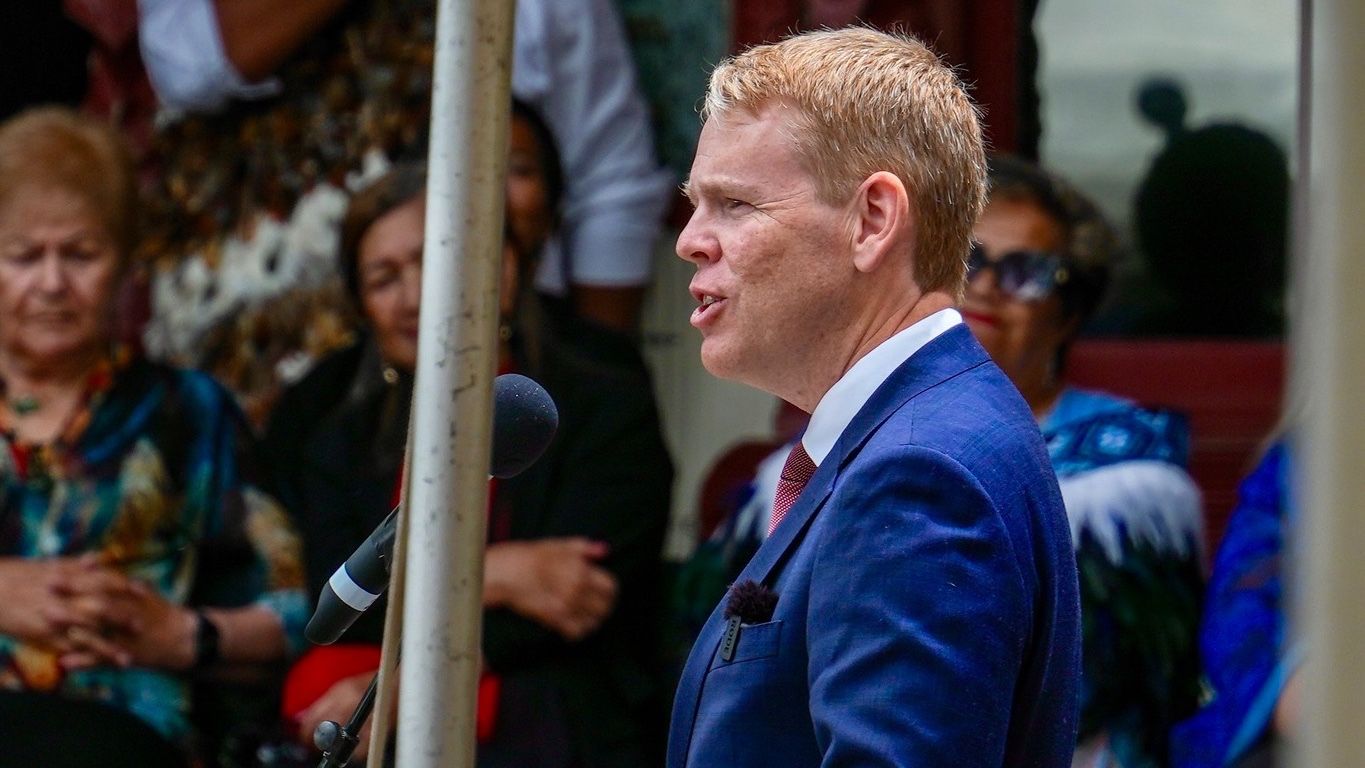
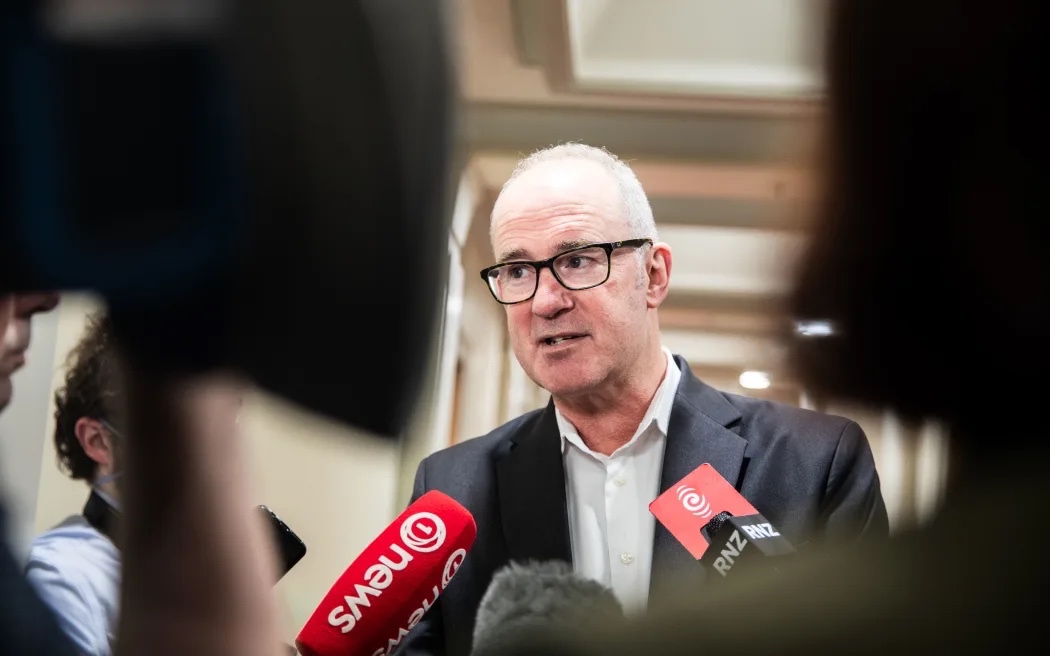
Debbie Ngarewa-Packer, co-leader of Te Pati Maori, rose to speak about what she saw as a different demographic reality behind those numbers.
"We know that we have an ageing population. We all care. We should all be responsible for looking after our pahake, whether they are kaumatua or other cultures," she told the House.
She went on to point out that Maori and Pasifika populations are younger and growing, warning that these communities were now being asked to shoulder the same obligations in supporting an ageing population even though many of their young people had been "cut short of jobs and equity".
She wasn't shooting in the dark. Census data shows Maori and Pacific populations are dramatically younger than the rest of the country. The median age of Maori New Zealanders is about 27, and for Pacific peoples around 25. Among Pakeha it is over 41, and about 34 among Asians.
Only about six per cent of Pacific people are over 65, compared with roughly 15 per cent New Zealanders overall.
"It’s a really interesting quandary to sit down and listen to. What we aren’t hearing from this, politically, is about wealth and inequality. We’re not hearing about housing affordability," she said.
In demographic terms, Ngarewa-Packer was describing a future where the country’s youngest populations increasingly form part of the workforce supporting a much older society.
But that moment in the debate also revealed something deeper about the way New Zealand’s political conversation can sound to migrants.
Many migrants arrive here from former British colonies. We grew up with a particular historical narrative: imperialism ended, independence arrived, and the future belonged to a new national community.
In those countries the colonial chapter is largely treated as closed; sometimes imperfectly, sometimes controversially, but closed nonetheless. New Zealand’s story is different.
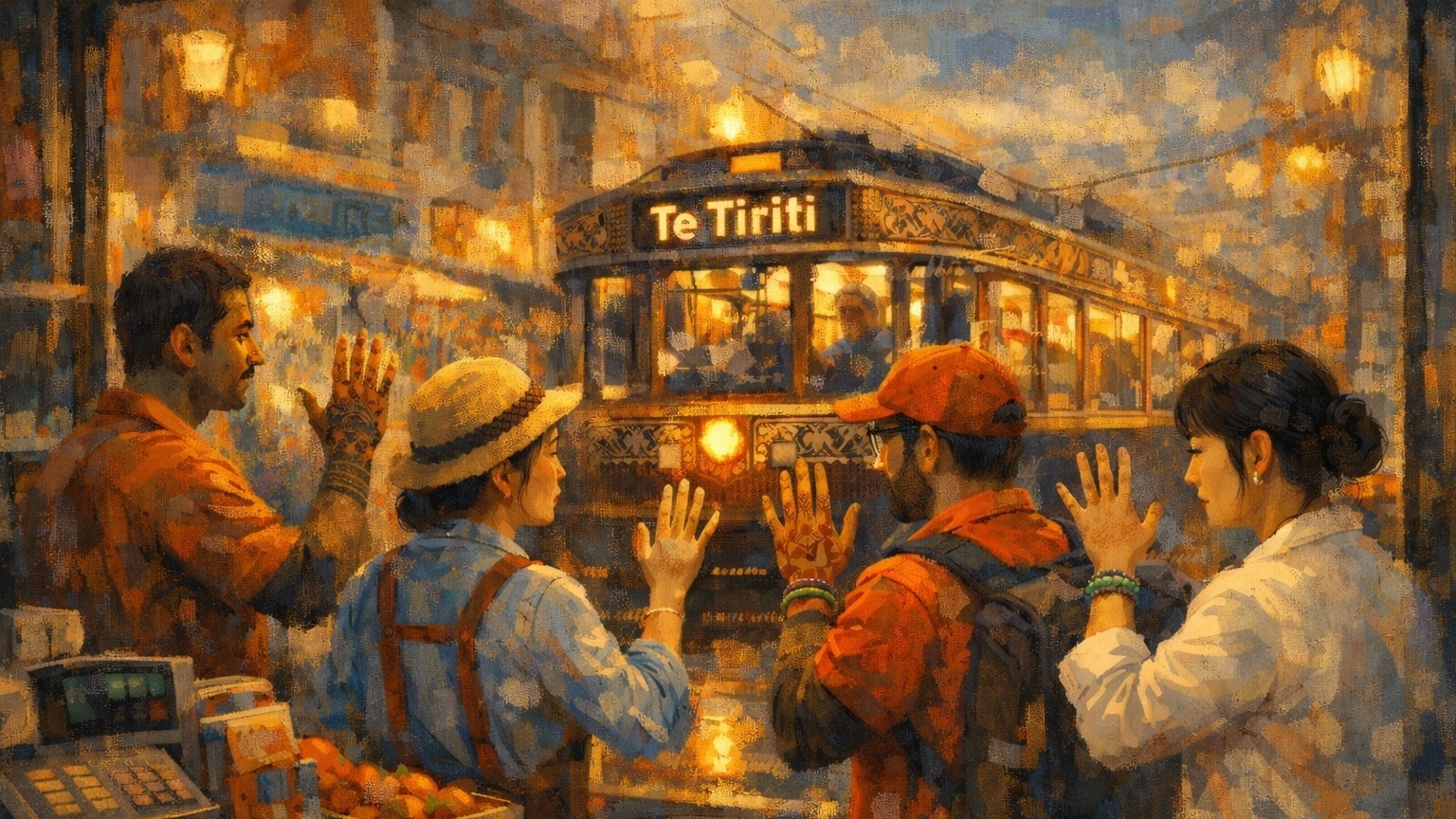
Despite being a modern parliamentary democracy, its politics remain deeply shaped by the unfinished legacy of Te Tiriti. Questions of land, sovereignty and historical redress continue to influence debates about public policy.
Most migrants understand why those conversations matter. Addressing indigenous rights and historical injustice is part of the country’s ongoing democratic journey.
But it is also a delicate balancing act. When debates about such fundamental civic challenges like how we fund pensions, how we sustain public services, how we manage long-term fiscal pressures begin to be framed primarily through the language of demographic groups, the tone of the conversation subtly changes.
Treasury’s projections describe a national challenge. Once the debate shifts into the language of communities and populations, the arithmetic begins to look different. The question is no longer simply about taxpayers and retirees. It becomes a discussion about which groups will support which others.
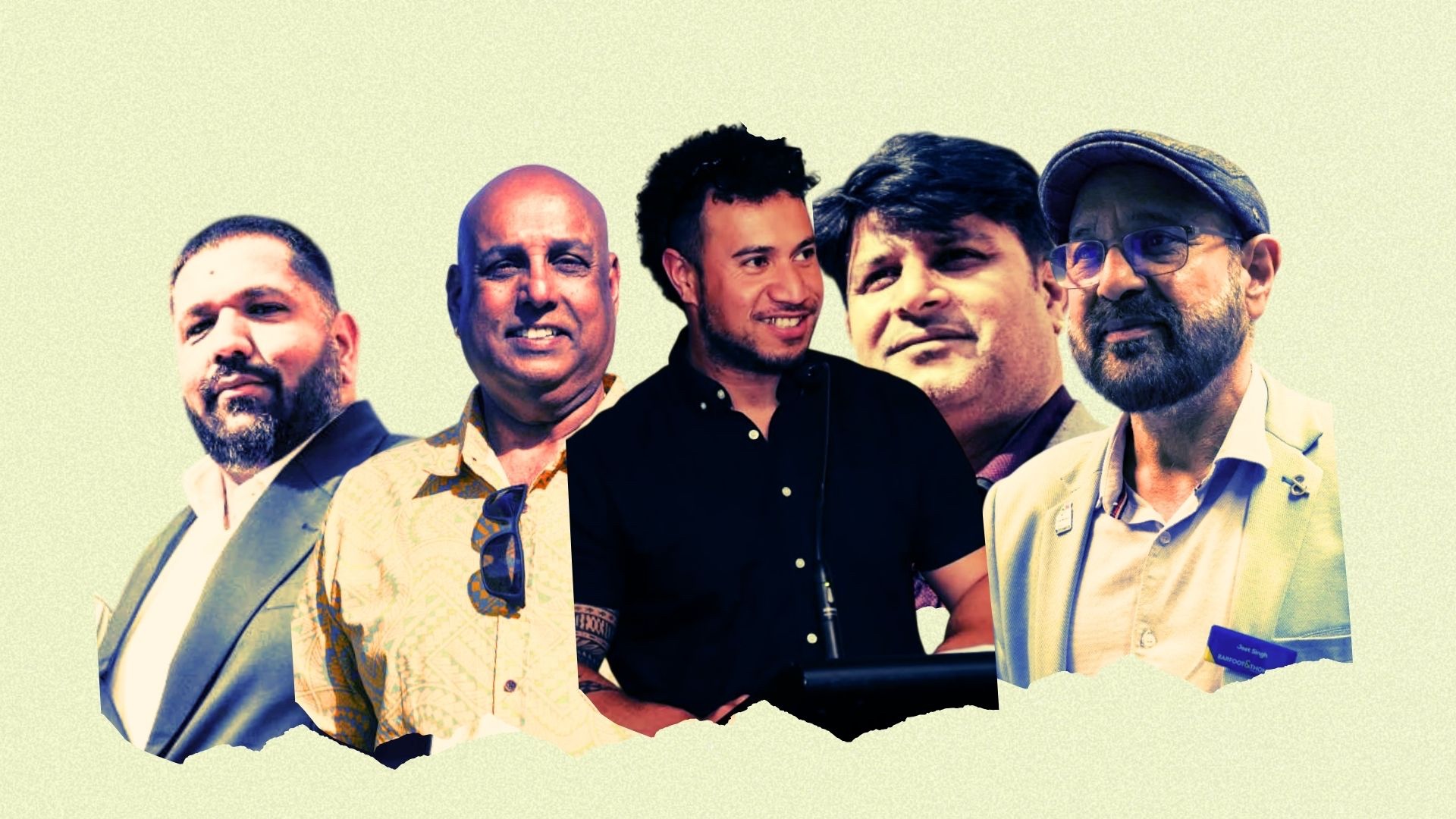
For migrants listening in, that framing can feel surprisingly distant. Many of the workers who will help support New Zealand’s ageing population in the decades ahead will not fall neatly into the categories being discussed. They will be migrants, or the children of migrants, paying into the same tax system and contributing to the same retirement scheme.
That contribution is not theoretical. Research released this week by government agencies shows the scale of it. Auckland’s ethnic communities collectively generate about a third of the city’s GDP.
In the country’s largest and most diverse economic centre, migrants and ethnic communities are already deeply embedded in the productive economy. They operate businesses, employ staff and contribute to the tax base that sustains public services.
For them, the fiscal future of the country is not a demographic puzzle. It is simply part of the social contract they accepted when they chose to build their lives here.
Political language matters in moments like this. New Zealand prides itself on being both a multicultural society and a country committed to indigenous justice. Maintaining that balance requires careful leadership.
Advocate too narrowly for demographic interests, and the message can unintentionally push other communities to the margins of the national story. The real question for the country is whether its leaders choose to describe the solution in the language of shared citizenship or competing demographics.