
Papatoetoe poll fraud: High Court says it has no jurisdiction, dismisses "immigrant corruption"

The four ex-winners had contested a lower court had applied the wrong legal standard of proof and natural justice.
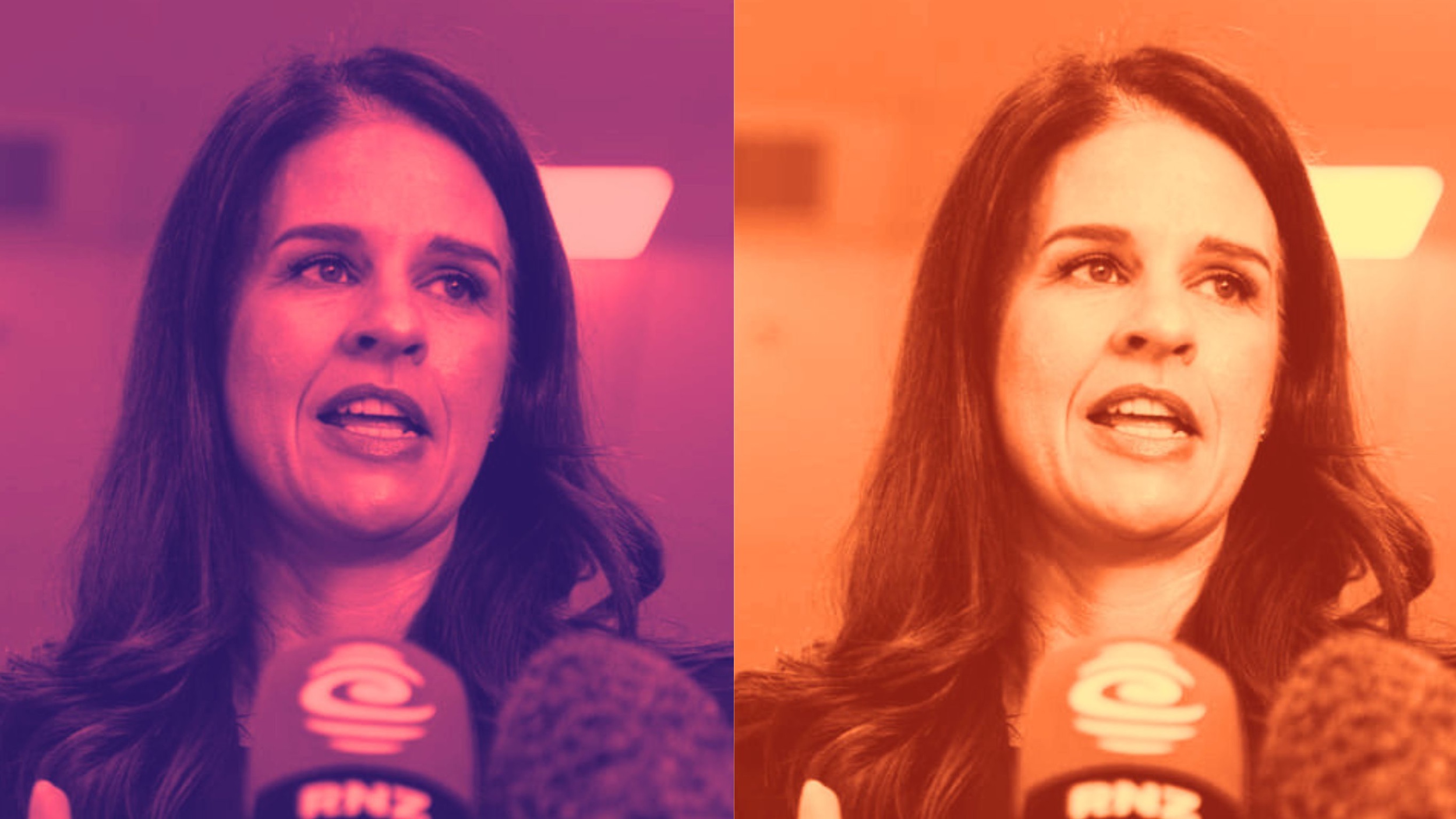
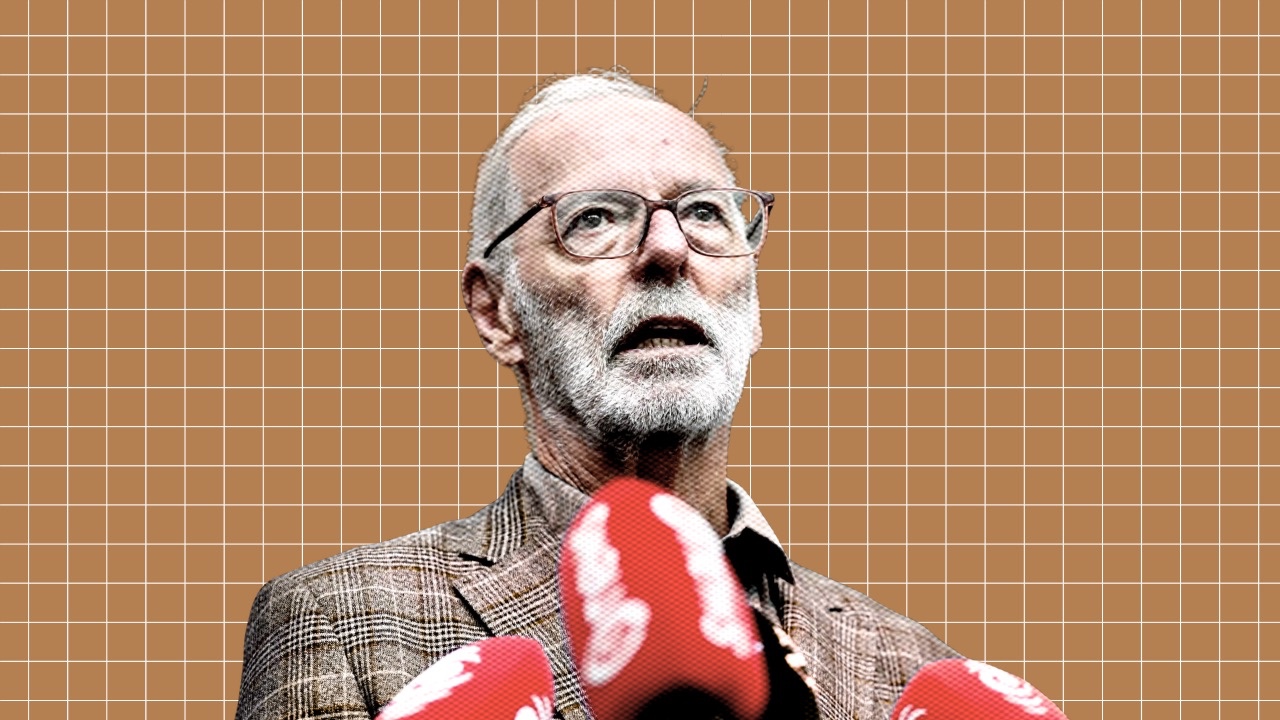
"The new election will reflect the will of the electorate," Justice Jane Anderson said, while declining to review a lower court inquiry.
The Auckland High Court on Thursday ruled that the law doesn't allow it to undertake a judicial review of a lower court judgment that annulled last year's local body elections in Papatoetoe over allegations of fraud.
The four winners of the polls in December 2025 had contested that in an earlier ruling, the Manukau District Court had applied the wrong legal standard of proof and natural justice; and that the ruling had damaged their reputation.
Justice Jane Anderson's decision on March 5, 2026, means the re-election for the Papatoetoe subdivision of the Otara-Papatoetoe Local Board will go ahead as per schedule. Voting for the re-election will begin next week and close on April 9, with results due to be announced the next day.
In its ruling, the High Court said Section 103 of the Local Electoral Act 2001 doesn't allow it to review a lower court's factual inquiry into whether there was sufficient evidence to indicate a widespread fraud that could have affected the election outcome.
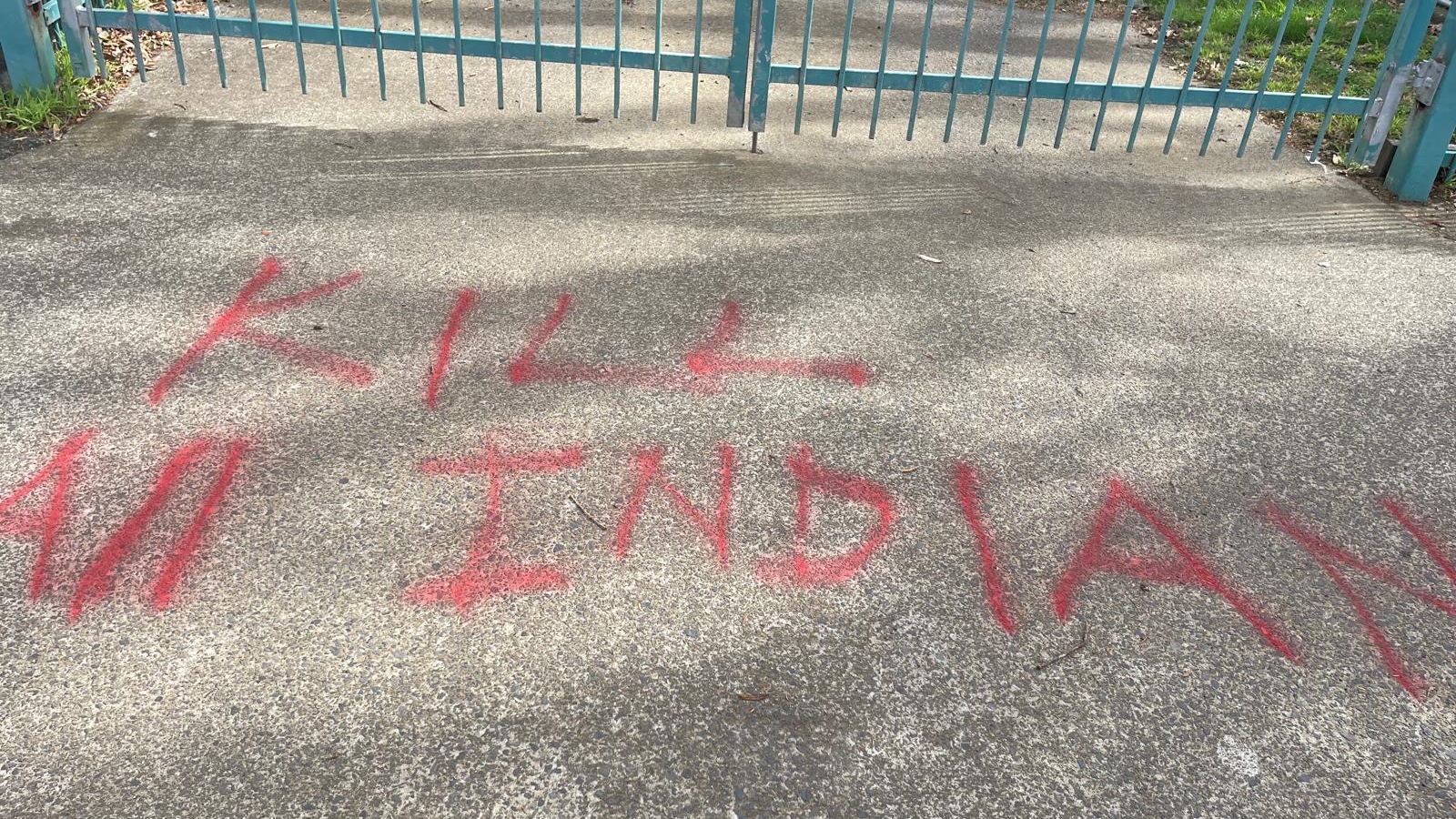
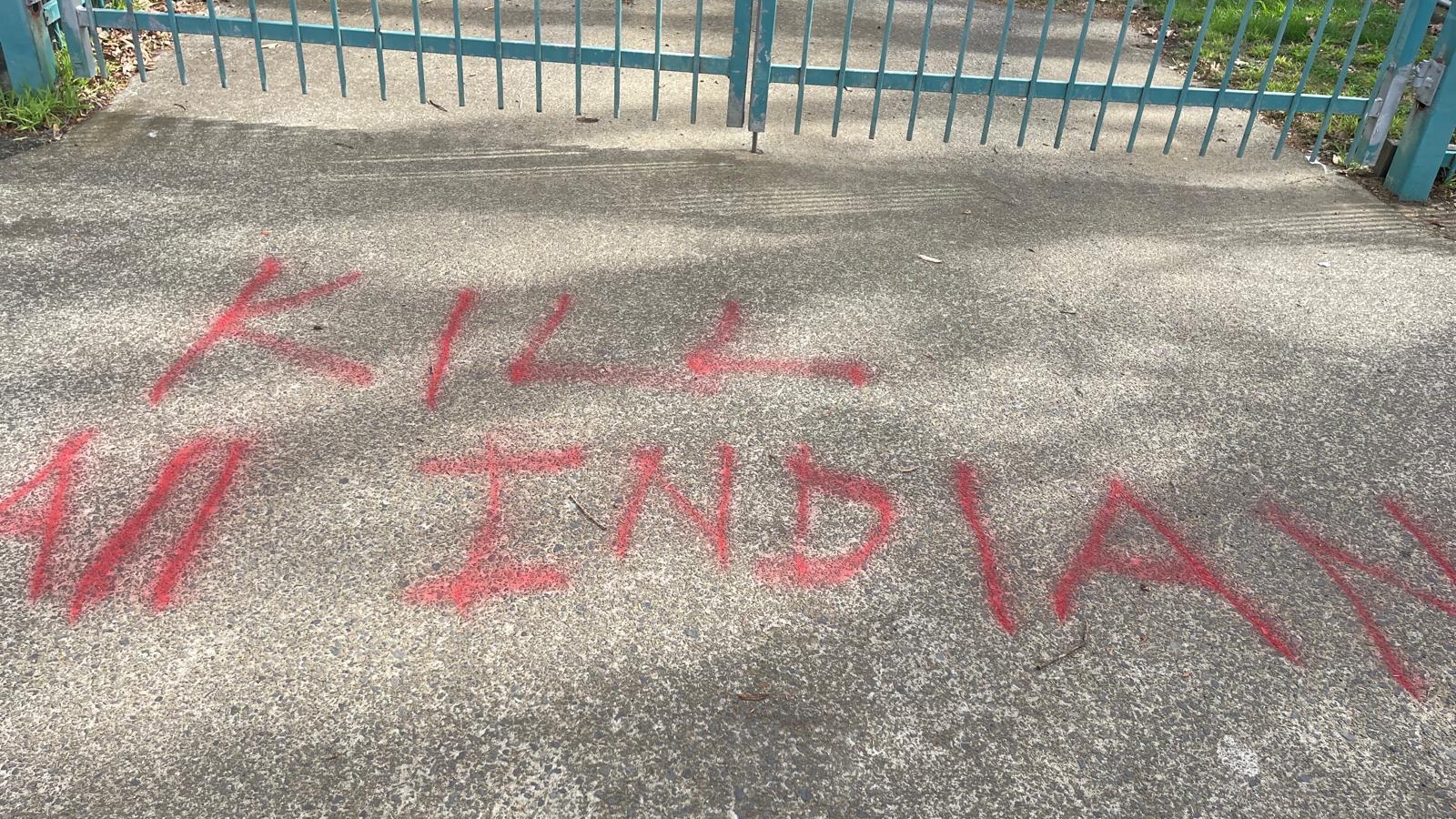
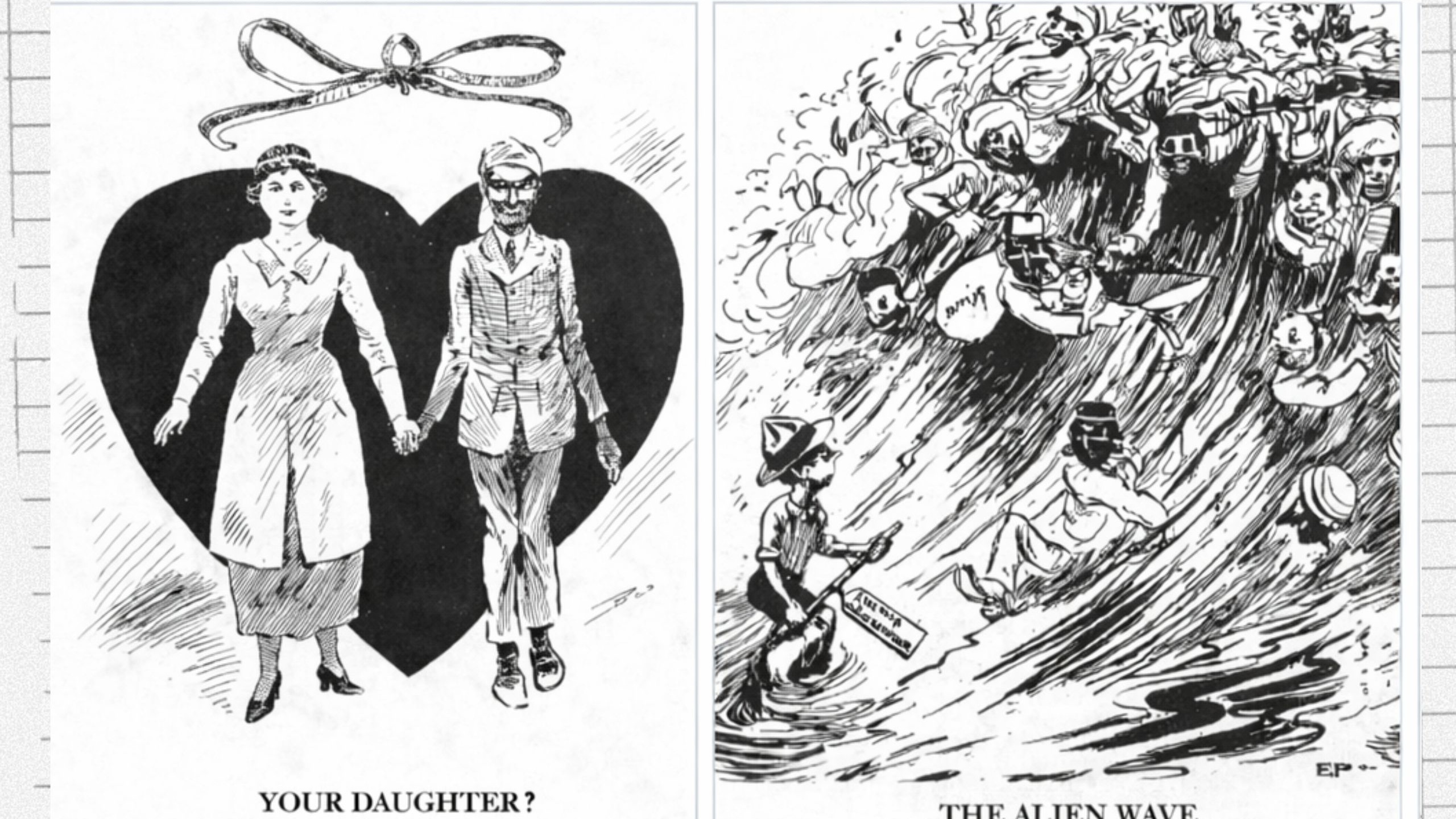
Justice Anderson noted social media comments portraying the decision as demonstrating "immigrant corruption" and as concluding that the "Indian candidates masterminded fraudulent votes" were misleading and improper assessment of the decision.
From designing restaurants to running Auckland Diwali: The many lives of Arnav Taode Taode brings his passion for Indian arts and culture to his first year managing BNZ Auckland Diwali 2026.
Winston Peters says ‘diversity is disunity’. What does the evidence tell us? Evidence from business, sport and social policy suggests diversity can strengthen economies and cohesion but on one condition.
Baby born in Sri Lanka to New Zealand residents caught in limbo after Down syndrome diagnosis Immigration tribunal orders fresh residence assessment after finding a “serious mistake” by immigration officials.
"The applicants have strongly condemned that conduct, whether it arose through a misguided attempt to assist them or through other mischief. Police enquiries are continuing into the electoral fraud."
While dismissing the judicial review on technical grounds, Justice Jane Anderson did hypothesize that even if the district court's decision was incorrect it shouldn't bother the candidates since "the new election will reflect the will of the electorate".
She also noted that a judicial review will likely be fact dense and may not be able to be heard promptly, and that a candidate's perception of an unreasonable factual finding is not objective.
"Whether factual findings are 'unreasonable', 'plainly wrong', or just 'wrong' is, in some respects, a question of degree, and in the eye of the beholder," Justice Anderson noted.
Why didn't the ex-winners turn up in the district court?
One of the key issues was whether the lower court judgment allowed principles of natural justice. In its judgment, the Manukau District Court had noted it was open to hearing arguments contesting suggestions that a fraud had been committed, but the ex-winners never turned up to offer that view.
The ex-winners told the High Court they didn't attend because the court hadn't notified them of the hearing, as per process, and that meant they weren't aware of the case. The High Court rejected that proposition.
Justice Anderson said the district court couldn't contact the ex-winners because it didn't have contact details for them. Nevertheless, the petition was publicly notified on November 13, 2025, advising the date and place it was to be heard, she noted.
"Although candidates had not been provided with Judge Kelly’s minute, the Judge was correct that all candidates were aware of the petition. Specifically, Auckland Council had circulated the petition by email to all the Council members including the applicants," the judgment read.
On November 26, 2025, the losing candidate who brought the original case in the district court, V Hausia, had emailed all candidates in the election advising that an inquiry was being undertaken by the District Court, Justice Anderson observed.
"They were affected parties with a very strong interest in opposing the petition and providing the enquiry with evidence opposing such allegations. However, having been notified of the petition, they chose not to do this."
Background to the case
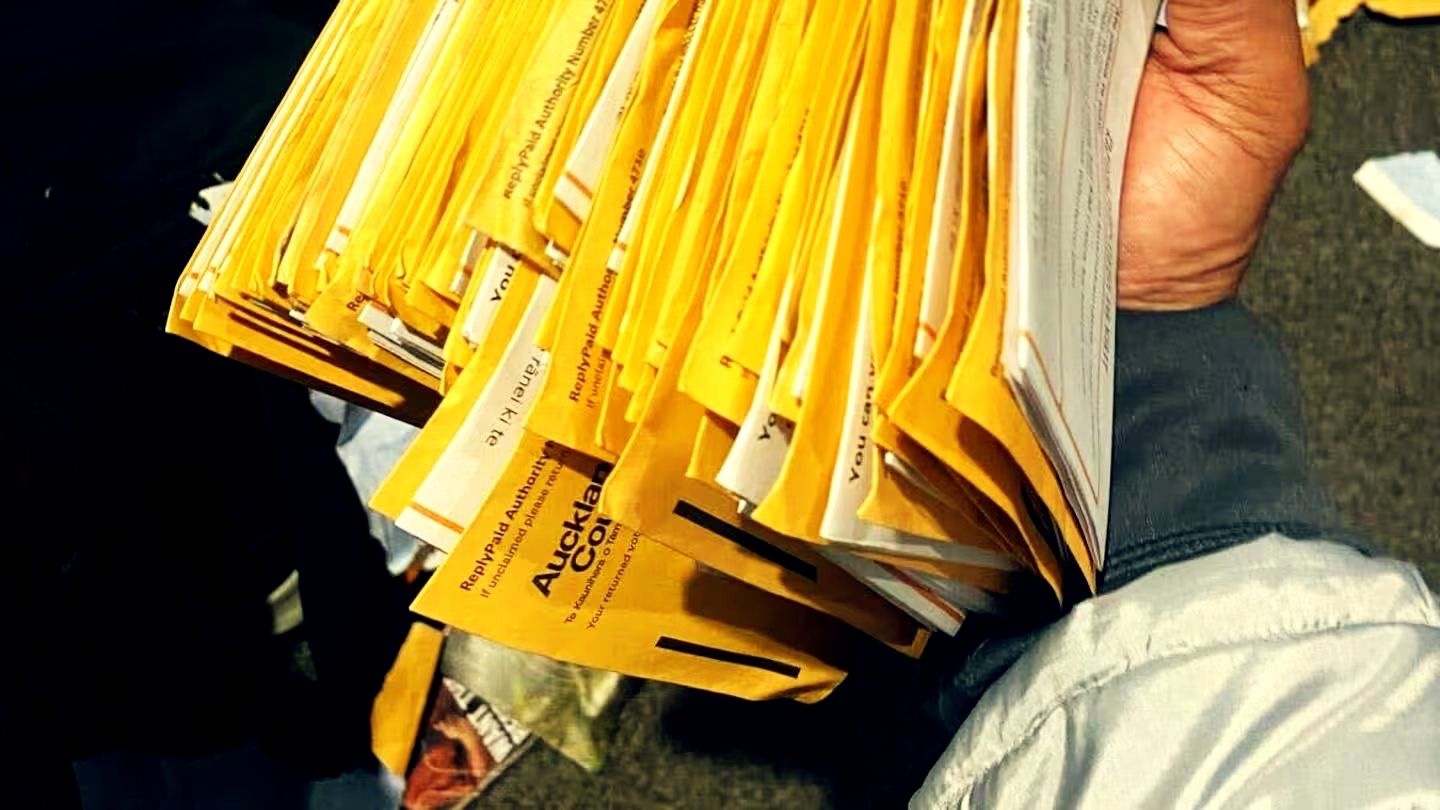
The legal challenge stems from a district court ruling in December 2025 that declared the Papatoetoe election invalid after finding significant irregularities involving voting papers.
Judge Richard McIlraith concluded that 79 ballot papers had been misused, including instances where votes were cast in the names of electors who later said they had never received their voting documents.
He ruled the irregularities could be just the tip of the iceberg, and were serious enough to compromise the integrity of the election, ordering that the result be set aside and a fresh vote held.
Why the winners challenged the ruling
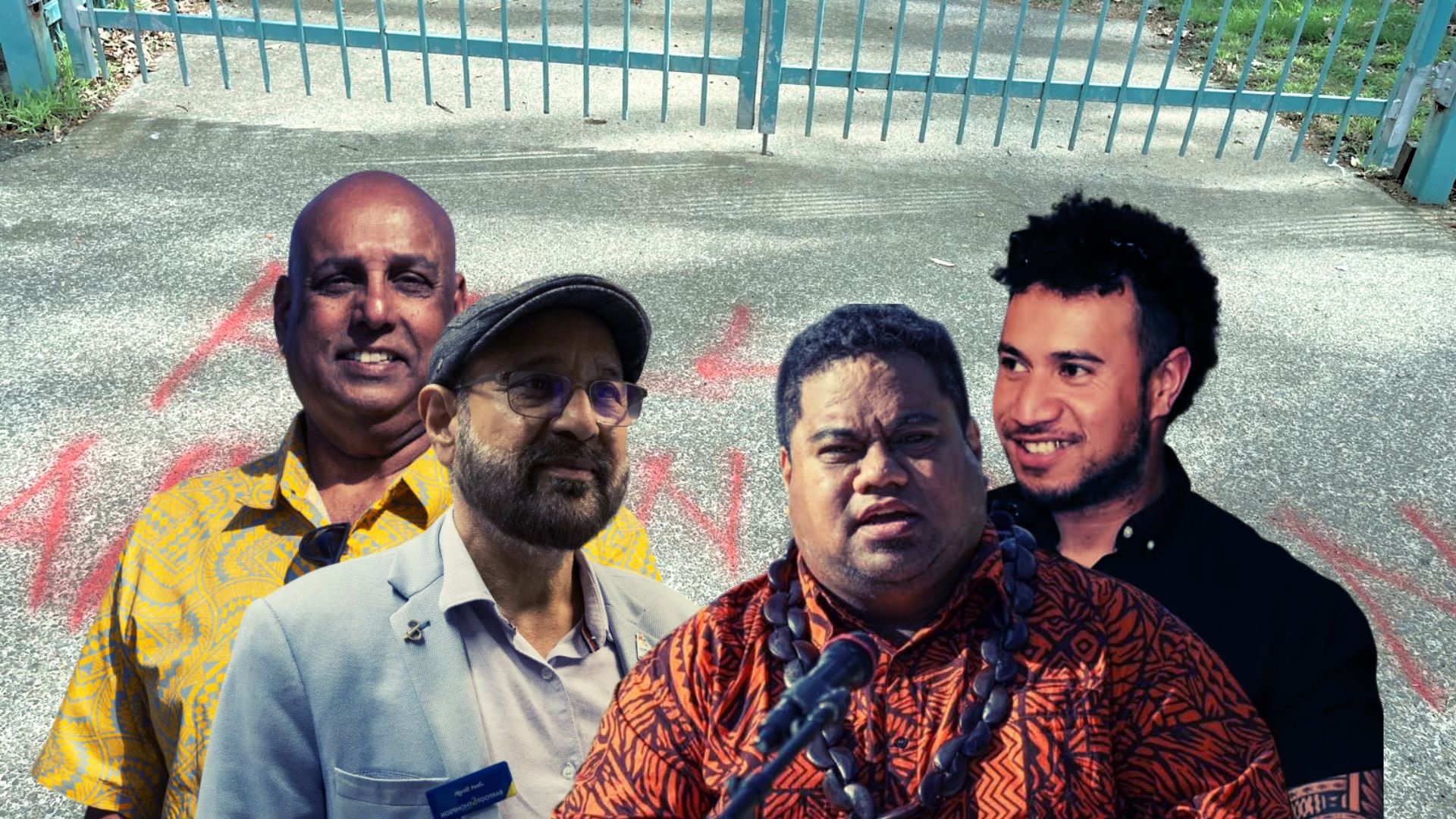
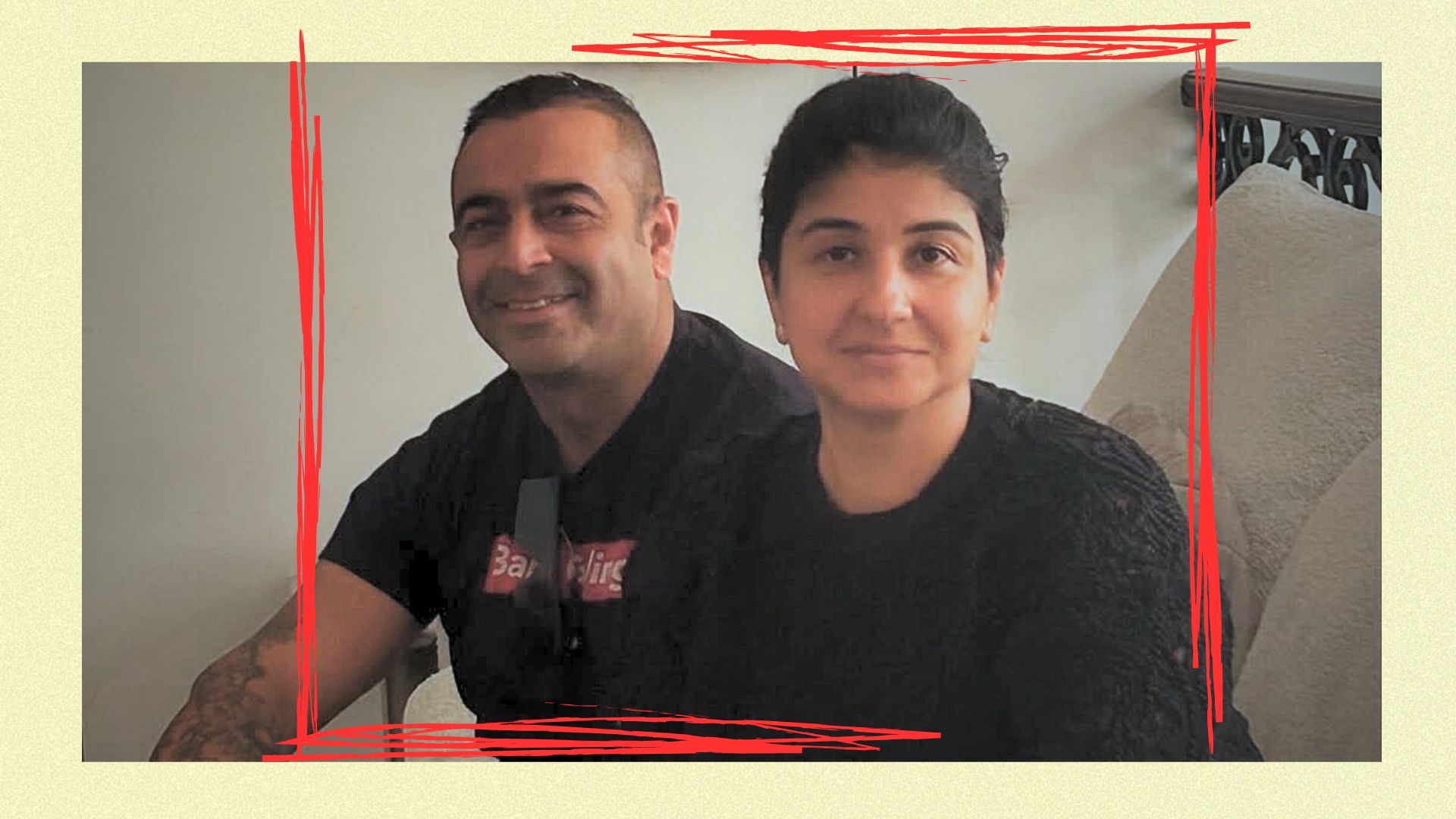
The four candidates who were originally declared winners – Kunal Bhalla, Sandeep Saini, Paramjeet Singh and Kushma Nair – sought a judicial review in the High Court.
Their lawyers argued the district court had applied the wrong legal standard when voiding the election, saying the threshold for overturning a democratic result should be significantly higher.
They also told the court the ruling had damaged their reputations, despite there being no finding that the candidates themselves had engaged in wrongdoing.
The case has drawn attention because elections being voided in New Zealand are extremely rare, and the High Court ruling could clarify the legal threshold required before courts intervene in electoral outcomes.
It has also raised broader questions about postal voting security and electoral integrity in local body elections.