
Budget 2026: Willis promises sunshine after rain, counts small wins in thrift budget

The finance minister had set up the tone of restraint in the weeks up to the budget.
The government’s central pitch is restraint can return its books to surplus earlier than expected.
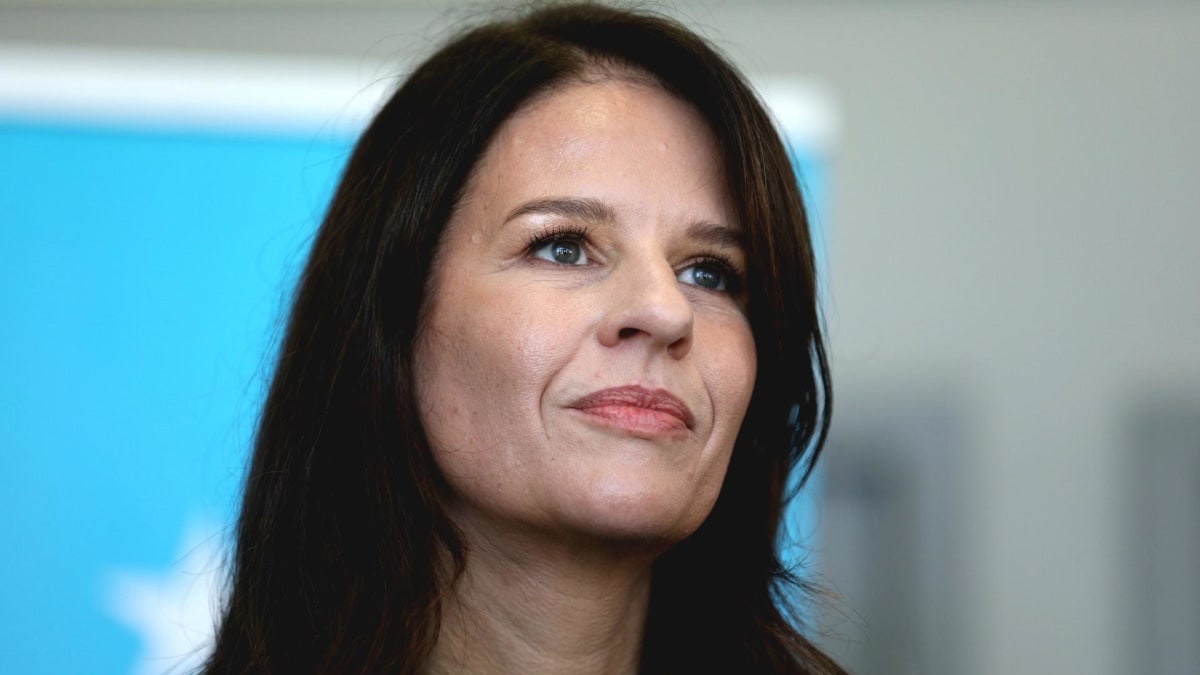
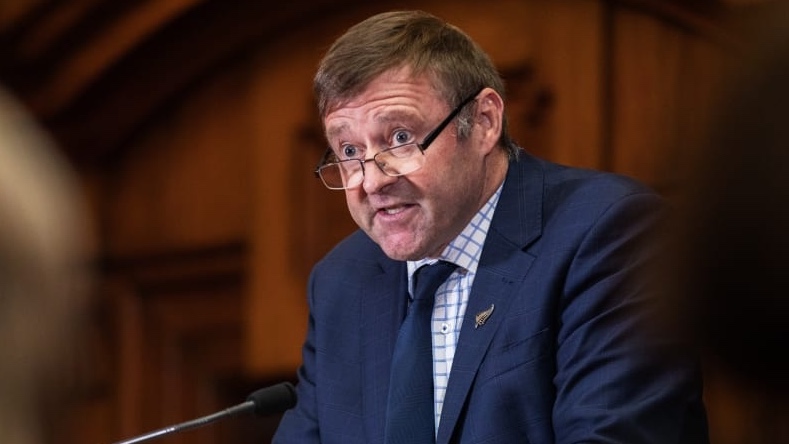
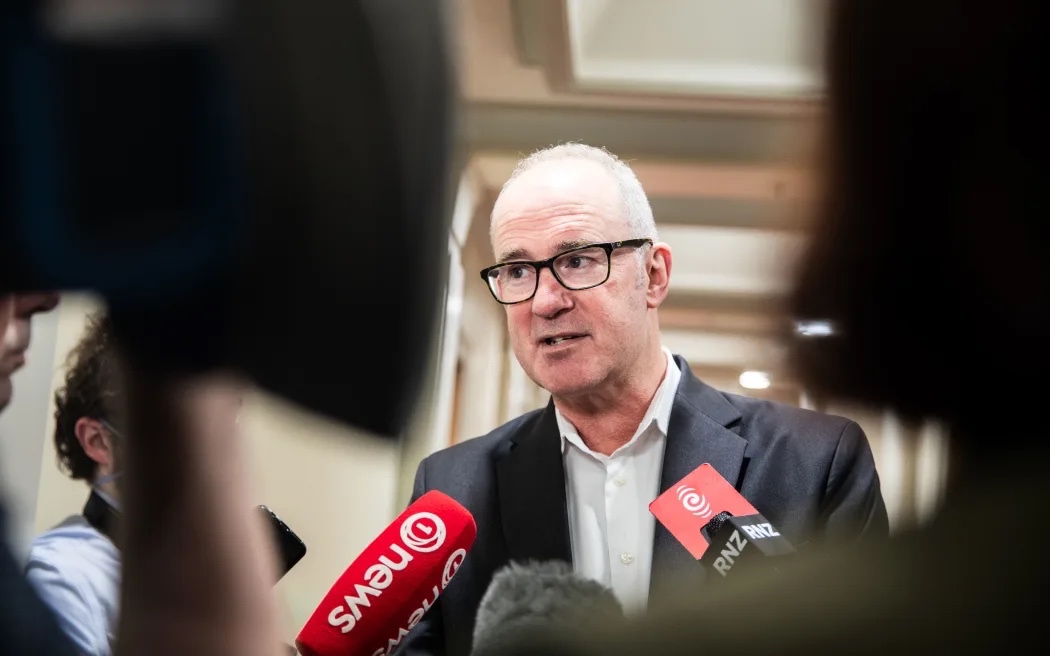
Finance Minister Nicola Willis delivered a disciplined budget today, asking New Zealanders to accept continued restraint in return for promises of longer-term economic growth – and an earlier-than-expected return to surplus.
"This is a responsible budget," she told Parliament during her budget speech on May 28 2026.
"The government is responding to an increasingly uncertain world with an economic plan and sensible choices that will make New Zealand more secure in the years ahead.
In her budget address, Willis said New Zealanders could look forward to “growth, higher wages, and rising employment”, as well as “better public infrastructure, expanded healthcare services, better schooling and safer communities”.
A key figure is the projected NZ$2.6 billion surplus by 2028/29 – a notable improvement from the $900 million deficit the government forecast in December, and a year earlier than previously expected.
Migrant who shouted down Peters over racism 24 years ago now vying for Parliament From arriving with $500 in his pocket to confronting NZ First's leader, National Party's Karuna Muthu reflects on his unlikely journey into politics.
‘Two types of Indians’: Peters questions Kiwi Indians’ loyalty after watching Modi welcome The New Zealand First leader on why changing passports alone may not make someone a New Zealander.
BNZ Diwali rolls out Bollywood red carpet as Meenakshi Sheshadri revisits Damini in Auckland A Screen Auckland-backed cinema showcase is bringing South Asian films into Auckland theatres as part of this year’s Diwali celebrations.
Willis said the surplus would mean “less debt and lower interest costs for us to pay than would otherwise be the case”. Net core Crown debt is now forecast to peak at 46.1% of GDP in 2027/28.
The government’s central pitch is that careful spending restraint and reprioritisation can return its books to surplus earlier than expected, without abandoning essential public services.
Willis had already revealed the operating allowance for new spending had been reduced by $300 million to $2.1 billion. A total $5.7 billion will be allocated to capital projects.
Budget 2026 introduces a new levy on banks, insurers and financial firms to fund their own regulation via the Reserve Bank from mid-2027, recovering $209 million over four years. Willis noted the levy would shift costs away from taxpayers.
Elsewhere, health received a notable boost, securing $5.8 billion in new operational funding. This includes $5.5 billion to frontline services over four years. There is also $680 million for health infrastructure such as Whangārei Hospital’s new 158-bed ward and land for a new hospital in Drury.
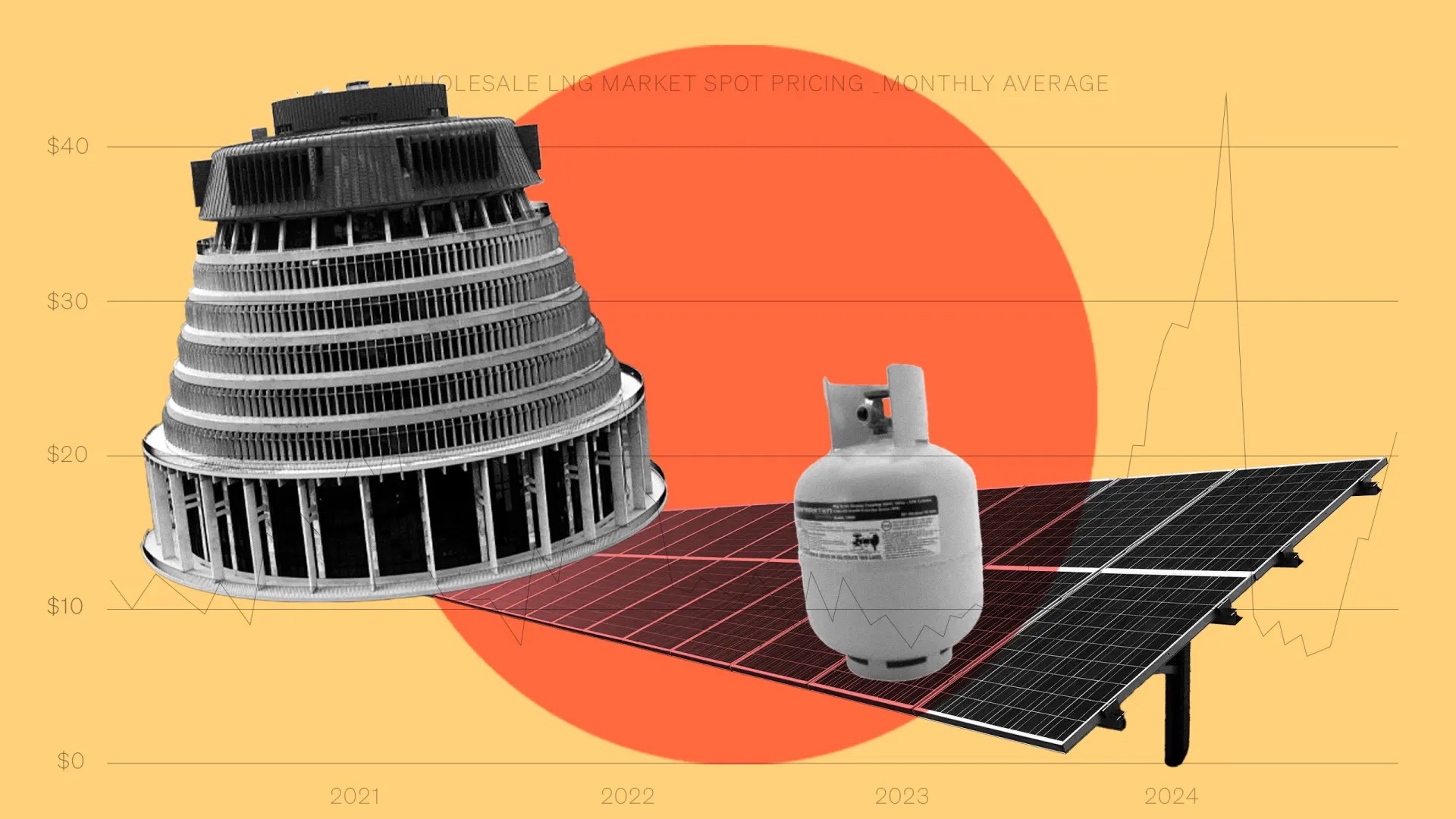
Many other figures and initiatives shared this afternoon were well signalled before budget day. This included a $1.6 billion defence package and a gas transition loan guarantee schemeexpected to make up to $1.2 billion of bank loans available to businesses to cut their dependency on gas.
As with the previous budget, the government’s restraint will be keenly felt in some areas – already apparent in the proposed reduction in public service numbers announced earlier this month.
Ultimately, the test will be whether the budget’s restrained operational spending and targeted capital and infrastructure investments provide sufficiently for future productivity growth.
The risks are that tight spending, public sector cuts and limited new operational funding may leave some public services struggling to keep pace with demand, inflation and population growth.
Highlights
1. Public service cuts: $2.4 billion in forecast savings from public service cuts over three years – a 14% reduction meaning roughly 8,700 job losses by mid-2029
2. Whangārei hospital: Capital investment of $682 million for new ward
3. Boost for Otago Lakes: $180 million targeted at healthcare in the Otago Central Lakes area
4. More ambulance crews: $35 million over four years for Auckland road ambulance services
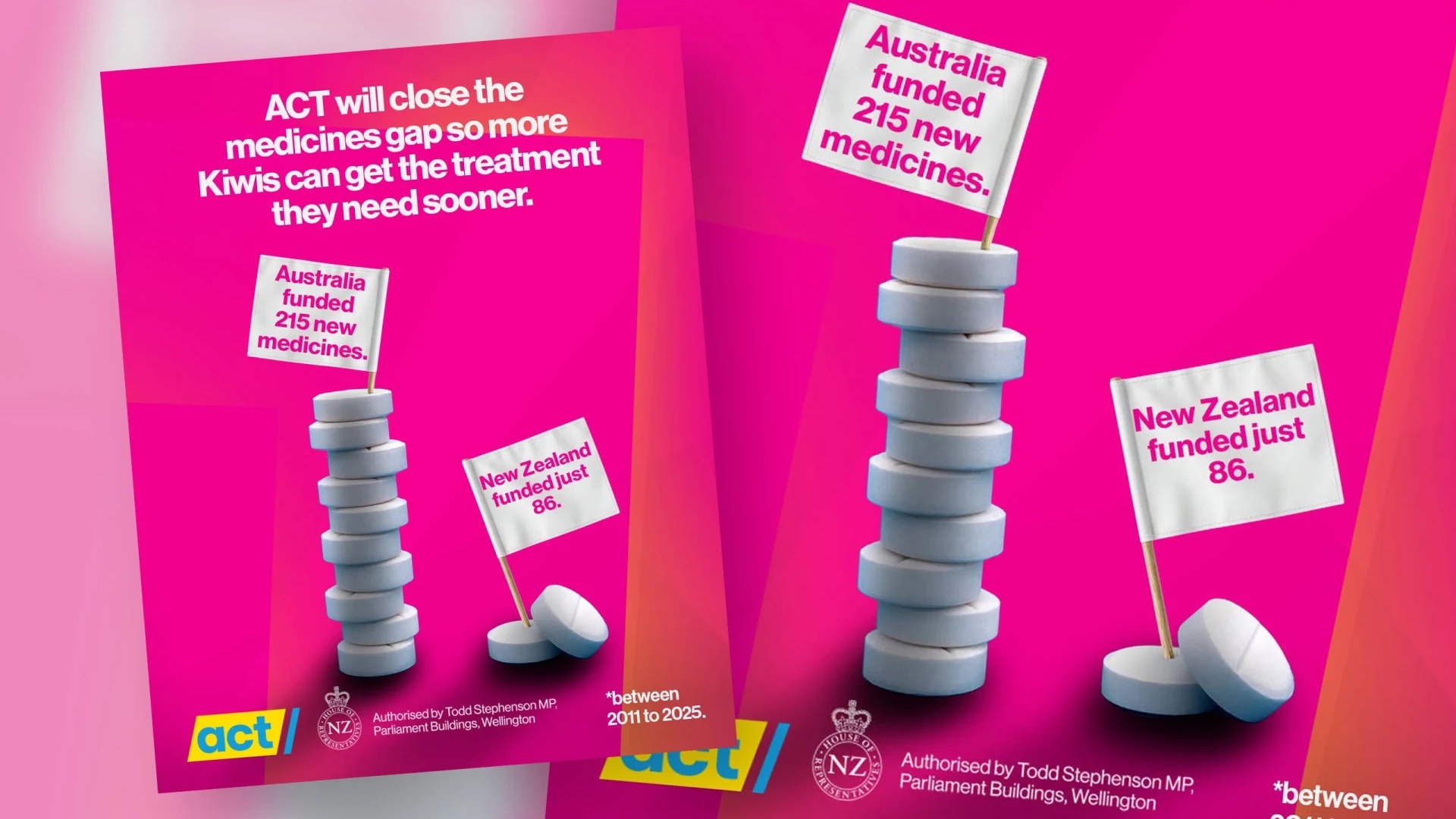
5. More medicines: additional $54 million for Pharmac to purchase medicines
6. After birth: $34 million for three-day postnatal stays
7. Palliative care for children: $15.5 million over four years to establish a national paediatric palliative care service
8. Bowel cancer: $33 million to extend eligibility for the National Bowel Screening Programme to age 56
9. Support for emergency service: Additional funding for Fire and Emergency, Corrections, Police, Customs and Education to maintain frontline operational activities as the price of fuel continues to rise
10. Fuel resilience: $150 million for additional strategic fuel reserves
11. Mileage rates: $24 million in temporary increase in mileage rates to support workers and people travelling for specialist treatment
12. Temporary relief: $450 million set aside for additional temporary fuel-related measures, if required
13. Teaching the basics: $131 million on reading, writing and maths initiatives in primary and intermediate schools
14. School lunches: $212 million to extend the Healthy School Lunches programme for another year
15. Curriculum refresh: $74 million to support the implementation of a refreshed curriculum and new national qualifications
16. Fees-free tertiary year scrapped: End of the fees-free tertiary year scheme to save up to $350 million per year
17. More classrooms: $470 million in capital investment to redevelop up to ten schools, deliver additional classrooms and buy land for new schools
18. Youth learning: $87 million for 1,000 more Youth Guarantee places for young people with no or low qualifications
19. Support for trades: $69 million to double Trades Academy places to 20,000, providing free trades training to year 11 to 13 students
20. Road of National Significance: $1.8 billion in capital investment to build Waikato Expressway
21. Rail network: $705 million capital and $477 million operating funding to renew and upgrade New Zealand’s rail network
22. Resource management reform: $294 million to drive forward reforms to resource management system
23. State highways: $400 million capital investment for state highway resilience upgrades
24. Housing growth: $400 million in new financial incentives for councils to encourage more housing
(This was first published in The Conversation. The writer is Professor of Economics, University of Waikato.)