
South Auckland opens new Crisis Recovery Café
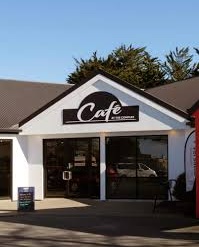
Te Piringa Āhuru, a Crisis Recovery Café
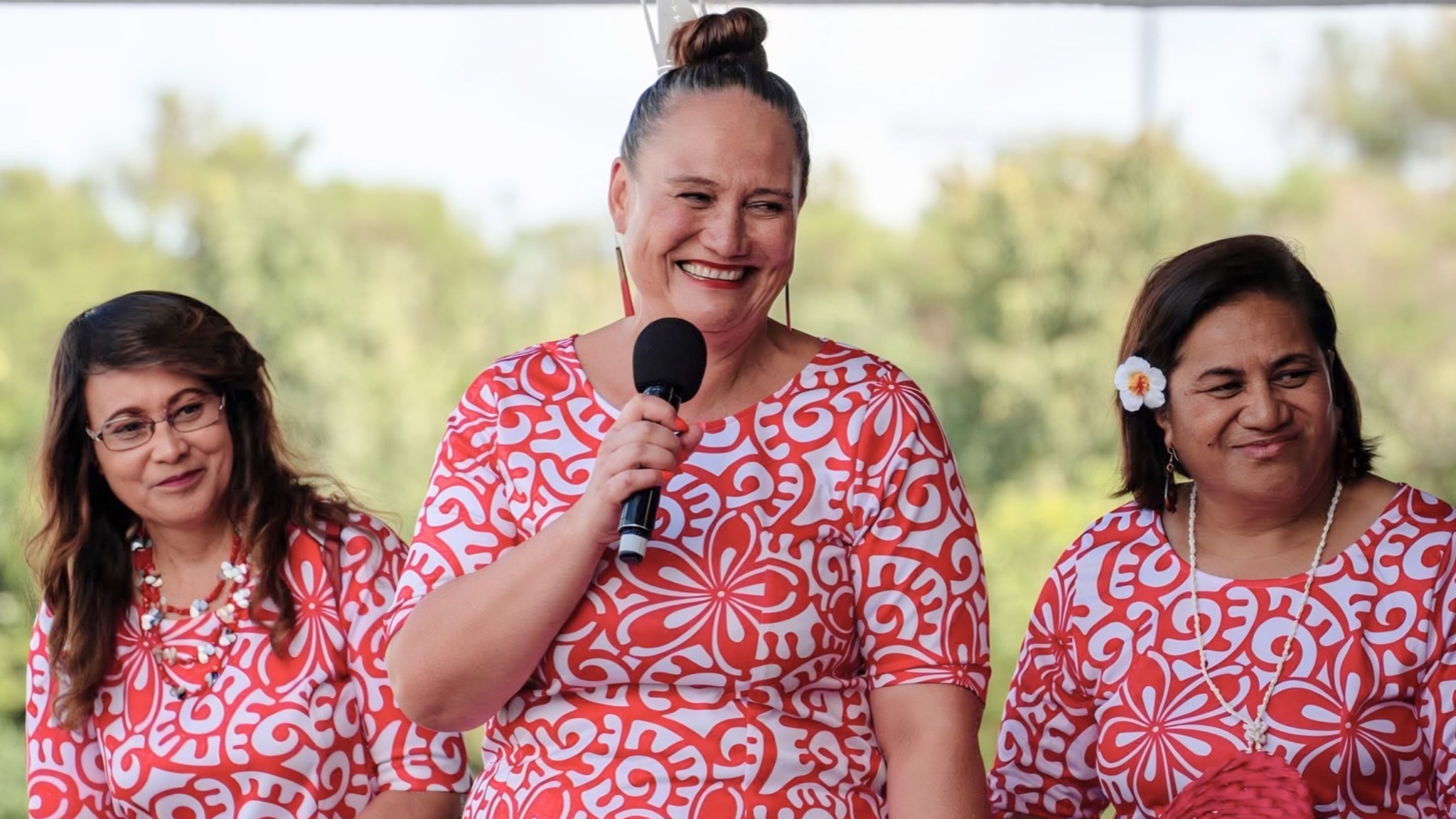
Te Piringa Āhuru, a Crisis Recovery Café officially opens.
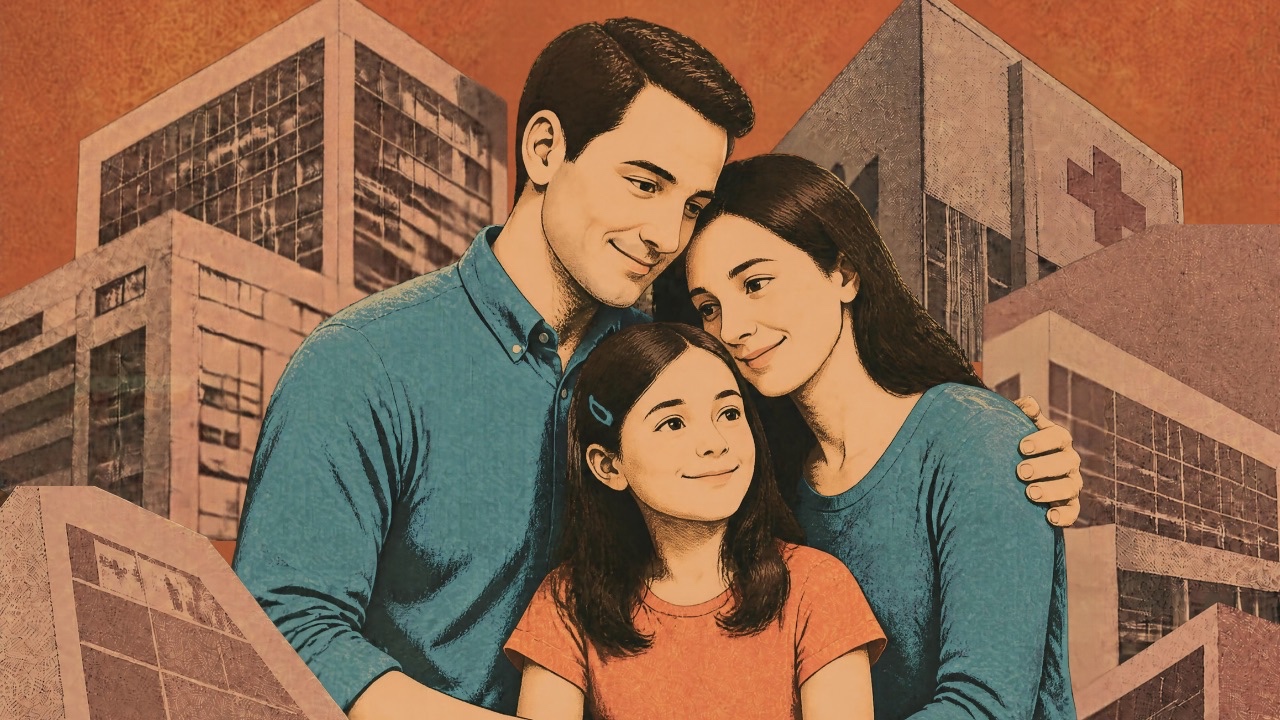
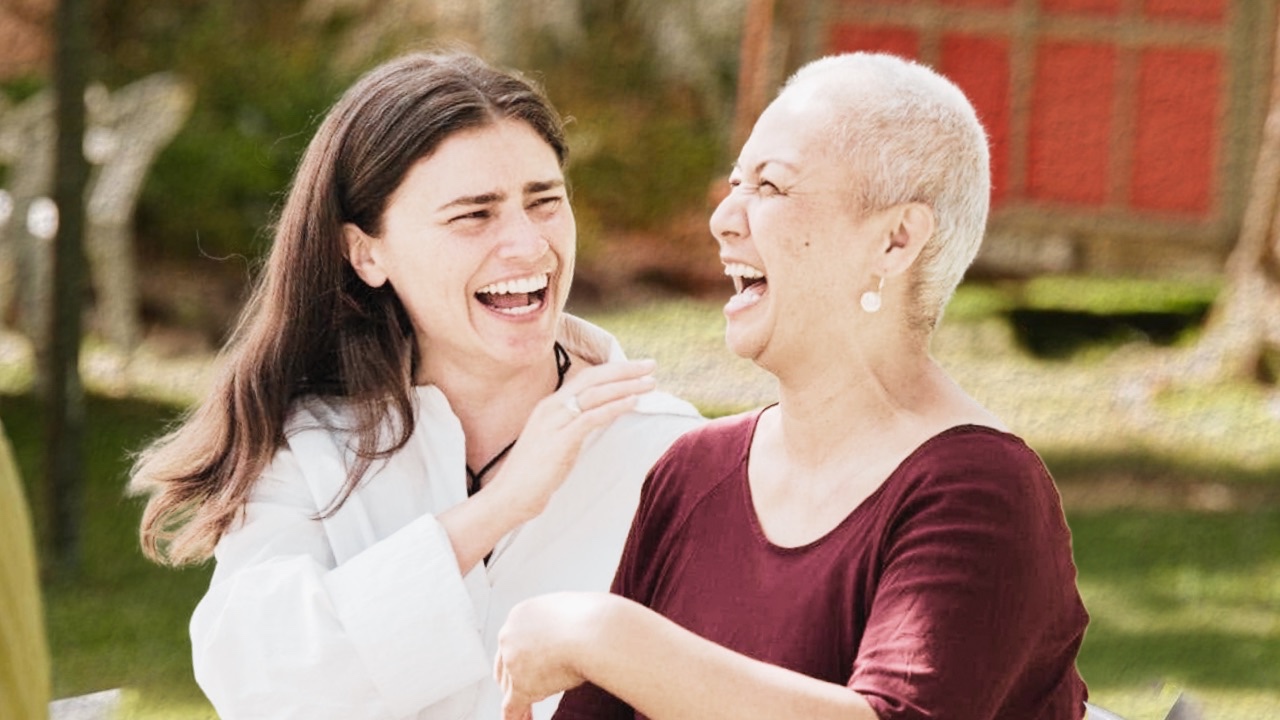
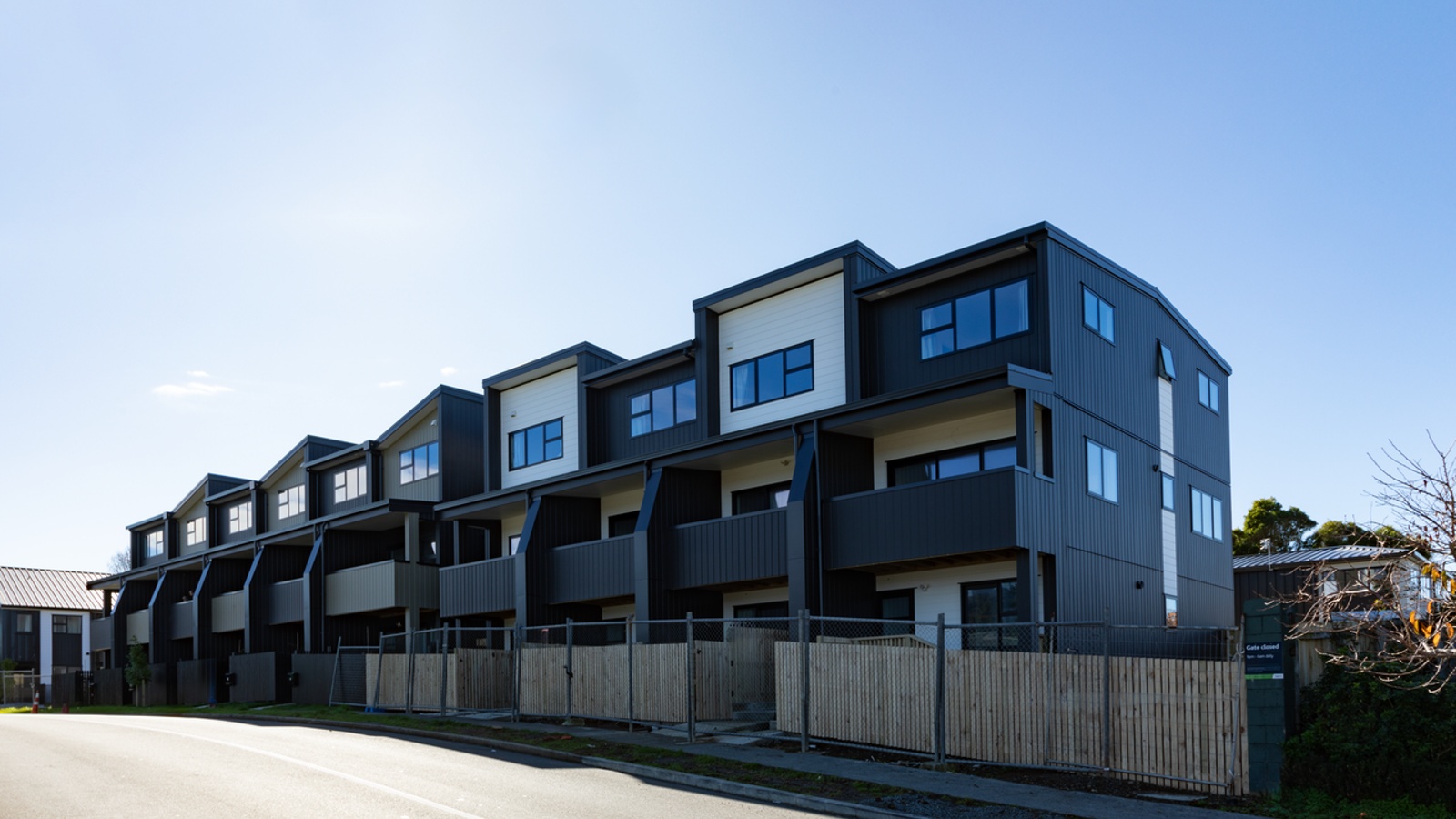
South Auckland now has a new mental health support option with the official opening of Te Piringa Āhuru, a Crisis Recovery Café designed to provide a calm, community-based alternative to hospital emergency departments.
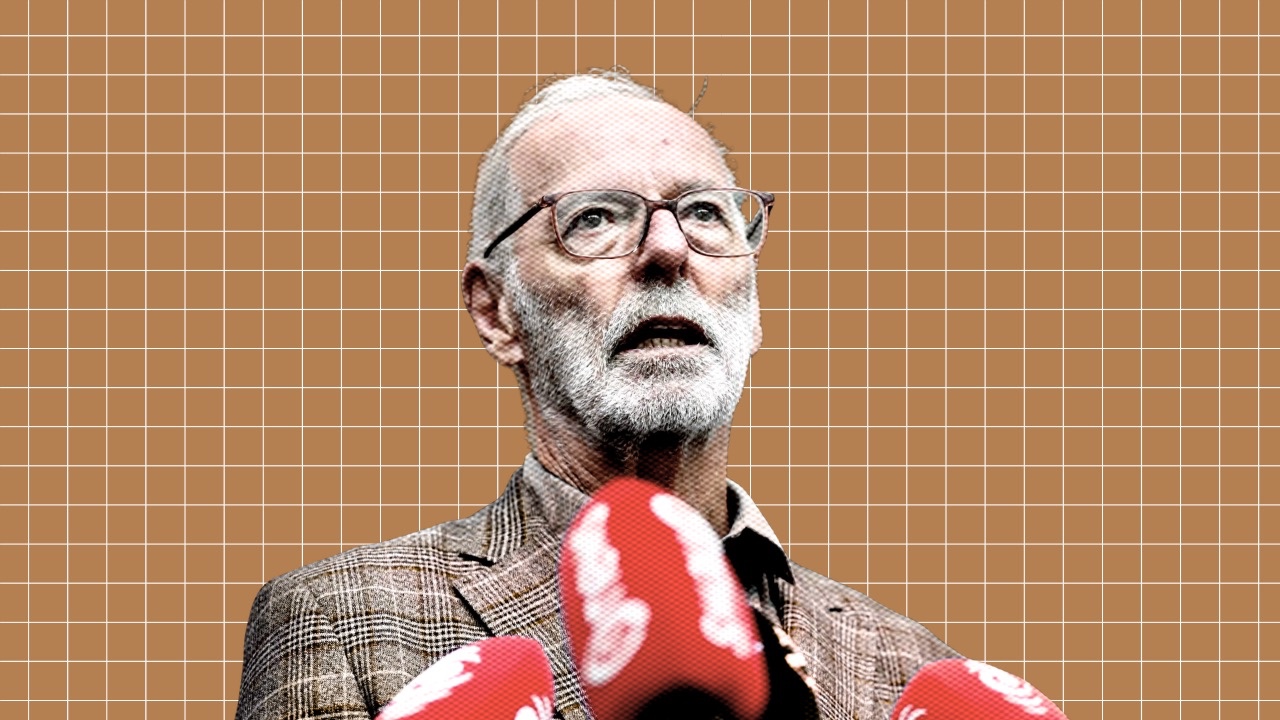
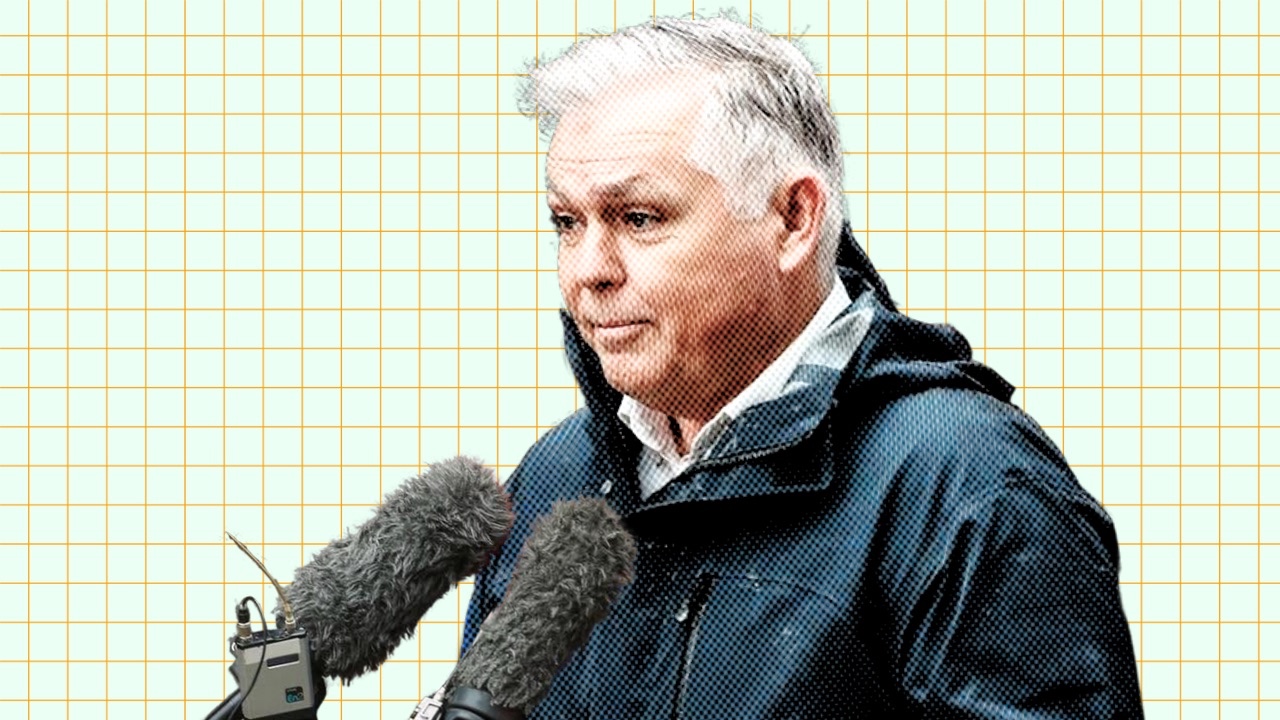
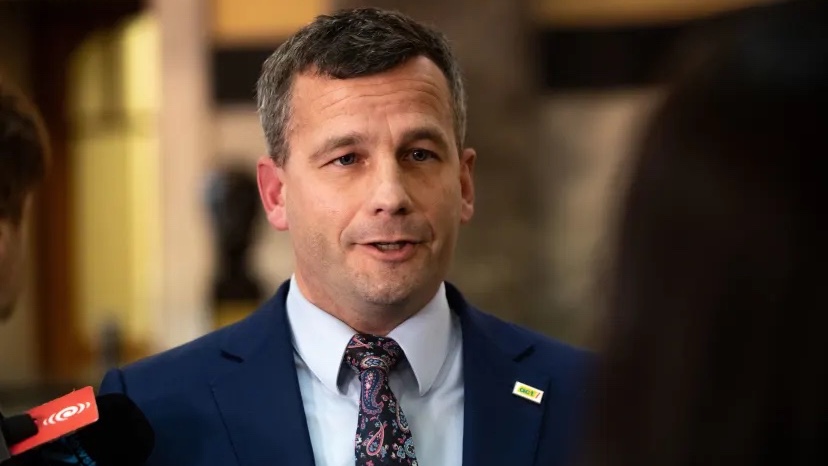
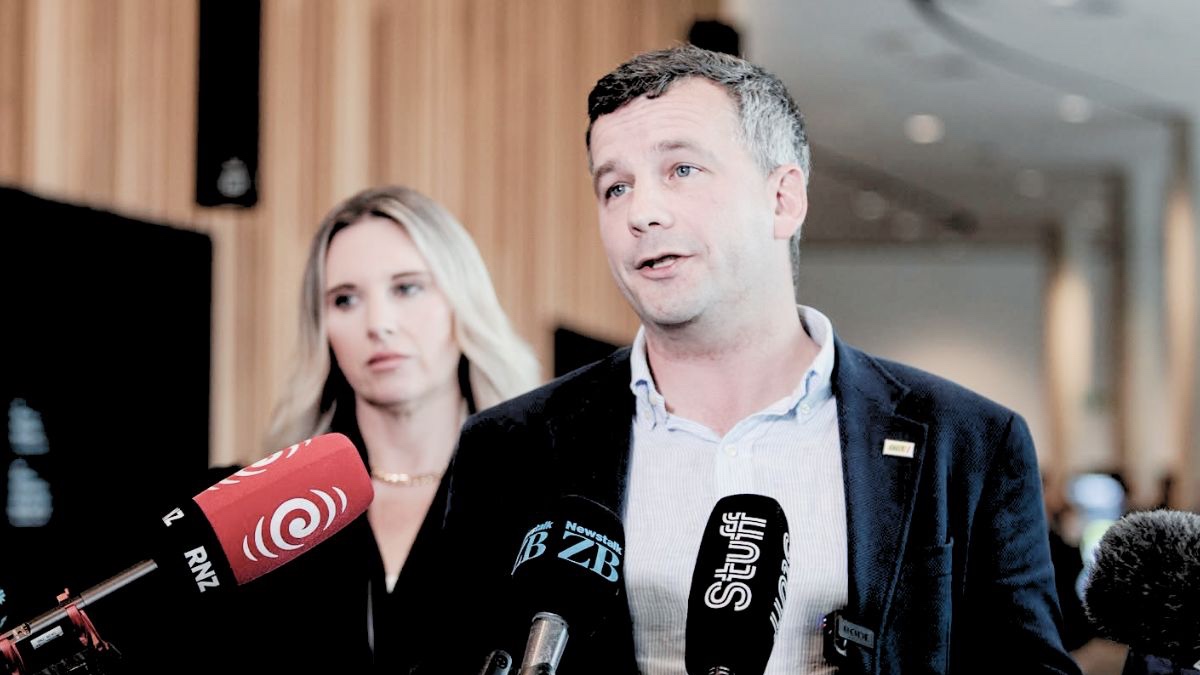
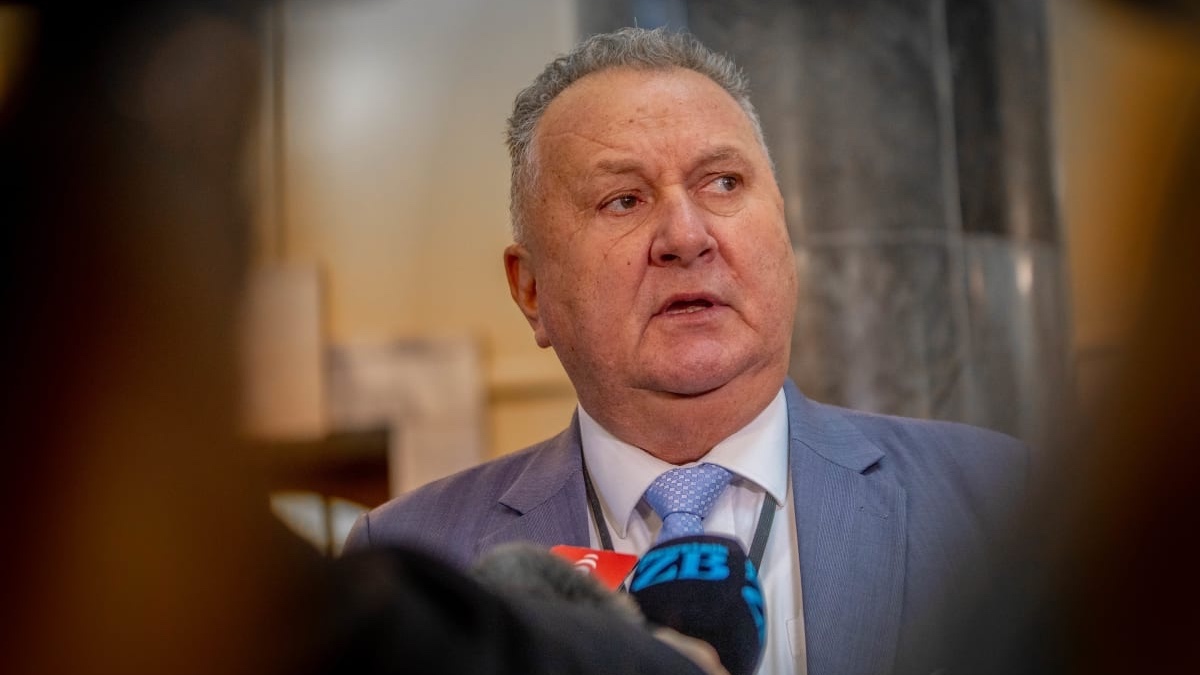
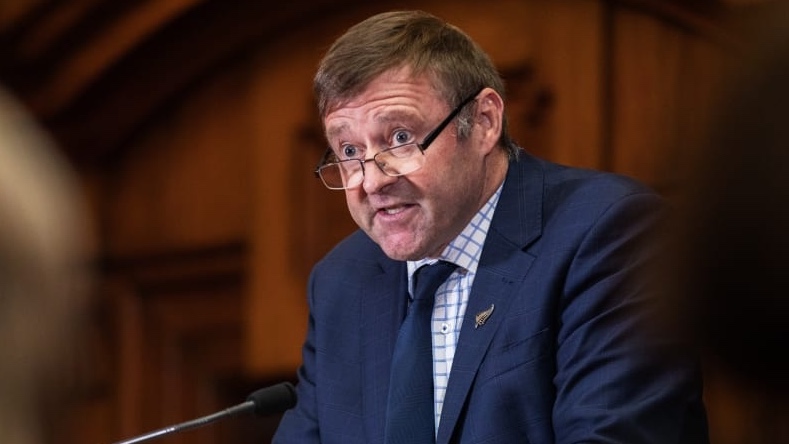
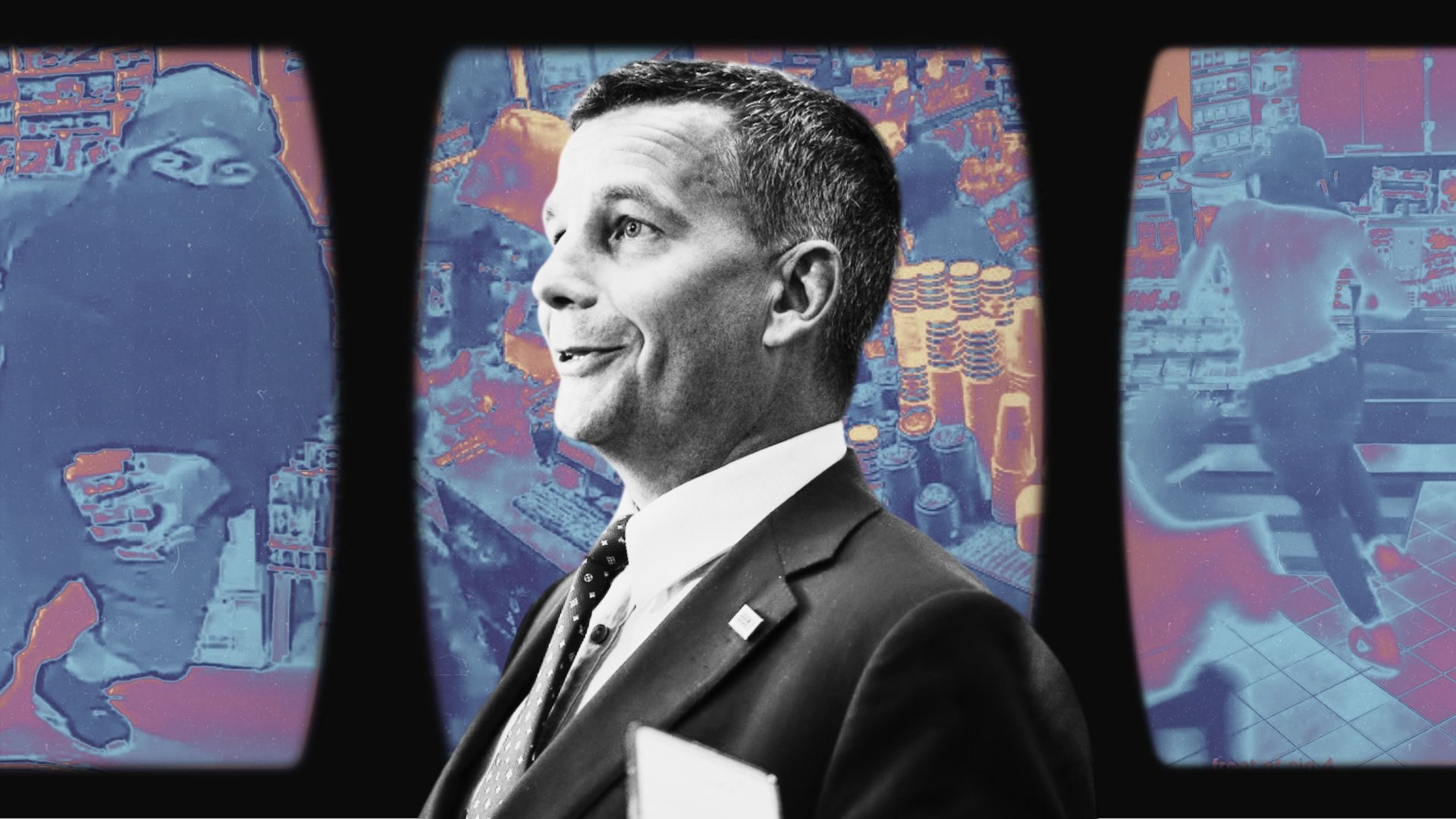
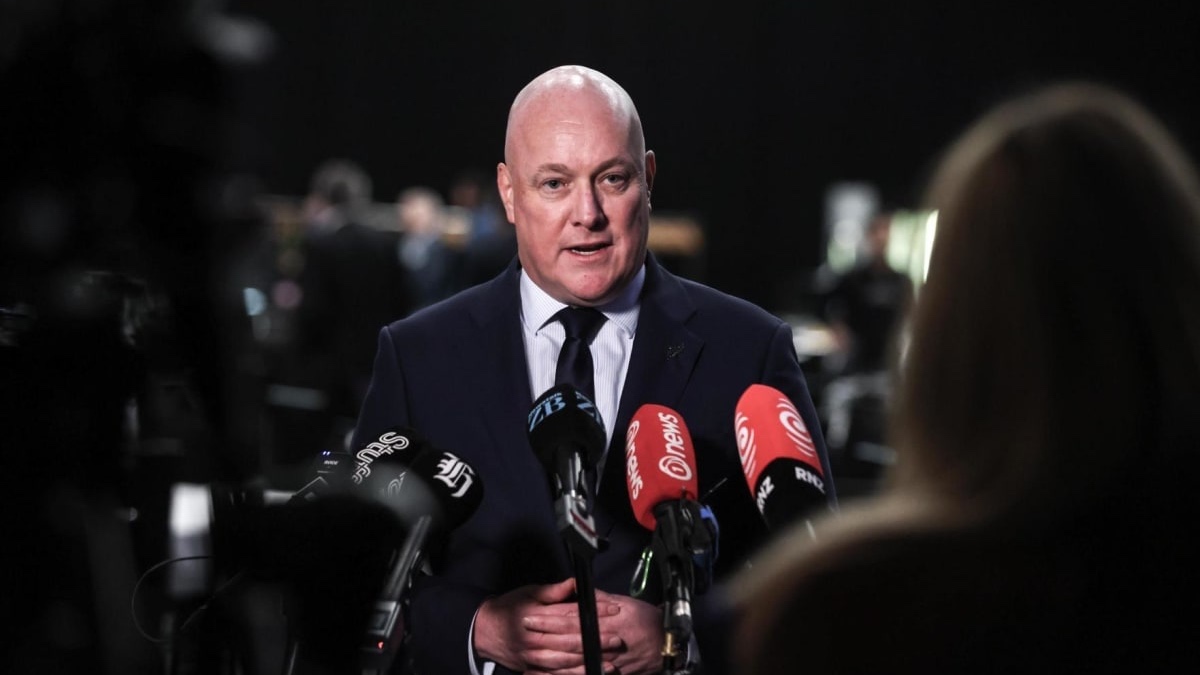
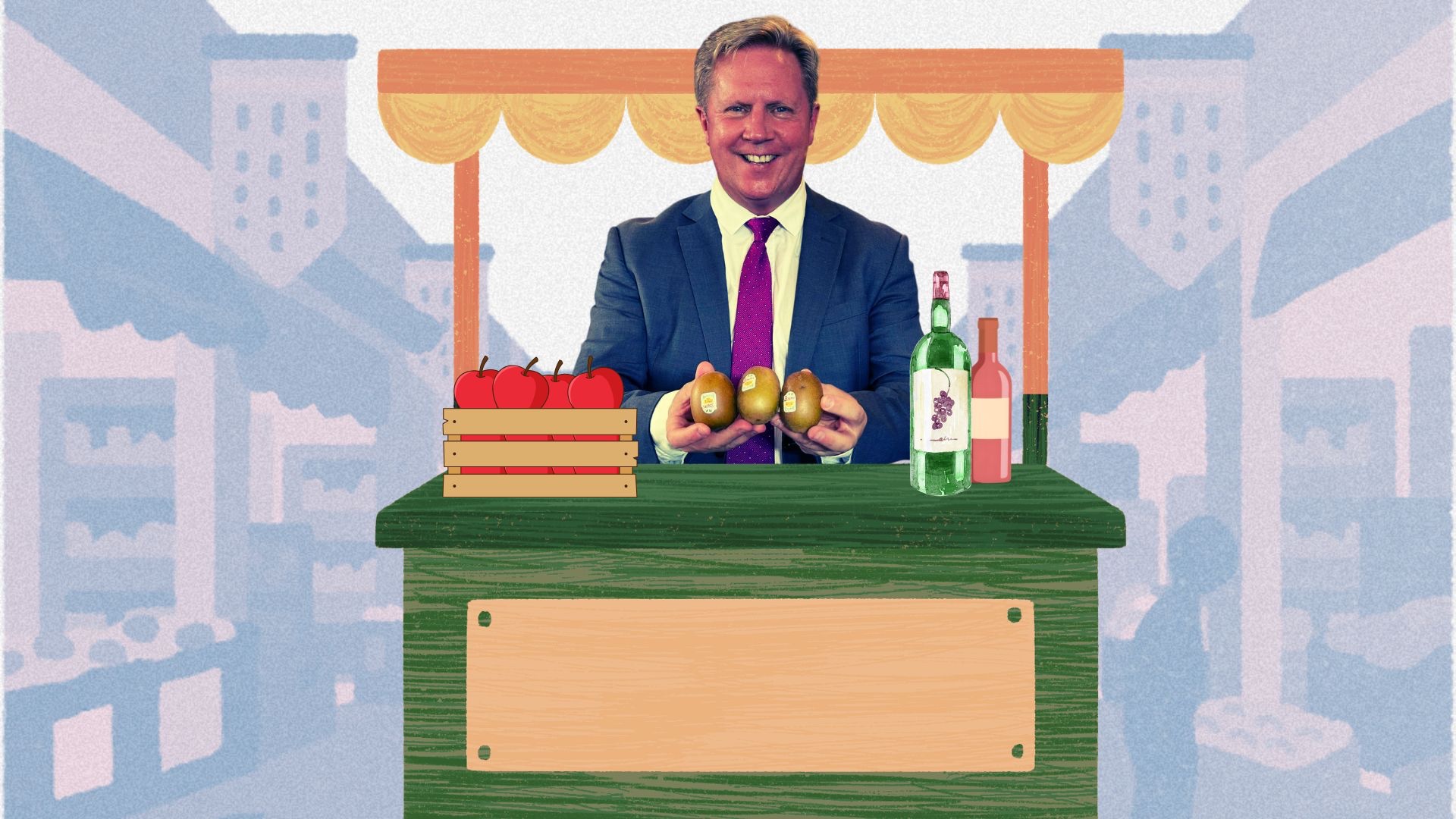
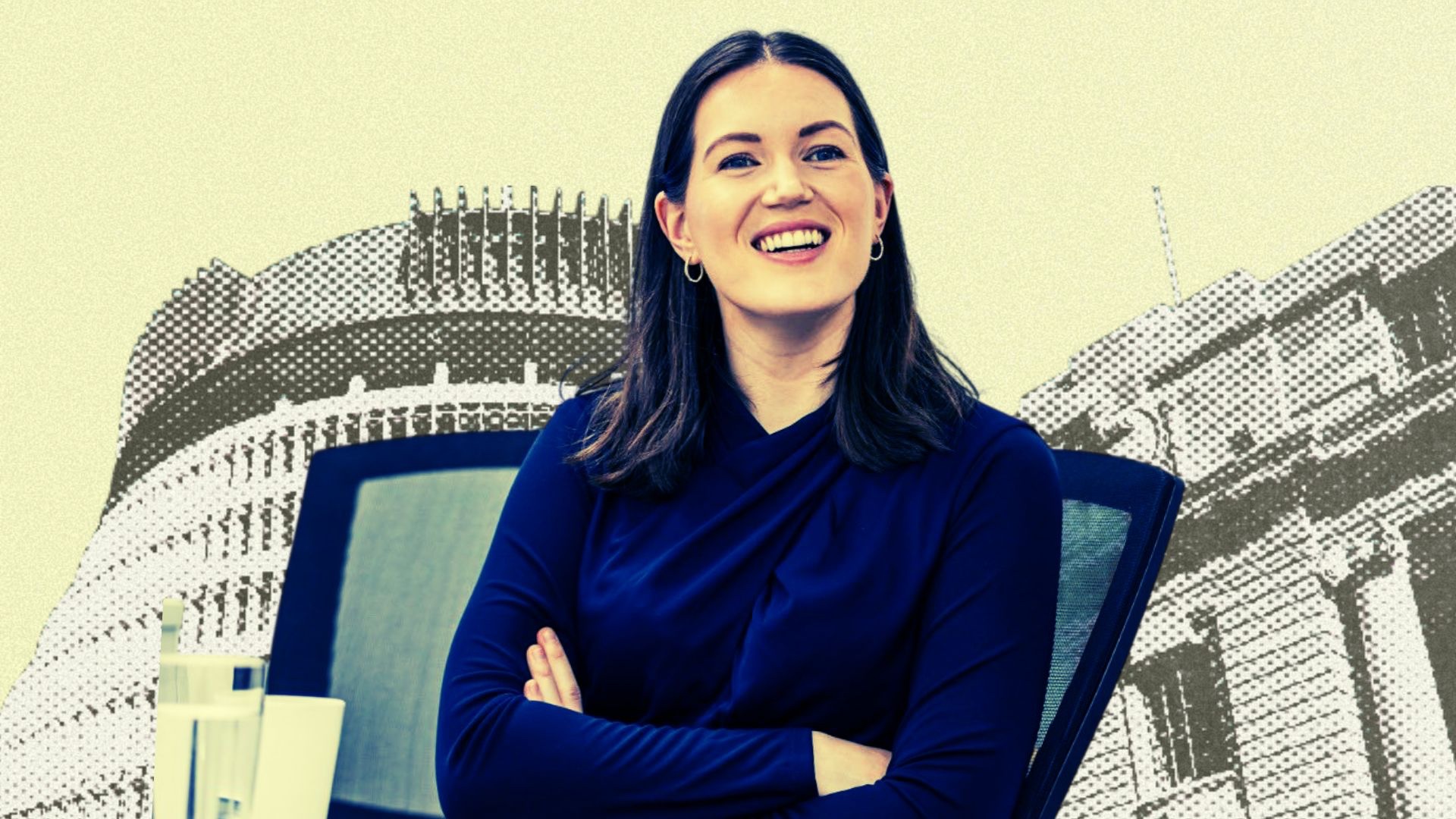
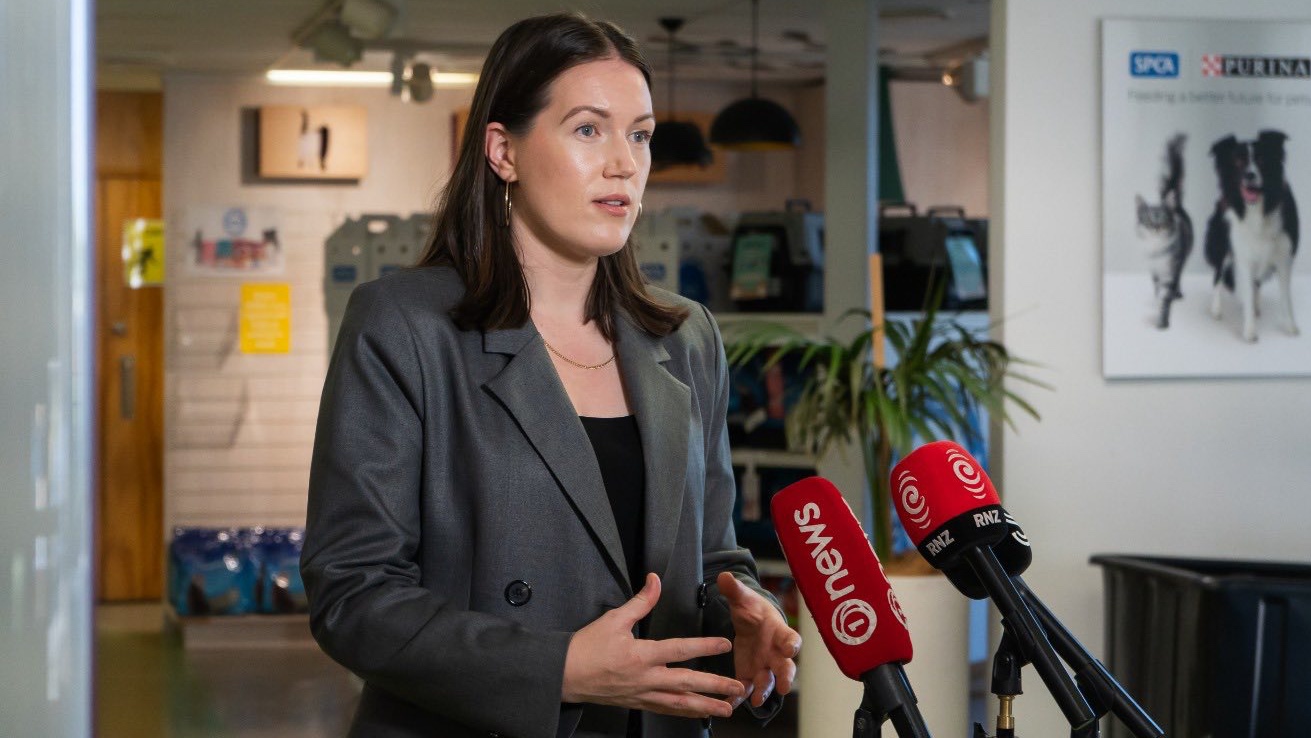
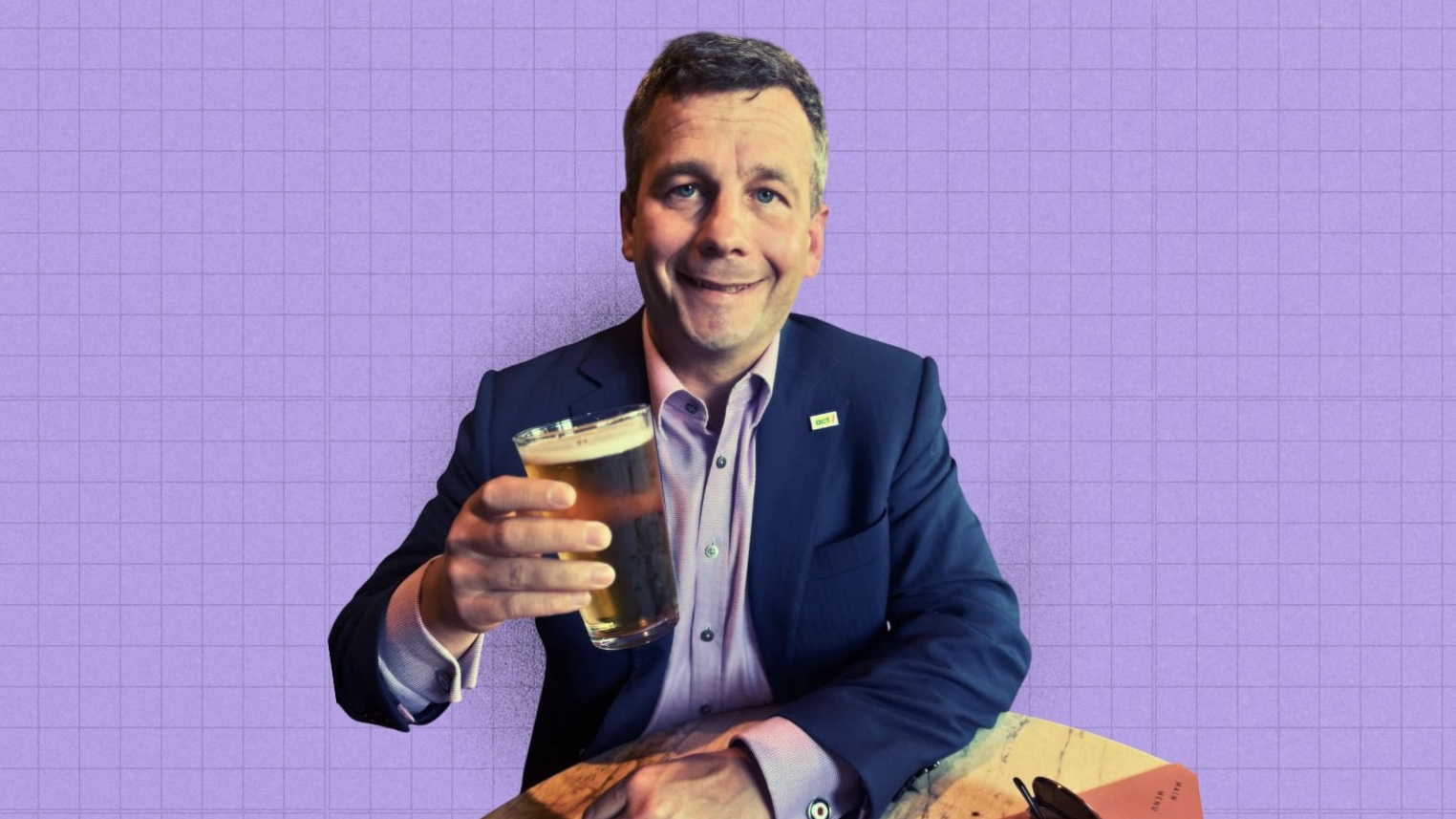
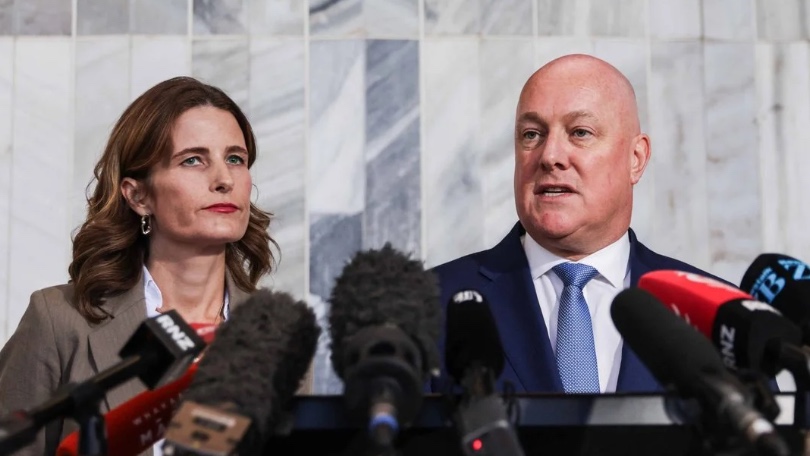
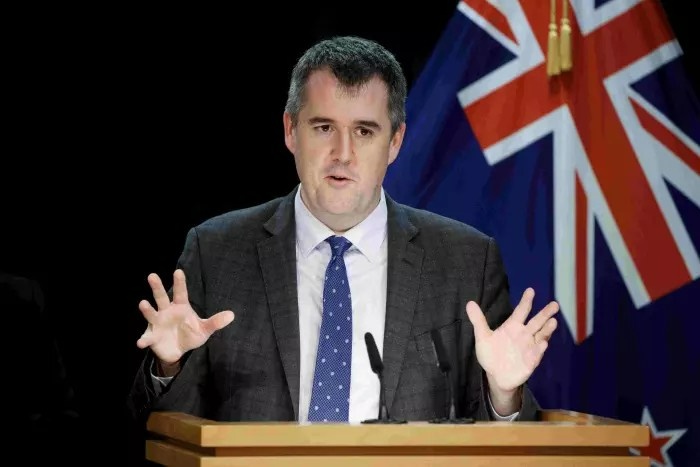
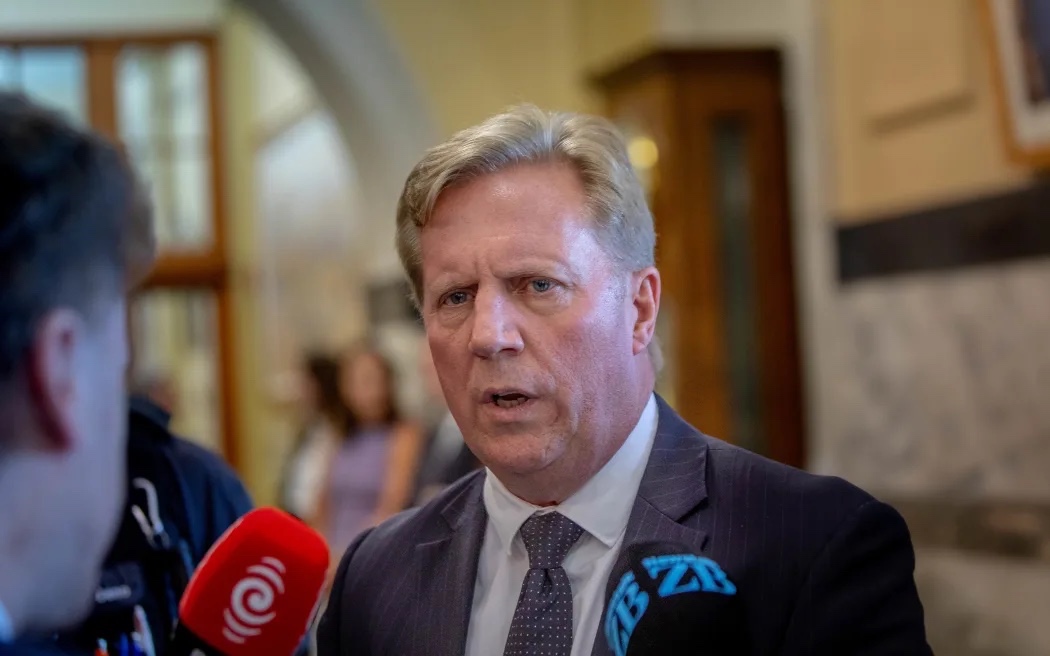
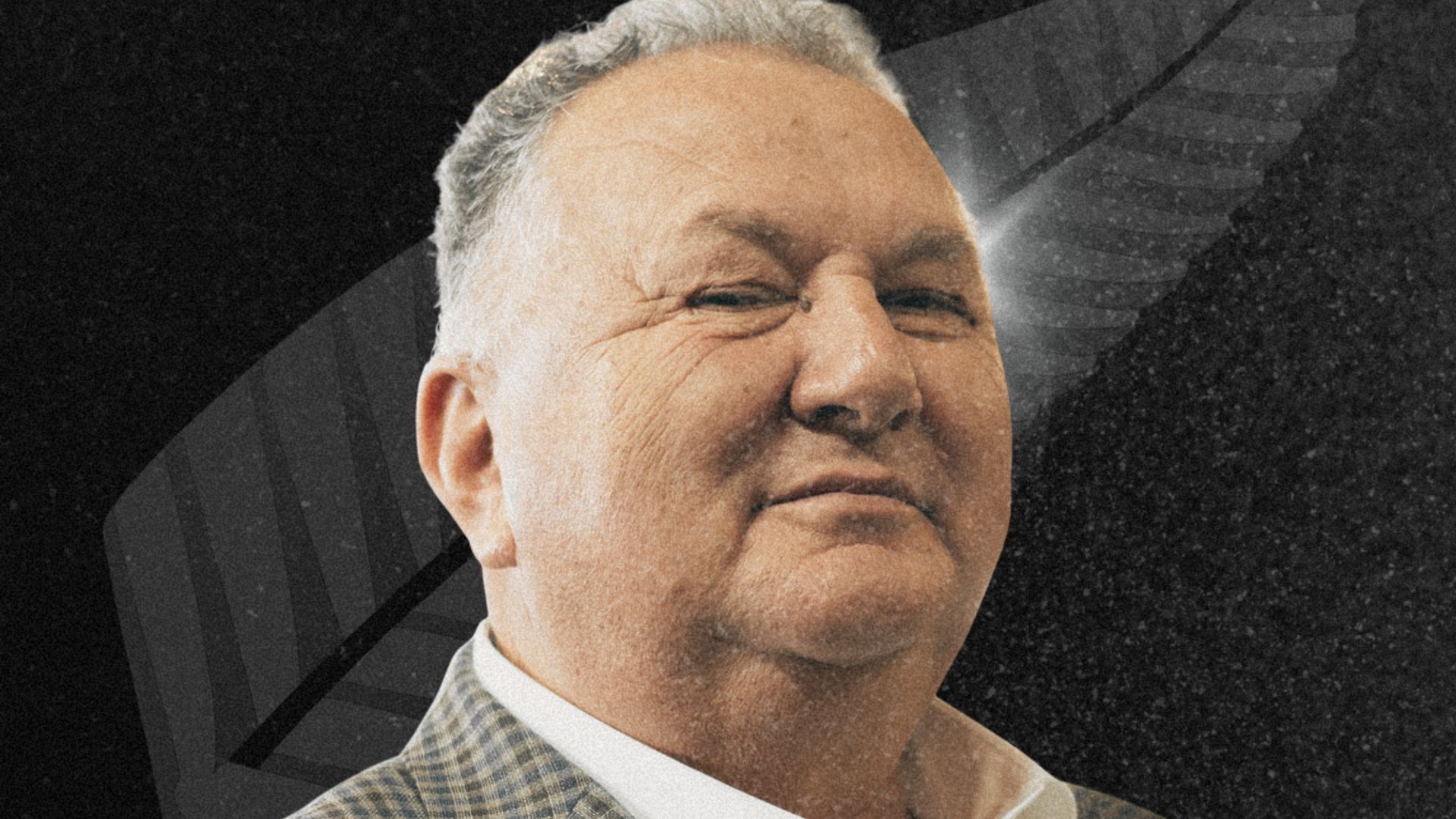
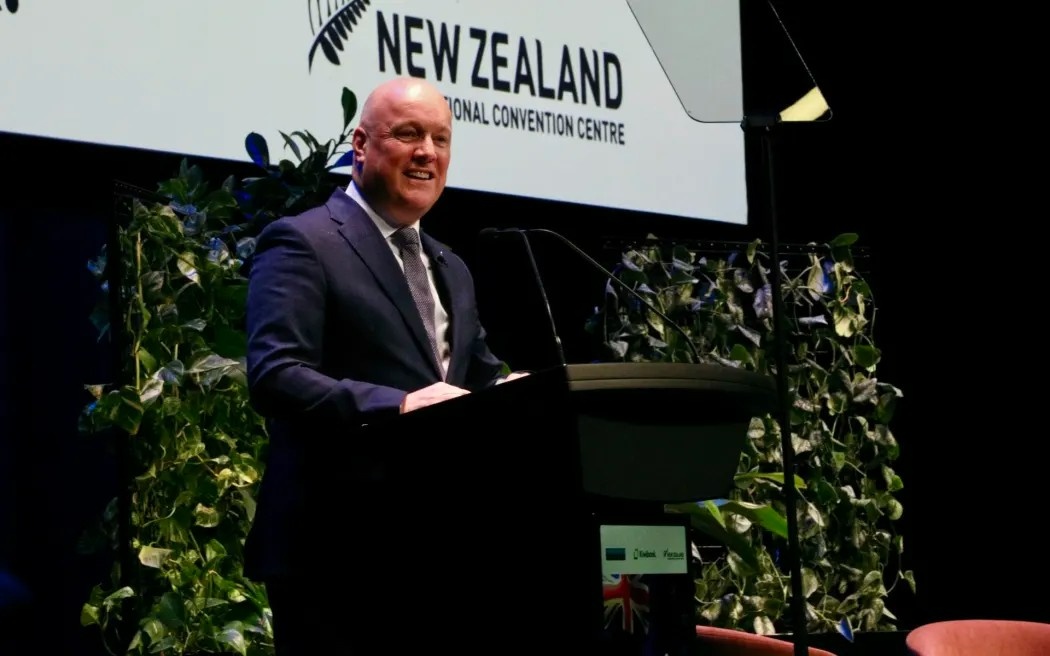
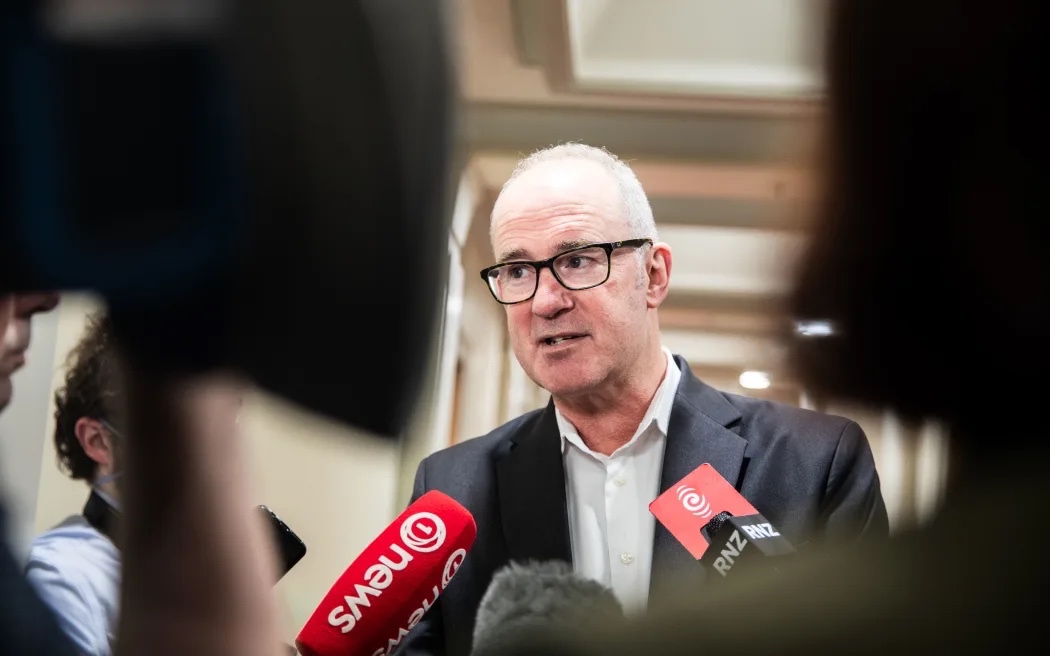
Mental Health Minister Matt Doocey opened the café today, saying emergency departments are often not the most suitable environment for people experiencing mental distress.
“A brightly lit, busy emergency department is often not the best place for someone in crisis,” Mr Doocey said. “That’s why the Government is rolling out eight crisis recovery cafés nationwide, giving people access to a calm, peer-led, non-clinical space for support.”
Te Piringa Āhuru will be operated by Ember, a grassroots organisation that has worked in South Auckland for the past six years. Mr Doocey said supporting community-led solutions was key to improving mental health outcomes.
“Each community is different, and the solutions often already exist within local organisations,” he said. “Ember has already been making a difference in South Auckland and will now be able to reach even more people through this café.”
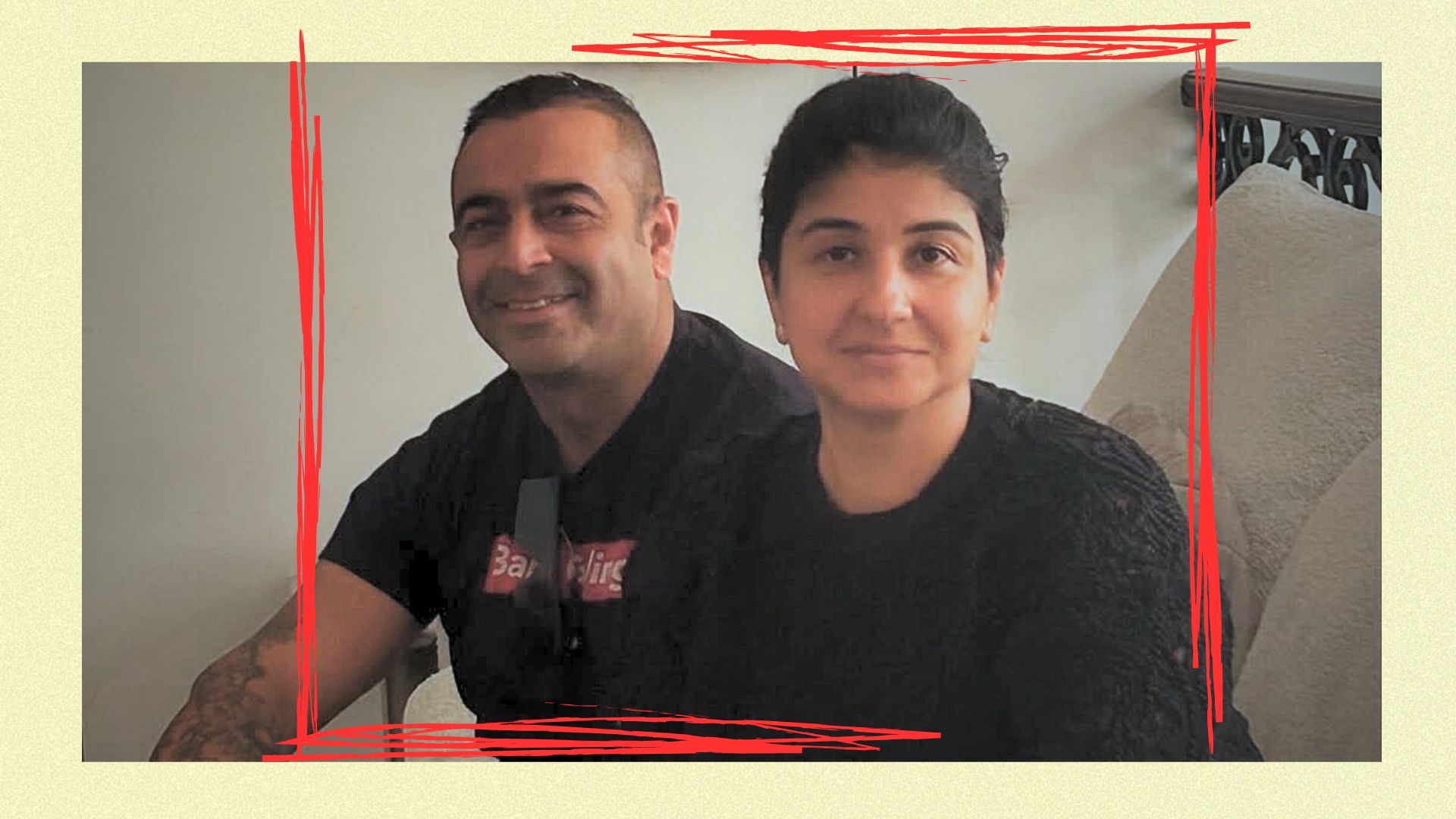
From designing restaurants to running Auckland Diwali: The many lives of Arnav Taode Taode brings his passion for Indian arts and culture to his first year managing BNZ Auckland Diwali 2026.
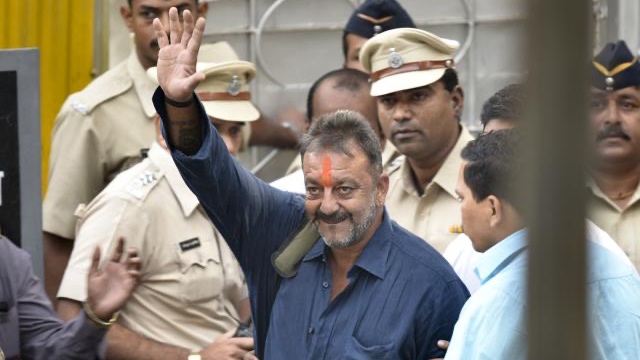
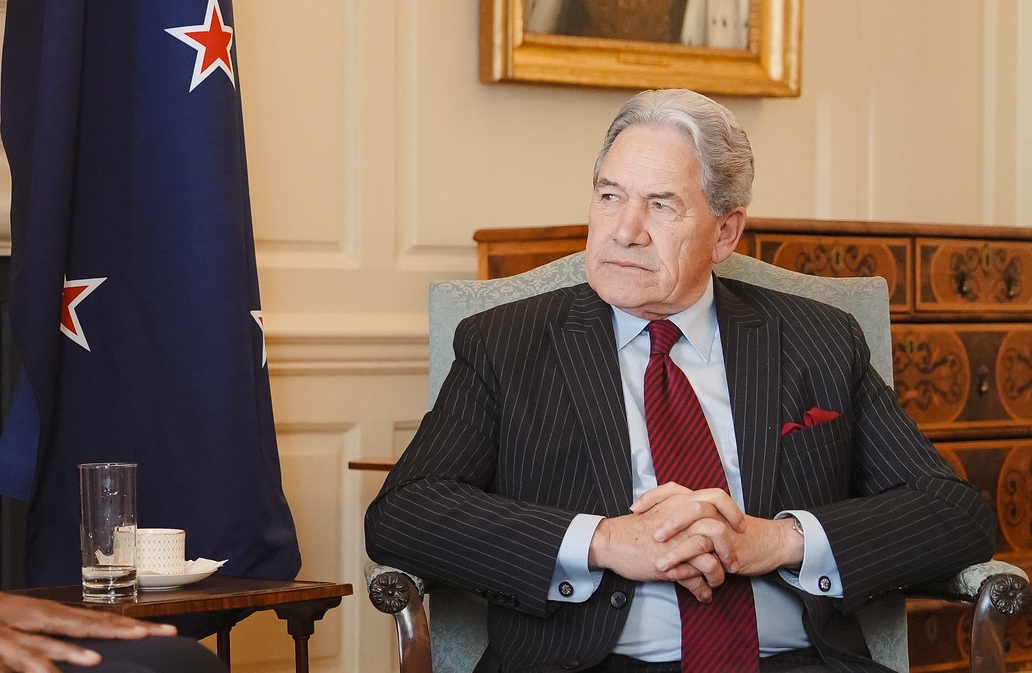
Winston Peters says ‘diversity is disunity’. What does the evidence tell us? Evidence from business, sport and social policy suggests diversity can strengthen economies and cohesion but on one condition.
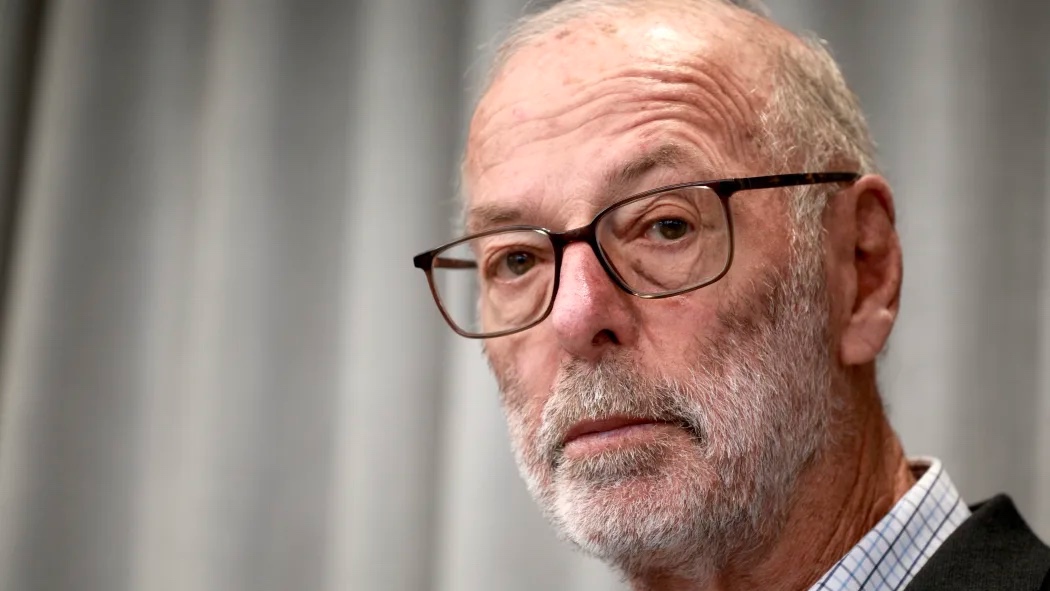
Baby born in Sri Lanka to New Zealand residents caught in limbo after Down syndrome diagnosis Immigration tribunal orders fresh residence assessment after finding a “serious mistake” by immigration officials.
The name Te Piringa Āhuru was chosen to reflect a place of safety, belonging and hope. The café will be staffed by peer support workers who will offer a listening ear, help people reconnect with community services, and support those experiencing mental health or addiction challenges in a relaxed, non-clinical setting.
Mr Doocey said peer support workers bring unique value through their lived experience.
“There is real power in knowing someone in the room has walked a similar journey and come through it,” he said. “That understanding can give people genuine hope.”
The South Auckland café is part of a wider national rollout, following the opening of the first crisis recovery café in Whanganui. Additional cafés are planned as part of the Government’s broader mental health strategy.
Mr Doocey said crisis recovery cafés sit alongside other recent initiatives, including increased staffing for crisis assessment teams, two new 10-bed peer-led acute alternative services, and expanded peer support roles in emergency departments.
“My focus is on faster access to support, more frontline workers, and a stronger crisis response,” he said.
The café had been operating from a temporary location since late September last year and has now moved into its permanent site.