
Papatoetoe election results: Indian candidates take 3 out of 4 seats in re-run
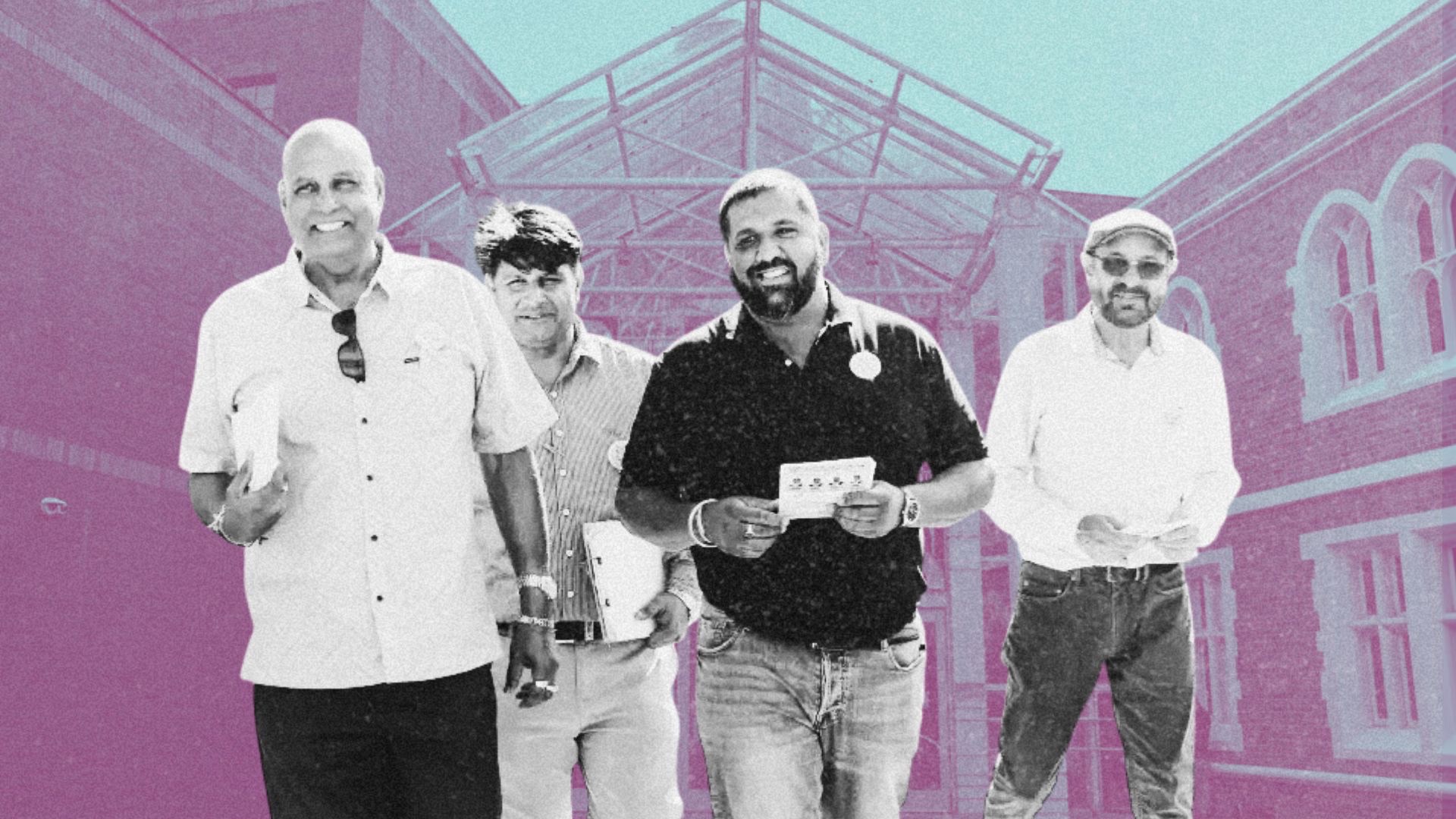
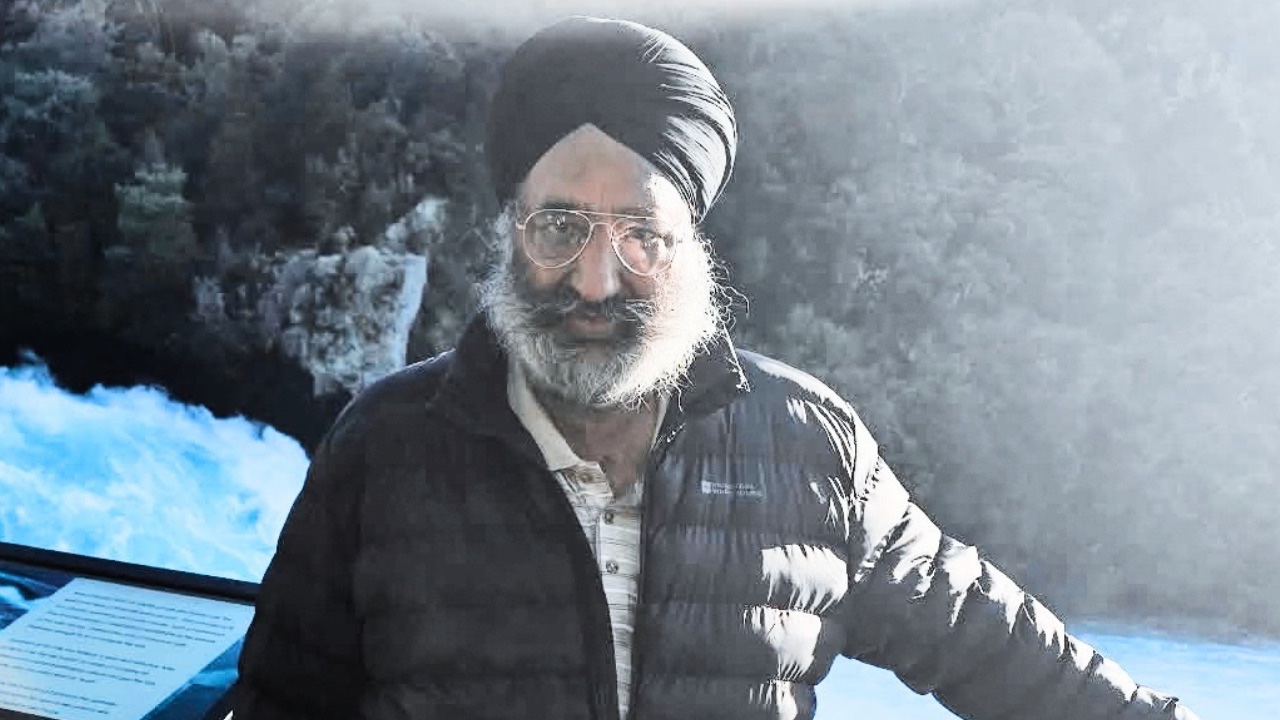
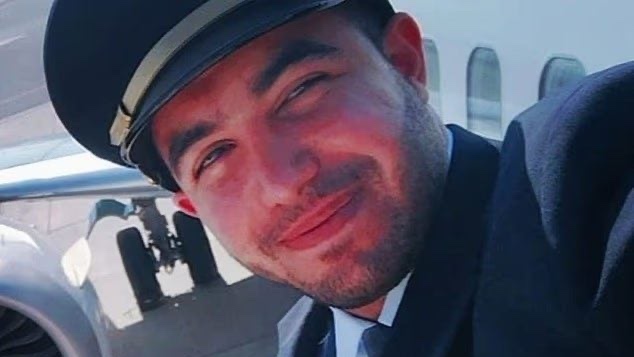
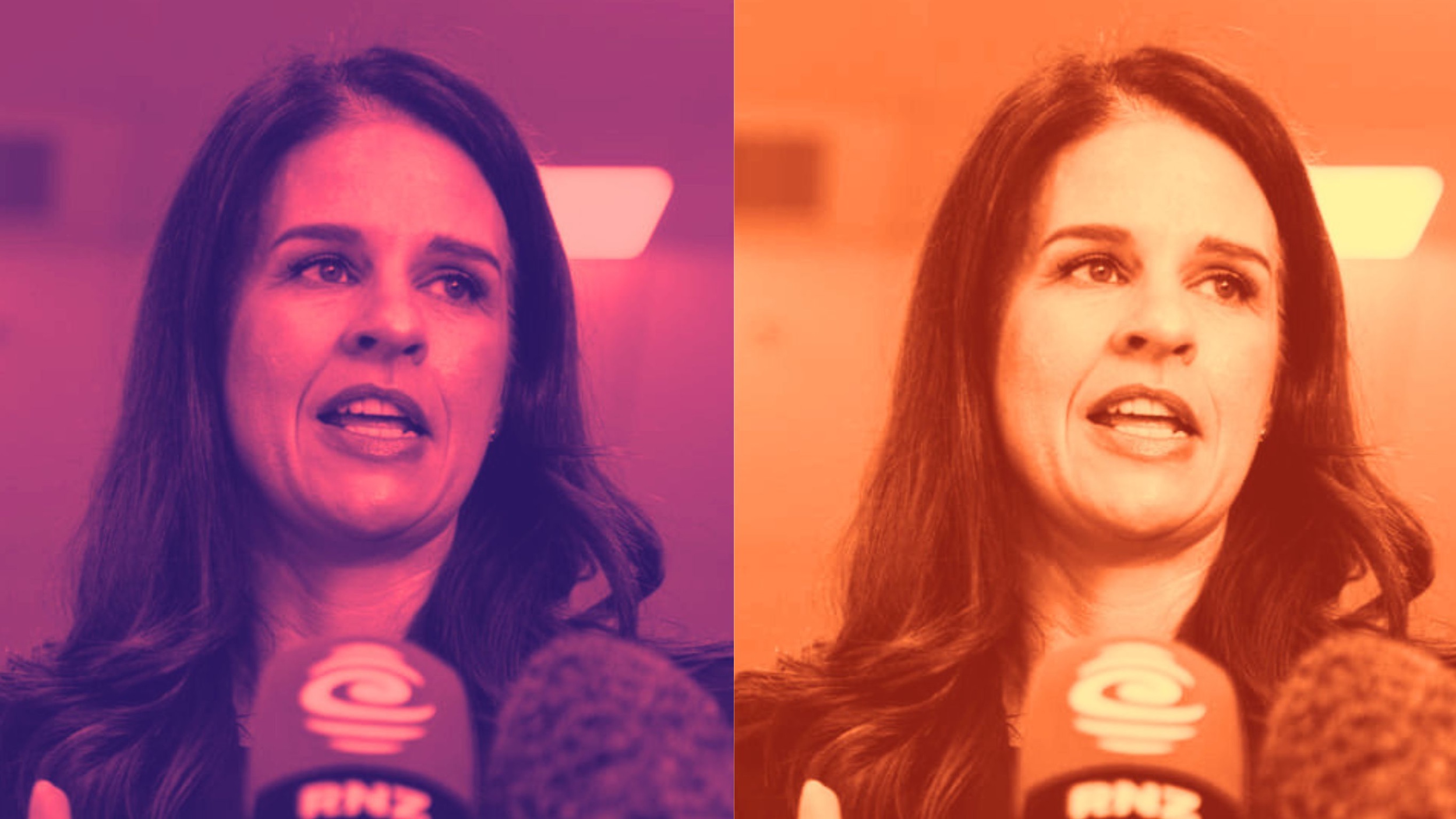
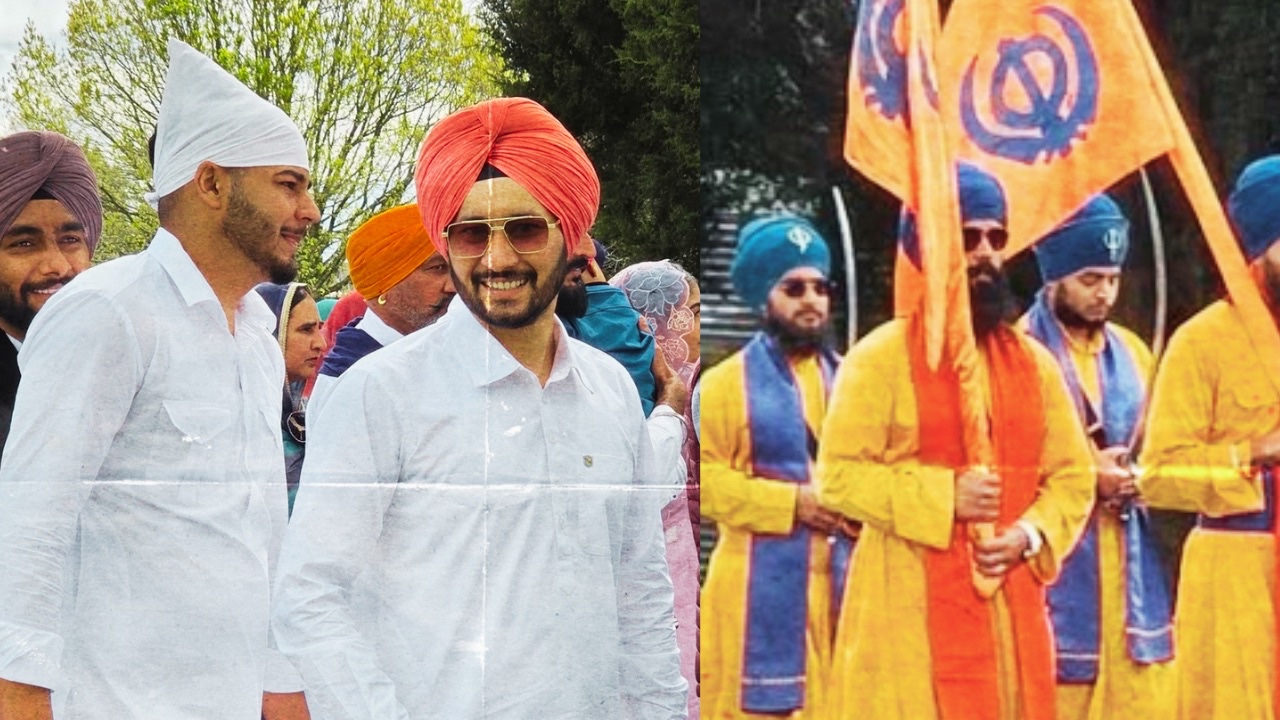
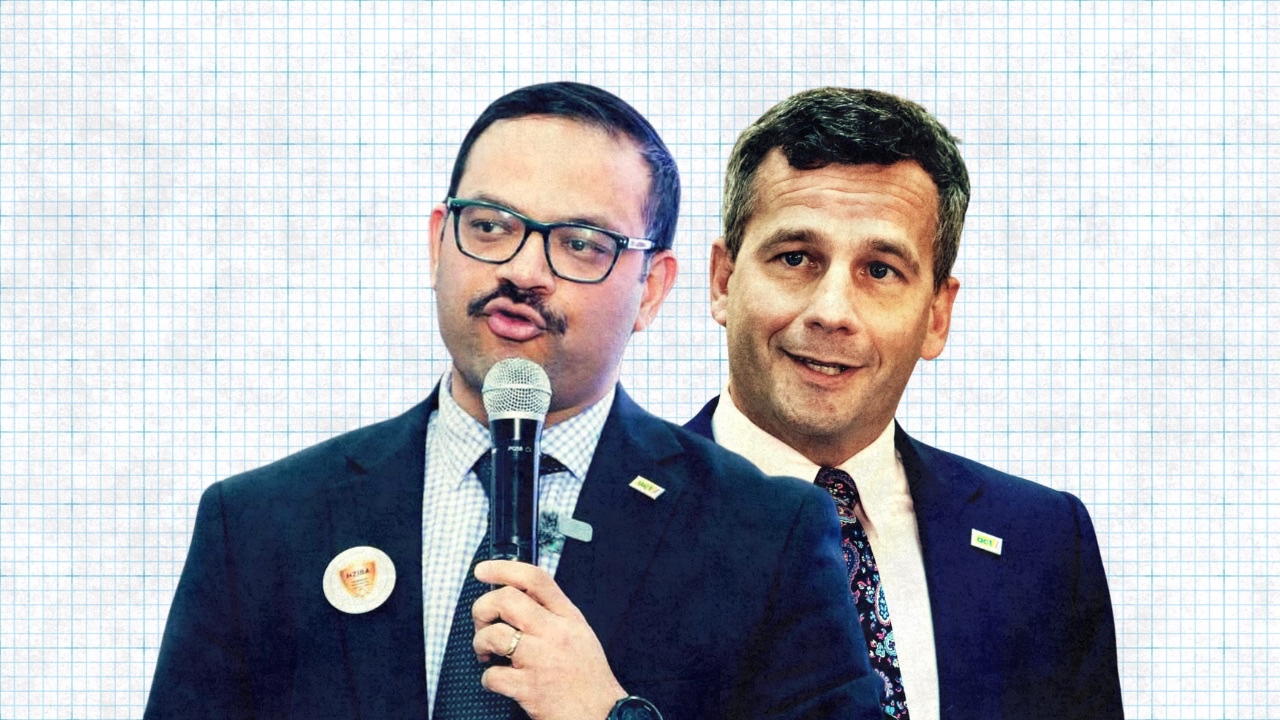
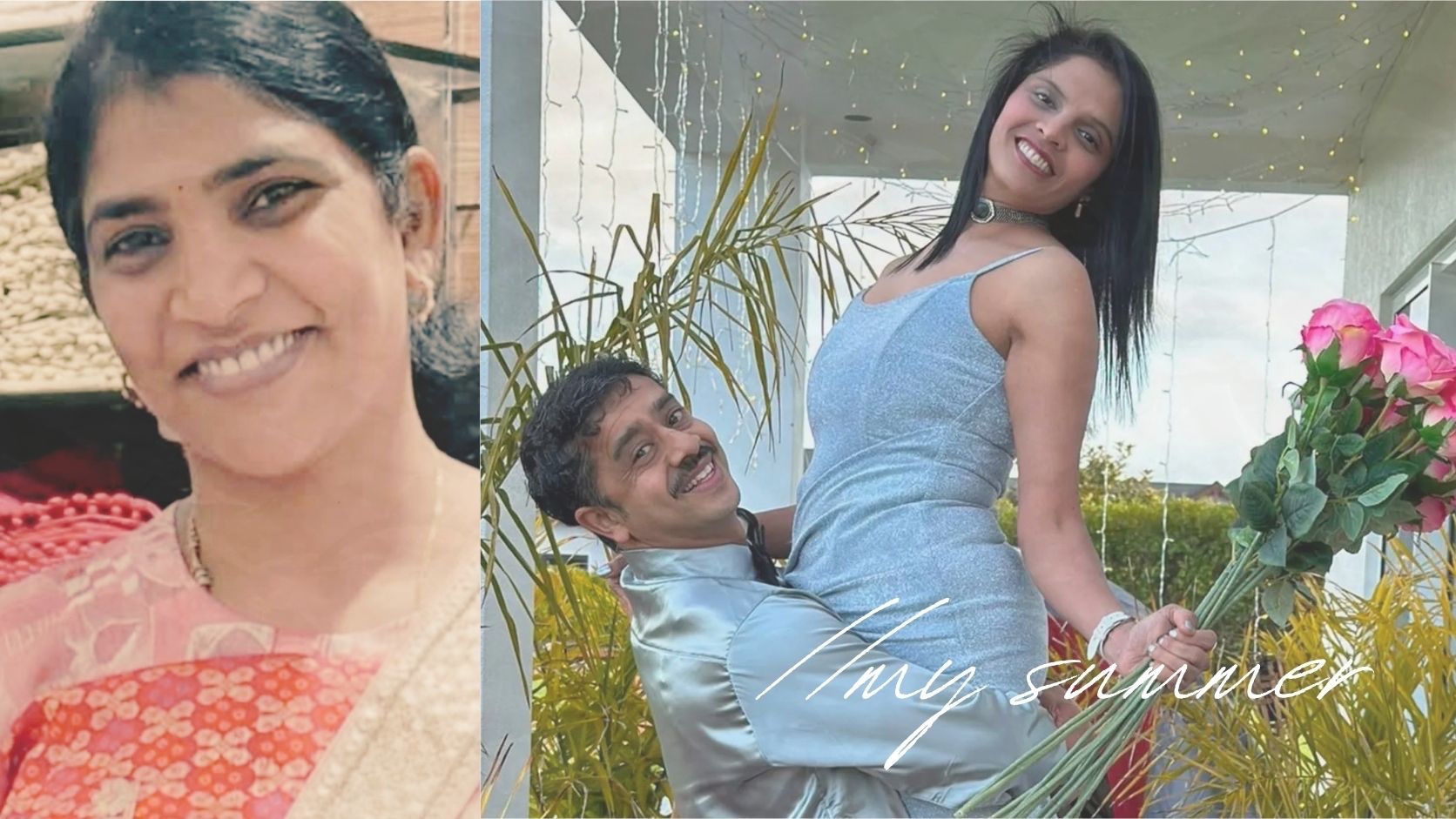
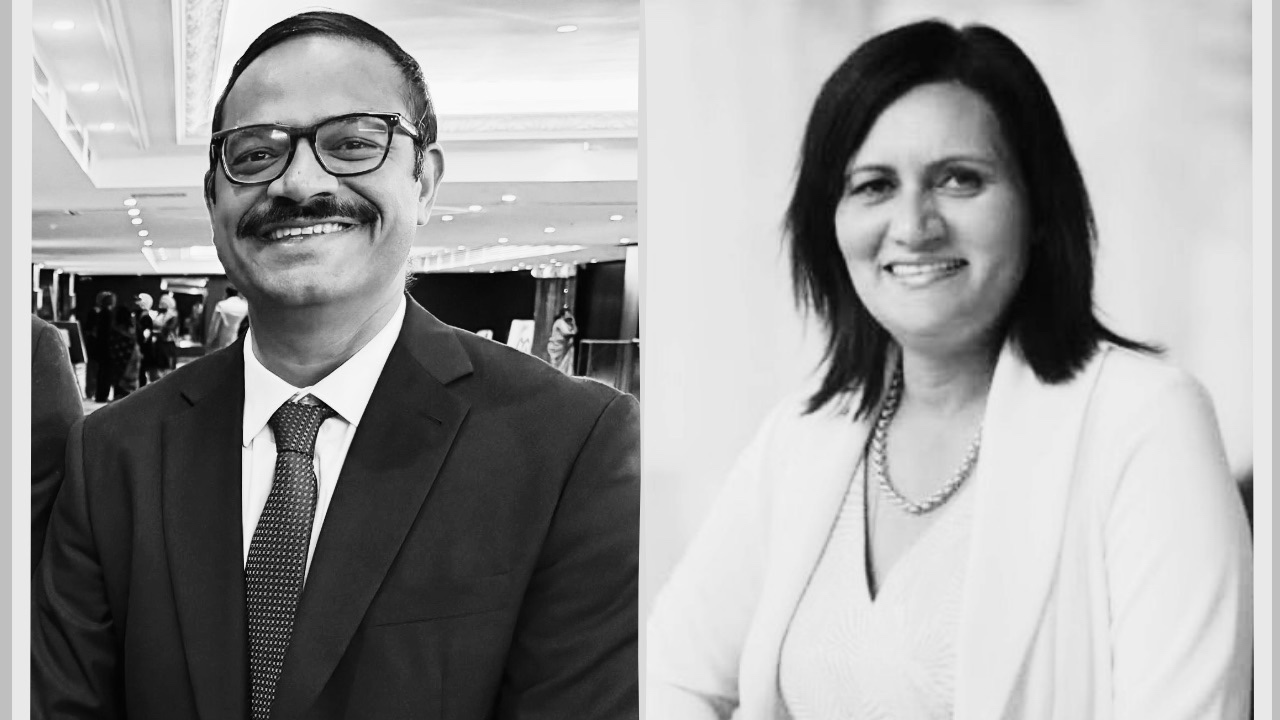
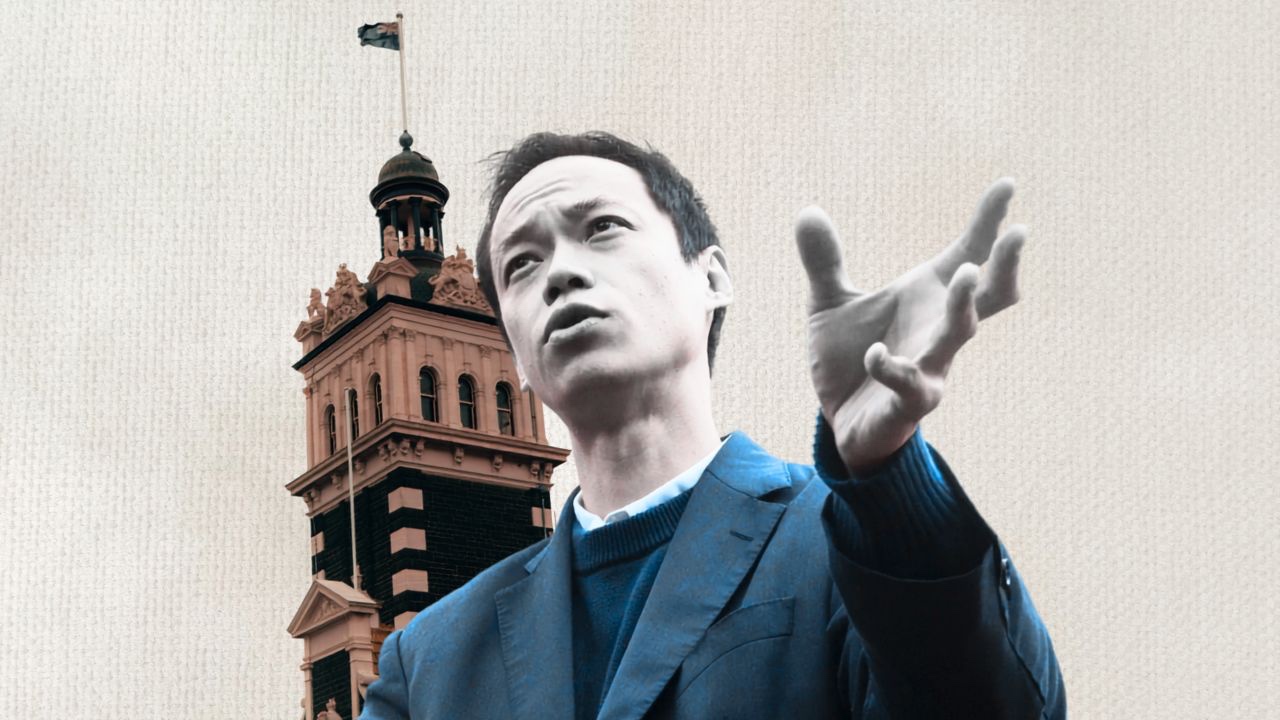
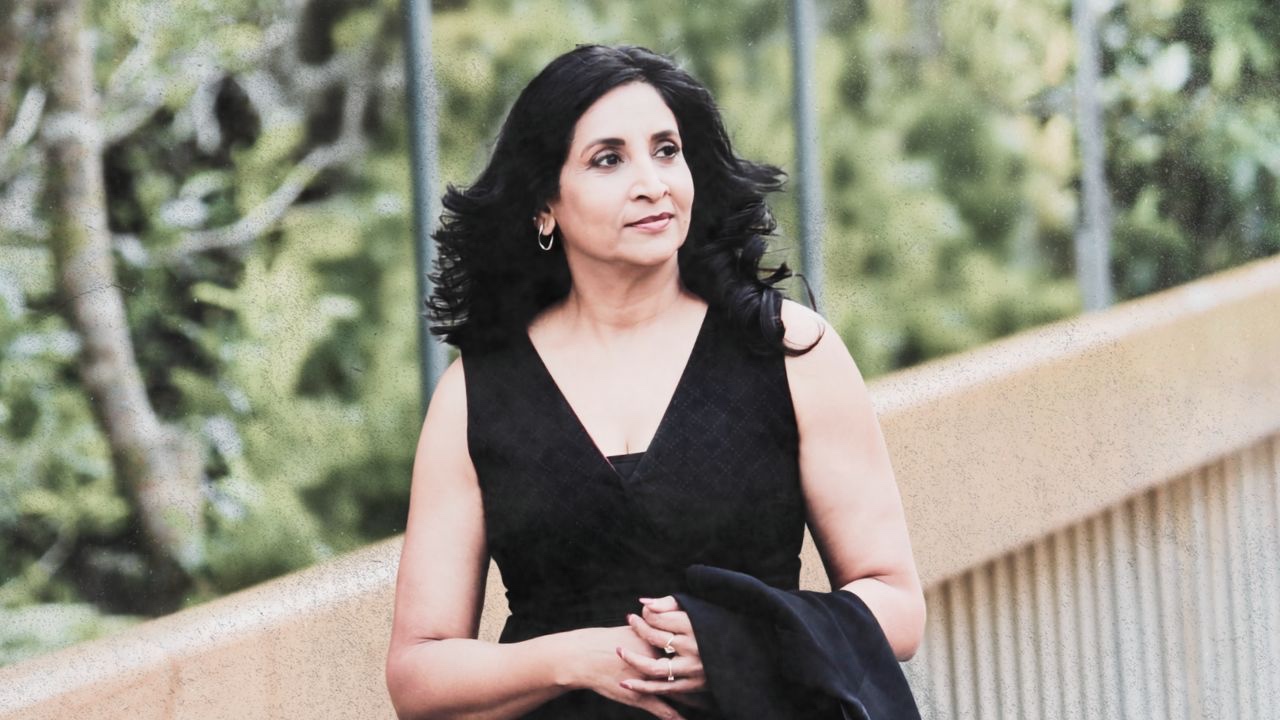
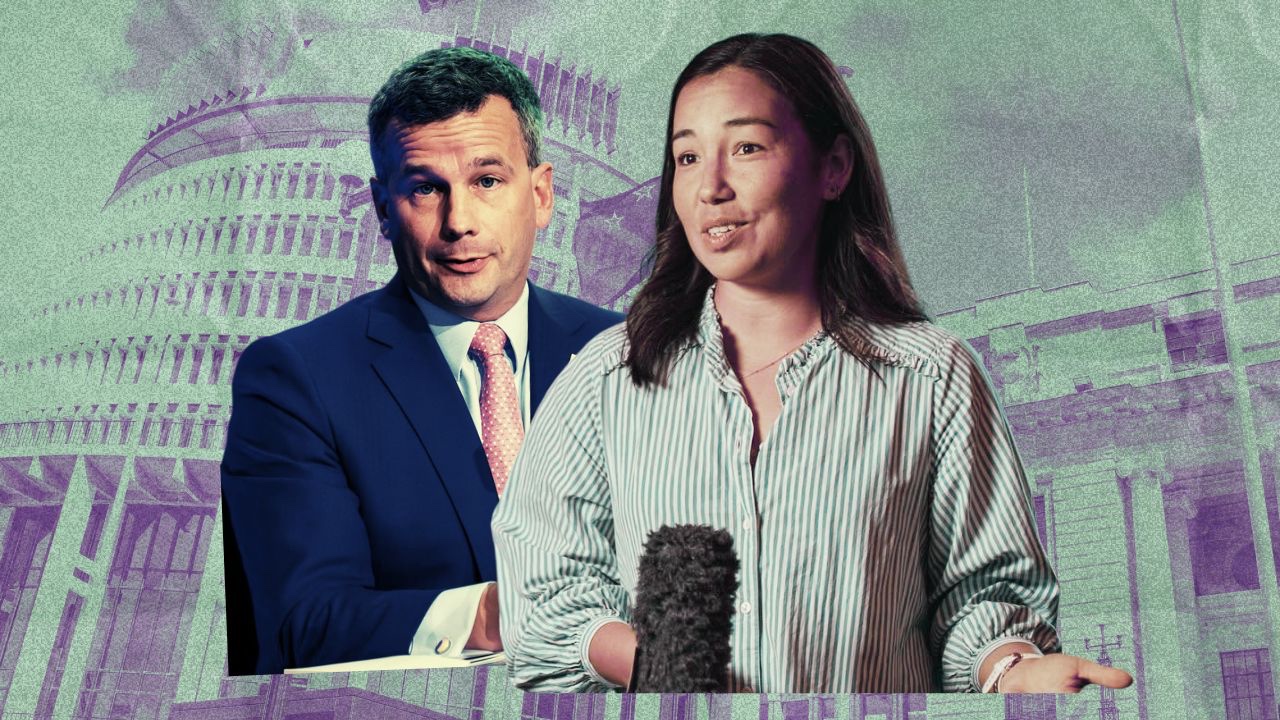
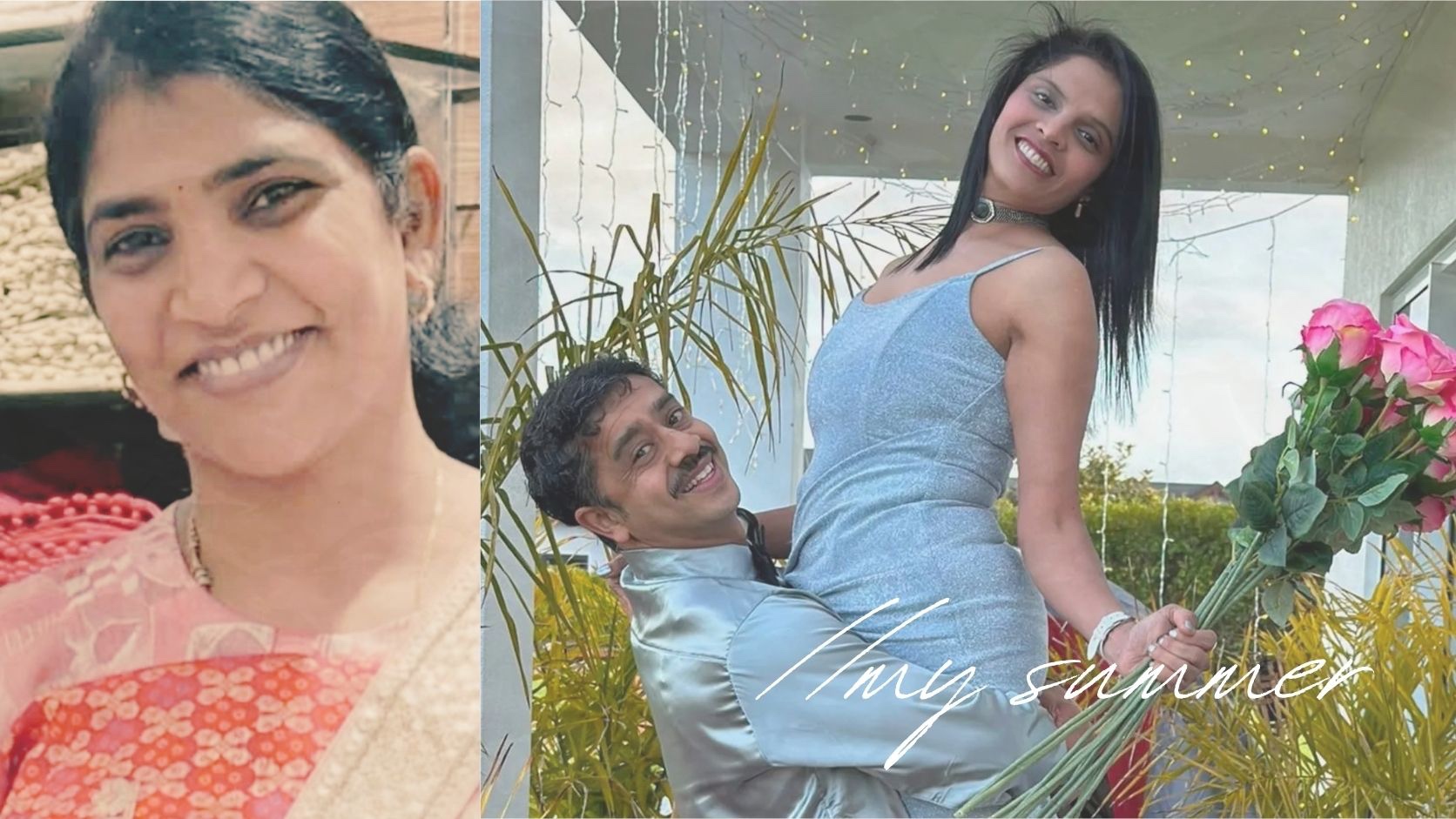
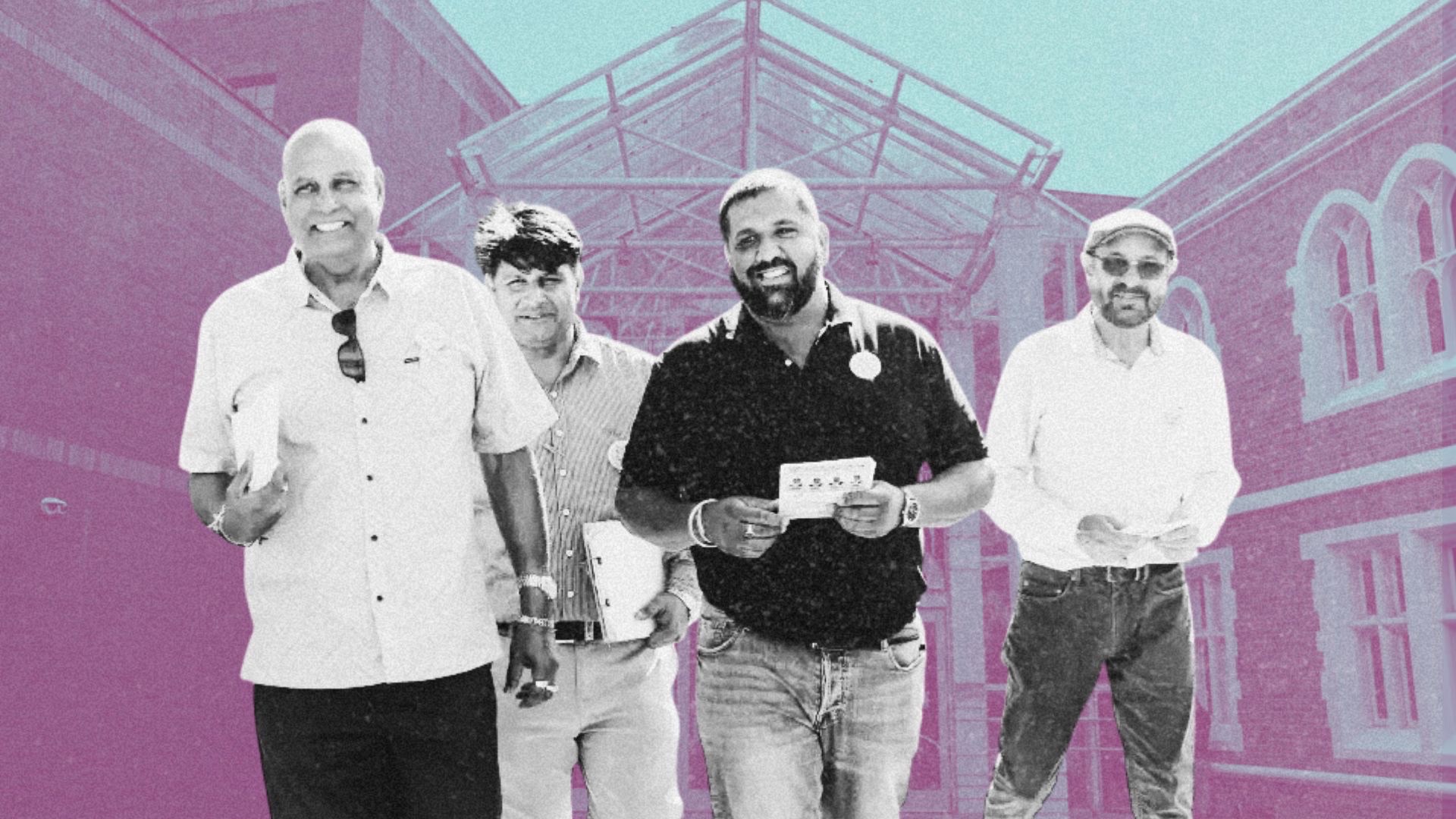
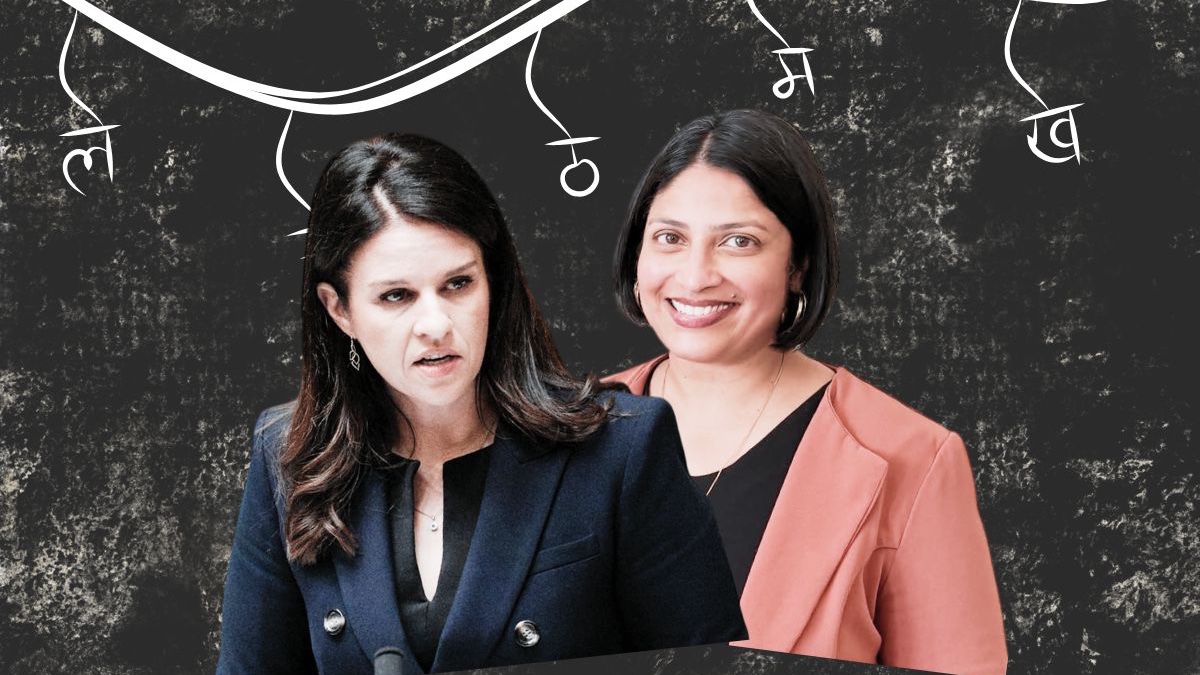
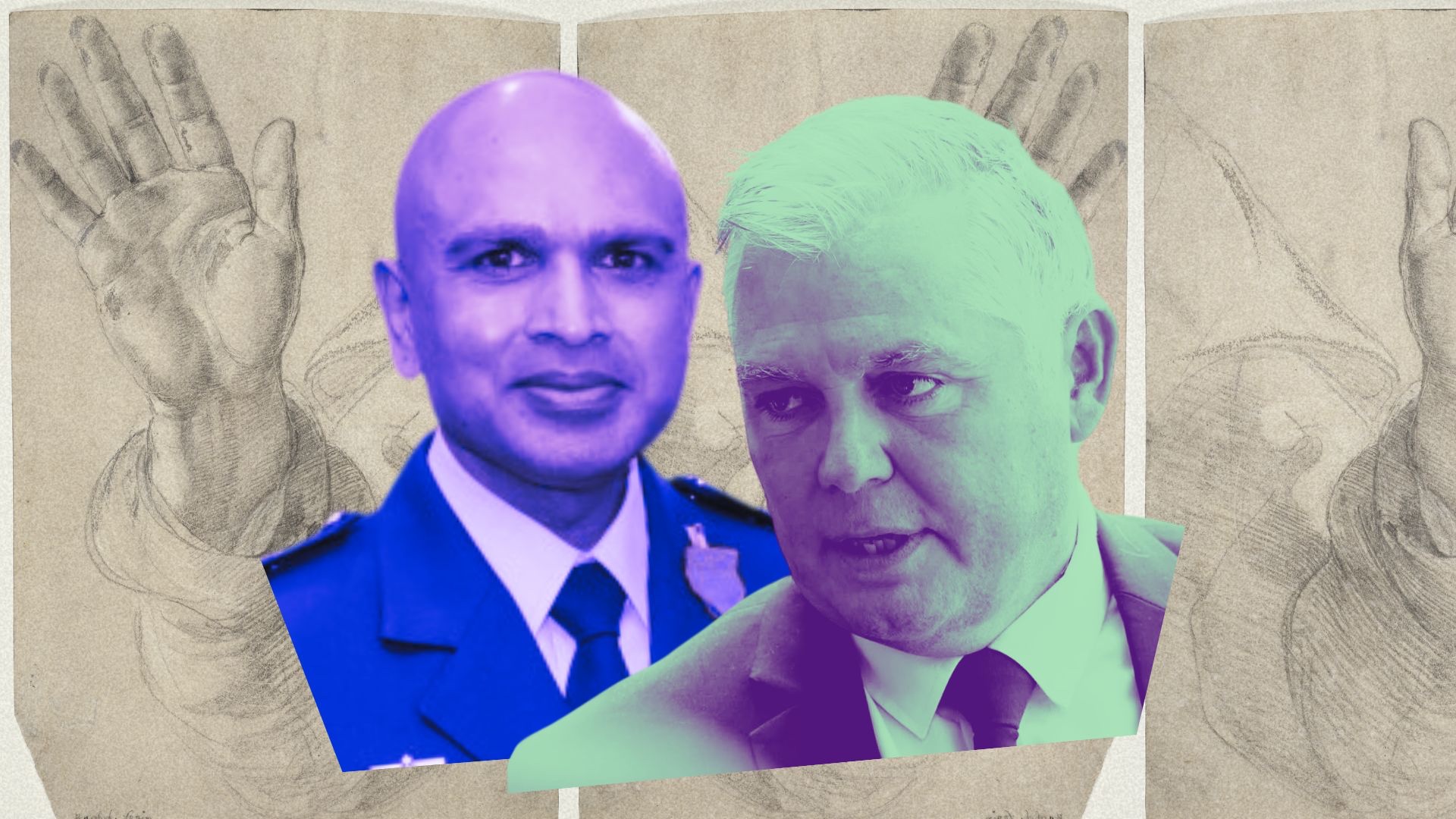
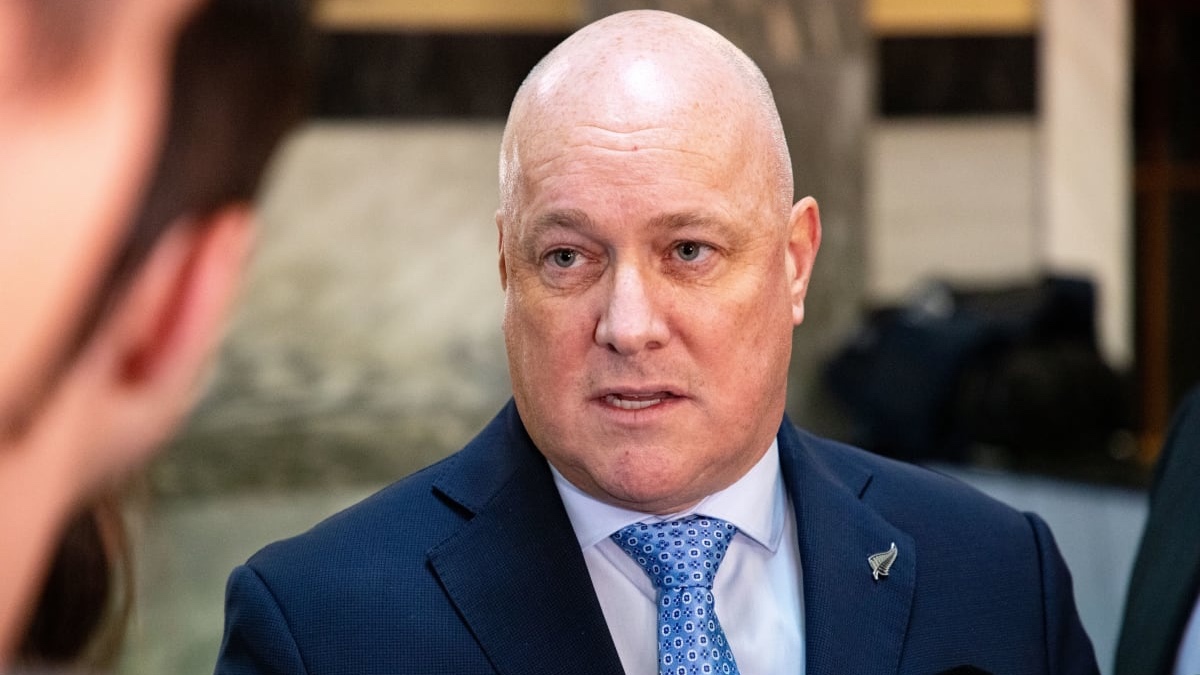
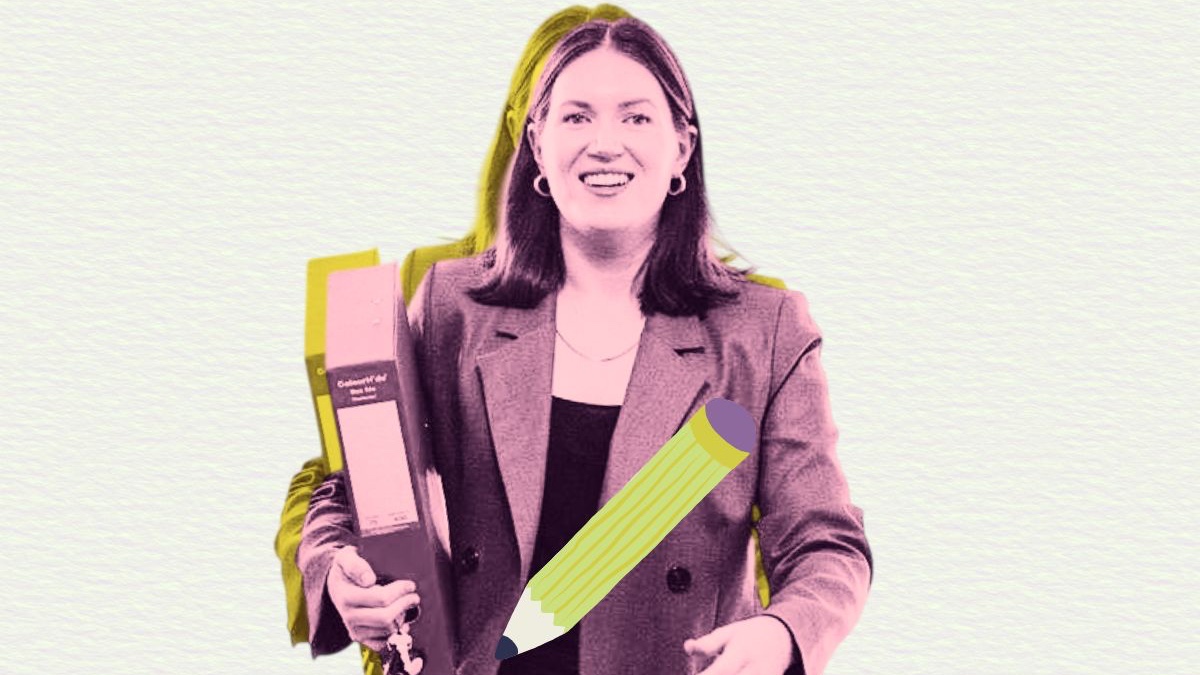
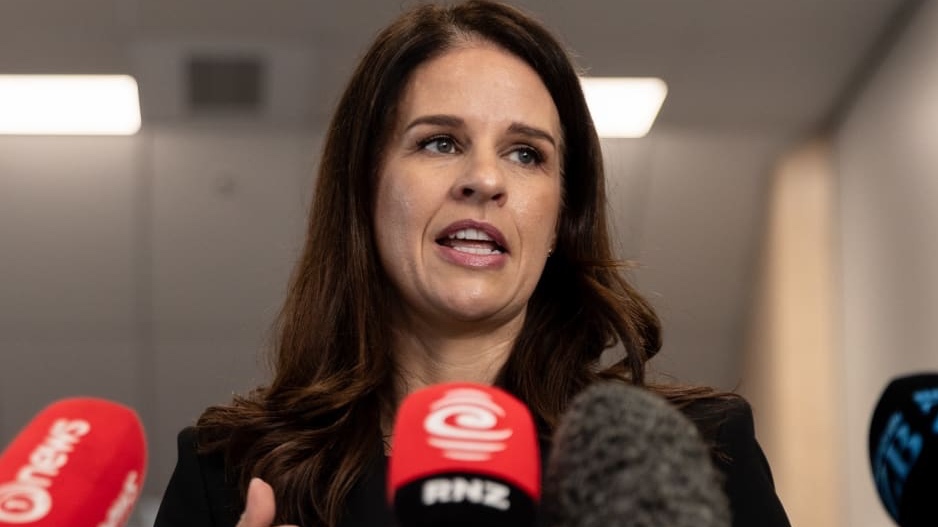
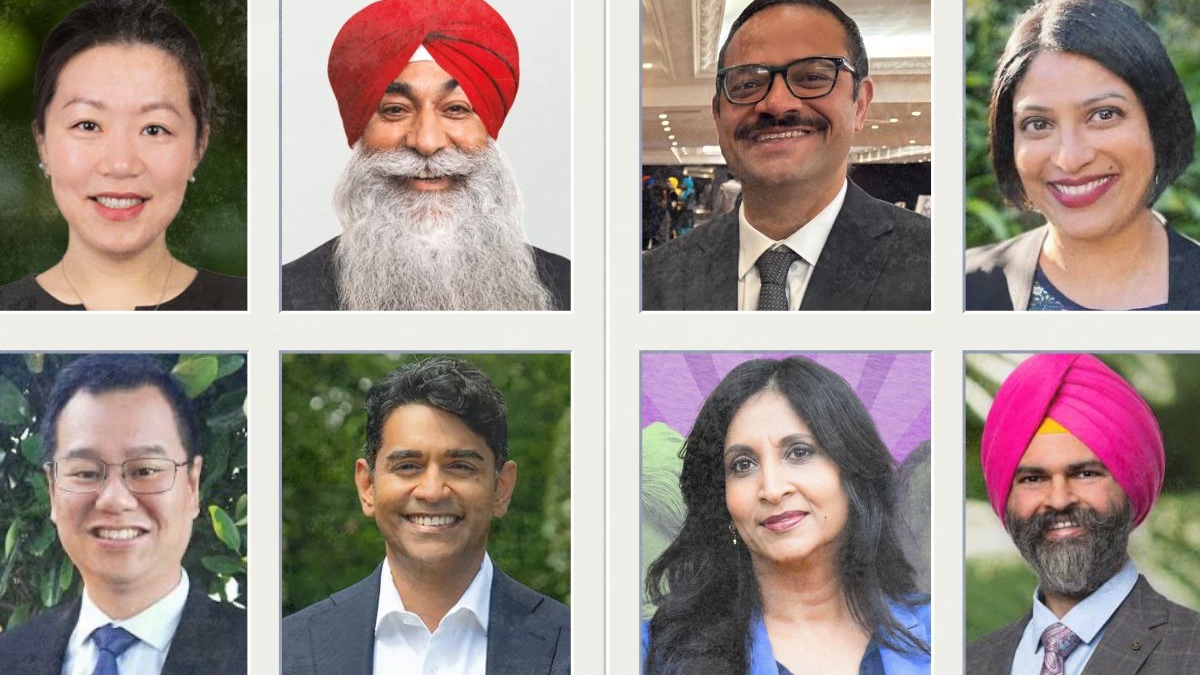
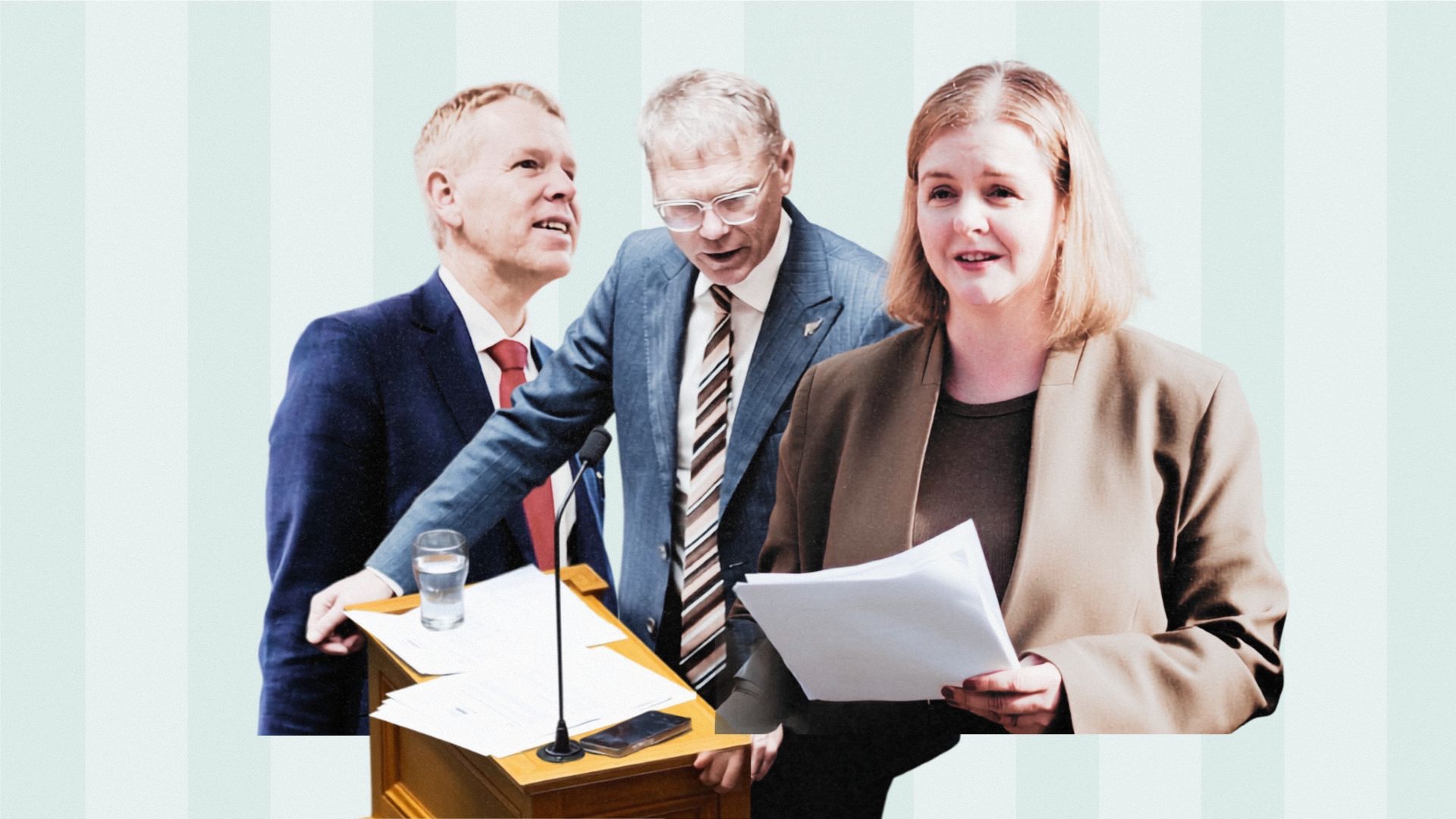
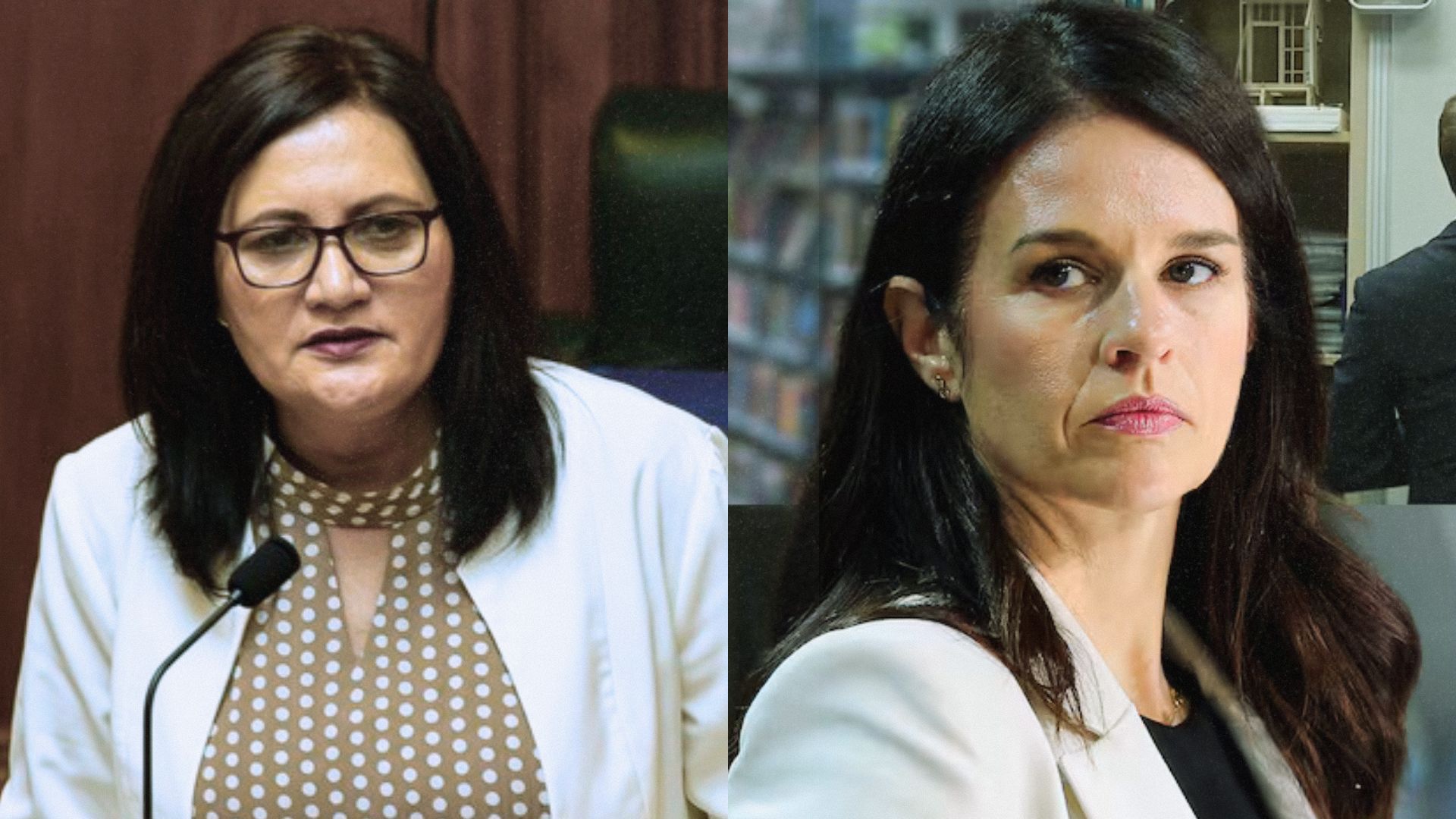
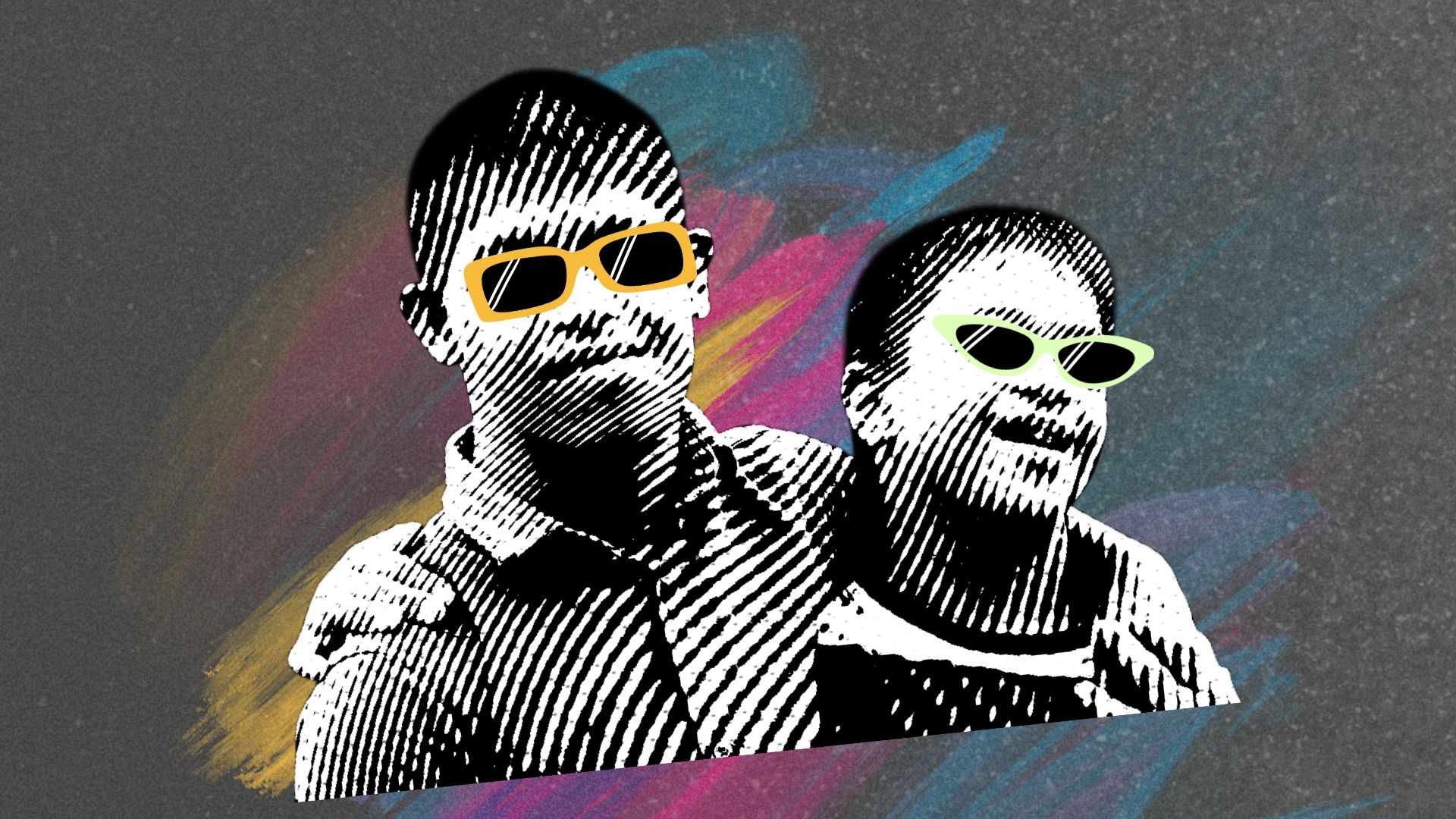
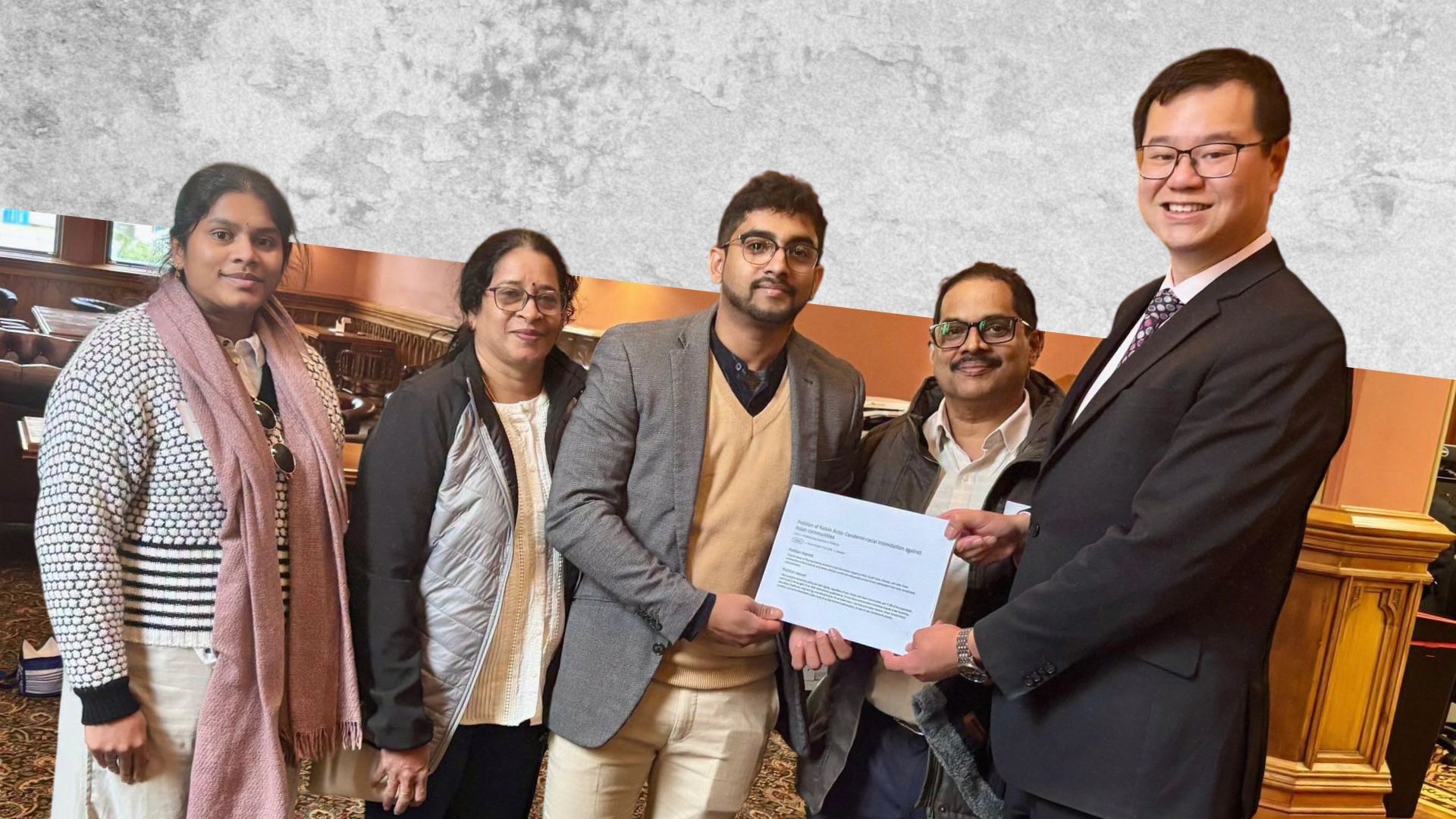
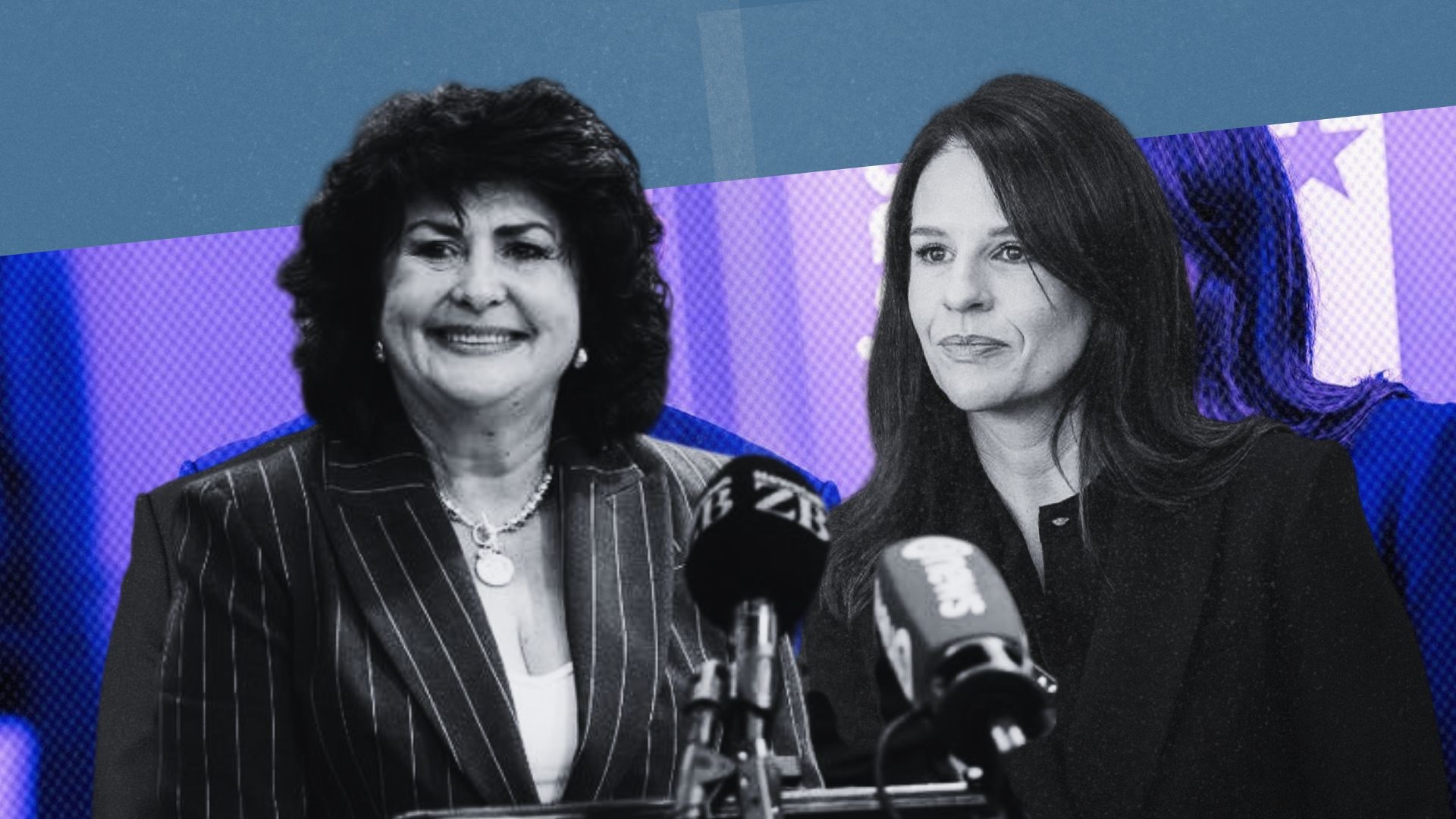
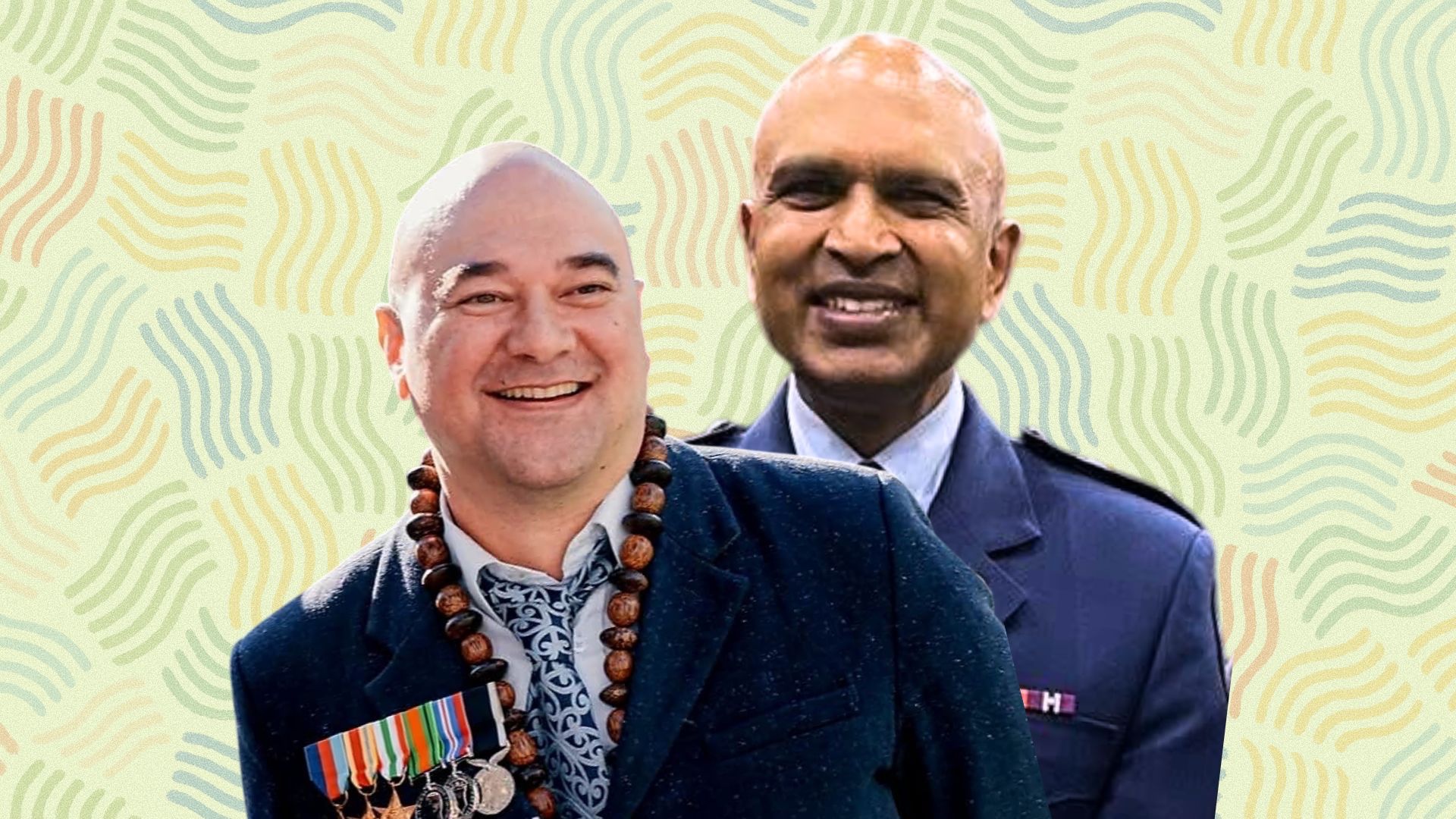
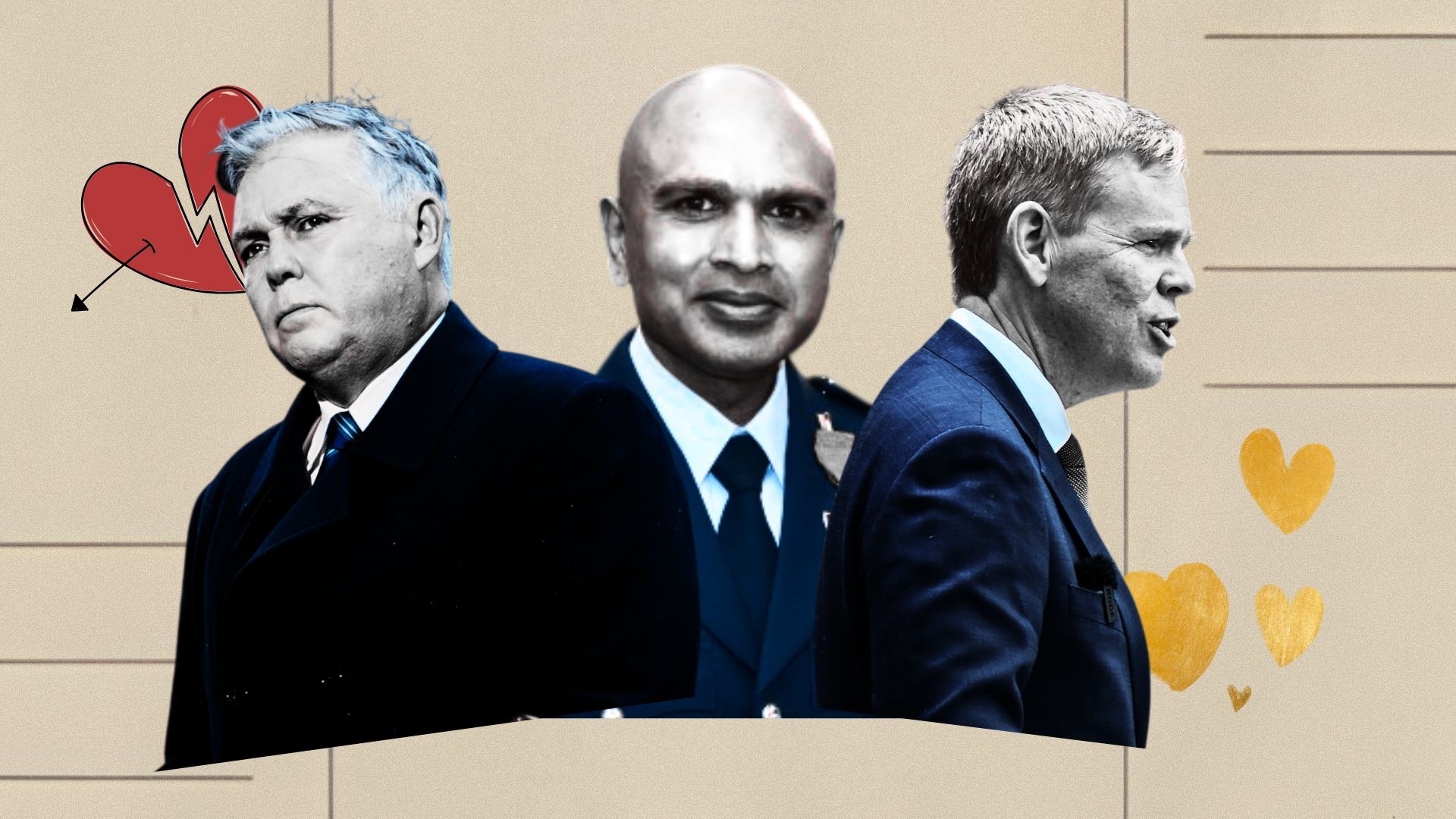
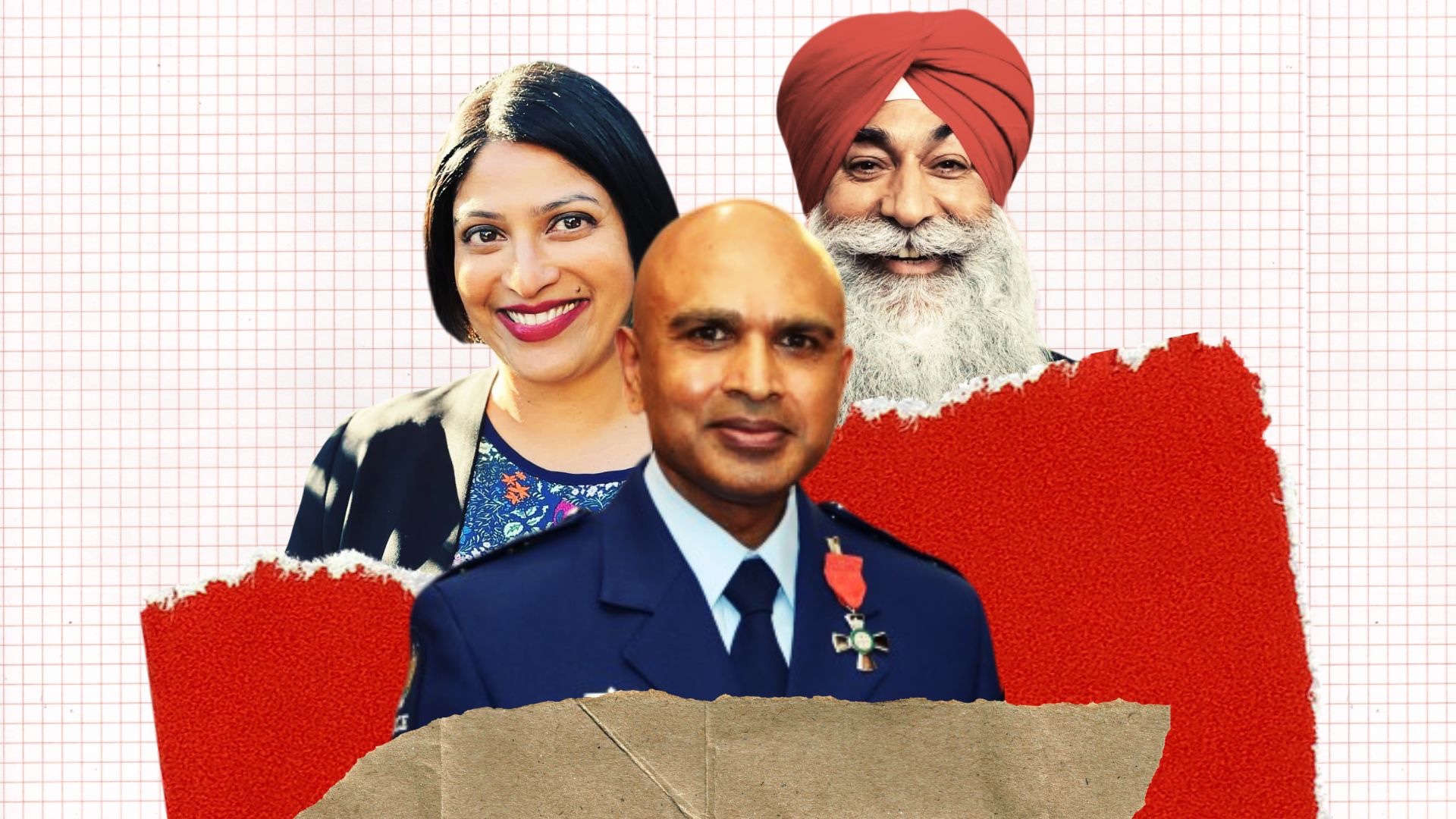
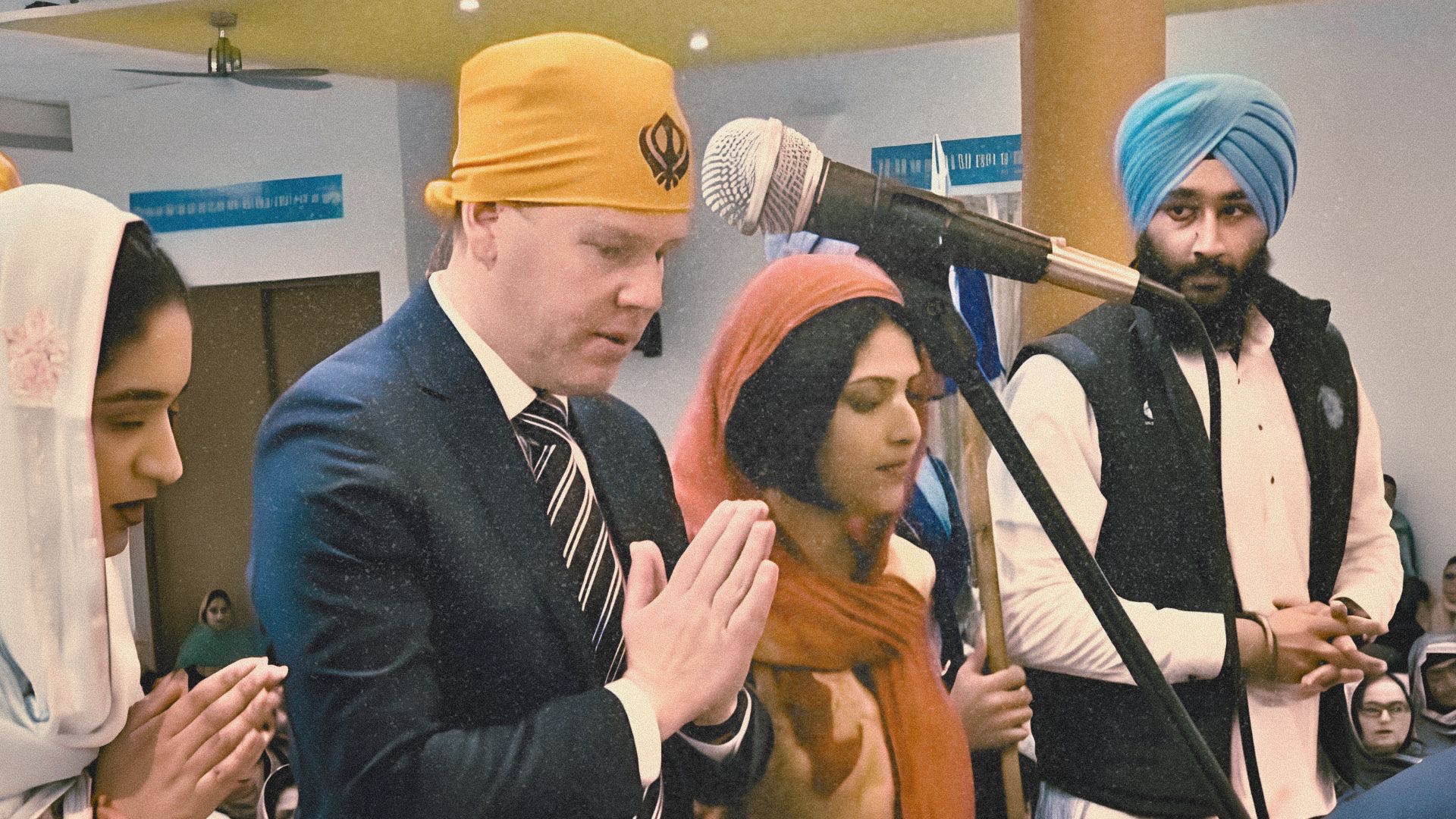
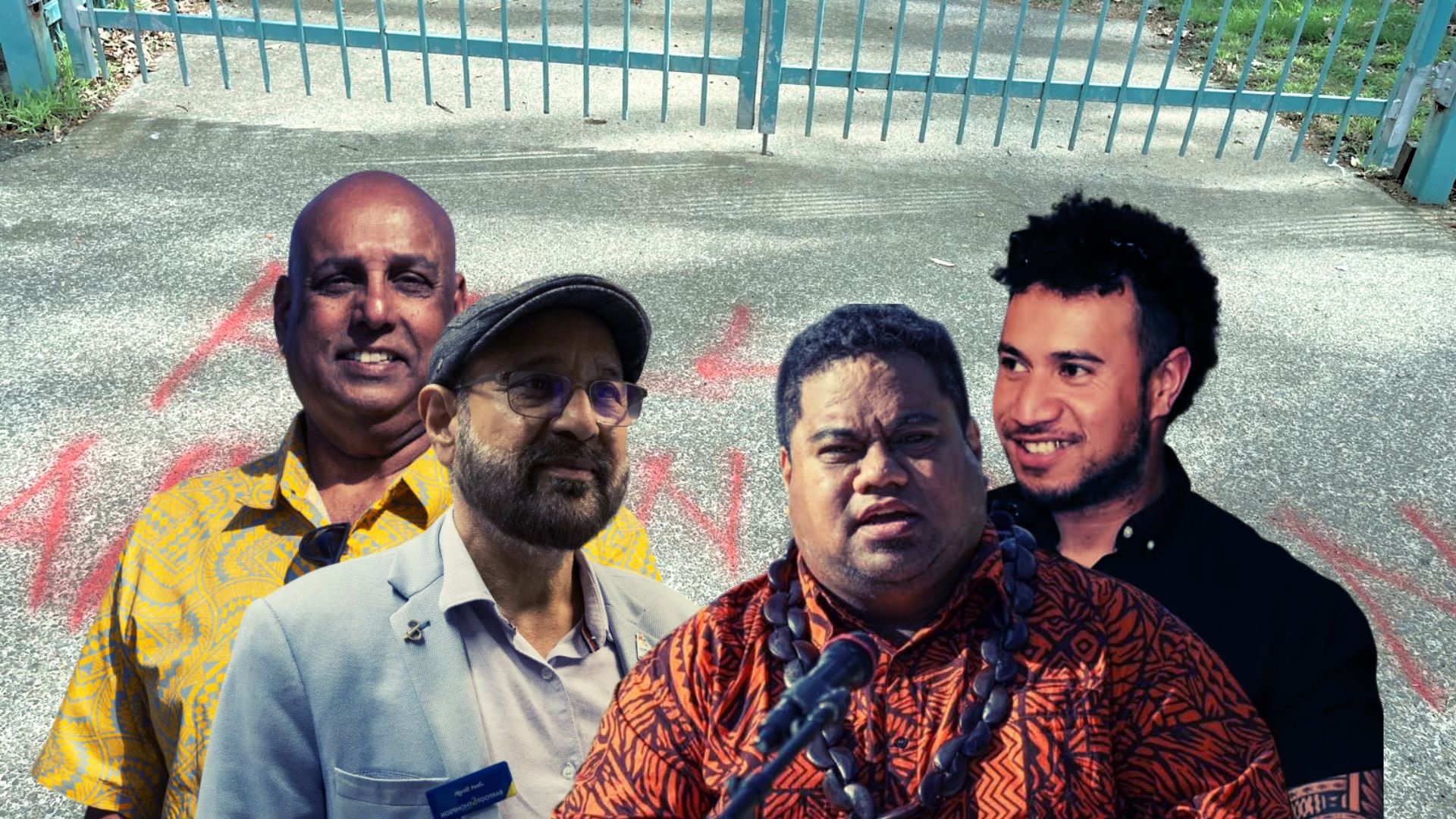
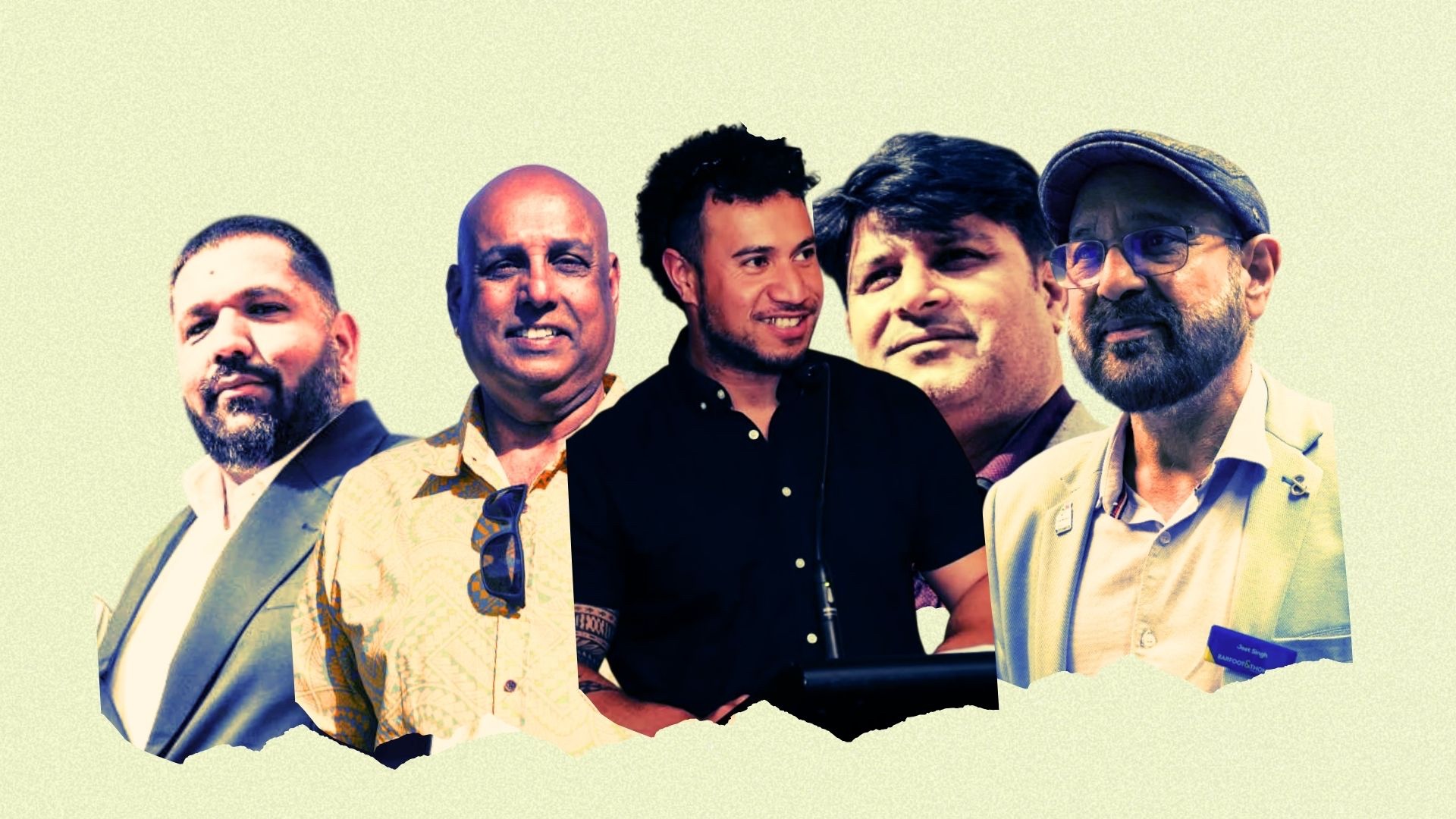
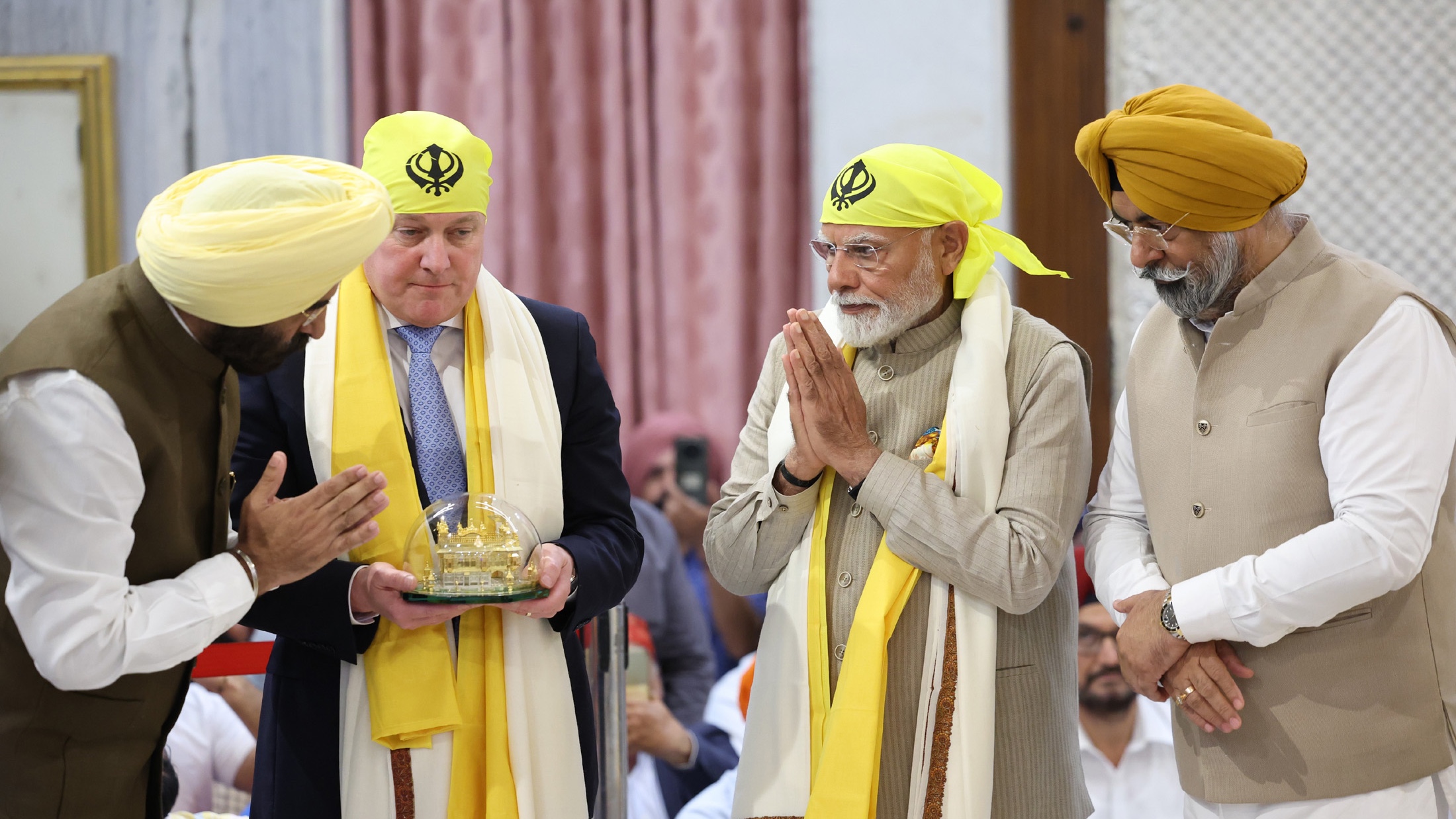
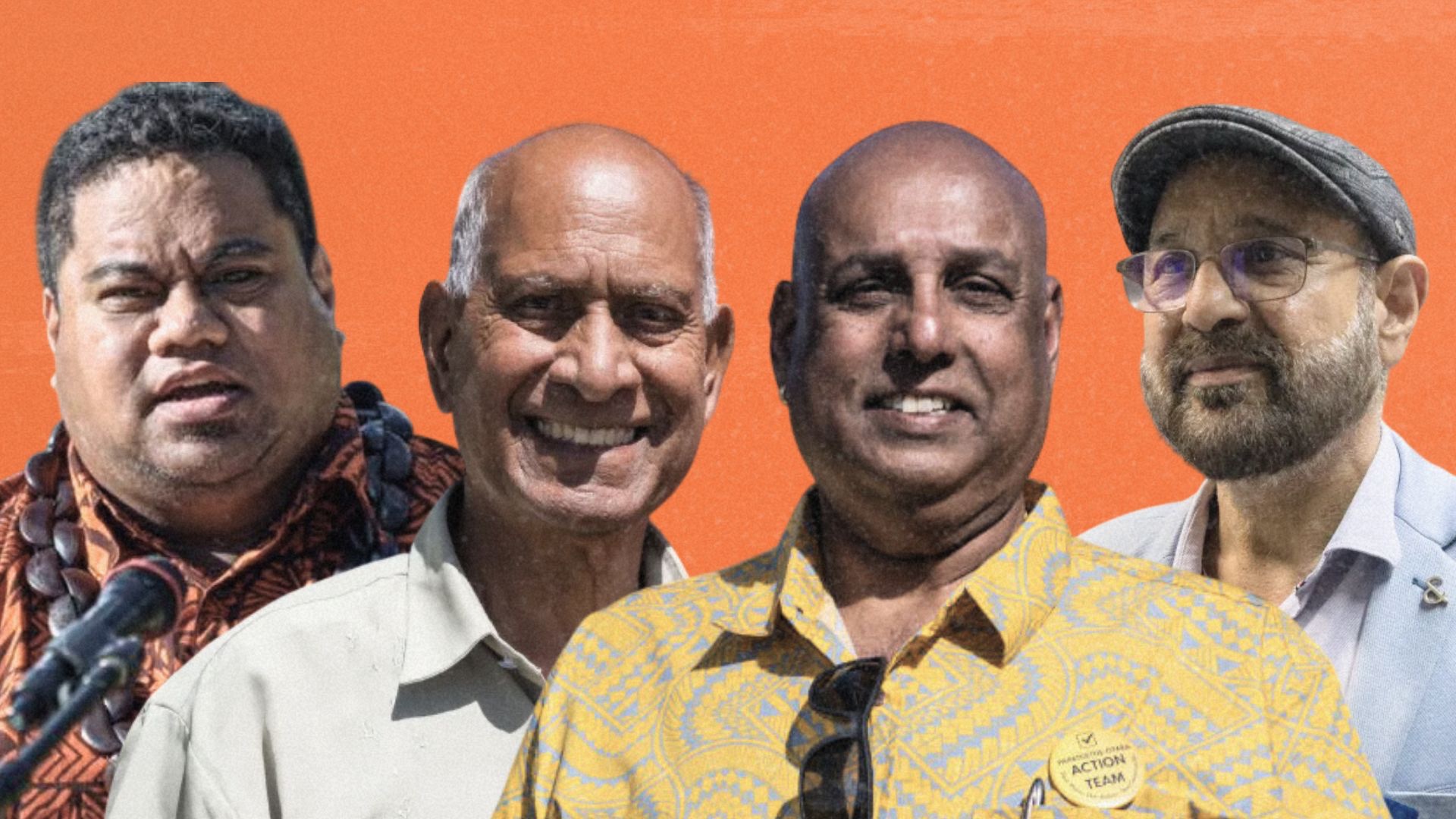
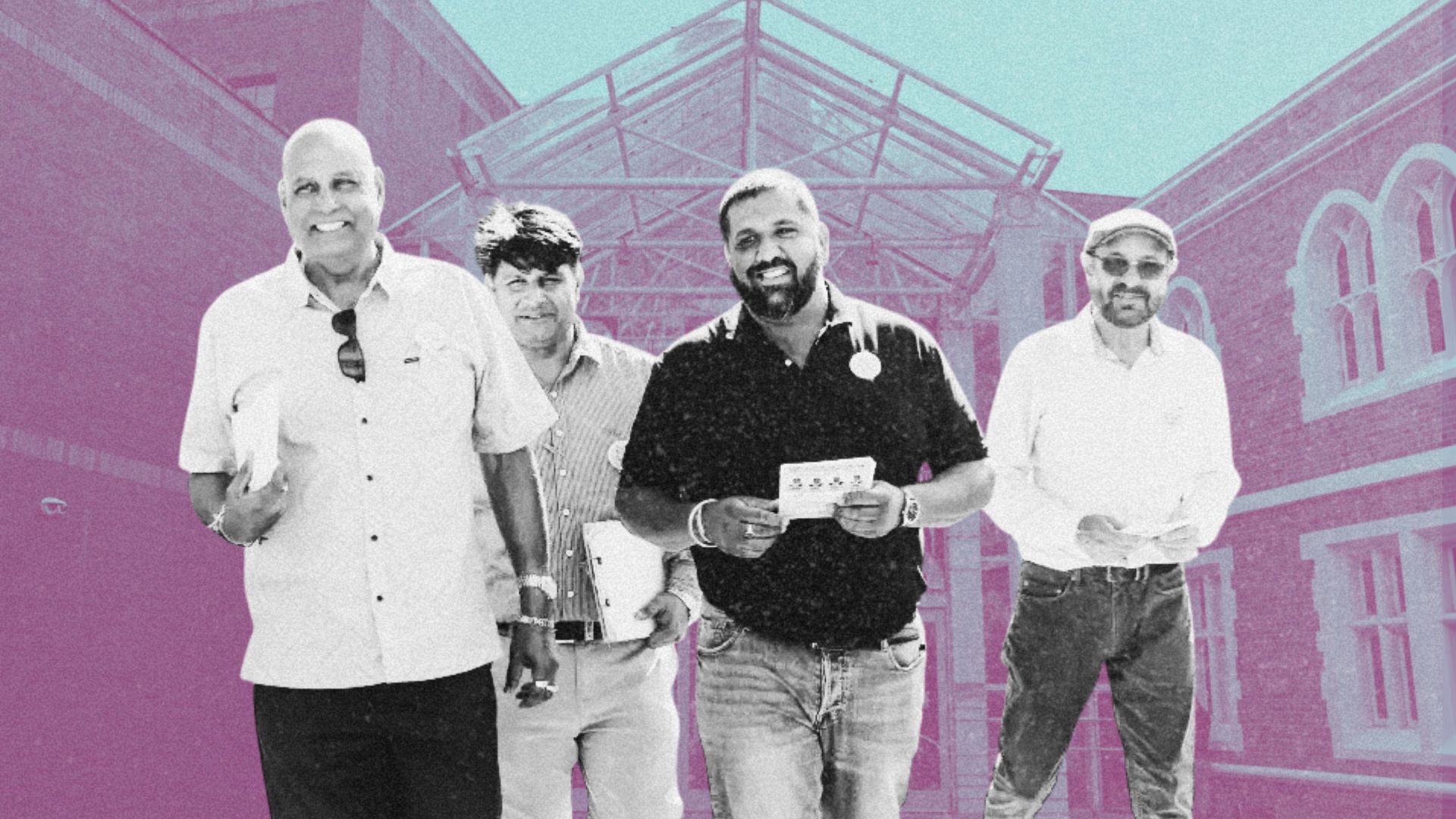
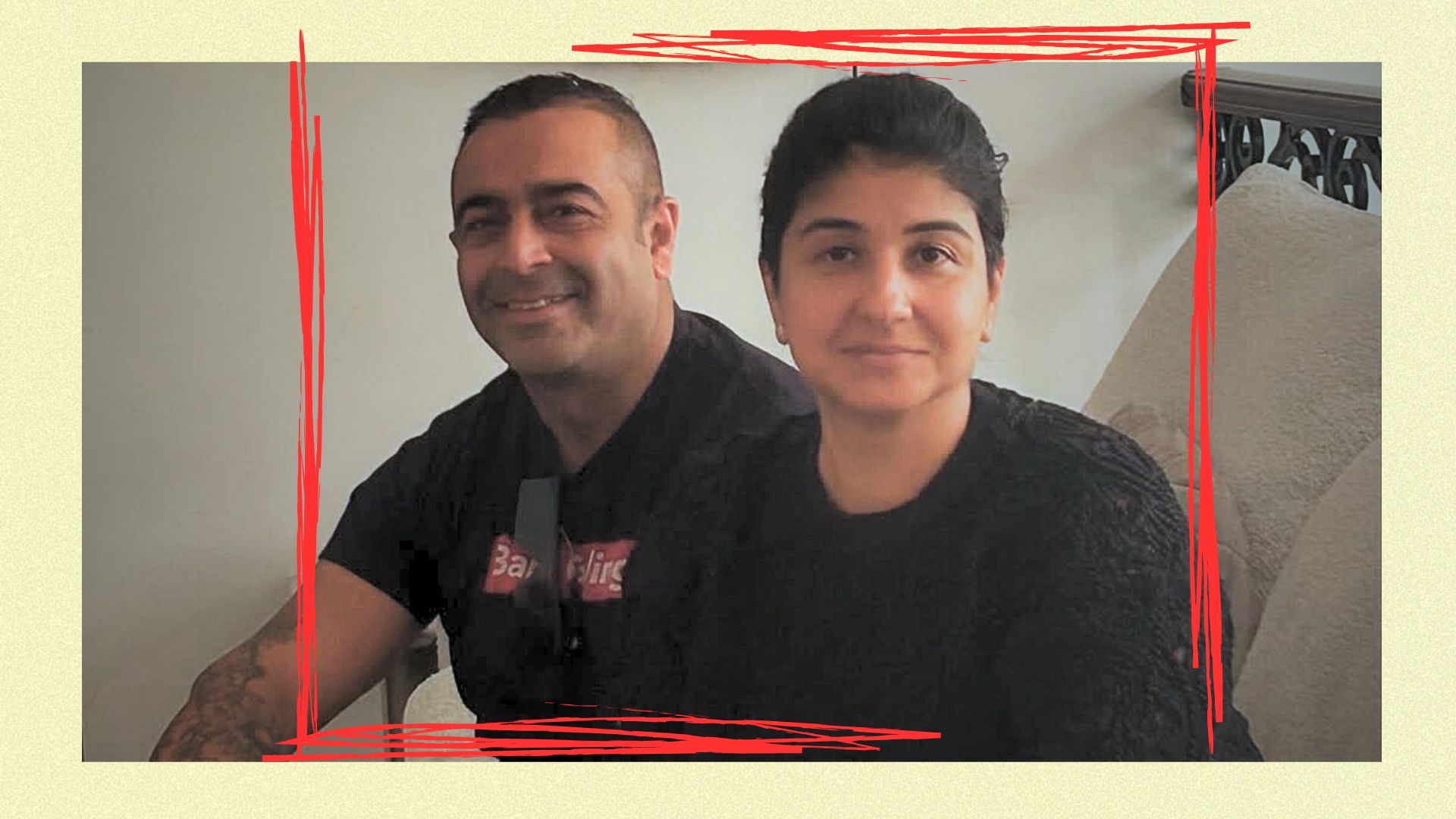
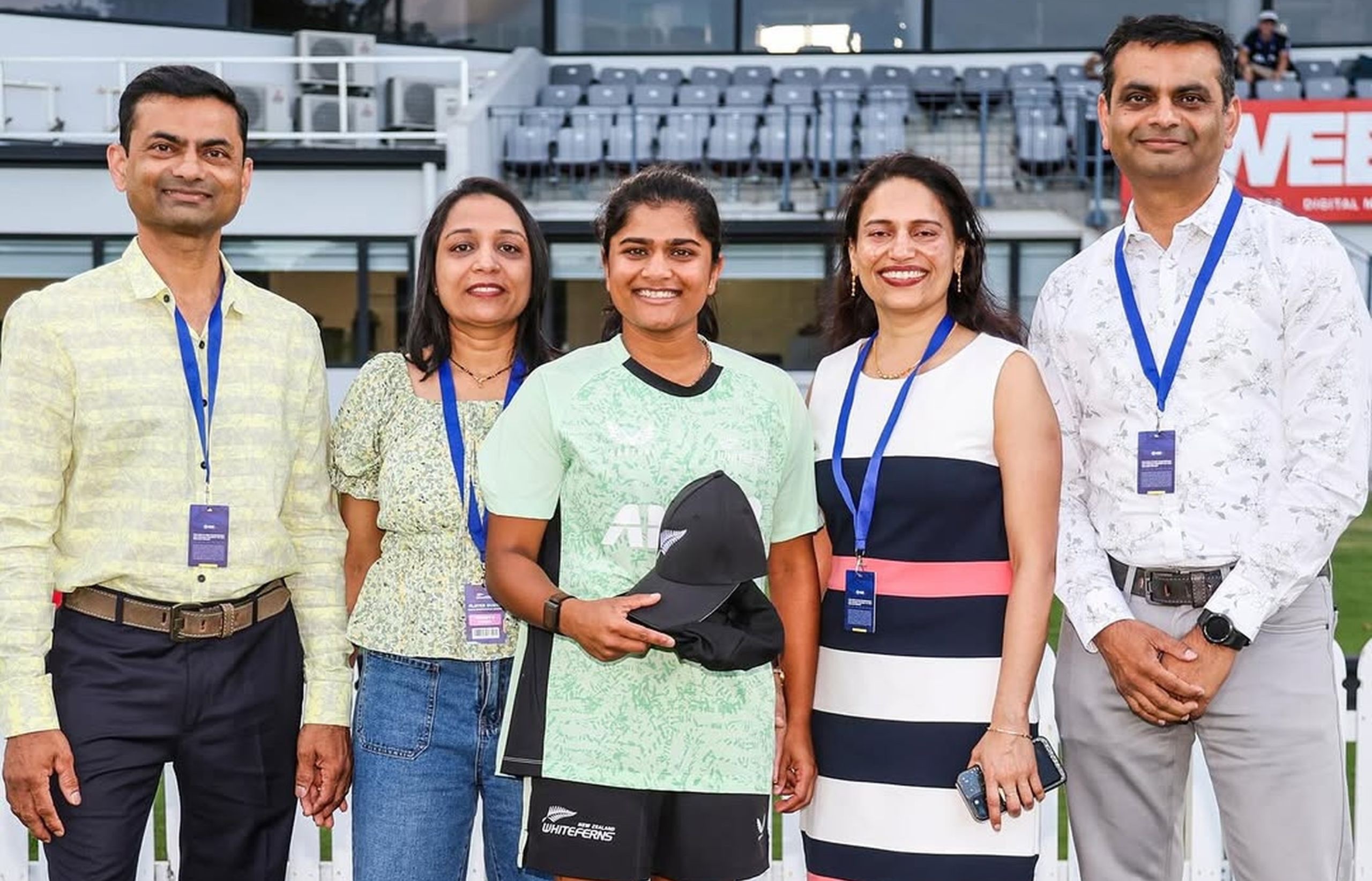
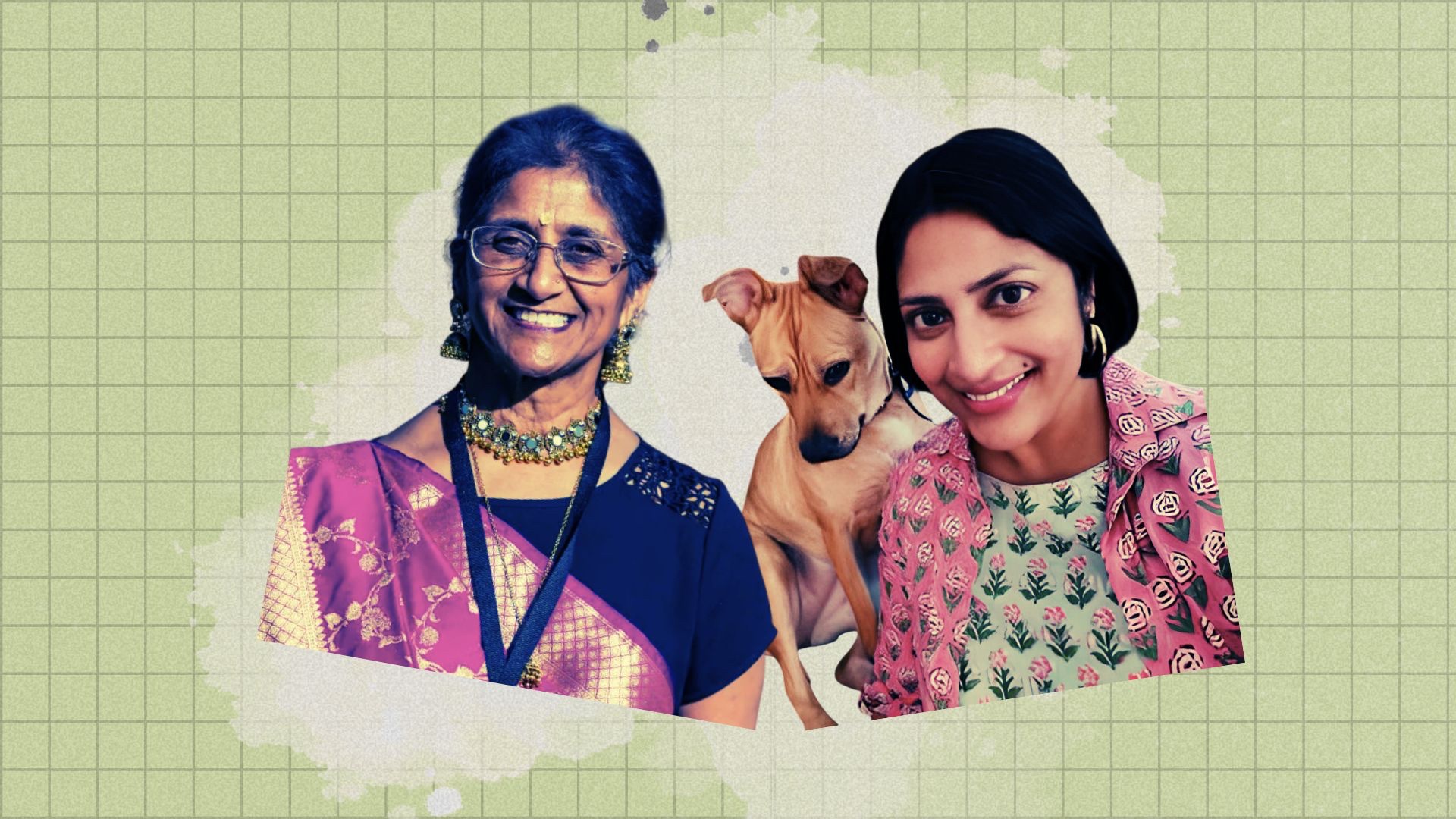
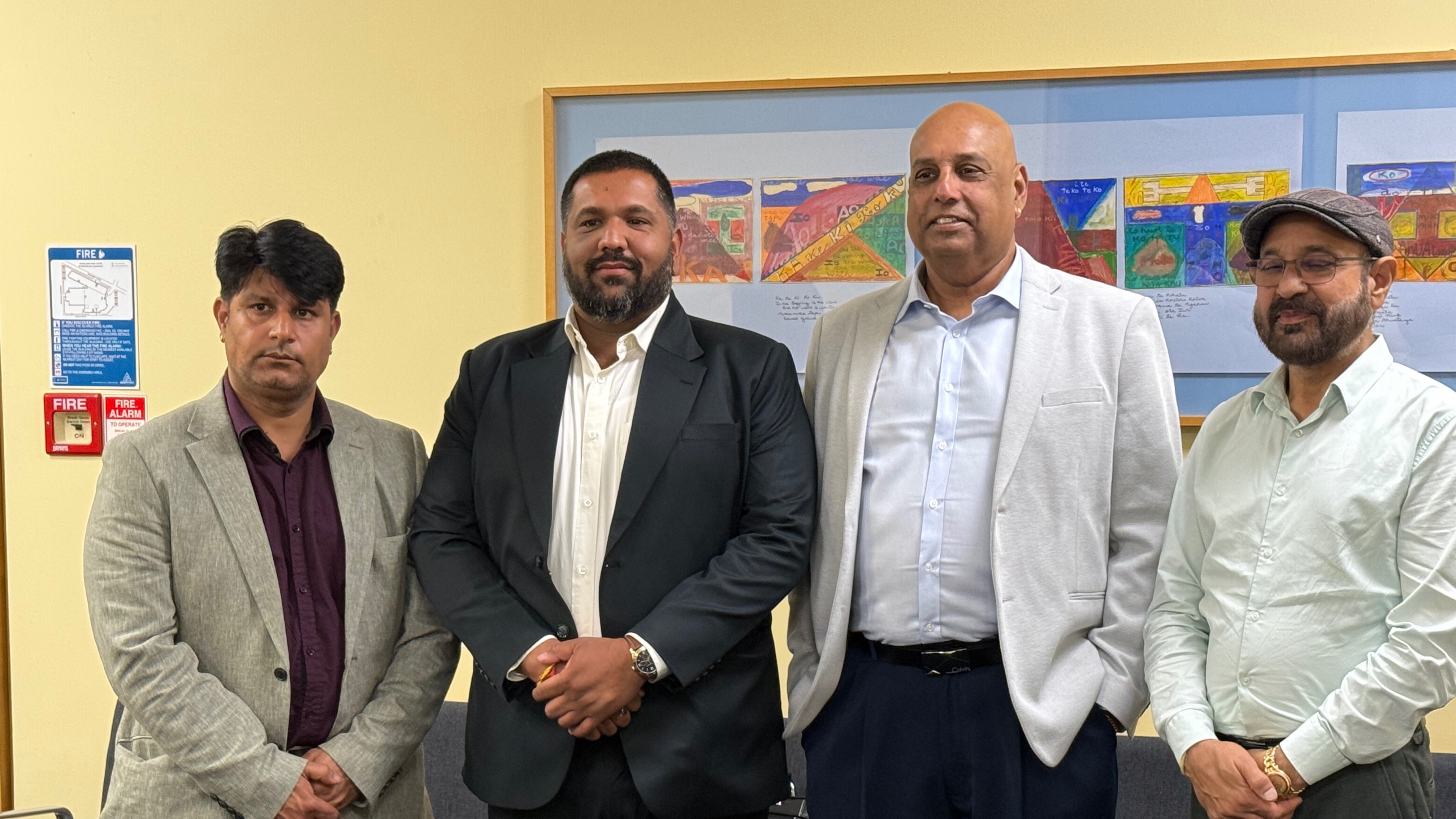
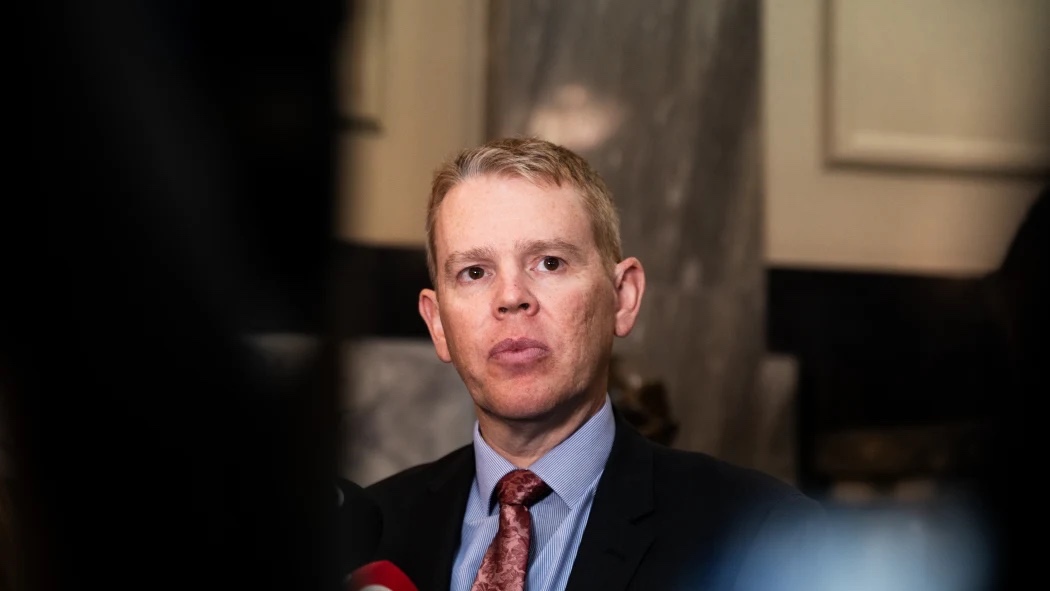
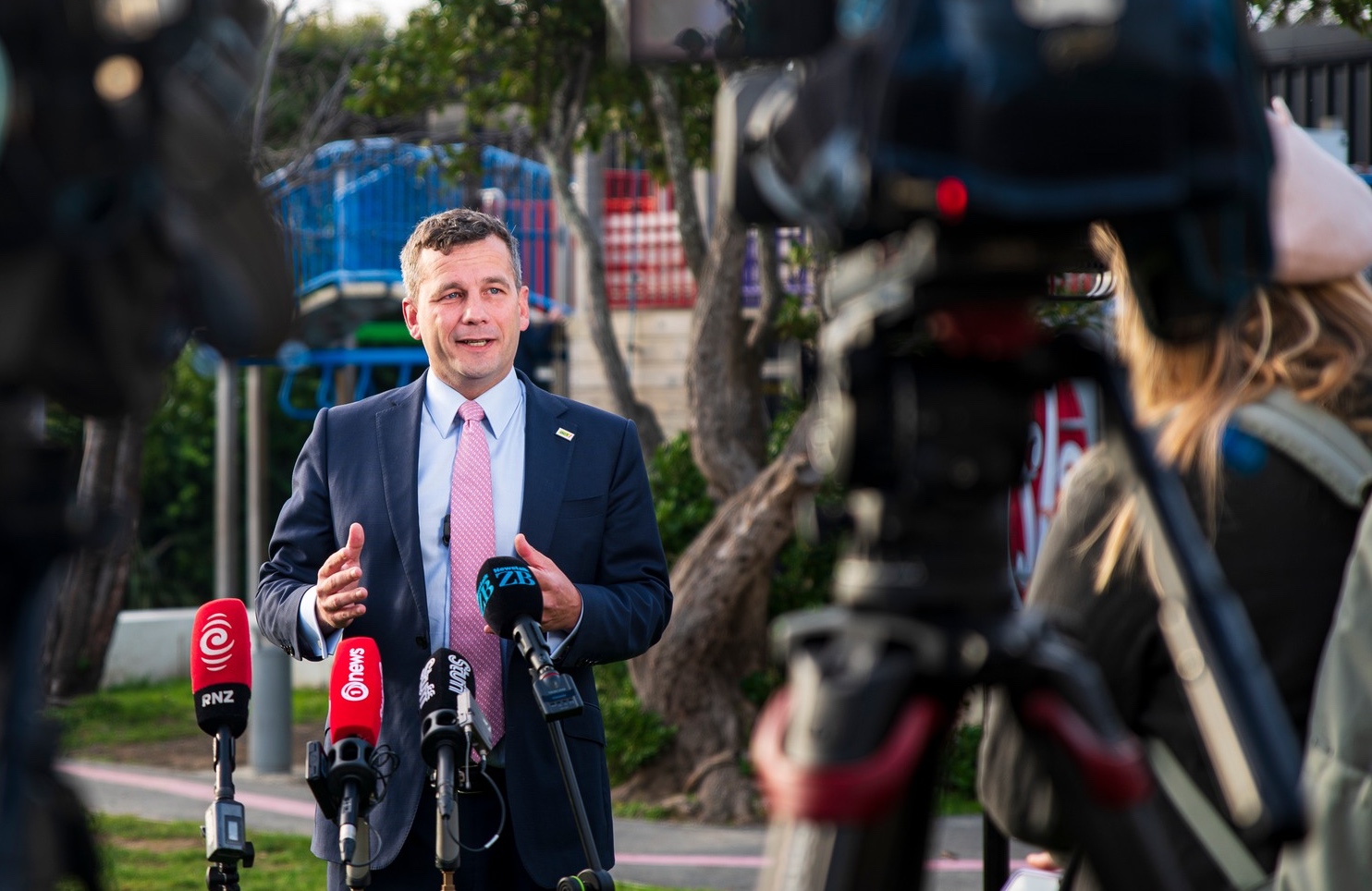
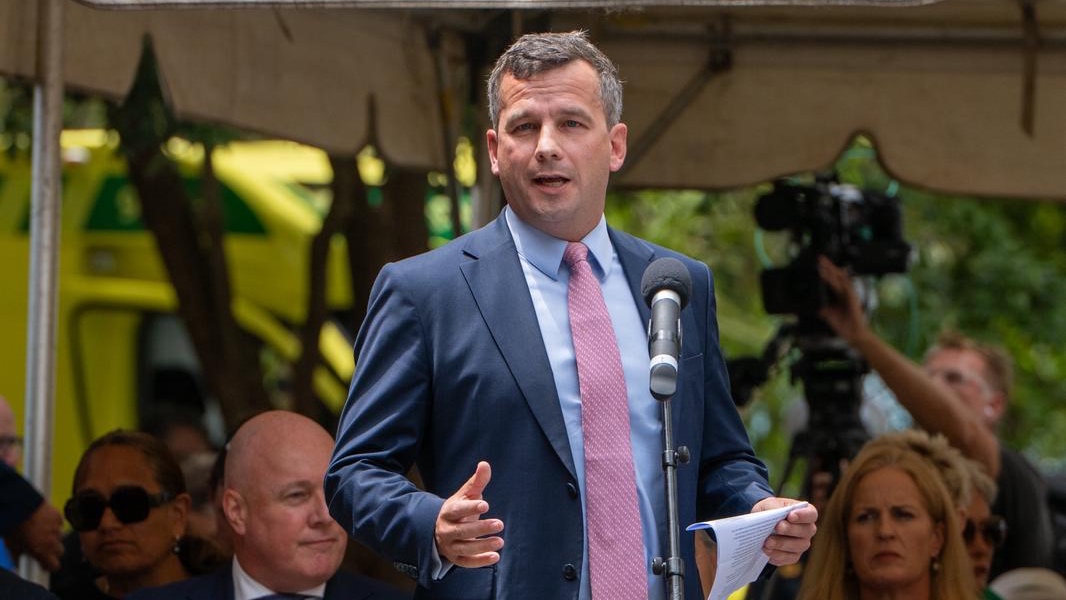
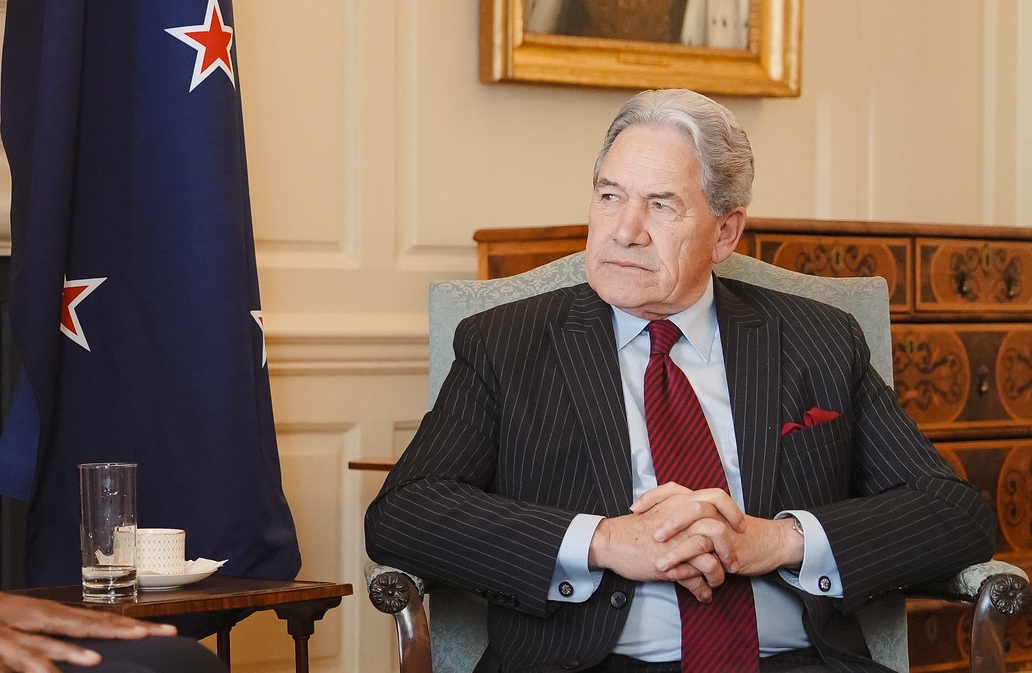
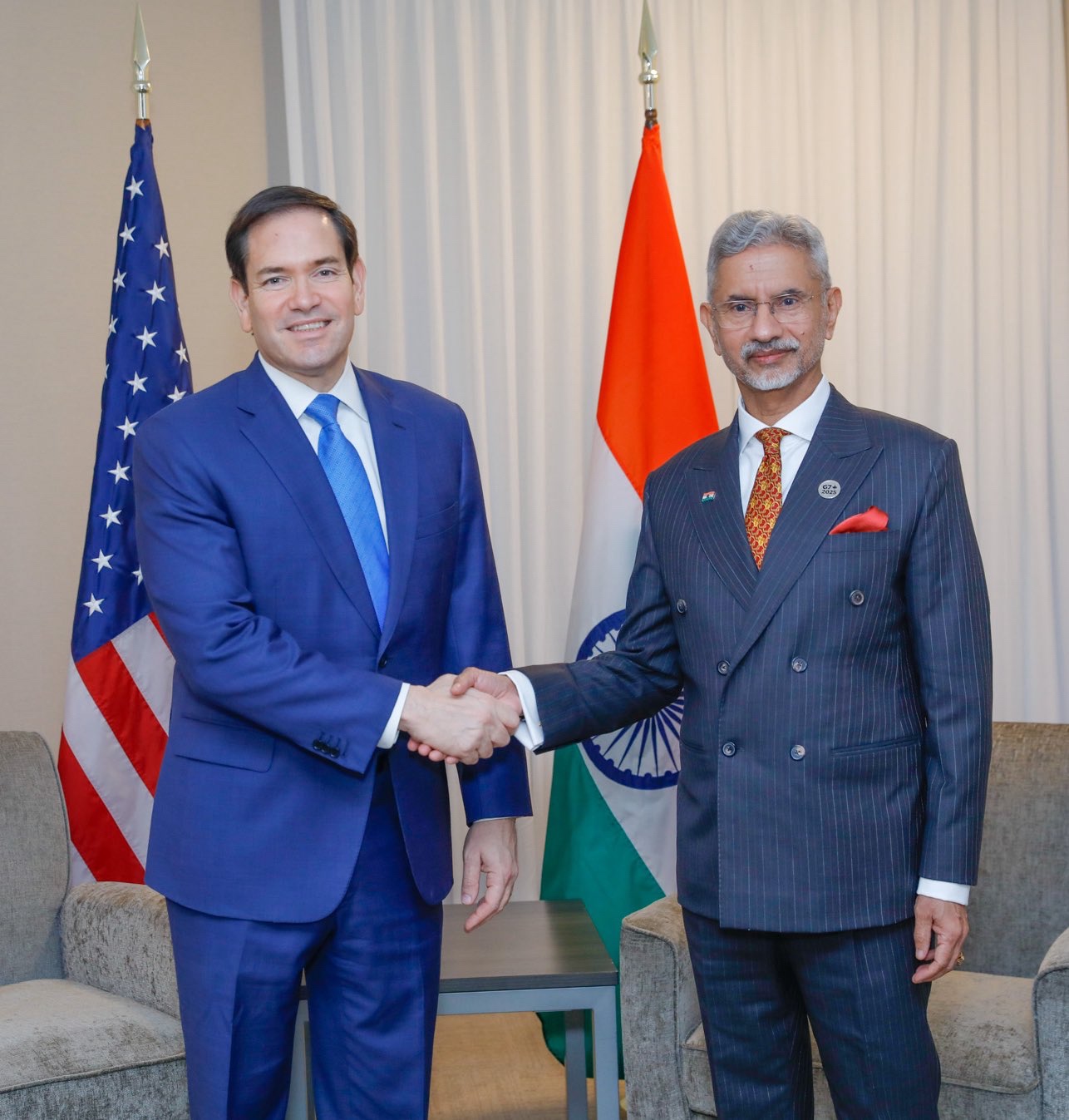
The four winners from last year's election for the Otara-Papatoetoe Local Board: (from left) Kushma Nair, Sandeep Saini, Kunal Bhalla and Paramjeet Singh.
A re-do of last year's election has thrown up a mixed result for the past winners.
Preliminary results from the Otara-Papatoetoe Local Board re-election are indicating electors have voted three of the four Indian-origin candidates who won last year back to power.
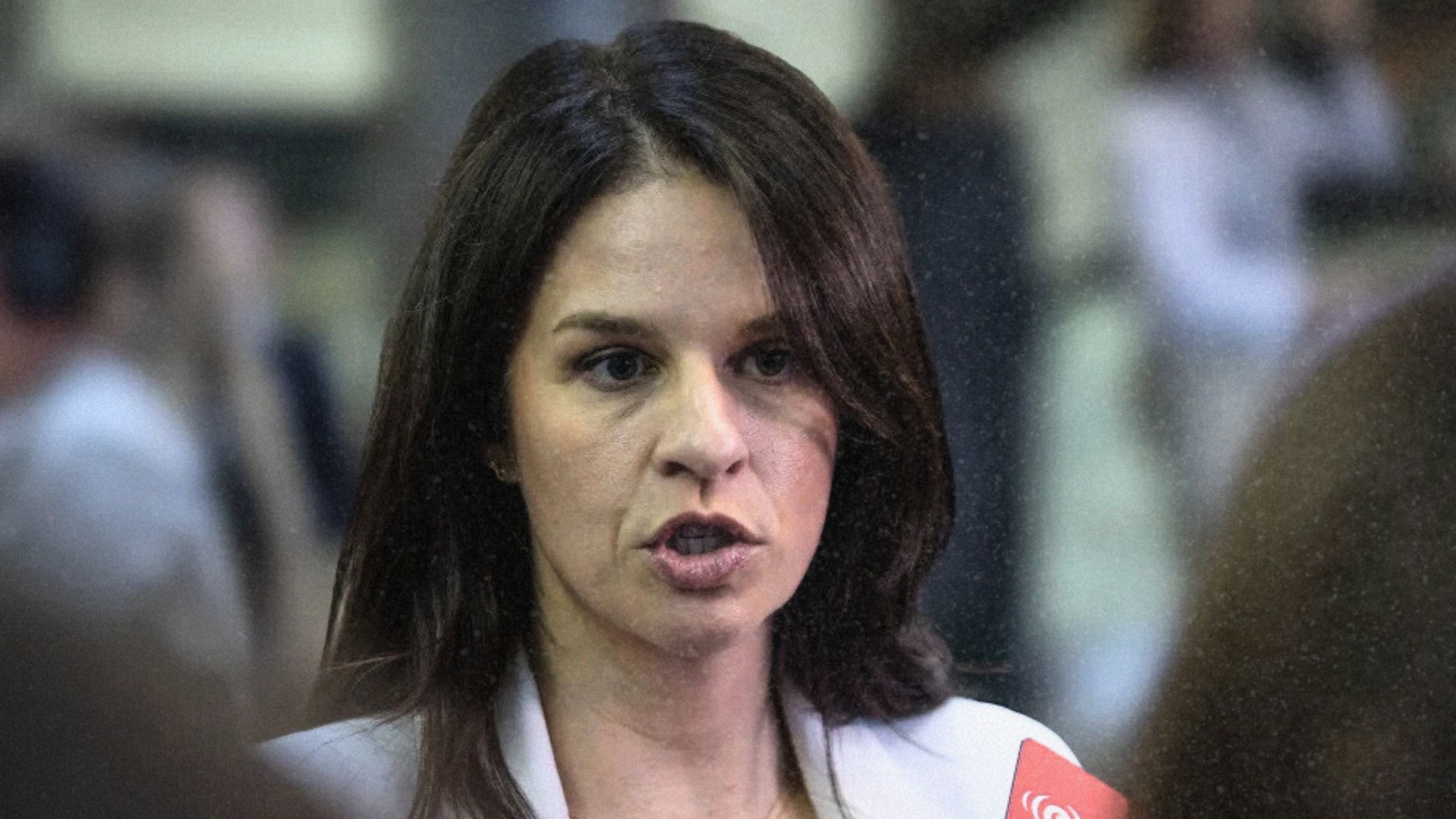
The final counts will be announced on April 10, but initial results declared by the electoral officer today show the winners are (in that order) Vi Hausia with 2788 votes, and three candidates from the Papatotoe Otara Action Team – Jeet Singh 2484, Sandeep Saini 2479 and Kushma Nair 2,383 votes.
POAT's Kunal Bhalla who won last year is a close fifth at 2,343 votes.
The result marks a departure from the 2025 election, where a single grouping secured all the seats in the subdivision. All four Indian candidates from the Papatoetoe Otara Action Team (POAT) swept to power.
The Otara-Papatoetoe Local Board has a total of seven seats, with four coming from the Papatoetoe subdivision. That outcome had triggered the country's first rerun of an election because of election fraud.
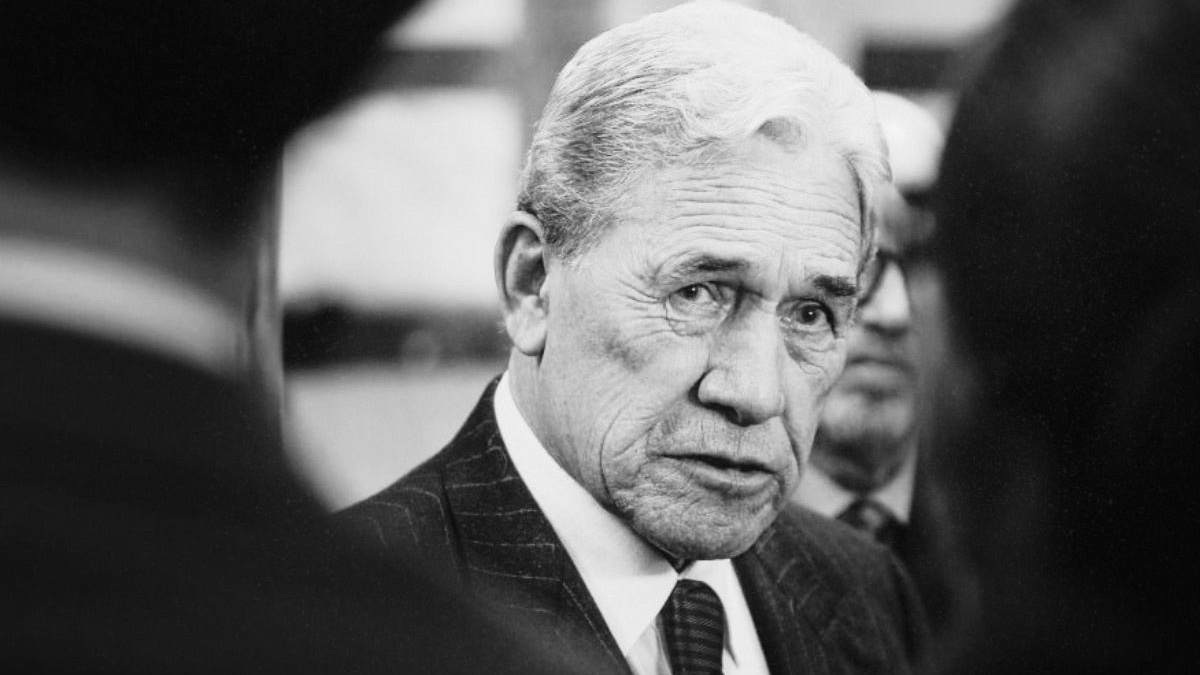
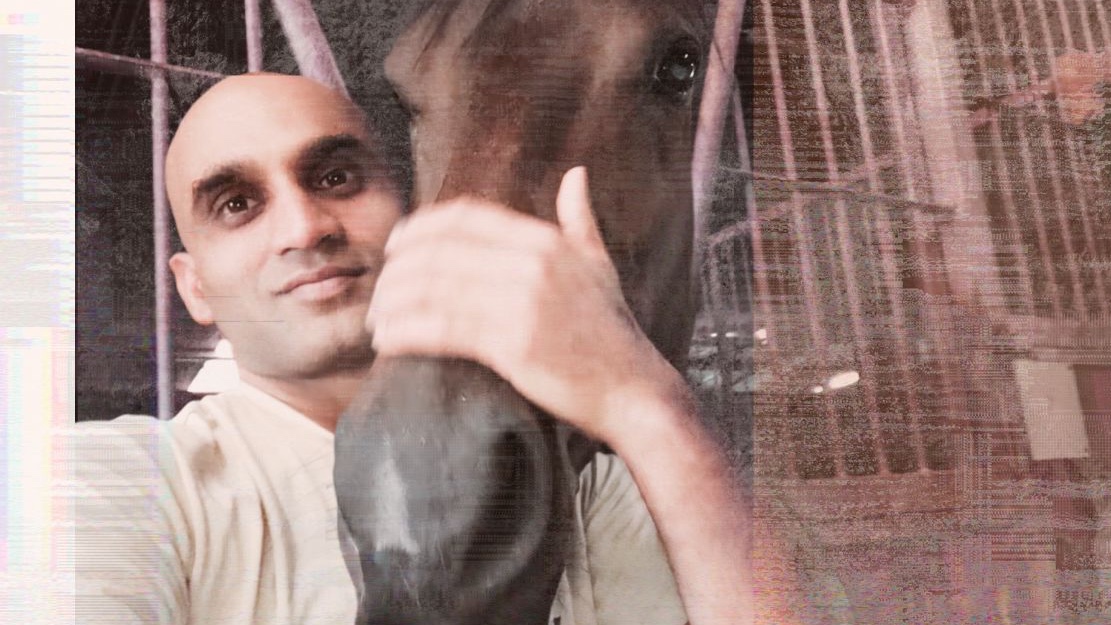
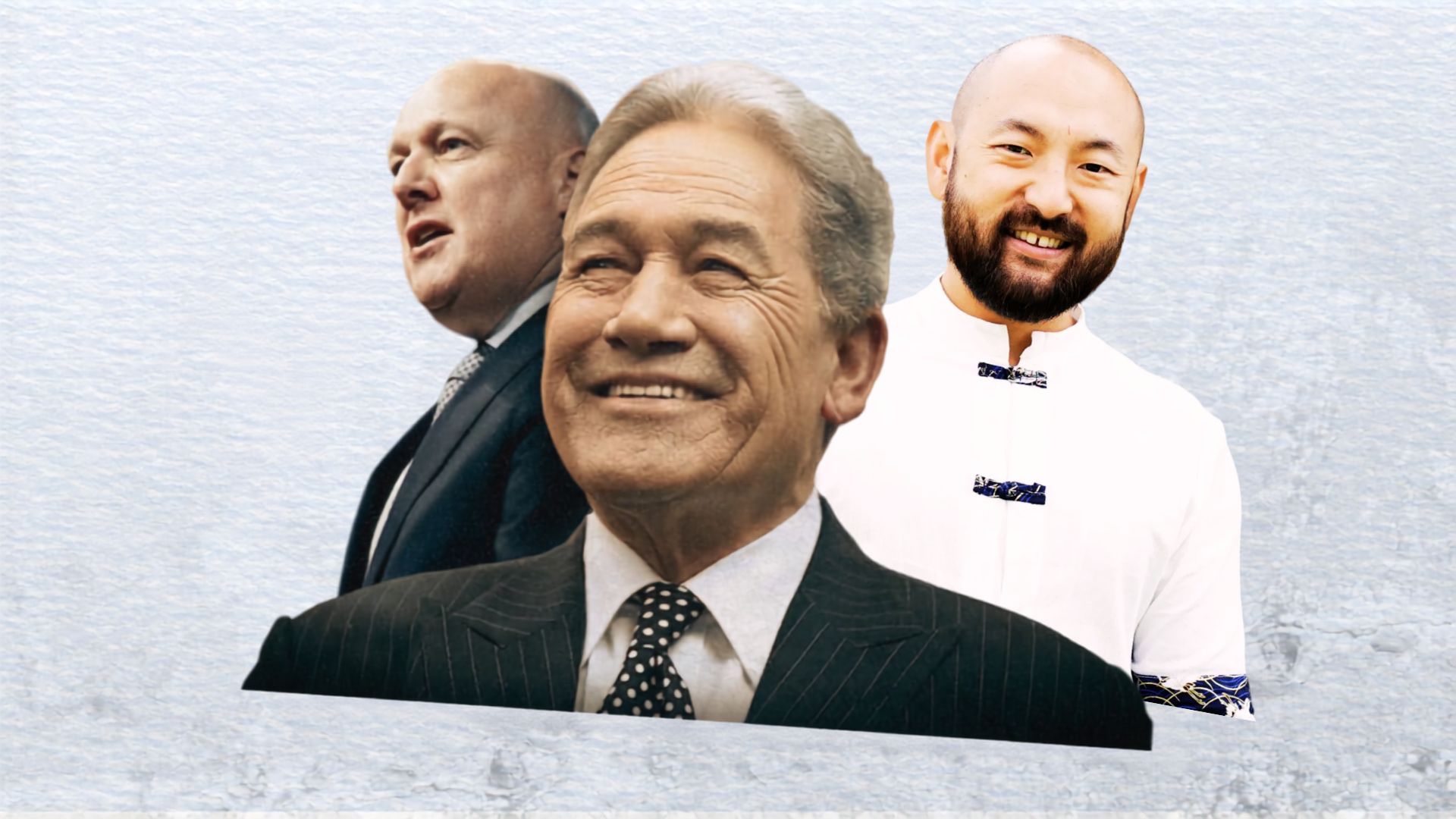
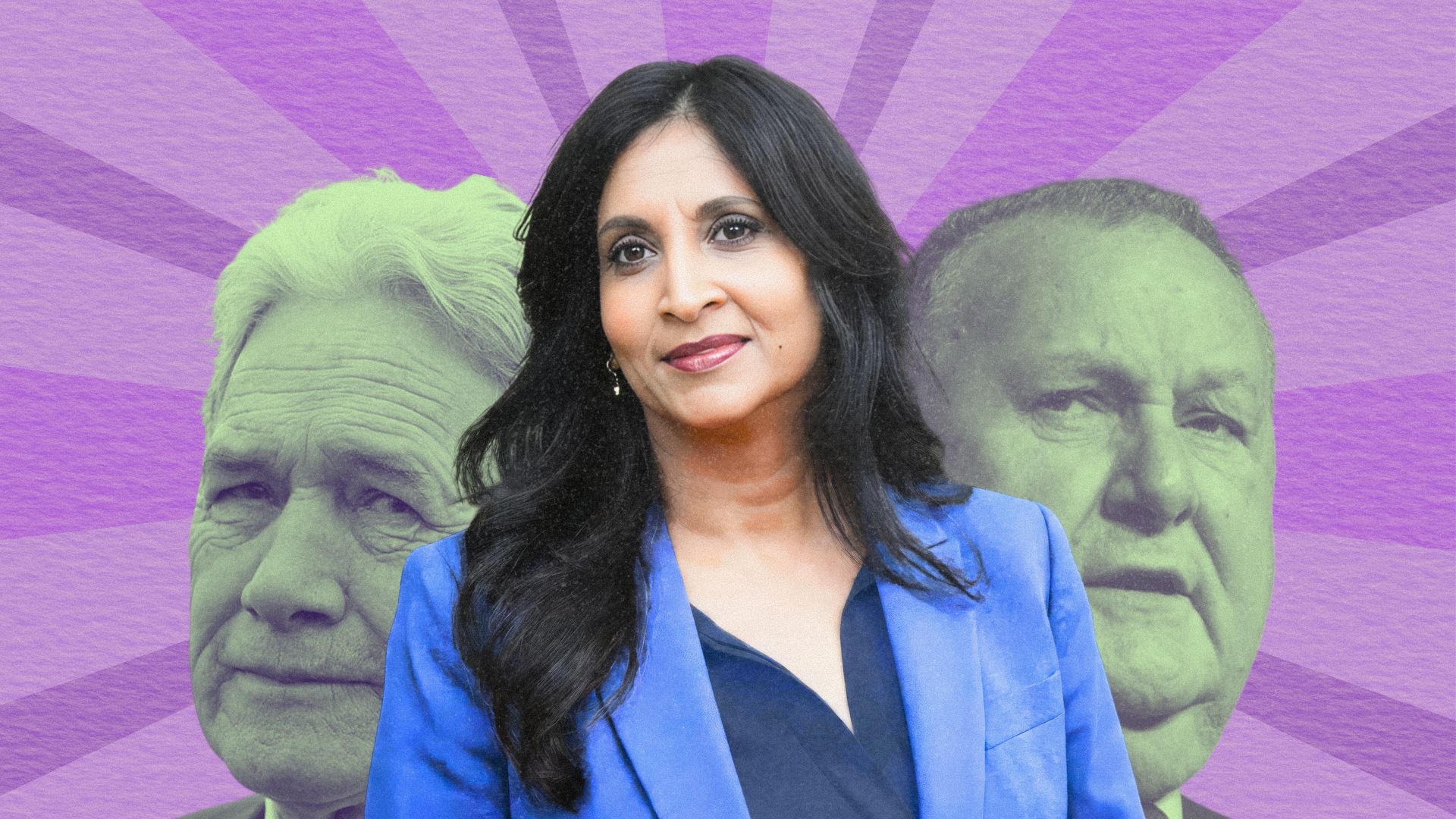
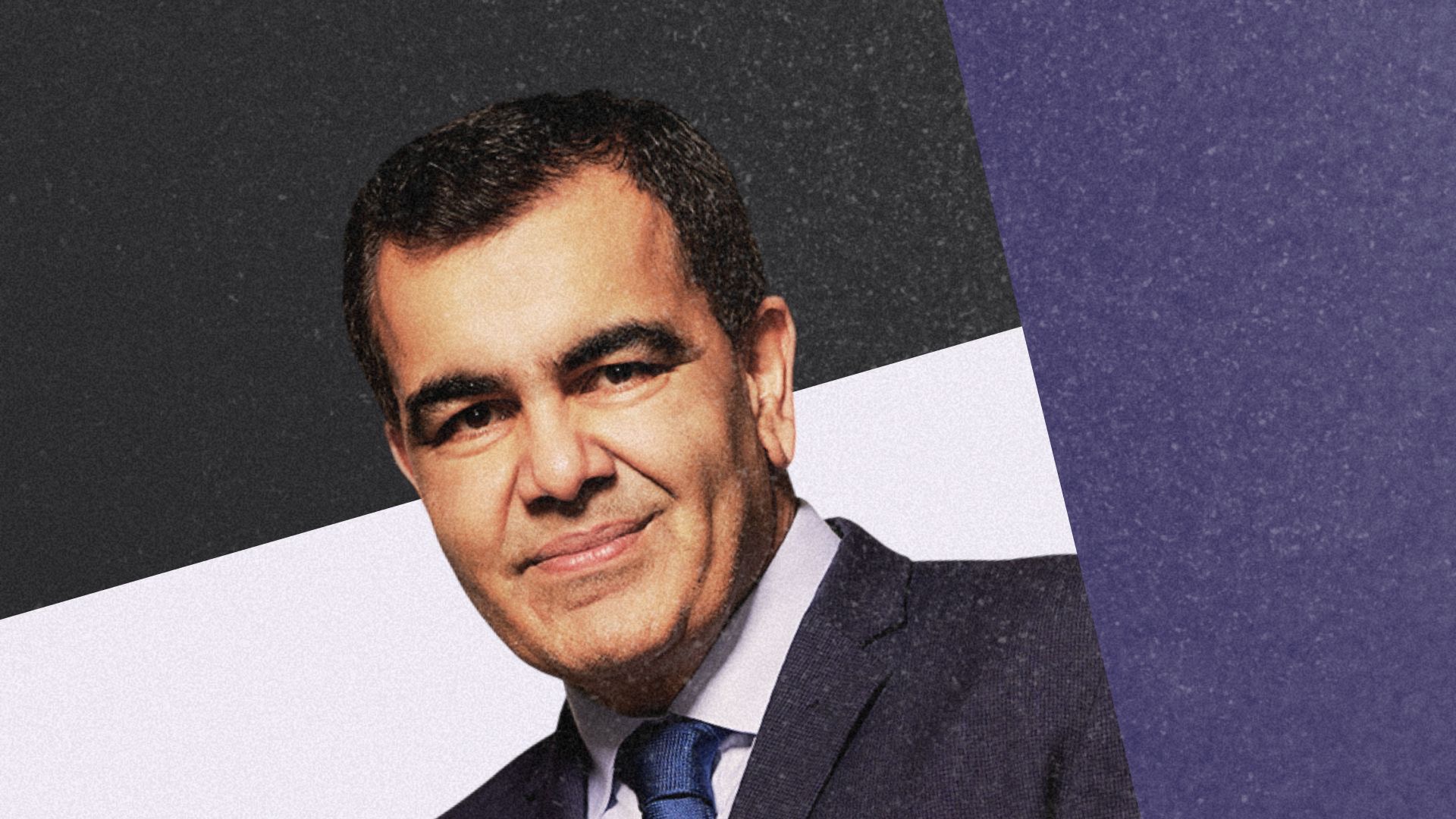
Migrant who shouted down Peters over racism 24 years ago now vying for Parliament From arriving with $500 in his pocket to confronting NZ First's leader, National Party's Karuna Muthu reflects on his unlikely journey into politics.
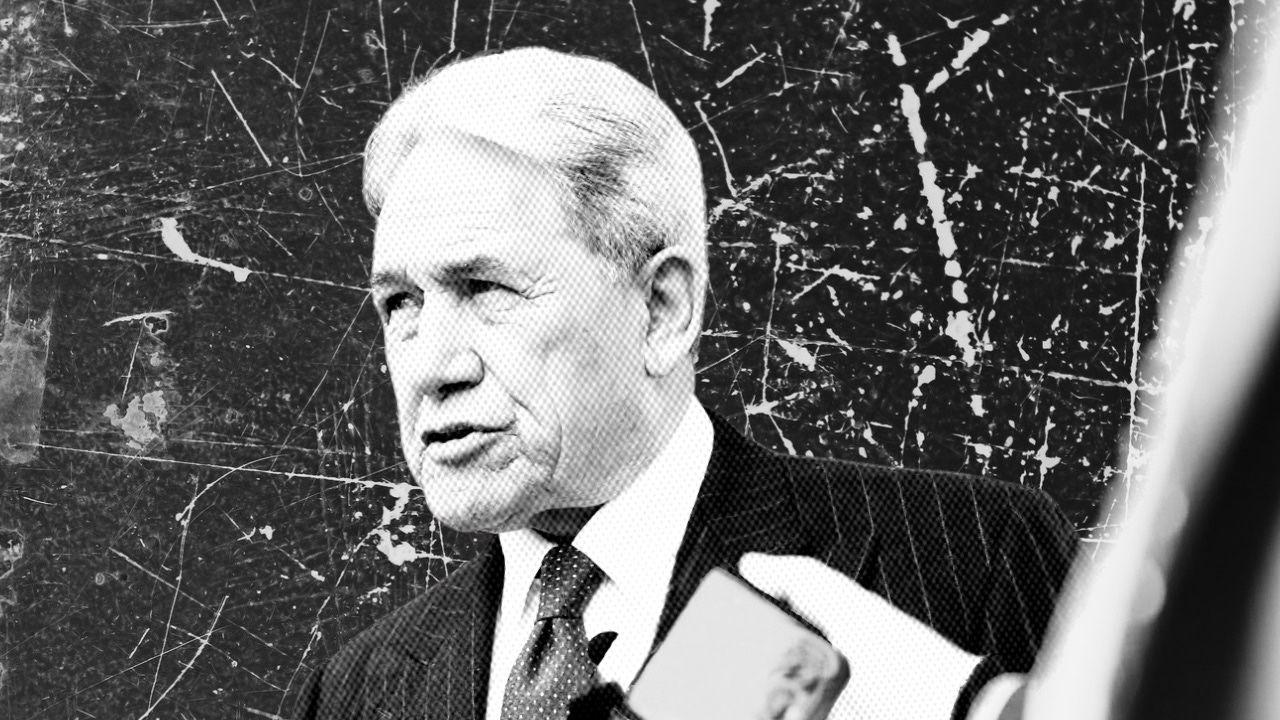
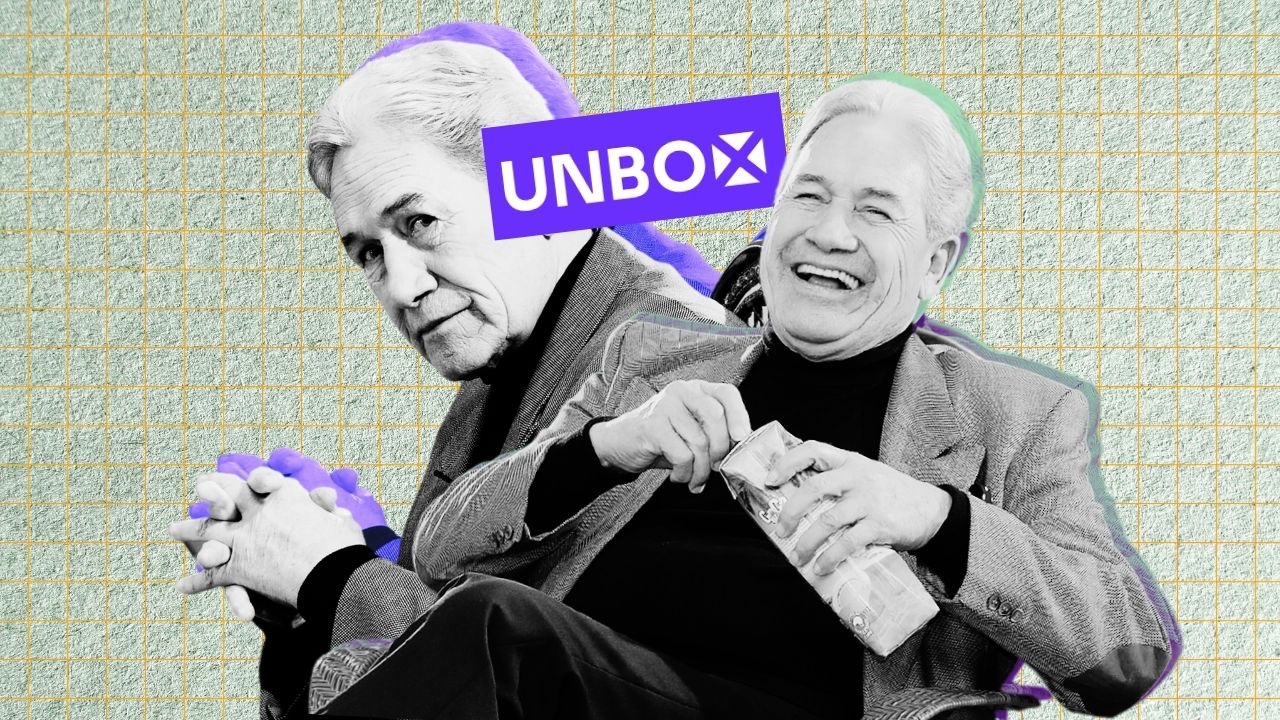
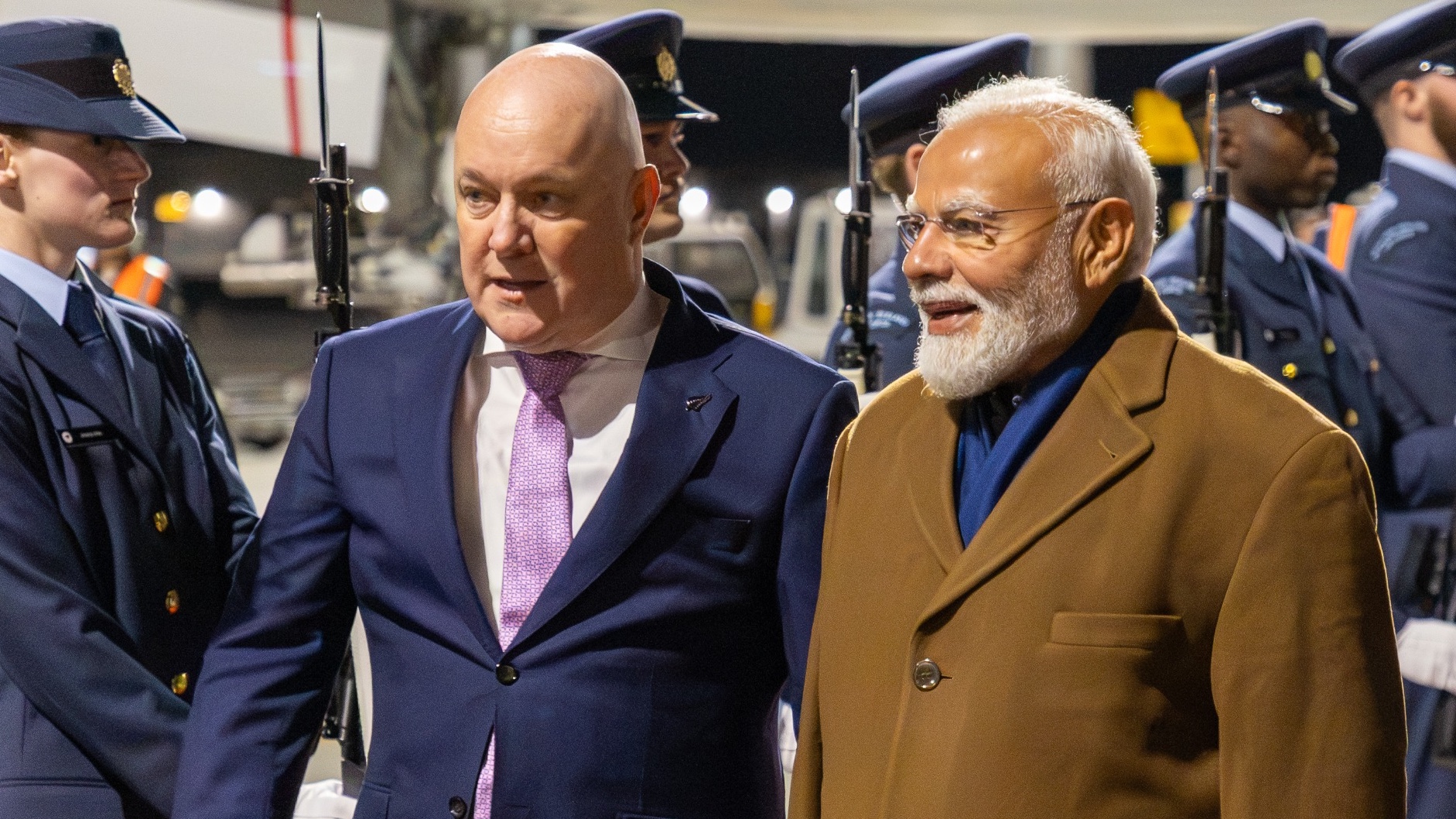
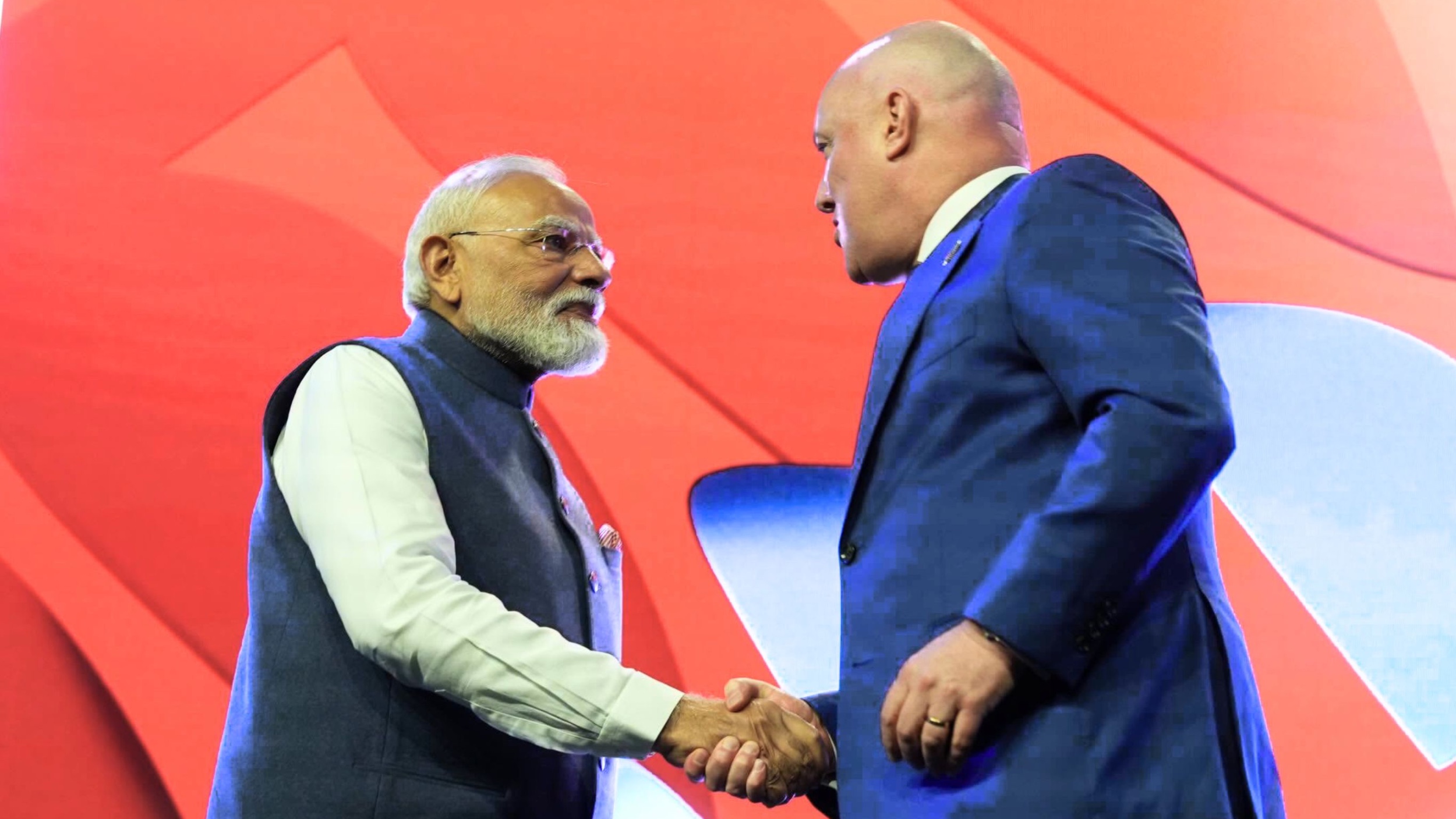
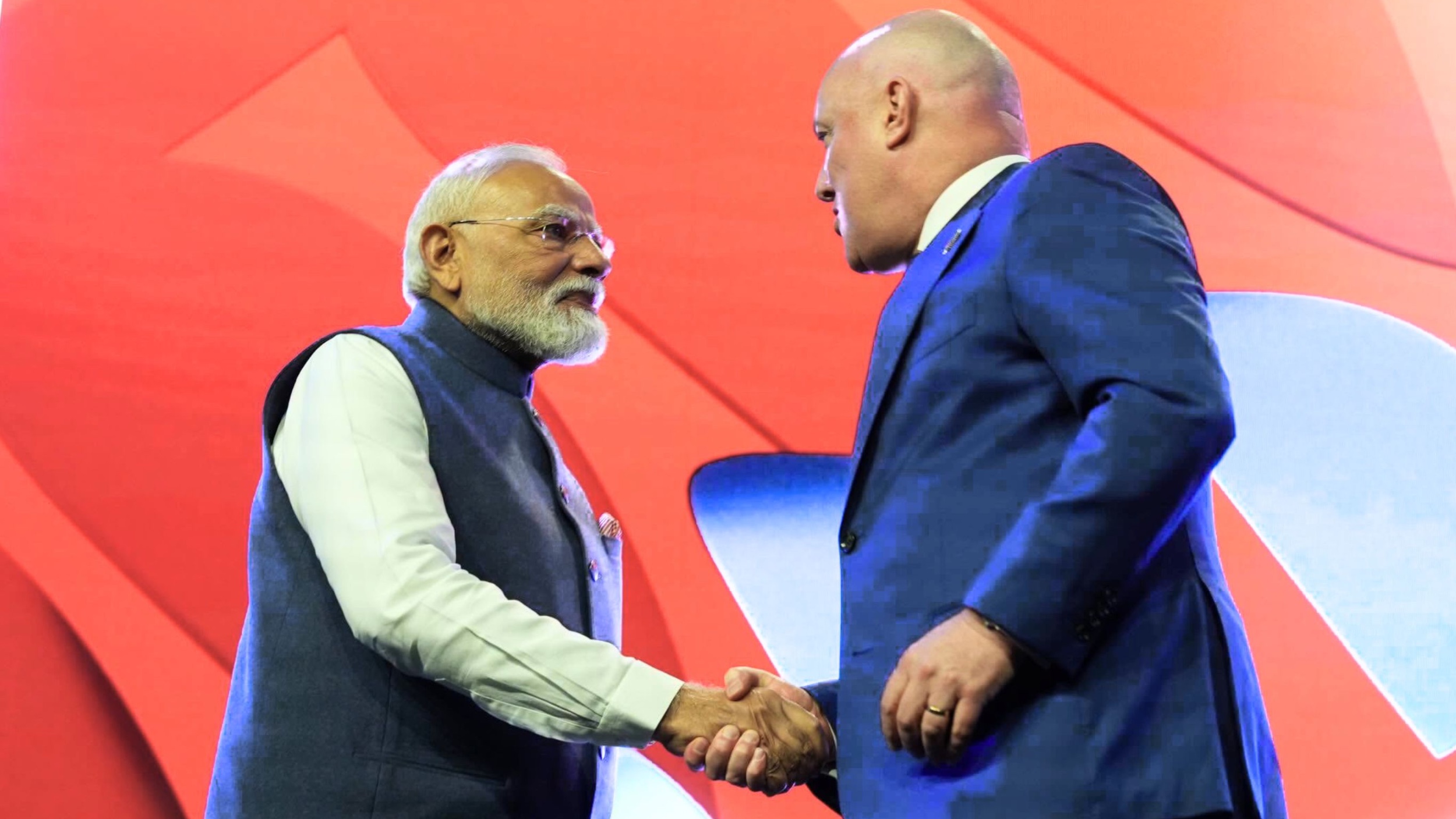
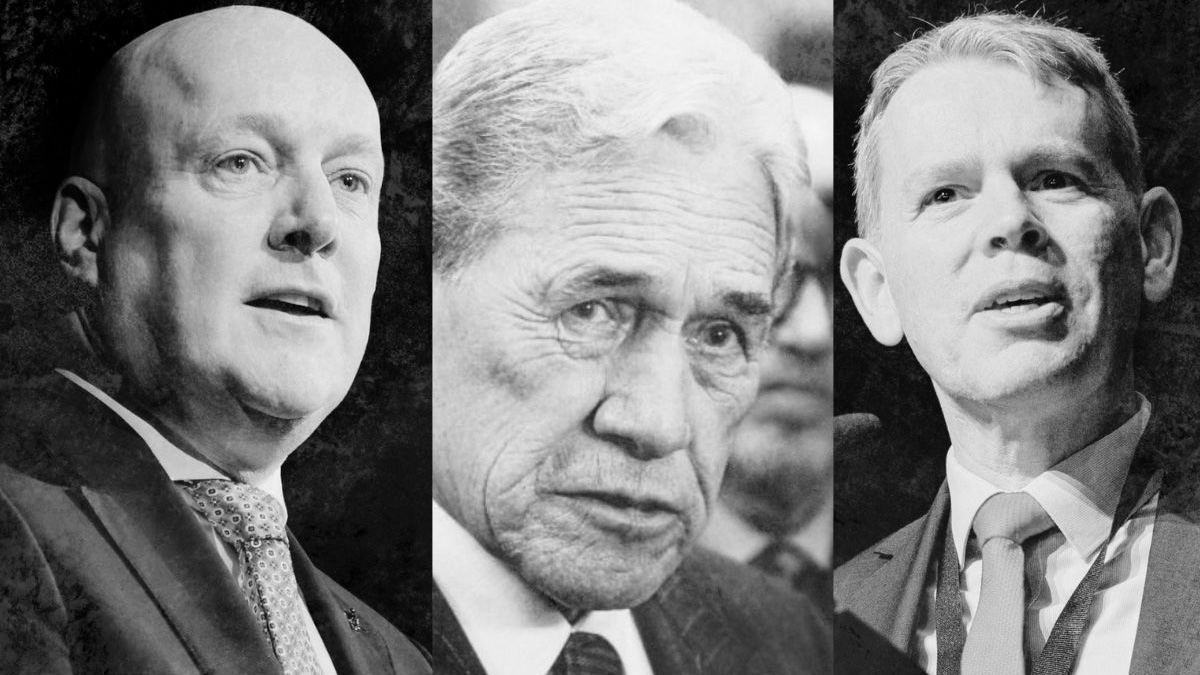
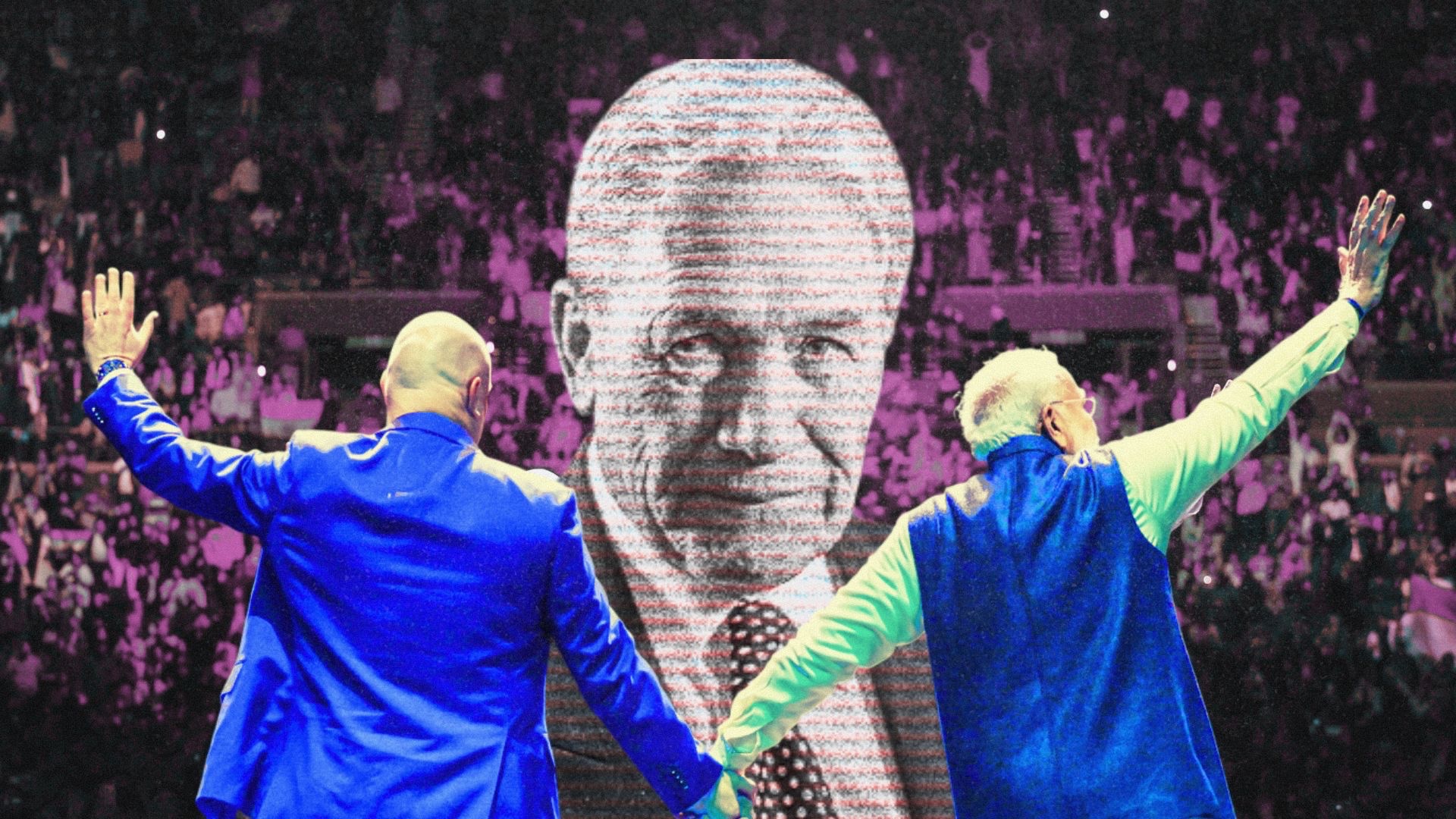
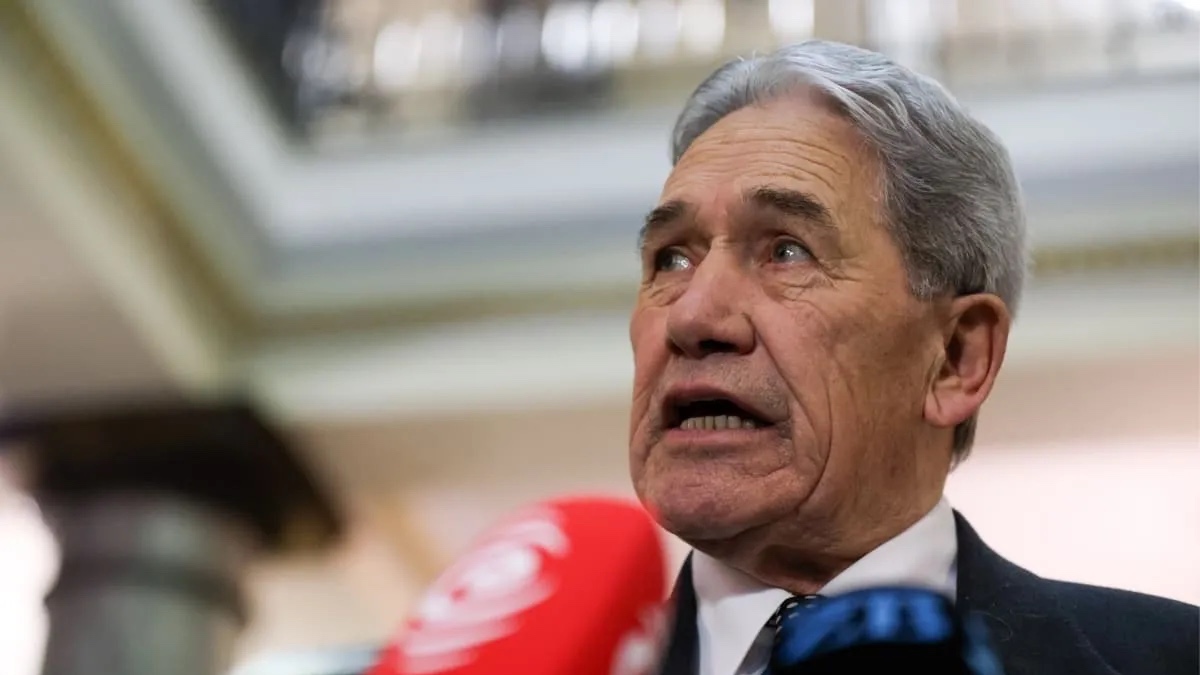
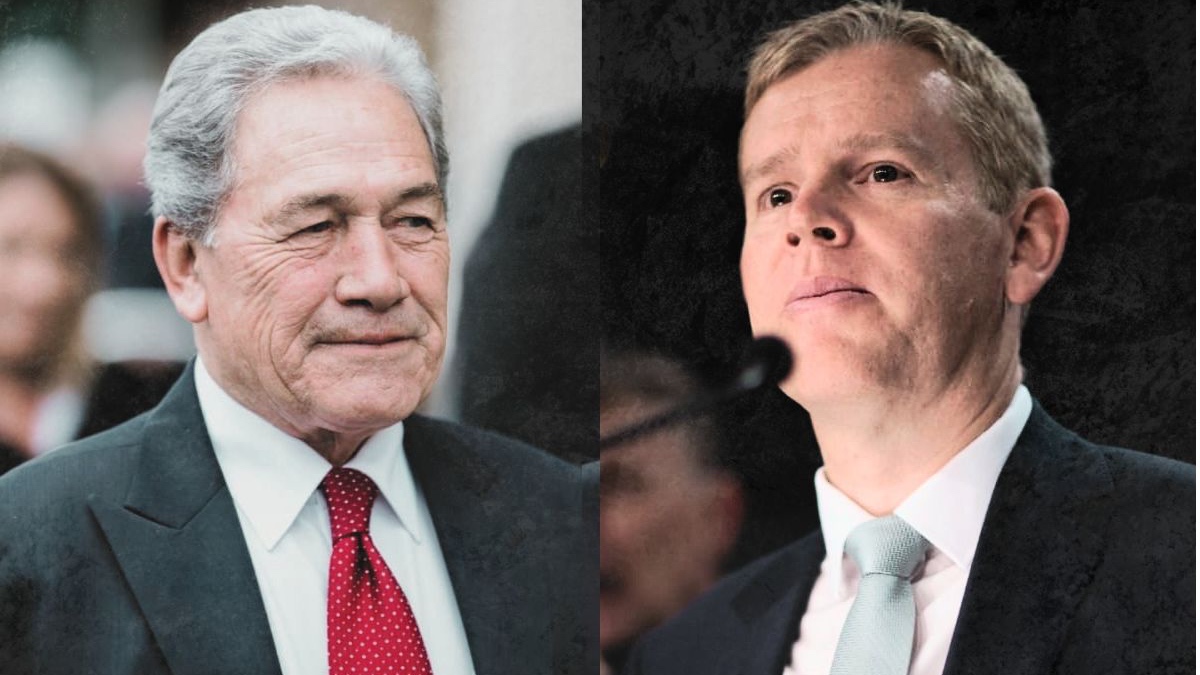
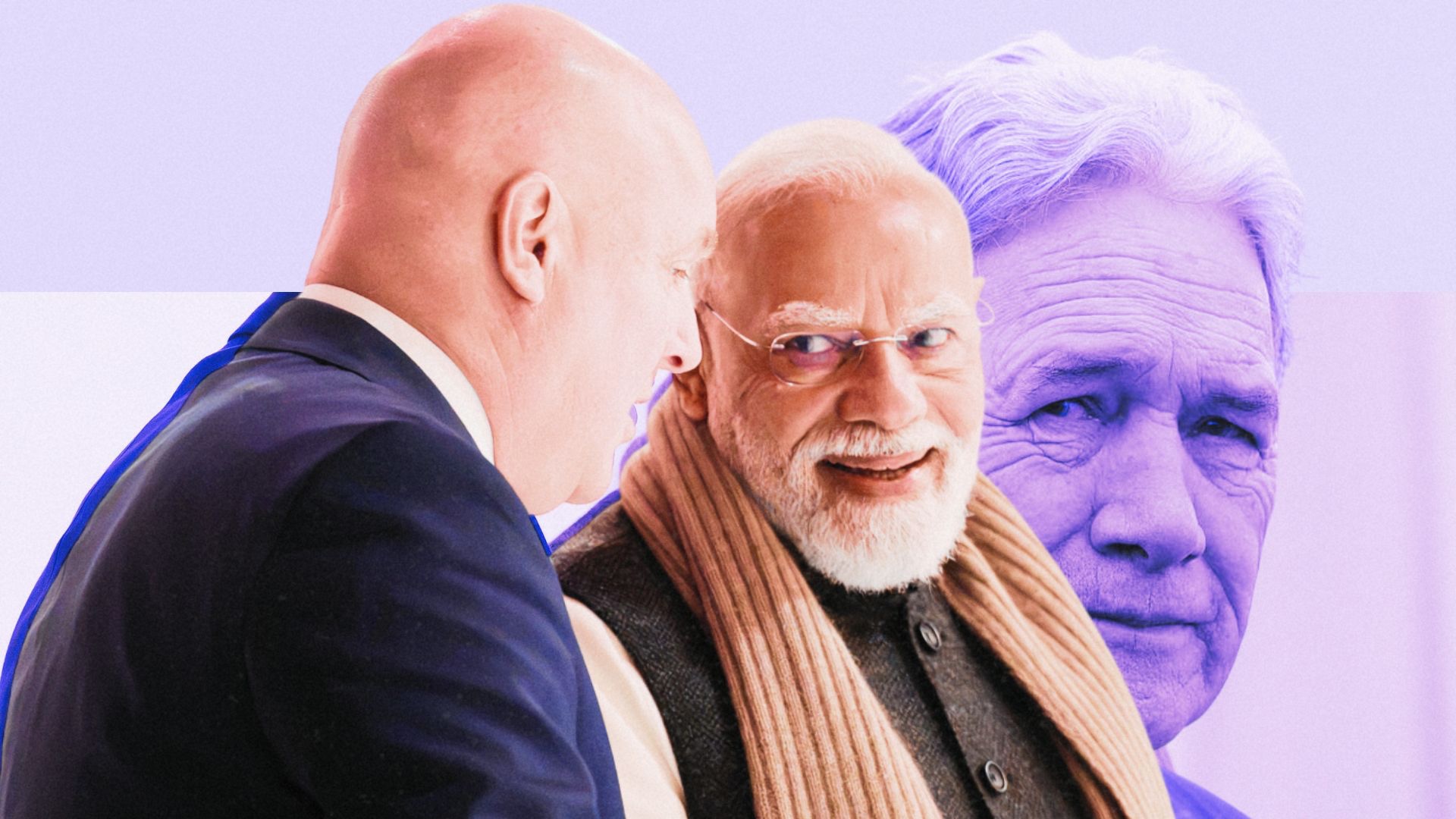
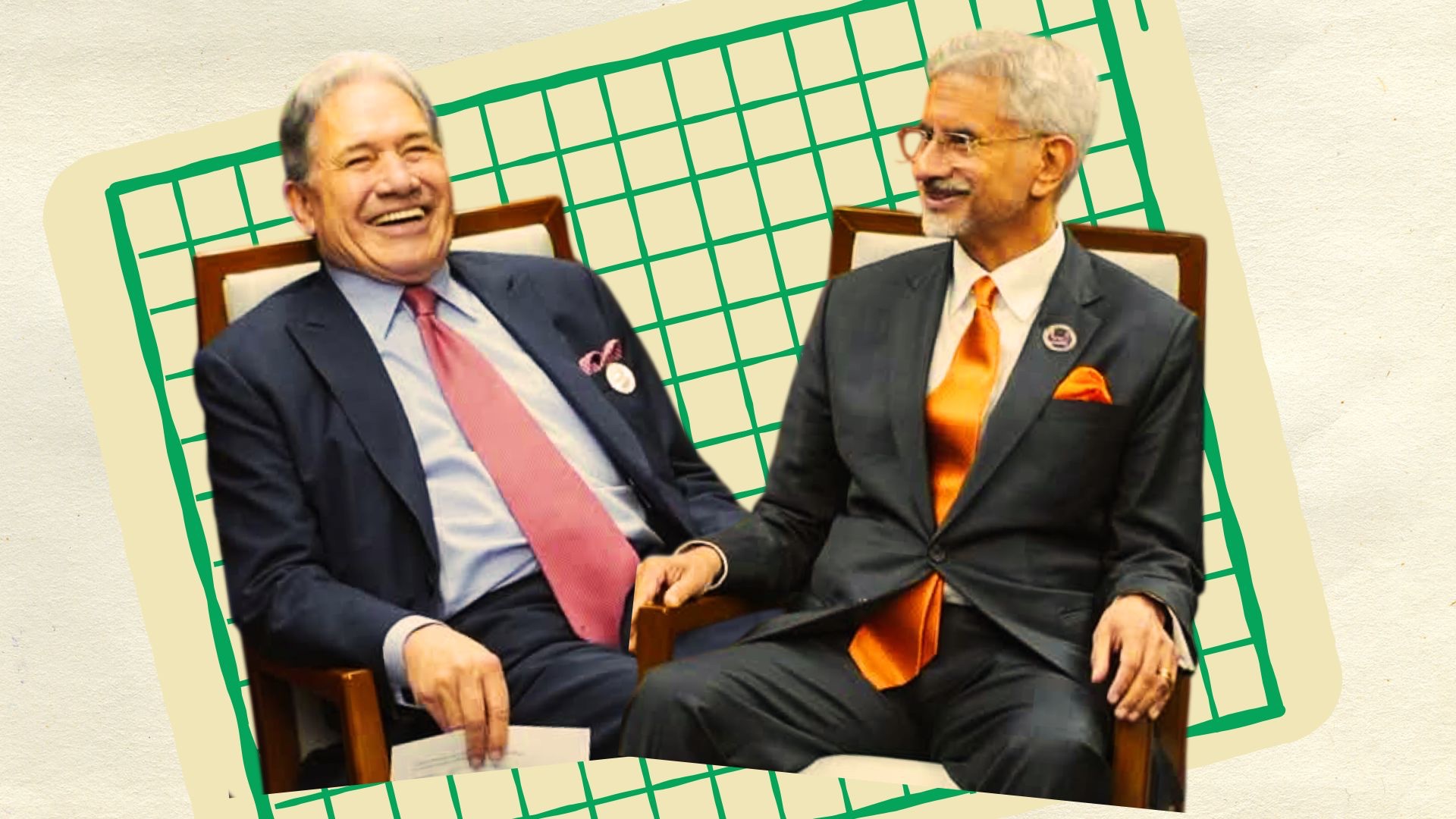
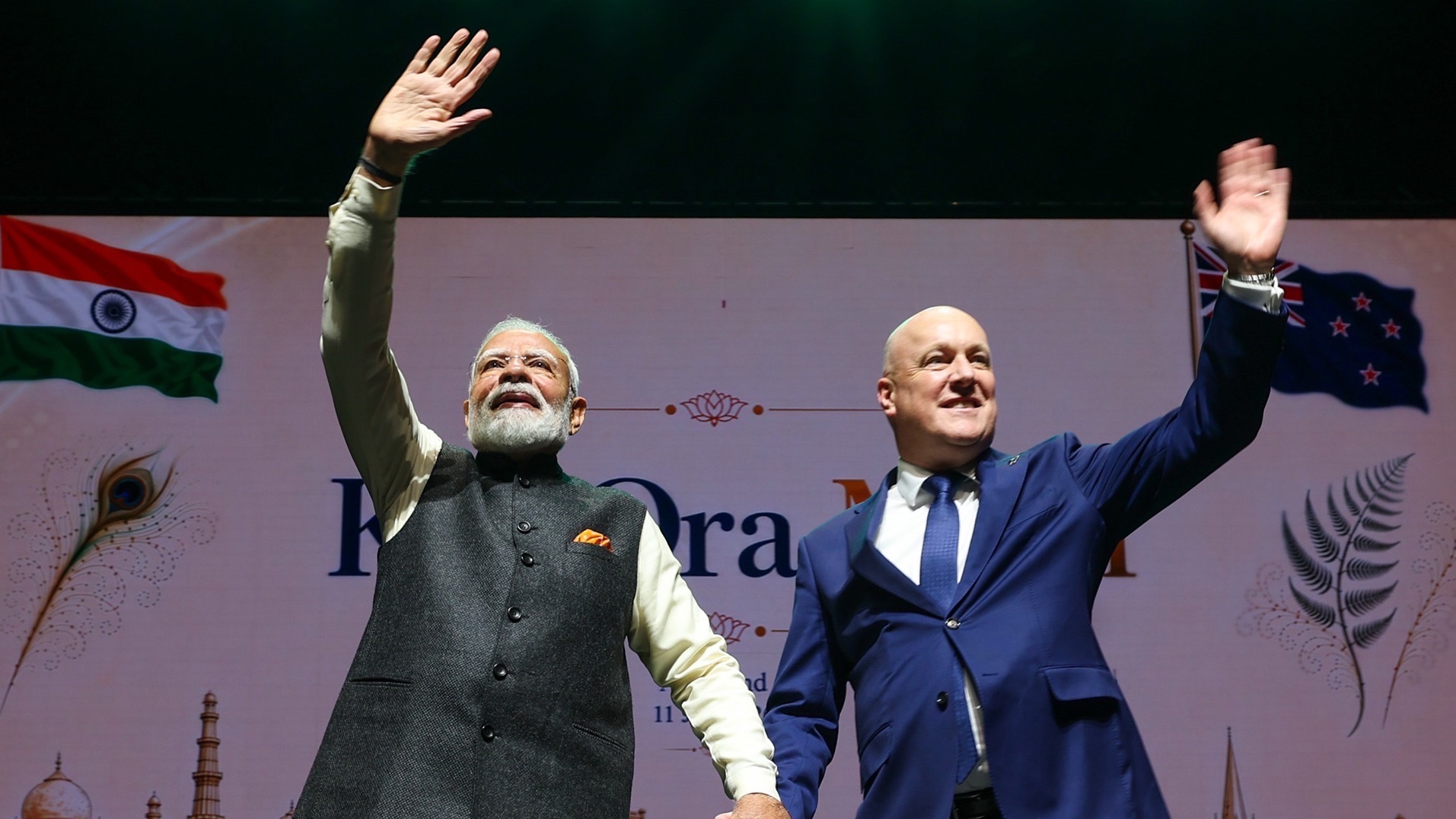
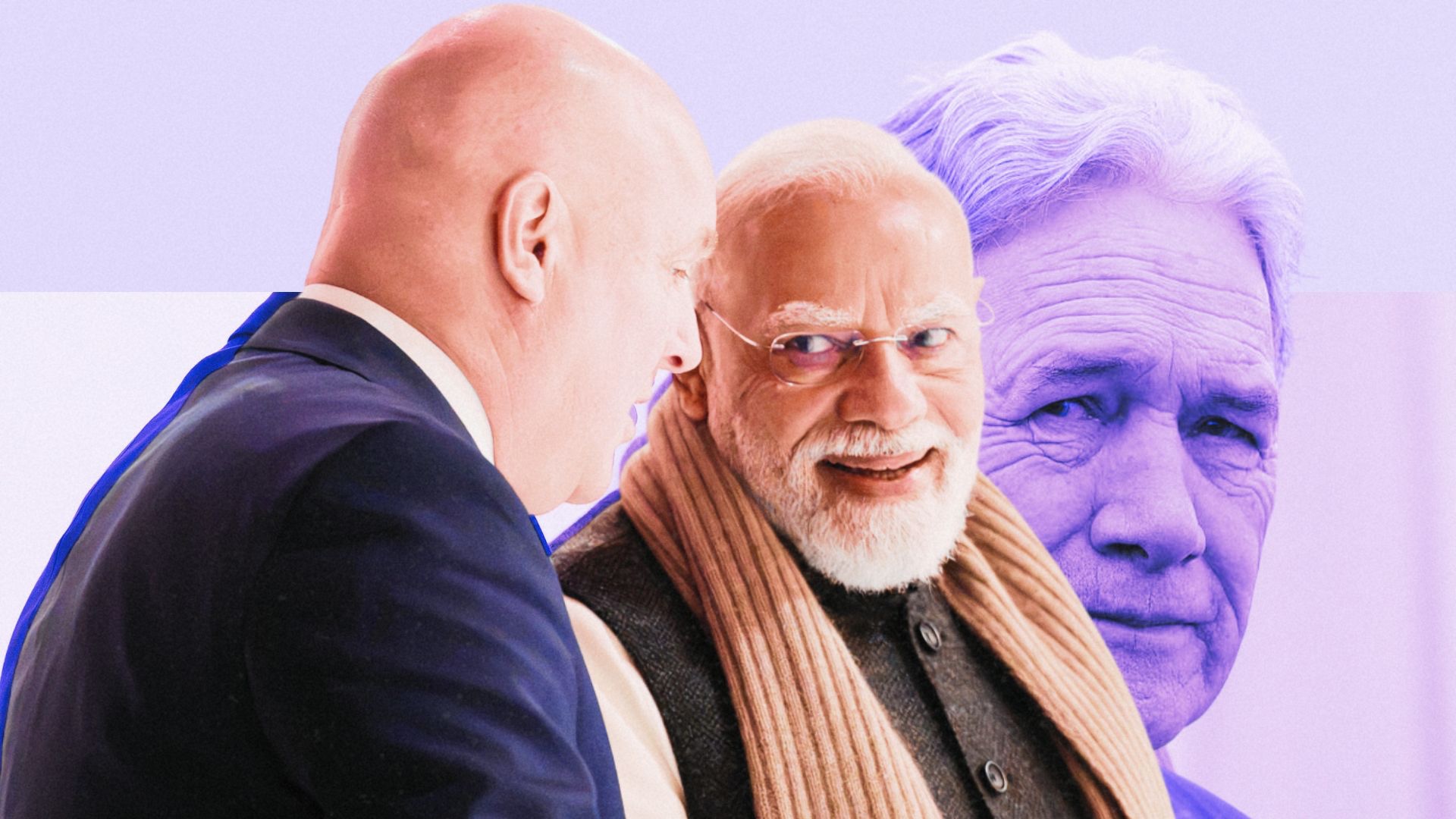
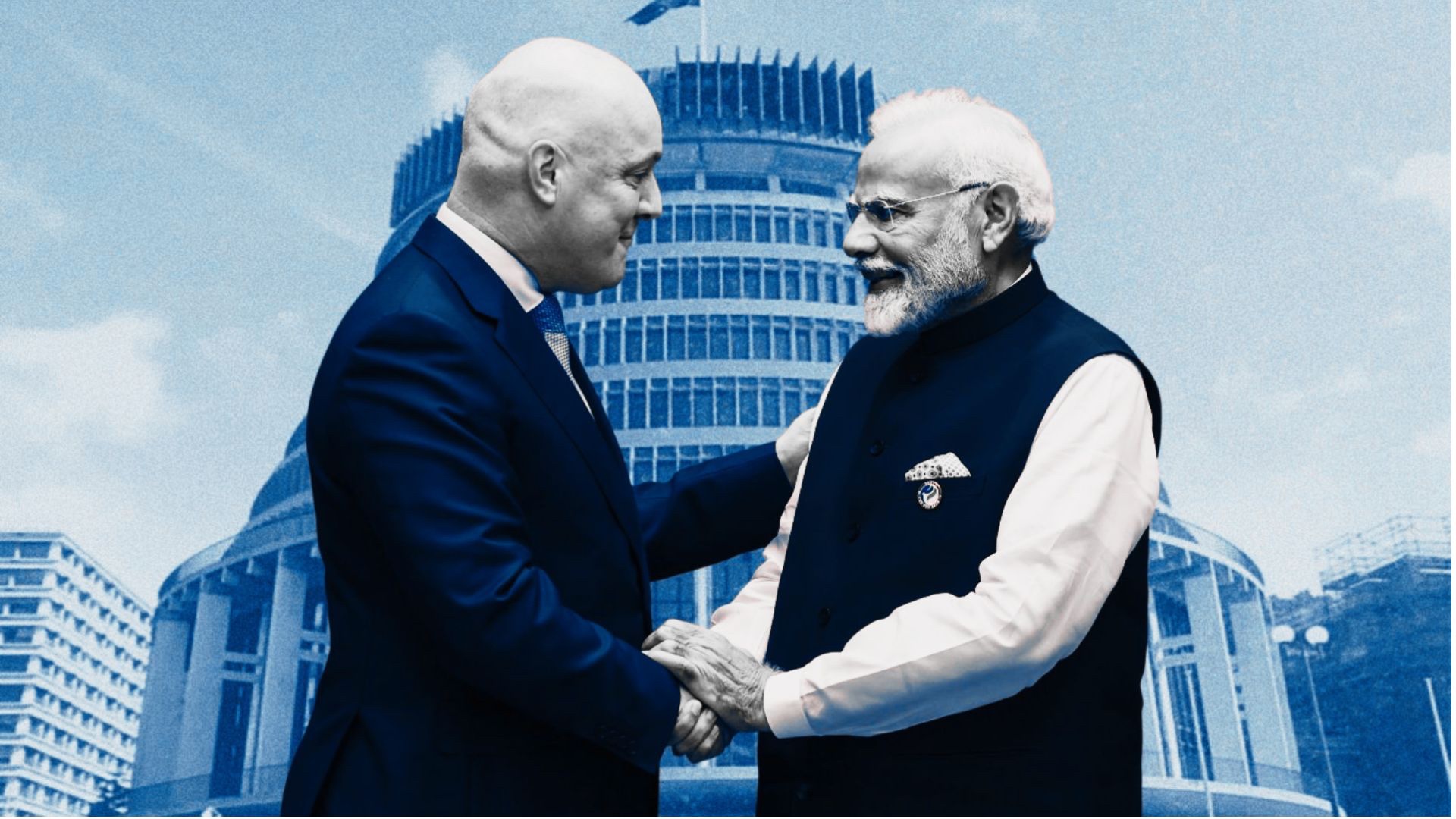
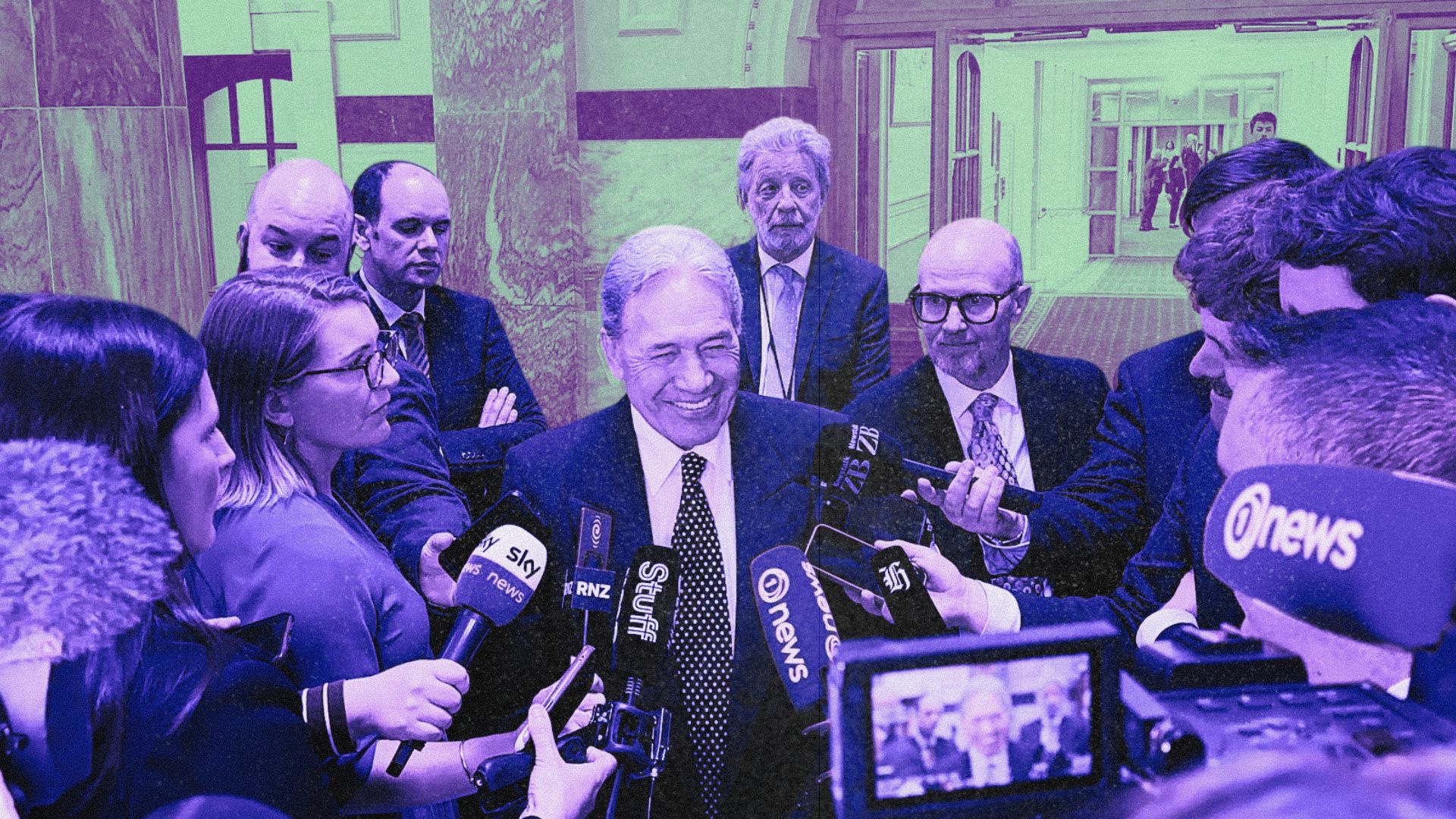
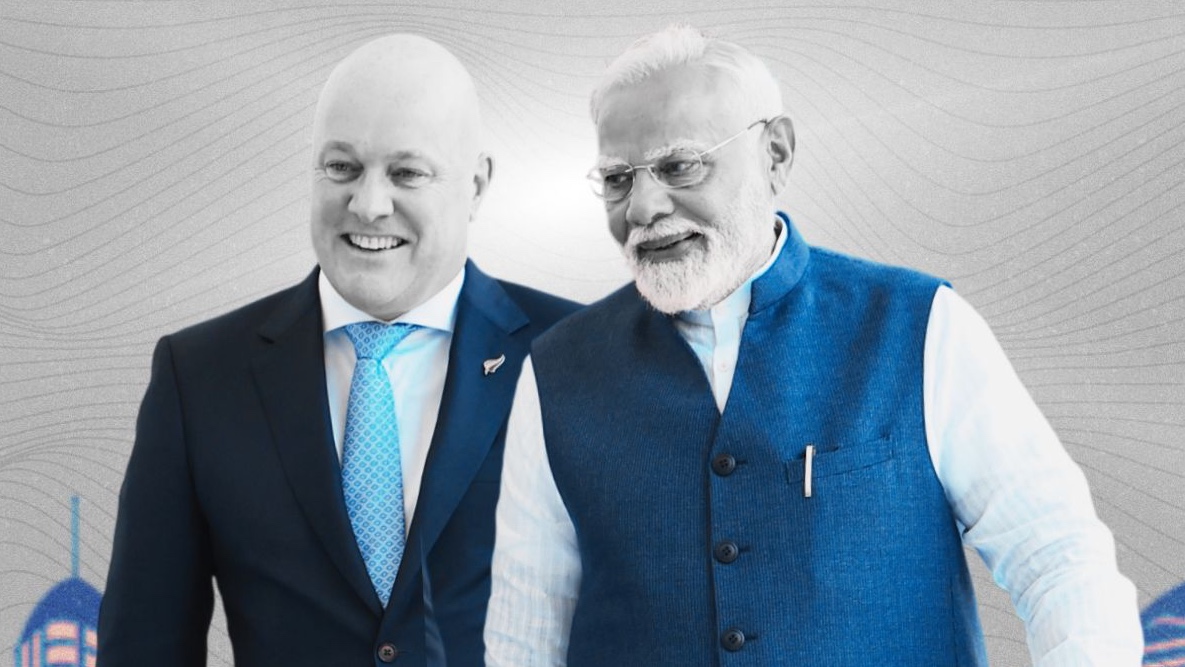
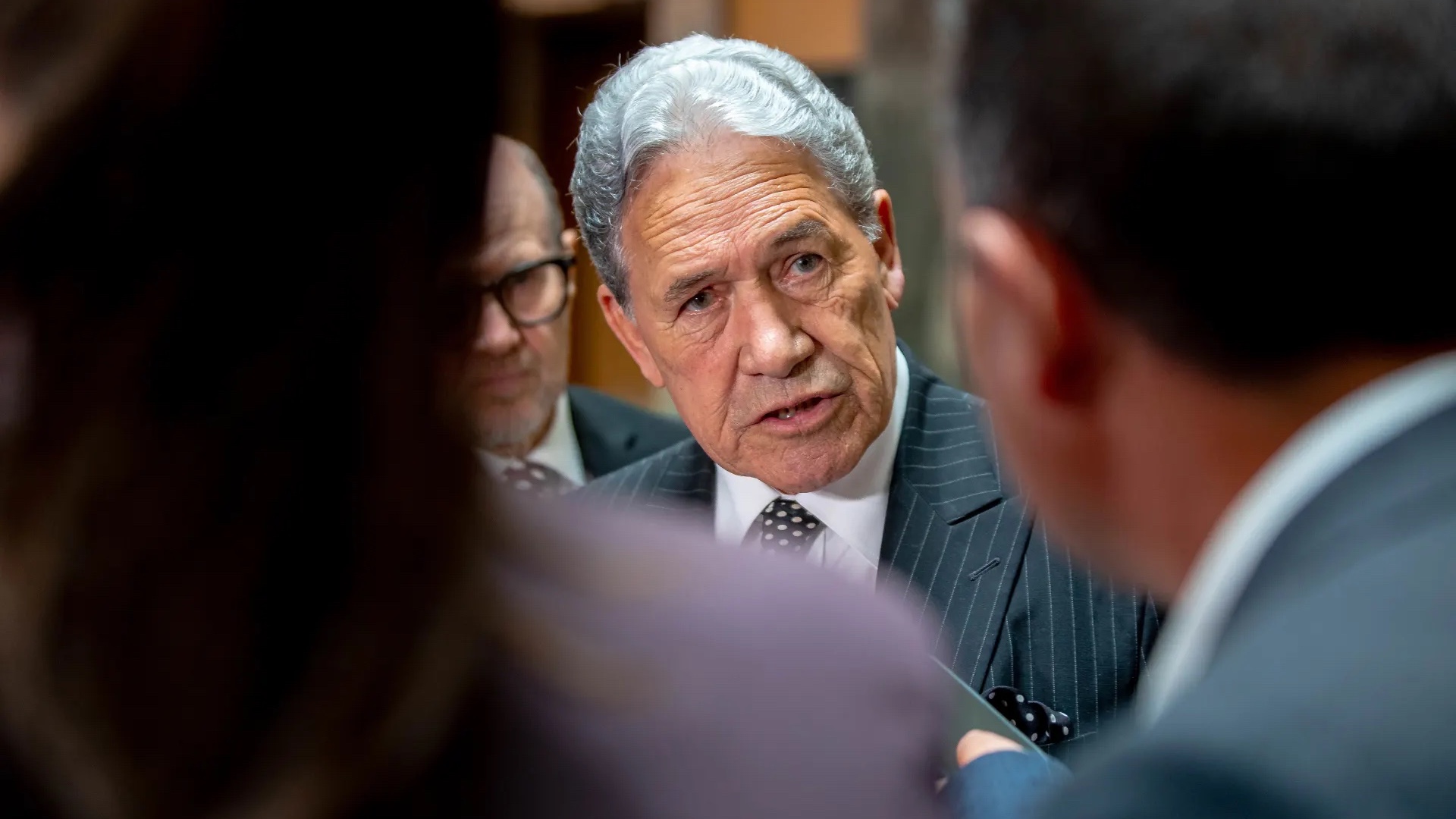
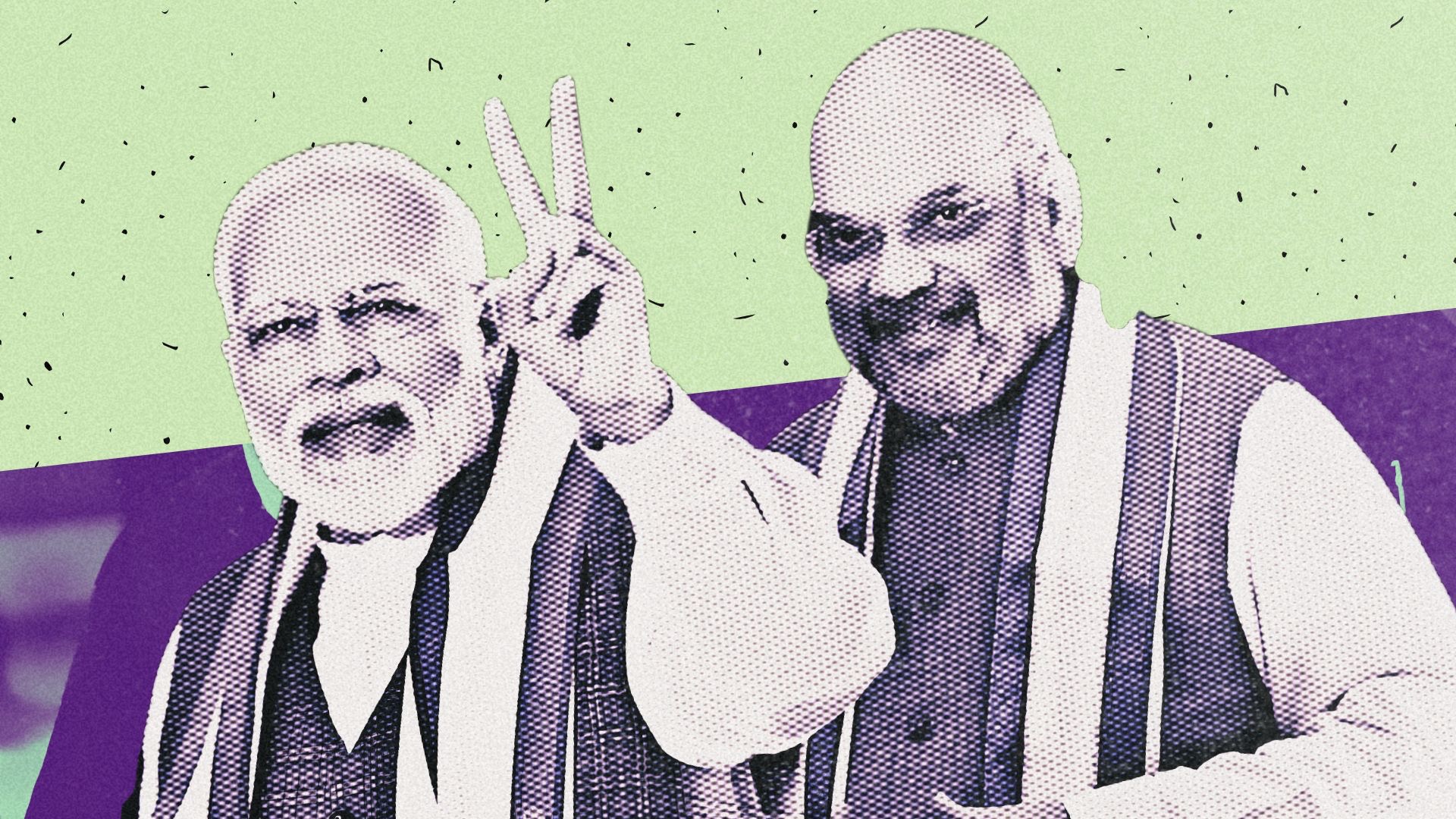
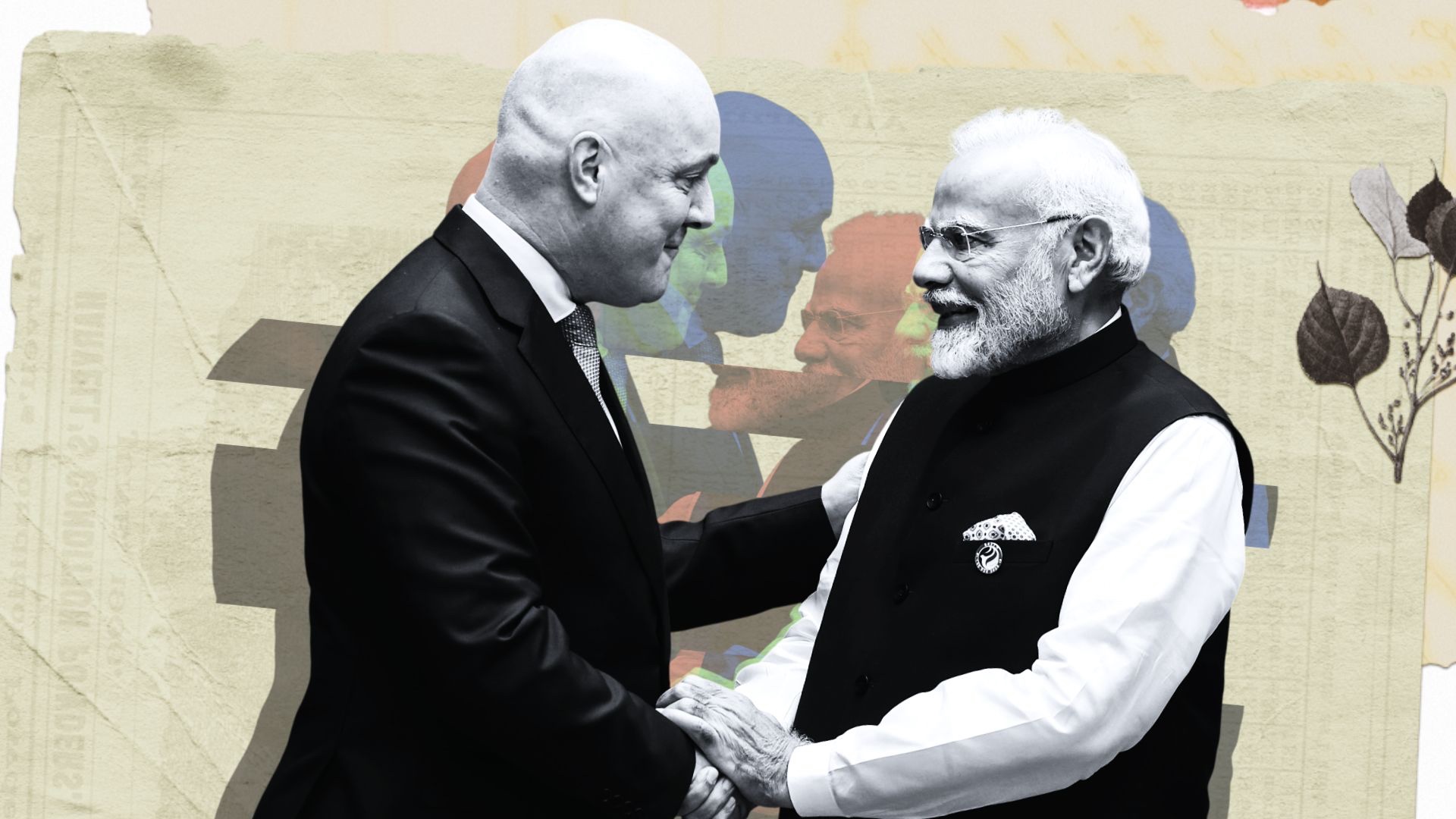
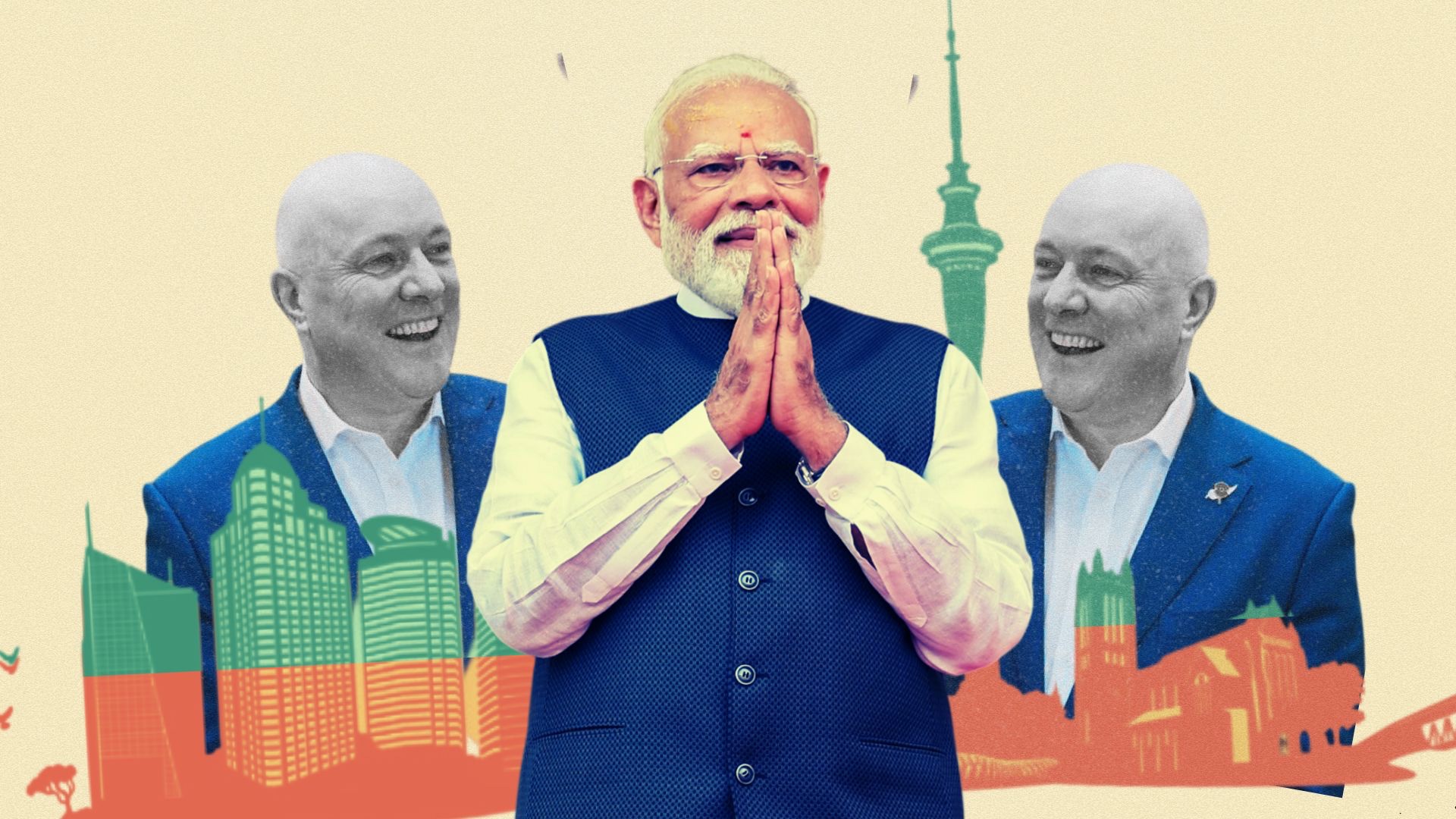
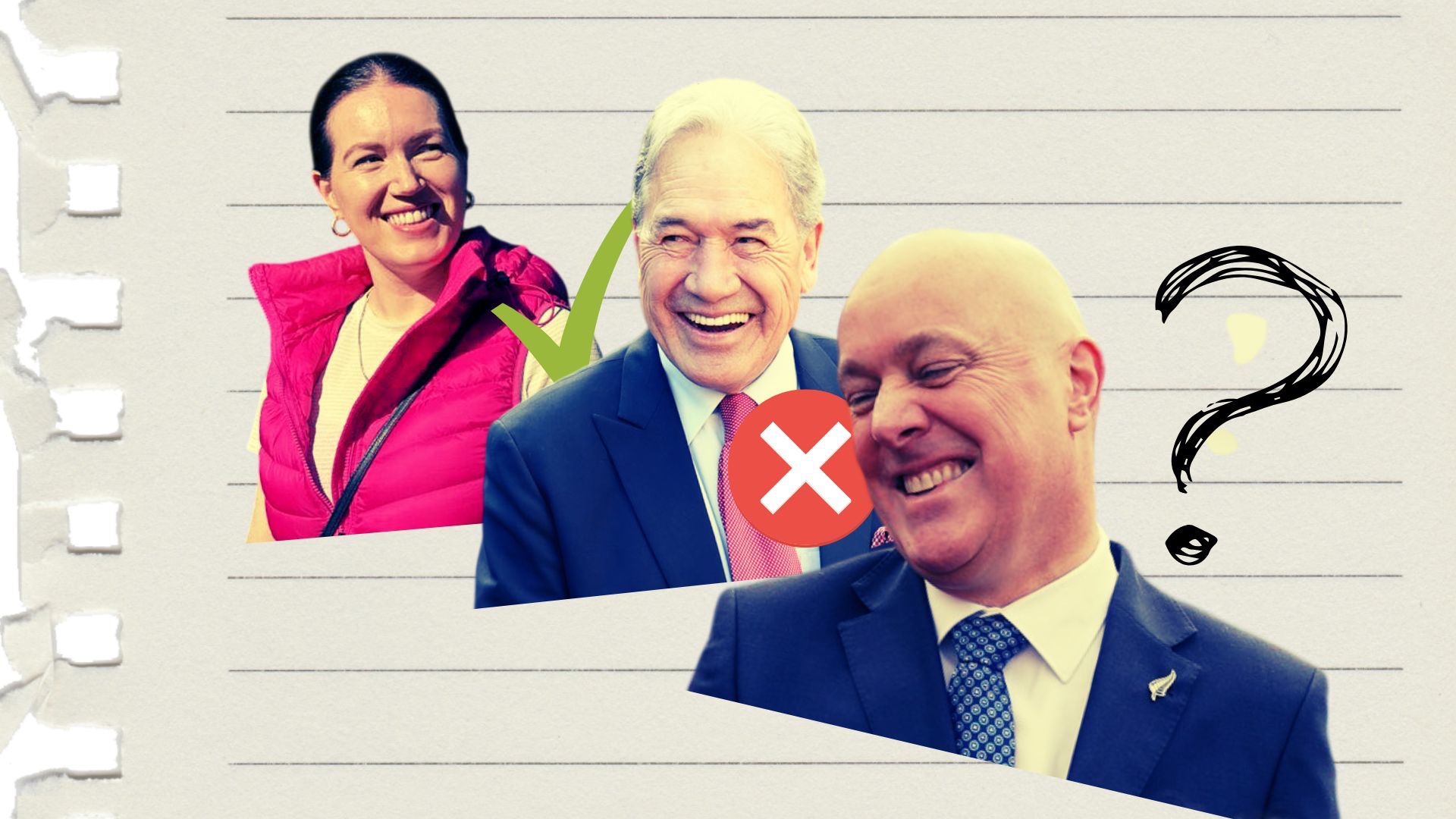
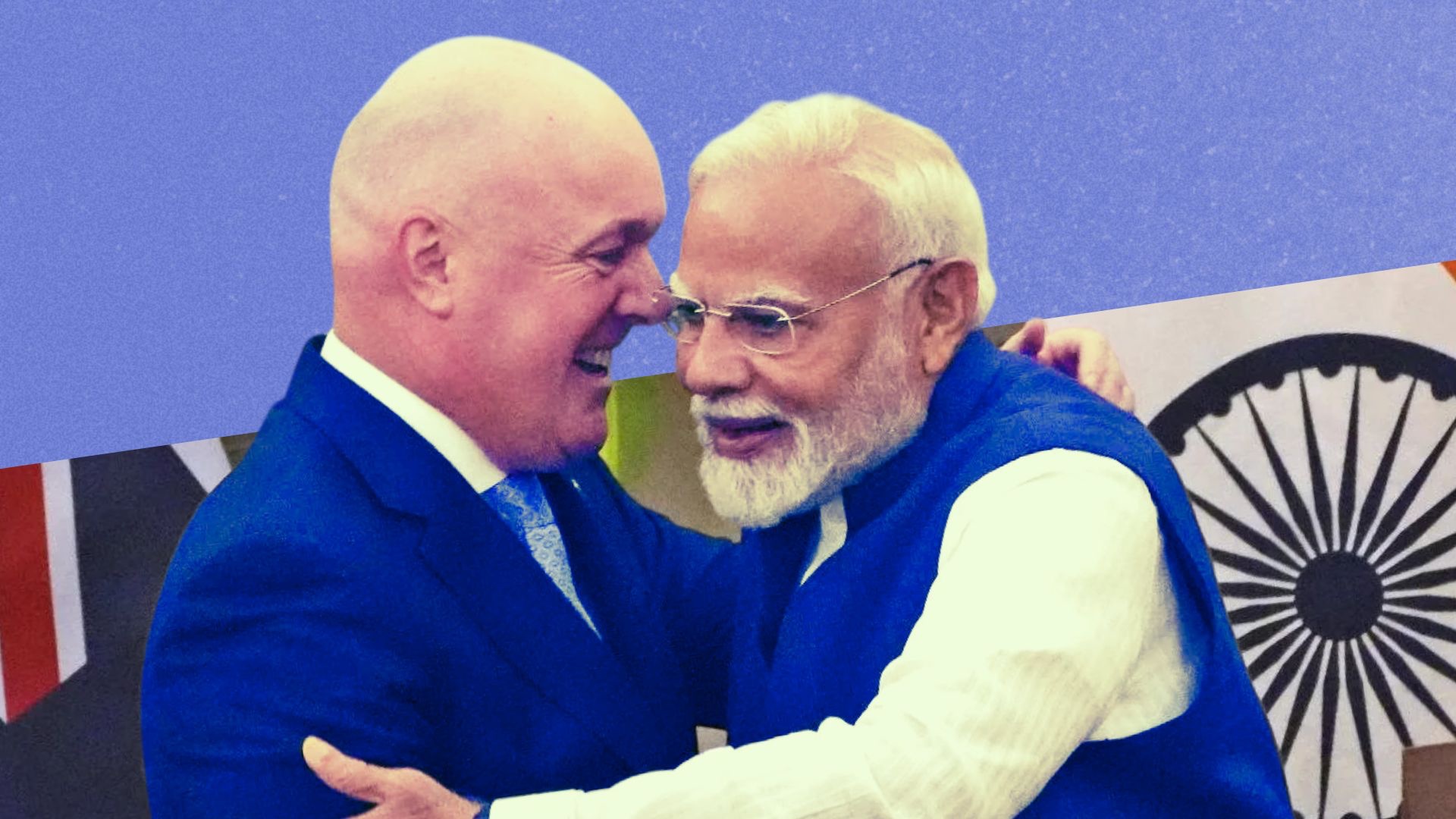
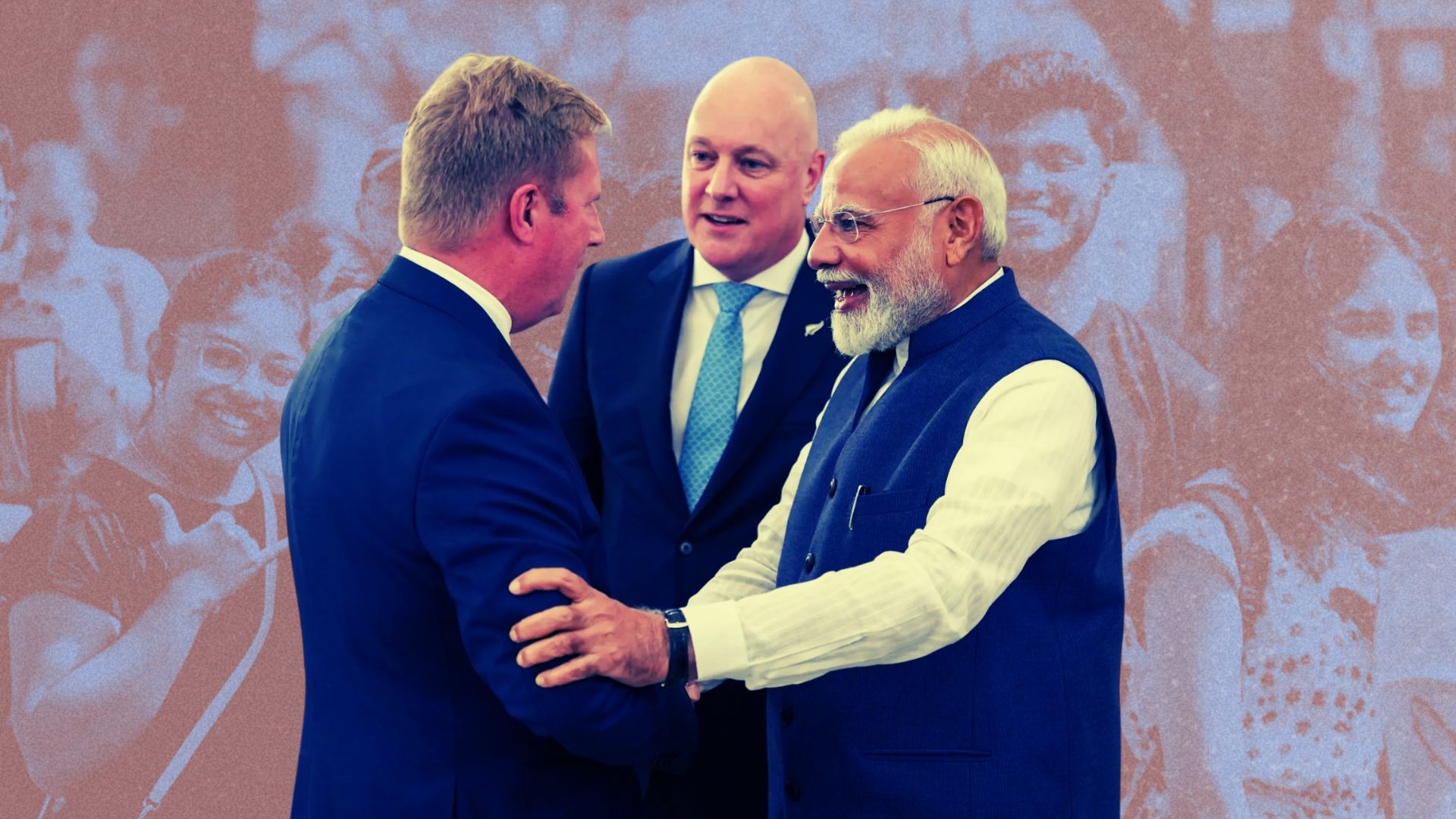
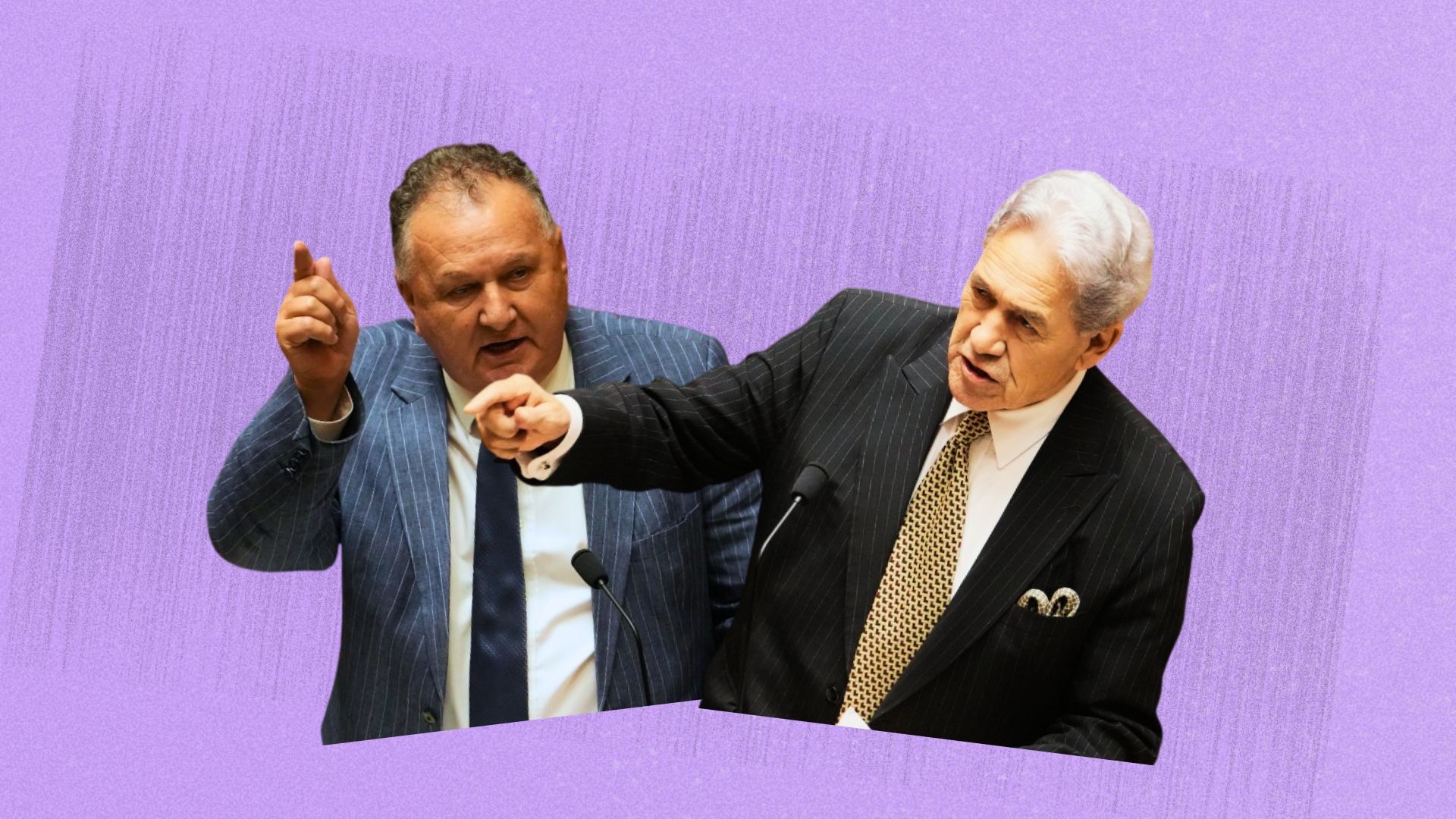
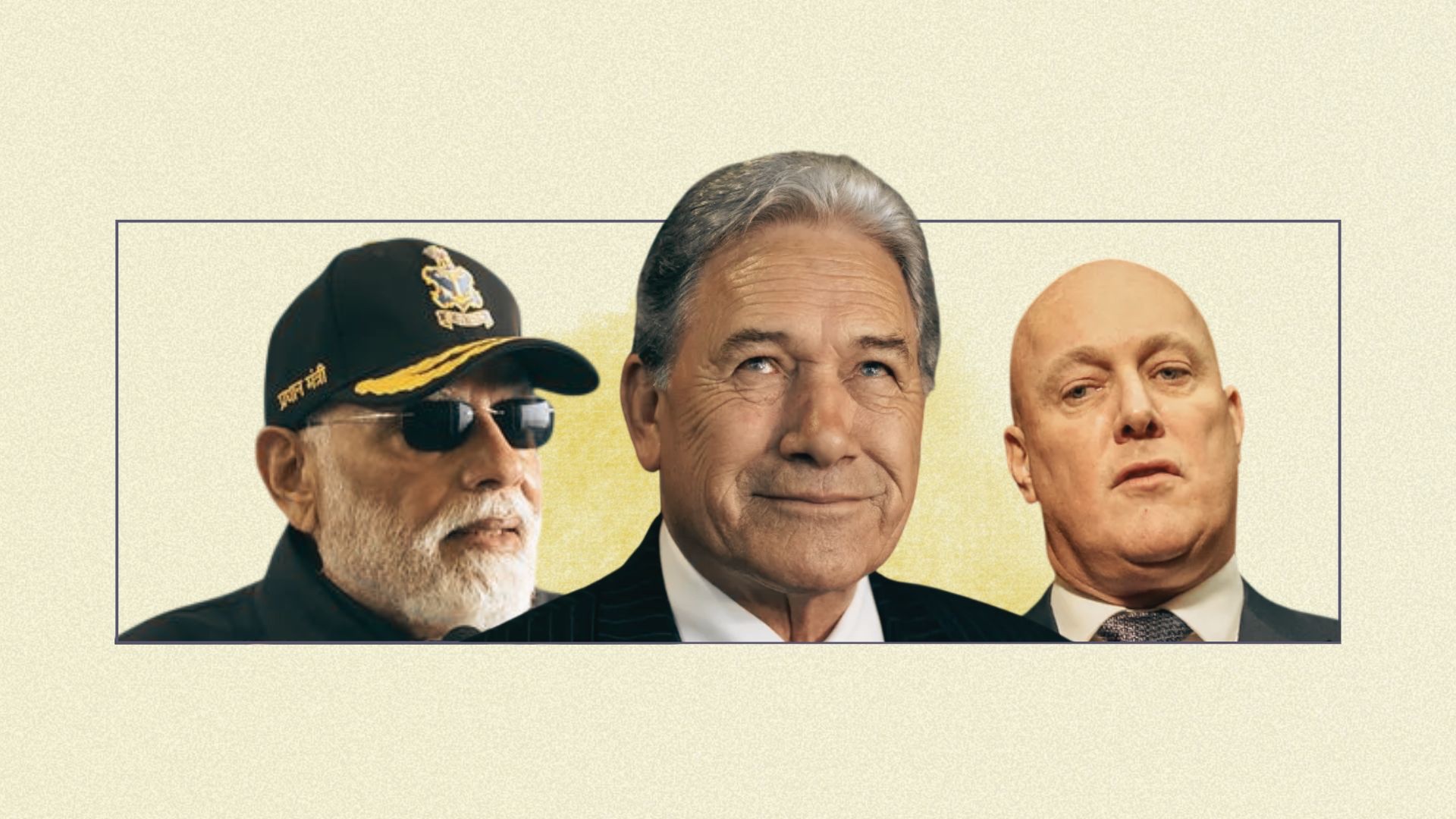
‘Two types of Indians’: Peters questions Kiwi Indians’ loyalty after watching Modi welcome The New Zealand First leader on why changing passports alone may not make someone a New Zealander.
BNZ Diwali rolls out Bollywood red carpet as Meenakshi Sheshadri revisits Damini in Auckland A Screen Auckland-backed cinema showcase is bringing South Asian films into Auckland theatres as part of this year’s Diwali celebrations.
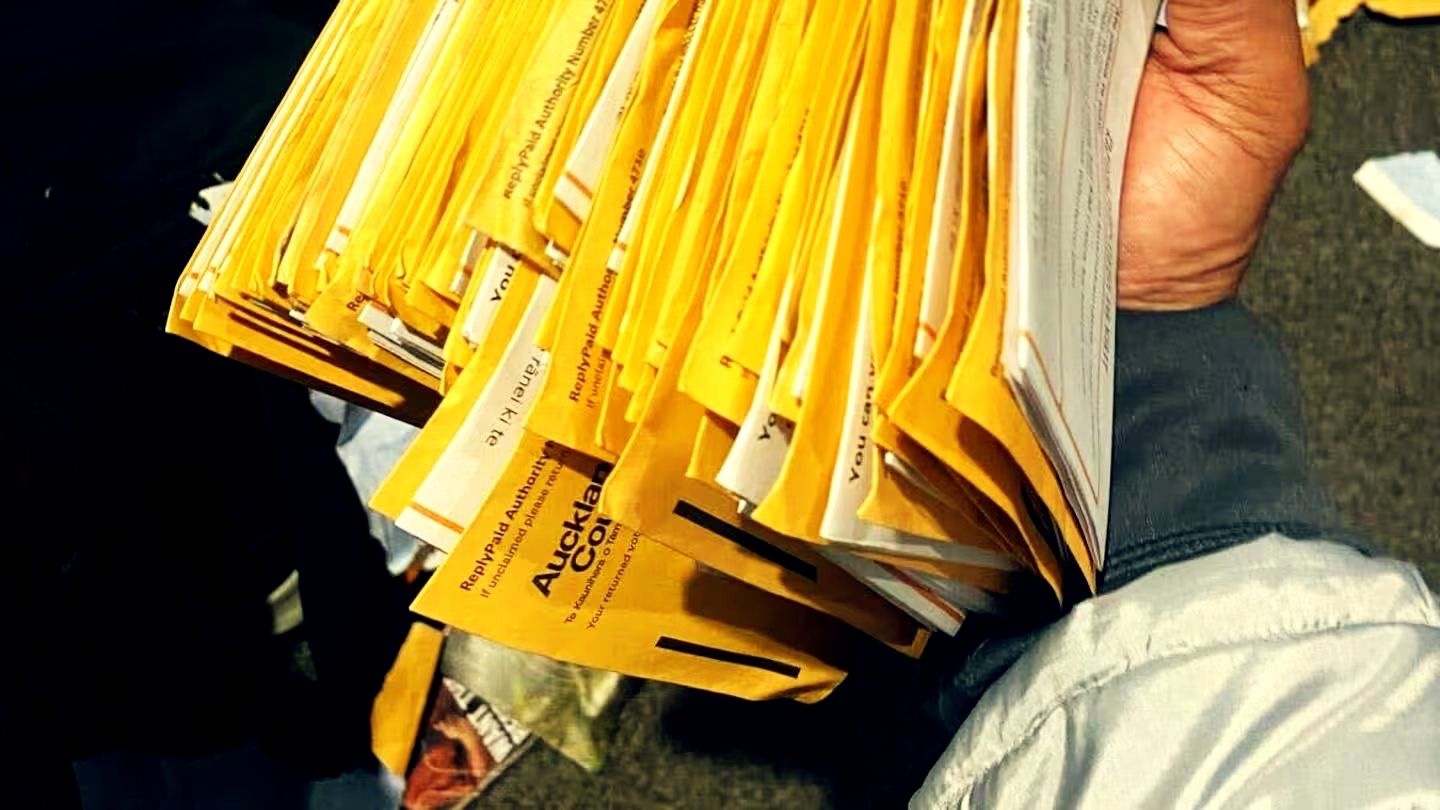
Allegations of electoral irregularities led to legal action, with a losing candidate having successfully got a lower court to annul the election.
The High Court later dismissed an appeal by the winners against that annulment, making it clear it did not have jurisdiction to review a lower court judgment of this nature.
The re-election was ordered to fill all the four Papatoetoe subdivision seats.
Under the structure of the Otara-Papatoetoe Local Board, those four seats carry decisive weight. The board has seven members – four from Papatoetoe and three from Otara – meaning a unified Papatoetoe bloc can command a working majority.
That structural reality has existed since the Auckland supercity was formed in 2010. What changed in 2025 was not the numbers, but how they were used.
After securing all four Papatoetoe seats, the successful POAT ticket moved quickly to consolidate control, electing both the chair and deputy chair from within its ranks.
In doing so, it broke with a long-standing informal convention under which leadership roles had typically been shared with representatives from Otara, reflecting the area’s strong Pasifika base.
The move was lawful. But it proved politically incendiary. For critics, it marked a sharp departure from an established balance of representation. For supporters, it reflected a simple democratic principle. Electoral outcomes should translate directly into leadership.
If today’s results were to hold till Friday's final counts, it would turn out to be a very different outcome, for the past winners as a bloc in the very least.