
Retail crime: Did Sunny Kaushal really need to work so much?

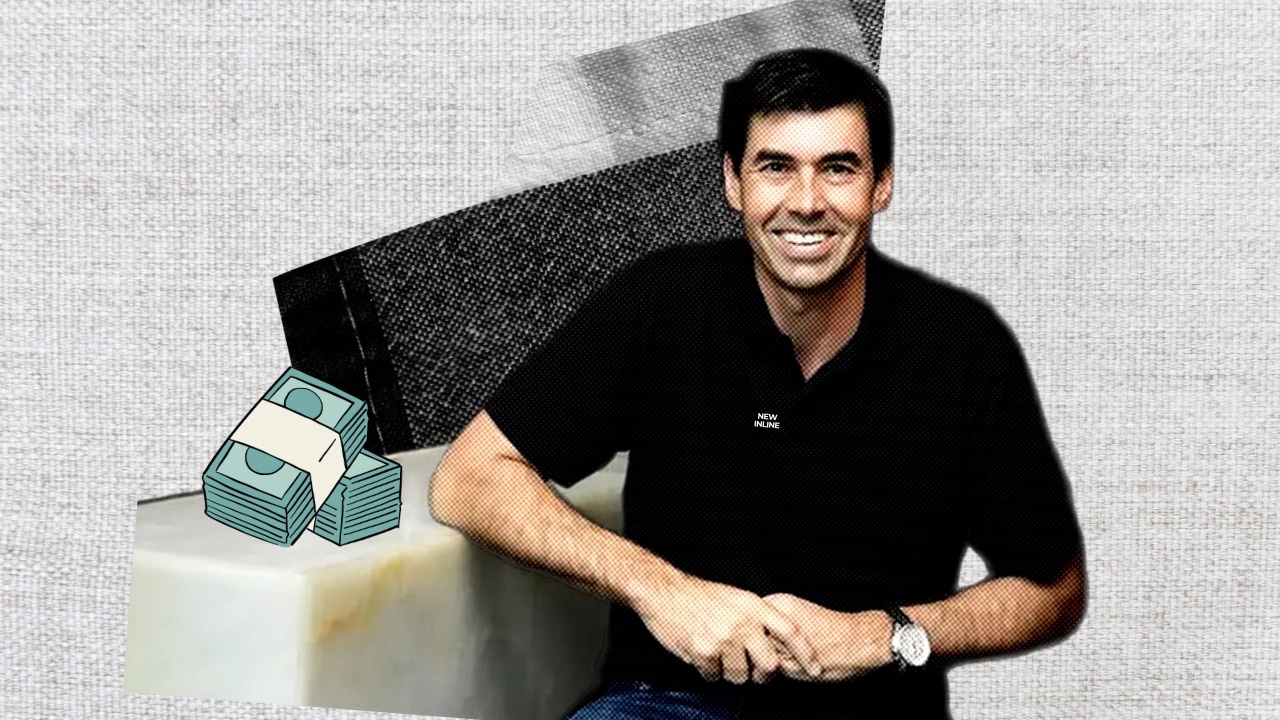
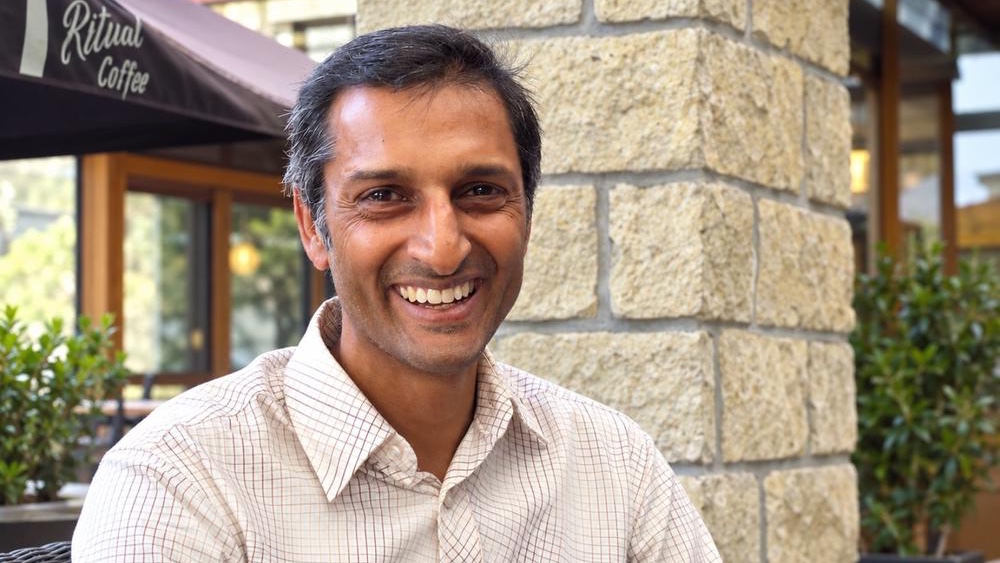
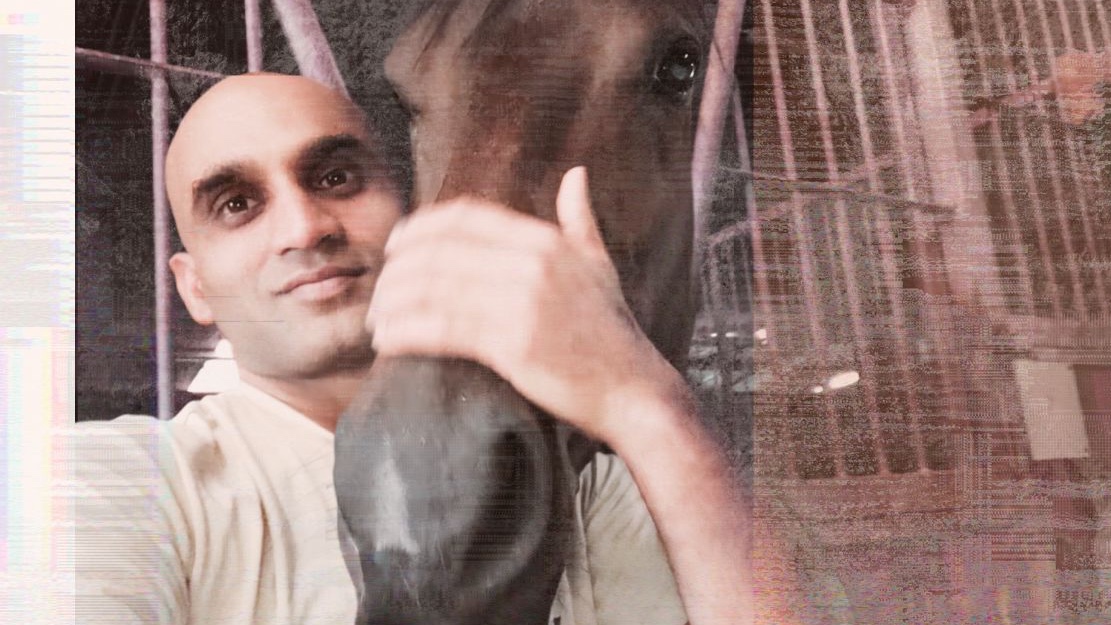
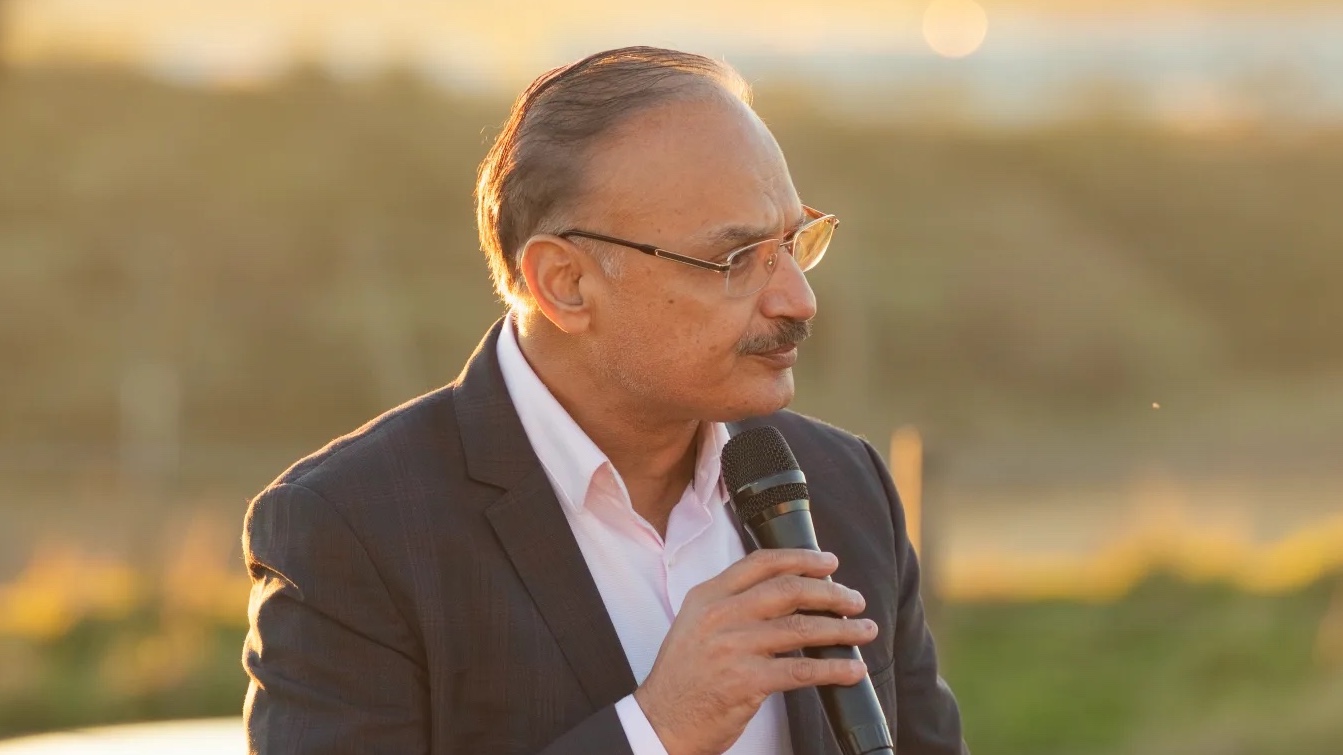
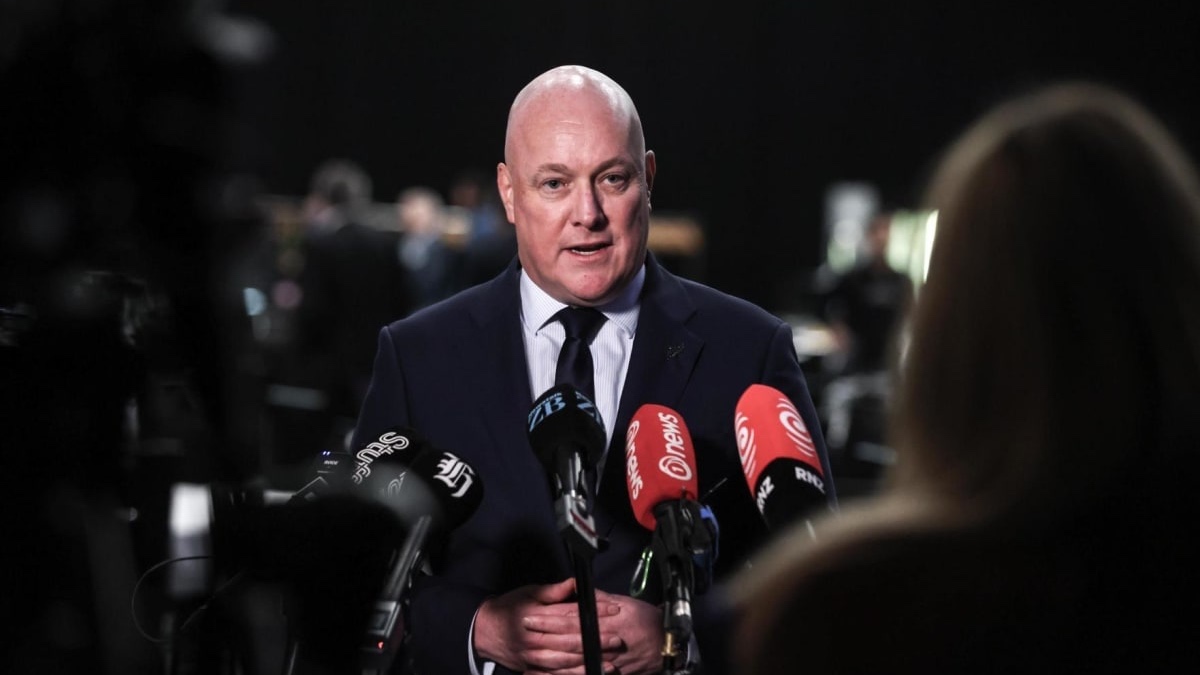
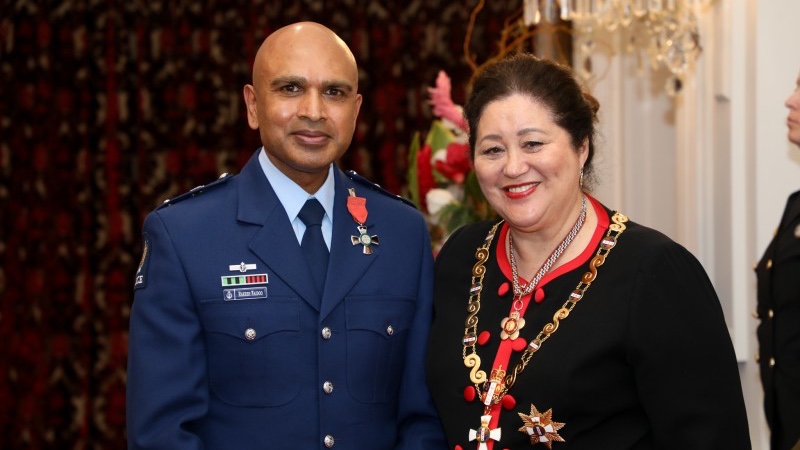
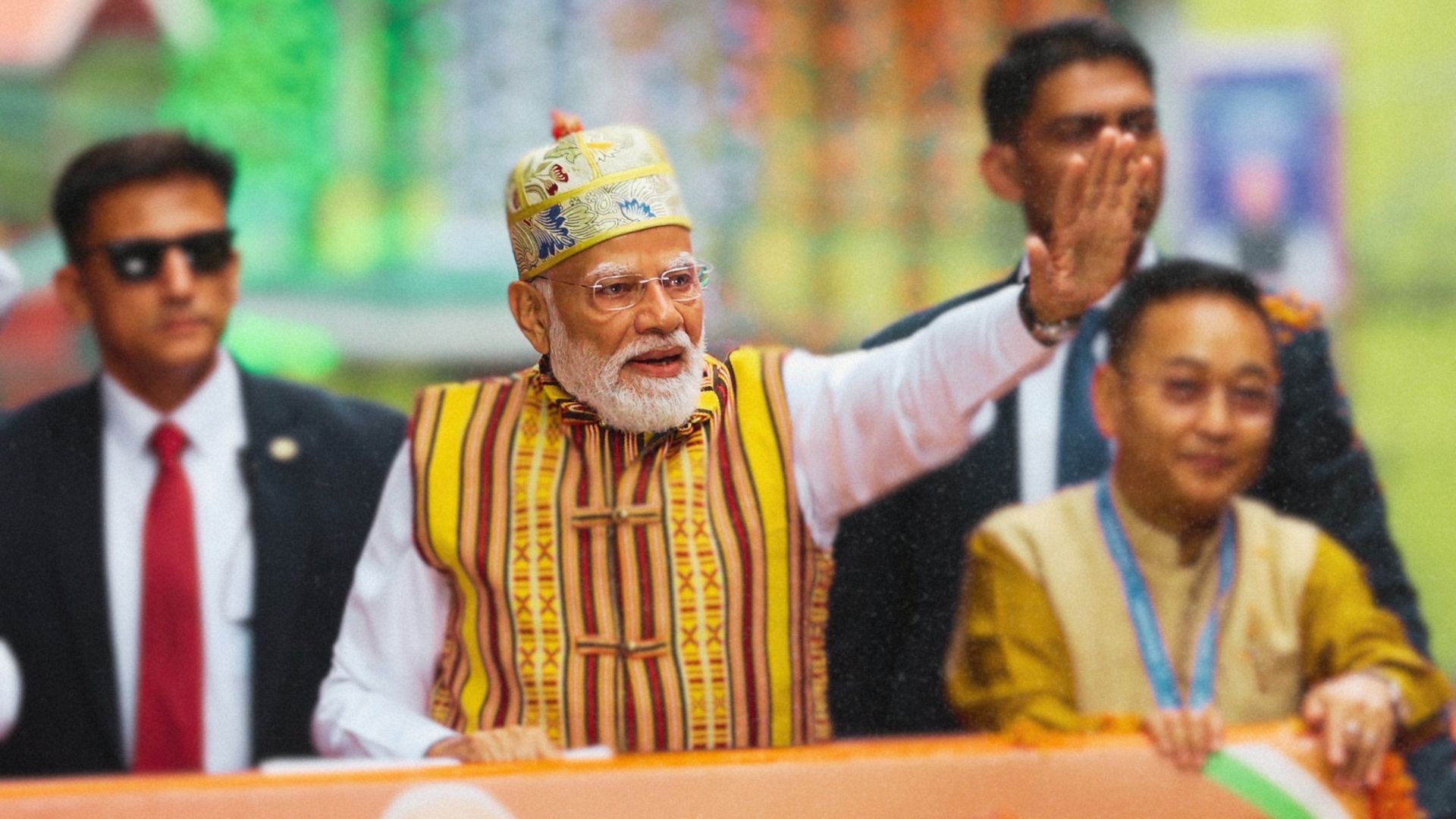
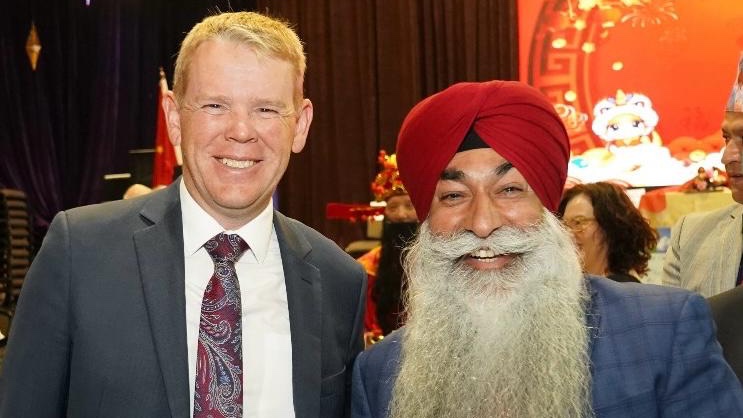
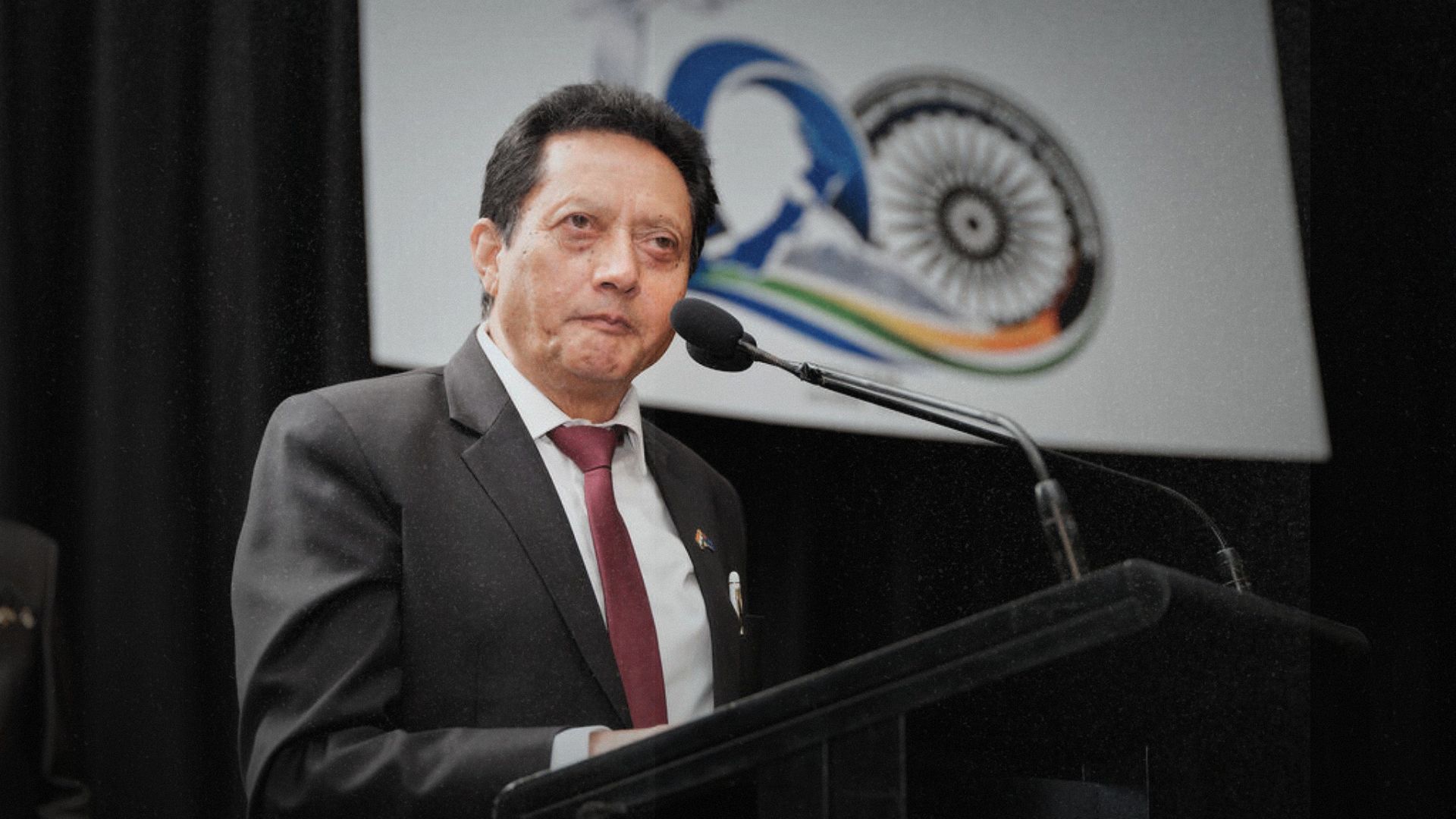
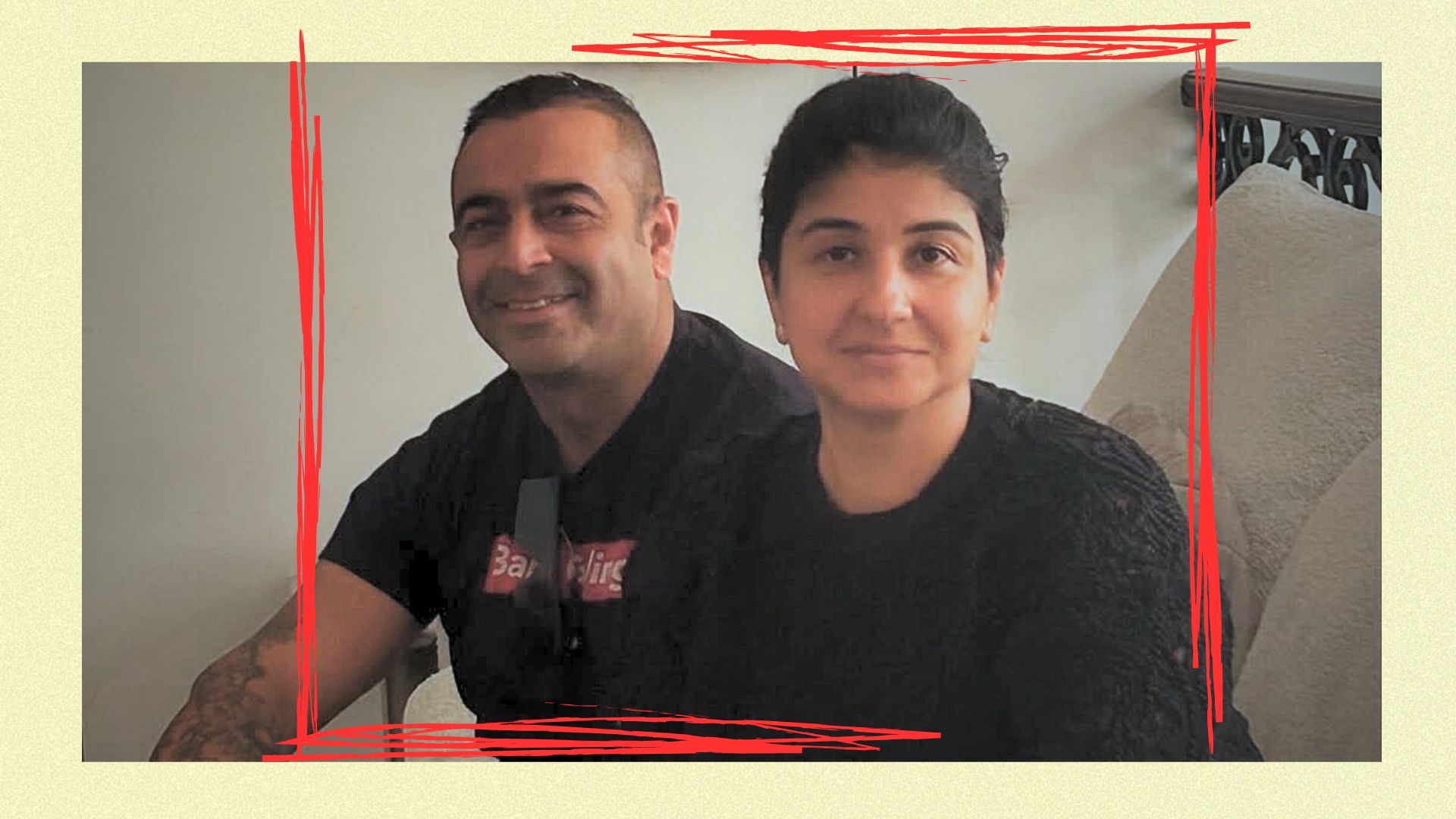
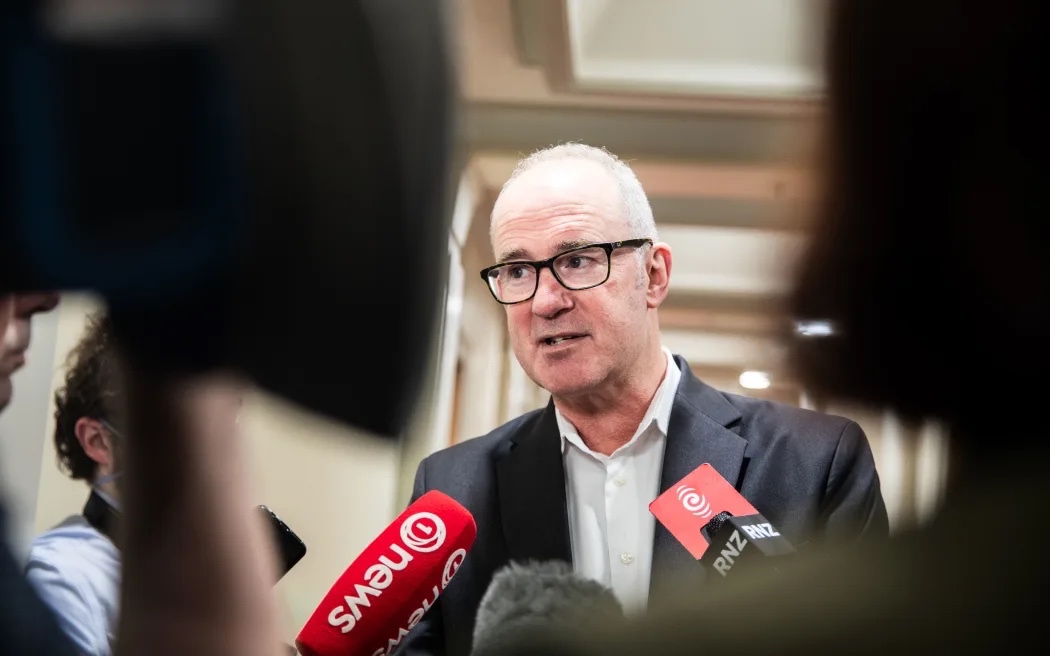
Man on a mission: Kaushal's been in the thick of things in 2025. (Facebook/Sunny Kaushal)
Decoding the shock and awe around the government's retail crime advisory group and its chair.
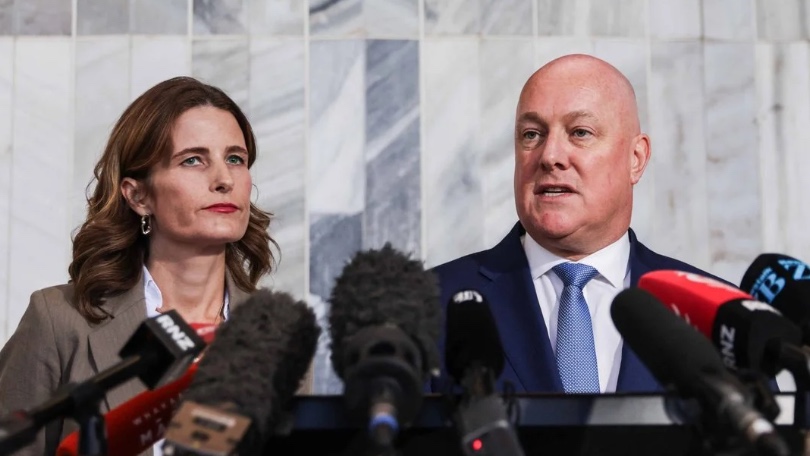
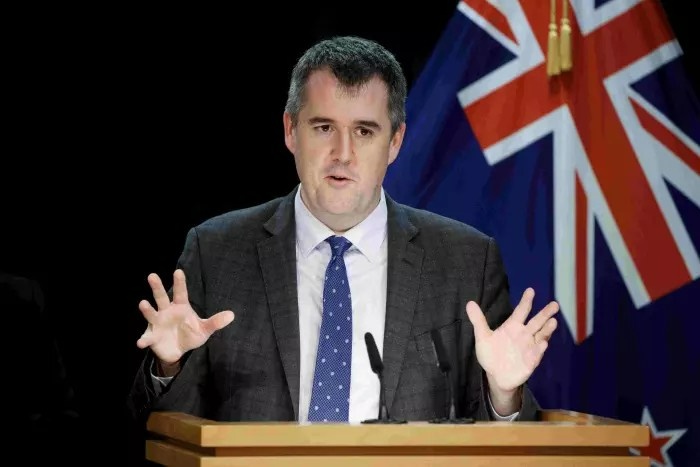
Analysis: The government's ministerial advisory group on retail crime is scheduled to wrap up in May, three months earlier than planned. It has already done its job, justice minister Paul Goldsmith said on Tuesday, and filling the ongoing vacancies won't make sense at the fag end of its tenure.
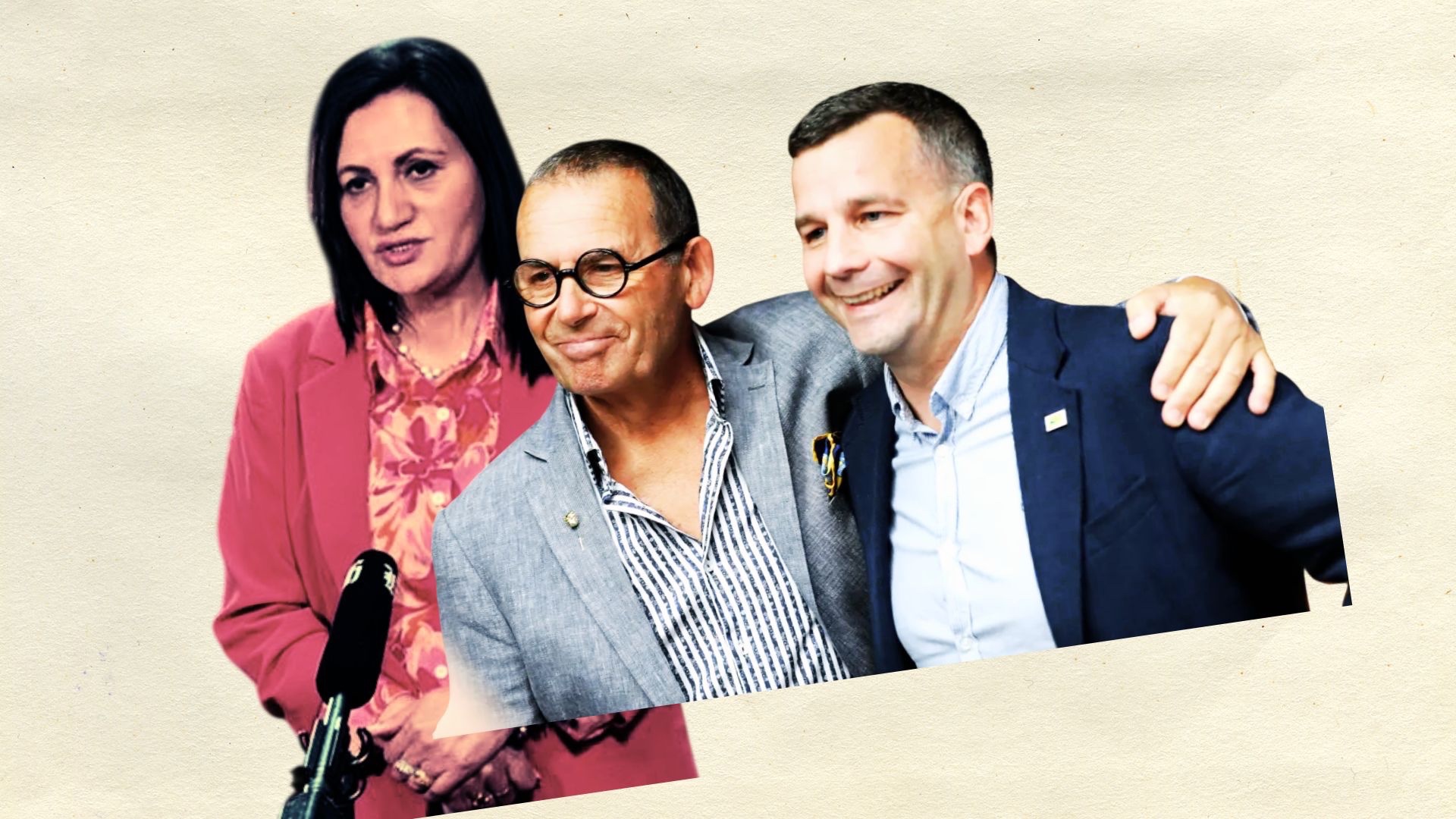
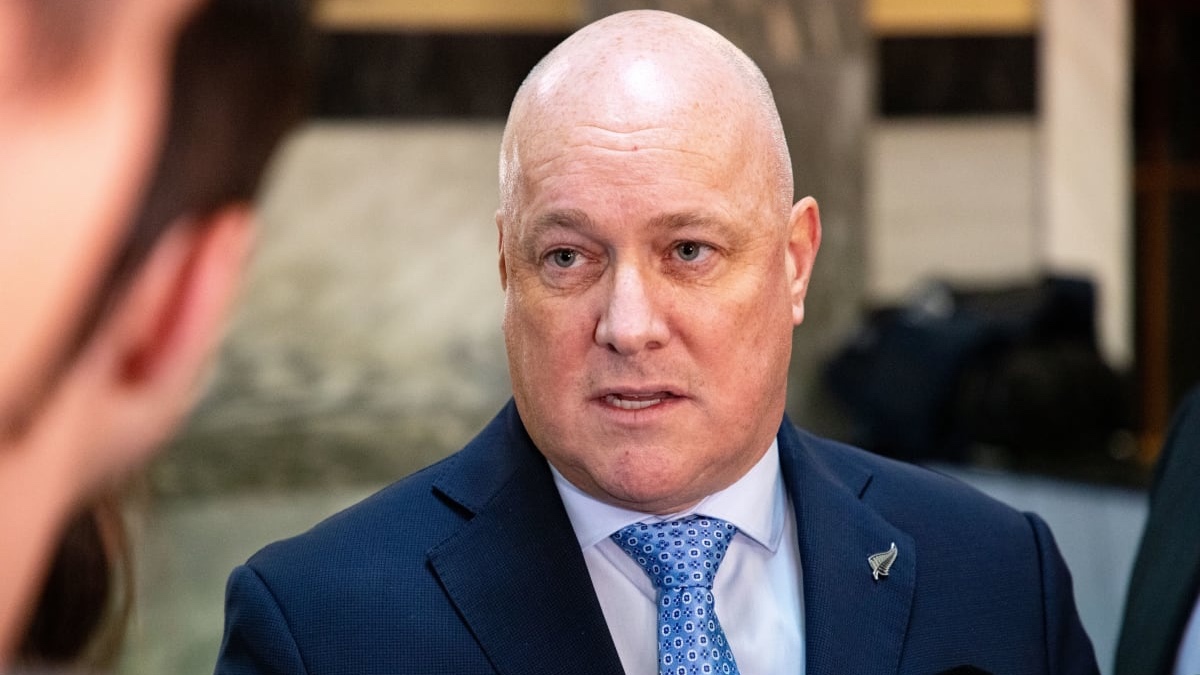
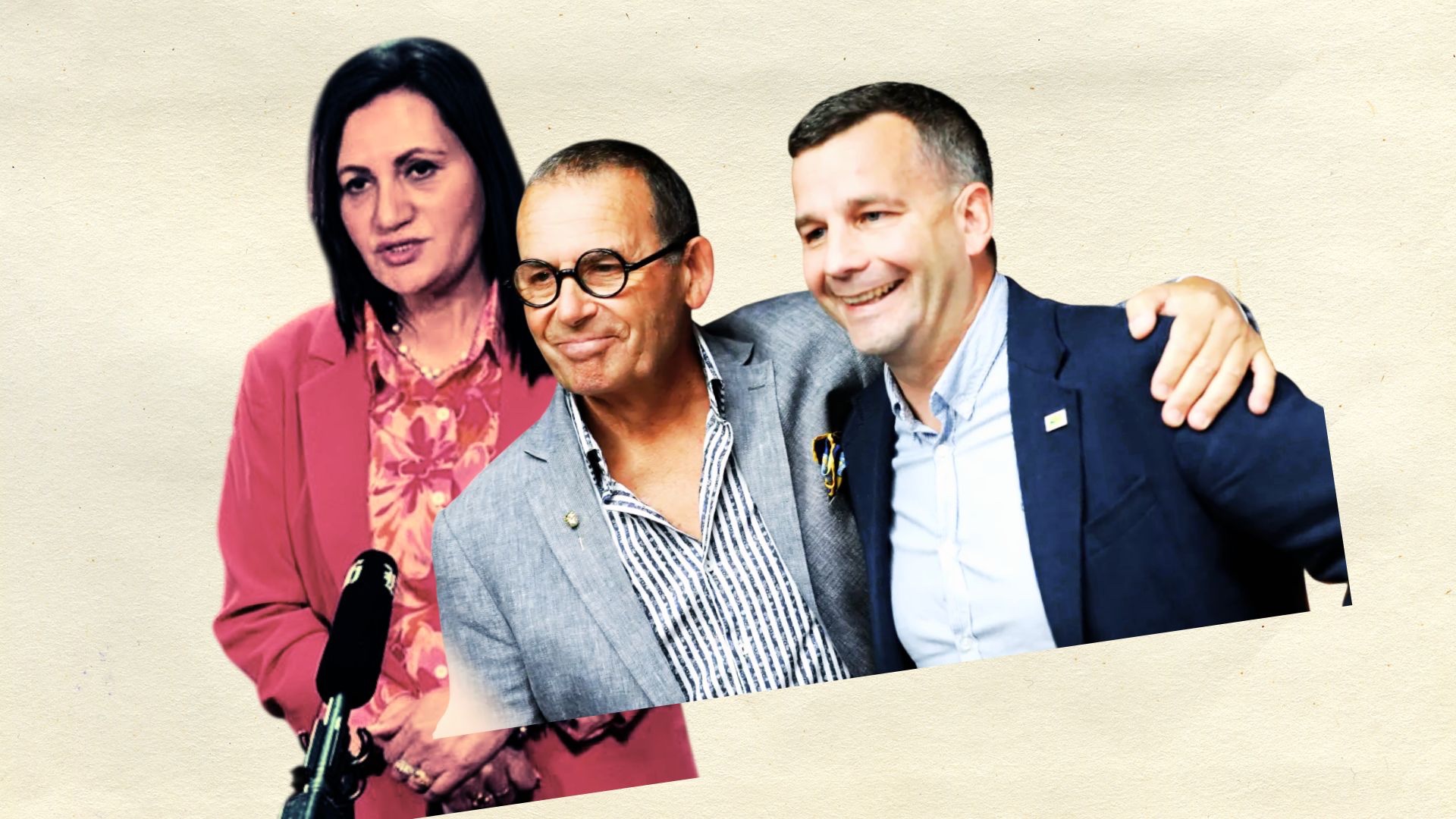
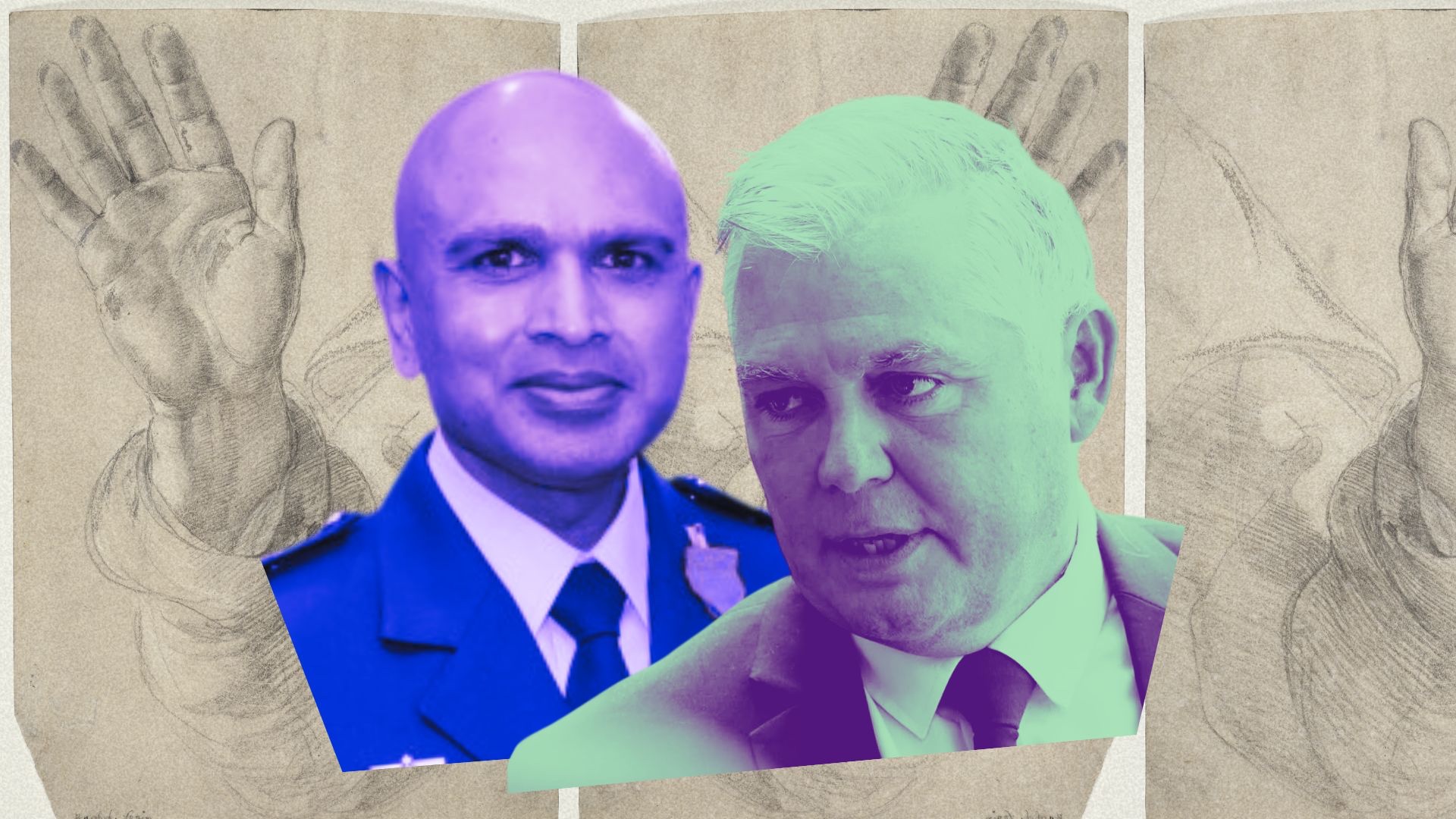
The group's chair, Sunny Kaushal, has become the group’s lightning rod, having never really been proven guilty of anything by his critics but almost always in the firing line. At least one of the group's five members has quit over personal differences with him. But much of the hullaballoo has really been over his payout. Once you strip all the political noise away, the issue comes down to something simpler: does Kaushal really needed to work so much as part of this role?
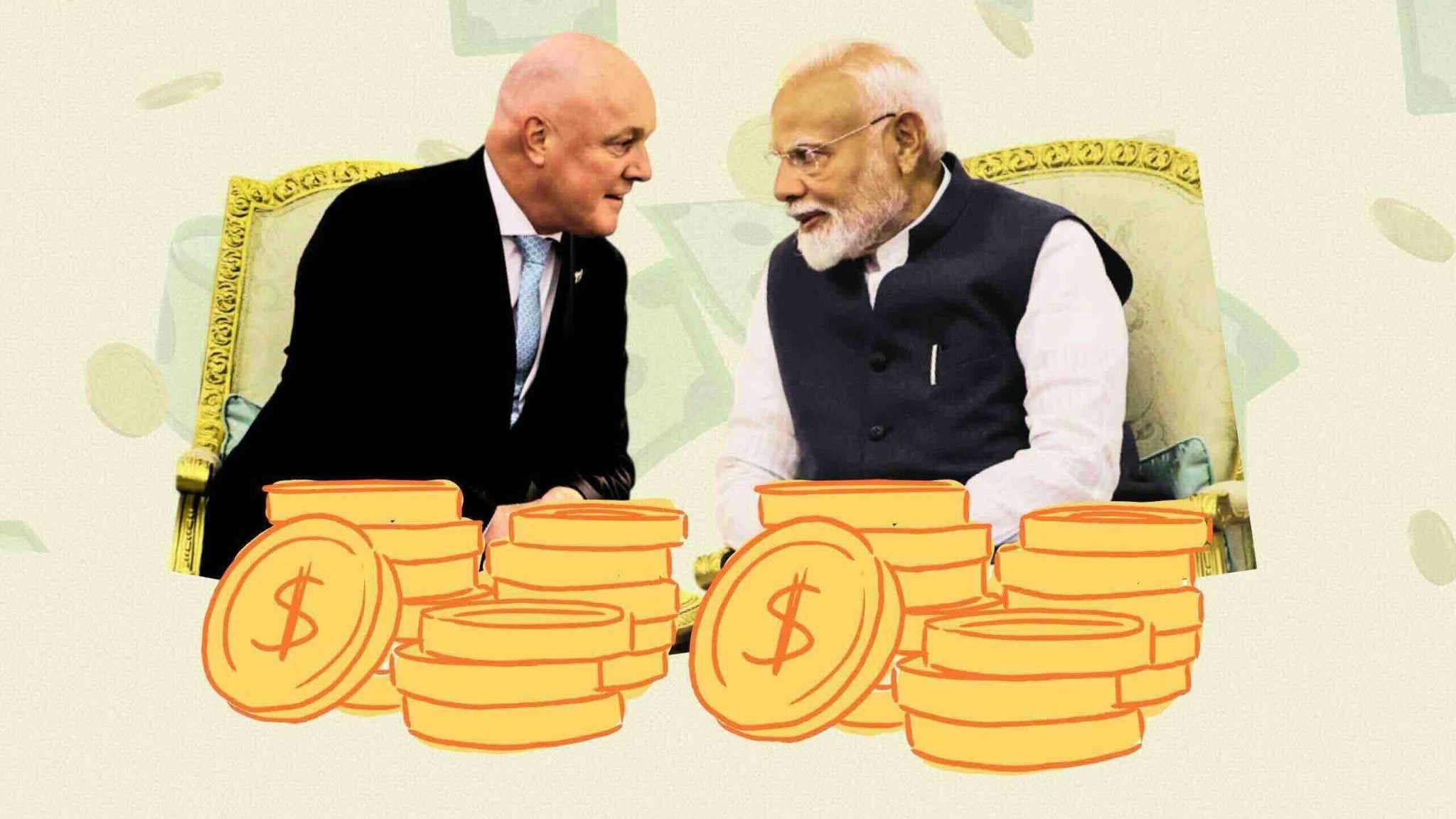
That question matters because he is being paid $920 for every day he bills the taxpayer. An official estimate indicates only about two in 100 salaried New Zealanders earn that much or more. Yes, Kaushal is more like a consultant and not on a full-time salary (hence the higher fee), but still.
Announced in July 2024, the group was funded from the Proceeds of Crime fund with a budget of $1.8 million per year for two years. The group had spent $888,024 in the 2024/25 financial year, according to this report in NZ Herald. Between July and December this year, it spent $934,146, bringing the overall expenditure to $1,822,170.
That alone explains the public shock and awe. But it doesn’t really answer whether there's anything wrong with it. To get there, it helps to understand what this group is (and what it isn’t). It's an advisory group. It does not run an agency. It does not make decisions. It does not compel evidence or hold hearings. Its job is to advise ministers.
From designing restaurants to running Auckland Diwali: The many lives of Arnav Taode Taode brings his passion for Indian arts and culture to his first year managing BNZ Auckland Diwali 2026.
Winston Peters says ‘diversity is disunity’. What does the evidence tell us? Evidence from business, sport and social policy suggests diversity can strengthen economies and cohesion but on one condition.
Baby born in Sri Lanka to New Zealand residents caught in limbo after Down syndrome diagnosis Immigration tribunal orders fresh residence assessment after finding a “serious mistake” by immigration officials.
Groups like this are classified as ‘Group D’ in the official cabinet framework. They sit inside a long-standing government tradition that pays people by the day for advisory work. Kaushal's group falls into the same broad category as everything from expert panels to Royal Commissions. That sounds odd, but group nomenclature reflects how bodies are appointed, not how much power they wield.
Group D entities are further classified into different levels, based on the complexity of work and other parameters. Kaushal’s group is placed in Level 1, the top tier of that system. That classification affords the Chair a daily rate of between $770 and $1,645. Kaushal’s fee of $920 a day (approved by the justice minister) is towards the lower end of the permitted range.
So, the rate itself isn’t the problem. What the Labour Party has called into question (often without proper context) is the total payout Kaushal has actually received. As per this RNZ report, Kaushal billed about $230,000 for his first year of work. That means he worked 250 days, the maximum his government contract allows.
For an advisory group, that is a lot. Consolidated data on the operational details of similar Group D entities is generally not publicly available. But various online reports indicate most advisory groups meet periodically. Their chairs bill a handful of days each month. They read papers, attend meetings, write advice, then step back. They don’t usually operate week after week at near-continuous intensity.
That level of engagement is more typical of Royal Commissions and statutory inquiries – also Group D entities – but they hold hearings, manage evidence, and work almost full-time for long stretches. Those chairs routinely work well over 100 days a year because the job demands it.
Kaushal’s group isn't an inquiry. But the workload looks like one. That’s the tension at the heart of this story. Not a secret salary. Not rule-breaking. Not personal behaviour. Seen that way, the real question becomes straightforward: if this was an advisory group, did it need to operate at inquiry-level intensity?