
Couple who couldn't prove they are gay to be deported to India
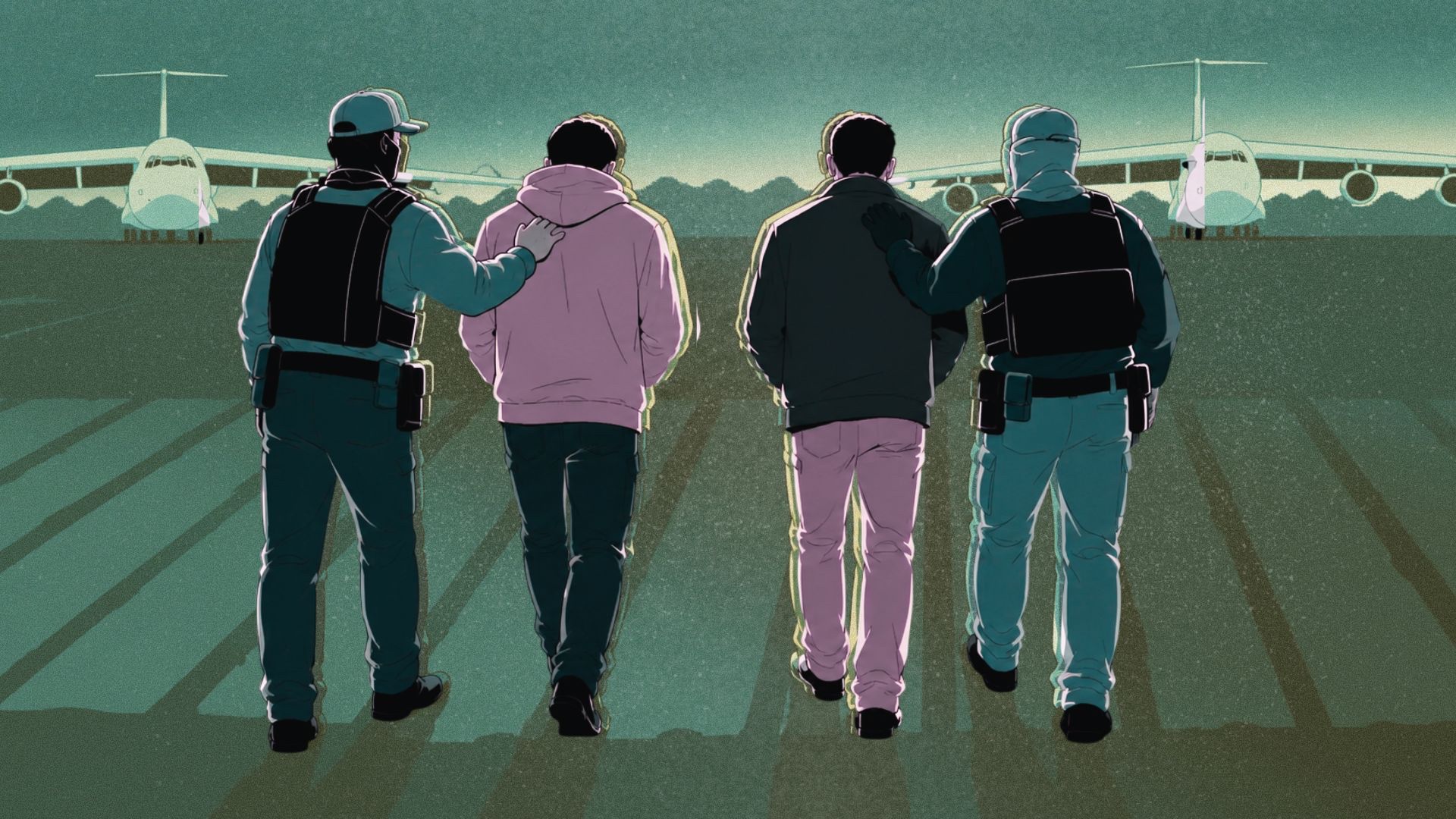
The men have failed on successive applications.
The pair struggled to provide historical evidence of their relationship in India.
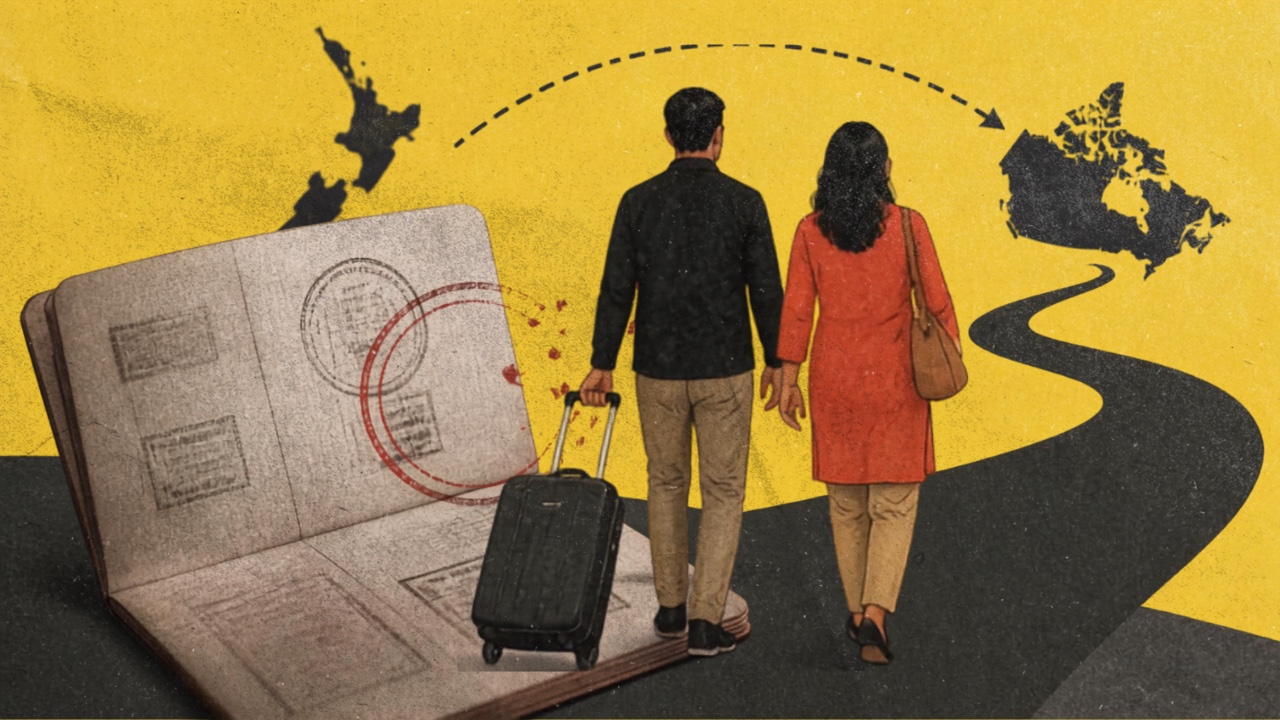
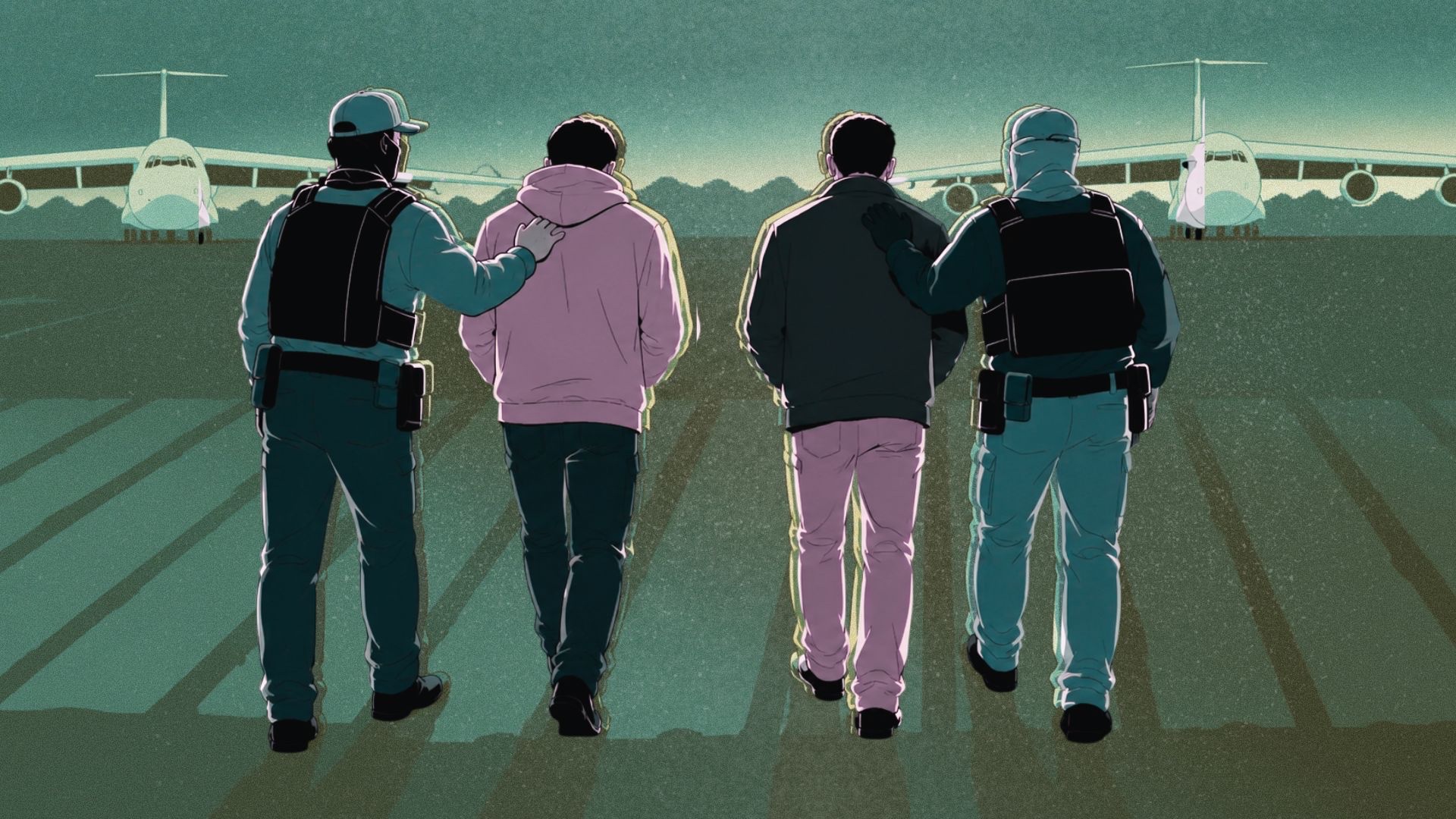
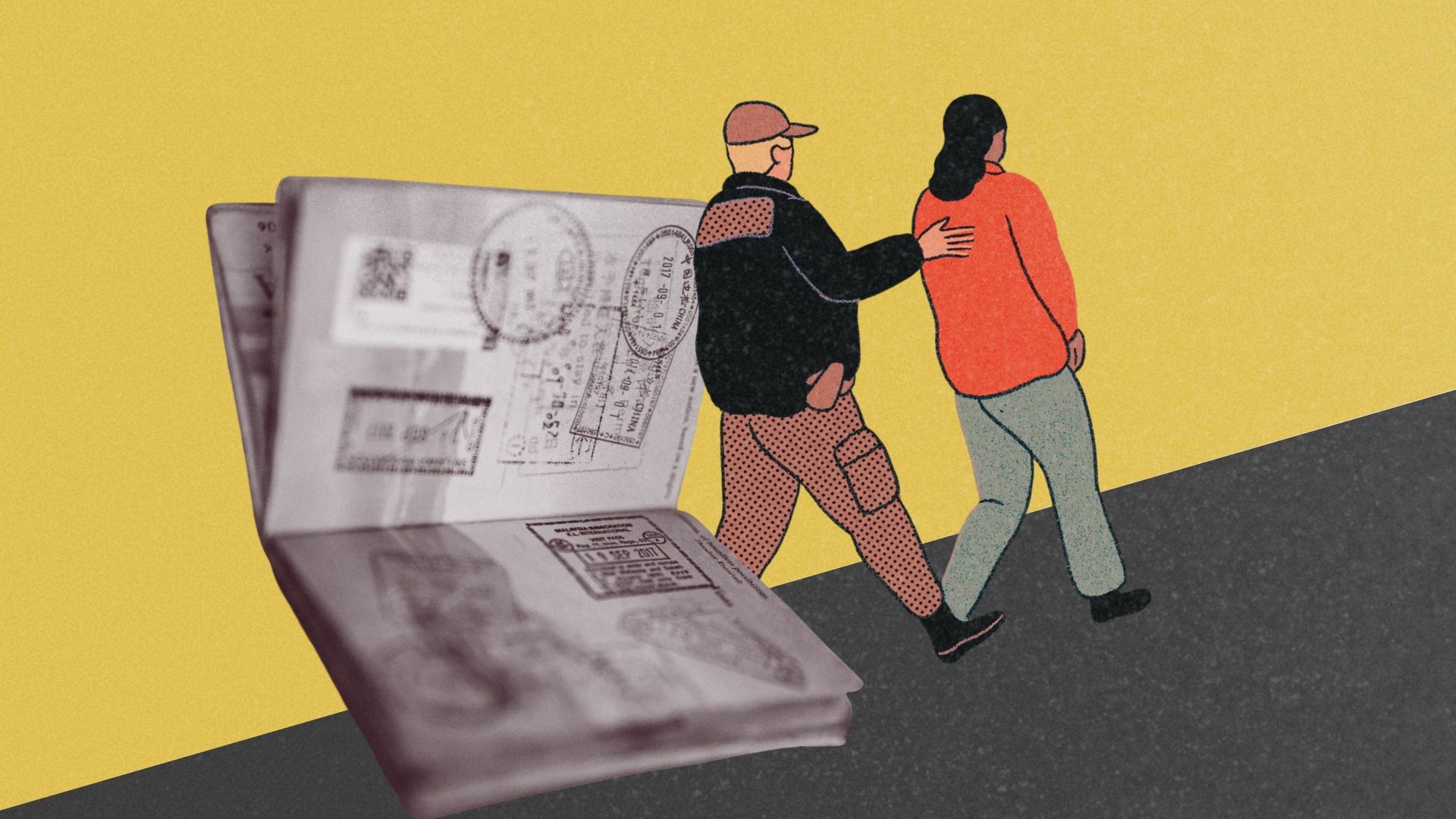
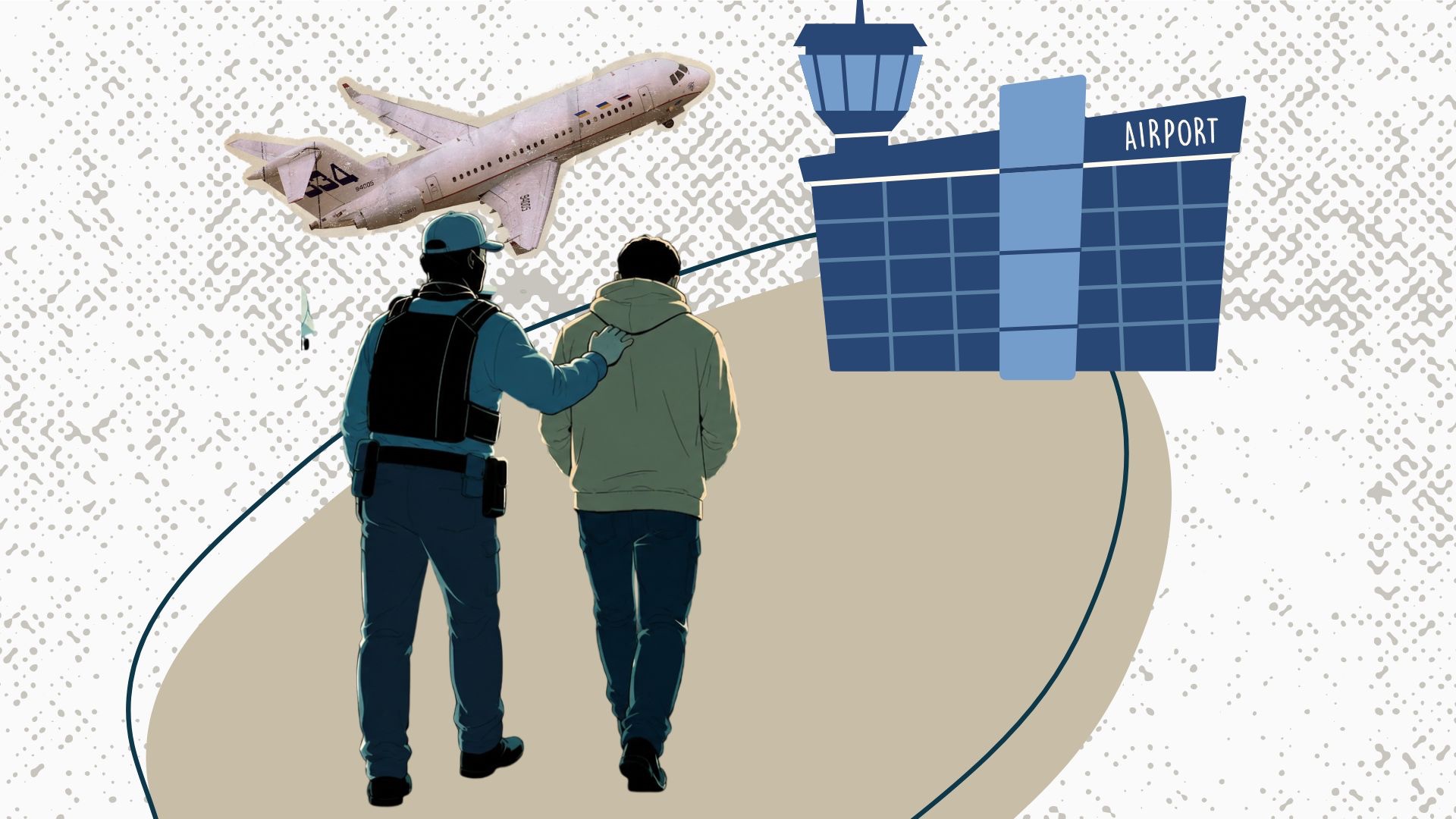
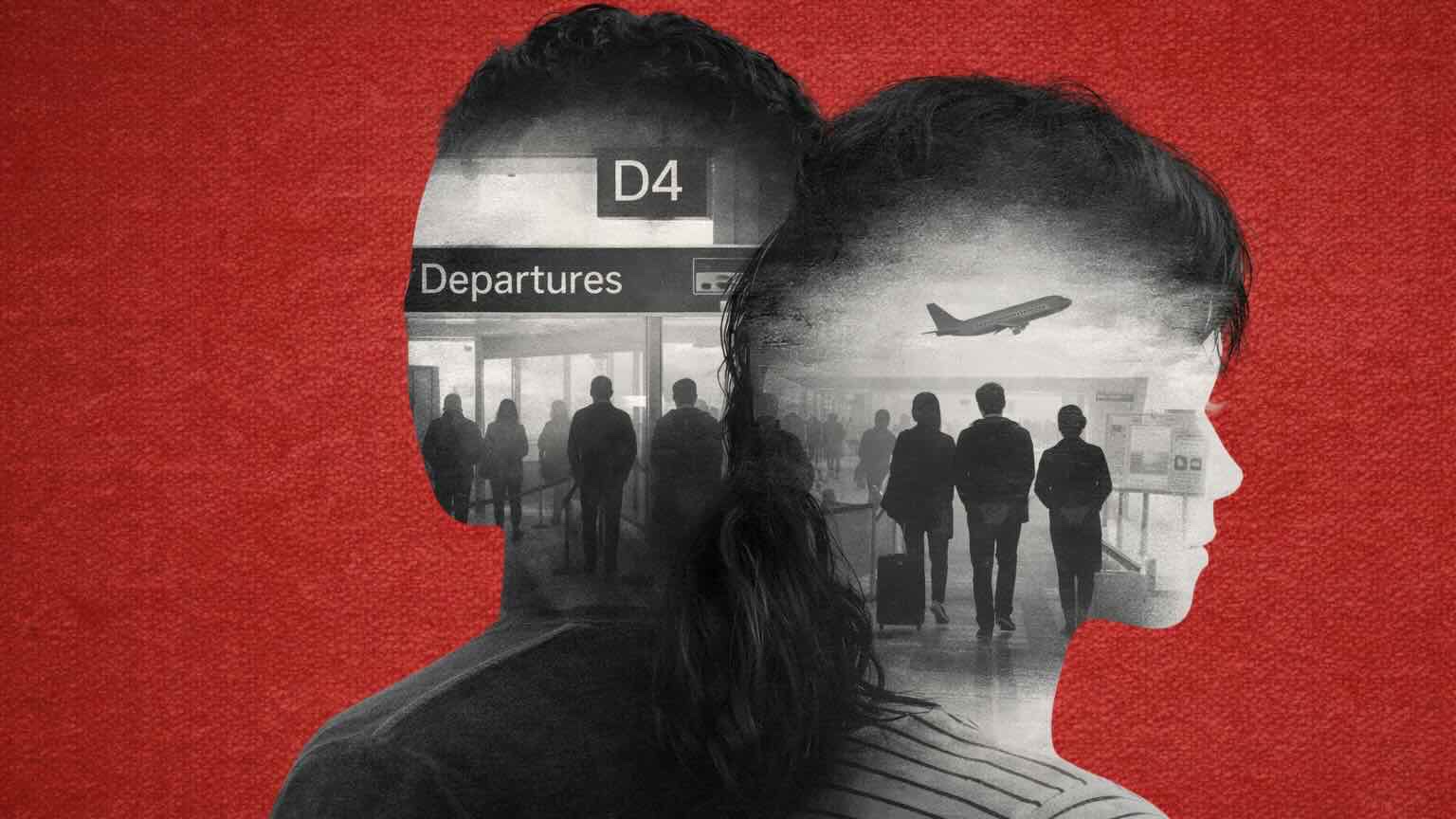
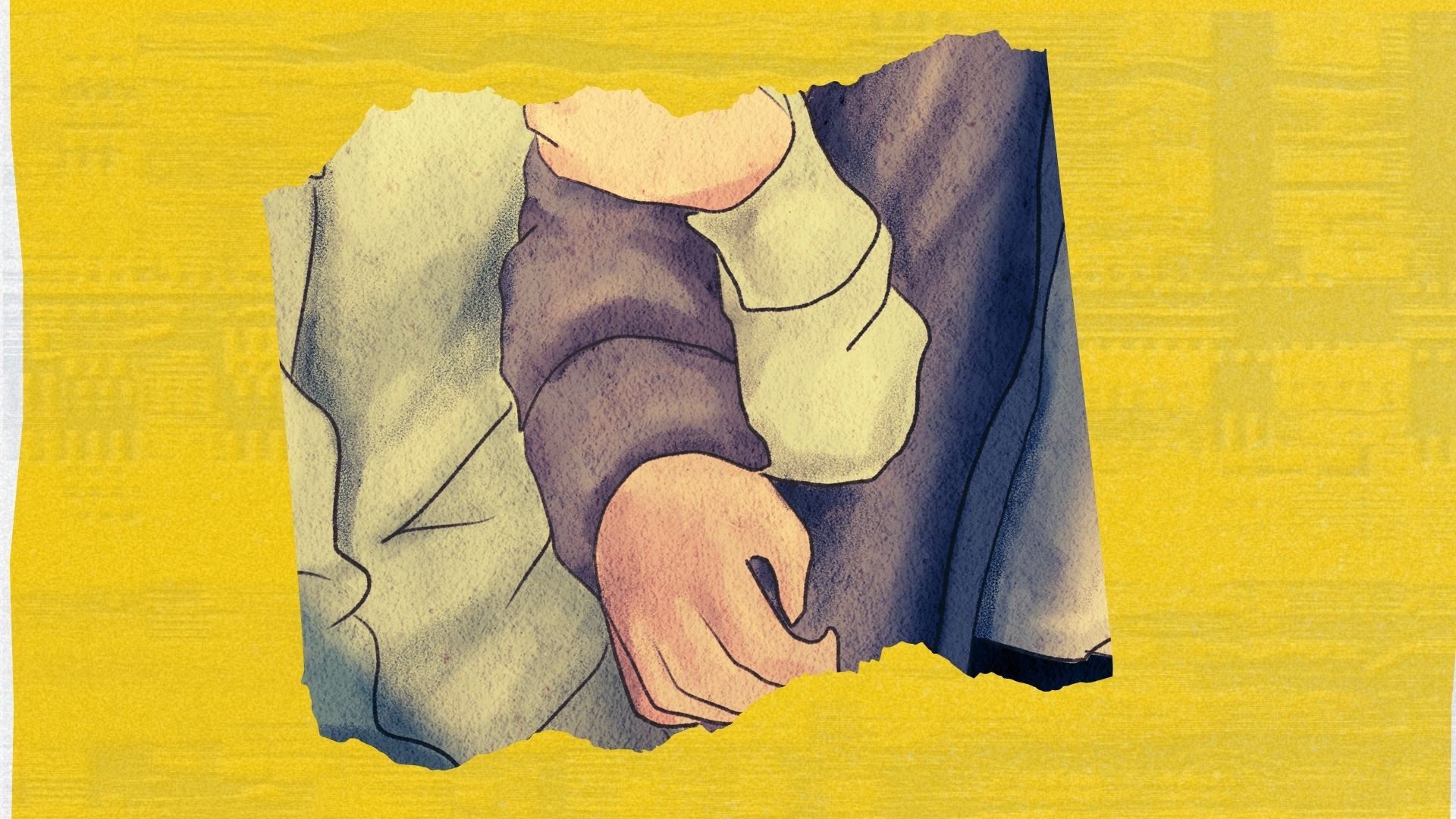
Two Indian men who say they are in a same-sex relationship and have been seeking refuge in New Zealand have been ordered to be deported back home.
The Immigration and Protection Tribunal has concluded the two have failed to prove they are gay, and thereby their basis for seeking protection or shelter in New Zealand doesn't stand.
The men in their late 20s, both Sikhs from Jammu in northern India, had argued they fled in 2023 because of threats, family violence and police abuse linked to their relationship.
They claimed they travelled to New Zealand together to live safely as a couple.
In a judgment released recently, the tribunal dismissed an appeal they filed on humanitarian grounds after their refugee and protection application was declined.
Migrant who shouted down Peters over racism 24 years ago now vying for Parliament From arriving with $500 in his pocket to confronting NZ First's leader, National Party's Karuna Muthu reflects on his unlikely journey into politics.
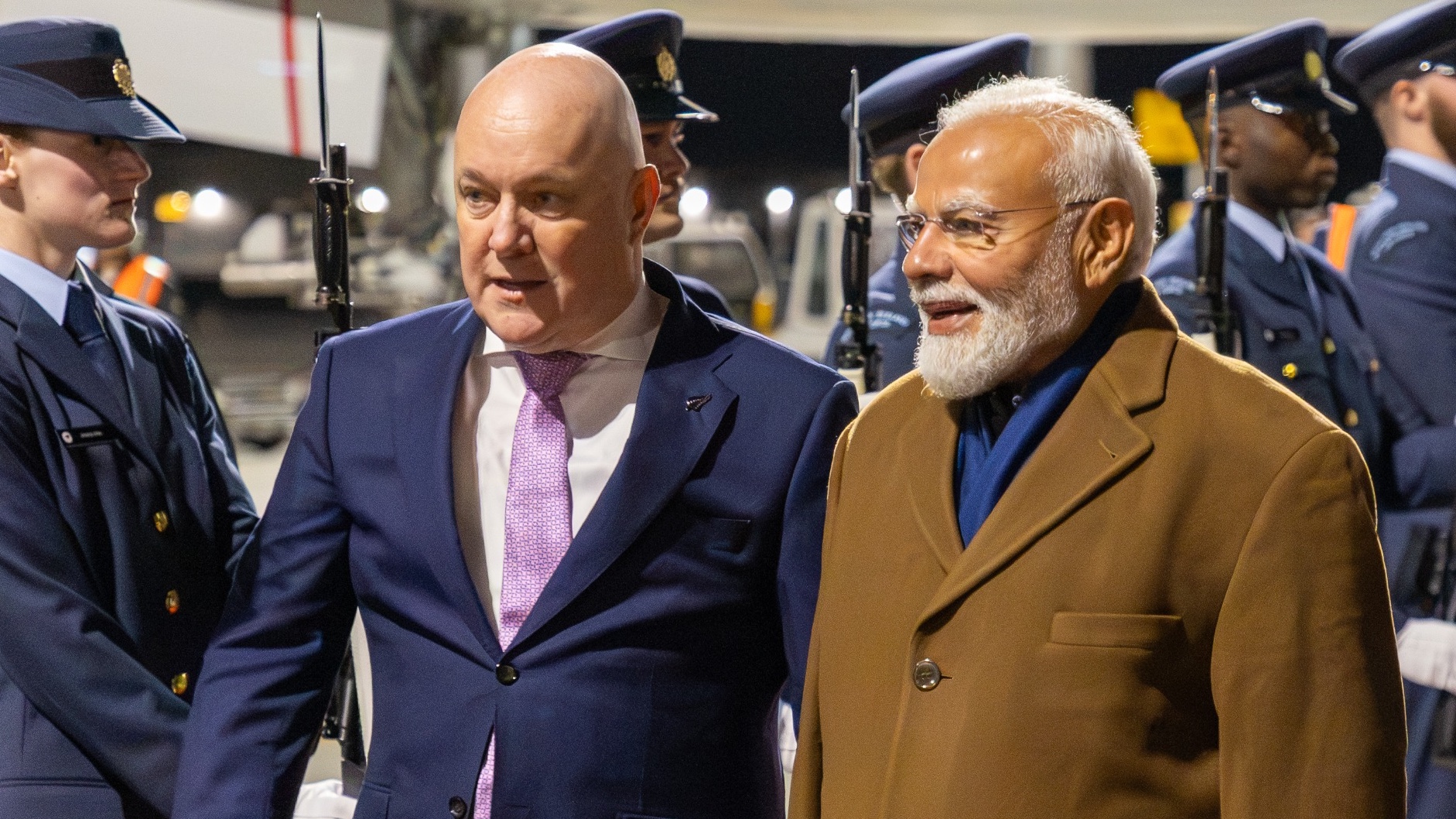
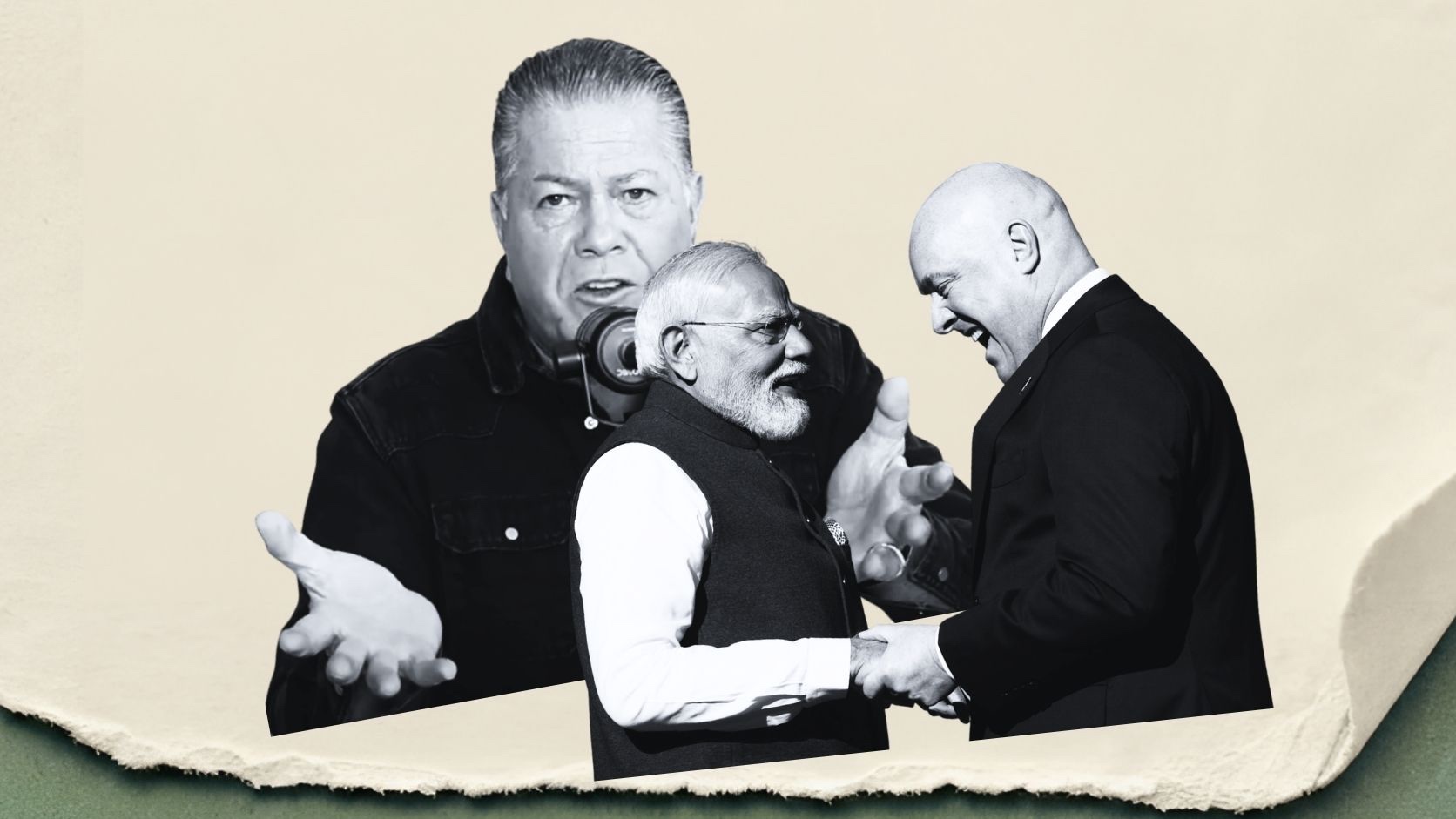
‘Two types of Indians’: Peters questions Kiwi Indians’ loyalty after watching Modi welcome The New Zealand First leader on why changing passports alone may not make someone a New Zealander.
BNZ Diwali rolls out Bollywood red carpet as Meenakshi Sheshadri revisits Damini in Auckland A Screen Auckland-backed cinema showcase is bringing South Asian films into Auckland theatres as part of this year’s Diwali celebrations.
The tribunal rejected almost every major aspect of their account, describing the evidence of their relationship as inconsistent, implausible and lacking credibility.
“The appellants’ account of being in a same-sex relationship together and to have experienced difficulties with their families and the police in Jammu...is false,” read the tribunal's order dismissing their refugee application.
The men later lodged humanitarian appeals arguing deportation would expose them to renewed pressure, discrimination and economic hardship in India. Those appeals were also dismissed.
The tribunal found “no weight could be placed” on their claim to be gay men in a same-sex relationship.
The men claimed they met at a wedding in Jammu in late 2021, fell in love and later attempted to flee to the northern Indian city of Amritsar after their families discovered their relationship.
They alleged their families tracked them down, assaulted them and handed them over to police, who detained and beat them overnight because they were gay.
According to the ruling, the tribunal rejected those claims after identifying repeated inconsistencies between the pair’s oral evidence, written statements and earlier interviews with refugee officials.
One man claimed they rarely spent Sundays together because they already saw each other at work. The other said they spent time together “once or twice a month” and visited parks and swimming pools together.
The tribunal also found contradictions in their account of how their families retrieved them from Amritsar. One said they were driven back together in the same car, but the other said they were taken separately.
“Had the appellants really been forcibly returned to Jammu after being caught after running away to live in a same-sex relationship, the tribunal would expect them to be able to remember whether they had been returned separately or in the same car,” the latest order read.
The ruling also questioned whether the two had ever worked together at the courier company where their relationship supposedly developed.
One appellant claimed he supervised eight to 10 couriers there for over a year, but he could not estimate how many people worked at the company or how many staff were based in the office.
Another aspect that appeared to trouble the tribunal was the men’s explanation that they voluntarily returned to the same police station where they had allegedly been beaten, seeking help to live together legally as a gay couple.
“The tribunal finds it implausible.”
The pair also struggled to provide historical evidence of their relationship in India. The tribunal noted there were no old messages, chats or photographs showing them together before arriving in New Zealand.
The men said their families deleted evidence from their phones.
The tribunal accepted that people in Jammu and Kashmir, faced genuine social and economic difficulties; including religious tensions and instability.
It also acknowledged that discrimination against LGBT people and Sikhs exists in India. But it found the men had failed to establish they personally faced a real risk of persecution or serious harm.
The humanitarian appeal decision later found that even if economic conditions in Kashmir were difficult, that alone did not meet the legal threshold for exceptional humanitarian circumstances.
The men had lived in New Zealand for about two-and-a-half years, shared rental accommodation and worked in horticulture, but the tribunal said their ties to New Zealand remained limited and their primary connection was still to India, where their families remained.
The appeals were formally dismissed under the Immigration Act, leaving the pair liable for deportation.