
'Sunny Kaushal effect' and the mollycoddling of retailers in new trespass law

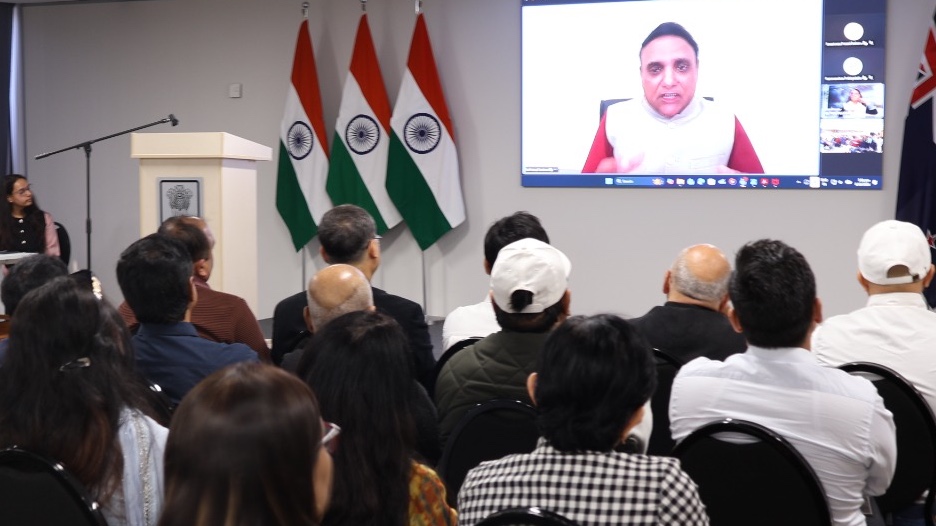
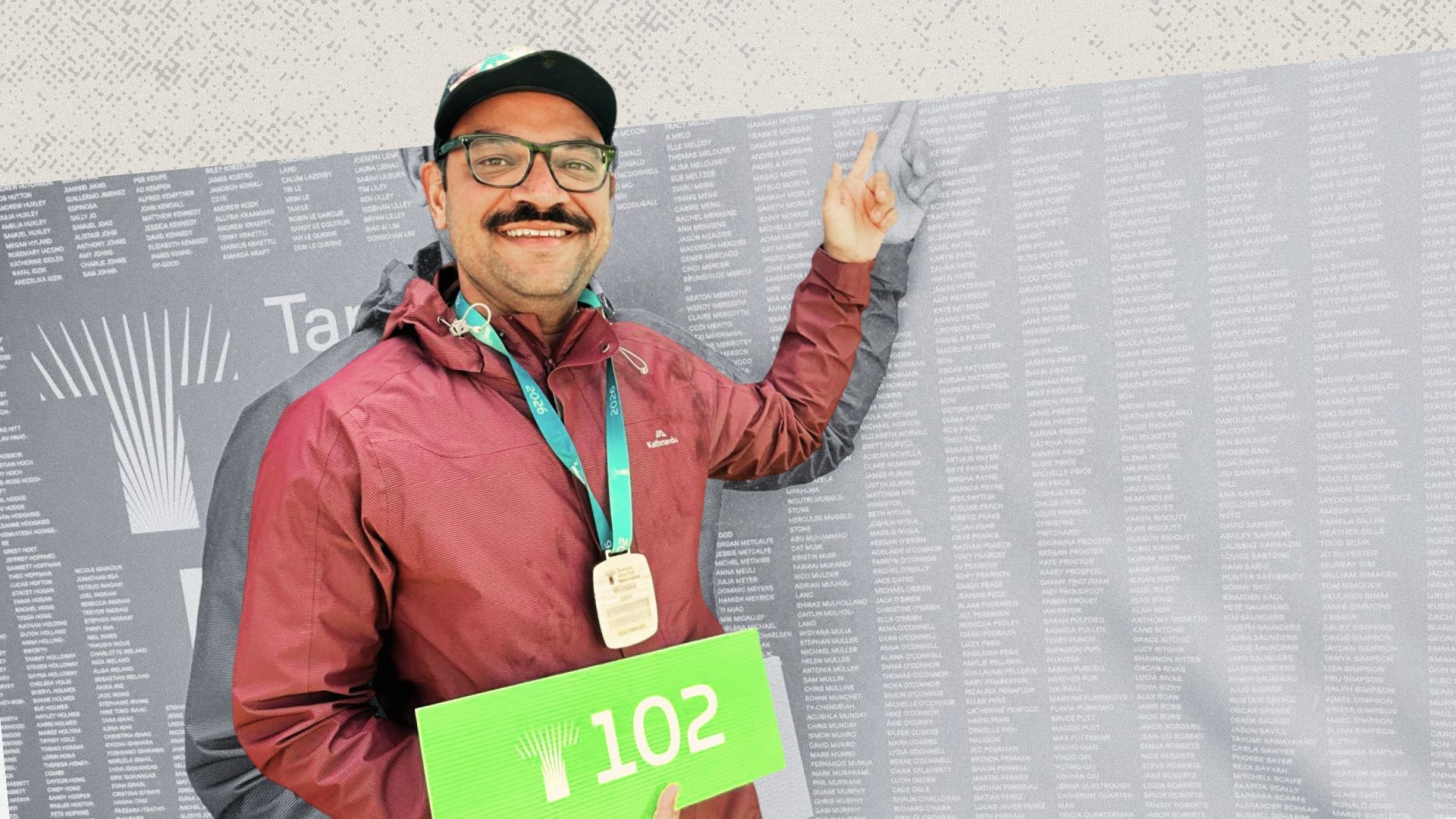
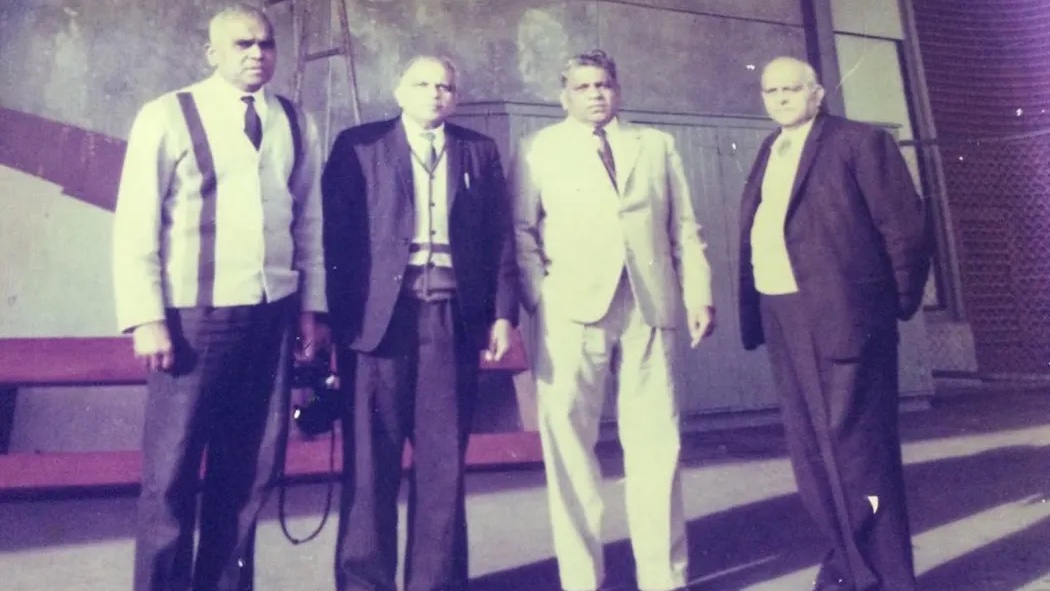
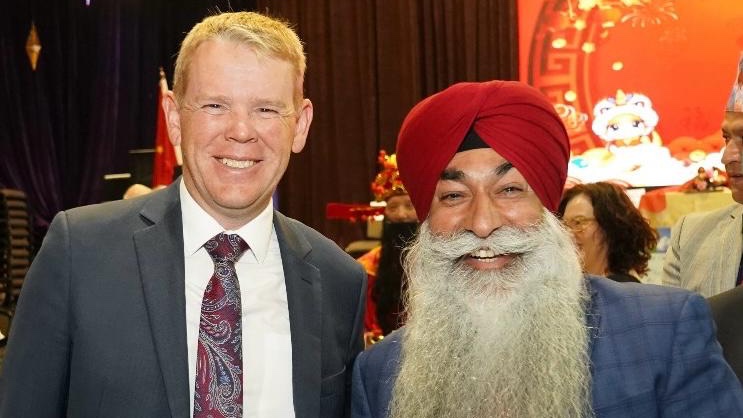
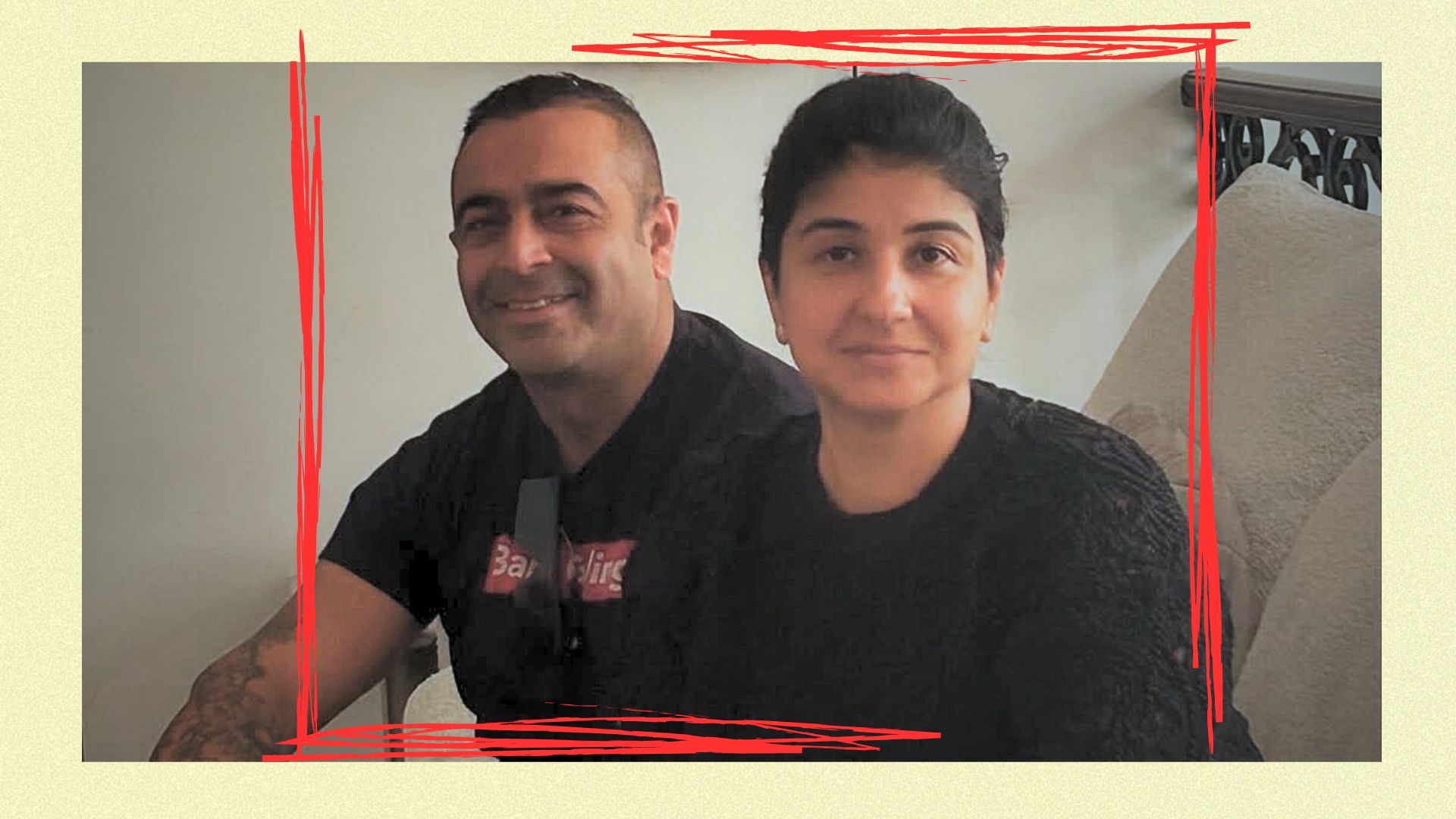
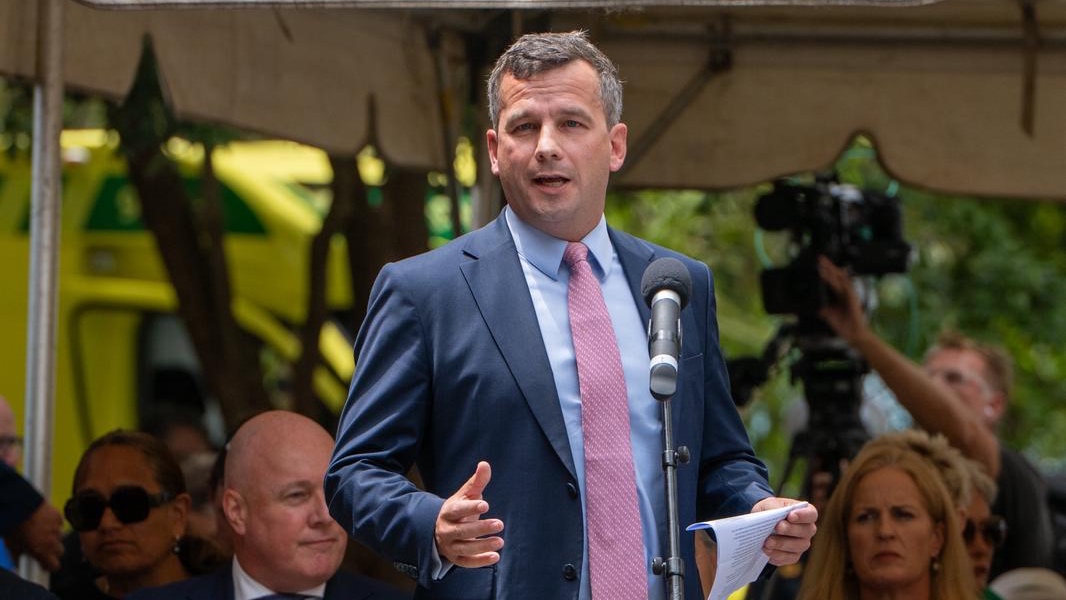
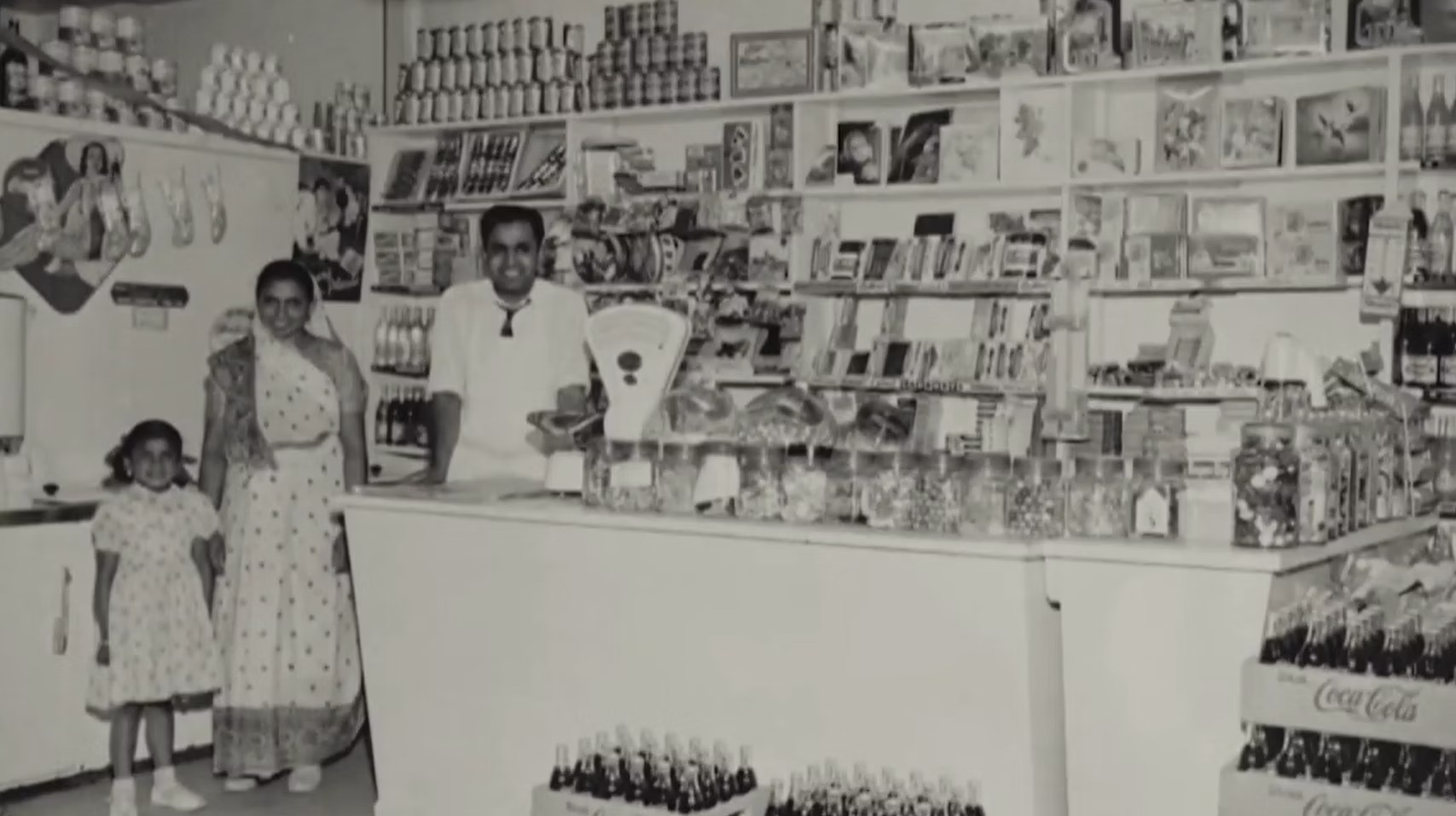
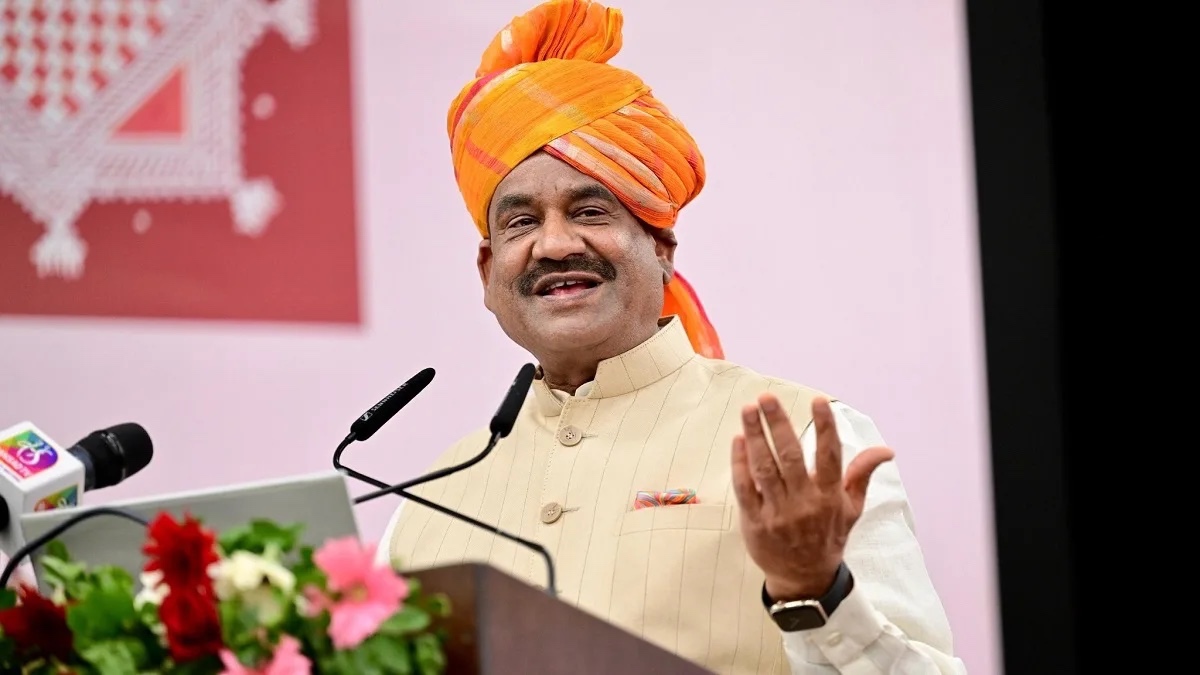
Sunny Kaushal, chair of the government's advisory group on victims of retail crime. (Supplied photo)
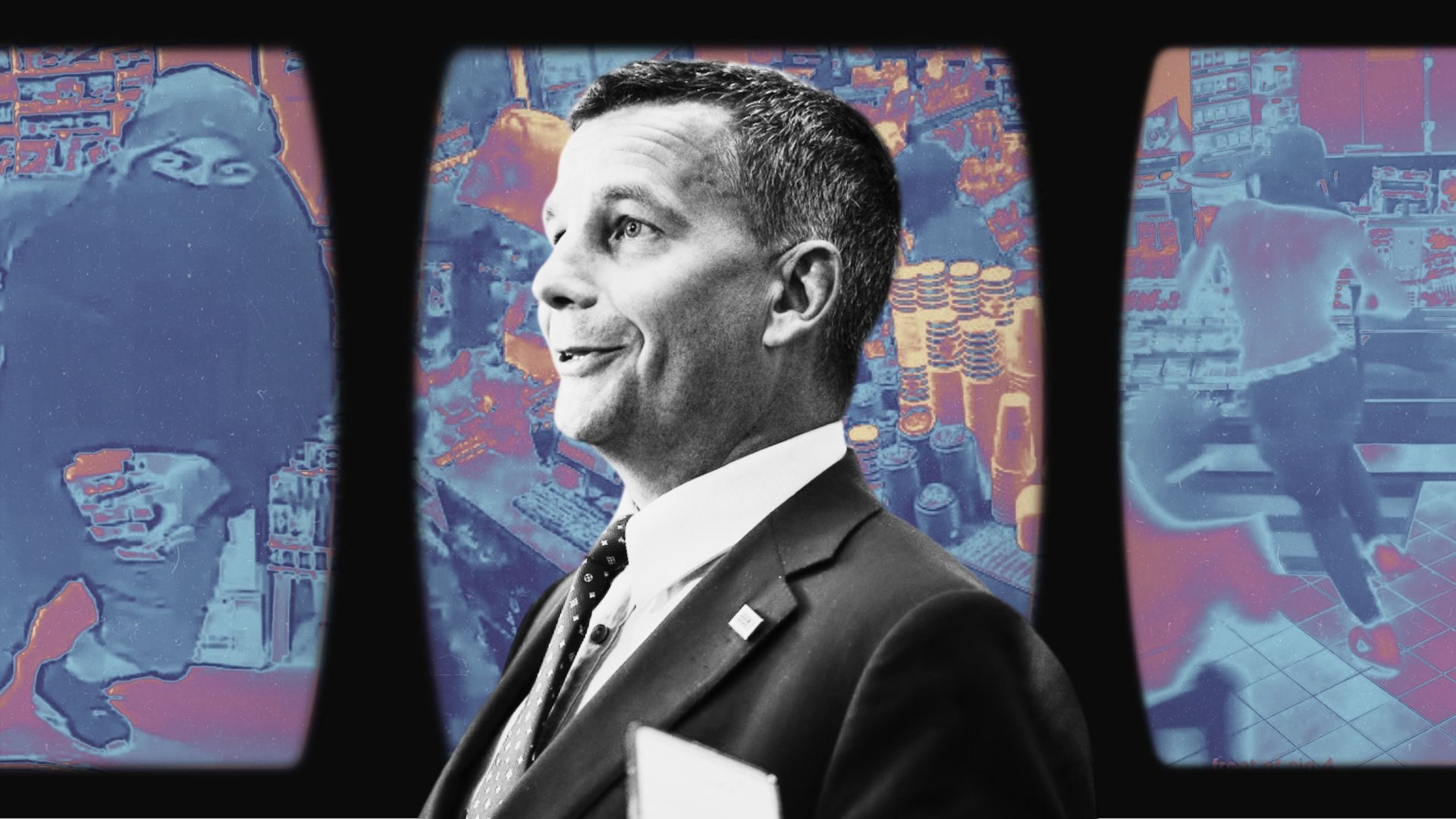
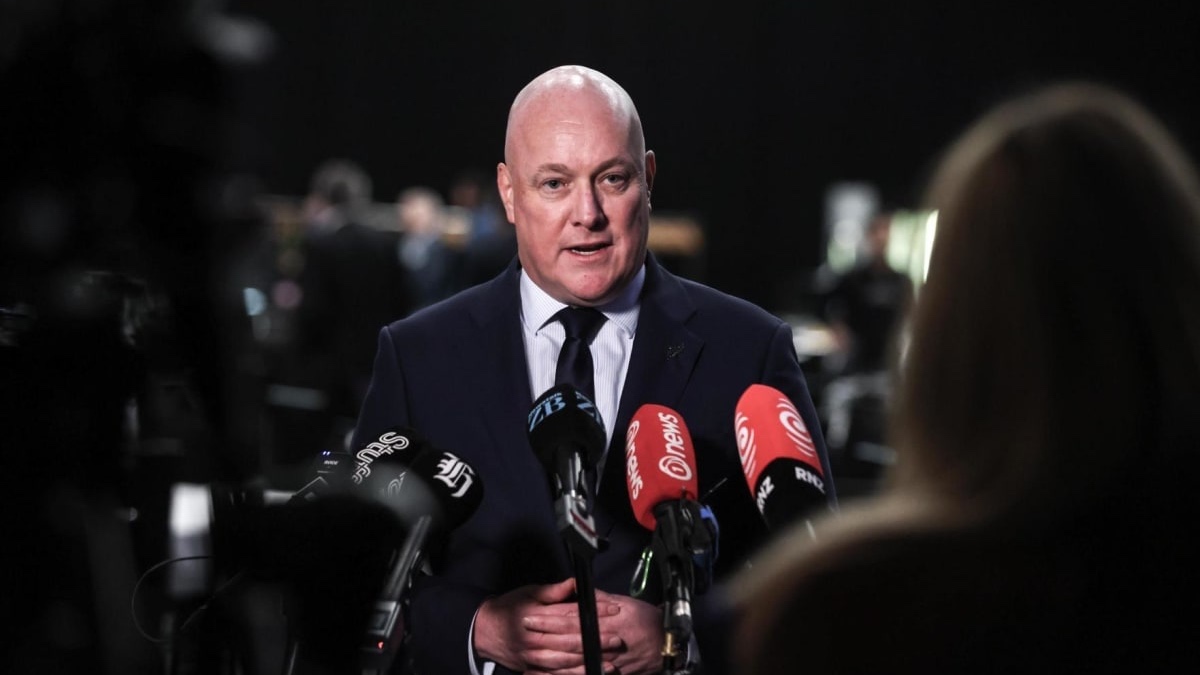
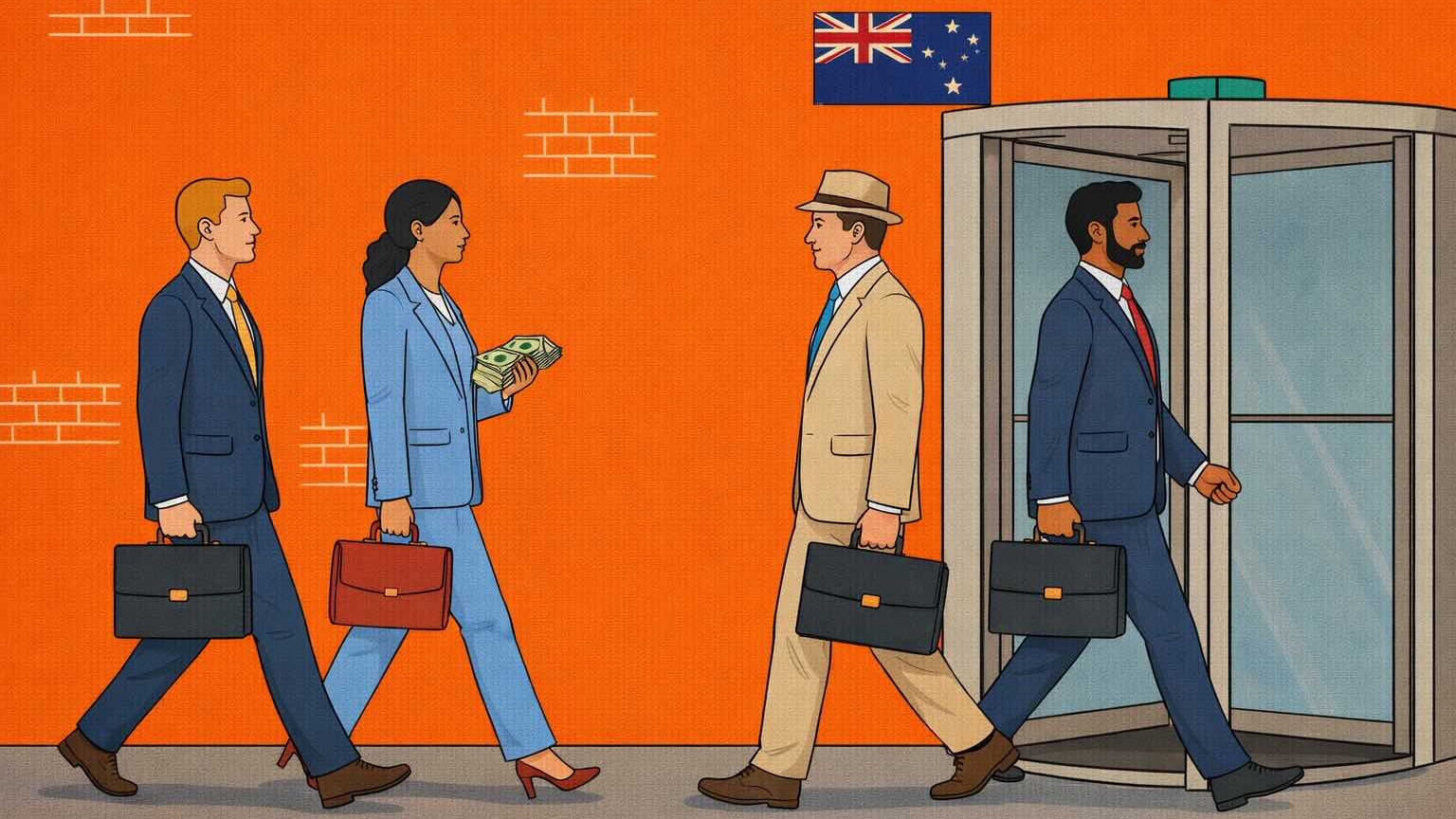
A new bill that empowers retailers to trespass shoplifters more effectively is in Parliament.
Analysis: Last week, the government proposed a new set of legislative changes that it says will better empower retailers to tackle shoplifters.
The changes both simplify and extend the existing powers retailers have by way of trespassing unwanted people. The bill makes the process of keeping away known troublemakers easier and more practical.
"In the retail environment, the public can expect to enter a privately owned retail place but must leave when directed to do so by the occupier," the justice ministry points out.
The changes are part of the Trespass (Specified Retail Premises and Other Matters) Amendment Bill, which had its first reading in Parliament on April 2. It was passed in-principle with support from Labour, ACT and NZ First.
The bill will now be vetted by a select committee, and anyone who wants to weigh in on the proposal can submit their views by May 14, 2026.
Migrant who shouted down Peters over racism 24 years ago now vying for Parliament From arriving with $500 in his pocket to confronting NZ First's leader, National Party's Karuna Muthu reflects on his unlikely journey into politics.
‘Two types of Indians’: Peters questions Kiwi Indians’ loyalty after watching Modi welcome The New Zealand First leader on why changing passports alone may not make someone a New Zealander.
BNZ Diwali rolls out Bollywood red carpet as Meenakshi Sheshadri revisits Damini in Auckland A Screen Auckland-backed cinema showcase is bringing South Asian films into Auckland theatres as part of this year’s Diwali celebrations.
One of the key changes is how retailers can put someone on a trespass notice.
The Regulatory Impact Statement on the bill notes New Zealand case law typically requires criminal charges to be weighed against intention. Whether the offence was accidental or intentional.
A person can be considered to have trespassed, and hence prosecuted, only if it can be established they knew they were barred from entering the premise. That they had been issued a trespass notice.
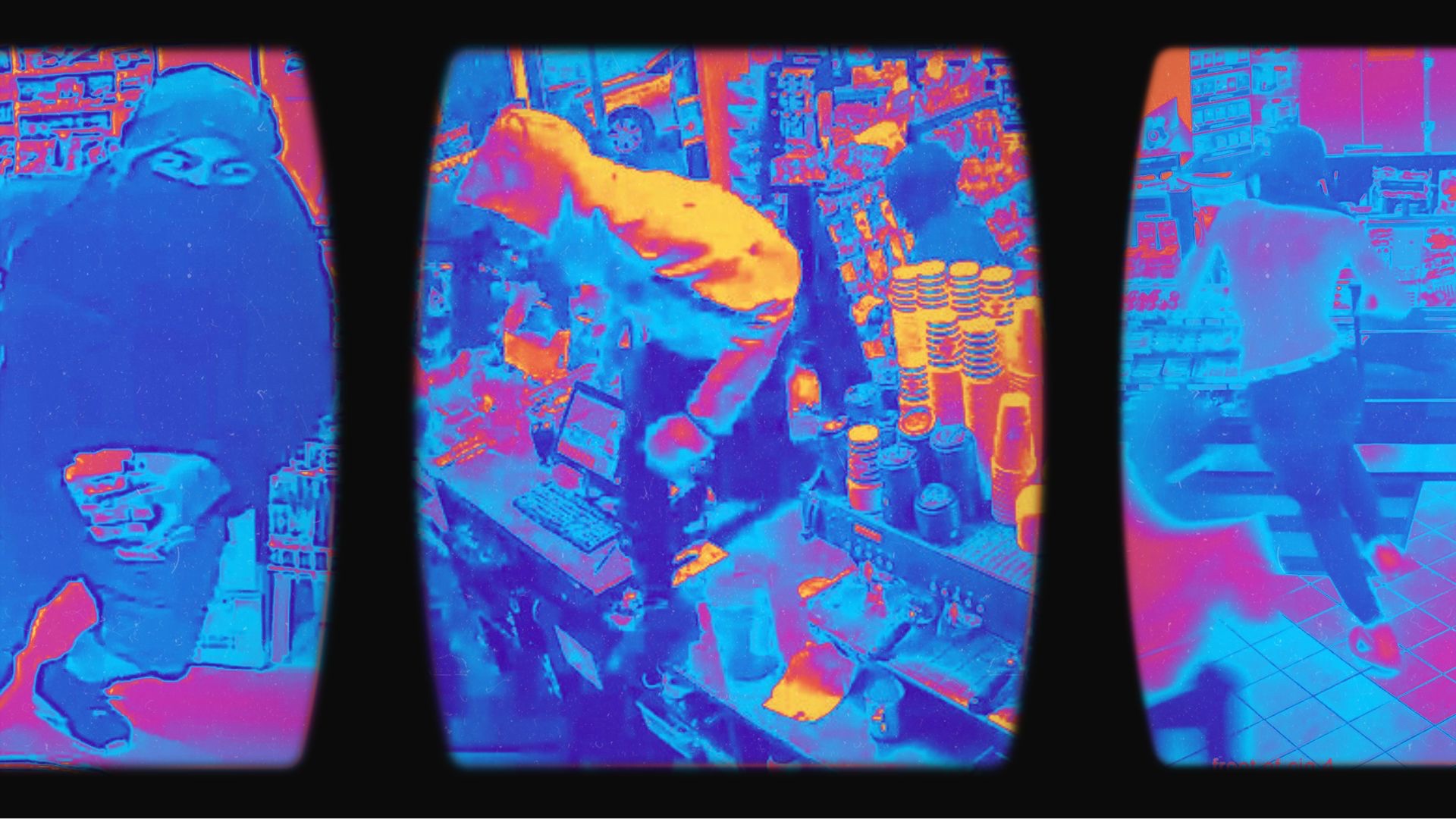
The ministerial advisory group on retail crime, whose findings are the basis for the trespass bill, says retailers complain people deliberately sabotage that act of serving a trespass notice.
They either run away, or physically stop the retailer from handing the notice.
"Arguably, this is done so that police cannot prove that the person knew a trespass notice was served and therefore they could not have committed an offence by intentionally returning to that place," a justice ministry paper notes.
The bill tries to fix that narrow point in two ways.
It allows a verbal or written trespass notice to have been deemed served when a person intentionally refuses to accept to.
It also considers a notice to have been served where the person knew, or ought to have known, that they were being served and then in any way created obstruction.
This specific provision would apply only to trespass notices issued by retailers, food service providers and occupiers of licenced premises. That means people in other places like public buildings can't make use of this change.
Labour MP Duncan Webb is questioning why only retailers should enjoy that privilege. During the debate at the bill's first reading in Parliament on April 2, he didn't hold back.
"The other quirk here is that we’ve now created the Sunny Kaushal effect: we’ve got this special category of people called retailers," he said, pointing out others deserve the same powers too.
"People who work in Ministry of Social Development offices deserve the same protection. Legal aid lawyers, who have very troublesome encounters sometimes, deserve the same protection," he said.
He said the bill's messaging is that retailers deserve more protection from antisocial people than anyone else, "and that strikes me as being a very strange thing indeed".
Another key change is the extent to which retailers can trespass people. The bill allows a retailer to issue a notice that applies to more than one premise.
That means a PaknSave, say in West Auckland, will be able to trespass someone also from its stores in Dunedin and Christchurch. In one go. Or an association of retailers, say in Papatoetoe, can trespass someone on behalf of all its member stores.
In theory, the change offers scalability by empowering a group of like-minded retailers to take a single-port call of trespassing someone from multiple locations.
That flexibility could end up limiting people's constitutional rights, feels Green MP Lawrence Xu-Nan.
"When you’re looking at rural areas, [this] will have a significant impact on people who have been trespassed in terms of their ability to move around under the New Zealand Bill of Rights Act," he said in Parliament.
Te Pati Maori's Rawiri Waititi pointed out that store options to buy even basic grocery items are already quite limited in New Zealand.
"We have a supermarket duopoly controlling our food supply, and this bill could easily see people banned from accessing all supermarkets across Aotearoa for three years if just two managers don’t like the look of them."
The bill proposes two other changes that seem to be less contentious. Retailers will be able to issue trespass warnings up to three years, 12 months more than they can currently.
It also increases the penalty for refusing to leave a premises or breaching a trespass notice, from $1,000 to $2,000. These seem to have found support from Labour's Camilla Belich.
"Those are relatively minor and I don’t think they are that meaningful but also not that objectionable," she told Parliament.
The bill seems to have hit the parliamentary sweet spot, so far. All the government's coalition partners are onboard, so a majority is in place. Additionally, bipartisan support may well be incoming as Labour is looking inclined.
As Belich says, "Unfortunately, in this bill, there is a mix of things that I think will be of great assistance to retailers and a few other things that probably need to be clarified at select committee. I do look forward to looking at this in the Justice Committee and seeing if there is a way that this bill can be improved on.