
Heartbroken Sikh man who found Islam at an Auckland market gets asylum
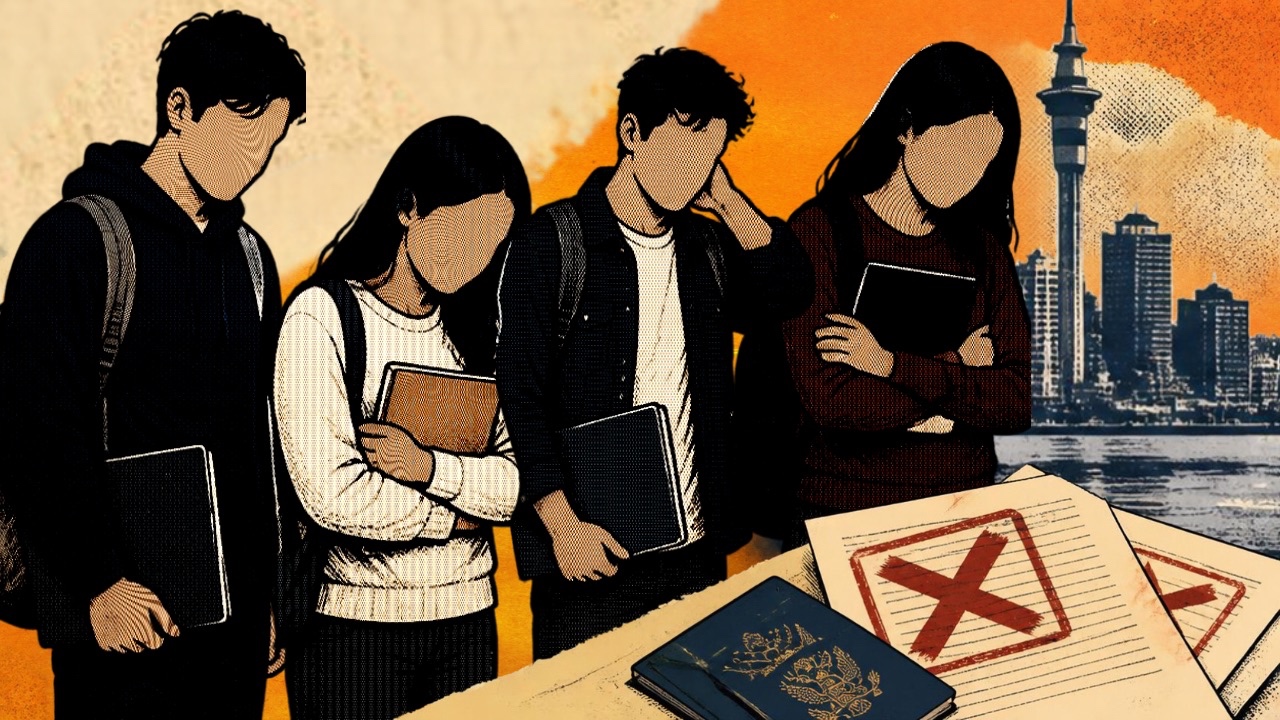
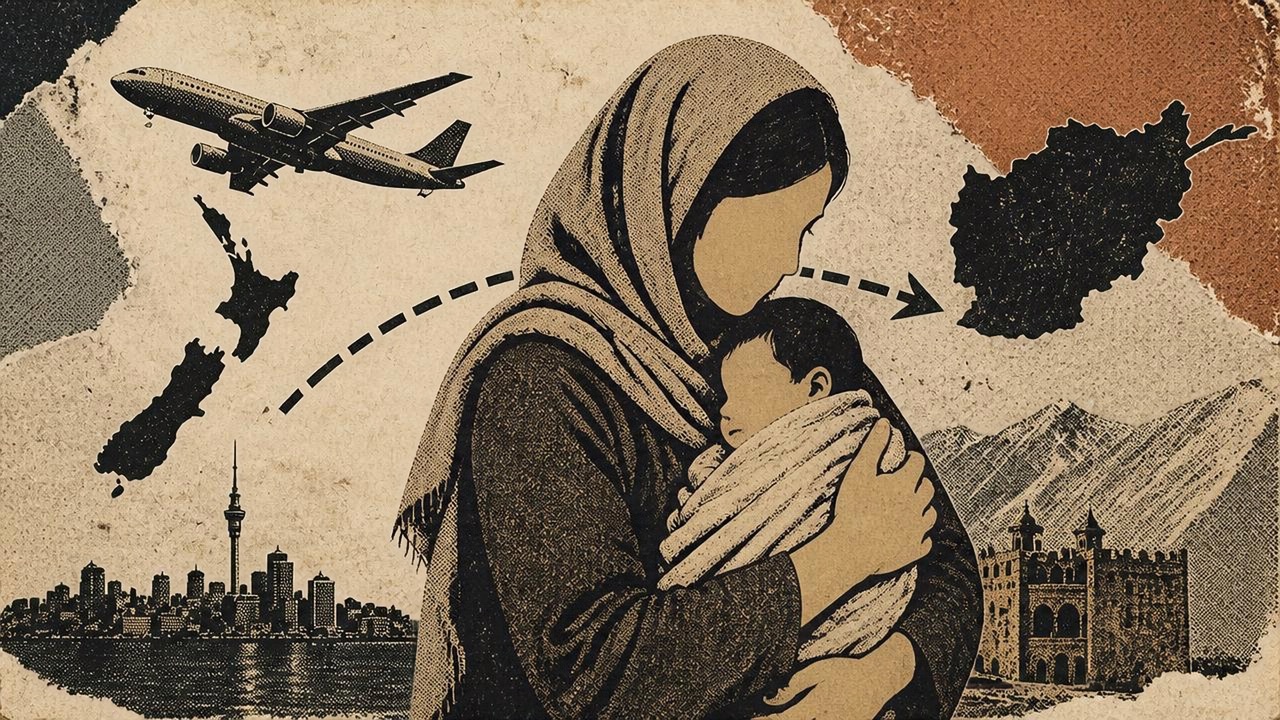
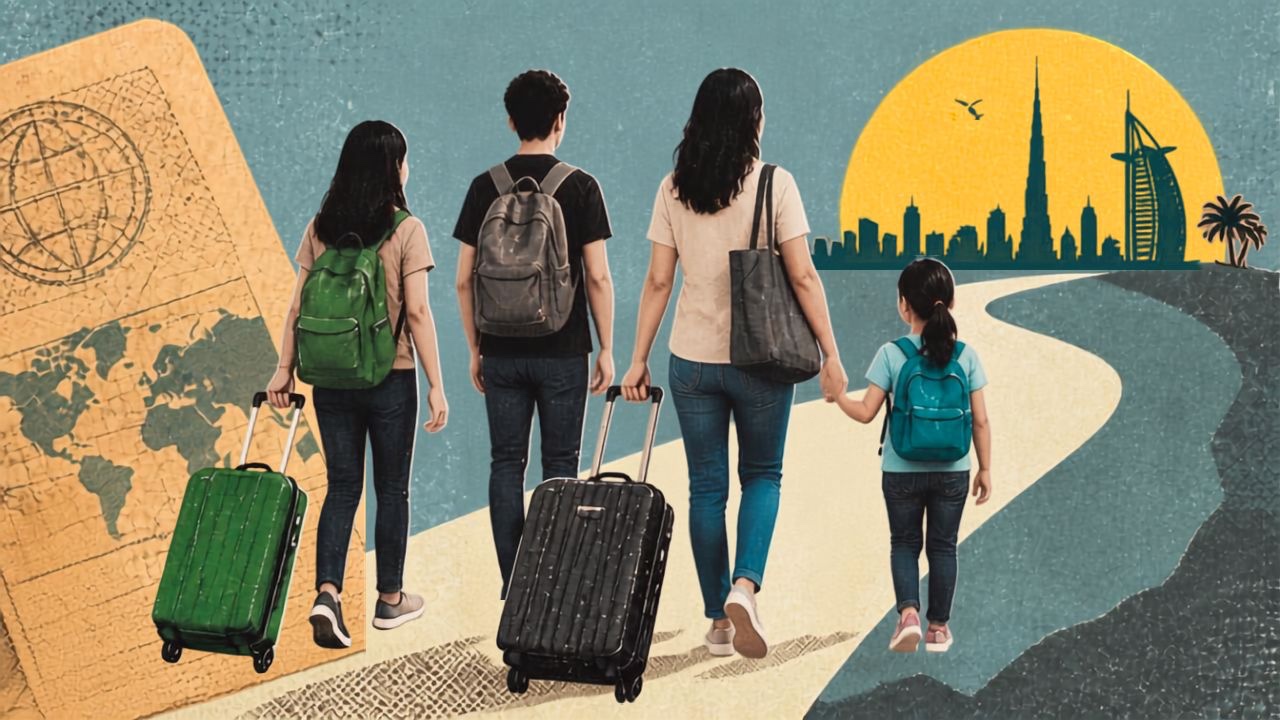
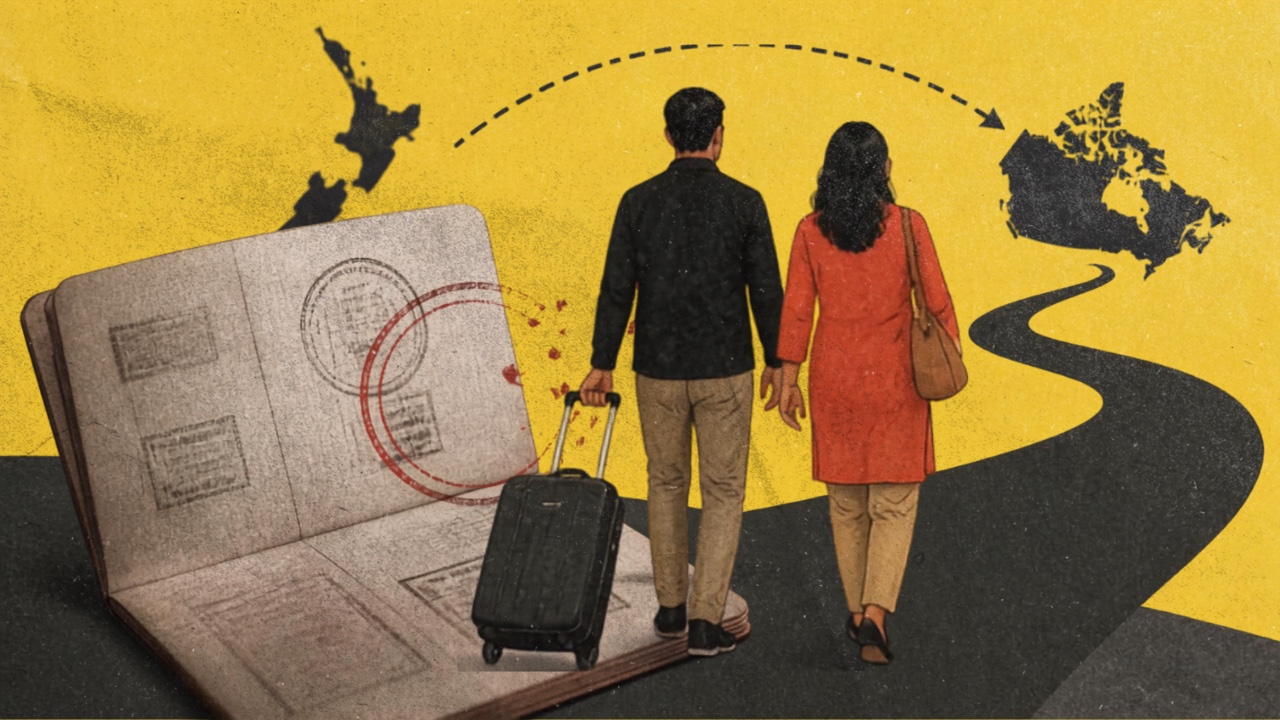
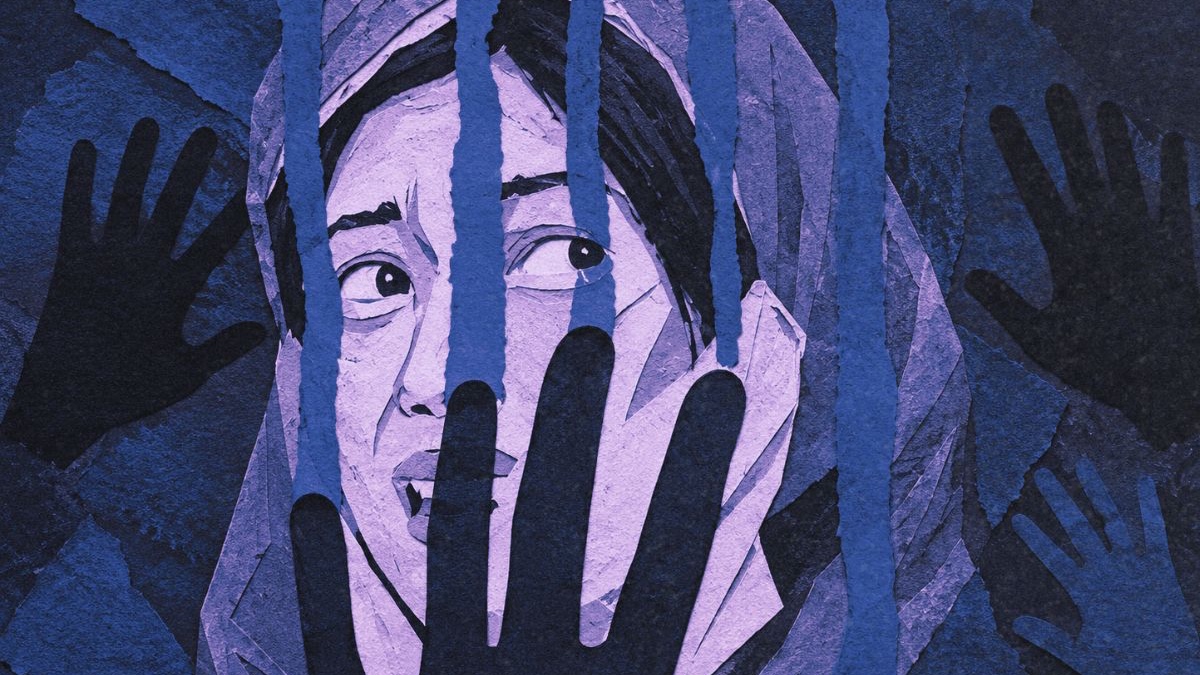
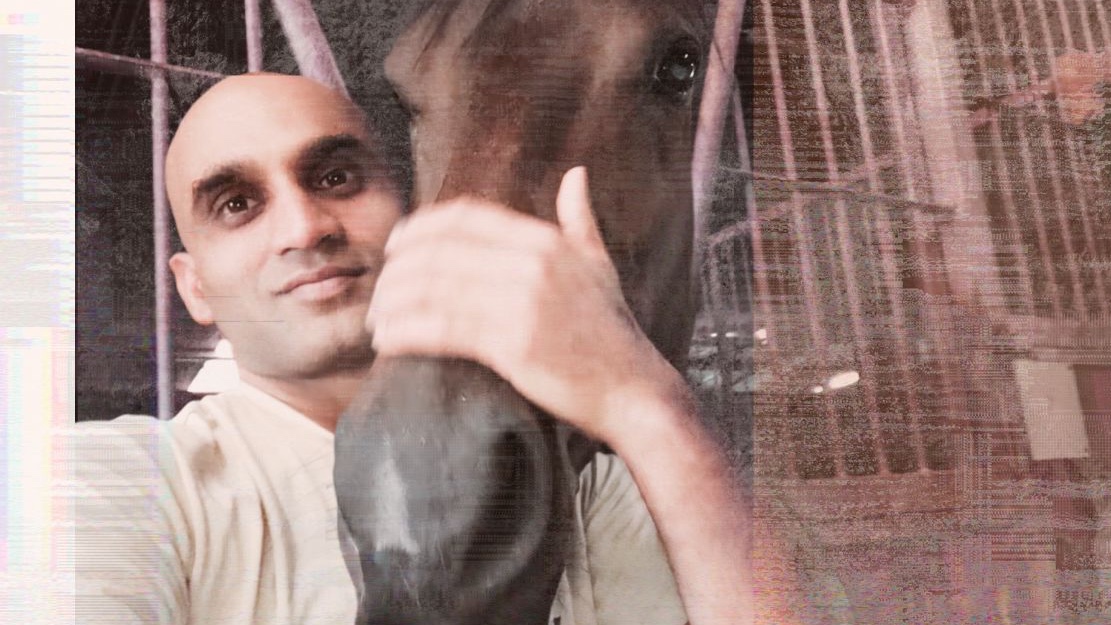
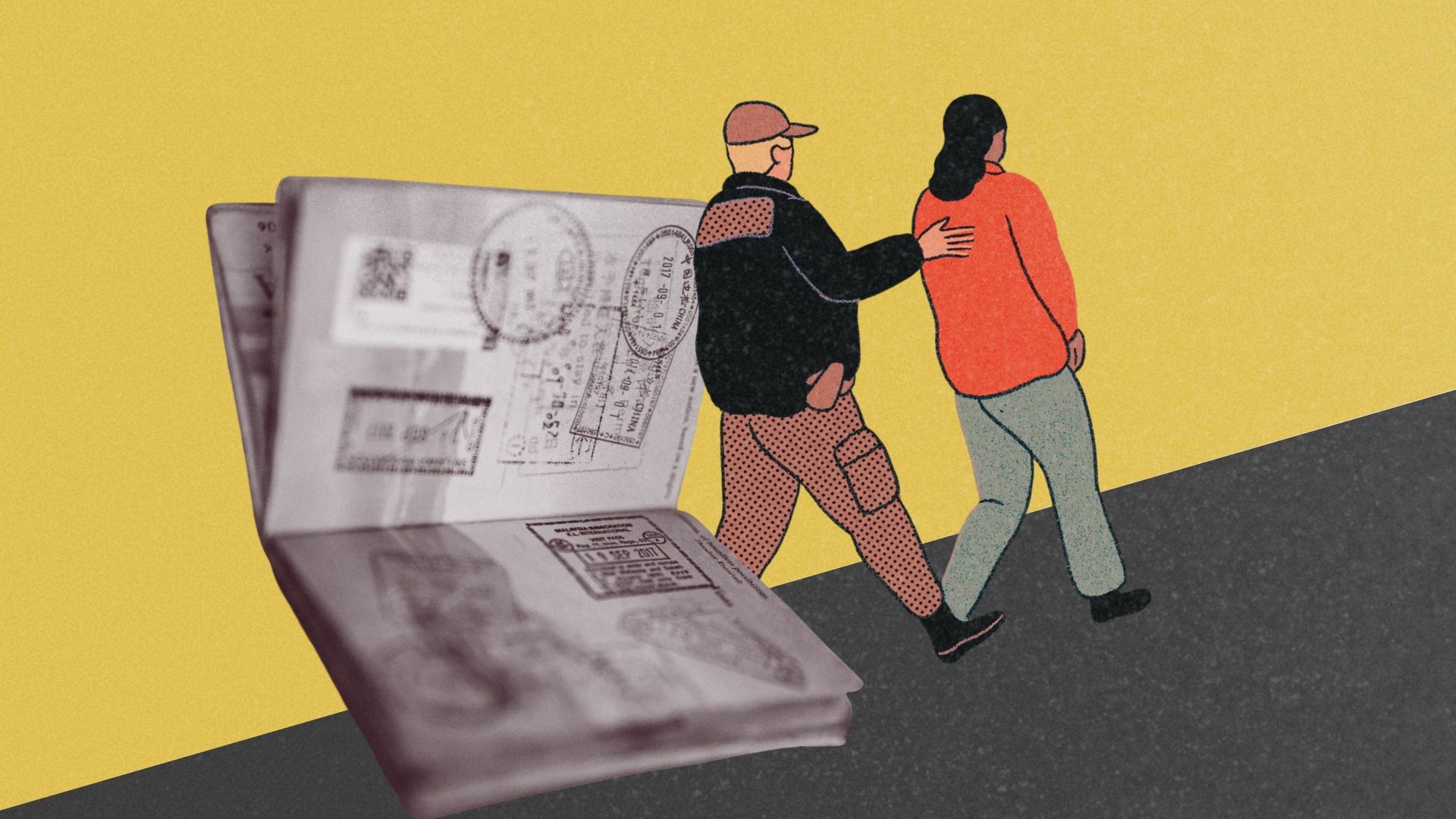
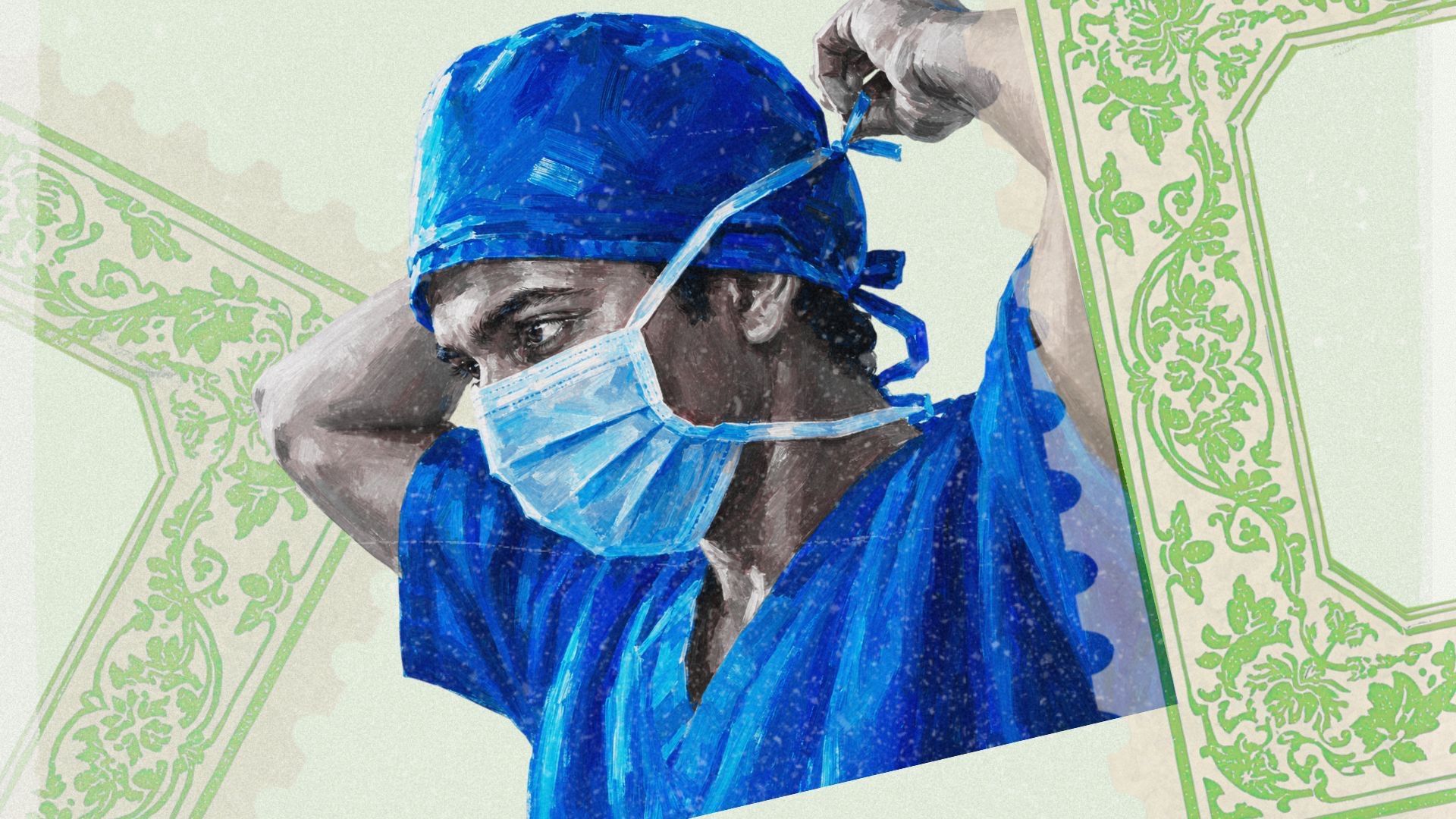
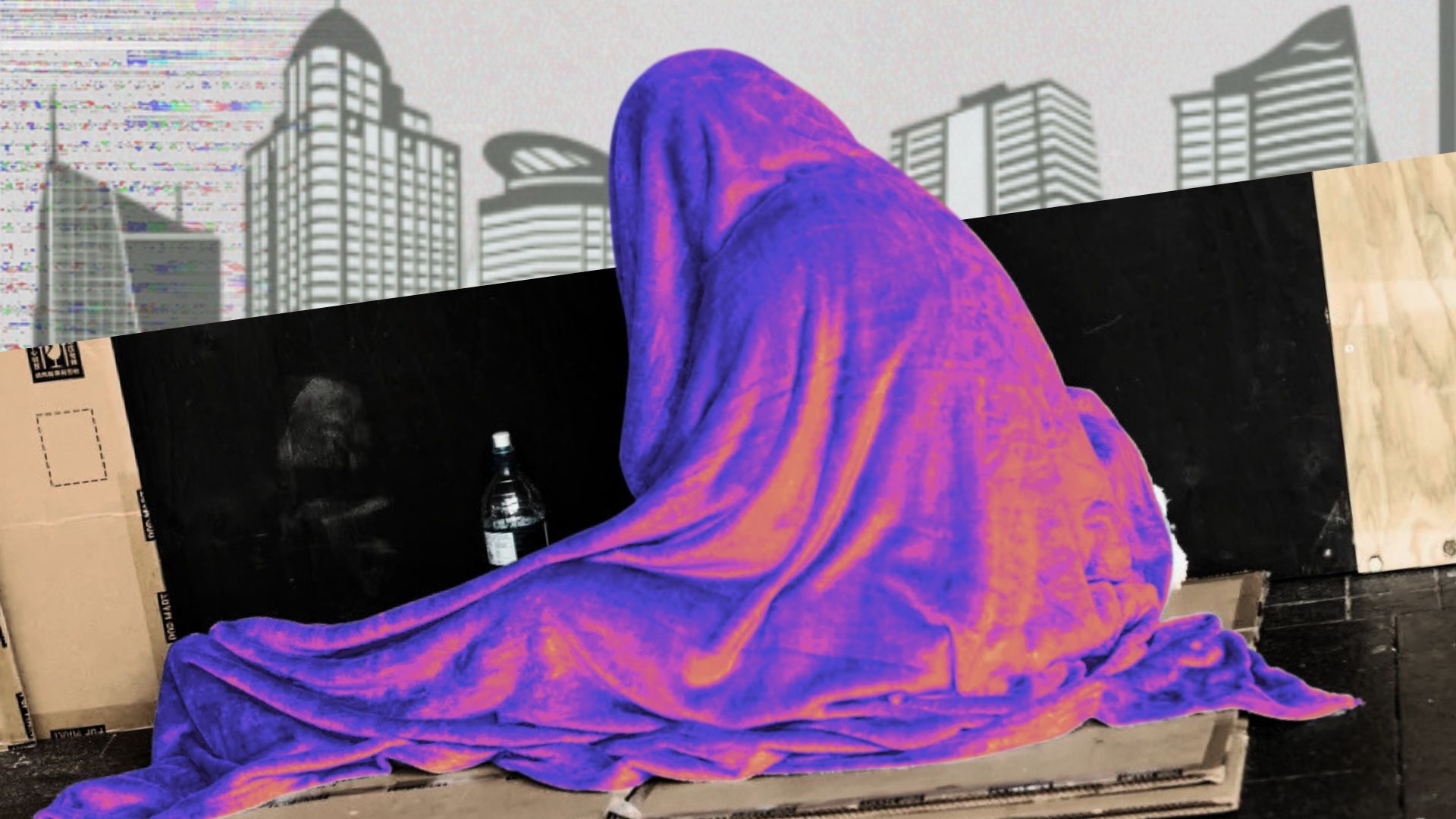
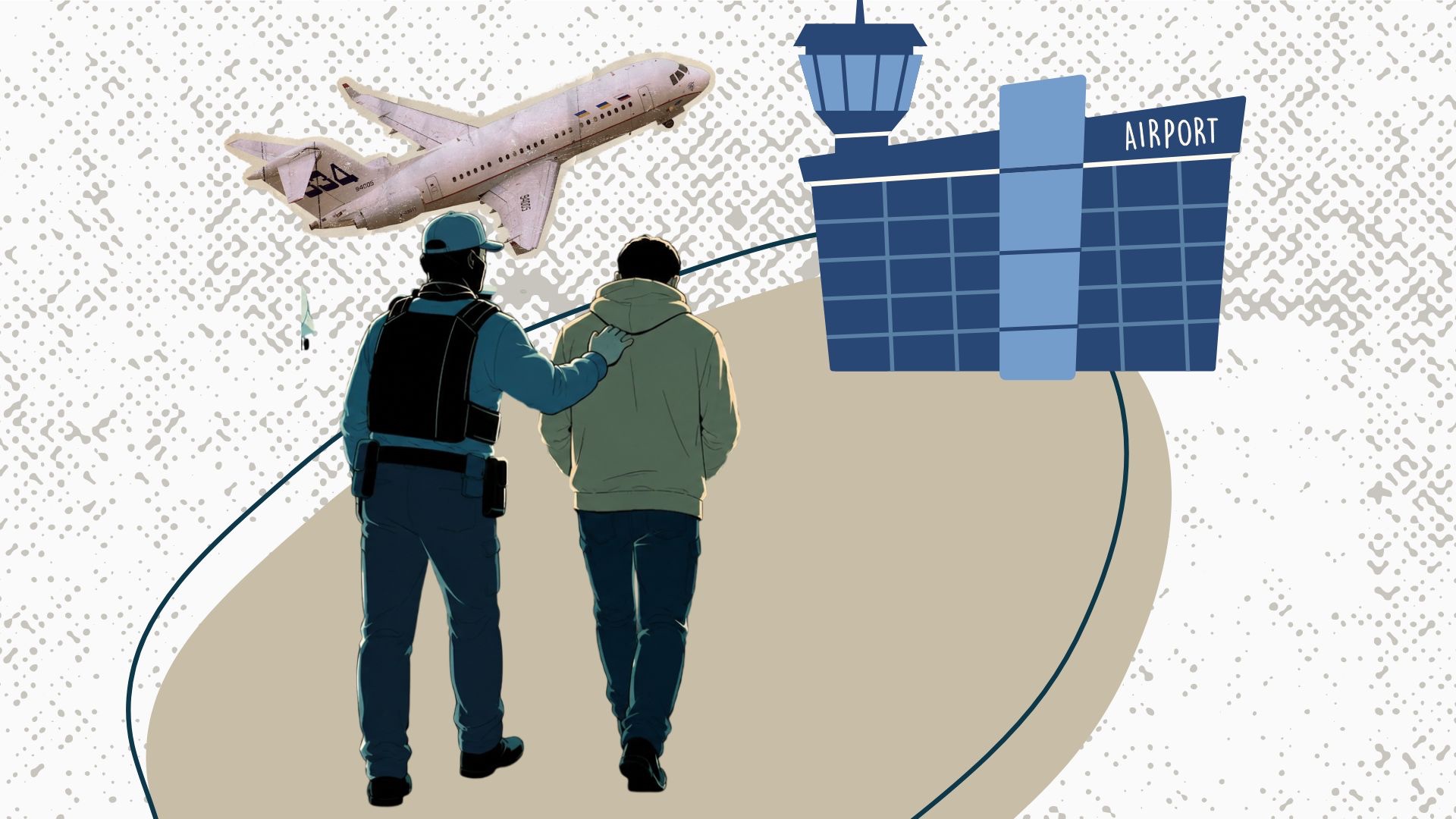
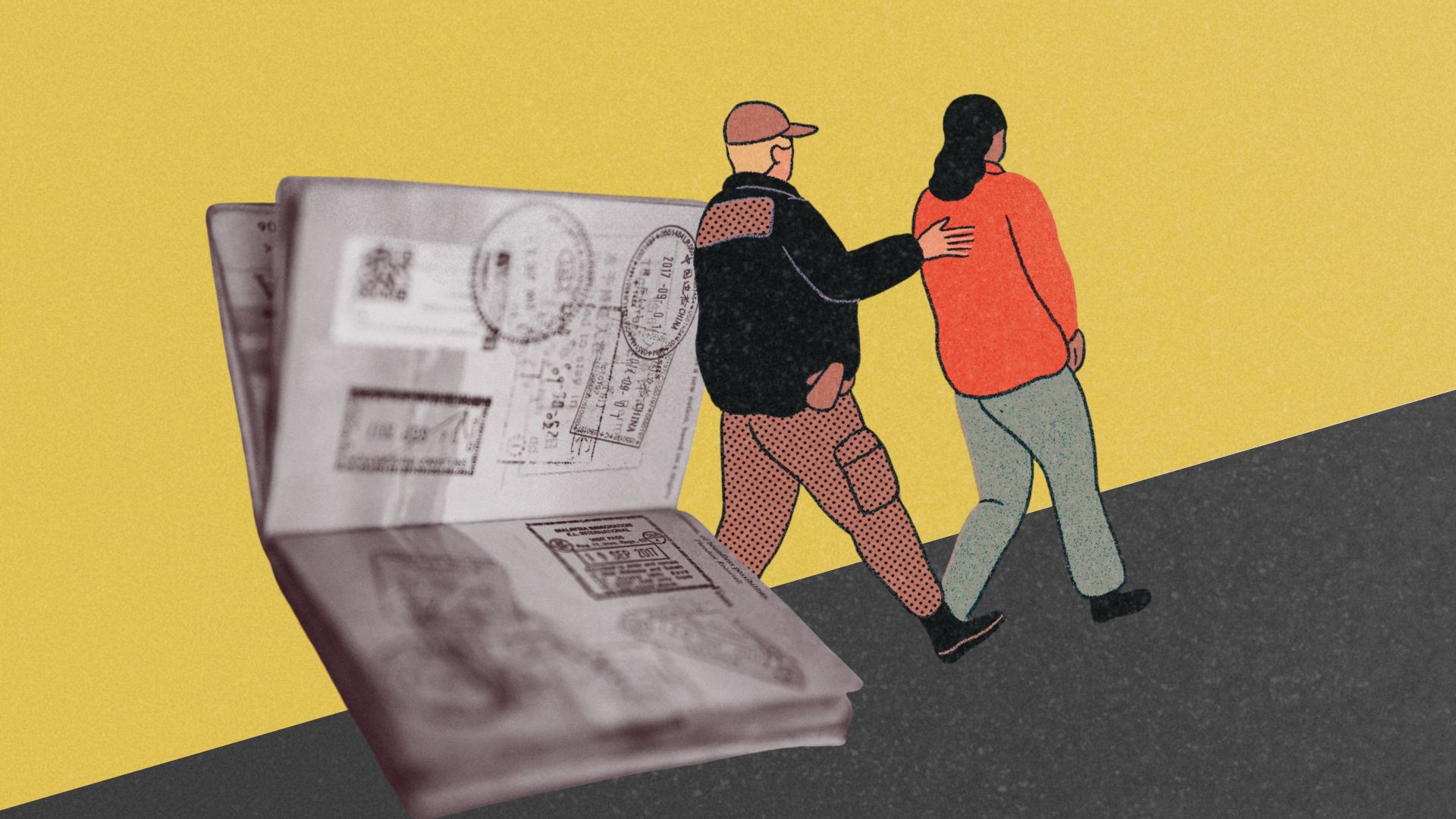
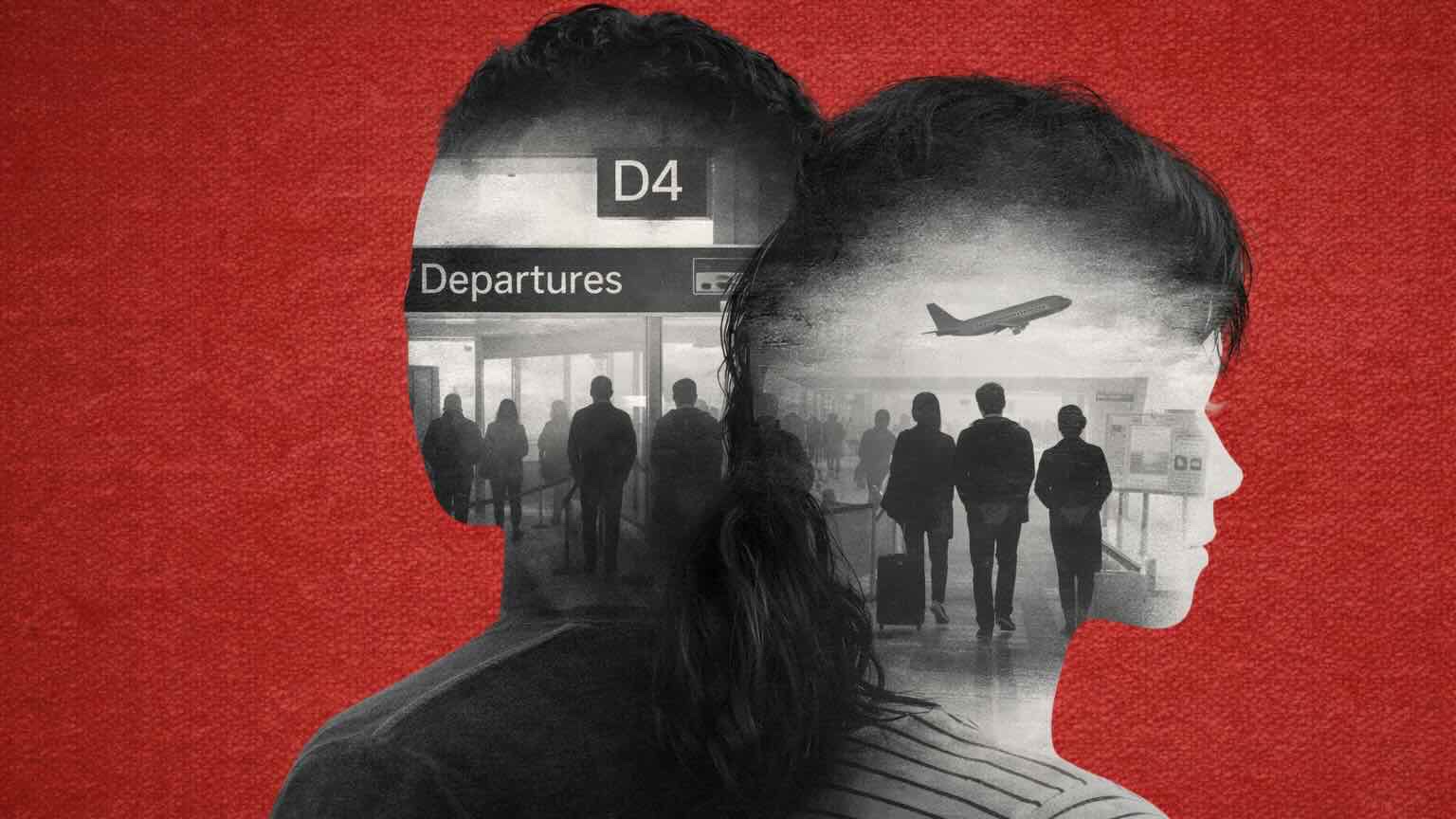
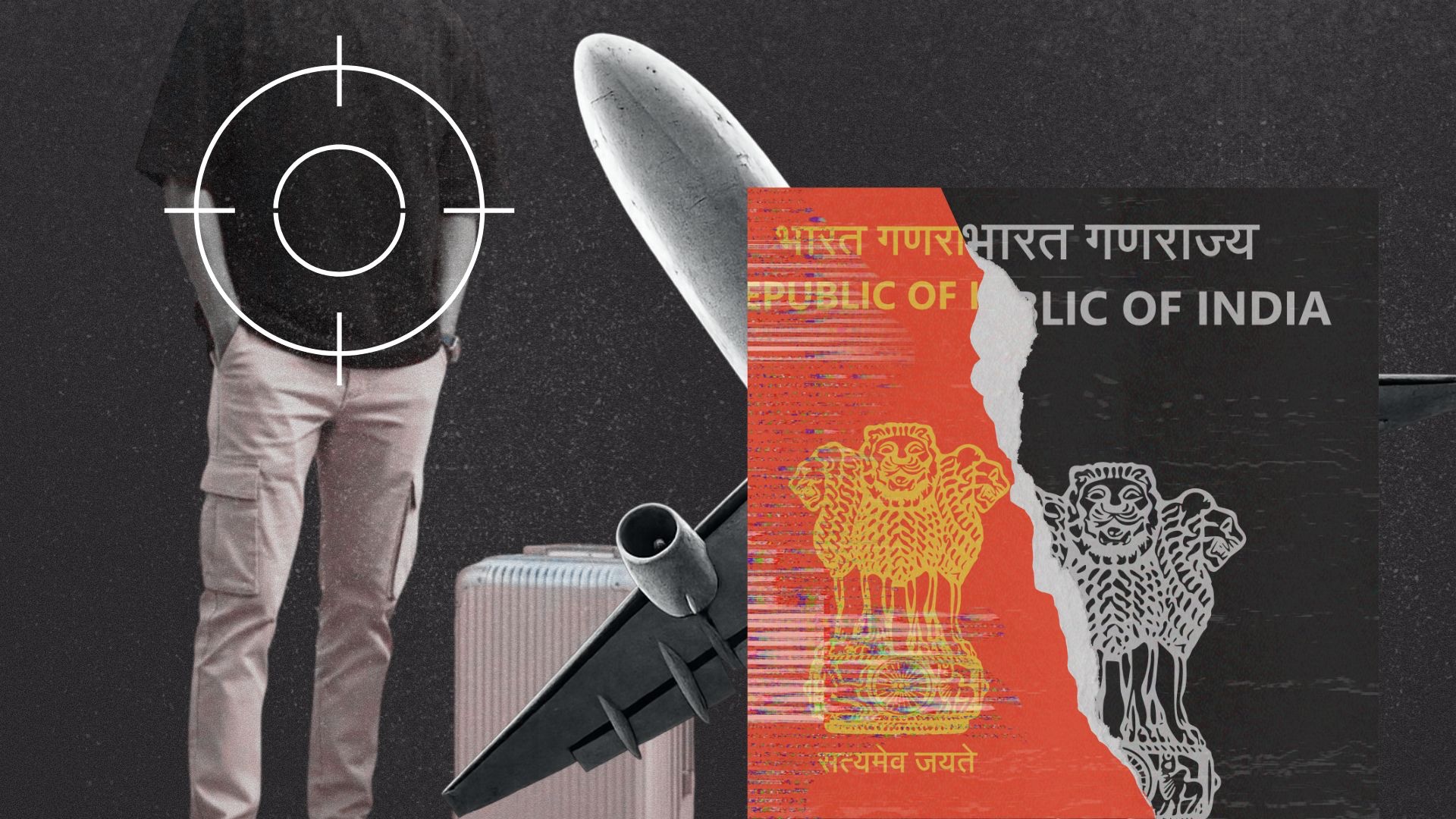
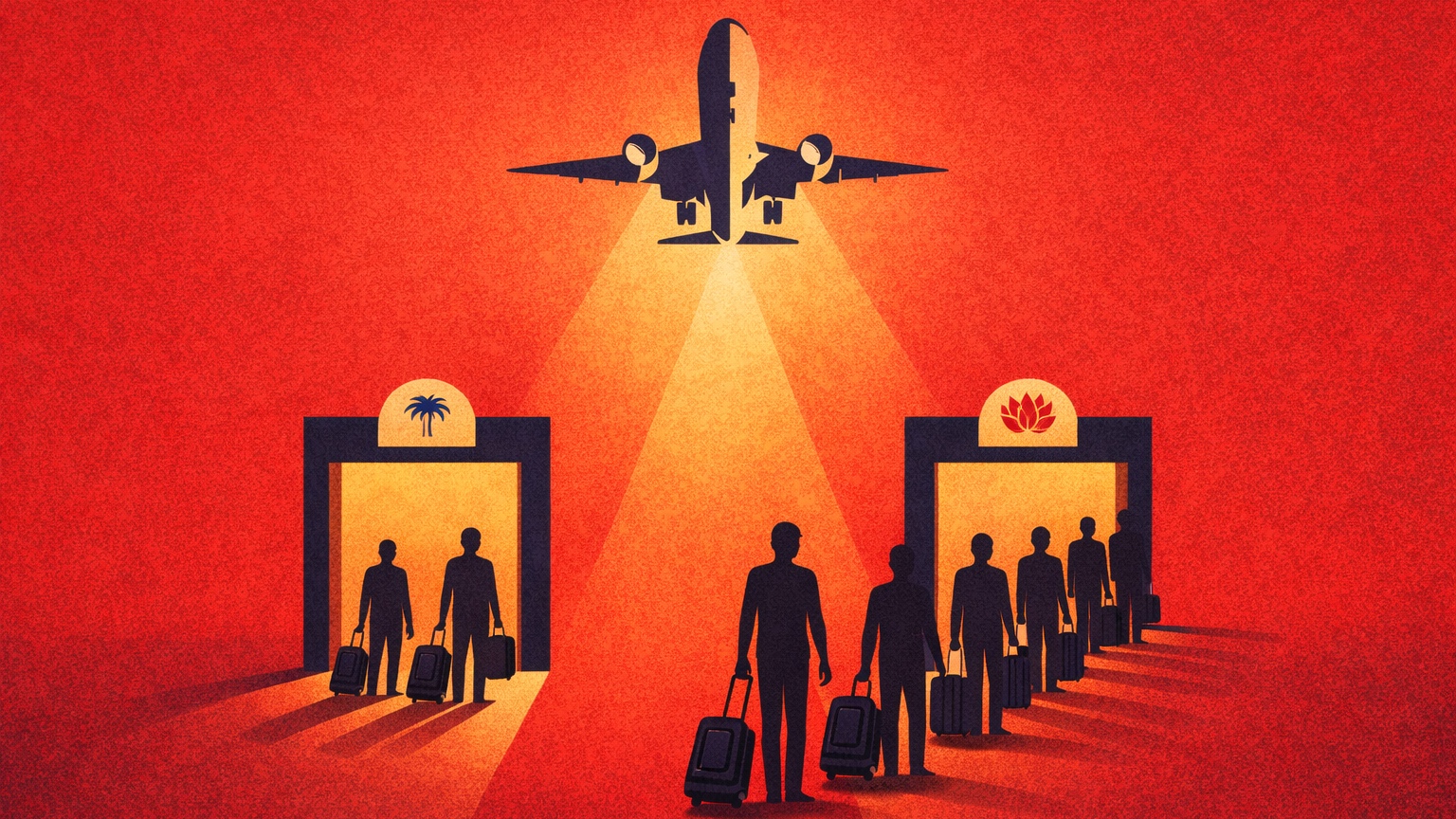
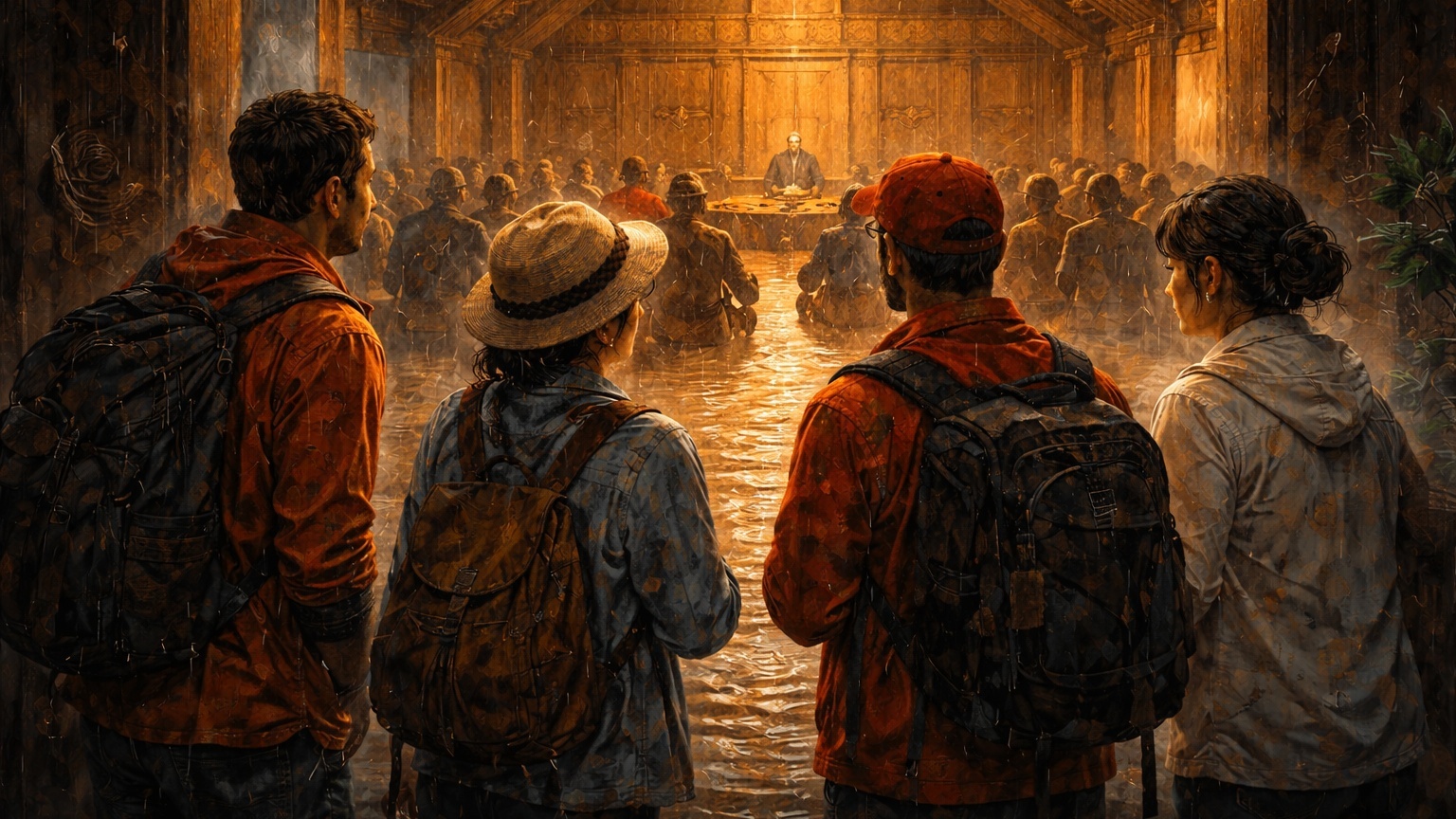
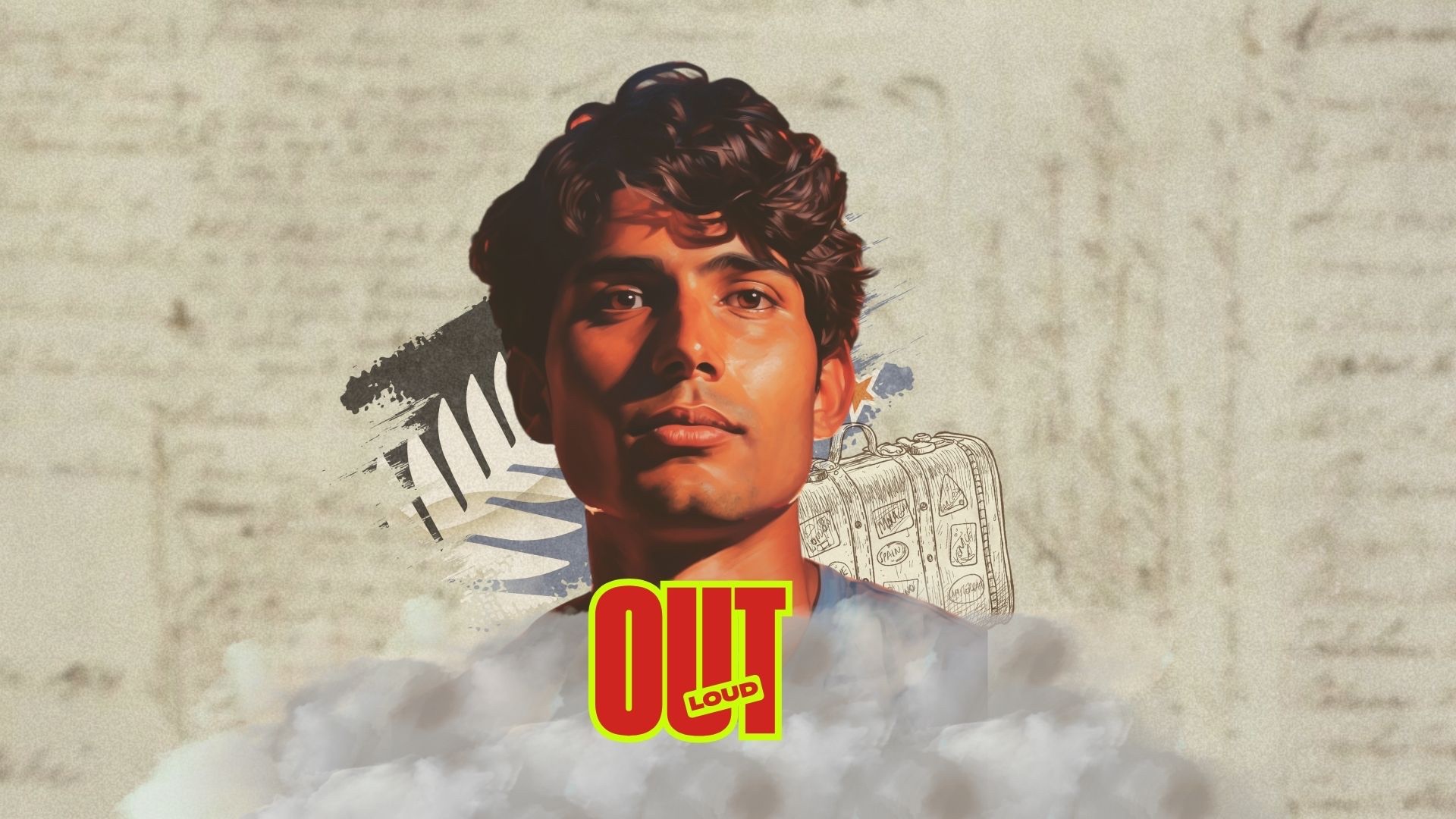
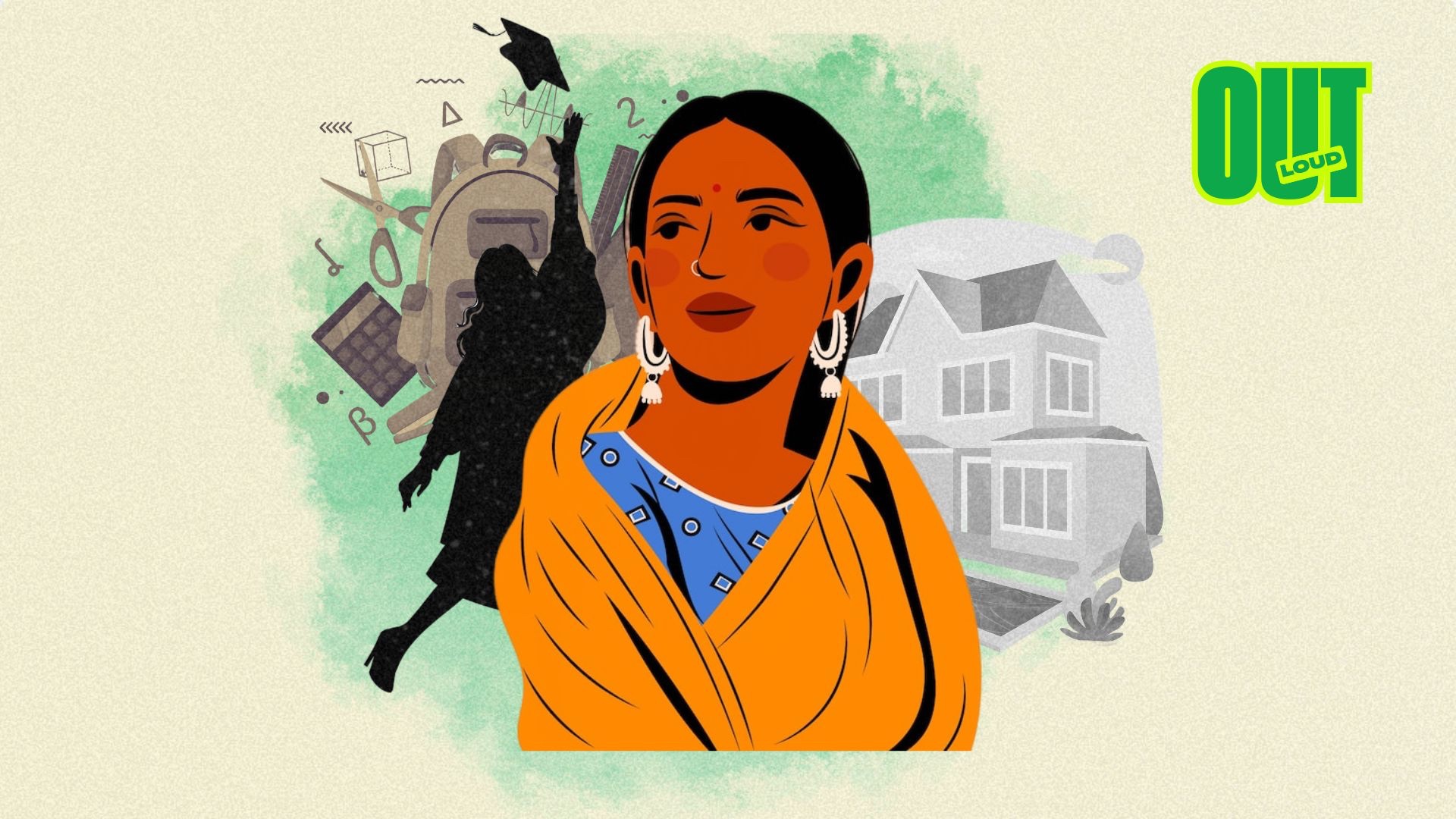
The man arrived here in 2014 from the northern Indian state of Punjab. (Representational artwork)
The refugee tribunal referred to reports from India about “honour killings” over religious conversion.
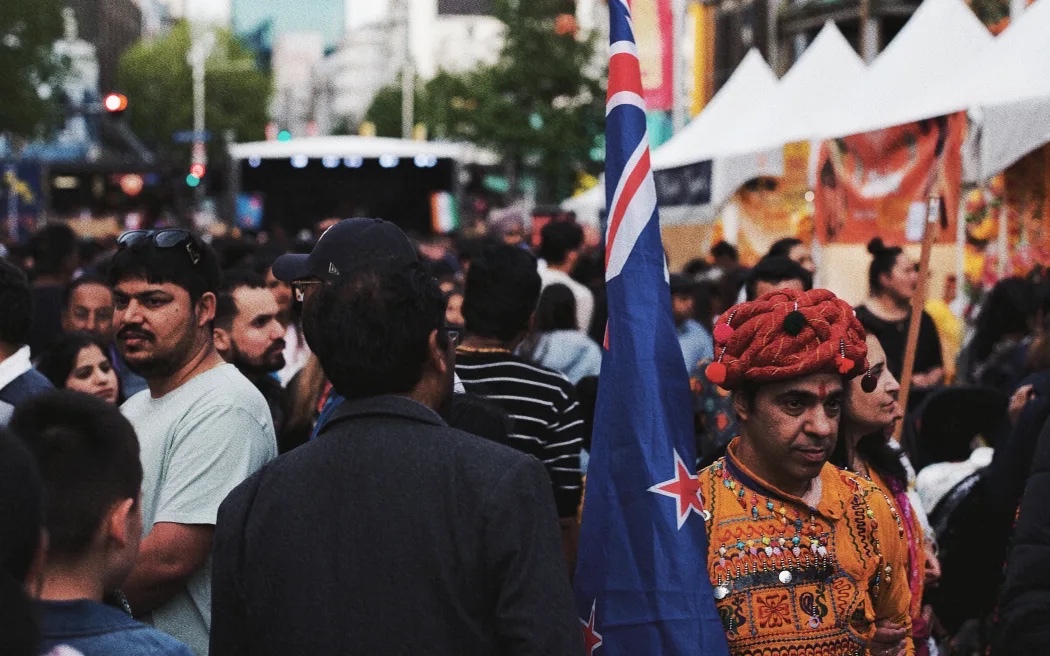
On a morning in November 2019, a Sikh man from India who had taken to drinking after losing contact with his young son, and separating from his wife, stopped to listen to a Muslim preacher at an Auckland market.
They spoke briefly. The preacher handed him brochures. The man, who until then had never considered changing his religion and whose understanding of Islam was limited and largely negative, went away and began reading.
What followed was not just a change in belief. The Immigration and Protection Tribunal later found his family was so riled up over the religious conversion they "threatened to...kill him, if they get the opportunity".
He was granted asylum in New Zealand a few months back.
The man, whose identity hasn't been revealed, arrived here in 2014 from Punjab to study business. He came from a wealthy Sikh family from the northern Indian state of Punjab.
Selfie: ‘Daddy, please don’t take me to an India-NZ cricket match’. A migrant's dilemma Can a migrant embrace a new home without abandoning old loyalties? Sports often offers a reckoning for migrants.
Migrant prison guards in Auckland accused of drug smuggling can't work, can't go home Two fathers facing serious corruption charges have been unable to work elsewhere because of their visas and awaiting criminal trials in 2028.
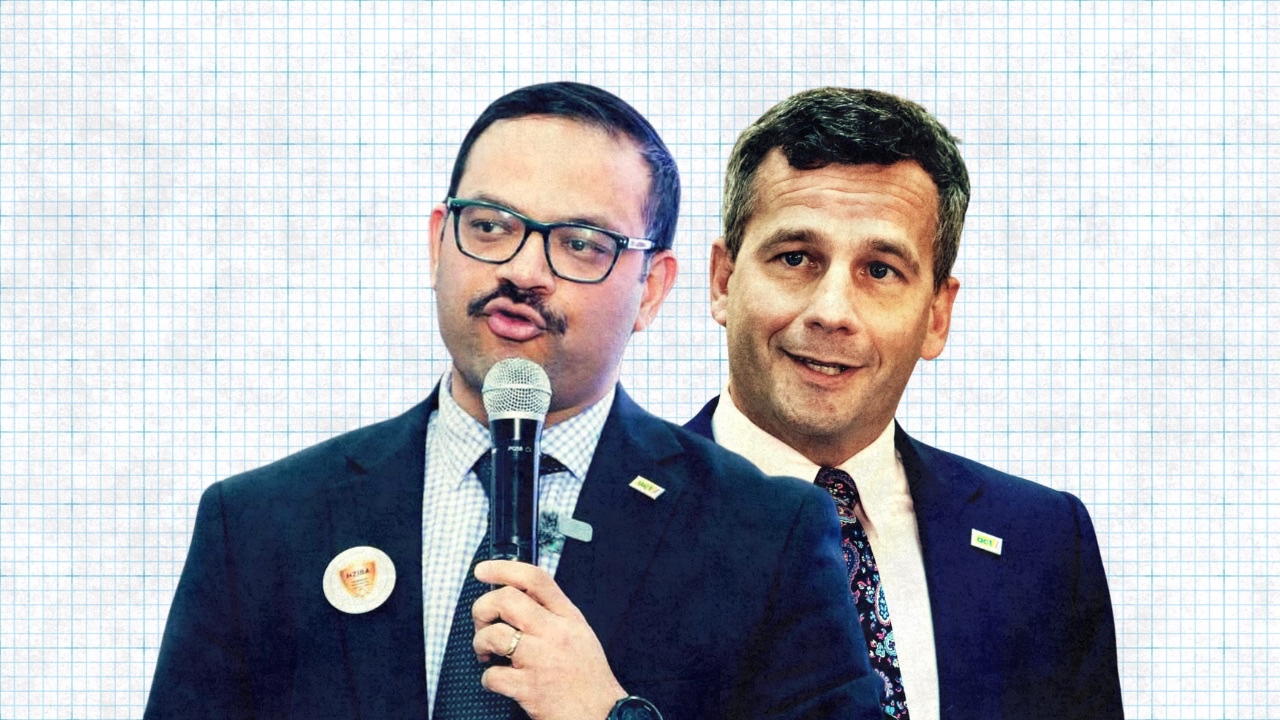
Can you be Indian and Kiwi? National's Mahesh Muralidhar on patriotism, racism and belonging National's big ticket Indian-origin candidate on what ethnic representation really achieves and why New Zealanders still struggle to get along.
He initially lived a stable life, maintaining his religious practices and family ties. In 2016, he entered into a relationship with a New Zealand citizen.
His circumstances deteriorated soon after. The institute where he was studying was shut down, leaving him unable to continue his course. By 2017, he became an illegal overstayer in New Zealand.
In 2019, his relationship ended after he suspected infidelity. His partner moved away with their child and began a new relationship. He was unable to see his son.
In its order on September 29, 2025, the Immigration and Protection Tribunal records he became depressed, withdrew from his religious community, and began drinking.
After his encounter at the market, he began reading about Islam and visiting a local mosque. He attended regularly, read the Quran and stopped drinking, the tribunal was told.
He reported that his mental health improved. In May 2020, he formally converted to Islam. He adopted an Arabic name, observed Ramadan, ate halal food and attended the mosque several times a week.
Evidence presented before the tribunal from another mosque member supported that he was a consistent and active participant in religious life.
The reaction from his family in India was immediate. When he informed his brother of his conversion in September 2020, he reportedly received an abusive response. Another brother called him, accusing him of bringing shame on the family and threatening to kill him if he returned.
The appellant said he feared his father, brothers and extended family. He described his father as violent and his brothers as aggressive, with one linked to criminal groups.
He also pointed to the family’s reach within India’s political and law enforcement systems, including at least three Members of the Legislative Assembly, a Member of Parliament and a mayor, alongside multiple police connections.
The tribunal accepted that these connections reinforced the credibility of the threats. It found that the appellant’s family was “capable of serious violence, even murder, over a matter of family honour.”
The appellant described a prior violent incident involving a relative who had entered into a relationship against family wishes. He said no action was taken despite police involvement. The tribunal accepted this as part of the broader context in assessing the risk he faced.
In evaluating the claim, the tribunal referred to country information showing that “honour killings” continue to occur in India, particularly in Punjab, and are often linked to actions perceived to bring shame on the family, including interfaith relationships and conversions.
It also noted that conversion from Sikhism to Islam is relatively uncommon and may attract strong negative reactions within some communities.
The key question was whether the appellant could safely return to India by relocating elsewhere. The tribunal found he could not. Expert evidence showed that he has cognitive impairments affecting memory, comprehension and decision-making.
The tribunal concluded he would struggle to live independently and would likely be forced to seek support from his family, exposing him to pressure to renounce his religion or risk serious harm.
The tribunal found there was a real chance the appellant would be persecuted in India on the basis of religion. It held that he could not rely on effective state protection and had no viable internal relocation option.
It concluded that “there is a real chance of the appellant suffering serious harm” and that he has “a well-founded fear of being persecuted.”