
A photo of 2 Indians at an Auckland cafe has sent police, ministers in a tangle
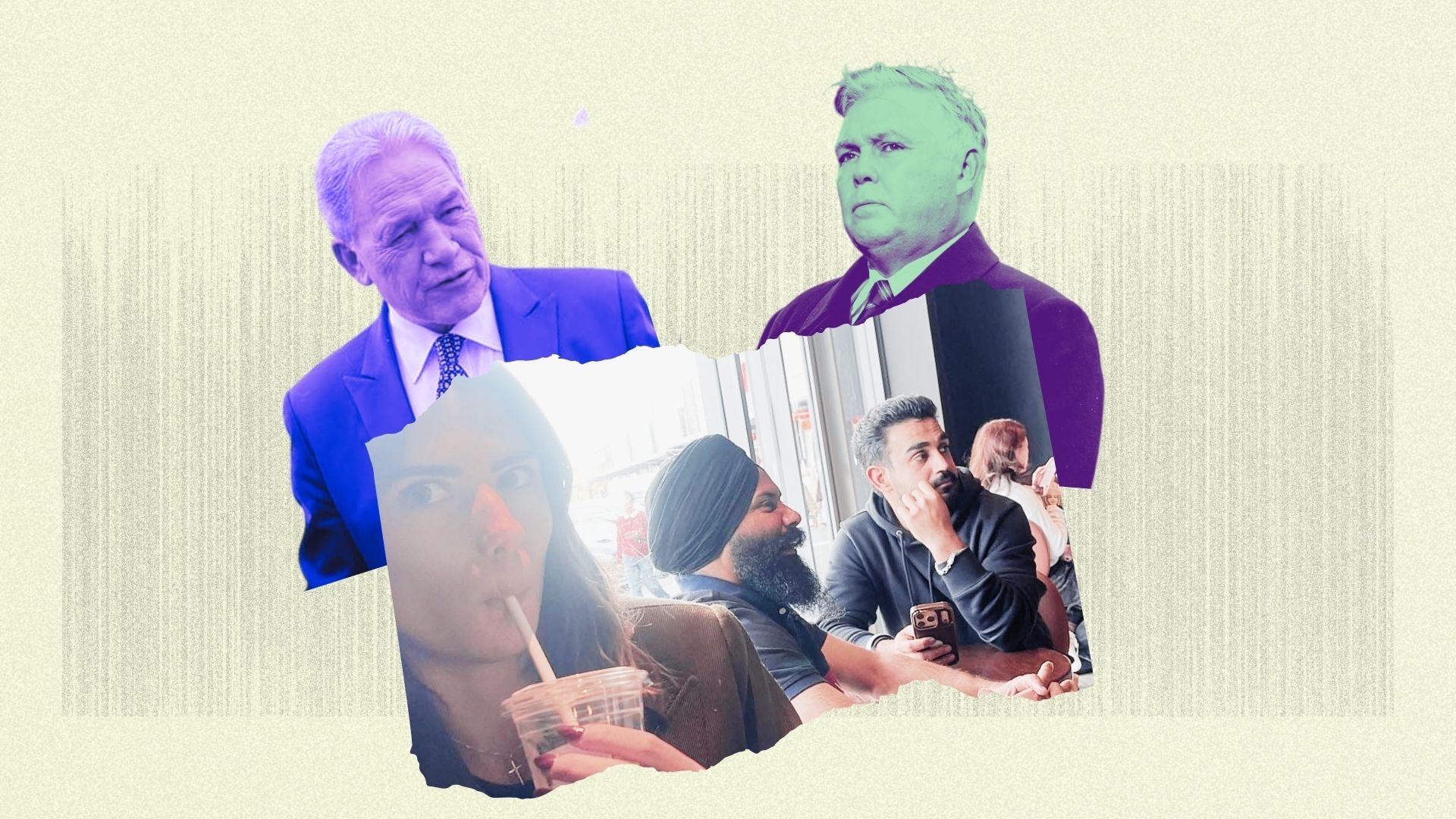
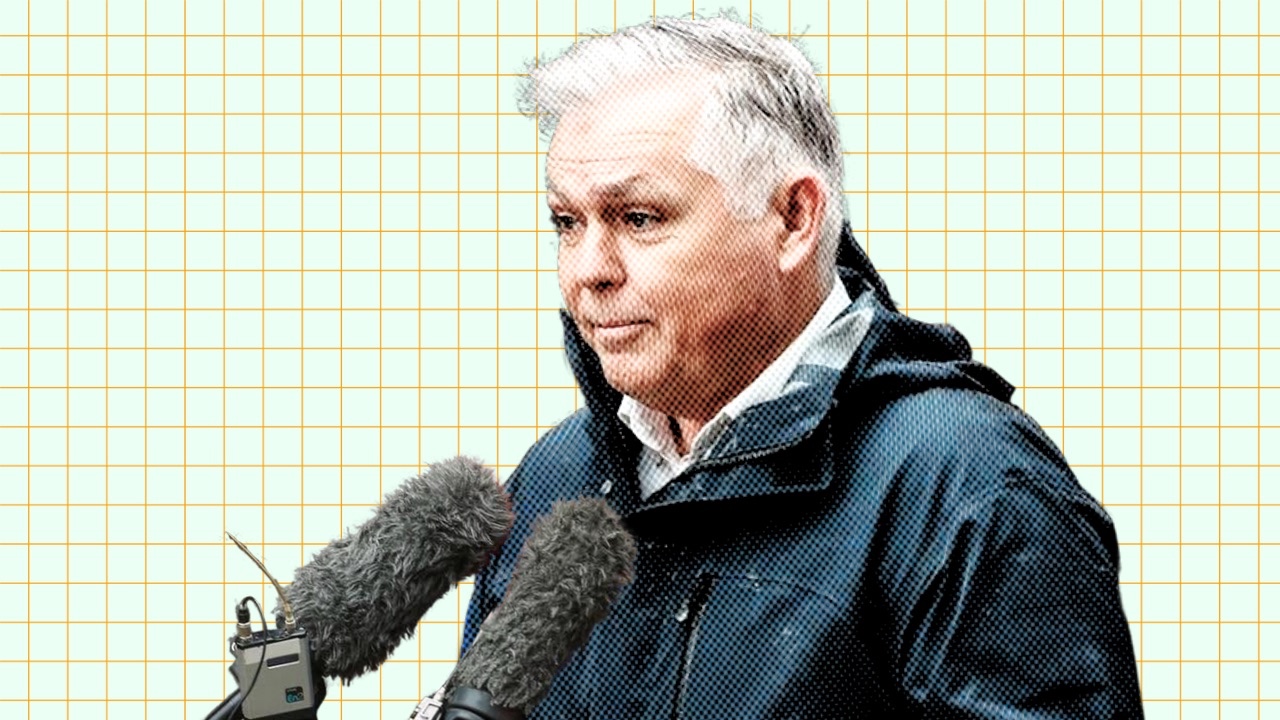
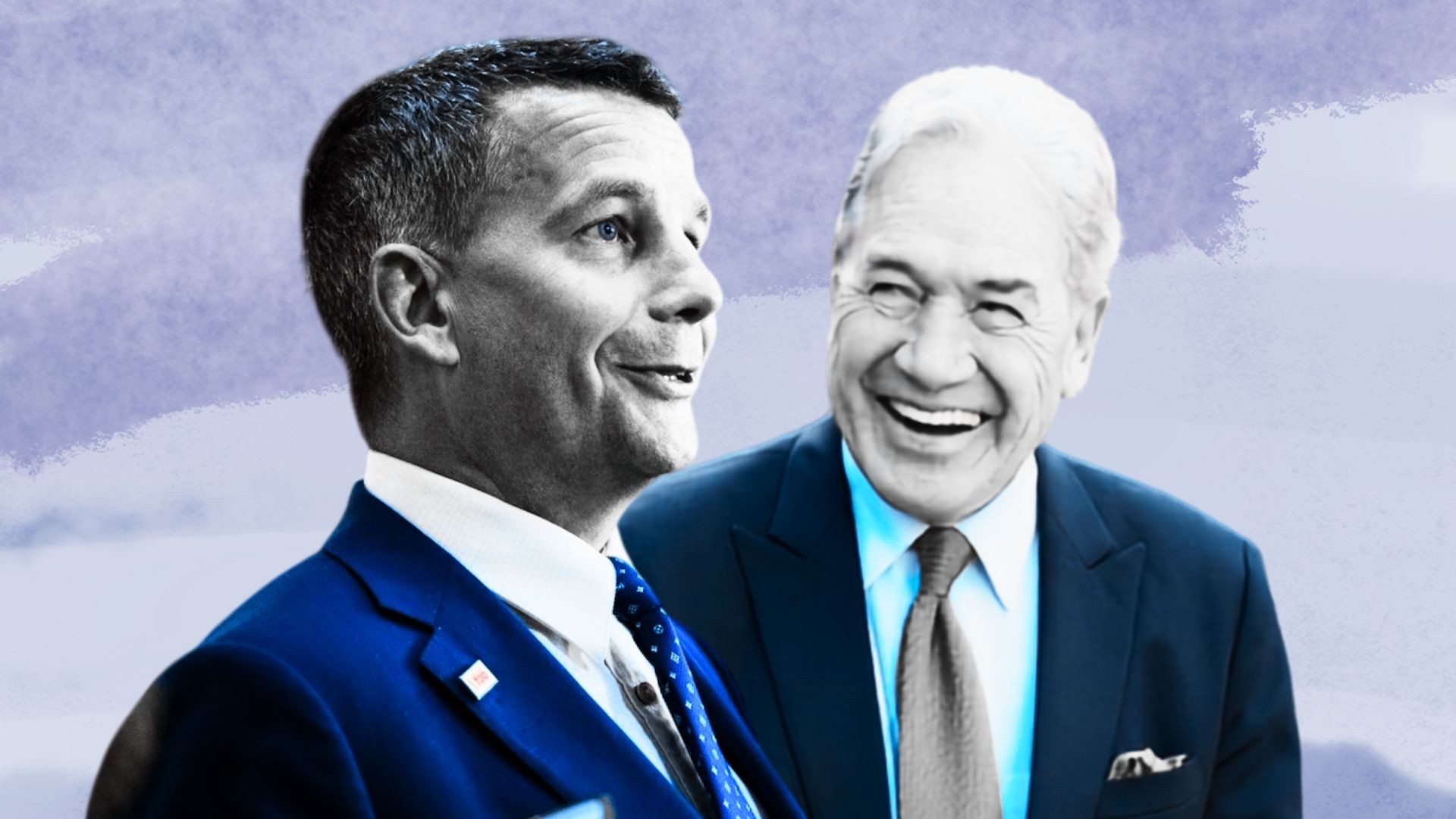
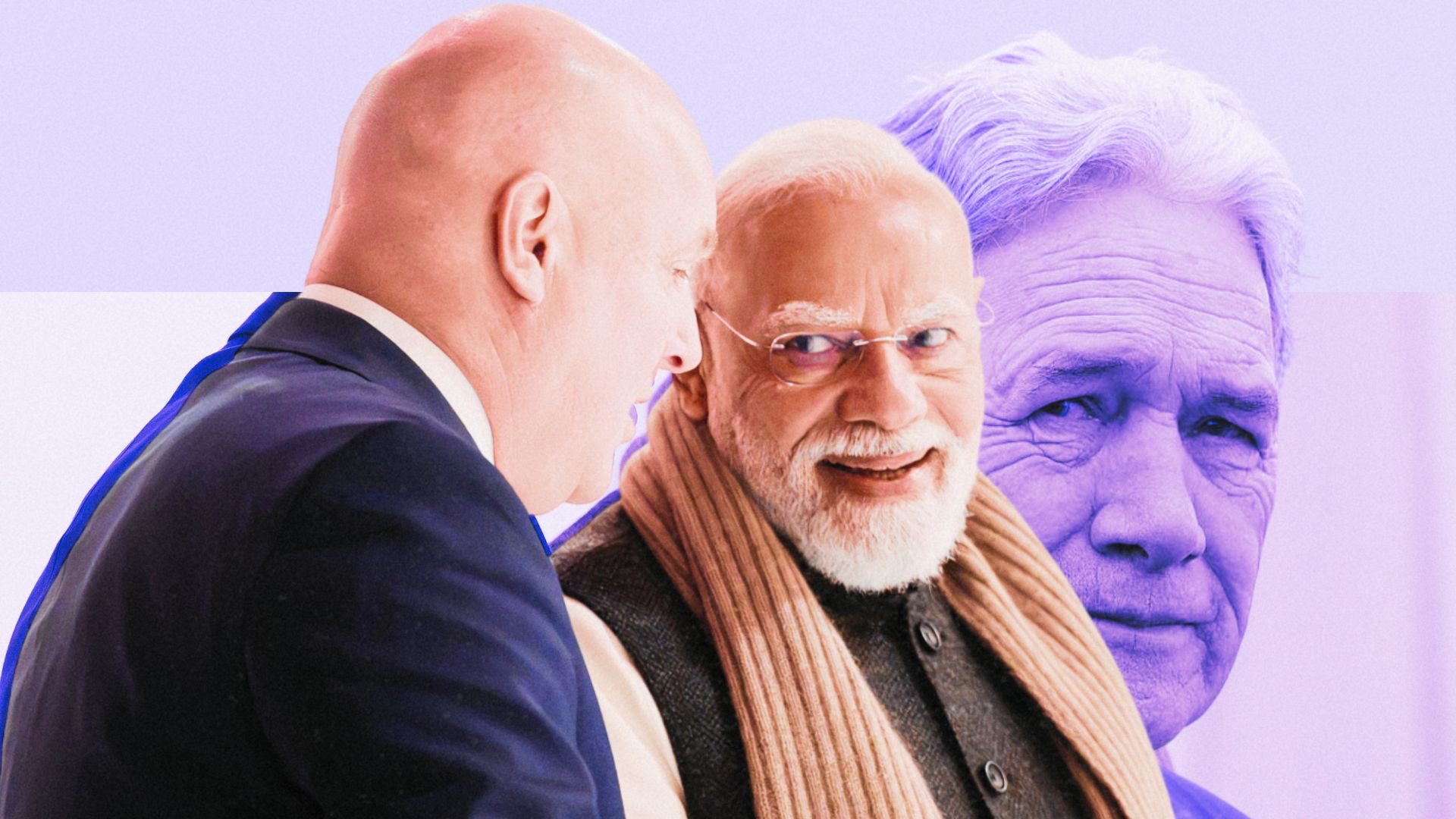
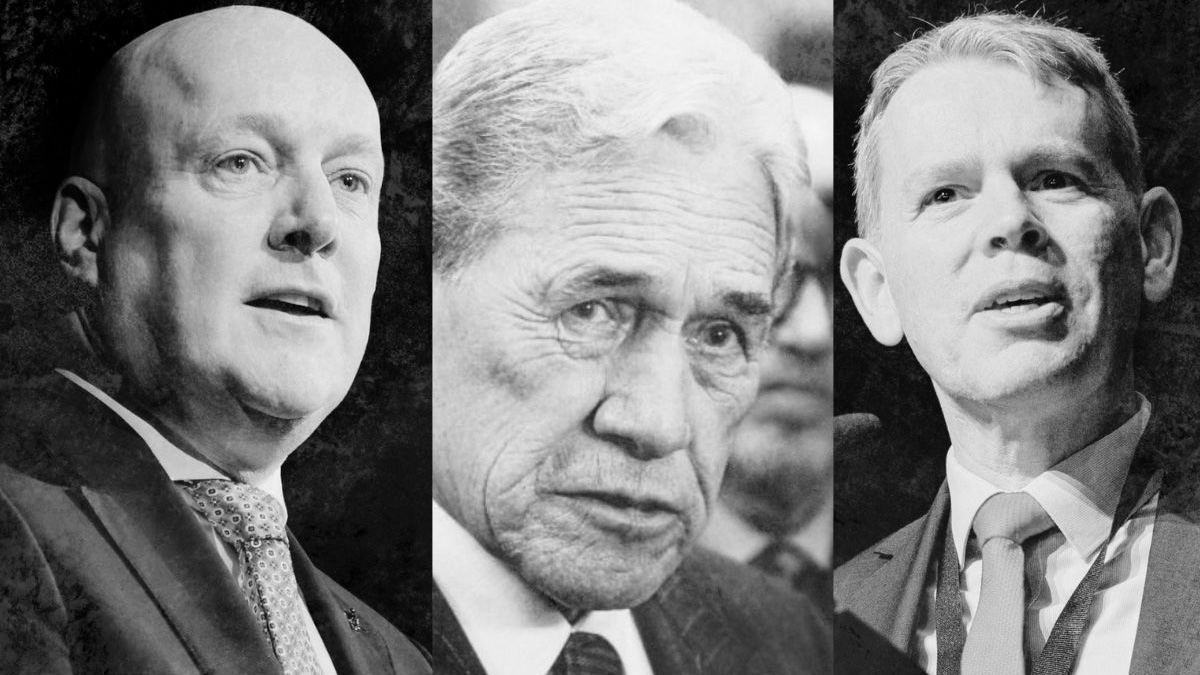
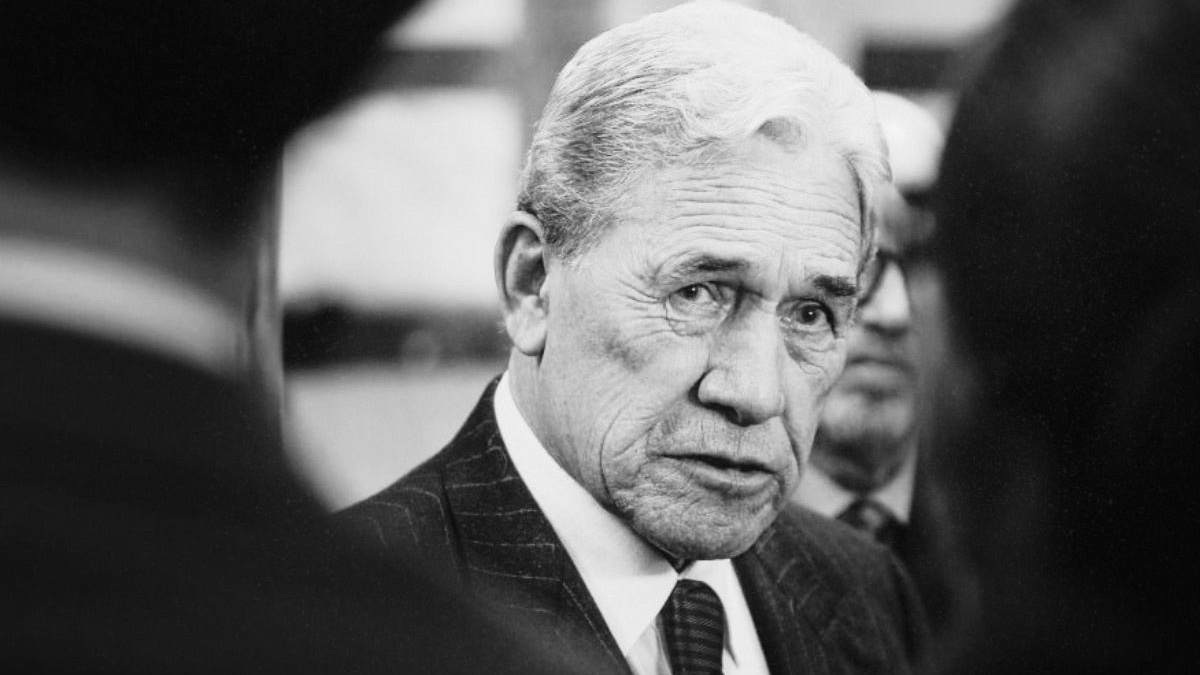
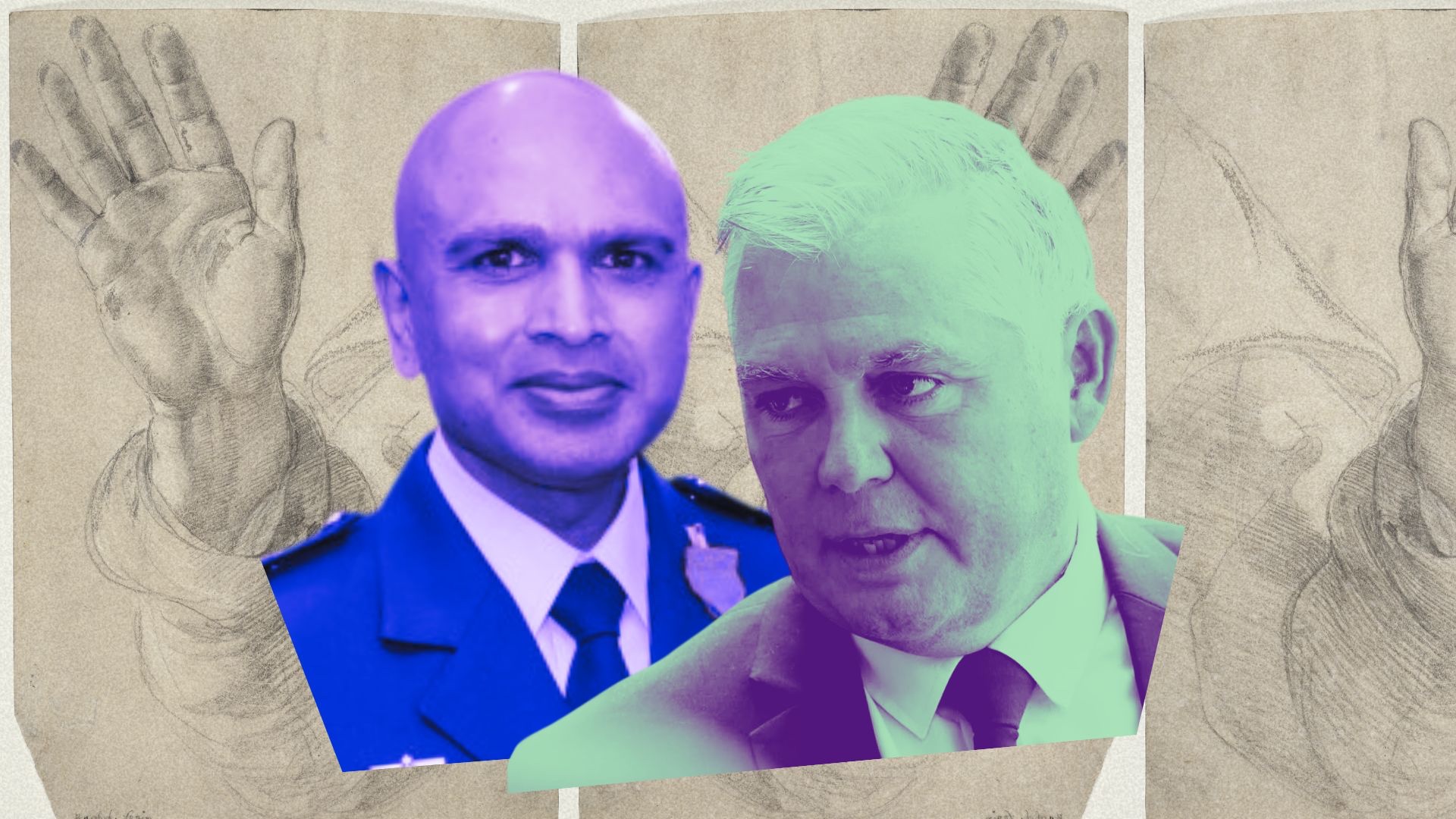
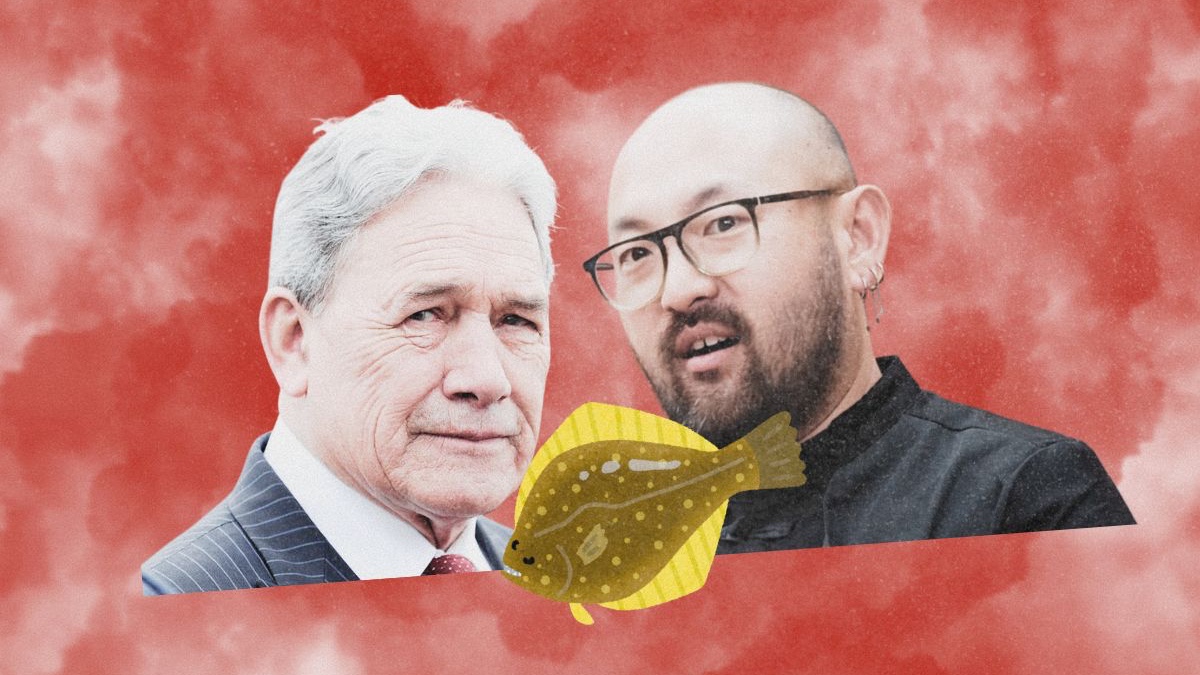
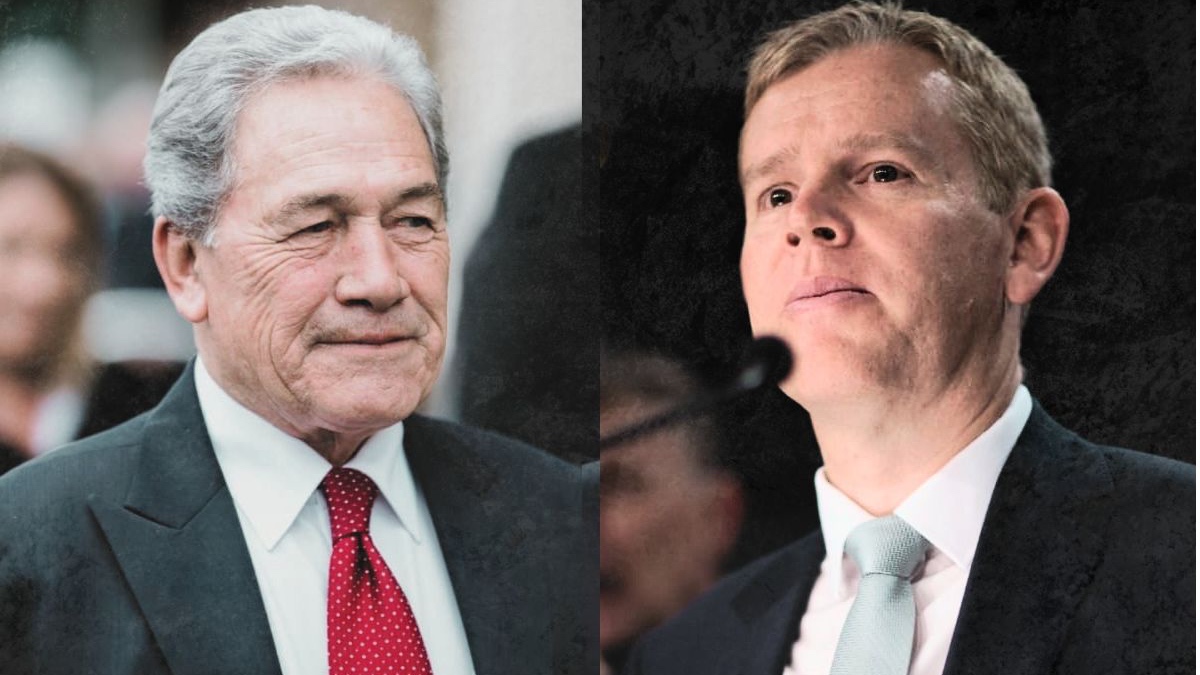
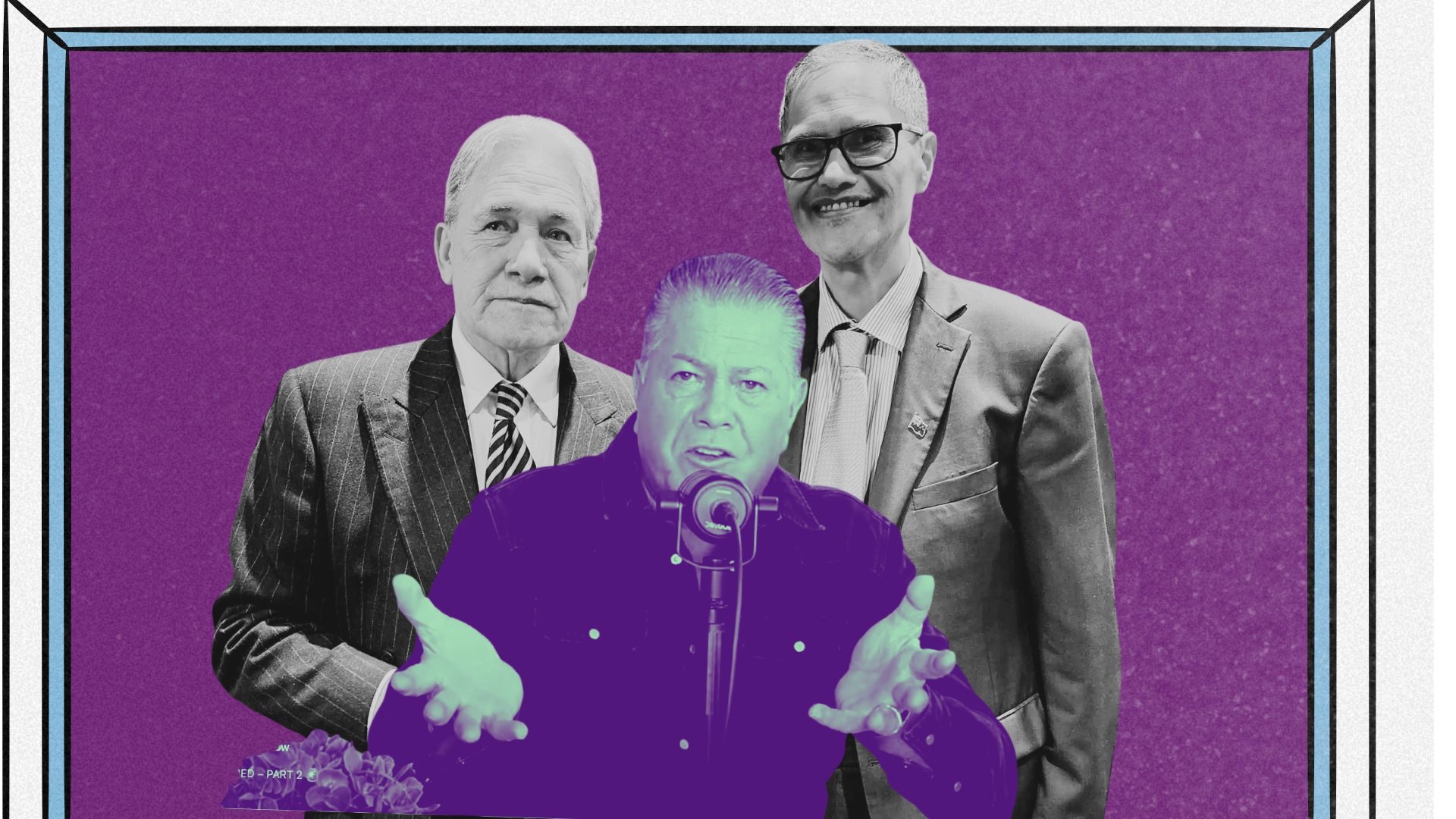
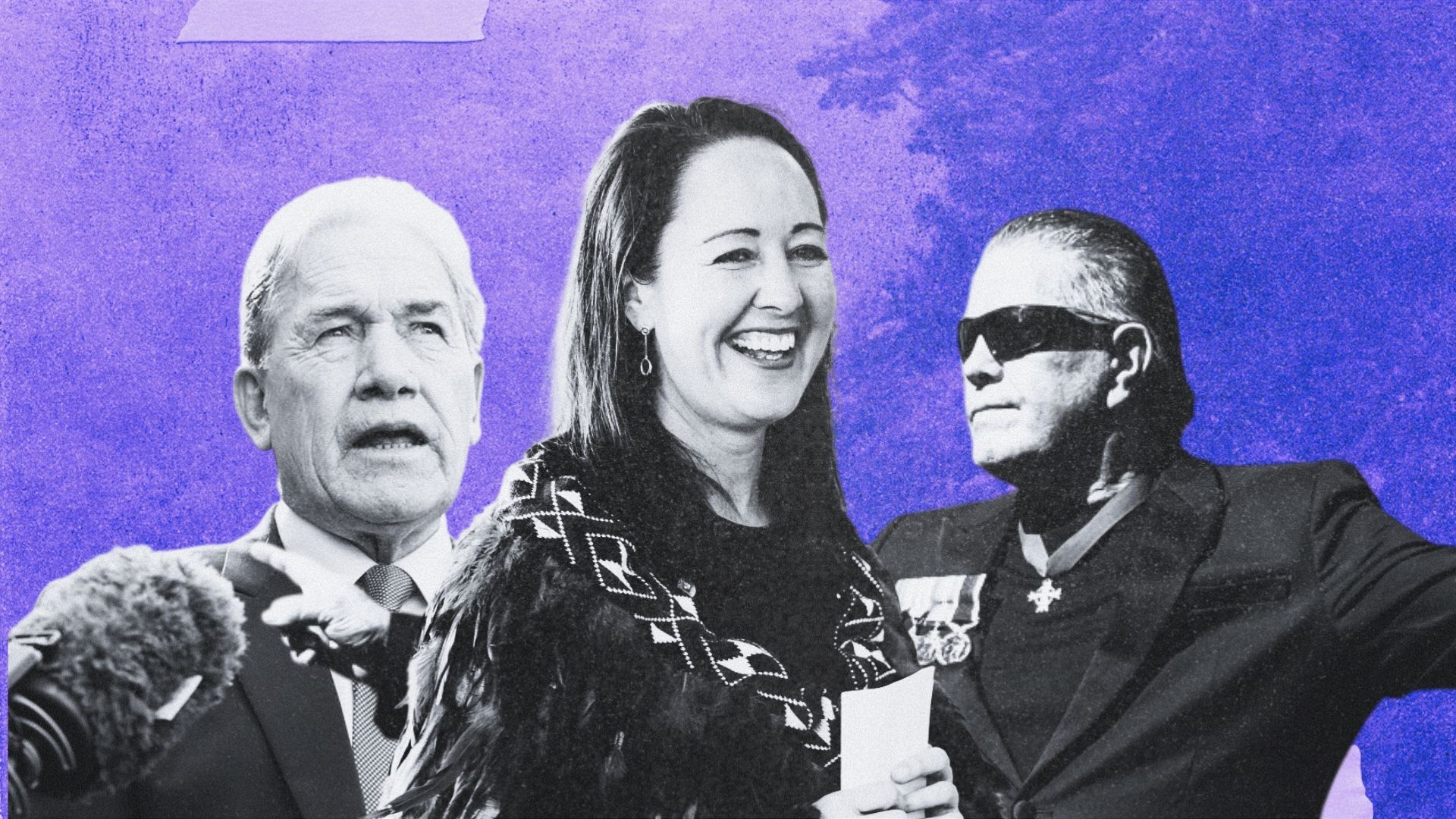
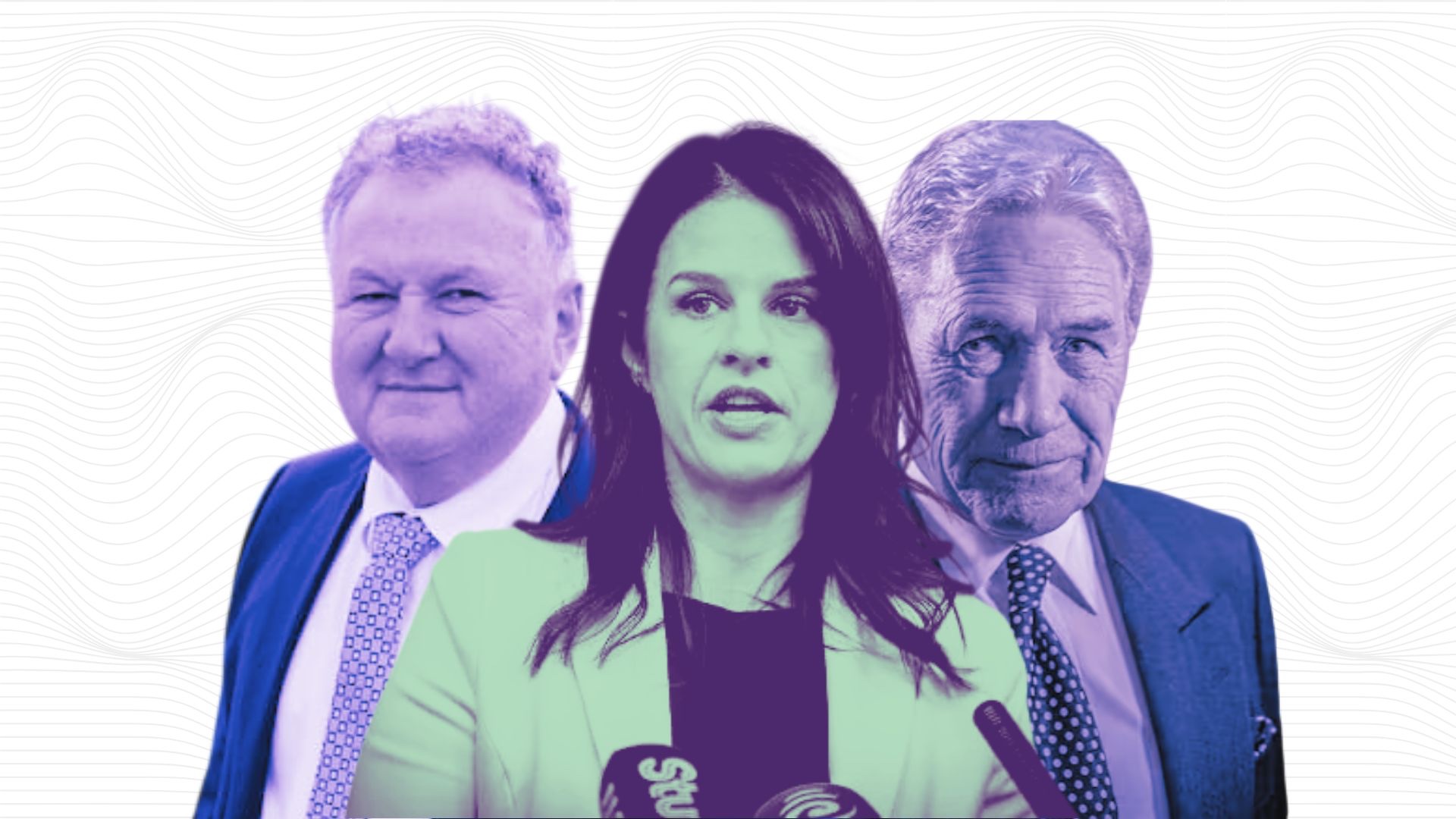
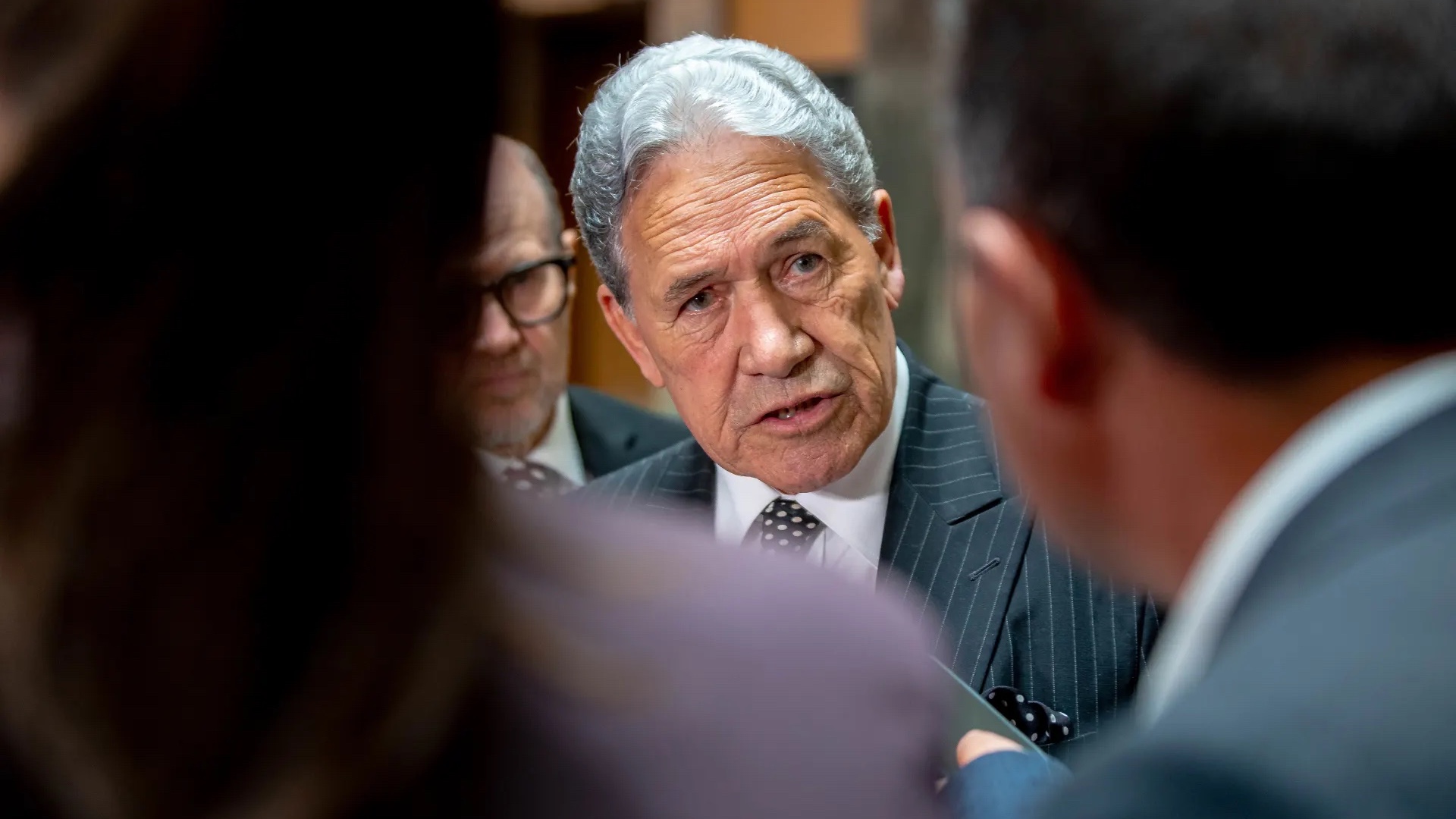
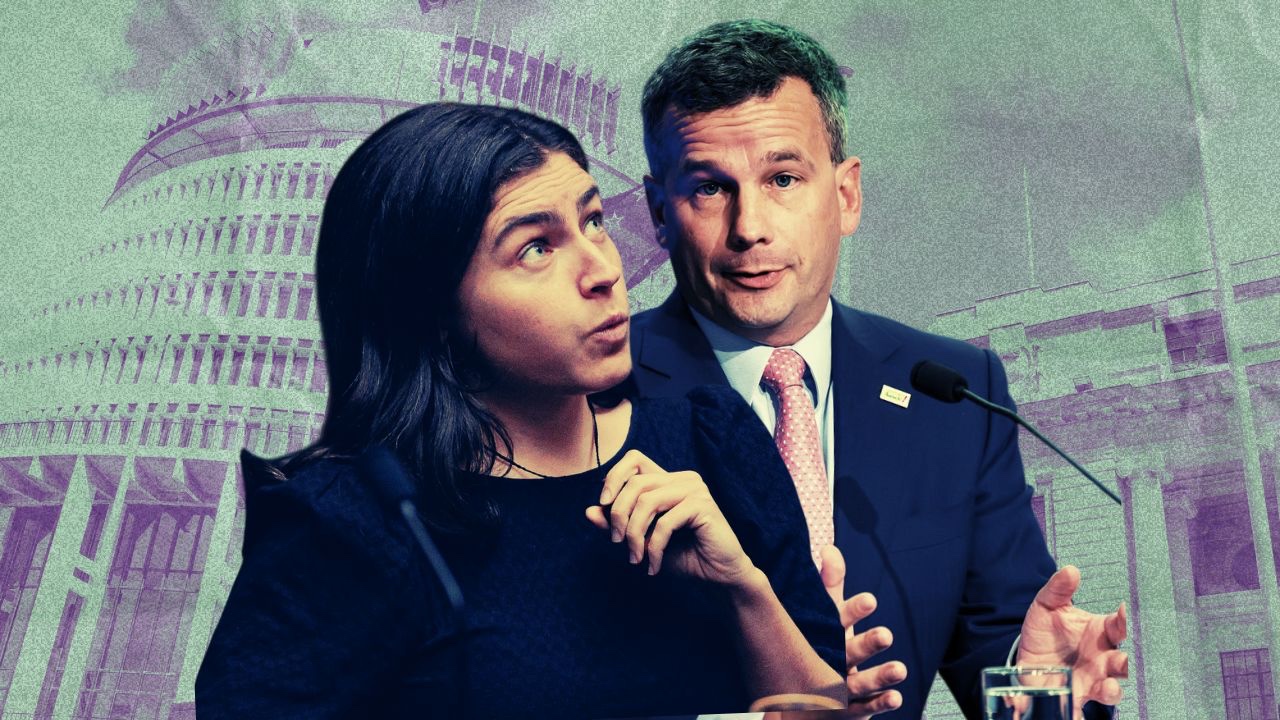
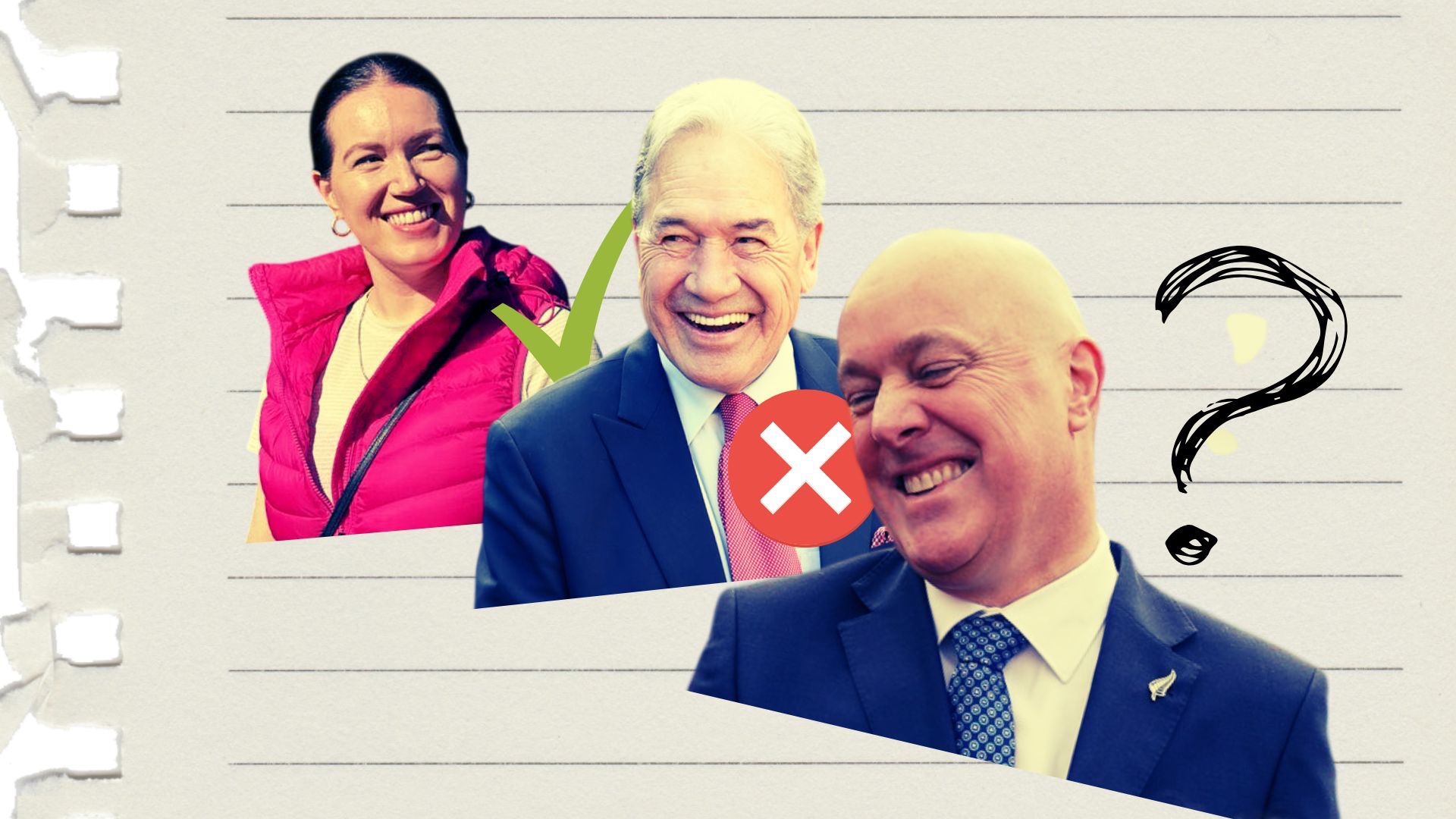
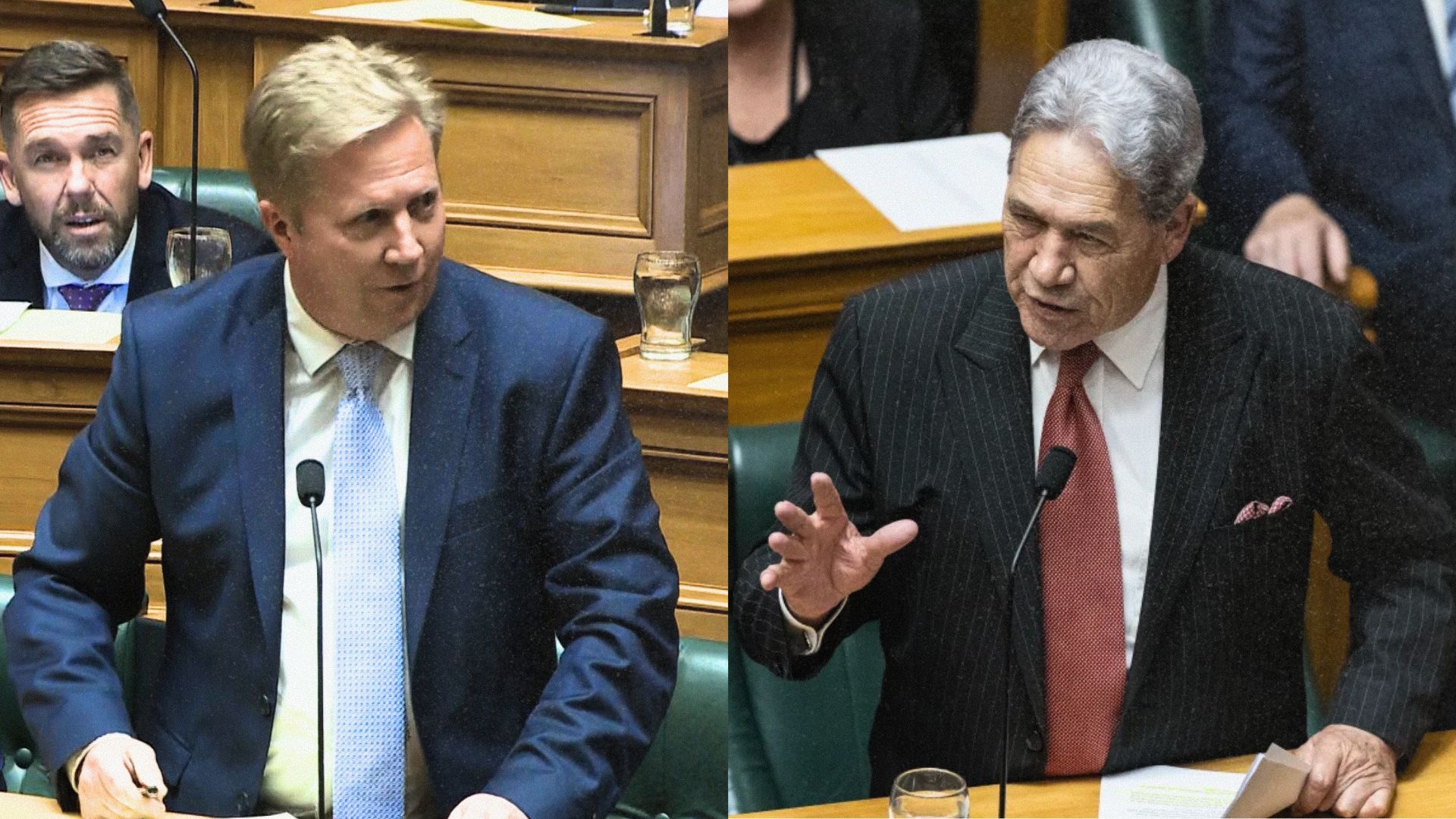
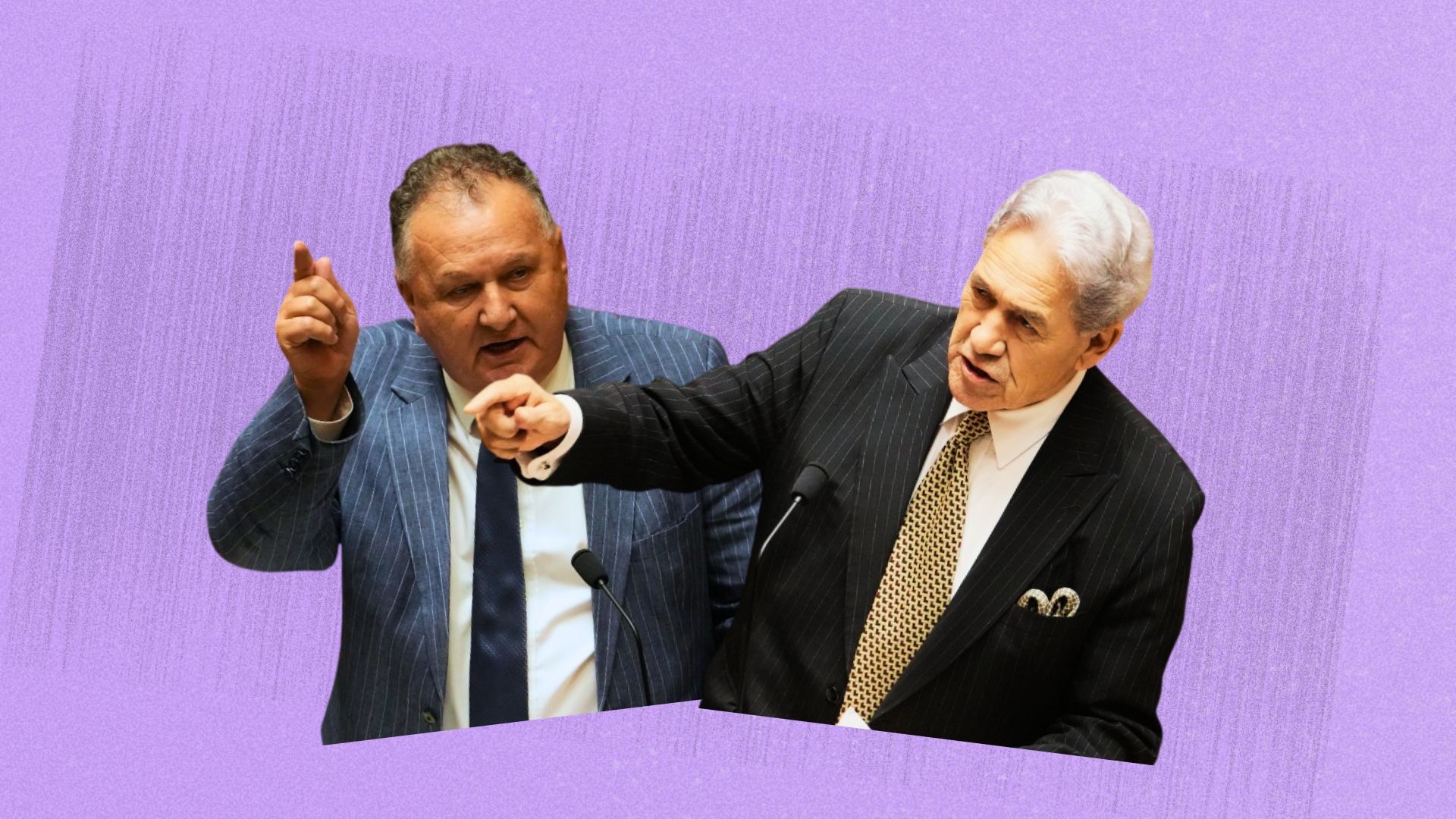
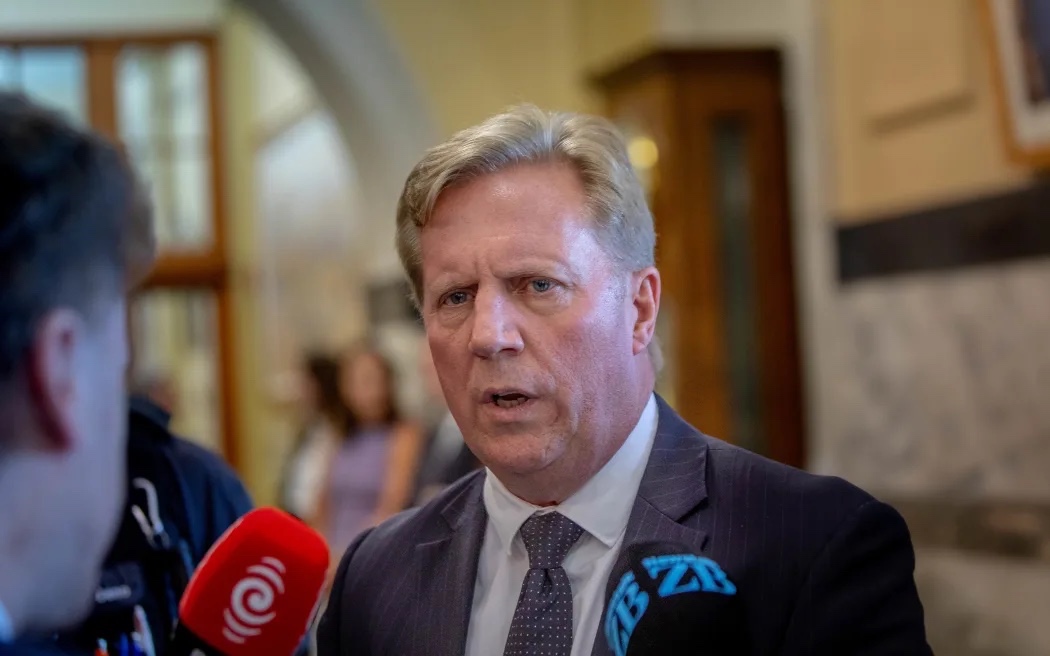
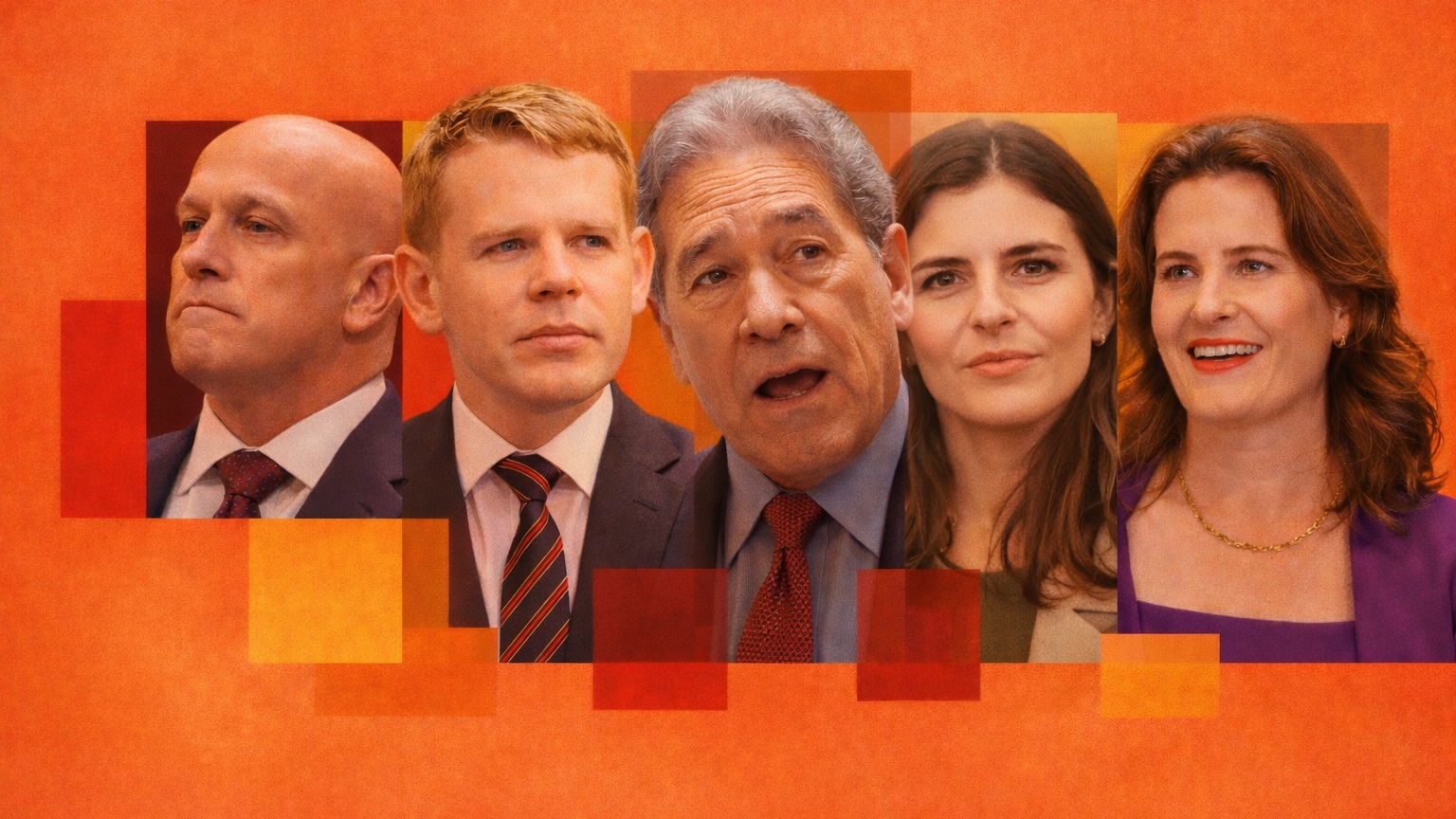
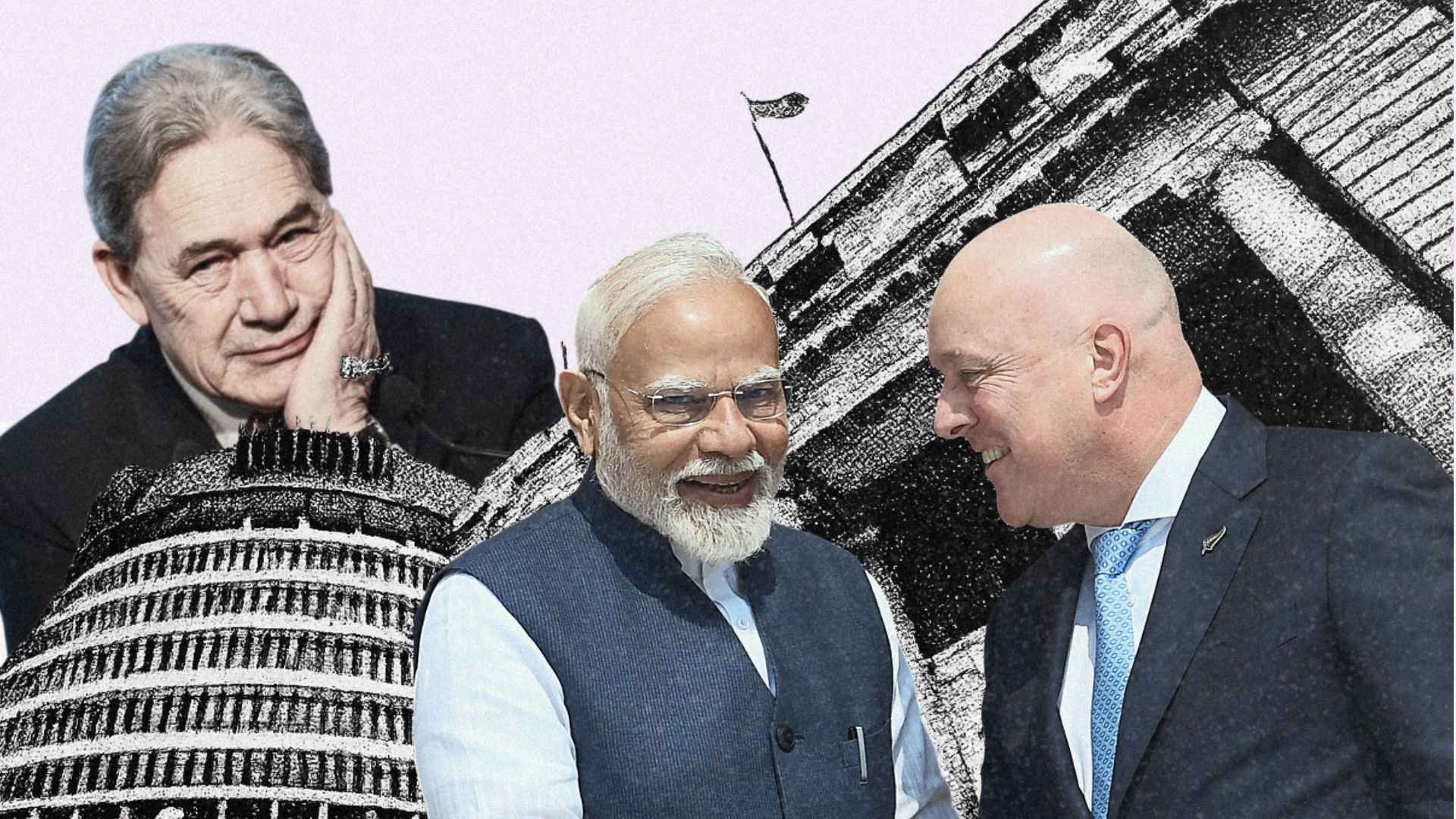
Winston Peters and Mark Mitchell are advocating for free speech.
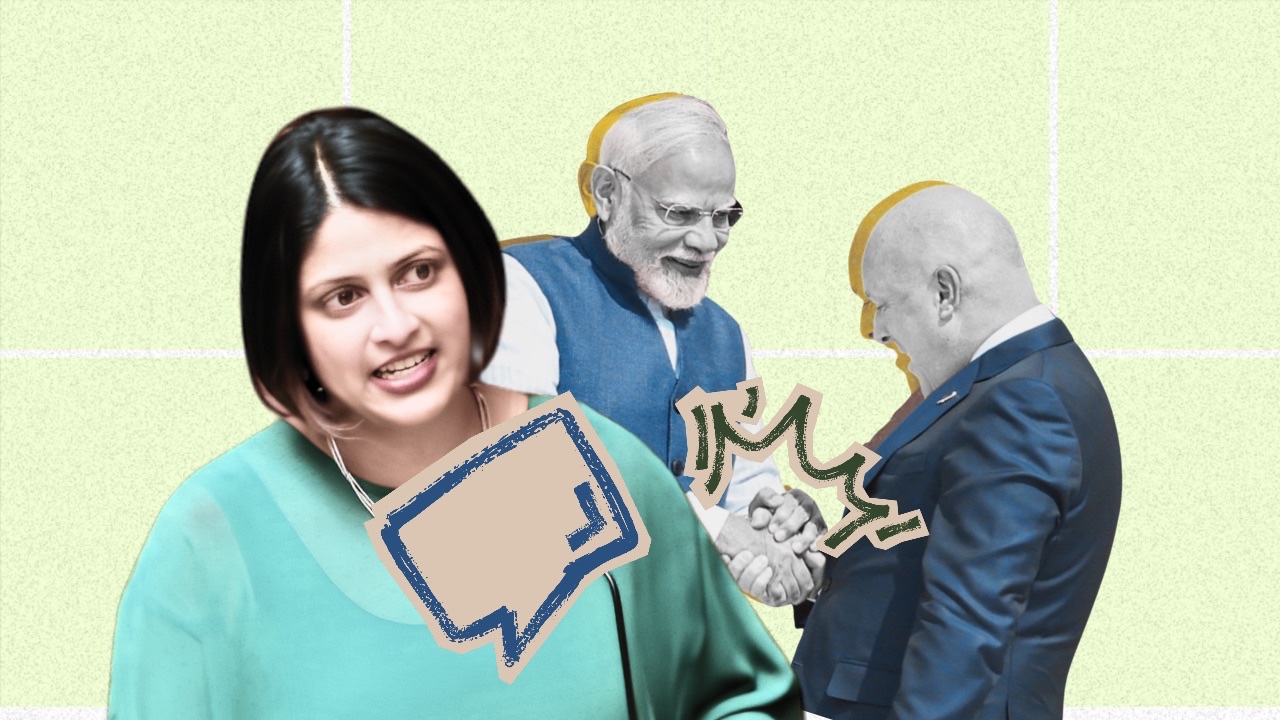
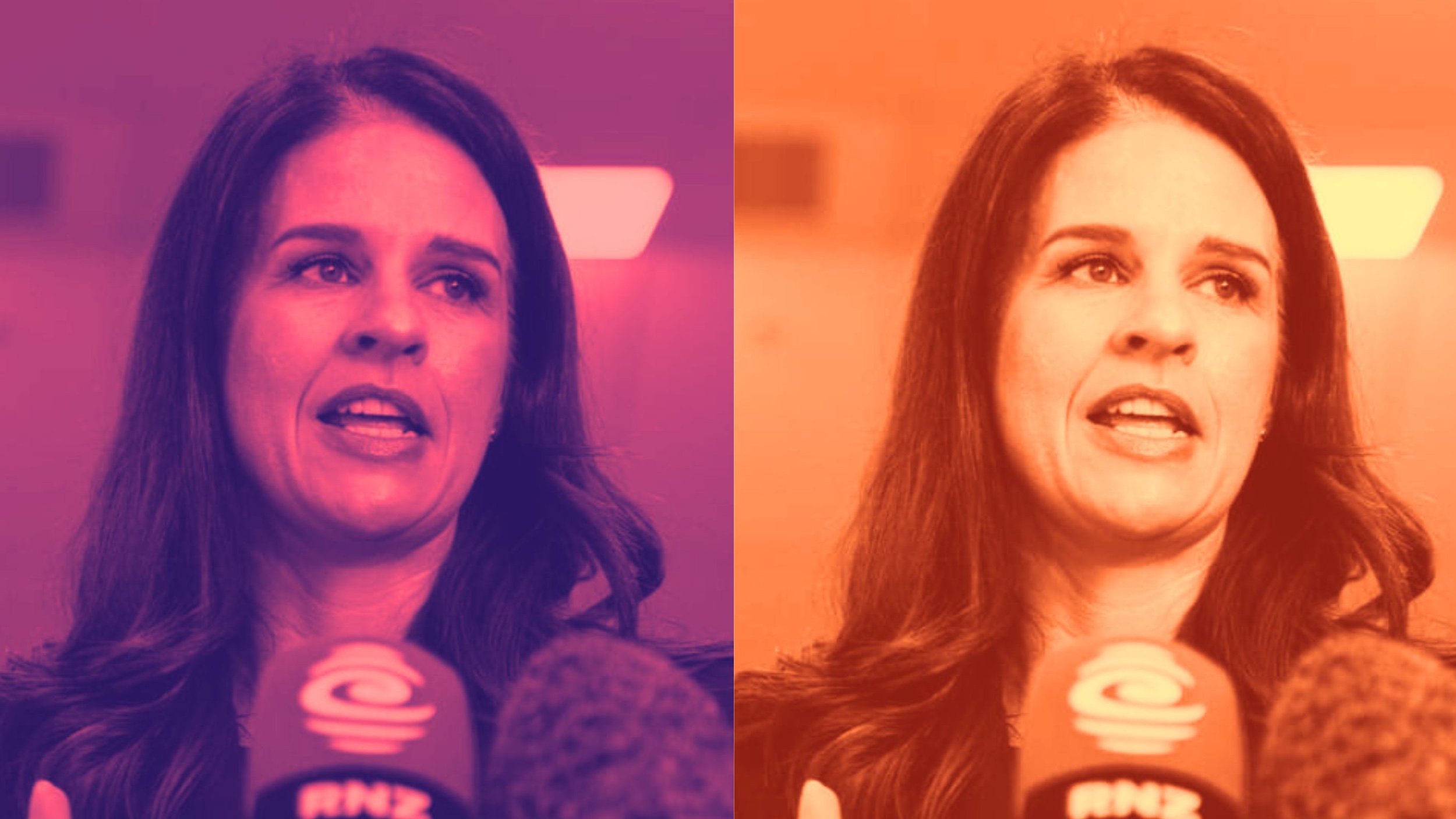
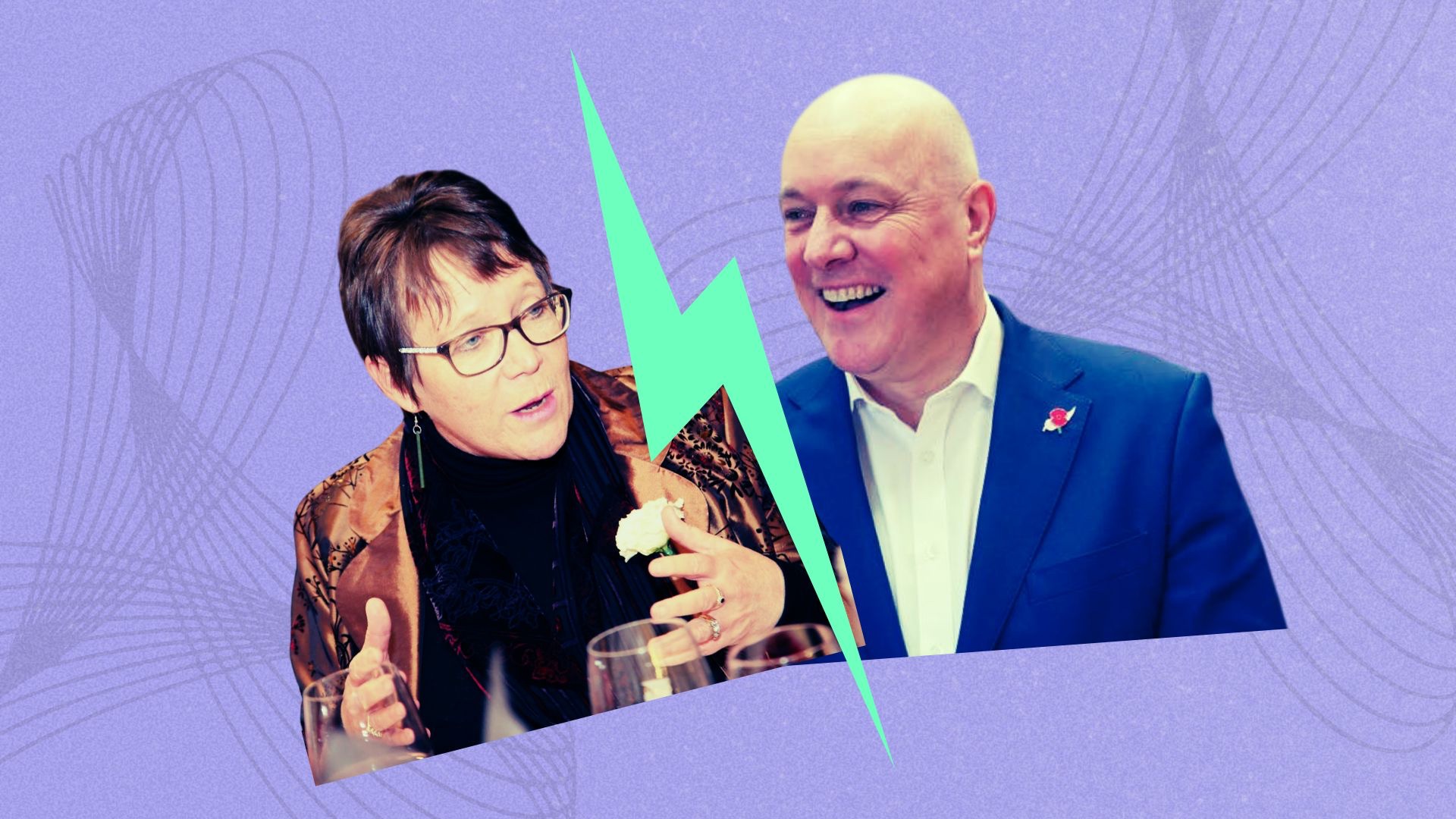
“I’m not a racist...the problem I have is with what Christopher Luxon is doing."
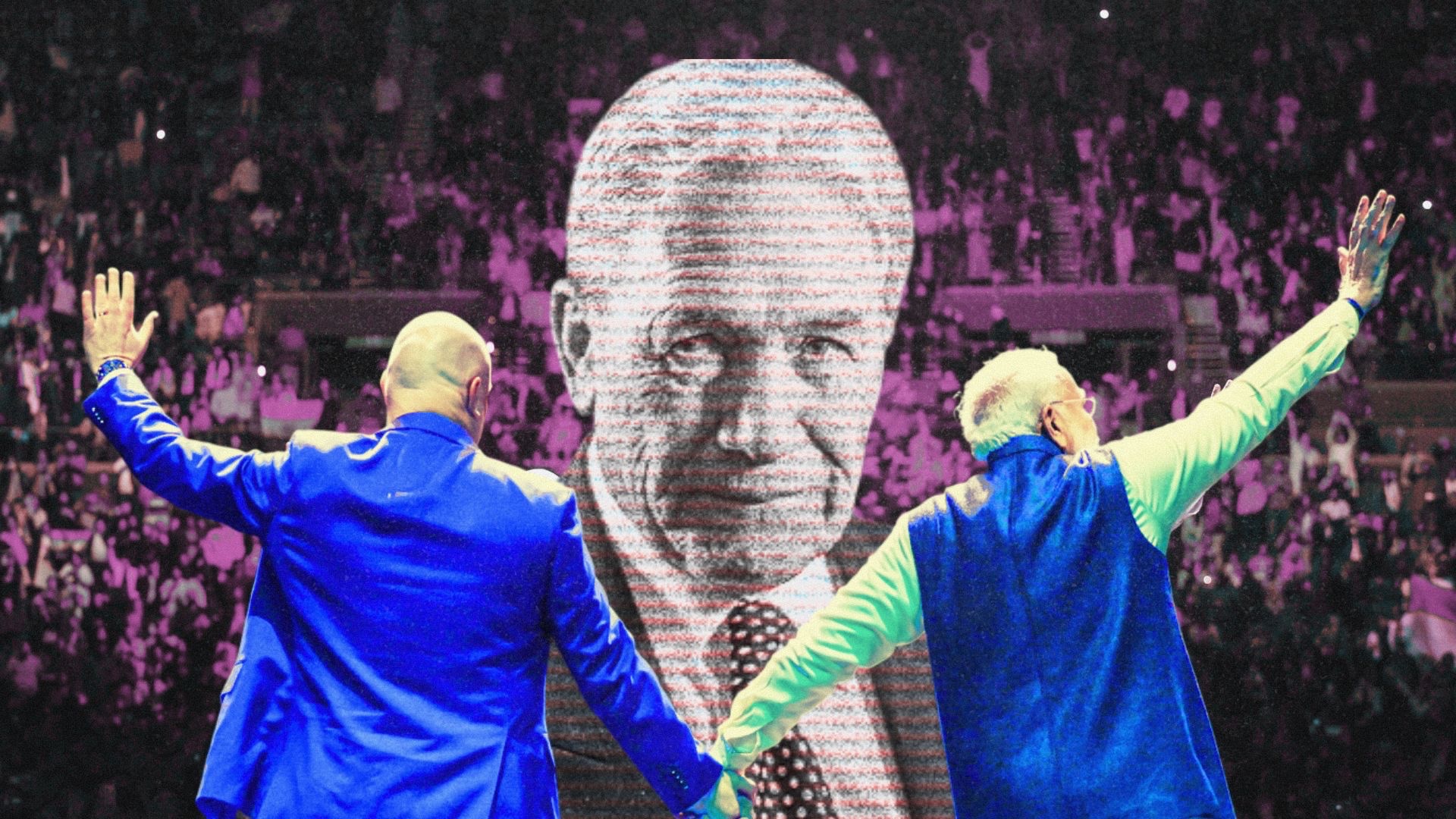
Analysis: A social media photo from last month has pulled the police, a couple senior cabinet ministers and the country’s increasingly tense immigration debate into the same frame.
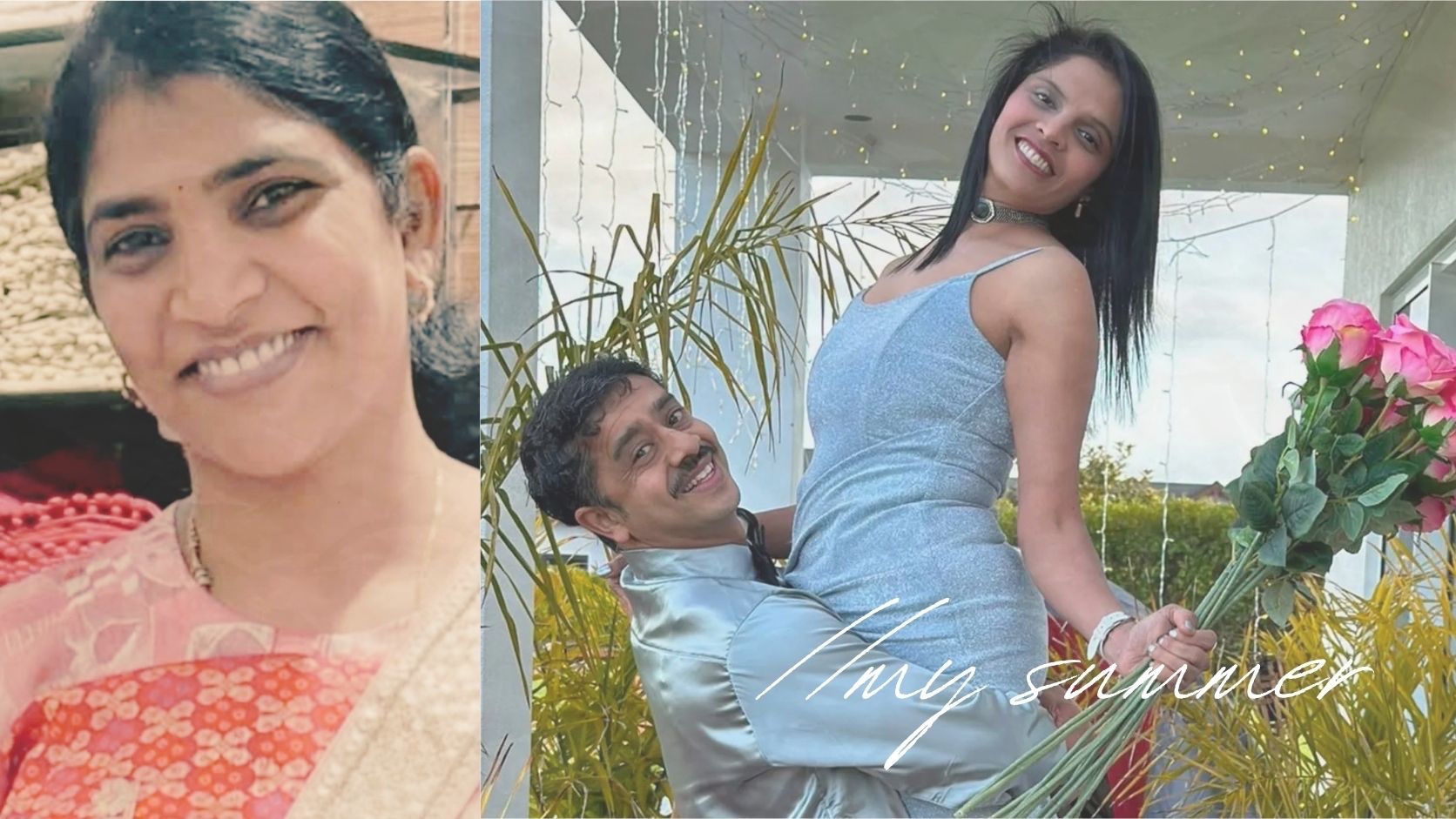
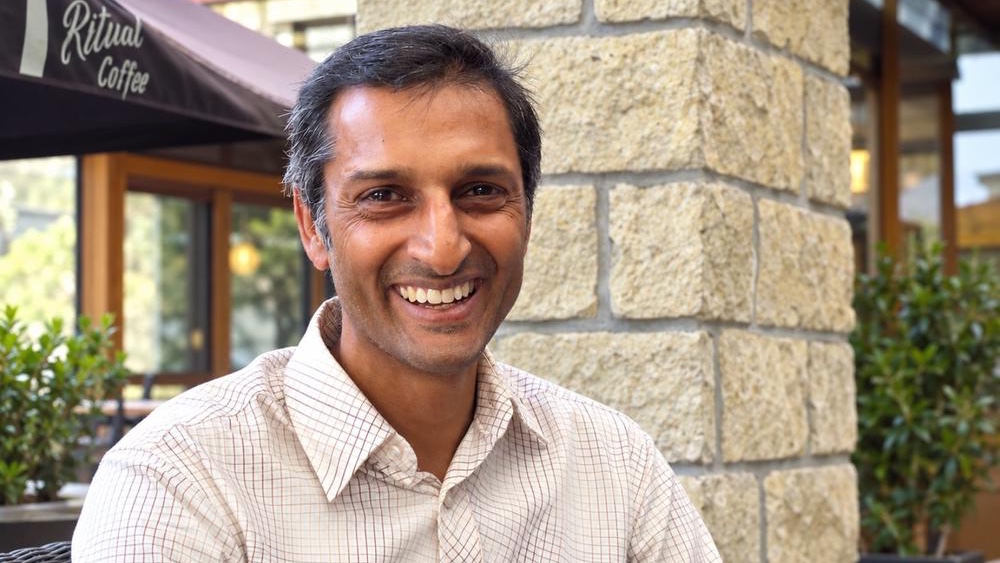
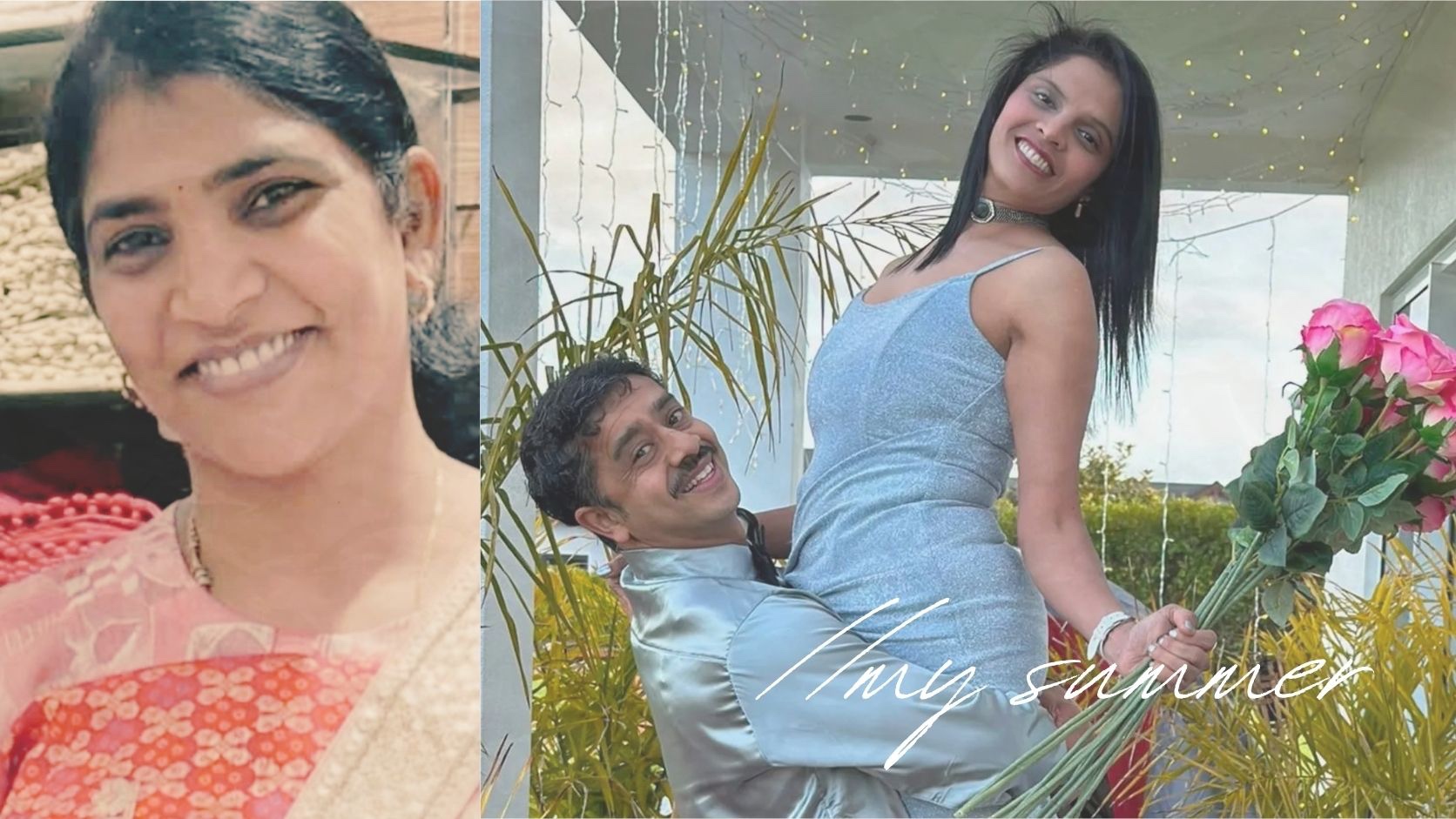
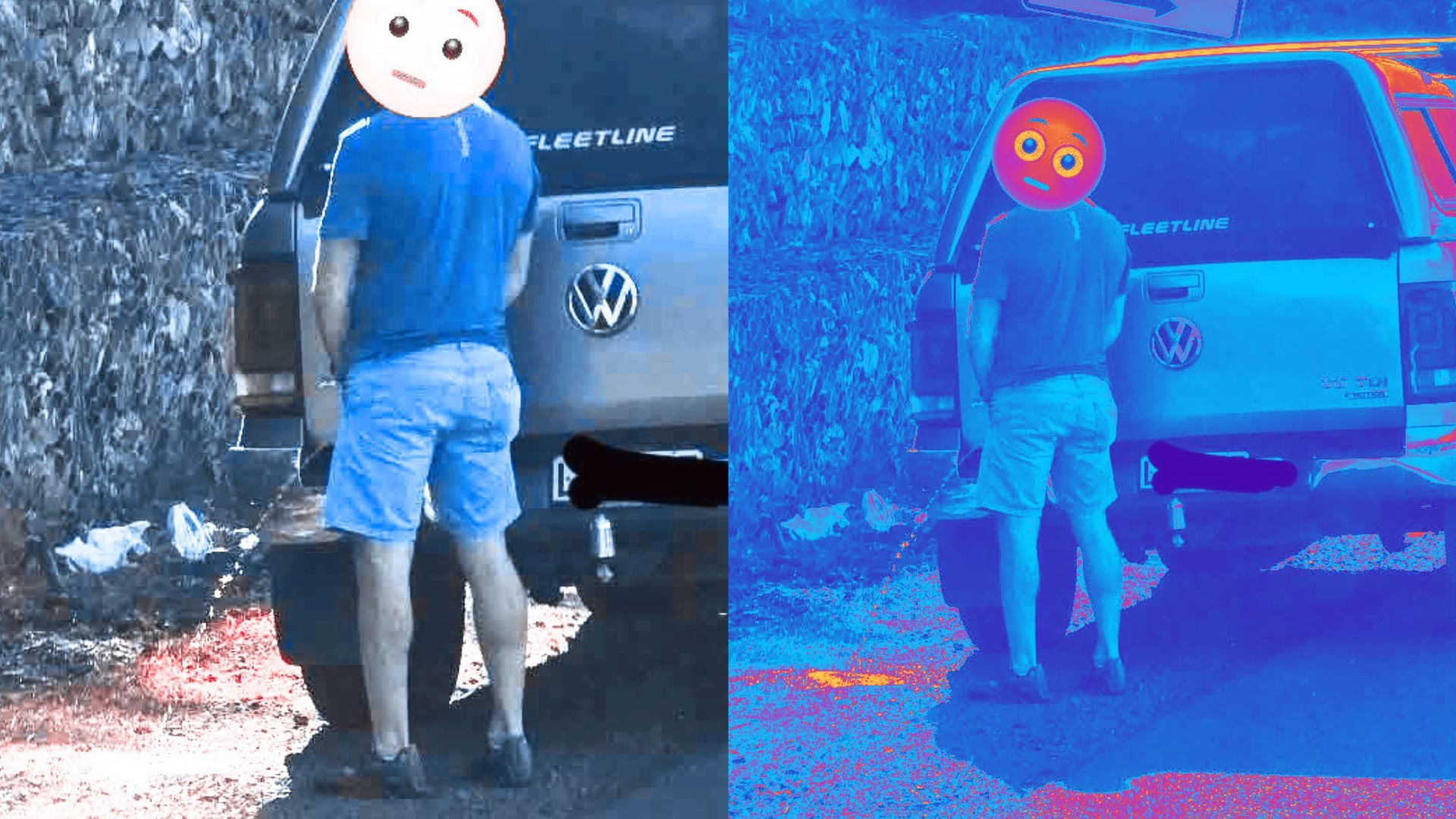
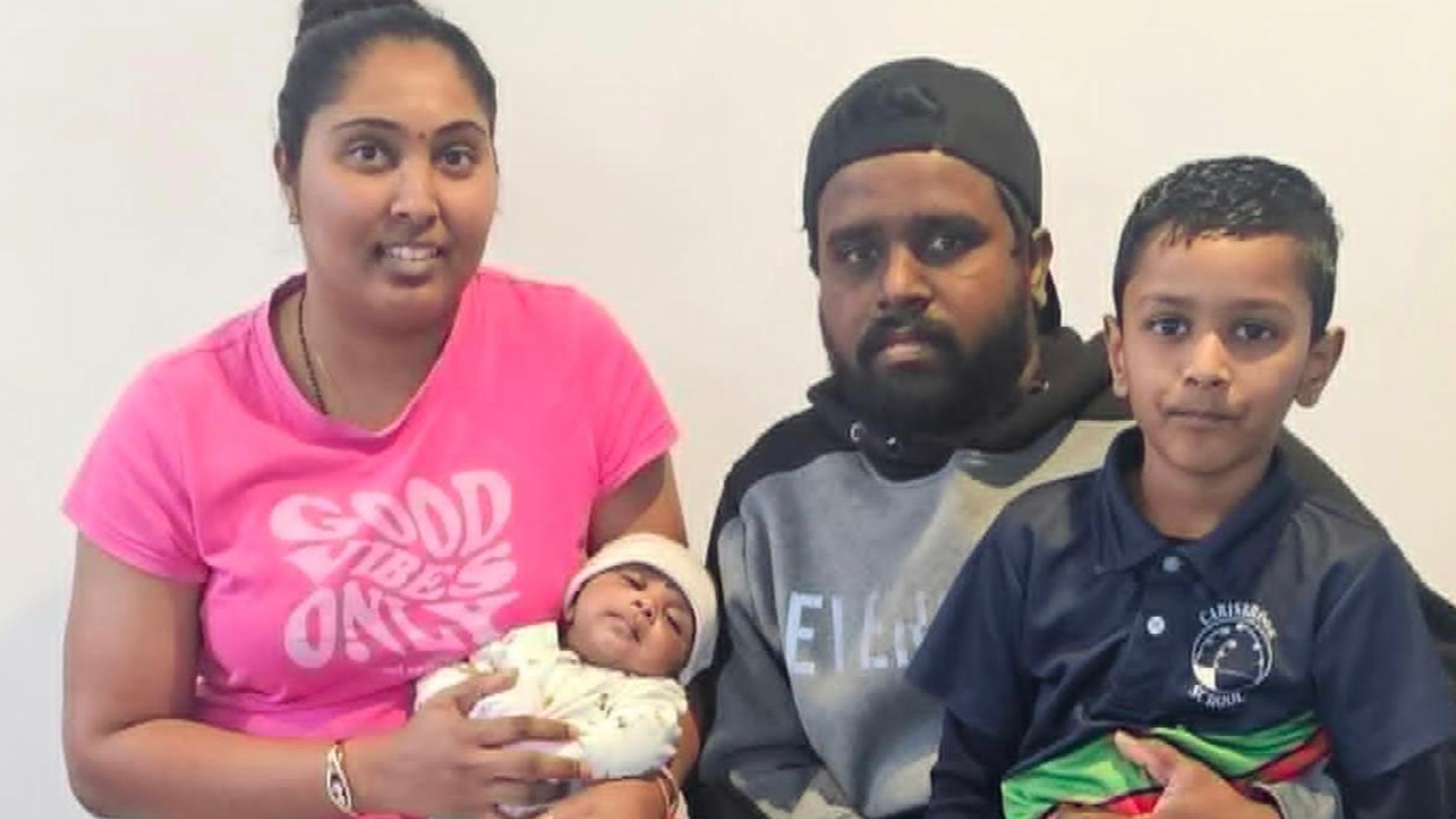
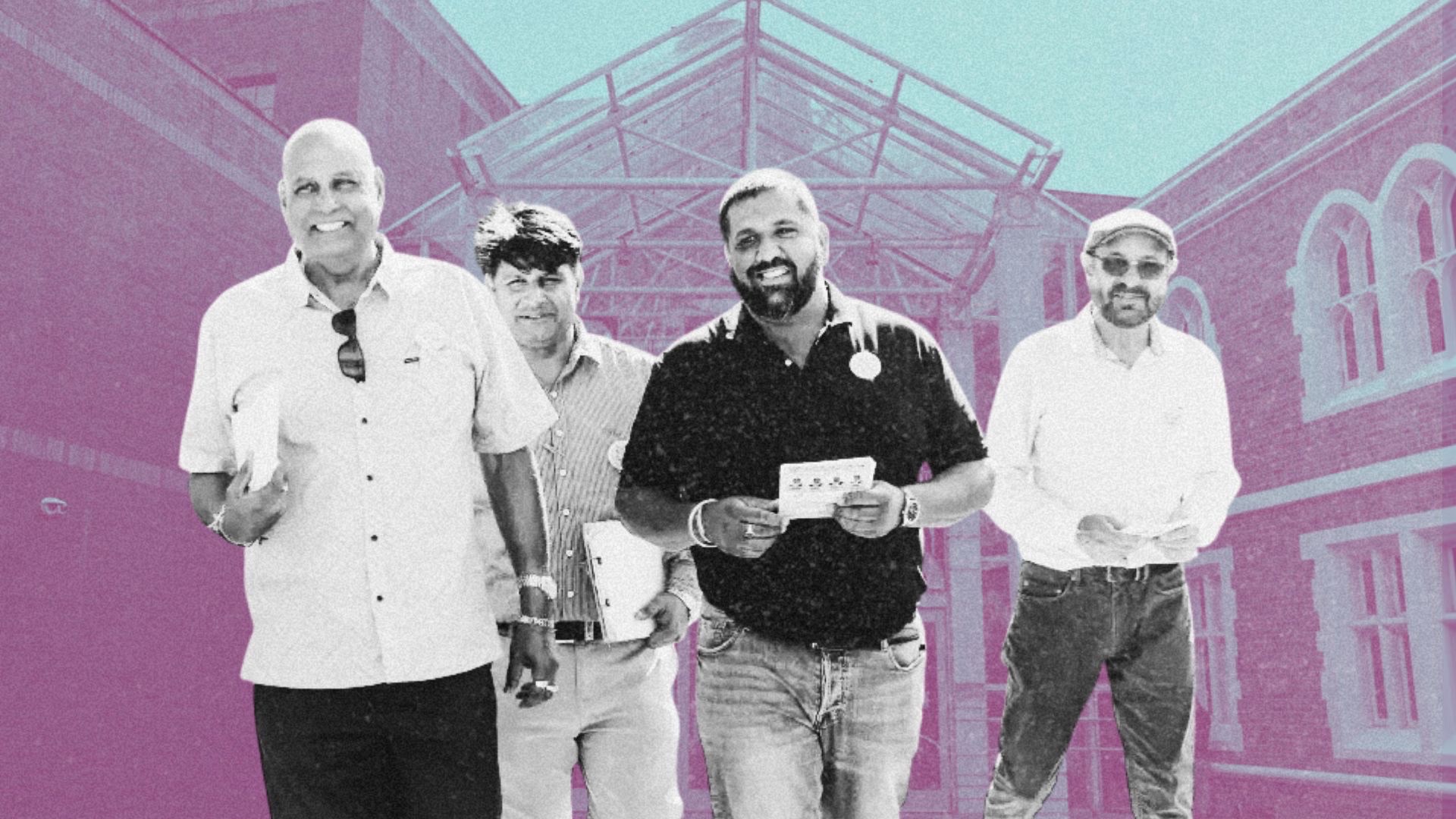
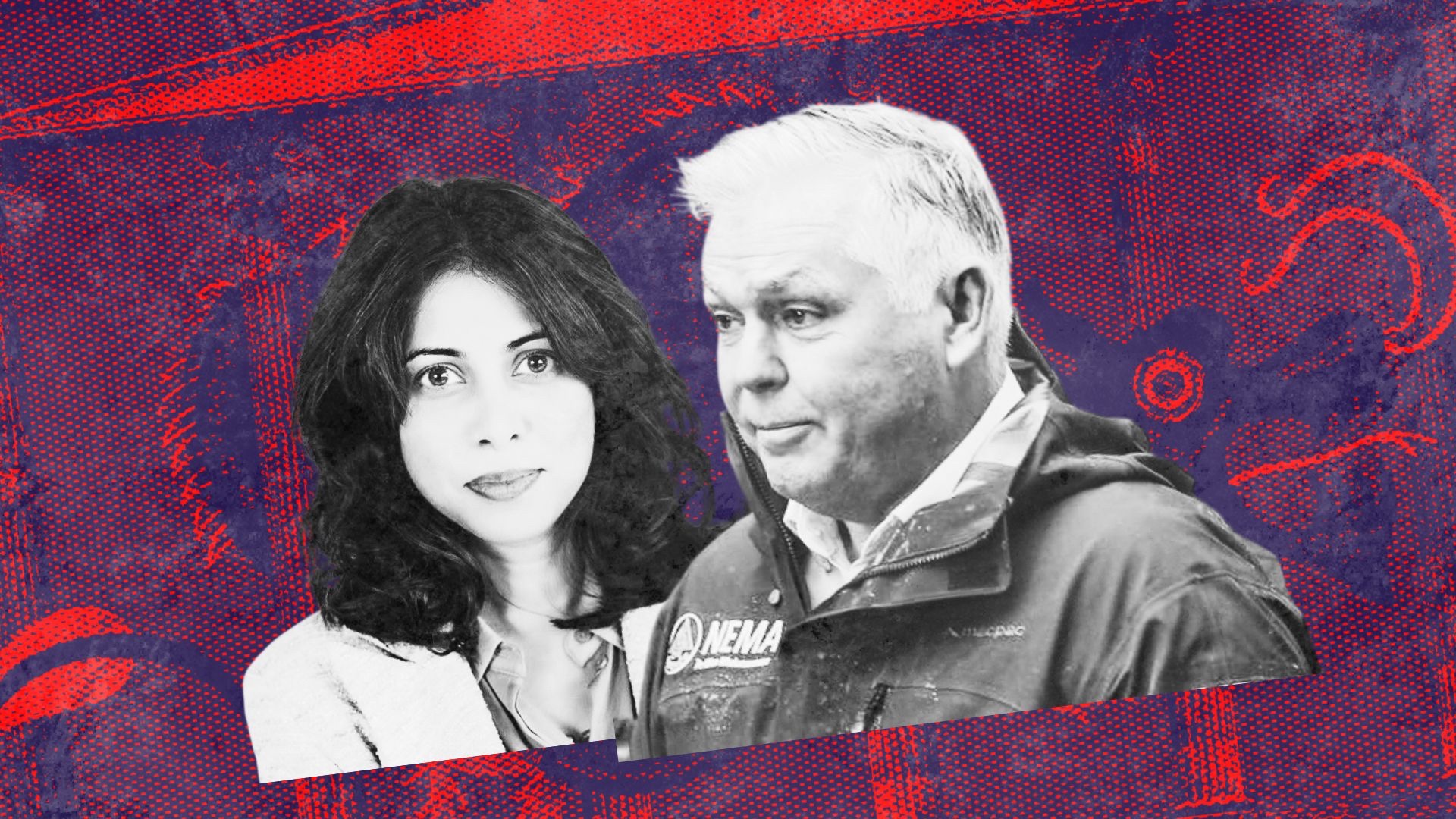
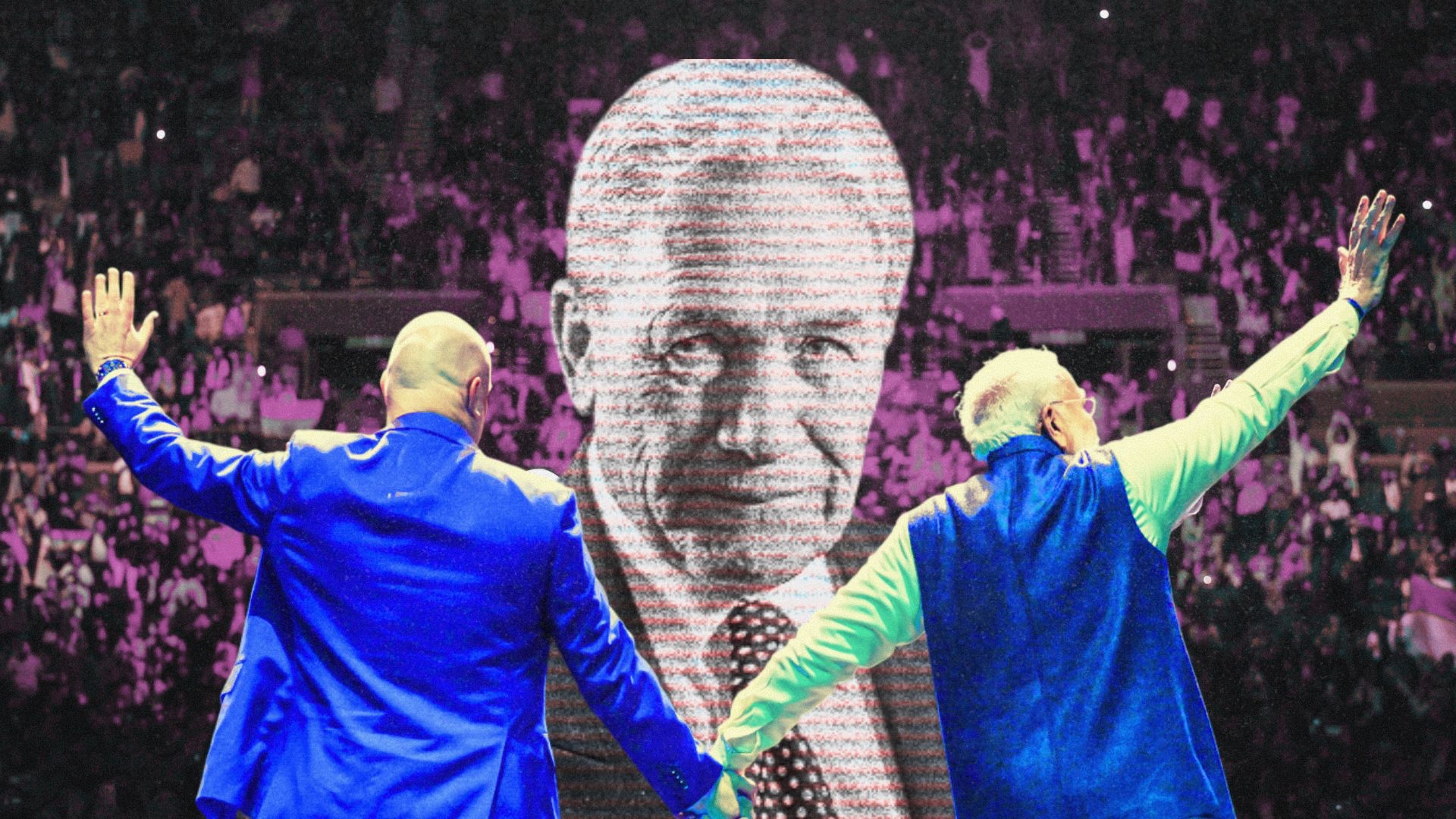
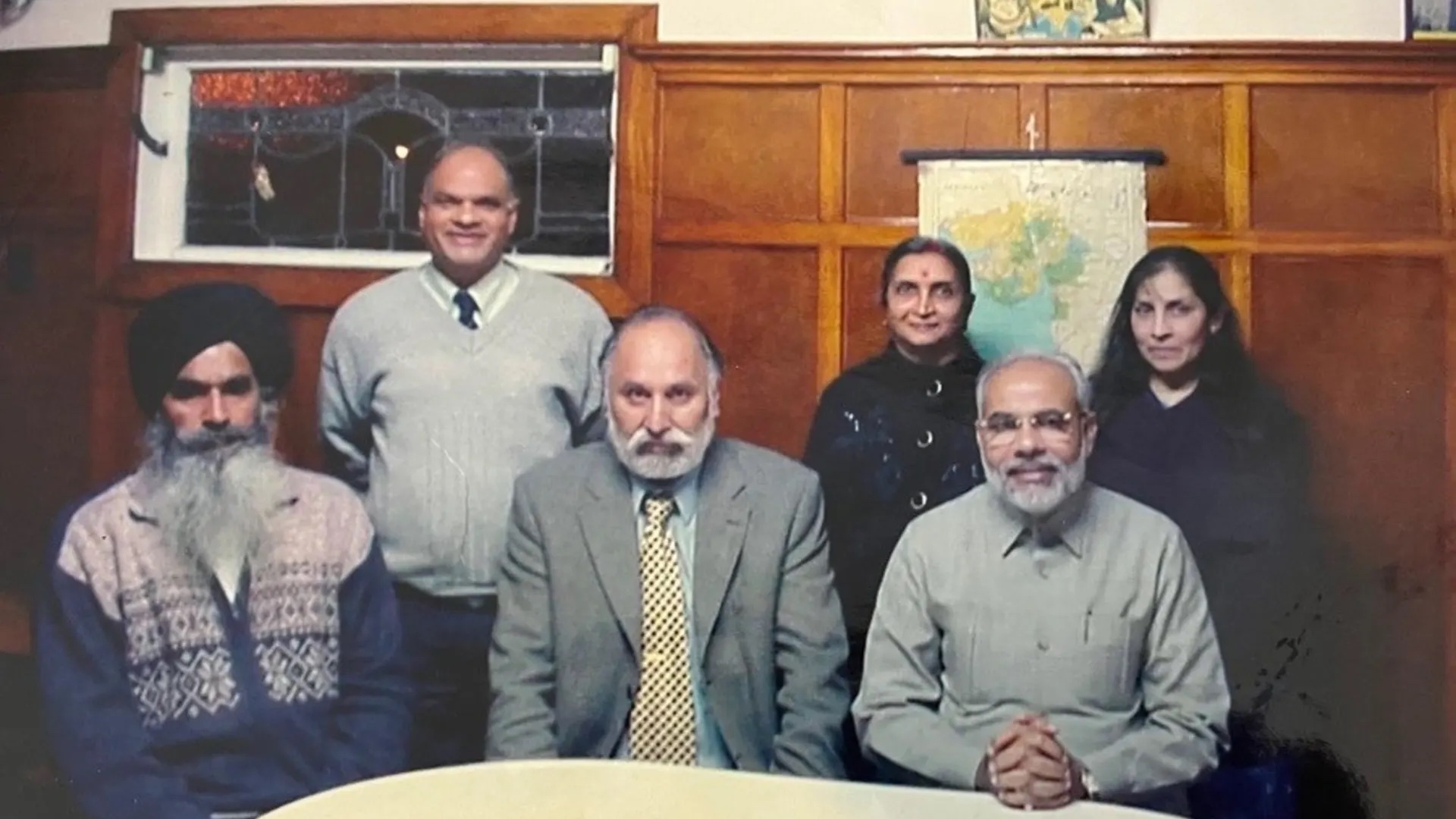
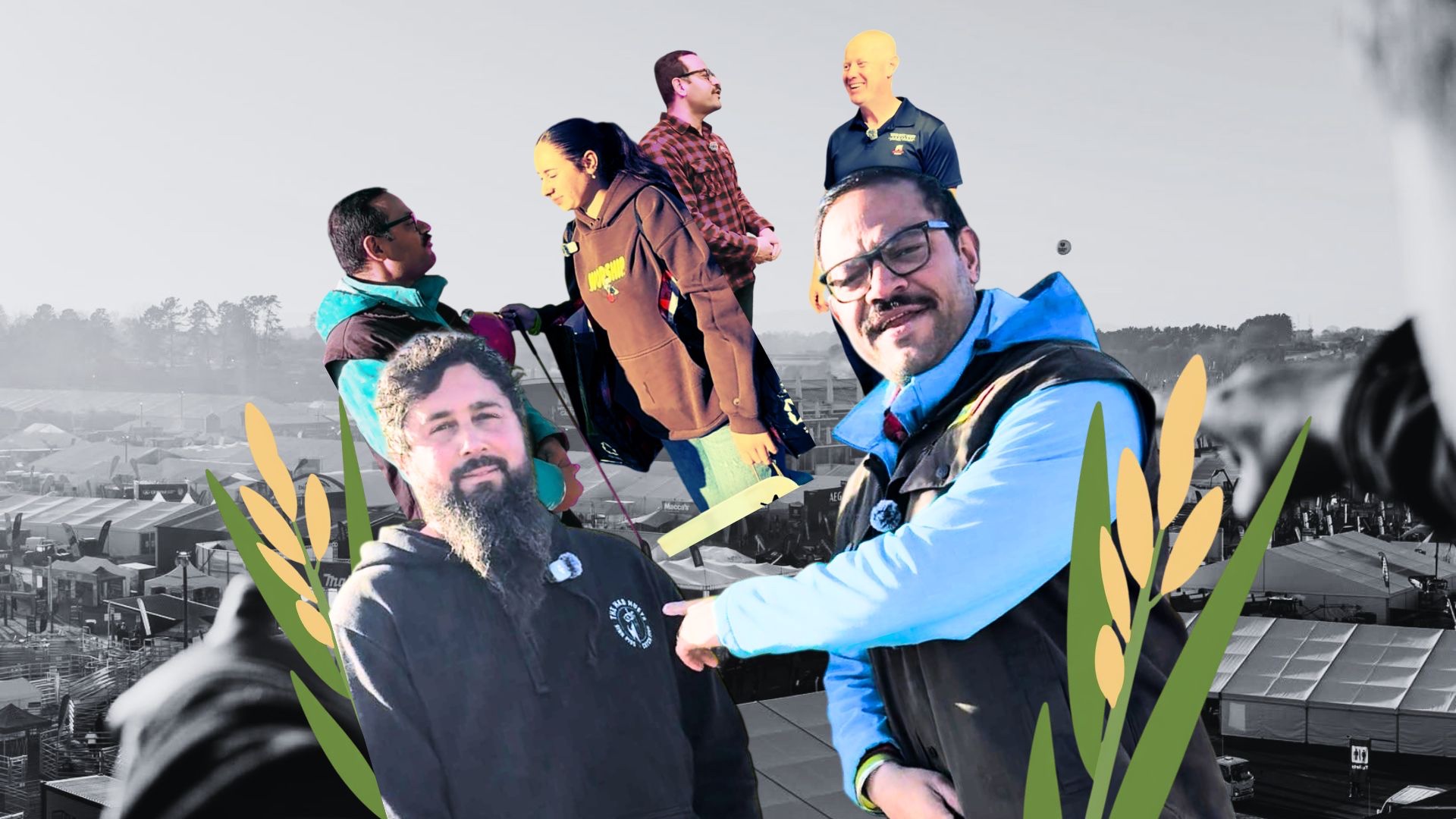
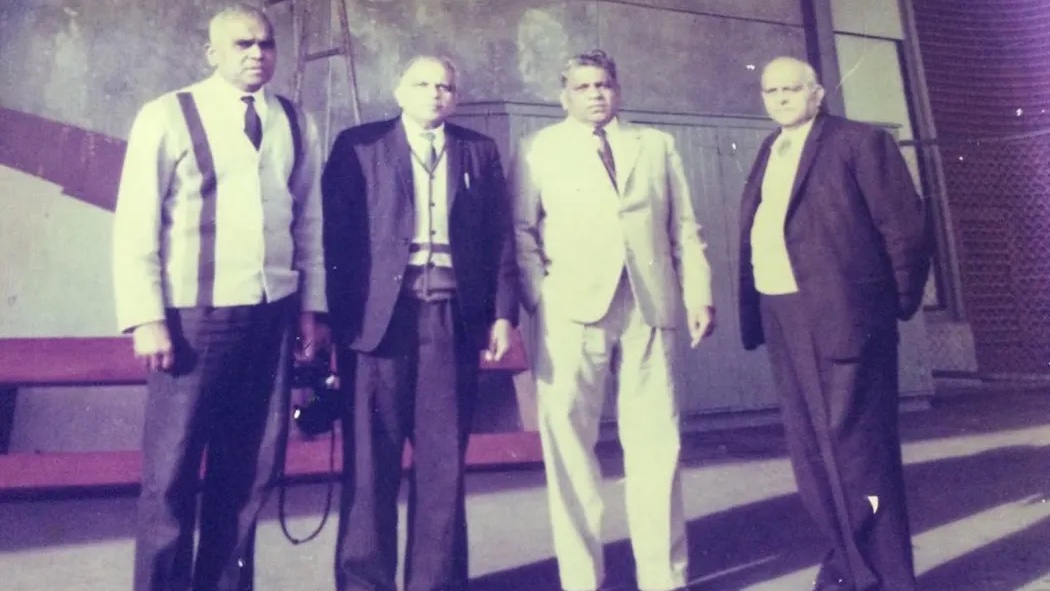
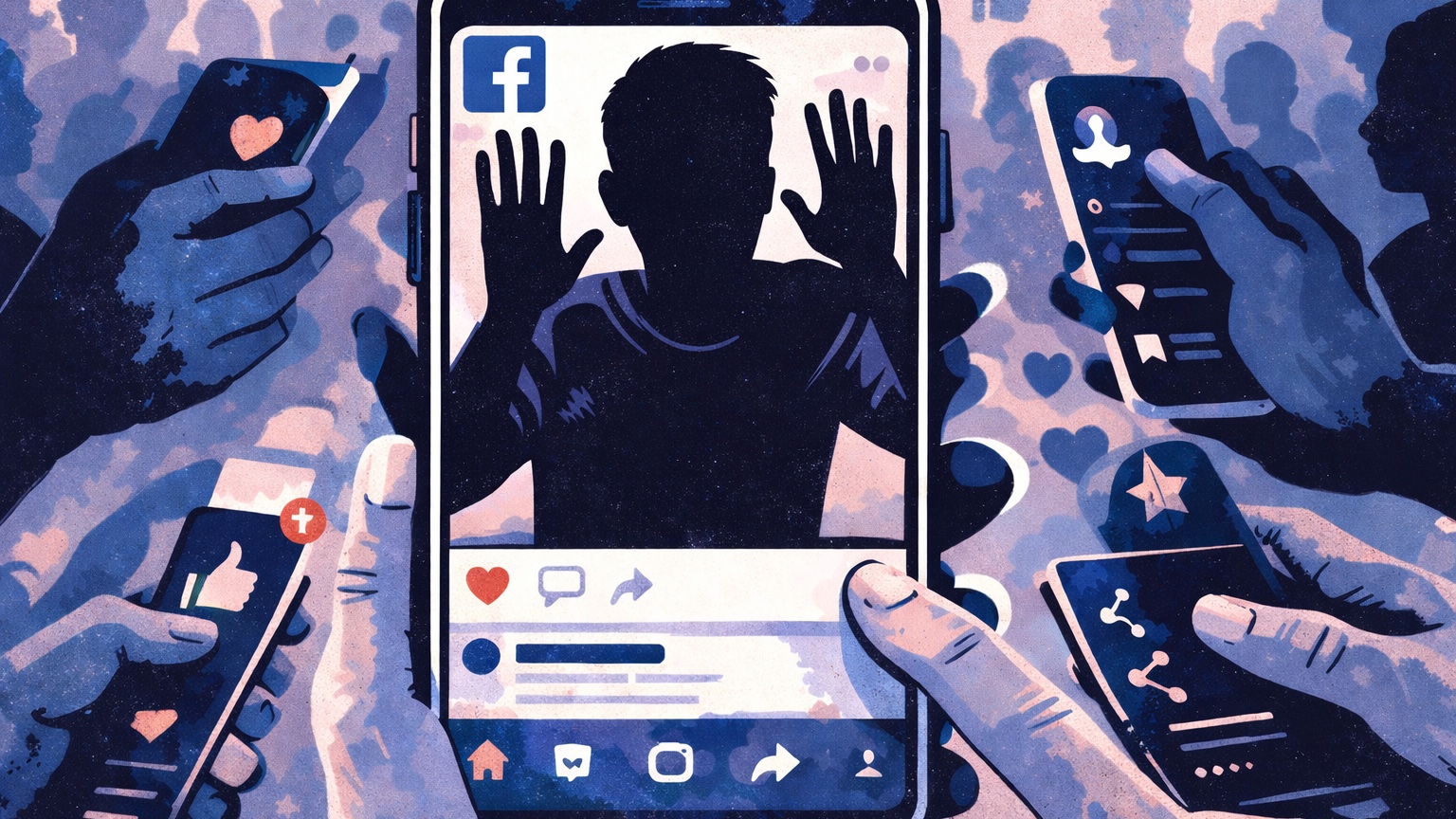
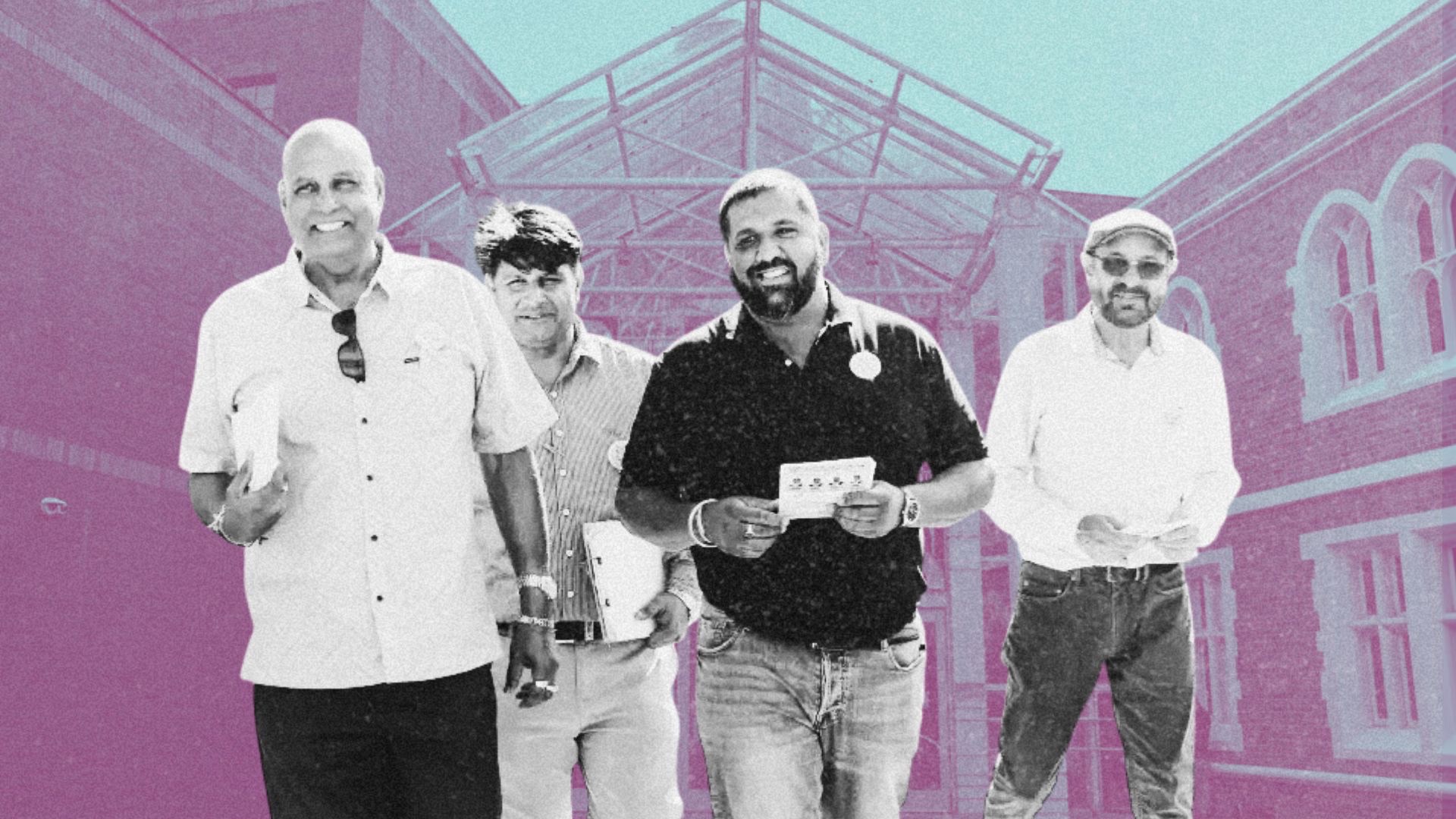
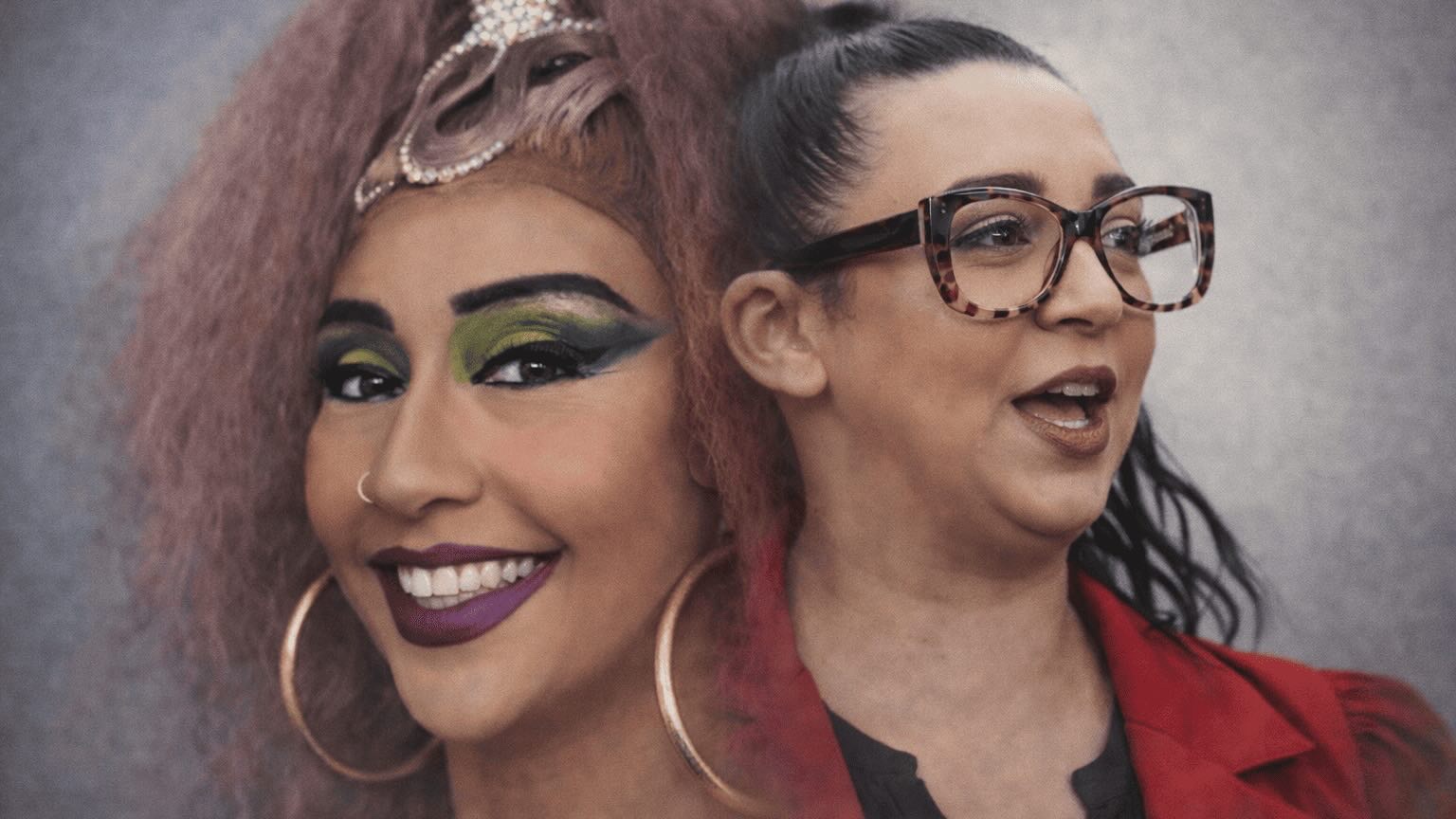
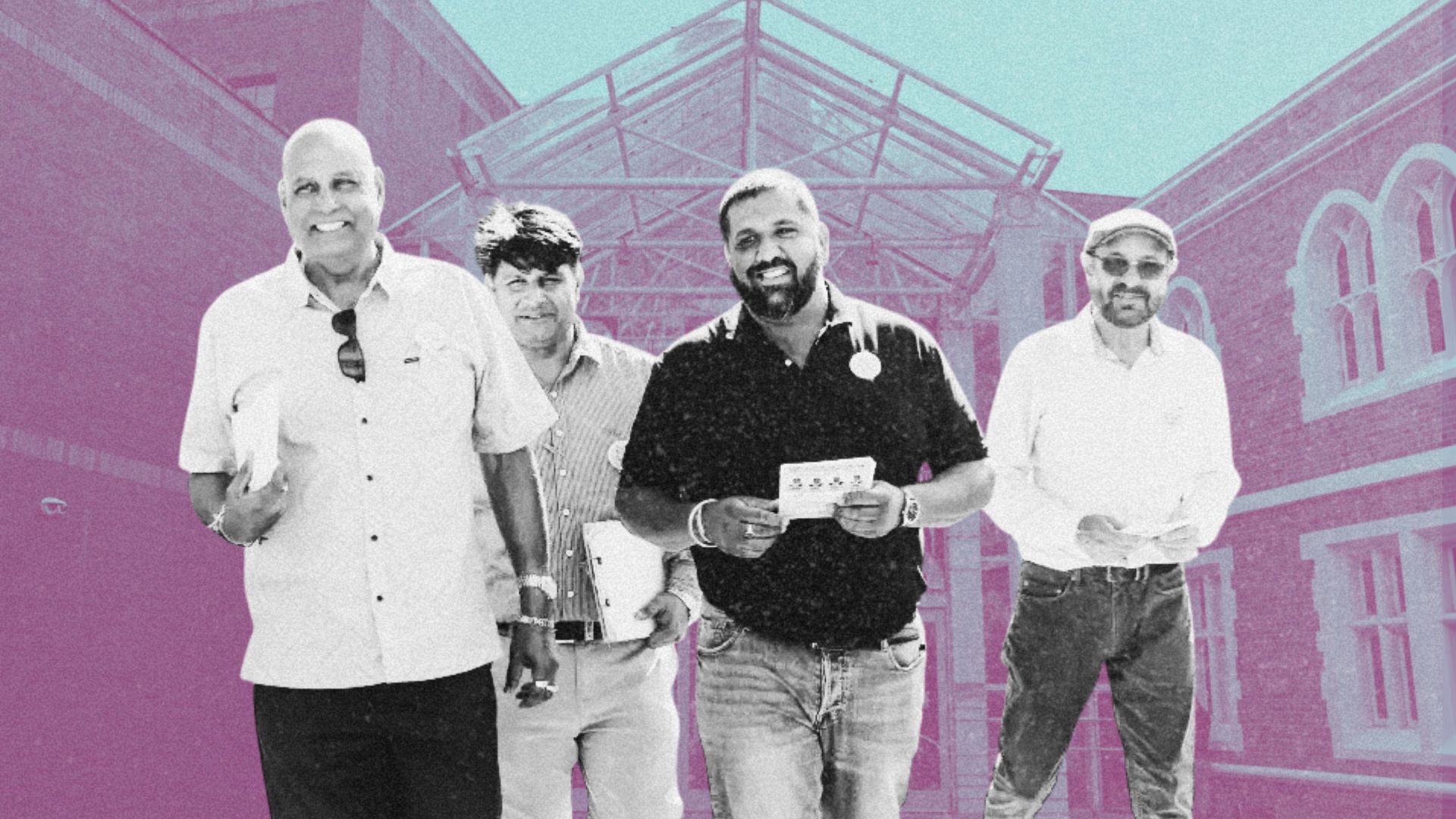
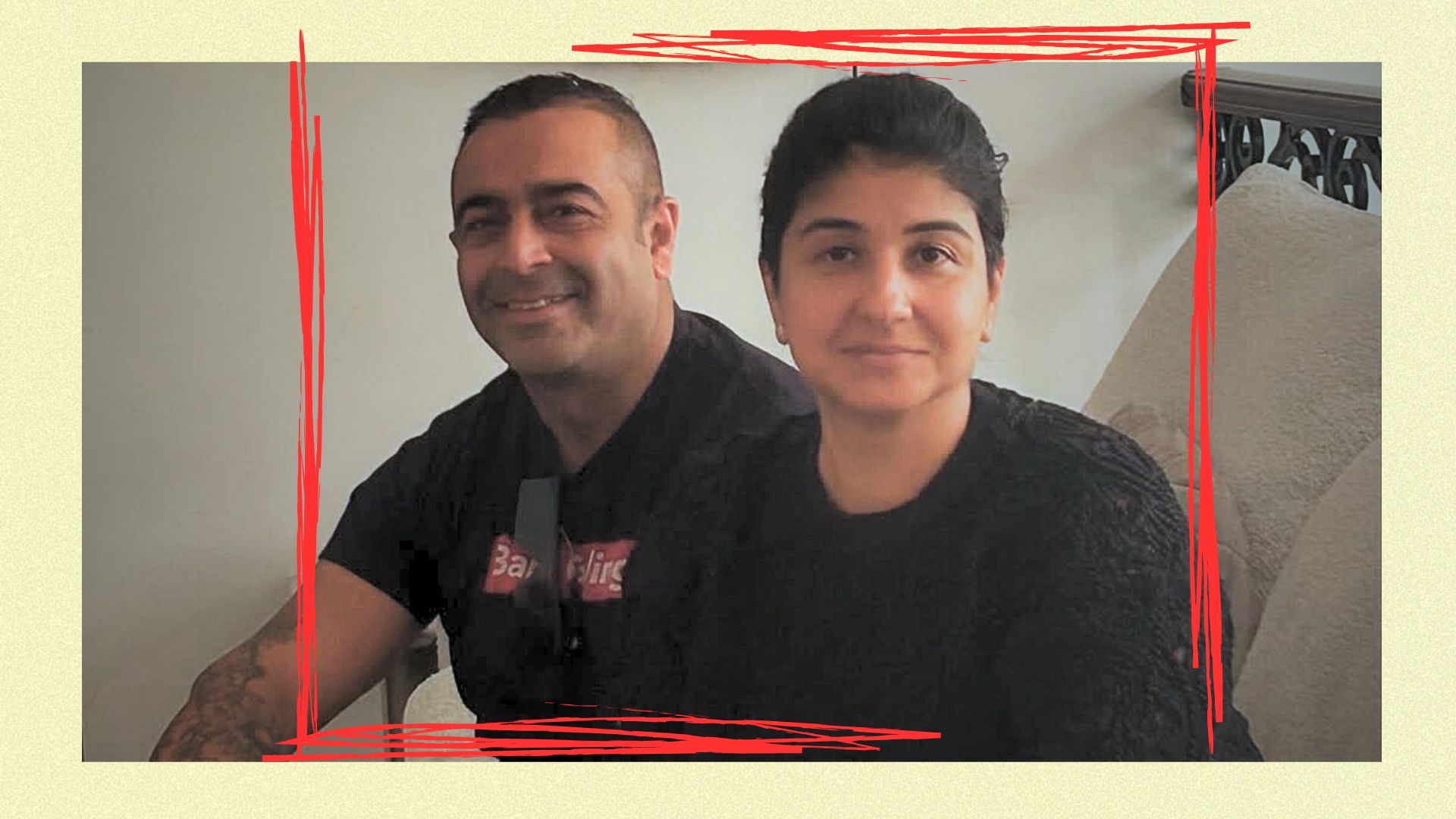
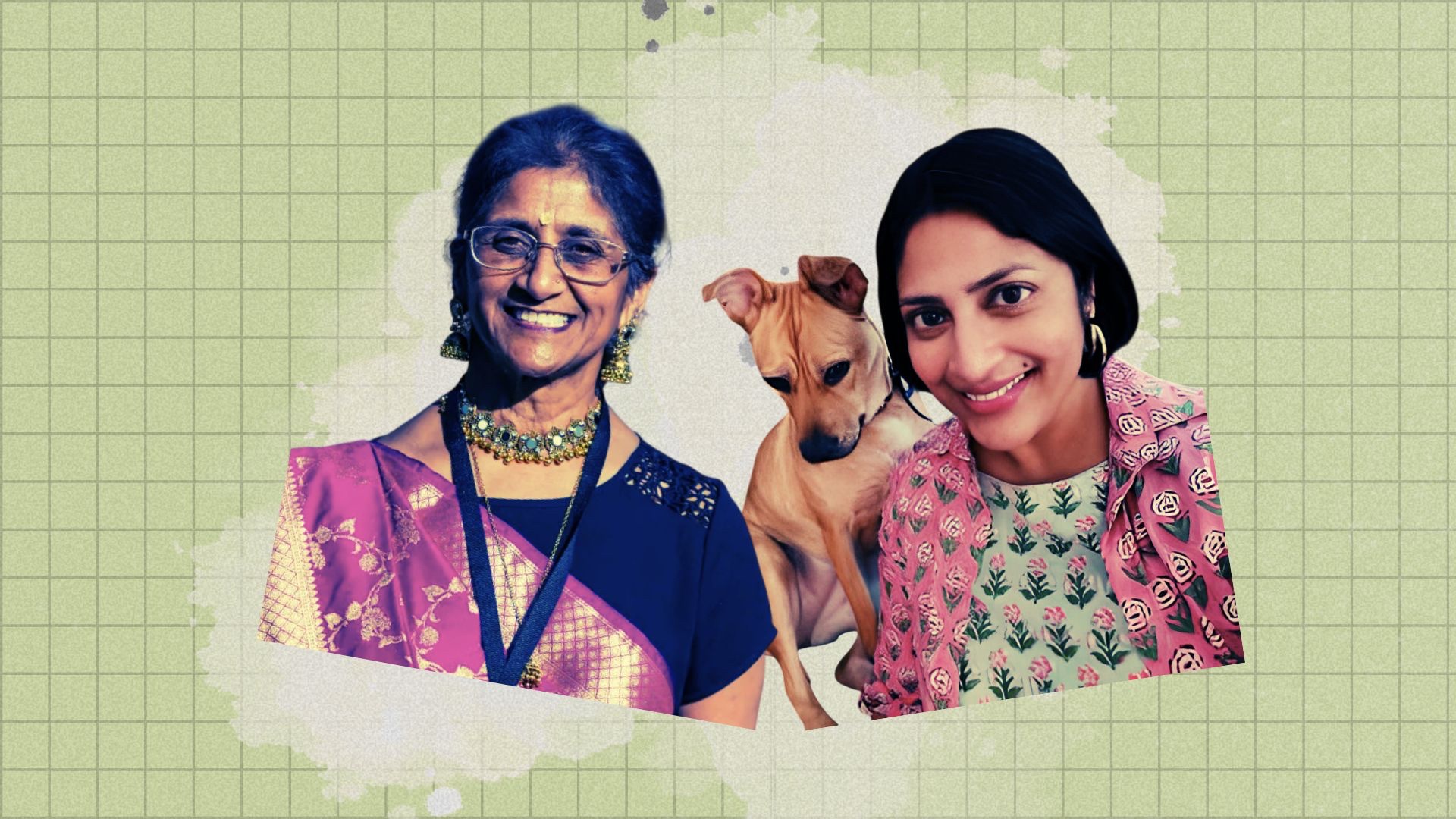
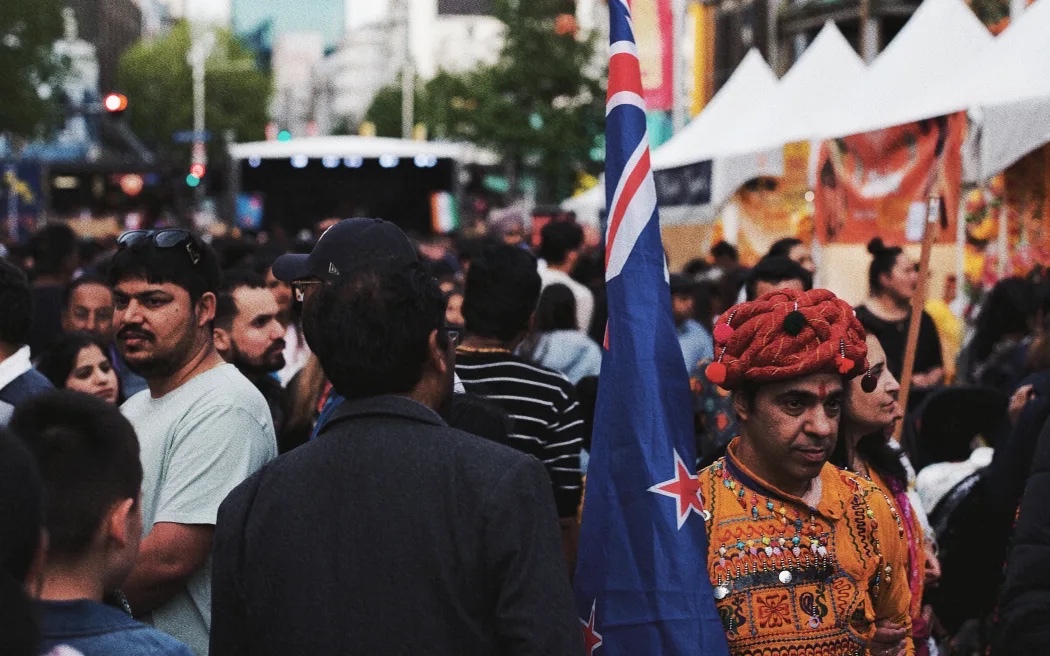
On April 27, Facebook user Renee-Rose Schwenke shared a photo of herself in Auckland with two Kiwi-Indians in the background. It was captioned: “Welcome to New India thanks to Luxsingh”.
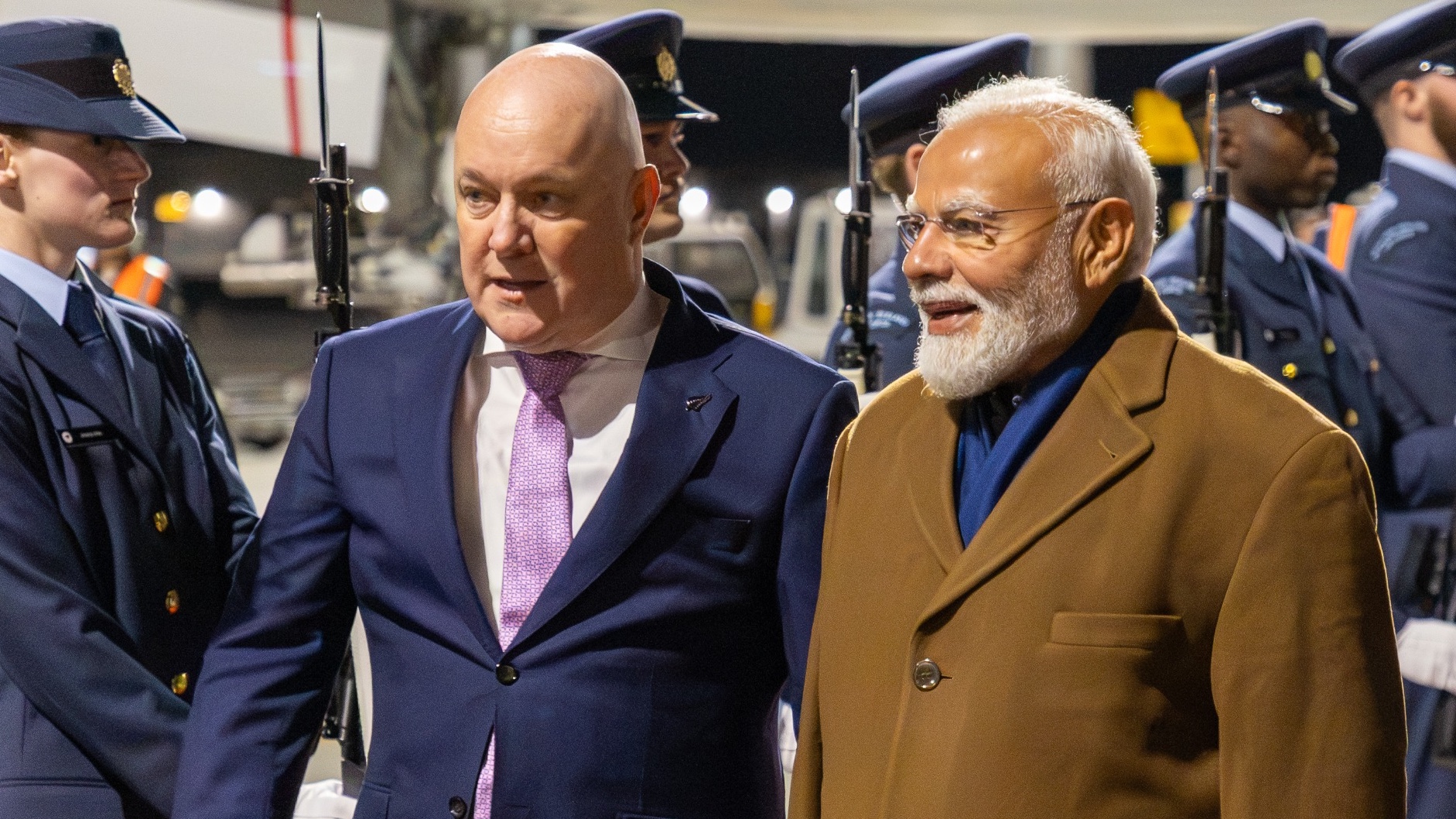
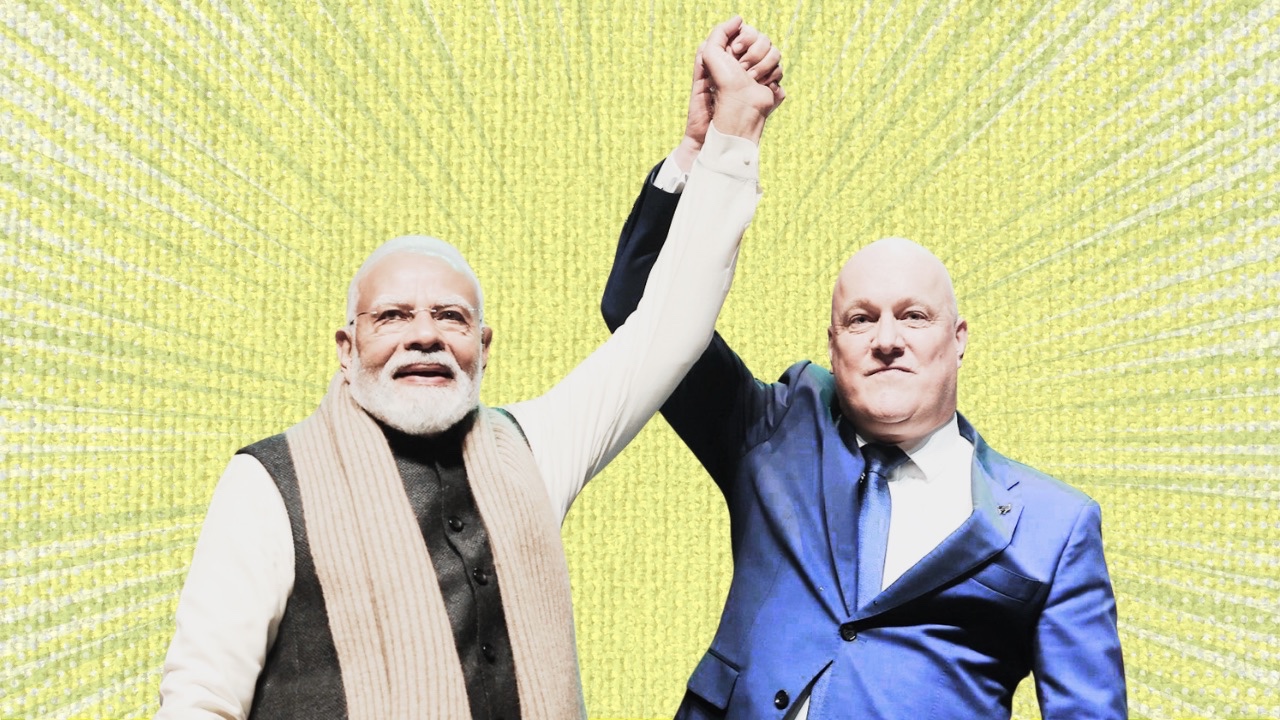
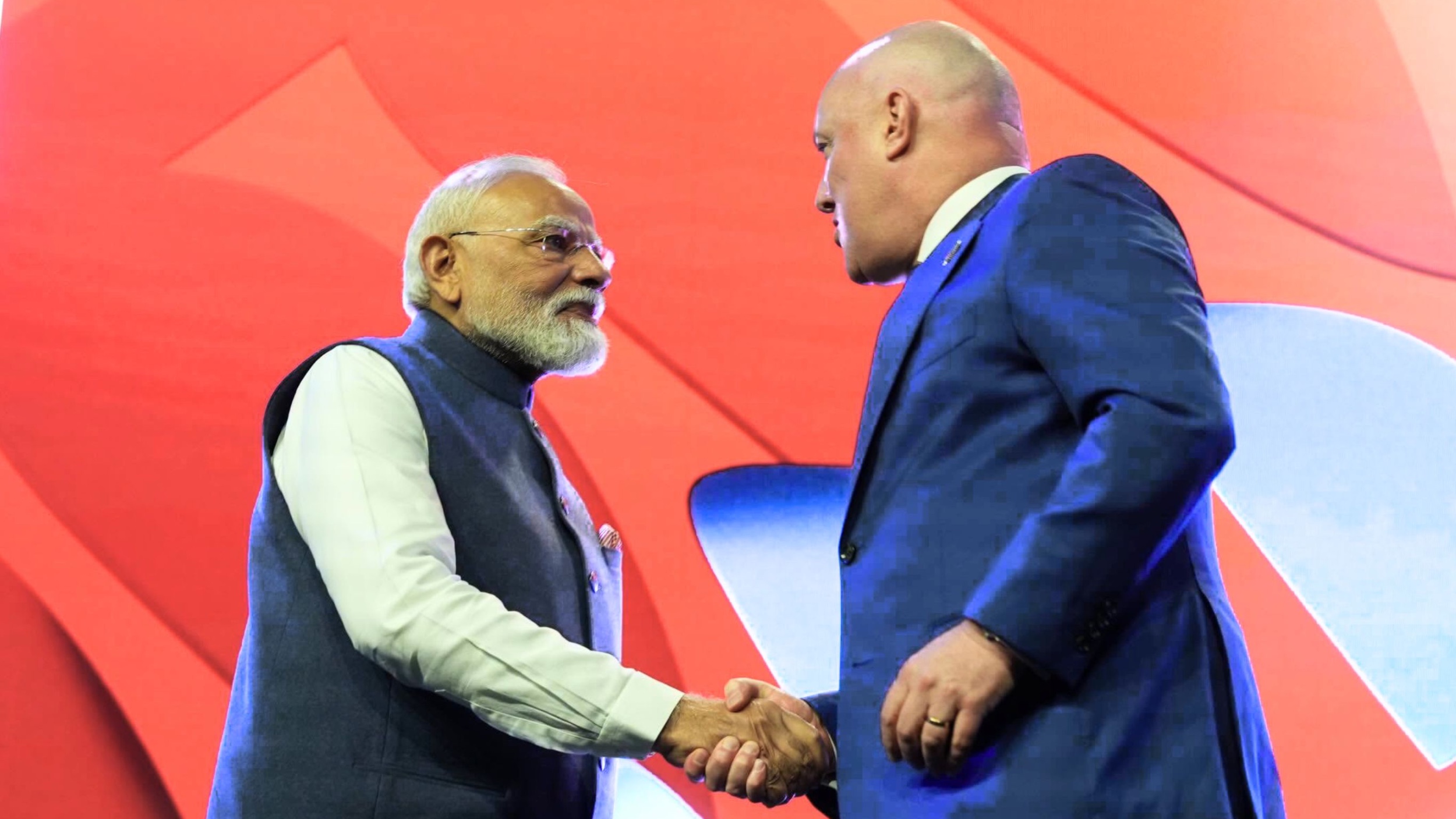
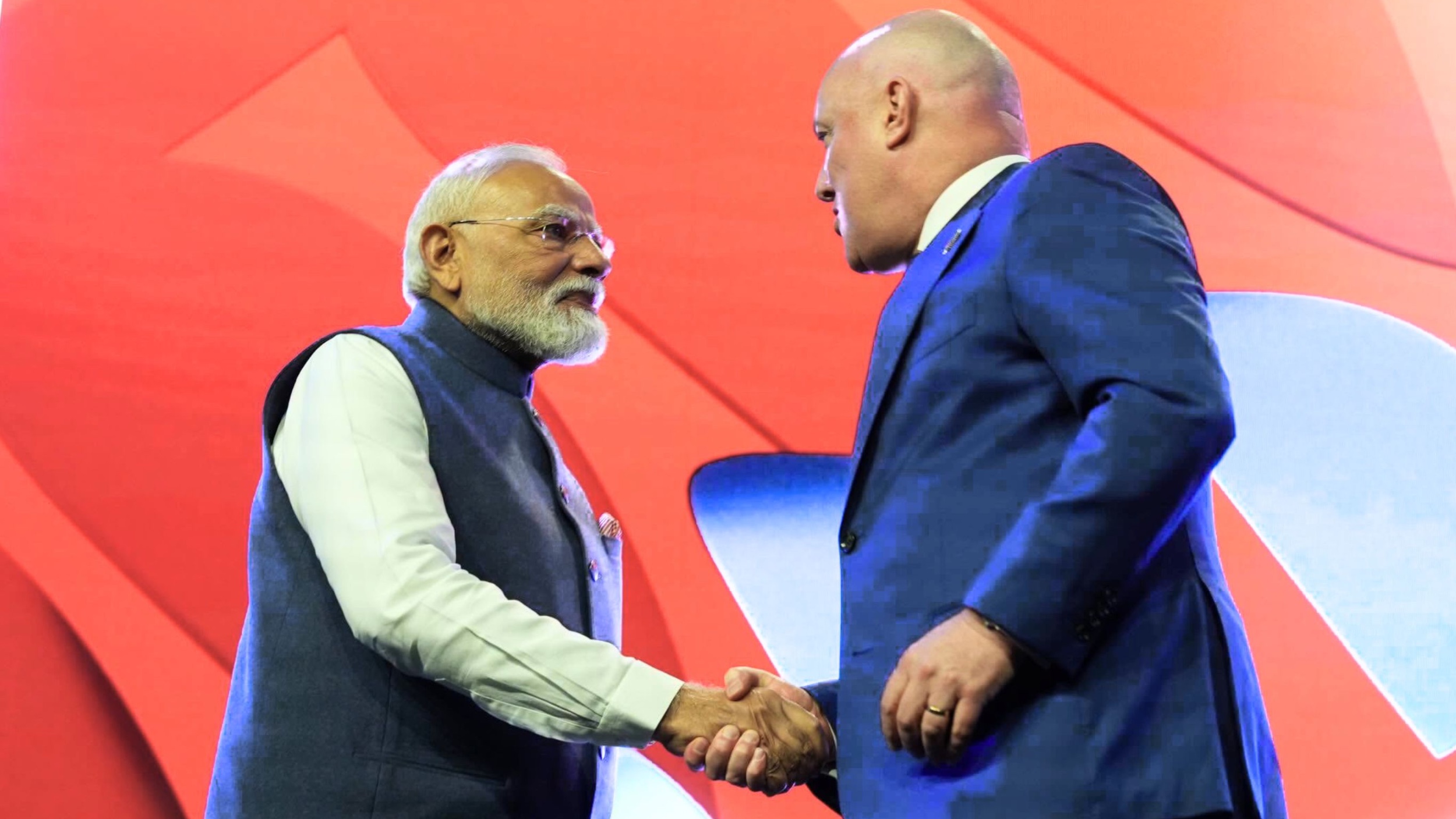
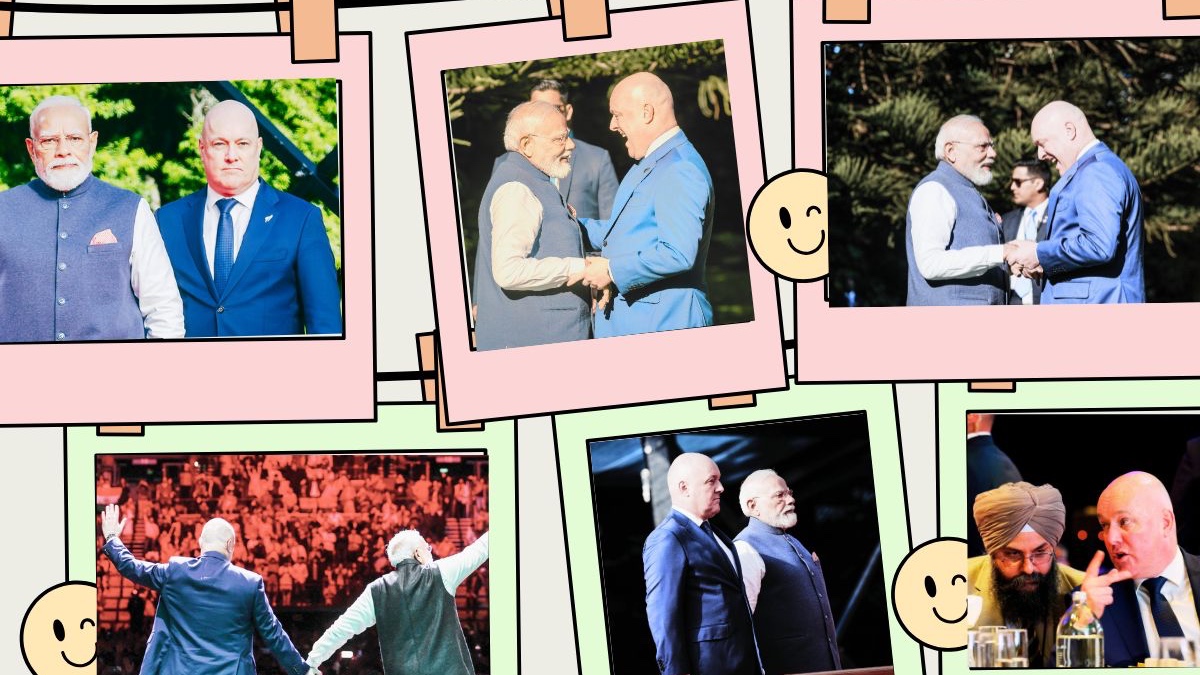
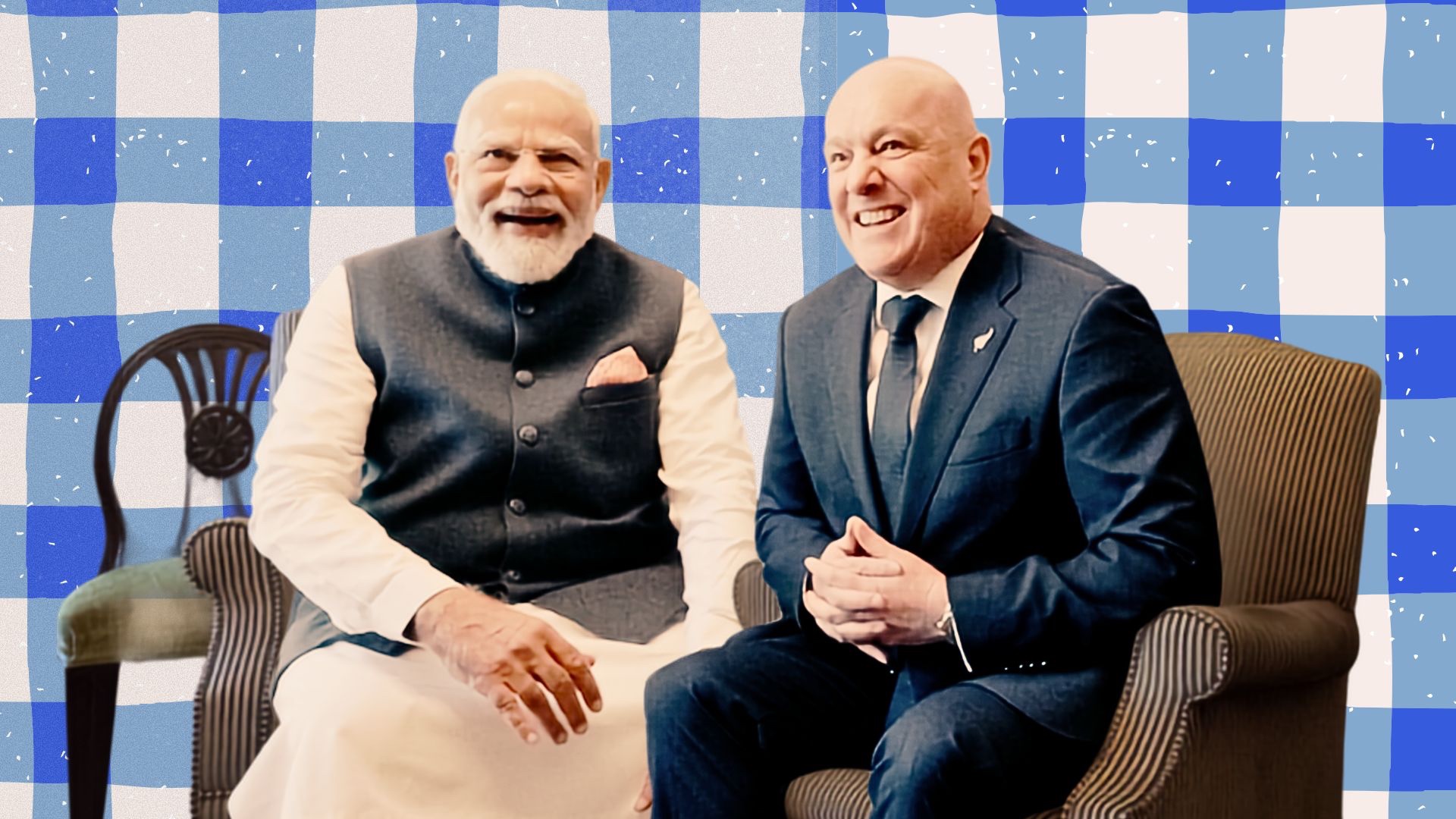
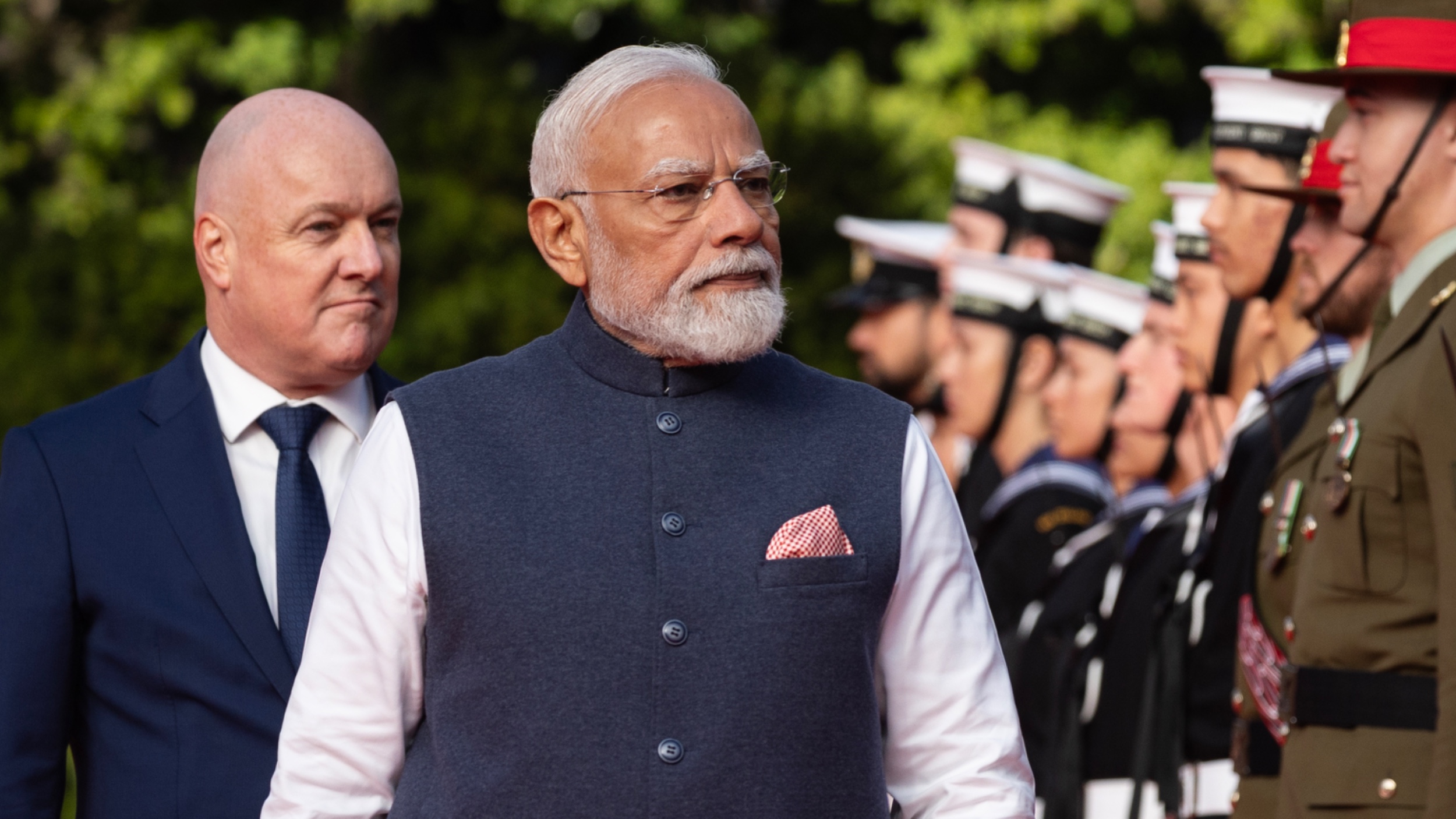
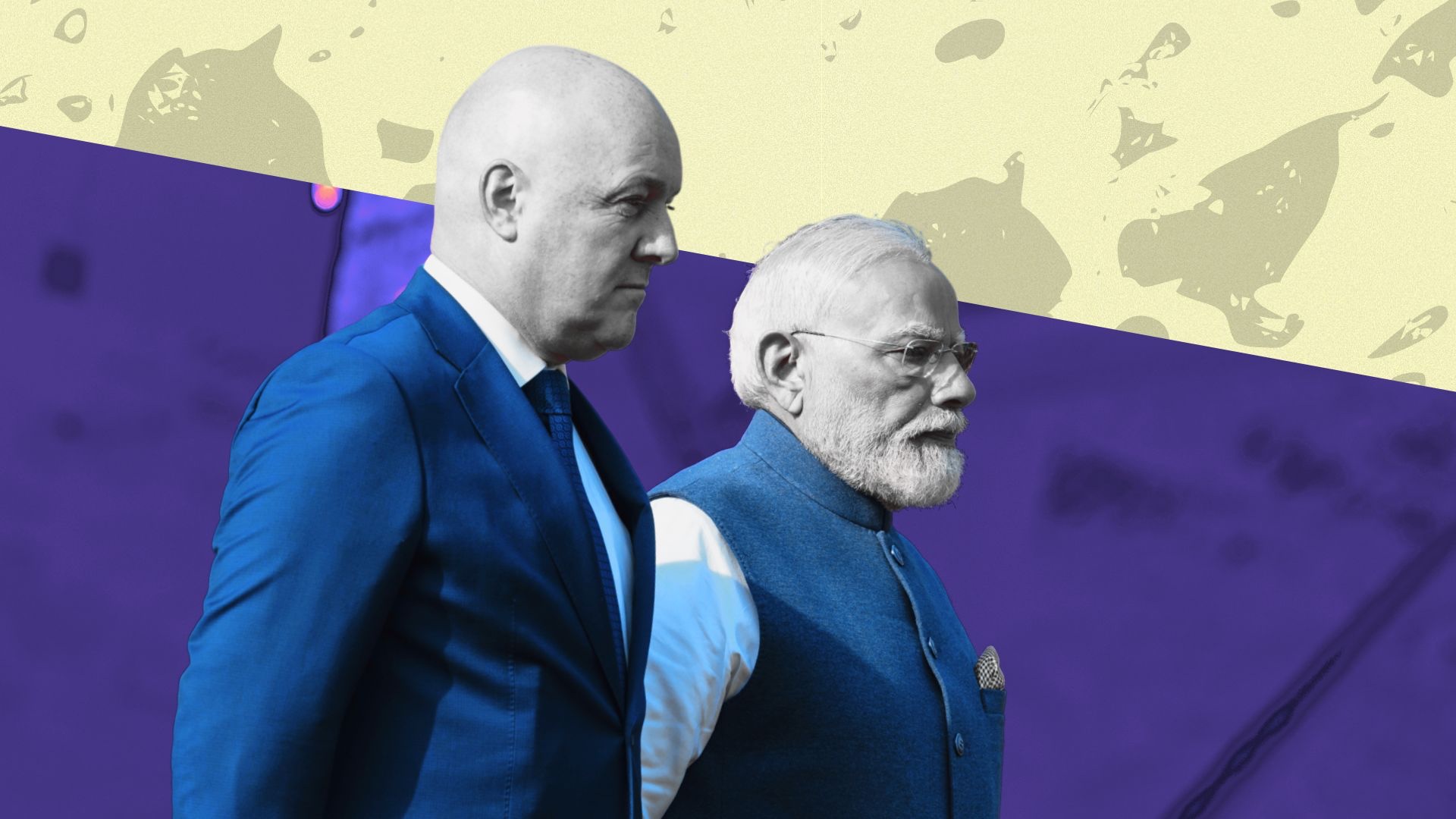
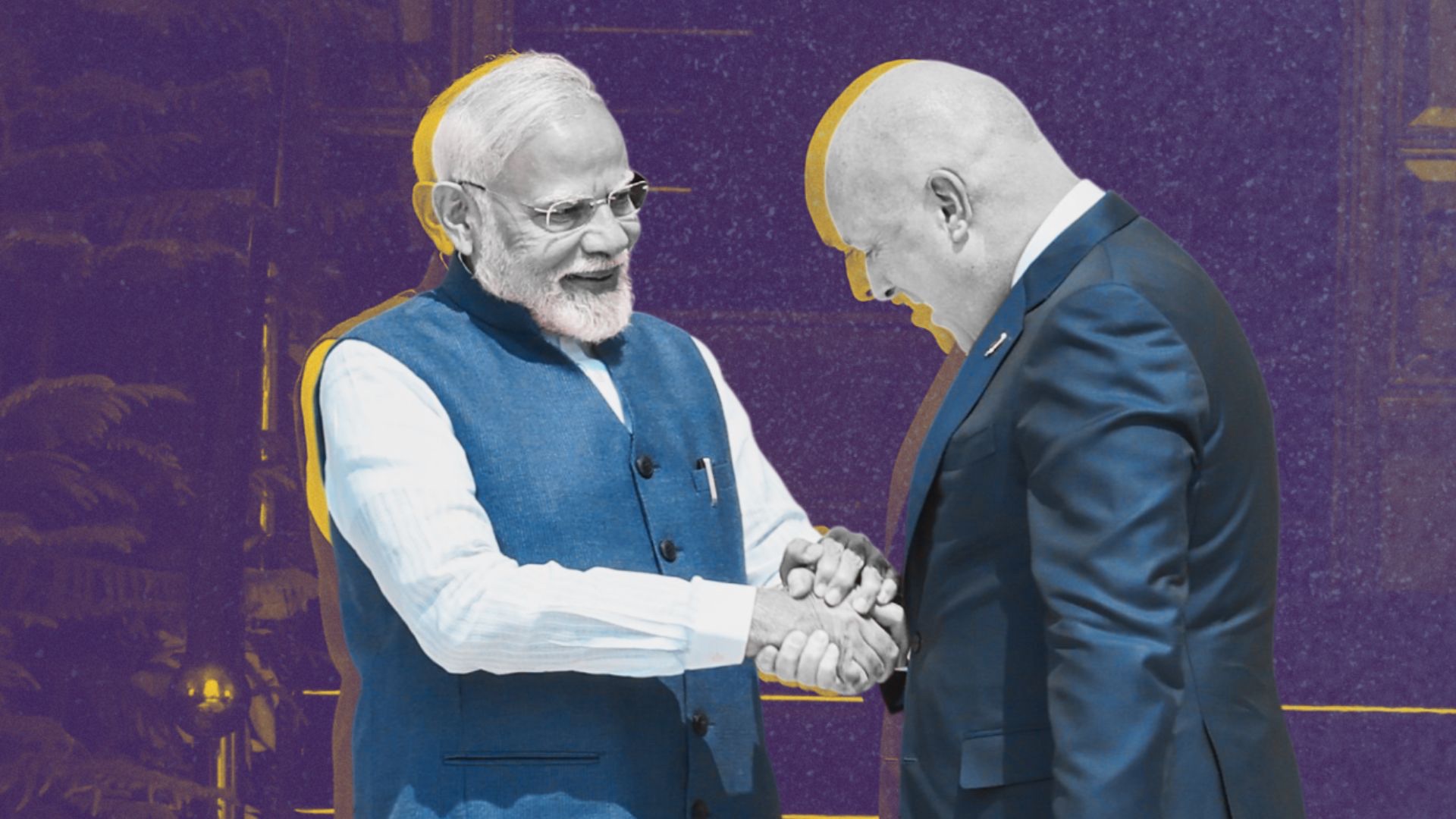
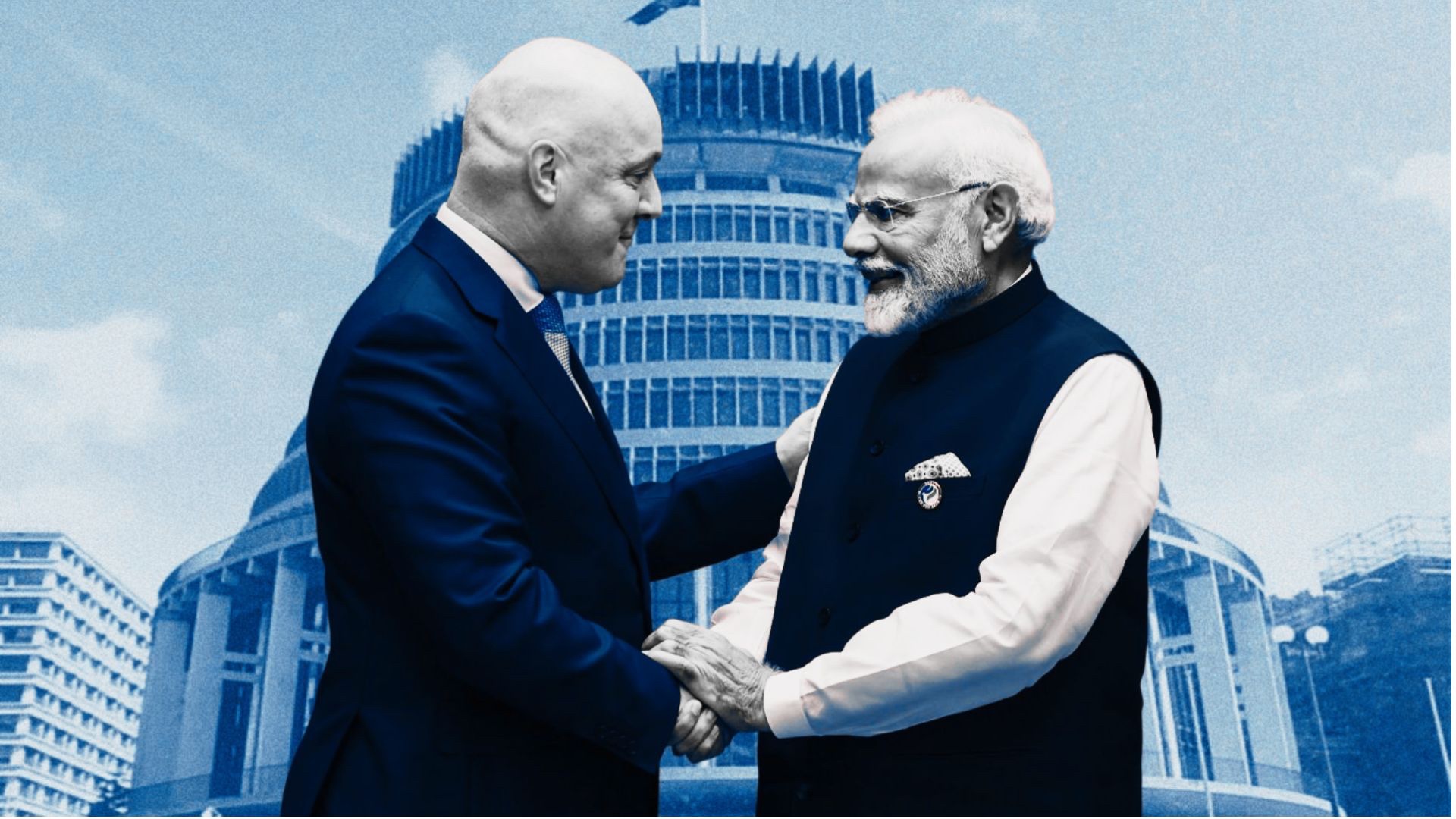
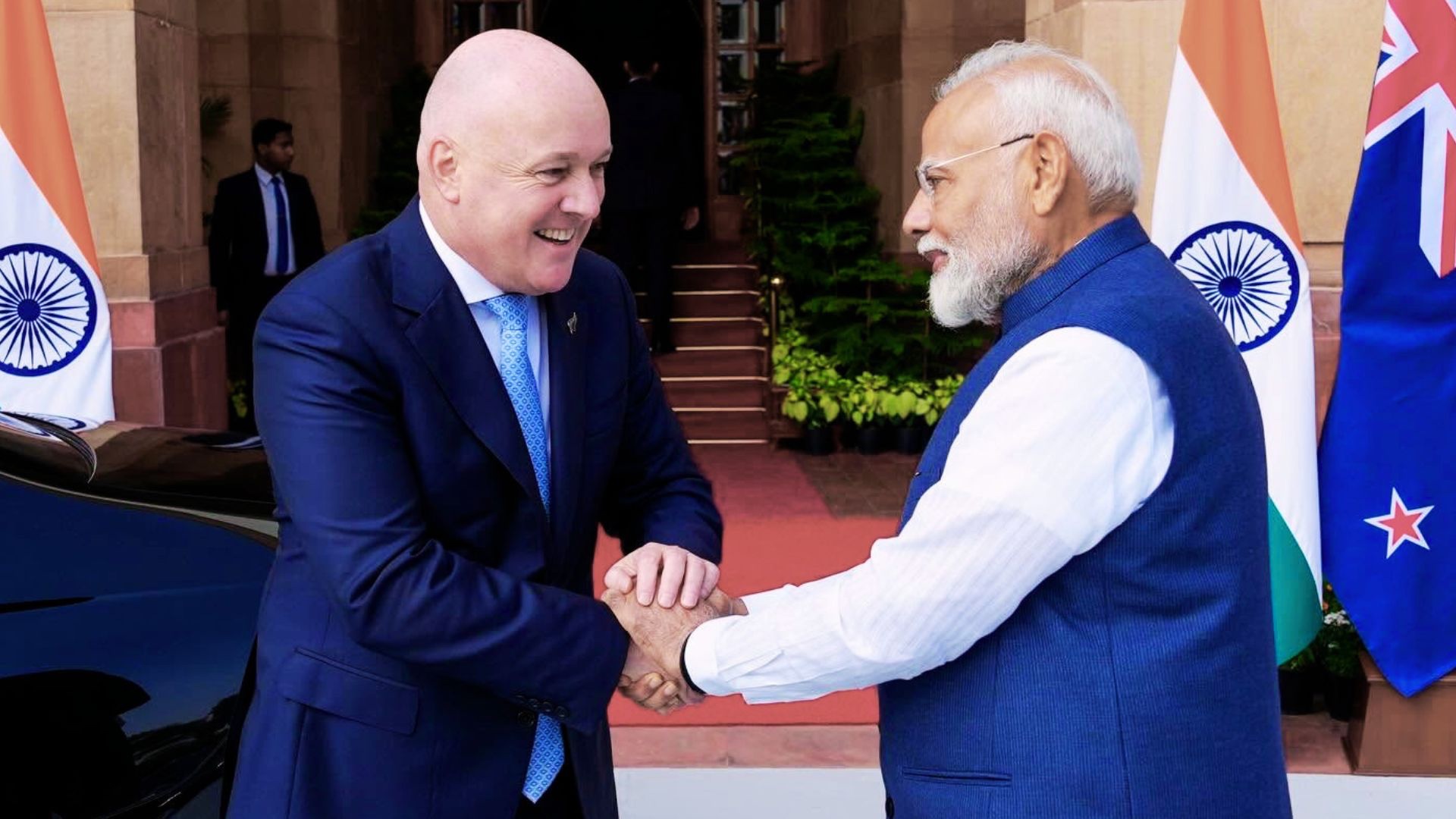
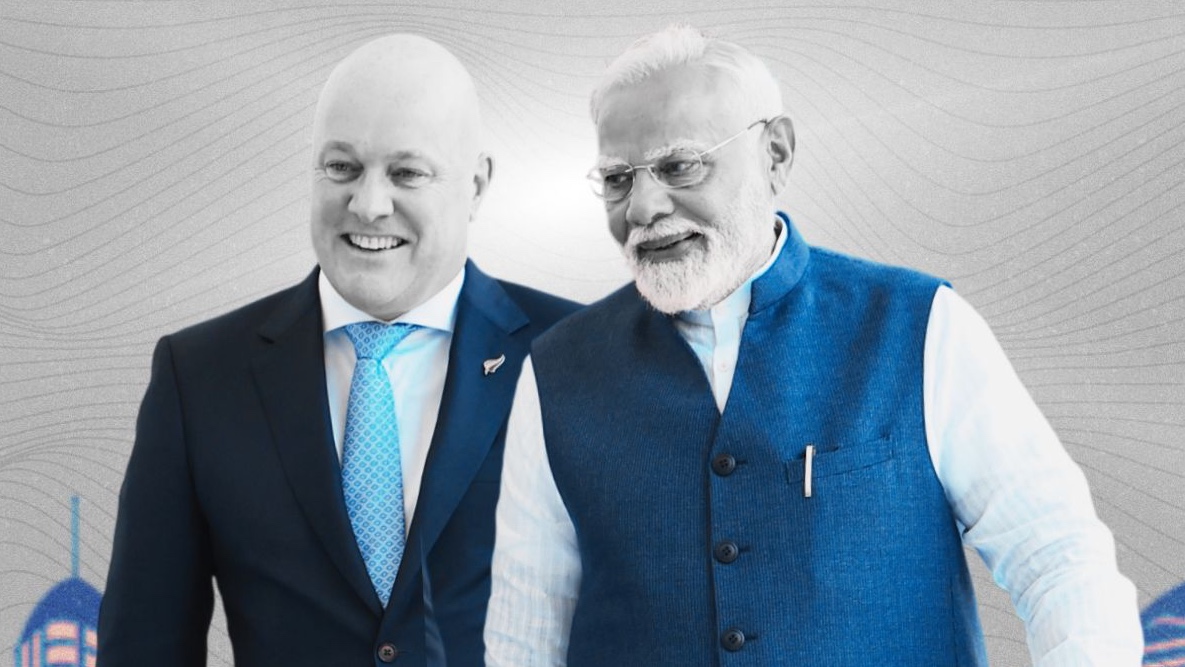
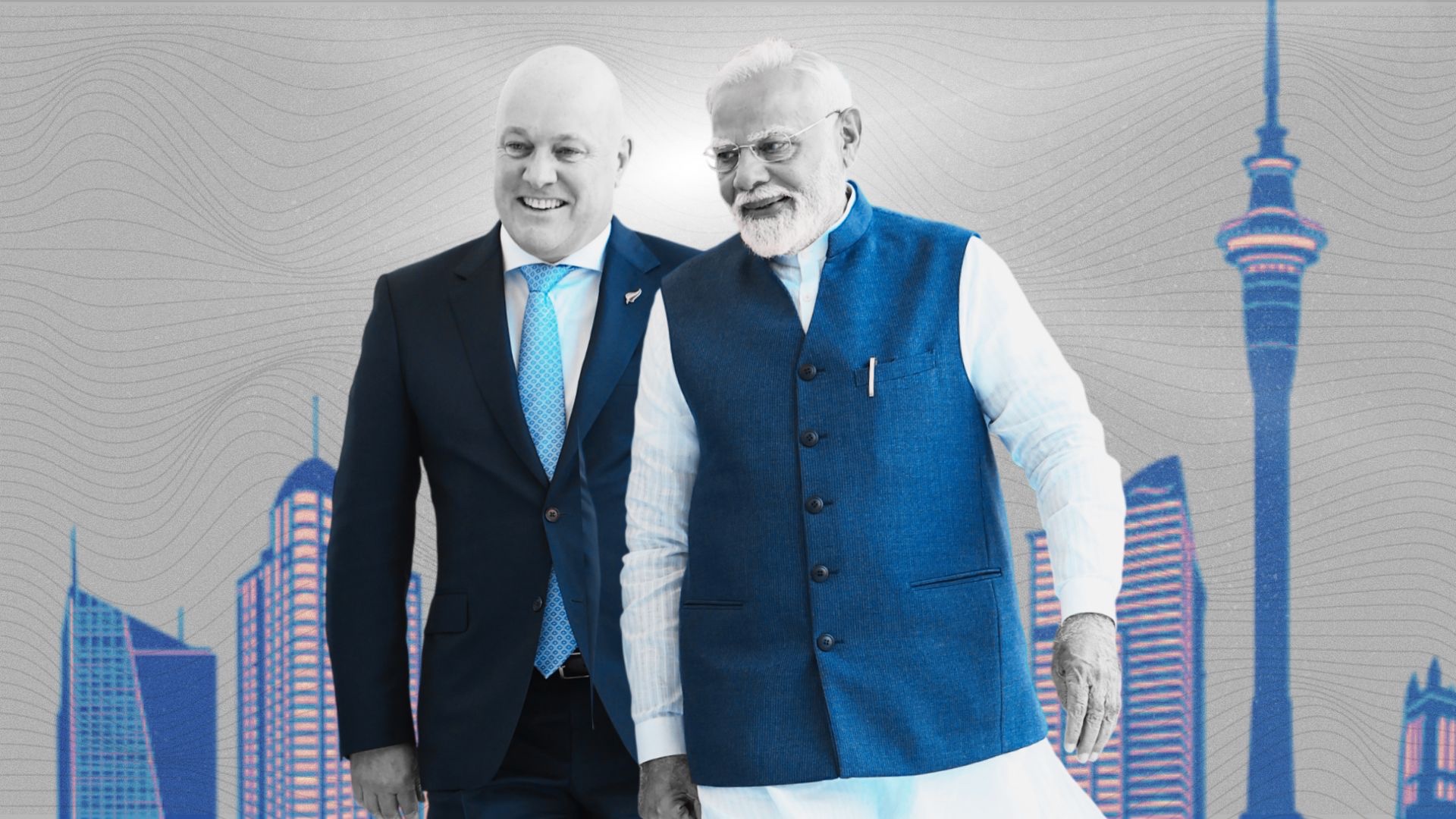
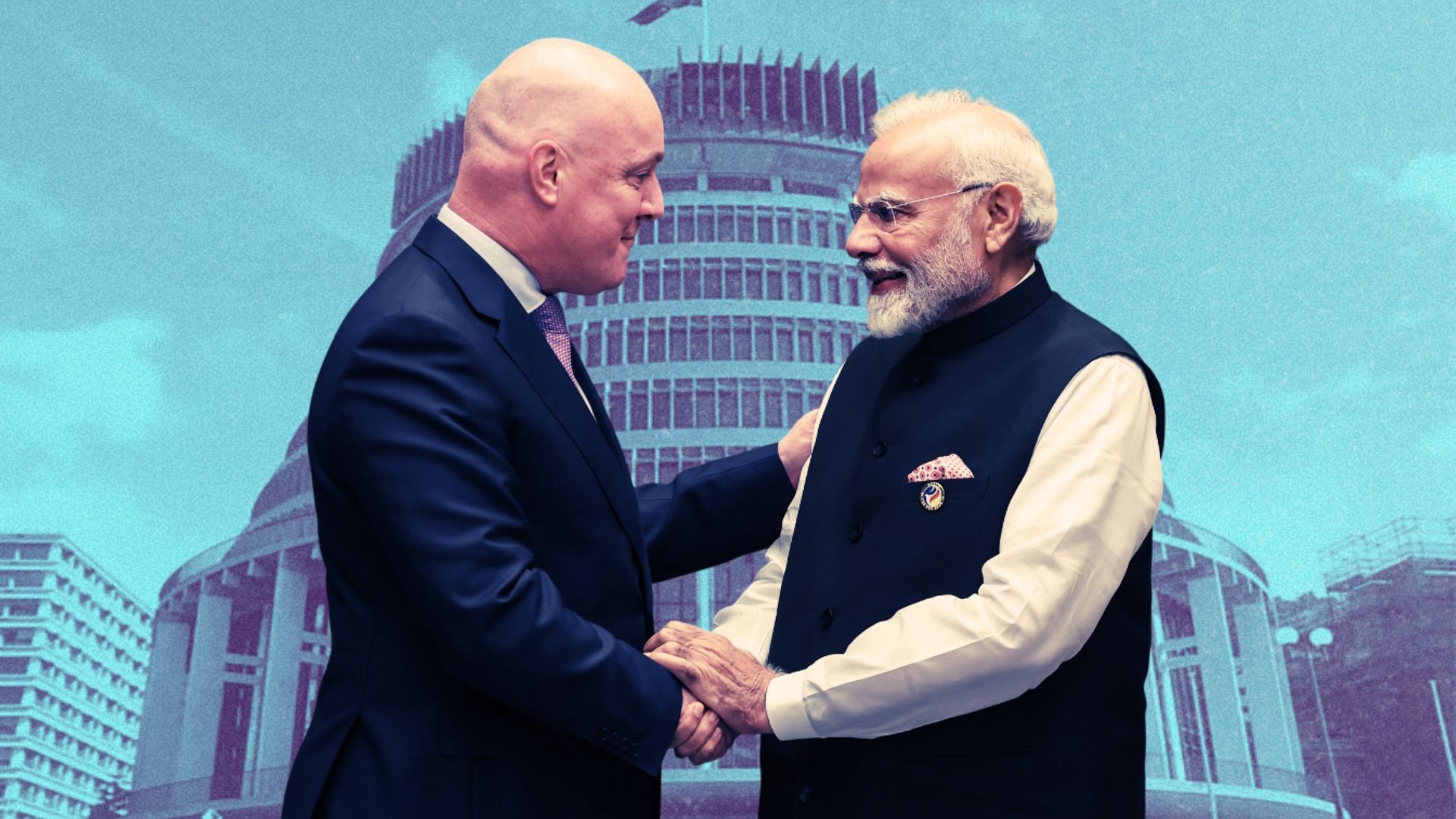
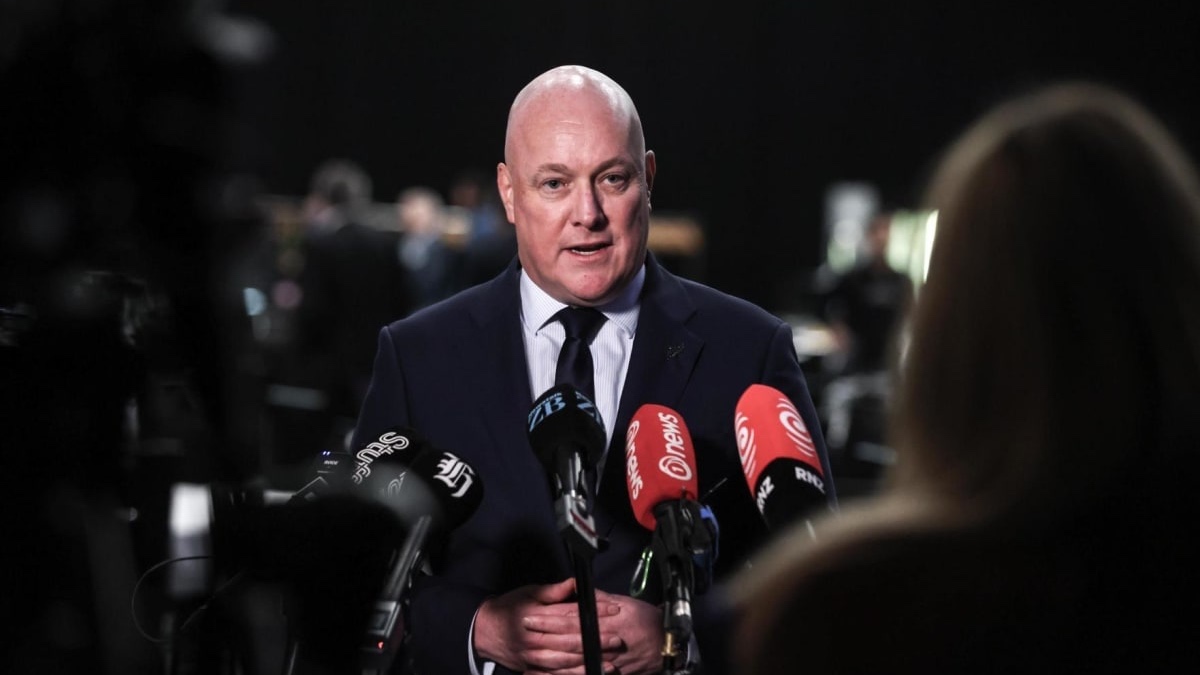
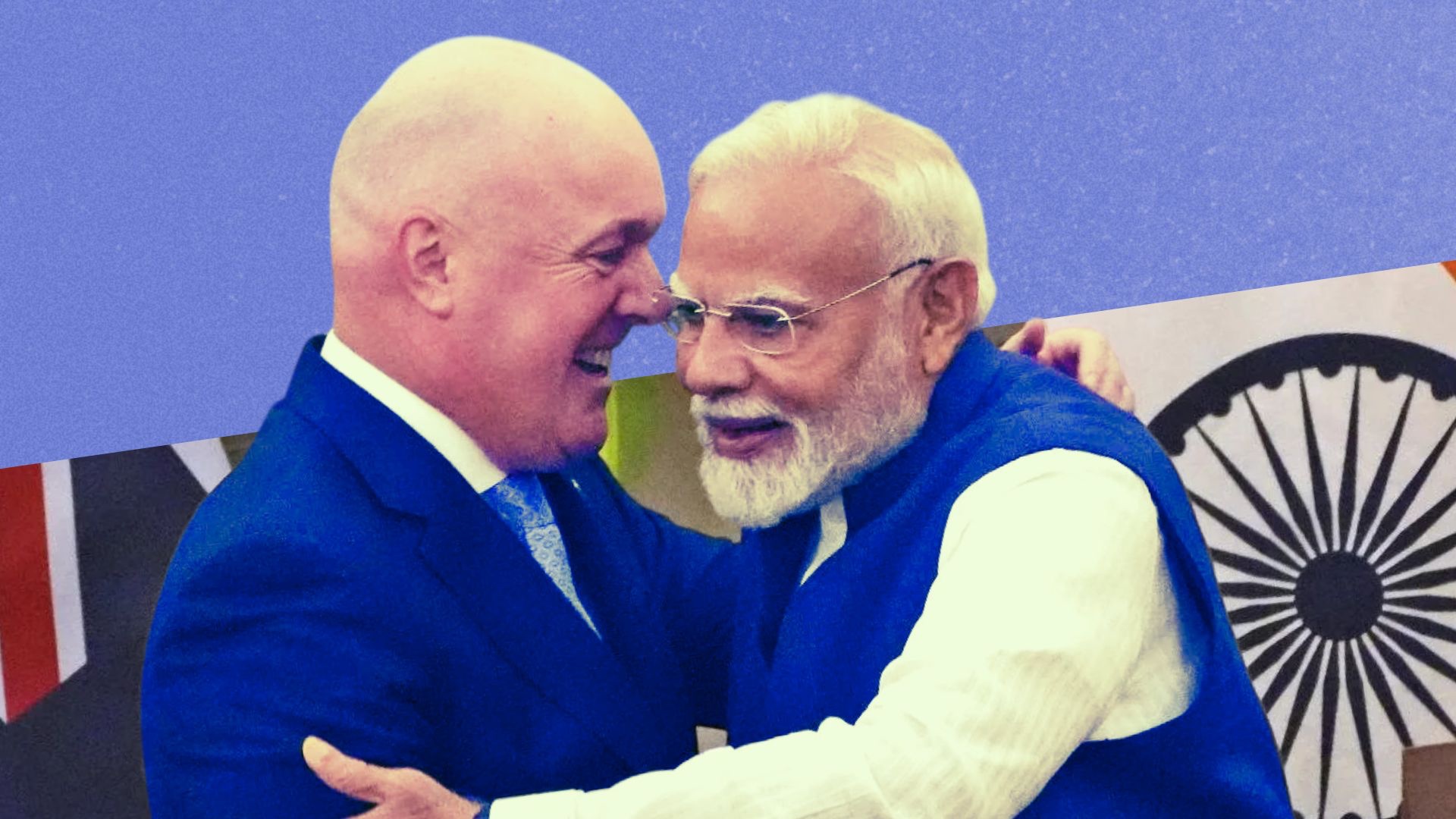
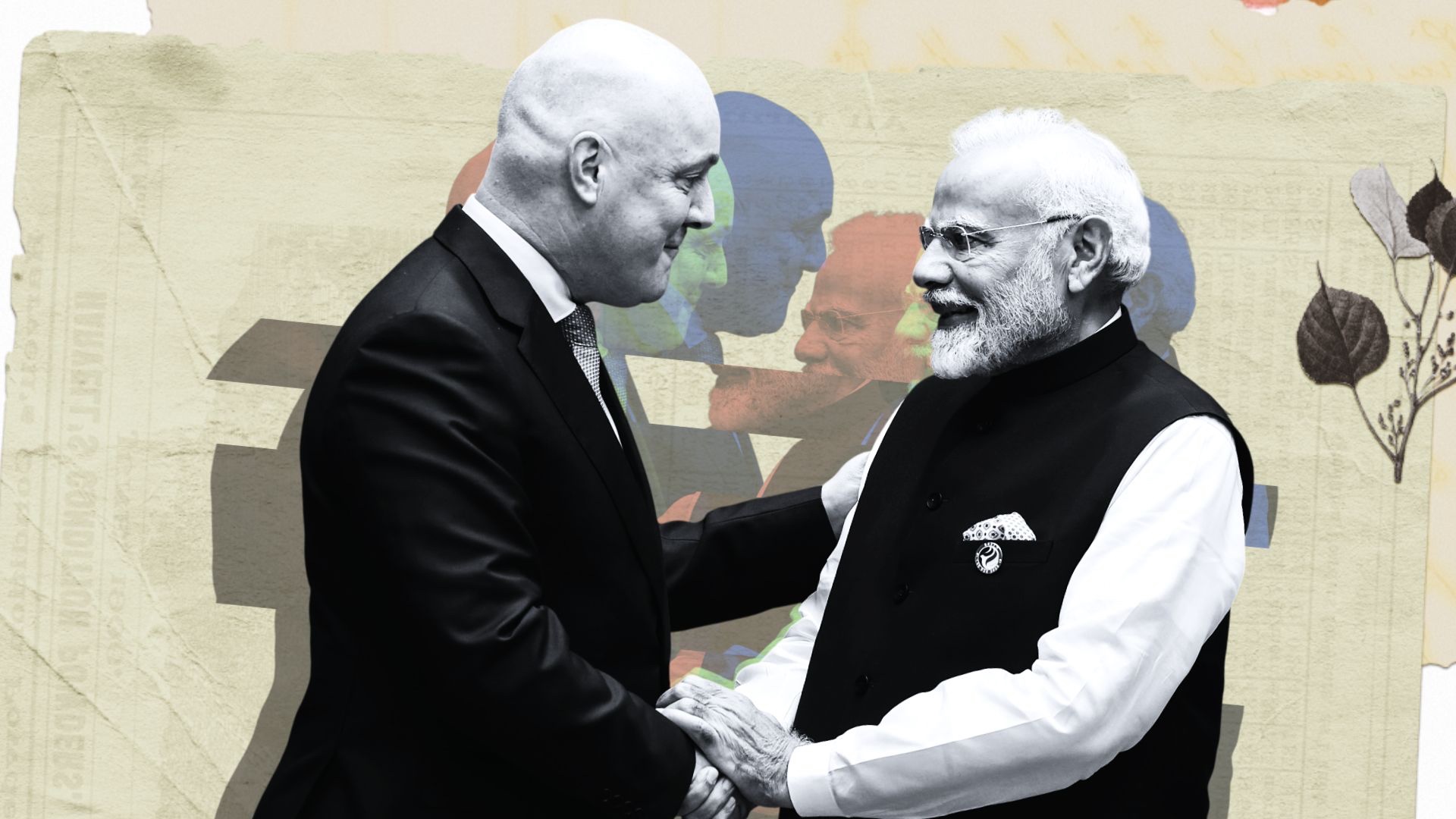
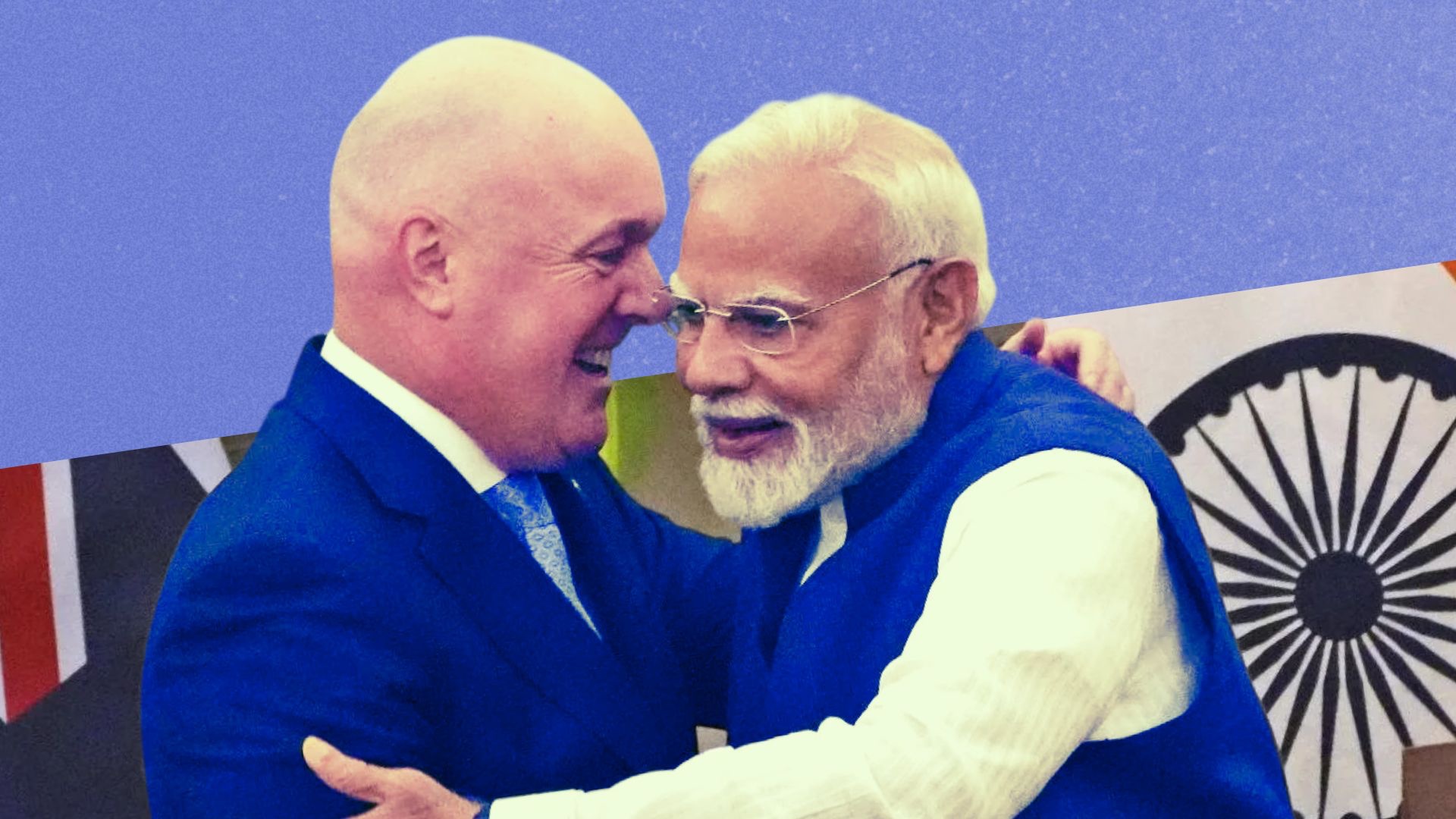
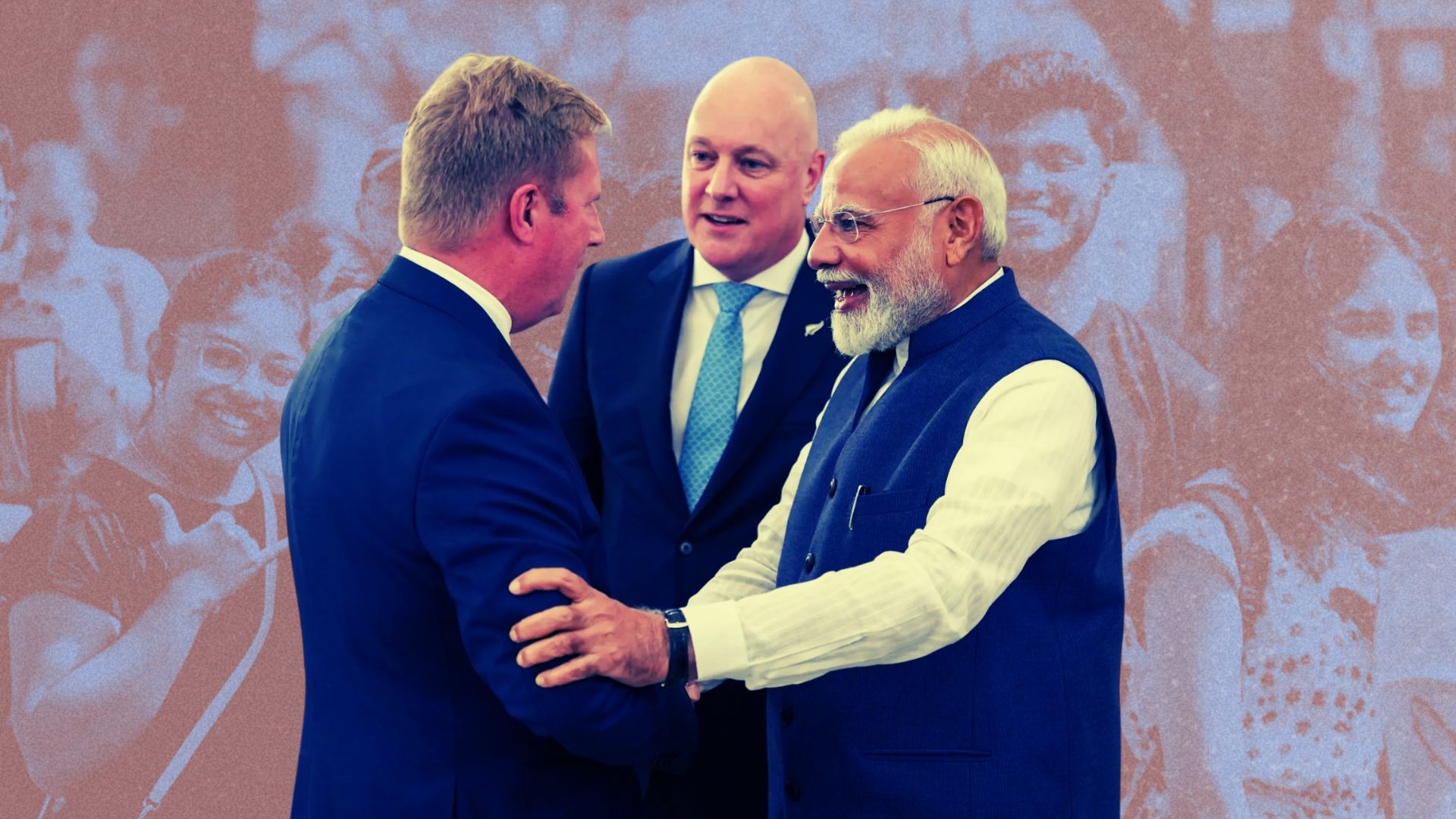
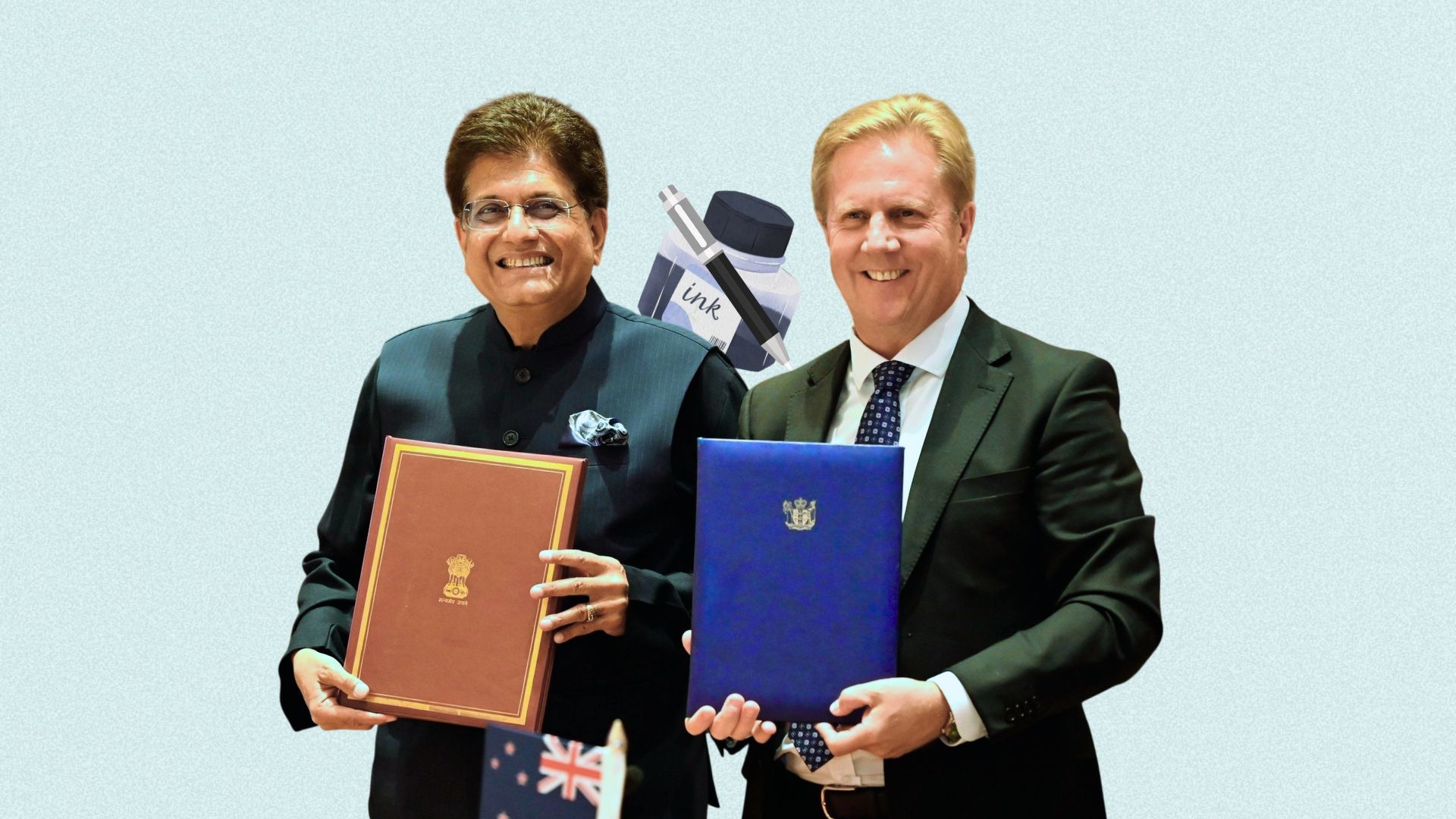
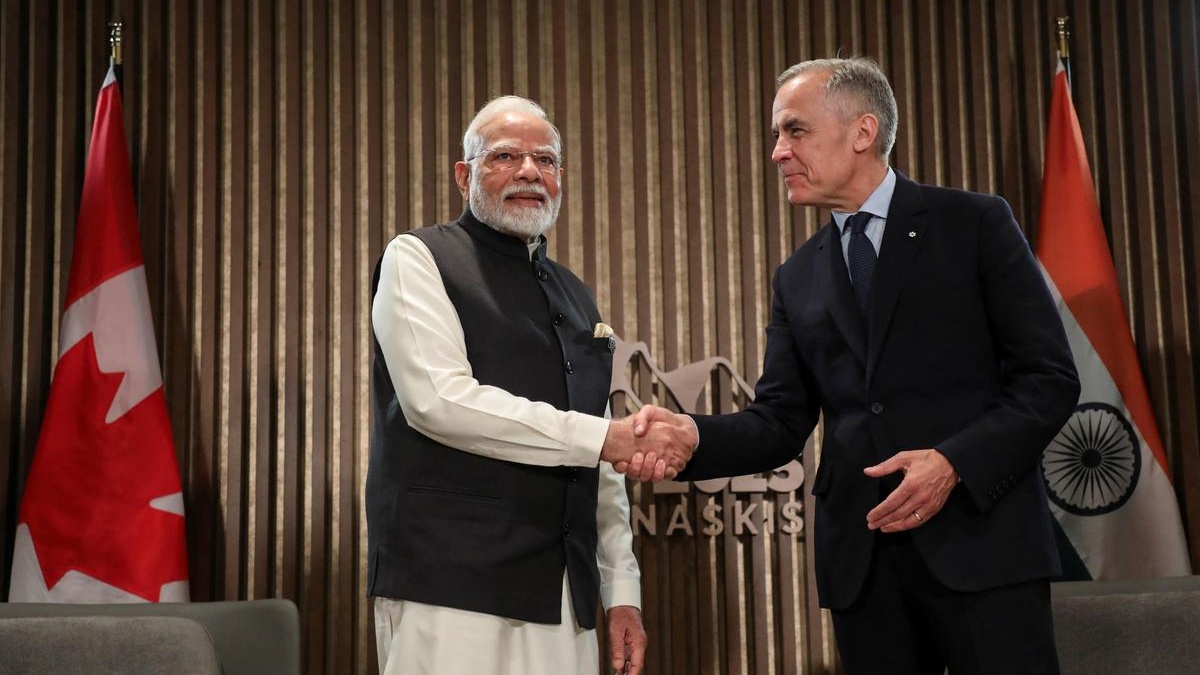
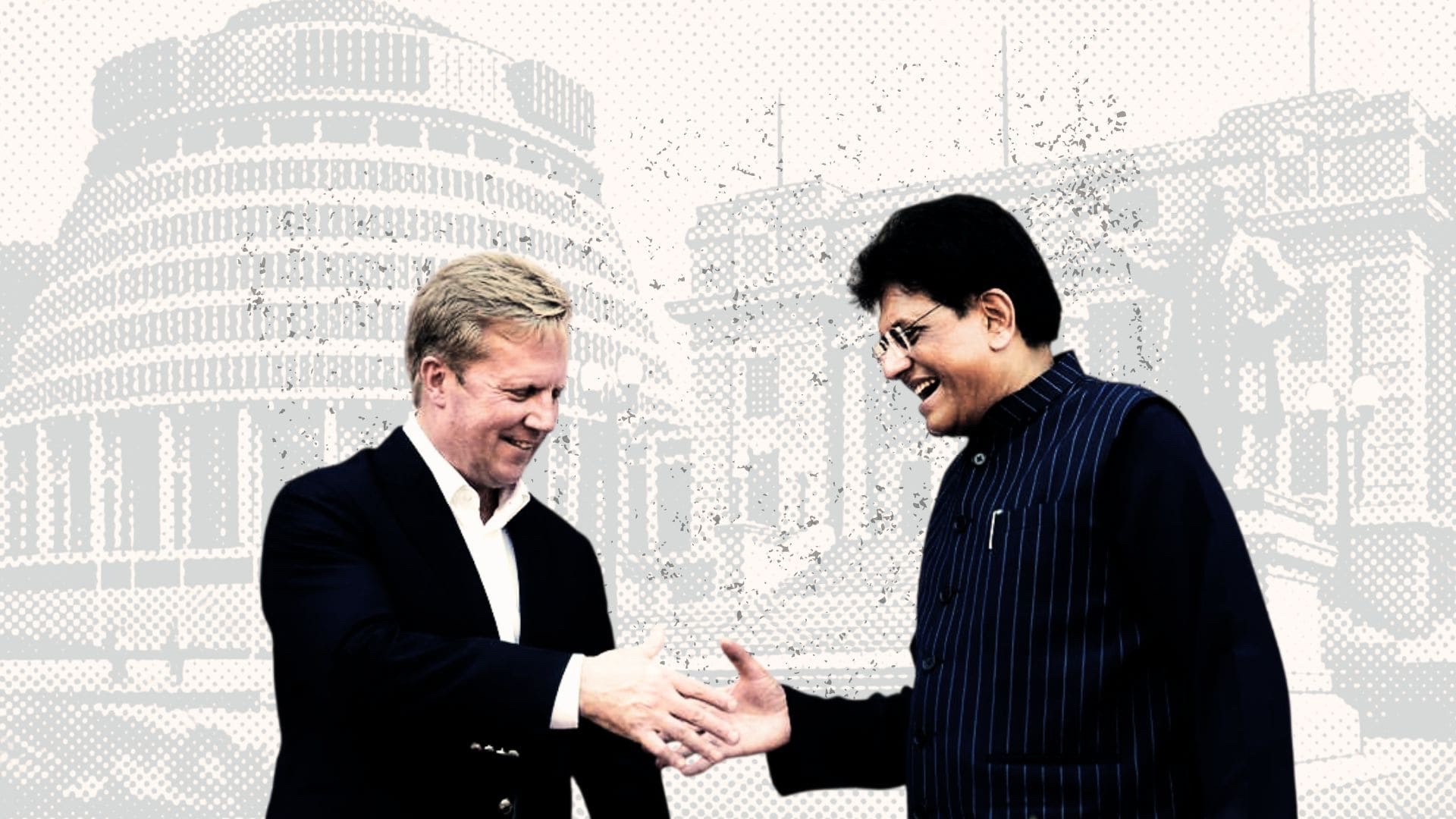
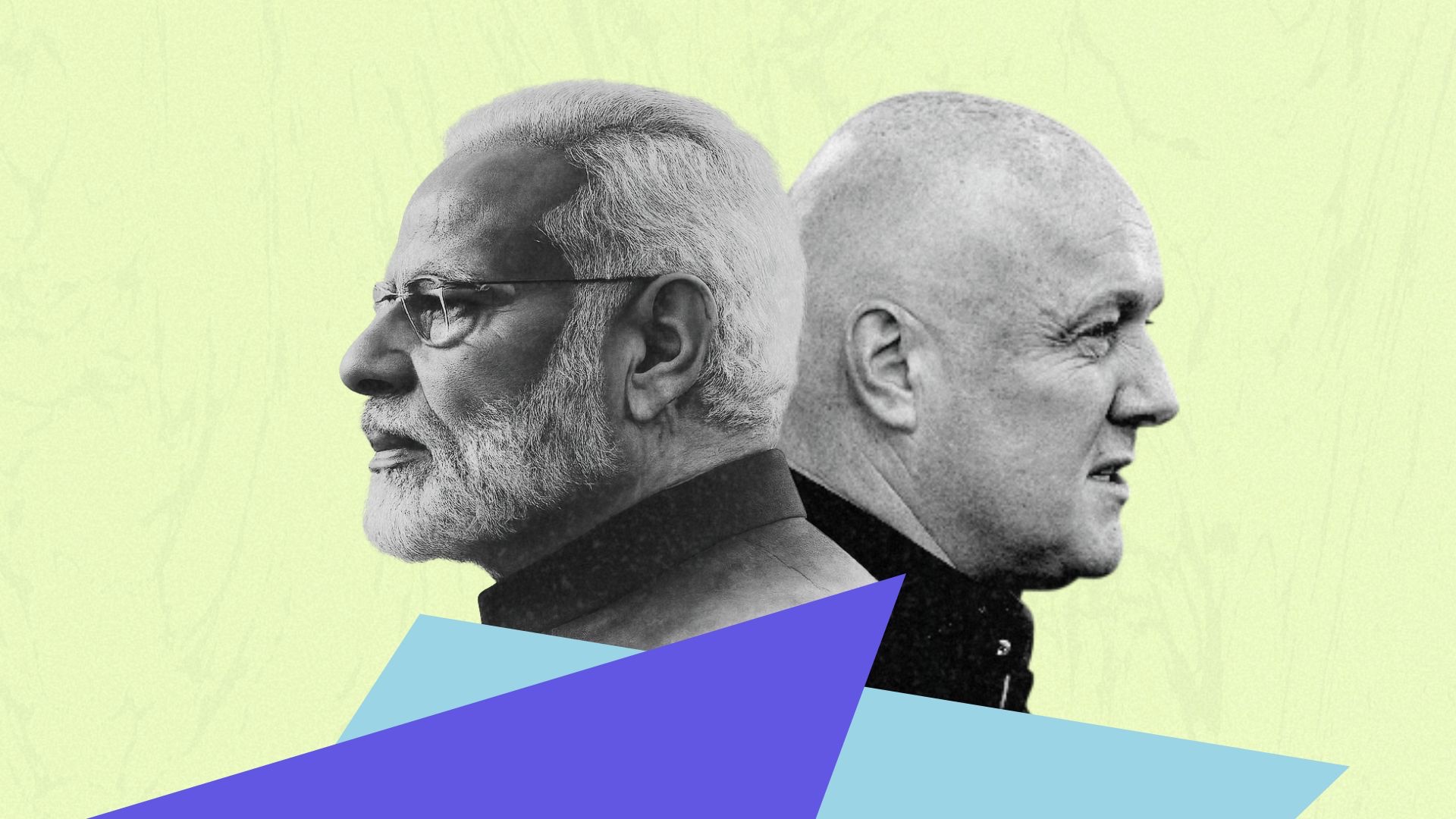
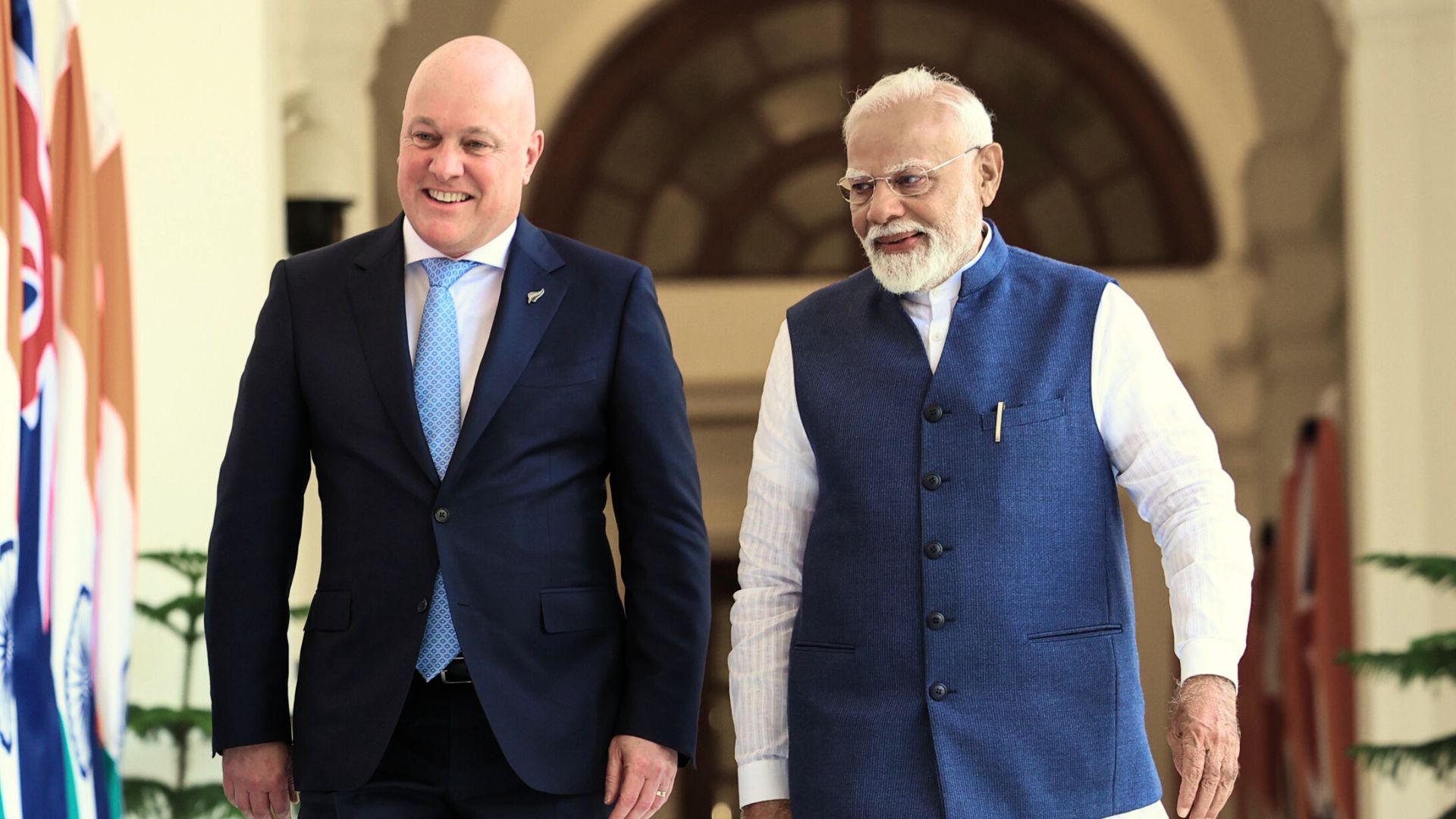
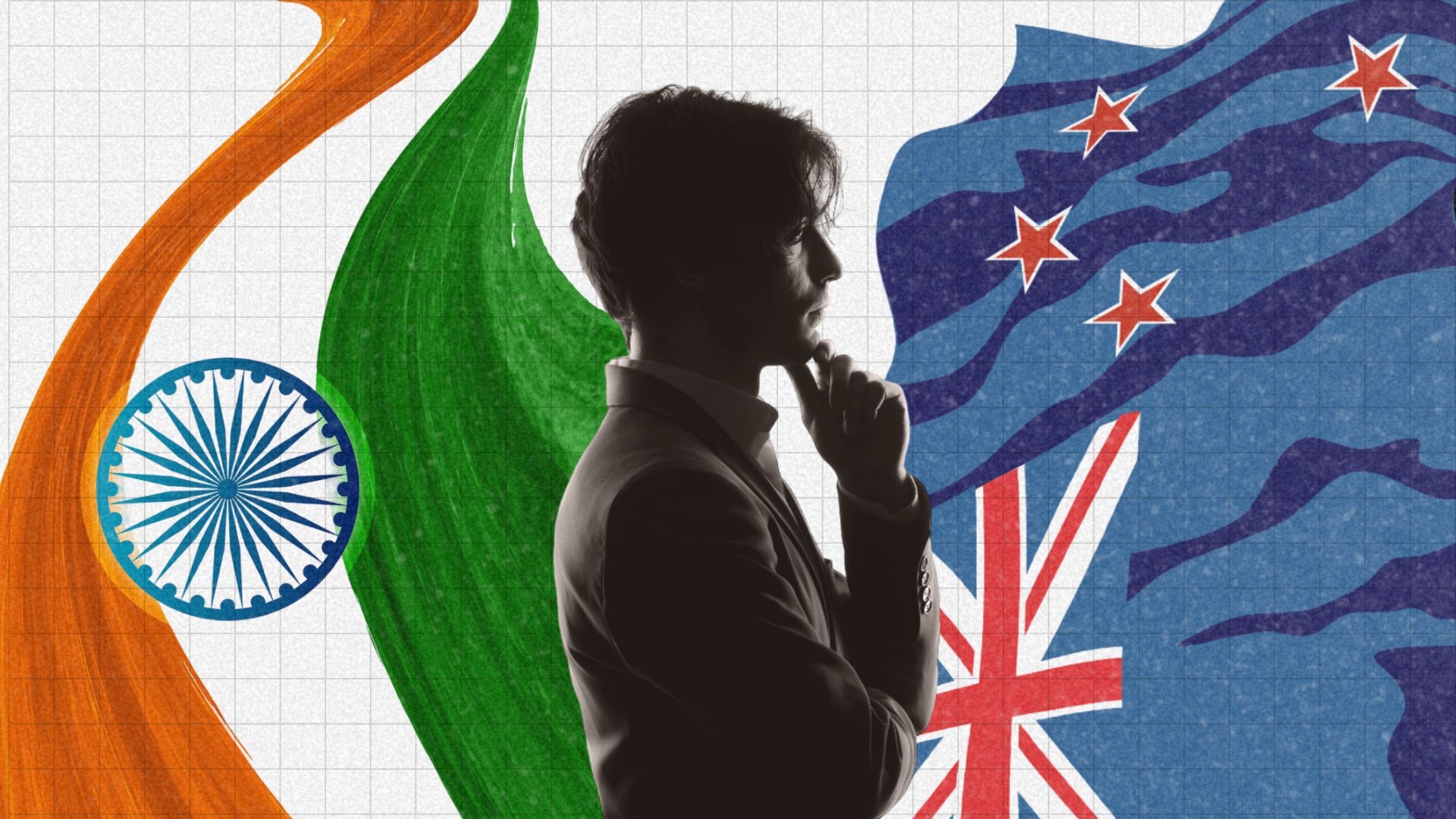
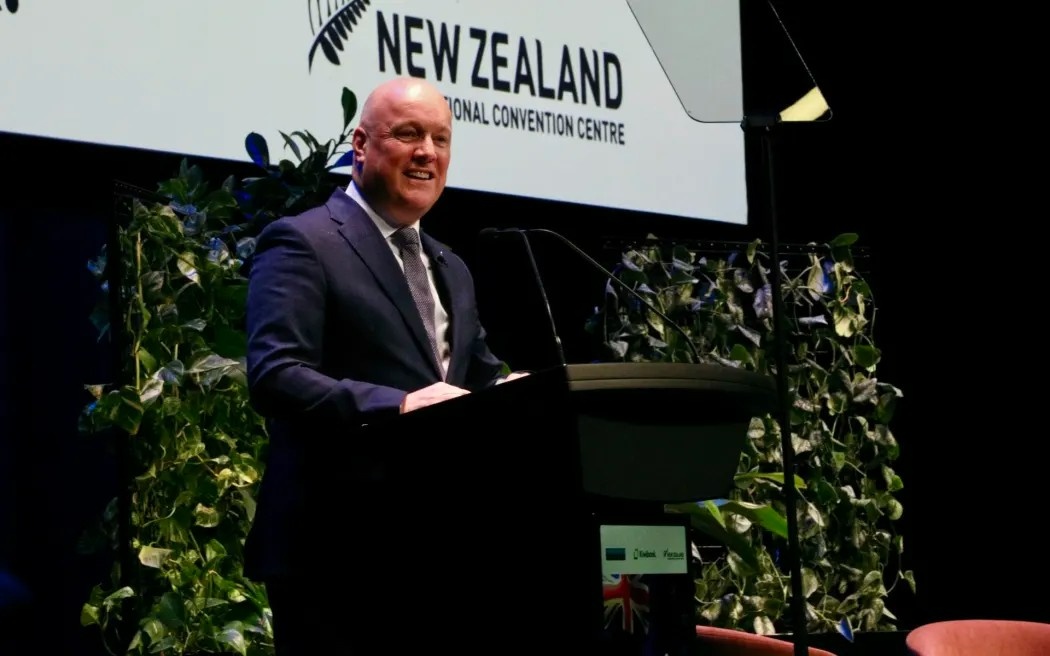
Schwenke was referring to prime minister Christopher Luxon in the context of the free trade agreement signed with India last month.
The post triggered backlash online, complaints to police, and eventually a police response that later escalated into a national political argument about where the line sits between offensive speech, racism and state overreach.
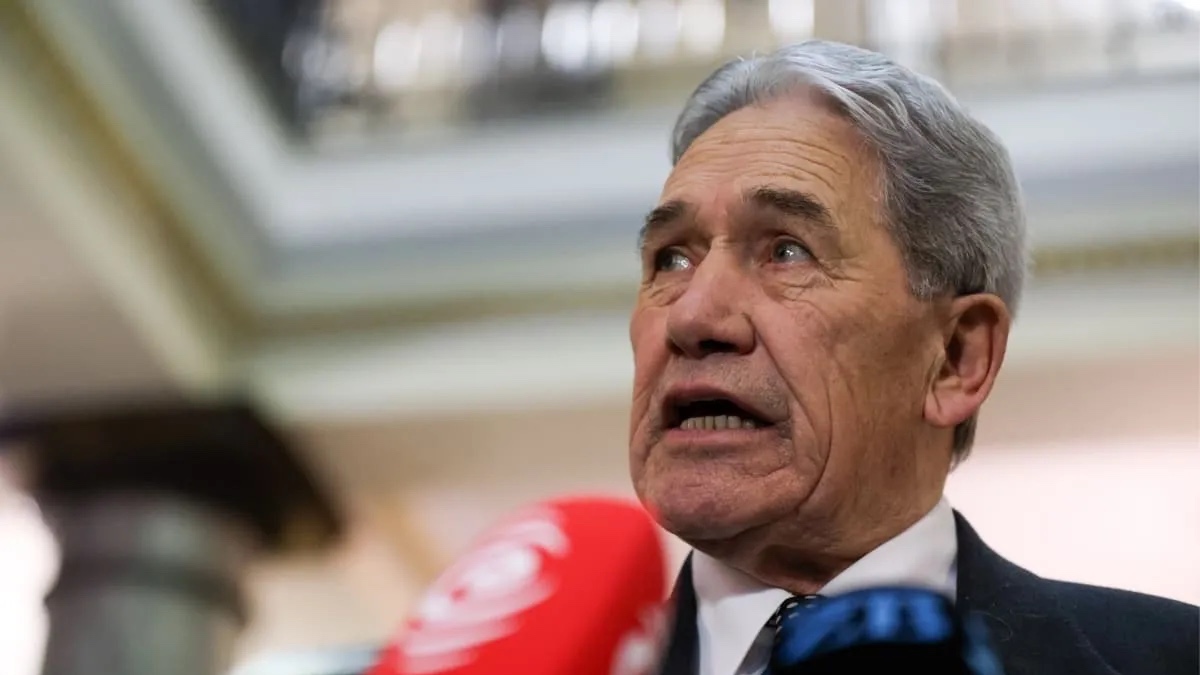
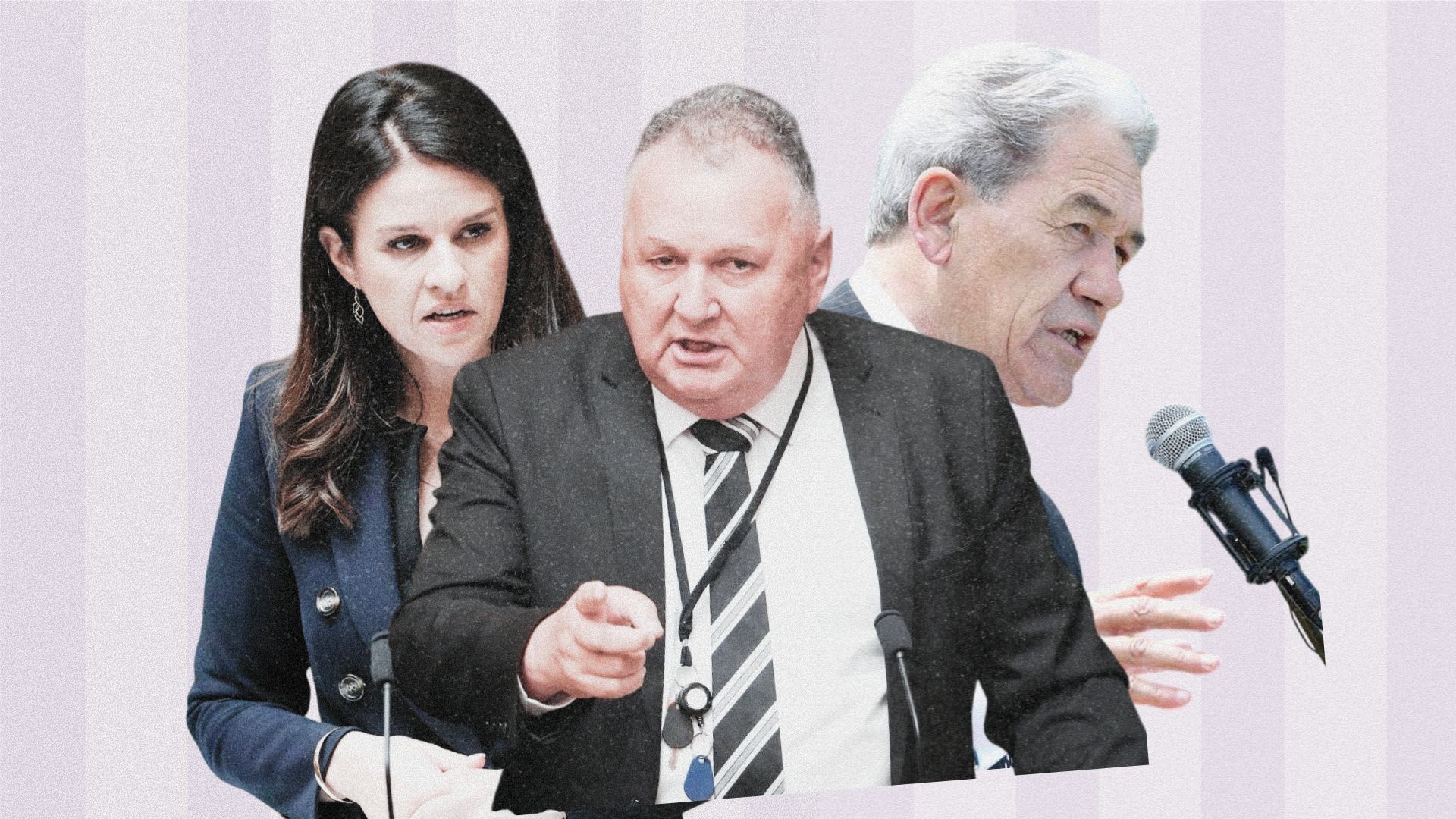
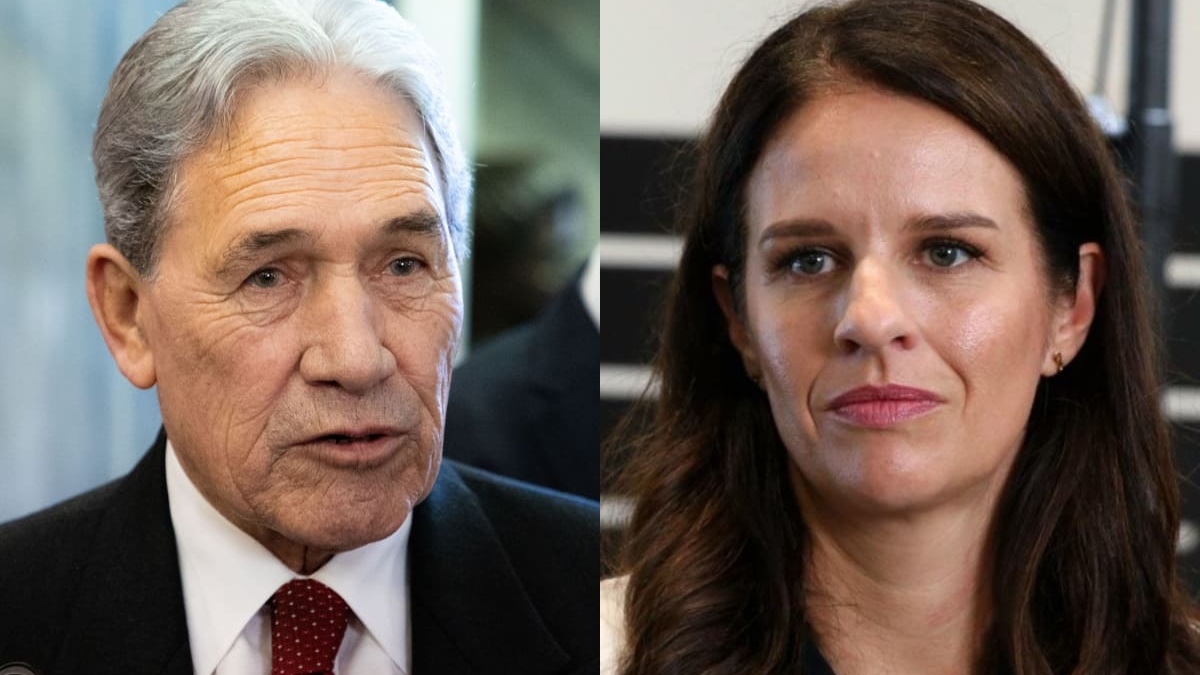
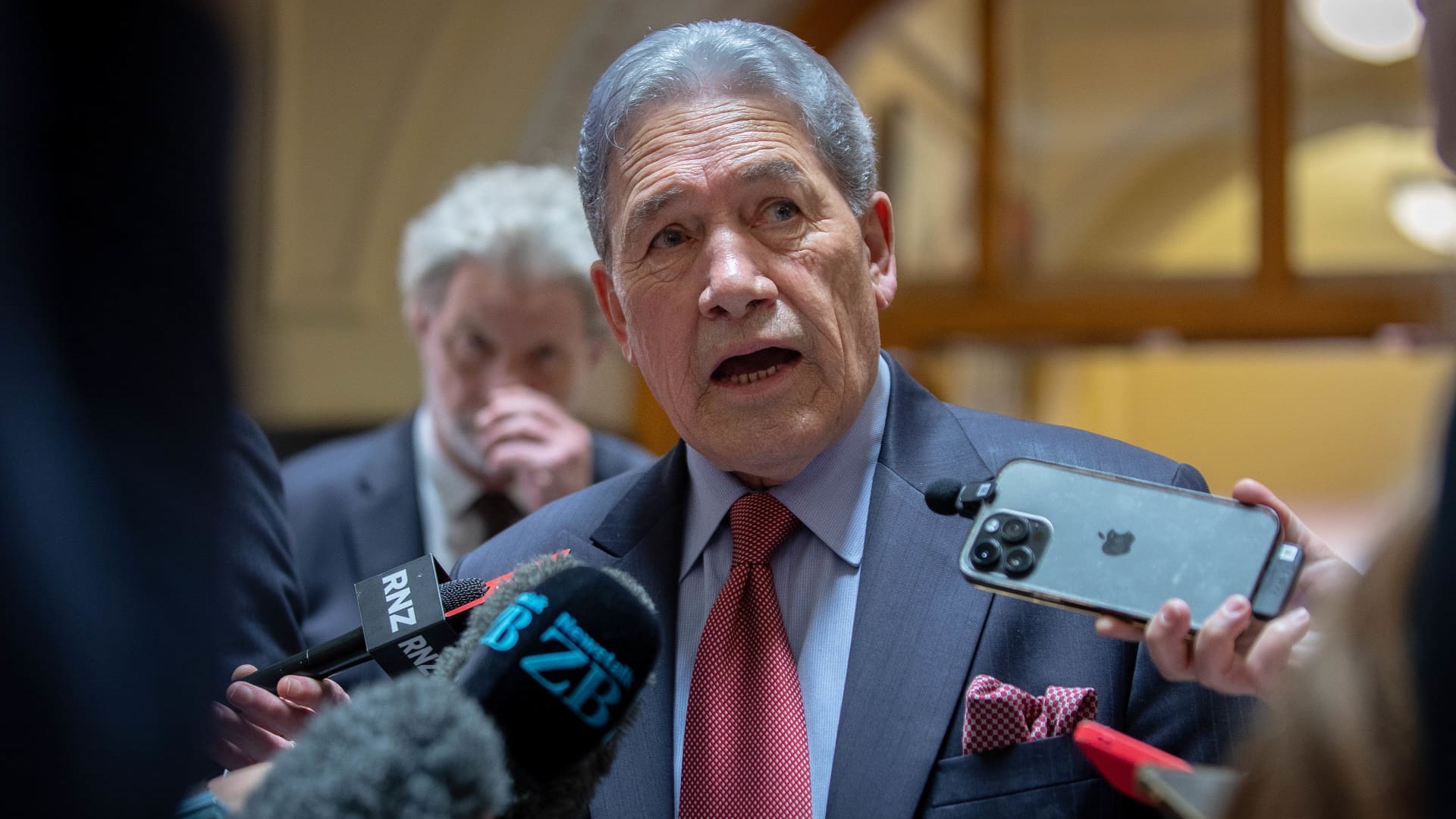
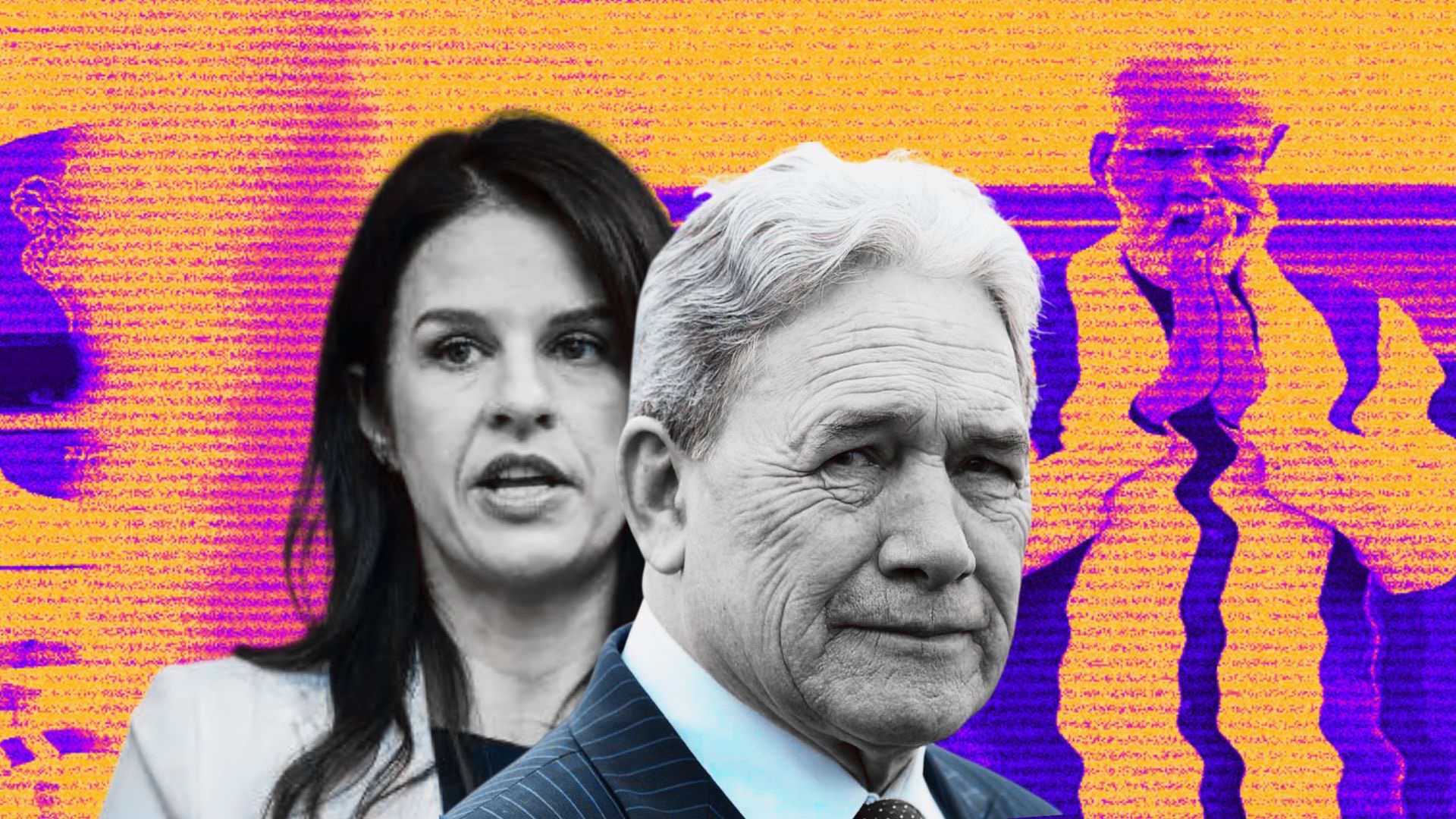
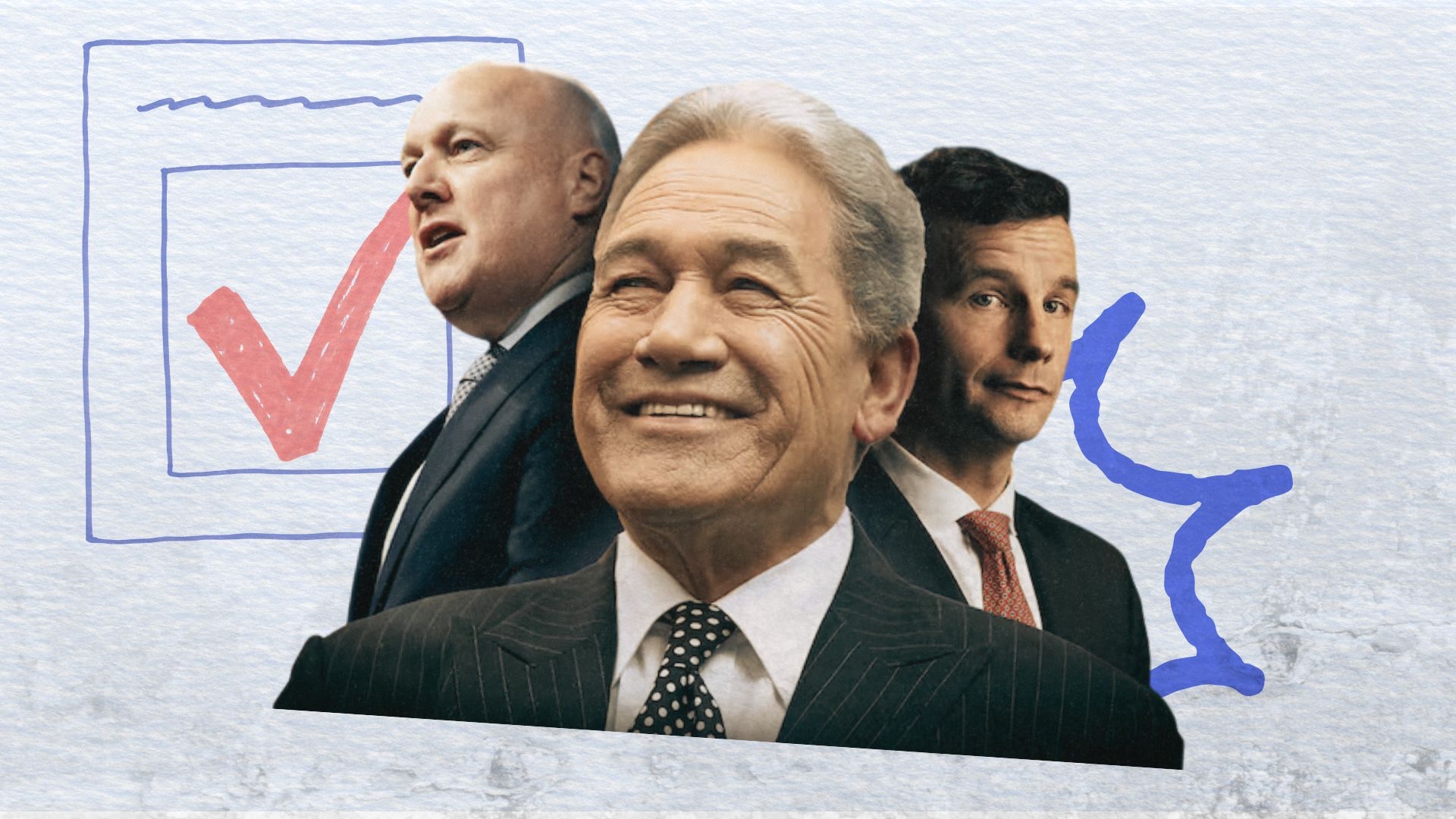
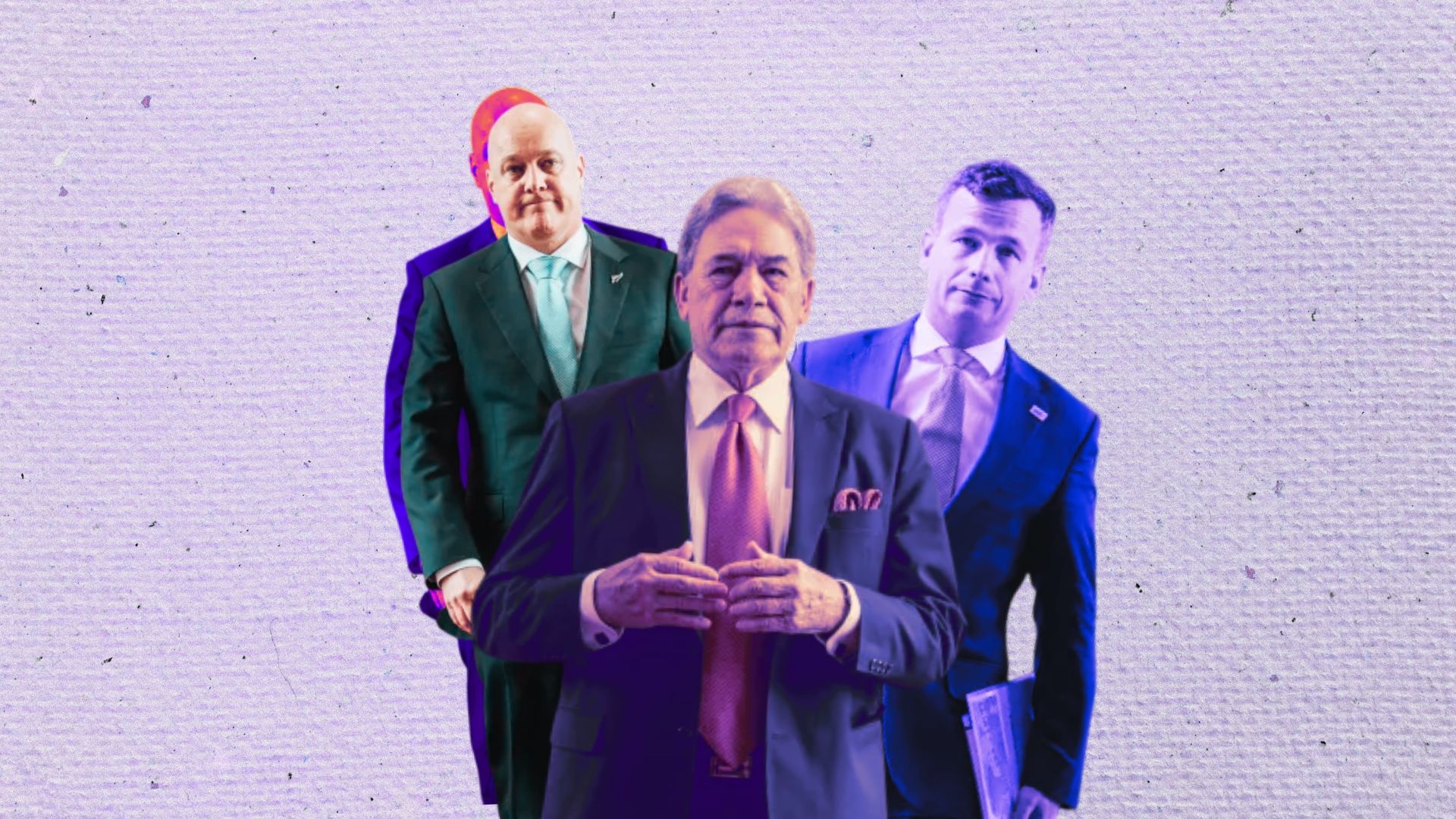
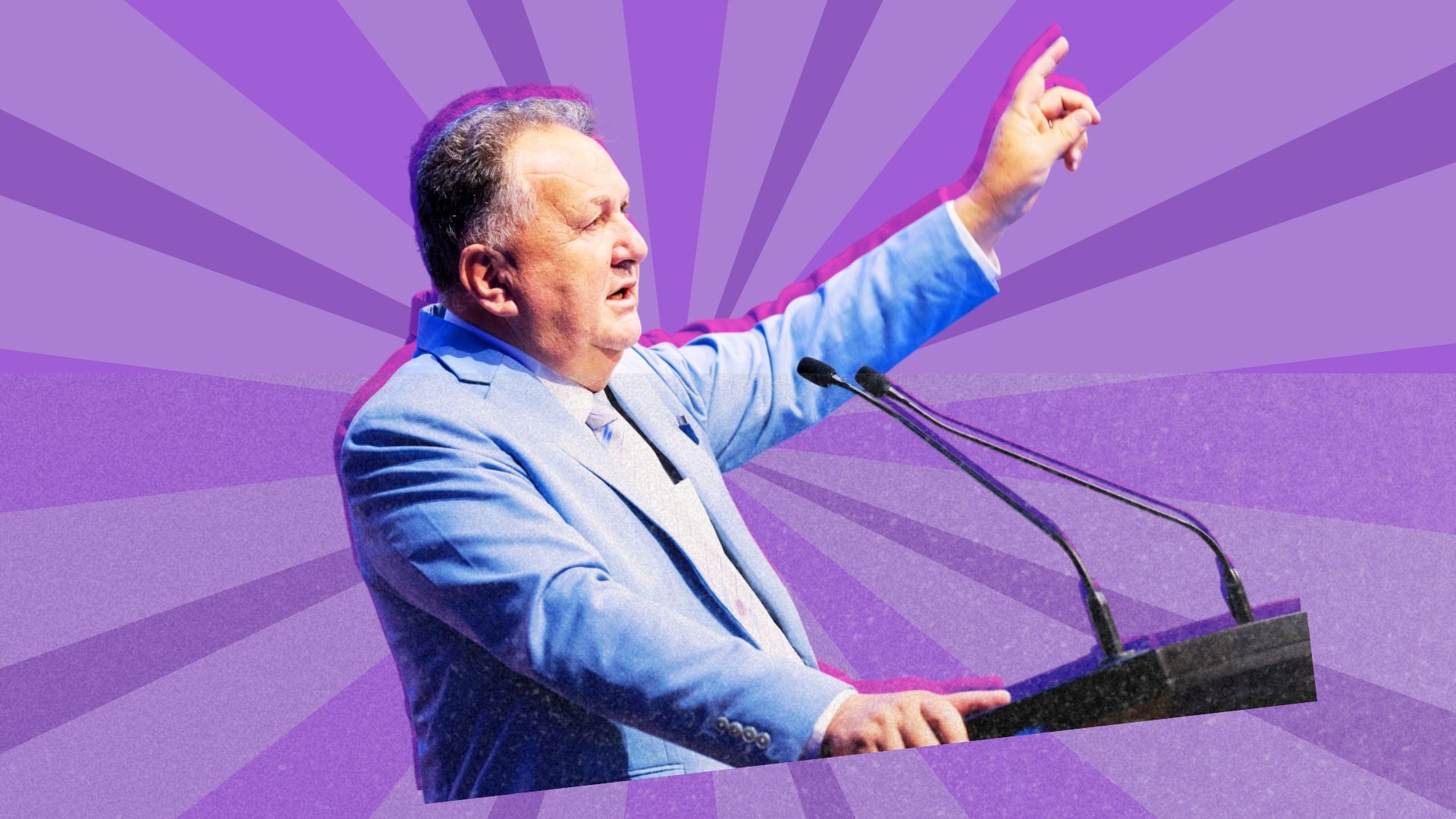
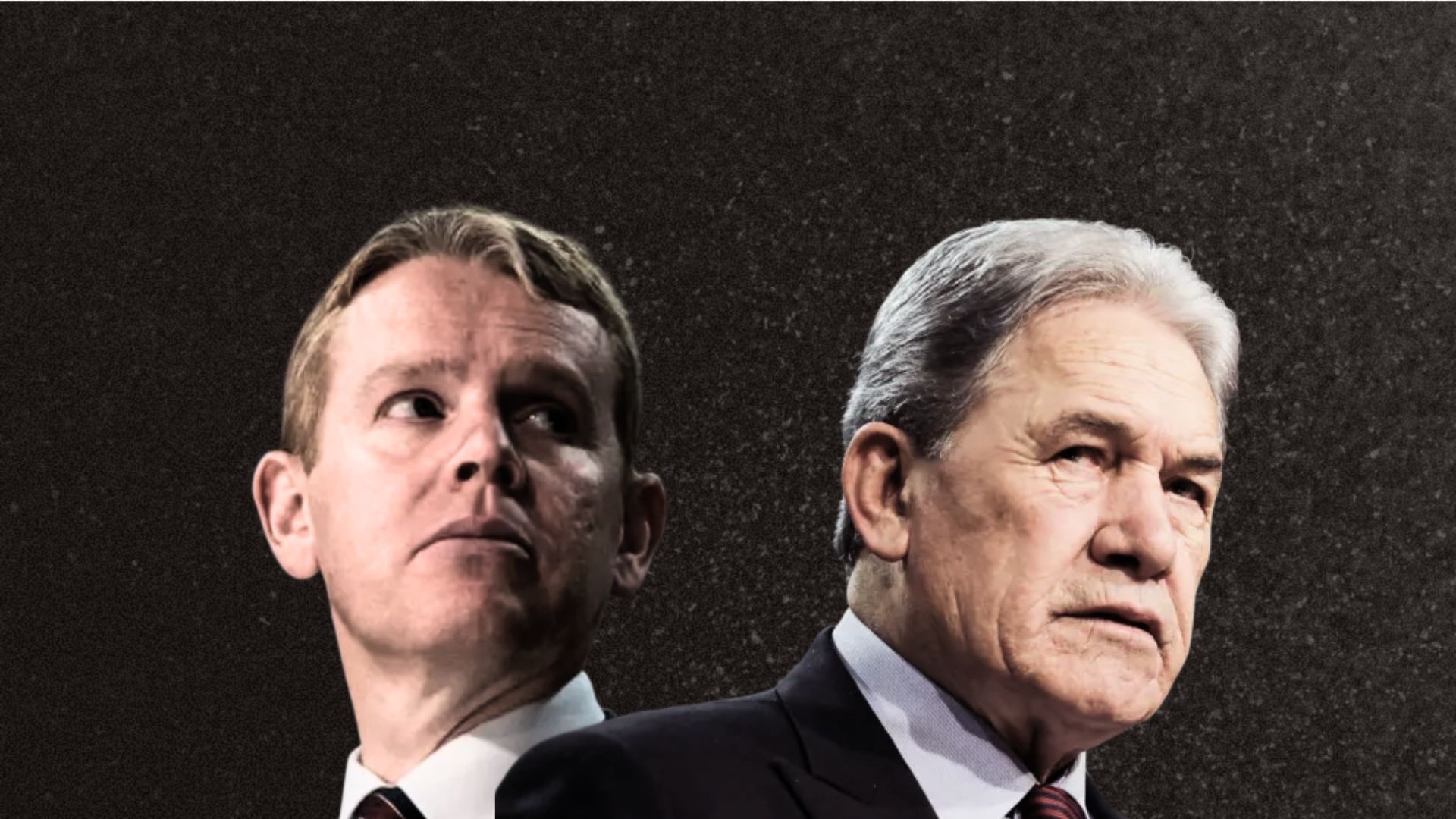
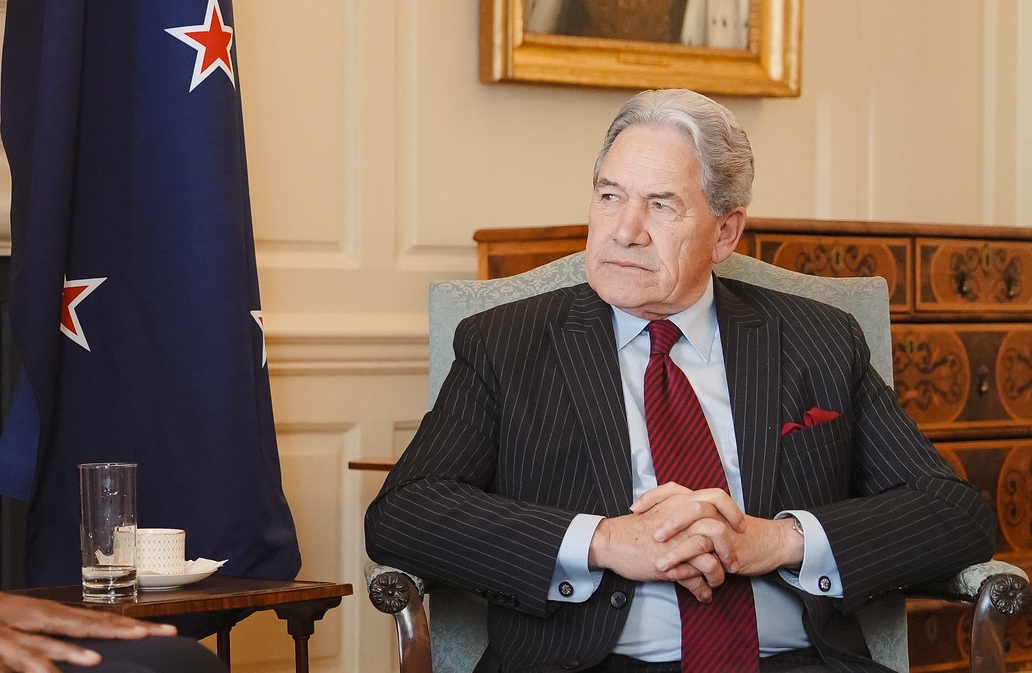
For days, the issue largely remained online. Then on the morning of May 7, New Zealand First leader Winston Peters thrust it into mainstream politics.
South Asian diaspora raises over $200,000 for New Zealanders missing in Nepal flood "I'm so proud of the Indian community here who...supported us, saying it is not a Nepal problem but our problem."
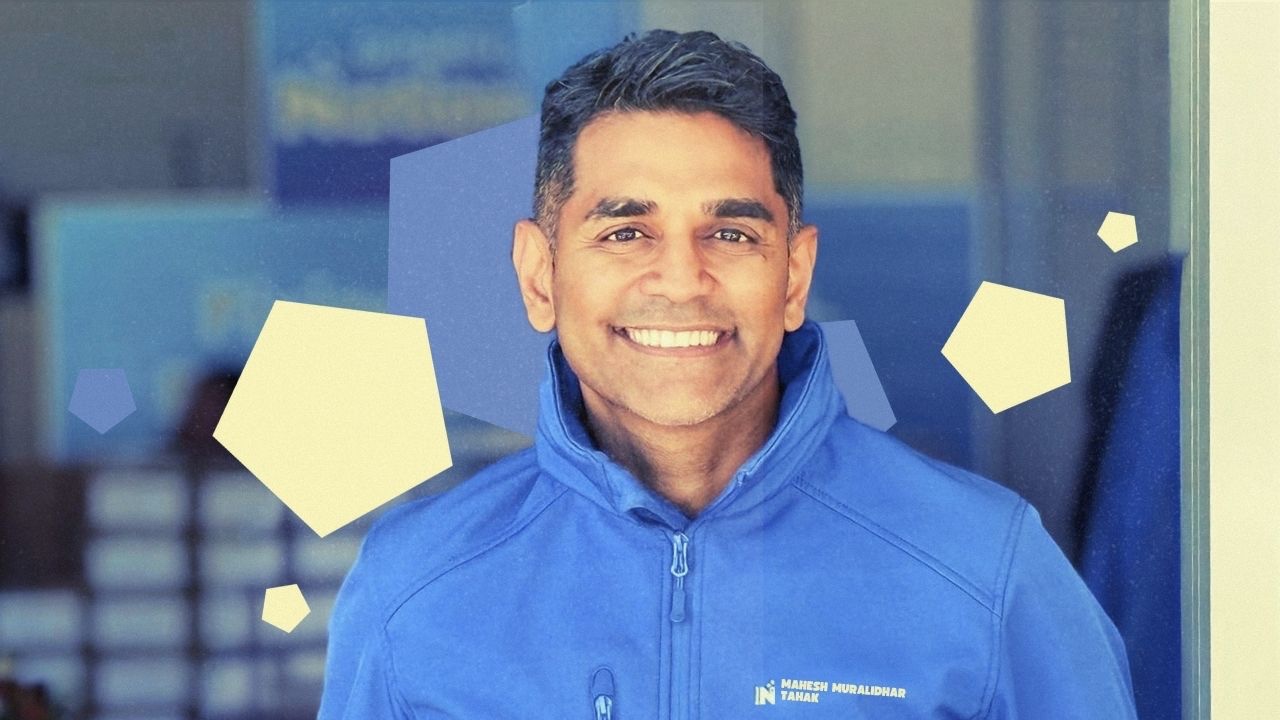
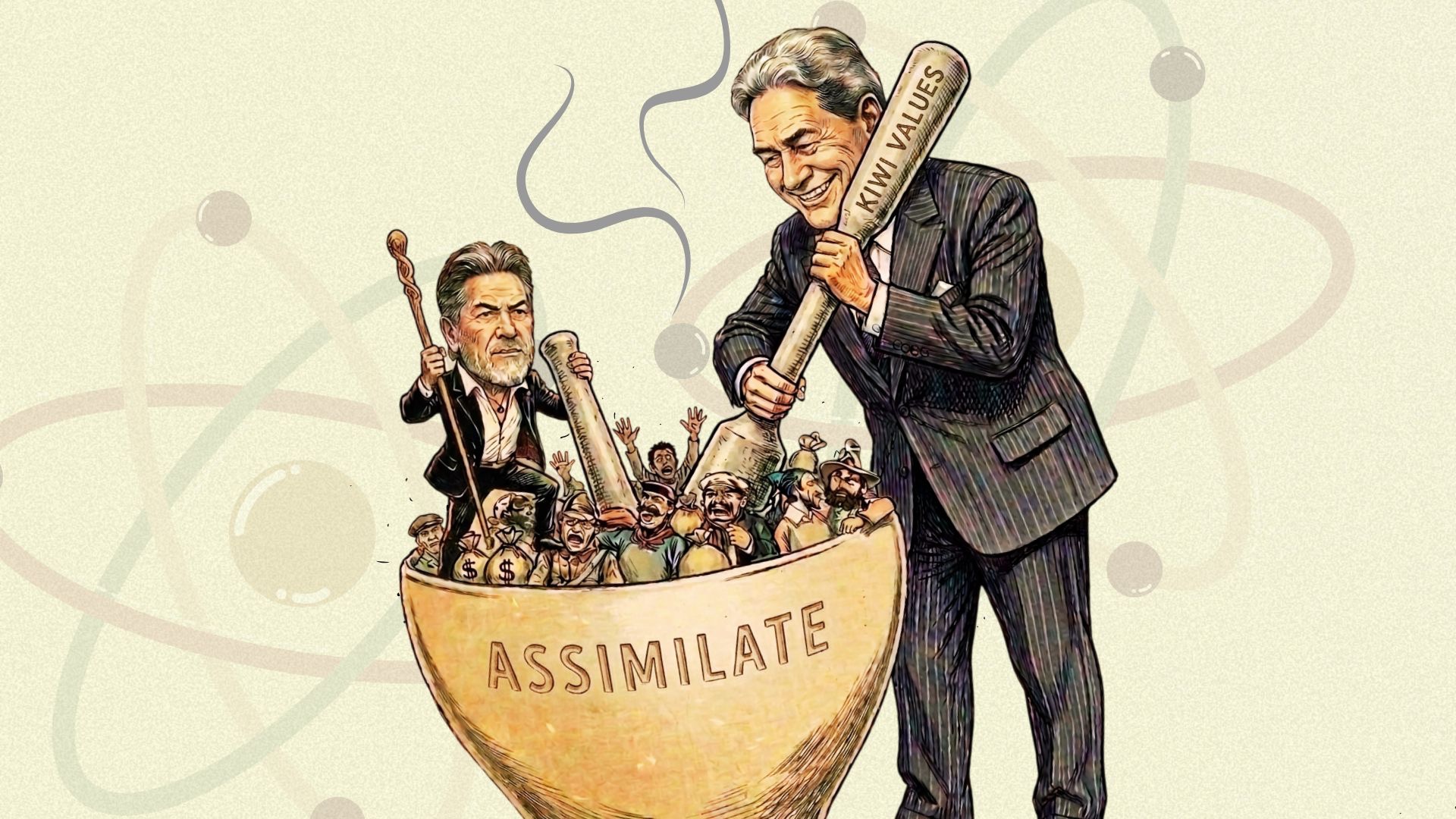
Tamakis launch Indian-origin candidate for Epsom who surrendered passport and has ‘assimilated’ “I know a whole lot of people are going to be like shocked,” says Hannah Tamaki.
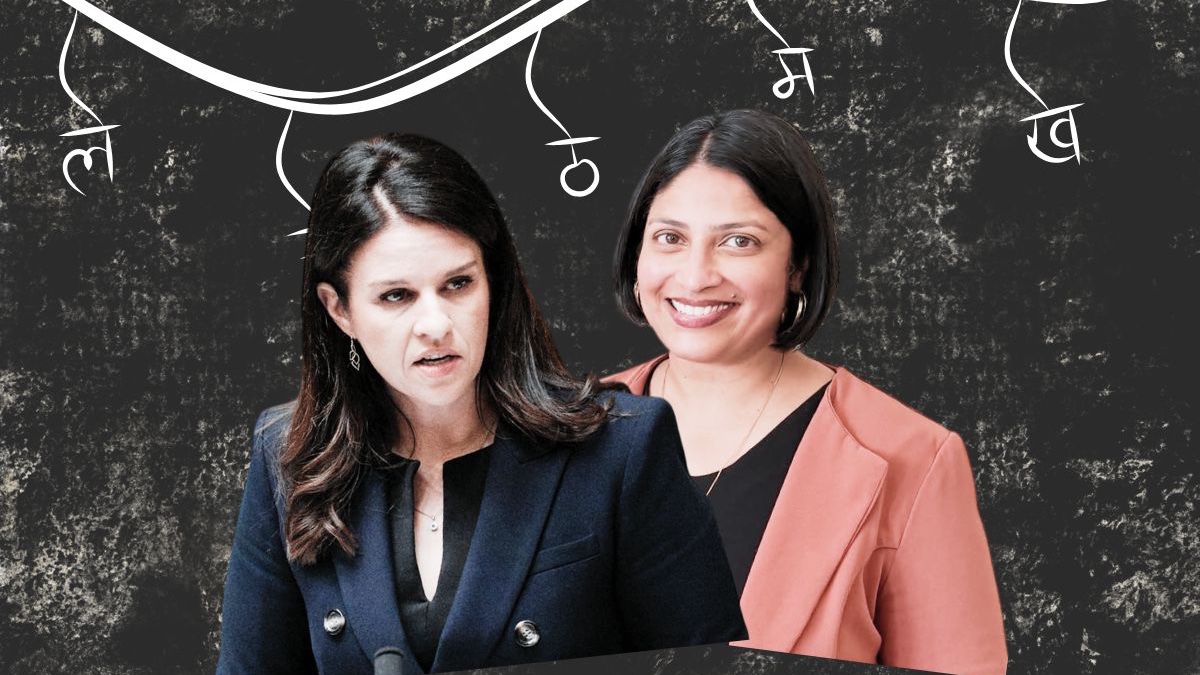
Priyanca Radhakrishnan tries to puncture Luxon’s FTA victory, says India was already sold “Things have changed quite dramatically on the Indian government side,” says the Indian-origin Labour MP.
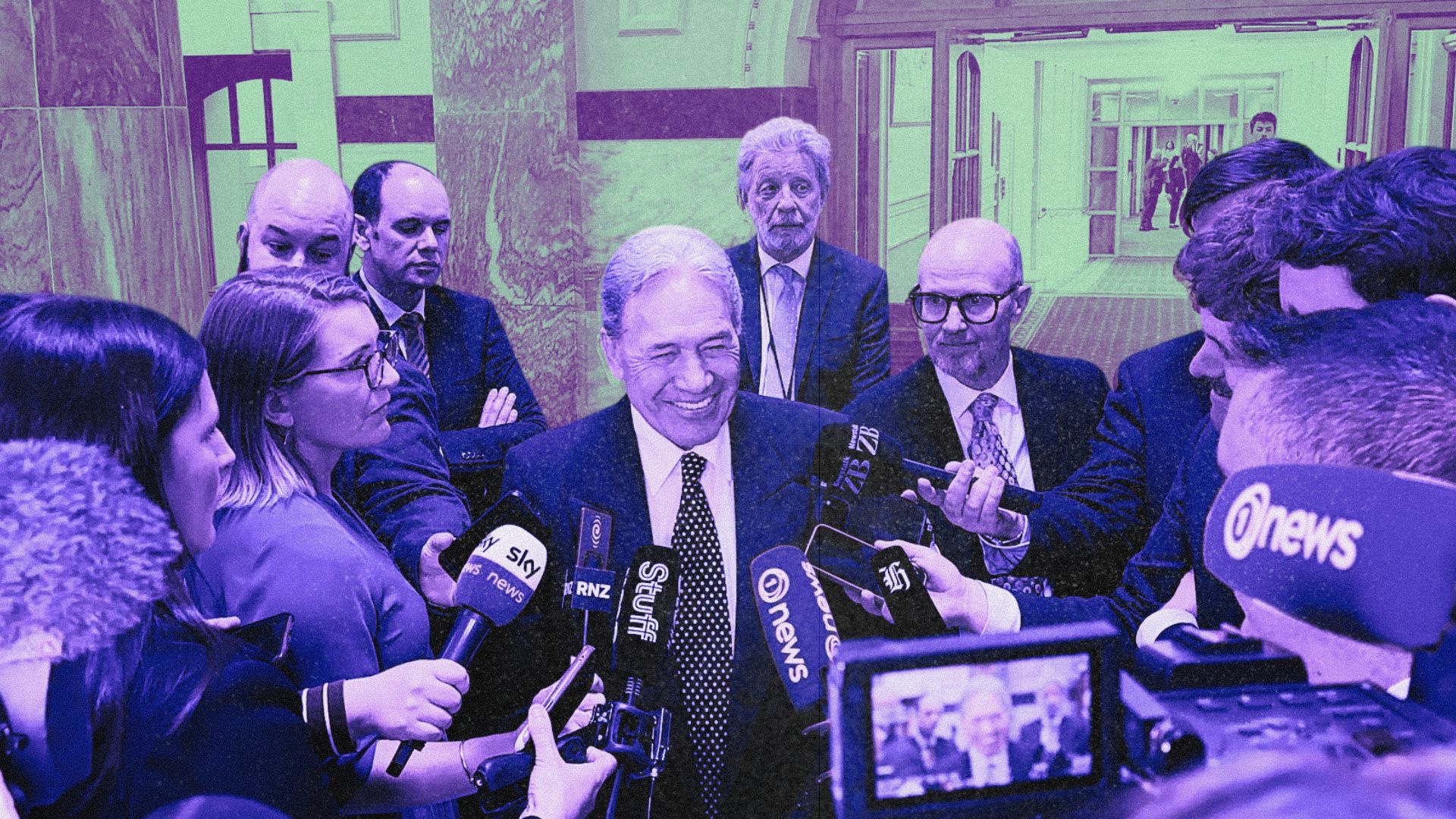
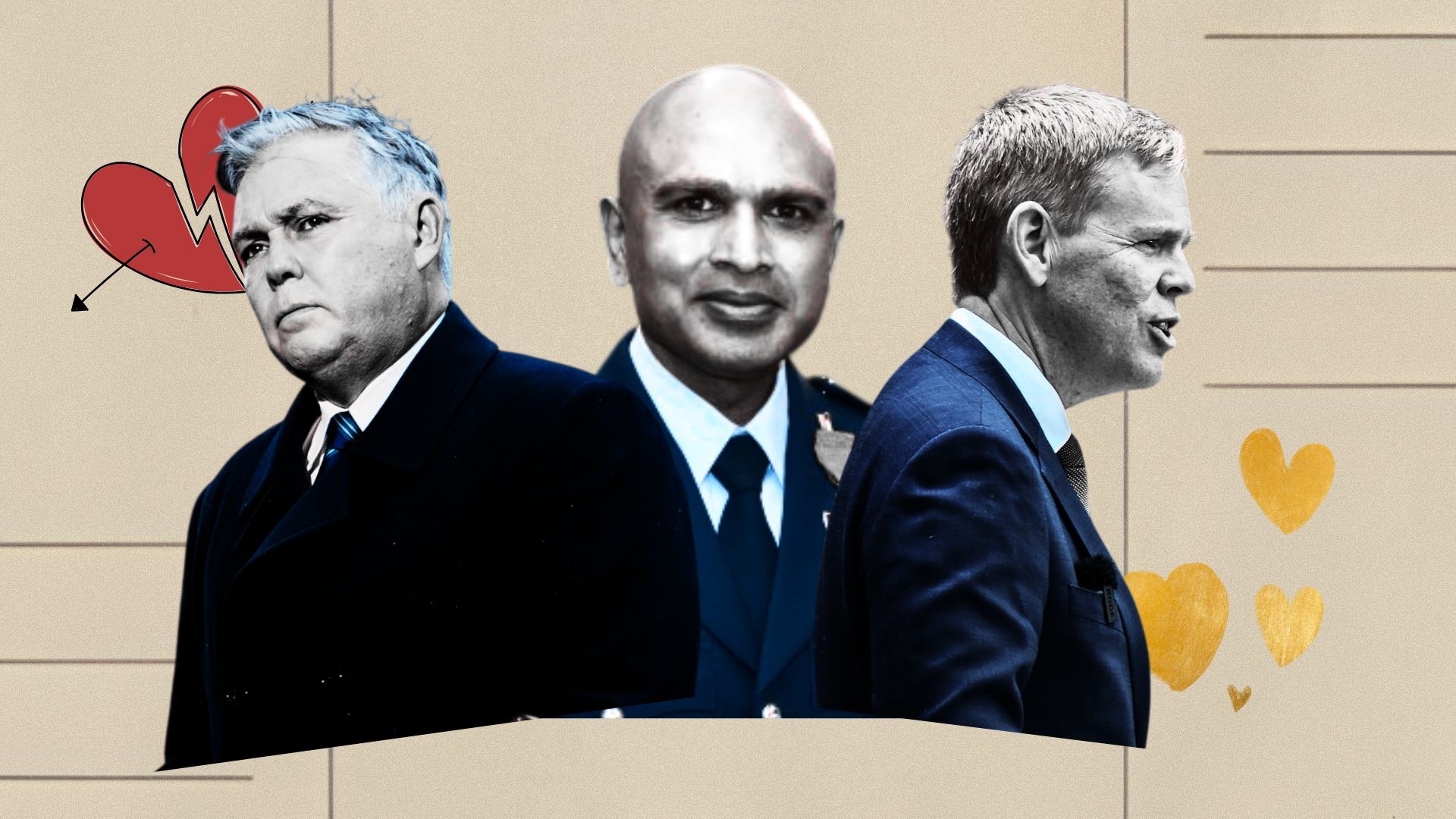
“It has been reported that police have recently visited Renee-Rose Schwenke about a so-called ‘offensive’ social media post she posted,” Peters wrote on Facebook.
“If this report is true, this is ‘1984 thought-police’ level overreach.”
Peters argued that offensive speech alone should not trigger police involvement and warned against New Zealand drifting toward overseas-style policing of online expression.
His intervention rapidly transformed the controversy from a social media dispute into a political problem for the government.
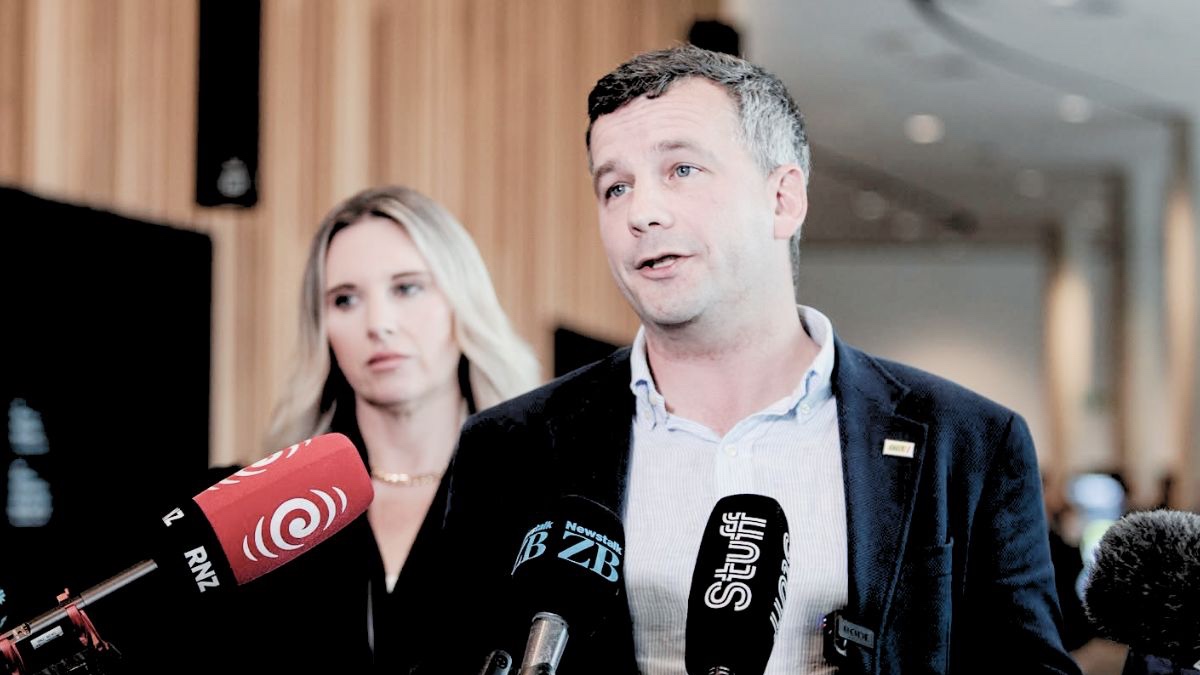
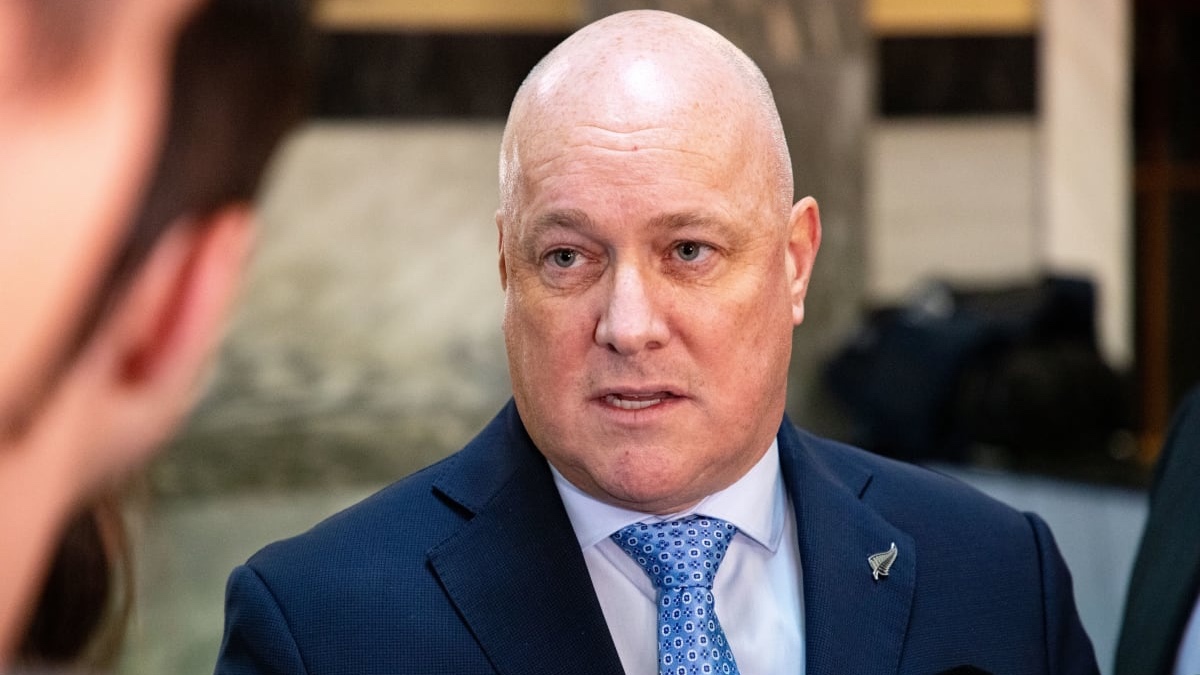
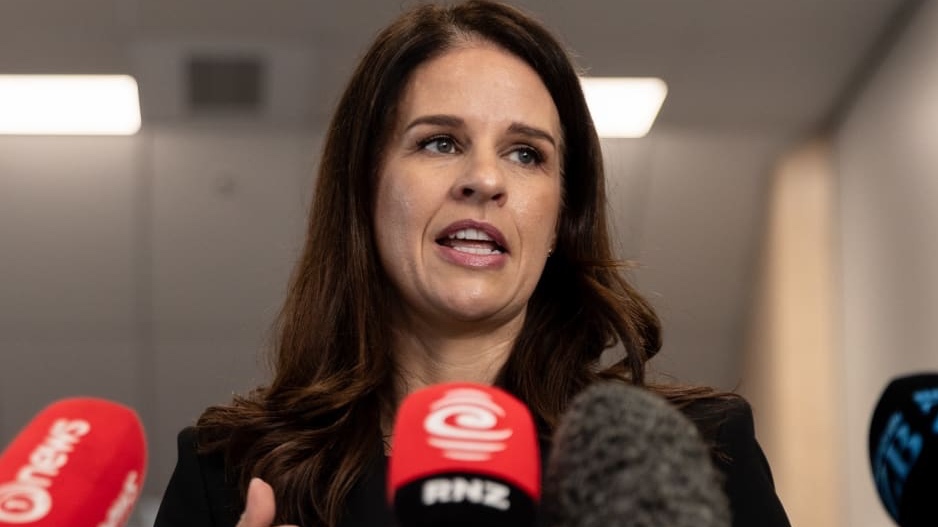
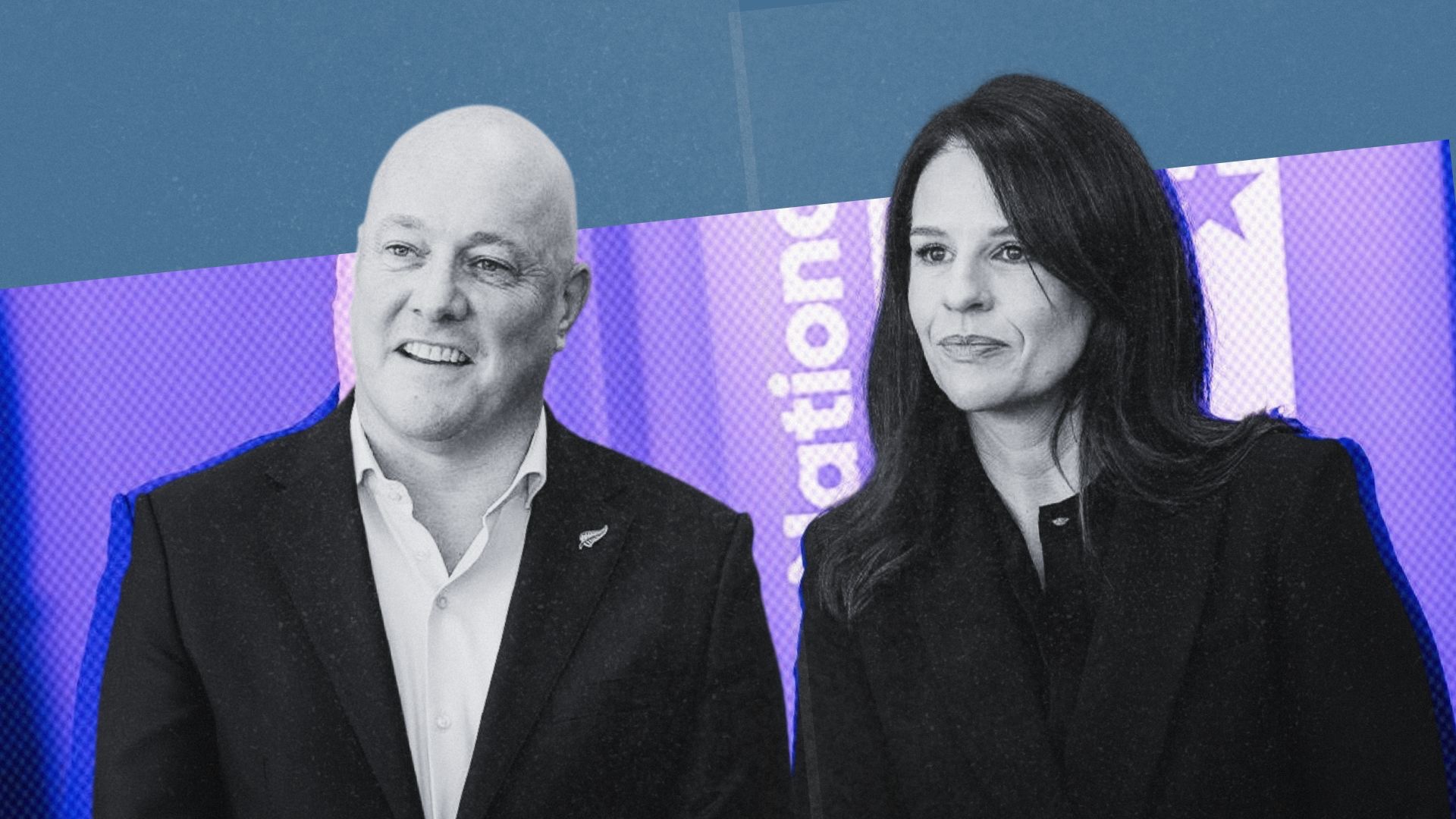
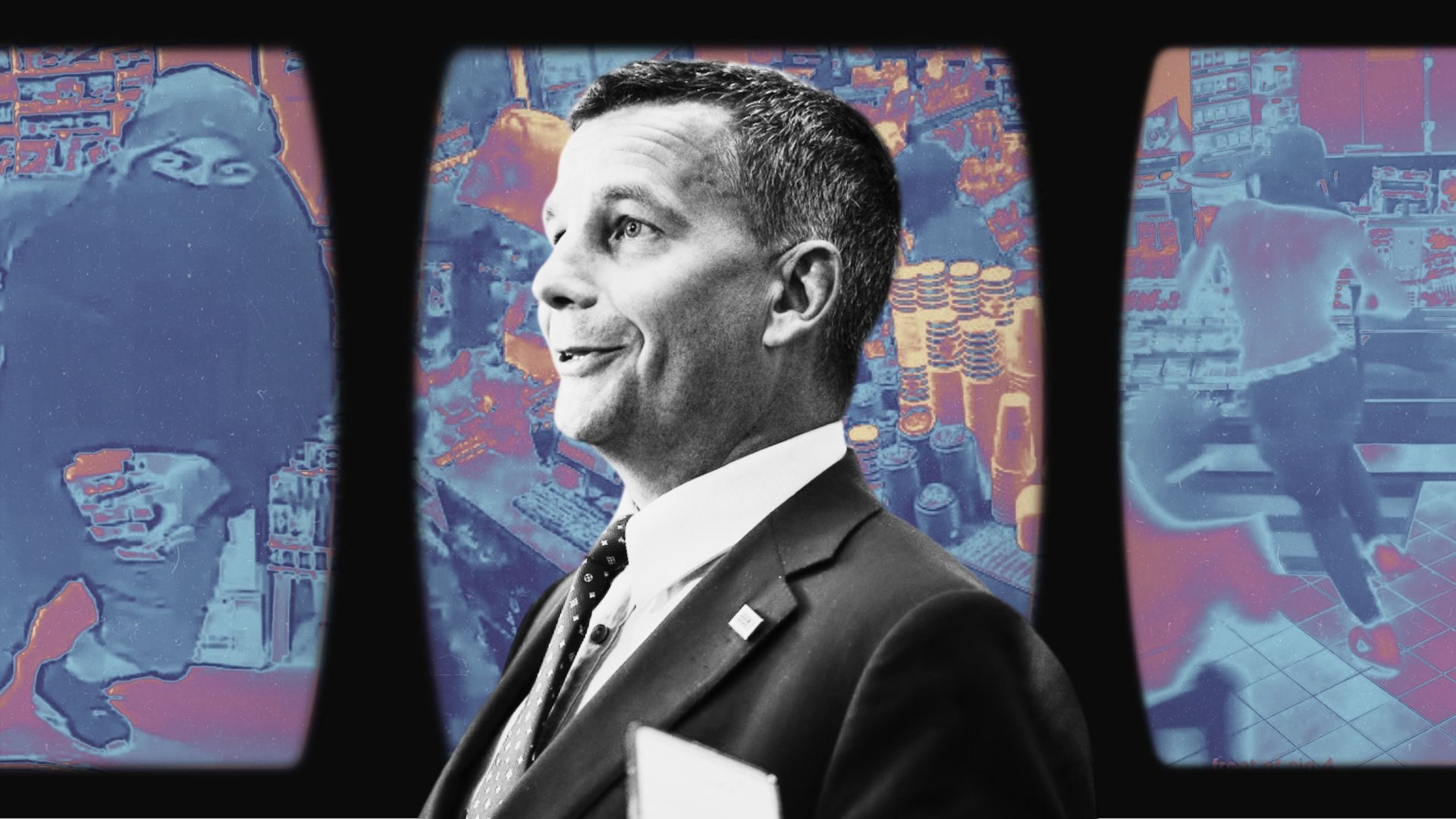
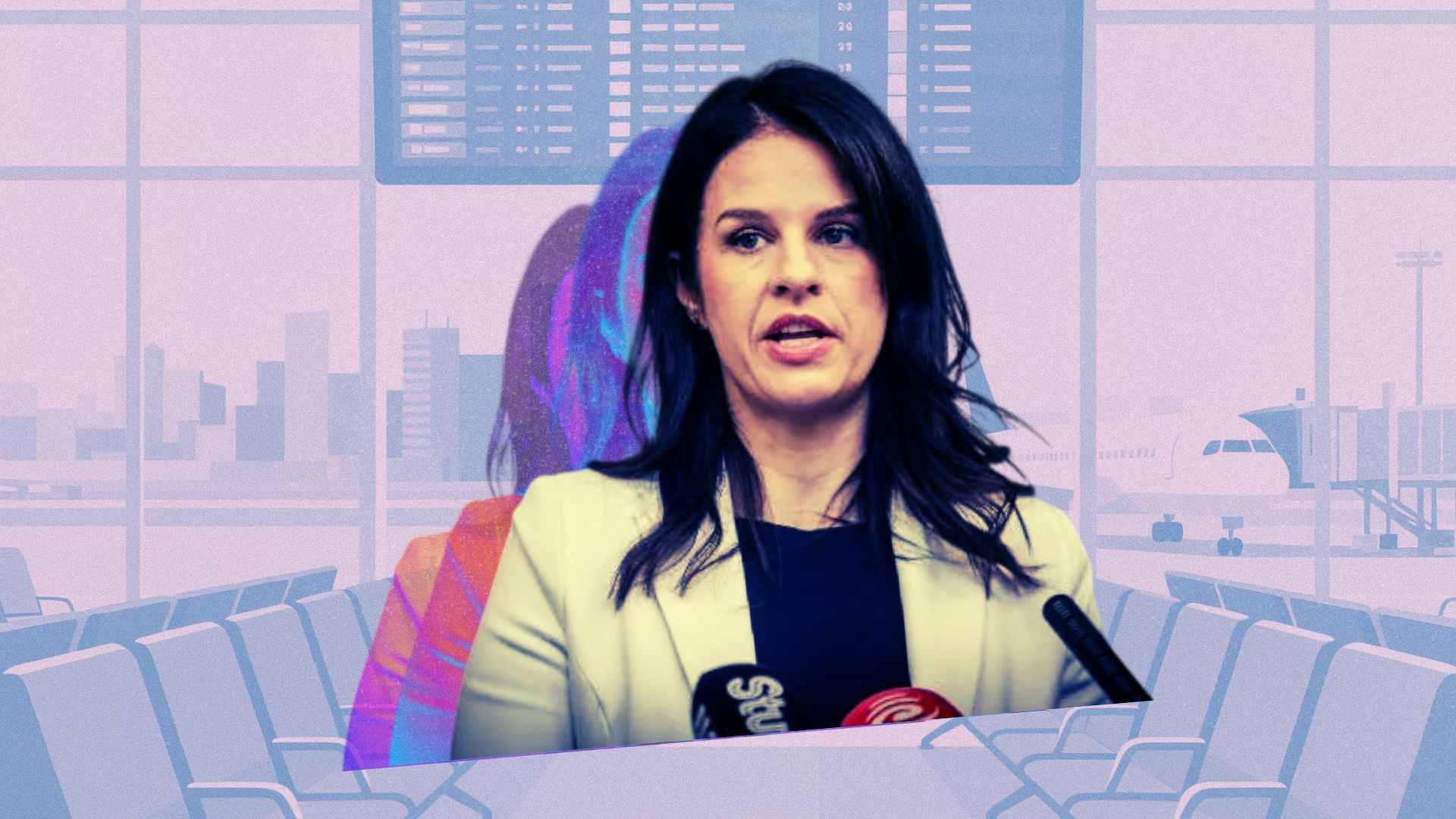
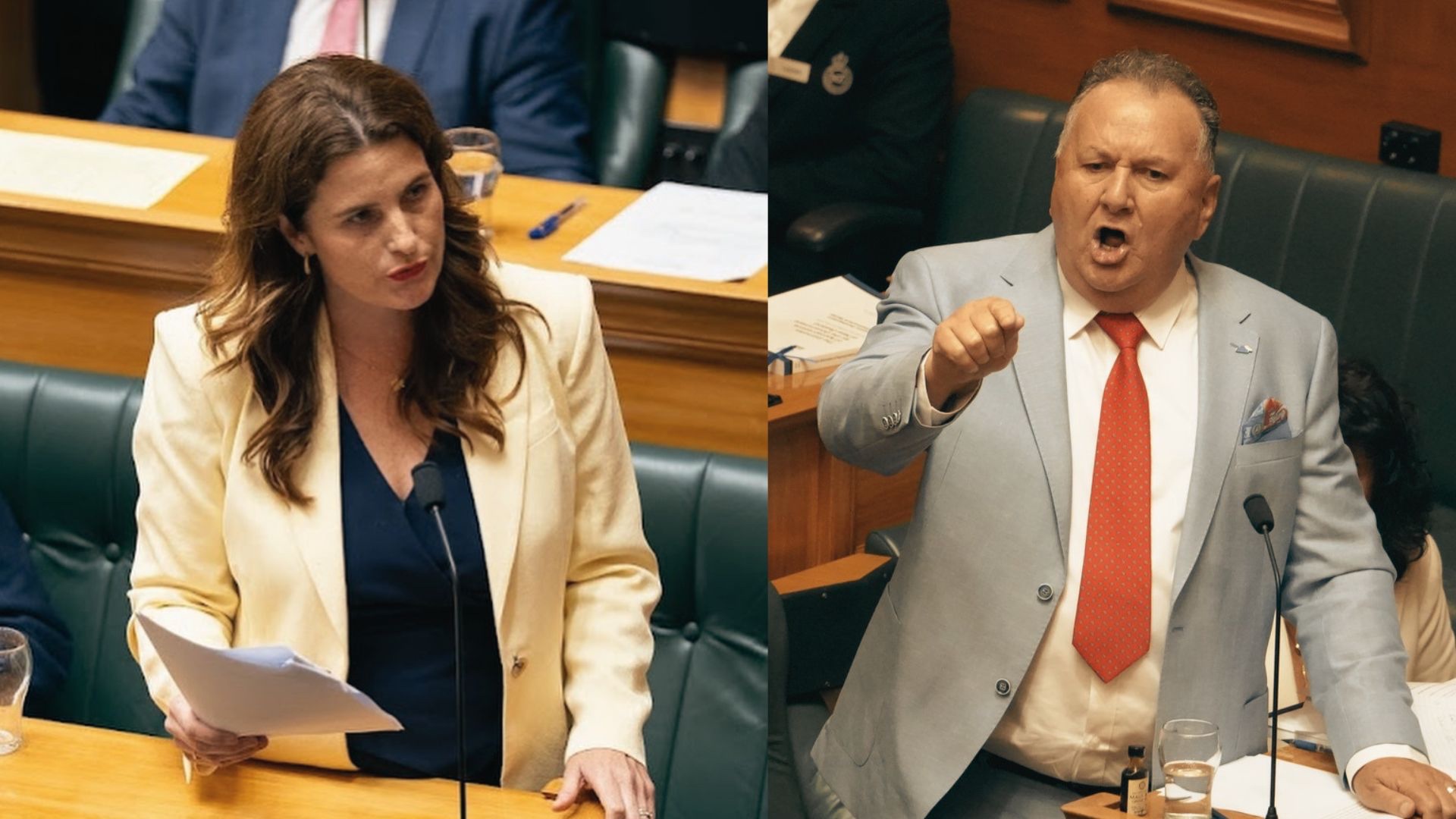
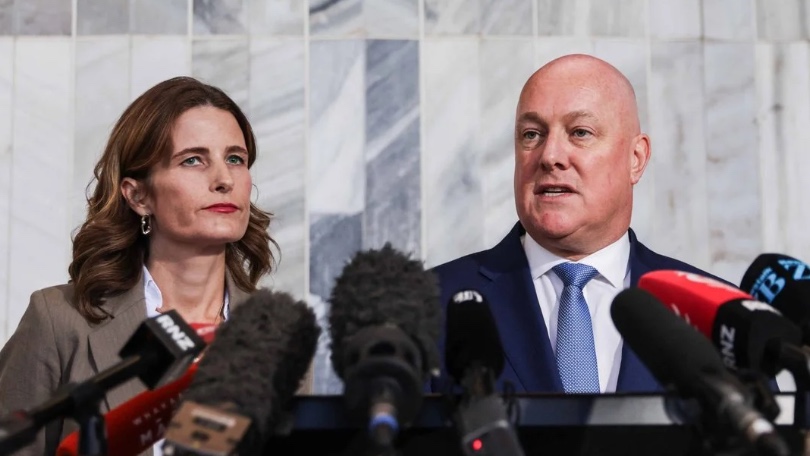
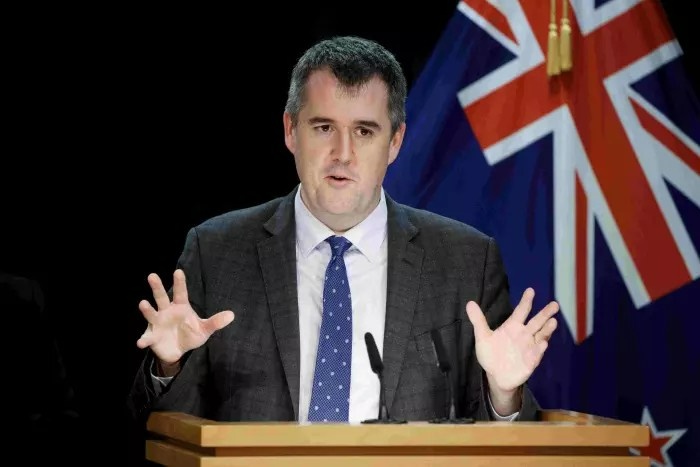
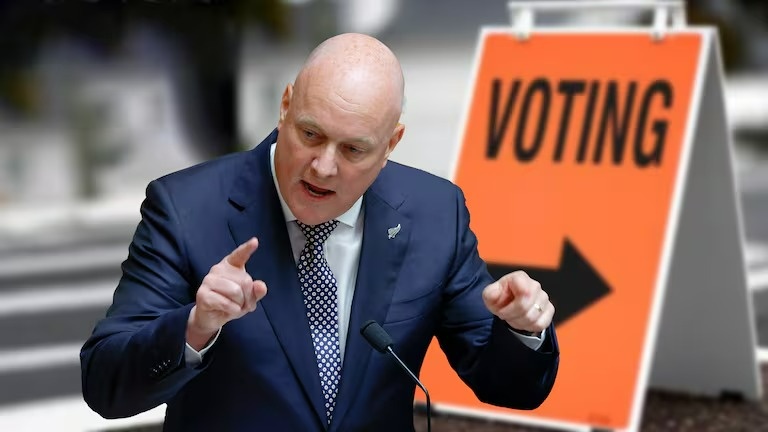
Later that evening, police minister Mark Mitchell issued his own statement after seeking further information from police.
Mitchell said the matter “did not meet Police’s own threshold for further enquiry” and “should not have been forwarded” for local follow-up, although he said the enquiry itself had been made “in good faith” and with “a local lens around social cohesion”.
At the same time, Mitchell defended the broader principle that police still have responsibilities where speech crosses into intimidation or incitement.
“We do not have hate speech laws and New Zealanders don’t want to live in a country where speech is policed,” he wrote.
“Our law does provide for offences where threatening, abusive, or intimidating behaviour is intended to incite hostility, violence, or serious harm against others.”
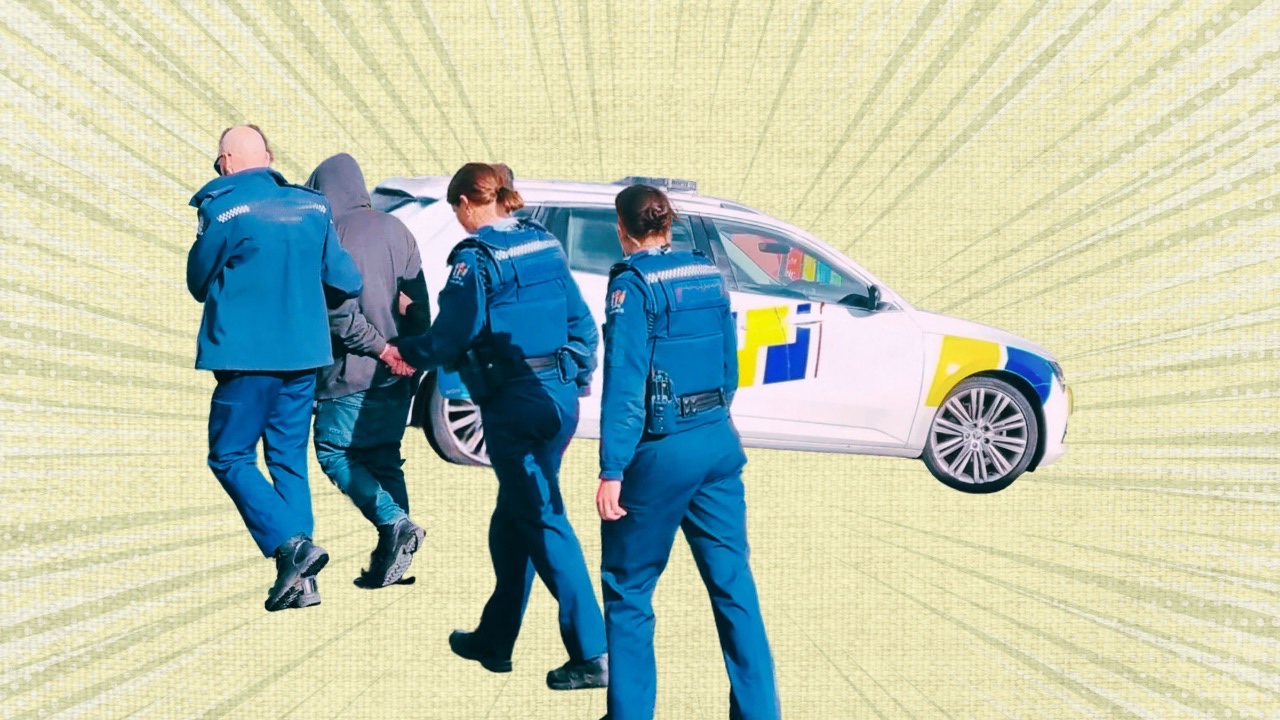
Police earlier told Awaaz that officers had made enquiries after receiving a complaint from someone offended by the post.
“Police received a report about a post that had been made on social media, which had caused offence to the person who reported it,” Waikato District Commander Superintendent Scott Gemmell said.
“Enquiries were carried out, which included speaking to the person whose name had been provided as the poster.
“Ultimately, there was insufficient evidence for any type of prosecution in relation to the matter. The person who made the post was provided with advice.”
That might ordinarily have ended the matter. Instead, the police contact itself became the story.
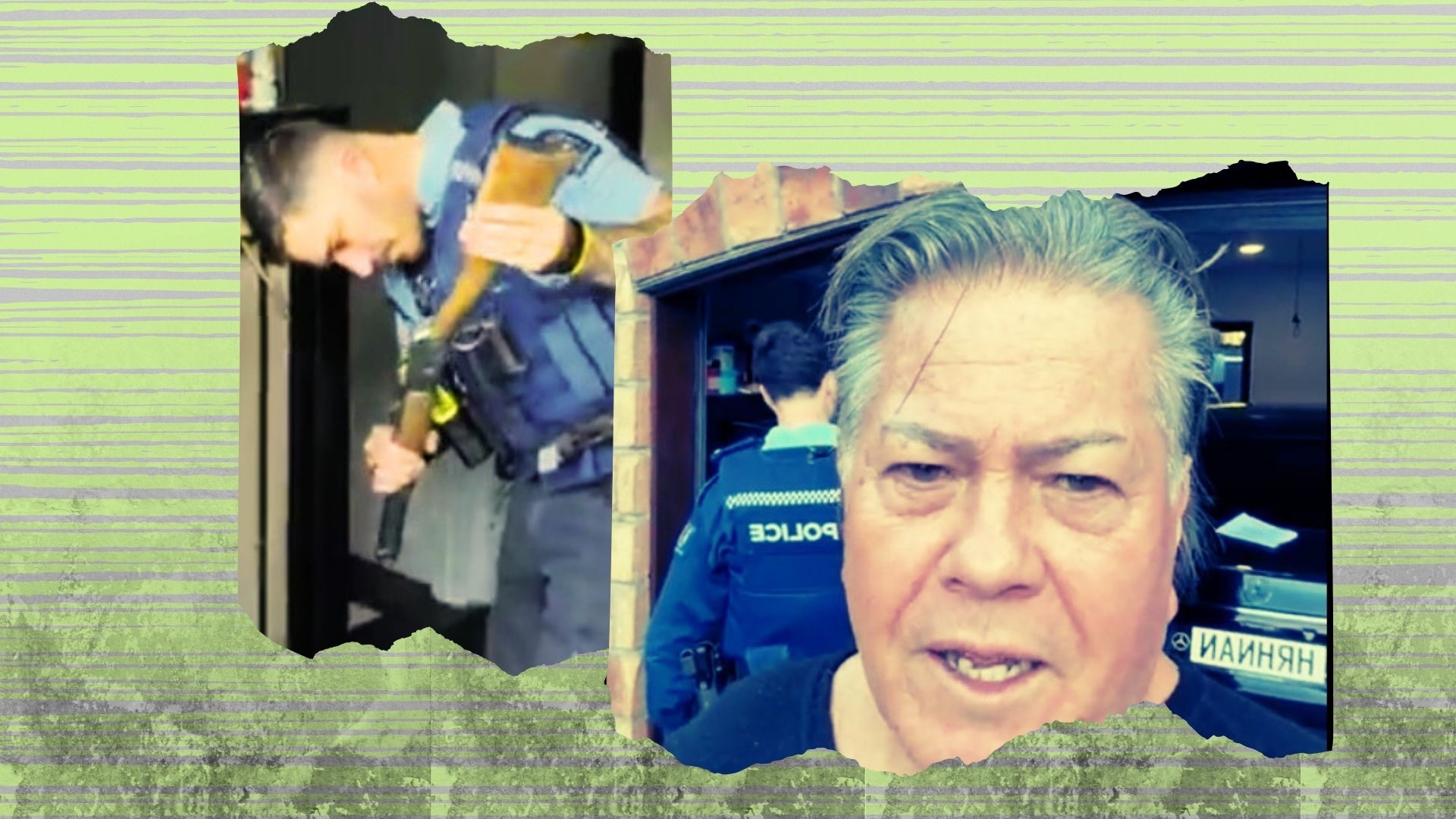
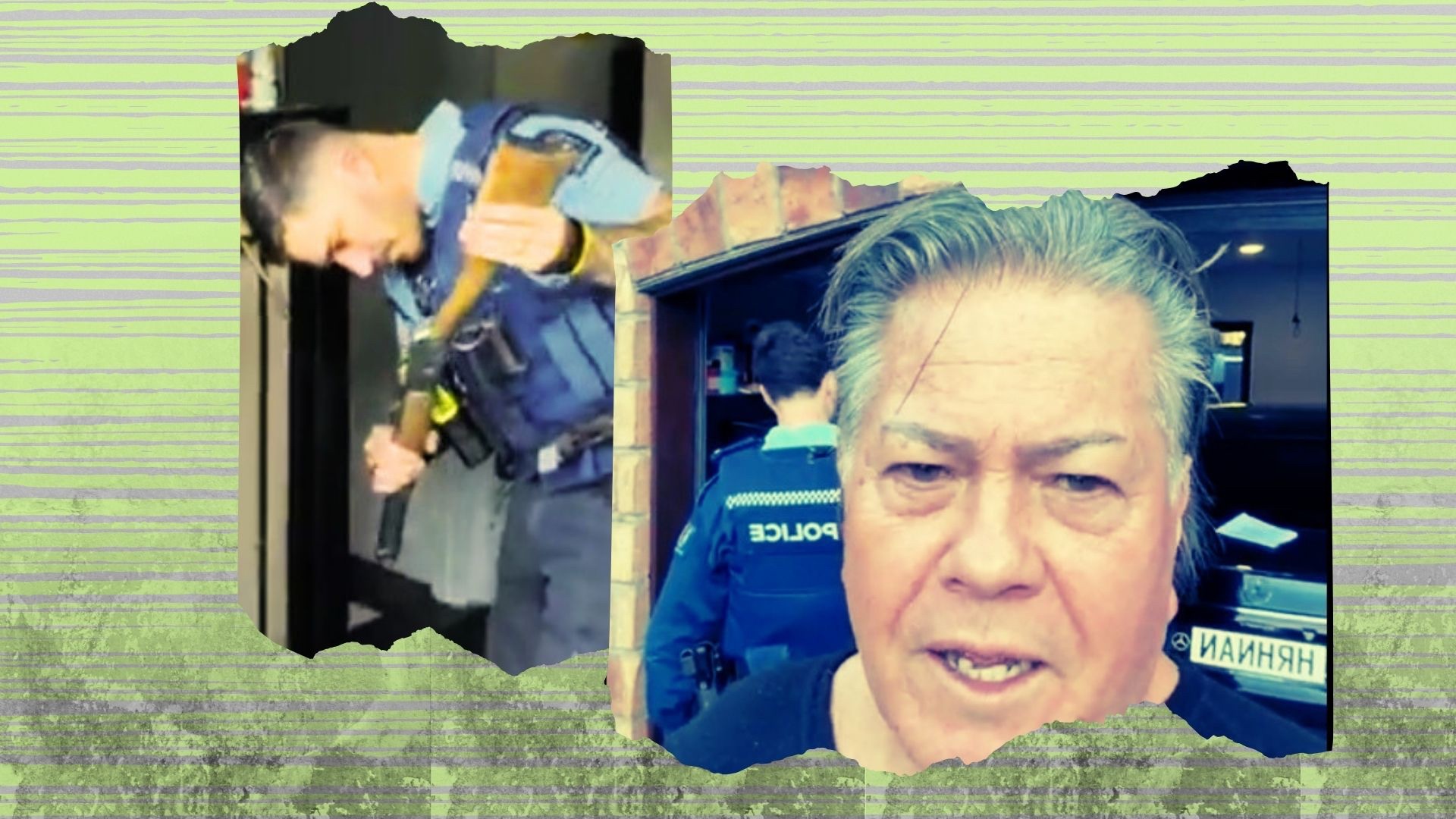
Schwenke posted online saying police had contacted her over a “racist” post and accused authorities of policing opinions. Audio she shared online appeared to capture an officer discussing complaints made about the post and concerns around community reaction.
By May 7, Schwenke was also attempting to clarify her own motivations. “I want to get across that I’m not a racist,” she wrote online.
“The problem I have is with what Christopher Luxon is doing."
She said her post was intended as “satire/sarcasm” reflecting what she viewed as a “dramatic increase of eastern immigrants outweighing kiwis”, while criticising Luxon for what she saw as political over investment in the Indian community.
“Luxon is so invested in the Indian community he’s forgotten about New Zealanders — that’s my opinion,” she wrote.
Those comments underscored the central tension running through the controversy. Where does criticism of immigration policy ends and racial targeting begins?
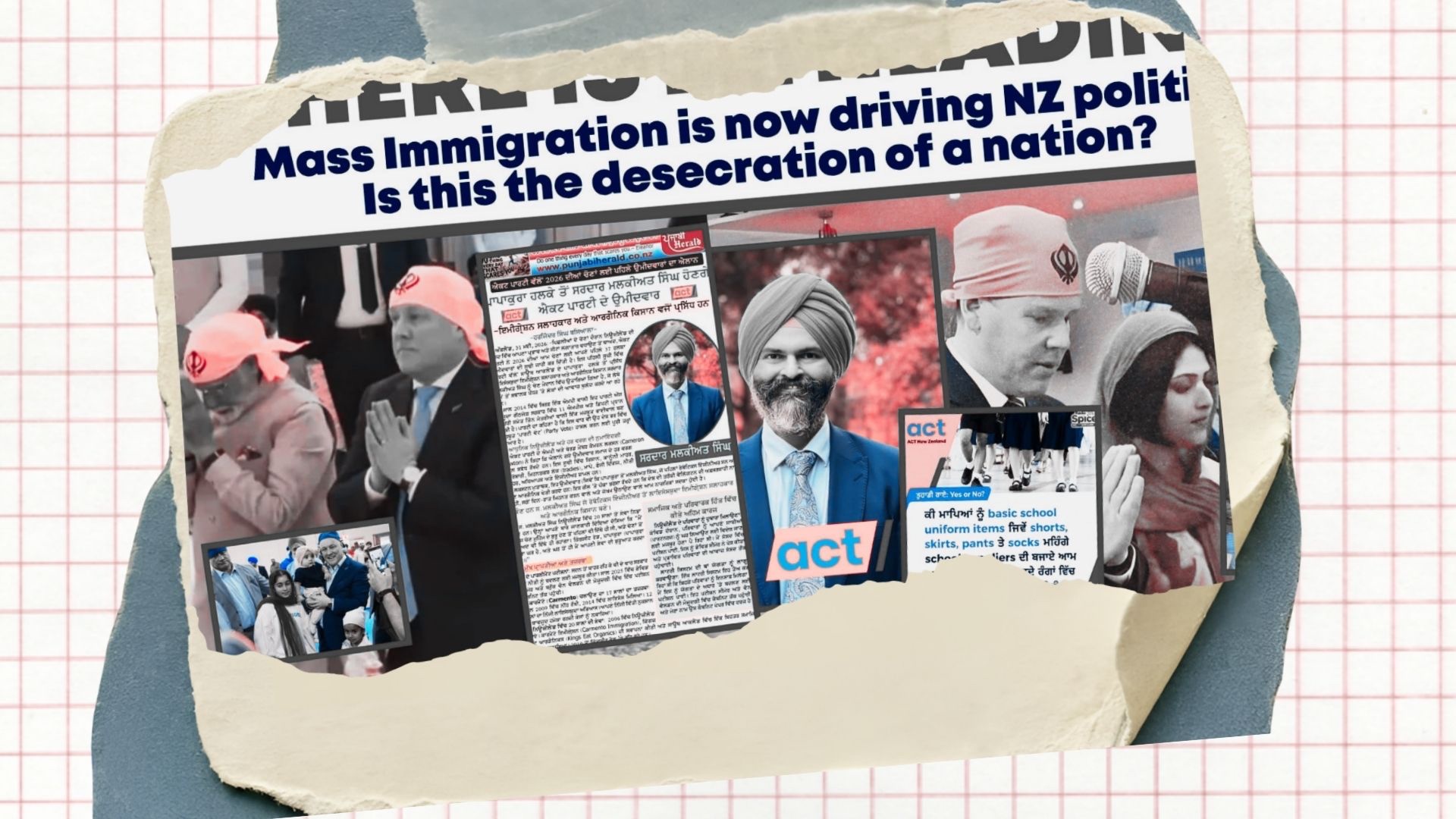
For critics of the post, the image and caption reduced Indian New Zealanders into symbols of demographic change and implied cultural replacement.
For defenders, the post was political commentary. Provocative and offensive to some, but still within the boundaries of lawful speech.
The result has left police caught awkwardly between two competing pressures increasingly shaping western democracies.
On one side sits pressure to respond seriously to complaints involving race, particularly in an environment where online hostility can rapidly escalate.
On the other sits growing suspicion – especially among conservative and anti-immigration voters – that authorities are informally drifting toward policing offensive speech despite the absence of explicit hate speech laws.
What makes the episode politically volatile is that it unfolded against a backdrop of intensifying debate over immigration and New Zealand’s relationship with India.
The government’s recently-signed FTA with India has sharpened discussion around migration, infrastructure strain and demographic change, particularly in Auckland.
Indian migration has become a visible flashpoint in those debates, especially online.