
'Taken up this issue': India lodges concern over Sikh procession disruptions in NZ
India's external affairs ministry told Parliament it would continue to remain engaged with New Zealand authorities.
New Delhi says Wellington has assured full cooperation and support to ensure the safety and continuation of religious events.
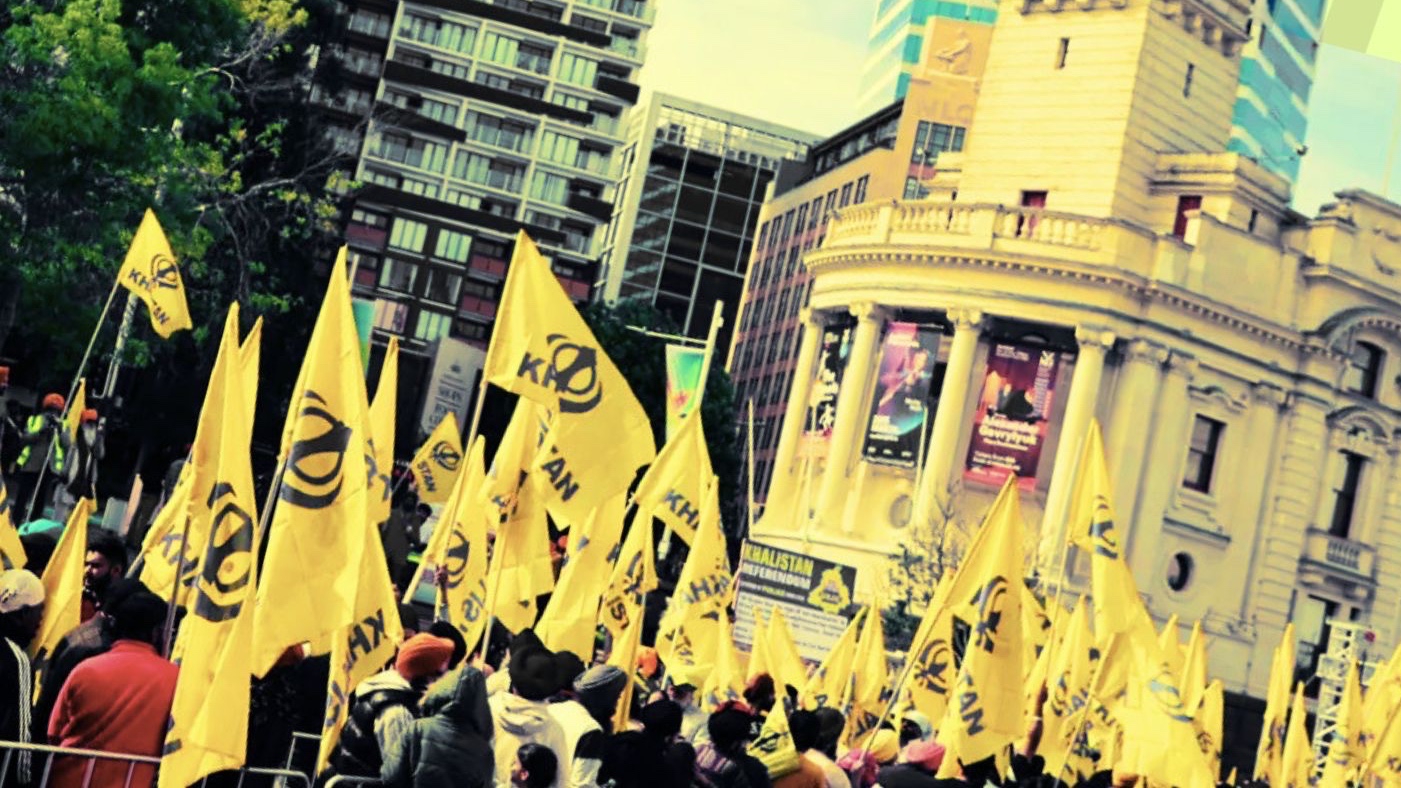
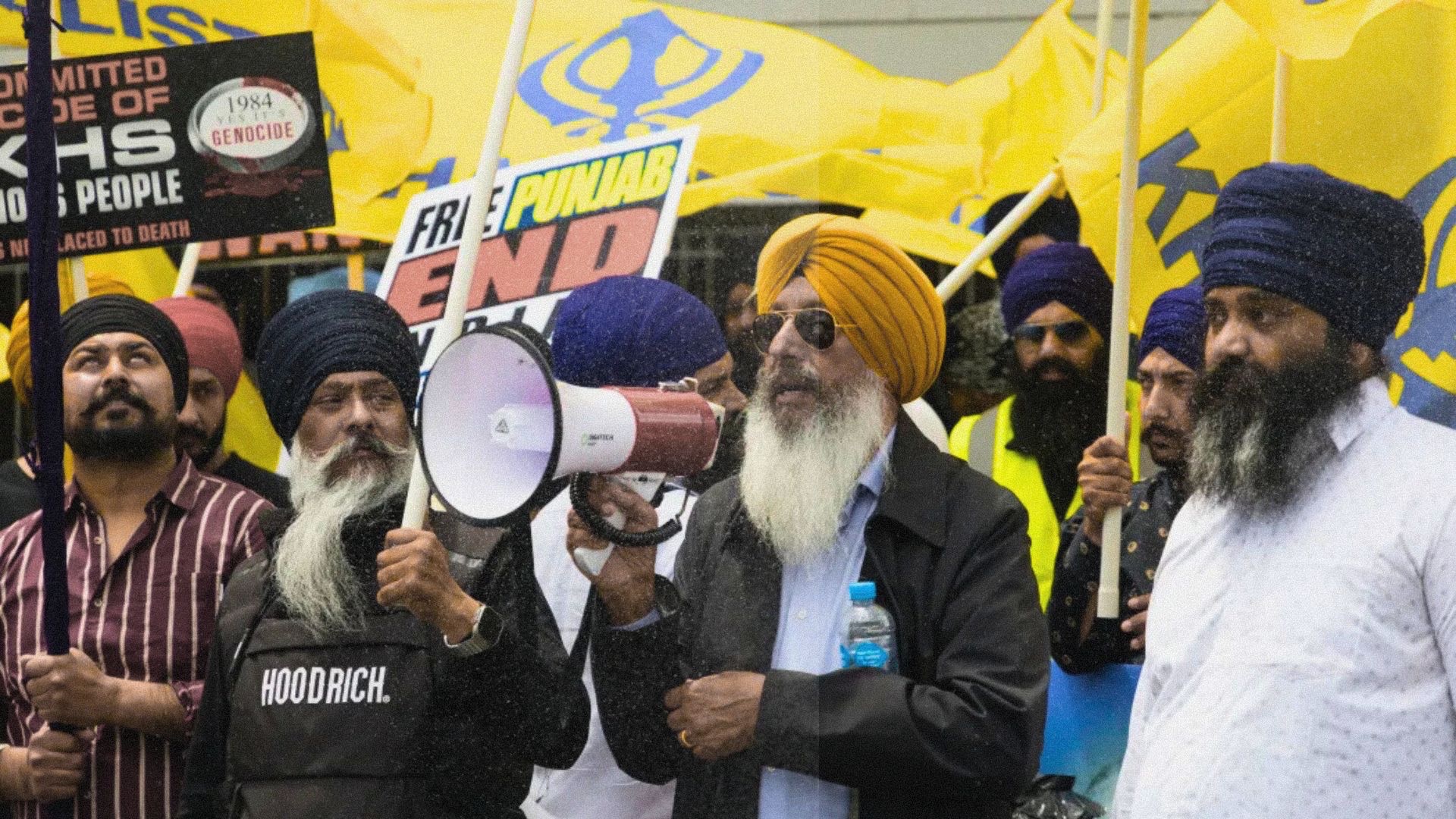
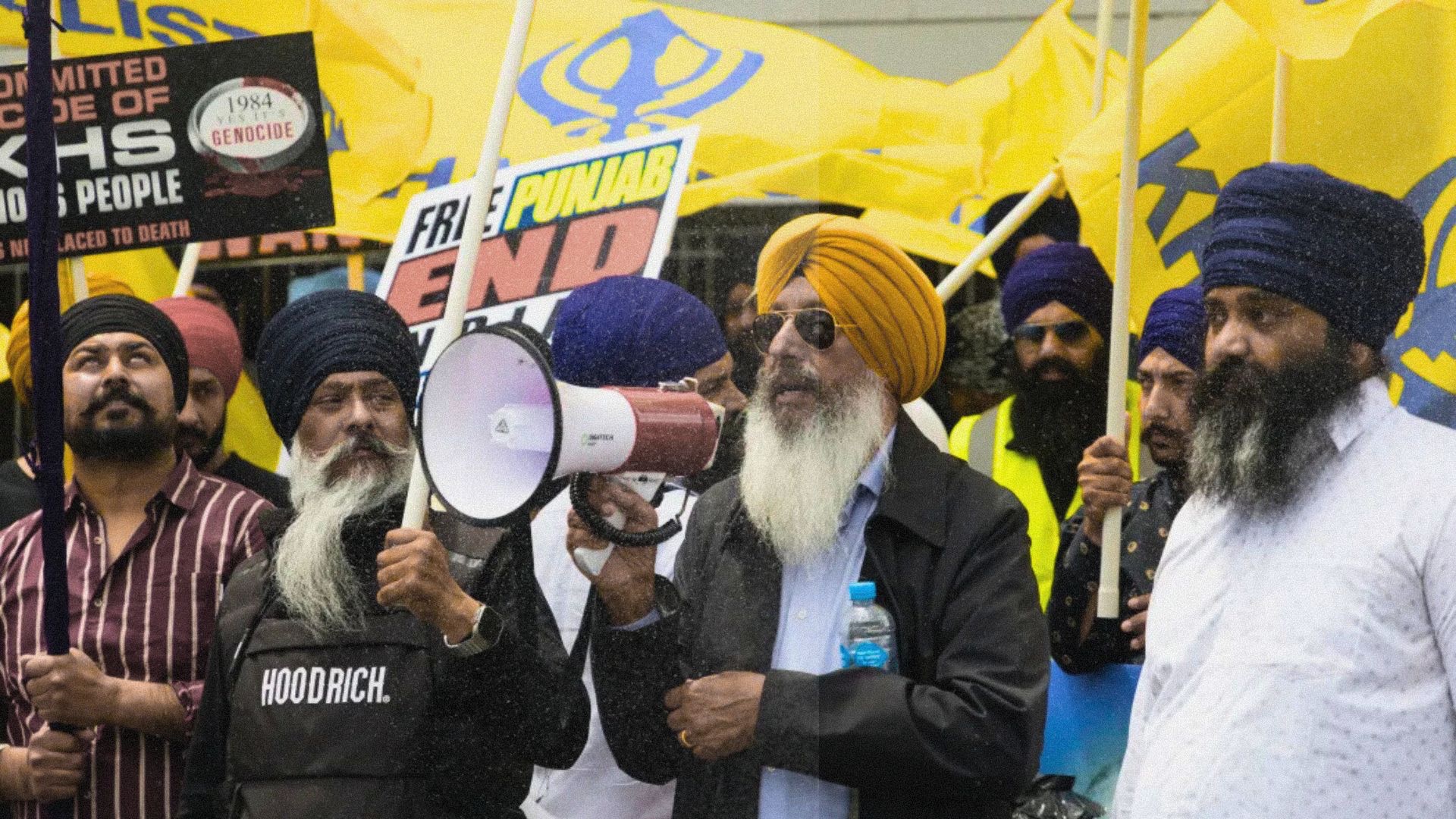
India has formally taken up with New Zealand authorities the disruption of Sikh religious processions in Tauranga and Manurewa over the last two months, after the incidents triggered concerns about religious freedom and safety among the wider Indian diaspora.
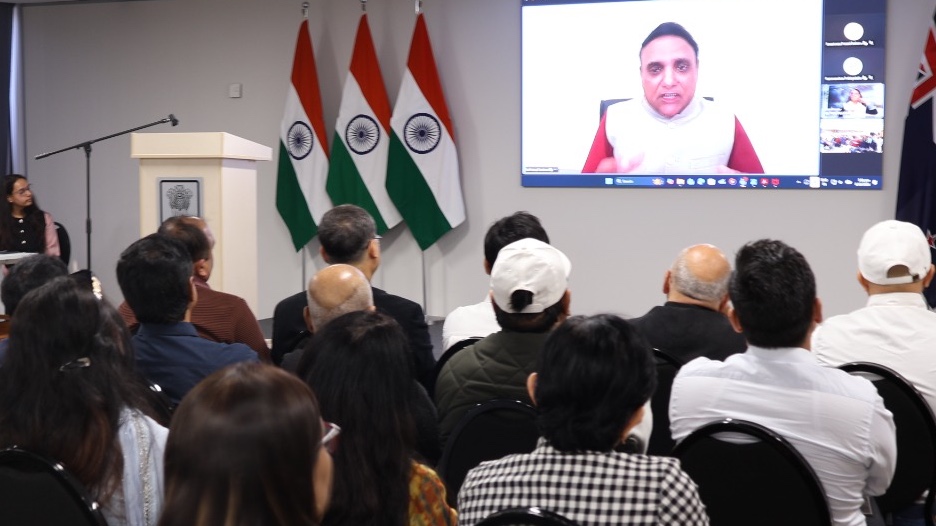
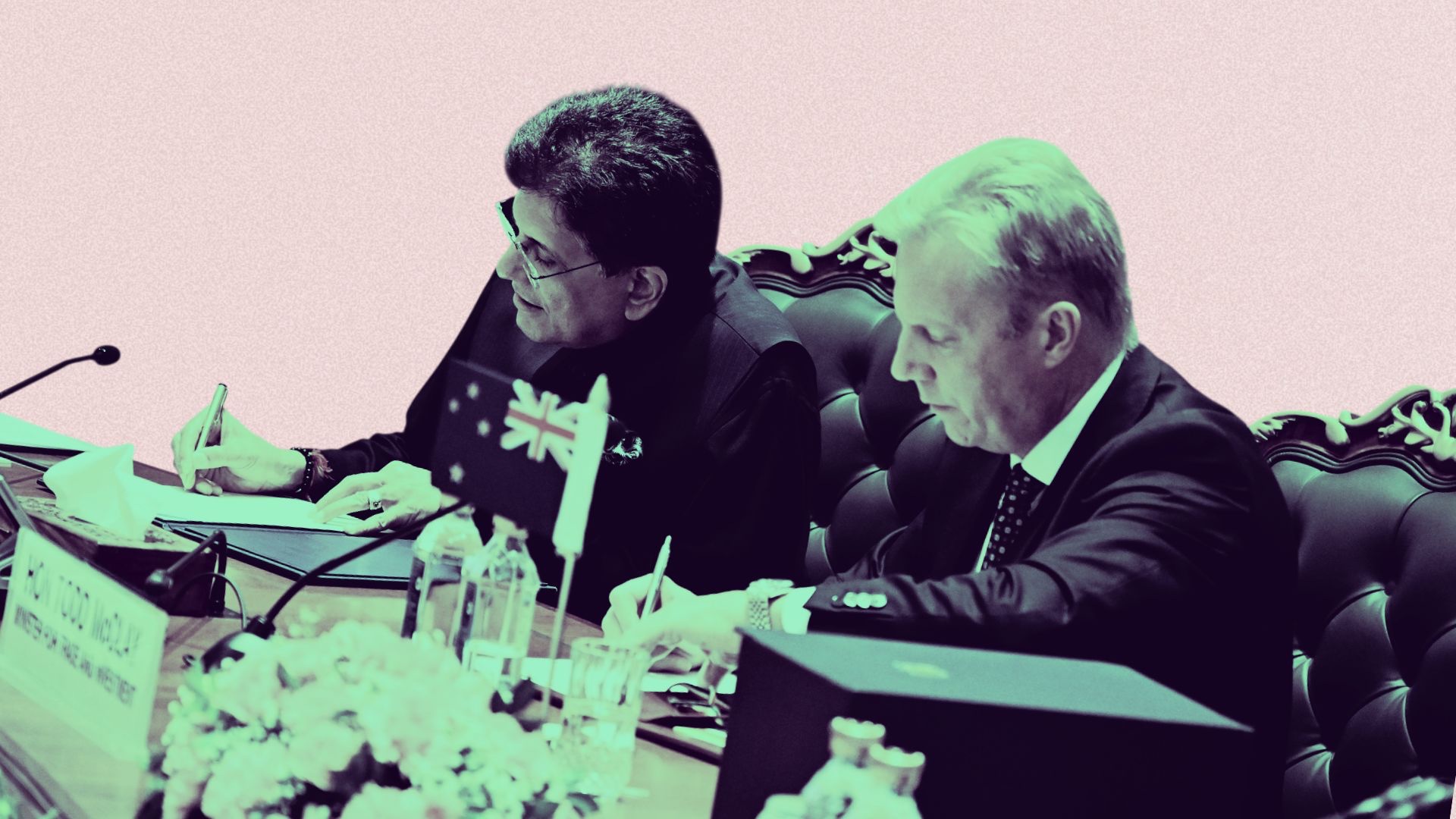
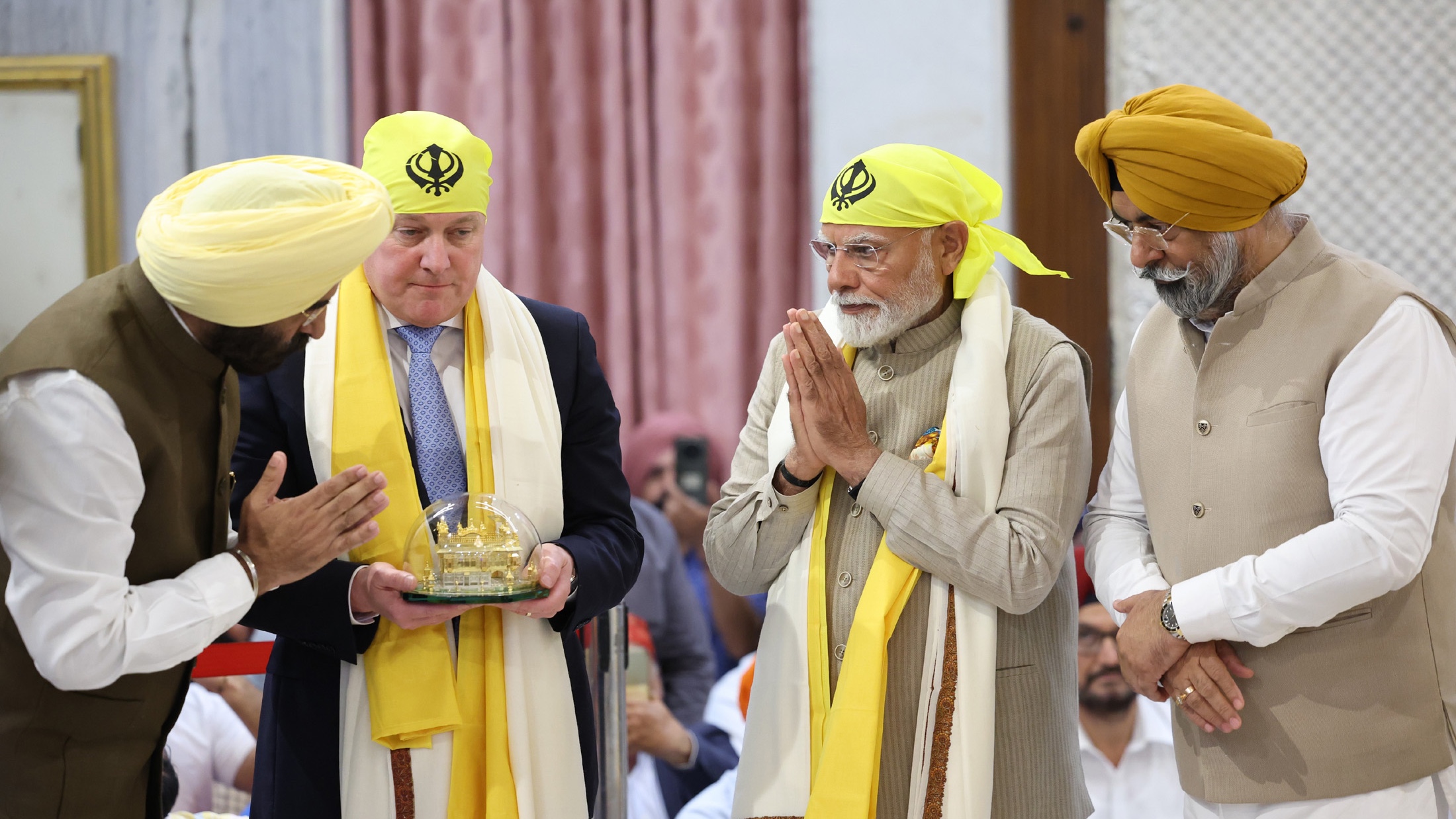
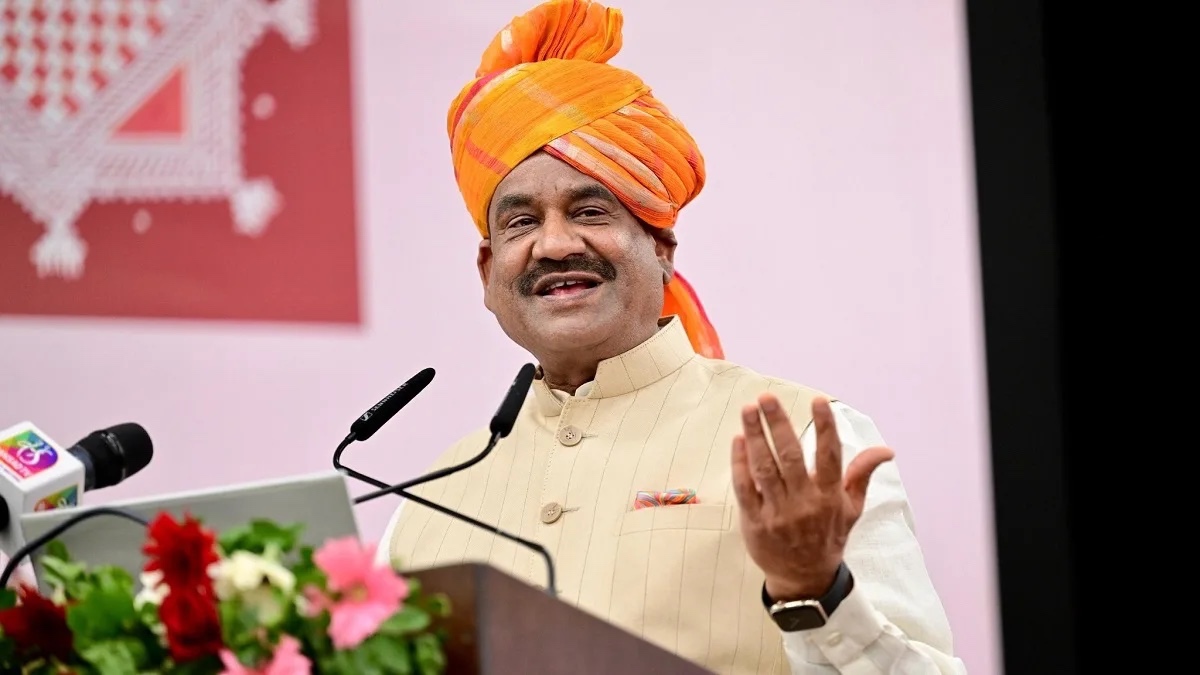
In a written reply to the Lok Sabha on February 6, 2026, India's junior external affairs minister Pabitra Margherita said they had raised the matter with the New Zealand government and that the Indian High Commission in Wellington was in close contact with Sikh community leaders.
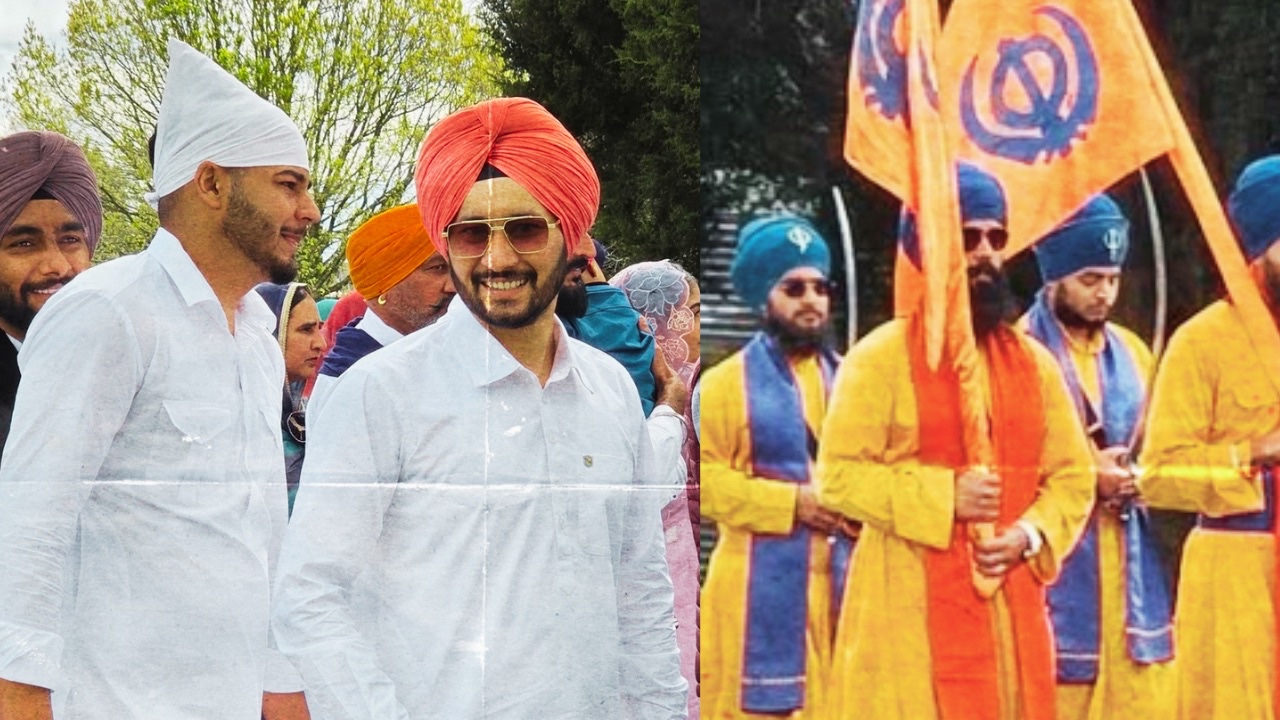
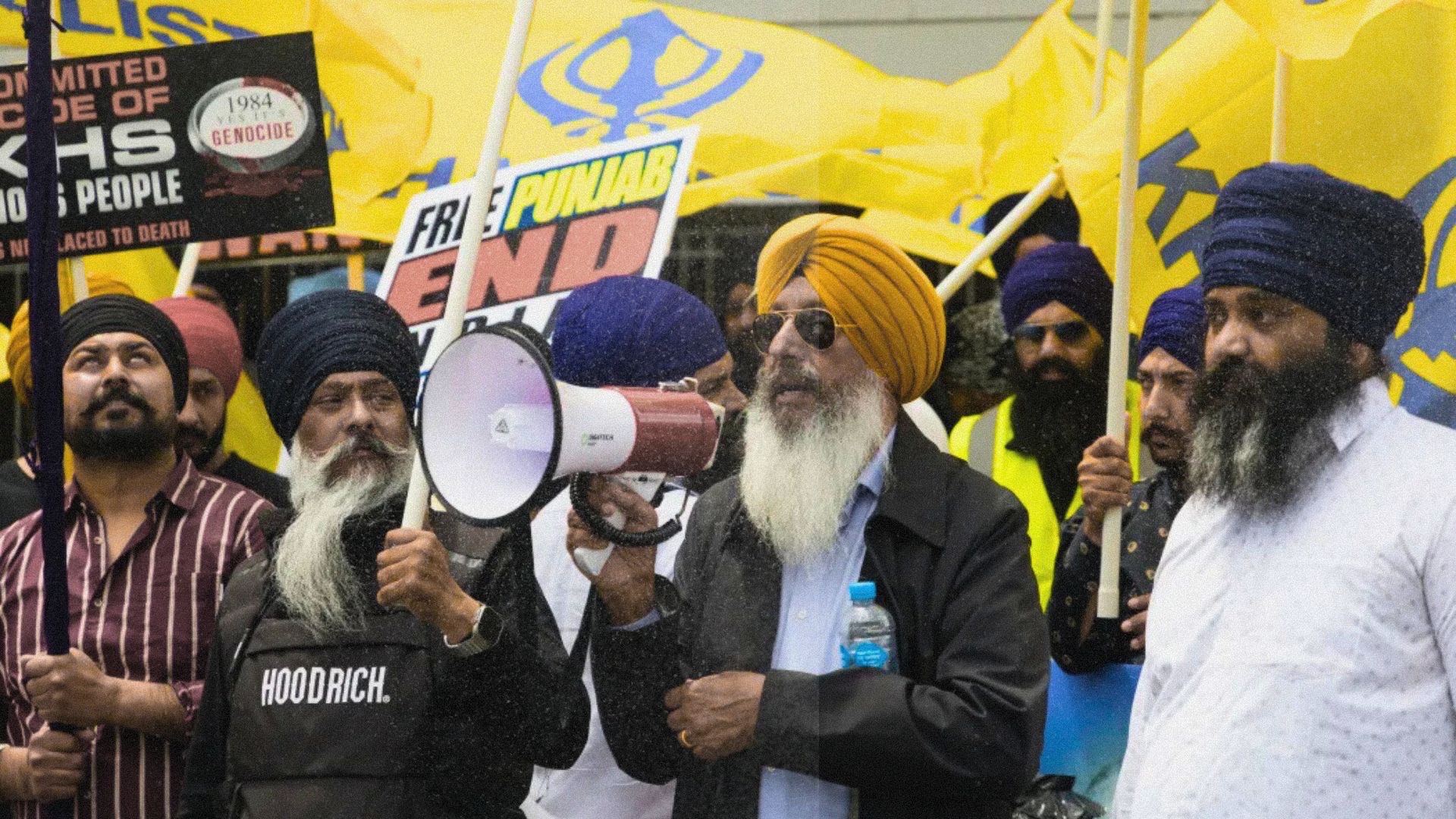
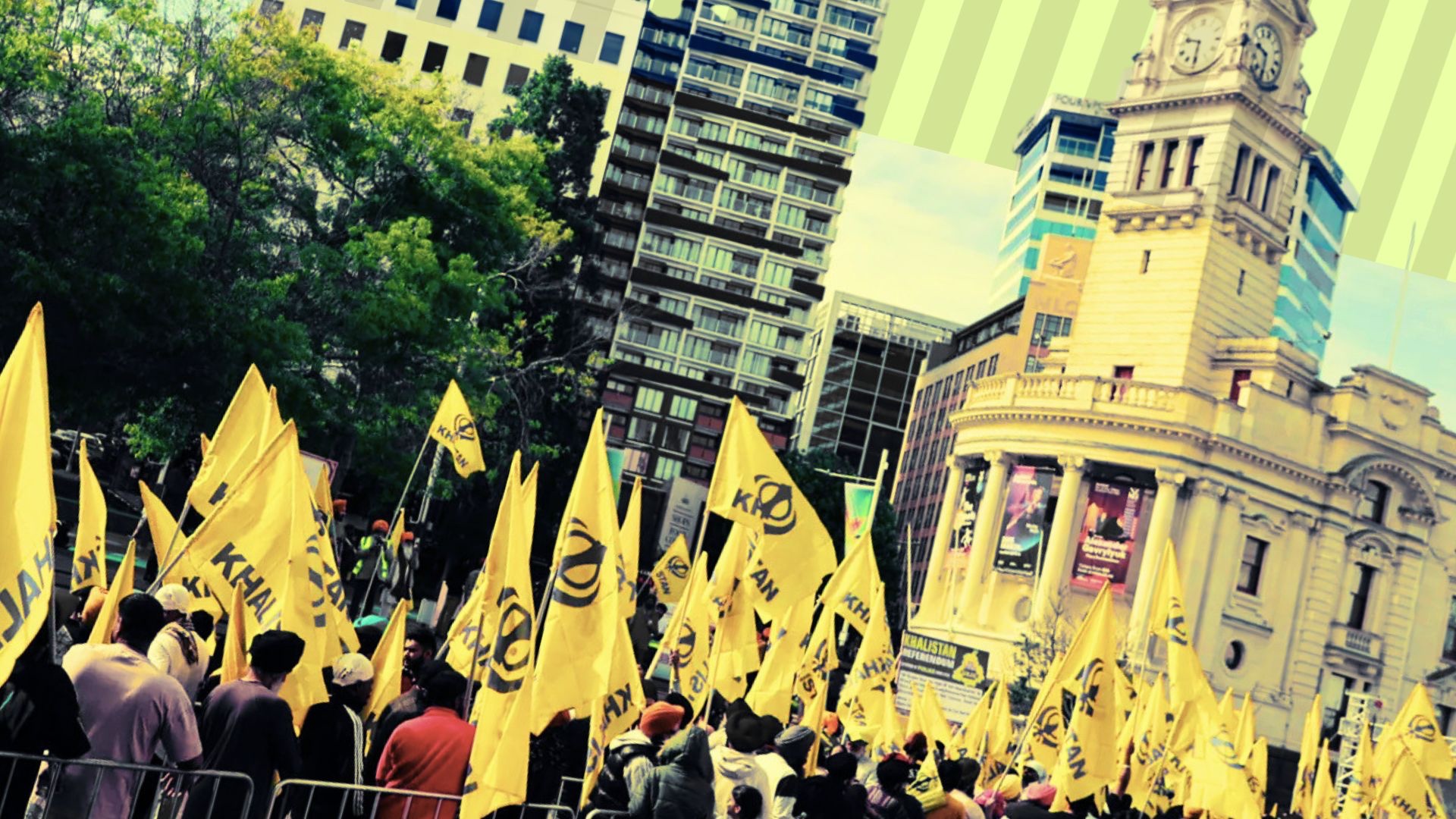
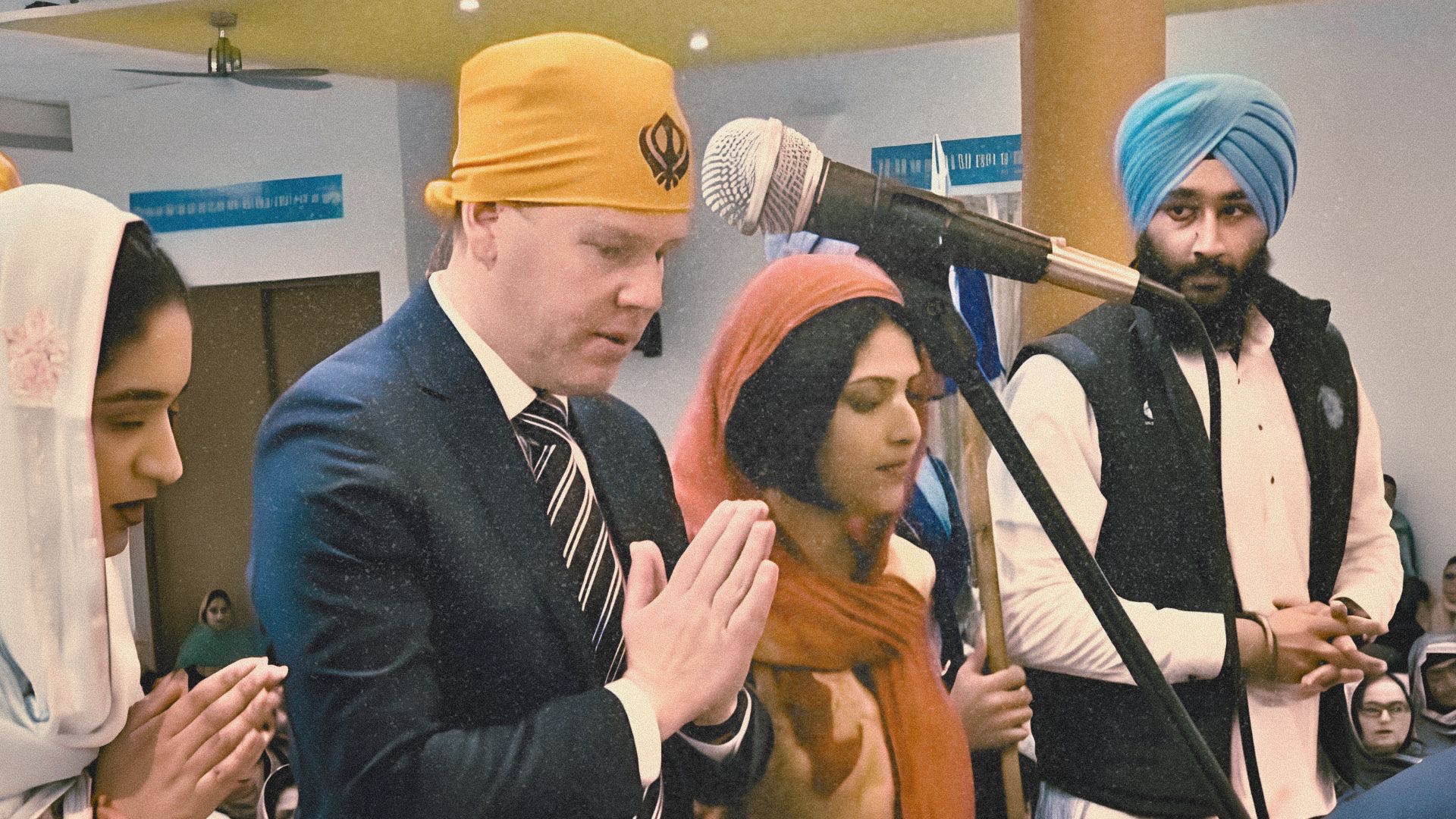
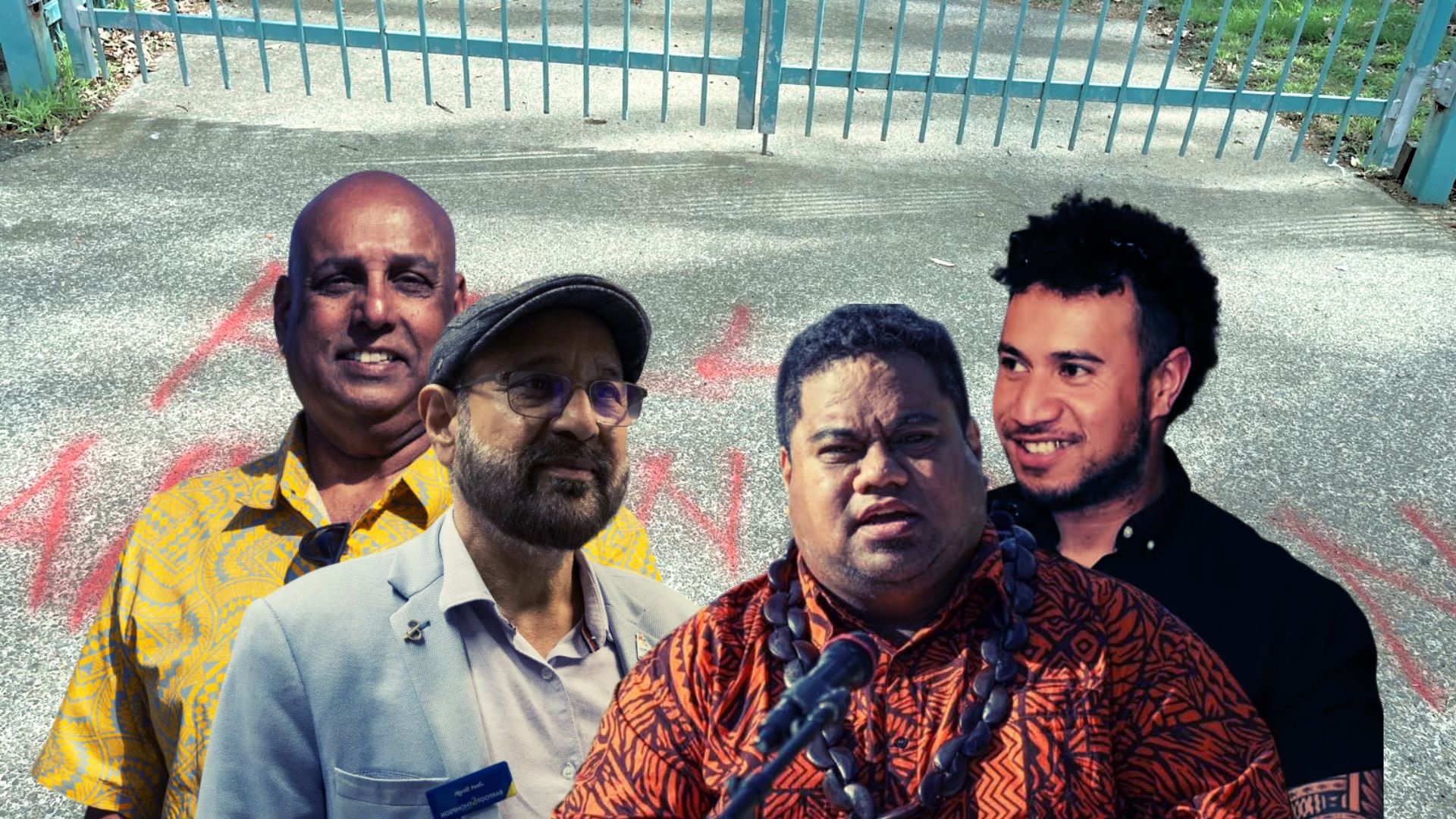
The external affairs ministry was replying to a question by Shiromani Akali Dal leader and parliamentarian Harsimrat Kaur Badal. The response related to two nagar kirtans, religious processions by the Sikhs, organised in New Zealand in December 2025 and January 2026. The Tauranga event was disrupted by a local protest group despite the event having prior approval from the city council and police.
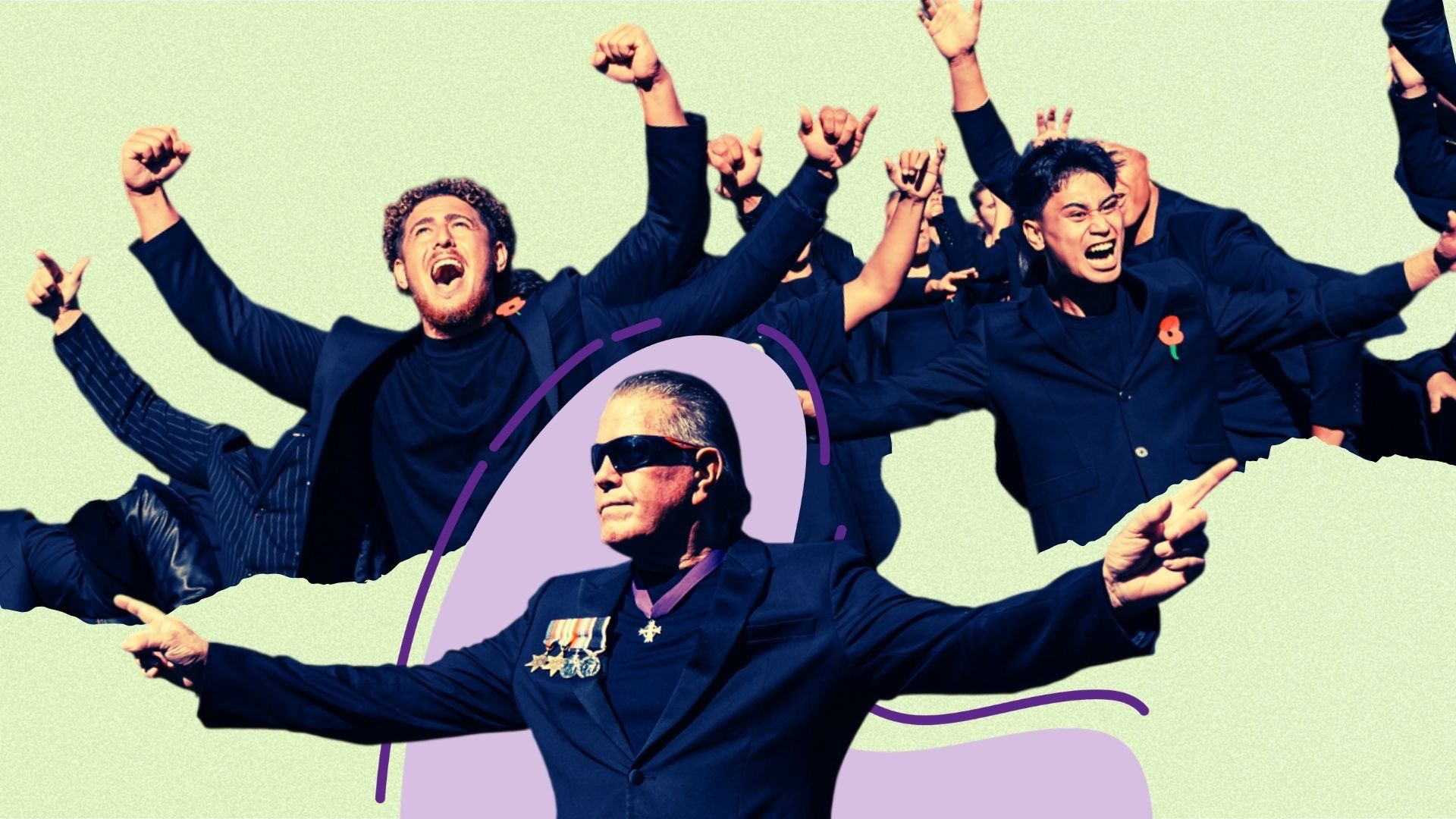
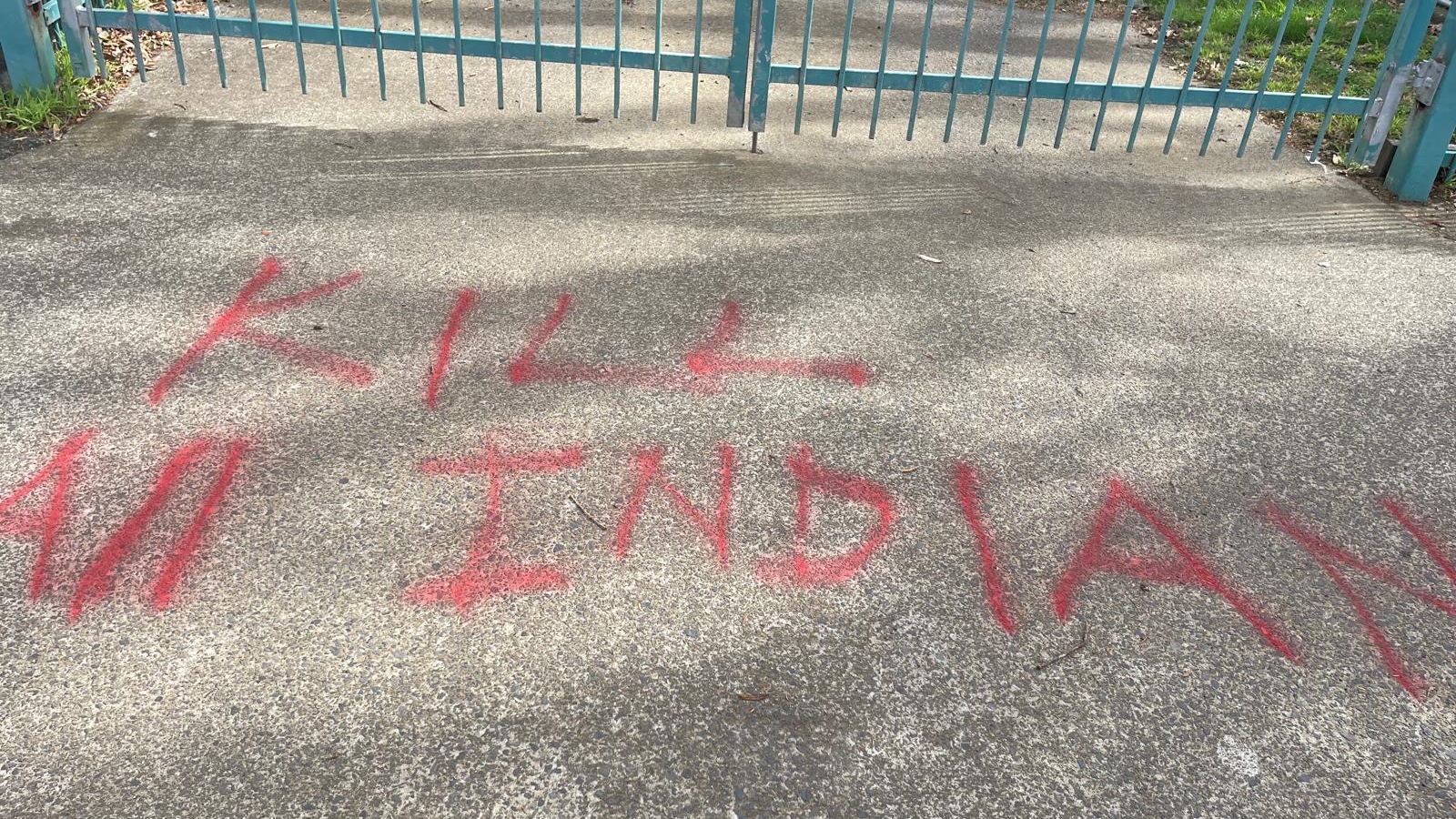
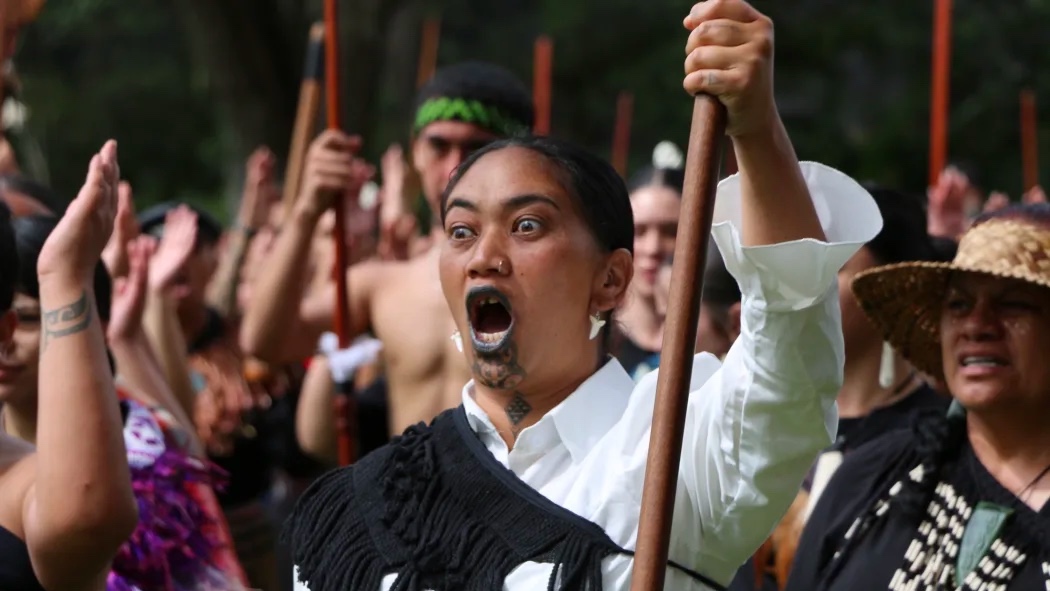
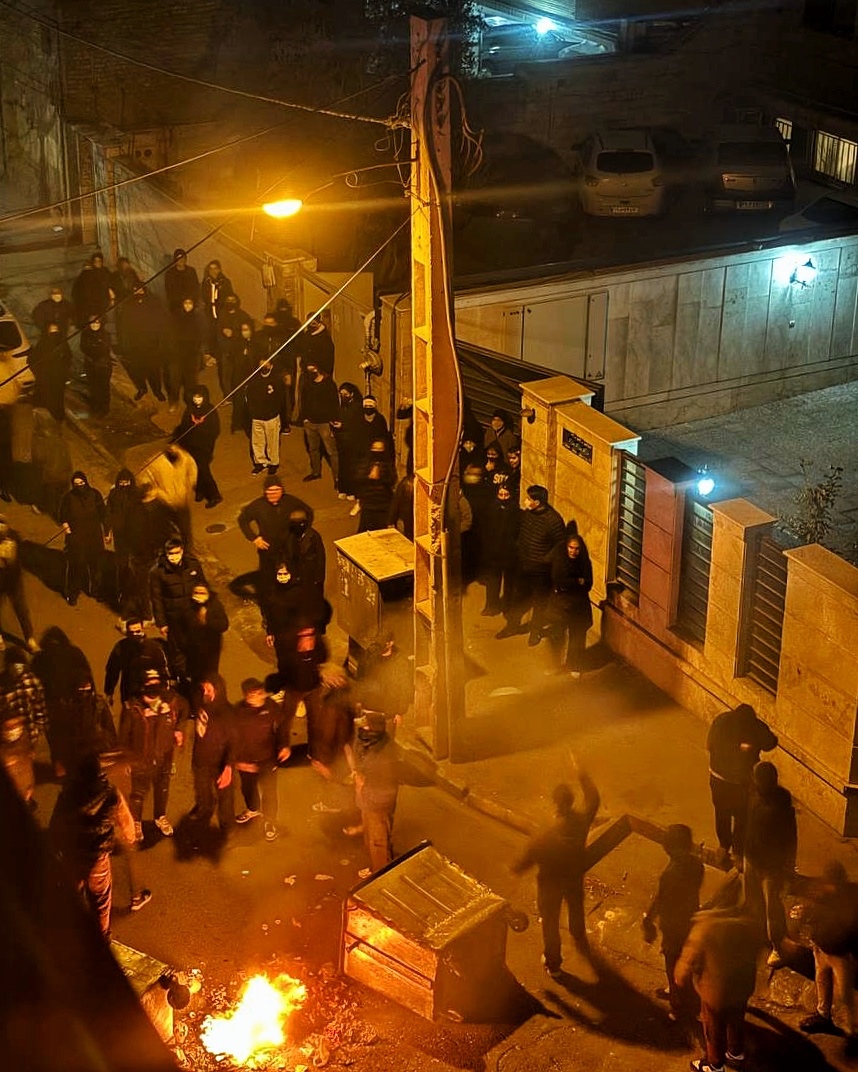
A similar standoff unfolded on December 20 in the southern Auckland suburb of Manurewa, where another Sikh procession was stopped in tracks by a group of people sporting merchandise reminding the peaceful Sikhs ‘this is New Zealand, not India’. The protestors approached the procession like a force advancing across a battlefield and performed the haka at close range. Police intervened to separate the groups.
The protestors belonged to an organisation backed by Destiny Church, a homegrown cult that espouses a social conservative Christian worldview and promotes nativism. In its parliamentary reply, the Indian government described the outfit as "a New Zealand Christian group (described as a Church) and describes itself as 'Guardians of the Kiwi Way of Life; Defenders of Faith, Flag & Family'. Last month, the group's leader Brian Tamaki held a rally in Auckland that the Indian community here has described as racially pejorative.
From designing restaurants to running Auckland Diwali: The many lives of Arnav Taode Taode brings his passion for Indian arts and culture to his first year managing BNZ Auckland Diwali 2026.
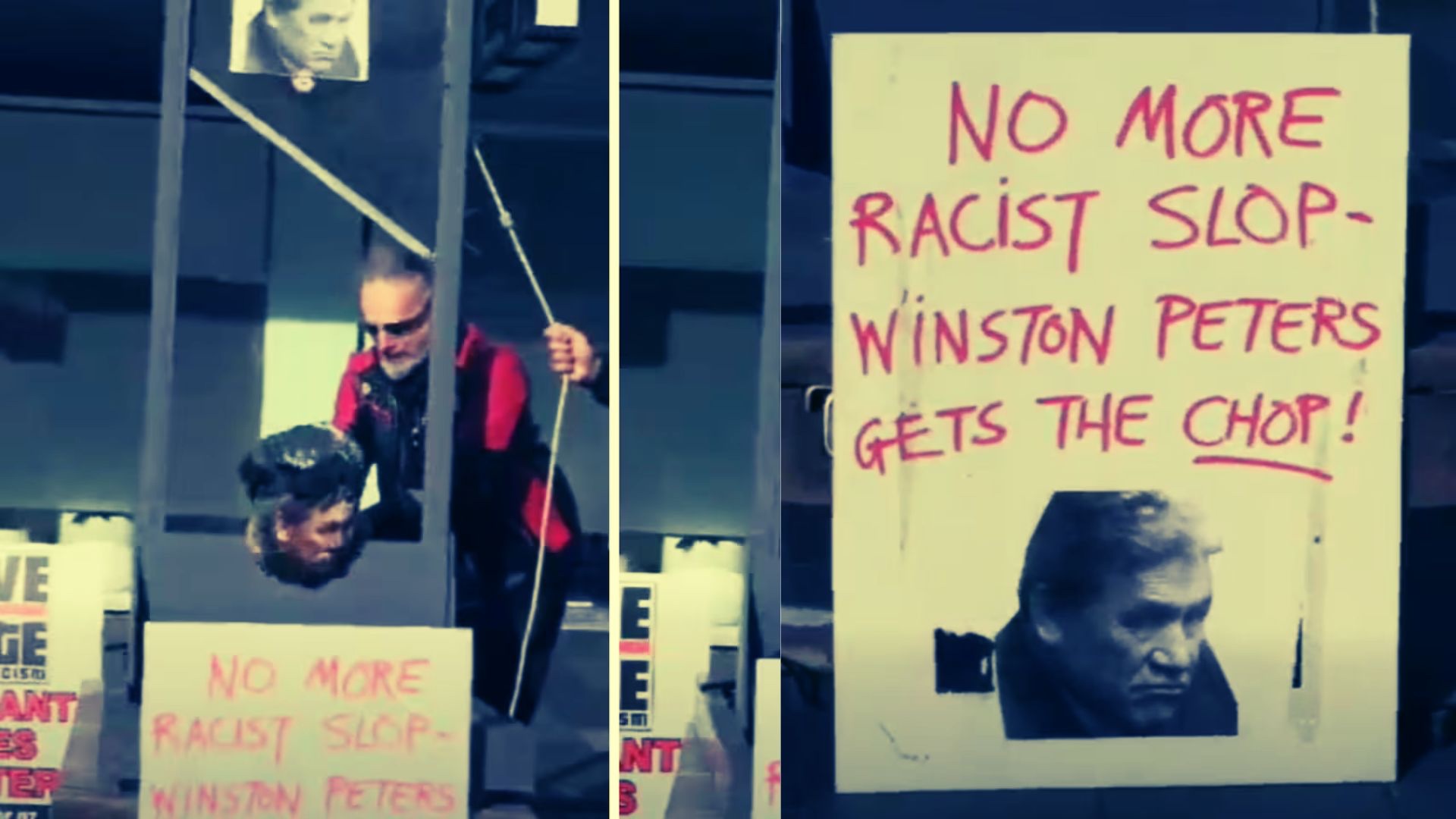
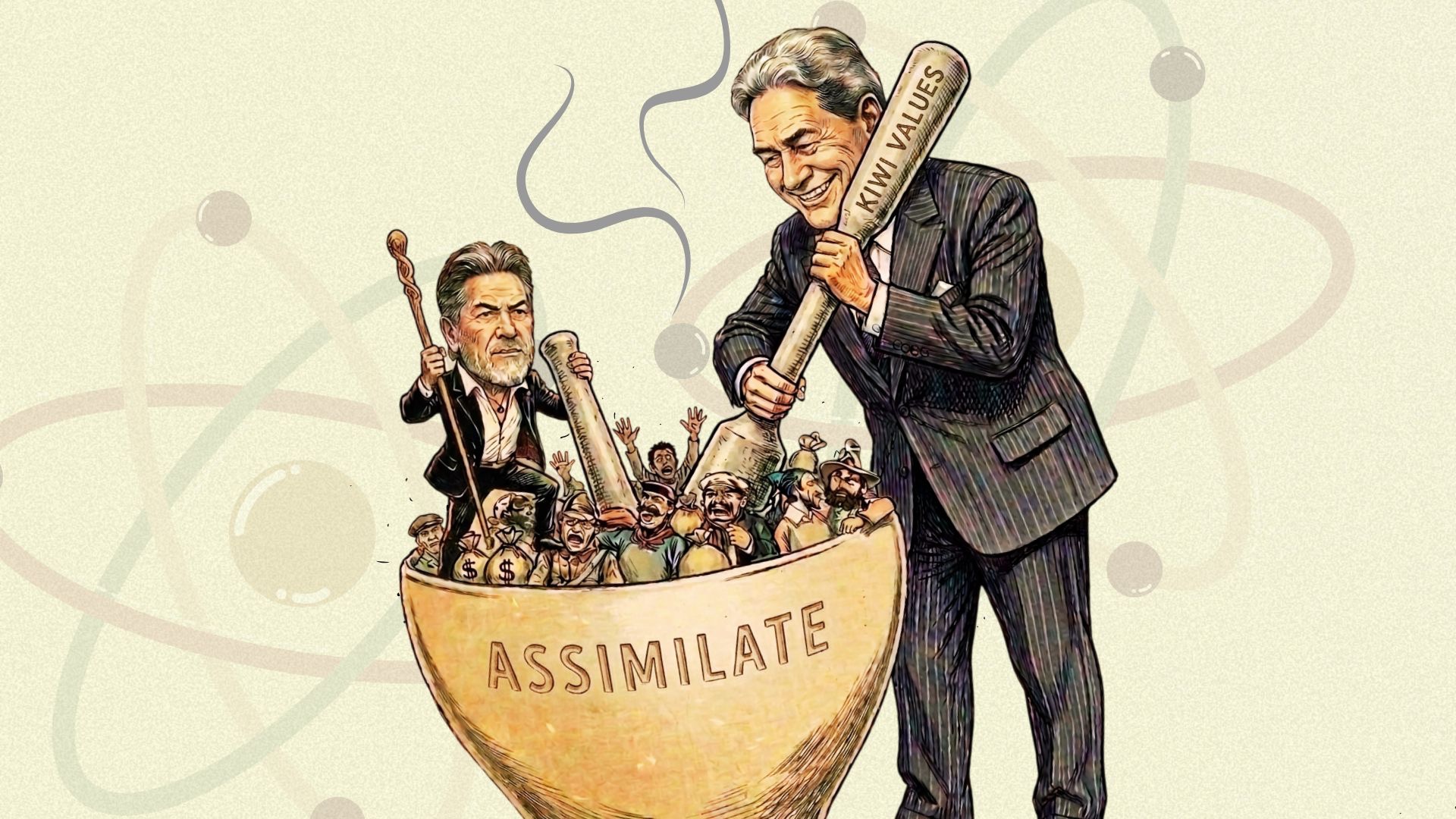
Winston Peters says ‘diversity is disunity’. What does the evidence tell us? Evidence from business, sport and social policy suggests diversity can strengthen economies and cohesion but on one condition.
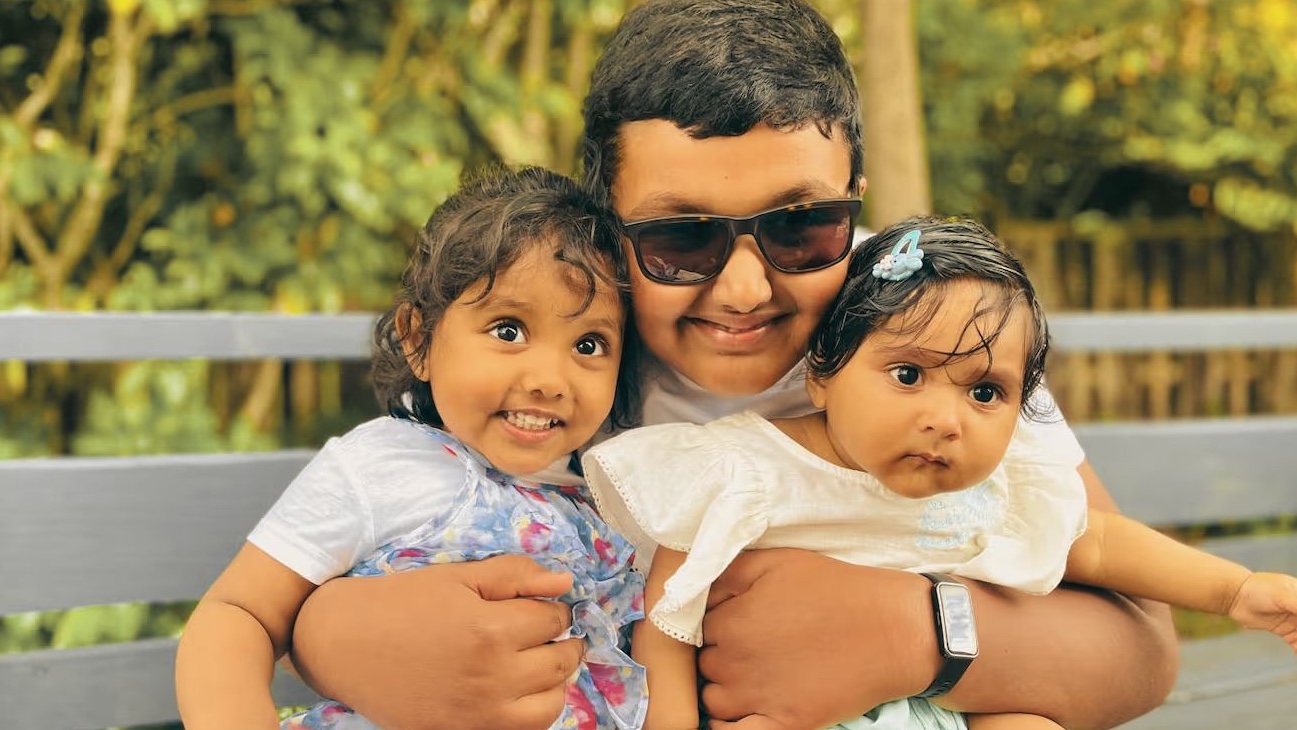
Baby born in Sri Lanka to New Zealand residents caught in limbo after Down syndrome diagnosis Immigration tribunal orders fresh residence assessment after finding a “serious mistake” by immigration officials.
The Indian government's reply in Parliament's Lower House last week acknowledged that the police were present during both events and later held meetings with procession organisers, Sikh community representatives and officials from the Indian High Commission. New Zealand authorities, the ministry added, have assured full cooperation and support to ensure the safety and continuation of religious events.
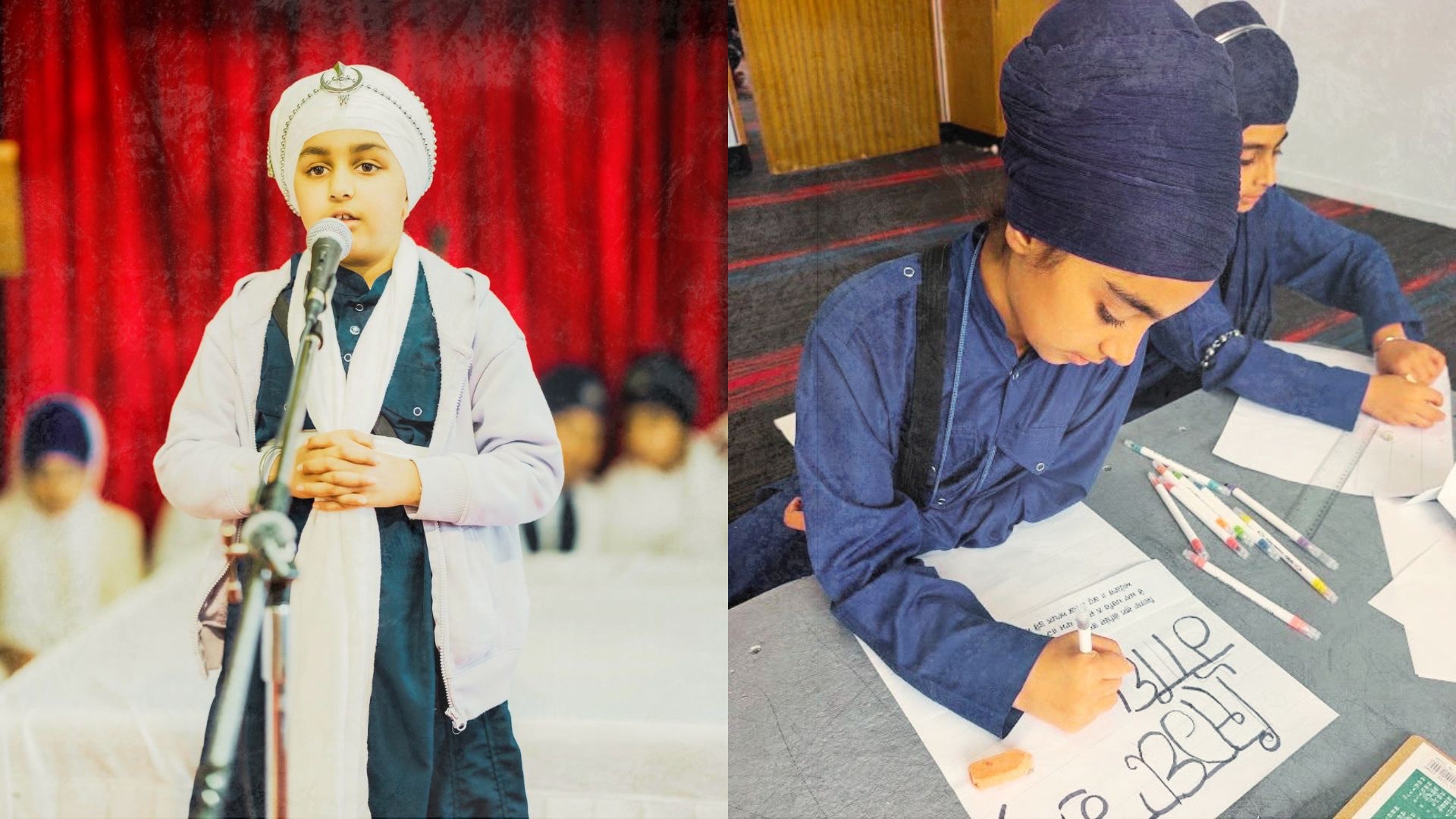
While no physical violence was reported, the incidents have unsettled sections of the Sikh community and the broader Indian diaspora, many of whom view nagar kirtans as highly visible expressions of faith that are usually marked by cooperation with local councils and police. Community leaders have said the confrontations were particularly distressing because families, elders and children were among the participants.
The protests were carried out by a group calling itself “The True Patriots of New Zealand”, which India's external affairs ministry described as socially conservative. The disruptions have fed into a wider conversation within New Zealand about freedom of religion, protest rights and the boundaries of public demonstration in a multicultural society.
Indian diaspora groups say the incidents have heightened anxiety among migrant communities, who expect religious observances conducted with official permission to proceed without intimidation.
In India, the issue has drawn political attention because of the size and visibility of the Sikh diaspora in countries like New Zealand, Canada and the United Kingdom. The external affairs ministry told Parliament it would continue to monitor the situation and remain engaged with New Zealand authorities to ensure the security and well-being of the Sikh community.