
Bill to define woman won't solve the problem NZ First wants to, finds Attorney-General

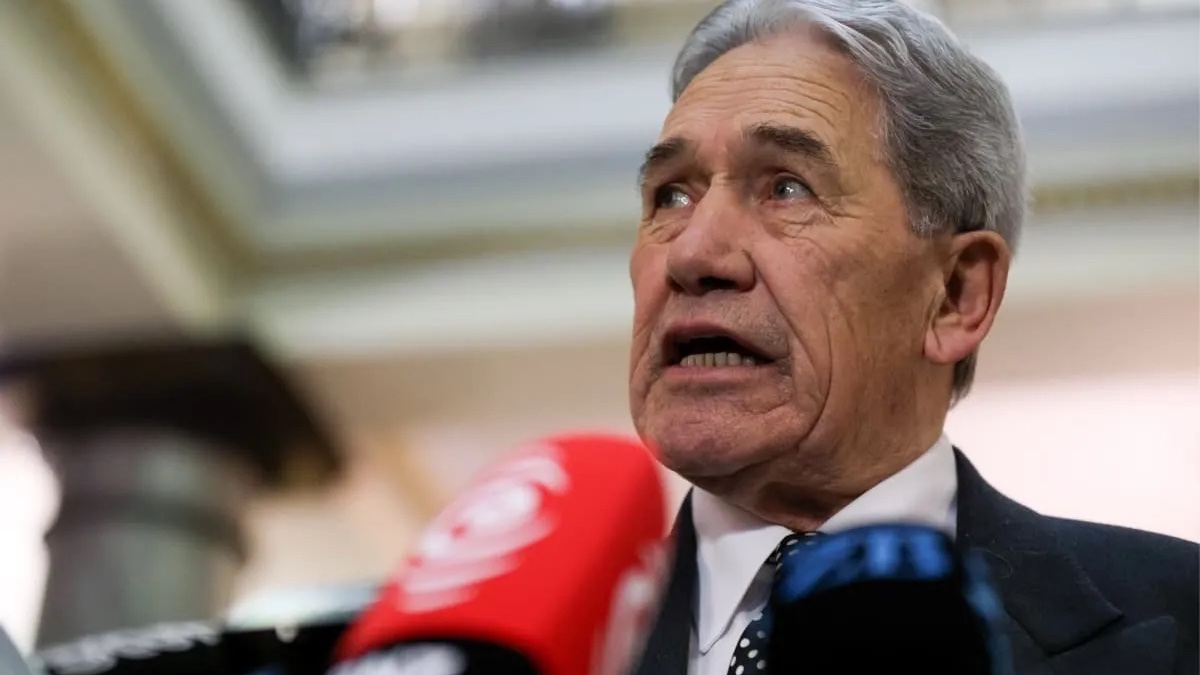
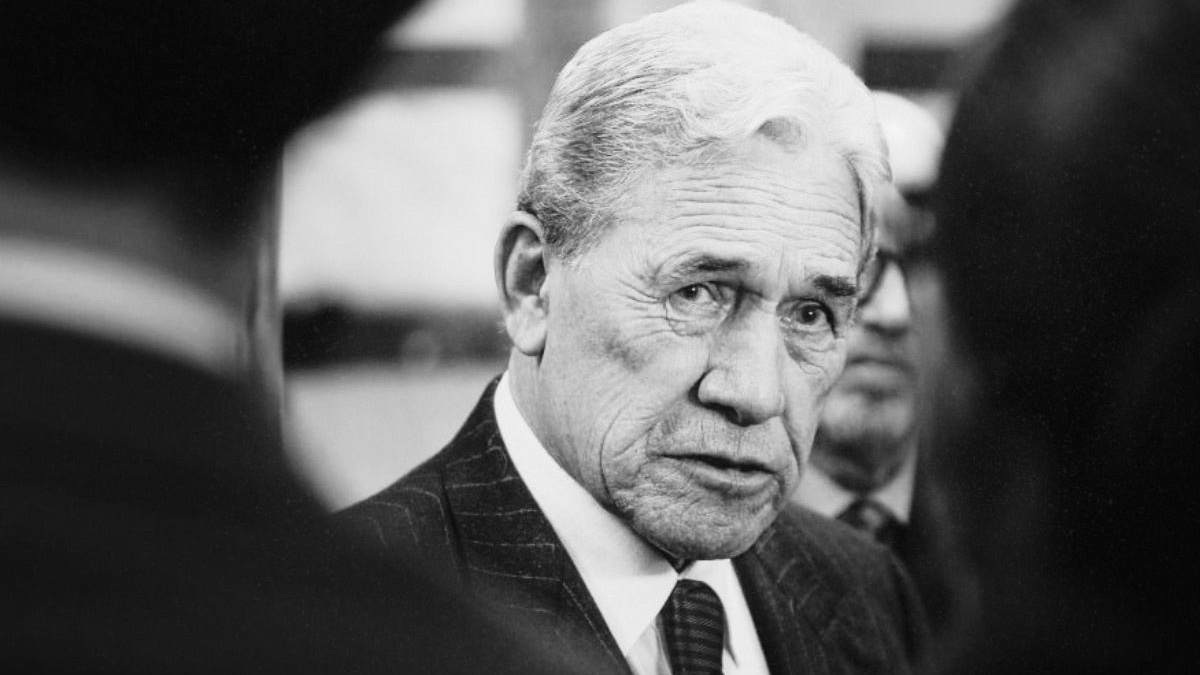
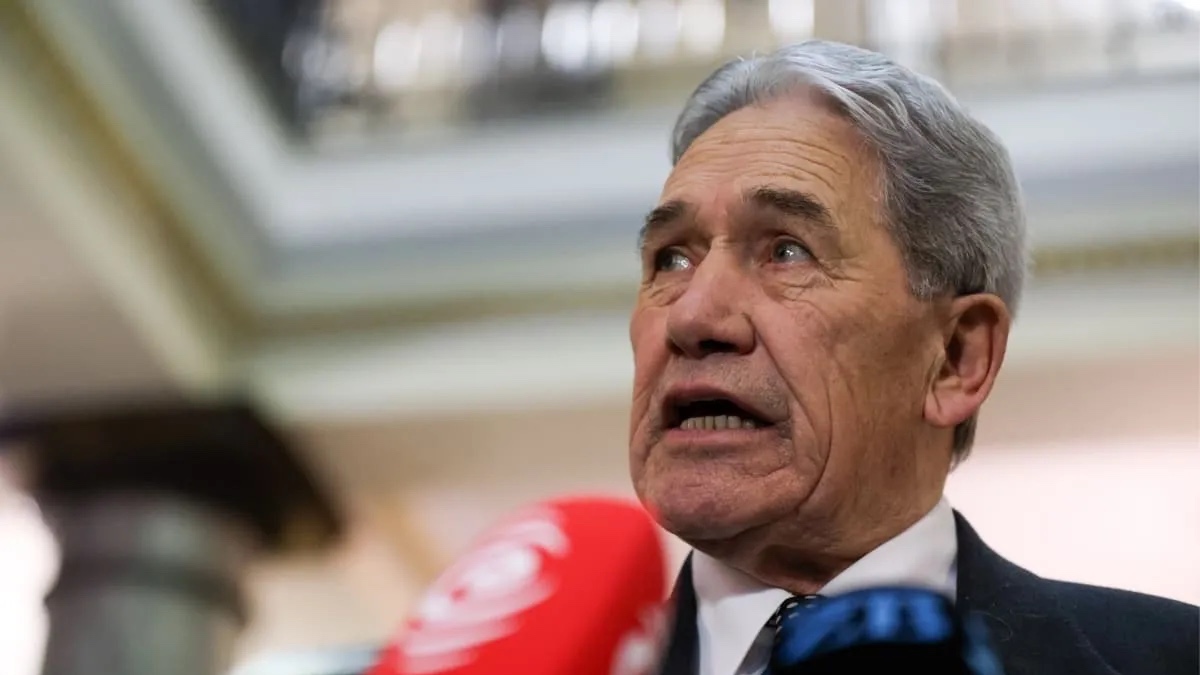
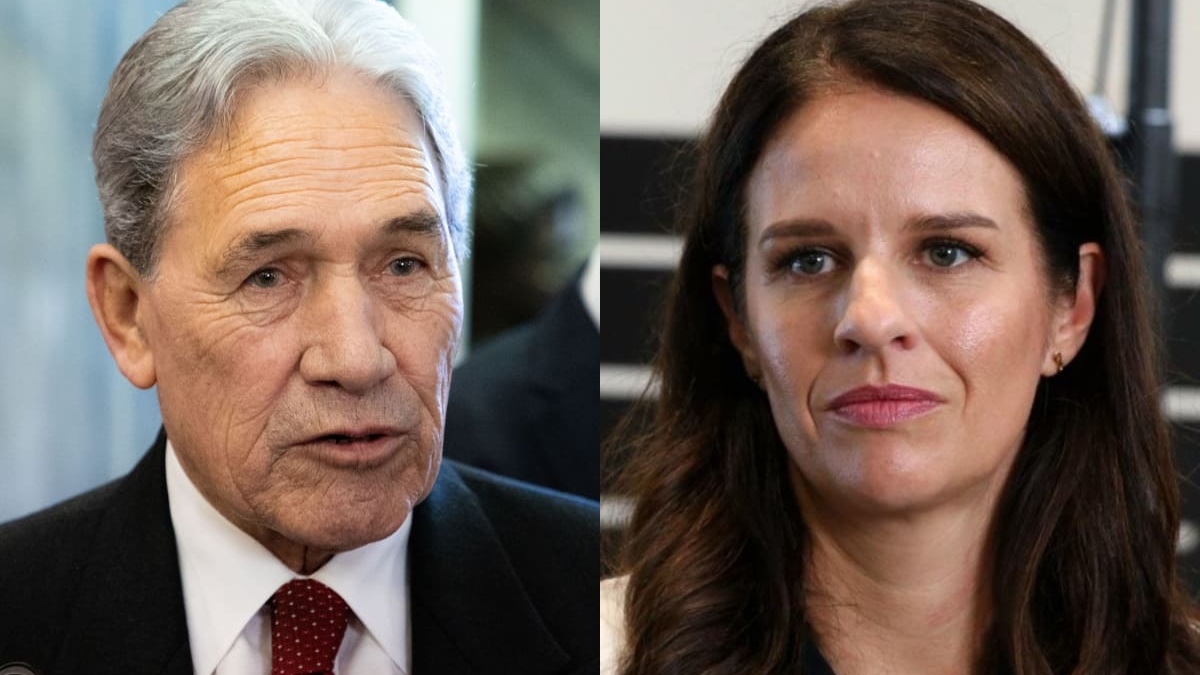
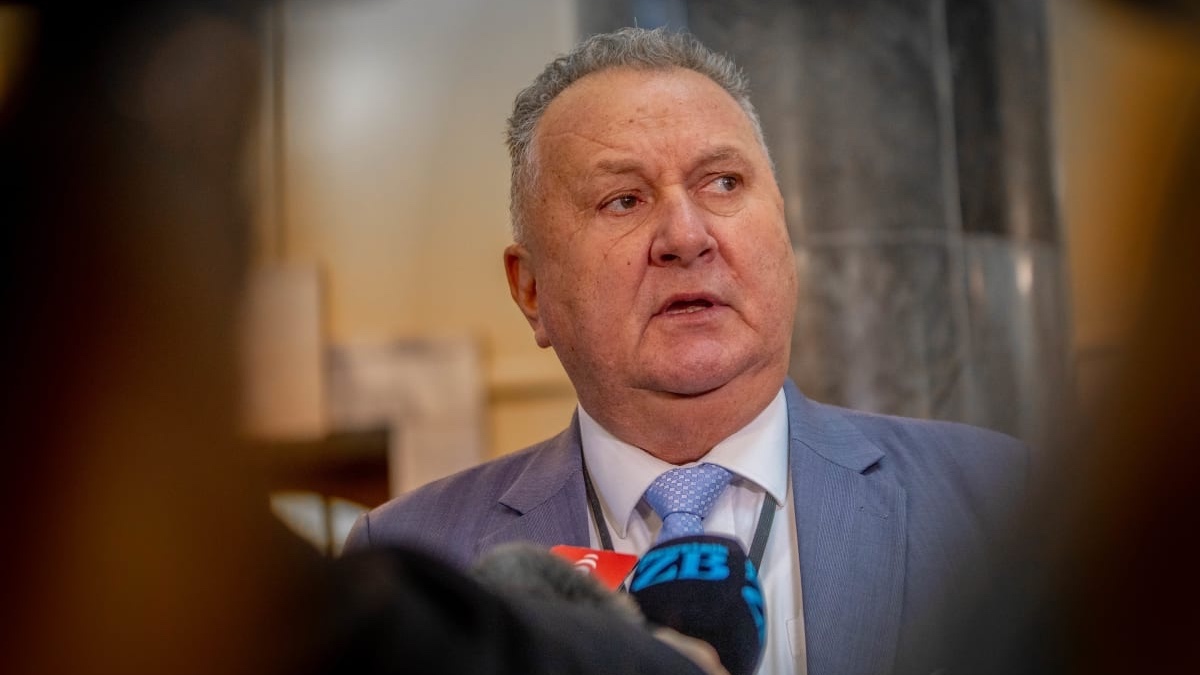
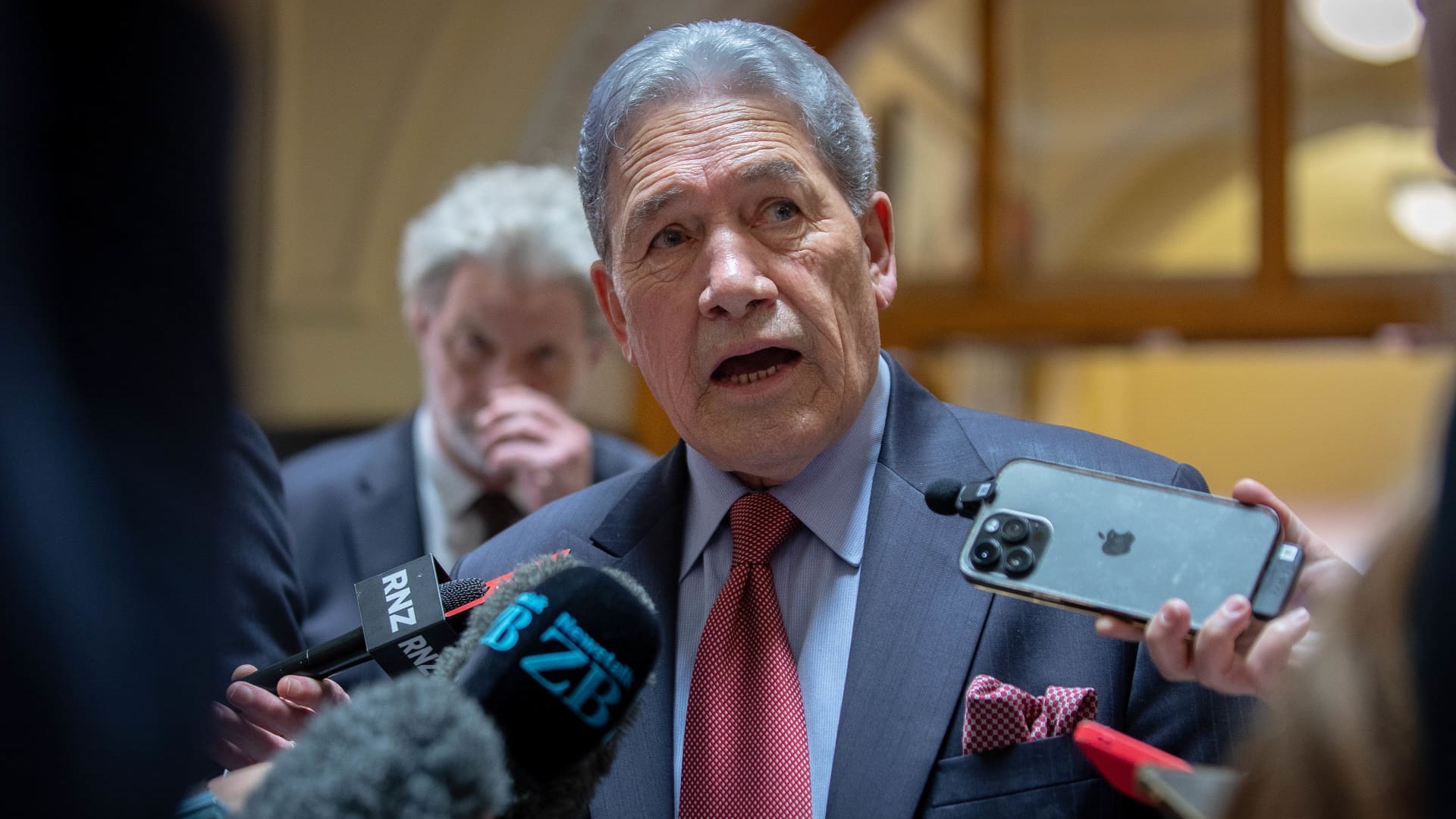
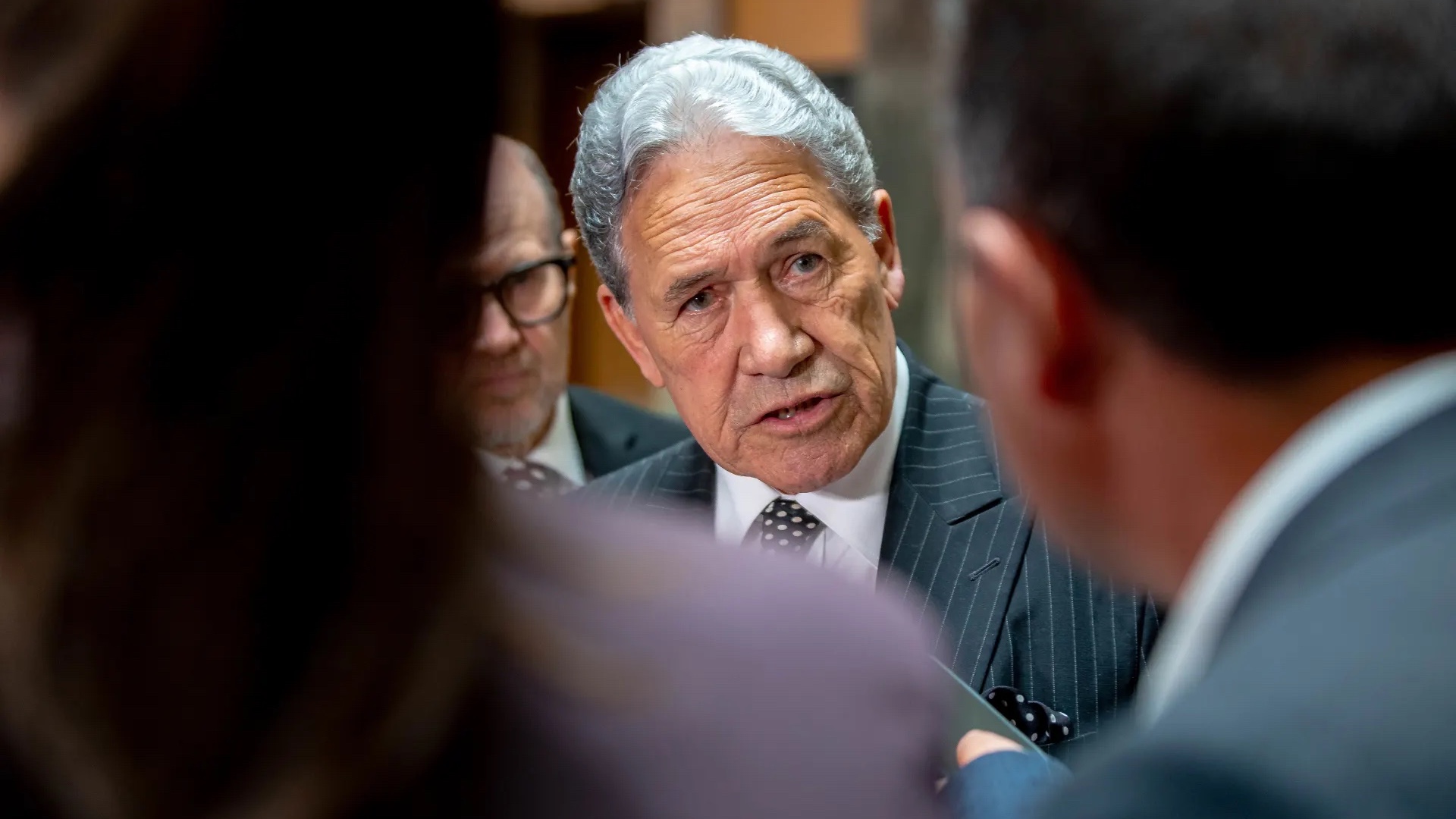
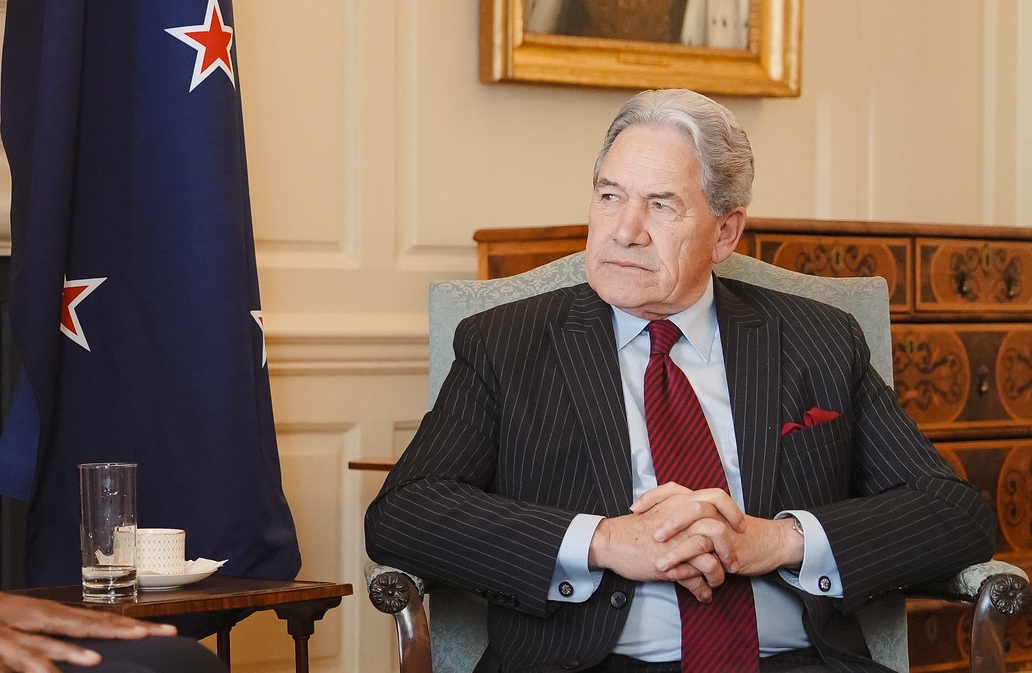
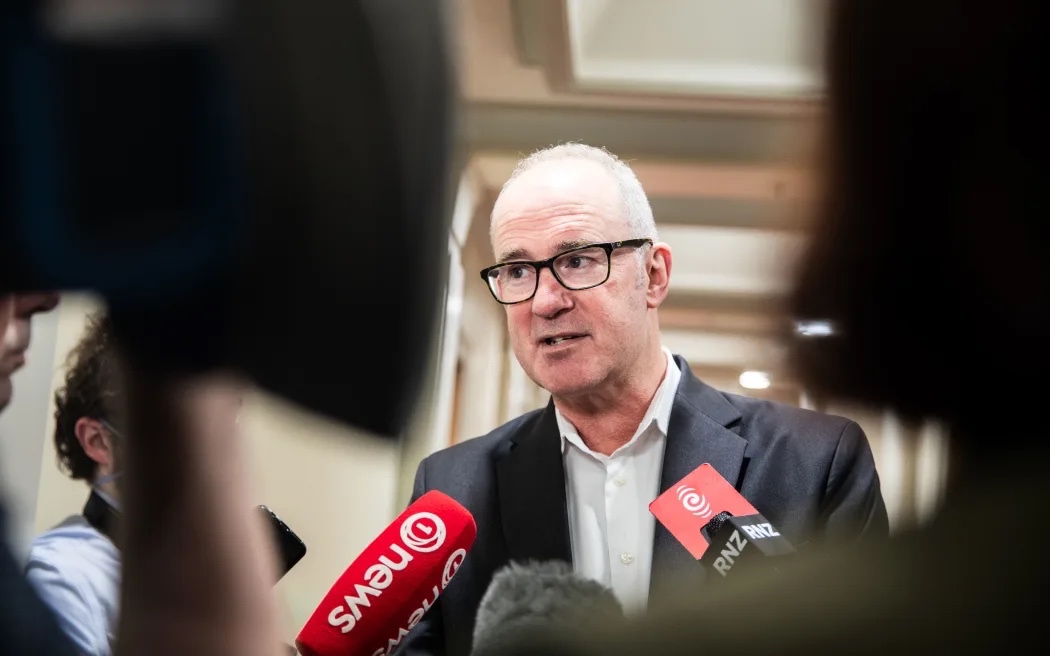
NZ First leader Winston Peters.
Except for the election-year rhetoric, the proposed legislation seems to be achieving nothing.
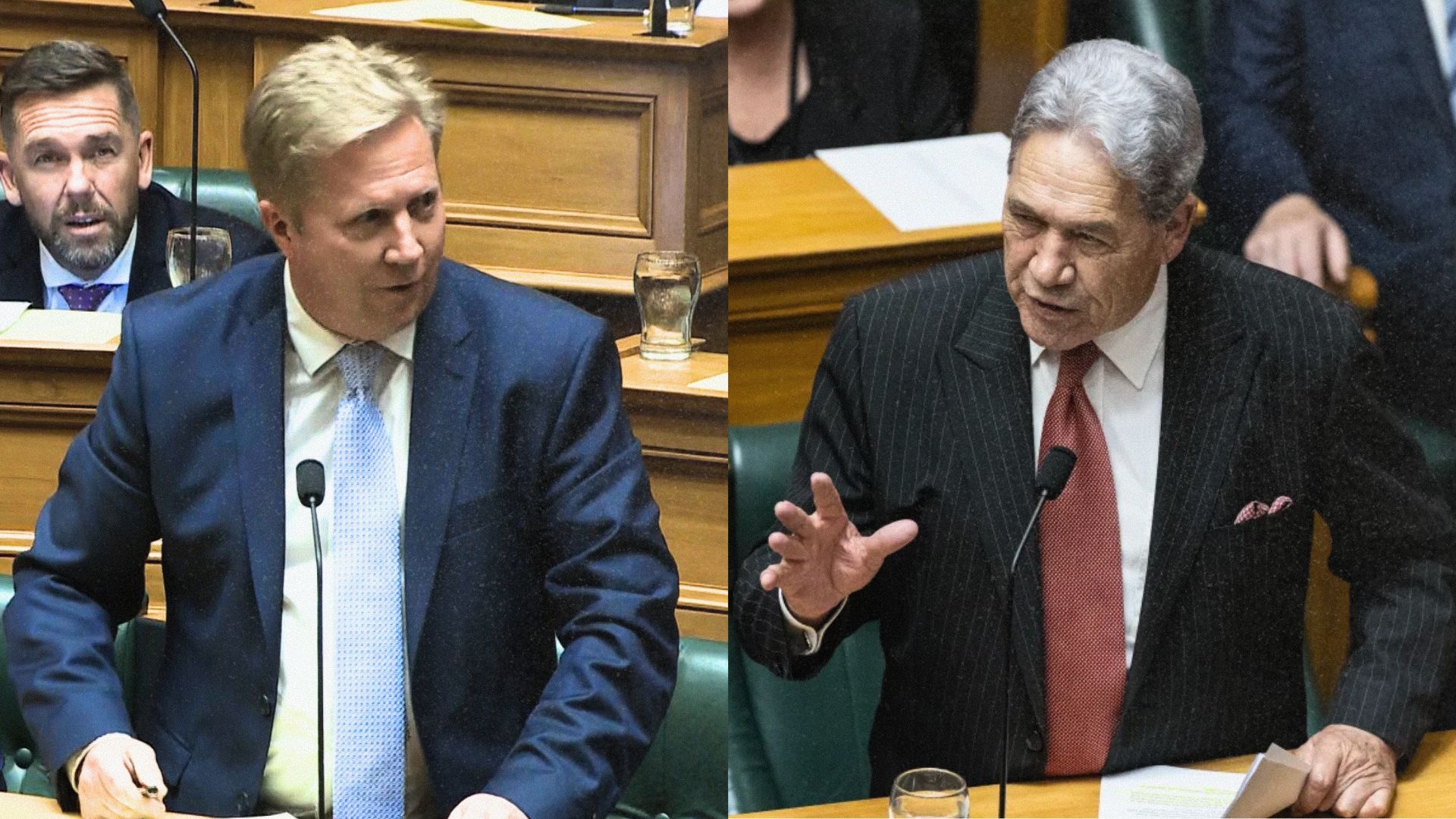
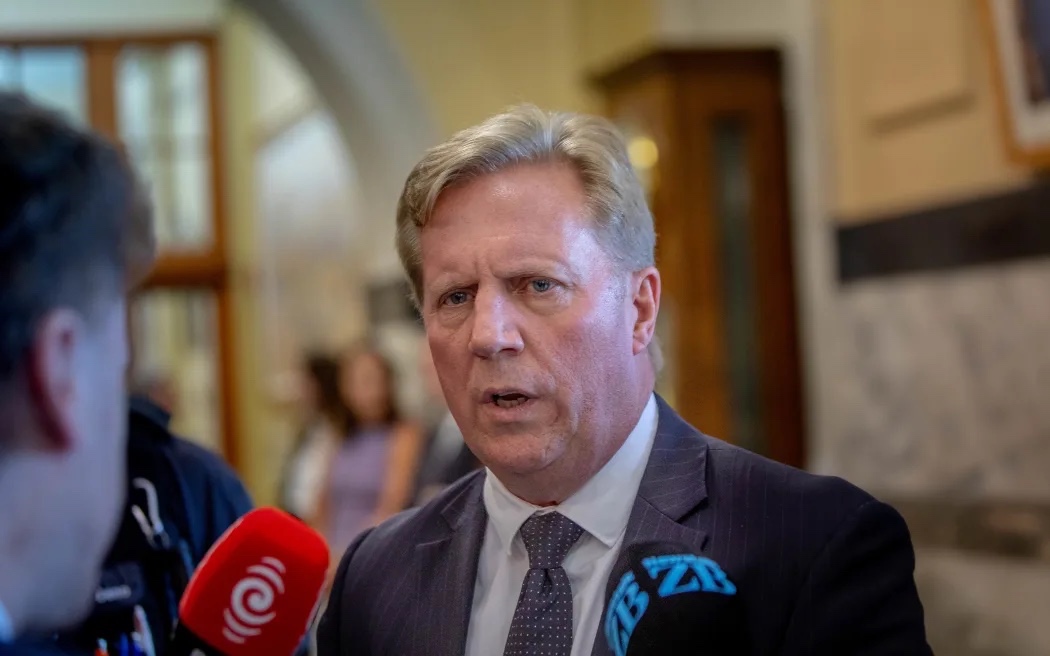
Analysis: Winston Peters seemed to know exactly what problem his party was trying to solve.
“New Zealand First is the only party that campaigned on keeping men out of women’s sports, keeping men out of women's and girl's changing rooms," he said on April 22, 2025.
He didn't want 'biological' men who identified as a woman anywhere near a women's toilet, or signing up for a 100-metre sprint in the women's category.
His party's solution for that was a change in law – the 'Legislation (Definitions of Woman and Man) Amendment Bill'. It was a member's Bill that was picked from the ballot last month, and passed its first reading in Parliament on Wednesday with all coalition partners supporting it.
But earlier that day, the government's top legal adviser indicated to MPs the proposed legislation won't fix any of the issues NZ First says it will.
Truant student may have to curb Khalistan speech in India but will be deported, NZ tribunal rules The 21-year-old's education provider terminated his enrollment within a year because of poor attendance.
New Zealand-trained Indian pilot hailed for saving 174 people in Flydubai suspected crash bid Smit Machchhar trained with Mainland Air in Dunedin for about 18 months between 2008 and 2009.
54 hours worked, 26 hours paid: Indian migrant wins $60,000 from Auckland employer The man's additional claim that he paid unlawful premiums to procure the visa didn't hold up in the employment tribunal.
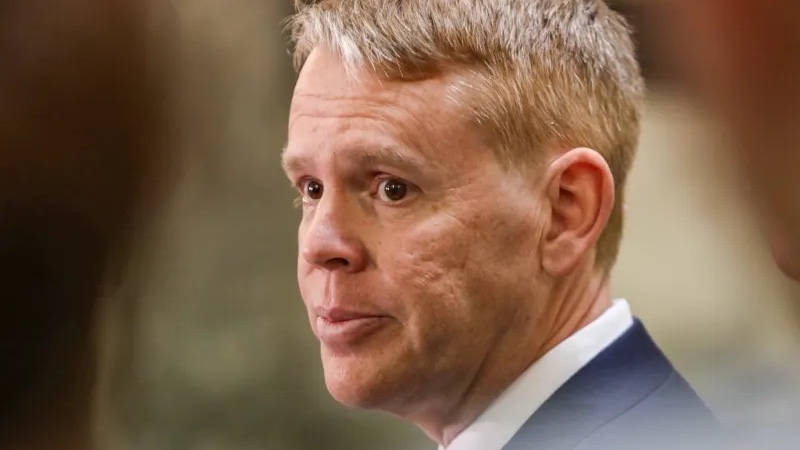
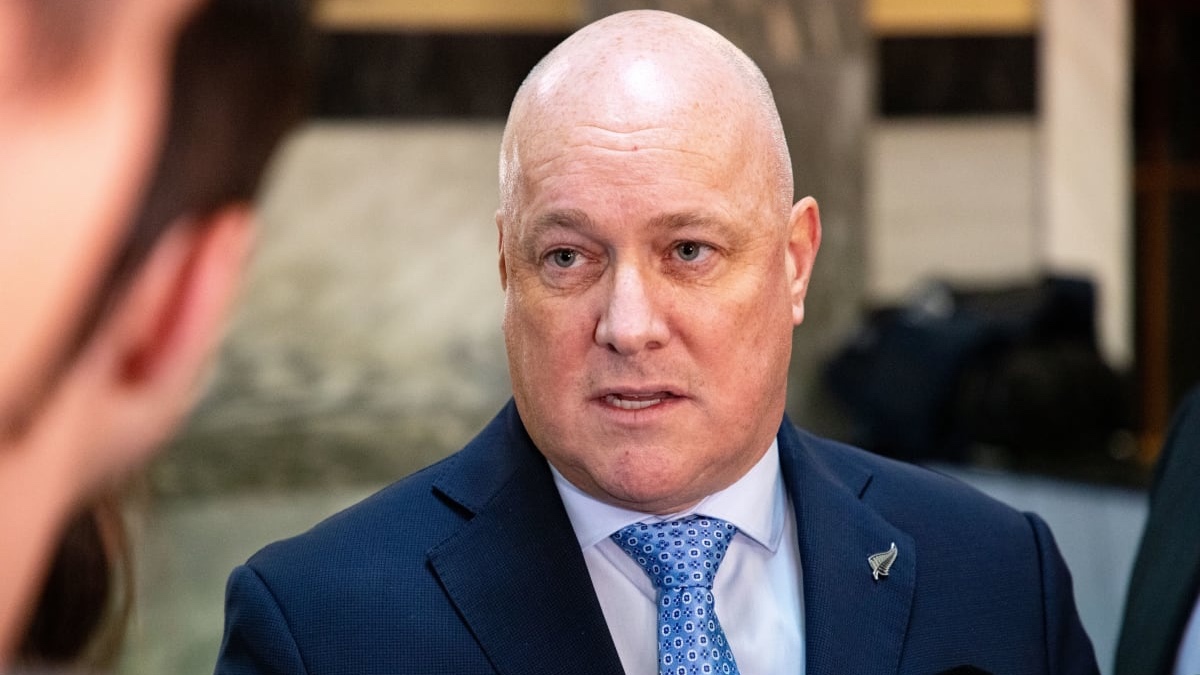
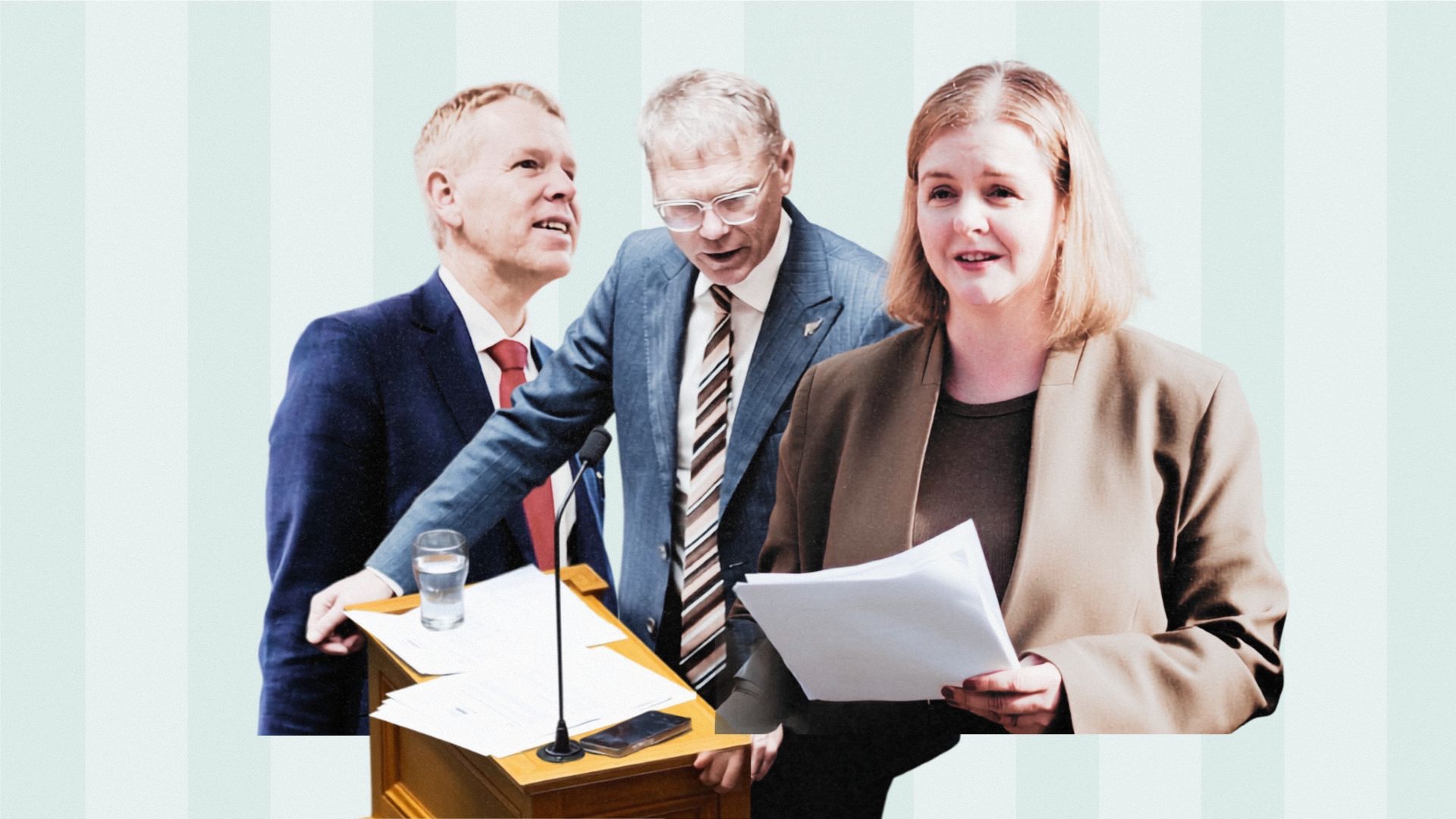
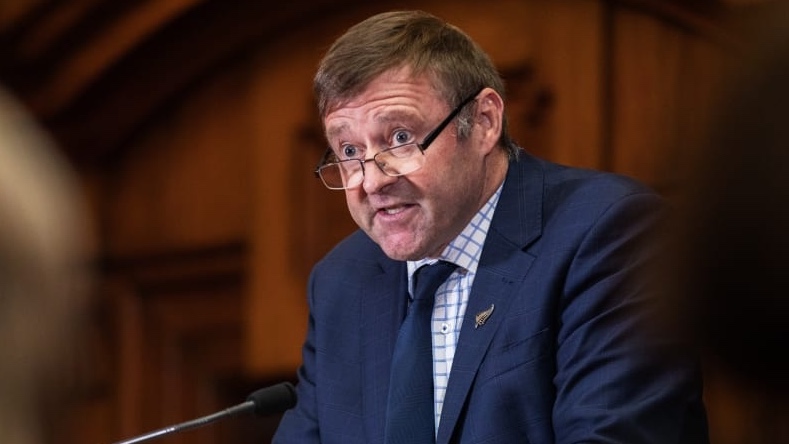
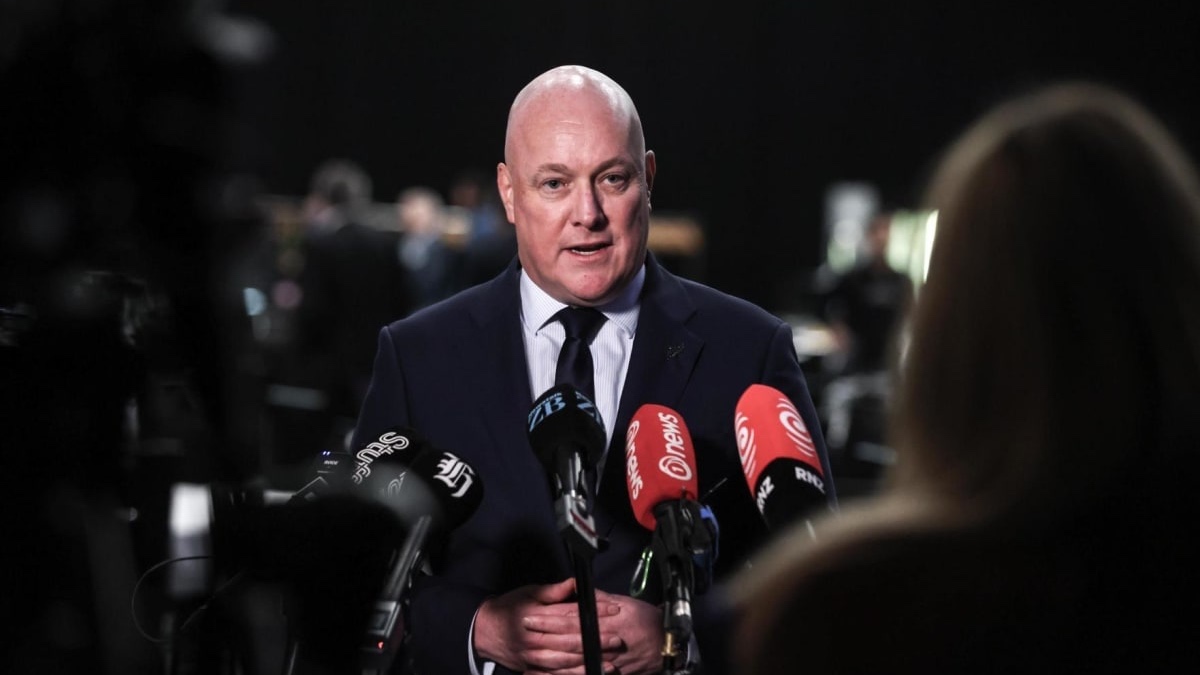
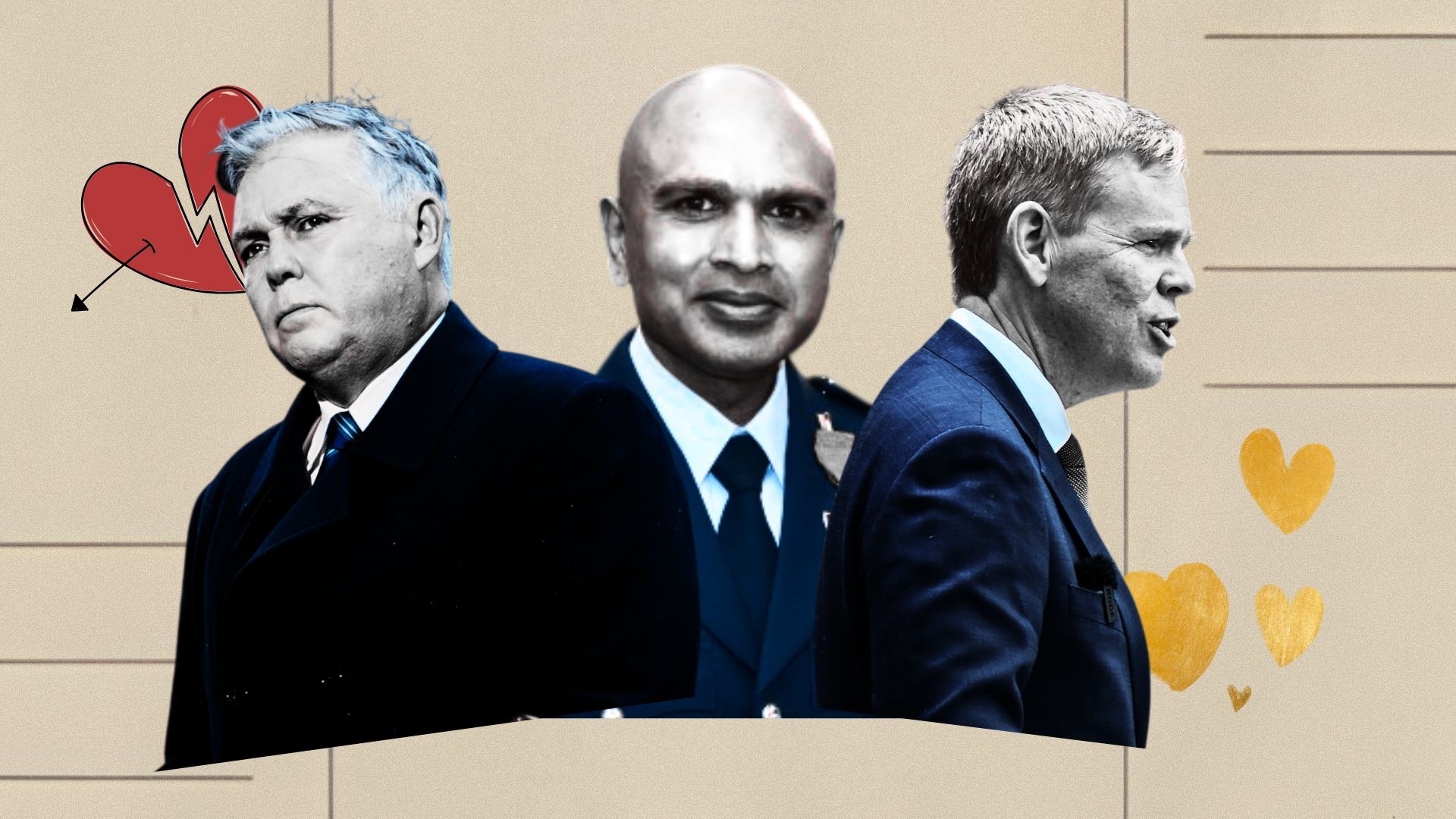
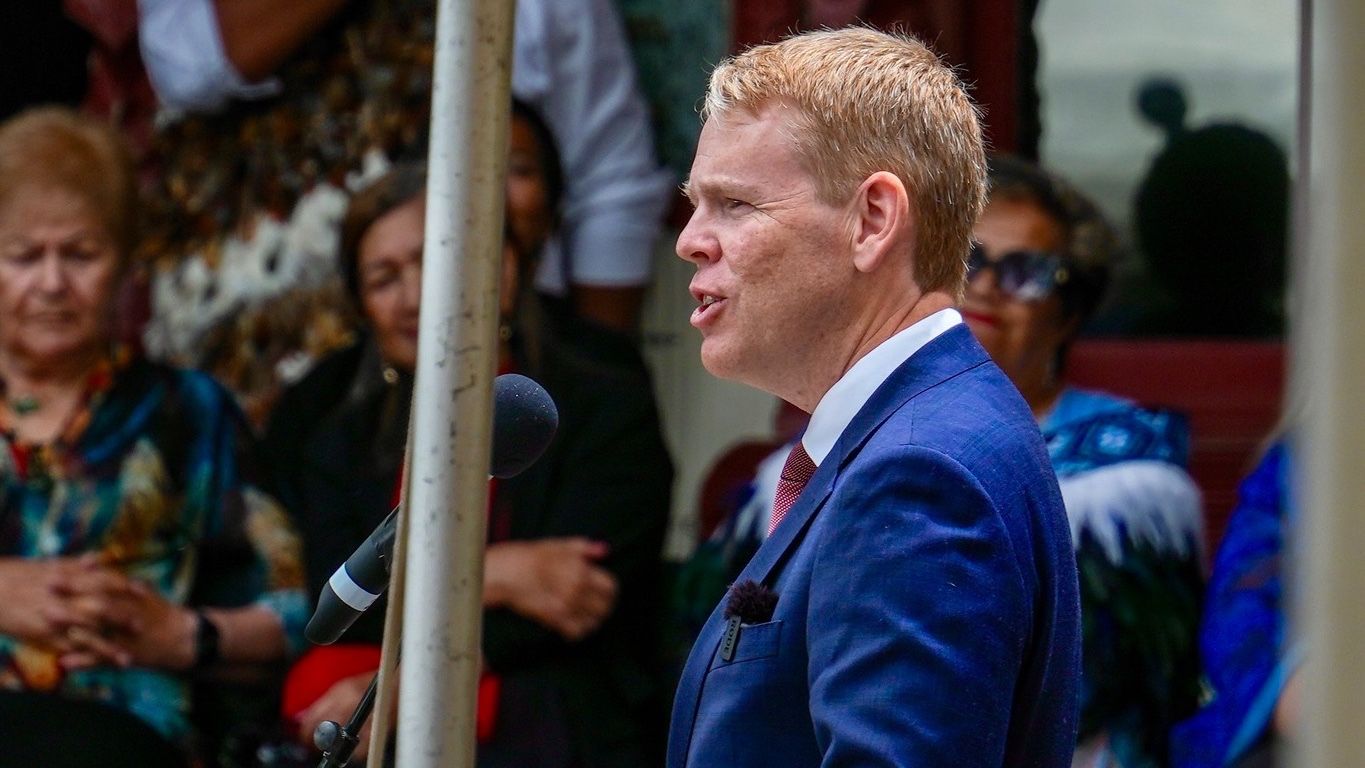
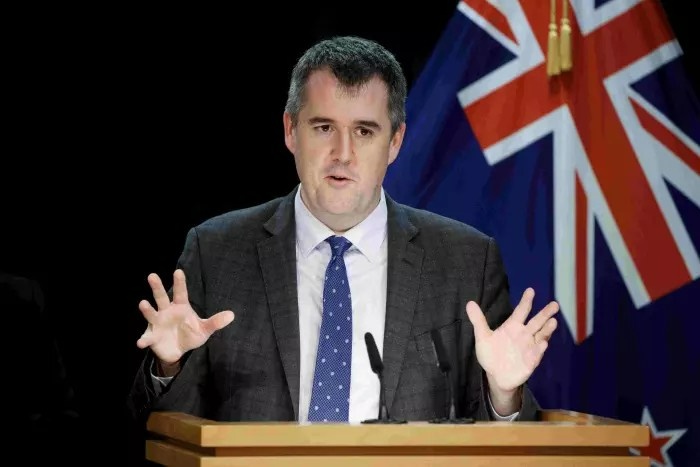
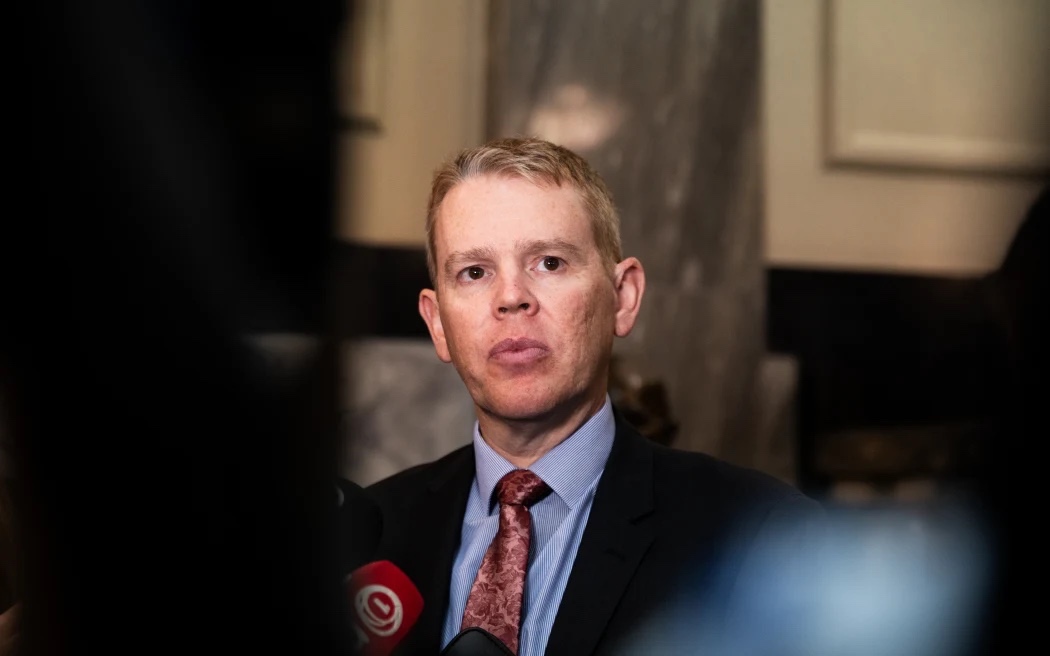
The Human Rights Act 1993 mandates that no one can be discriminated on the basis of sex, Attorney-General Chris Bishop pointed out in his report on whether the Bill is consistent with New Zealand's law.
The operative word here is 'sex'.
Theoretically, a person born as a male who identifies differently, say as a woman, can argue barring them from using the women's toilet is discrimination on the basis of sex.
For a new law to rule out that possibility, it must amend the Human Rights Act 1993 to define the word 'sex' more clearly. NZ First's Bill doesn't do that.
It instead creates a new statute defining the meaning of the words 'woman' and 'man', and 'male' and 'female'.
Bishop's report points out this new statute, if it were to be signed into law, will impact only those laws that mention these words.
But the provision in the Human Rights Act that has any bearing on the issue Peters is trying to solve doesn't mention any of those words.
Bishop report points this out in no uncertain terms.
"The Bill does not affect the definition of 'sex' or the framework of exceptions in the Human Rights Act, which sets out circumstances where it is permissible to distinguish on the basis of 'sex'," the report reads.
"Instead, it would affect only the limited number of statutes that use the words 'woman' and 'man' (or 'male' and 'female')."
Bishop's report goes beyond that to set the issue in context.
He notes that in 2006 the Crown adopted the position that discrimination on the basis of gender identity should be treated as discrimination on the basis of sex under the Human Rights Act.
That interpretation has shaped public sector policy for nearly two decades.
However, he adds that it has “not been directly addressed since 2006”, and has never been explicitly confirmed by Parliament or definitively settled by New Zealand courts.
This point has also not been authoritatively confirmed by a New Zealand court or tribunal, the report notes. "Some cases currently before the courts may provide further clarity."
The report also addresses the landmark court ruling in the UK that Peters has been citing as justification for his party's Bill.
In 'For Women Scotland Ltd v Scottish Ministers', the United Kingdom Supreme Court determined that 'sex' in the Equality Act 2010 (UK) was limited to a person's biological sex.
But Bishop's report notes that the UK Act expressly recognises "gender reassignment" as a distinct ground on which discrimination is prohibited, unlike the Human Rights Act in New Zealand.
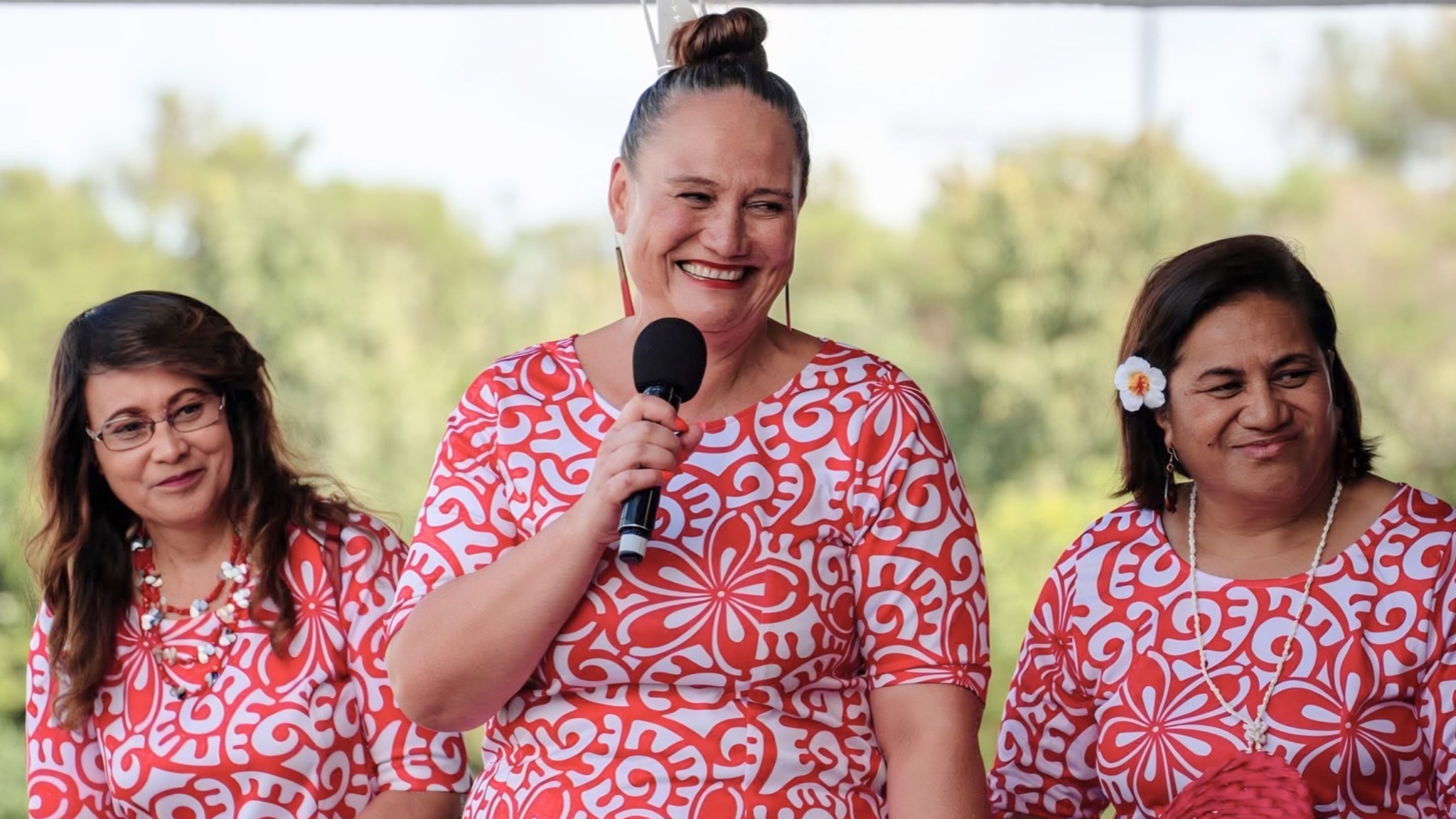
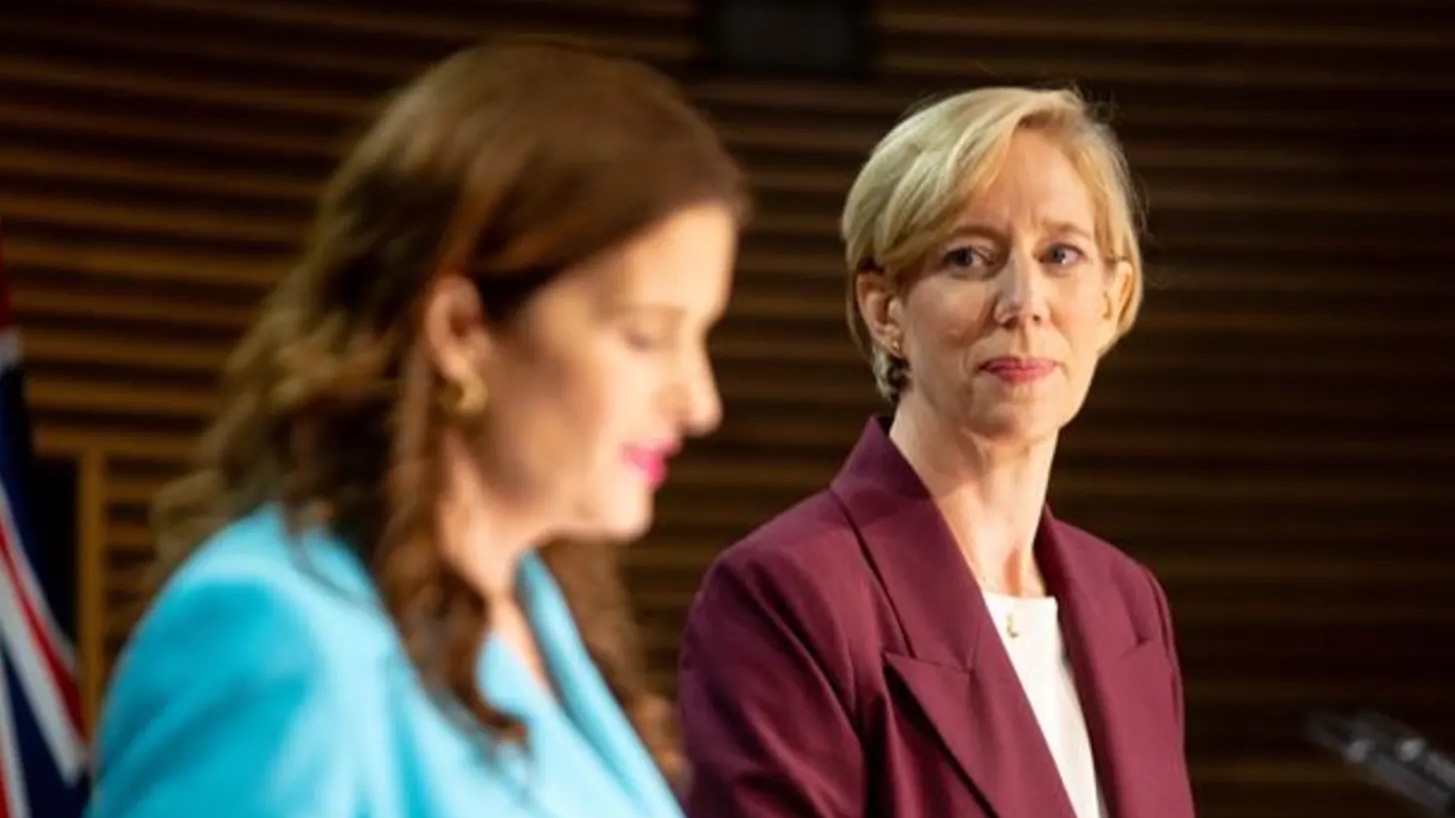
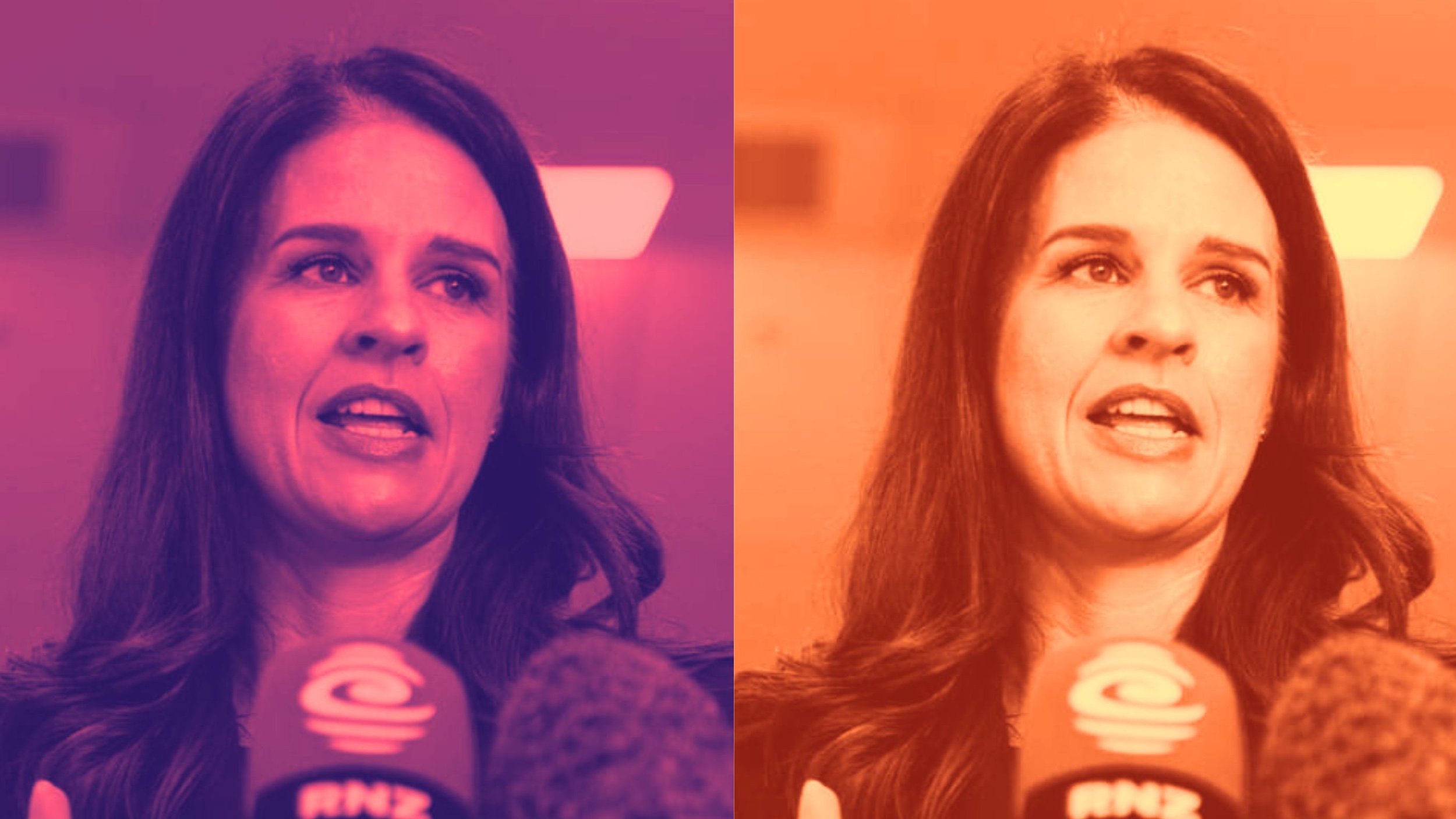
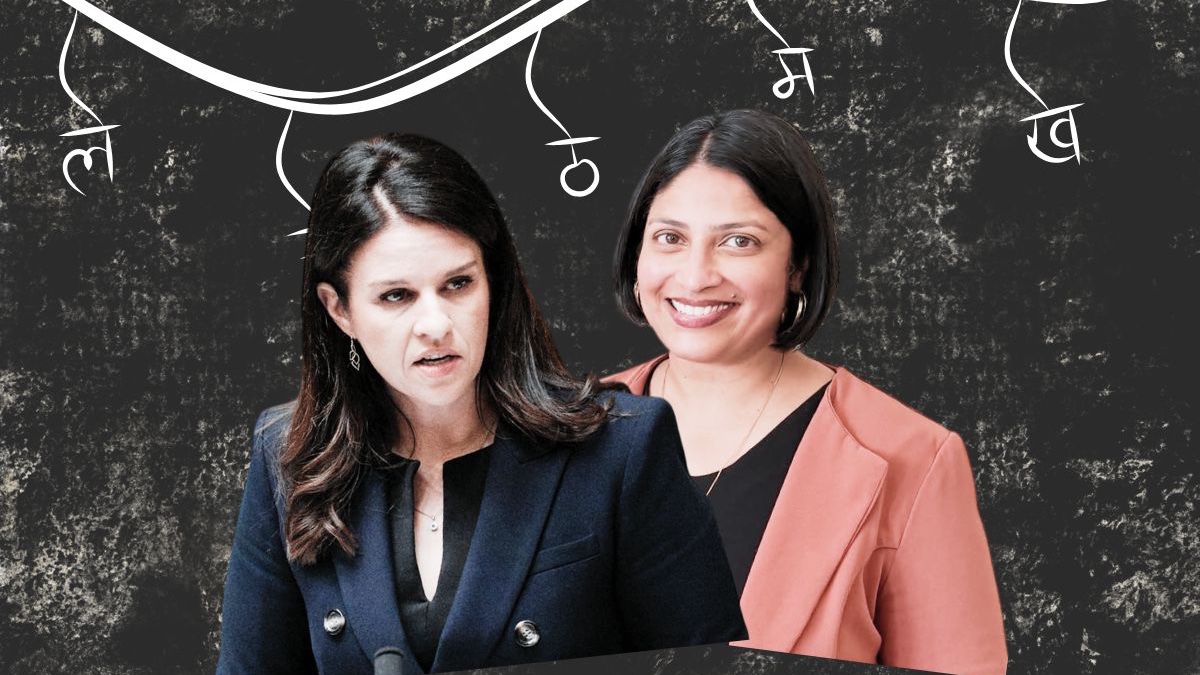
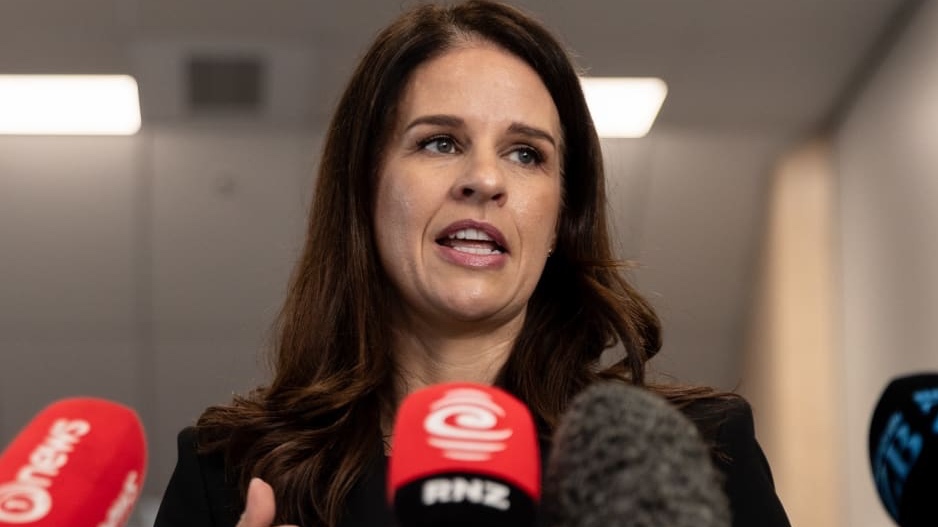
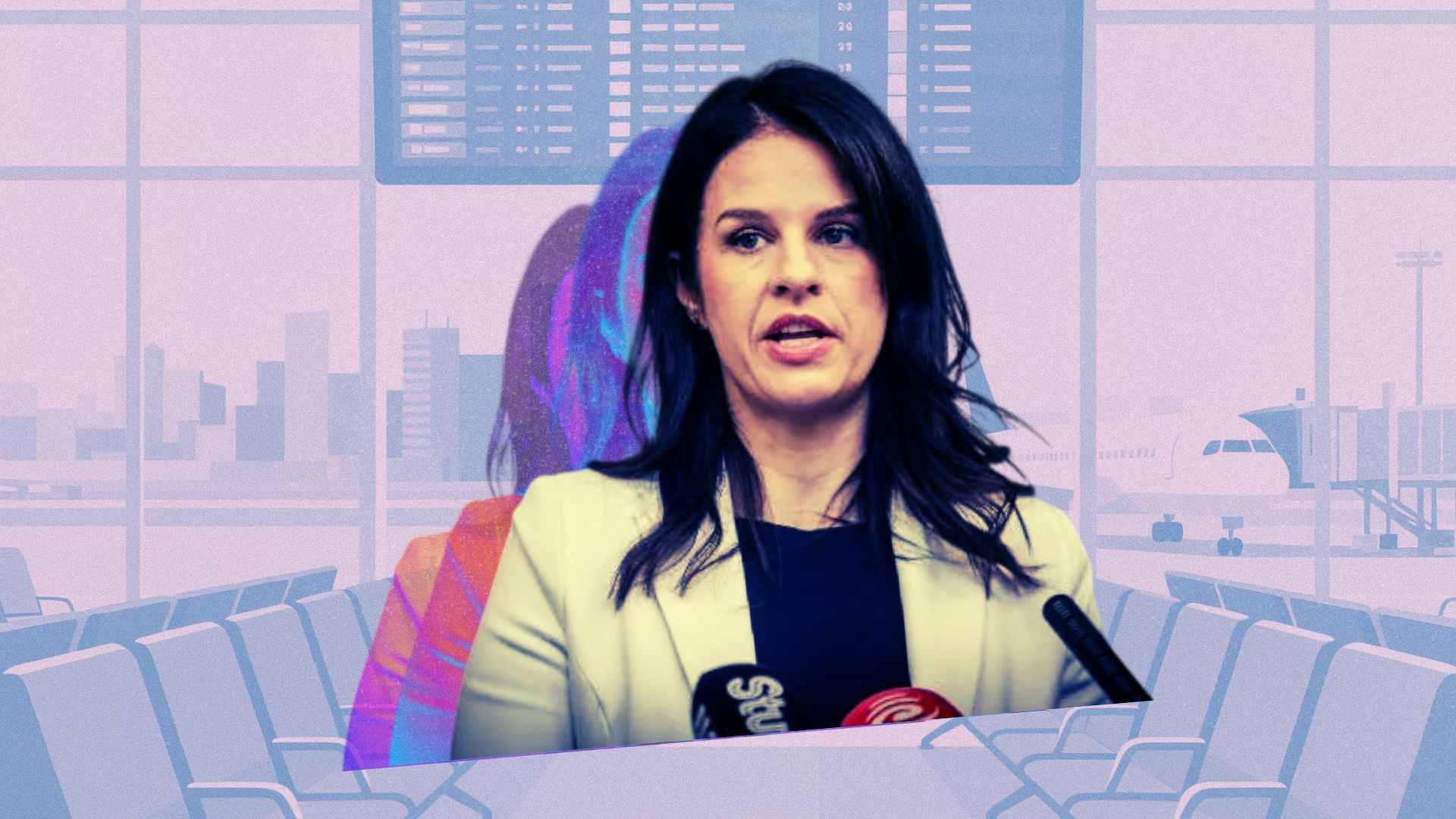
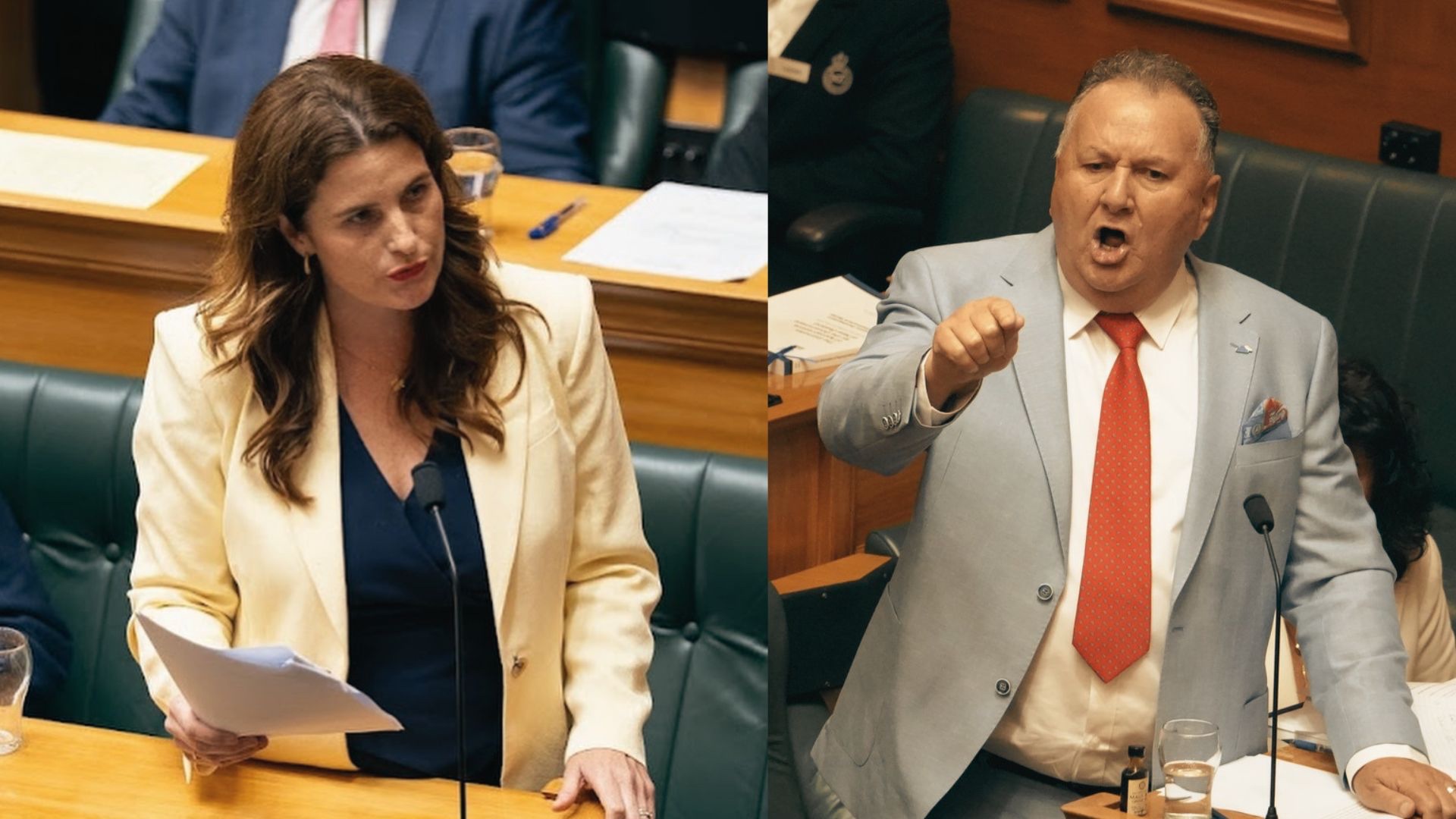
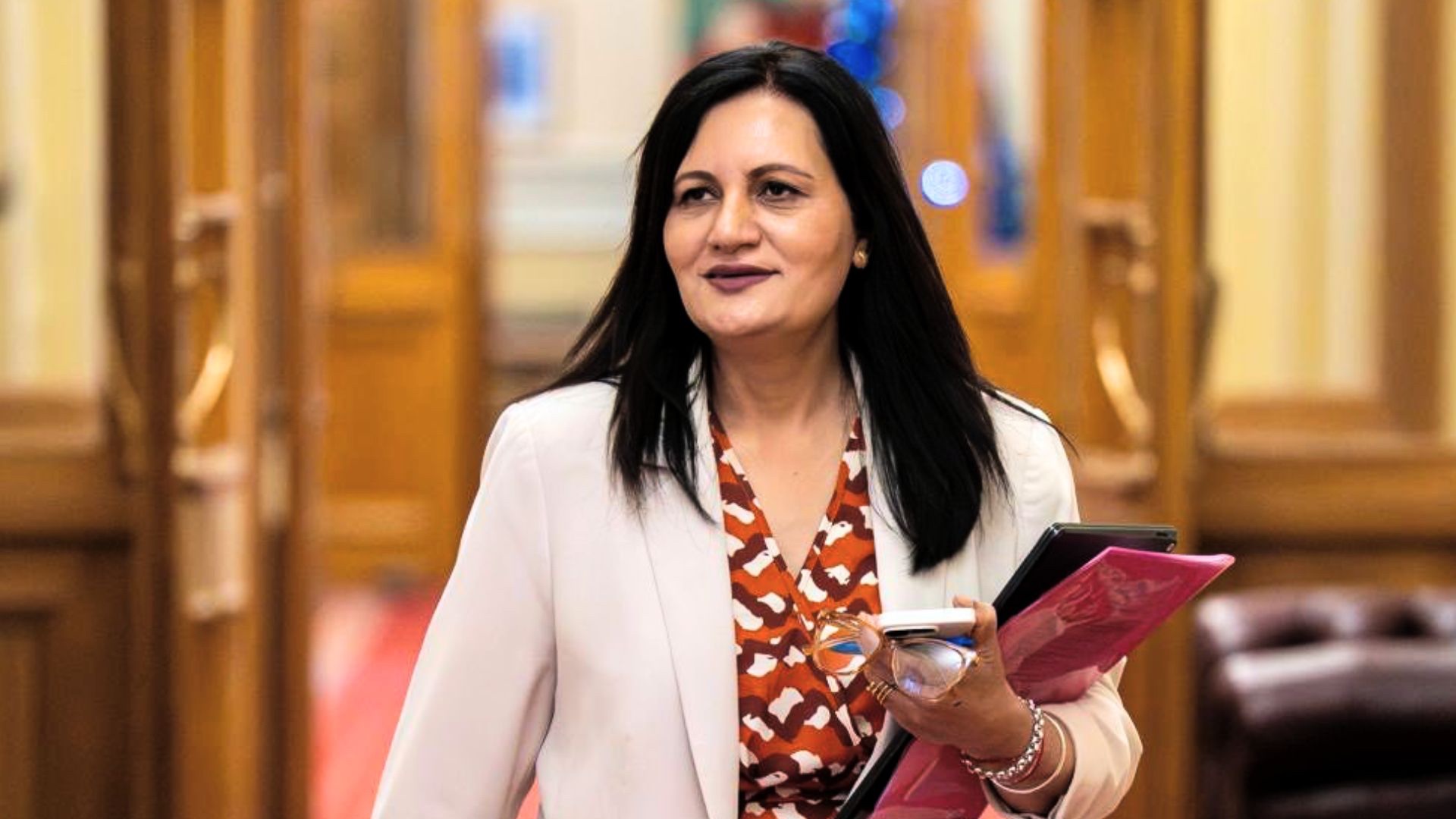
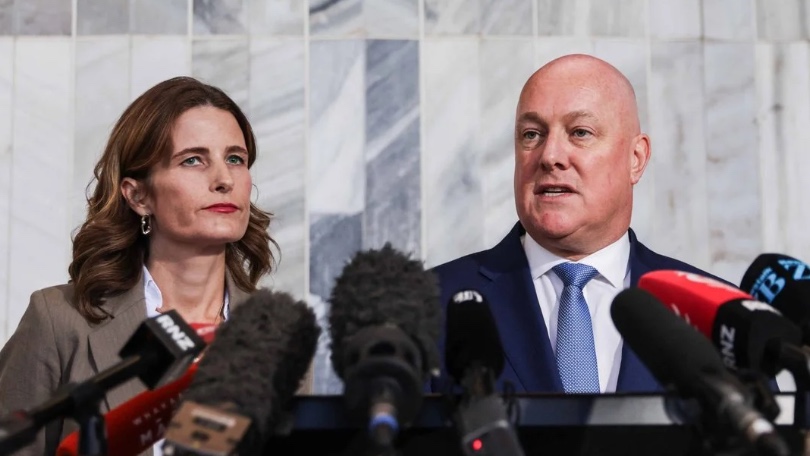
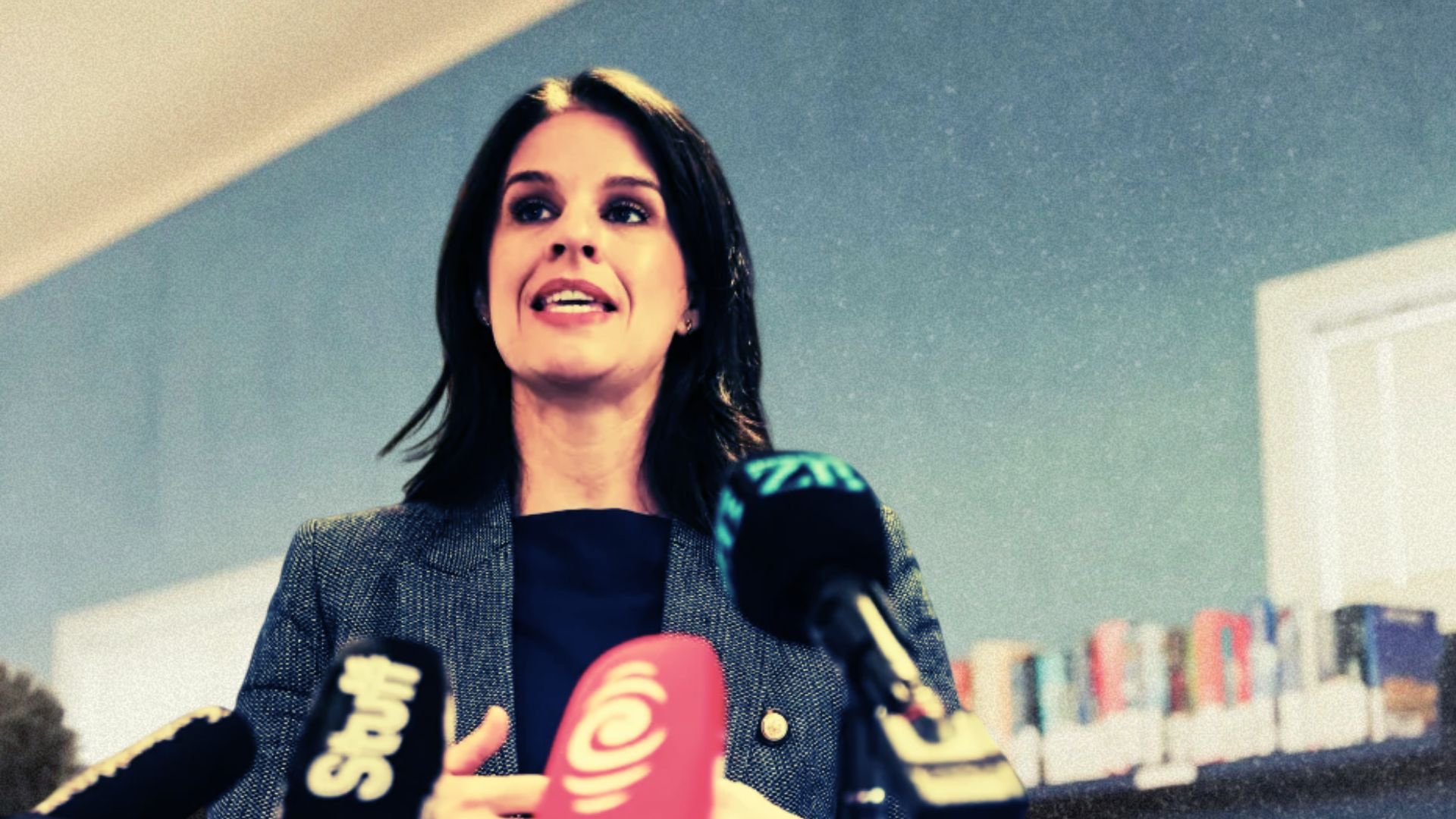
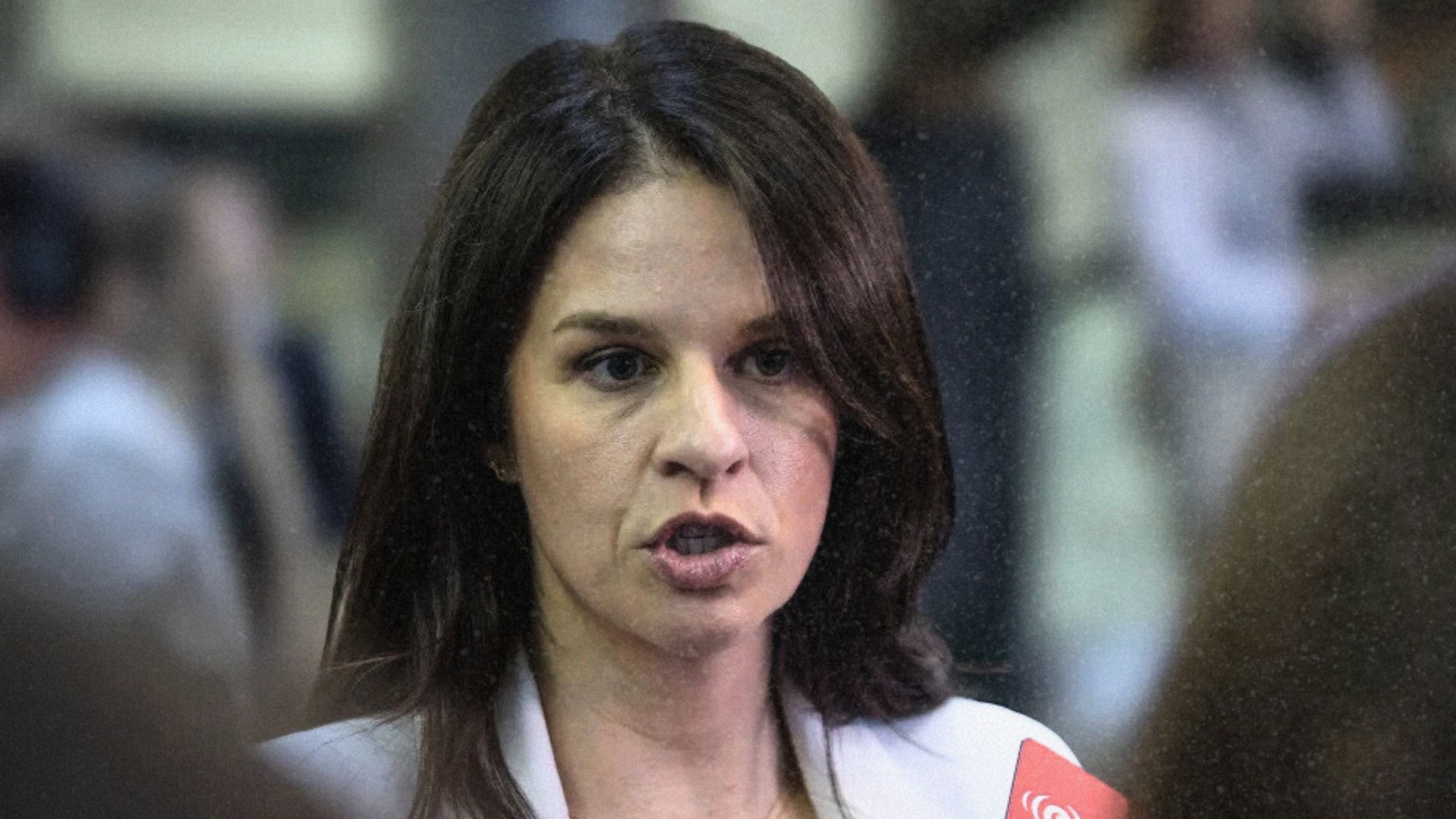
The minister for women has echoed the concerns raised by the Attorney-General. During the first reading of the Bill on May 20, Nicola Grigg was doubtful whether the Bill was even achieving anything.
"That raises a very real question about whether inserting broad, sweeping definitions into the Legislation Act would have any meaningful effect," she said.
"...which brings me to the second concern – whether this bill would achieve anything of substance. Inserting these terms across legislation, it is far from clear that it would deliver the clarity that proponents suggest."
Grigg pointed out in many cases legislation already functions effectively without relying on these definitions at all.
"In other words, there is a risk that this bill would create complexity without delivering tangible benefit," she noted, before backing the Bill so that it could go "through a proper democratic process."
The select committee will now review the Bill and submit its report by November 20, 2026, before the proposed legislation can be presented for its second reading in Parliament.