
Modern slavery bill: First World feels vs Third World realities

For families in the so-called Third World, priorities are brutally simple.
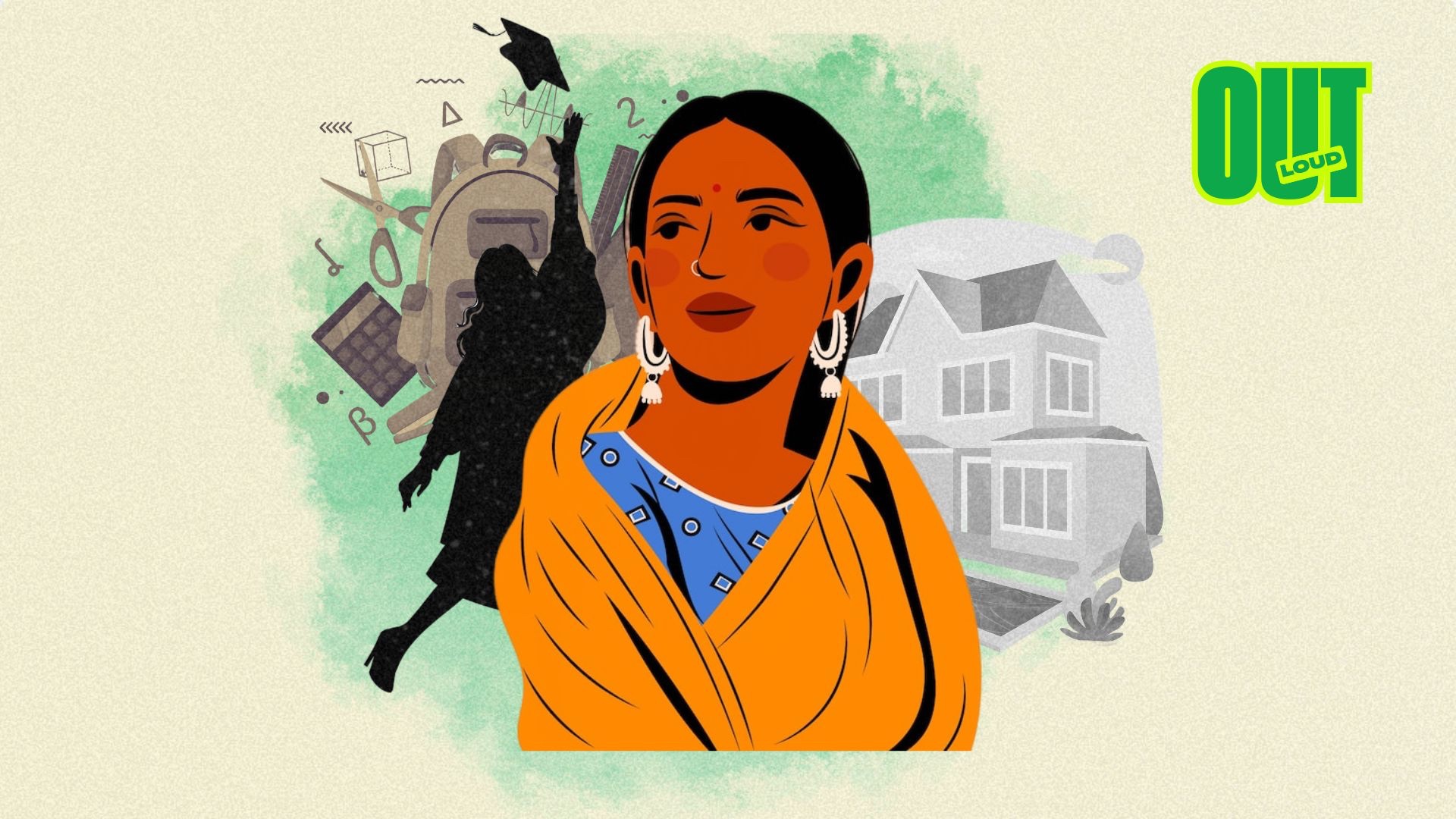
Moral clarity is easy when your education is secure, food supply guaranteed, and failure doesn’t ripple through an entire family.
Opinion: I’ve been really enjoying the new wave of grounded Indian films and mini-series coming out on Netflix. With real money behind them and genuine artistic freedom, they’re finally telling stories Bollywood long steered clear of – uncomfortable, unromantic and painfully real.
One of the most honest depictions of life at the margins in modern India comes from the Bollywood movie '12th Fail', starring Vikrant Massey. It follows a boy from a poor village who repeatedly fails his exams, not because he lacks intelligence or effort, but because poverty, corruption, and sheer circumstance keep stacking the odds against him.
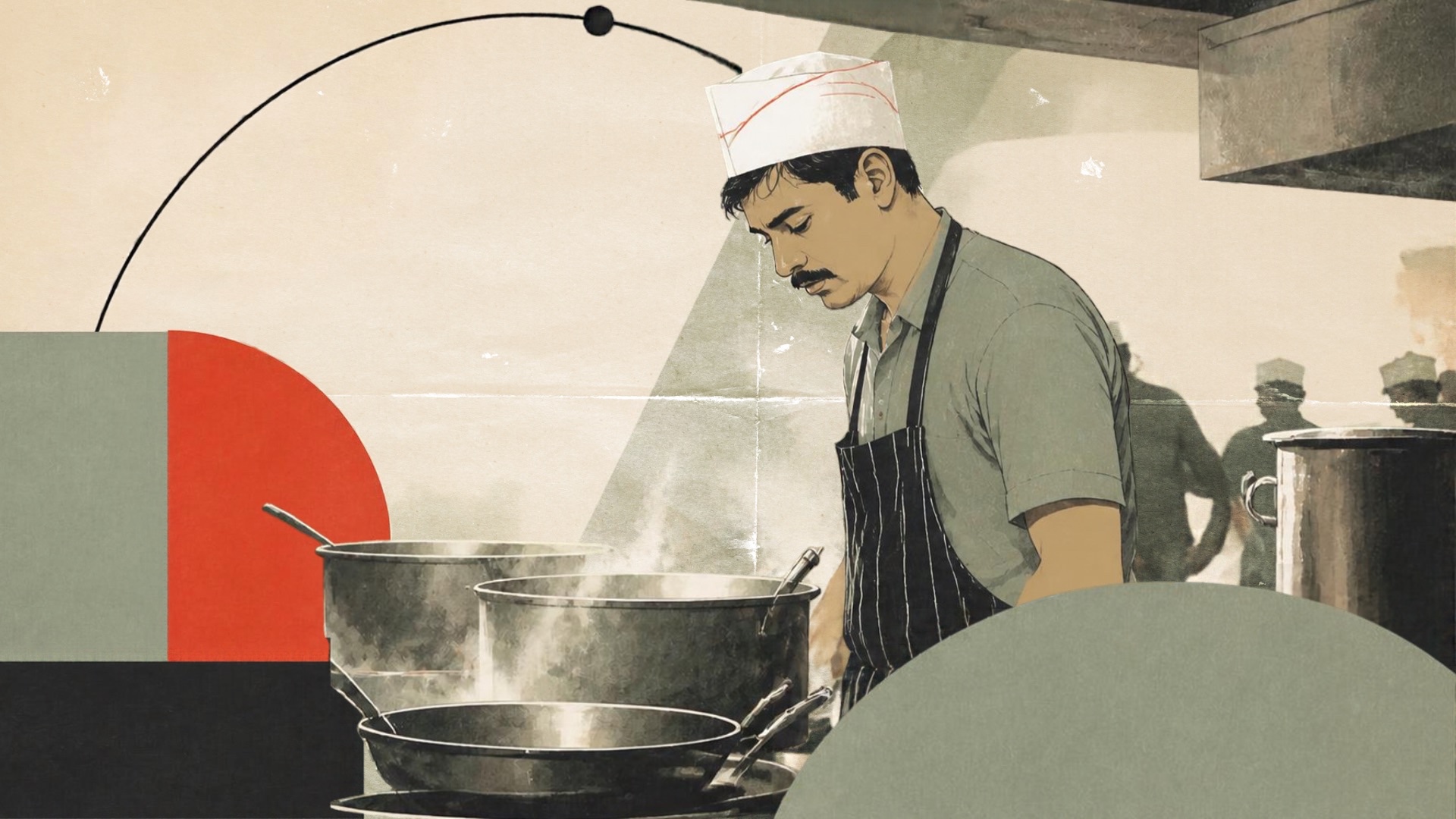
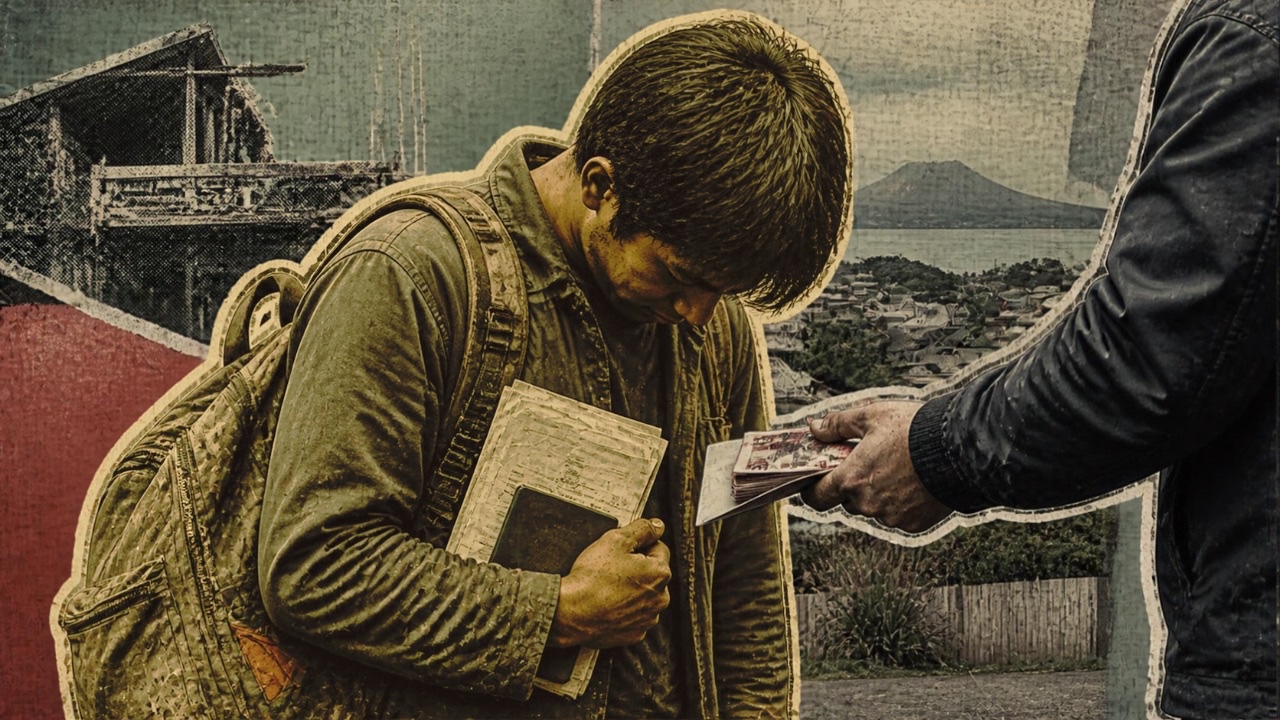
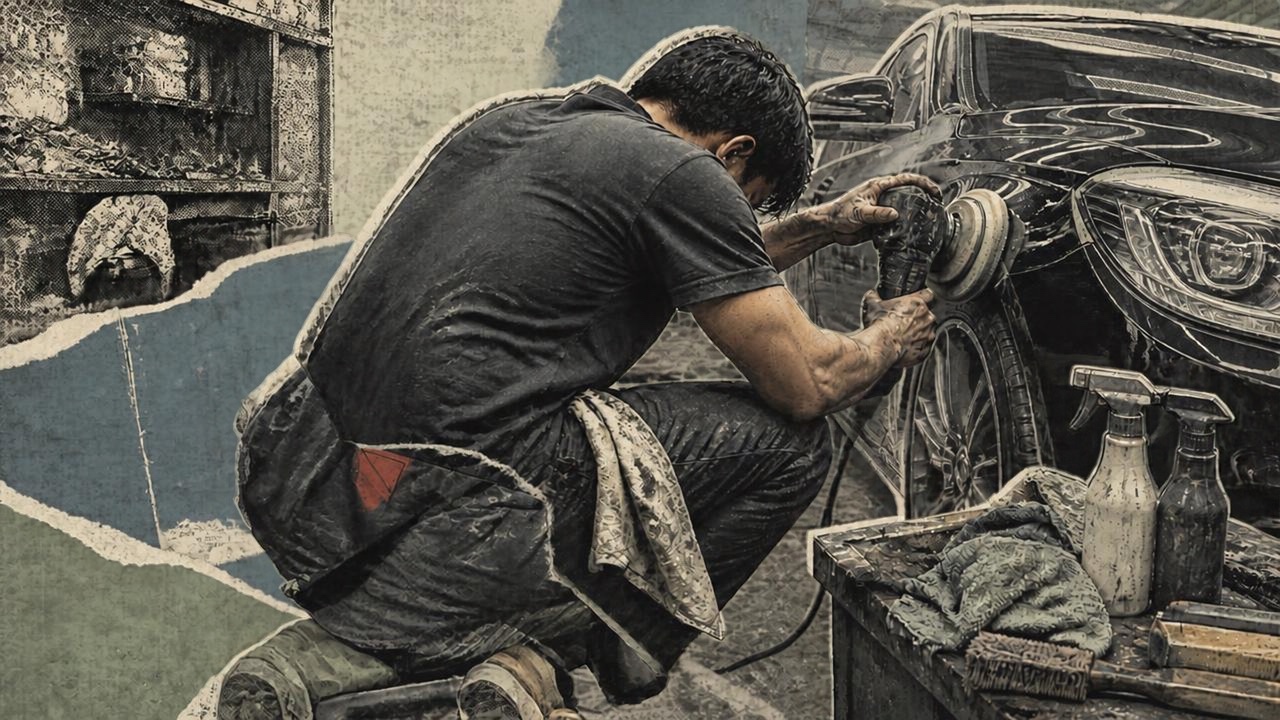
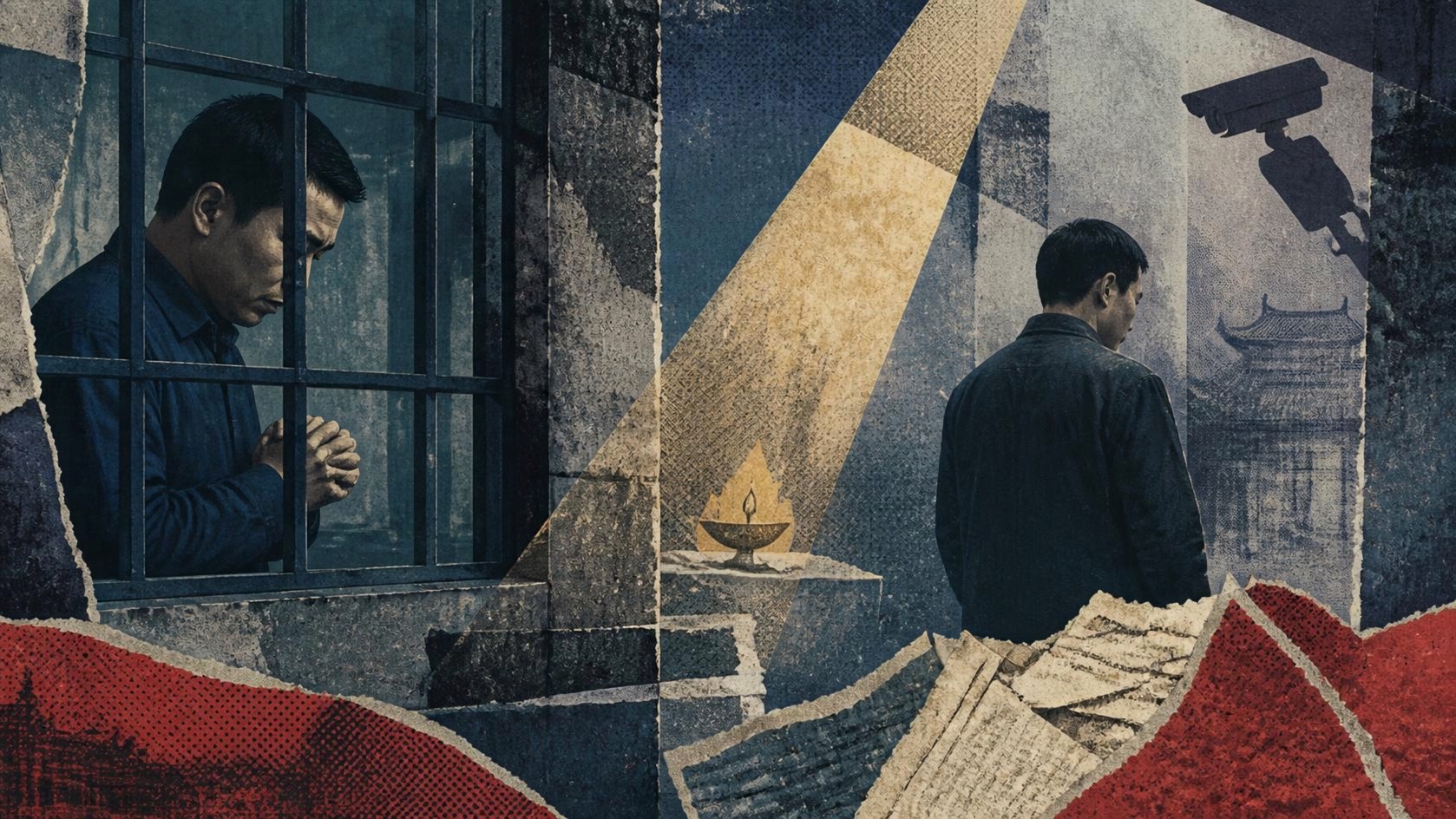
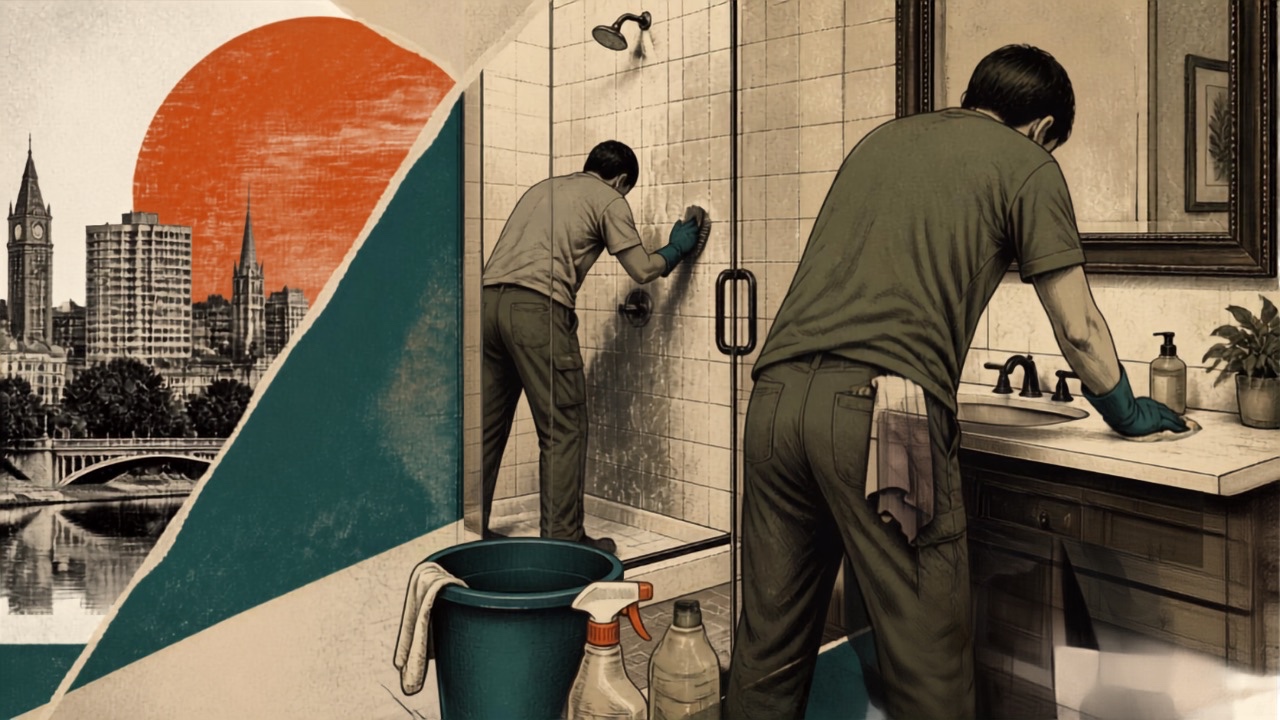
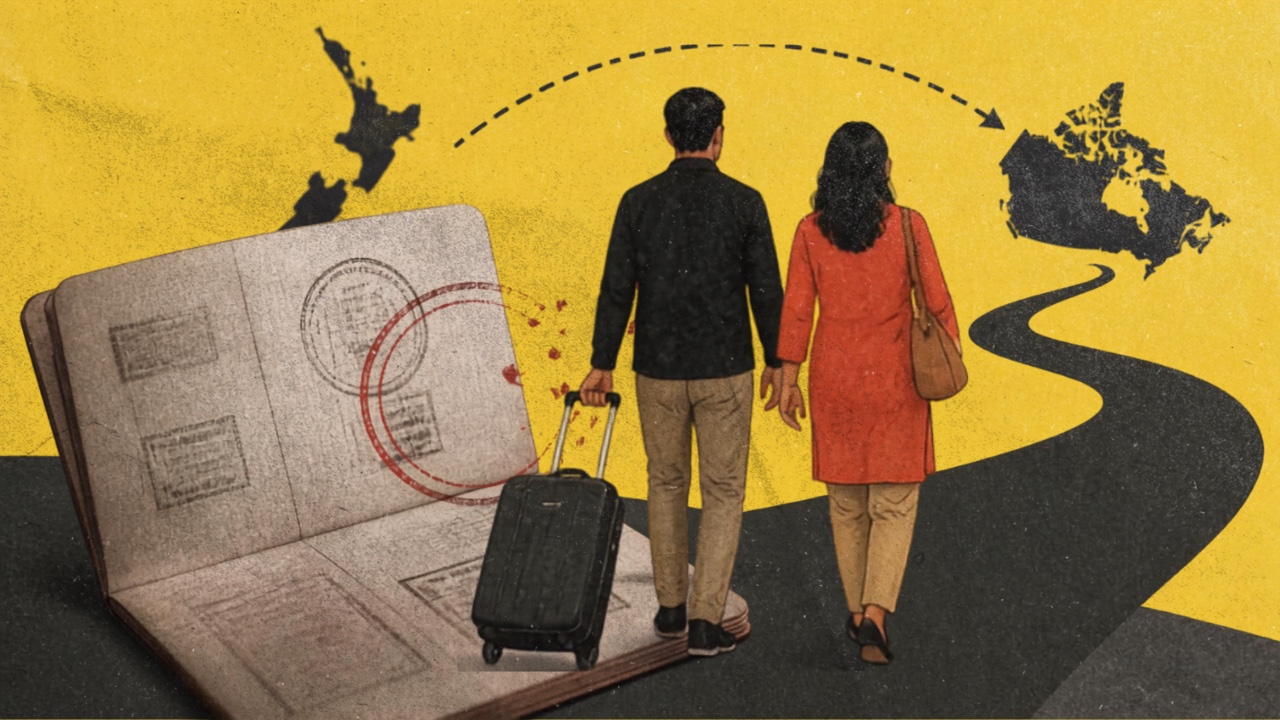
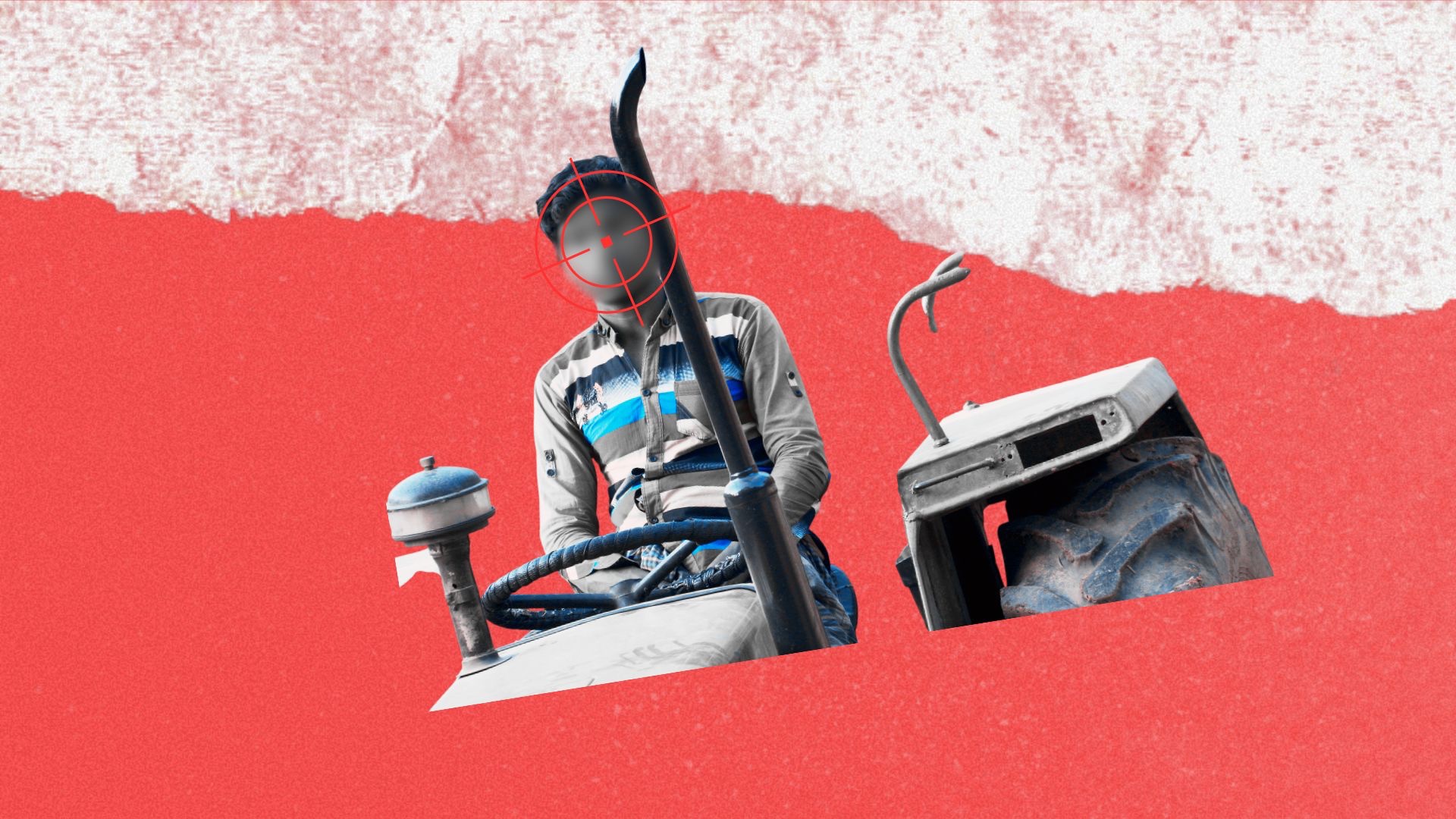
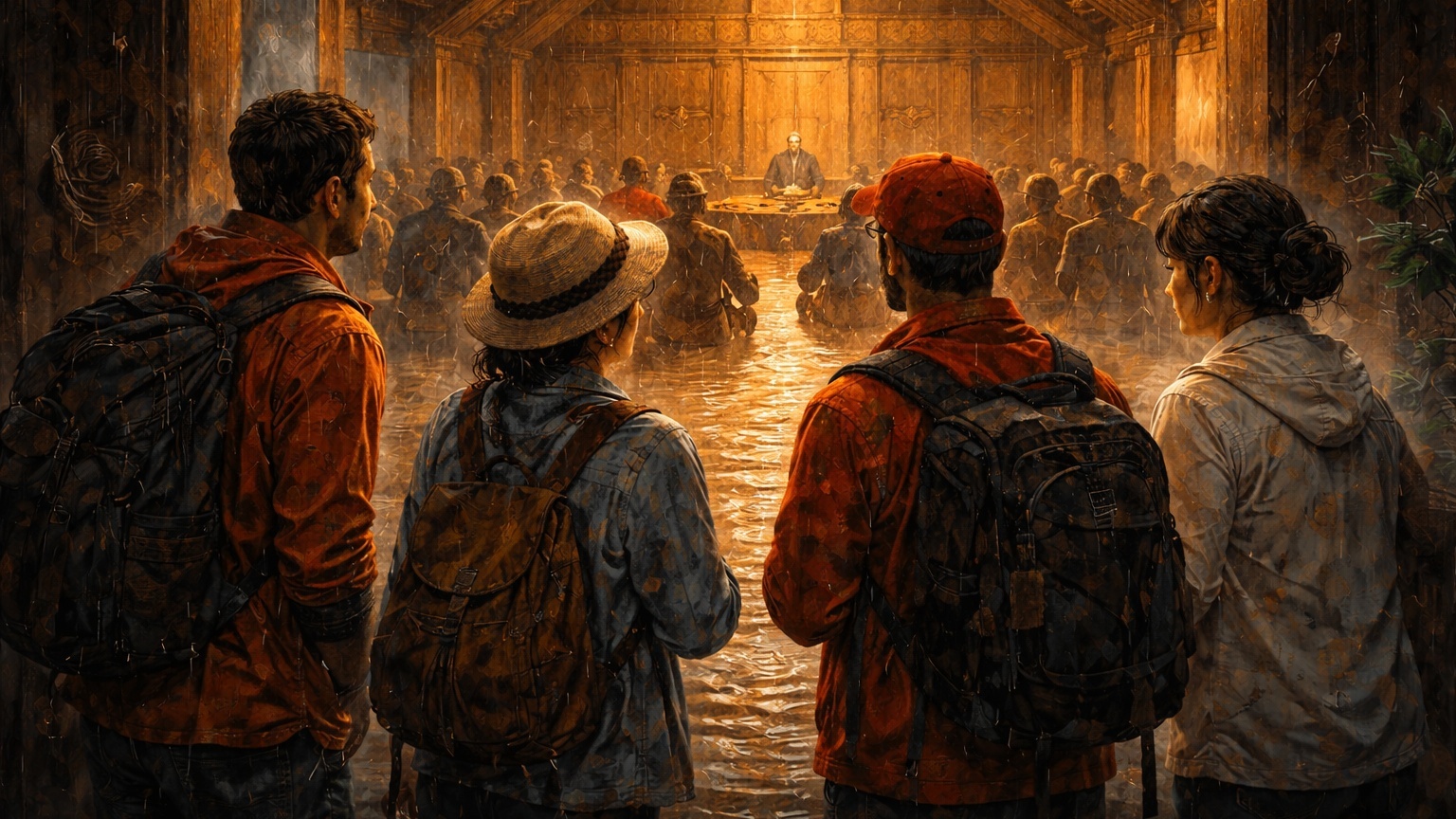
There’s a moment in the film that stays with you. After one too many knocks, the main character refuses to quit. Instead, he removes every remaining distraction from his life. He moves into a filthy flour mill, studies under a single dim light, and works punishing hours, all within a space smaller than 15 square metres – not because anyone is forcing him, but because this is the only path he can see forward.
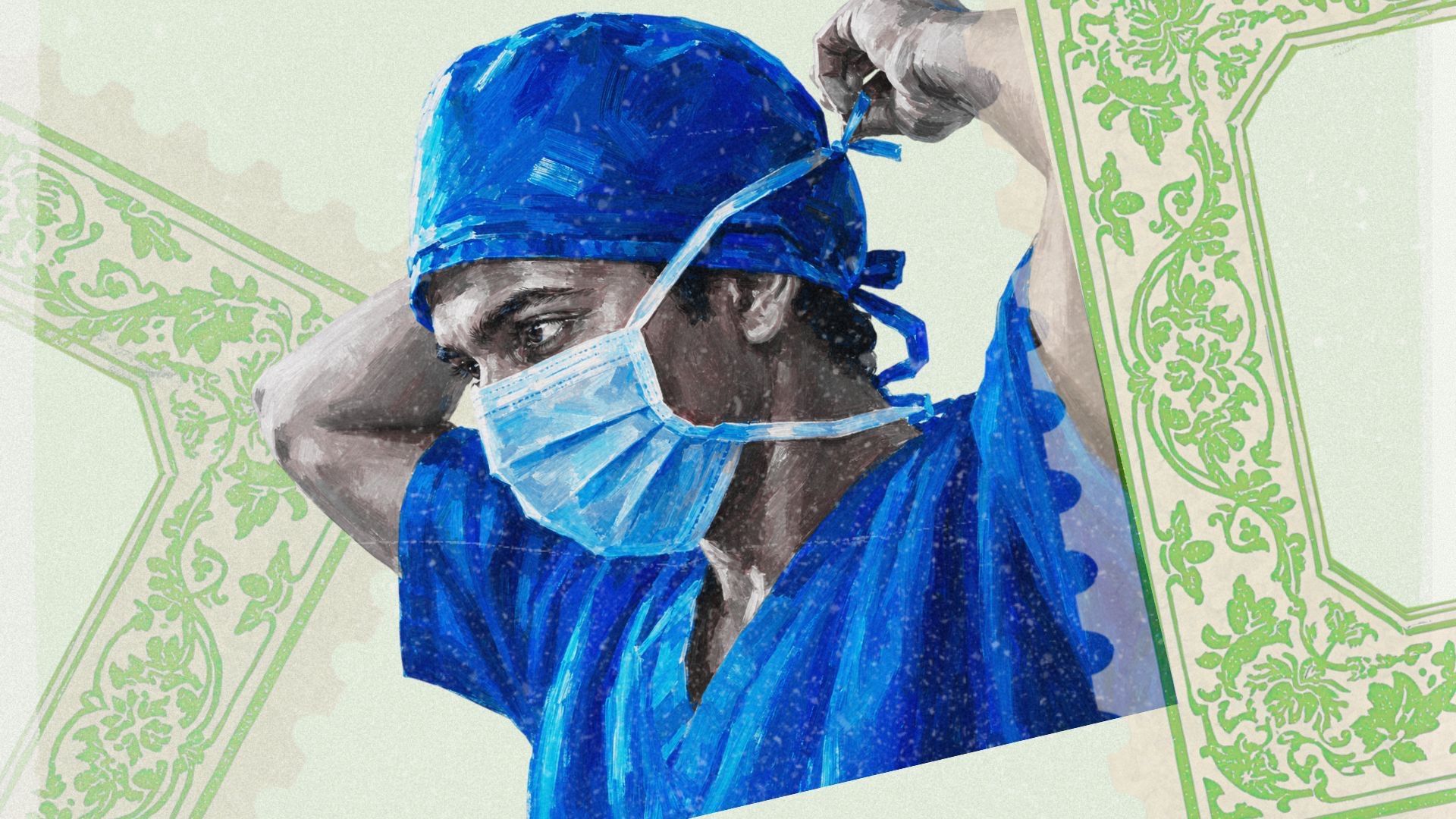
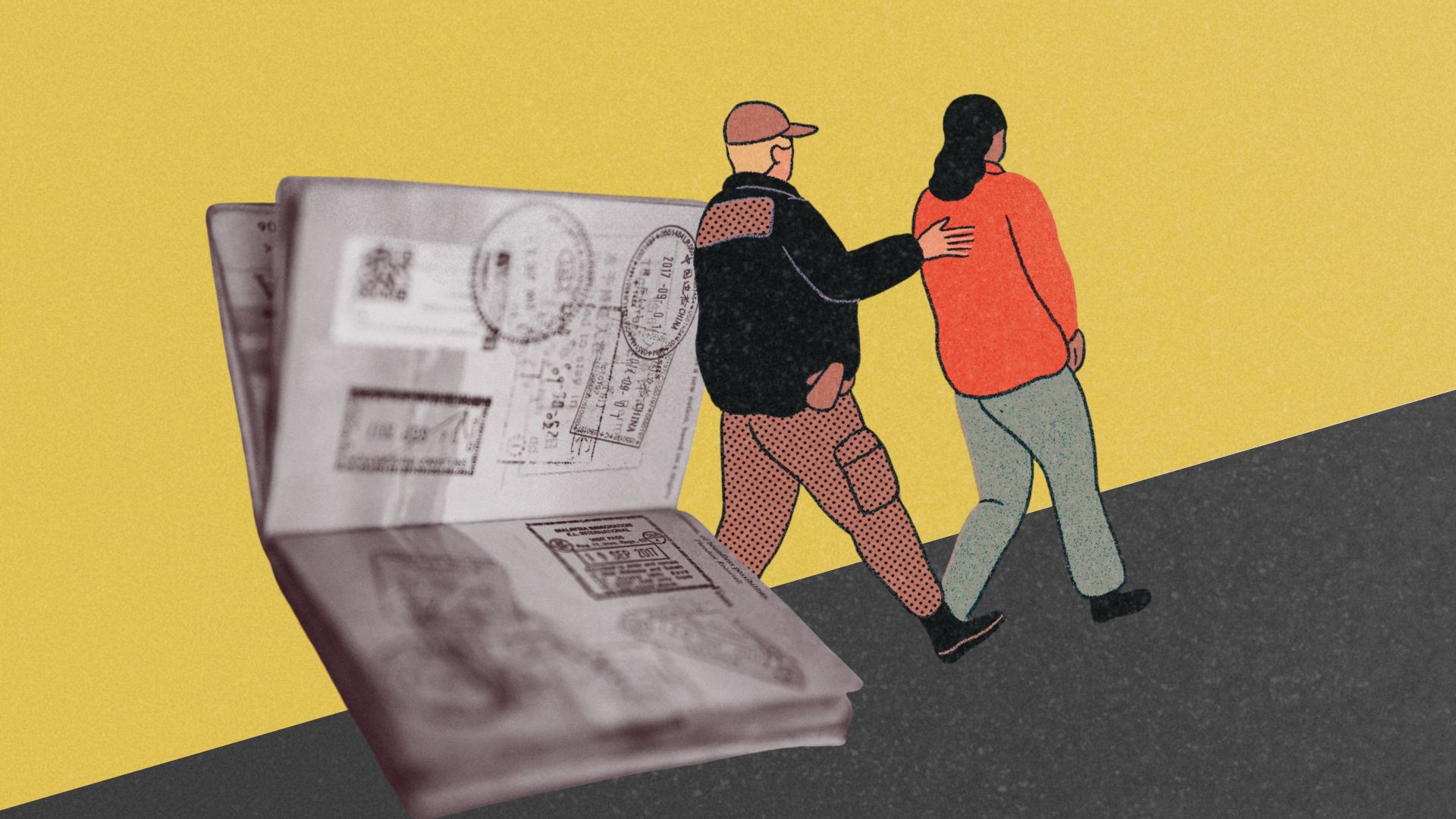
Pause there for a moment. Under New Zealand’s proposed modern slavery bill are our supermarkets, importers and distributors of a certain scale expected to trace their supply chains down to this level: to find a young man sleeping inside a flour mill, working brutal hours, and studying for civil service exams? Would we label him a victim of slavery, or quietly erase him from the system altogether? And meanwhile, do importers and distributors that conveniently sit below a specific turnover threshold get to continue sourcing products and services without a hiccup?
None of this is to suggest abuse is acceptable. Exploitation, coercion, and violence are real, and they deserve serious attention. But stories like this force an uncomfortable truth into the open: sometimes the work outsiders recoil from is not imposed by force, but chosen from a narrow set of grim options. That young man isn’t there because he is unaware of his circumstances. He’s there because, for him, it is the only visible way forward.
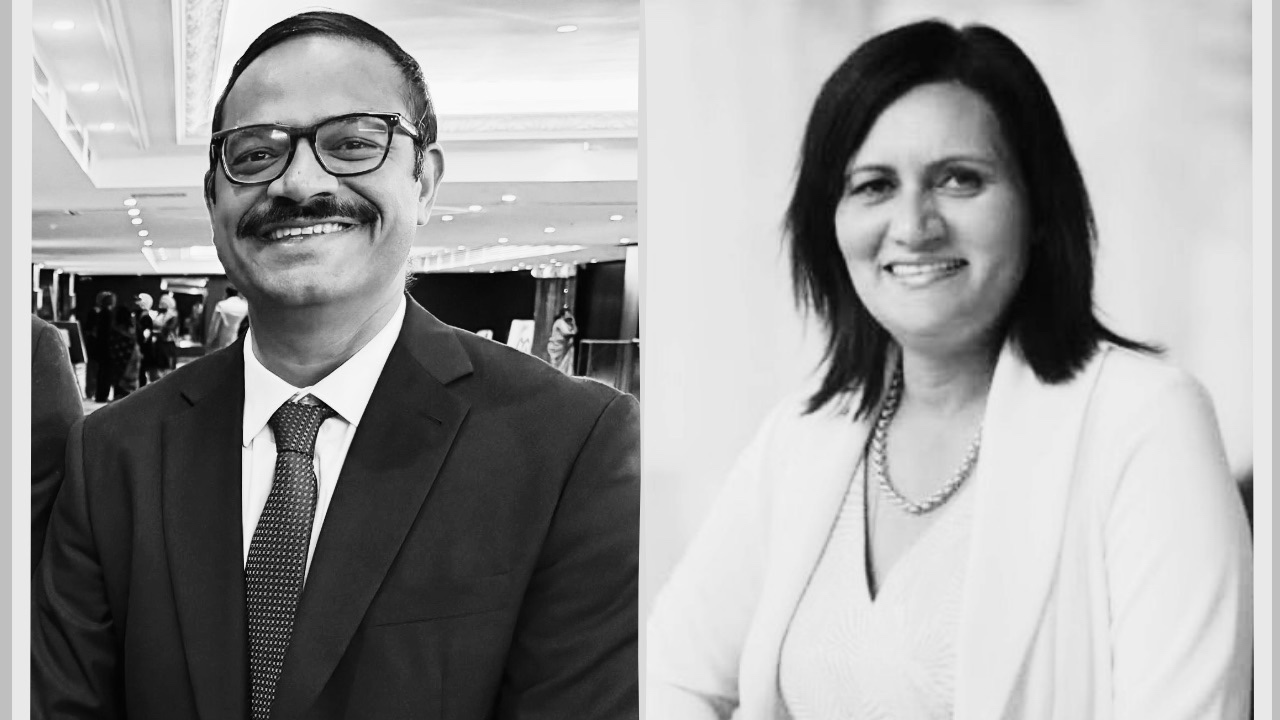
From designing restaurants to running Auckland Diwali: The many lives of Arnav Taode Taode brings his passion for Indian arts and culture to his first year managing BNZ Auckland Diwali 2026.
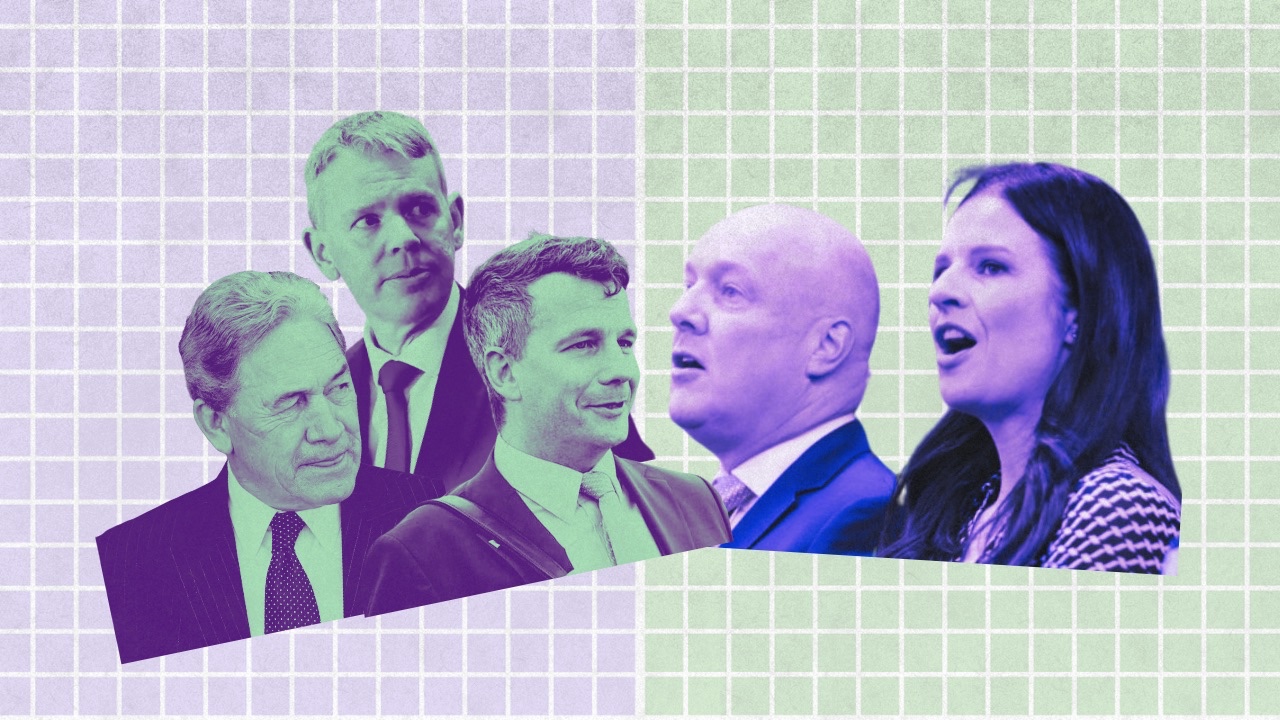
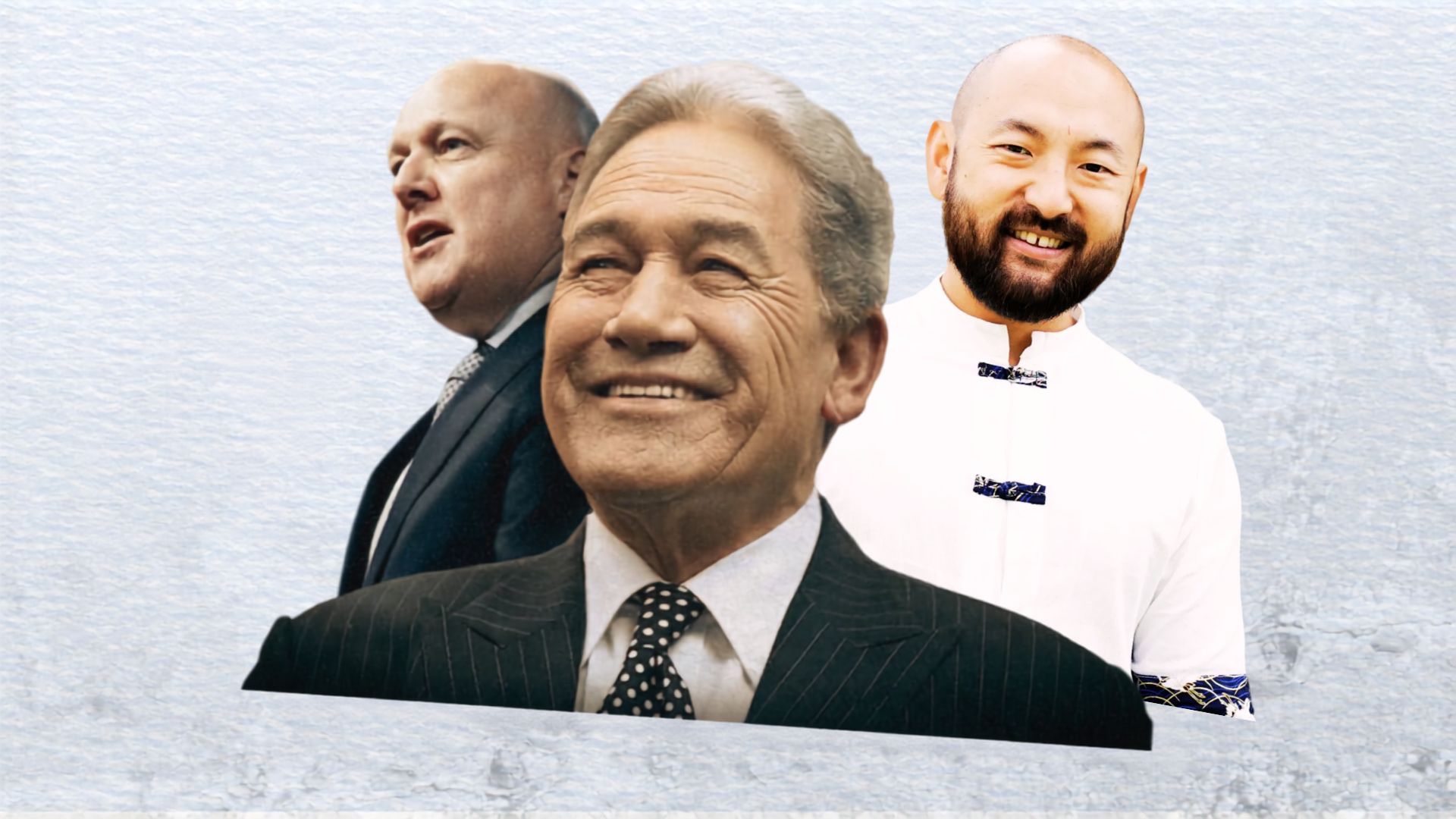
Winston Peters says ‘diversity is disunity’. What does the evidence tell us? Evidence from business, sport and social policy suggests diversity can strengthen economies and cohesion but on one condition.
Baby born in Sri Lanka to New Zealand residents caught in limbo after Down syndrome diagnosis Immigration tribunal orders fresh residence assessment after finding a “serious mistake” by immigration officials.
Moral clarity is easy when you’re insulated from consequences. It’s easy when your education is secure, your food supply guaranteed, and failure doesn’t ripple through an entire family. From that distance, hardship becomes a concept rather than a lived experience. This is where the gap opens up.
In places like New Zealand, far removed from informal labour markets and survival economies, we keep tweaking systems from the top down. We are confident in our intentions, but often blind to the reality on the ground. We talk about protection without grappling with what happens when the only imperfect option is removed.
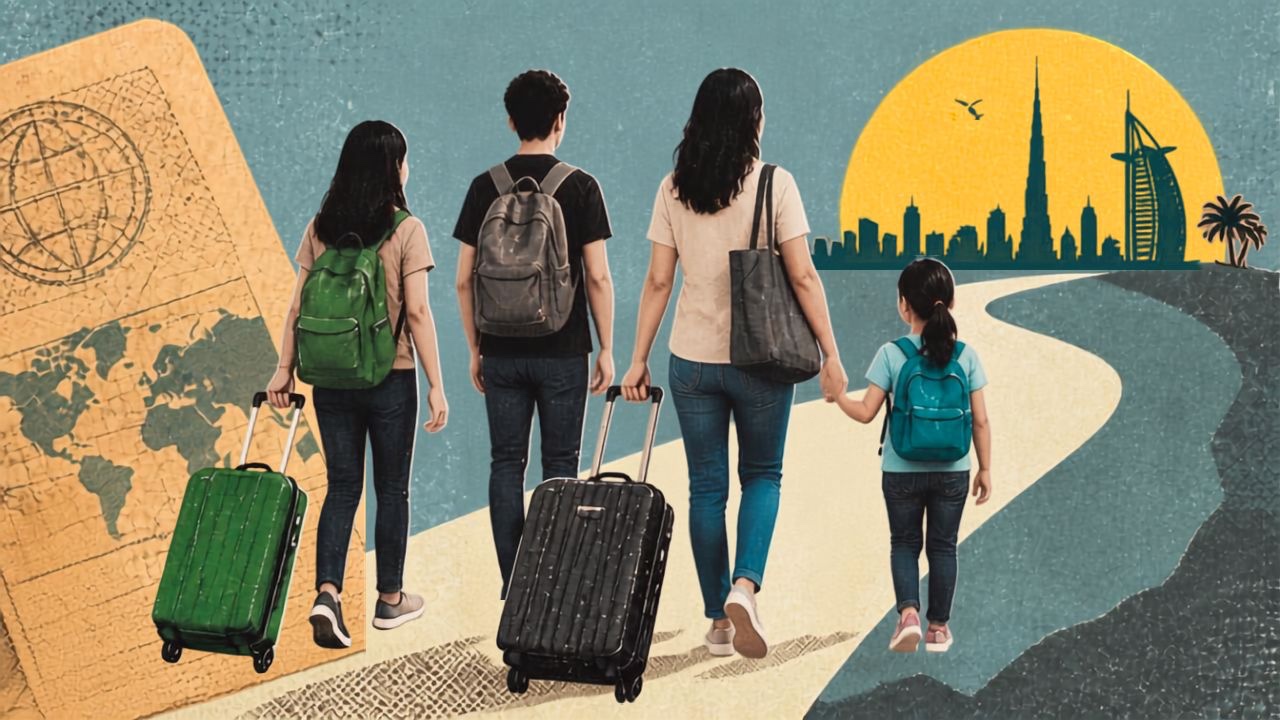
For families in the so-called Third World, priorities are brutally simple. They care far less about reporting frameworks or ESG language. Those don’t put food on the table or keep the lights on. What matters is remittances, the money that arrives regularly and quietly, and continuity of work.
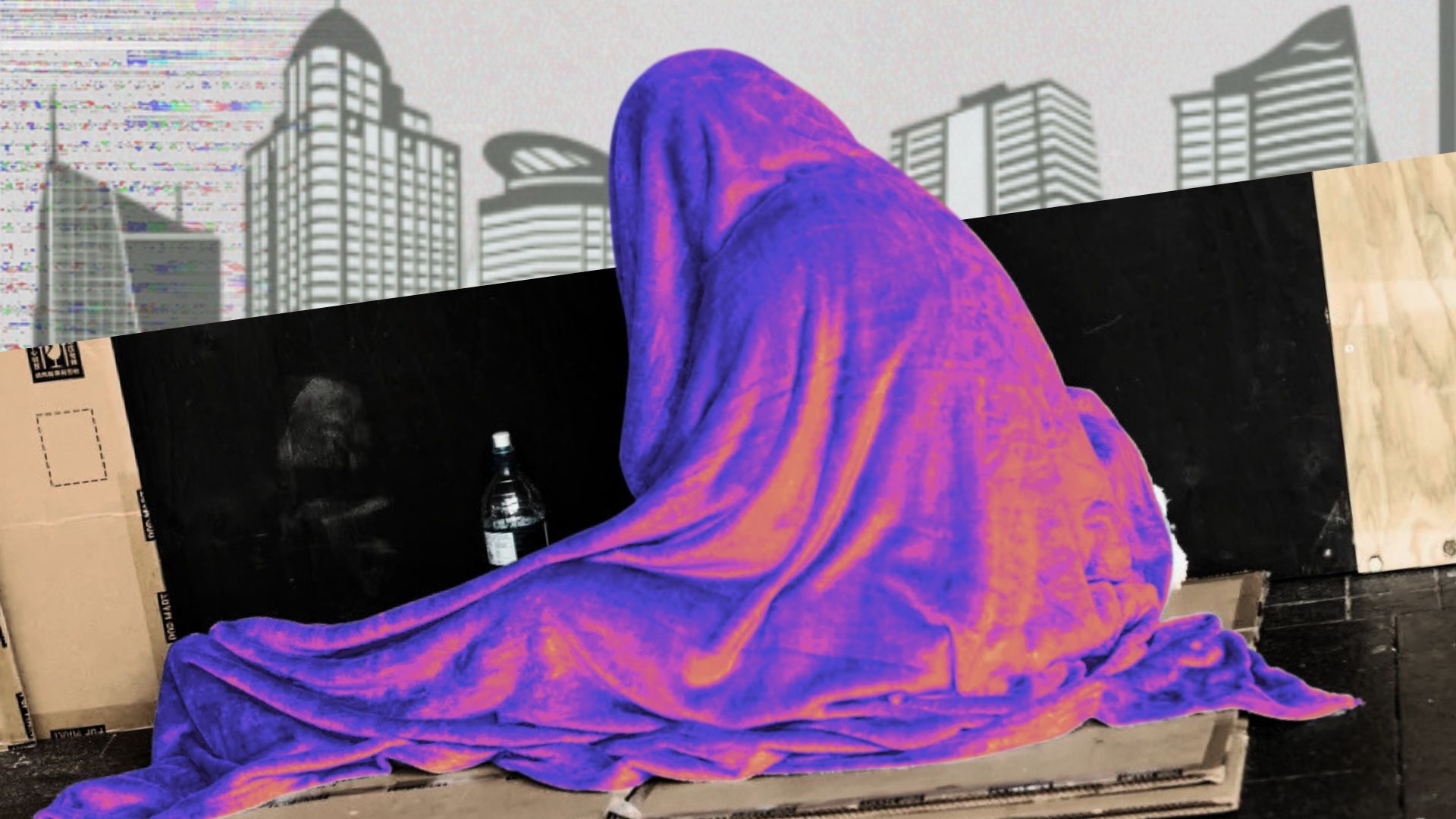
A disrupted income stream can be catastrophic. Schooling stops. Medical care is delayed. Debt accumulates. Entire households slide backward because a job disappeared in the name of protection. When work is informal and opportunity scarce, stability itself becomes a form of dignity, a reality often missing from policy debates in wealthy countries.
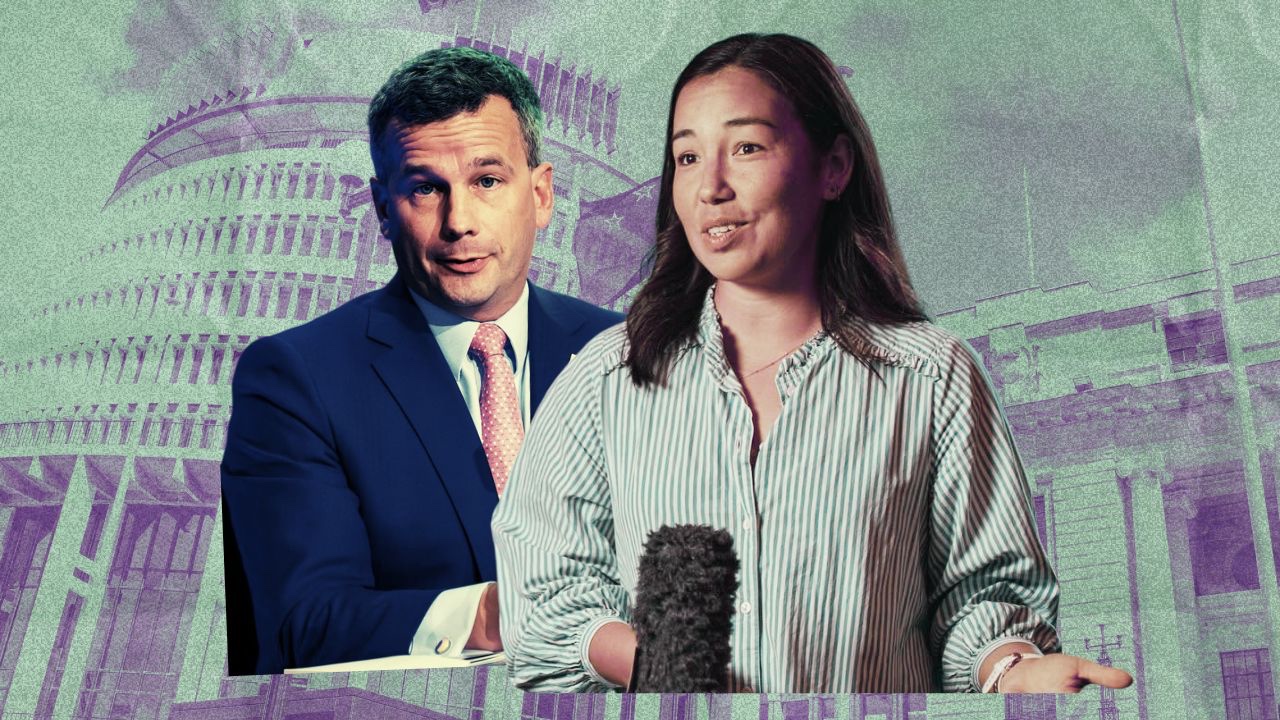
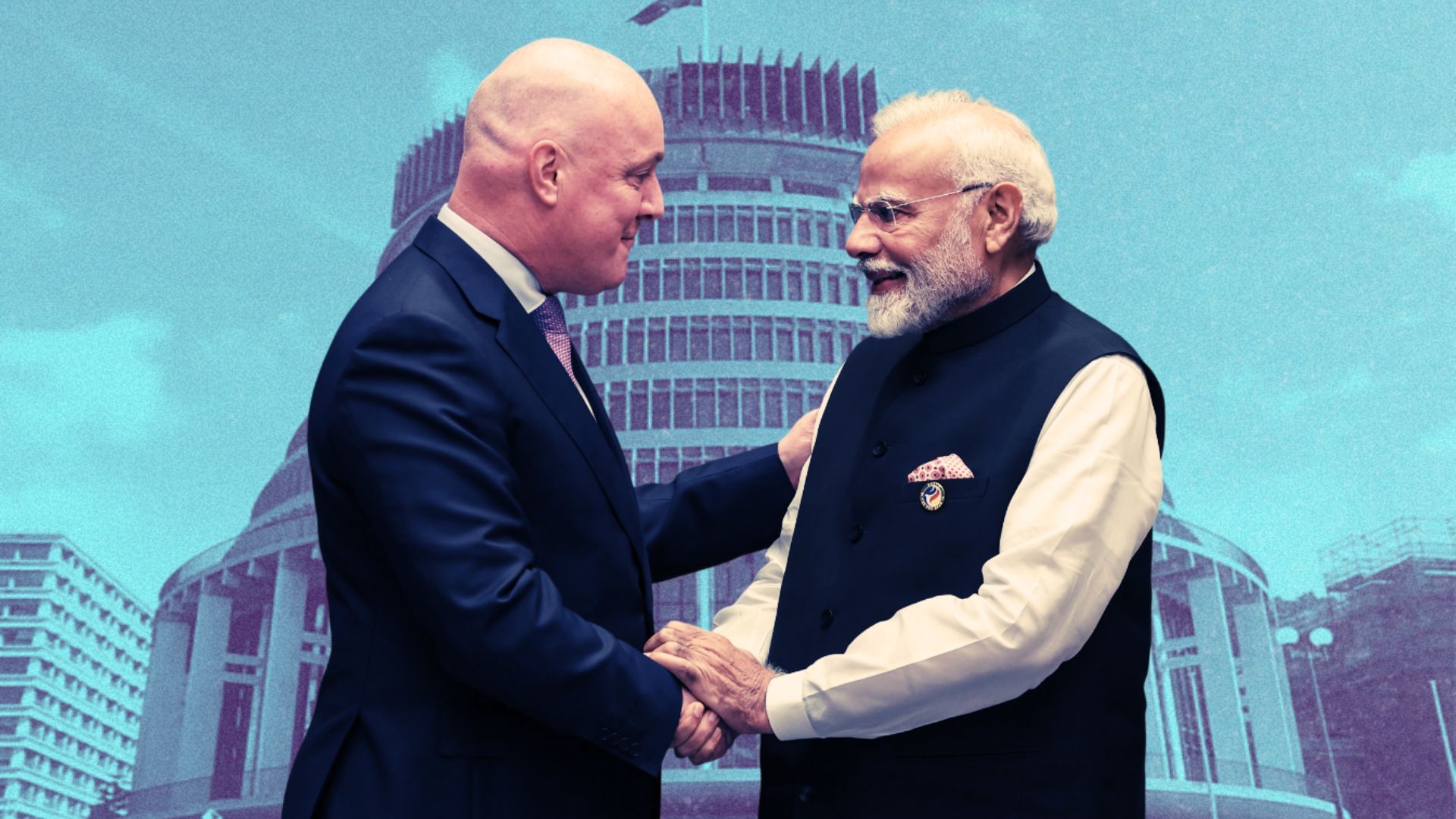
What’s striking, then, is not just the substance of New Zealand’s modern slavery bill, but the political urgency behind it. National and Labour banding together, bending parliamentary rules, fast-tracking consensus. When they want to move, clearly, they can. So it raises an obvious question: why here? Why is this level of political clout reserved for a bill that costs little, offloads responsibility onto reporting frameworks, and delivers its impact almost entirely offshore – all this while harder, messier problems at home remain untouched?
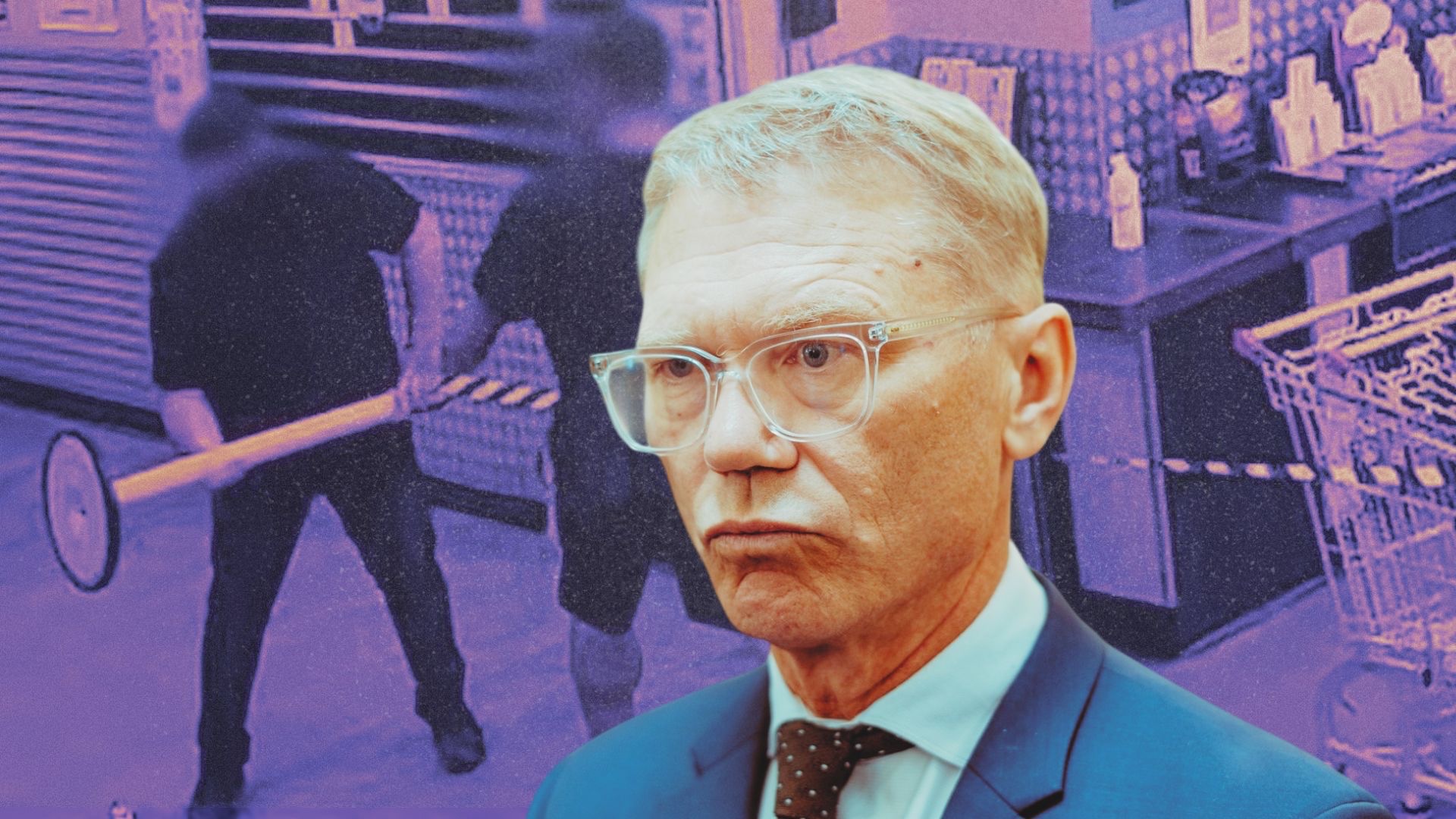
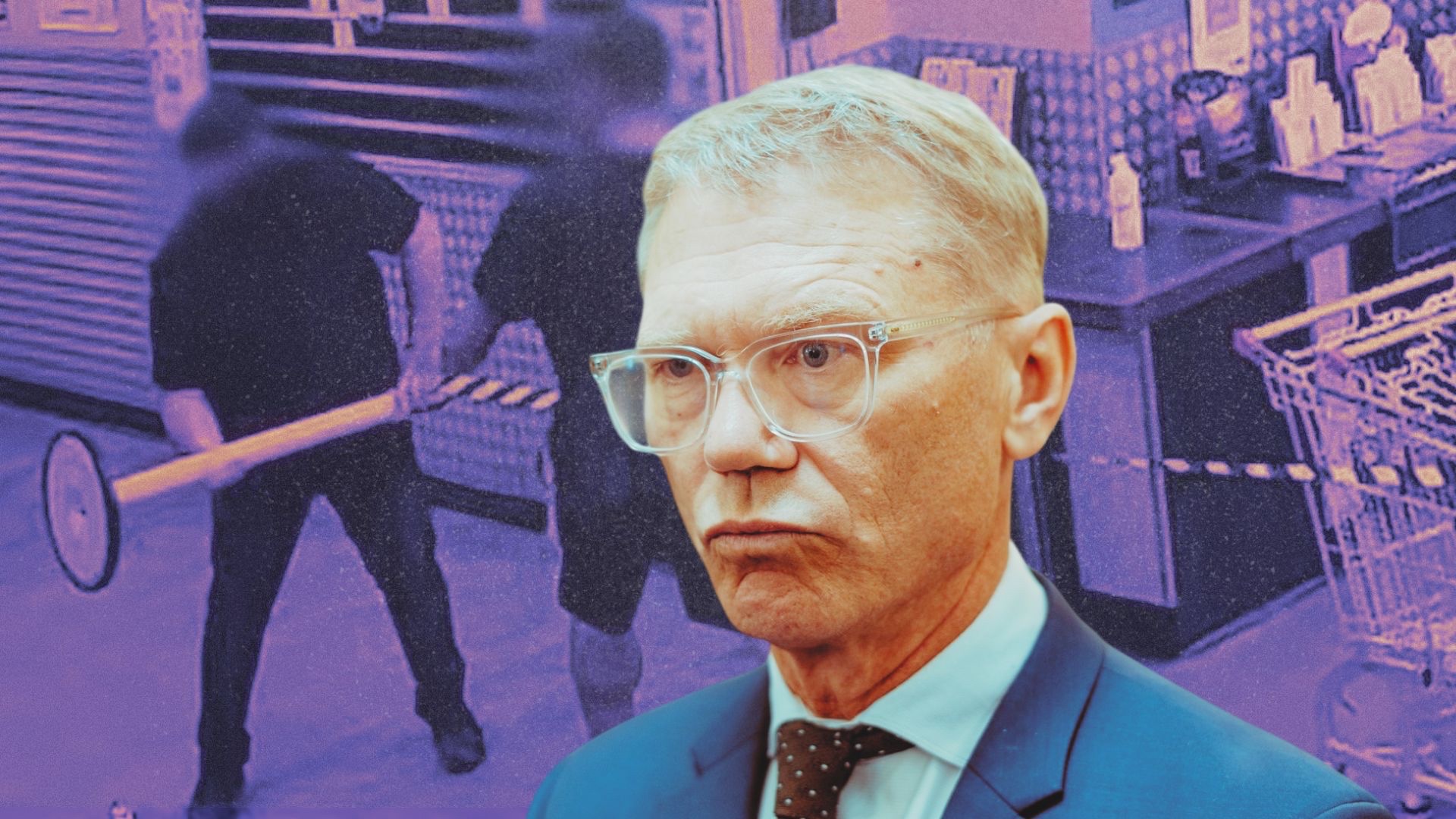
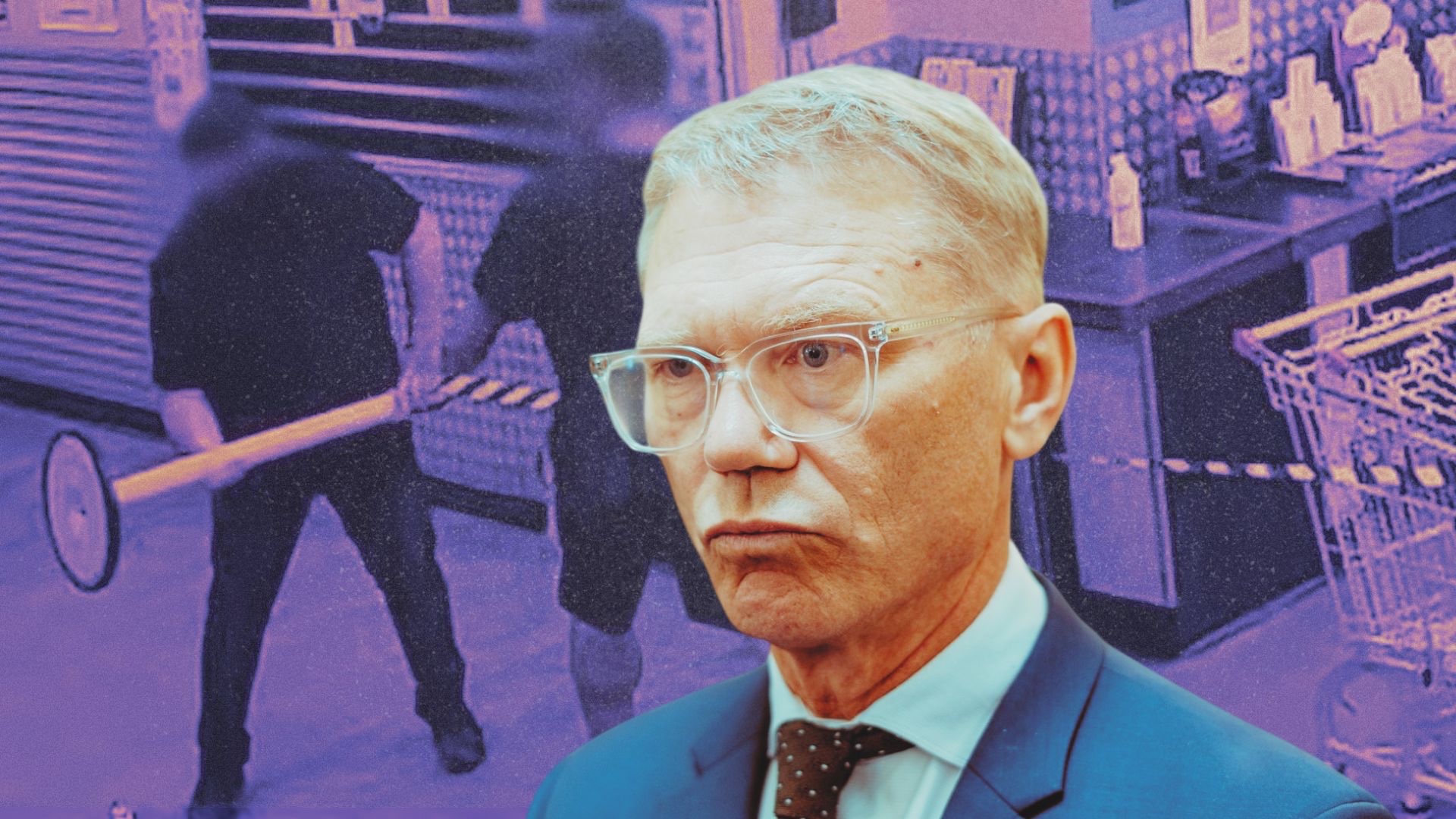
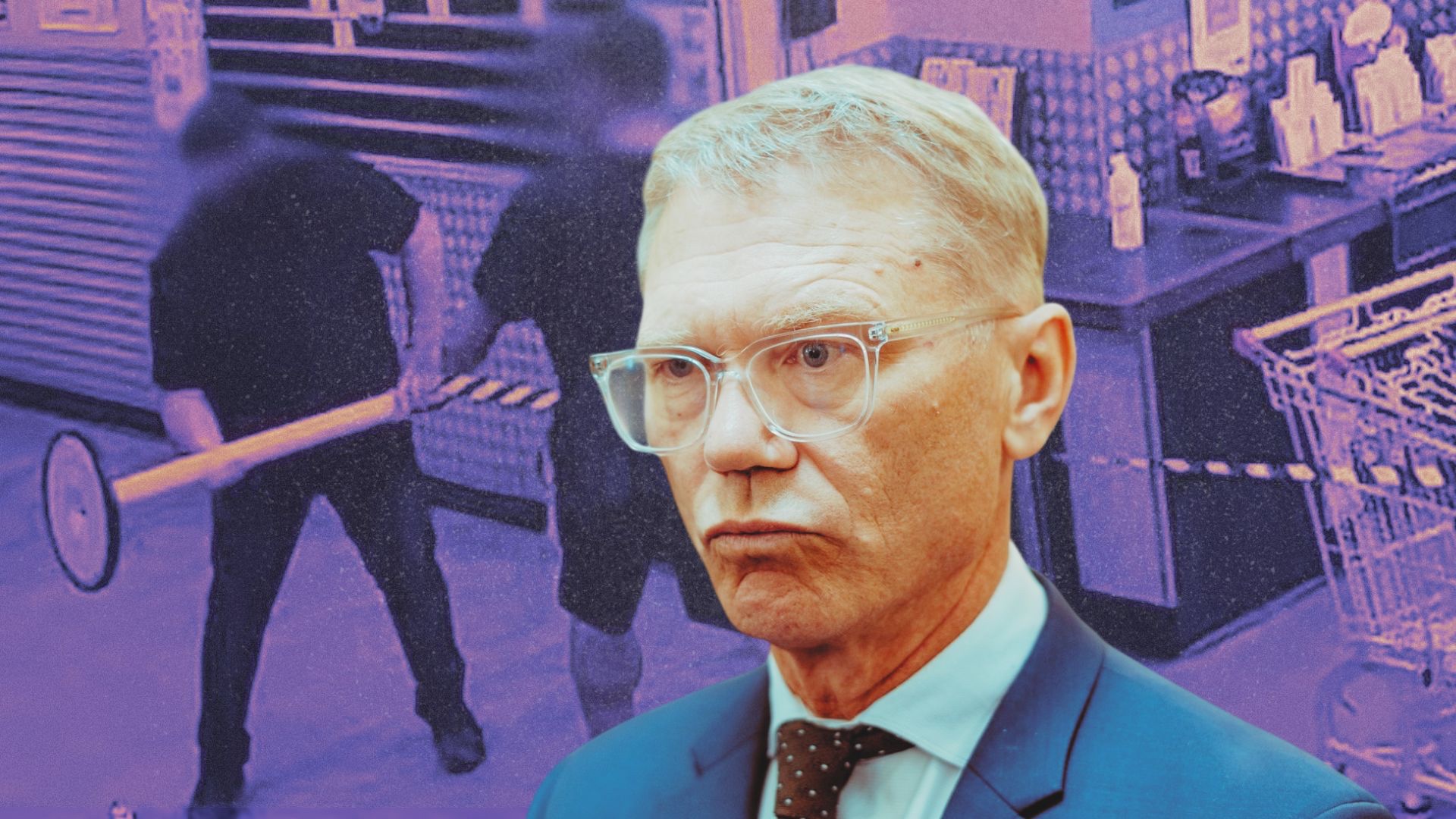
Why not deploy that same urgency to tackle retail crime in New Zealand? Dairy workers serving customers from behind cages. Petrol station staff locked behind glass. Retailers of every size wearing panic buttons and fog cannon triggers around their necks as a daily necessity. People going to work afraid, not in theory, but in practice.
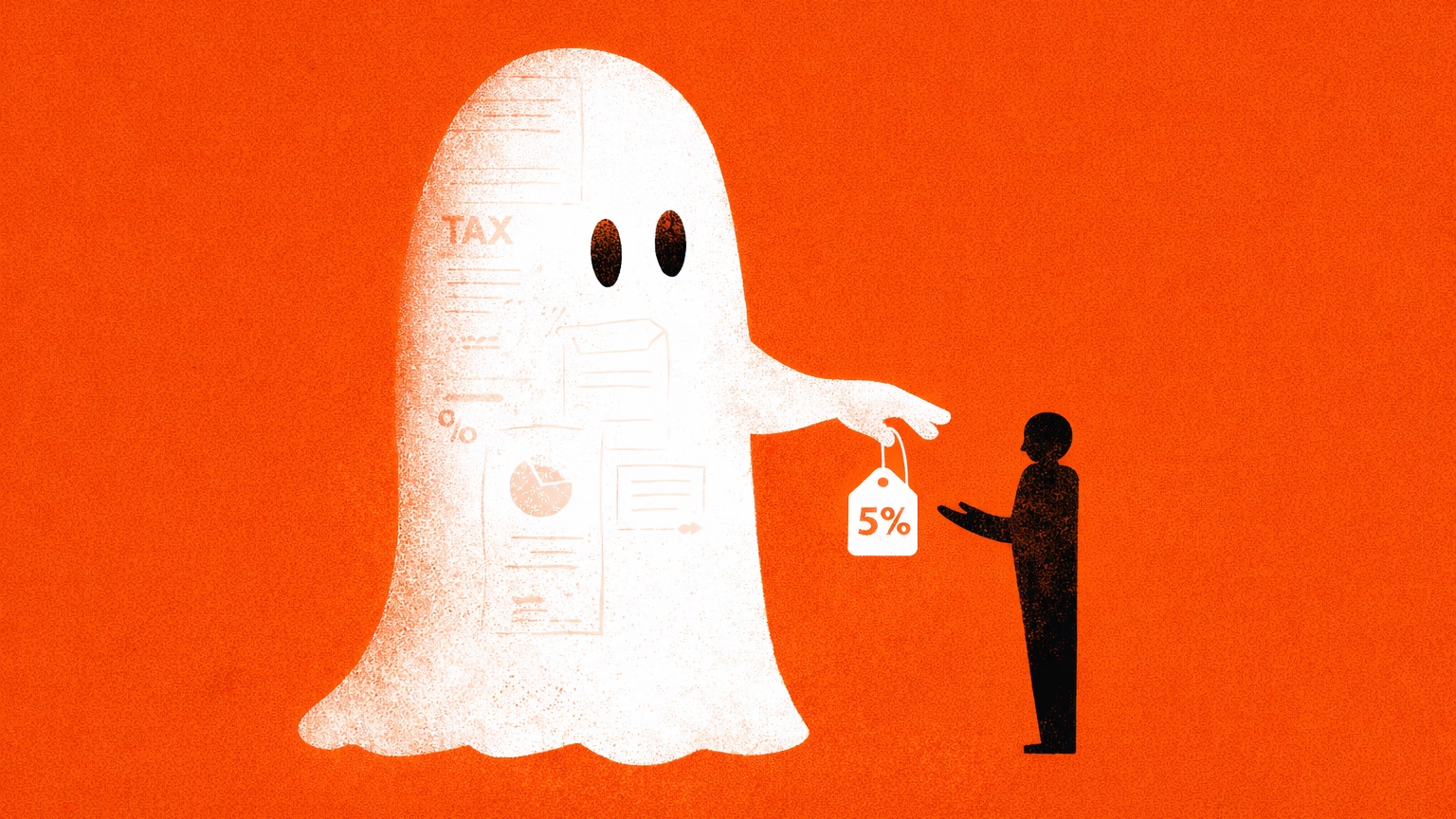
Words are cheap. Intent is what counts. Under this legislation, companies that fail to comply could face fines of up to $600,000. The public will be told how many complaints firms have received relating to modern slavery risks across their supply chains. On paper, it sounds formidable. In reality, it promises an immeasurable, and possibly undetectable, reduction in global human suffering, while creating a very measurable opportunity for consultants, auditors, and compliance specialists.
If this bill truly is about reducing modern slavery, why limit it to firms earning more than $100 million in revenue? If moral urgency is the driver, why exempt everyone else? If you cared about modern slavery, you would demand universal compliance. Anything else looks less like courage and more like posturing.
If National and Labour can band together to fast-track feel-good legislation that makes voters feel virtuous about suffering half a world away, can't they do the same for issues hurting Kiwis right now?
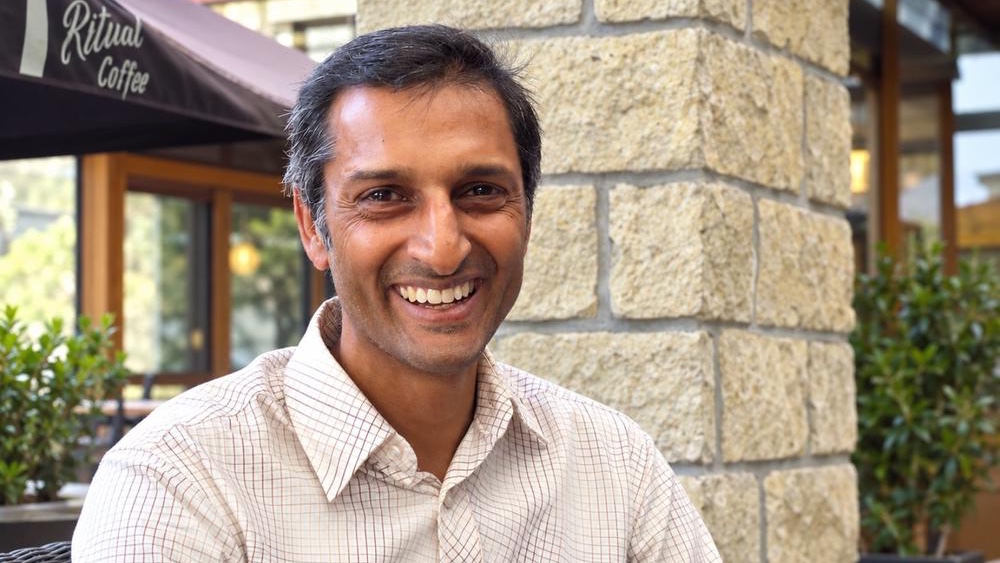
(The writer is a Hamilton-based liquor retailer and contested as an ACT Party candidate in general elections 2023.)