
Out Loud: Migrants powering New Zealand, says (yet) another study. But who cares?

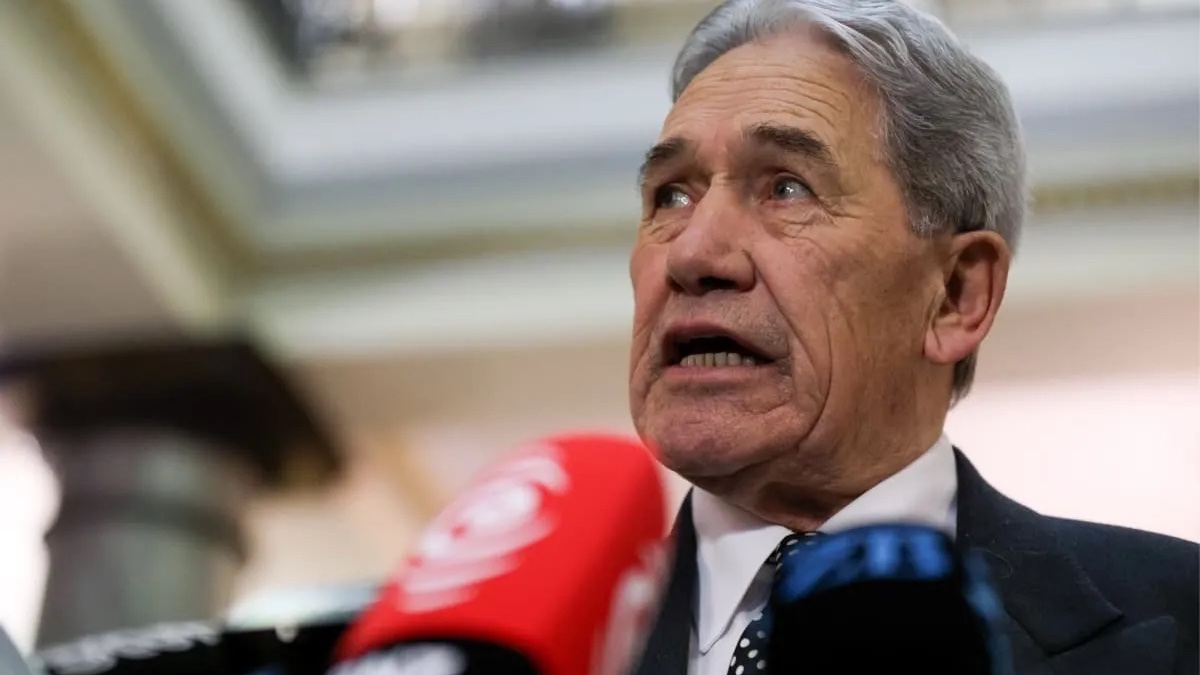
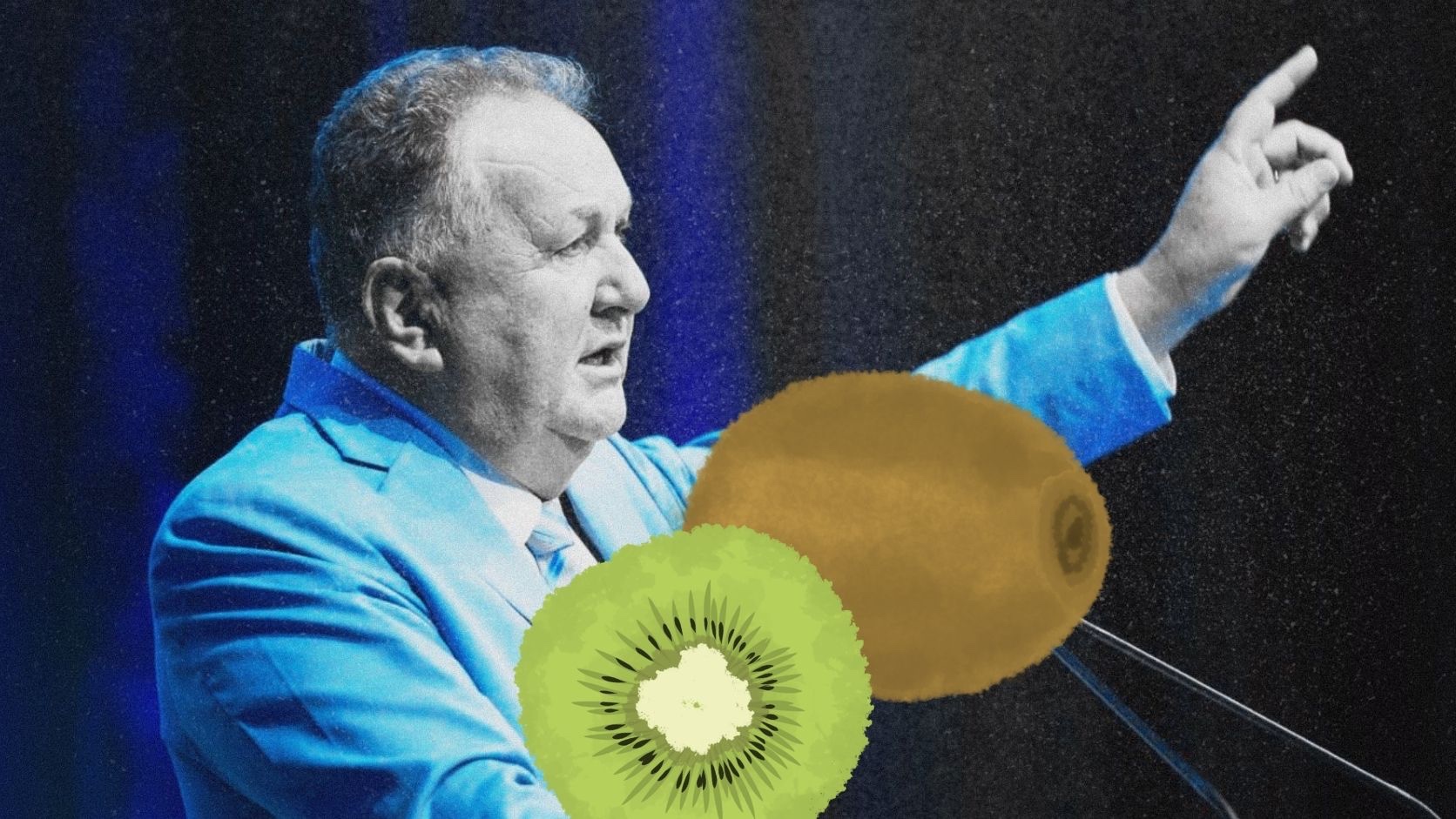
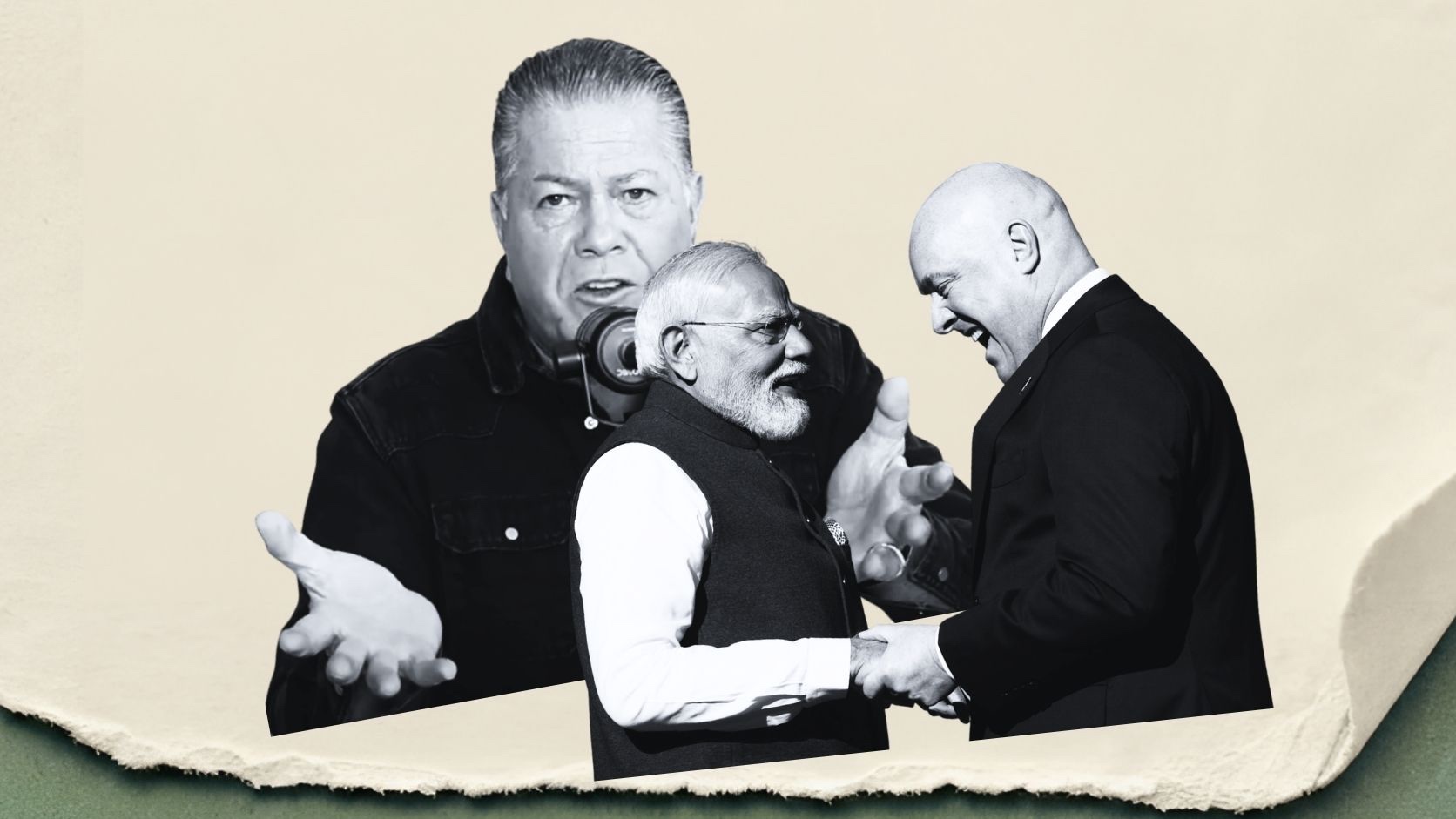
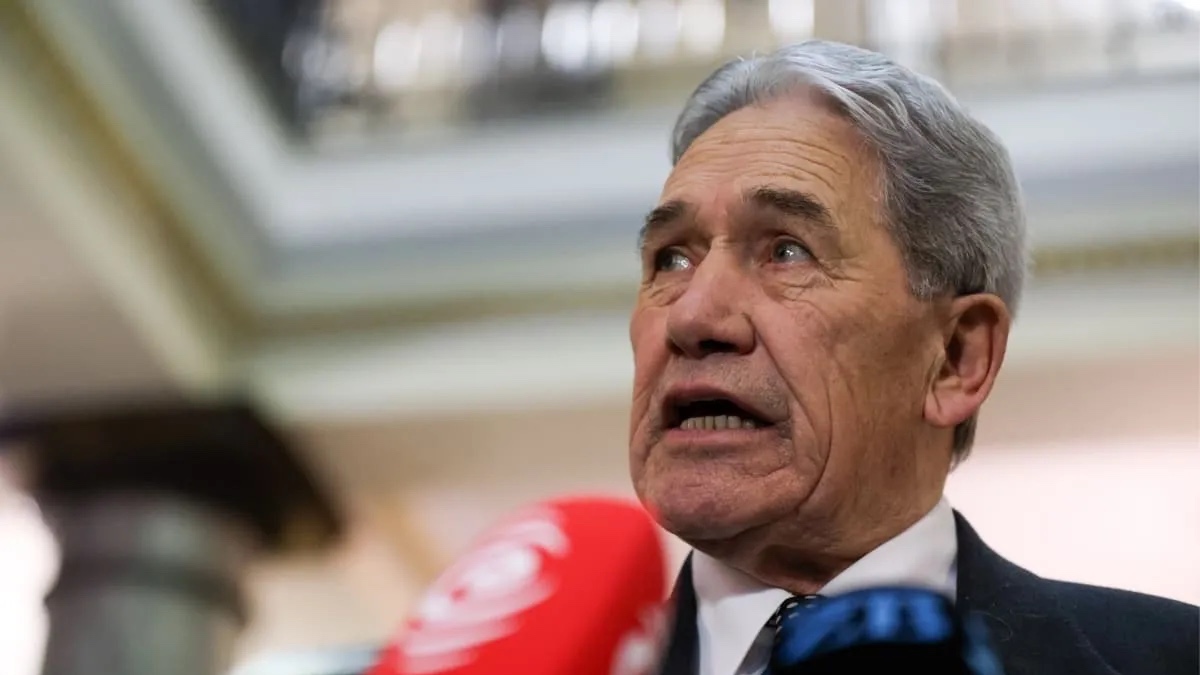
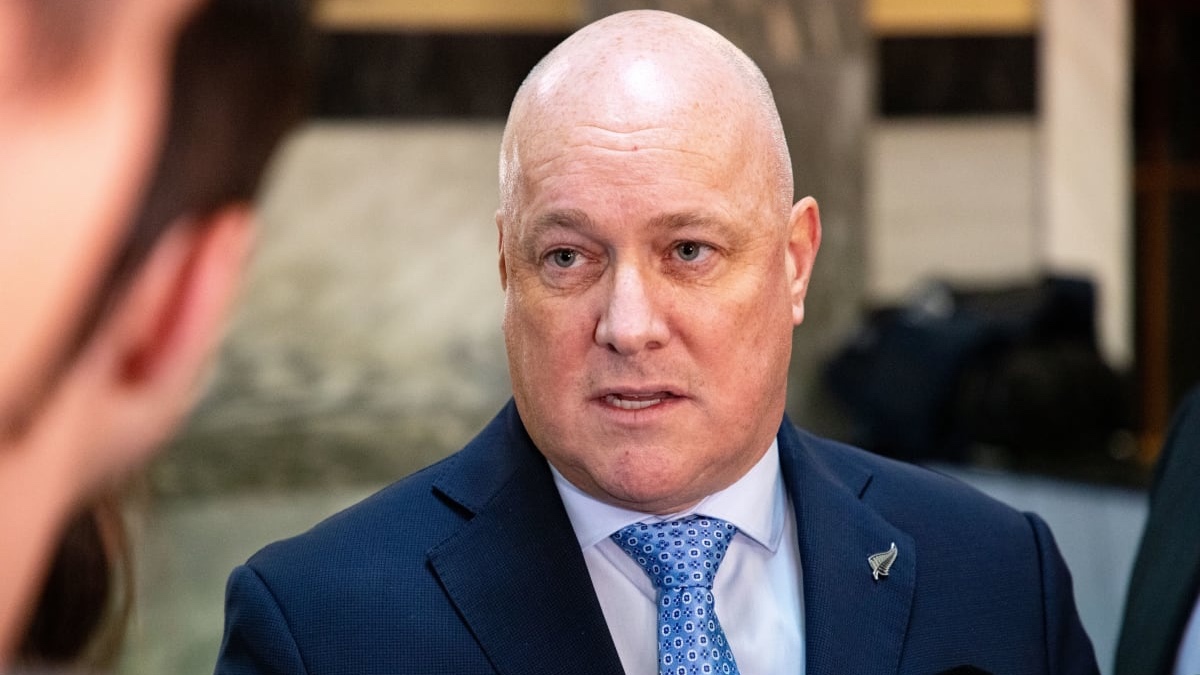
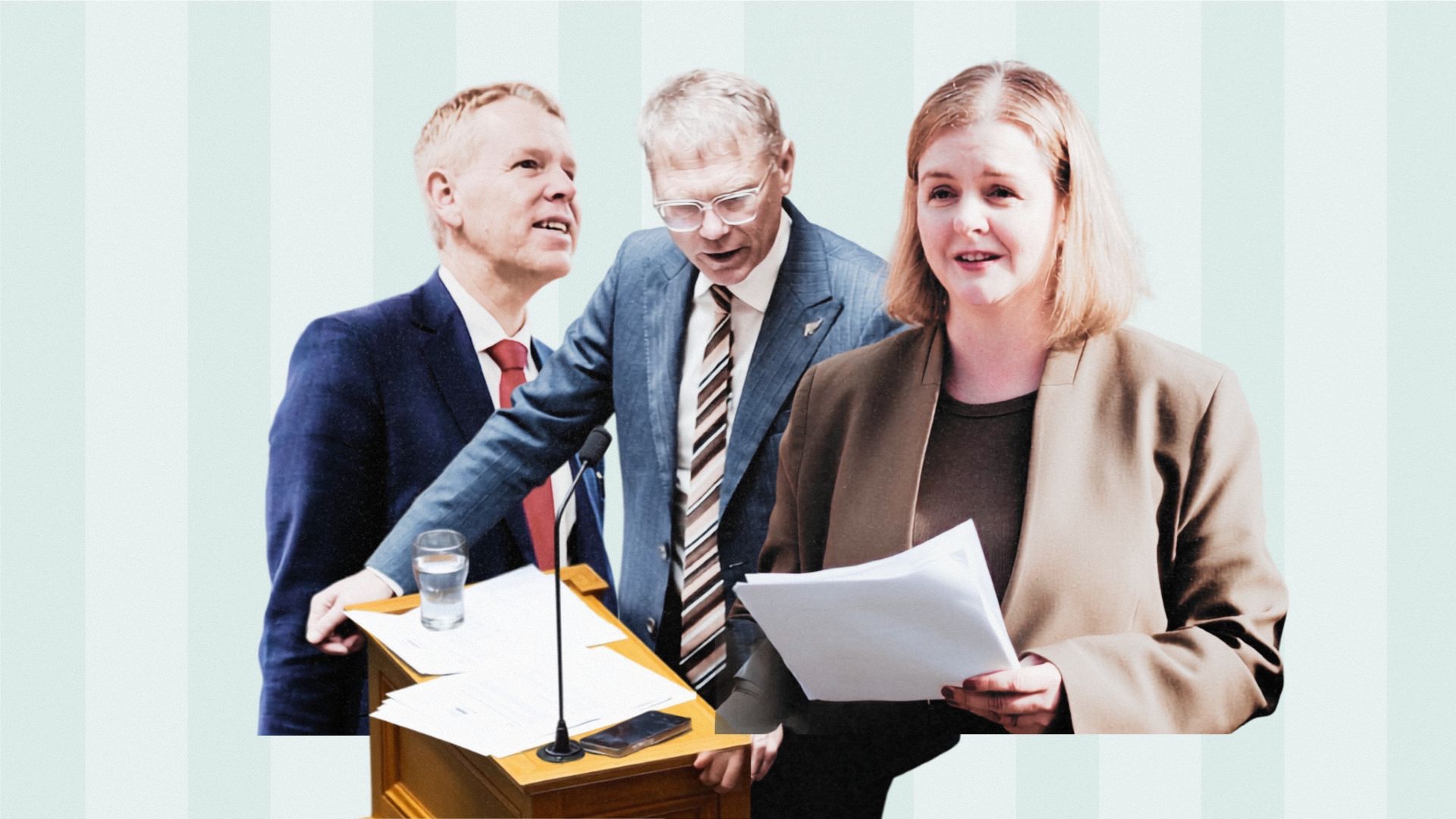
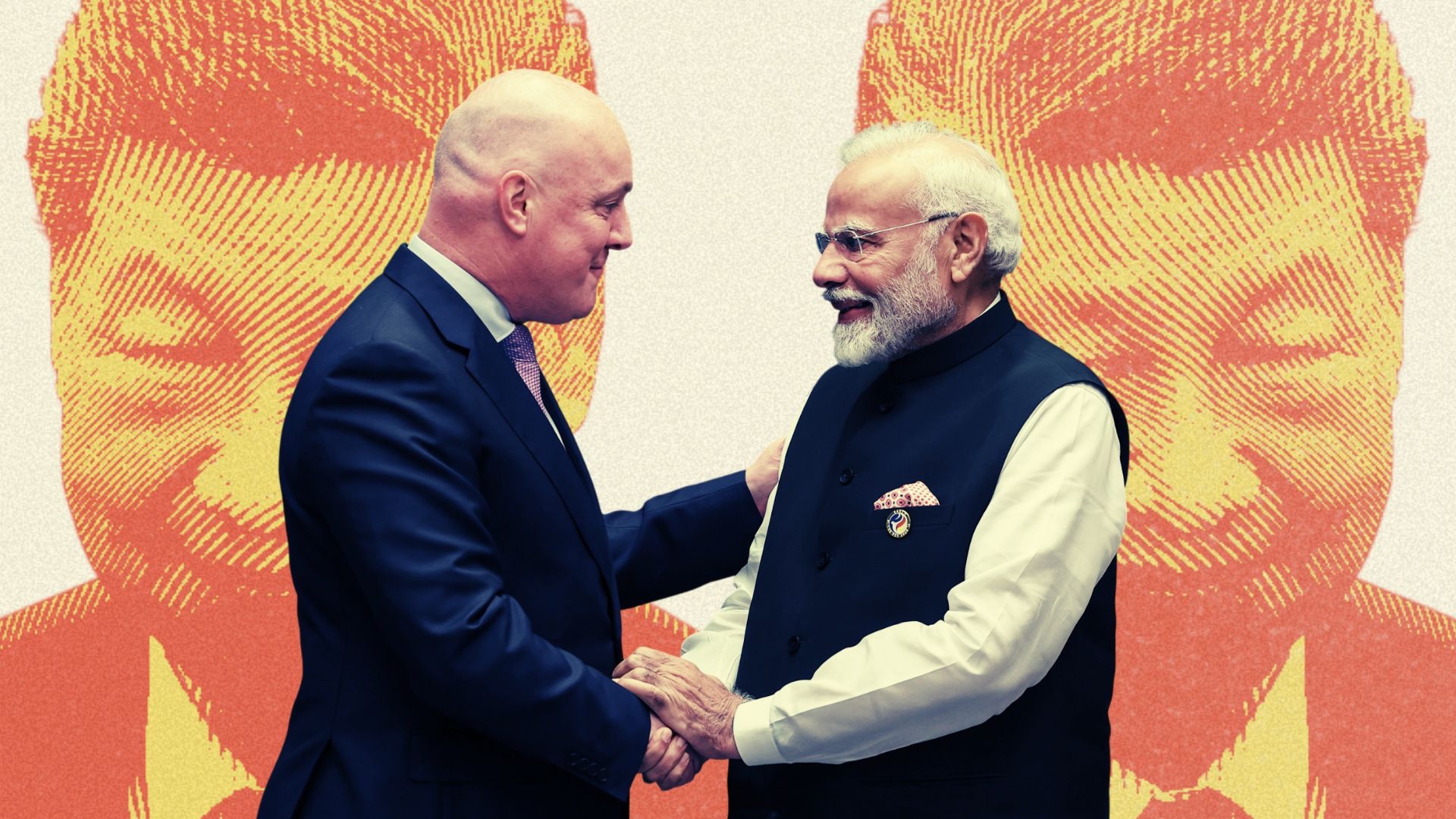
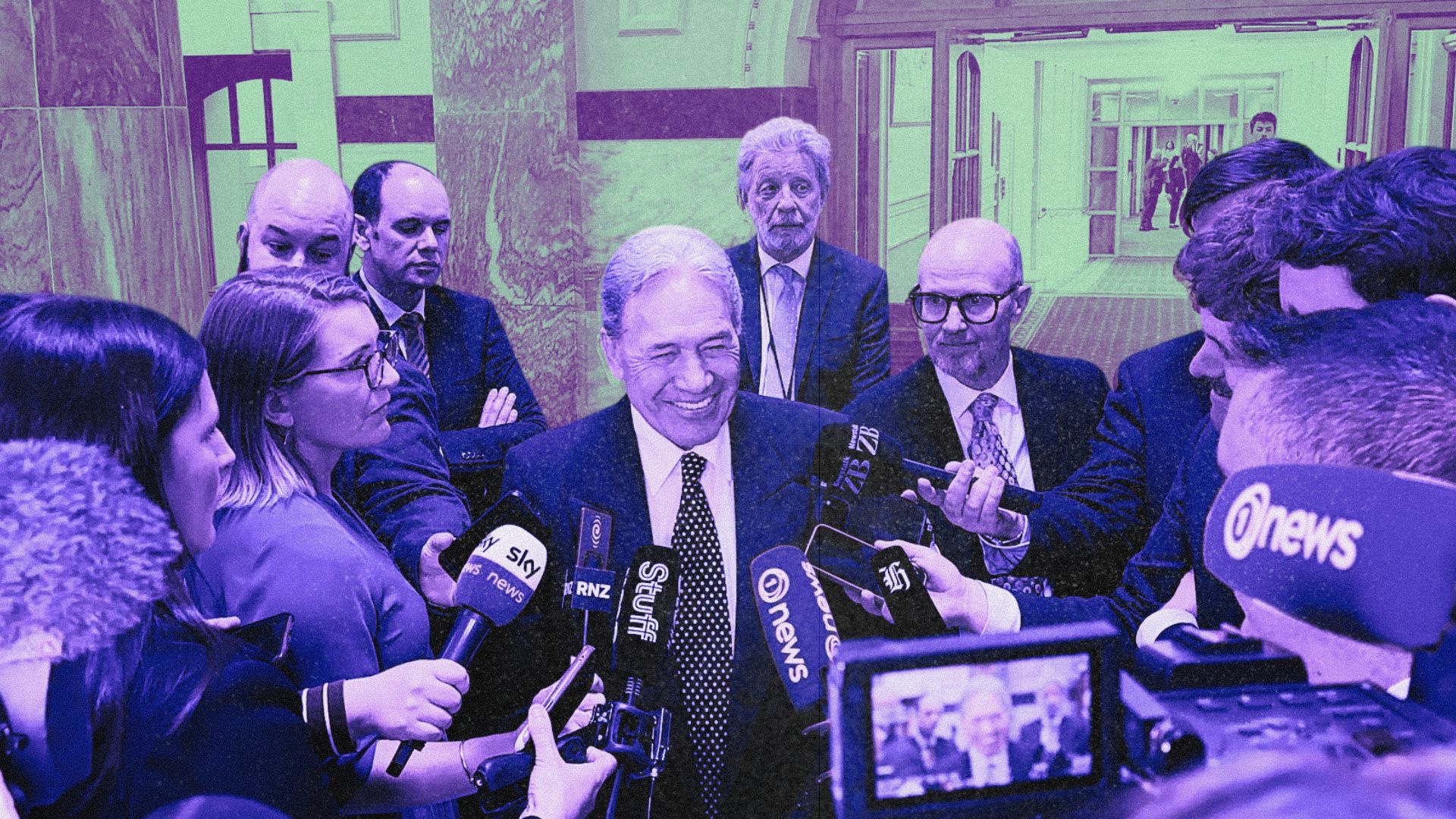
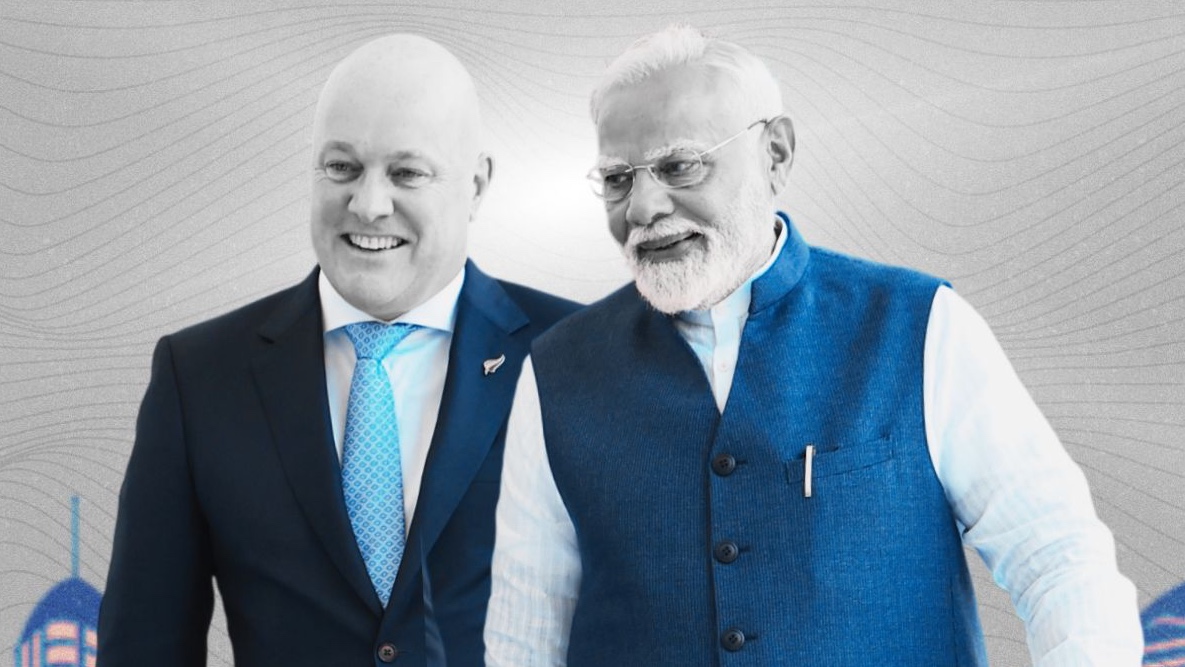
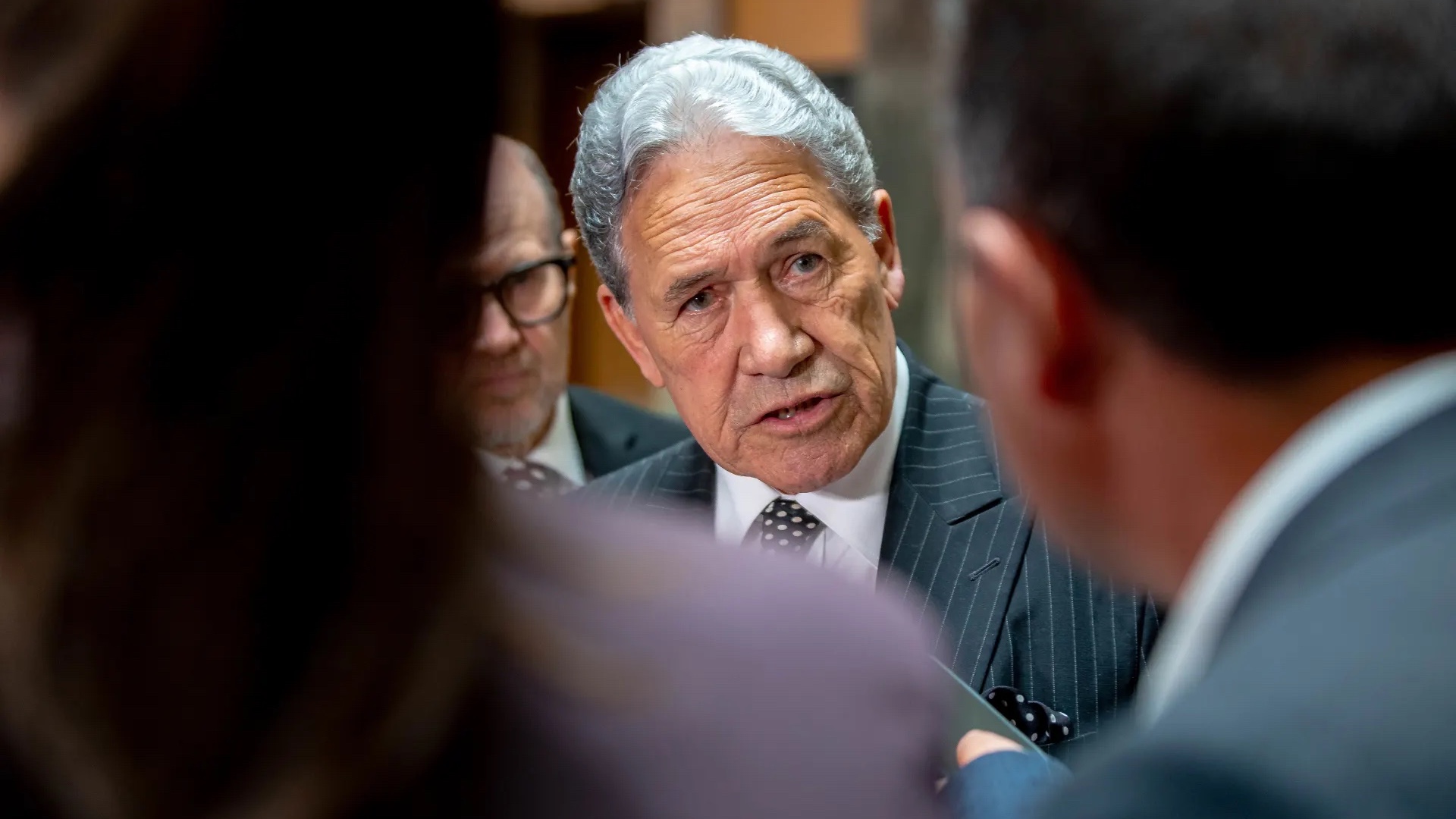
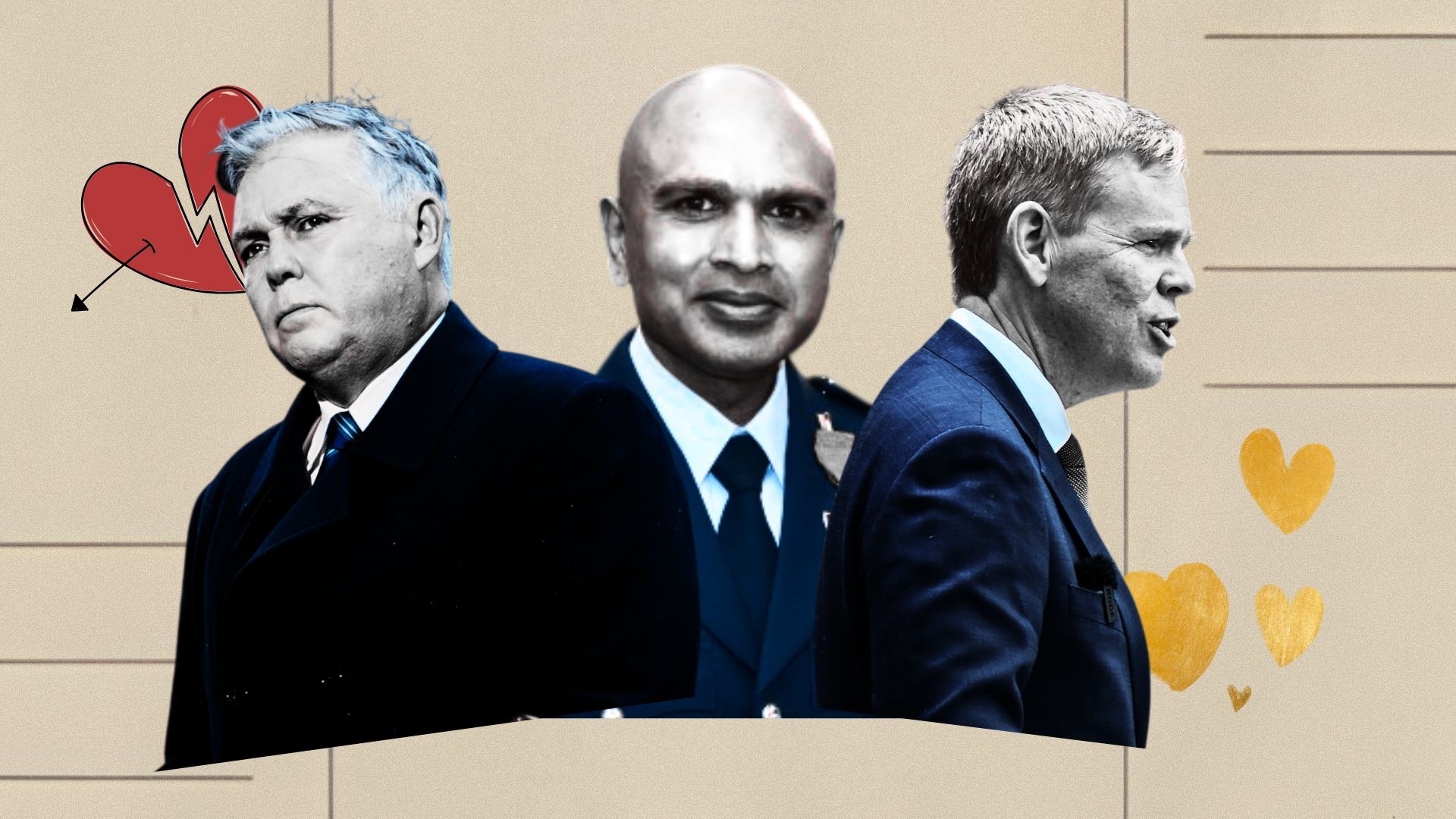
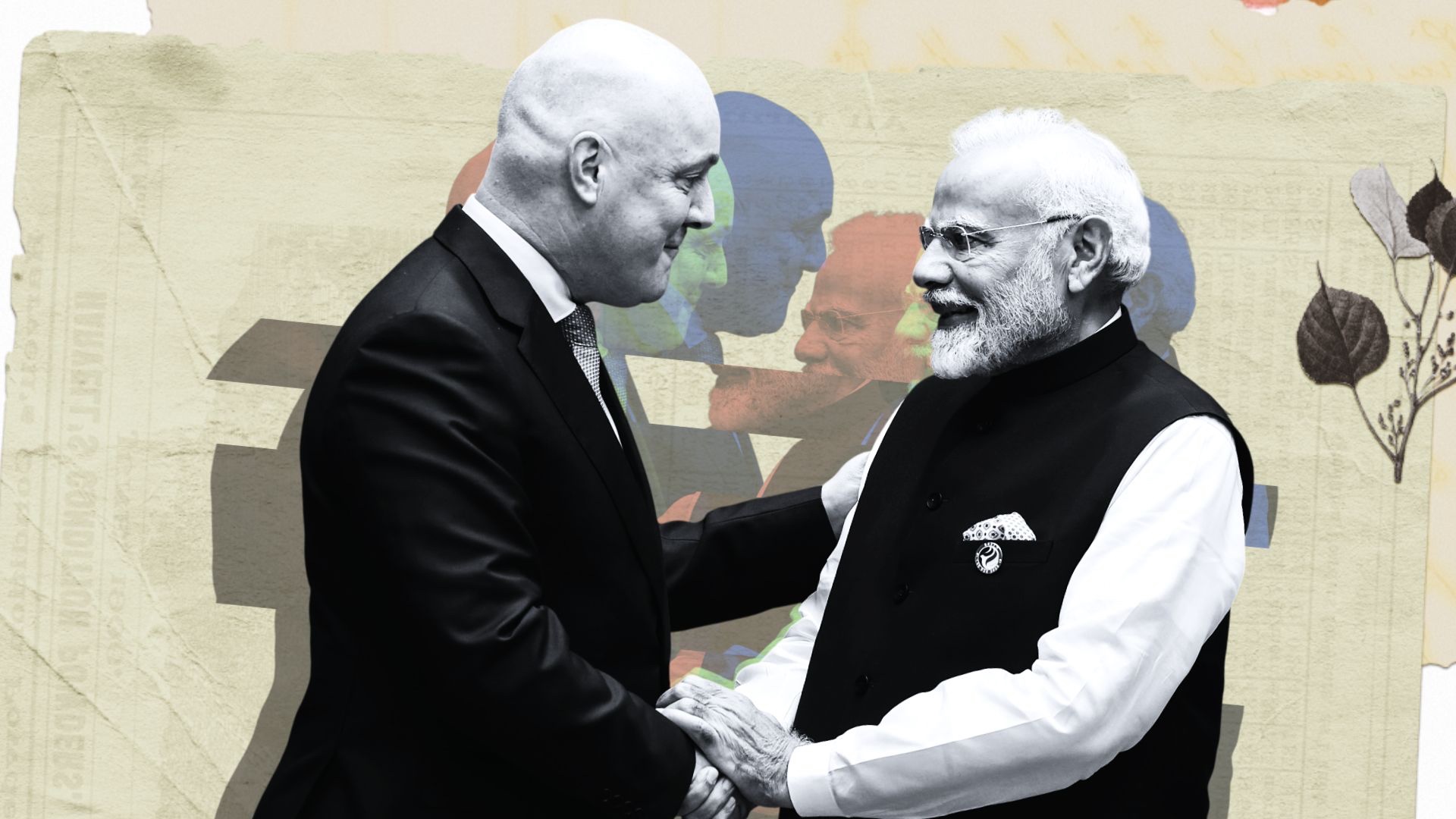
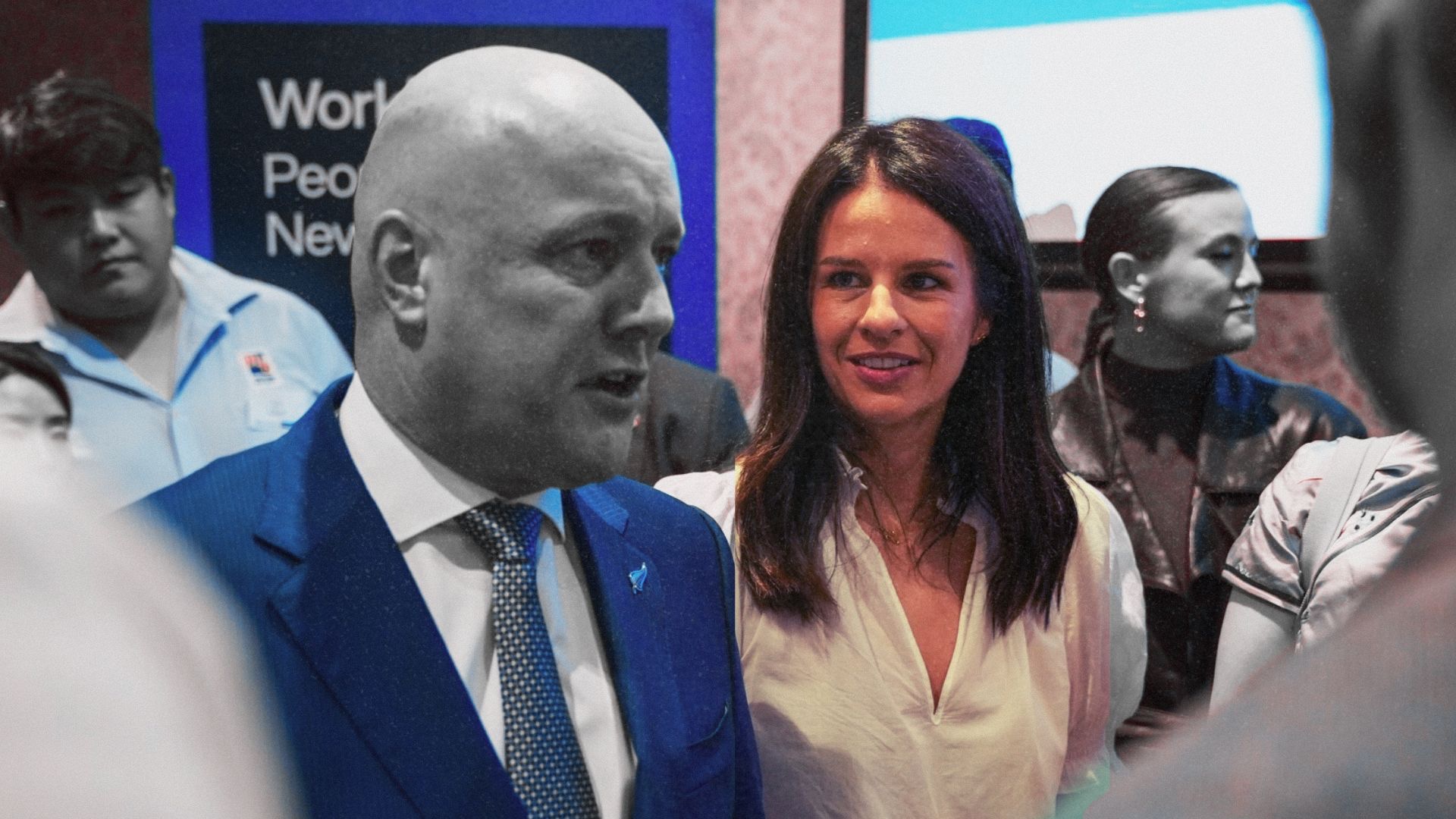
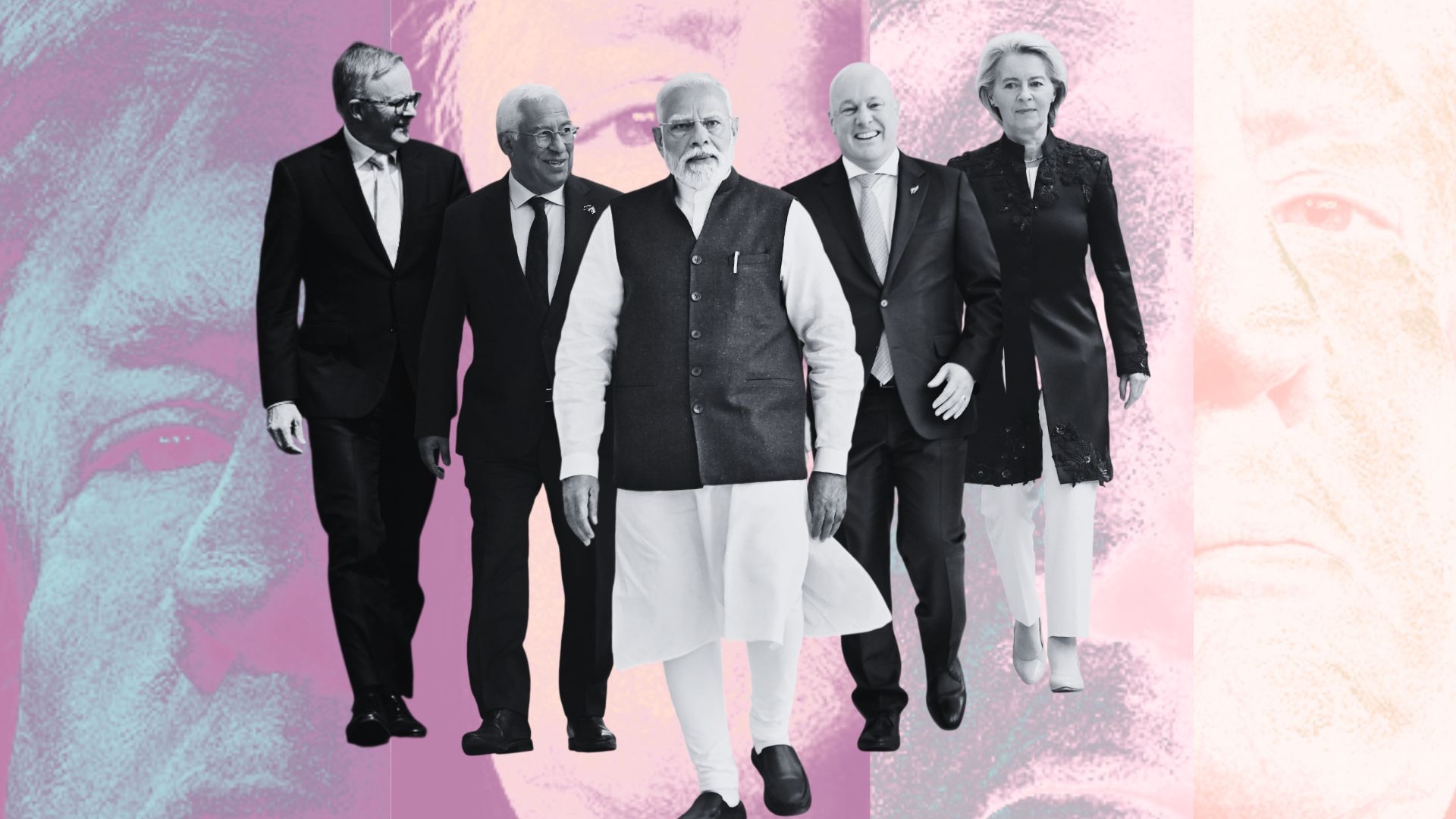
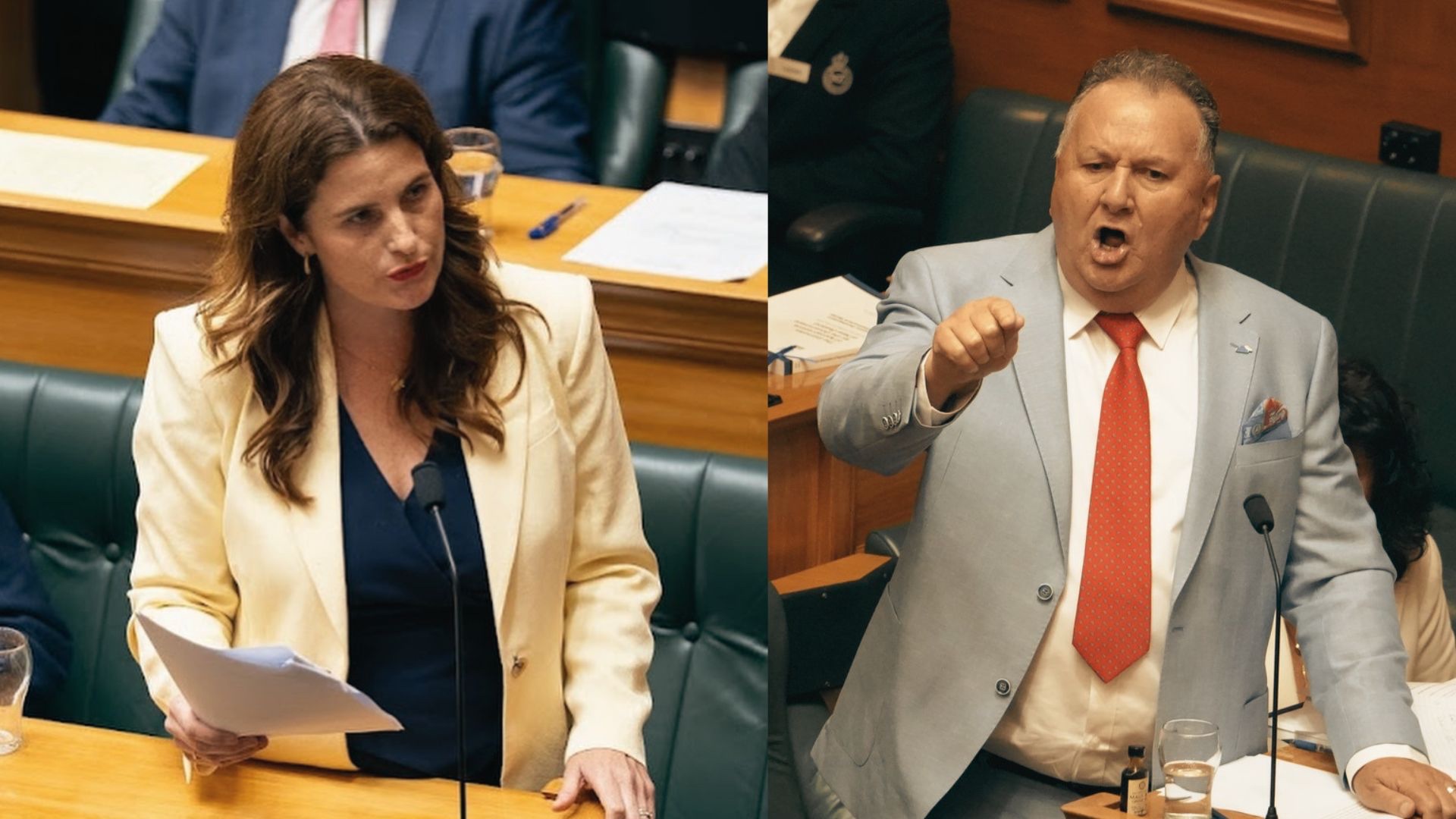
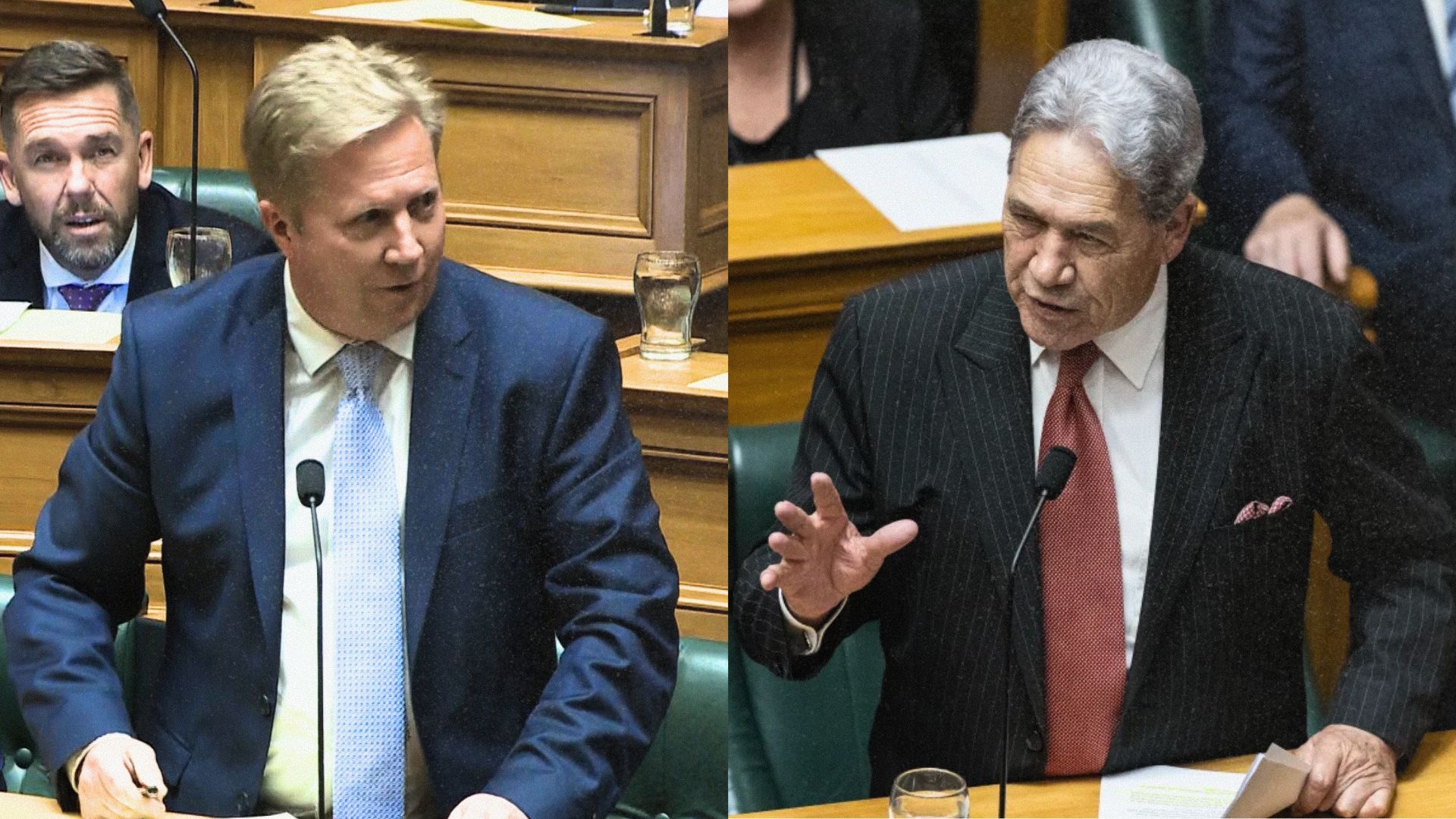
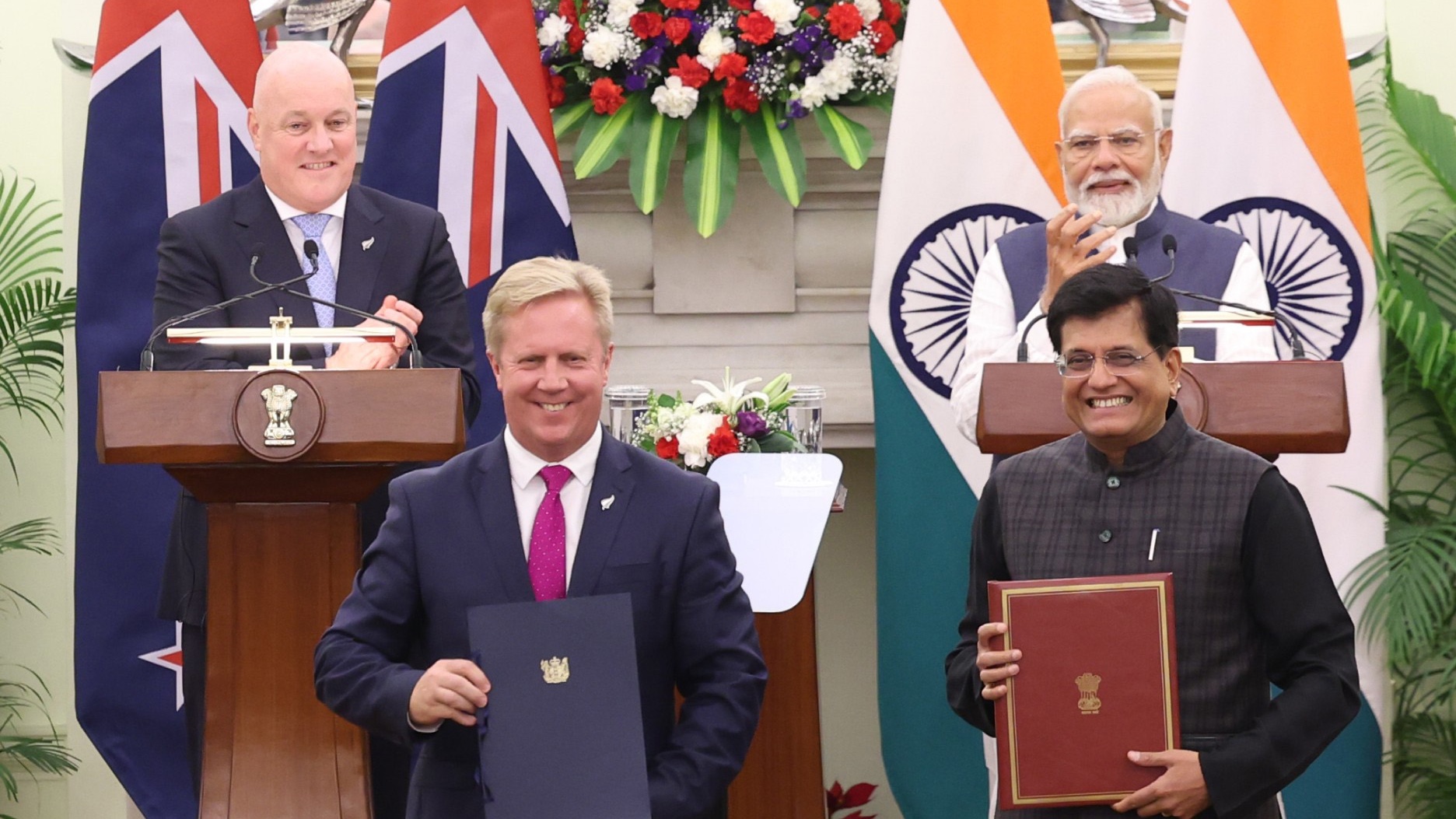
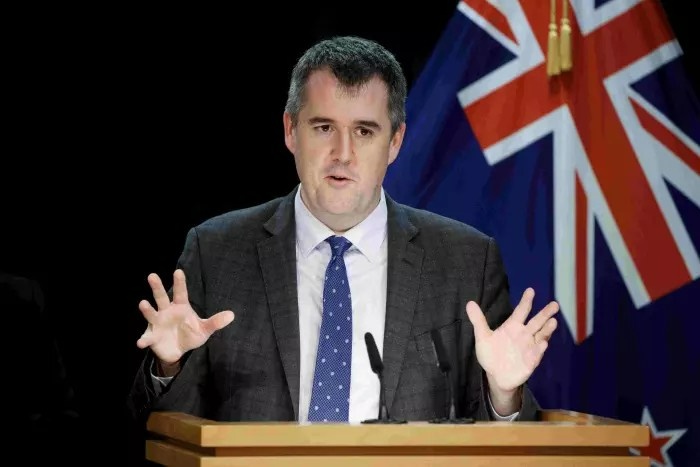
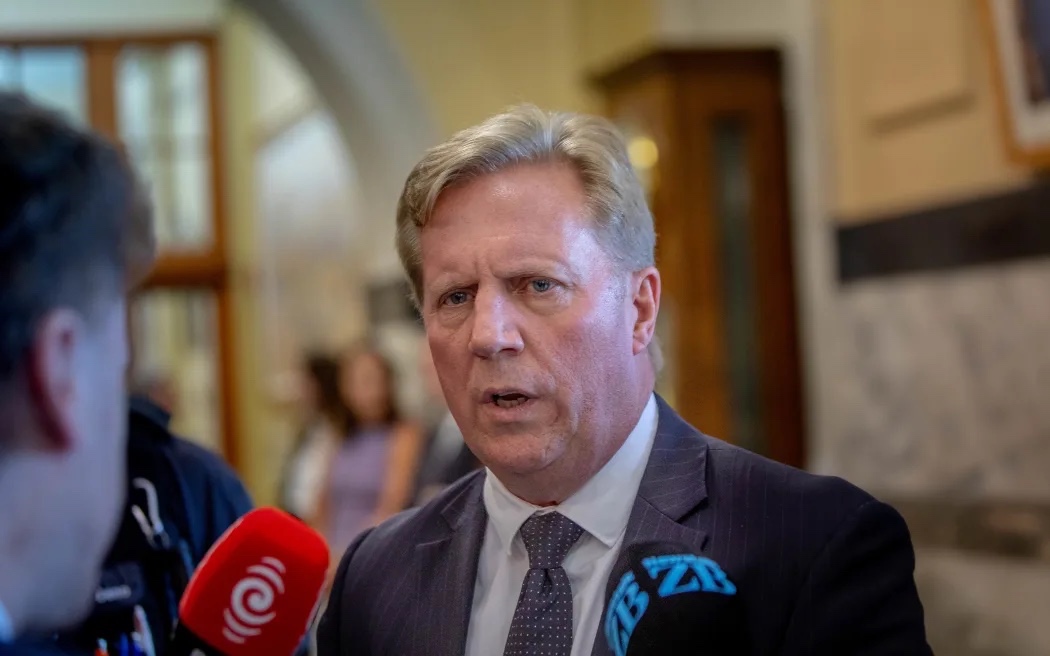
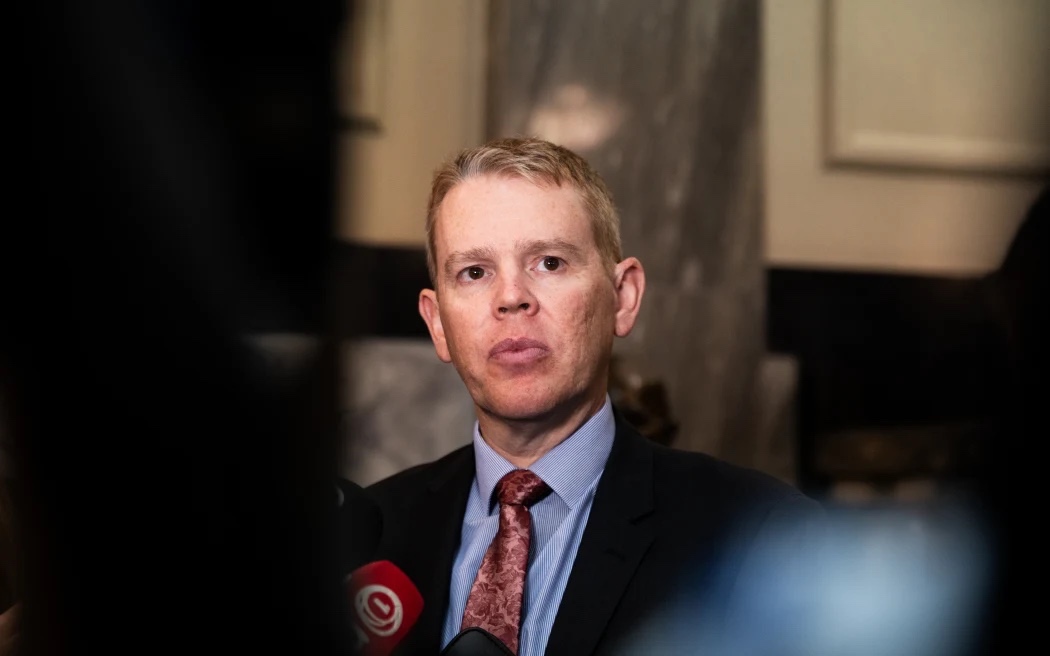
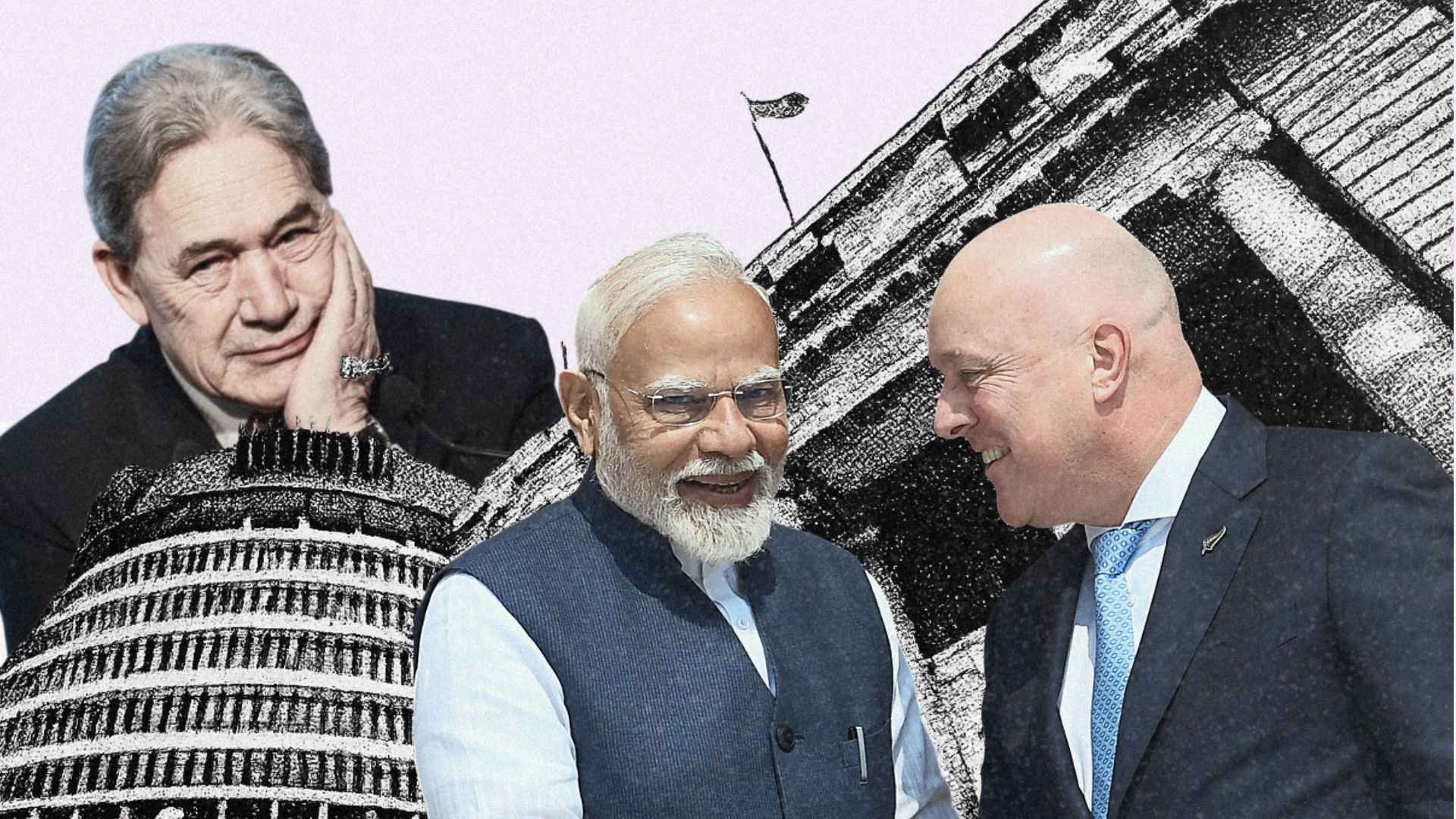
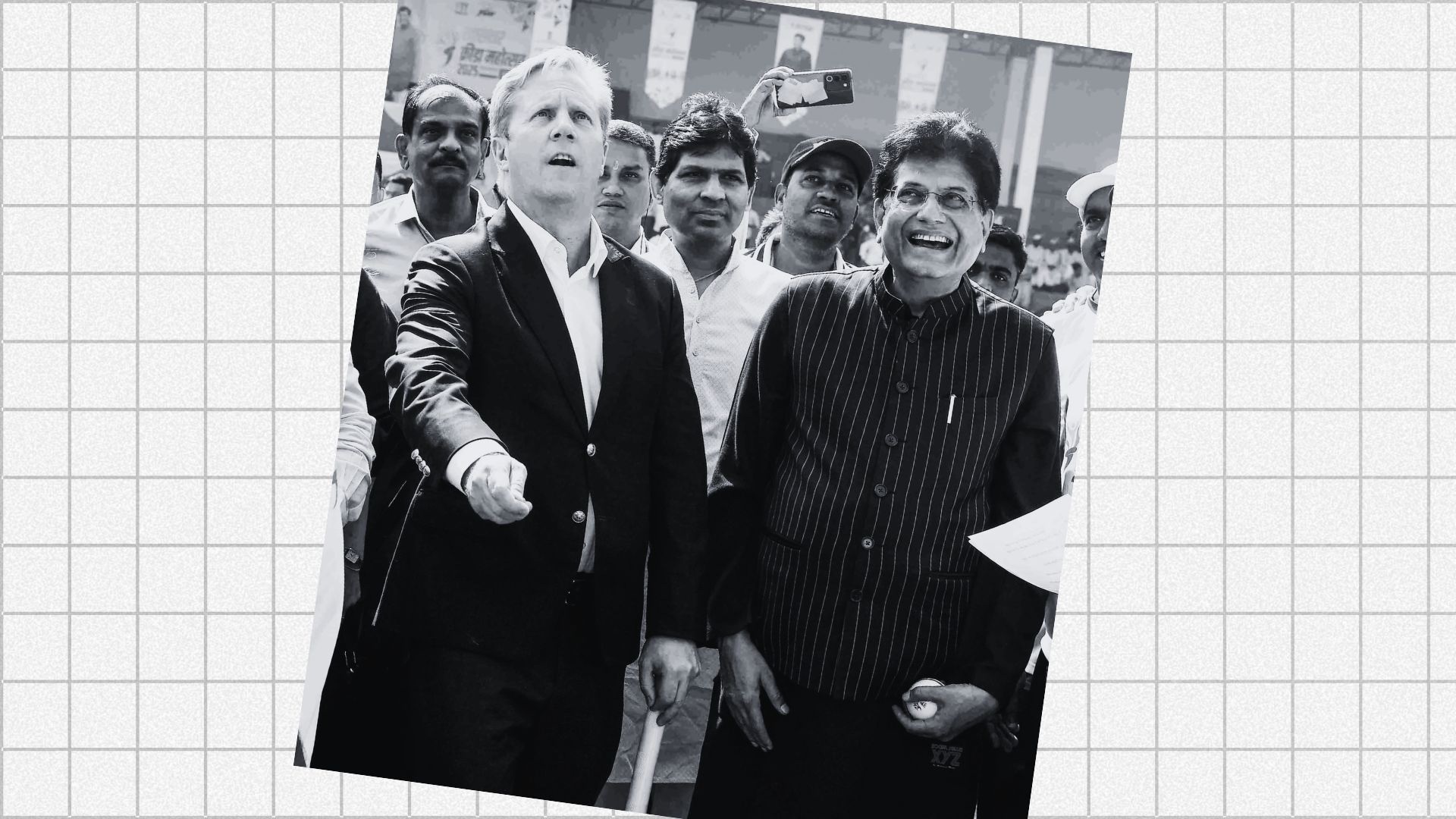
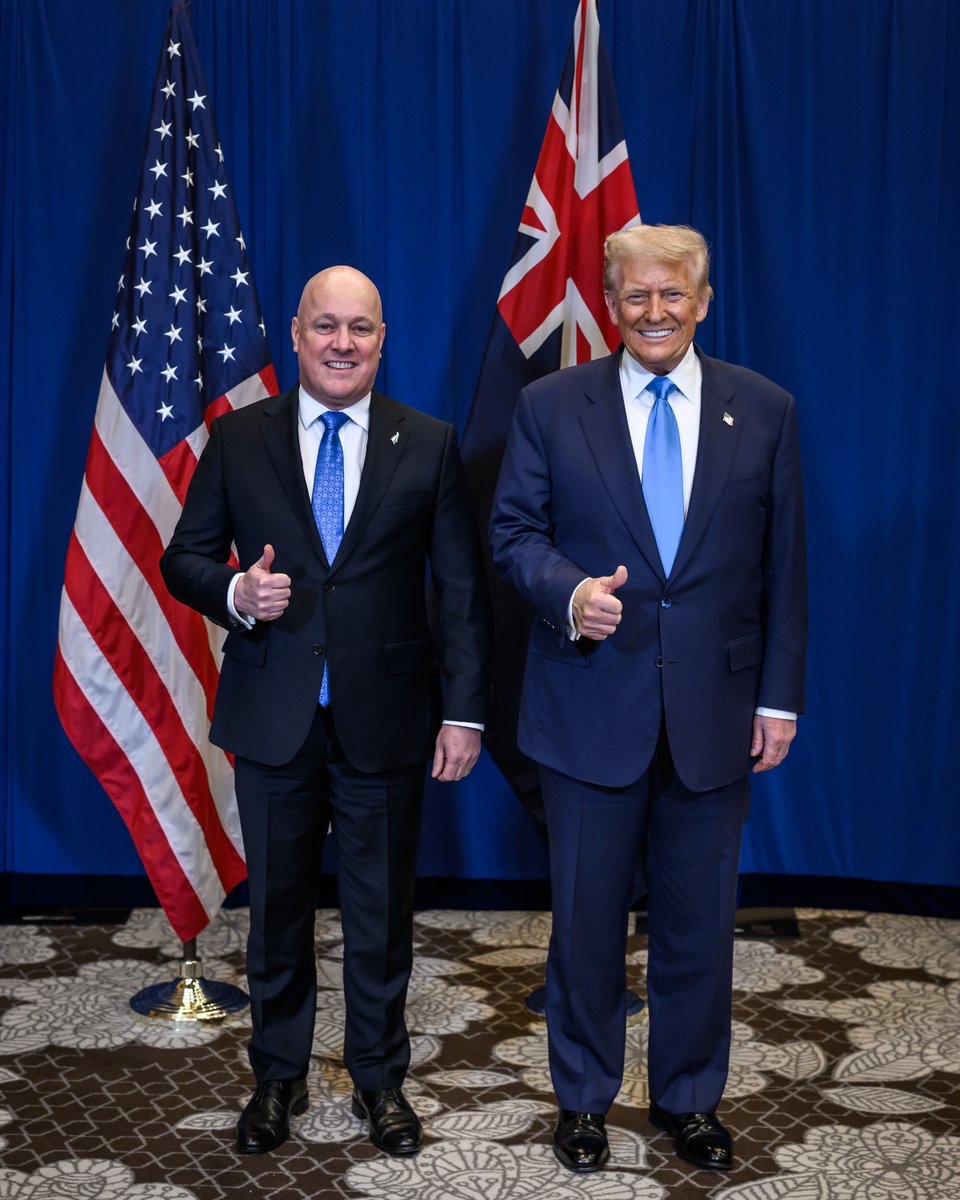
From left: Winston Peters, prime minister Christopher Luxon, Shane Jones.
Migration is a two-way street where no one side is a benefactor. Our politicians seem to forget that.
('Out Loud' is an opinion column that takes the political, cultural and social debates Indian migrant households save for home and says them out loud, consequences pending.)
A new report released this week has reinforced something about migrants that's widely assumed, but not acknowledged enough in our public policy discourse. New Zealand needs migrants.
On March 30, The Treasury released a new analytical note by economist Tim Hughes, titled “Transnationalism and tax payments among the foreign-born”. It examines how migrants contribute to that base over time.
For the study, everyone born overseas who has spent 12 or more of the next 16 months after arriving in New Zealand is classified as a migrant. This would include citizens, residents or people on a work or study visa.
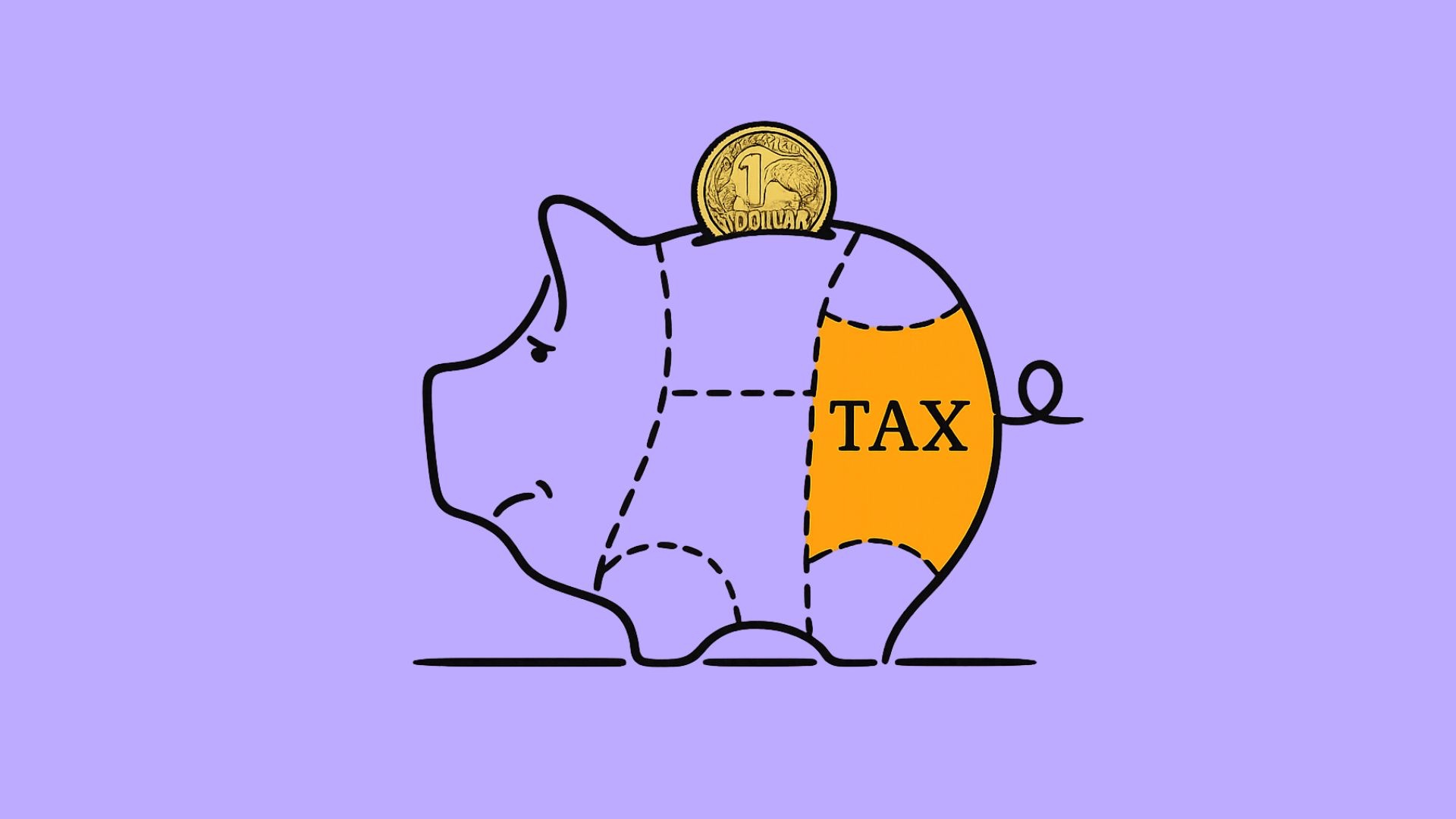
The study's central finding is straightforward. People born overseas now make up 32 per cent of New Zealand’s population. But they contribute more than their share – 38 per cent of total personal income tax collection.
Selfie: ‘Daddy, please don’t take me to an India-NZ cricket match’. A migrant's dilemma Can a migrant embrace a new home without abandoning old loyalties? Sports often offers a reckoning for migrants.
Migrant prison guards in Auckland accused of drug smuggling can't work, can't go home Two fathers facing serious corruption charges have been unable to work elsewhere because of their visas and awaiting criminal trials in 2028.
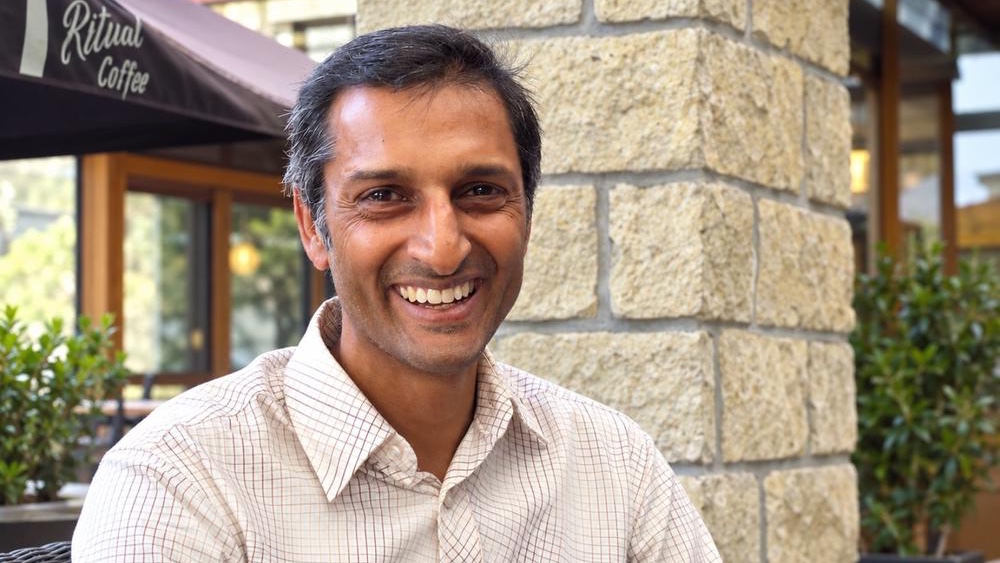
Can you be Indian and Kiwi? National's Mahesh Muralidhar on patriotism, racism and belonging National's big ticket Indian-origin candidate on what ethnic representation really achieves and why New Zealanders still struggle to get along.
The government earned about $167 billion in the financial year to March 2024. Of that, roughly $120 billion came from taxes. The largest single source, about 90 per cent, was personal income tax.
In a way, that's the whole point why a country lets in migrants. So they can create value, hopefully more than its existing people. That may well be the assumption, but it hasn't always been true.
In 2000, the foreign-born accounted for 24 per cent of the population and 24 per cent of income tax, according to the study. A proportional relationship.
Over the following two decades, both shares increased, but tax contributions rose more quickly than population share. The implication is not simply that migrants are a larger part of the economy. They are an increasing share of the revenue that funds the state.
This tax revenue underpins almost everything the state does. From healthcare and education to policing and infrastructure. It is the operating base of the government.
The author doesn't overstate the scope of the study. His narrow field of research is how much of New Zealand's tax take comes from migrants. But that limited point also matters.
"These are simple descriptive statistics that provide no account of any broader economic effects associated with migration (or changes on the margin to migration policy settings)," Hughes notes.
"Yet they illustrate that migration settings are an important factor influencing government’s overall revenue."
It basically says what the system already knows, and backs it with raw data. Immigration settings aren't just about New Zealand's benevolence in accepting migrants. The country needs them.
But the reality that migration is a two-way street, where no one side is a benefactor, seems to be lost on our politicians. That was evident at a debate in Parliament last month.
On March 13, 2026, our parliamentarians turned to discuss a hard reality. New Zealand is ageing, and the numbers are not on our side.
In the 1960s, there were roughly seven working-age New Zealanders for every person over 65, our MPs were told. Today, there are about four. By the 2060s, that ratio is expected to fall to around two workers supporting each retiree.
The backdrop was grim. But the challenge was fairly straightforward. How will New Zealand pay for its future?
That special debate ran for two hours. As many as 14 MPs took the floor. By the end, roughly 10,000 words had been spoken. Migration surfaced once. That too as a problem.
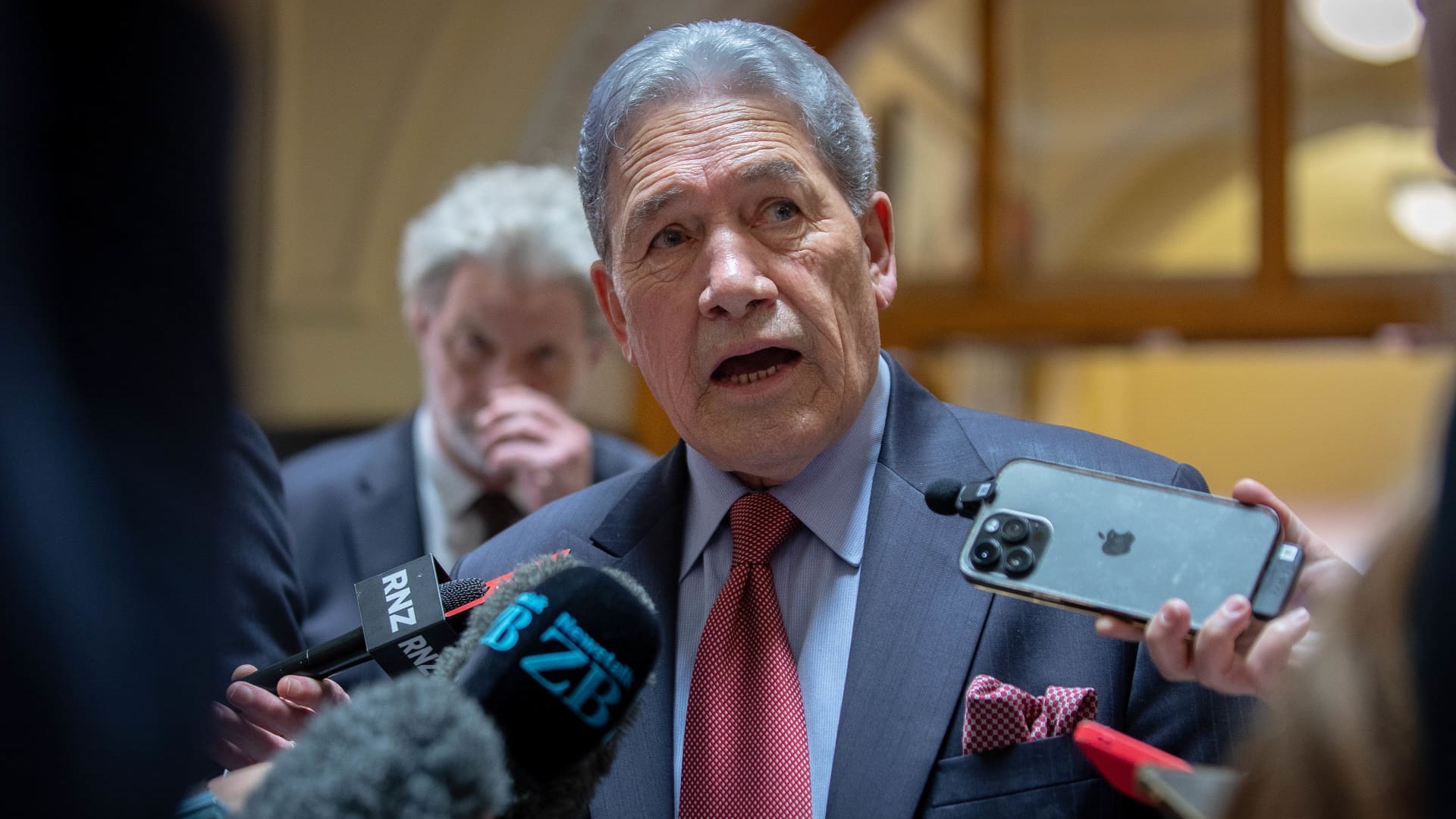
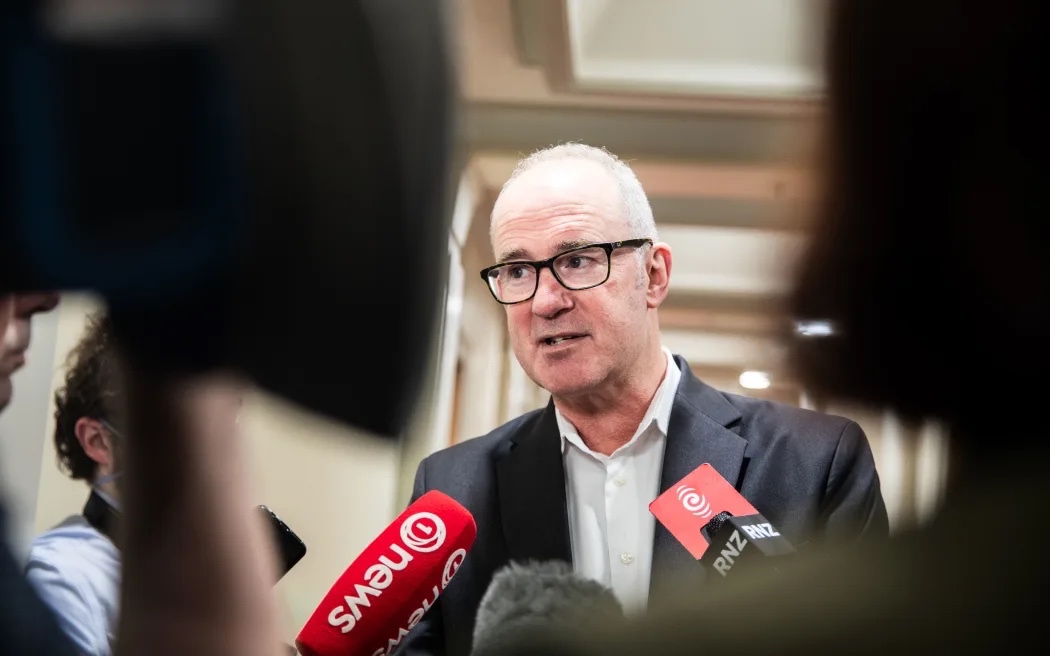
New Zealand First’s "proud born and bred Northlander" Shane Jones wasn't mincing words. "We’re never going to overcome those particular problems by continually supporting unfettered migration."
That lack of political willingness to include migrants in the country's future is stark, especially given the bigger picture.
The same author whose study now shows New Zealand increasingly relies on migrants for tax made another observation in an earlier study. Up to 30 per cent of people born in New Zealand were living overseas by the time they were 30.
In this RNZ report, Murat Ungor, a senior lecturer in the Otago University department of economics, suggests the over reliance on migrants might even be pushing the limits for New Zealand.
He says the country has a productivity problem, and relying on migration to help fill tax gaps creates vulnerabilities.
"When fiscal sustainability depends on a steady inflow of skilled migrants, the country becomes exposed to global competition for talent, policy volatility, and domestic pressures on housing and infrastructure."
It can be mind-boggling trying to get your head around the contradiction. New Zealand wants money to sustain itself and its people. Migrants are paying more than their share of the taxes that are required to fund that need.
But our politicians won't acknowledge it where (and when) it really matters. In Parliament. In our policy debates.