
Out Loud: The quiet logic of the Indian migrant mindset
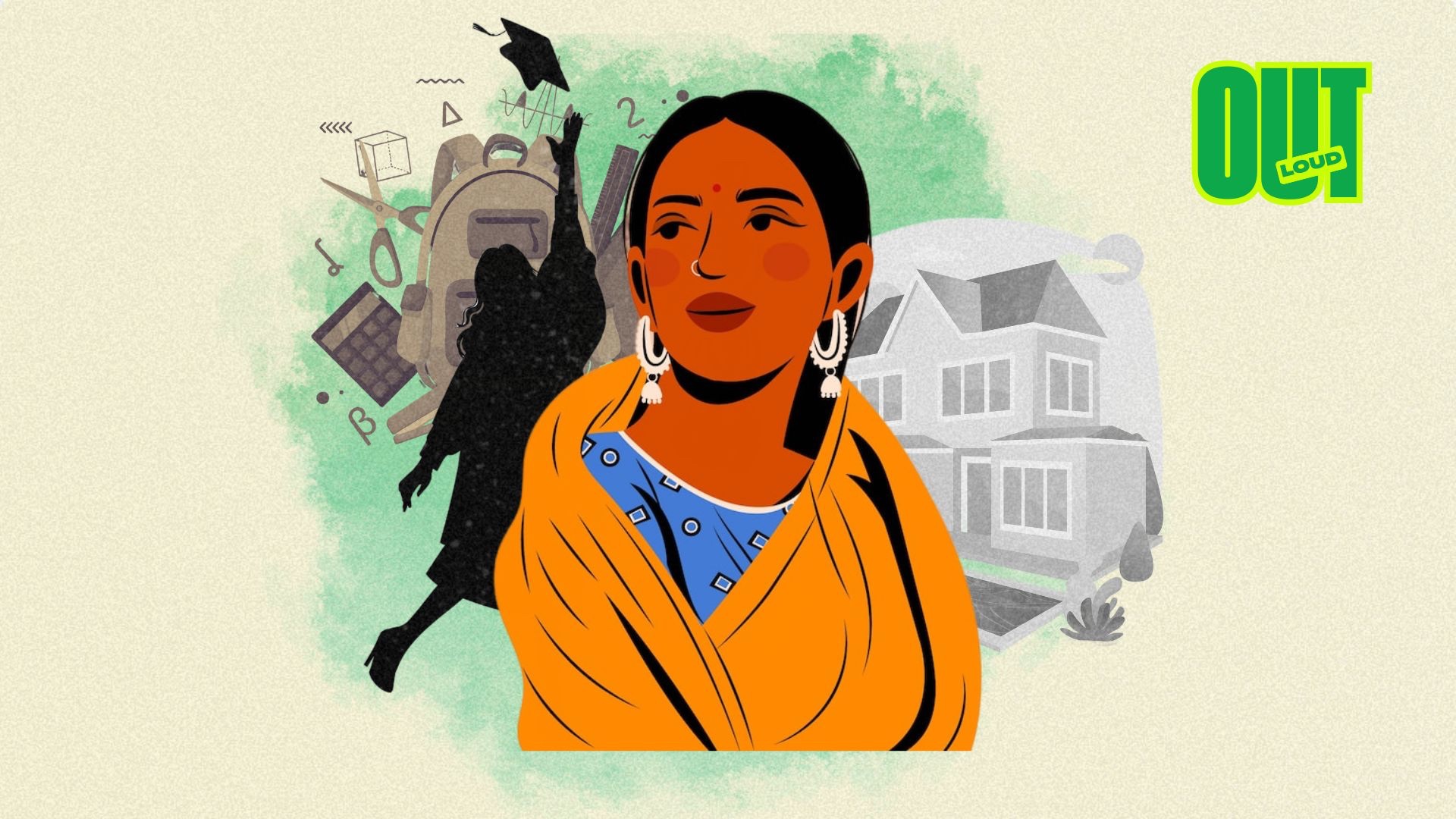
Most Indian migrants don’t move overseas for adventure or lifestyle.
The enigma of the Indian migrant and why it needs to be understood.
('Out Loud' is an opinion column that takes the political, cultural and social debates Indian migrant households save for home and says them out loud, consequences pending.)
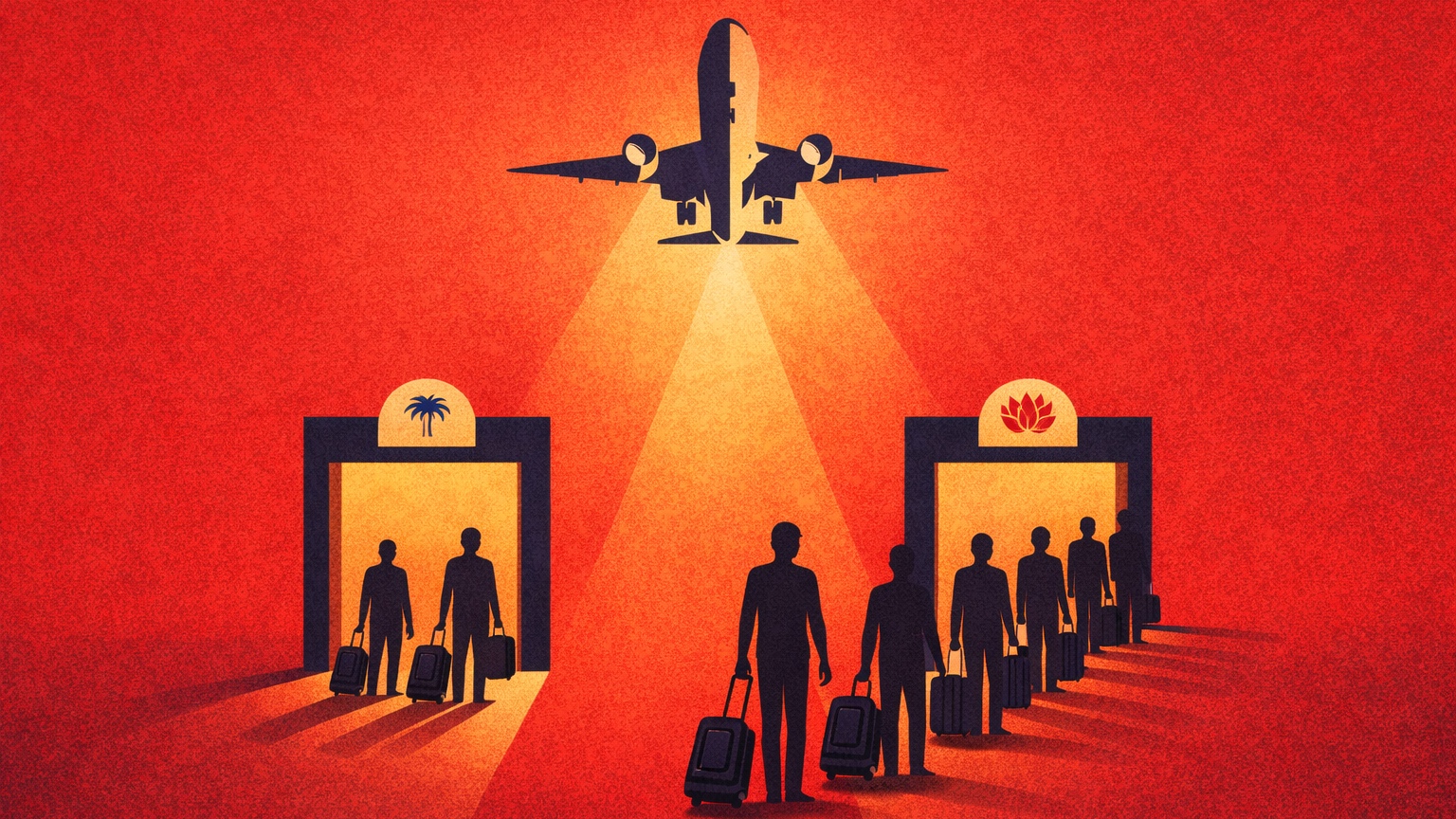
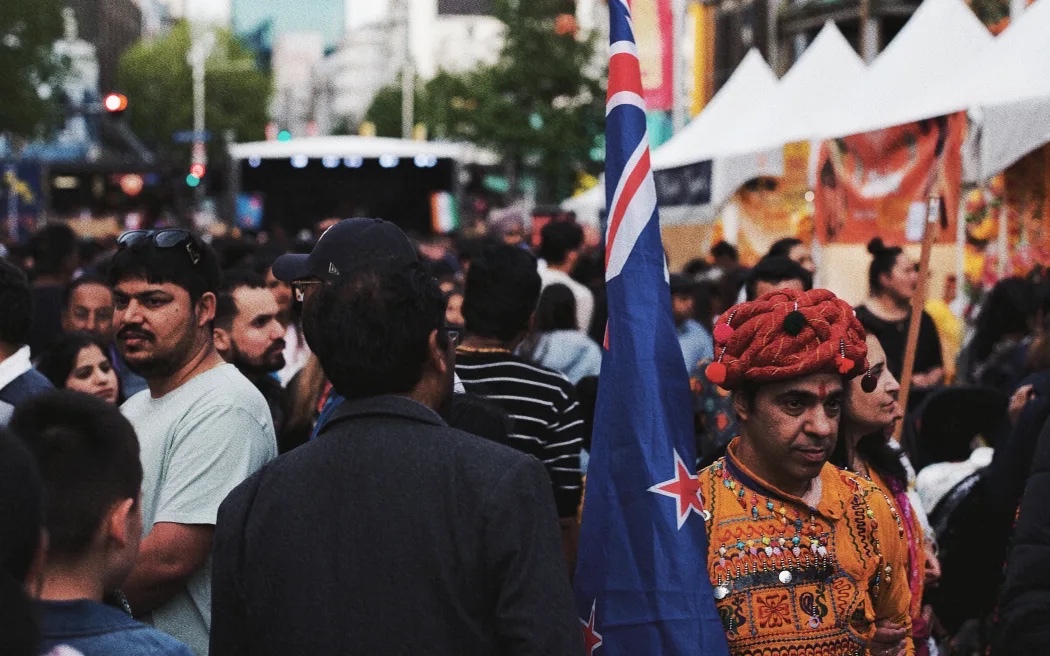
There is a particular mindset that Indian migrants carry with them. It’s not a slogan, not a philosophy printed in books, but a lived pattern of thinking shaped by history, family expectations, and the relentless pursuit of a better life. You can see it in the way Indians work, save, study, raise their children, and navigate their place in countries like New Zealand. It is a mindset built on ambition and sacrifice, on resilience and pressure. And it deserves to be understood — because it is quietly shaping this country in ways far bigger than most people realise.
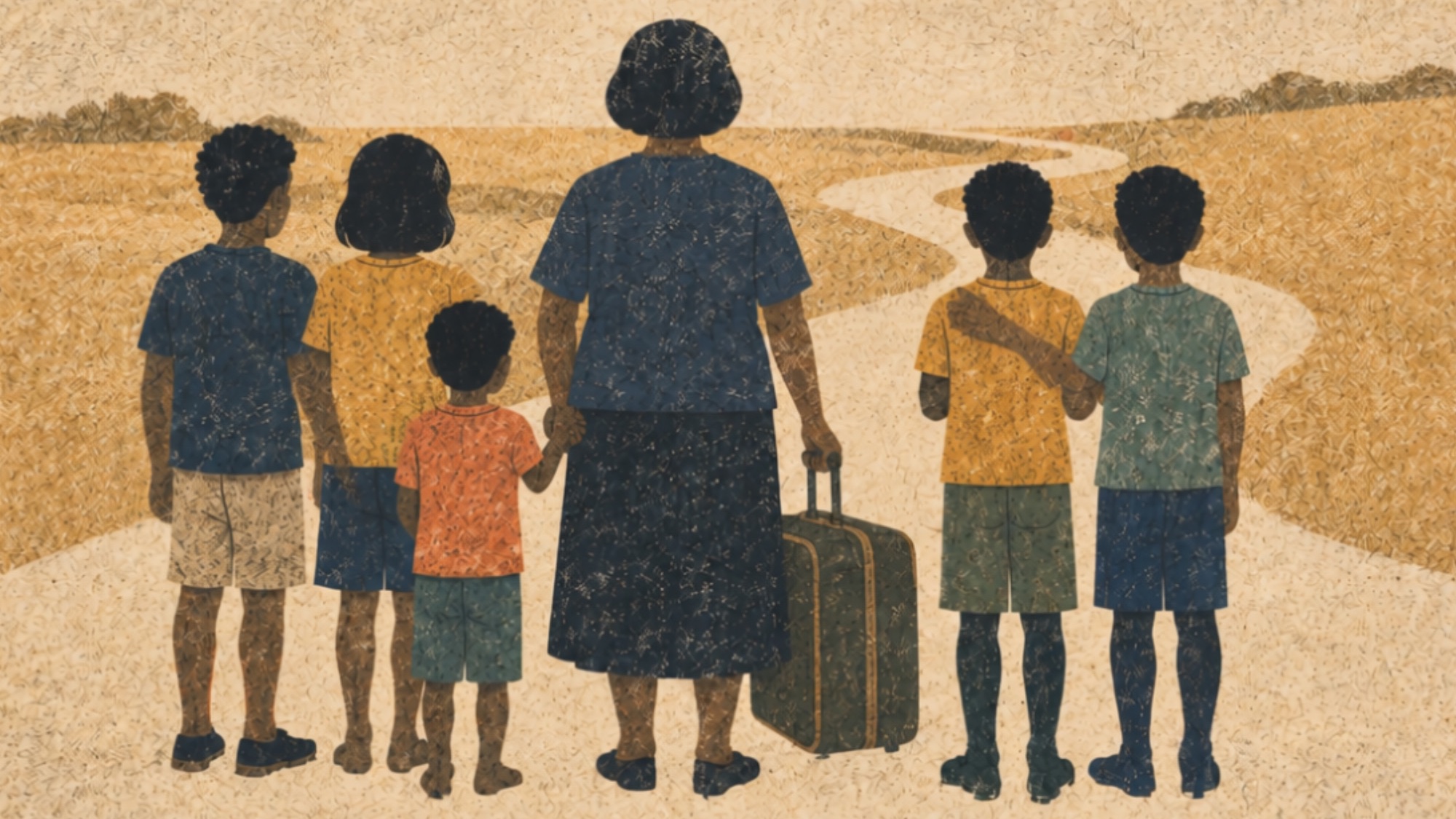
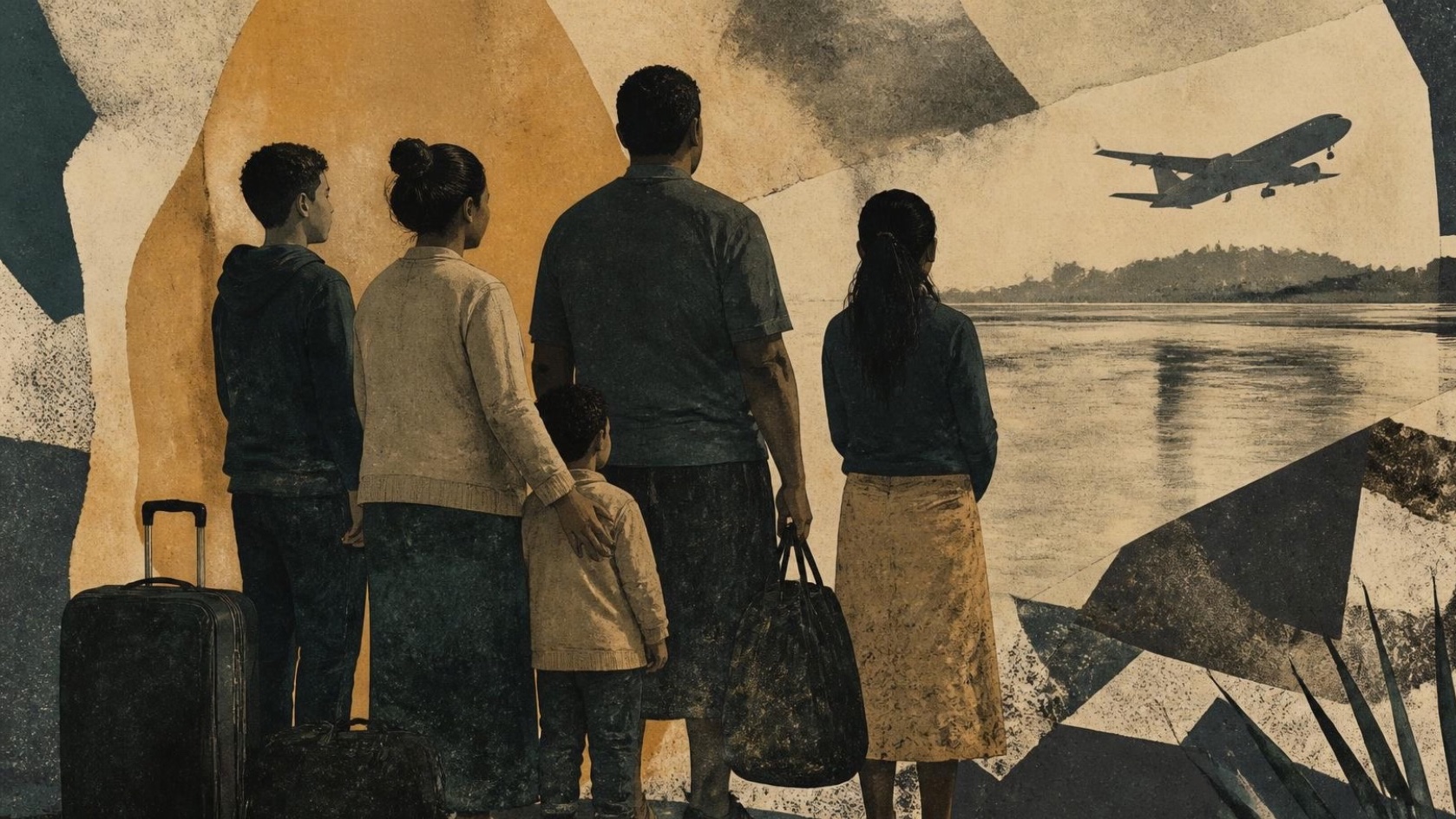
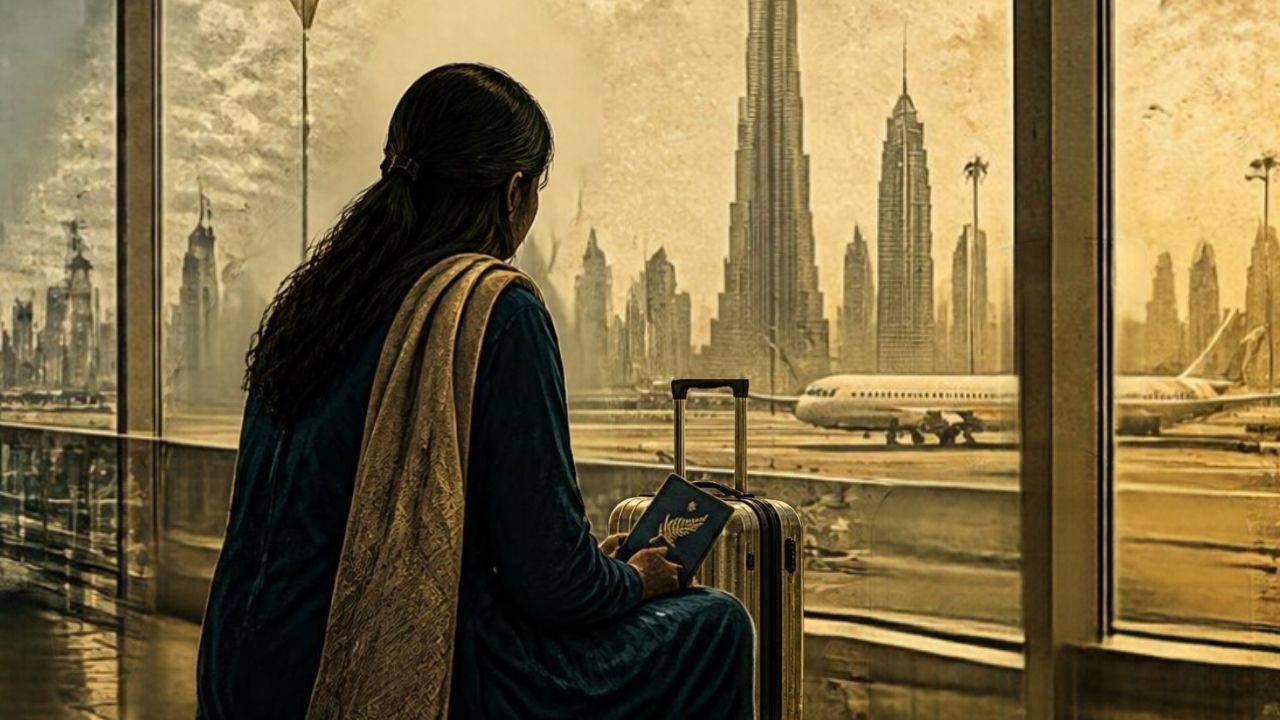
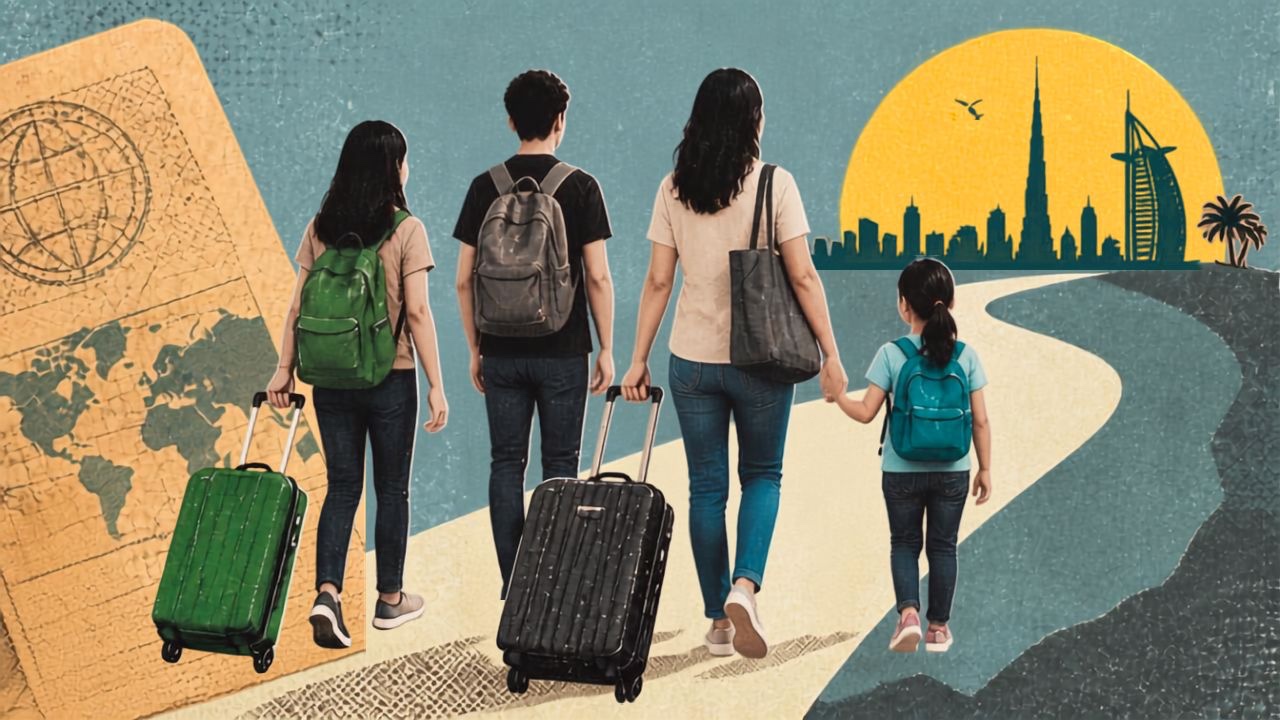
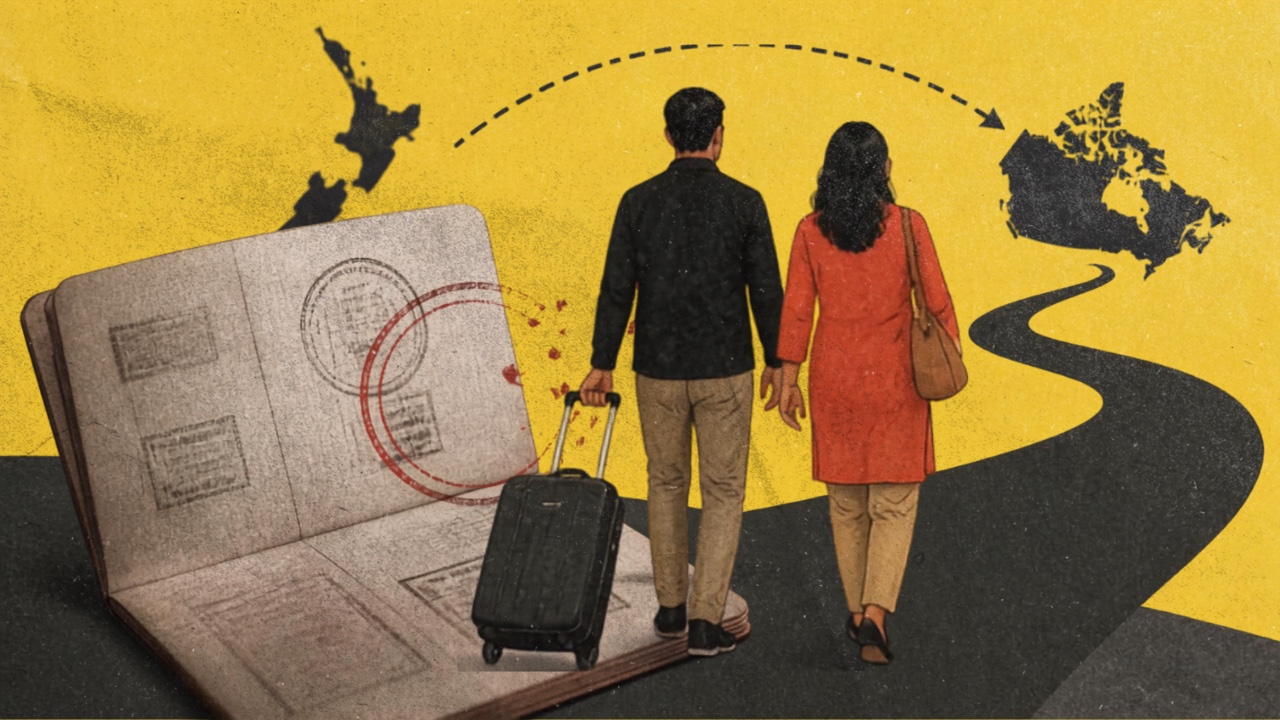
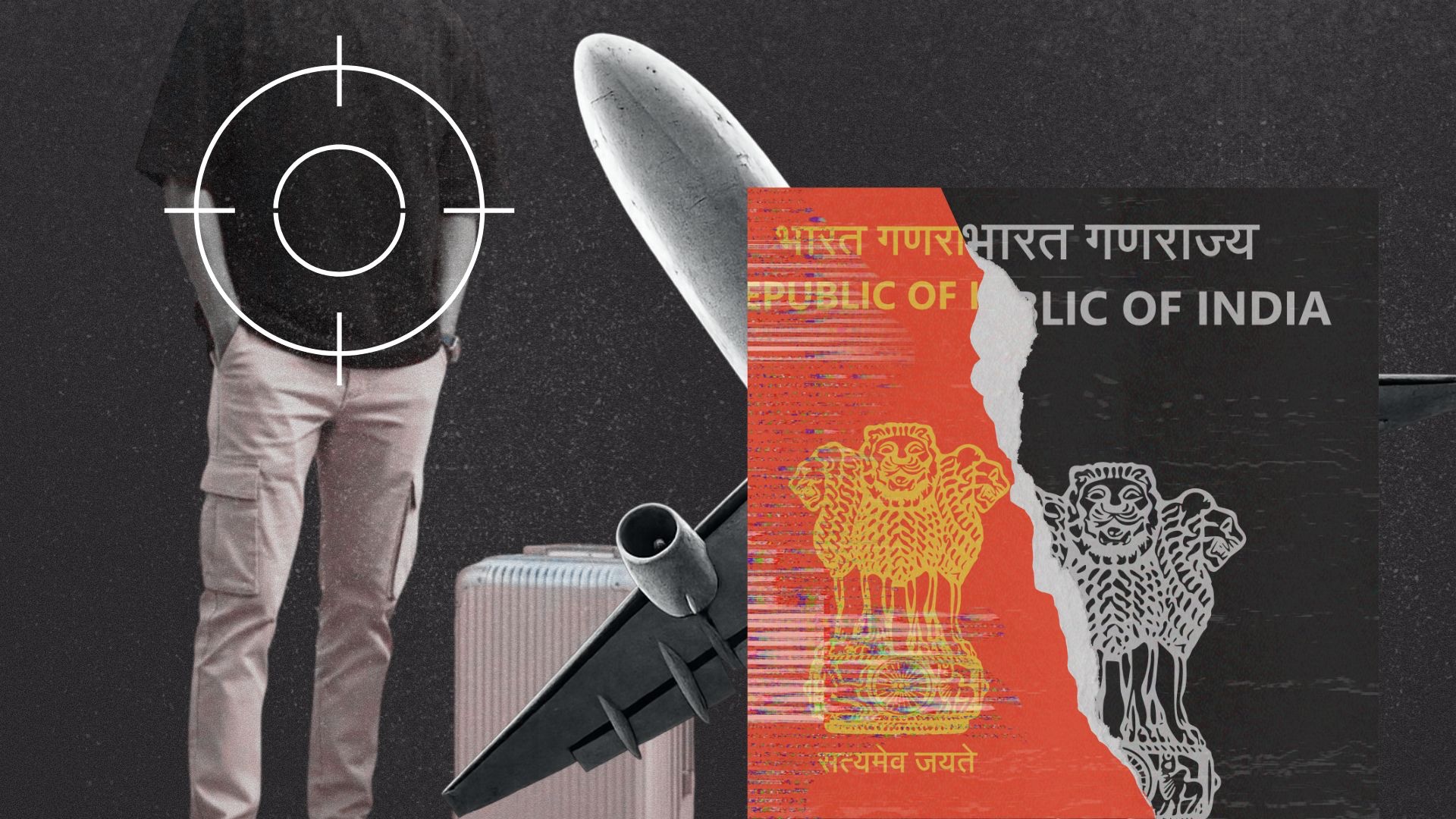
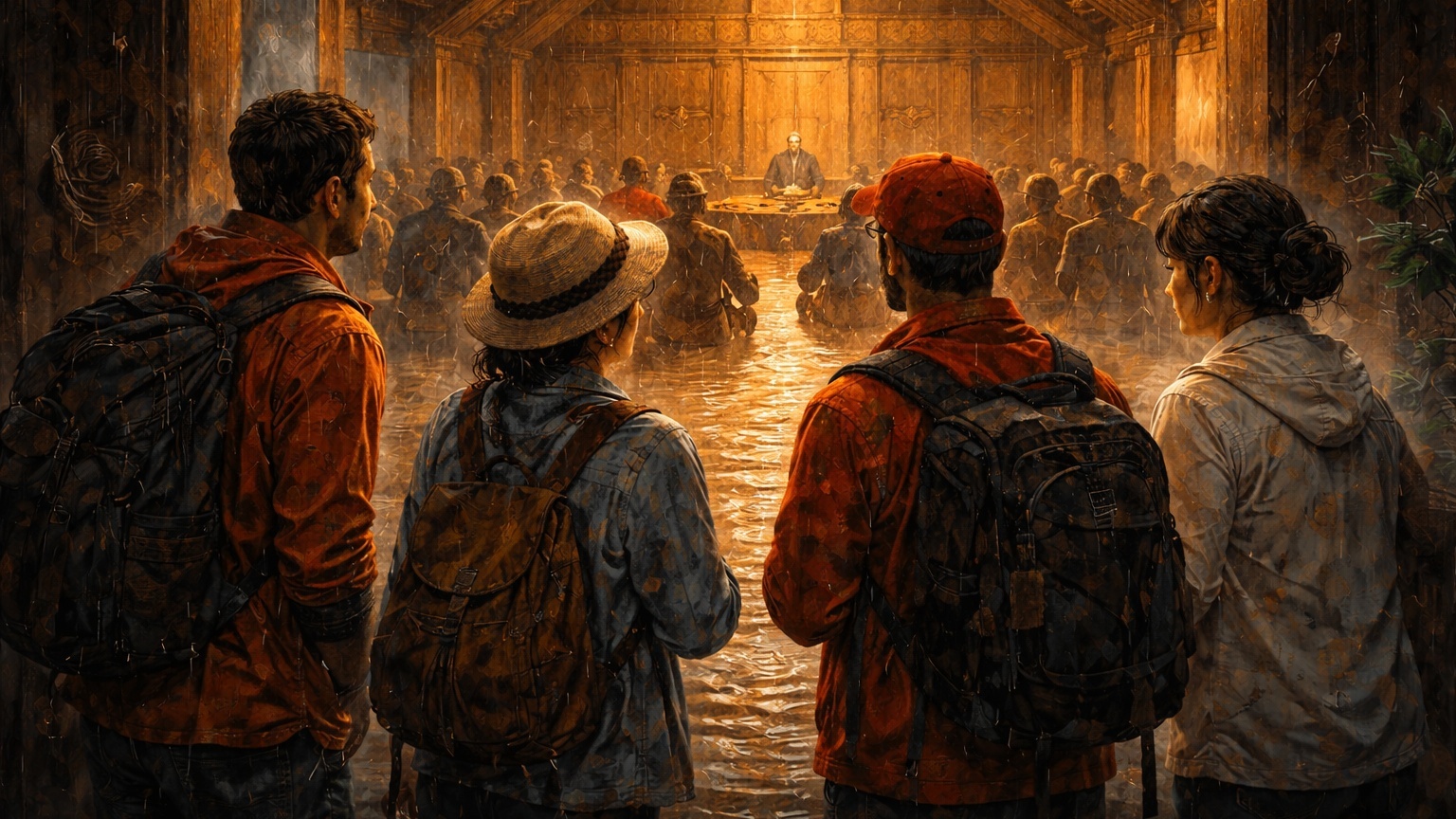
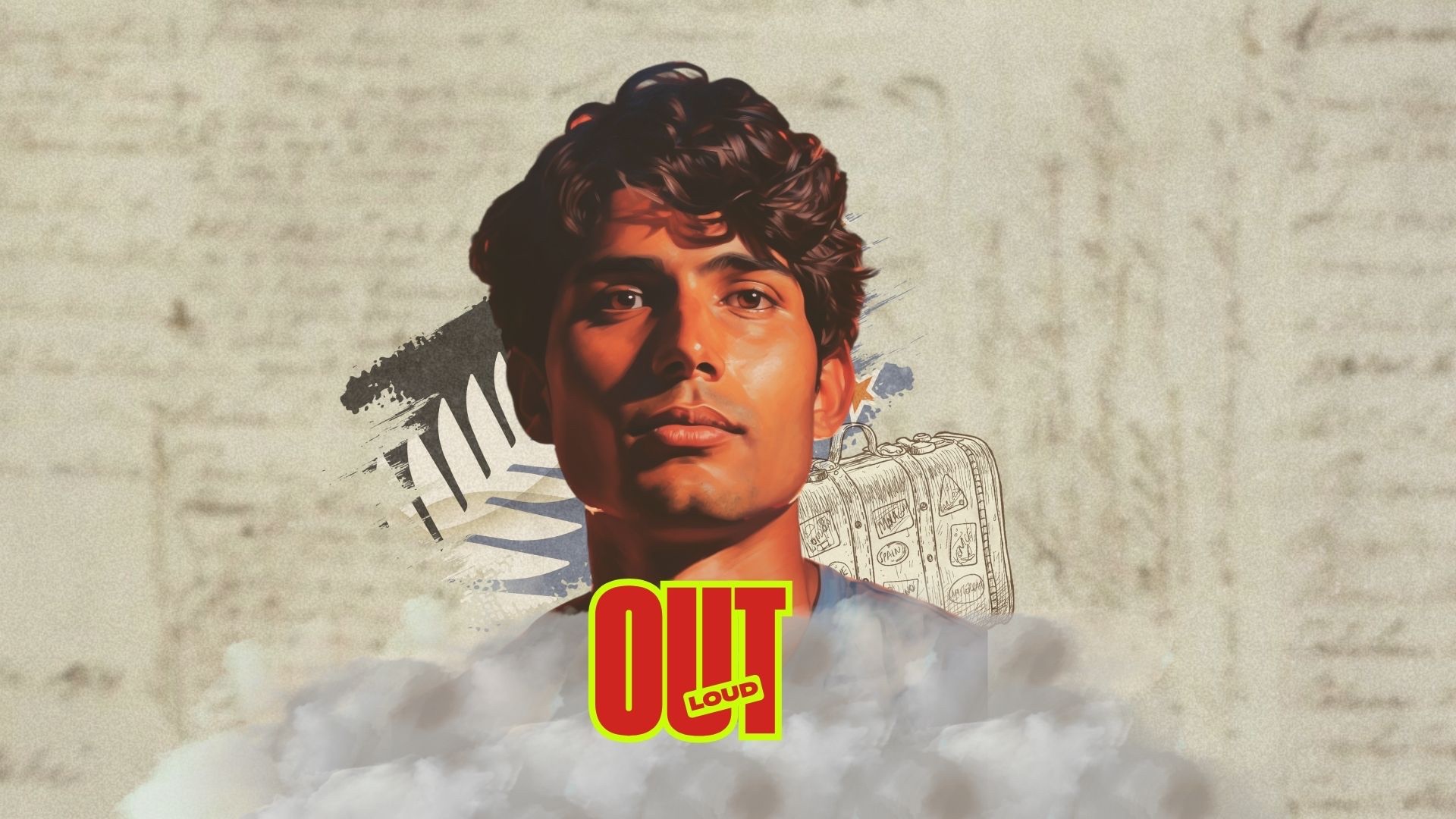
When I arrived in New Zealand nearly twenty-five years ago, I came with the same invisible luggage that many migrants carry. Not the suitcases packed with clothes, but the suitcase packed with expectations. The pressure to succeed. The fear of disappointing the family you left behind. The unspoken commandment that whatever opportunities this new country gives you… you’d better not waste them.
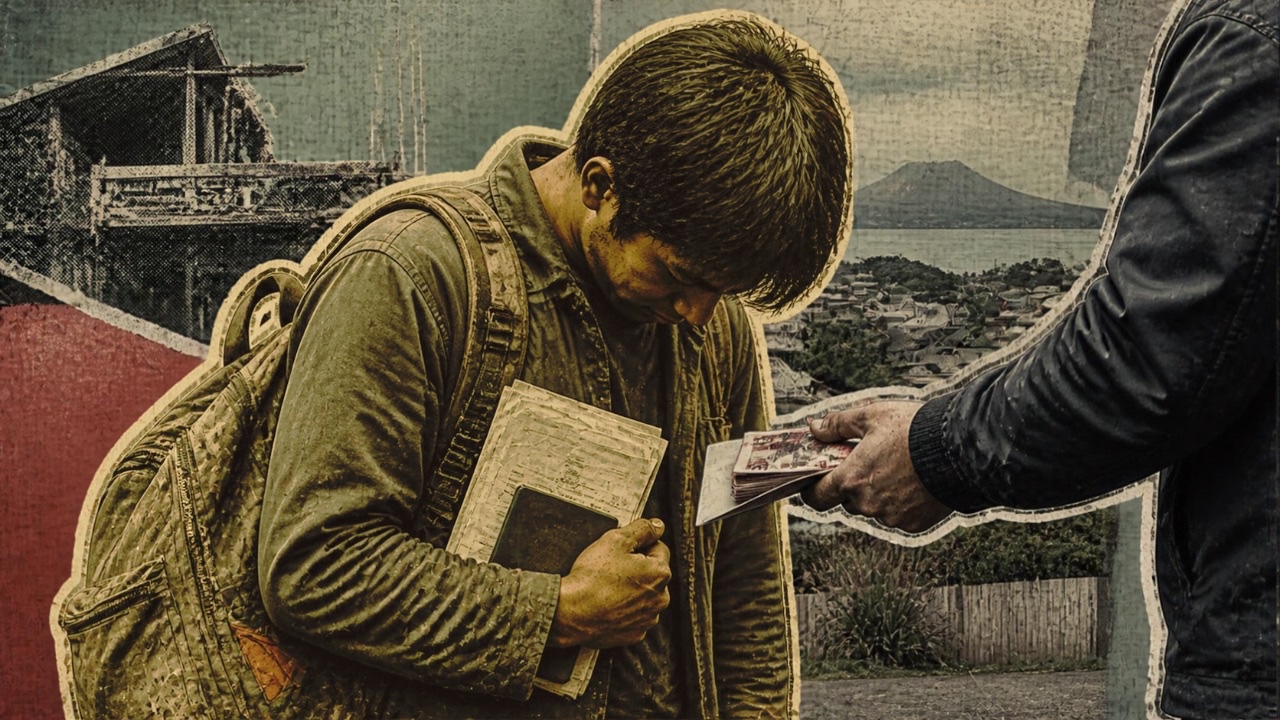
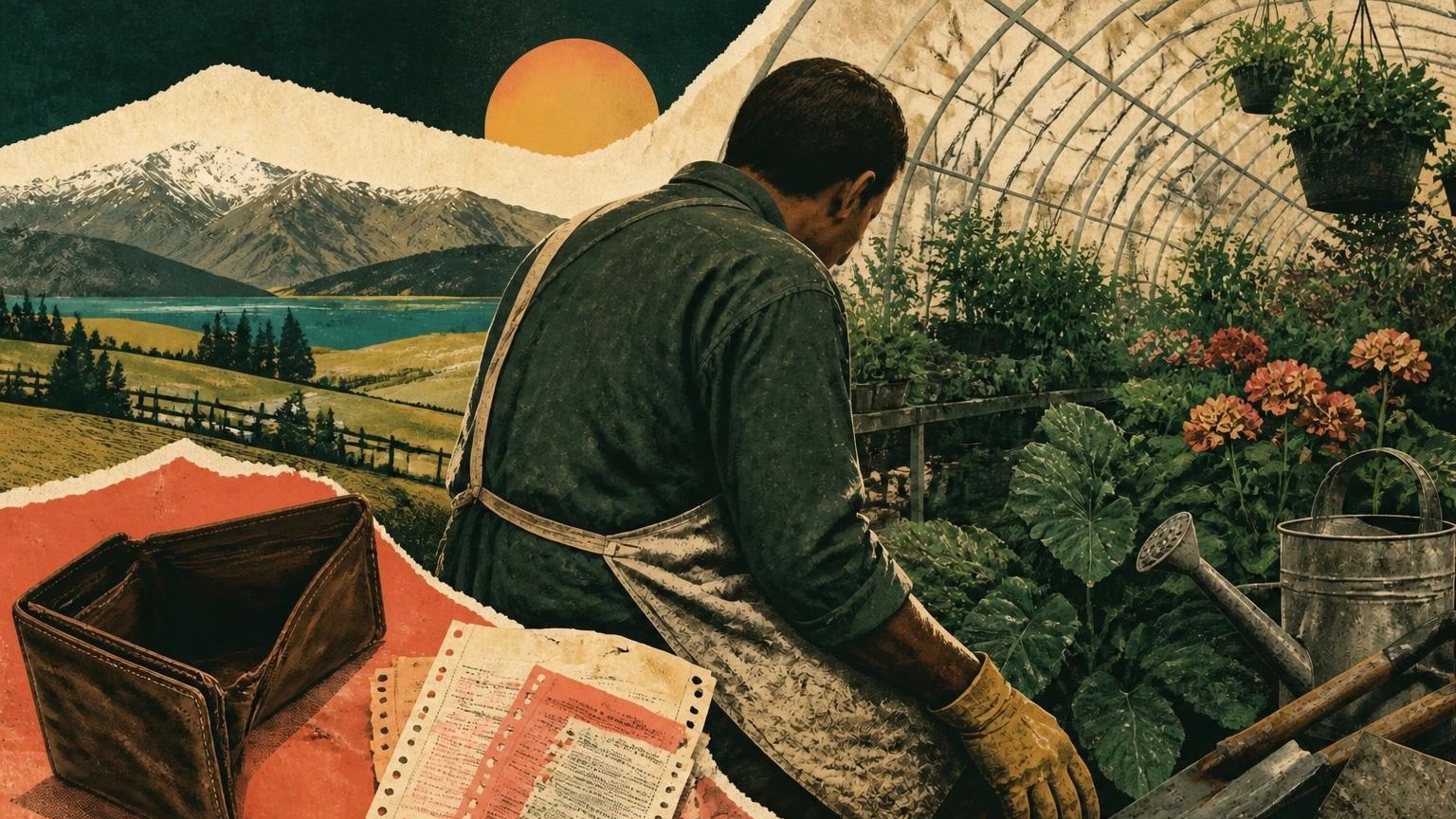
Most Indian migrants don’t move overseas for adventure or lifestyle. Migration is often a strategic act — a deliberate attempt to secure stability, dignity, and opportunity that may have felt harder to reach back home. Many of us did not grow up with safety nets. There was no fallback option if things went wrong. Failure wasn’t a phase — it was a threat. So when we land in a place like New Zealand, with its relative calm and order, we operate from a deeply wired instinct: work harder than required, achieve faster than expected, and prove your worth before anyone questions it.
This is the Indian migrant mindset at its core.
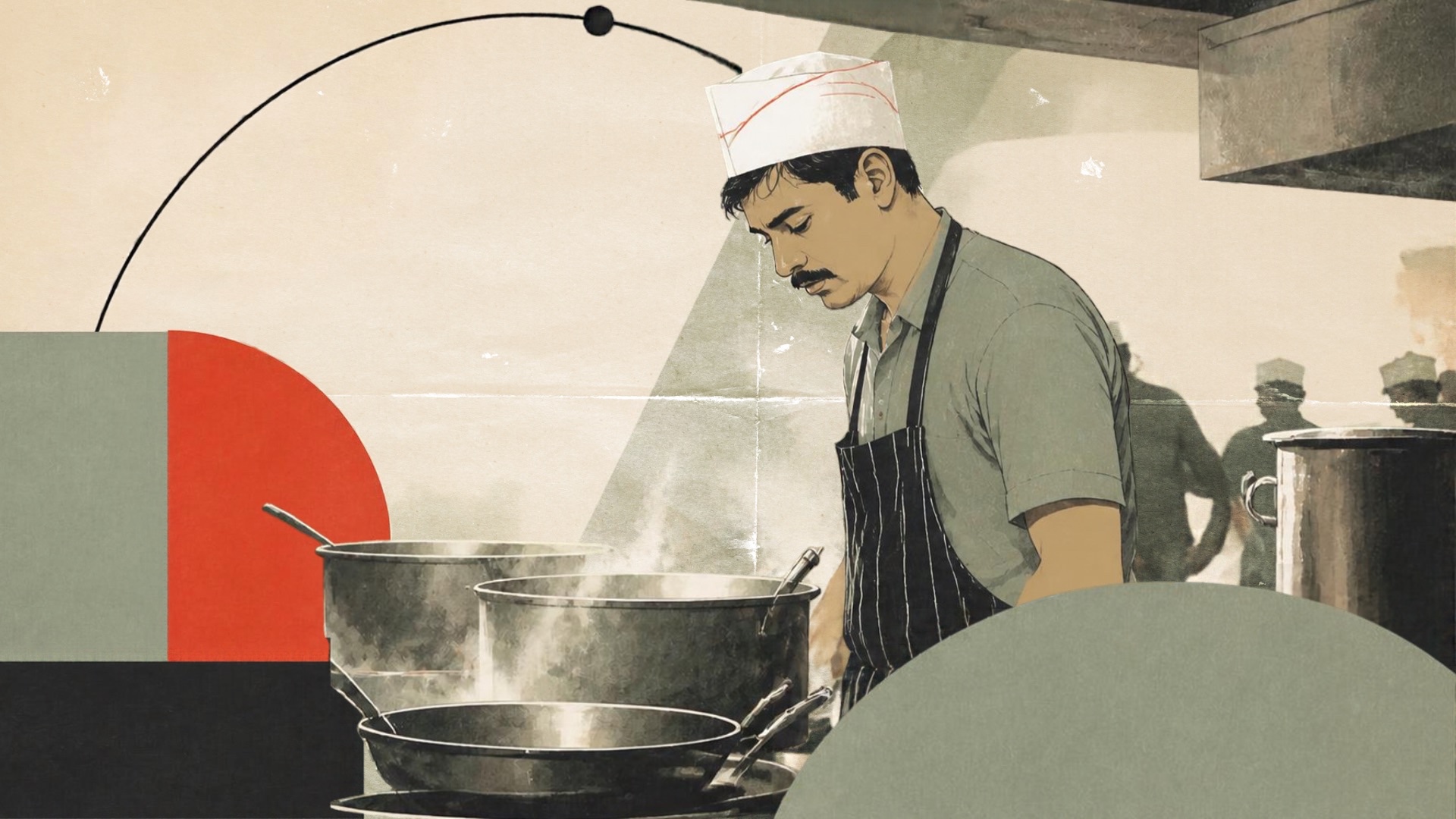
From designing restaurants to running Auckland Diwali: The many lives of Arnav Taode Taode brings his passion for Indian arts and culture to his first year managing BNZ Auckland Diwali 2026.
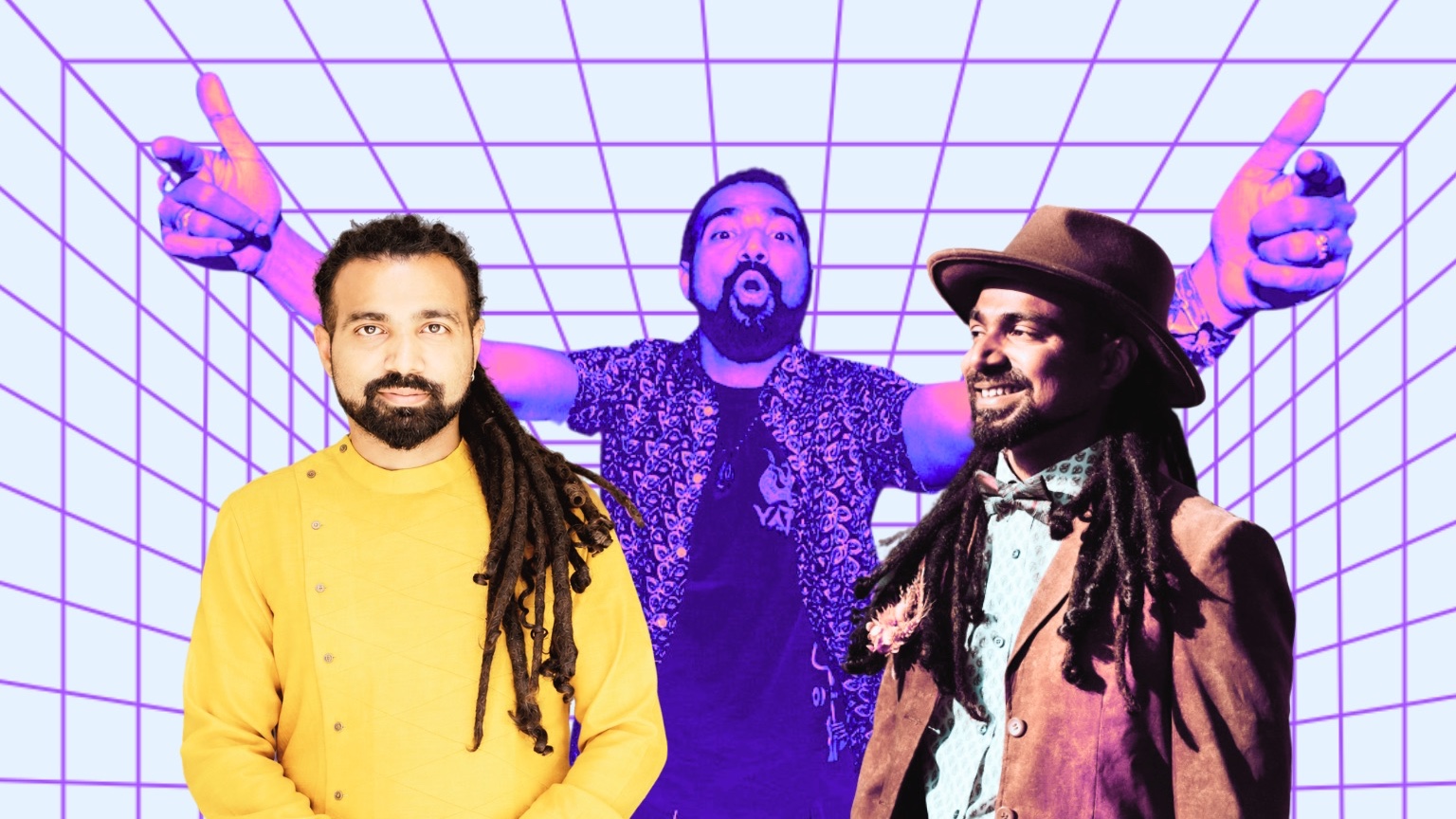
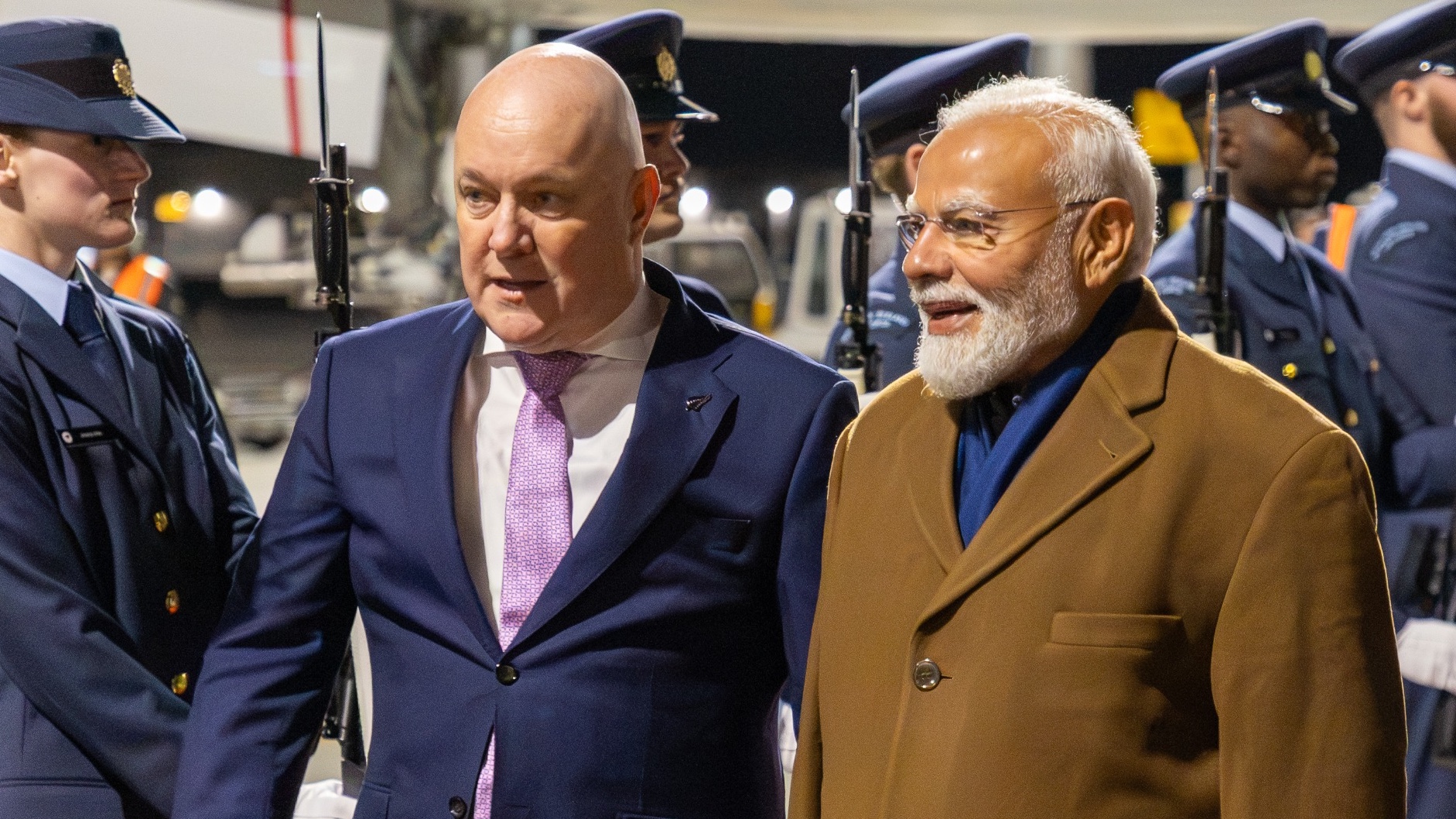
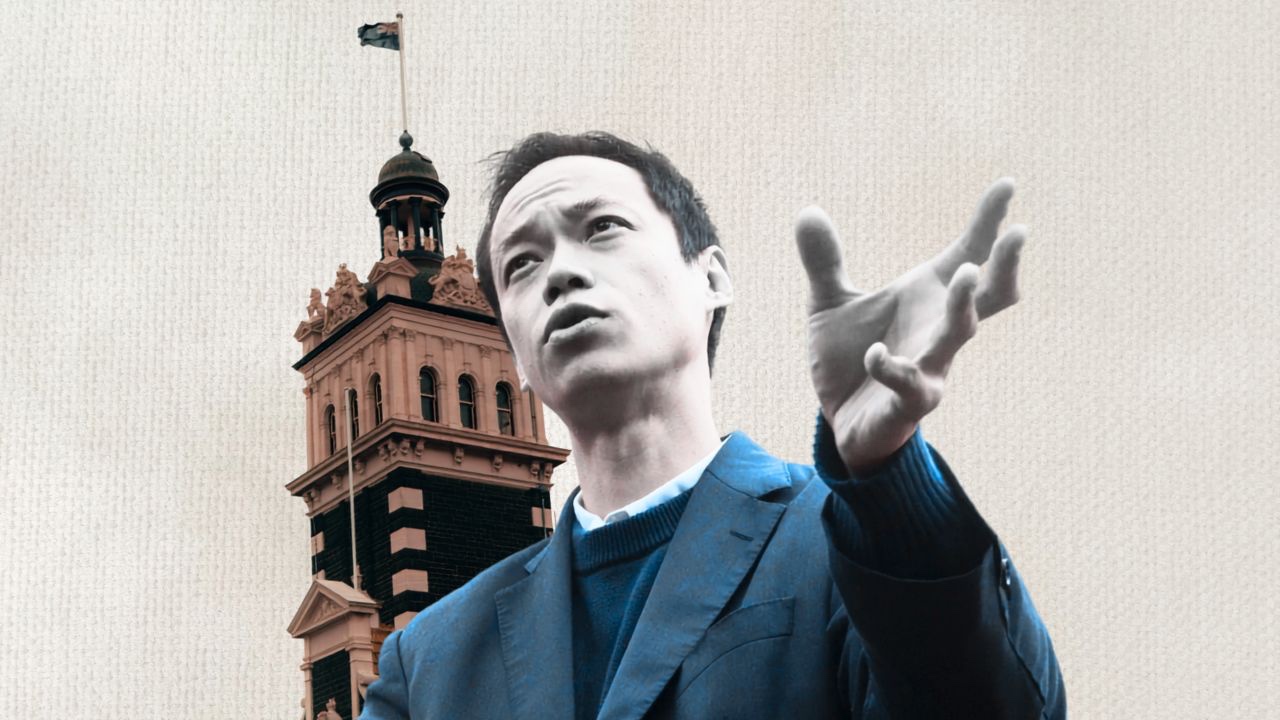
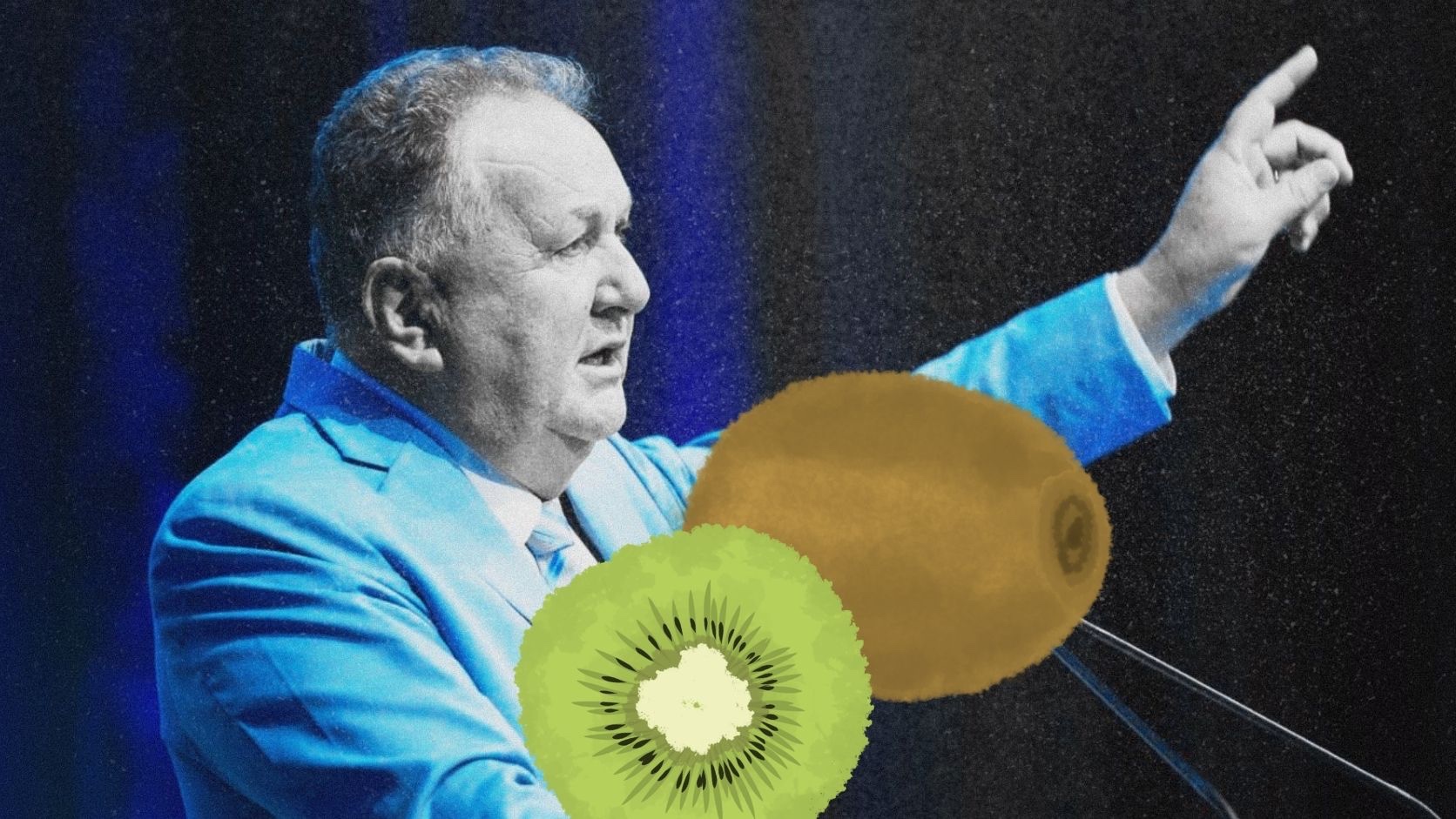
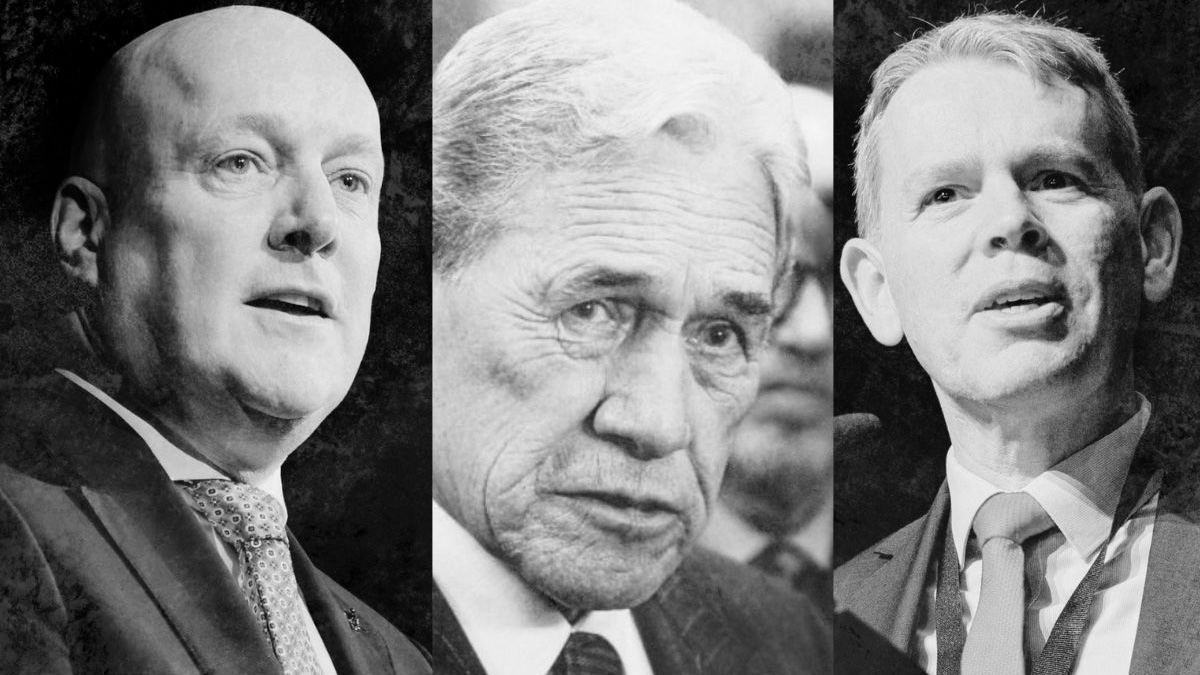
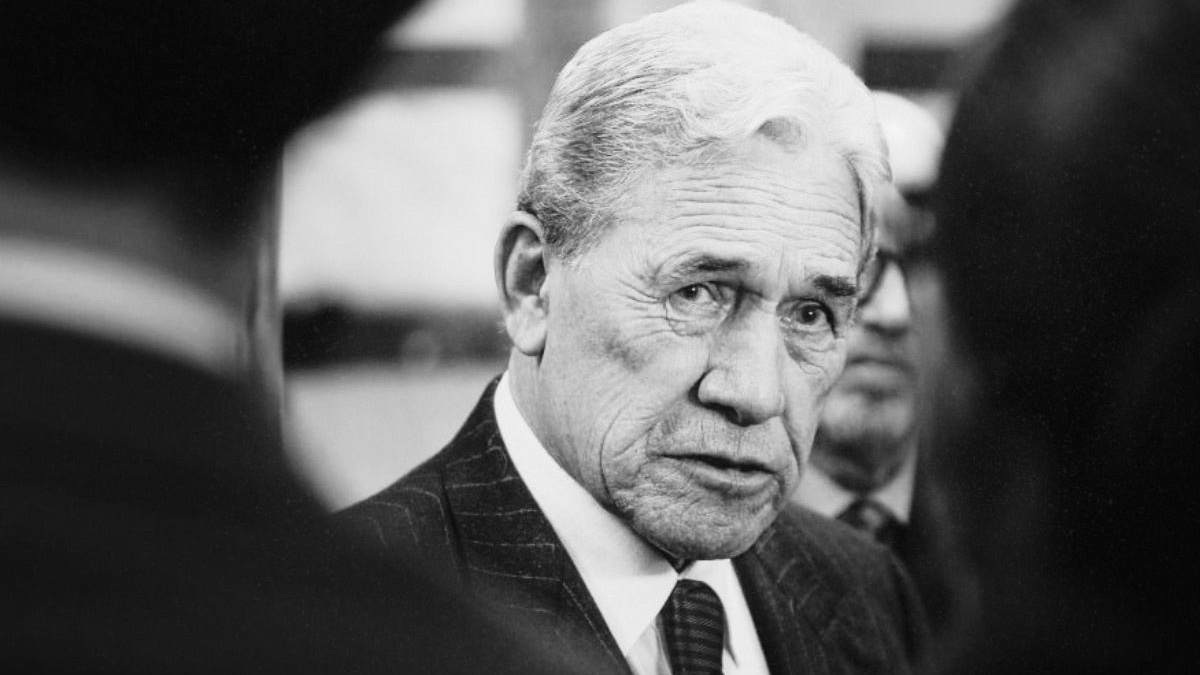
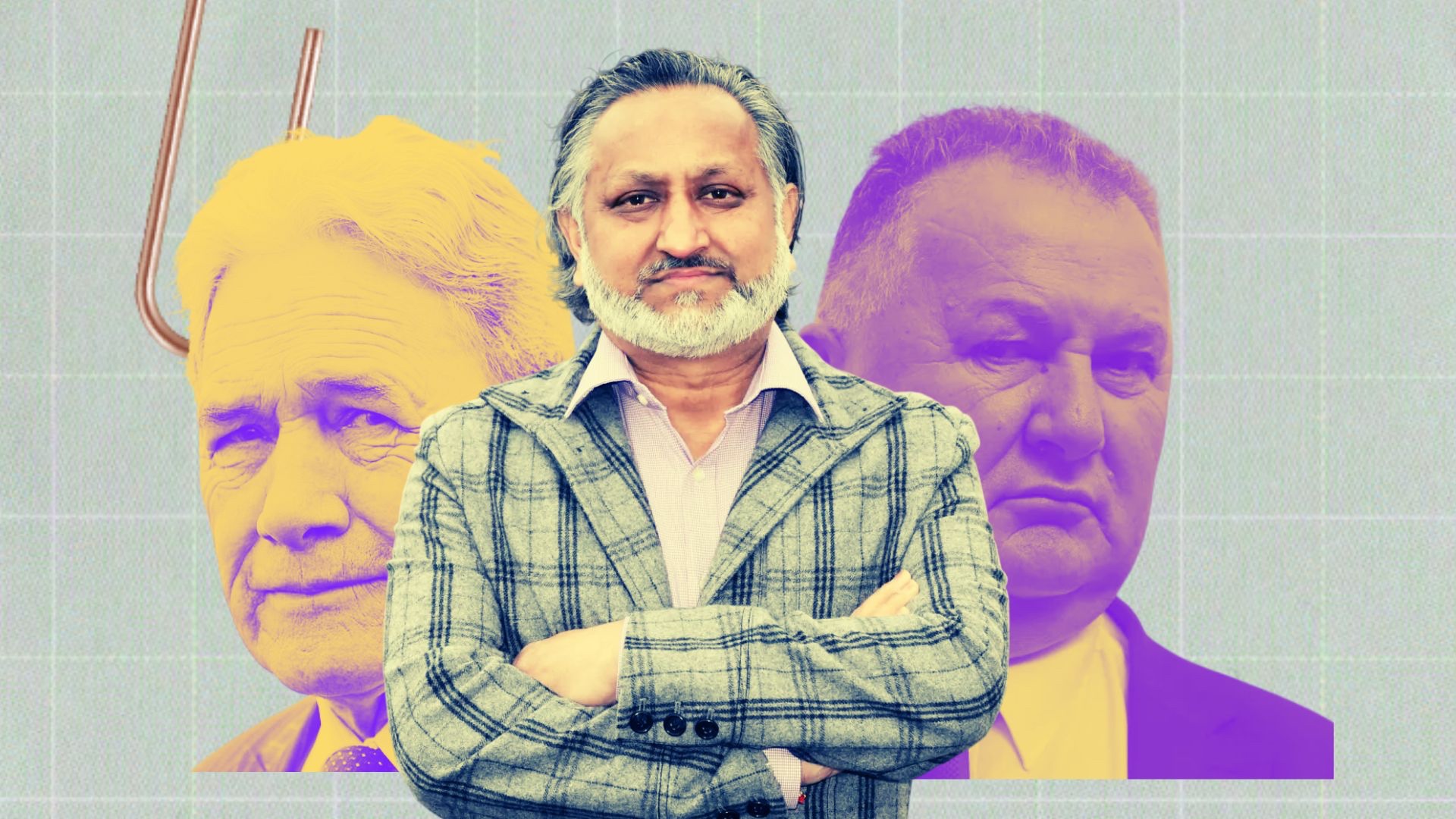
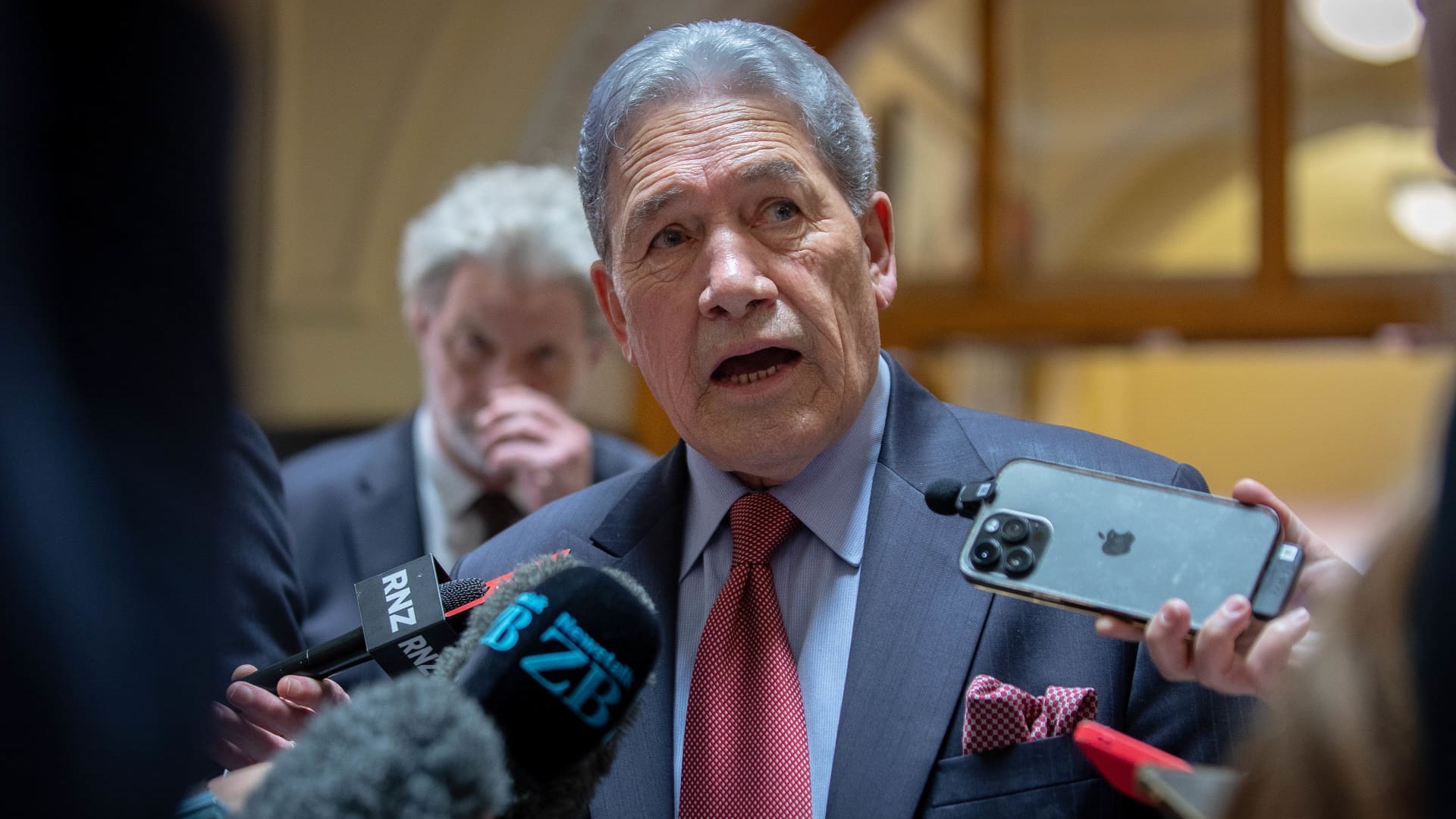
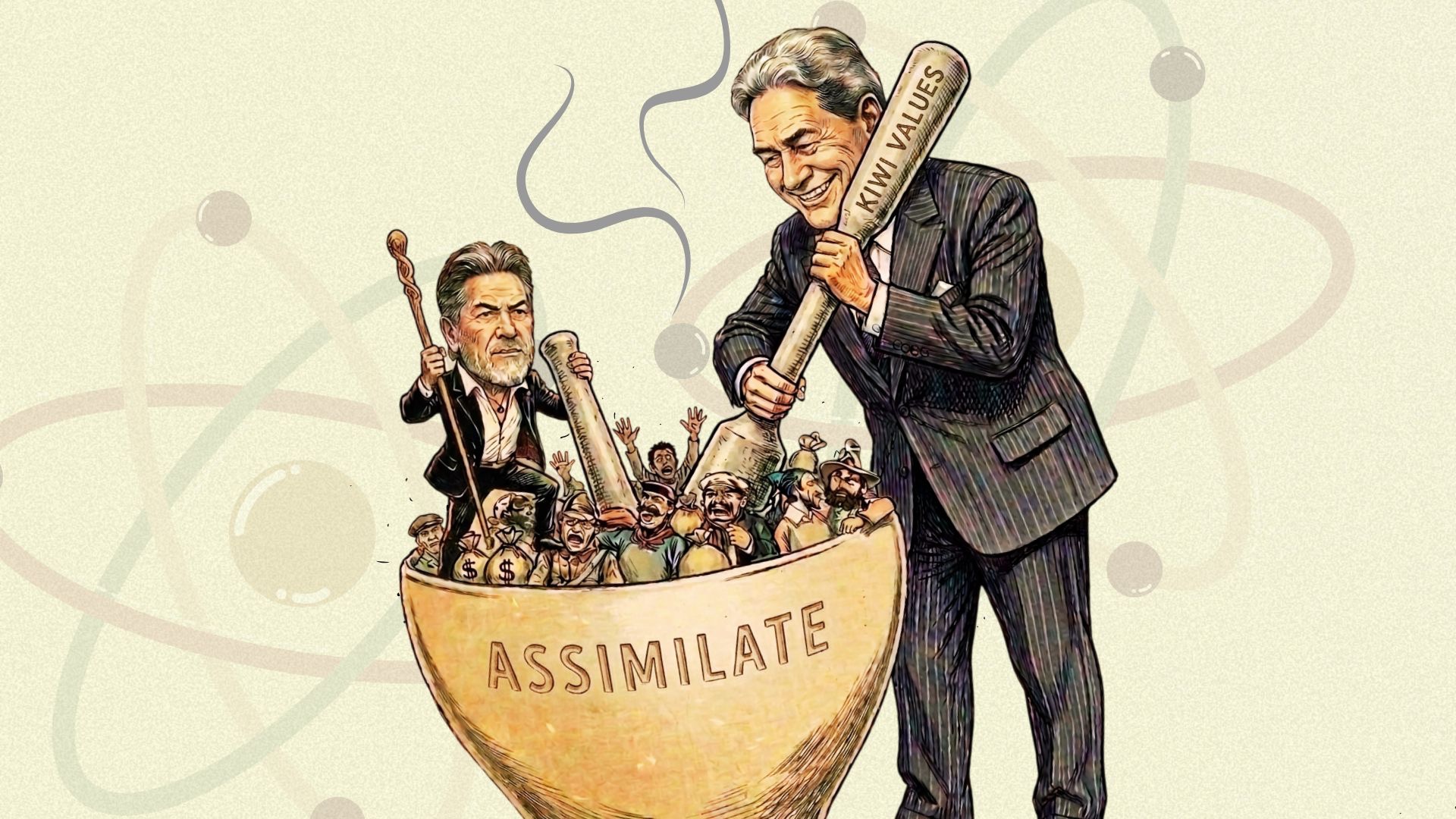
Winston Peters says ‘diversity is disunity’. What does the evidence tell us? Evidence from business, sport and social policy suggests diversity can strengthen economies and cohesion but on one condition.
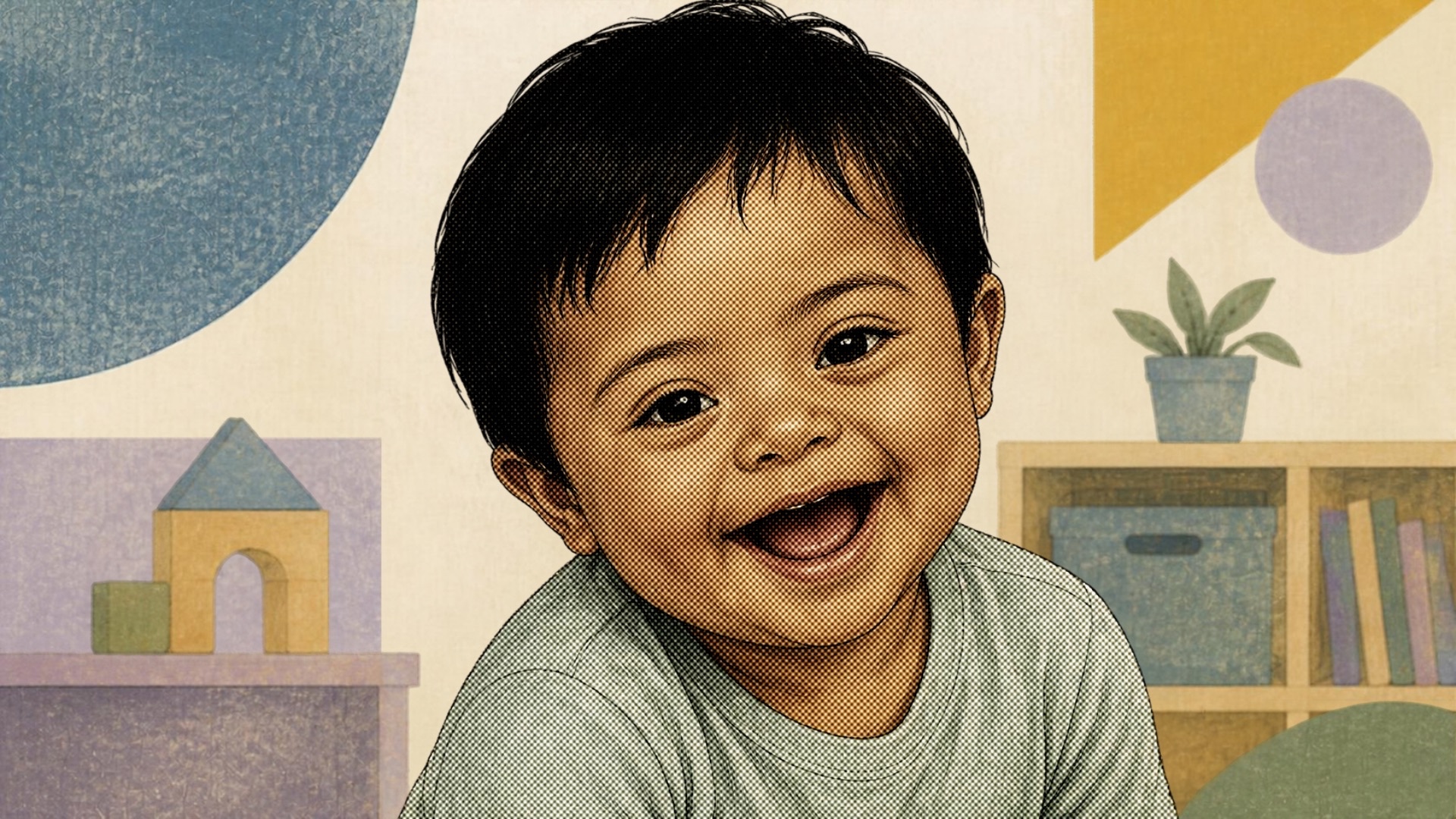
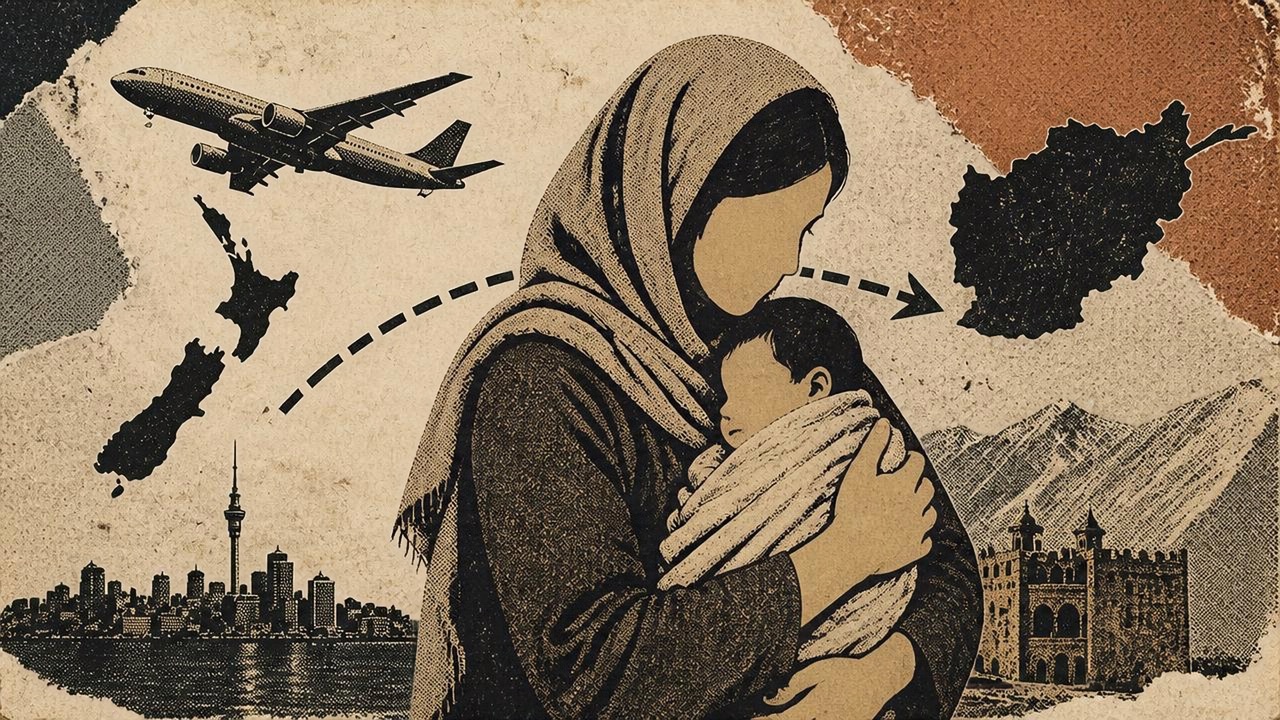
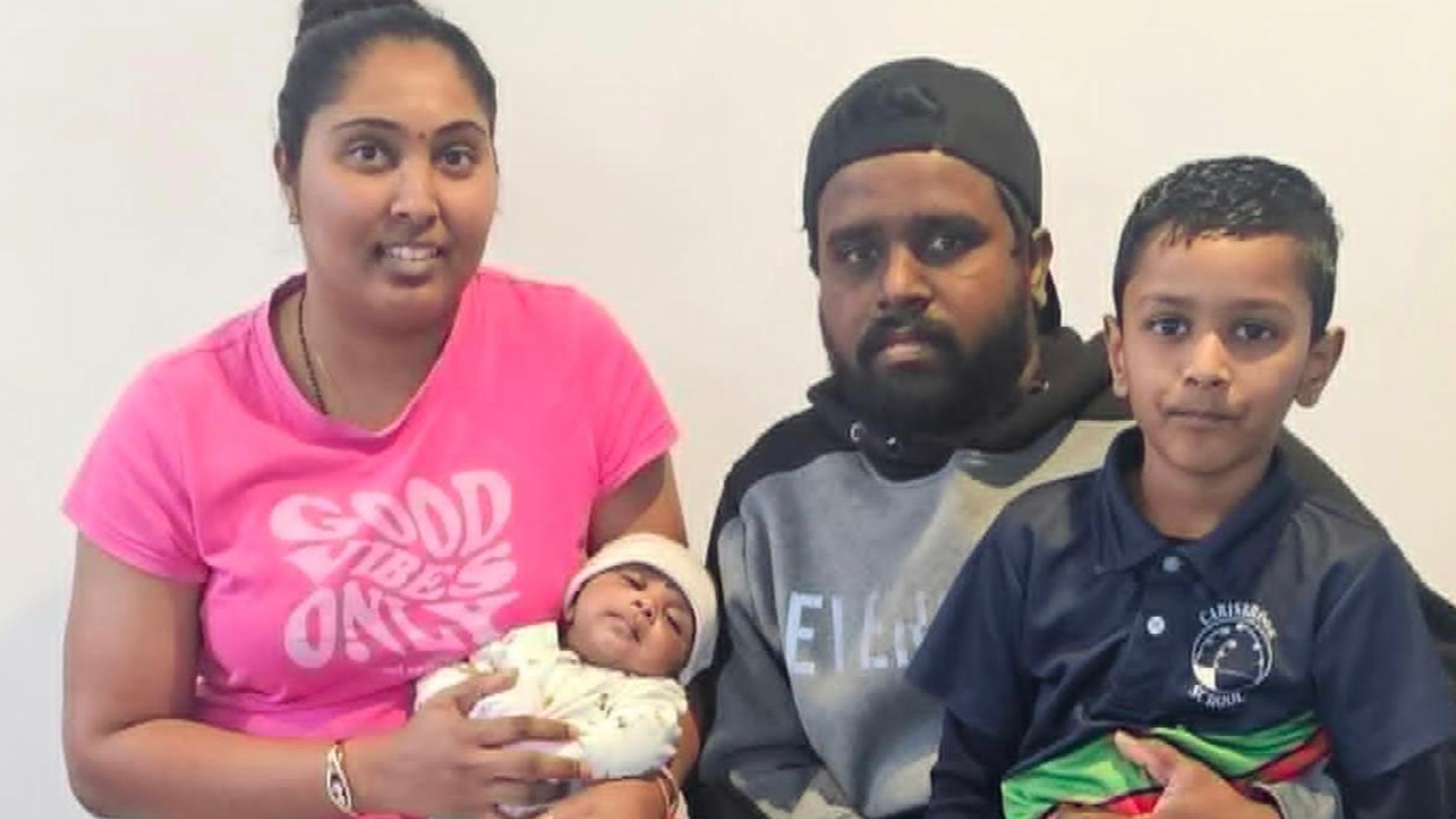
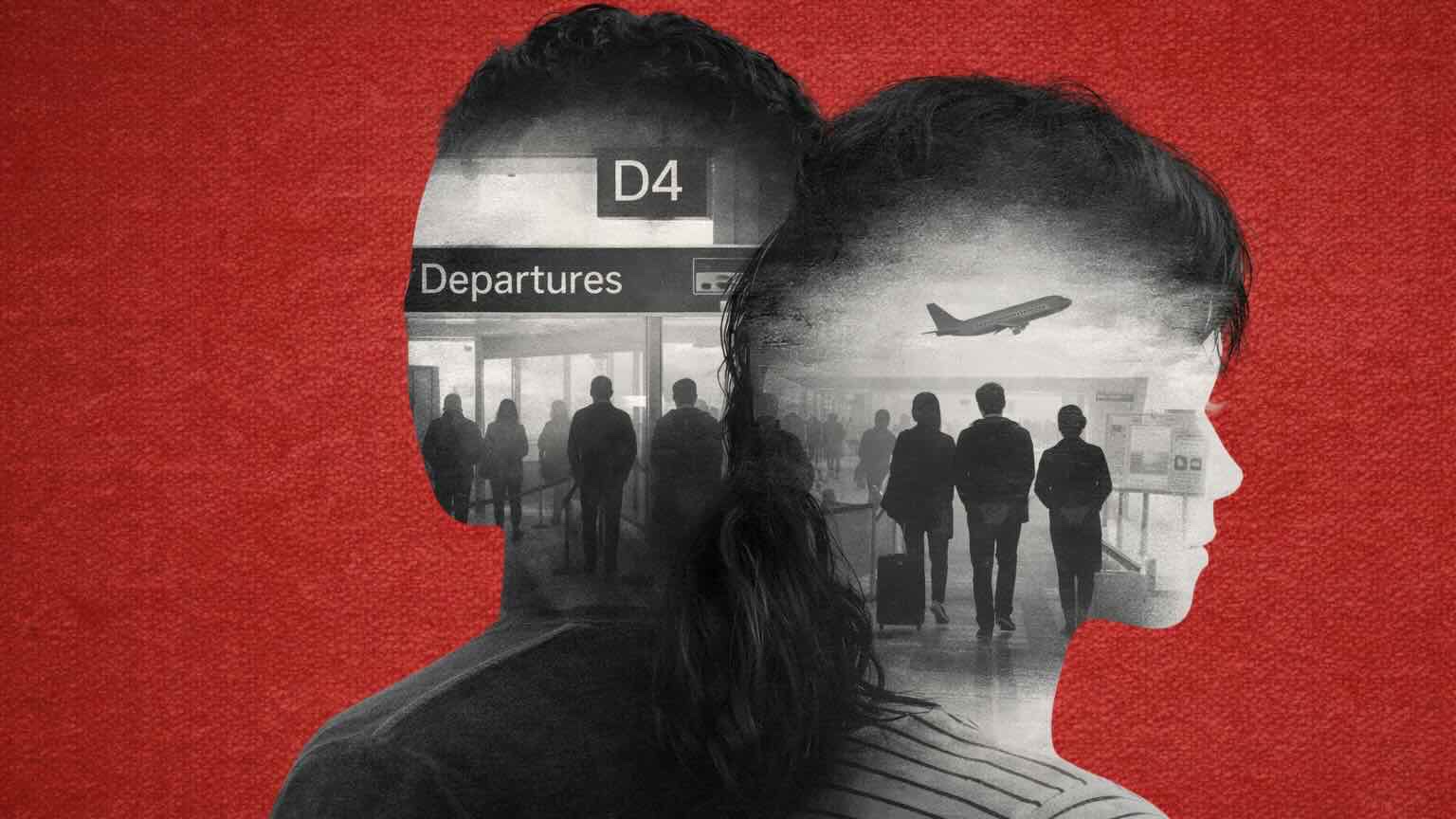
Baby born in Sri Lanka to New Zealand residents caught in limbo after Down syndrome diagnosis Immigration tribunal orders fresh residence assessment after finding a “serious mistake” by immigration officials.
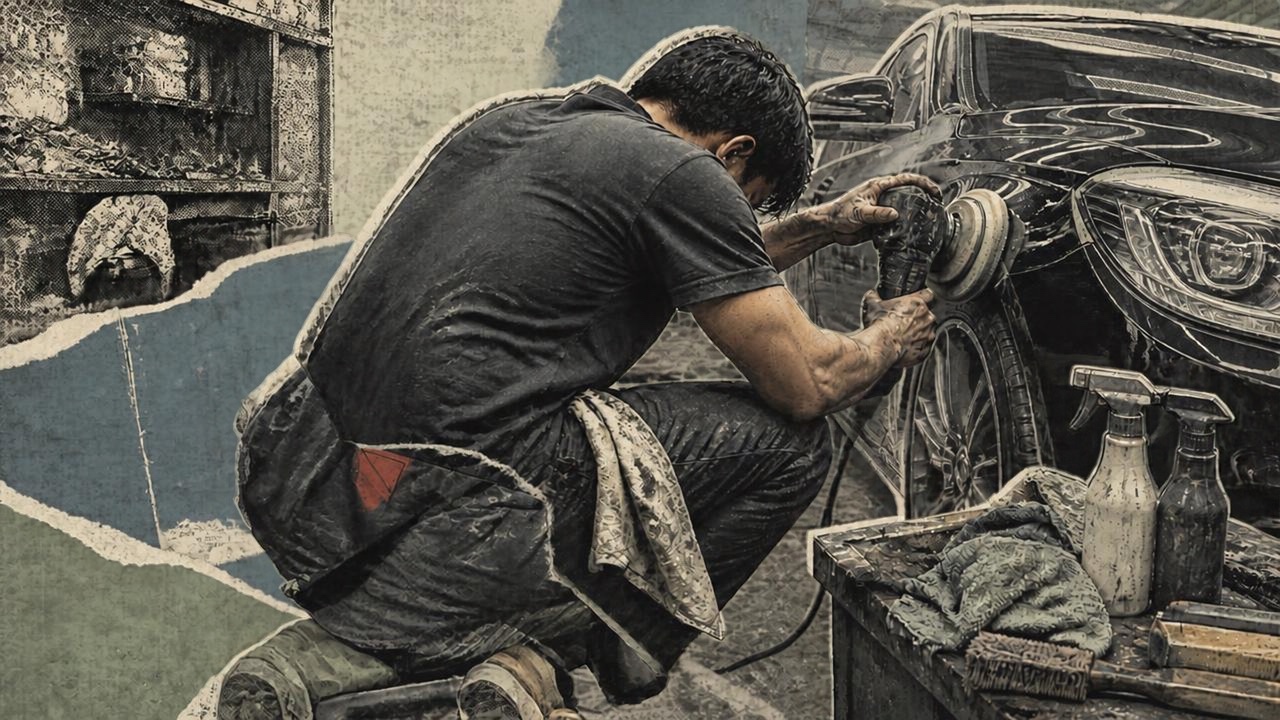
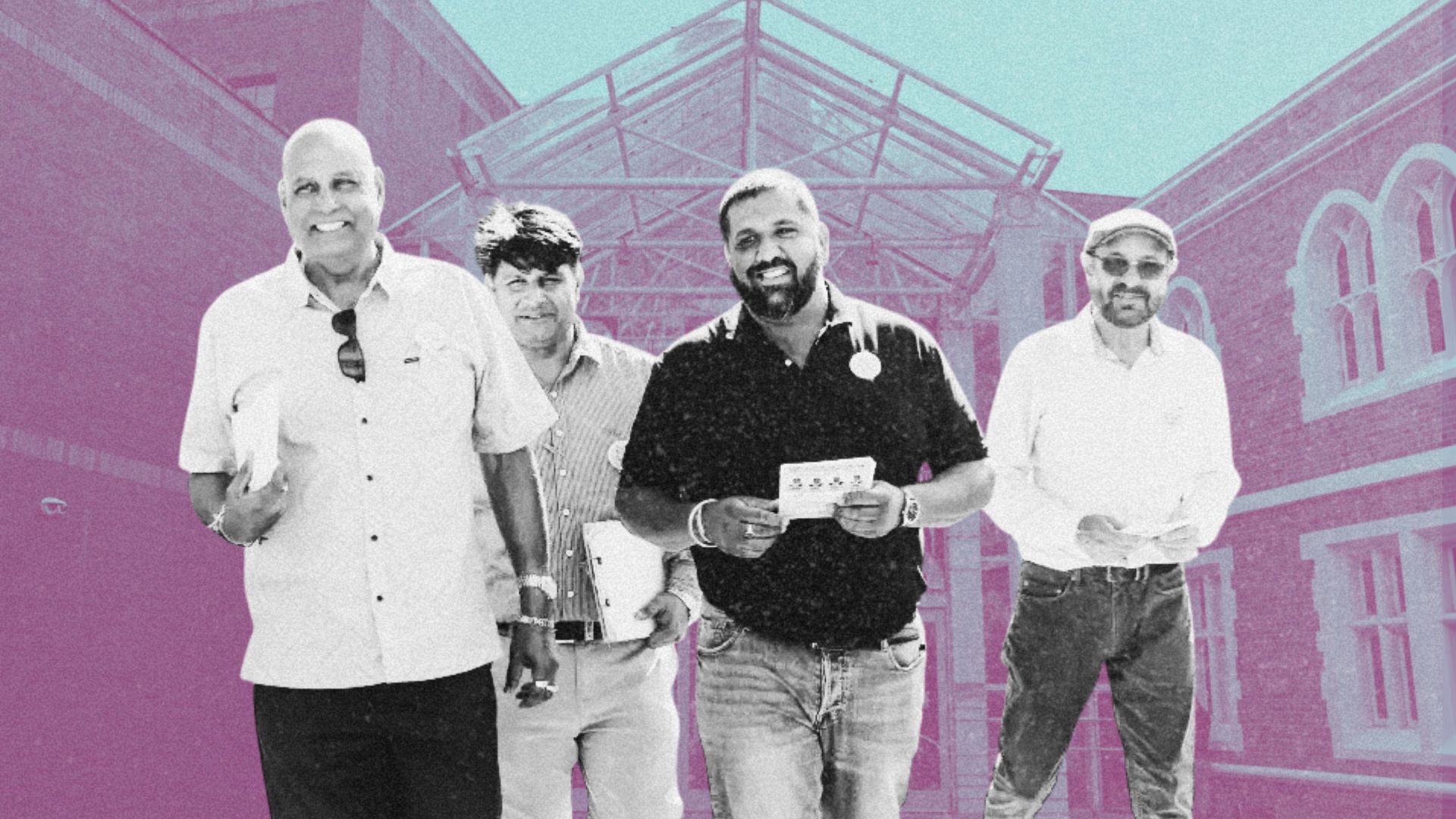
It explains why we over-index in small business ownership. Why so many of our parents and uncles run dairies, liquor stores, takeaways, and motels. These aren’t glamorous businesses. They’re tough, unforgiving, and often expose families to long hours and, increasingly, serious crime. Yet Indian migrants take them on because we don’t fear hard work — we fear wasting opportunity. We fear failing the people who believed in us enough to let us leave home.
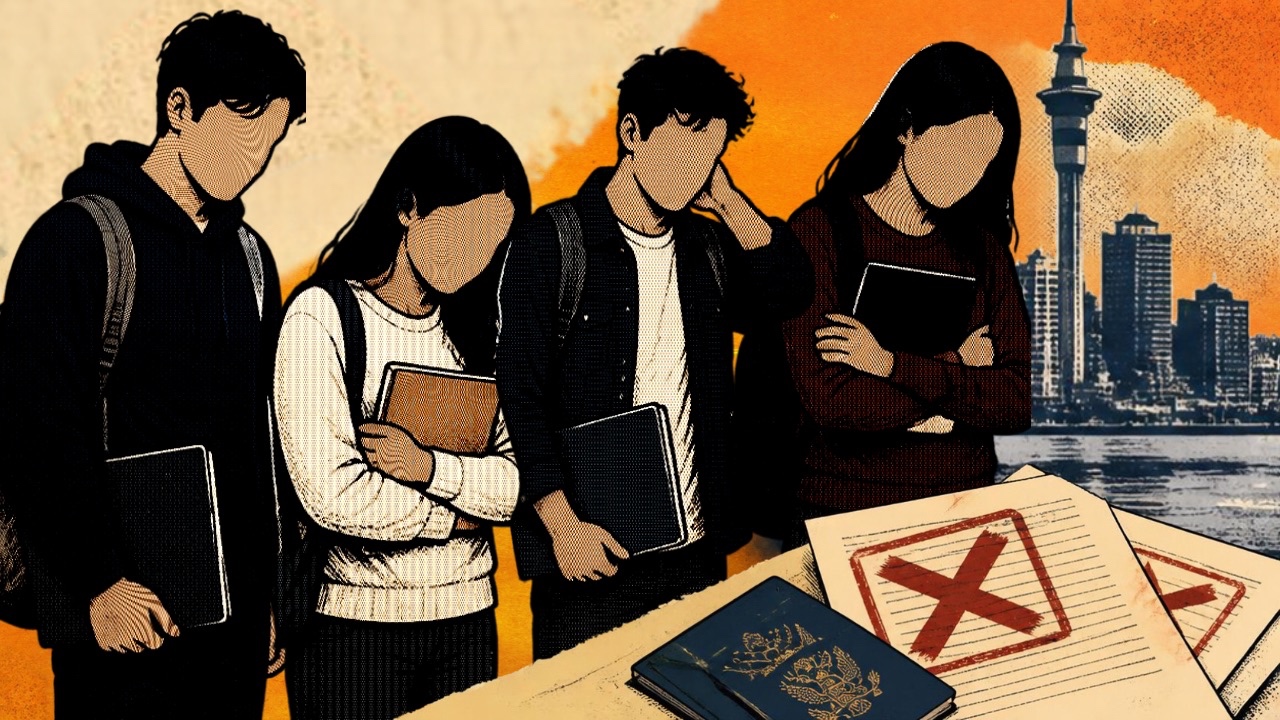
This same mindset explains our drive in education. Indian parents don’t enrol their kids in tutoring because they want medals. They do it because education is the insurance policy they couldn’t afford when they were young. It’s the only guaranteed passport out of uncertainty. And they will sacrifice comfort, part-time jobs, weekends, and sleep if it means giving their children one inch more advantage than they had.
But the Indian migrant mindset also has a softer, often misunderstood side.
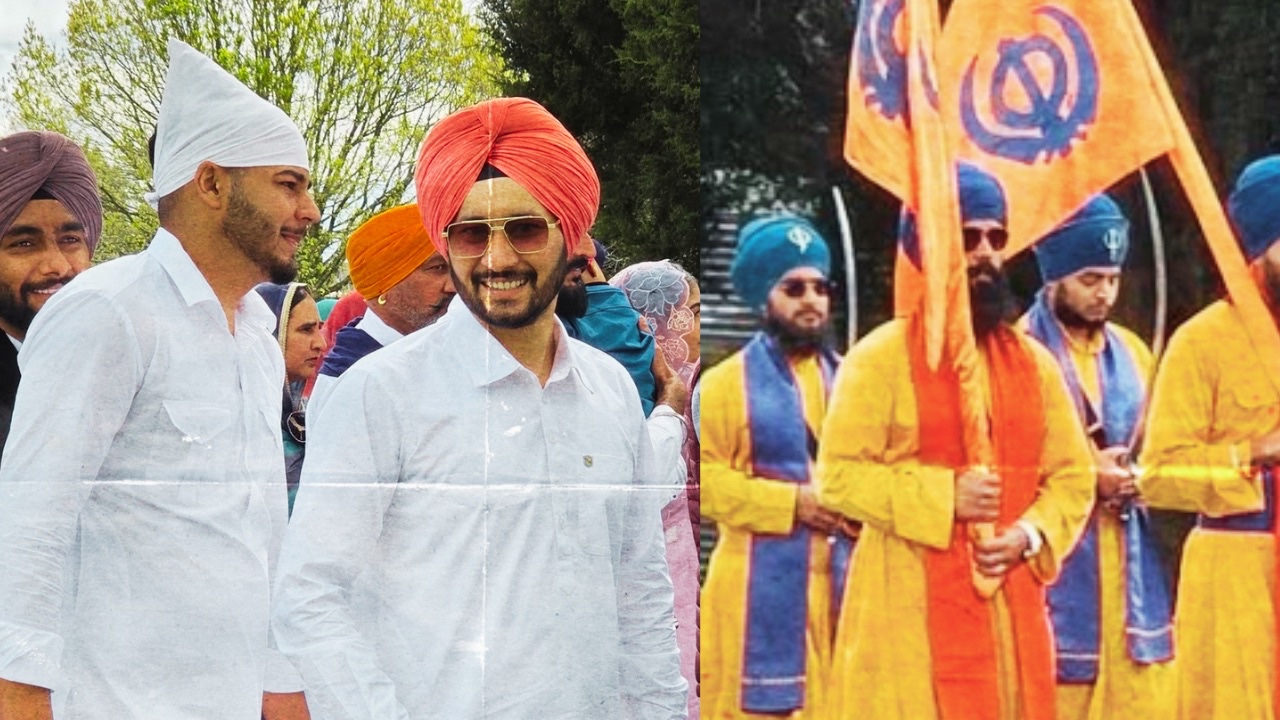
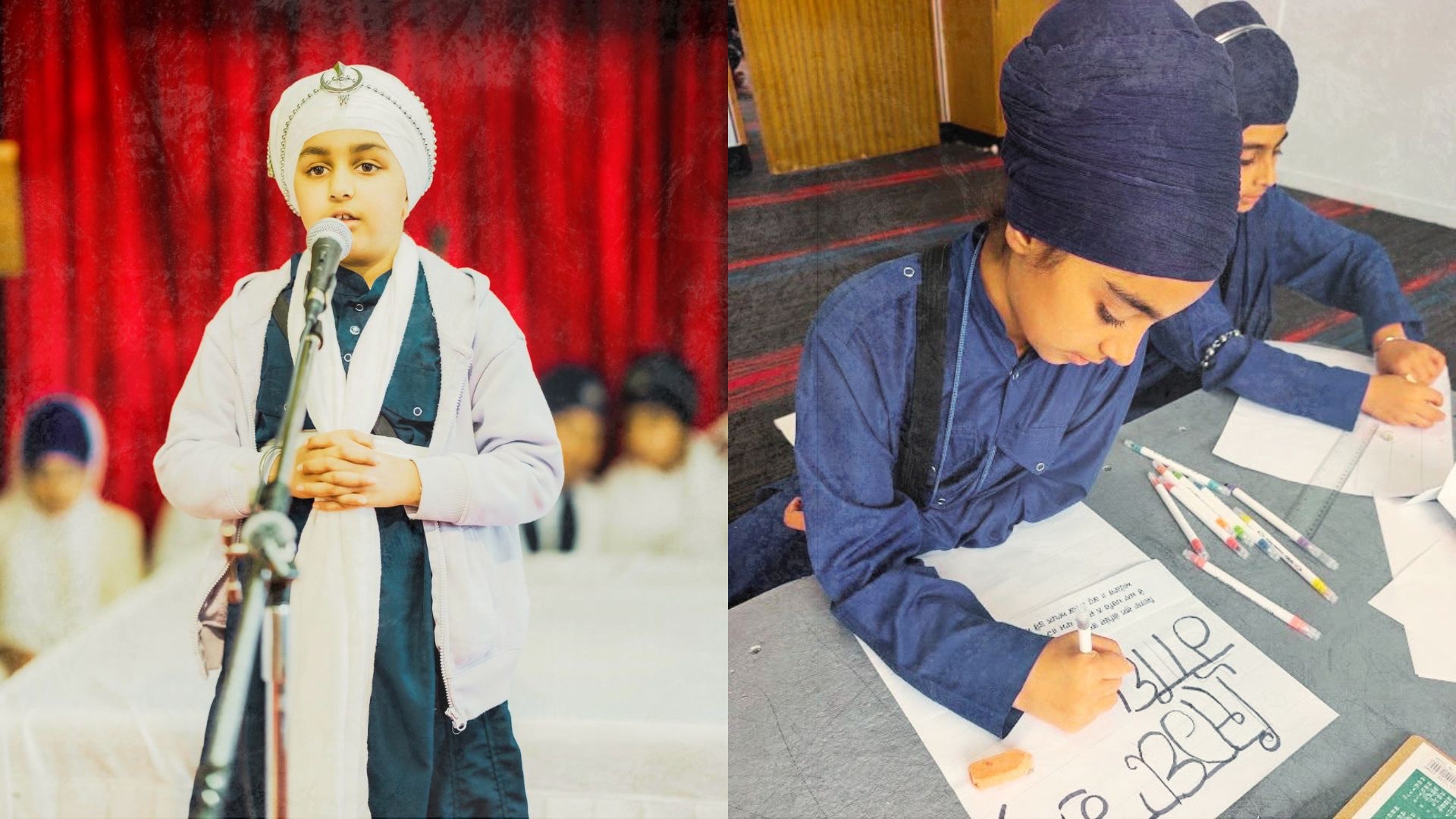
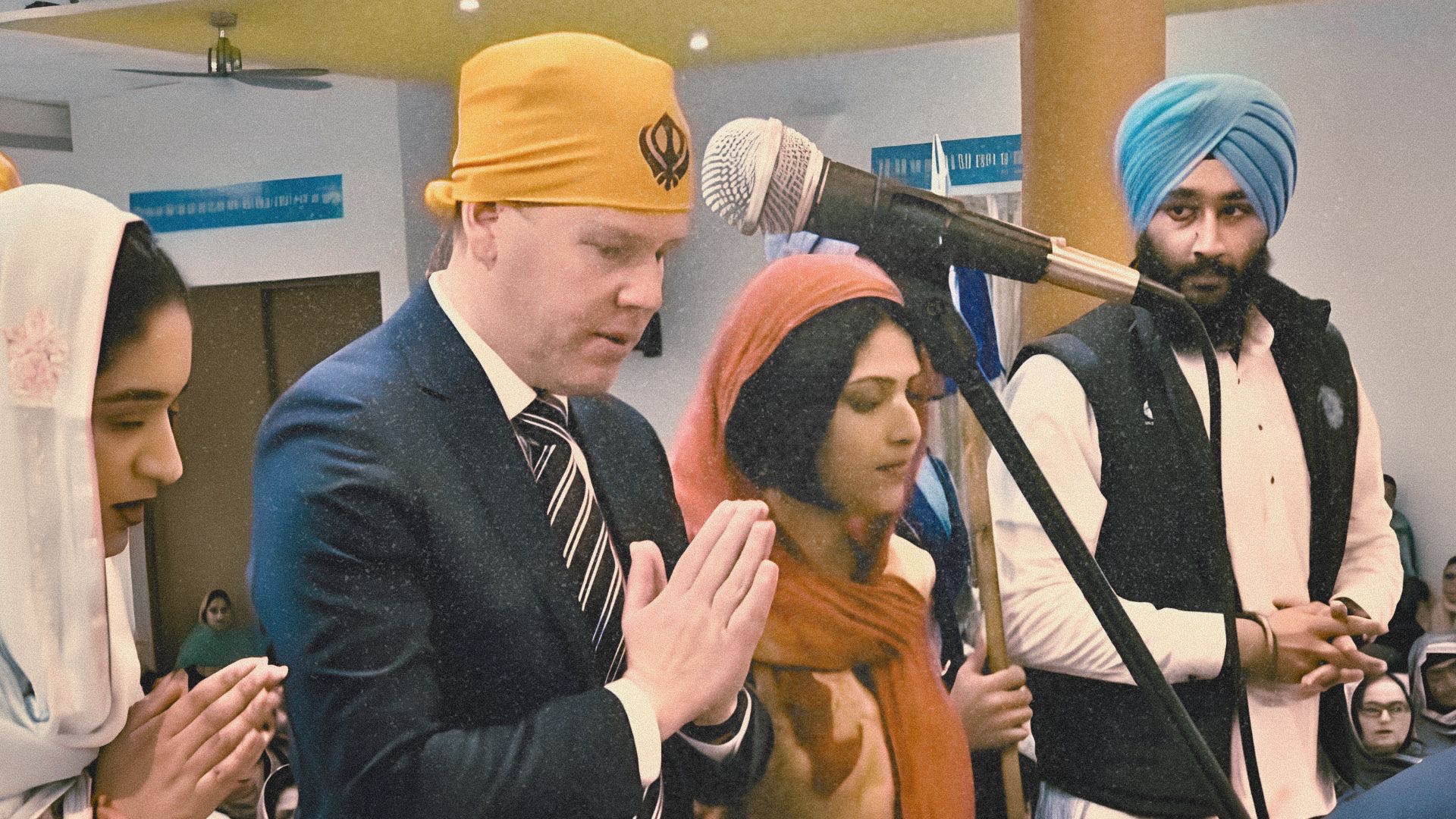
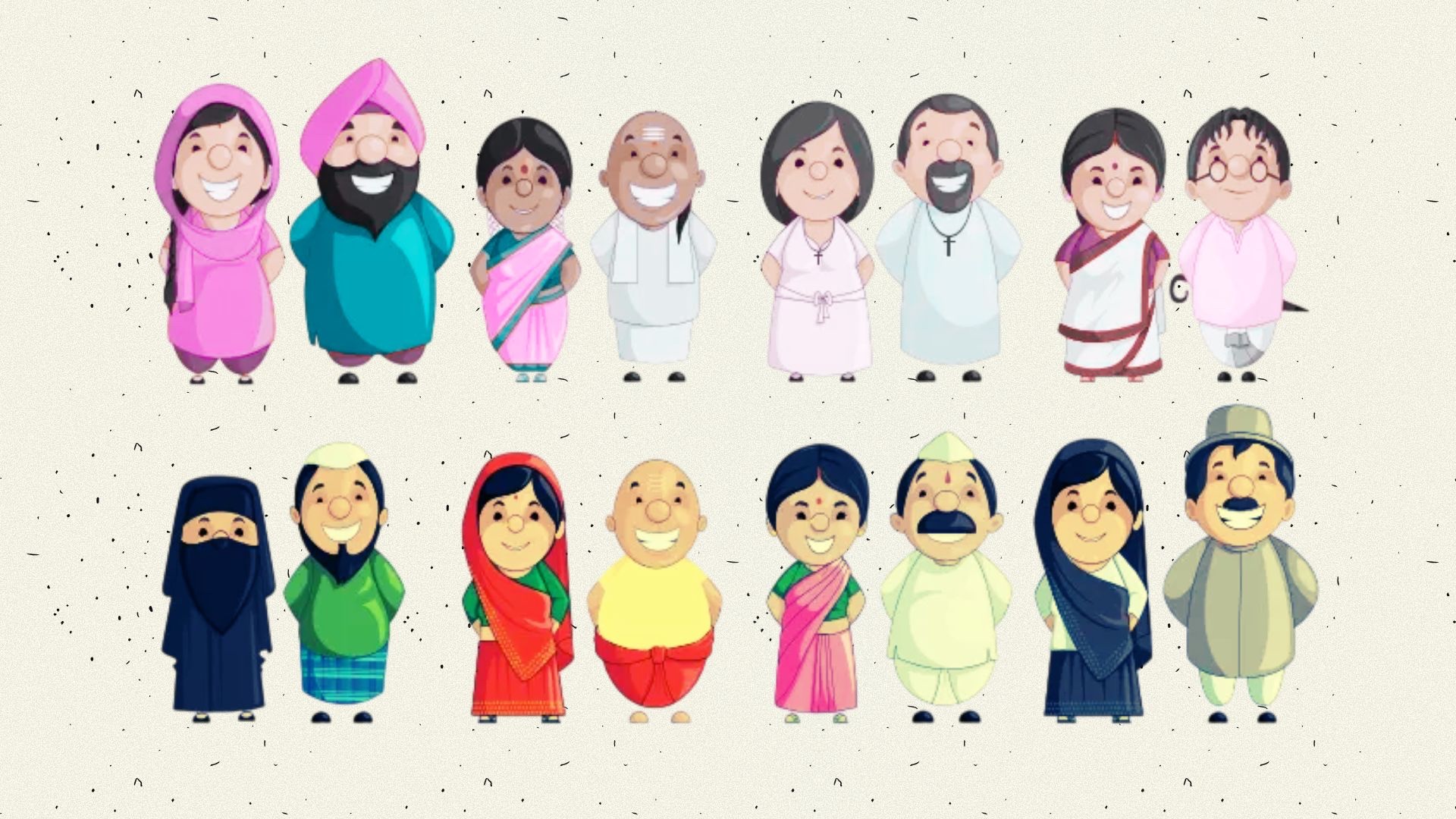
It carries deep loyalty — to family, to community, to faith. Walk into any temple or gurdwara on a random evening, and you’ll see migrants who have worked 12-hour shifts still chopping vegetables for langar, sweeping floors, or volunteering quietly in the background. You’ll see aunties organising charity drives, uncles mentoring young people, business owners sponsoring local sports teams.
This isn’t done for recognition. It’s done because community is our emotional anchor in a world where we restarted from zero.
There’s also humility woven into this mindset — sometimes too much of it. Many Indian migrants will tolerate discrimination, difficult workplaces, or unfair treatment simply because they’ve known worse. To them, speaking up feels risky. A complaint feels like ingratitude. So they absorb the pressure, push forward, and tell themselves that resilience is a virtue. And it is — but it comes at a cost.
The cost appears in the second generation.
Our children grow up caught between two sets of expectations: the Kiwi culture that encourages individuality, and the Indian culture that emphasises responsibility and achievement. They’re told to chase dreams but also to be “practical.” They’reencouraged to be Kiwi, yet reminded not to forget their roots. They’re pushed to succeed, but not always taught how to handle failure.
This duality is part of the Indian migrant mindset too — a gift and a burden. A source of strength, but also confusion. A launchpad, but sometimes a weight.
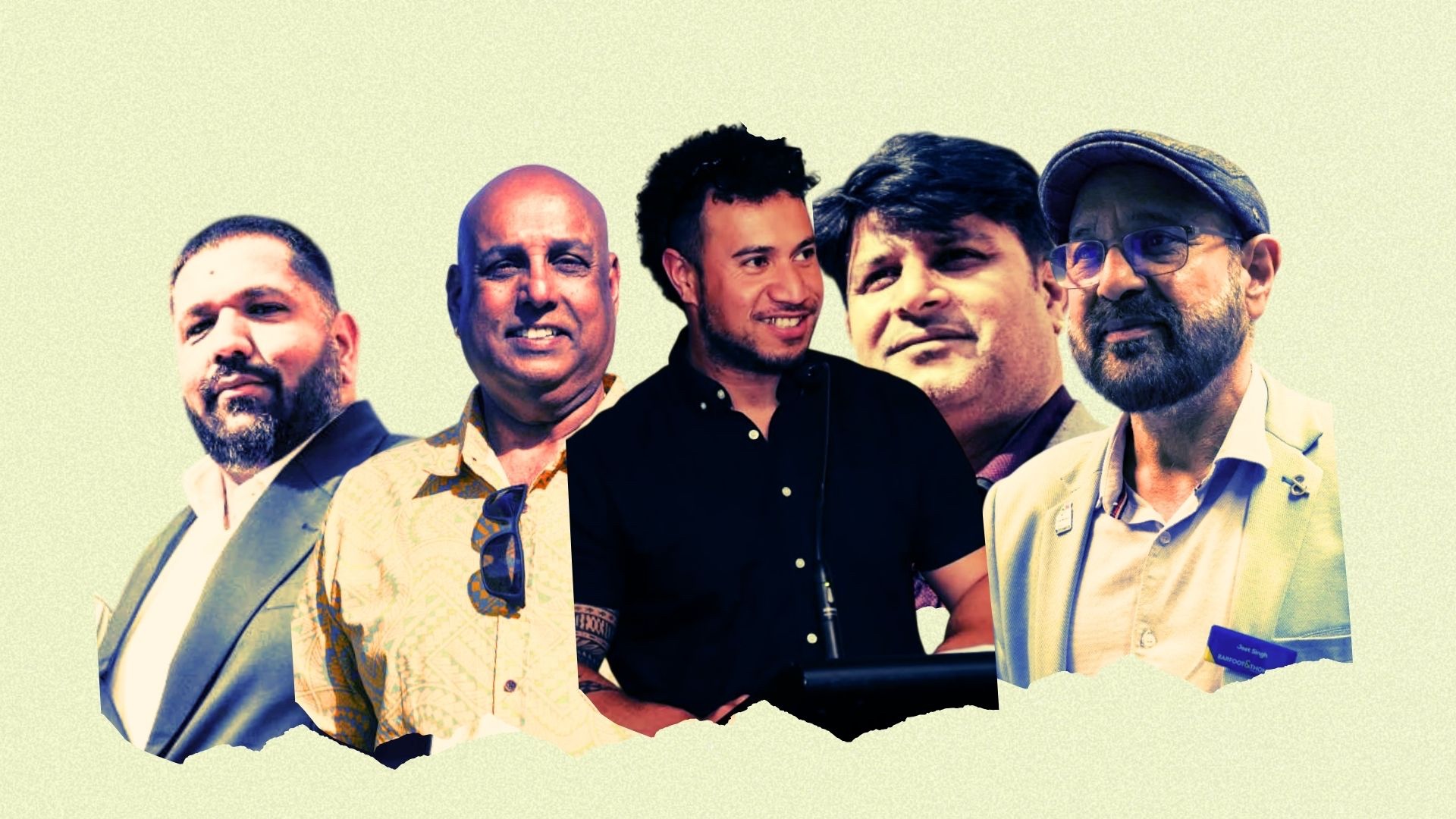
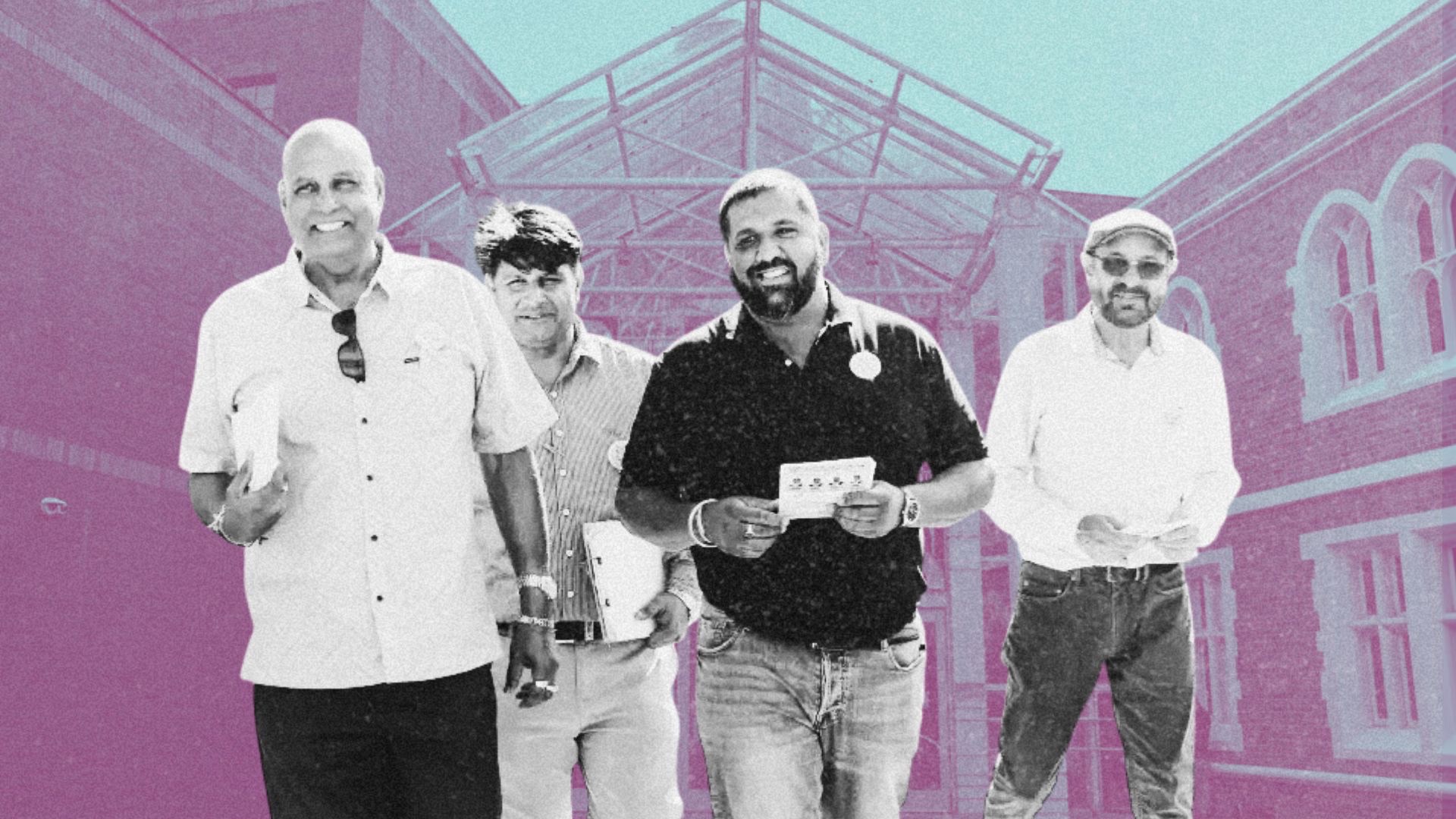
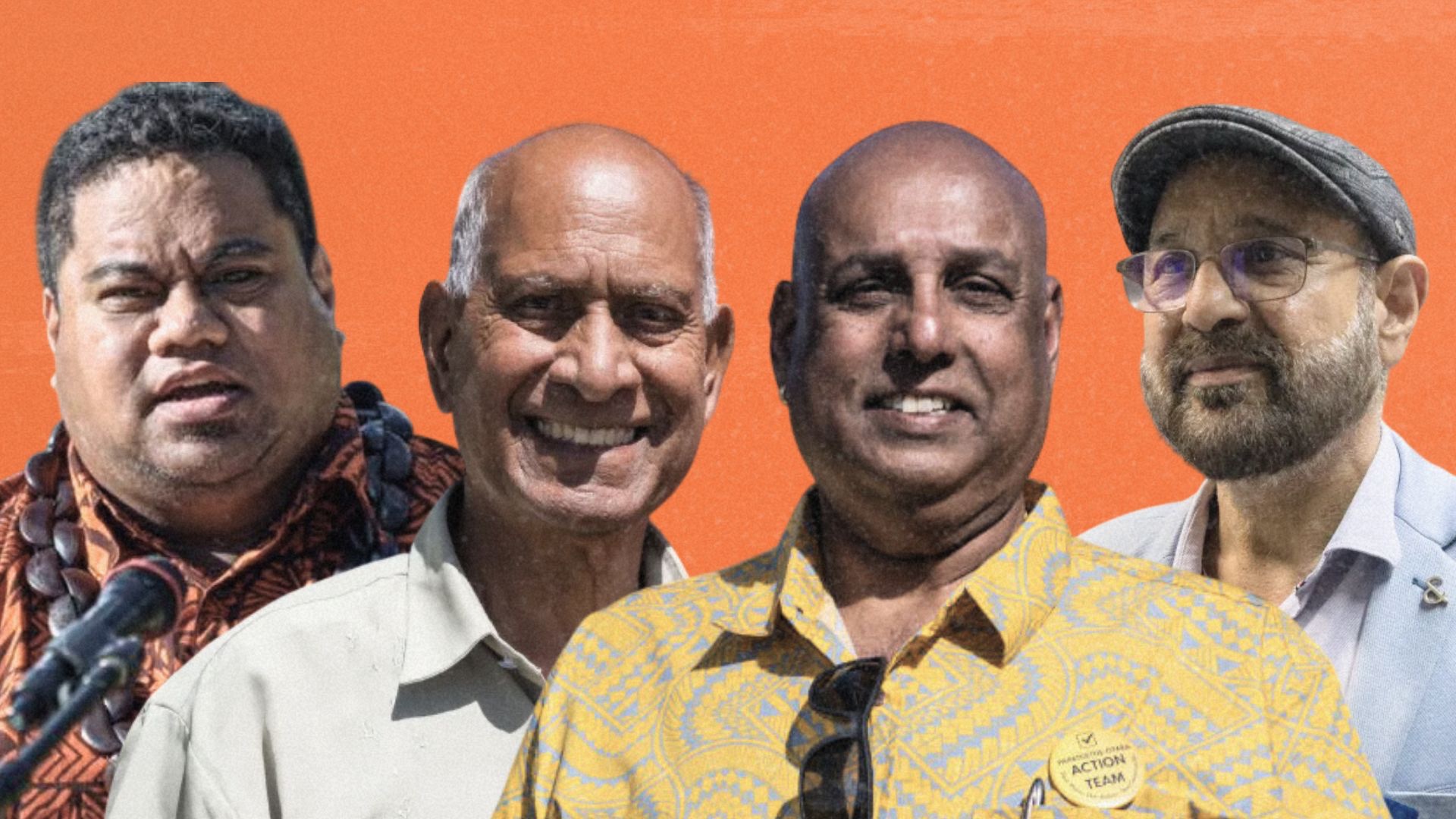
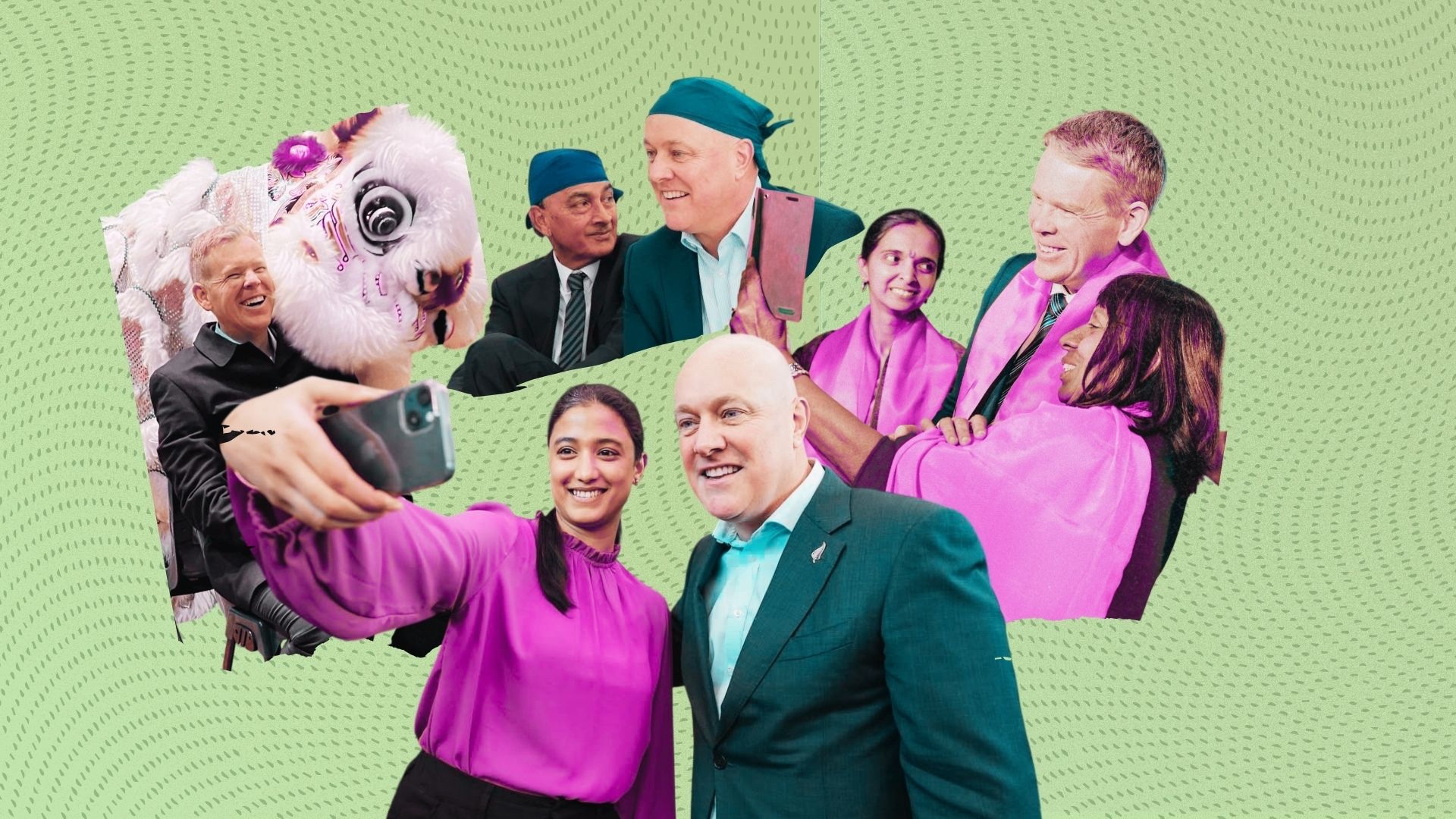
Politically and economically, this mindset has already transformed New Zealand. You see it in Parliament, where Indian MPs now sit across the political spectrum. You see it in local councils, school boards, community organisations, and business associations. You see it in the explosion of Indian-owned enterprises — from technology and medicine to hospitality and retail. We are no longer just participants in New Zealand’s growth story. We are contributors, drivers, and in many sectors, leaders.
And yet, despite this visibility, the Indian migrant mindset is still poorly understood by the wider public. People see the success but not the pressure behind it. They see the confidence but not the insecurity beneath it. They see the achievements but not the sacrifices that paved the way.
Behind every Indian-owned small business is a family that mortgaged their future on a dream. Behind every academic high-achiever is a household that quietly endured financial strain, anxiety, and countless late nights. Behind every migrant success story is someone who pushed themselves beyond their limits — not because they were chasing luxury, but because they were chasing stability.
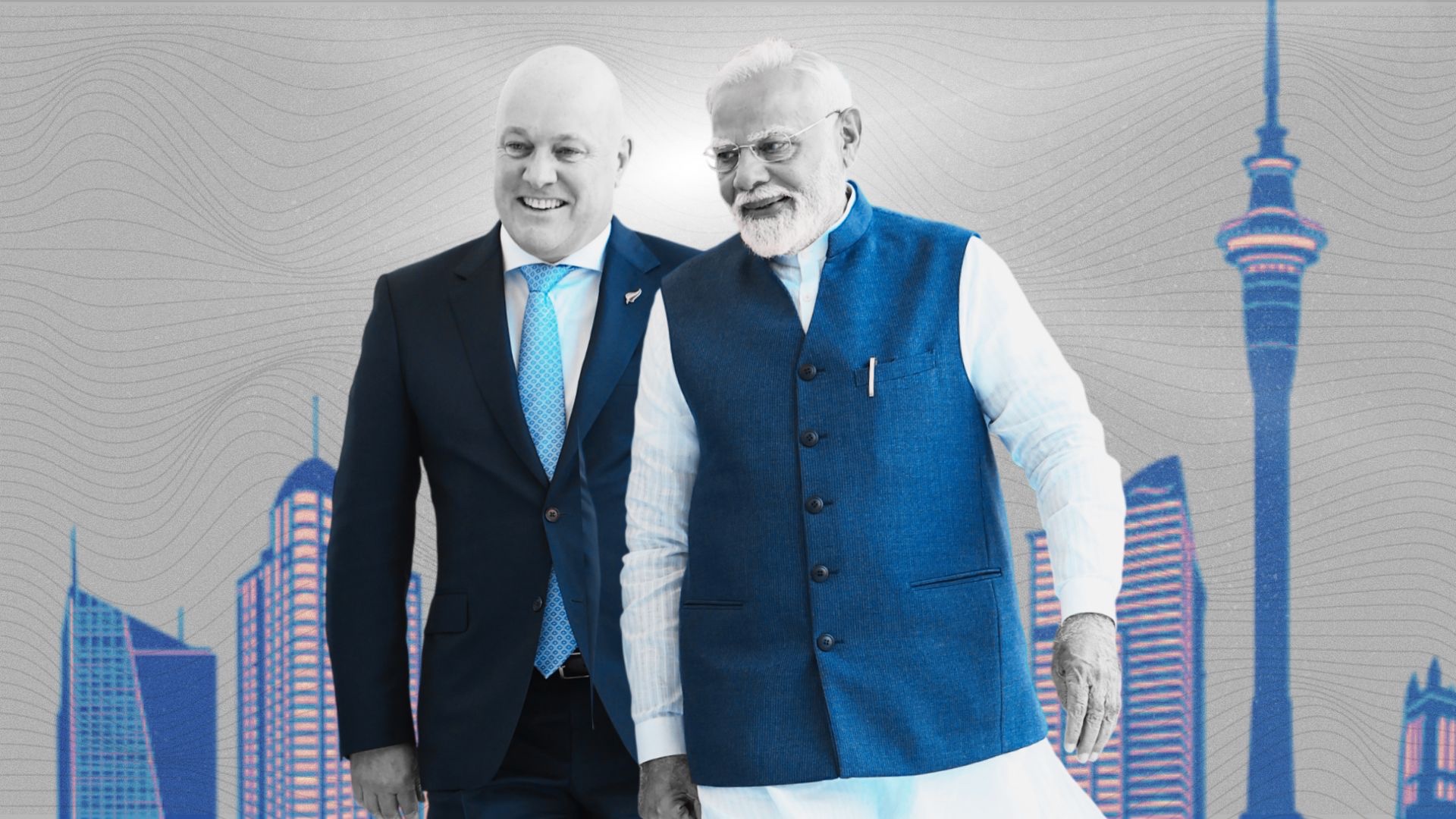
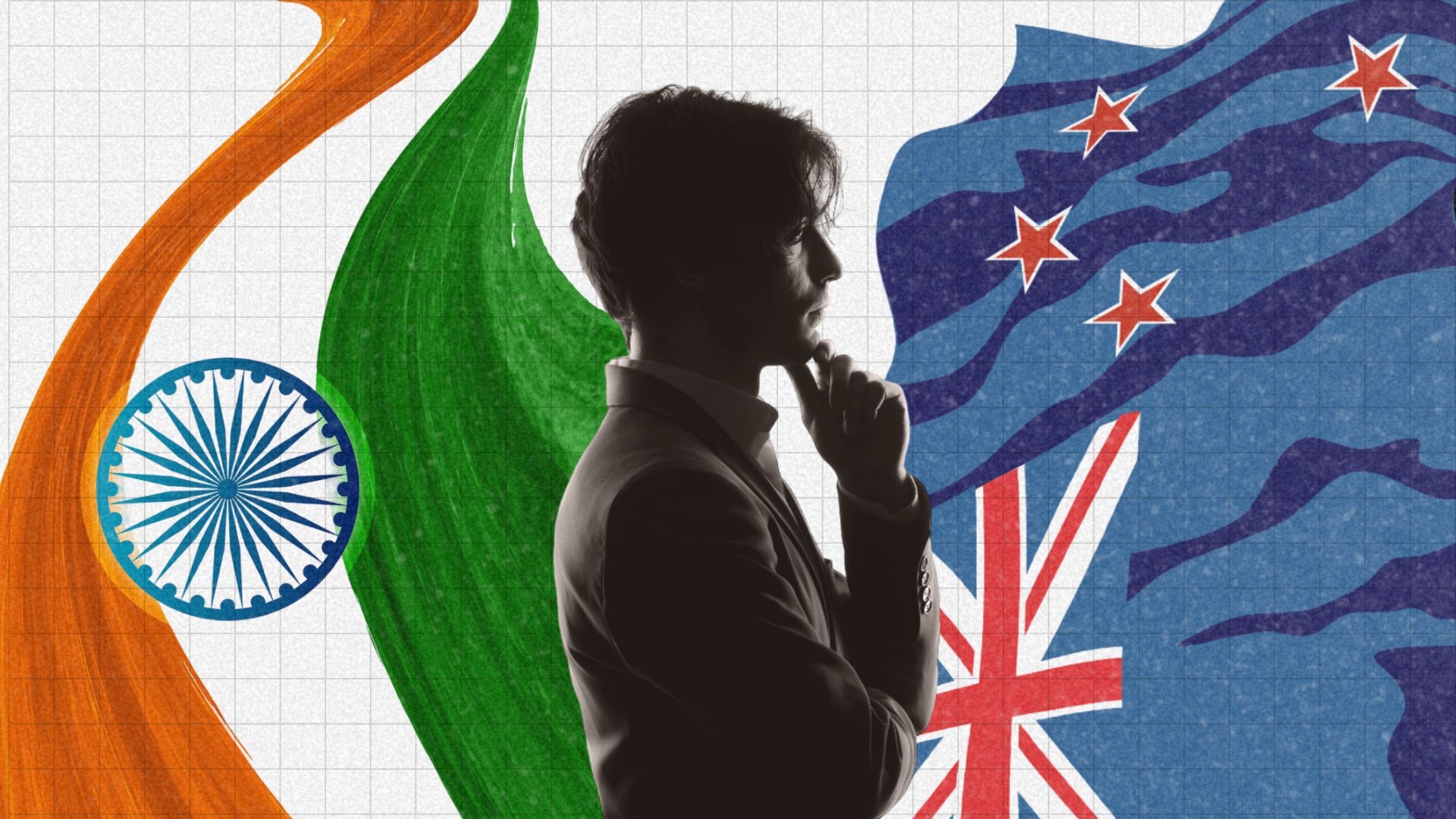
If we want to understand the future of Kiwi–Indian influence, we have to understand this mindset. Because it will shape how our community votes, how we build businesses, how we raise our children, and how we respond to the social and political challenges New Zealand faces in the years ahead.
It’s time to talk about it openly — the strengths, the blind spots, and the motivations that drive us. Because the Indian migrant mindset isn’t going anywhere. It is evolving, growing, and becoming a defining force in New Zealand’s story. The first generation came here to survive. The second generation is here to succeed. And the third? They will shape New Zealand in ways we are only beginning to imagine.