
A stitch in time: Should government rein in excessive school uniform fees?

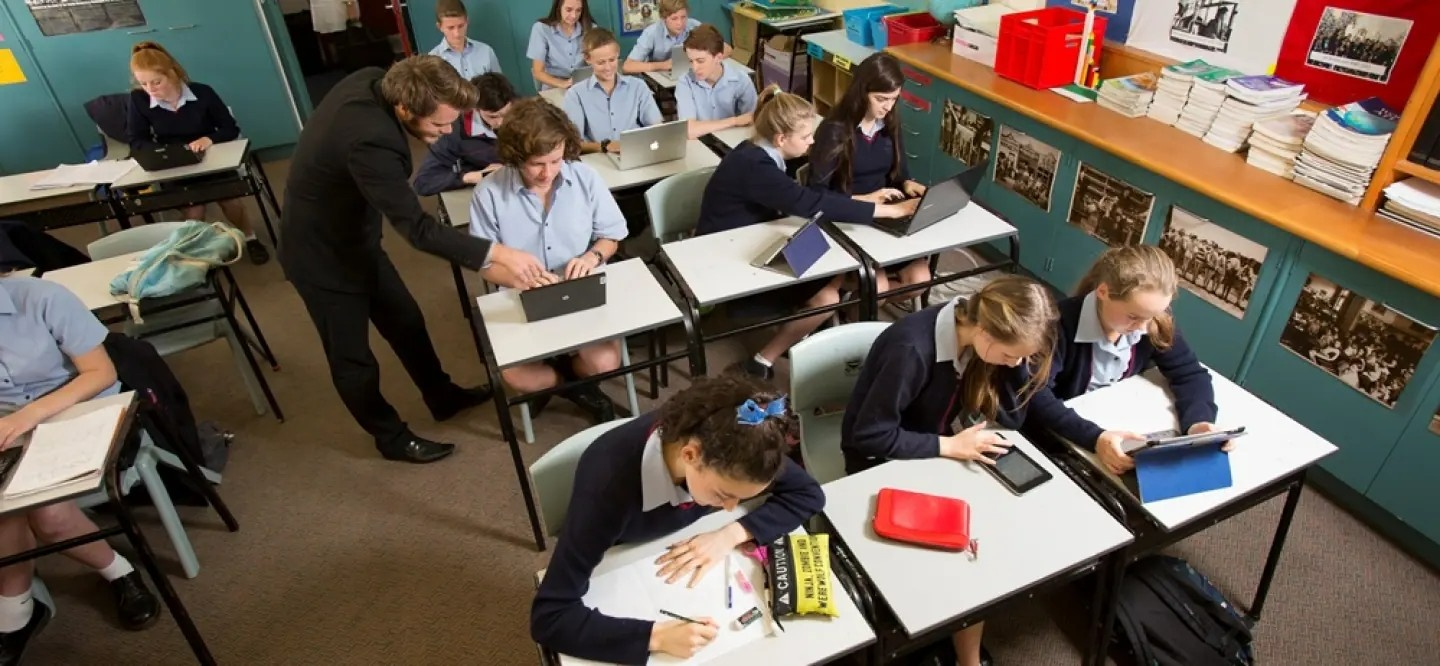
Photo: RNZ/Richard Tindiller
From an ethical standpoint, boards should ensure that school uniforms don’t create an undue cost barrier to education.
As if on cue, parents across New Zealand are starting to raise concerns about the price of compulsory school uniforms ahead of the start of the new school year. The cost of new uniforms can range from around NZ$80 to over $1,200 for a single student.
This is a big upfront investment, followed by the ongoing costs to replace worn-out or small items.
Yes, school uniforms are an investment in clothing that lasts for multiple years and can be cheaper in the long run than ordinary clothing. But it’s hard to apply this investment mindset during a cost-of-living crisis.
Our ongoing research examines uniforms and equity in New Zealand and includes interviews with school leaders and students across three schools.
Irrespective of a school’s equity index rating (formerly decile), the school leaders we interviewed said uniform cost was raising concerns.
From designing restaurants to running Auckland Diwali: The many lives of Arnav Taode Taode brings his passion for Indian arts and culture to his first year managing BNZ Auckland Diwali 2026.
Winston Peters says ‘diversity is disunity’. What does the evidence tell us? Evidence from business, sport and social policy suggests diversity can strengthen economies and cohesion but on one condition.
Baby born in Sri Lanka to New Zealand residents caught in limbo after Down syndrome diagnosis Immigration tribunal orders fresh residence assessment after finding a “serious mistake” by immigration officials.
Our survey of students in one school in a higher socioeconomic area found nearly 20% of the 630 respondents worried about whether their parents could afford their uniform. Across three surveyed schools, most staff knew students who weren’t able to afford some items.
Staff in our survey reported balancing the benefits of having a “uniform” body of students against creating a barrier to education through high garment costs.
So what can be done to ensure students experience the benefits of school uniforms without added pressure on struggling families? Turns out, there are international examples that can guide us.
Costs and community expectations
Debates are never just about the uniform itself. Politics, power, class and tradition can influence decisions about compulsory garments.
Evidence shows any well-designed uniform can help studentssettle and remove classroom distractions. Students are physically comfortable, active, feel like they fit in and are be ready to learn.
But there is a persistent belief that a formal blazer and tie is somehow better than a simple uniform, even though there is no evidence the type of school uniform directly influences academic achievement.
Who decides a school’s uniform?
In New Zealand, school boards determine uniform garments and rules.
From an ethical standpoint, boards should ensure that school uniforms don’t create an undue cost barrier to education.
Obviously boards cannot control the cost of raw materials from which uniforms are made. But they can control adherence to Commerce Commission guidelines on school uniform and supplies, and their school’s list of compulsory school uniform items.
New school uniforms are usually purchased from specialist suppliers, directly or via the school. In New Zealand there exists a broad choice of suppliers, from large corporates to small family businesses.
But maintaining real and competitive choice depends on competition in and for the market. And it is here where schools can have a real influence on price by adhering to the Commission’s guidelines.
This includes conducting a regular review of the schools’ uniforms and having a mix of suppliers – ideally avoiding problems of sole-supplier or “evergreen” arrangements.
Taking a proactive stance
Relying on best practice and guidelines is not enough to ensure everyone can afford and access school uniforms. The rules don’t appear to be proactively monitored and rely on complaints from the public.
Instead, it’s time for the government to intervene more to improve access to uniforms and education.
To ensure the supply process is as fair as possible, the government could follow international examples and introduce legislation on best practice.
The United Kingdom’s Education (Guidance about Costs of School Uniforms) Act 2021 outlines what schools must consider in their uniform policies and supplier arrangements.
Under this legislation, most uniform items should be available from any shop, not just specific retailers.
While not a silver bullet, such legislation creates a hook for authorities to check and monitor school uniform cost and policy. The law also gives the government a baseline understanding of uniform cost and composition in the UK.
Supporting NZ families with uniform costs
There are several steps the New Zealand government could take when it comes to school uniforms, including making subsidies for uniform costs more accessible and less bureaucratic. The government could legislate state funding of school uniforms for high-need students.
Currently low-income families have to take out what are essentially loans from Work and Income New Zealand. This then places pressure on these families to survive on less income while paying the loans back.
The government could also establish a national uniform bulk buyer – similar to the national drug-buying agency PHARMAC. But while this would be a pragmatic approach to the issue of school uniform cost, it may not be widely supported.
That said, what governments decide to do depends on who bends the ear of power. Everyone with a stake in this issue – students, schools, teachers, charities and communities – needs to contact their local politicians to ensure they are aware of the issue and the possible solutions.
At the school level, boards should have a detailed uniform policy that supports human rights and reflects school values. But this policy needs to be transparent and adaptable, with a detailed review process.
Schools also need to periodically check their uniform still serves student and community needs, including number and cost of compulsory items (for example, whether blazers are necessary and whether all items have to be monogrammed), or whether the school decides to fund uniforms to meet student need.
Regardless of the approach, let’s address school uniform cost head on so we can optimise investment in students’ education.
(This story was first published in The Conversation. This research is funded by a University of Otago Research Grant. Lucy Telfar Barnard and Michaela Pettie are associate investigators on the project.)