
“That Curry in Your Lunchbox?”: Growing up Indian at an East Auckland school
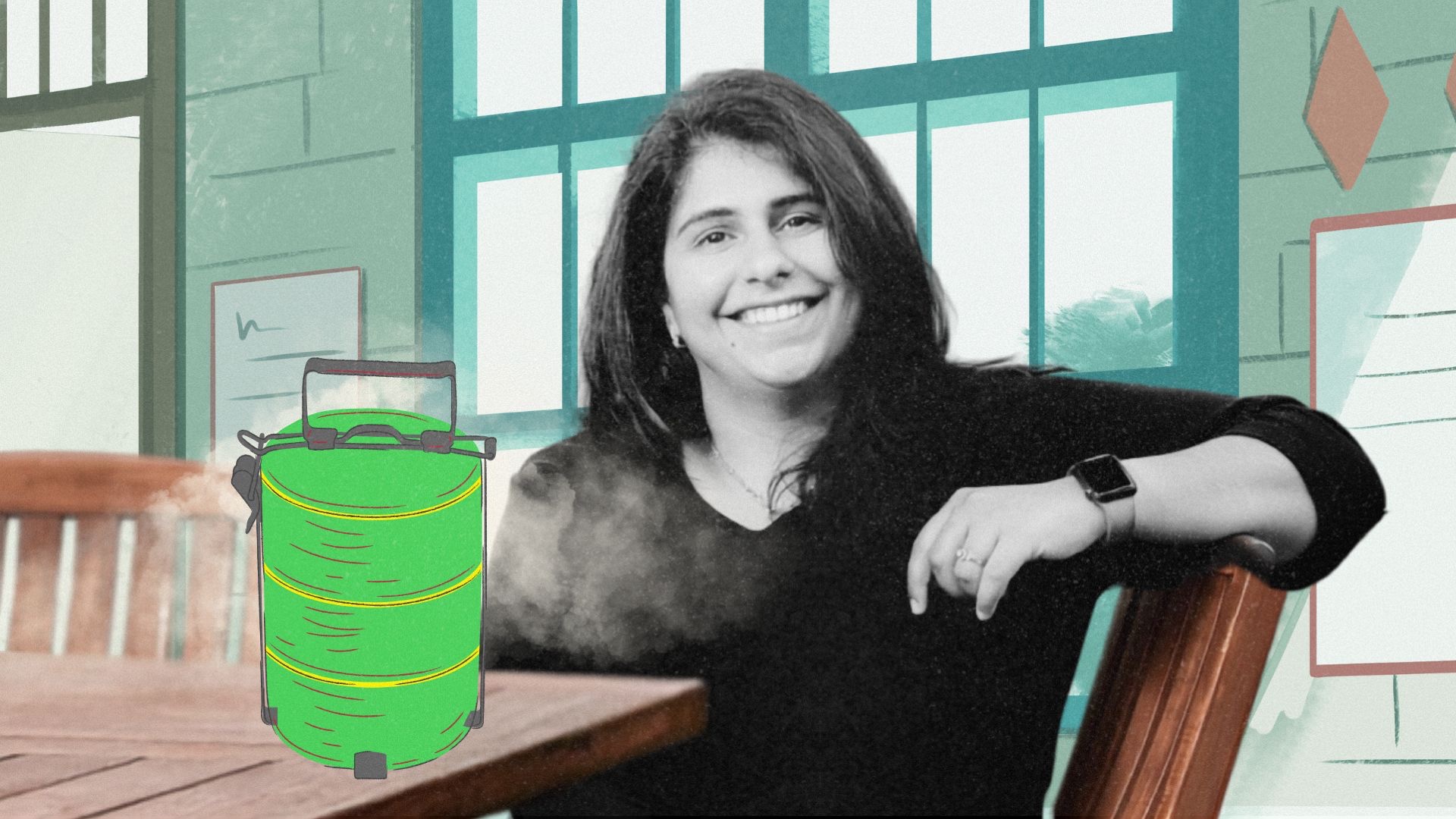
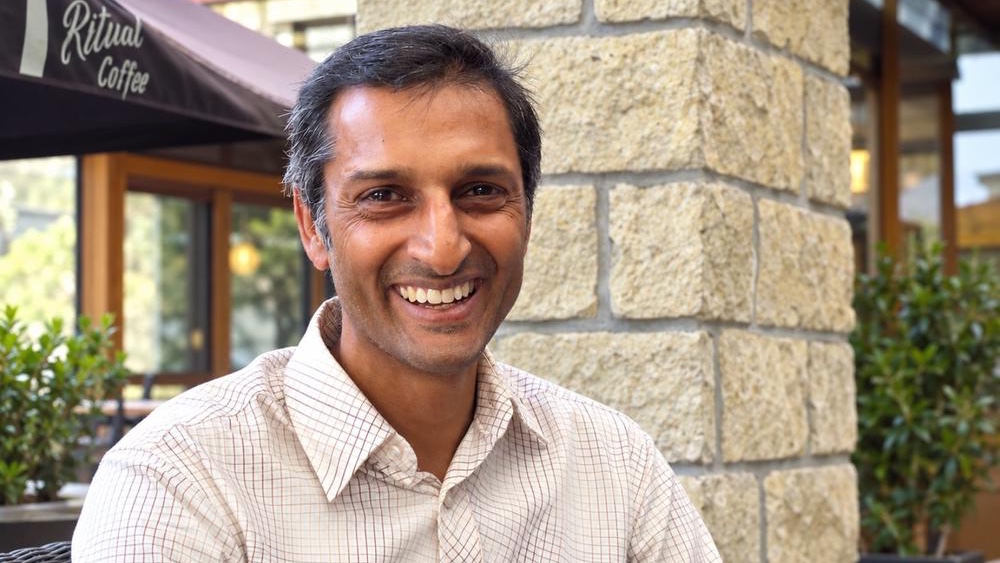
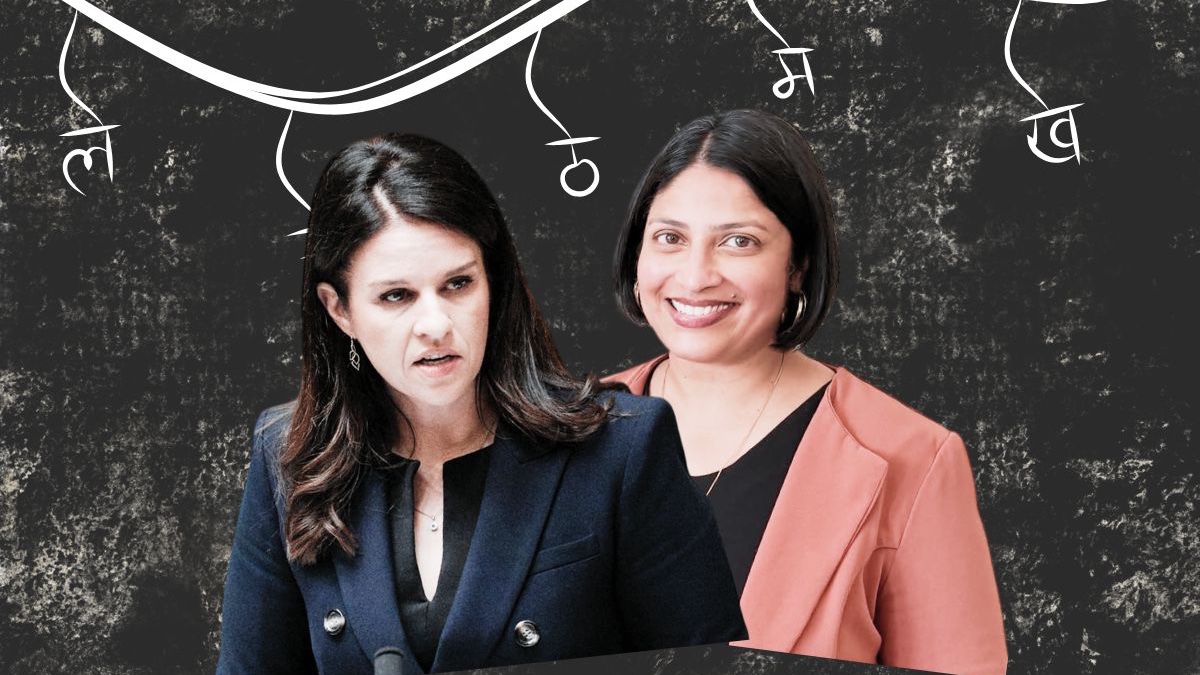
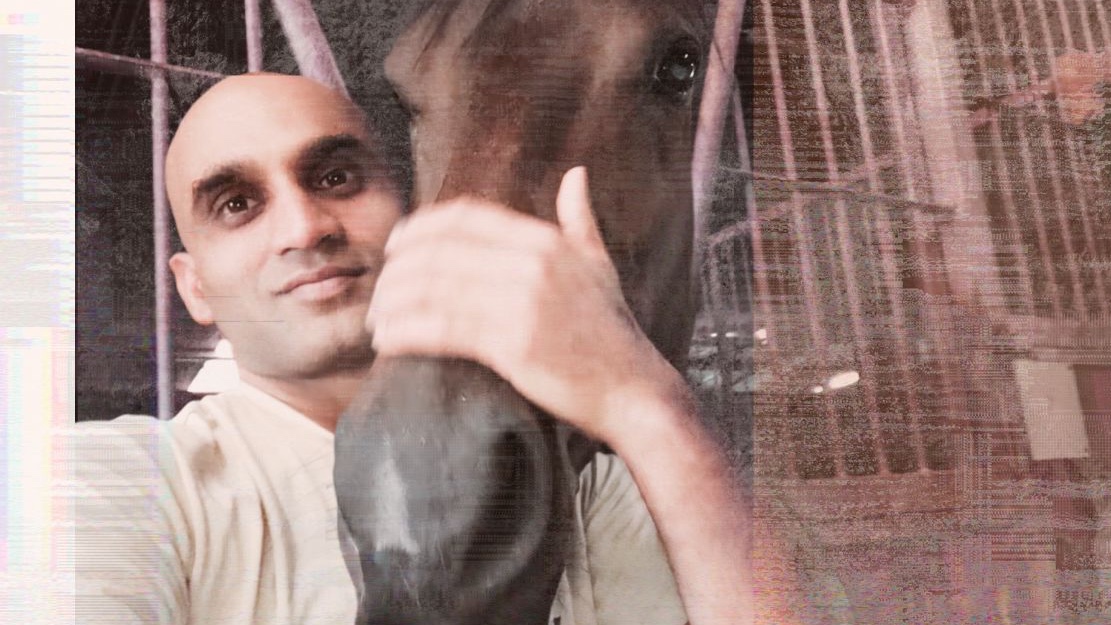
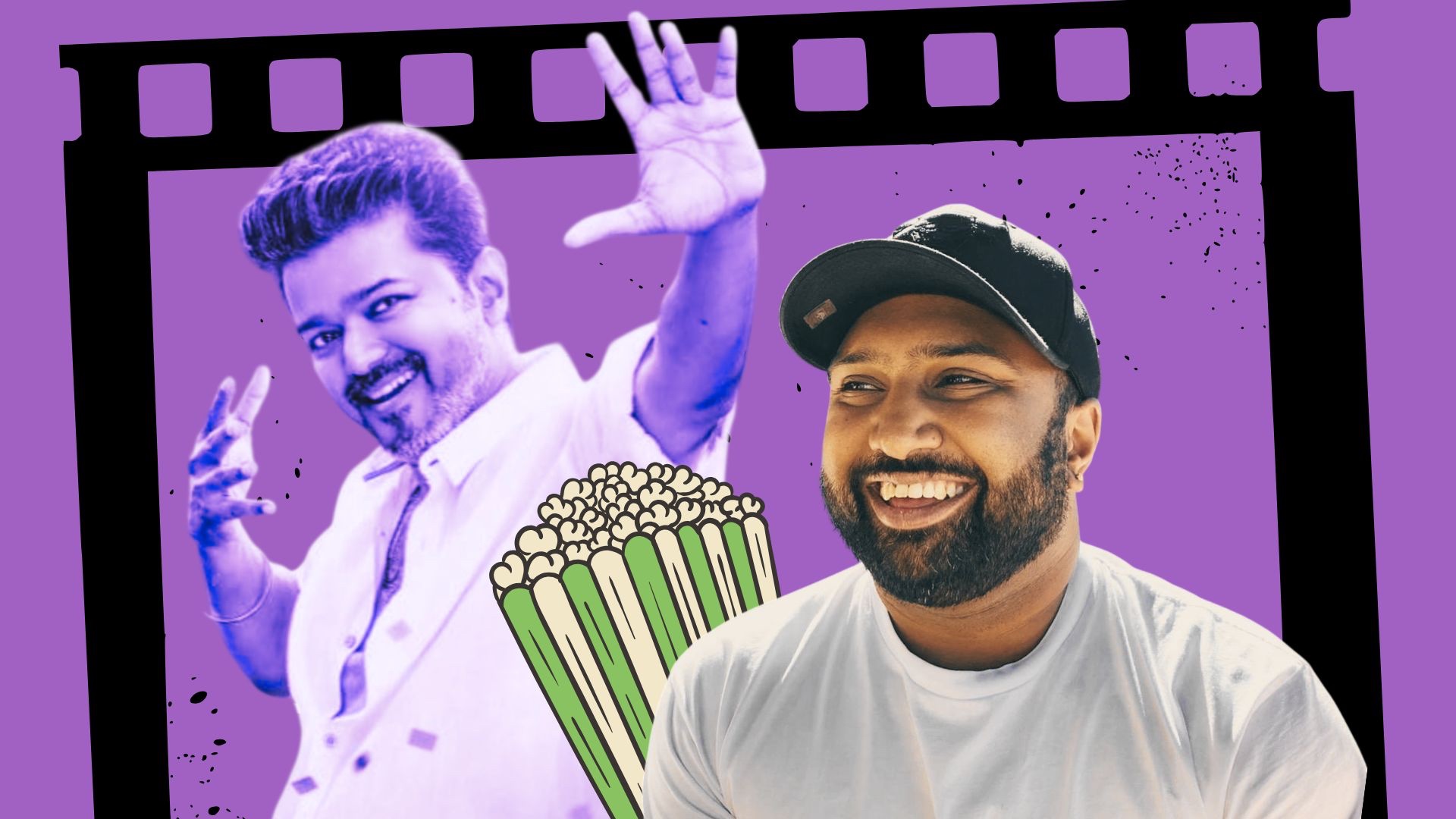
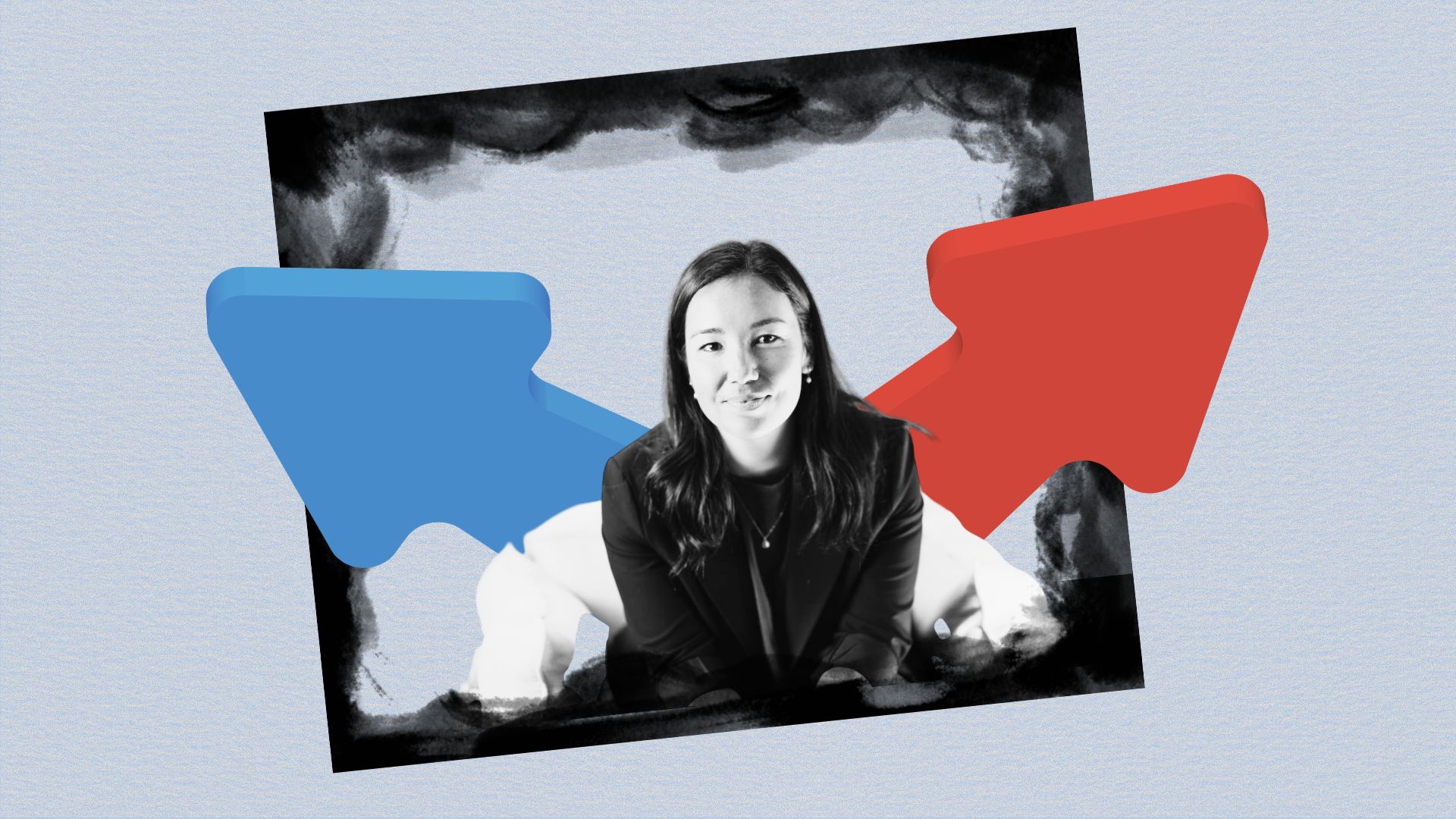
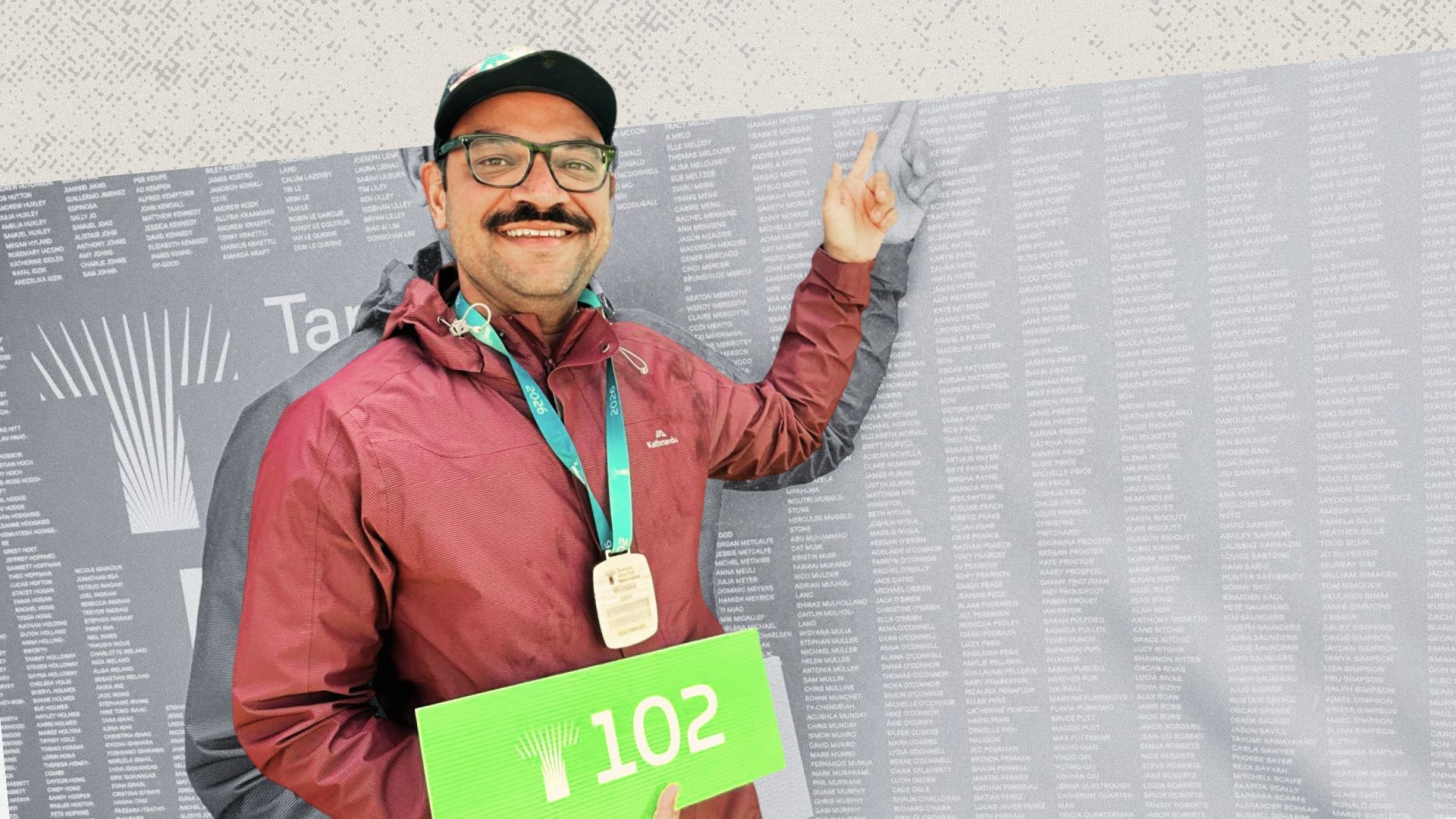
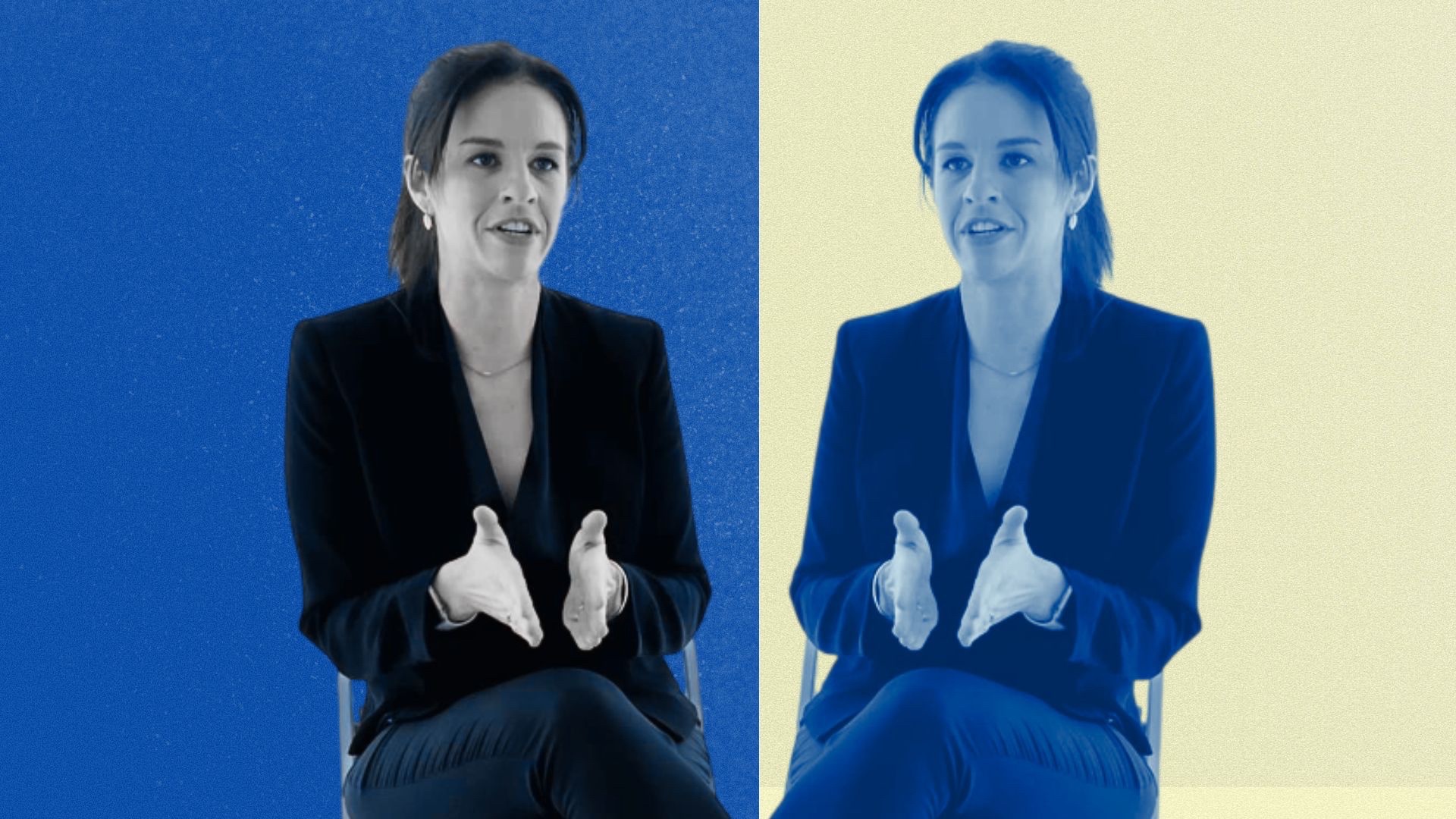
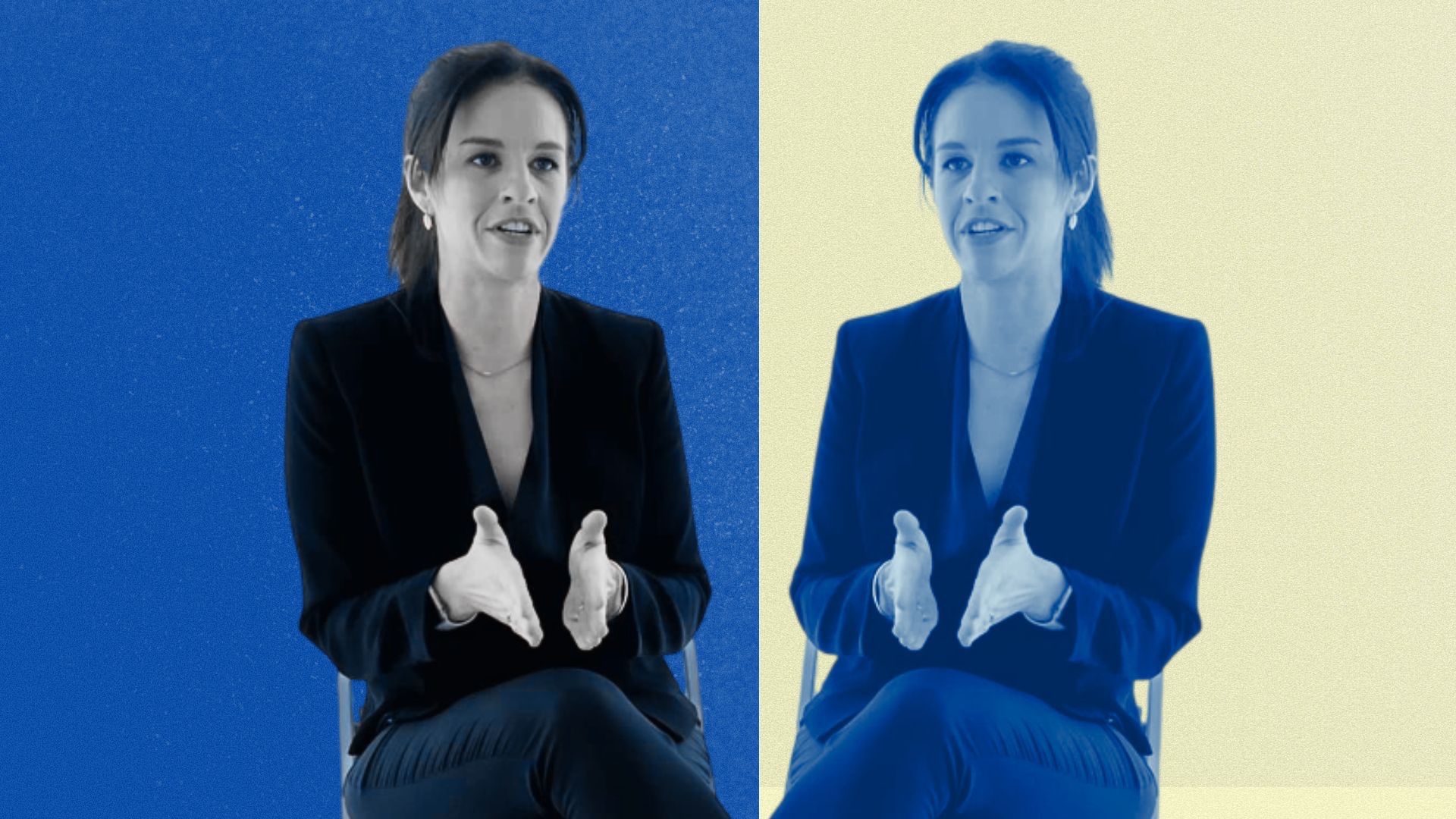
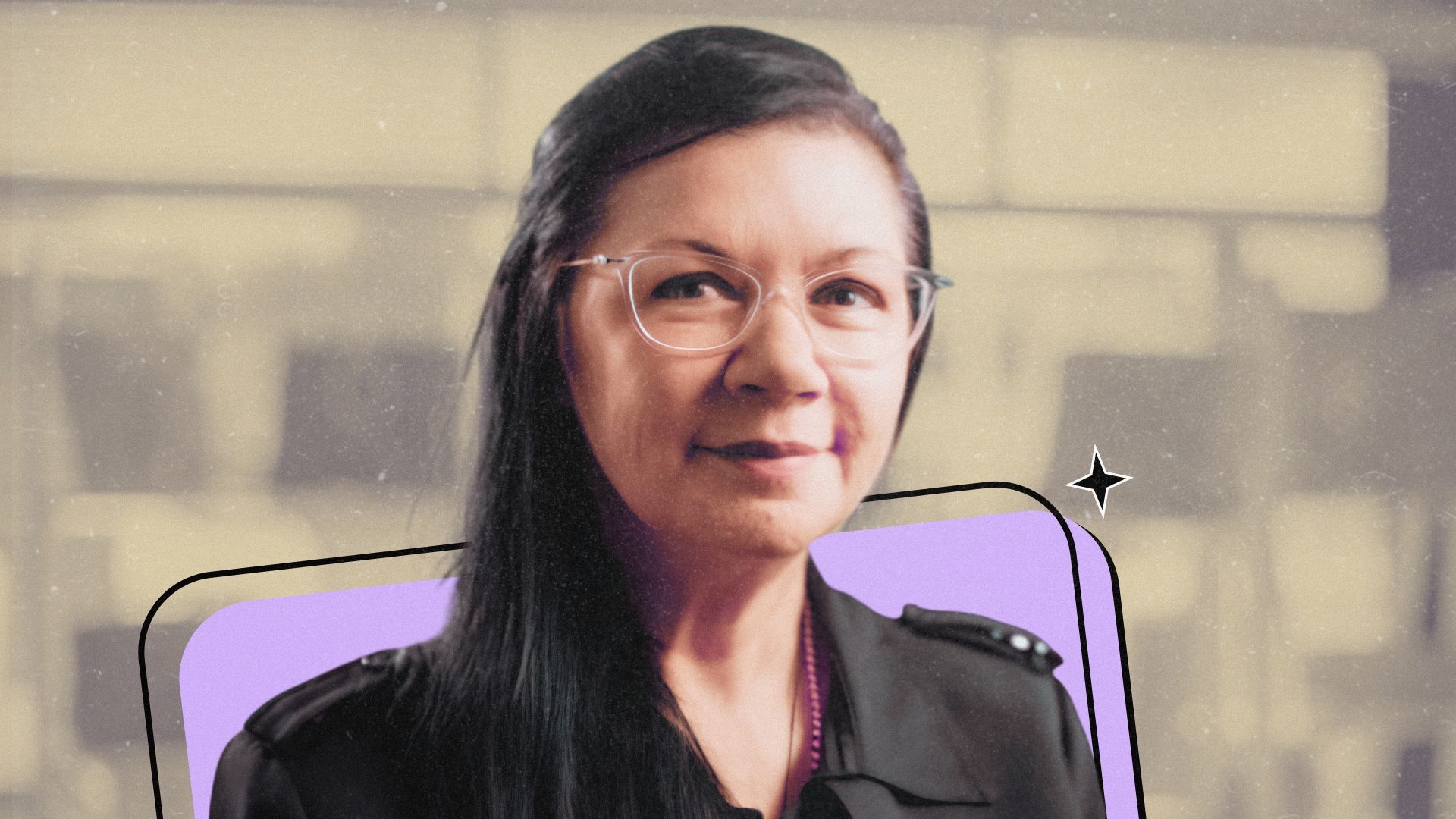
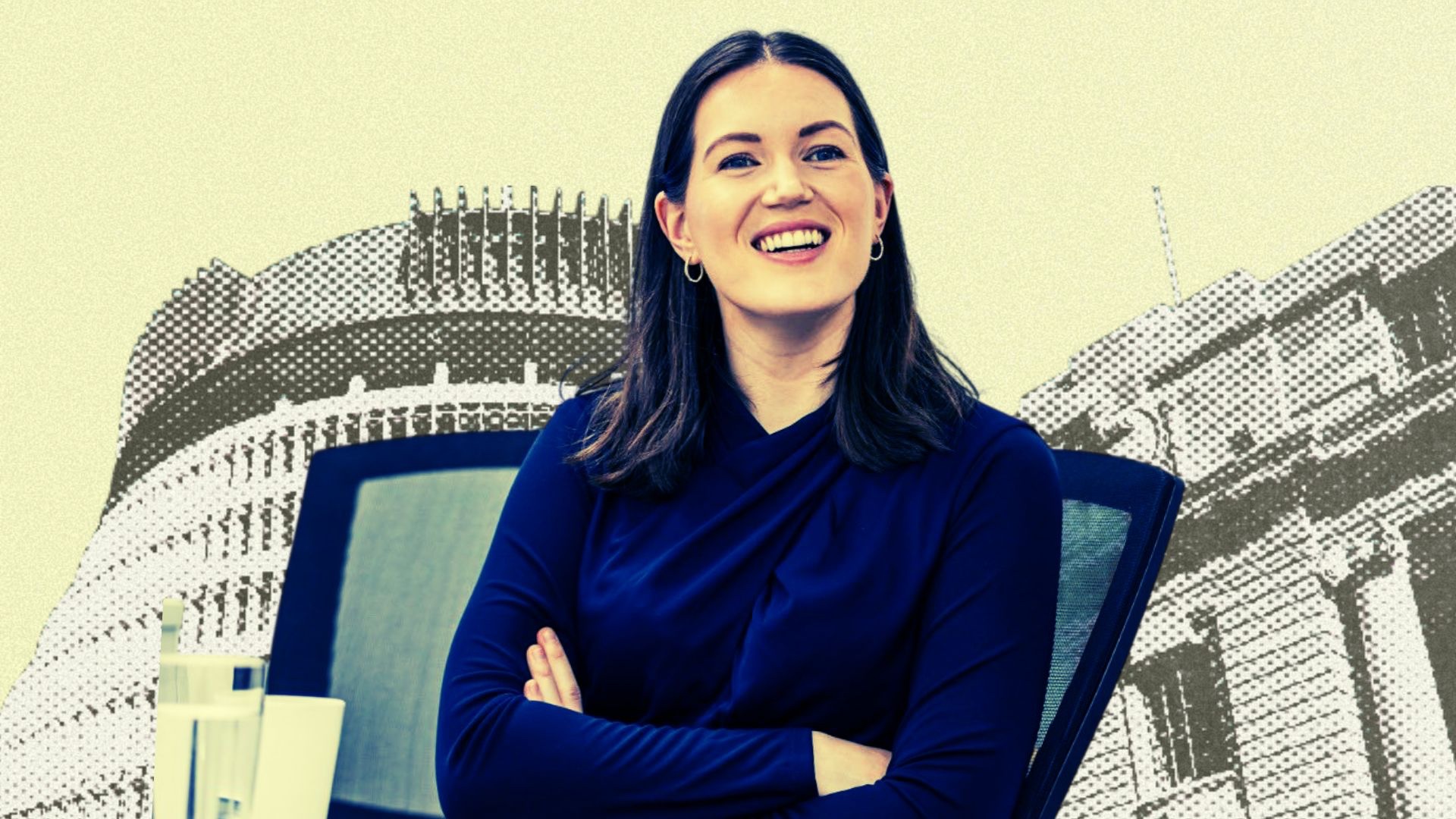
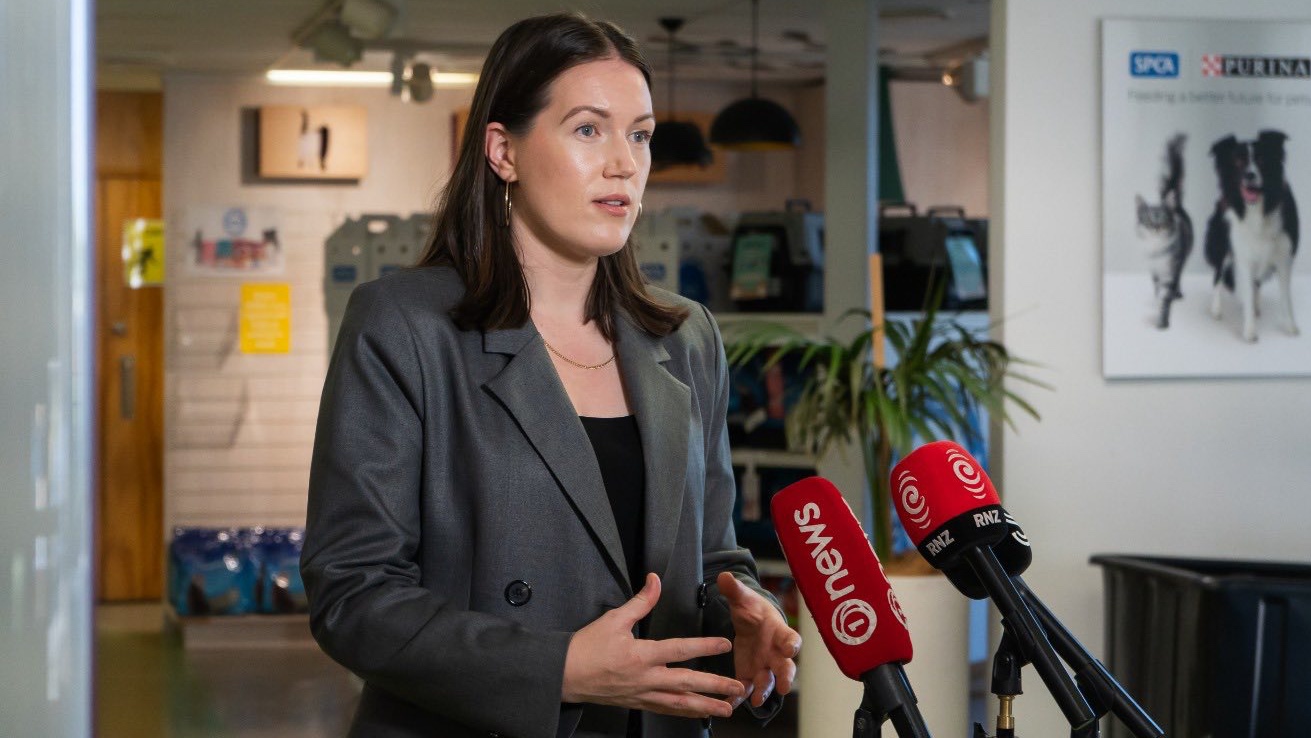
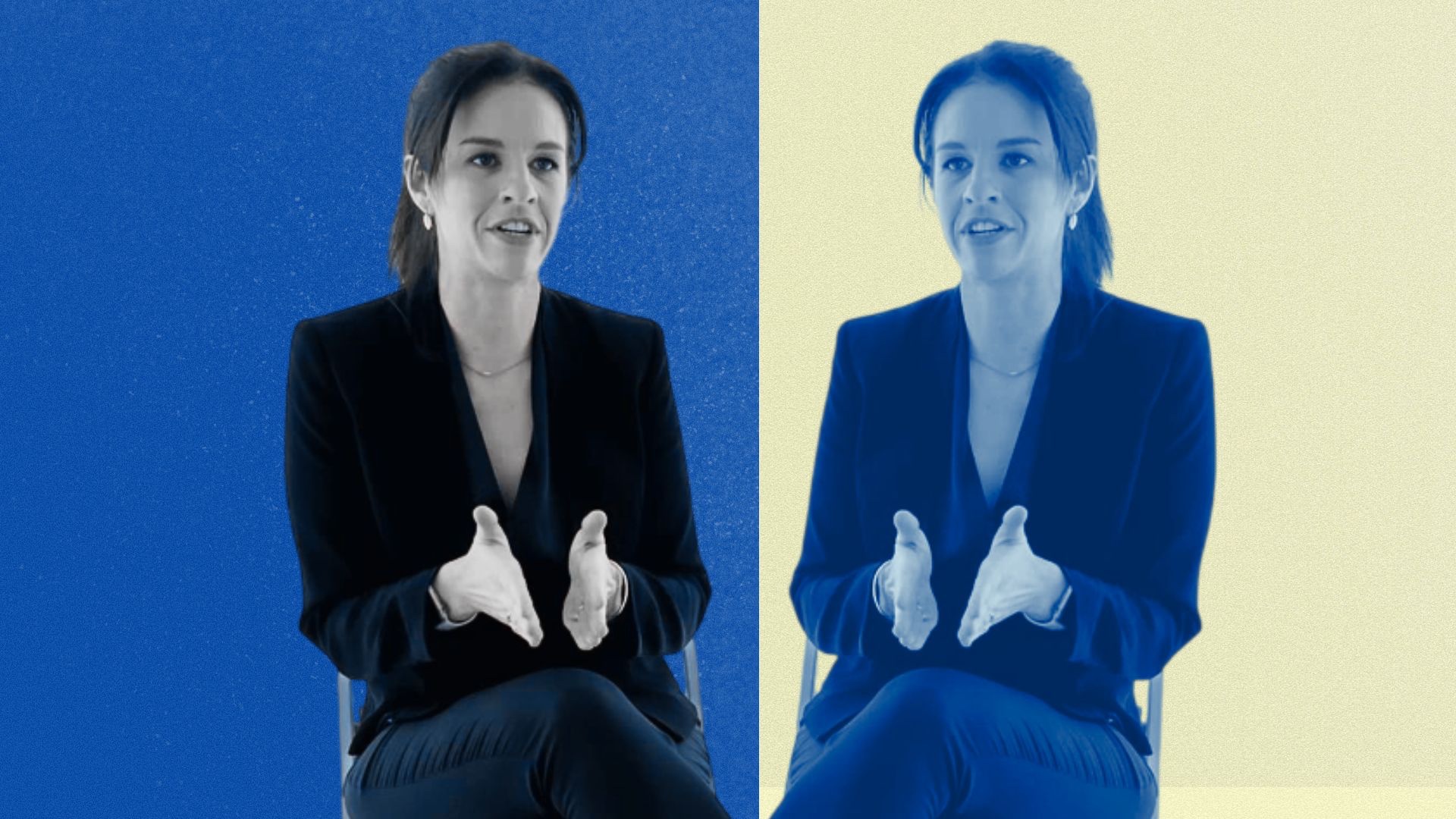
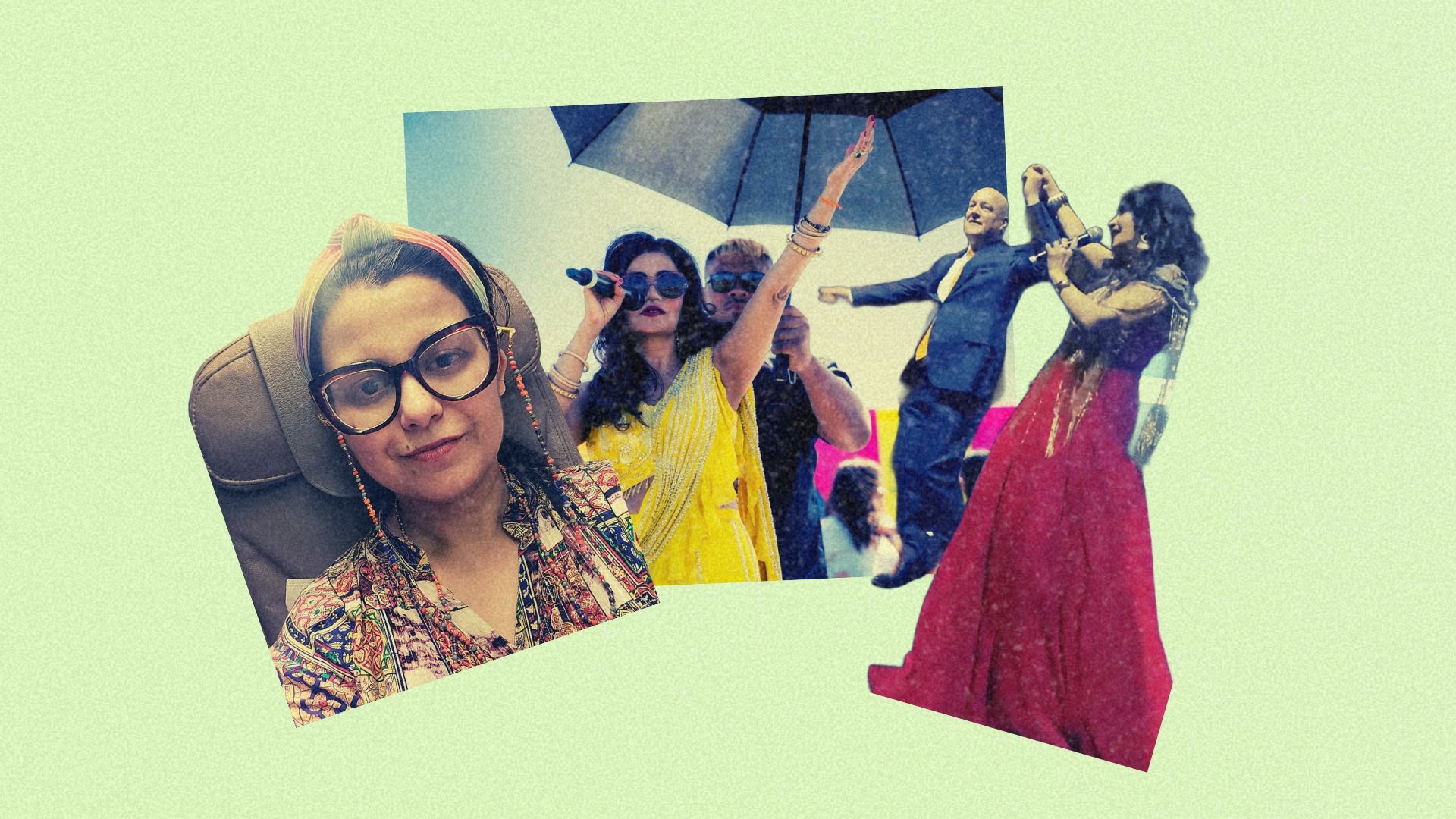
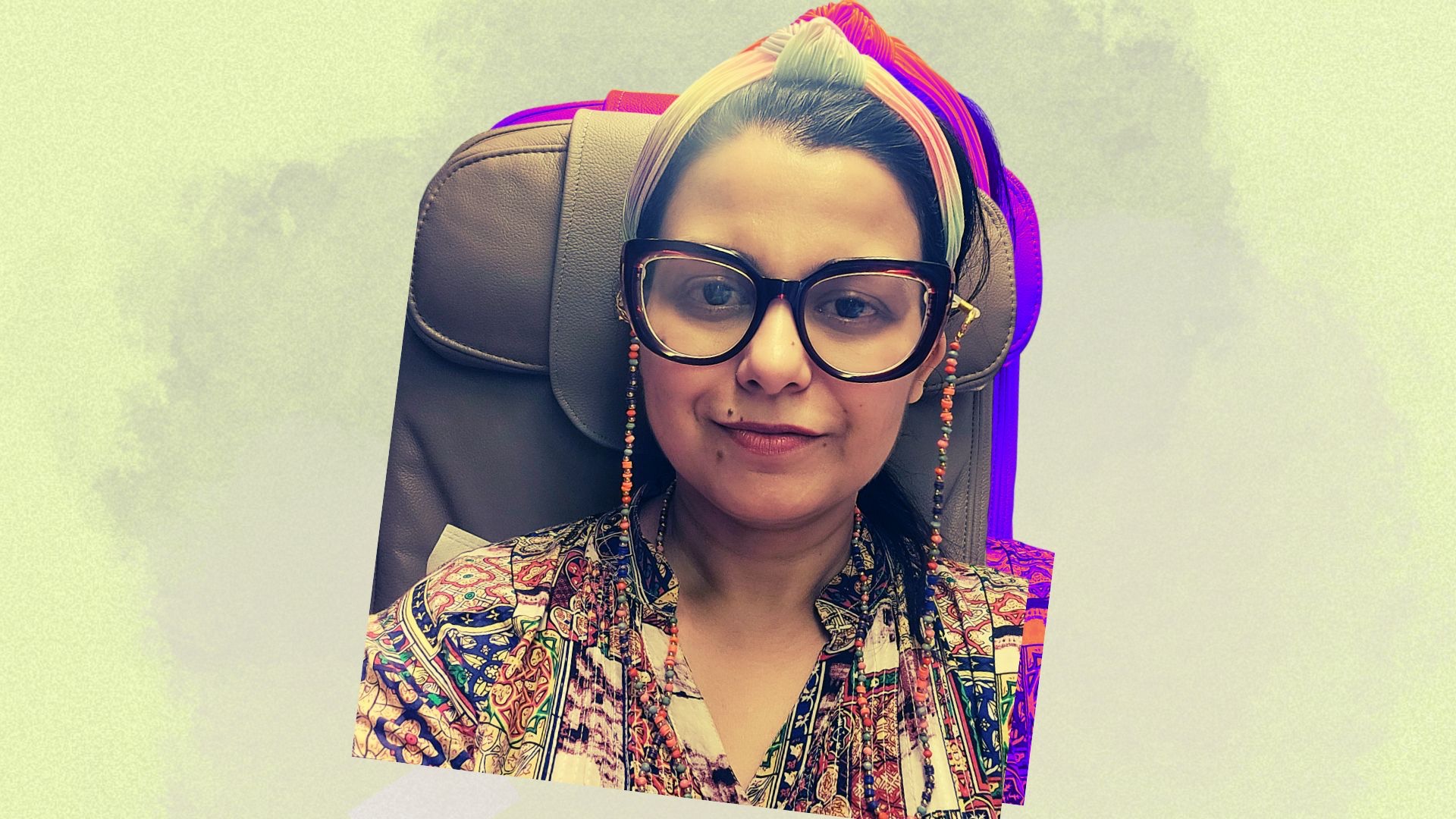
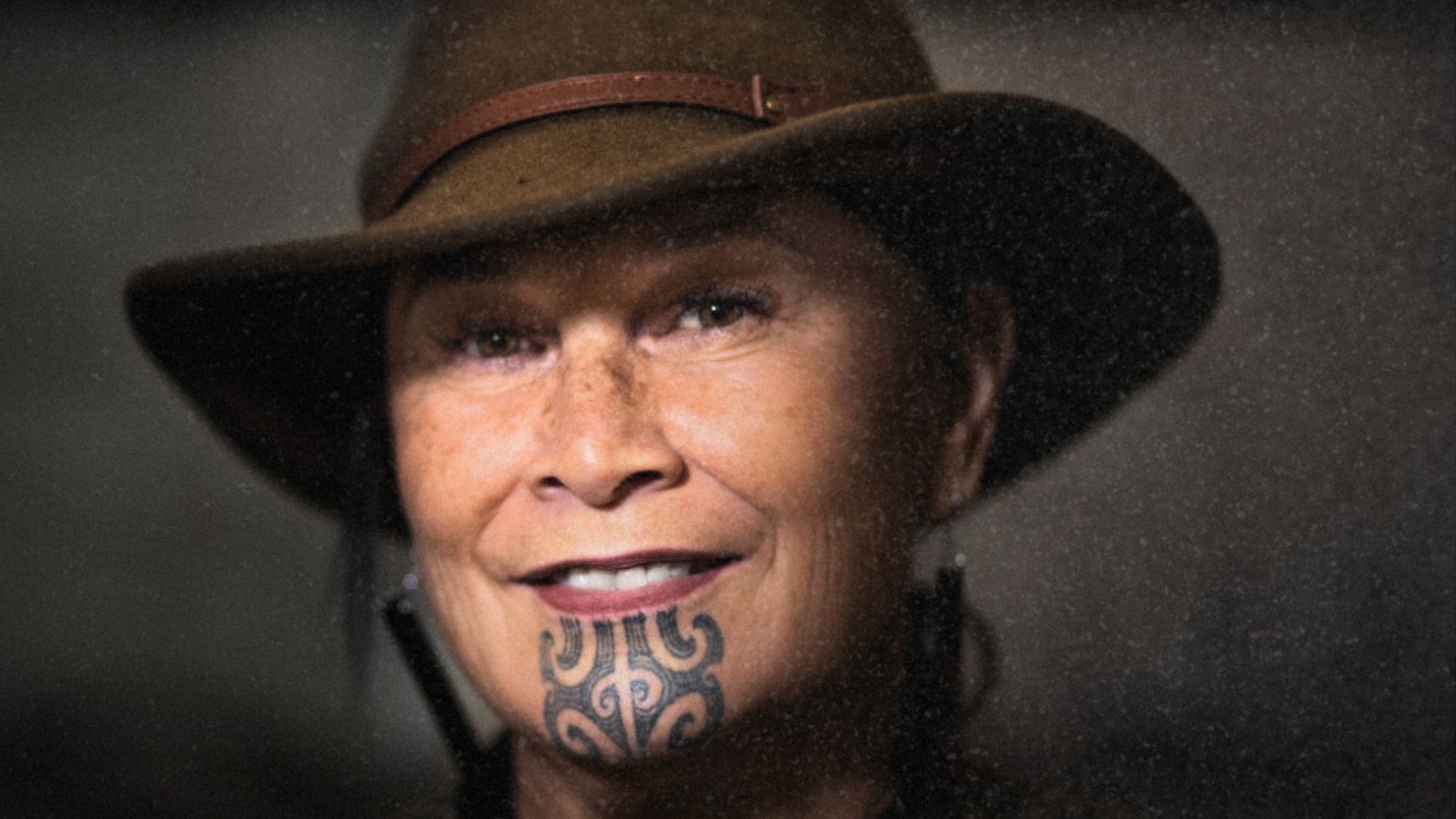
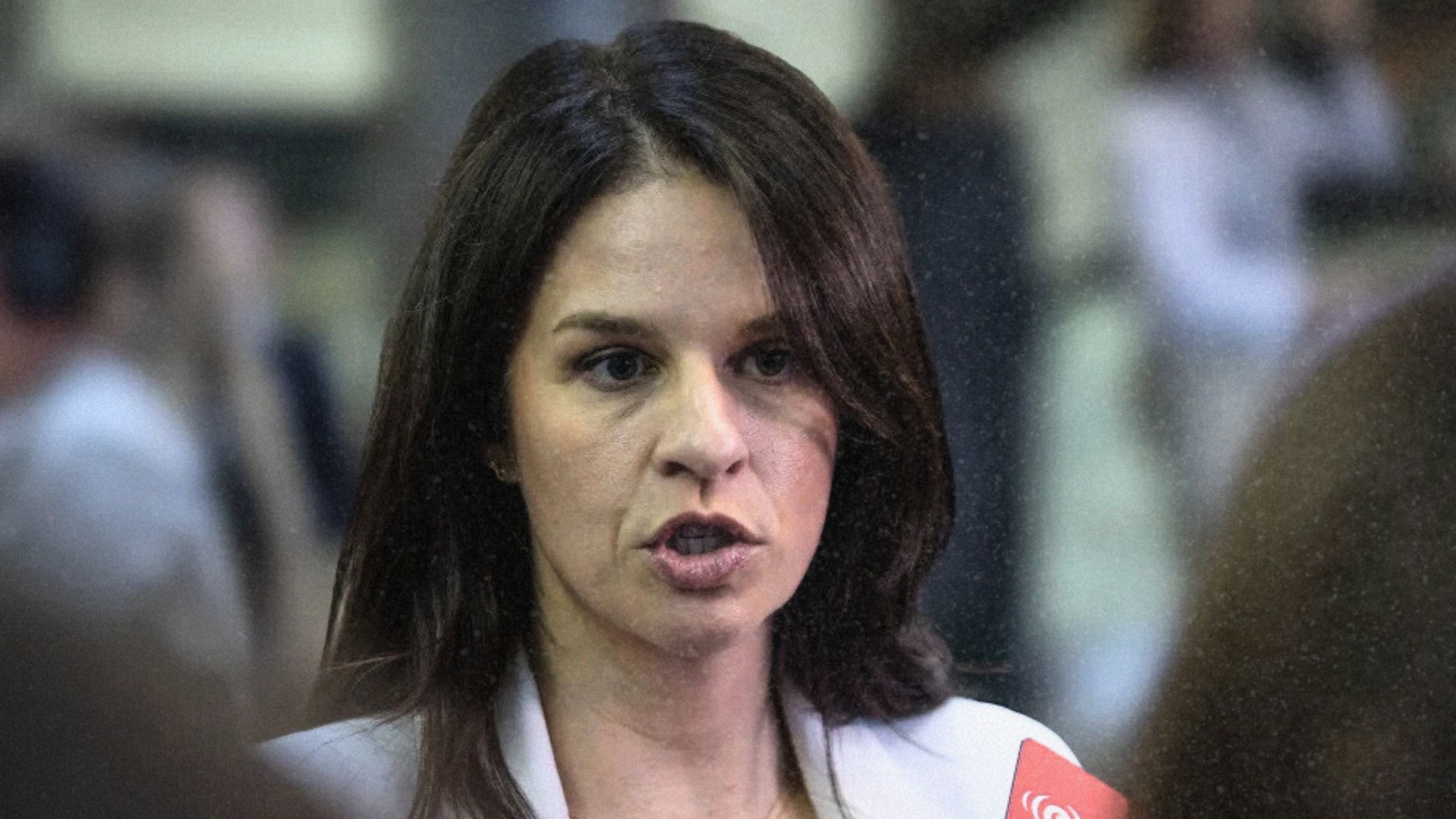
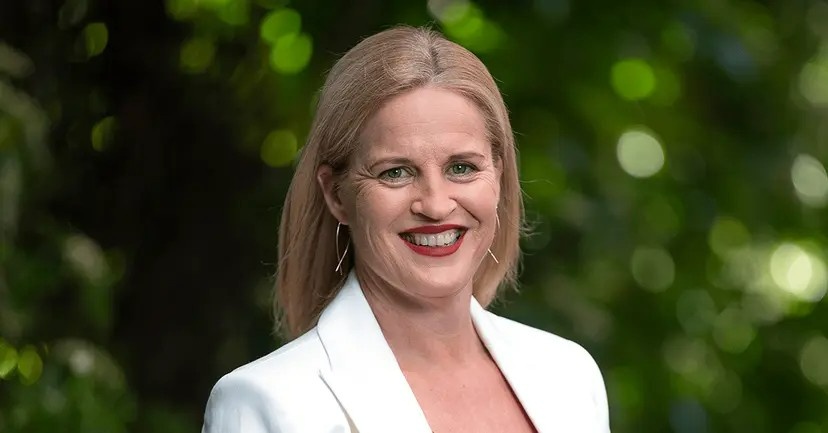
Auckland-based entrepreneur and food writer Perzen Patel.
"Had he really called rai aloo, my mum’s mustard potatoes, curry?!"
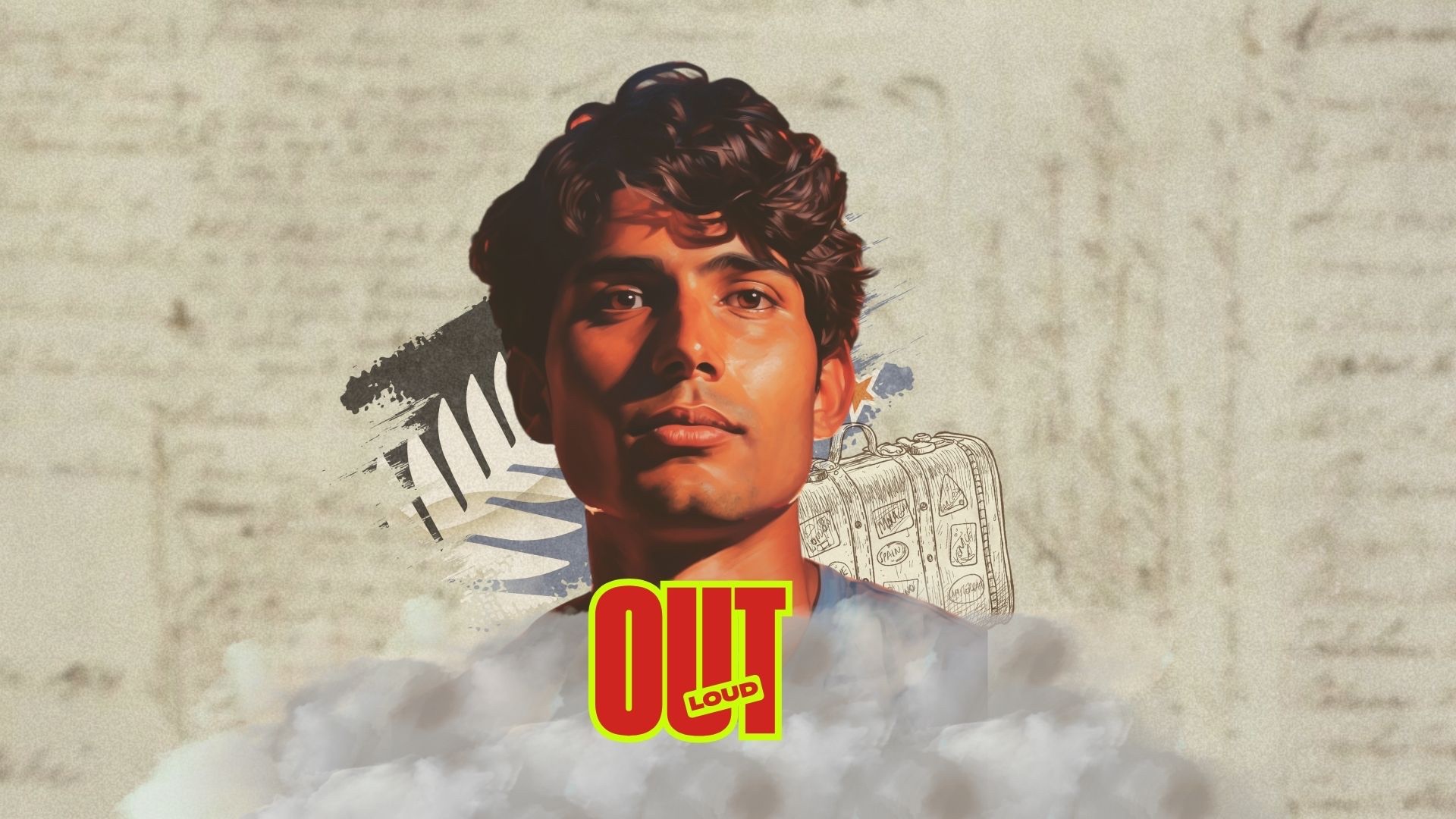
(Perzen Patel is an Indian food expert. This excerpt is part of her essay, 'Home is where no one flinches', originally published by Auckland Council Library as part of their anthology.)
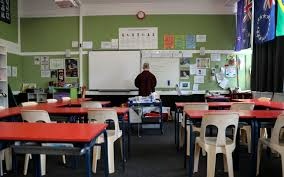
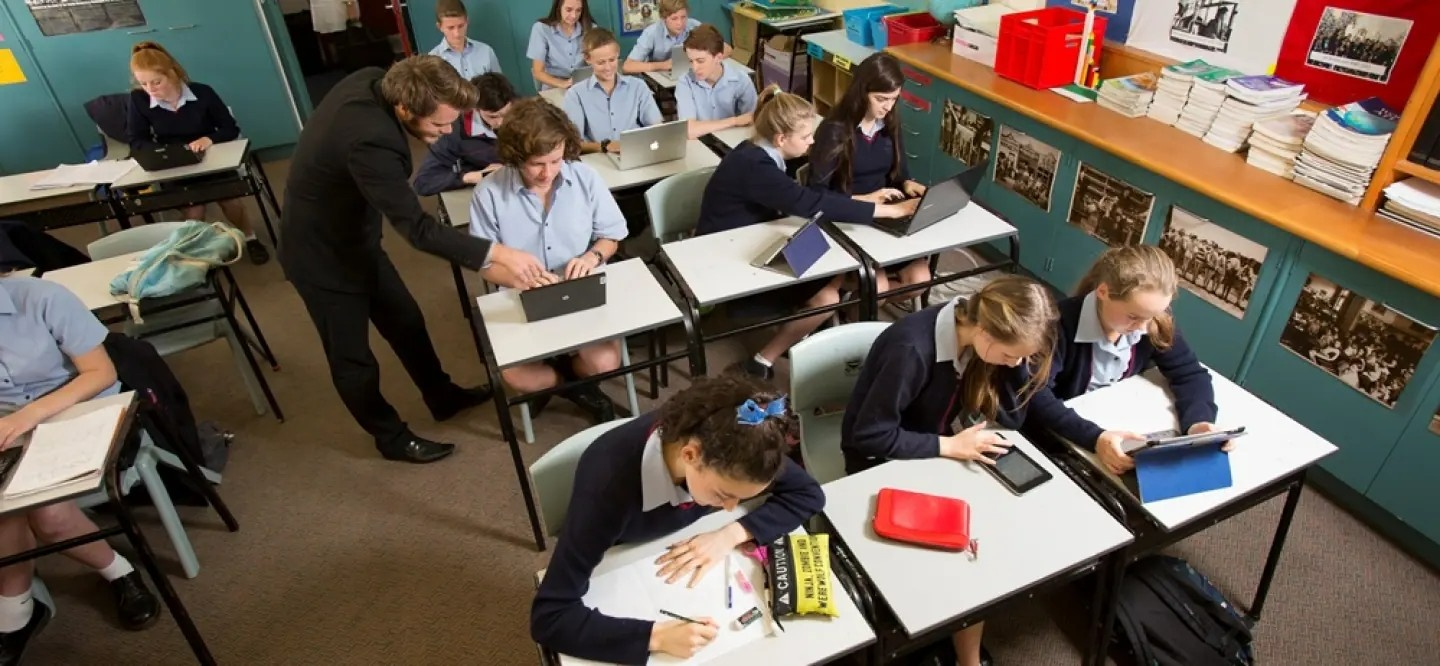
Sitting in a Macleans College classroom half-filled with 15-year-old boys shouting “Penis! Penis! Penis!” I blushed, tomato-red against my brown skin.
Was this some kind of new millennium thing or a weird Kiwi hazing ritual? Thankfully, the bell rang, and I no longer had to decipher what was so funny about shouting that word out loud for everyone to hear.

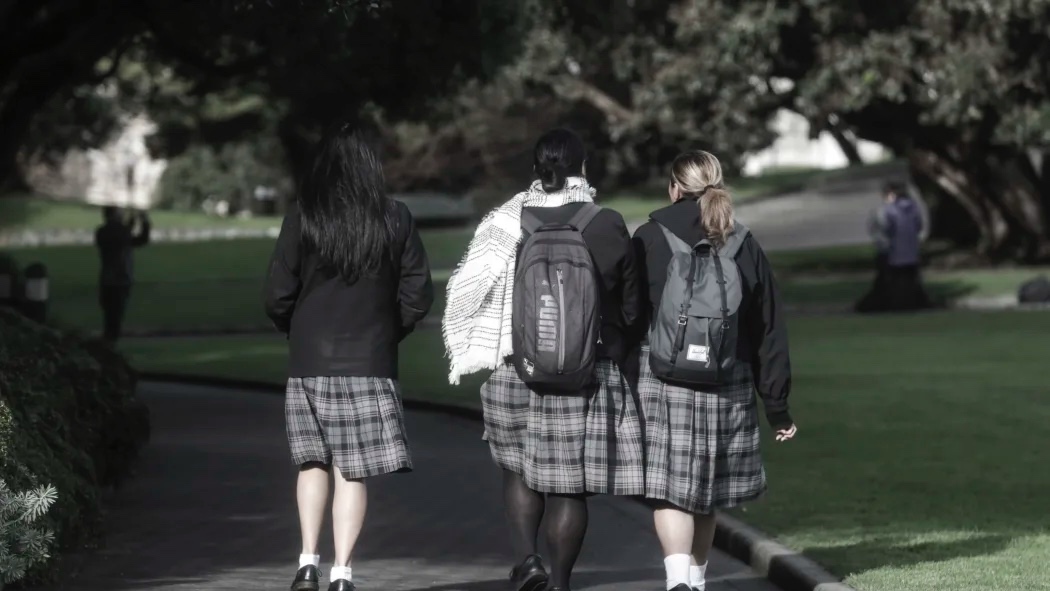
I passed by groups of boys and girls (with their very short skirts) sitting in the sun, unpacking the sticky plastic coating their sandwiches. I felt superior. Their food looked just like them.
Thin. White. Plain.
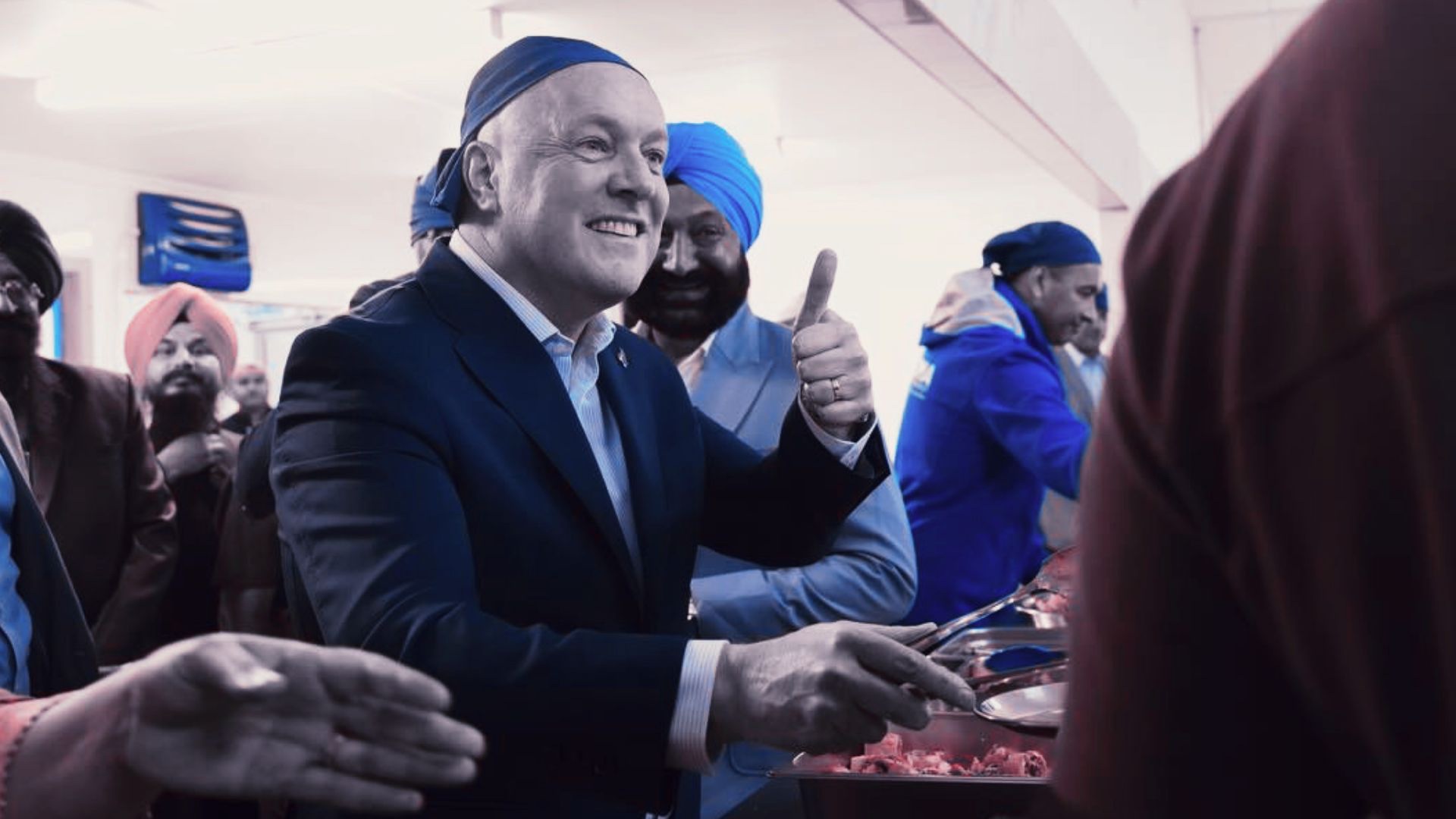
NZ First wants to end birthright citizenship for children of migrants, work rights for students "This set of polices is about taking back control of the future of our country and valuing our unique citizenship the way it should be."
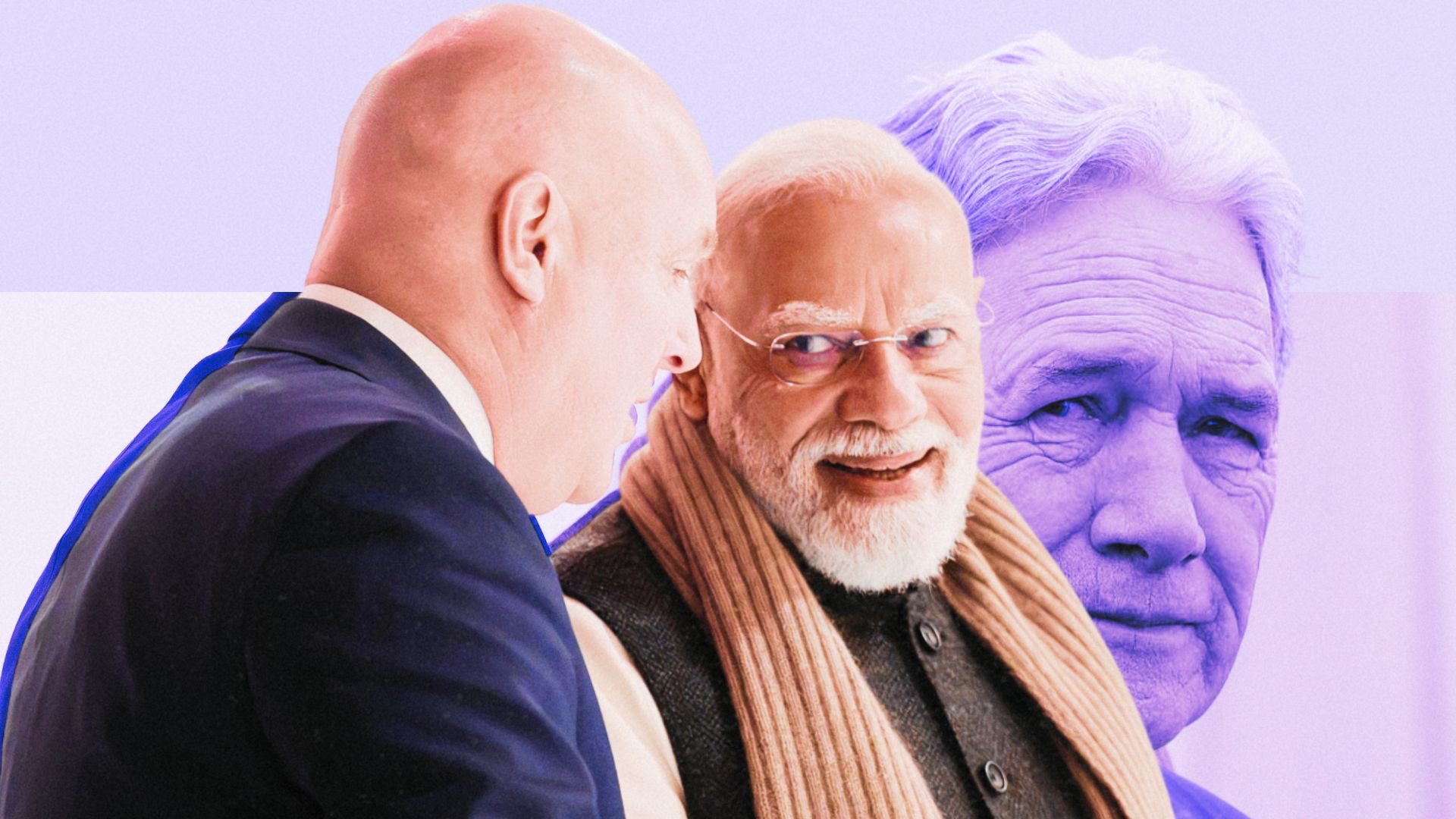
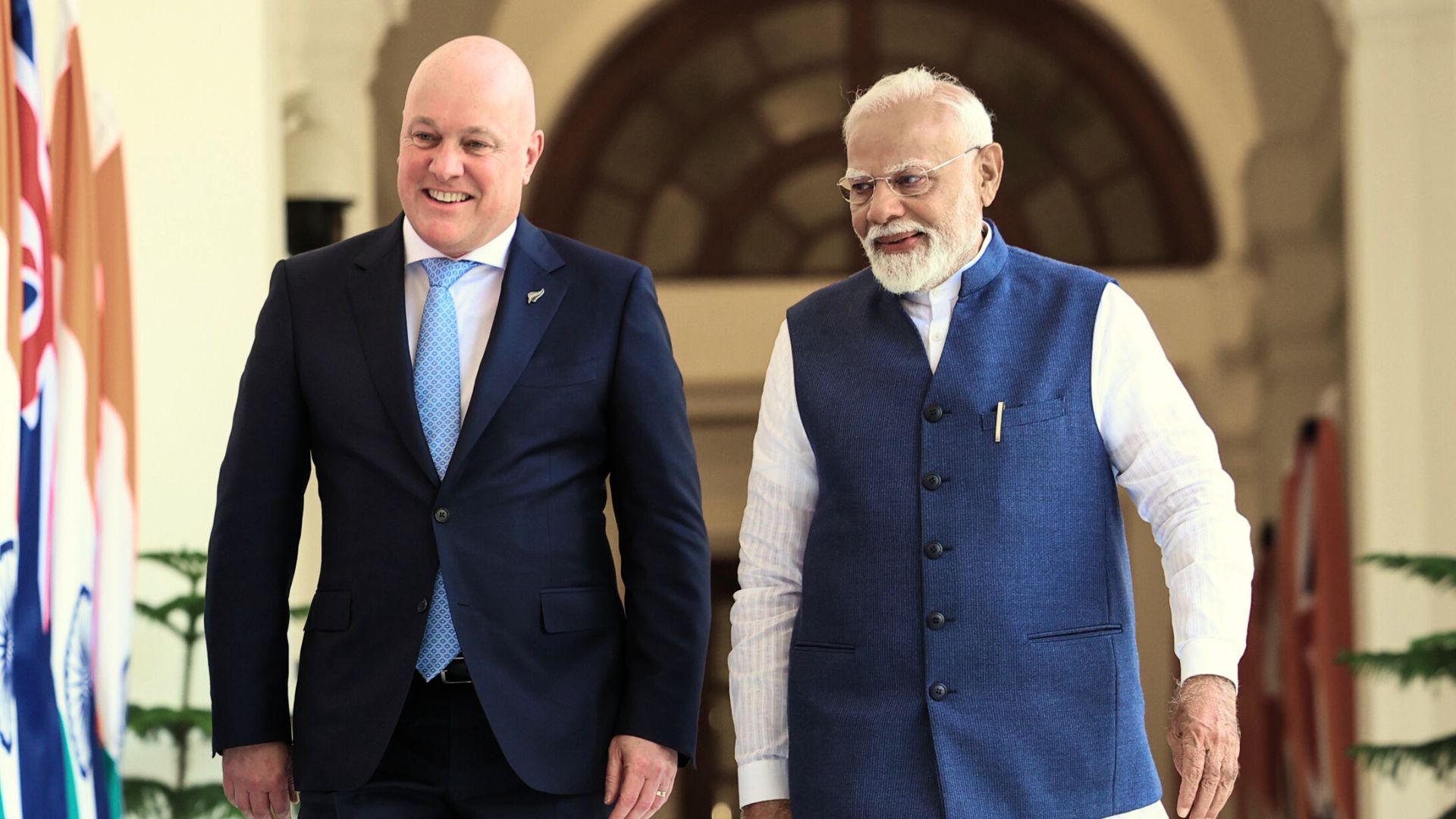
India-NZ FTA gets select committee nod, stage set for anticipated October launch “If that is the case, how exciting is that for New Zealand. Exciting, isn’t it?”
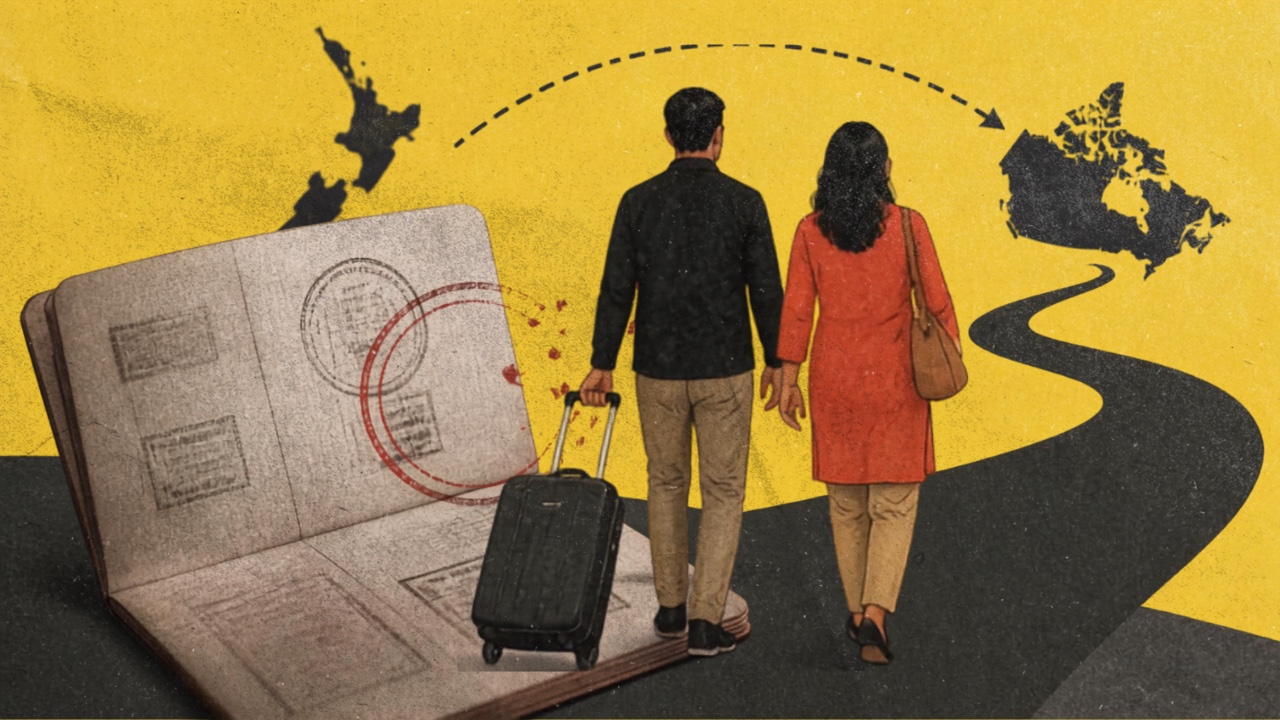
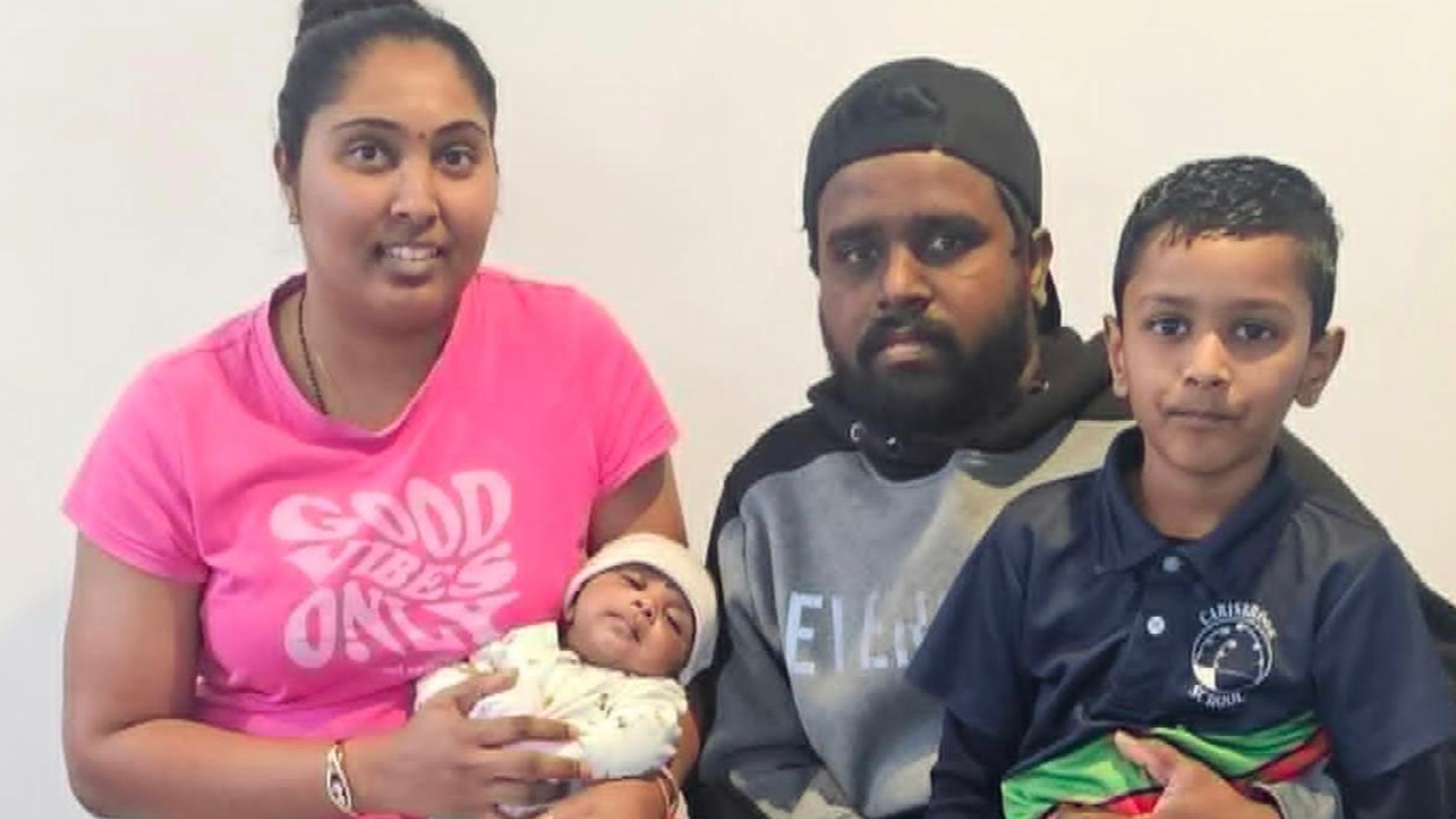
‘Huge mistake’: Indian couple lose New Zealand residence while living in Canada The family had a second shot at applying for permanent residency but they were late by less than a month.
Removing the glass lunchbox Mum had packed, I walked toward the lonely microwave and waited for my lunch to heat up. A tall, red-headed boy, Chris—straight out of my Mallory Towers novel—walked up to me, casually twirling a rugby ball on his index finger.
Everything went a bit slow motion as I admired his weirdly gravity-defying hair and pale cheeks, stained red.
I remember having an out-of-body experience as I realised that I was doing it, I was talking to a boy. The same one that minutes ago had been laughing and shouting “Penis!” Without blushing, without stepping over my words.
We were having a conversation. Until the microwave pinged and I opened the door. The aroma of hot potatoes and mustard seeds filled the room. Chris took one look at the crispy, curled-up curry leaves in my box, wrinkling his freckled nose.
“What’s that? Is that curry you’re eating then? For lunch!?”
I’ll never forget him backing away. I lowered my head, unsure if I’d heard him correctly over his thick accent. Had he really called rai aloo, my mum’s mustard potatoes, curry?!
I saw him later, back at the picnic table, laughing with a group of girls about the plump Indian girl who brings curry for lunch. Very much back in my body now, I checked if anyone else had caught the aroma. Of the mustard seeds, of the curry leaves, of those delicious potatoes cooked in ghee that were making my stomach growl.
I closed the lunchbox, uneaten, just in case. Another lesson learned. If I were to survive in this city, lunch needed to be cold, limp sandwiches. Or sausage rolls. Plain, generic food. Devoid of colour and possibly, flavour.
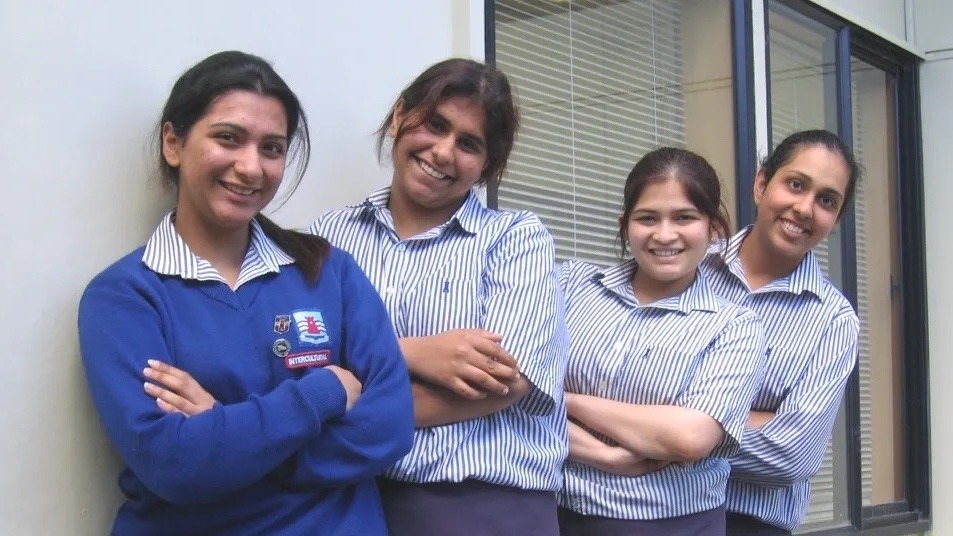
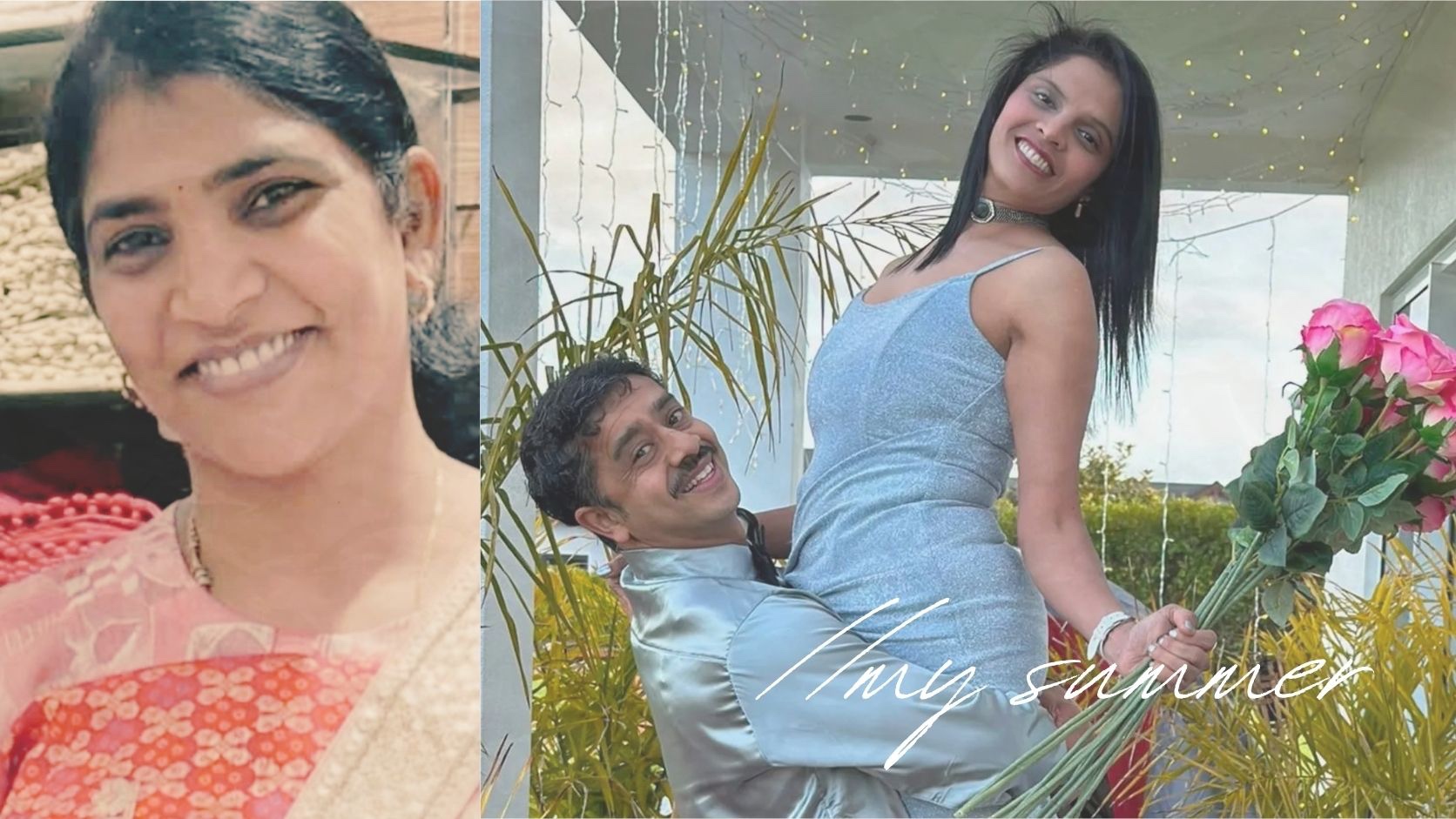
Last day at Macleans College when Perzen no longer cared what she ate for lunch. (Supplied photo)
At home that night, I let loose. Didn’t Mum know? Even lunchboxes had rules in New Zealand. Heating your food was tantamount to social suicide. The smell of spices was a dead giveaway that you were fresh off the boat—even if we’d arrived on a plane.
“Can you just make me a sandwich?” I begged, ignoring Mum’s confused, teary eyes. “Like a normal lunch. Just for school. I’ll eat the aloo at home, I swear.” Mum didn’t get it, of course. Why would she? She hadn’t spent the day being laughed at. Except, she had.
Years later, she opened up about the time I rejected her food. It was the same day as ‘bring-a-plate-gate’. Two days into her temp job, someone had said, “Hey, it’s Jack’s birthday, don’t forget to bring a plate.”
So, she did – the nice blue one with the birds. The one my grandma, Dolly Mumma, had insisted she take. An empty, clean plate.
Somewhere between the damp house and spending her day pretending she understood what her boss was saying (even though she was an English major), the dots had not connected that ‘bring a plate’ meant bring food.
Mortified, she ran down to the shops and bought the cheapest thing she could find: a plastic punnet of pre-cut fruit that was going to blow the week’s food budget. No one touched it. She came home that night humiliated, and my rejection of the lunch that she had woken up early to cook was just what she needed—not.
For lunch the next day, Mum packed me the sandwich I wanted. Except, because her heart couldn’t take packing a lunch she knew I’d hate, she slathered on some of her minty, spicy green chutney. I stared longingly at the toaster sitting by the microwave, but I was scared that toasting it might activate the dreaded chutney fumes and instead walked outside to the picnic table.
Chris-the-penis-shouter was there.
He looked up from his sausage roll. This time, I didn’t flinch, but bit into my chutney sandwich as I glared down at him and his posse. I would fit in.
Mum, on the other hand, clearly didn’t understand how big a deal this whole food thing was. She continued to fry kheema kebabs at home, slow cook prawn curry on Sundays and batch cook dhansak for the week.
The spices wafted toward the front unit, grumpy old neighbour be damned. In her mind, she was already making sacrifices. To this day, I tease her about her coriander gripes.
“Who the heck pays 112 rupees, a whopping $4, for a sad, thin bunch of about-to-go-brown coriander? Especially if you have to drive 14 kilometres to the sole Indian shop to get it,” she’d say to cover up the fact that we couldn’t afford our favourite garnish.
She still wanted home. I just wanted to survive here.
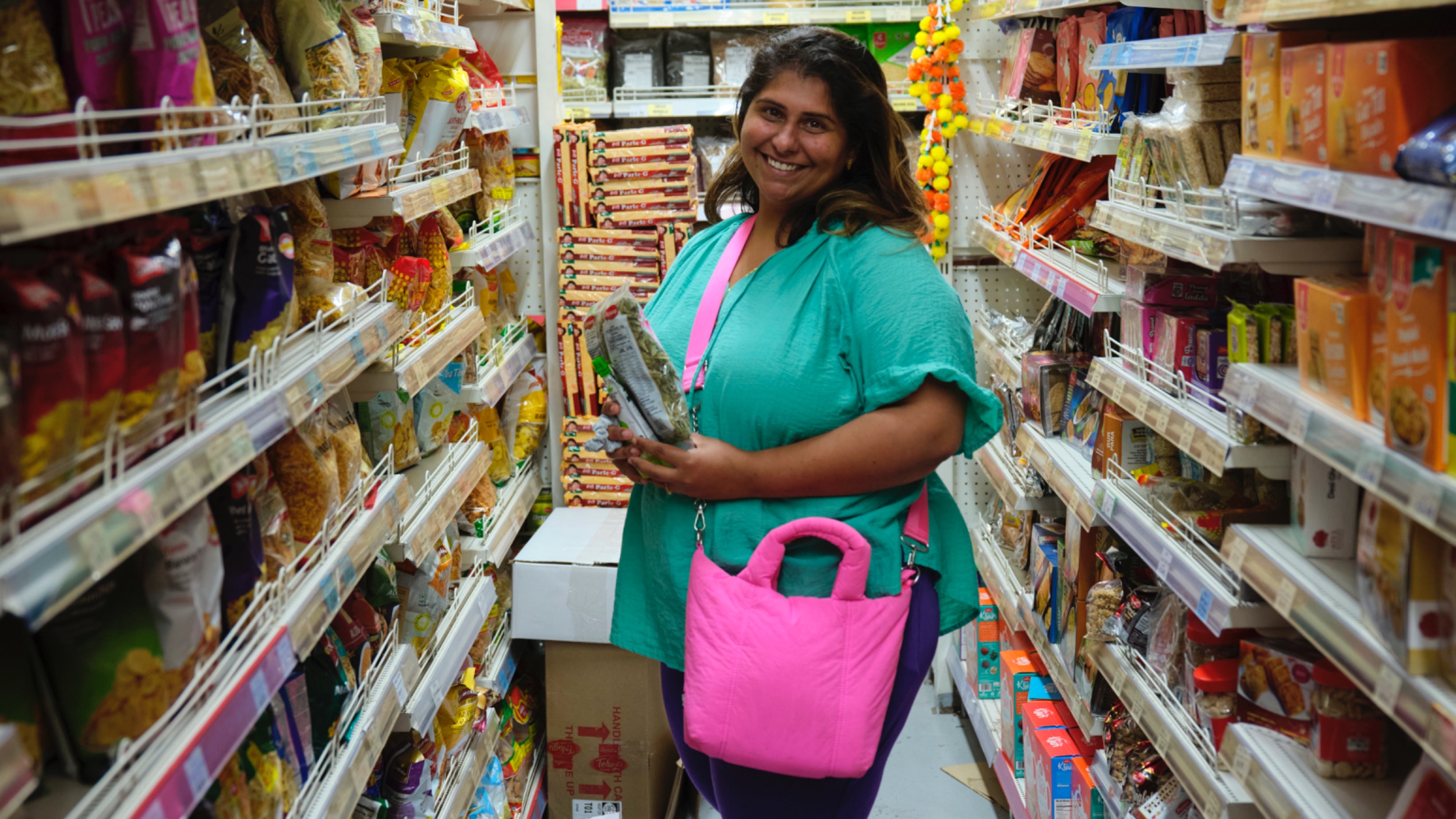
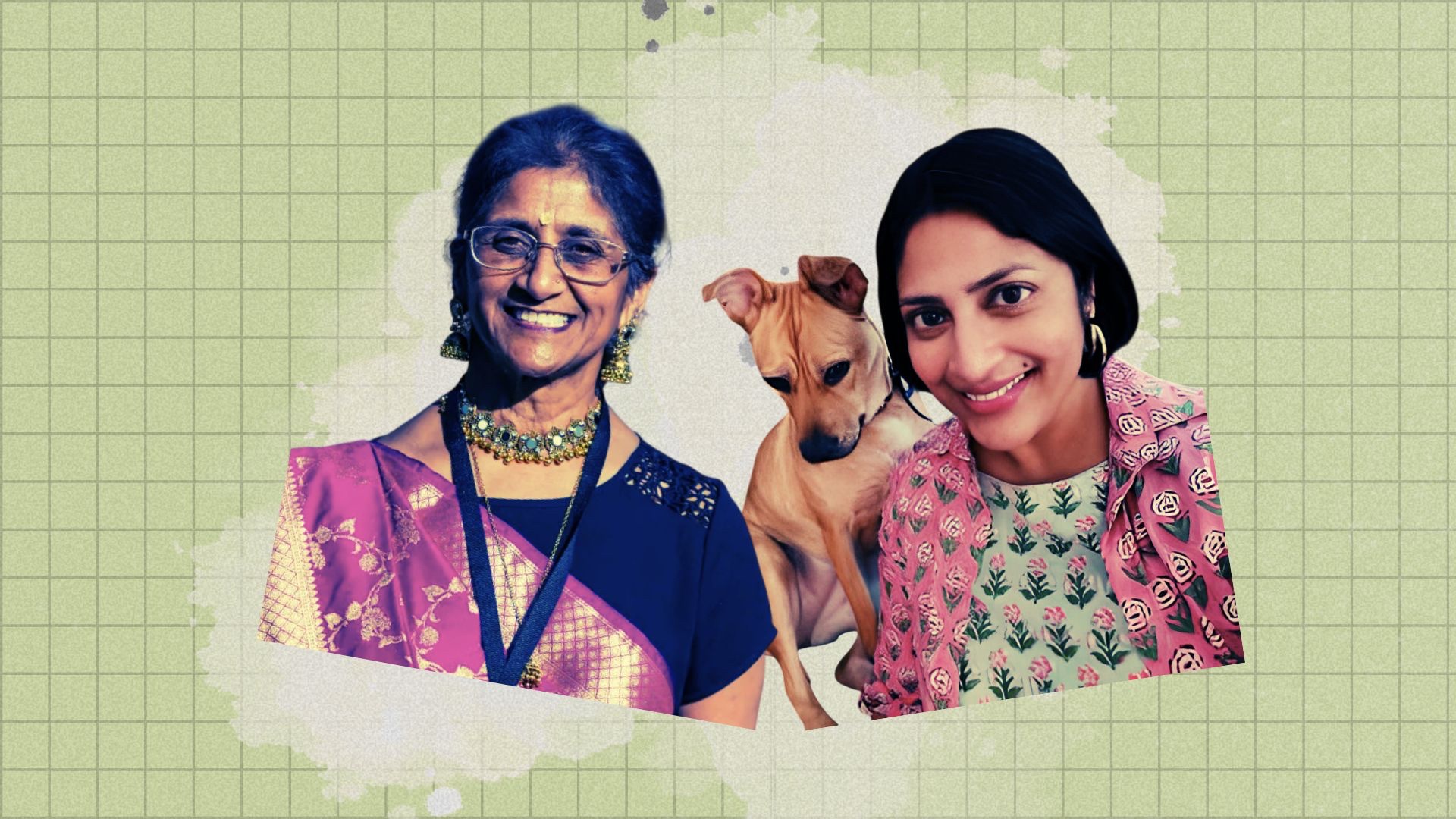
(Perzen is an Indian food expert. The eating kind. She is the co-founder of Dolly Mumma, an Indian curry paste and spice blend company taking Kiwis beyond butter chicken. Perzen has lived equal parts of her life in New Zealand and India and still can't pinpoint which one is home. She writes about identity, belonging and parenthood through the lens of food. Read more at Beyond Butter Chicken.)