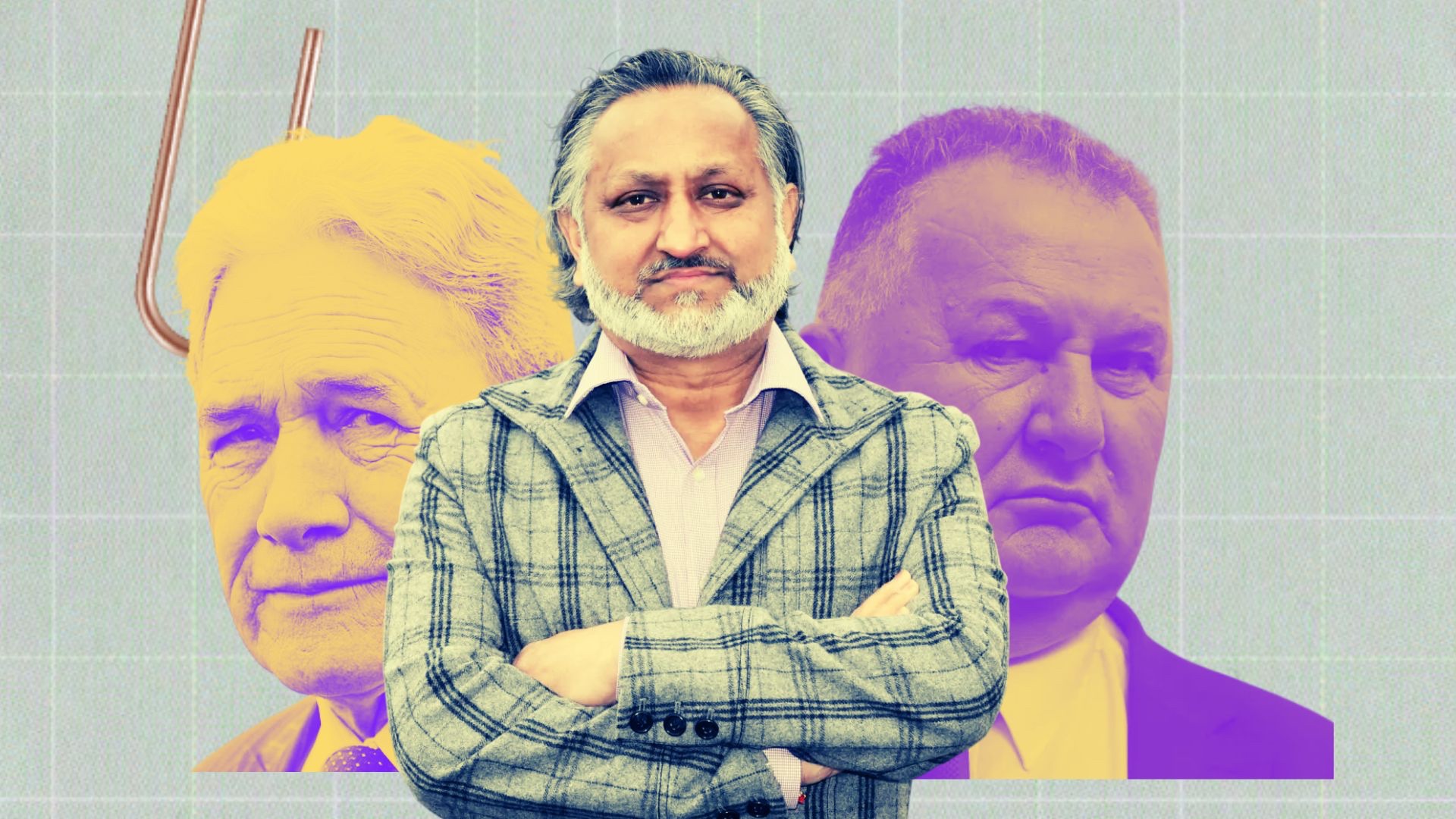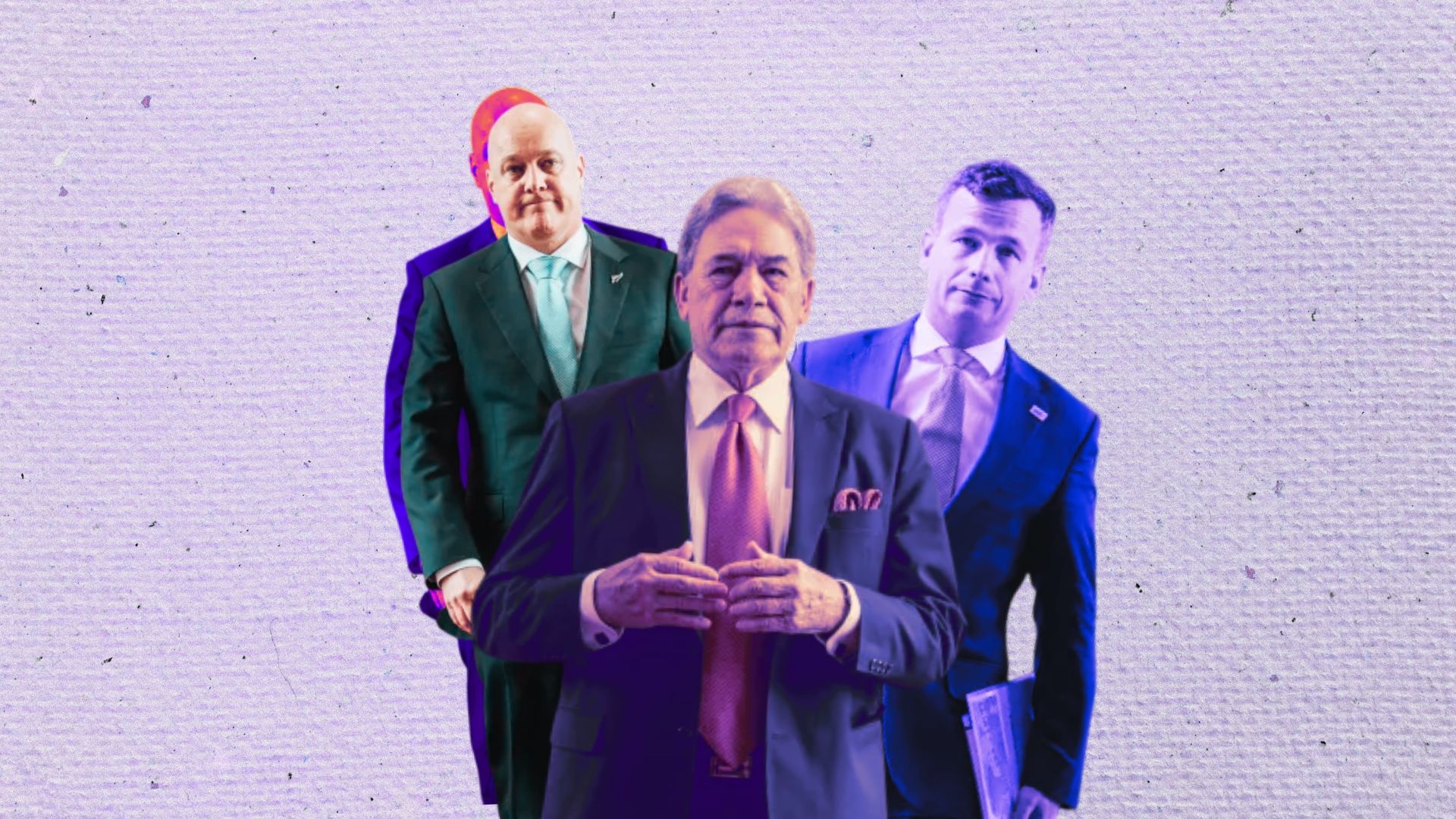

'Ethnic makeup' doesn't spook Winston Peters. 'Societal makeup' is the concern, he says
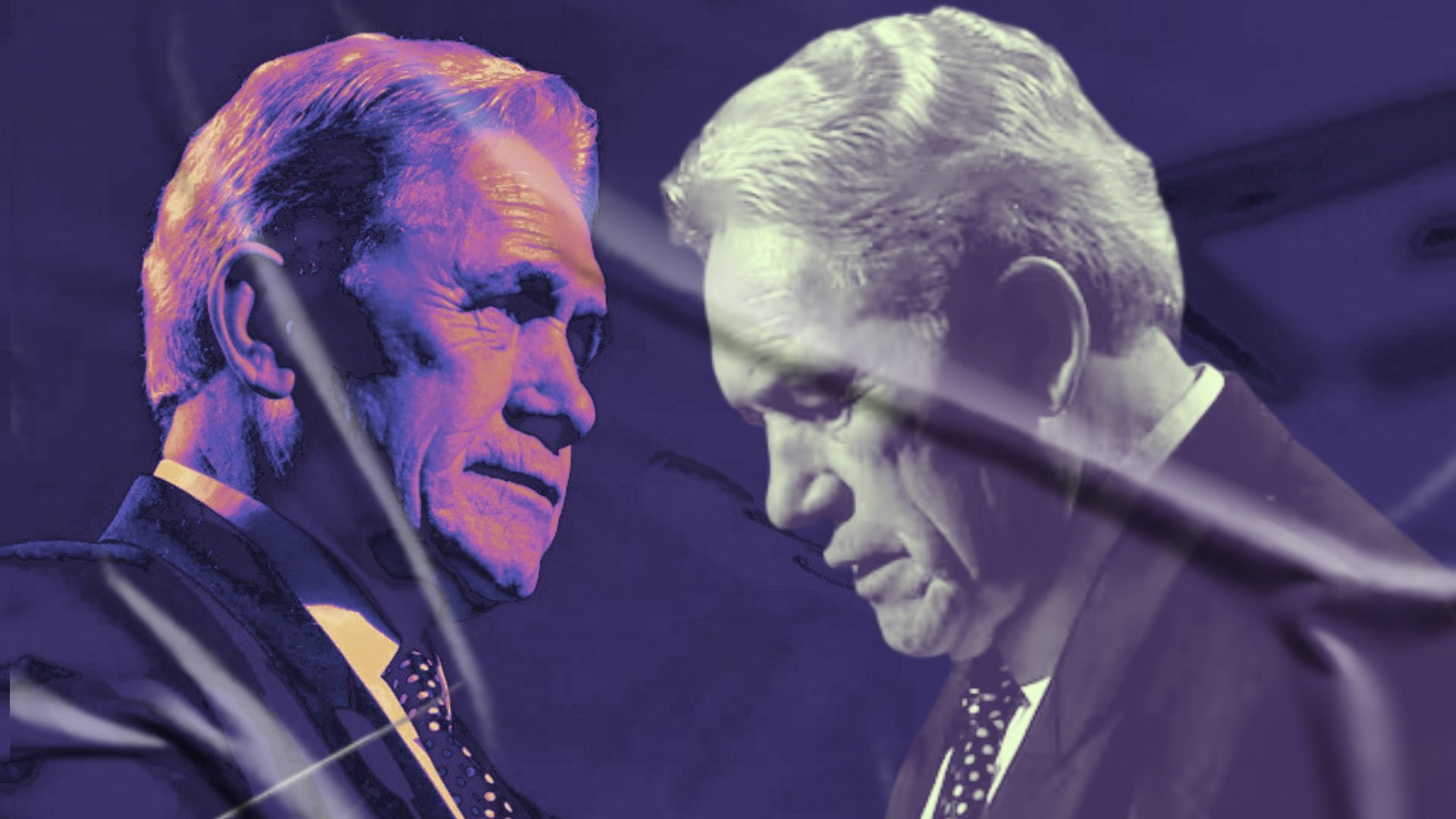
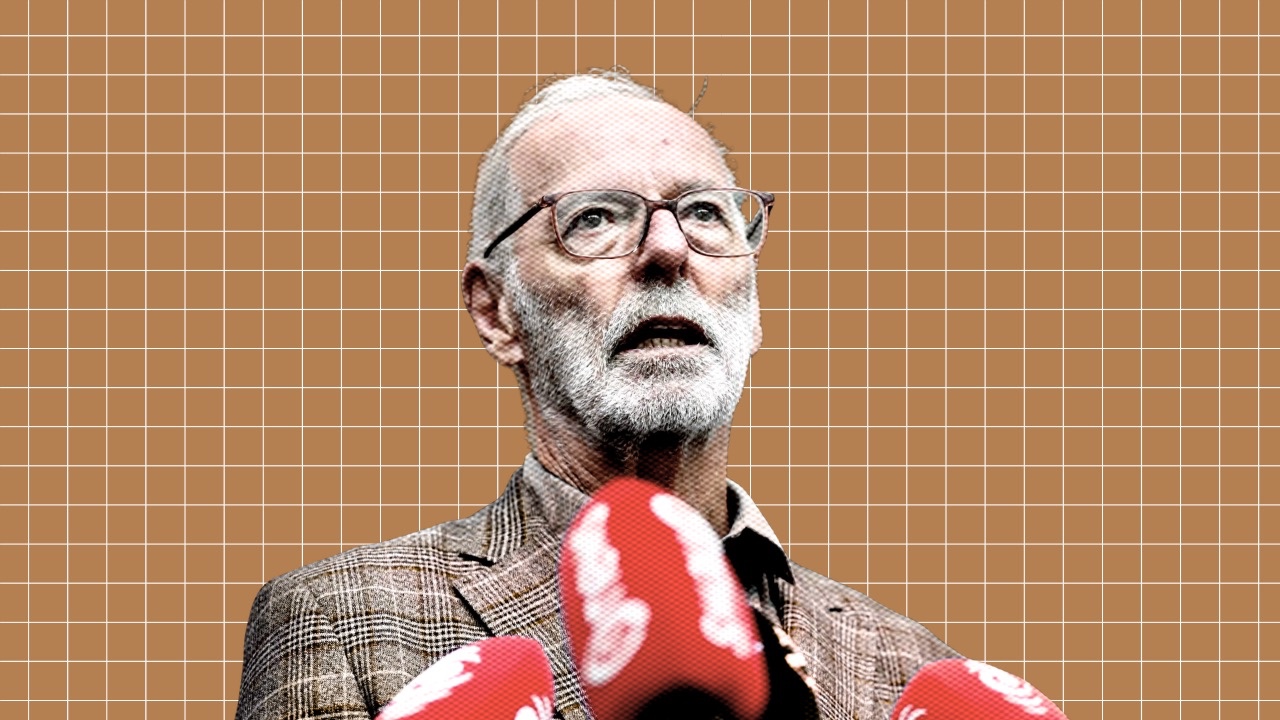
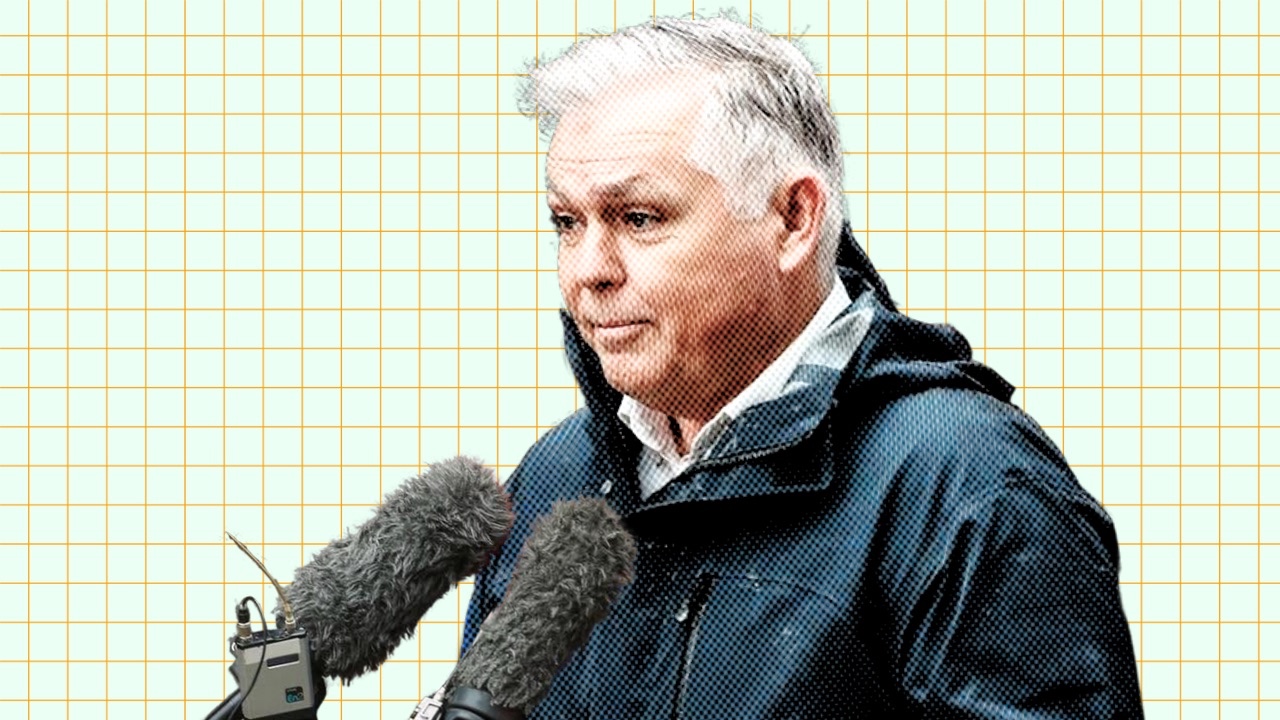
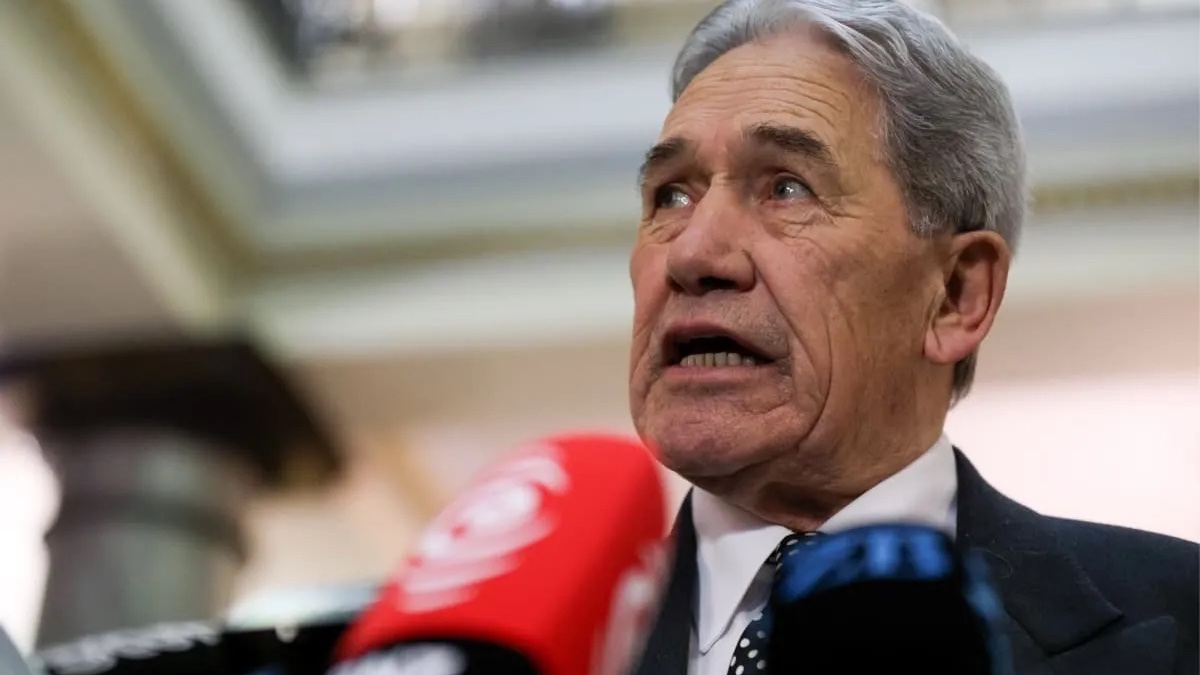
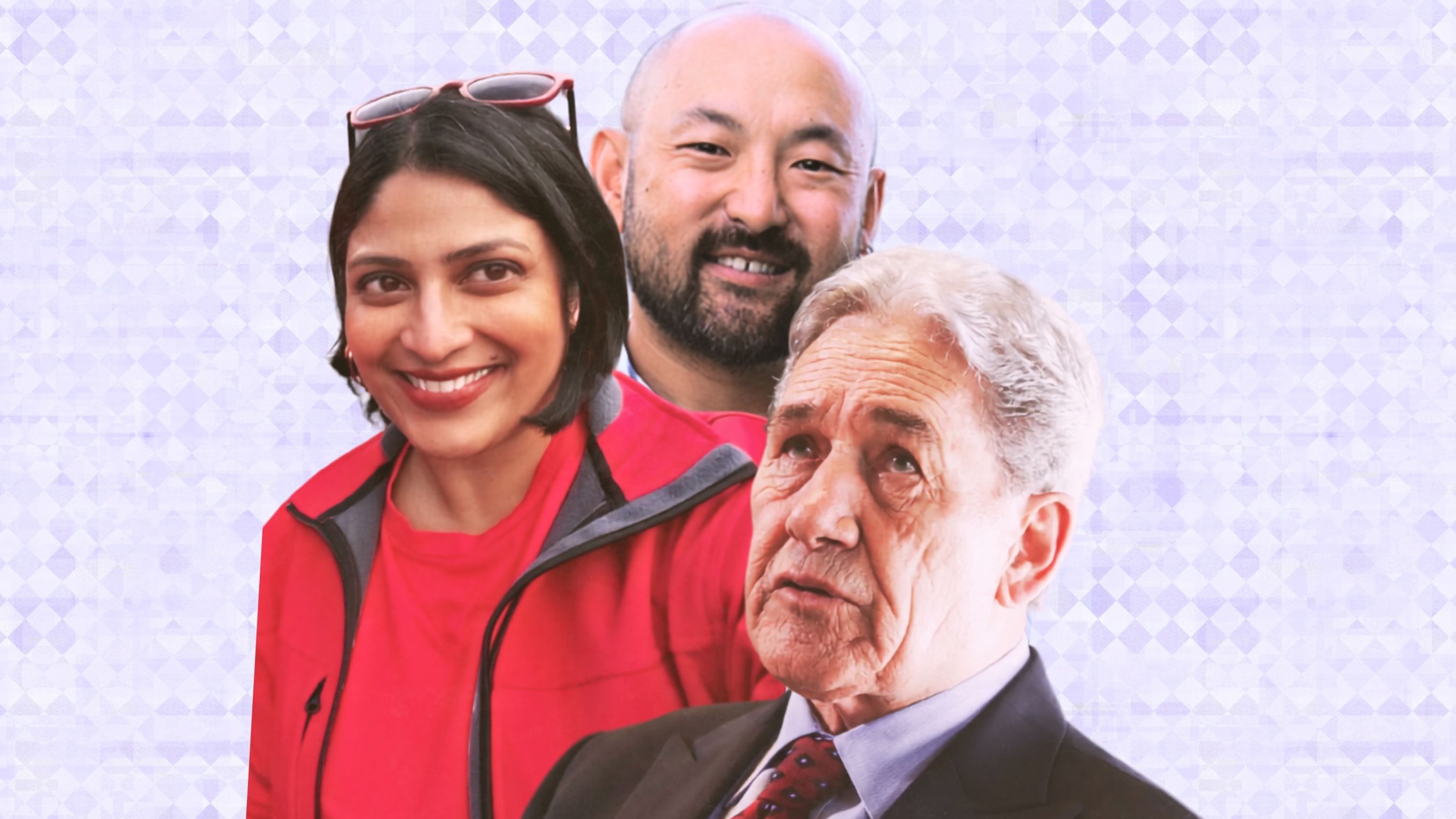
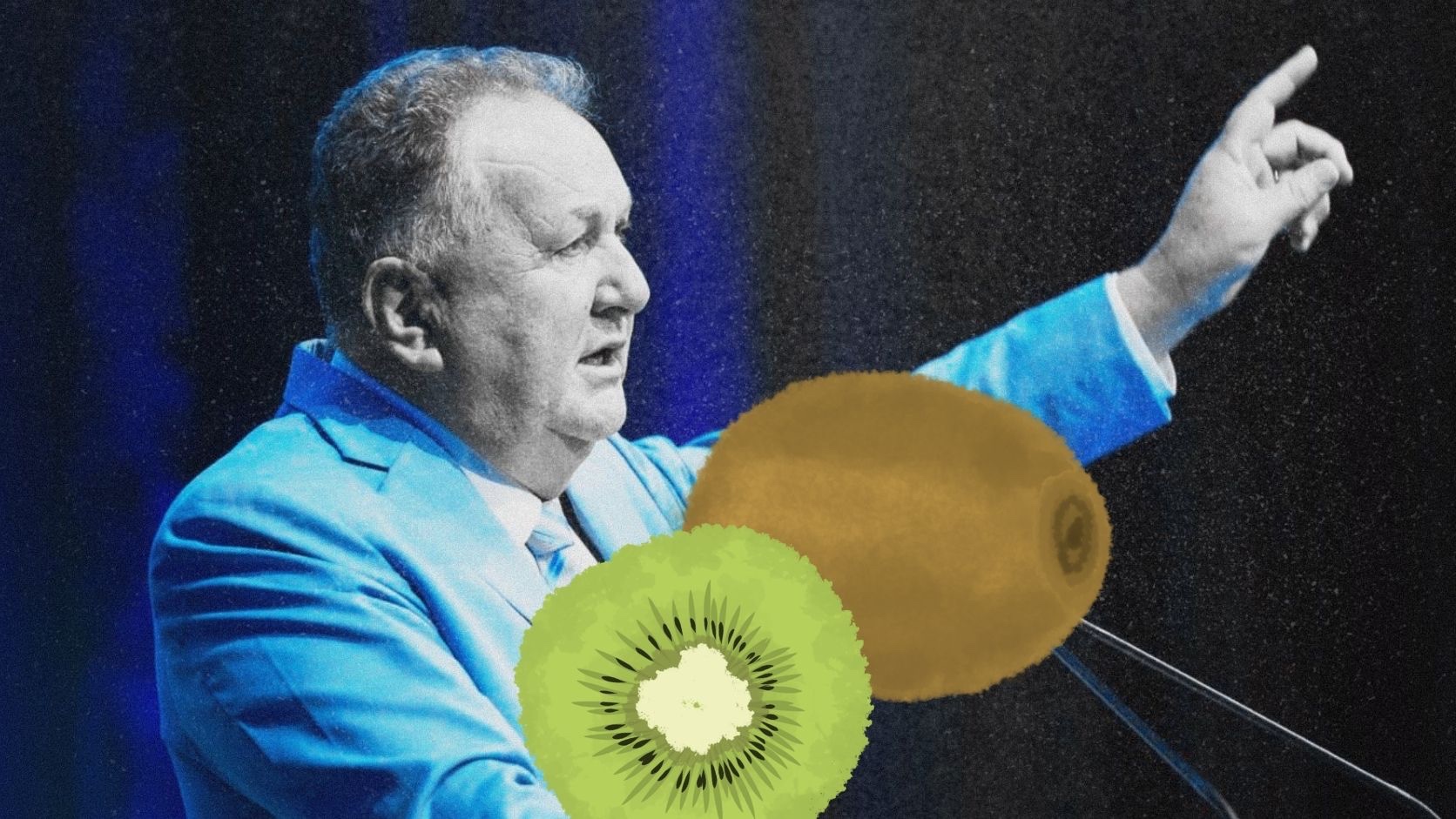
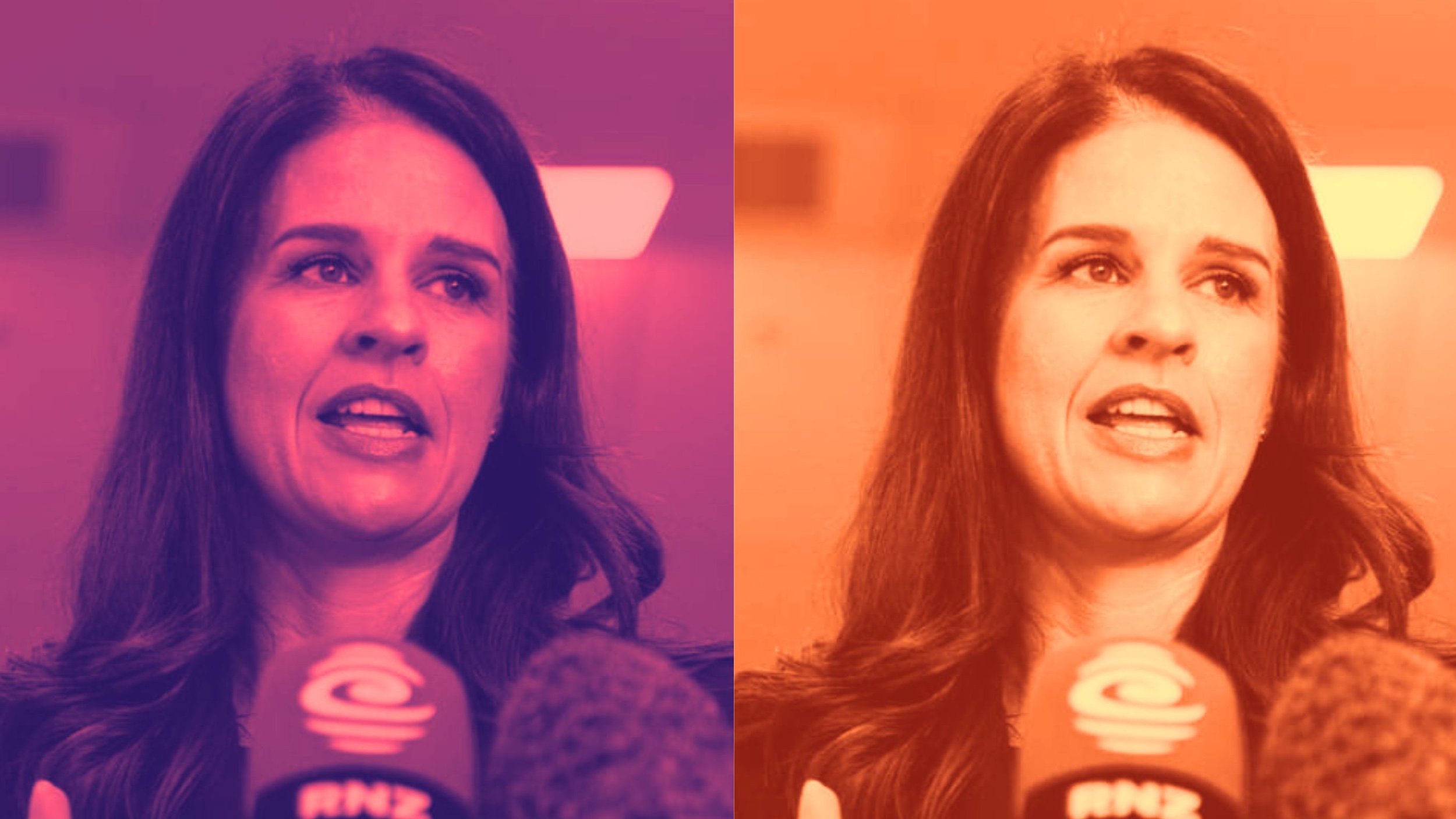
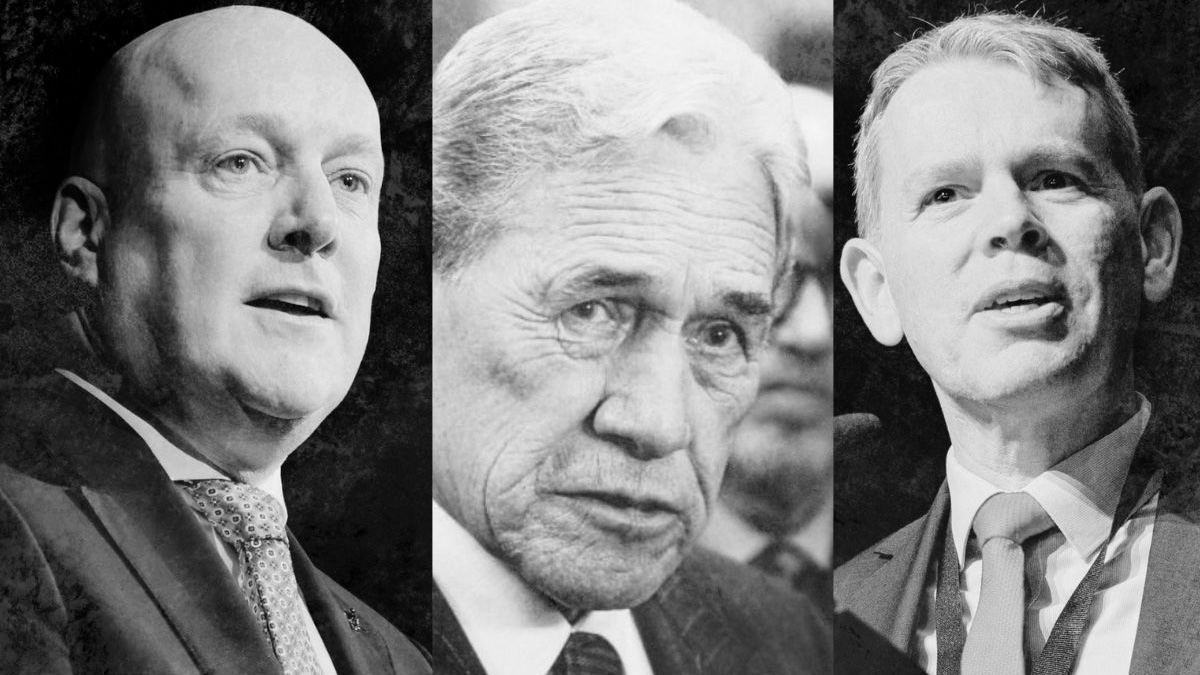
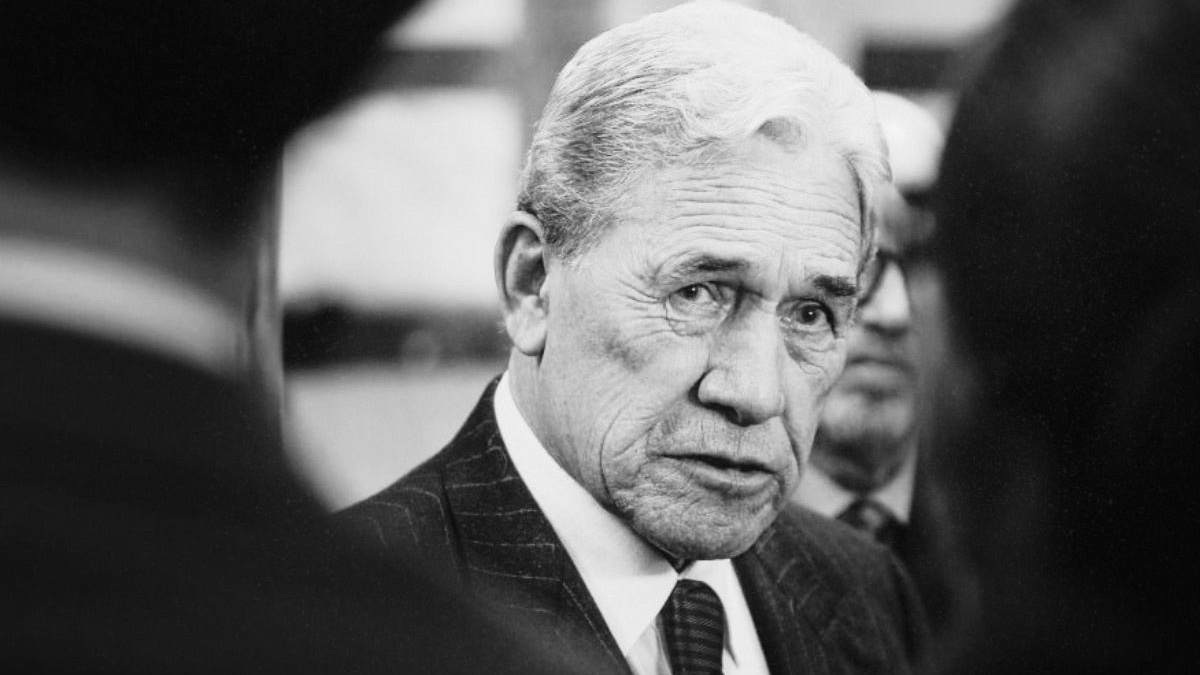
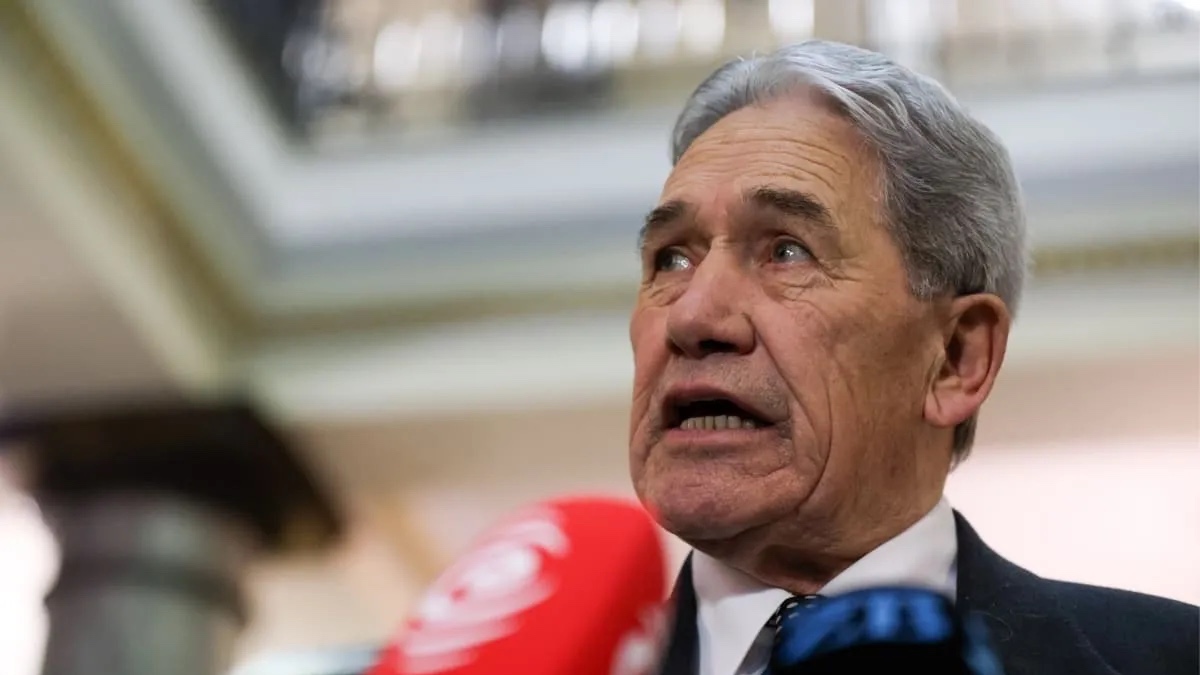
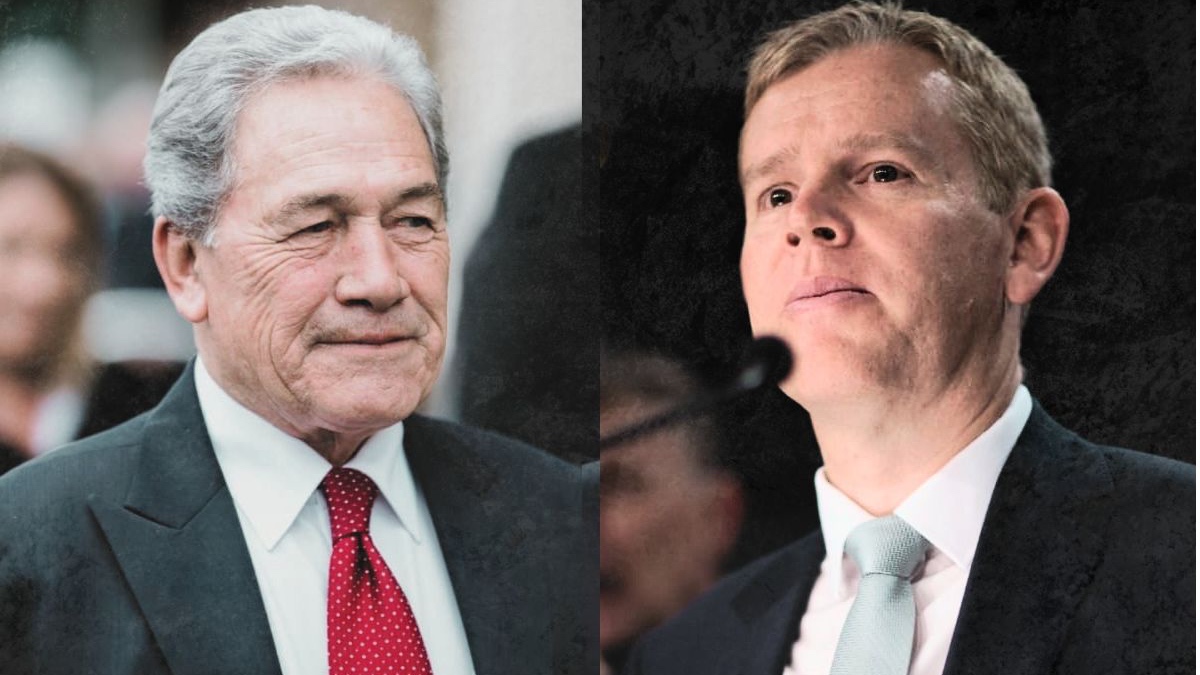
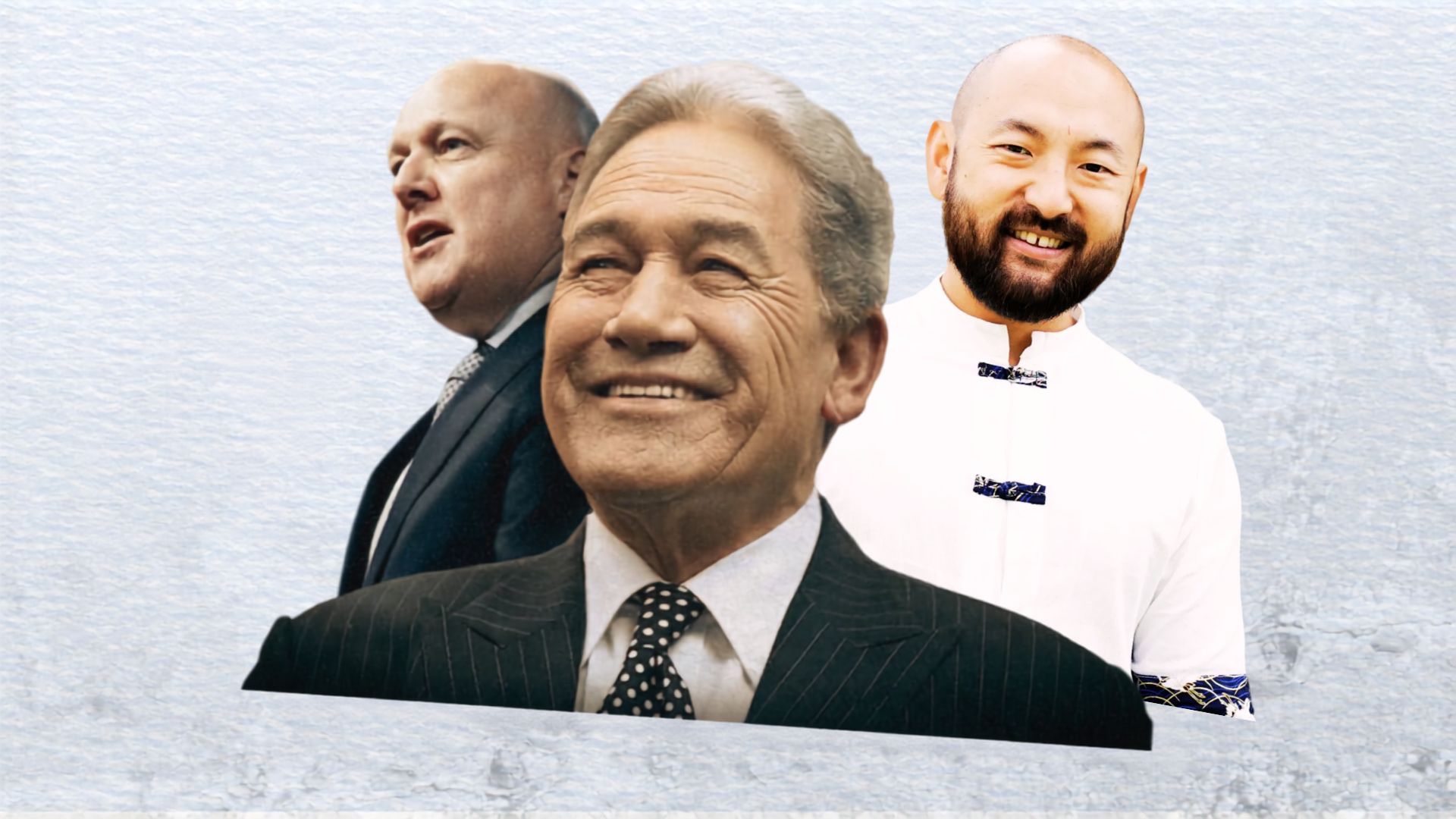
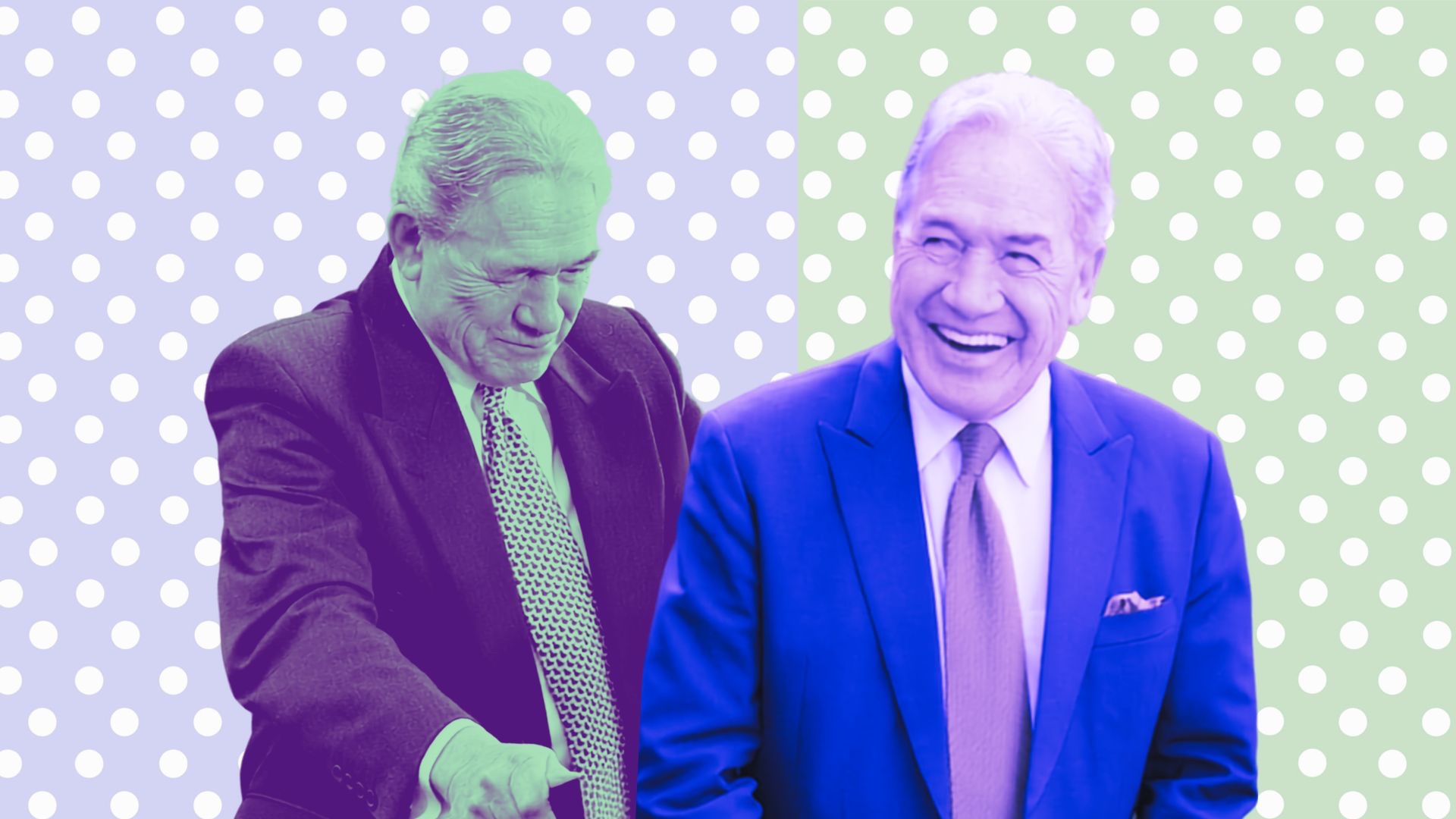
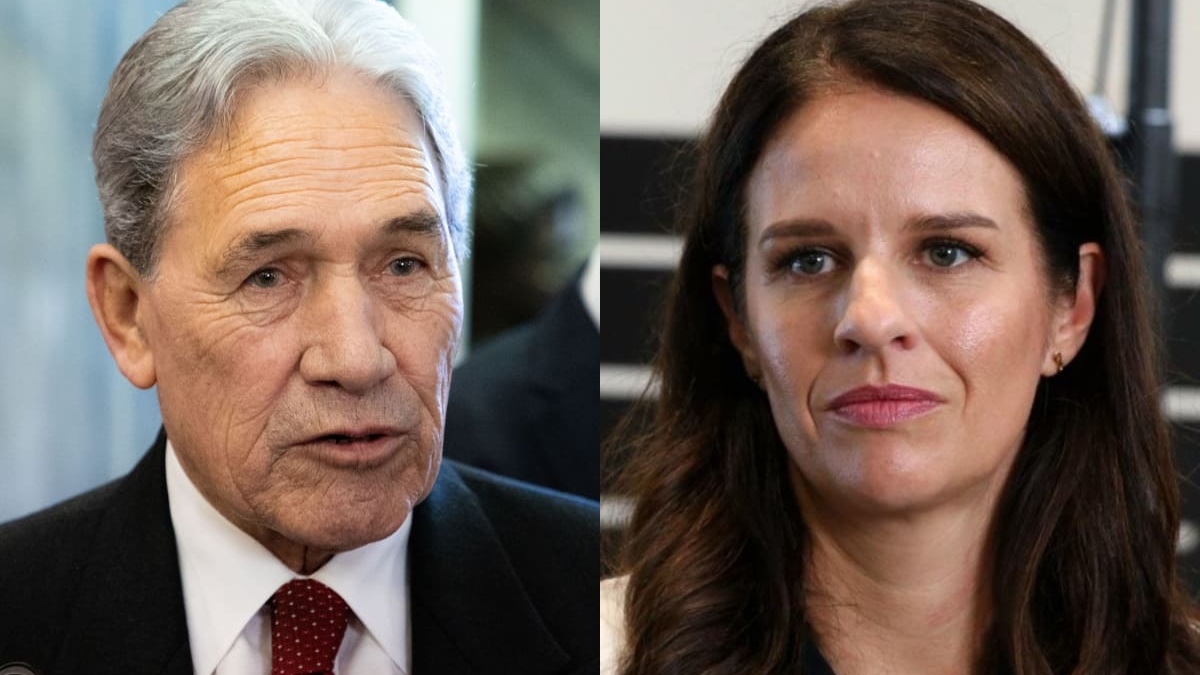
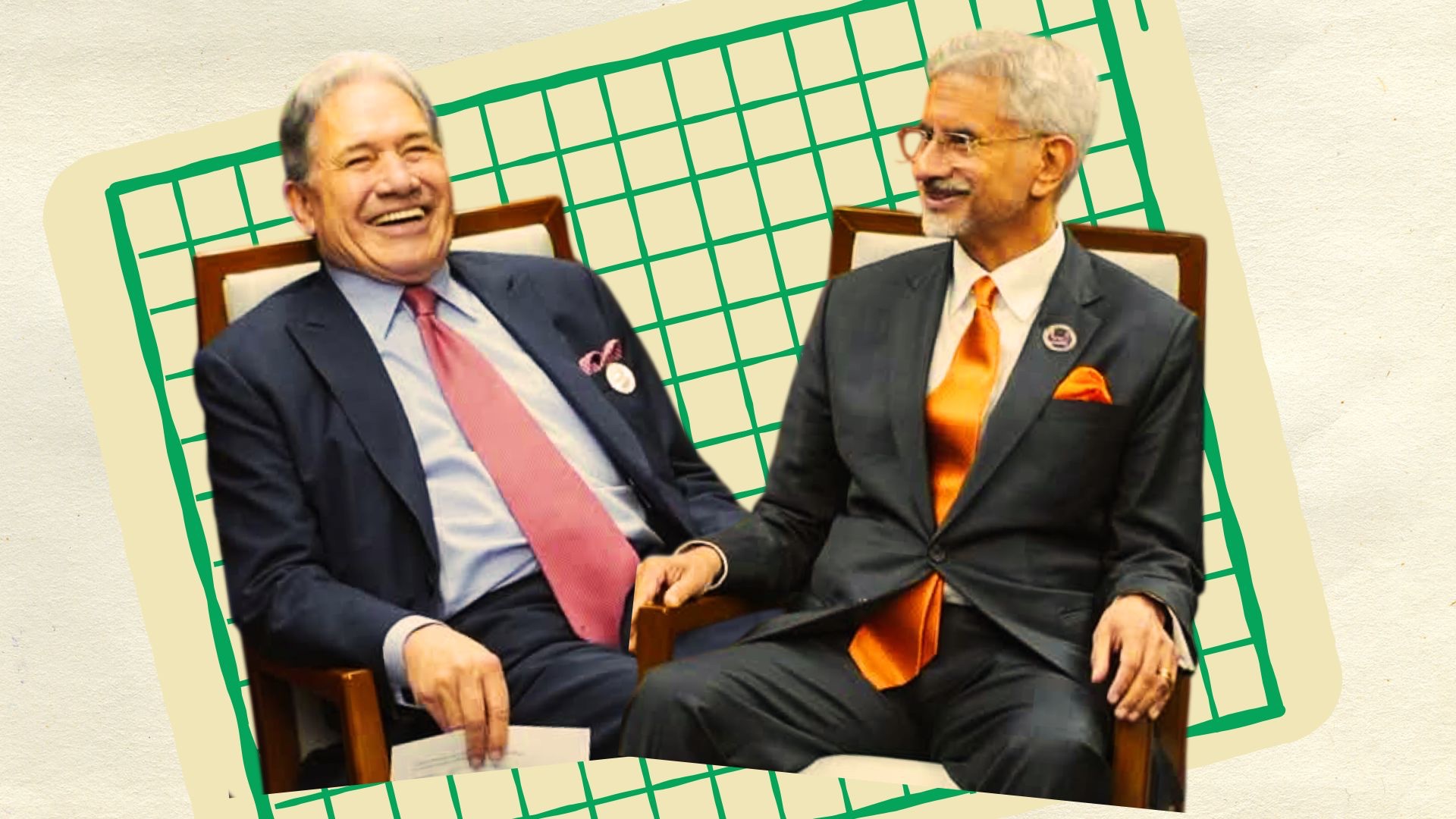
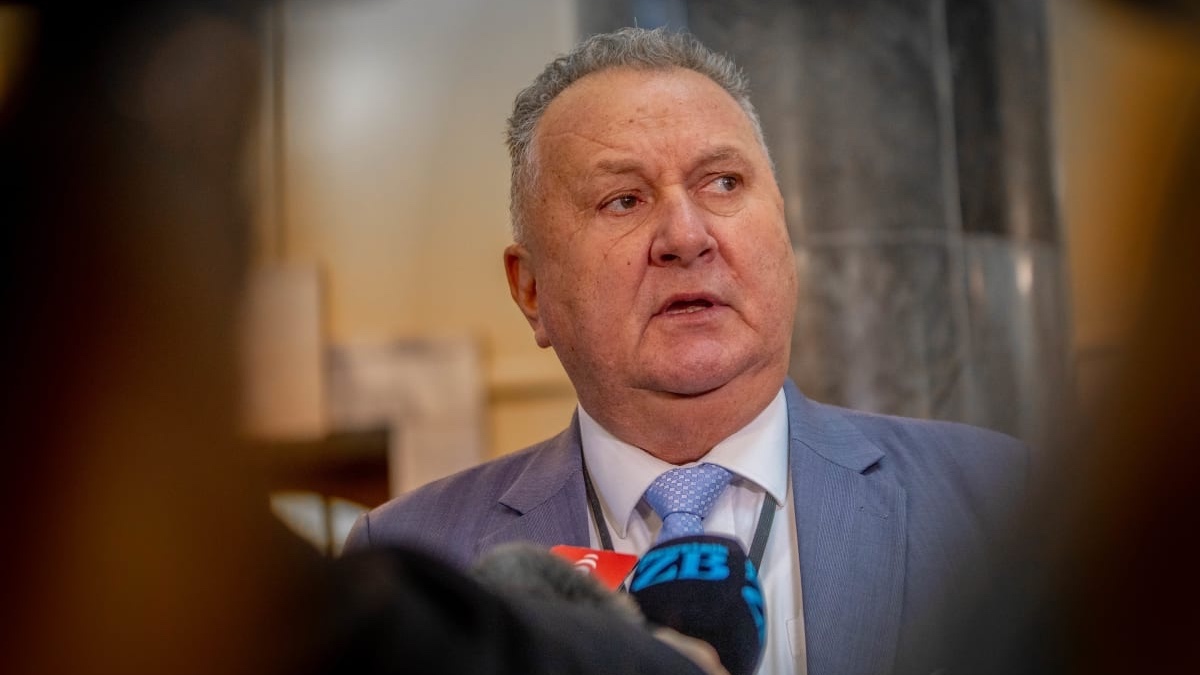
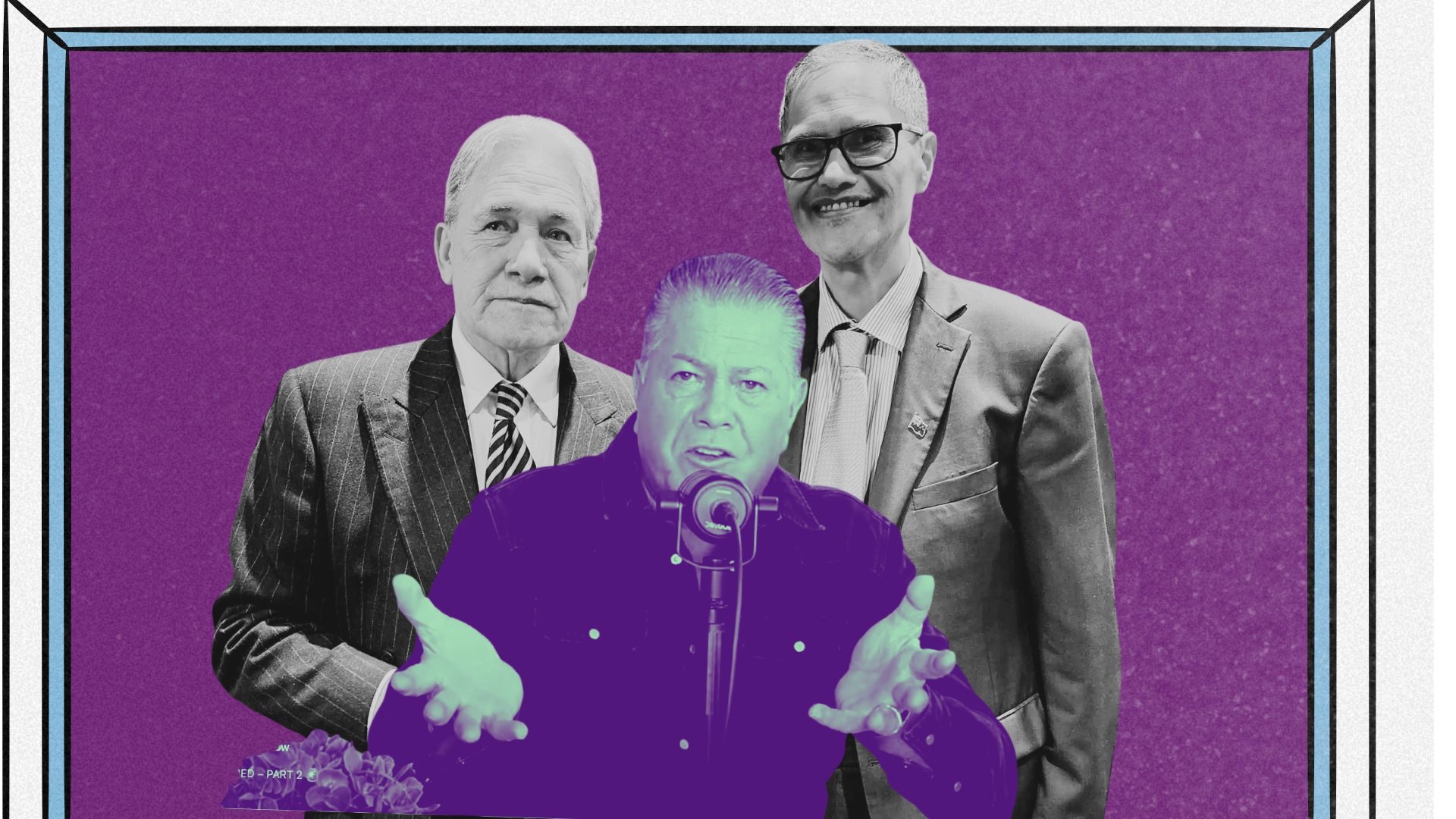
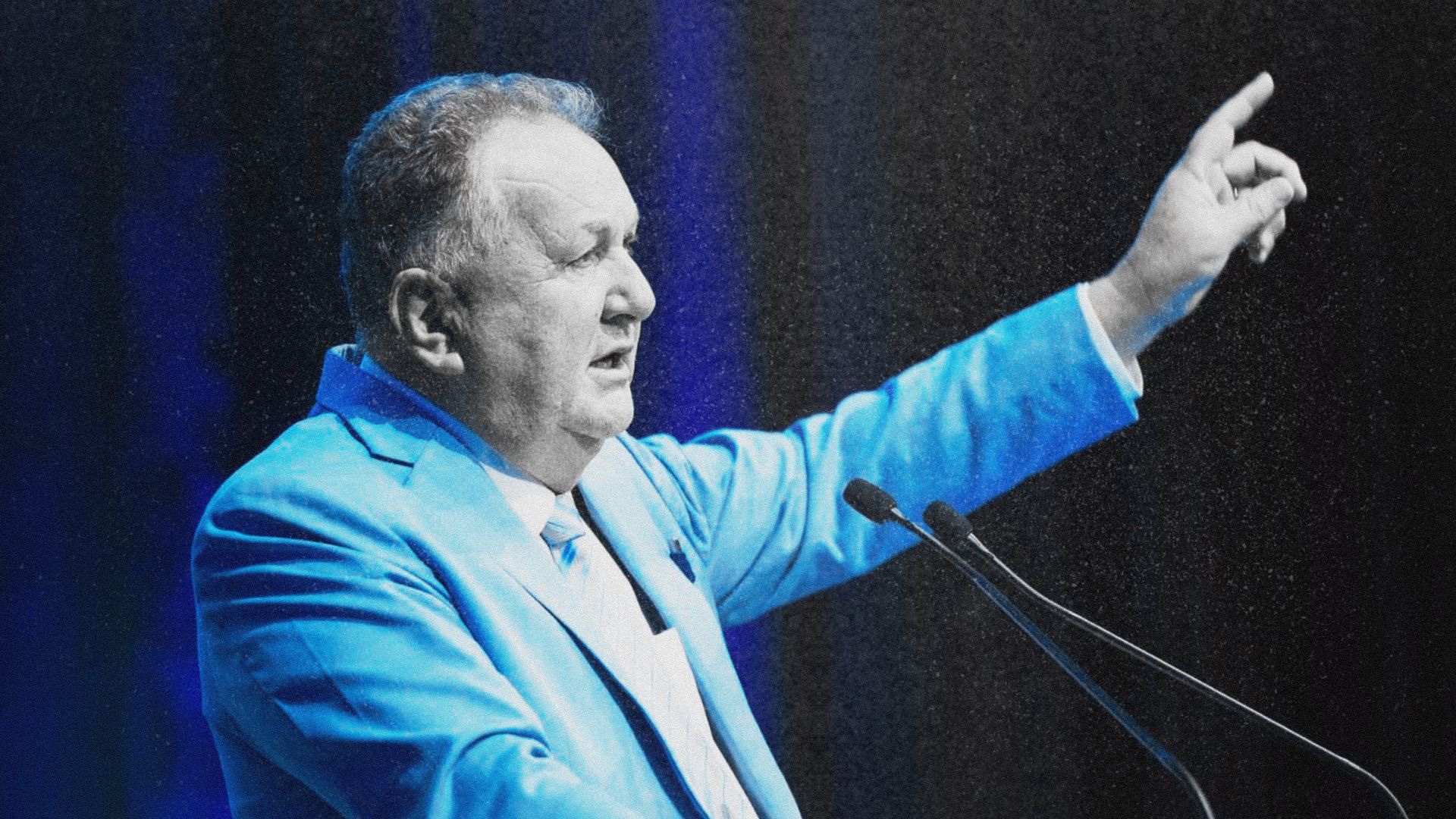
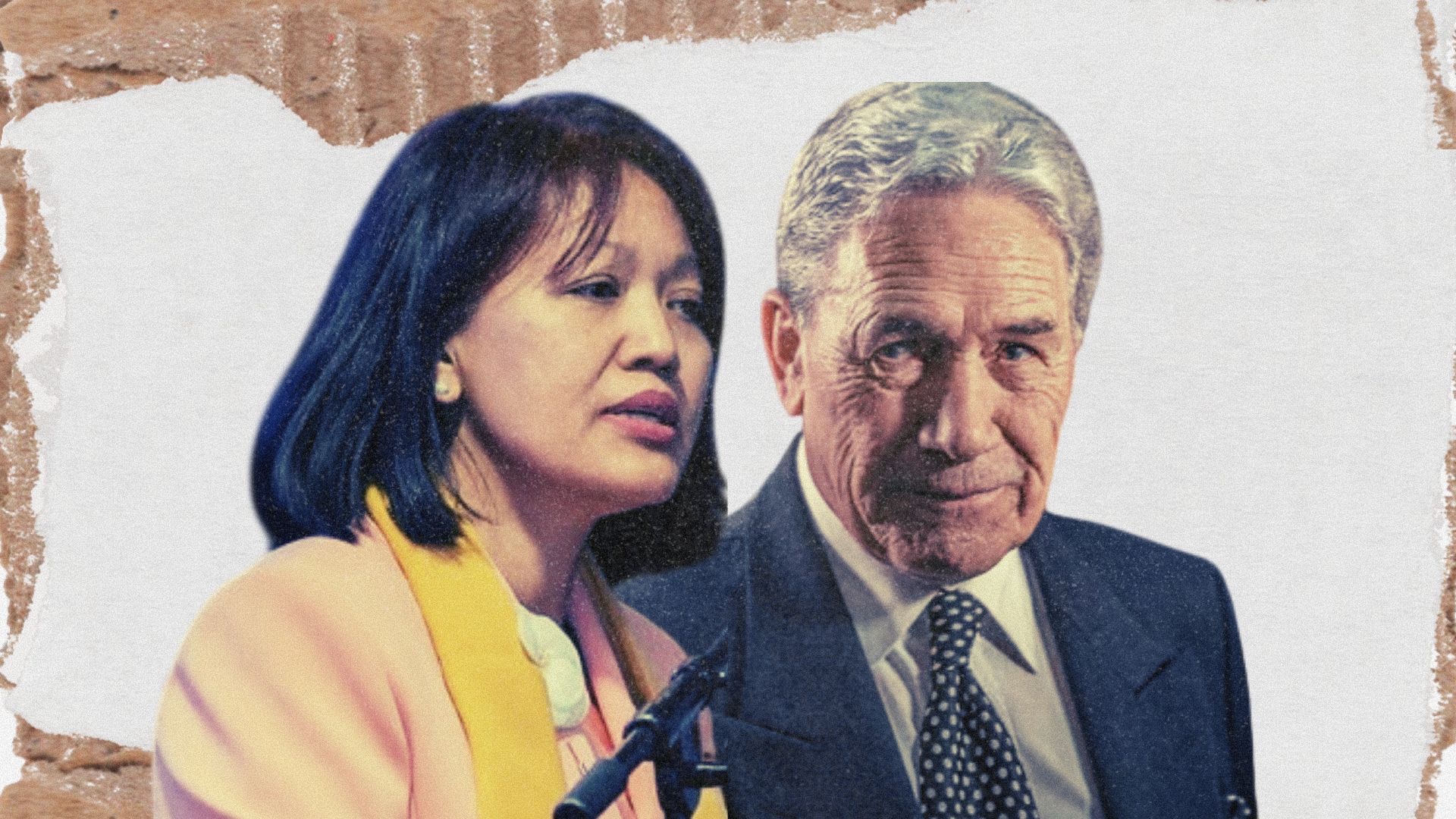
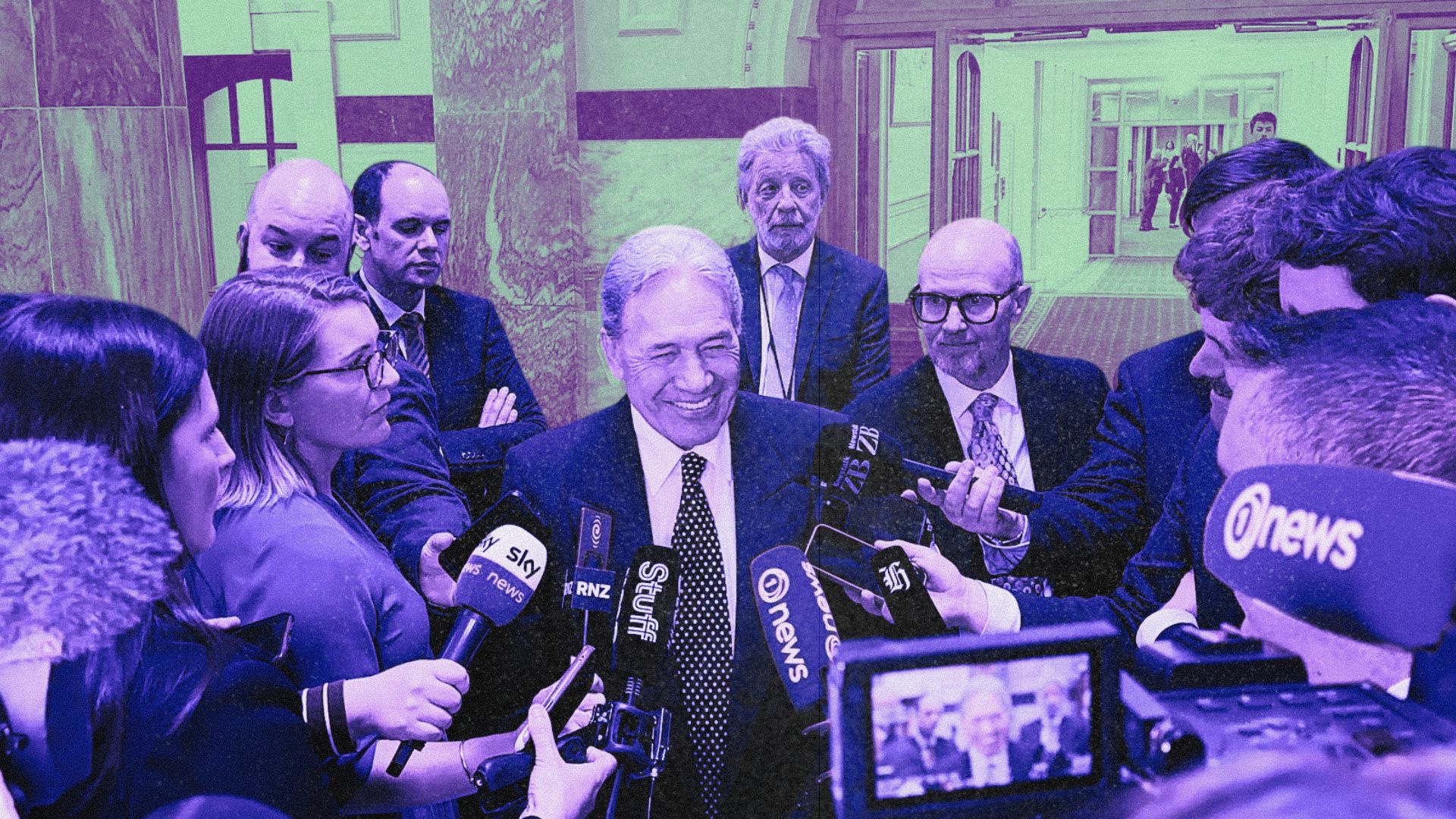
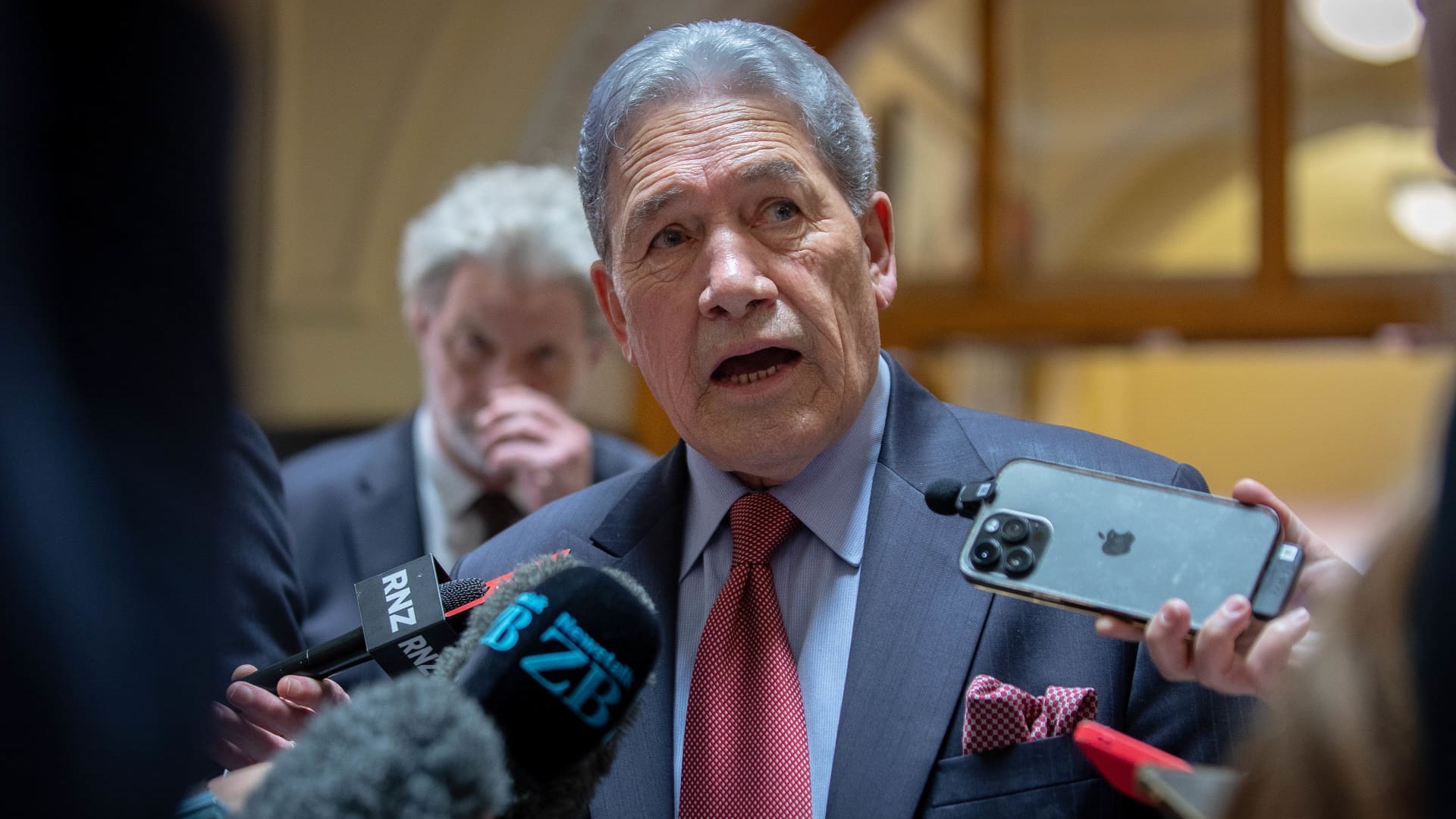
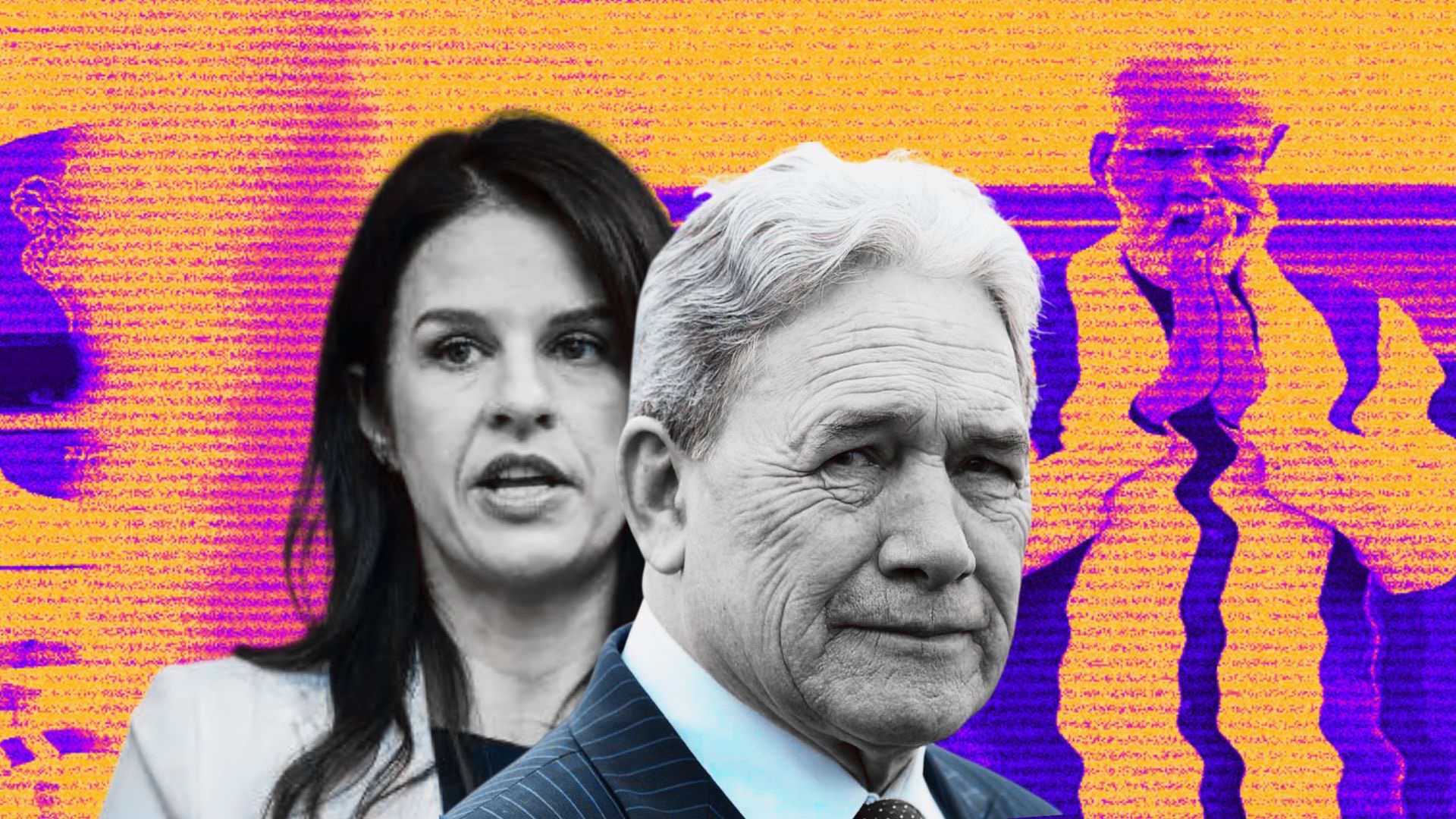
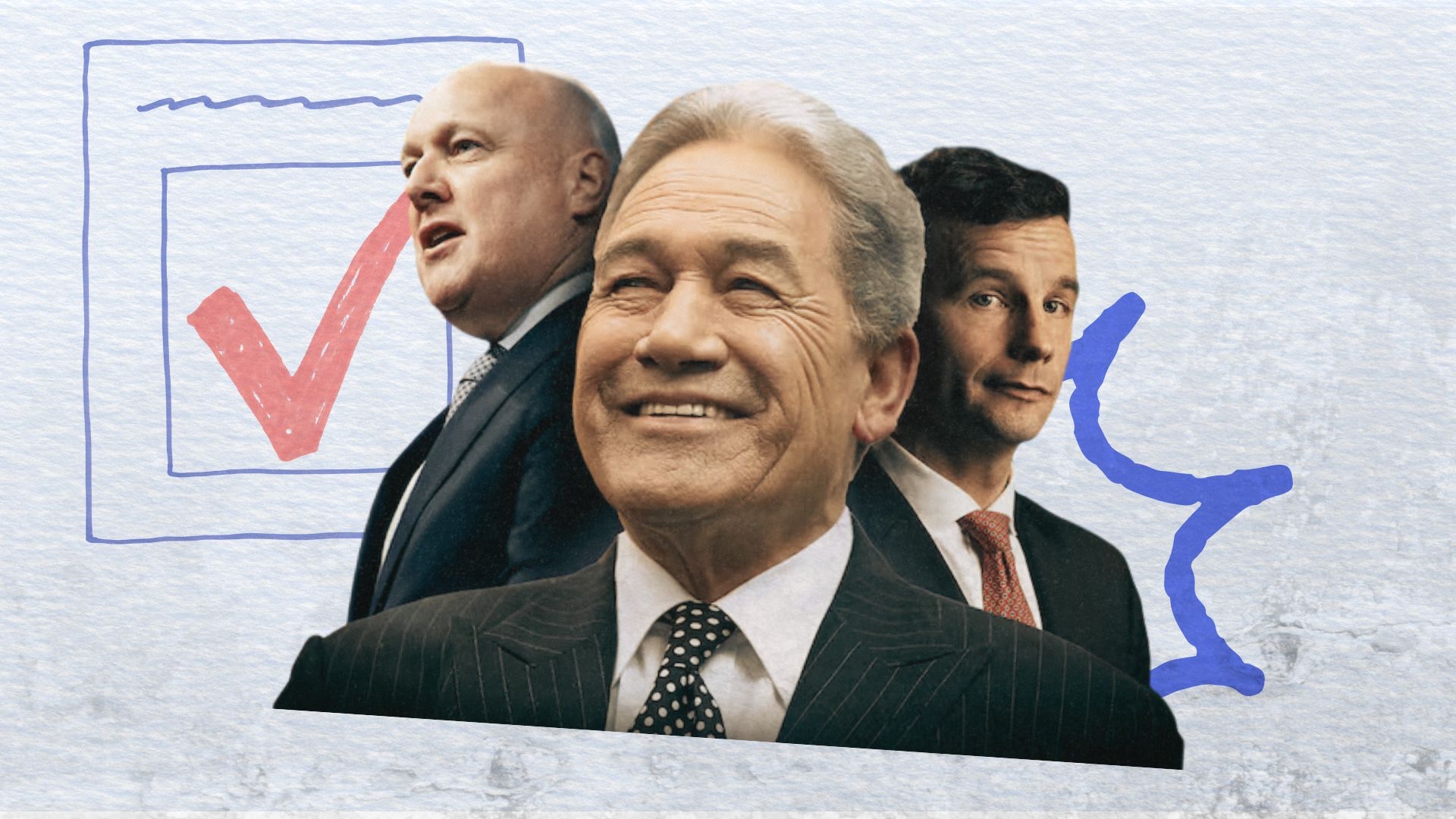
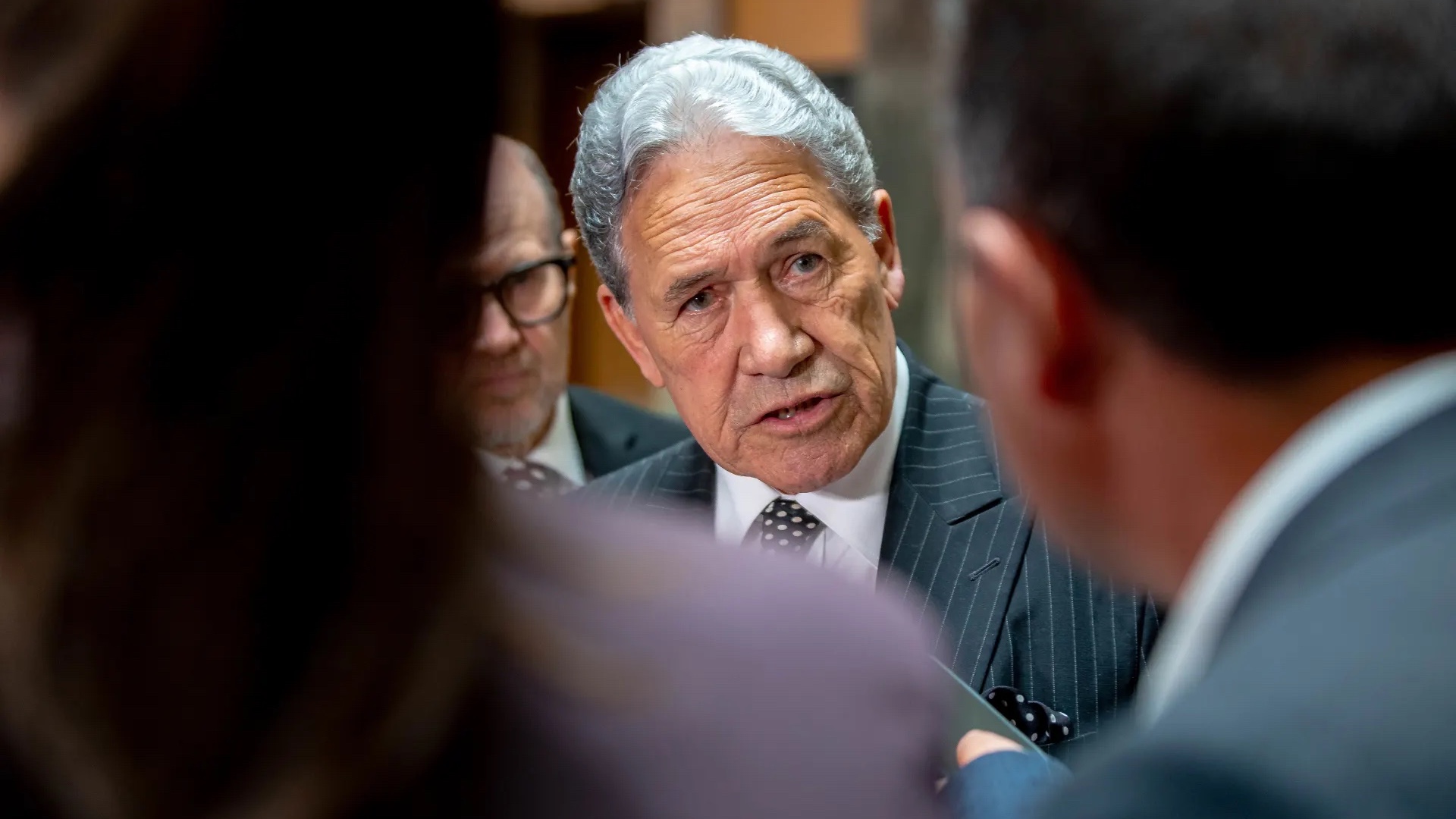
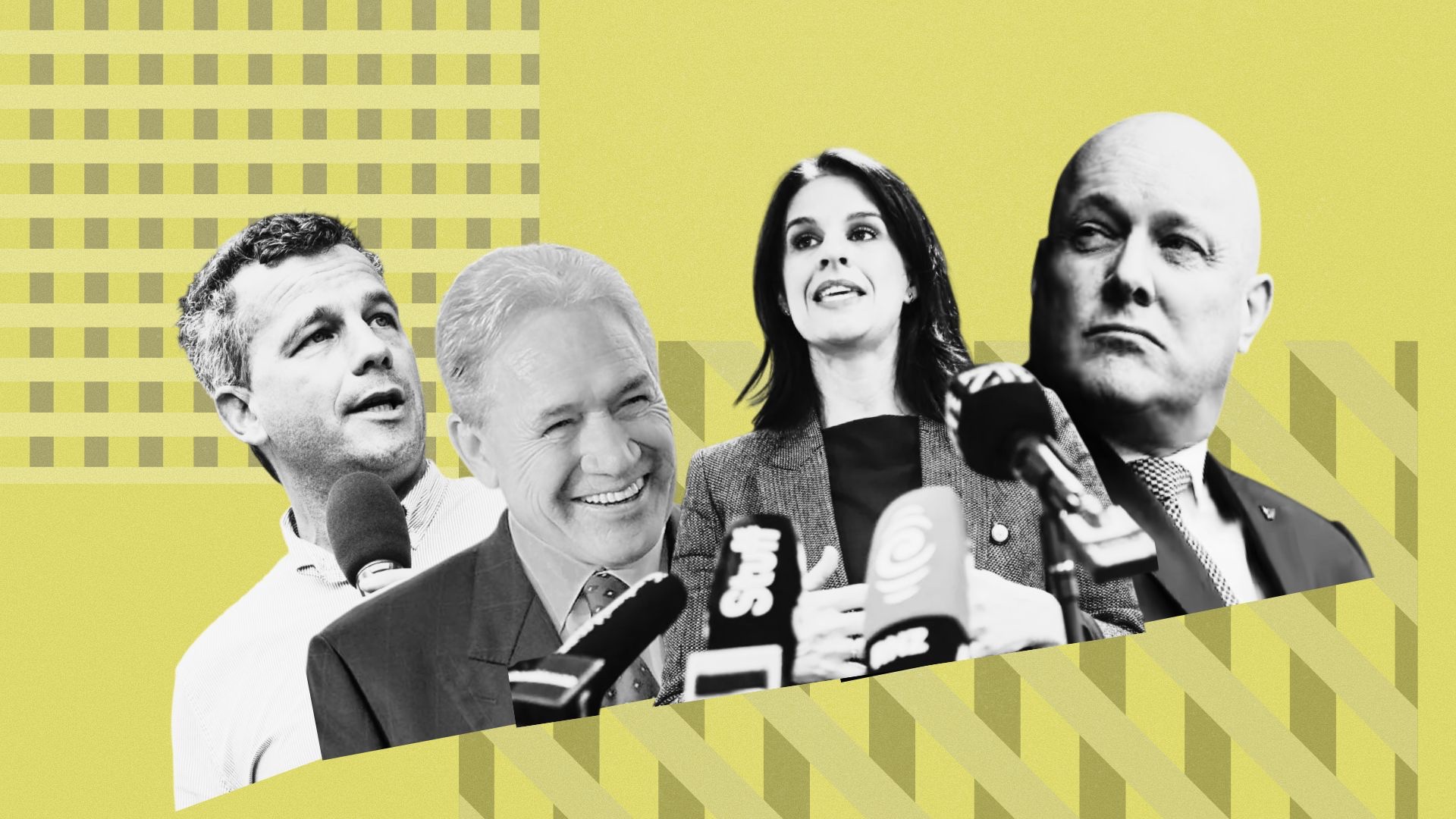
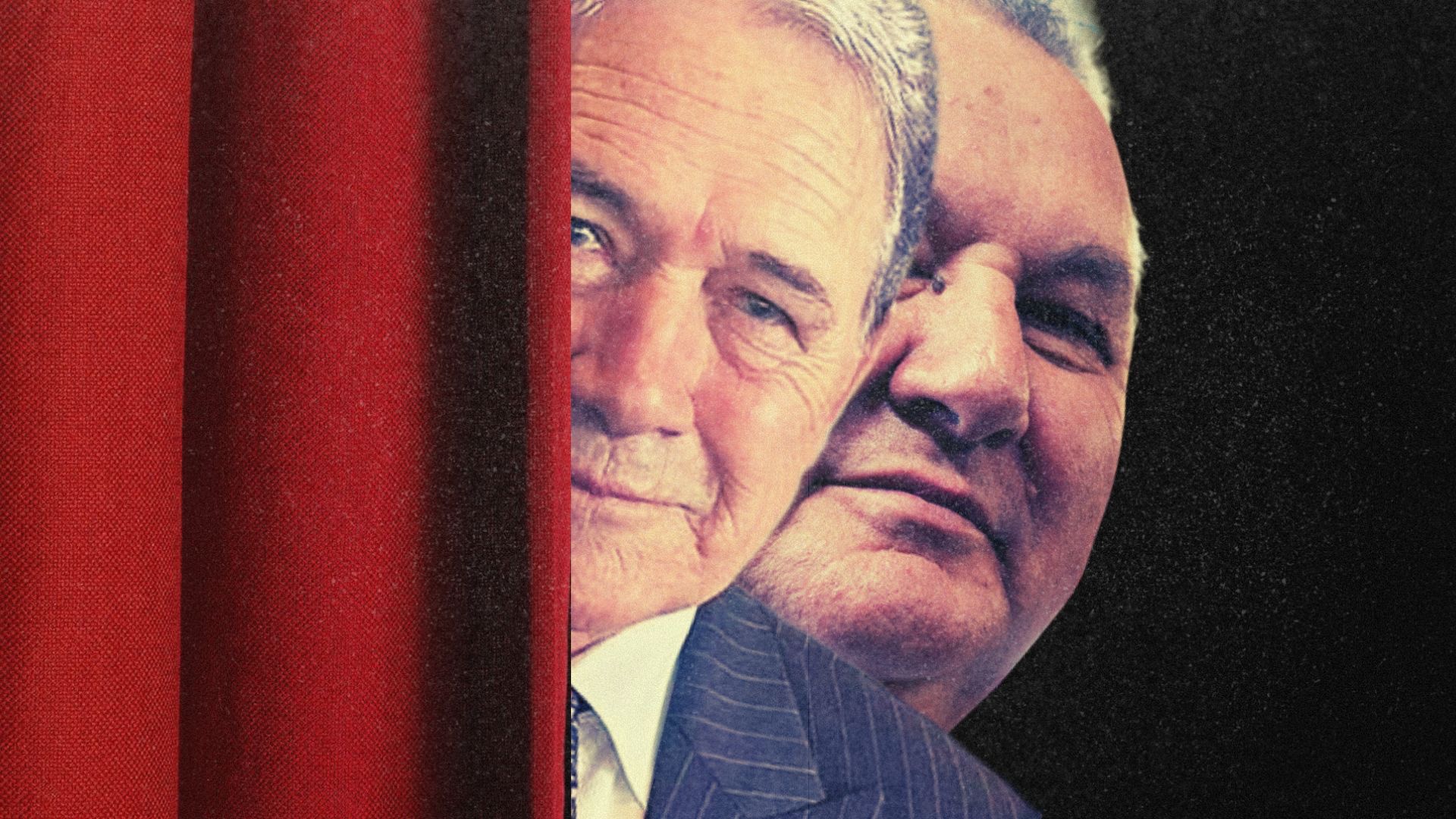
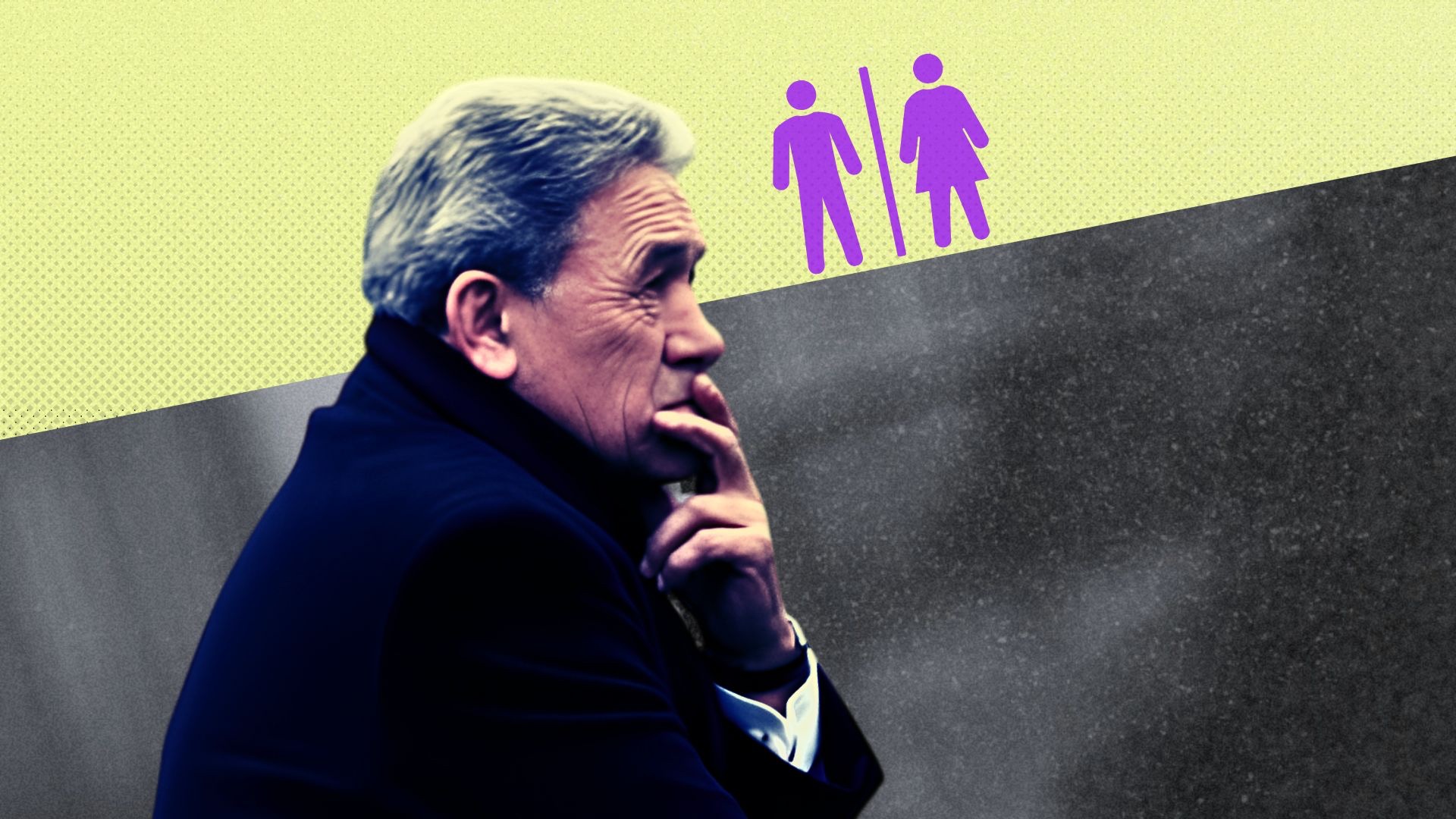
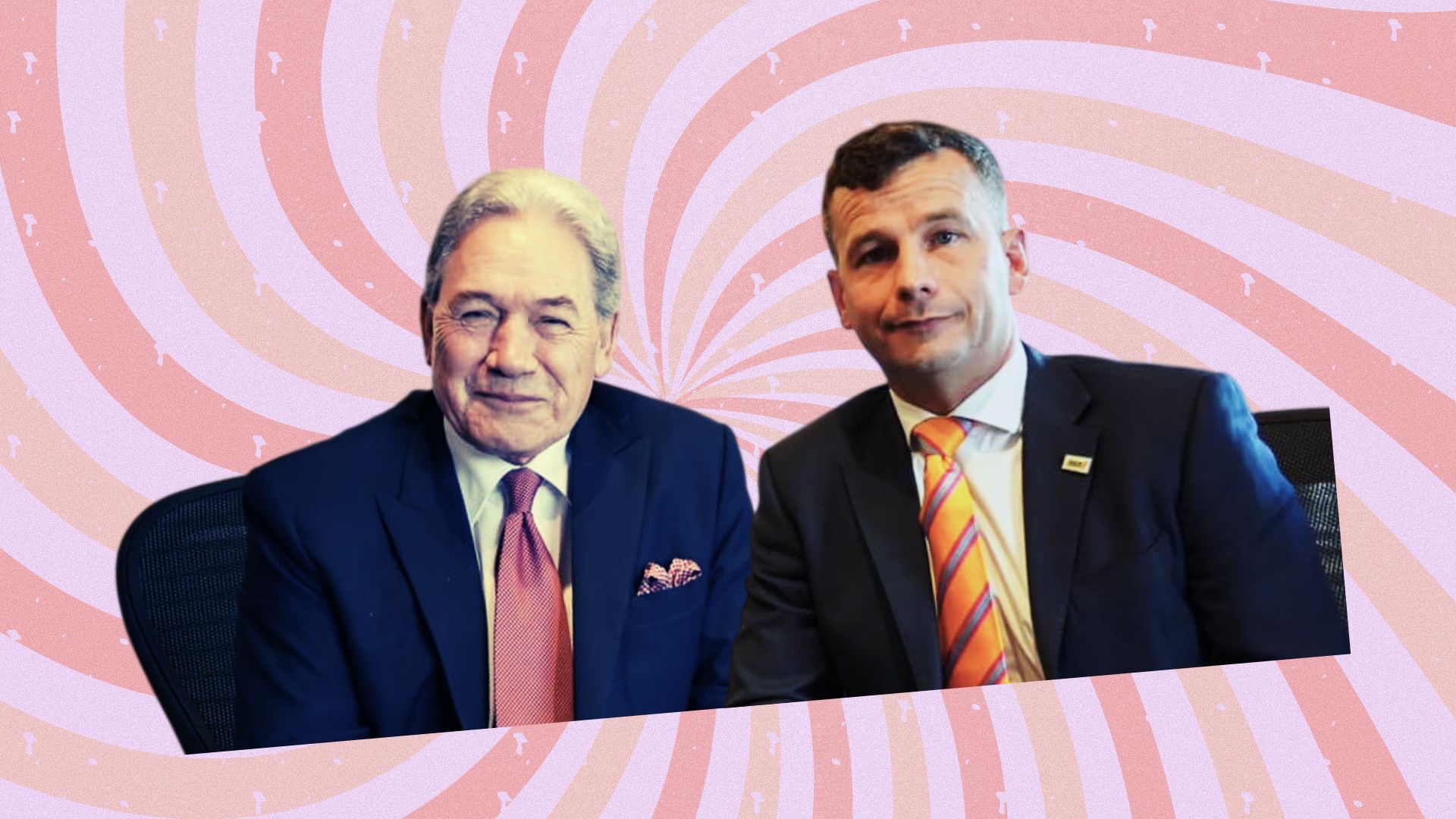
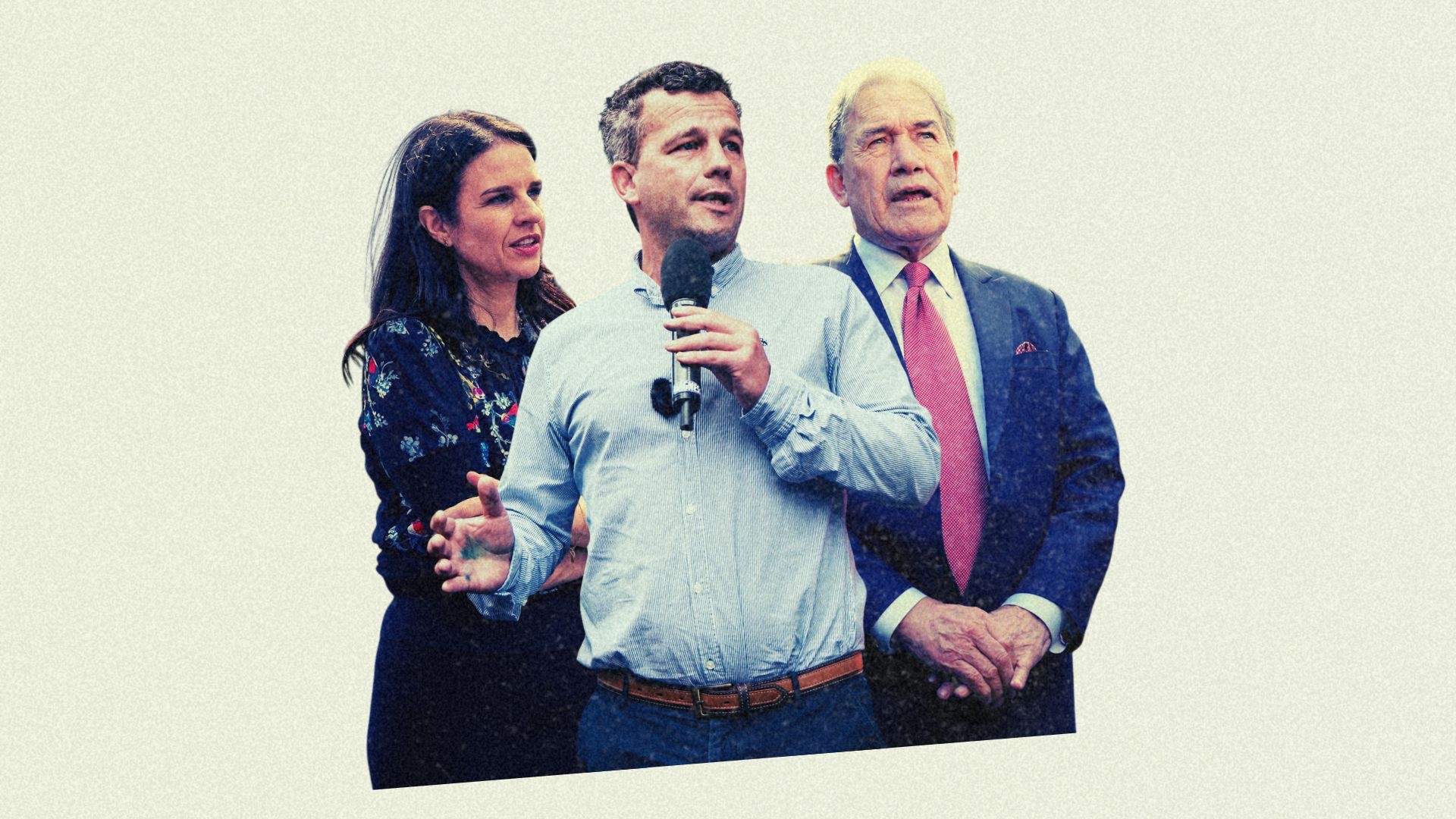
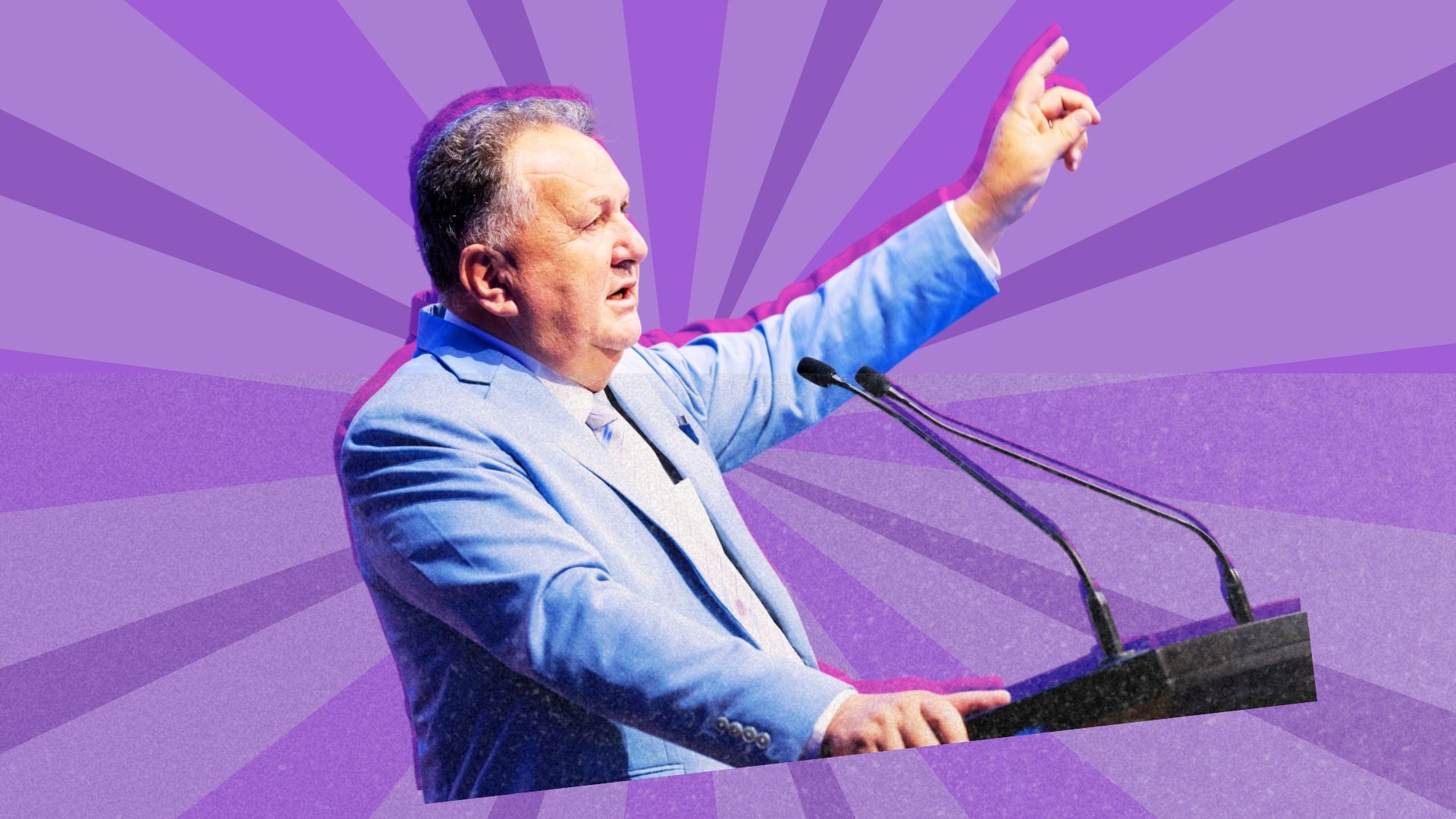
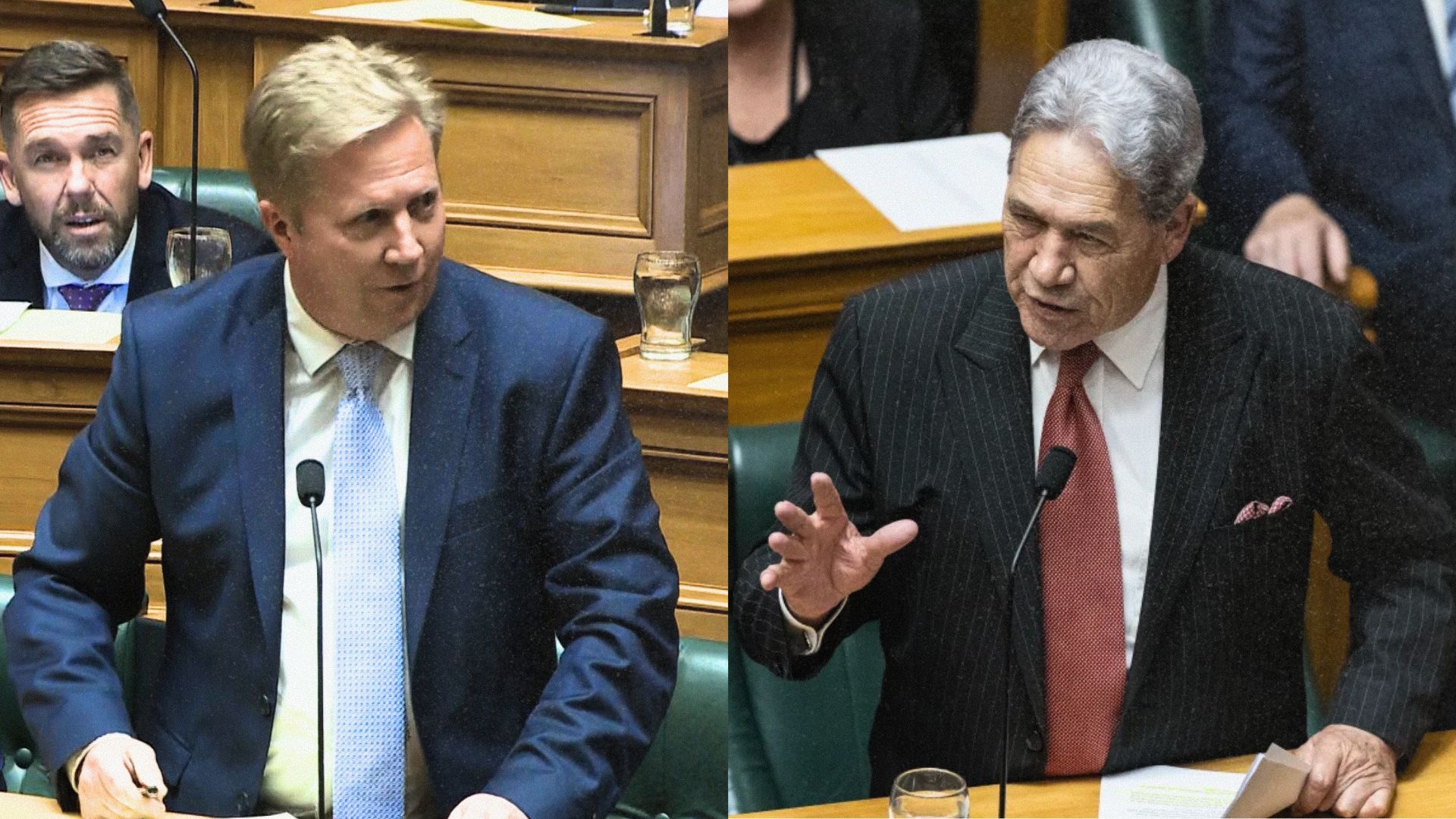
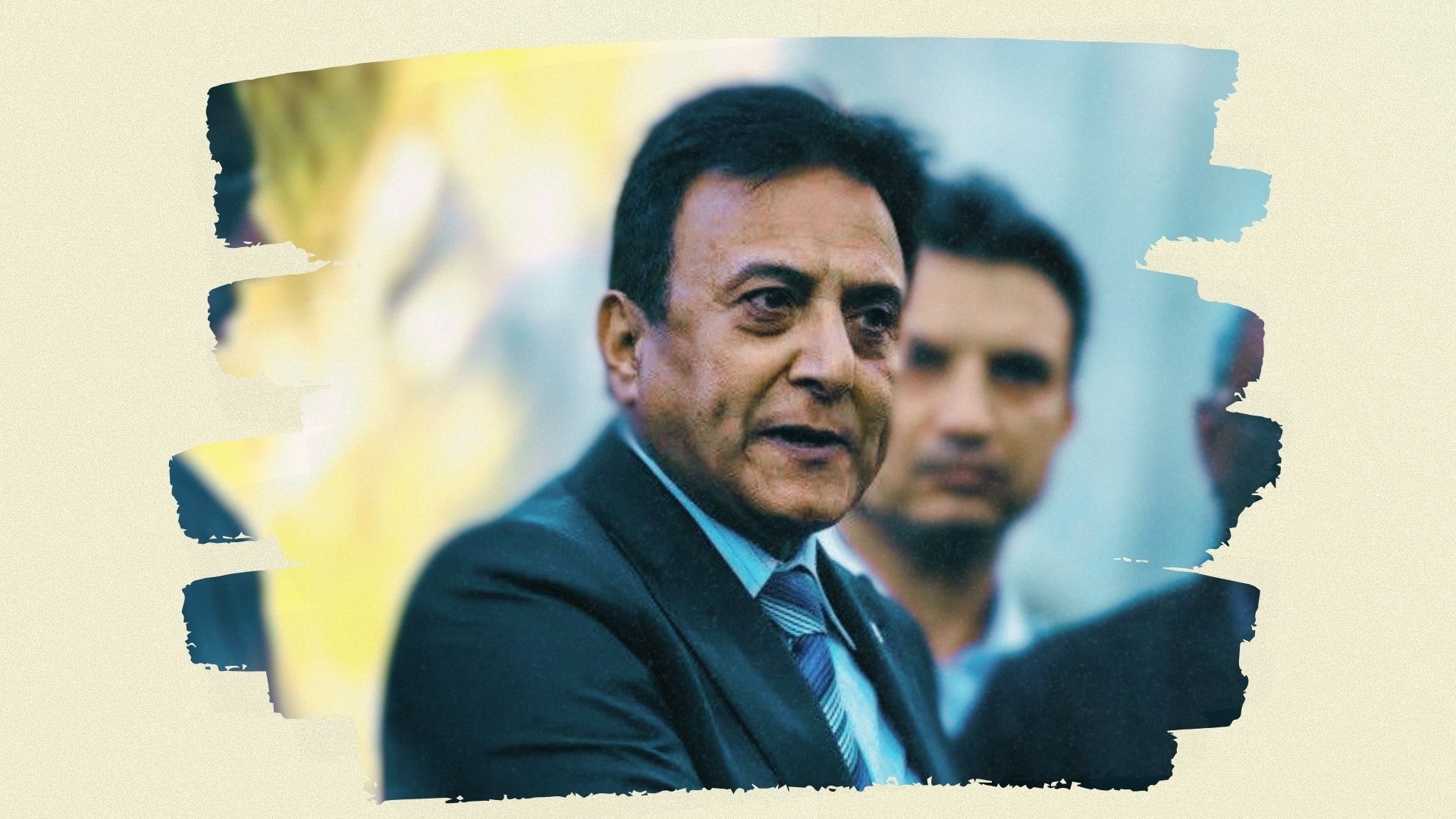
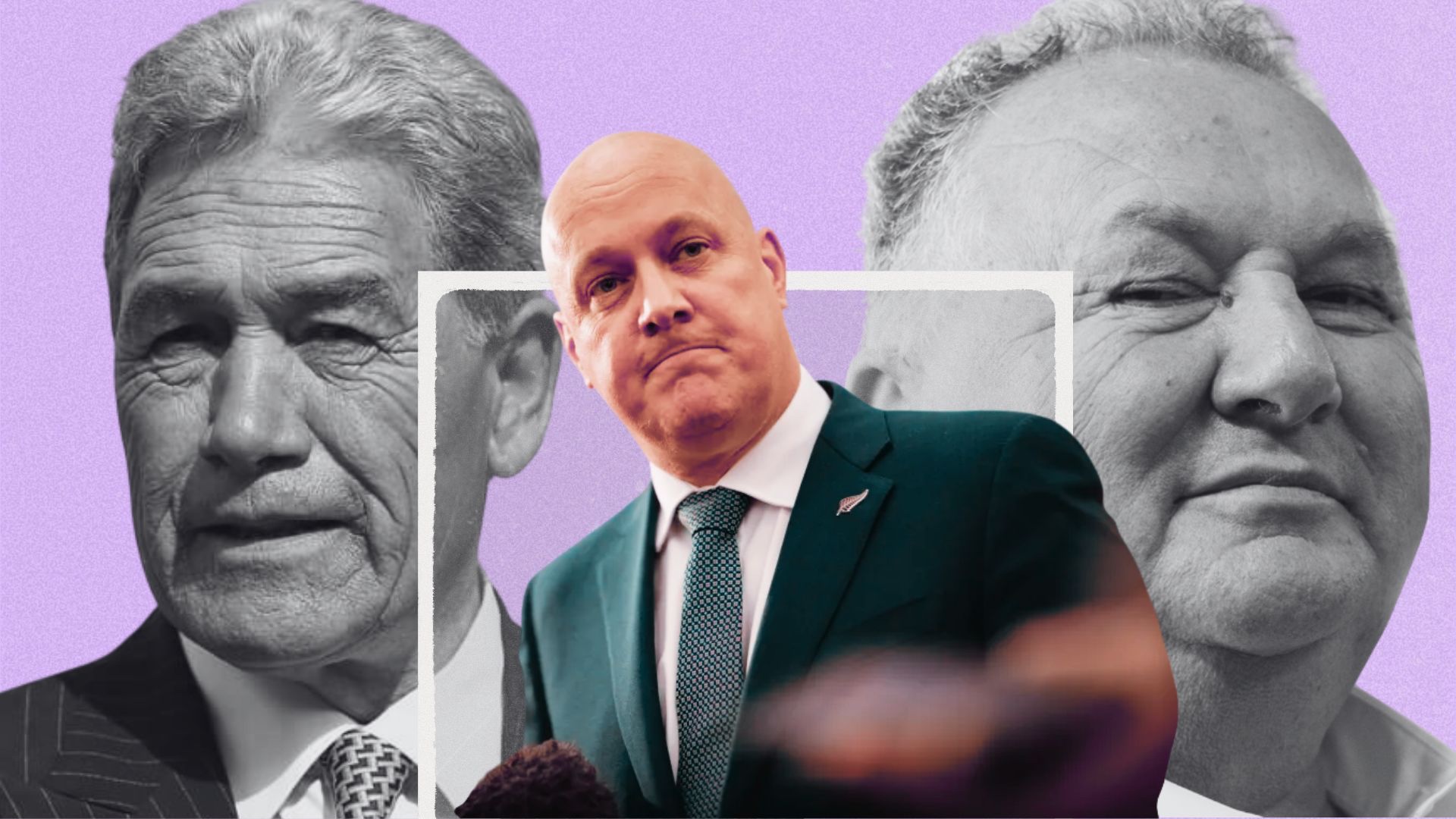
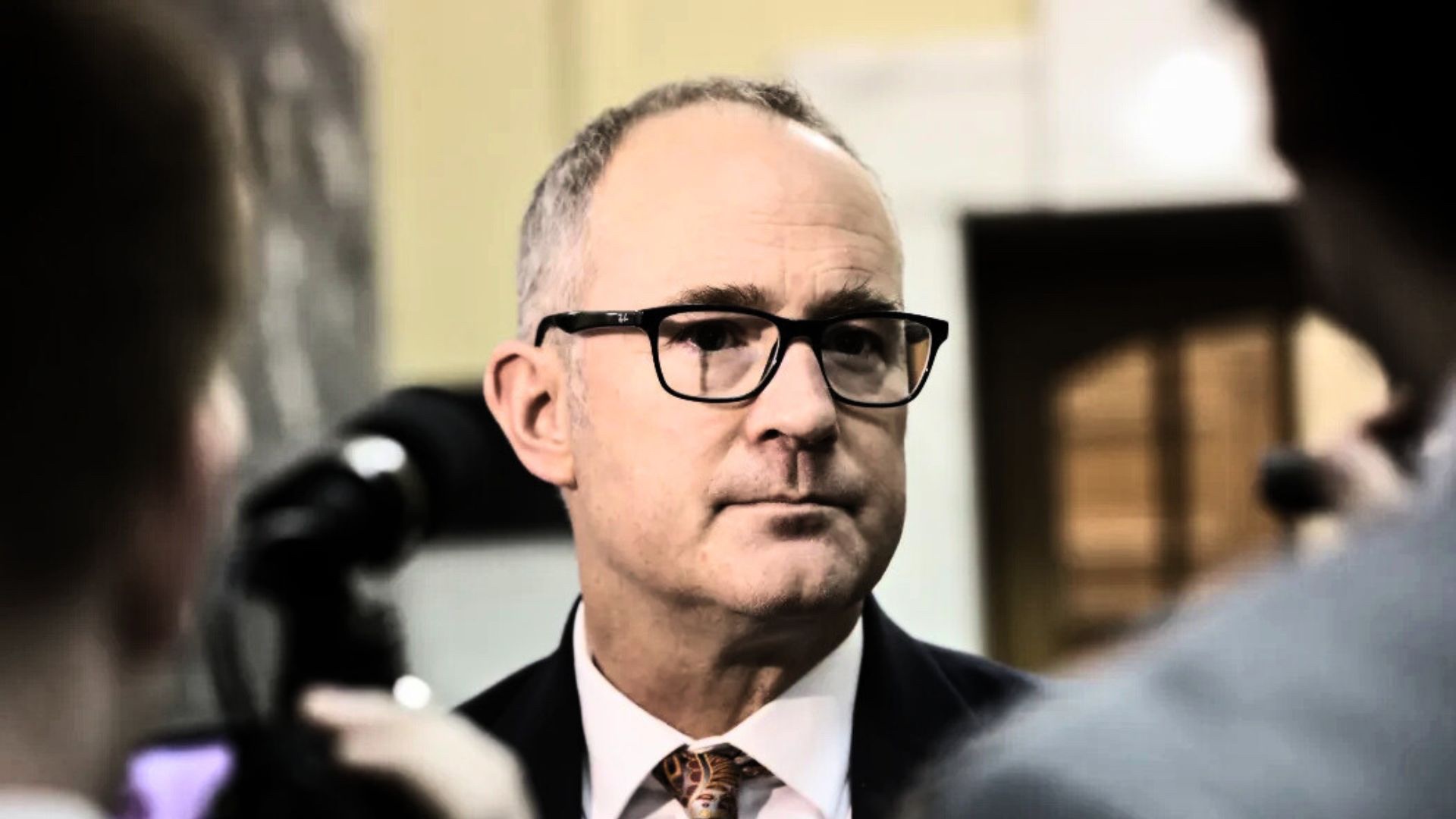
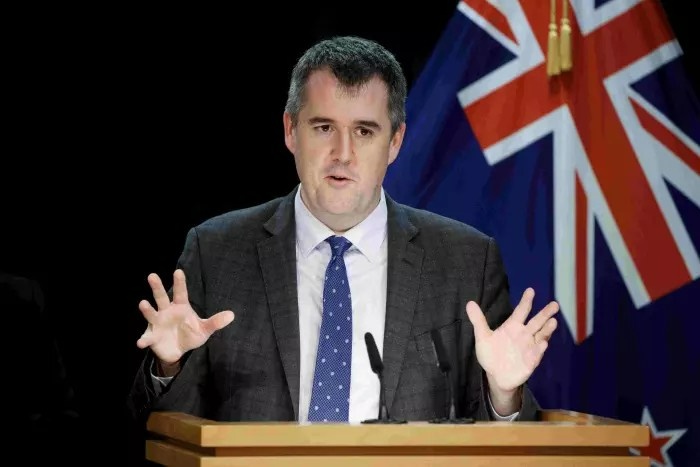
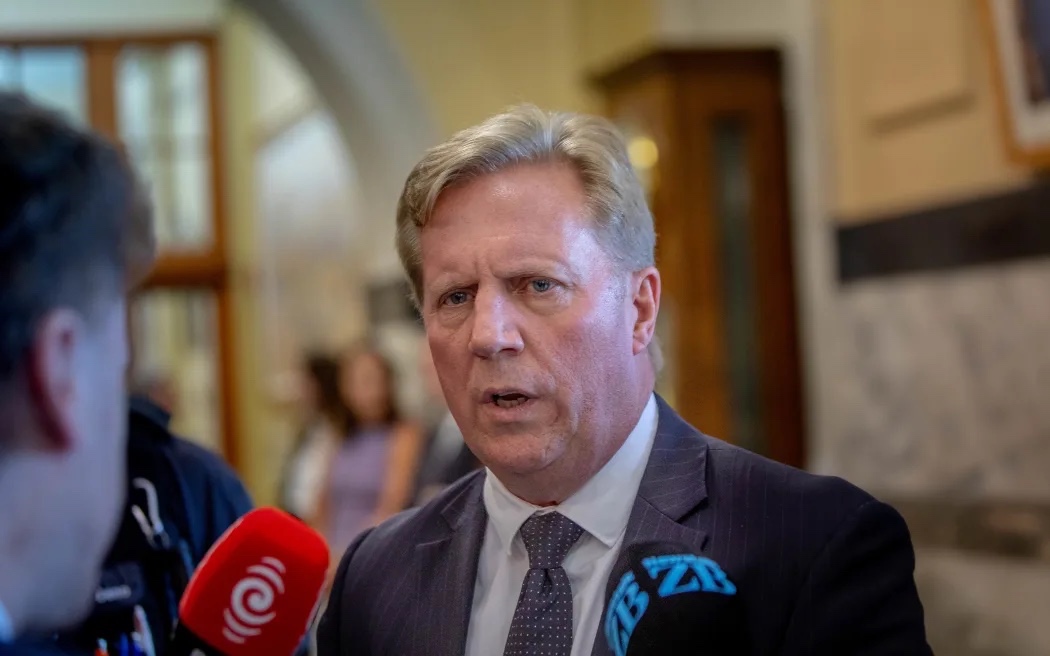
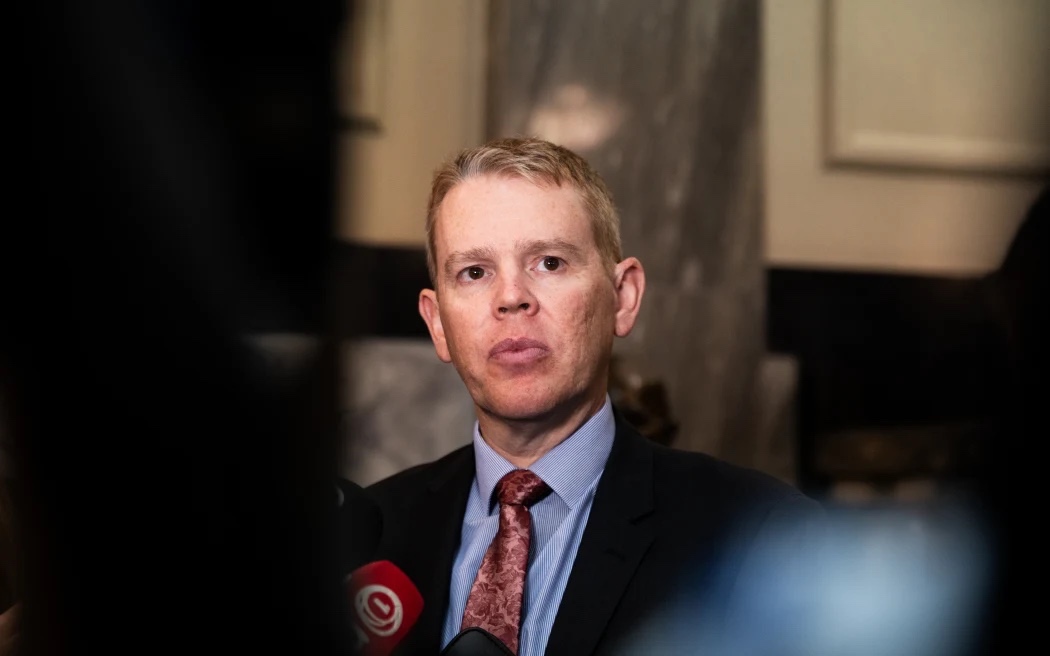
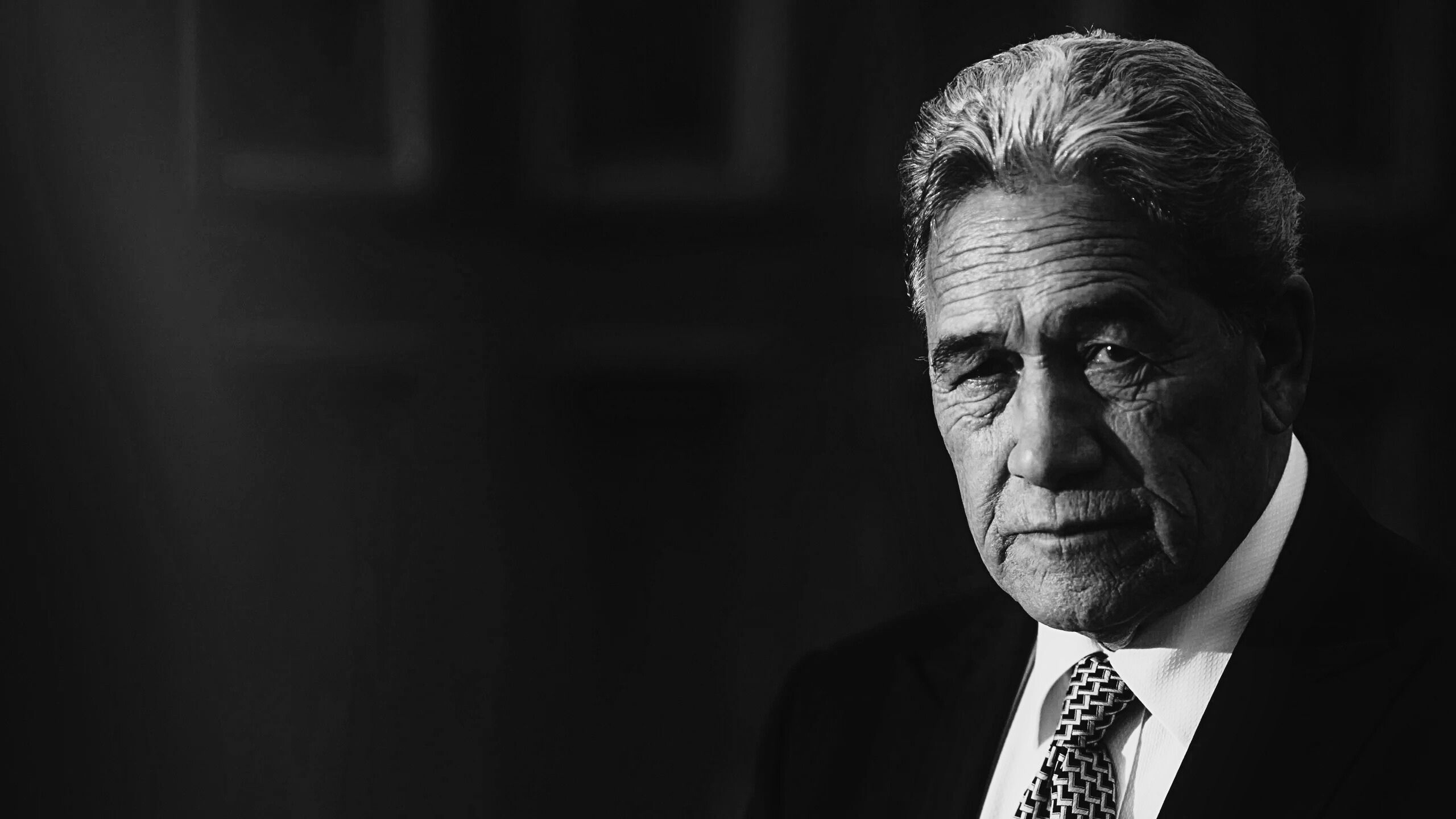
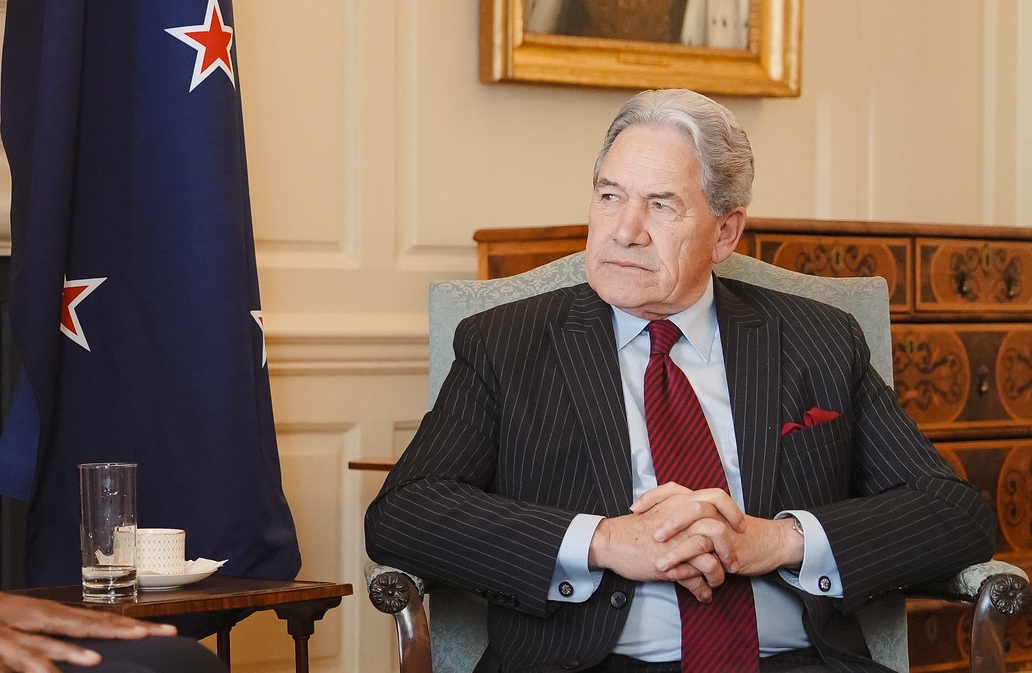
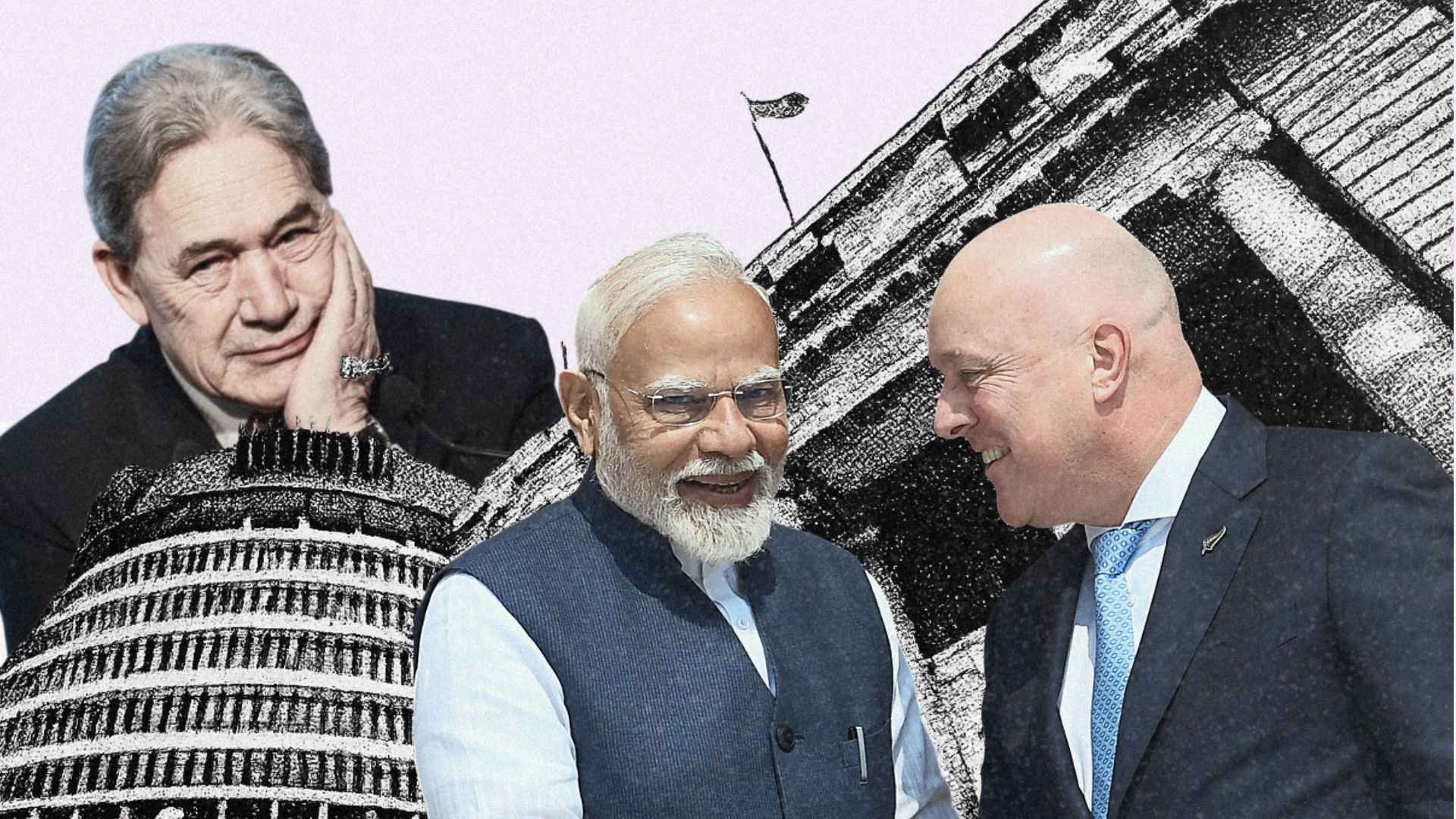
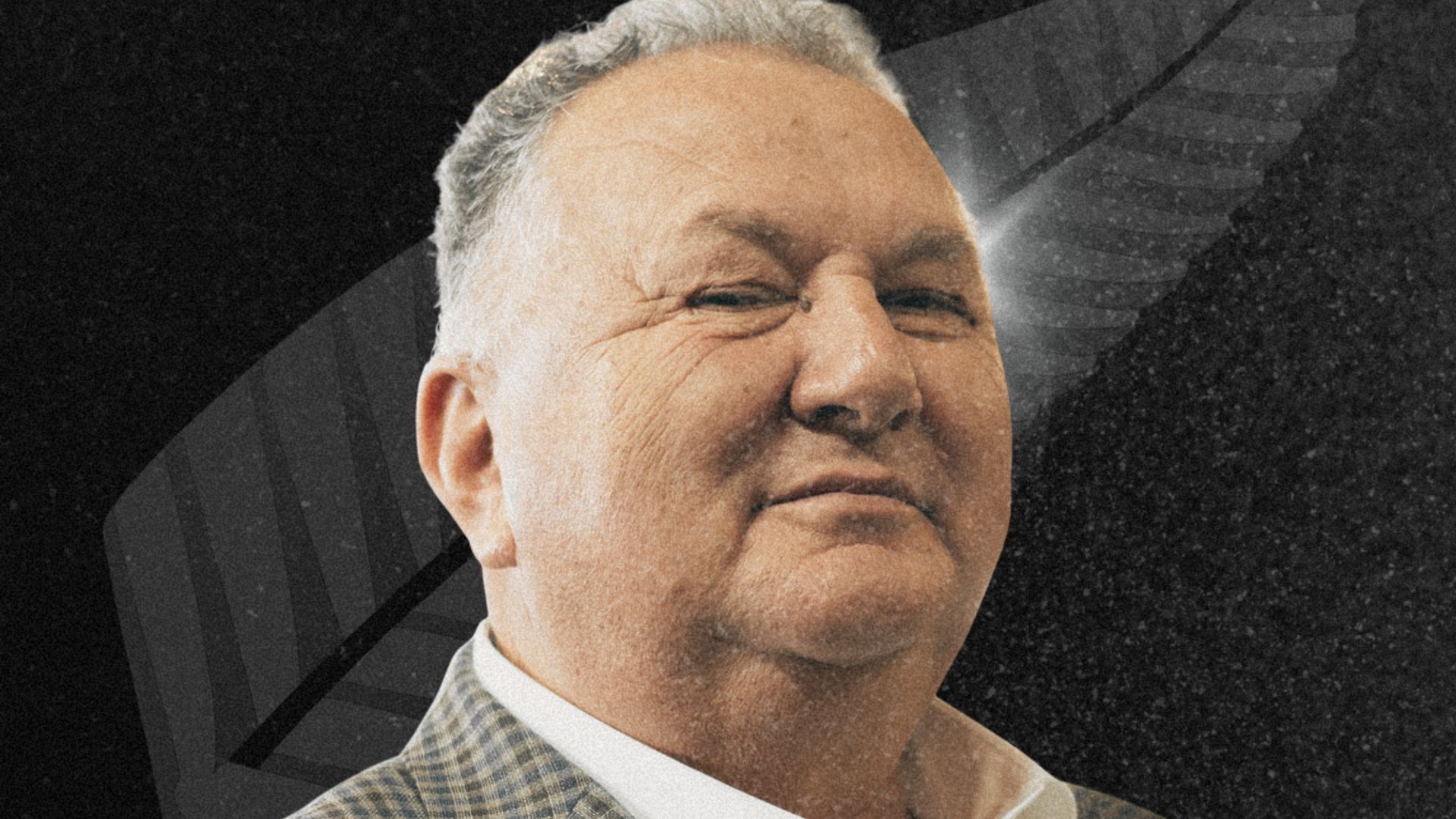
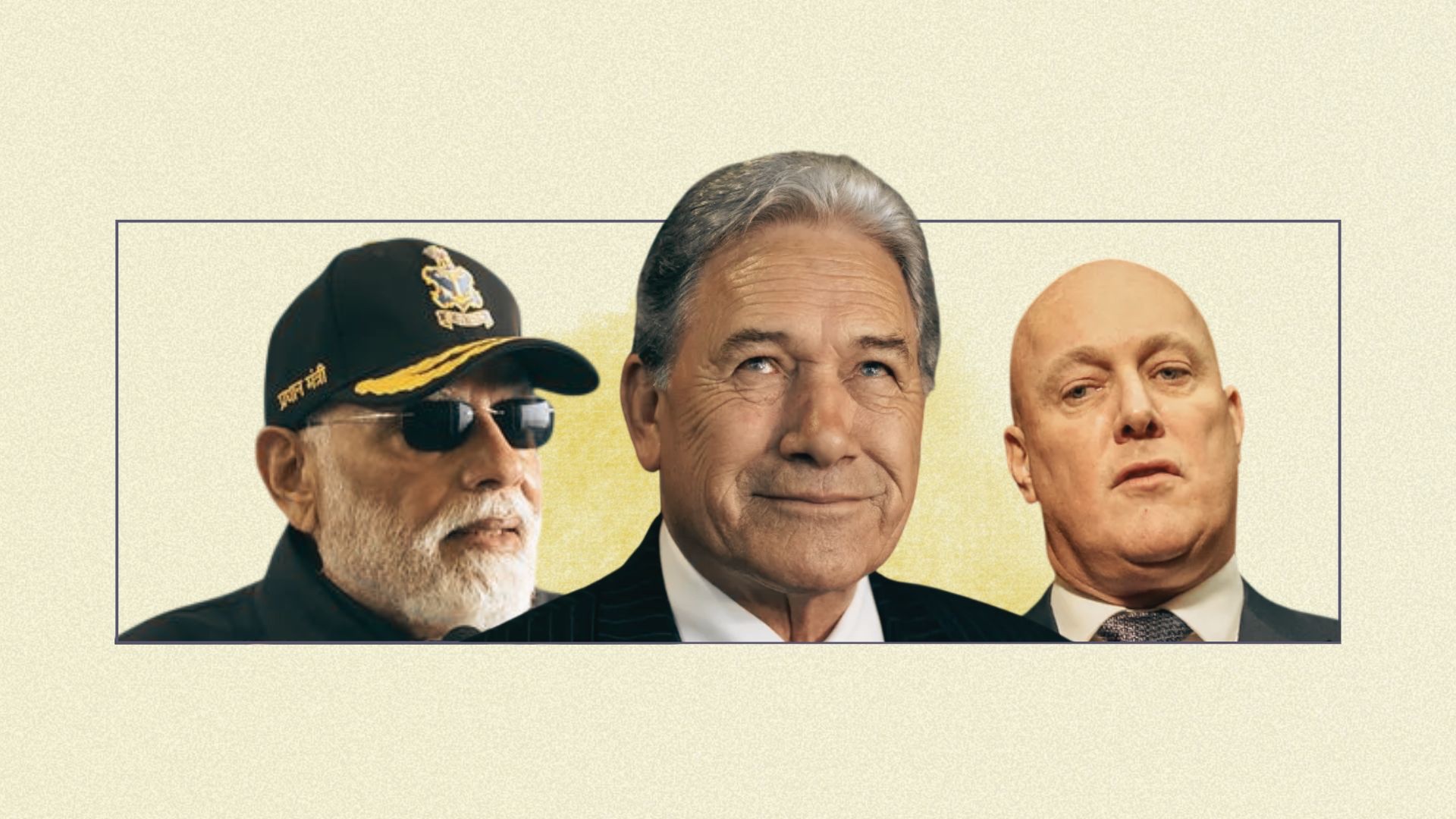
NZ First leader Winston Peters.
“The whole dichotomy of New Zealand society is changing without any consent of the New Zealand people.”
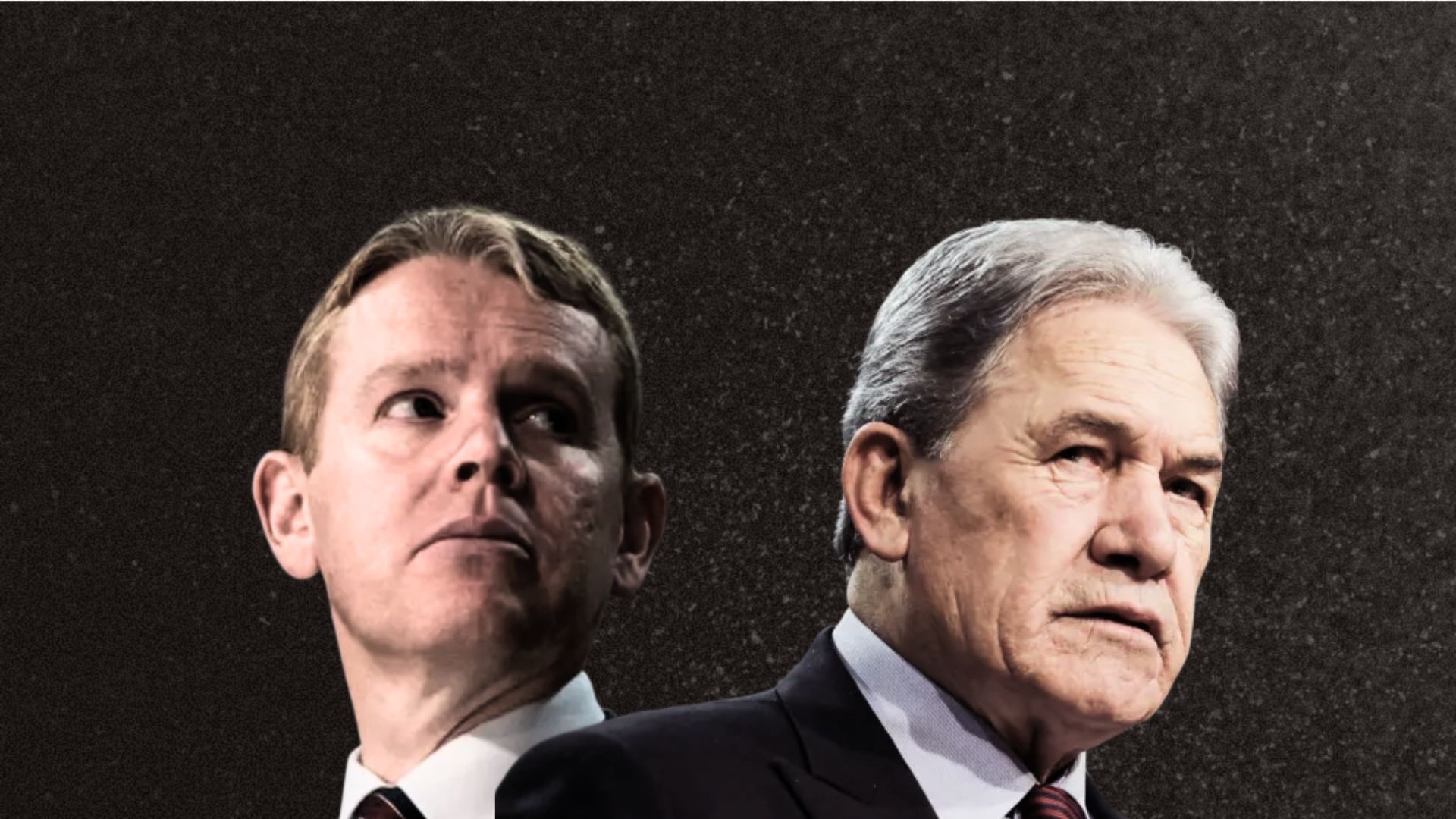
Analysis: Winston Peters says he is not worried about the changing “ethnic makeup” of New Zealand. What really bothers him, he has pointed out, is the country’s changing “societal makeup”.
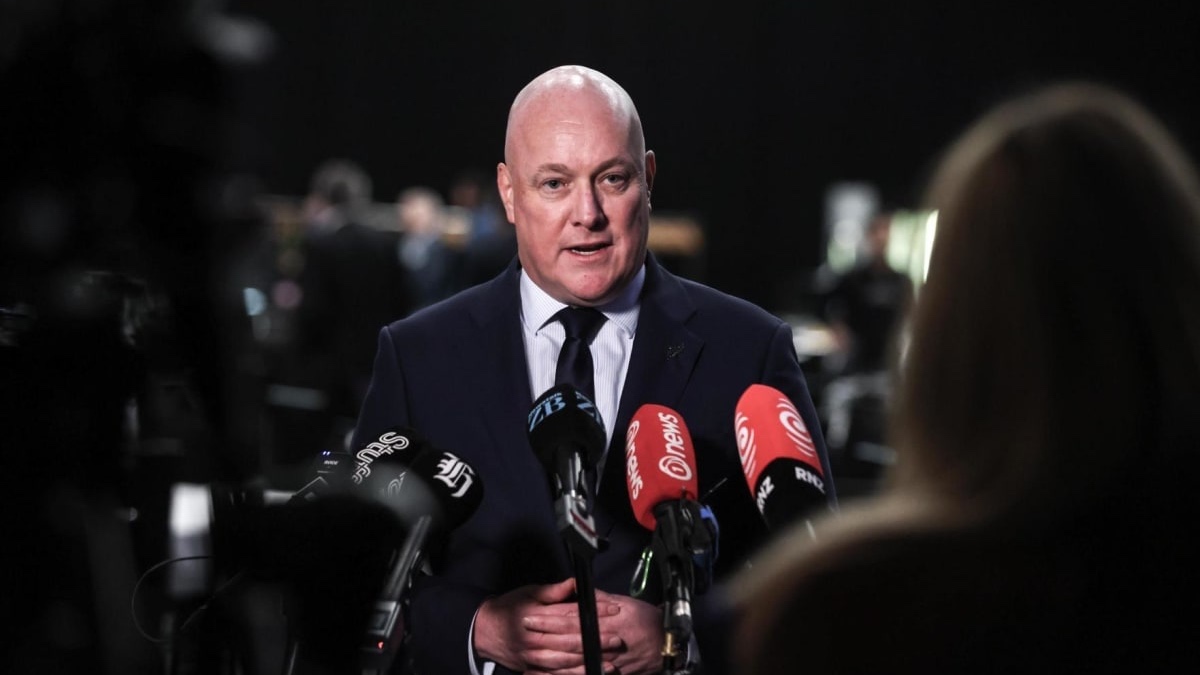
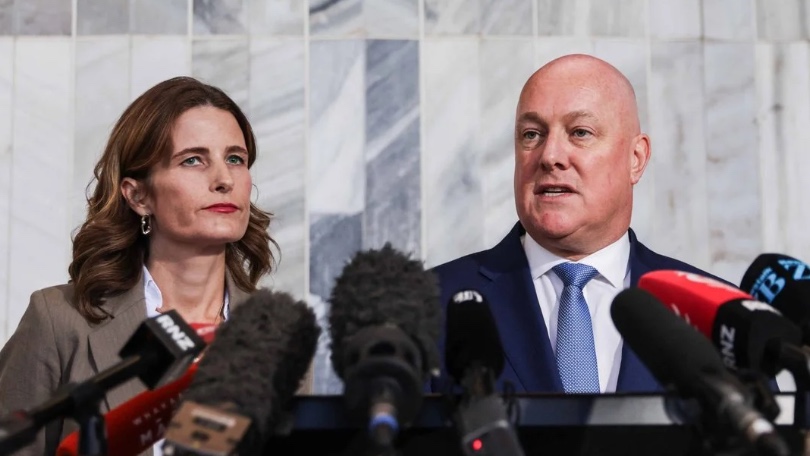
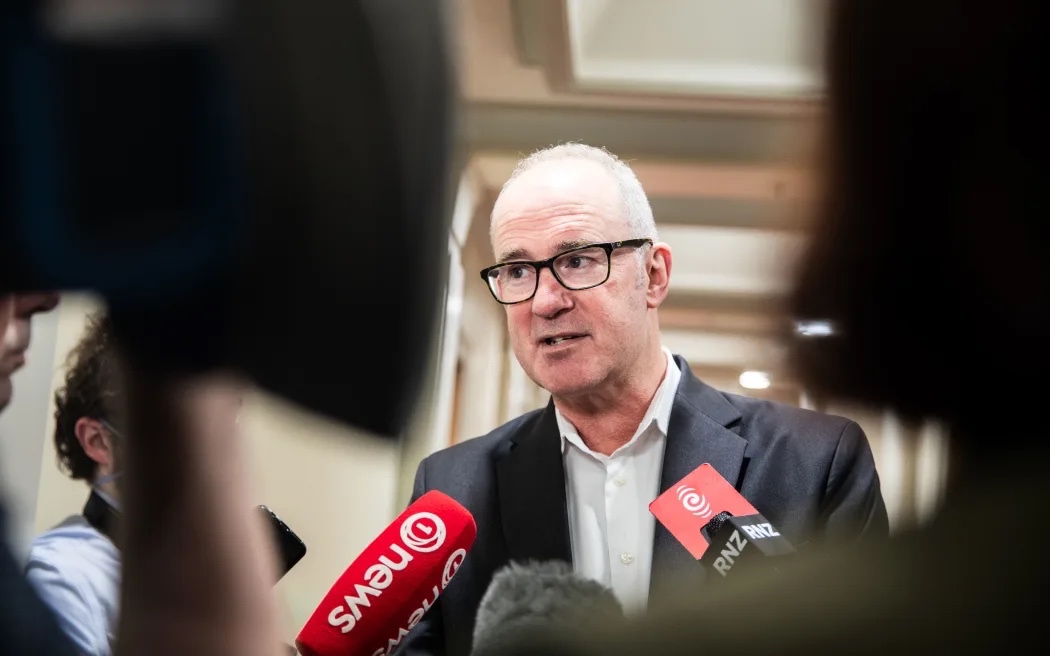
The distinction came during an exchange with The Post's Henry Cooke outside Parliament on Wednesday, August 19. The New Zealand First leader was being questioned about remigration, a term used to describe policies involving mass deportation of migrant and ethnic-minority communities.
Peters made clear New Zealand First wanted nothing to do with it.
“Very good try. We've never mentioned remigration. We've talked about proper migration, where we bring people here that we need, not who need us,” he said.
“We're not talking about remigration at all. We're talking about fixing our immigration policy up right here, right now, and growing our own population with our three-child policy.”
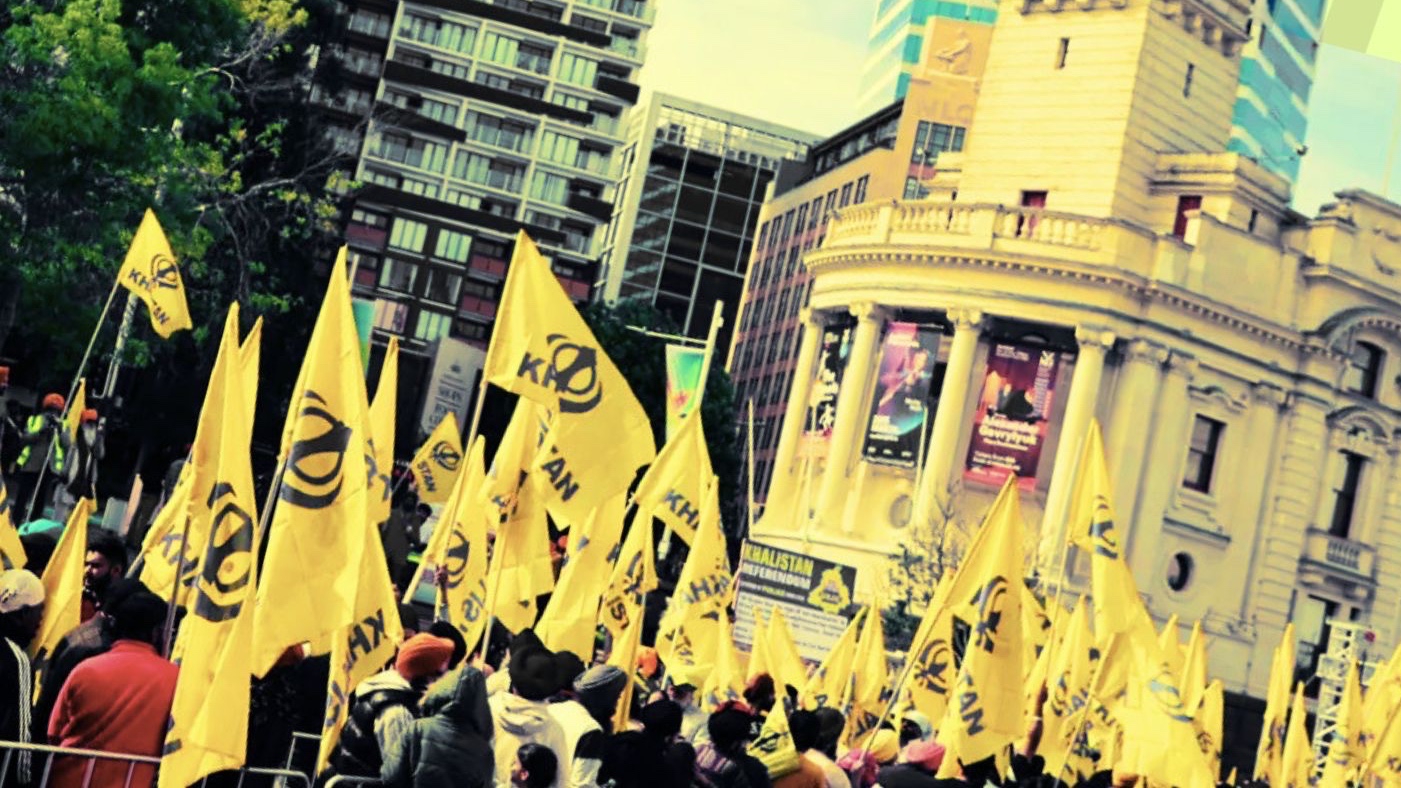
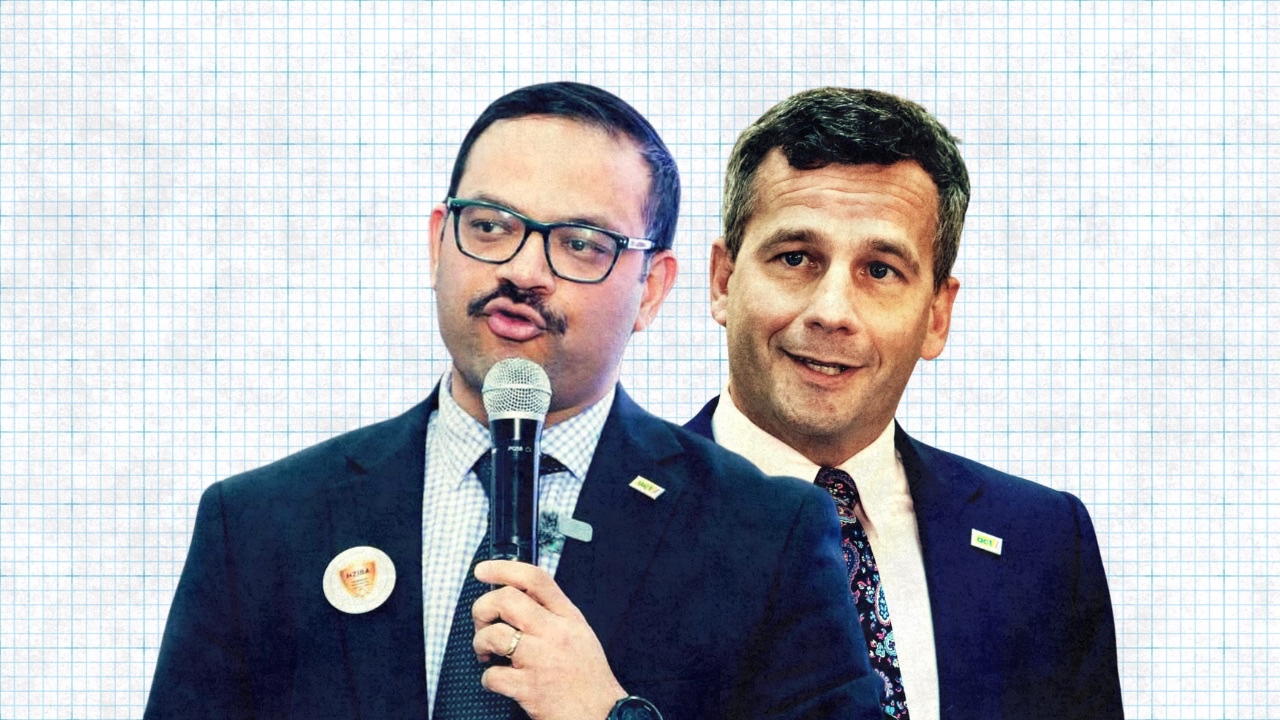
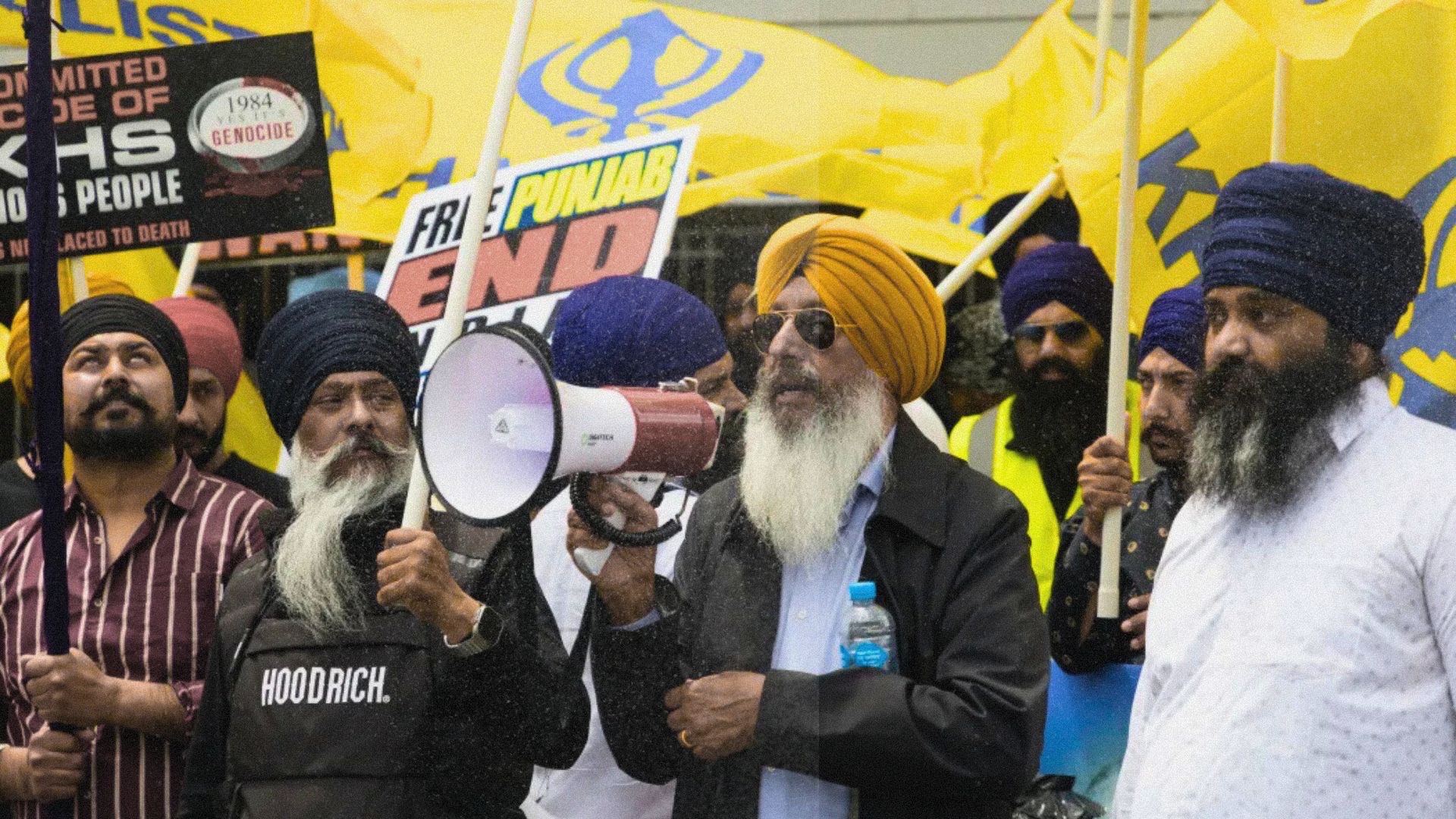
Truant student may have to curb Khalistan speech in India but will be deported, NZ tribunal rules The 21-year-old's education provider terminated his enrollment within a year because of poor attendance.
New Zealand-trained Indian pilot hailed for saving 174 people in Flydubai suspected crash bid Smit Machchhar trained with Mainland Air in Dunedin for about 18 months between 2008 and 2009.
54 hours worked, 26 hours paid: Indian migrant wins $60,000 from Auckland employer The man's additional claim that he paid unlawful premiums to procure the visa didn't hold up in the employment tribunal.
But what followed was perhaps more revealing about how Peters sees the demographic changes taking place in New Zealand.
He said the country was in an “11th-hour situation”.
“The country's population has been transformed, being transformed by a rampant immigration policy without any consensus as to the numbers,” Peters said.
“The whole dichotomy of New Zealand society is changing without any consent of the New Zealand people.”
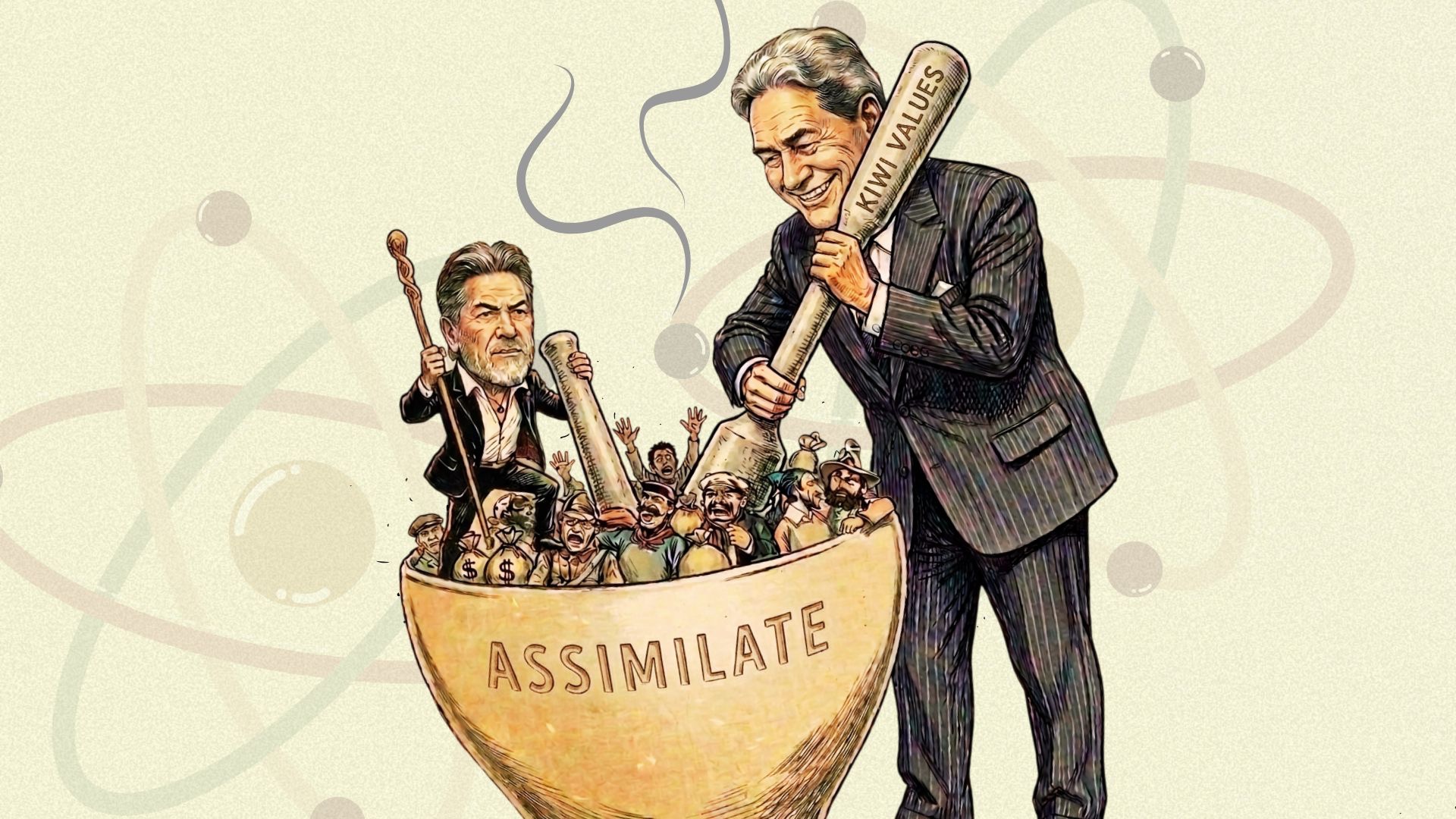
Cooke then asked whether Peters was worried about the “ethnic makeup” of the country changing. Peters said his concern was instead about its “societal makeup”. He did not go on to explain exactly where one ended and the other began.
The ‘host culture’
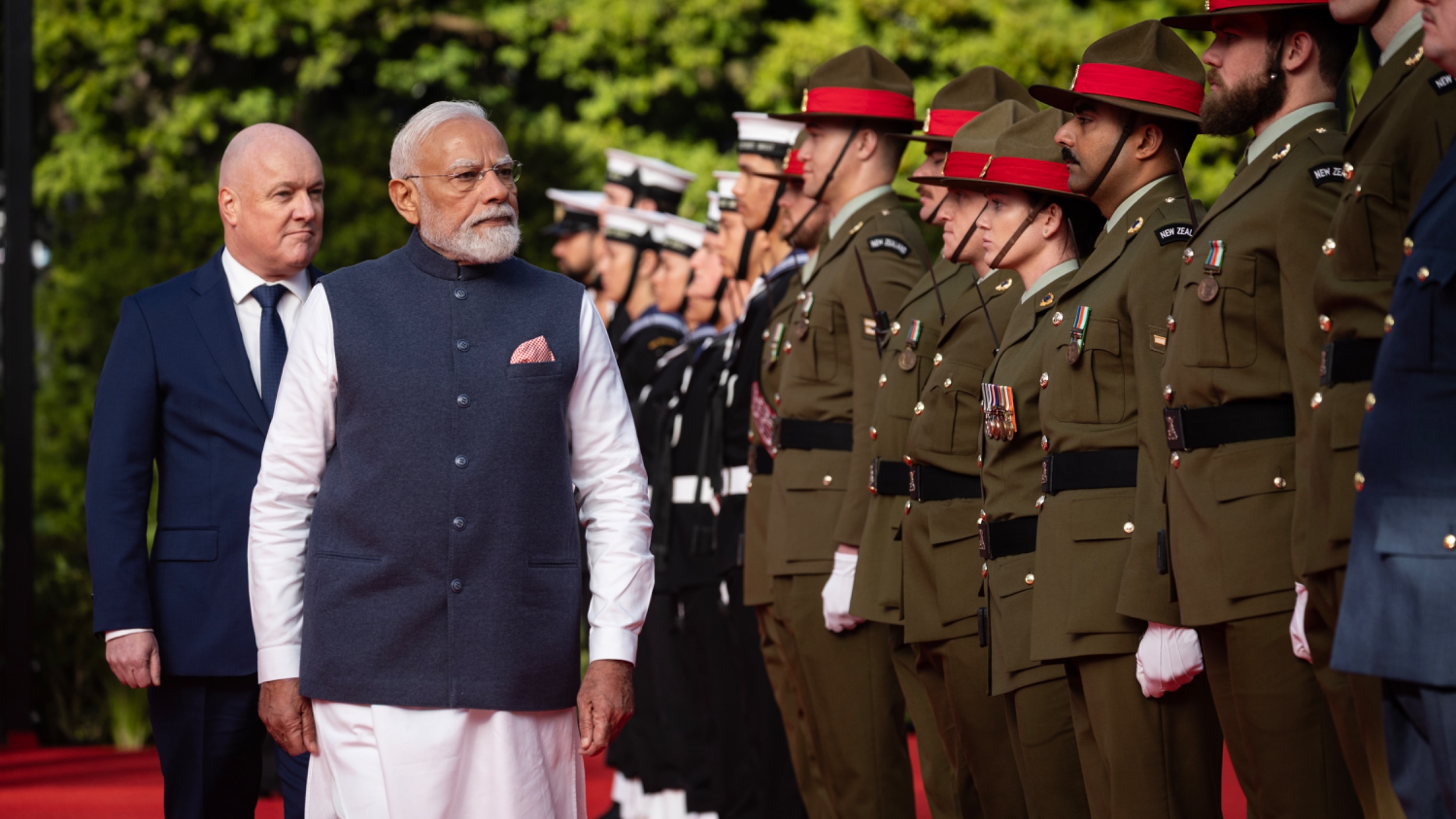
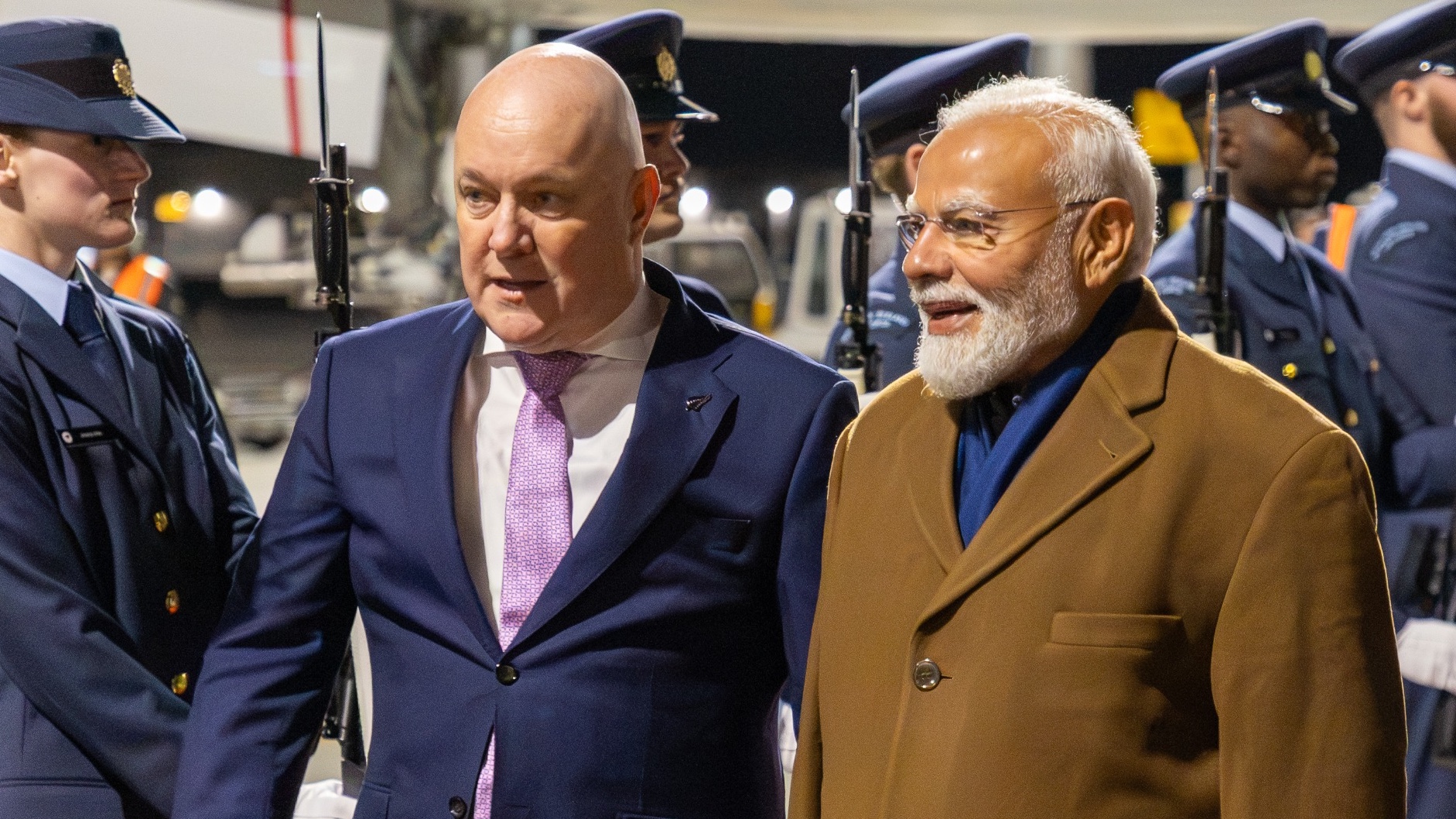
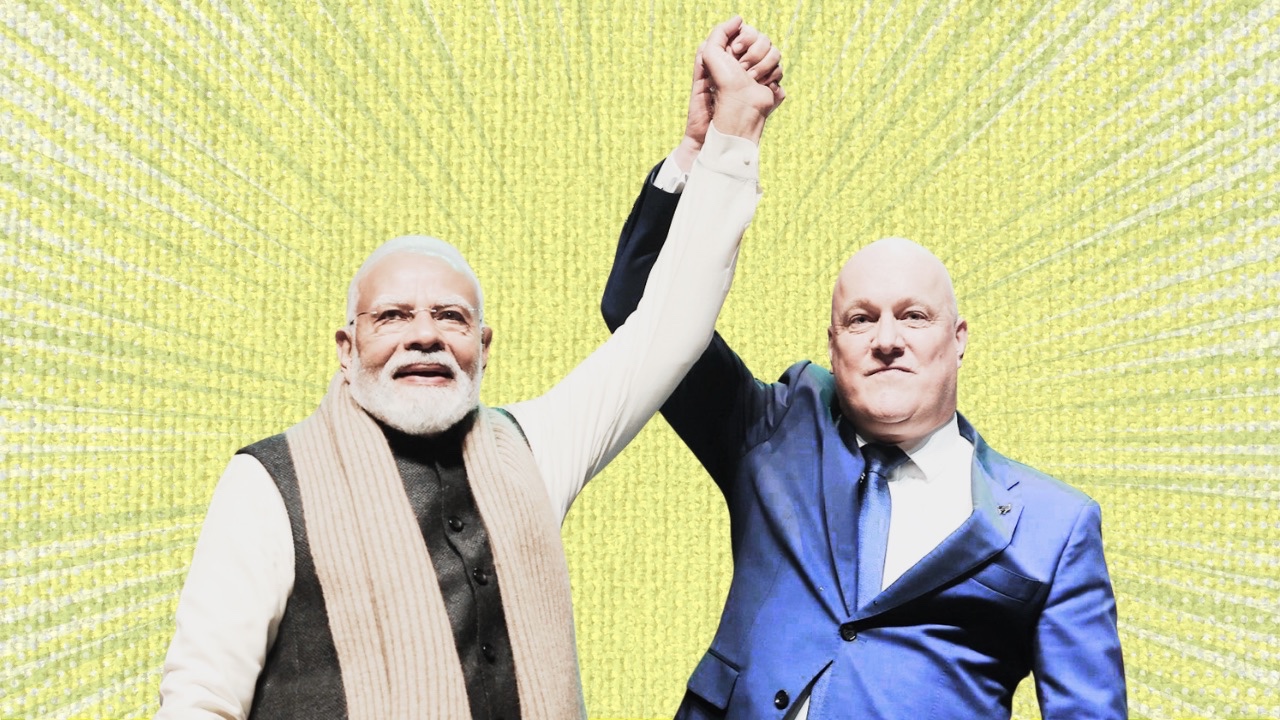
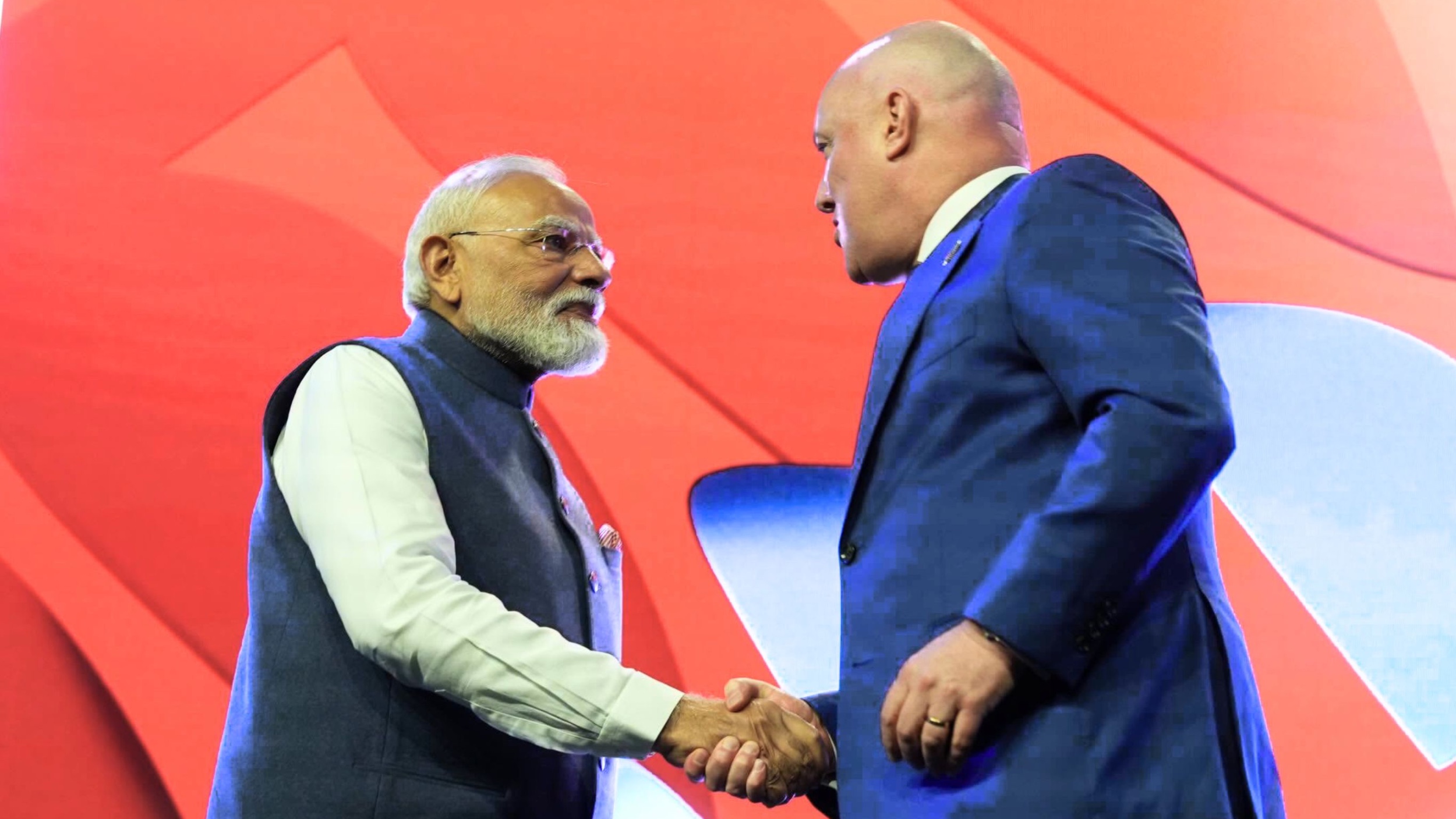
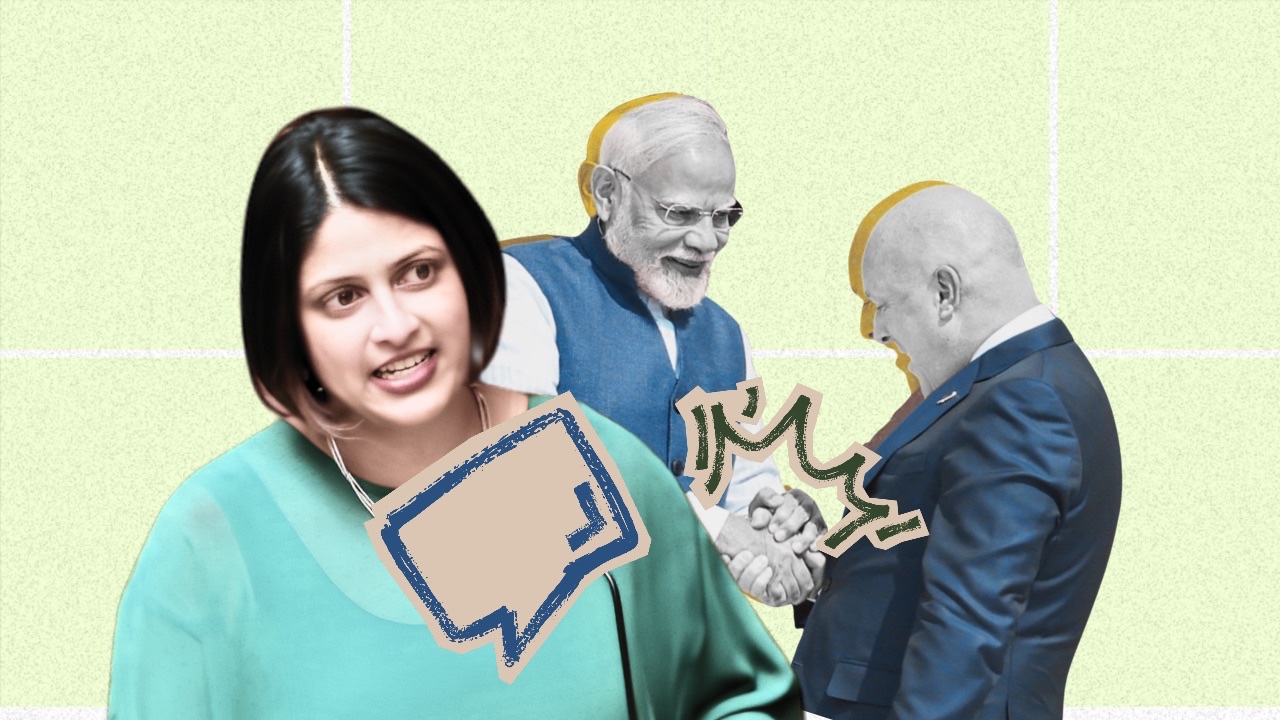
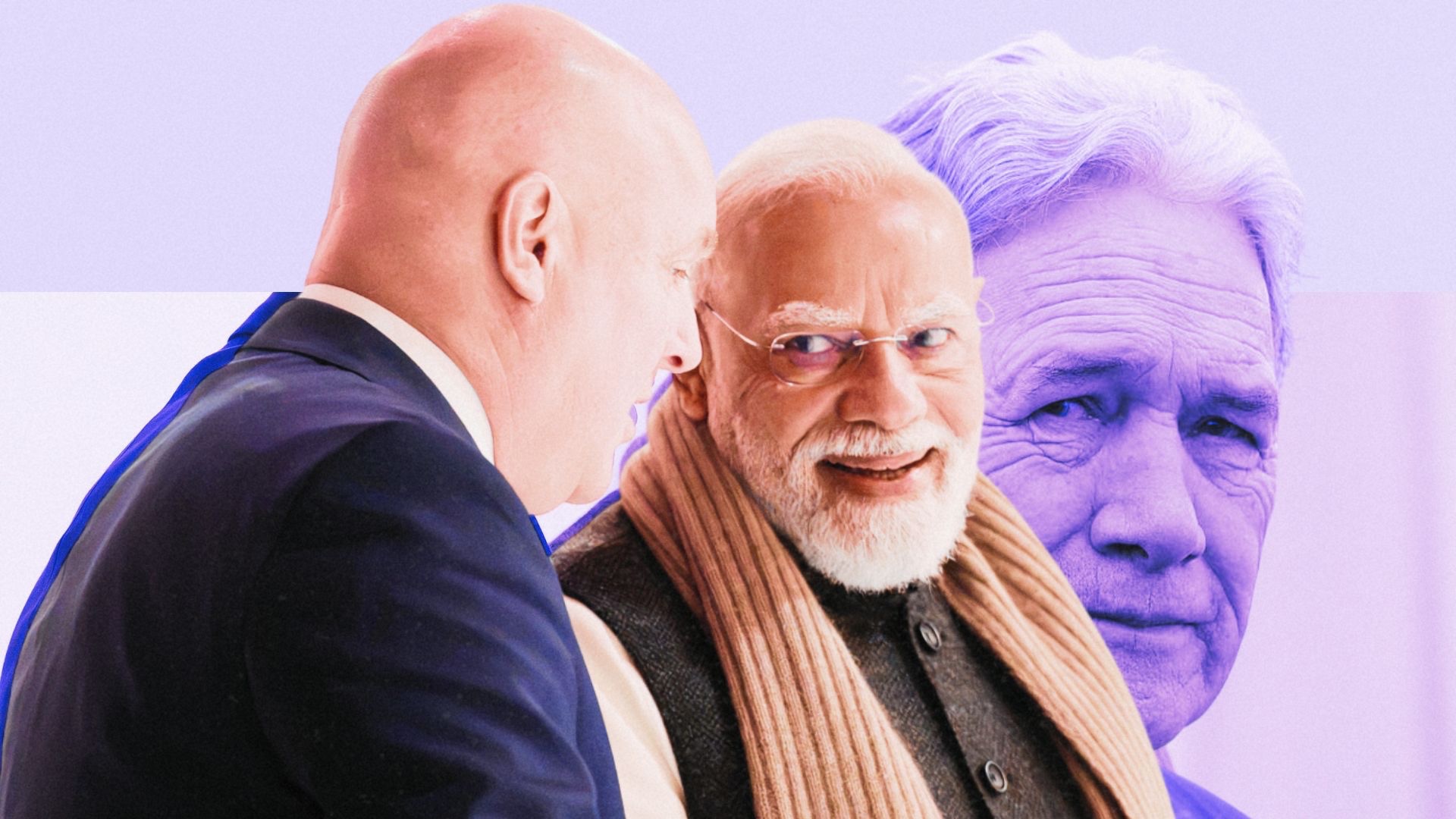
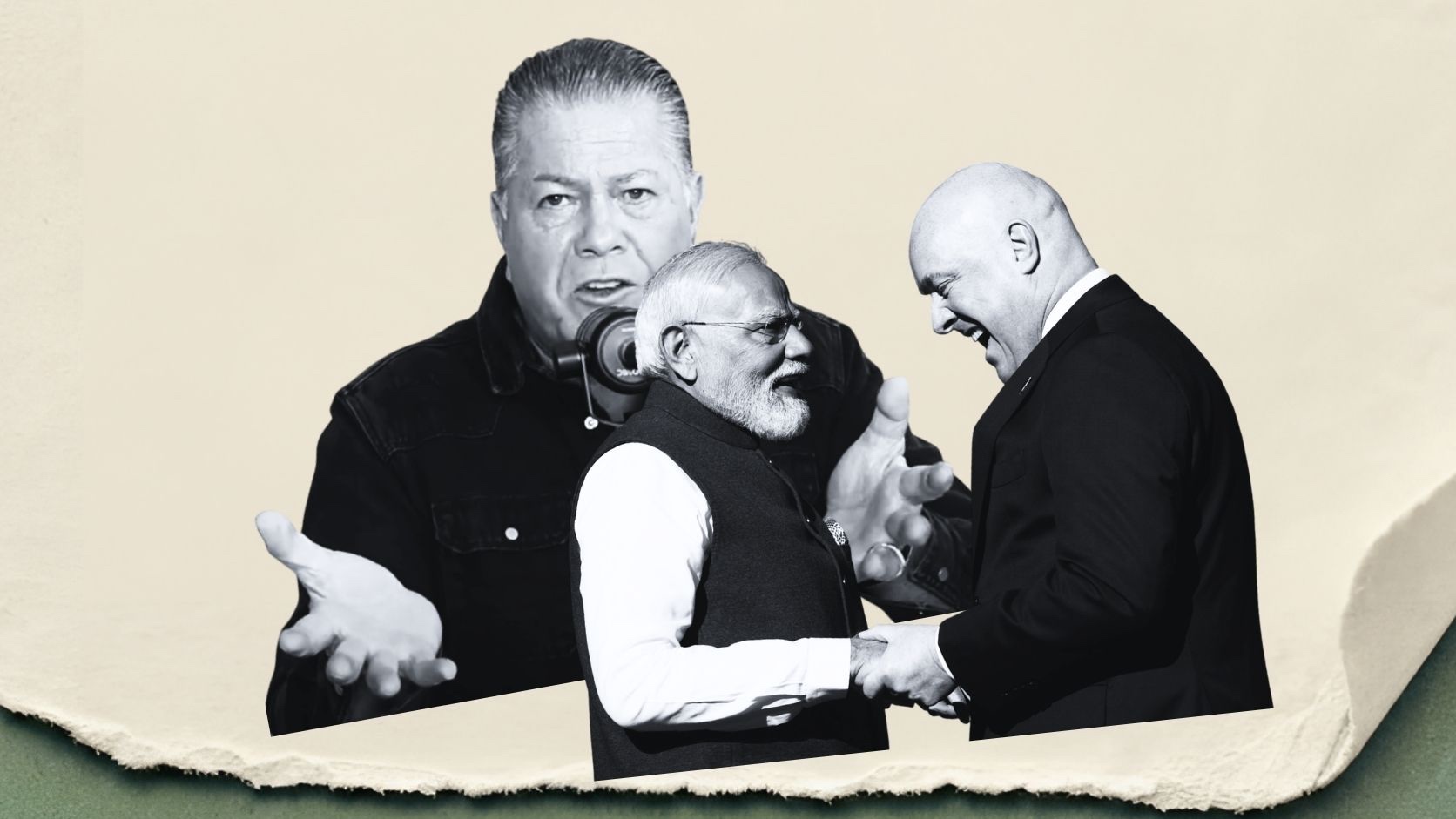
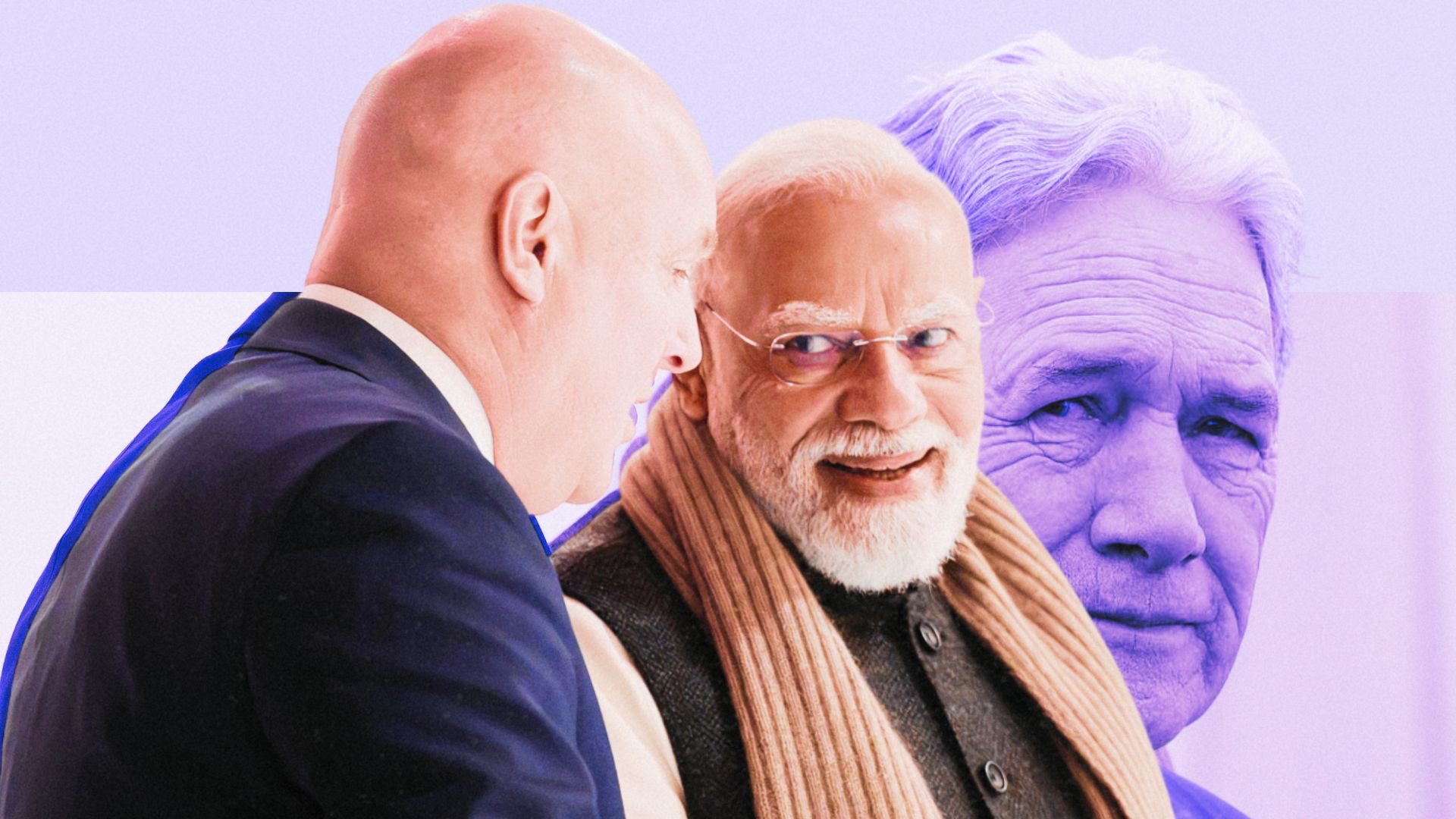
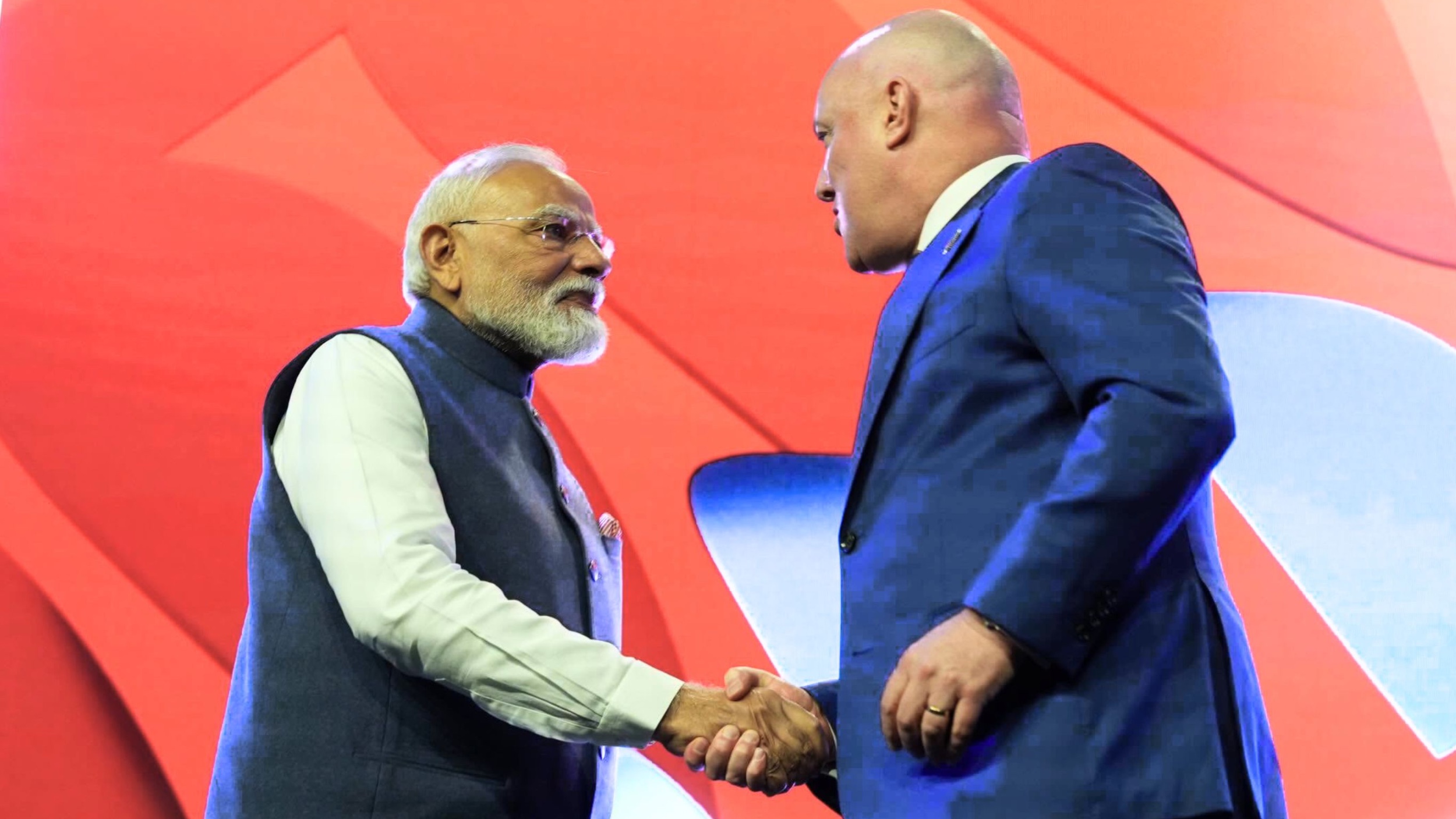
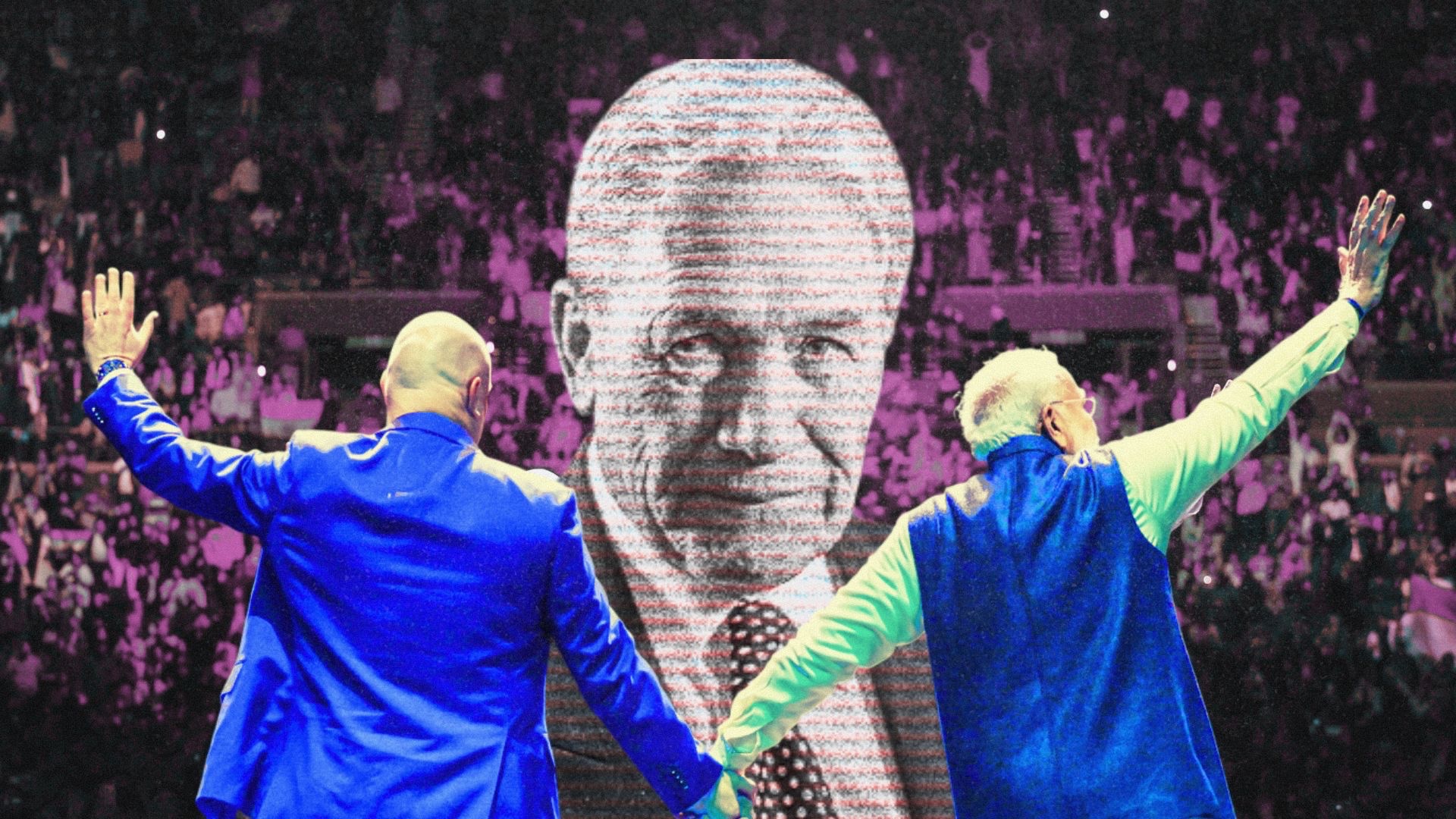
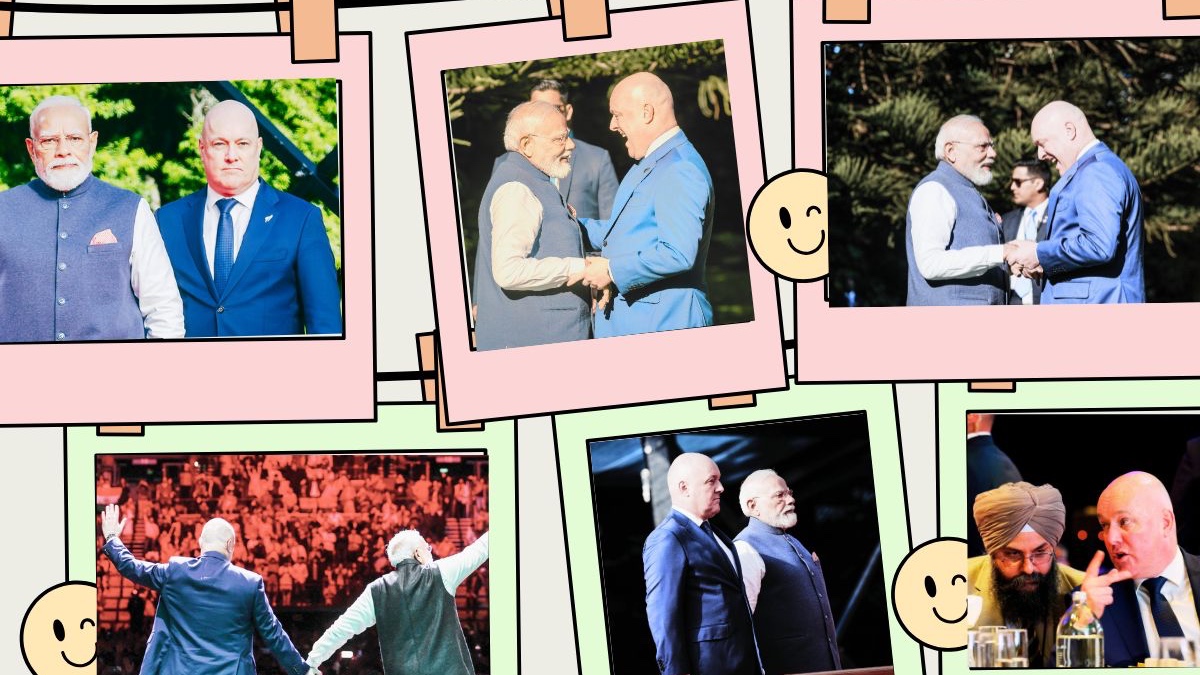
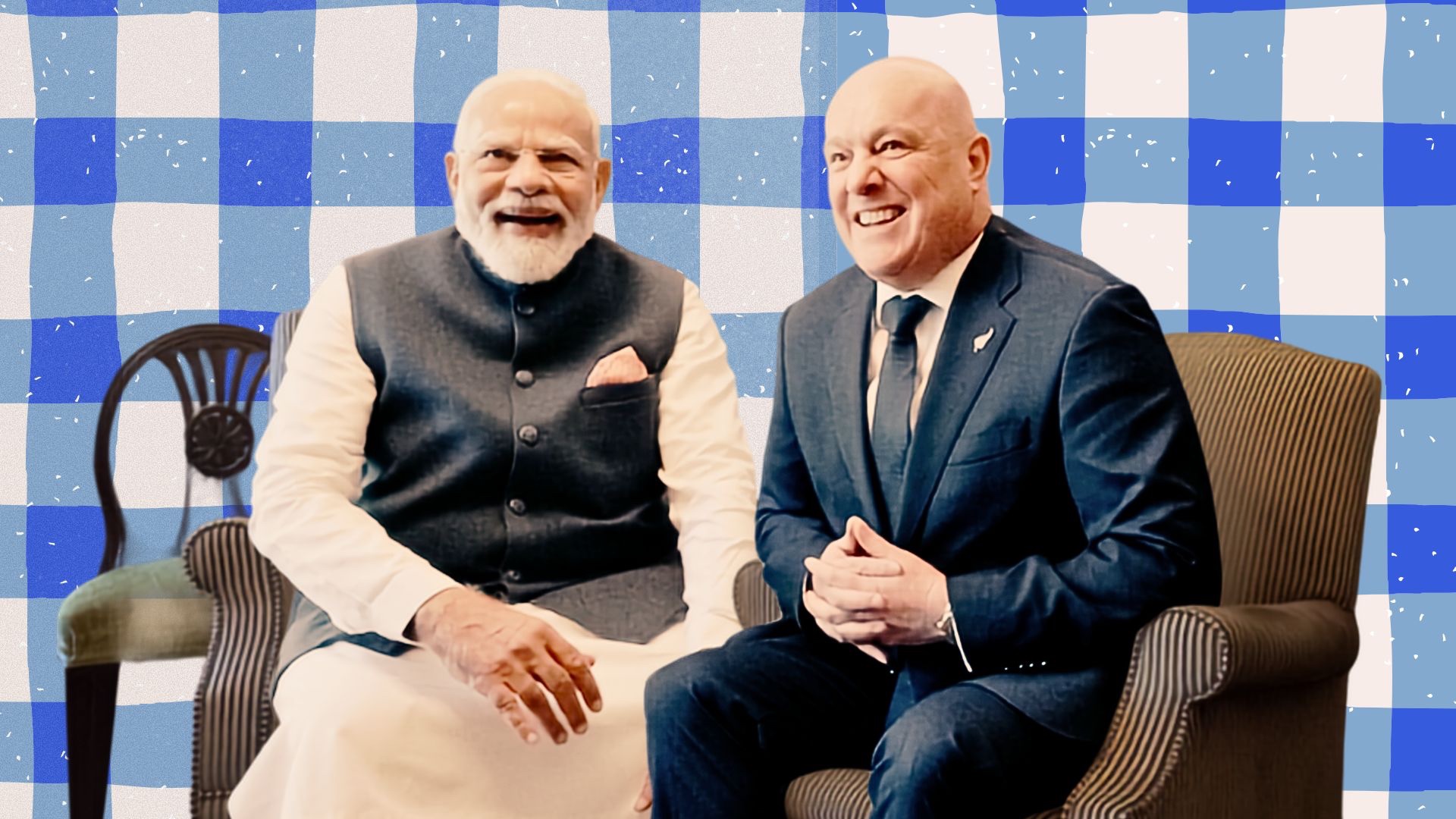
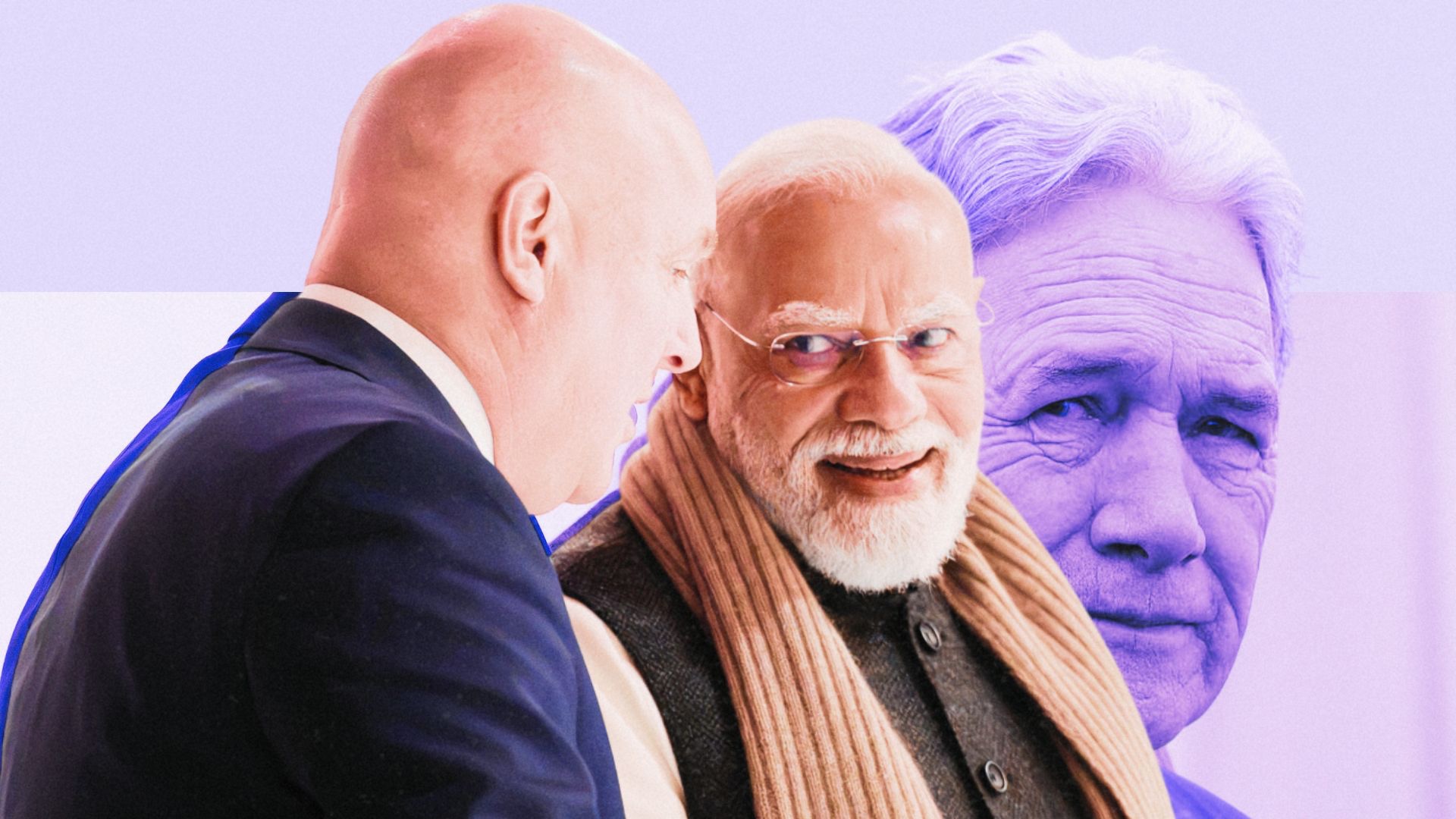
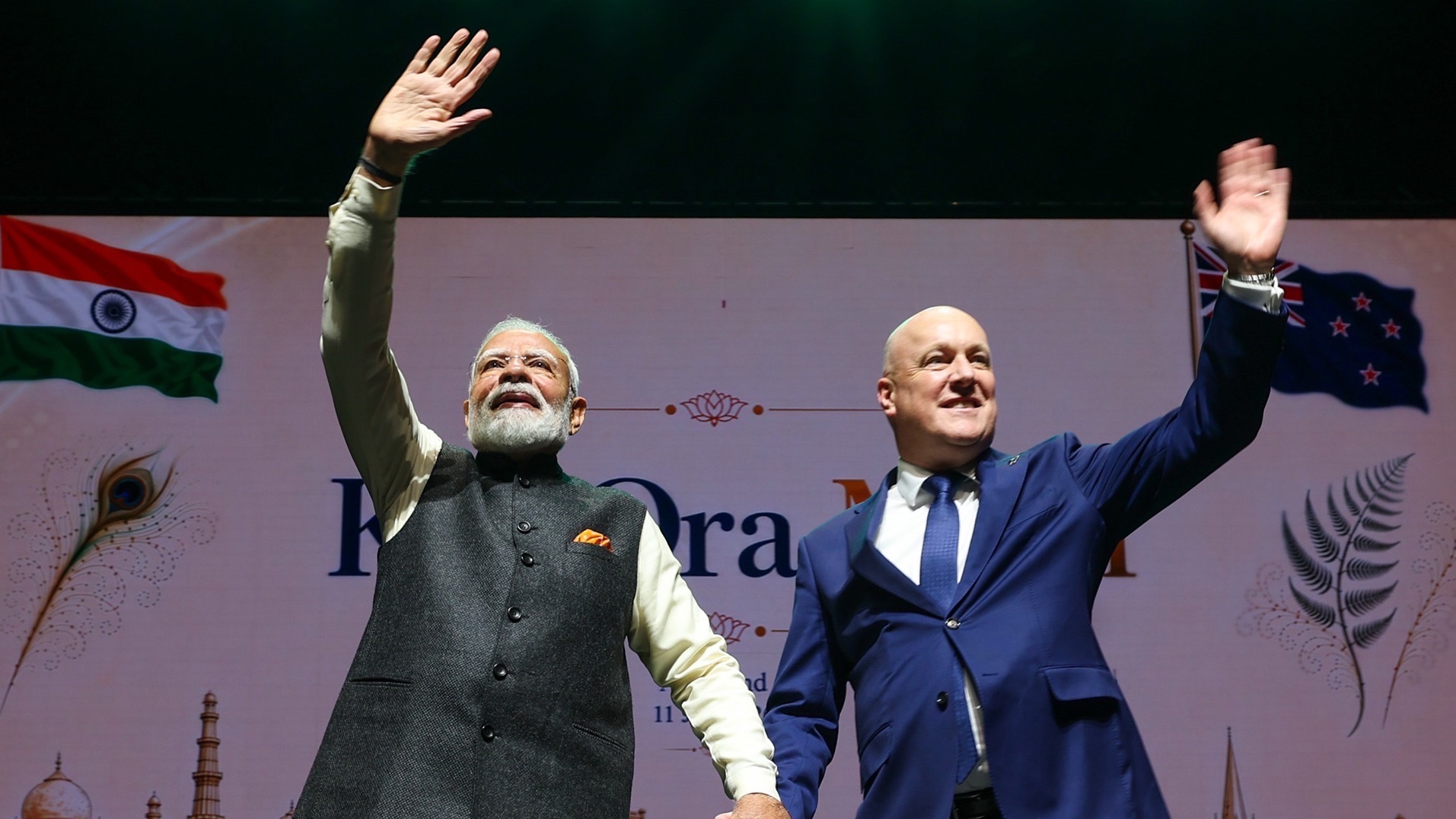
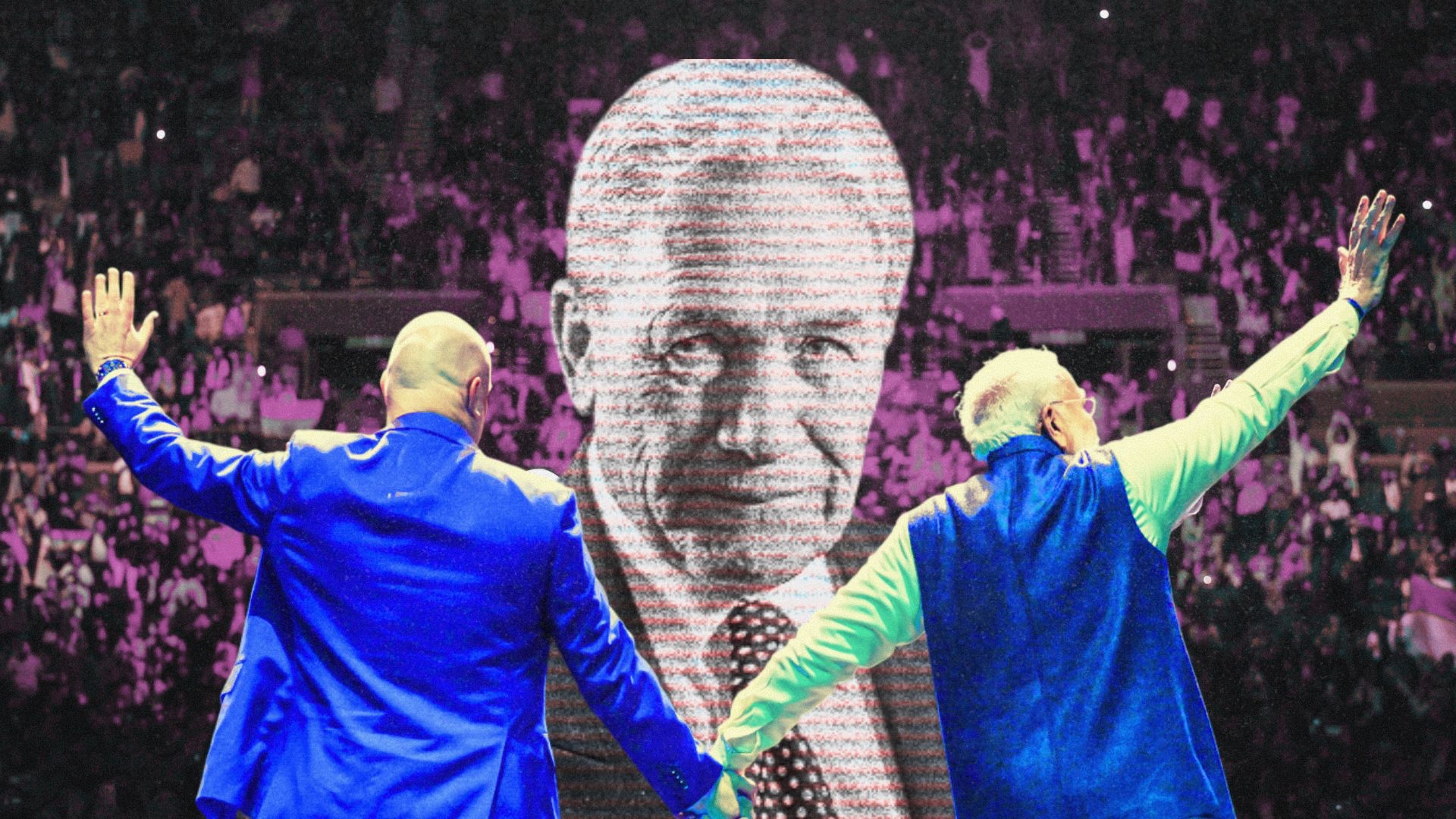
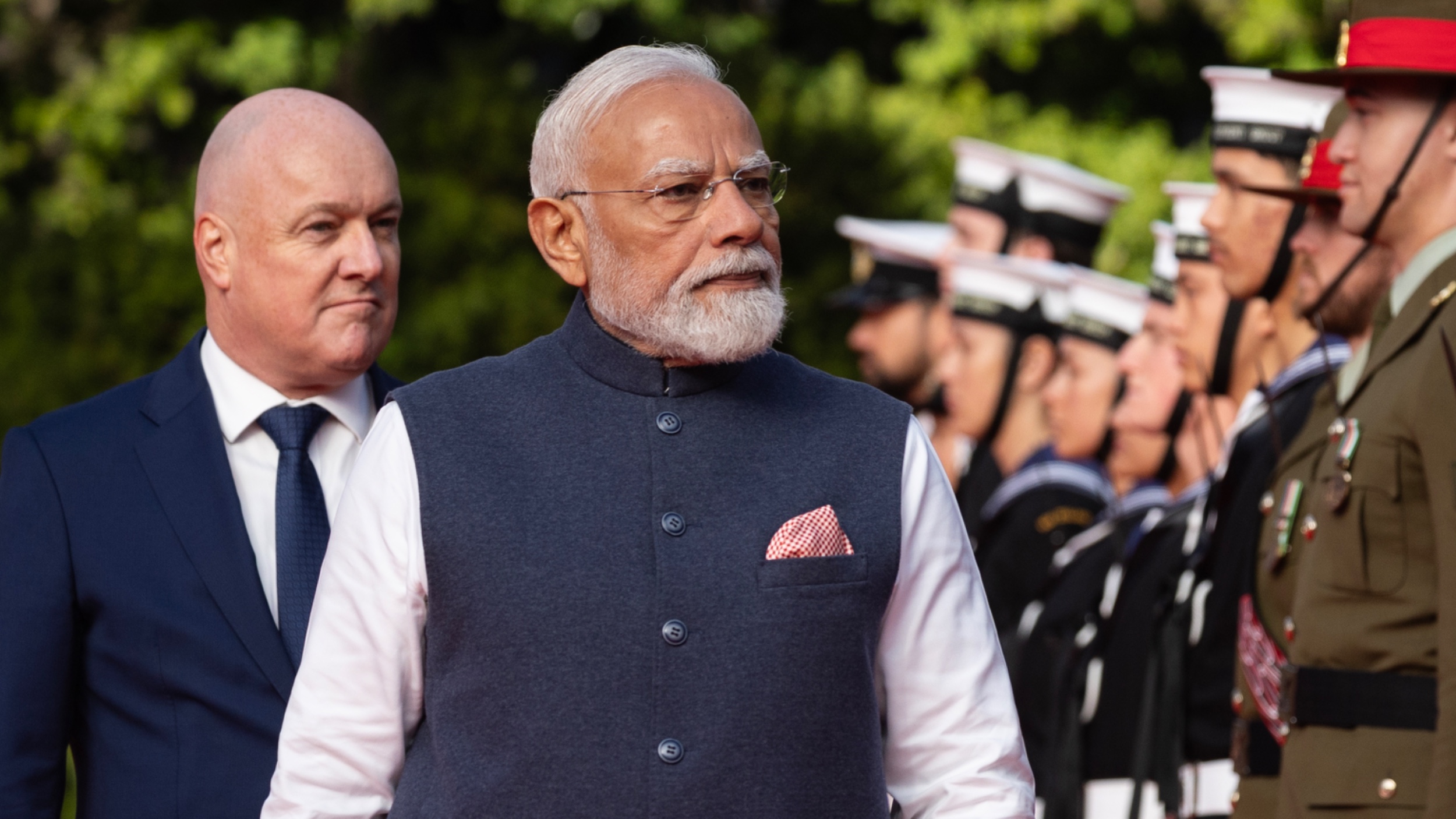
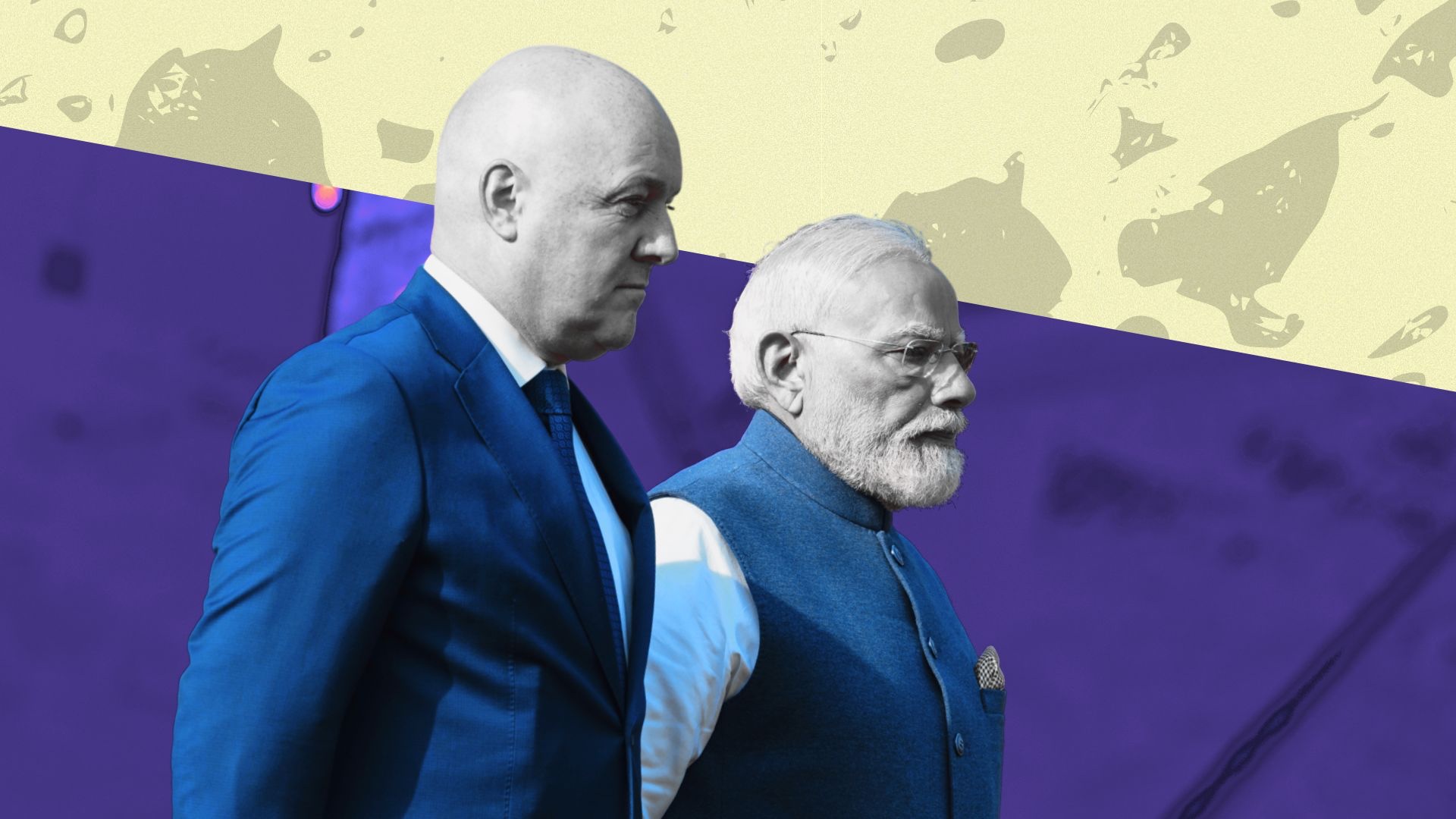
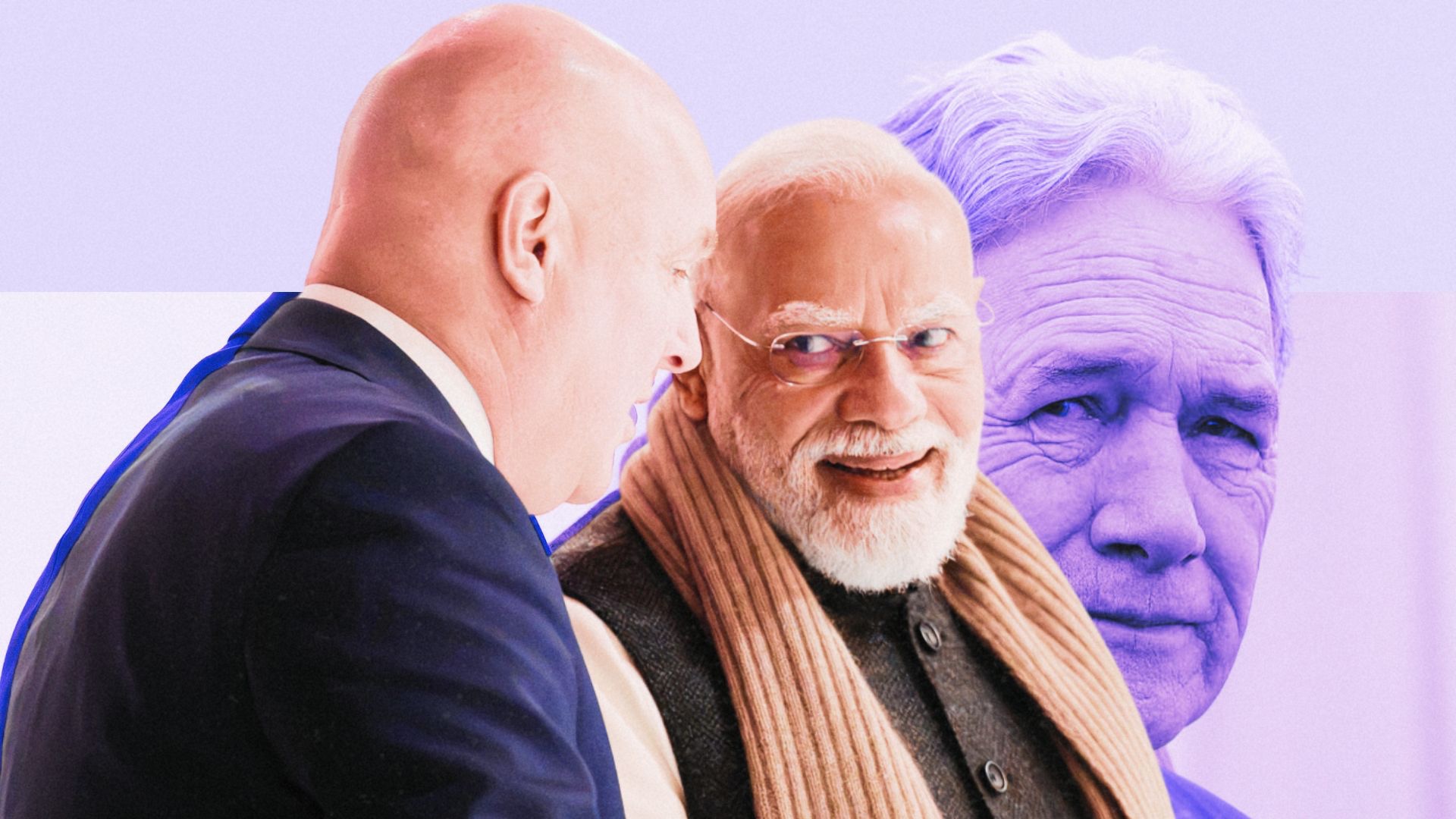
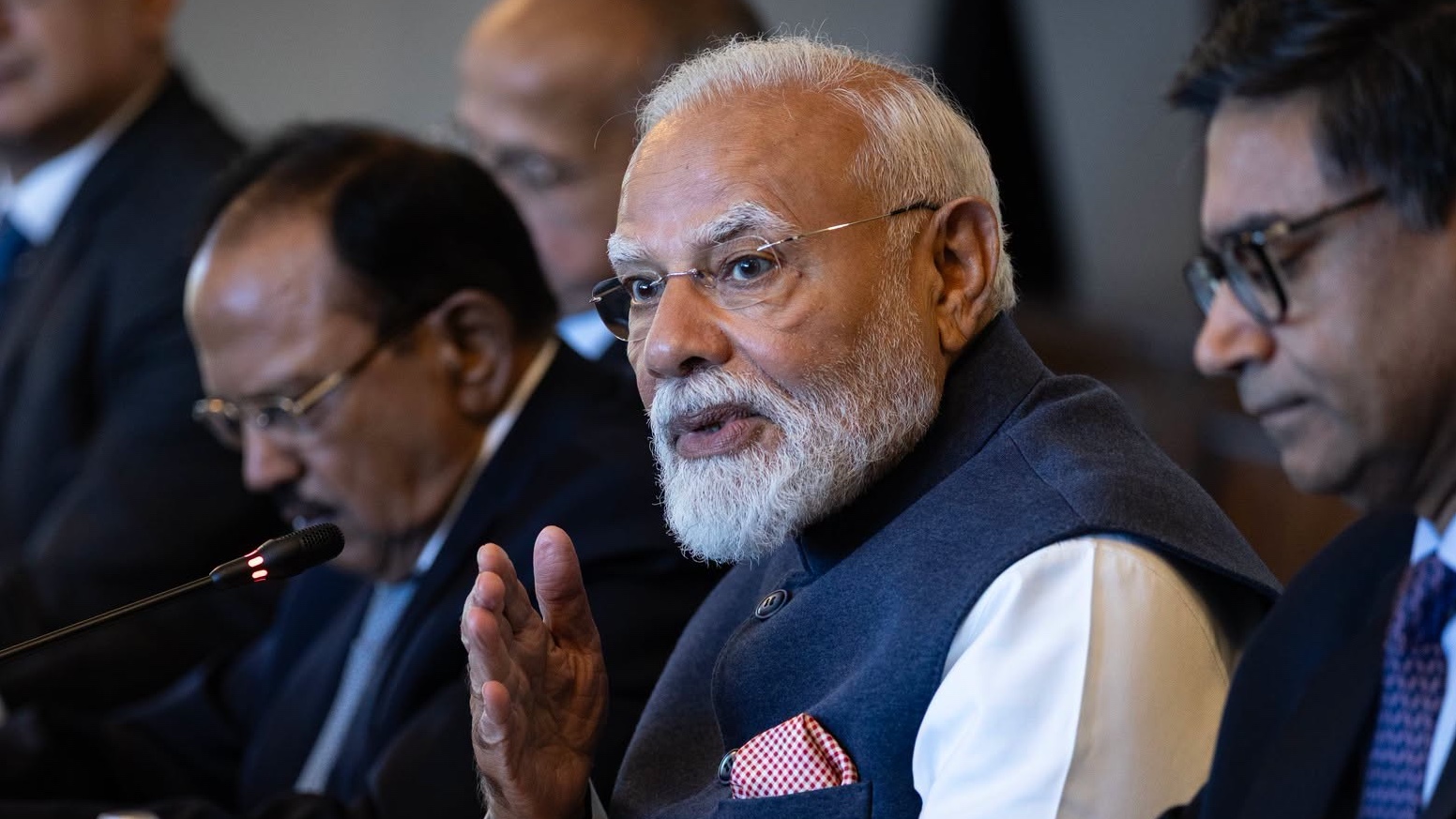
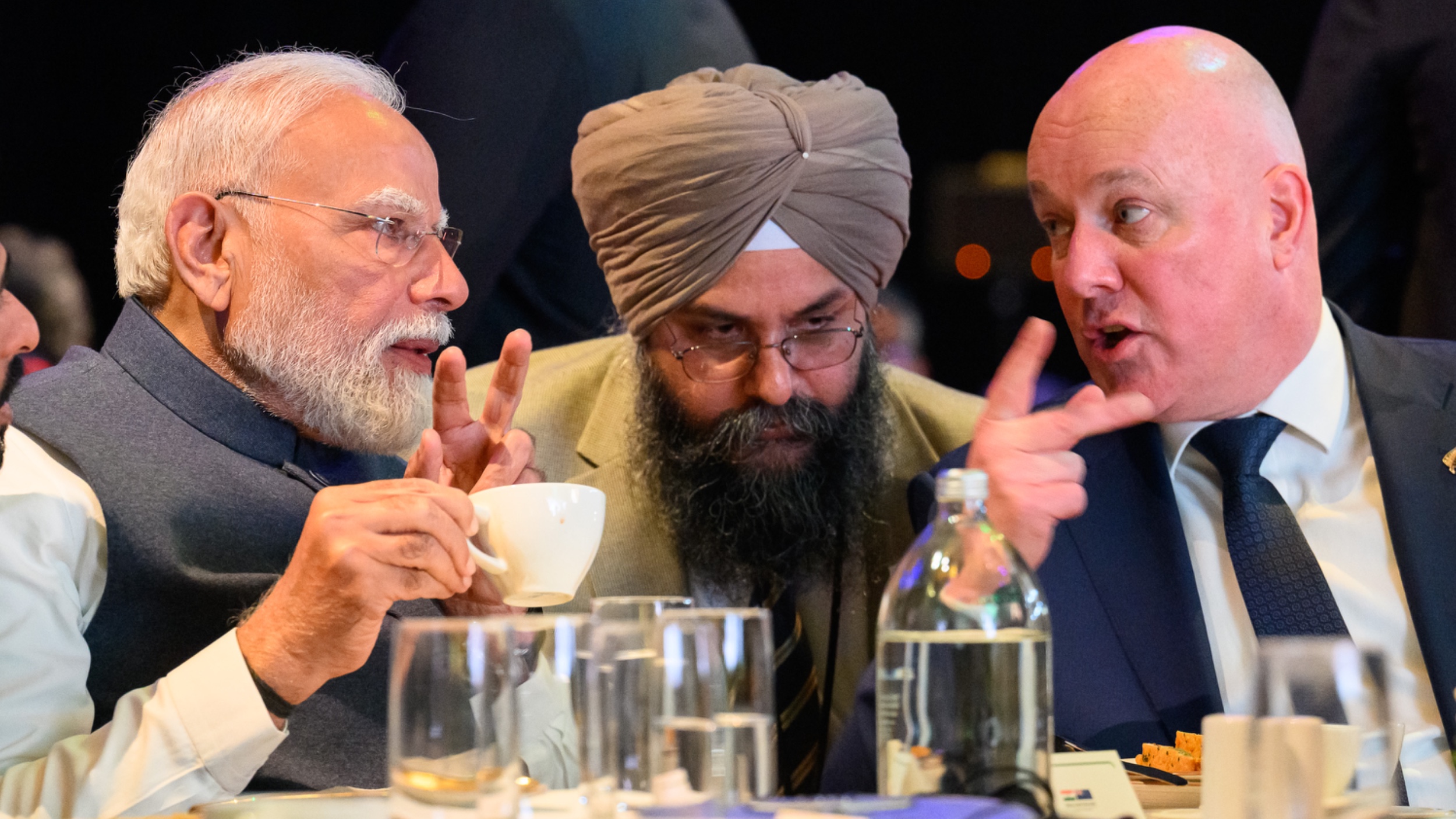
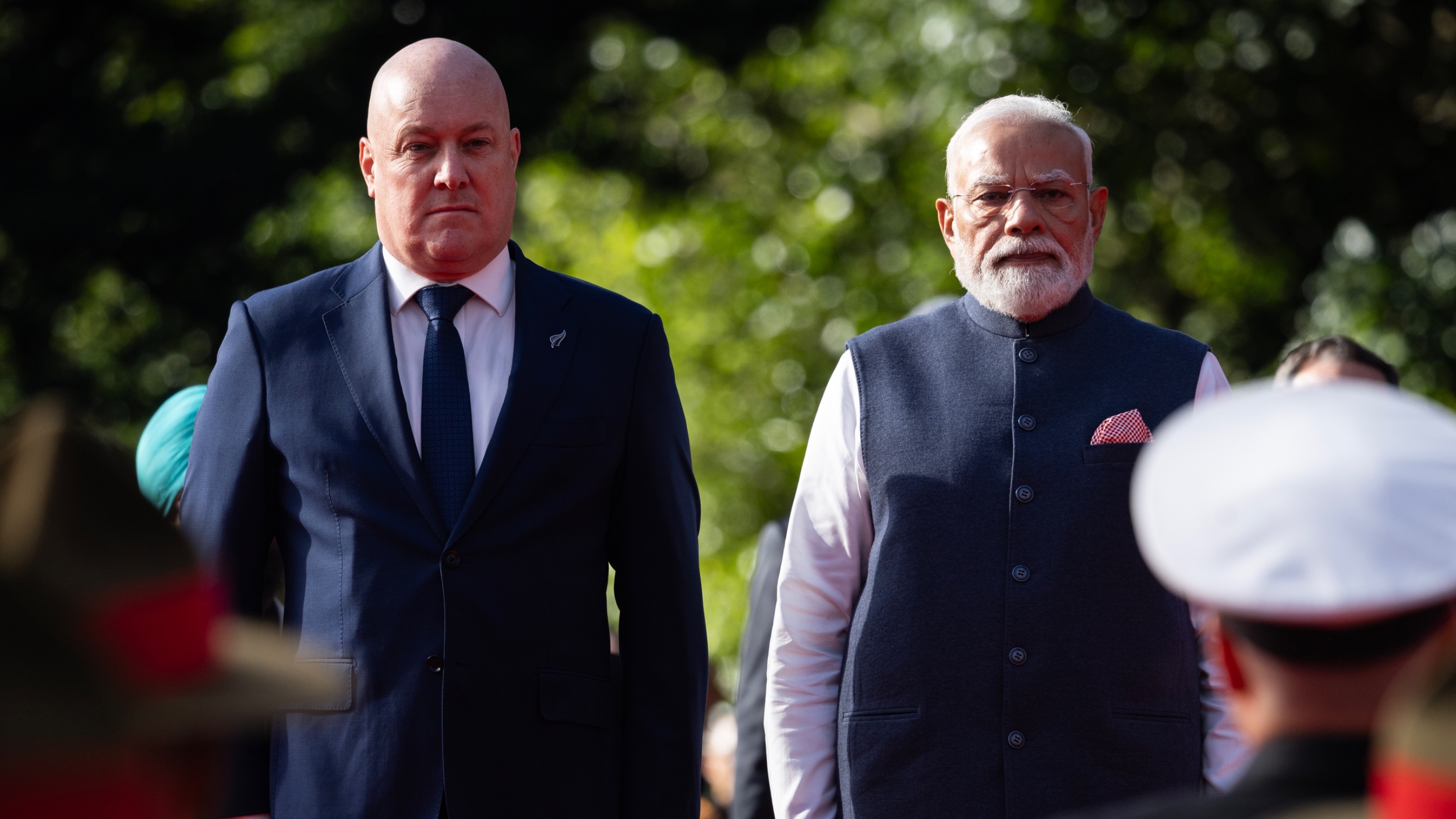
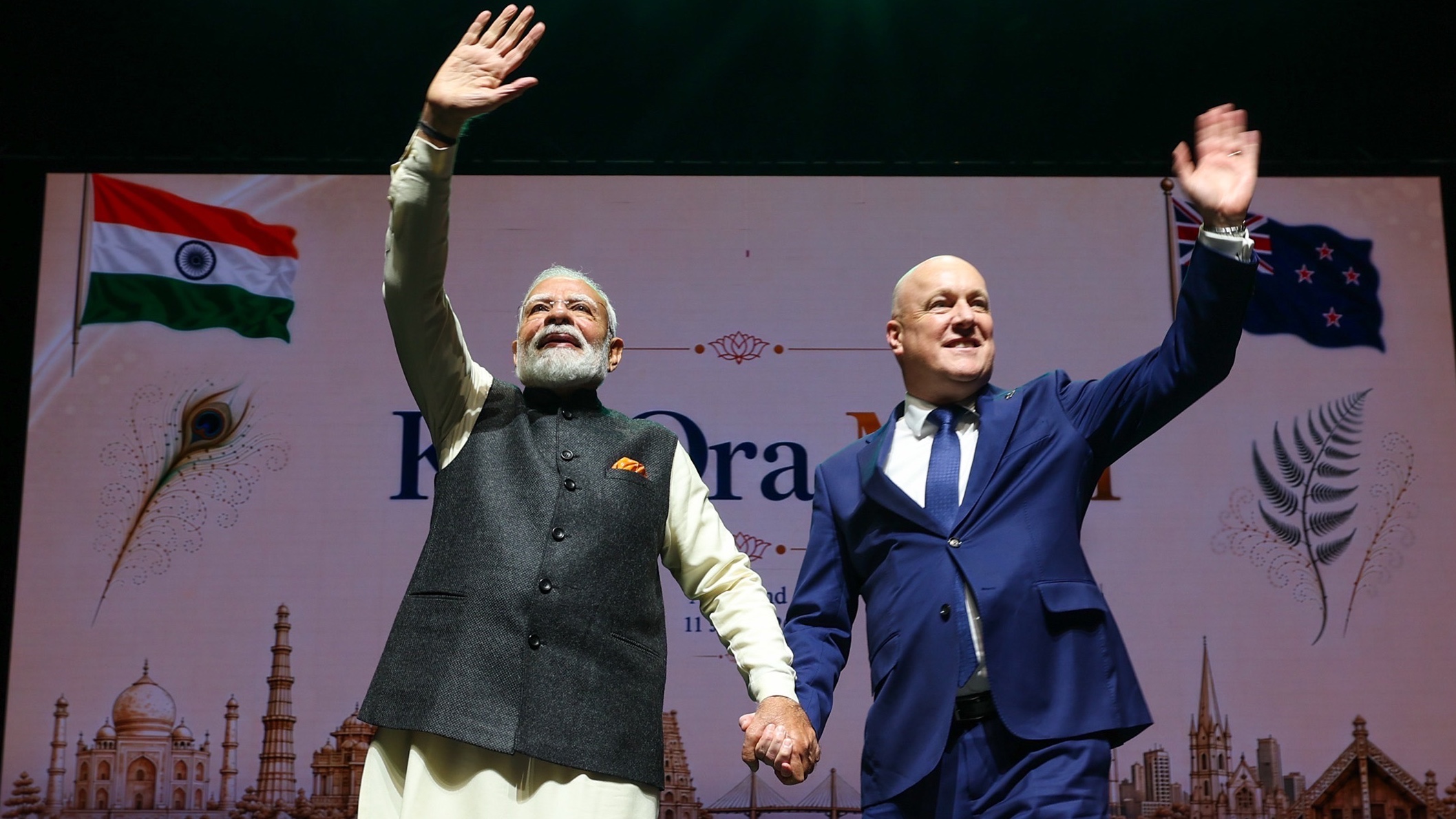
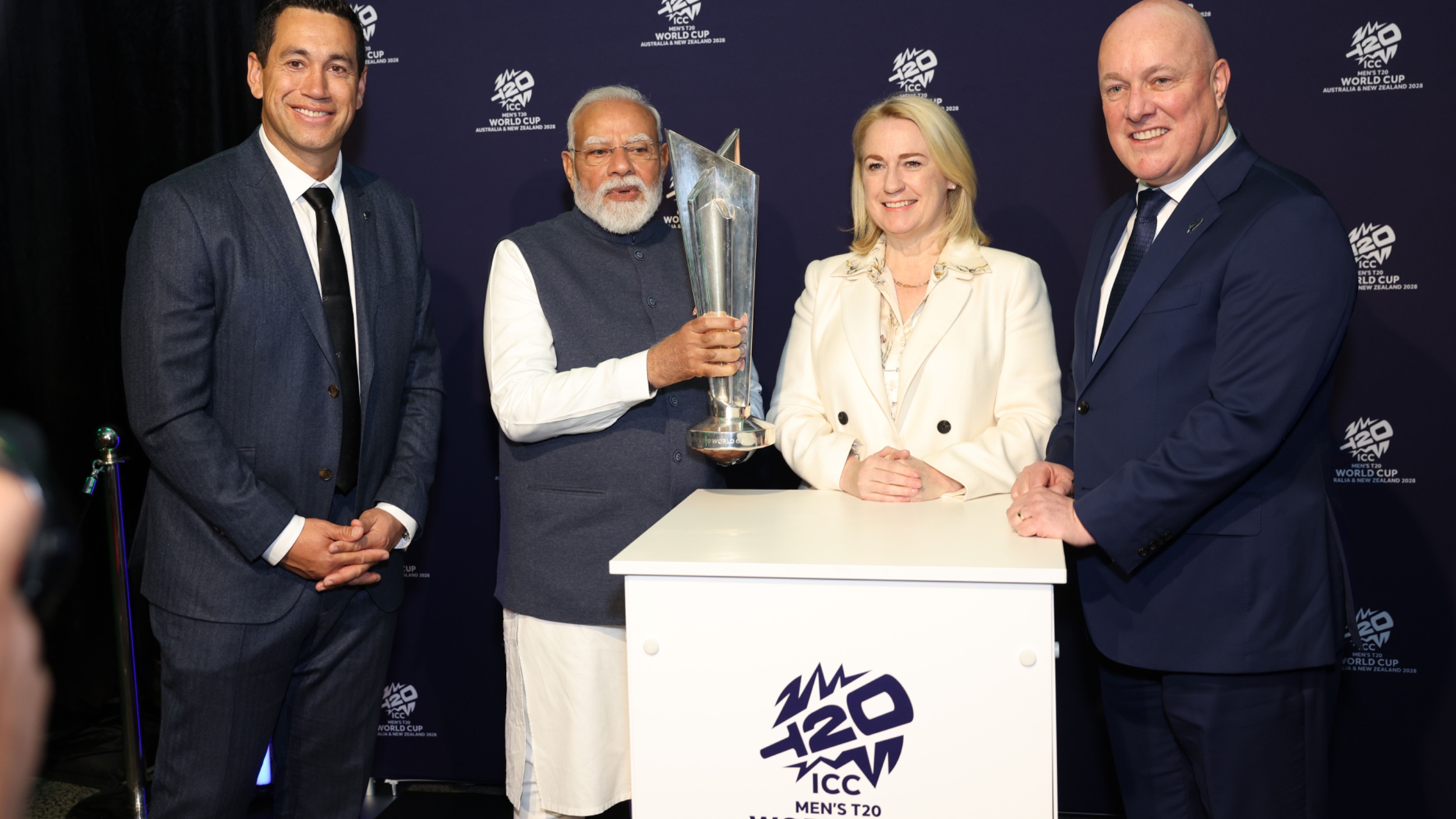
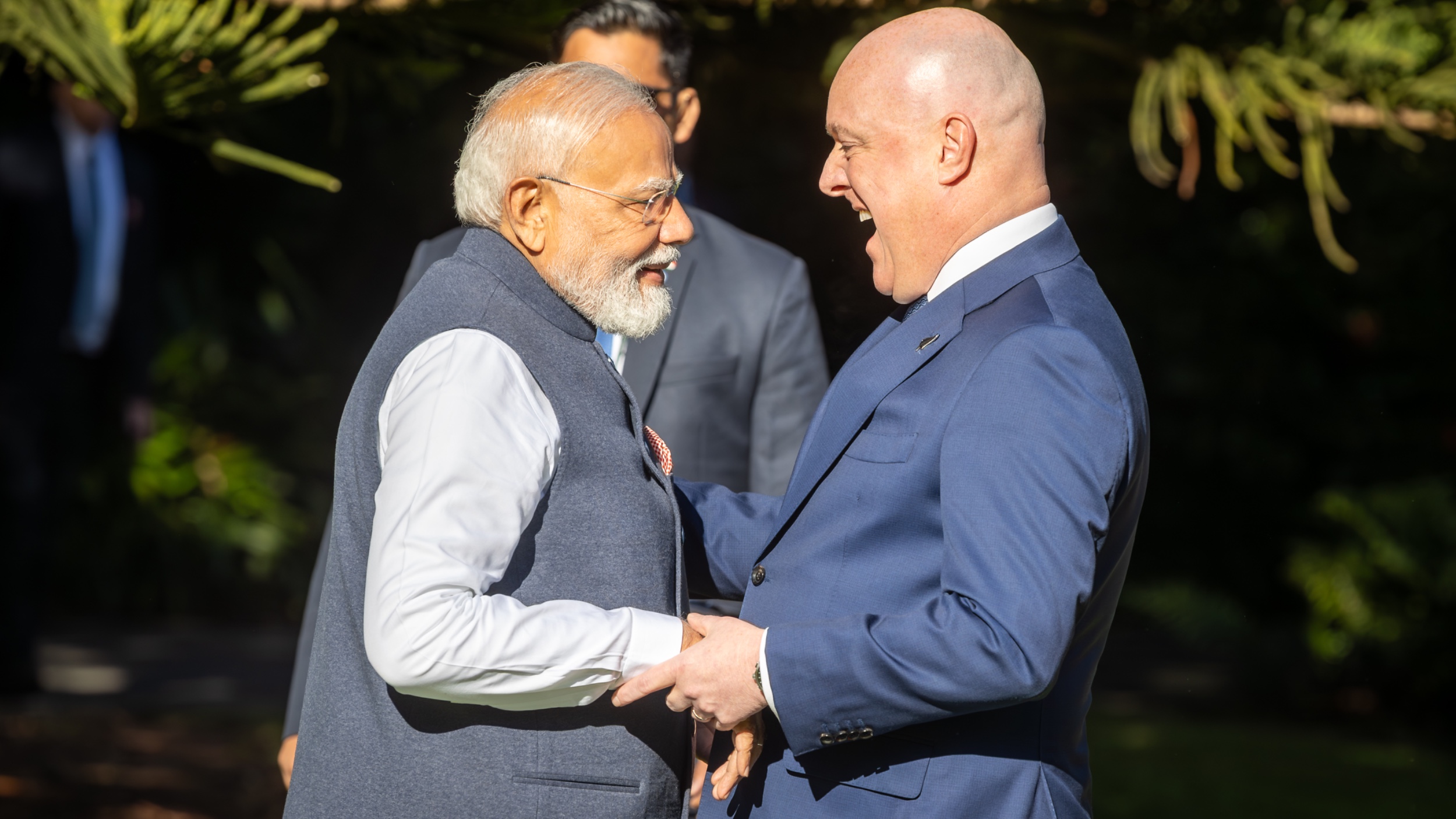
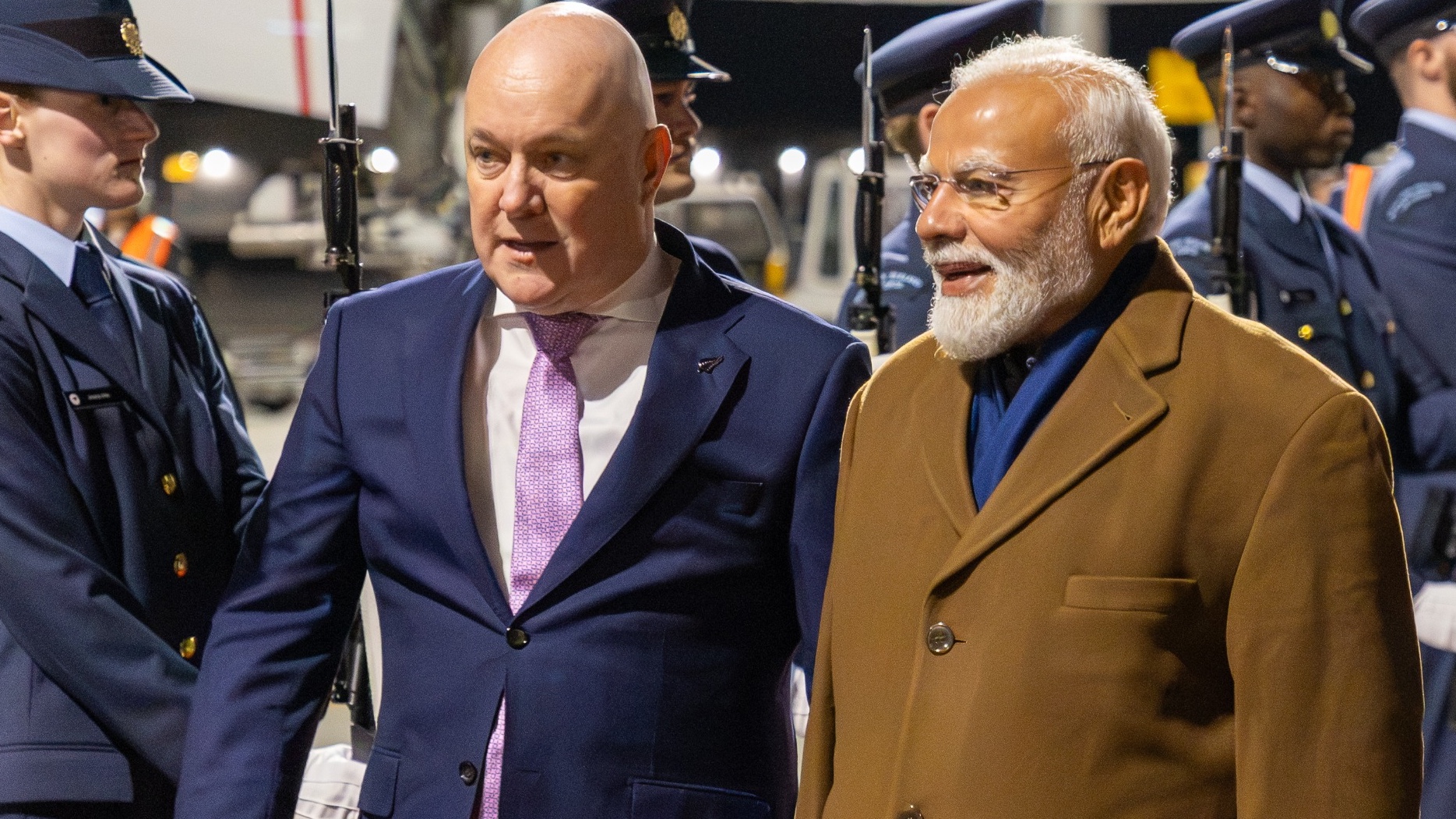
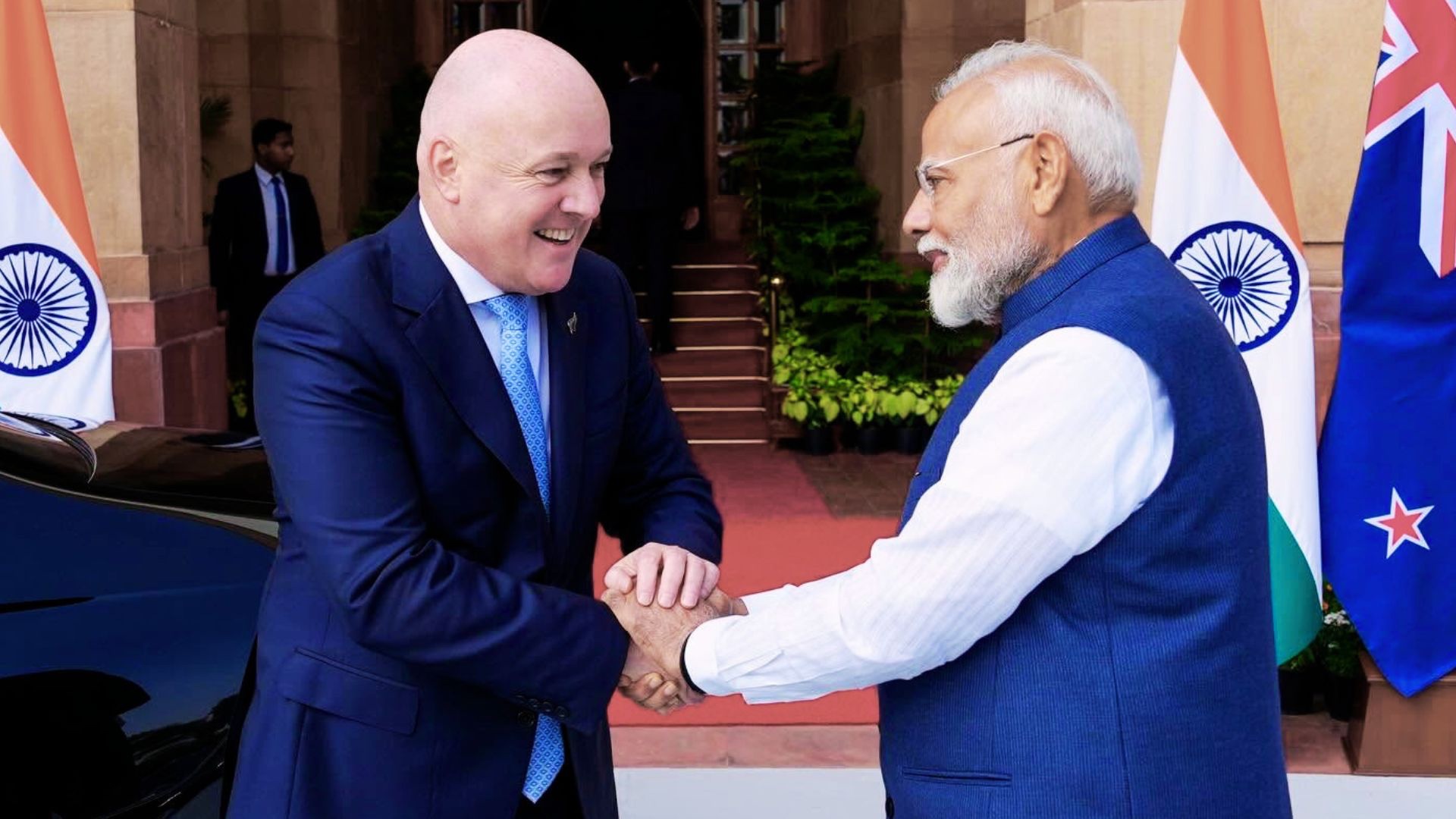
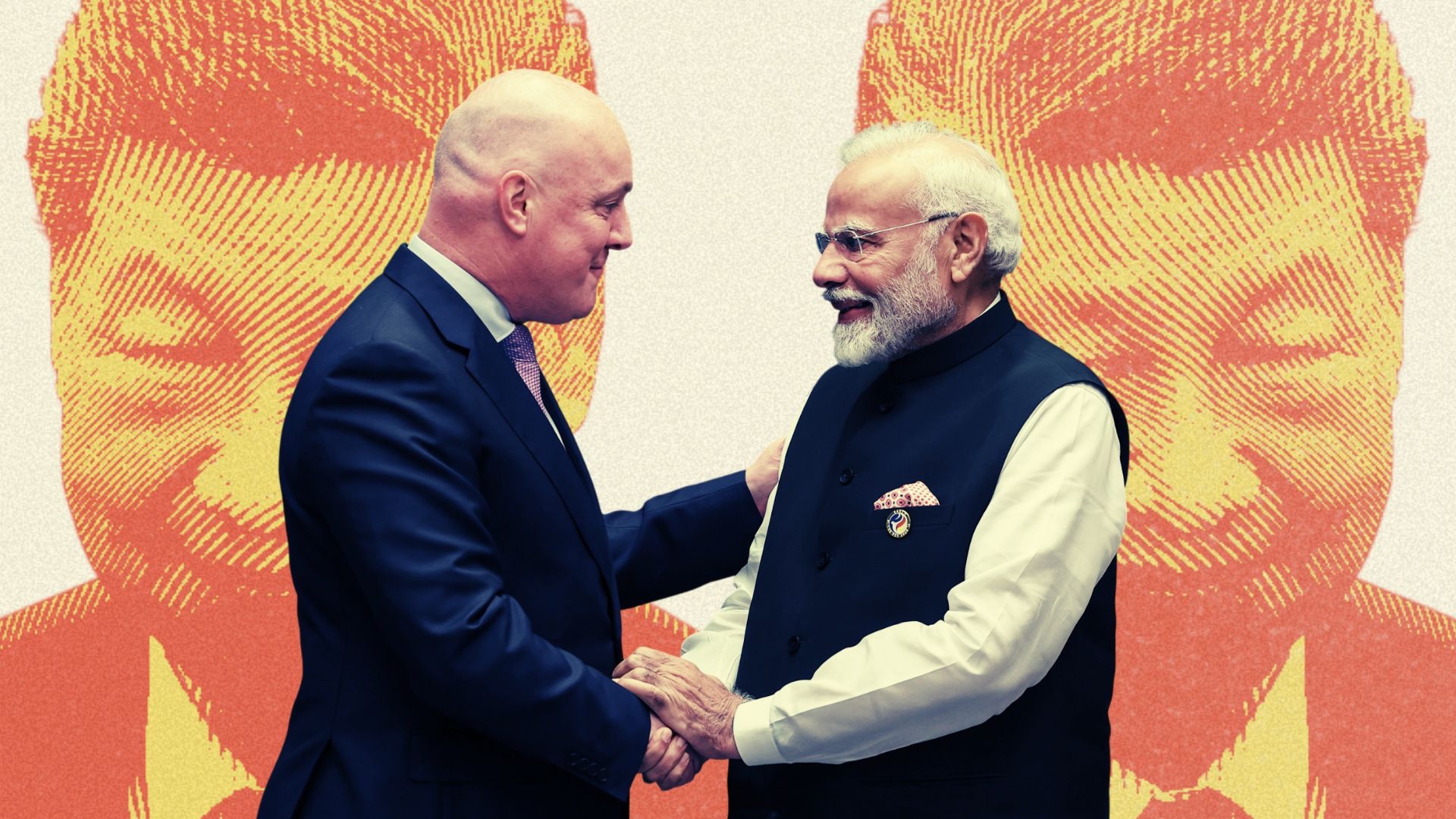
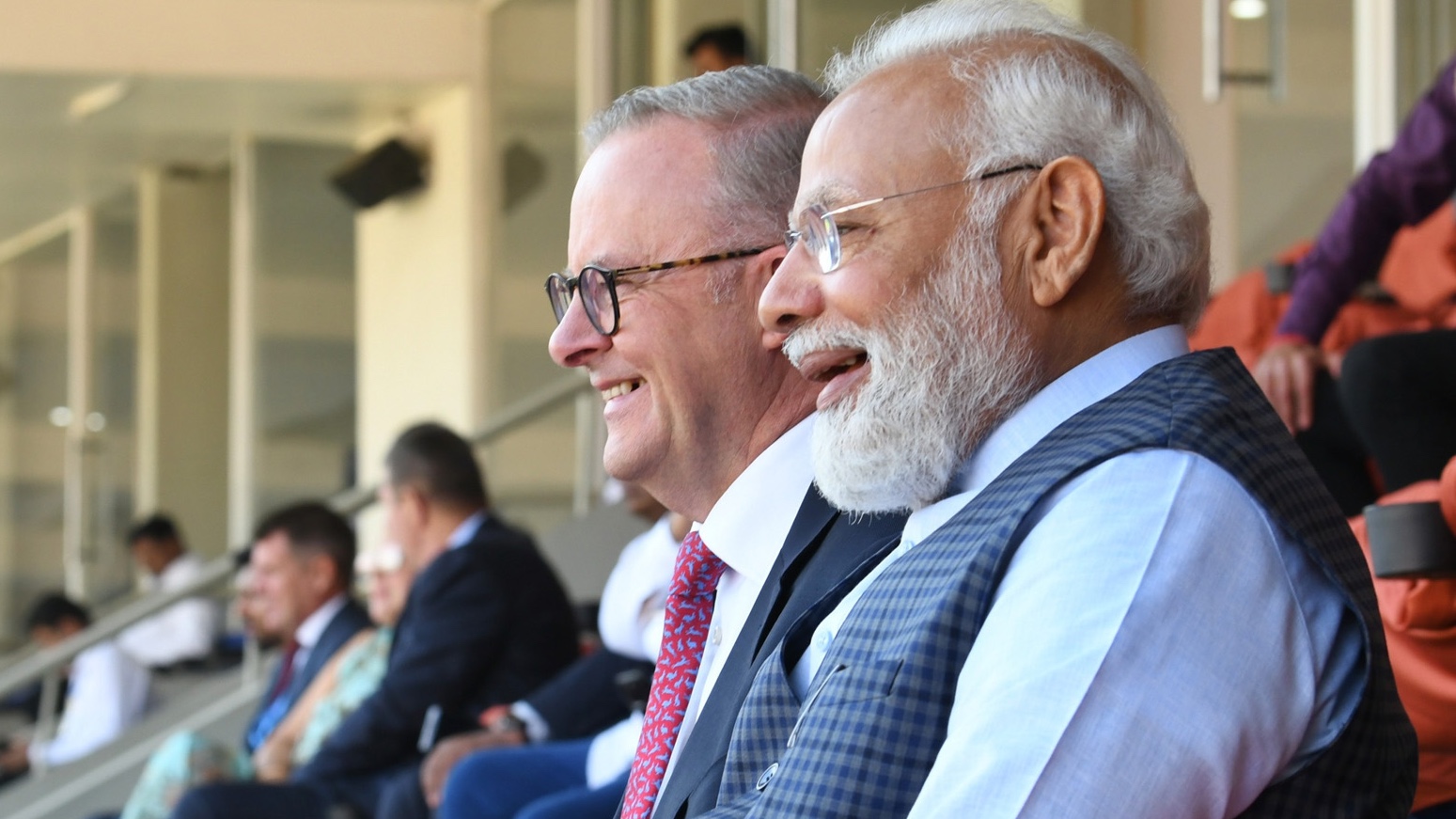
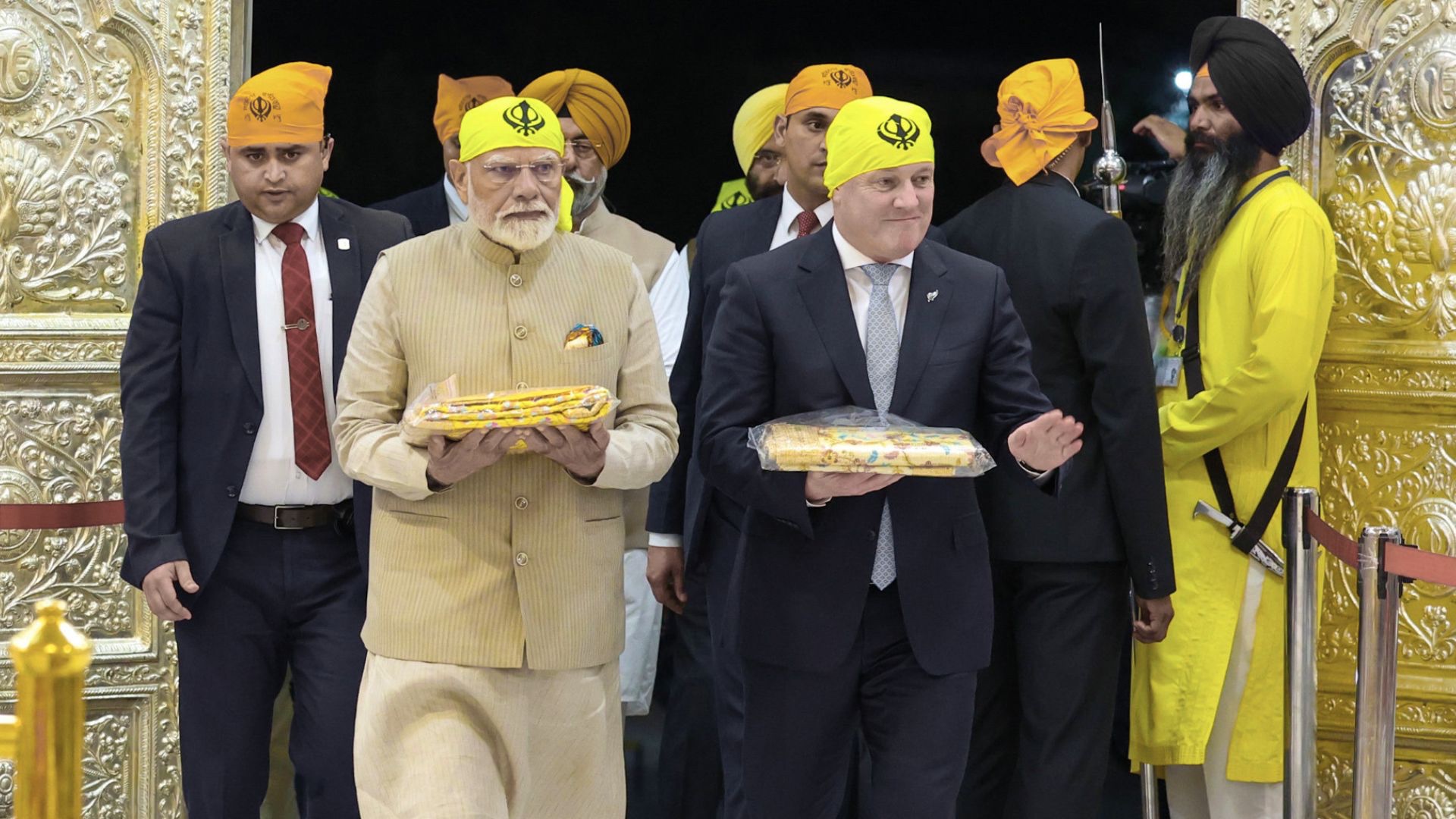
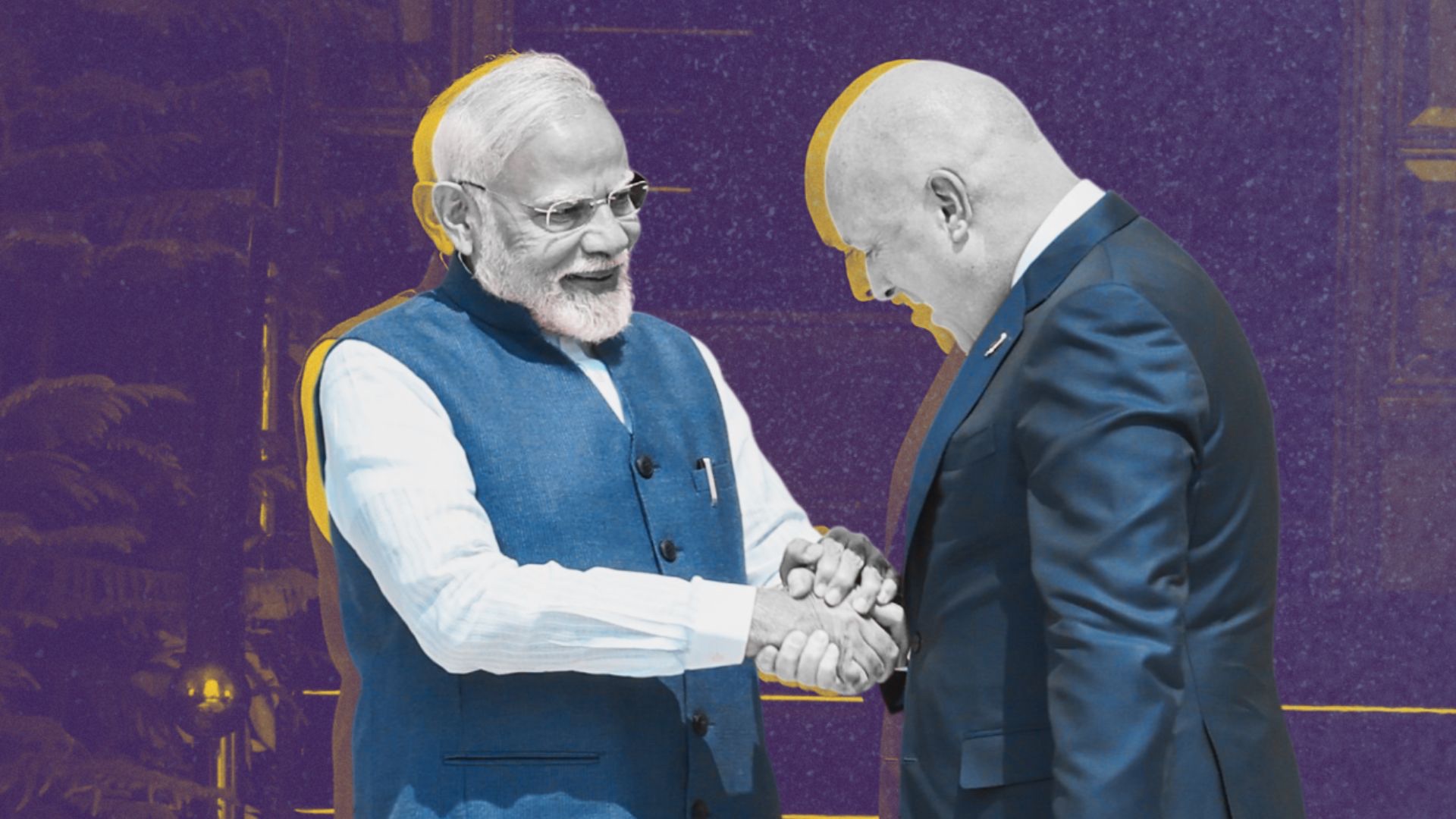
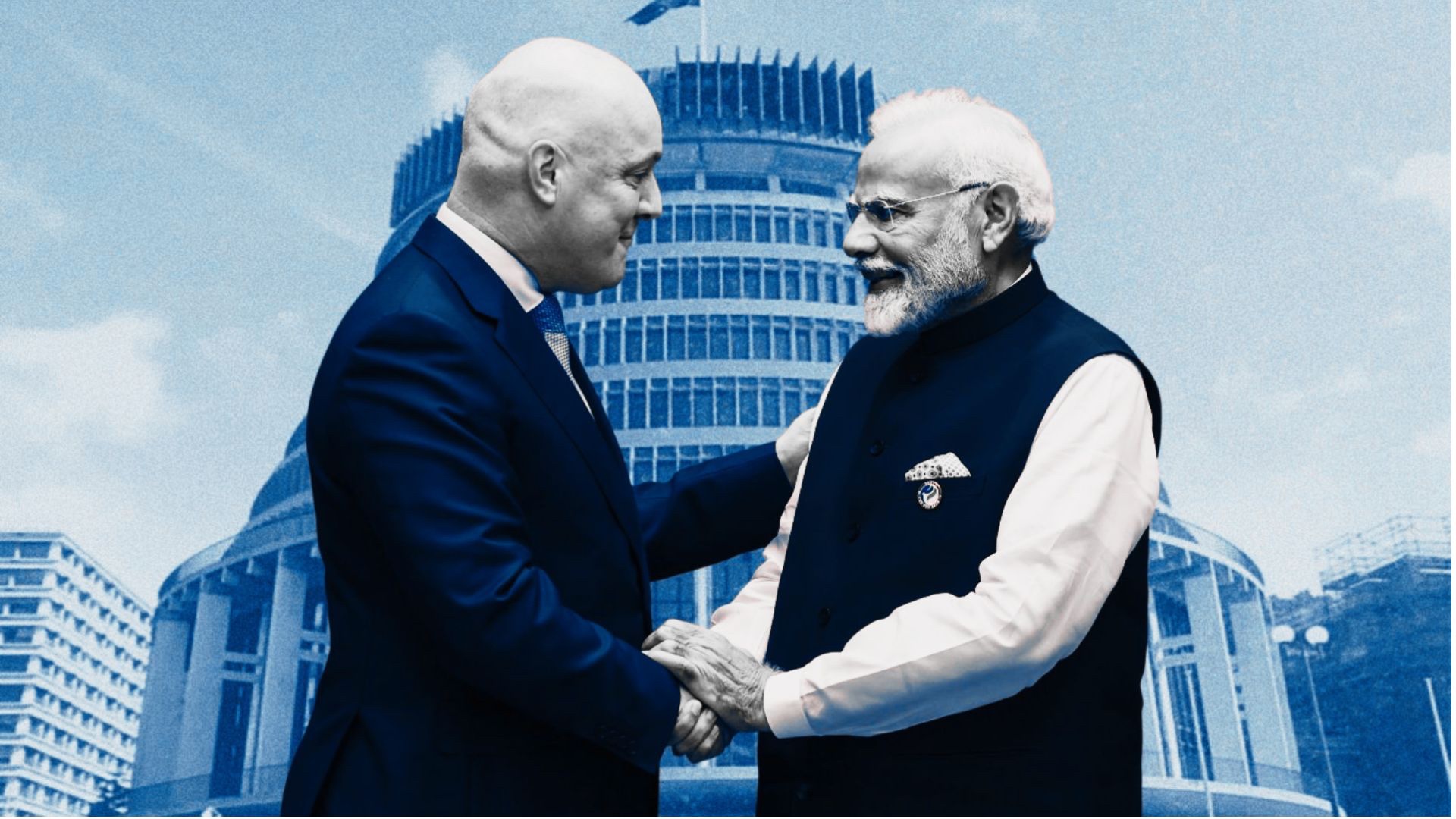
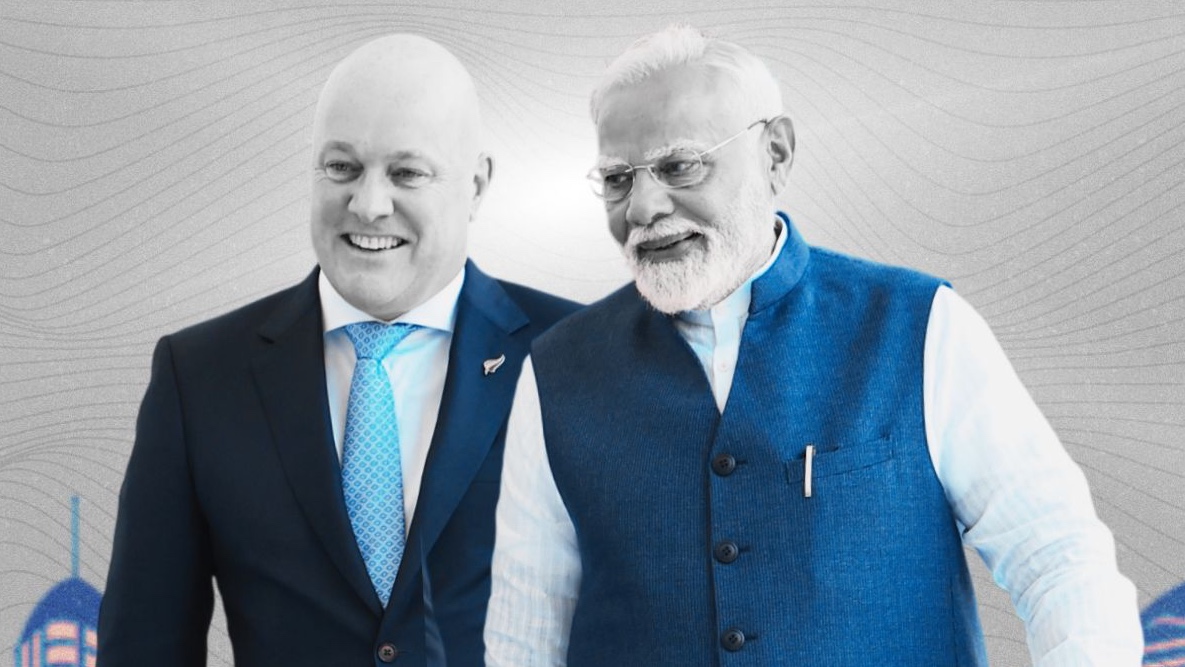
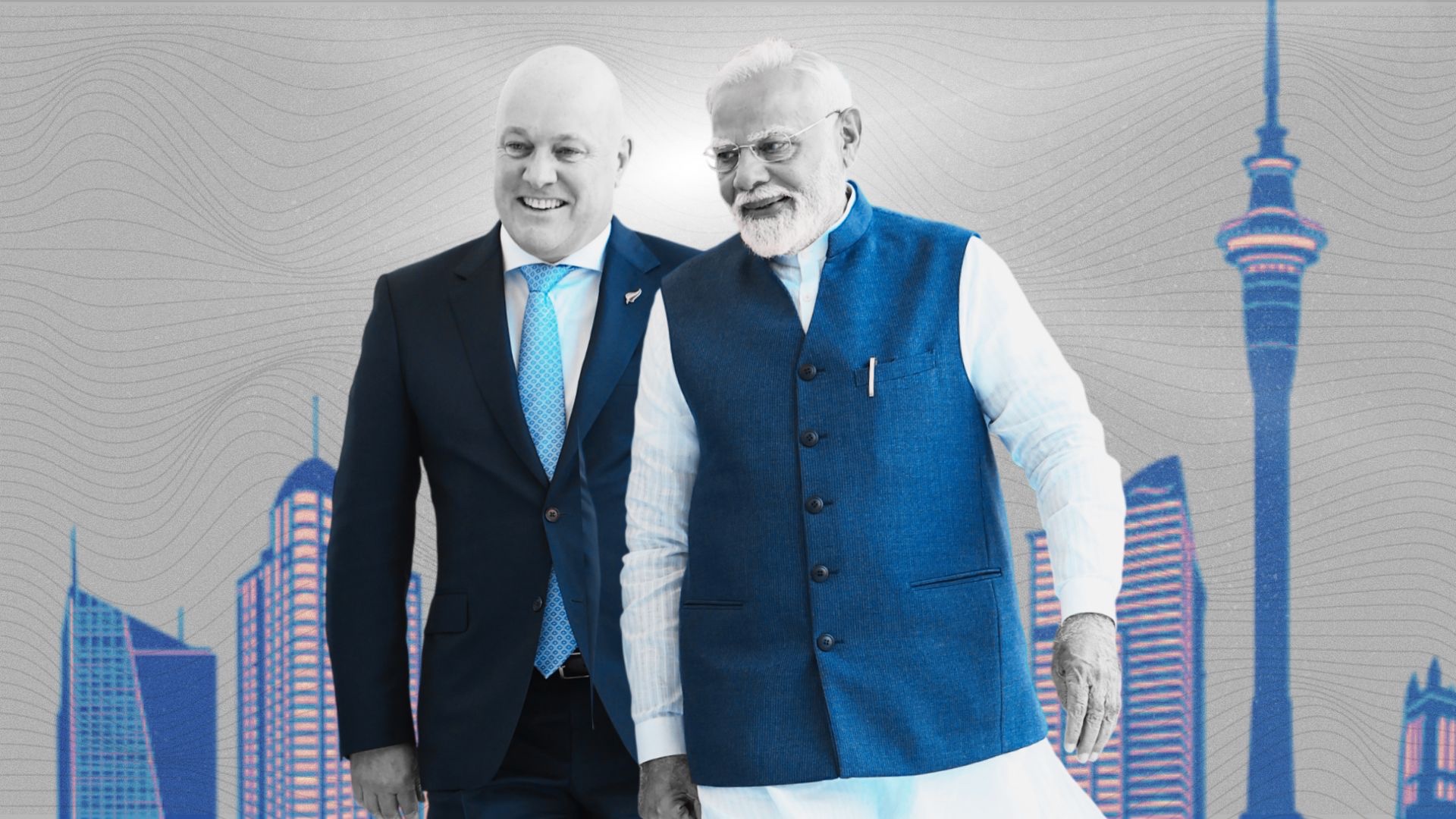
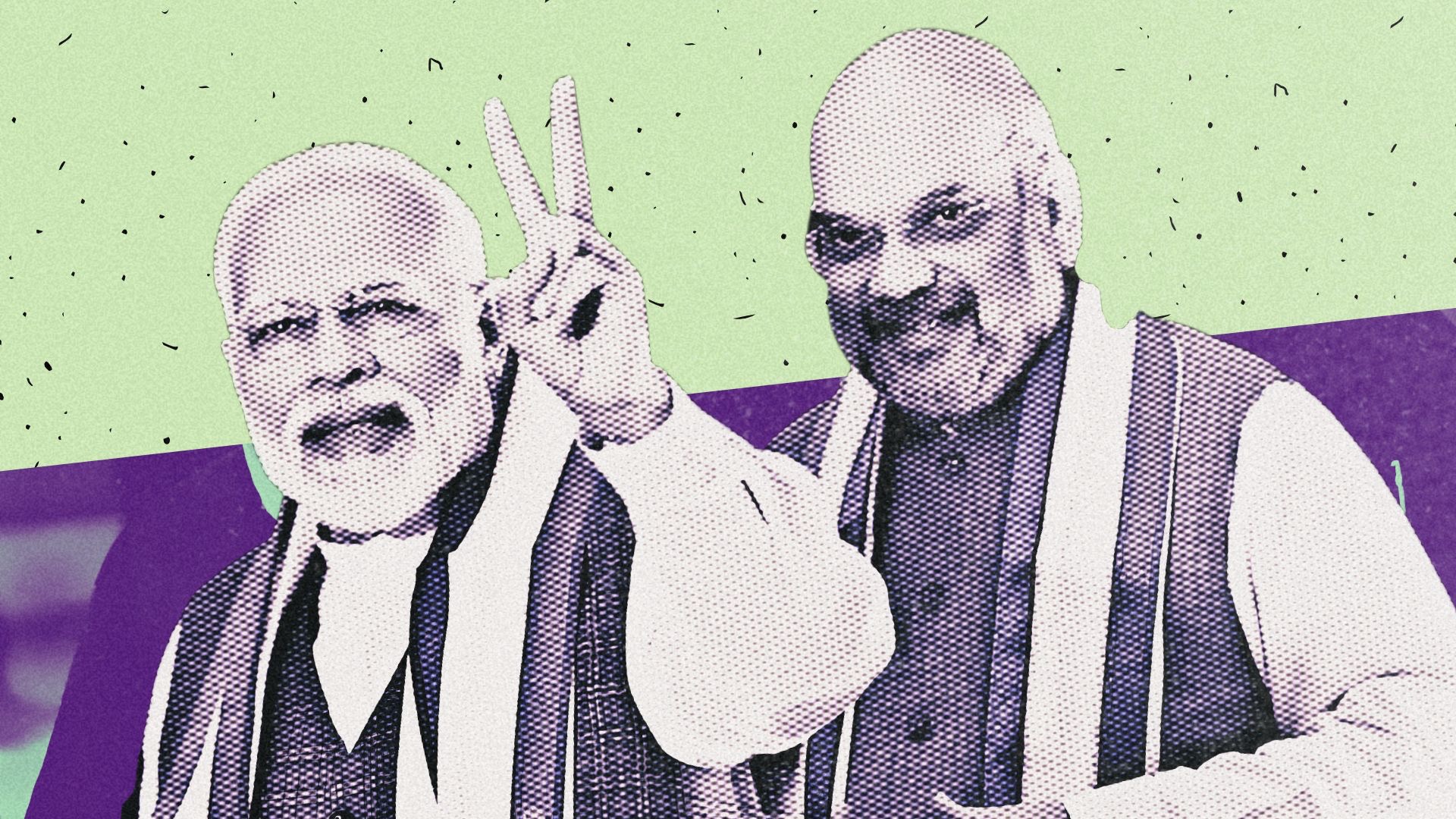
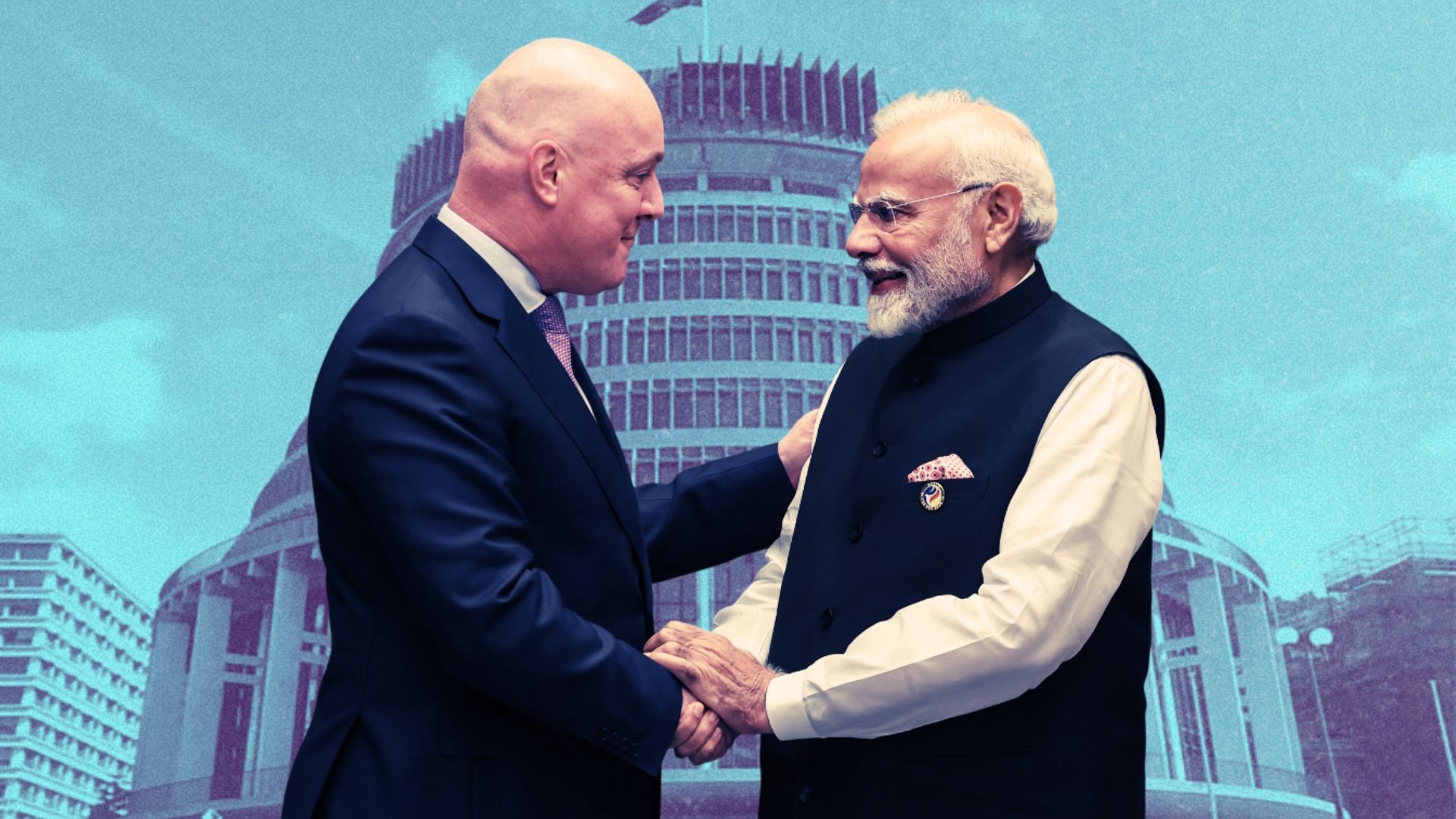
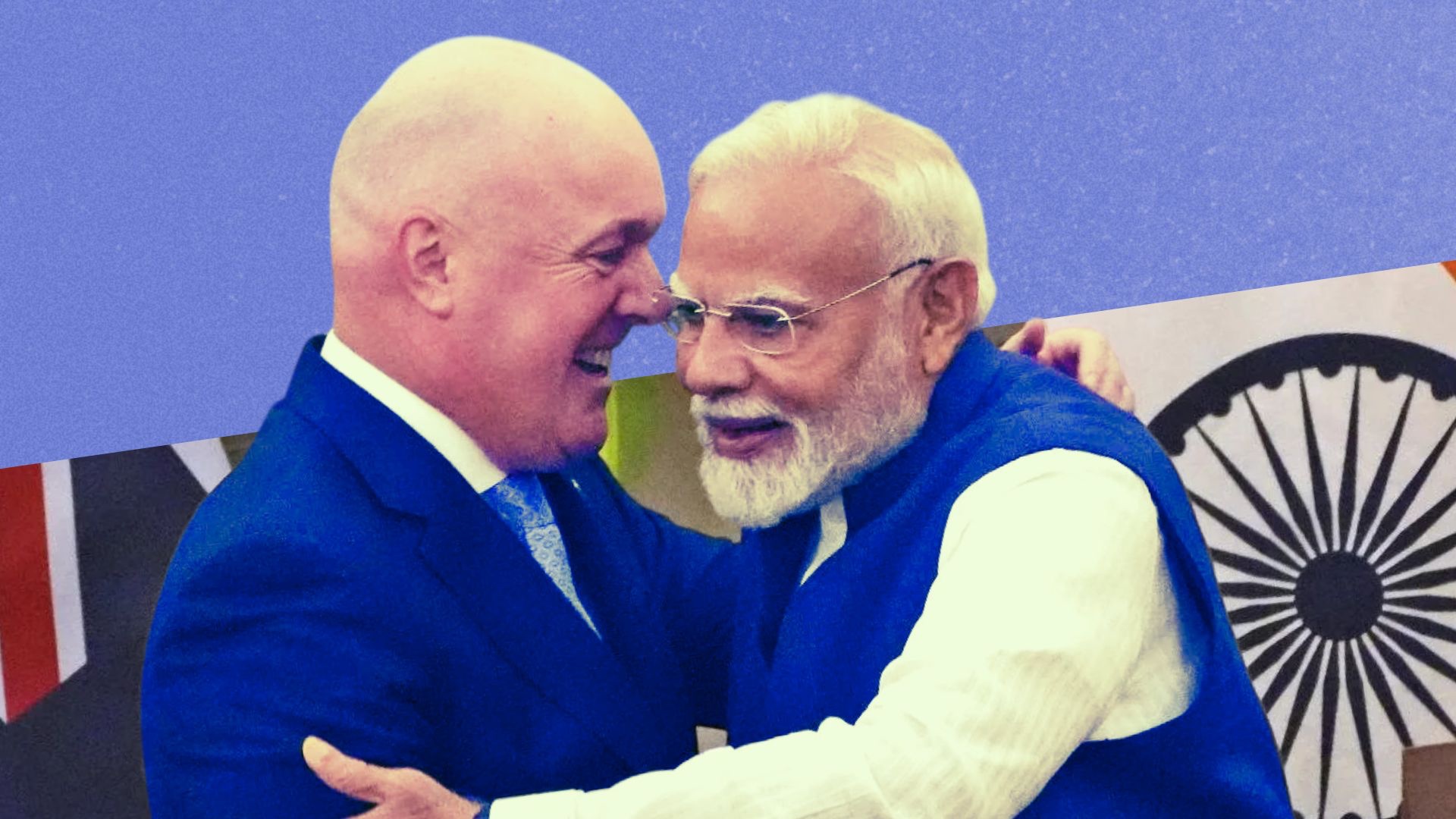
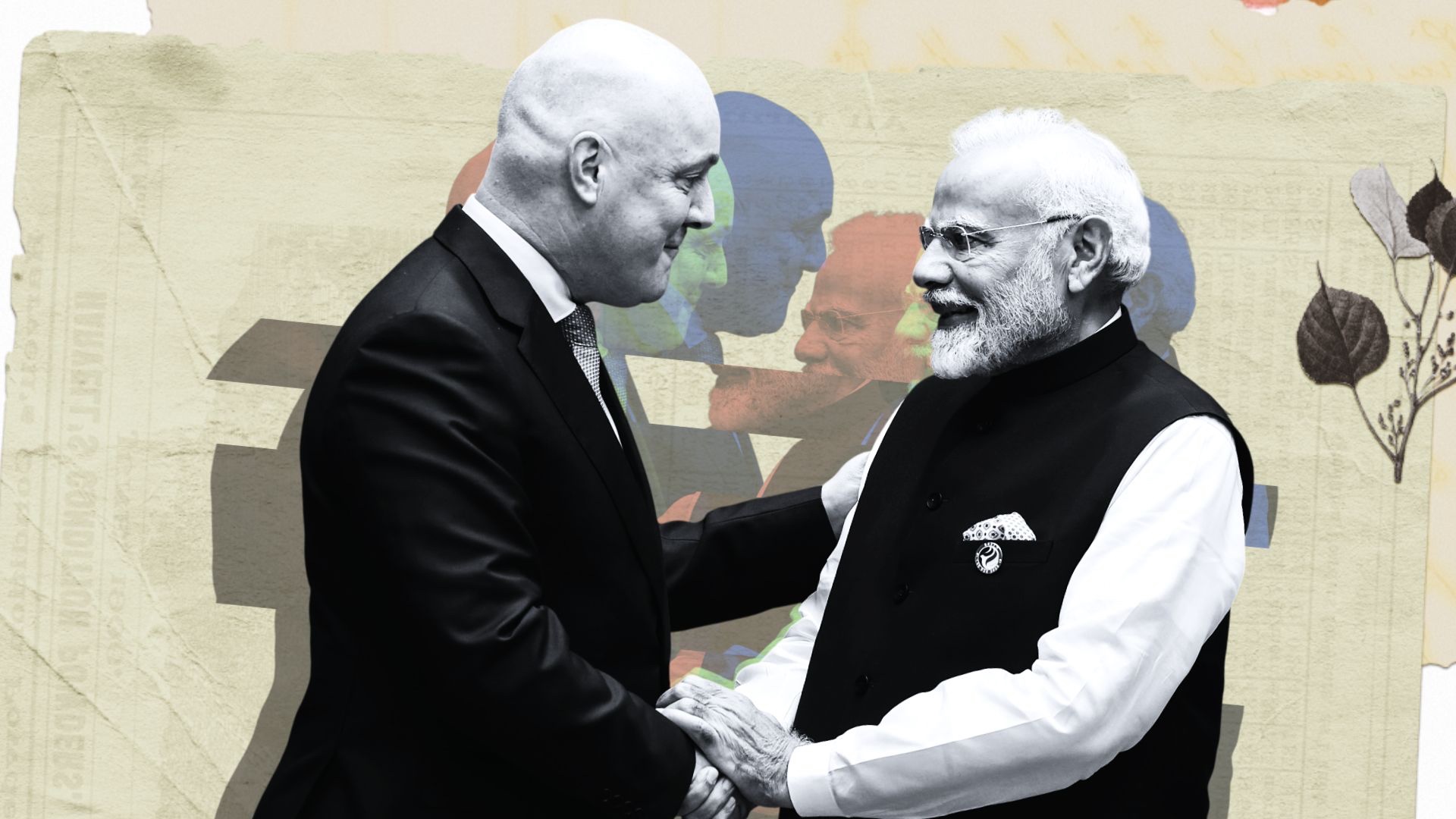
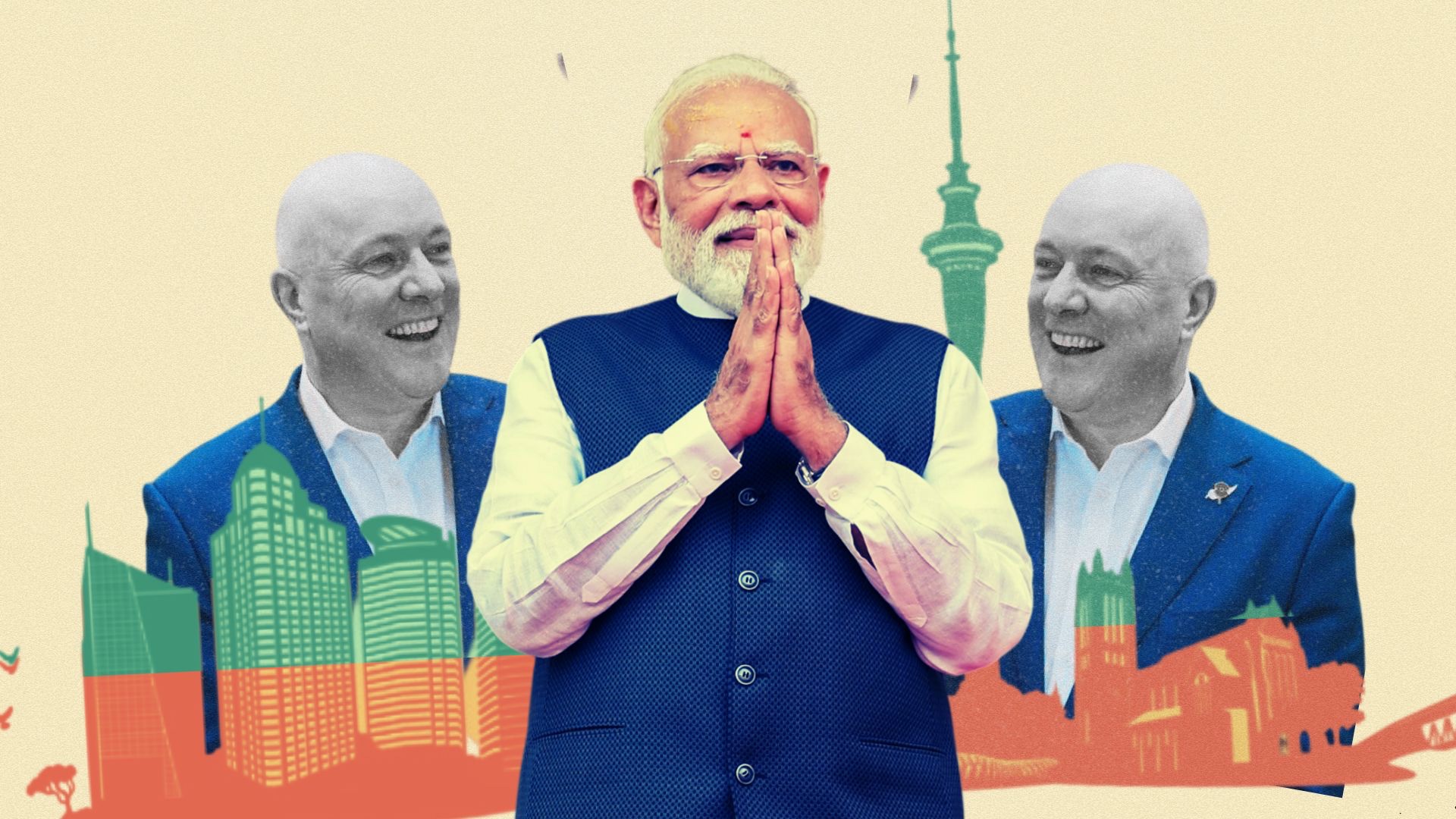
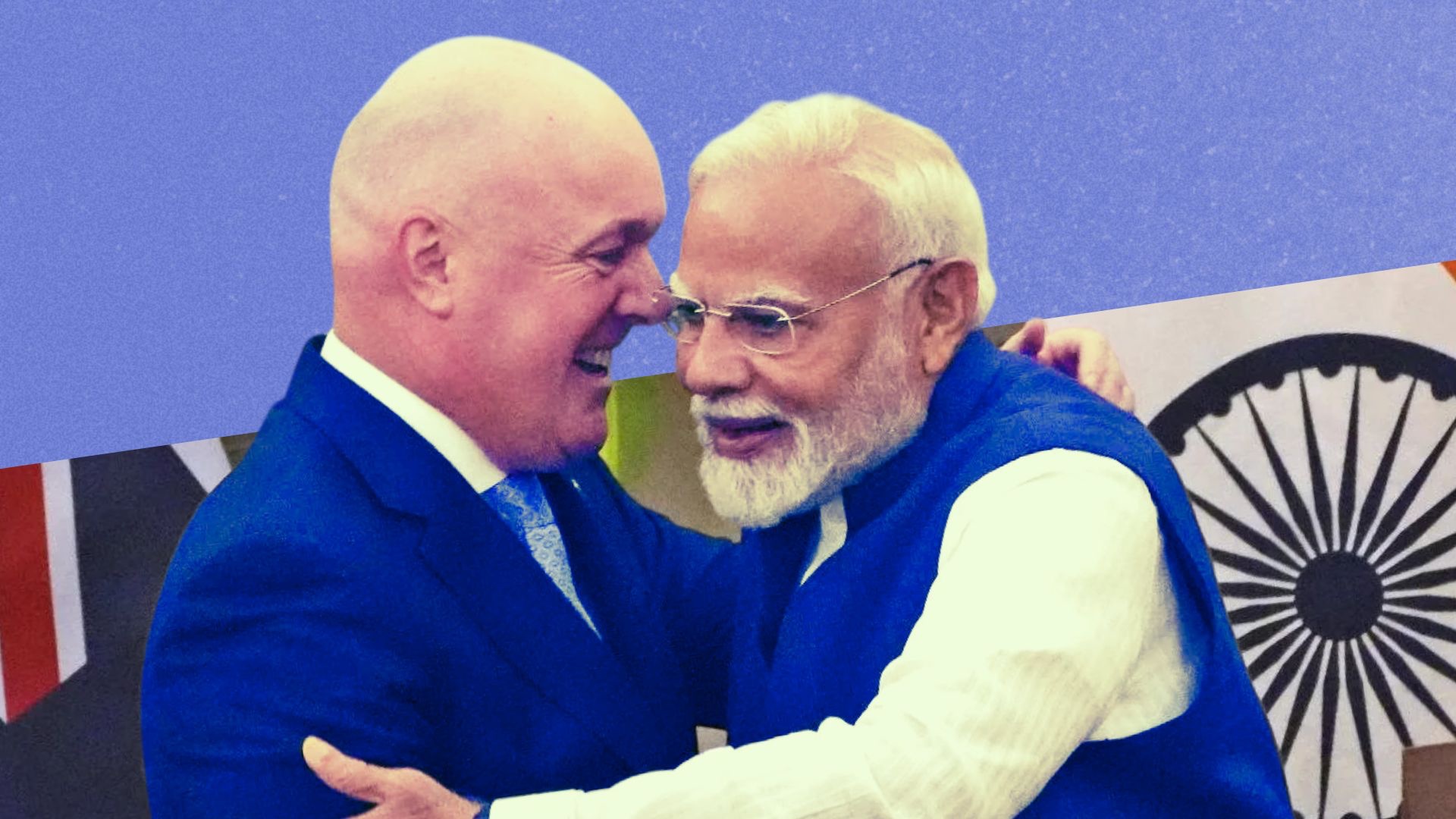
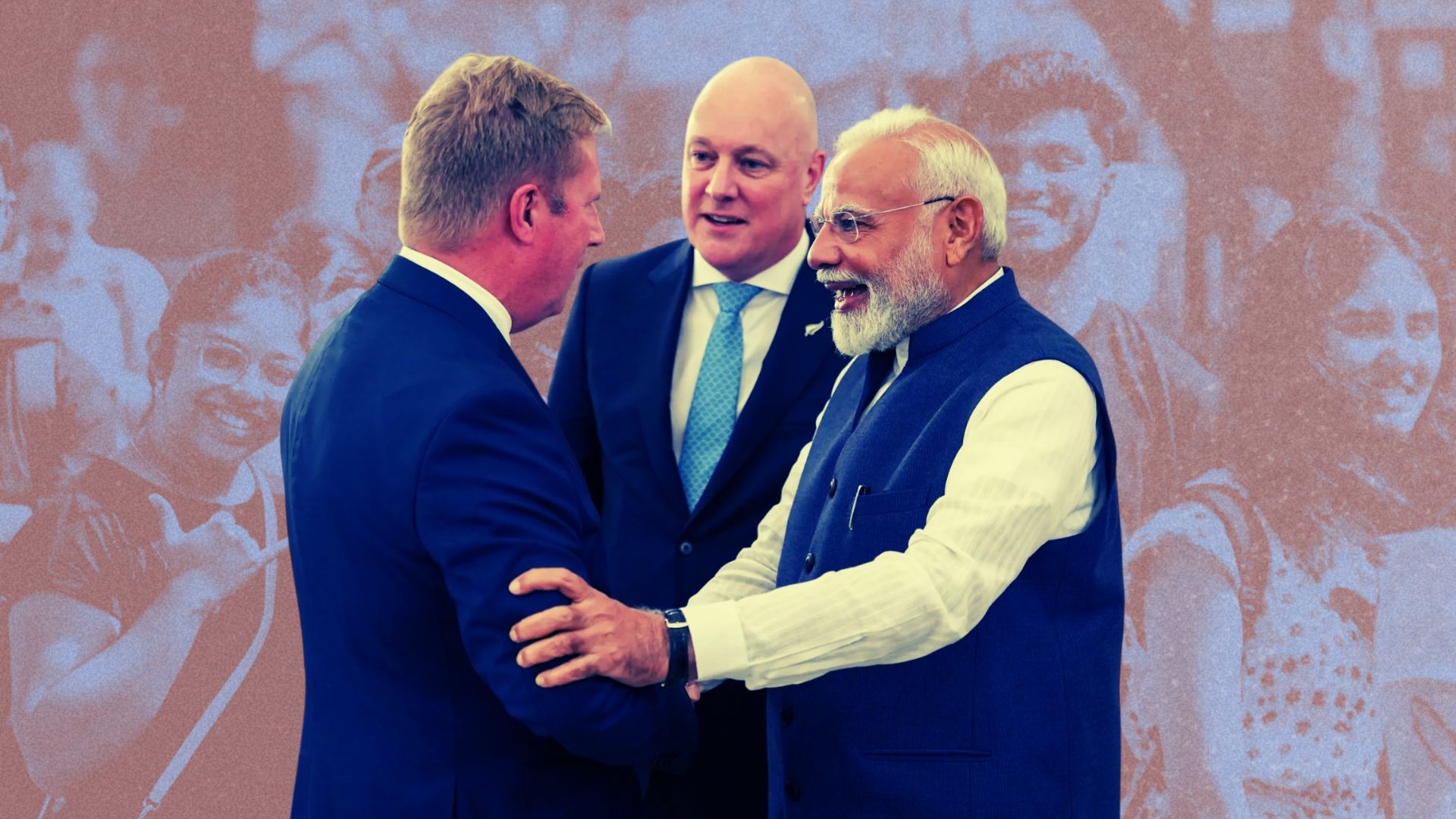
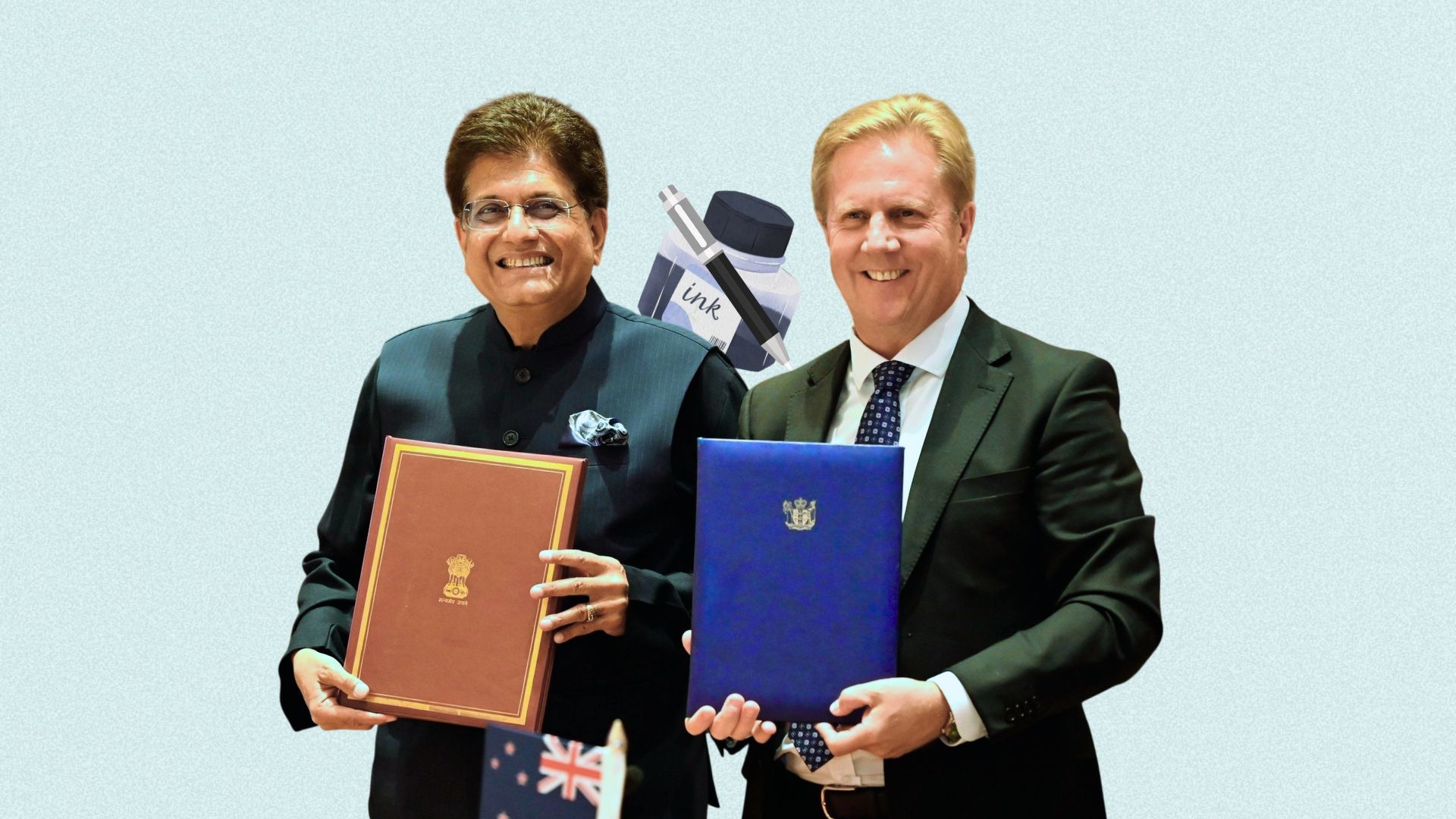
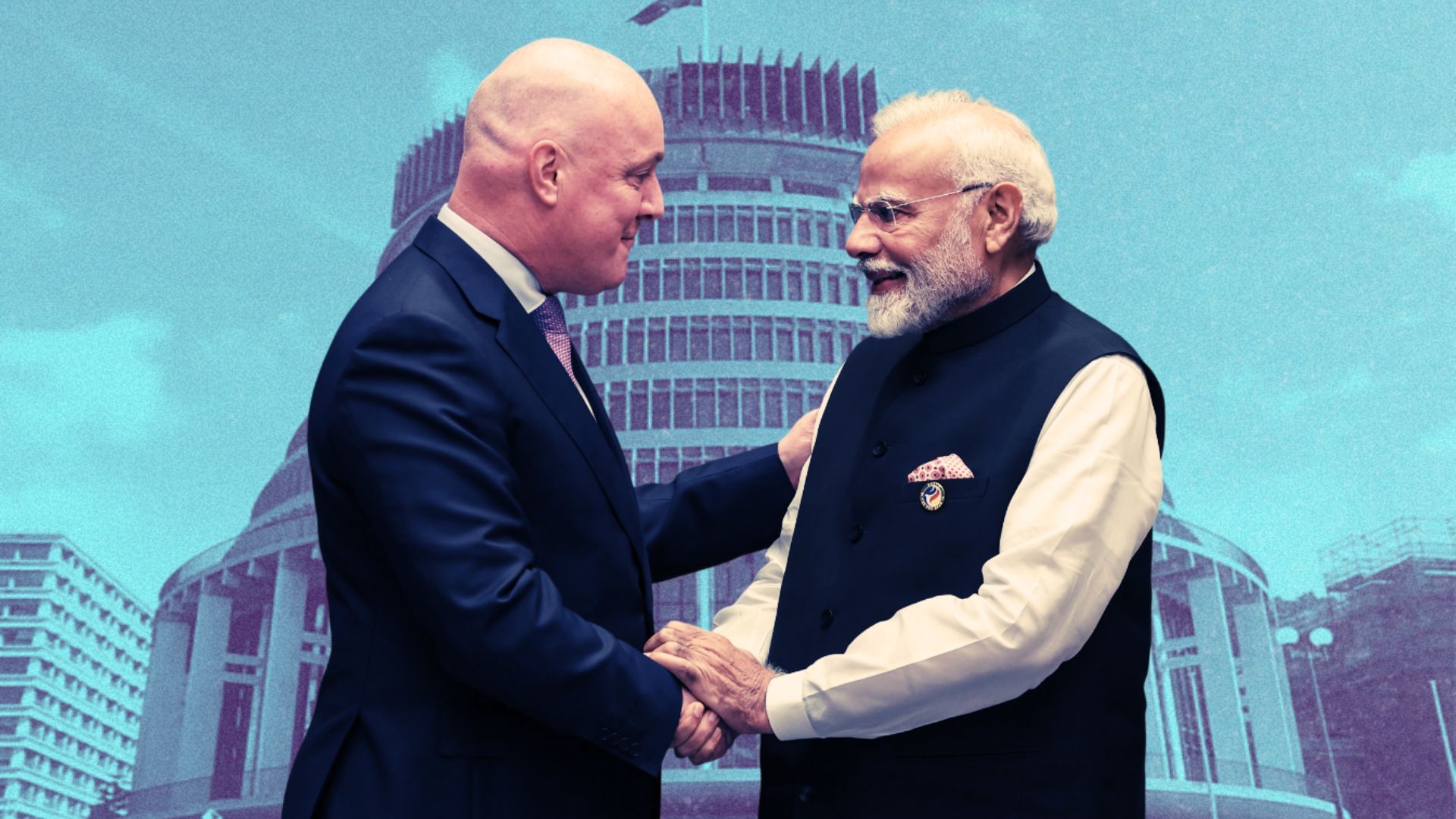
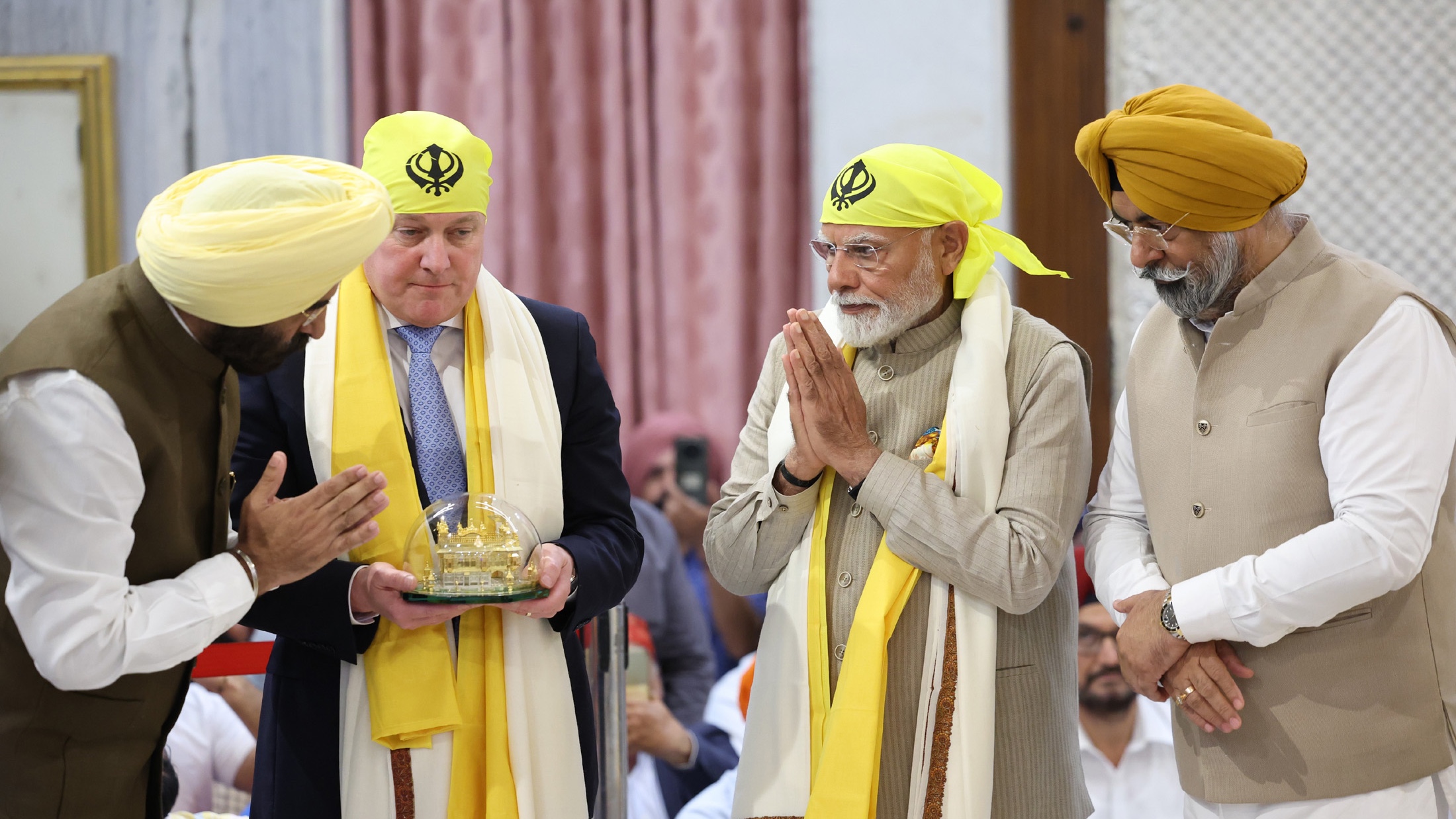
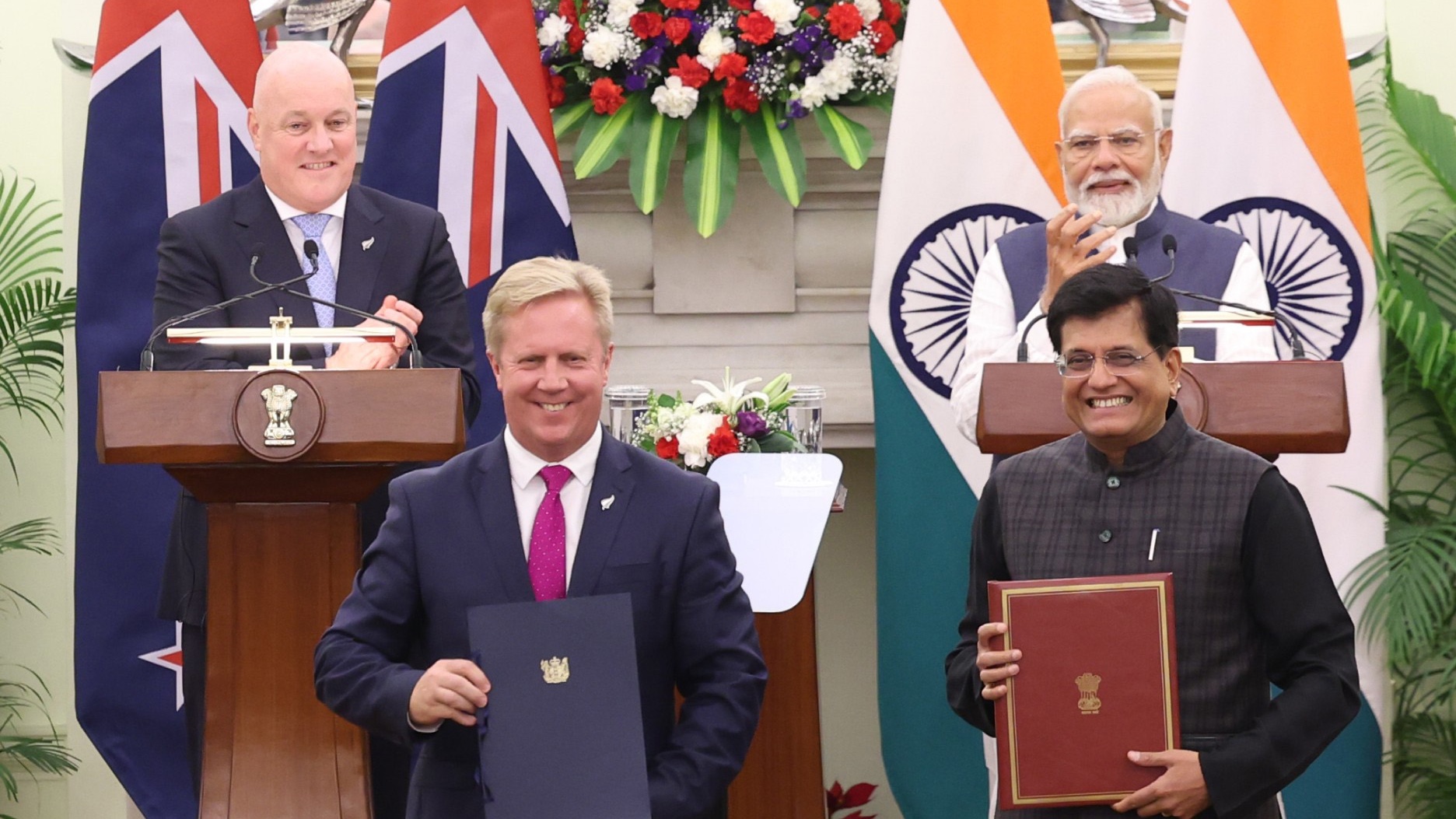
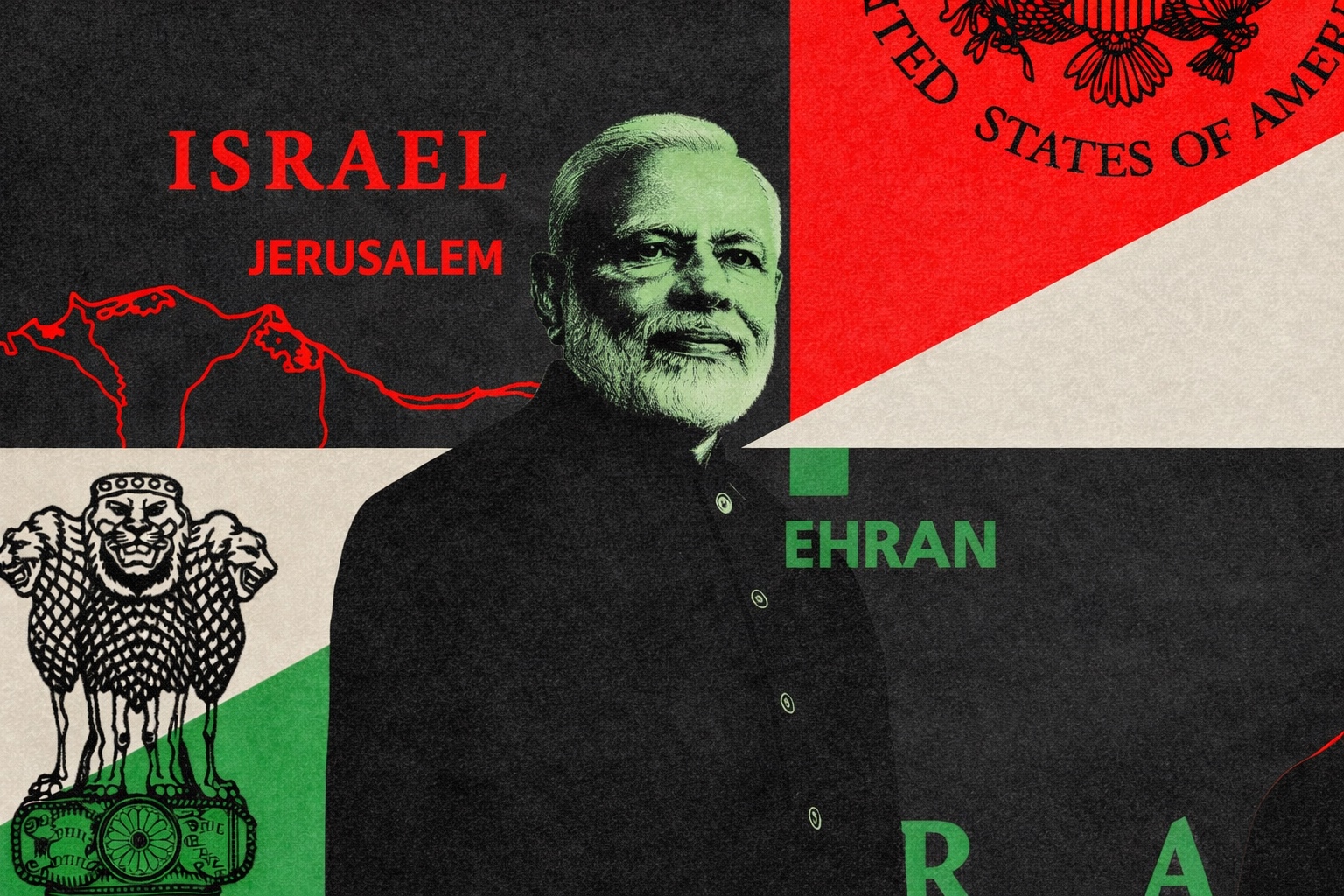
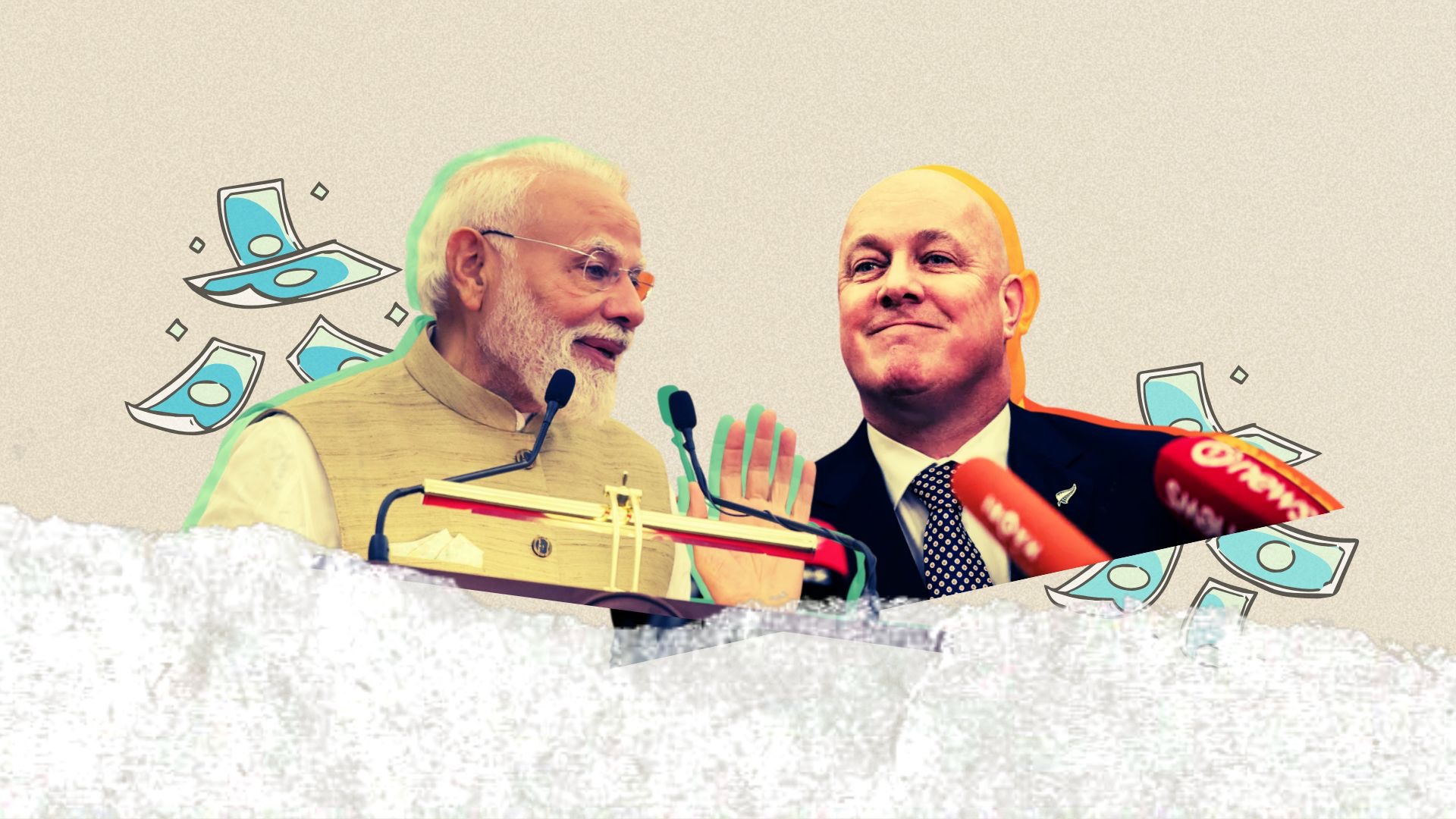
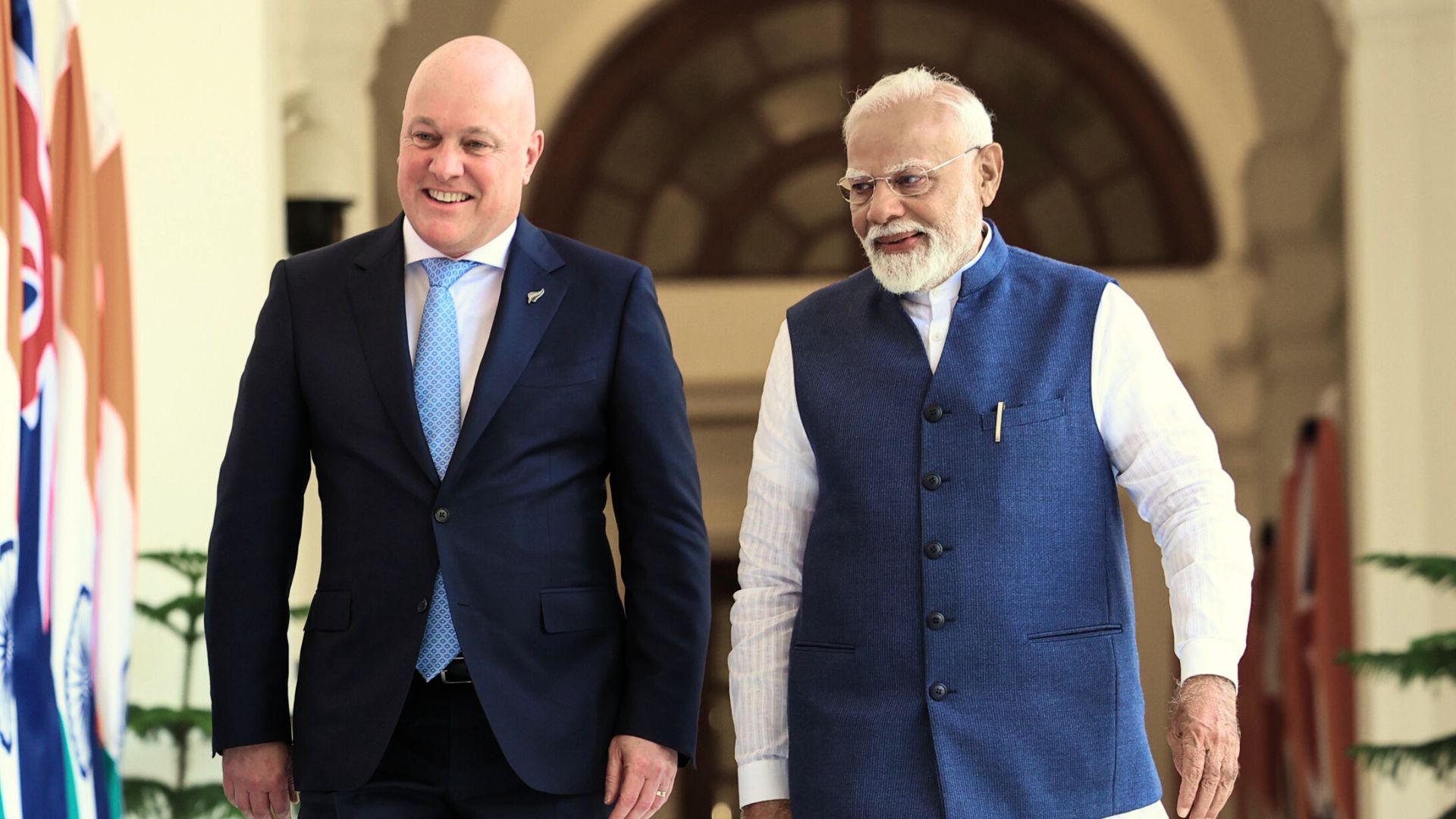
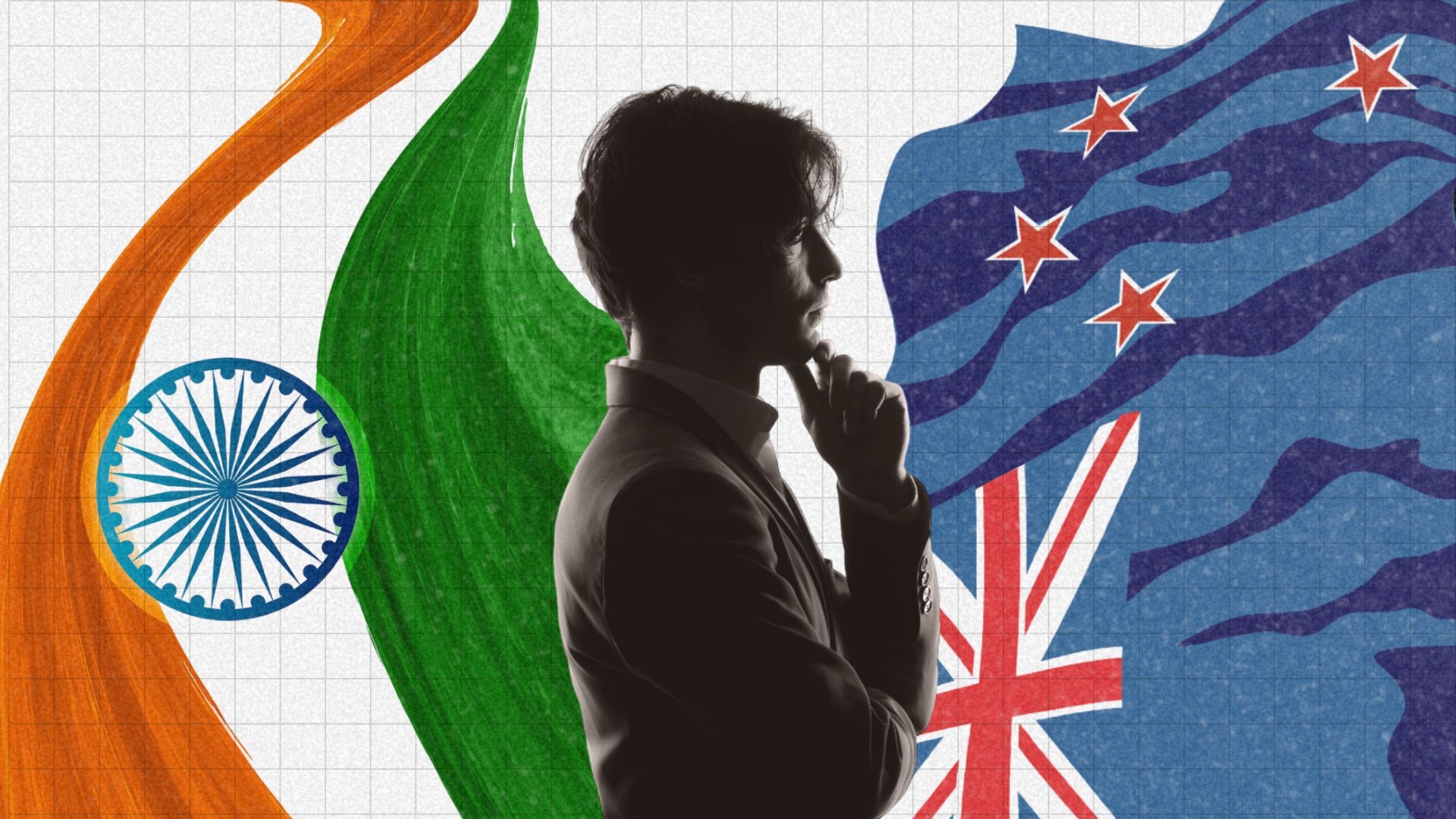
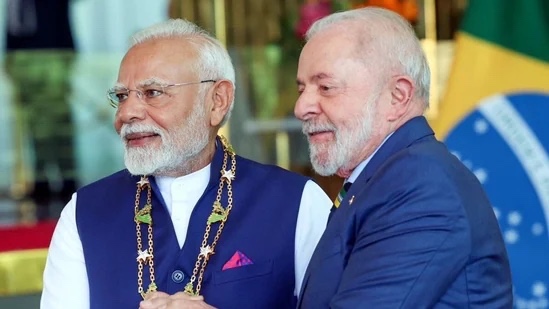
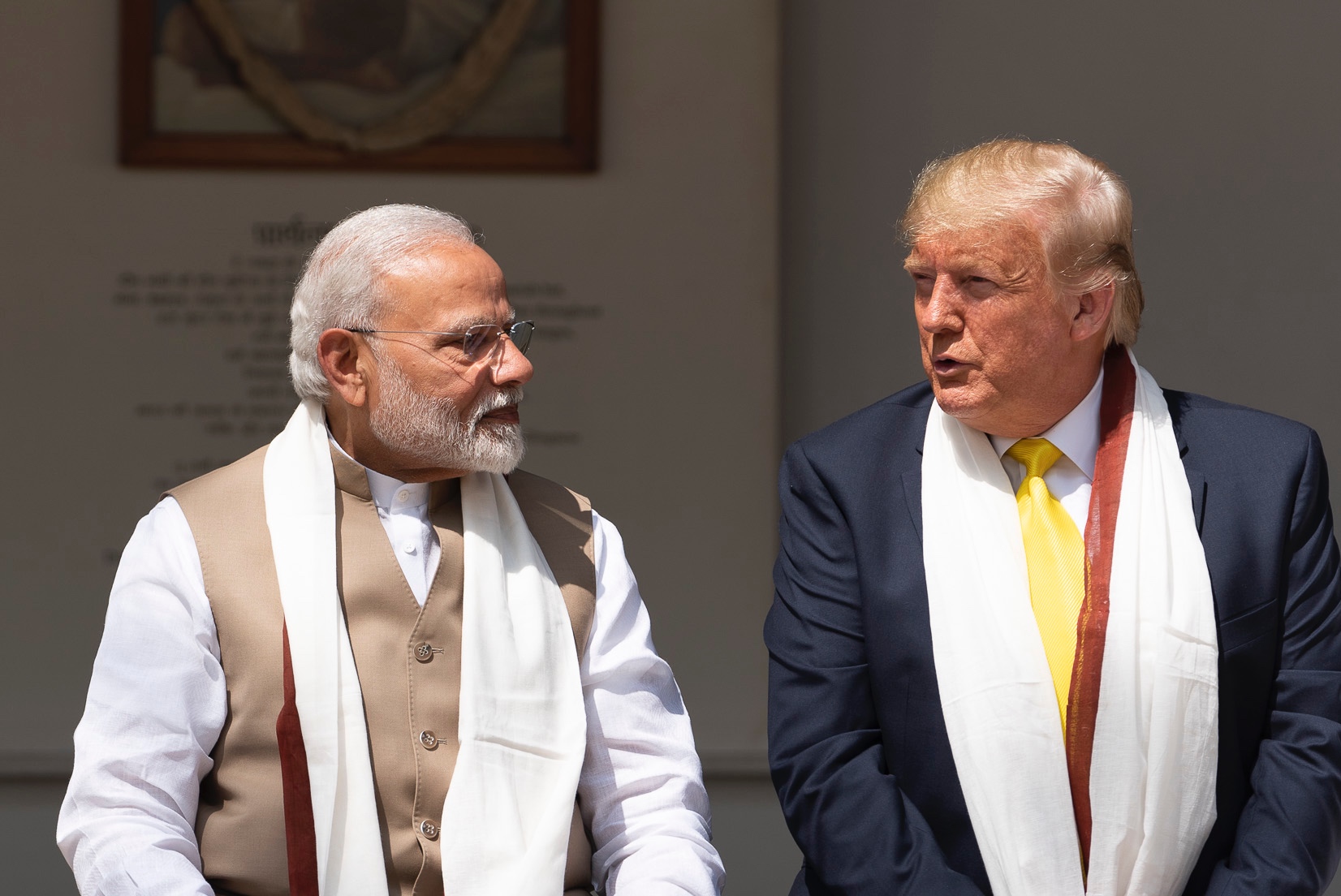
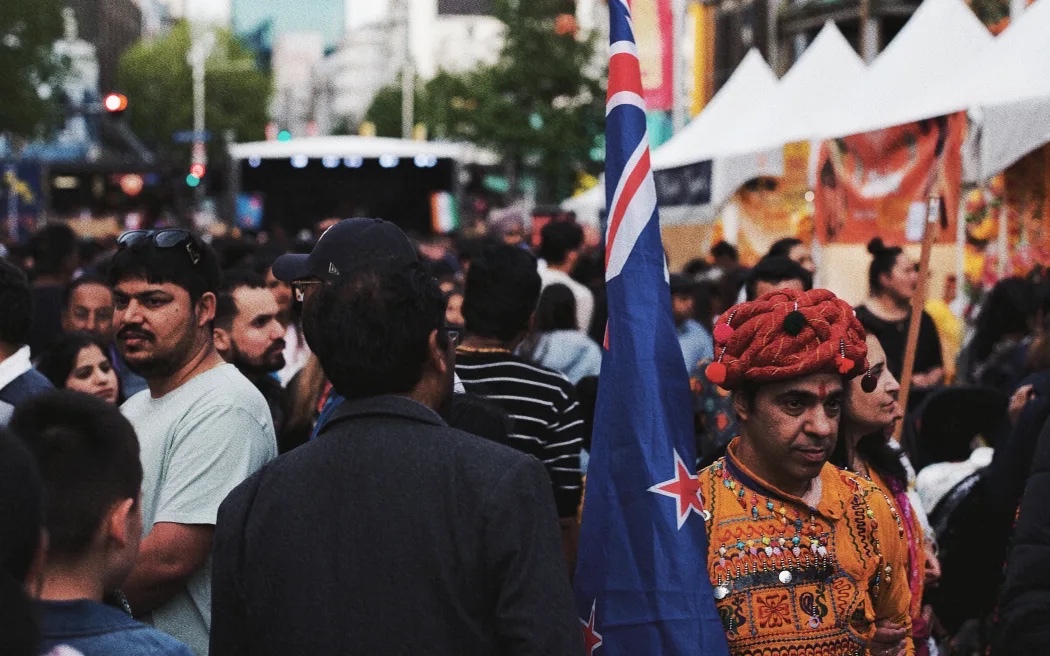
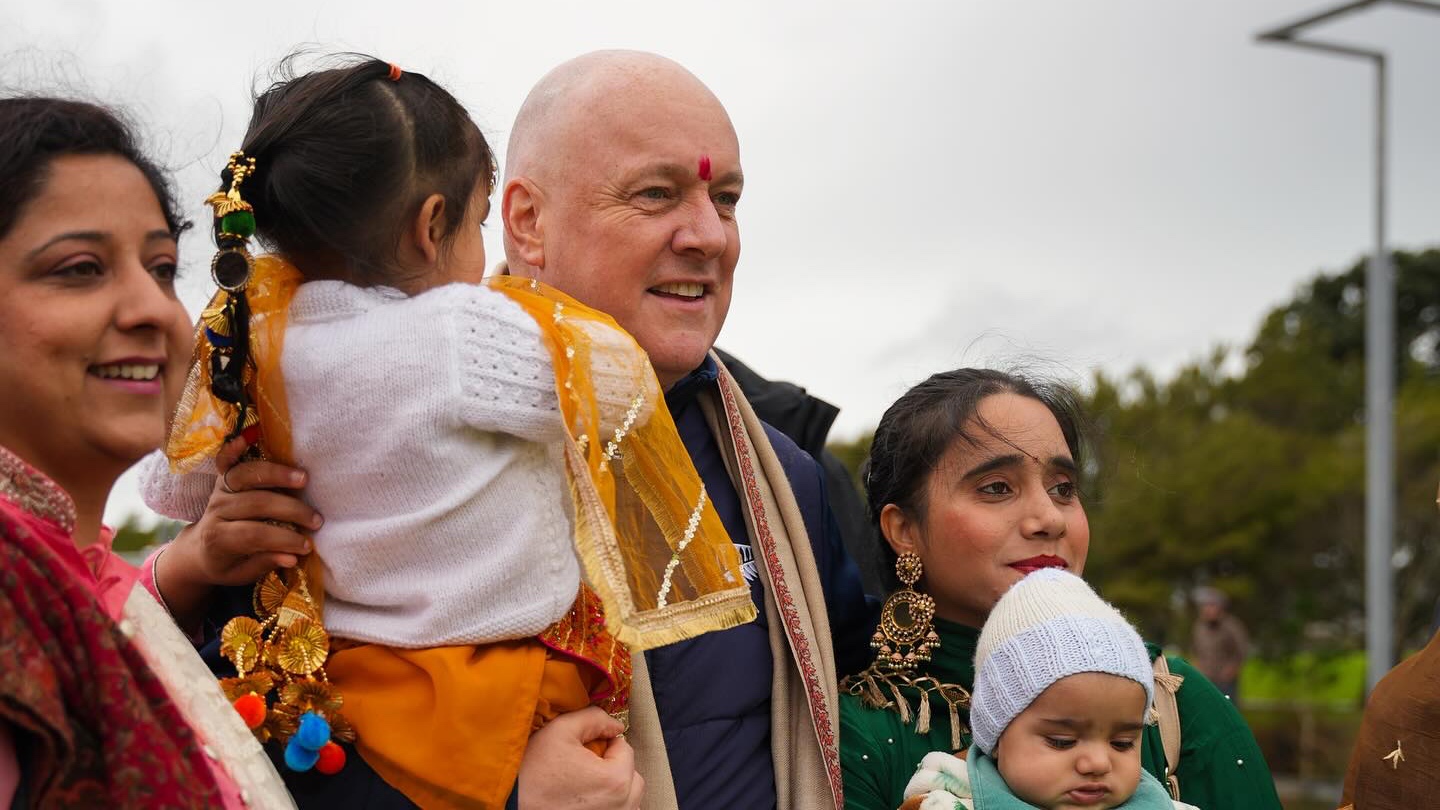
Just over a month ago, Peters argued that New Zealand’s “host culture” should be predominant after criticising Christopher Luxon for what he described as “obsequious subservience” during Indian prime minister Narendra Modi’s visit to Auckland.
Peters told Chris Lynch Media that New Zealand had “a culture of our own” and argued it should have been more prominent.
“We do have a culture of our own. It is our country we’re in, and so, you know, that’s the culture that you’d expect to be predominant – the host culture, not the visiting one,” he said.
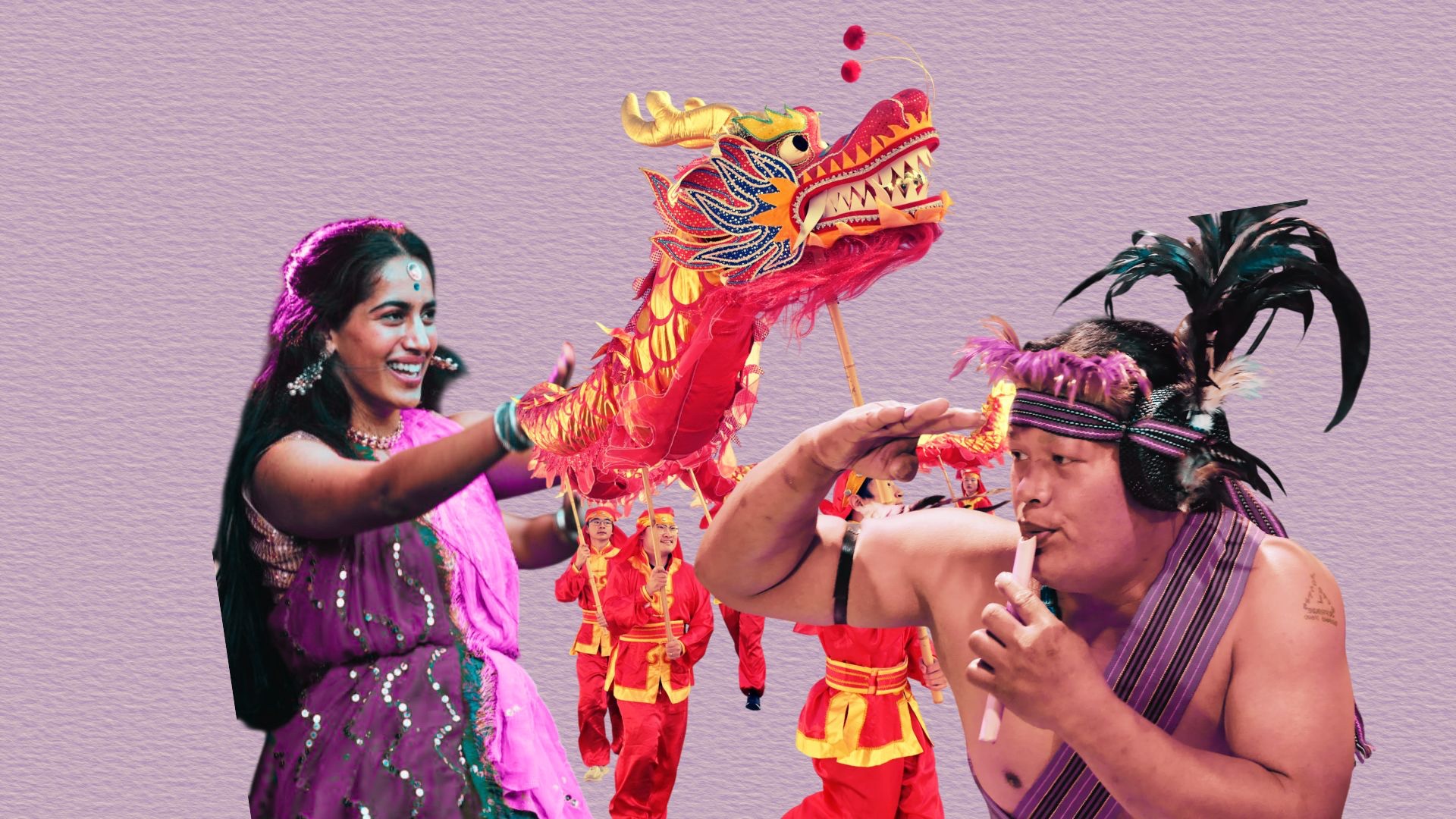
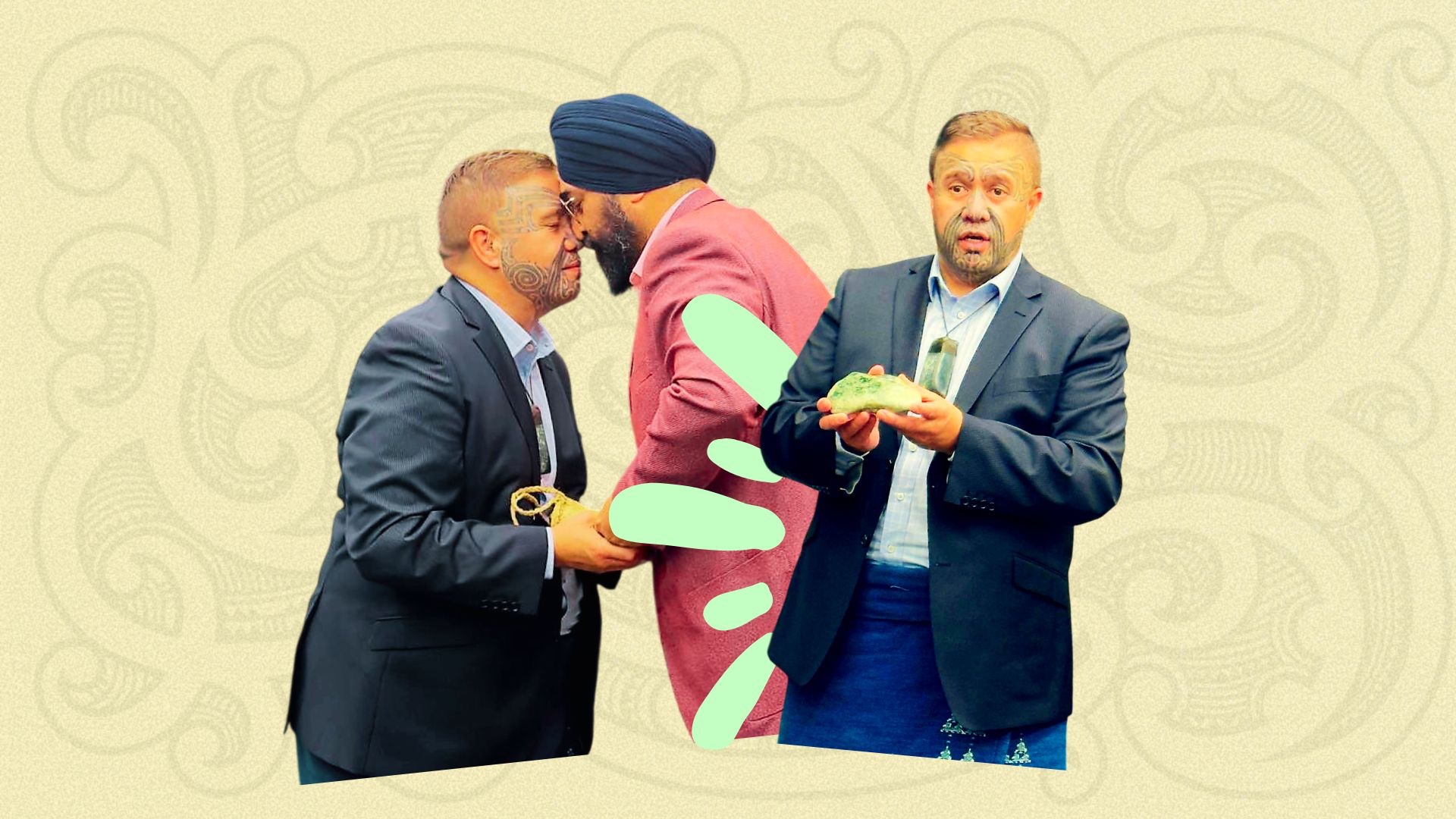
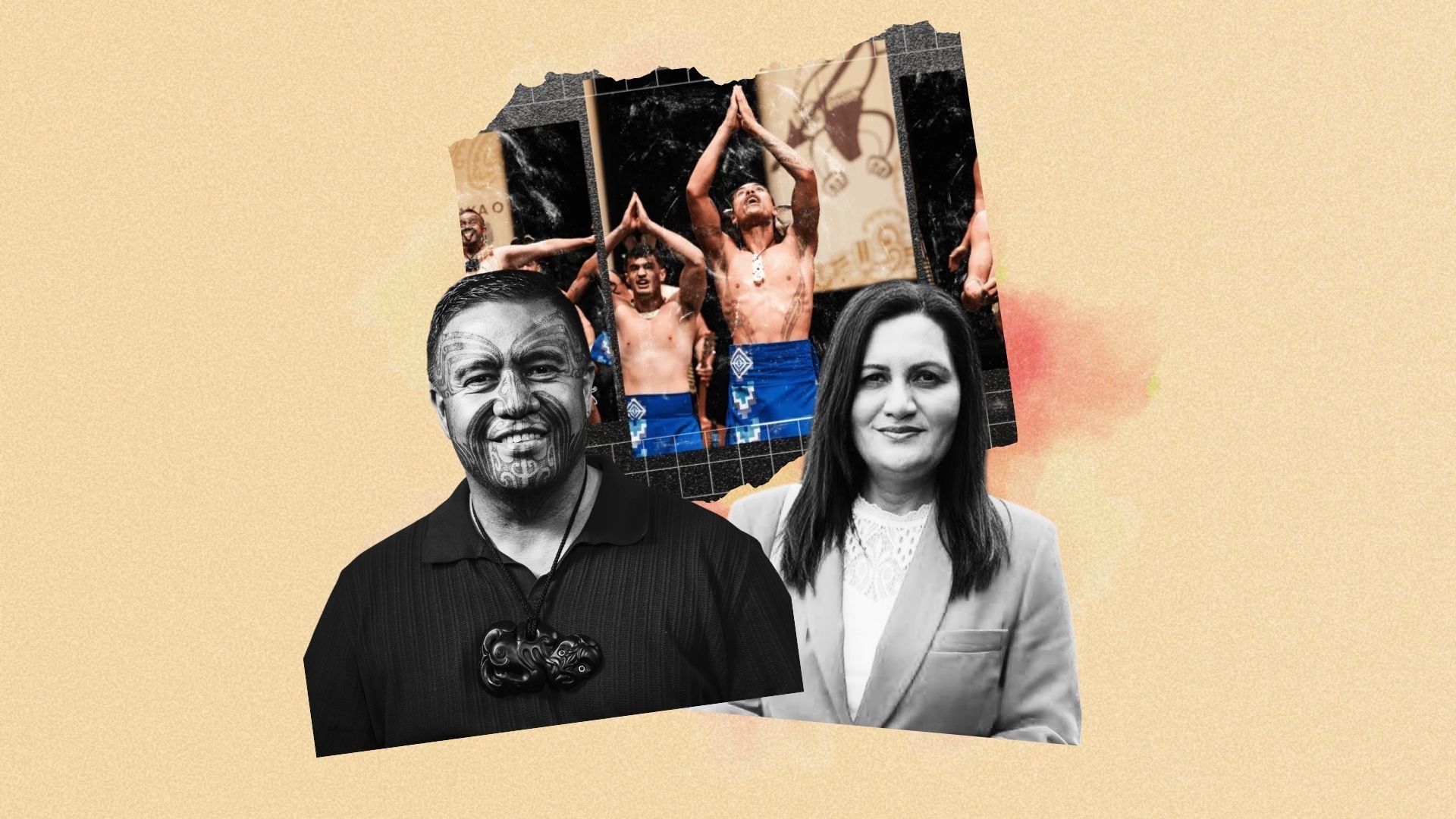
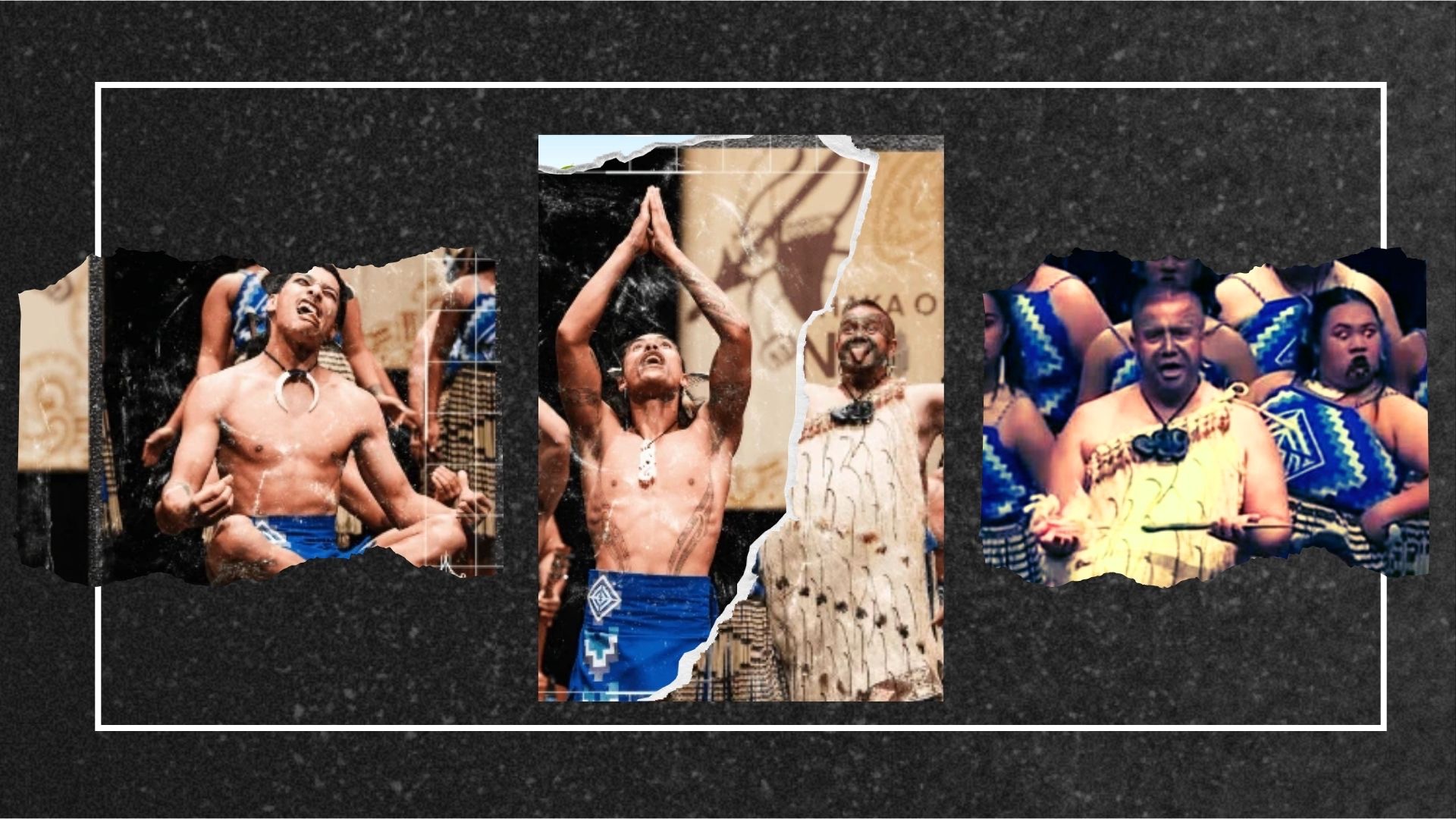
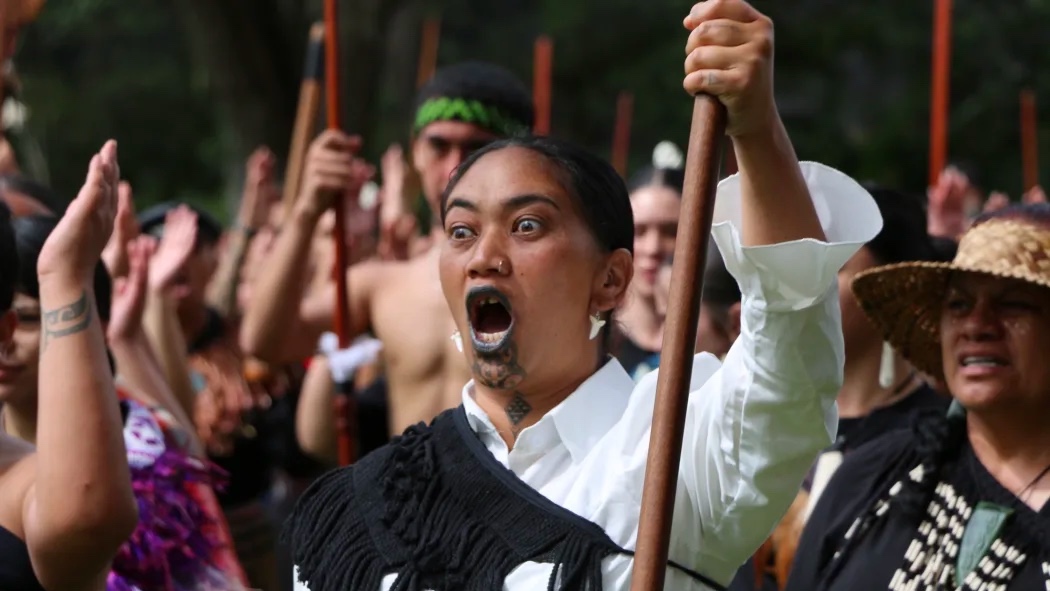
Those comments came despite Māori culture being prominent throughout Modi's official programme, including a pōwhiri at Government House and kapa haka at a government-hosted event.
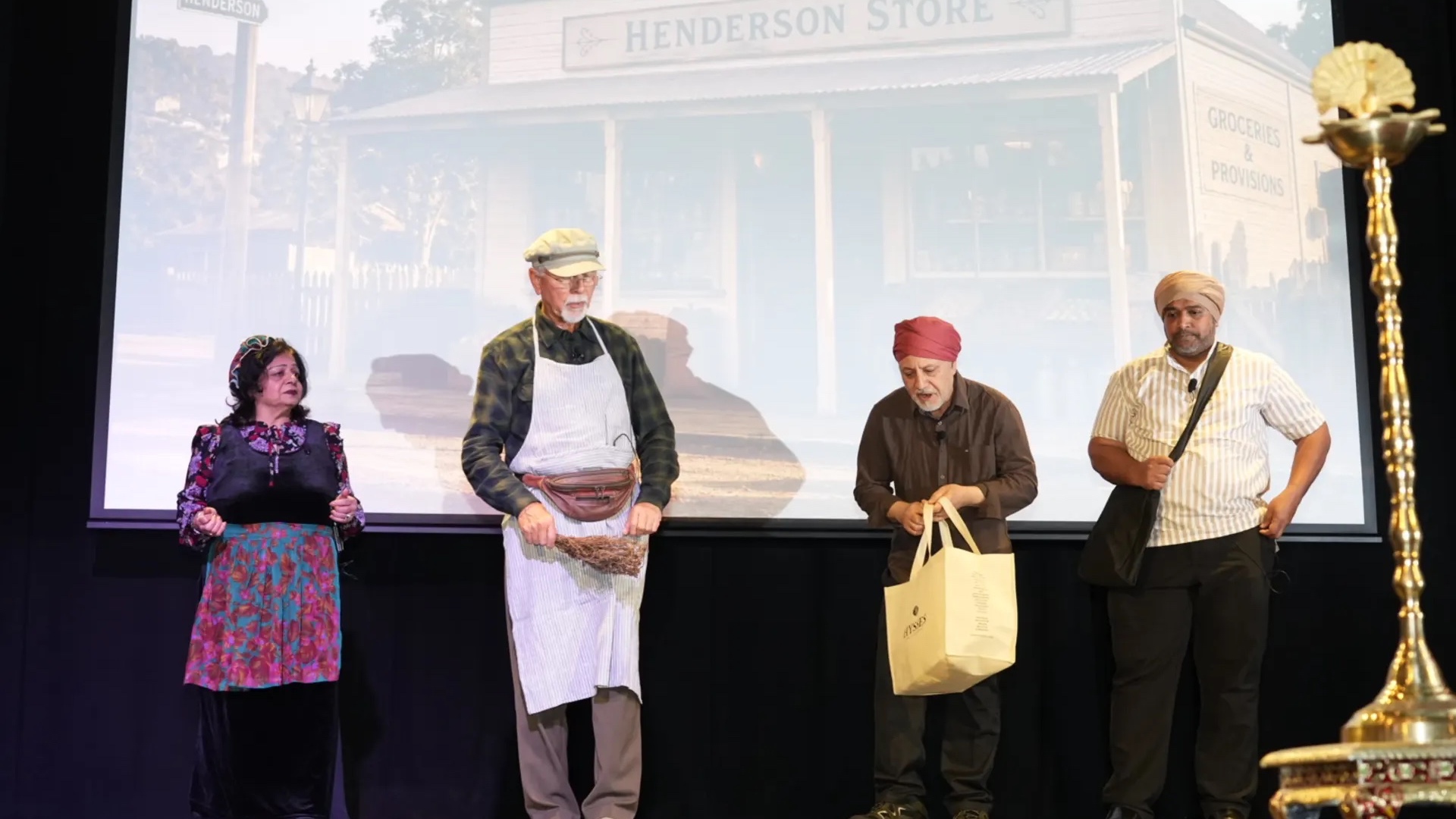
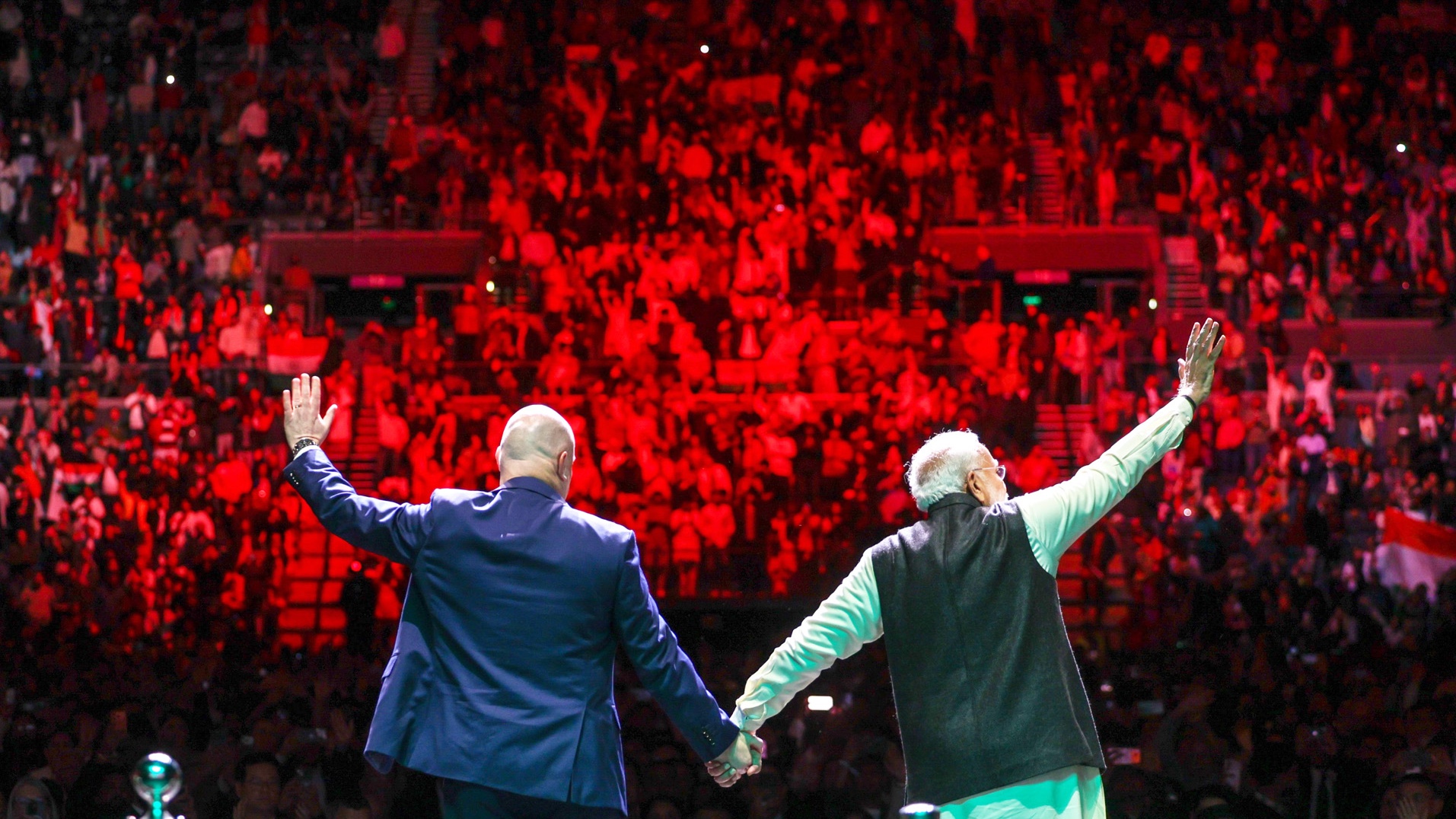
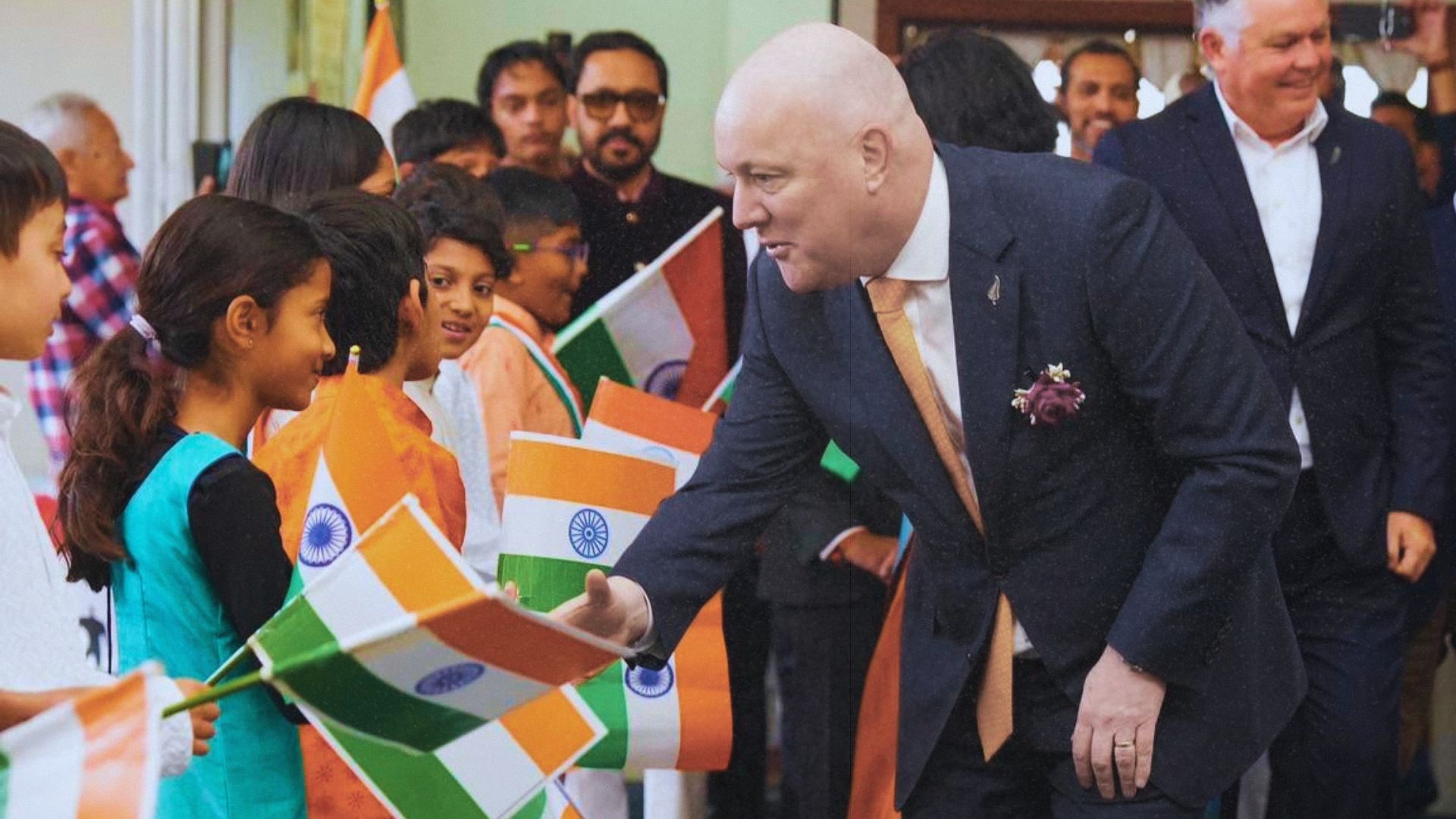
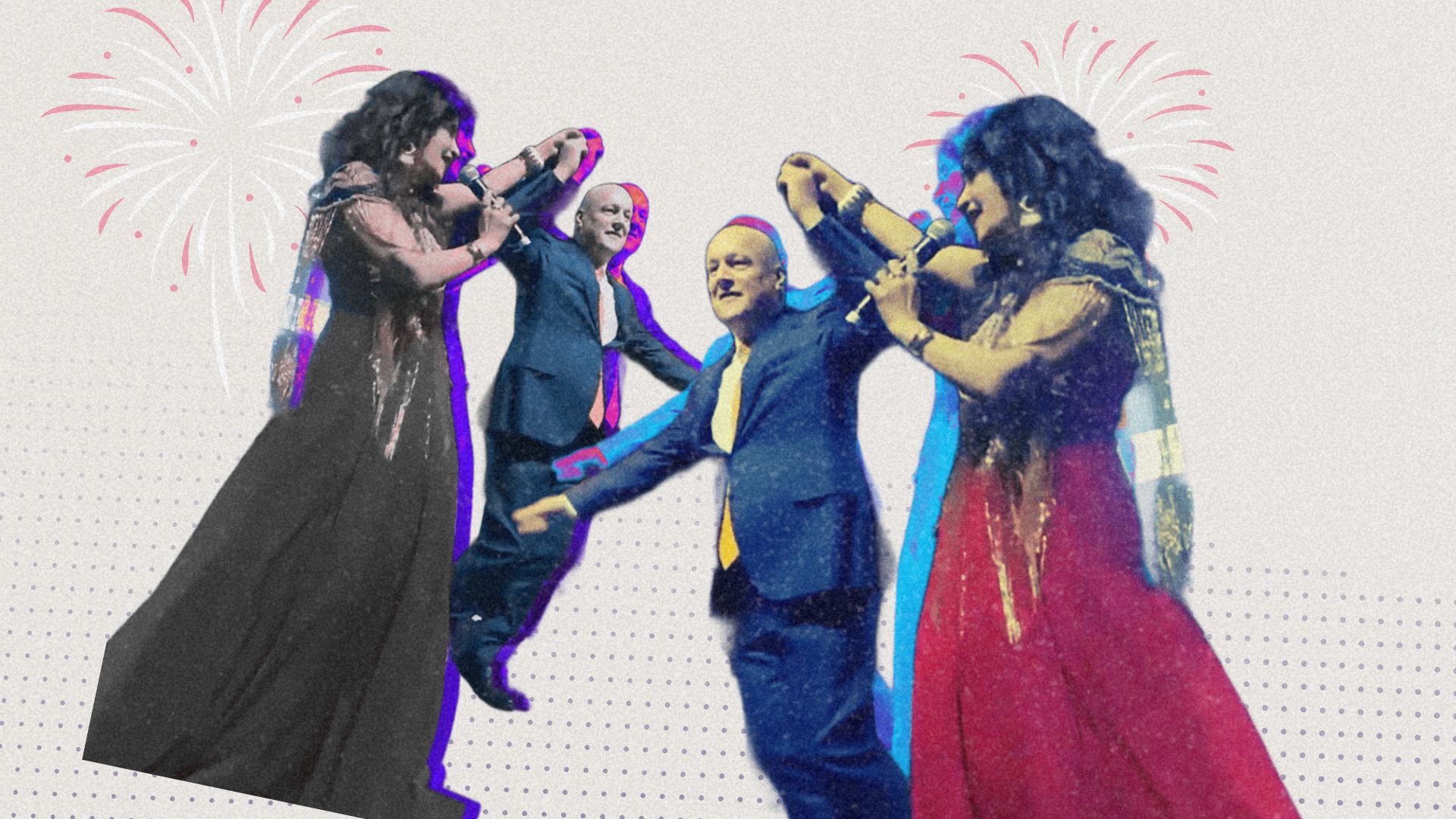
Indian cultural performances were most visible later at a community reception organised for the Indian diaspora at Spark Arena.
Peters' objection was framed not around the ethnicity of those attending, but around which culture should be predominant in New Zealand. That distinction now has an echo in his insistence that his concern is with the country's “societal makeup”, rather than its “ethnic makeup”.
Who gets to change New Zealand?
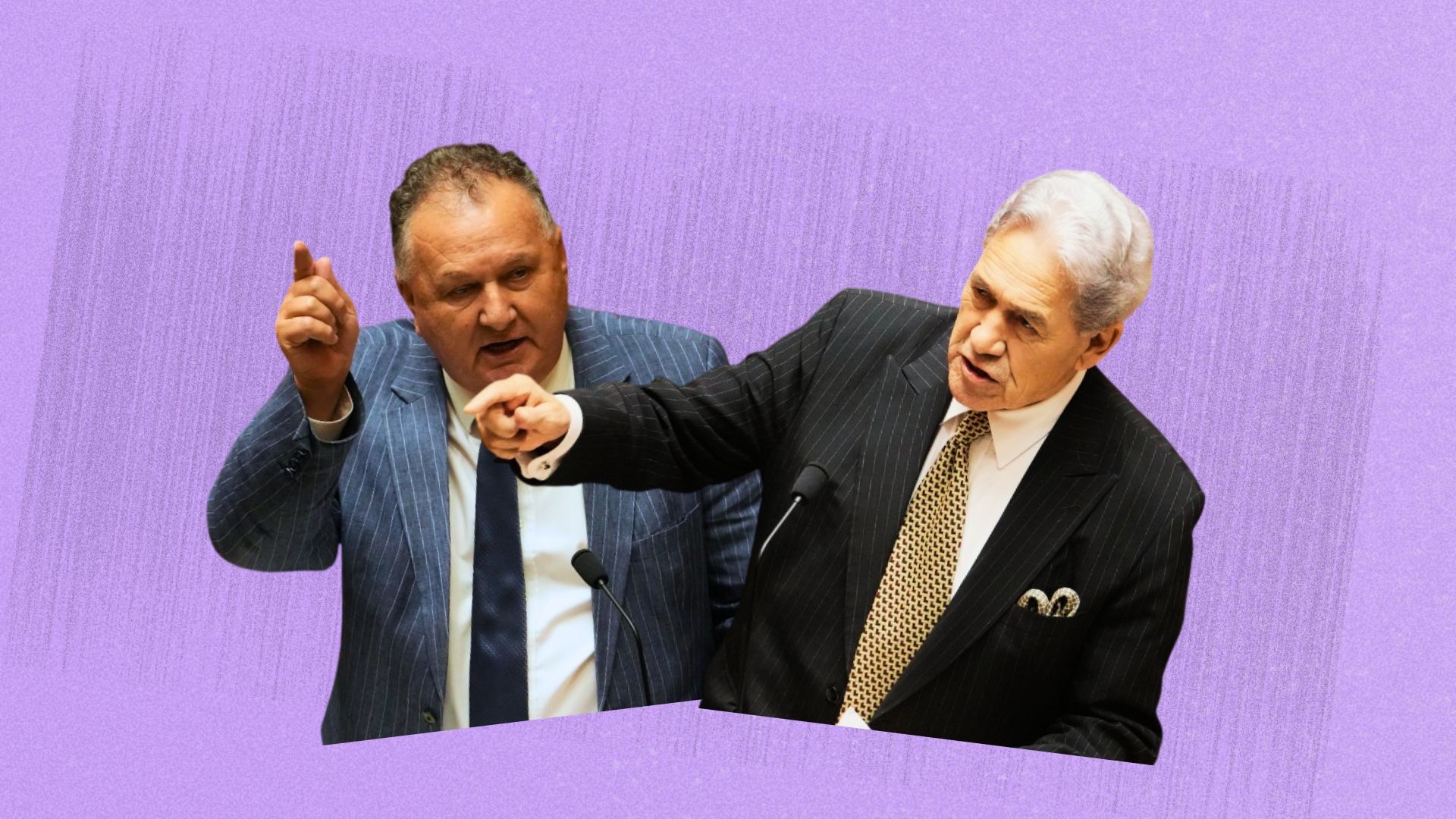
There is also a recent pattern of Peters invoking the overseas origins of MPs while arguing with them in Parliament.
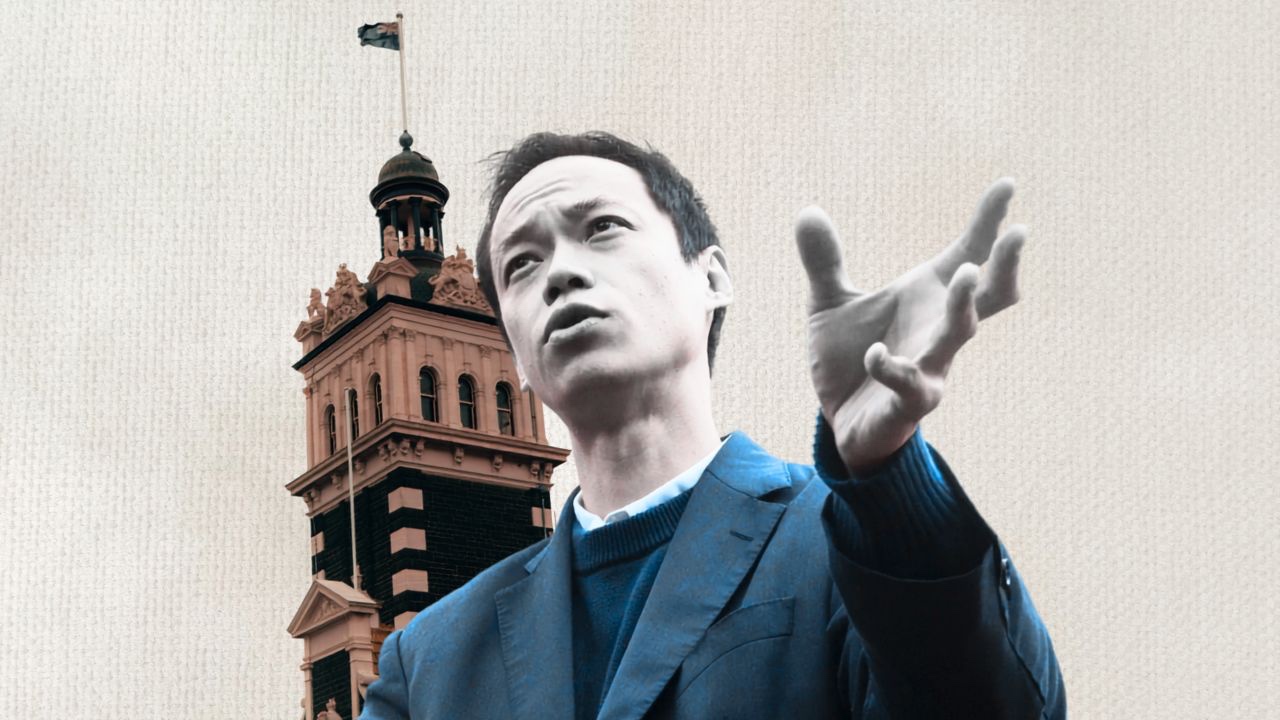
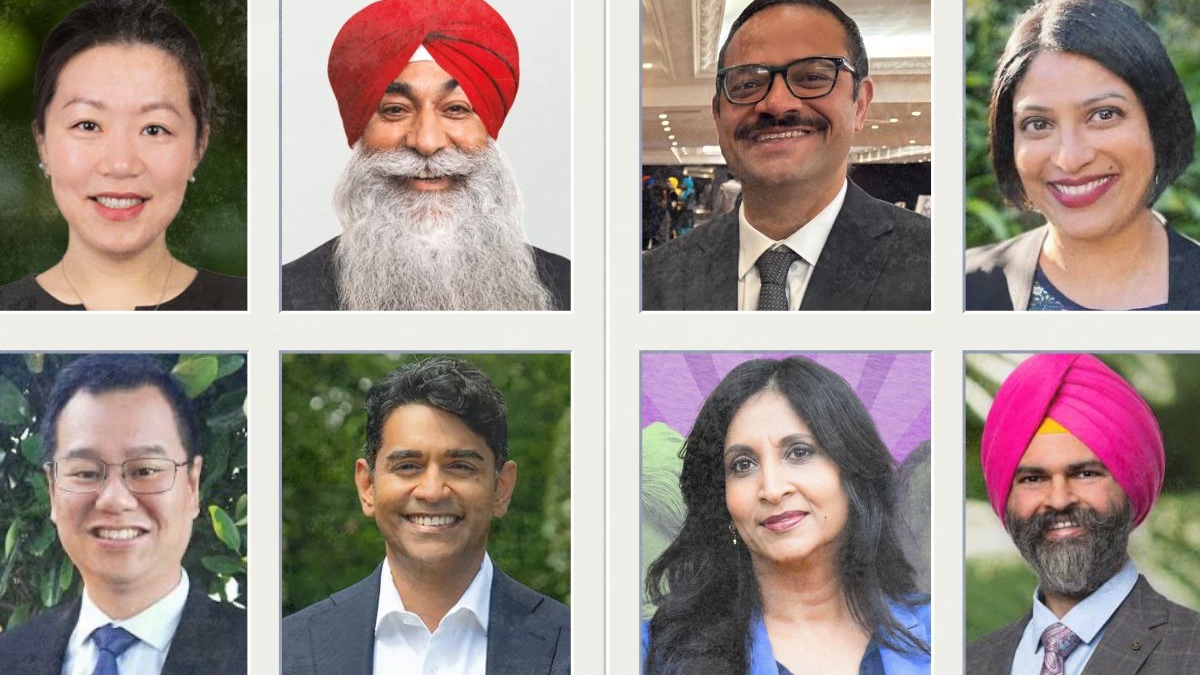
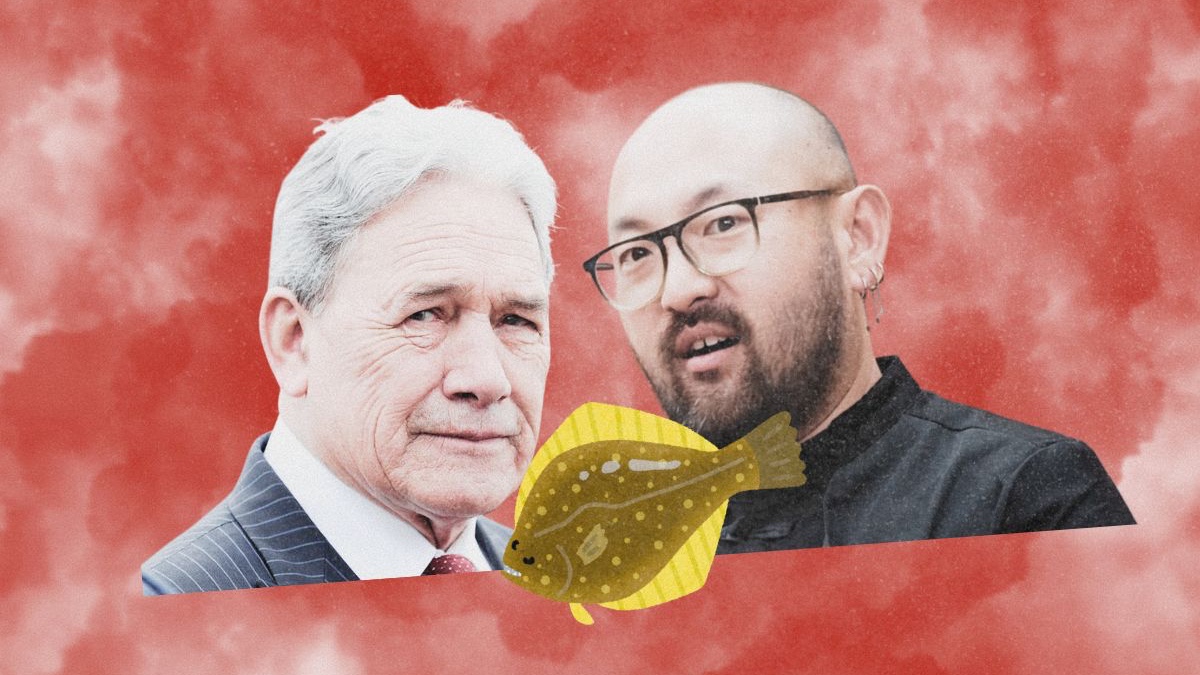
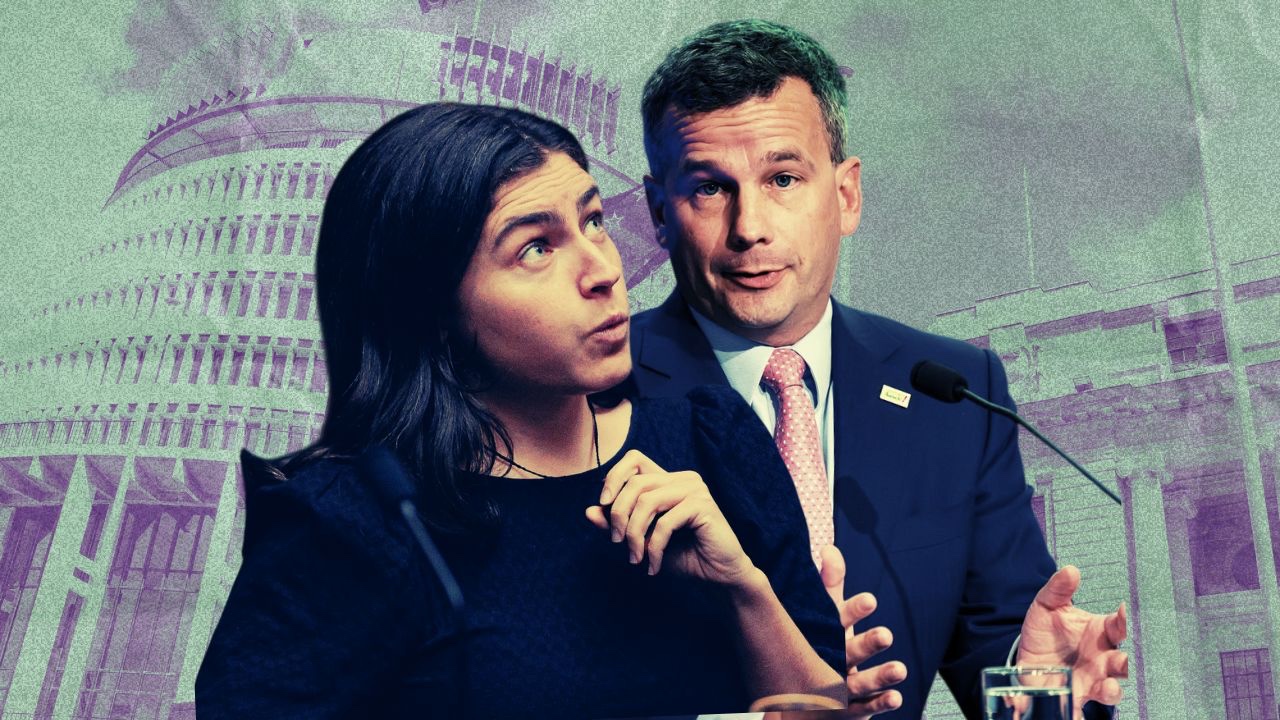
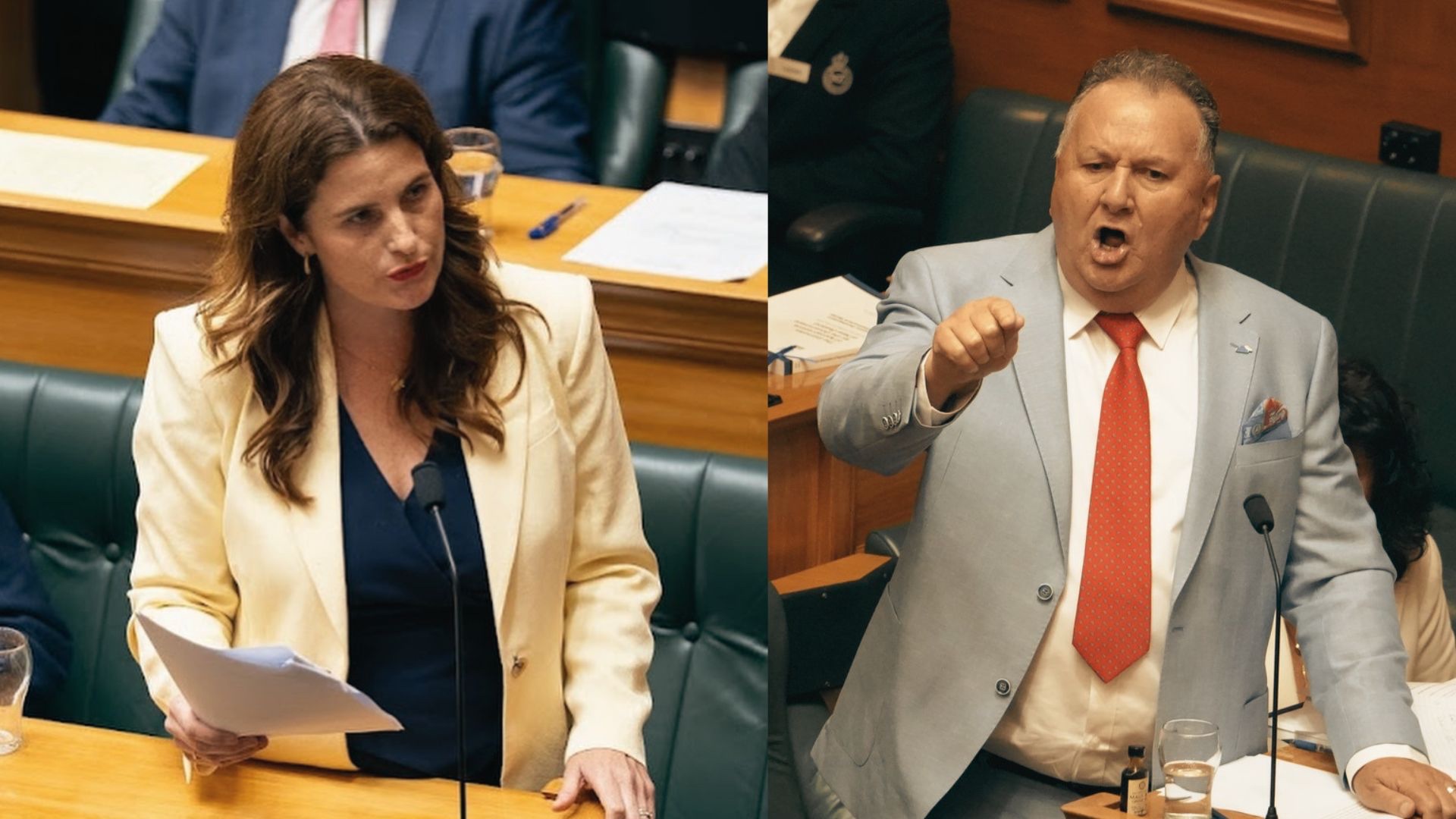
Most recently, on July 29, he told China-born Green MP Lawrence Xu-Nan to “go back to your own country” after Xu-Nan interjected during a speech.
“I noticed you came here five minutes ago. Go back to your own country – that’s where they lie like a flatfish, but they don’t lie like that here, all right?” Peters said.
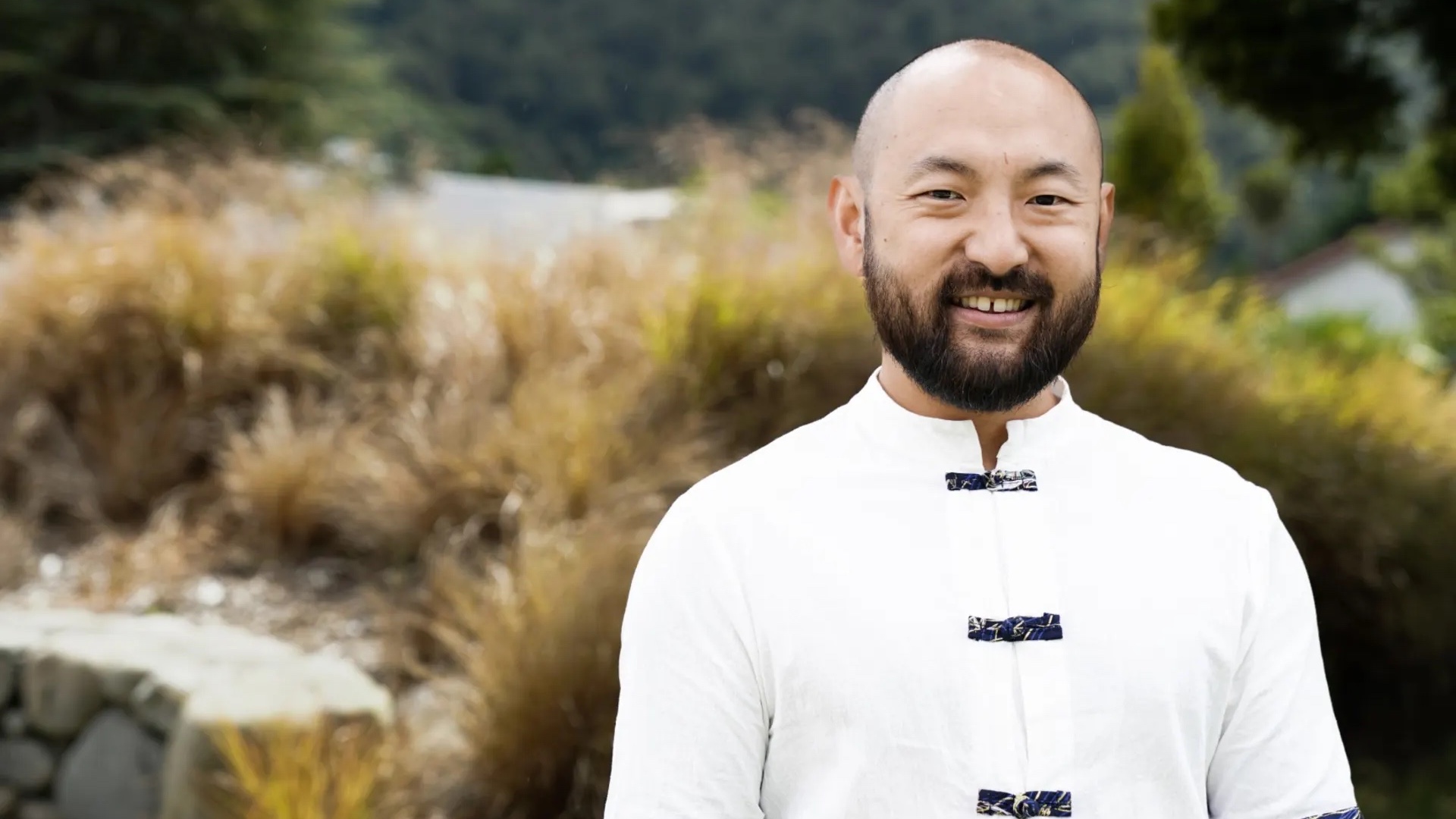
Xu-Nan moved to New Zealand as a child and grew up in East Auckland. Peters later stood by his remarks outside Parliament, saying the MP had “only been here for five minutes”.
In February 2025, when Green MP Ricardo Menéndez March used “Aotearoa” in Parliament, Peters responded by pointing to his migration history.
“The name of this country is New Zealand. This person who came here in 2006 – you’re not going to change it,” he said.
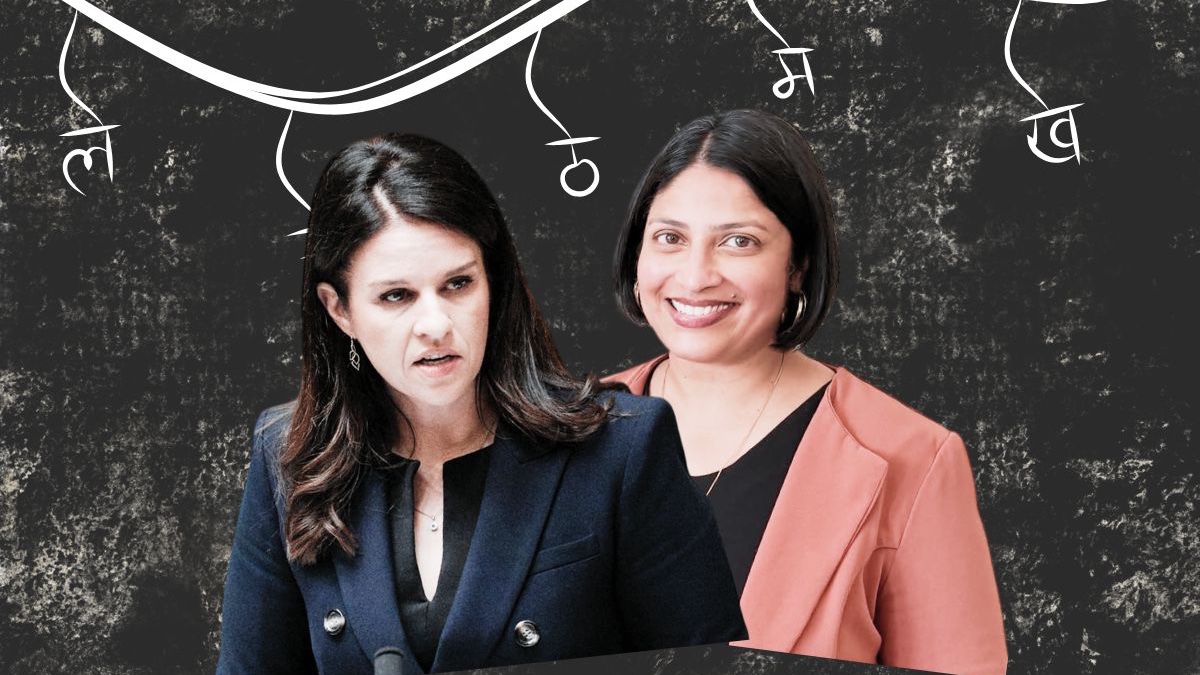
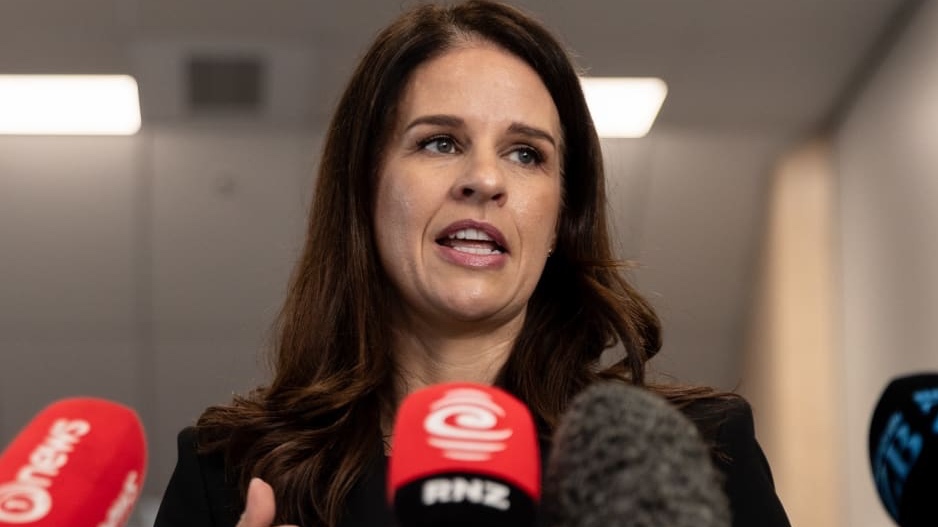
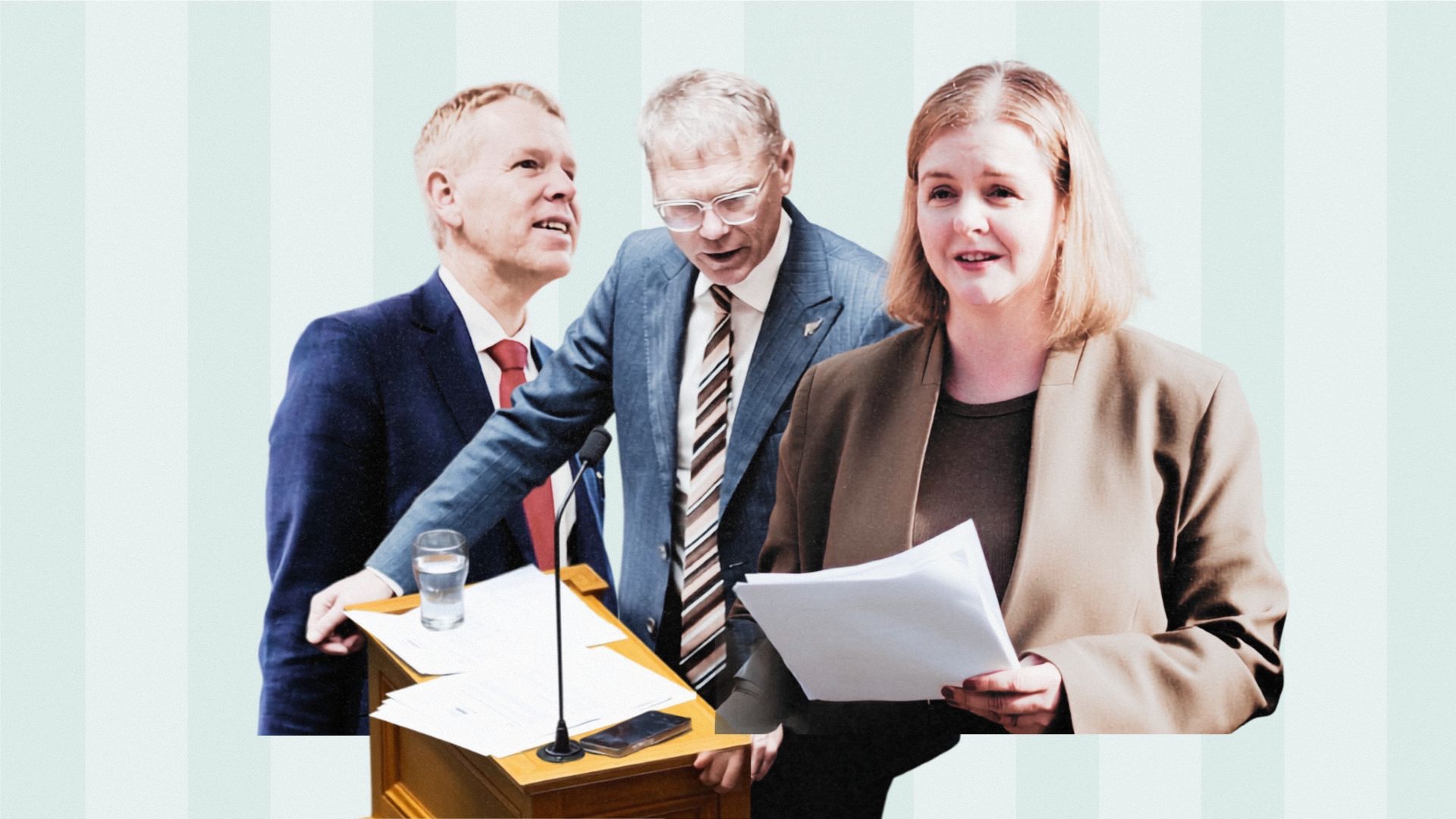
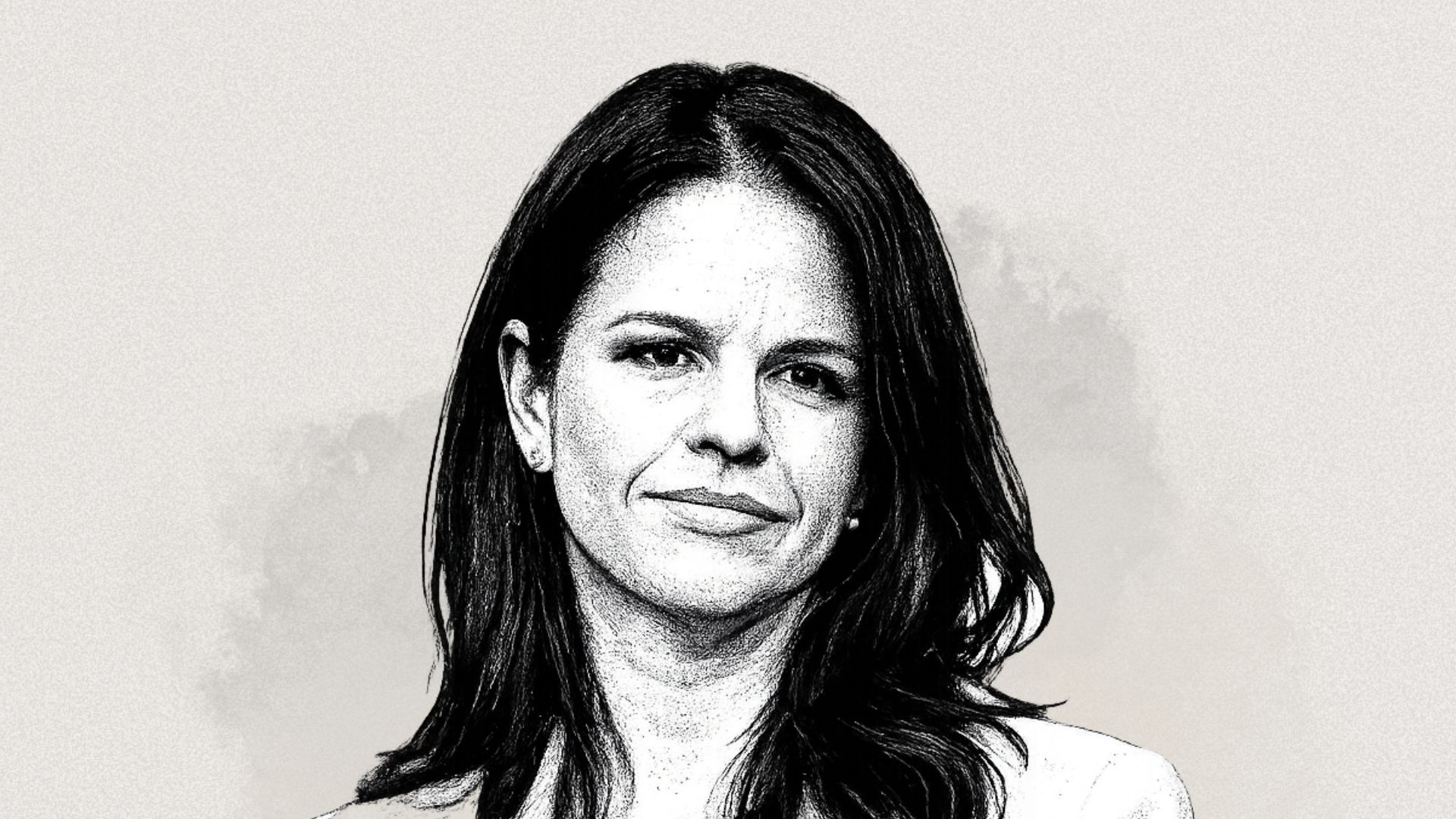
The fallout from Peters’ “go back” remarks has also reached Beijing. Labour’s foreign affairs spokesperson Vanushi Walters revealed in Parliament on Wednesday that China had made two formal representations to New Zealand over the comments.
The disclosure shows his rhetoric has not remained a purely domestic political argument.
‘Growing our own population’
NZ First’s Kiwi Kids policy has put population composition alongside immigration in the party’s election pitch.
The party has described New Zealand's population trends as reaching a “crisis point” and referred to a “severely unbalanced” and “diminishing Kiwi population”.
Its Kiwi Kids Grant would provide financial support for families raising their first three children, but eligibility is restricted to New Zealand citizens.
That means the policy is not simply about encouraging more births. It also determines which families qualify for state support to have them. Peters connected the birth policy directly to immigration during Wednesday's exchange.
New Zealand First, he said, wanted to fix immigration policy while “growing our own population with our three-child policy”. There is a genuine demographic problem underneath the politics.
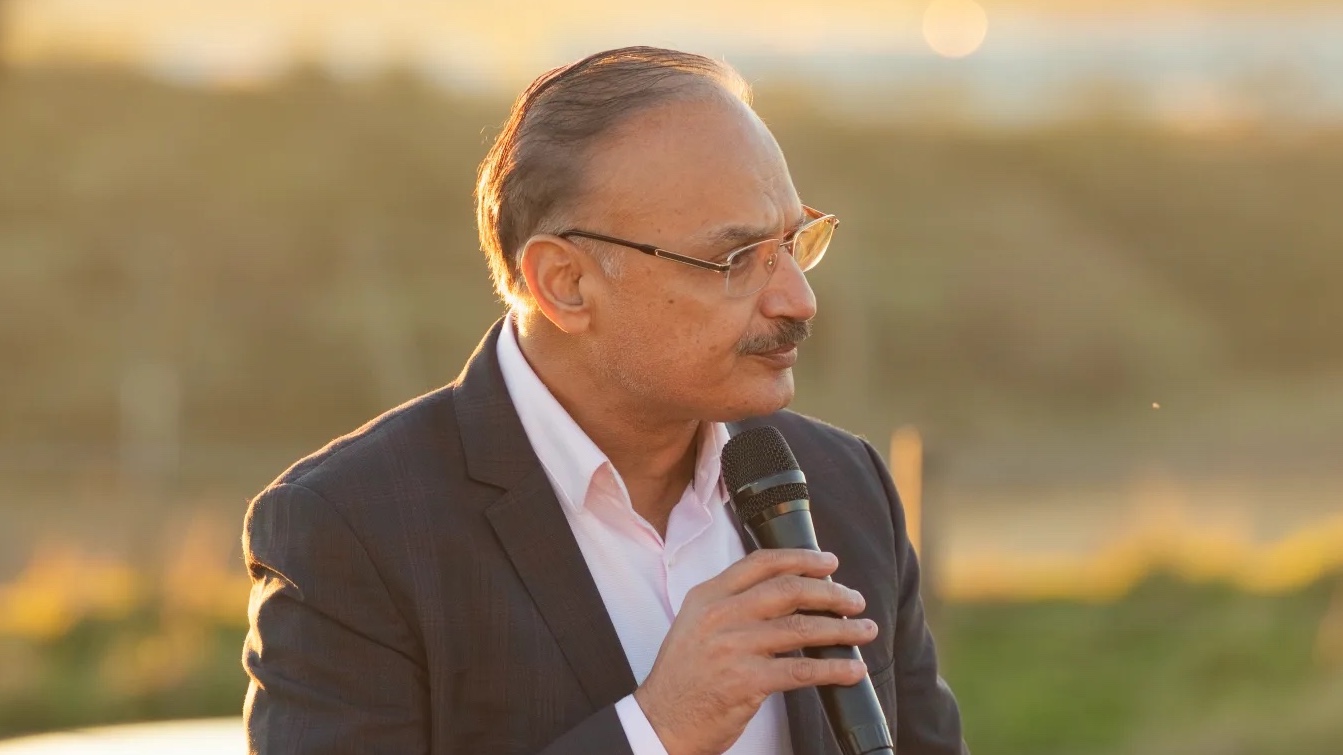
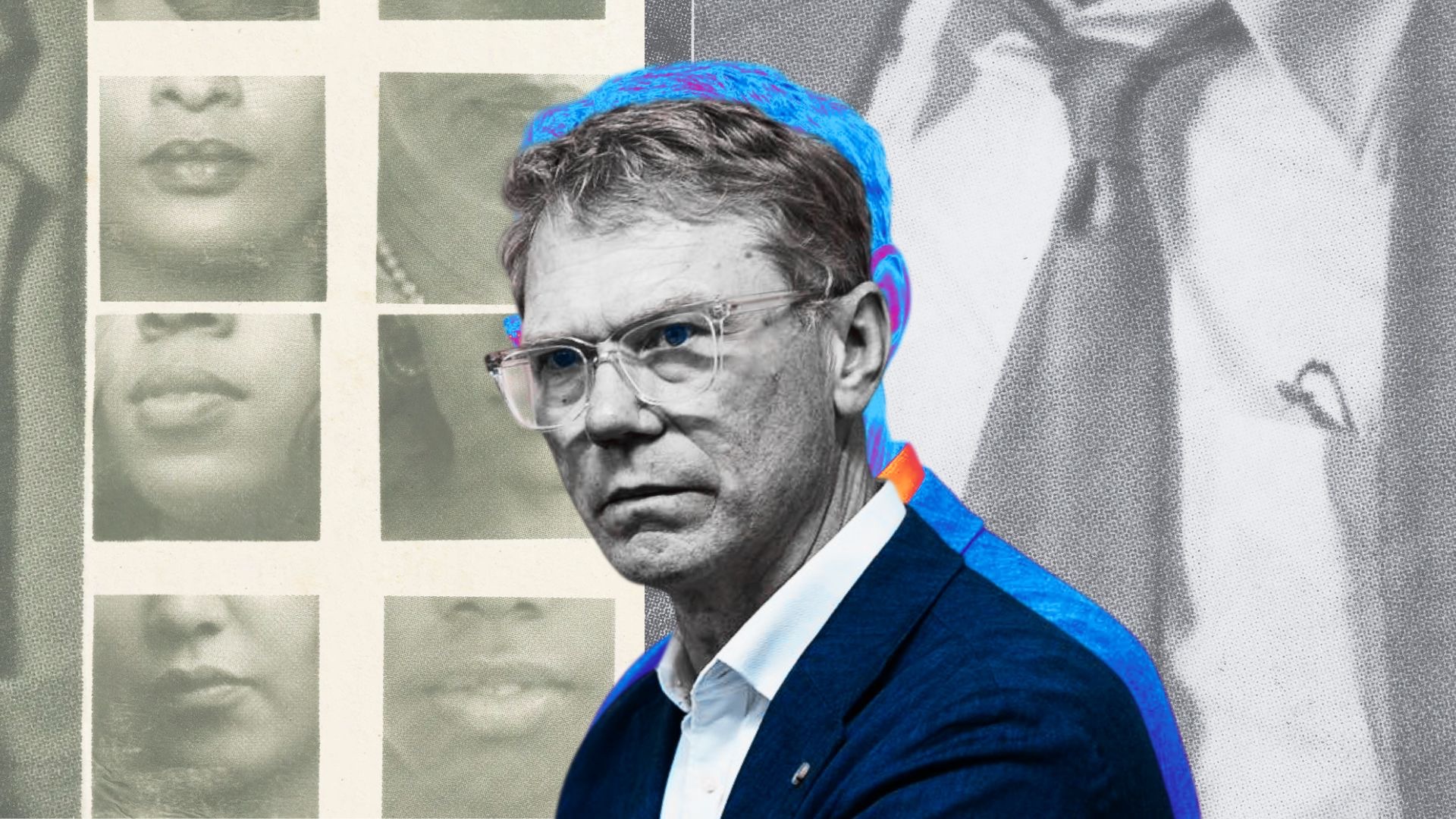
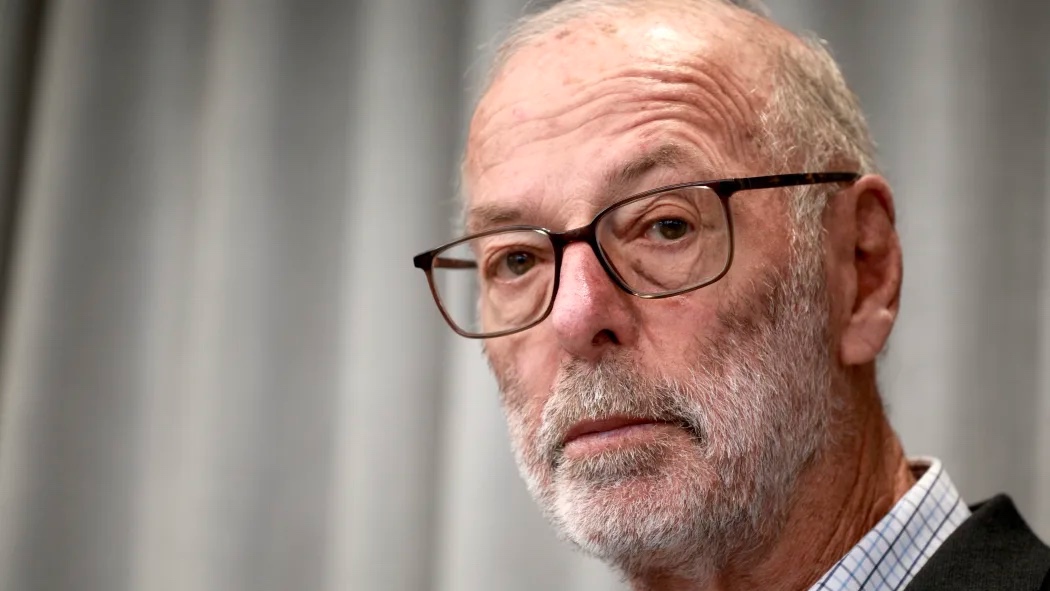
Massey University emeritus professor Paul Spoonley told an Auckland audience in June that New Zealand's fertility rate was about 1.53 births per woman, well below the roughly 2.1 replacement level.
At the same time, an ageing population means immigration is becoming an increasingly important driver of population and workforce growth.
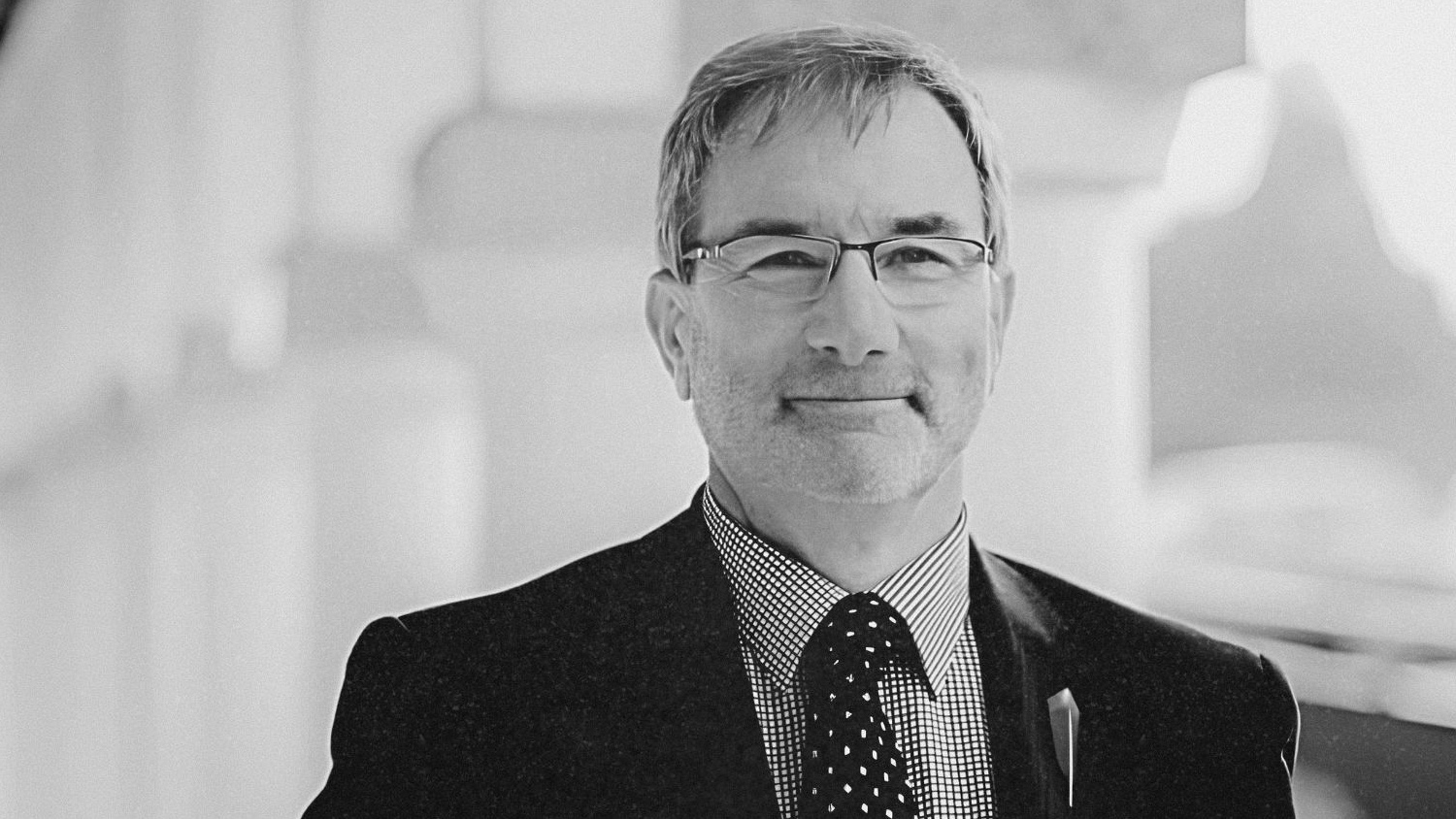
Spoonley argued New Zealand may increasingly need migrants even as politics around migration becomes harder, and said the debate should not simply be reduced to whether the country has too many or too few migrants.
He called instead for a wider population strategy looking together at fertility, ageing, migration, regional change and social cohesion. That is broadly the territory Peters is now entering too, although with a very different political prescription.
He says immigration has transformed New Zealand without sufficient public consent. He wants fewer migrants, wants citizens to have more children, has said the “host culture” should be predominant and has objected when migrant MPs have sought, in his view, to change aspects of the country they joined.