
Overstayers for more than 10 years get residence as tribunal says deporting their children too harsh
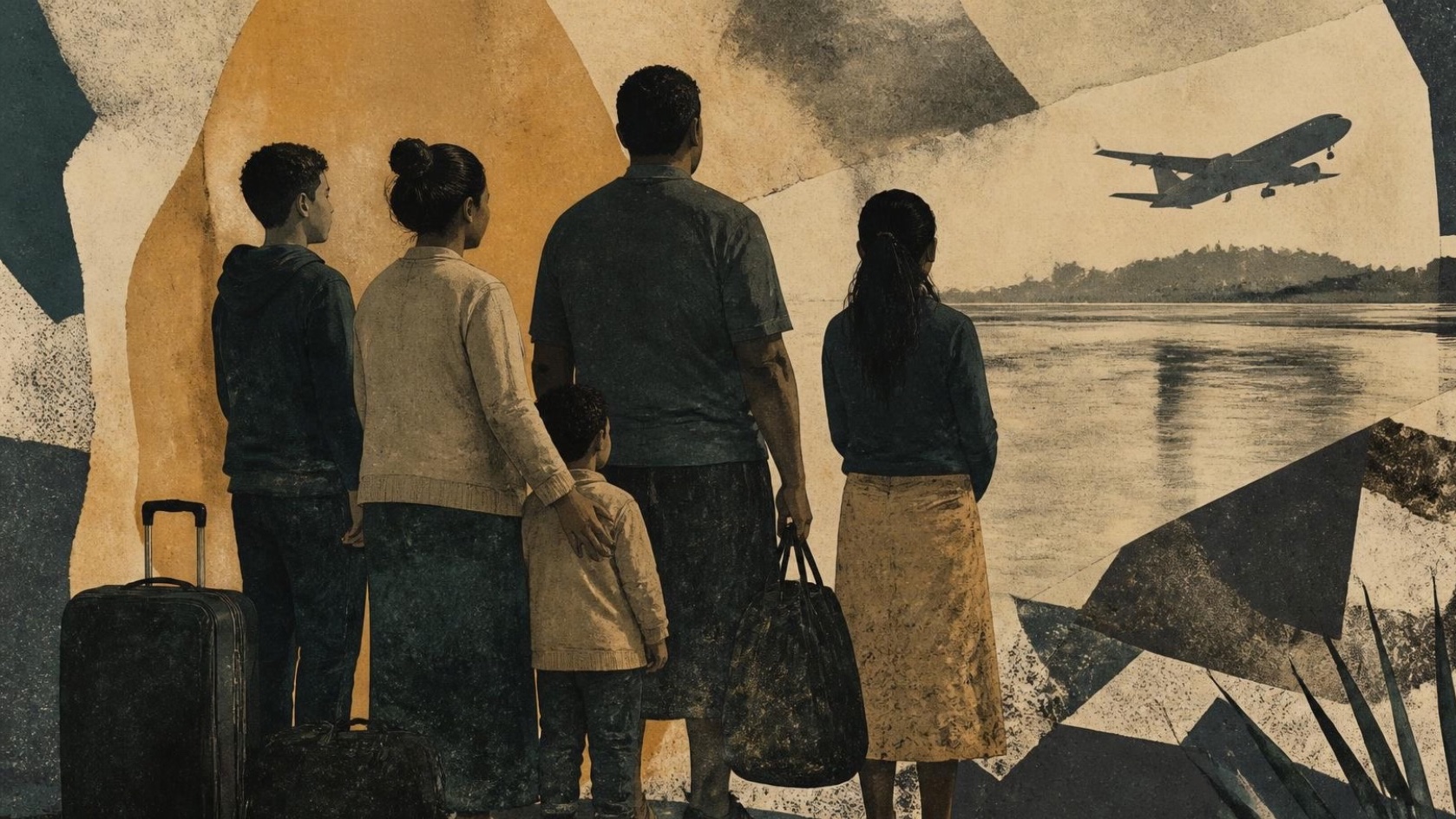
The father has been an overstayer ever since he arrived as a visitor in 1998.
The mother was served a deportation notice in 2009 but wasn't taken into custody as she was breastfeeding her newborn.
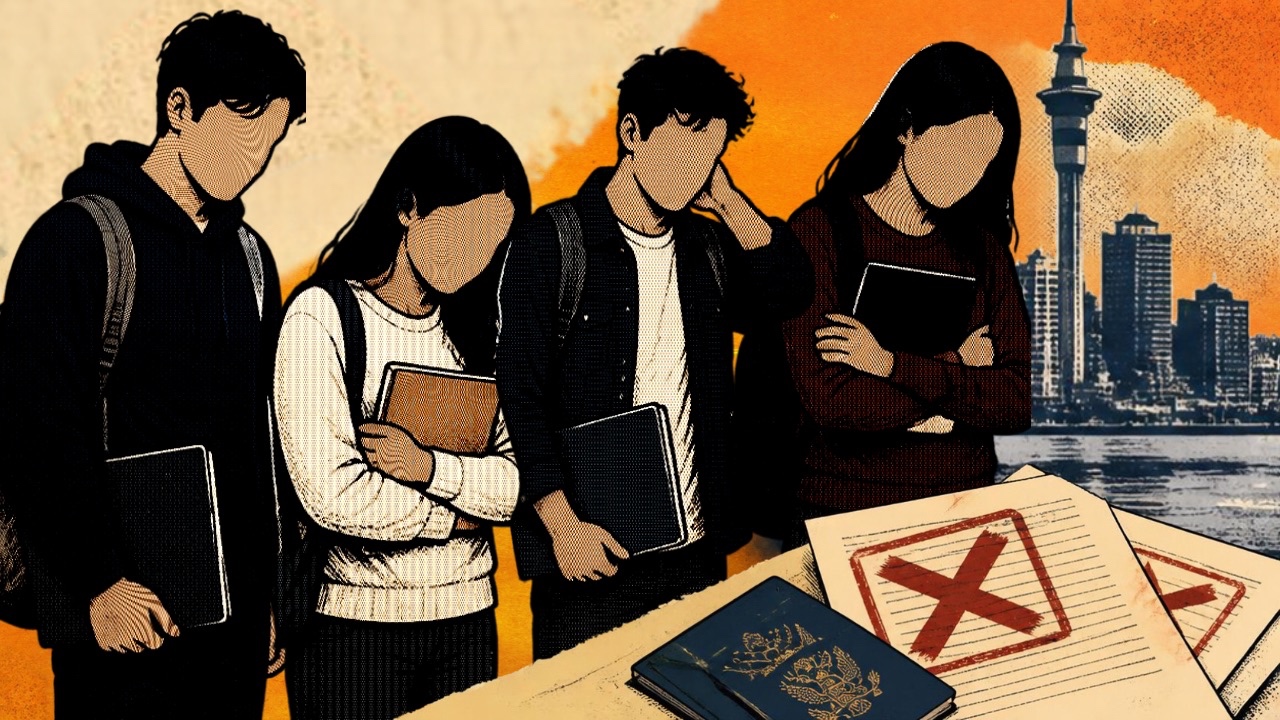
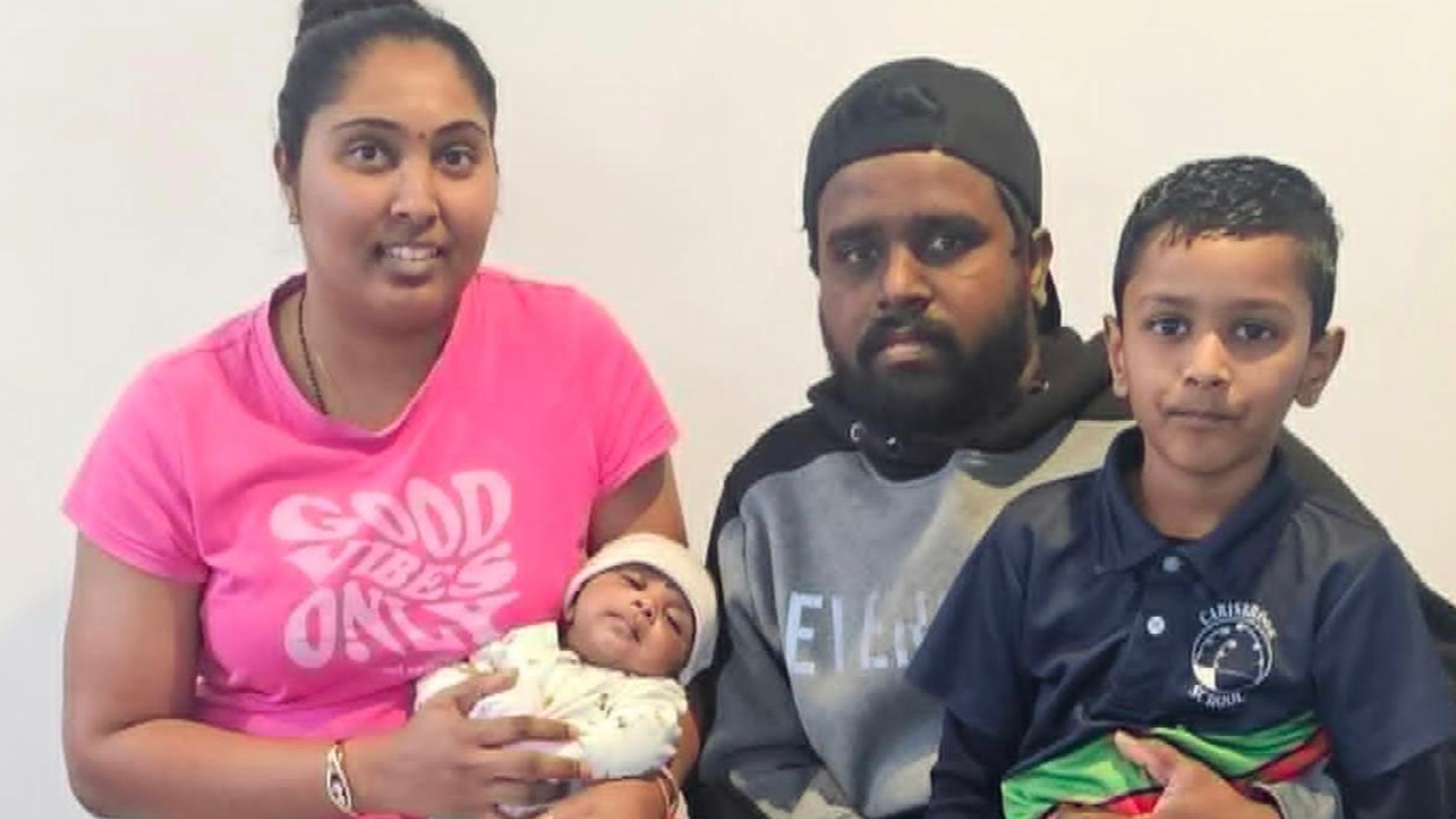
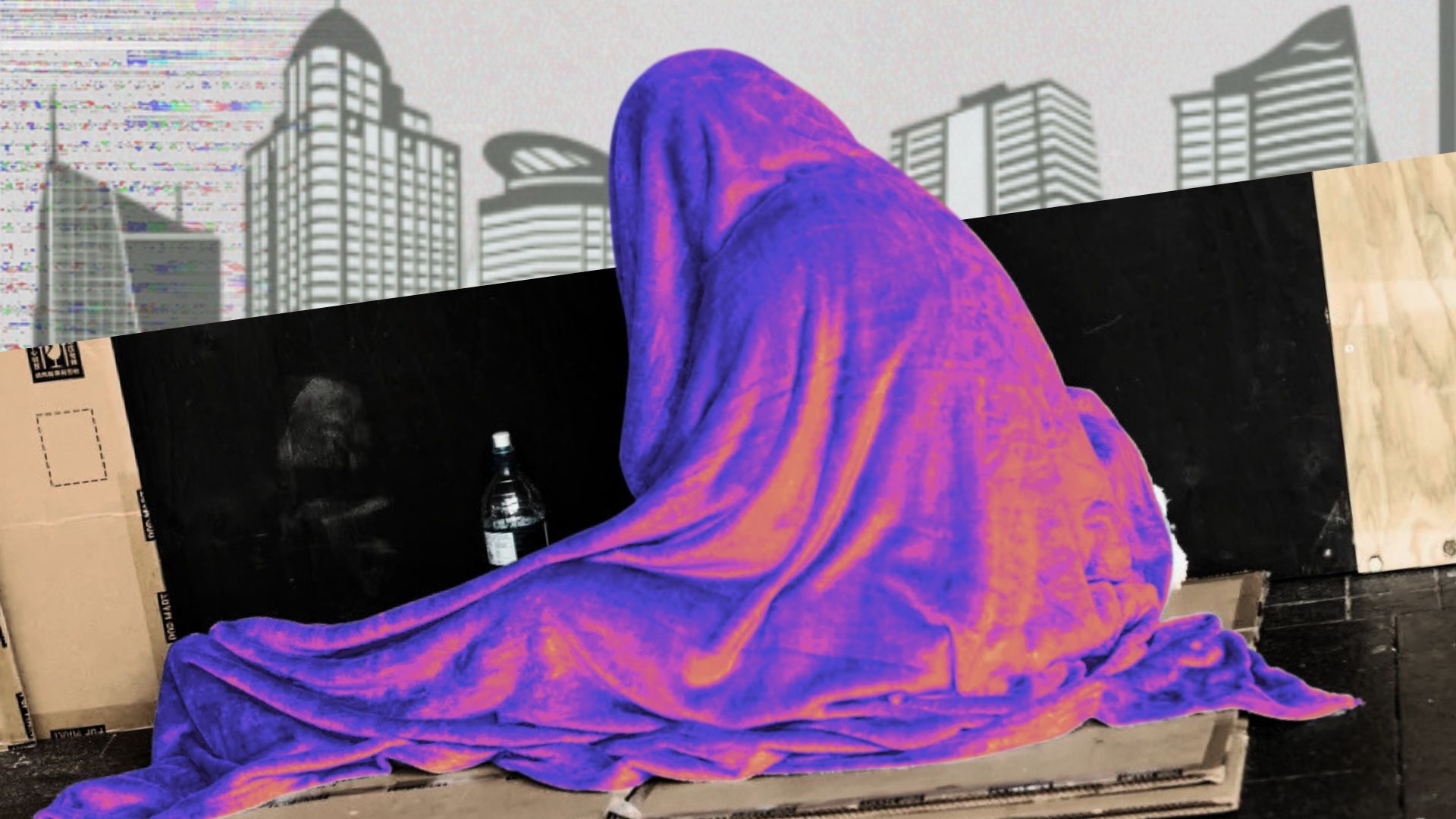
A Tongan couple who lived unlawfully in New Zealand for years and worked in horticulture under the hood have been granted residence after the immigration tribunal ruled deporting them would cause too much hardship to their three New Zealand-born children.
The husband had been unlawful since his visitor visa expired in 1998. His wife became unlawful in 2008. Their children, now 17, 15 and six, were all born in New Zealand and have never travelled overseas.
In a September 8 decision, Immigration and Protection Tribunal member N Small ordered that all five be granted resident visas.
The immigration dilemma faced by children of overstayers is well documented in New Zealand. The government says creating a policy solution for such children would only encourage abuse, and that exceptional cases can instead be considered through existing immigration, ministerial and tribunal processes.
In this case, the tribunal drew a clear line between the parents’ choices and the status inherited by their children. “The three children bear no responsibility for their unlawful presence in New Zealand,” it said.
Selfie: ‘Daddy, please don’t take me to an India-NZ cricket match’. A migrant's dilemma Can a migrant embrace a new home without abandoning old loyalties? Sports often offers a reckoning for migrants.
Migrant prison guards in Auckland accused of drug smuggling can't work, can't go home Two fathers facing serious corruption charges have been unable to work elsewhere because of their visas and awaiting criminal trials in 2028.
Can you be Indian and Kiwi? National's Mahesh Muralidhar on patriotism, racism and belonging National's big ticket Indian-origin candidate on what ethnic representation really achieves and why New Zealanders still struggle to get along.
They were born here, had no say in their immigration status and had been entirely dependent on decisions made by adults, N Small ruled.
The tribunal said deportation would force them to leave “the only country they have ever known and lived in”.
Parents stayed and worked unlawfully
The husband arrived in 1998, aged 20, on a visitor visa and never left after it expired.
His wife became unlawful in 2008, and was served with a deportation order but wasn't taken into custody as she was breastfeeding her eldest son. The following year and later she evaded attempts by immigration officers to locate and deport her.
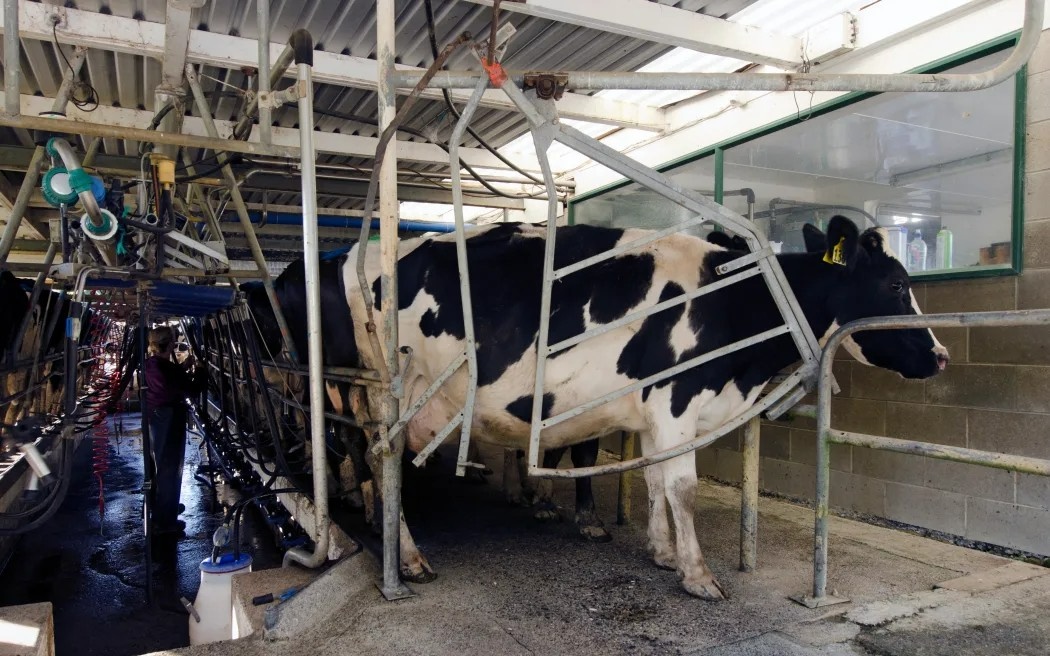
The couple had also worked in horticulture while they had no visas allowing them to work. The tribunal said the parents were responsible for their own immigration position. But their children were not.
Deport the parents, or the children too?
That became the central issue. If only the parents were deported, the children would be left without their primary caregivers “at a critical time in their development”.
If the whole family left, the children would lose their only home, schooling and established relationships. The tribunal found the family’s unlawfulness was outweighed by the “high level of hardship” the children would suffer either way.
It described New Zealand as the children’s “own country”.

Auckland-based immigration lawyer Alastair McClymont. (Supplied photo)
Another family won on similar grounds
The ruling follows another recent tribunal case in which a Malaysian mother and her three children were granted residence after the tribunal found the children could not be blamed for their unlawful status and that keeping the family together was in their interests.
Auckland-based immigration lawyer Alastair McClymont, who represented the family, told Awaaz, “If the children have established their lives in a country, there is a strong argument that their immediate family should be able to remain with them.”
Daman's case exposed the same fault line
The issue also came into sharp focus in the case of Daman Kumar, who was born in New Zealand in 2006 and grew up here without lawful immigration status because of his parents’ circumstances.
He had never been to India when, aged 18, he faced deportation.

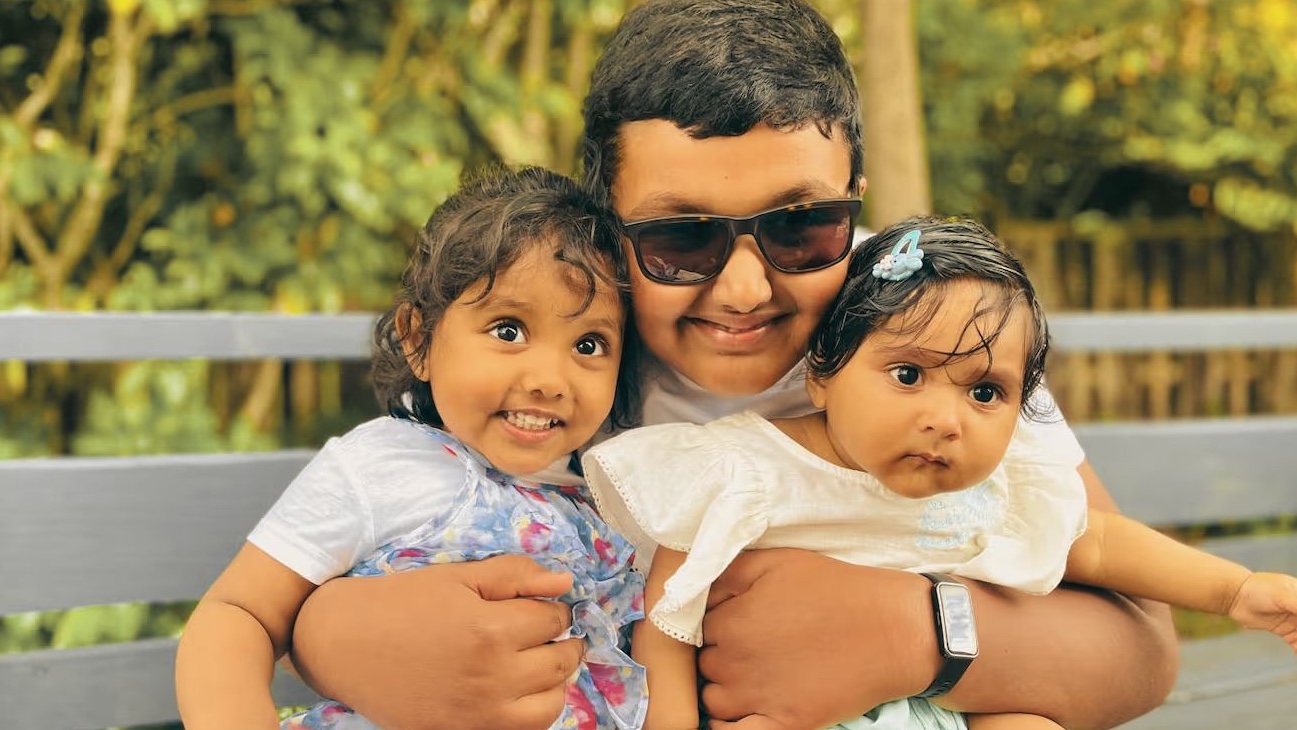
Daman Kumar, 18, was offered residency after facing deportation. (Supplied photo)
In Parliament in February 2025, Green MP Ricardo Menéndez March asked immigration minister Erica Stanford whether people born and raised in New Zealand should have their status regularised.
Stanford rejected a blanket solution. She said New Zealand had to maintain “the integrity of our borders” and warned that creating a broader pathway could encourage people without another route to residence to have children here in the hope of staying.
Instead, she said exceptional cases should continue to be considered individually by immigration officials, ministers or the tribunal. Associate immigration minister Chris Penk later granted Kumar residence. His parents did not get residence.
Immigration rules still counted
In the latest case of the Tongan family, the tribunal said there was still a clear public interest in enforcing immigration law. “It is in the public interest to discourage people from remaining in New Zealand unlawfully,” the decision said.
It also considered the possibility the husband, who had suffered a stroke, could become a burden on the public health system. Against that, it weighed the children’s interests and the couple’s contribution to their church and Pacific community.
It concluded that allowing the family to remain would not be contrary to the public interest.