
‘Wouldn’t matter if an Indian dies’: Auckland man wins higher payout against racist boss
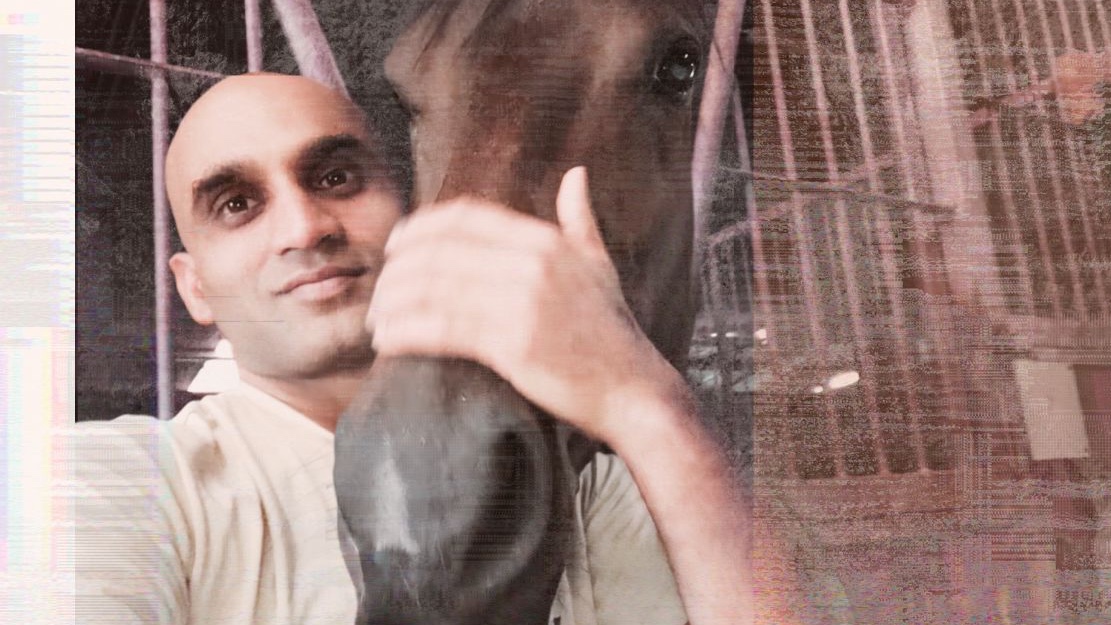
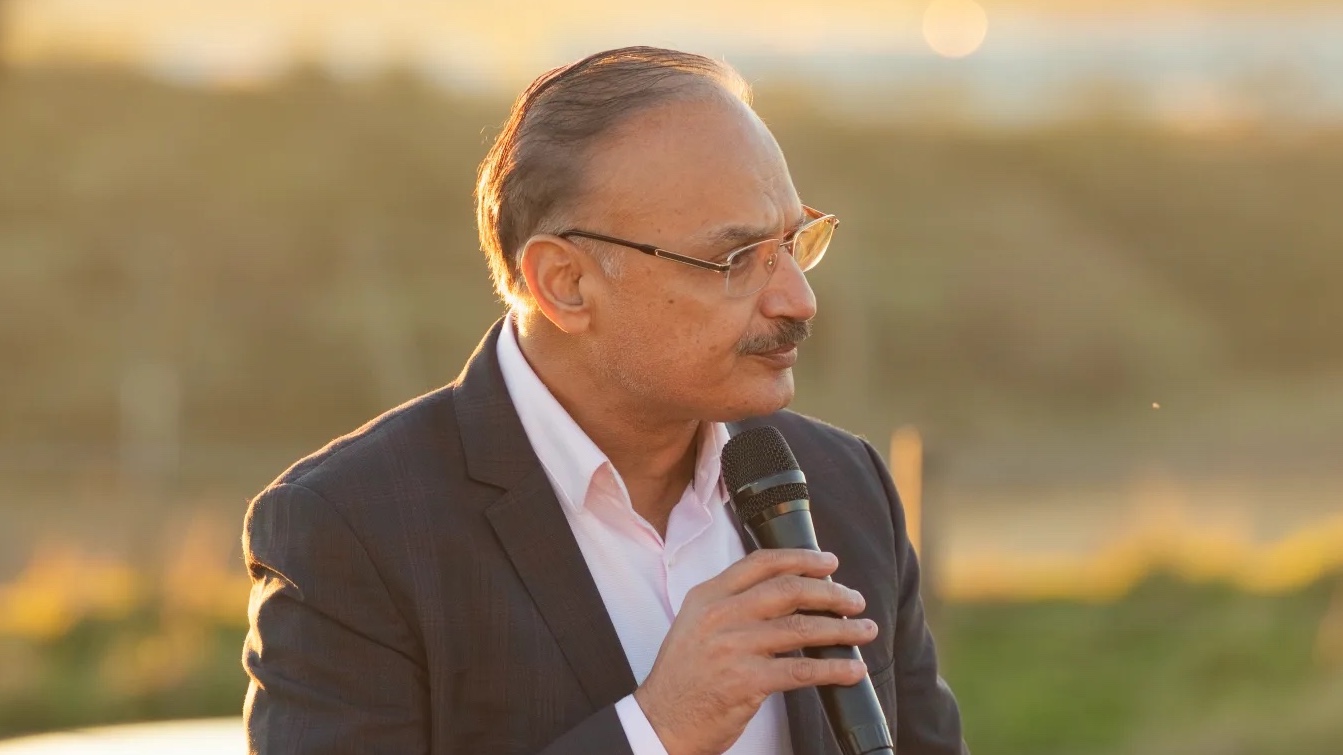
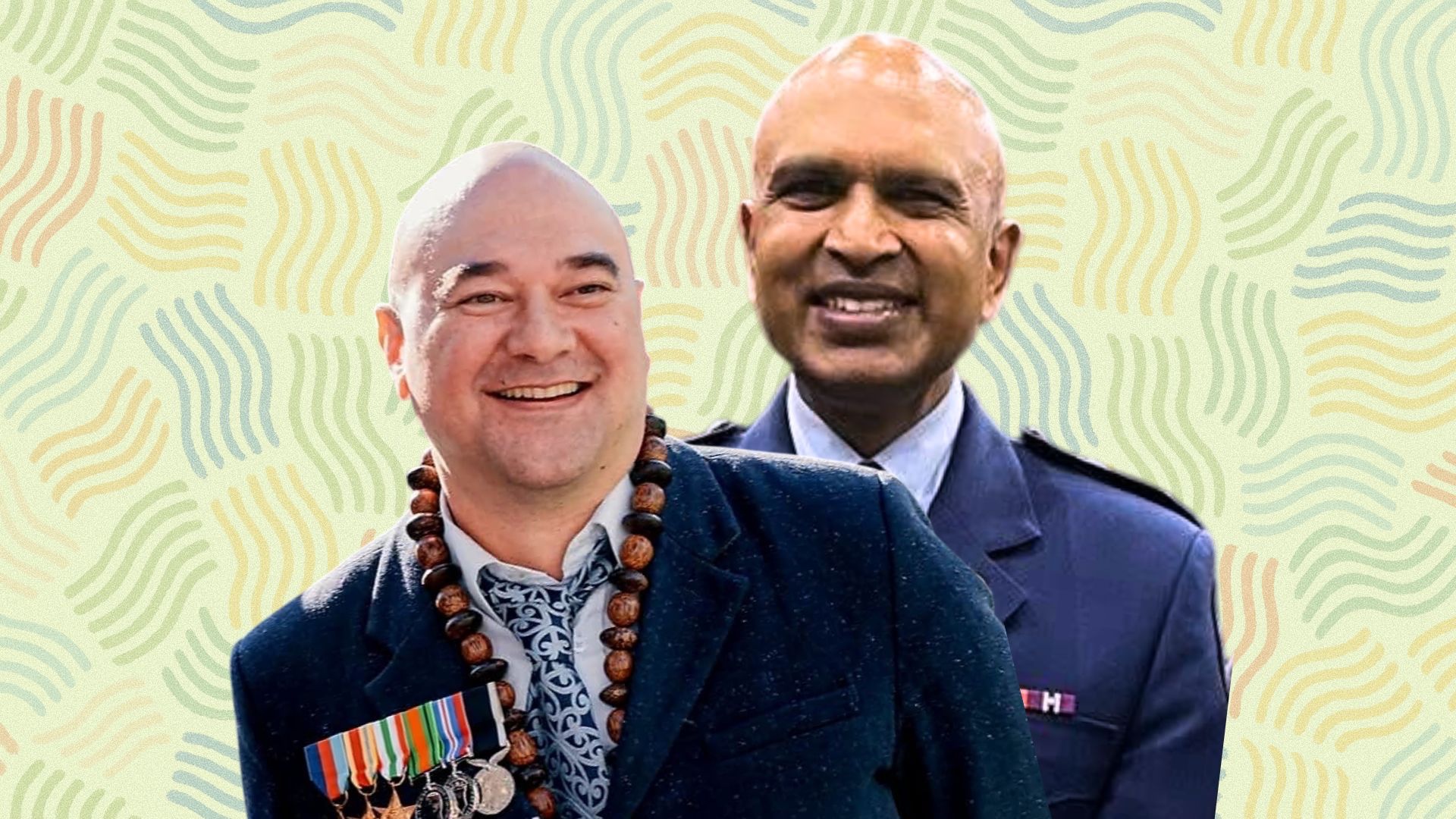
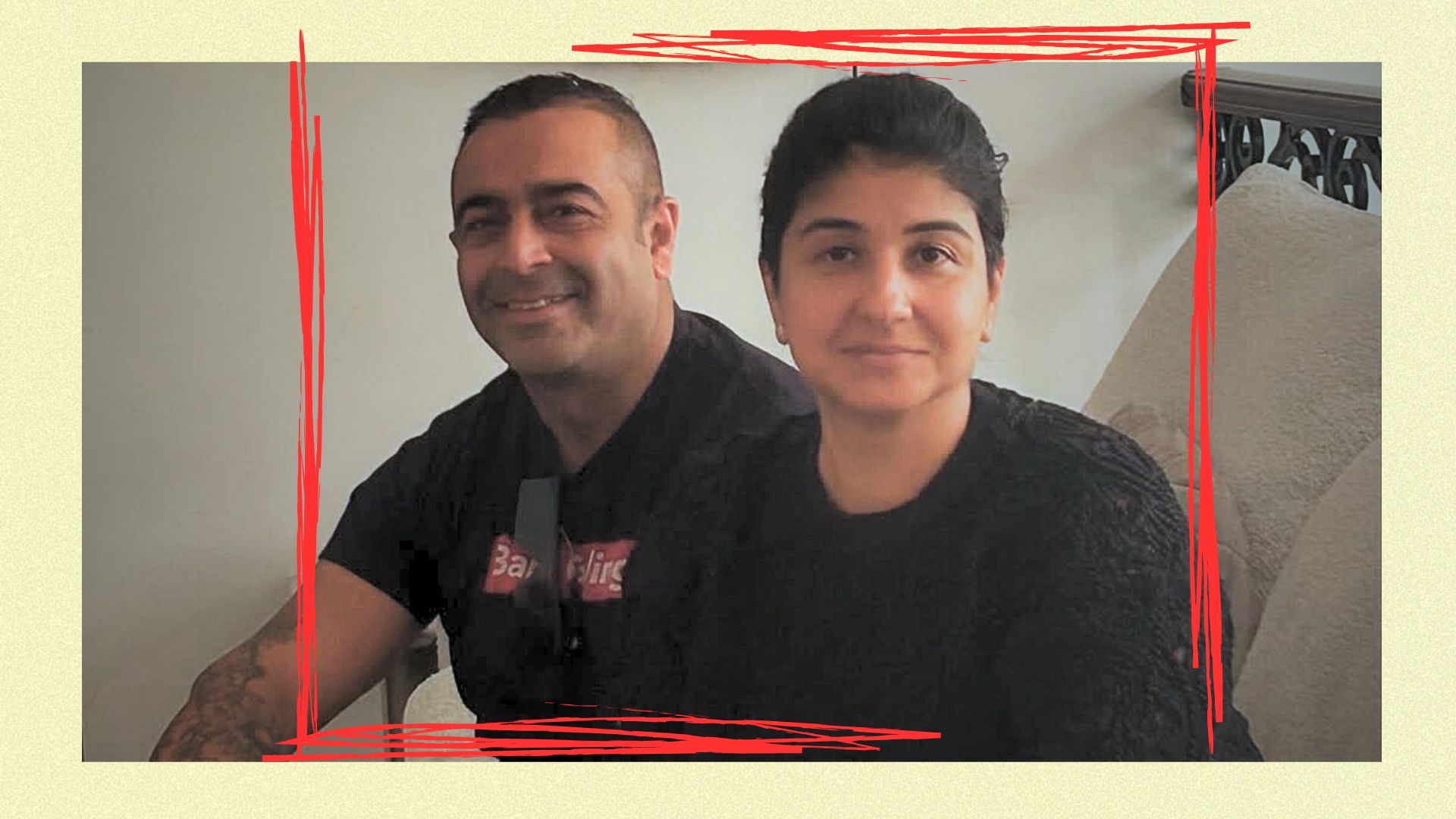
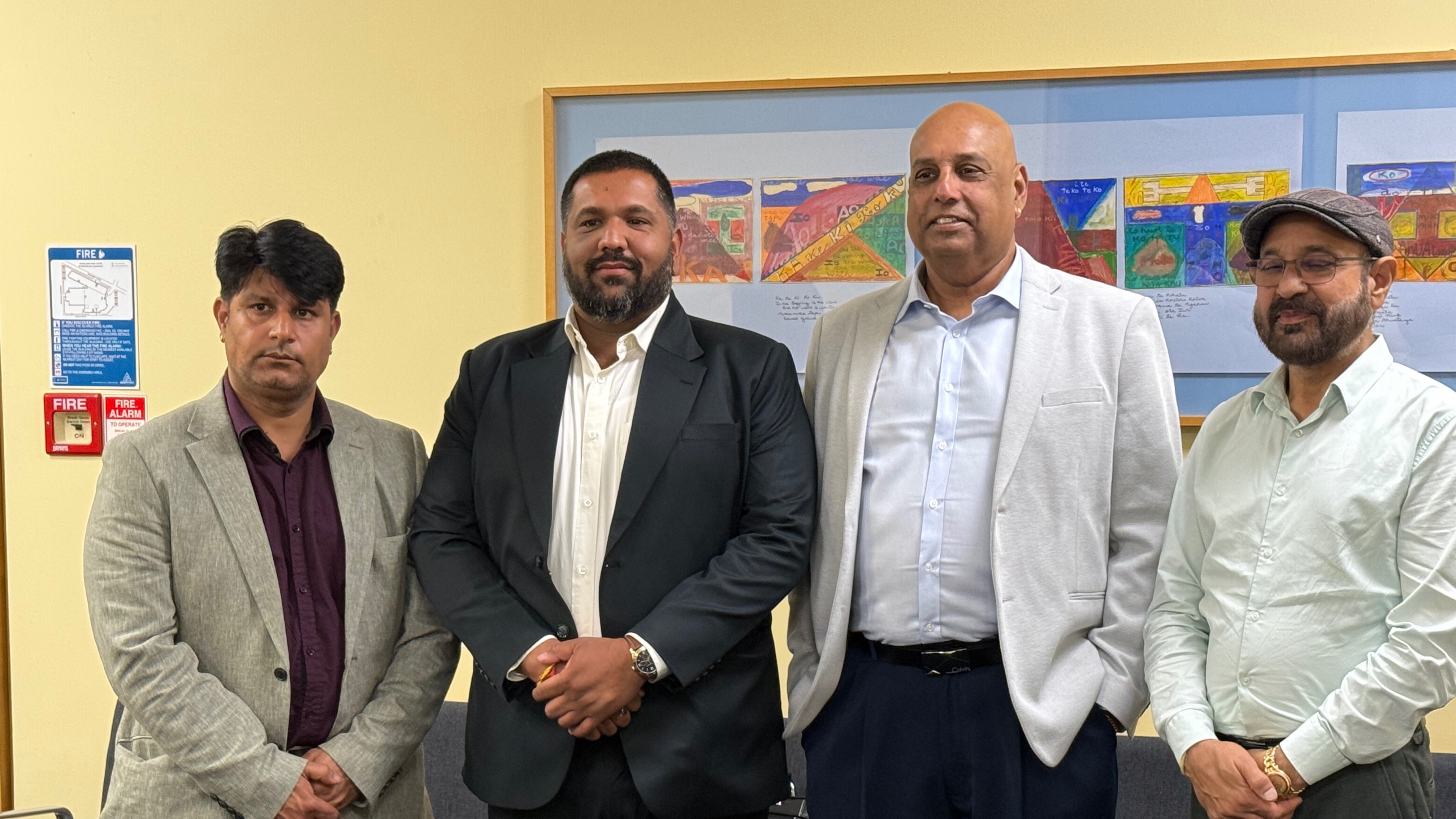
Itwinder Singh at the McKee stables in 2019. (Supplied photo)
“How much do I owe you, $5 or $10, isn’t that what you get in India?”
An Indian-origin stable hand whose boss swore at workers for speaking Hindi and joked that the death of an Indian wouldn't matter has won increased compensation over the redundancy that ended his career at a prominent South Auckland racing operation.
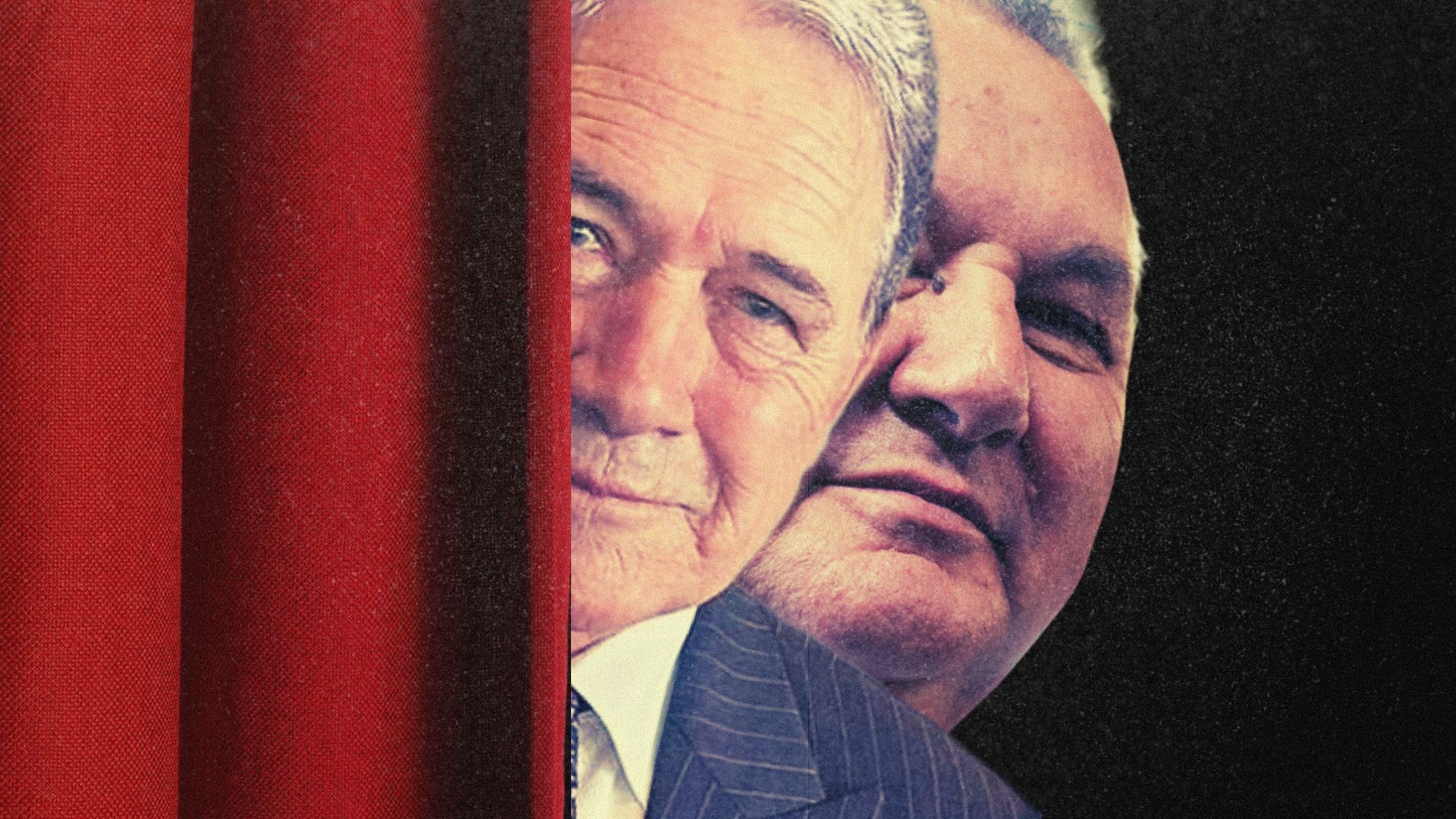
Itwinder Singh worked at leading thoroughbred trainer Stephen McKee’s private training track in Takanini. McKee is one of New Zealand racing’s best-known figures, having trained hundreds of winners.
The Employment Court has now increased from $8,000 to $15,000 Singh’s award for humiliation, loss of dignity and injury to feelings caused by his unjustified dismissal.


It is the latest and final ruling in a six-year legal battle Singh has largely conducted without a lawyer. The compensation is separate from the $10,000 he won in 2024 after the Human Rights Review Tribunal found McKee had repeatedly racially harassed him at work.
Singh worked at the McKee racing operation in various capacities from 2010 until 2020, when he was dismissed. The human rights tribunal found the stable had become a workplace where his accent, language and Indian identity were repeatedly used to ridicule him.
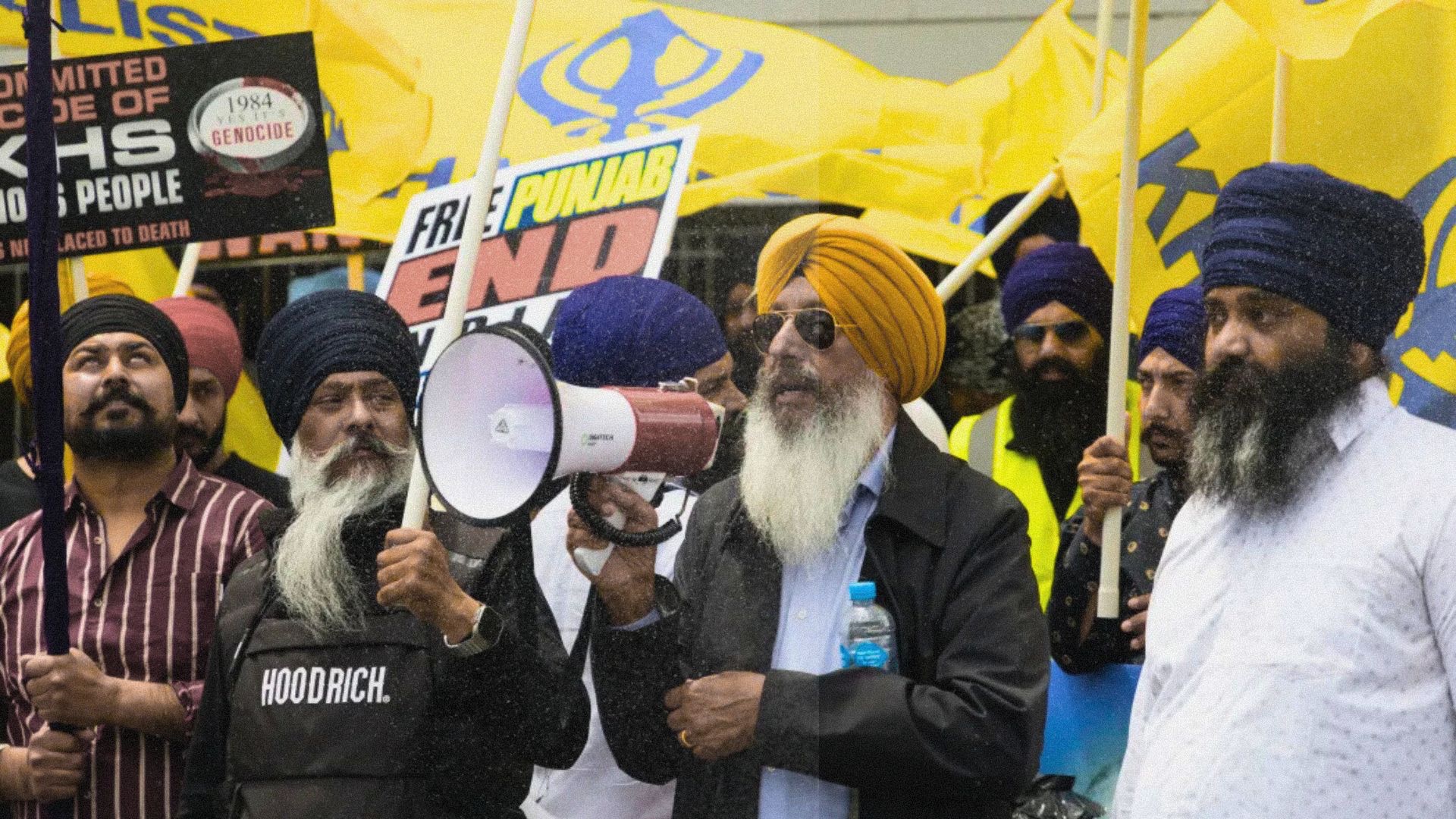
South Asian diaspora raises over $200,000 for New Zealanders missing in Nepal flood "I'm so proud of the Indian community here who...supported us, saying it is not a Nepal problem but our problem."
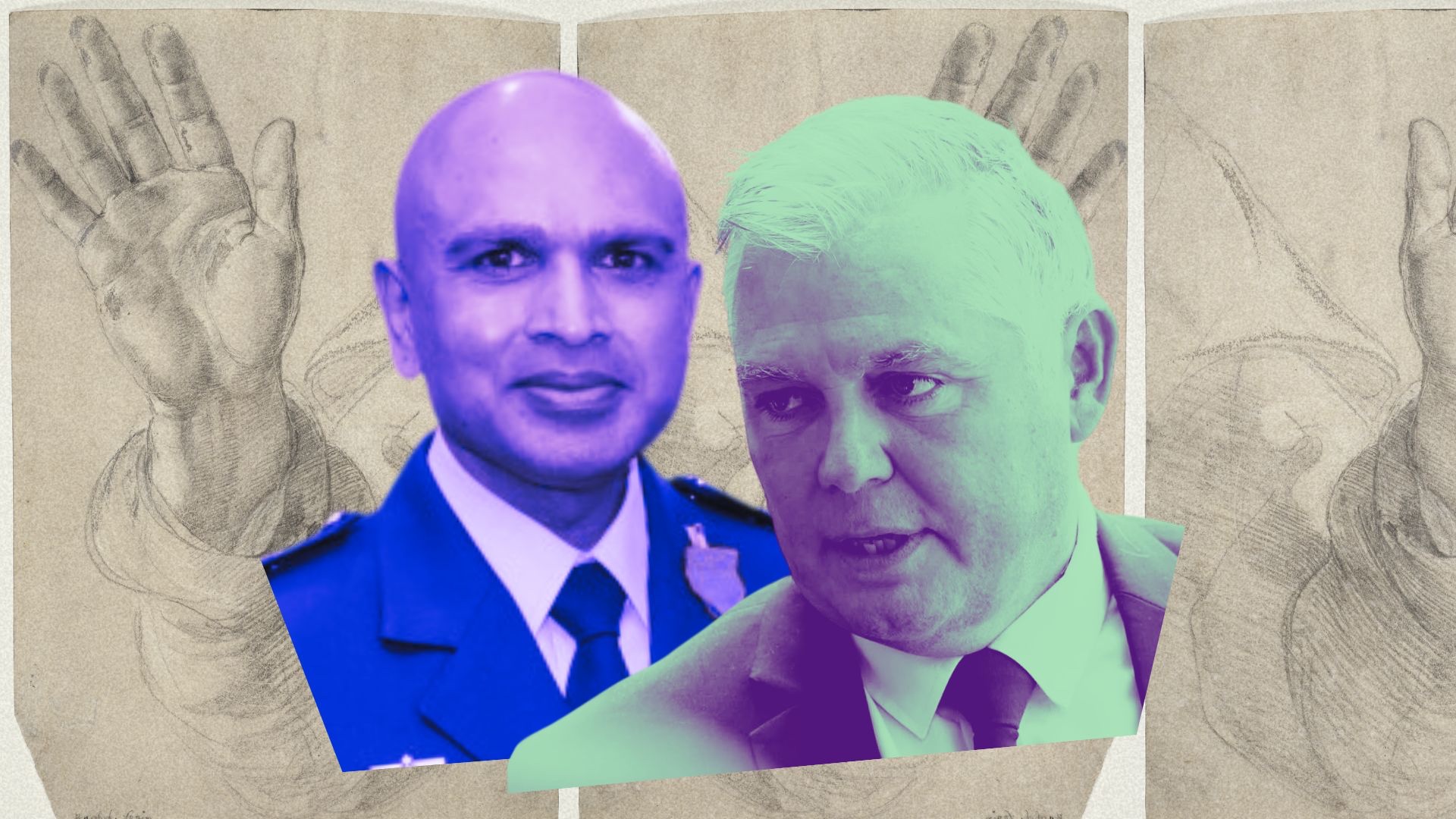
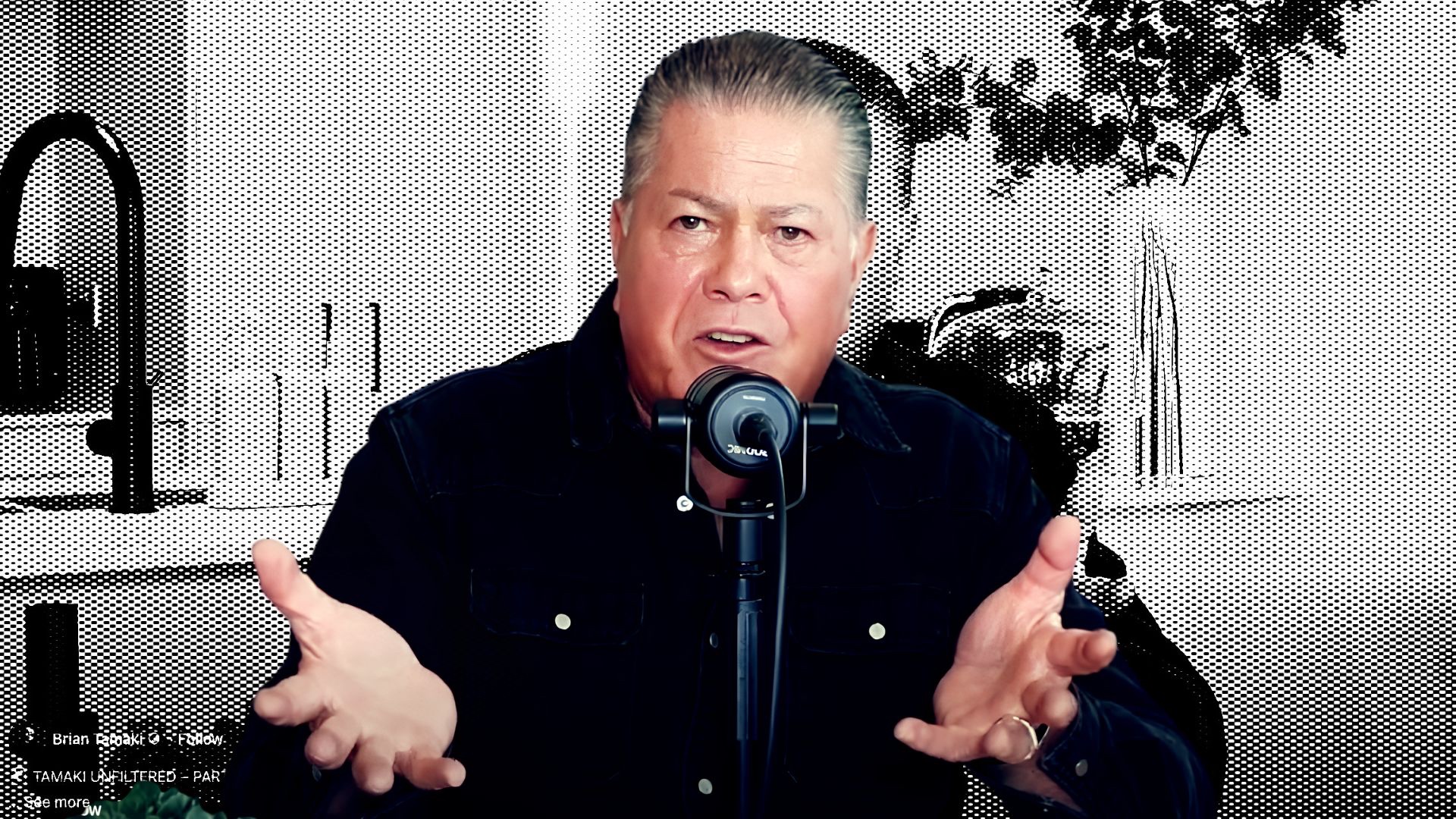
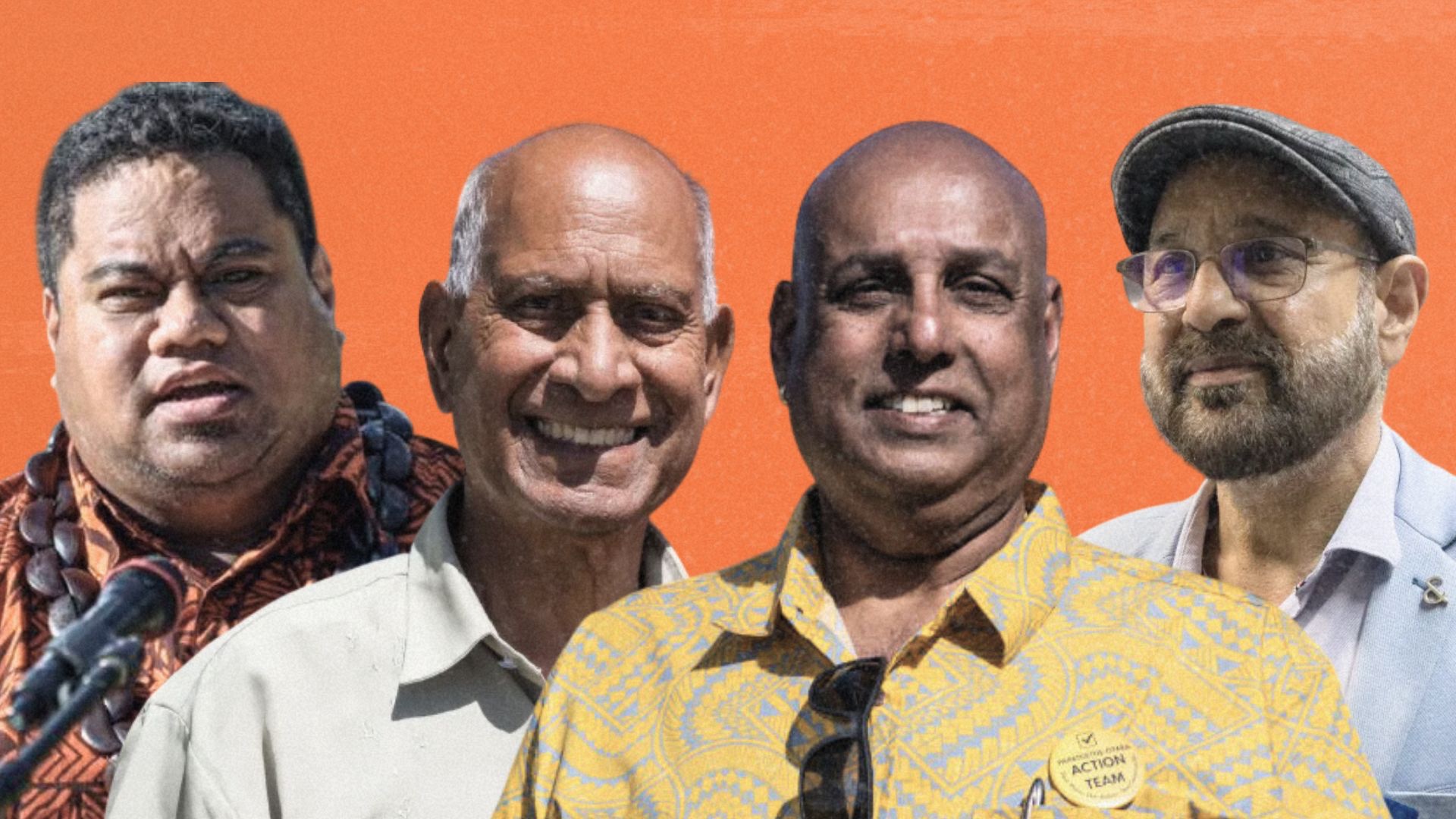
Tamakis launch Indian-origin candidate for Epsom who surrendered passport and has ‘assimilated’ “I know a whole lot of people are going to be like shocked,” says Hannah Tamaki.
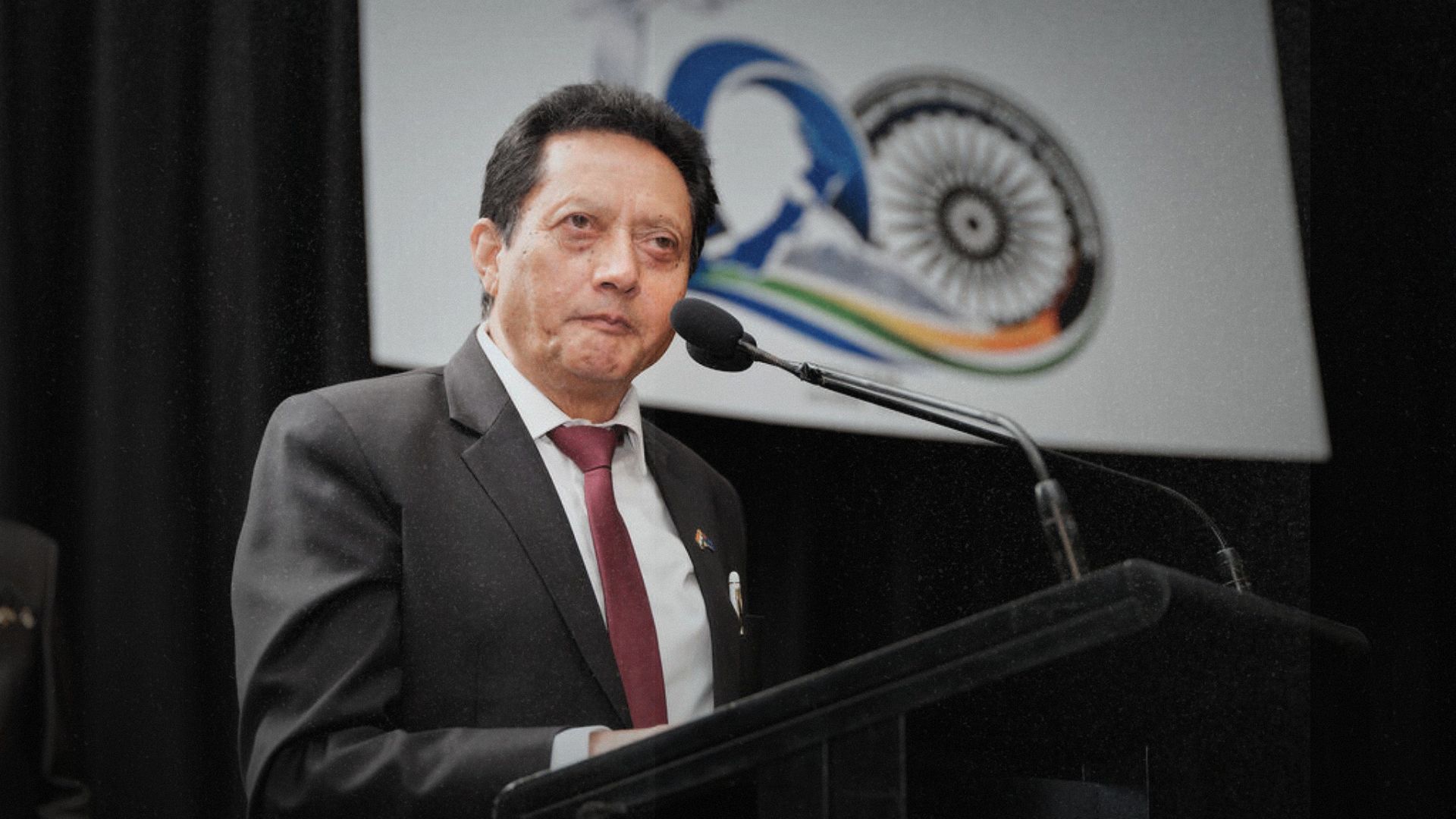
Priyanca Radhakrishnan tries to puncture Luxon’s FTA victory, says India was already sold “Things have changed quite dramatically on the Indian government side,” says the Indian-origin Labour MP.
The remarks became more frequent in 2018 and 2019 after other Indian employees joined the stable. The tribunal found McKee would imitate Singh by repeating his words in an exaggerated Indian accent in front of non-Indian workers.
On one occasion, he told him: “Speak proper English, I can’t understand you.” It found the mockery was intended “to be humorous and make the other staff smile or laugh”.
When Singh and his Indian colleagues spoke Hindi among themselves, McKee would order them to use English instead, including while they were taking breaks or sitting in the coffee room.
In early 2019, the tribunal found, McKee told the workers: “Cunts talk in English, I am paying you in dollars not rupees.”
After Singh told McKee he had narrowly escaped being kicked by a troublesome horse, McKee remarked, “It wouldn’t matter if an Indian dies, there would still be a billion left.”
When Singh later asked about unpaid wages for extra shifts, McKee responded: “How much do I owe you, $5 or $10, isn’t that what you get in India?”
McKee denied mocking Singh’s accent and disputed some of the circumstances described by him. He admitted making several of the remarks but characterised them as workplace “group banter”.
The tribunal preferred Singh’s evidence, describing him as a consistent and measured witness. It found McKee had used all the language alleged by Singh and had regularly mocked or imitated his accent.
Speaking Hindi treated as objectionable
McKee argued that he wanted English spoken for safety reasons while employees were handling horses, but the tribunal found that explanation implausible.
Some Indian employees had such limited English that interpreters were needed when they began working at the stable, making an English-only requirement unlikely to improve safety, the tribunal said.
The Tribunal found his conduct implied that Hindi, a fundamental part of Singh’s ethnic identity, was “inferior to English” and “somehow inherently objectionable”.
On October 19, 2019, Singh put his concerns in writing. His email accused McKee of using abusive language to ridicule Indian workers and prevent them speaking their native language.
The tribunal found the conduct stopped after McKee received the complaint. McKee later acknowledged that his “dollars not rupees” remark had been an unfortunate attempt at humour and apologised.
Just over a year later, shortly before Christmas 2020, Singh was made redundant.
Redundancy found unjustified
Singh believed he had been selected for redundancy in retaliation for raising racial discrimination, health and safety and other employment concerns.
That allegation has not been proved. The Employment Relations Authority found there was insufficient evidence that the restructuring was a sham designed specifically to remove him. But it found the redundancy itself was both procedurally and substantively unjustified.
The process was “truncated and incomplete”, workers were not properly consulted and McKee fell well short of showing that the business circumstances justified the proposal that resulted in Singh losing his job.
McKee did not challenge the finding that the dismissal was unjustified. Last year, Singh was awarded $8,000 for the humiliation, loss of dignity and injury to feelings caused by the dismissal.
Singh challenged only the amount in the Employment Court, arguing that $40,000 would more fairly reflect the harm he had suffered.
Harm difficult to prove
At the employment court hearing in April this year, Singh said he felt isolated after losing his job, particularly because other employees had retained theirs.
He had no medical evidence documenting his distress because he rarely visited a doctor. Nor did he have family in New Zealand who could describe how the dismissal affected him.
“The evidence before the Court clearly indicates that Mr Singh was affected by his dismissal, particularly given his years of service with the defendant,” the court said in its ruling on July 15, 2026.
“His distress was undoubtedly exacerbated by a redundancy process which was both procedurally and substantively unjustified.”
The court placed his harm at the lower end of its middle compensation band and increased the award to $15,000.
Six years seeing the case through
Singh, now 53, came to New Zealand in 2003 after training as a mechanical engineer in India and working in the merchant navy. He later studied physics and hoped to pursue a career in aerospace engineering.
He told the New Zealand Listener in April that the years spent pursuing his employment and human-rights cases had sidelined those ambitions. Singh now drives for Uber and works for a stocktaking company.
Asked why he had continued despite the personal cost, he said, “How can you, you know, let people get away with treating you like you’re nothing?”