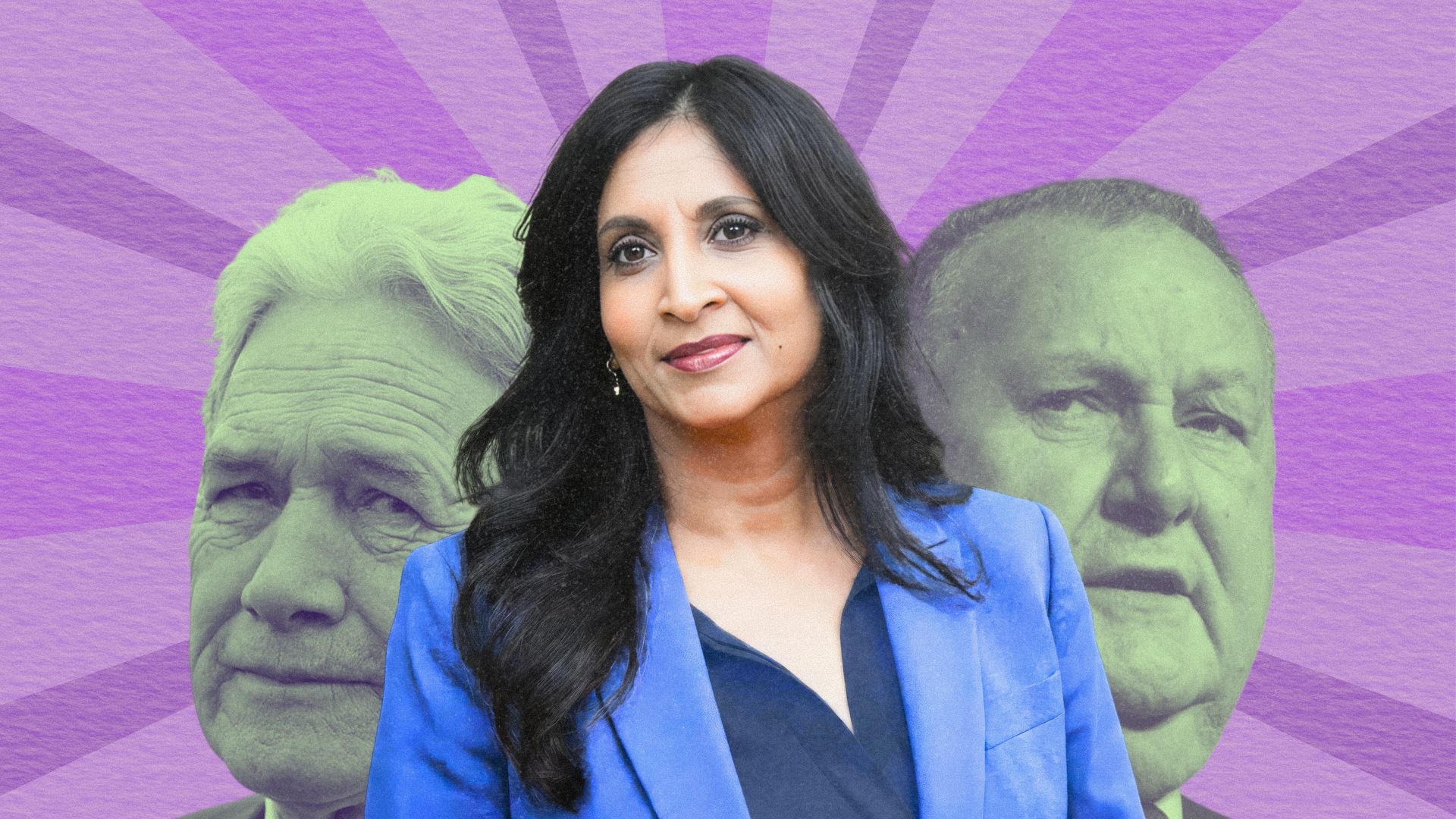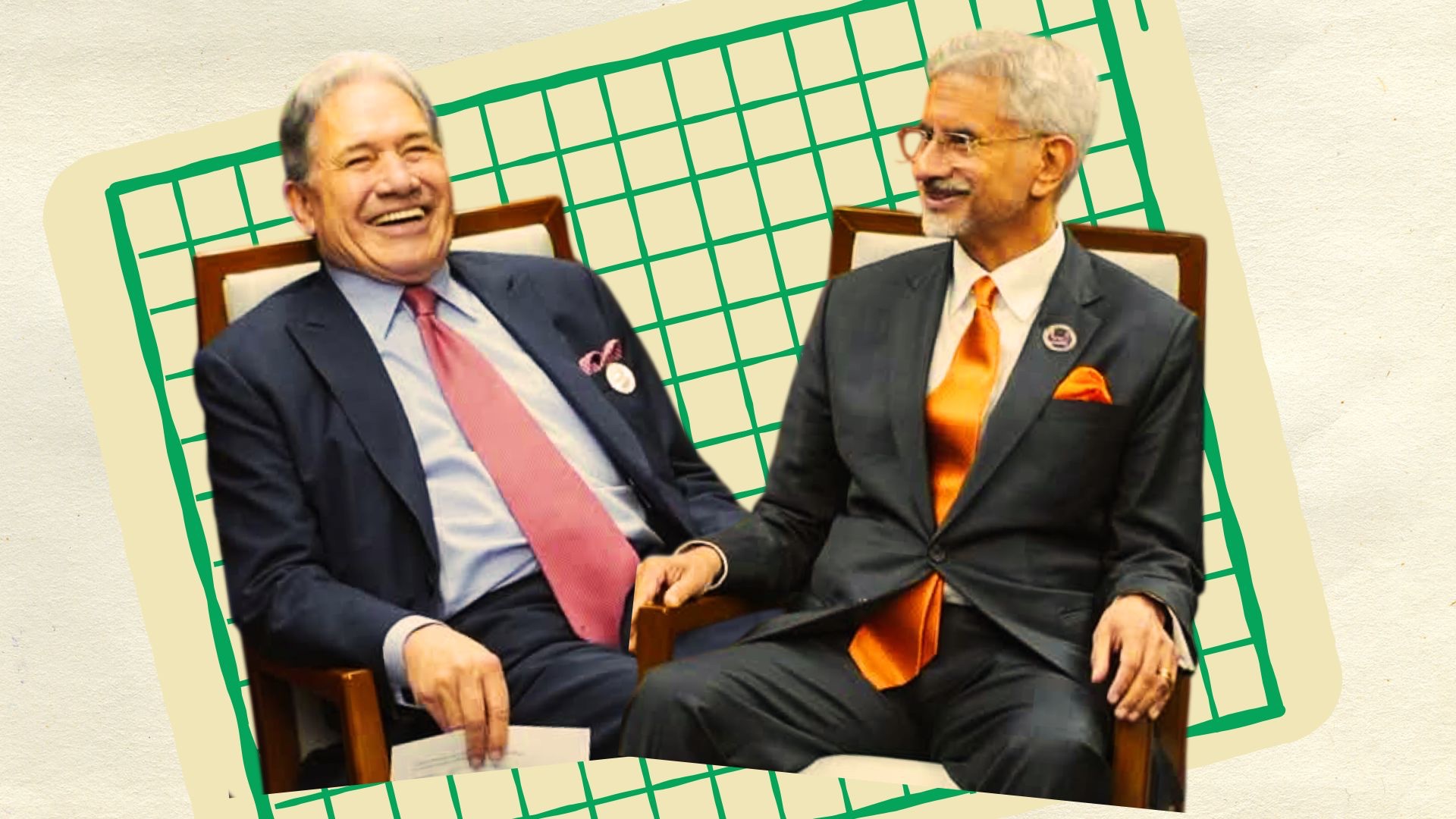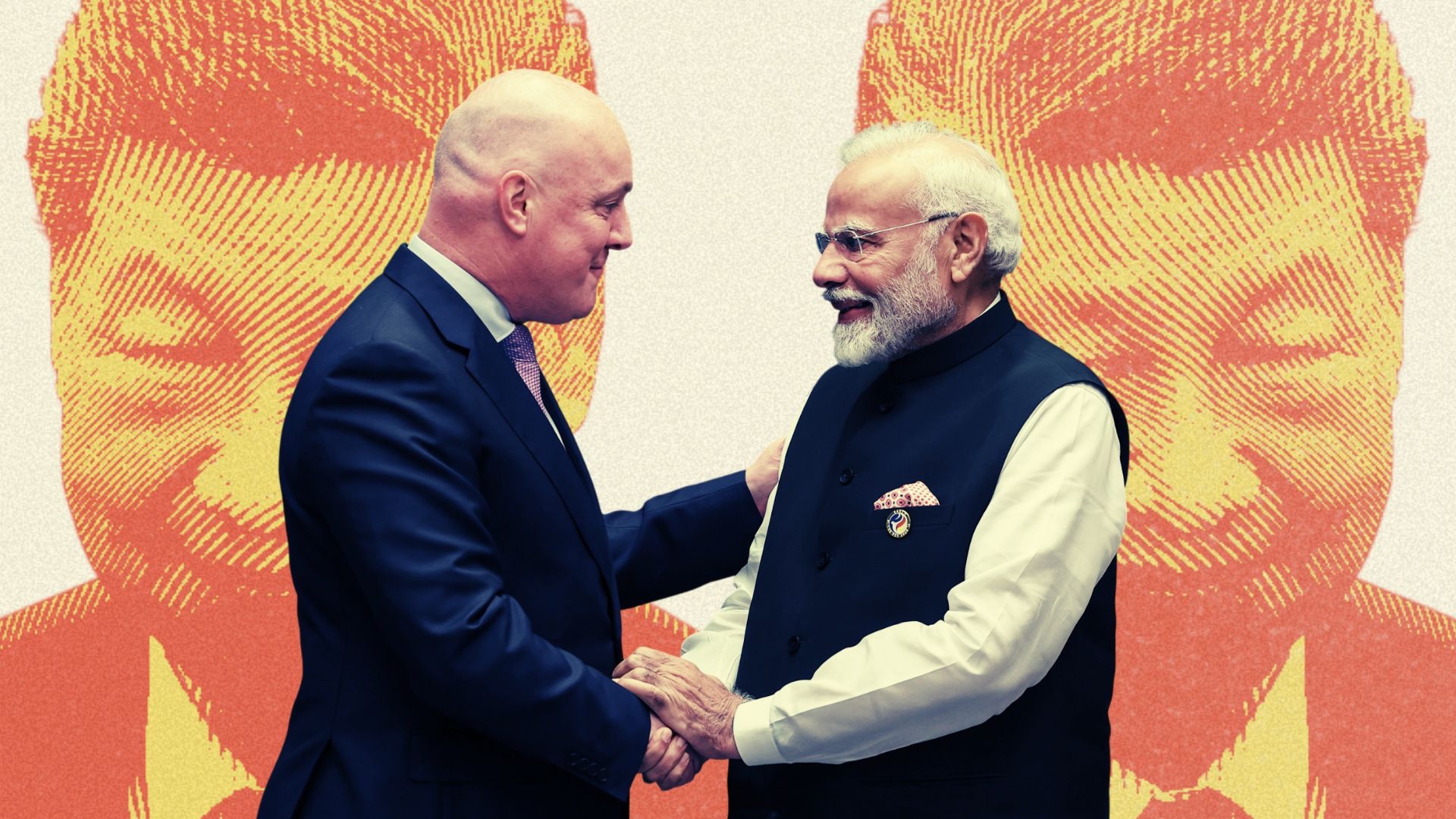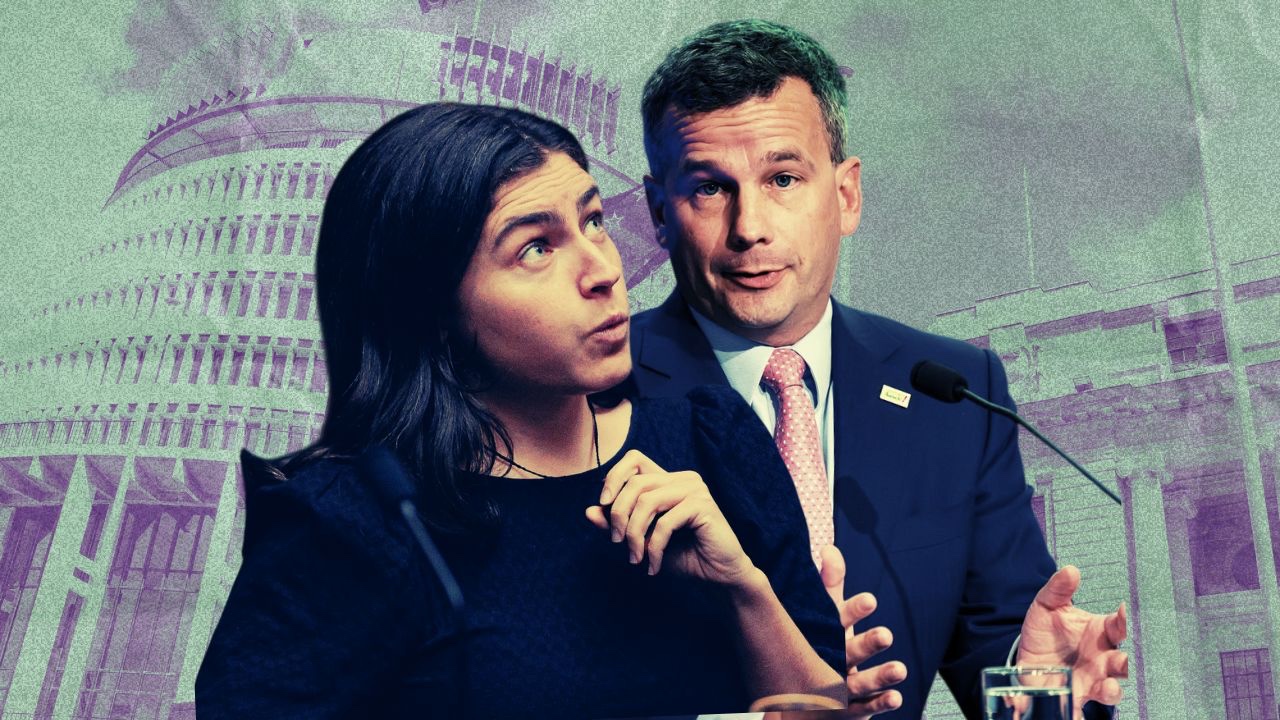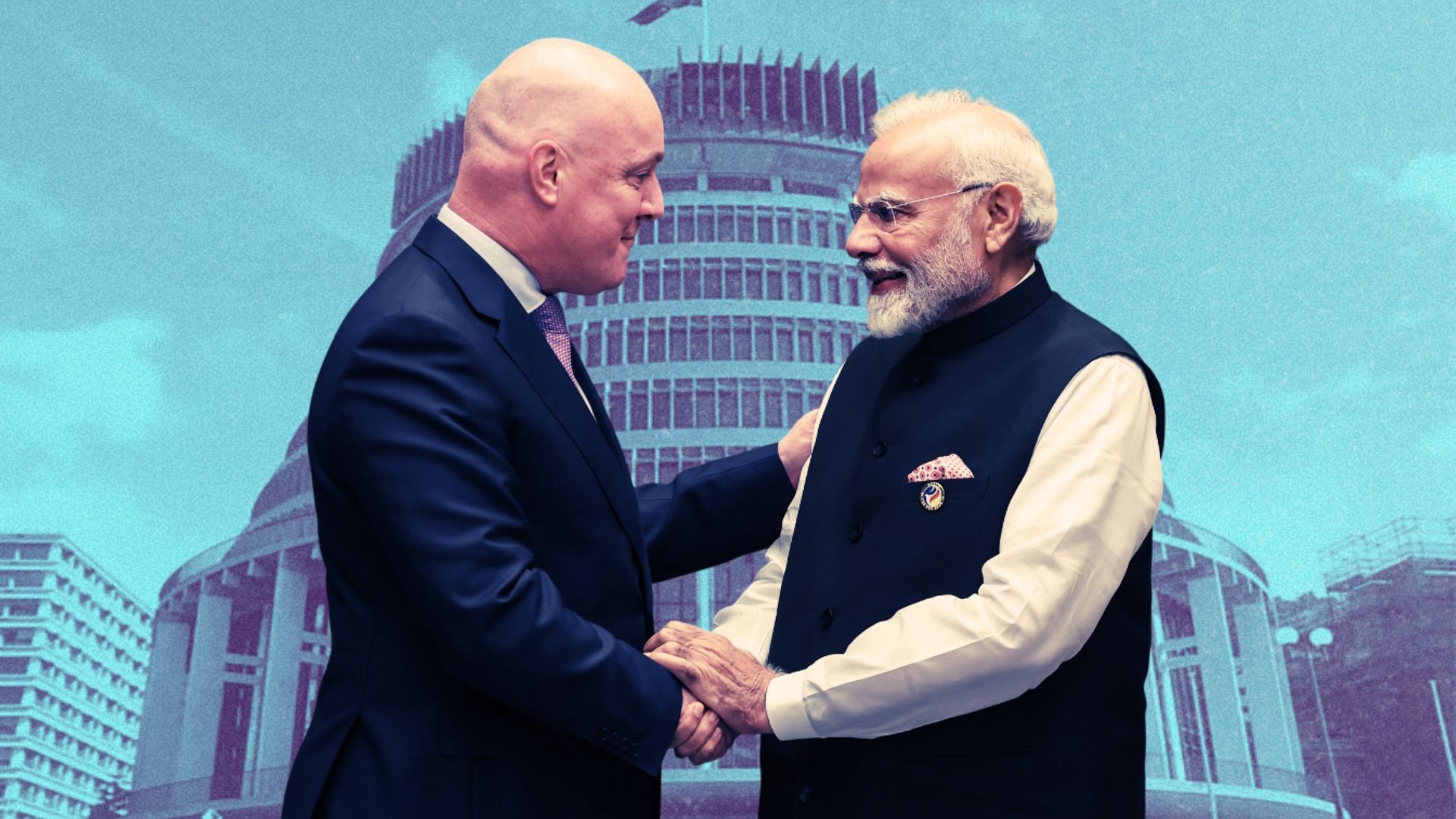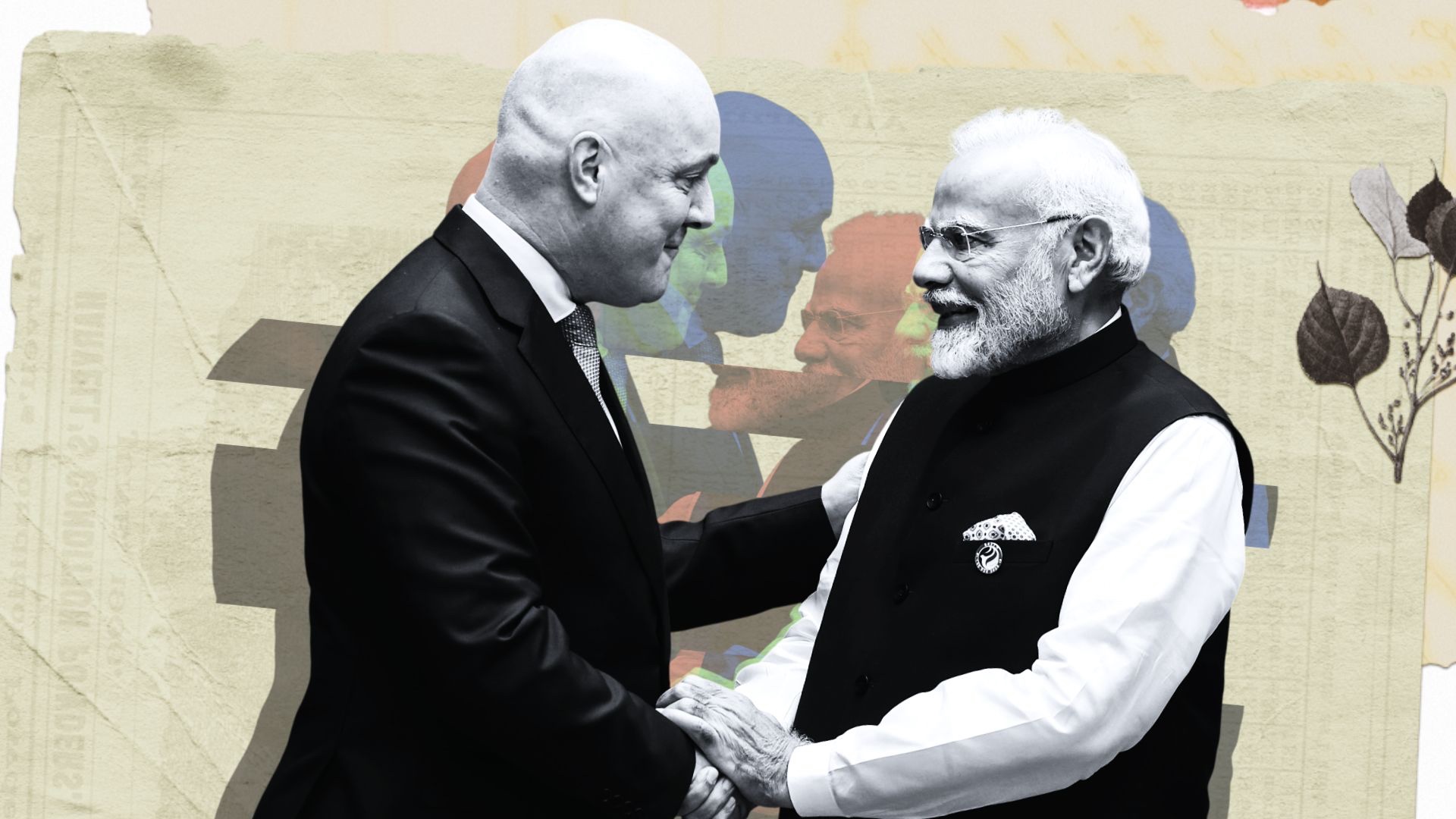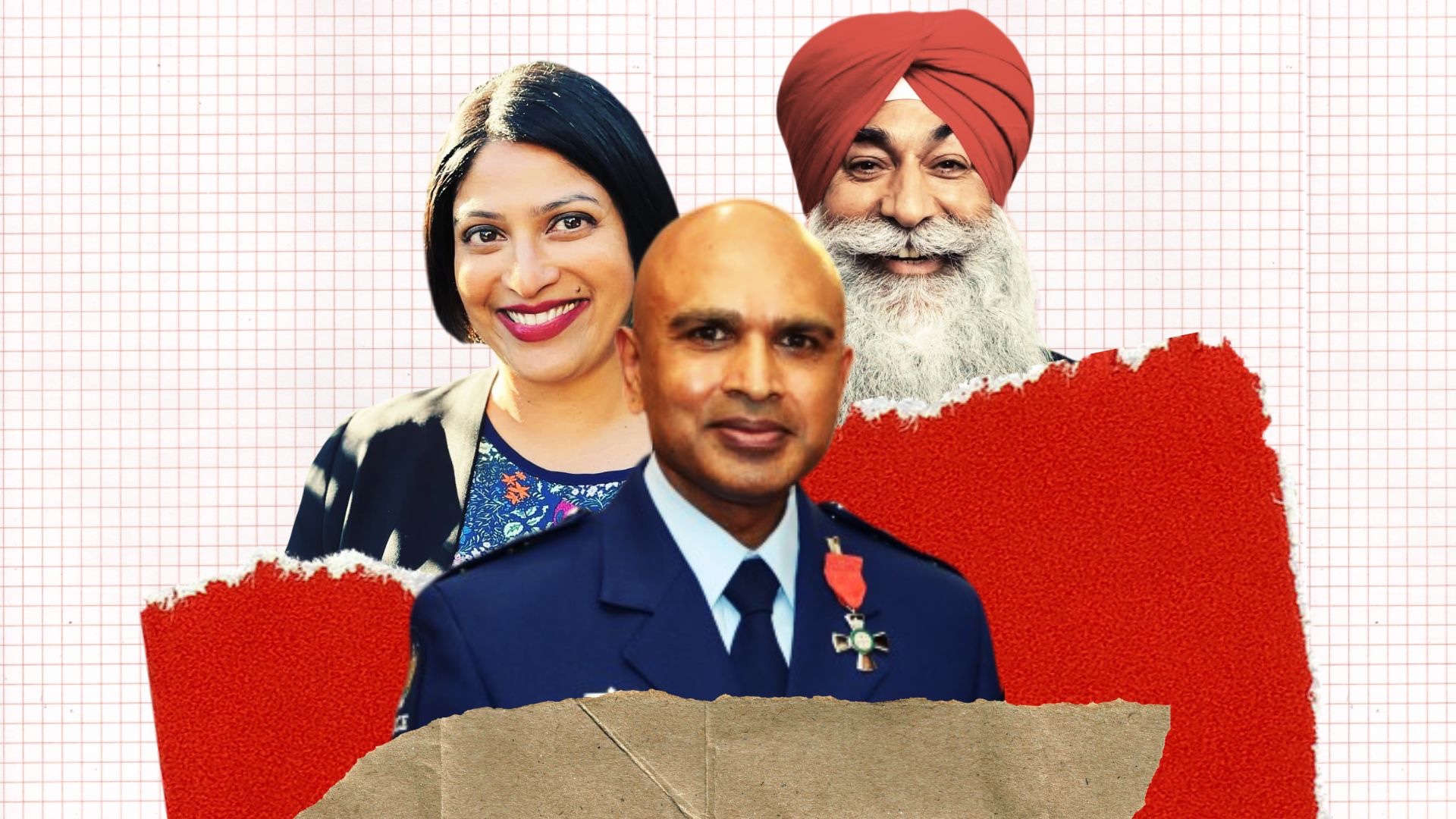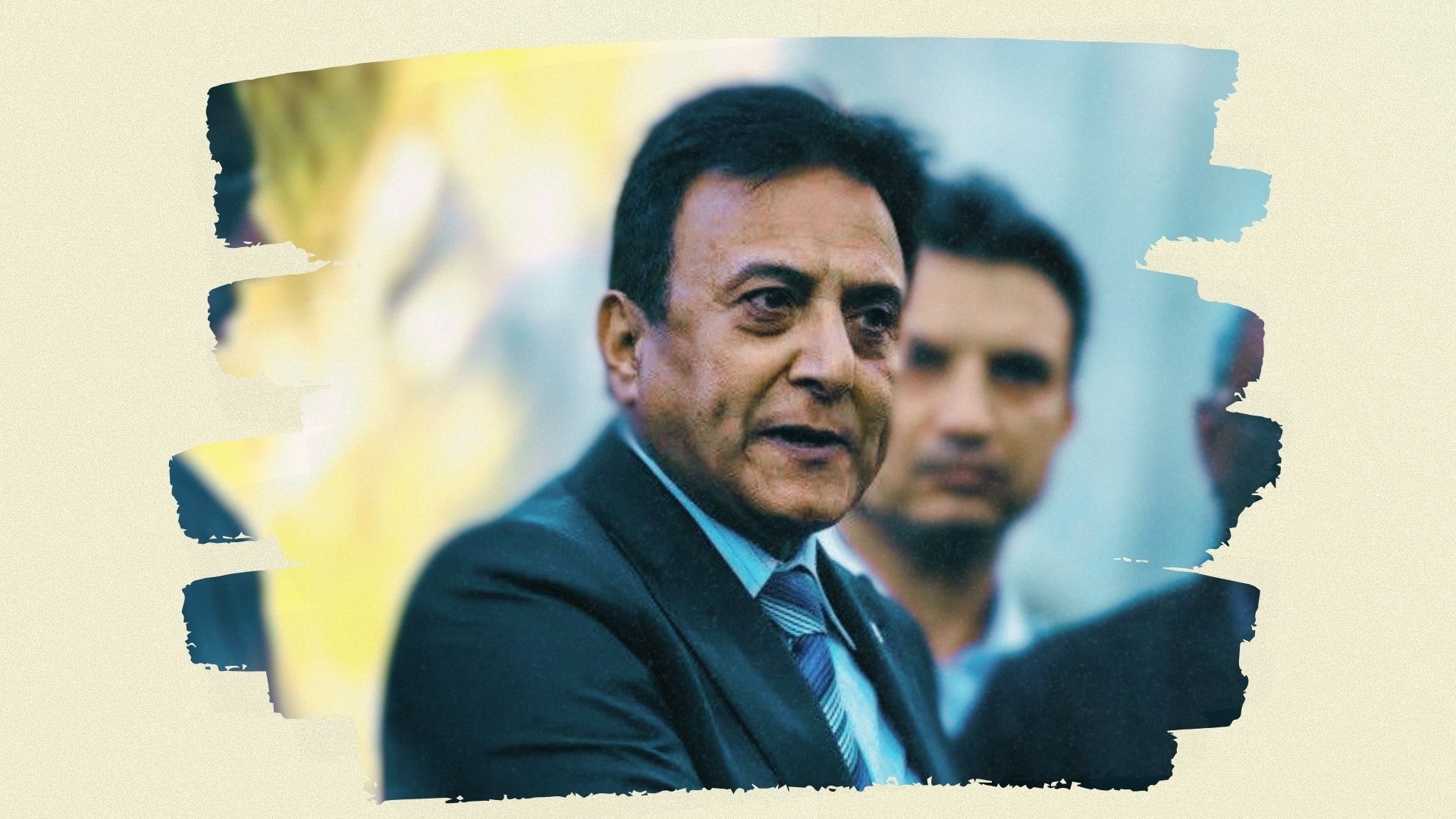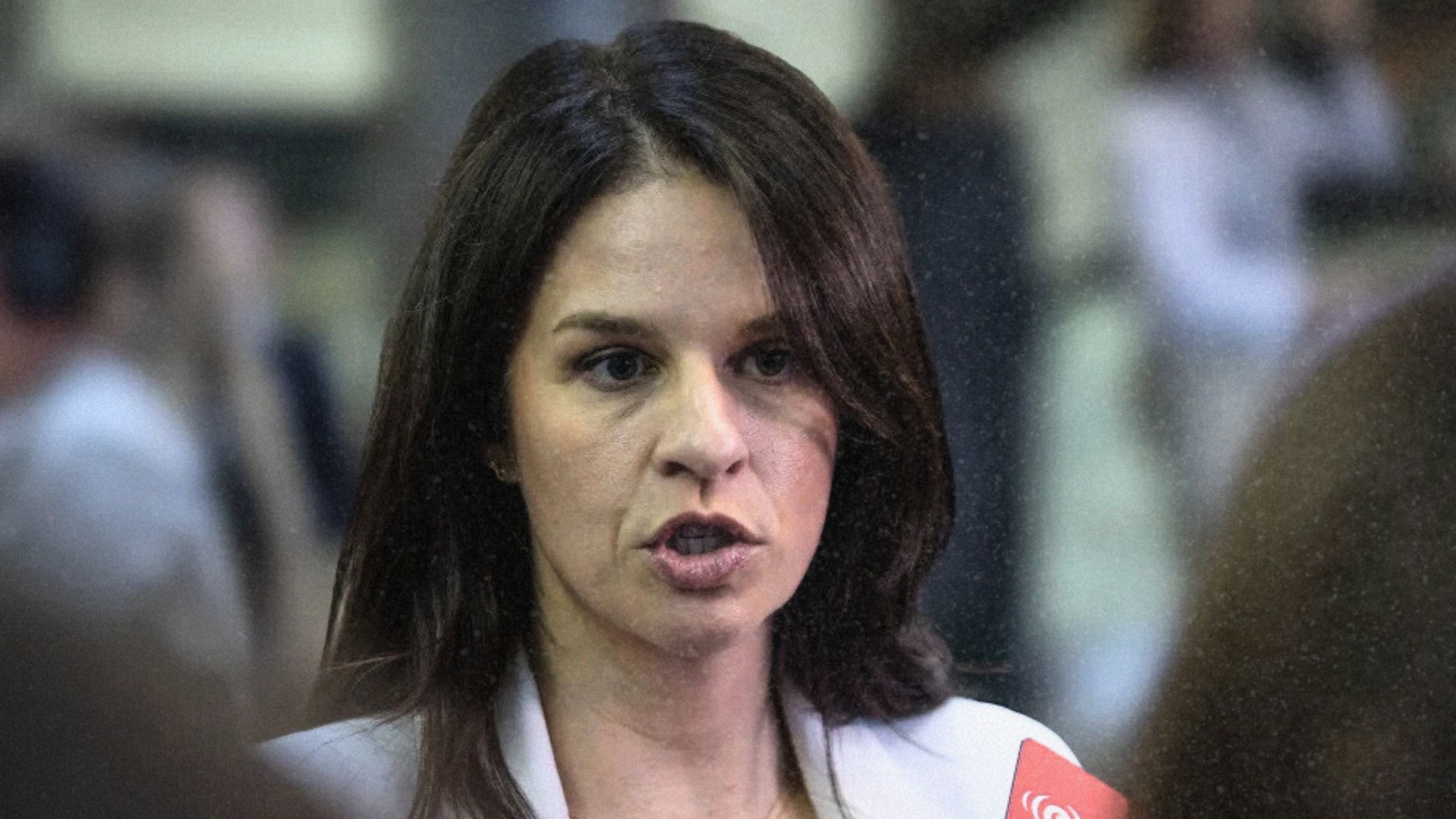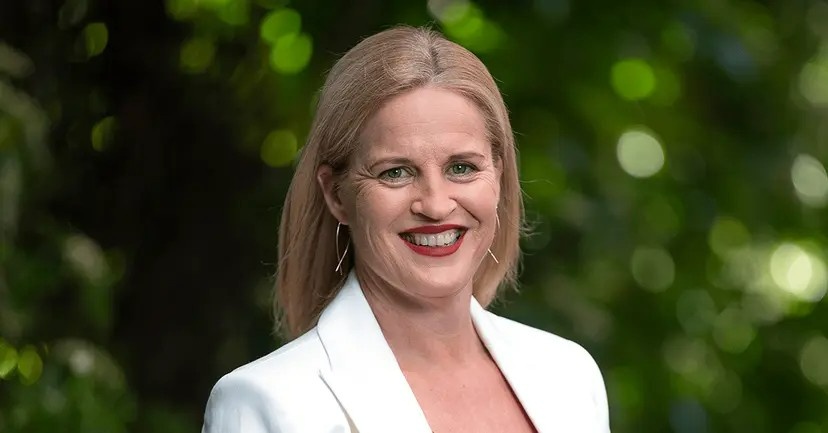

Priyanca Radhakrishnan tries to puncture Luxon’s FTA victory, says India was already sold
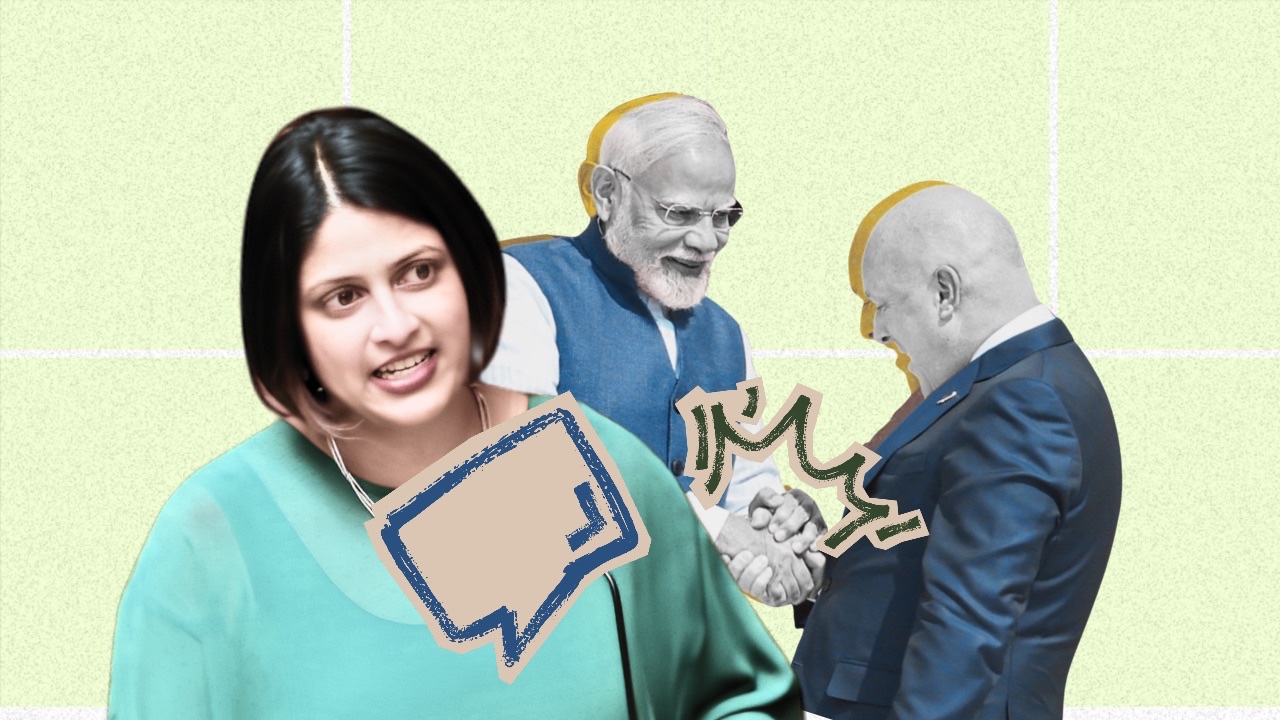
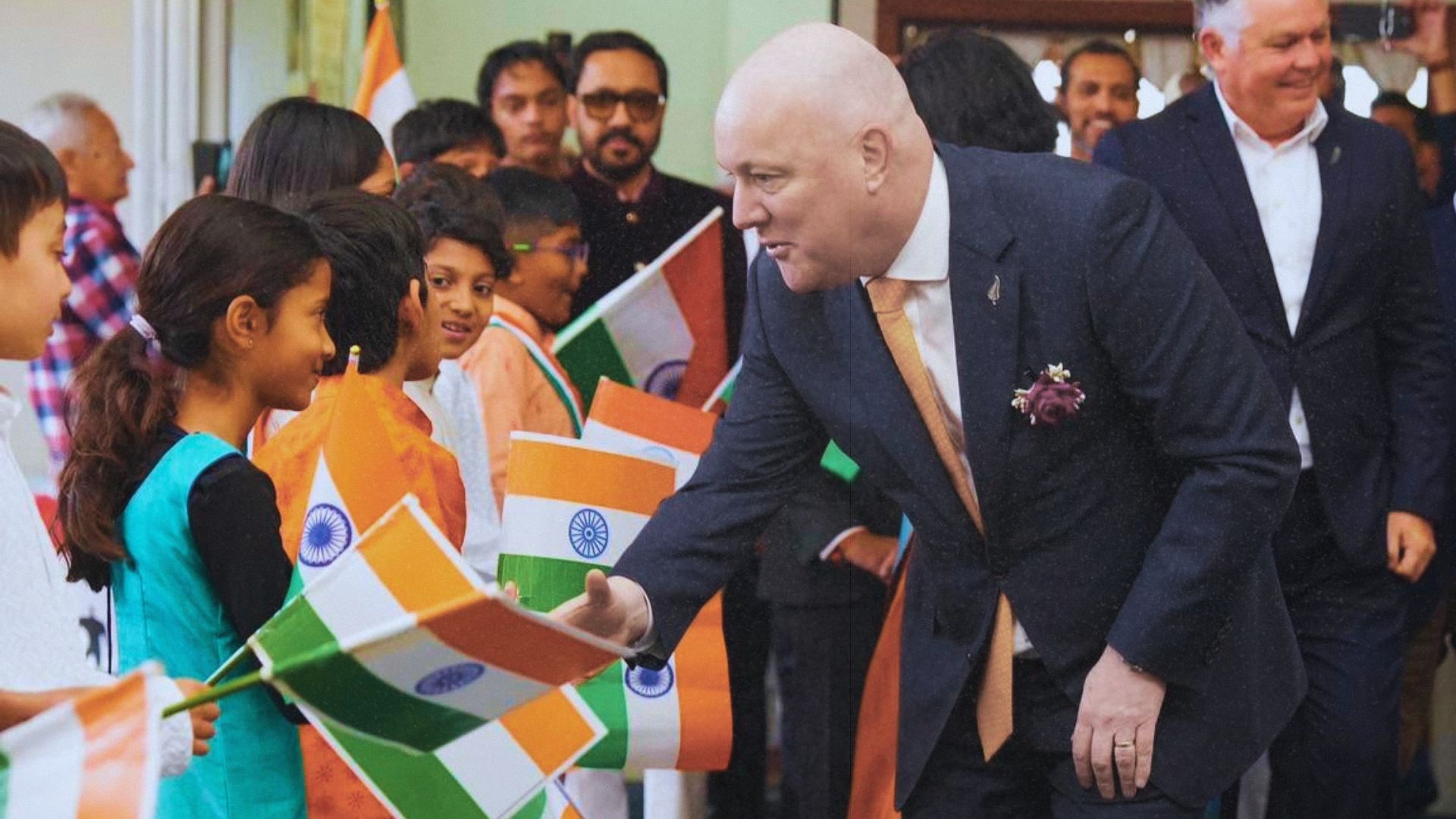
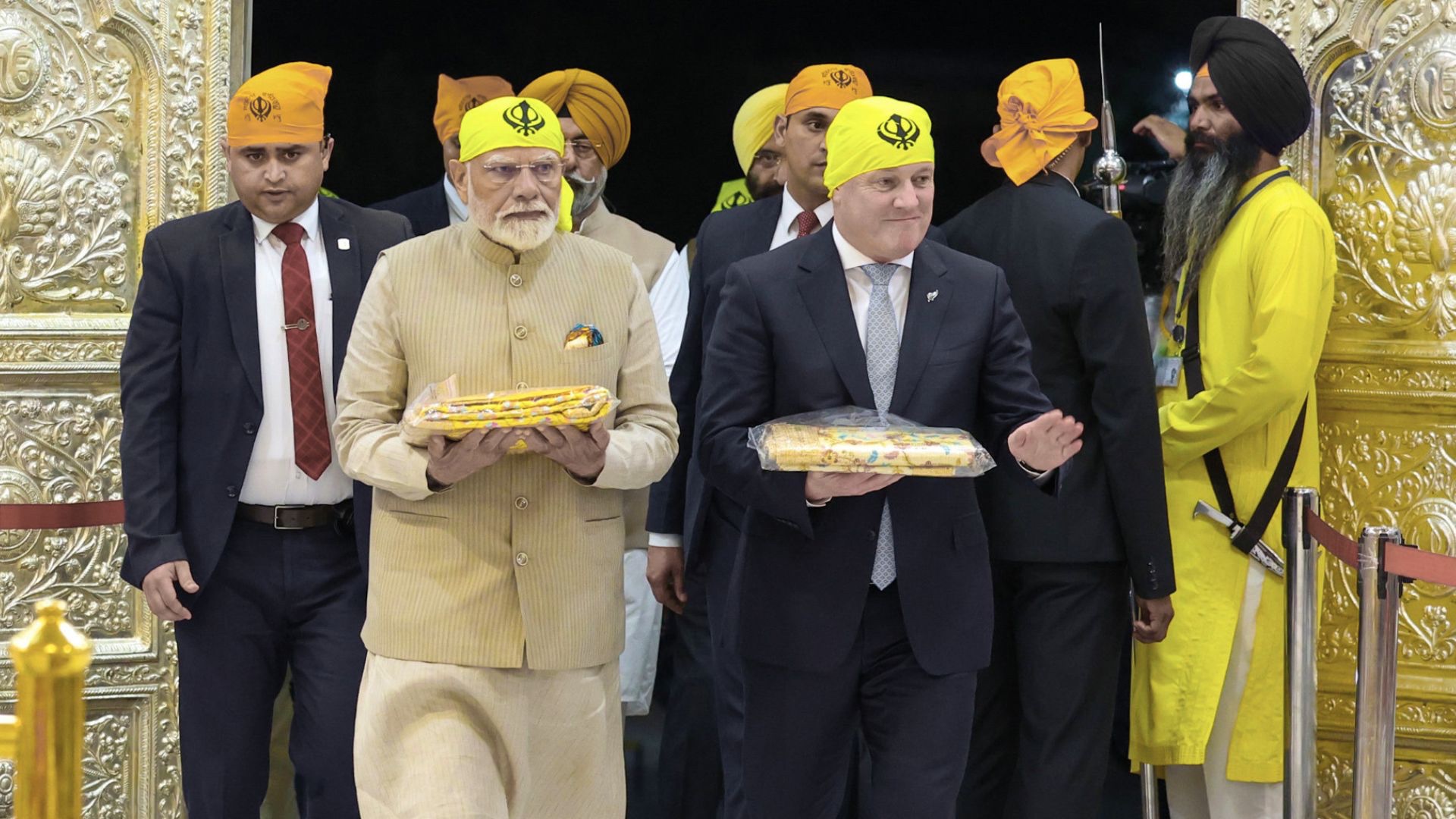
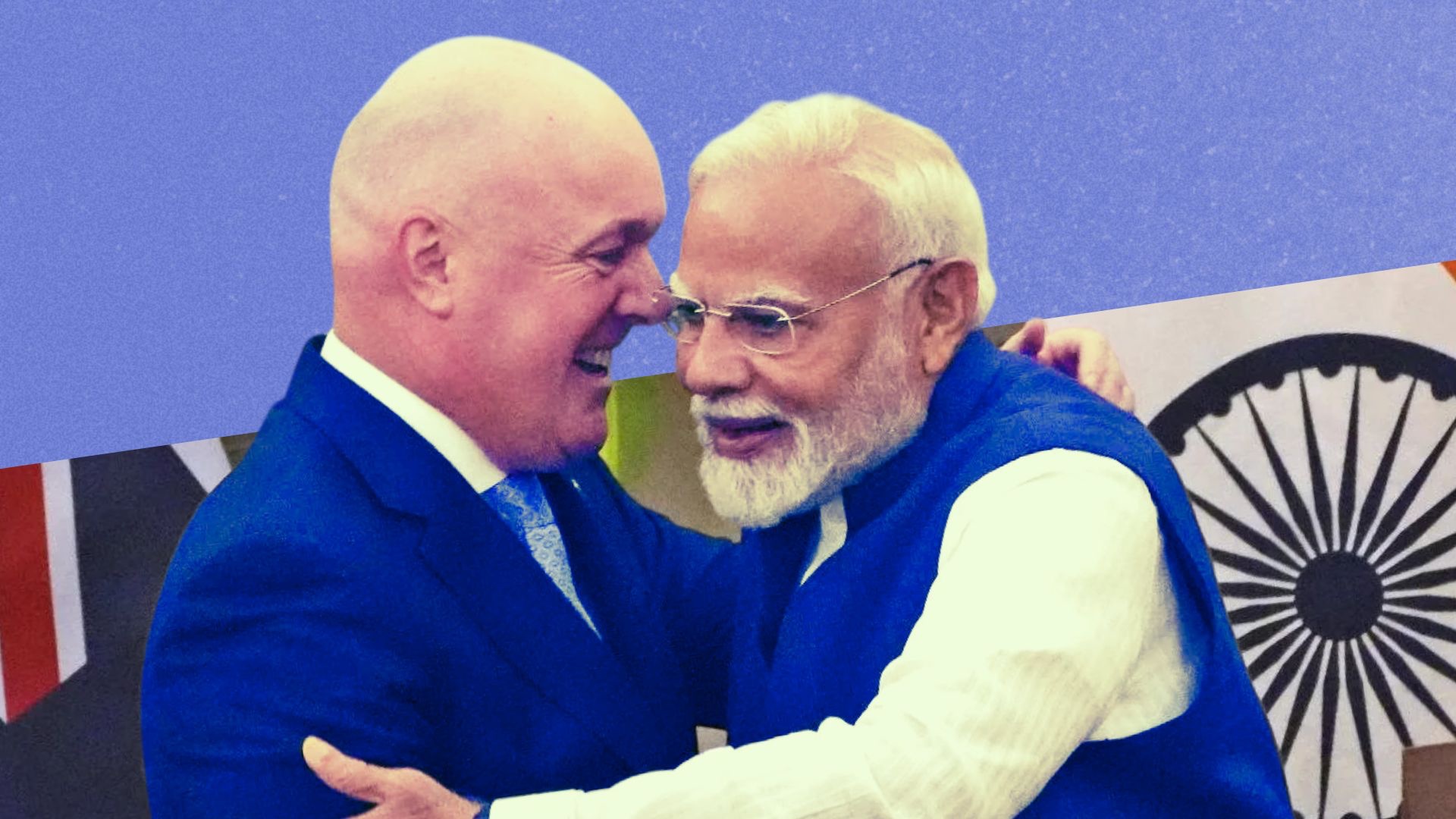
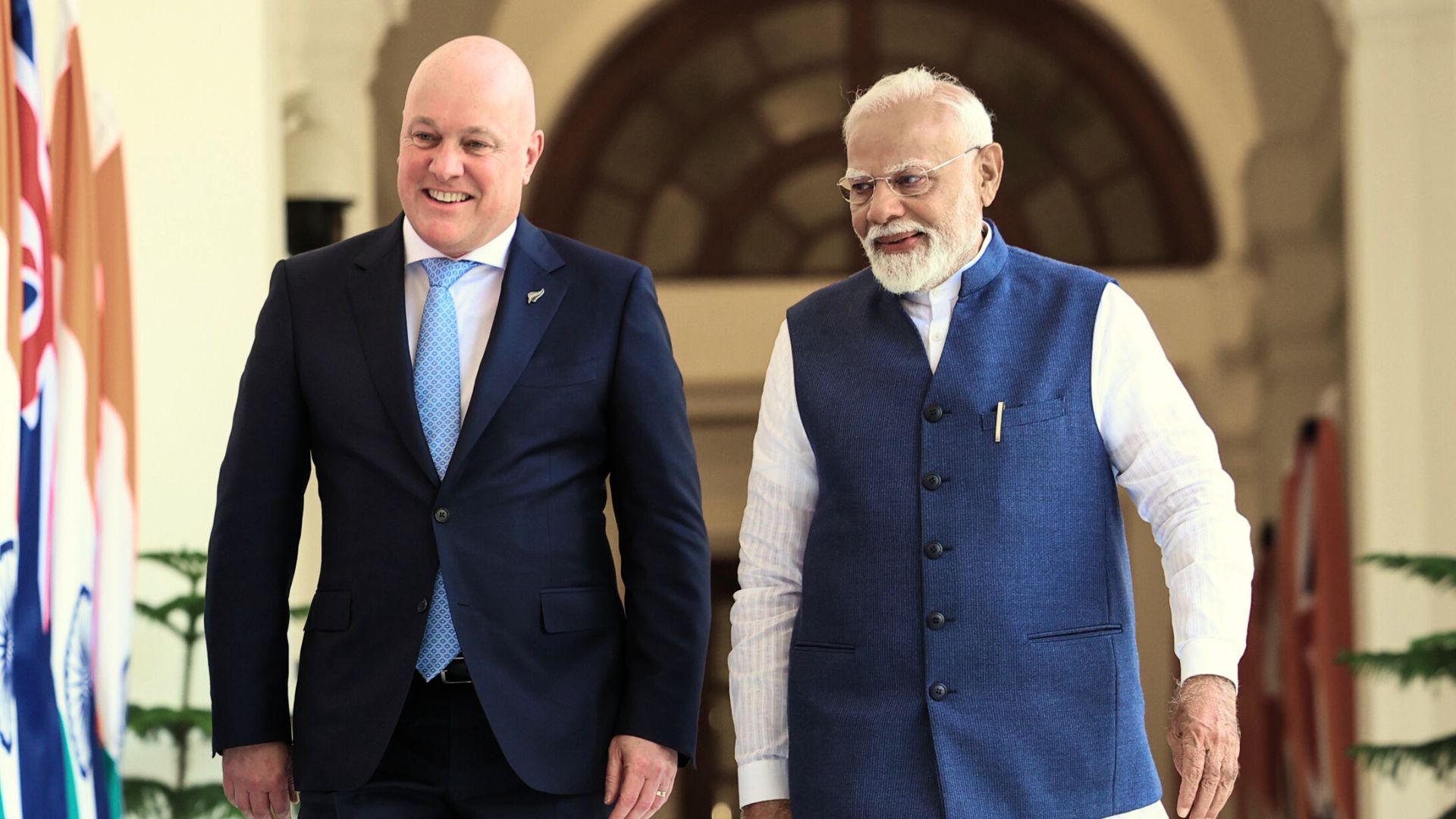
The Labour MP travelled as part of Christopher Luxon's delegation to India in March 2025.
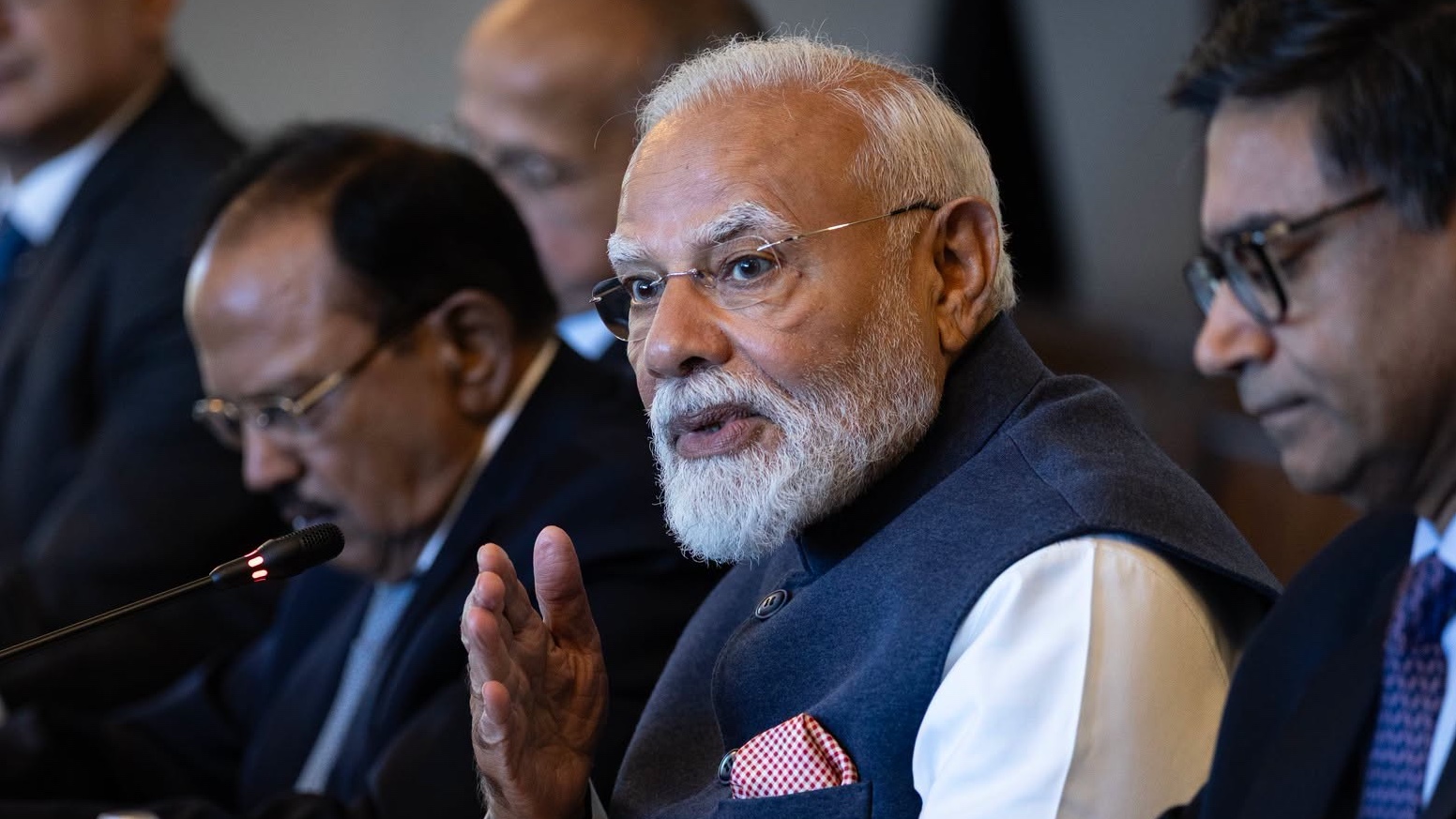
“Things have changed quite dramatically on the Indian government side,” says the Indian-origin Labour MP.
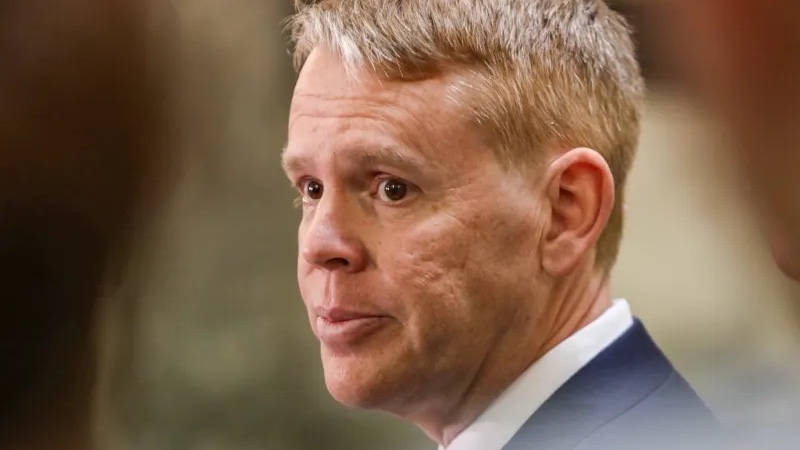
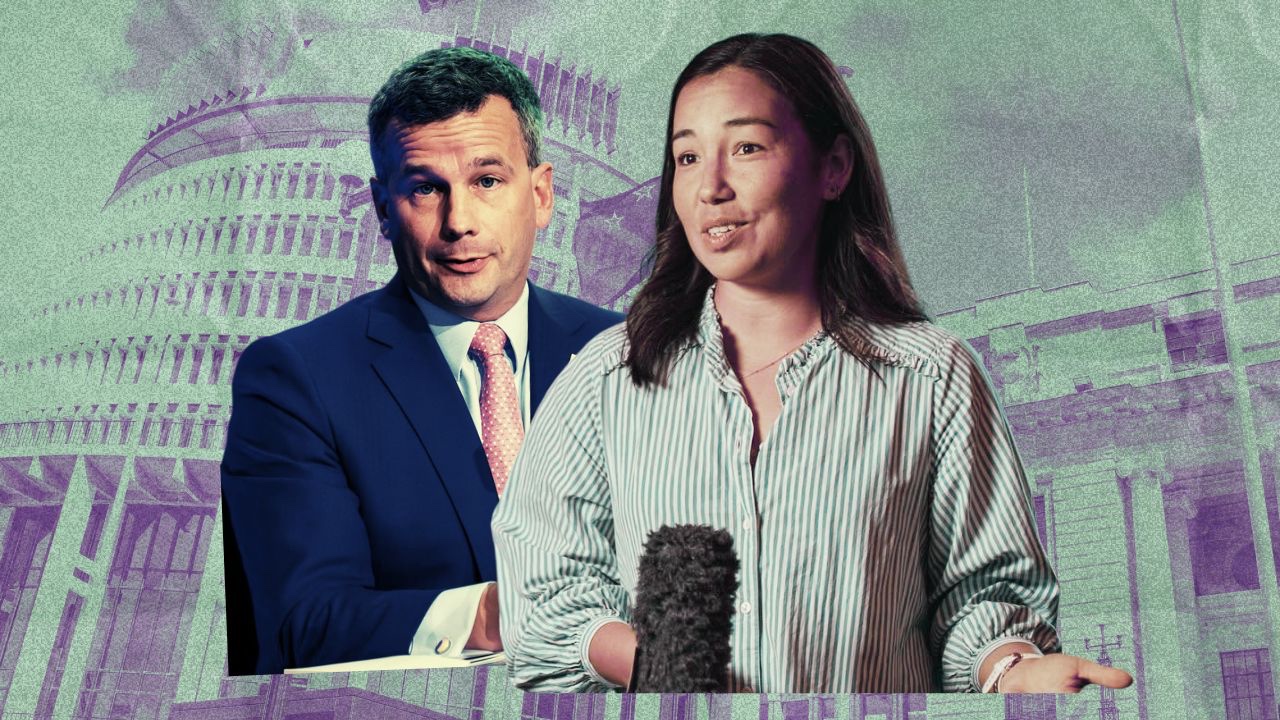
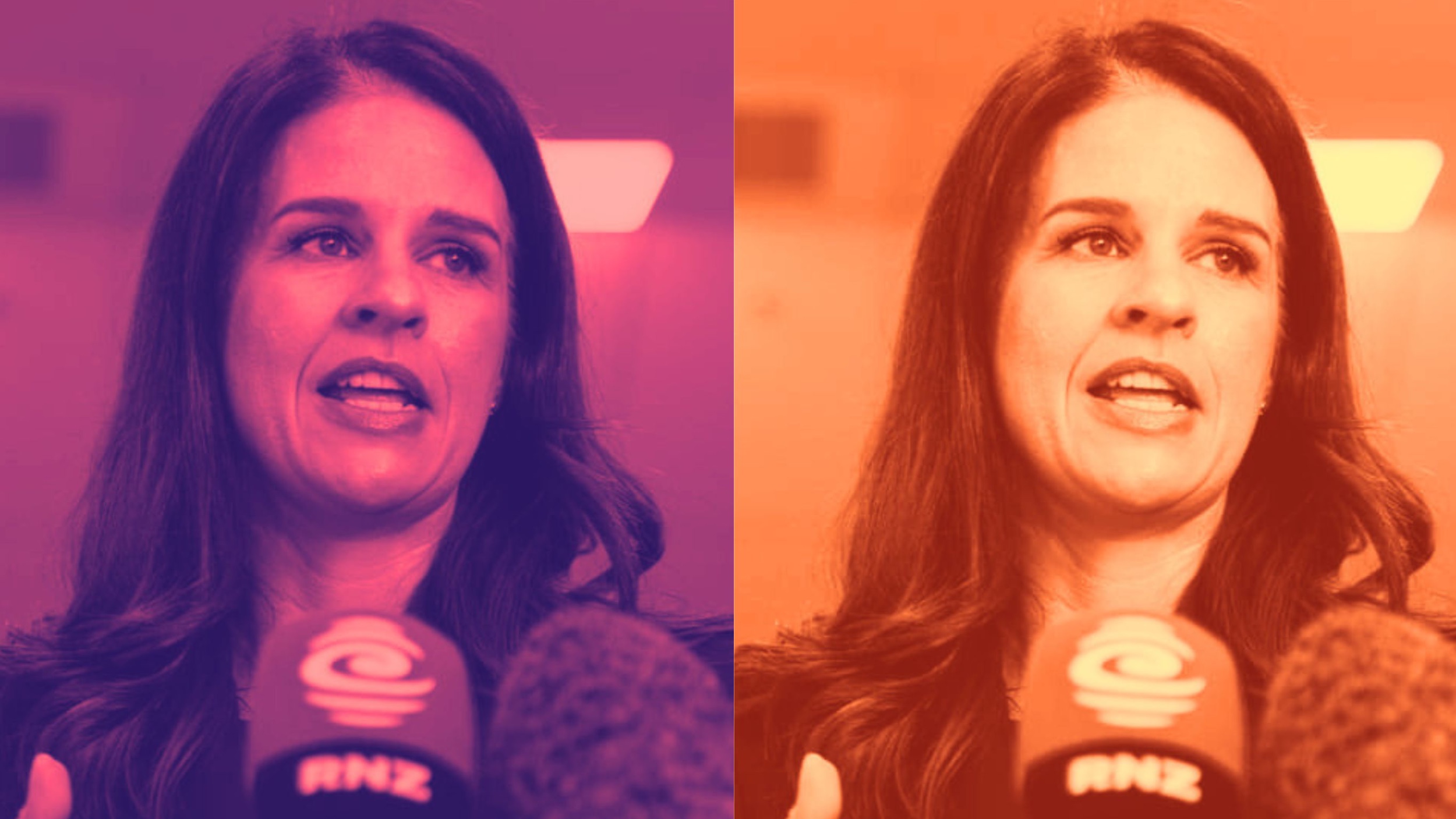
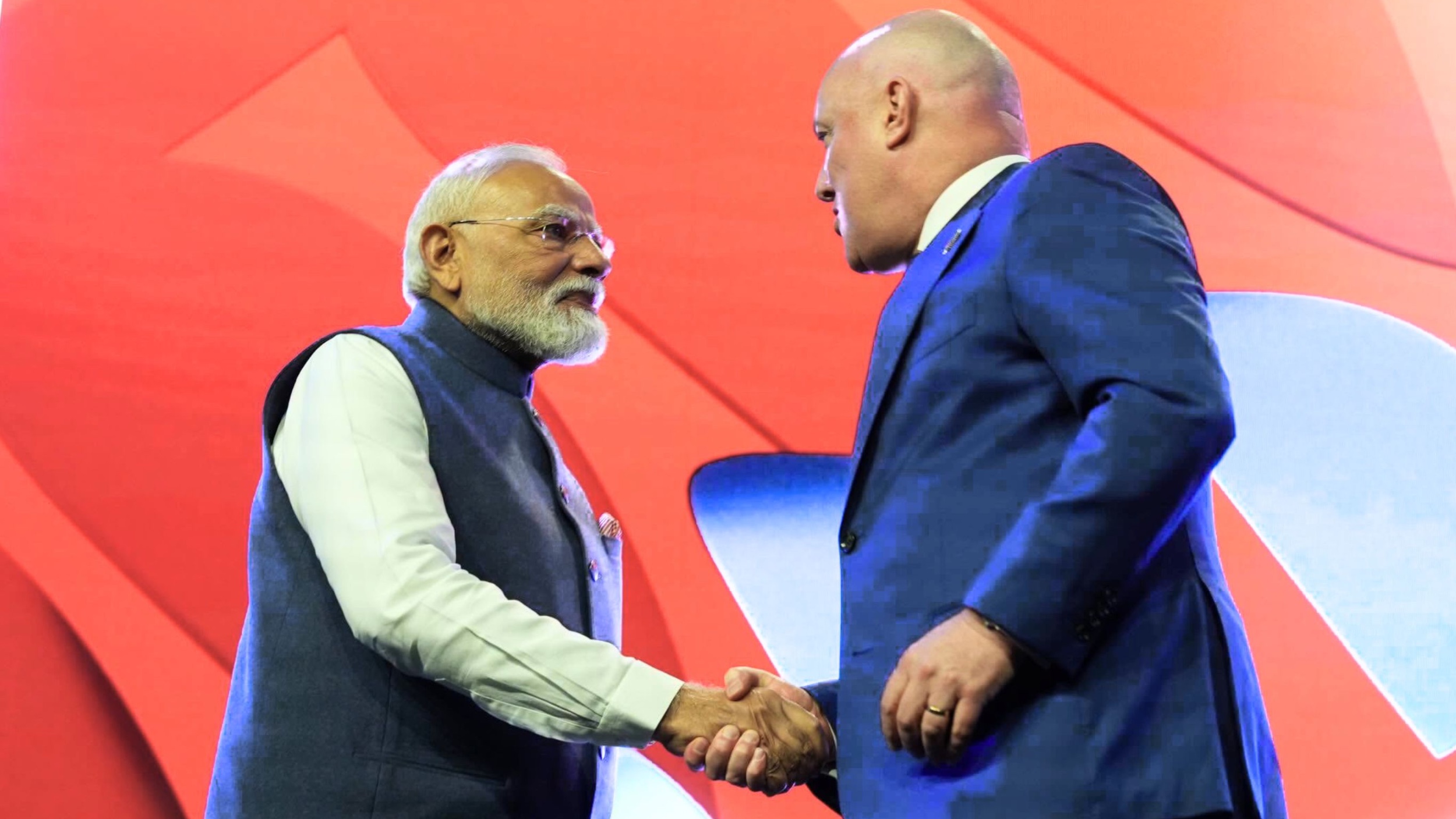
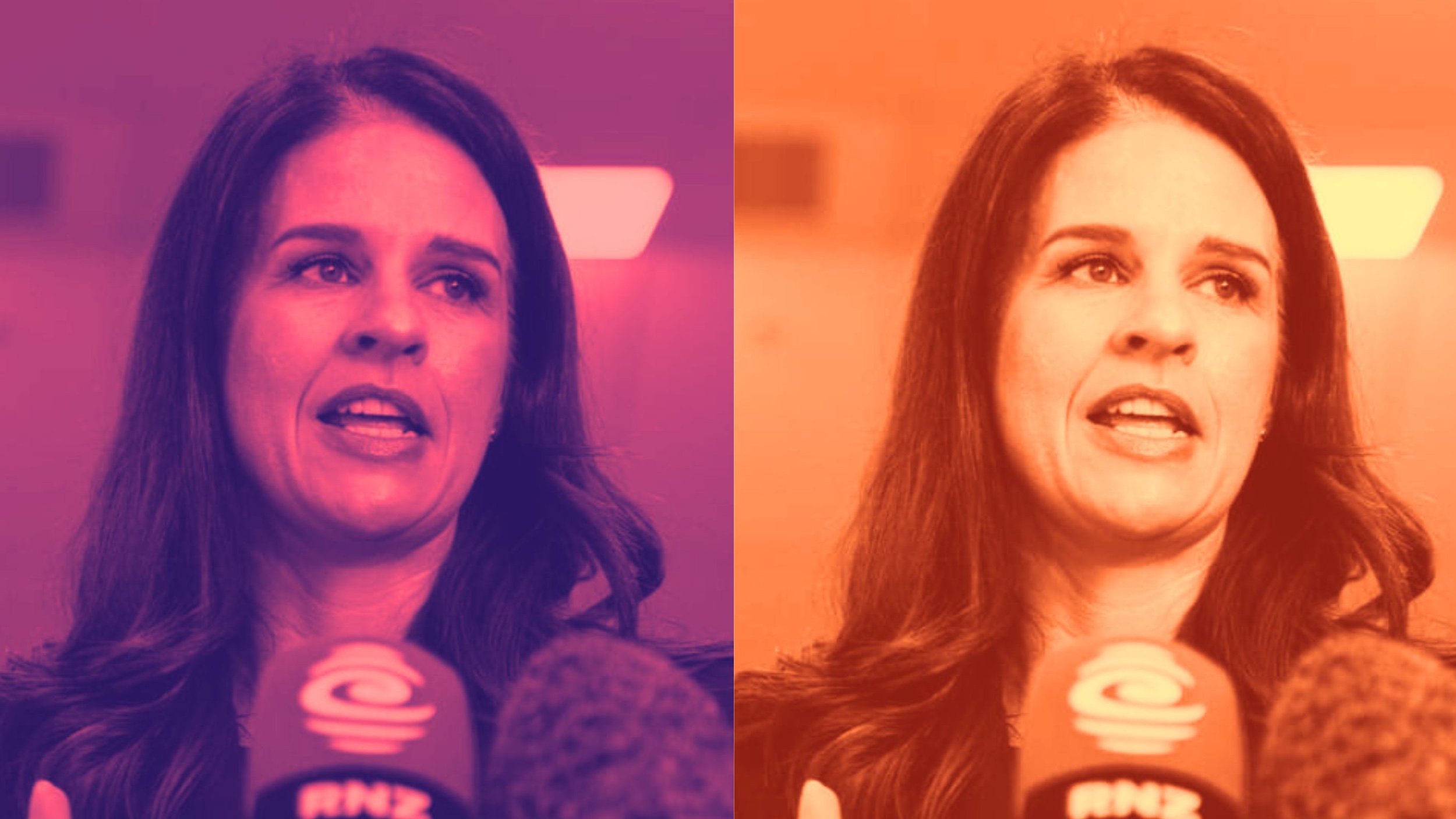
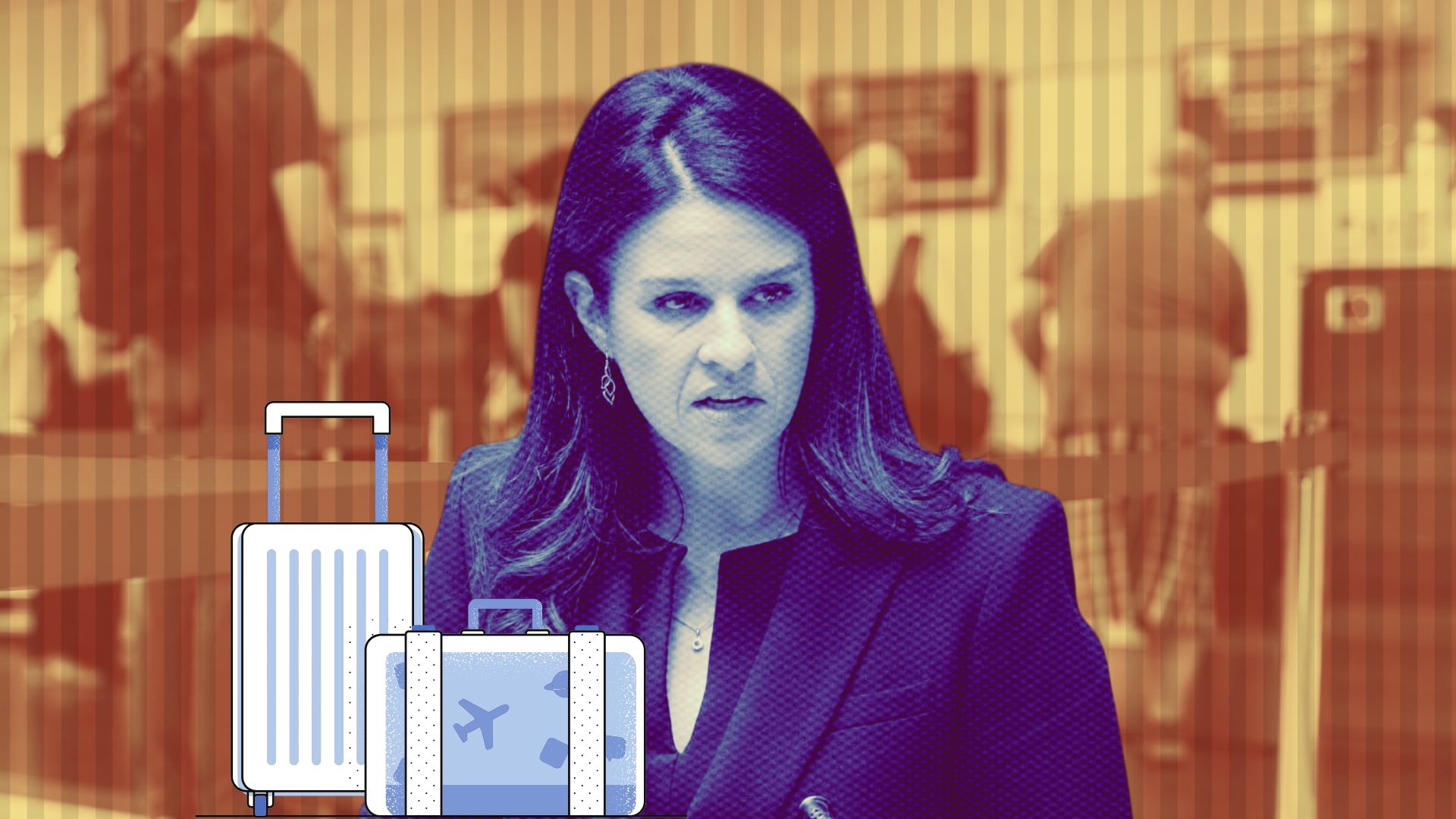
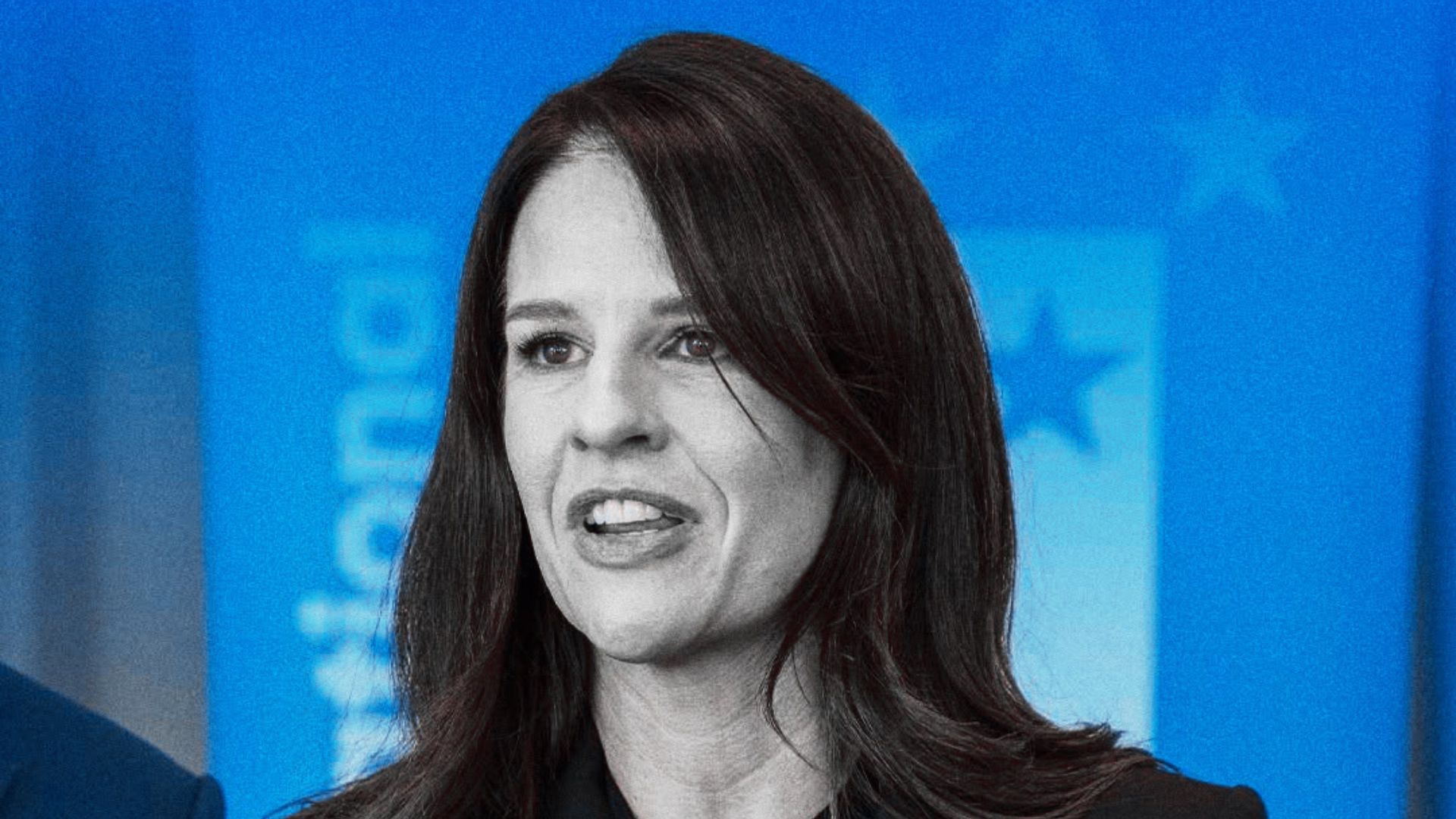
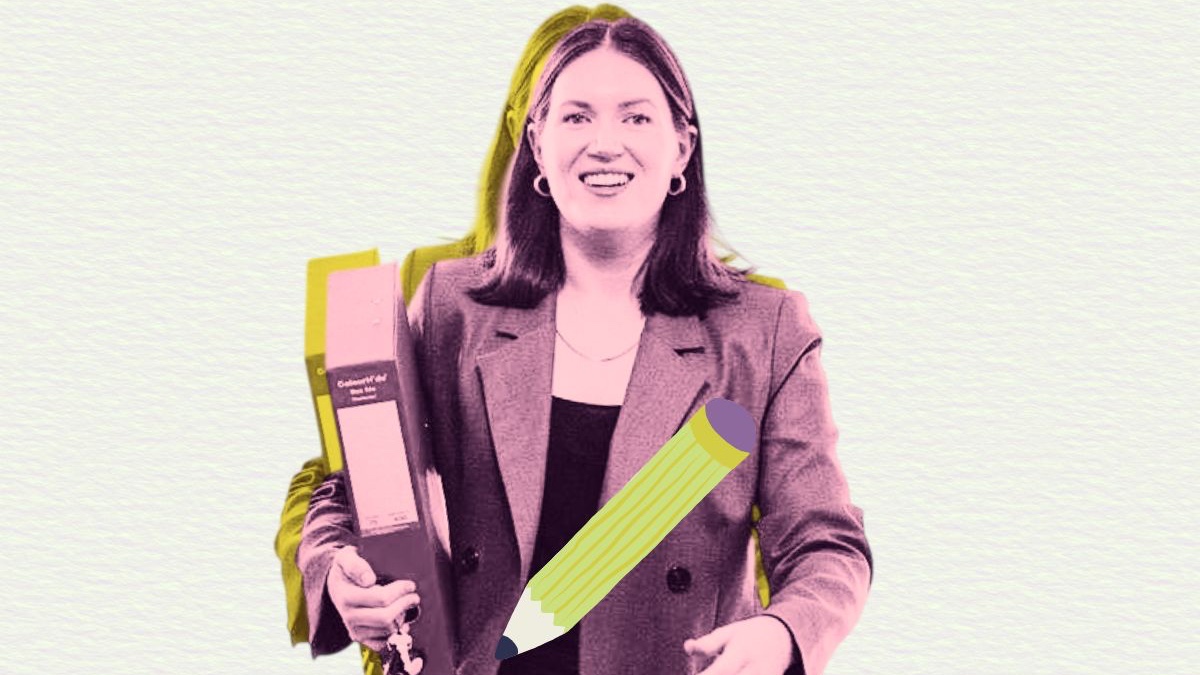
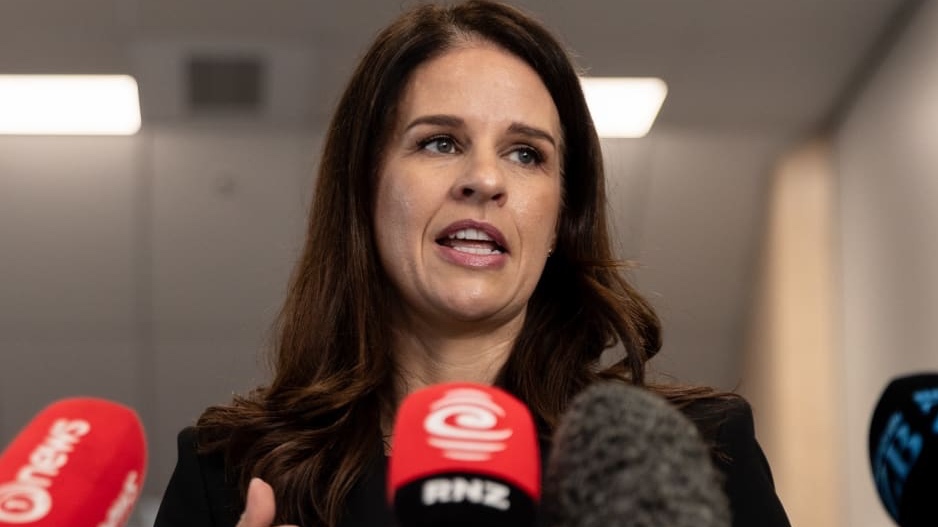
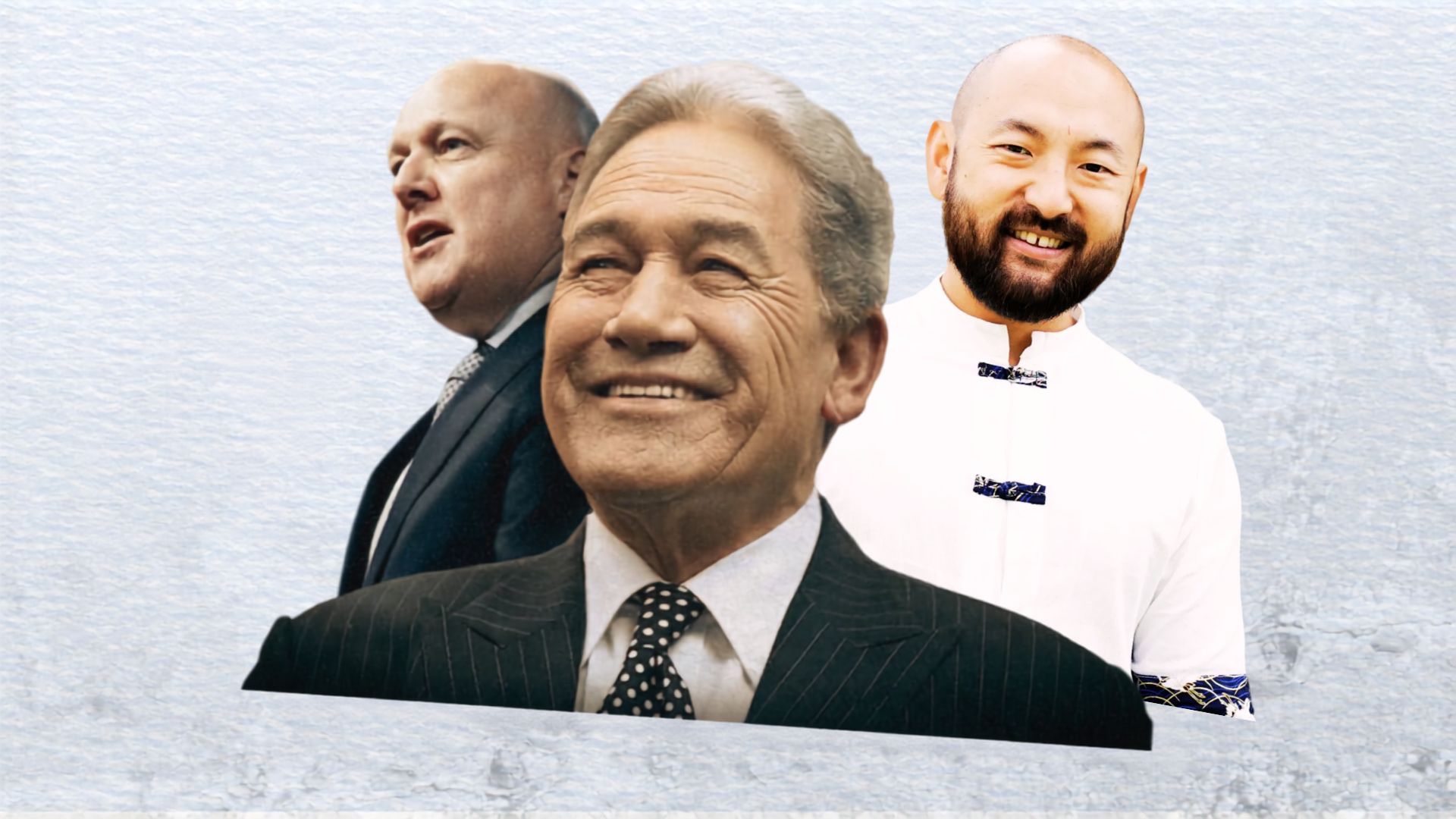
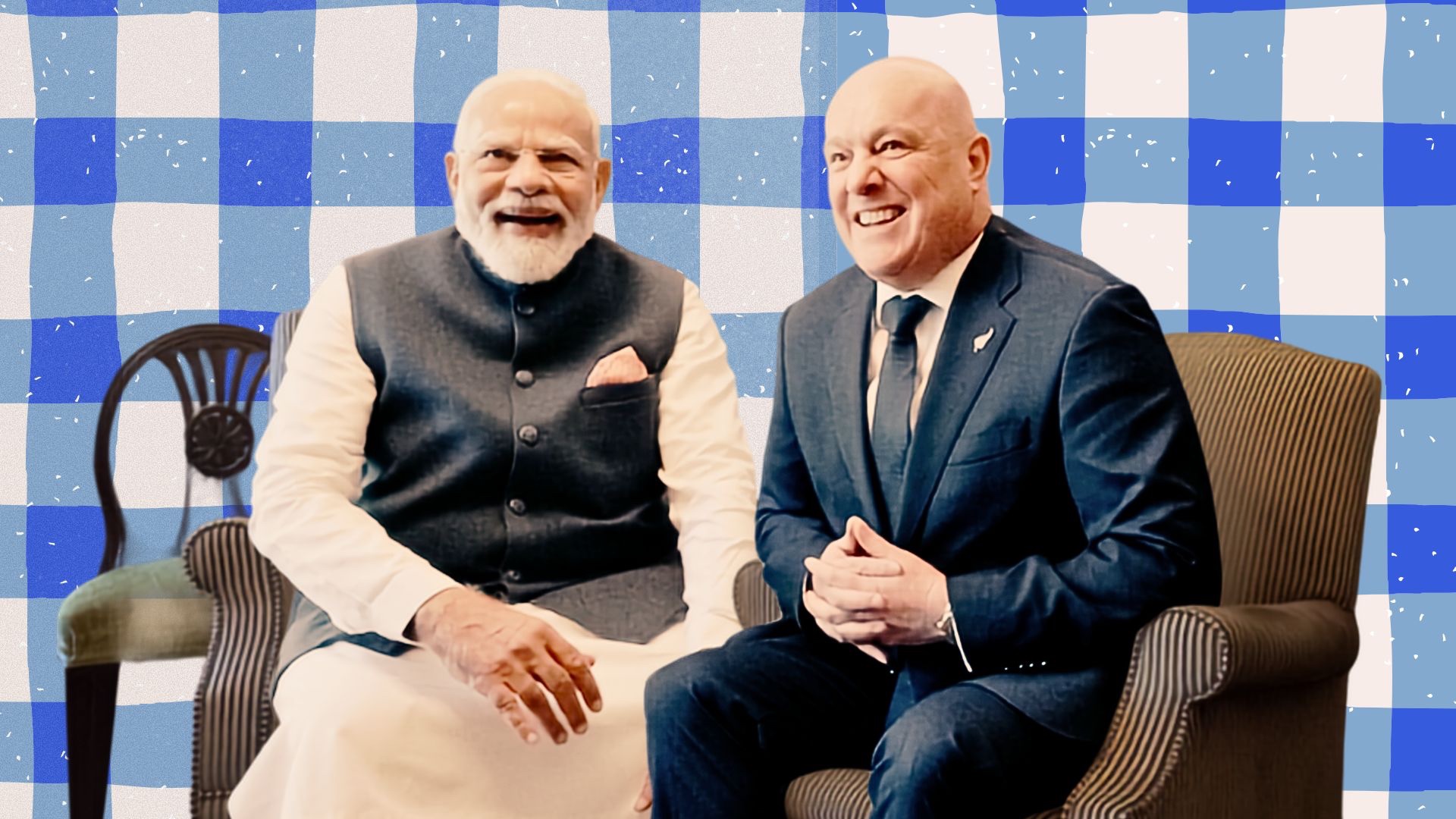
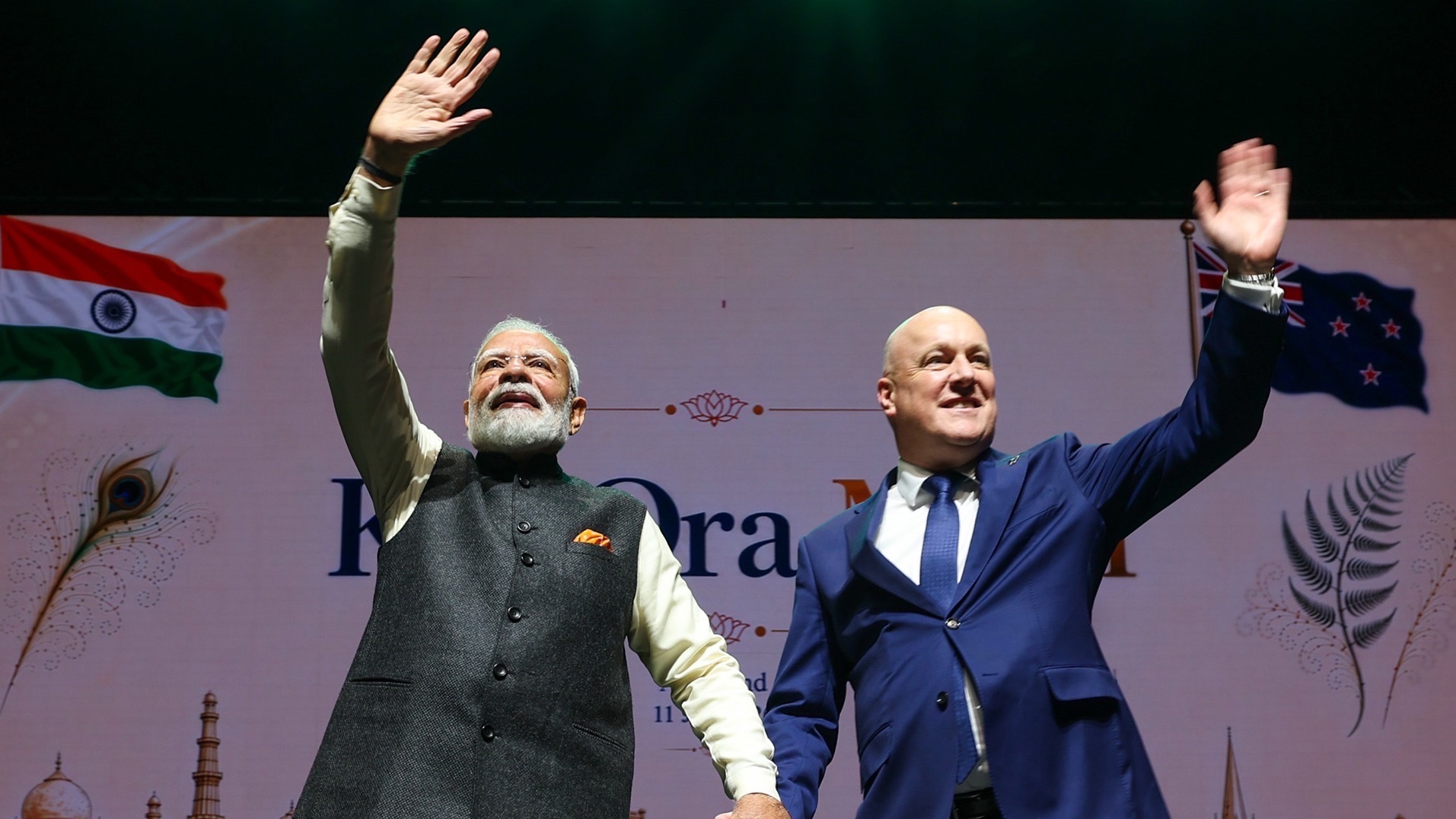
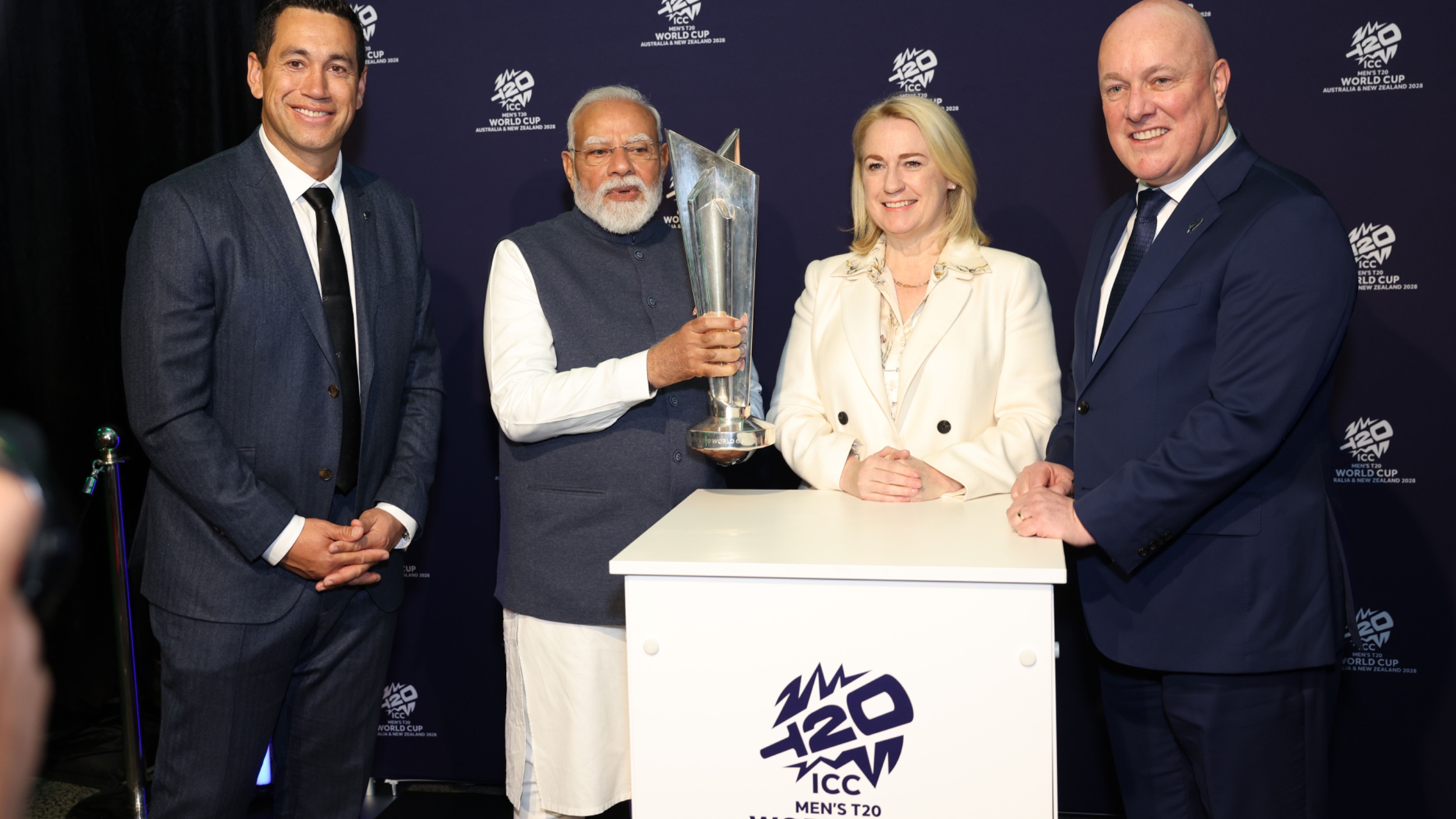
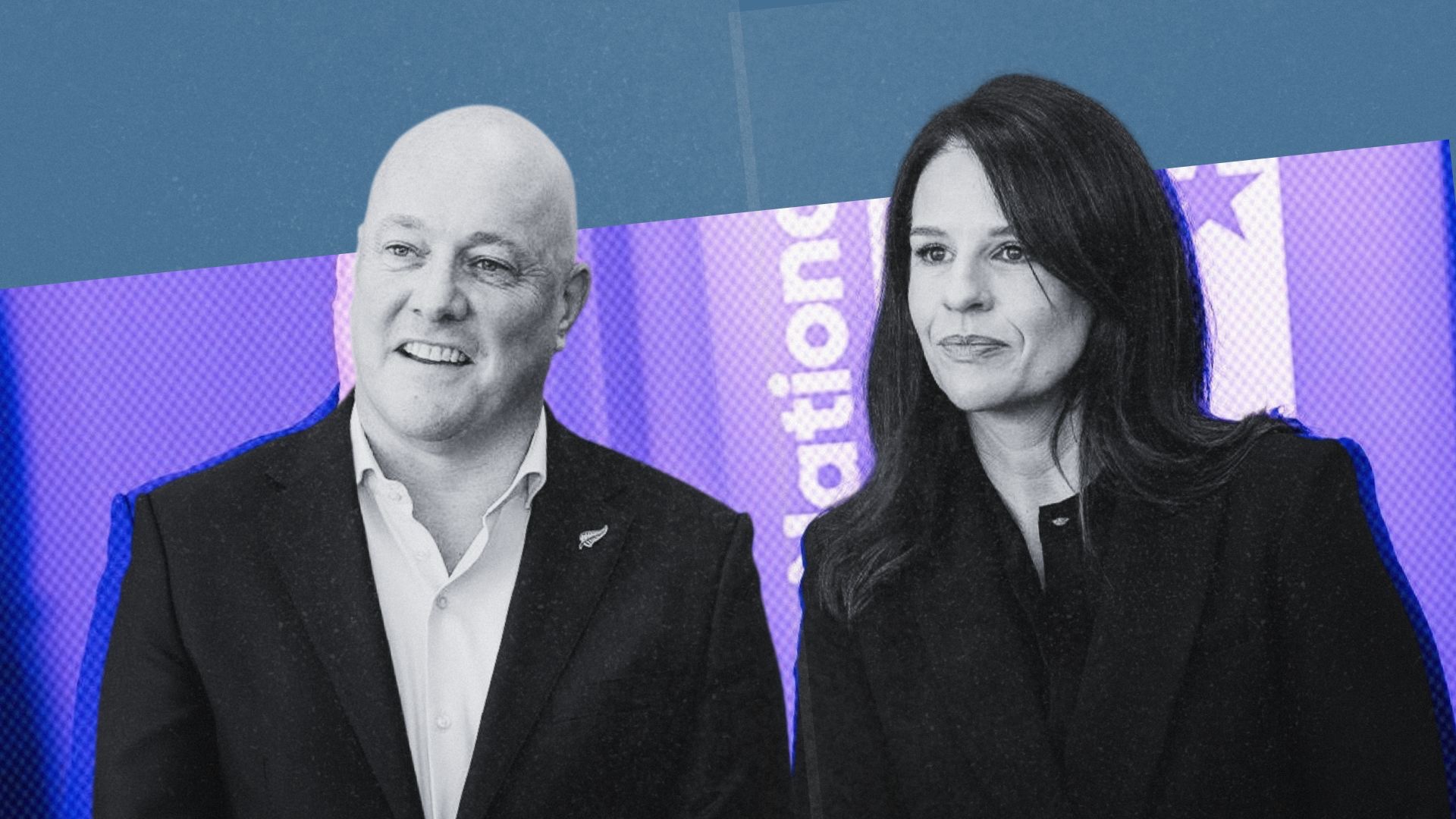
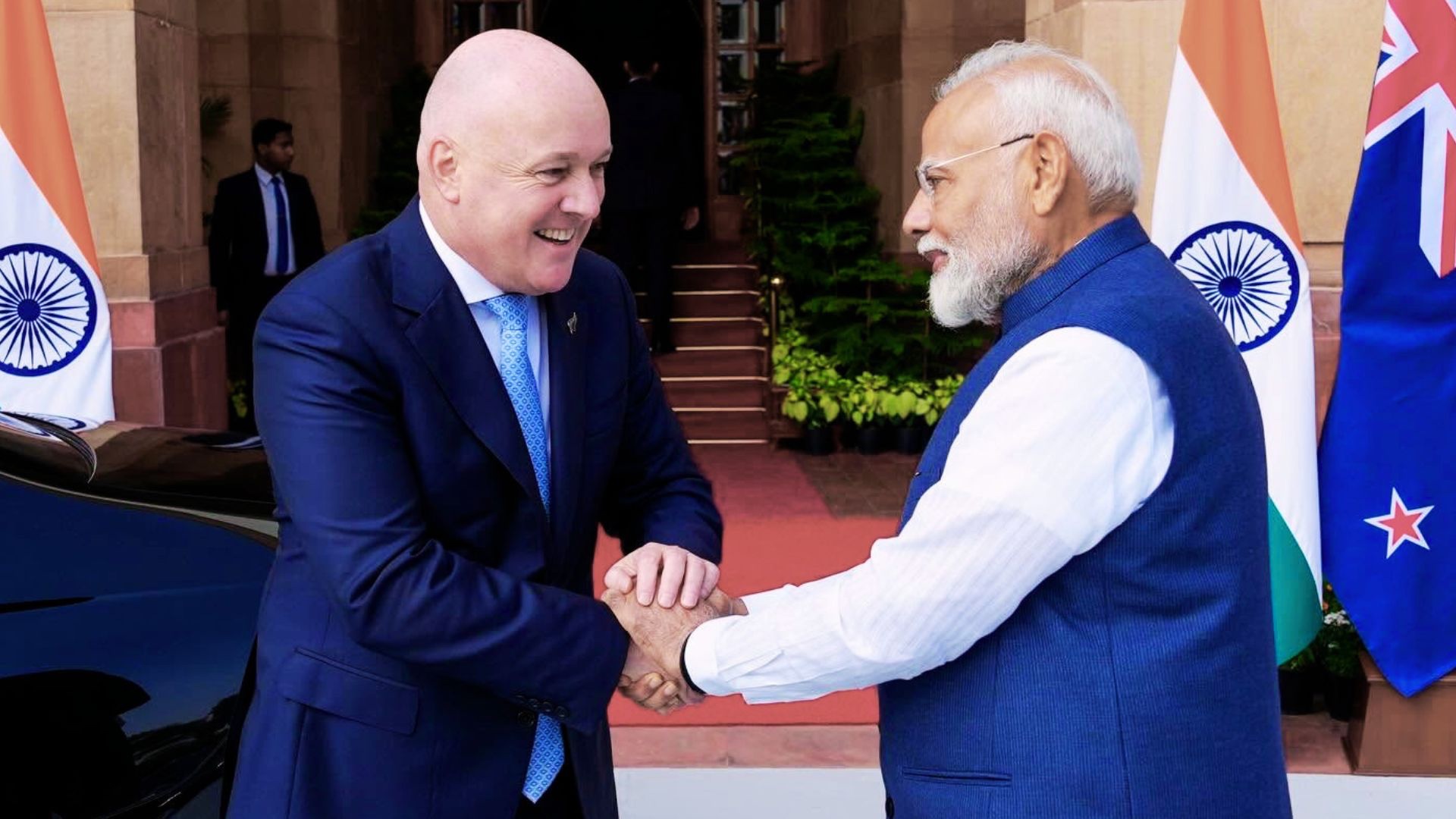
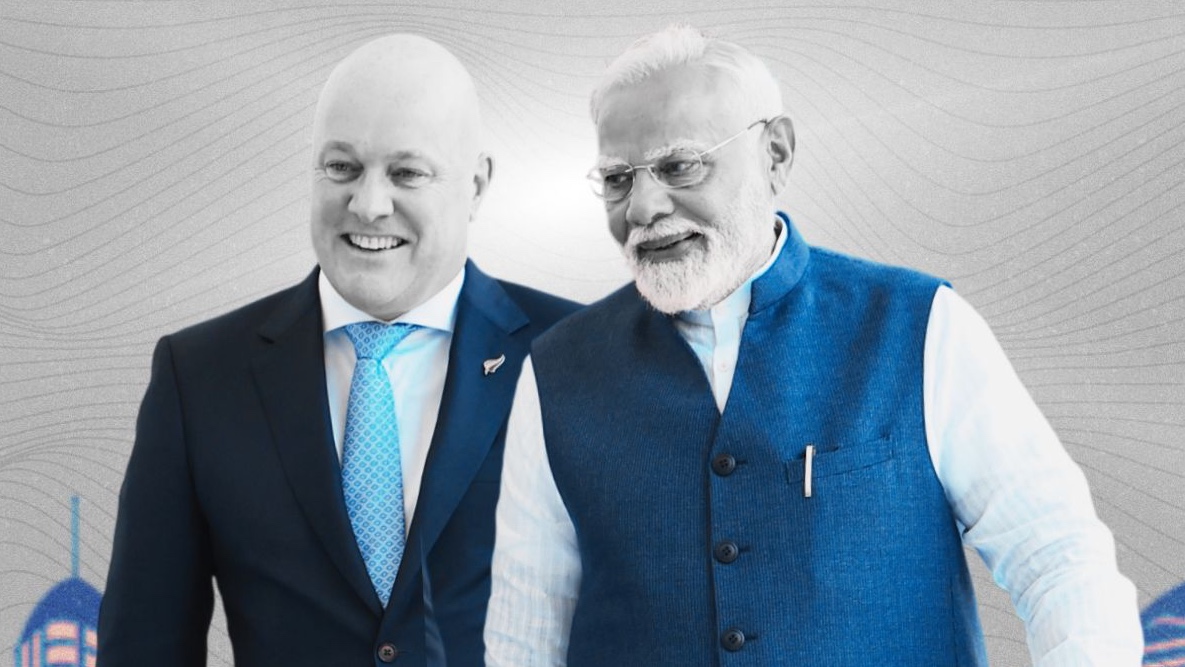
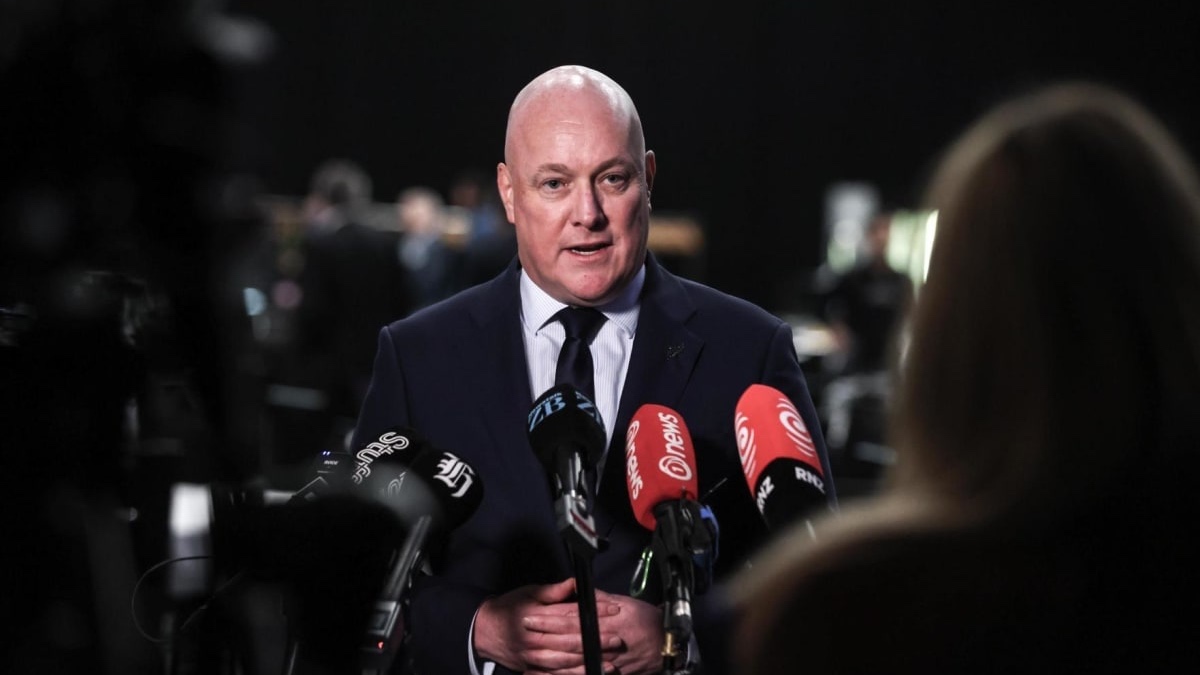
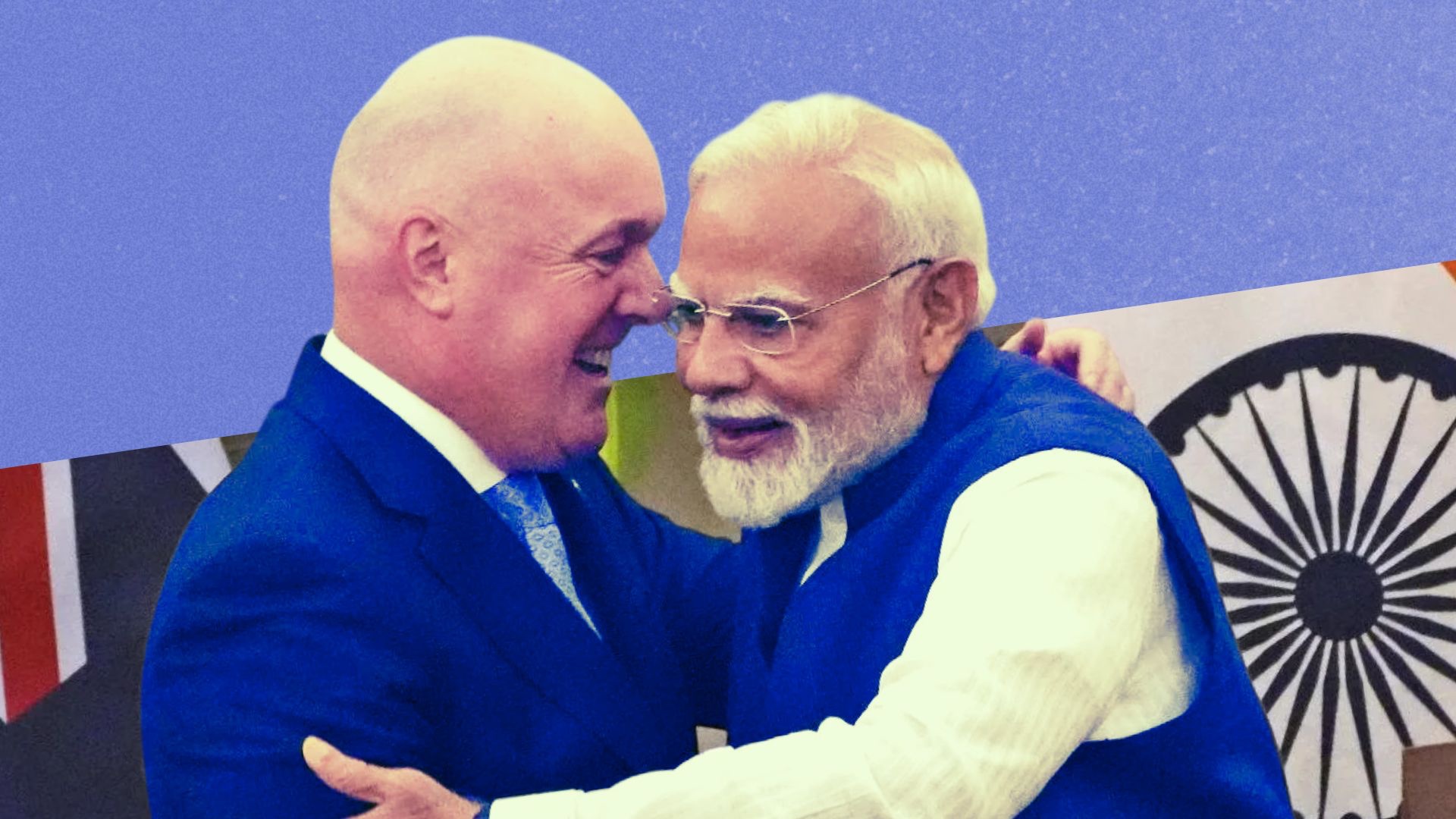
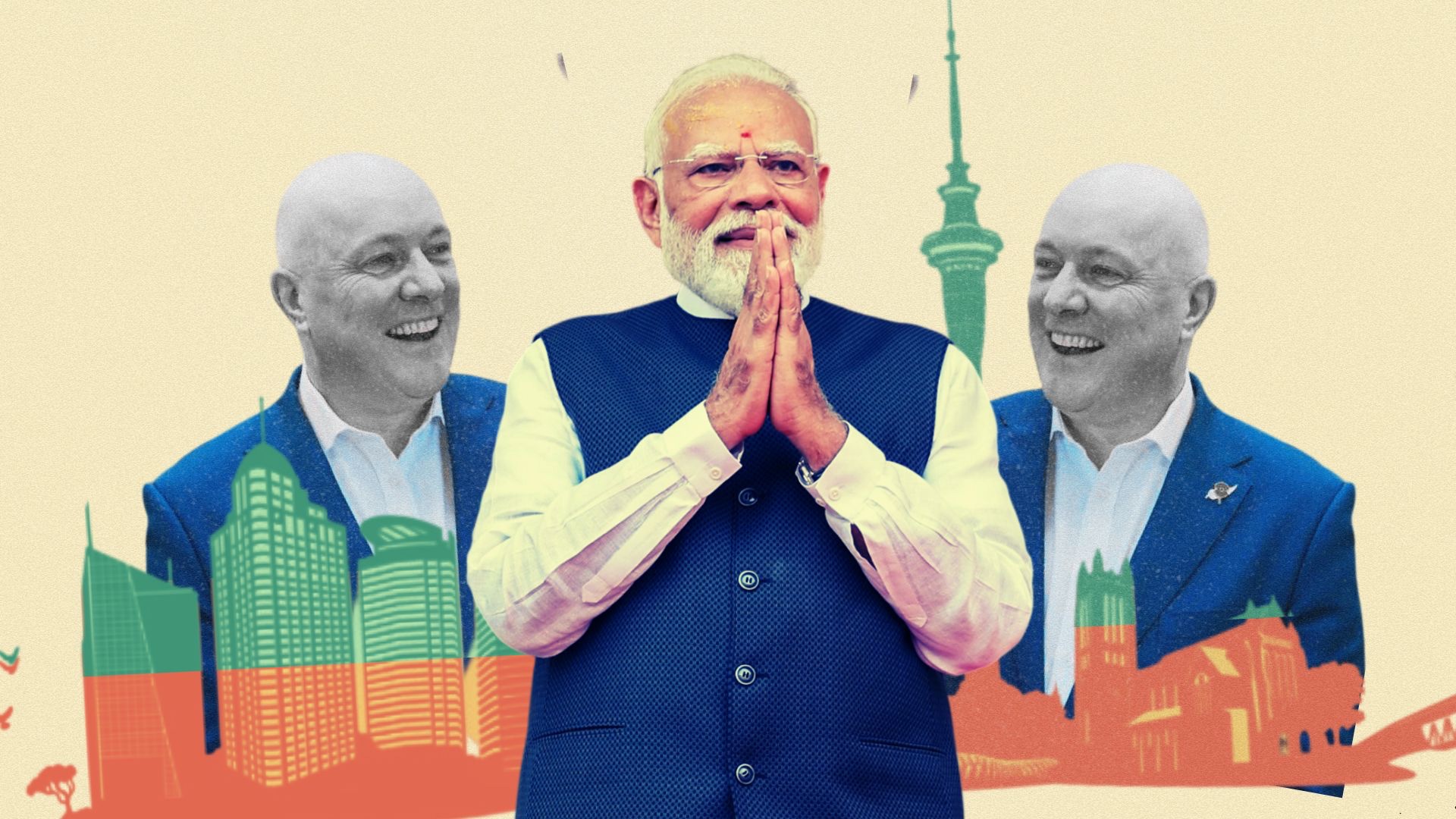
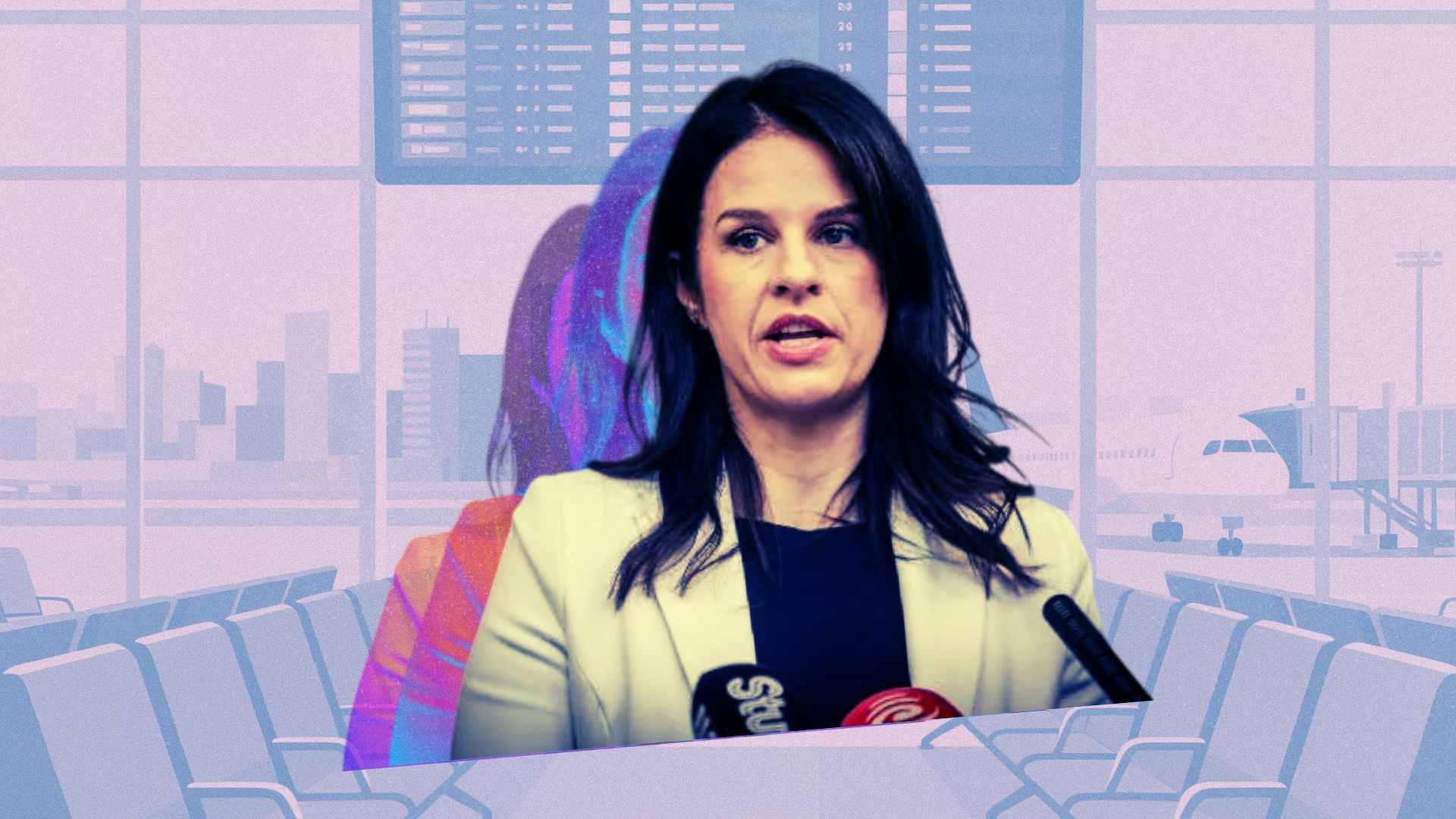
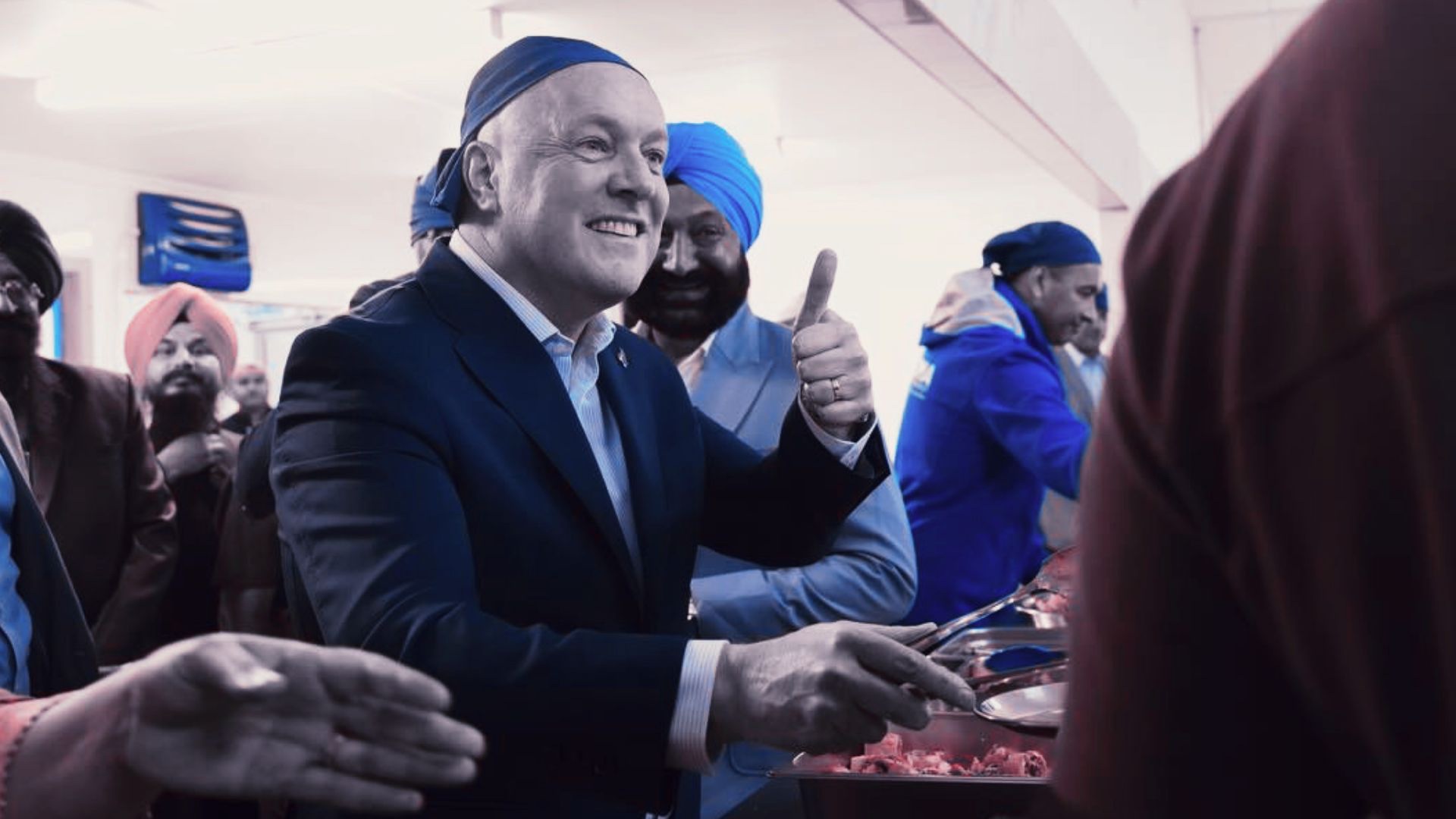
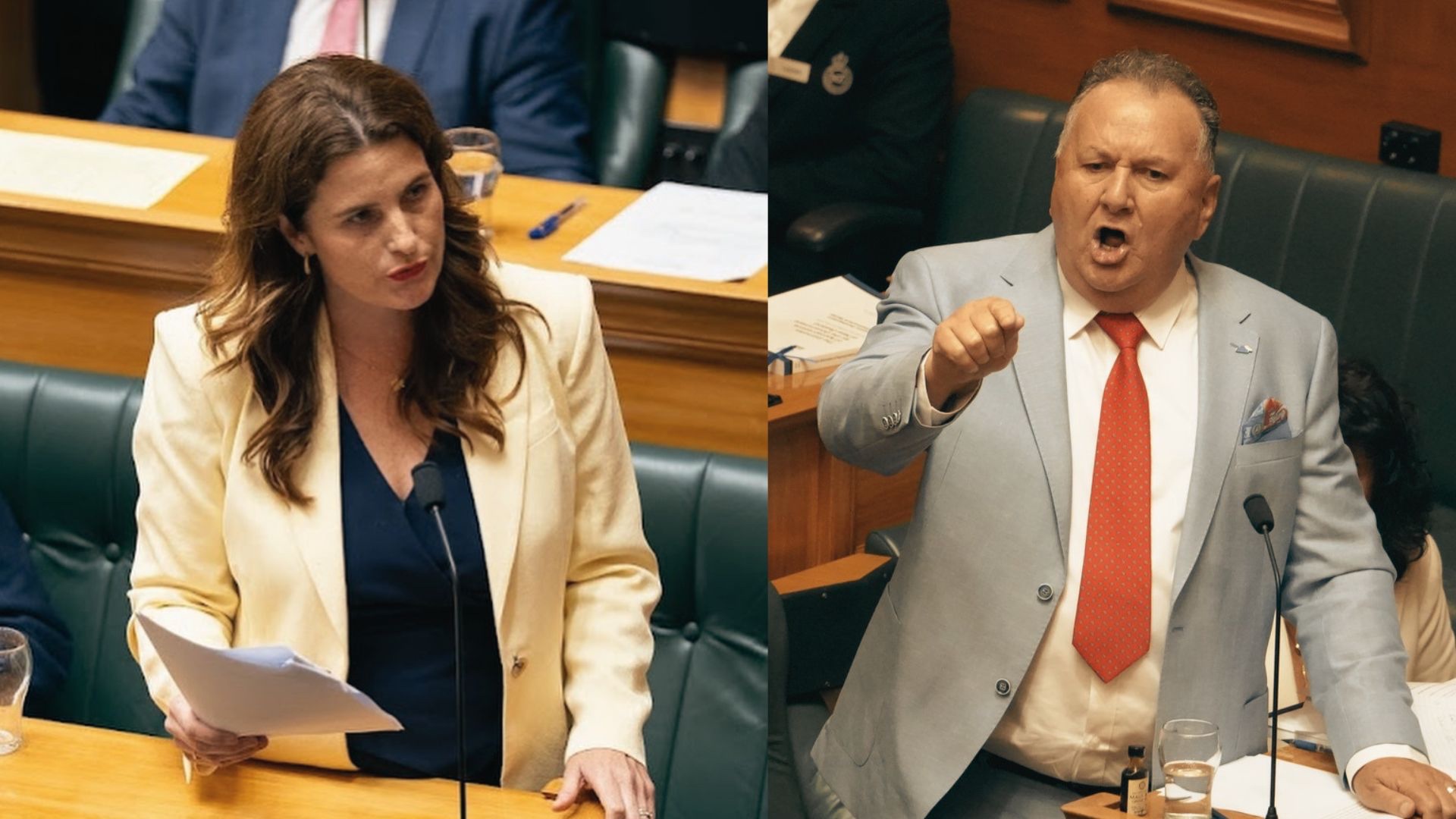
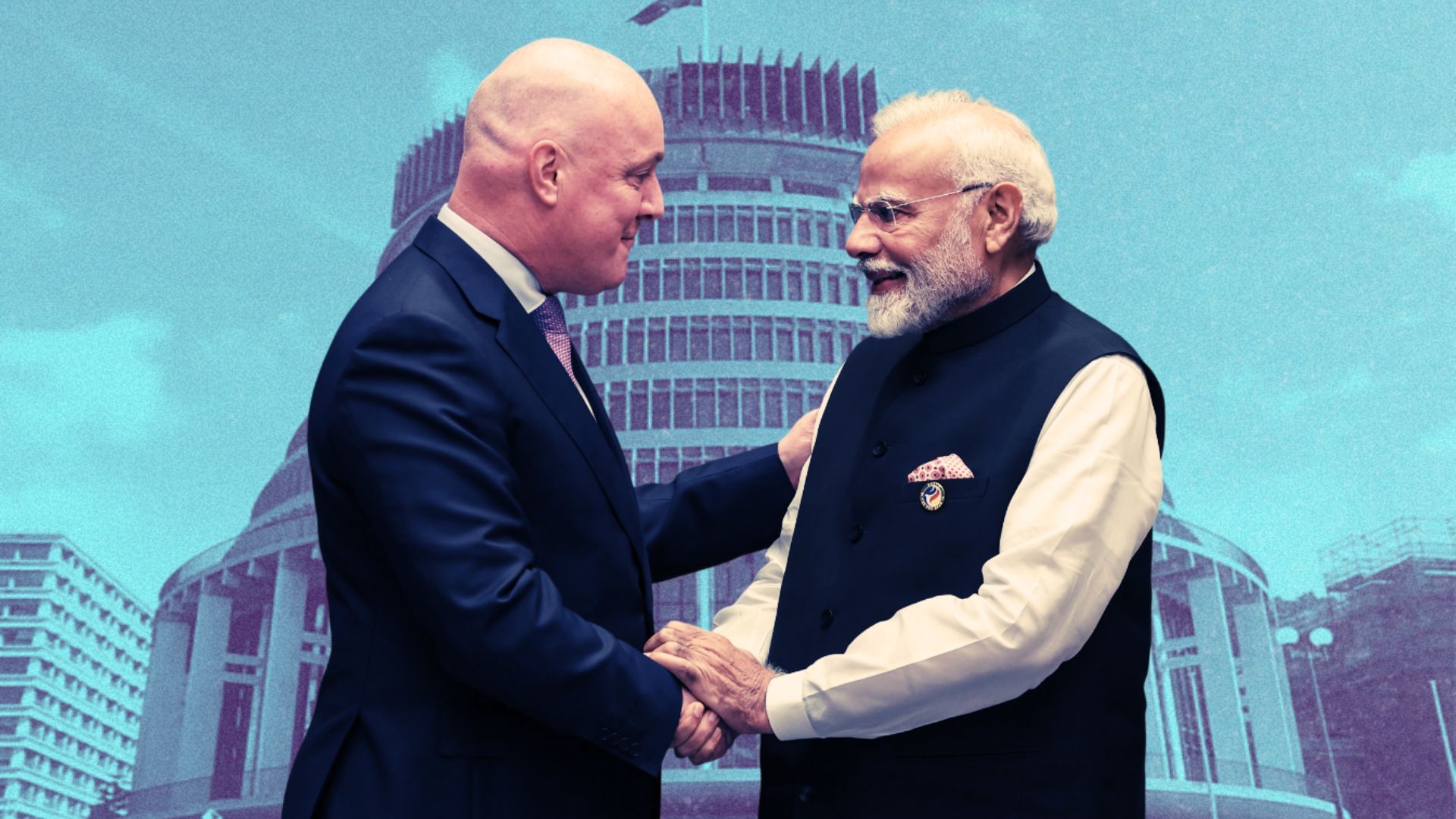
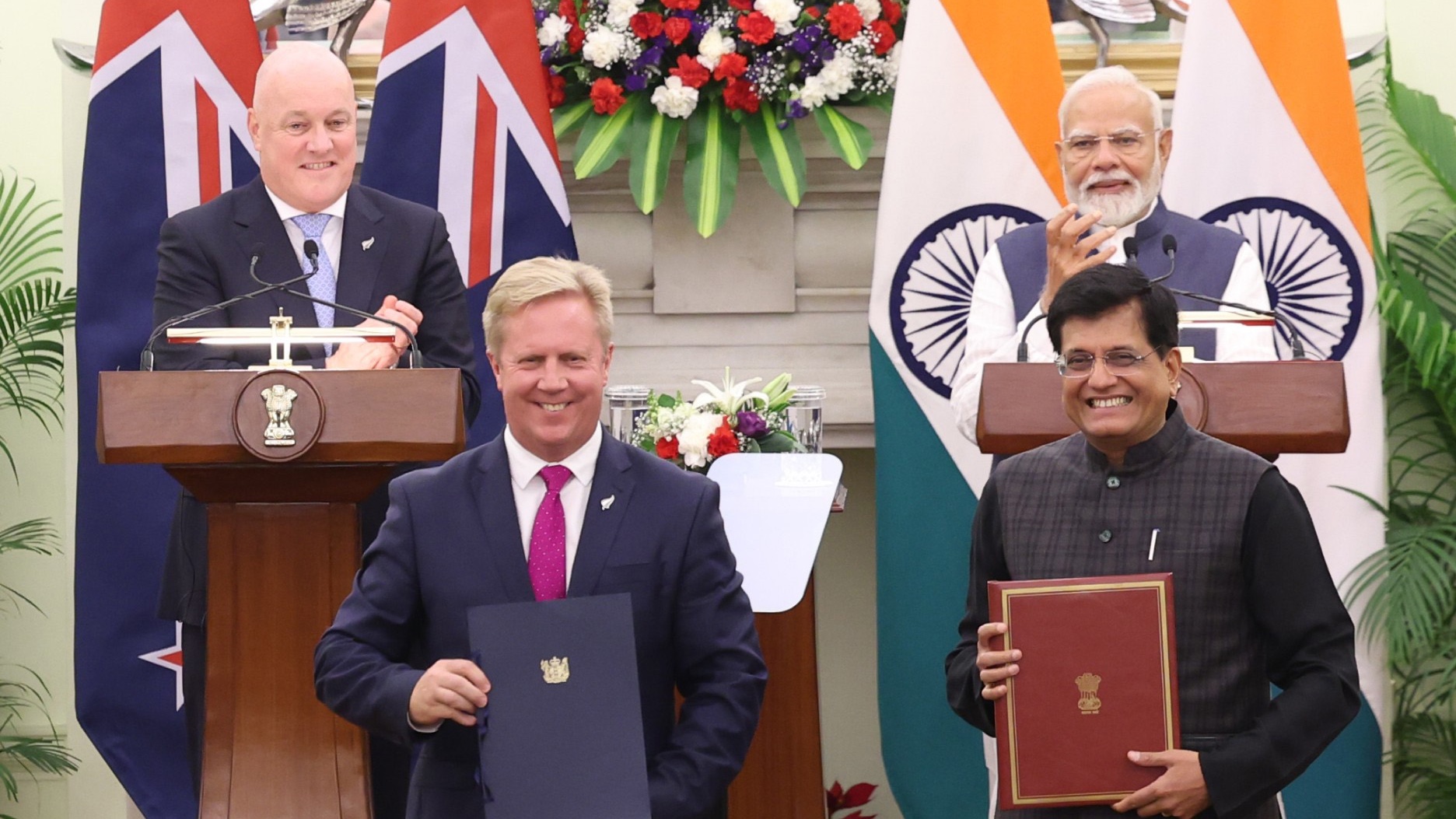
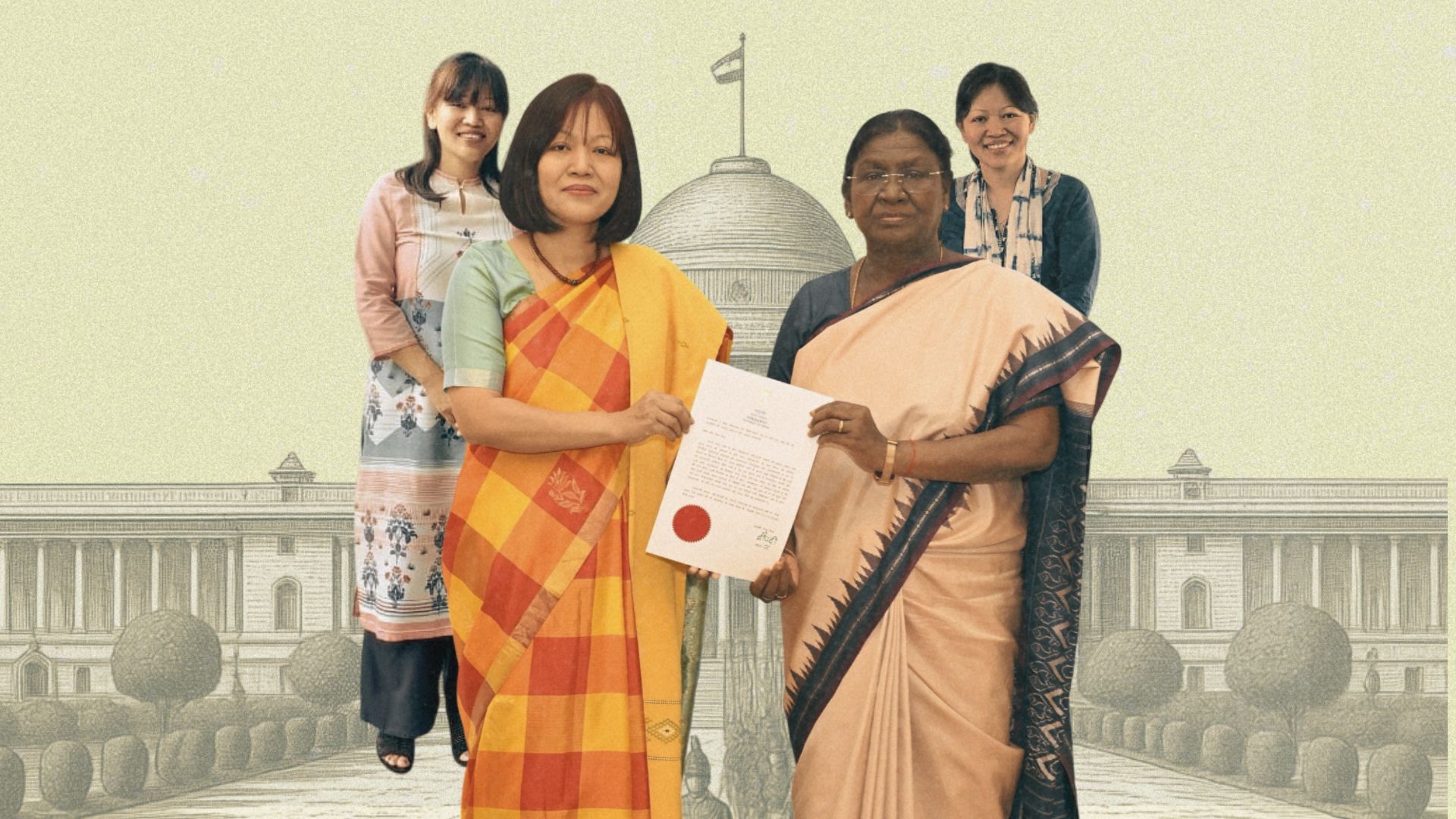
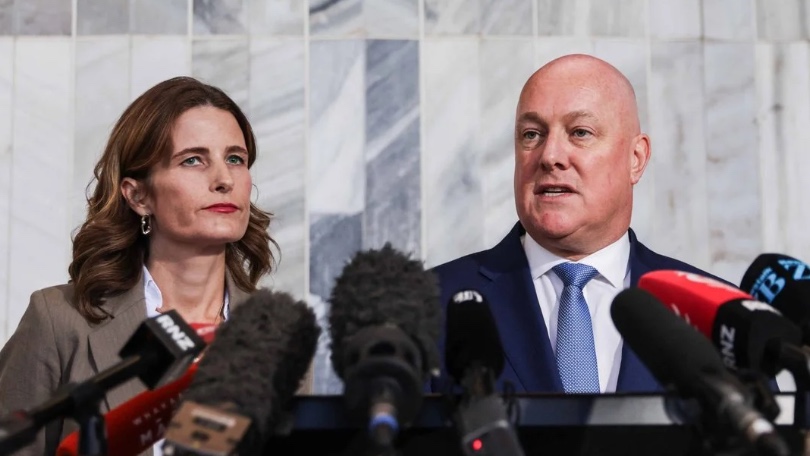
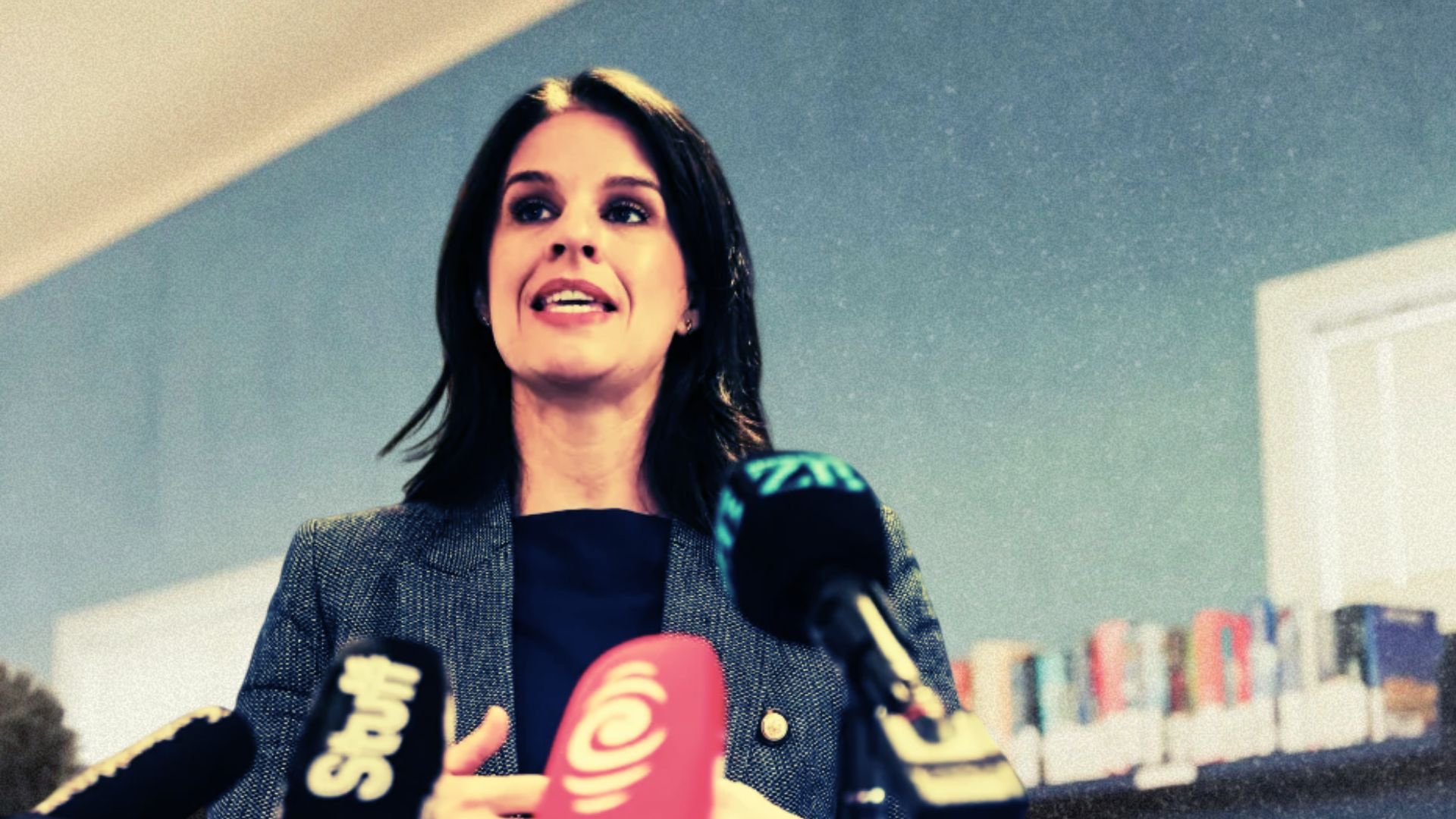
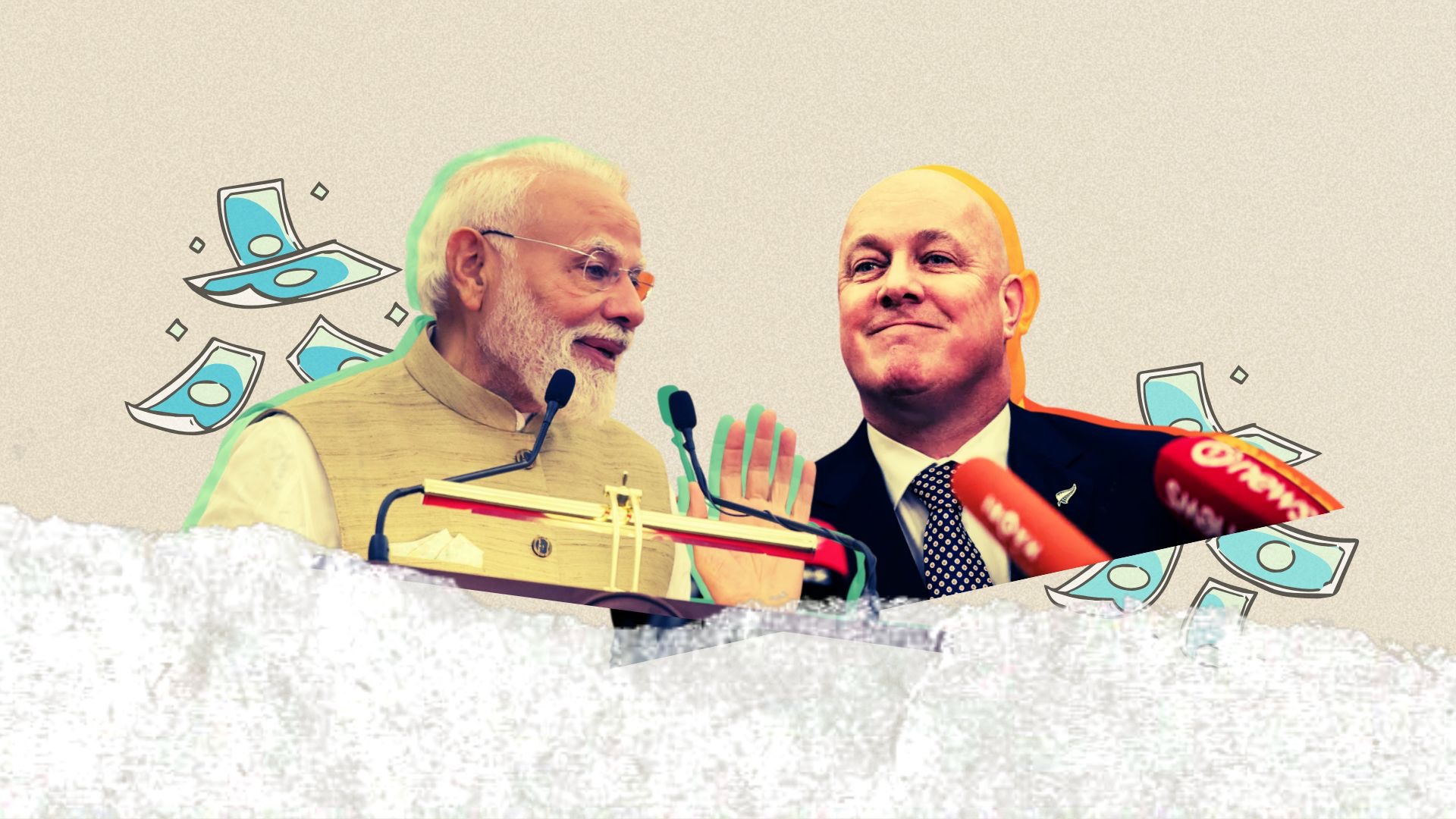
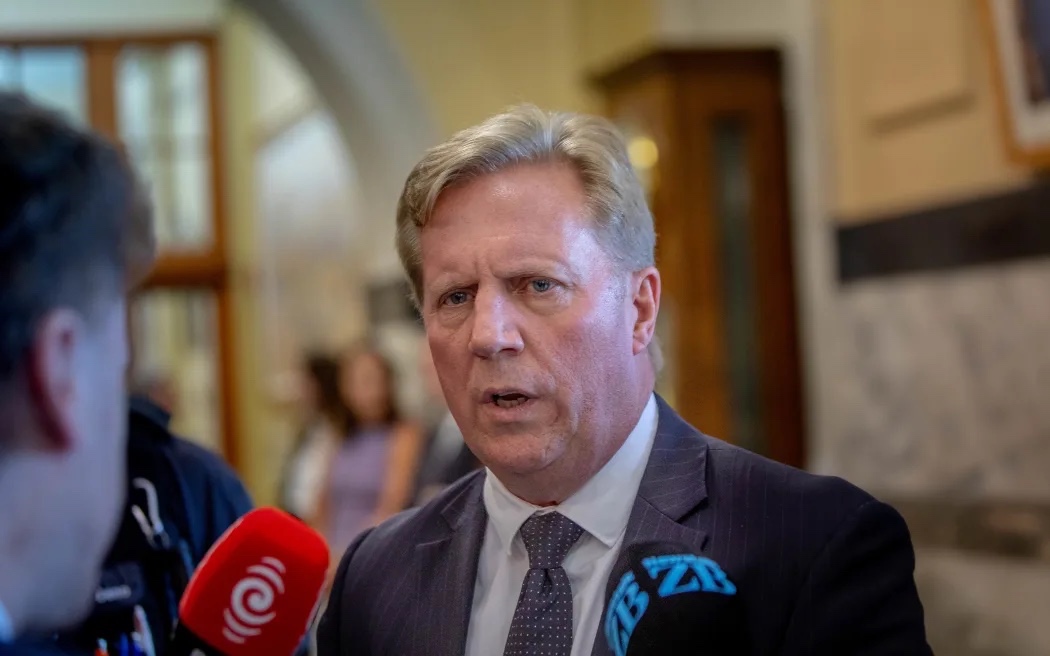
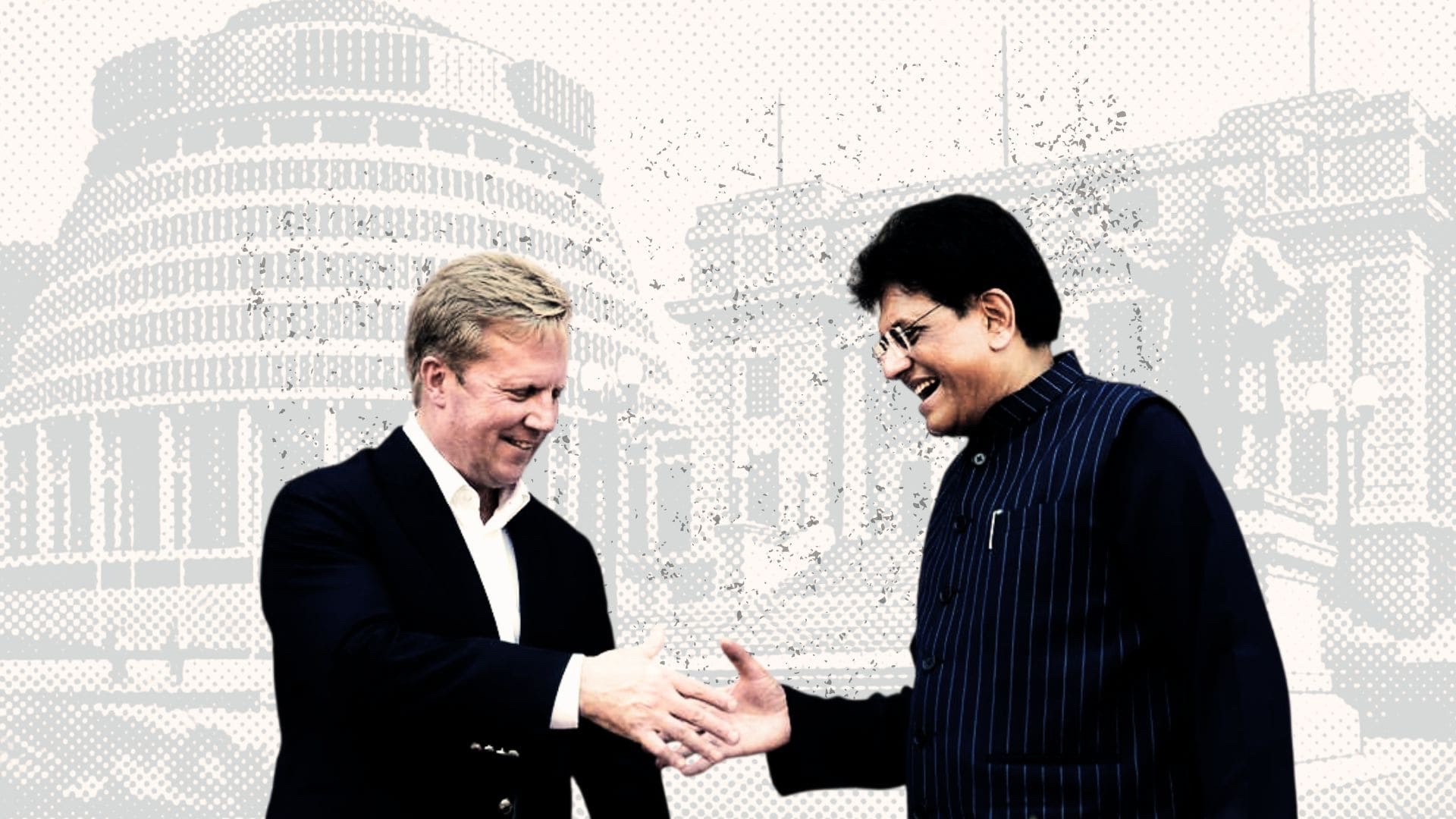
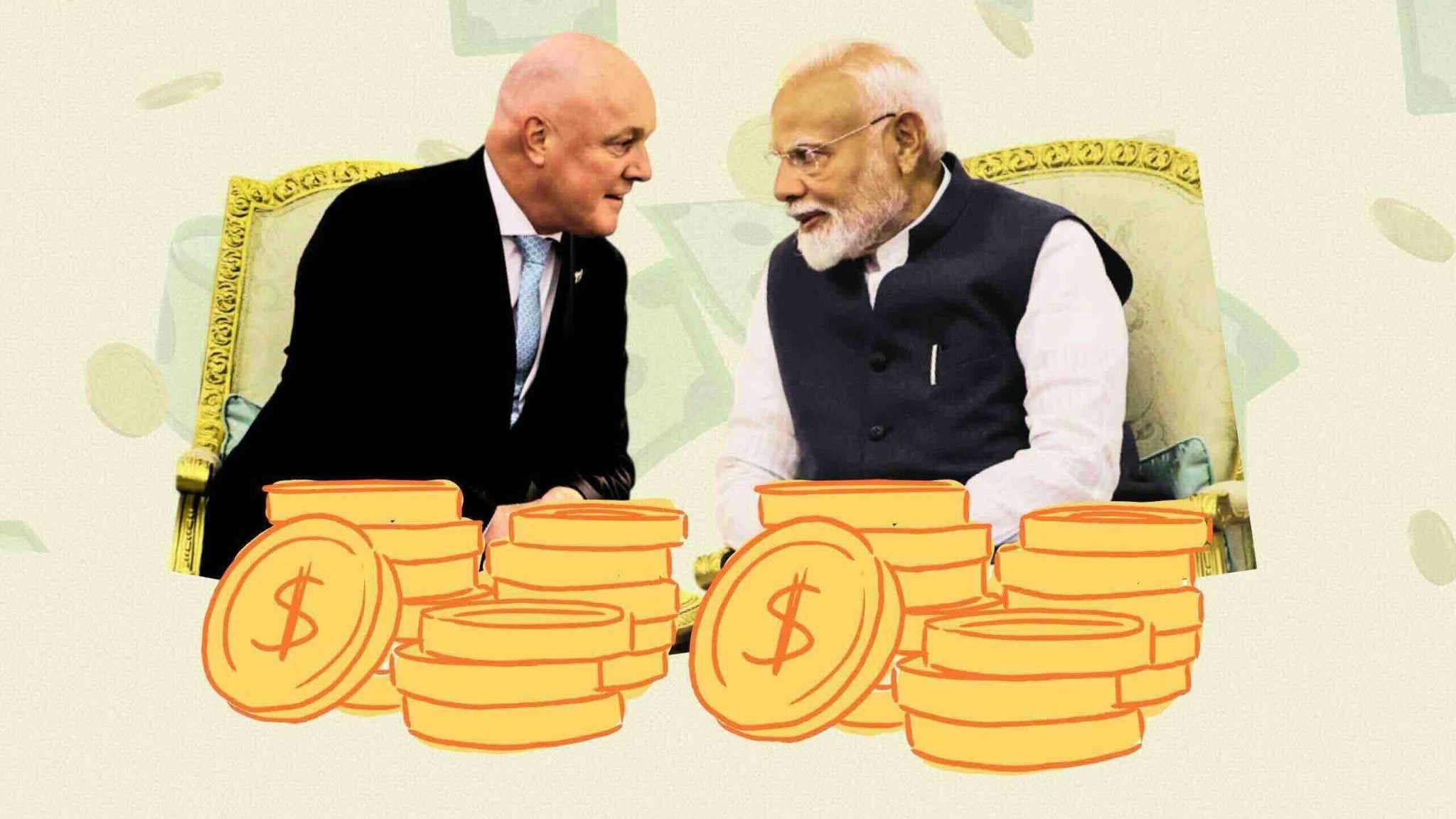
Priyanca Radhakrishnan has sought to take the steam out of a feat the prime minister is wearing on his sleeve this election. Christopher Luxon, she says, is taking more credit for the India FTA than is actually due.
Speaking during the second reading of the legislation implementing the deal on Tuesday, the Labour MP said the story being told in New Zealand about how negotiations restarted was markedly different from the one she encountered in India.
The India Free Trade Agreement Legislation Amendment Bill has now reached its third and final reading, meaning the remaining parliamentary process could potentially be wrapped up within a day.
It passed its second reading on September 15 by 93 votes to 29, with National, Labour and ACT supporting it; while the Greens, New Zealand First and Te Pāti Māori voted against.
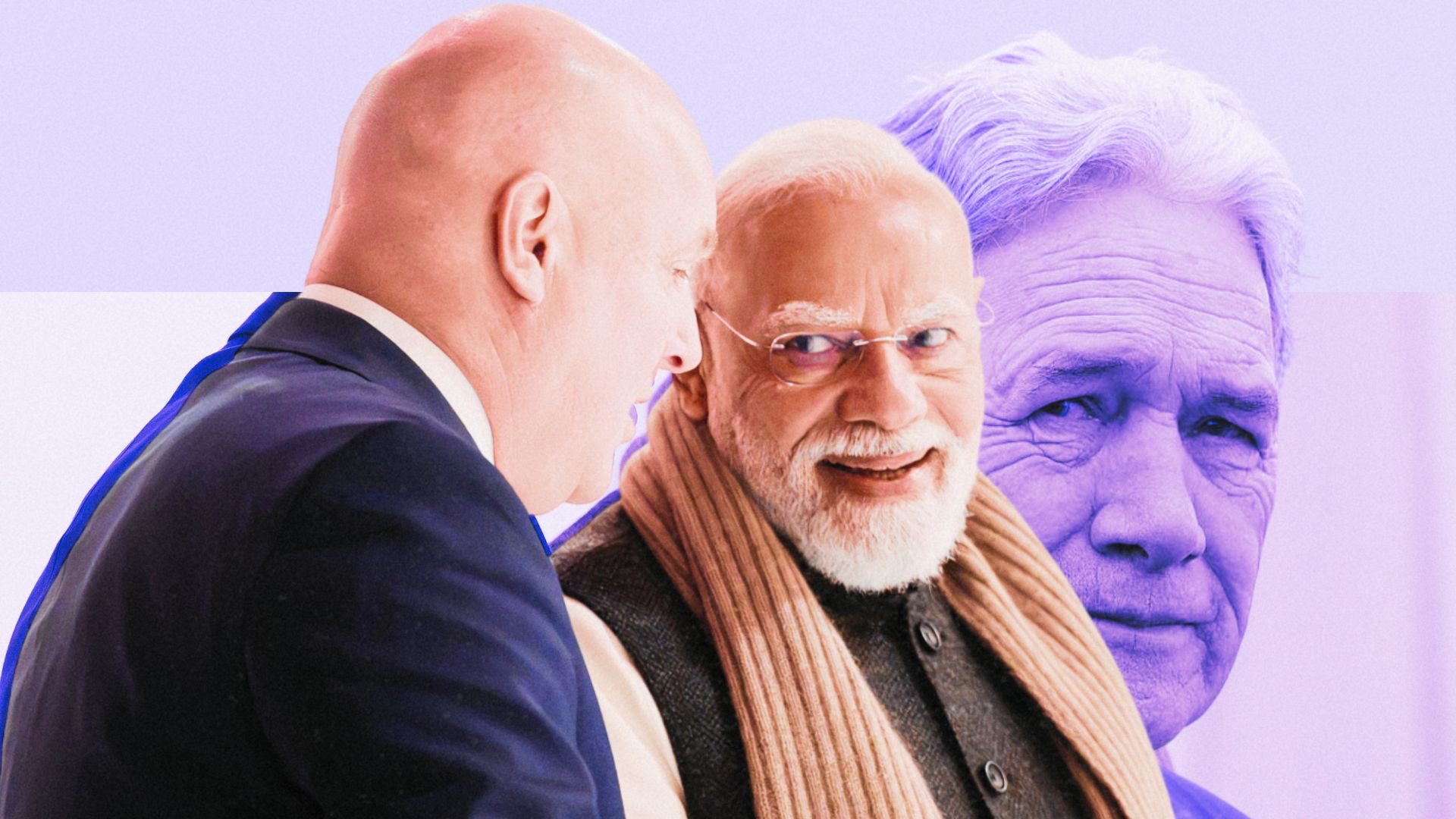
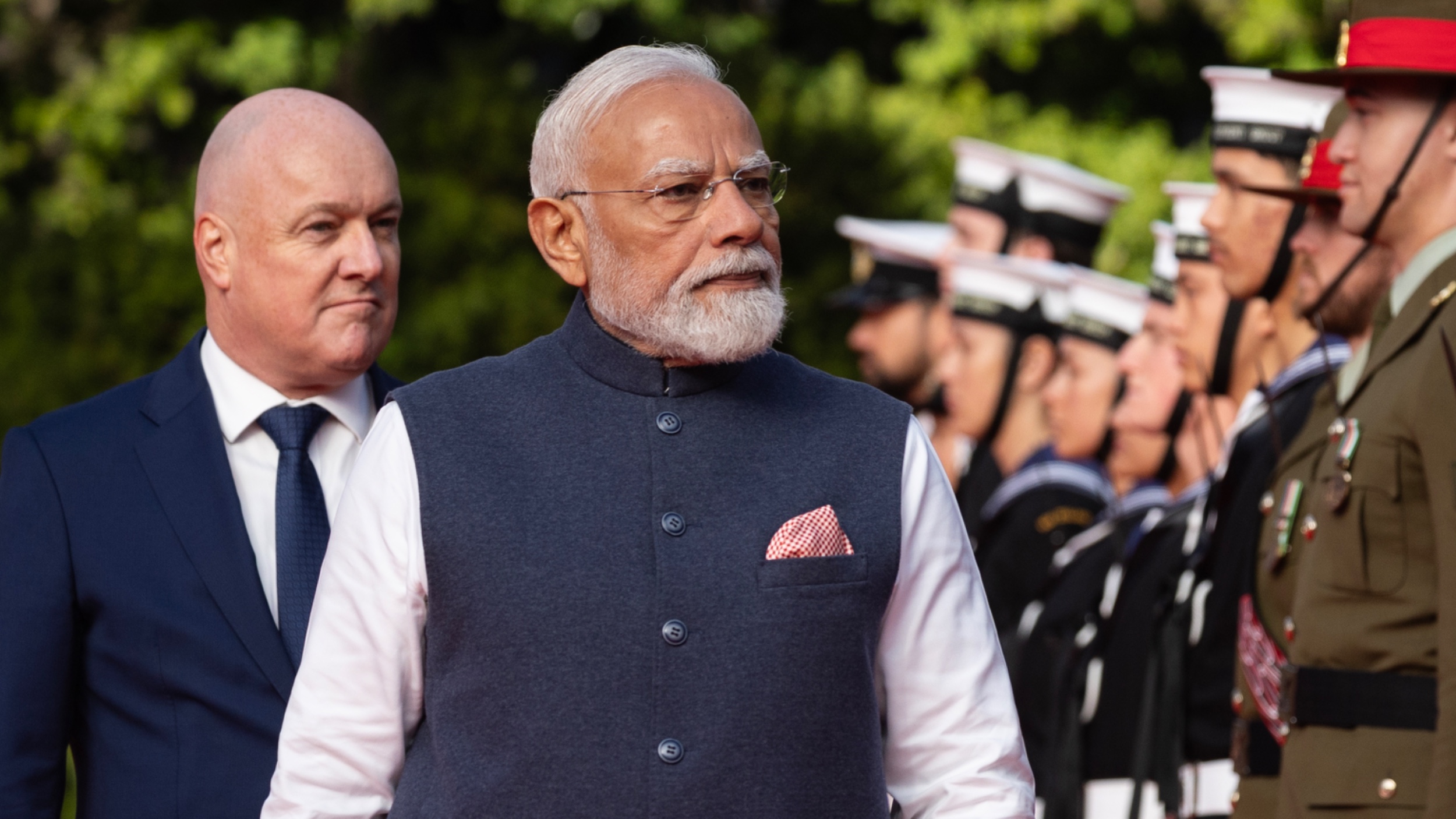
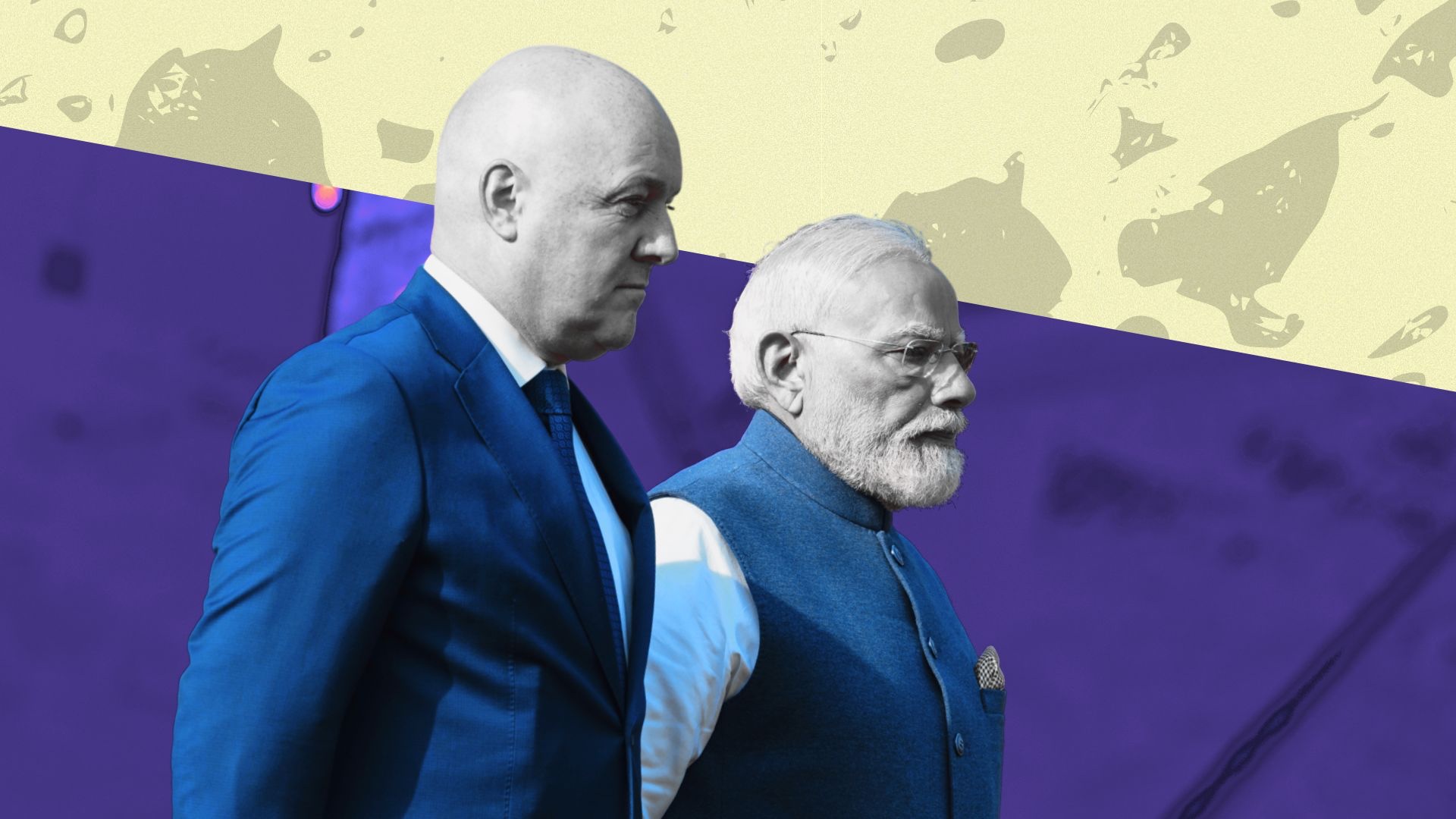
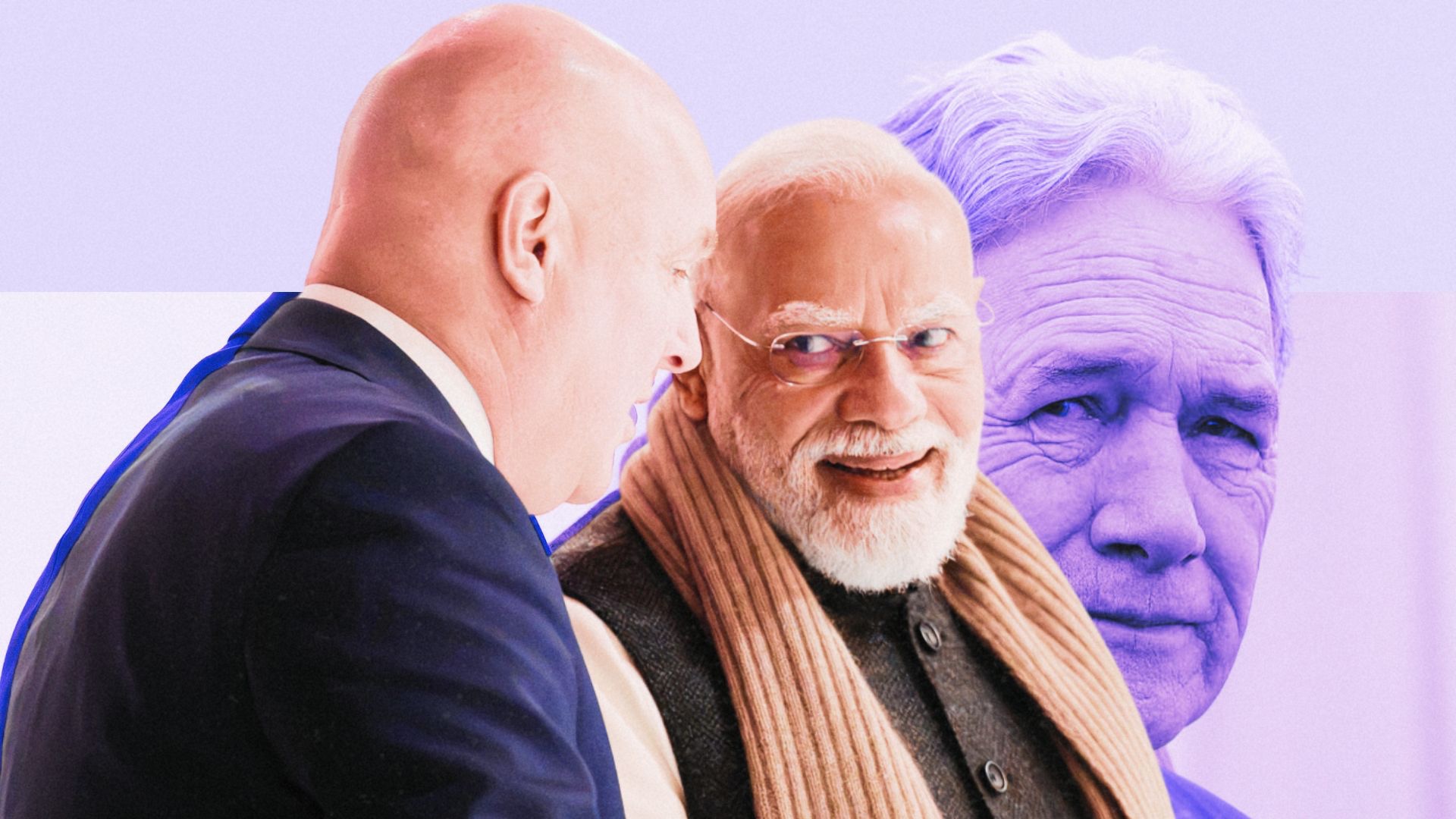
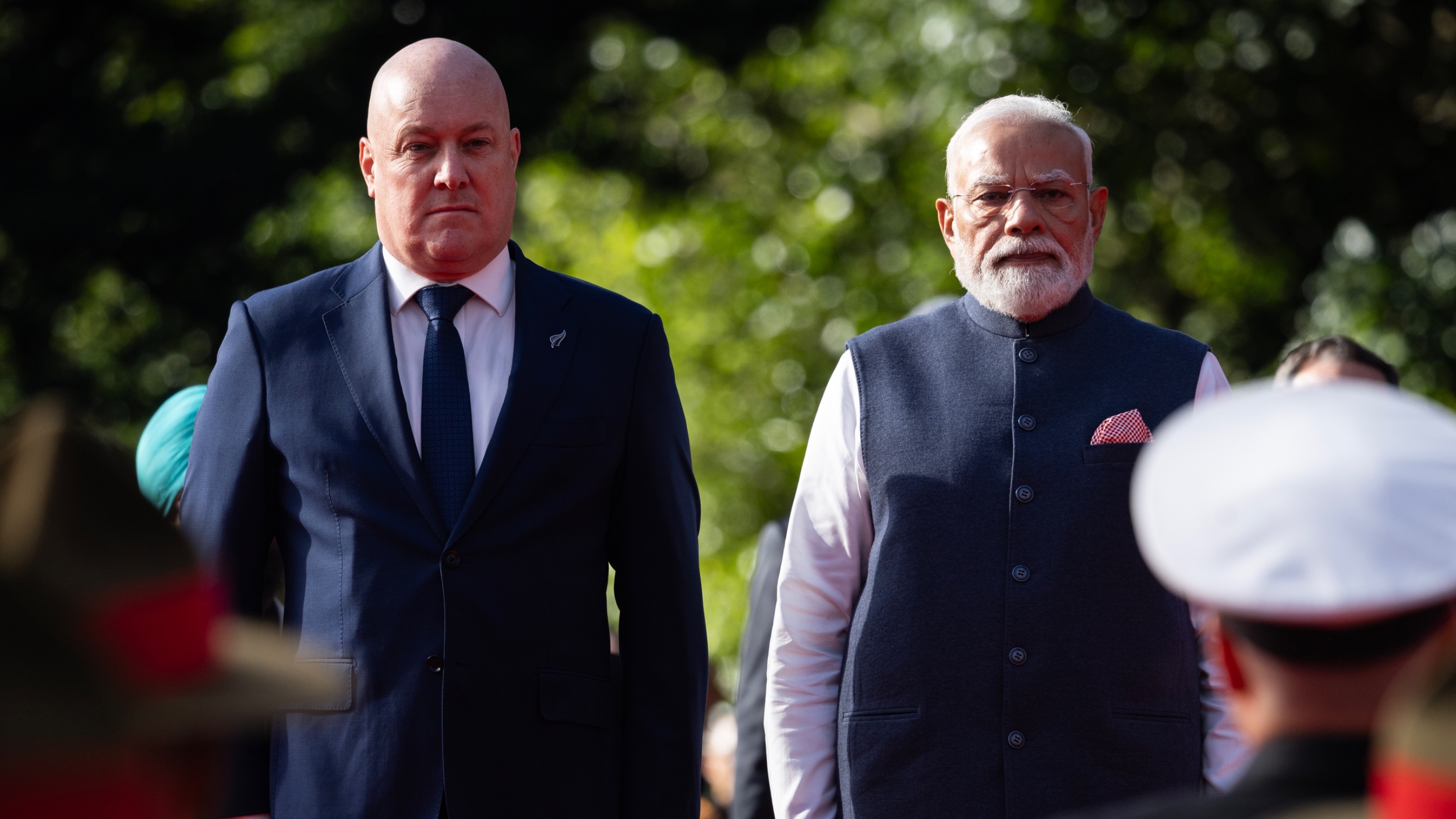
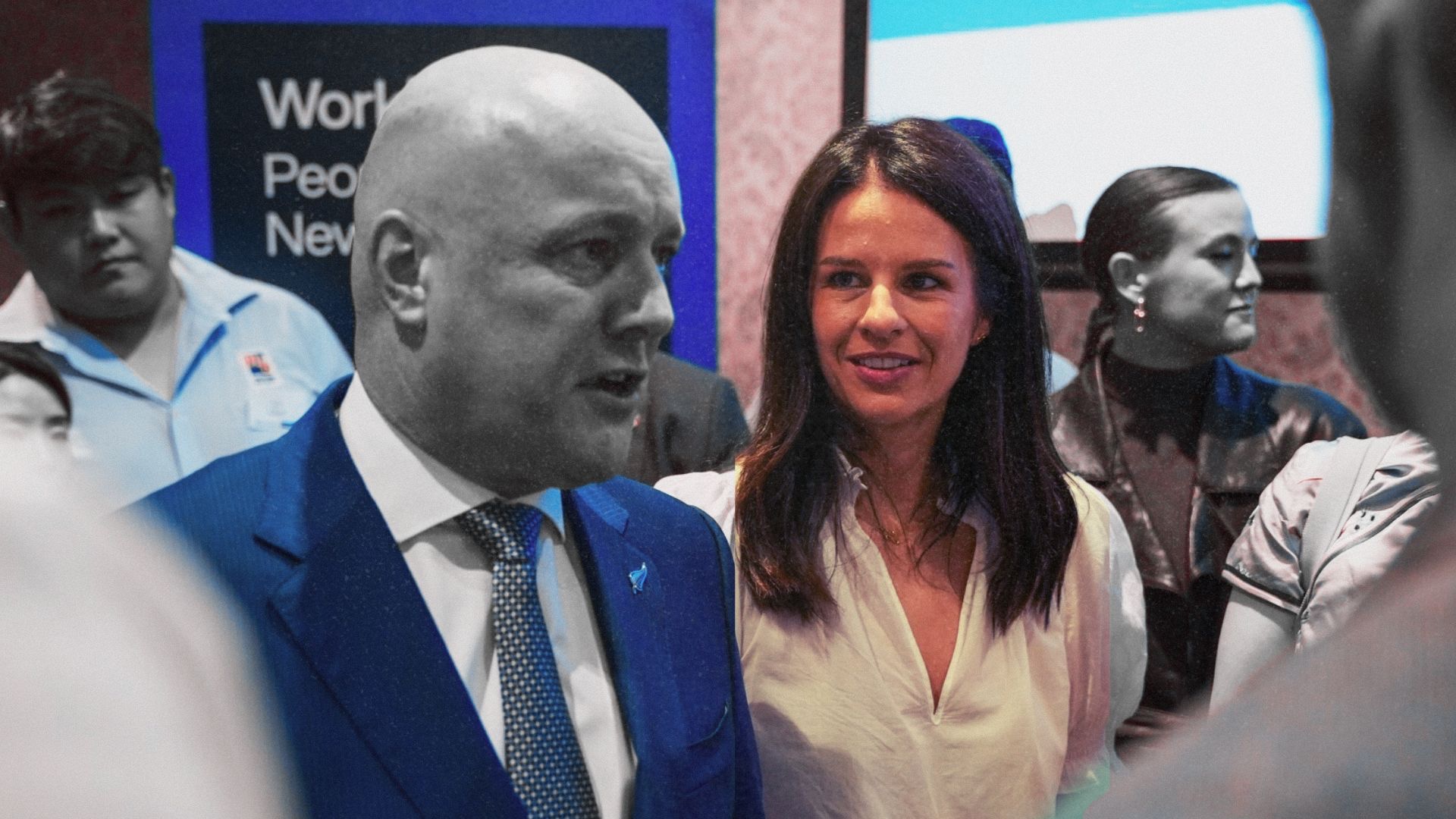
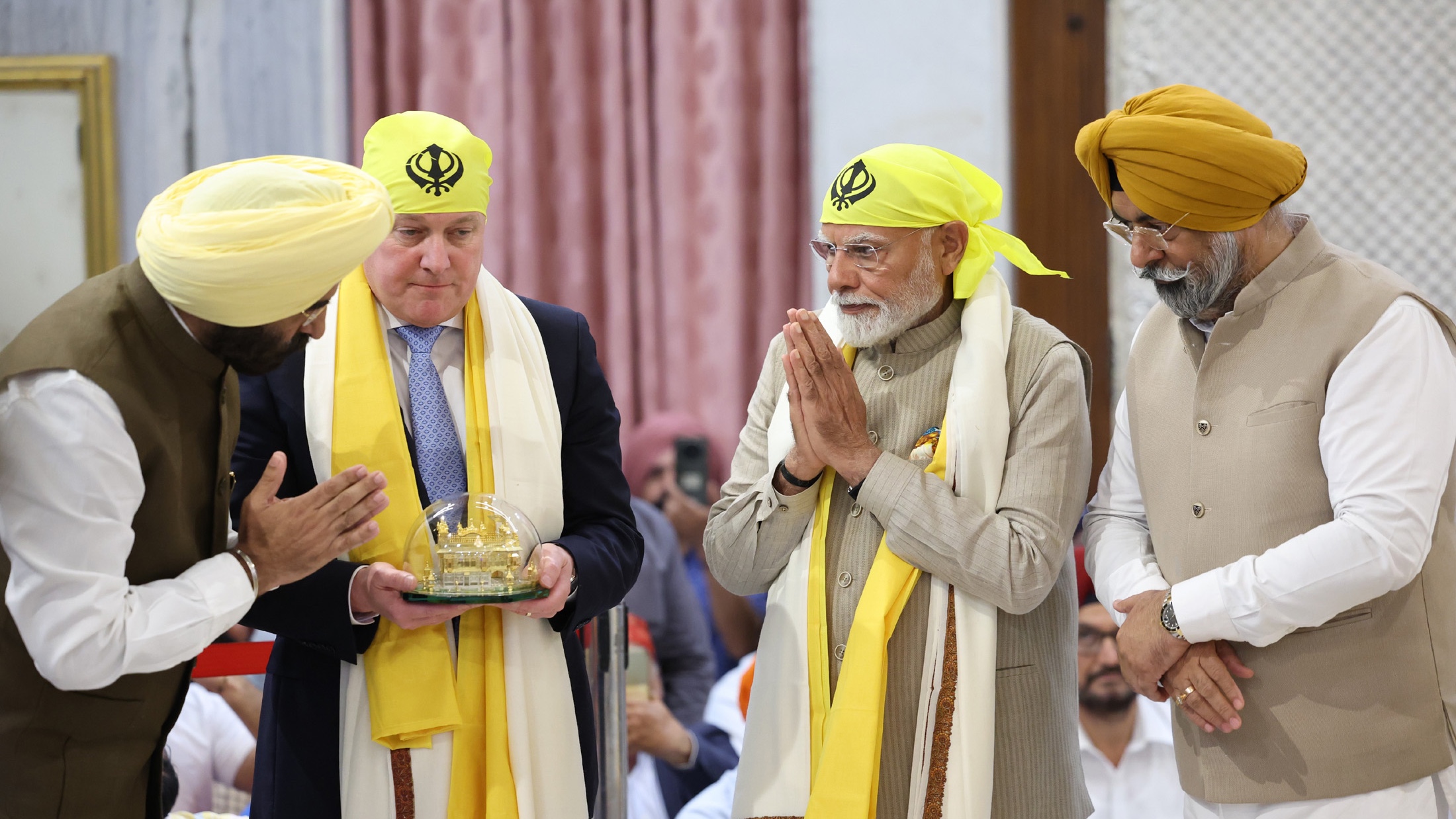
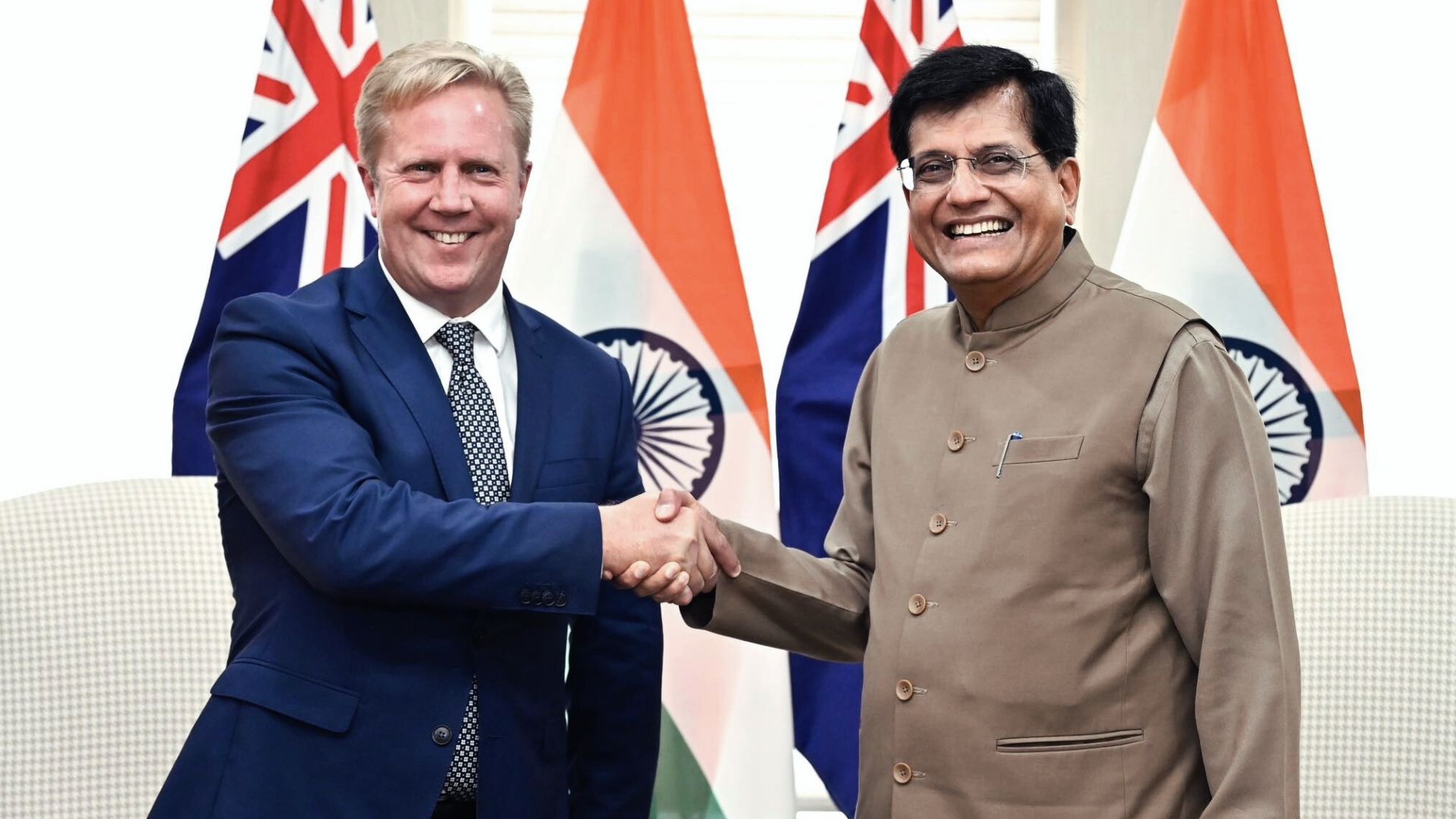
Radhakrishnan, who travelled with Luxon to India last year as the only Opposition MP when the two countries announced they were restarting FTA negotiations, said the government had heavily promoted the breakthrough as evidence of its own negotiating strength.
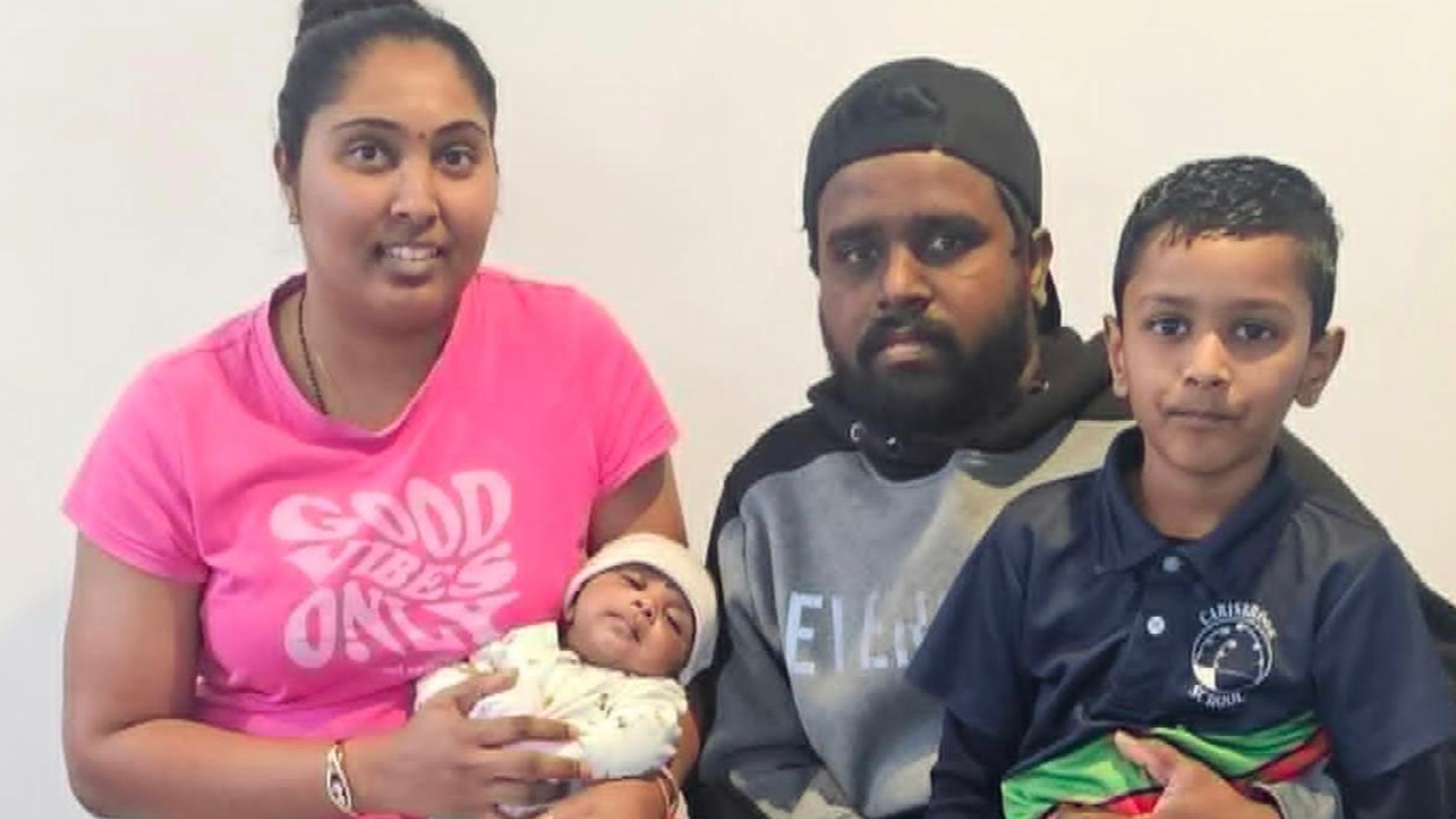
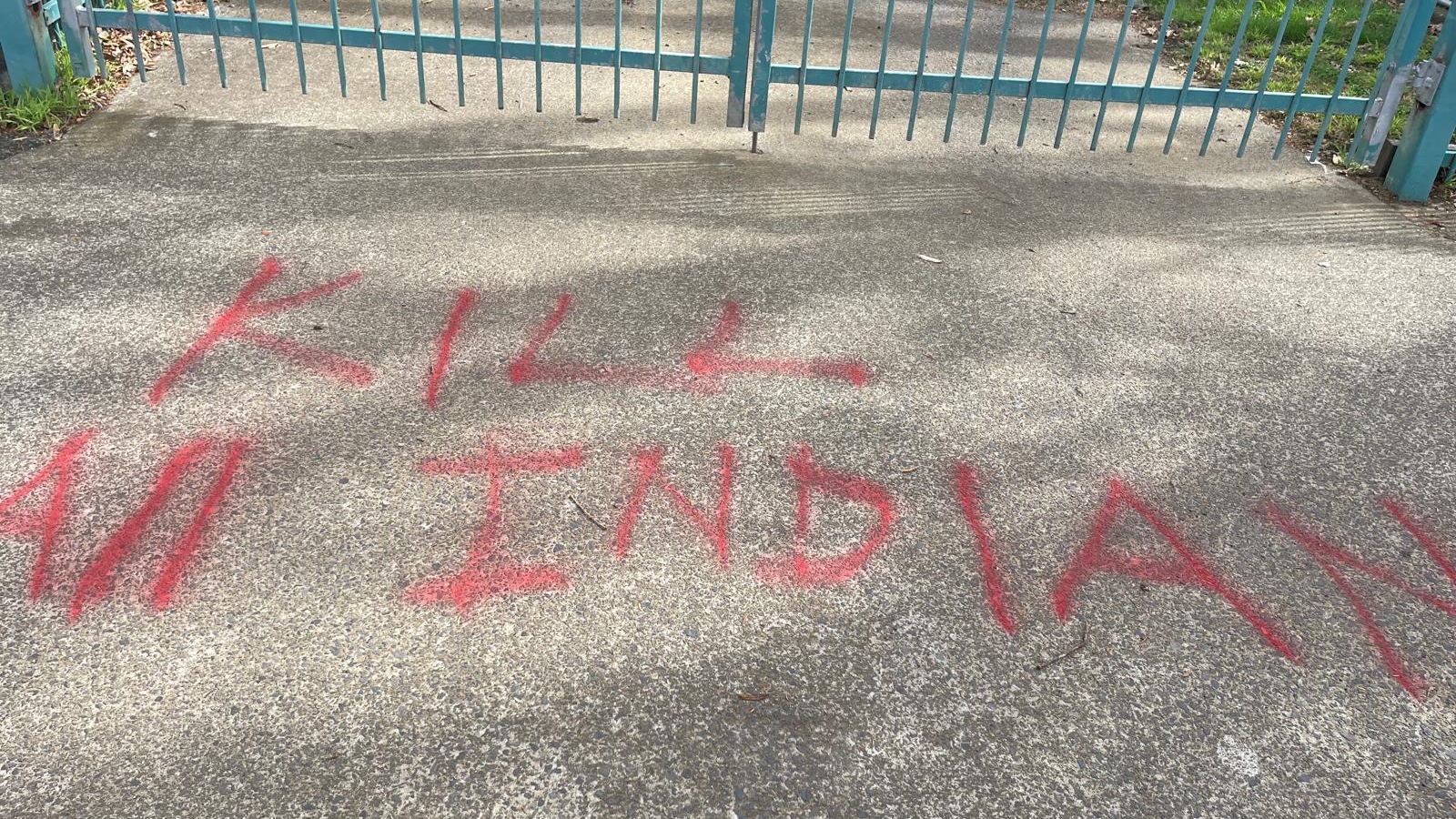
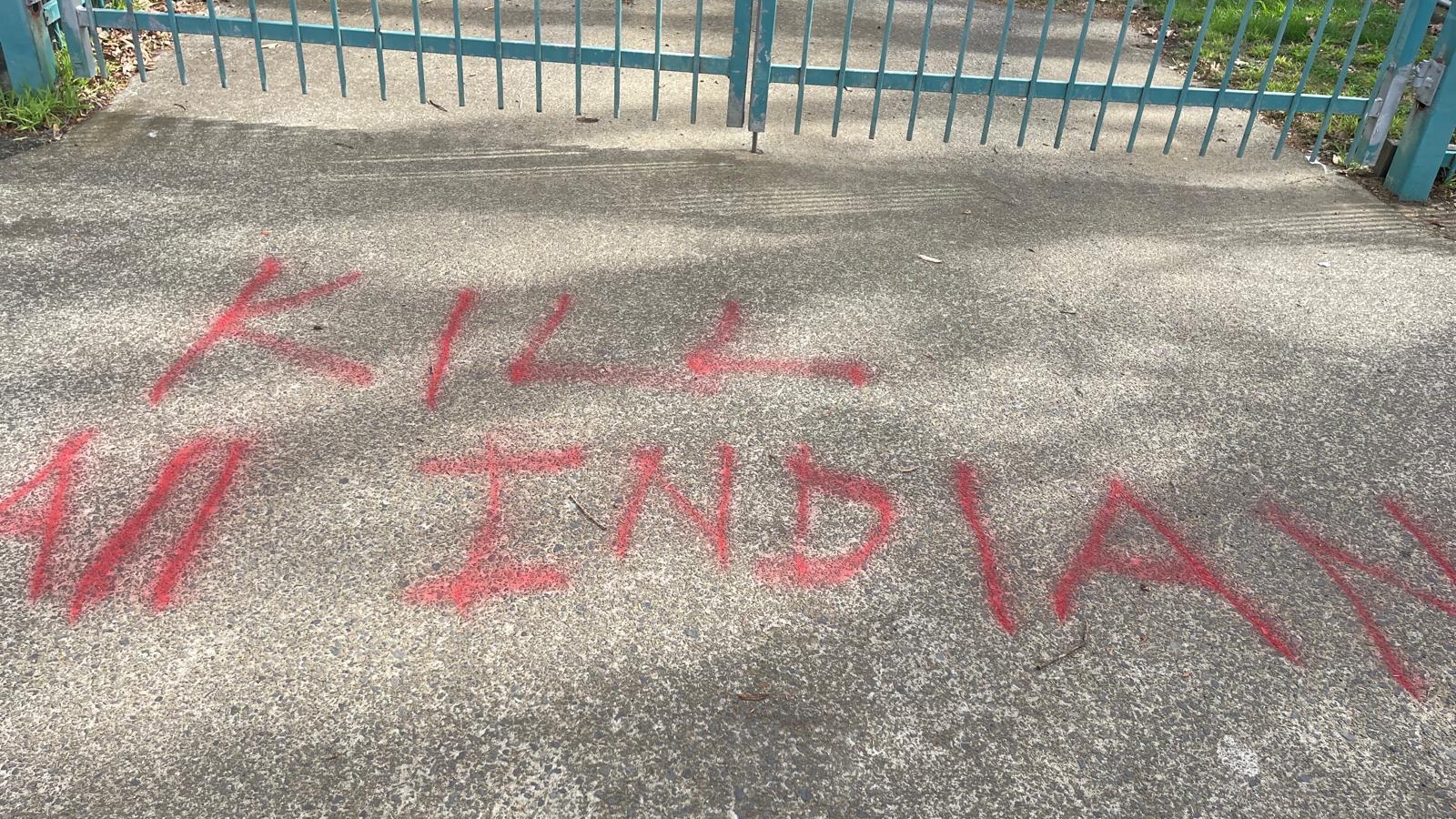
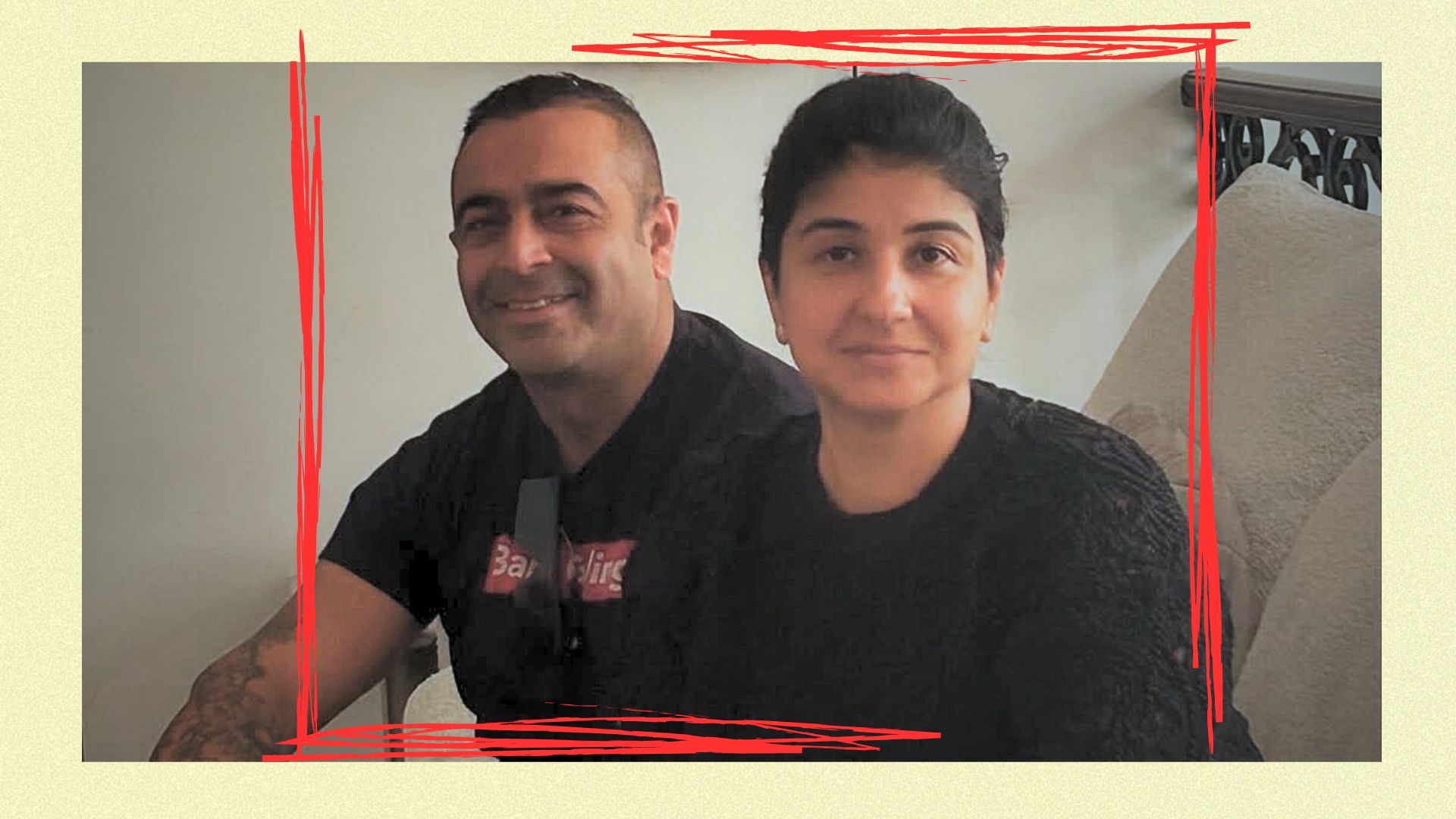
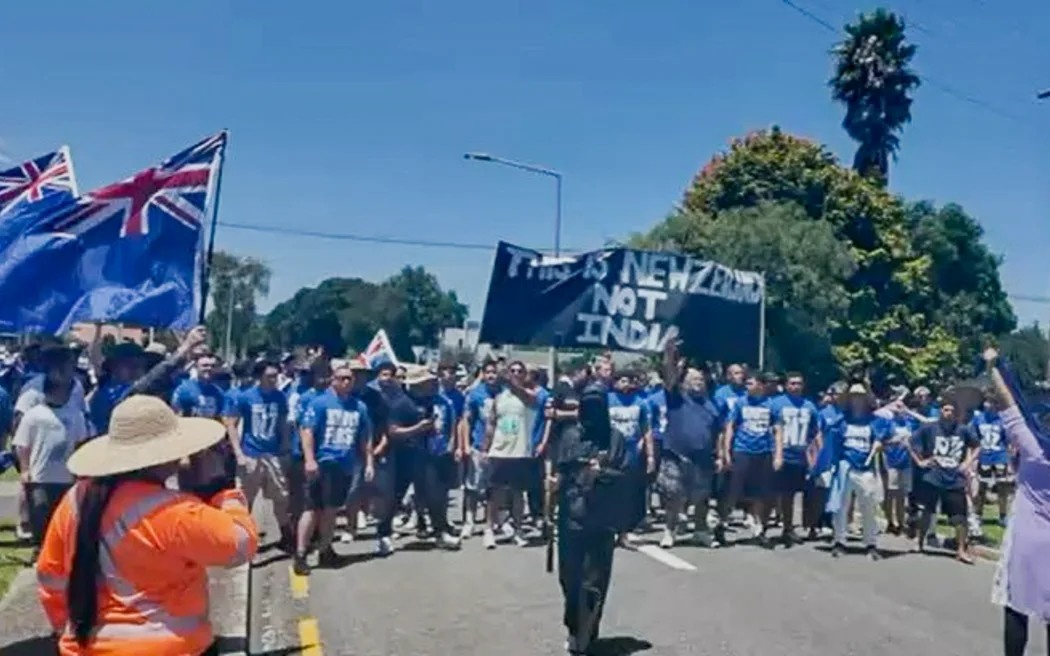
'Devastating': Indian family racially abused in Christchurch, hunt on to identify attacker “We’ll always be reminded of this, thanks to this man who thinks we don’t belong.”
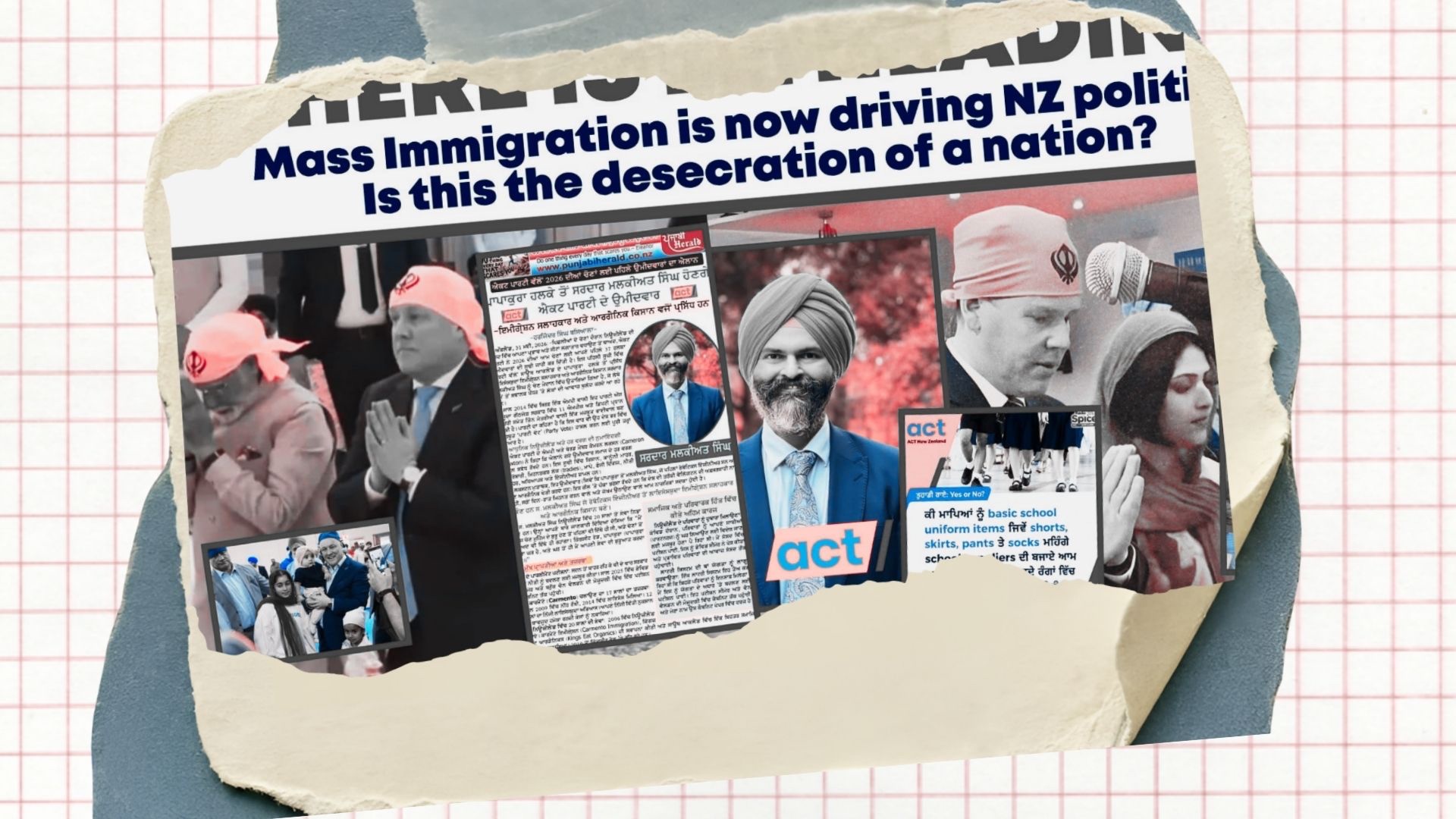
Immigration reset: National drops hints as parties on left and right target permanent residence New Zealand's permanent residence framework provides an edge over Australia and Canada in attracting overseas talent.
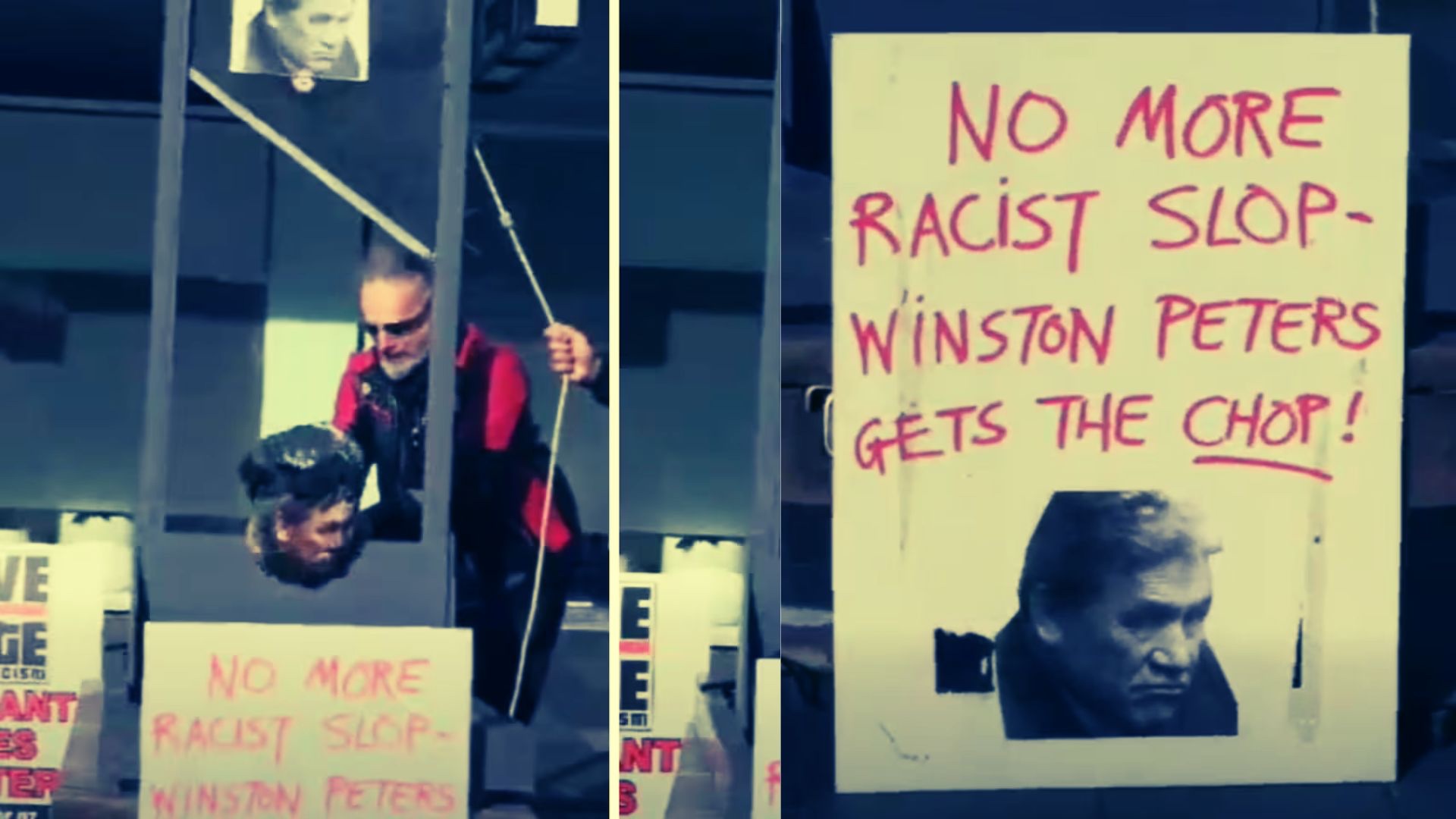
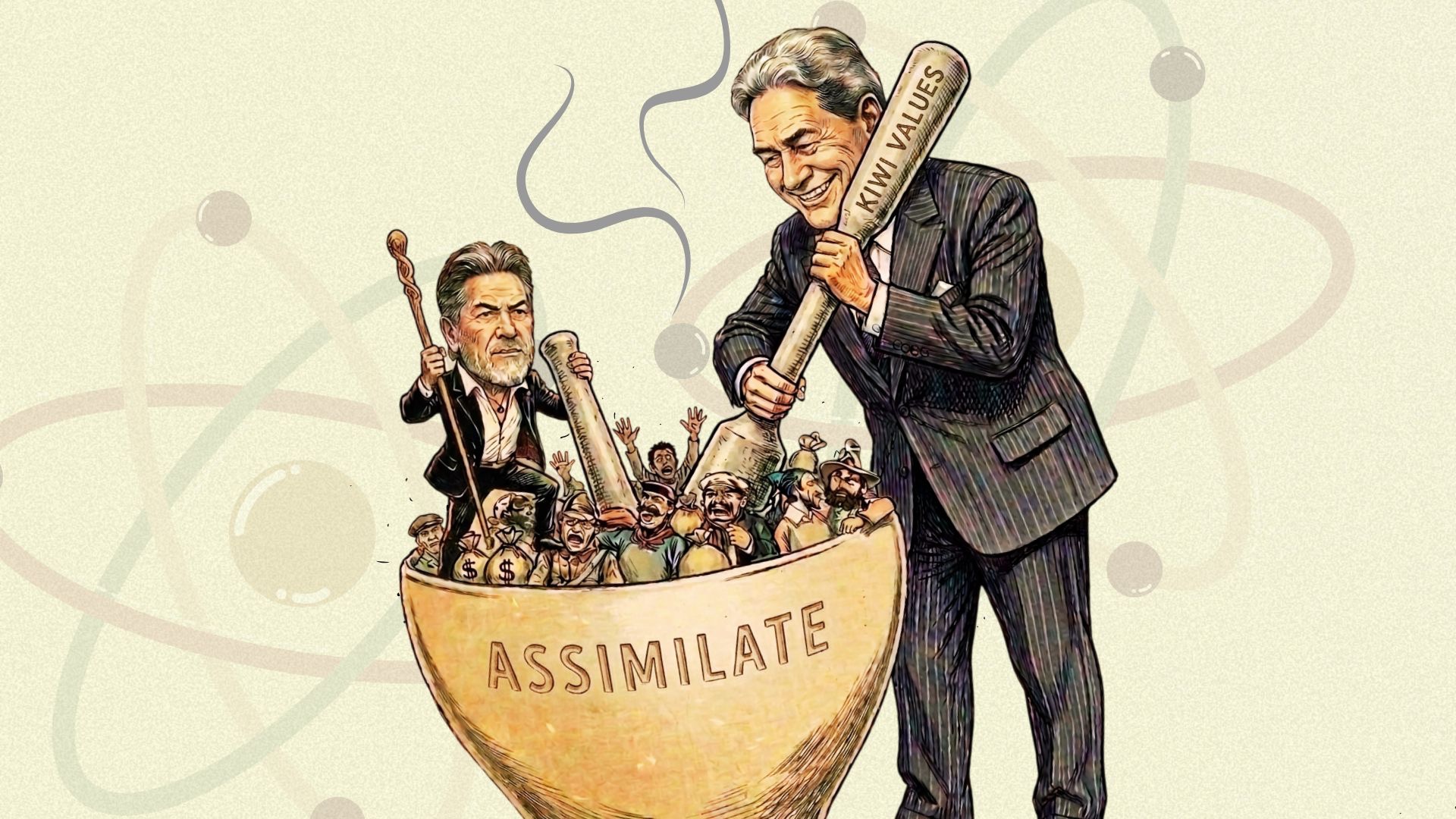
NZ First’s policy of division: Turning hatred of migrants into political power This is no immigration reform. It is the politics of exclusion presented as population planning.
“What we heard here was that the prime minister had made a commitment on the campaign trail that if National was elected, there would be an NZ-India FTA negotiated and concluded in the first term,” she said.
“And then the story that was sold was the power of this government’s negotiation powers, I guess, or the strength of this government’s negotiation powers, and how, in one year, they had done what no government before them had managed to do.”
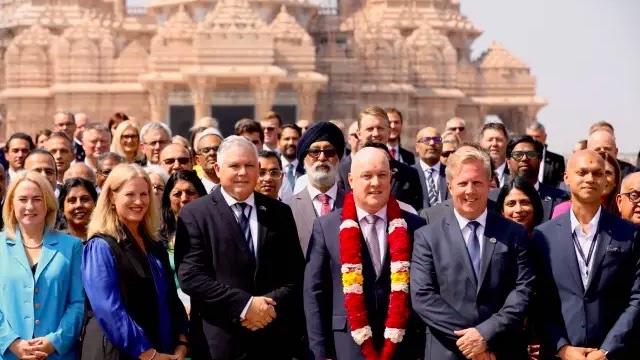
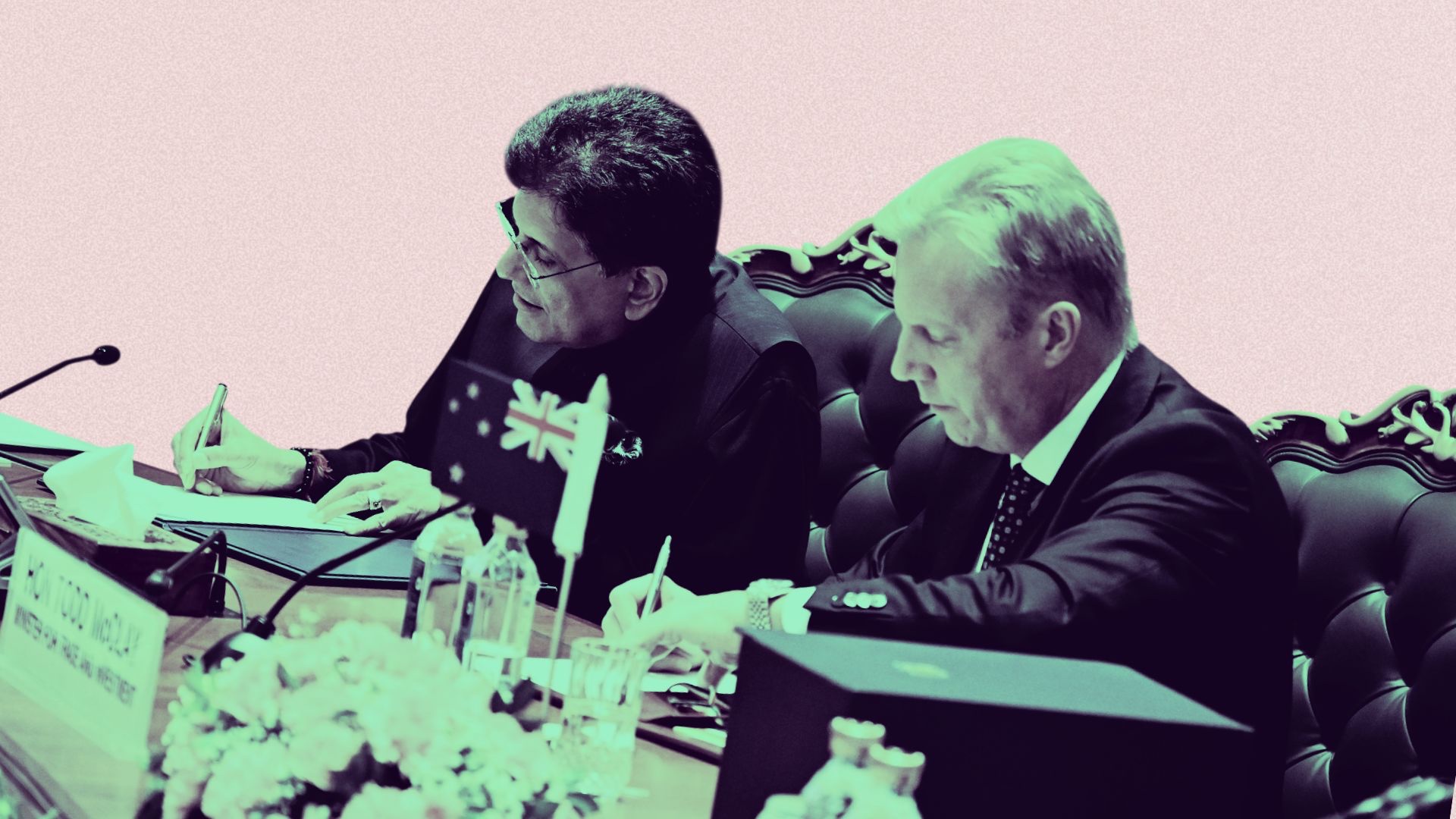
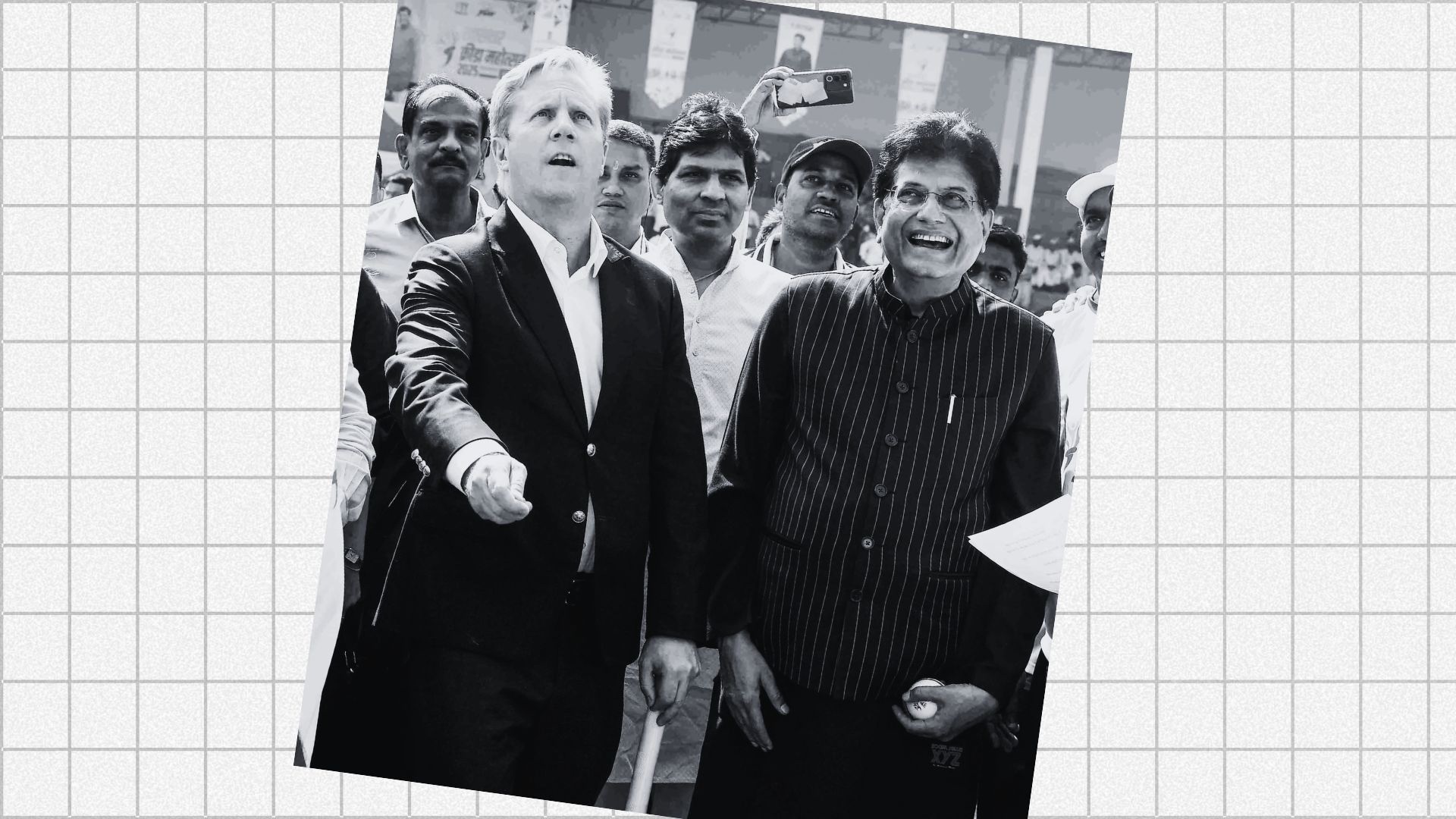
Priyanca Radhakrishnan (behind trade minister Todd McClay) in a group photo at New Delhi's Swaminarayan Akshardham Temple in March 2025. (Pool)
But Radhakrishnan said what she heard in India painted a different picture. “Everything that we heard over in India—the way the story was being told back in India—was that things had changed,” she said.
“Geopolitical shifts were happening and India needed to secure supply chains; India needed to diversify their trade.”
She said Indian exports had also been hit by US tariffs, adding to the pressure for the country to open new markets. “And so, in the last two years, India has been actively negotiating 10 free-trade agreements,” Radhakrishnan said.
“Things have changed quite dramatically on the Indian government side.”
She acknowledged those changes had benefited New Zealand, but rejected the suggestion the restart of negotiations was primarily a product of National’s negotiating prowess.
“There’s no doubt that that was to our benefit, but it wasn’t due to the strength of this government’s negotiation powers alone,” she said.
“I want to put that on the record, because that is the story that is being sold.”
Labour is supporting the agreement despite saying it is not the deal it would have negotiated.
Radhakrishnan said the agreement would give New Zealand exporters greater access to India and help businesses build a longer-term presence in the market, while warning that some of the gains may take time to emerge.
She also raised concerns about the agreement’s investment provisions and whether future governments would retain enough control over international student numbers.
Radhakrishnan pointed to the experience of Indian students under the previous National government, saying some families had sold land and houses to fund study in New Zealand, only for students to end up with poor-quality qualifications that did not lead to jobs and left some vulnerable to exploitation.
“We want to make sure that there are protections—that we don’t stray into that territory,” she said.
“It’s bad for us and New Zealand’s reputation, but it’s also bad for the migrants and the students who come to New Zealand to study and to work here.”

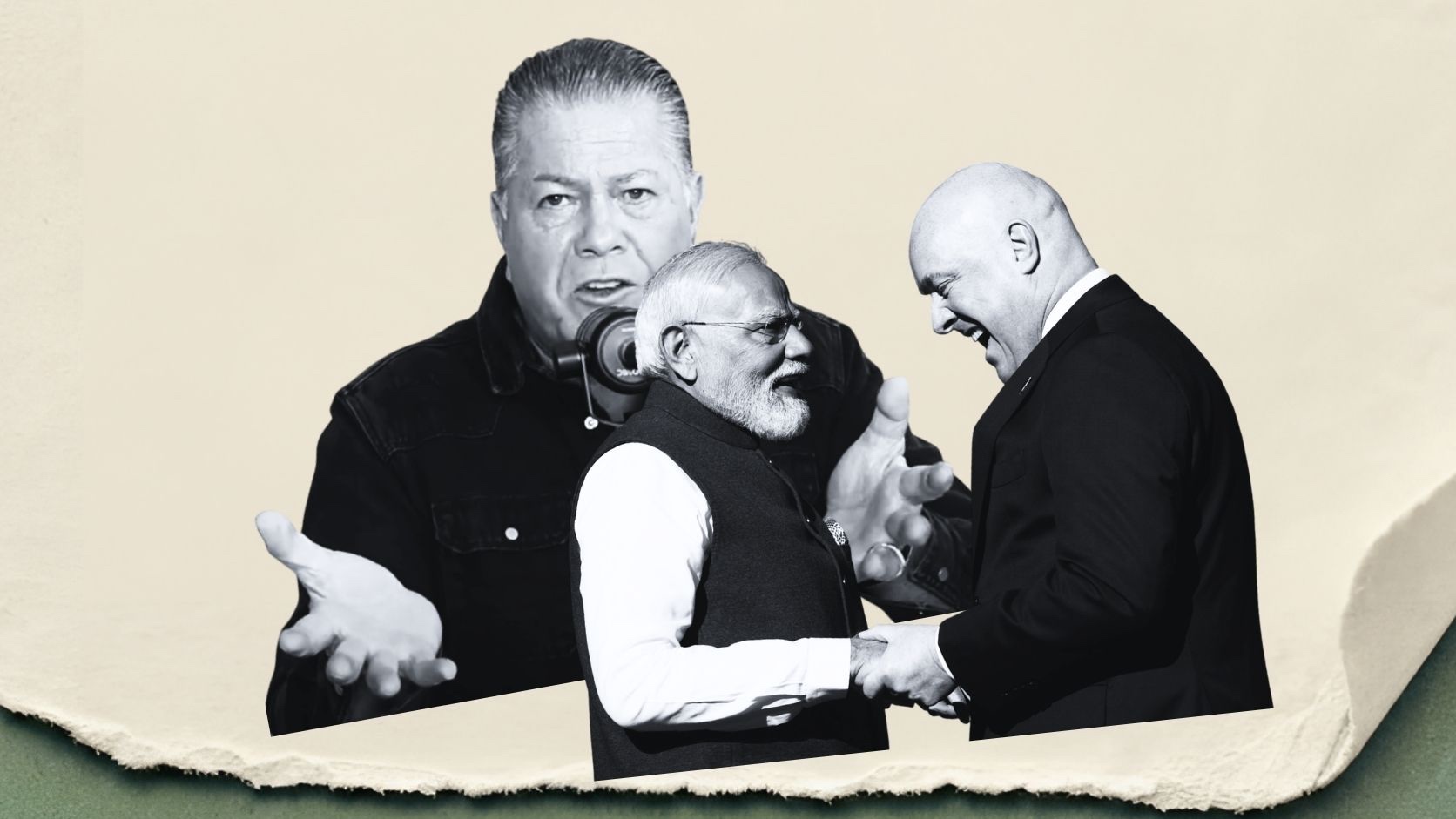
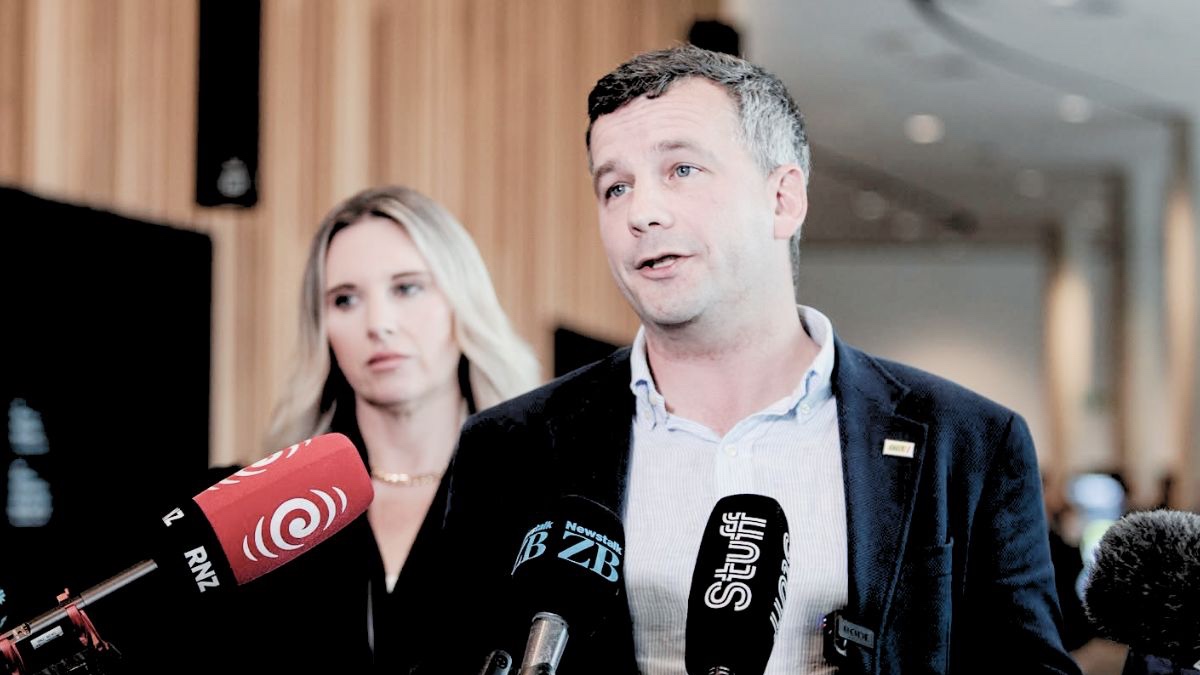
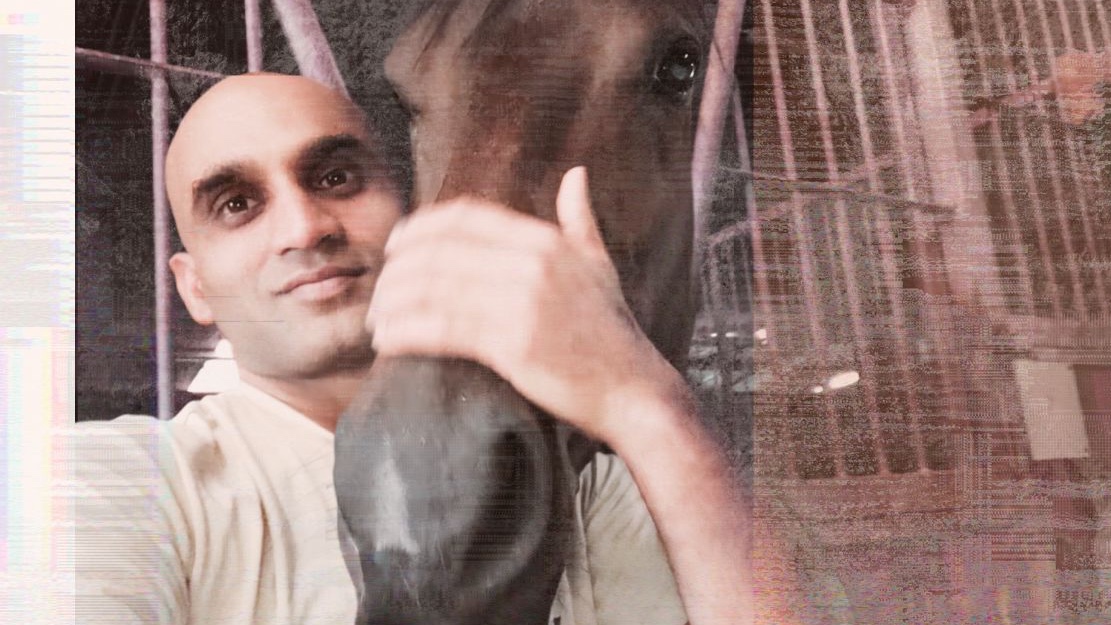
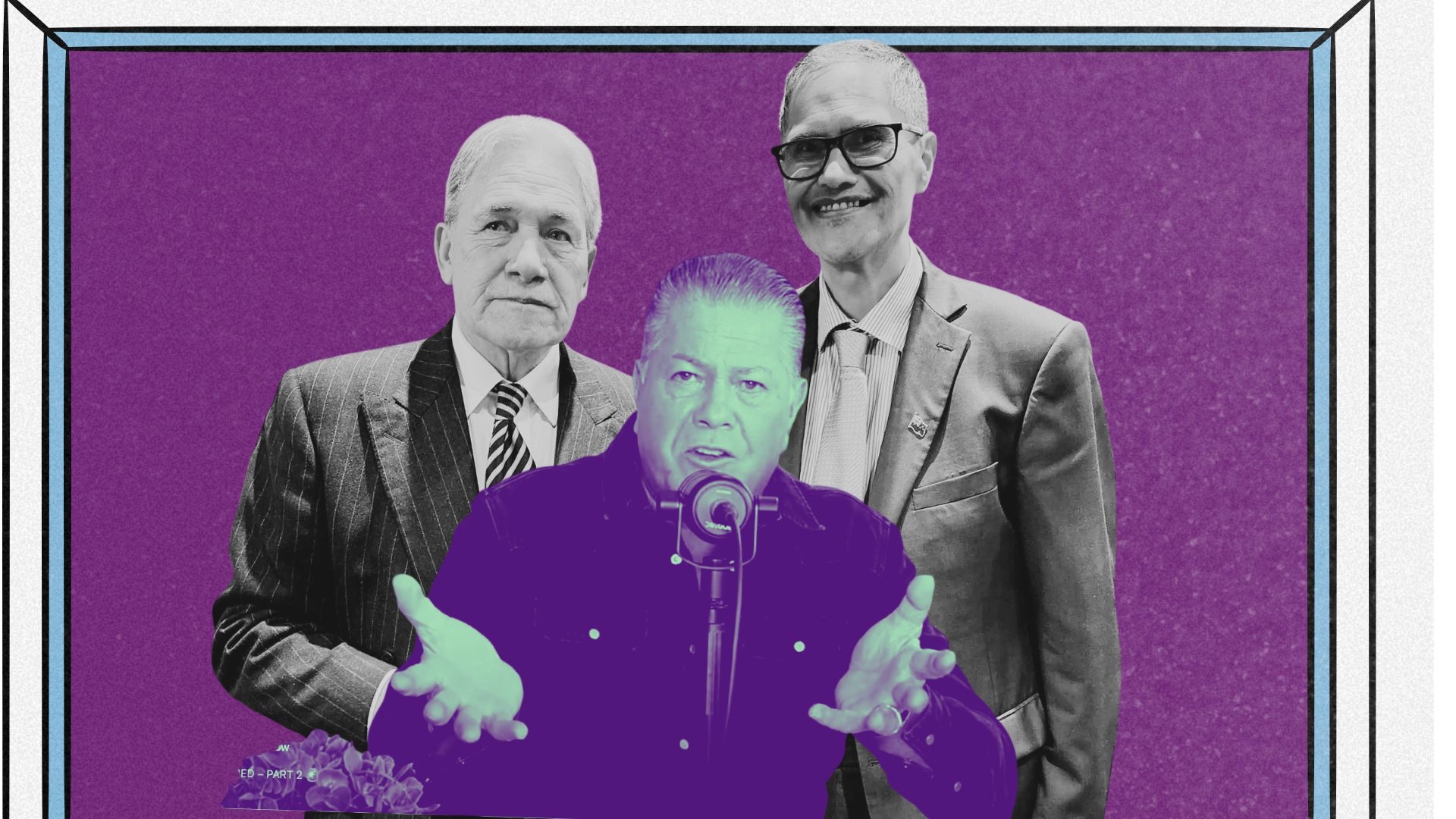
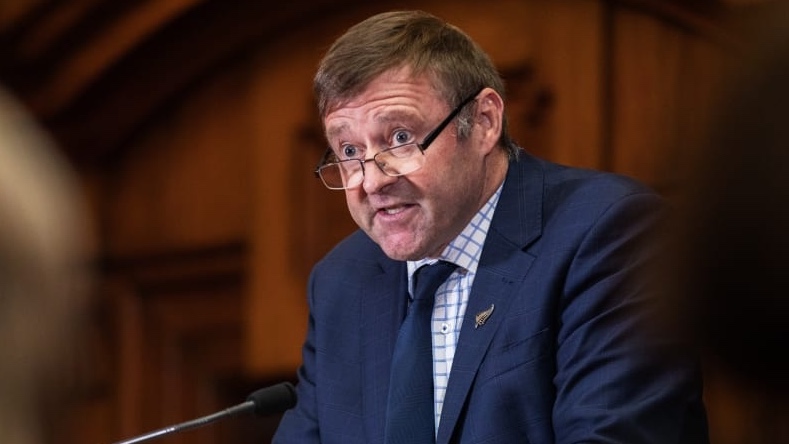
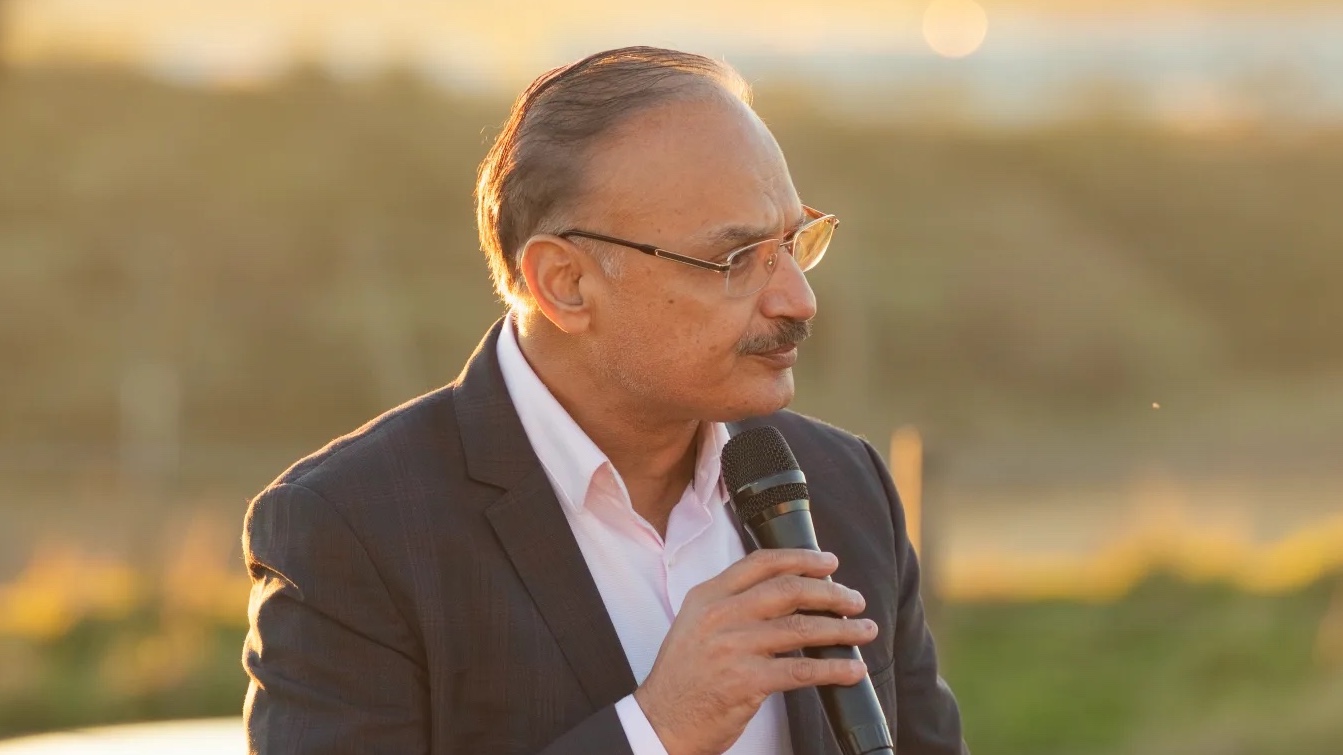
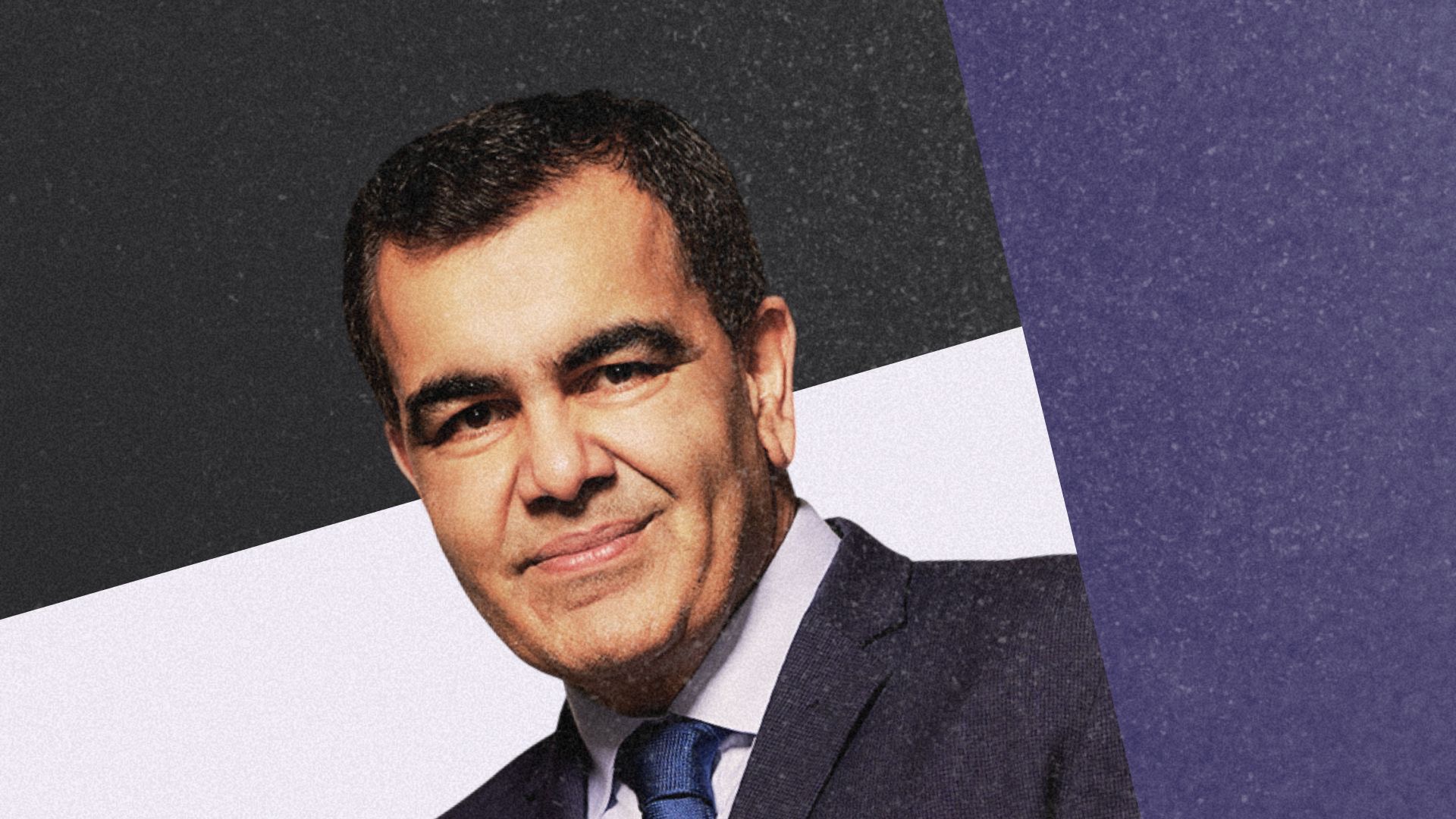
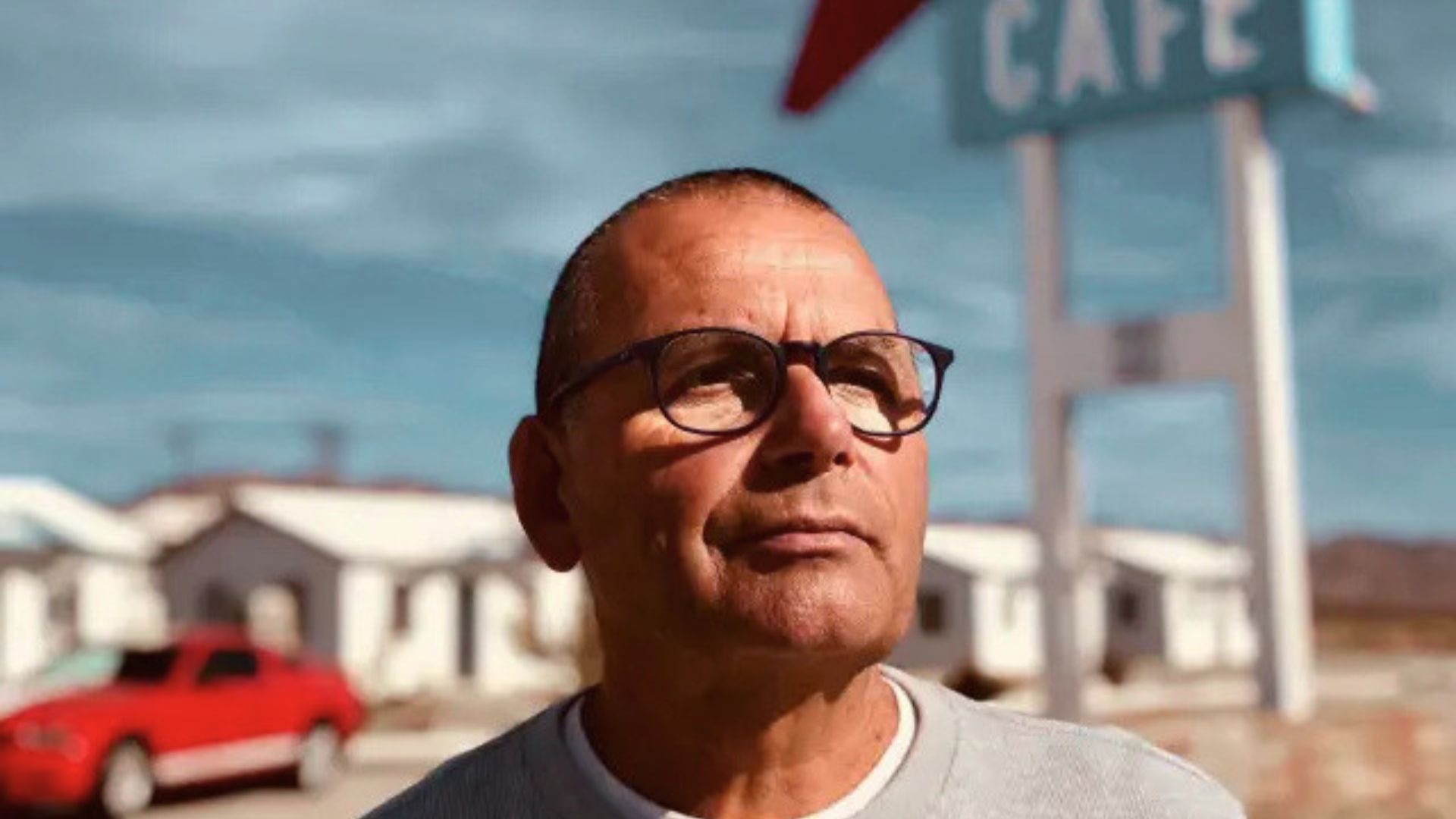
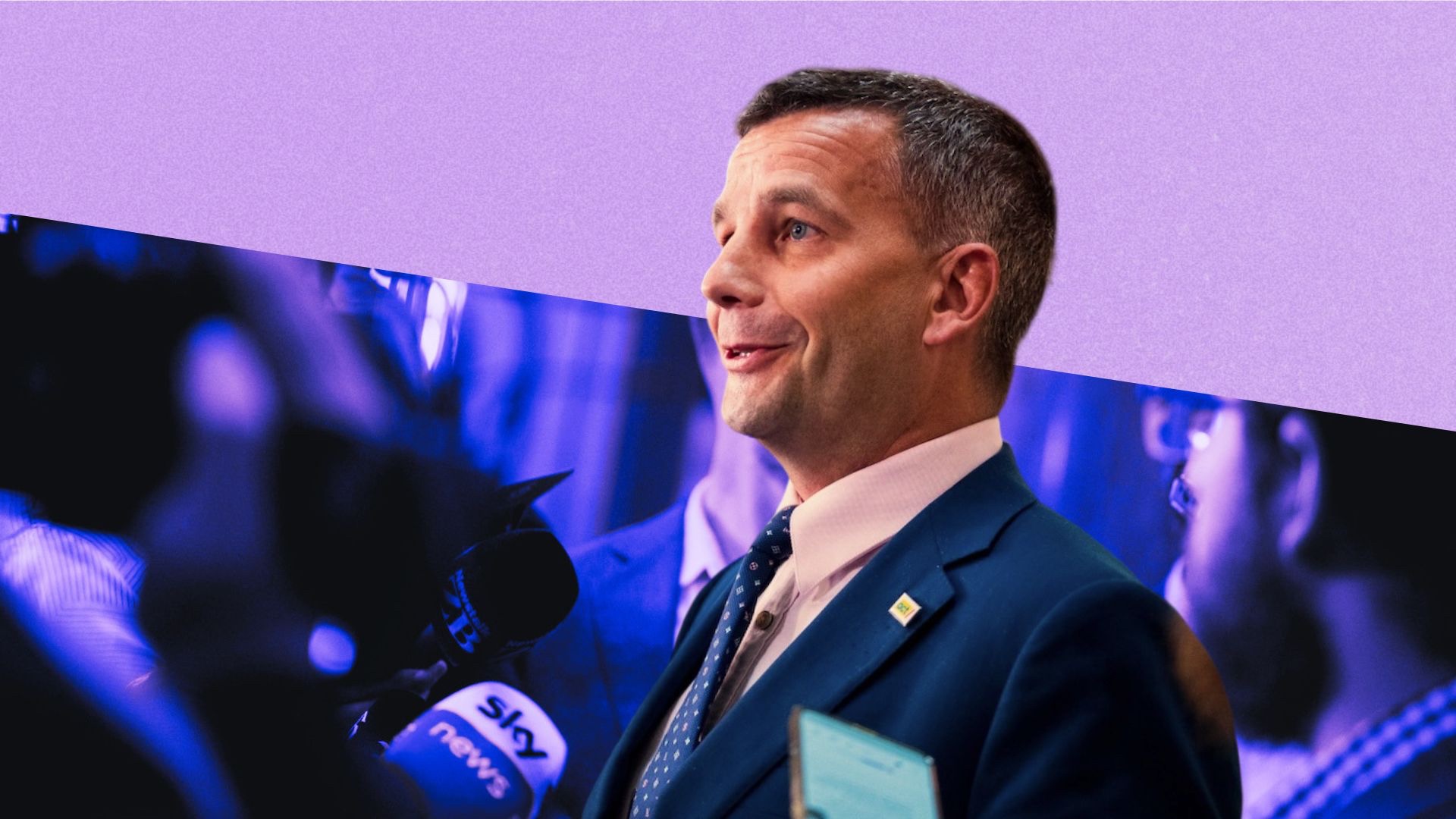
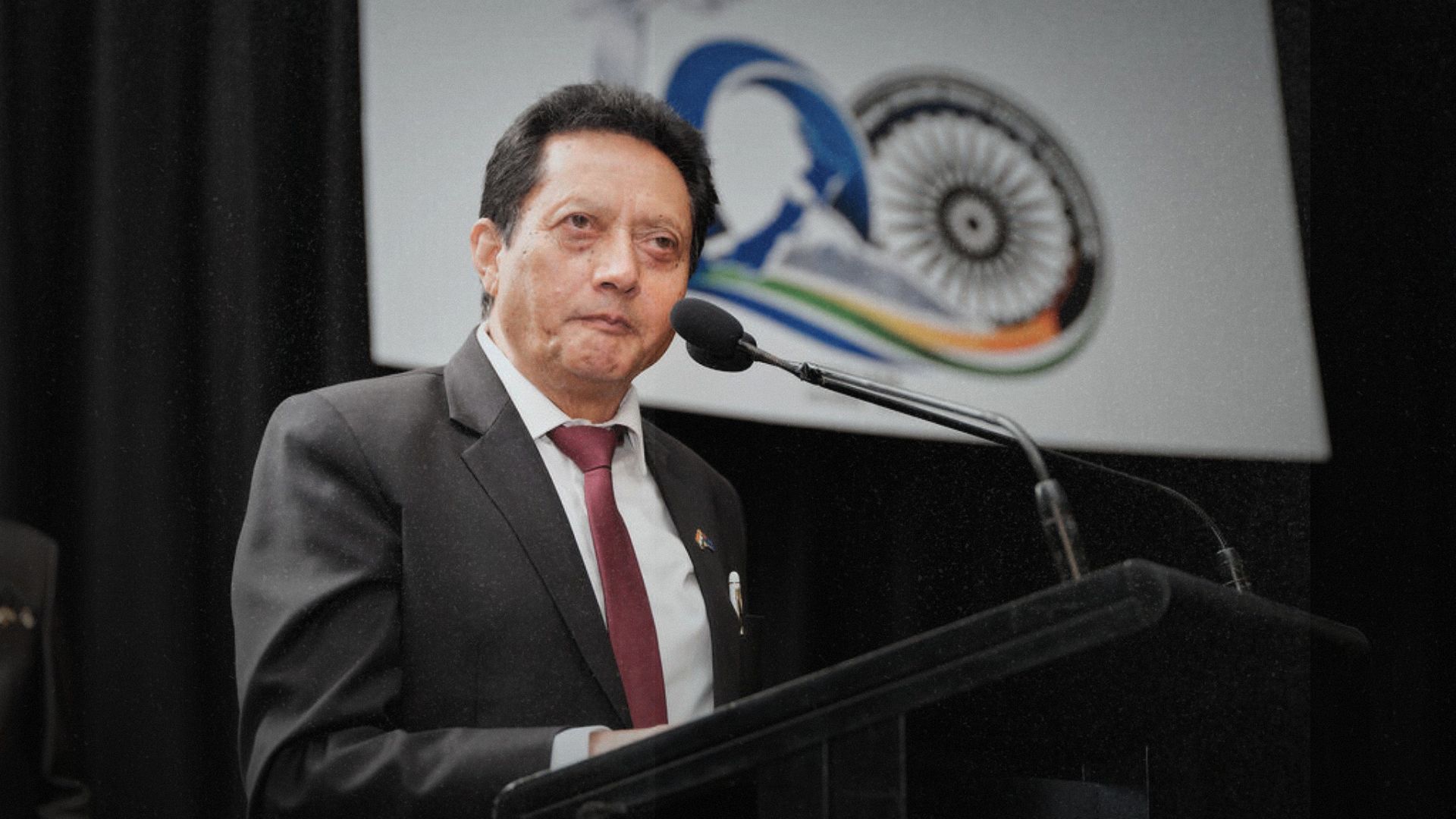
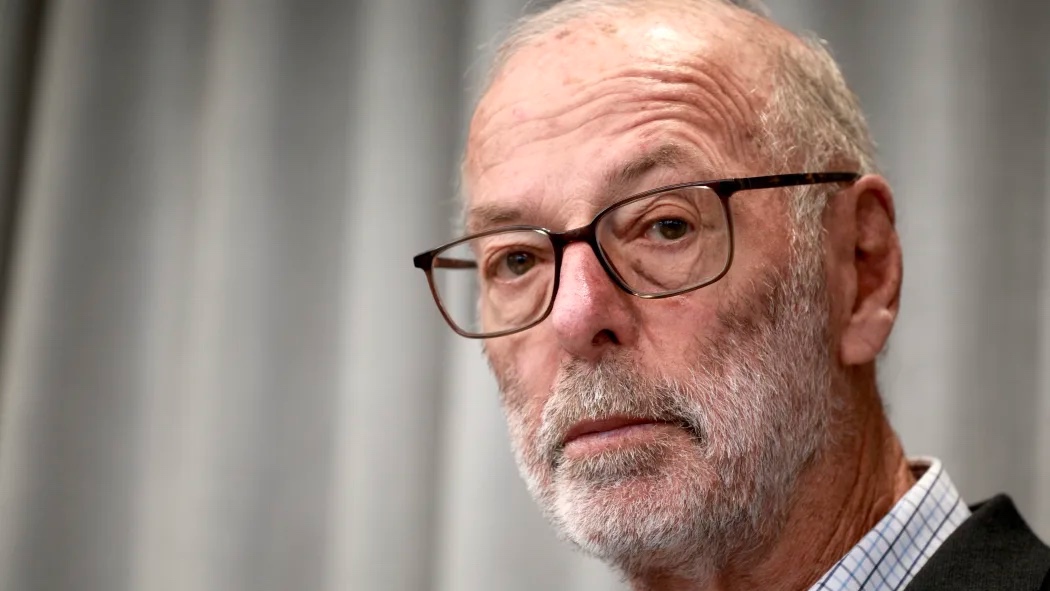
New Zealand First MP David Wilson. (Supplied photo)
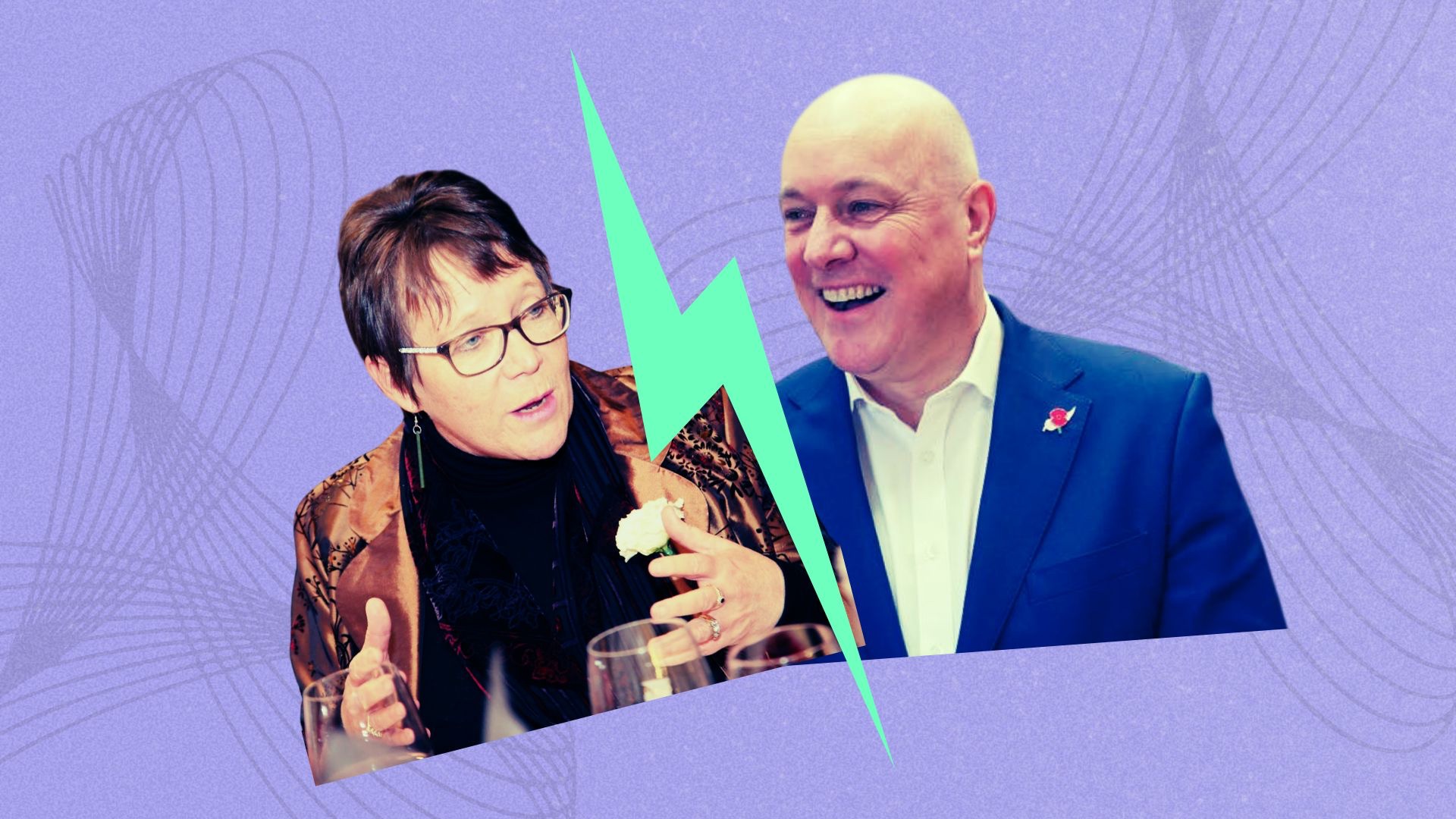
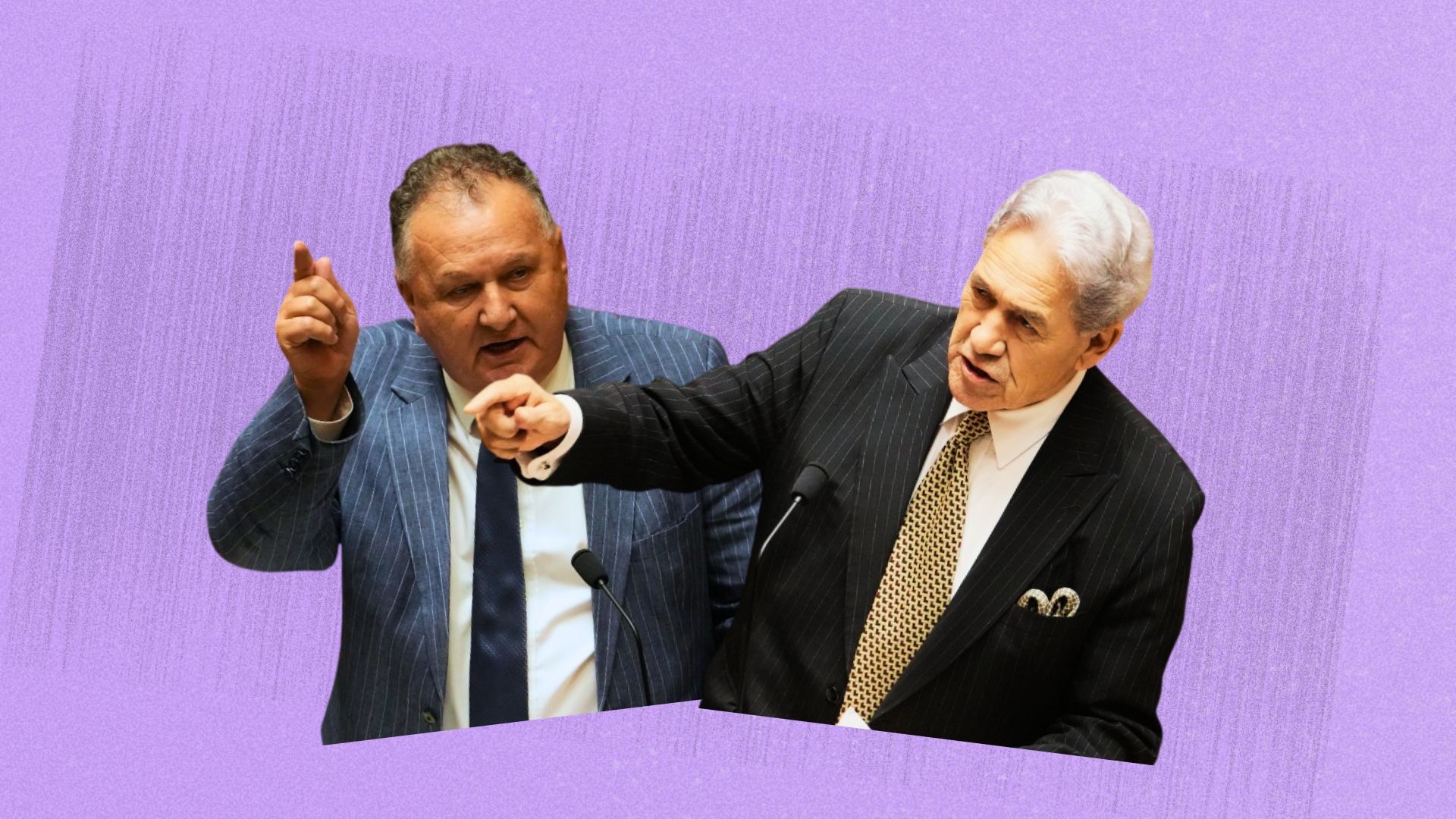
Towards the end of her speech, Radhakrishnan also turned on New Zealand First over its warnings about migration provisions in the FTA.
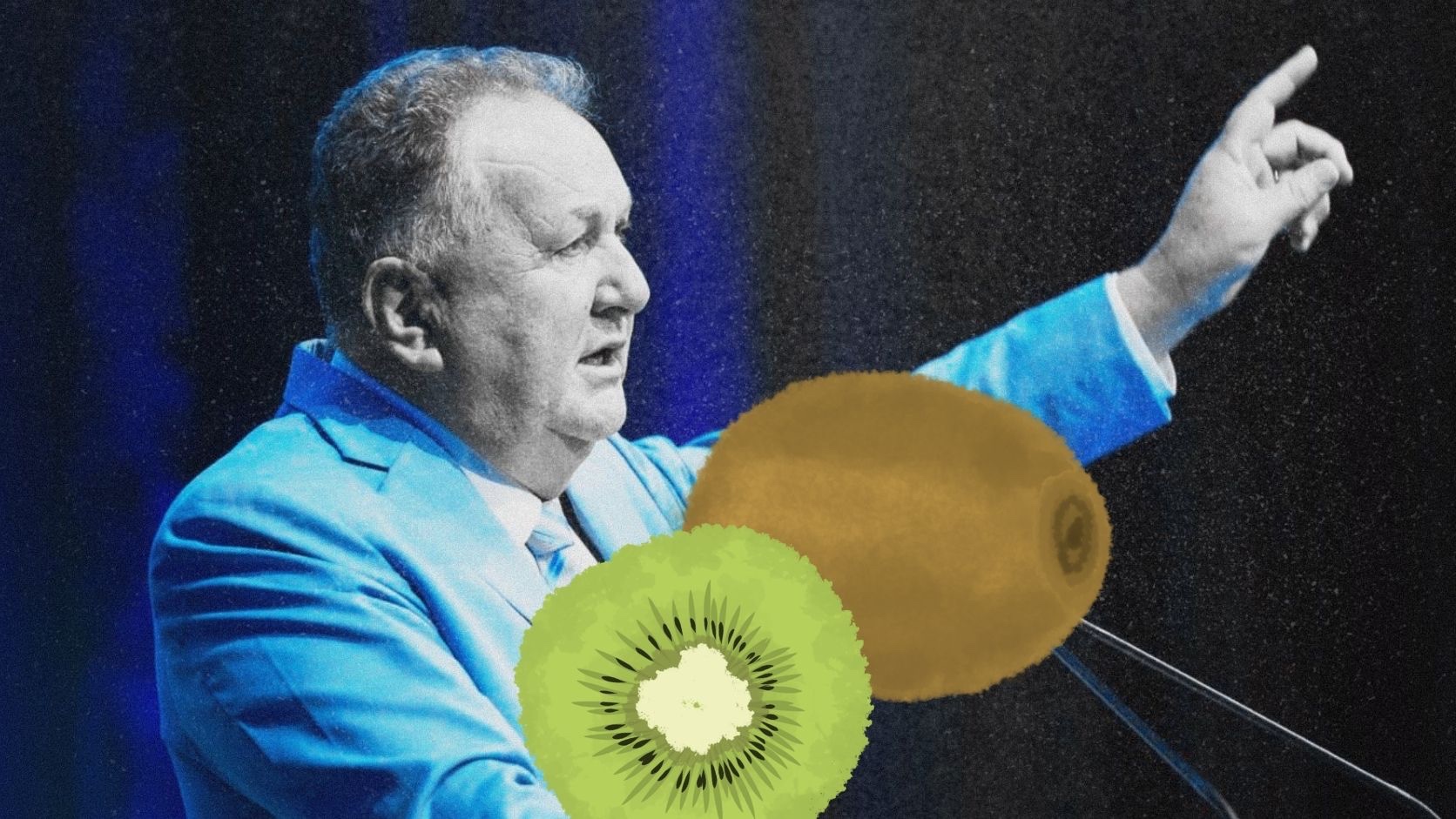
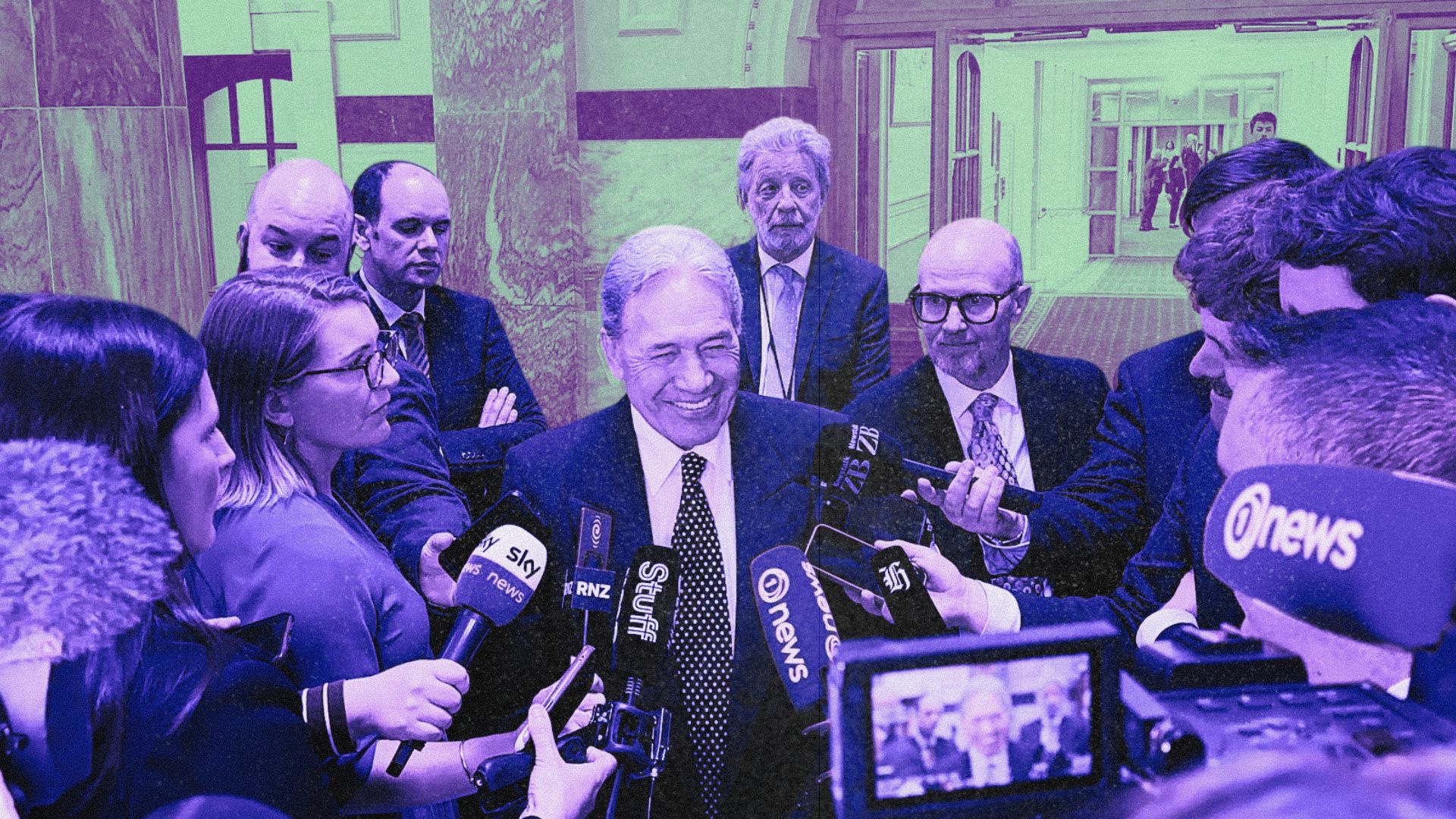
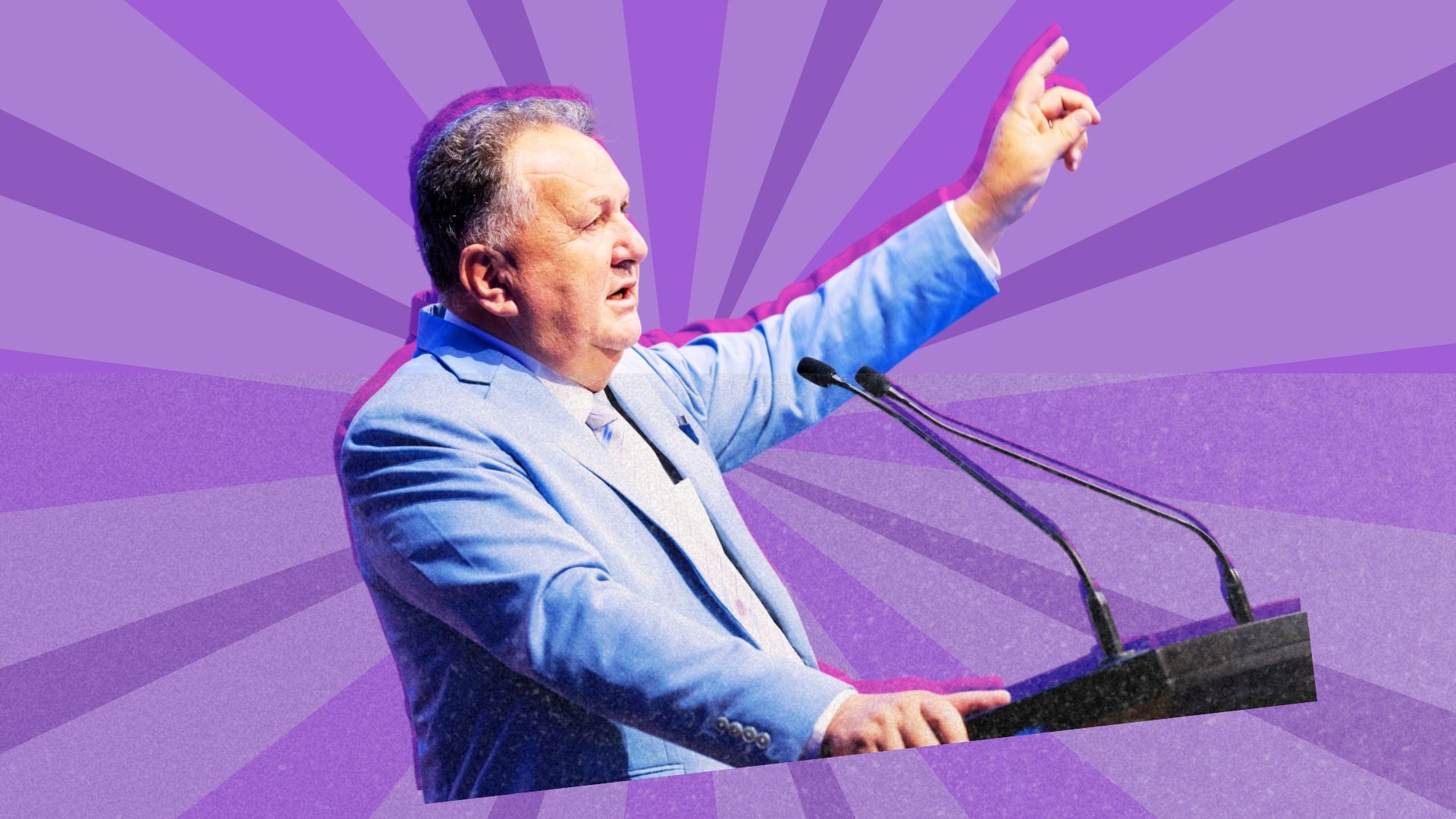
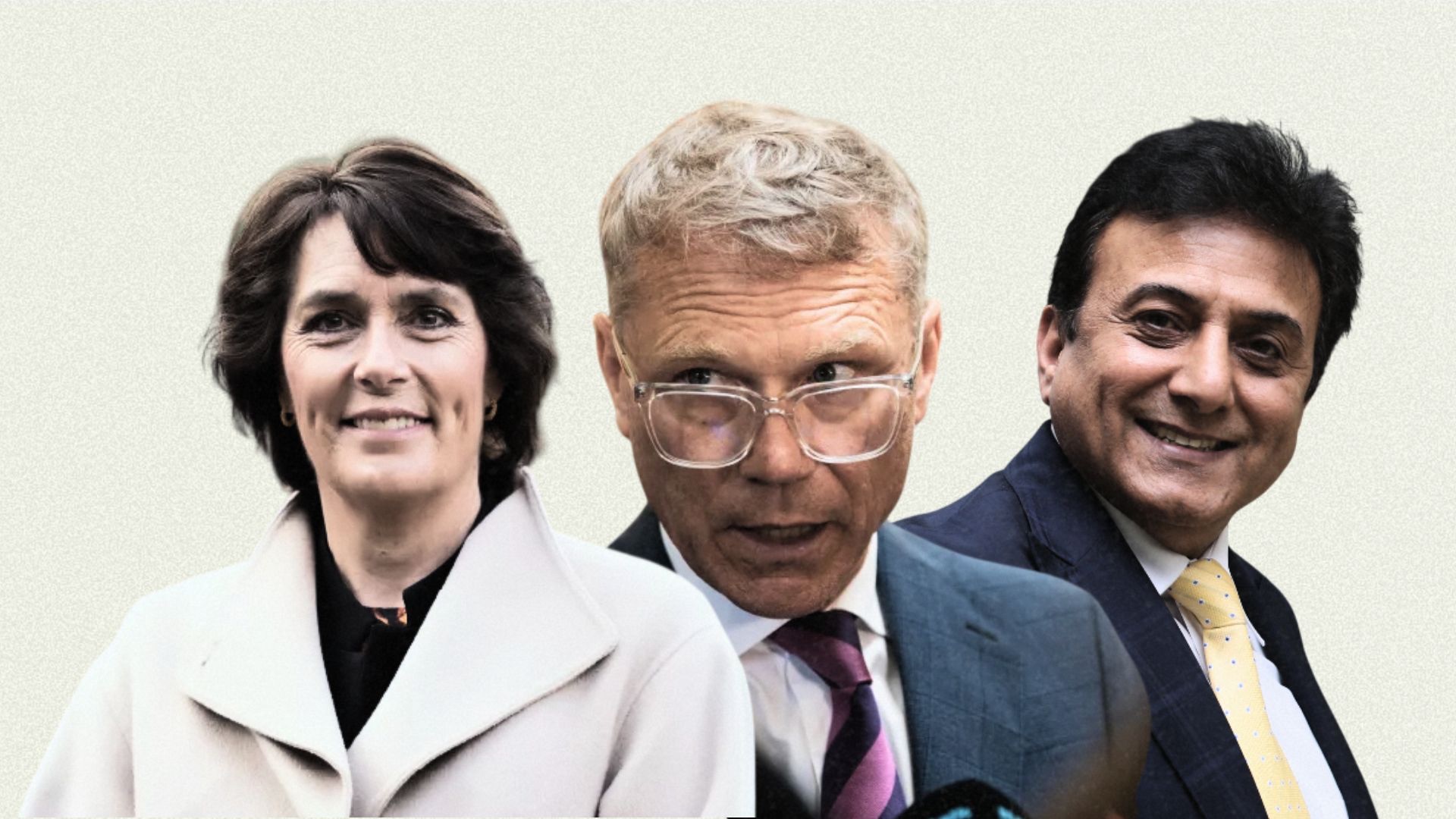
NZ First MP David Wilson had argued the agreement contained “uncapped and open-ended migration pathways” that could put pressure on housing, infrastructure, services, jobs and social cohesion.
Radhakrishnan rejected that characterisation. “We know this is not open-slather immigration,” she said.
She accused New Zealand First of using the agreement to “scaremonger” about immigration. “It is false. It is dangerous. It has harmed Kiwi-Indian communities and made all of us feel much less safe.”
Radhakrishnan also hit back at Wilson’s reference to social cohesion, calling it “laughable” and accusing NZ First of contributing to “a huge amount of hate towards our communities” through what she described as an irresponsible narrative around the agreement.