
Christchurch motel convicted of exploiting migrants received $1.27m in government grants

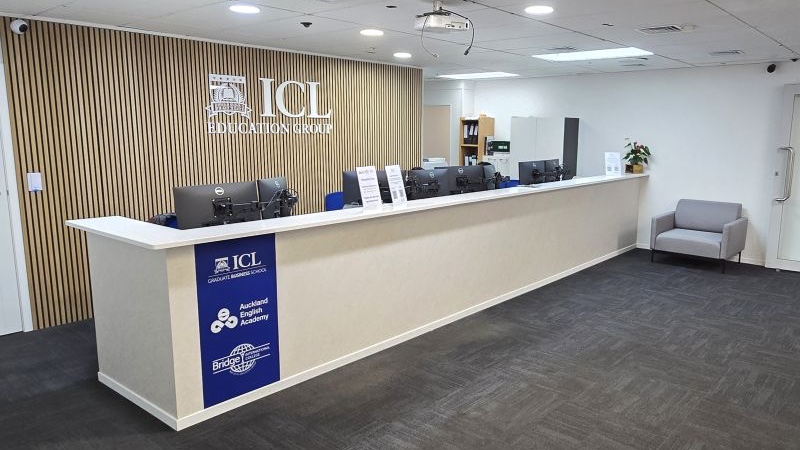
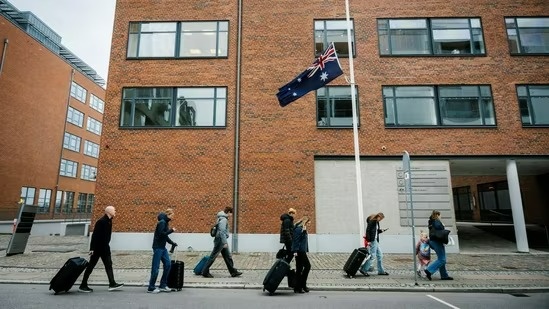
The offending at 315 Motel Riccarton involved four migrant workers employed as motel managers. (Supplied photo)
Despite working between 84 and 98 hours each week, the workers were generally paid for only 40 hours.
A Christchurch motel company that made migrant workers put in up to 98 hours a week while paying them for just 40 was also benefiting from taxpayer-funded emergency accommodation.
The company, now convicted of exploiting four migrant workers, was approved for more than $1.27 million in government emergency housing grants over an 18-month period that partly overlapped with the offending.
Fei Huang Teng Da Ltd, which traded as 315 Motel Riccarton, was recorded as receiving nearly $1,275,597.53 in emergency housing grants between April 2021 and September 2022, according to figures released by the Ministry of Social Development (MSD) under the Official Information Act.


The money came through the government's Emergency Housing Special Needs Grant scheme, which funded temporary accommodation for people and families with nowhere else to stay.
During the first nine months of the period covered by the MSD figures, the motel company has now been found to have exploited migrant employees who lived and worked on its premises.
Christchurch motel convicted of exploiting migrants received $1.27m in government grants Despite working between 84 and 98 hours each week, the workers were generally paid for only 40 hours.
India's U20 women's rugby team stuns Māori sevens side 17–0 in historic victory A dominant defensive display in Bihar gave India's young women a landmark win during a centenary sporting exchange.
Inside Qiulae Wong's quest to become the first Asian leader of a political party in Parliament Opportunity leader speaks about racism, immigration, coalition negotiations and her commitment to the party beyond the election.
The company's owner and operator, Jian Li, was sentenced to seven and a half months' home detention in the Christchurch District Court on October 28, 2026, after pleading guilty to seven migrant exploitation charges under the Immigration Act 2009.
The company had earlier pleaded guilty to seven charges and was sentenced on May 29, 2026, while Li was overseas. It was ordered to pay $115,077.26 in reparations to the workers.
According to Immigration New Zealand (INZ), the offending involved four migrant workers employed as motel managers between February 2017 and December 2021.
They were required to live on the premises and effectively run the motel, staffing reception from 7.30am until 9.30pm, seven days a week. Despite working between 84 and 98 hours each week, they were generally paid for only 40 hours.
Investigators also found the workers had been denied minimum wage and entitlements under the Holidays Act, including annual leave and time-and-a-half payments for working on public holidays.
Three of the workers remain in New Zealand on valid work visas, while the fourth has left the country.
MSD's November 2022 disclosure recorded emergency housing grants associated with the motel company from April 2021, when the offending was still taking place, through to September 2022.
The recorded monthly amount increased from $14,377 in April 2021 to $104,411 in September 2022. The figures represent grants approved for accommodation, which may differ from the amounts ultimately spent.
INZ's Jason Perry said the case demonstrated the consequences for employers who exploited people dependent on them for employment and their right to remain in New Zealand.
"These workers weren't just working the occasional long day. They were essentially running the motel from morning until night, 7 days a week, while being paid for only a fraction of the hours they worked.
"That's simply not acceptable. No one should be expected to work those kinds of hours without being paid properly."
Li's lawyer had sought community detention, but the court rejected that submission because of the seriousness of the offending.
The case also highlights the vulnerability of migrant workers whose accommodation is tied to their employment. In this instance, the workers were required to live at the very business where they were being exploited.