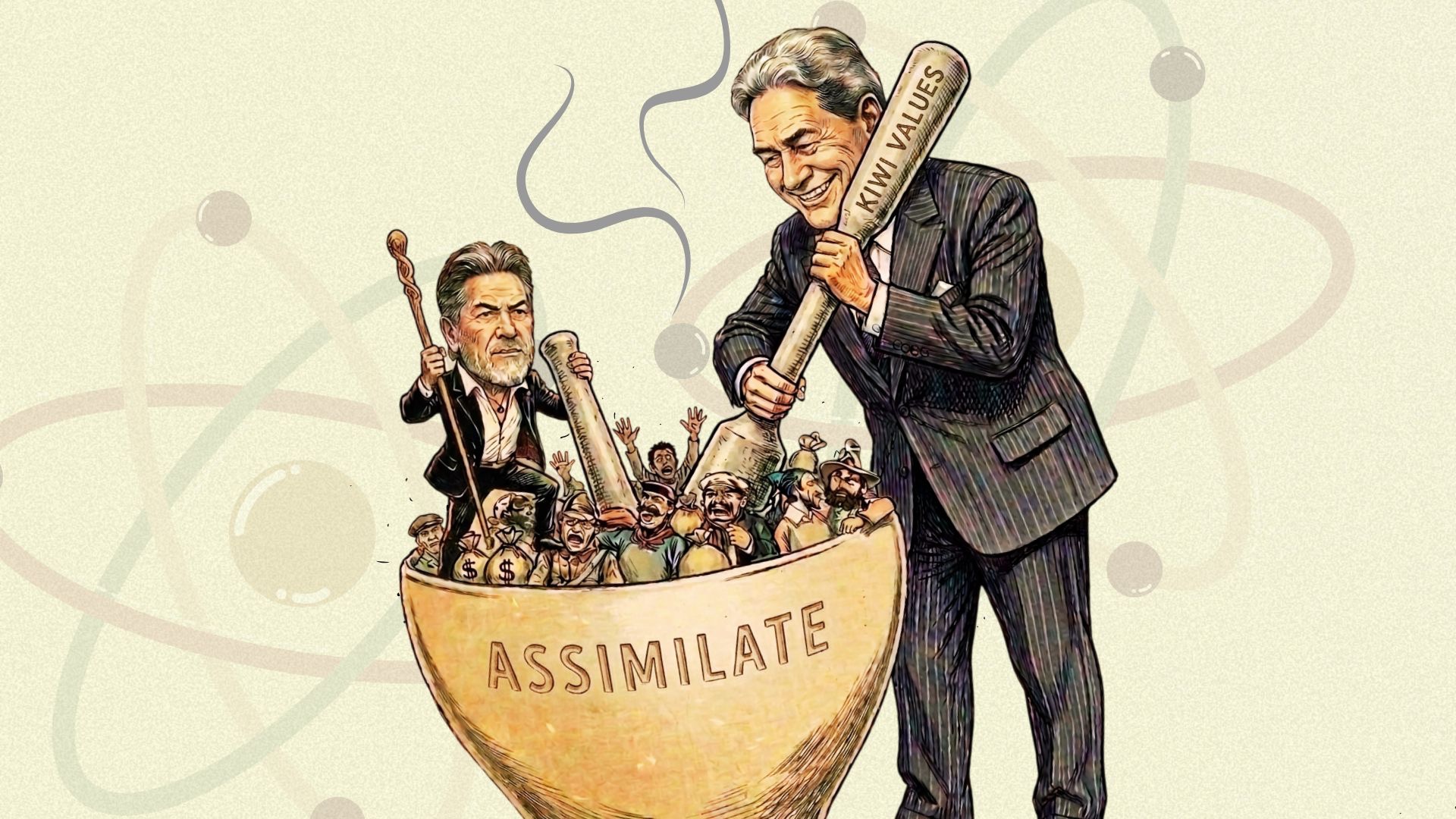

NZ First’s policy of division: Turning hatred of migrants into political power

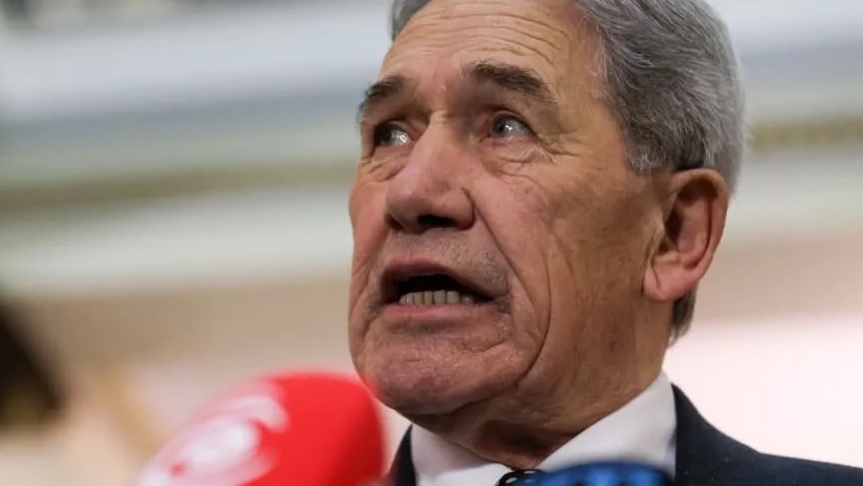
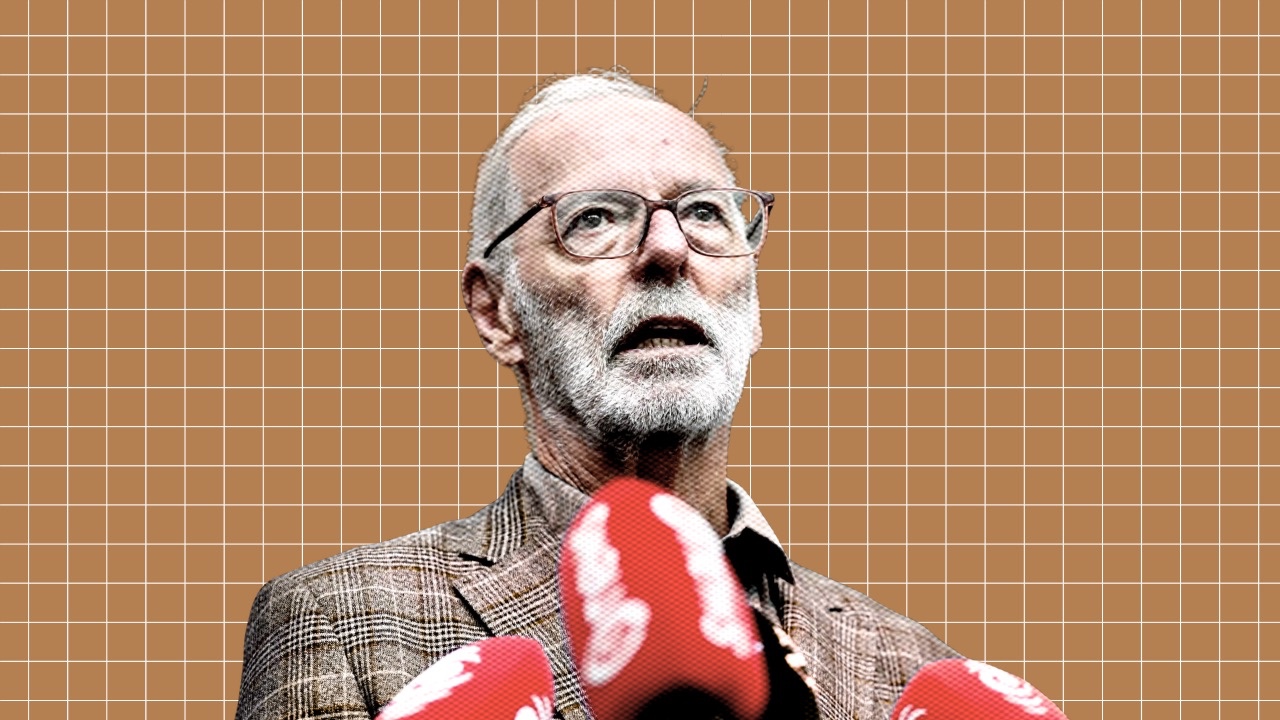
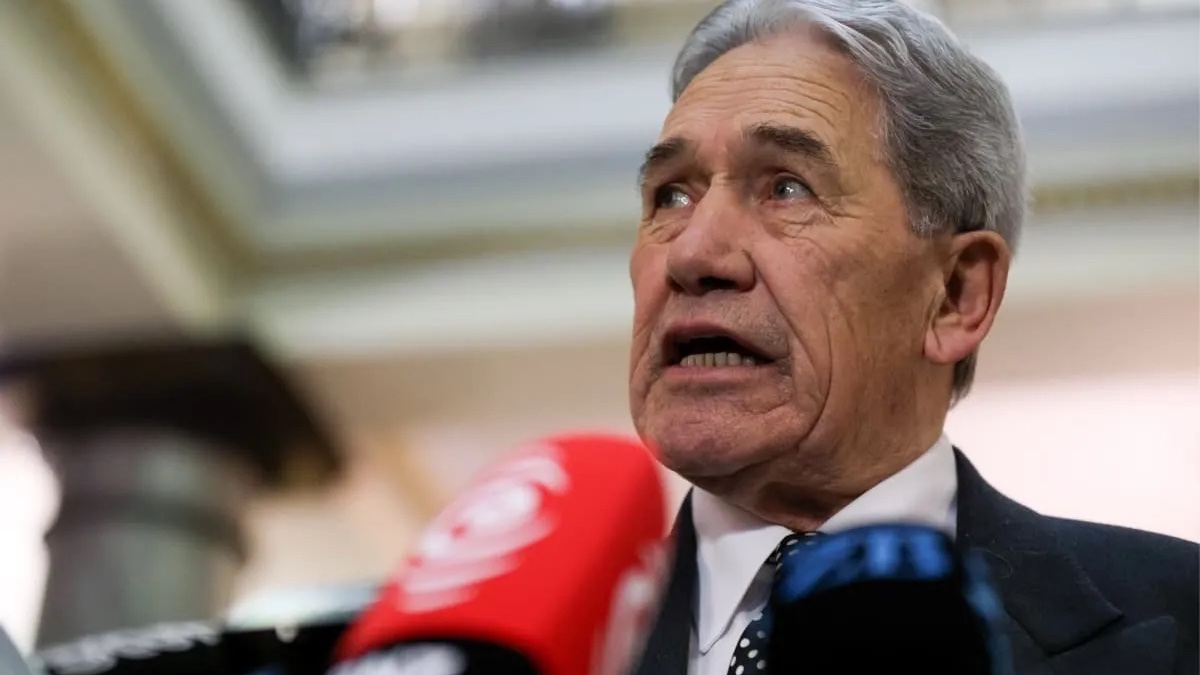
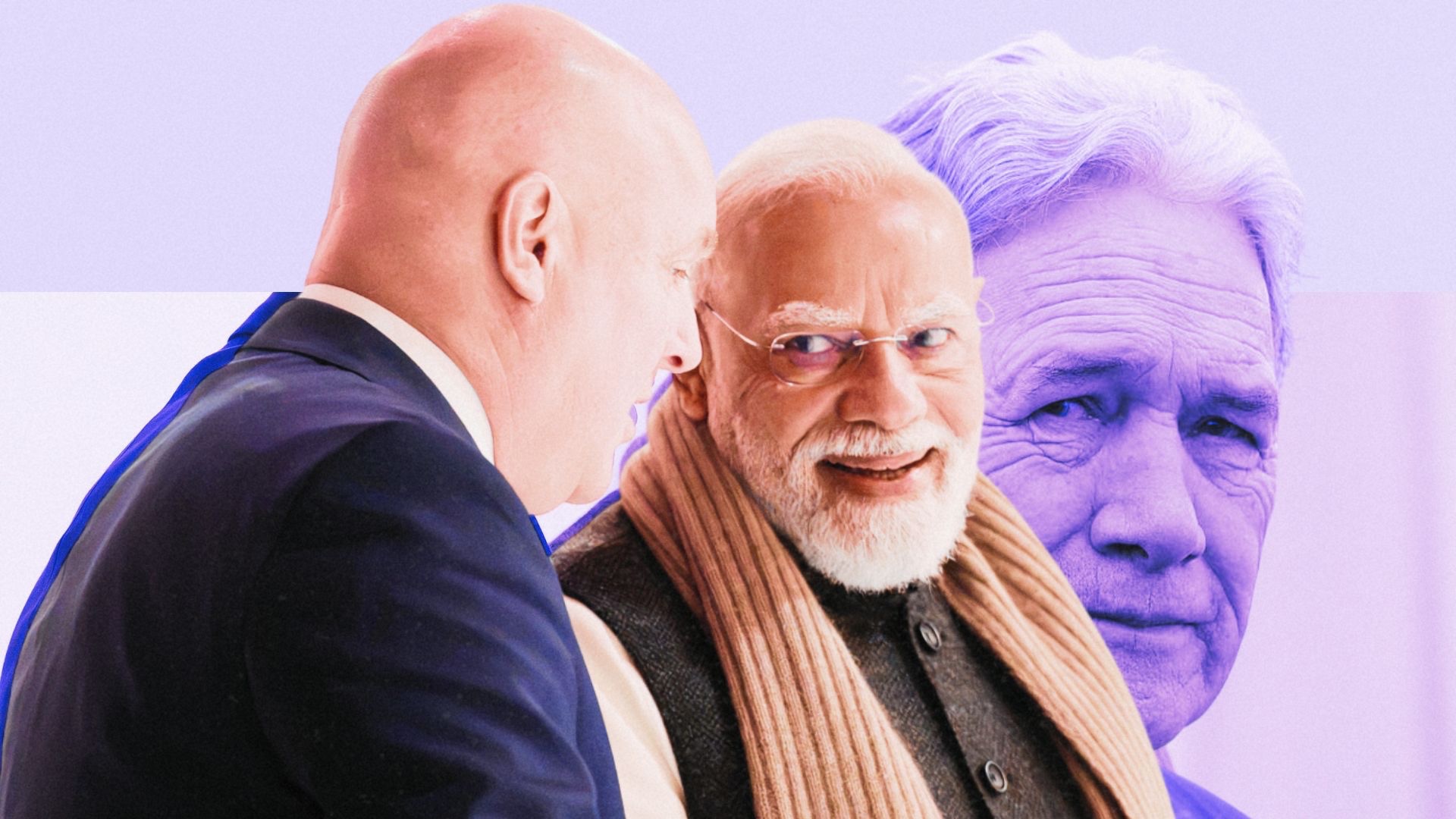
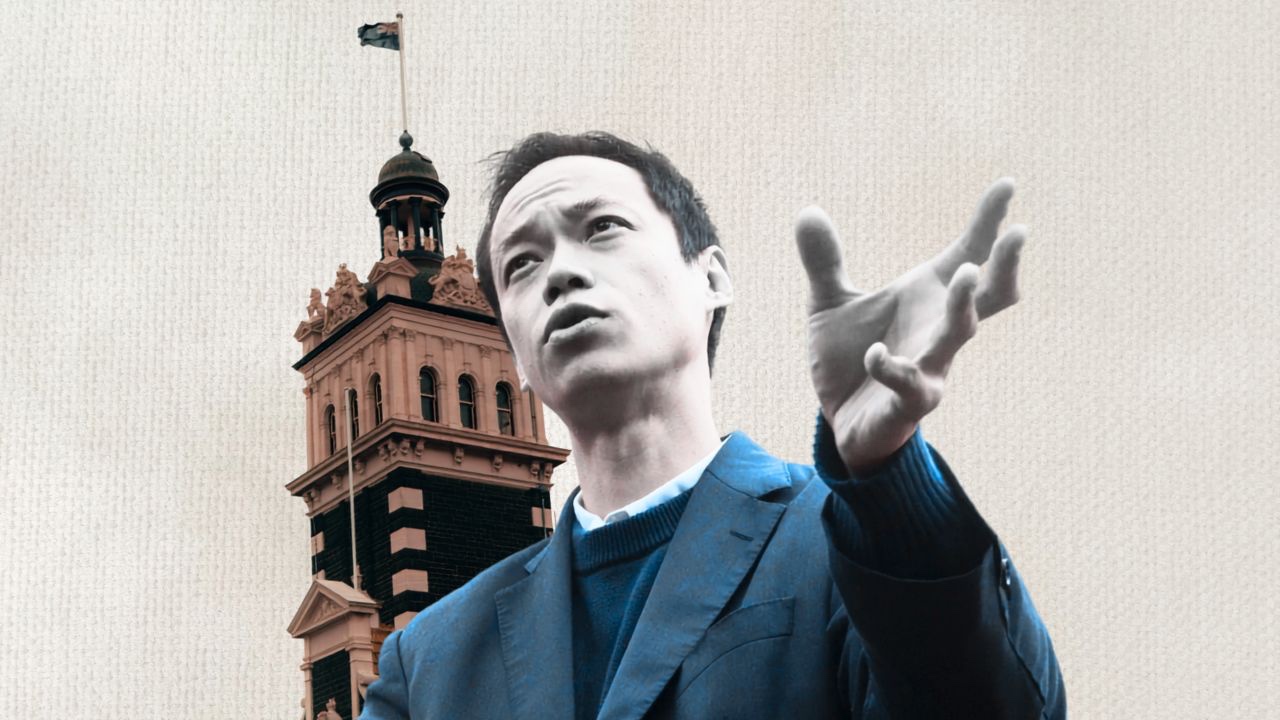
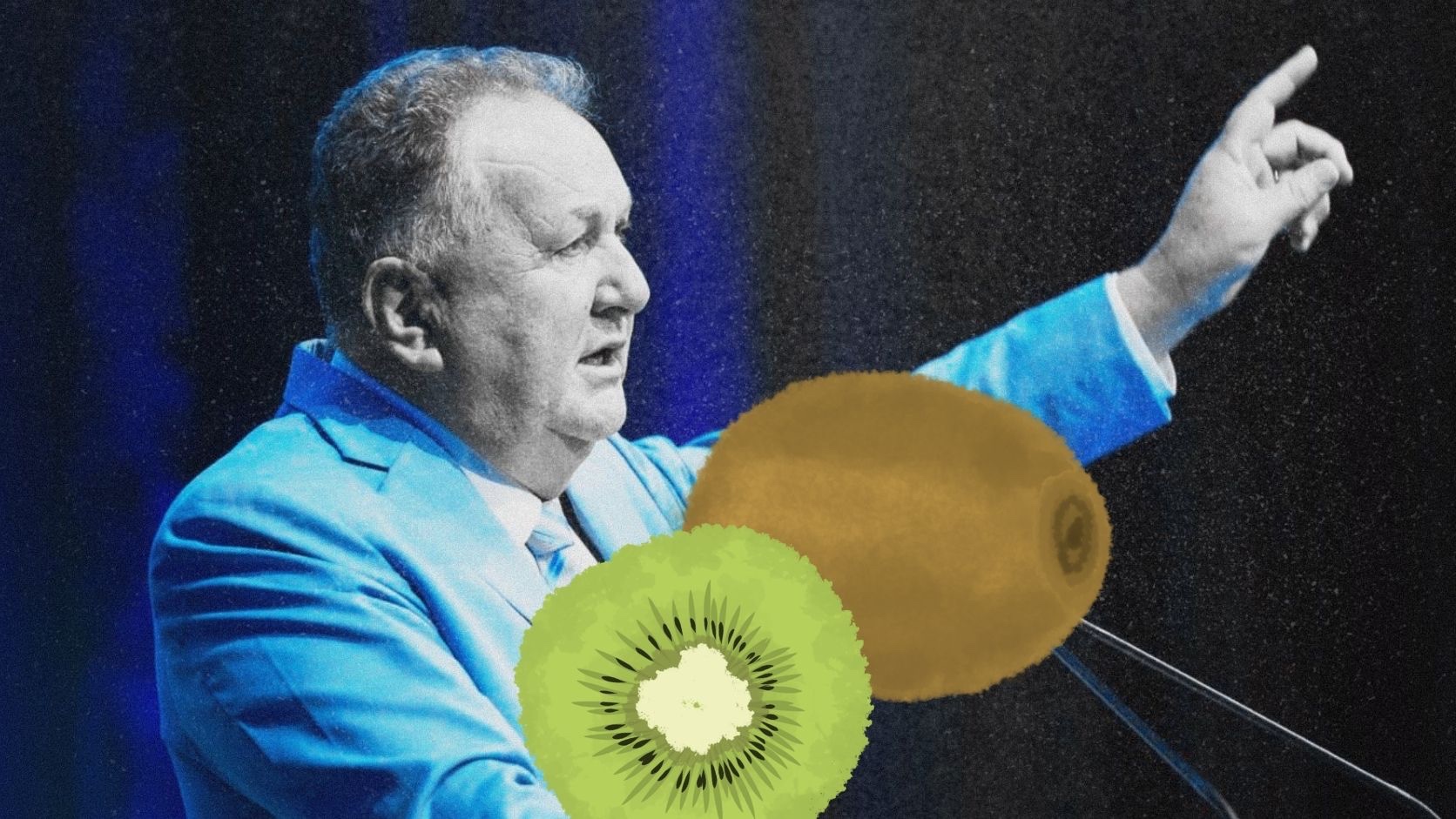
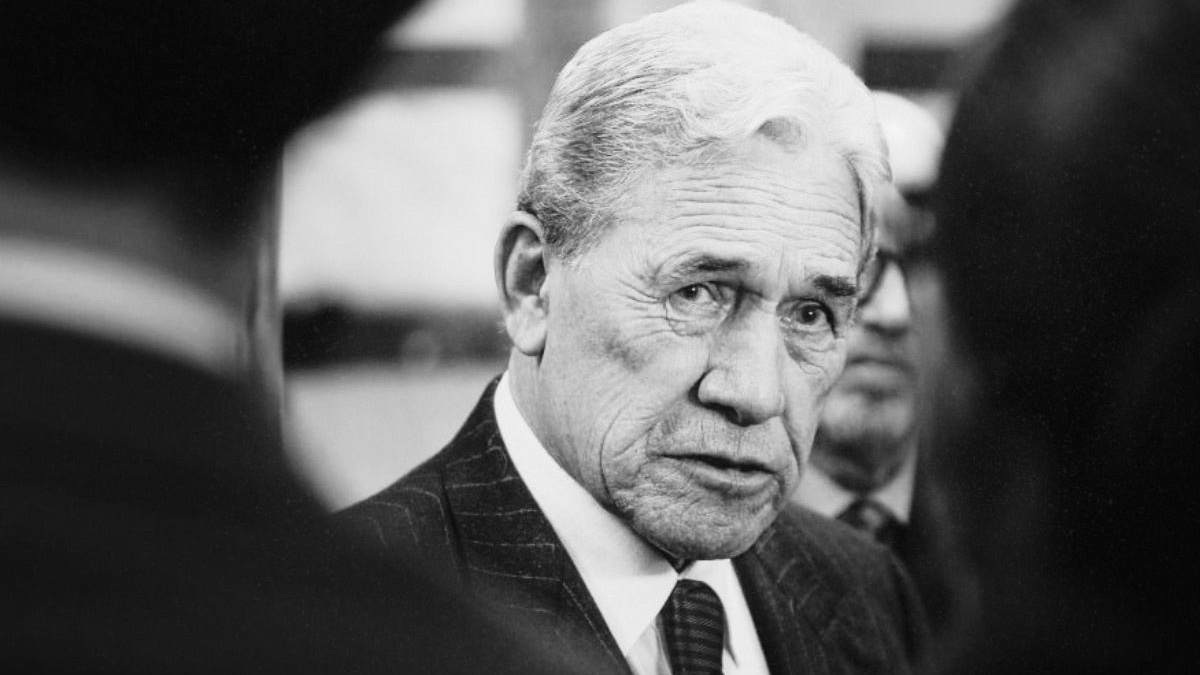
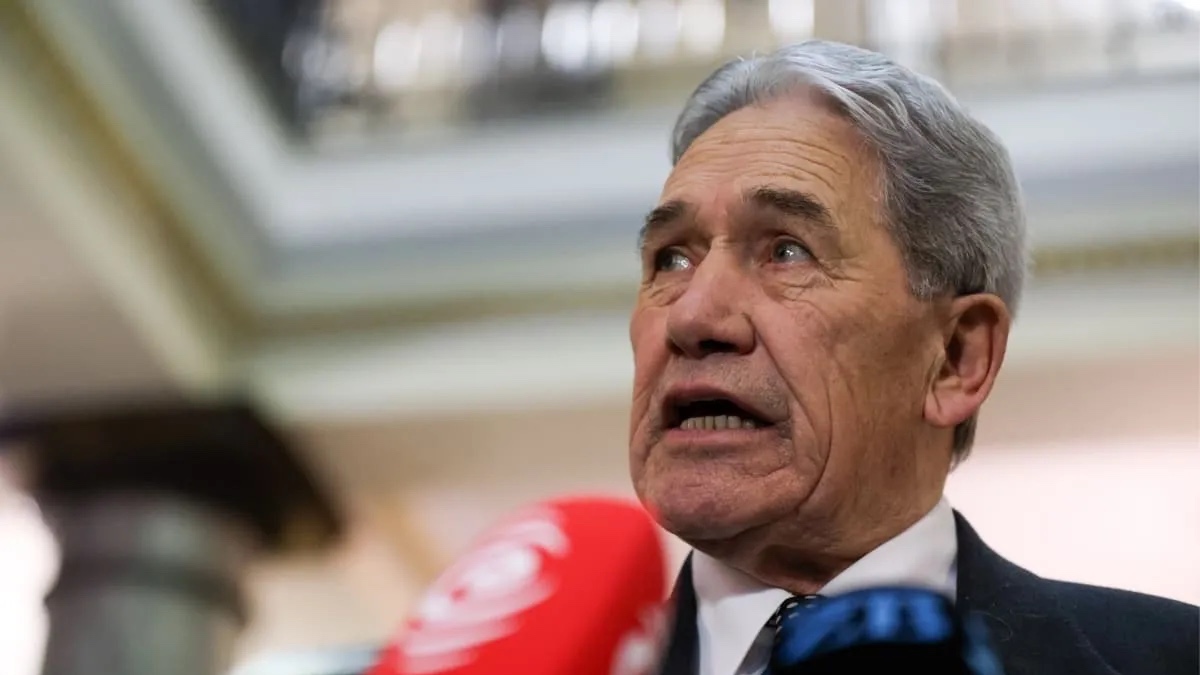
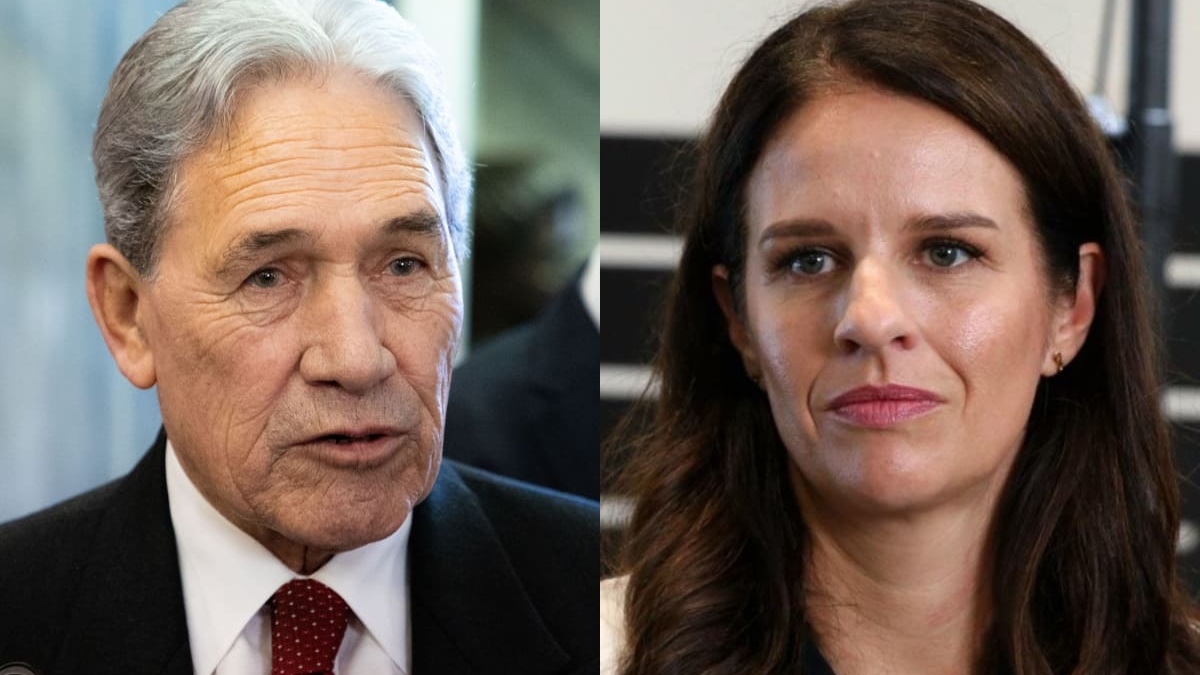
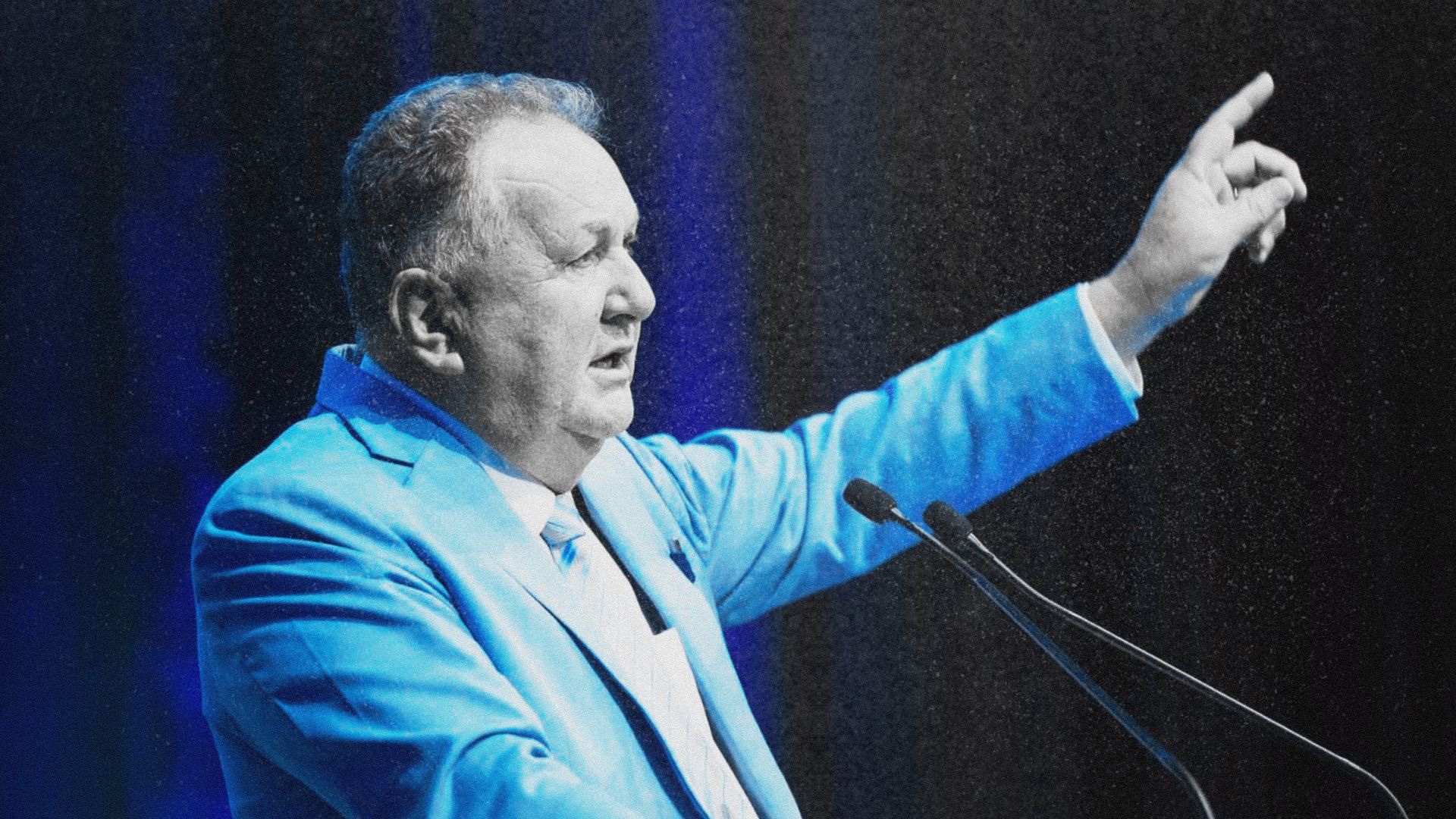
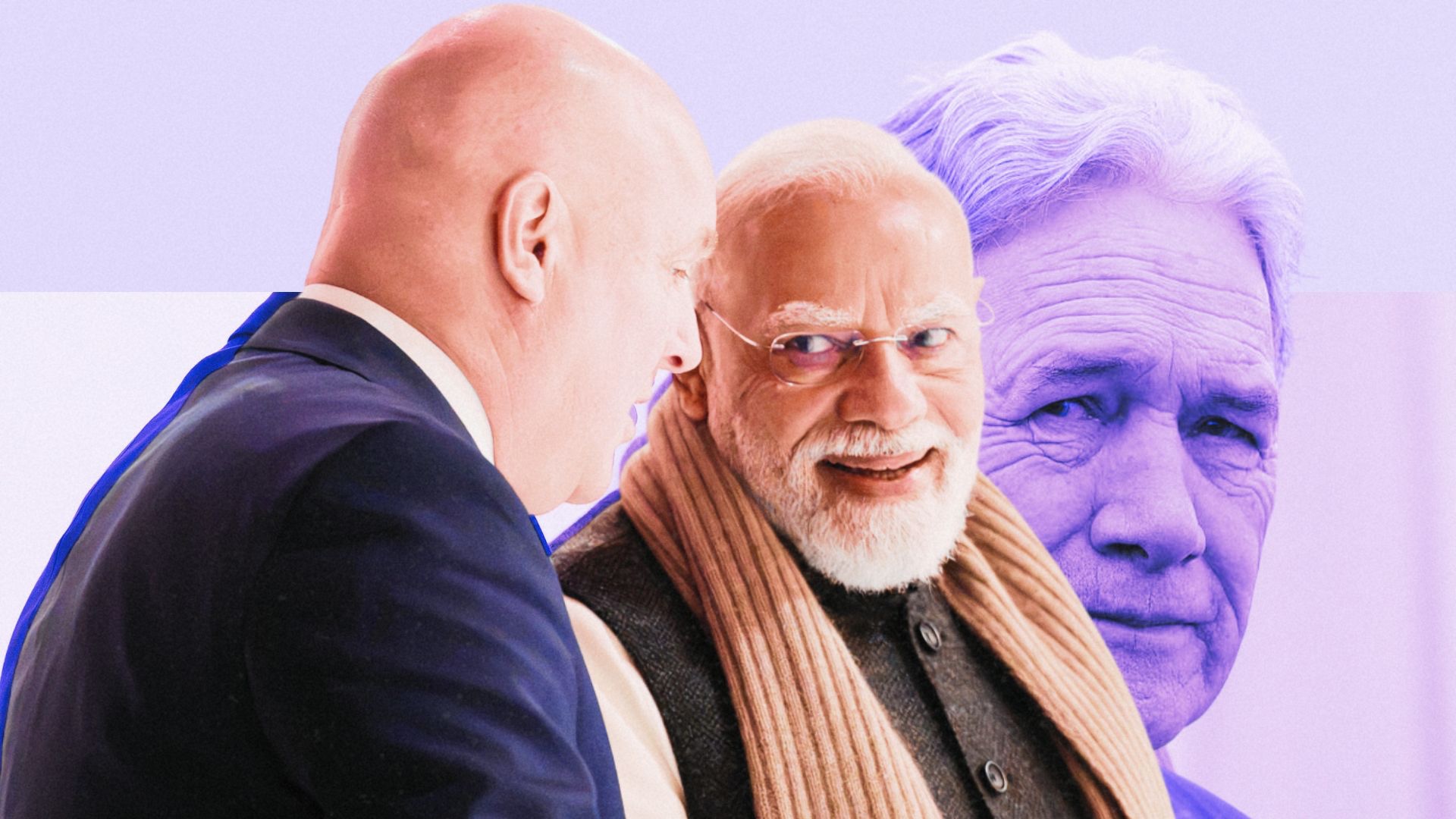
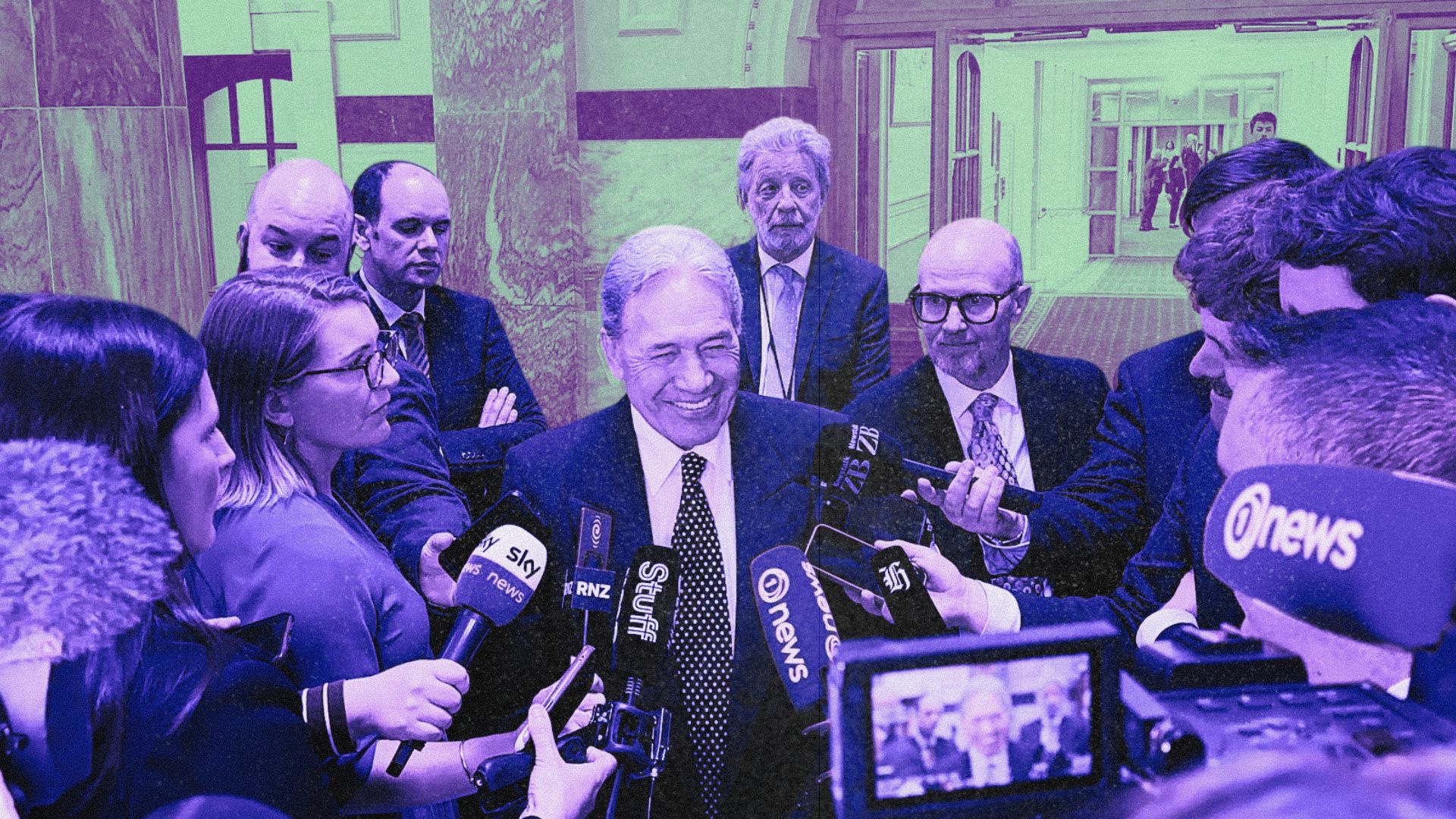
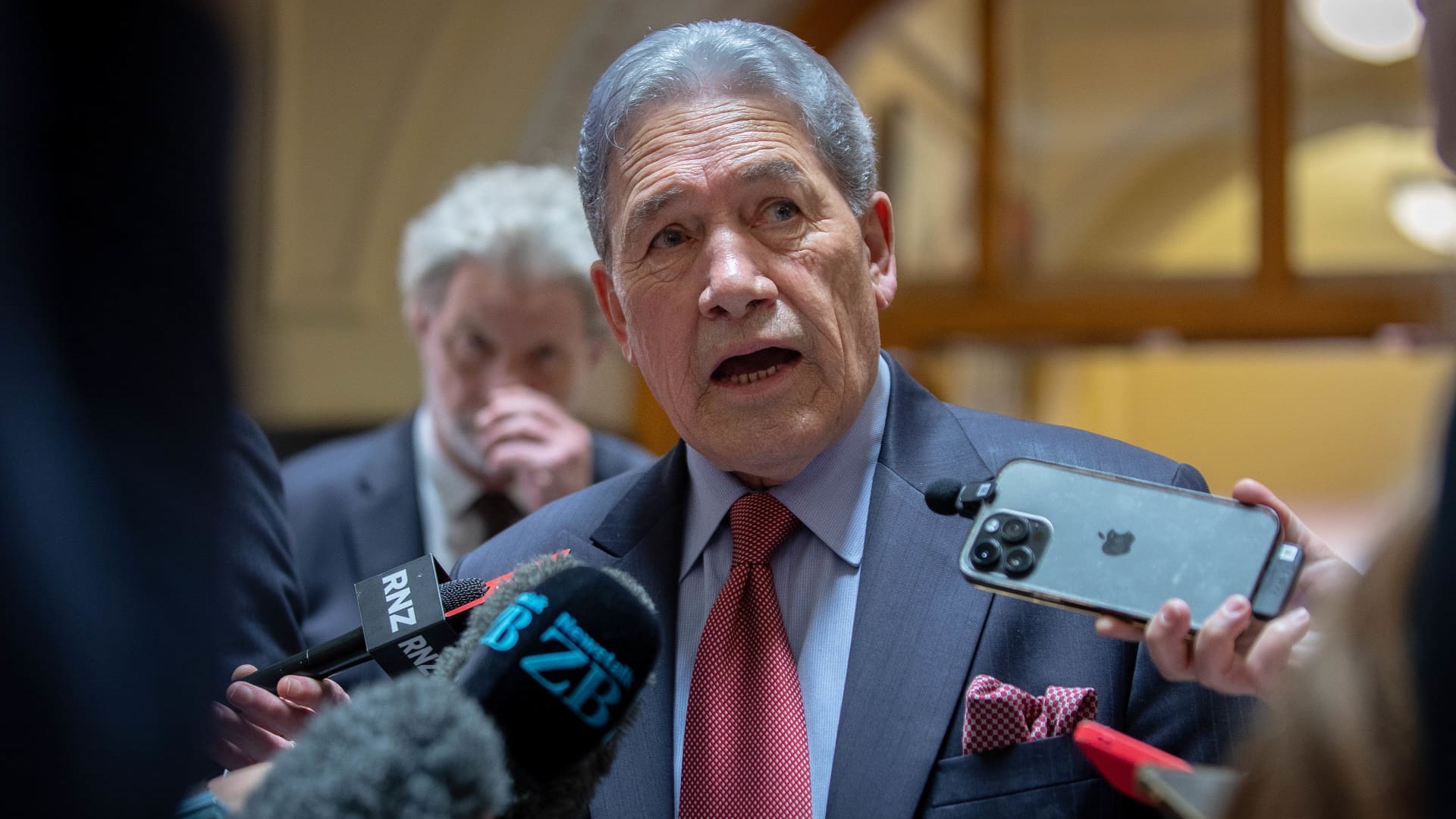
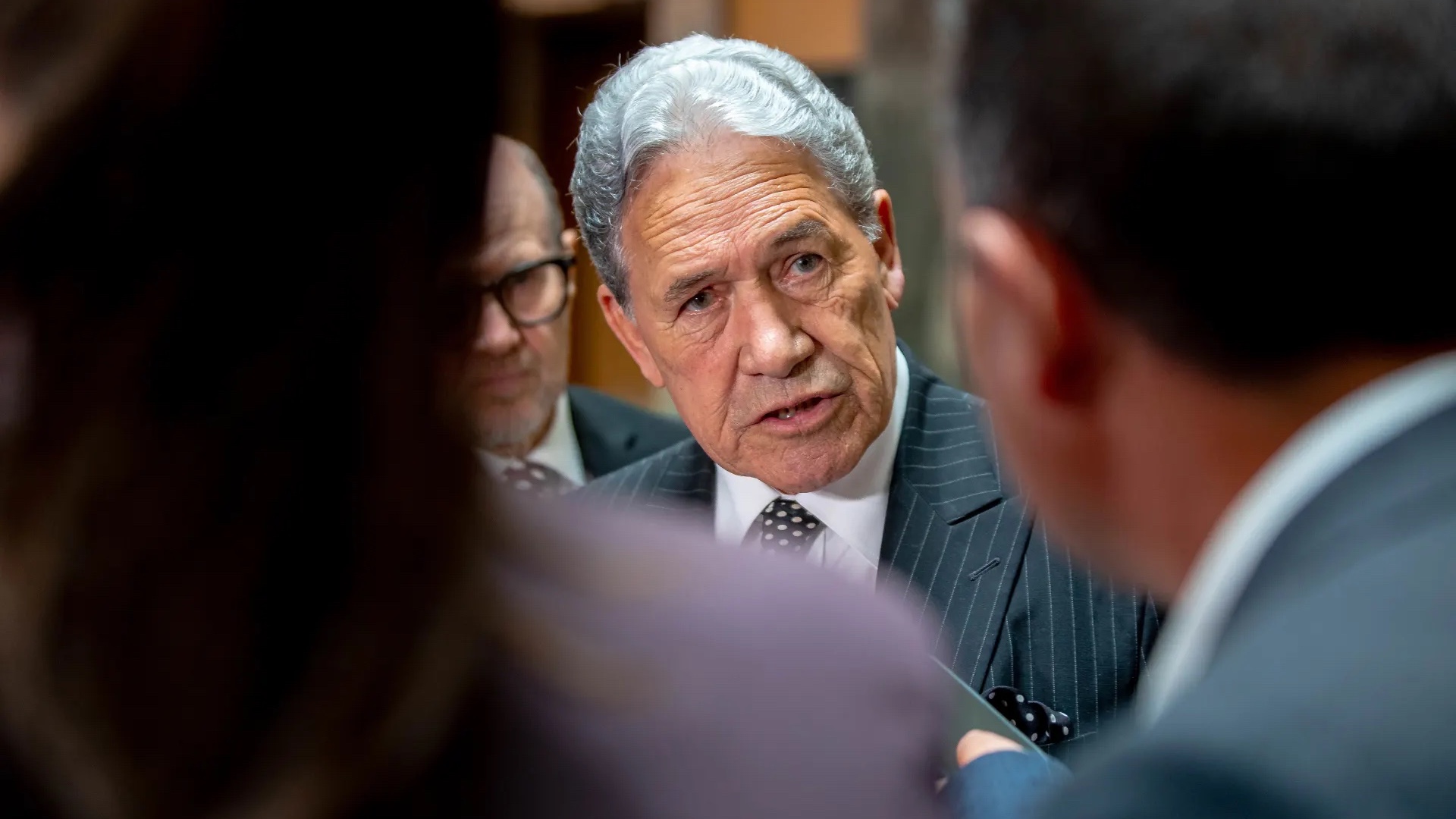
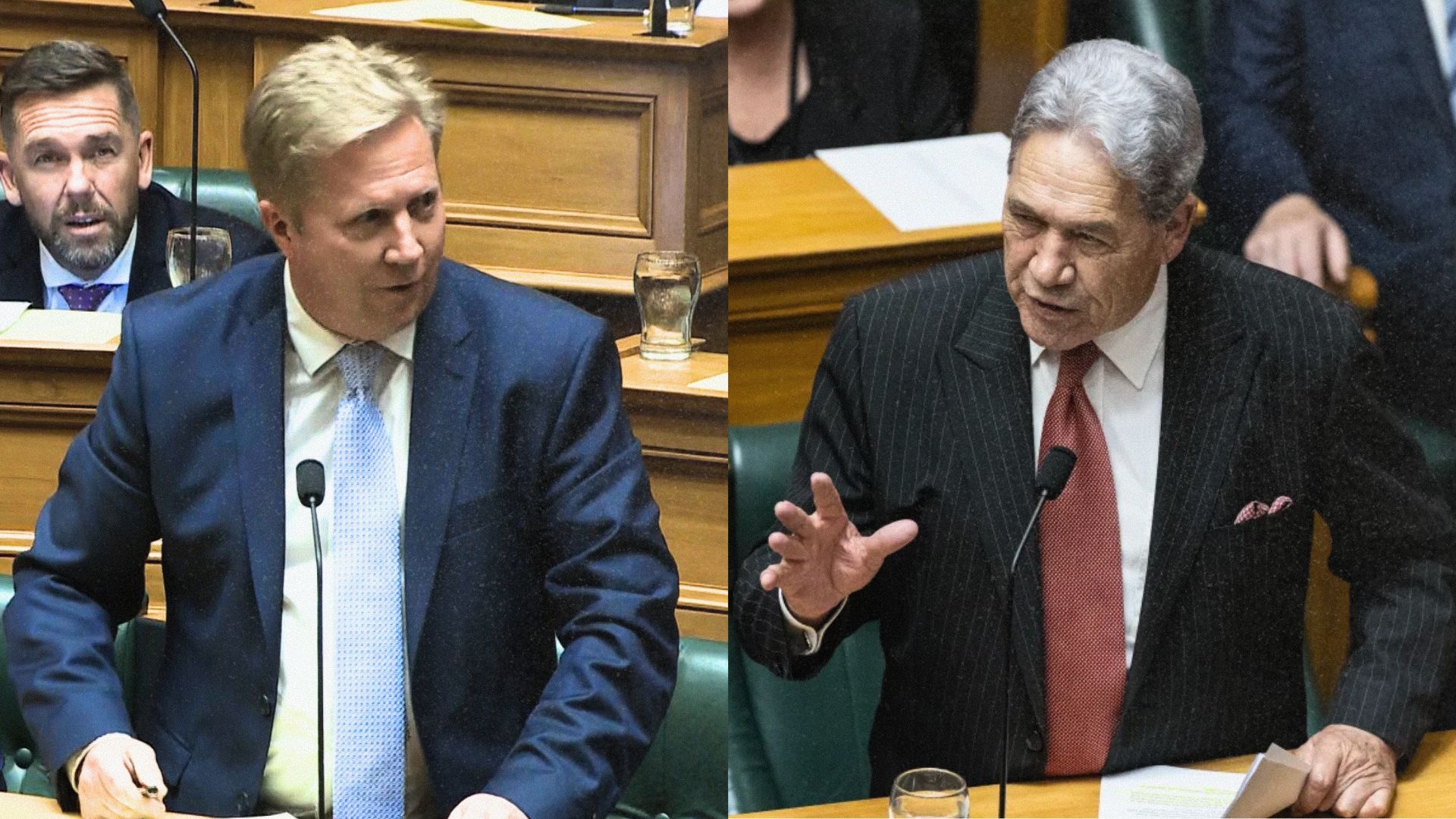
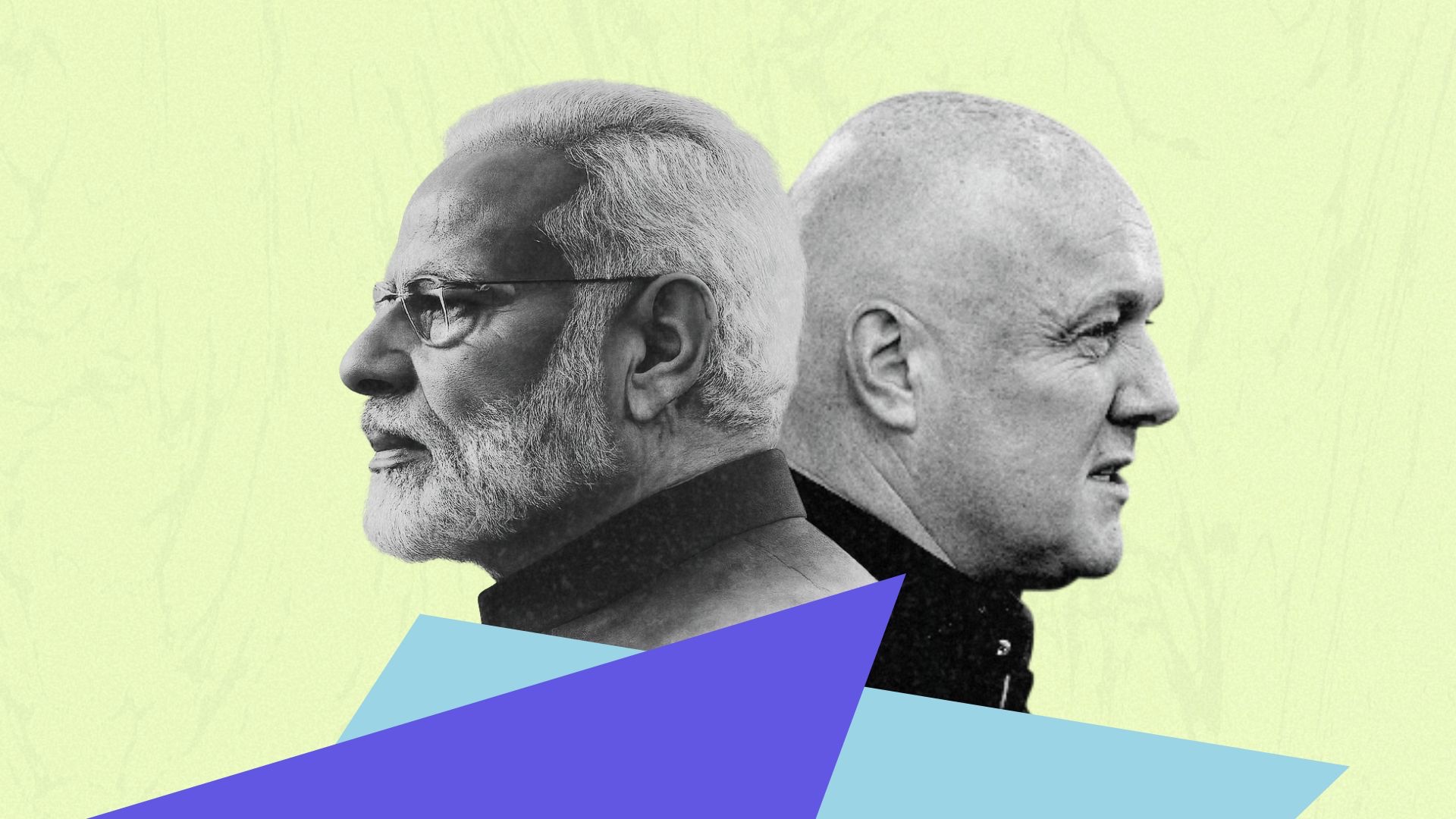
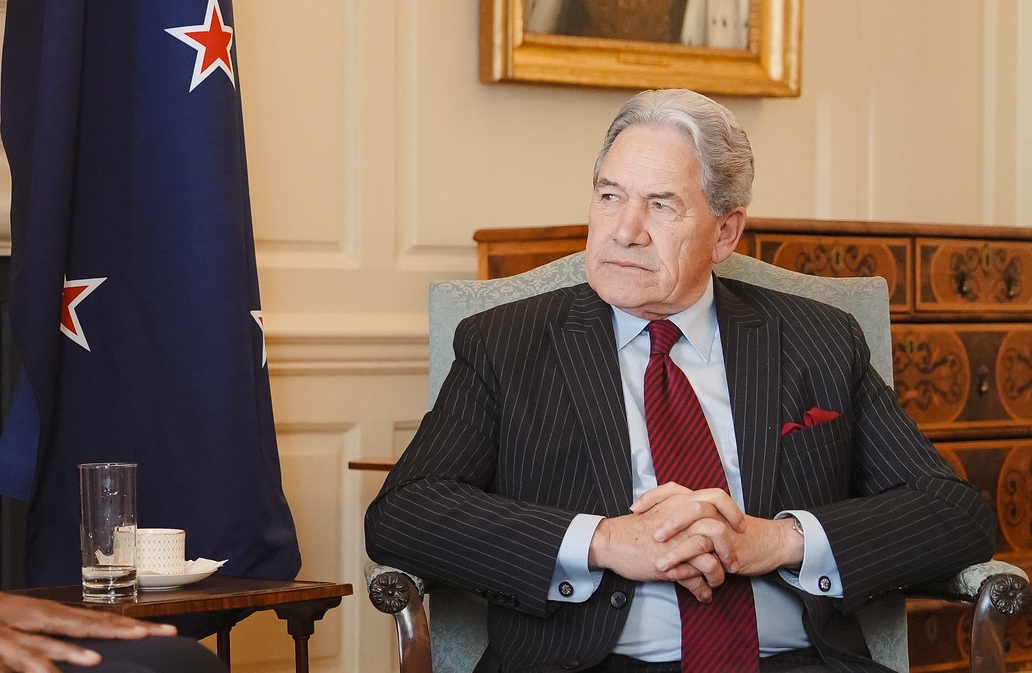
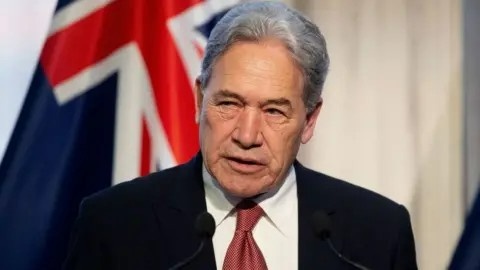
New Zealand First leader Winston Peters.
This is no immigration reform. It is the politics of exclusion presented as population planning.
Opinion: New Zealand First has announced what it describes as a programme of sweeping immigration reform.
Its proposals include extending the period required for permanent residence from two to five years and for citizenship from five to 10 years; and excluding non-citizens from welfare assistance for their first 10 years in New Zealand.
It has also proposed to remove automatic work rights from international students, and require students wishing to obtain another visa to leave New Zealand and apply from overseas.


It wants to also restrict access to asylum and widen deportation powers, limiting citizenship by birth to the children of citizens, and hold a referendum on an annual cap of 20,000 resident visas.
Taken together, these proposals do not amount to a coherent immigration policy. Immigration policy ordinarily serves three broad purposes. Economic, population and humanitarian.
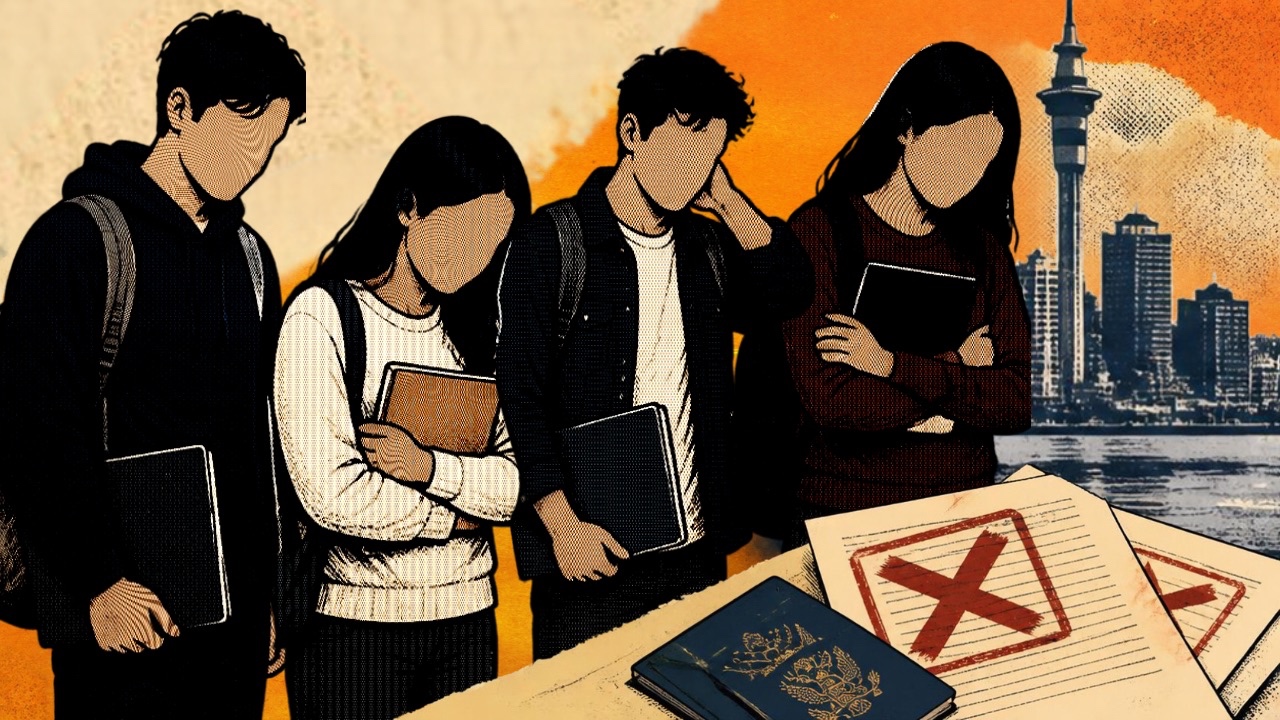
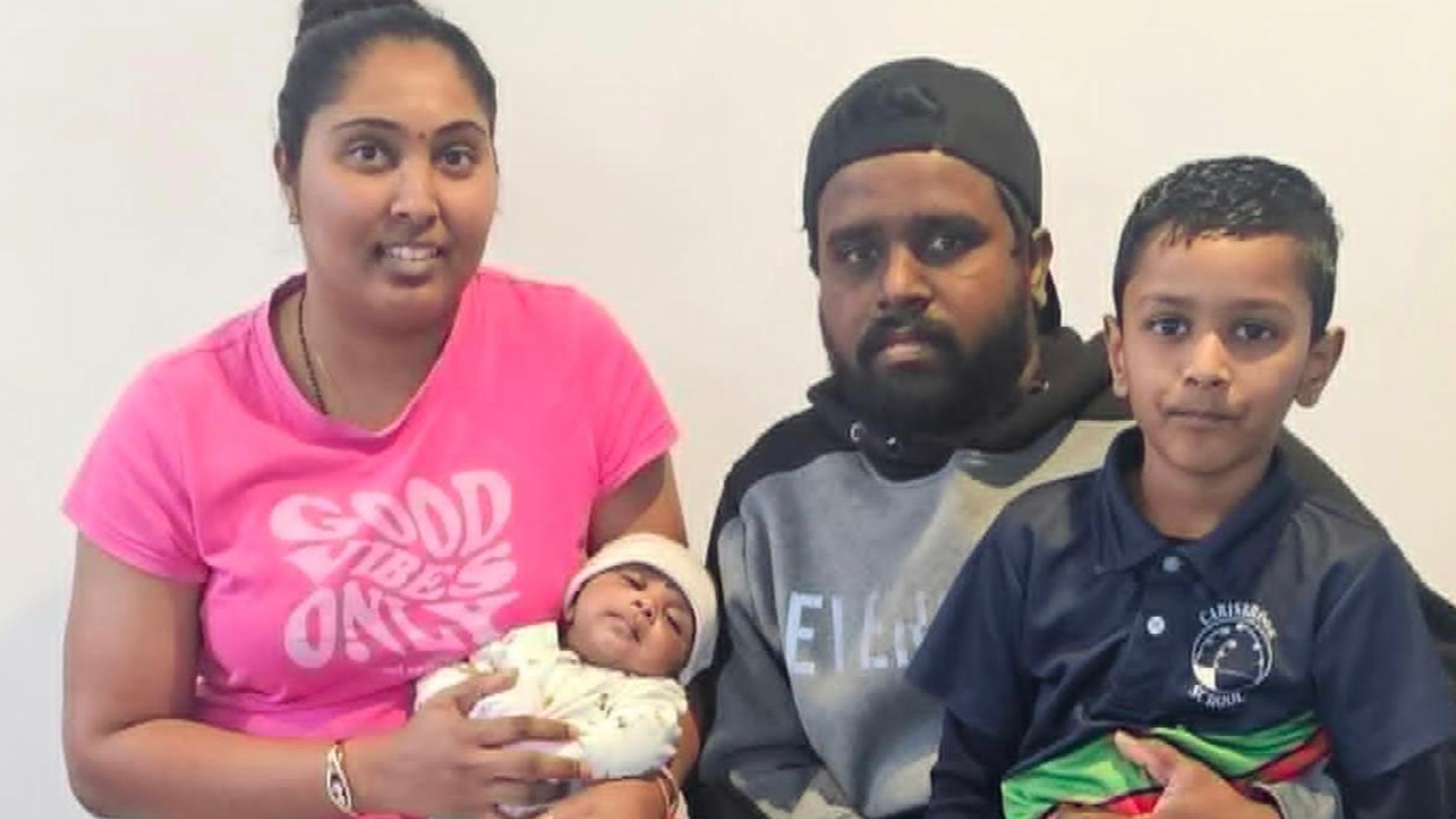
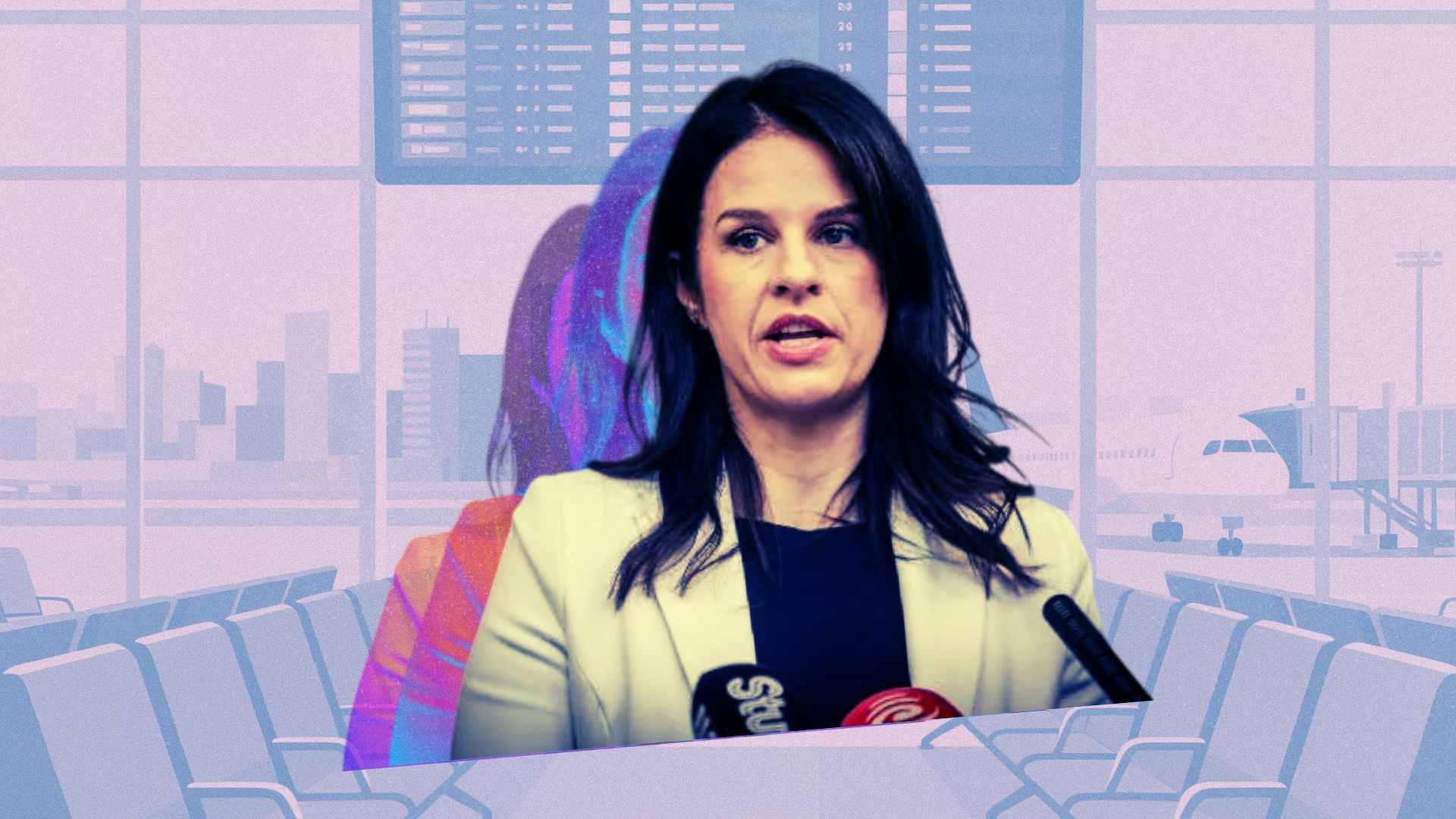
Students with NZ visas told not to travel as Auckland business school faces enrollment ban The school says existing students can continue their studies and that it is working to have the restrictions lifted.
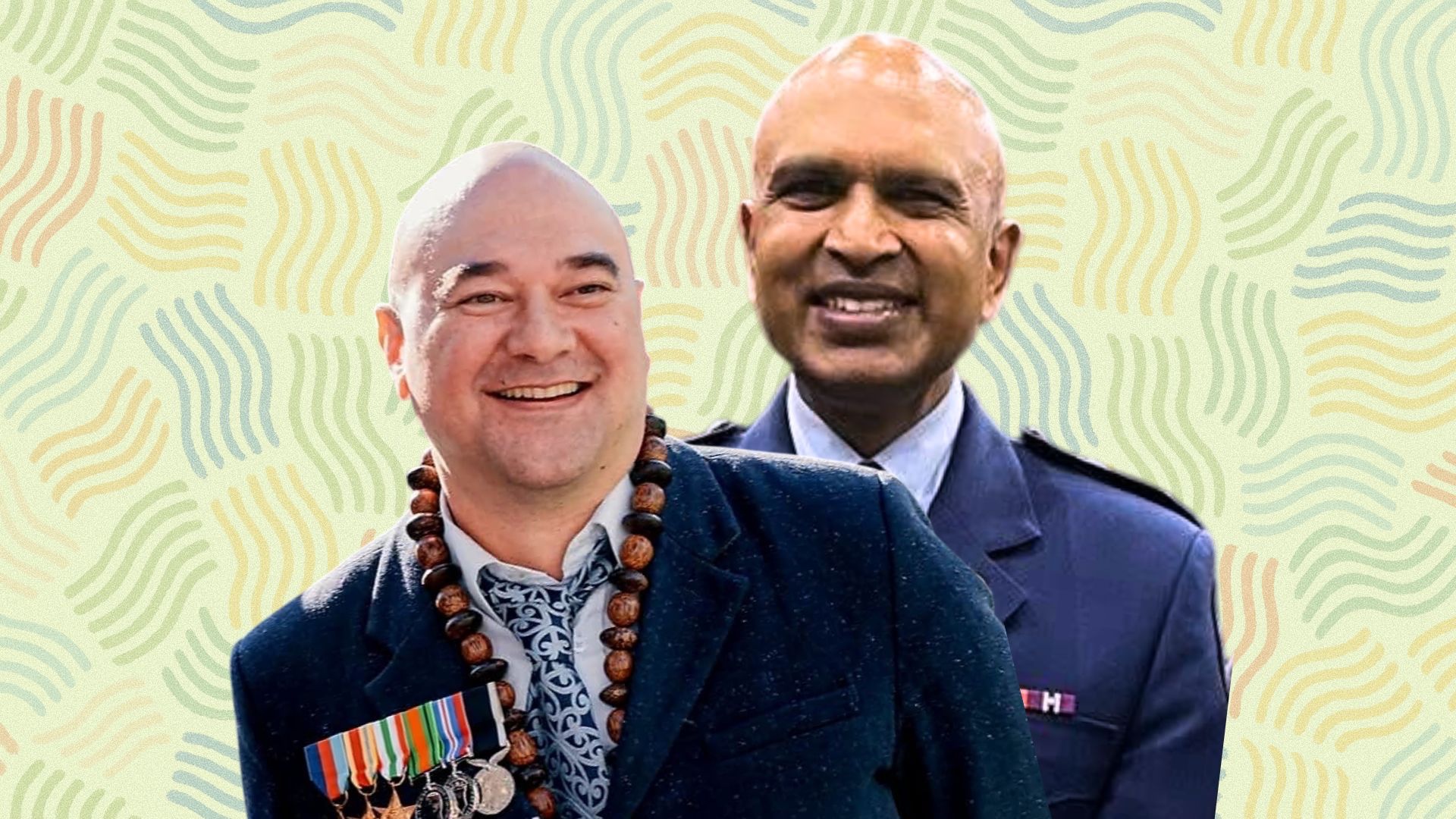
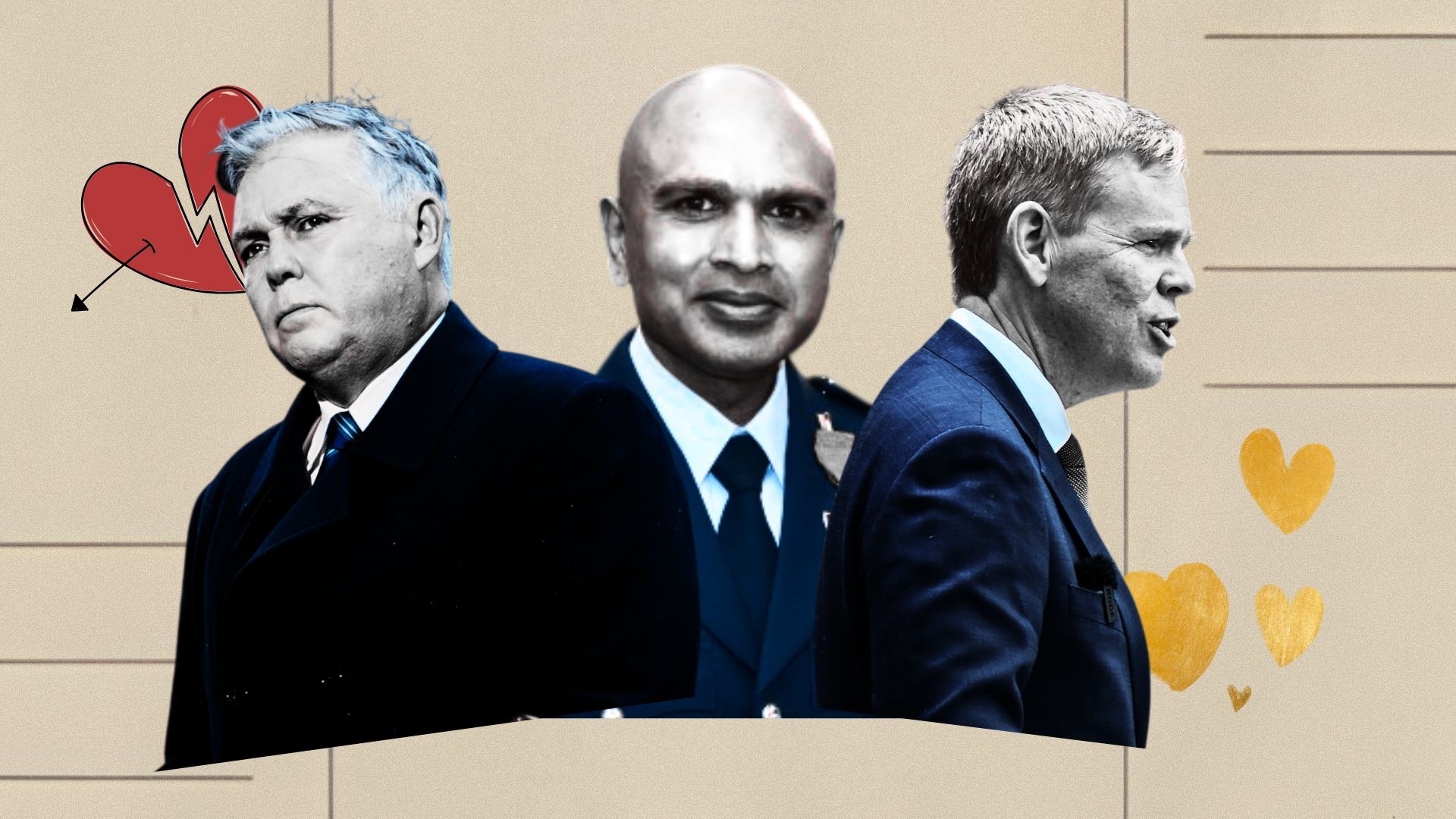
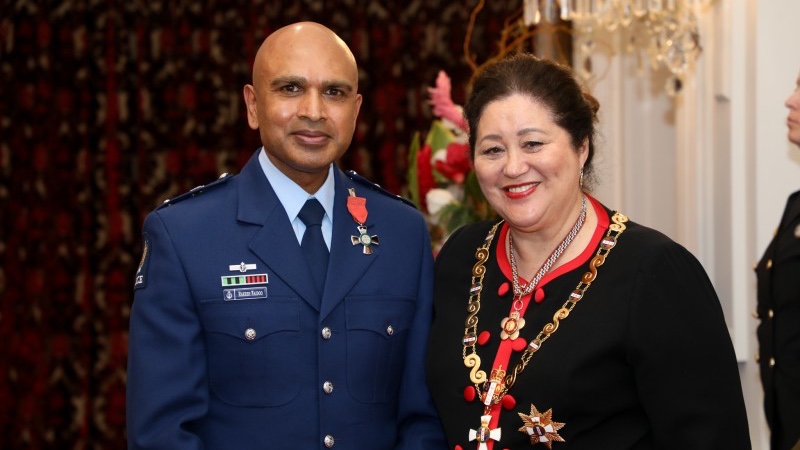
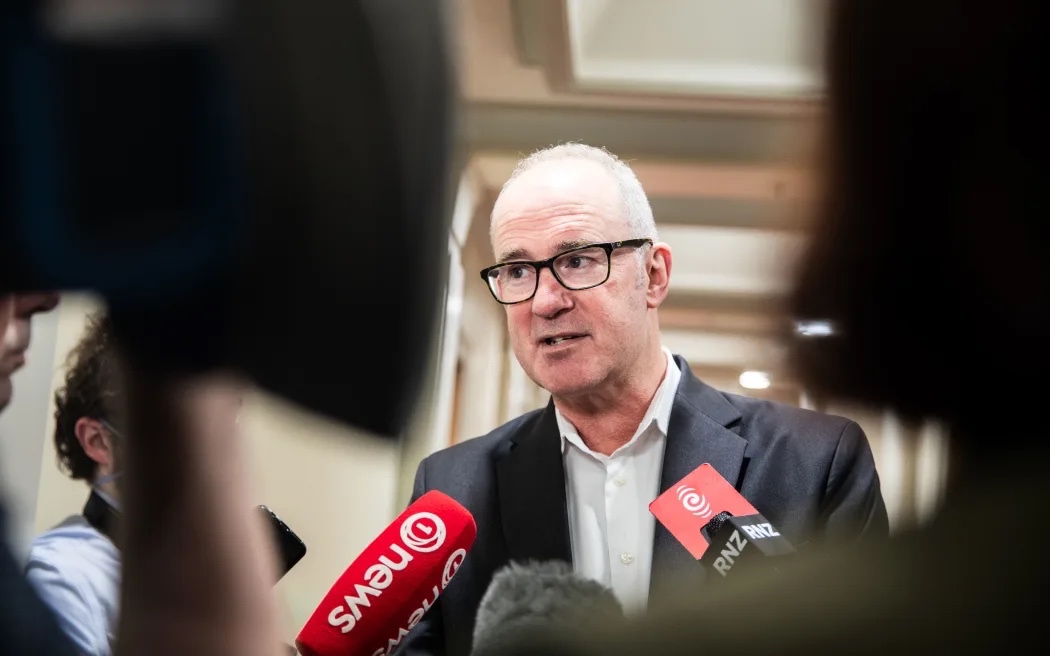
Police have confirmed Rakesh Naidoo is not under investigation, Labour says "The police need to front up here and explain what is going on."
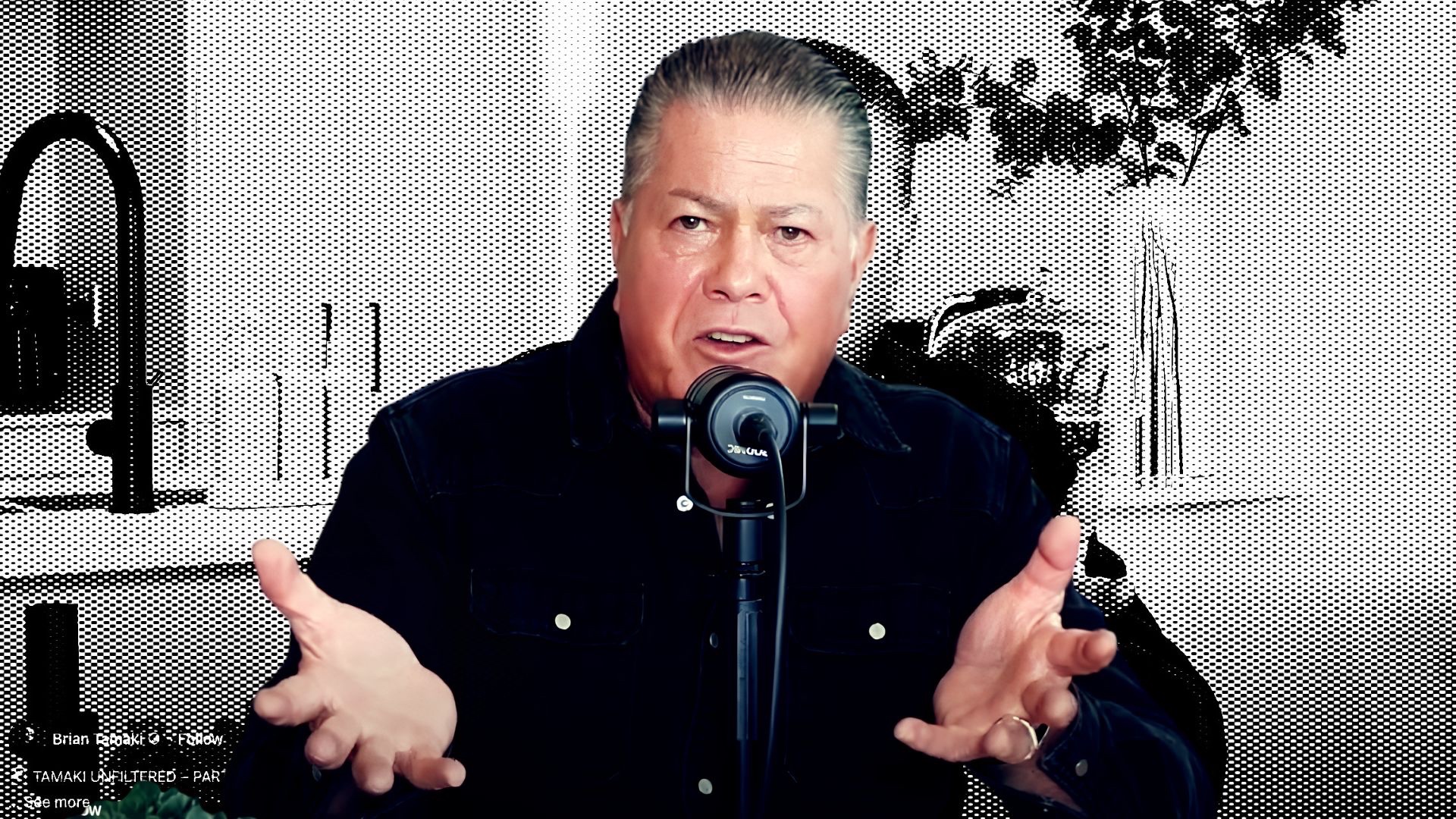
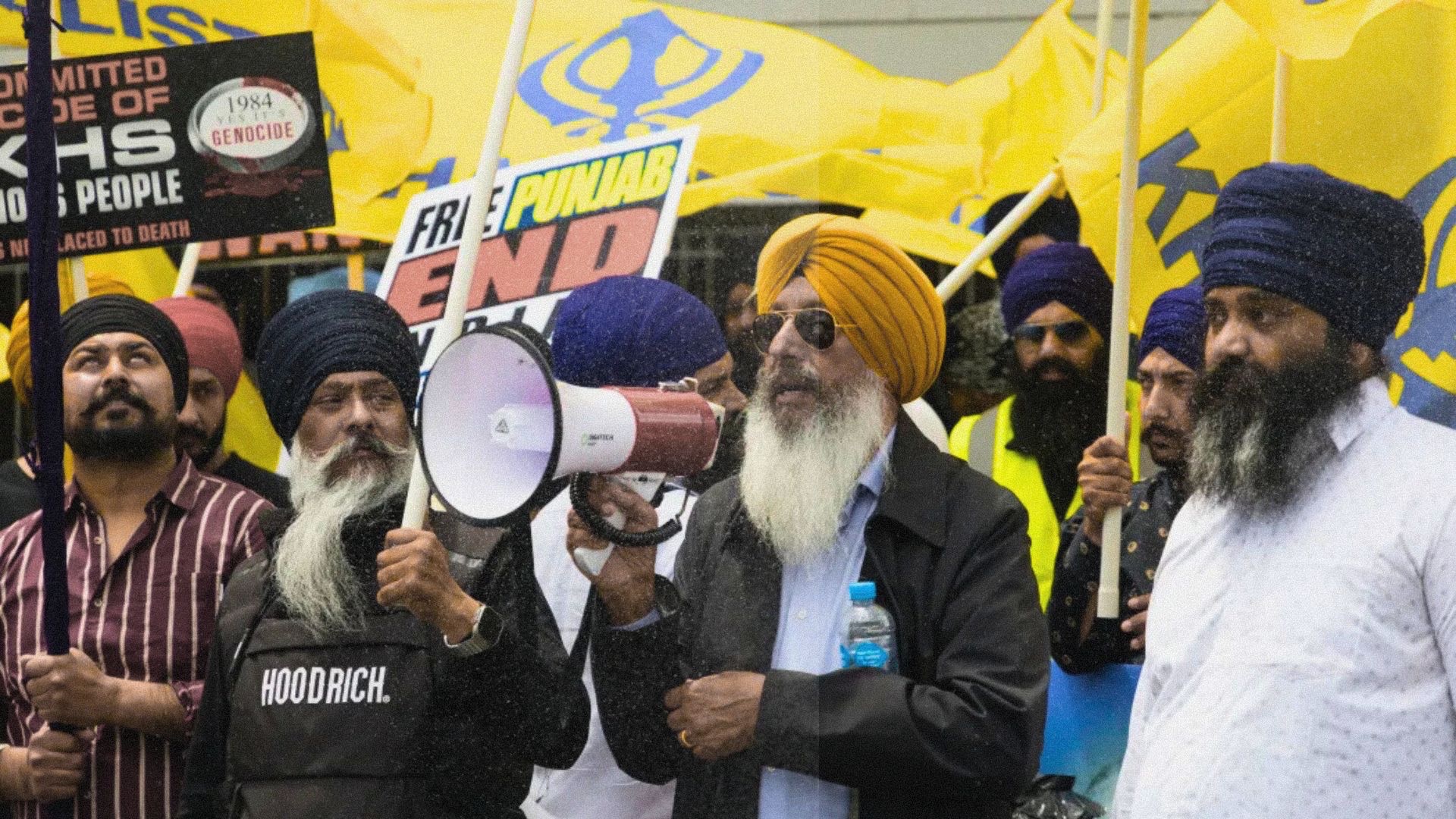
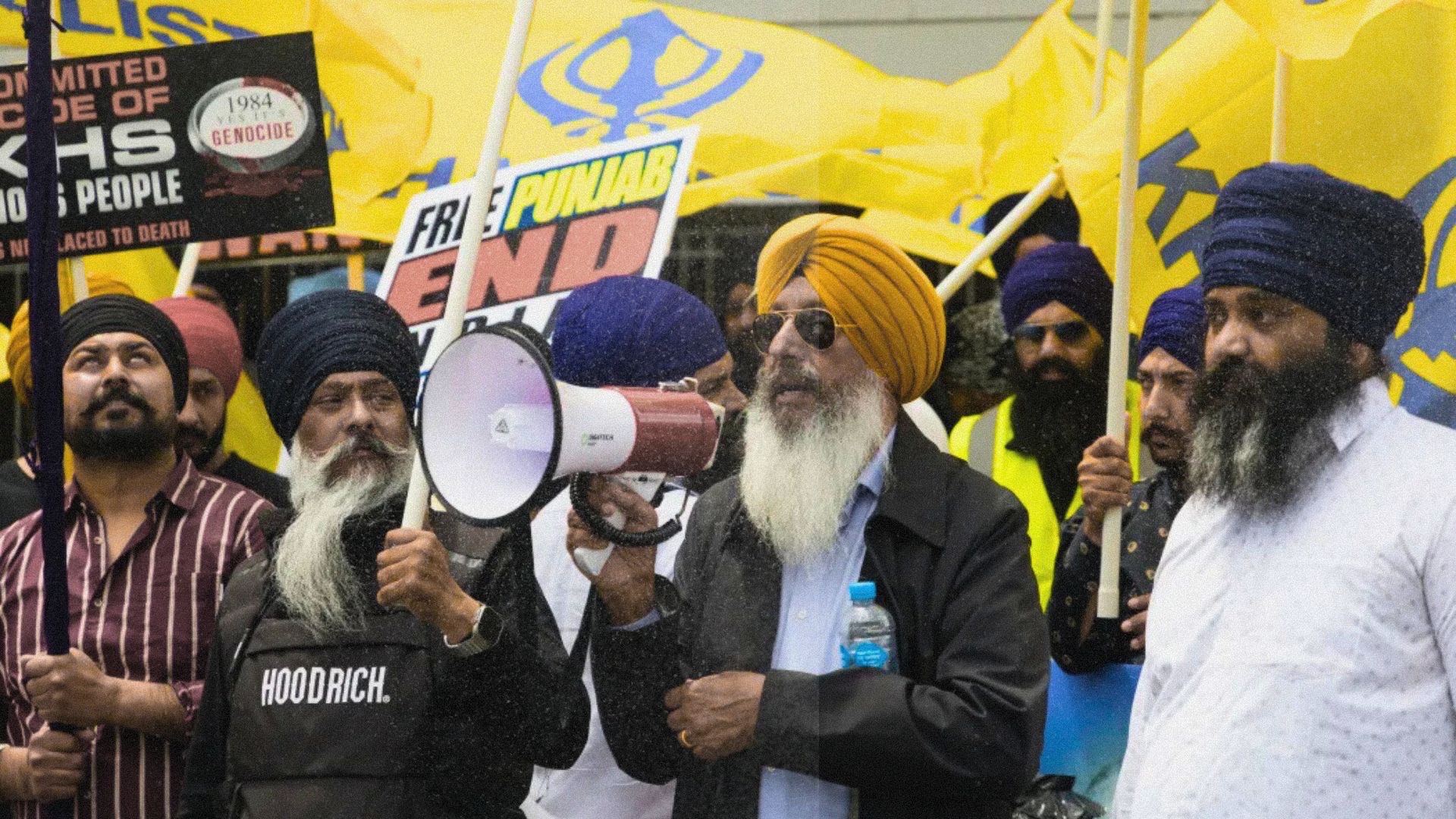
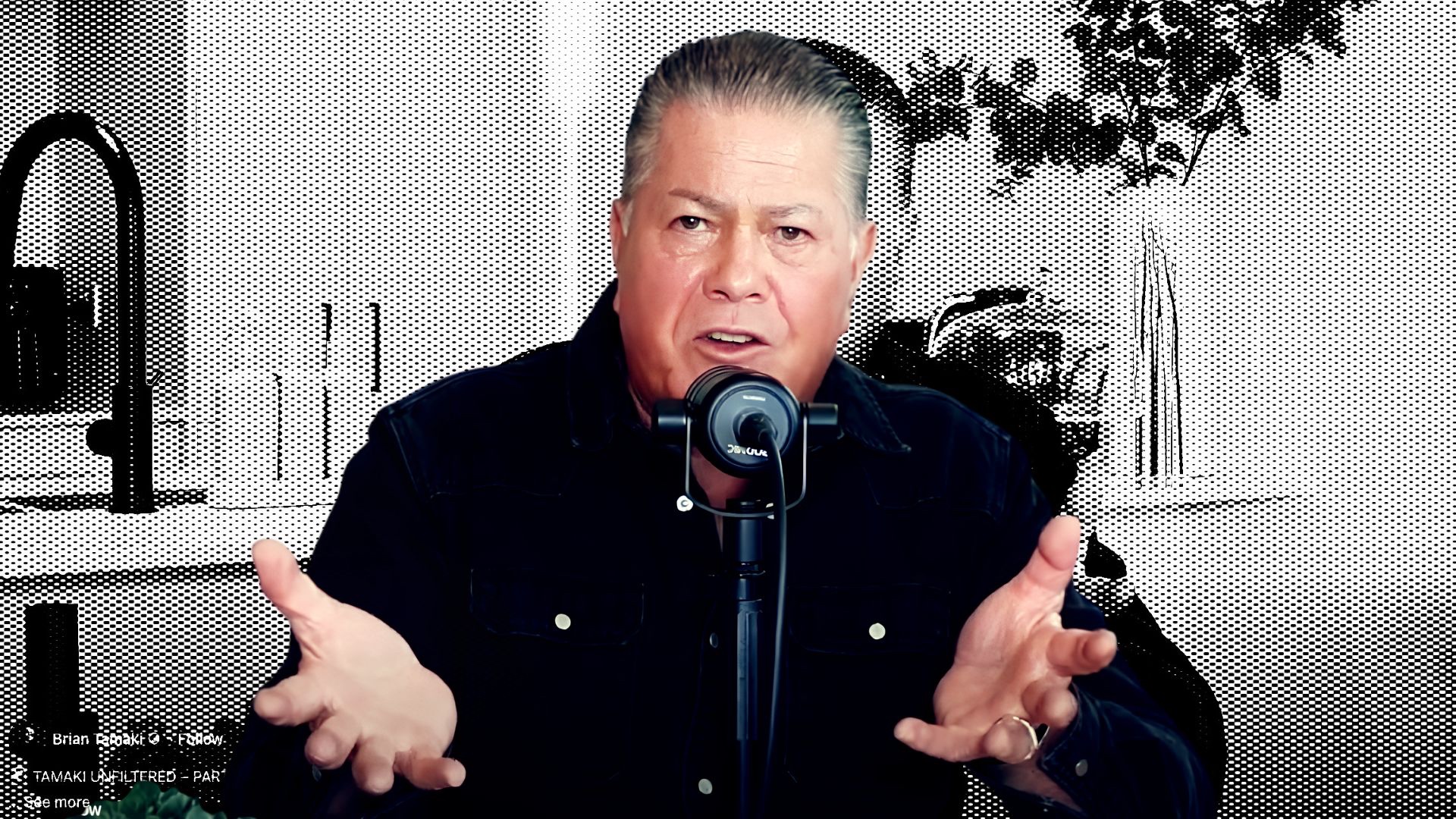
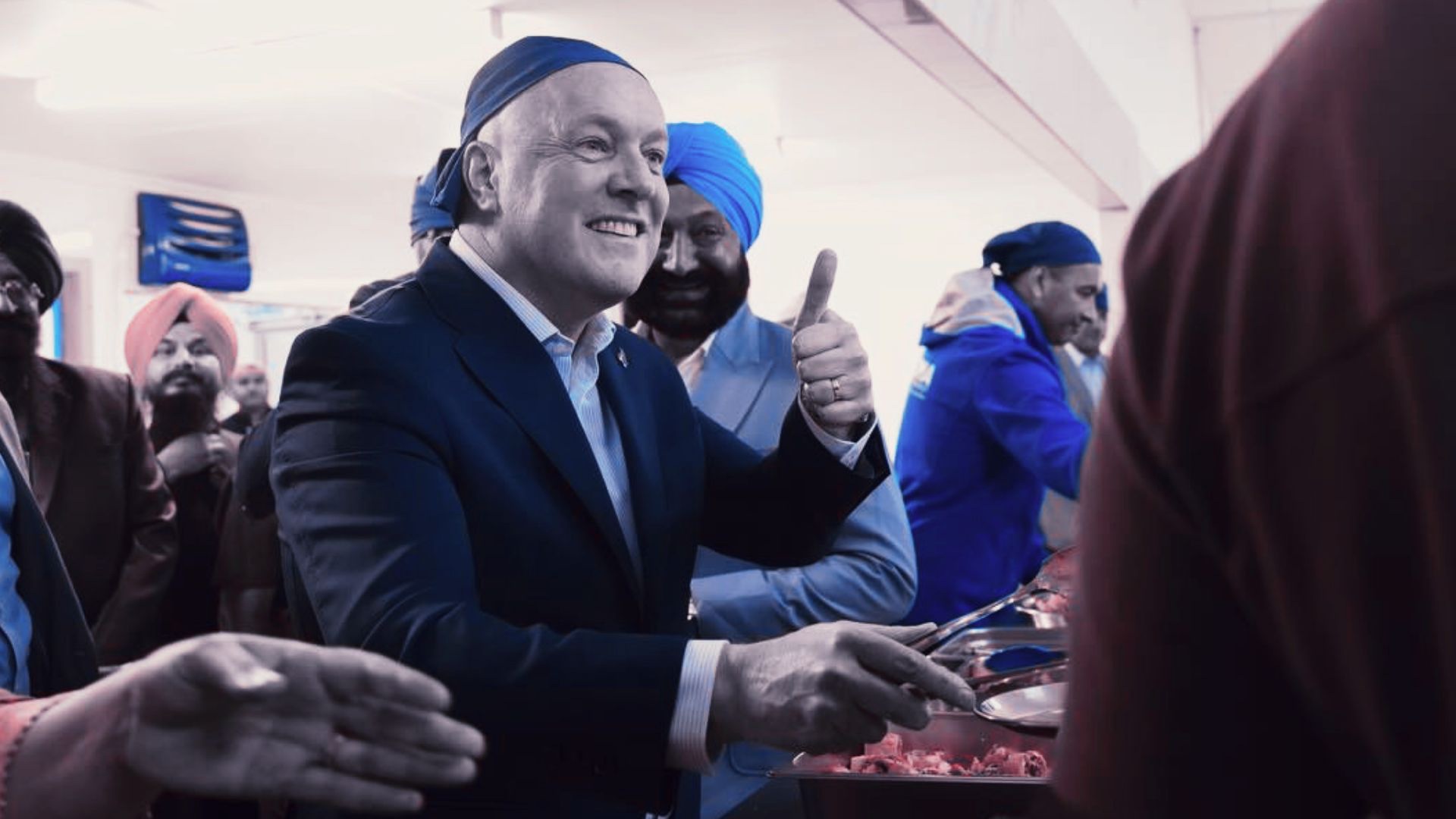
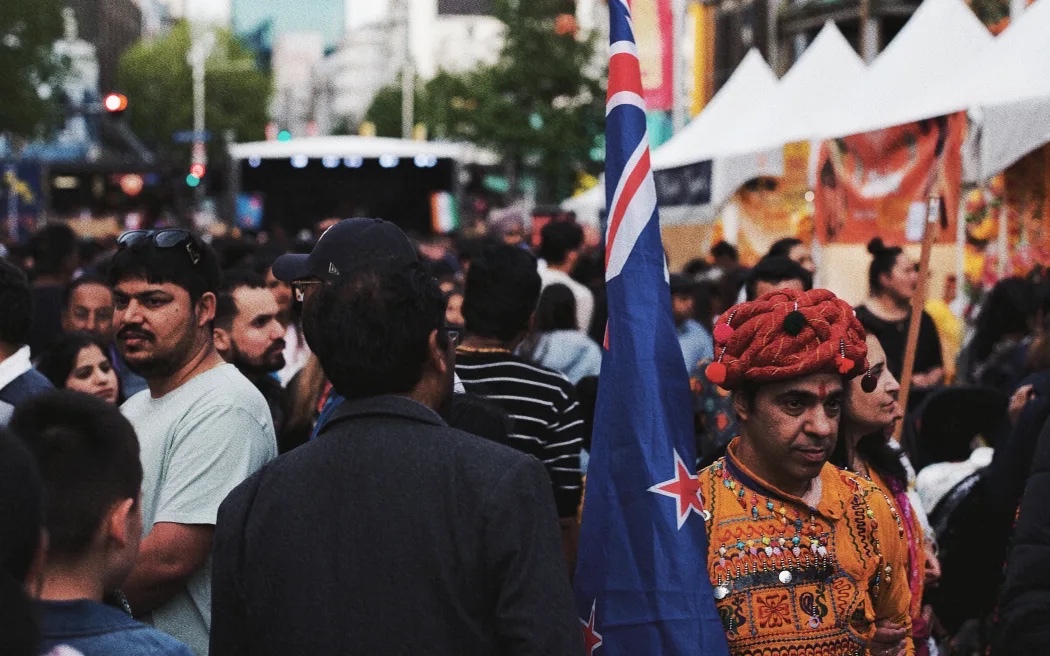
'Don't escalate': Appeal for calm as police increase presence during Diwali amid planned protests Police promise a visible presence and urge festivalgoers to avoid confrontation as Brian Tamaki plans a rally on the same day.
New Zealand First’s announcement is hostile to the humanitarian purpose, economically self-defeating and largely disconnected from New Zealand’s long-term population needs.
What holds the proposals together is not a serious account of what immigration is for, but a view of migrants as a risk to be controlled. A burden to be rationed and a threat against which citizenship must be protected.
Some of the proposals exploit legitimate concerns. Immigration should be planned alongside housing, infrastructure and public services. Employers should not be able to use migrant labour to suppress wages or avoid training New Zealanders. Temporary migration should not become a permanent substitute for investment in skills and productivity.

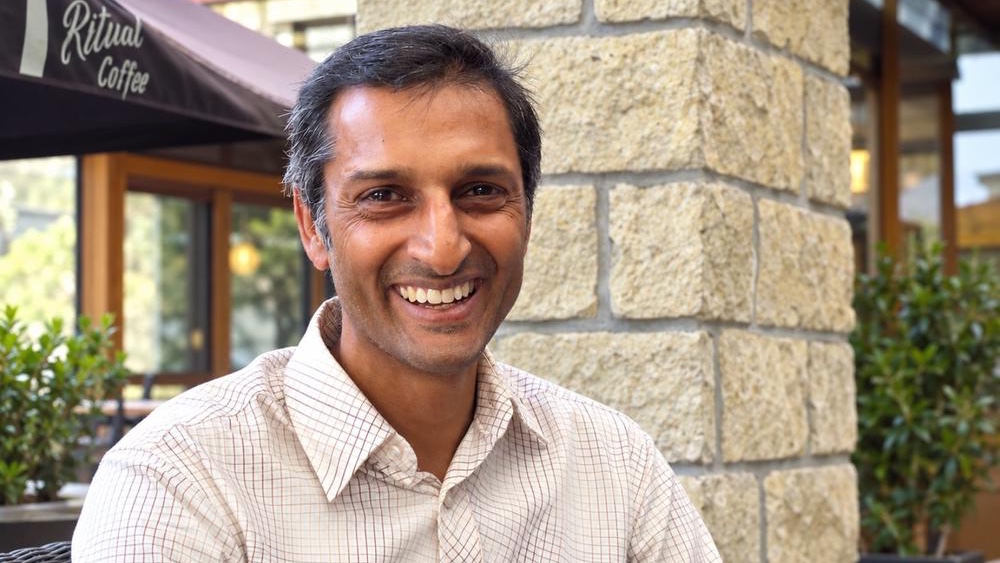
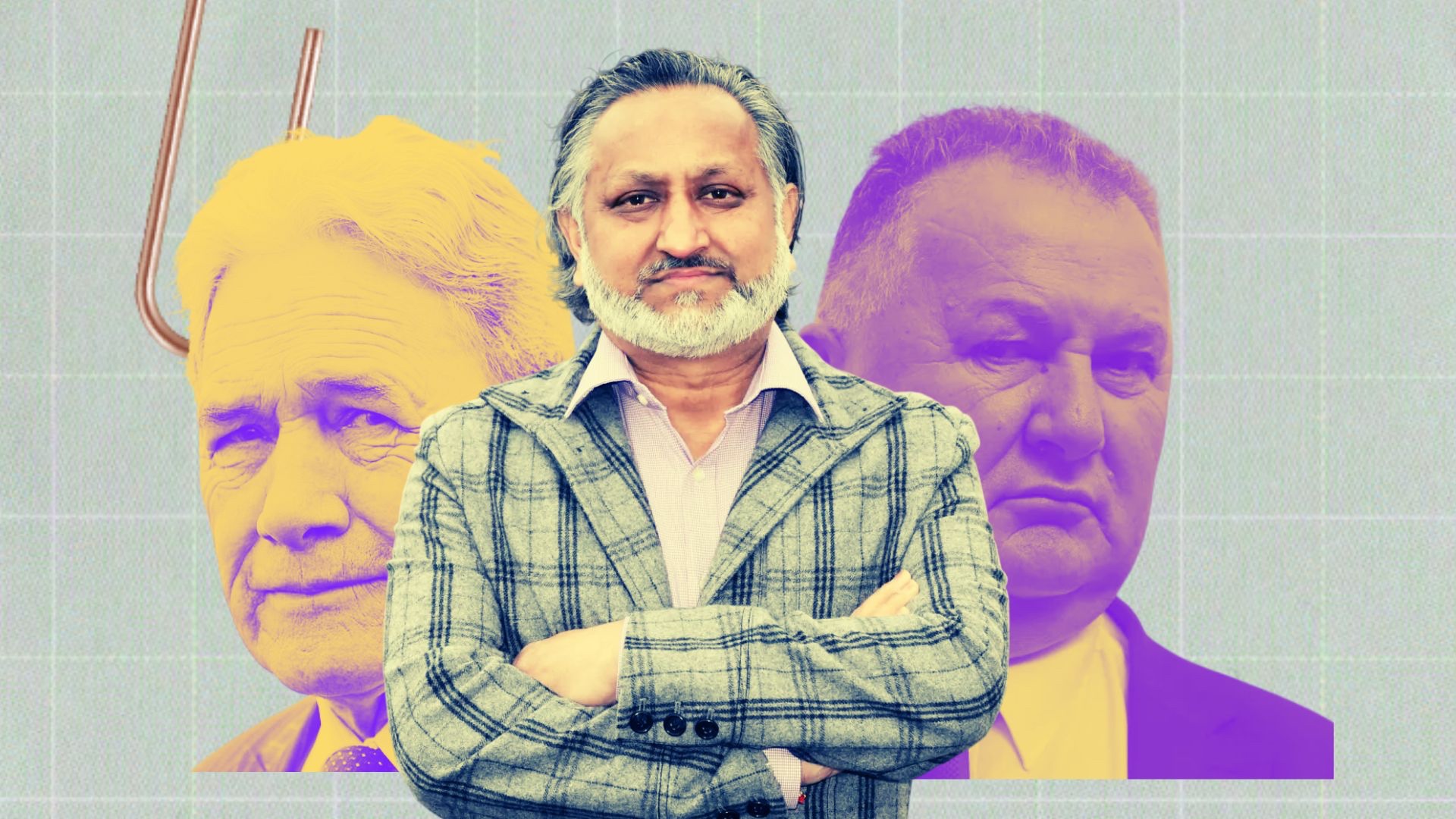
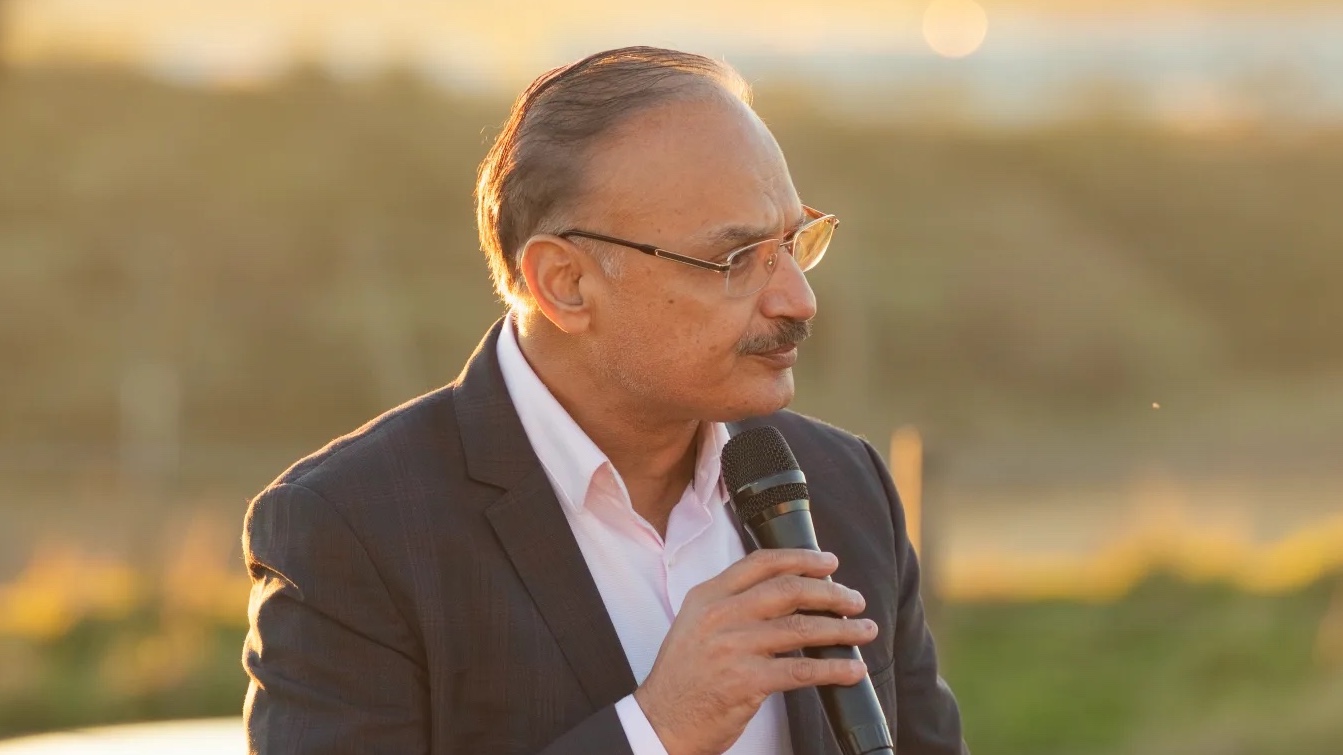
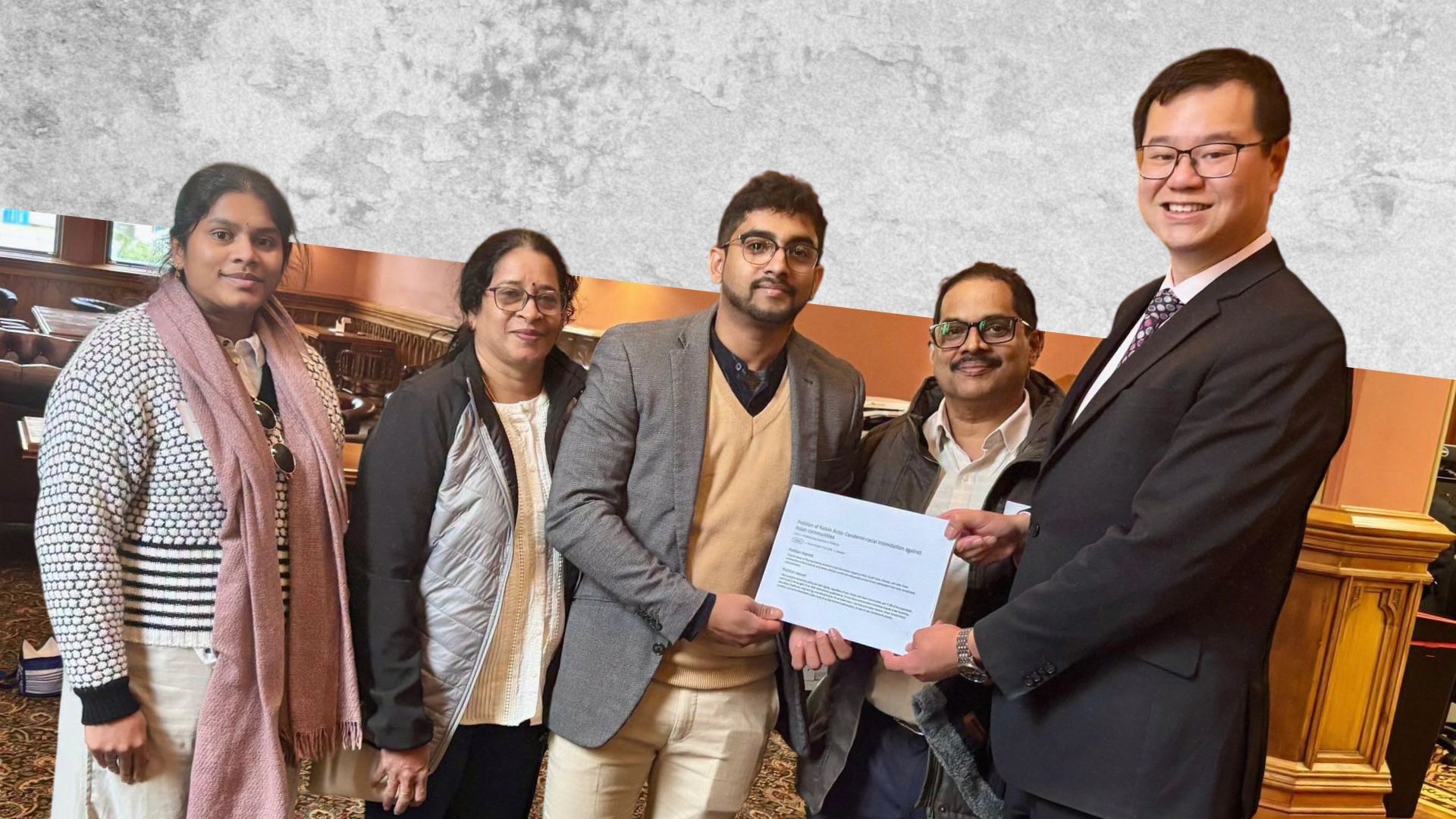
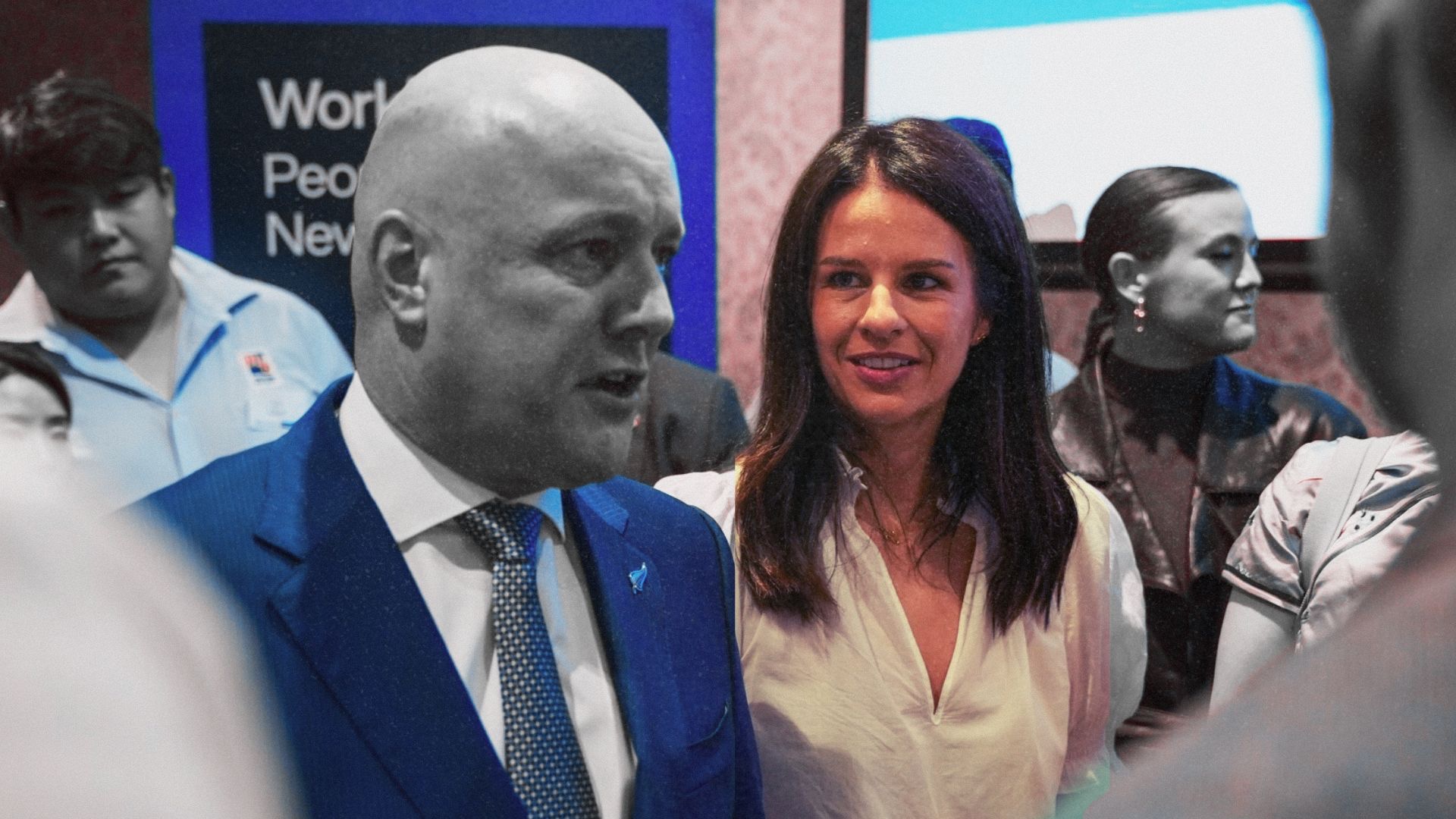
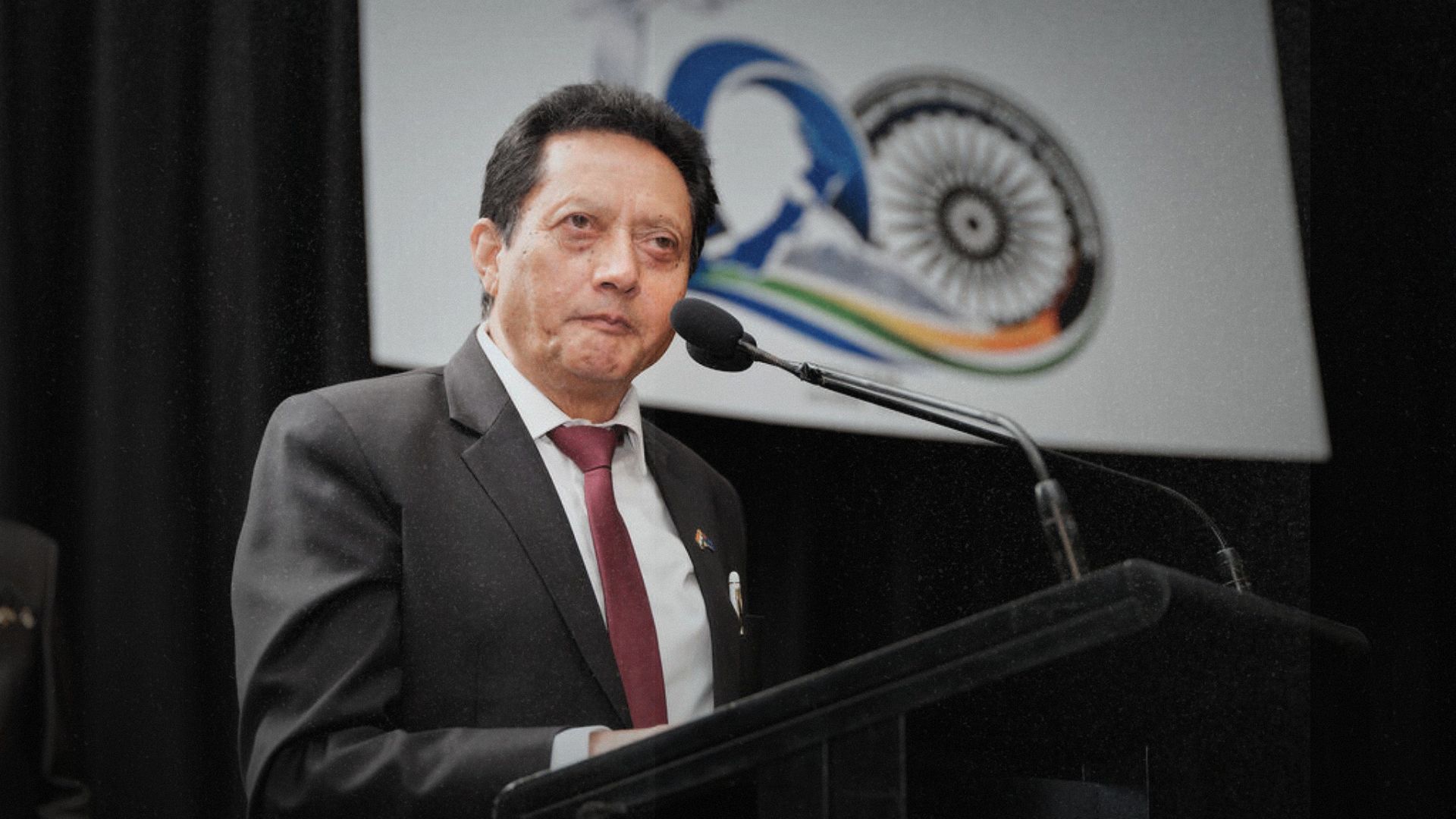
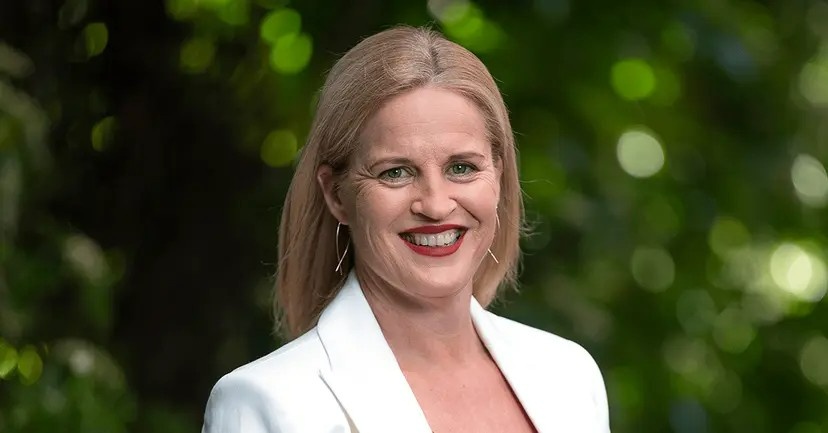
Auckland-based immigration lawyer Alastair McClymont. (Supplied photo)
I have made many of these criticisms myself. The failure of successive governments to plan properly for migration, and the exploitation enabled by the Accredited Employer Work Visa scheme, deserve sustained criticism.
However, none of that justifies an arbitrary residence cap, a ten-year exclusion from welfare, or deliberately making migrants wait longer before they can obtain security and participate fully in society.
A numerical cap of 20,000 says nothing about which migrants New Zealand needs, the number of New Zealanders leaving, our changing age structure or the requirements of particular industries.
It substitutes a politically attractive number for population planning. A 30-year population plan may be sensible, but its purpose should be to identify the population New Zealand will need and the infrastructure required to support it, rather than to provide respectable packaging for a number chosen in advance.
Driving students away
The student proposals are similarly detached from economic reality. New Zealand First would remove automatic work rights from international students and require those wishing to move to another visa to leave the country and apply from overseas.
International education currently contributes billions of dollars to the New Zealand economy, and the government’s own strategy seeks to double its value by 2034.
Students compare New Zealand with Australia, Canada, Britain and other destinations. Their ability to support themselves through limited employment and to obtain relevant experience after study forms part of that decision.
It is simplistic to describe every job held by an international student as a job taken from a New Zealander. Students earn money, spend money, pay rent and taxes, and support educational institutions and local businesses.
If individual employers are exploiting students or avoiding their obligations to New Zealand workers, those employers should be regulated. Driving students away from New Zealand will not strengthen export education. It will simply export the students, their spending and their future skills to our competitors.
Caring for the elderly
There is also a contradiction at the centre of New Zealand First’s approach. New Zealand has an ageing population, a low birth rate and a continuing loss of working-age citizens overseas.
Healthcare, aged care, horticulture, construction, hospitality and many other parts of the economy rely upon migrant labour. We cannot structure our economy around that contribution while structuring our politics around resentment of the people making it.
Migrants are already participants in those relationships. They care for our elderly, staff our hospitals, build our homes, harvest our food, operate businesses, pay taxes and raise children here.

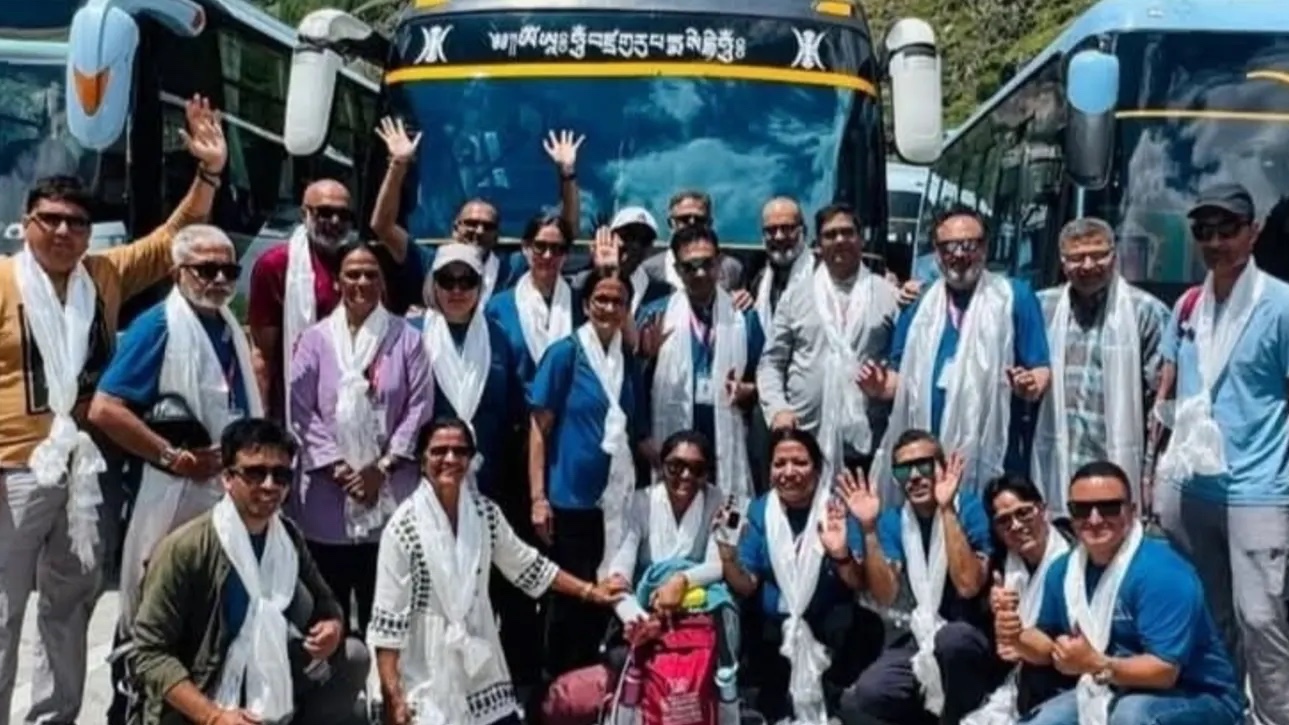
A performer at BNZ Auckland Diwali festival. (File photo)
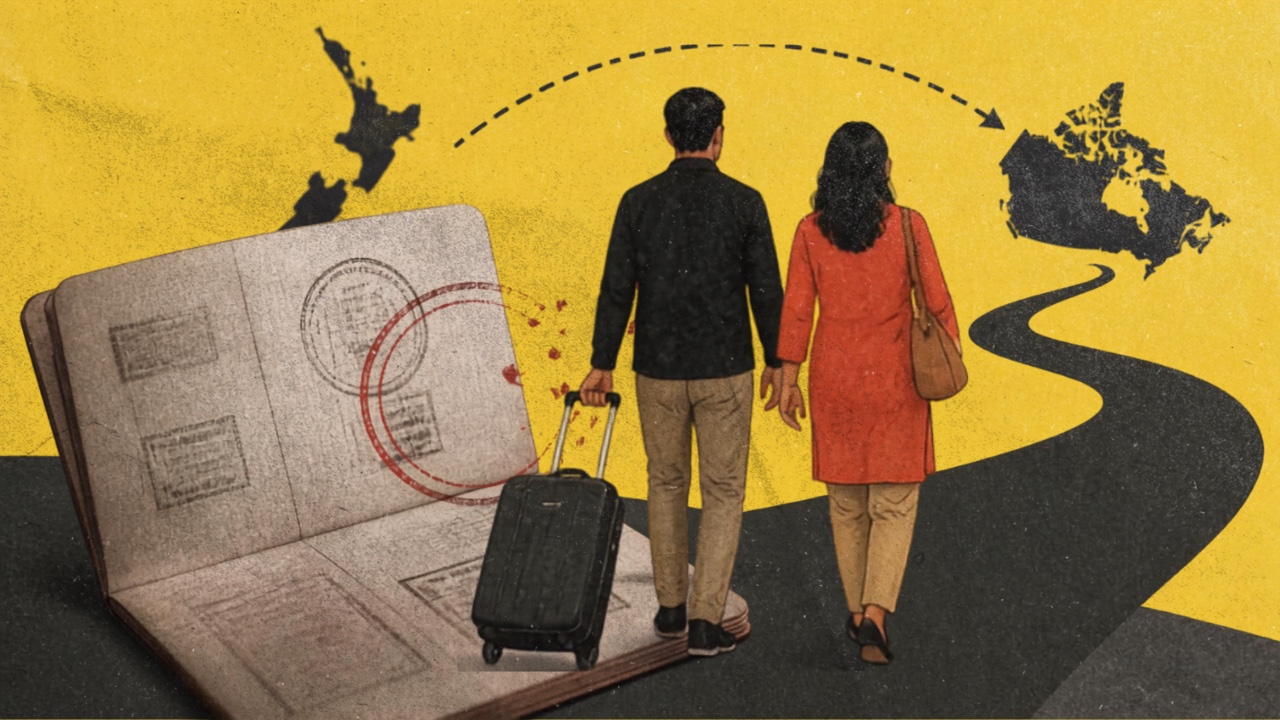
Extending the qualifying periods for permanent residence and citizenship would prolong insecurity after migrants have already established families, careers and commitments here.
These policies treat contribution as an obligation imposed upon migrants while treating reciprocity as an optional act of generosity by the state.
The same thinking appears in the proposal to limit automatic citizenship at birth to children with a citizen parent. New Zealand has not had unrestricted birthright citizenship since 2006. A child born here is currently a citizen only if a parent is a citizen or entitled to remain in New Zealand indefinitely.
New Zealand First would remove the latter protection, meaning that children born in New Zealand to resident parents could begin life as foreigners in the only country they have ever known.
This is not about preventing opportunistic birth tourism. It is about narrowing membership and making exclusion hereditary.
Asylum and deportation
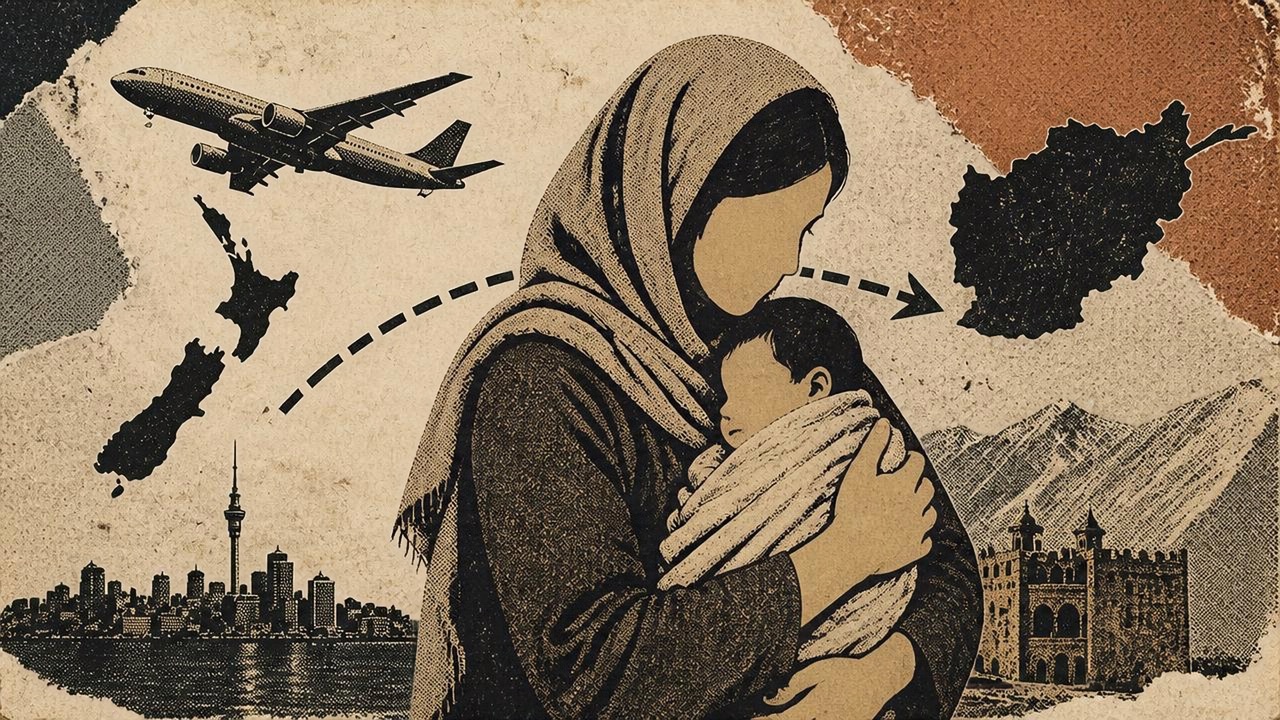
The asylum proposal is more disturbing still. New Zealand First says that certain visa holders would be ineligible even to seek asylum, while protected person status would become temporary and subject to continuing reassessment.
The right to seek protection exists because persecution and danger cannot always be predicted from the type of visa on which a person entered New Zealand. Any reform must remain consistent with New Zealand’s international obligations and the fundamental principle that a person must not be returned to persecution or serious harm.
The proposed expansion of deportation liability follows the same pattern. Making a person liable for deportation for any offence carrying imprisonment would capture a remarkably broad range of conduct, regardless of the sentence actually imposed.
Automatic deportation for entire categories of offending would replace an assessment of proportionality, family consequences, rehabilitation and humanitarian circumstances with a slogan about toughness.

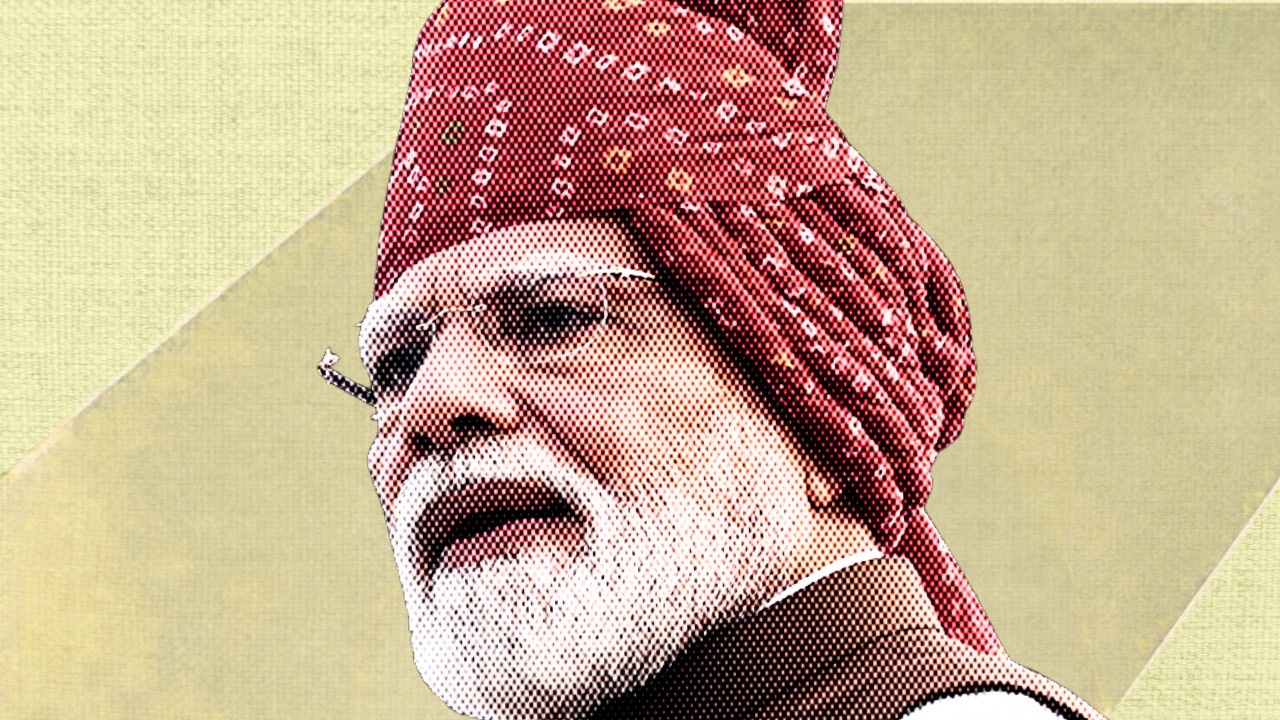
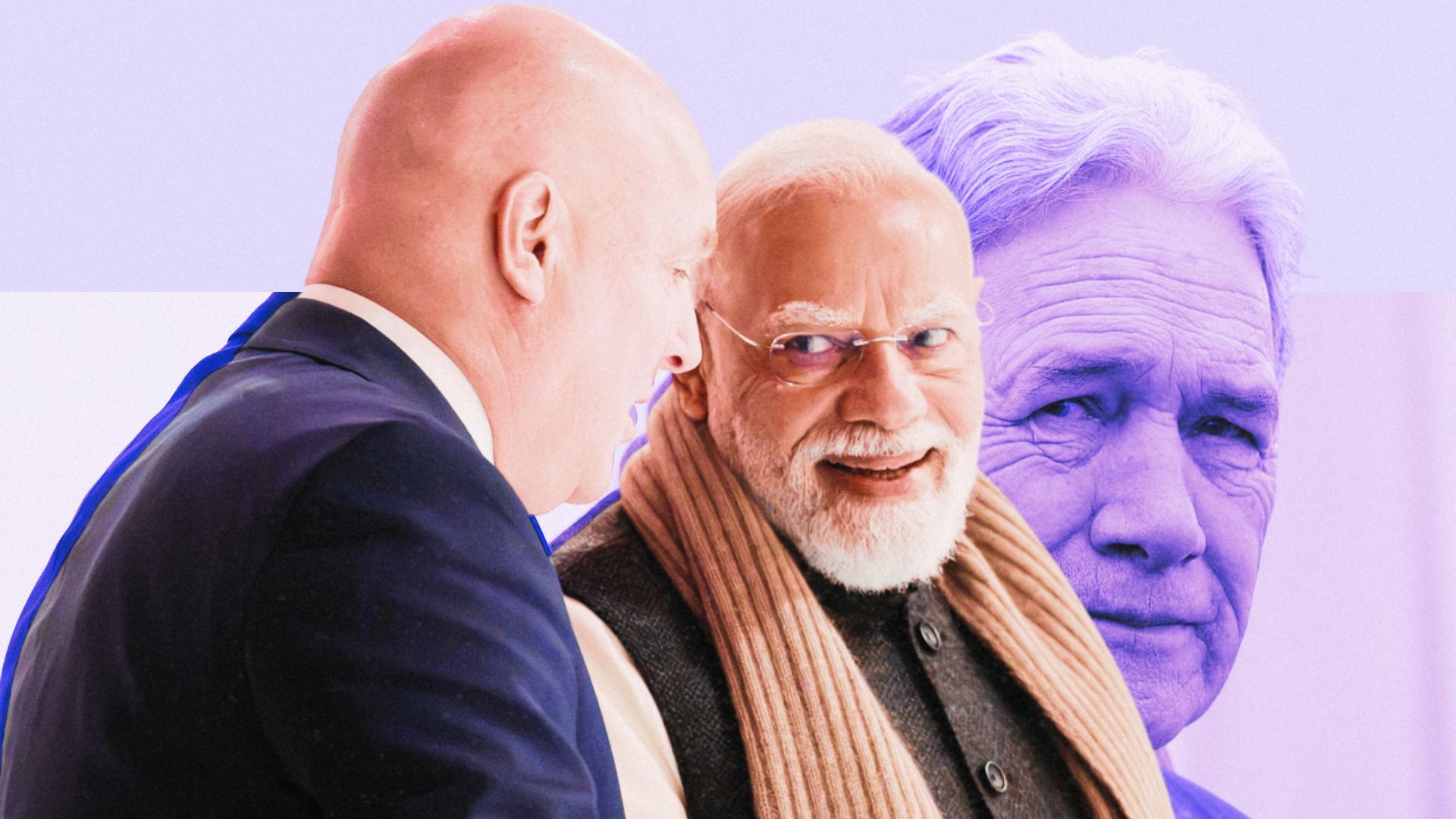
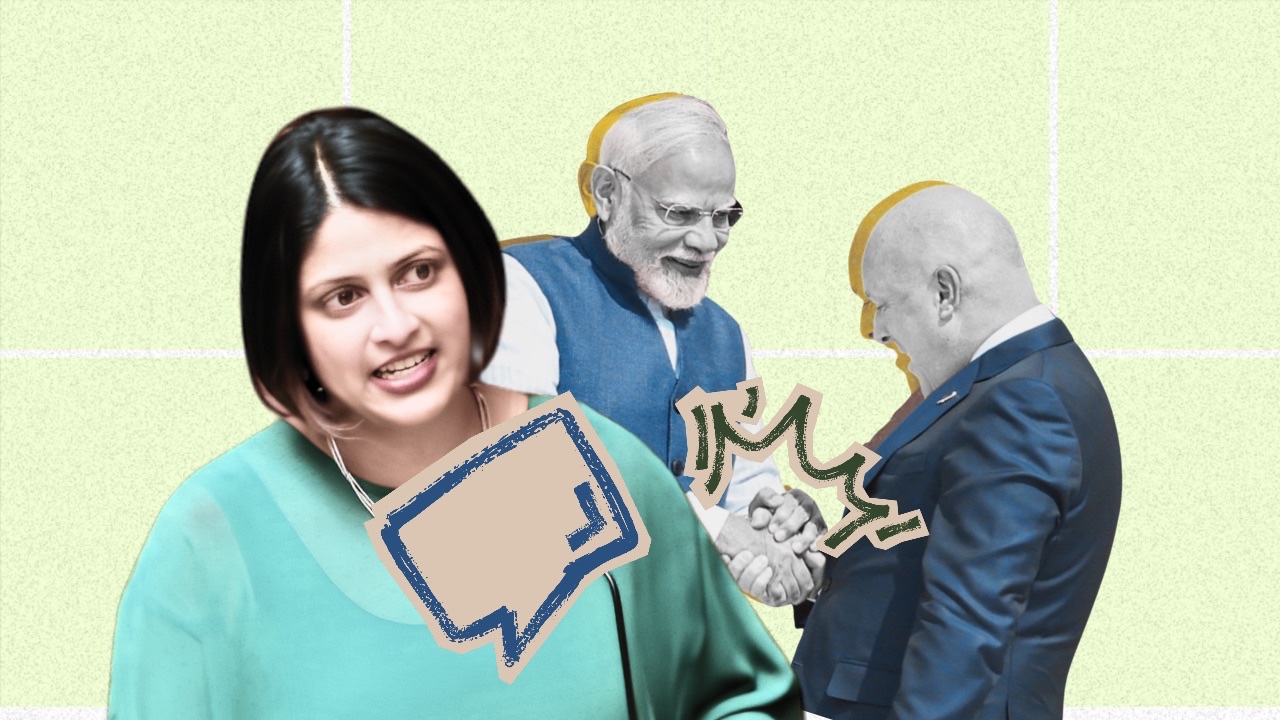
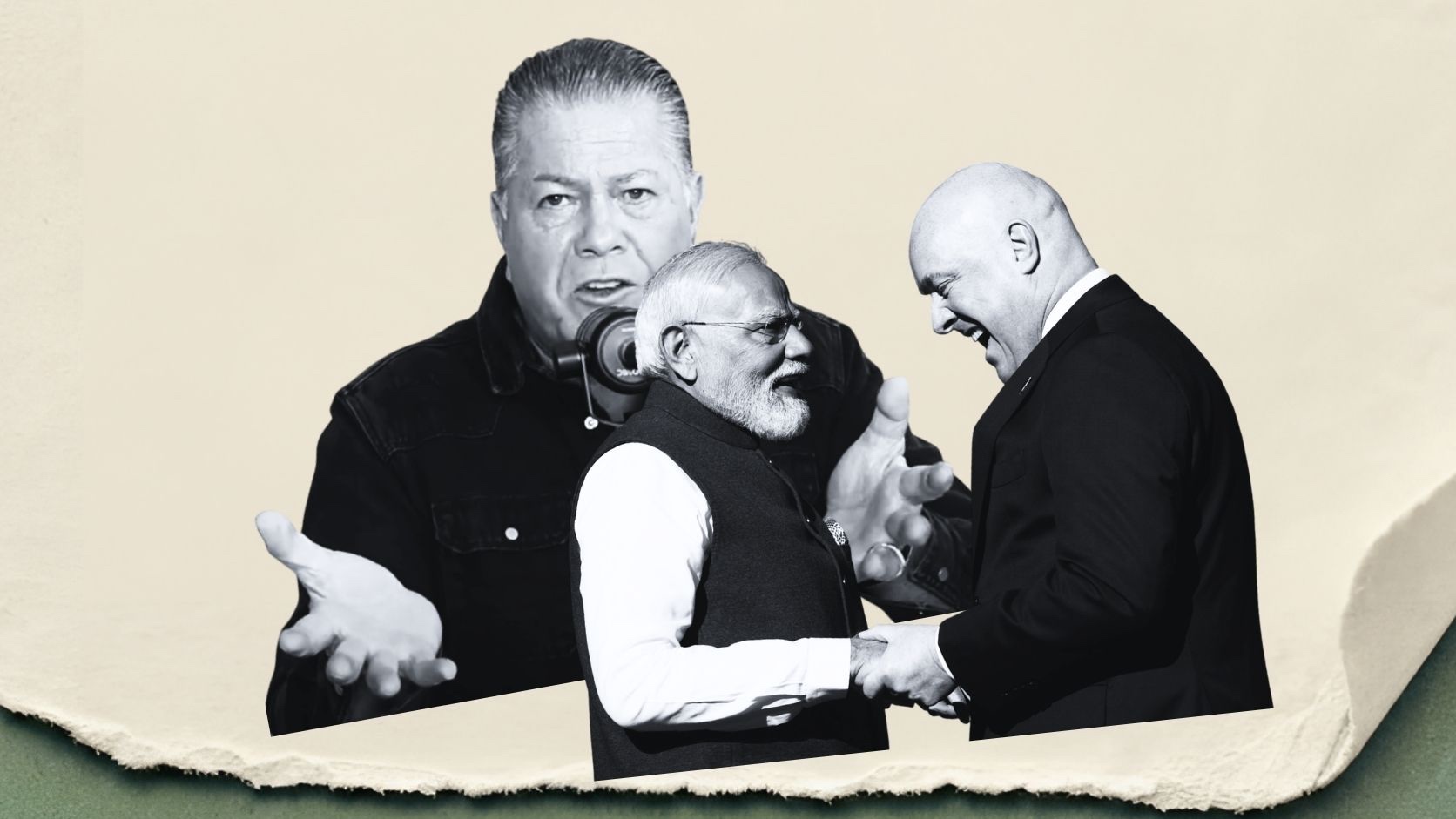
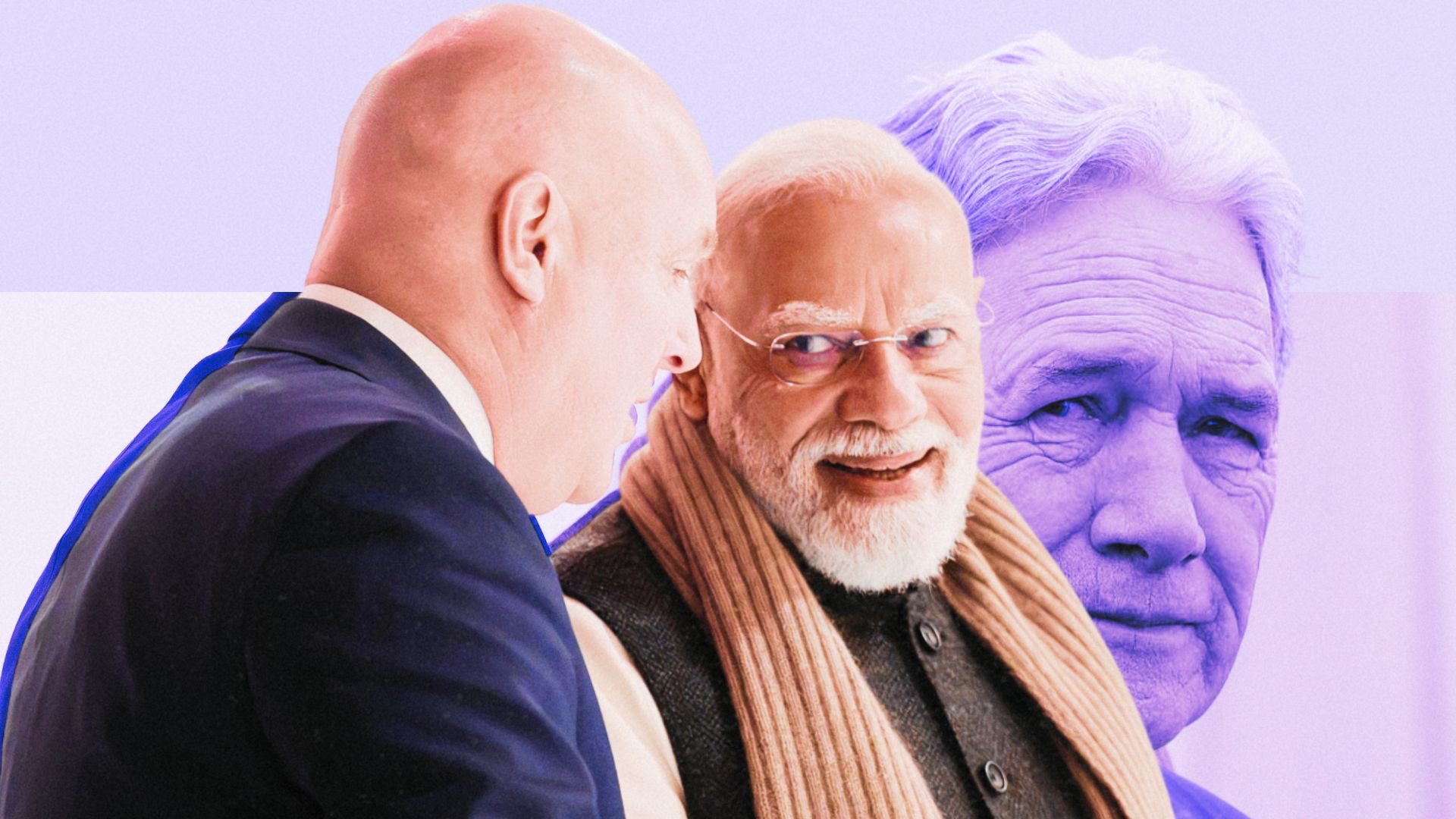
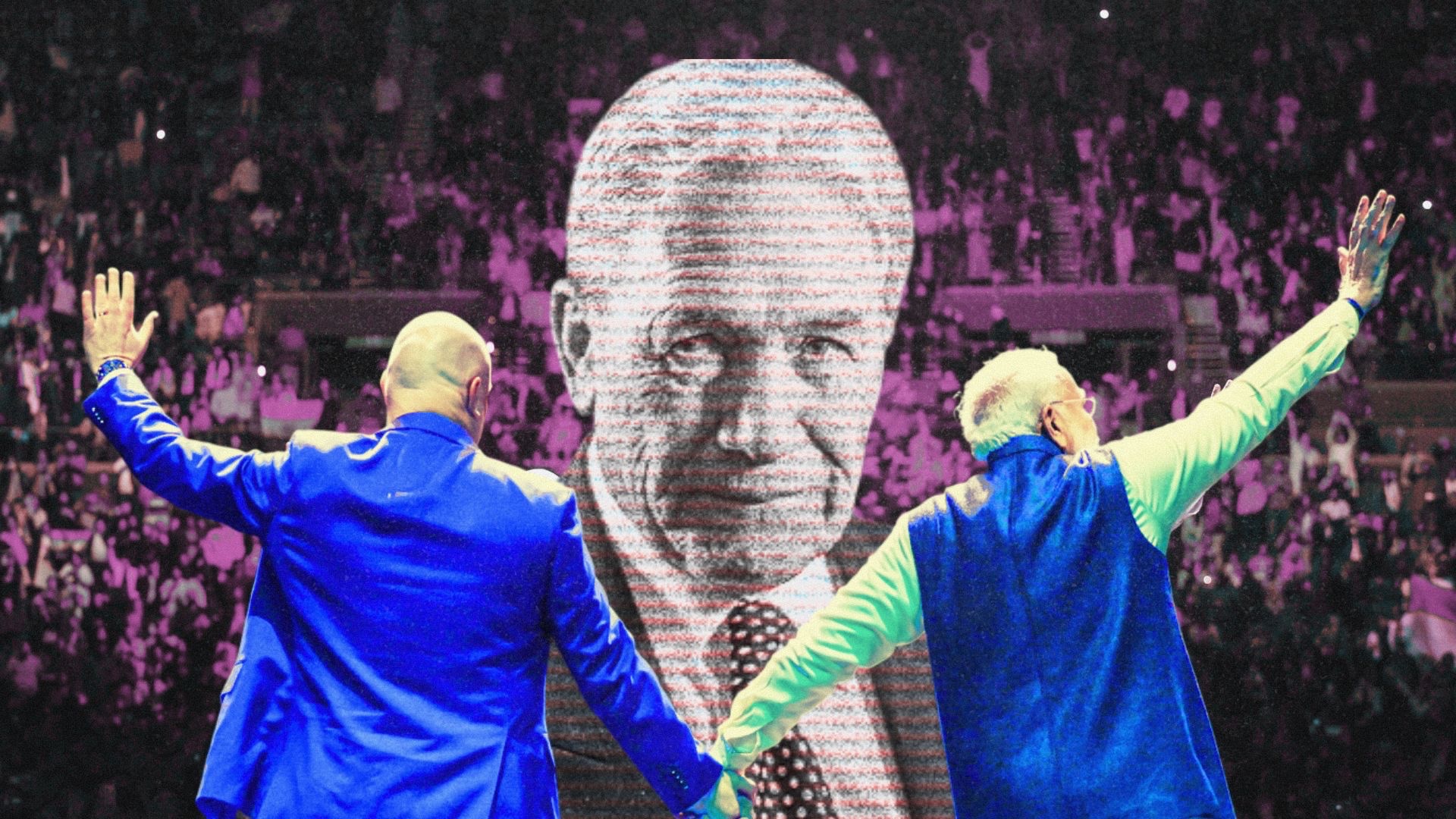
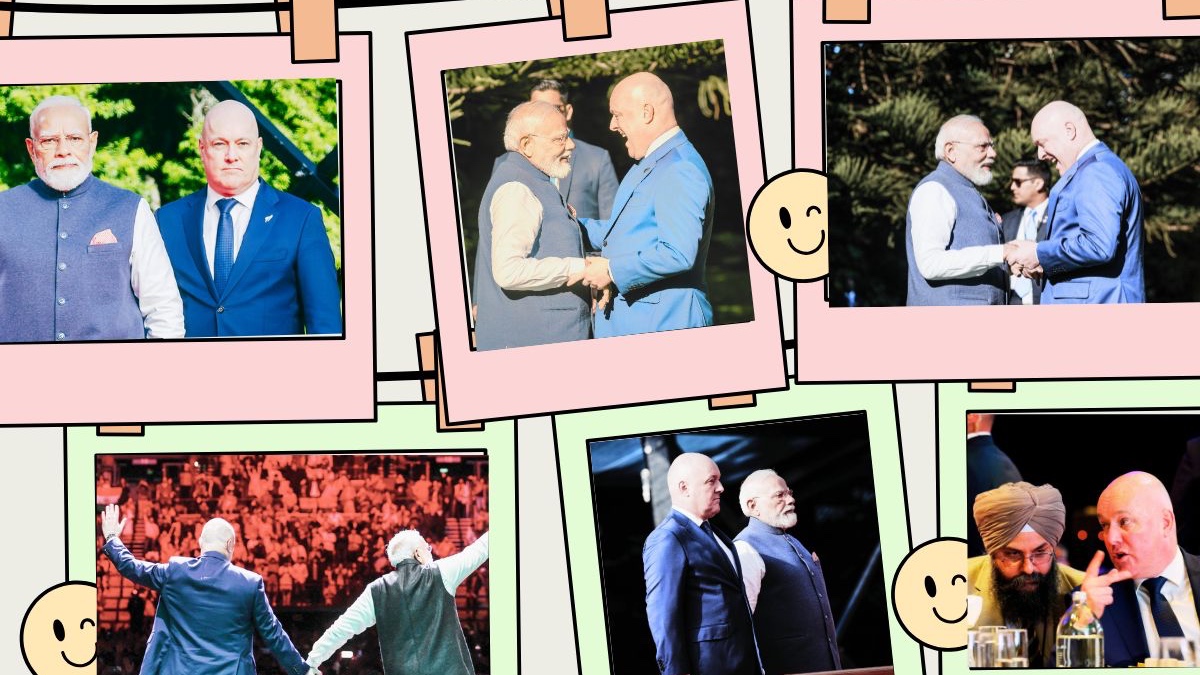
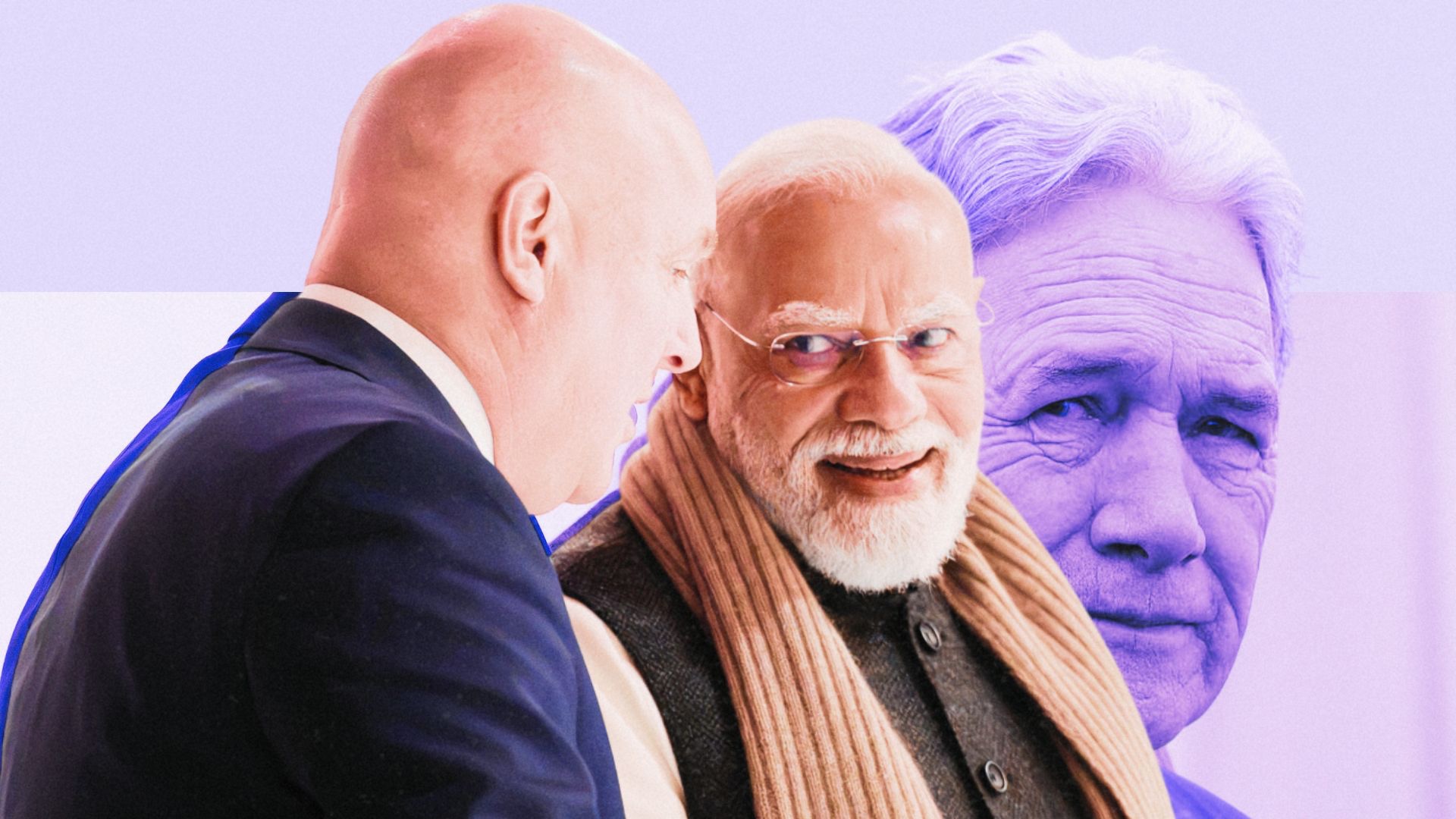
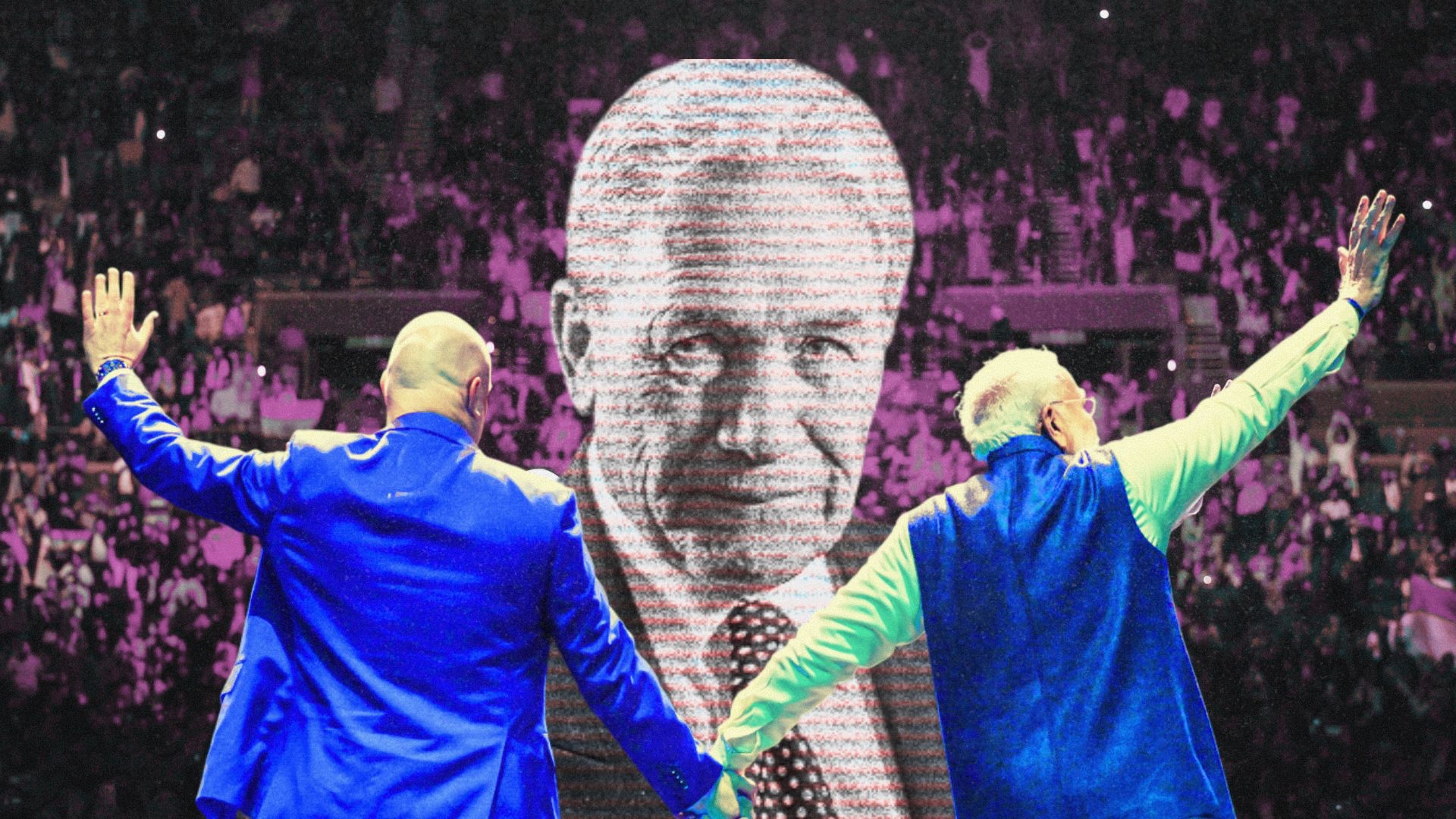
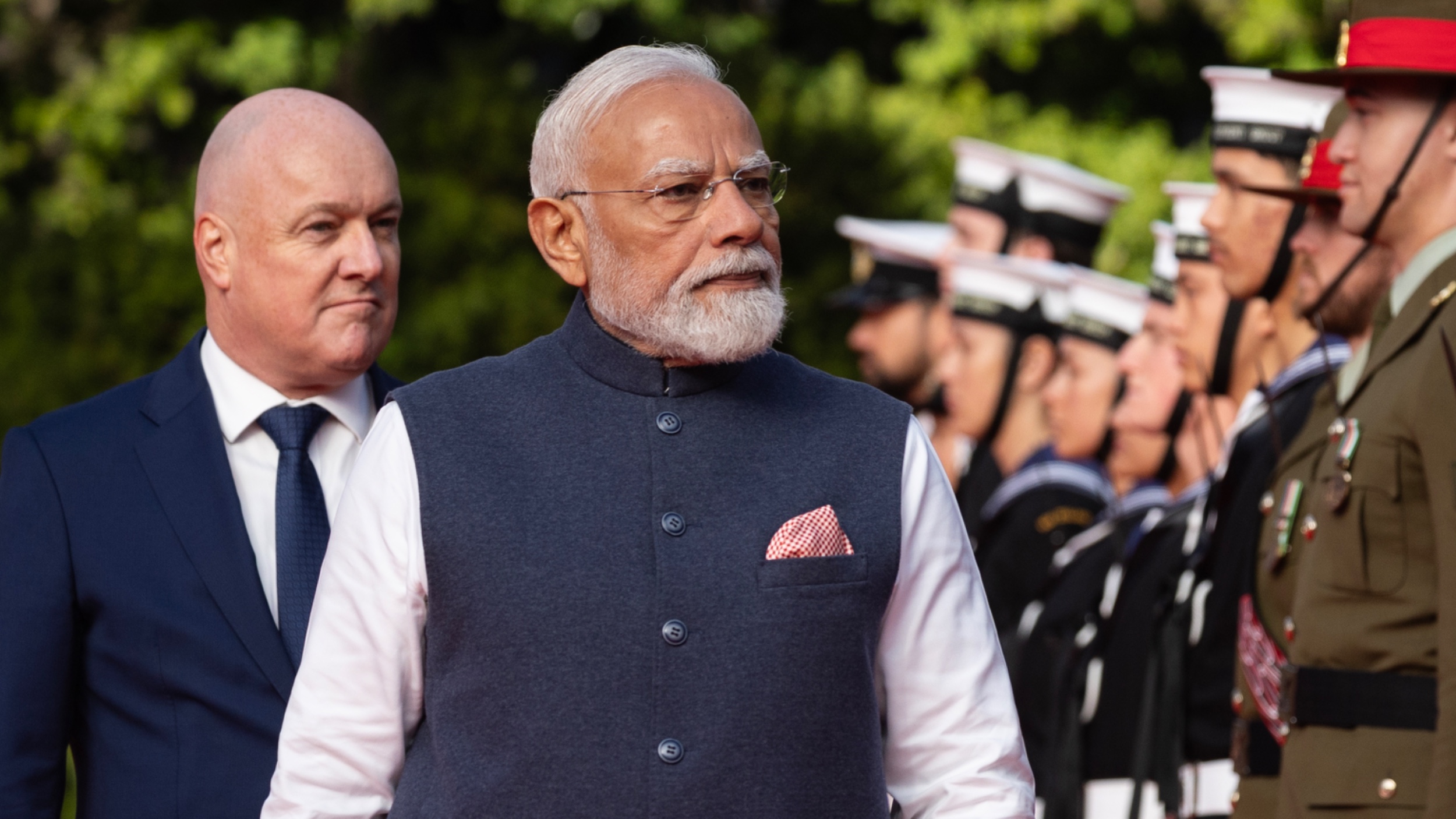
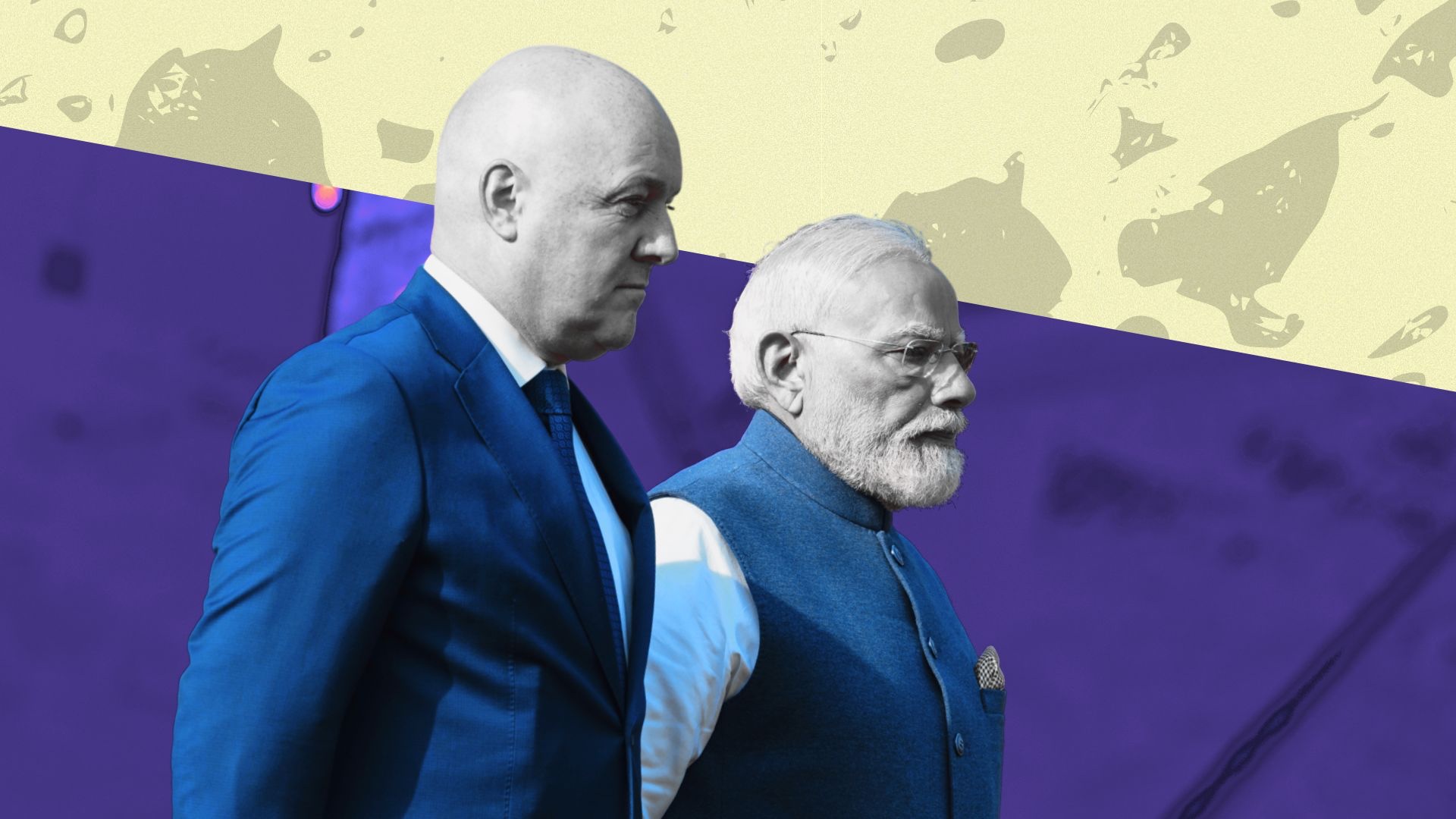
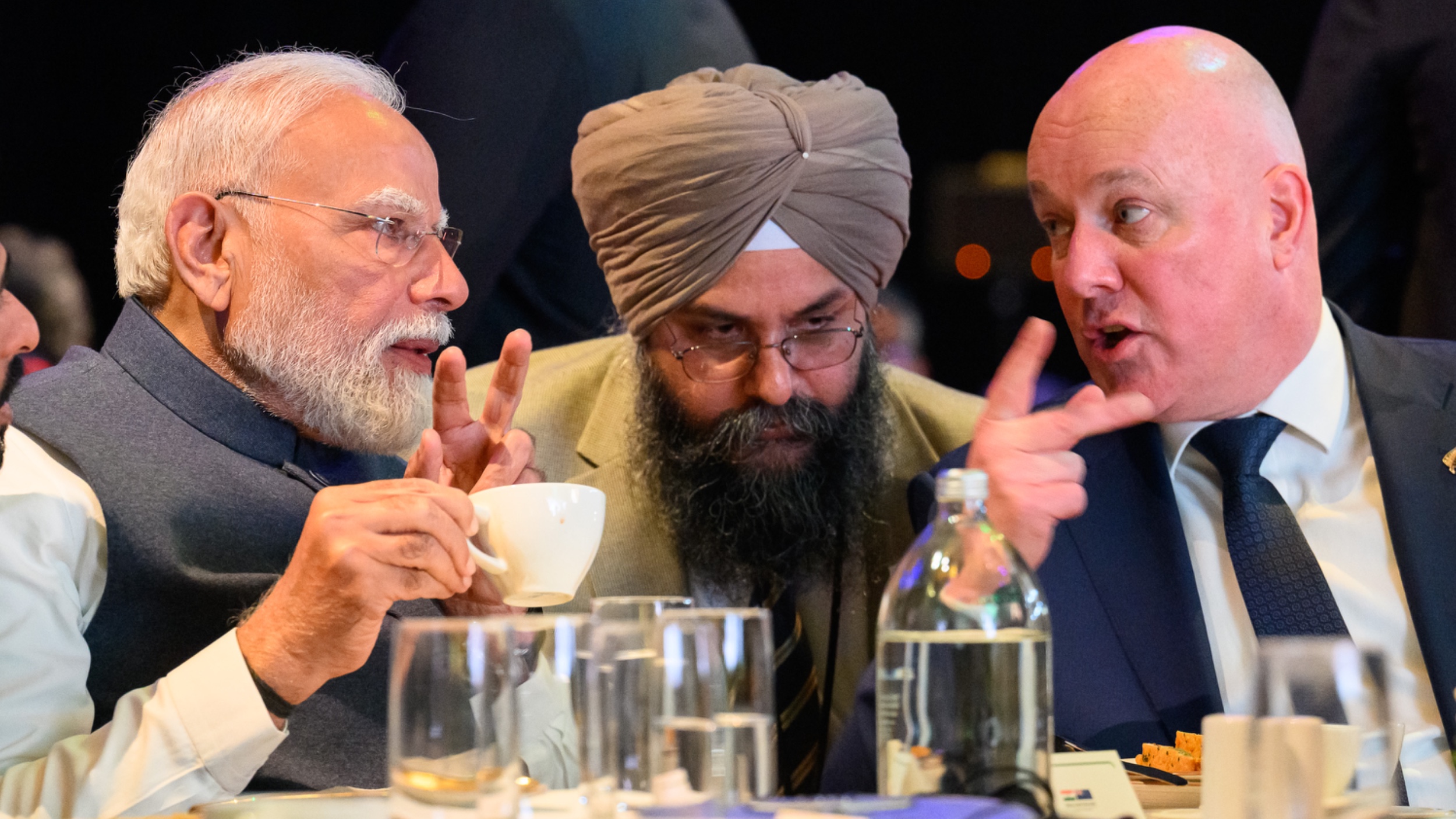
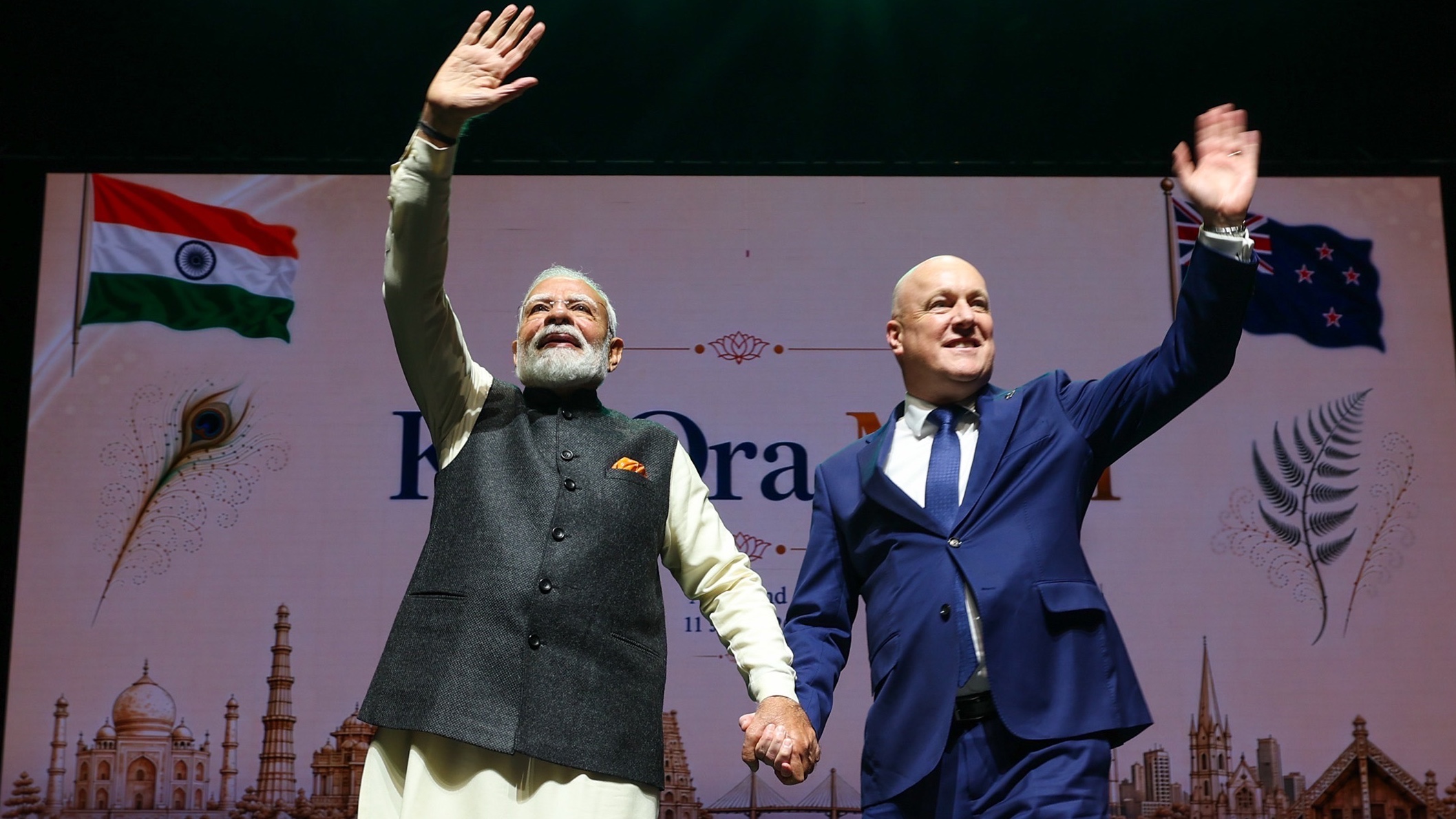
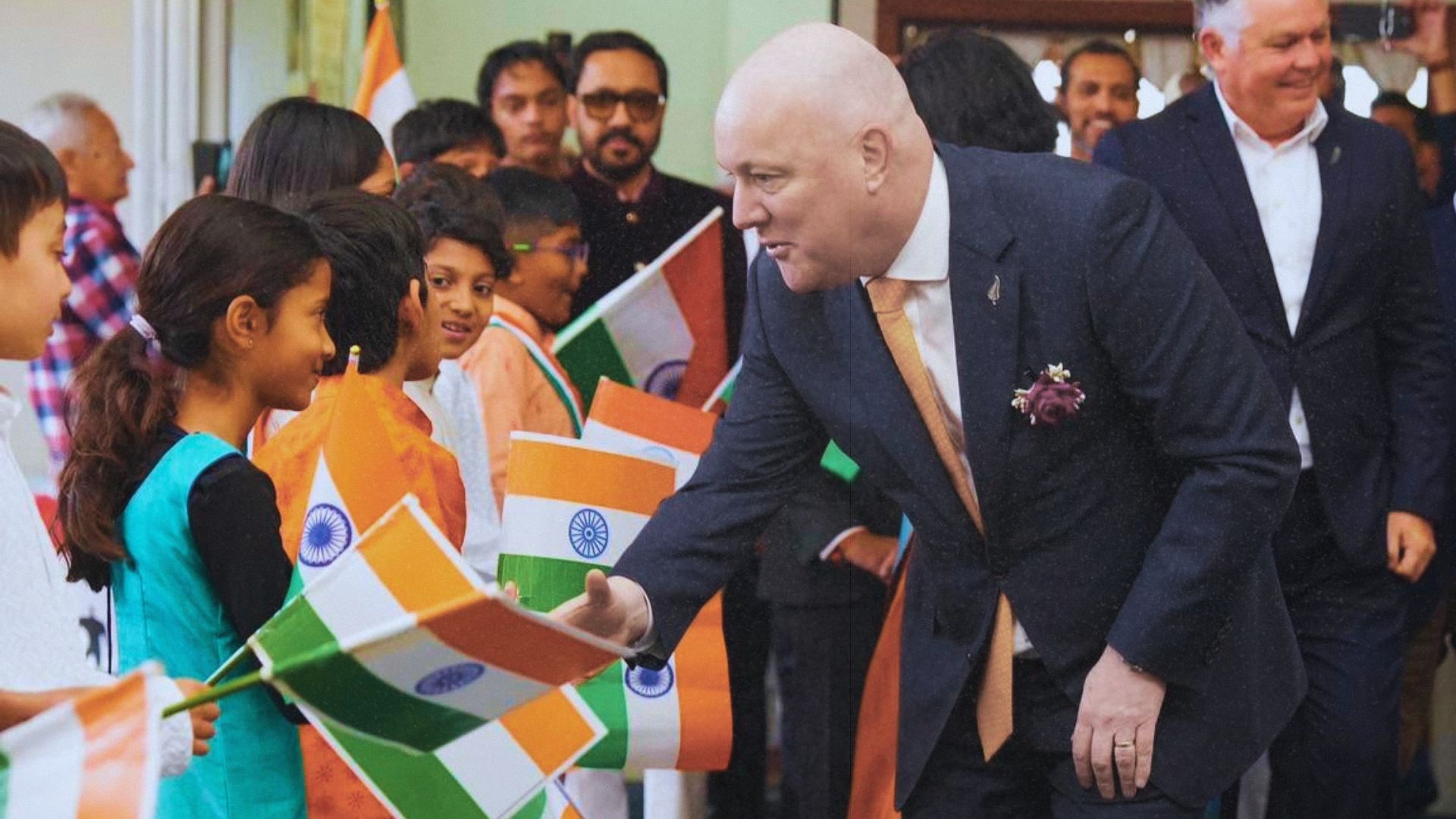
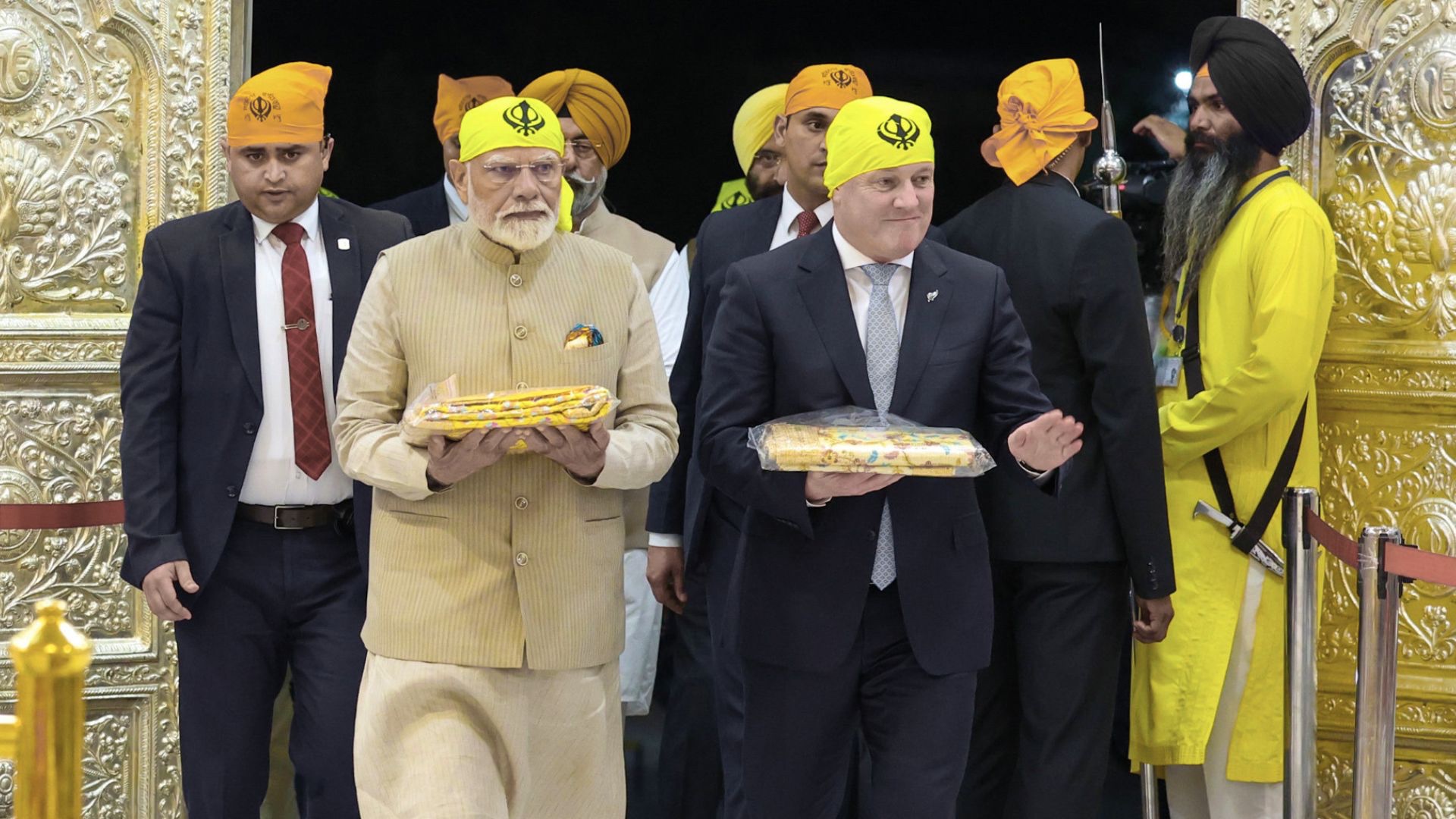
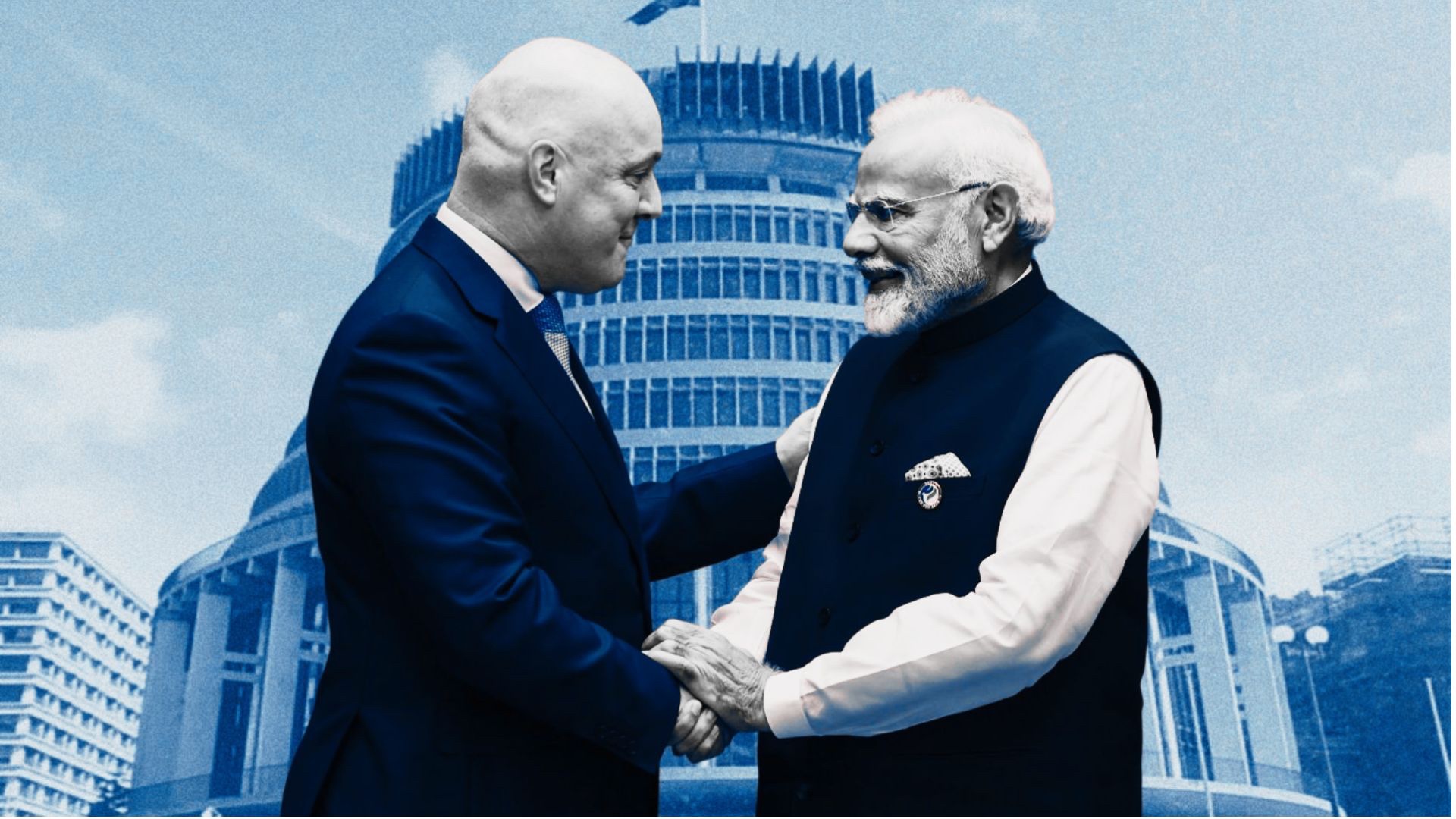
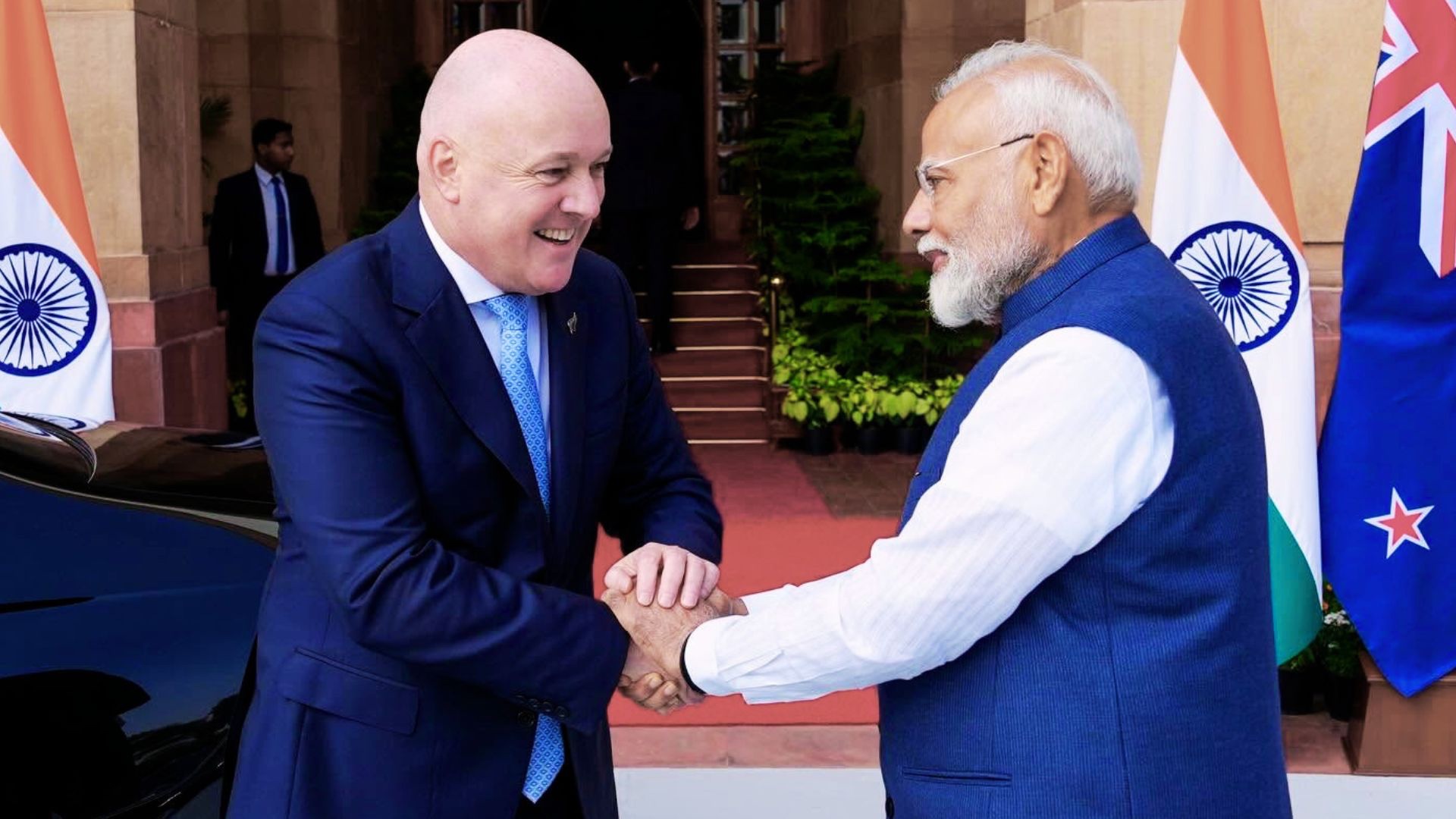
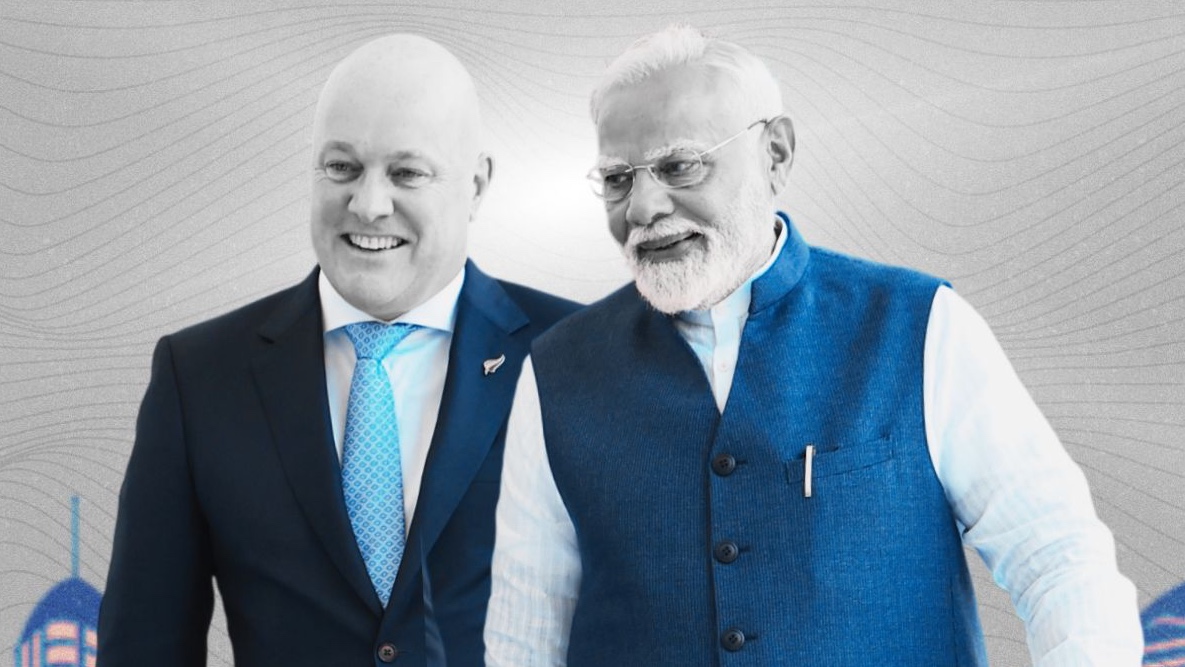
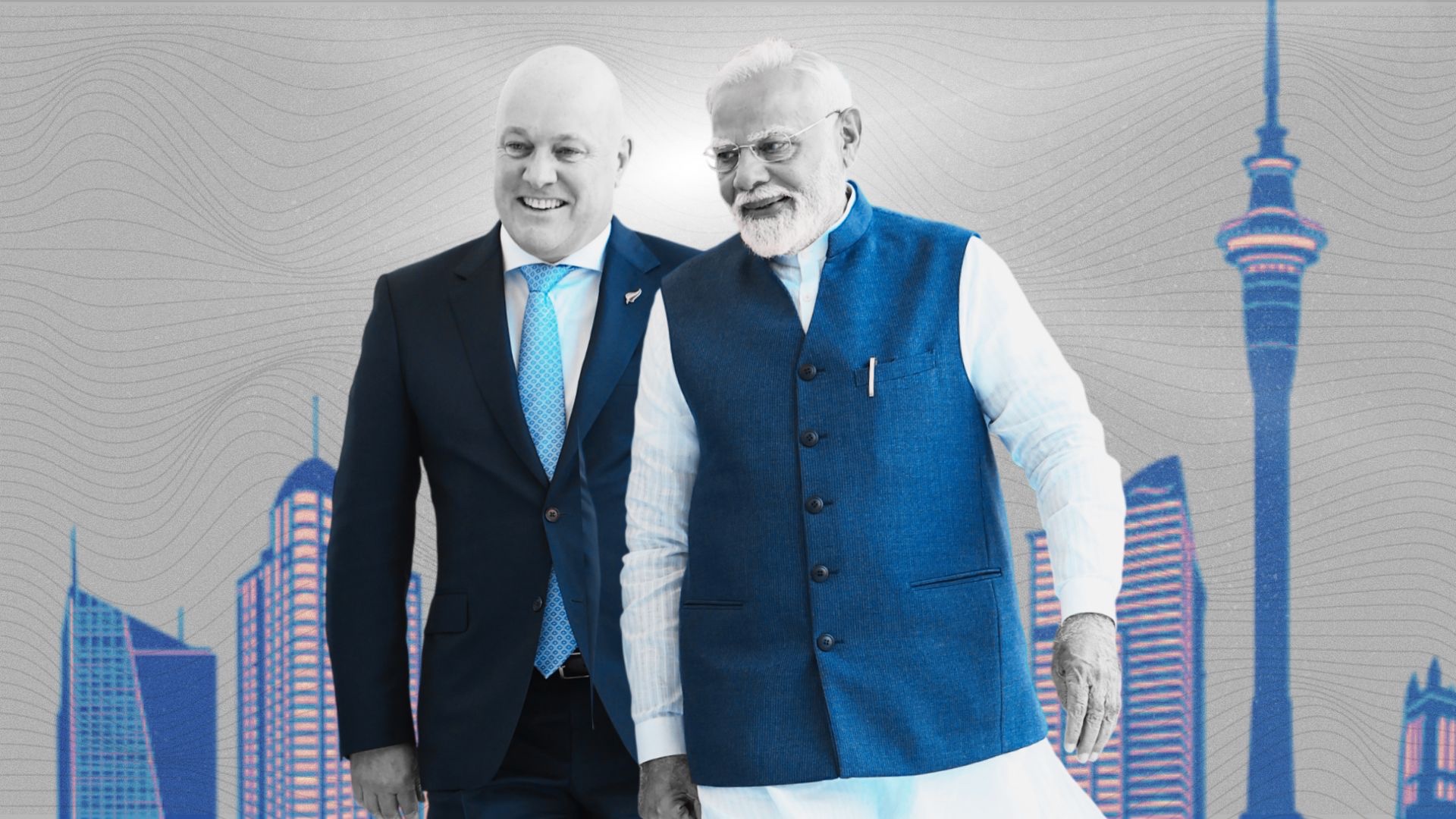
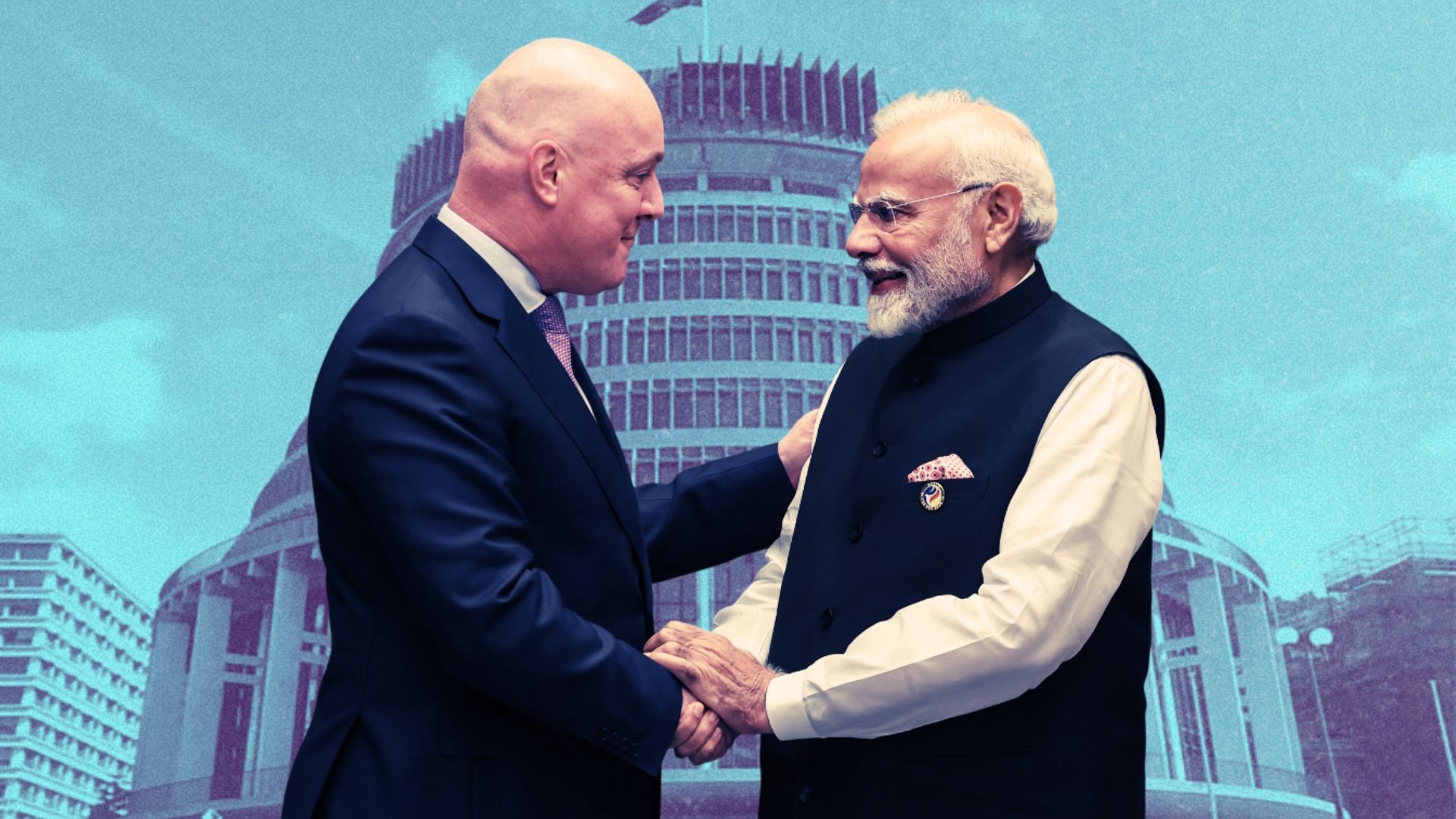
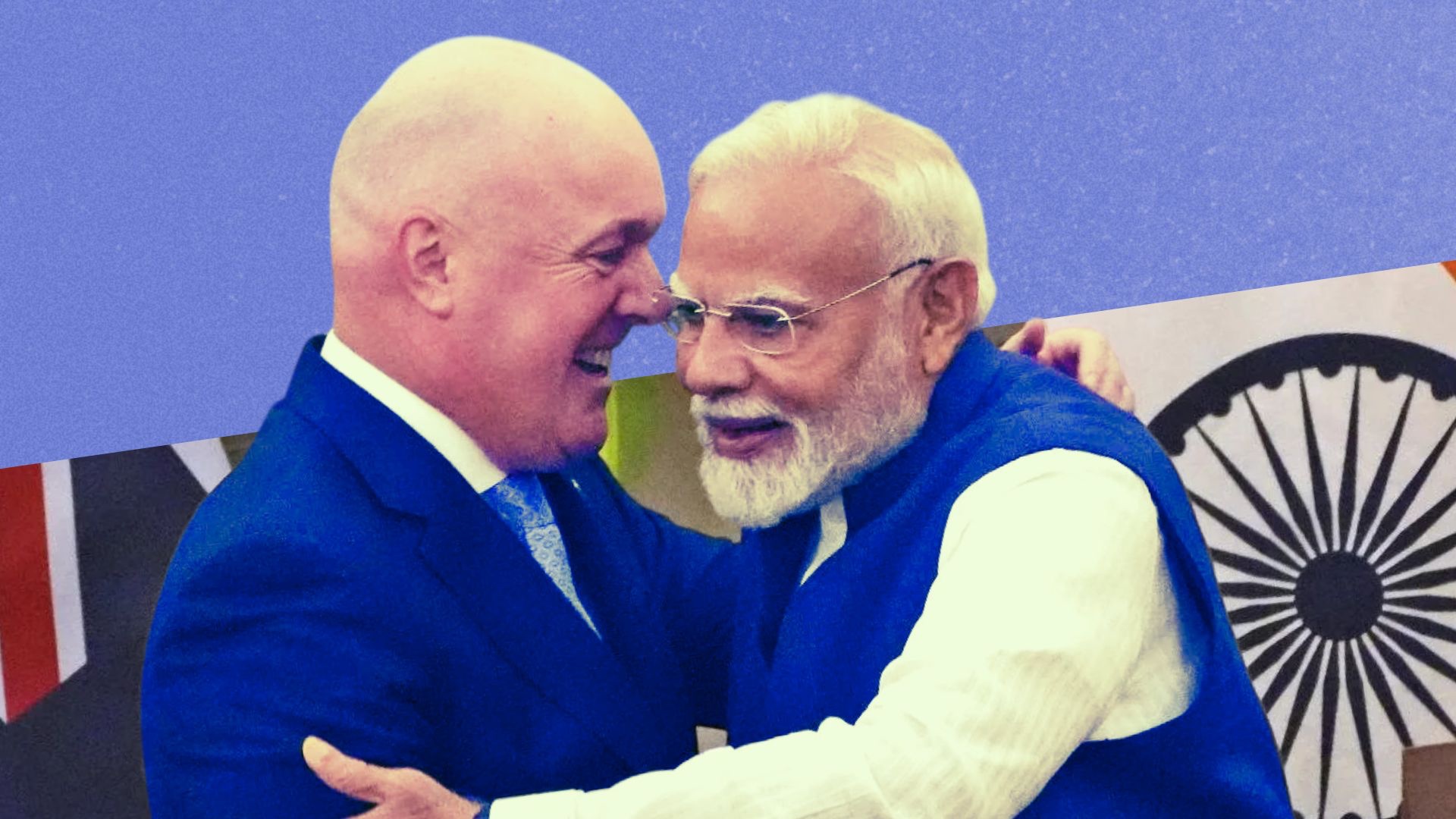
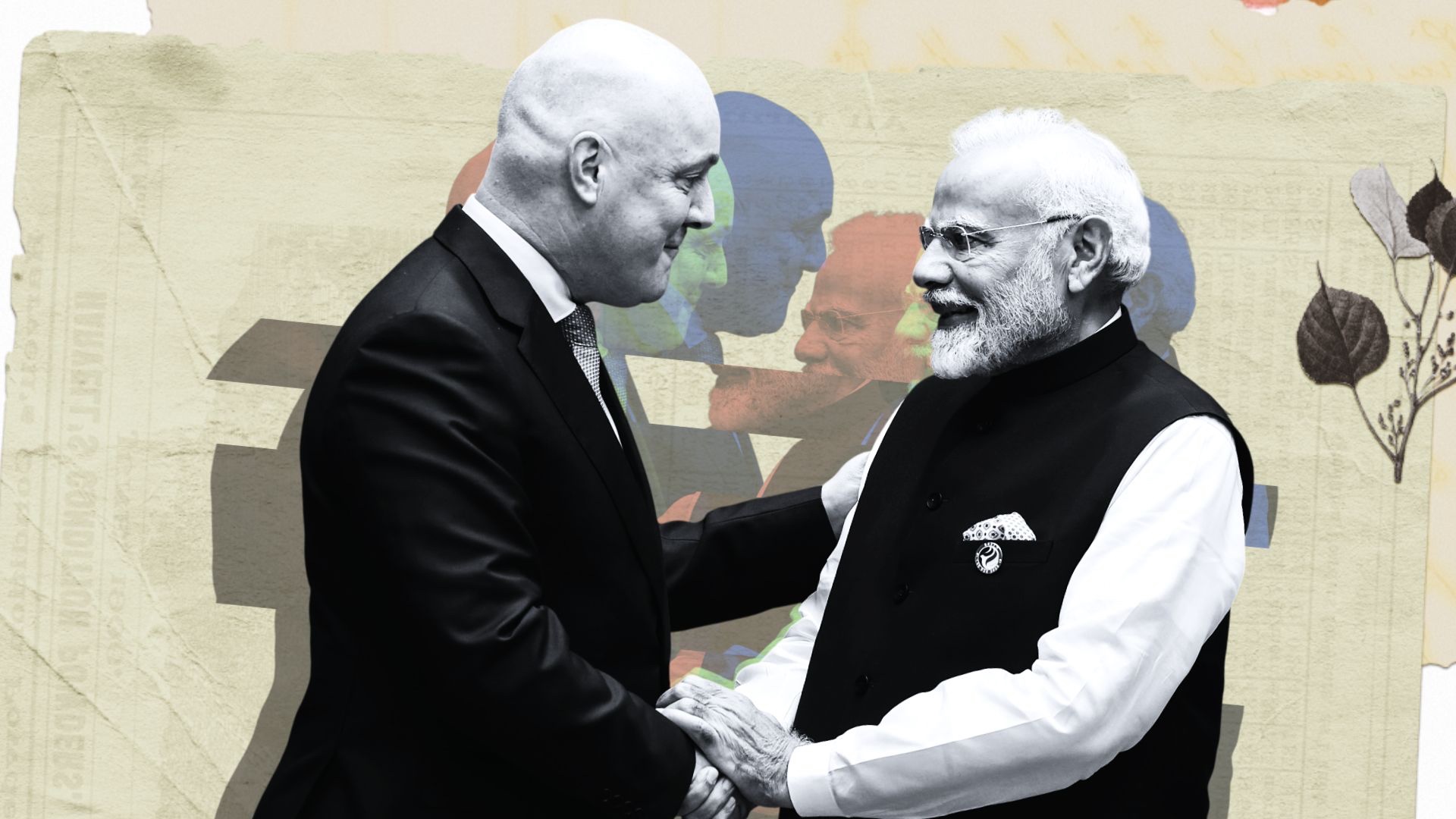
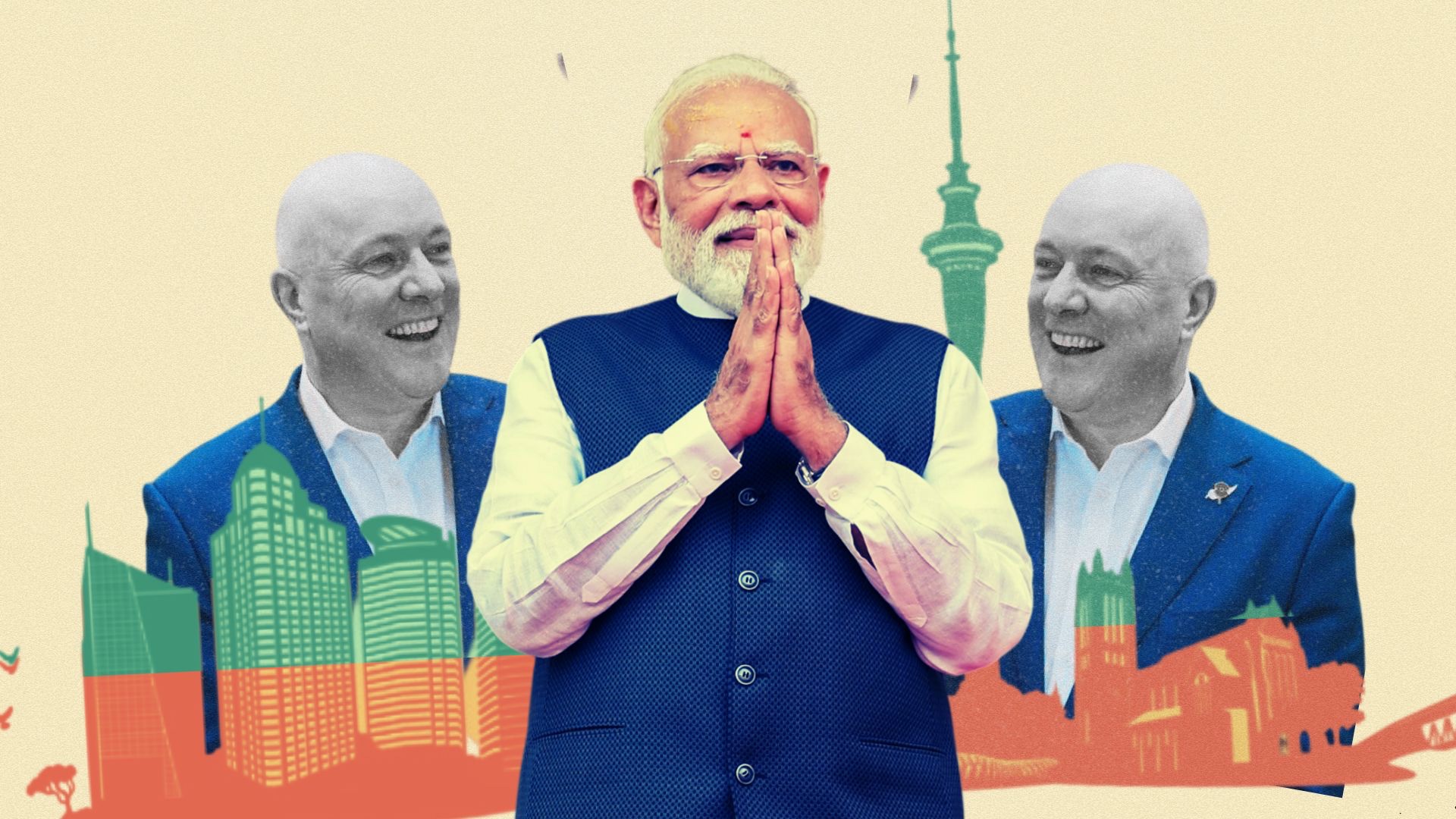
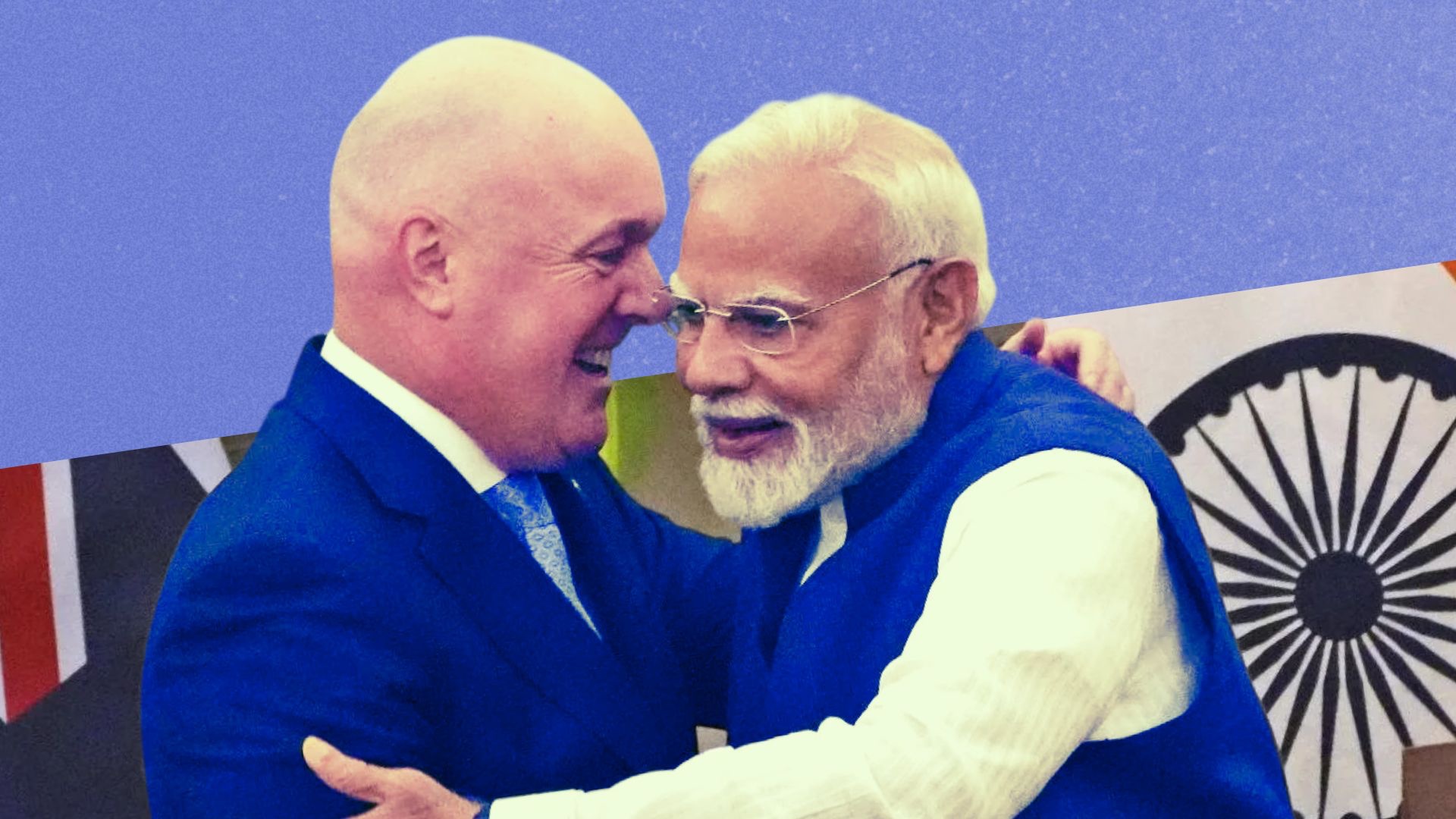
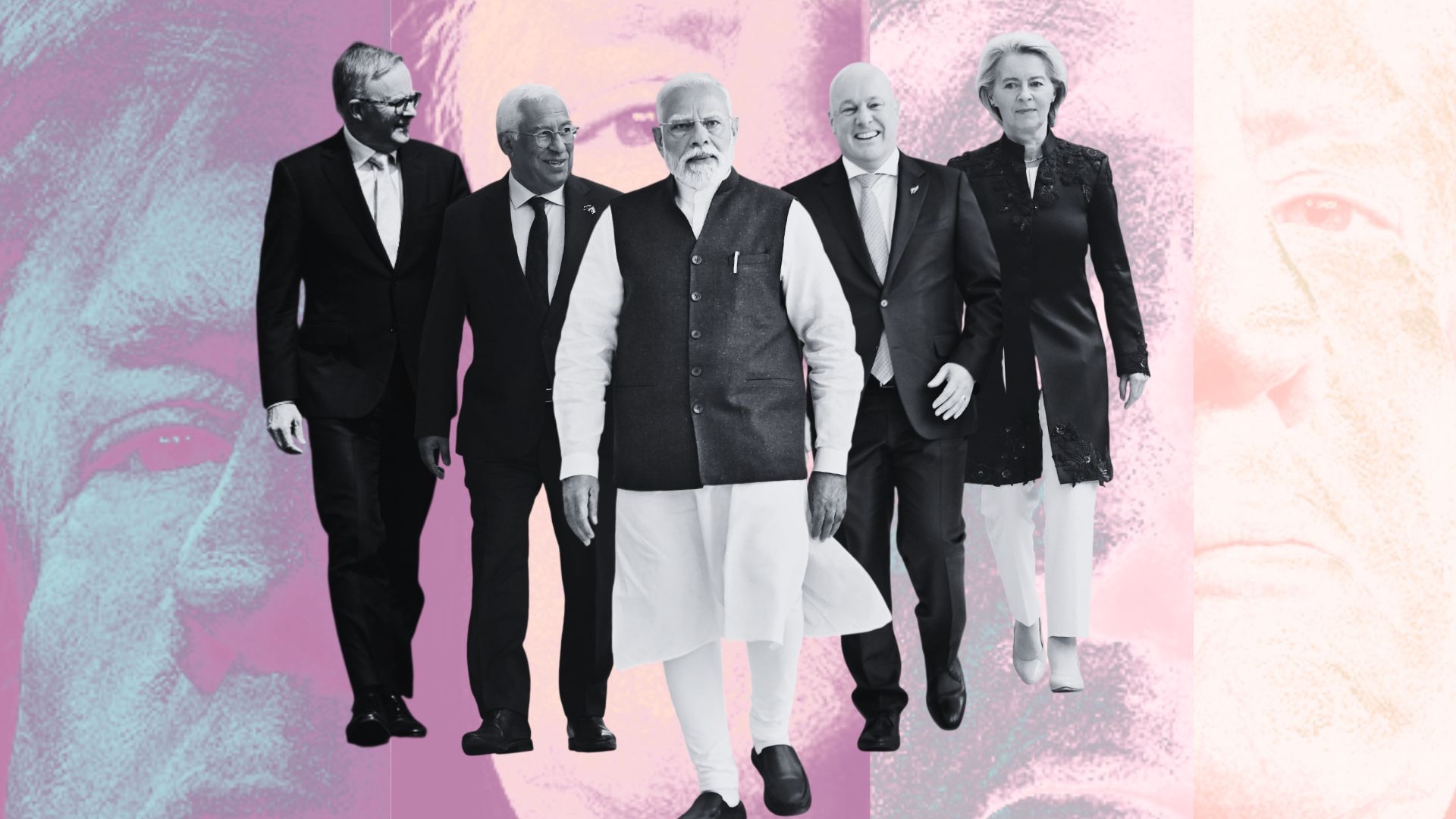
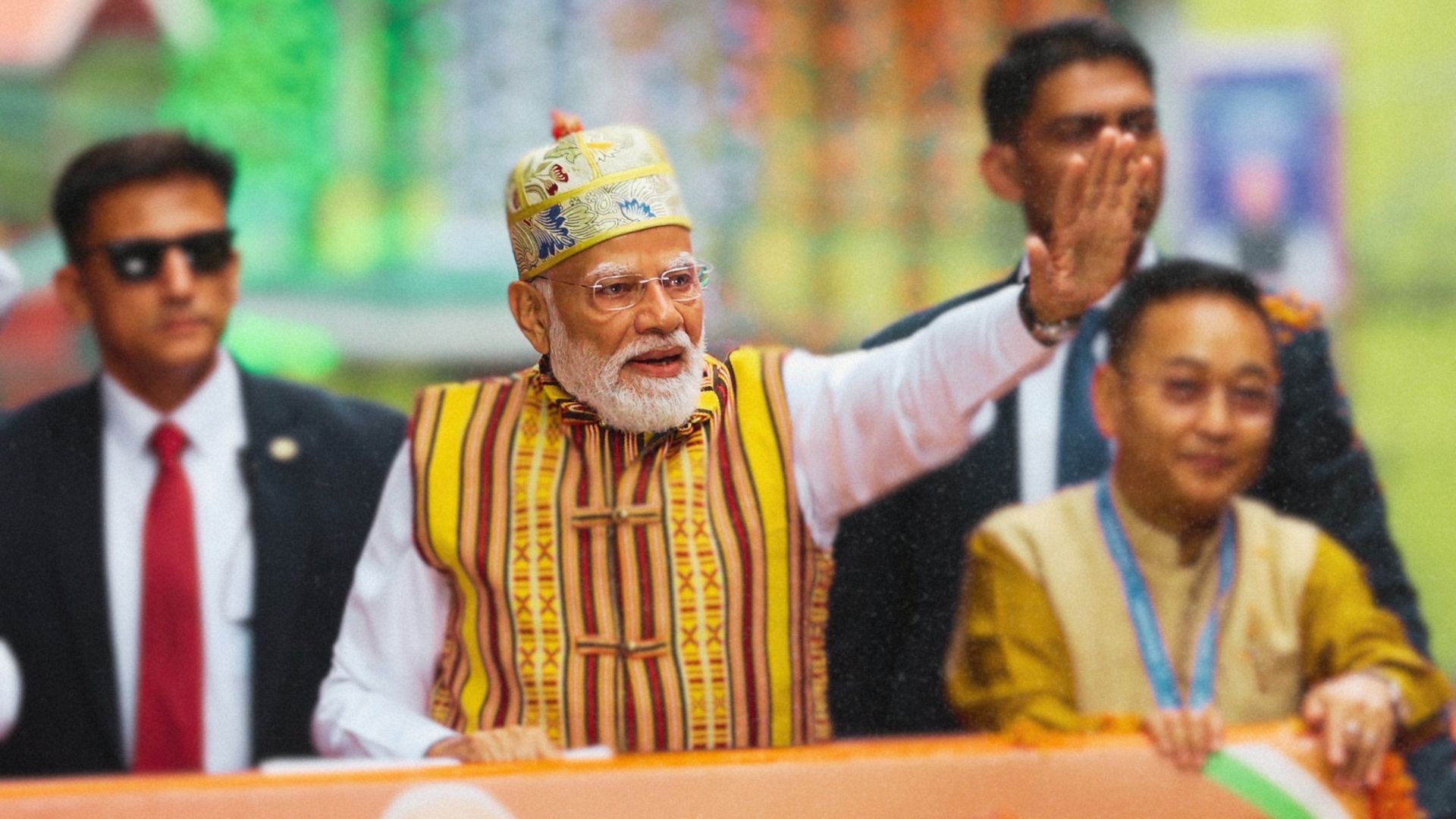
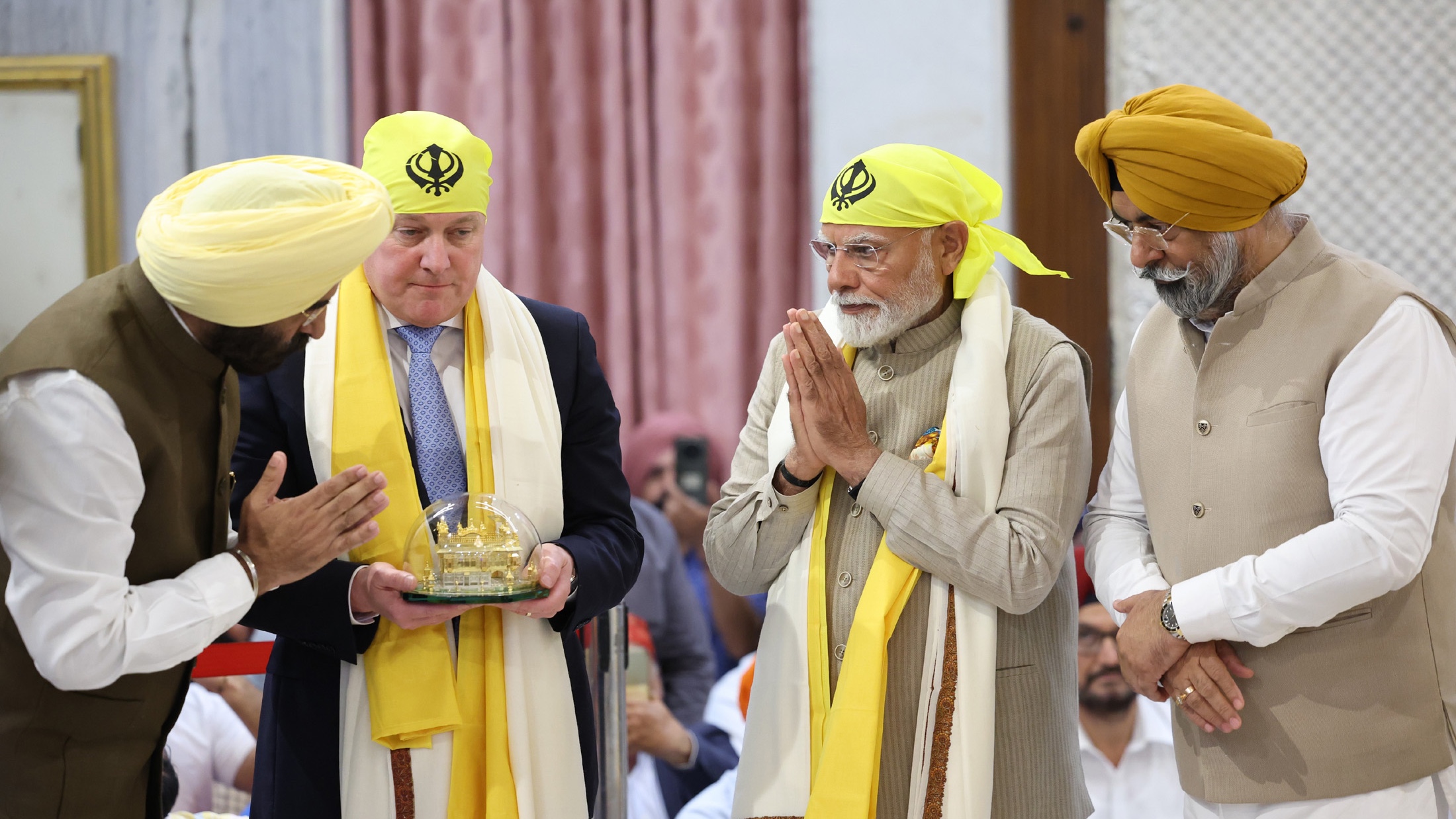
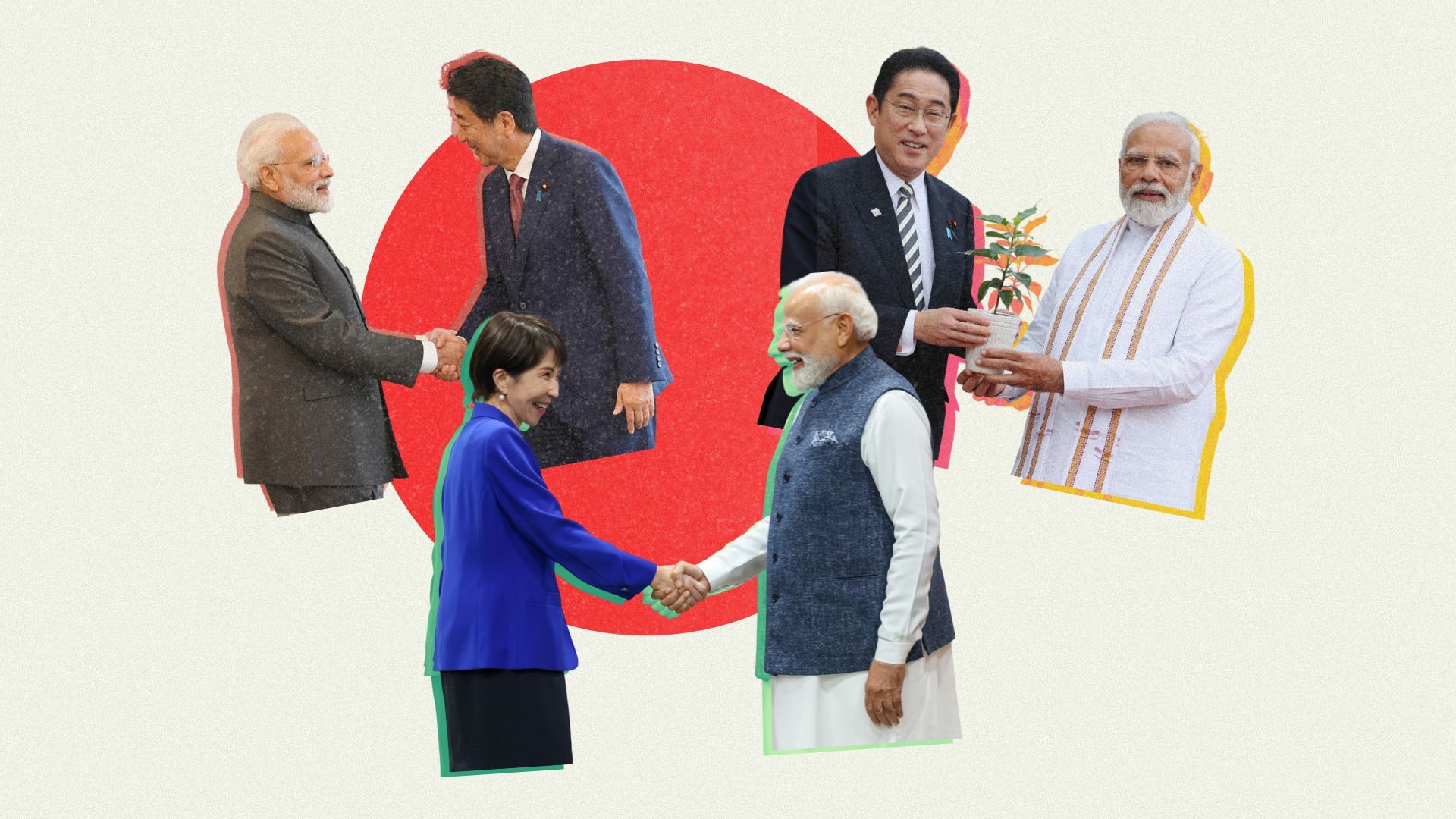
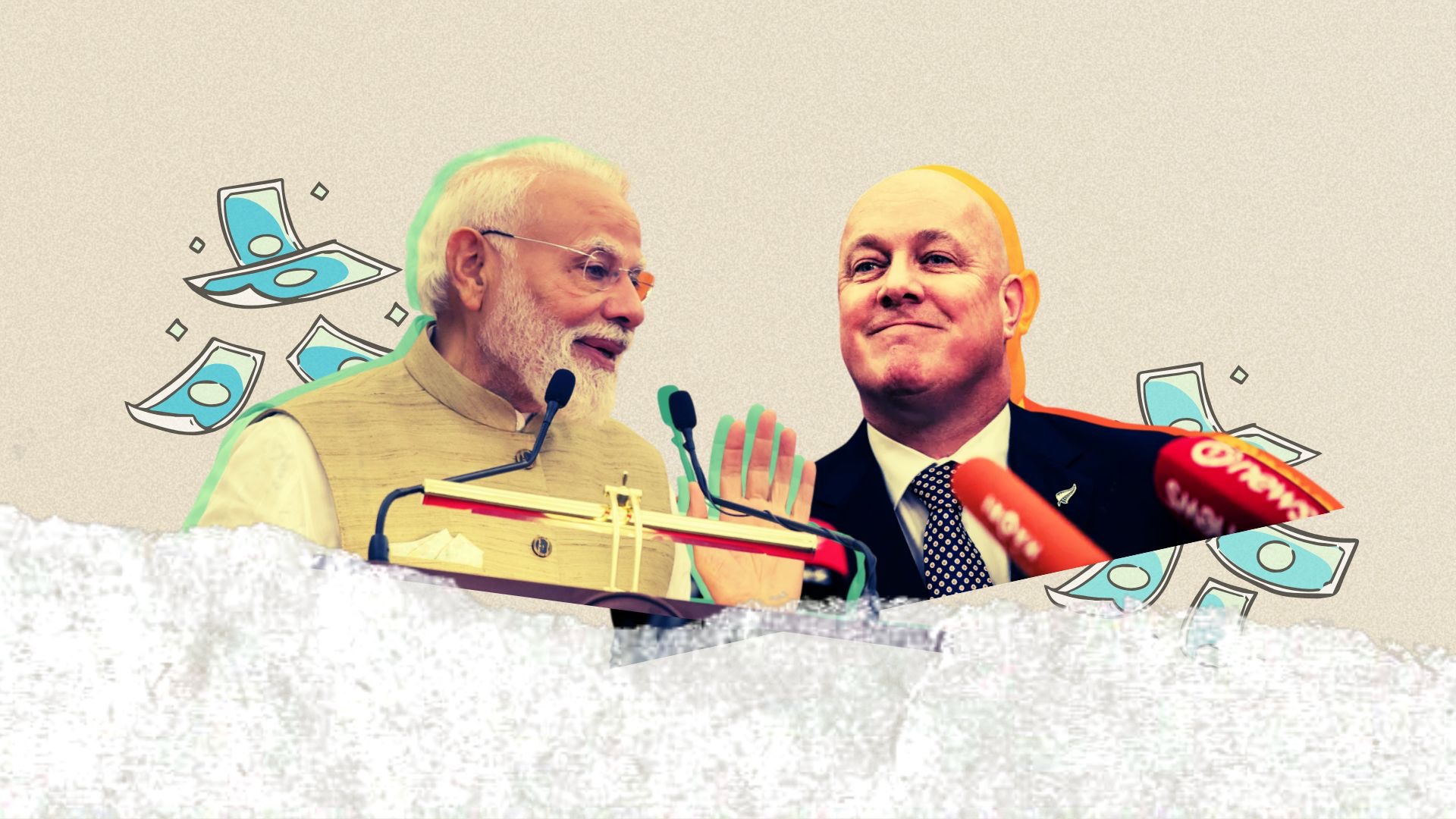
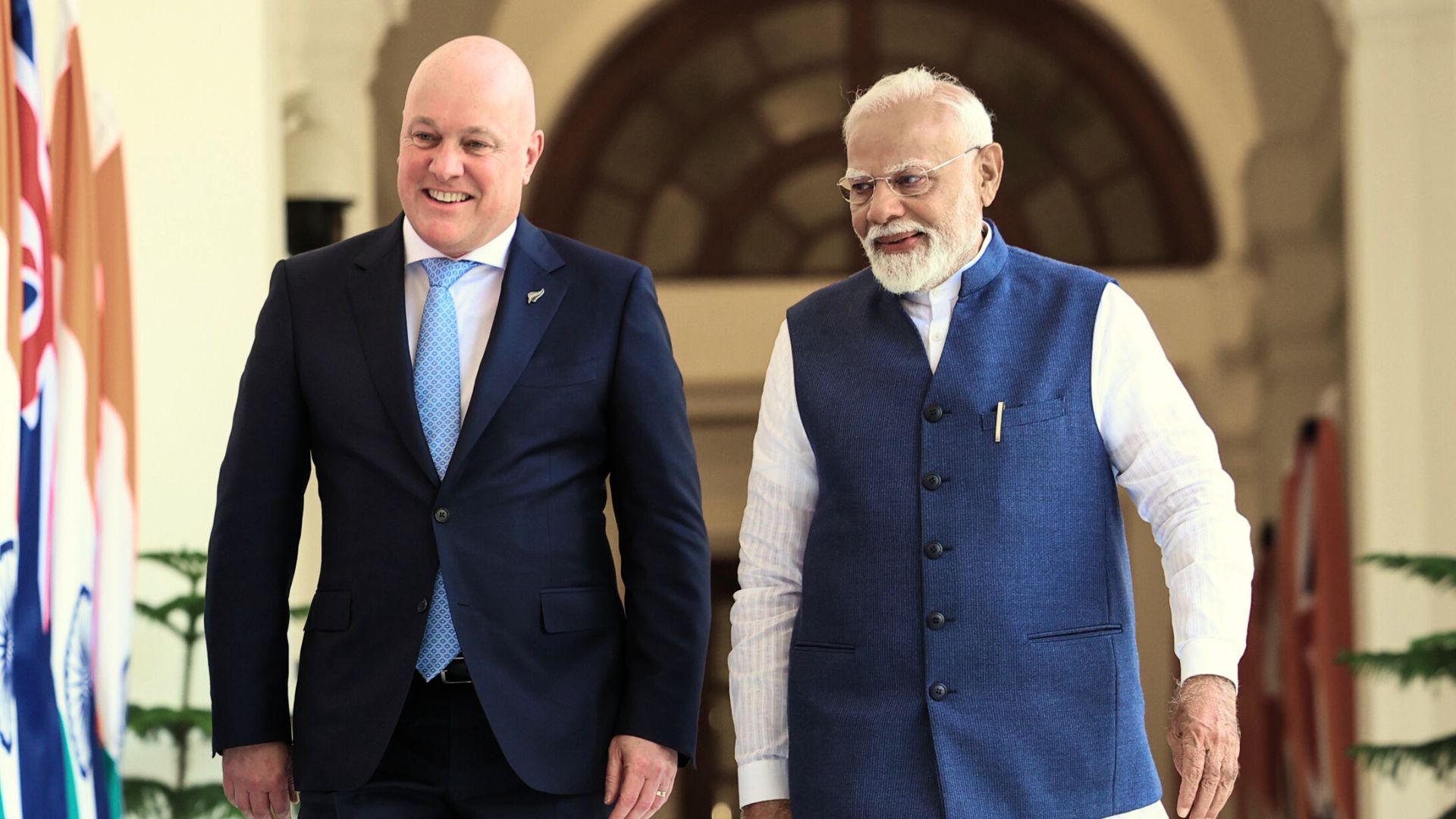
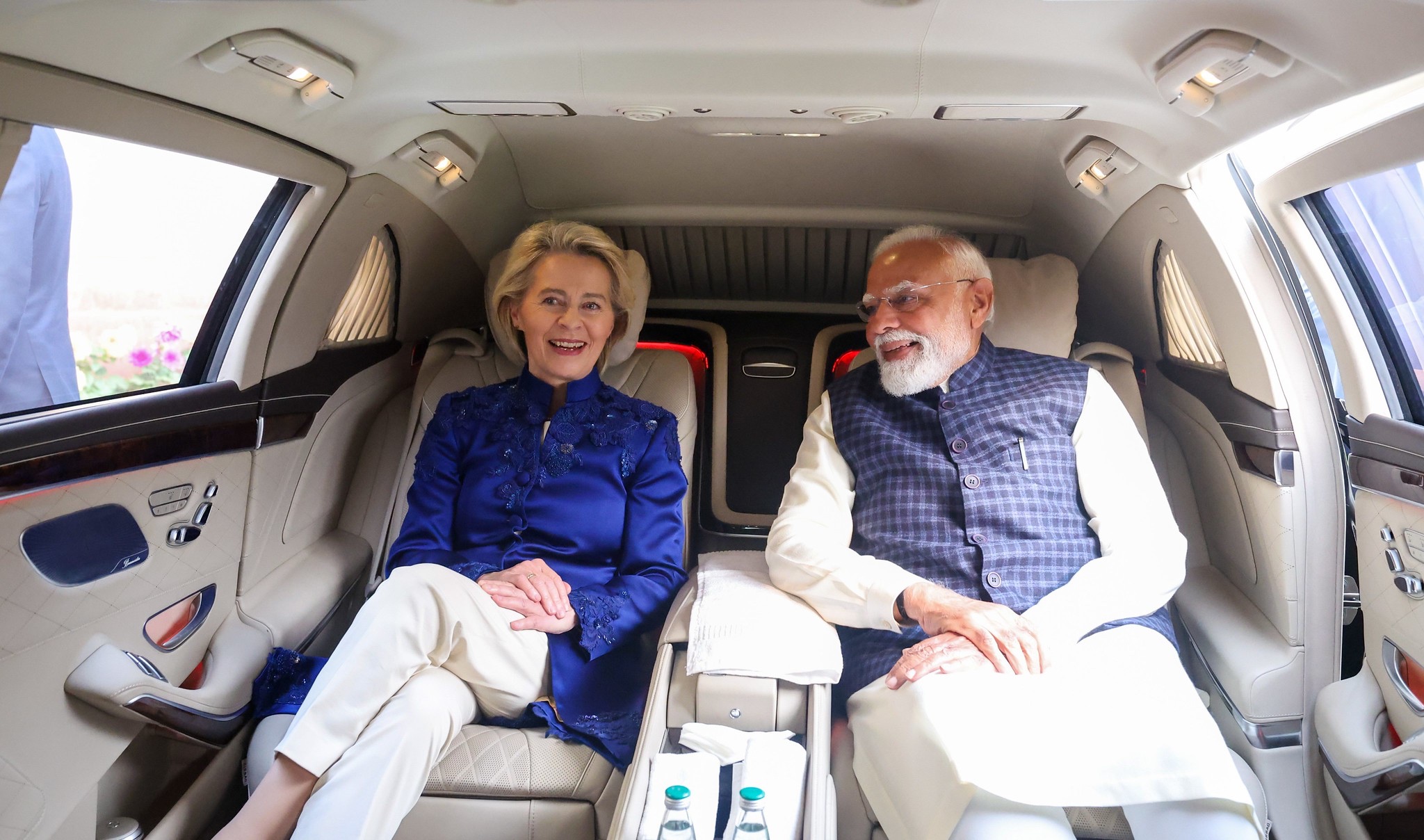
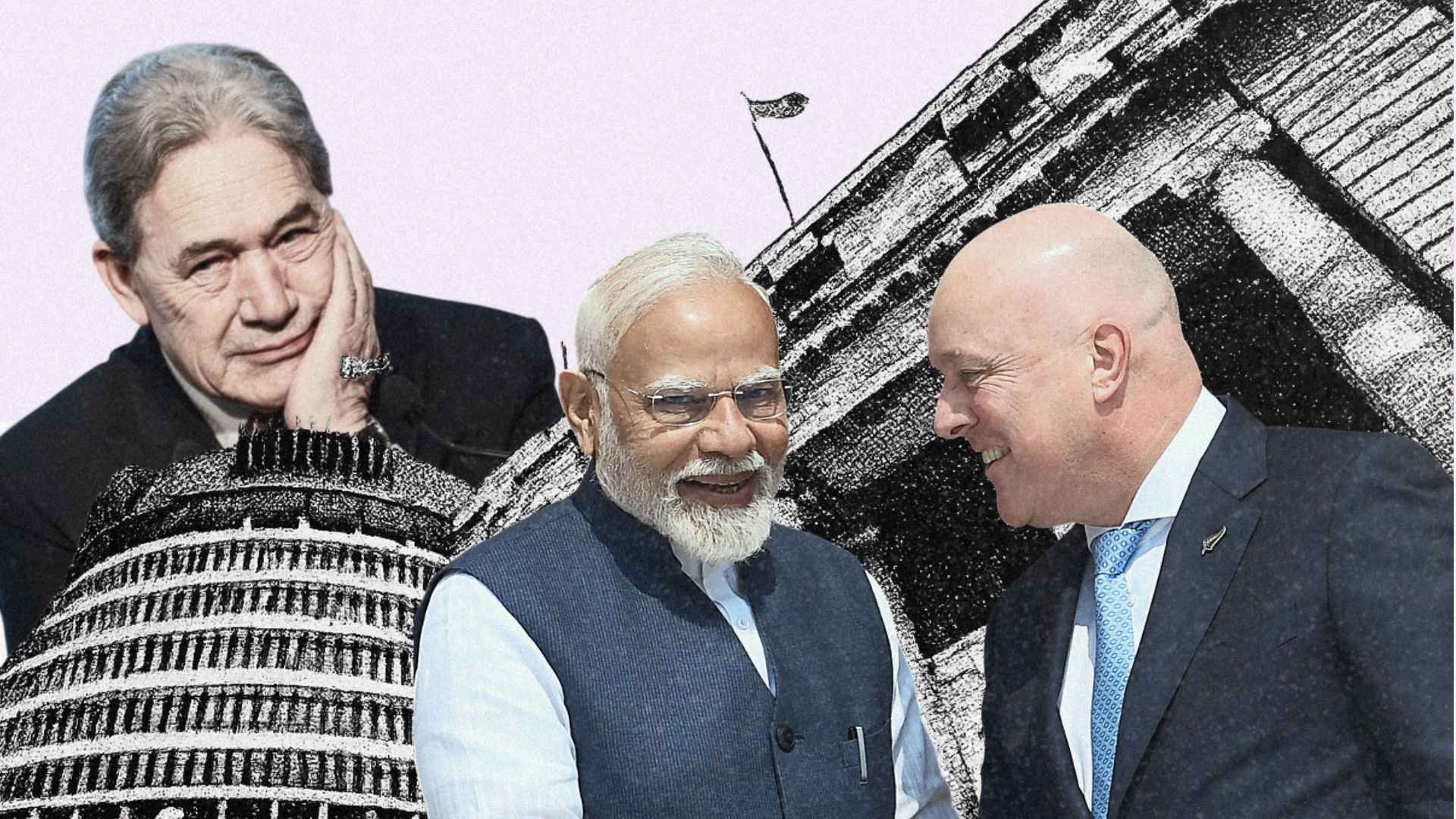
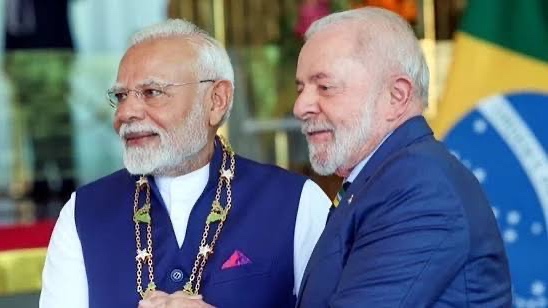
Prime Minister Christopher Luxon with India's Narendra Modi at a community reception at Spark Arena in Auckland on July 11. (Supplied photo)
The racial problem
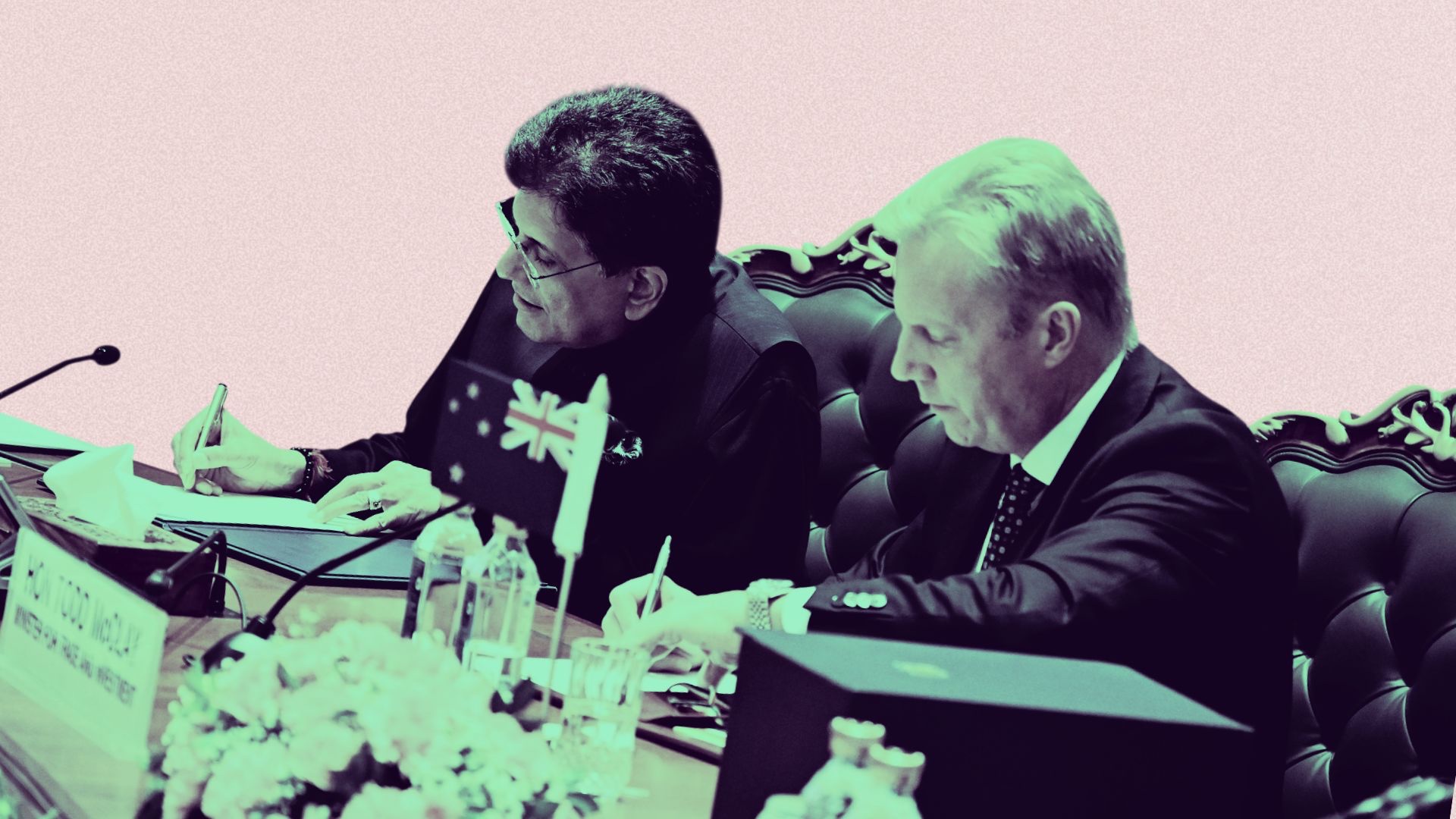
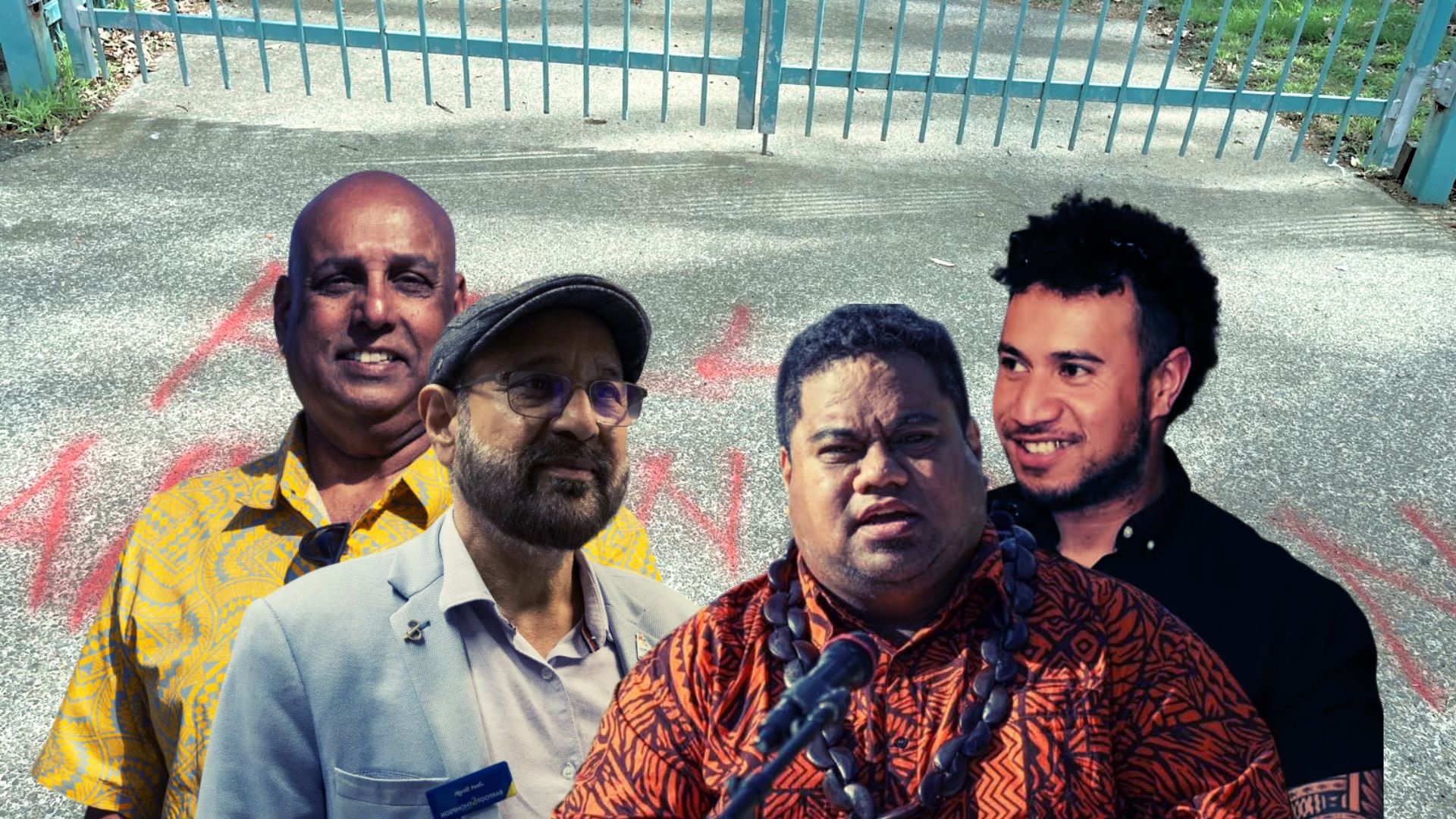
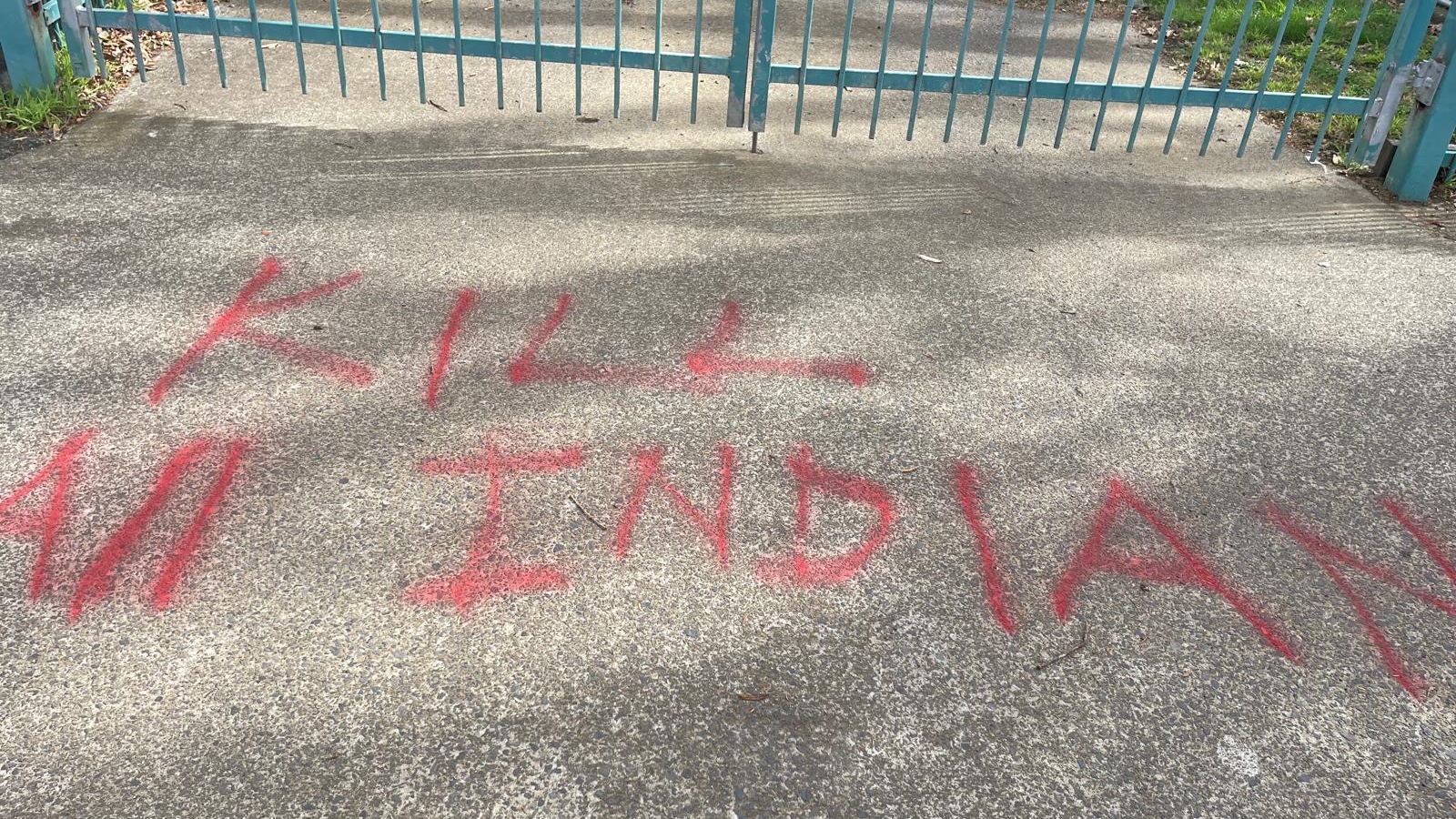
The racial context of this announcement must also be confronted. New Zealand First’s recent campaigning against the India-New Zealand Free Trade Agreement has repeatedly concentrated attention on Indian migration, including Indian students and workers.
The policy announcement does not name Indians, but it does not exist apart from that campaign. When international students are accused of taking “our Kiwi jobs”, many people will understand which students are being invoked.
That language has consequences beyond visa policy. When a senior political leader repeatedly associates a visible migrant community with job losses, pressure on services and threats to the country’s character, existing prejudice receives political encouragement.
Indian New Zealanders can be made to feel foreign regardless of how long they have lived here, what they have contributed or whether New Zealand is the only home their children know.
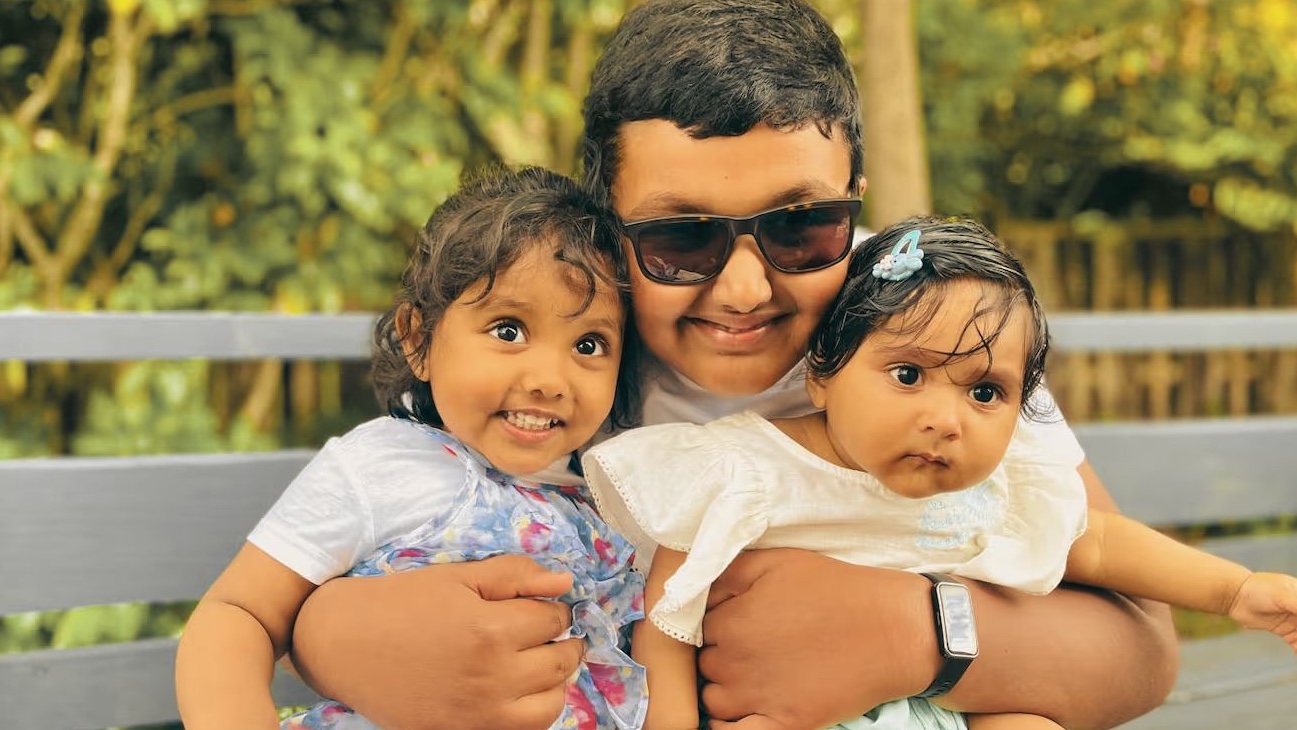
I take this personally. My partner and children have visible migrant characteristics, and I do not want them living in a society where political leaders normalise hostility towards migrants for electoral advantage.
I do not want appearance to determine whose belonging is questioned or whose presence must continually be justified. When migrants are portrayed as threats, the effects do not remain within an election campaign. They enter the communities in which our families live.
Responsibility does not rest with Winston Peters alone. It also belongs to political parties that tolerate this rhetoric, legitimise it or remain silent because they may need New Zealand First’s support after the election.
Coalition politics does not remove moral responsibility. A party cannot credibly oppose racism while treating the racialised scapegoating of migrants as merely another policy difference to be negotiated after the votes have been counted.
That is not immigration reform. It is the politics of exclusion presented as population planning.
(Alastair is an Auckland-based veteran immigration law specialist with a particular interest in human rights and immigration ethics.)