India-NZ FTA gets select committee nod, stage set for anticipated October launch

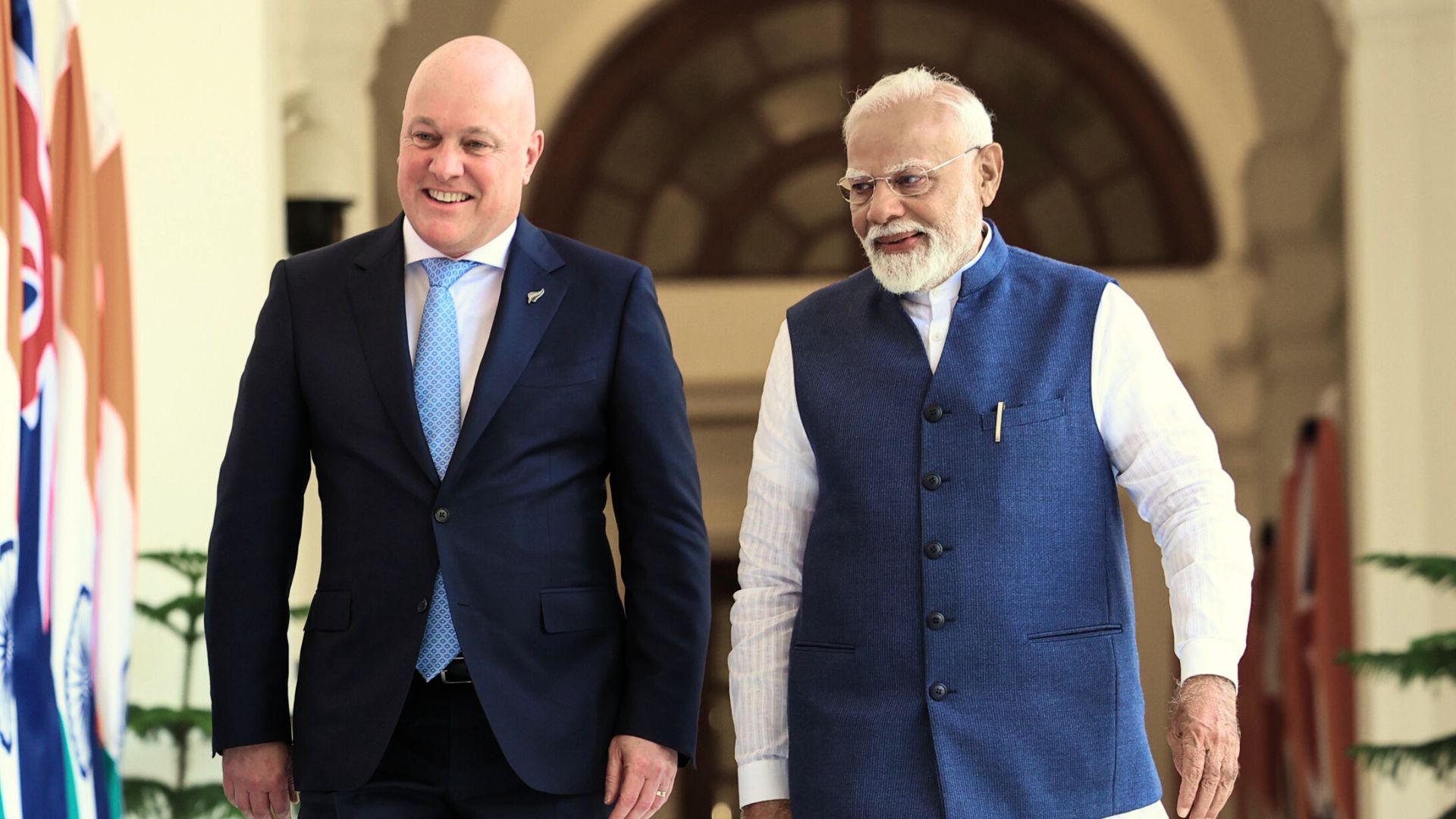
Prime minister Christopher Luxon has indicated the deal could be enforced by October 2026.
“If that is the case, how exciting is that for New Zealand. Exciting, isn’t it?”
New Zealand’s free trade agreement (FTA) with India has moved closer to taking effect with a parliamentary select committee backing the legislation needed to implement the deal, just days after prime minister Christopher Luxon suggested it could be in force as soon as next month.
The Foreign Affairs, Defence and Trade Committee’s report, submitted on September 10, recommends by majority that Parliament pass the India Free Trade Agreement Legislation Amendment Bill.
All amendments proposed by the committee were supported unanimously. The development comes after Luxon indicated on September 3 the agreement could enter into force as early as October.


Speaking in Koror, Palau, after being asked about Indian media reports that the deal’s entry into force was imminent, Luxon said, “If that is the case, how exciting is that for New Zealand. Exciting, isn’t it?”
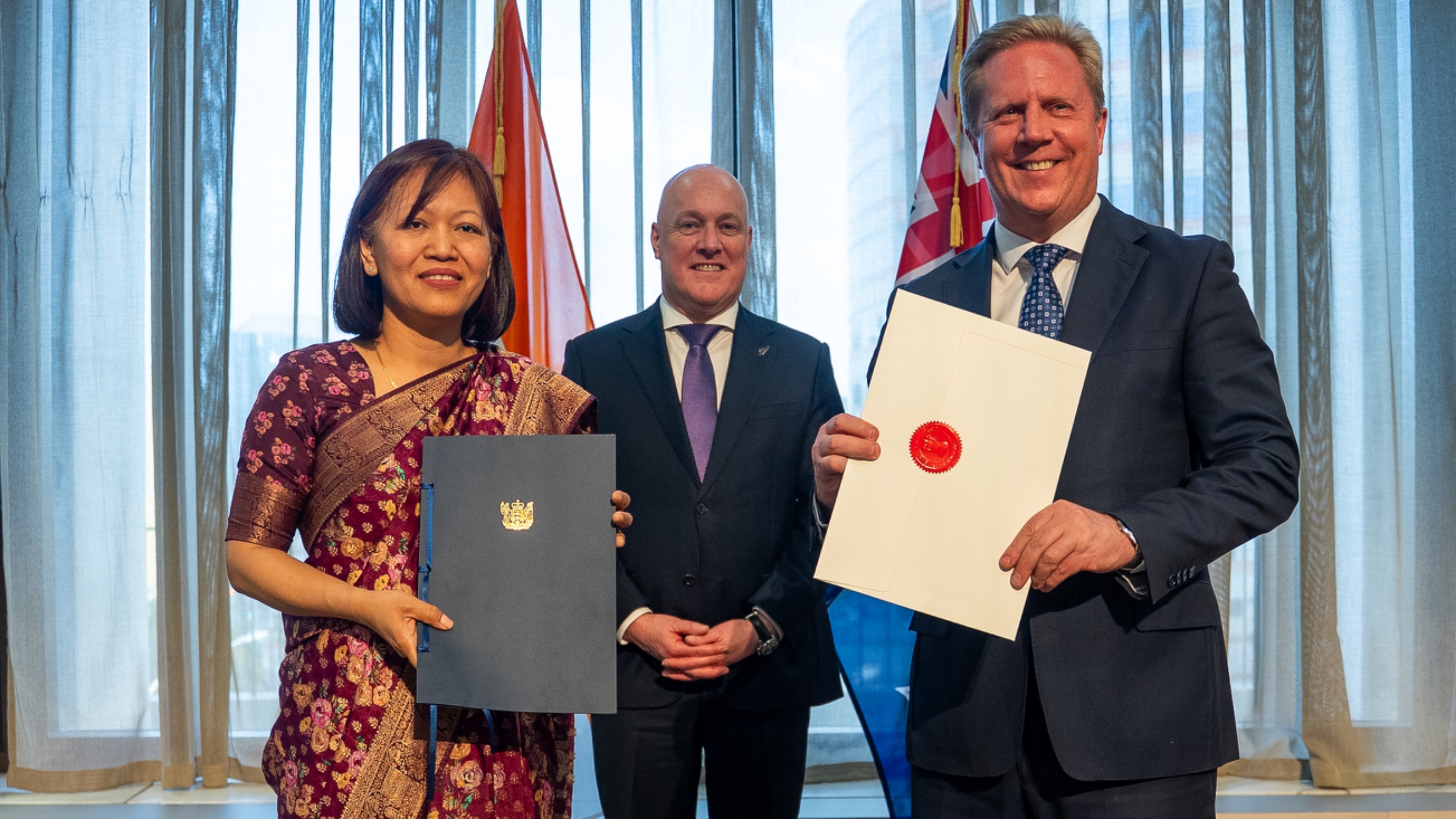
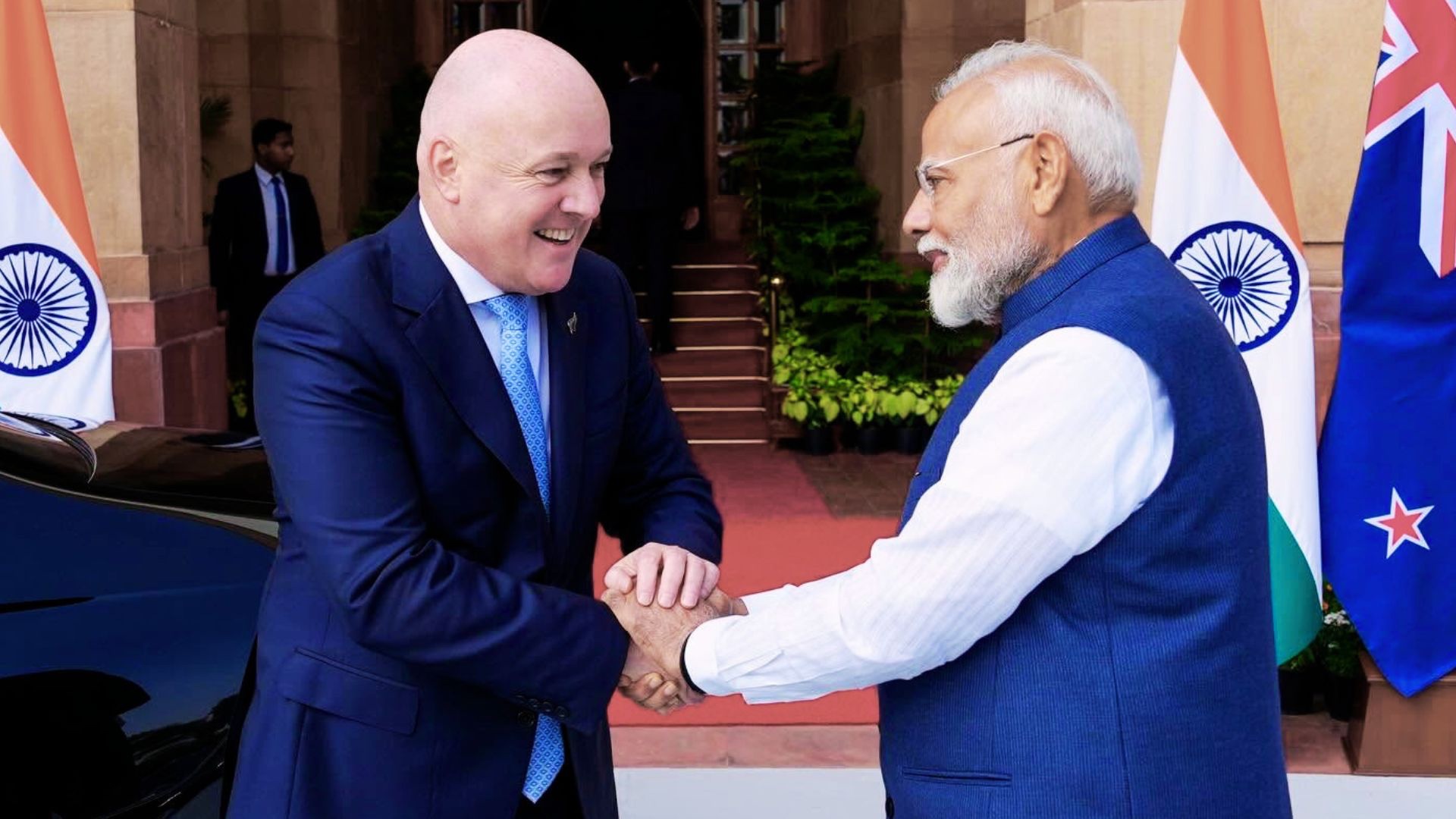
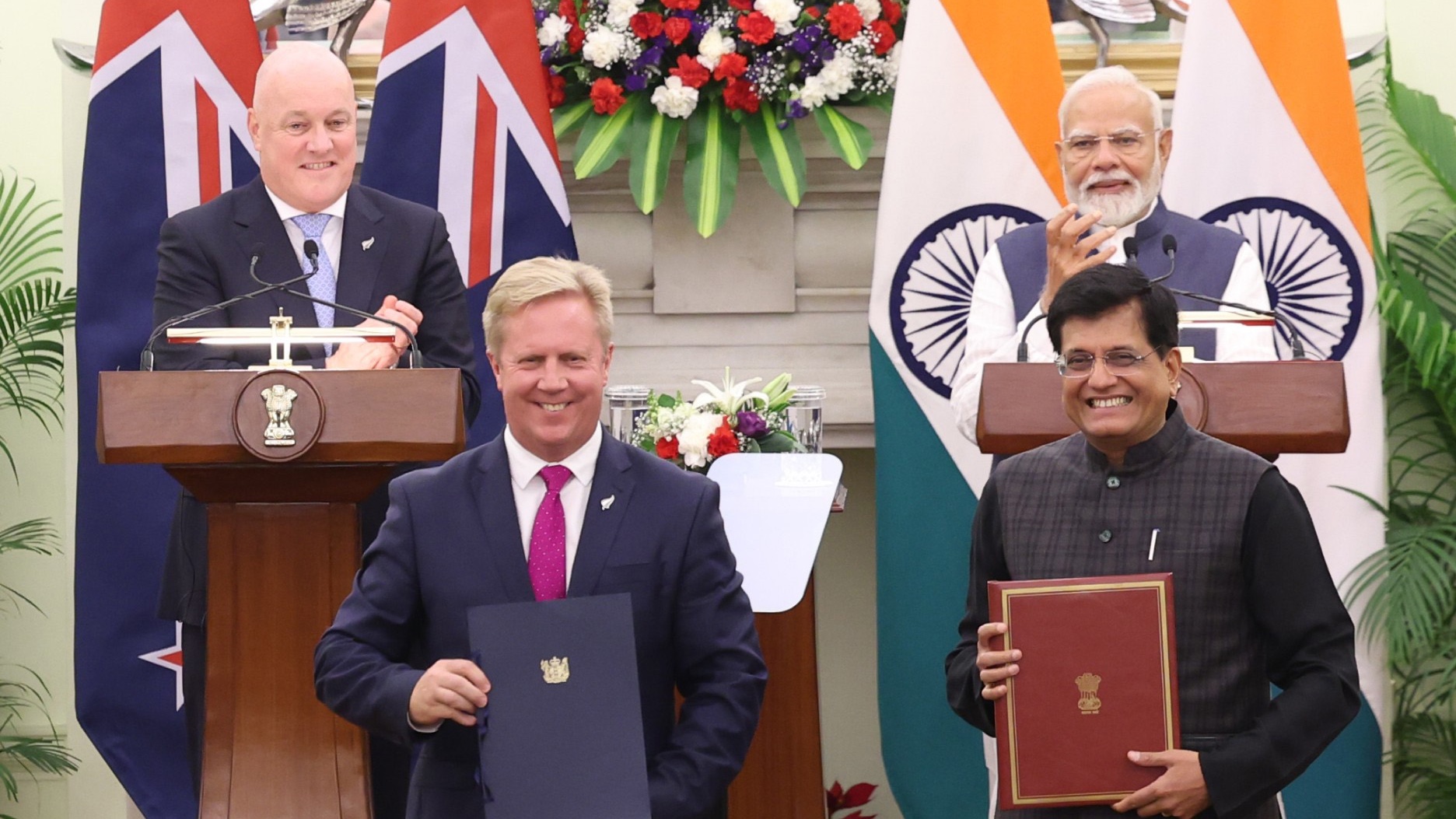
The FTA was signed in New Delhi on April 27. Under New Zealand’s legislative process, the bill was sent to the select committee after passing its first reading in Parliament on June 25.
Students with NZ visas told not to travel as Auckland business school faces enrollment ban The school says existing students can continue their studies and that it is working to have the restrictions lifted.
Police have confirmed Rakesh Naidoo is not under investigation, Labour says "The police need to front up here and explain what is going on."
'Don't escalate': Appeal for calm as police increase presence during Diwali amid planned protests Police promise a visible presence and urge festivalgoers to avoid confrontation as Brian Tamaki plans a rally on the same day.
It must now return to the House for its second reading, followed by the committee of the whole House stage and a third reading before it can be enforced.
Most of its obligations can already be met through New Zealand’s existing laws and policies, the select committee noted, but several changes are required before the deal can be implemented.
Among them, the bill would raise the threshold at which Indian non-government investors need consent under New Zealand’s overseas investment regime to $200 million.
It would also implement the preferential tariff rates agreed with India, change customs and rules-of-origin provisions for Indian goods and establish quota-management systems covering New Zealand exports including apples, kiwifruit, mānuka honey and albumins.
The committee has recommended several changes to the quota system following its examination of the bill. One of them would allow export quotas to be allocated on a pro-rata basis if the FTA enters into force part-way through the year.
The committee said the original bill did not account for that possibility, which could create uncertainty and potentially mean exporters missed an opportunity to benefit from reduced tariffs during the first year of the agreement.
It has also recommended allowing regulations to require publication of quota allocation results, including which exporters receive allocations and how much they receive.
The committee said publishing the information would improve transparency and procedural fairness.
Another amendment would allow exporters to seek reviews of quota allocation decisions made by the ministry for primary Industries. The bill as introduced excluded ministry decisions from that review process.
The committee also addressed the risk of exporters securing quotas and then failing to use them.
Its proposed changes would allow unused quota to be returned and reallocated, while exporters who fail to return unused allocations could have an equivalent amount deducted from their quota the following year unless exceptional circumstances applied.
For disputes over decisions to cancel, suspend or refuse an export certificate, the committee has recommended requiring a reviewer to issue a written determination within 15 working days, citing the time-sensitive nature of growing seasons and export windows.
MPs also considered giving officials warrantless search powers to monitor compliance with the quota system, but rejected the idea.
The committee said such powers would not be reasonable or appropriate and that where there was sufficient suspicion to justify a search, officials should obtain a warrant.