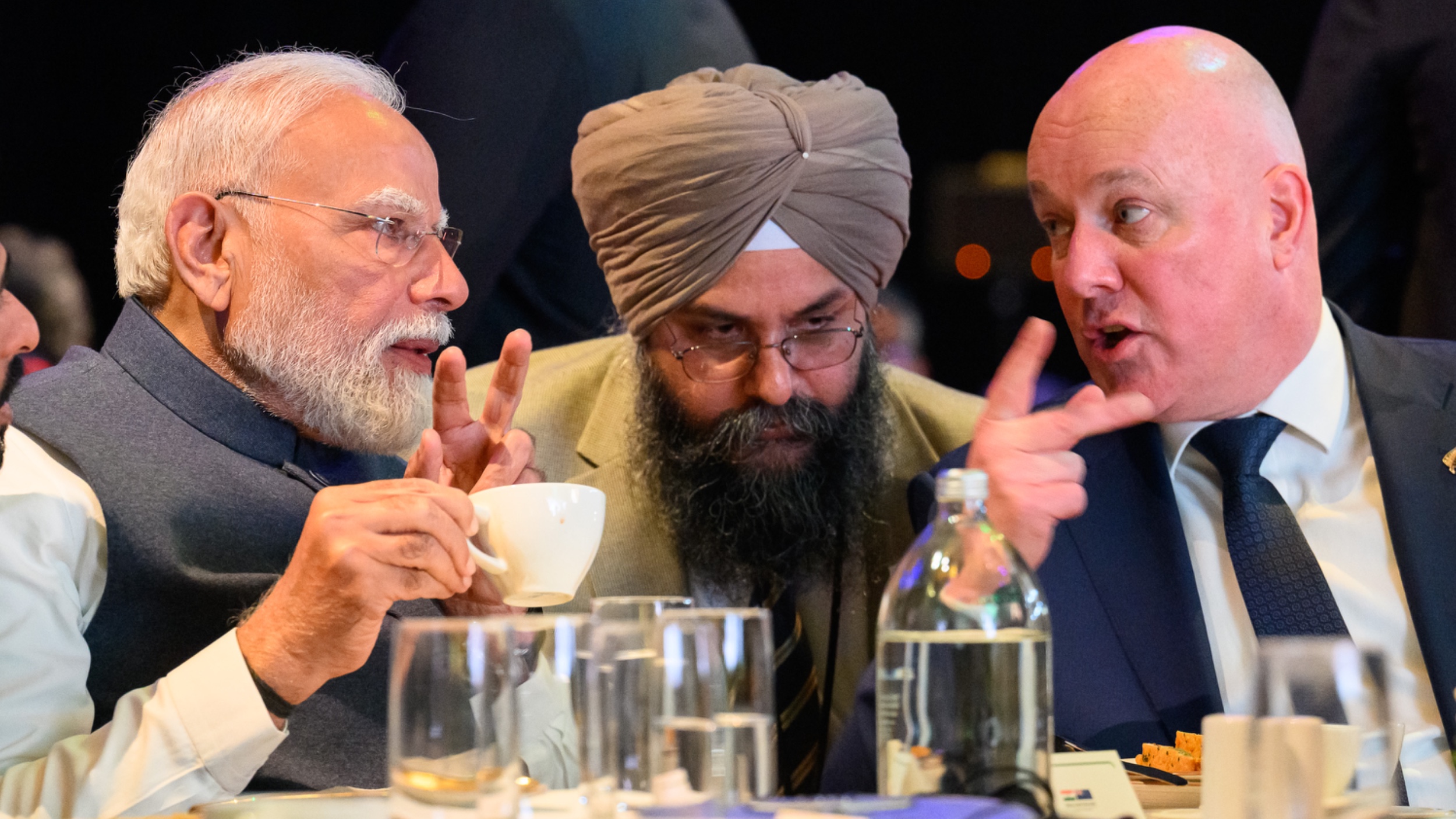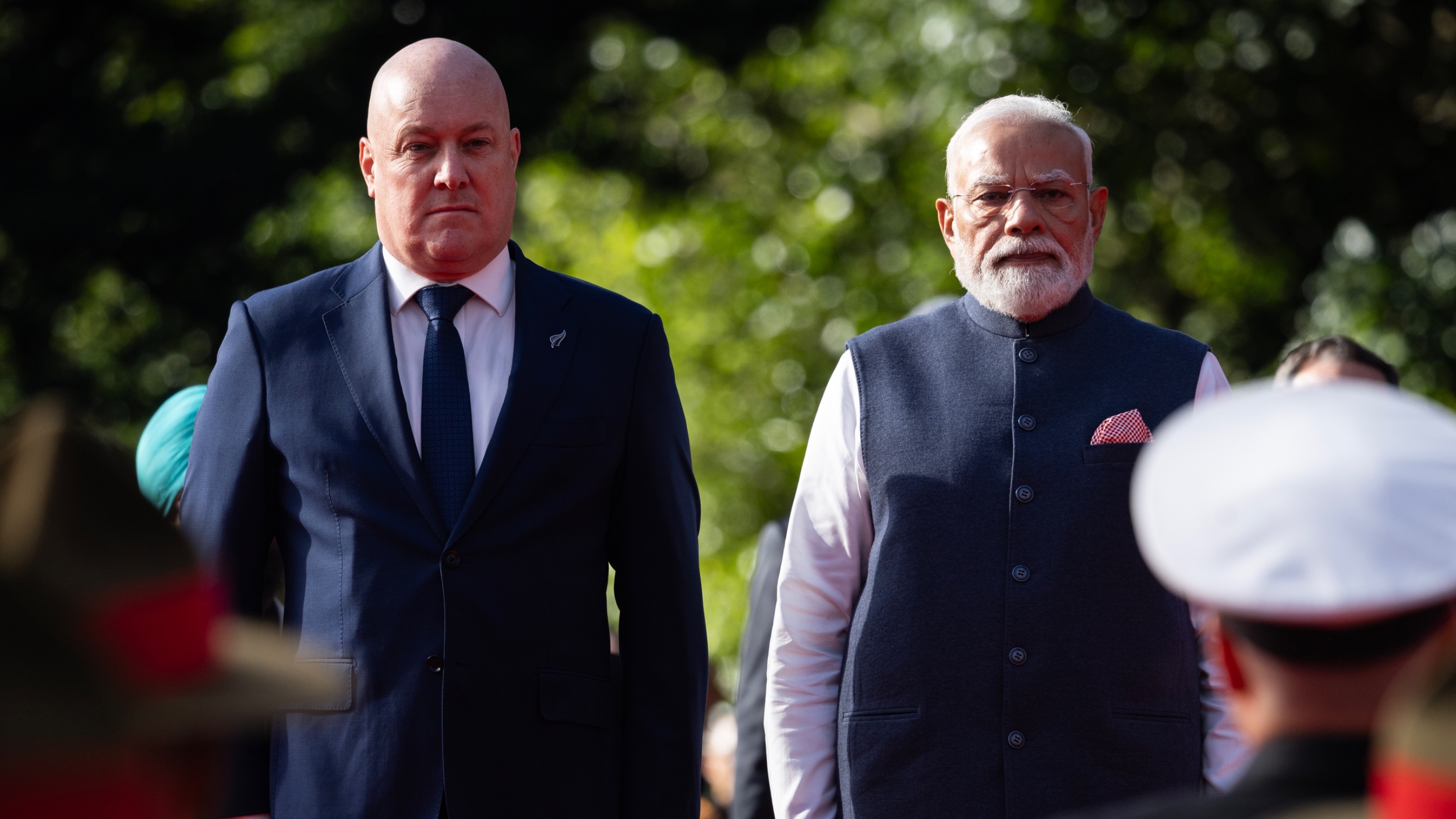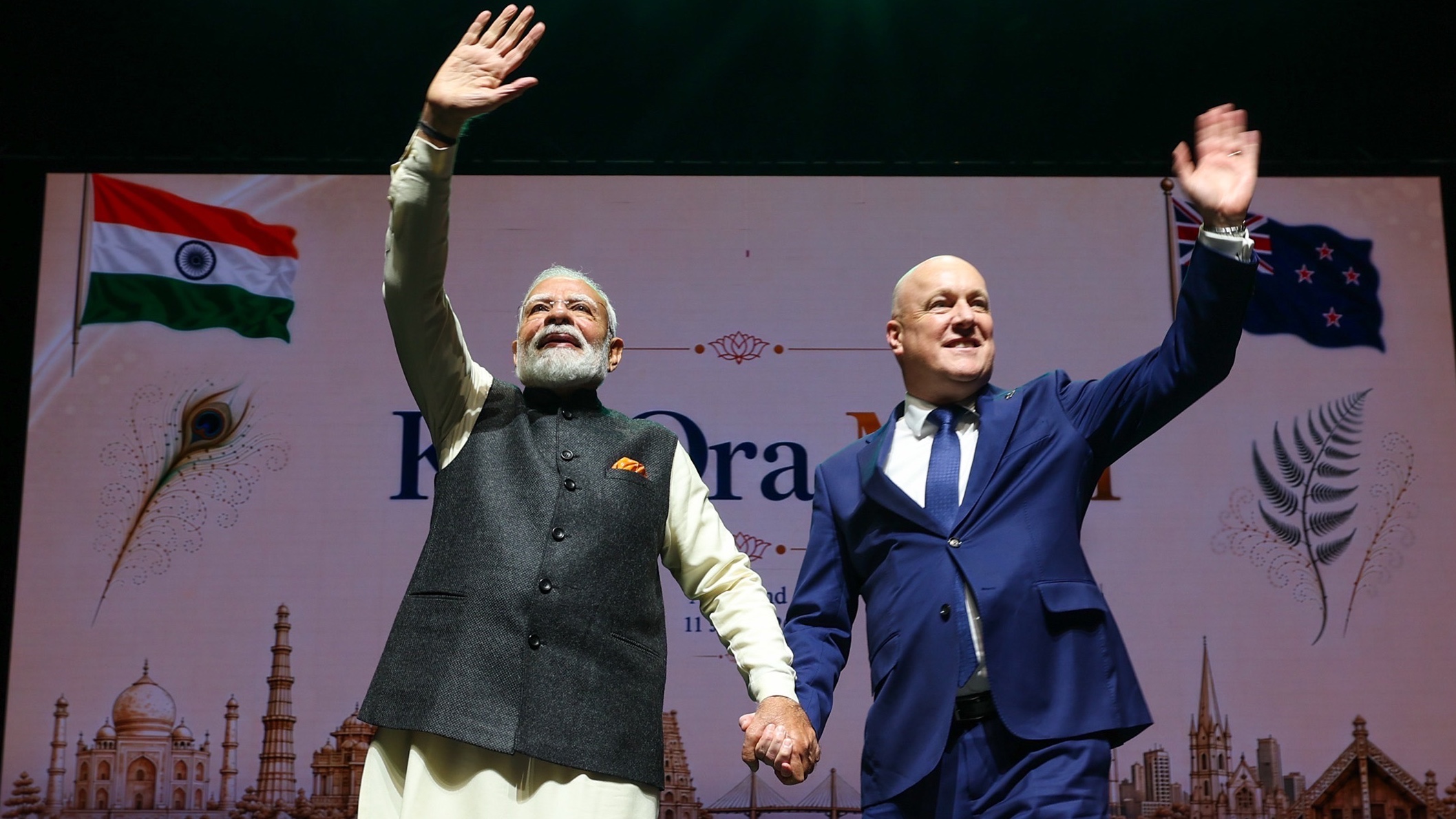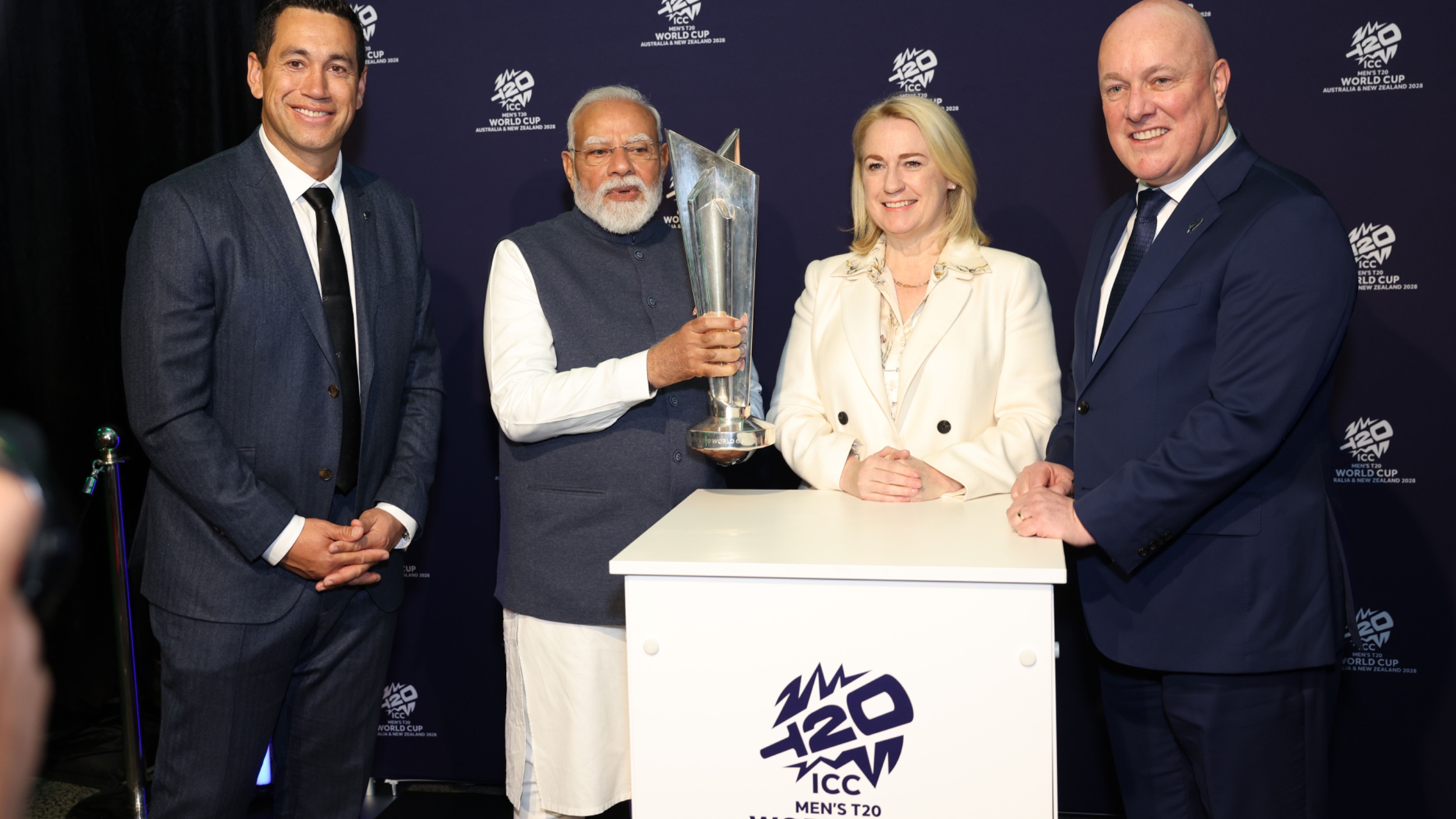
Faking News: Sports loyalty test proposed as citizenship alone may not prove commitment to NZ

The stakes have risen in the battle for belonging.
“What we really need to understand is where your heart is when New Zealand needs 14 runs off the final over.”
(Faking news is a fiction column based off unreal adventures of real people.)
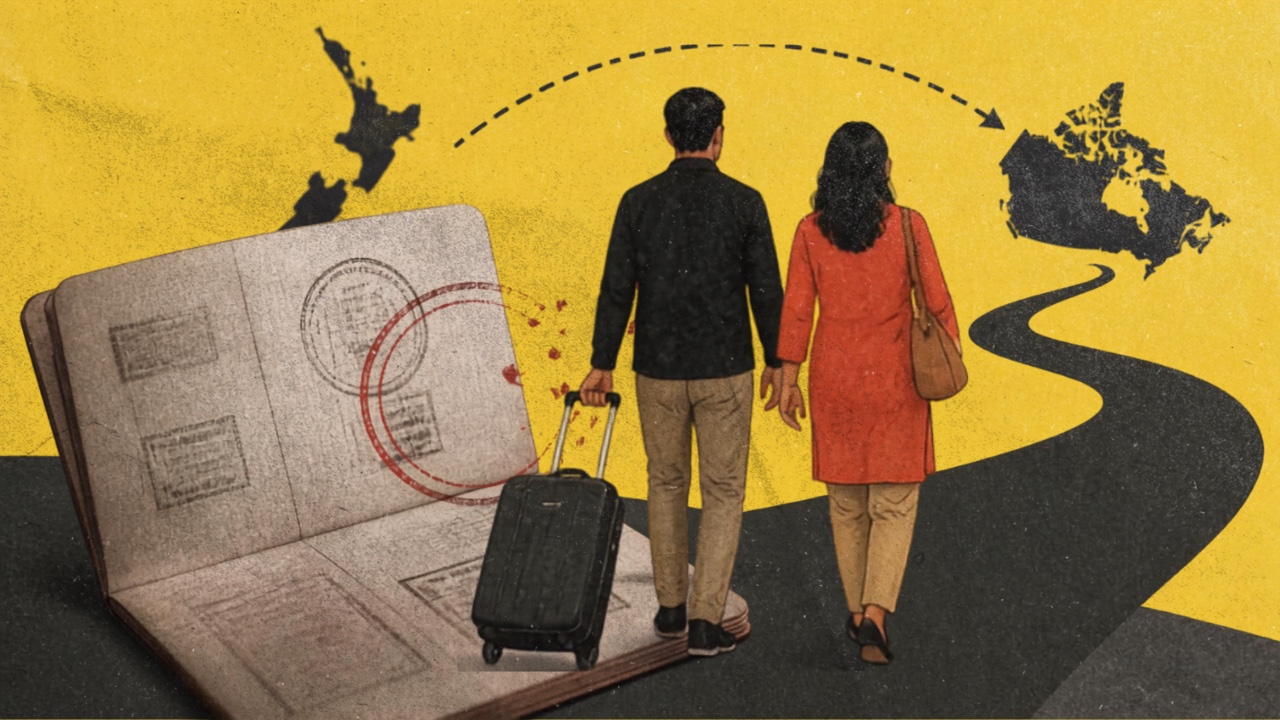
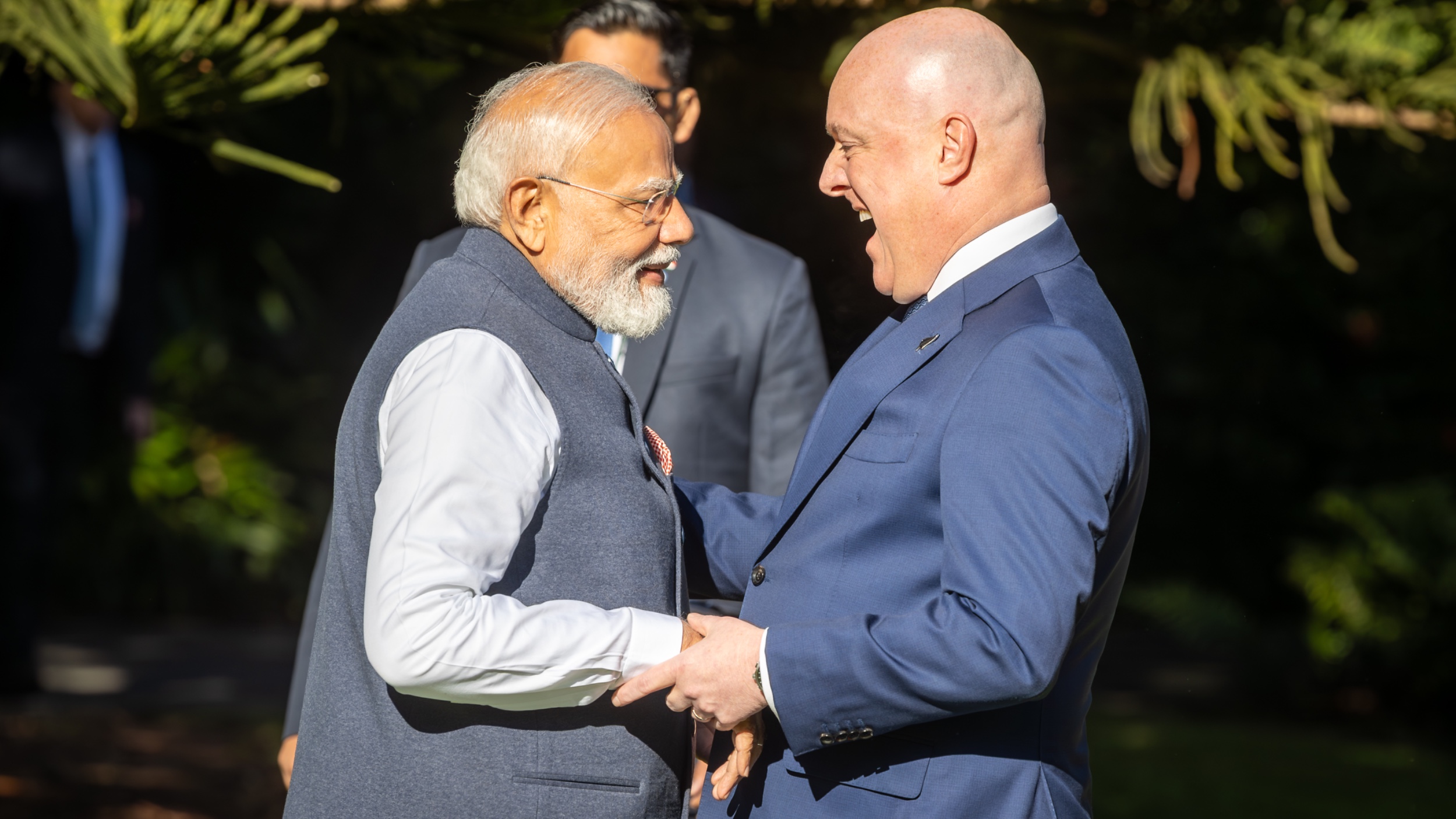
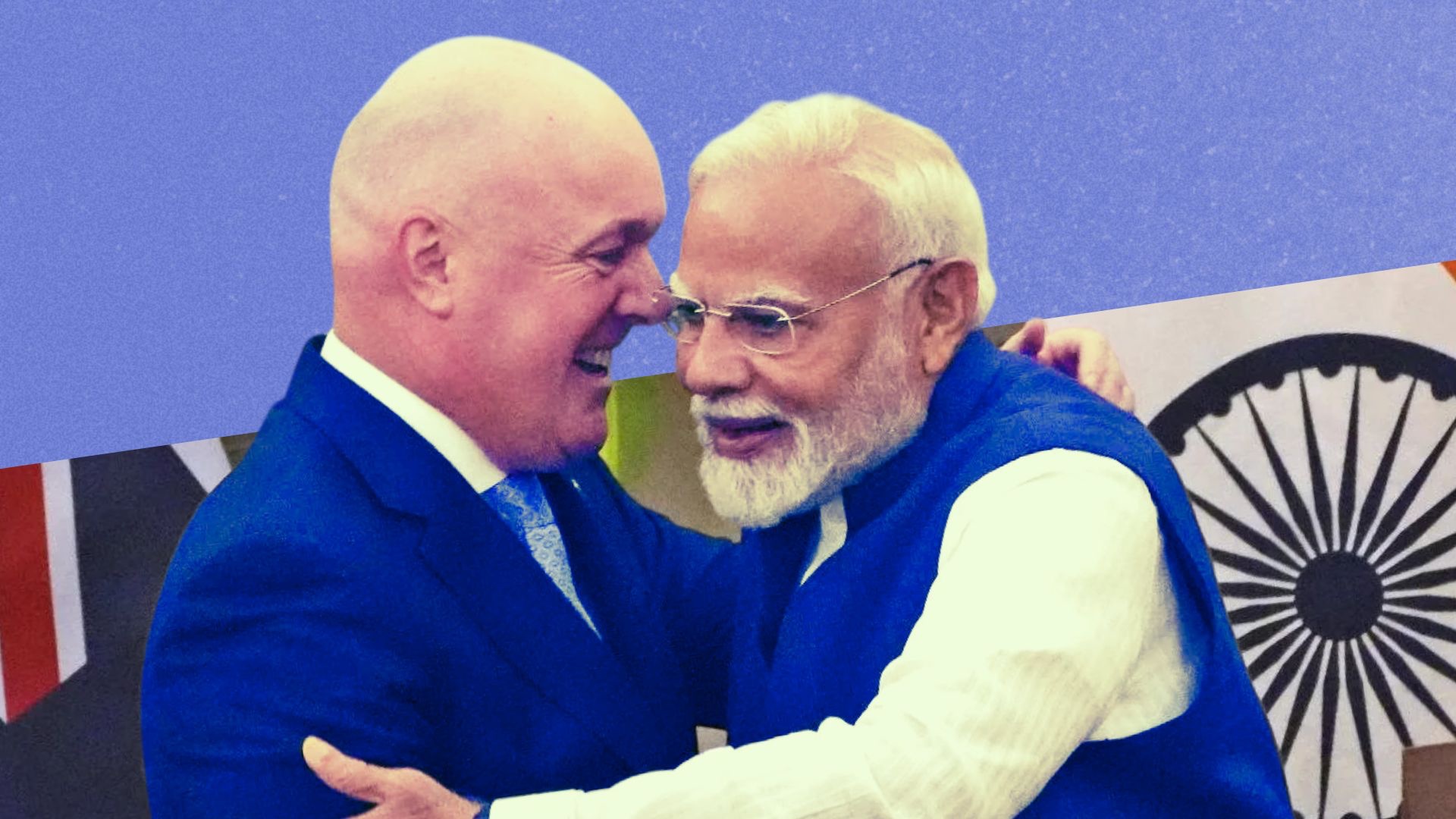
New Zealand political parties are considering a new sports loyalty test for citizens born overseas, amid growing concern that citizenship alone may no longer be enough to prove a person’s commitment to the country.
Under the proposed system, naturalised citizens could be asked to declare which team they support when New Zealand plays their country of birth.
Officials are understood to be particularly interested in cricket.
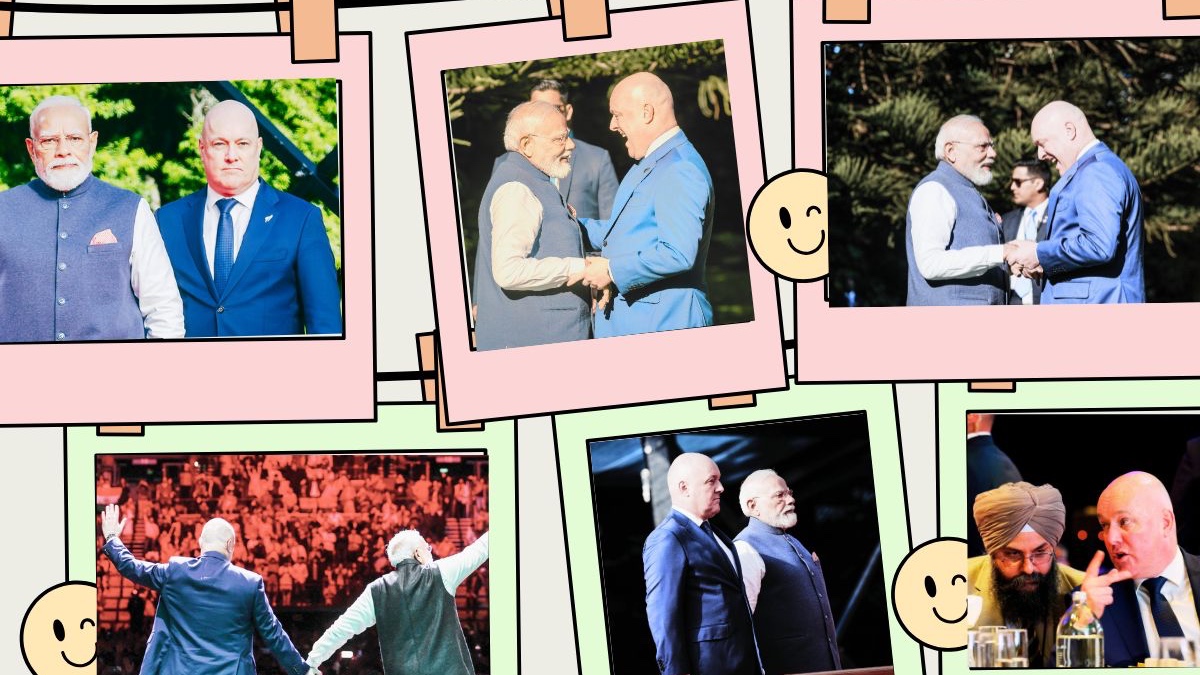
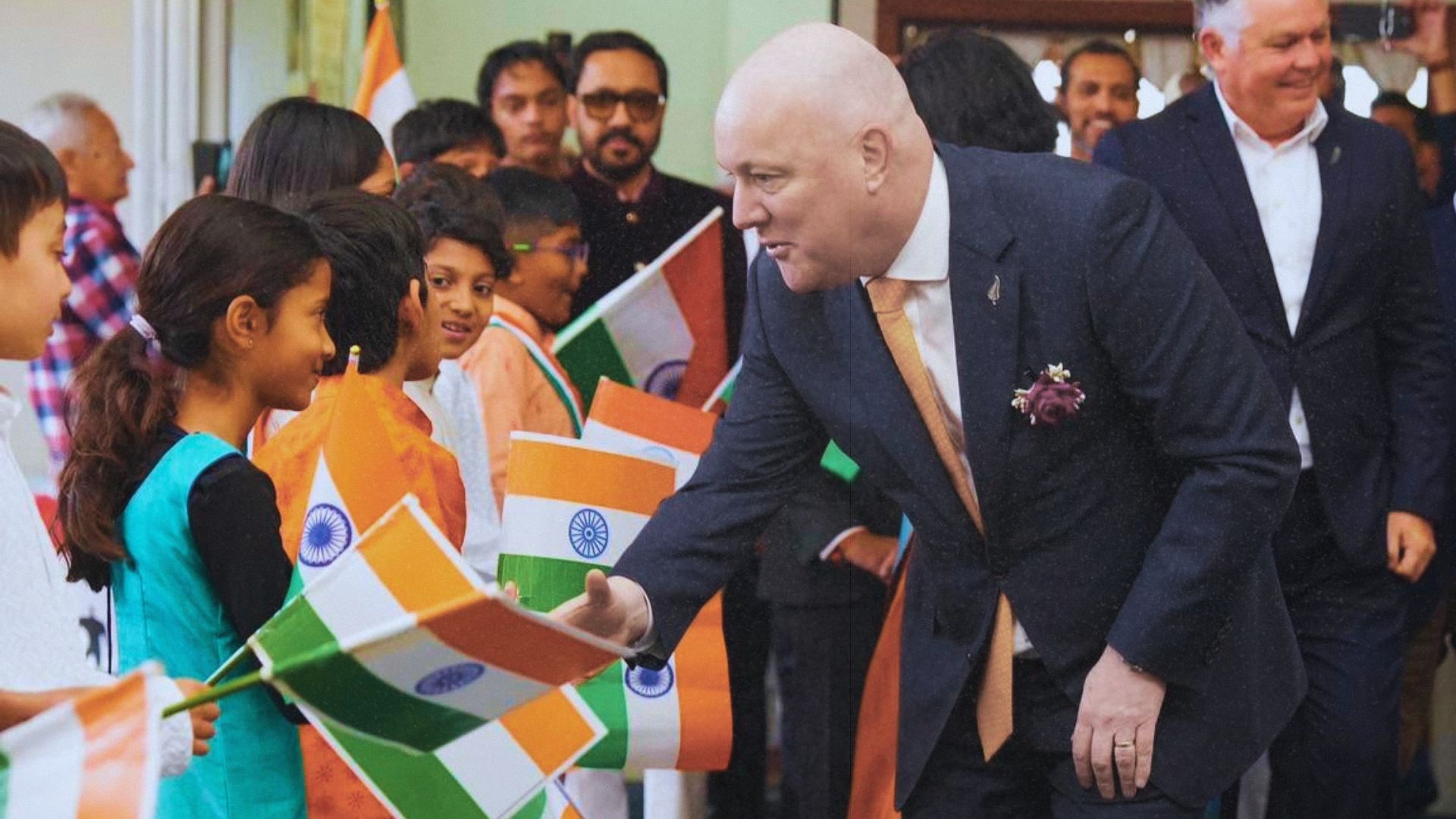
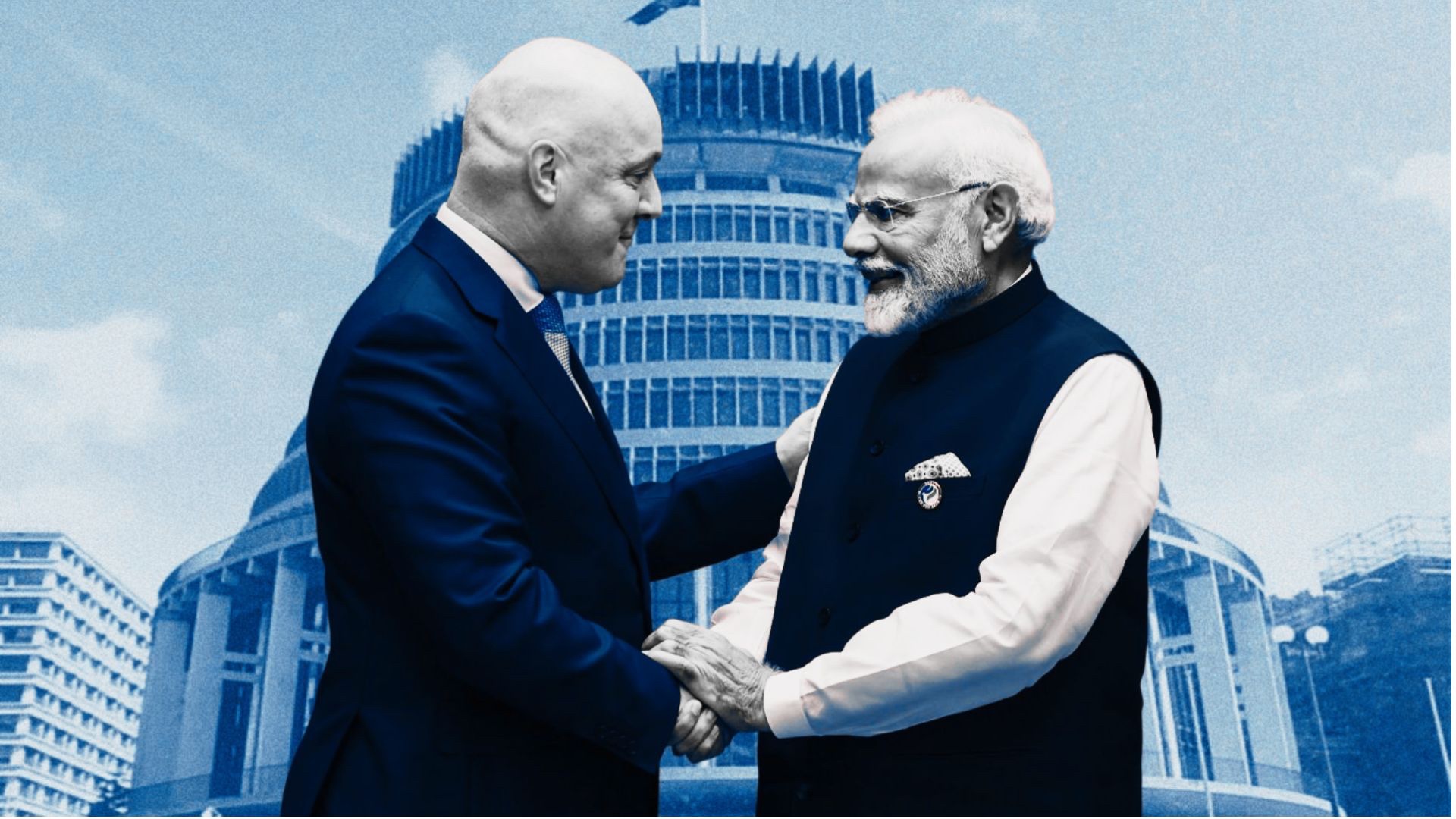
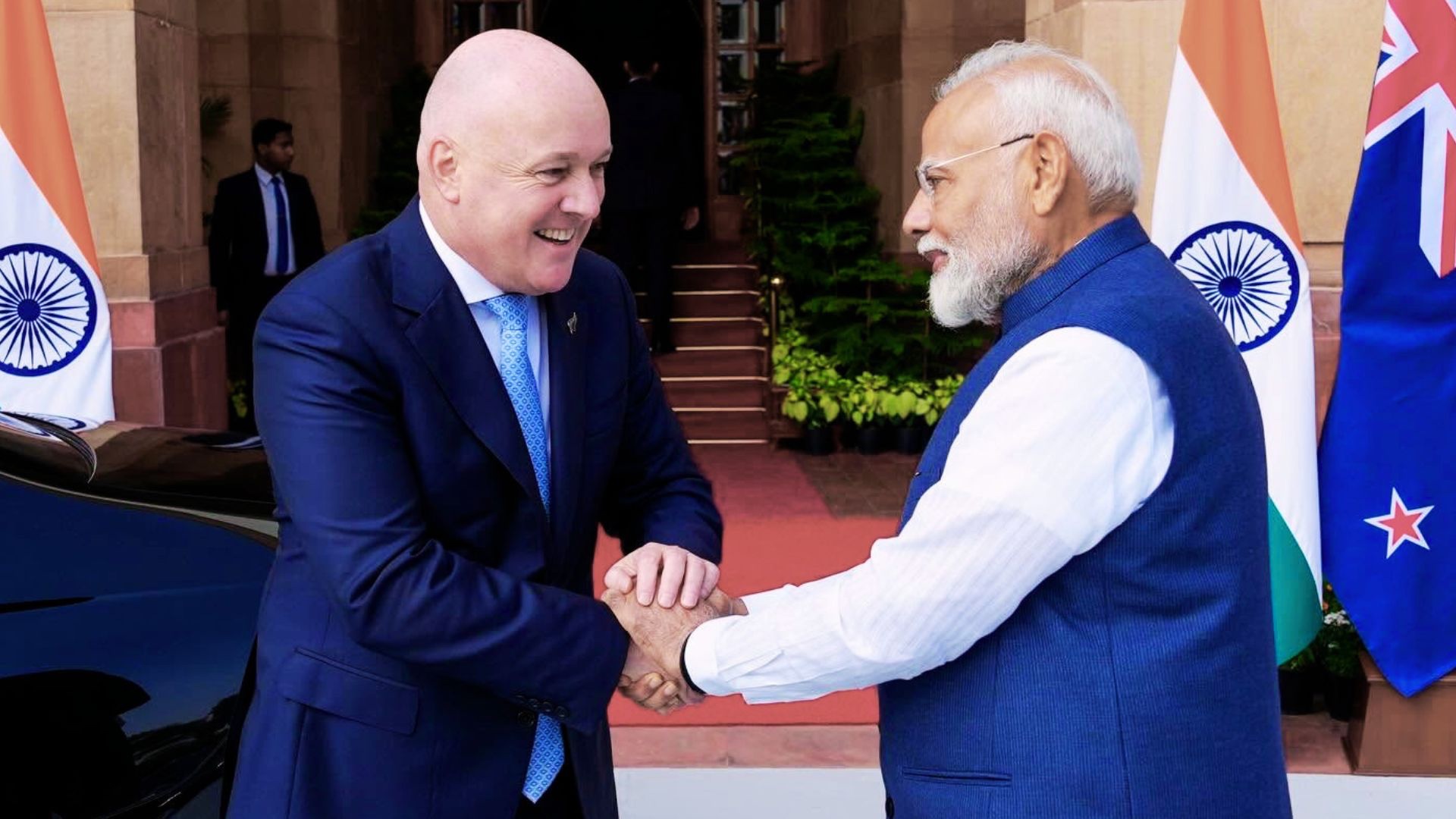
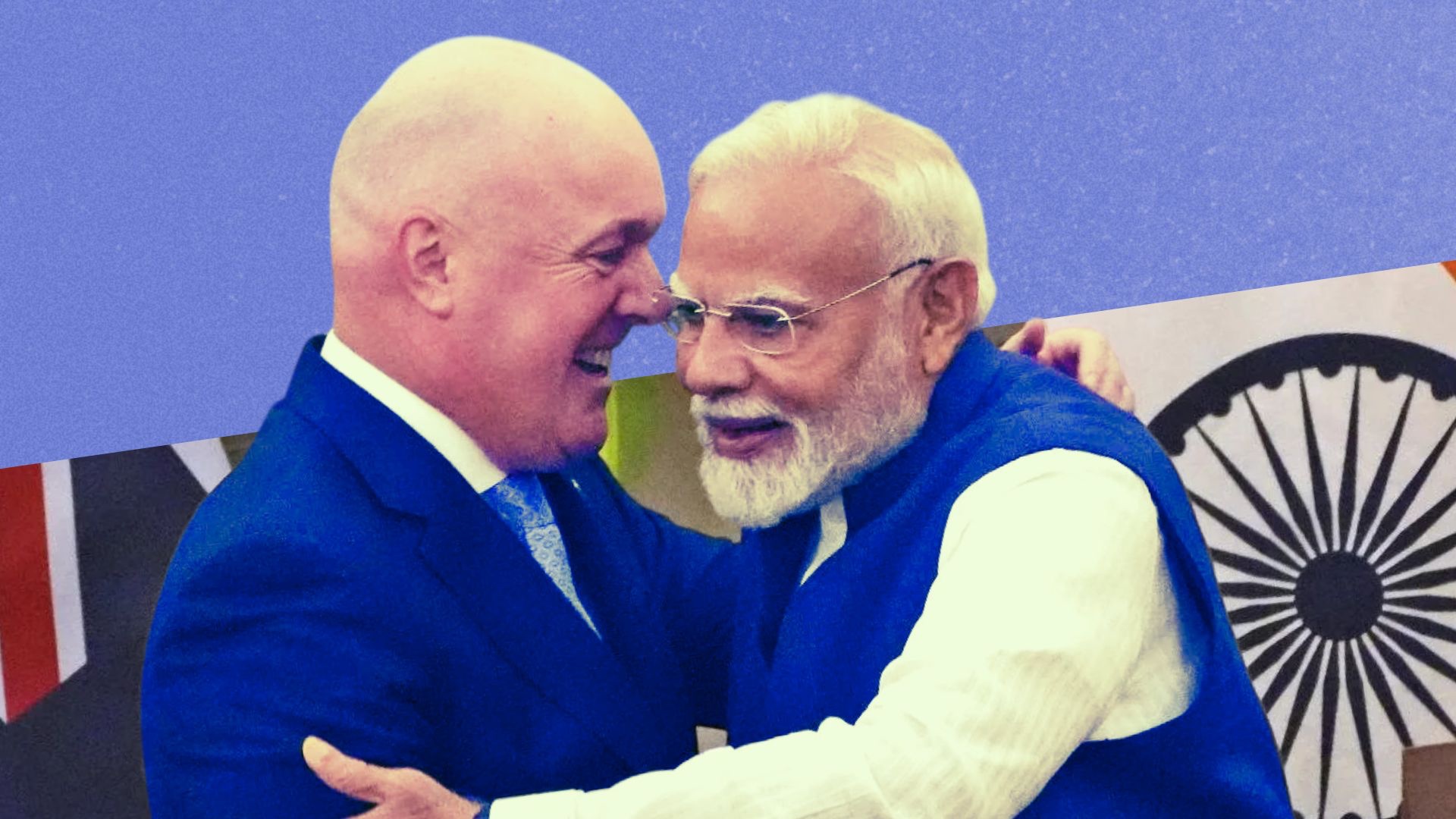
A person born in India who later became a New Zealand citizen, for example, may be asked who they support when the Black Caps play India.
Being Indian and Kiwi at once. How Ajaz Patel's 10-wicket haul brought his two worlds together A historic moment in Mumbai left the Black Caps spinner reflecting on something far deeper than cricket.
India's SIR voter controversy reaches New Zealand in Muslim man's asylum case The man claimed Muslims excluded from voter lists risked losing welfare benefits and being treated as illegal immigrants.
Election 2026: A right majority is possible even if Opportunity enters Parliament The latest polls suggest National, ACT and NZ First could secure a majority, with the Opportunity Party's fortunes still crucial.
Backing New Zealand would be regarded as a strong sign of integration. Supporting India could trigger further questions. Saying “I support both” would be treated with caution.
The proposal comes as citizenship takes on an increasingly important role in the election campaign.
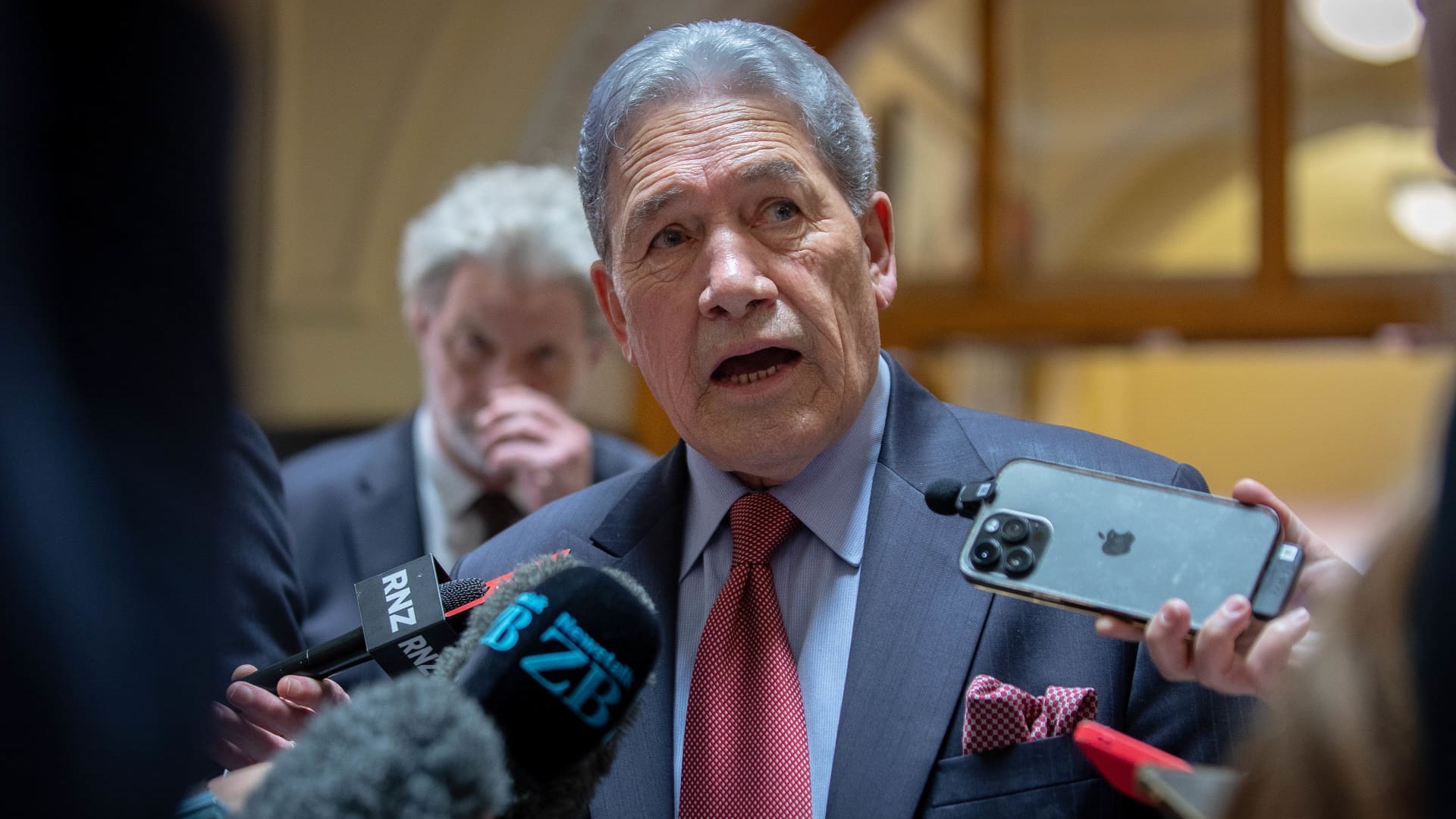
New Zealand First has proposed only citizens should be allowed to vote, and has since said NZ Super should also be reserved for citizens.
ACT, meanwhile, wants to abolish the existing Permanent Resident Visa for future migrants, arguing that residence should require an ongoing physical connection to New Zealand.
Politicians are now understood to be examining whether even that is enough. “One of the problems with citizenship is that it is largely a legal status,” one party strategist said.
“What we really need to understand is where your heart is when New Zealand needs 14 runs off the final over.”
Under one version of the proposed test, citizens born overseas could be observed during live sporting events.
Officials would record which side they cheer for, whether they stand during a New Zealand wicket, and whether they appear excessively pleased when a player from their country of birth scores a century.
More sophisticated testing may be required for people who claim to support New Zealand but display involuntary emotional reactions.
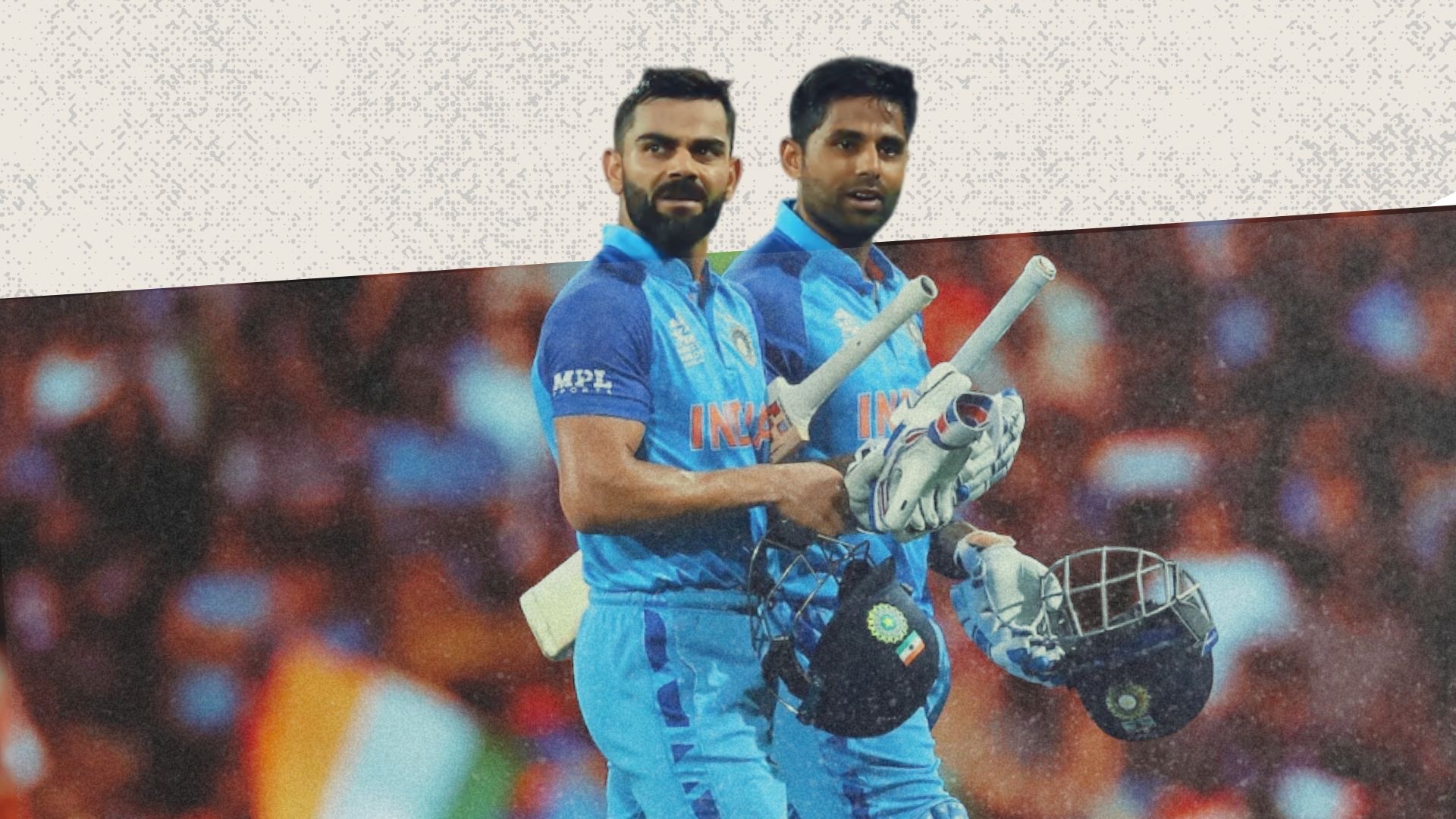
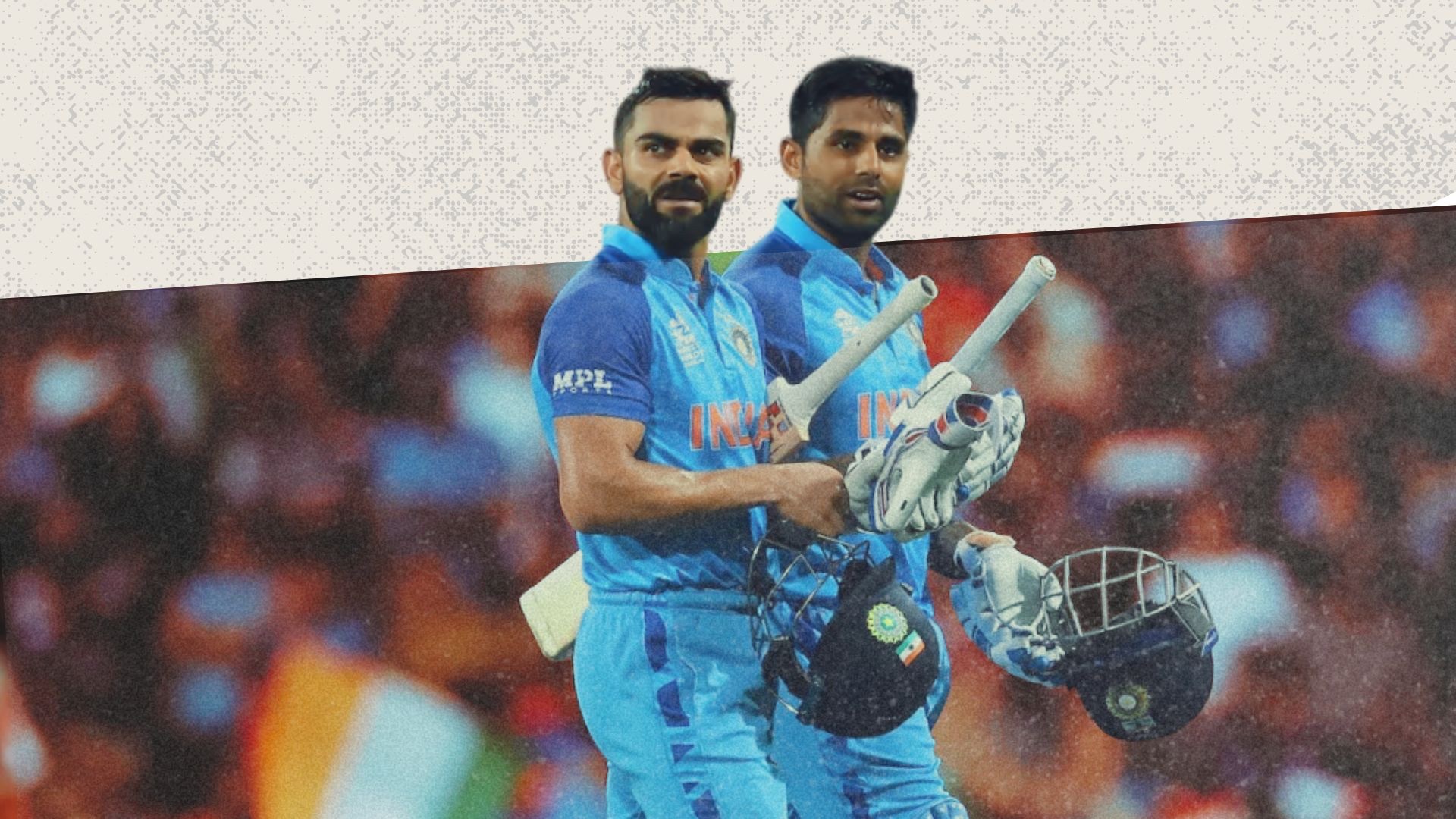
“If Virat Kohli hits a six and you smile before remembering you are a New Zealander, that would obviously raise some questions,” one adviser said.
The test could also examine clothing. Wearing a Black Caps shirt would earn maximum points. Wearing an India shirt despite holding a New Zealand passport could result in an interview.
A split New Zealand-India jersey would be referred to an independent panel because officials have not yet decided whether it represents successful multiculturalism or an attempt to avoid choosing sides.
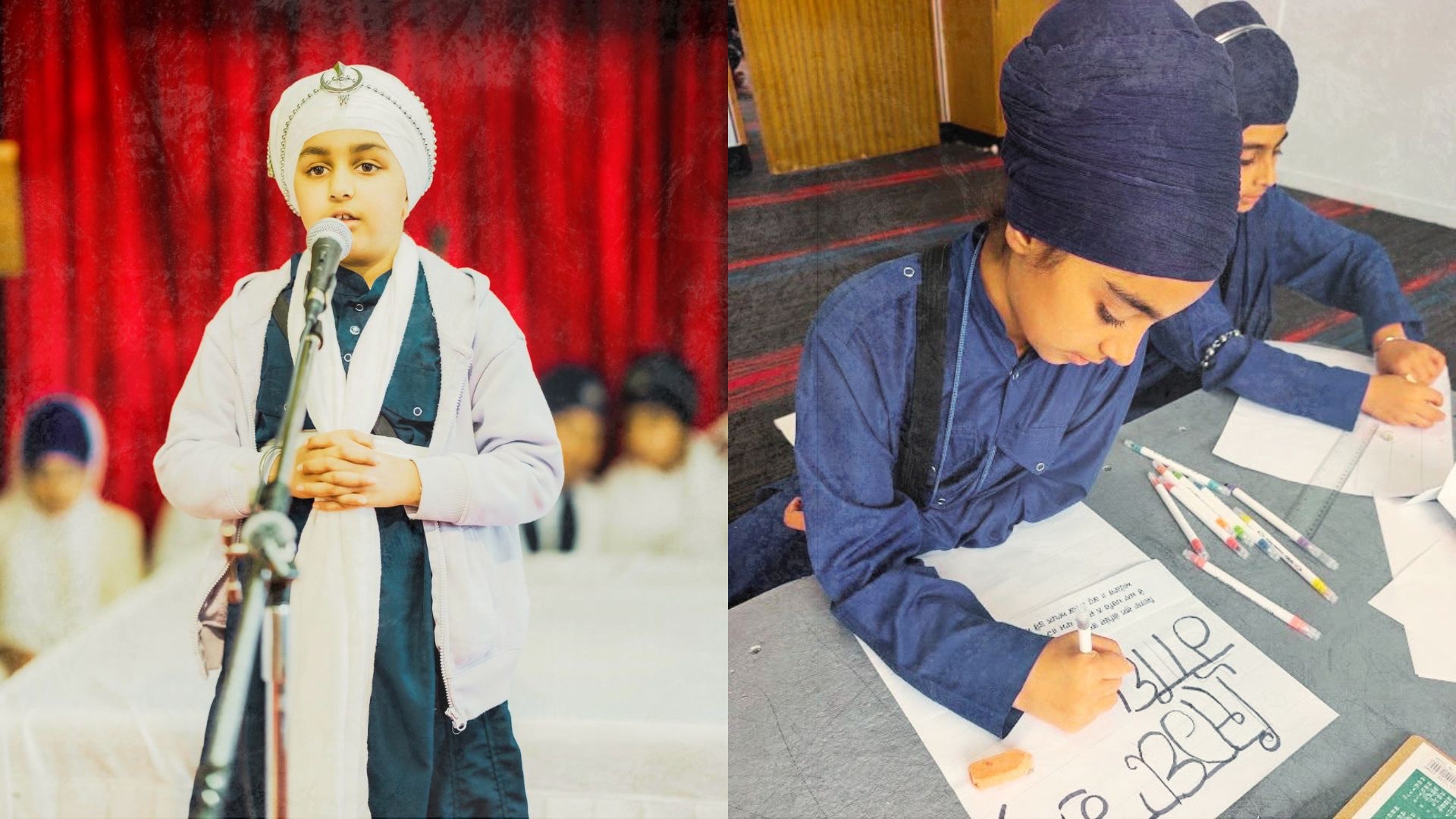
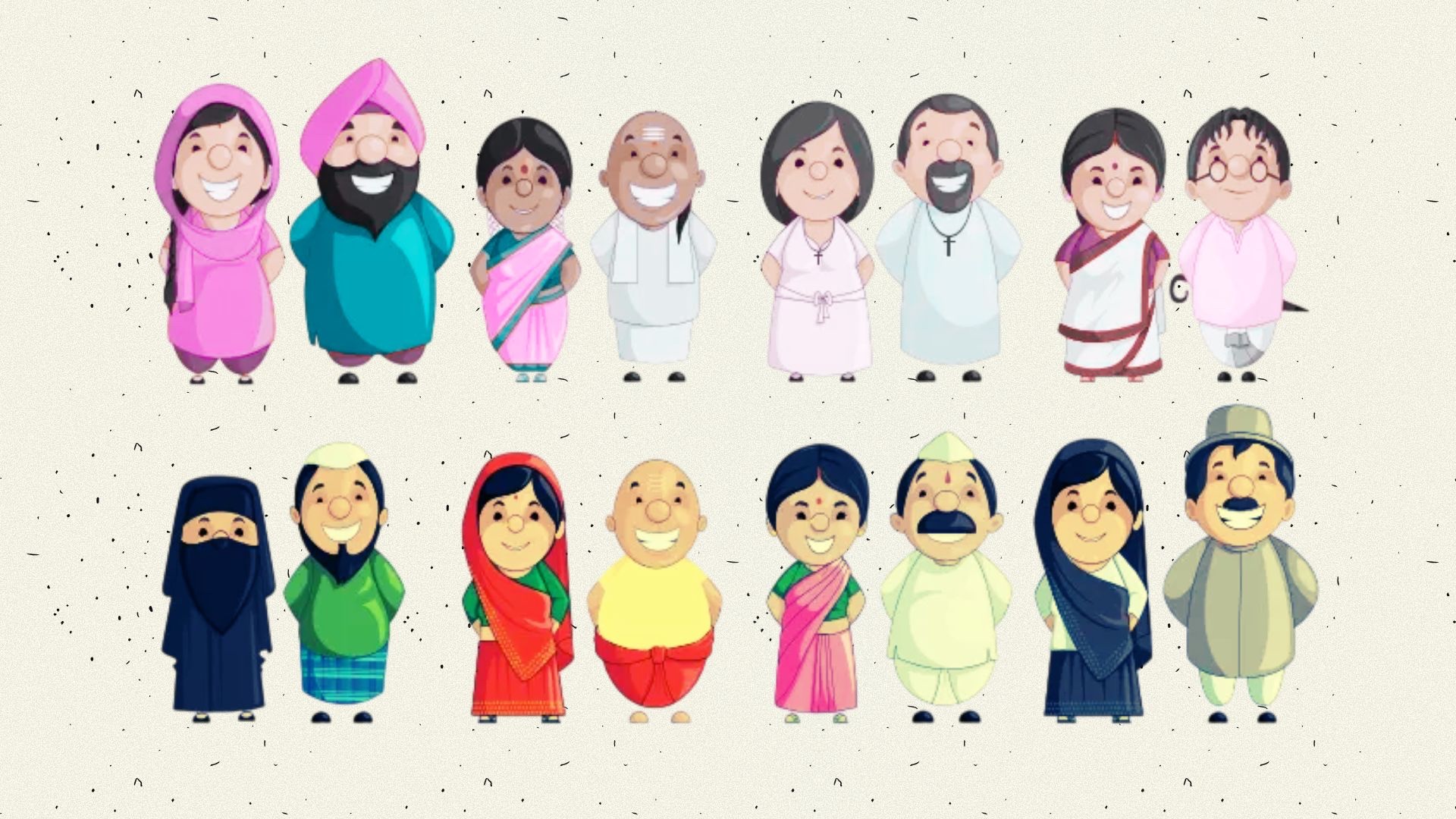
Children born in New Zealand to migrant parents could also eventually be covered. Policy advisers are reportedly concerned that birthplace and citizenship do not necessarily prevent second-generation New Zealanders from supporting the country their parents came from.
Officials are, therefore, considering a separate category known as “inherited sporting allegiance”. Under that system, someone born in Auckland who has never lived in India but supports India at cricket may be required to explain themselves.
The most difficult cases are expected to involve citizens whose loyalties change depending on the sport. A New Zealander of Indian origin who supports India in cricket but the All Blacks in rugby could receive partial credit.
Officials are unsure what to do with people who support New Zealand in every sport except cricket. “That is a very complex identity issue,” one adviser said.
The proposed test could eventually be expanded beyond sport. Policy papers are understood to have raised other possible indicators of commitment, including whether citizens describe New Zealand as “home” and whether they have ever said the words “back home” while referring to another country.
However, politicians are believed to favour sport because it is harder to fake. “You can say New Zealand is your home,” one source said.
“But if India needs two runs to win and you are praying for a boundary, we have our answer.”
No party has yet formally adopted the policy.