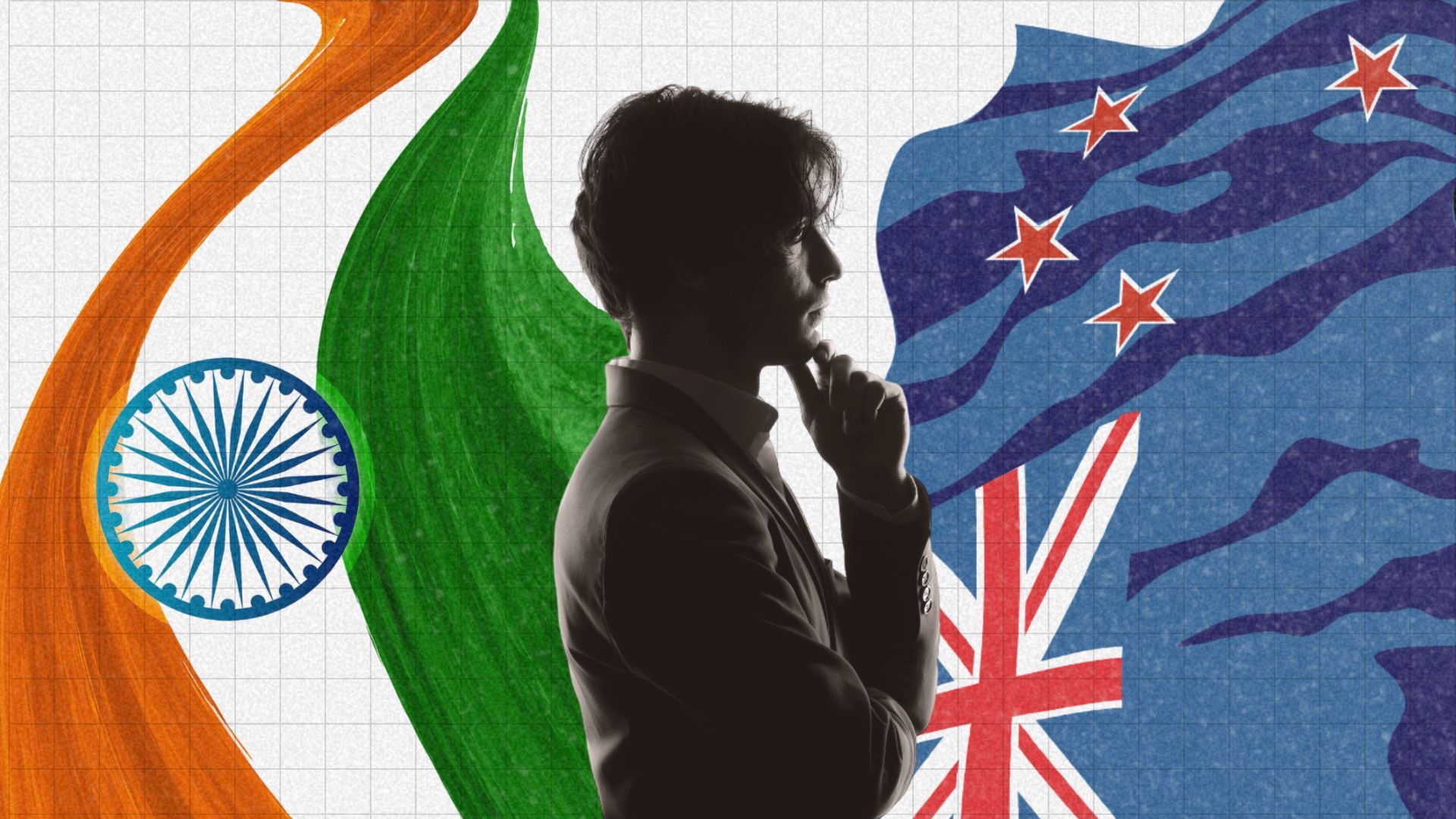
India's SIR voter controversy reaches New Zealand in Muslim man's asylum case
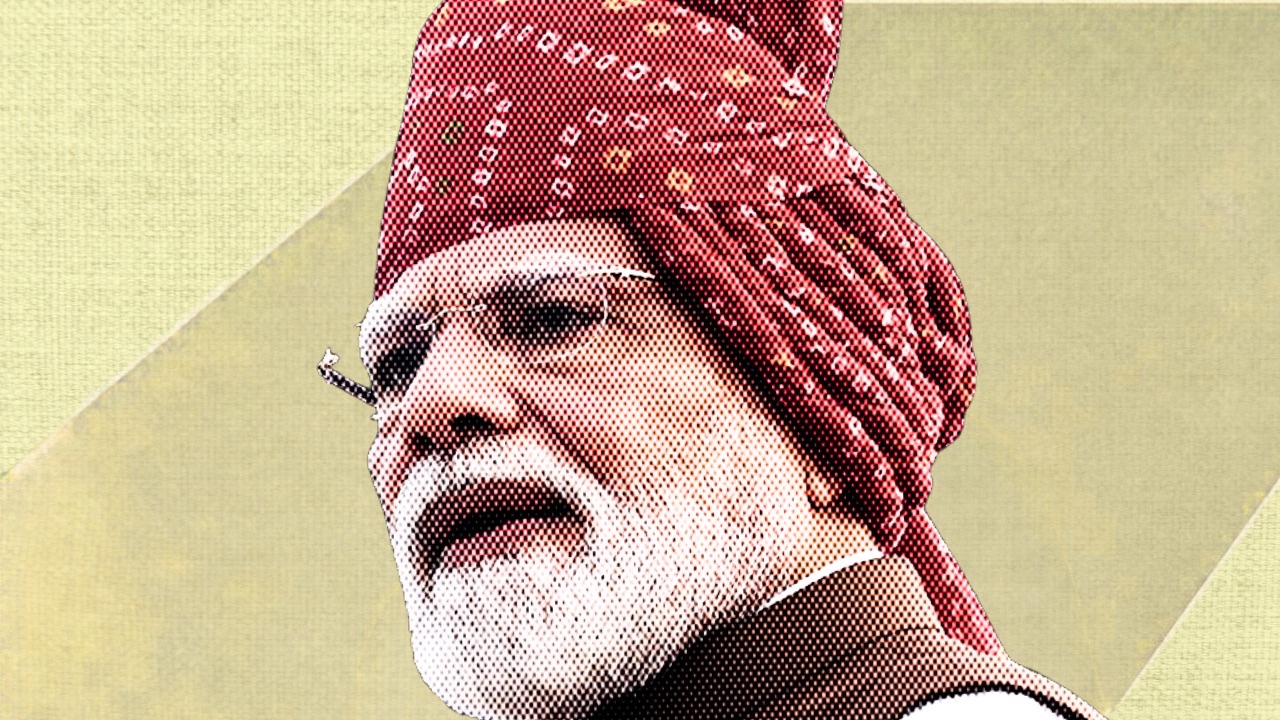
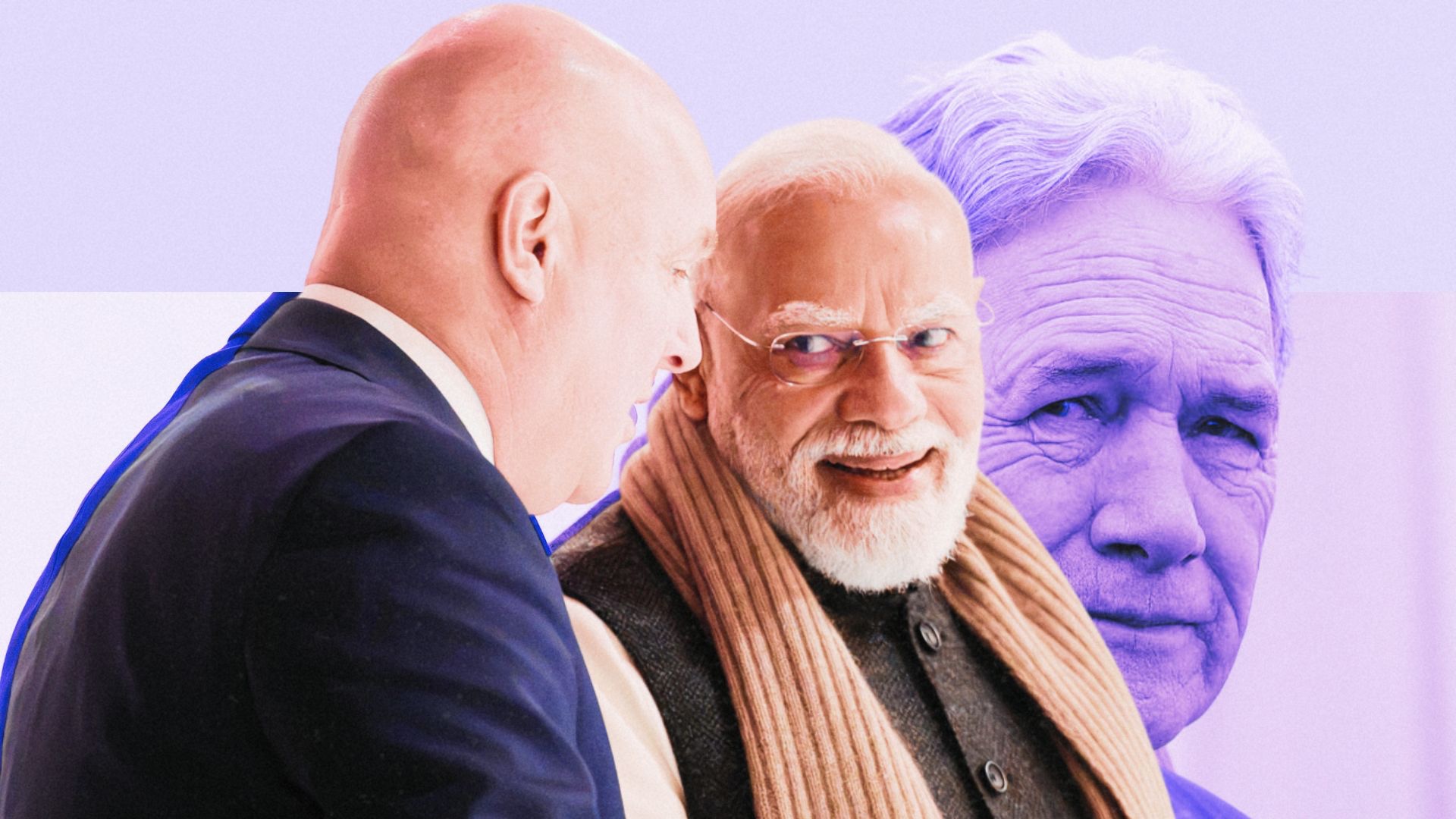
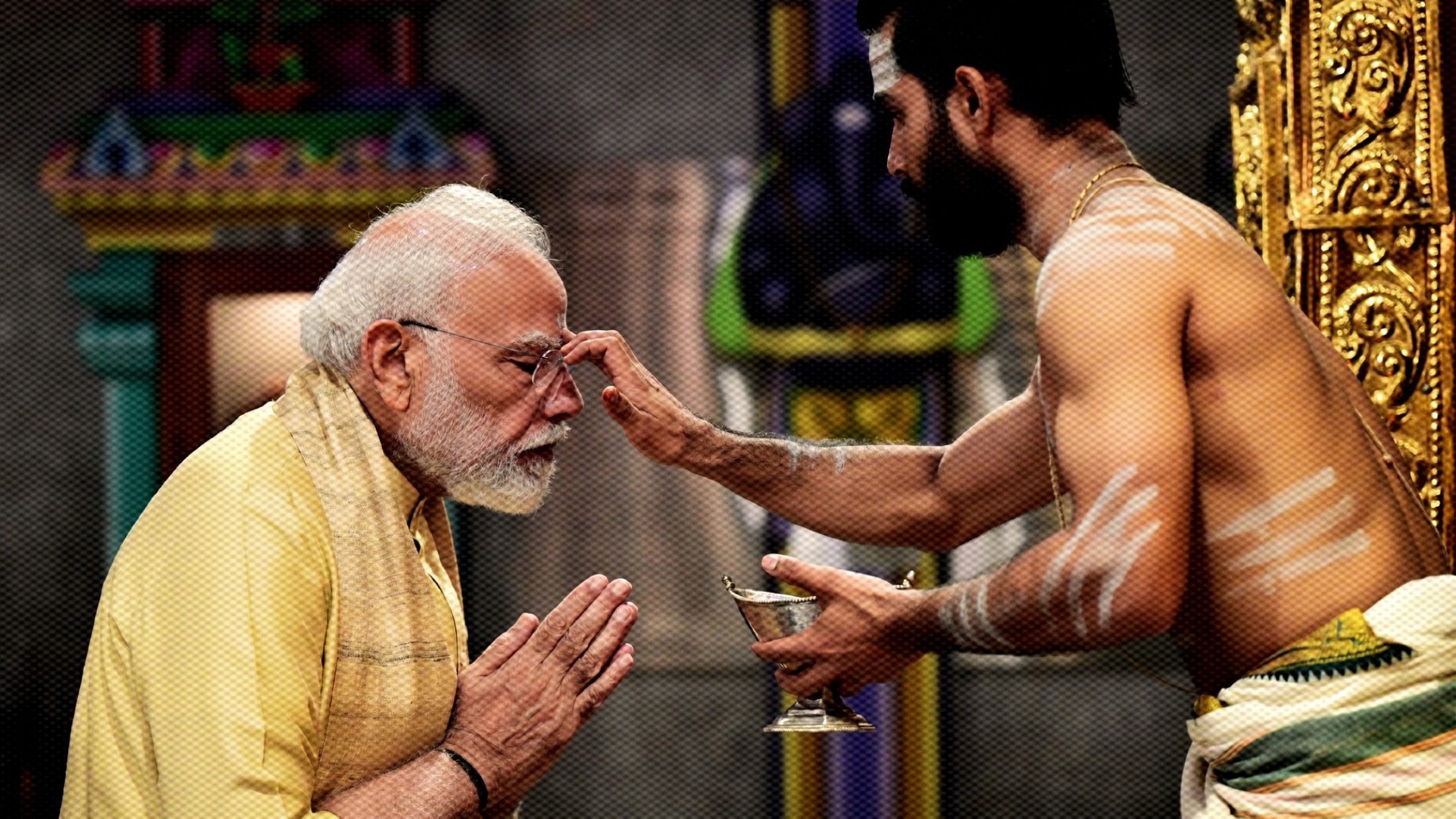
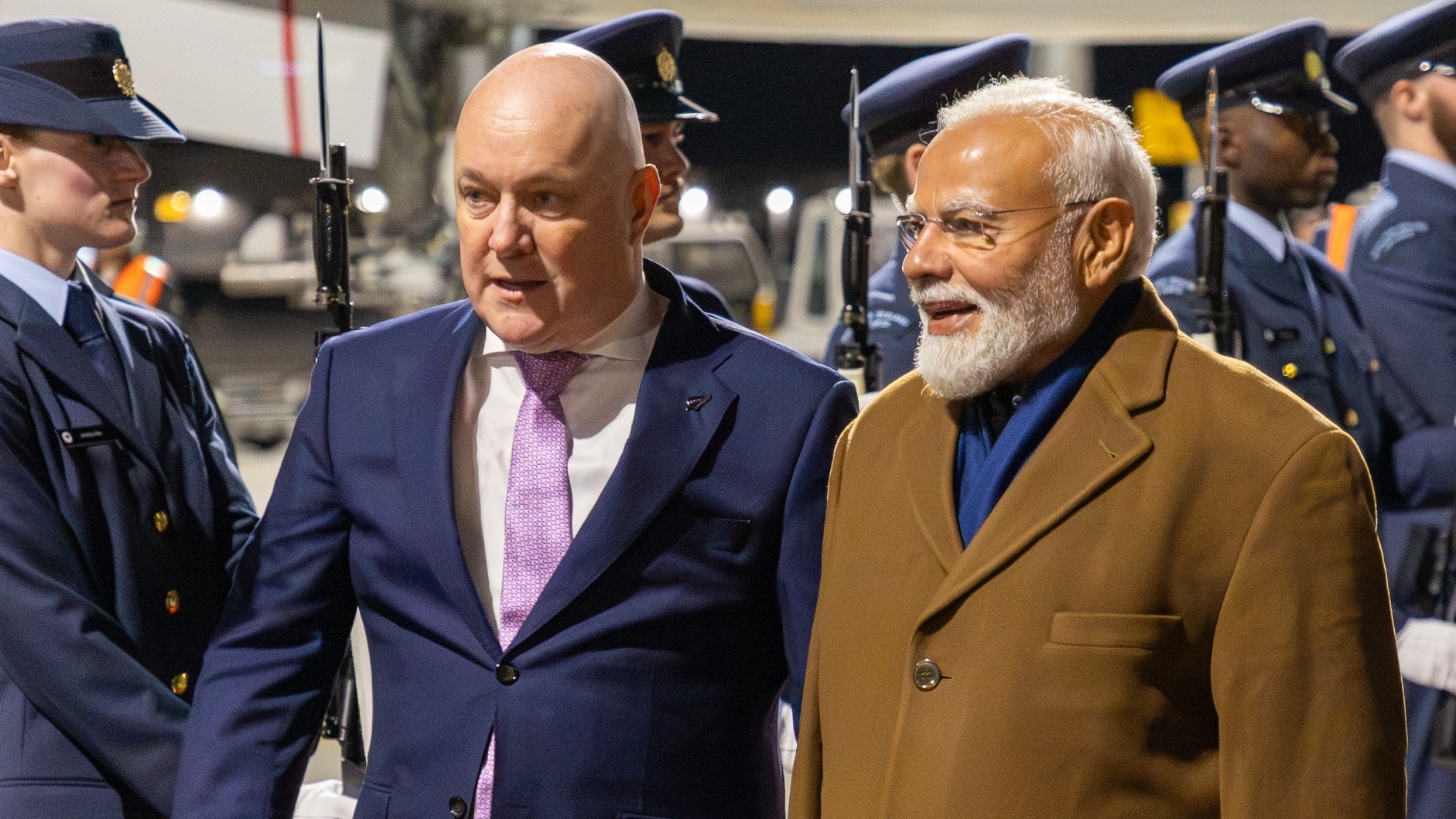
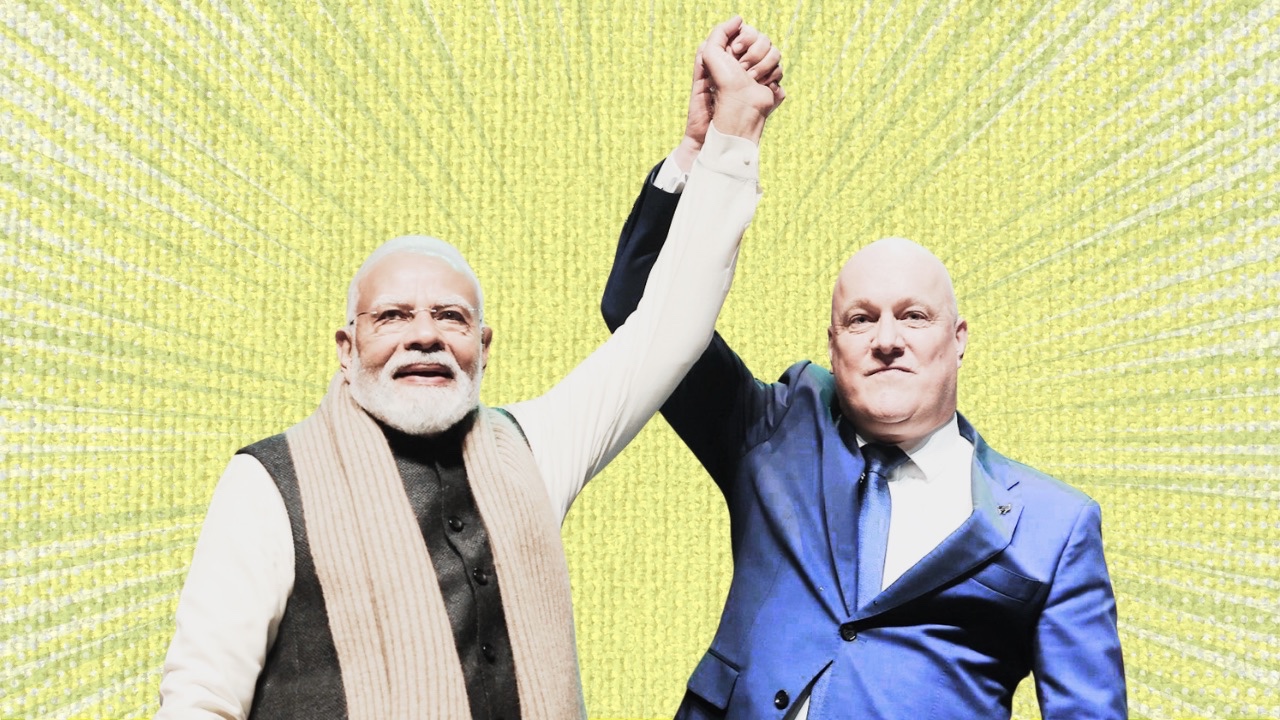
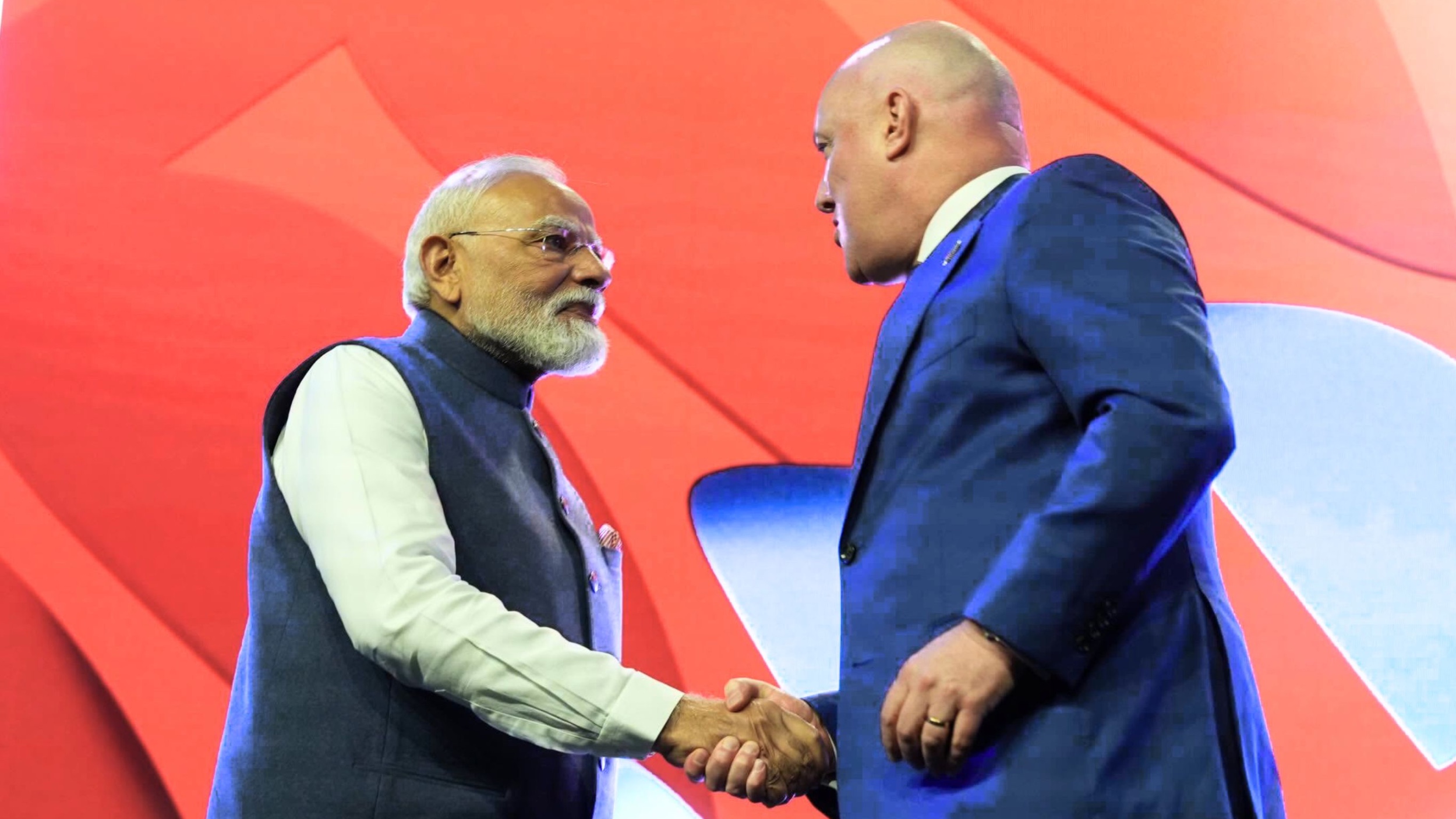
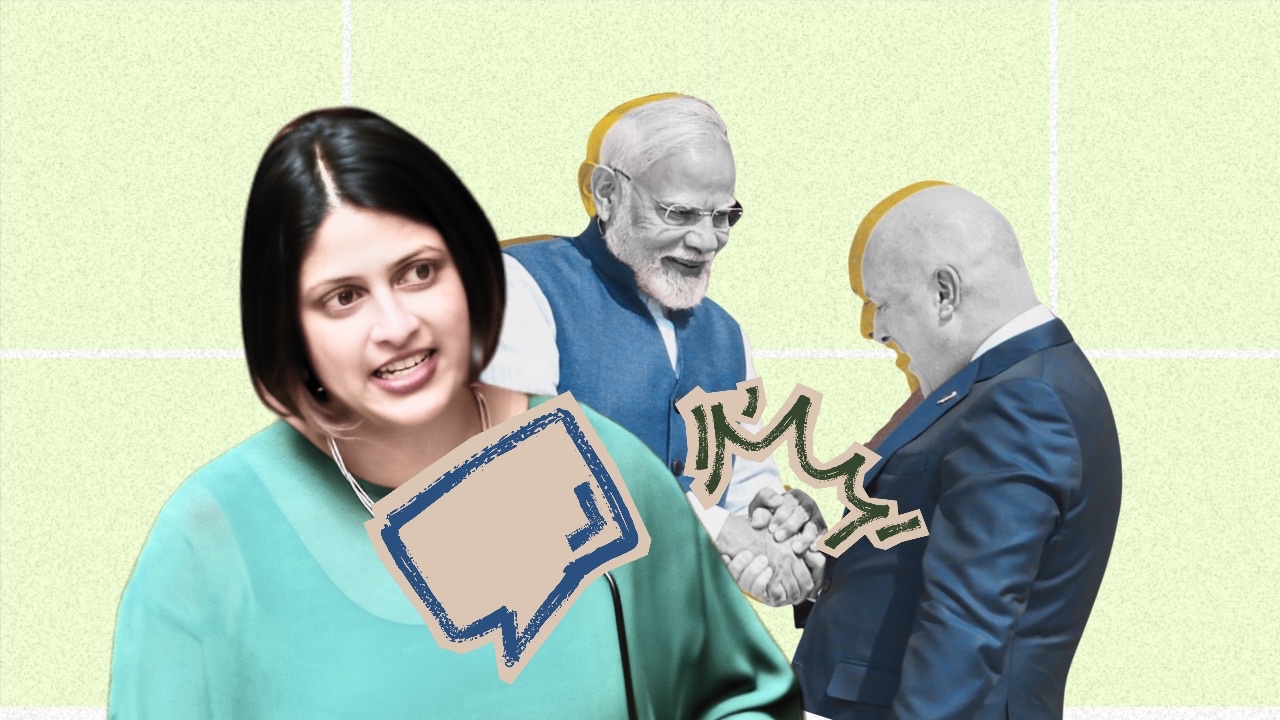
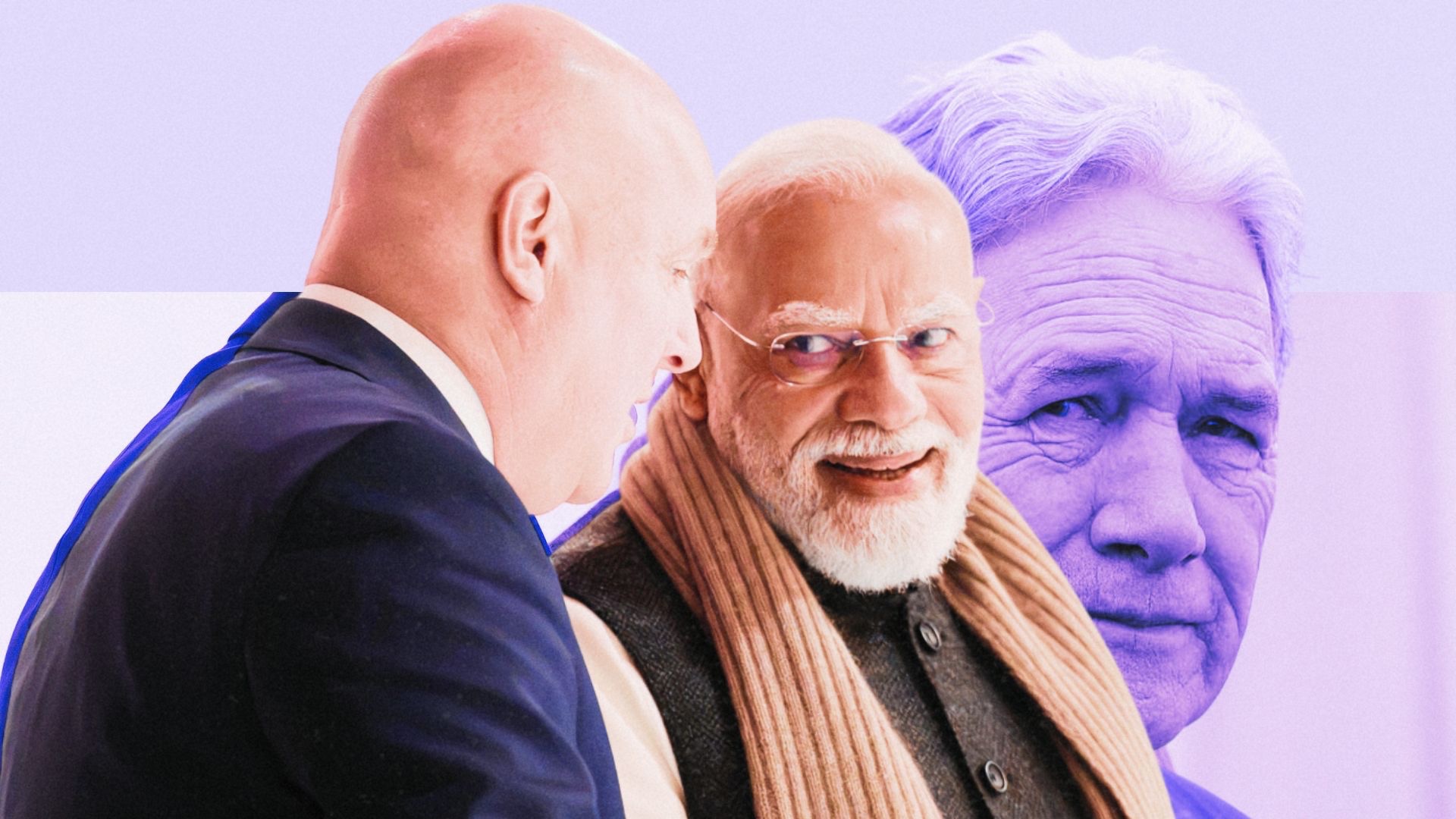
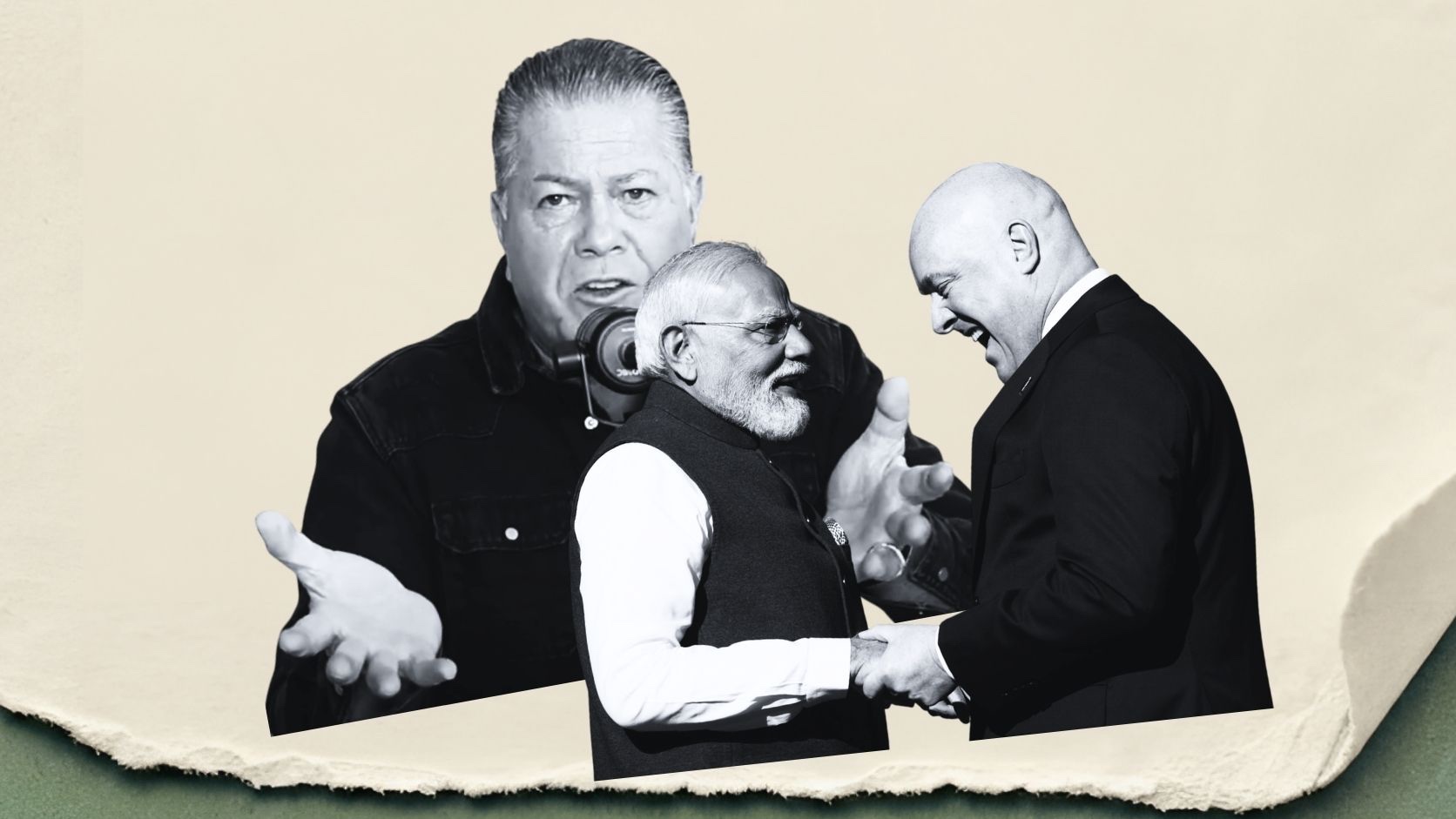
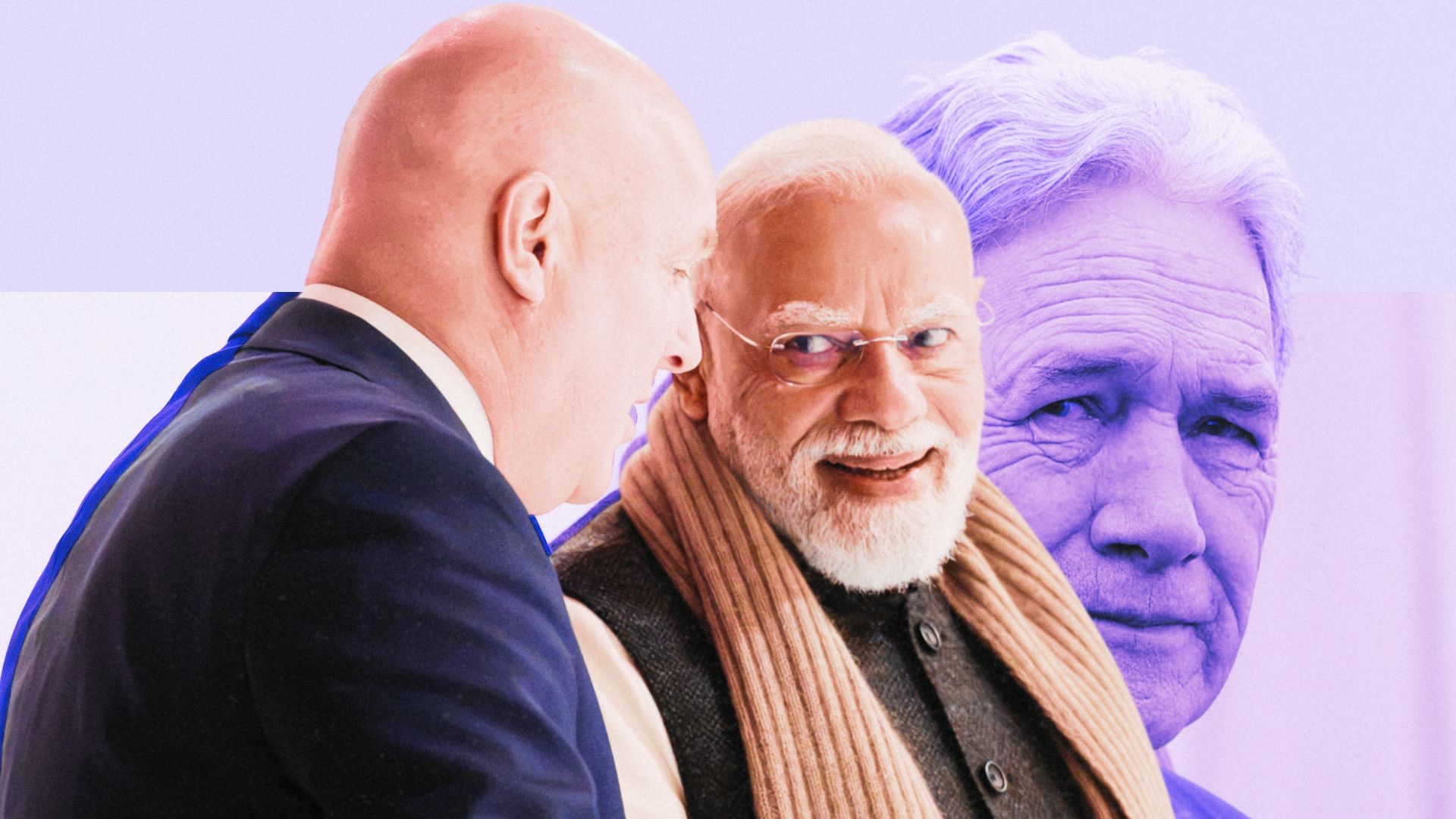
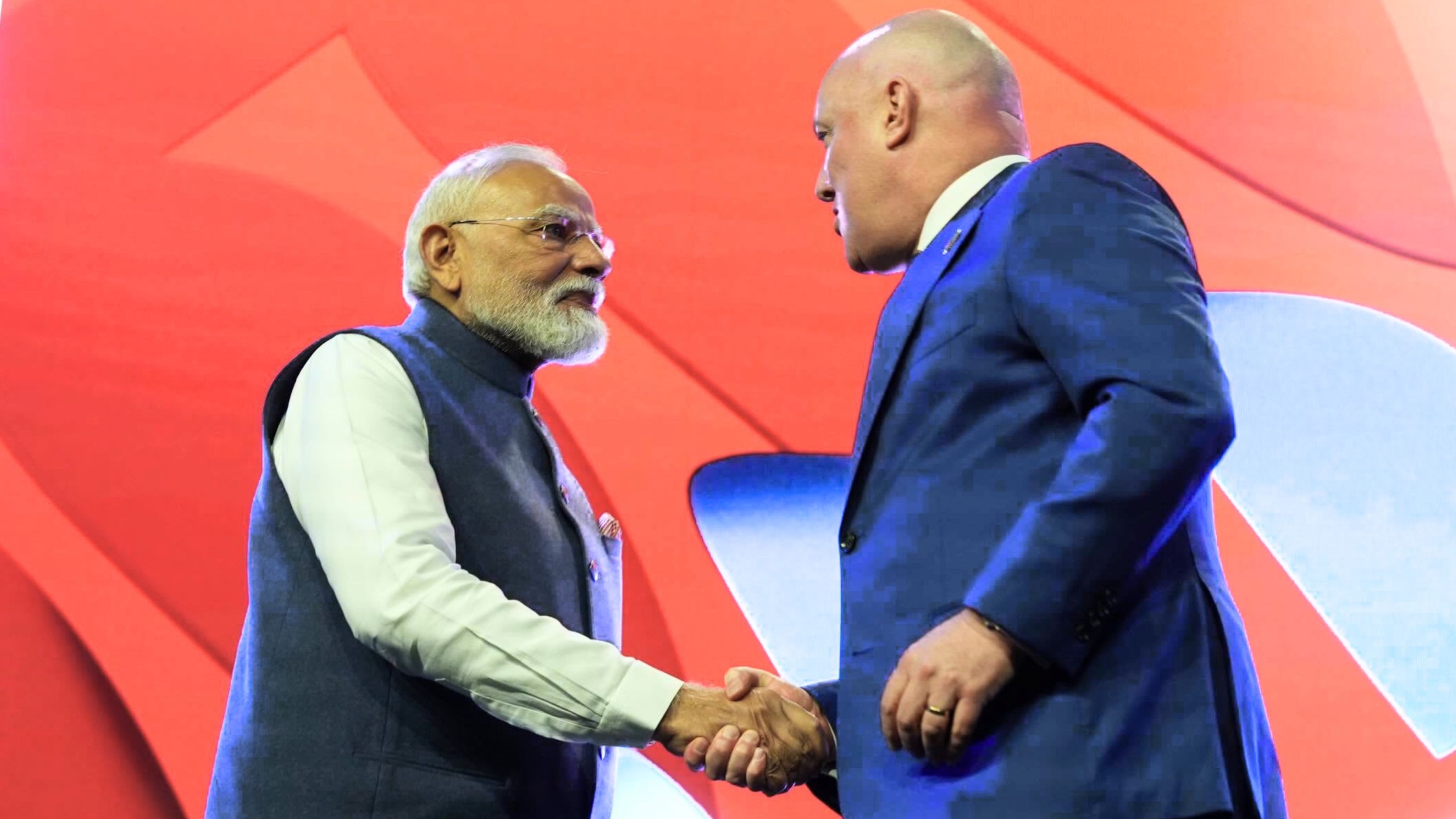
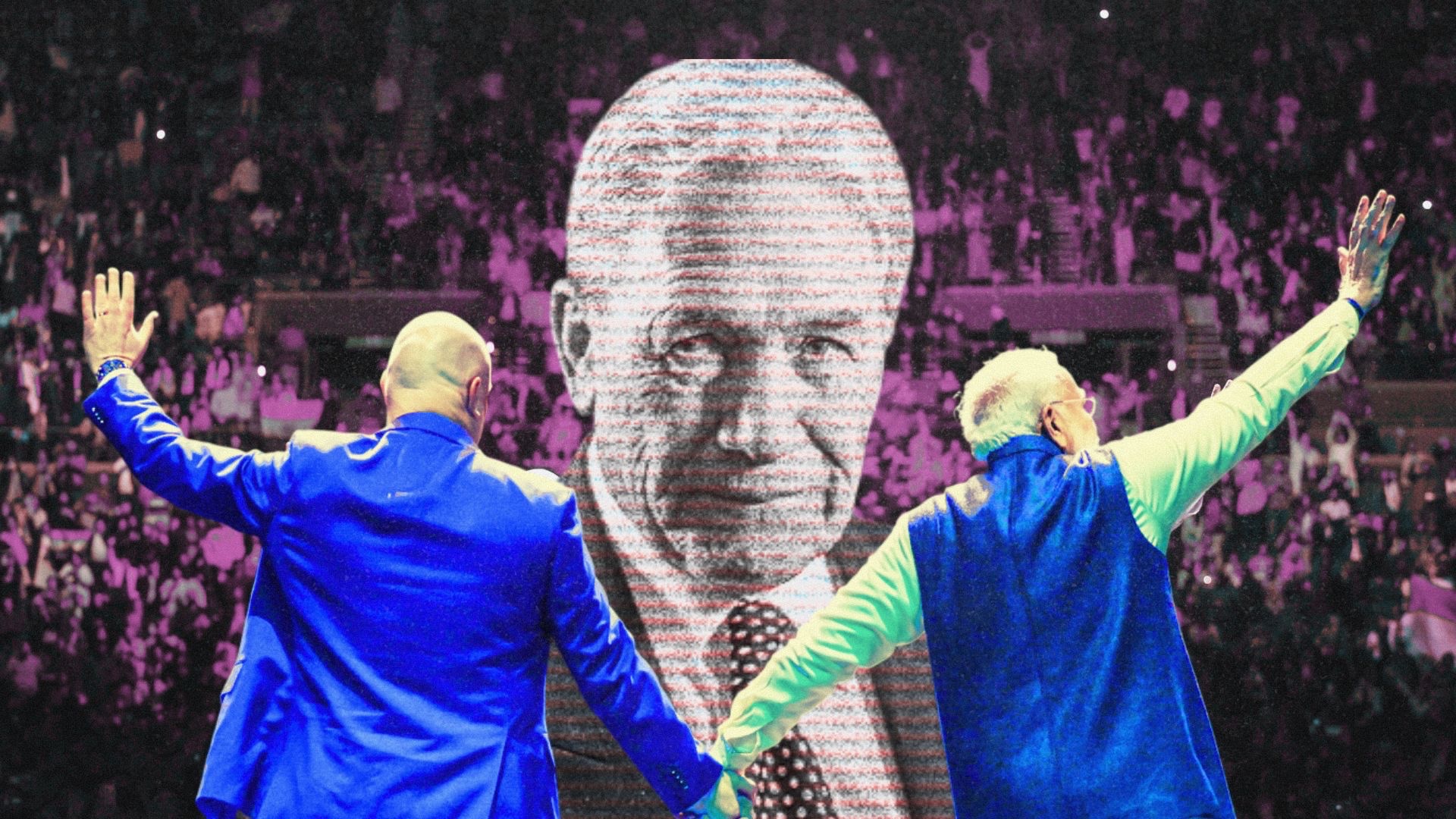
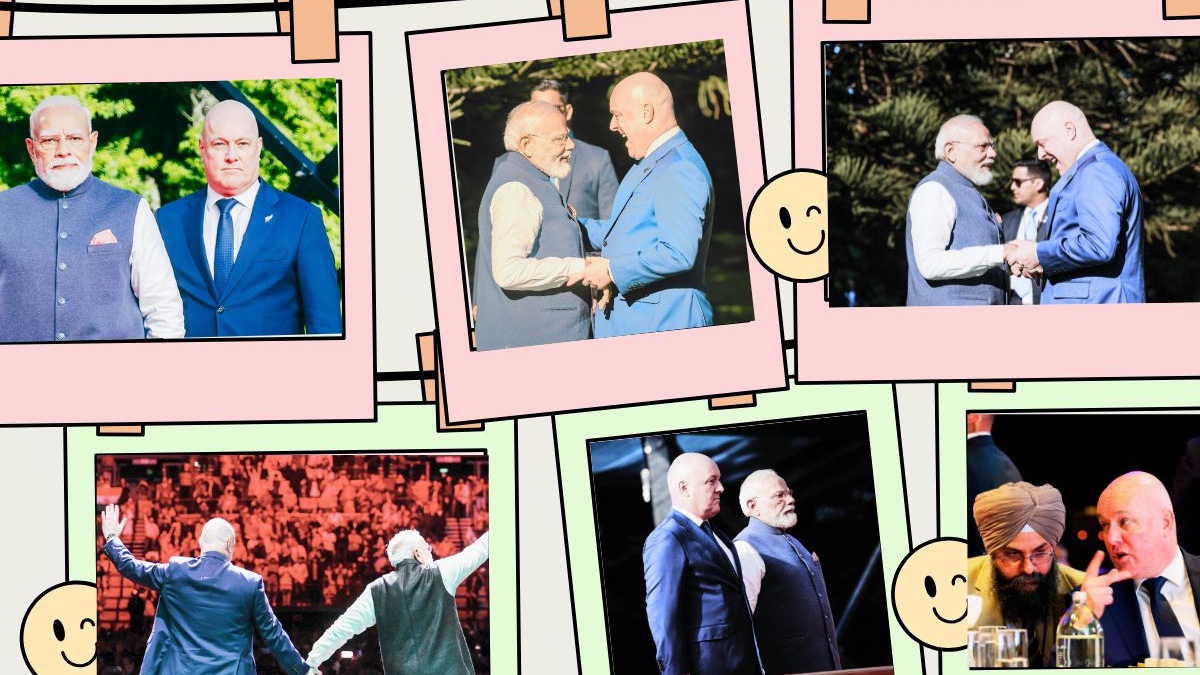
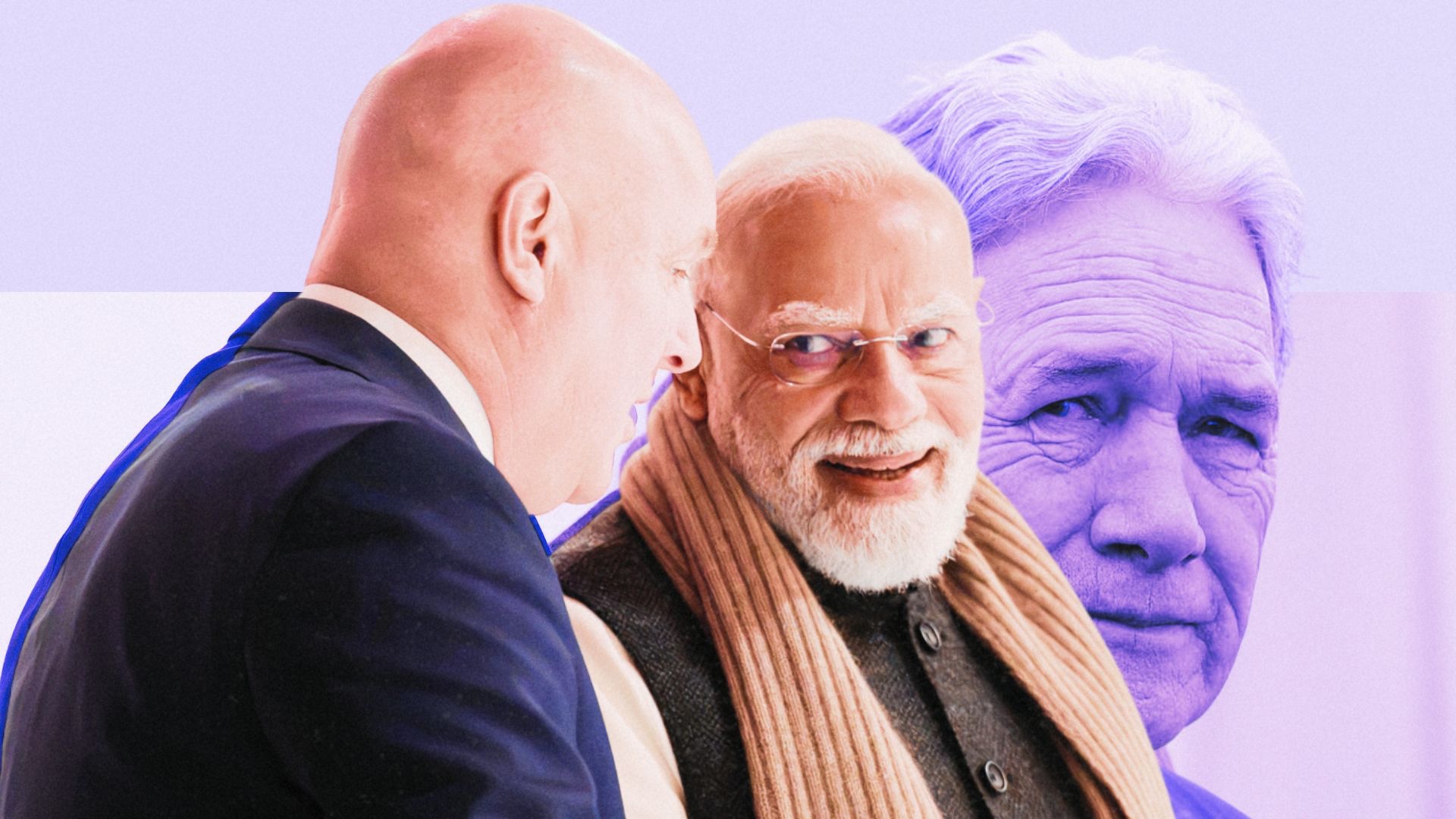
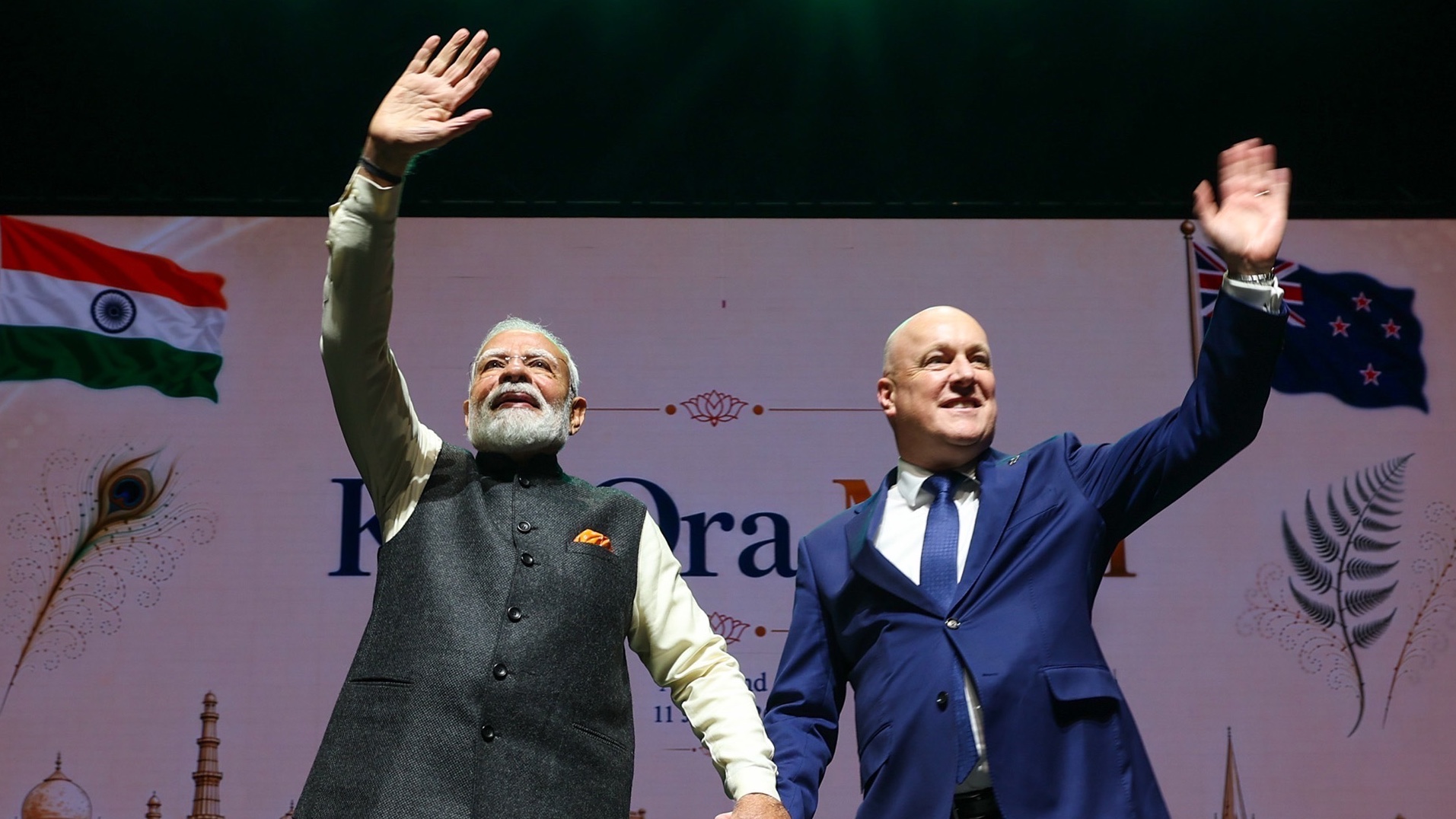
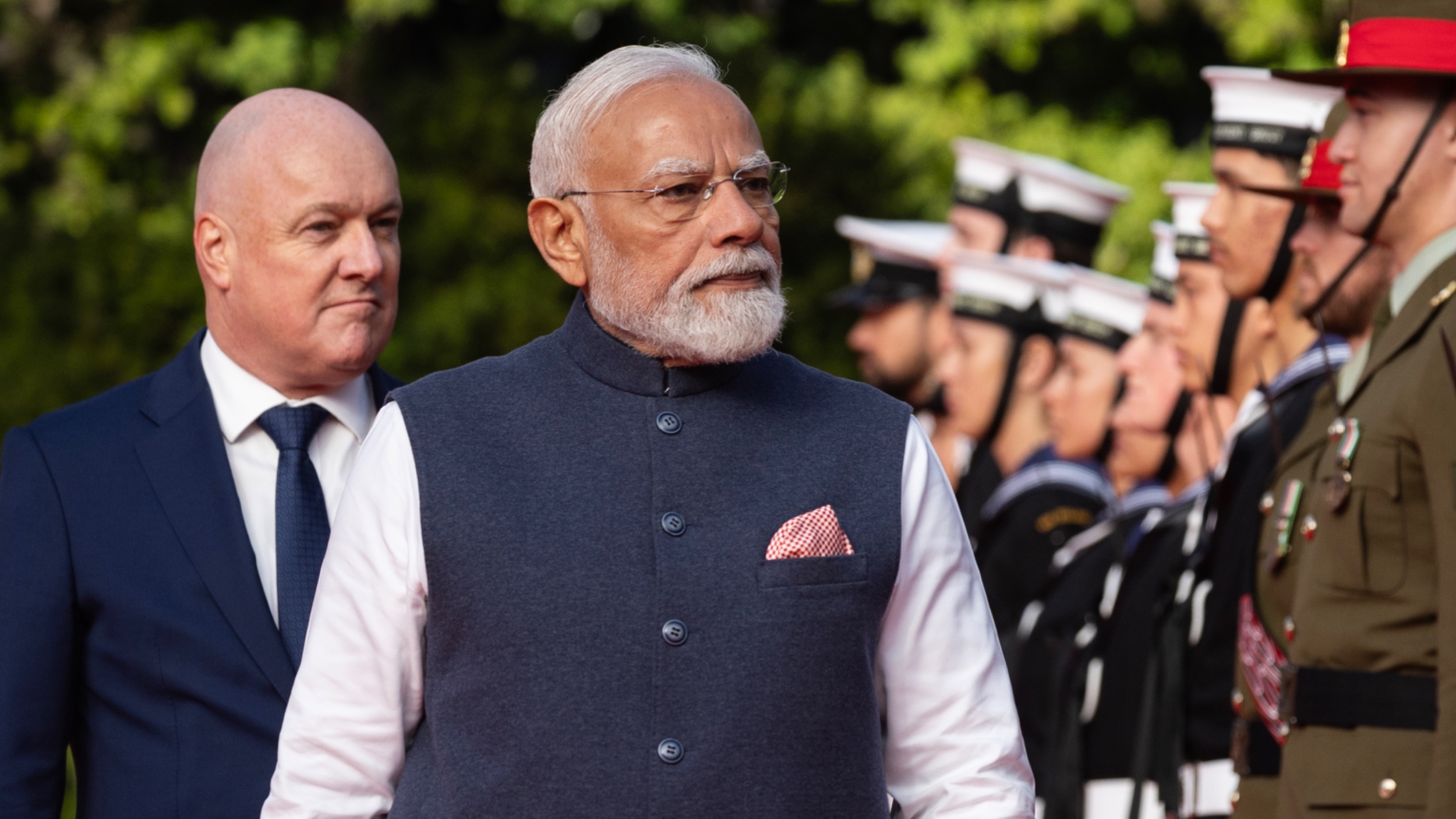
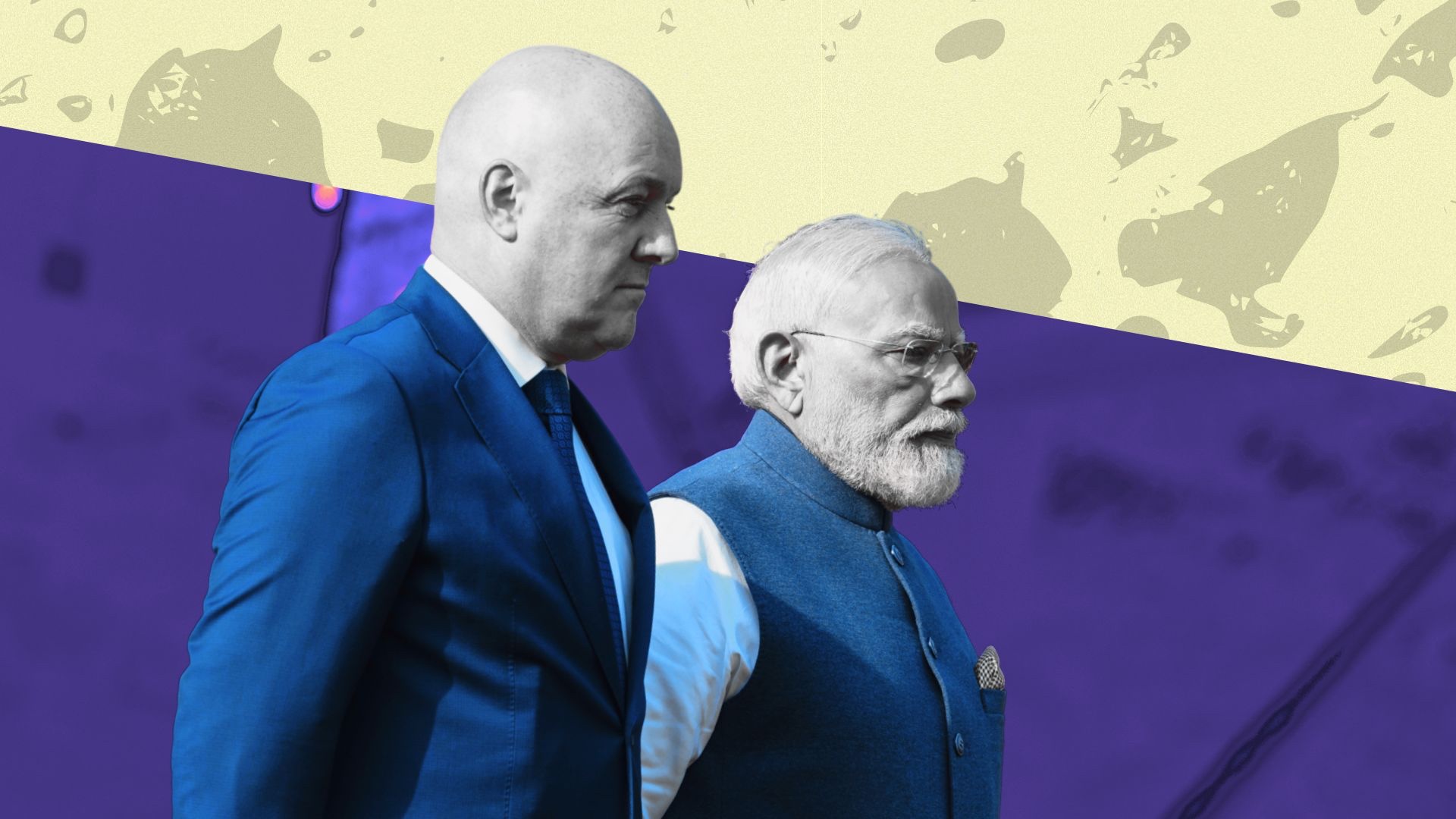
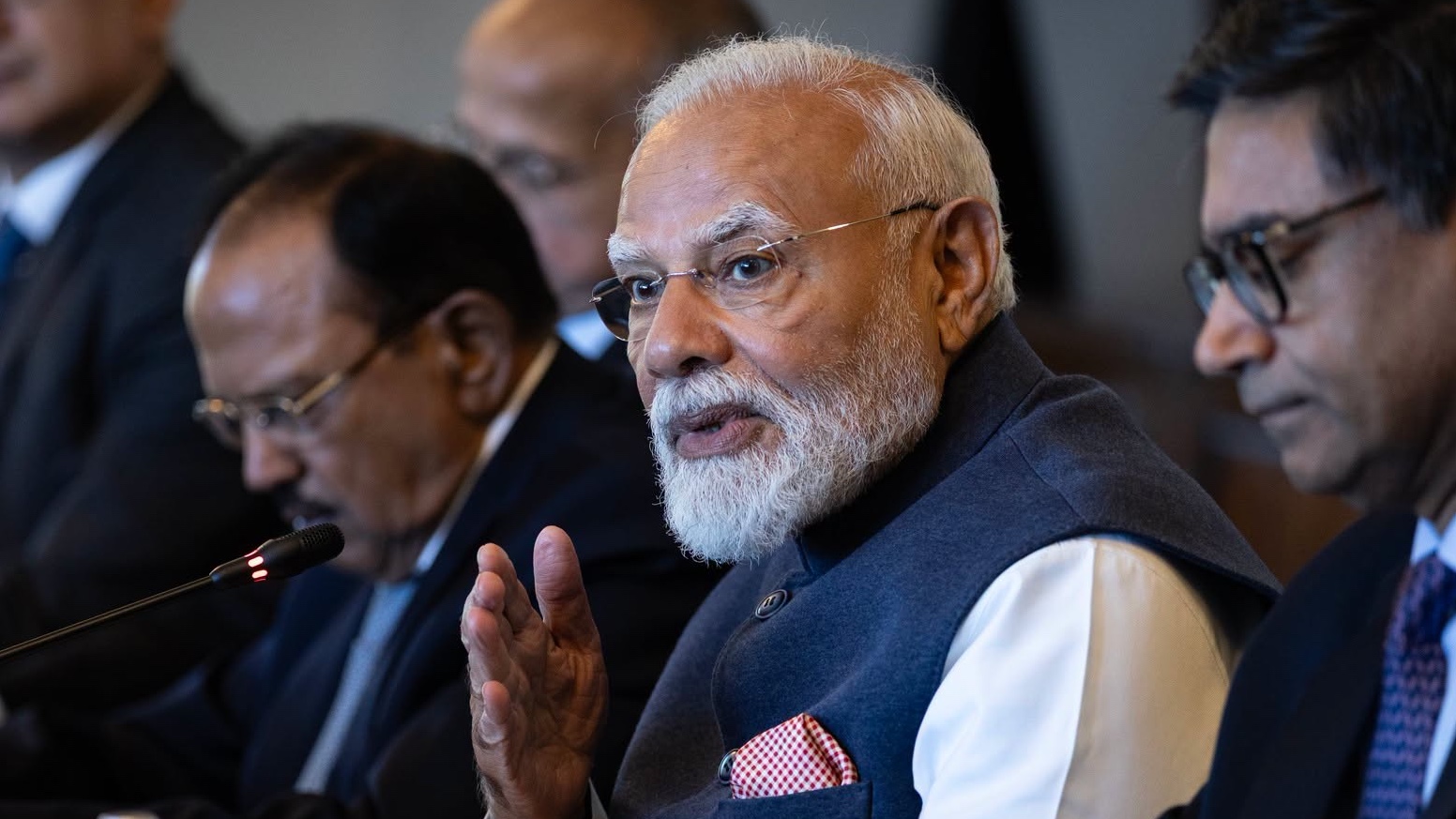
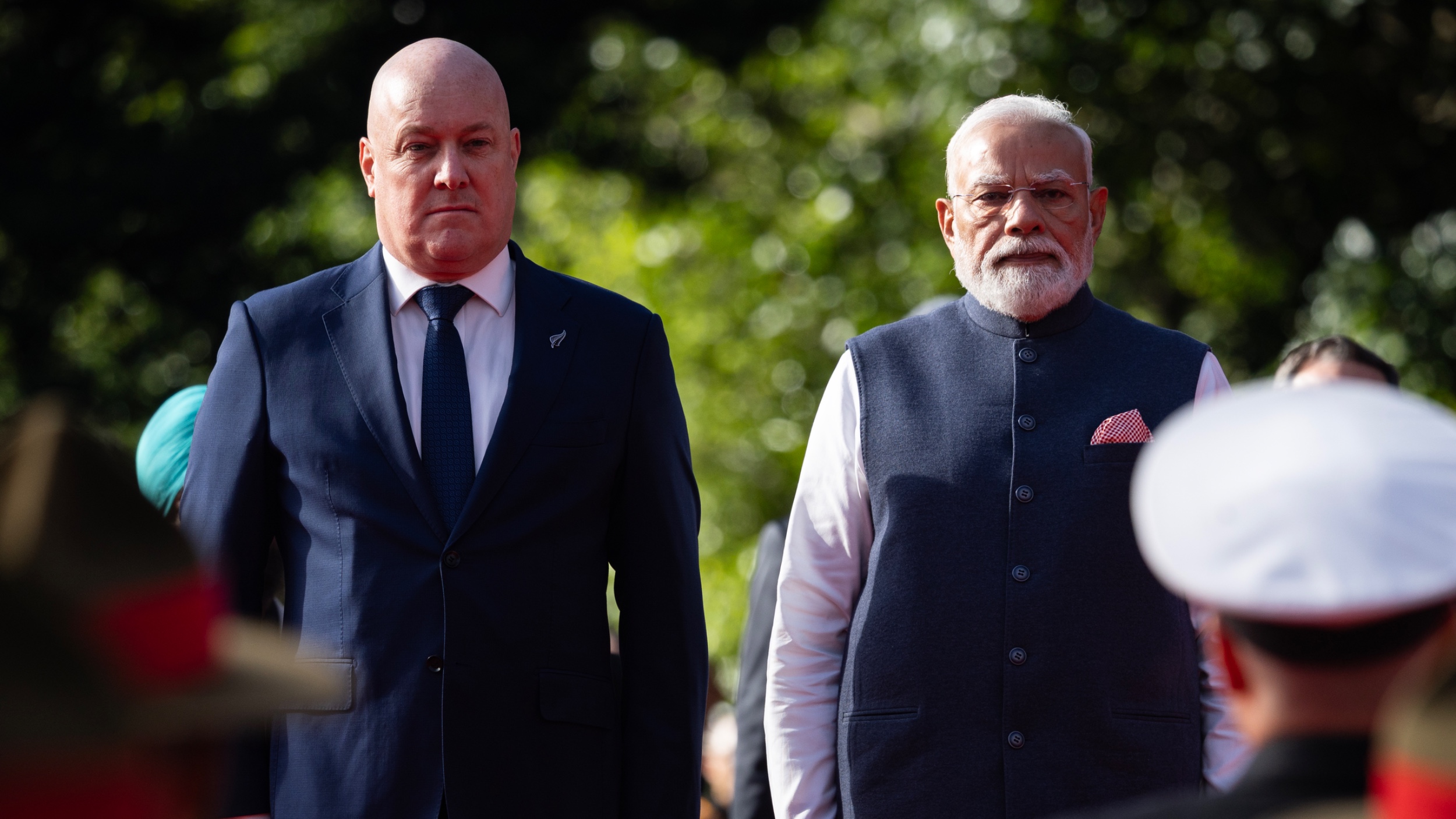
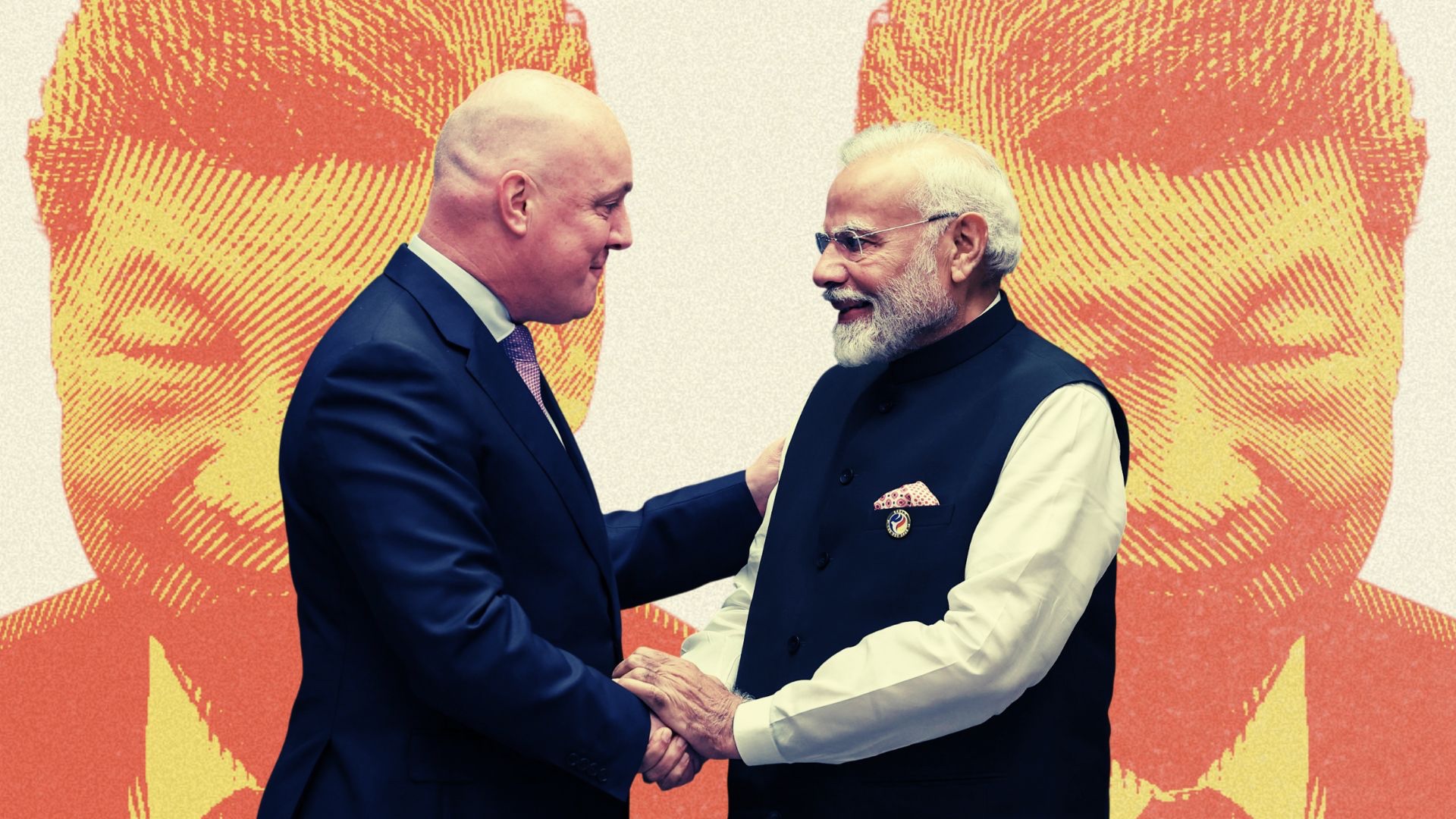
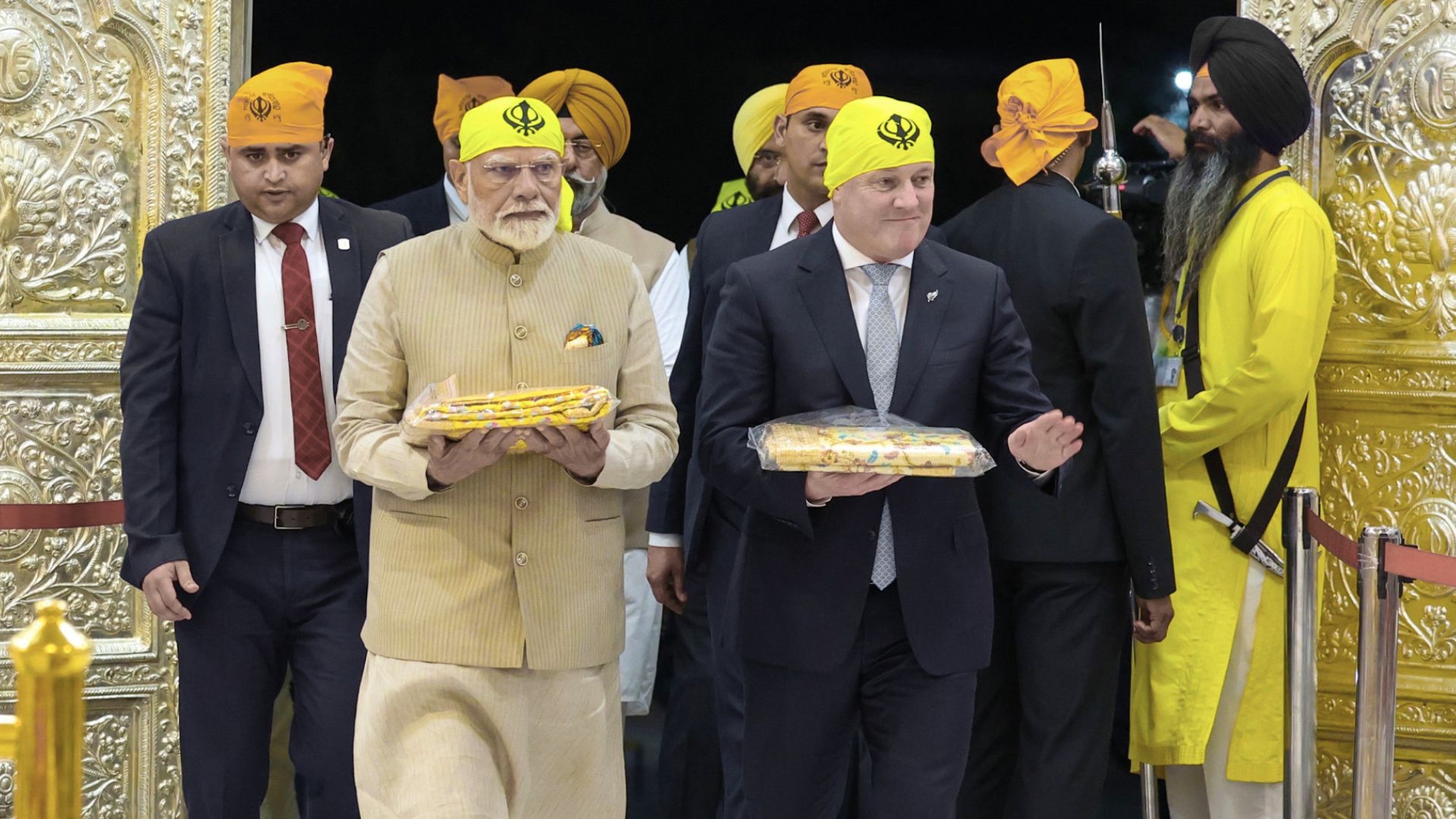
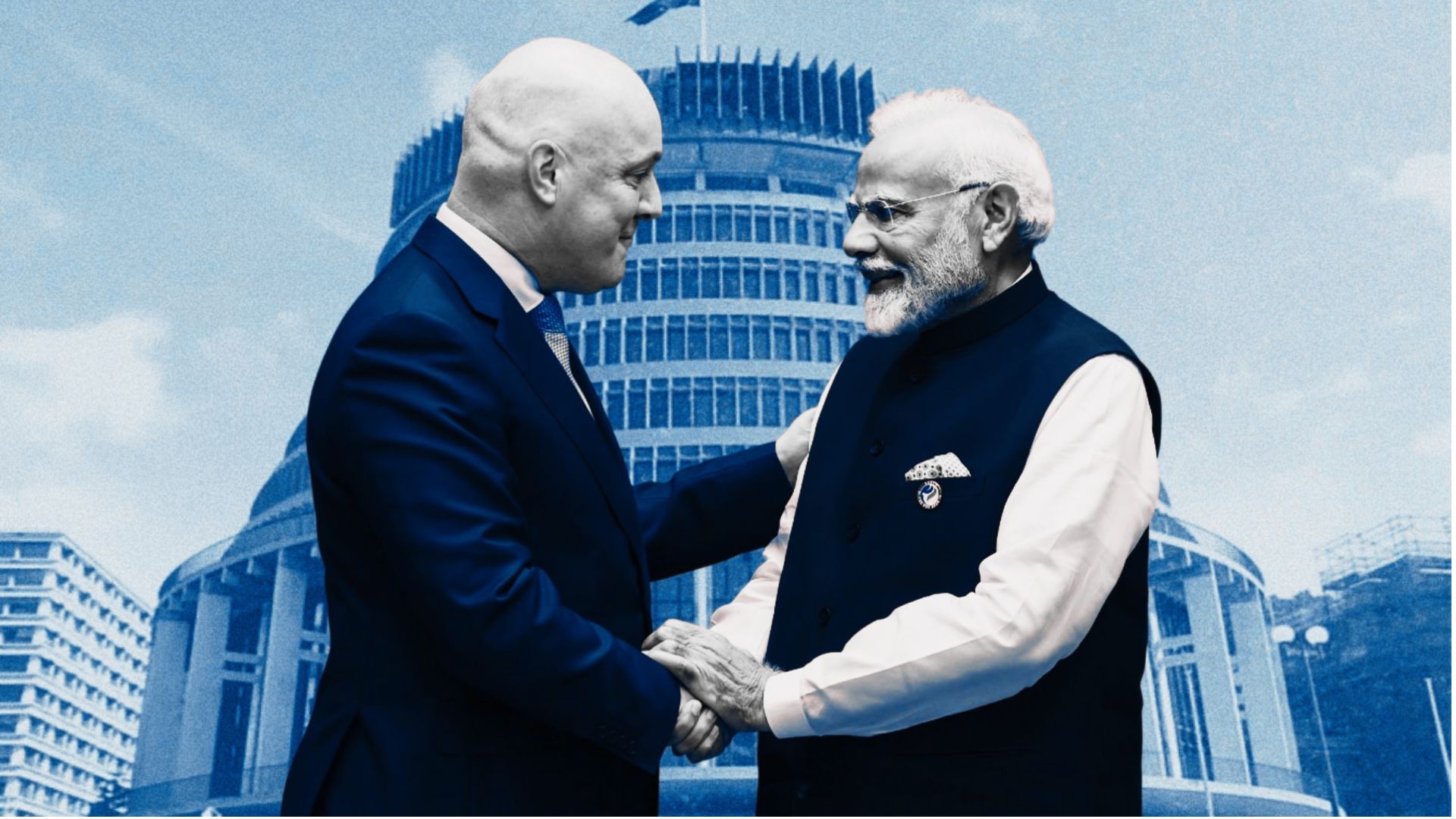
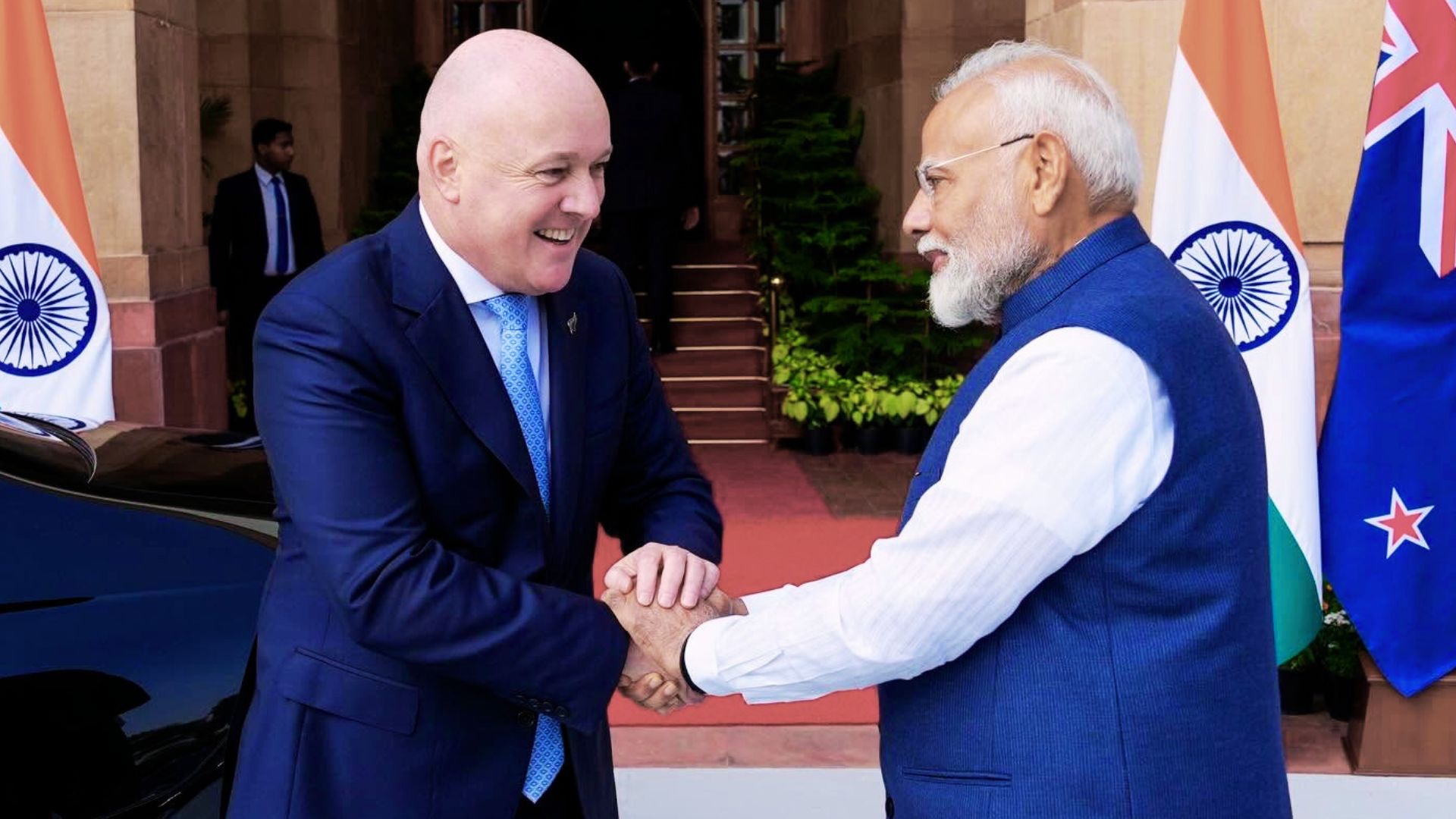
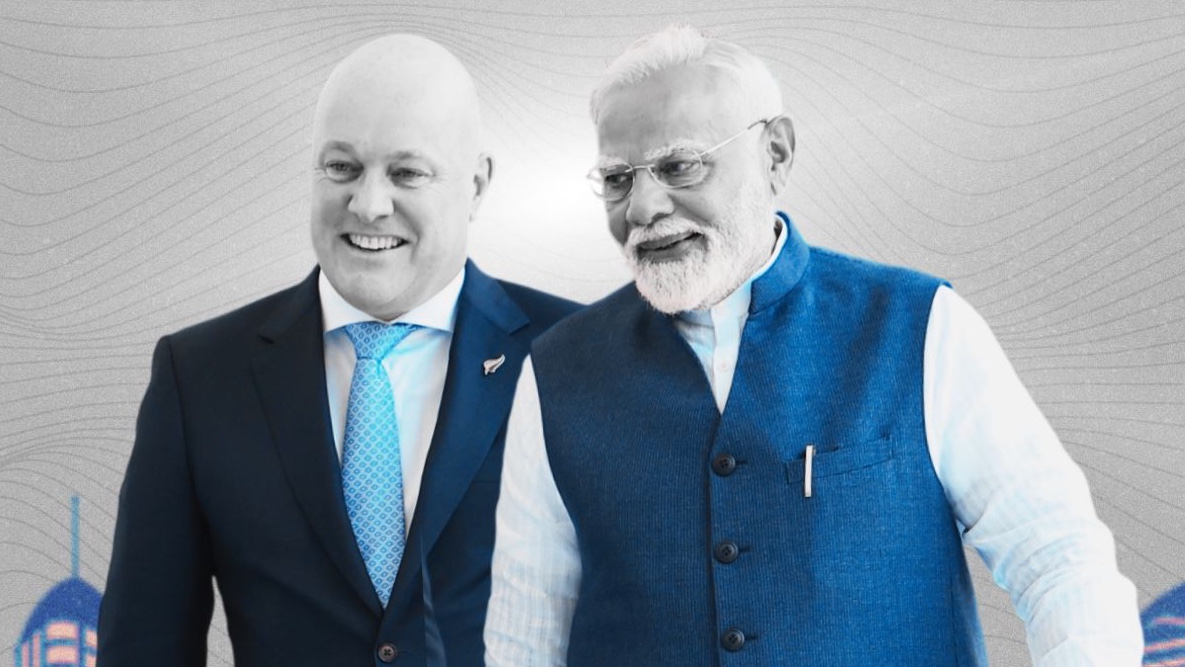
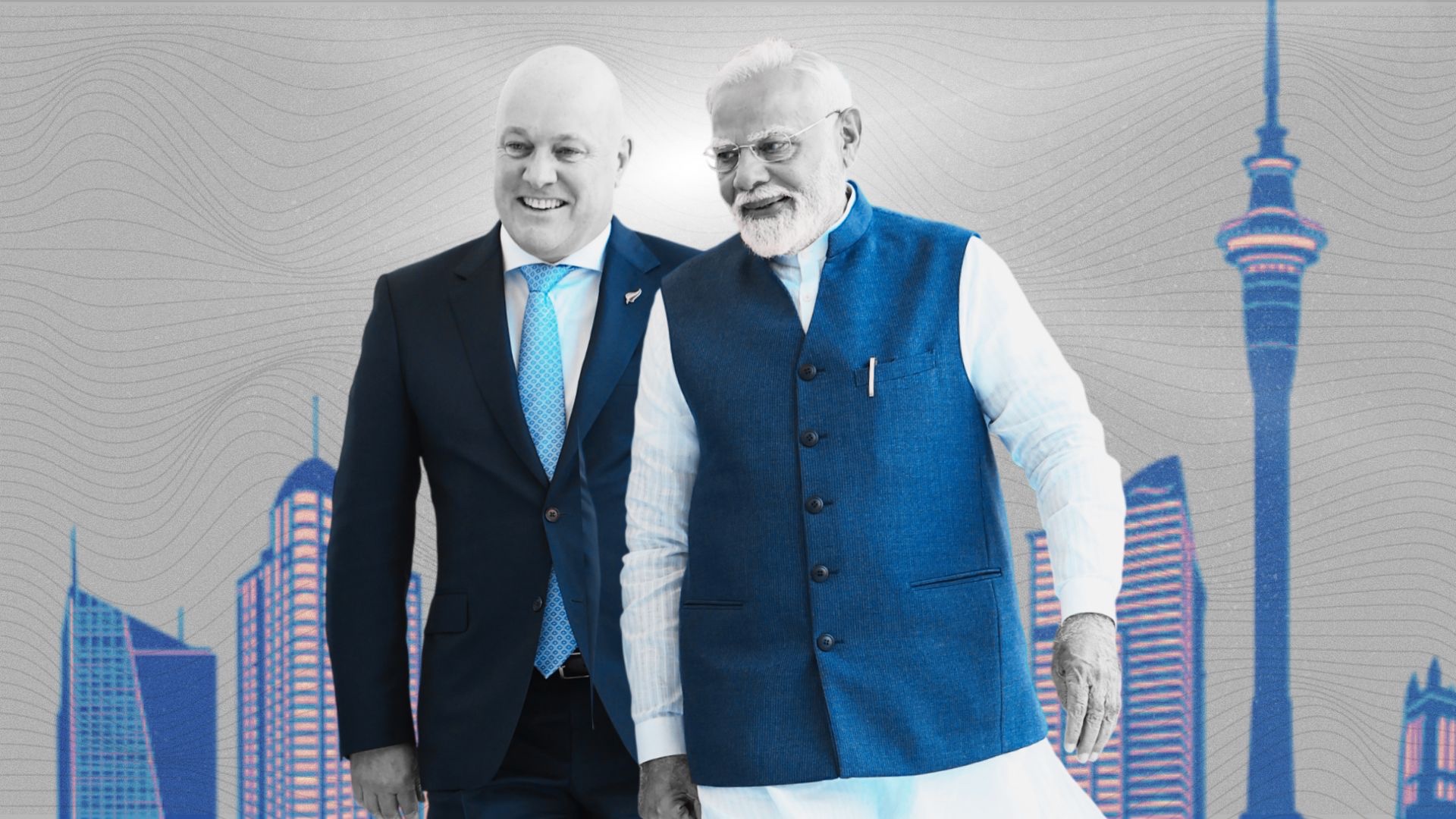
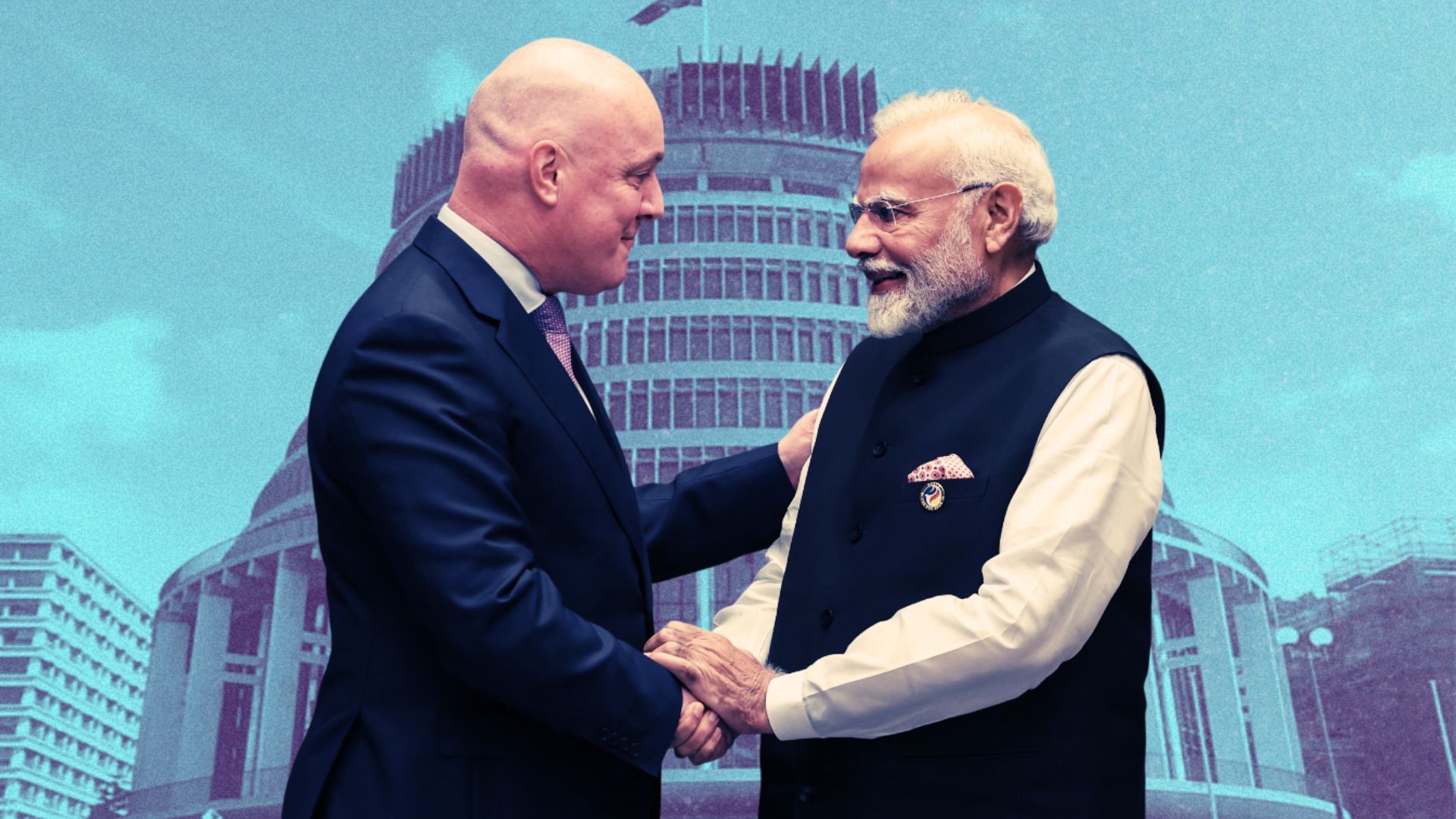
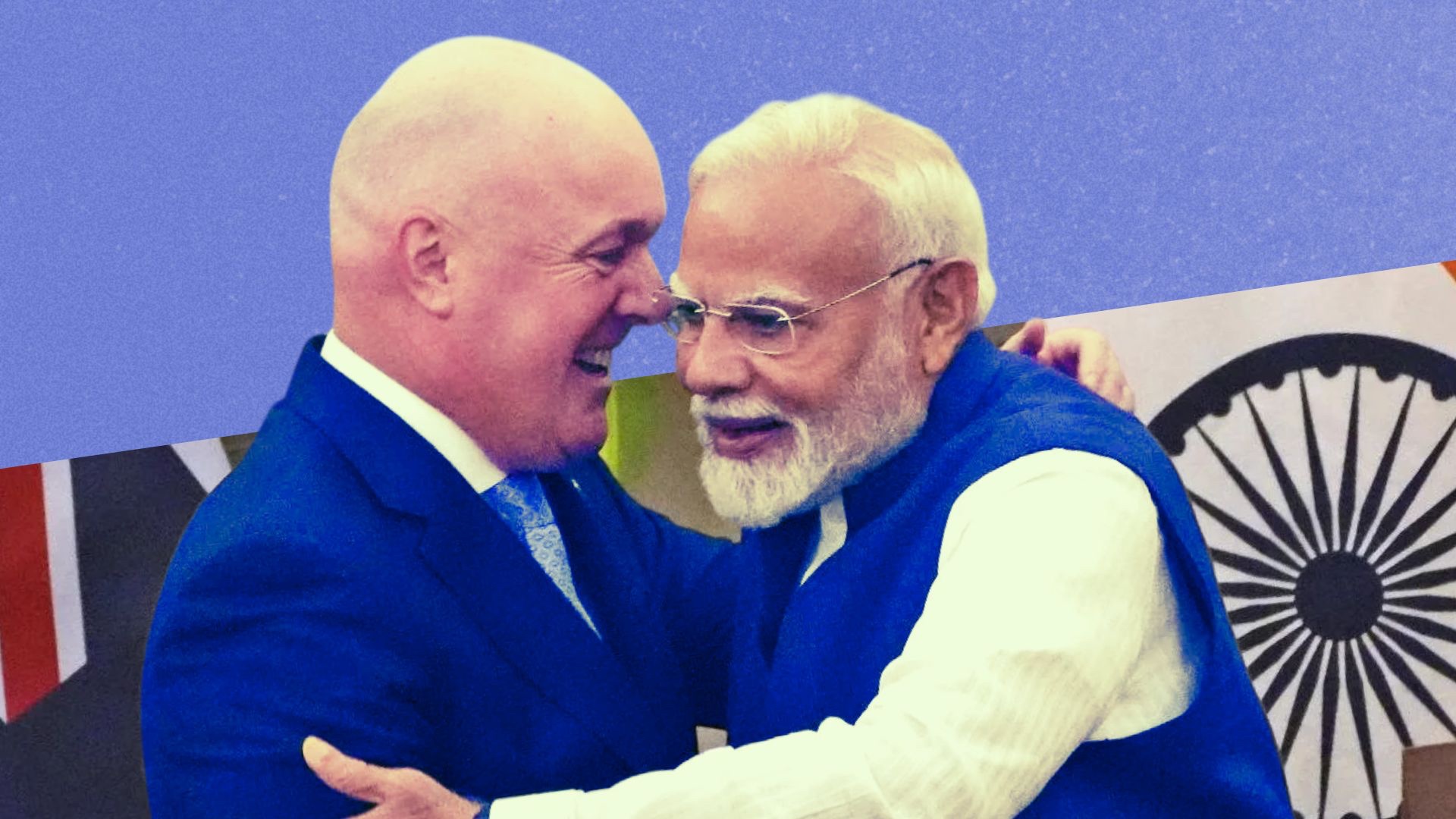
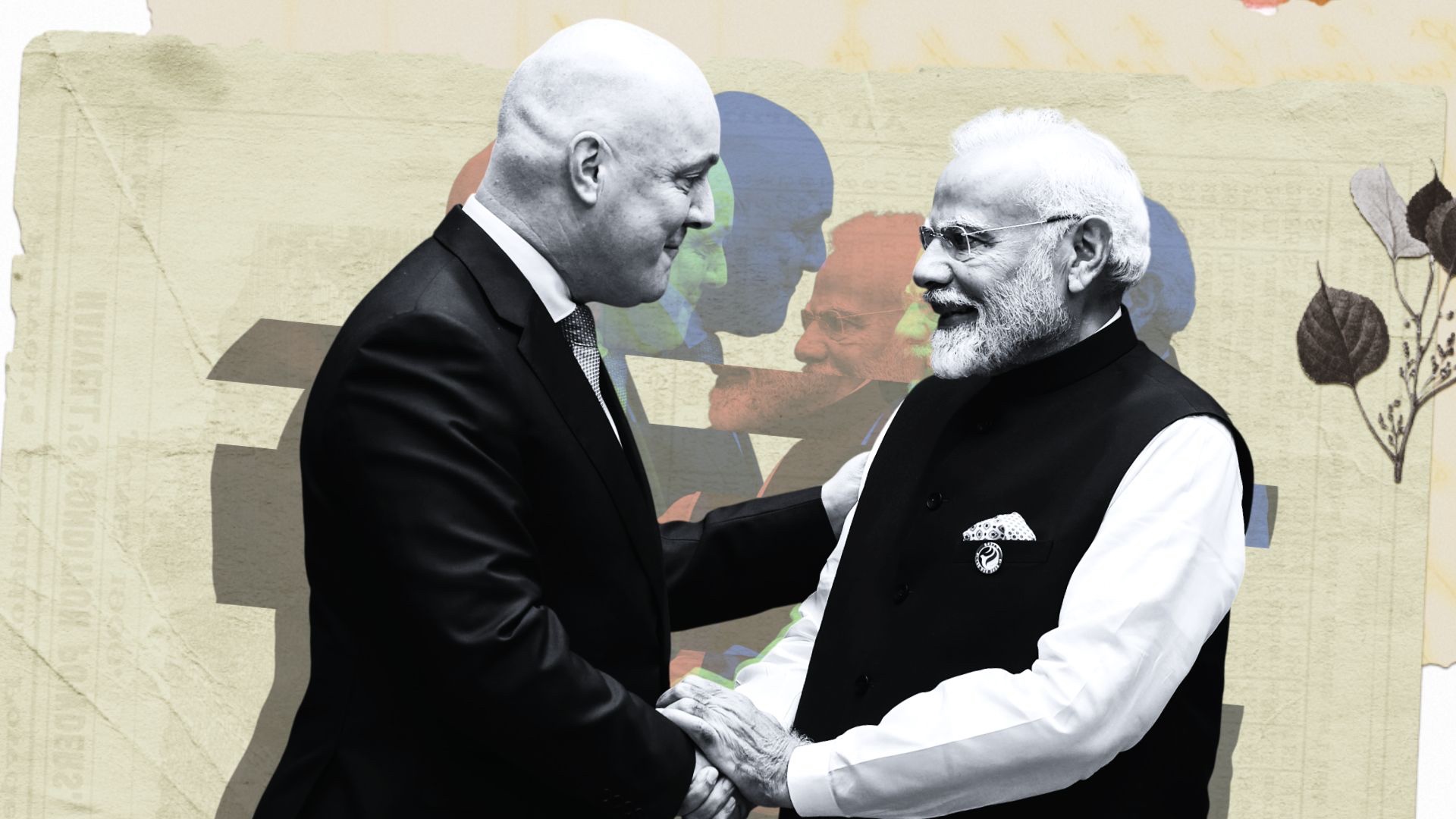
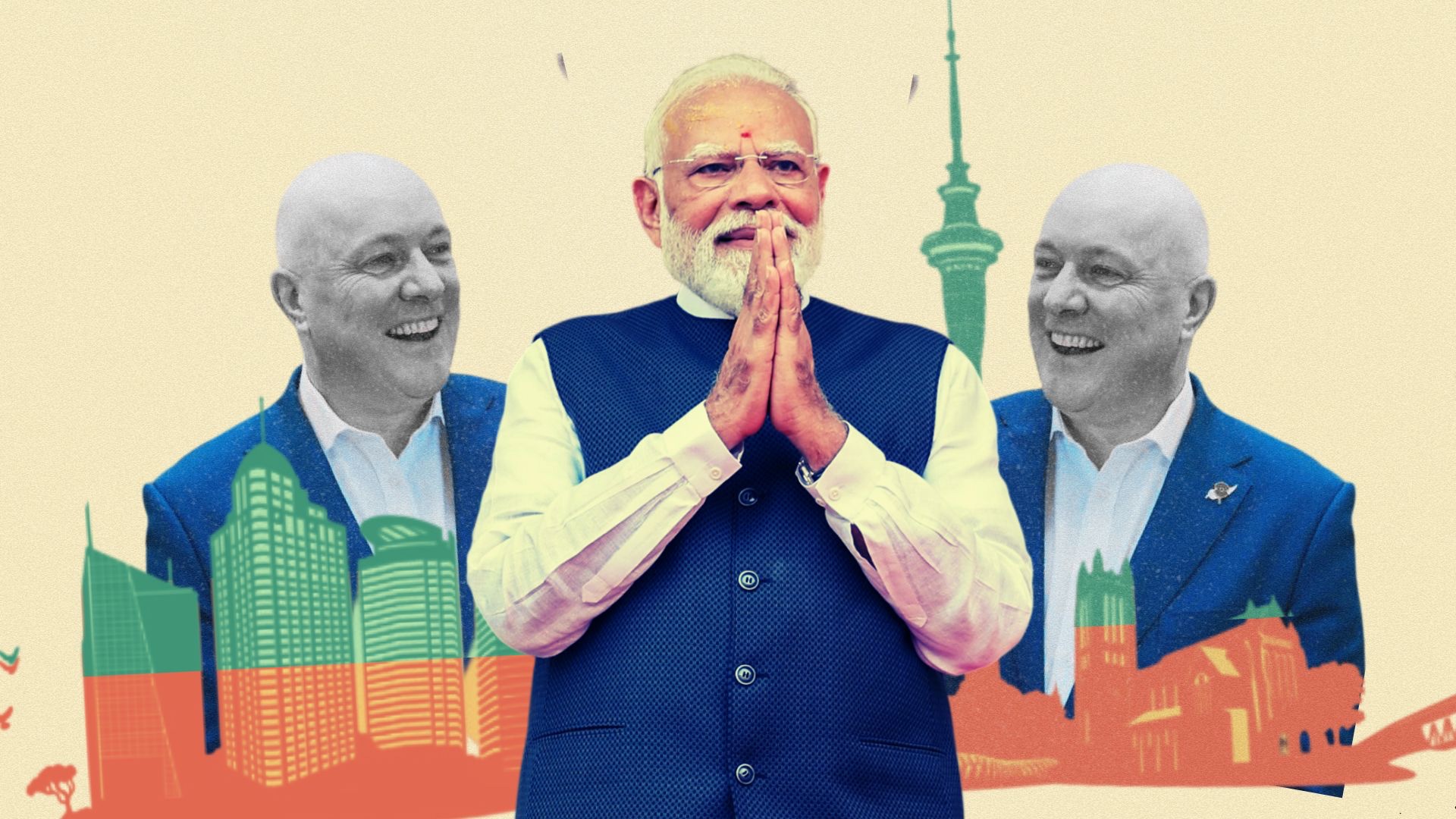
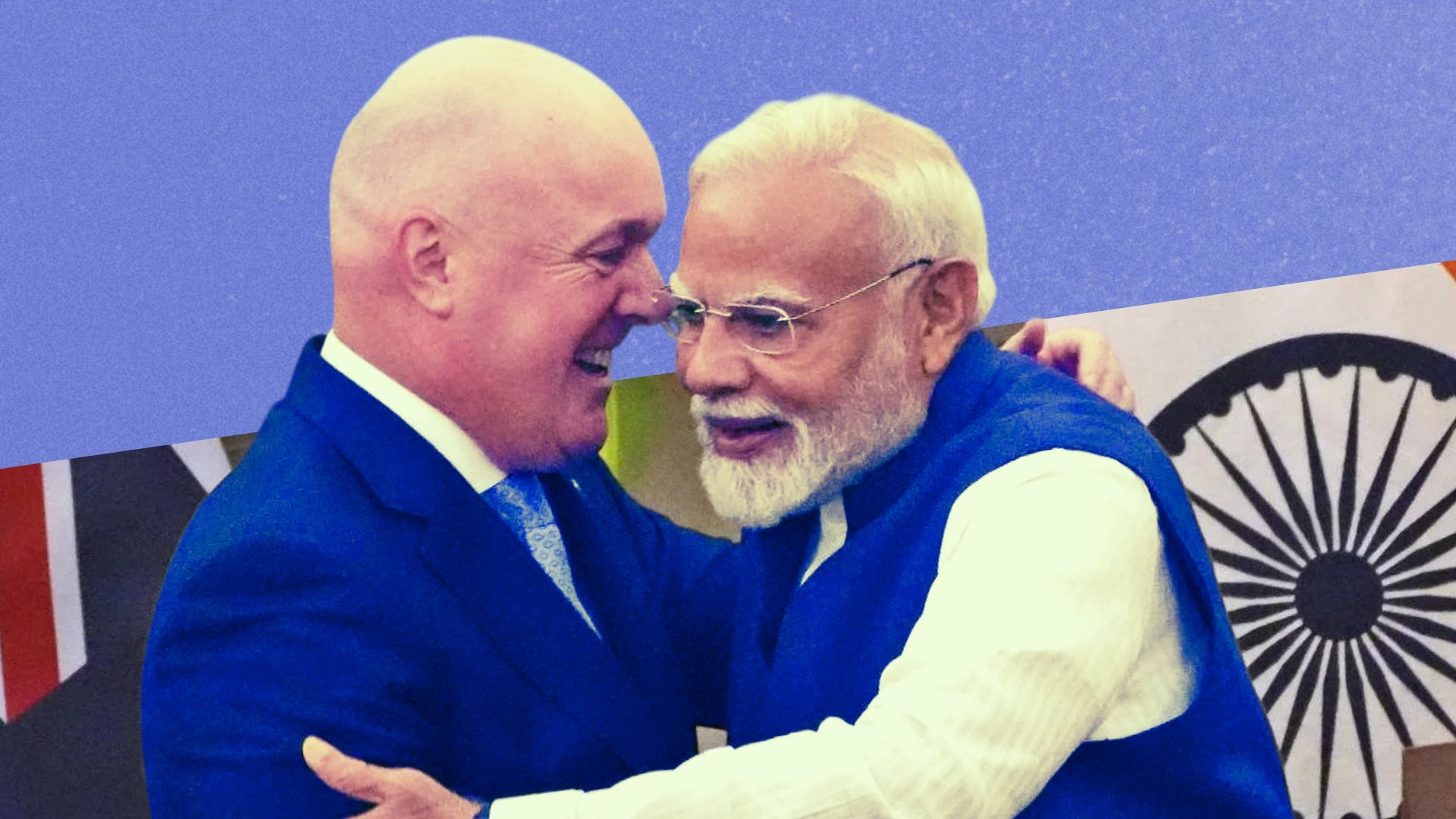
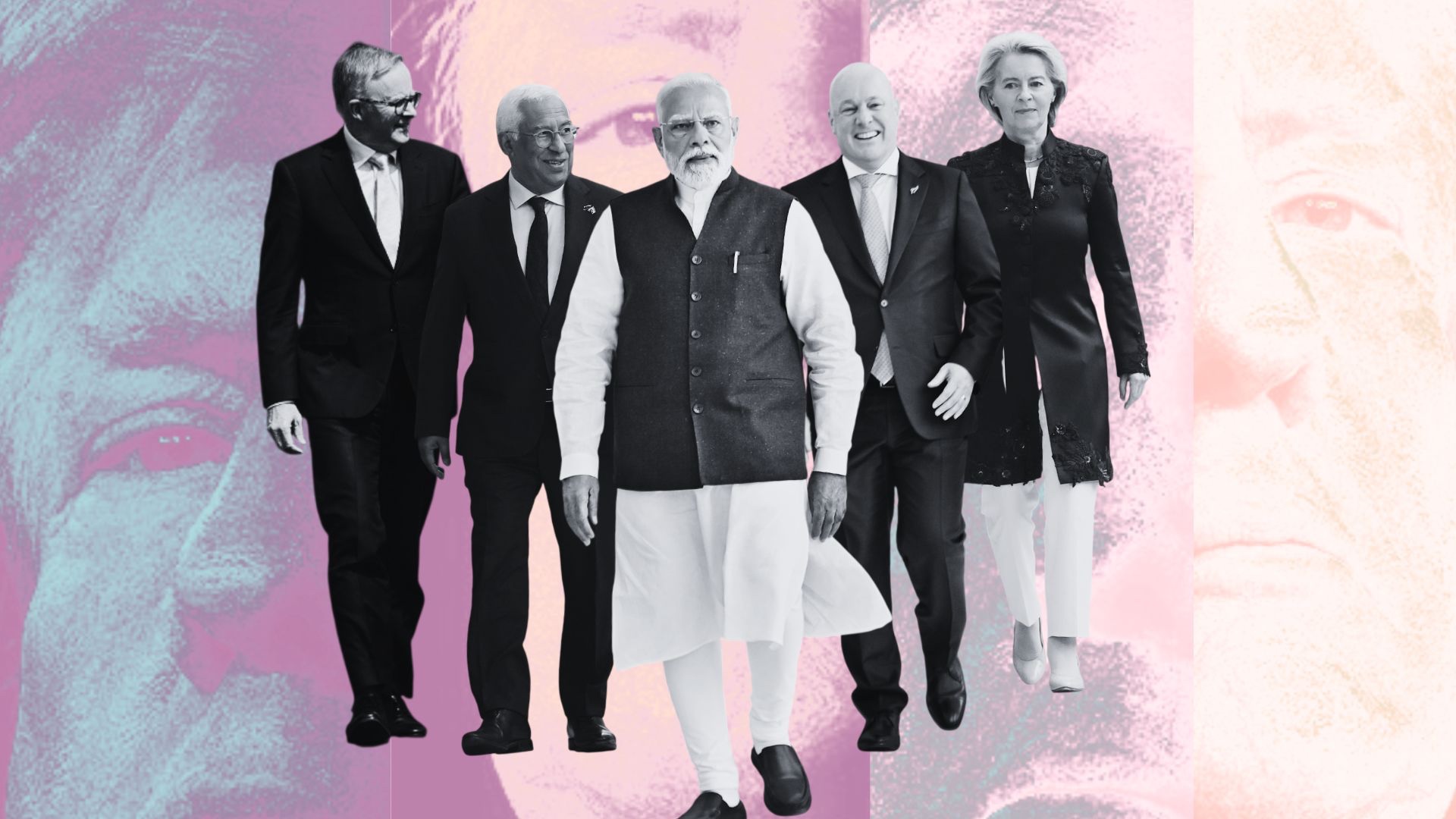
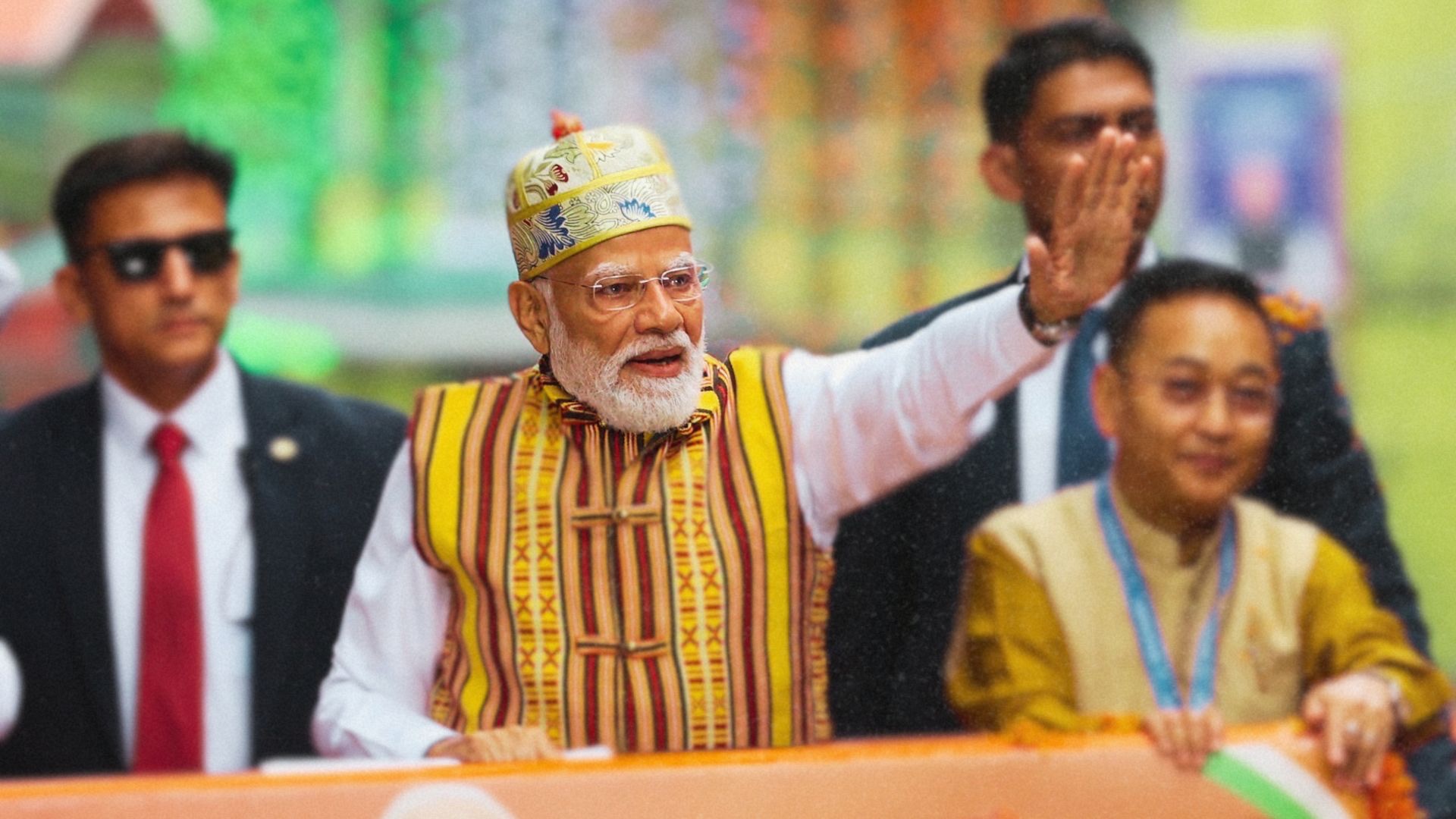
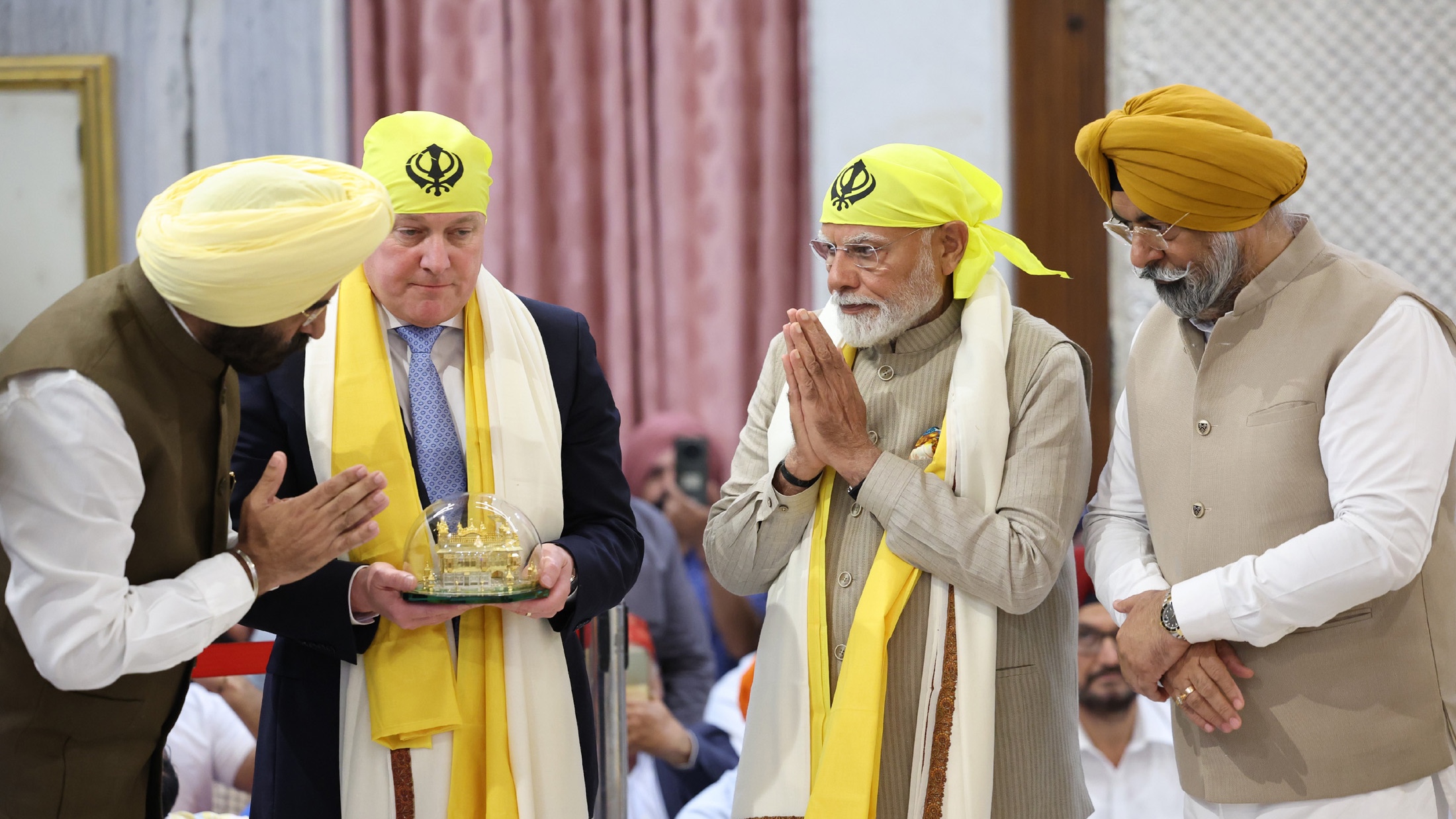
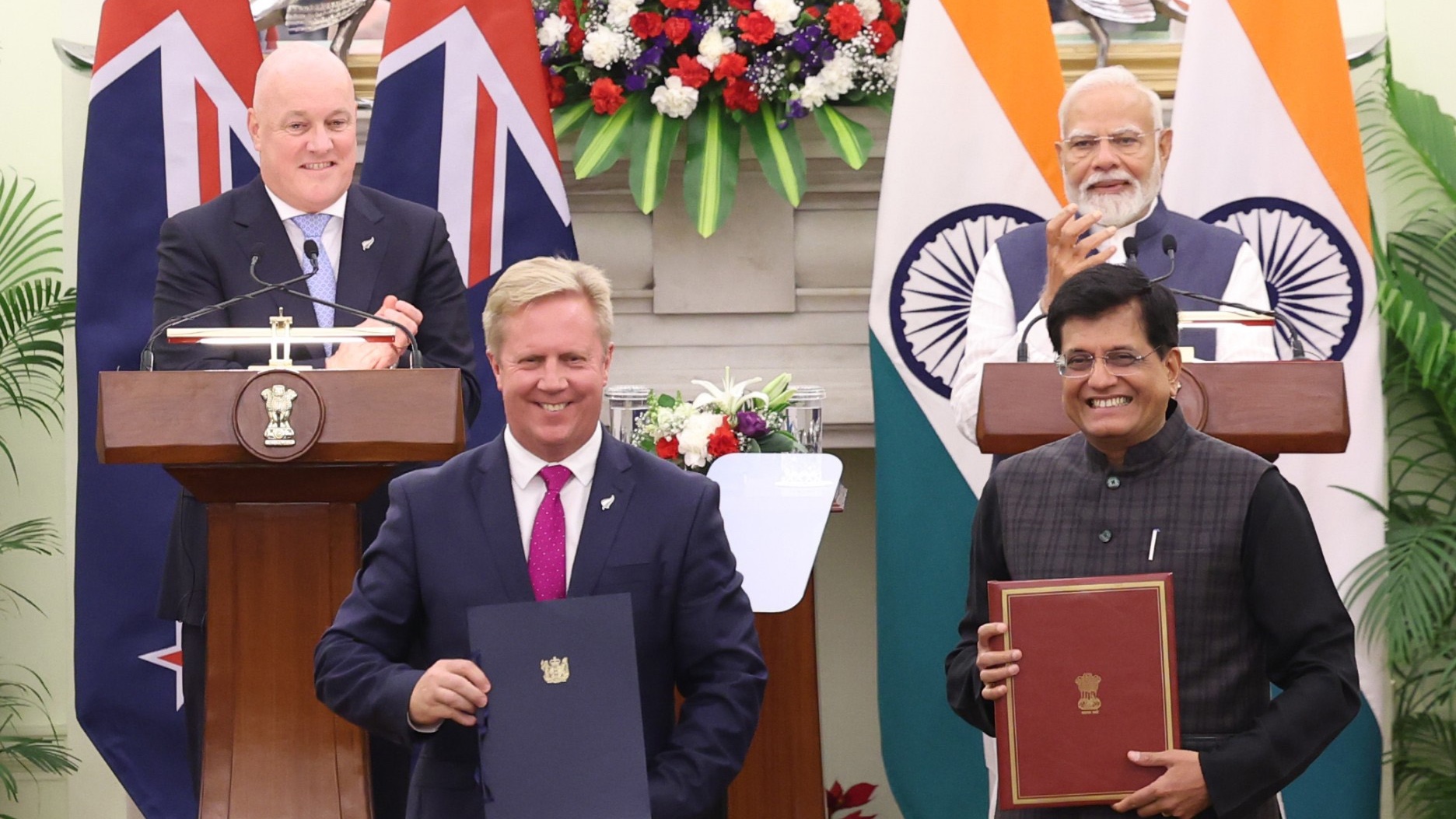
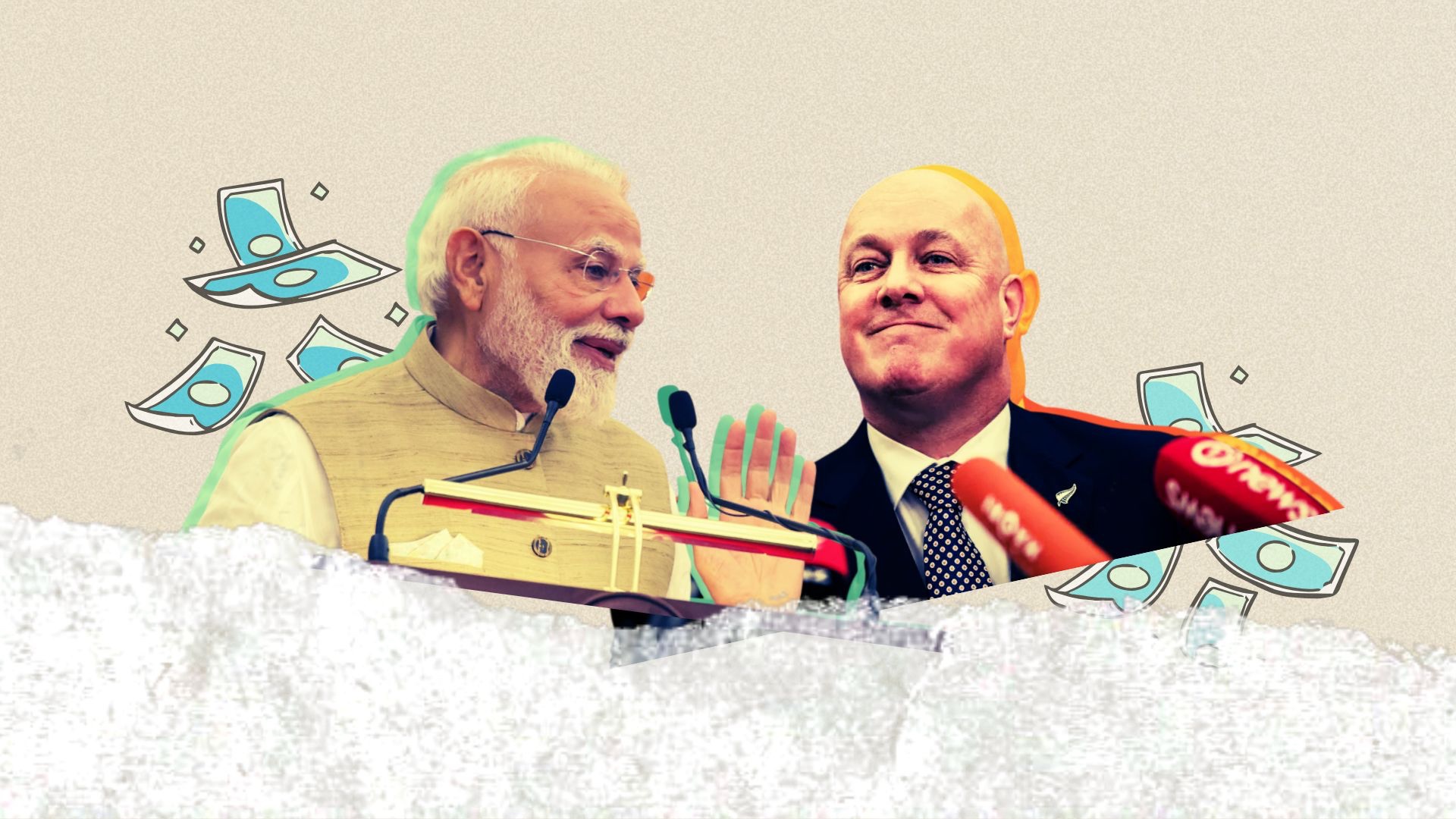
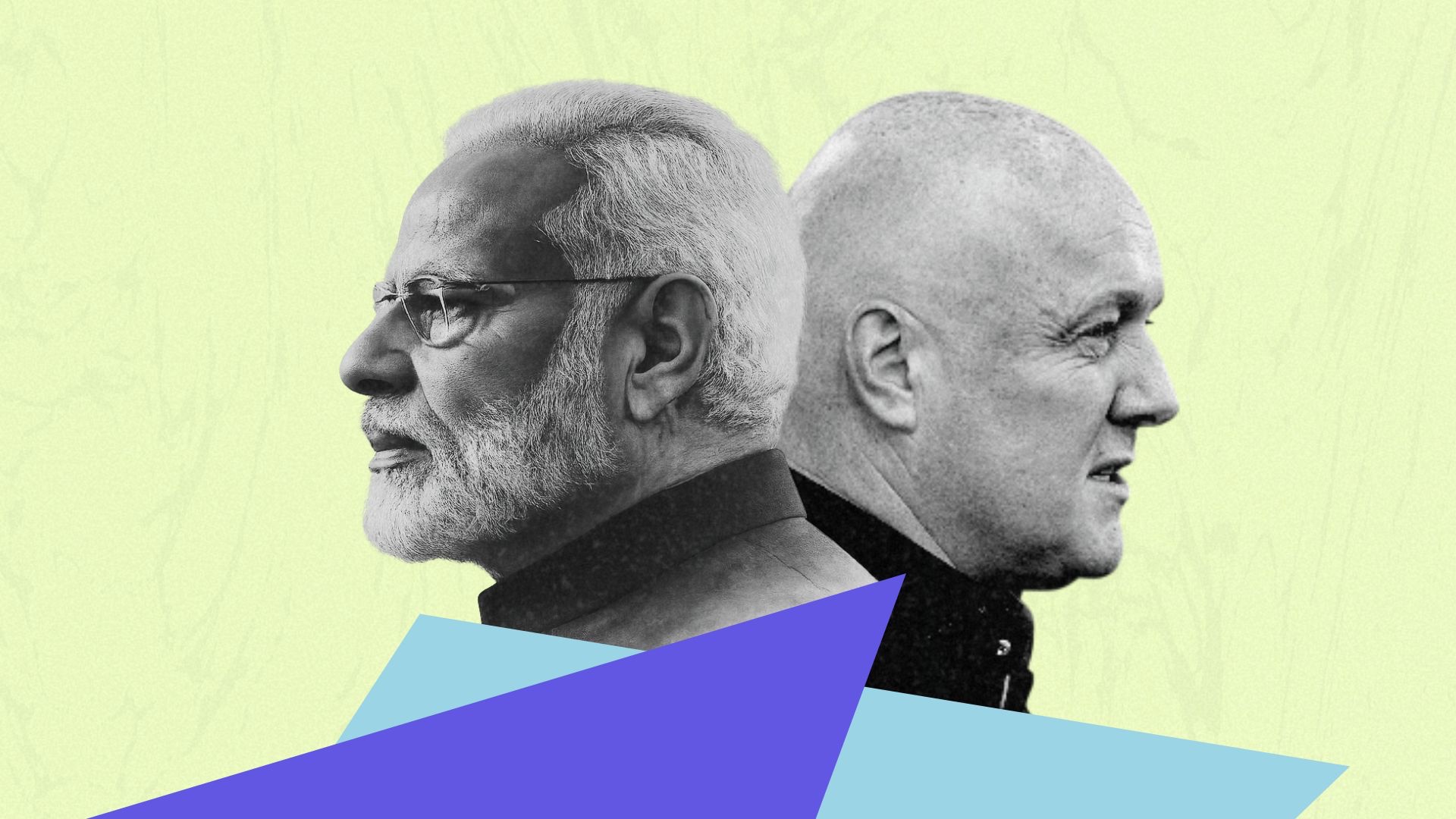
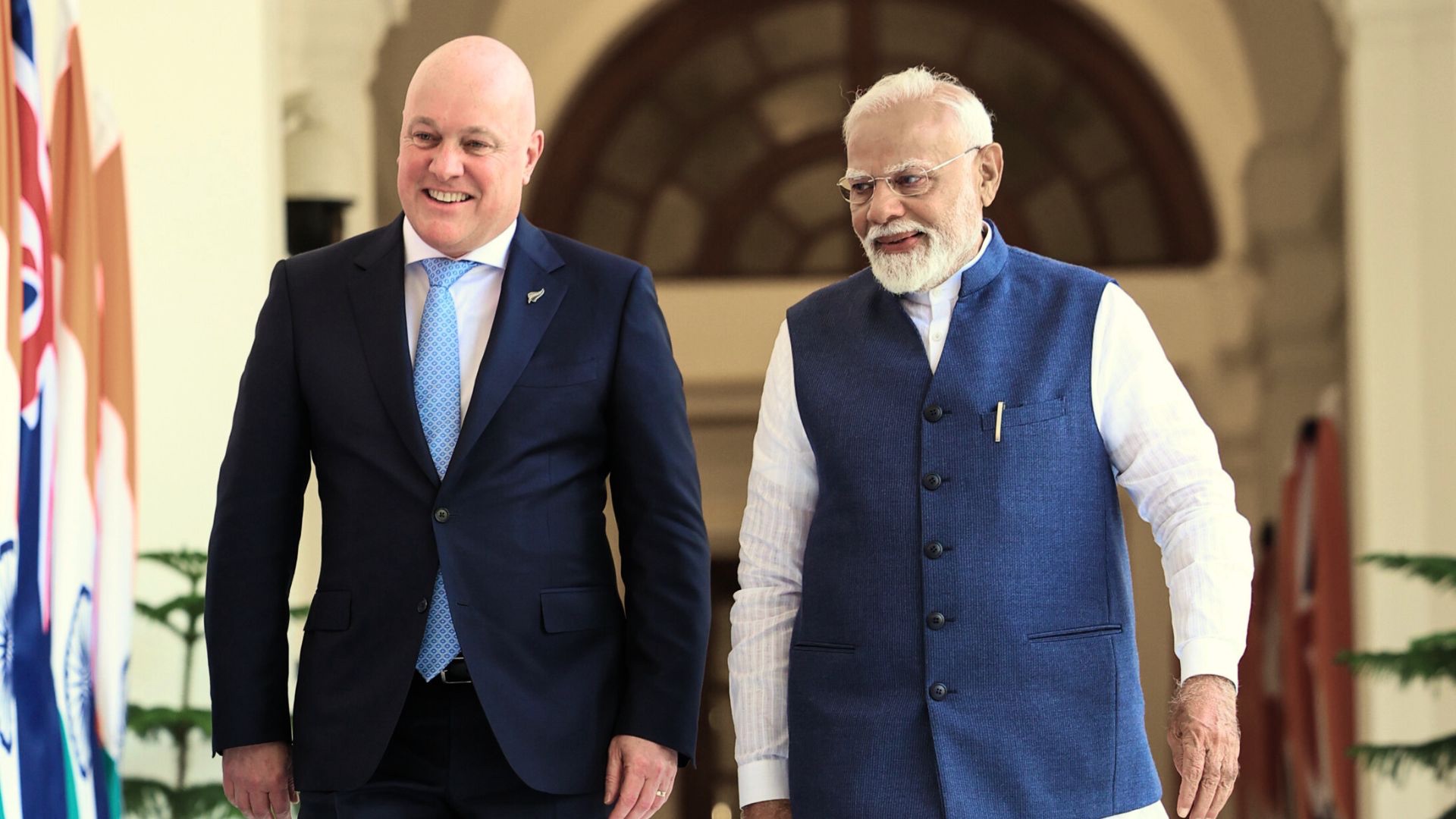
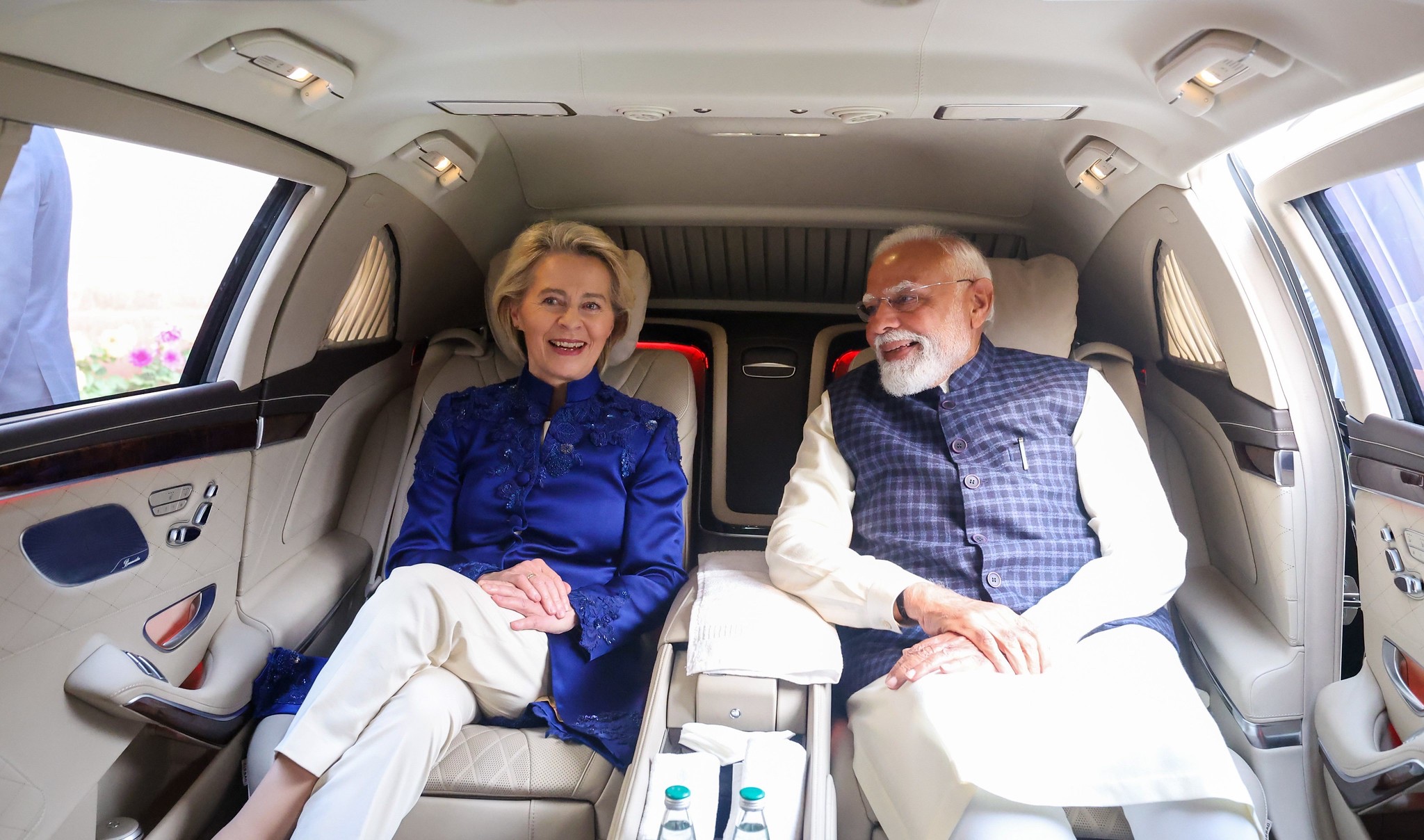
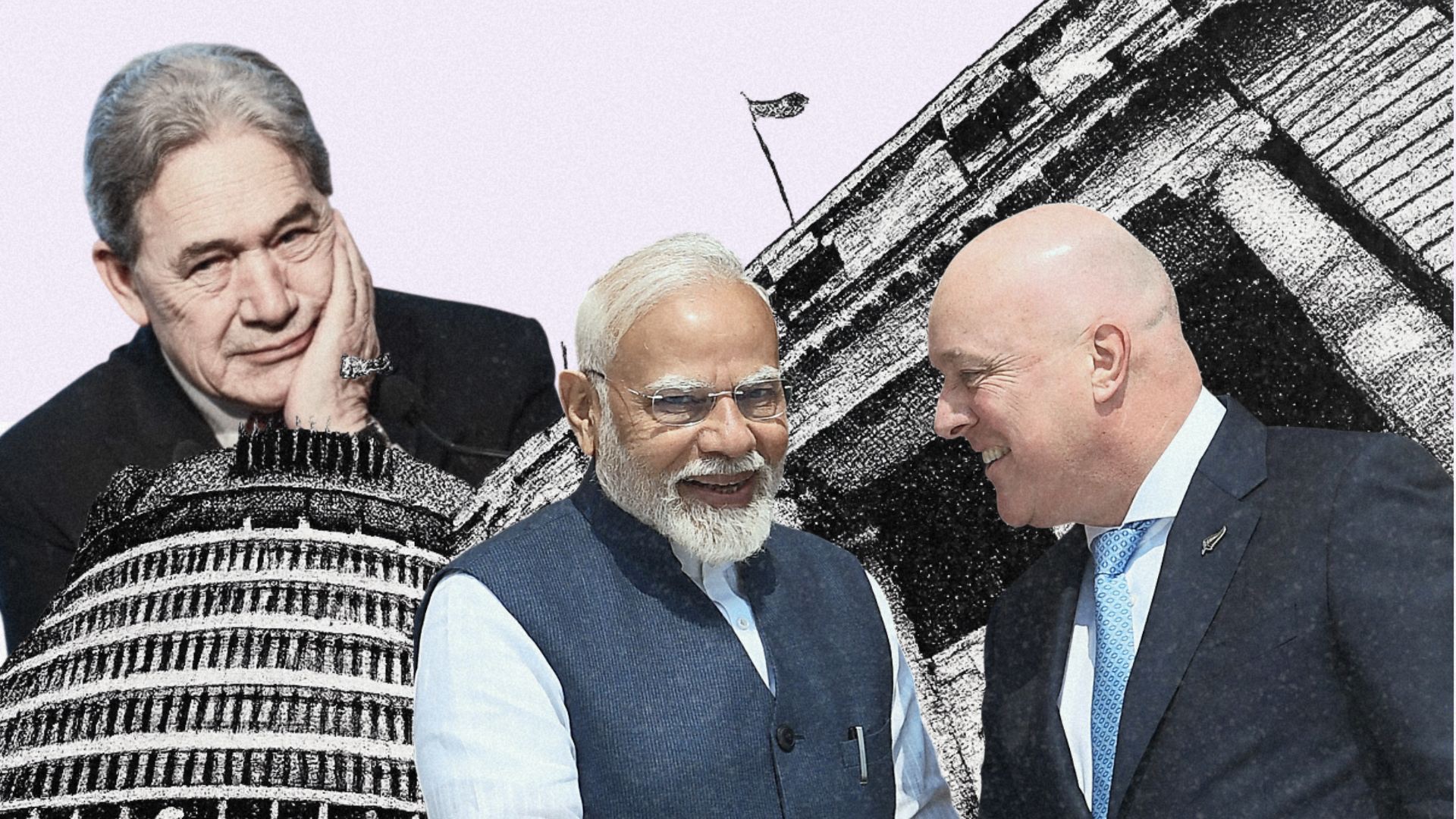
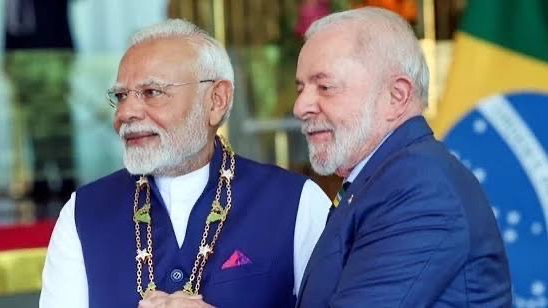
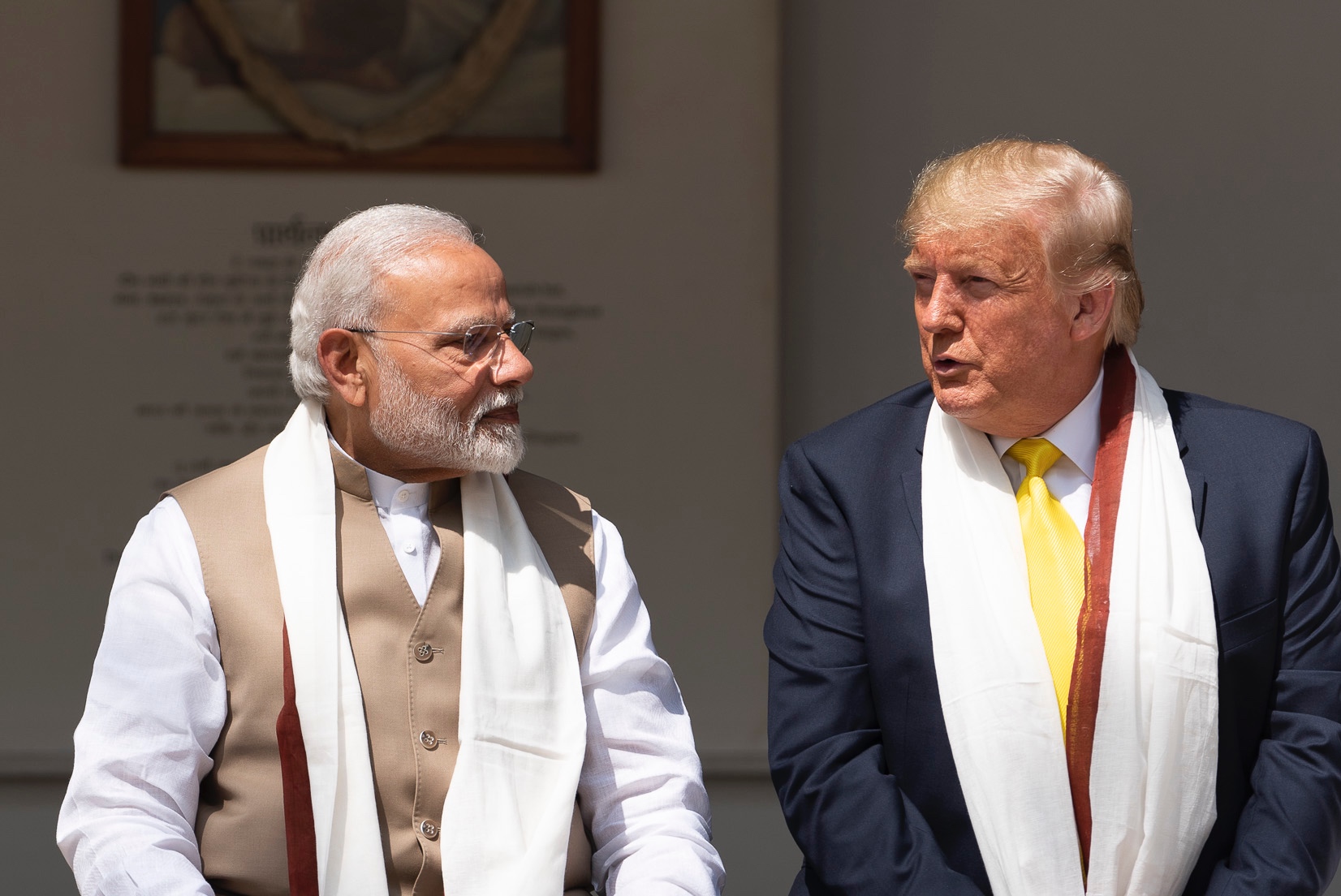
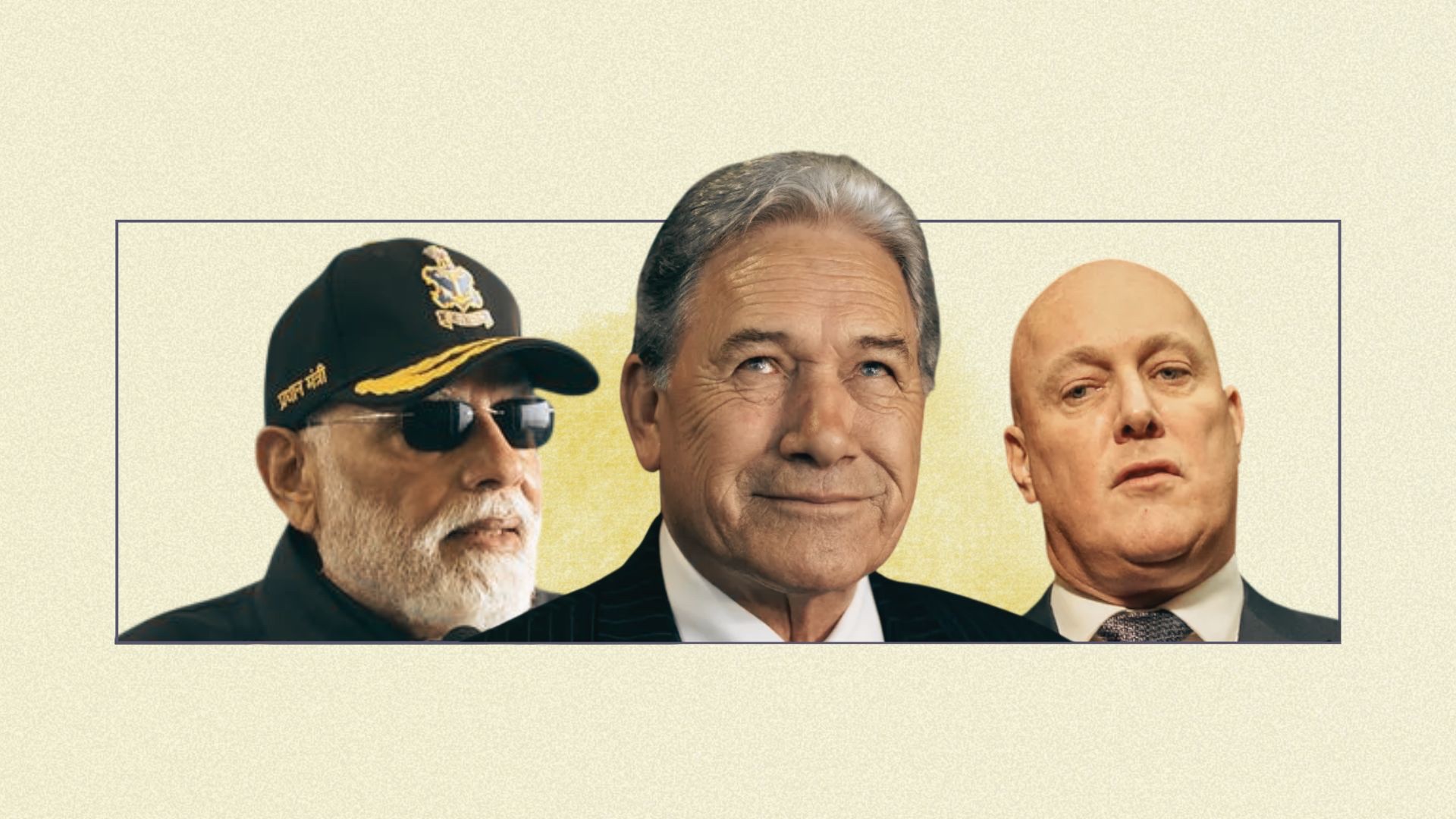
Indian prime minister Narendra Modi.
The man claimed Muslims excluded from voter lists risked losing welfare benefits and being treated as illegal immigrants.
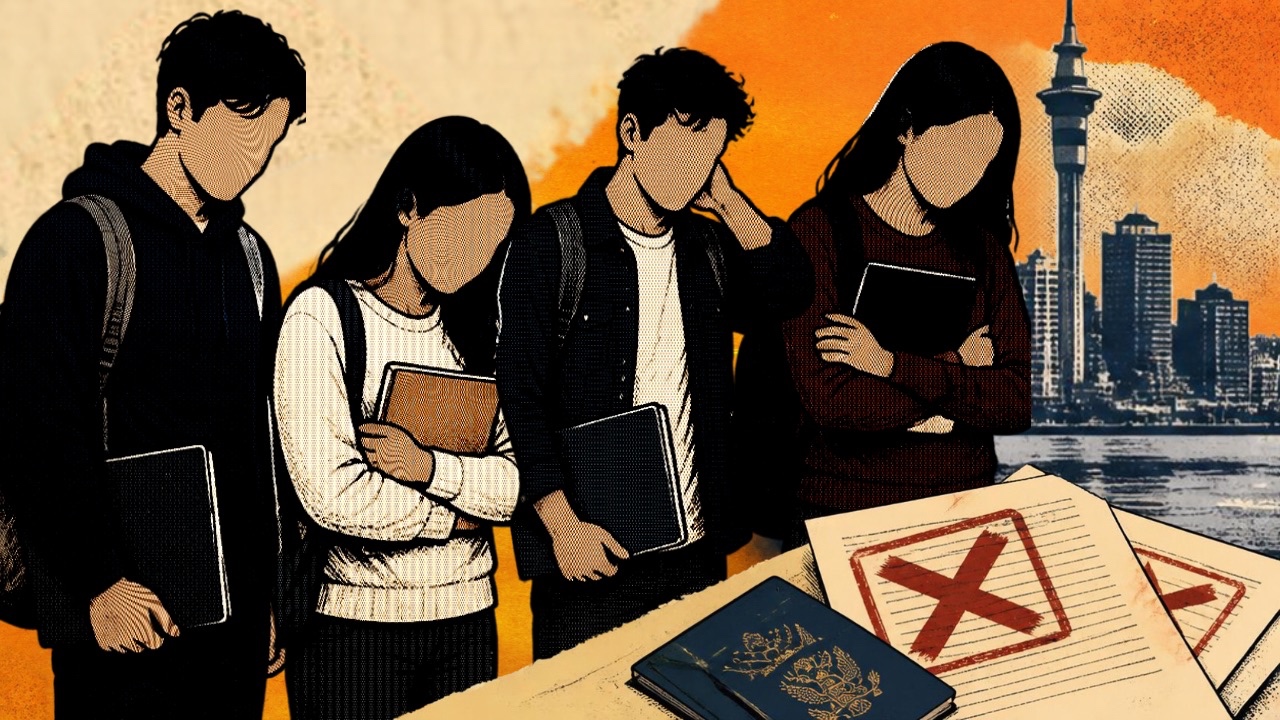
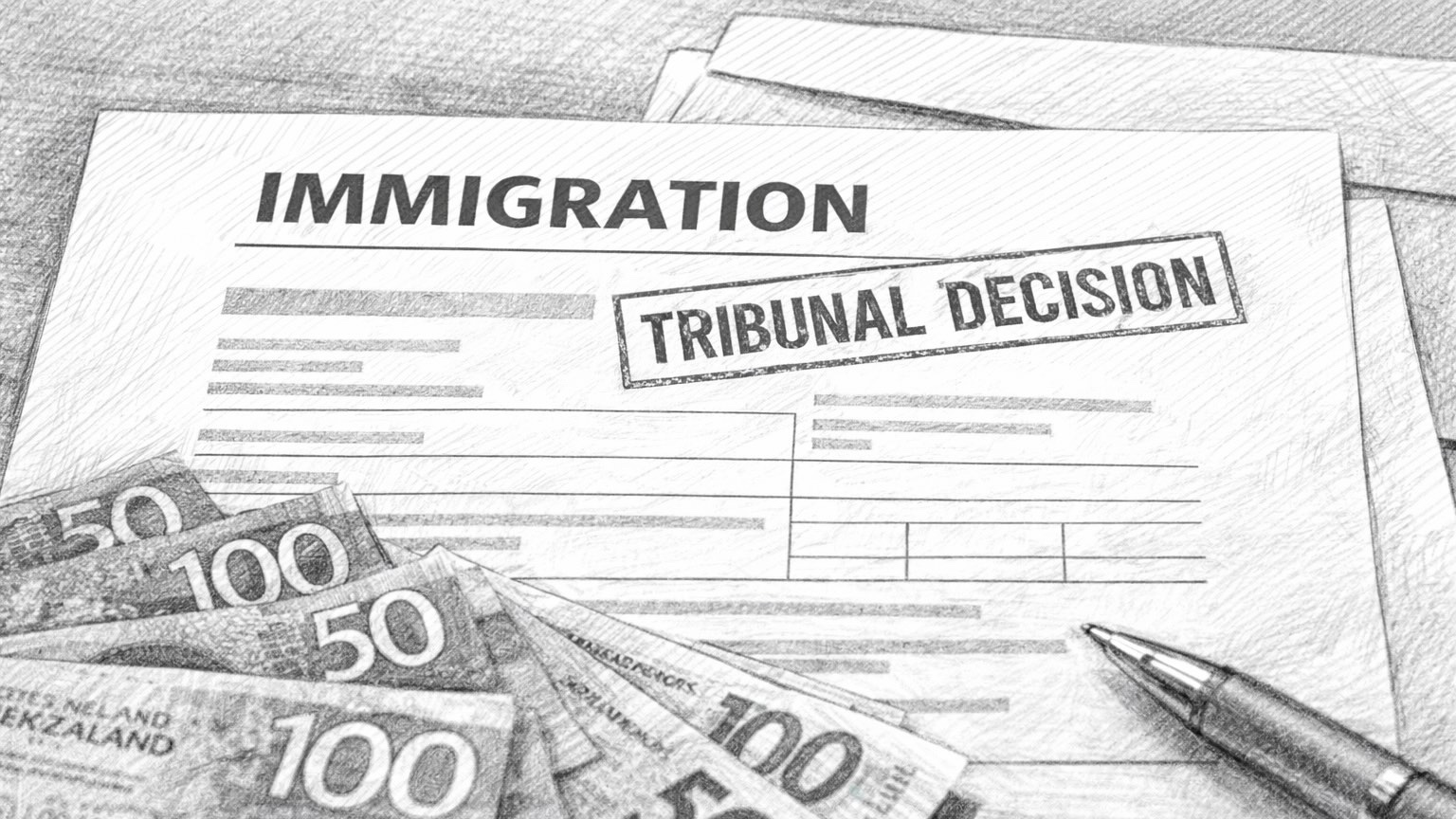
India's revision of electoral rolls has reached a New Zealand refugee tribunal, which has examined evidence that a Muslim man's mother had been removed from the voter list despite holding a genuine voter identity card.
The Immigration and Protection Tribunal (IPT) instructed the man to check the electoral records using his mother's voter identification number. The search established that her name had been deleted on March 27, 2026, under India's Special Intensive Revision (SIR) process, shortly before elections in the eastern Indian state of West Bengal.
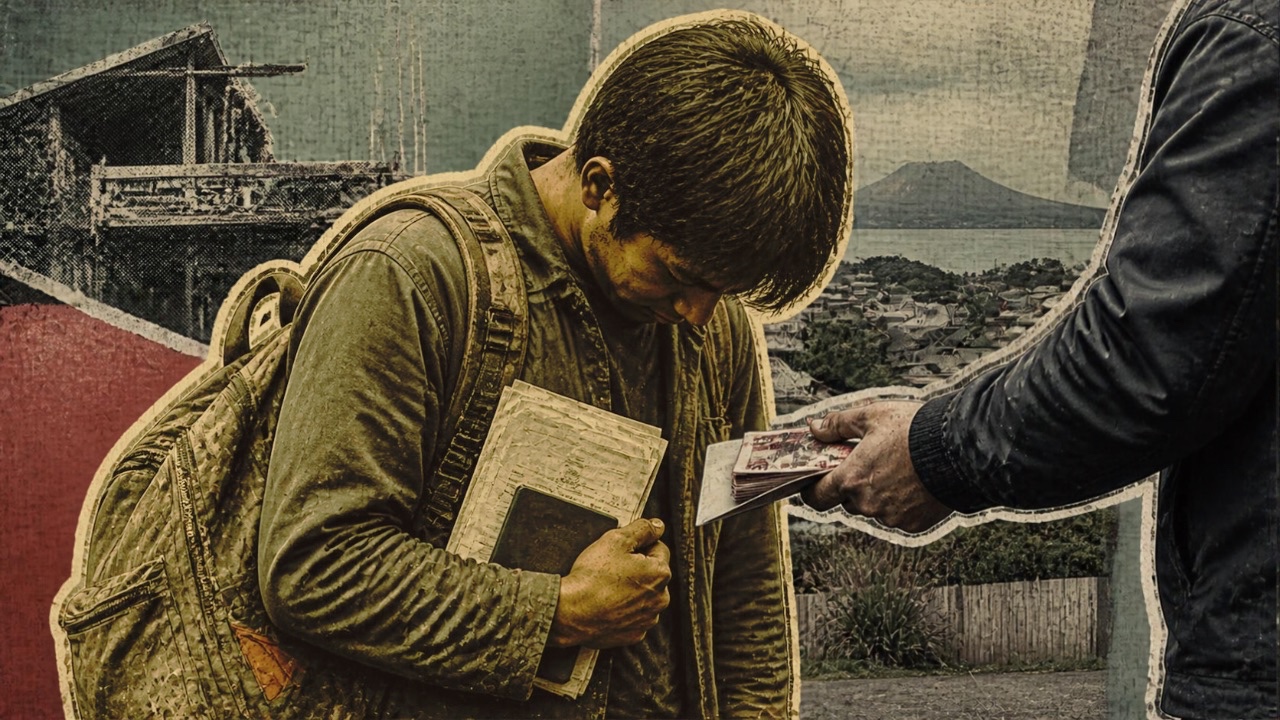
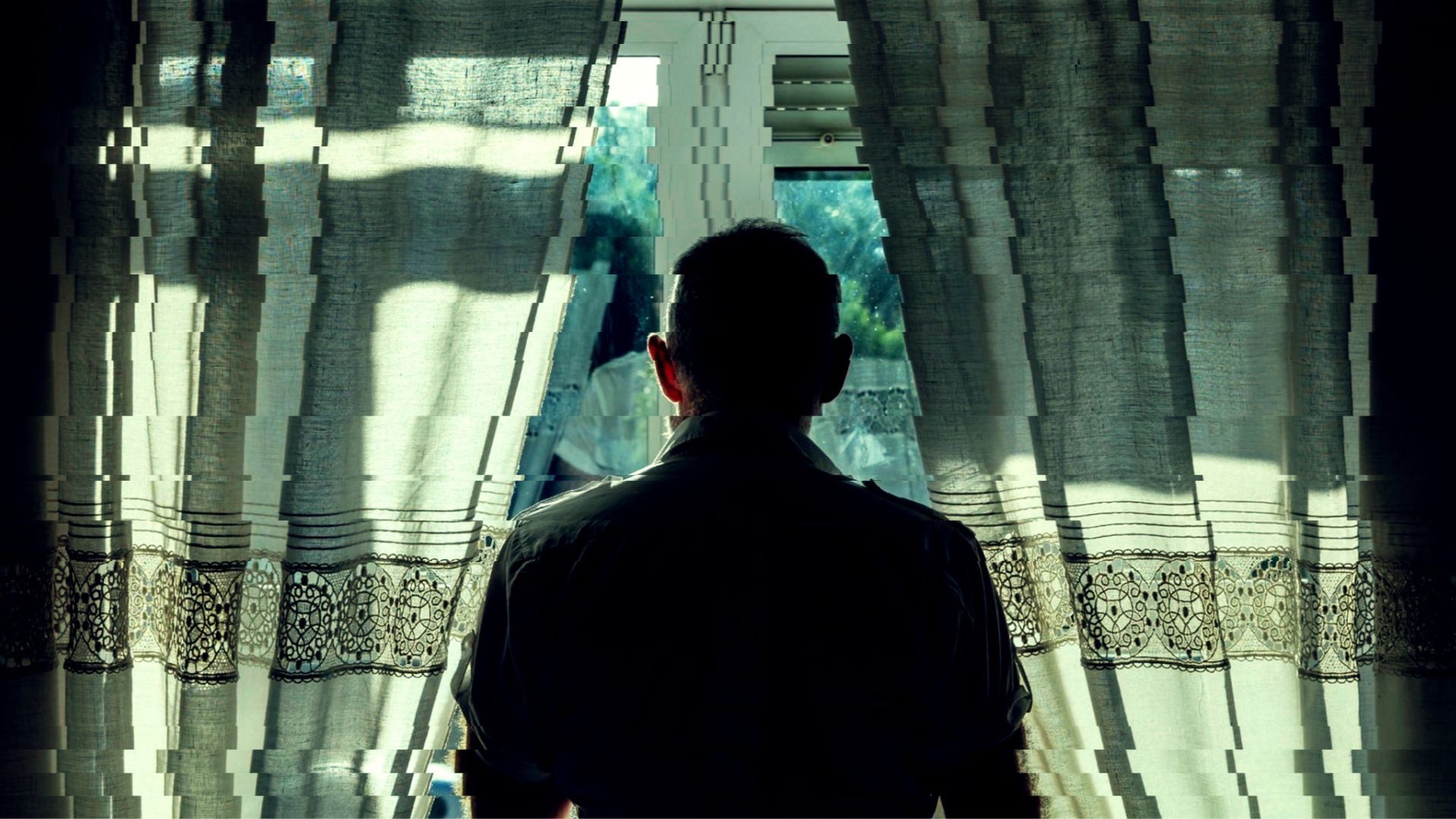
The finding emerged in an asylum appeal by a Kolkata-born man in his late twenties who claimed he faced persecution because of his Muslim identity, alleged involvement in communal violence and exclusion from the electoral system.
Although the tribunal accepted evidence of his mother's removal from the rolls, it dismissed his appeal, finding insufficient evidence that he personally faced a real risk of persecution in India.
The October 6 decision comes as India's SIR exercise faces mounting scrutiny. According to Hindustan Times, India's main opposition party has demanded the restoration of eligible voters among nearly 130 million names deleted from electoral rolls nationwide.
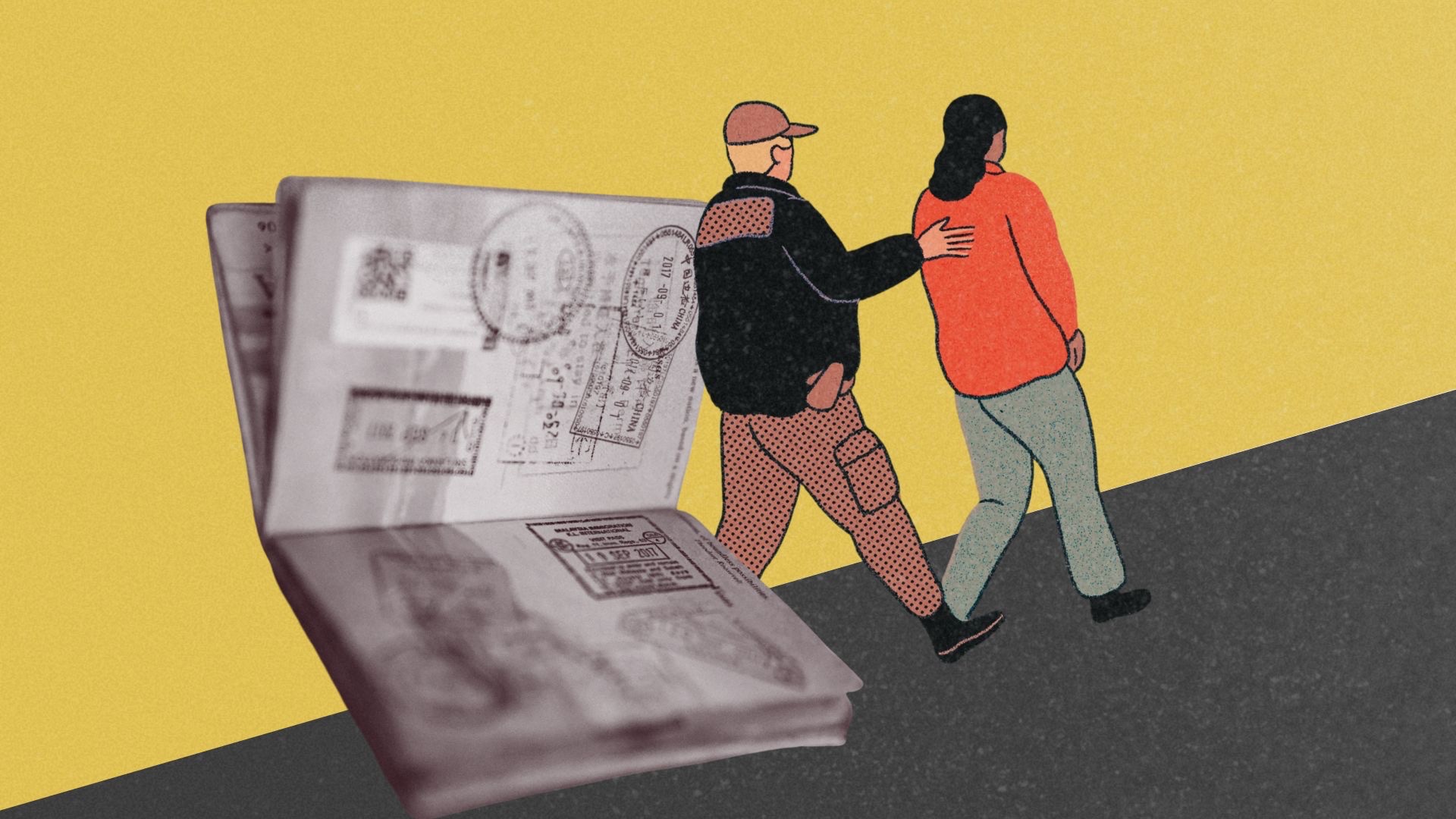
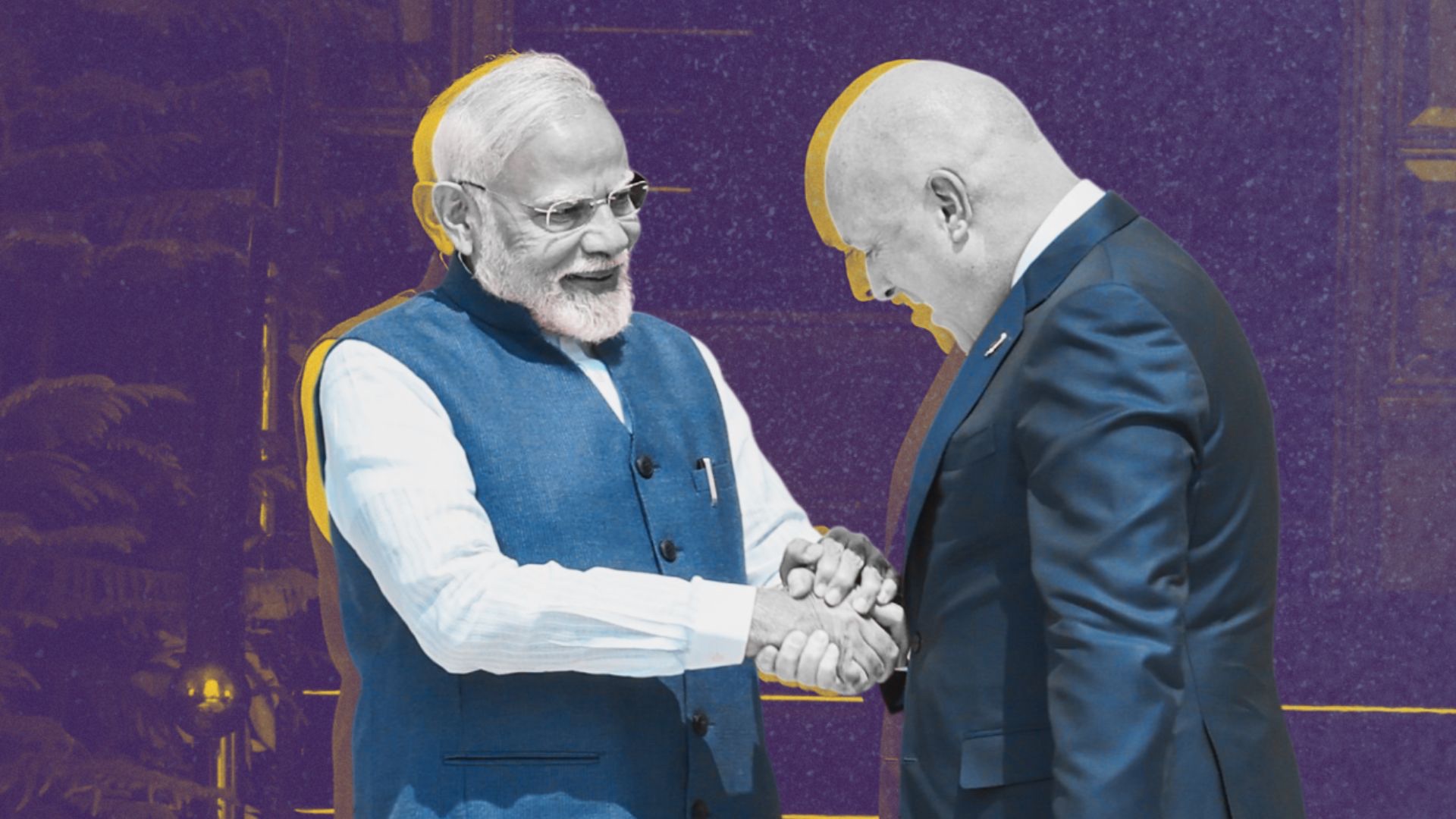
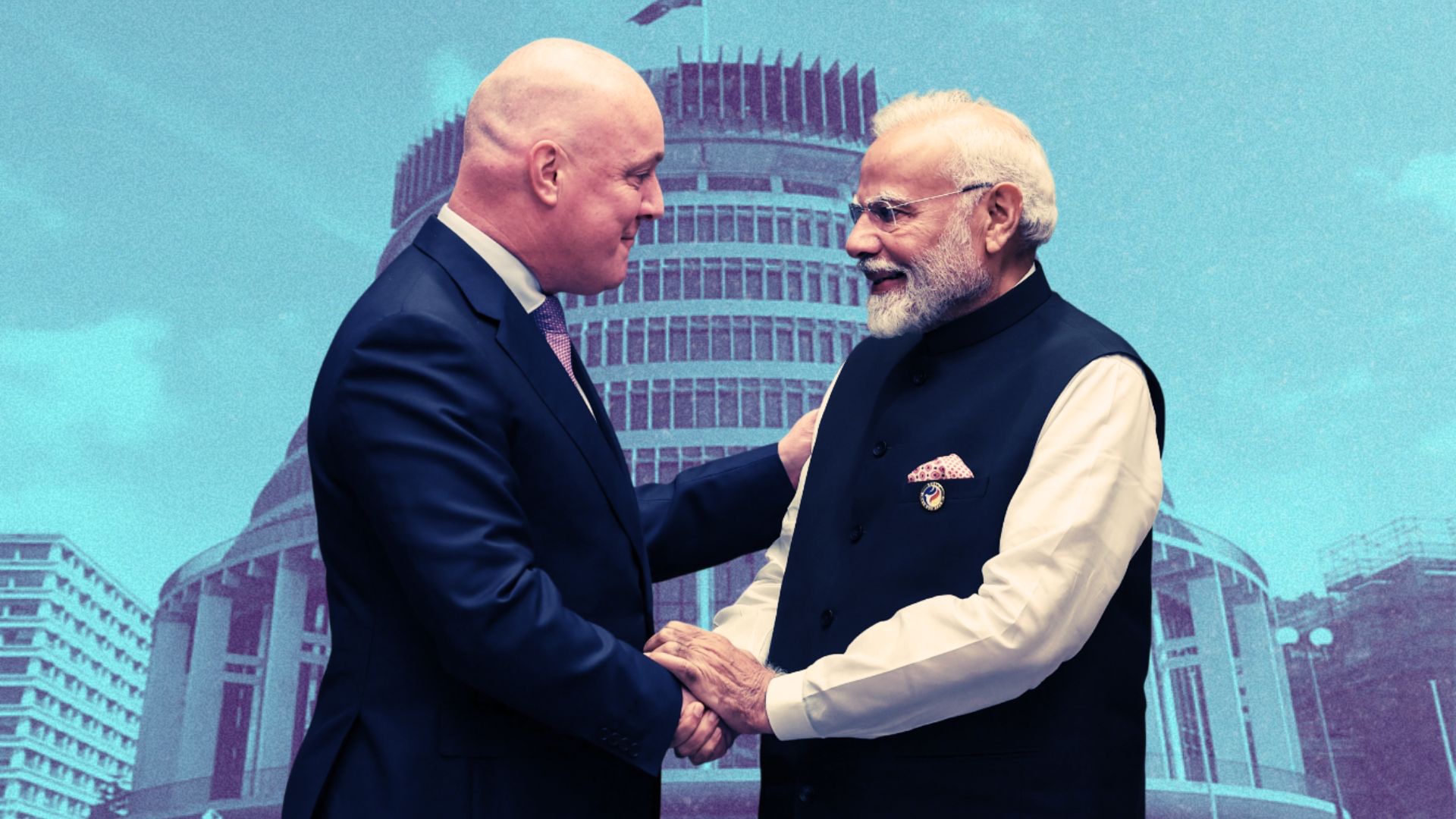
India's SIR voter controversy reaches New Zealand in Muslim man's asylum case The man claimed Muslims excluded from voter lists risked losing welfare benefits and being treated as illegal immigrants.
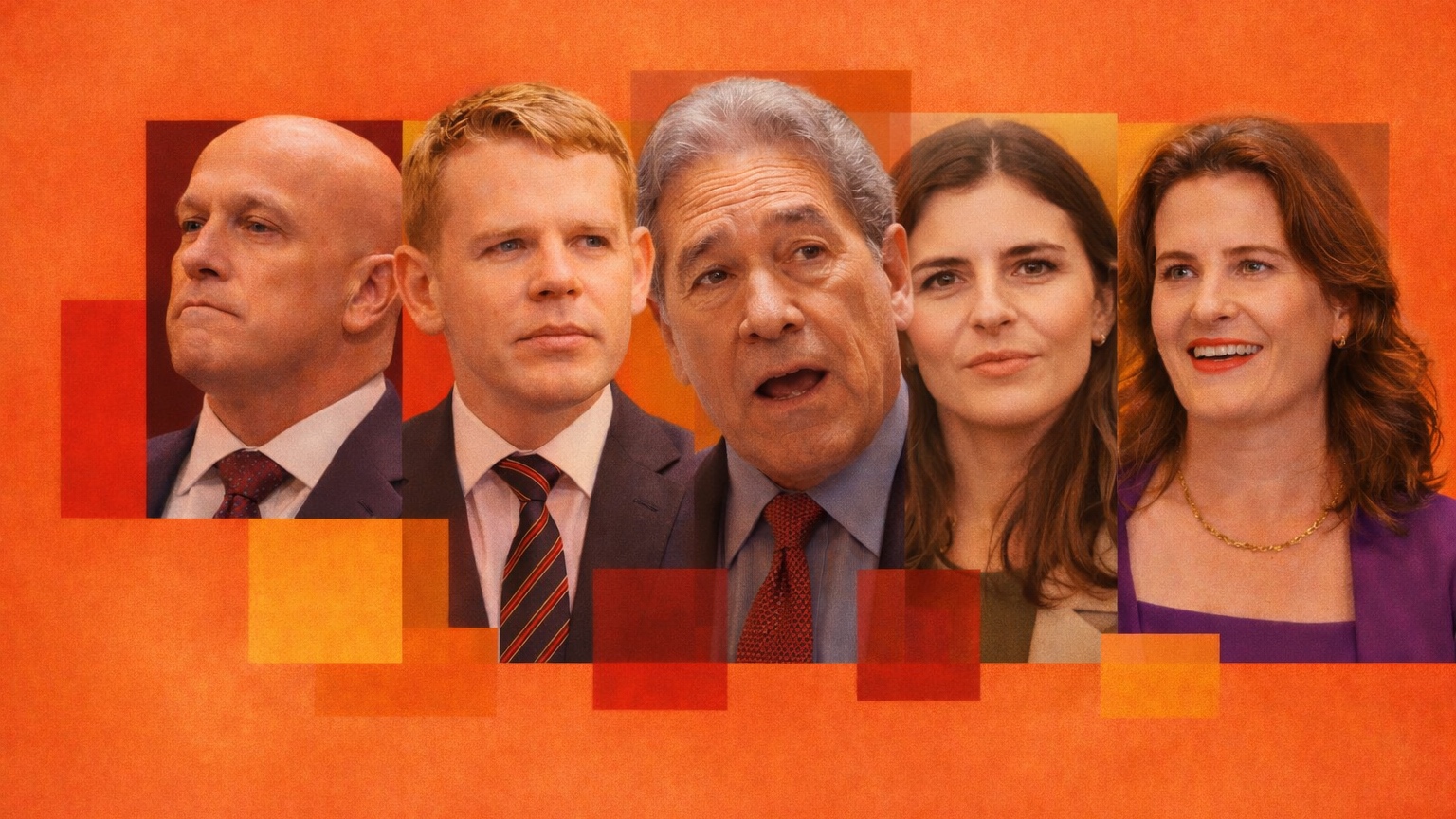
Election 2026: A right majority is possible even if Opportunity enters Parliament The latest polls suggest National, ACT and NZ First could secure a majority, with the Opportunity Party's fortunes still crucial.
New Zealand opens 5,000 work visas for Indians: Full list, who qualifies and the rules The two new visa categories cover 10 occupational groups, with considerable restrictions.
Congress leader Rahul Gandhi, together with those from 10 other political parties, have challenged alleged irregularities in the exercise before India's Supreme Court.
Tribunal checks mother's voter status
According to the 20-page tribunal decision, the man initially claimed both he and his mother were on West Bengal's list of deleted voters.
The tribunal gave him instructions to search the state's electoral records. Using his mother's Electoral Photo Identity Card (EPIC) number, he established that she had been formally removed from the rolls despite still possessing her voter card.
However, the tribunal found his own circumstances were different. He had never been registered as a voter or issued an EPIC number, meaning he could not establish that his name had been deleted through SIR.
The man claimed that exclusion from electoral rolls could have consequences beyond losing voting rights, including reduced access to government welfare and the risk of being treated as an illegal immigrant.
He argued that Muslims without voter identity cards could face detention or expulsion to Bangladesh, even when they were Indian citizens.
The tribunal considered country information concerning the possible loss of welfare benefits, including food rations, for people removed from electoral rolls. It also examined reports of Bengali-speaking Muslims being expelled to Bangladesh.
However, removal from an electoral roll does not itself amount to loss of Indian citizenship, it ruled. The tribunal found the evidence did not establish that the appellant faced a real risk of persecution or expulsion.
Other persecution claims rejected
The man's asylum application also concerned alleged threats from Hindu nationalists following communal violence in Kolkata in October 2022.
He claimed he confronted a BJP-linked individual who was trampling Islamic flags during a religious festival and was subsequently threatened and attacked.
The tribunal accepted that communal violence had occurred in the Mominpur area but found significant inconsistencies in the man's account. It rejected his claim that he had assaulted a BJP-linked individual and described his account of a subsequent restaurant attack as "entirely manufactured".
The man arrived in New Zealand in September 2023 and applied for refugee status in June 2024. His application was initially declined in September 2025, prompting the appeal.
In its decision, the tribunal acknowledged that some laws and practices approved by the BJP had adversely affected Muslims and other minorities.
"However, none of these have caused serious harm to the appellant himself or are likely to cause him such harm in the future," it said.
The tribunal concluded that he did not have a well-founded fear of persecution and dismissed his appeal for refugee and protected person status.