
Being Indian and Kiwi at once. How Ajaz Patel's 10-wicket haul brought his two worlds together

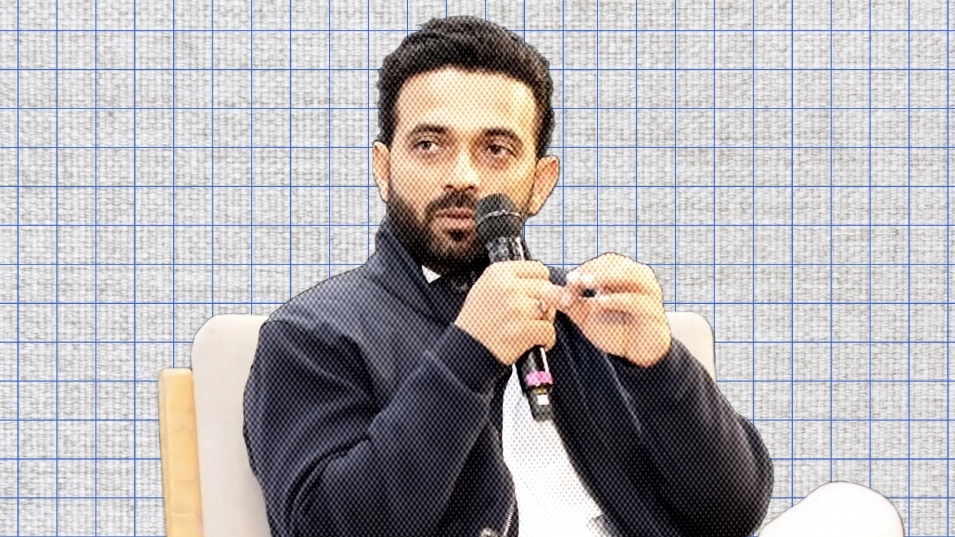
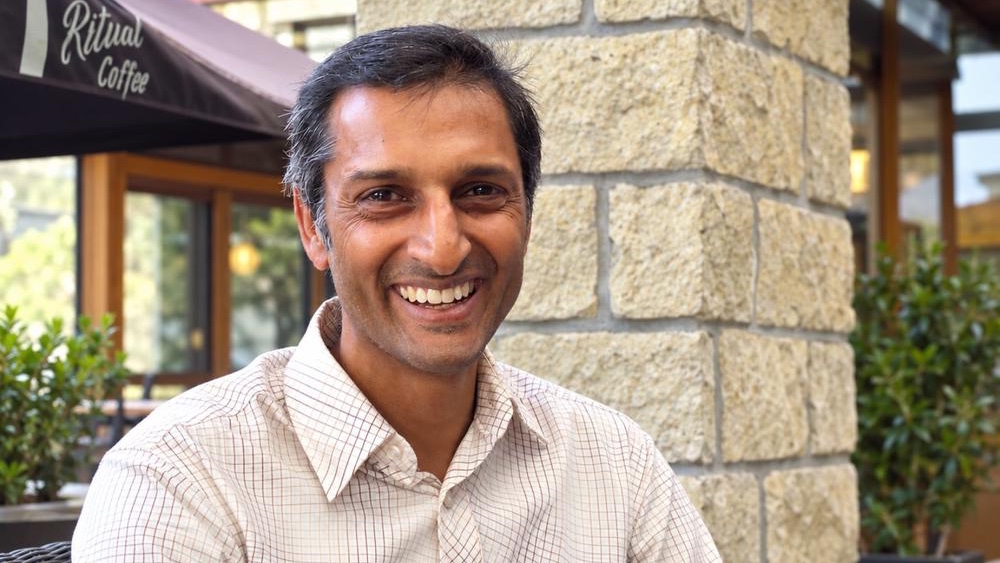
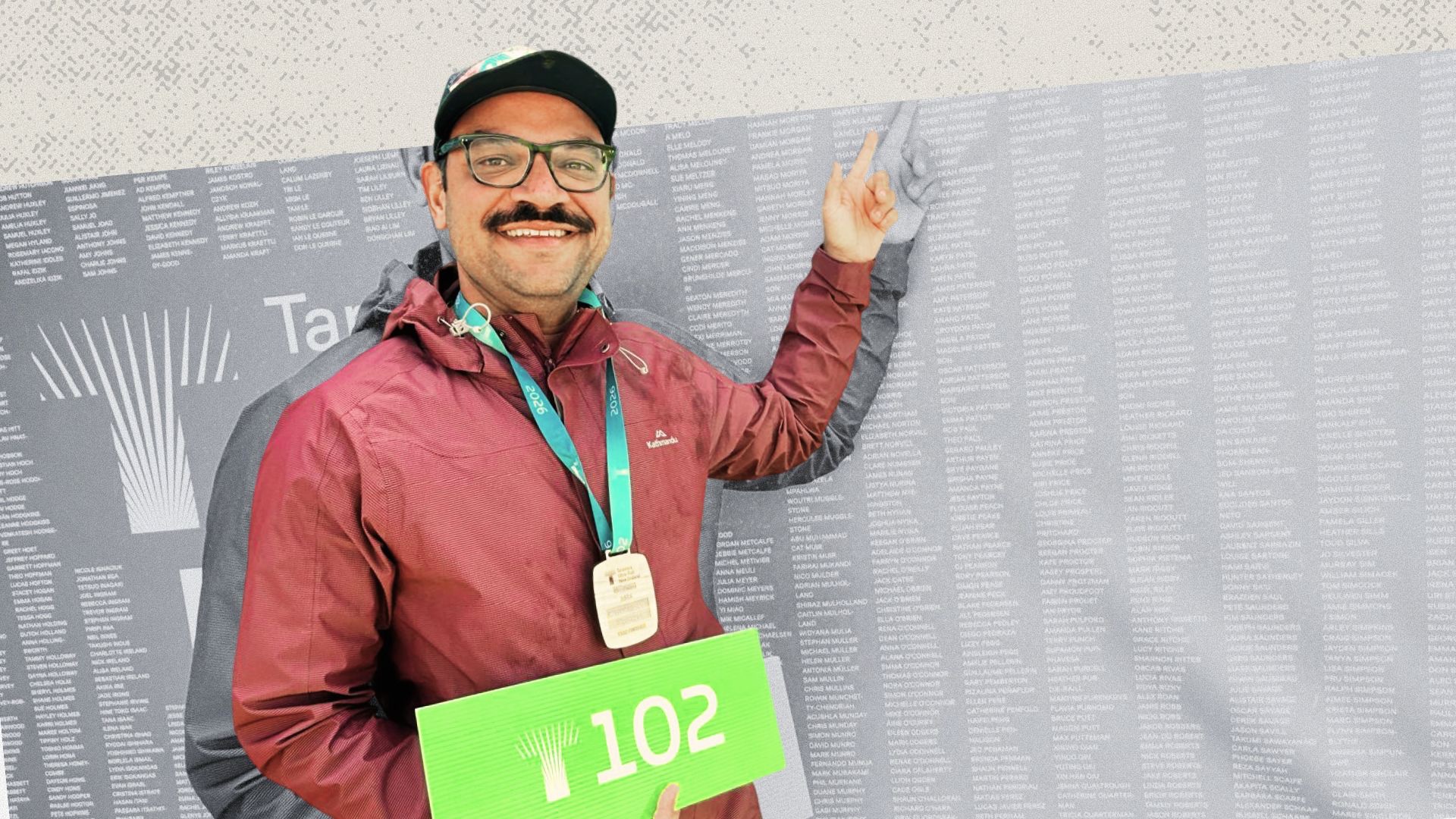
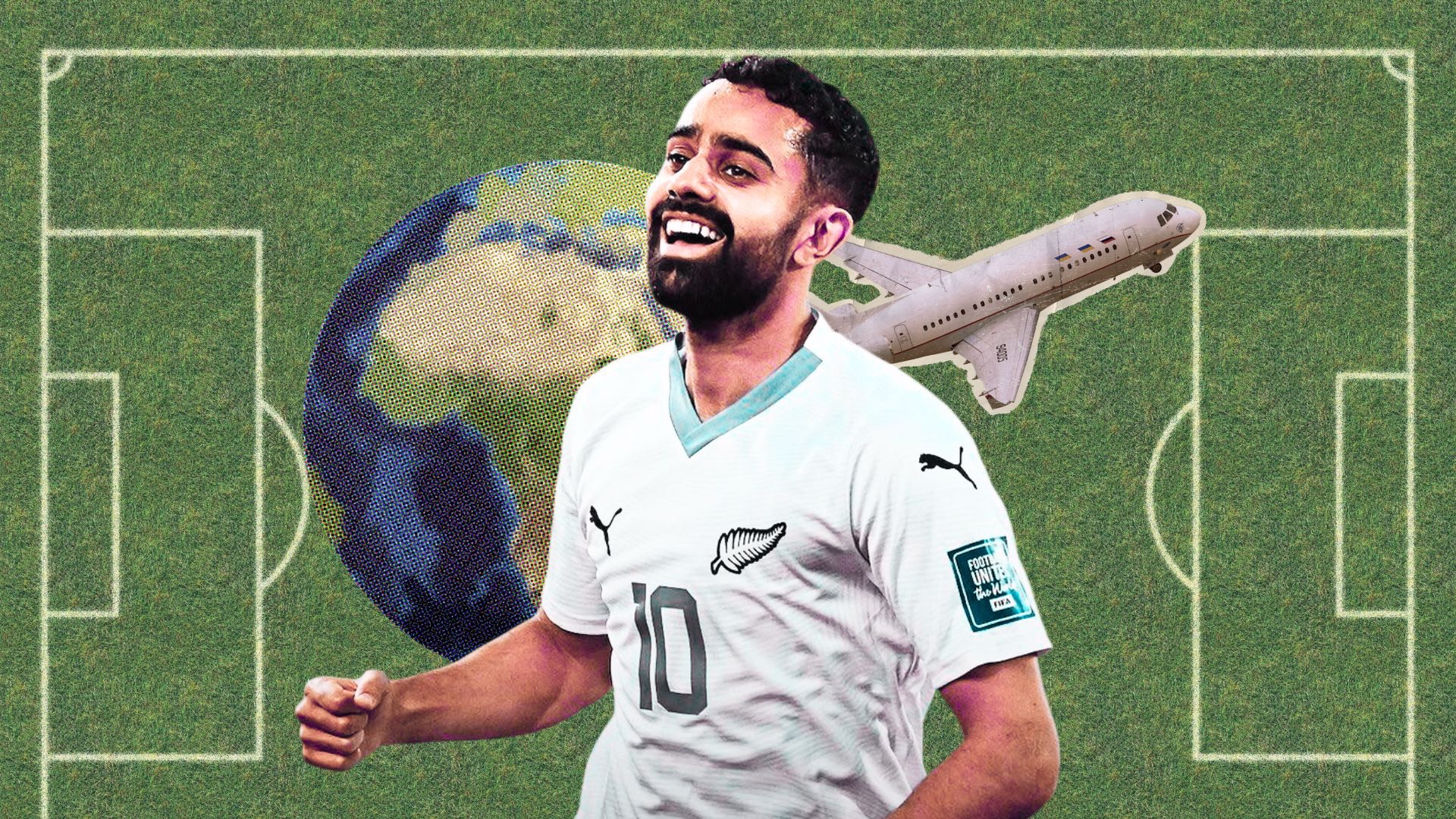
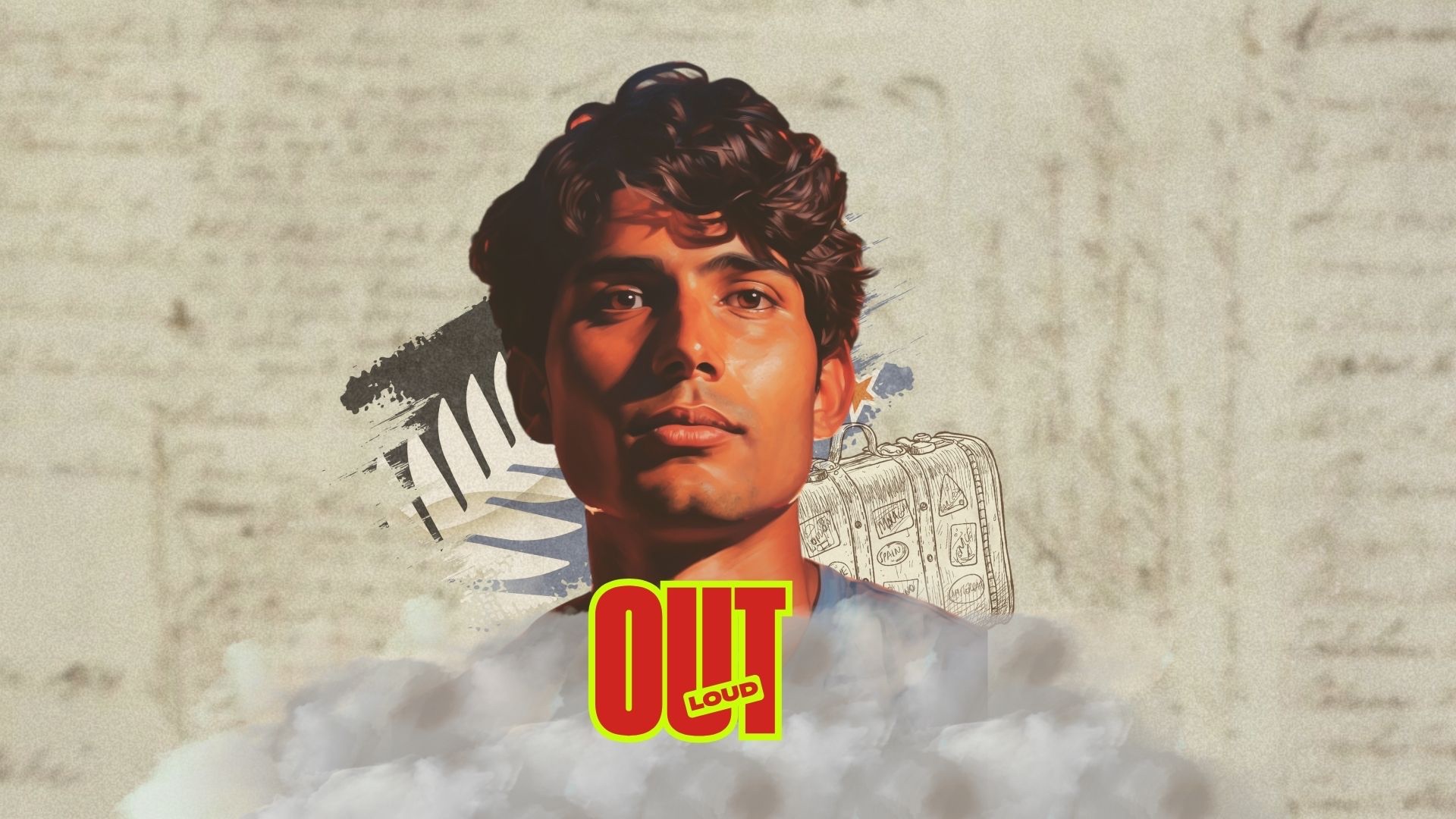
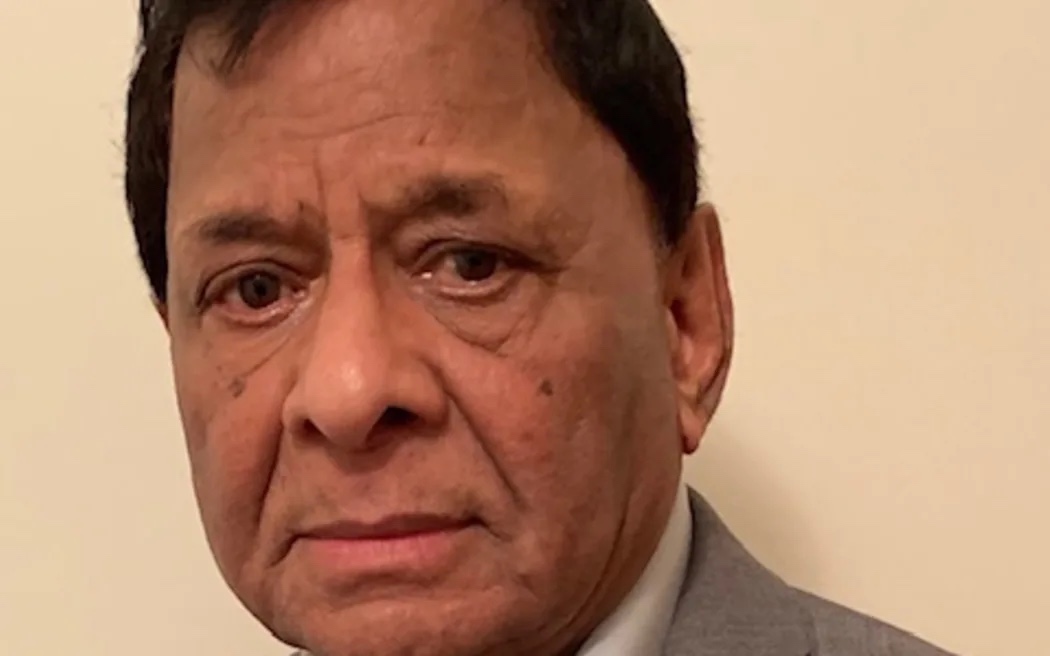
New Zealand cricketer Ajaz Patel.
A historic moment in Mumbai left the Black Caps spinner reflecting on something far deeper than cricket.
“I wasn't expecting the reception I received.”
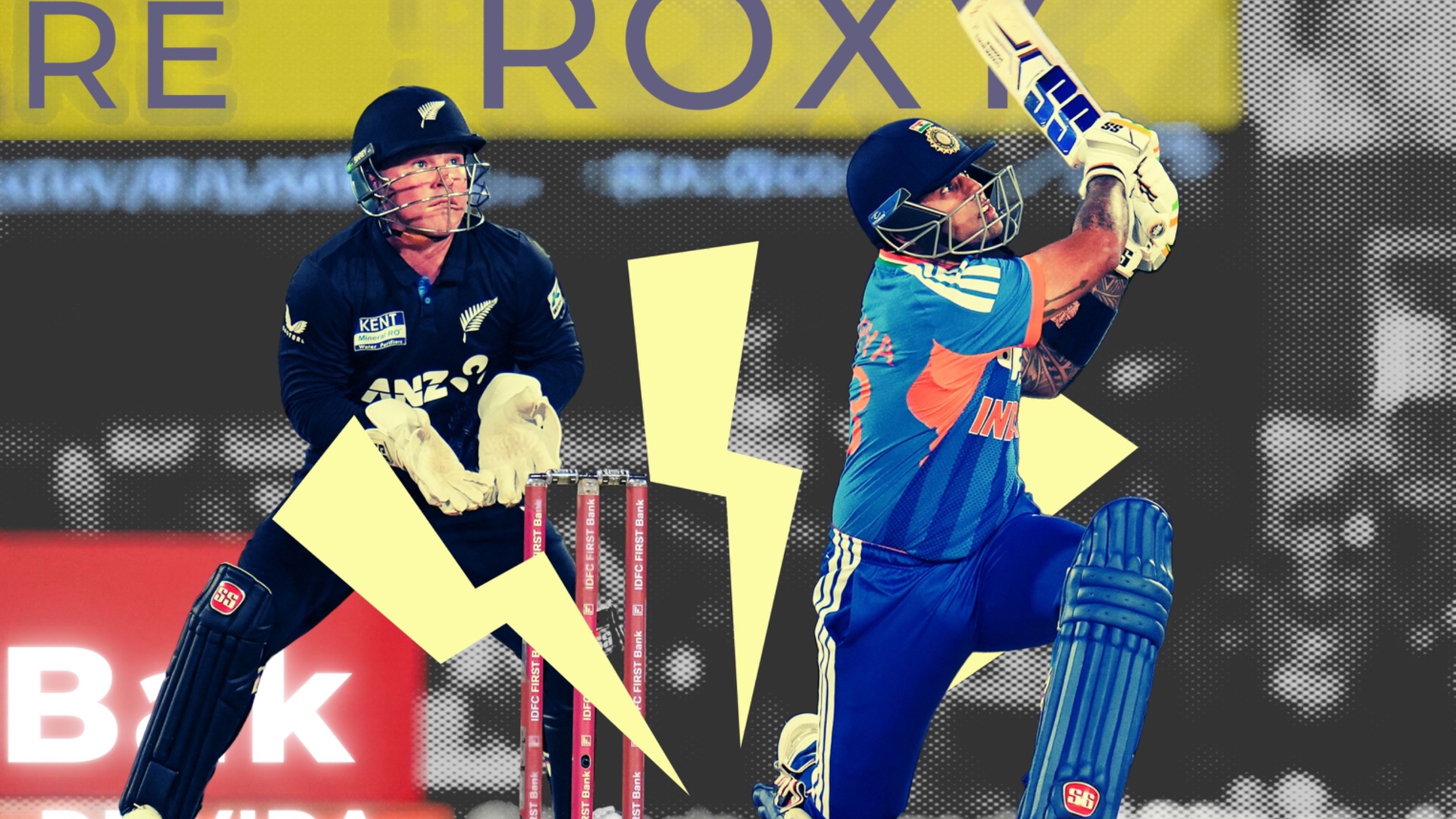
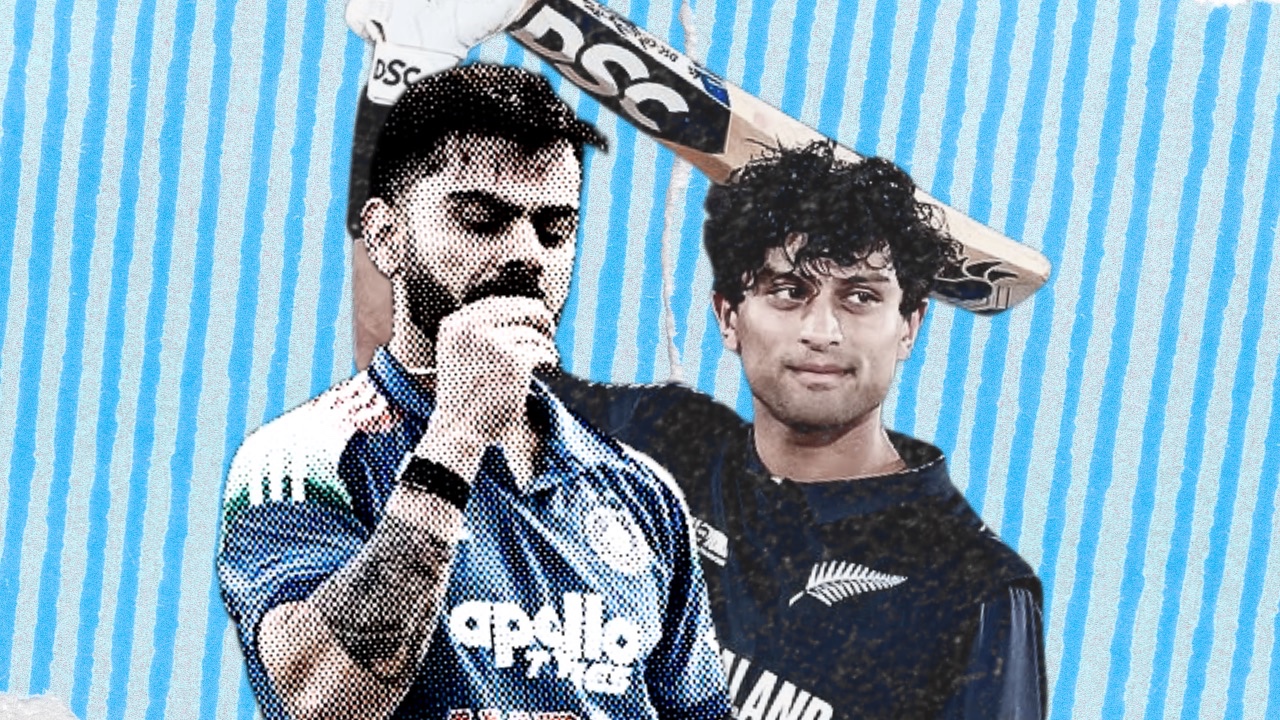
Ajaz Patel had just taken all 10 wickets against India in a Test match in Mumbai. It was December 2021, and the New Zealand spinner was returning to his hotel after achieving one of cricket's rarest feats, unsure of the reception that awaited him in the city where he was born.
He found the hotel staff had lined the passage towards the lifts. They were applauding him as he walked past. A giant cake bearing his face awaited him, while diners in the hotel restaurant rose from their seats to applaud too.
“You had what felt like every single staff member of the hotel lined up all the way up to the lifts as you're walking through kind of applauding you,” Patel recalls of the evening.
He remembered the cake, the applause and, most of all, the feeling that the people of Mumbai were not celebrating an opposition player but someone they considered their own.
Being Indian and Kiwi at once. How Ajaz Patel's 10-wicket haul brought his two worlds together A historic moment in Mumbai left the Black Caps spinner reflecting on something far deeper than cricket.
India's SIR voter controversy reaches New Zealand in Muslim man's asylum case The man claimed Muslims excluded from voter lists risked losing welfare benefits and being treated as illegal immigrants.
Election 2026: A right majority is possible even if Opportunity enters Parliament The latest polls suggest National, ACT and NZ First could secure a majority, with the Opportunity Party's fortunes still crucial.
“I think everyone realised how momentous it was but also the fact that they felt like it was a local boy, you know, rather than a foreign player,” he said.
For a man who had left Mumbai as a child and grown up in New Zealand, it was a moment when his two identities came together in an extraordinary way.
In an interview with the Asia New Zealand Foundation's Asia Insight podcast, part of a series marking 100 years of sporting ties between India and New Zealand, Patel reflected on how both cultures had shaped the cricketer and the person he became.
“I've come from India but I've received my opportunity because I'm inherently Kiwi and I've been embraced as a Kiwi and embraced as a New Zealander,” he said.
“But I still hold strong to my Indian values which I suppose have contributed to my success in terms of my work ethic and the way I go about my game, the respect I have for my peers, my elders, the cultural values that were instilled in me as a youngster through my Indian heritage and my Indian family.”

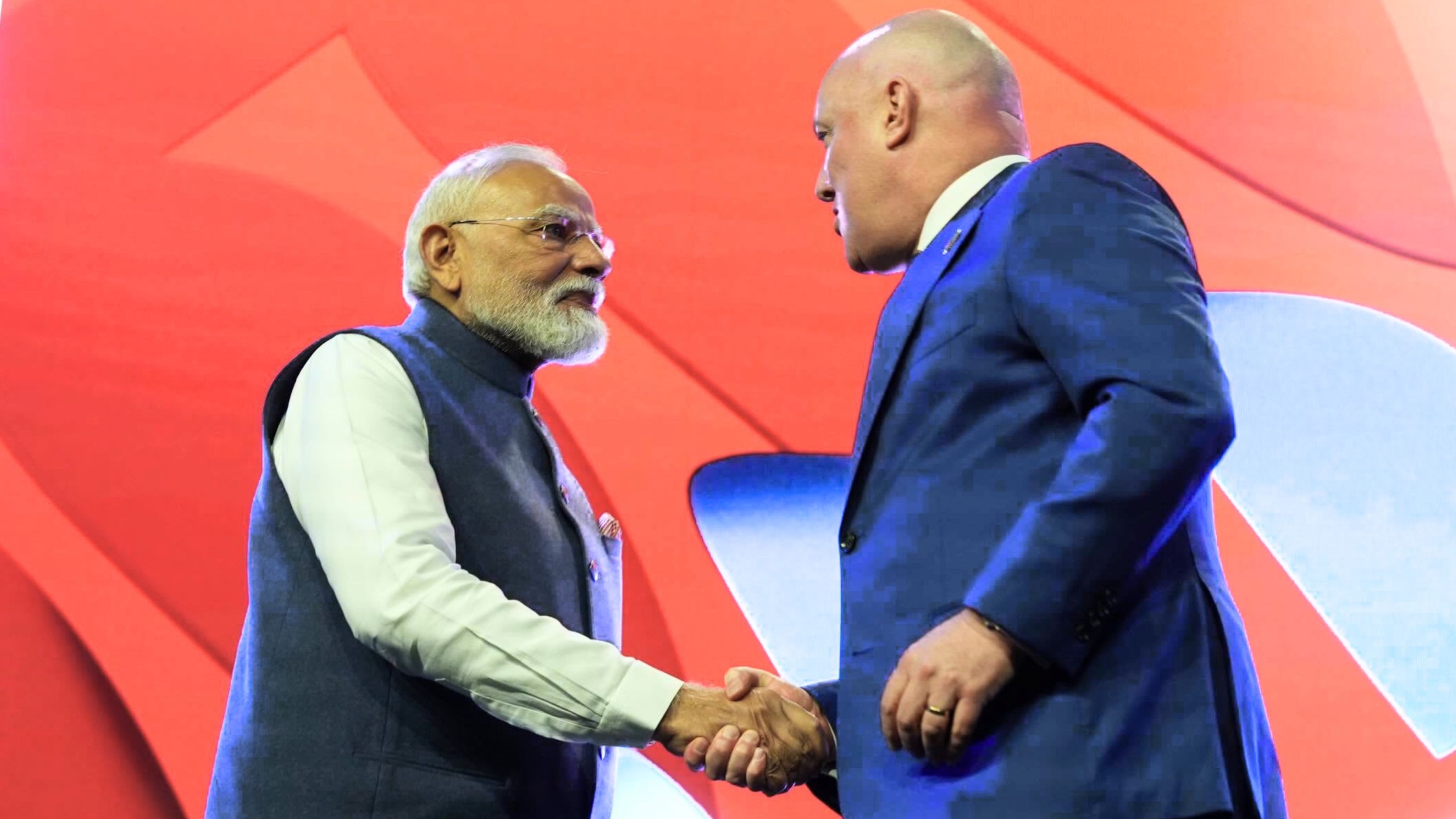
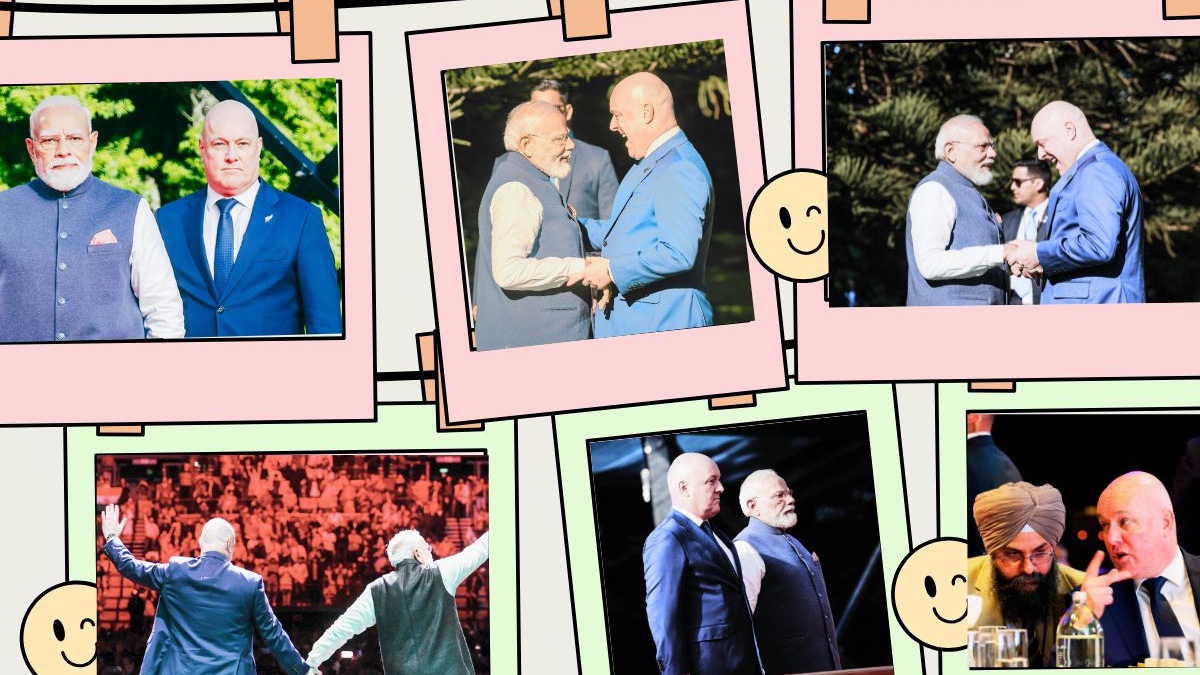
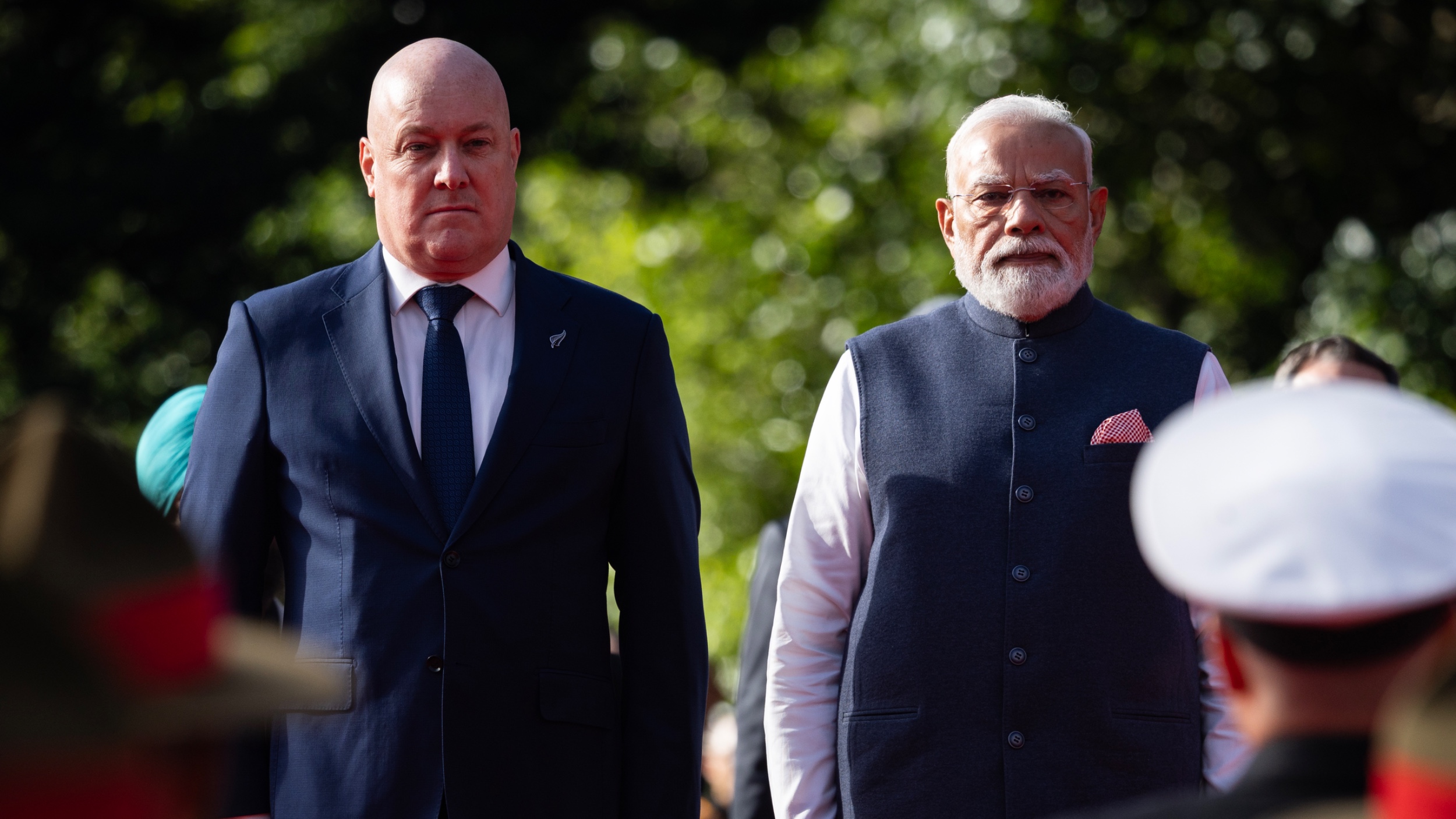
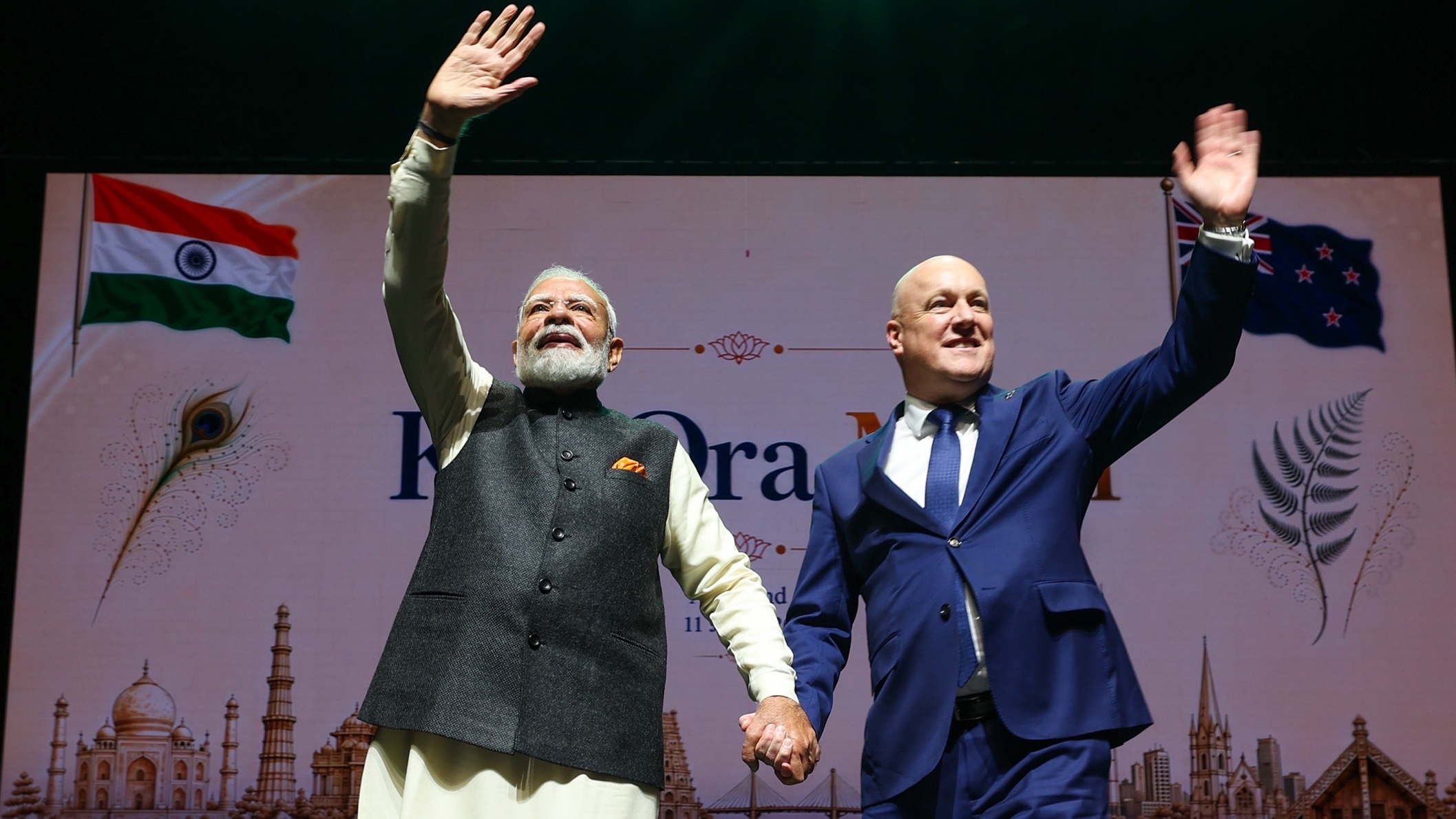
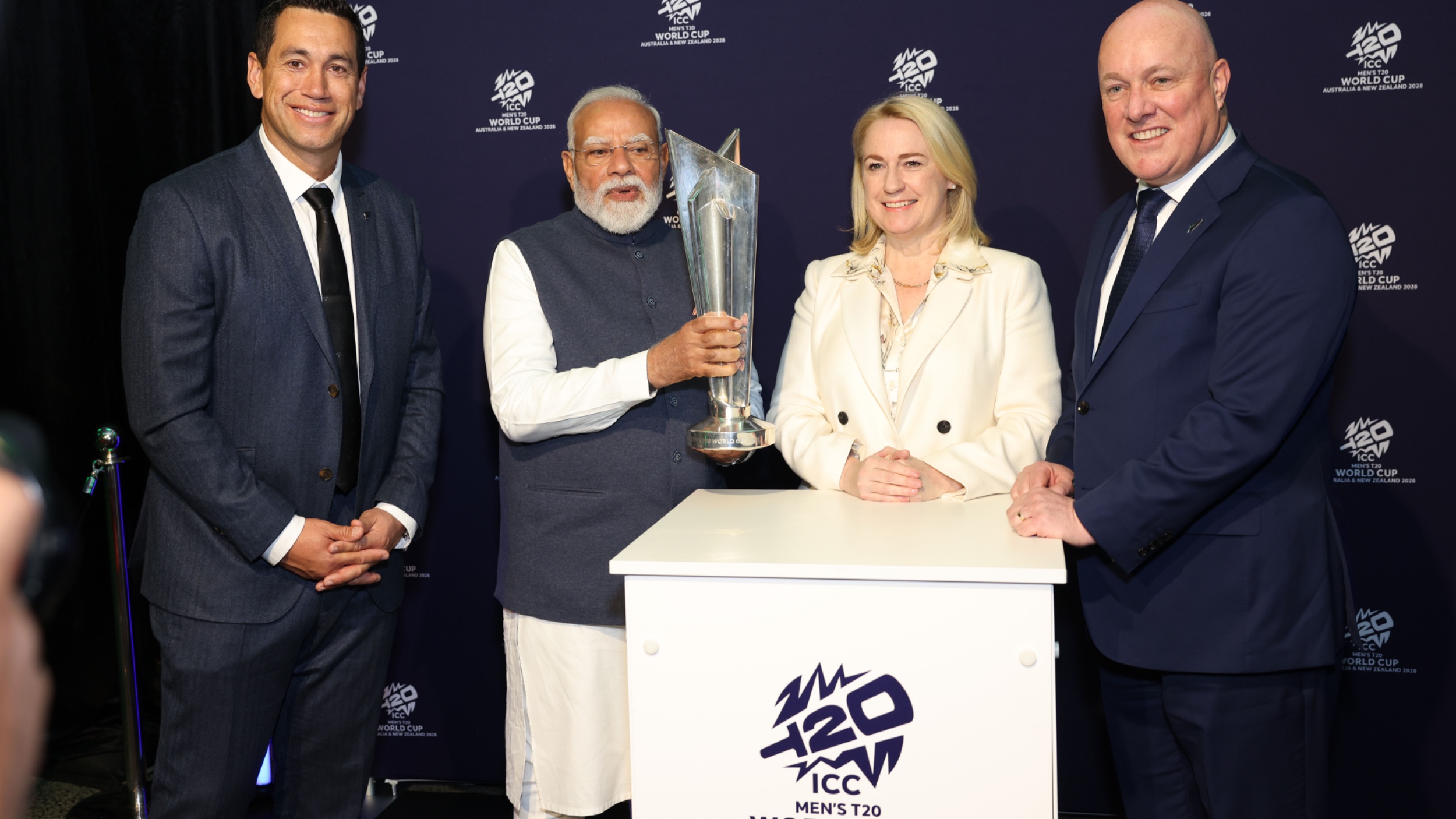
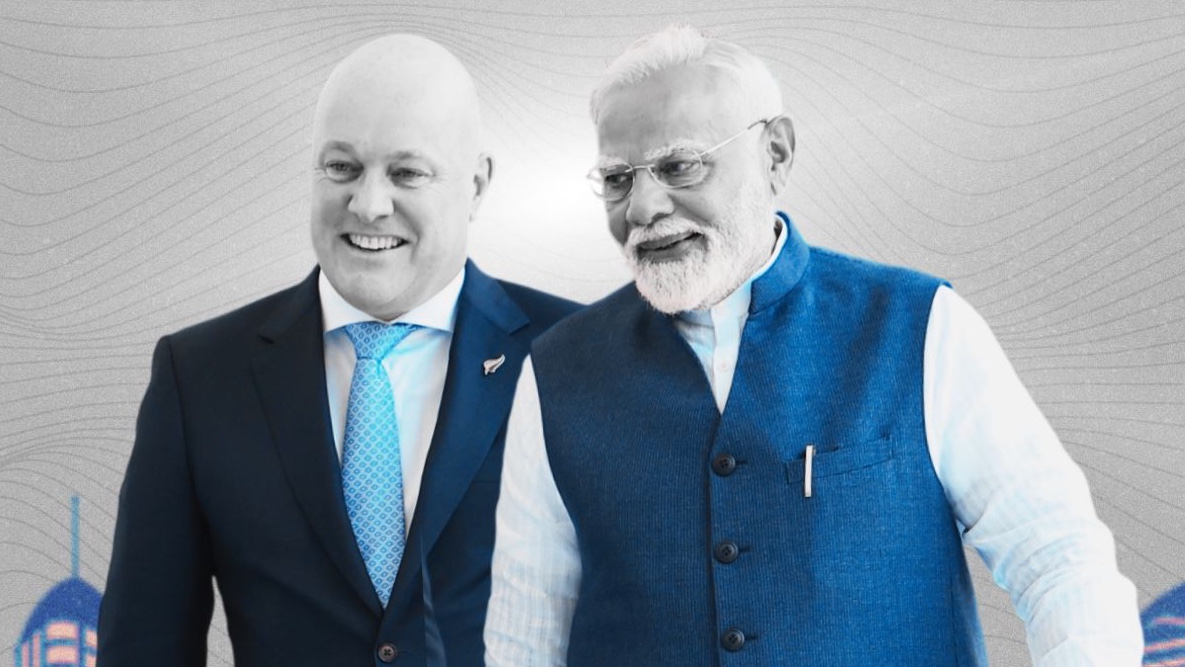
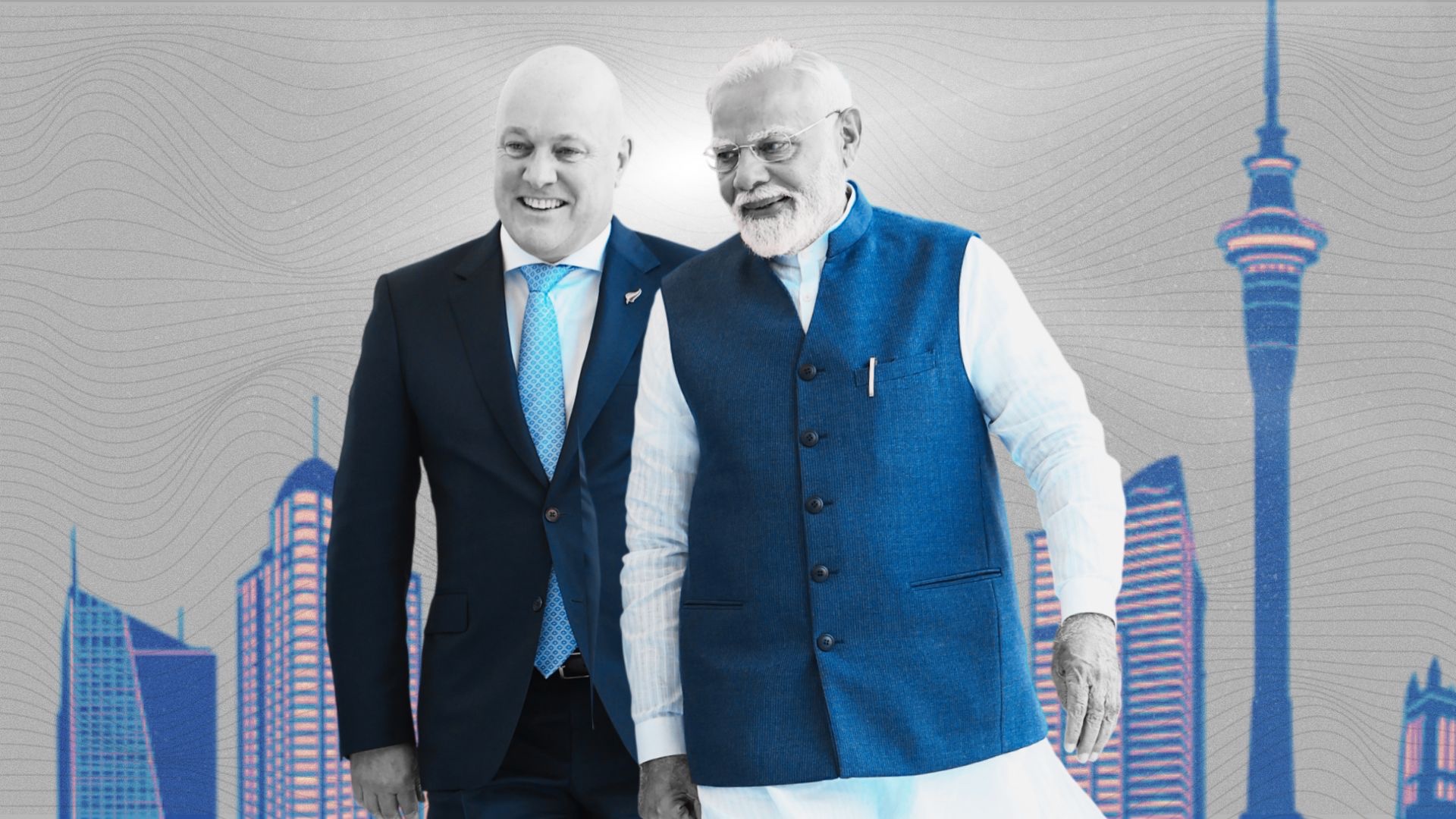
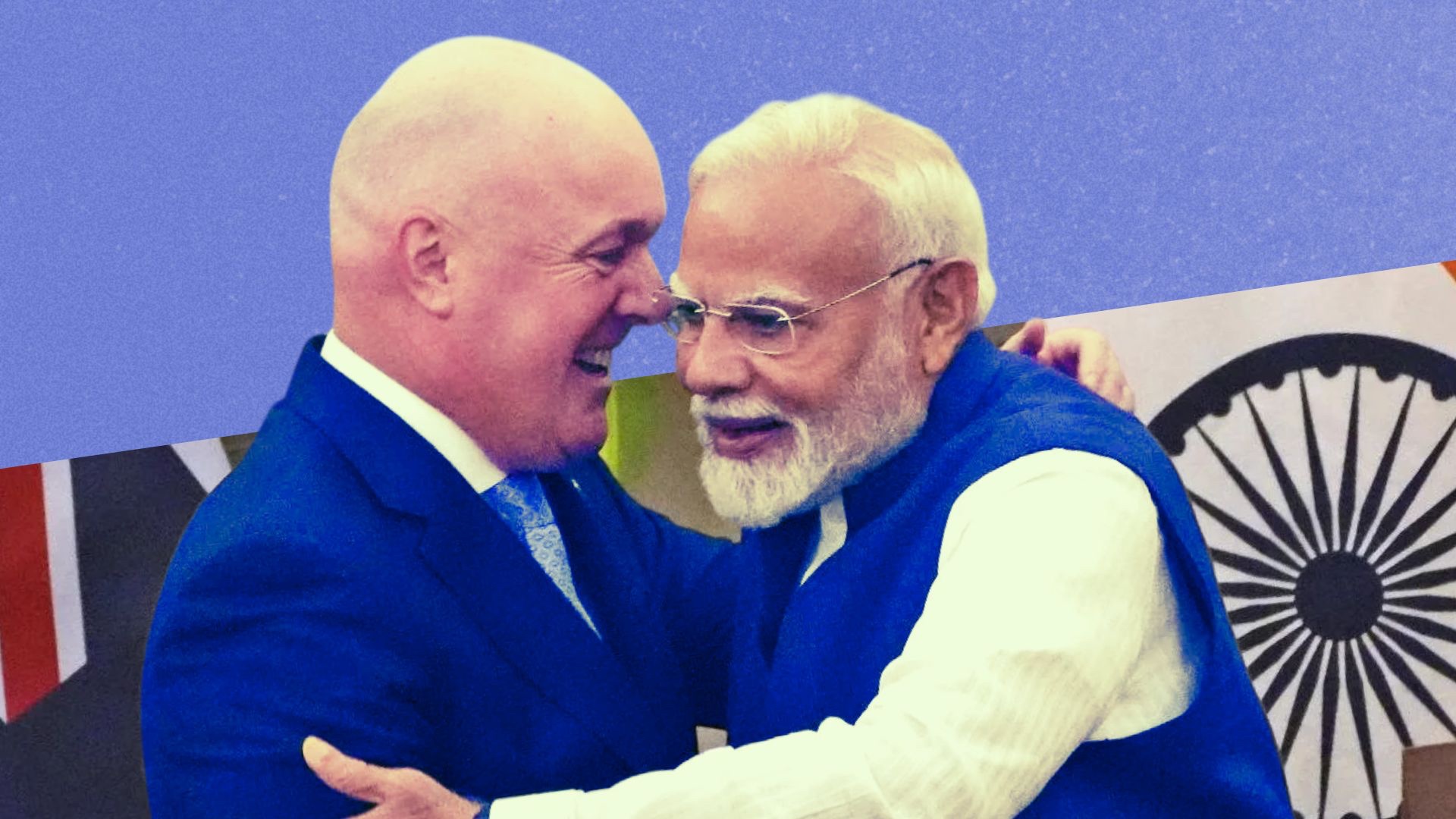
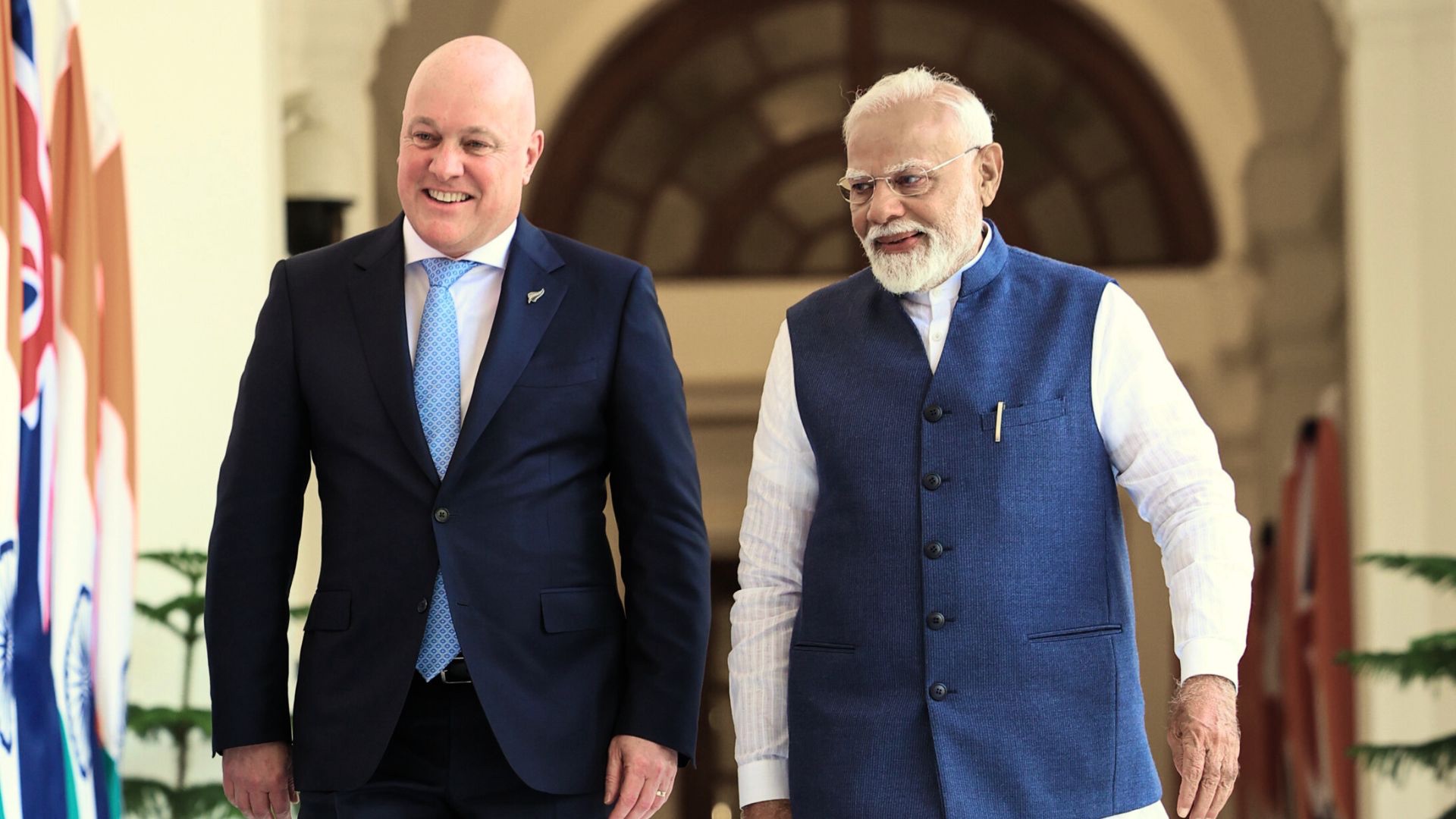
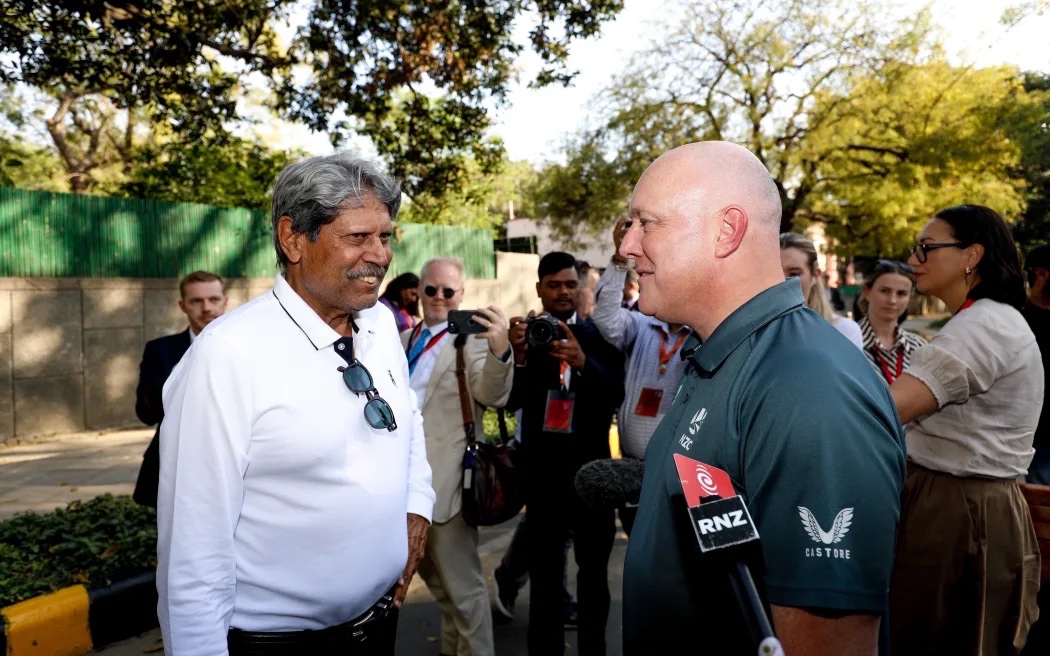
Ajaz Patel with prime minister Christopher Luxon during their visit to India in March 2025, pointing to his name on the Wankhede Stadium honours board in Mumbai. (Supplied photo)
Patel moved to New Zealand with his family in 1996, when he was about eight years old. His early cricketing experiences were familiar to many Kiwi children. Games at school, lunchtime cricket and eventually joining a club after his uncle and aunt enrolled him.
He initially dreamed of becoming a fast bowler, admiring such players as Wasim Akram. But towards the end of his under-19 years, he was told his height could limit his future in fast bowling.
With guidance from coaches, including former Black Caps Deepak Patel, he switched to spin. It was a decision that eventually took him into the national team and, years later, to that unforgettable afternoon in Mumbai.
Yet, Patel is conscious that his cricketing journey might have been very different had his family remained in India. “I certainly don't believe I would have been playing for the Indian team,” he said.
“I'm not disrespecting myself but that's just the reality competing with a billion people as opposed to you competing with four or five million people.”
For him, migration had opened doors that might otherwise have remained closed. But accepting the opportunities of his adopted country had never required him to leave his Indian upbringing behind.
He spoke of the different qualities he associated with each culture, and how they complemented one another.
“Embracing the Kiwi heritage of just being grounded, down to earth and kind of playing the game in a certain fashion,” he said, describing one side of that influence.
“There's contrast between the two cultures but inherently the values are still pretty similar.”
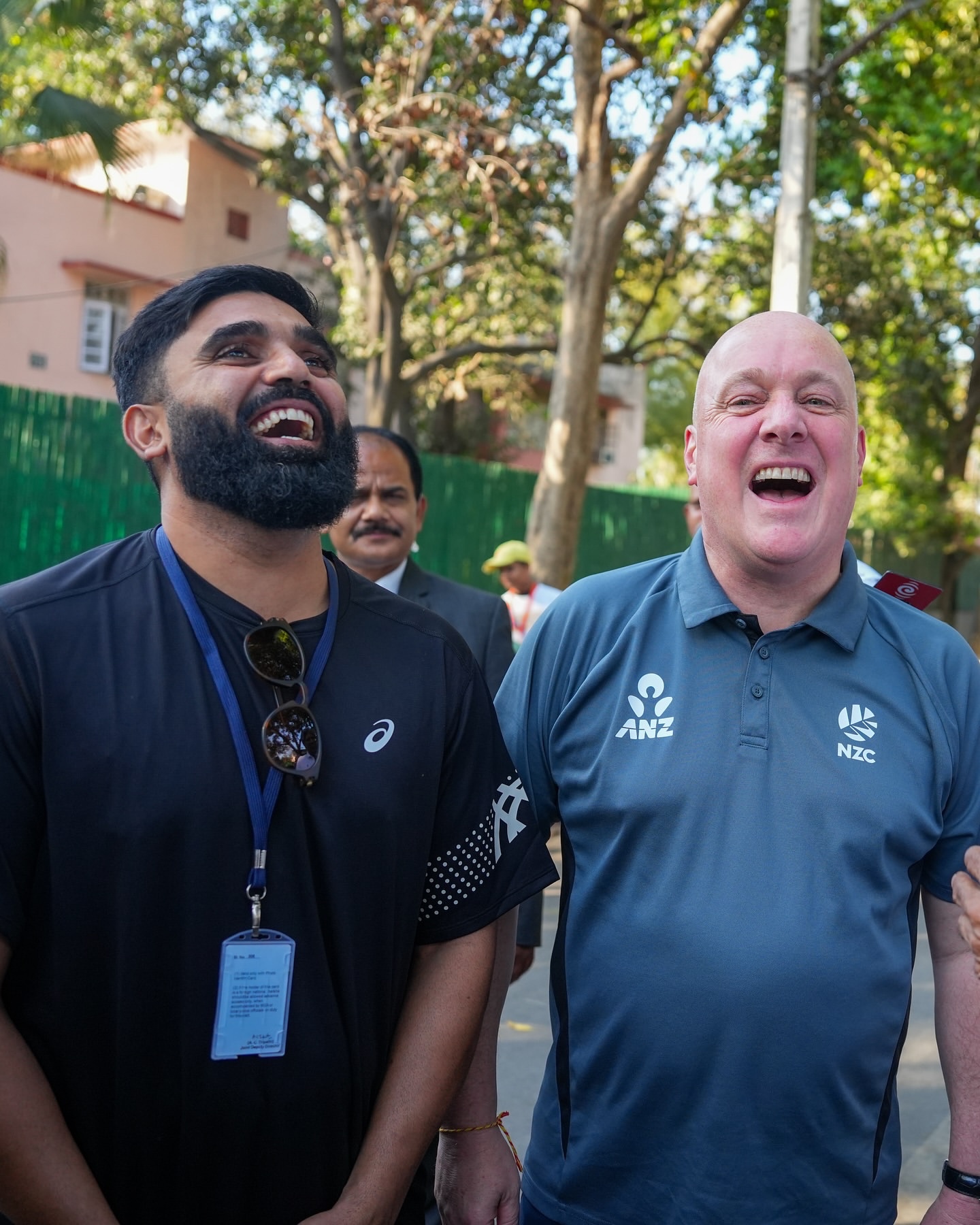
Ajaz Patel shares a laugh with prime minister Christopher Luxon while playing street cricket in New Delhi during their India trip in March 2025. (Supplied photo)
In India, he said, succeeding amid enormous competition demanded hard work, diligence and respect. New Zealanders, meanwhile, had to compete beyond their much smaller country to succeed internationally.
“As a Kiwi to go global and to take on the world you're not just competing with just New Zealanders, you're actually competing on a global stage and so then it's those same values that kind of carry over.”
Perhaps nowhere did those two worlds meet more vividly than at the Wankhede Stadium in Mumbai. Patel recalled that Indian spectators were not initially enthusiastic about a Mumbai-born player taking wickets for New Zealand. But as his extraordinary performance unfolded, the mood began to change.
“I guess initially there was a bit of stick for being an Indian and playing for the opposition,” he said.
“But as I started getting closer to the milestone you certainly felt it shift and you certainly felt like you were embraced by the locals as one of their own.”
By the time he completed his 10-wicket haul, the crowd was chanting his name.
“I found that shift quite amusing but also quite heartwarming in the sense that I was certainly embraced as a local boy playing for New Zealand.”
For Patel, that recognition carried a meaning that went beyond the record he had just achieved.
“I think one of the few times in my life, I guess, I was embraced in the fact [sic] that I was an Indian Kiwi and that I represented both heritages and both cultures and both values,” he said.
“Hearing your name being chanted I guess in a stadium in Mumbai, I wouldn't have dreamed of something like that especially playing for New Zealand.”
The connection has endured. Patel said he still visits India frequently, and relatives and others continue to speak warmly of his achievement, despite the fact that it came against their own national team.
He also shared an amusing story about spending several months on holiday in Mumbai, regularly visiting a small grocery shop near where he was staying.
For weeks, the shopkeeper suspected the customer walking in to buy everyday essentials was the New Zealand cricketer, but his colleagues refused to believe him.
Eventually, the man asked Patel directly and discovered that he had been right all along.
Patel laughed at the memory. He explained that although people sometimes recognised him in Mumbai, they often doubted themselves because they could not imagine why a New Zealand cricketer would be walking around their neighbourhood.
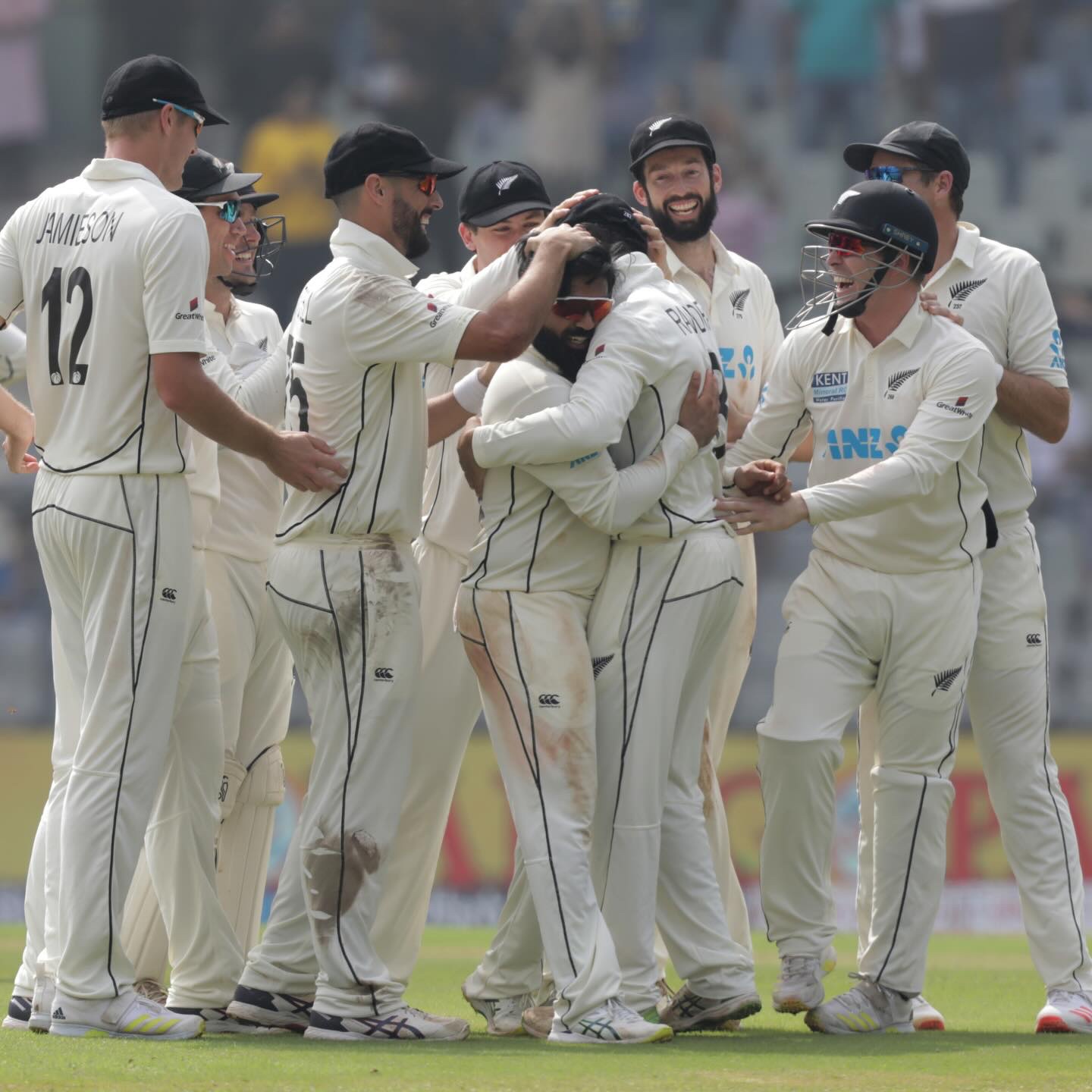
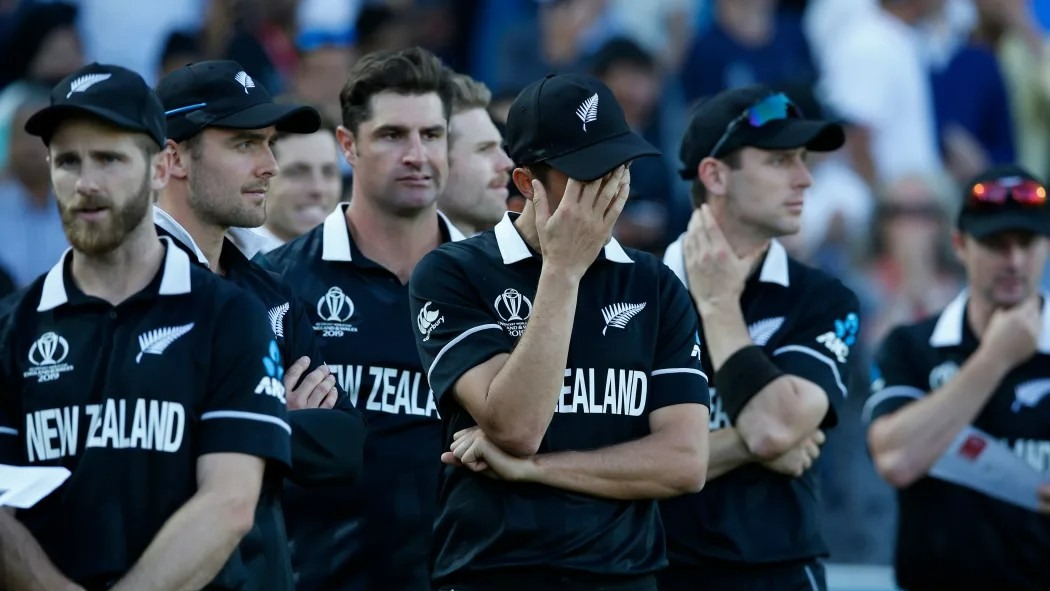
Black Caps players celebrate a wicket during Ajaz Patel's historic 10-wicket haul against India at Mumbai's Wankhede Stadium in December 2021. (Supplied photo)
Reflecting on the centenary of sporting ties between the two countries, Patel said the connection between India and New Zealand was much older and deeper than many might realise.
“Indians love Kiwis and they love the way we go about, I guess, most things, you know, when it comes to sport,” he said.
He believed that mutual respect also extended into business and wider society, creating opportunities for the relationship to grow.
But his most personal reflection was about what migration had made possible, and how representing New Zealand had helped him better understand his place between two cultures.
“Through sport I guess I'd been given an opportunity to be in an environment where those two communities were coming together and that was pretty special for me to be a part of,” he said.
“Understanding how I fit in the world as well was pretty, I guess, overwhelming.”
It is a journey that began with a boy leaving Mumbai for New Zealand and returned, years later, to the city of his birth for a moment of cricketing history.
And perhaps the most remarkable part of that homecoming was not that Patel had taken all 10 Indian wickets, but that the city whose team he had just dismantled stood up to applaud him as one of its own.