
'Slave practices': Indian migration back on Shane Jones’ agenda as he targets kiwifruit labour
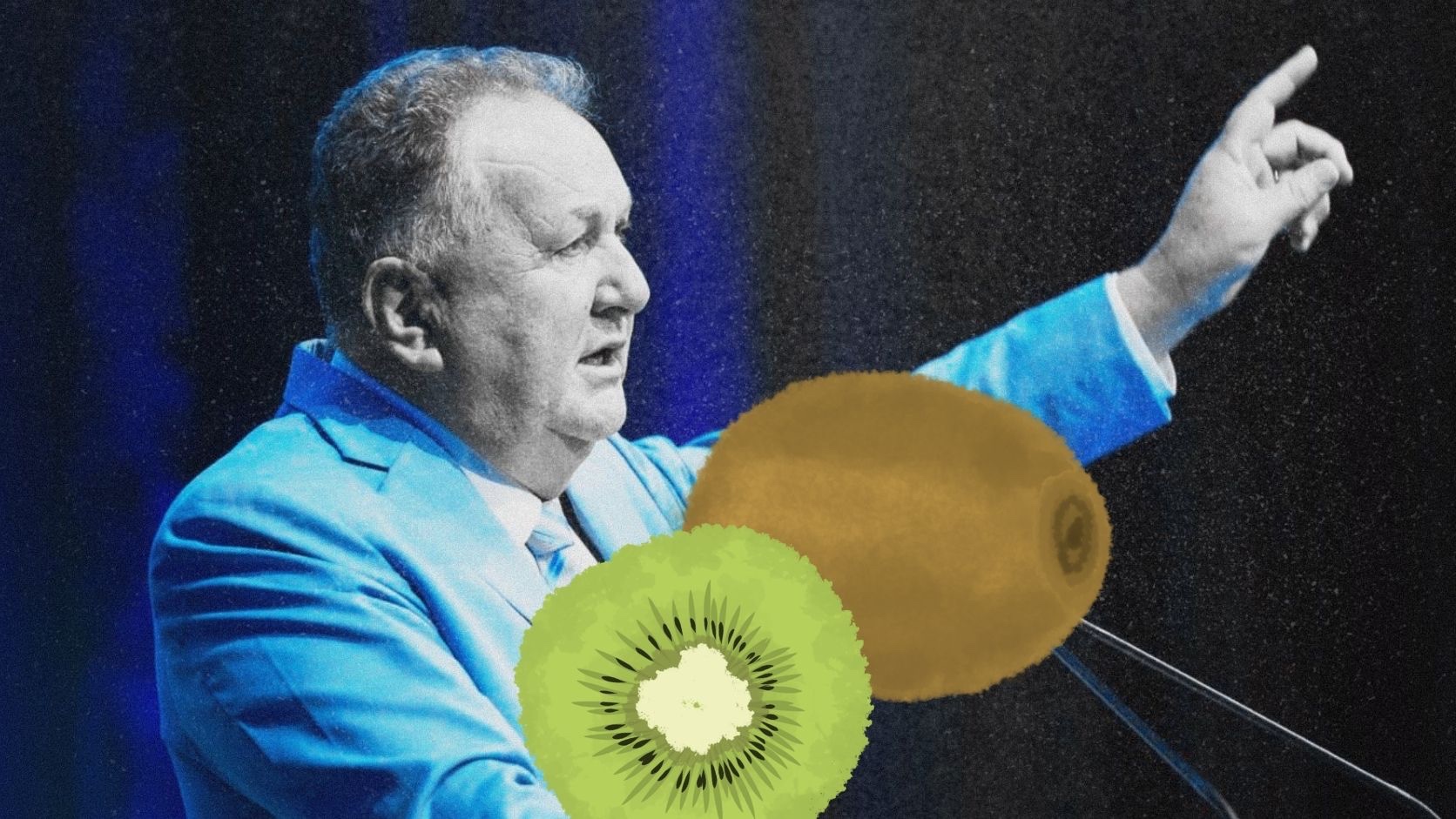
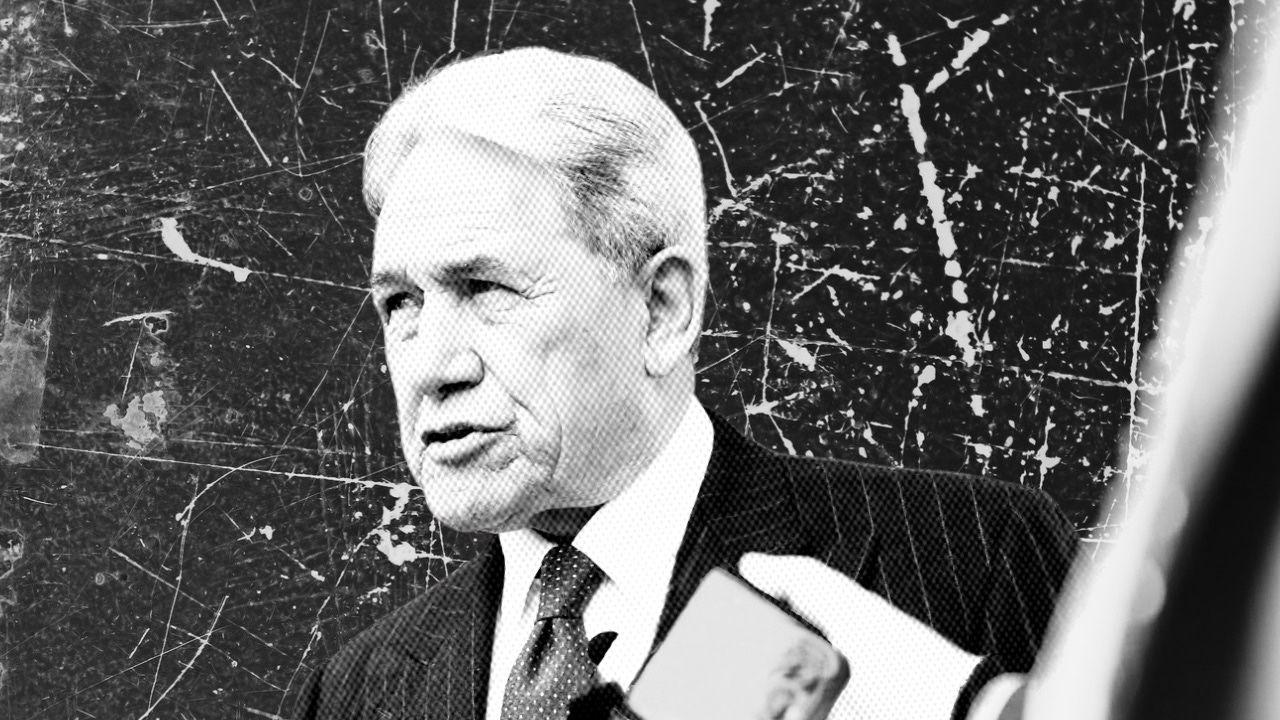
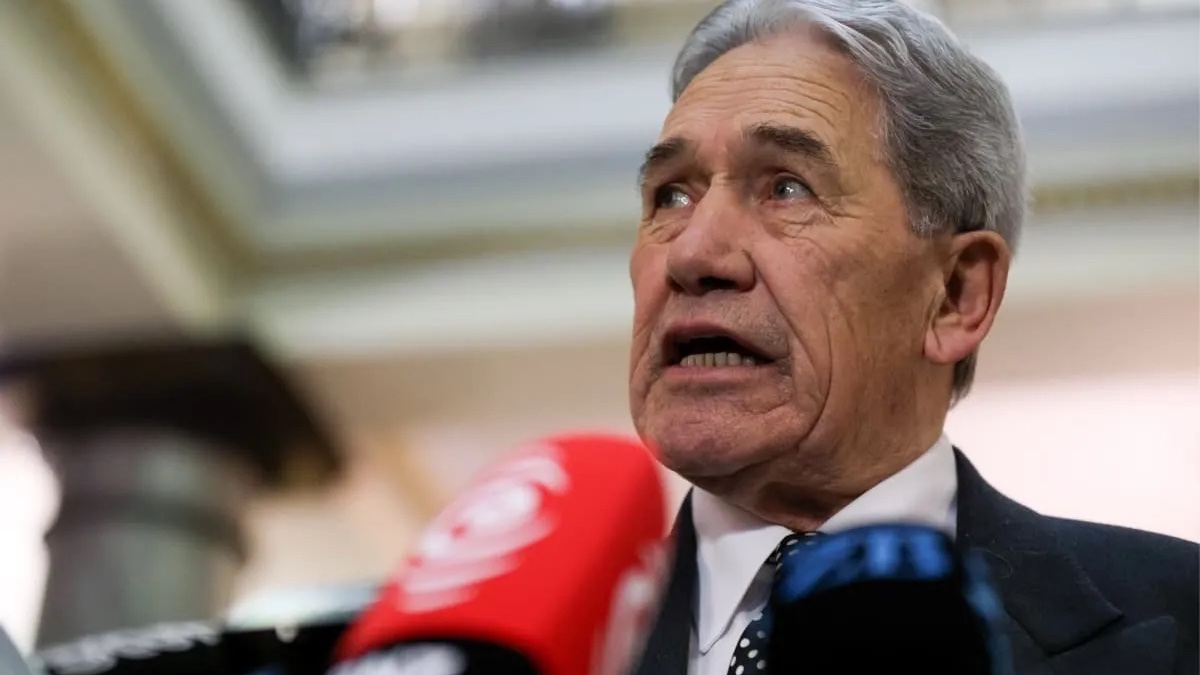
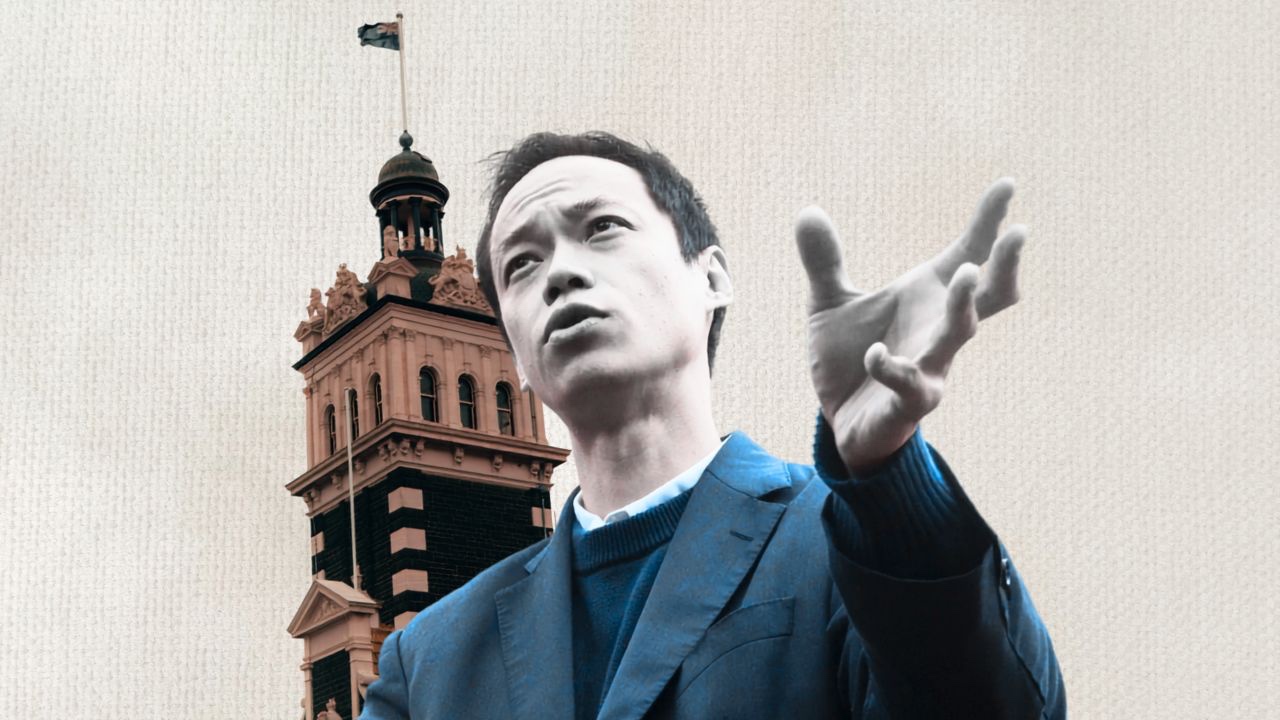
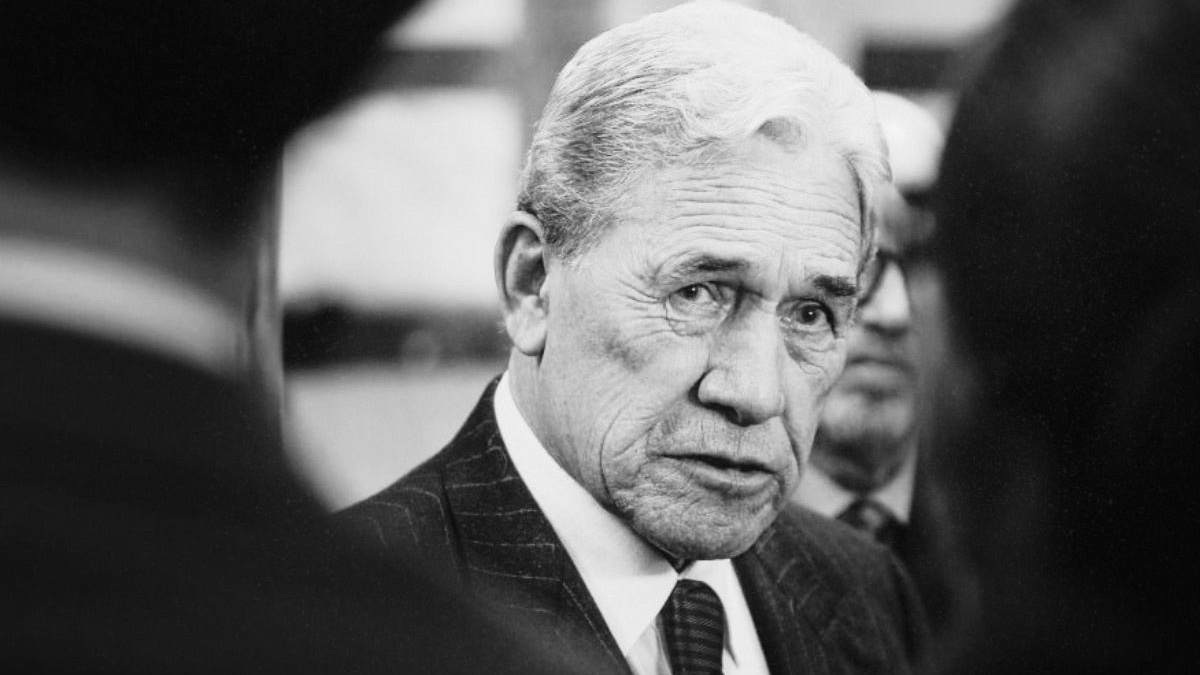
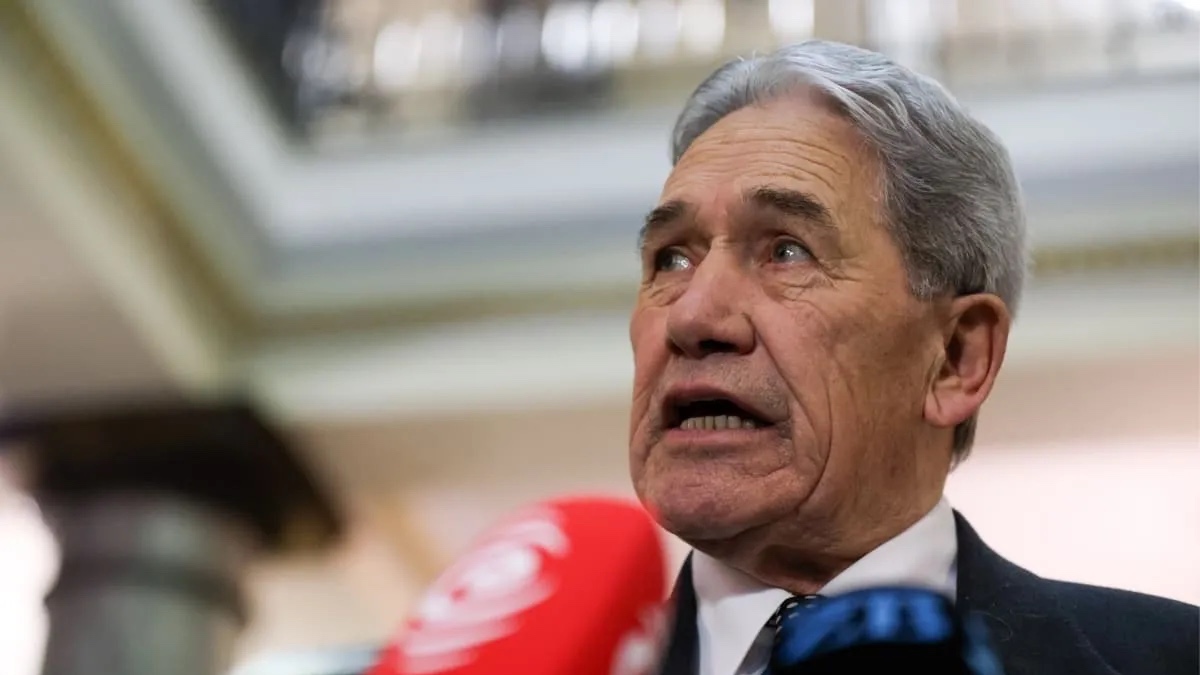
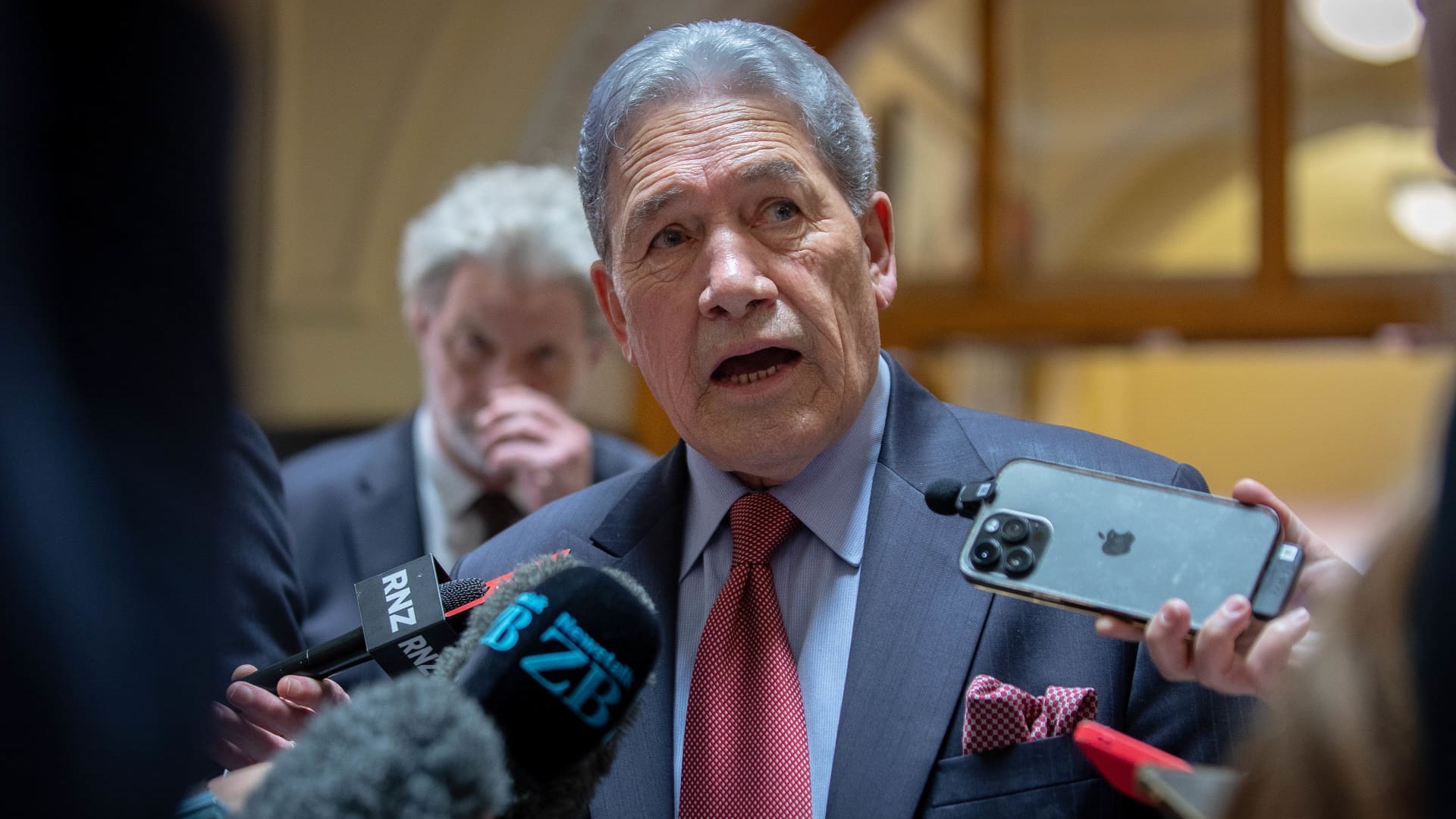
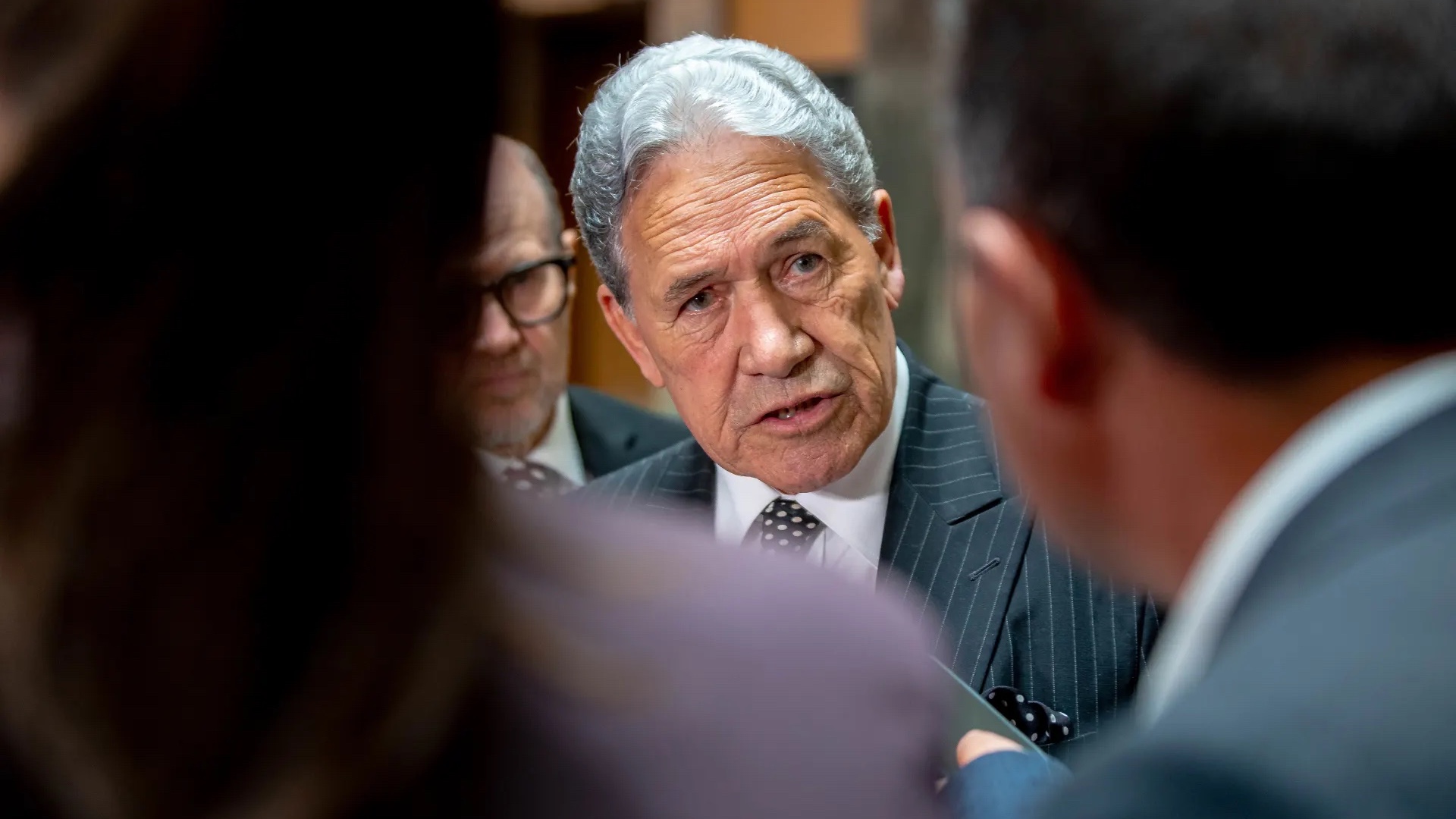
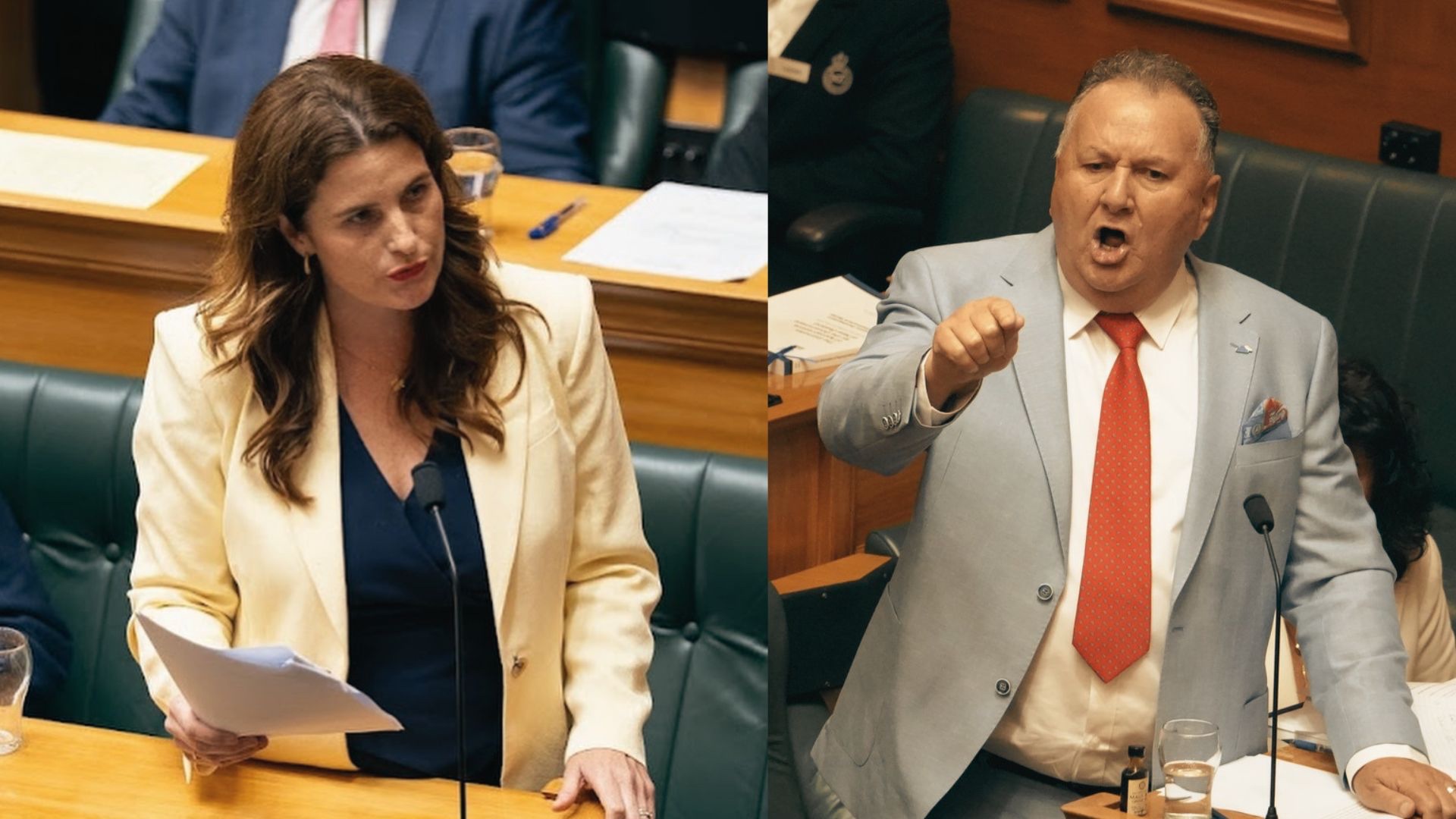
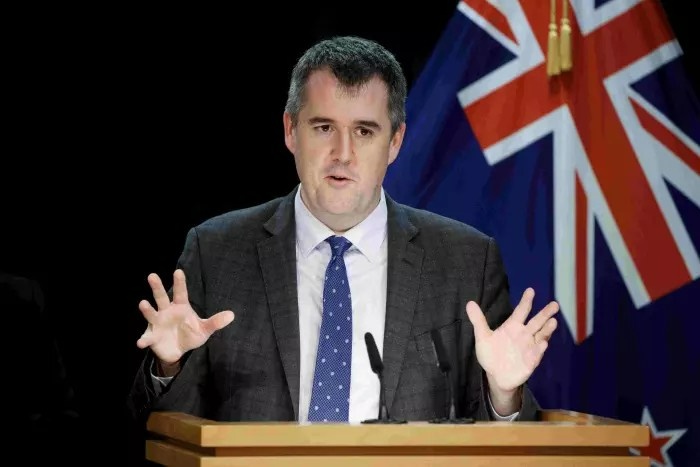
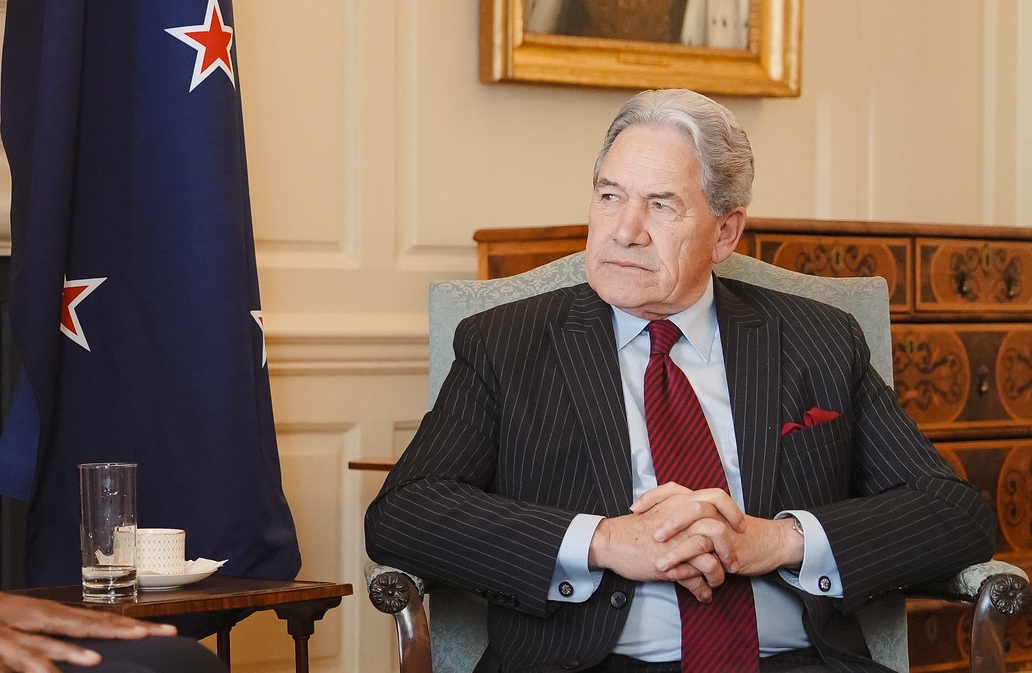
NZ First deputy leader Shane Jones.
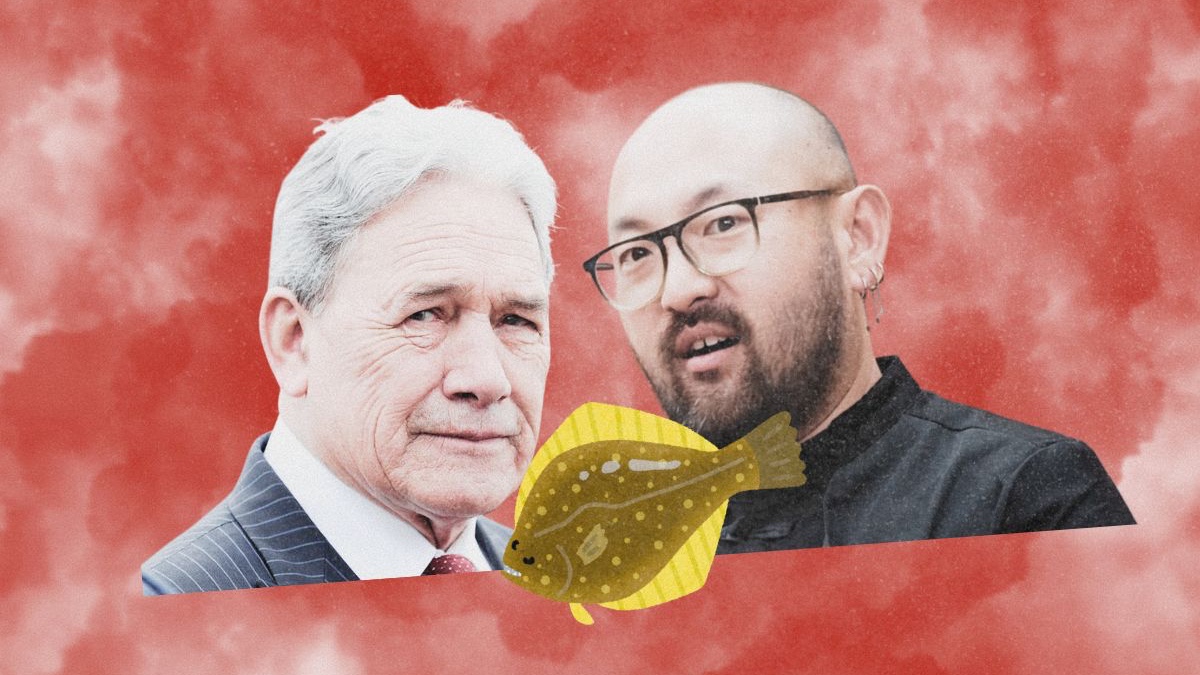
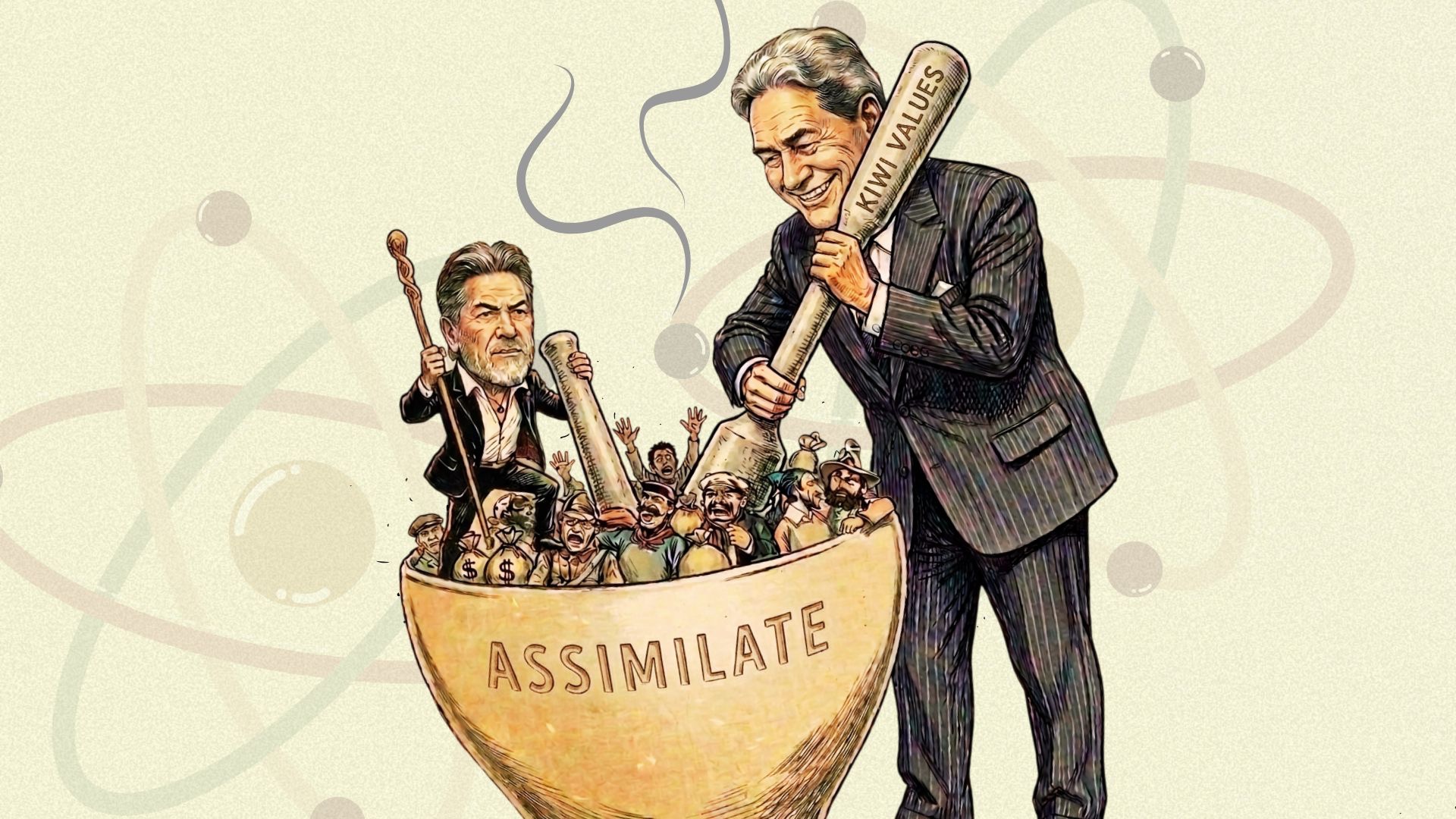
The reputation of Indians in the kiwifruit industry is “in some cases mud”, says the deputy leader of New Zealand First.
Shane Jones has put Indian migration and worker exploitation in New Zealand’s kiwifruit industry back on his election agenda, months after explicitly linking the two while attacking the India free trade agreement (FTA).
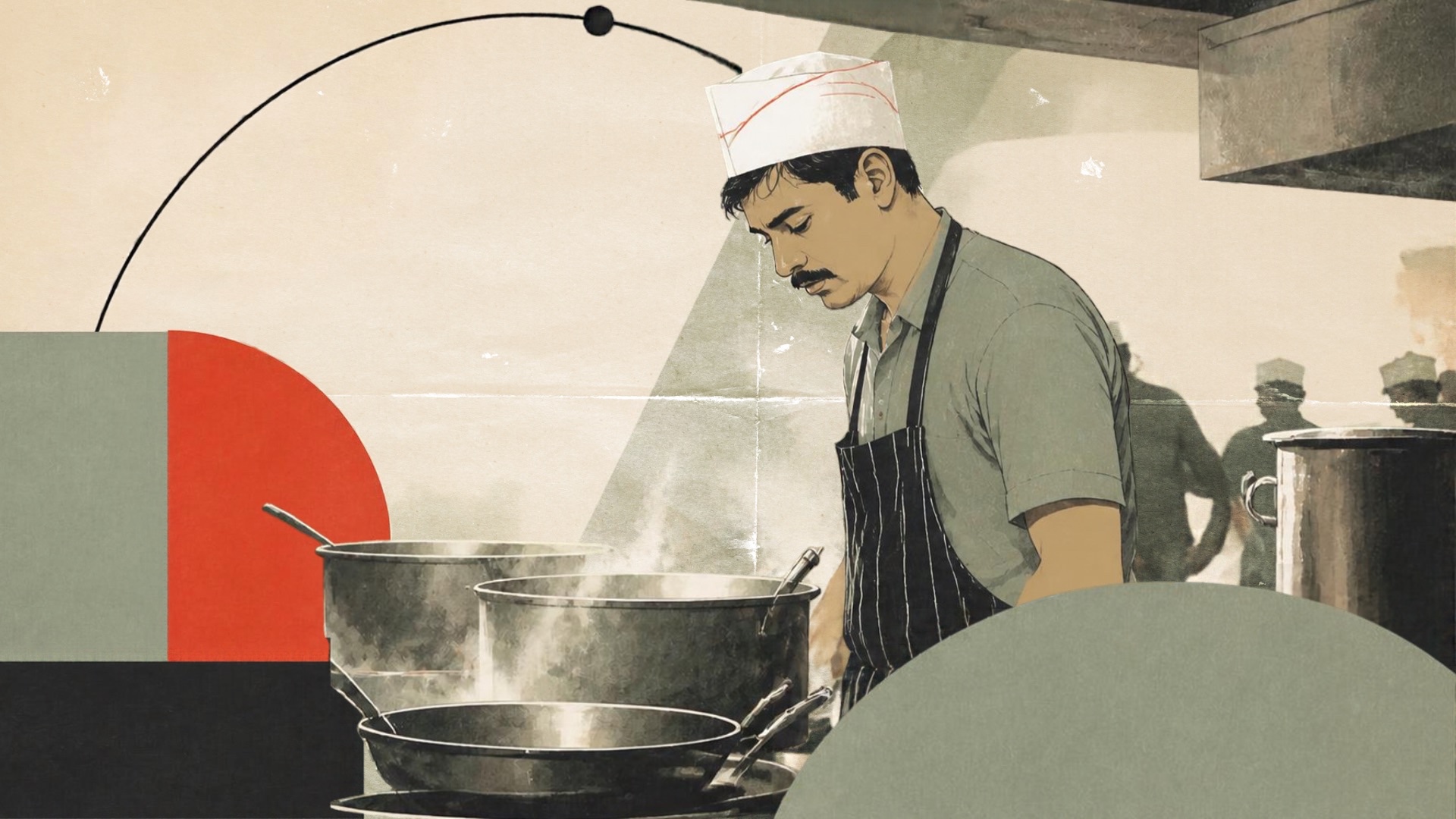
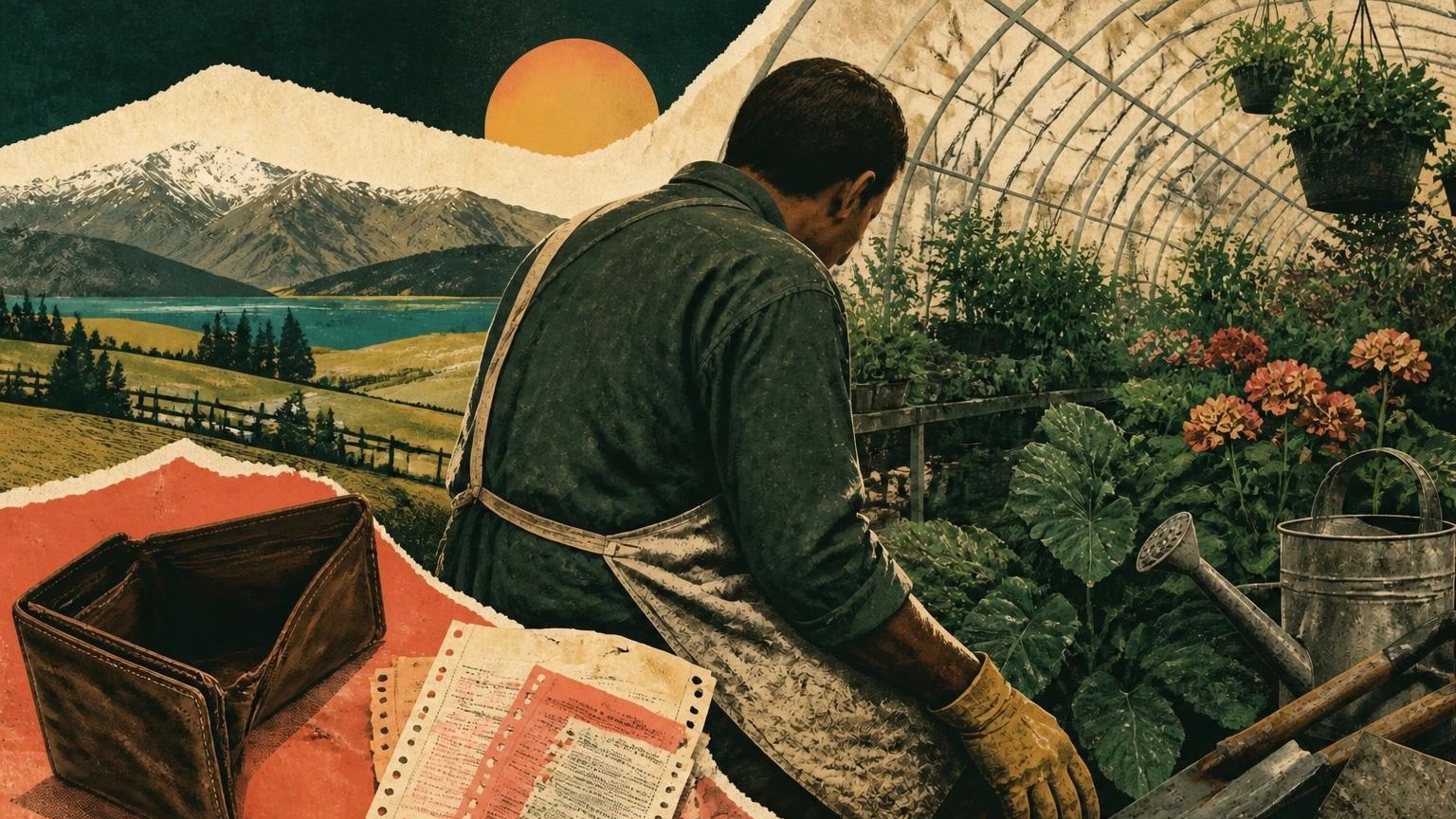
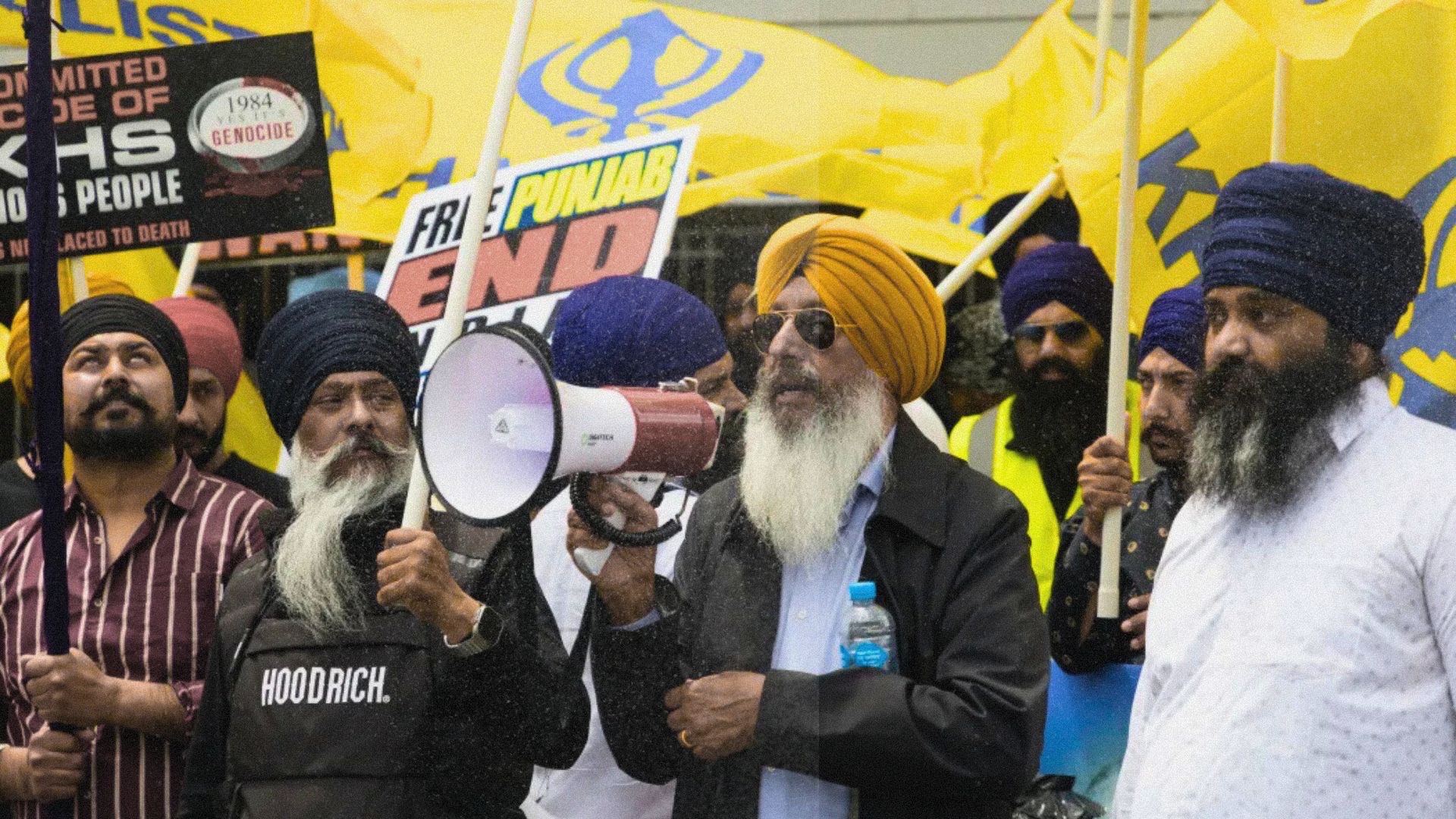
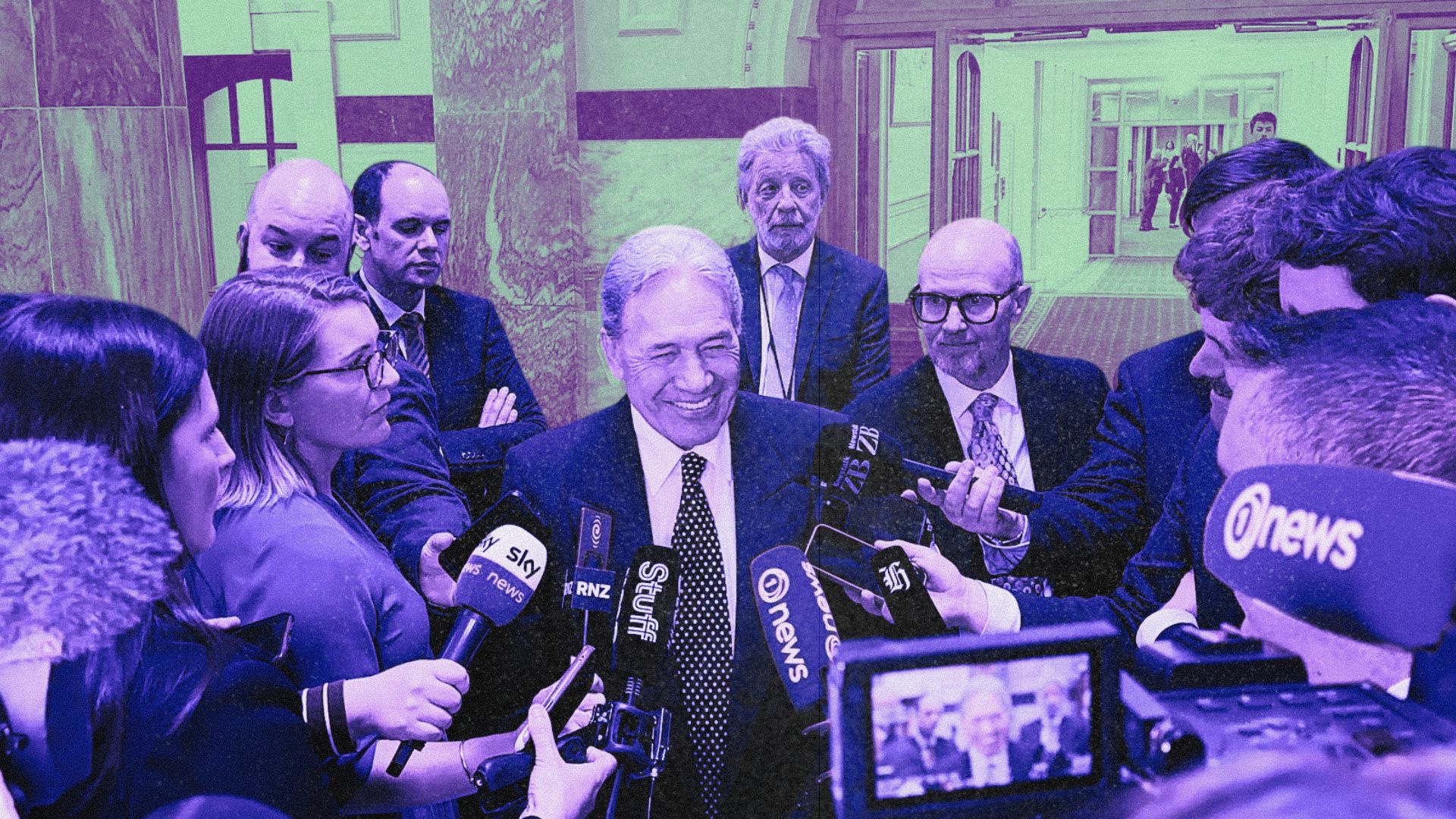
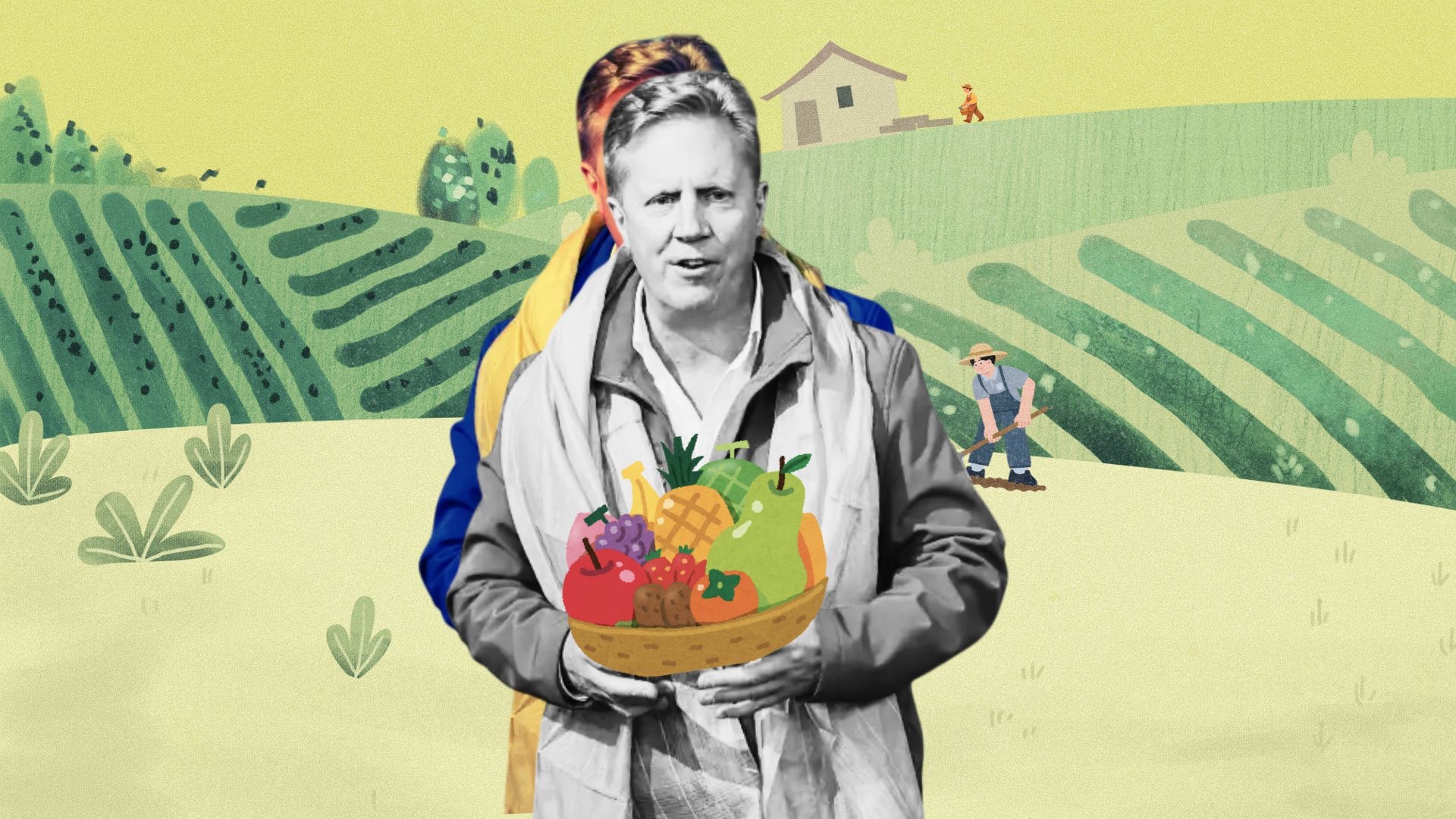
Speaking to about 130 people at a New Zealand First campaign meeting in Lower Hutt on Sunday, the party’s deputy leader reportedly accused the Bay of Plenty kiwifruit industry of “medieval slave practices”.
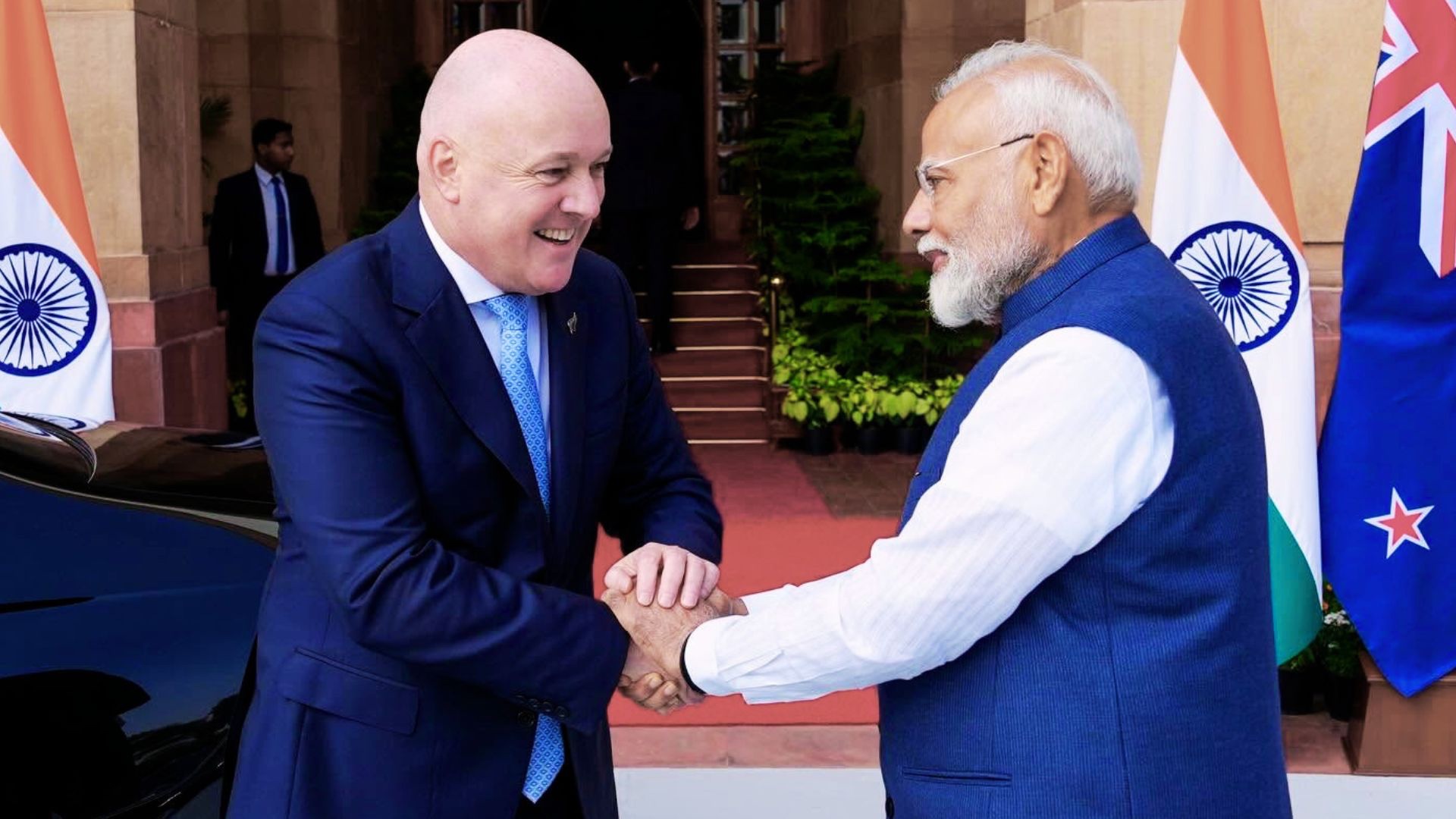
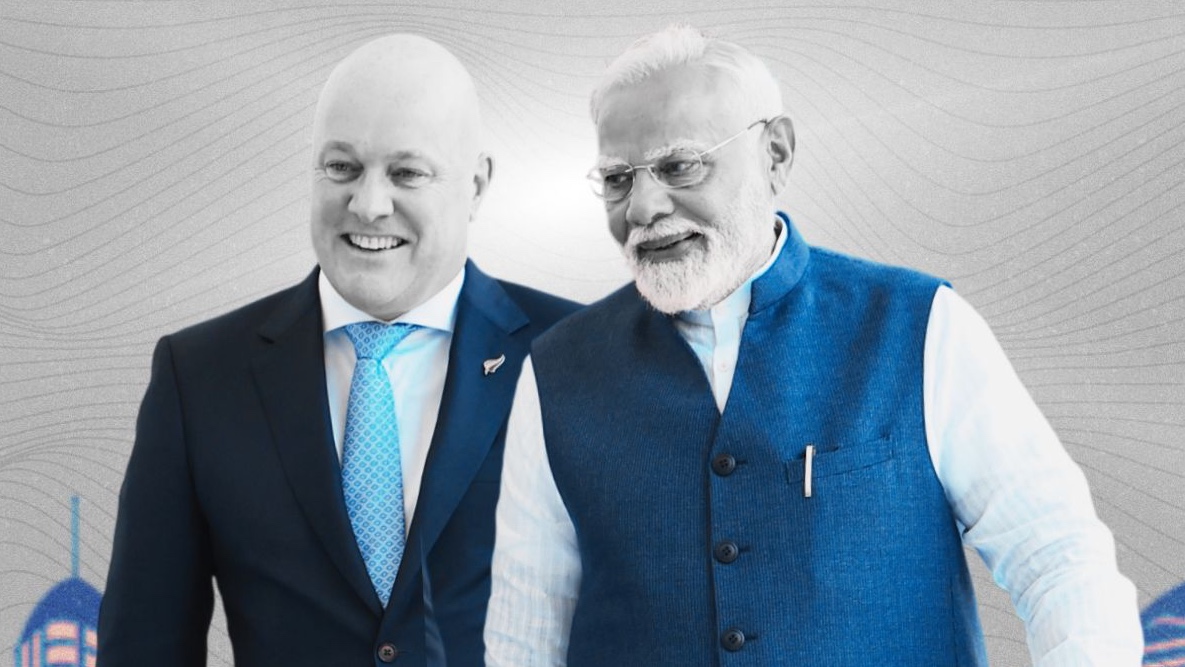
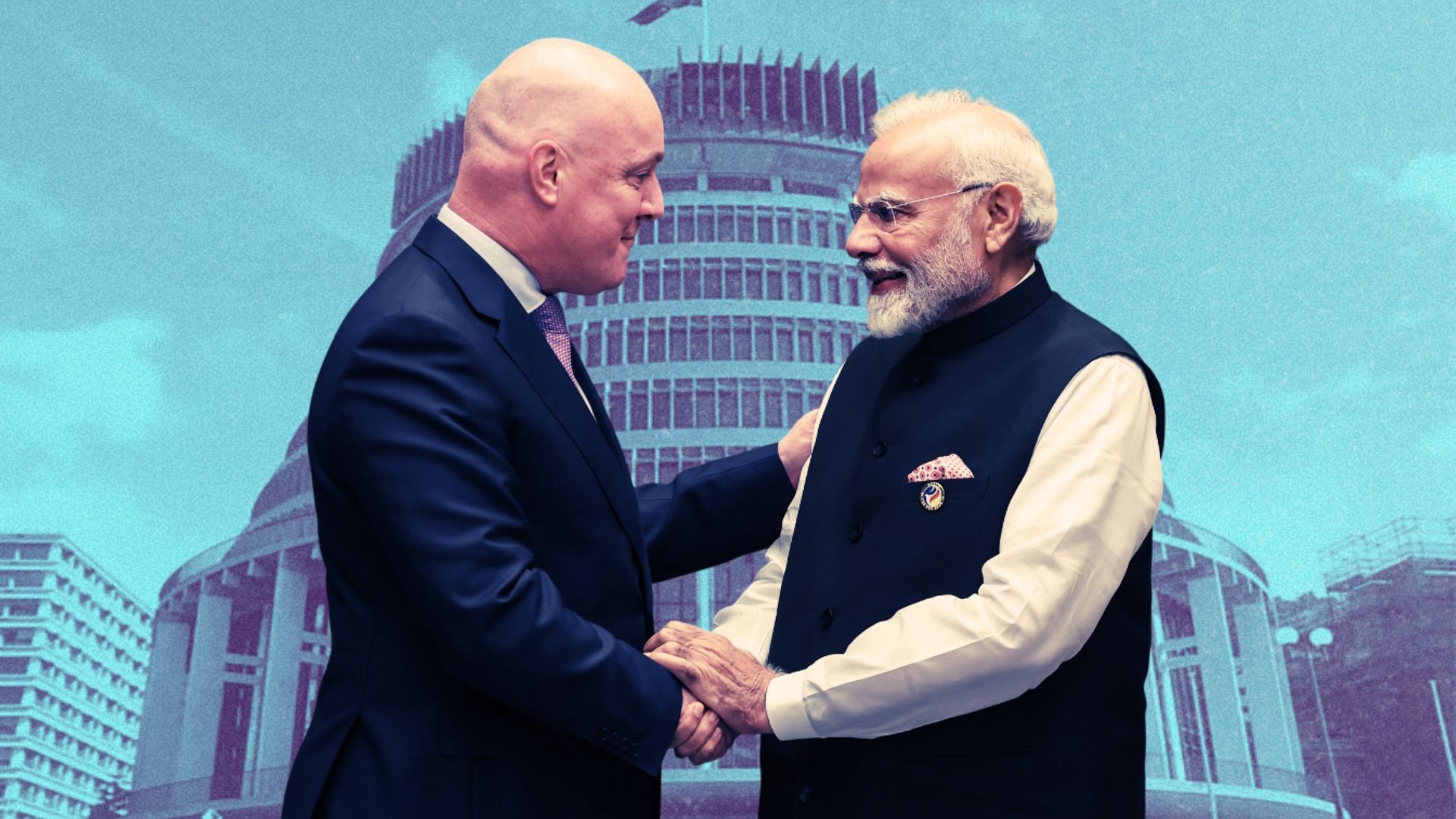
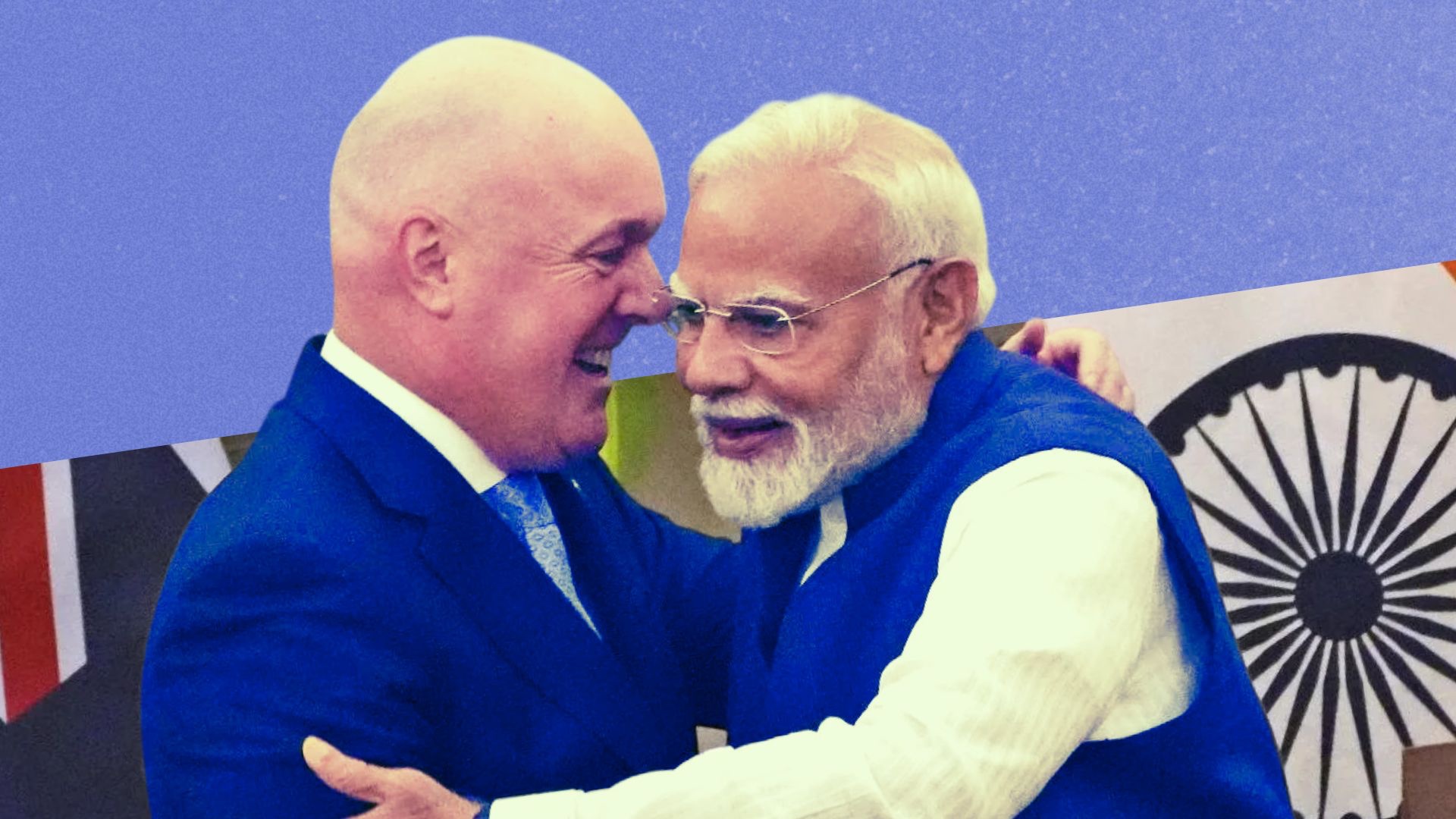
In the same speech, Jones returned to his opposition to the New Zealand-India FTA, invoking migration concerns.
The comments brought together two themes Jones has previously connected much more explicitly. Indian immigration and the treatment of workers in the kiwifruit sector.
In an April interview with The Country’s Jamie Mackay, Jones was unequivocal about that connection while defending New Zealand First’s opposition to the India deal.
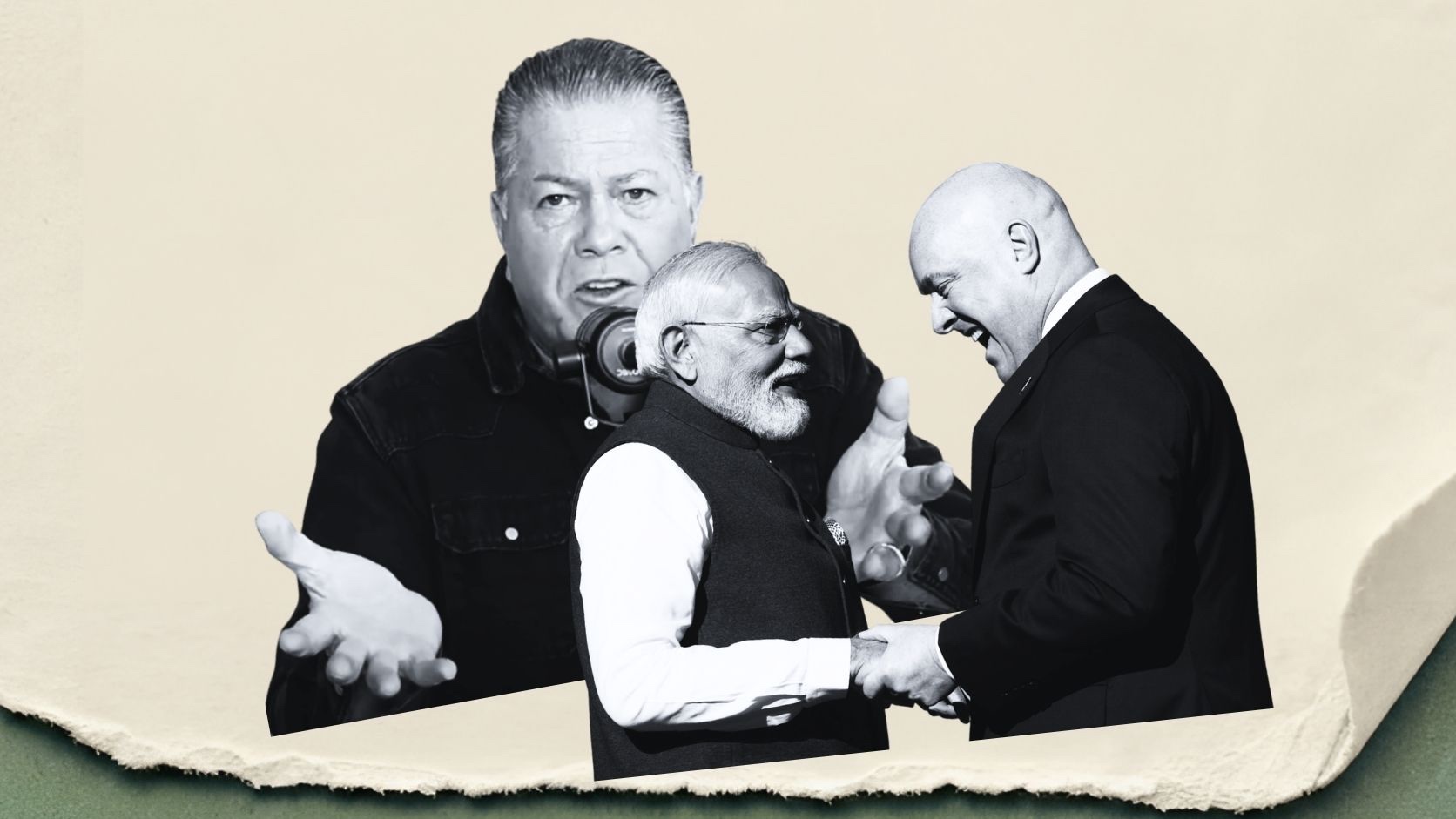
"The country’s just flying": Black Caps great Stephen Fleming bullish on India after FTA The former skipper says decades of cricket and business ties have given him a front-row view of India’s transformation.
Brian Tamaki summoned to court for inciting racial disharmony around Modi's visit The Destiny Church leader says the charges relate to comments made while criticising Indian prime minister Narendra Modi.
MS Dhoni, Dangal, Mary Kom: Indian sports films coming to Auckland cinemas. For free An Auckland film showcase is bringing blockbuster sports movies back to cinemas as part of the centenary celebrations of New Zealand–India sporting ties.
“We do not want unrestrained Indian immigration,” Jones said, before saying his party did not want a continuation of what he described as “the slave labour largely Indian experiences in the kiwifruit (industry)”.
Jones then blamed what he called years of “unfettered mass immigration” from India for creating opportunities for “very unscrupulous people to oppress their own”, adding that the reputation of Indians in the kiwifruit industry was “in some cases mud”.
Those comments came during a heated exchange over the India FTA, in which Jones claimed the agreement would provide excessive immigration access to Indian nationals. His opposition to the deal has since become part of a broader New Zealand First campaign against Indian migration.
Jones returned to both subjects at the Lower Hutt meeting on August 30, although this time he didn't explicitly link Indian migrants to his latest allegation of “medieval slave practices”.
He told the audience it was time to review the legislation underpinning Zespri’s position in the kiwifruit industry because he believed the sector had damaged its “social licence”.
“It’s time for a review of the Zespri legislation, because I fear that they have trivialised their social licence, and we mean to do something about it if we come back into power,” Jones said.
He also called for state agencies to investigate alleged exploitation in the industry and said people implicated should face deportation where the law allowed it.
The accusation comes against a backdrop of documented exploitation involving migrant workers in Bay of Plenty horticulture.
Earlier this month, the Employment Relations Authority found Te Puke-based NZ Dream Contracting Limited had made two Indian workers pay $52,000 each to secure jobs in New Zealand.
The company supplied labour to kiwifruit orchards. Some of the money was collected in India and some in New Zealand, with payments being described as illegal premiums demanded in return for employment and support for an Accredited Employer Work Visa.
In another Bay of Plenty case this month, horticultural labour company Indo Kiwi Horticulture and its former director were ordered to pay about $400,000 after four Indian workers were underpaid and three paid employment premiums totalling more than $65,000.
The Employment Relations Authority noted the workers’ reliance on their employer for their immigration status intensified the power imbalance.
Those cases provide recent evidence of exploitation within the horticultural labour-supply chain, although they do not establish Jones’s broader characterisation of the kiwifruit industry, especially Kiwi-Indians, as engaging in “medieval slave practices”.
Jones’s political argument also goes beyond exploitation. During the April interview, he rejected suggestions New Zealand needed migrant workers because locals were unwilling to do some jobs, arguing instead that New Zealanders would work if wages and conditions were adequate.
“There are no shortage of young Kiwis who are given the right pay conditions, the right circumstances will line up and work hard as their parents did,” he said.
“But we have now driven down to third world wages in many cases because of mass immigration.”
At Sunday’s meeting, Jones again framed the India FTA through migration rather than simply trade, continuing New Zealand First’s opposition to provisions giving Indian nationals greater access to New Zealand. The migration provisions of the deal have been at the centre of an extended political dispute within the coalition.
His party has also pushed greater enforcement against migrant exploitation, including additional funding for labour inspectors and investigations.
In his speech on Sunday, Jones did not set out a specific new regulatory regime for horticultural labour-hire companies.