
"The country’s just flying": Black Caps great Stephen Fleming bullish on India after FTA
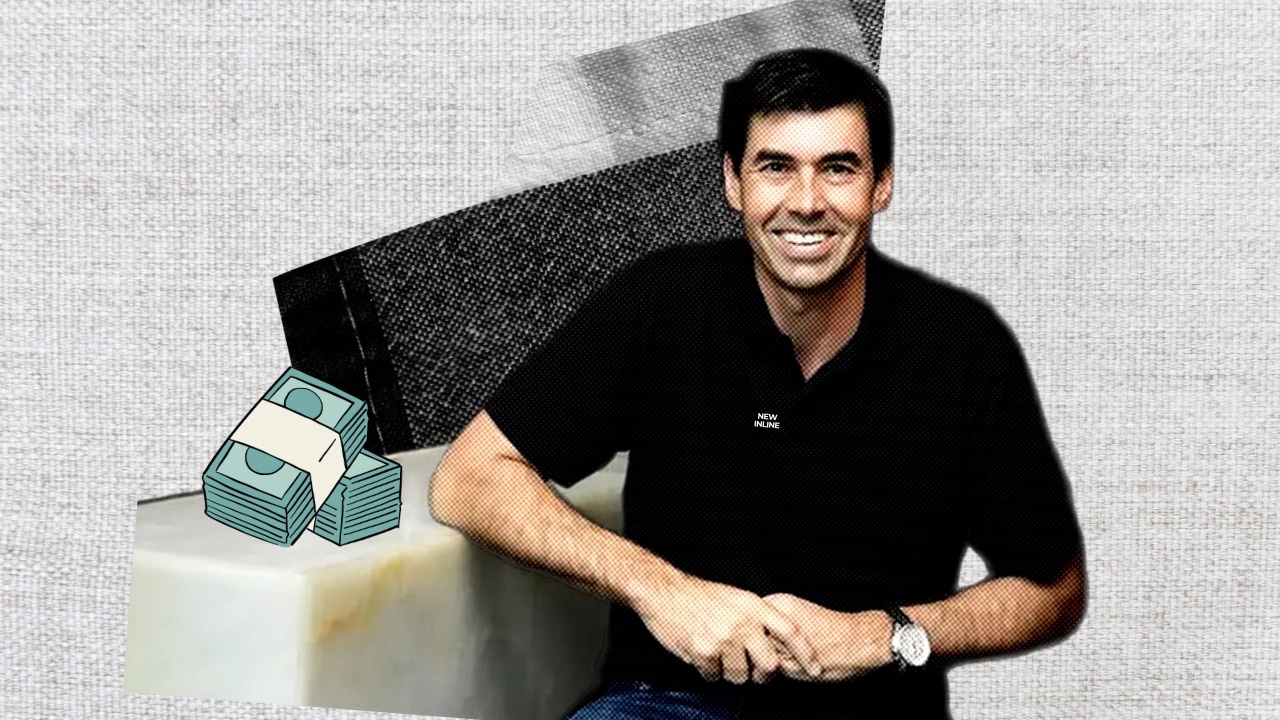
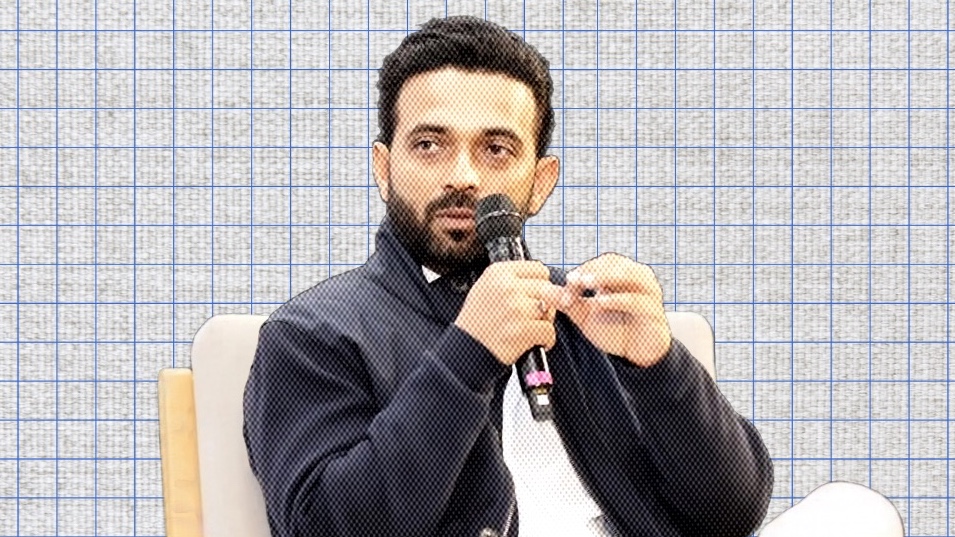
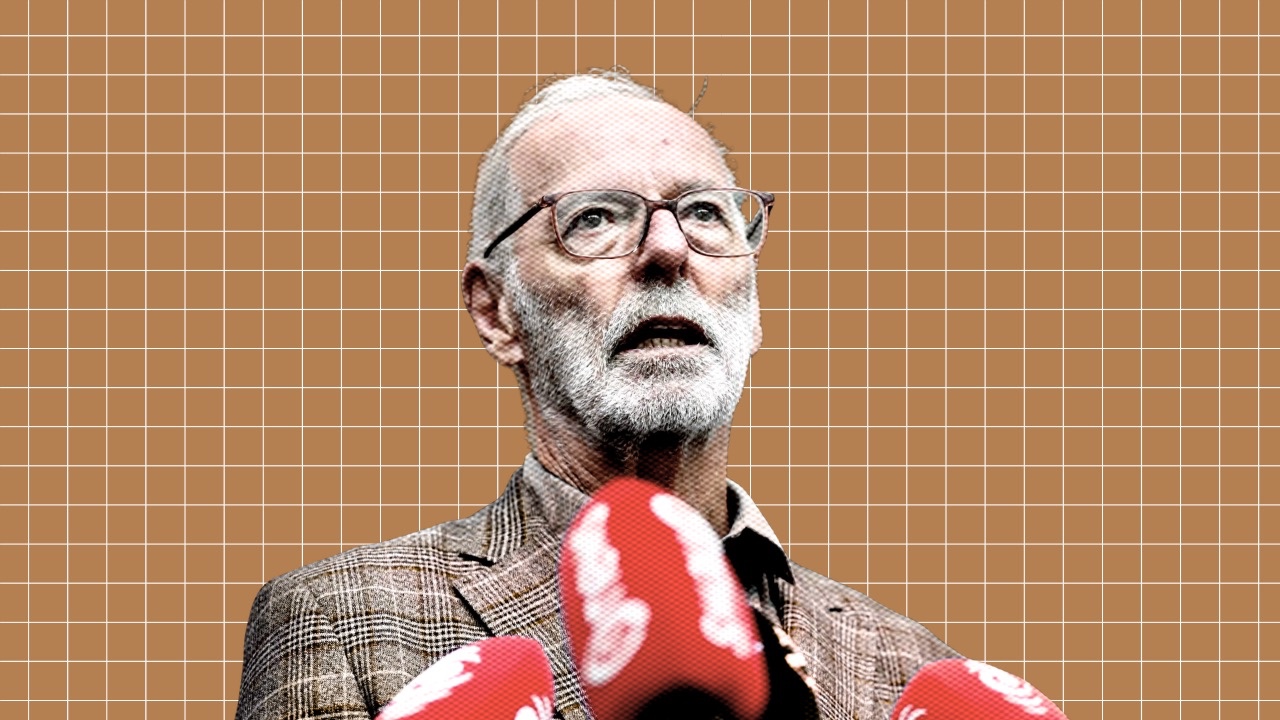
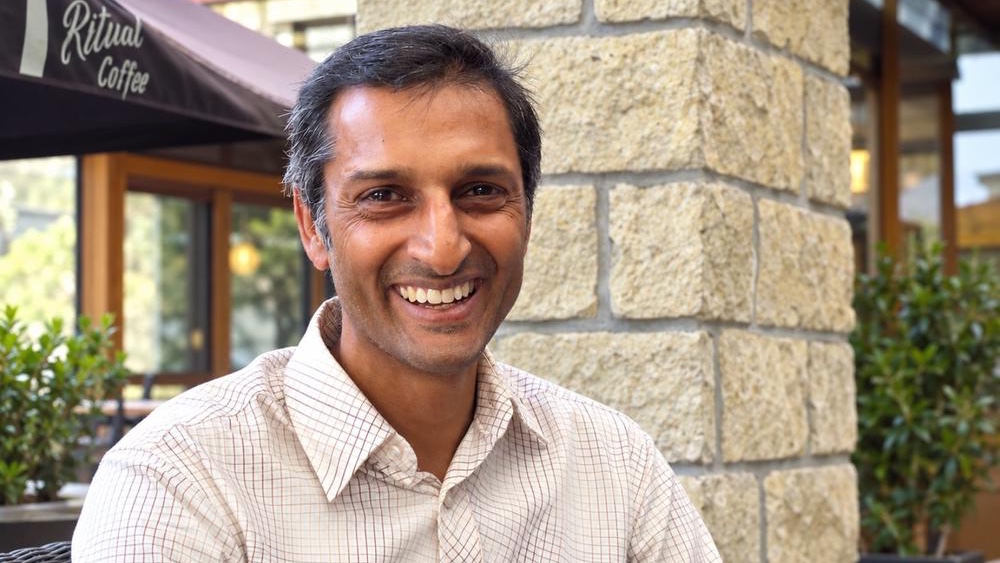
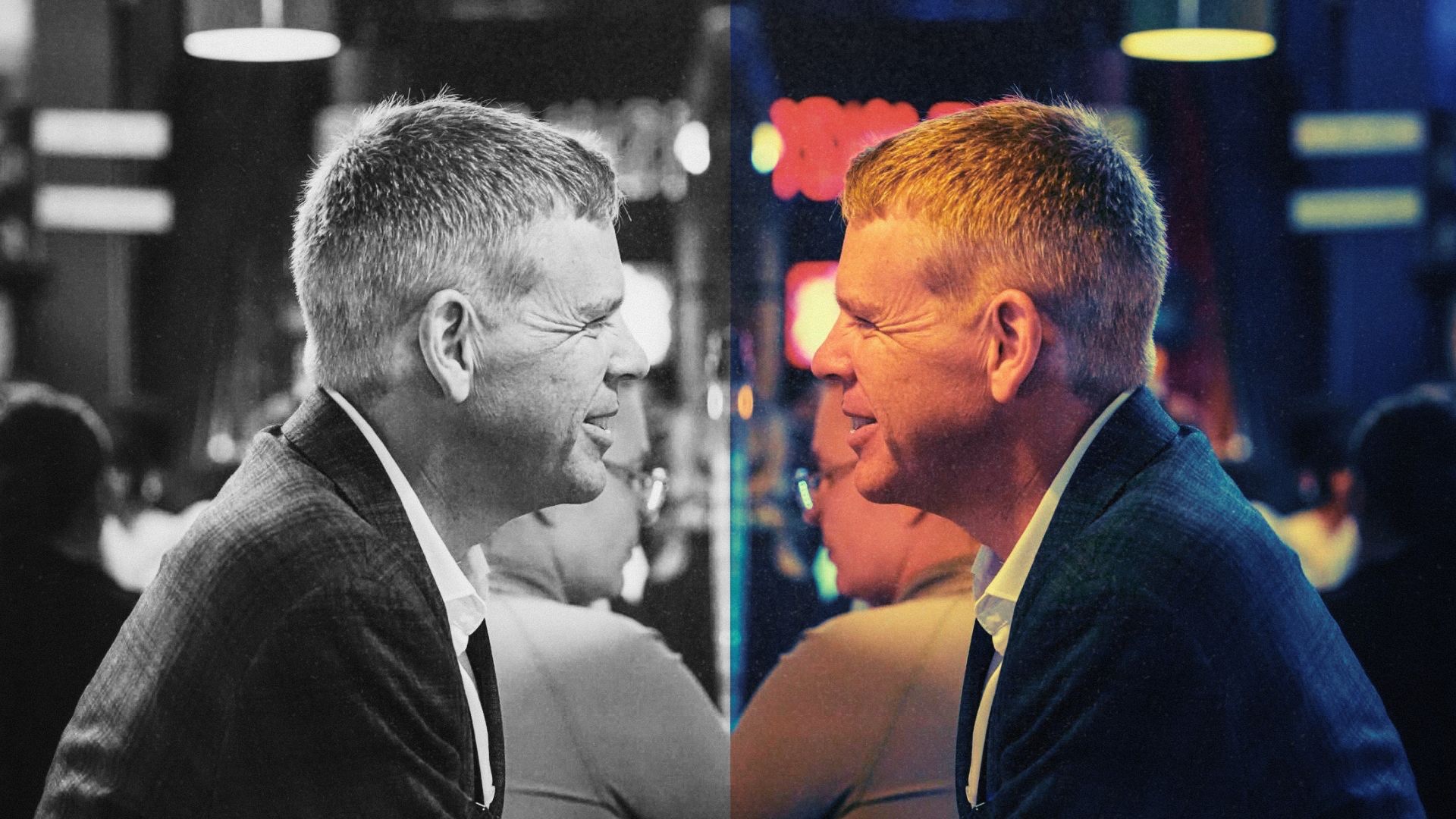
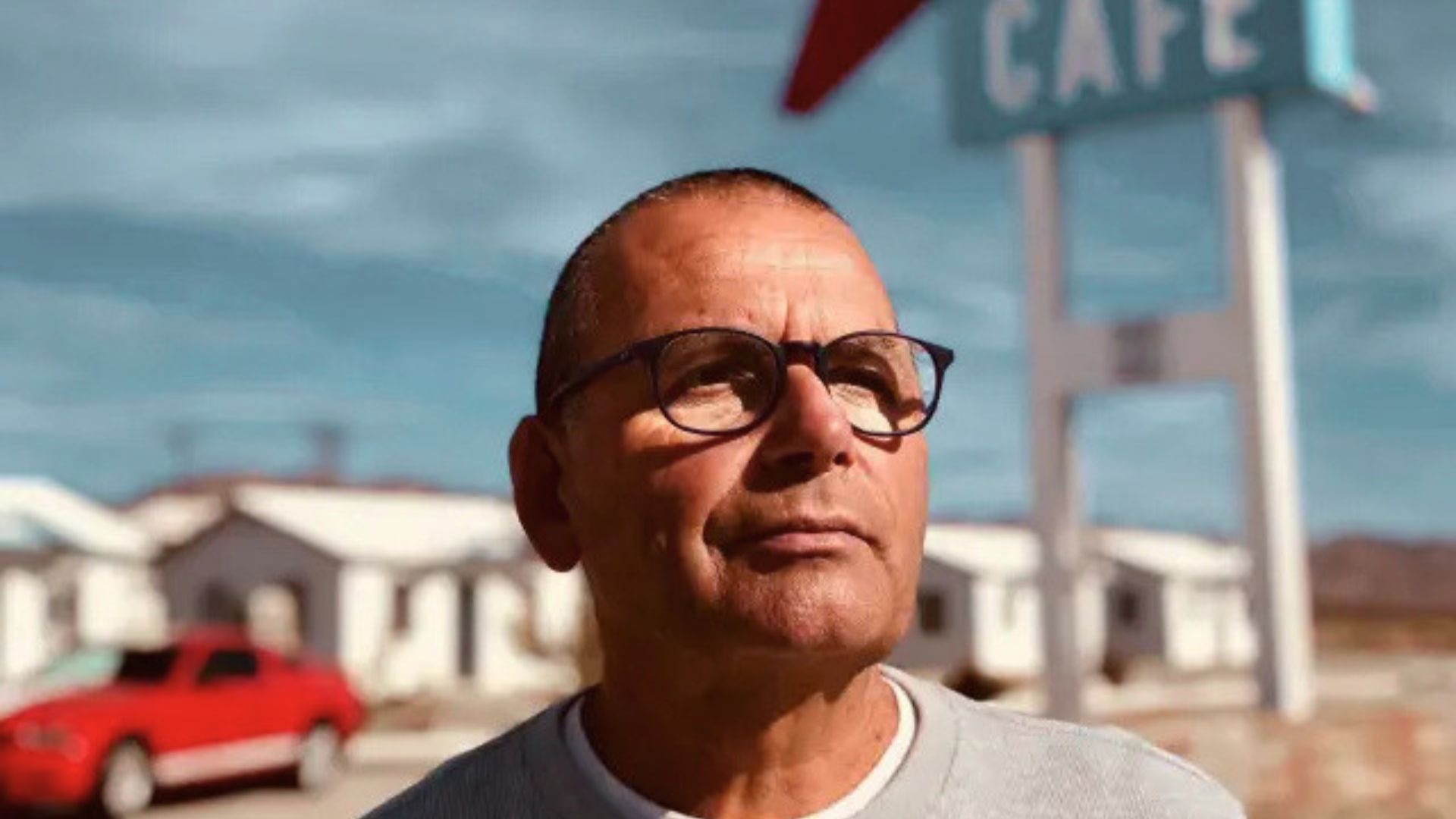
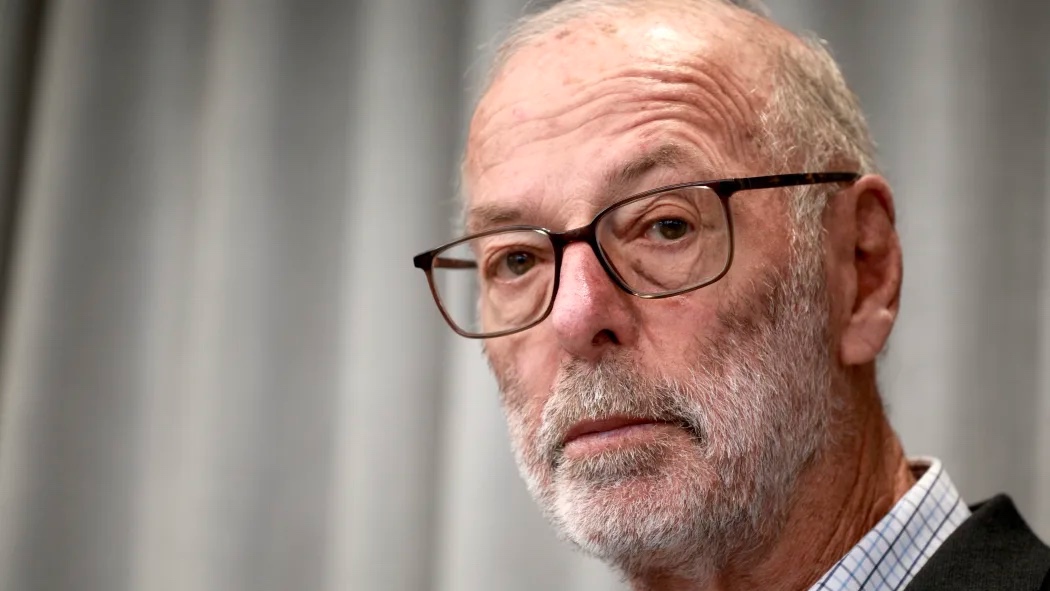
Former Black Caps captain Stephen Fleming.
The former skipper says decades of cricket and business ties have given him a front-row view of India’s transformation.
Stephen Fleming says New Zealand businesses could be entering a far more competitive position in India after years of watching Australian exporters benefit from preferential trade access.
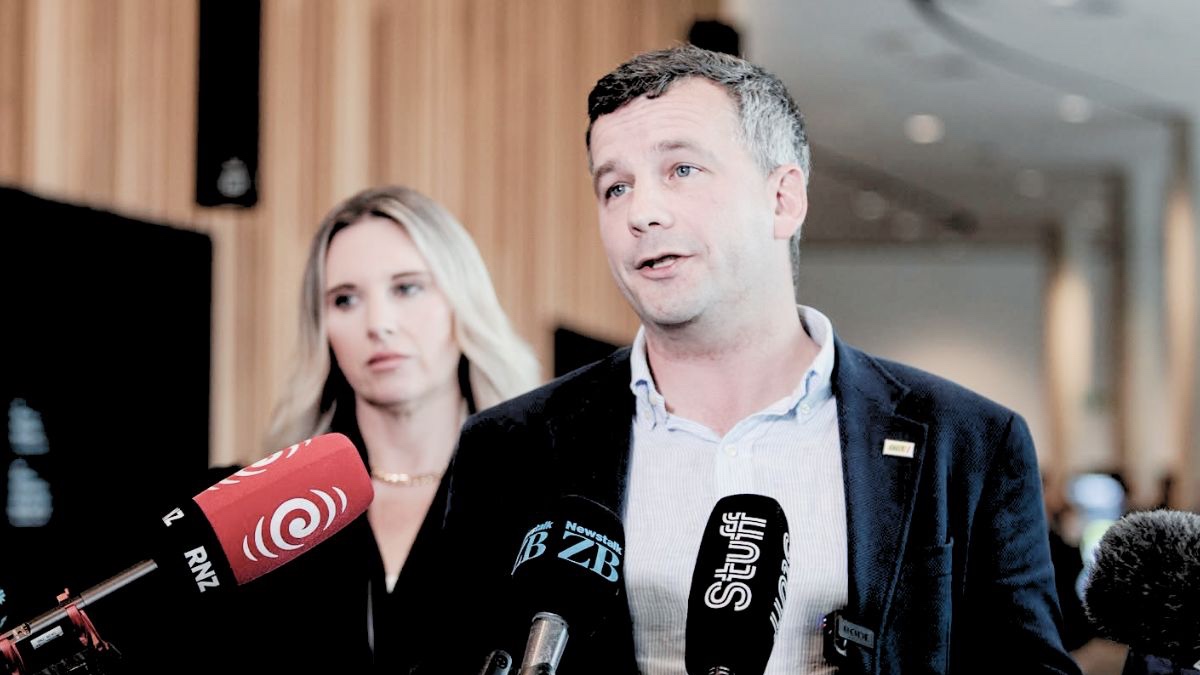
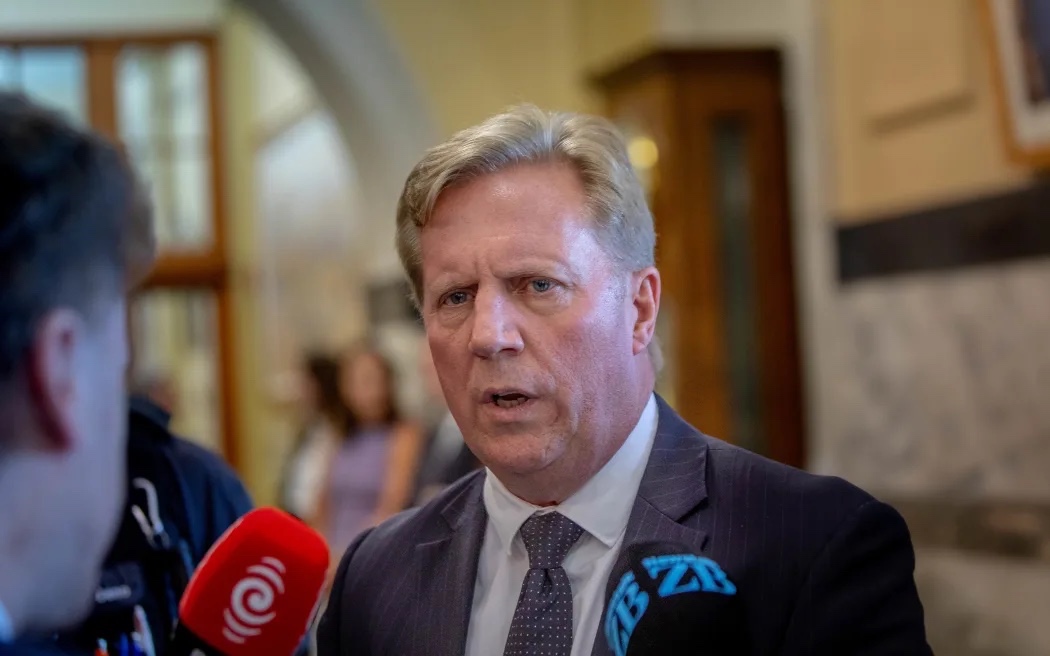
The former Black Caps captain made the comments in an interview with Newstalk ZB’s Mike Hosking on October 13, saying New Zealand’s new free trade agreement could create significant opportunities for Kiwi companies.
Fleming is a director and shareholder of QualityNZ, which has been supplying New Zealand sheep meat, dairy and other products to India since 2012. The company counts Sir Richard Hadlee, Brendon McCullum and Daniel Vettori among its cricket stakeholders.
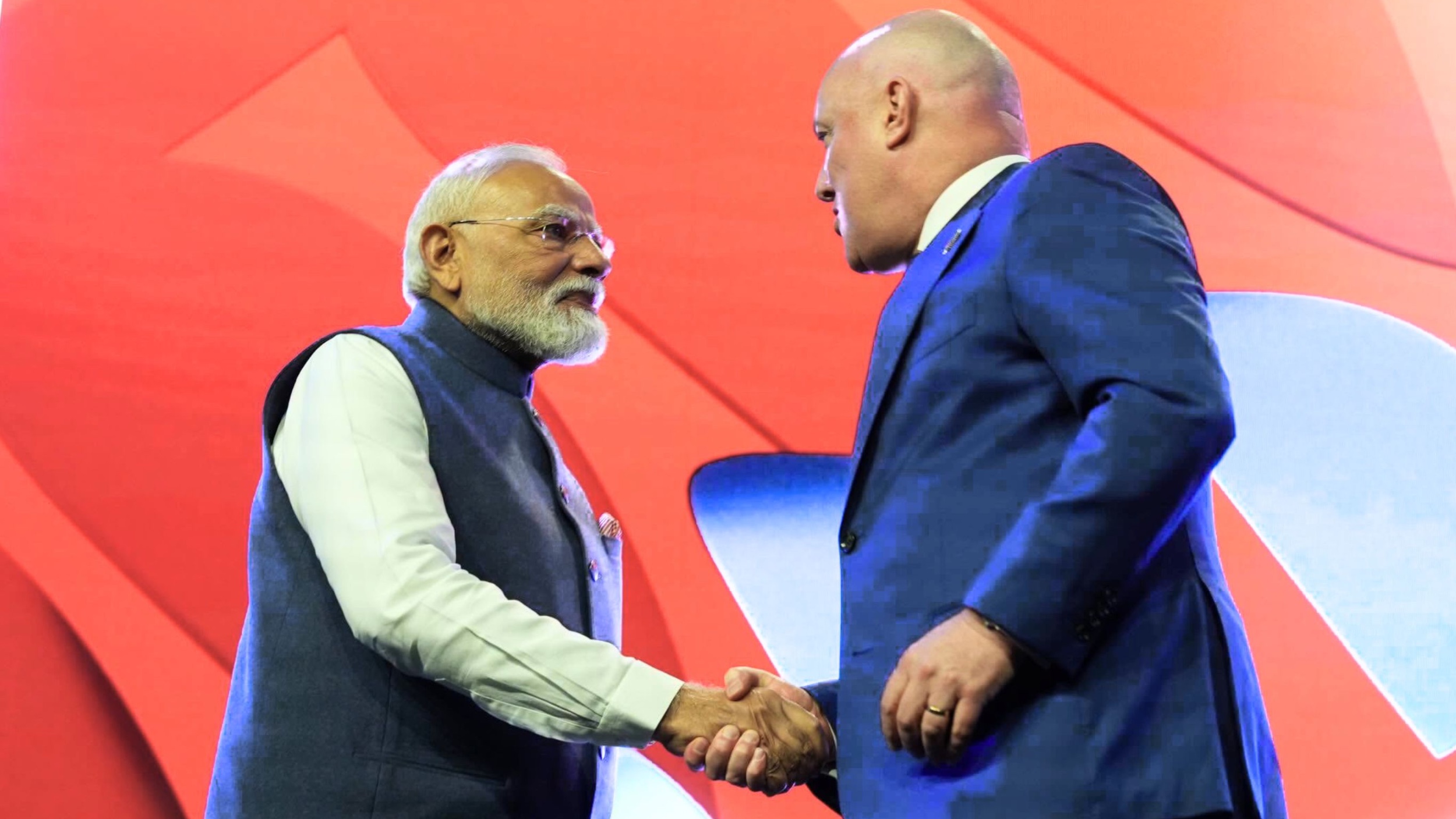
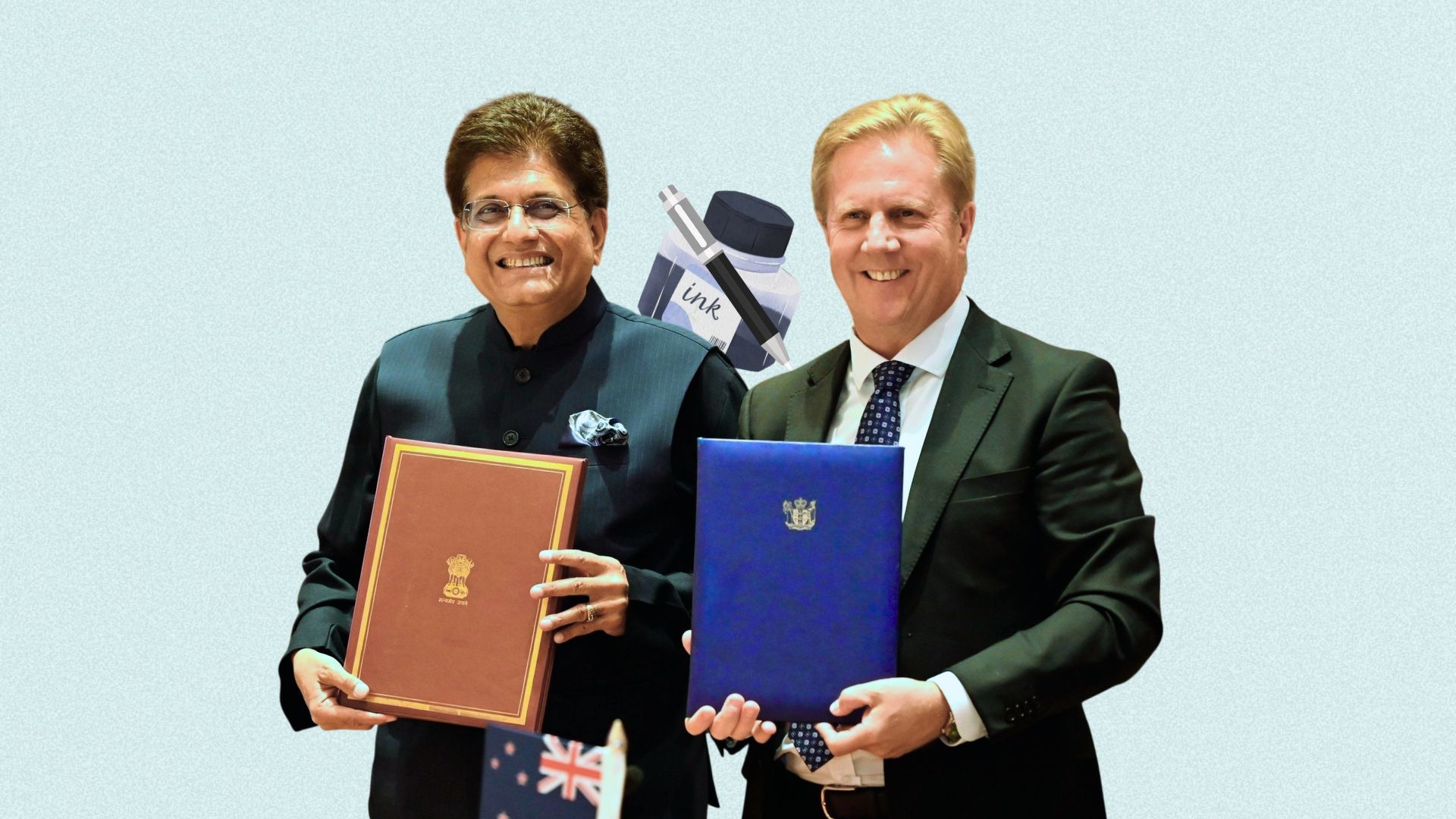
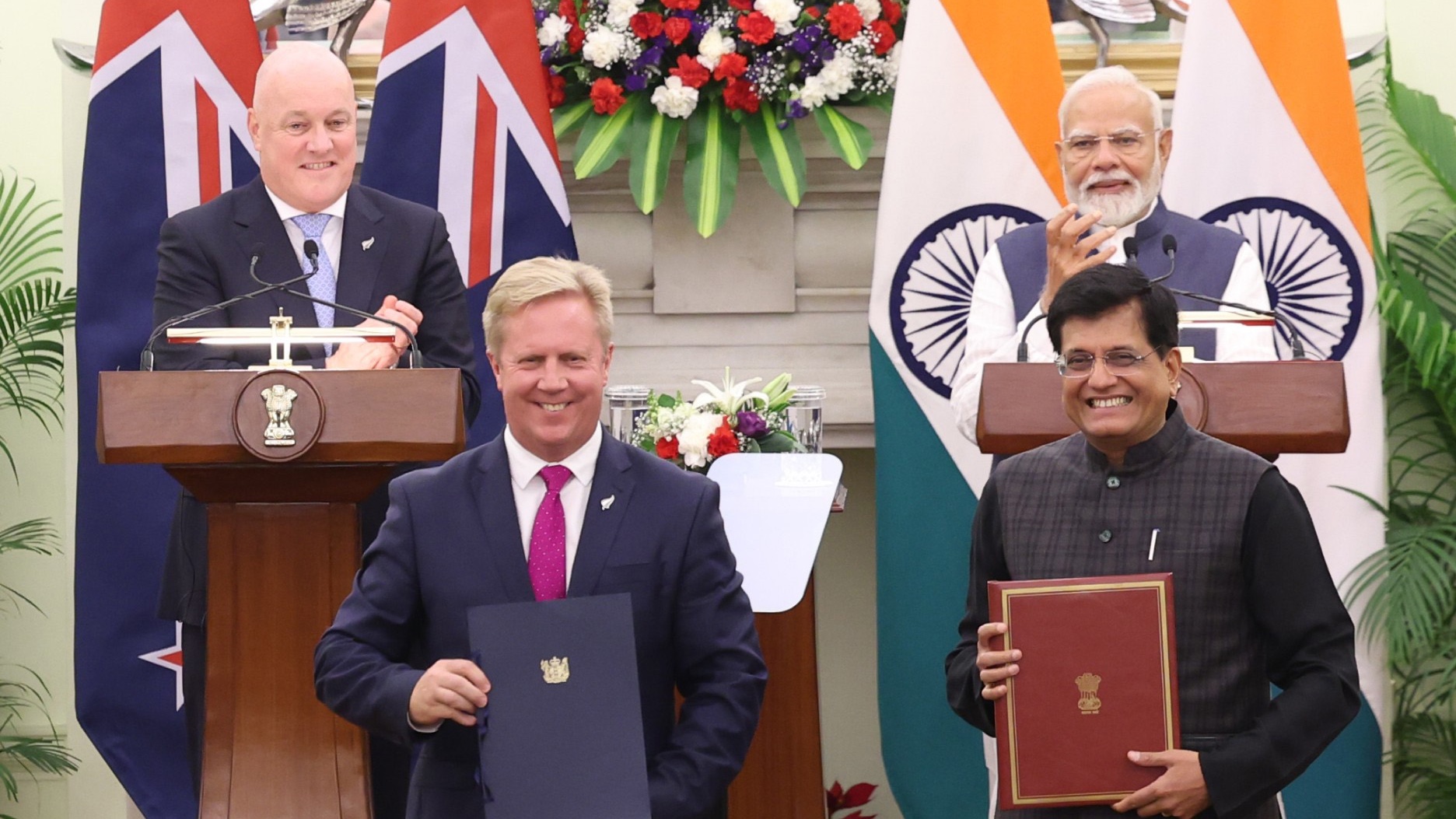
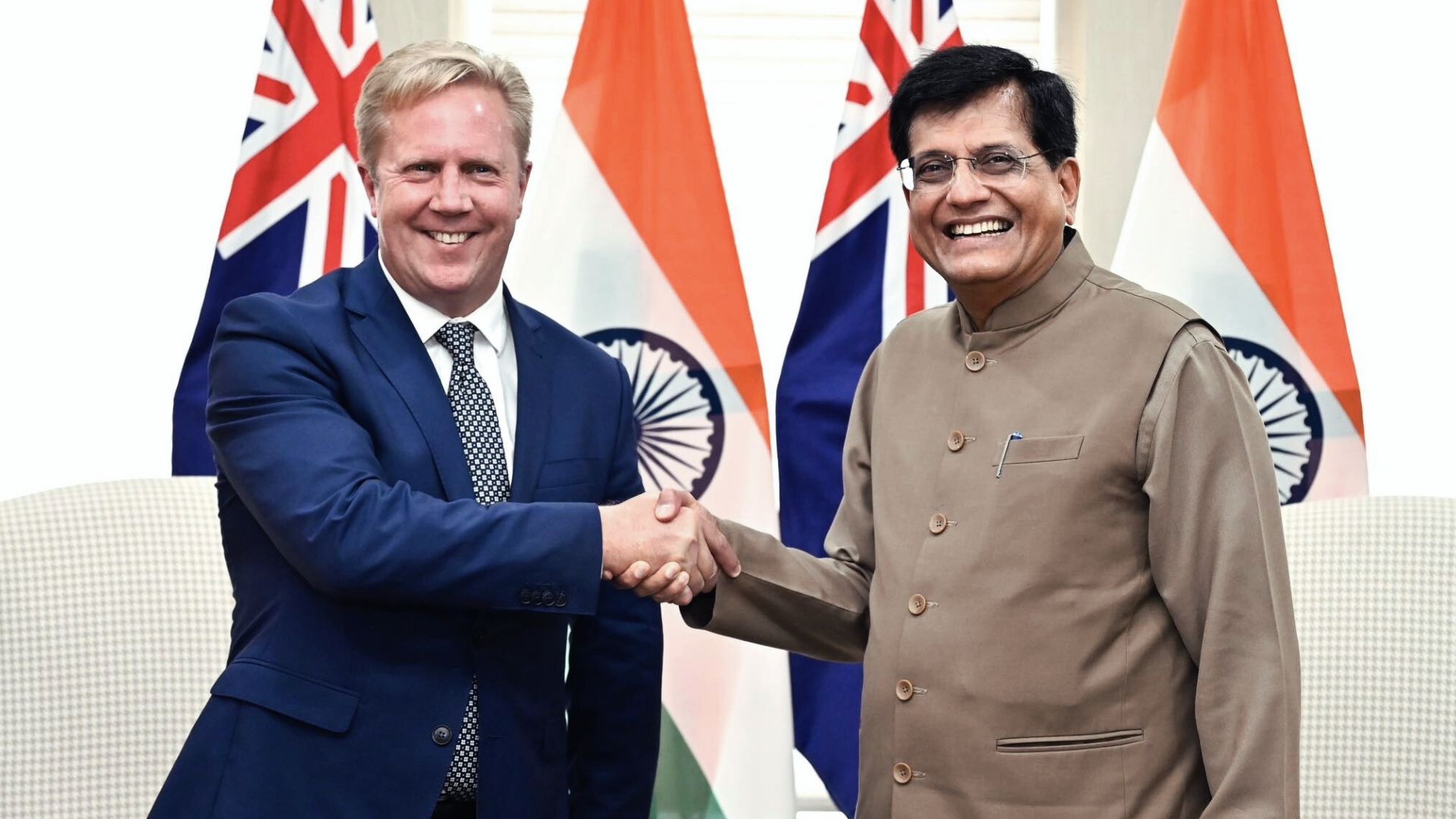
The New Zealand and India trade deal will enter into force on October 20, when exporters can begin using its tariff cuts and other market-access provisions.
From day one, 57 per cent of New Zealand exports to India will be tariff-free, including sheep meat and wool, while more than 95 per cent of forestry exports will also enter duty-free.
"The country’s just flying": Black Caps great Stephen Fleming bullish on India after FTA The former skipper says decades of cricket and business ties have given him a front-row view of India’s transformation.
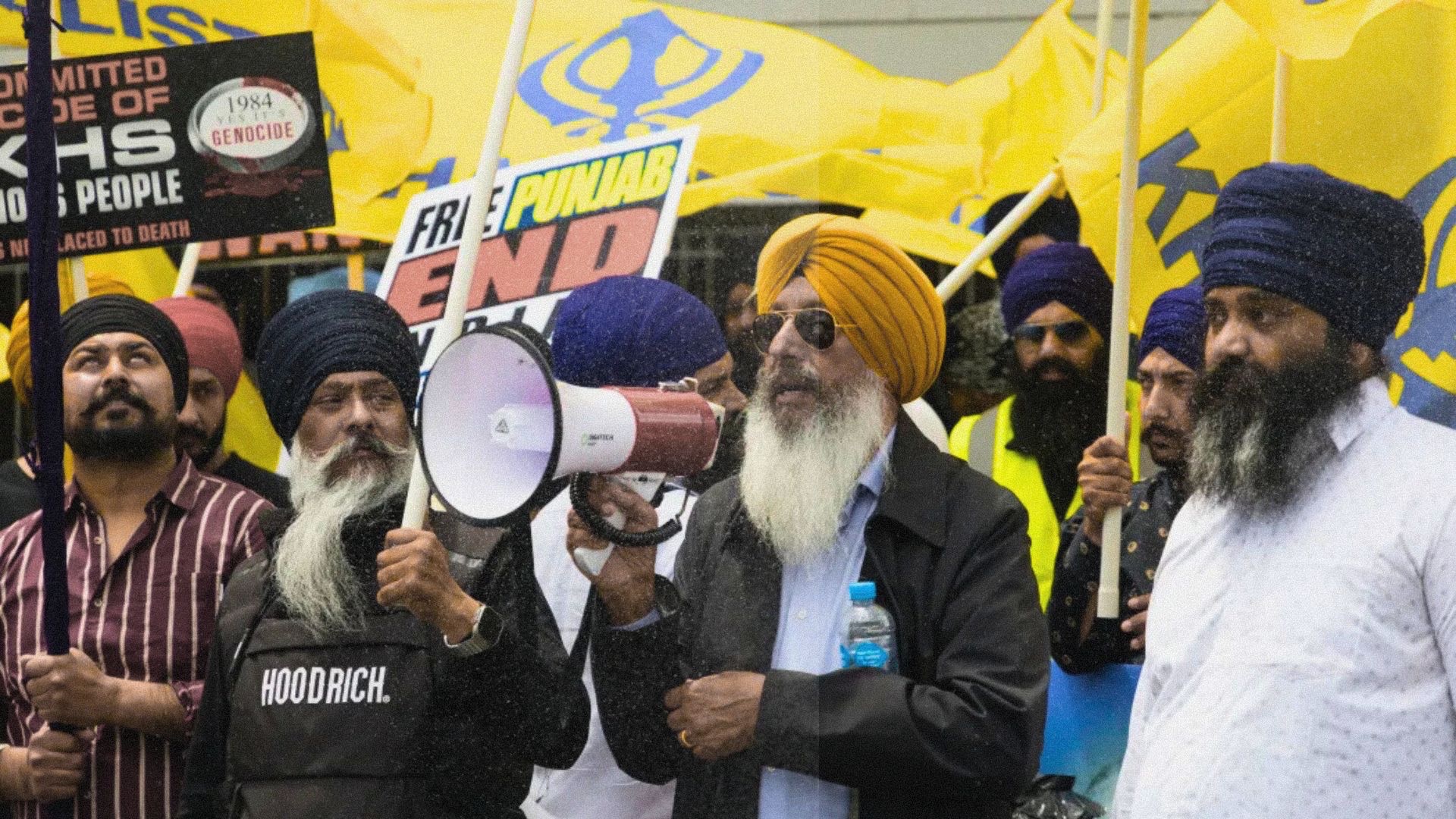
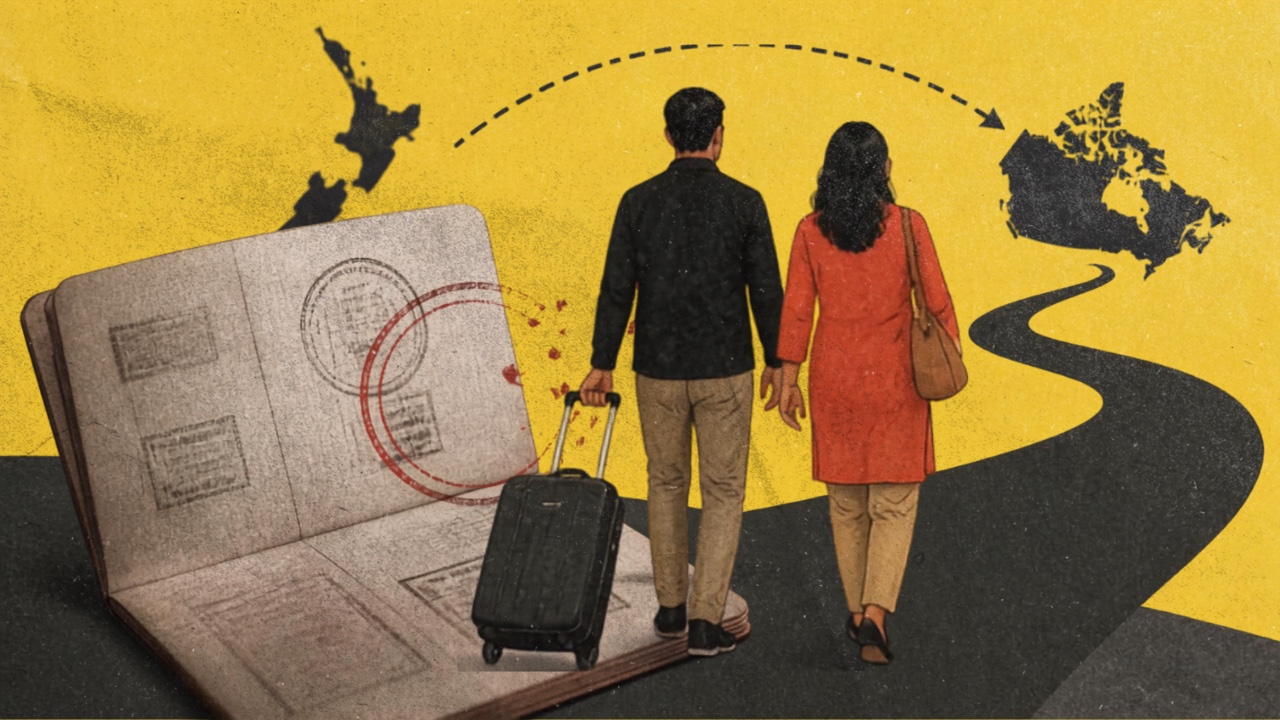
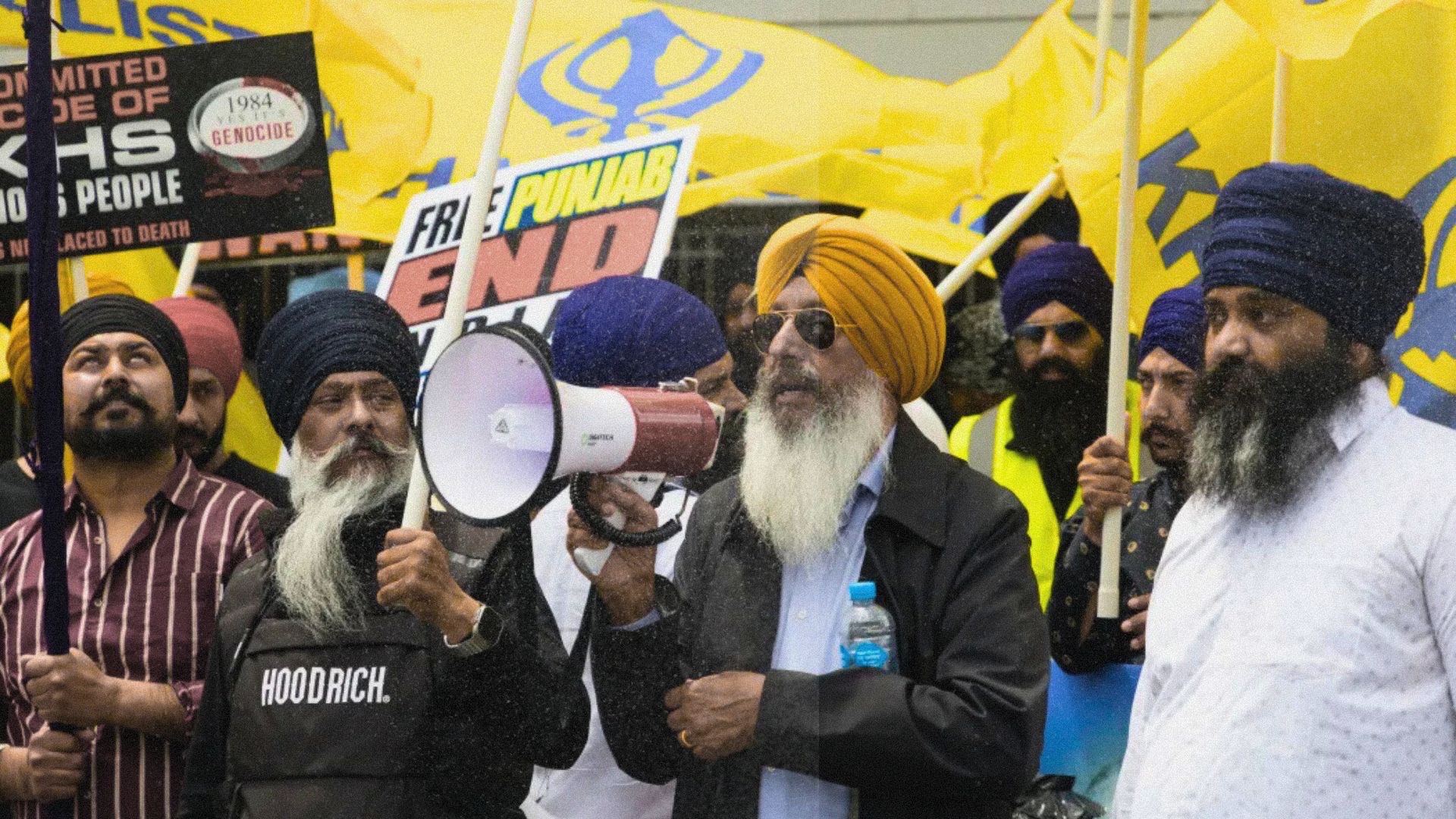
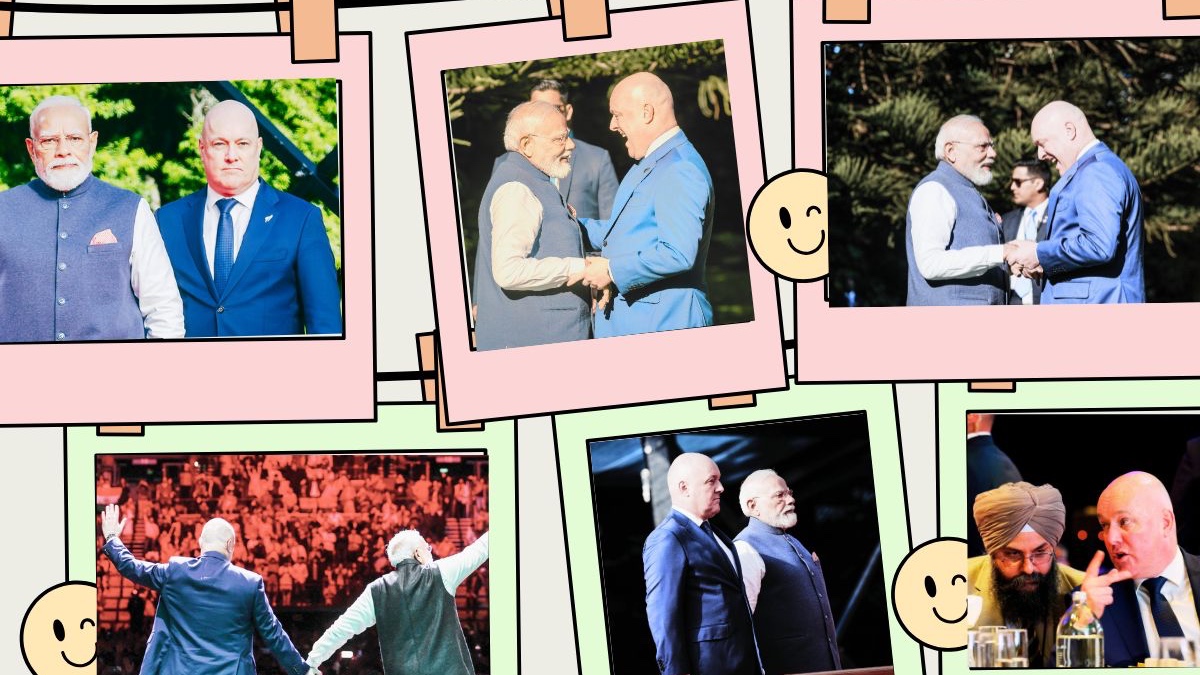
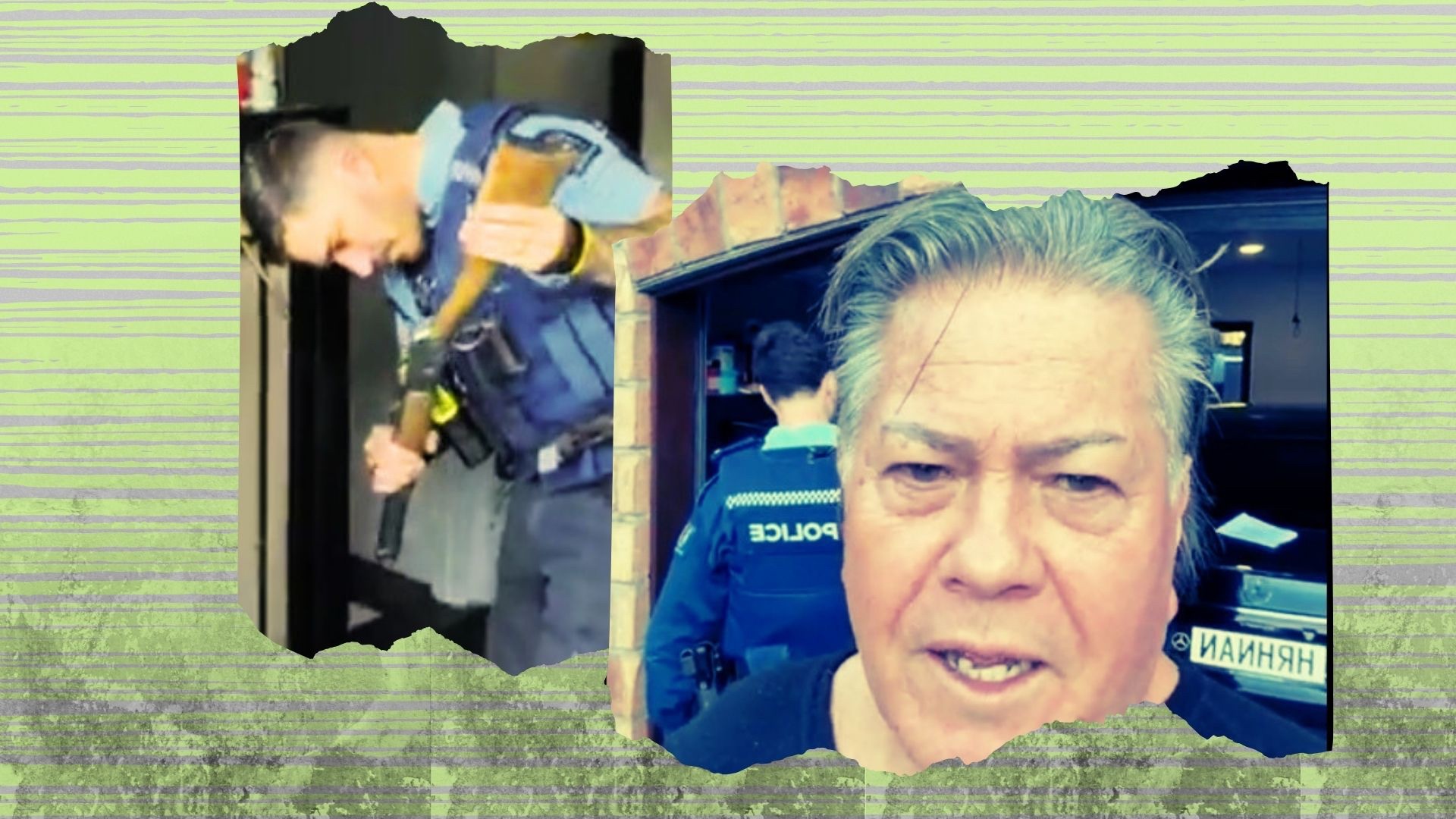
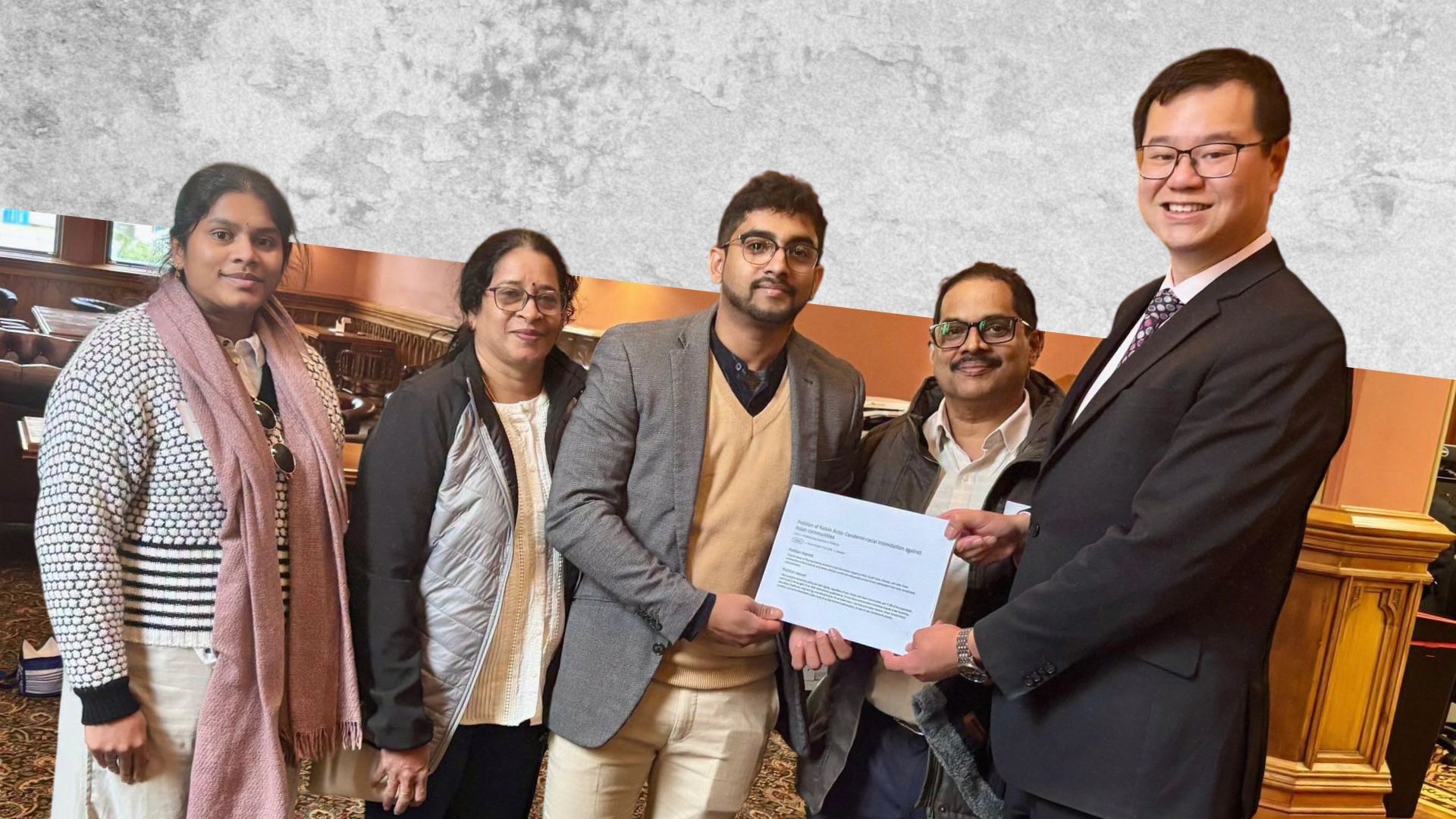
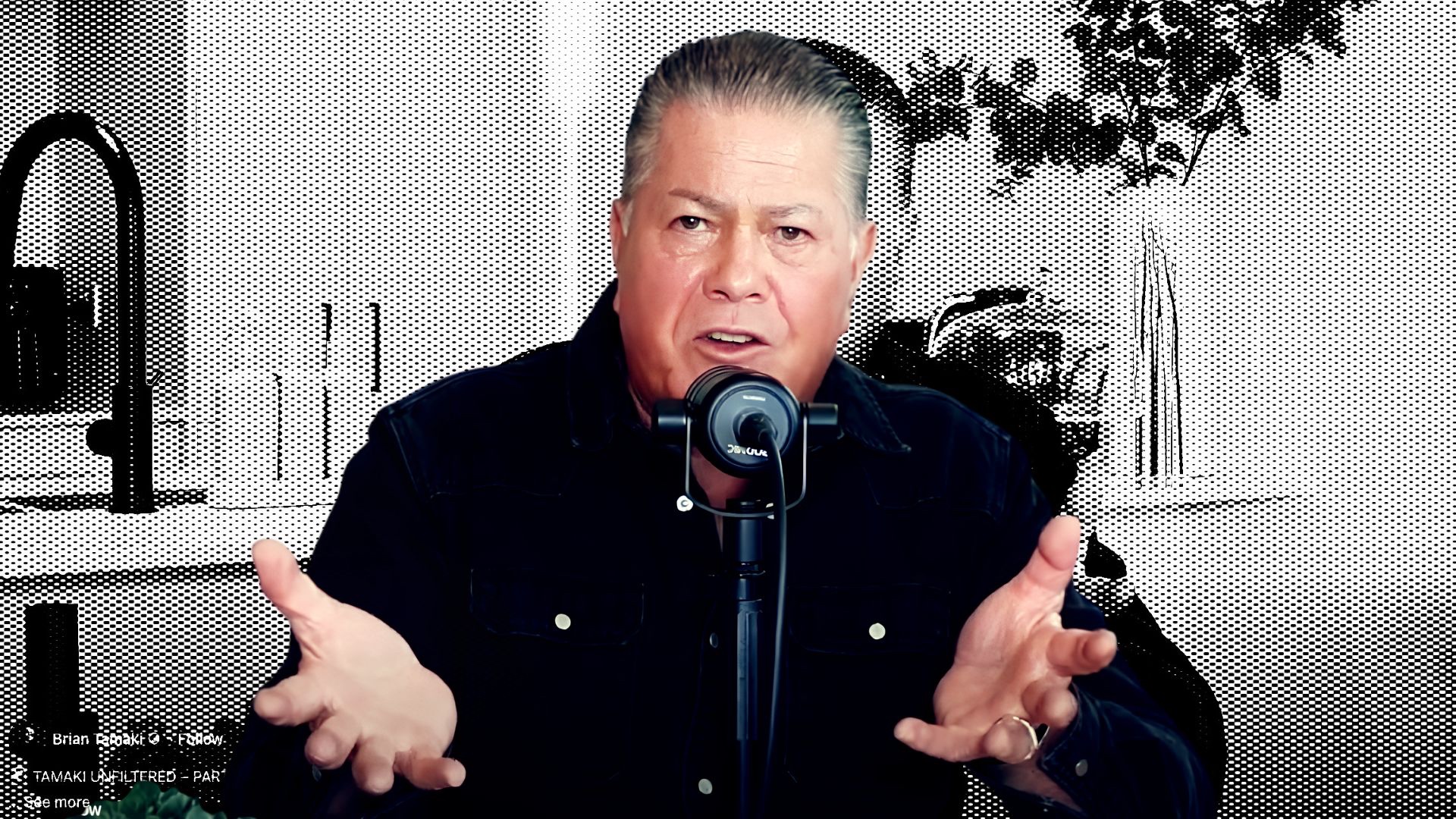
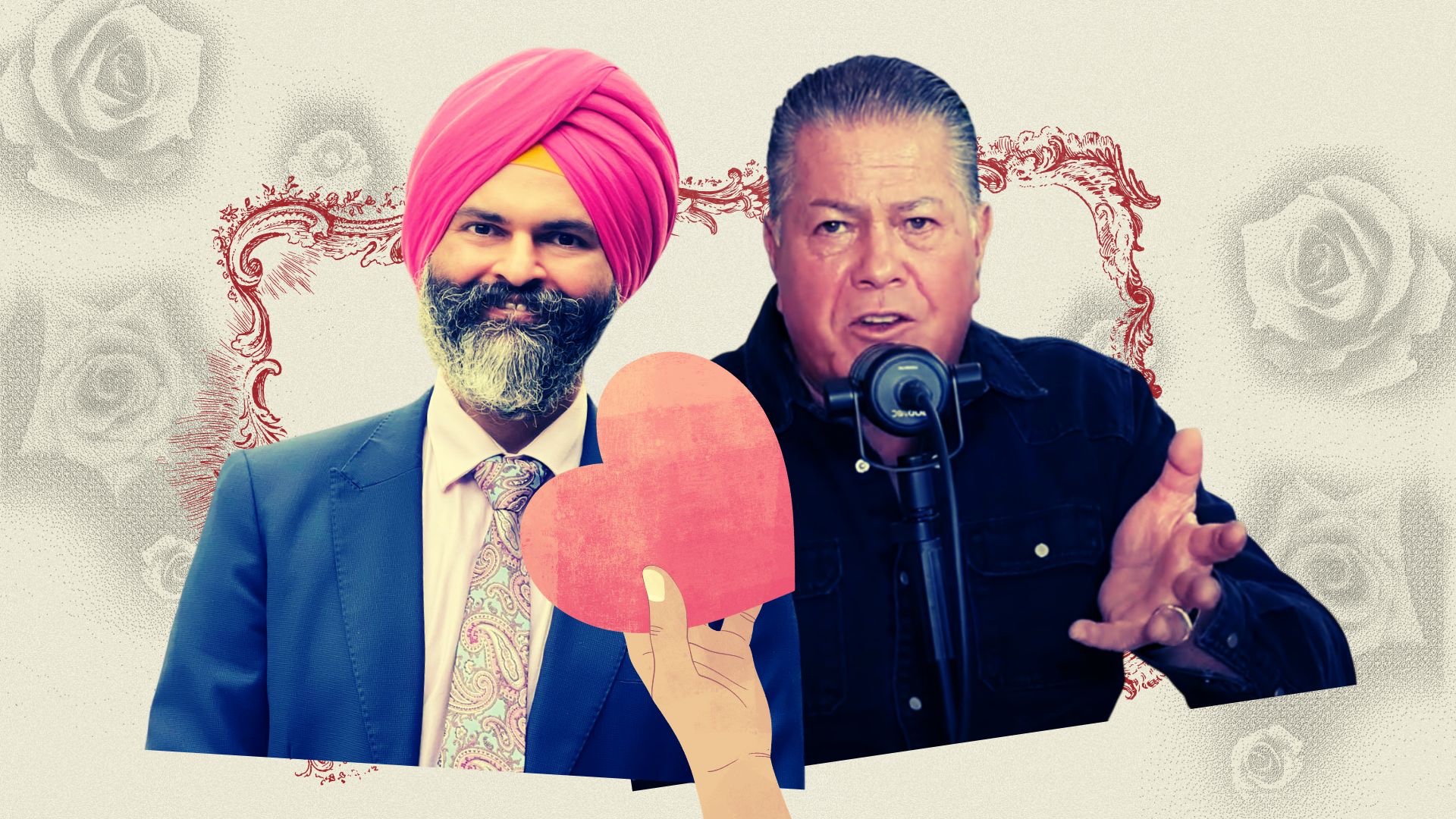
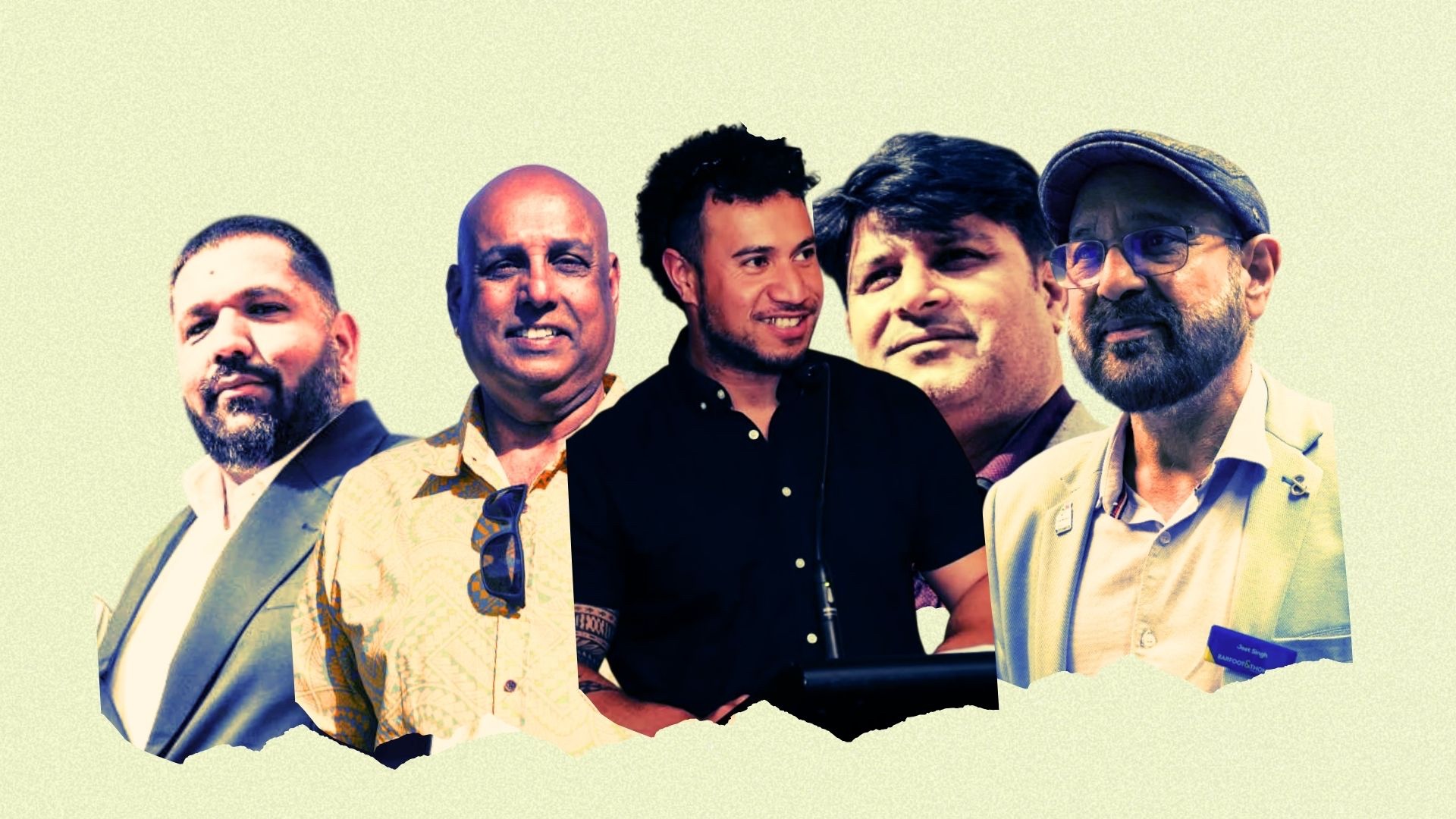
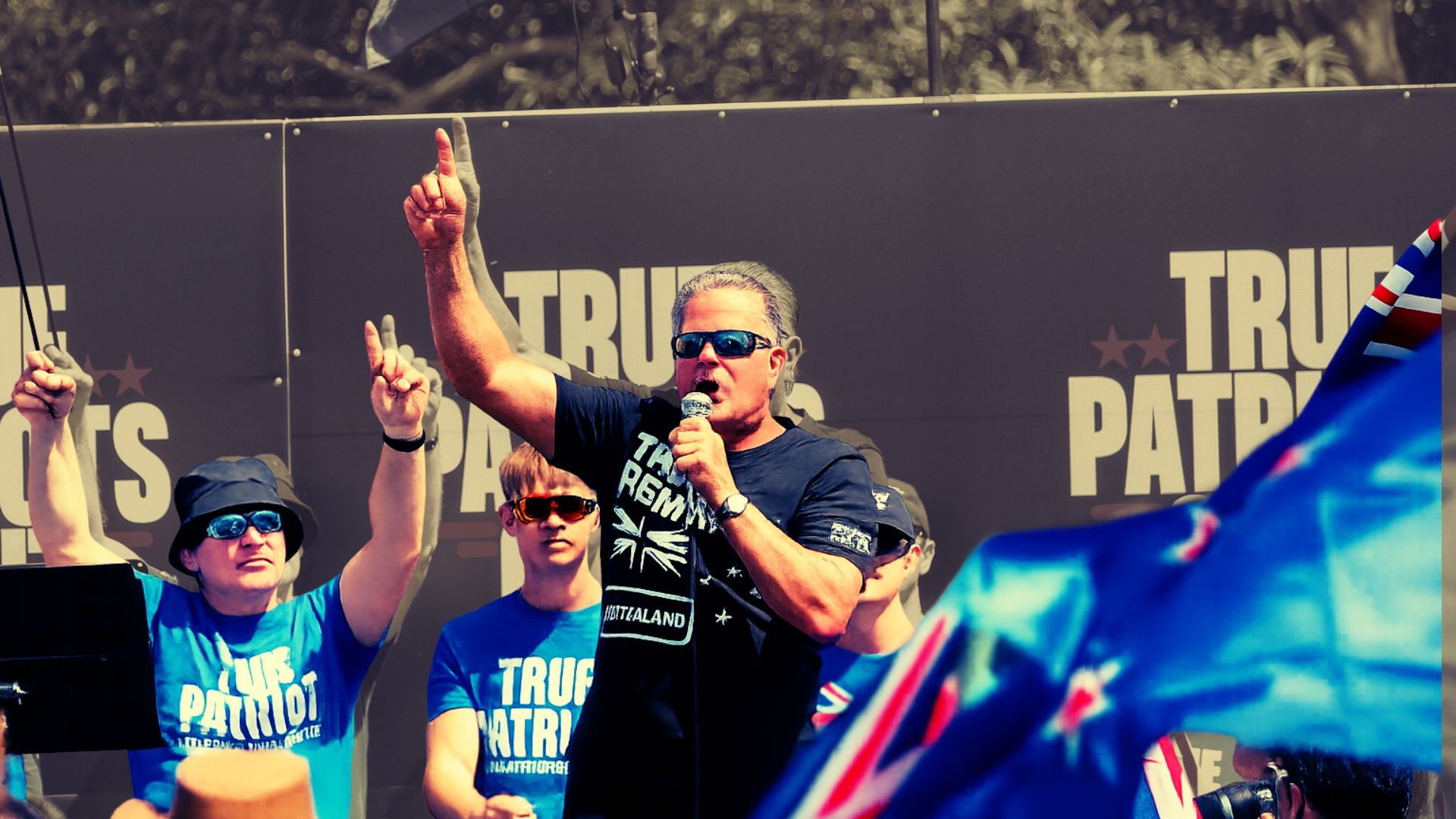
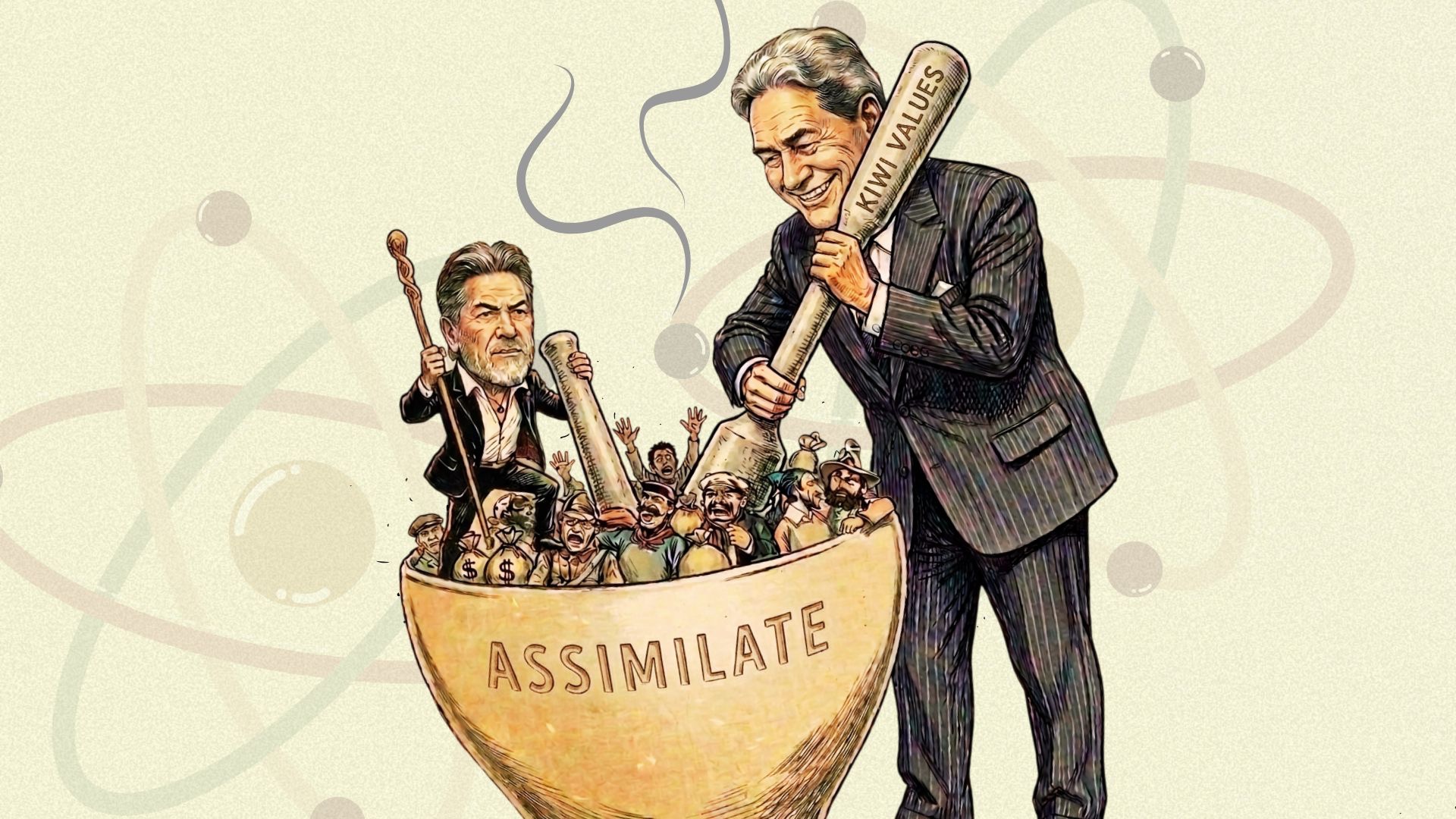
Brian Tamaki summoned to court for inciting racial disharmony around Modi's visit The Destiny Church leader says the charges relate to comments made while criticising Indian prime minister Narendra Modi.
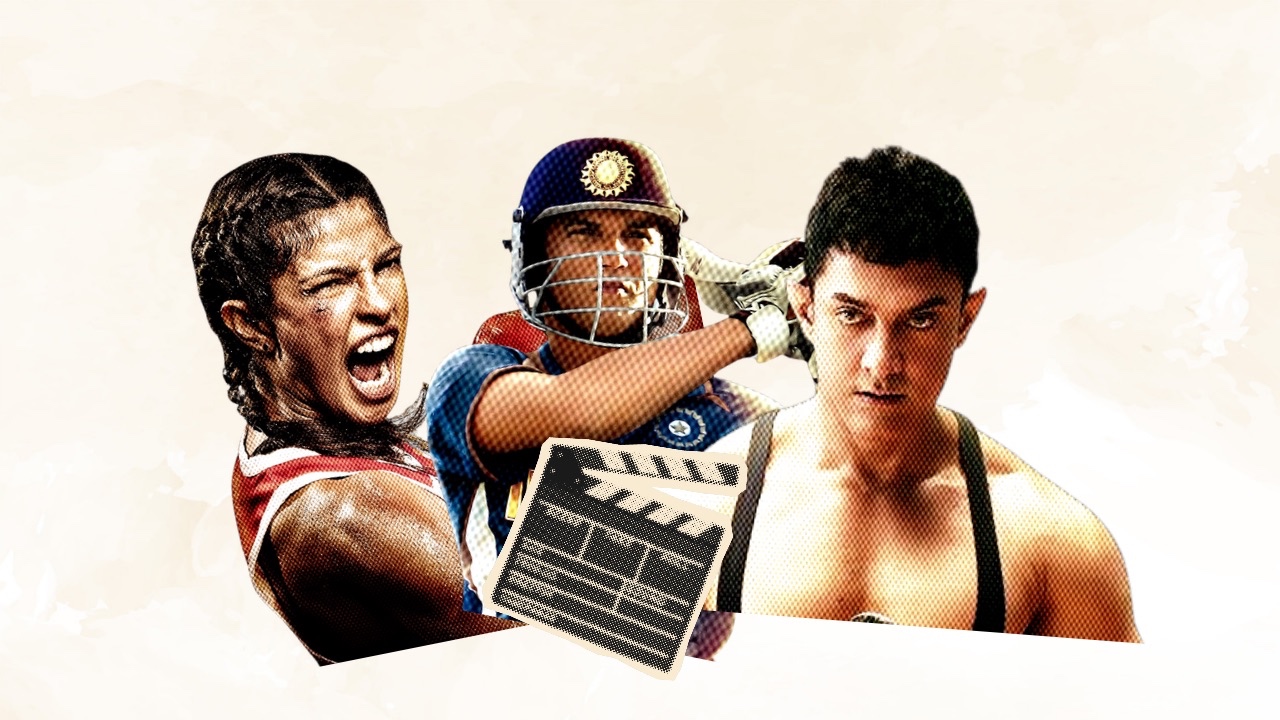
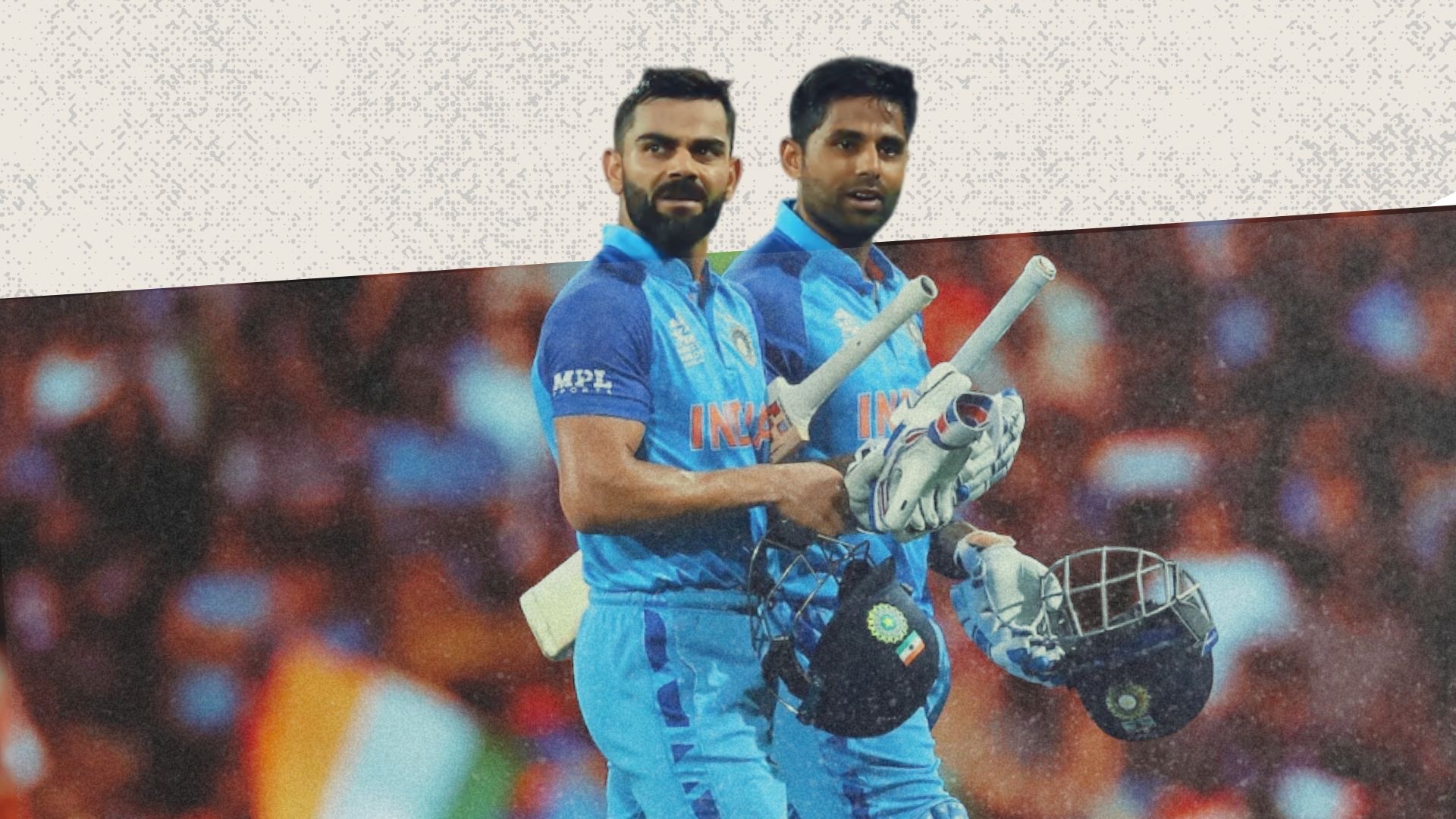
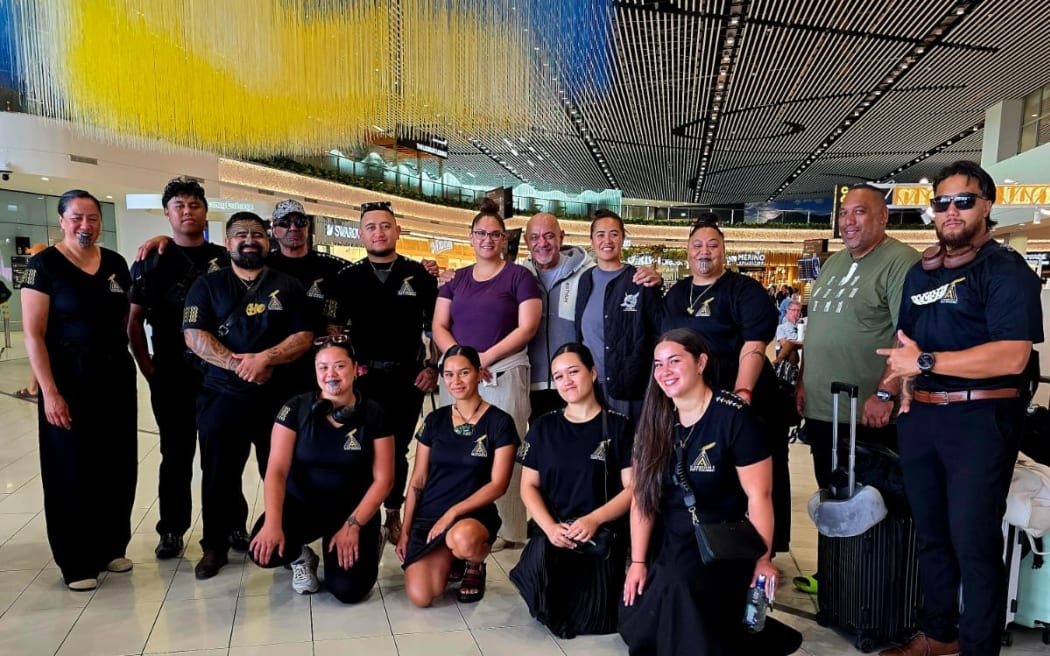
MS Dhoni, Dangal, Mary Kom: Indian sports films coming to Auckland cinemas. For free An Auckland film showcase is bringing blockbuster sports movies back to cinemas as part of the centenary celebrations of New Zealand–India sporting ties.
Fleming said he had been involved in exporting lamb to India for the past 14 years and had followed the free trade negotiations closely. “We’ve been watching the free trade discussions with a great deal of interest,” he said.
Fleming said the company had established distribution in India that it hoped could also act as a gateway for other New Zealand businesses. “I’m very excited about the potential moving forward for India,” he said.
He described the opportunity created by the FTA as “massive”, saying New Zealand lamb exporters had previously been placed at a significant disadvantage after Australia secured its own trade agreement with India.
“We had 87 per cent of the sheep market, the lamb market in India was ours,” Fleming said.
“And then Australia got a free trade agreement and we had to reduce down, some strategically but some out of necessity, down to 15 per cent, to 10 per cent even, while we waited for our opportunity to get on an even keel.”
Fleming’s enthusiasm for India stretches well beyond trade. He first travelled there in 1992 as part of a New Zealand under-18 cricket team and recalled being confronted by a country vastly different from anything he had experienced before.
“It was such a culture shock for me,” he said. “It was with a young New Zealand team, an under-18 New Zealand team, and it was a great challenge for me.”
More than three decades later, Fleming has spent years working in Indian cricket and said the transformation he had witnessed was immense.
“You’ve got this middle class that’s educated in the West and comes back to the East with grand ideas and the country’s just flying,” he said.
“The hotels, the food sector, the entertainment, everything is just on a high.”
Fleming said India’s huge domestic economy gave it a degree of resilience and scale that New Zealand businesses should take seriously. “It’s such a self-contained economy that they’re pretty much untouchable,” he said.
He also believed perceptions about the difficulty of doing business in India were sometimes overstated, pointing to the widespread use of English and the country’s increasingly international business culture.
“Doing business and trade and being able to work over there is, I won’t say easy, but it’s not as challenging as what people think,” Fleming said.