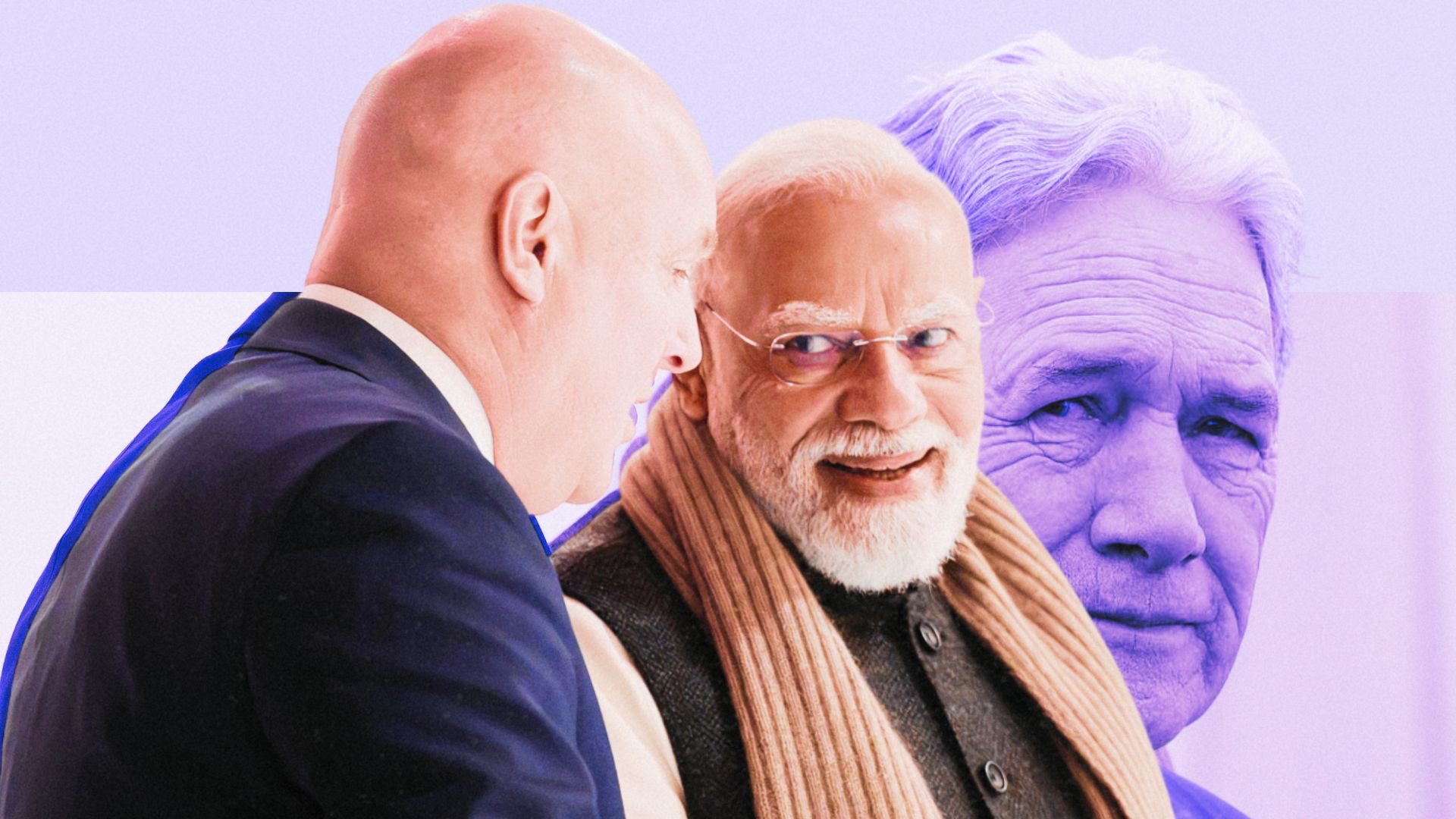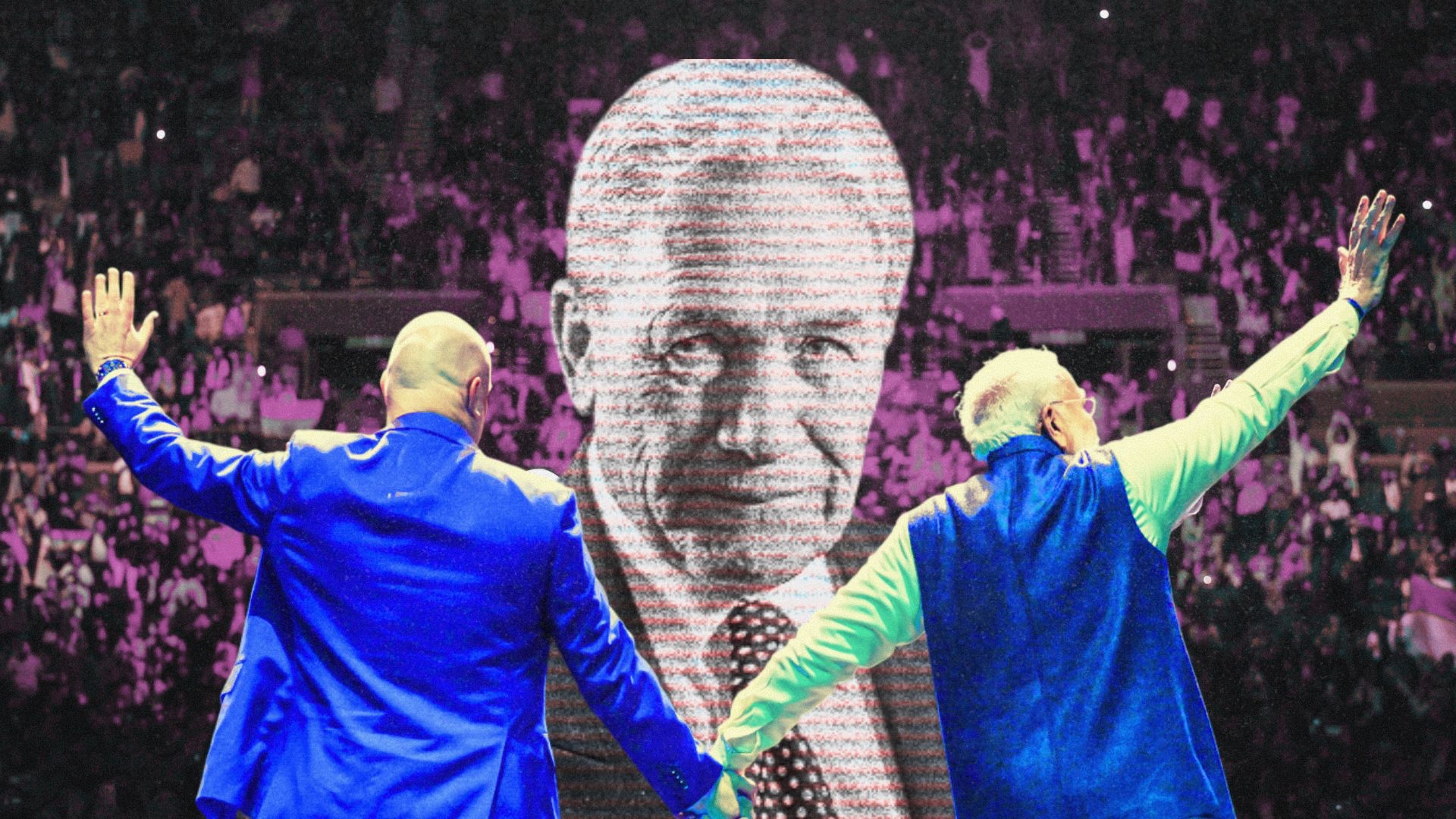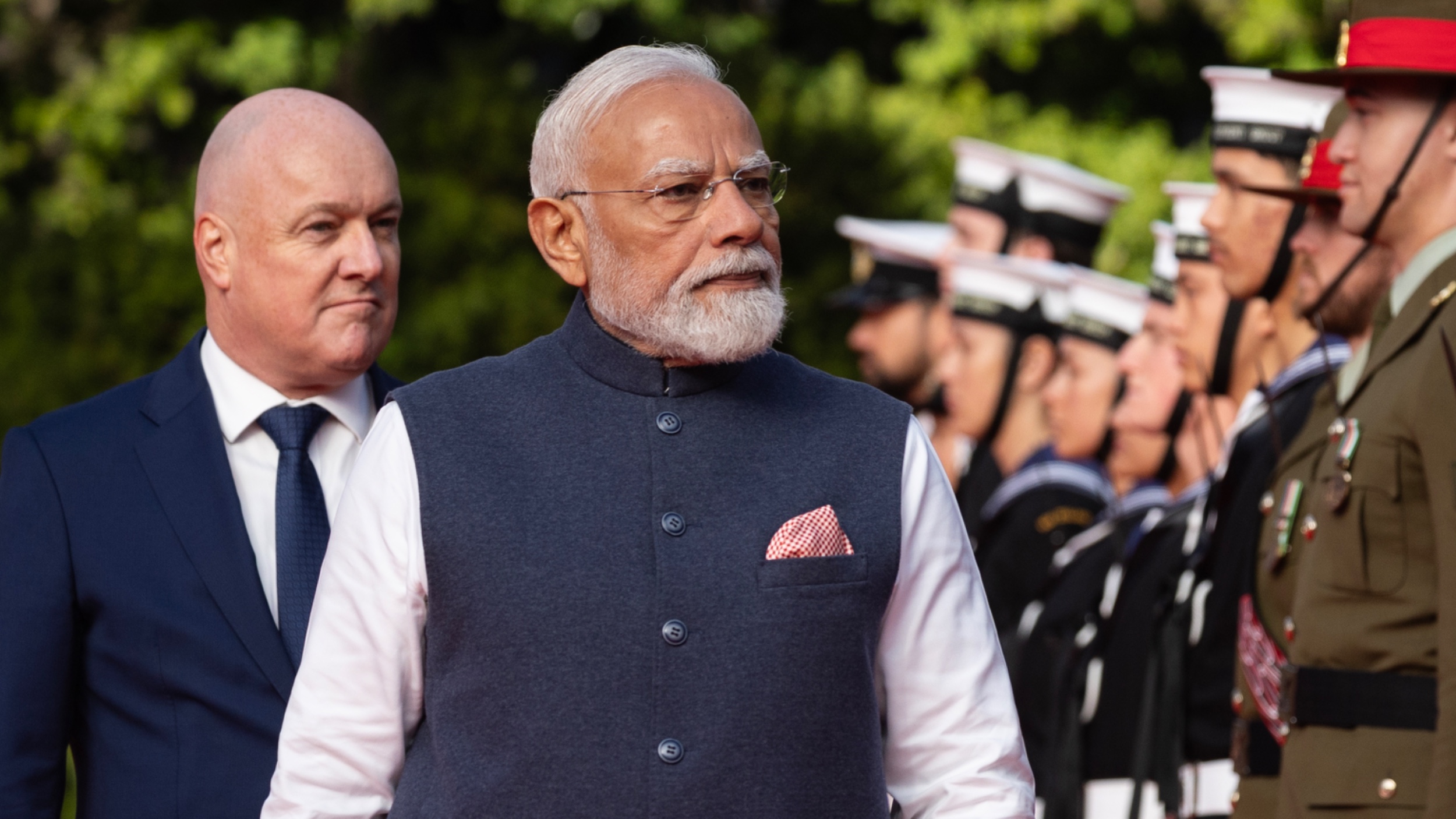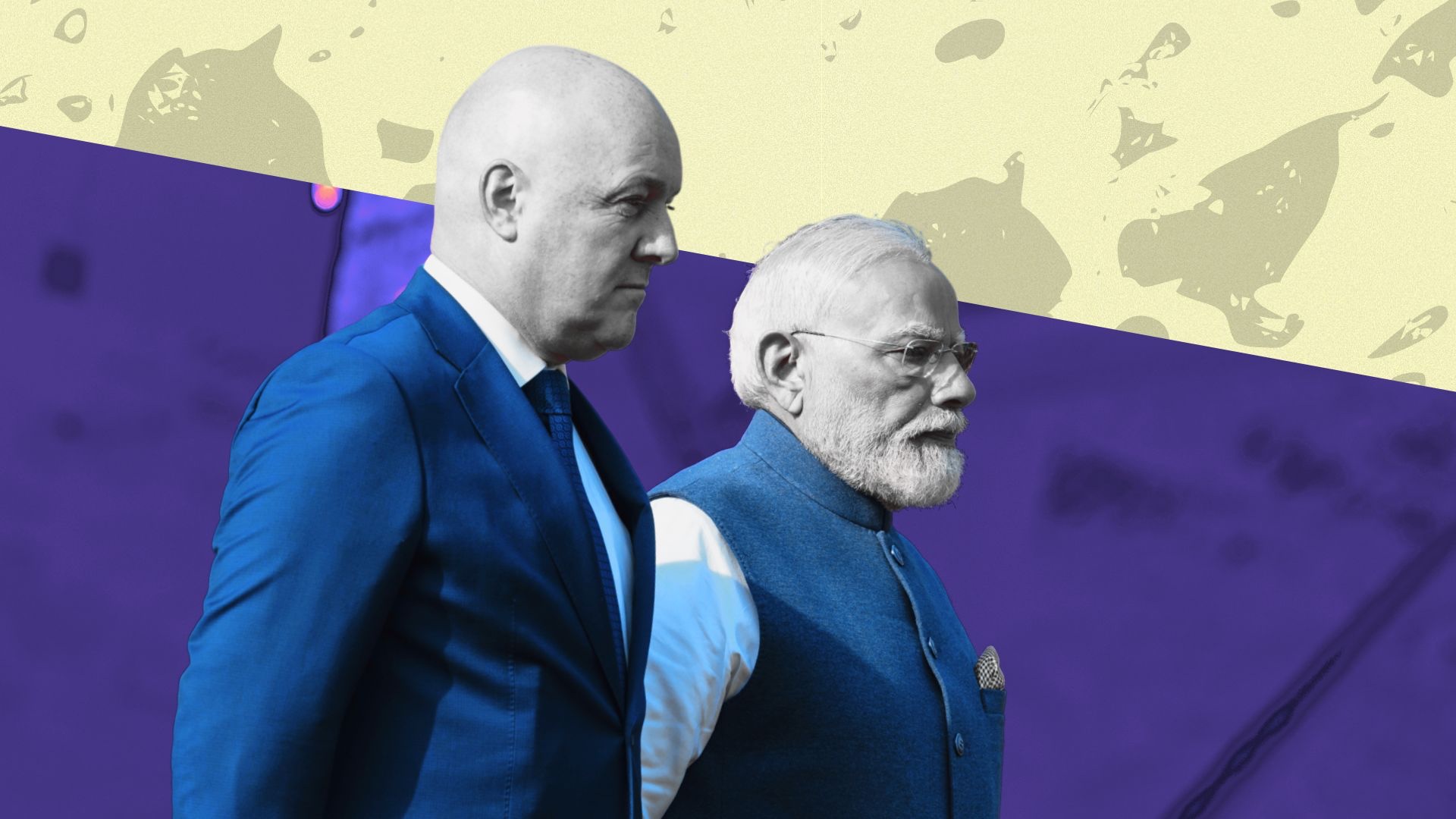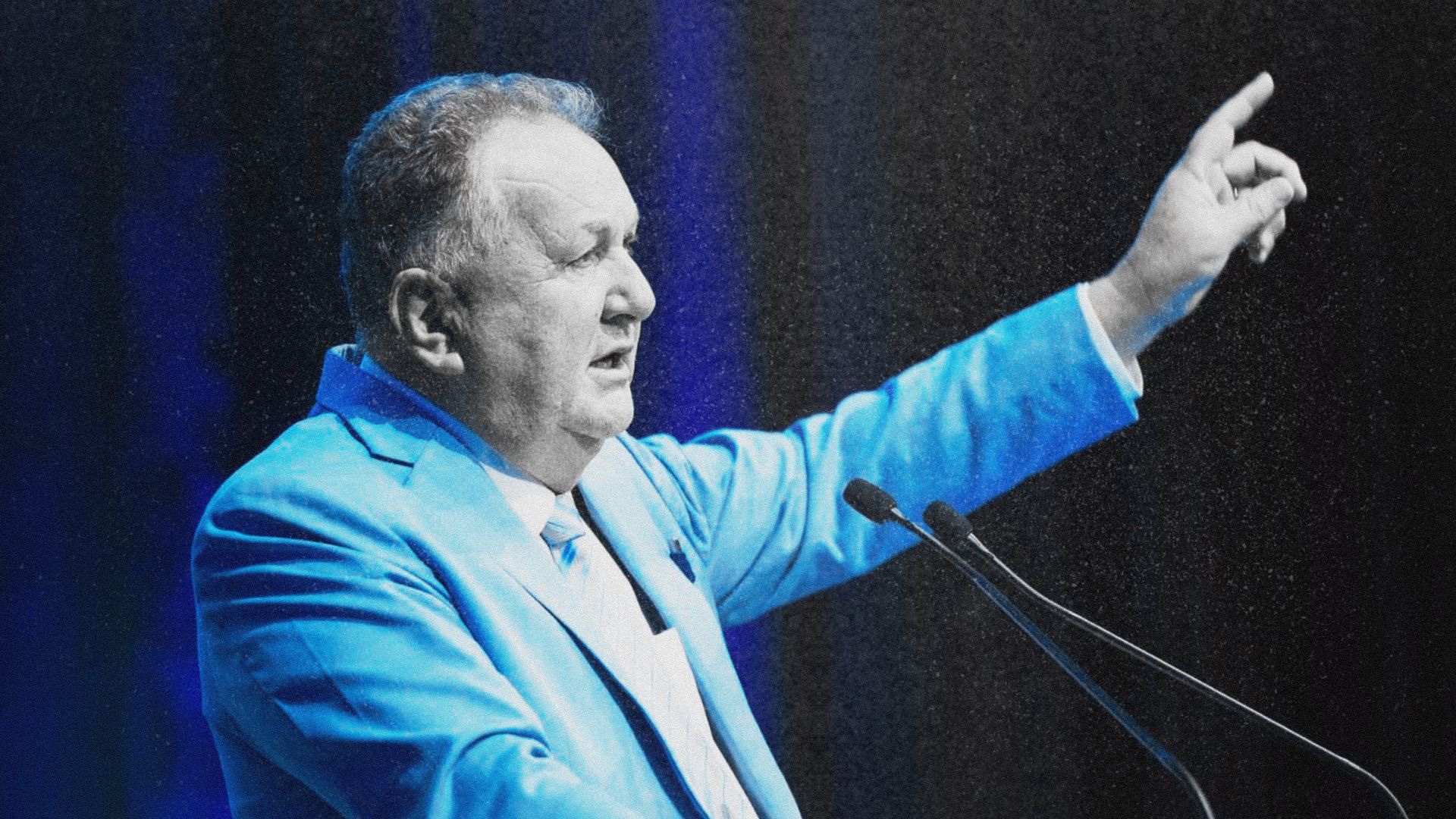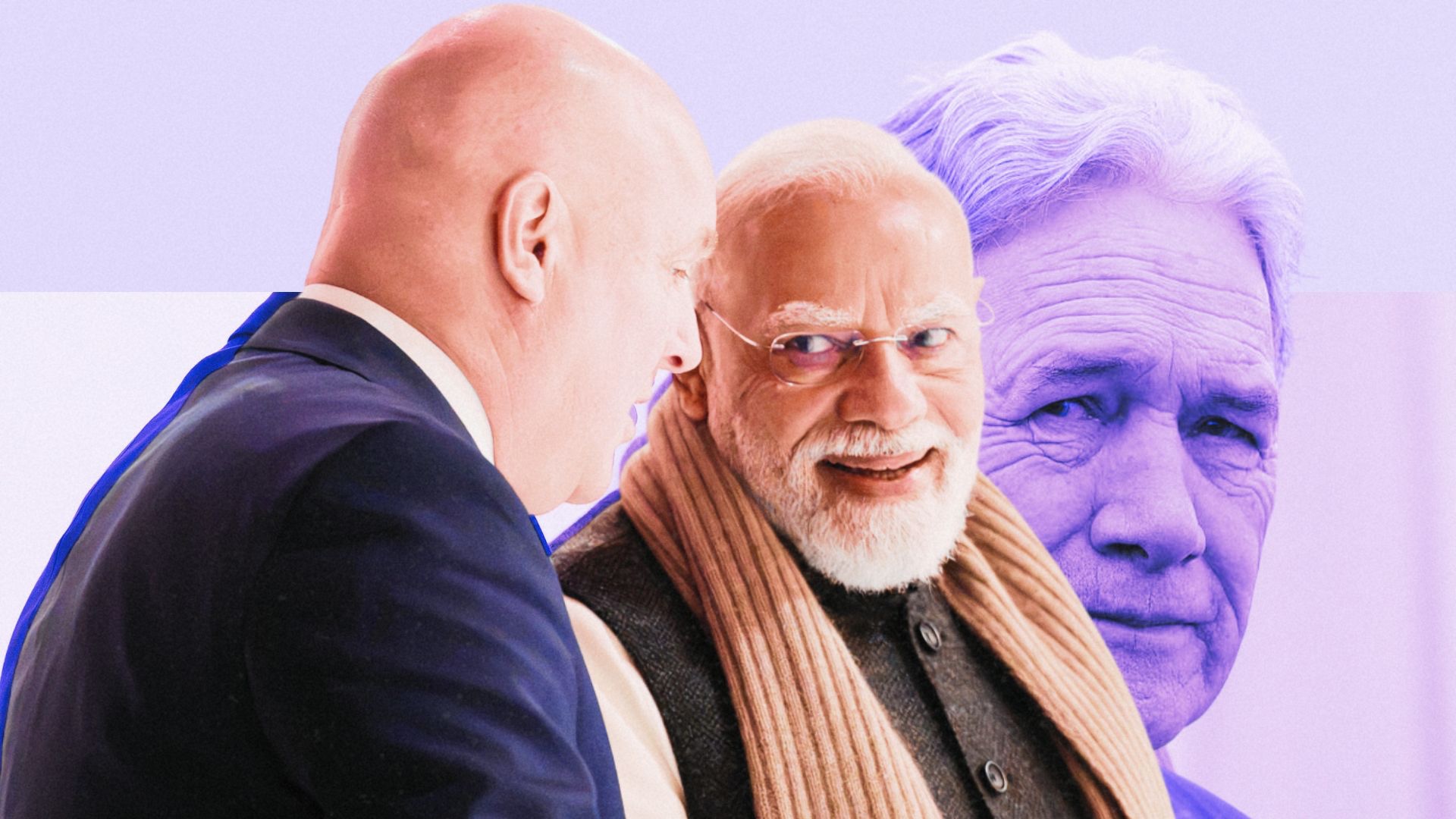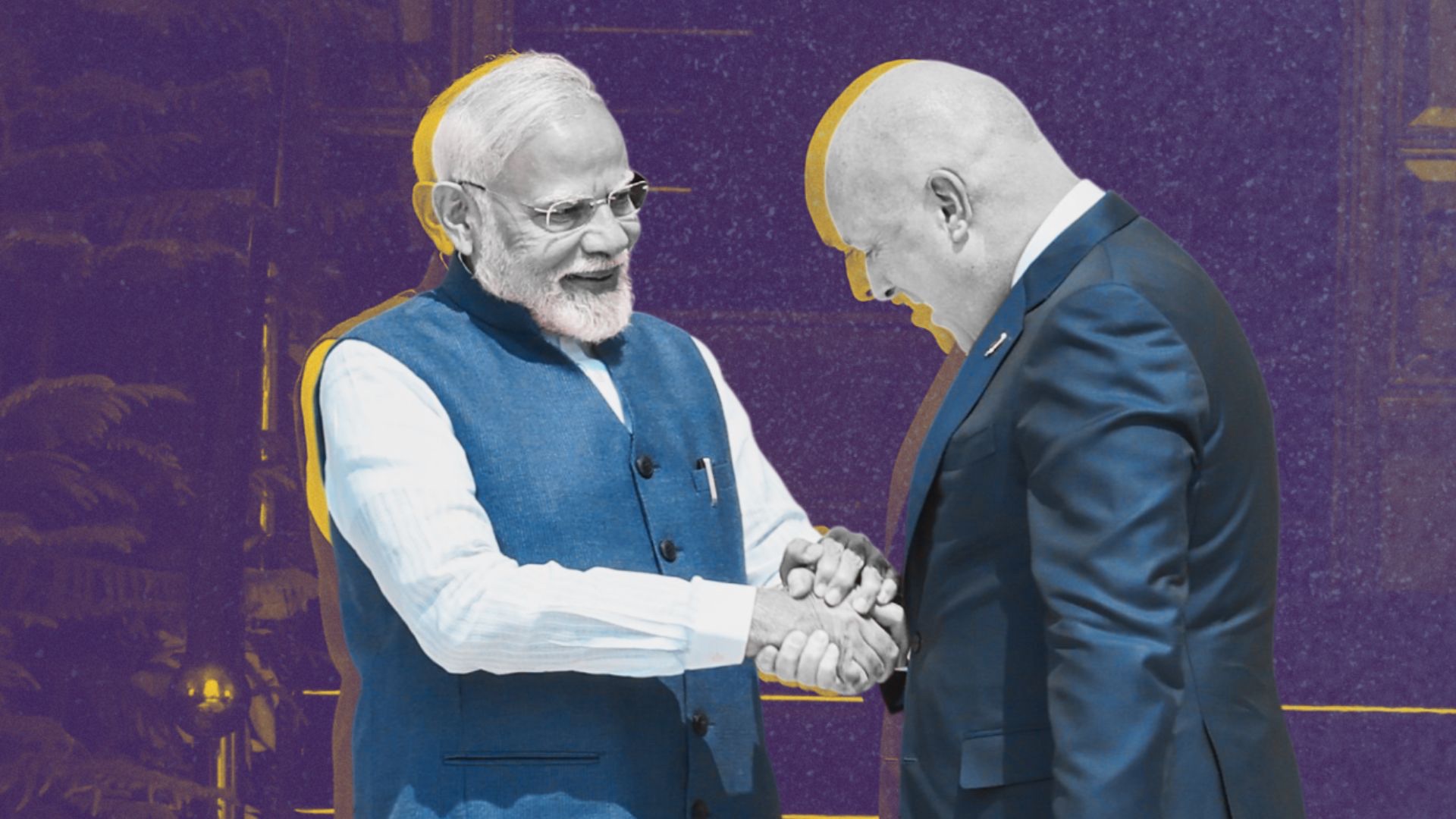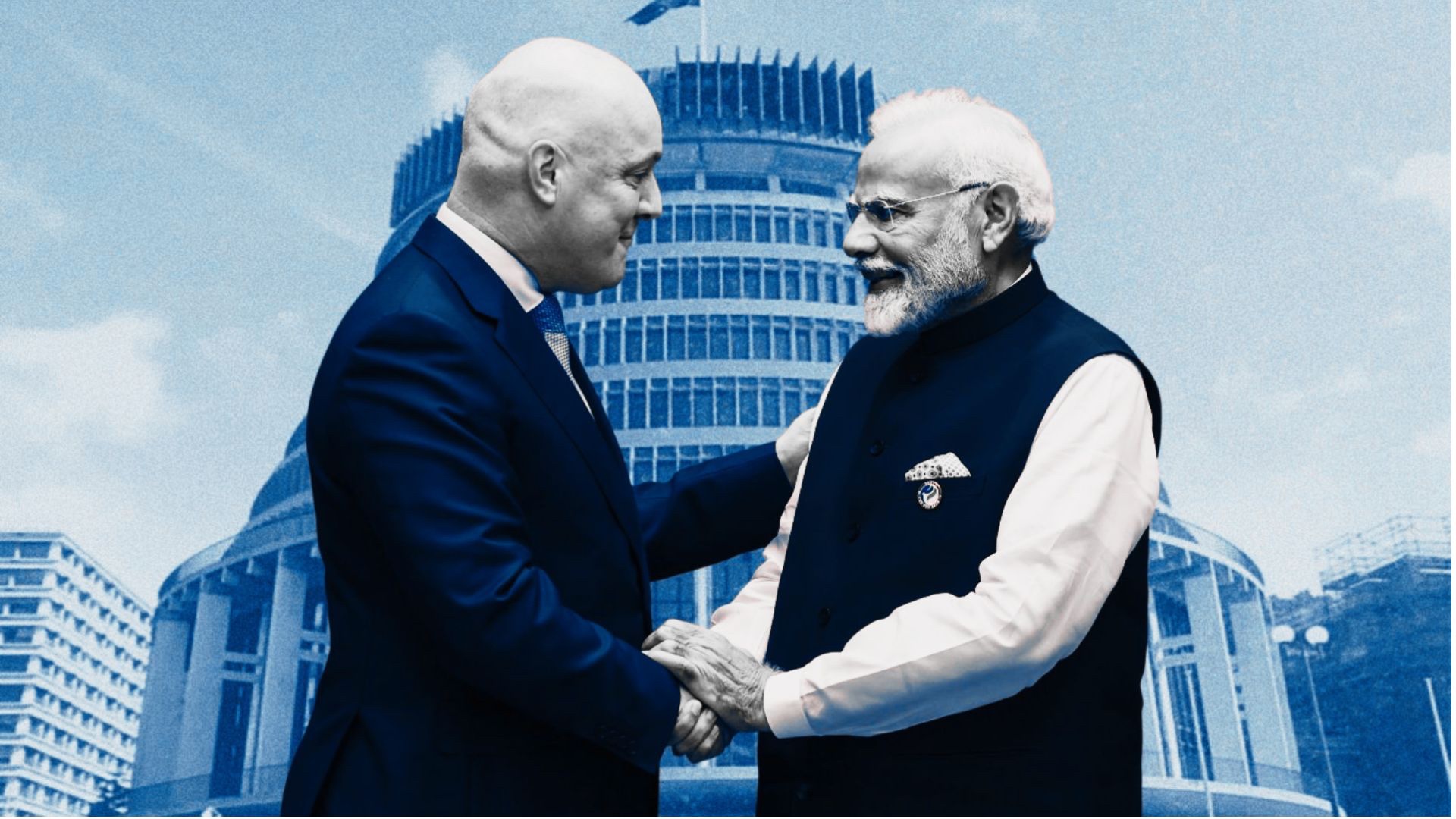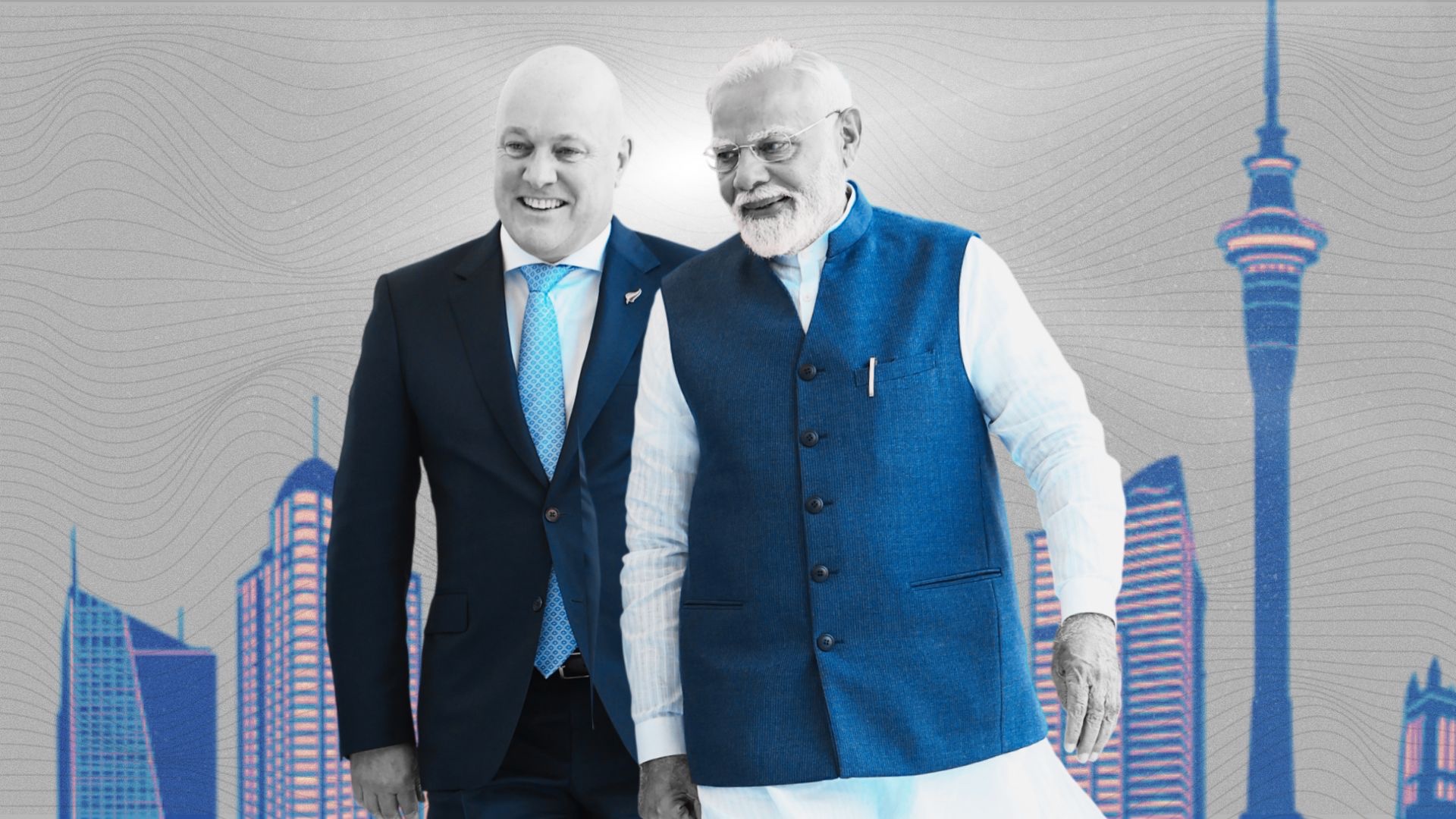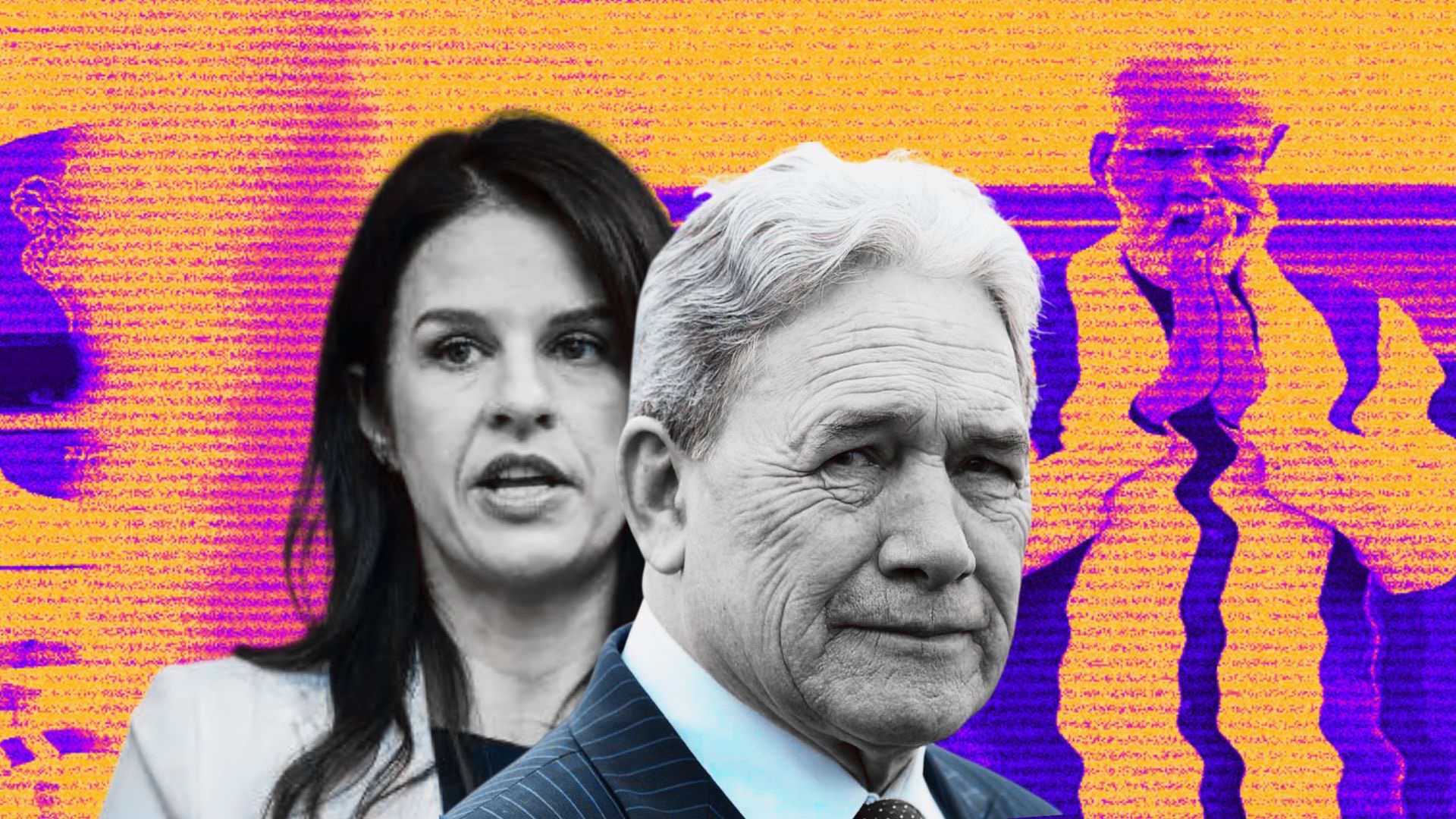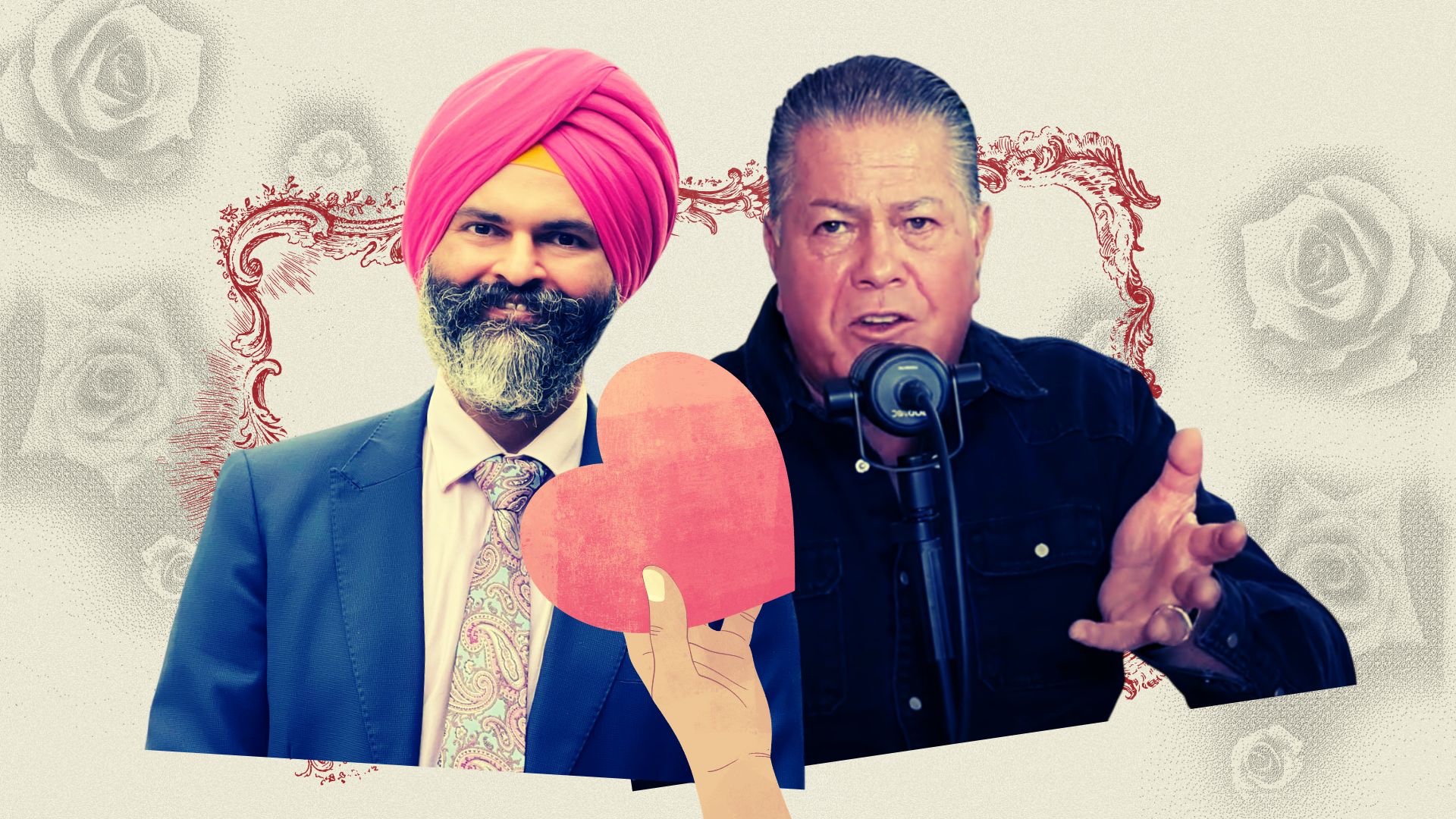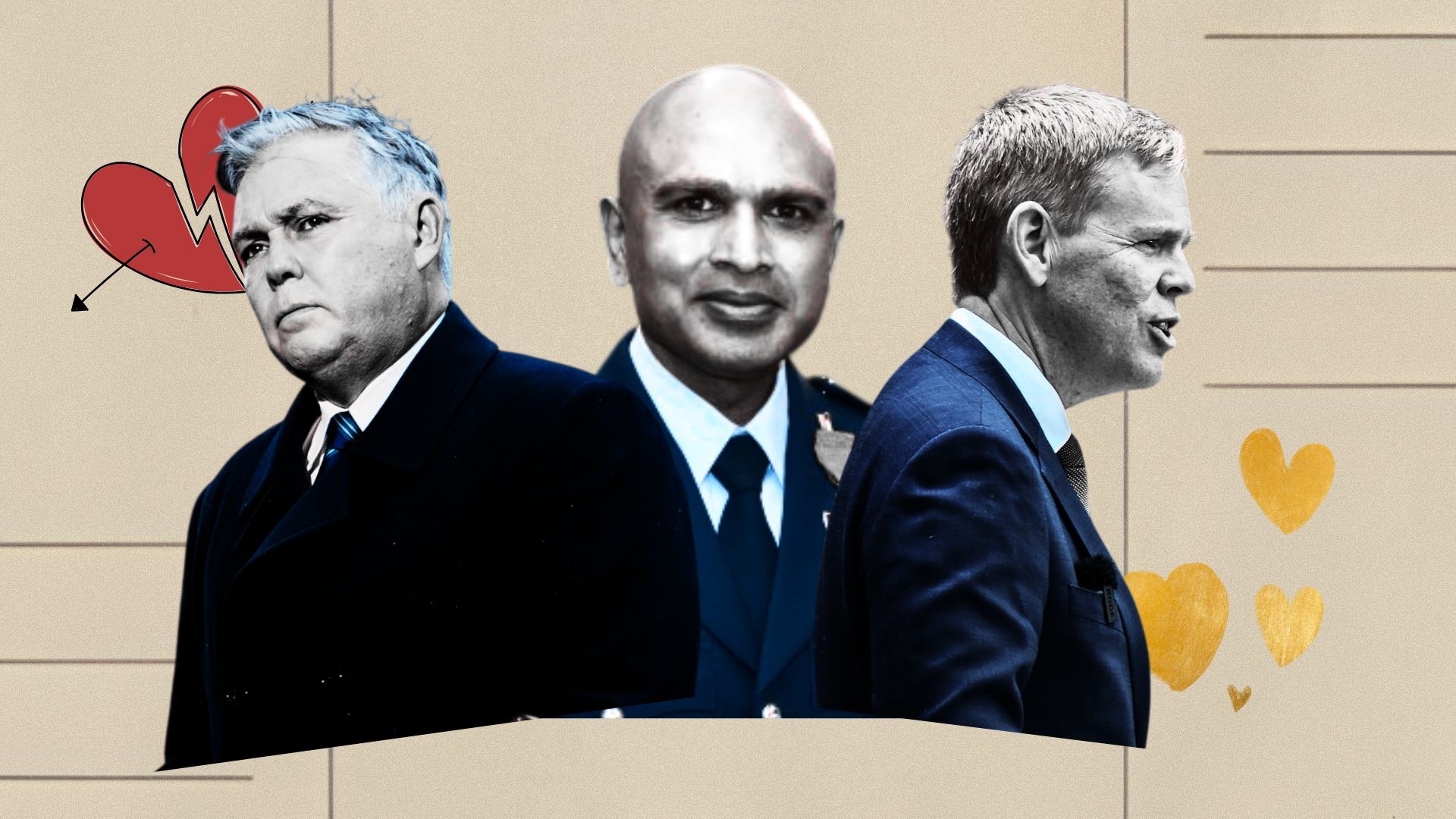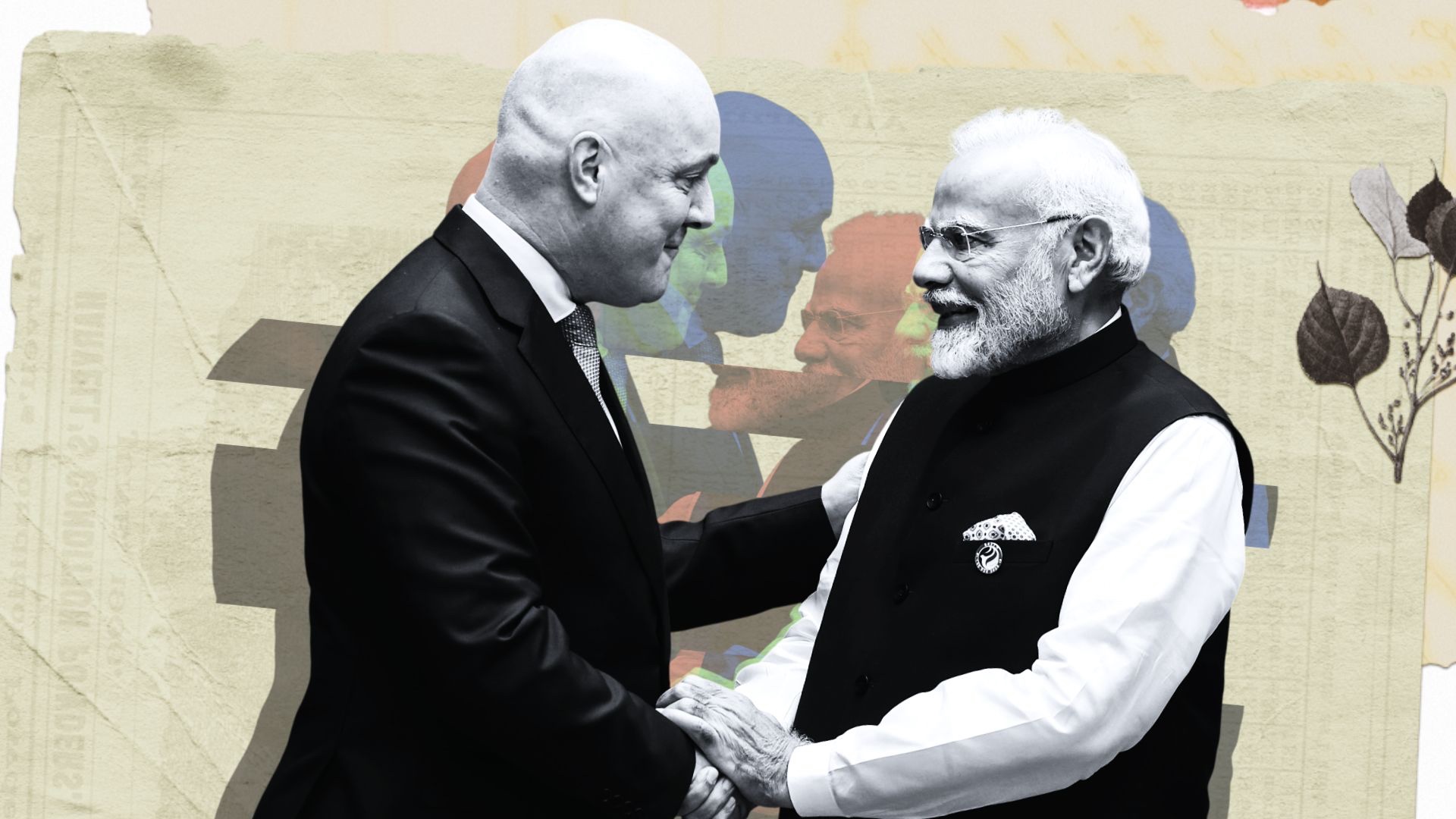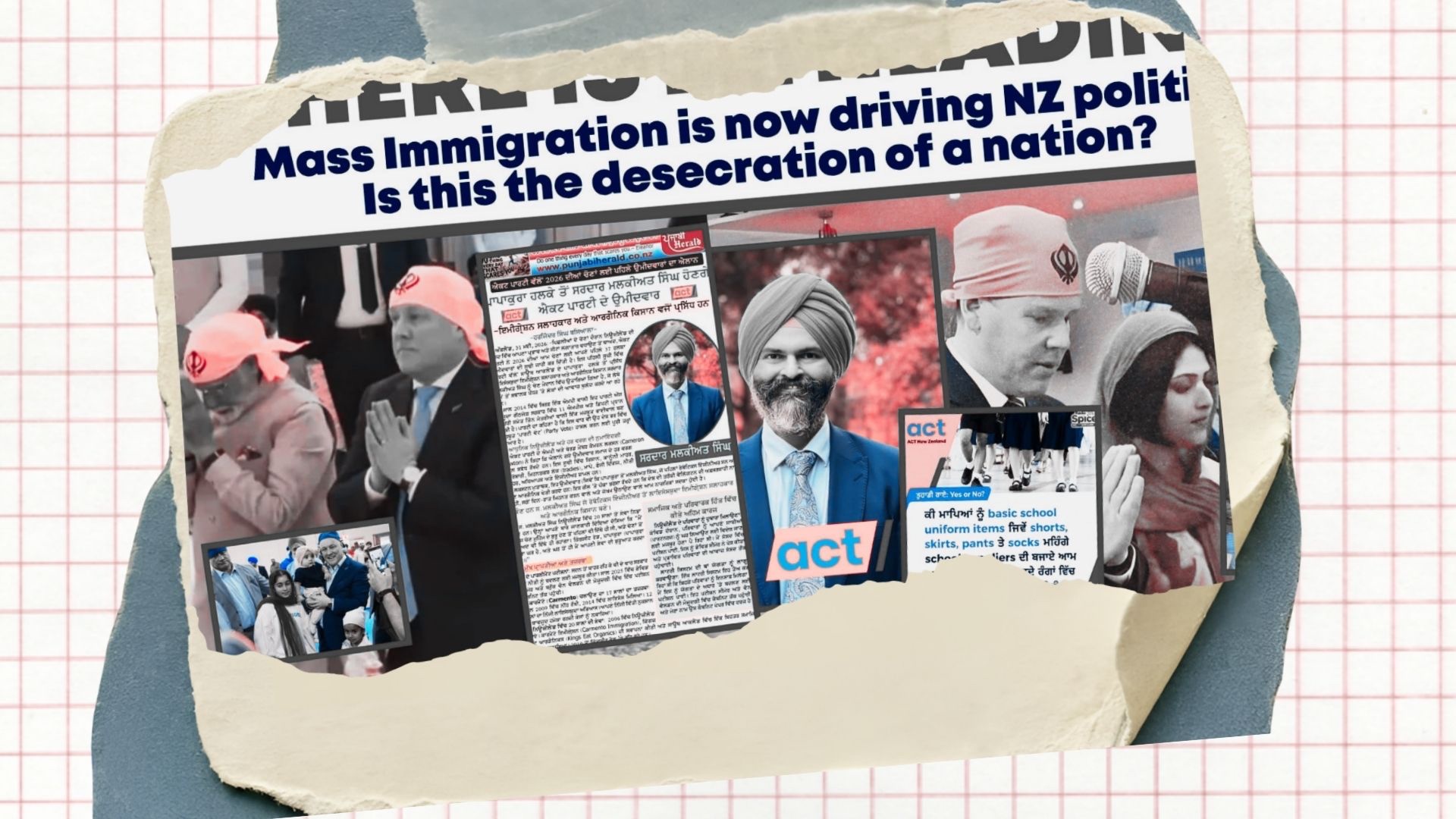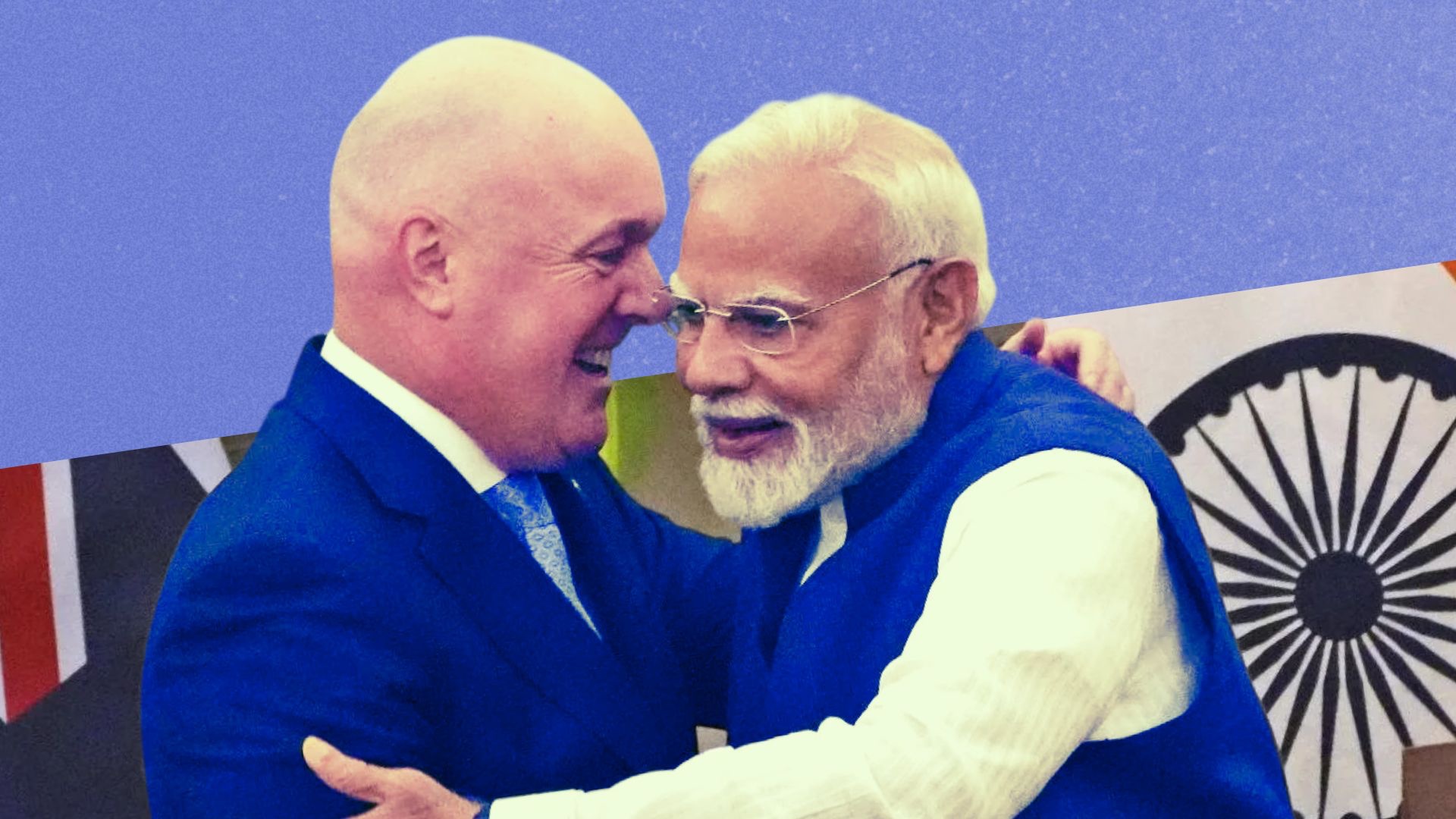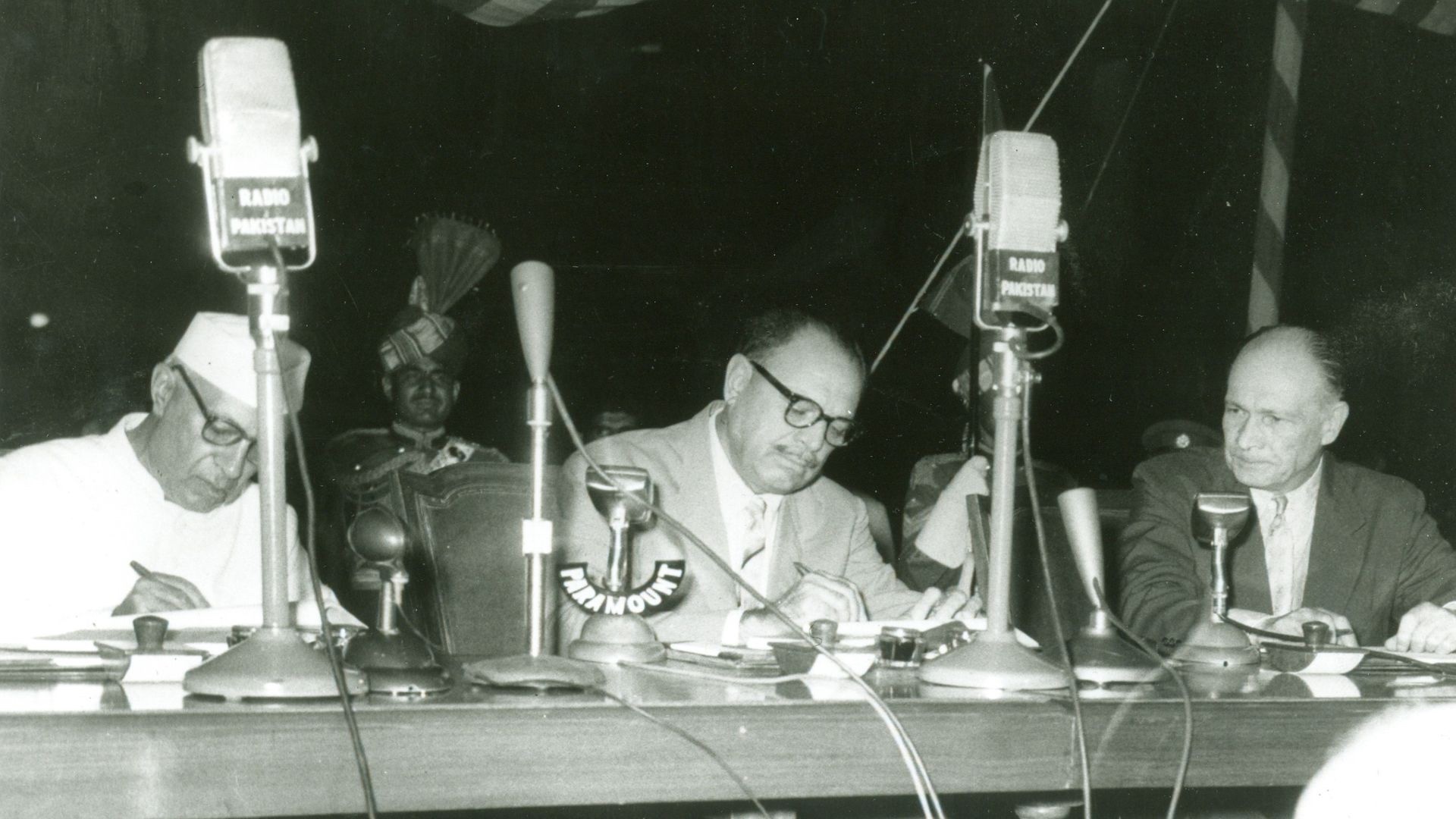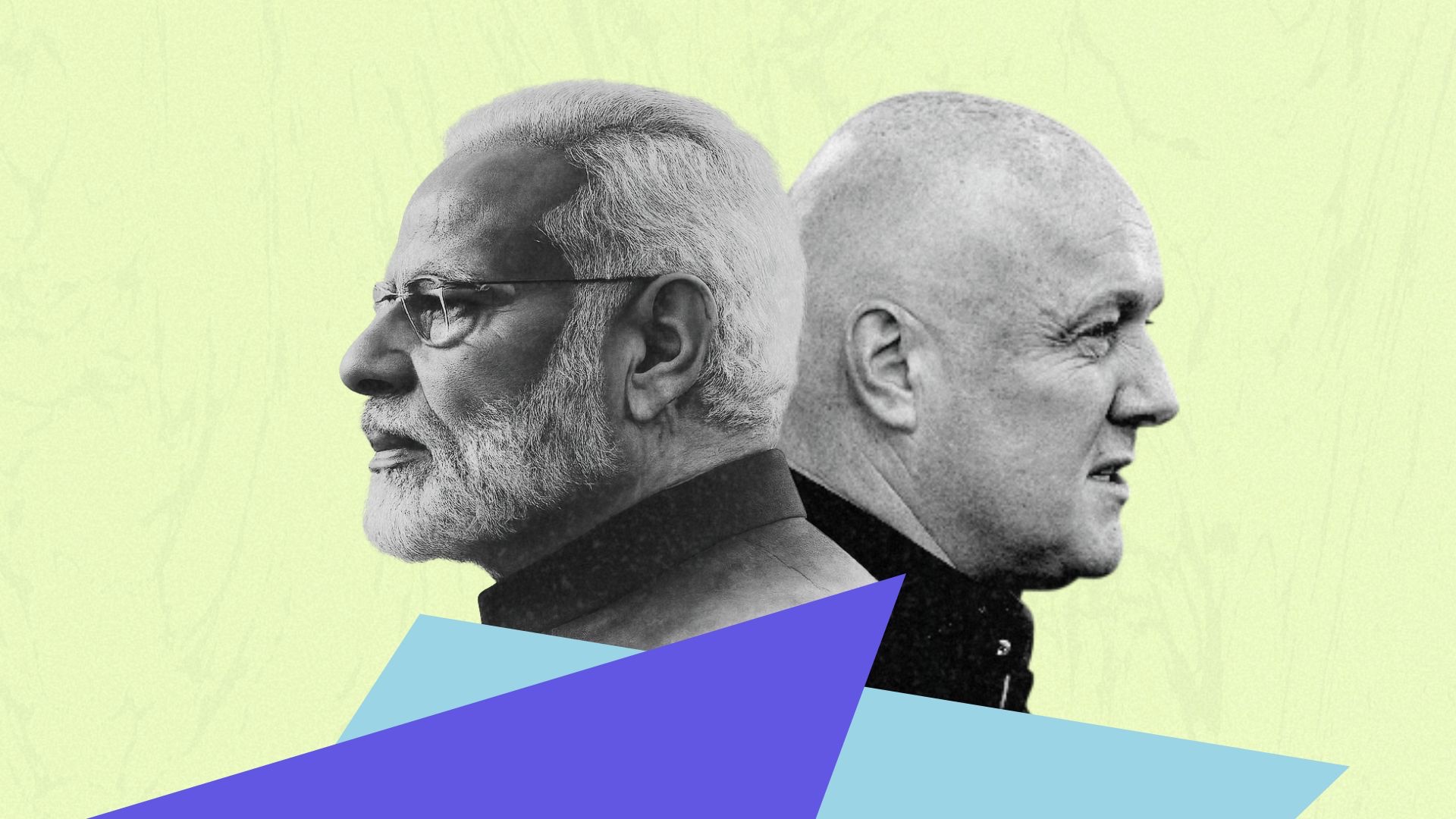

McClay, Peters square off as India-NZ FTA showdown hits Parliament for first time
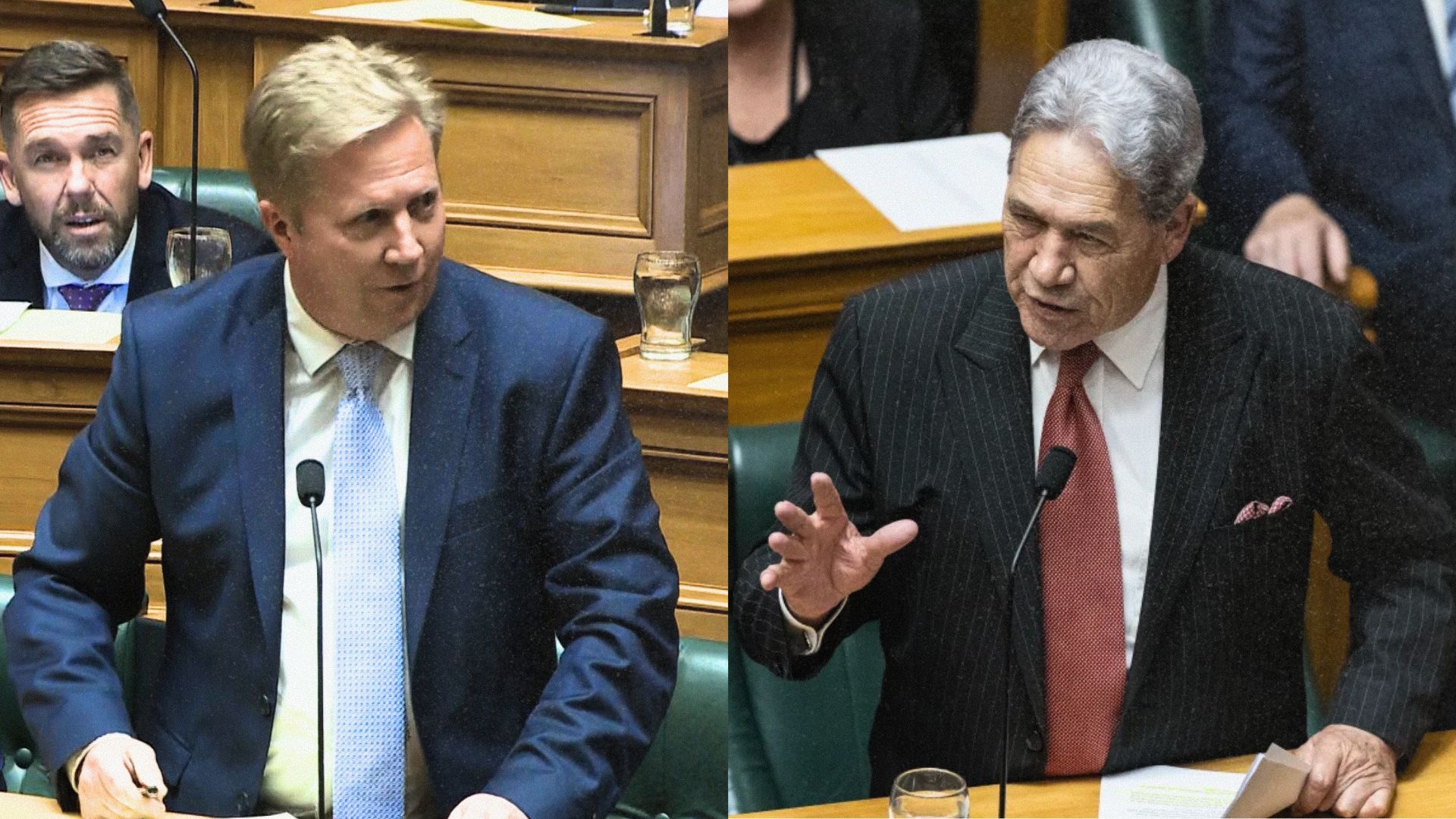
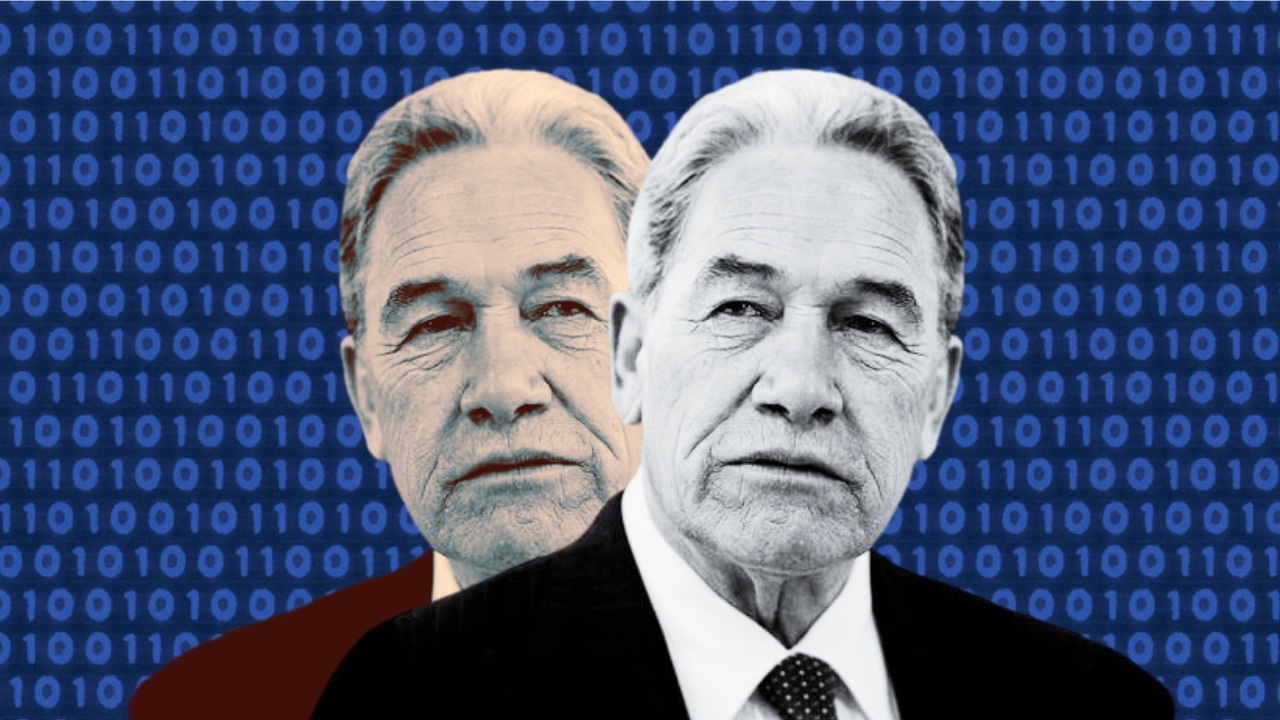
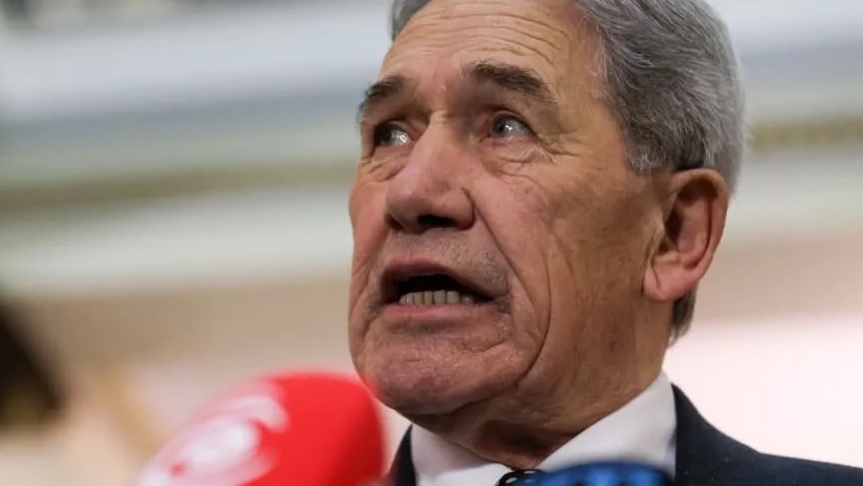
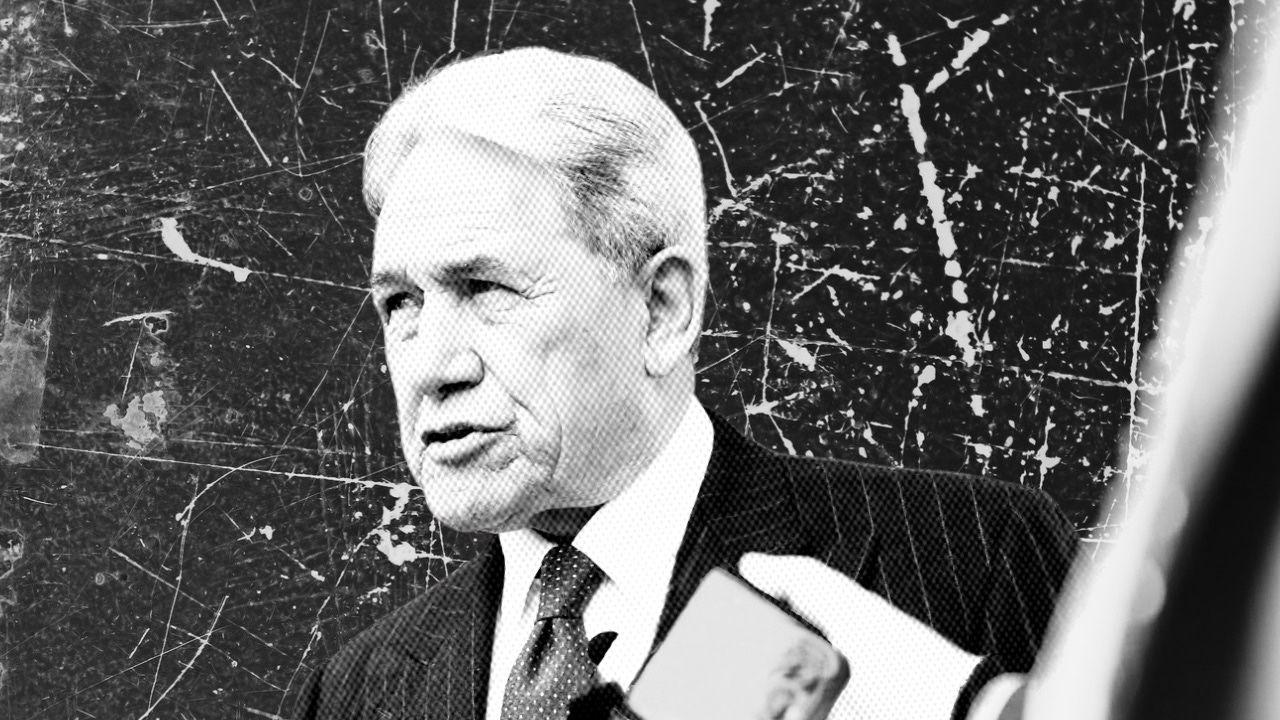
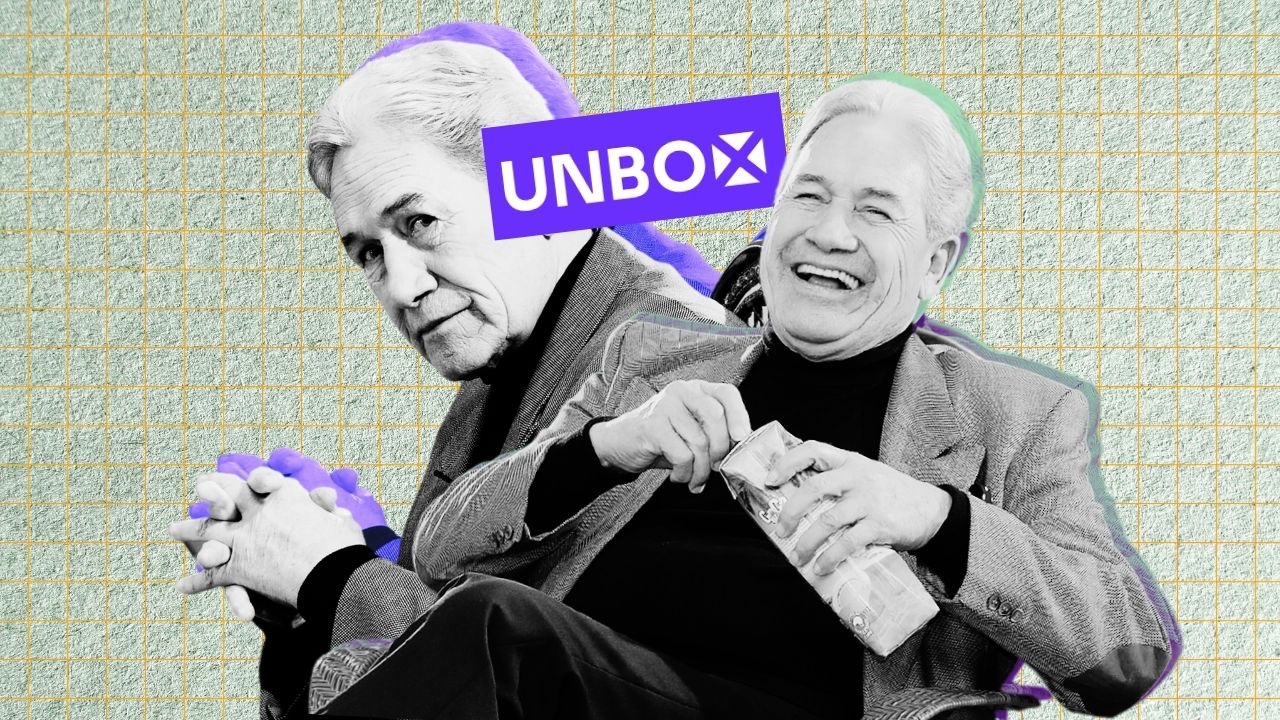
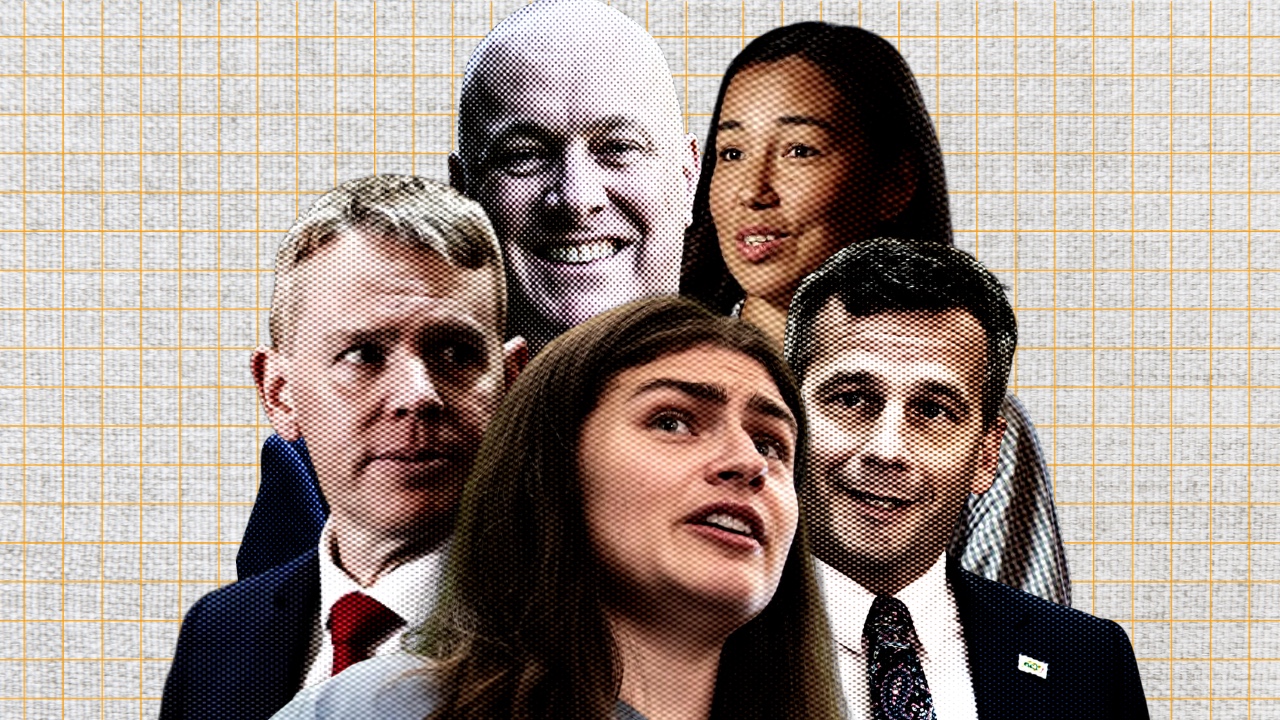
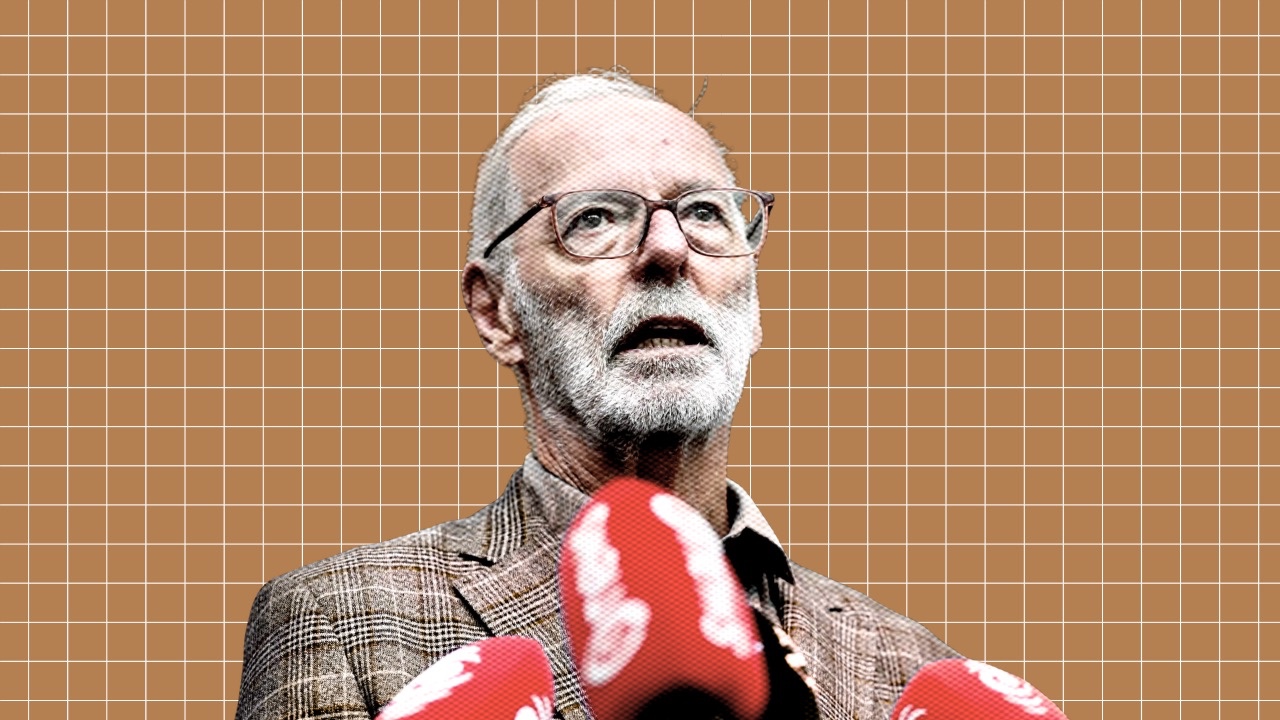
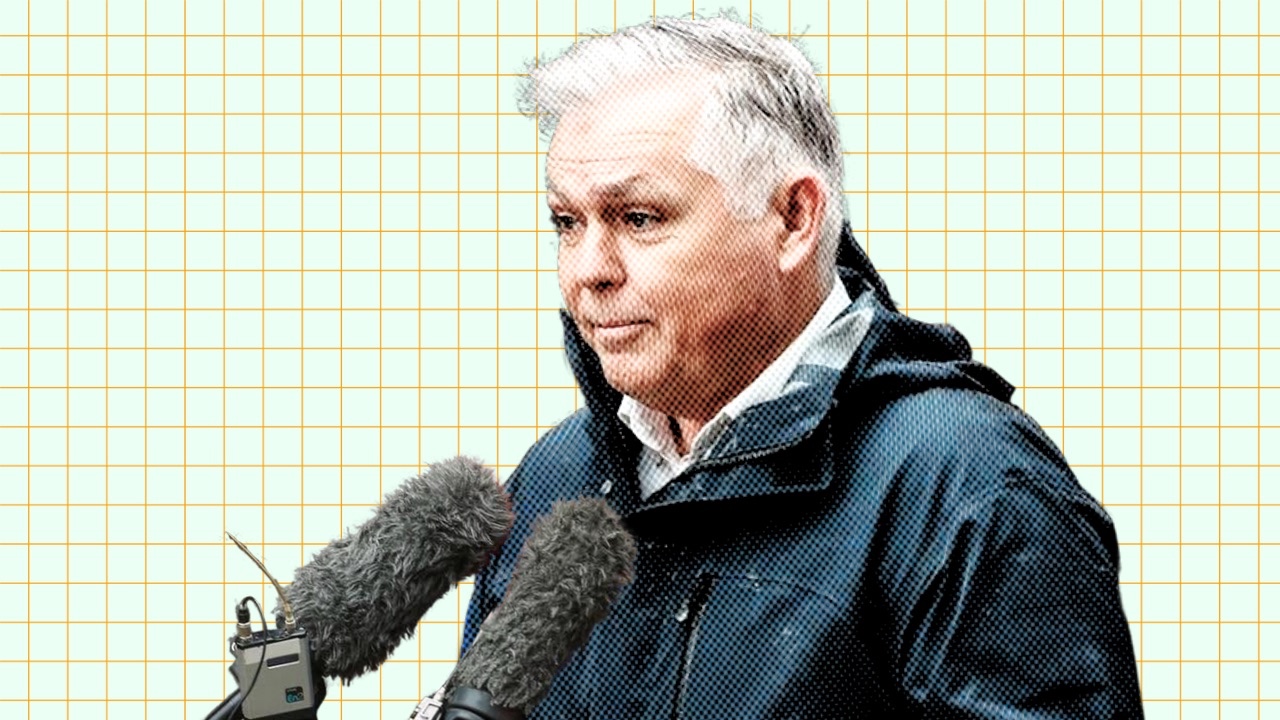
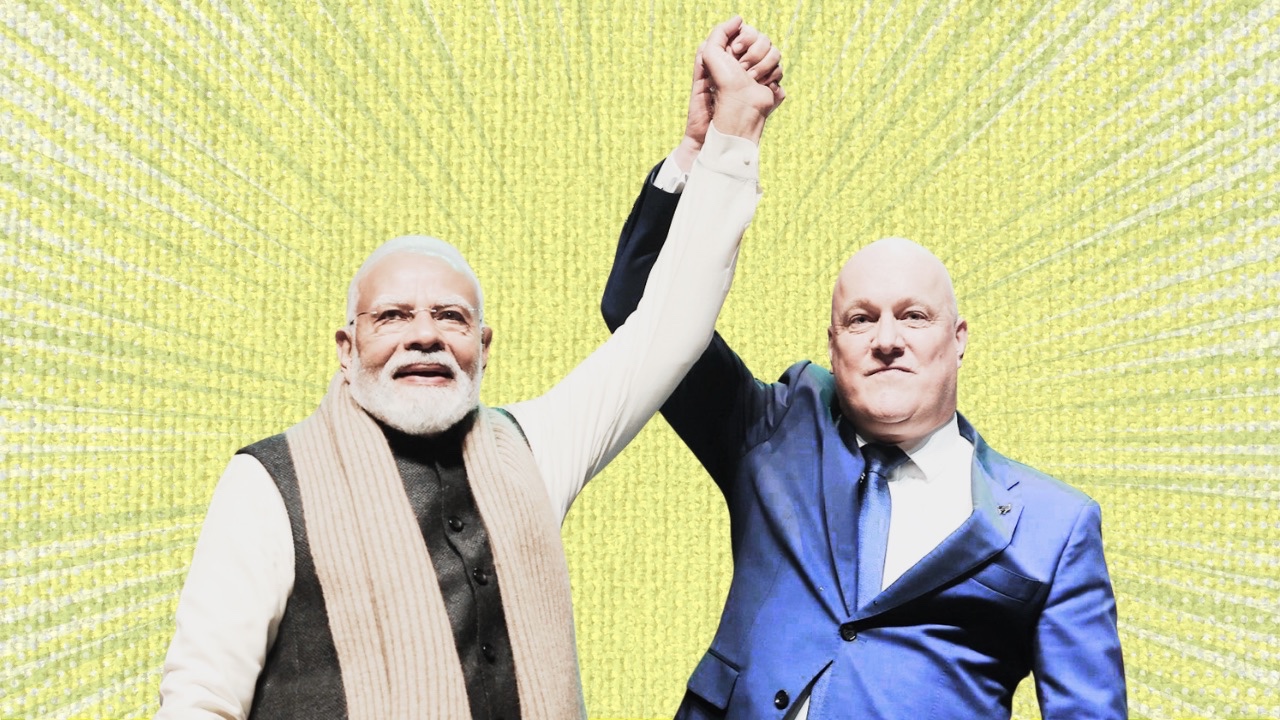
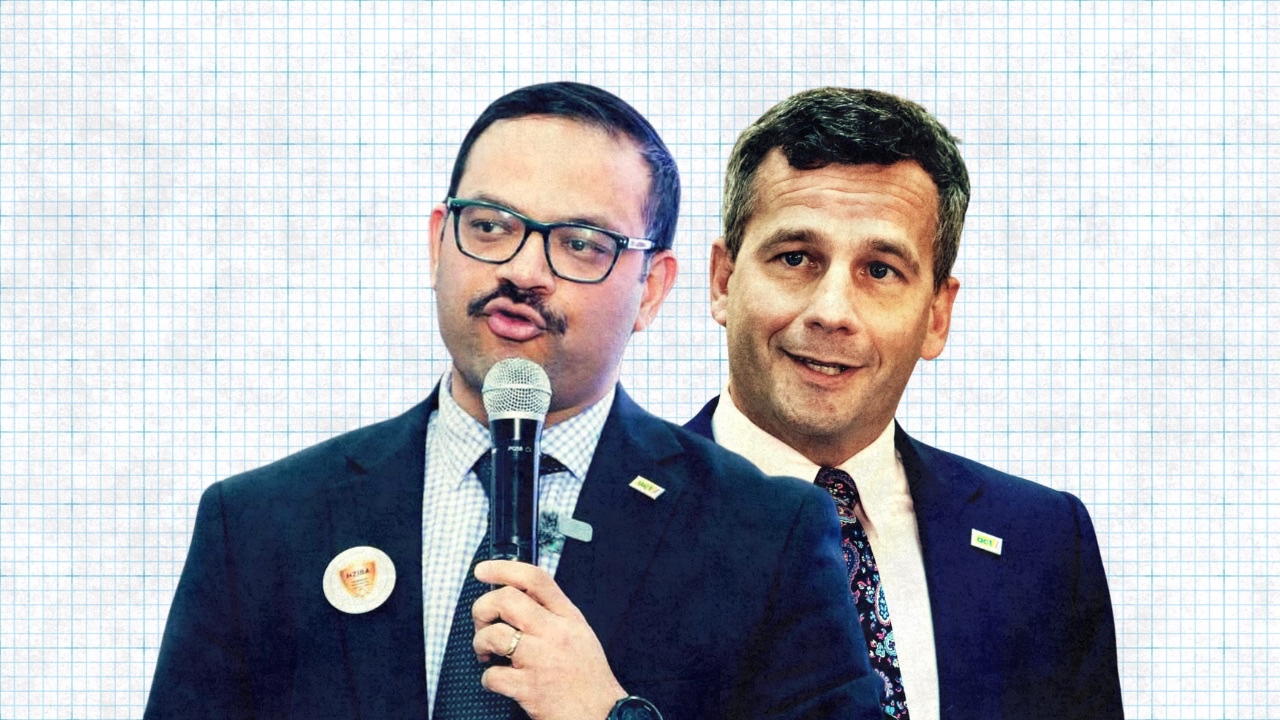
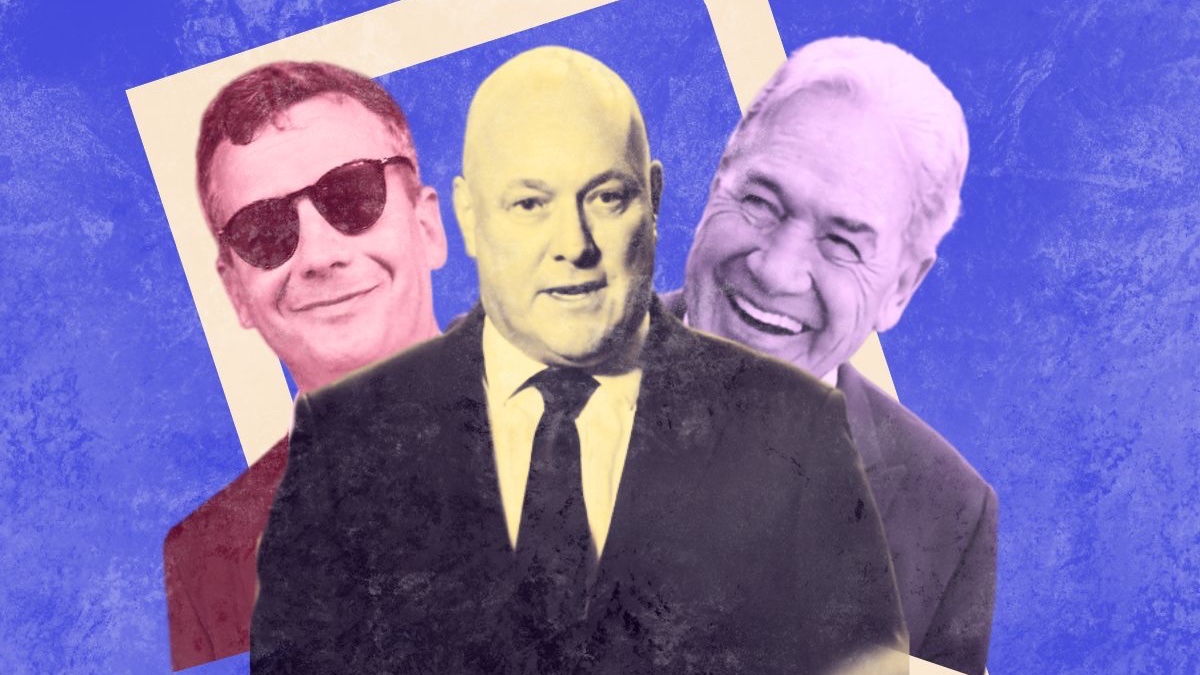
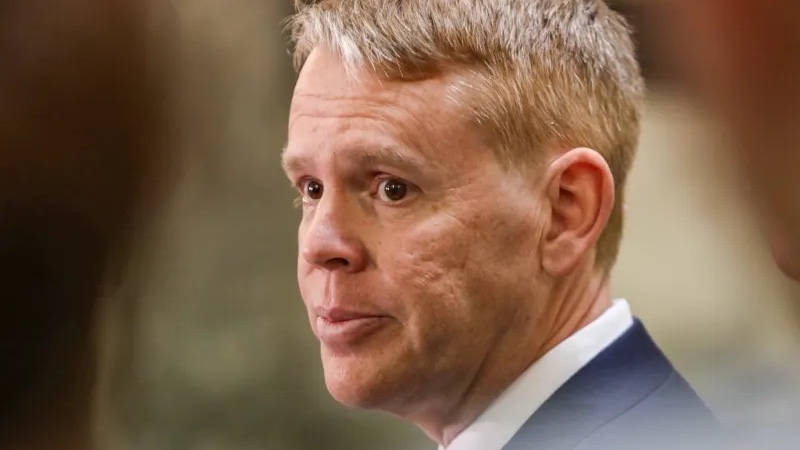
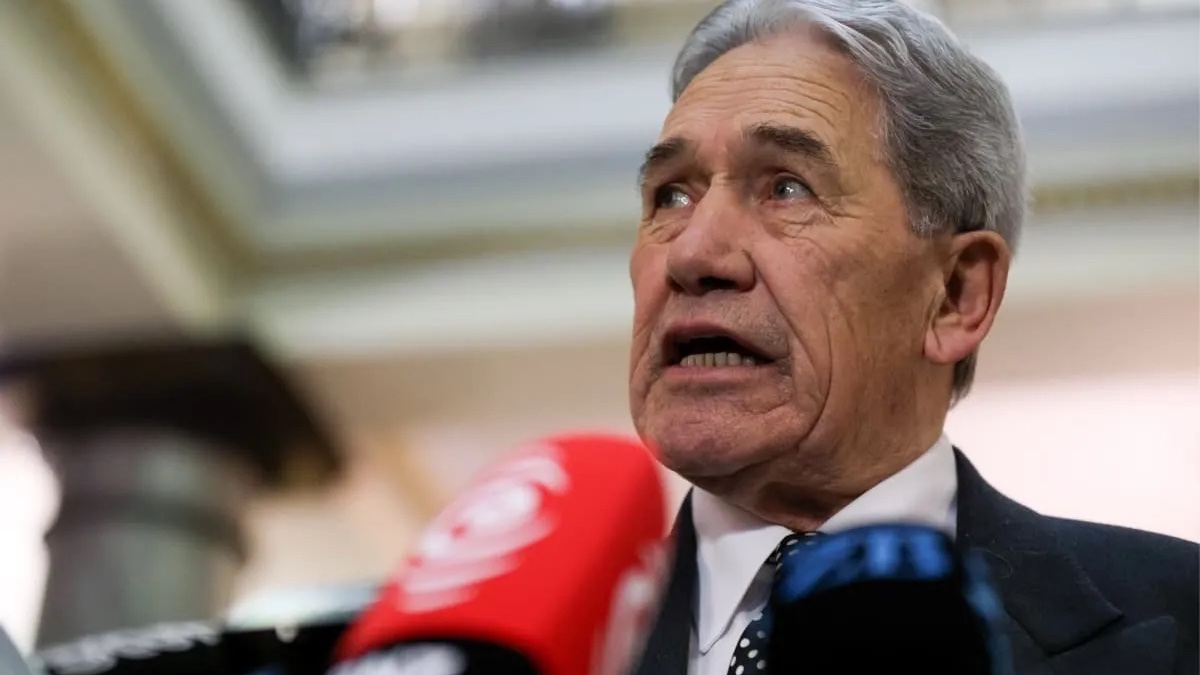
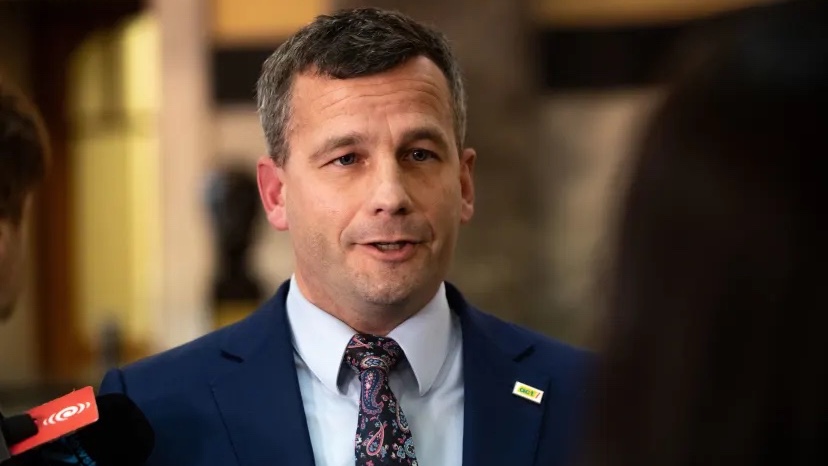
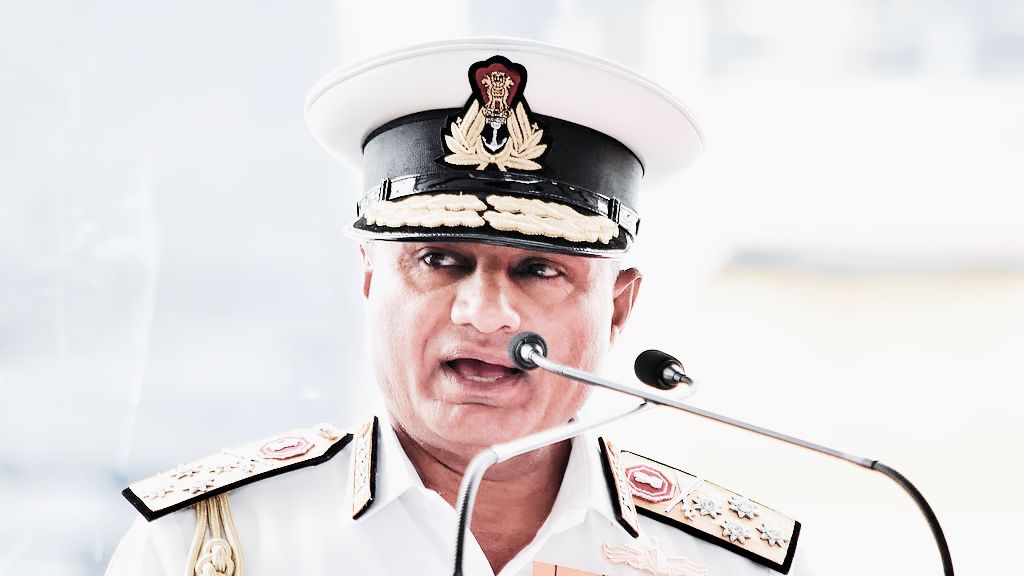
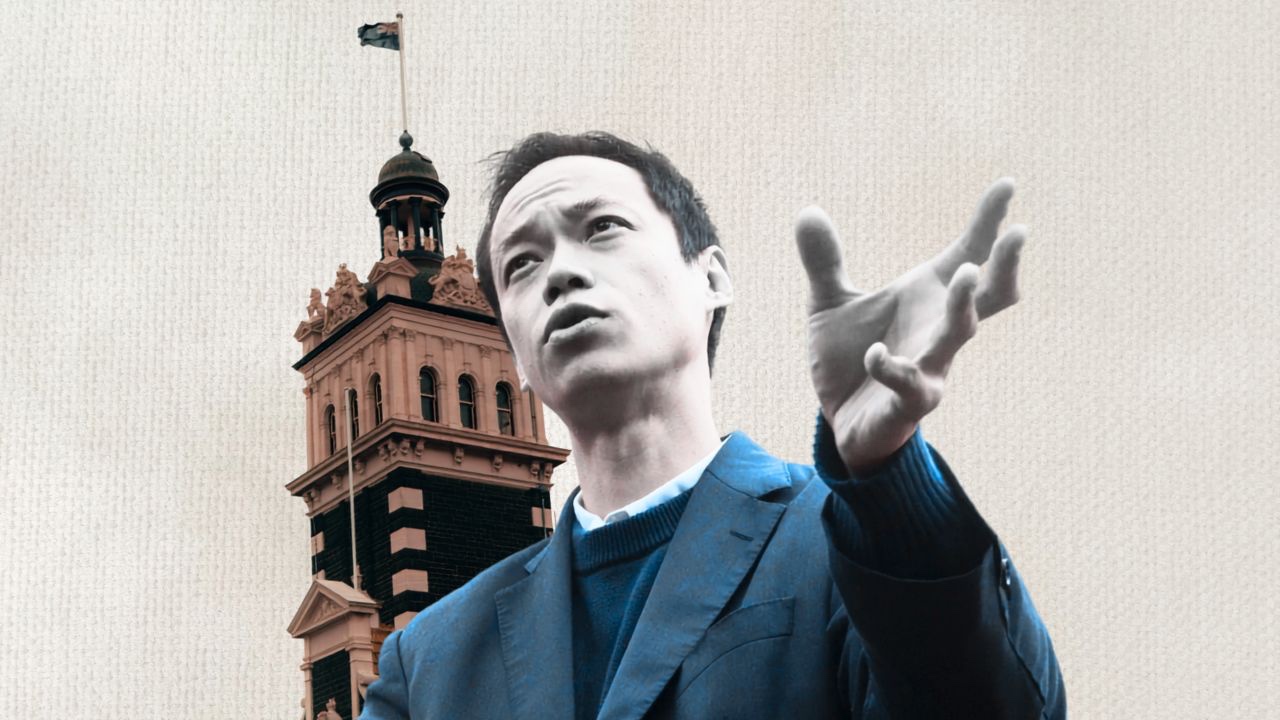
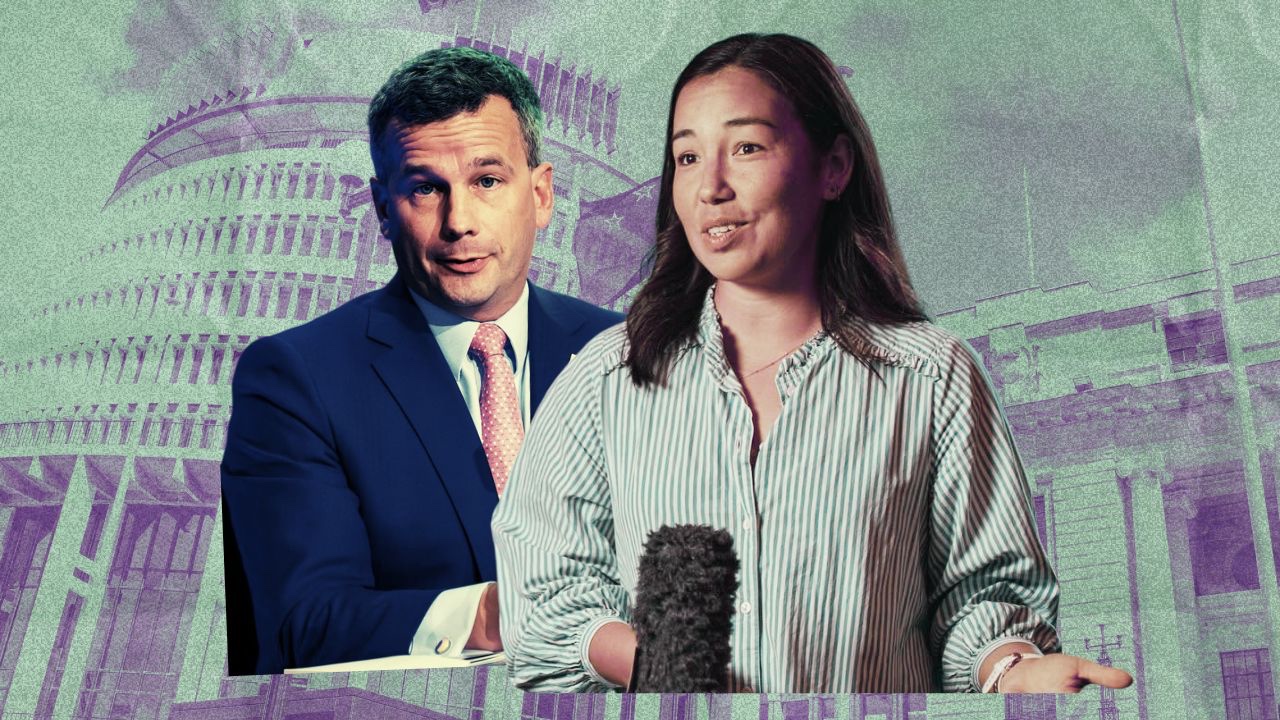
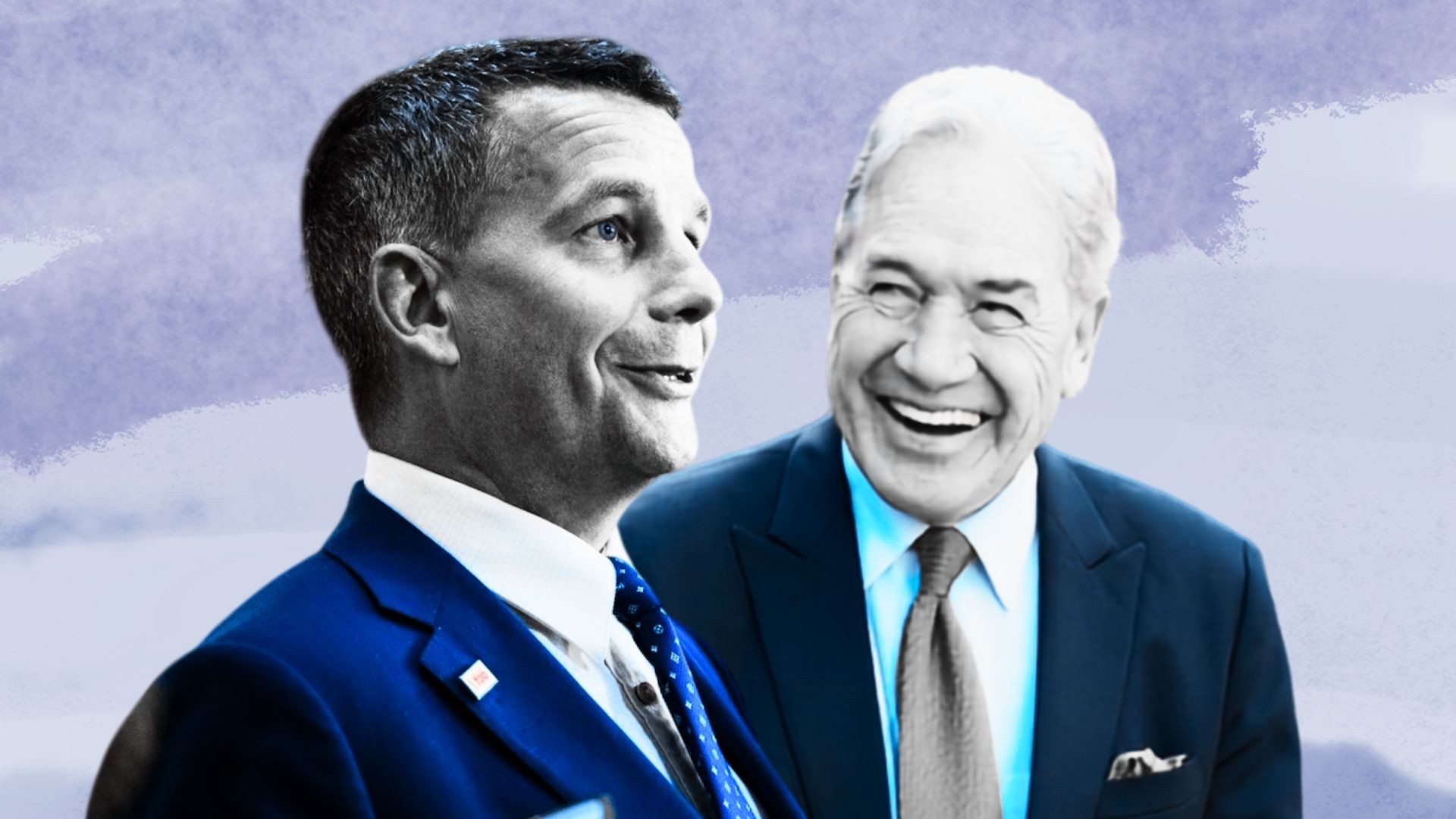
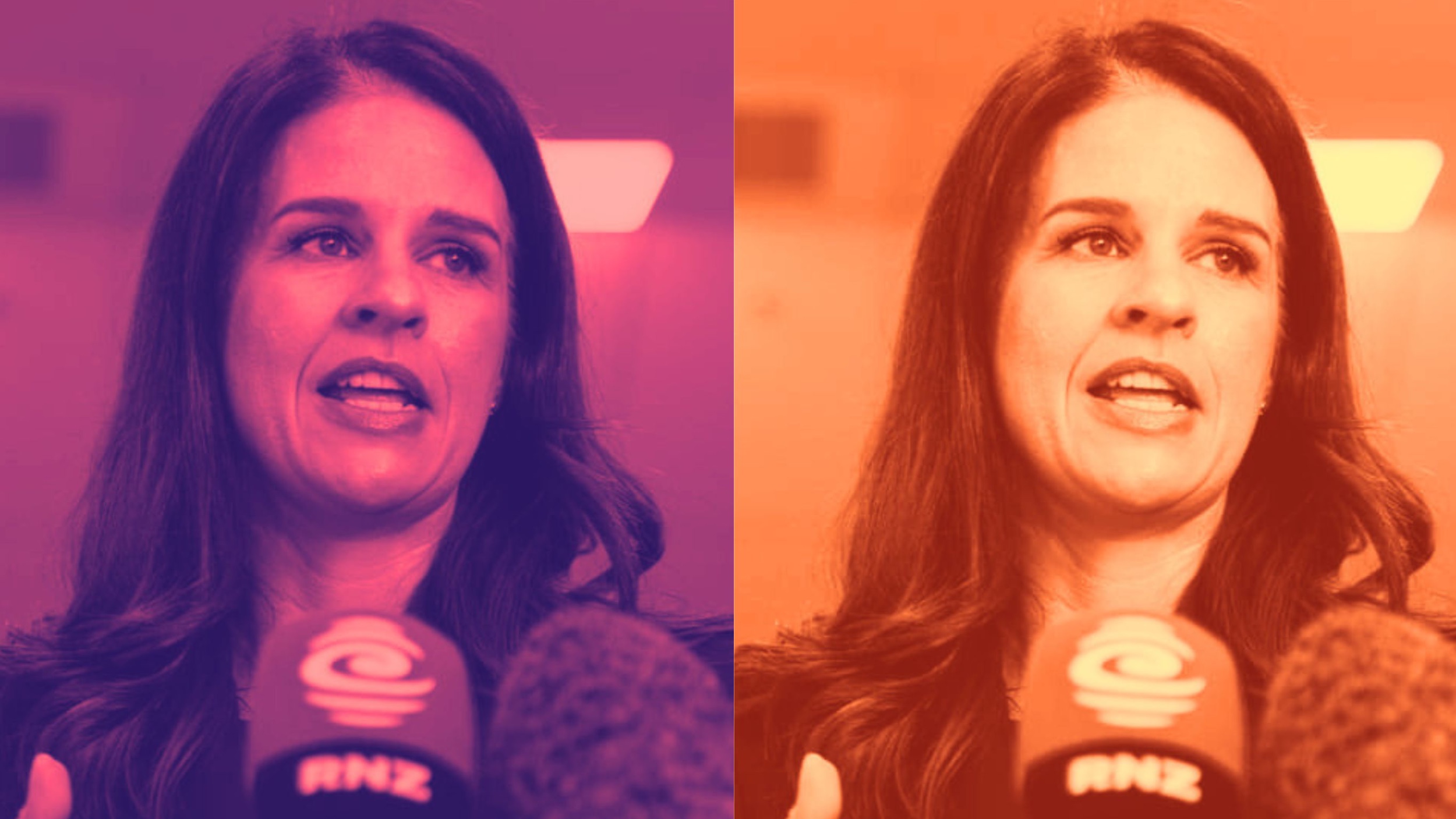
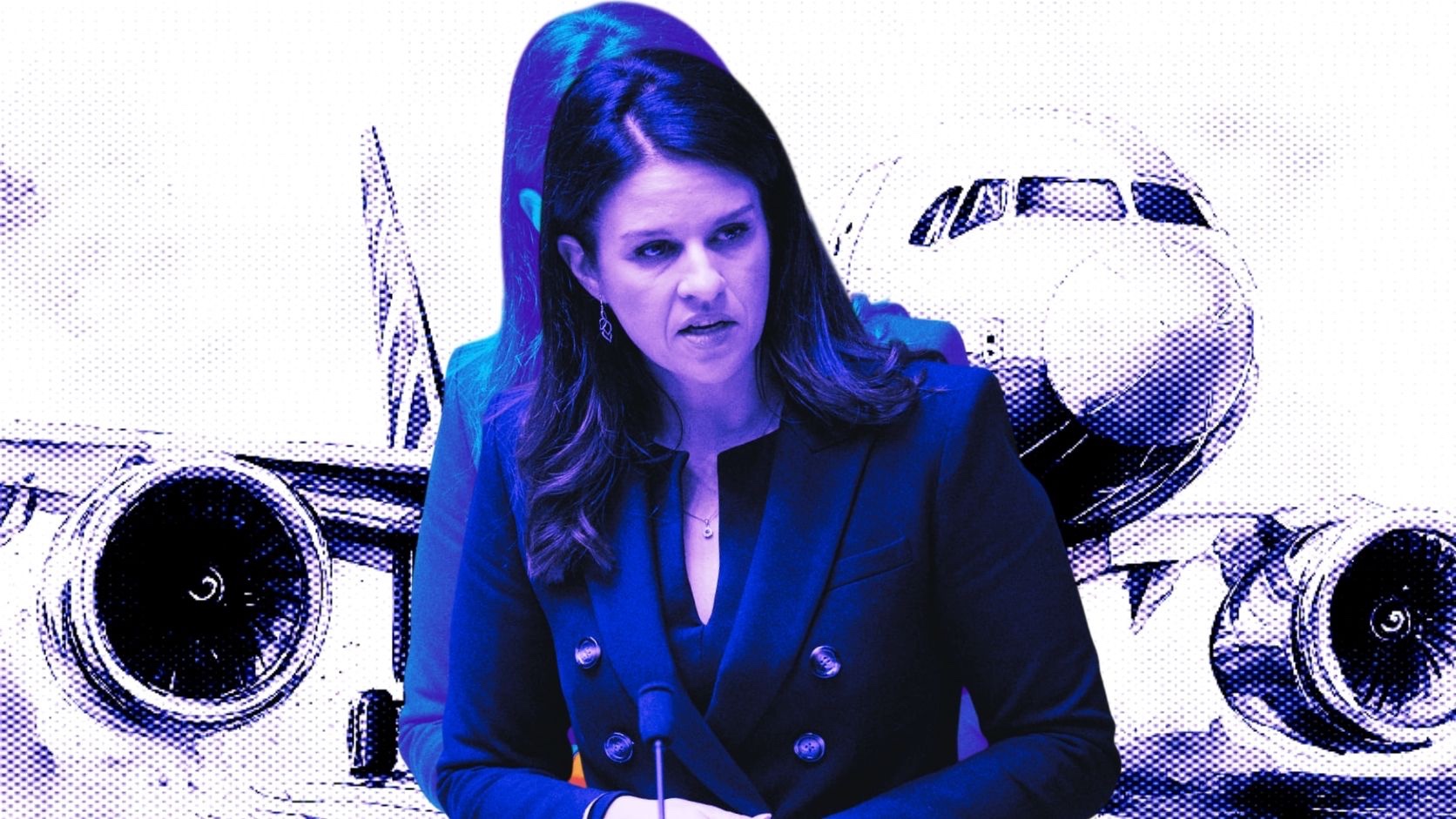
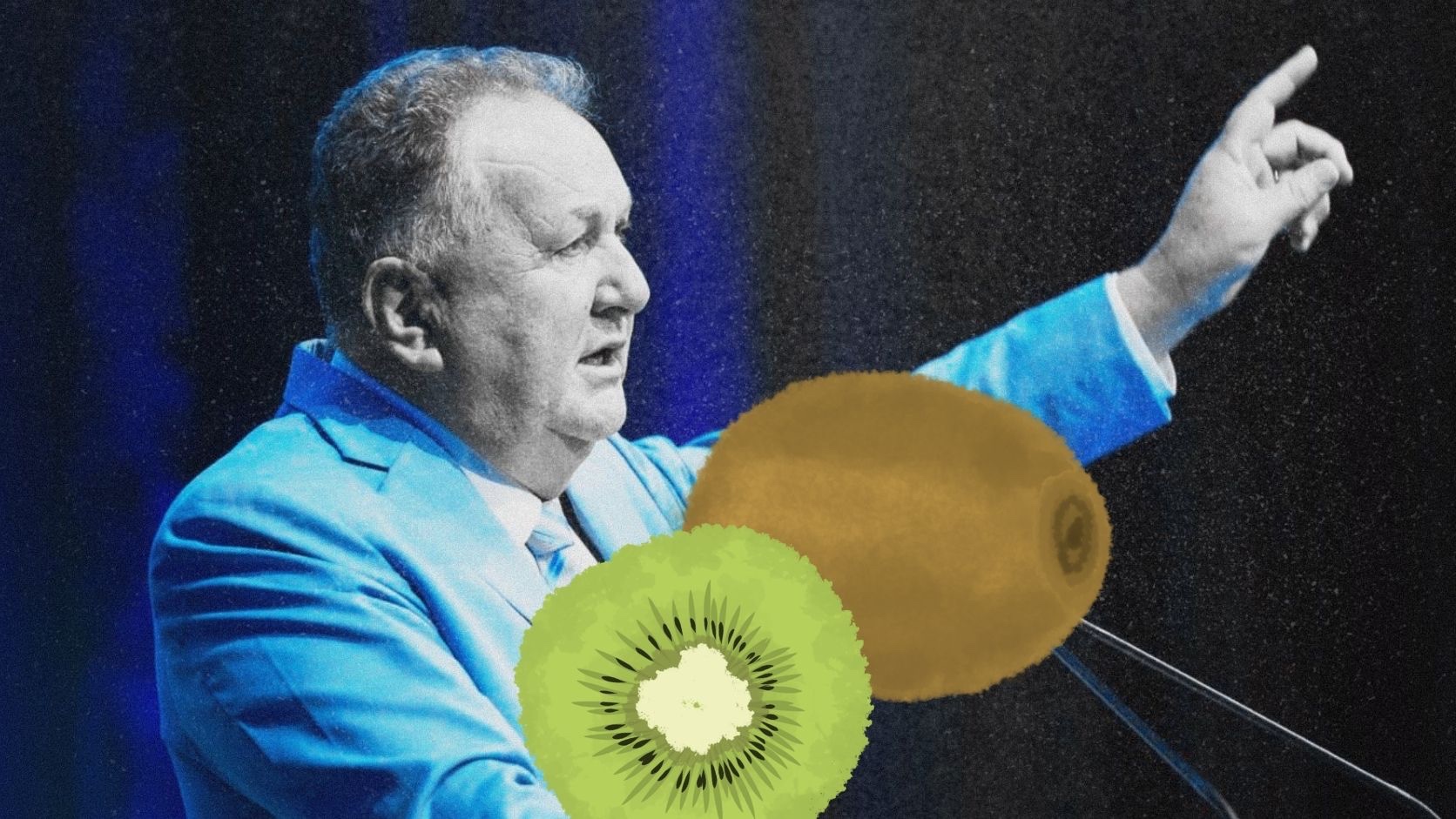
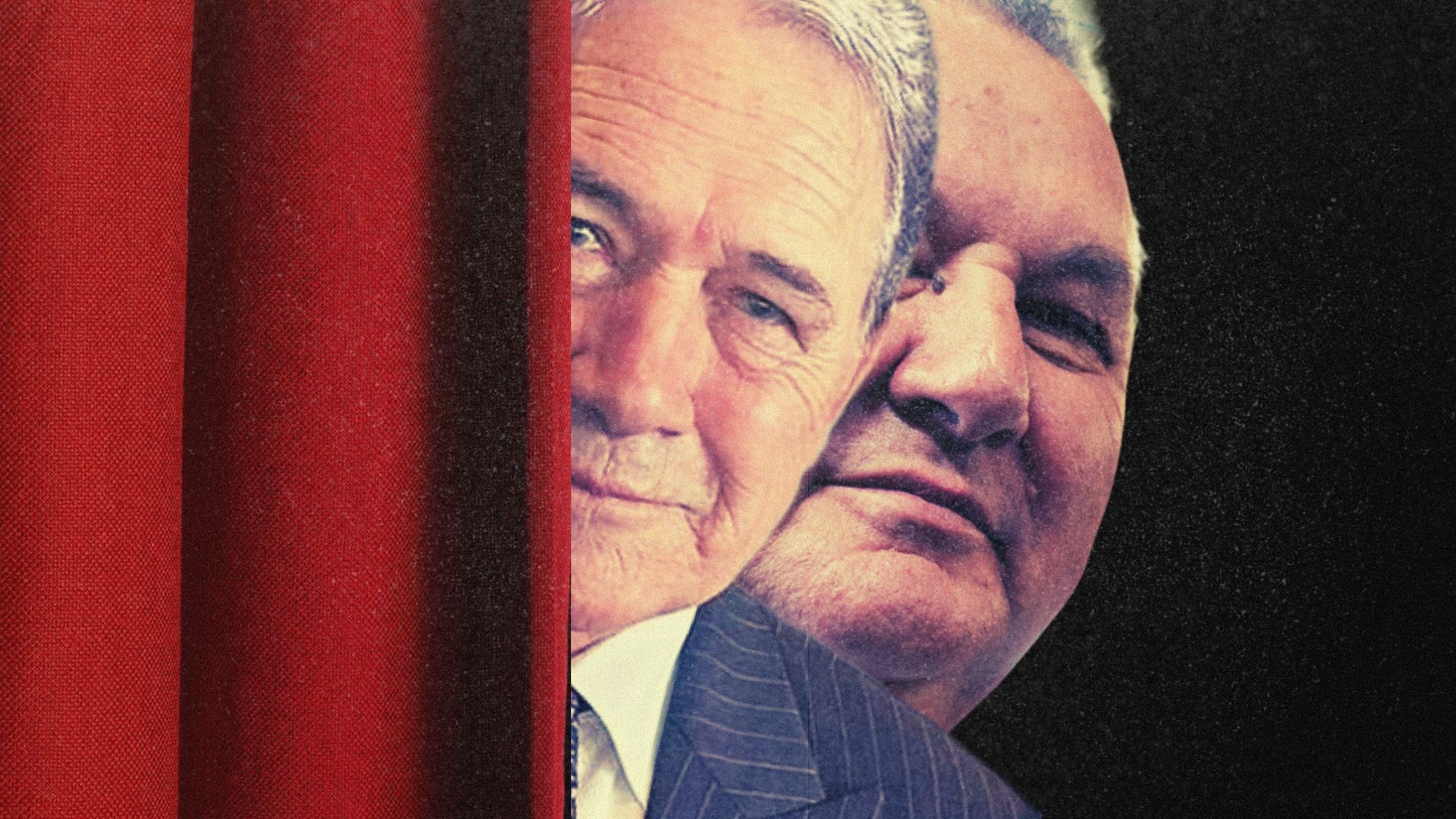
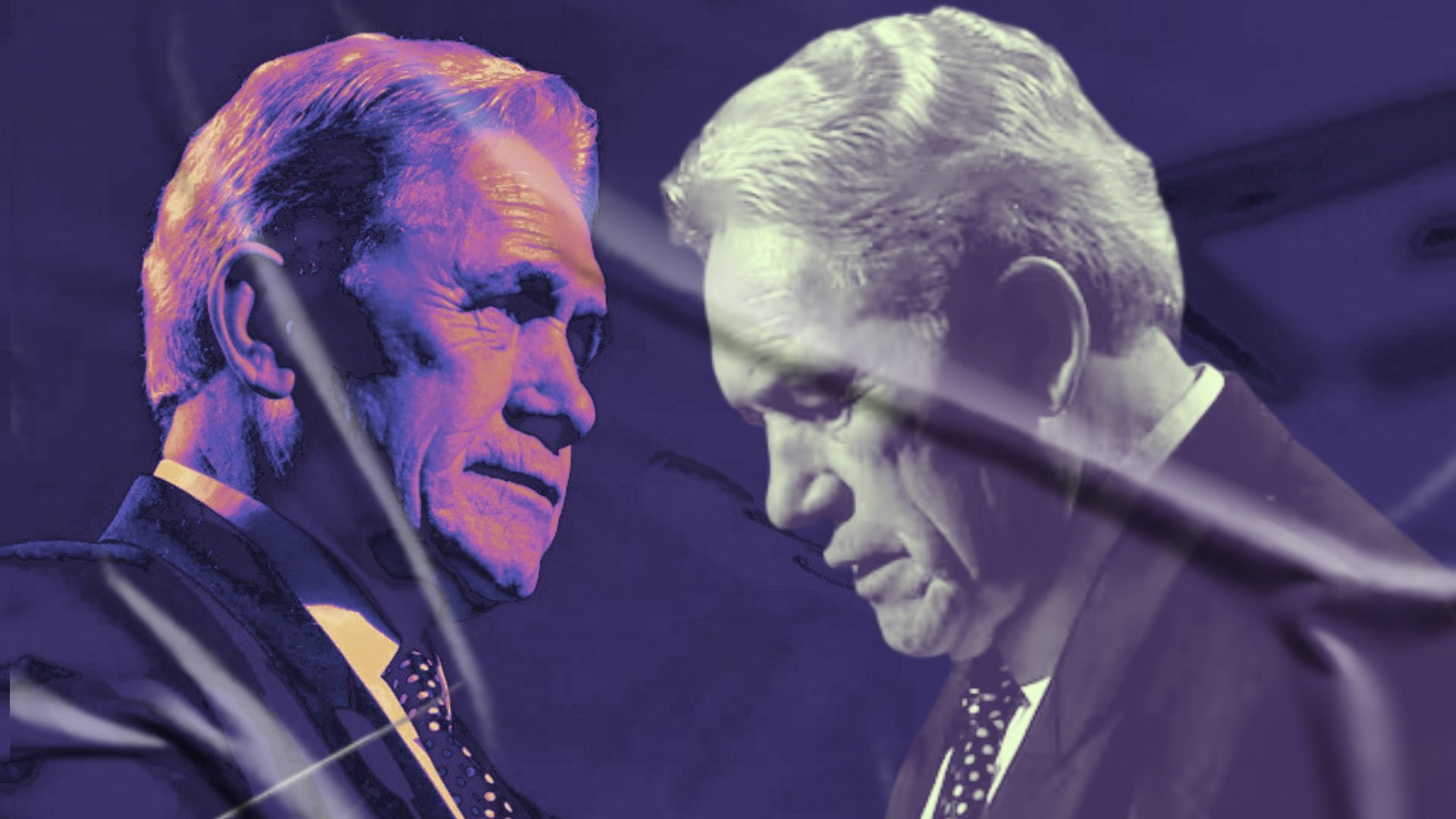
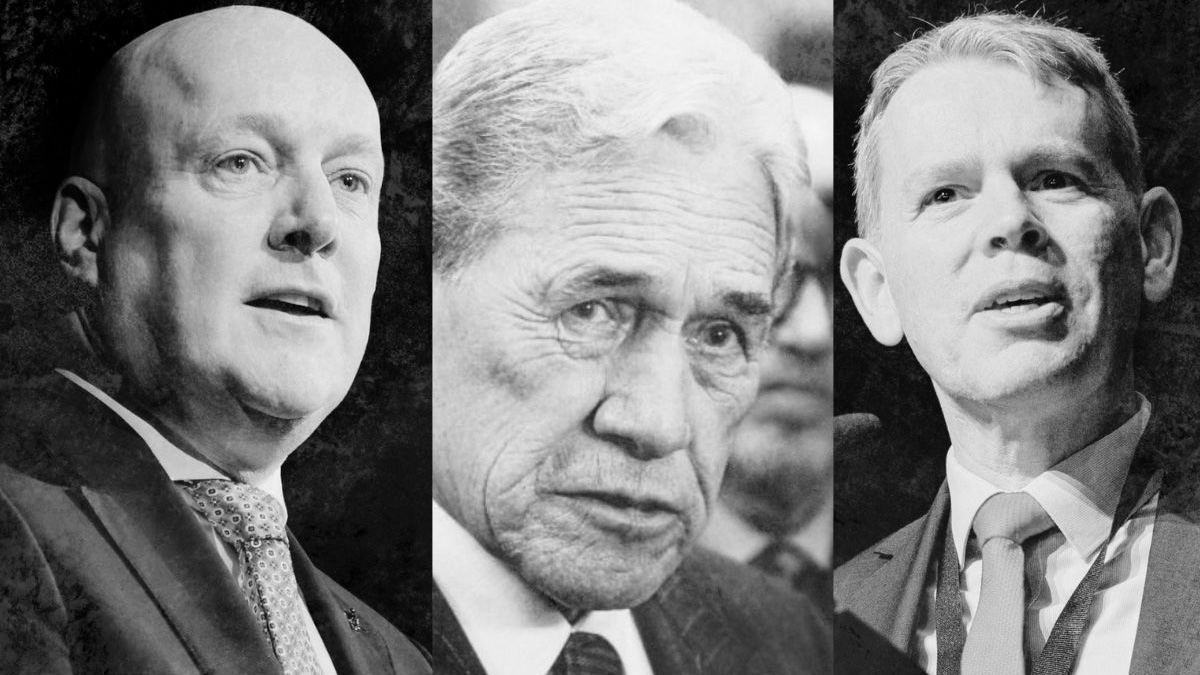
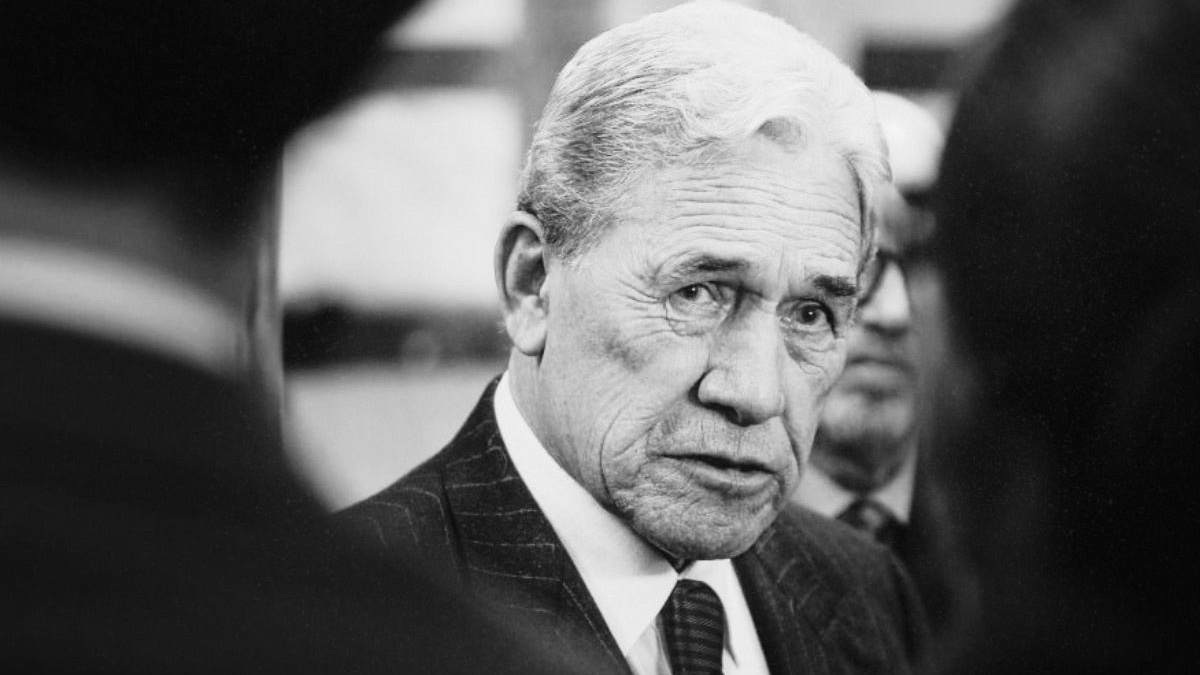
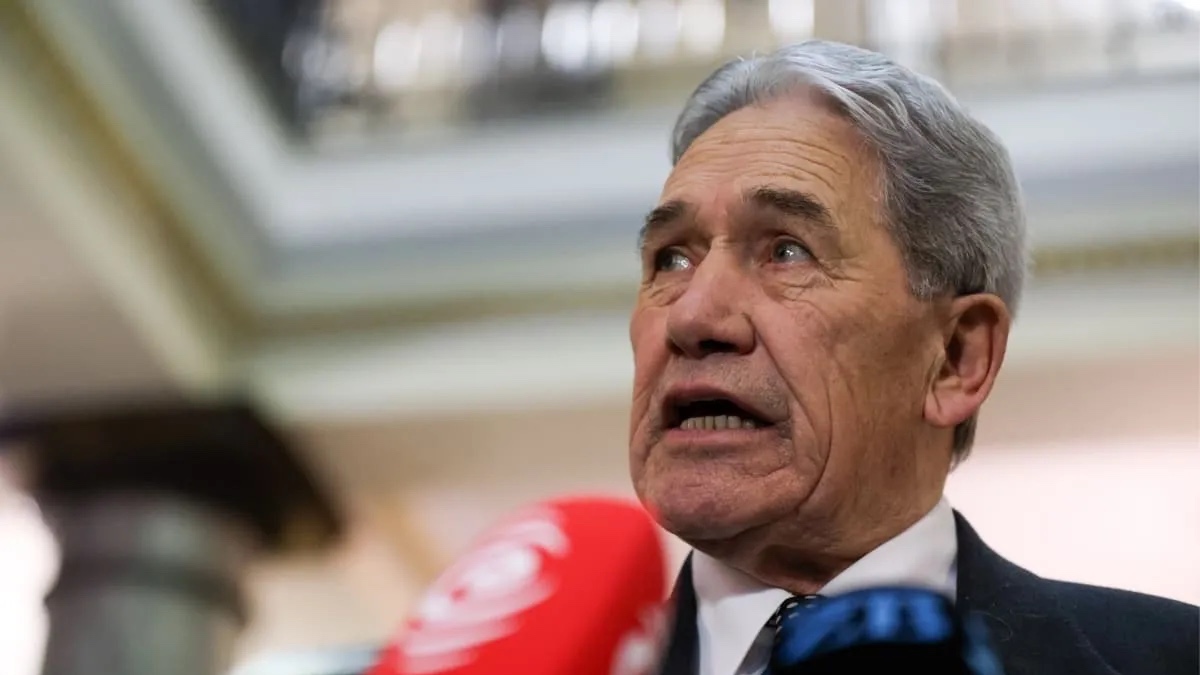
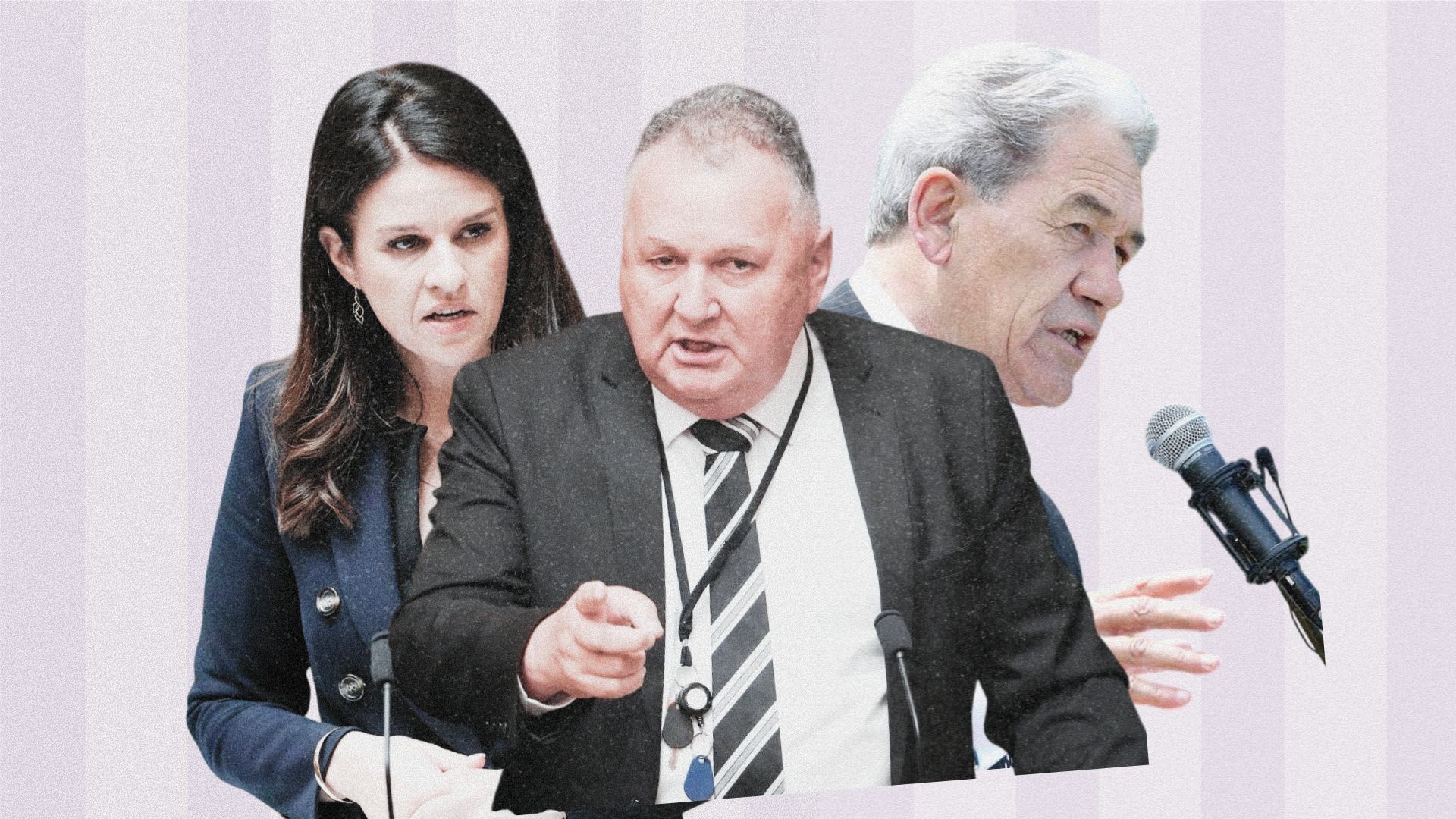
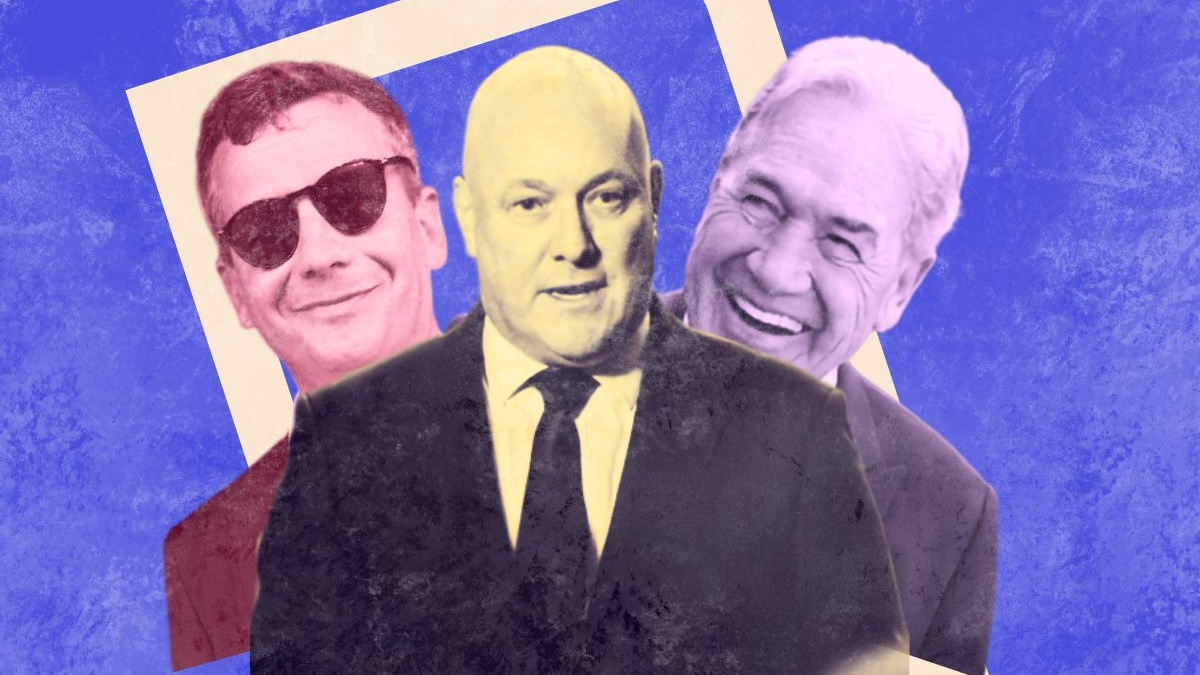
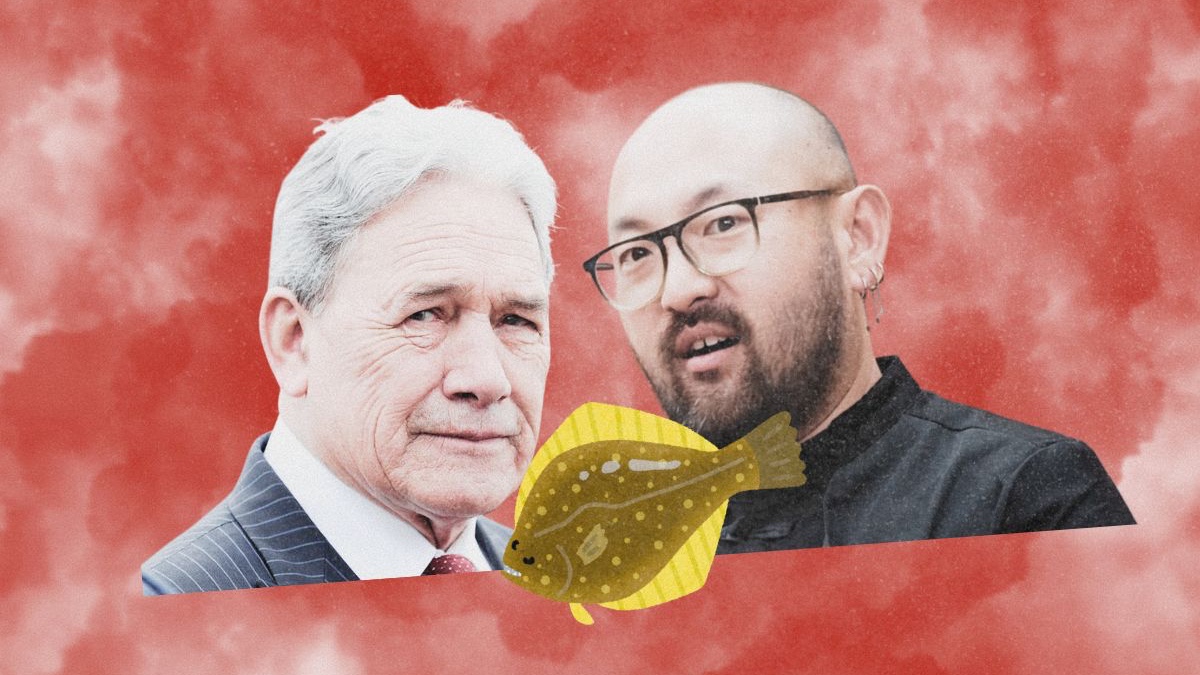
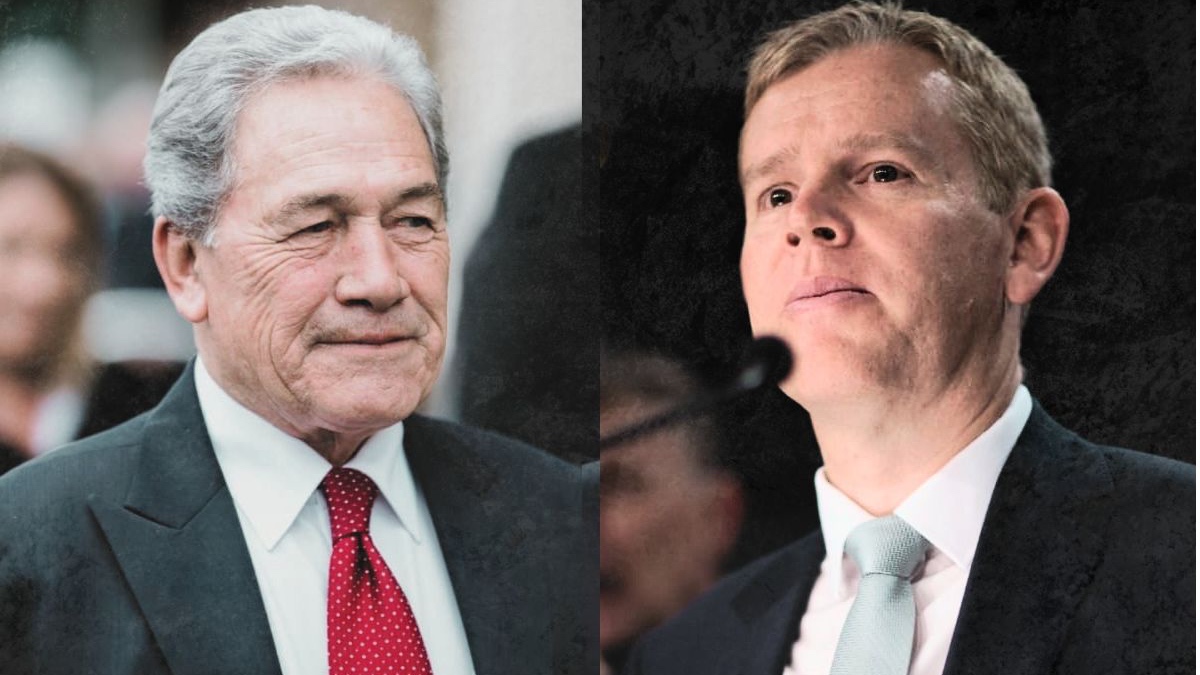
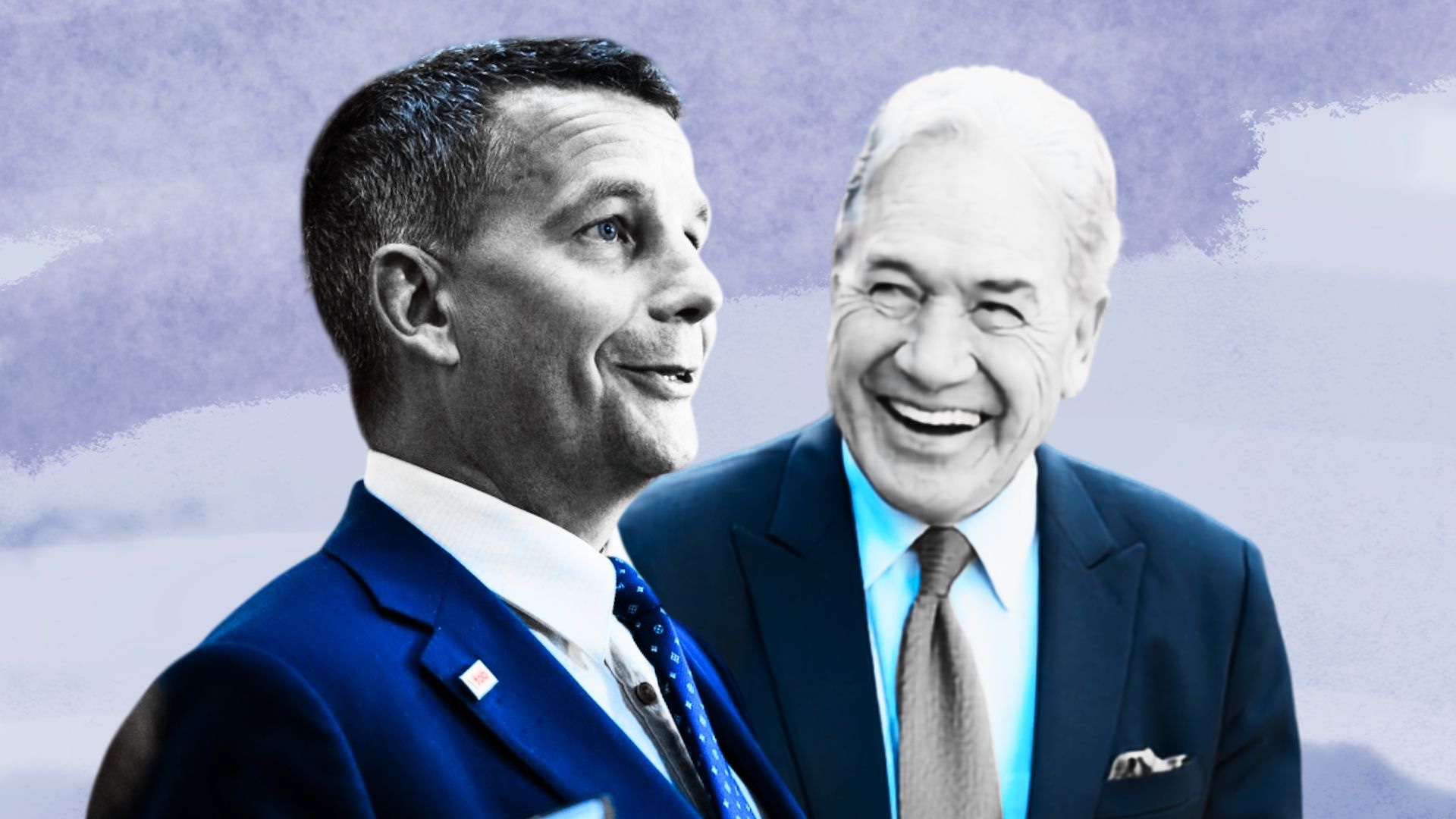
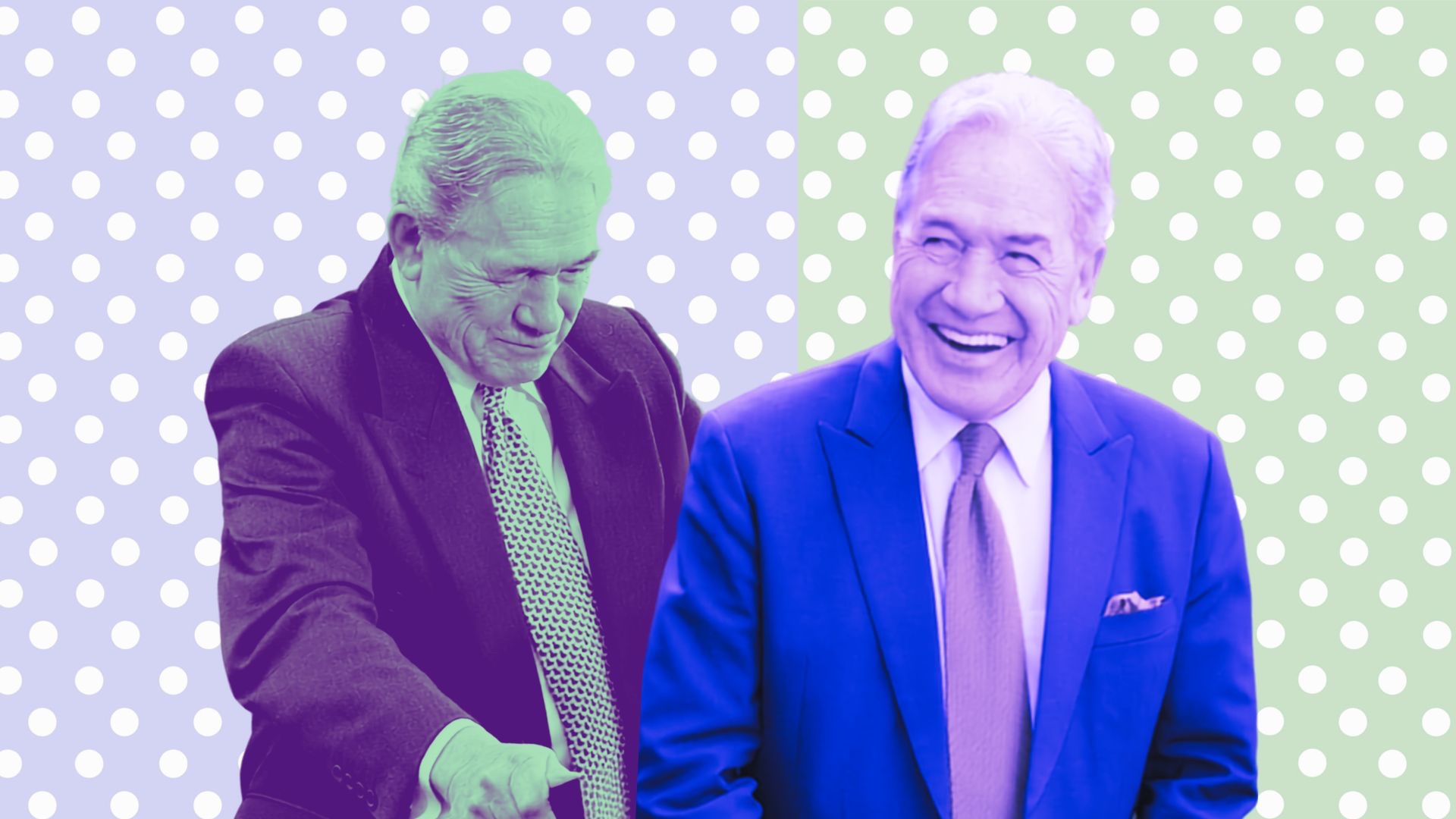
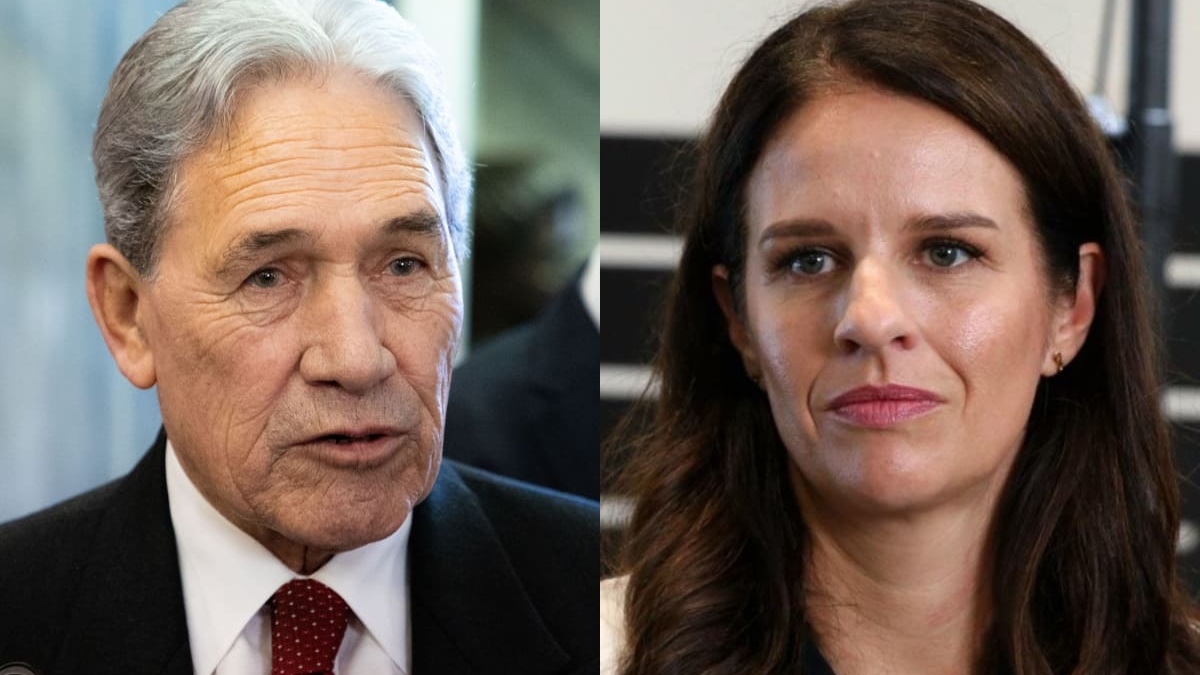
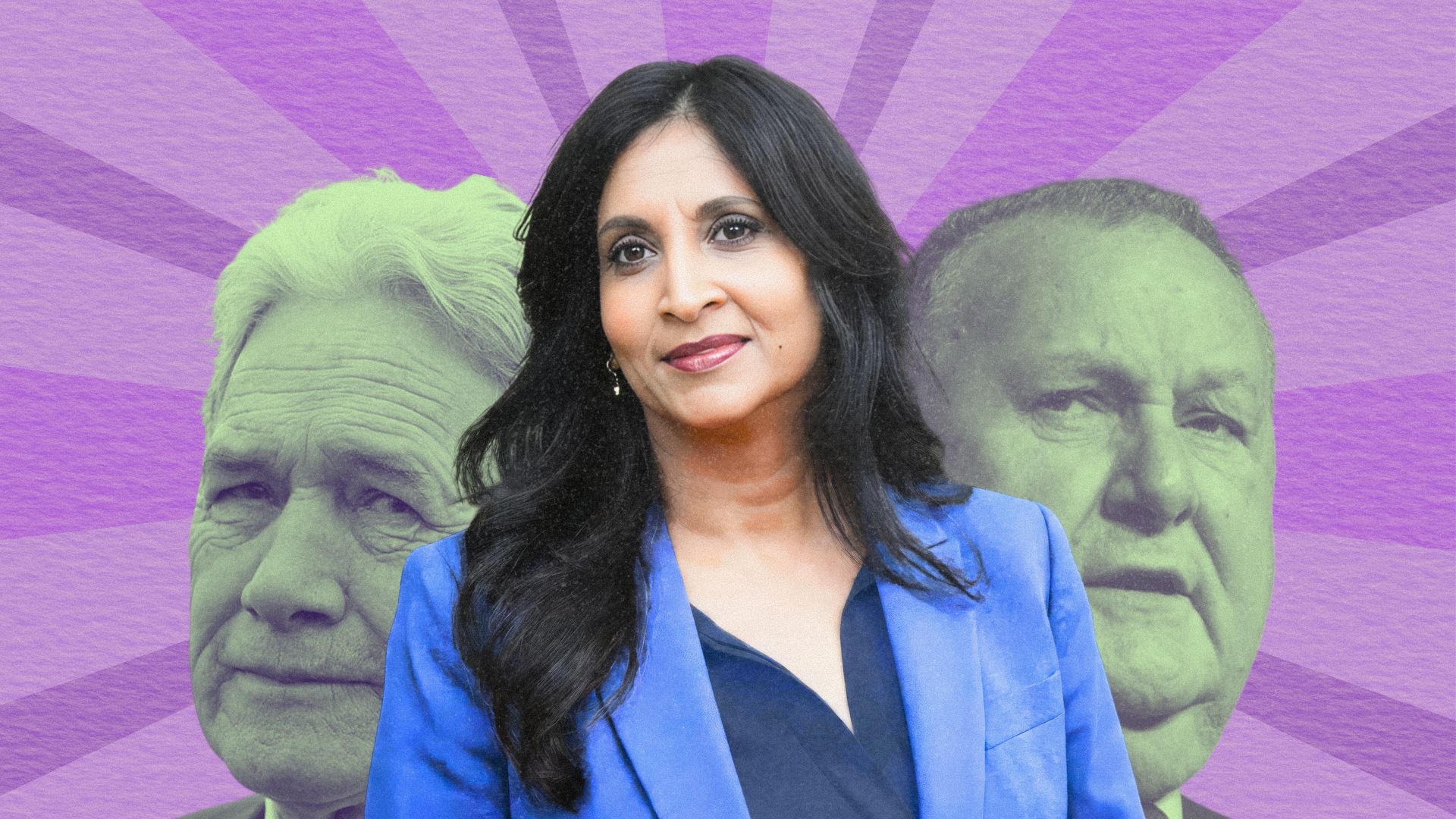
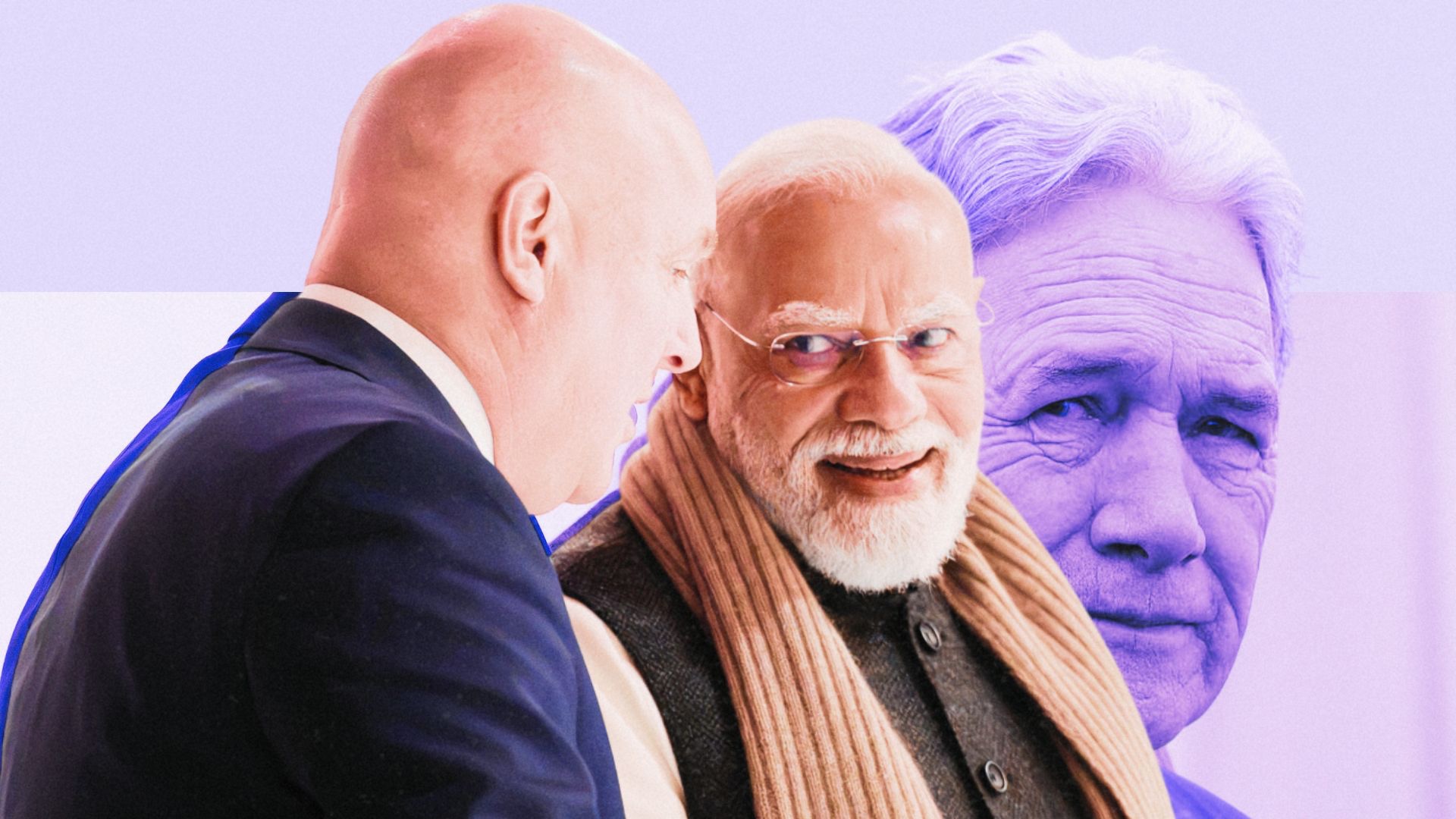
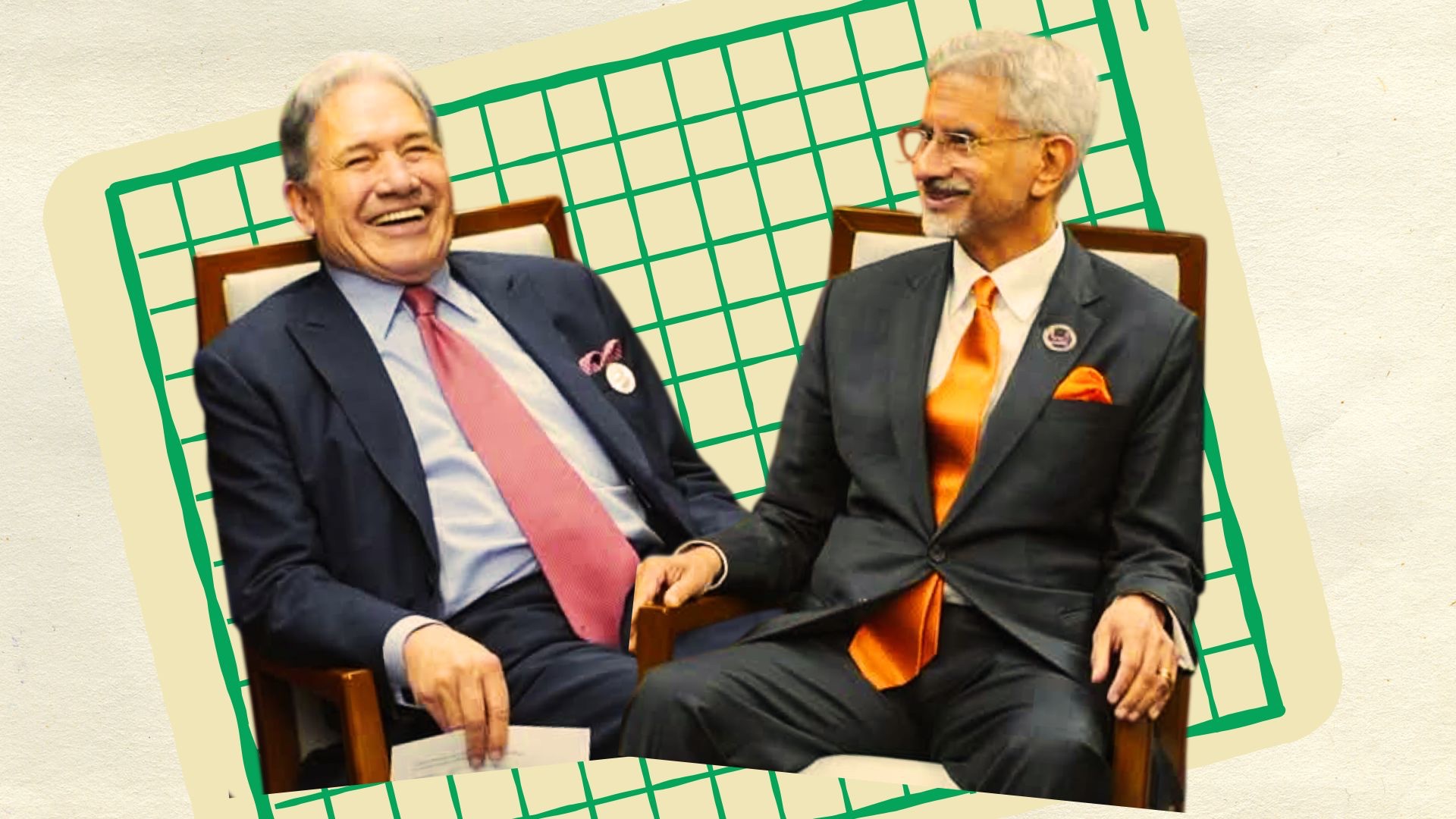
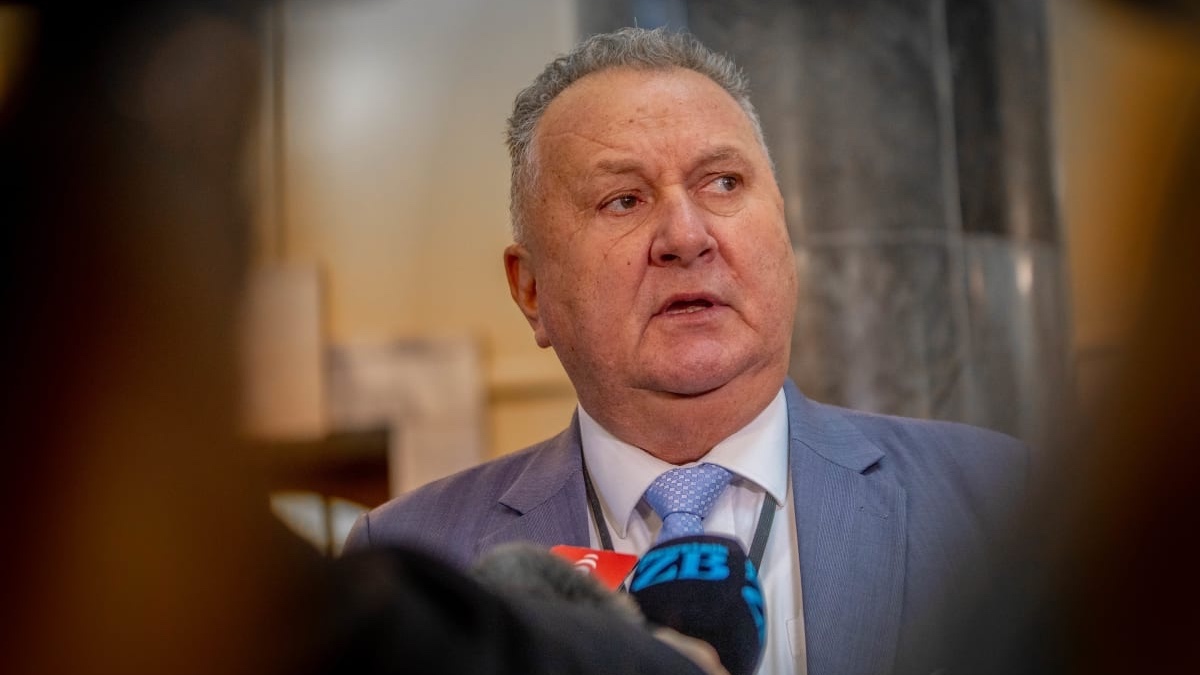
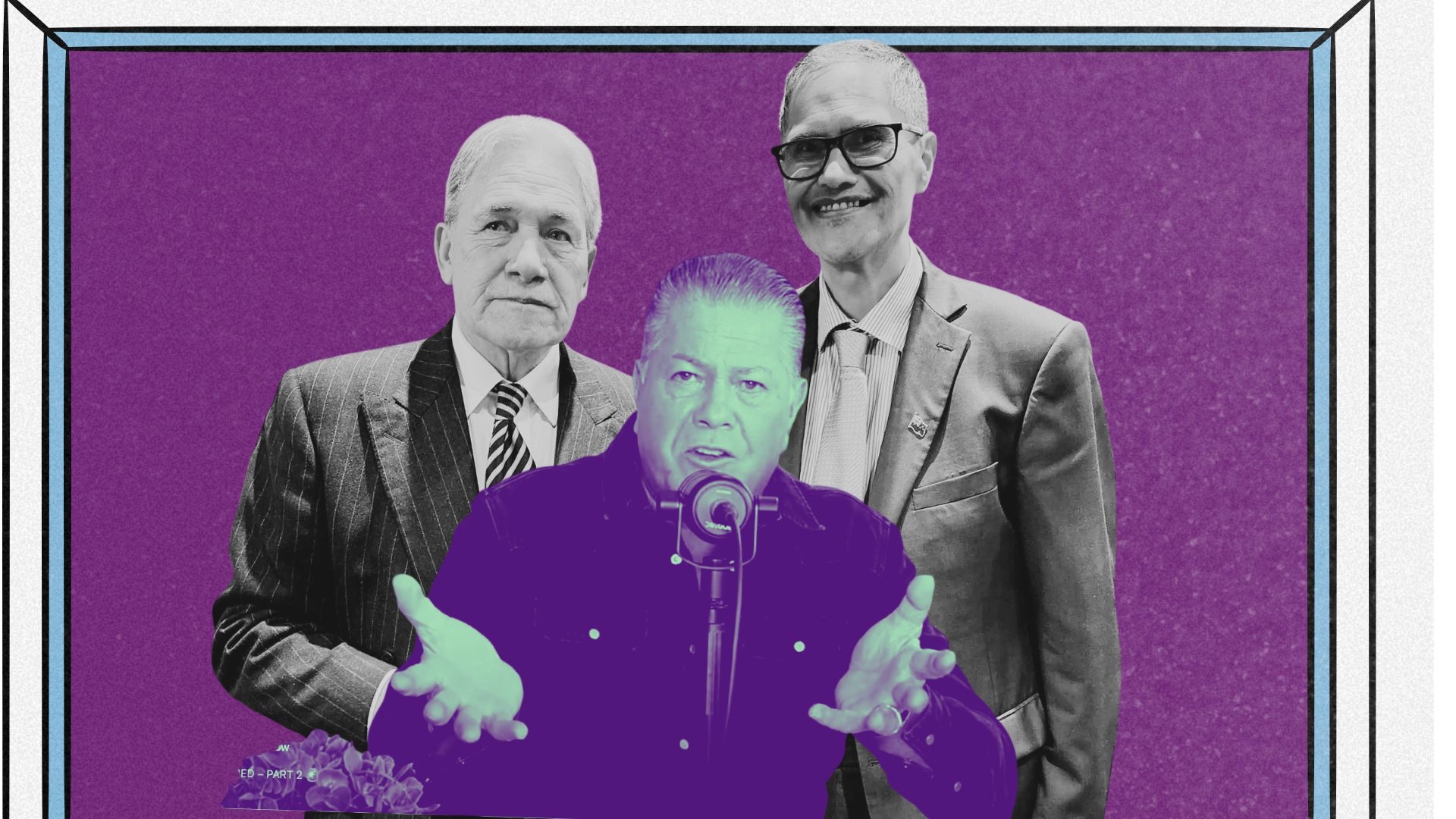
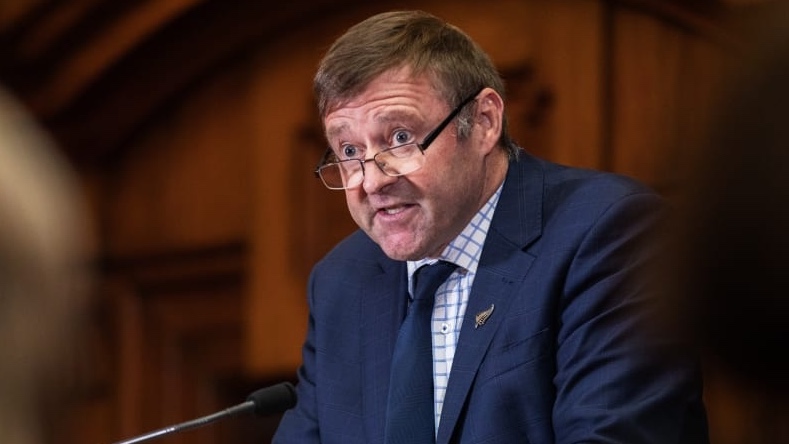
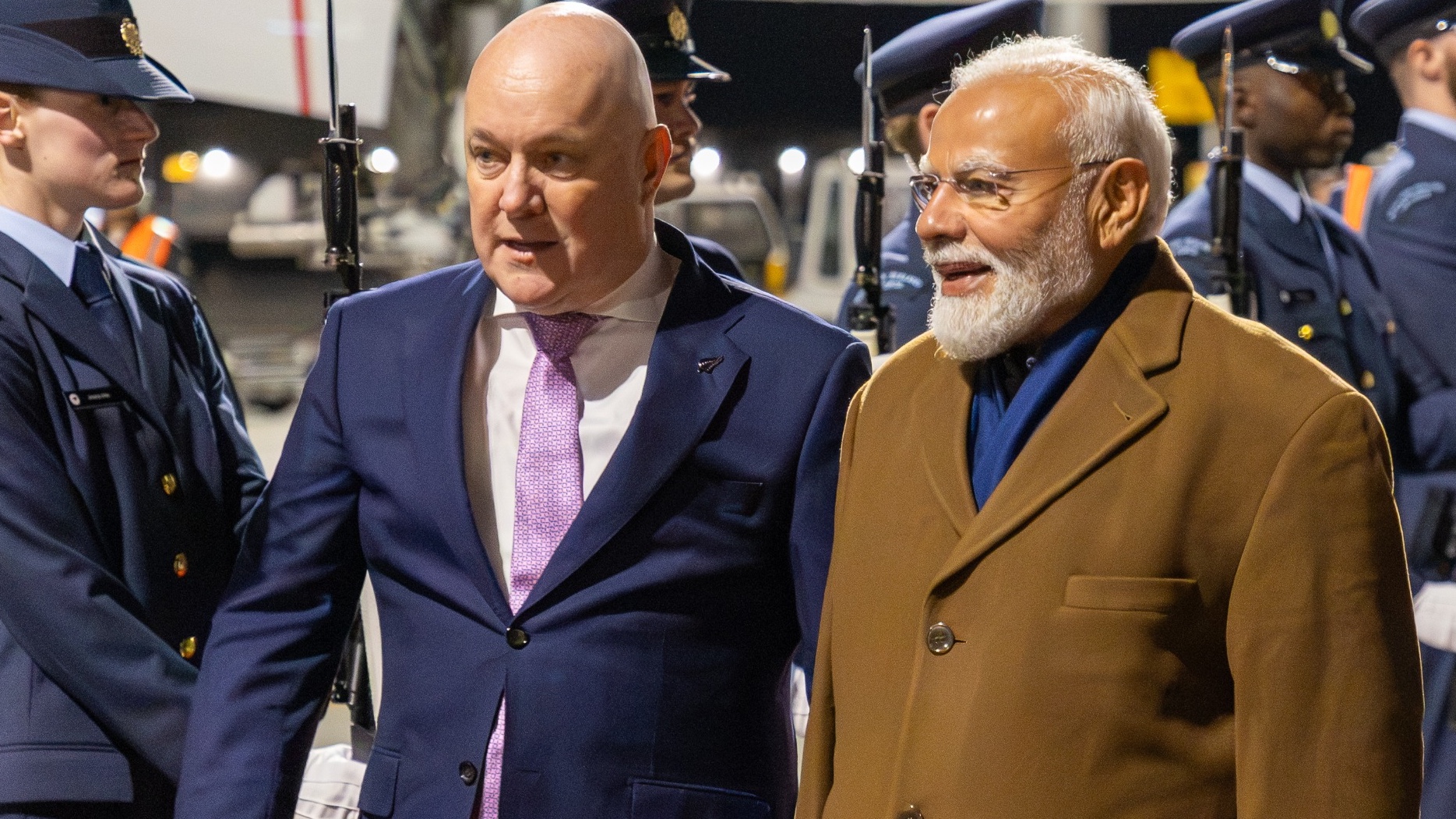
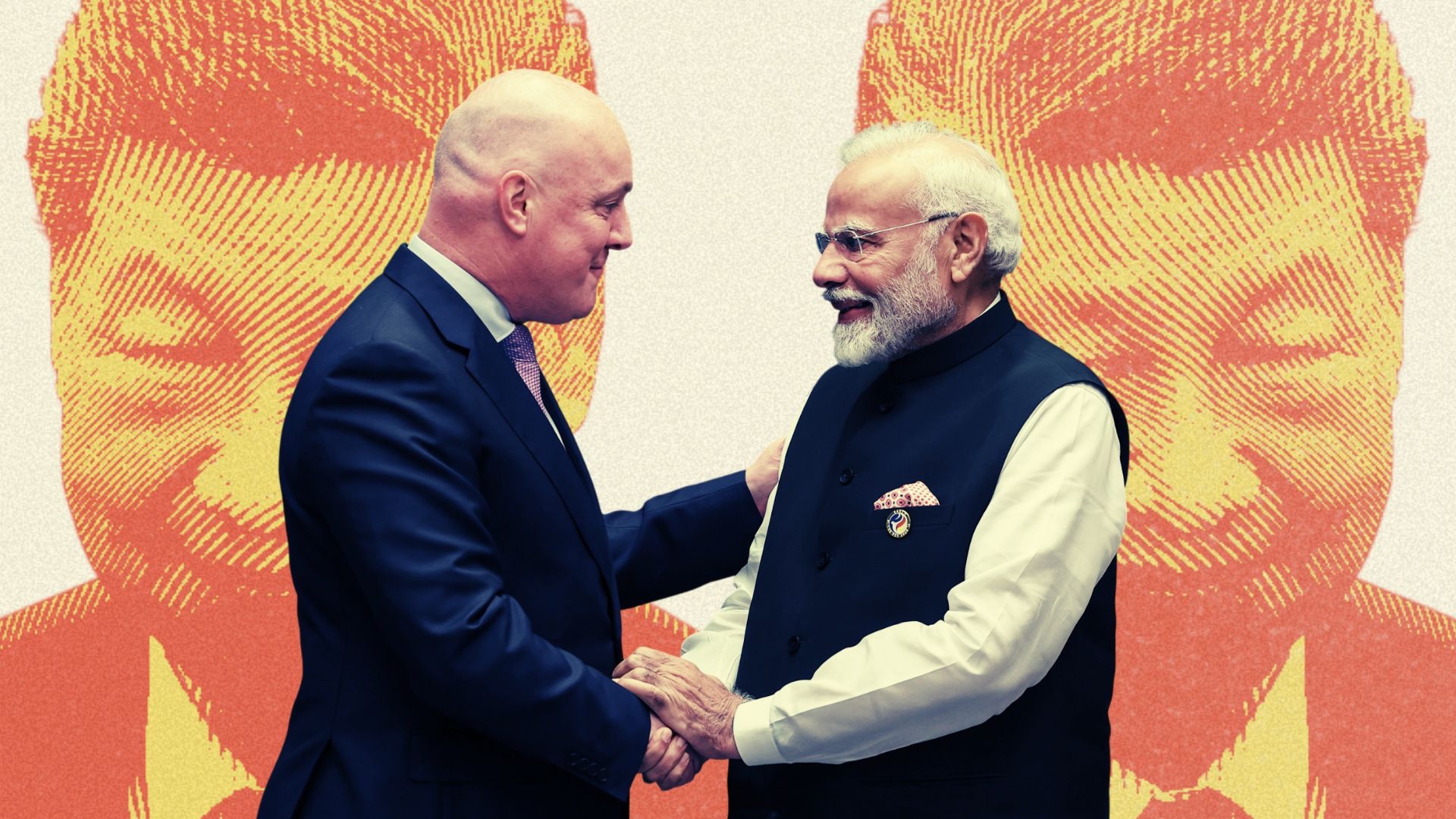
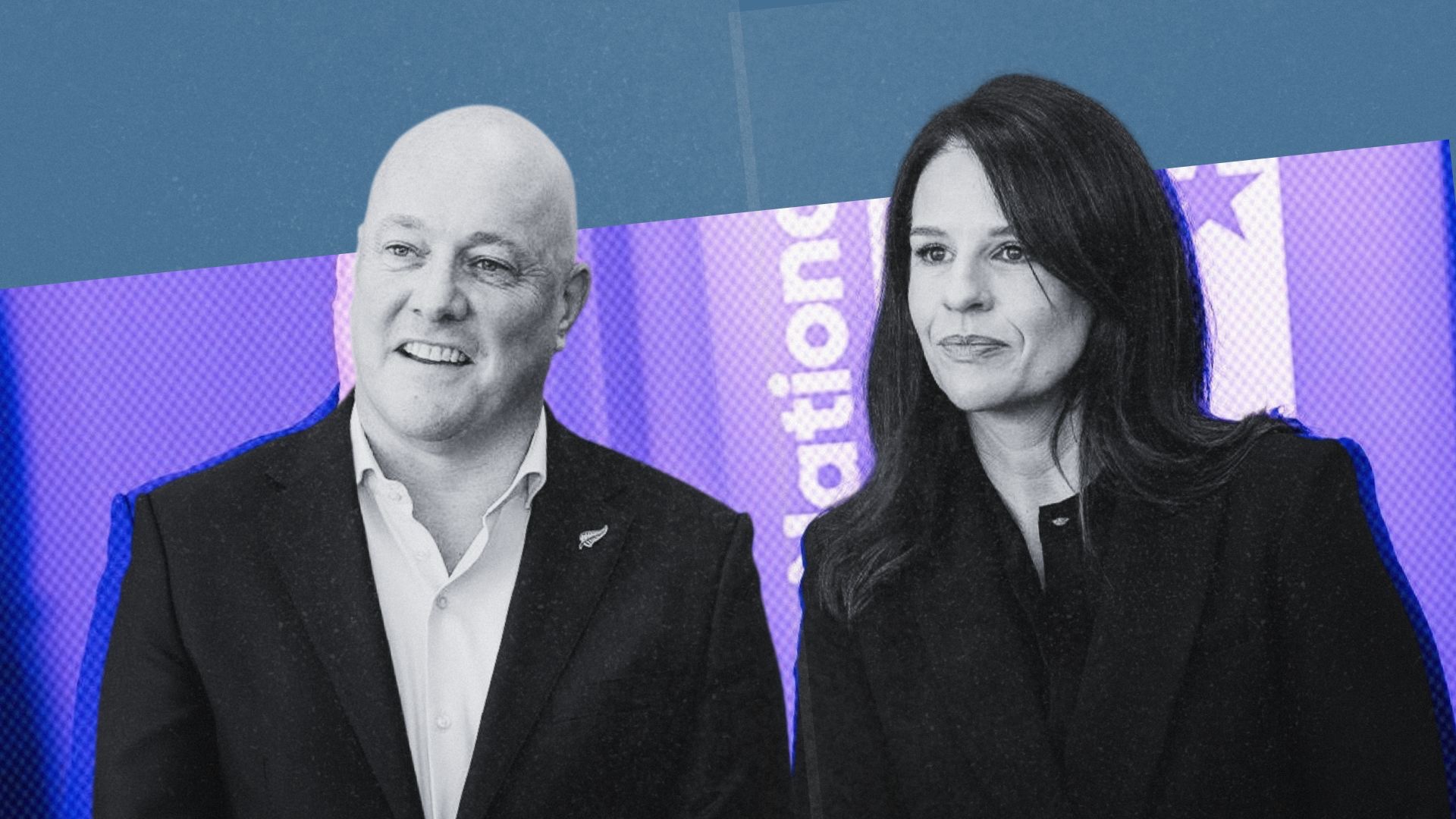
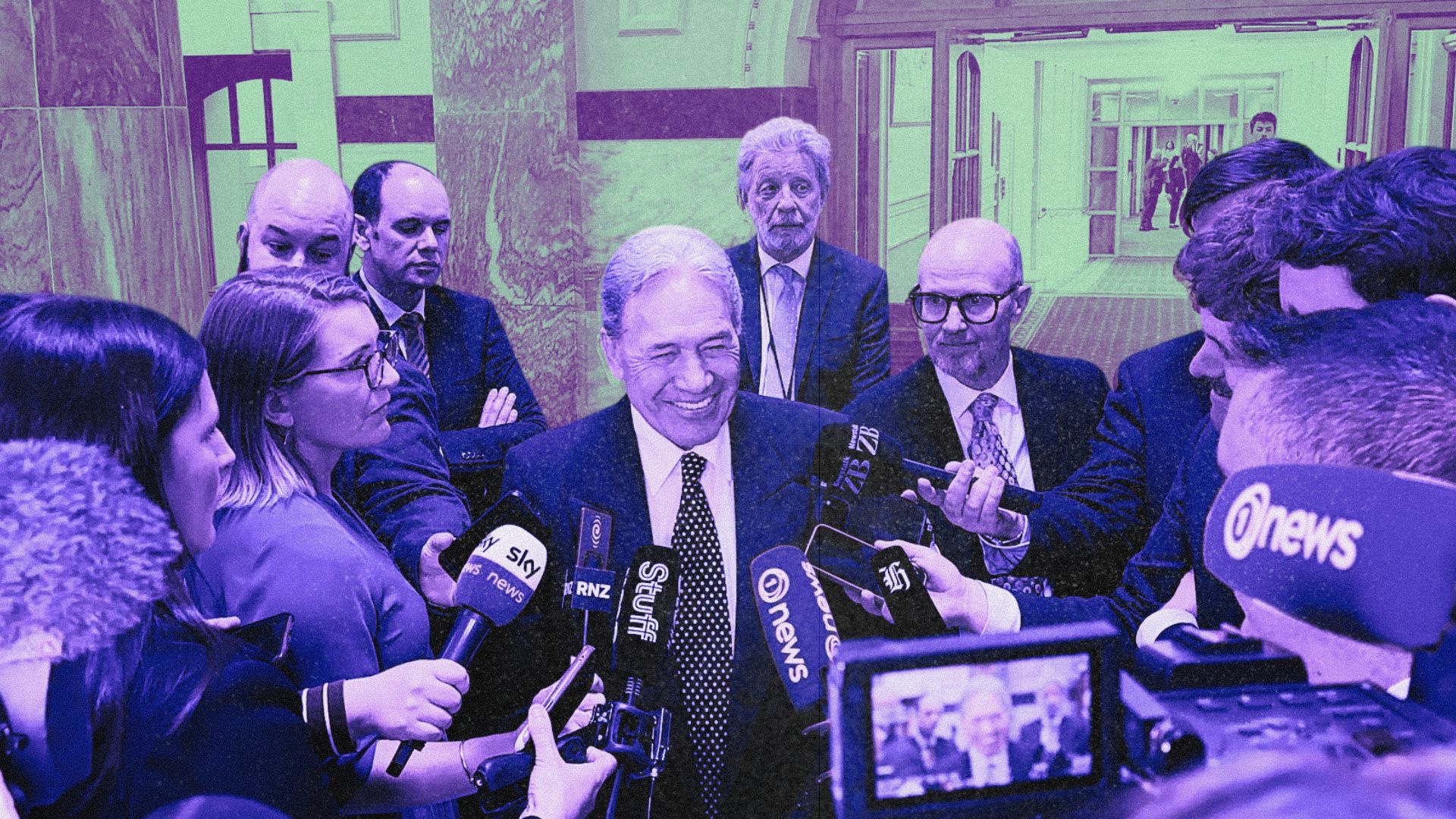
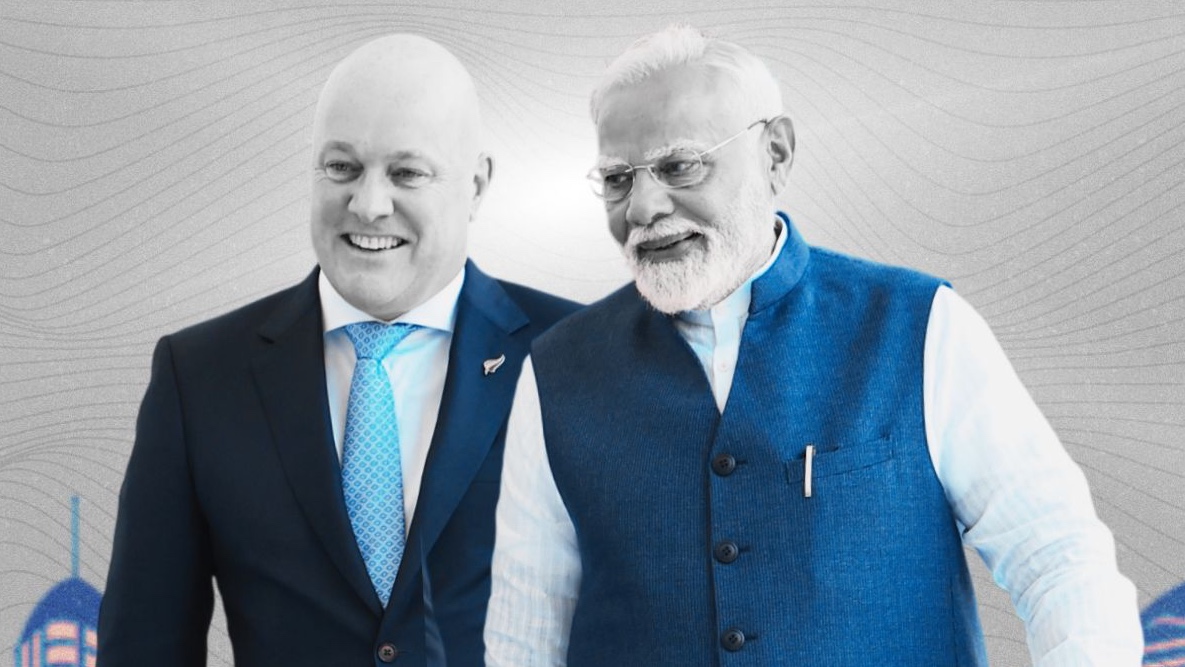
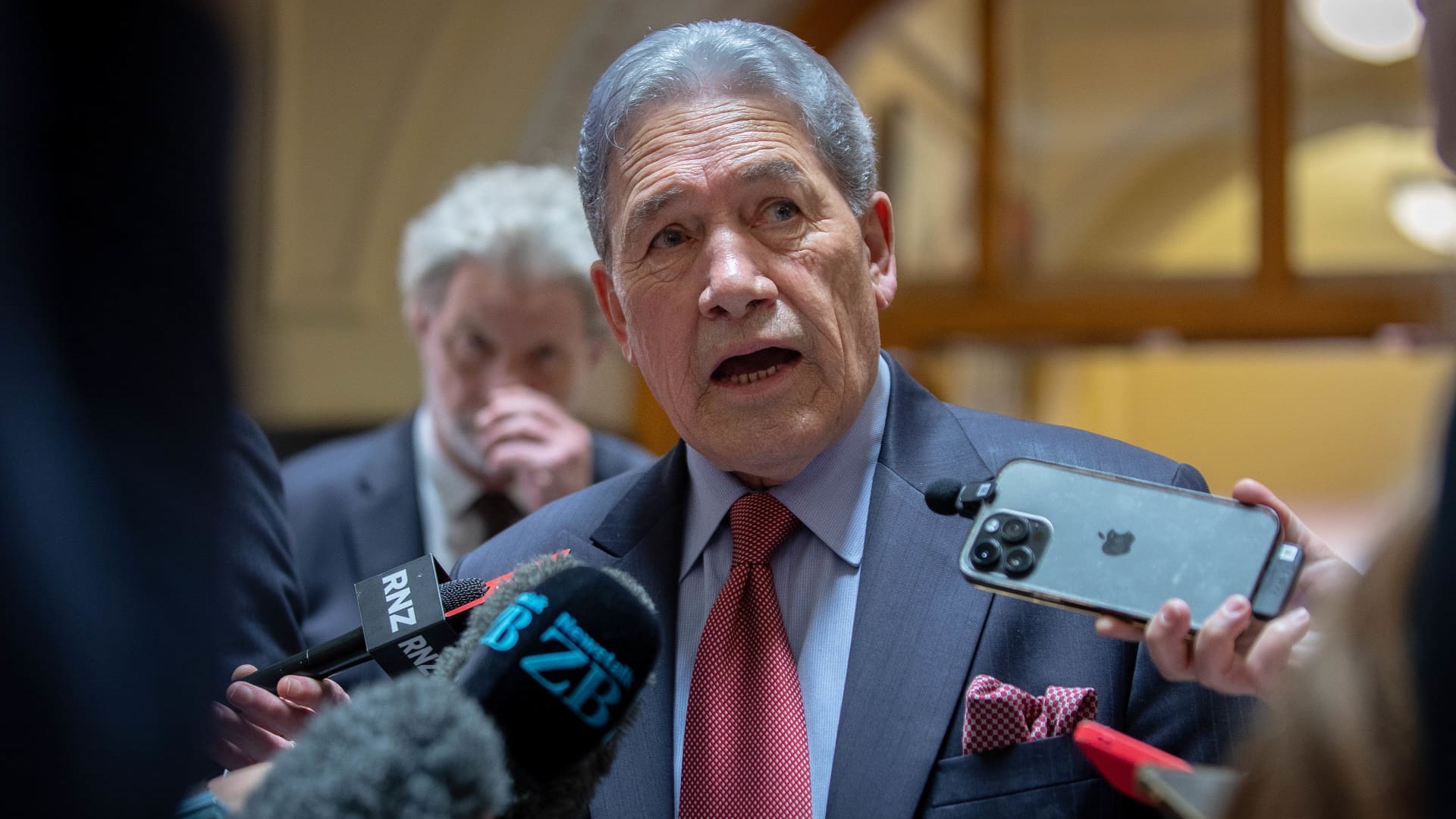
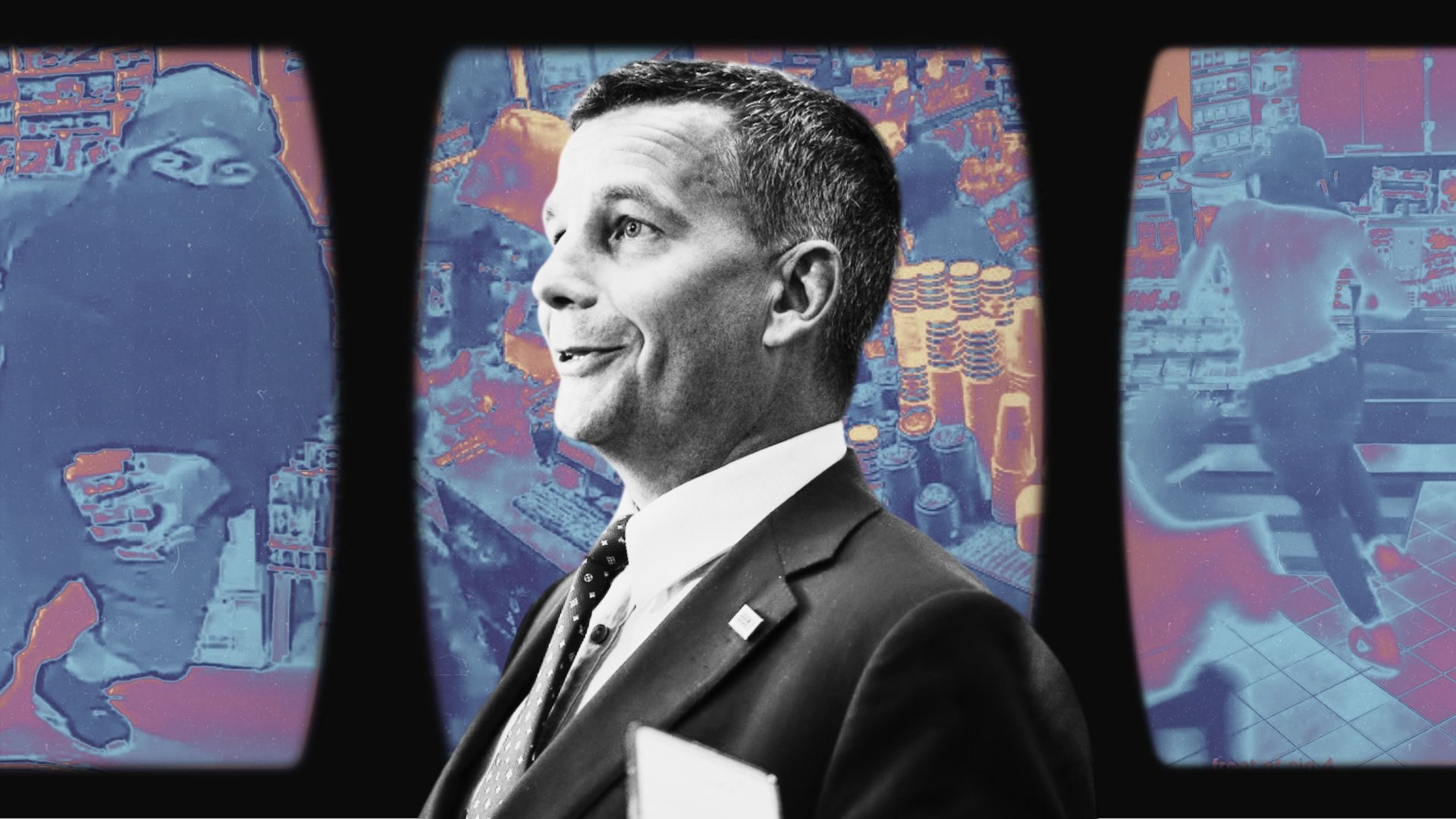
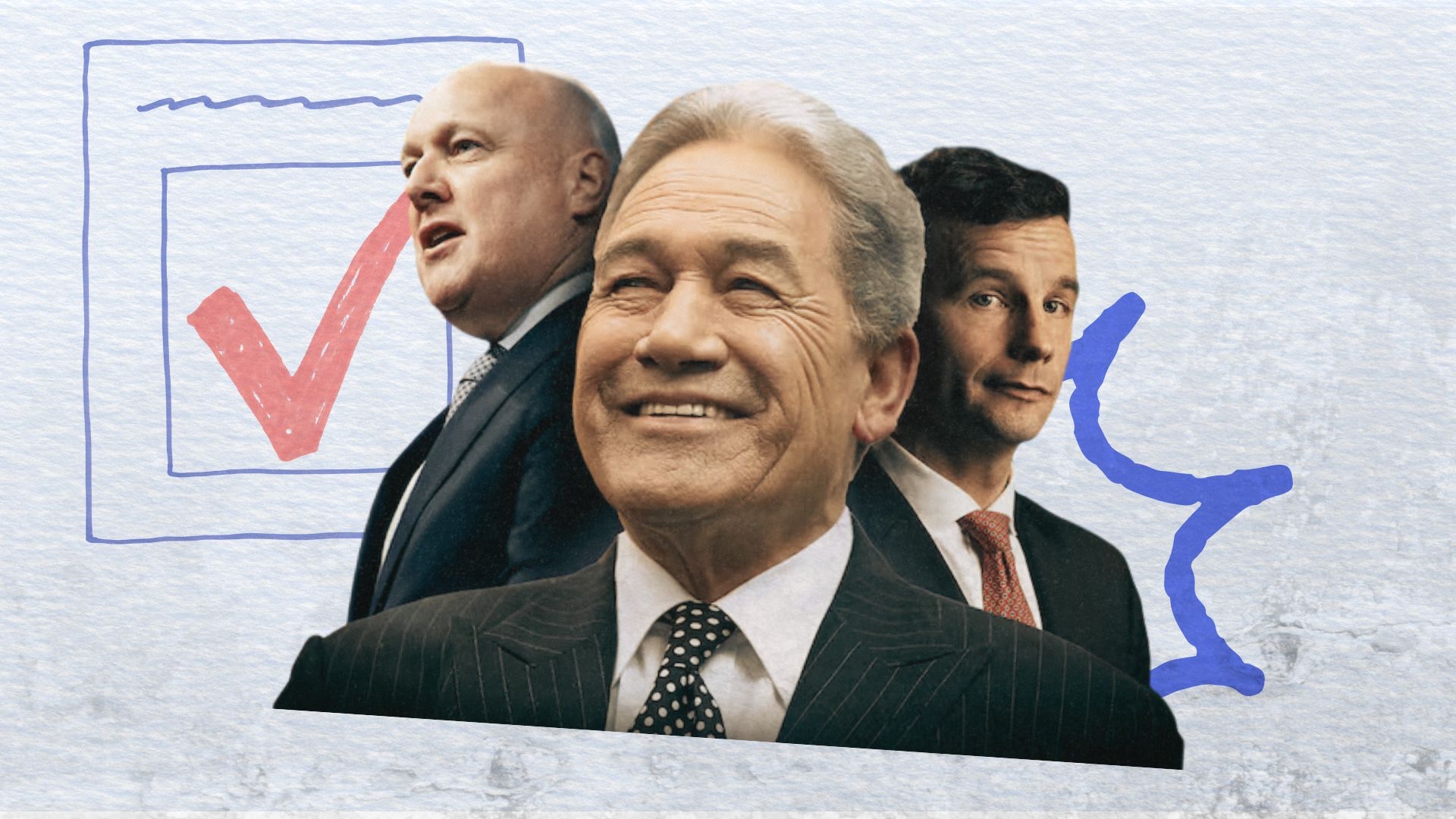
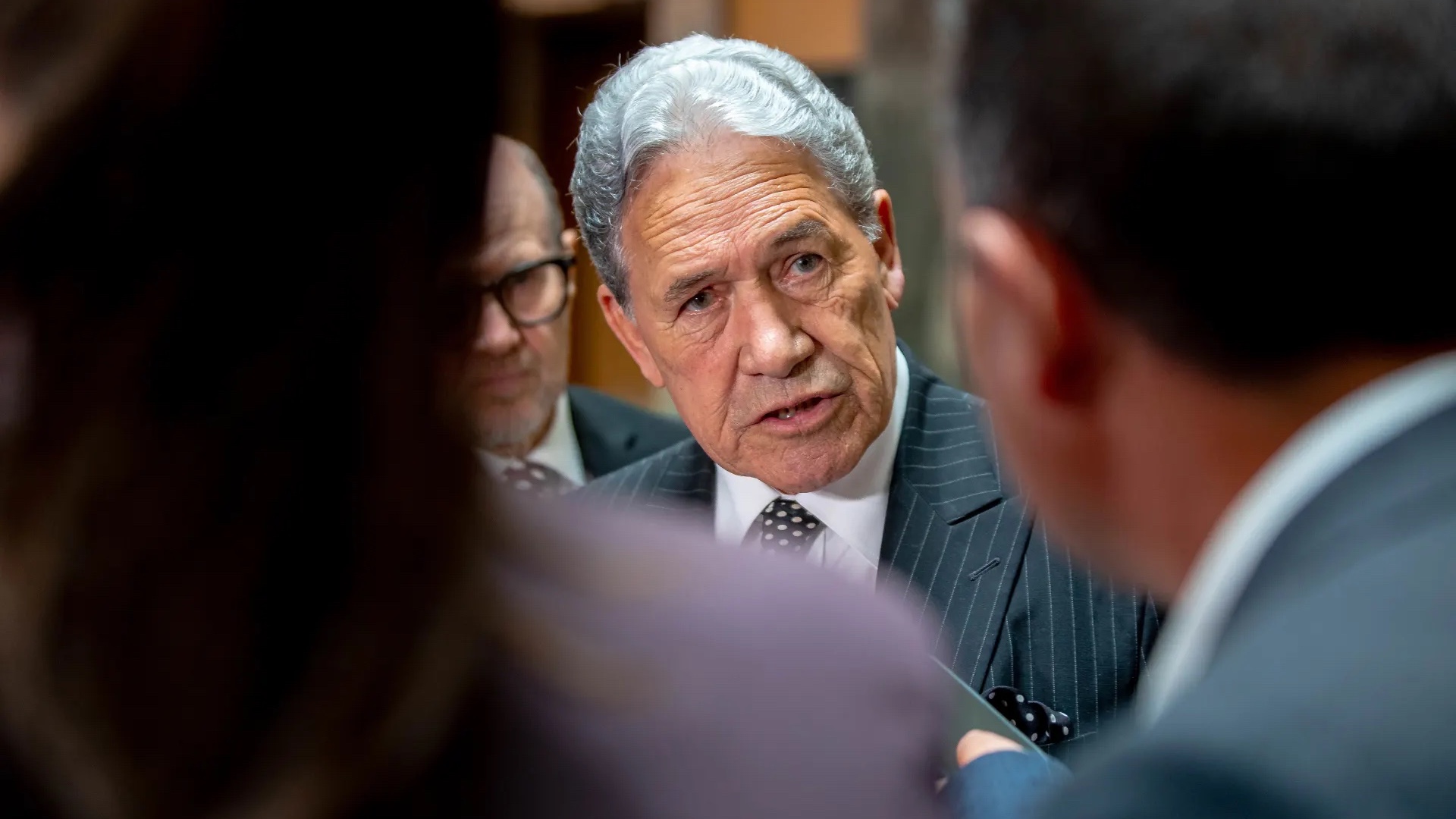
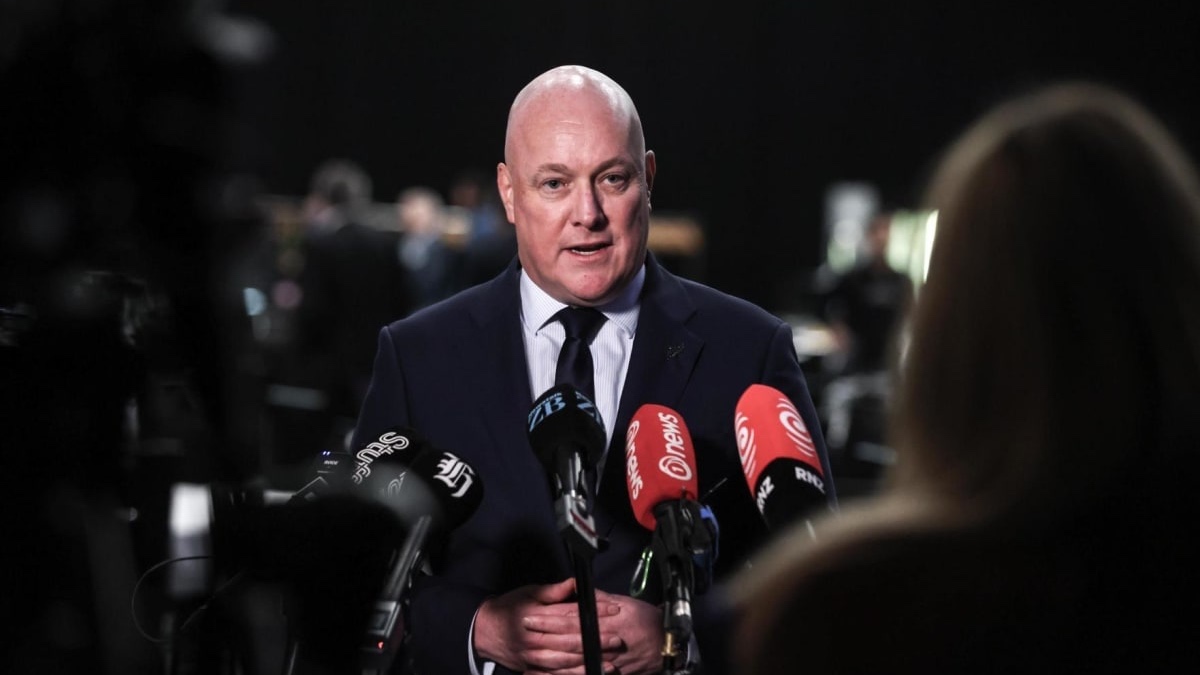
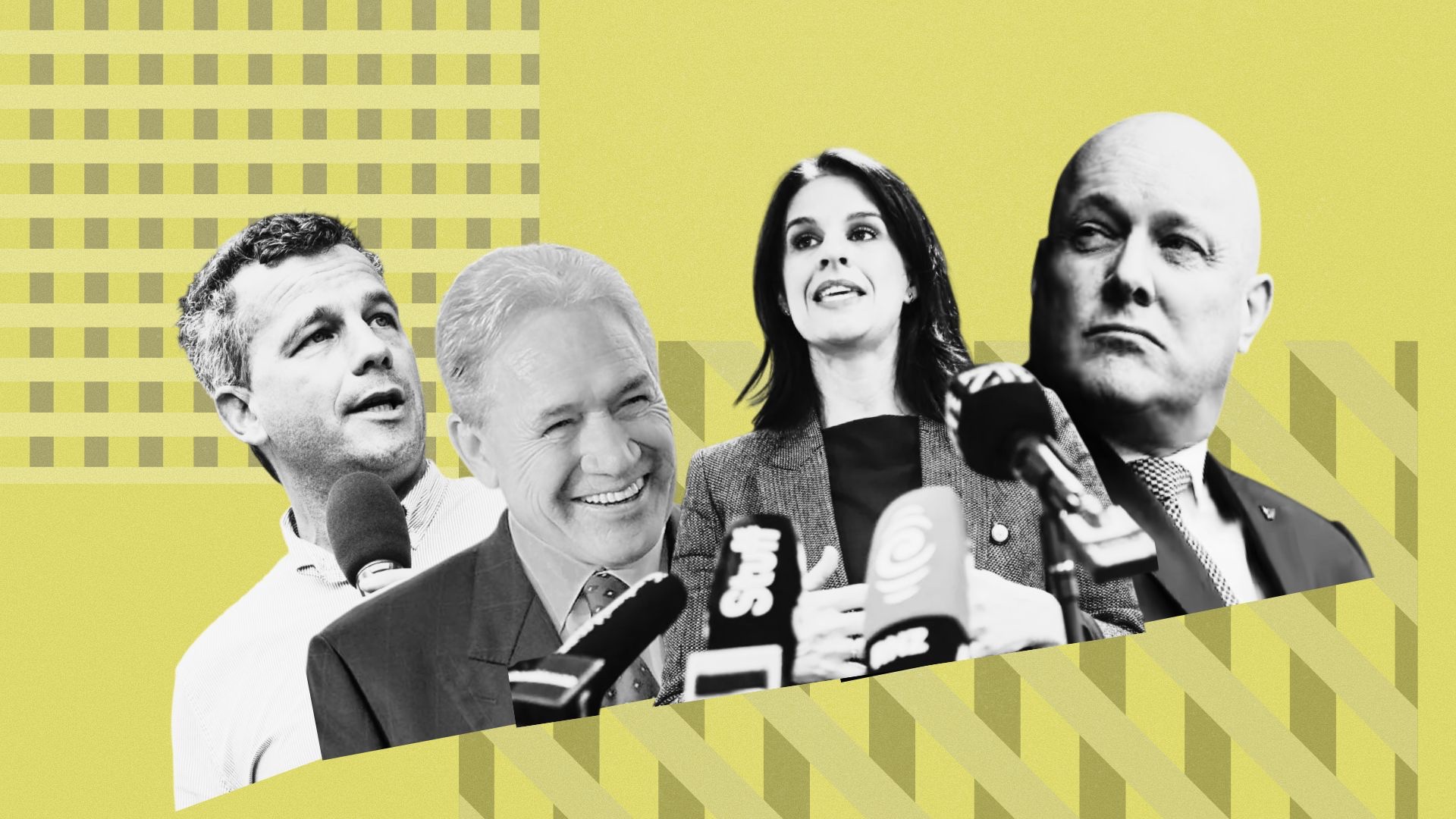
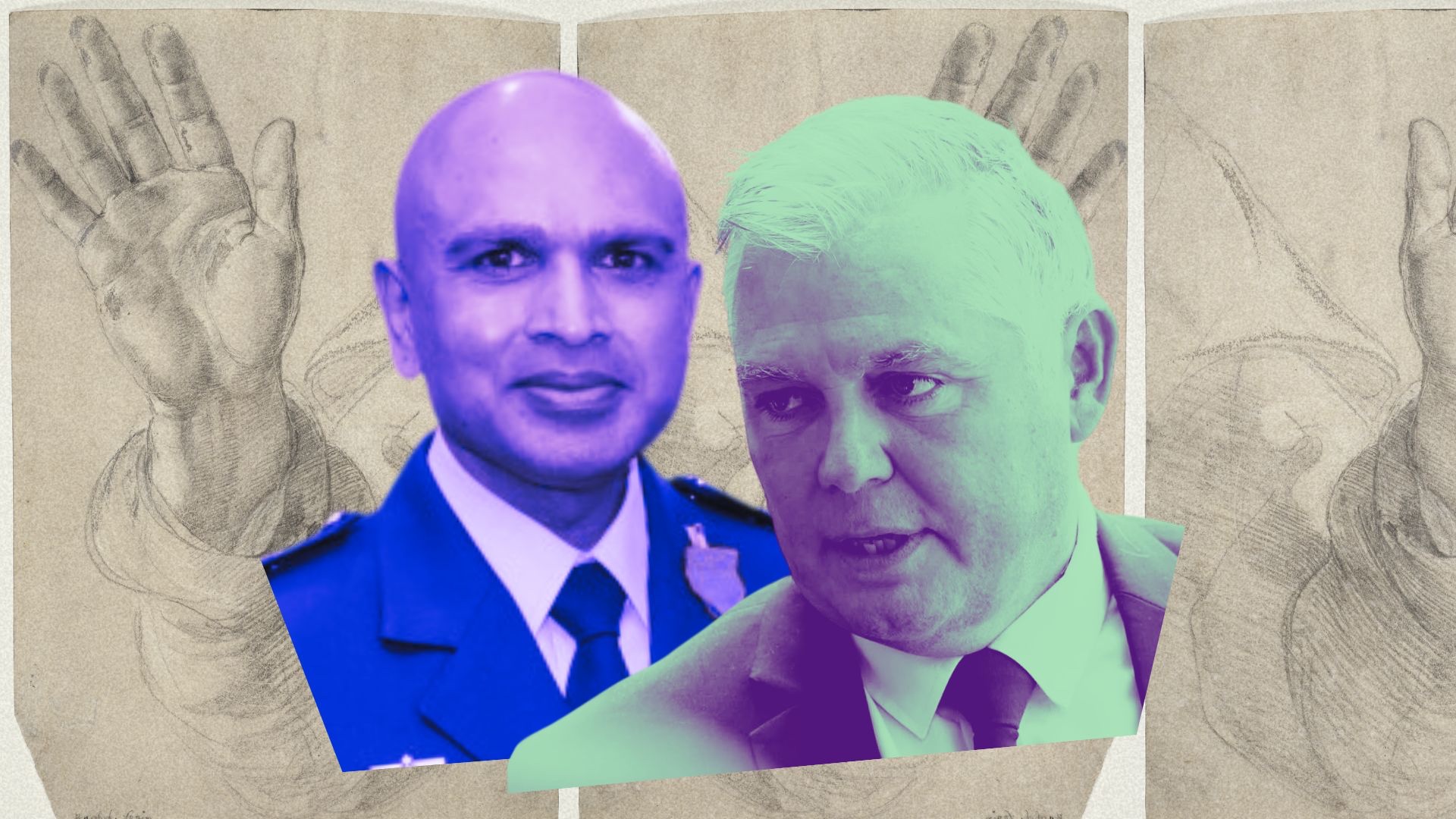
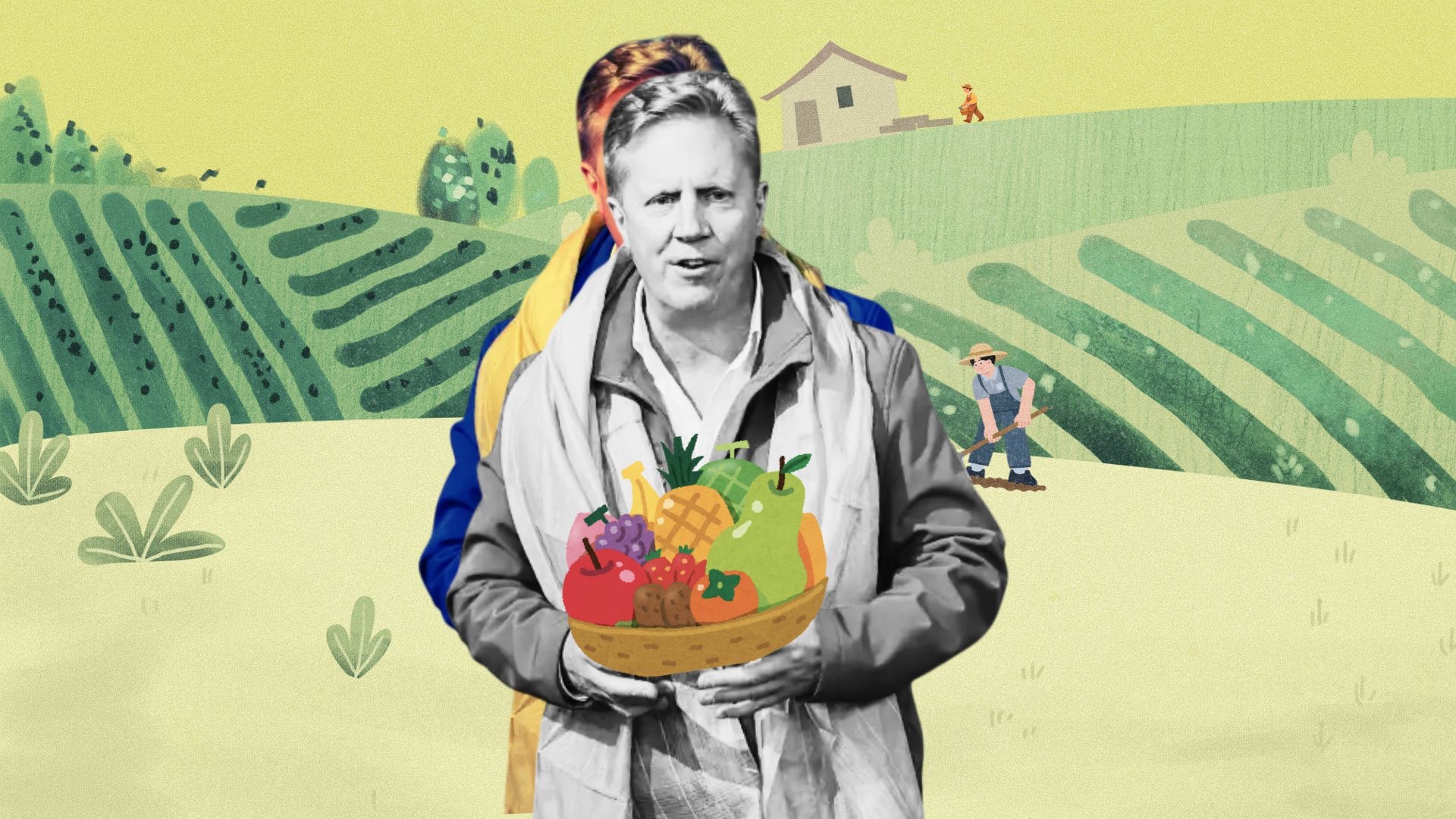
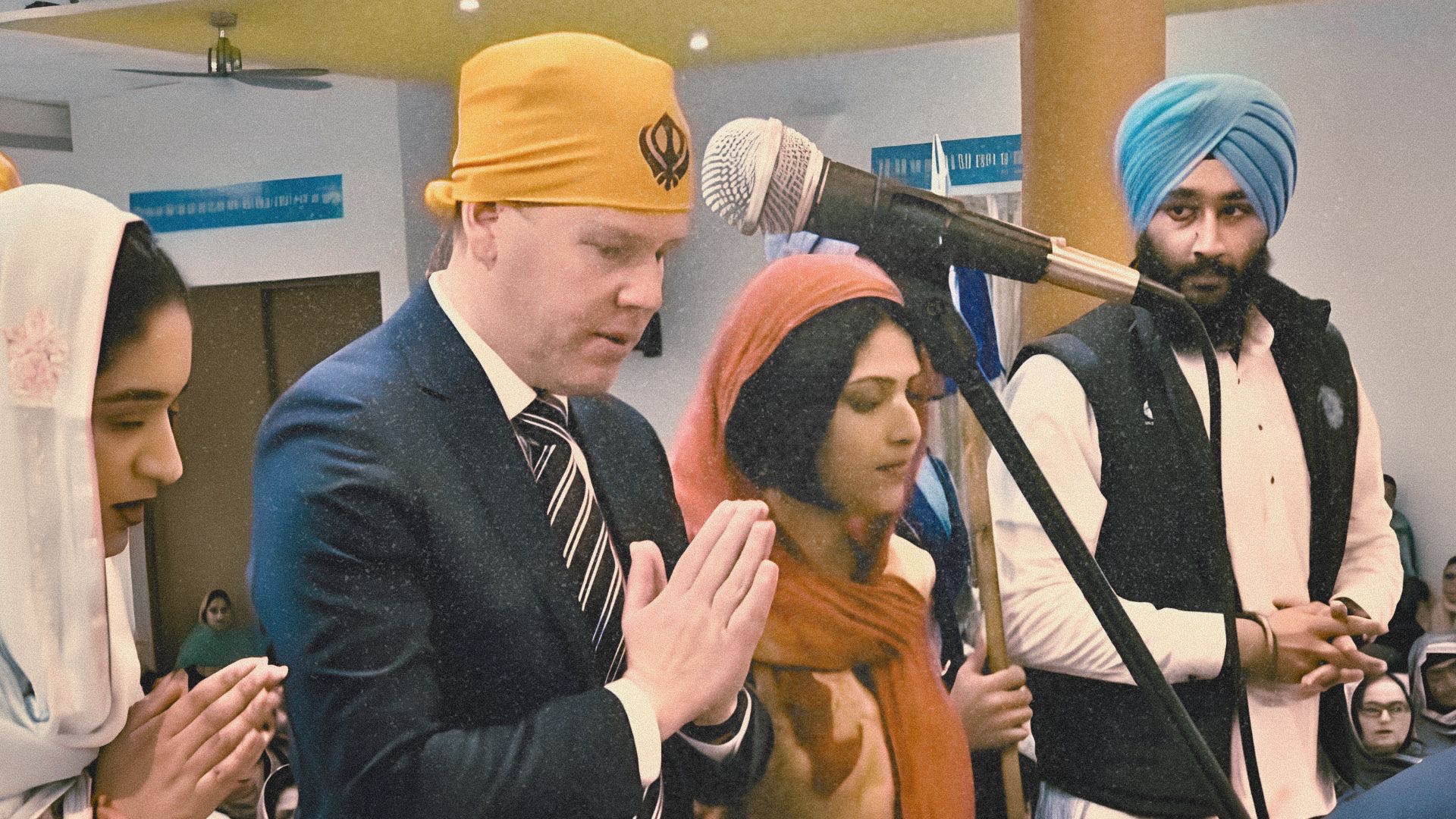
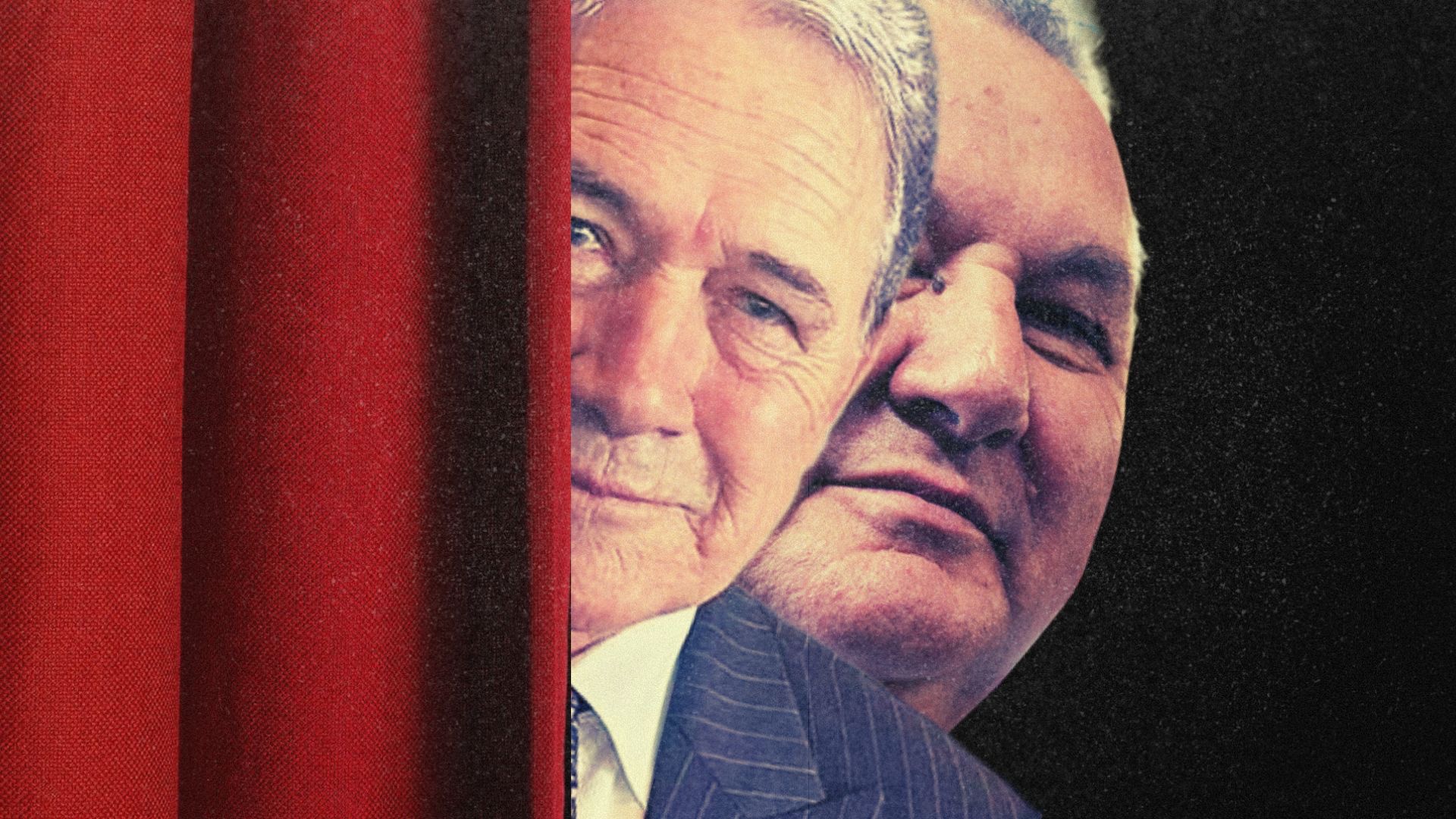
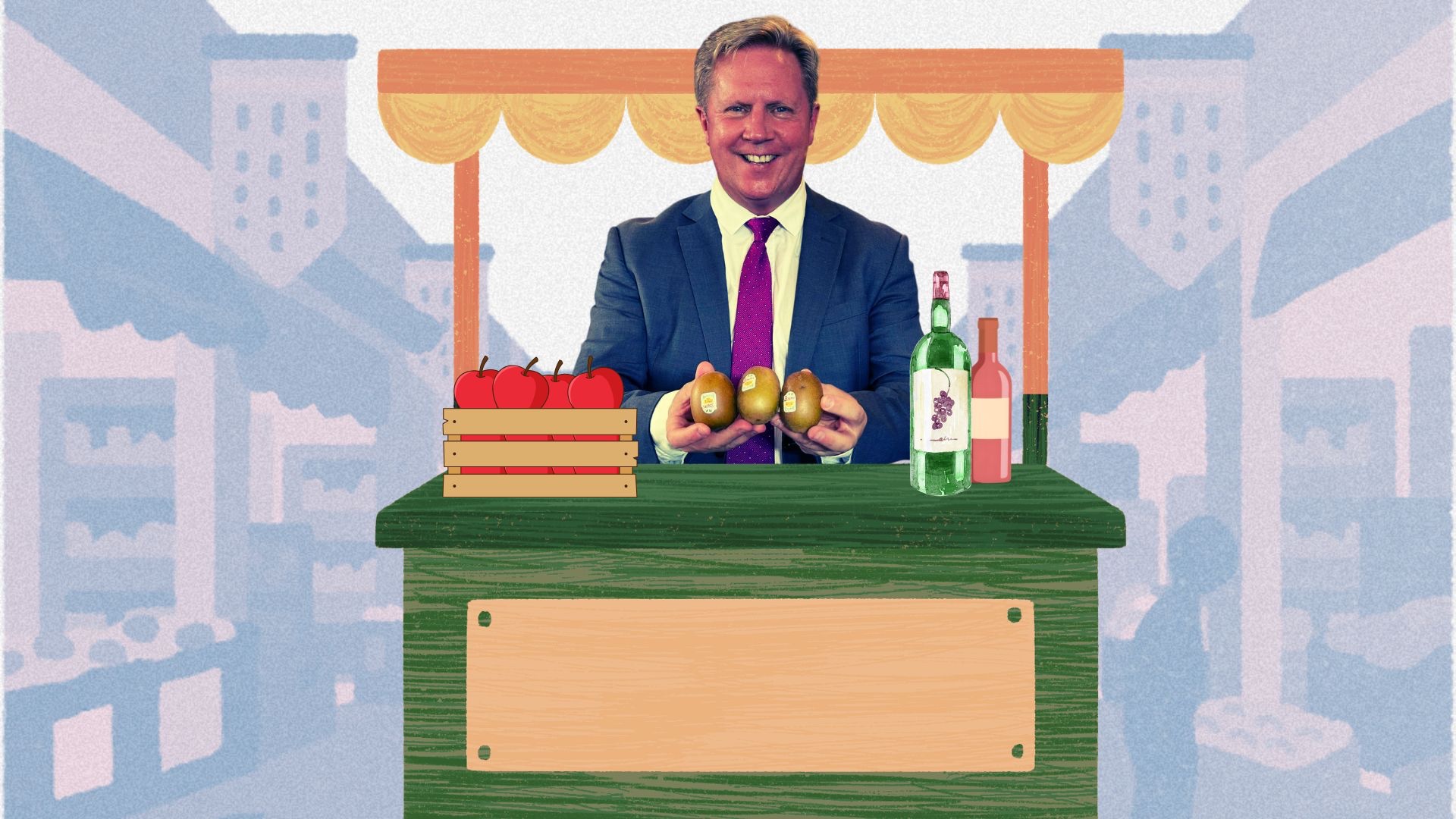
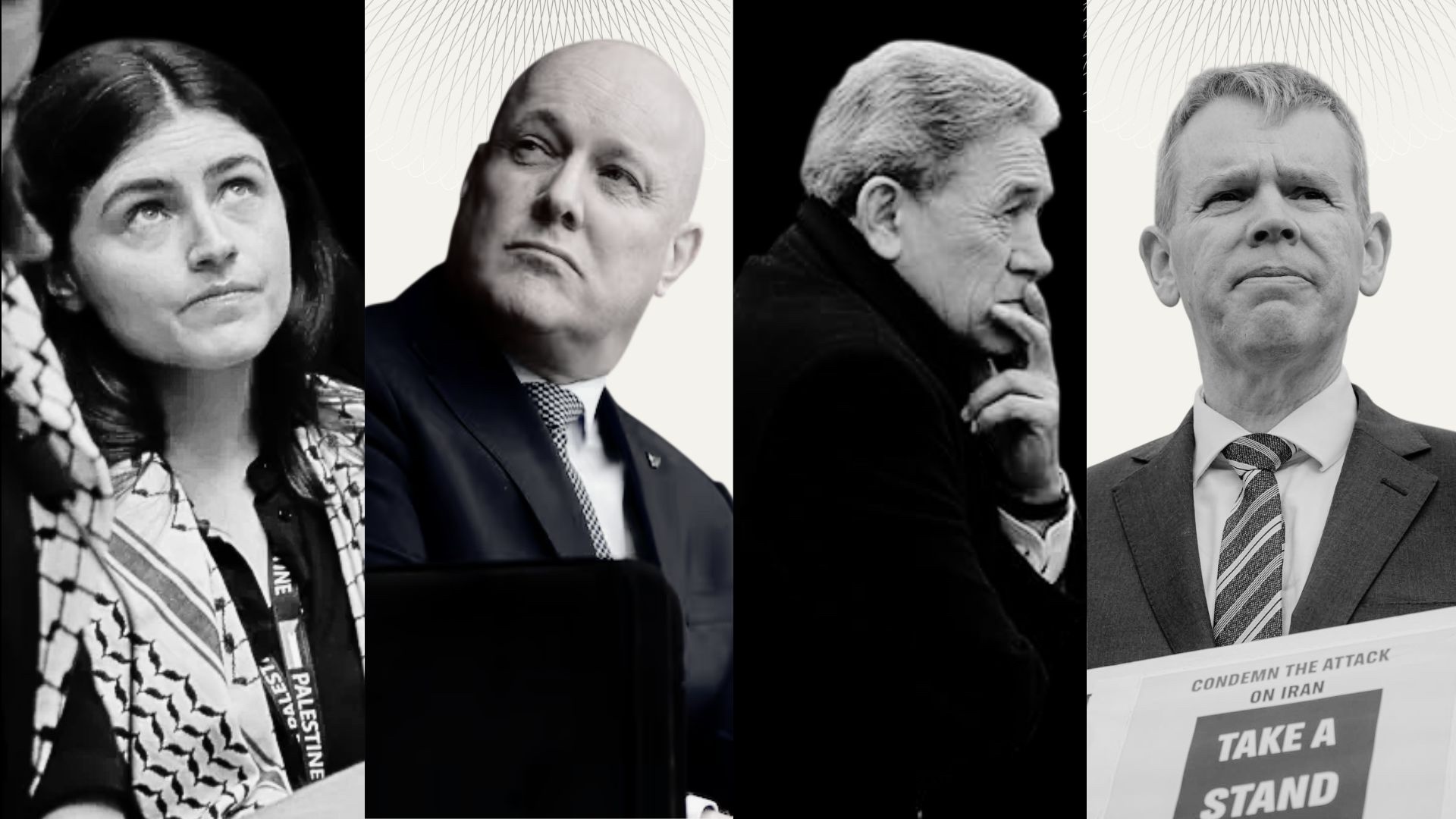
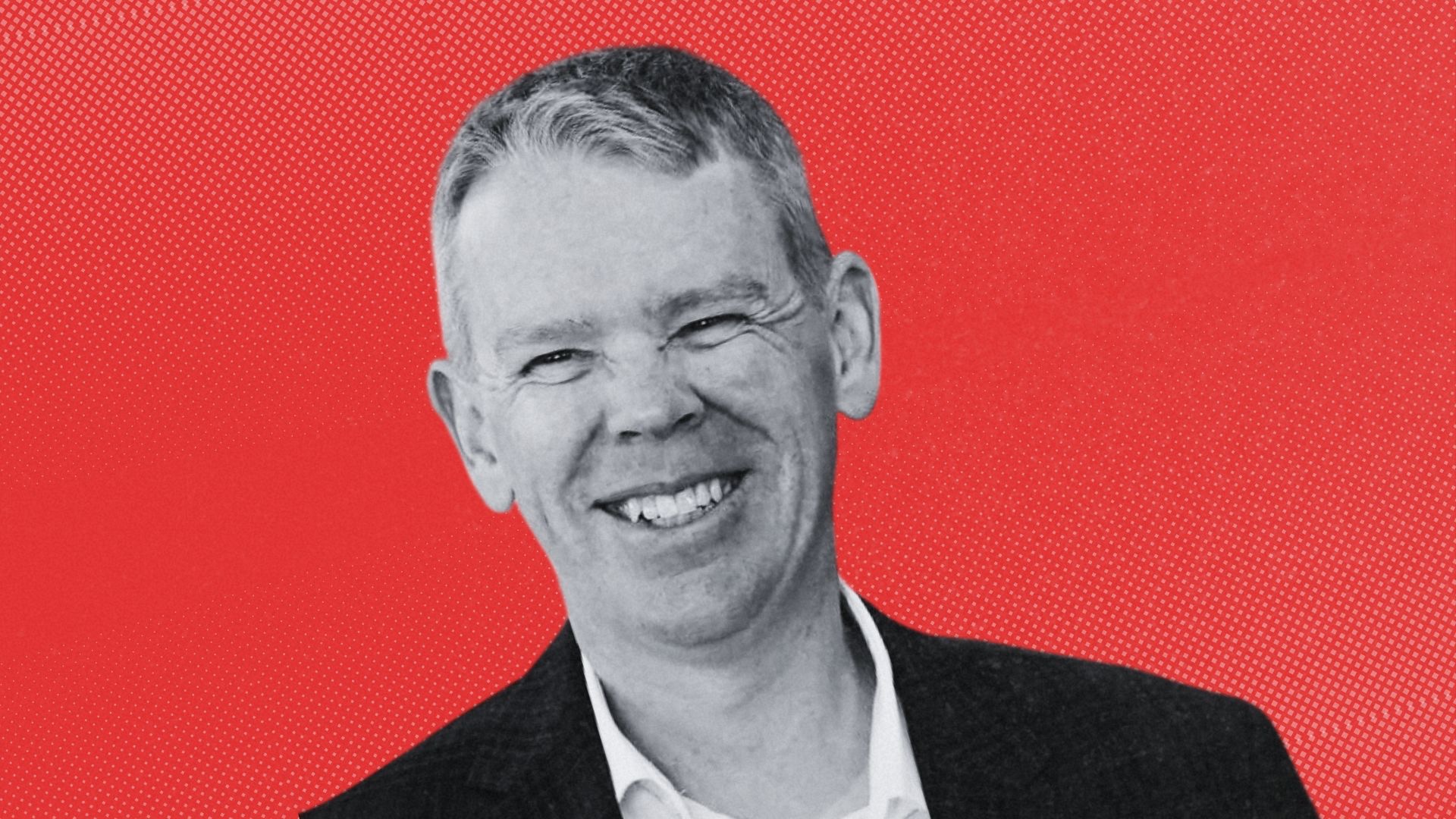
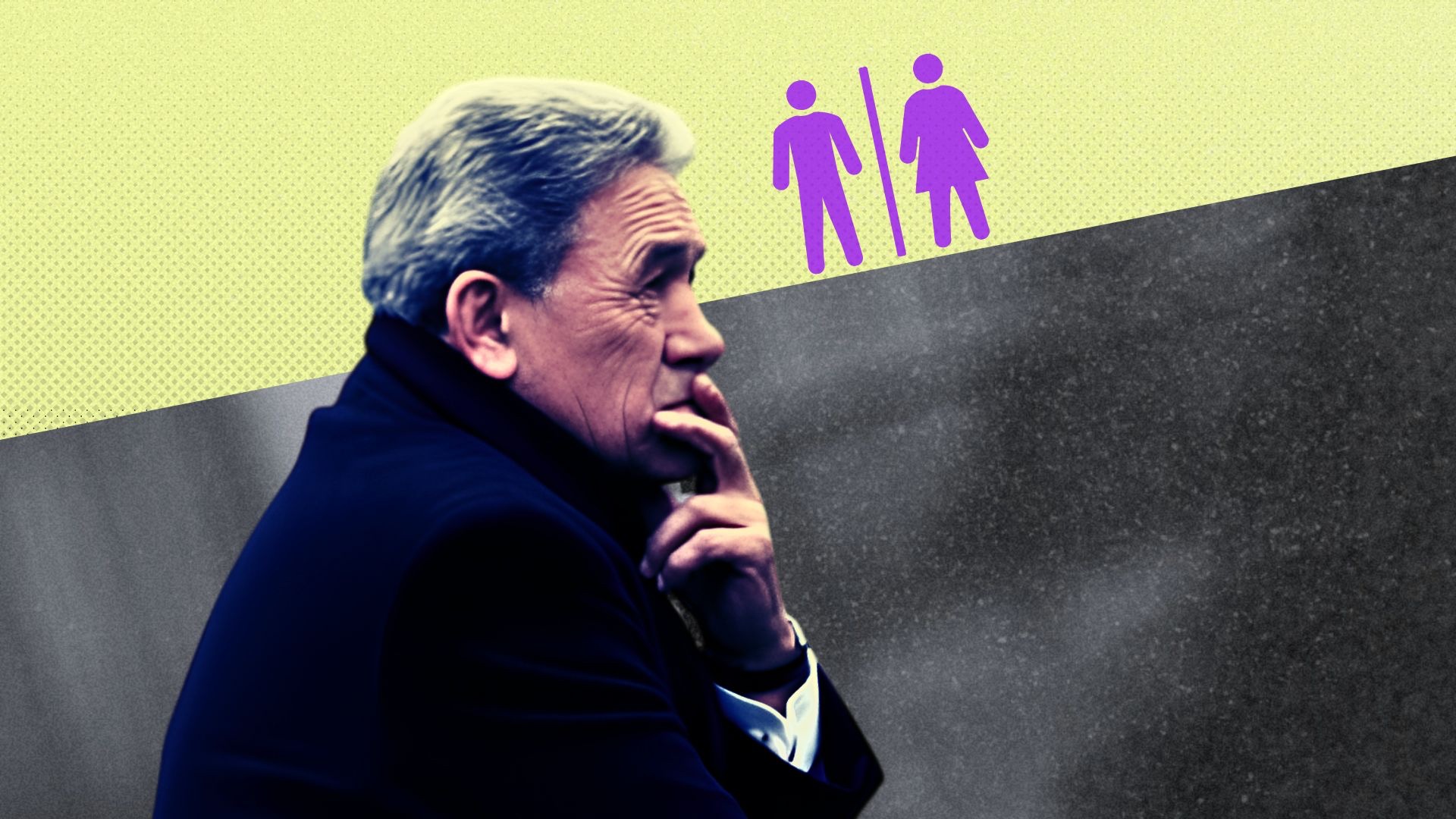
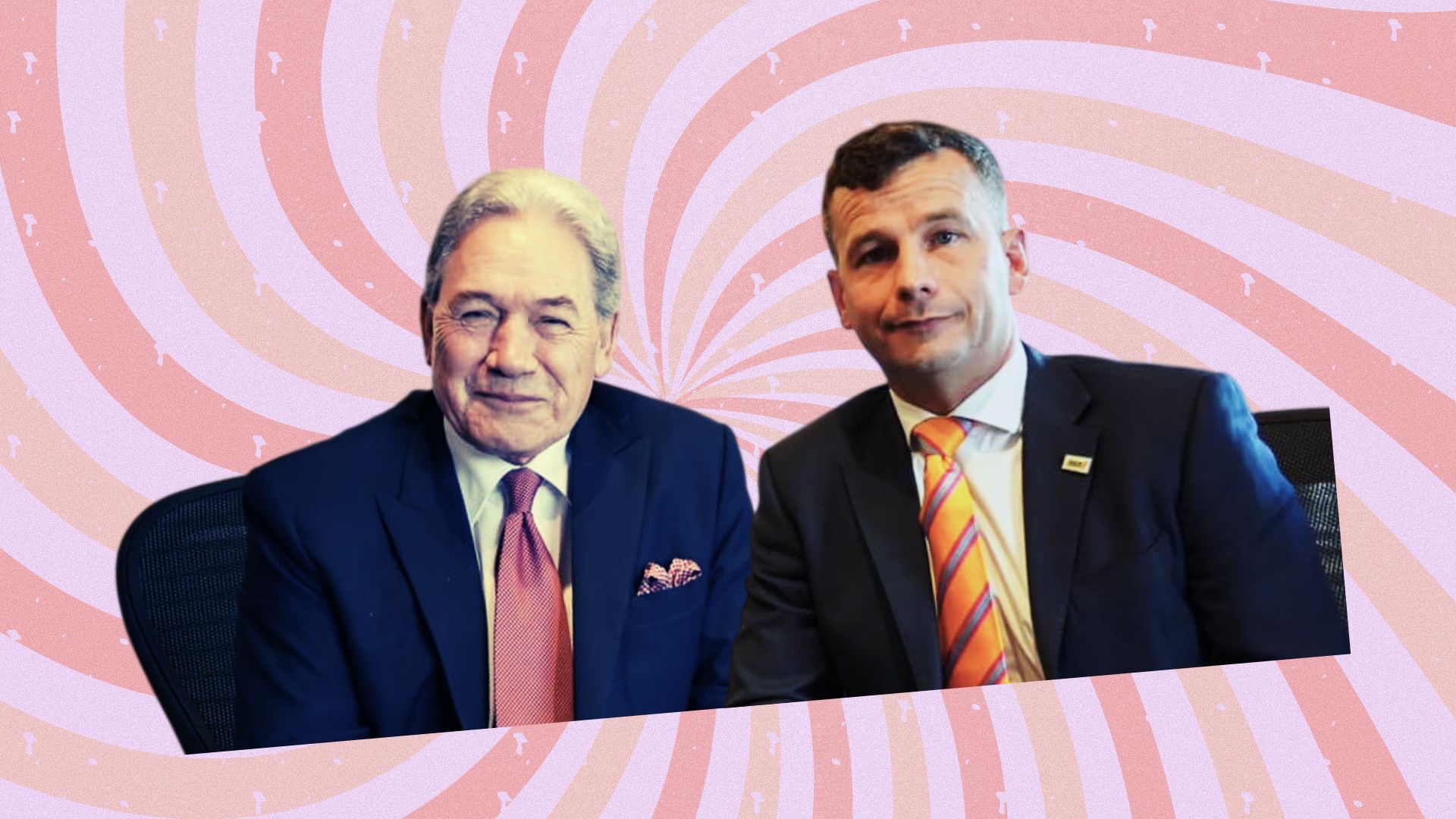
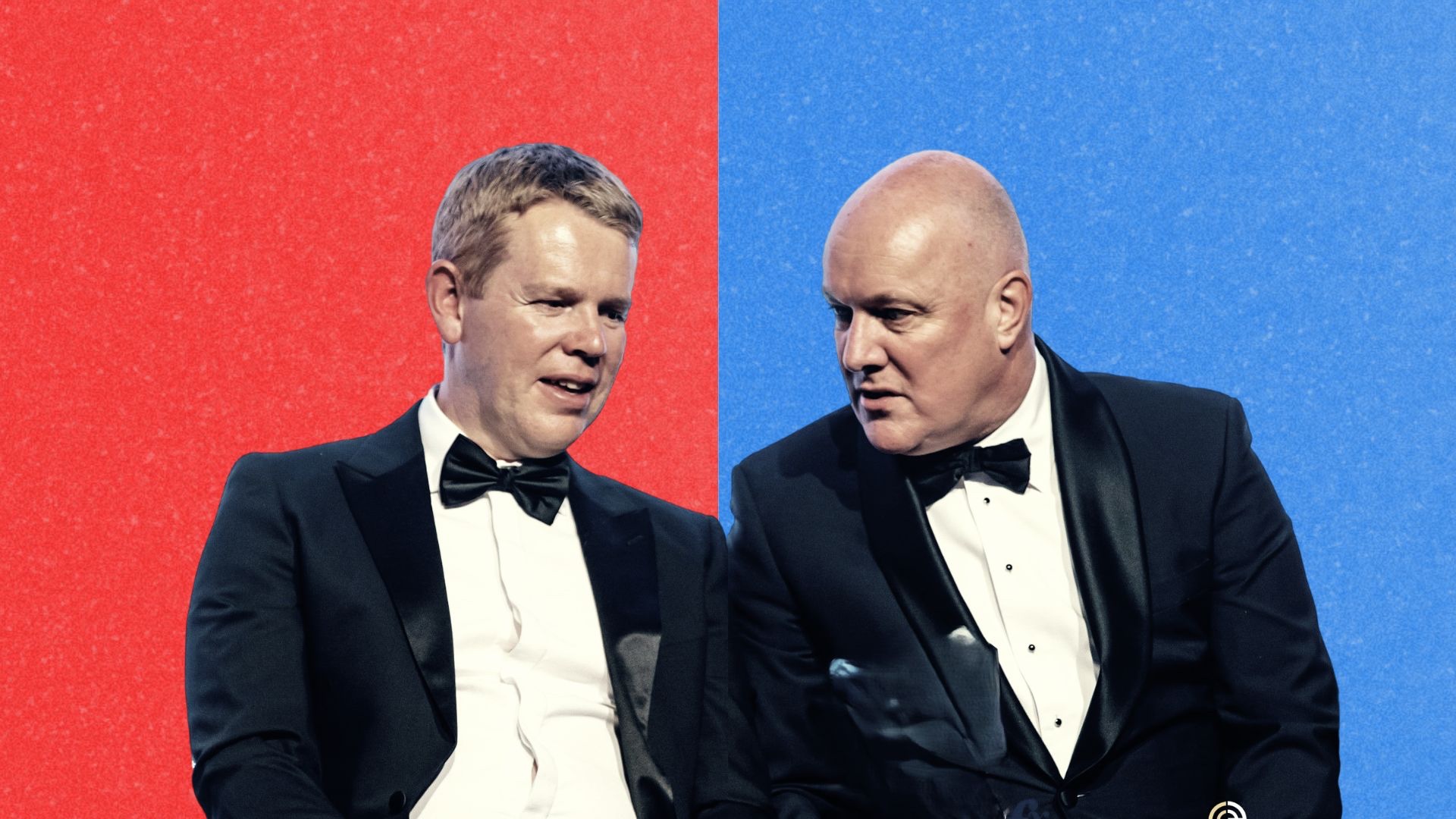
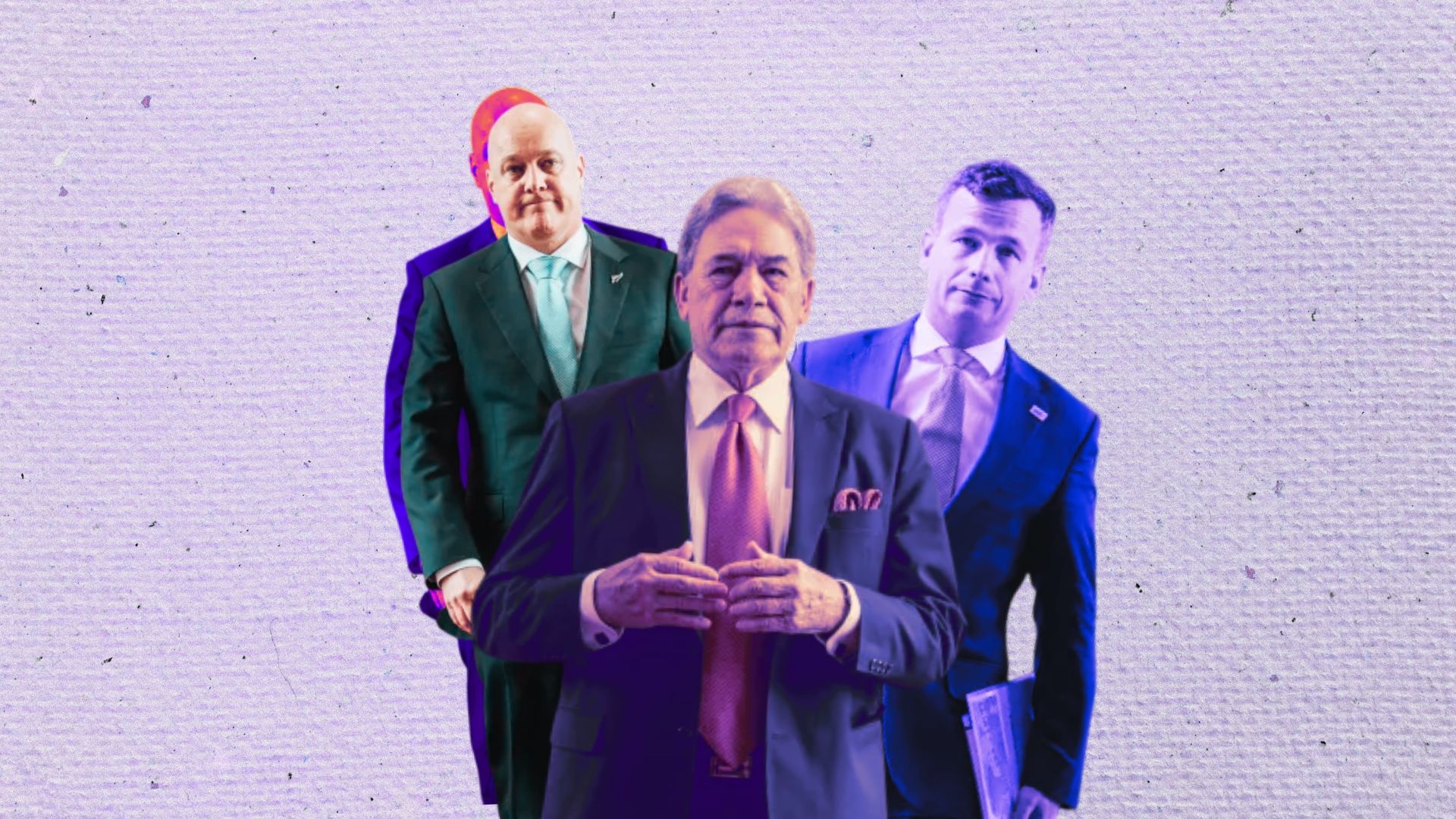
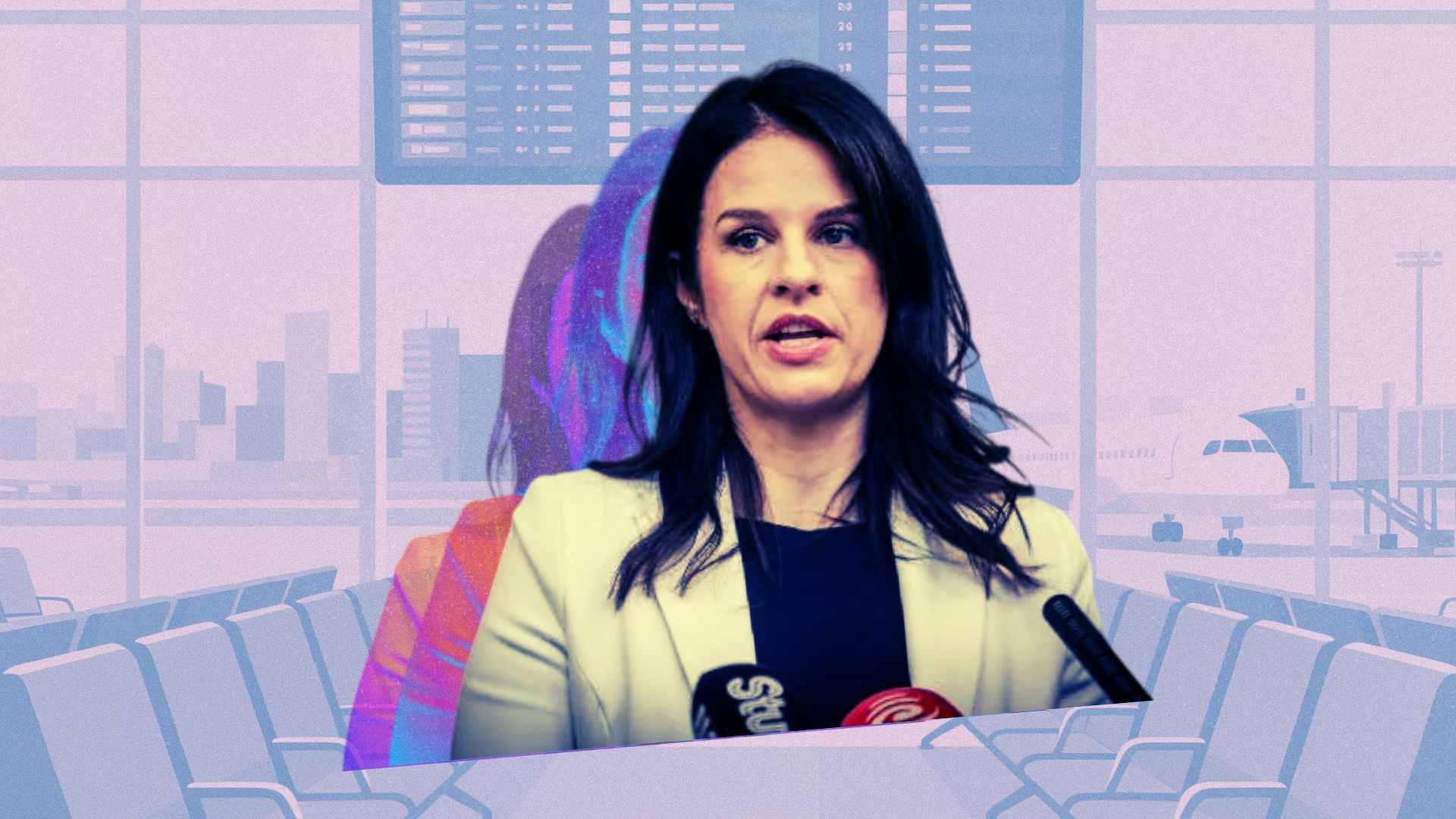
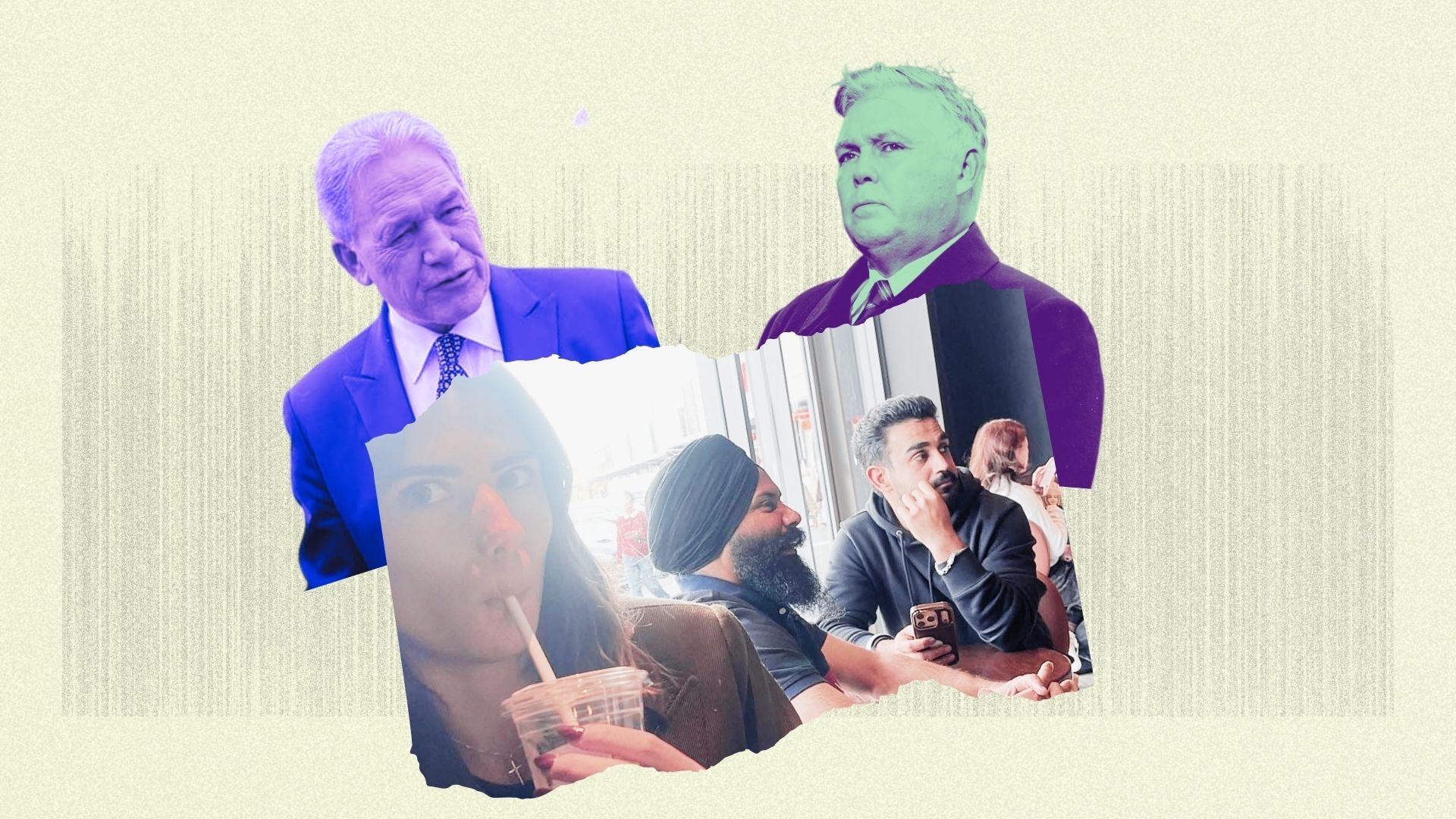
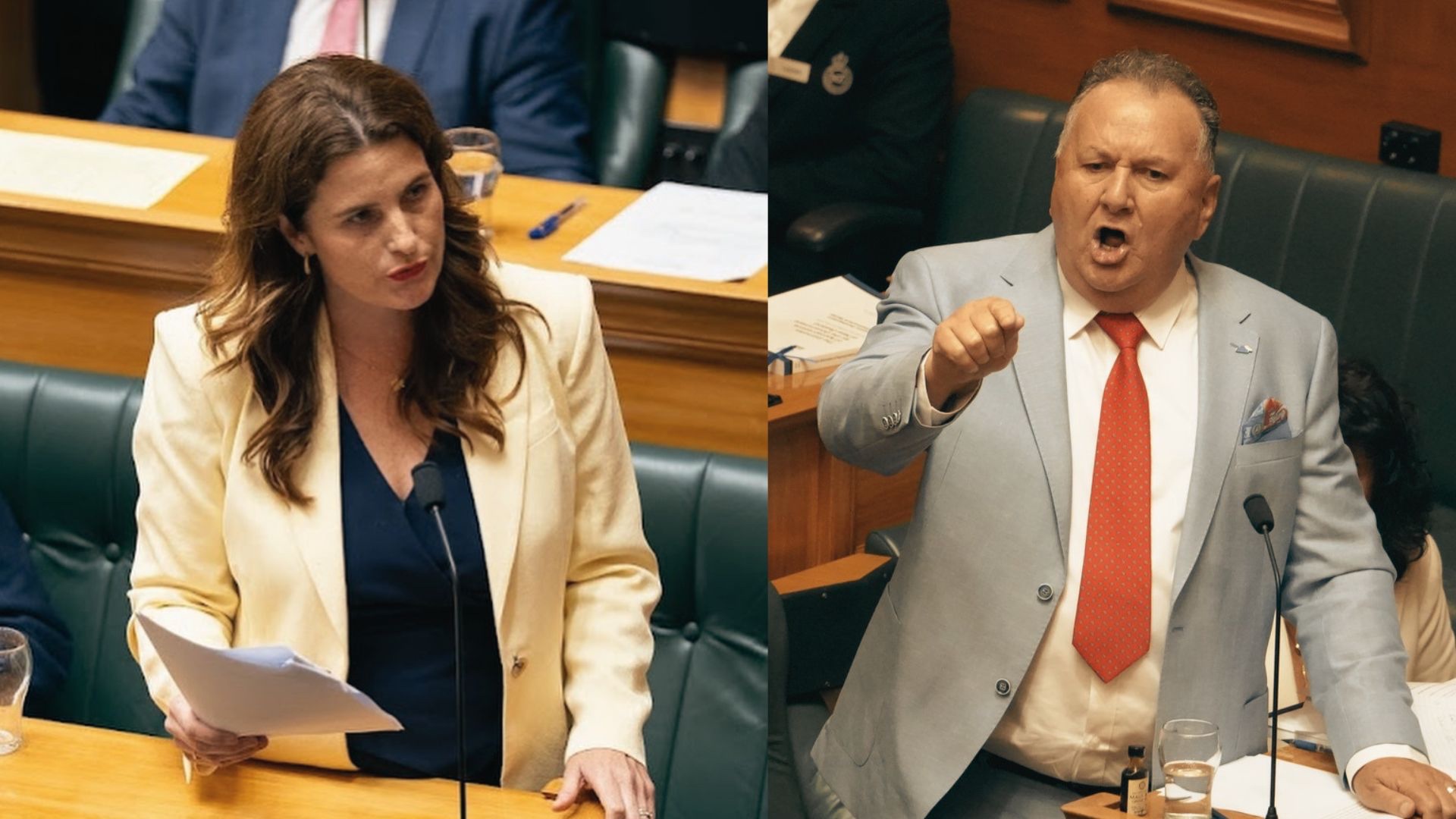
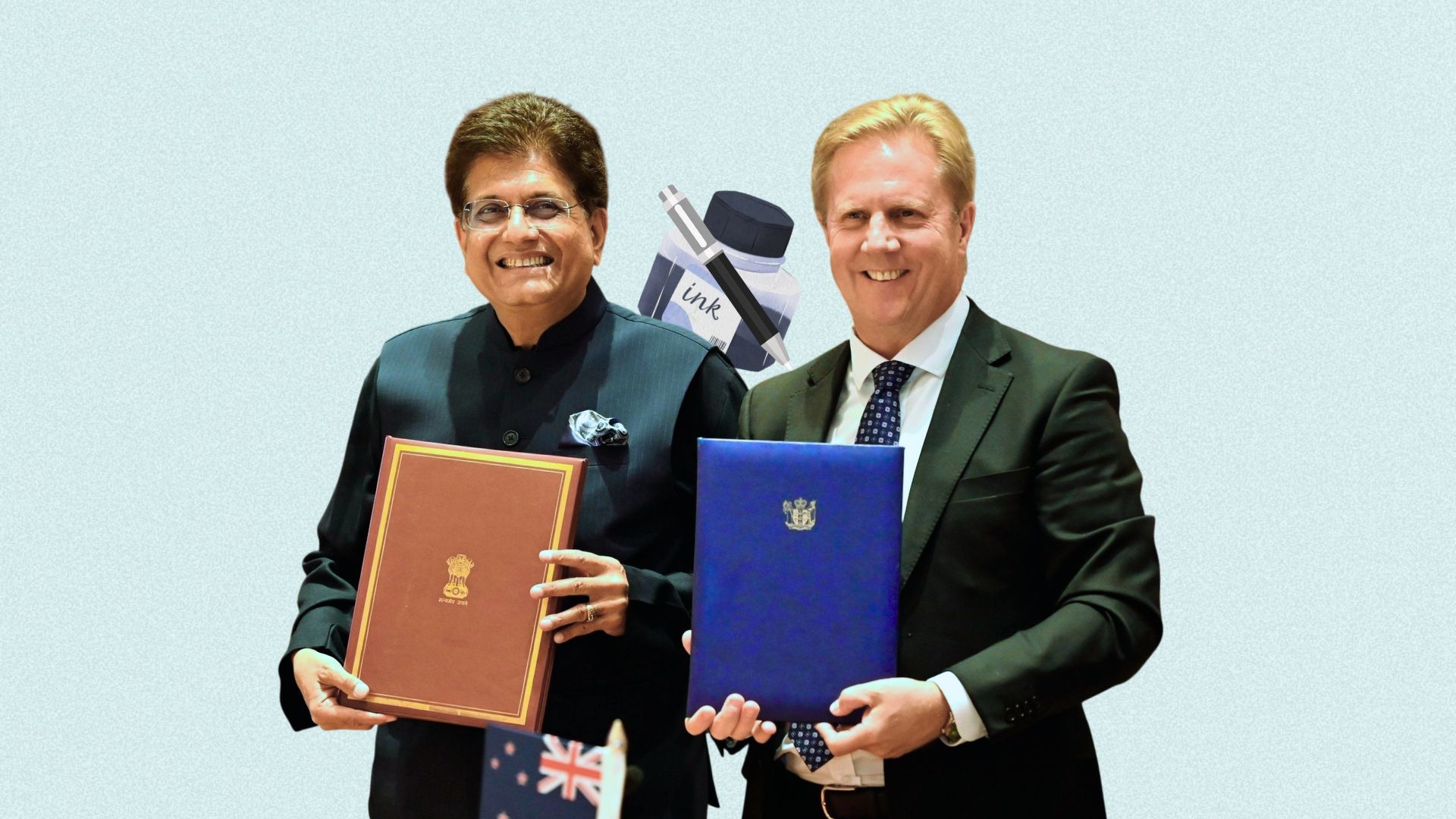
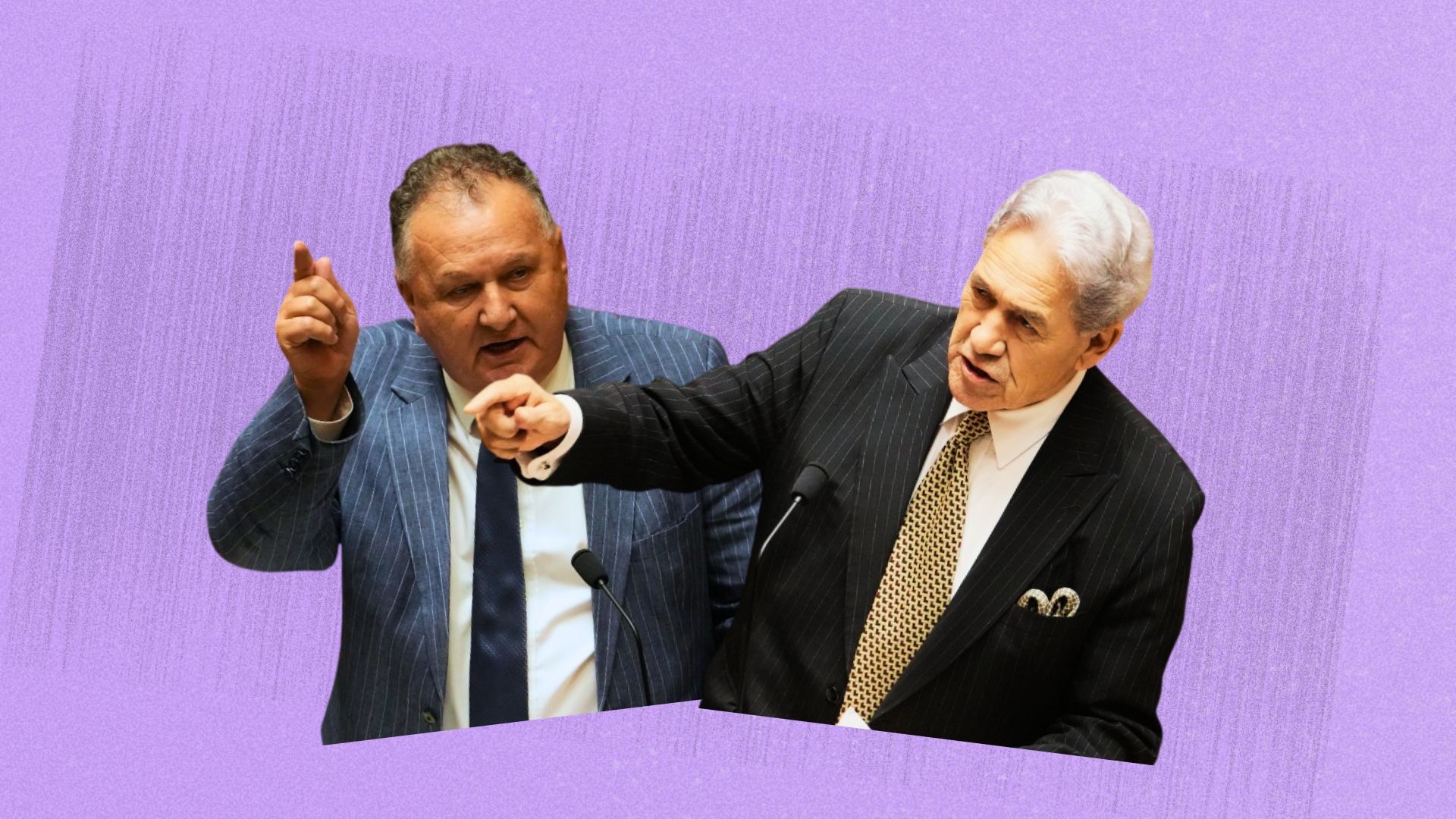
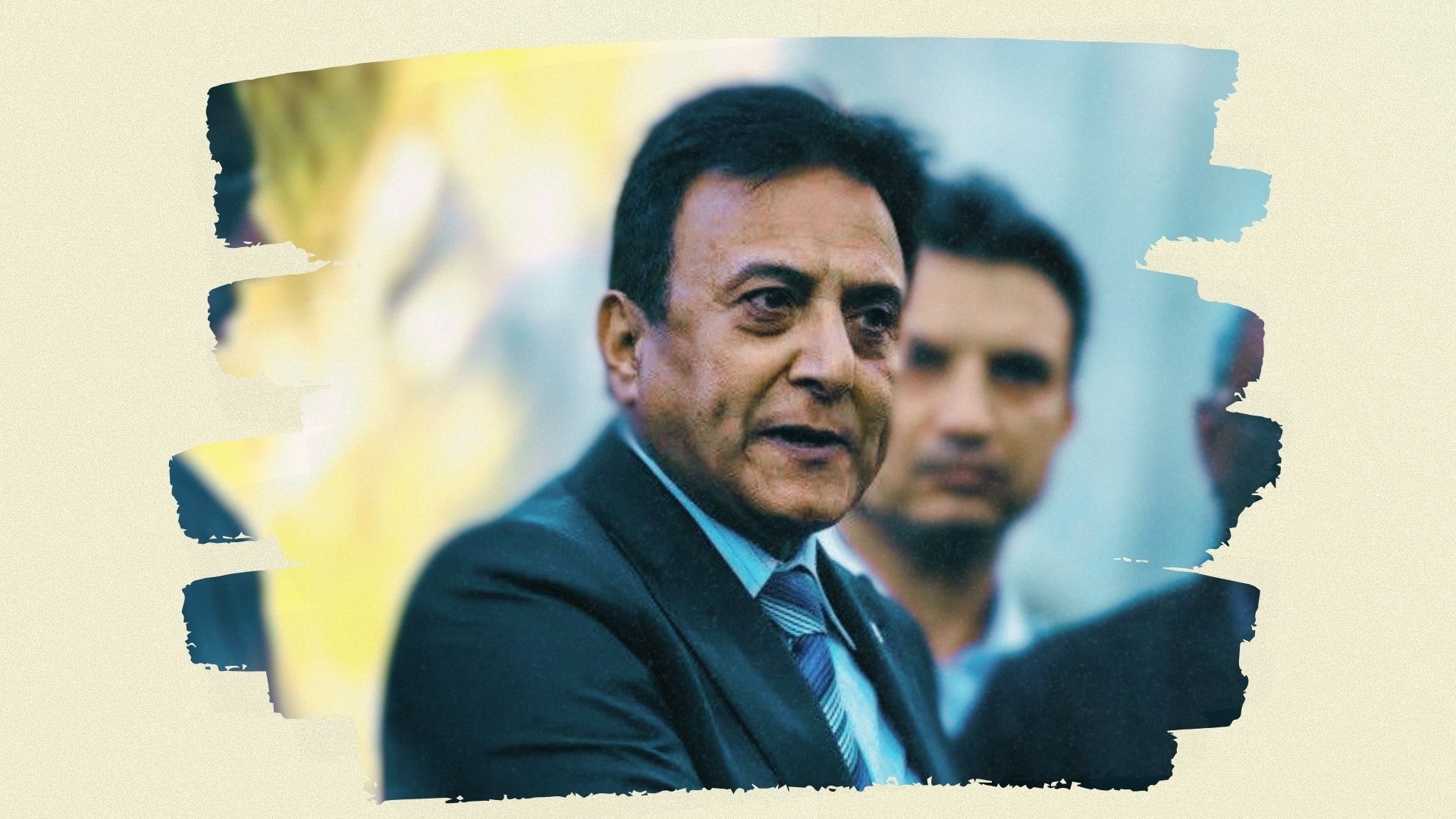
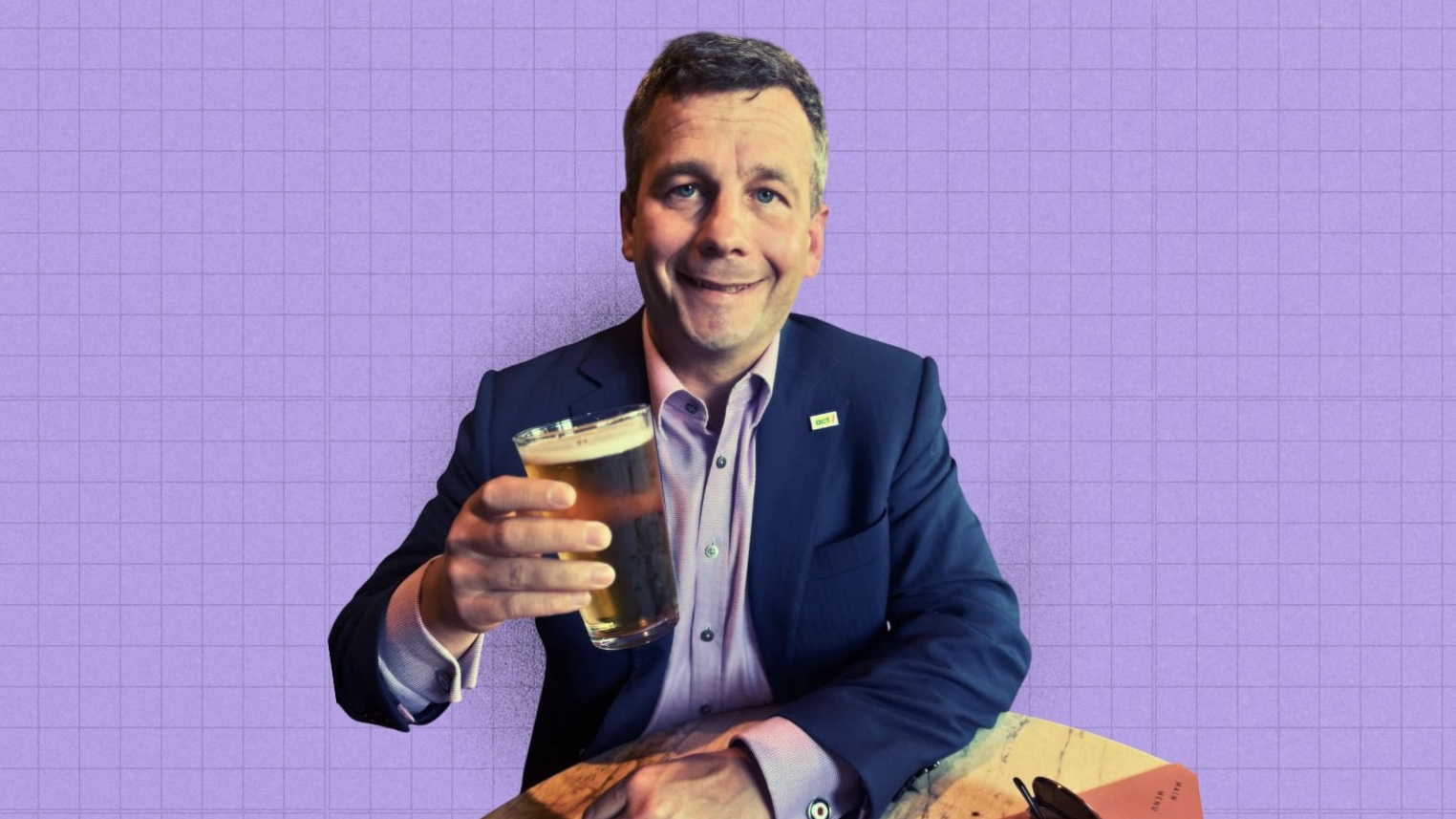
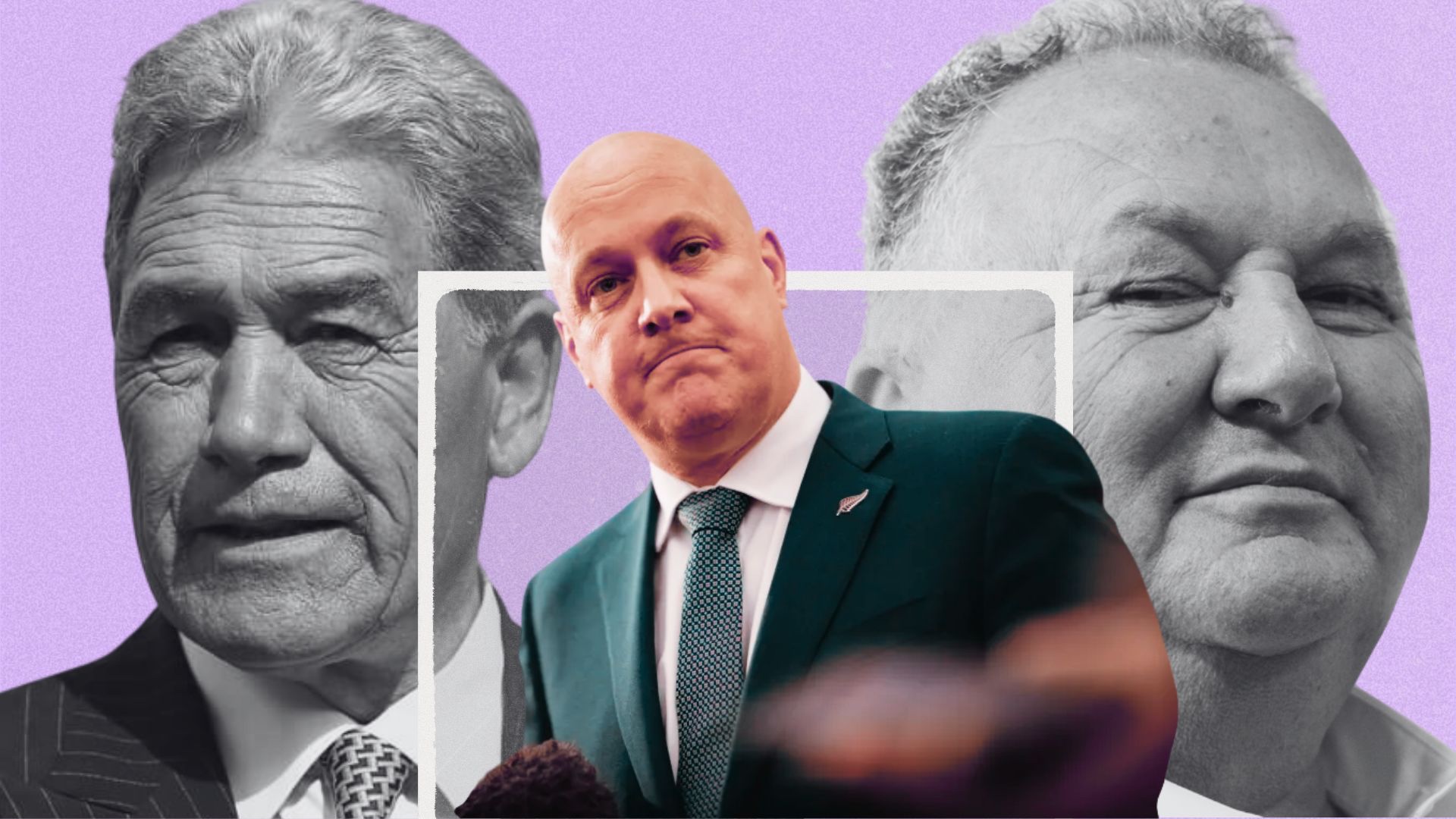
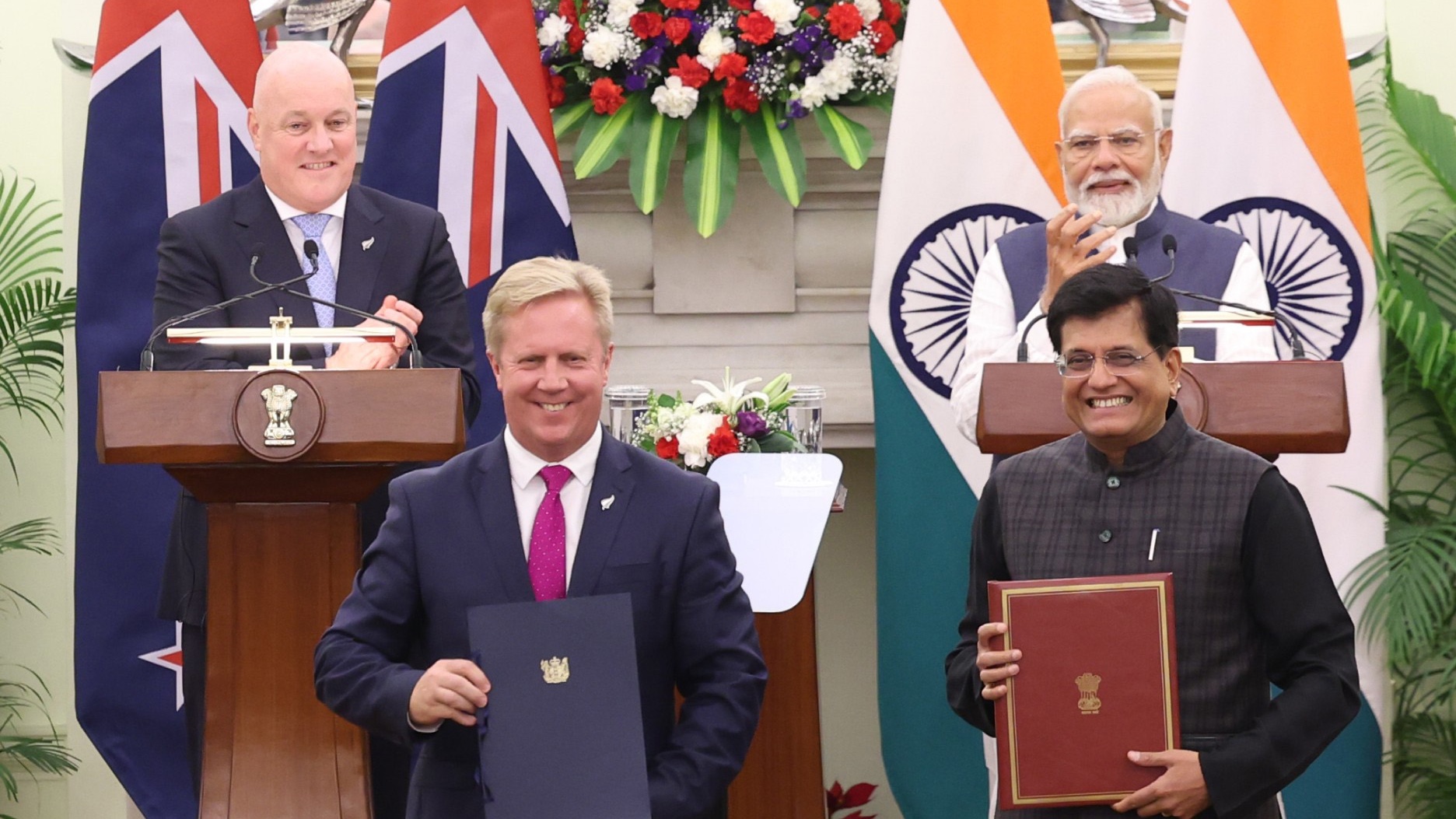
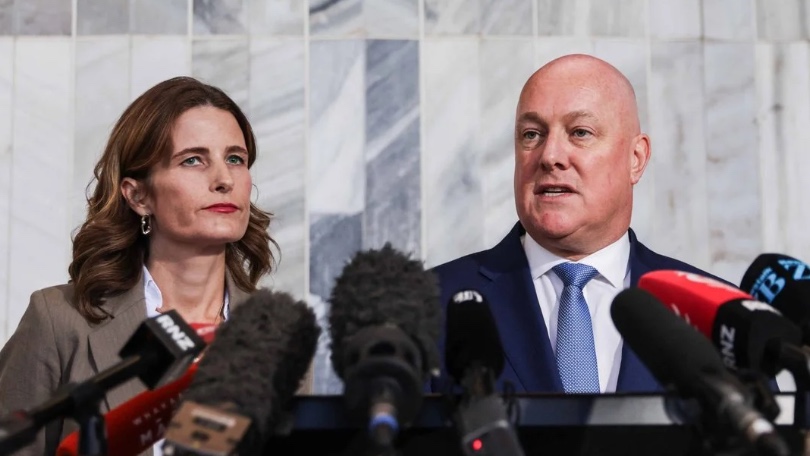
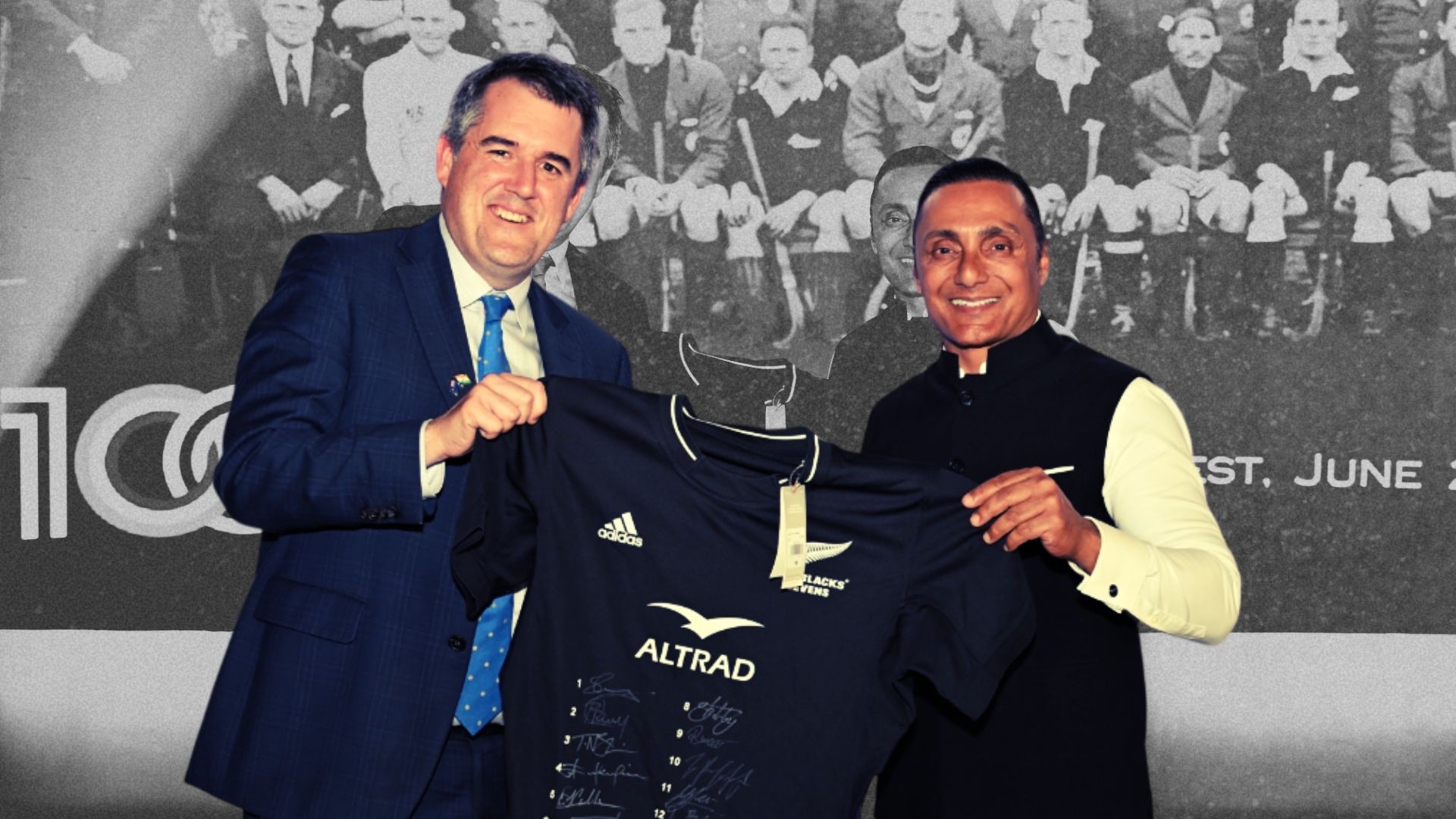
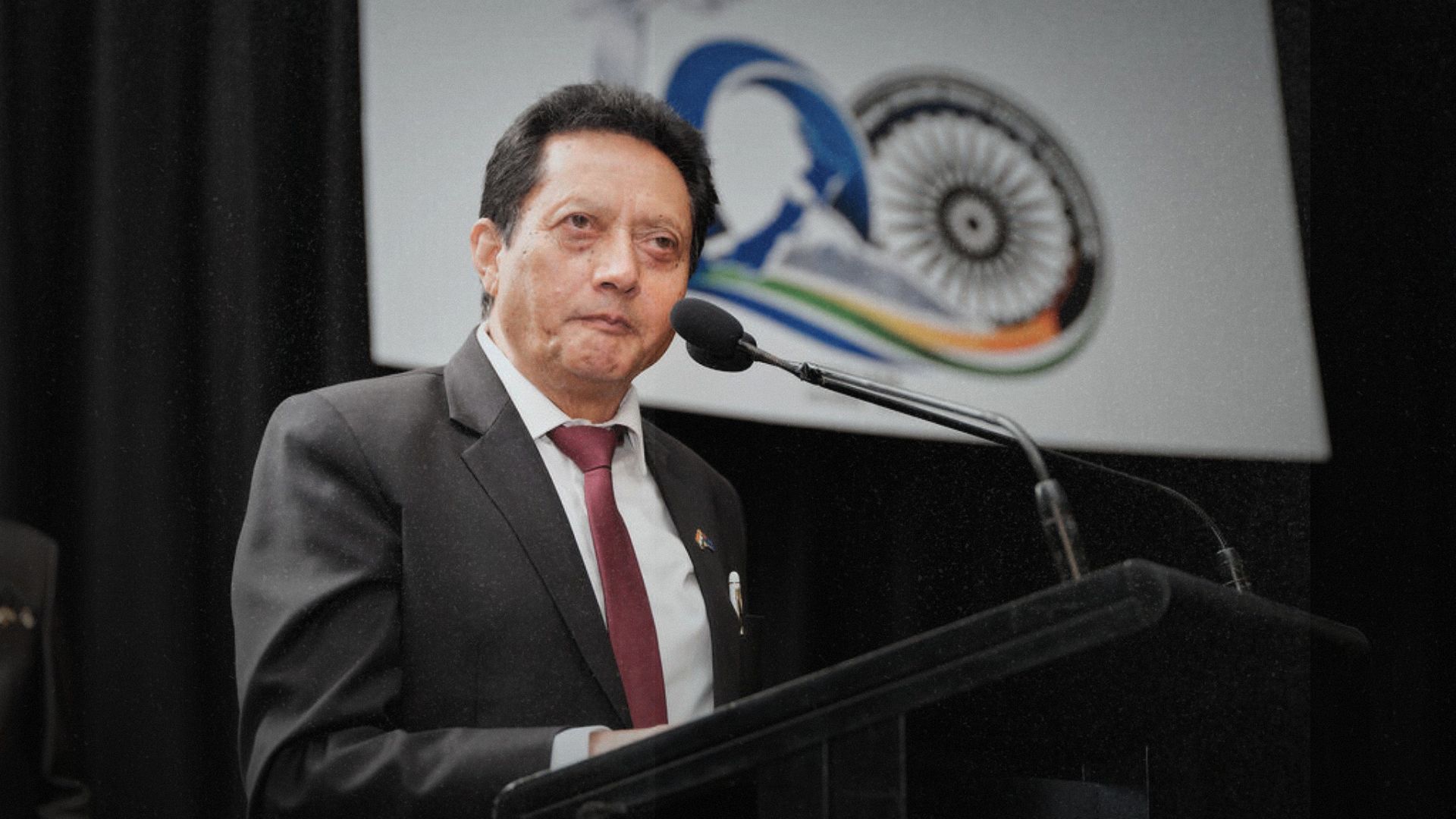
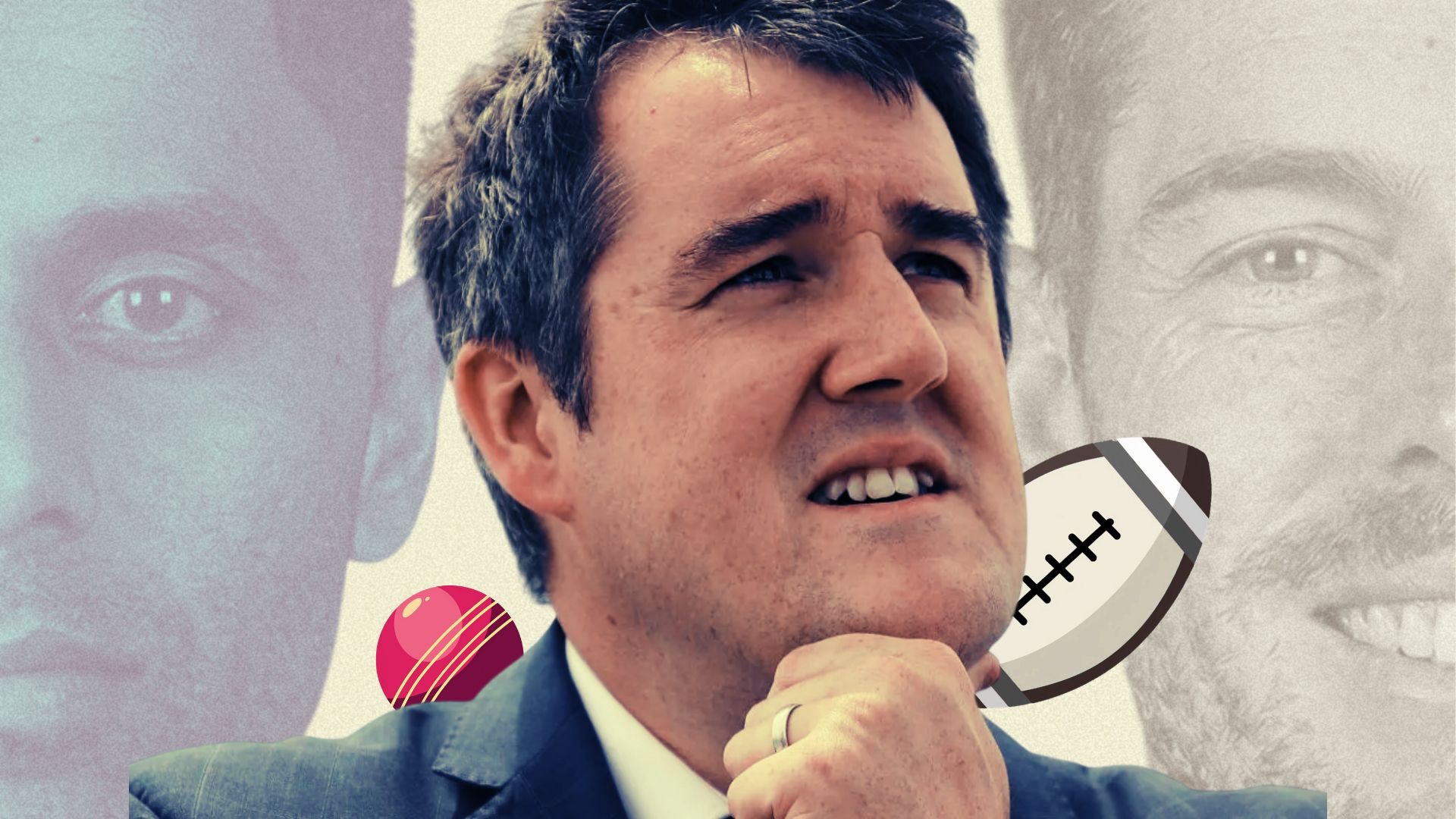
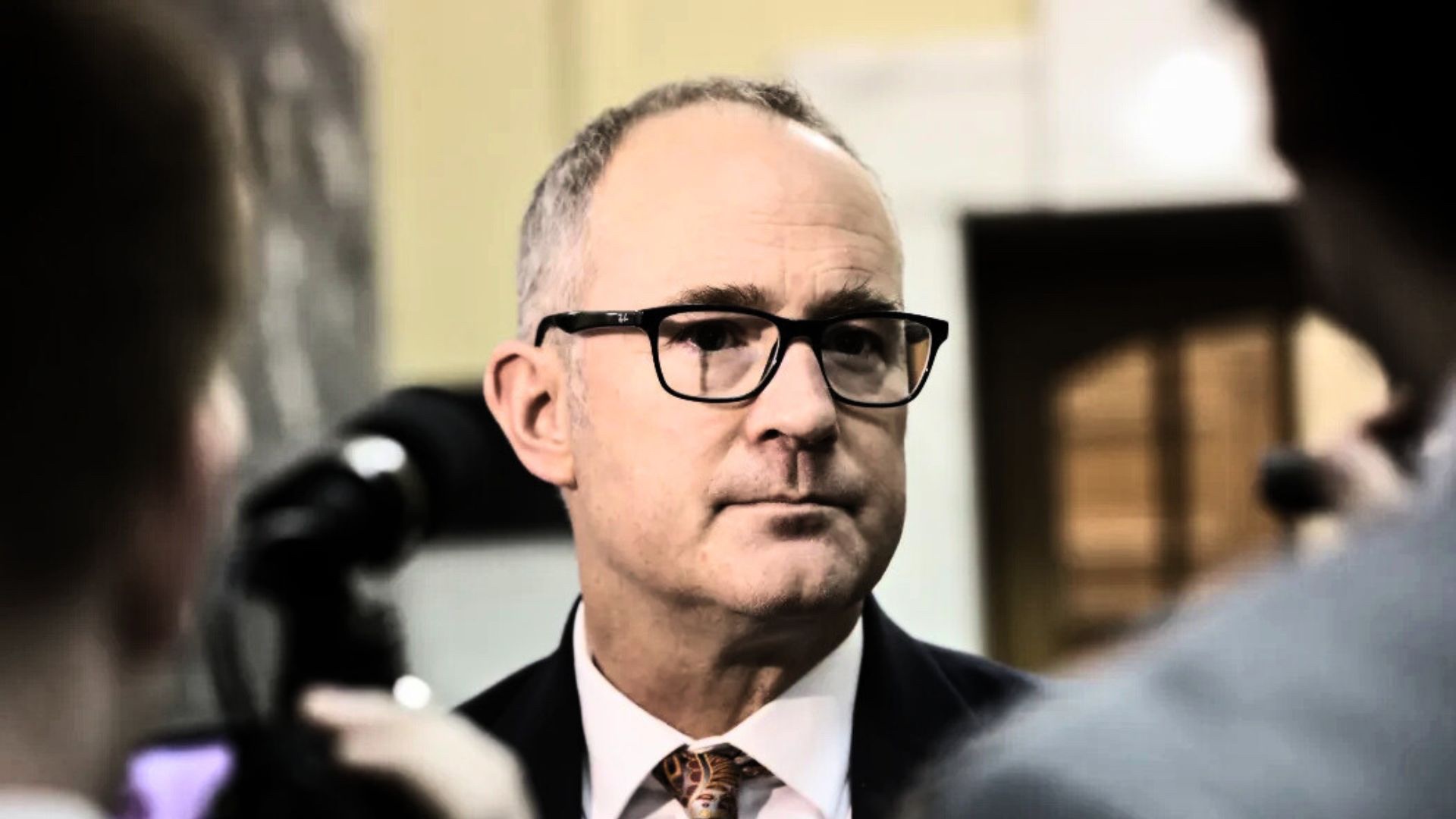
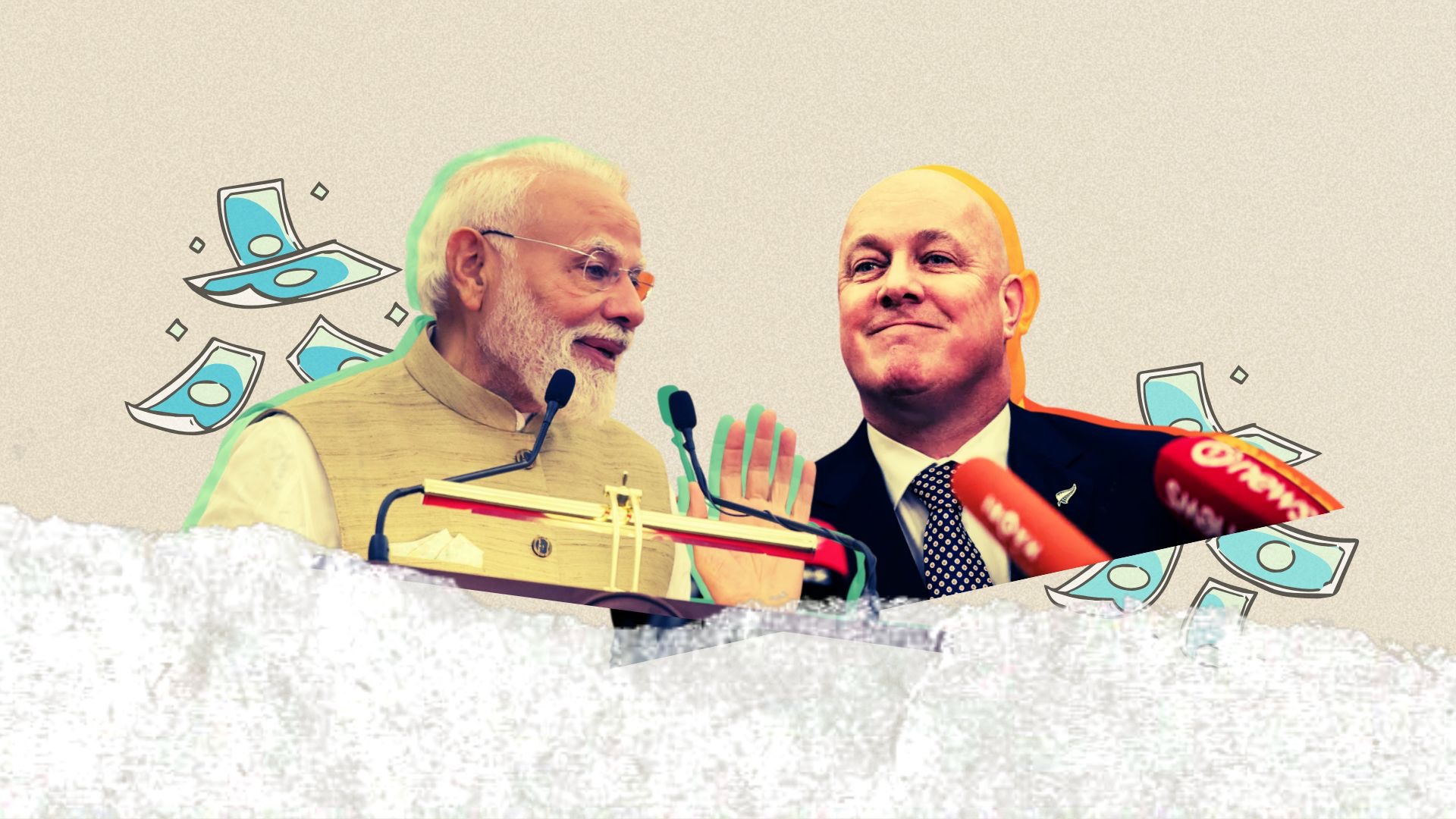
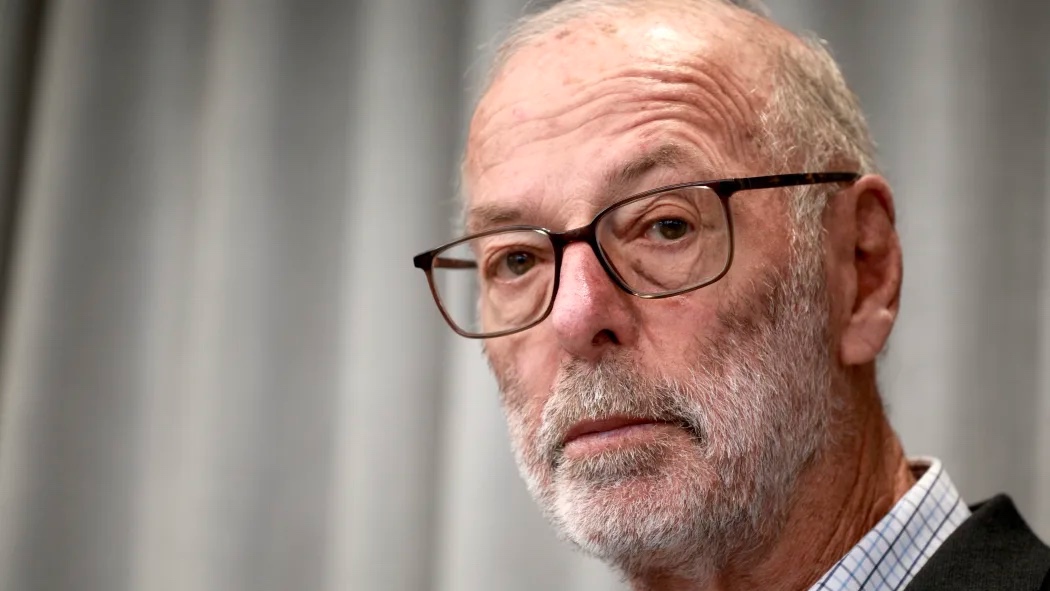
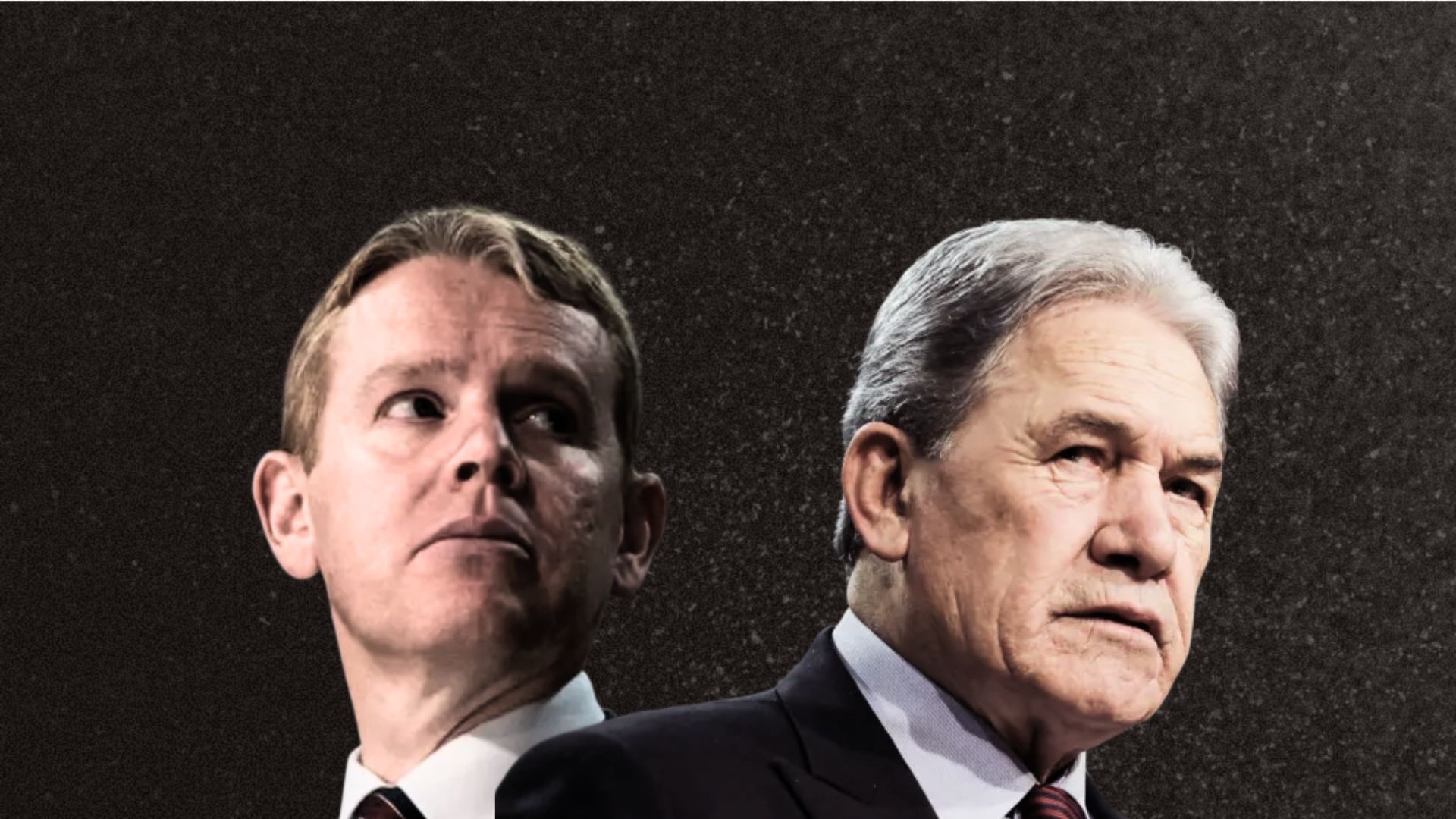
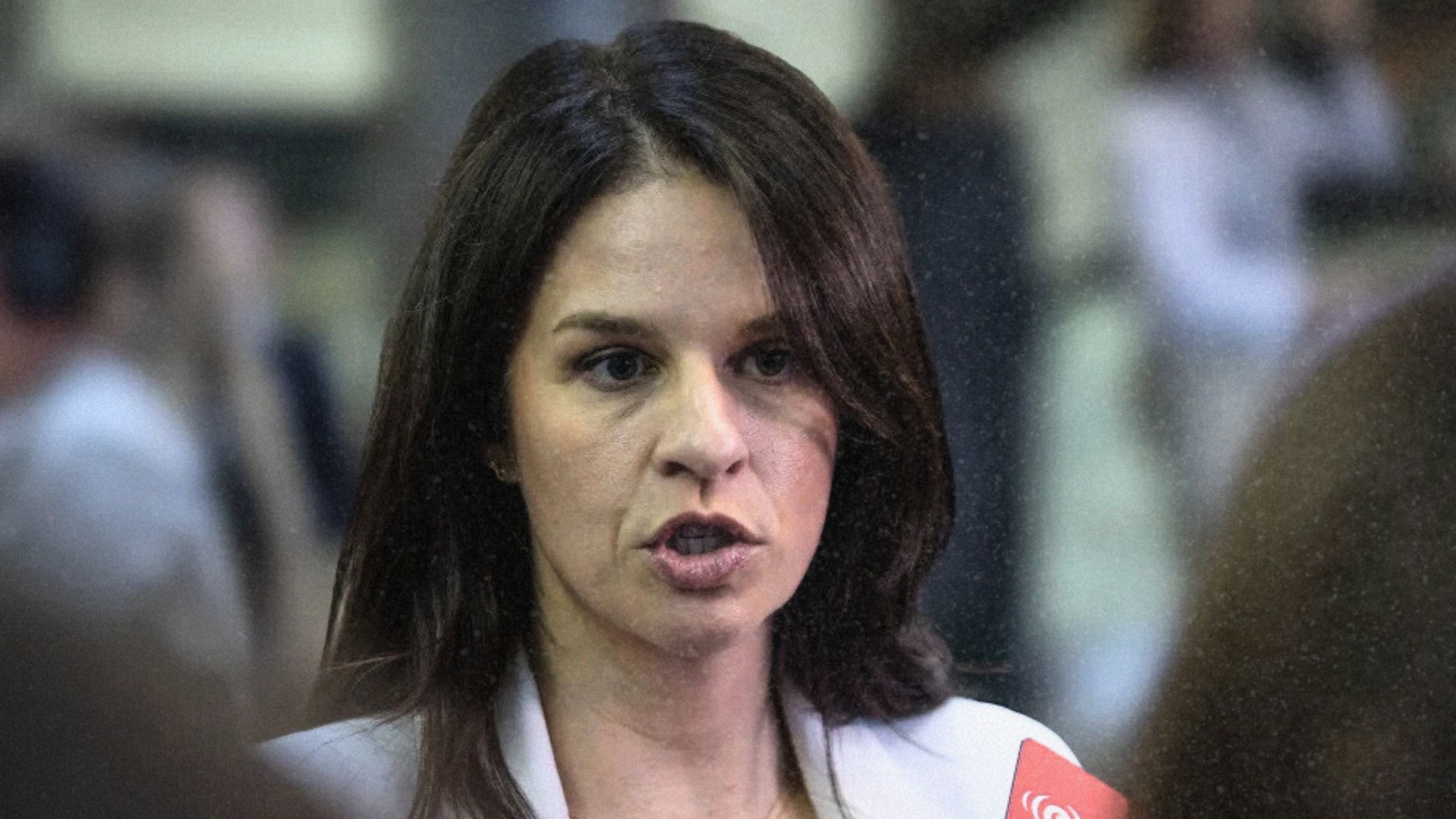
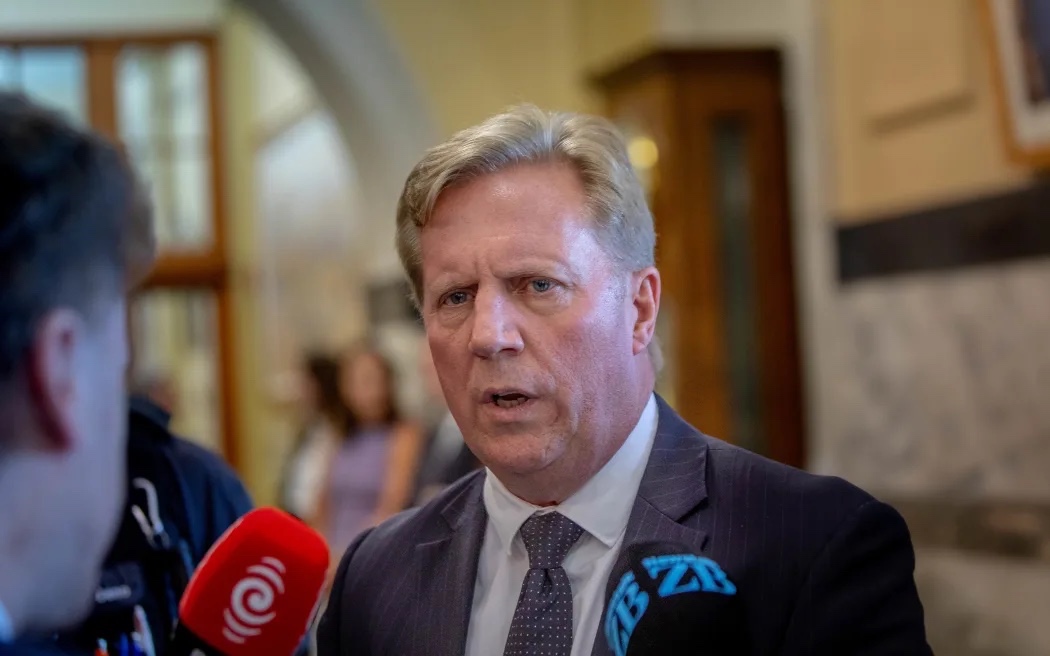
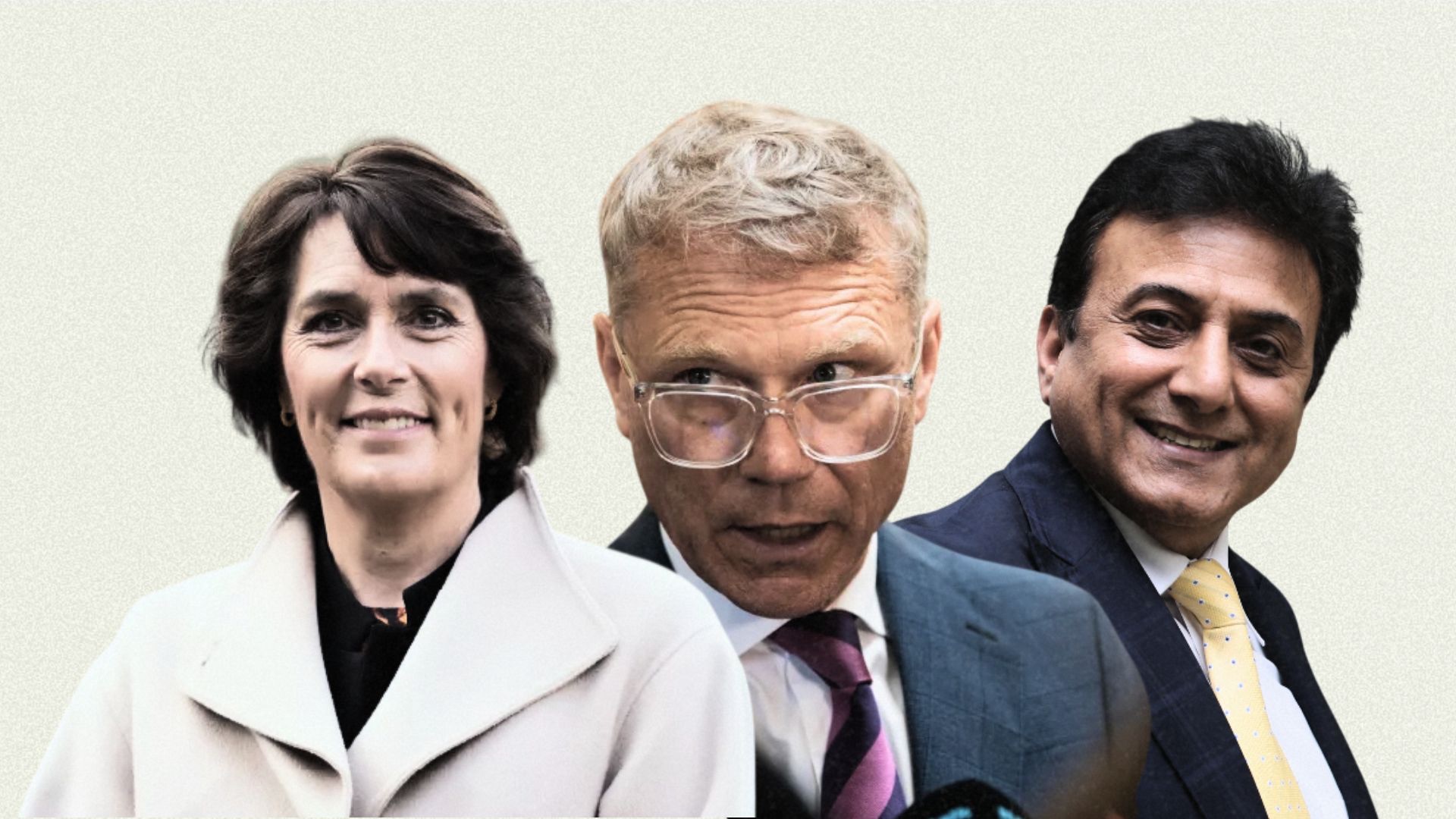
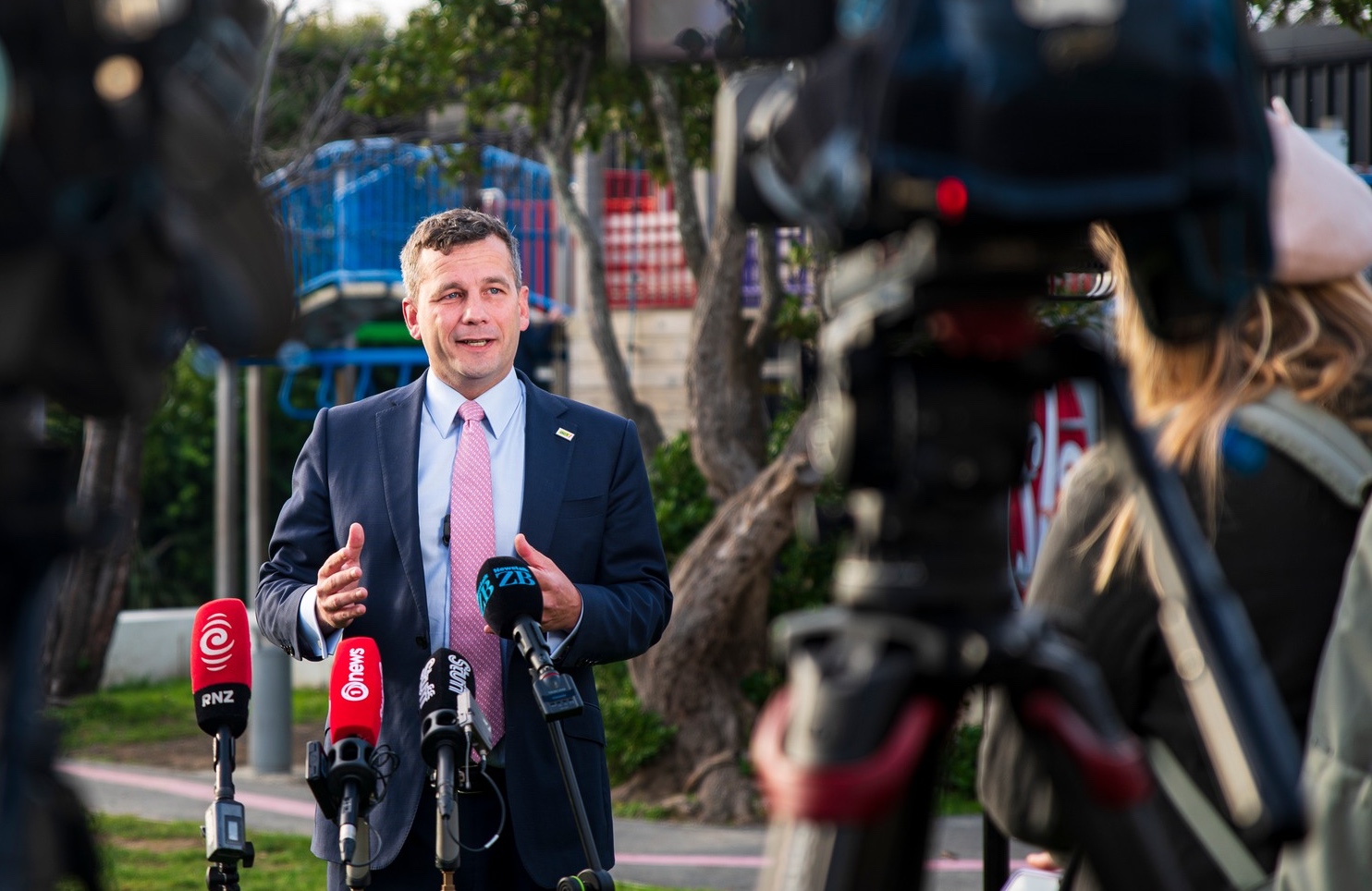
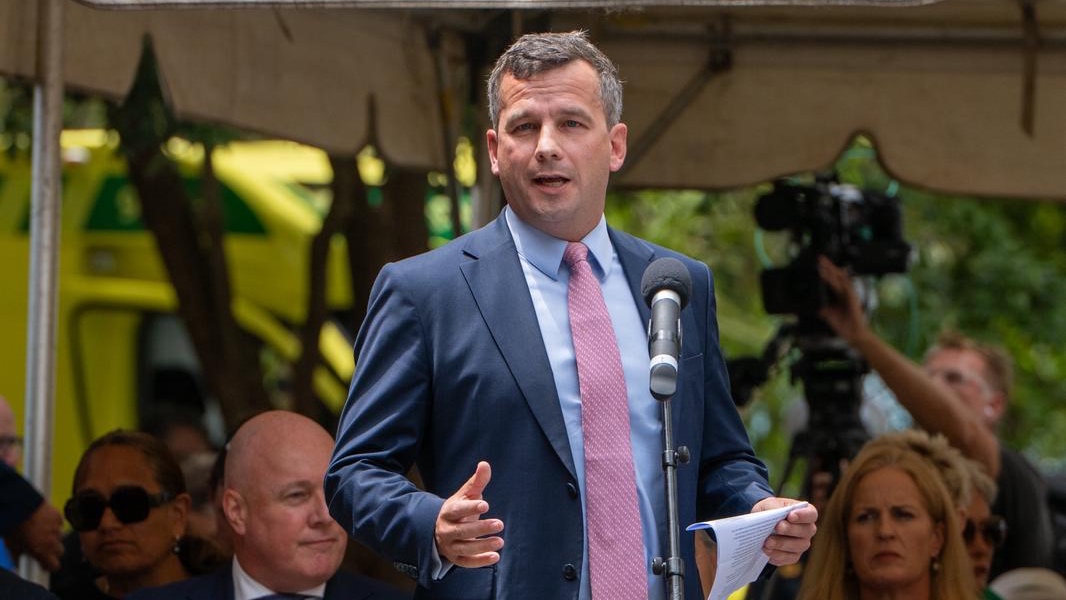
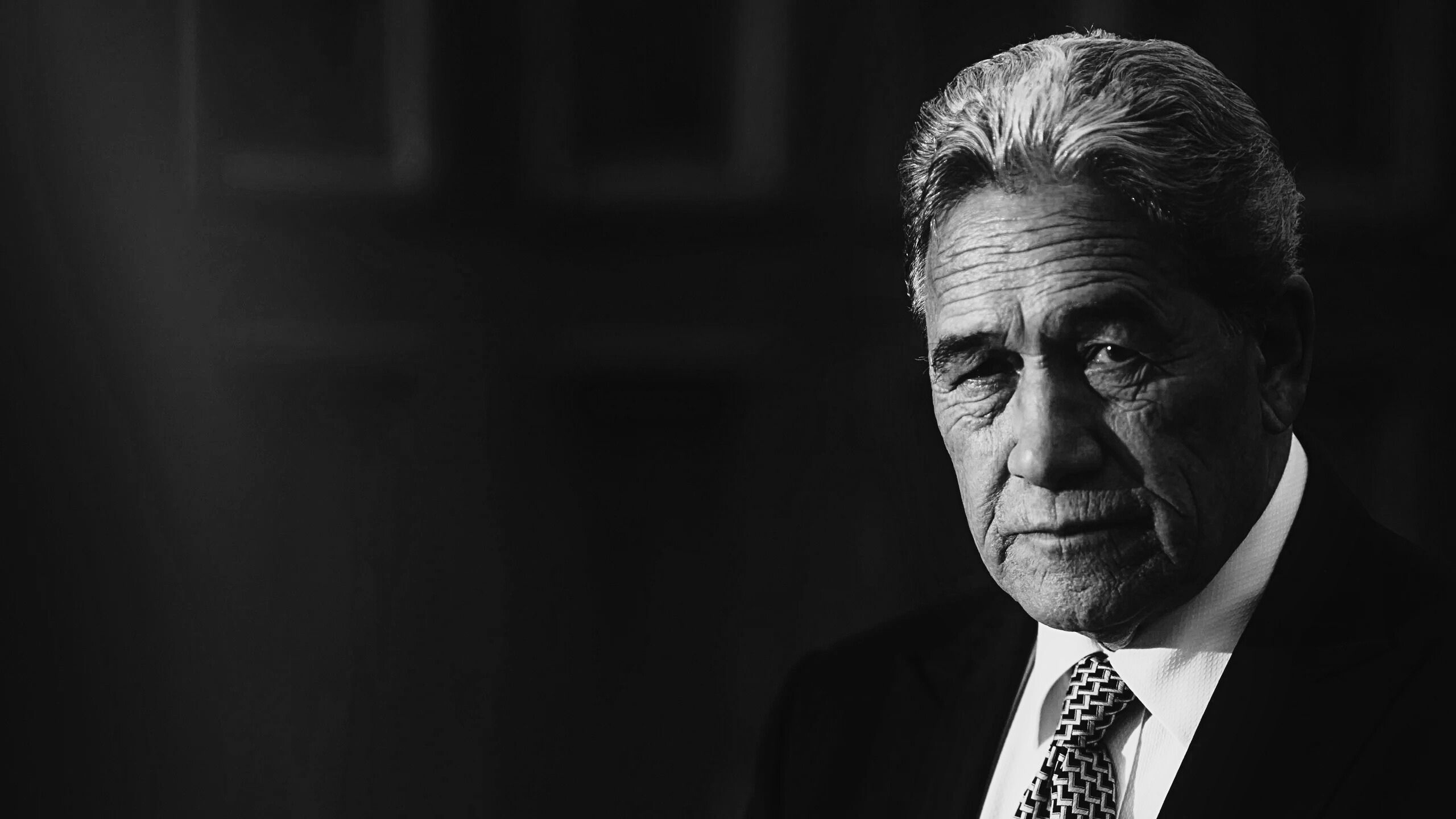
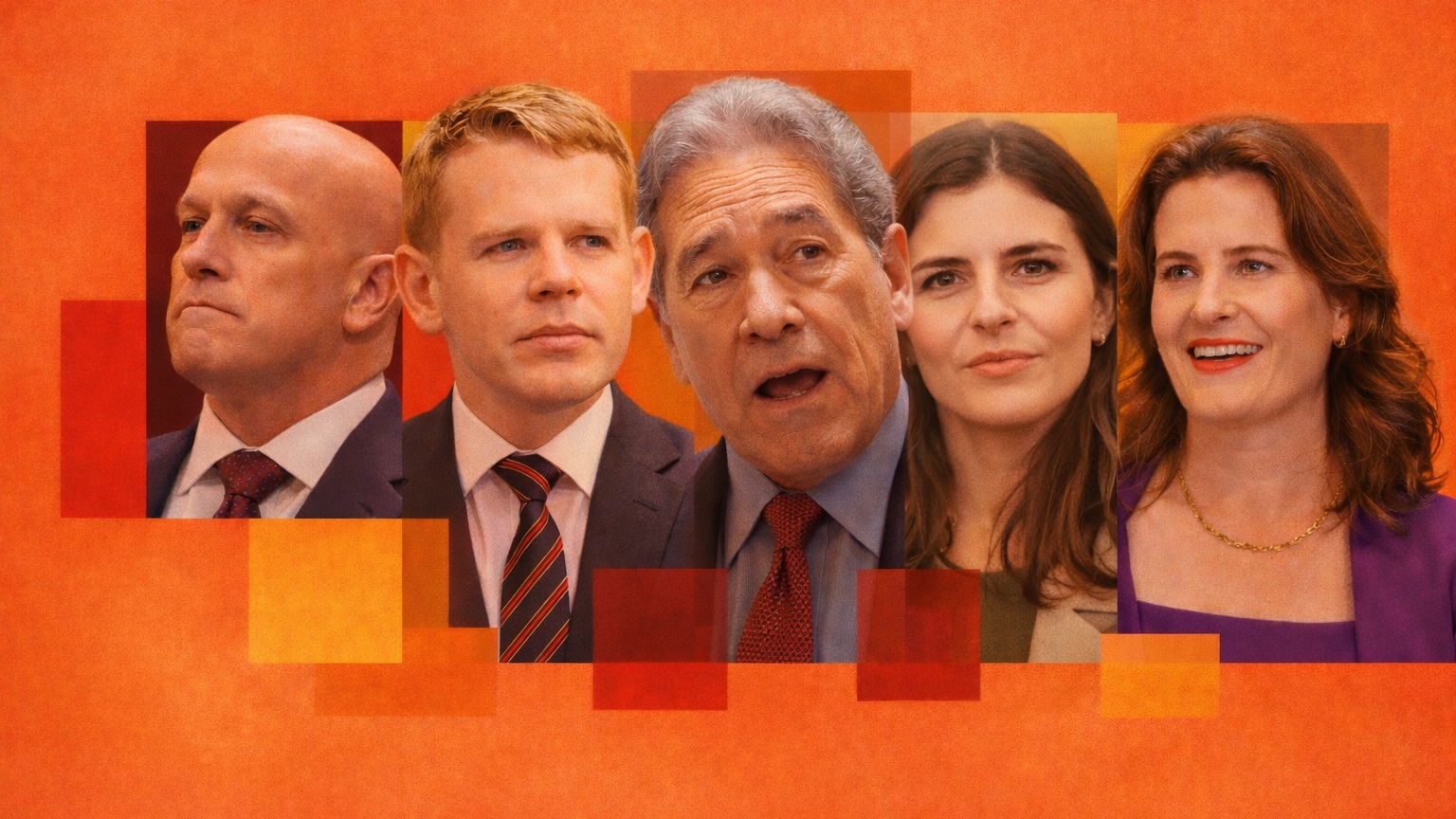
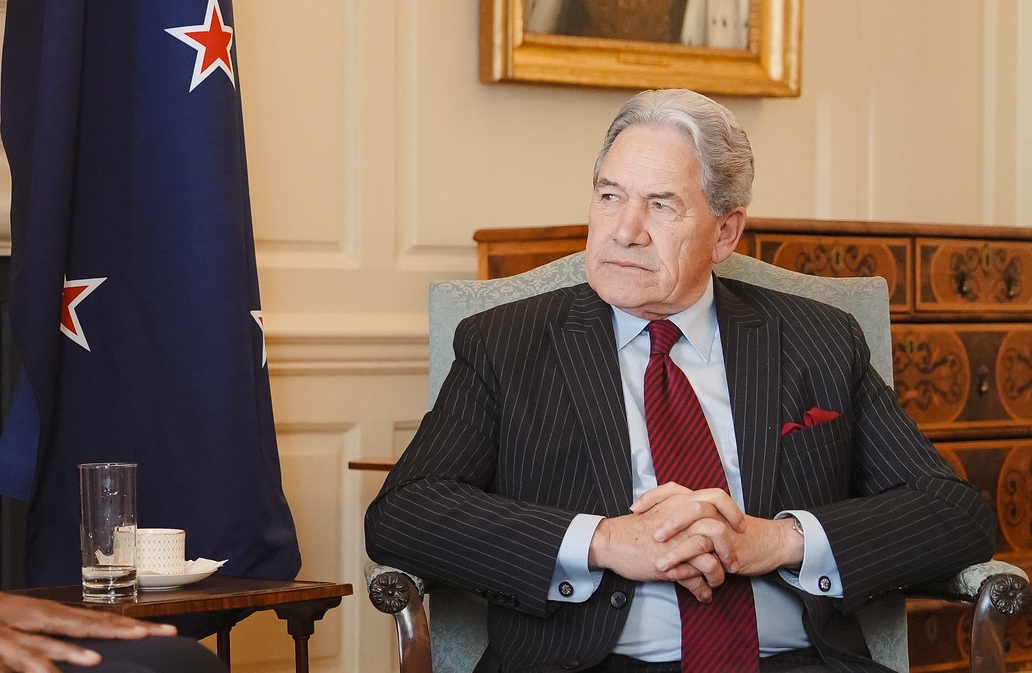
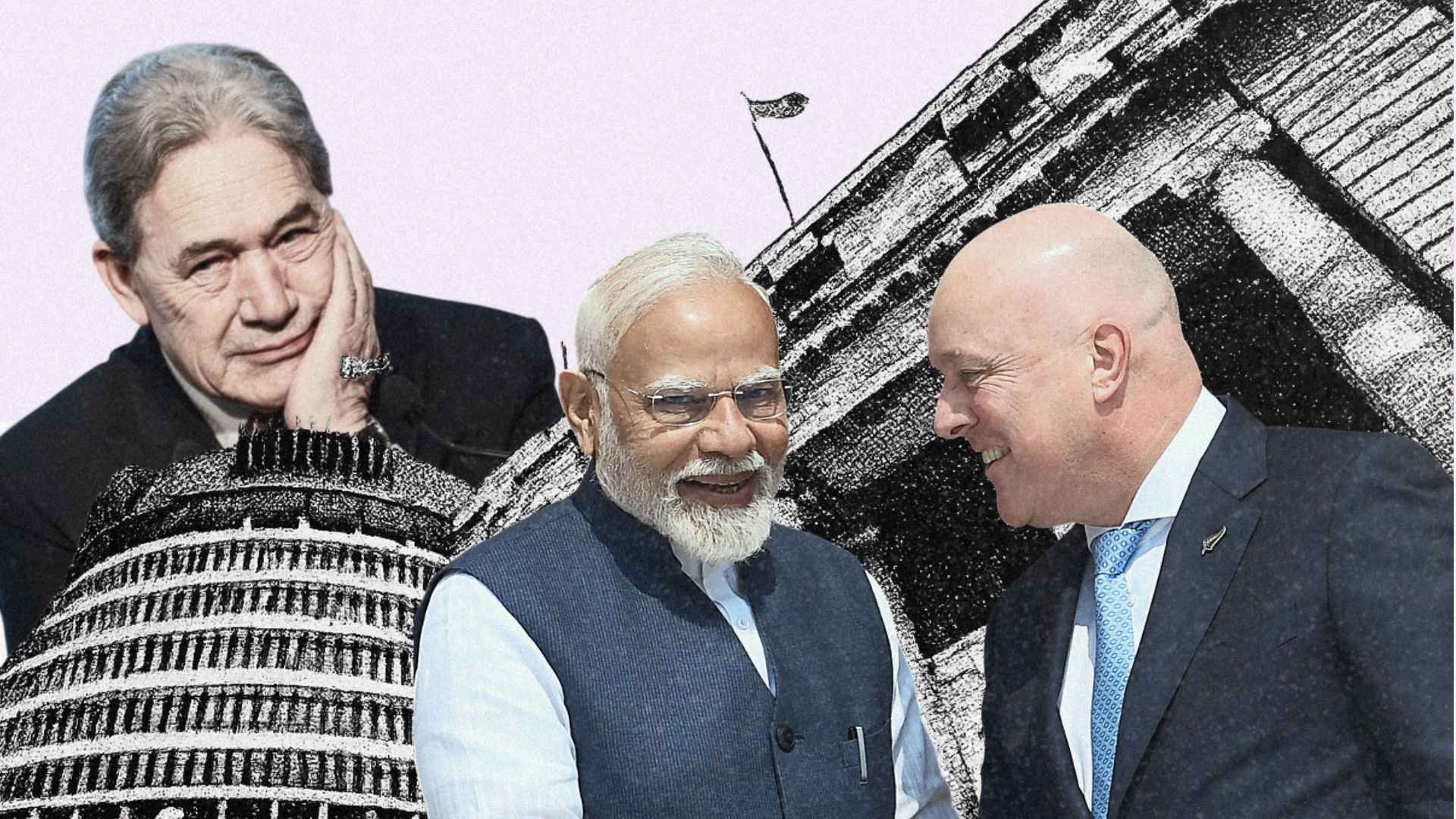
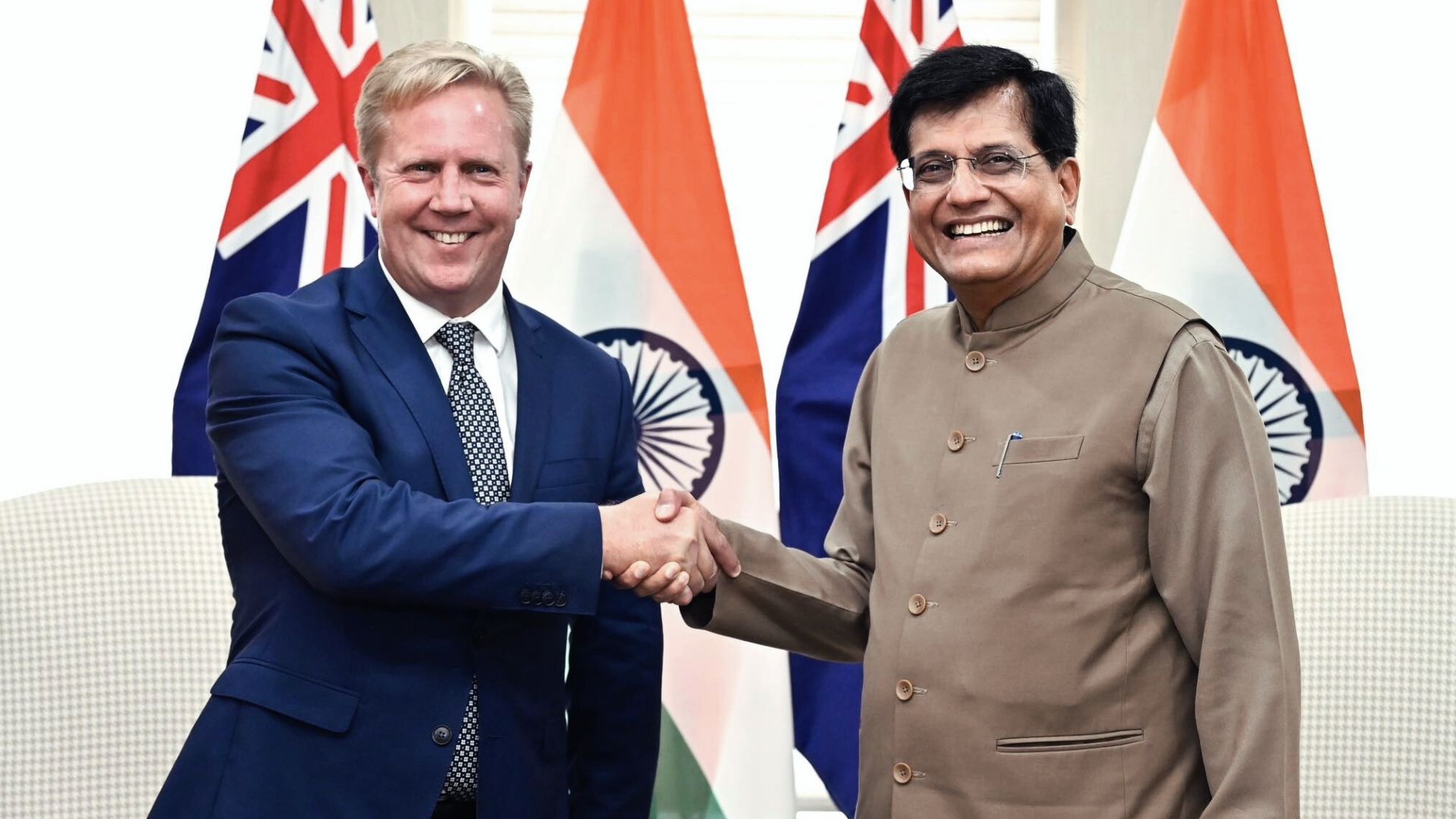
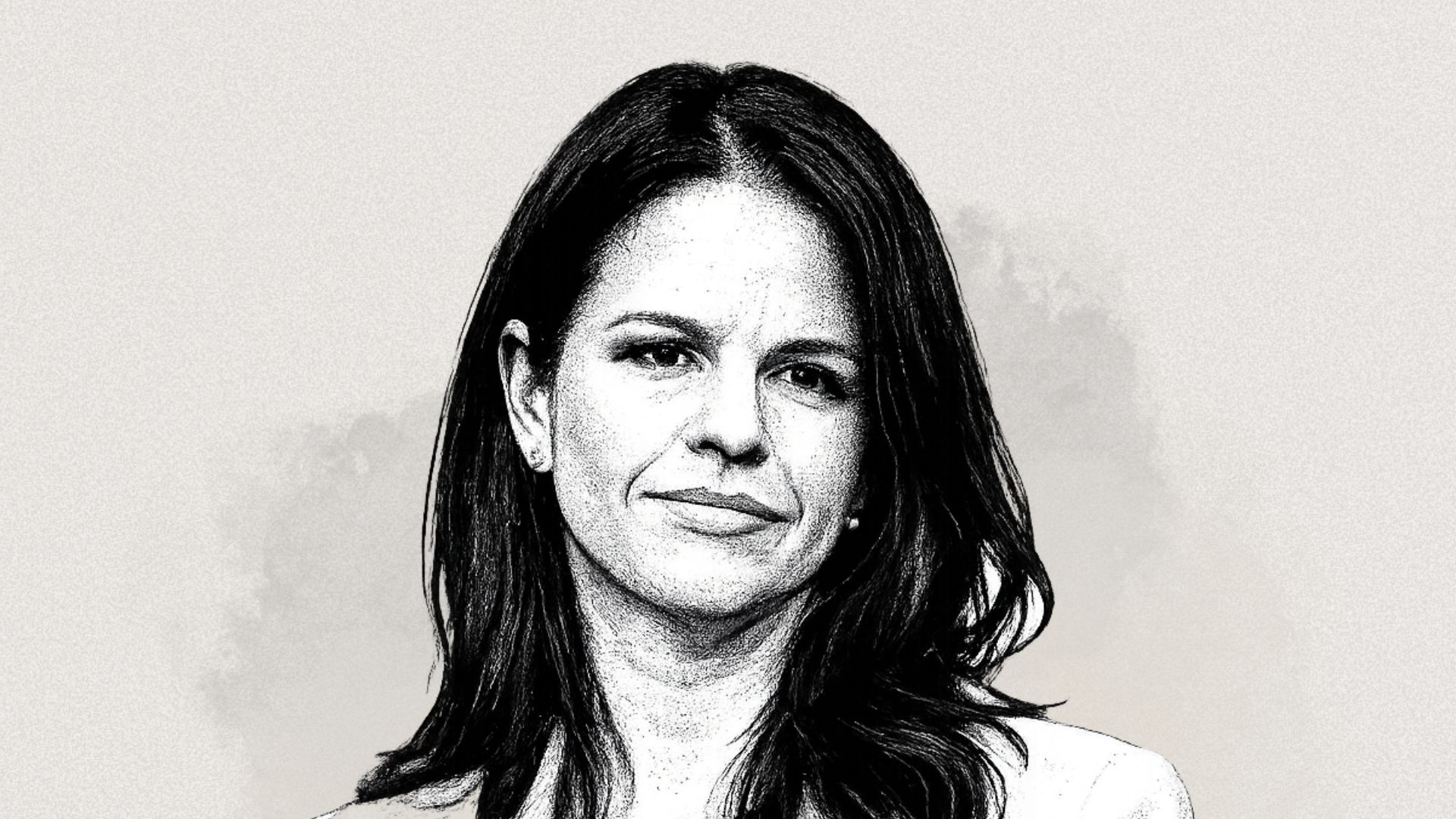
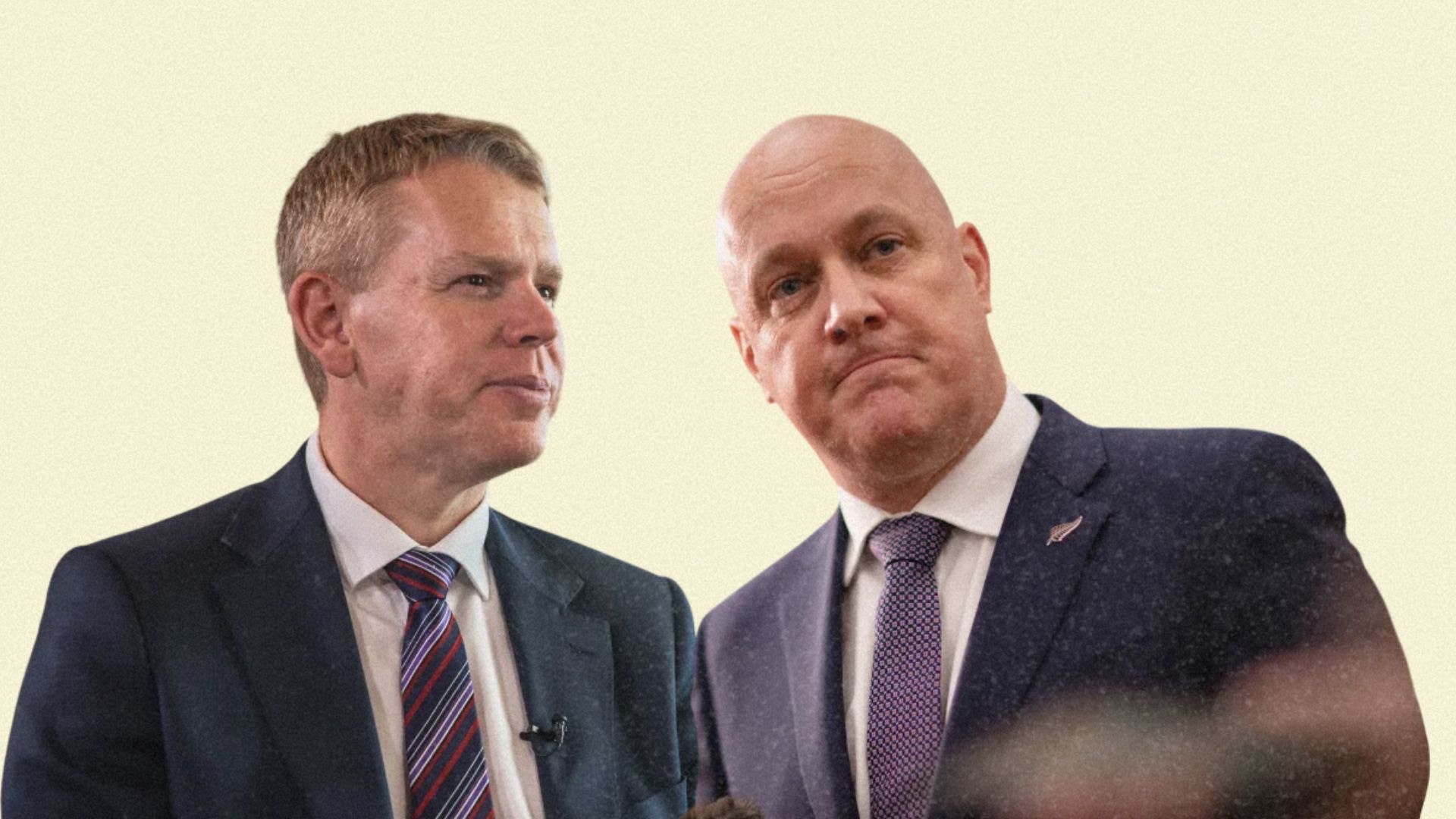
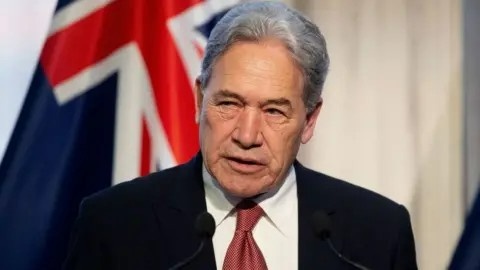
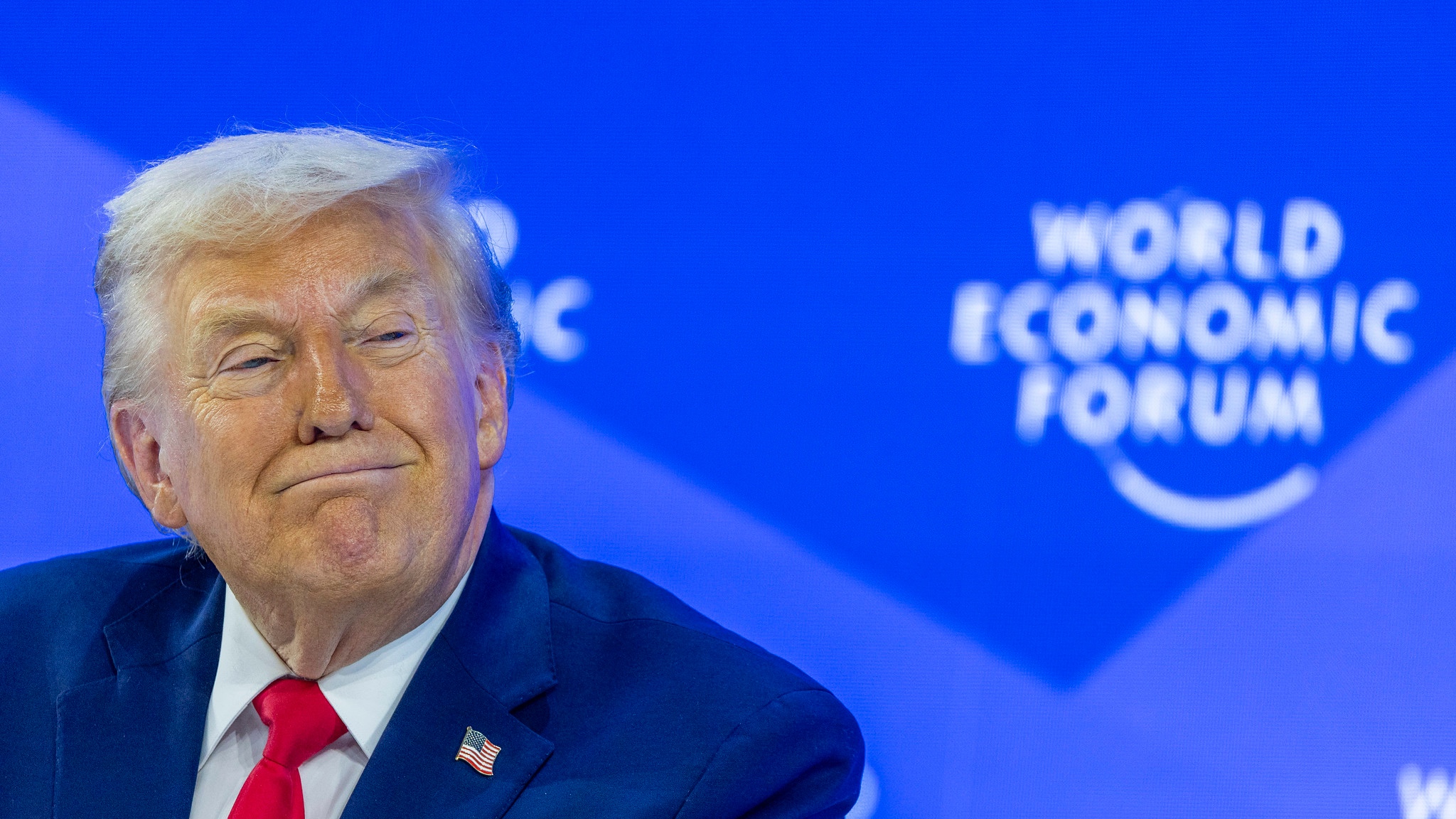
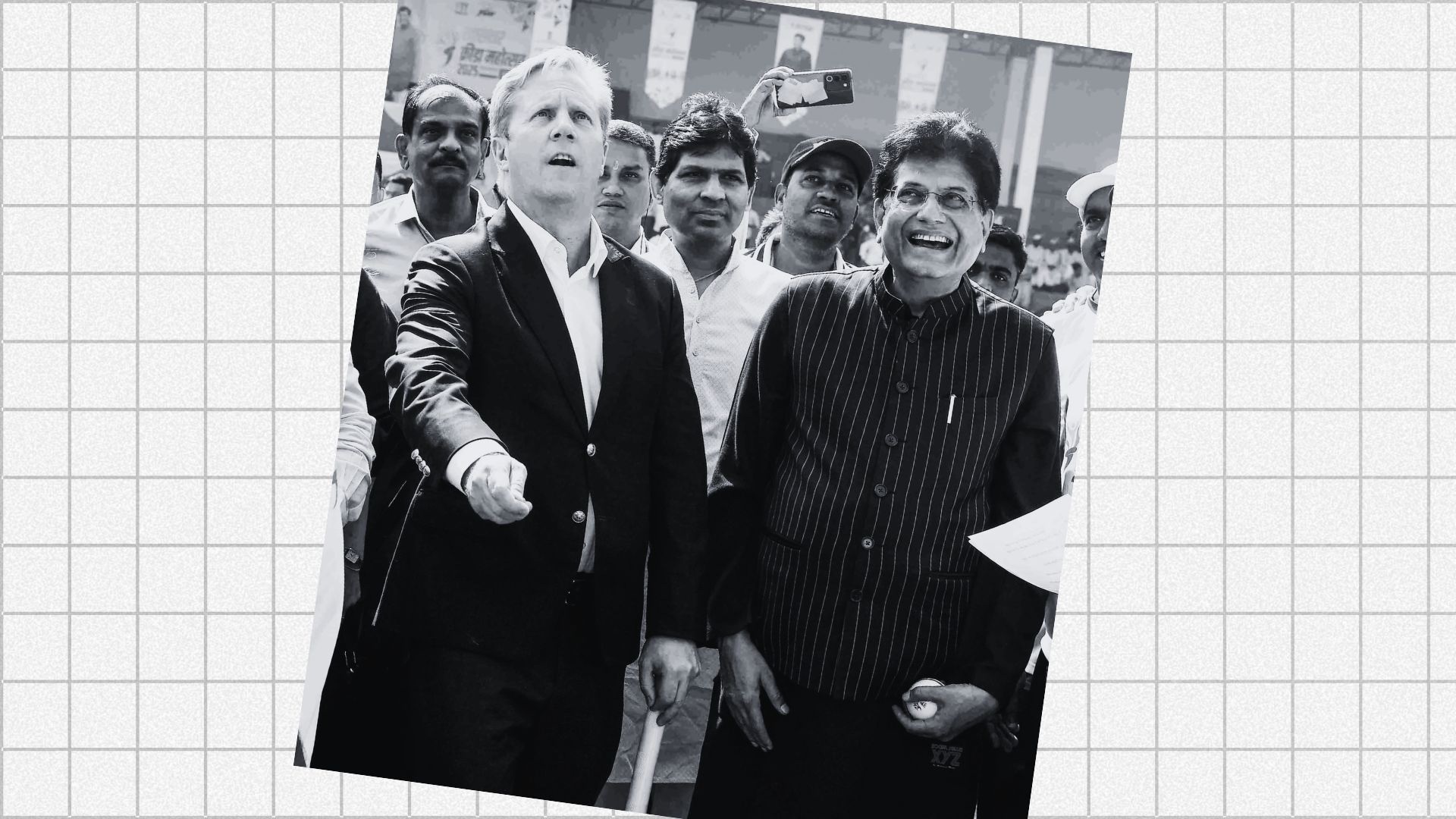
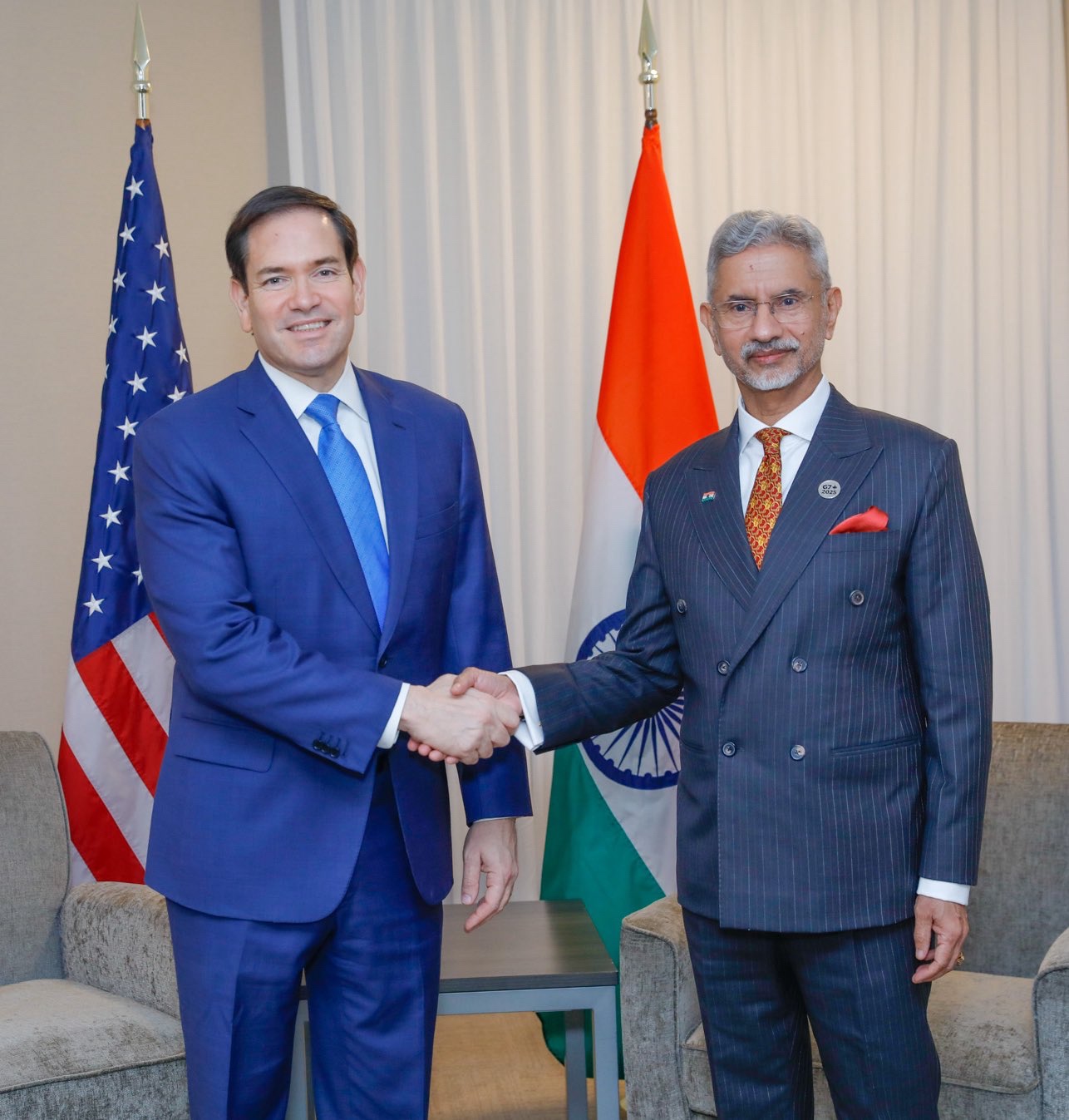
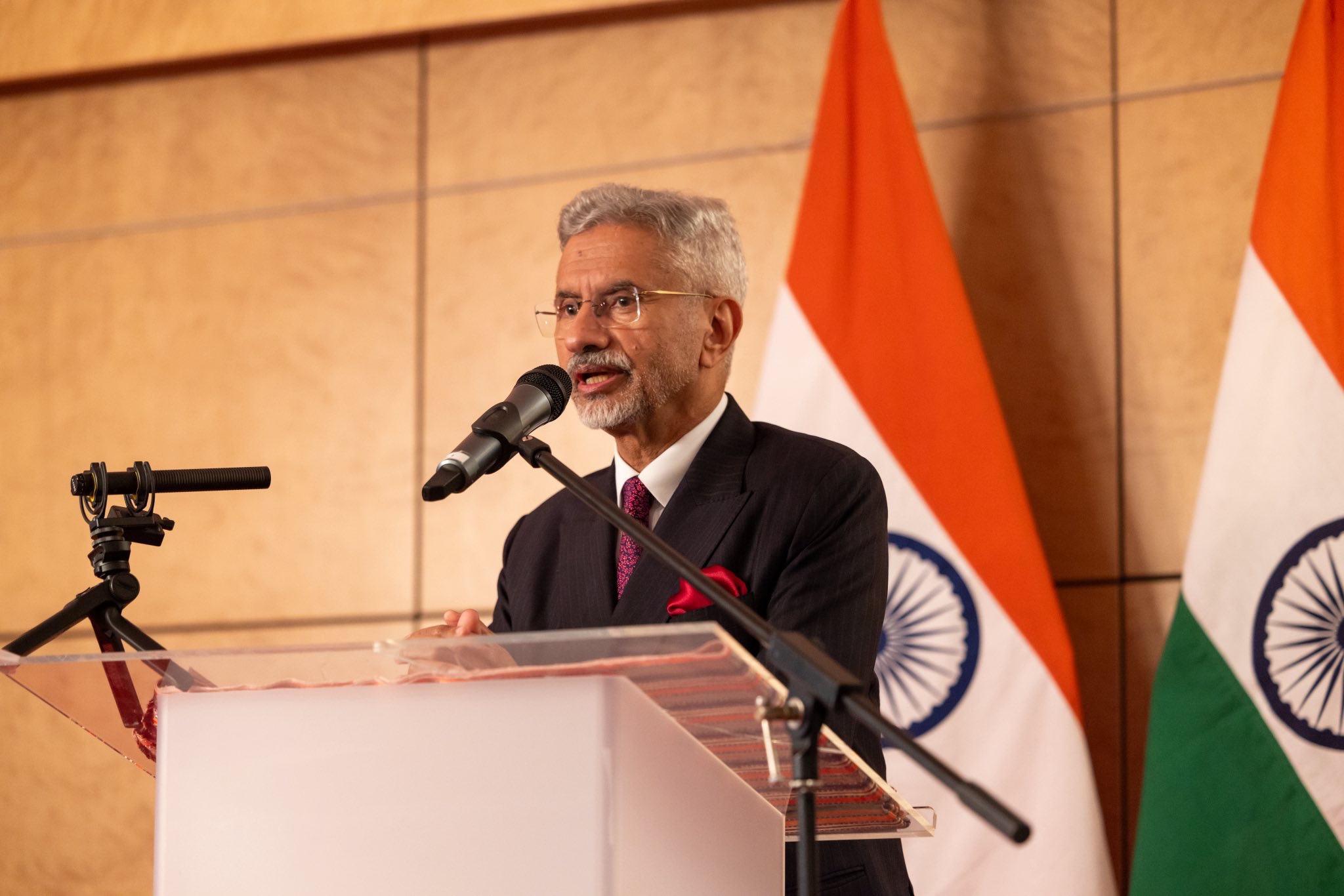
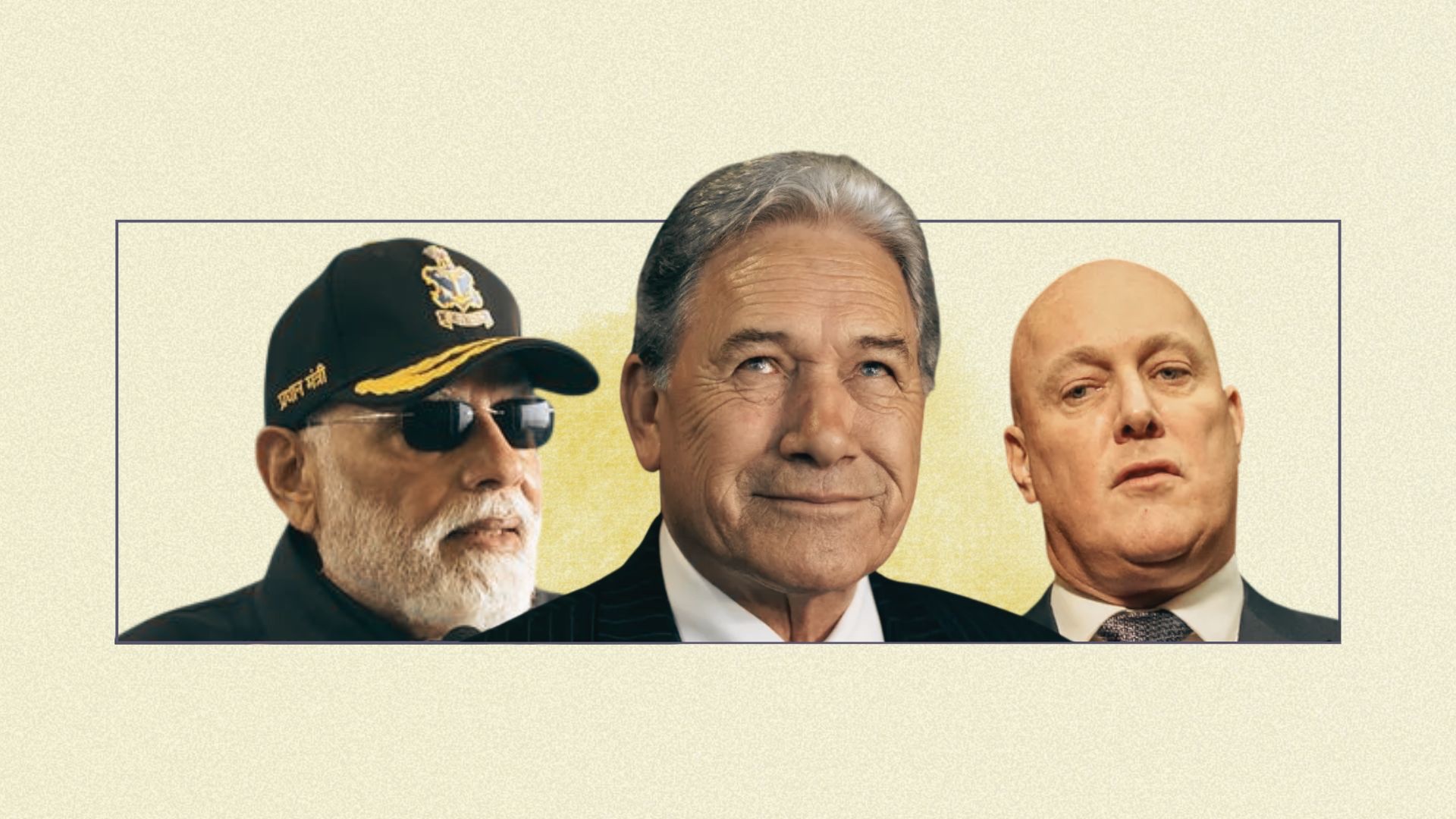
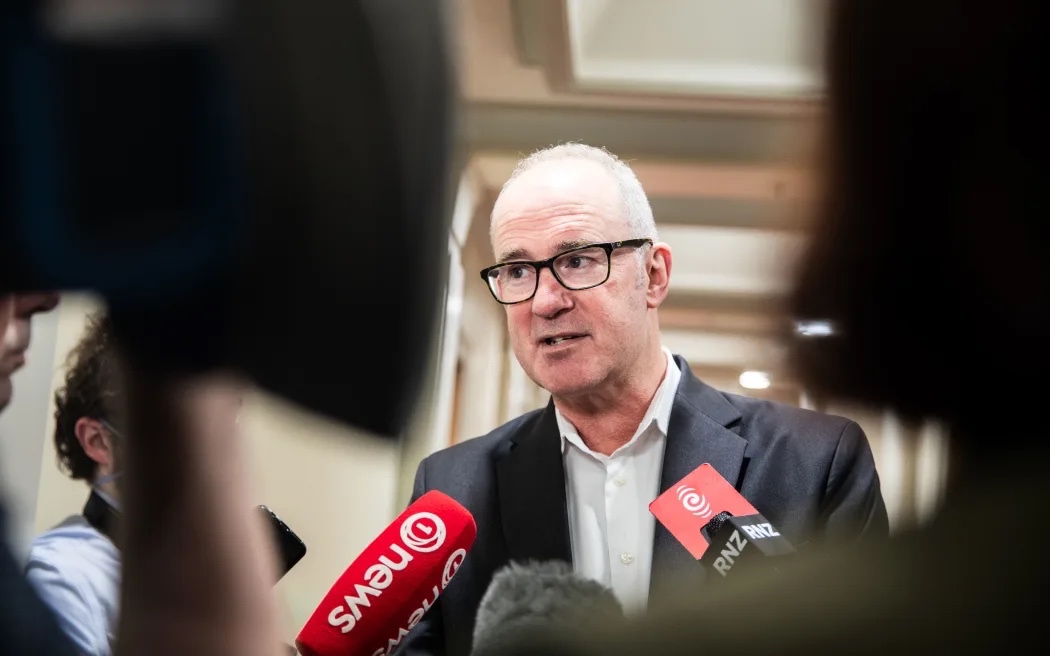
Trade minister Todd McClay and foreign minister Winston Peters.
The trade deal's debut in Parliament didn't disappoint. No prizes for guessing the showstopper.
It began, as these things do, with a planted question and a prepared answer.
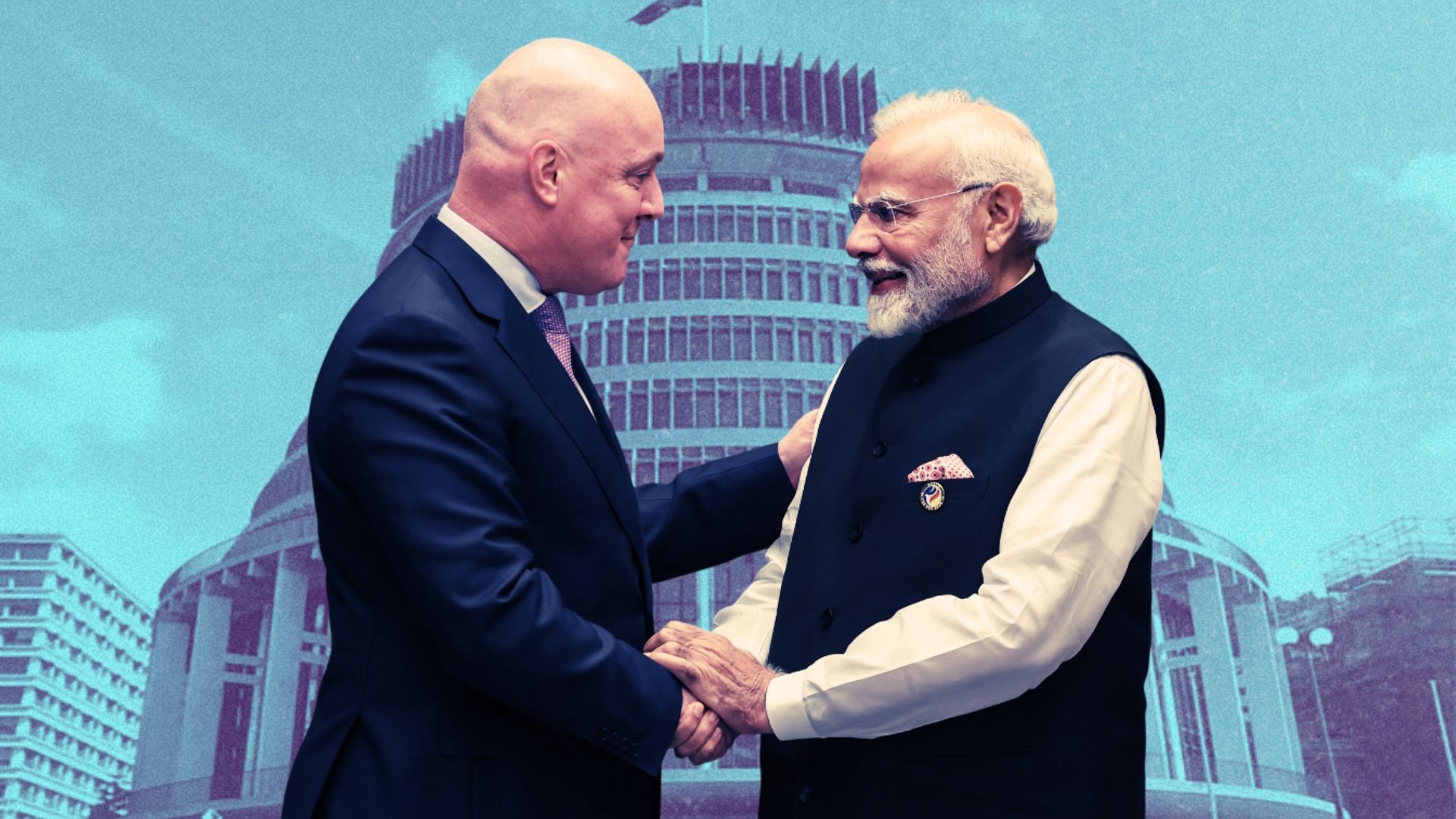
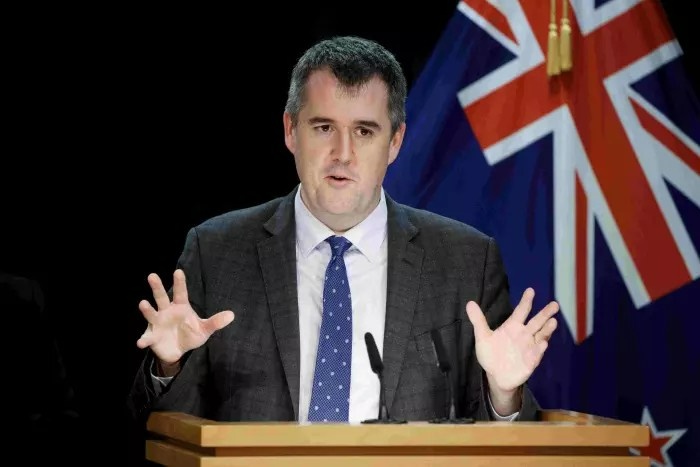
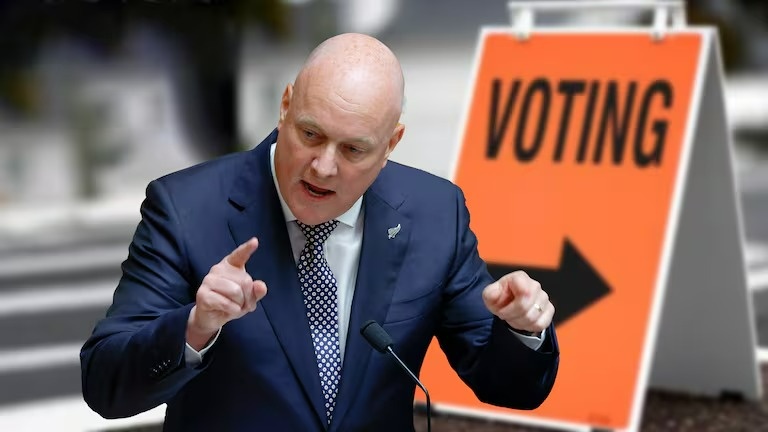
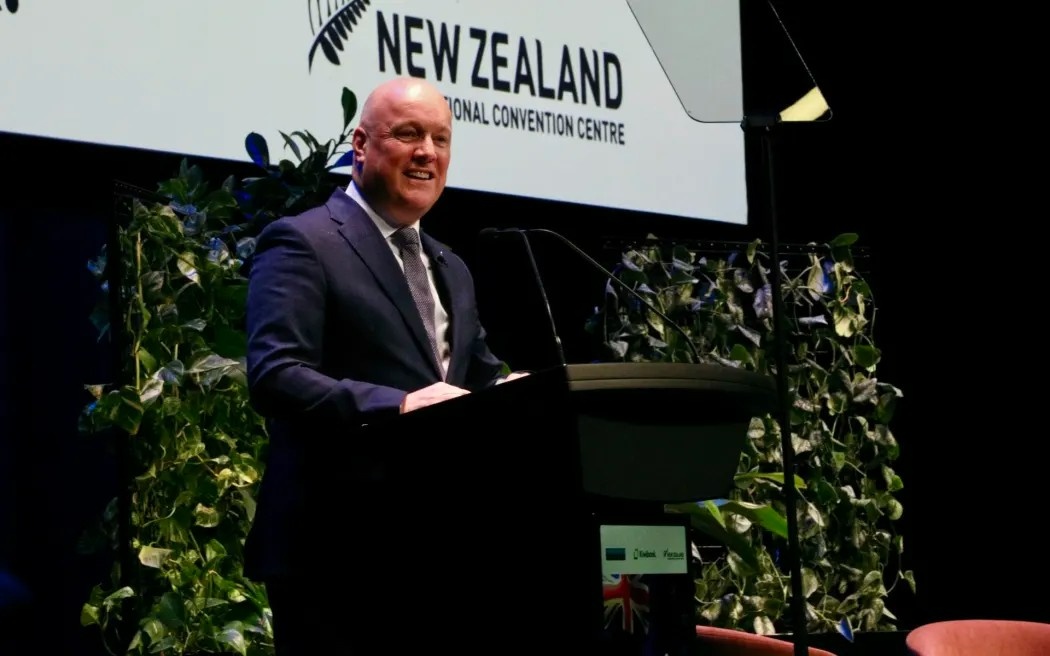
The stage was set Wednesday afternoon during Question Time. Trade minister Todd McClay stood up to confirm what the government wants framed as a generational deal.
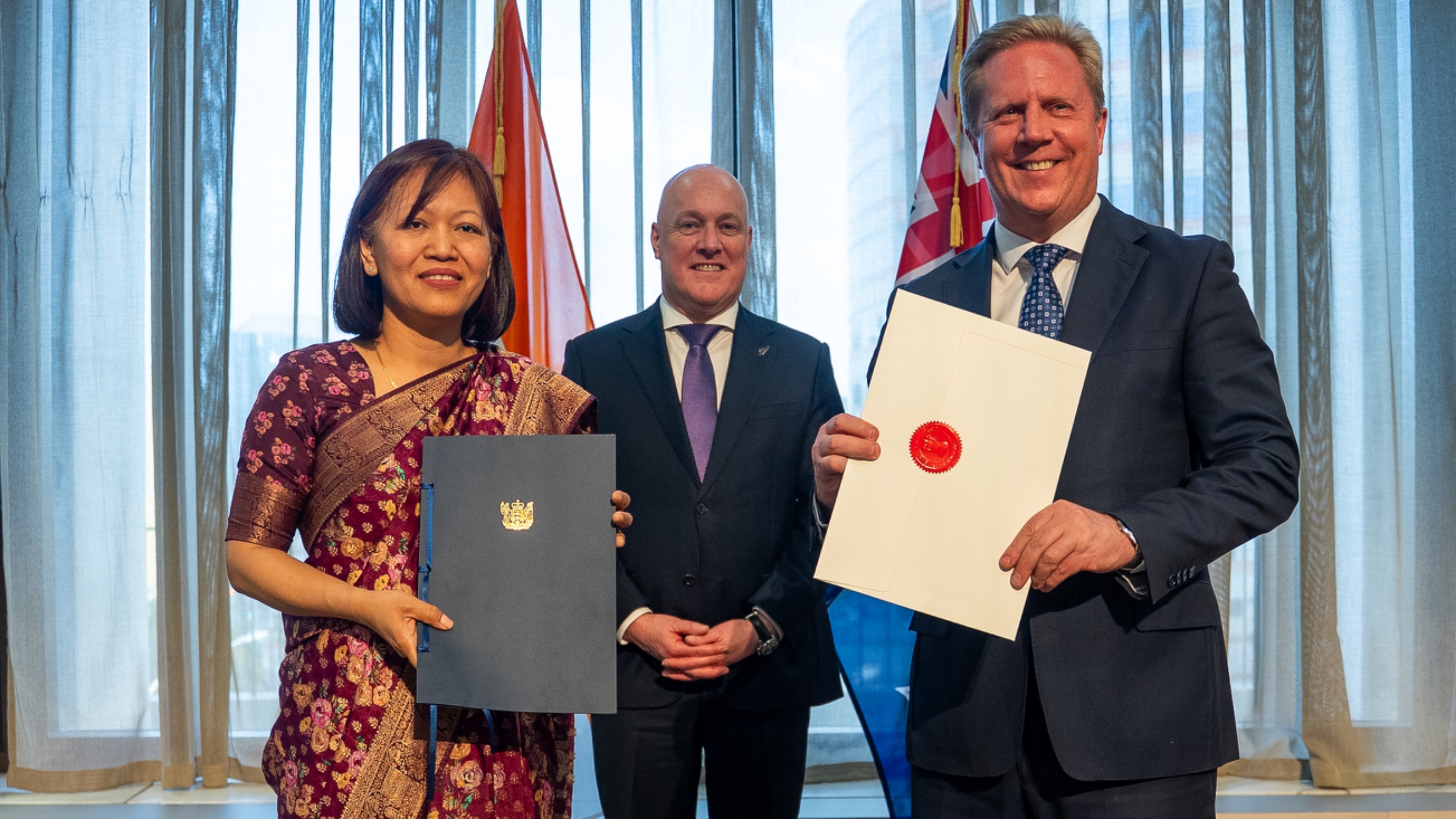
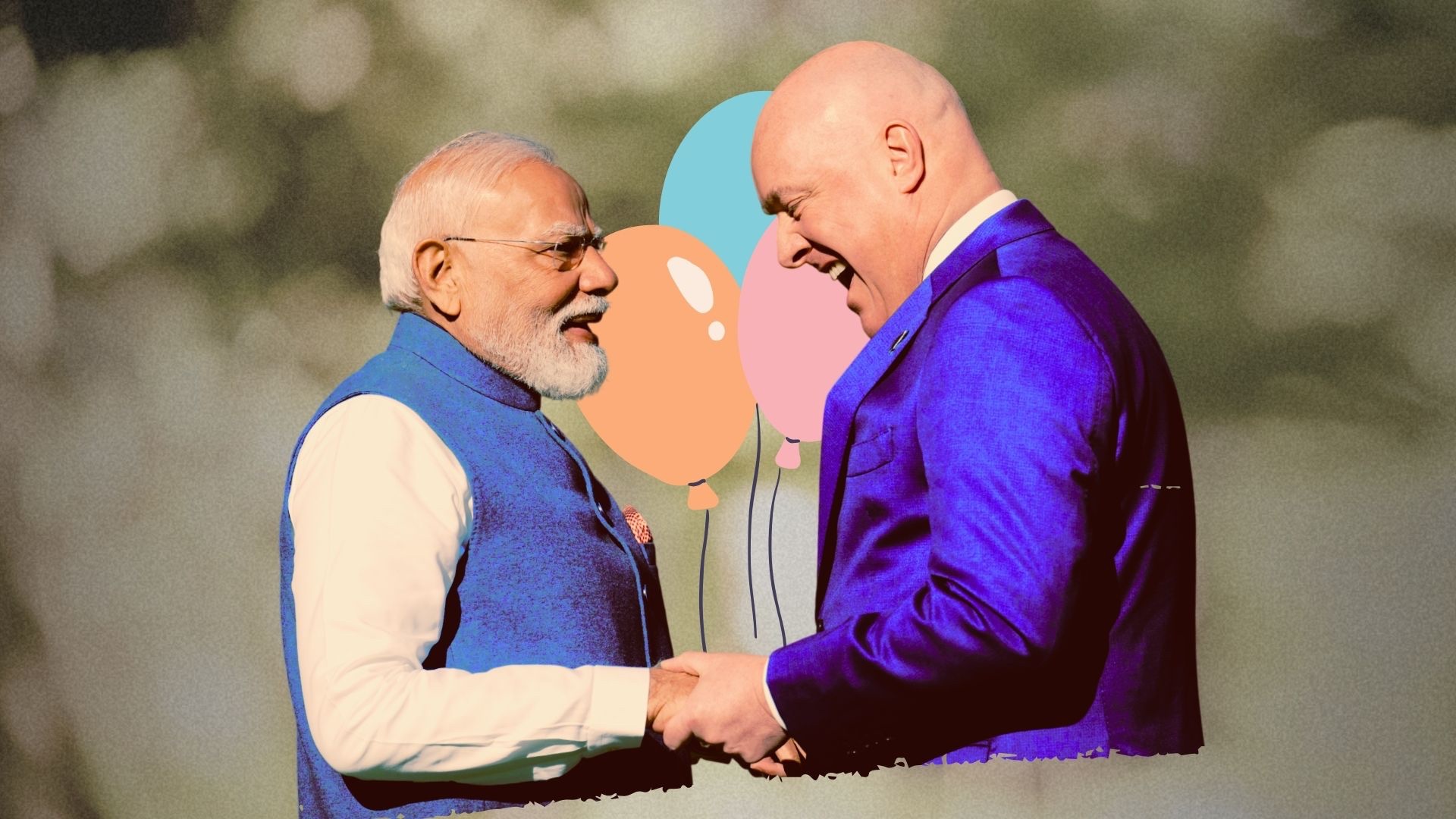
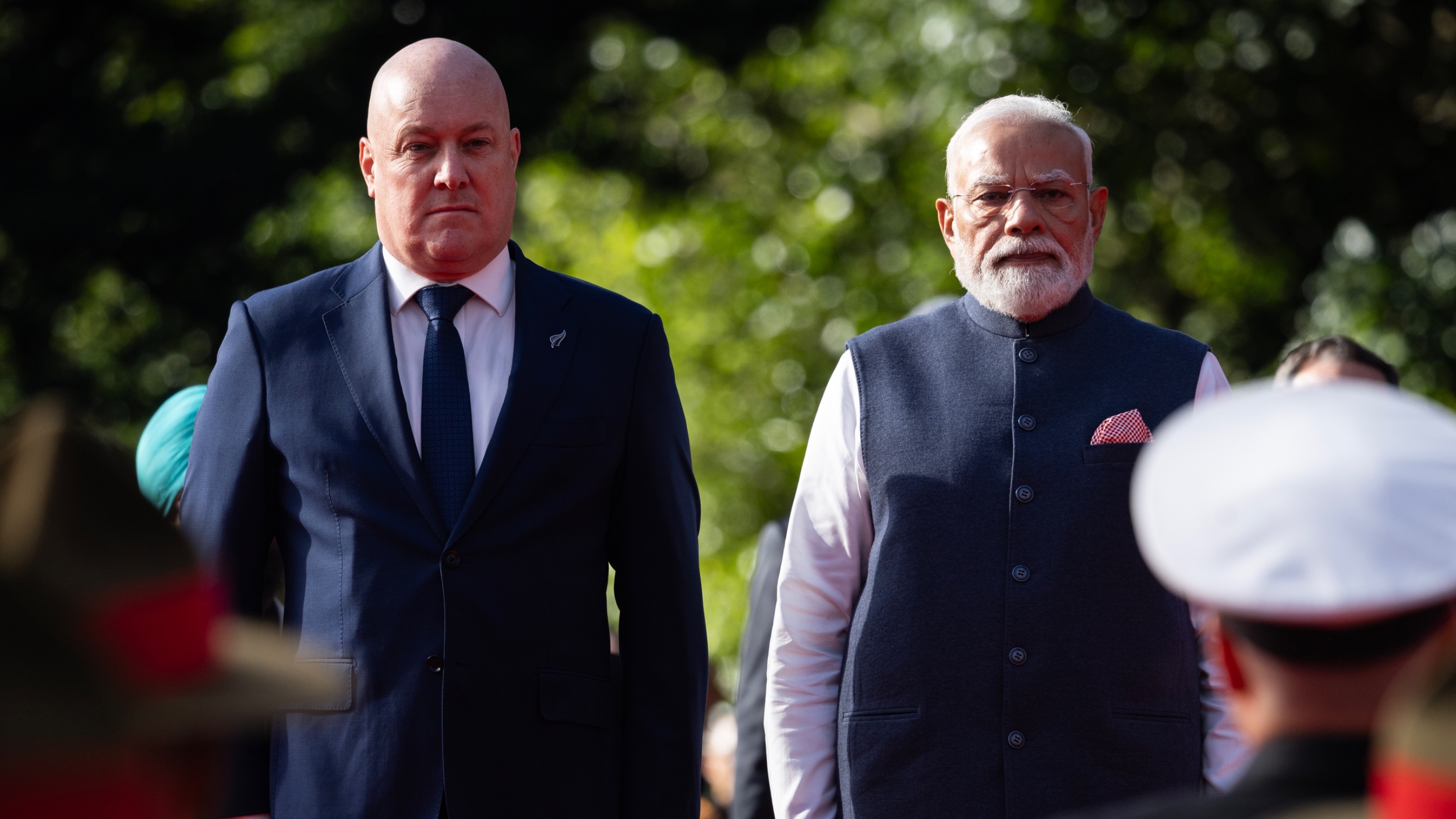
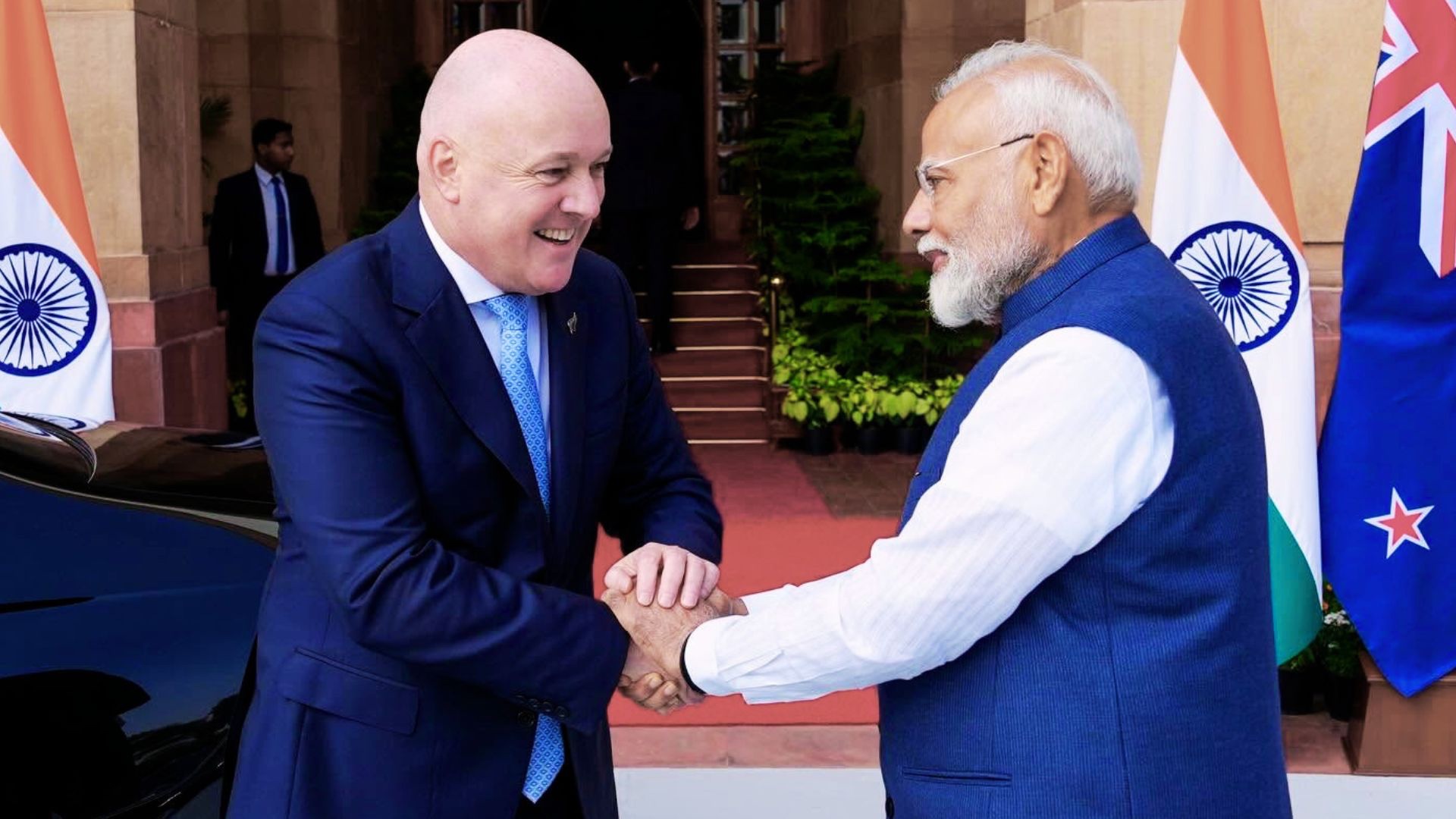
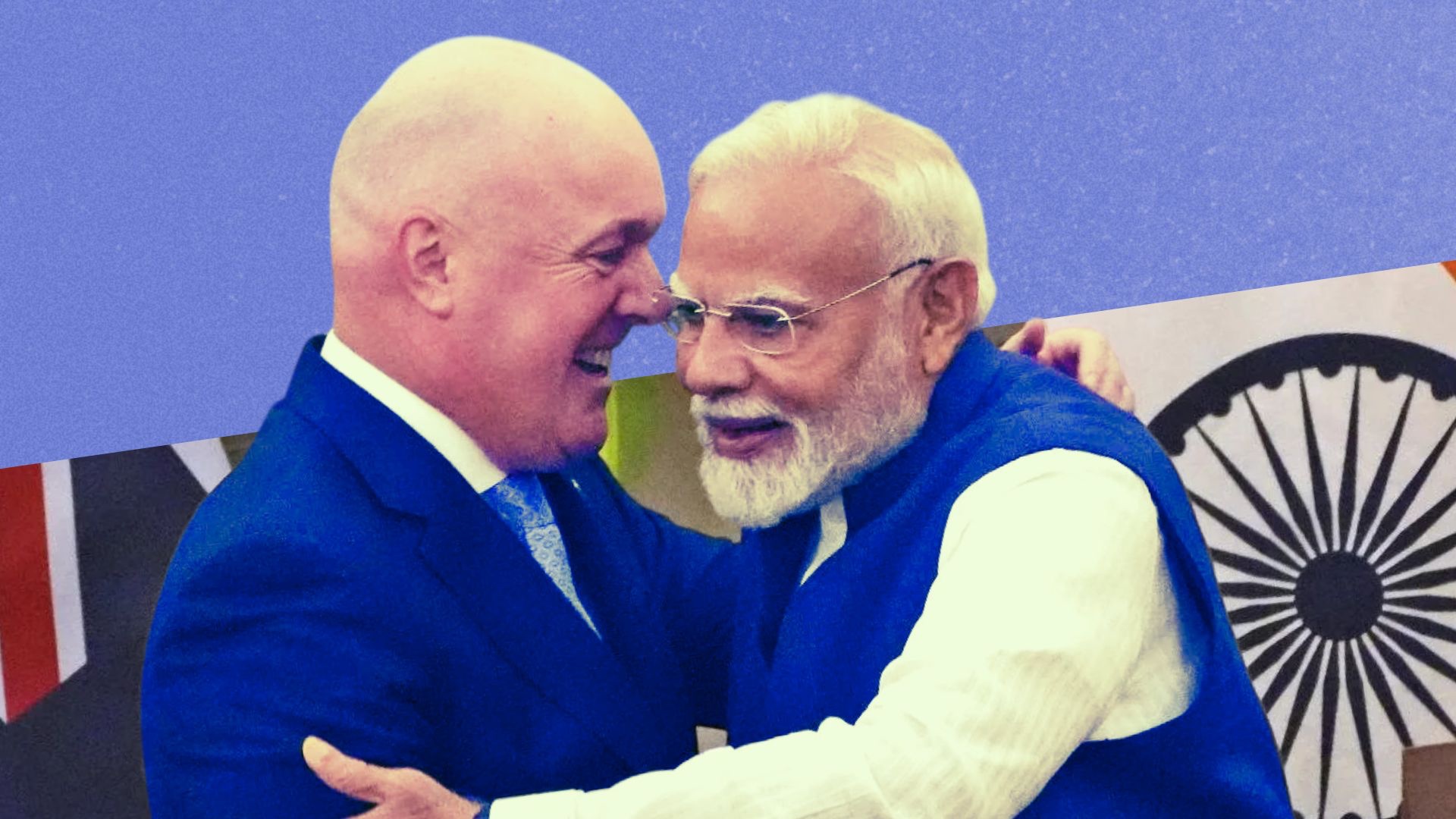
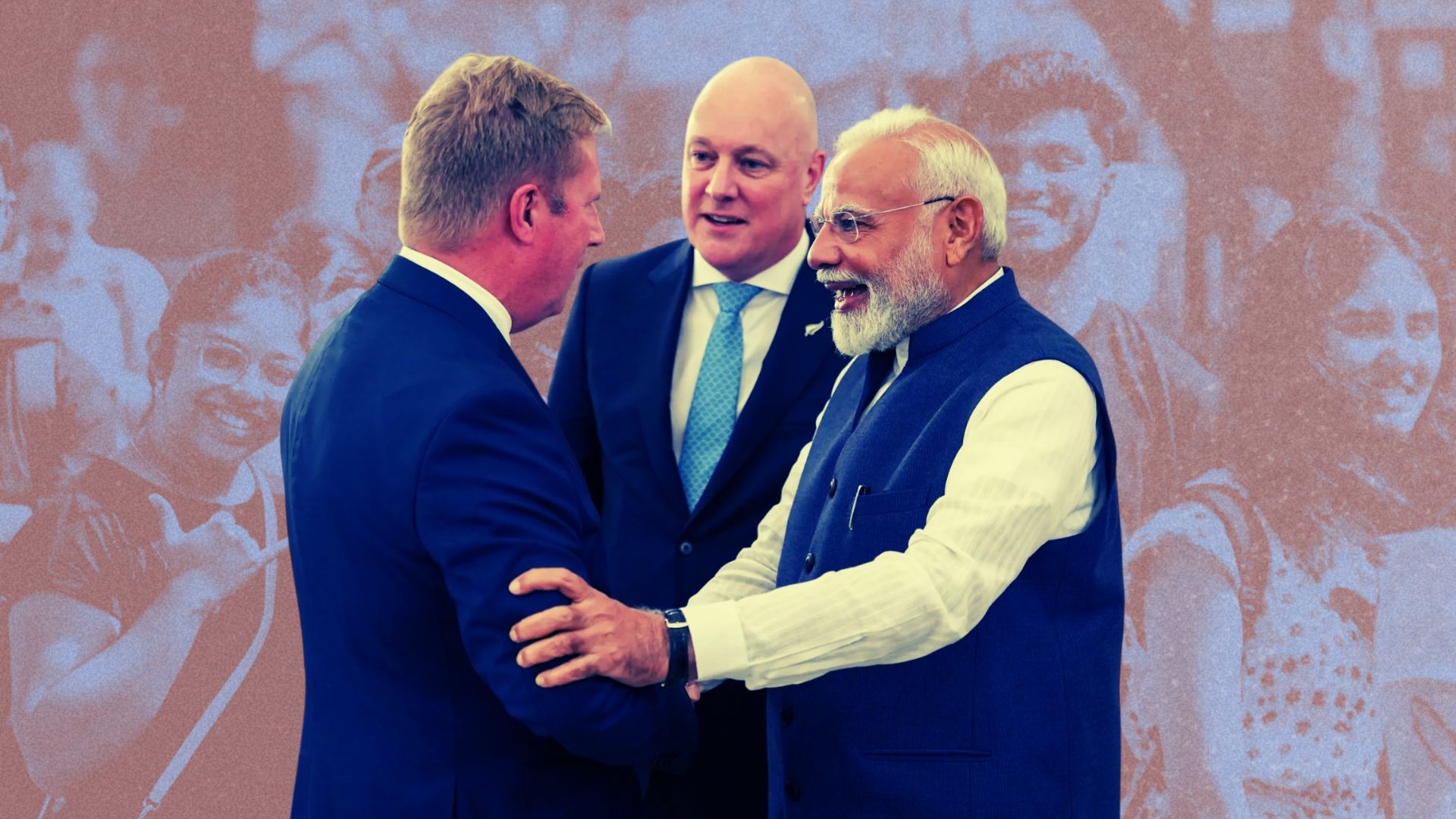
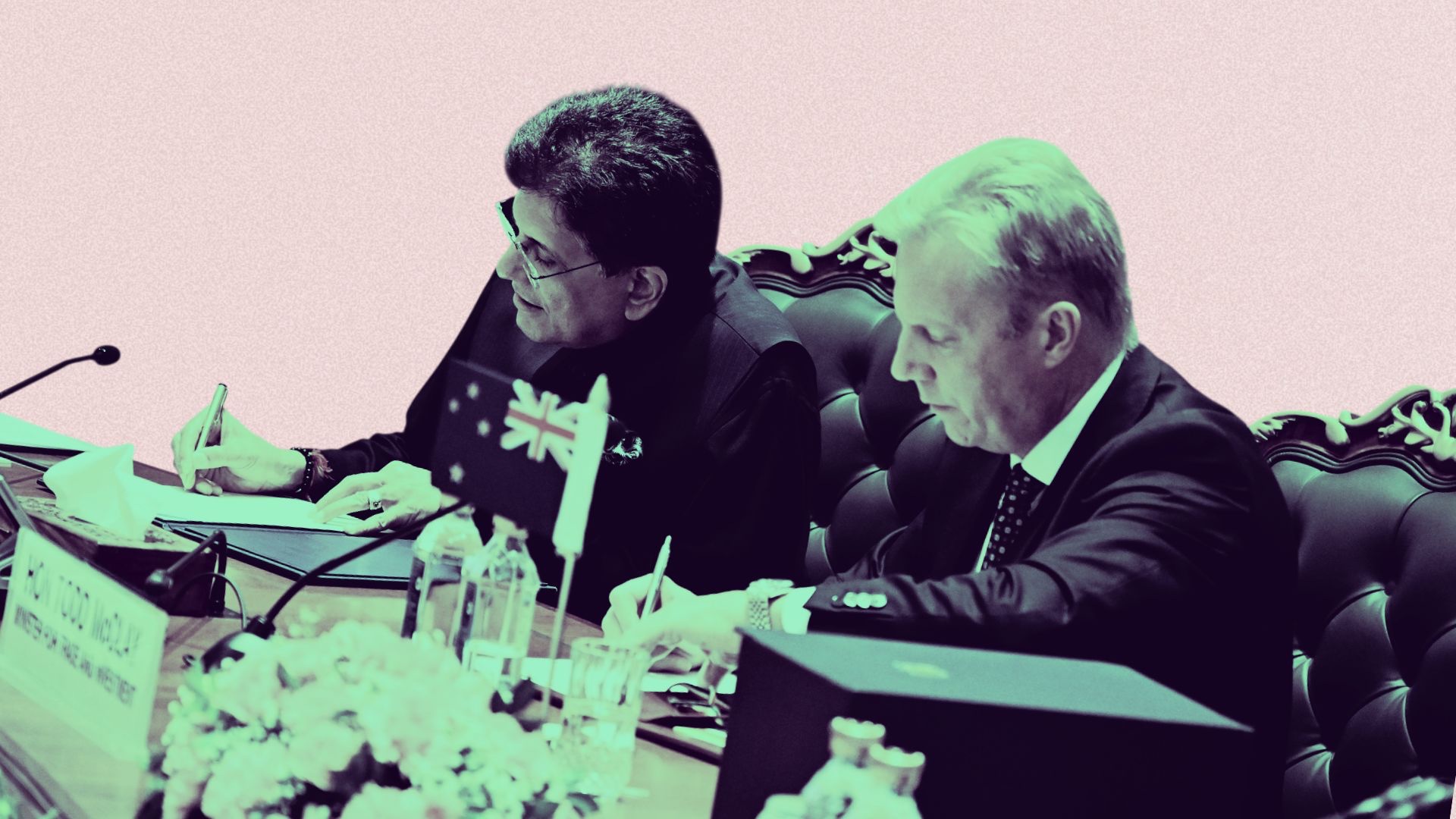
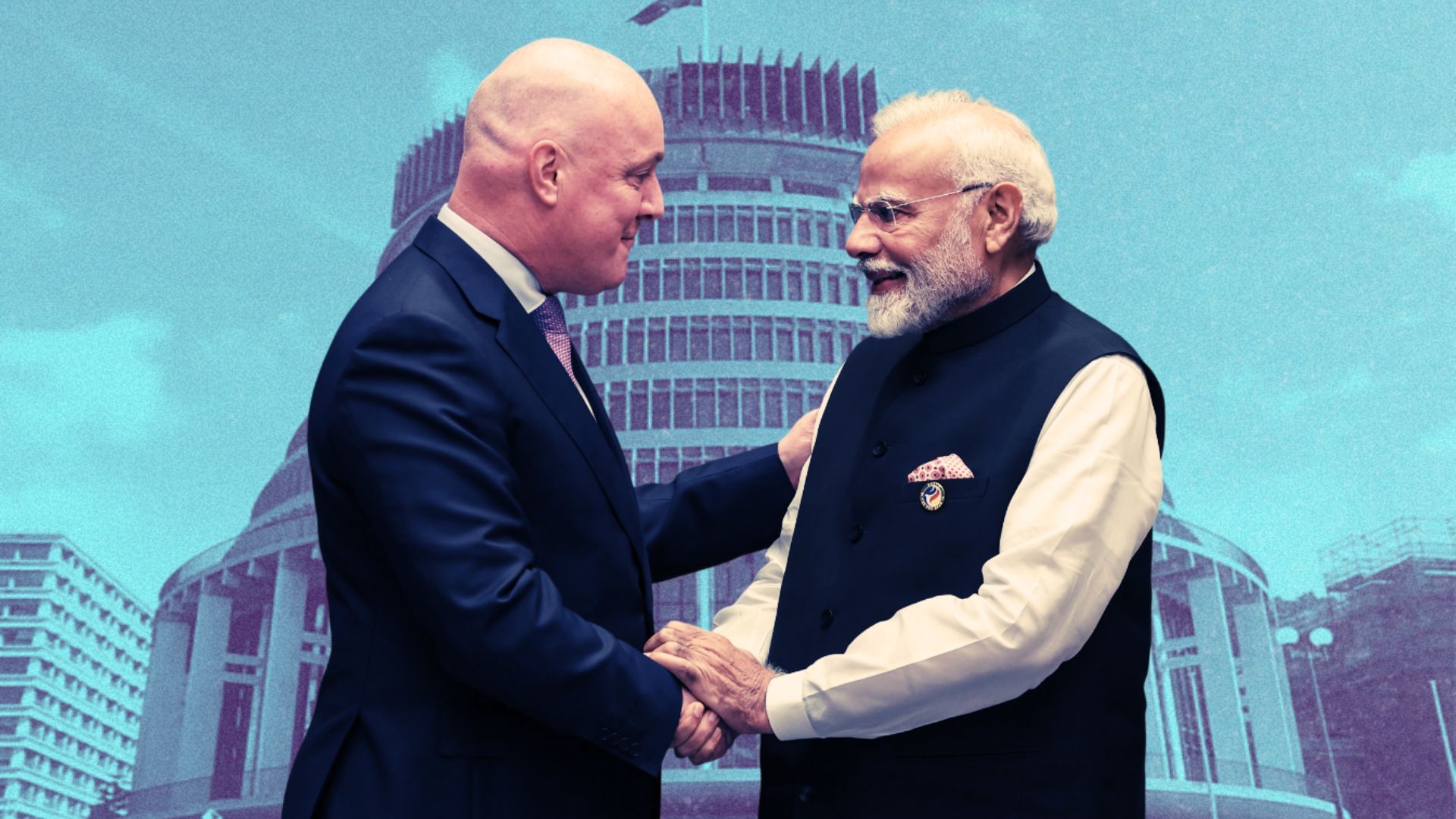
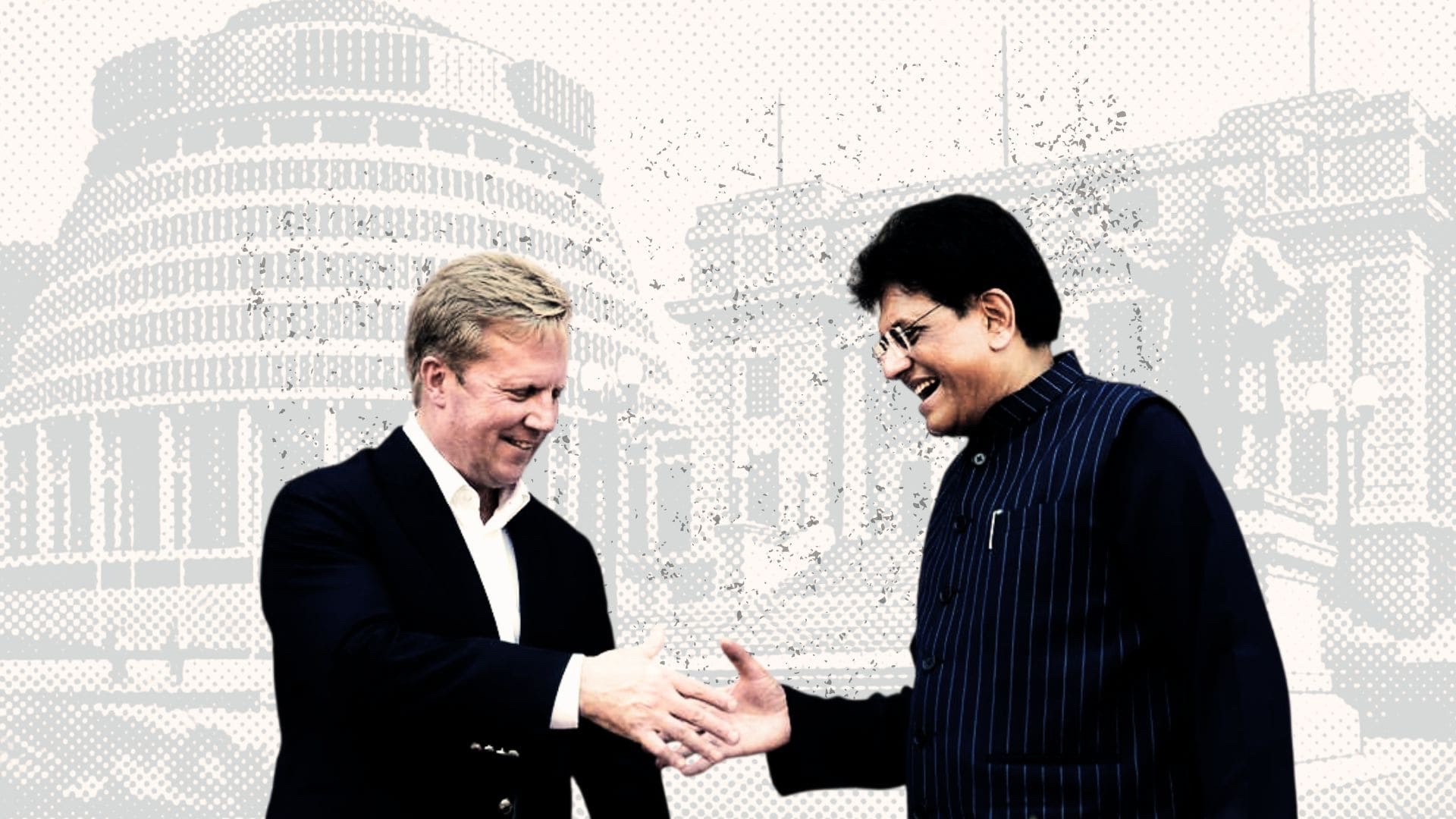
New Zealand and India will sign a free trade agreement (FTA) in New Delhi on April 27, he announced.
The deal can be later ratified by Parliament only if Labour lends its support (uncertain, as of now) since NZ First won't be supporting it.
“It is an agreement that’s worth celebrating,” McClay told the House. “New Zealanders will have unprecedented access to 1.4 billion people… Ninety-five per cent of our exports will see tariff elimination or reduction… with almost 57 per cent being duty free from day one.”
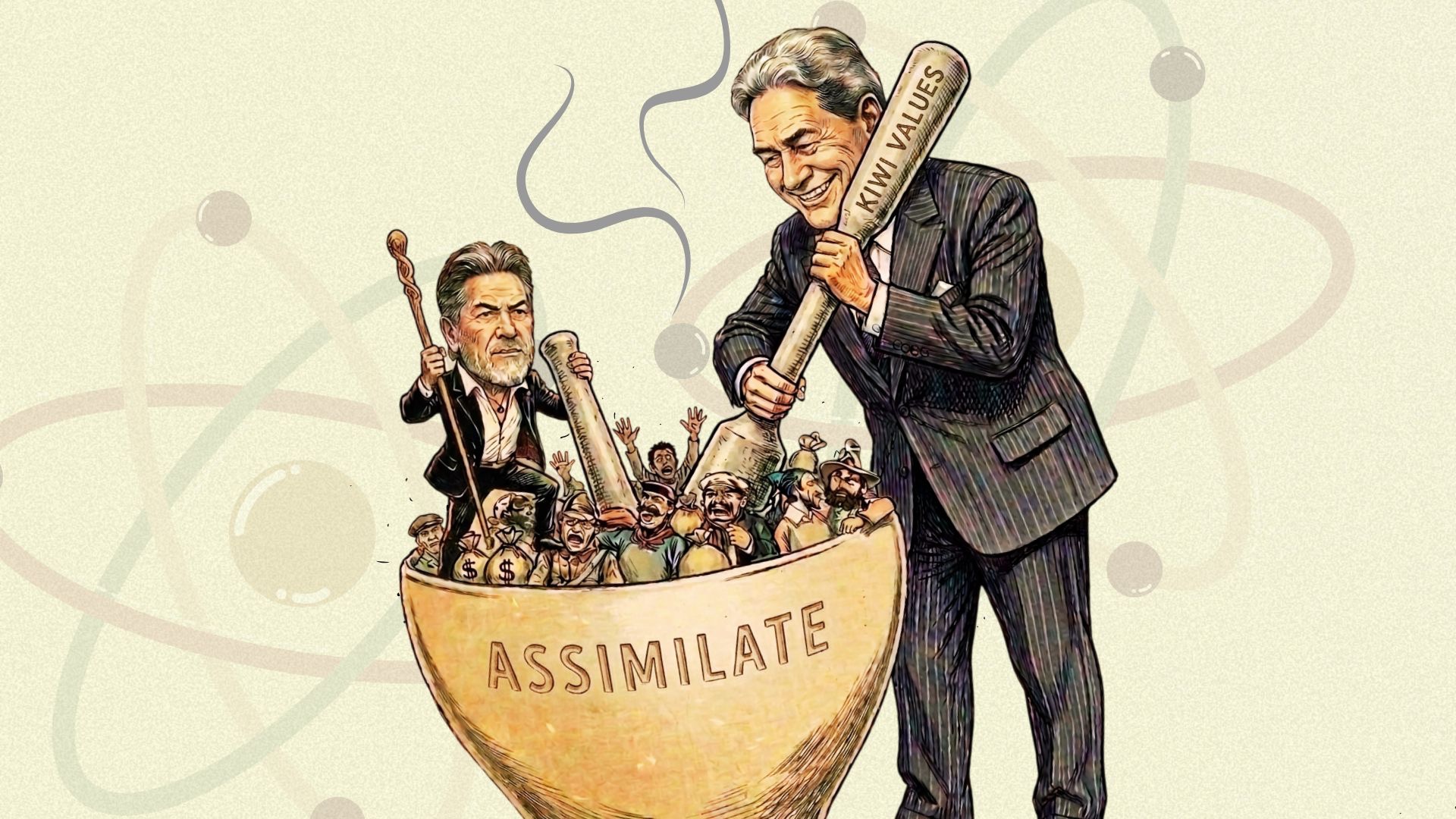
Out Loud: Winston Peters wants migrants to assimilate. But he keeps seeing us as migrants If acceptance matters, can assimilation be only a one-way obligation?
Woman says marriage at risk as husband's drink-driving conviction jeopardises NZ residence The Indian woman fears family backlash, social rejection and pressure to remarry if she is forced to return.
'Highest quality deal': NZ-India free trade agreement officially begins "Big step towards doubling the value of our exports in 10 years."
The framing was deliberate and covered all the bases. Scale, access and inevitability. Across the aisle, Winston Peters rose to test what sat beneath it.
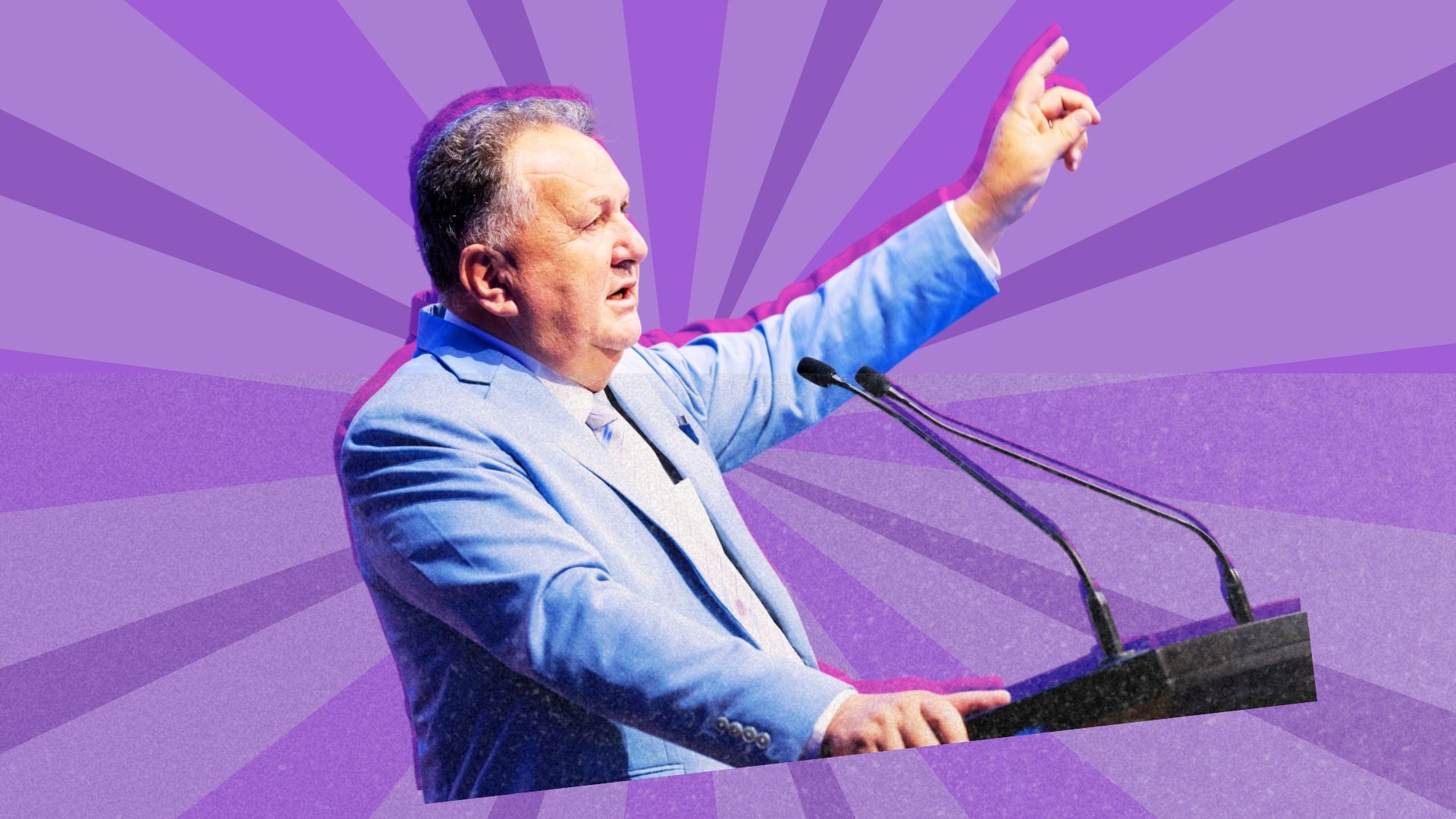
His first line of attack hit NZ First's home base. Migration. It was less about the numbers in the agreement, but more about how those numbers land politically.
“Will the India-NZ FTA allow Indian temporary employment entry visa holders to bring their family members with them…as is the case with…China, Thailand, and the Philippines?” he asked.
McClay’s answer was precise, and revealing in its limits.
“One of the things that we agreed with India is that, every year, 1,670 high-skilled workers…can come to New Zealand under a special visa…for three years,” he said.
Then came the qualifier. “It does not give them a right automatically to bring family members here, because that was not part of the negotiation.”
Peters seized on that gap and turned it into a political contrast.
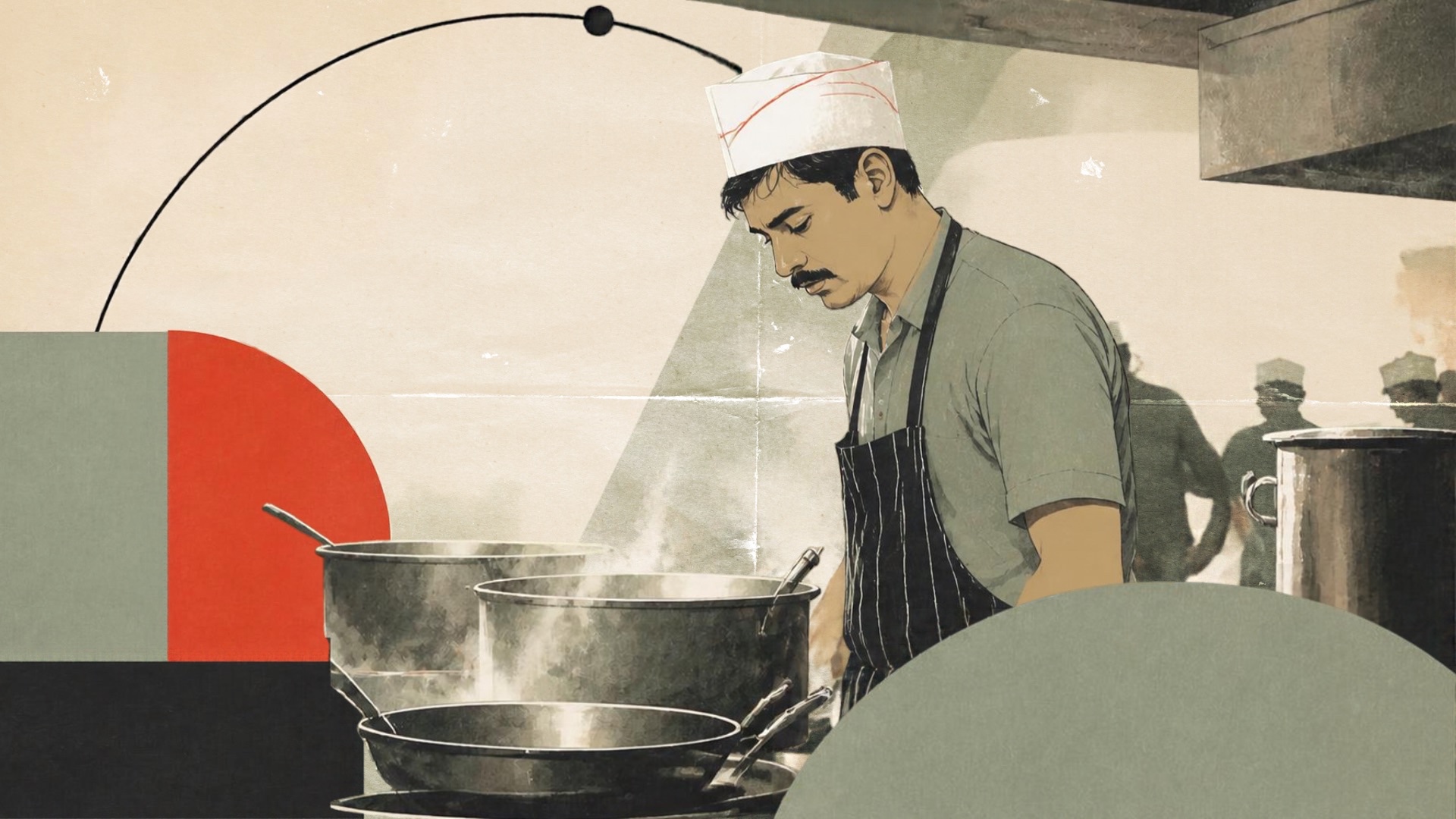
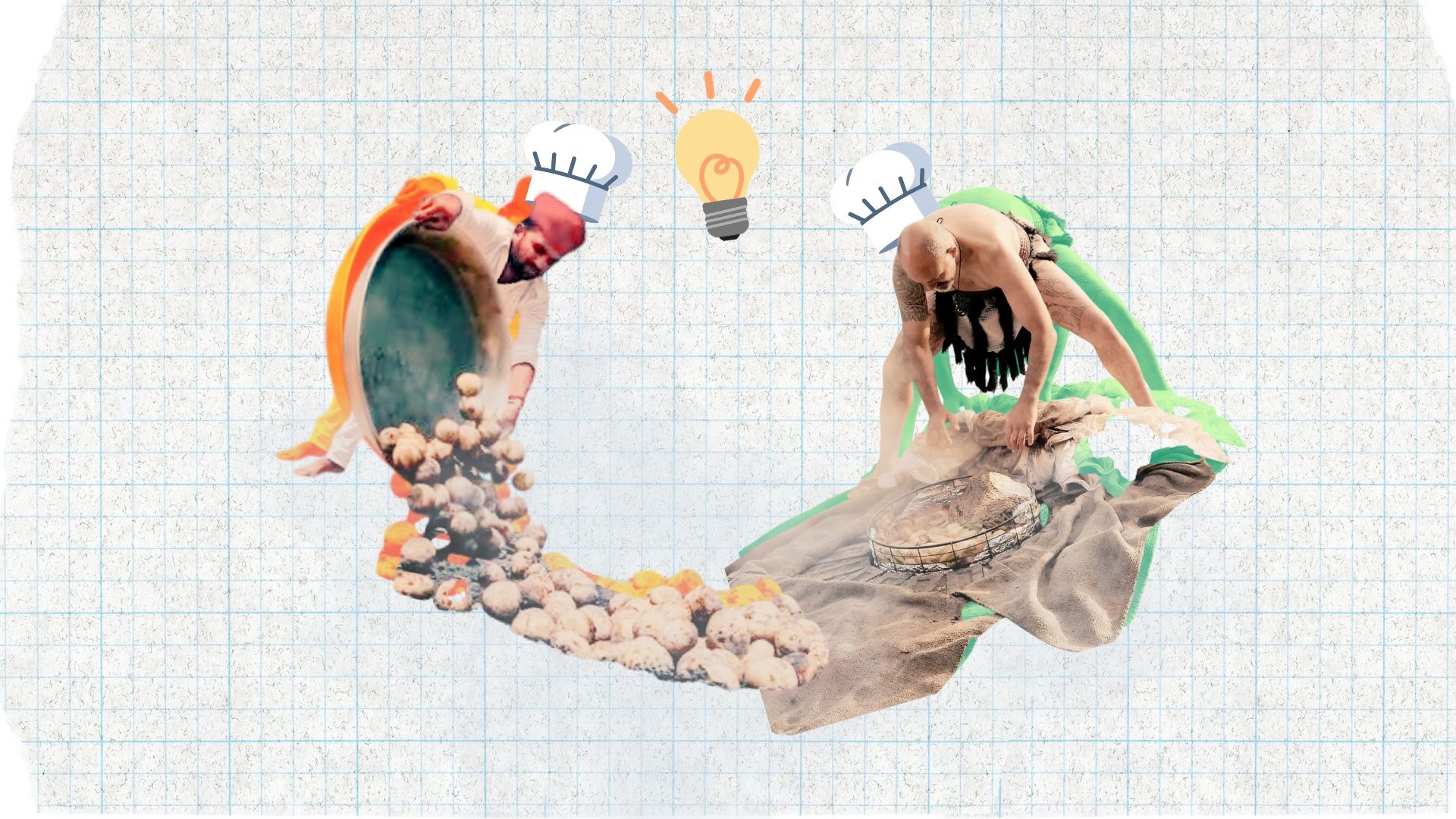
“Is the Minister’s position that an Indian chef…will have fewer rights than a Chinese chef…; in other words, that an Indian chef is worth less to the National Party than a Chinese chef?”
This was no longer about visa settings, the way Peters saw it. It was about hierarchy. McClay rejected the premise, but stuck to the same core defence.
“Every time you negotiate a trade agreement, you actually negotiate it with a partner… that was not part of the negotiation, nor is it part of the trade agreement.”
The exchange had now settled into a pattern. Peters would widen the implication, McClay would narrow it back to the text. On numbers, Peters pushed harder, suggesting the scheme could scale up significantly once family members are factored in.
“Doesn’t the… FTA mean that up to 20,000 more Indians are able to come to New Zealand?” he asked. McClay’s reply was as much a rebuke as it was an answer.
“I caution suggestions of large numbers of people from anywhere in the world that would come to New Zealand,” he said.
“The reason for that is it does a disservice to the migrant community…There won’t be the number of people coming as a result of the agreement that has been suggested.”
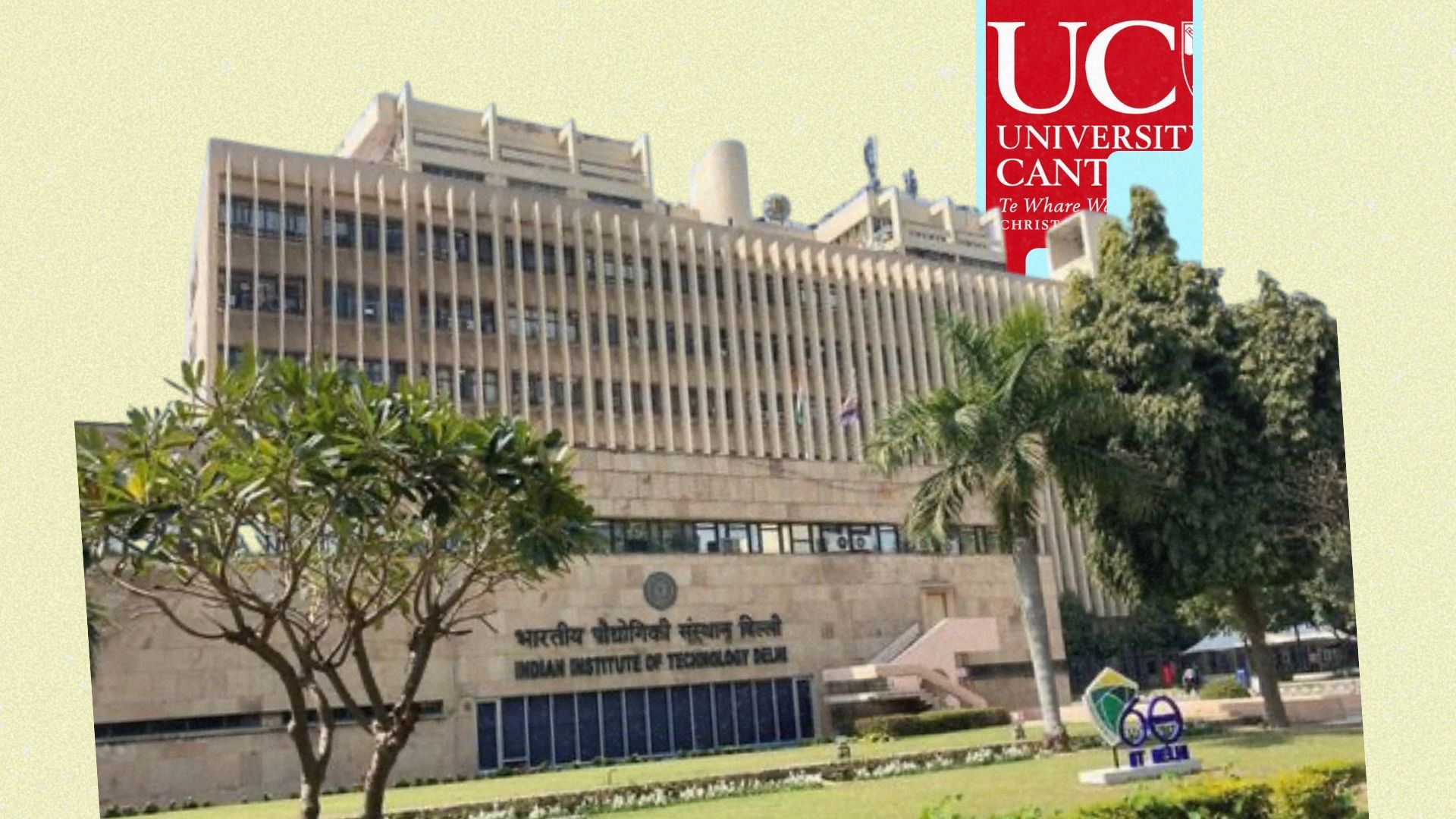
Then came students. Another of Peters' pressure point. He framed the agreement as opening an uncapped pipeline. “Why does the FTA…state that the number of international students coming from India…will be uncapped?”
McClay pushed back on the premise itself.
“There are no caps that have ever been put on the places of any students from any country in the world coming to New Zealand,” he said.
“What successive governments have done…is use criteria…to have an effect upon the number of students that may come.”
If migration was the emotional core of the exchange, investment was its credibility test. Peters turned to the $34-billion investment committed in the deal.
“Why…include an investment clause with a completely unrealistic and unachievable $34 billion target over 15 years…?” he asked.
McClay reframed it immediately. “The figure that has been mentioned is aspirational…What the government has done is taken on a commitment to promote investment in India,” he said.
And when pressed further on whether that expectation could trigger consequences if unmet, the trade minister was explicit about the limit of the obligation.
“Our commitment is to promote…it is very clear…New Zealand must promote investment. That is the obligation that the government has taken on.”
By now, the technical and the political had fully split. Peters closed by questioning whether the story being told in New Zealand matched what India believed it had secured.
“Why is there a massive chasm between the understanding of the Indian government…and what the country is being sold in New Zealand?” he asked.
McClay brushed it off with a line that sounded less like trade policy and more like campaign season.
“I don’t think there is a massive chasm…but it’s election year and there’s always going to be a bit of kicking and screaming.”
That, in a way, was the clearest signal of the afternoon. The India FTA has now had its first outing in Parliament. Not as a treaty text, but as a political object.