
Carney’s India visit signals strategic reset in Canada–India relations
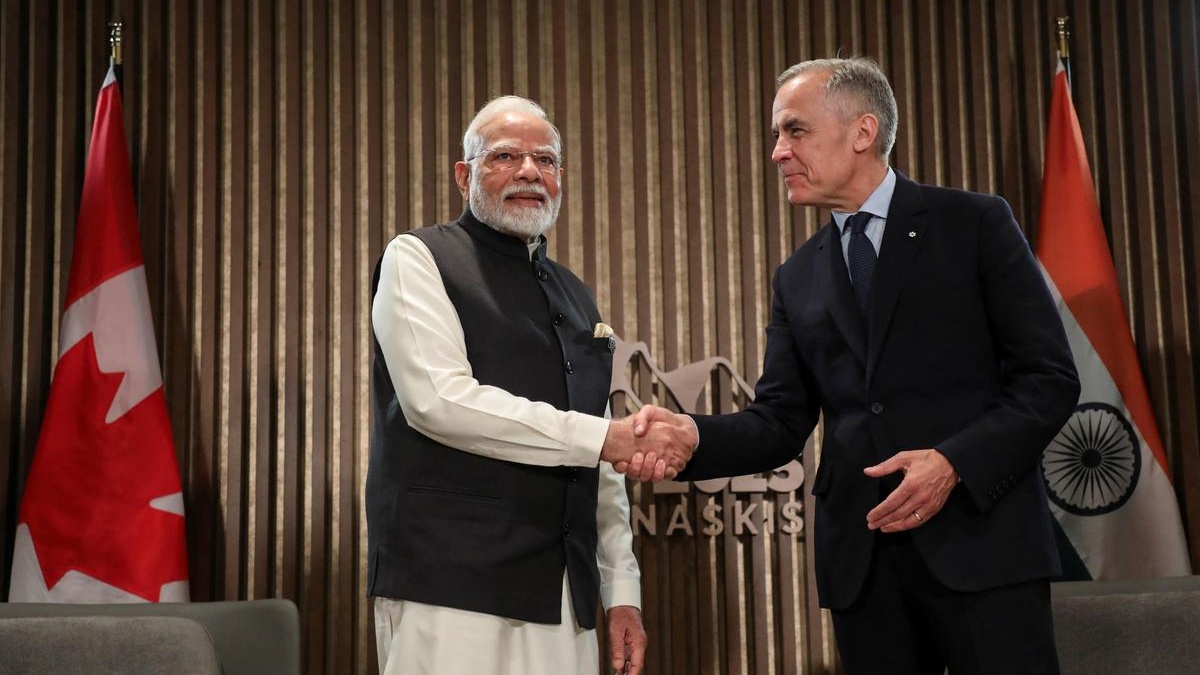
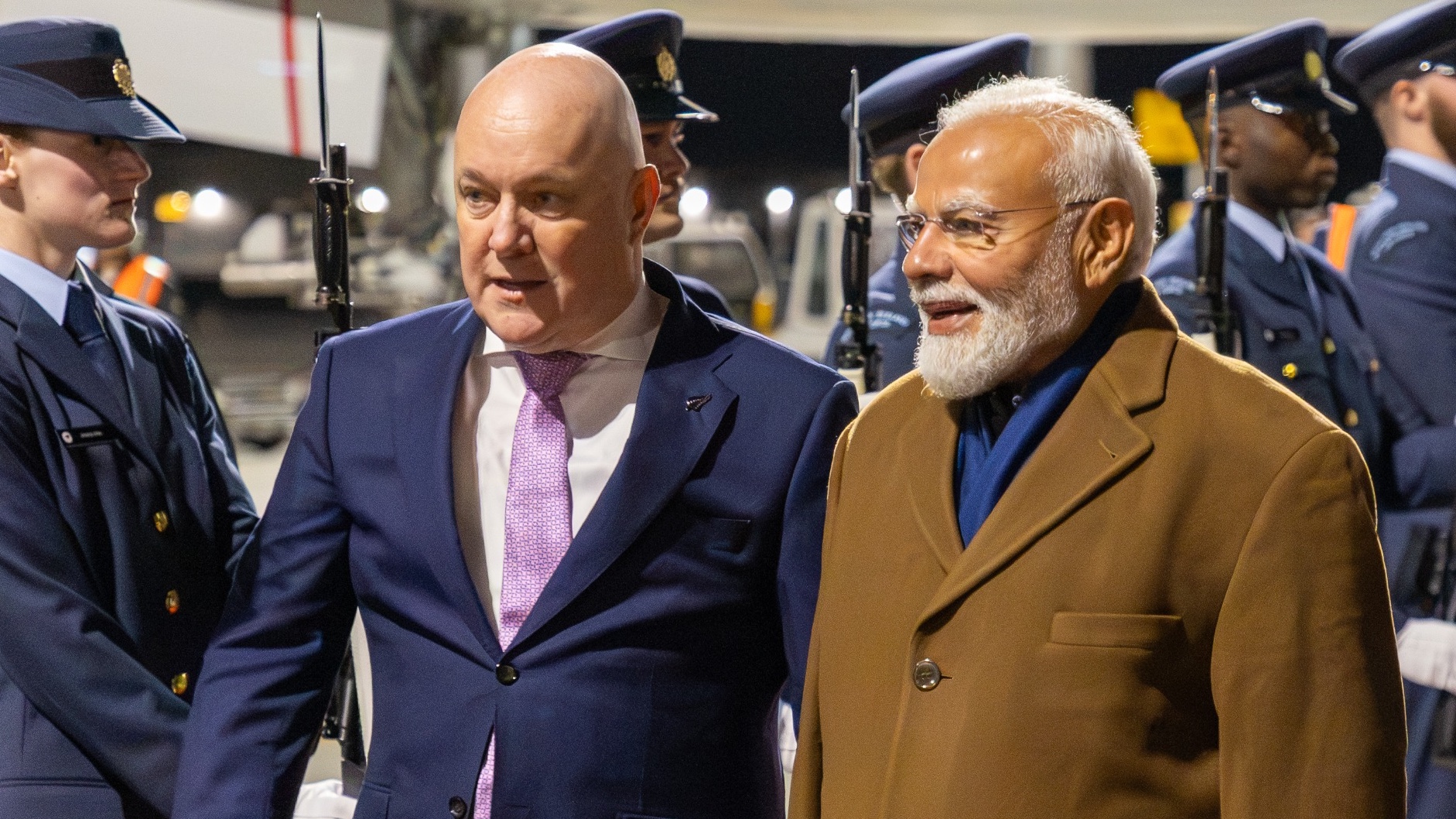
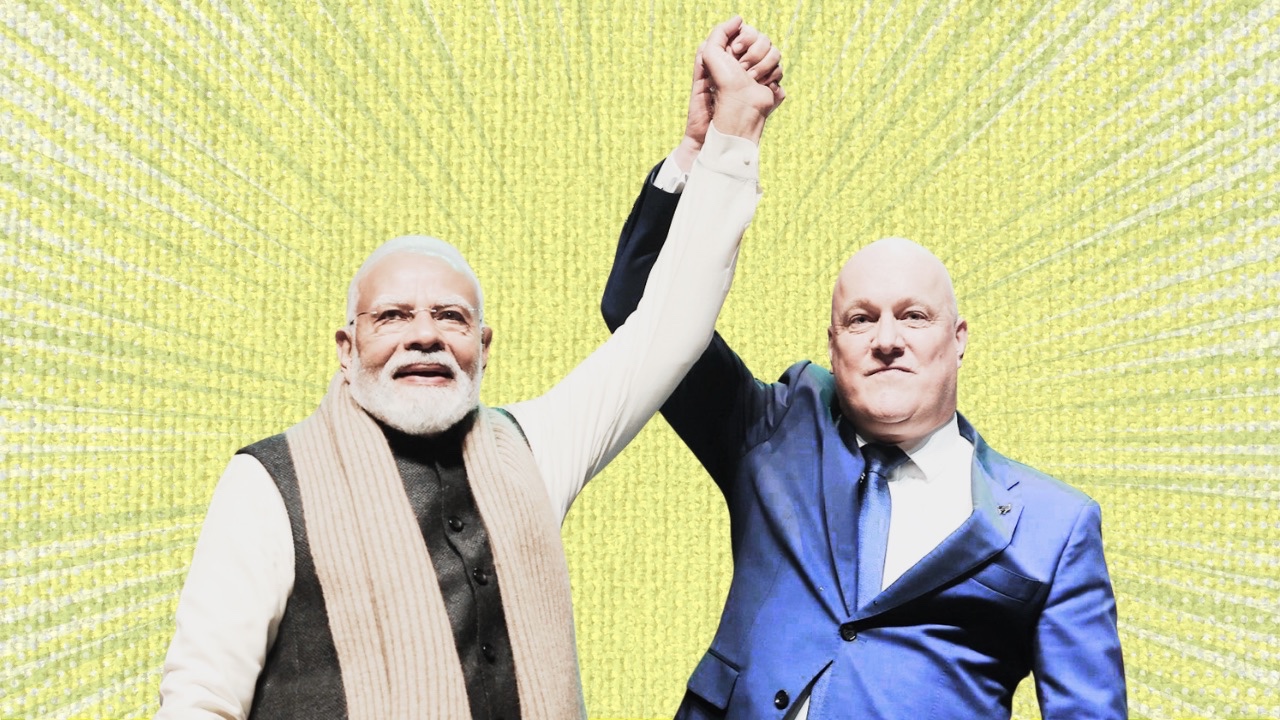
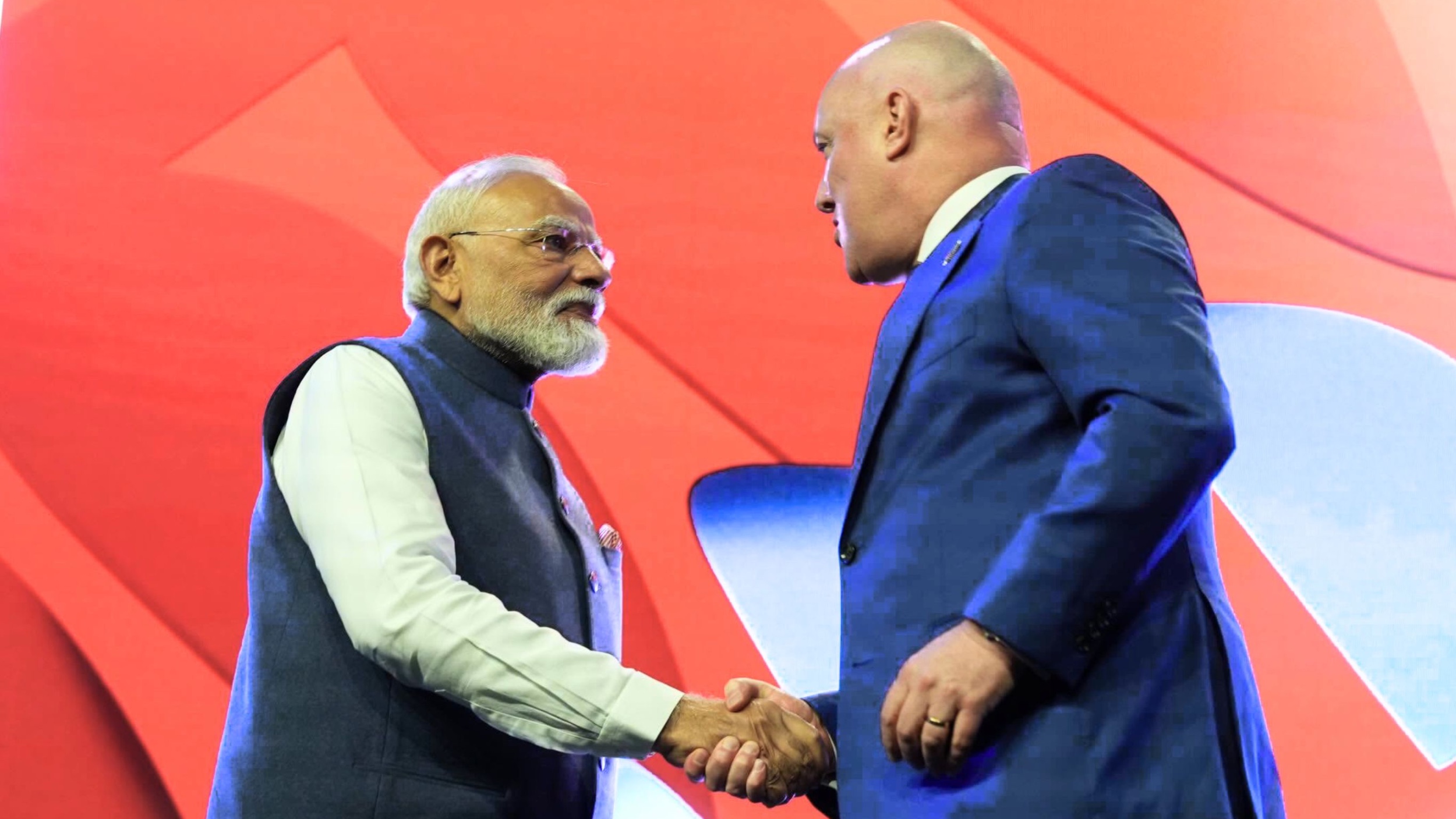
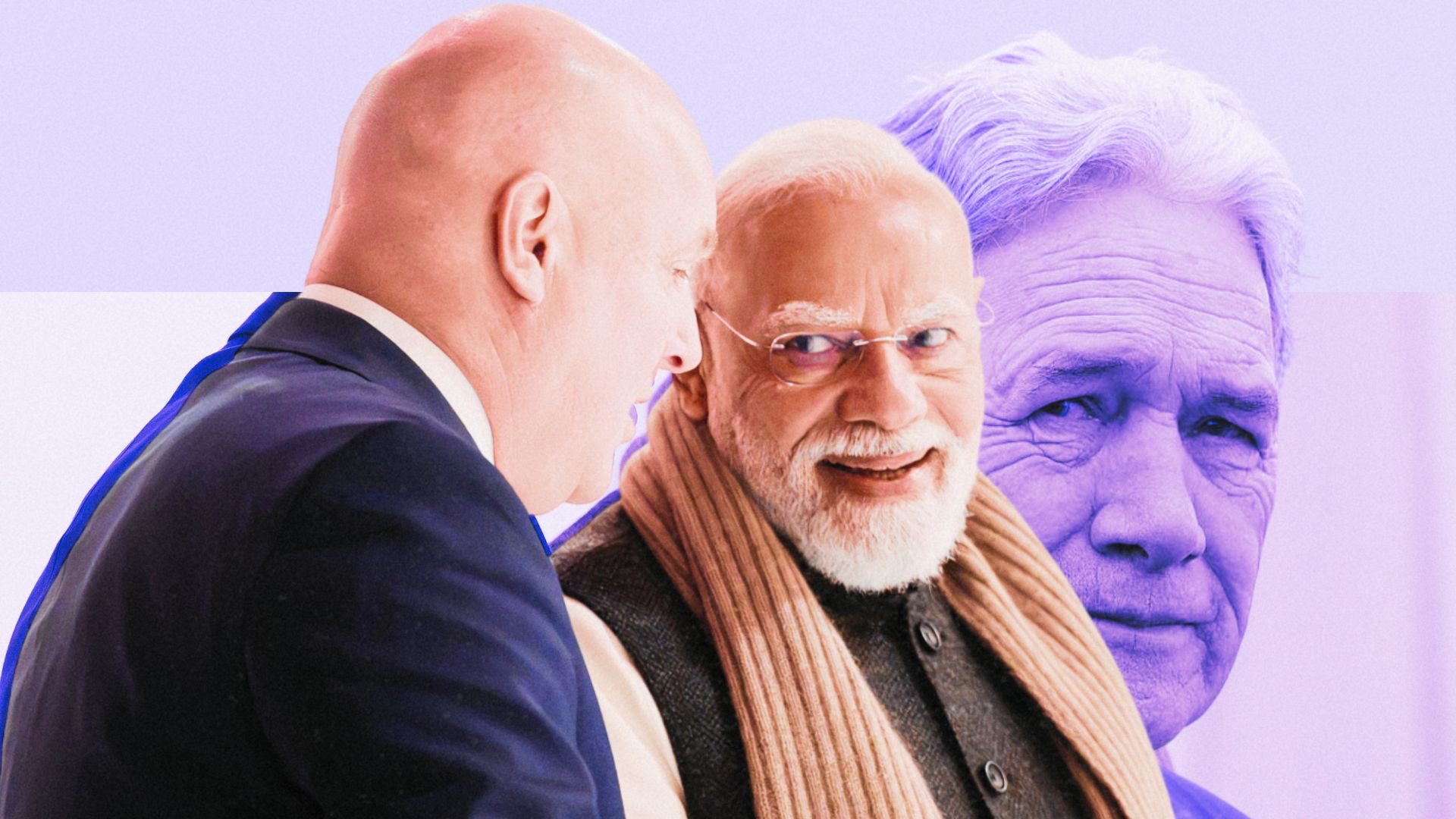
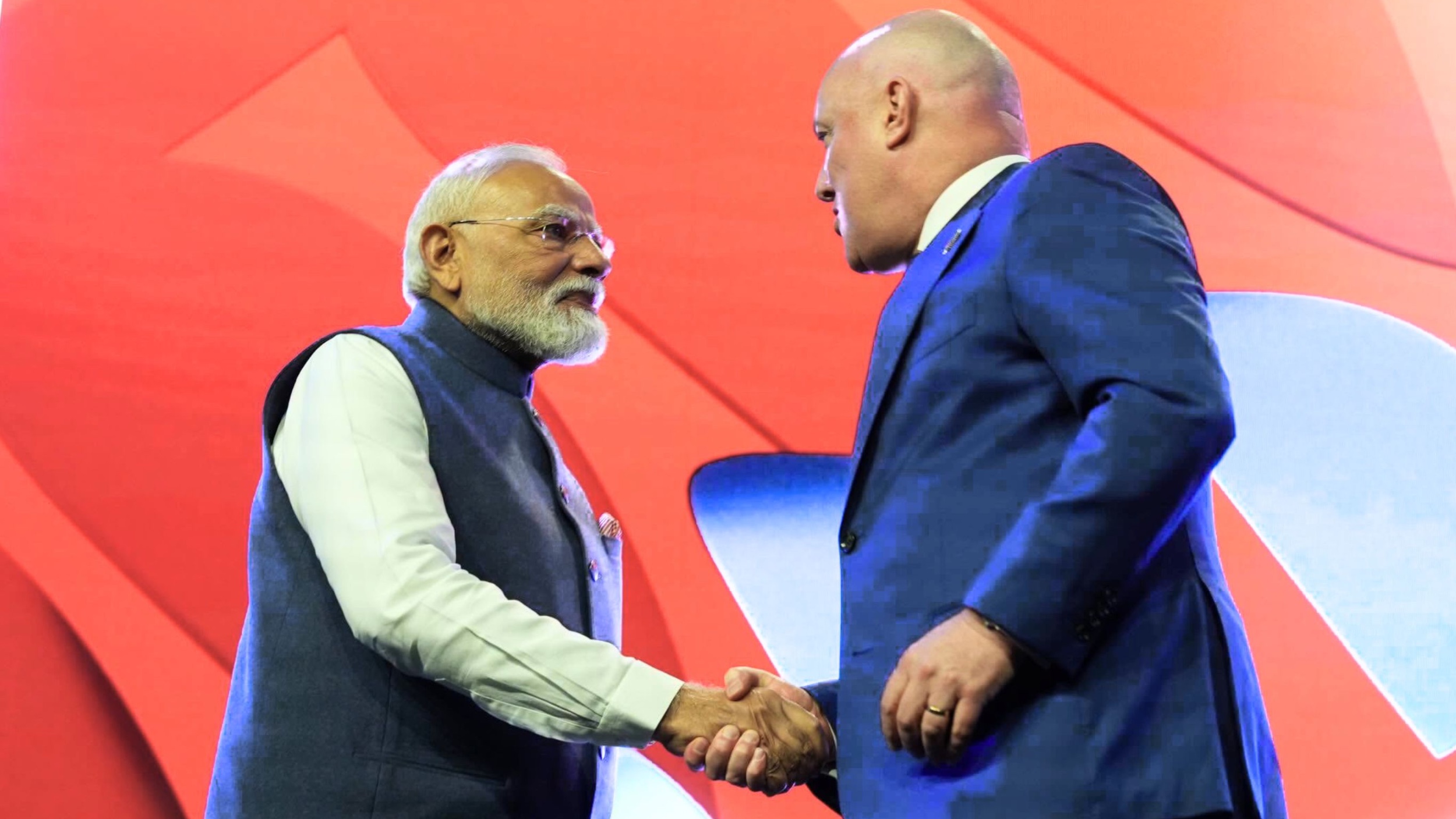
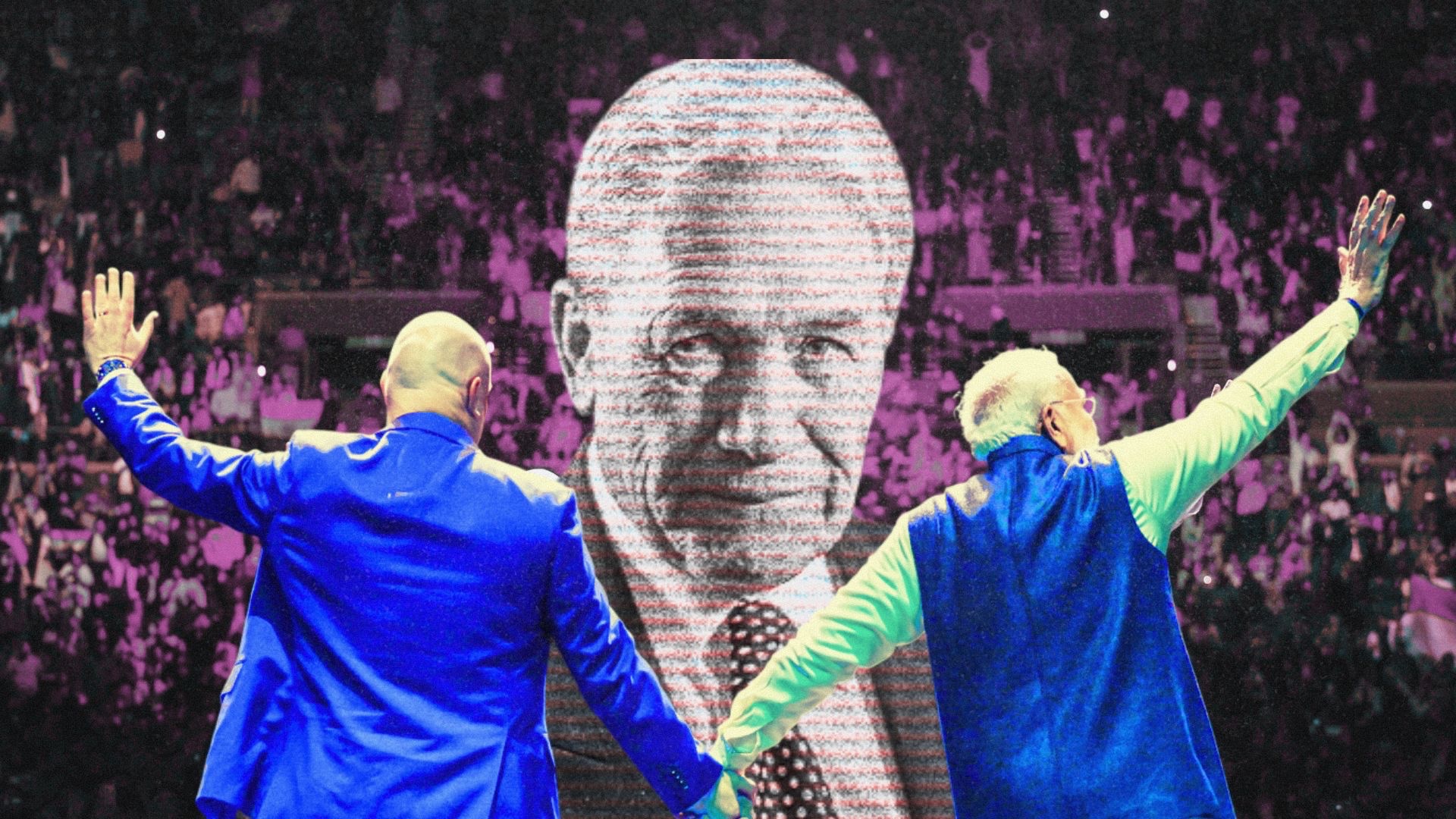
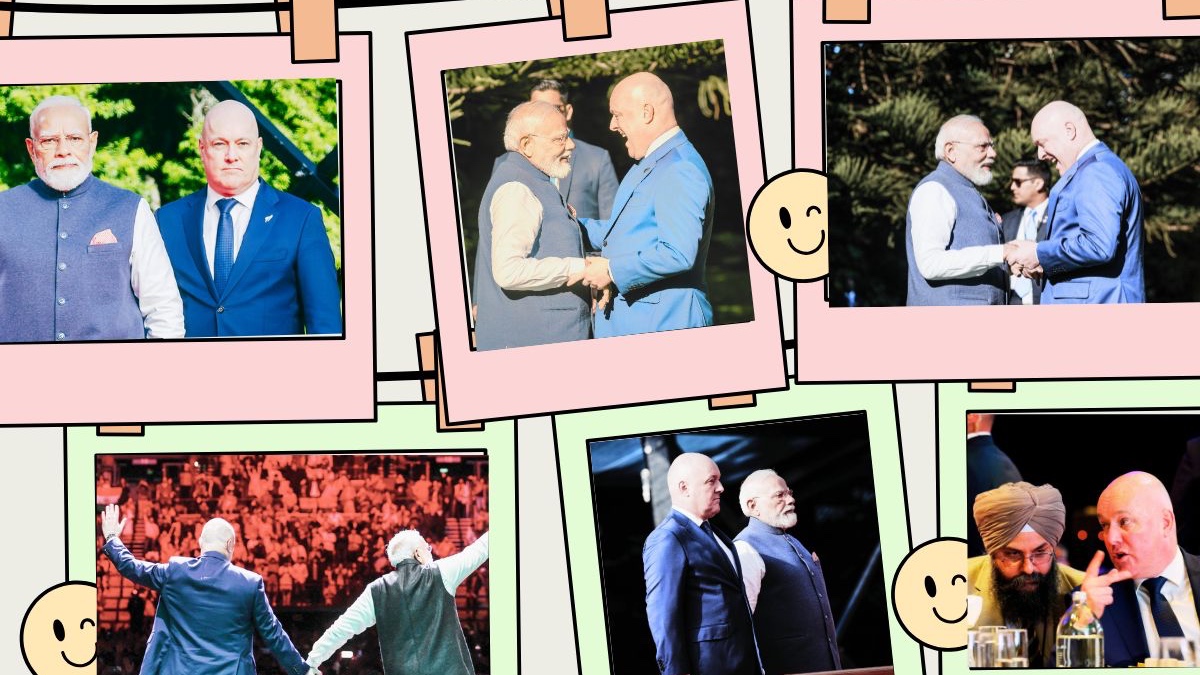
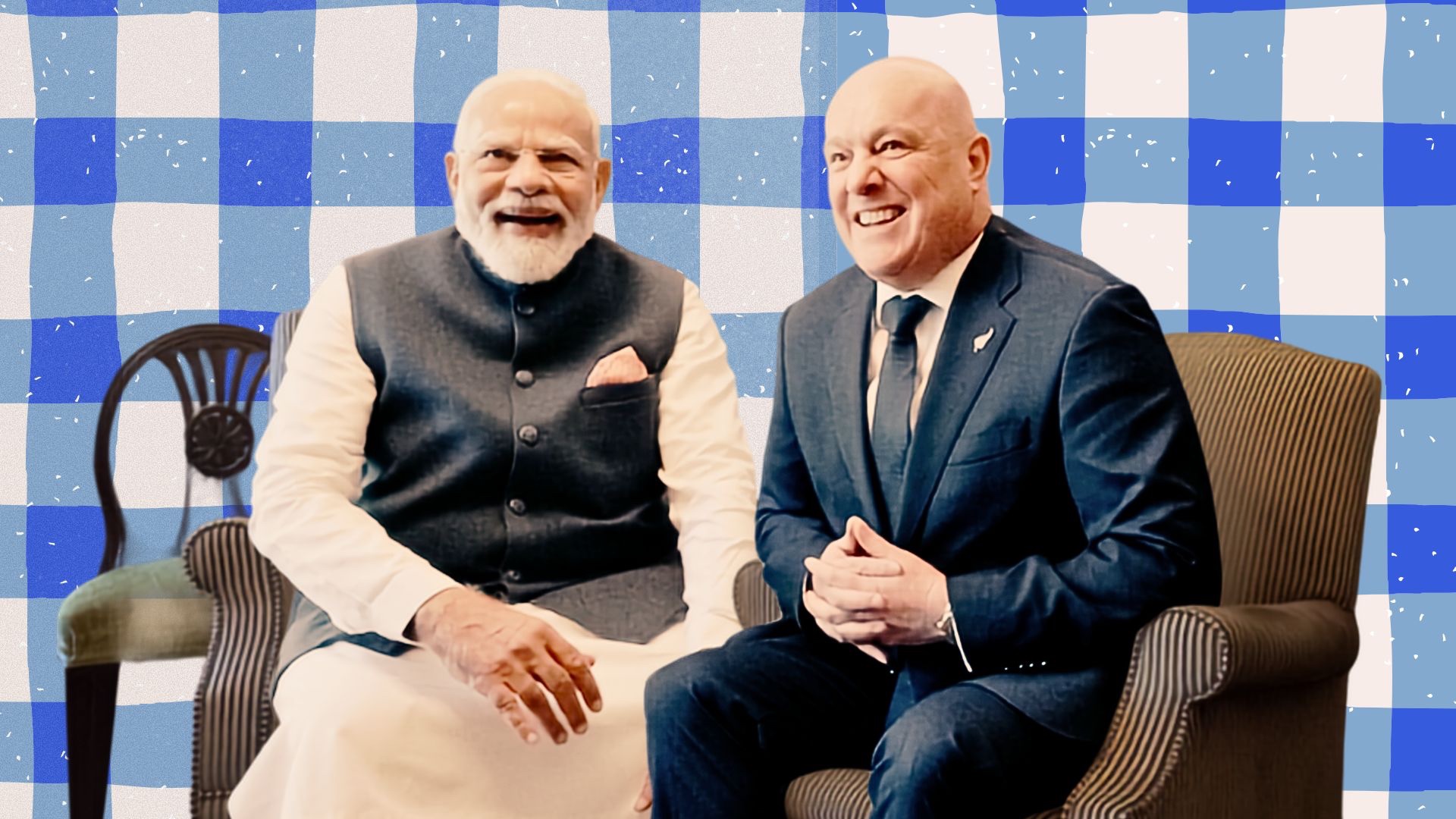
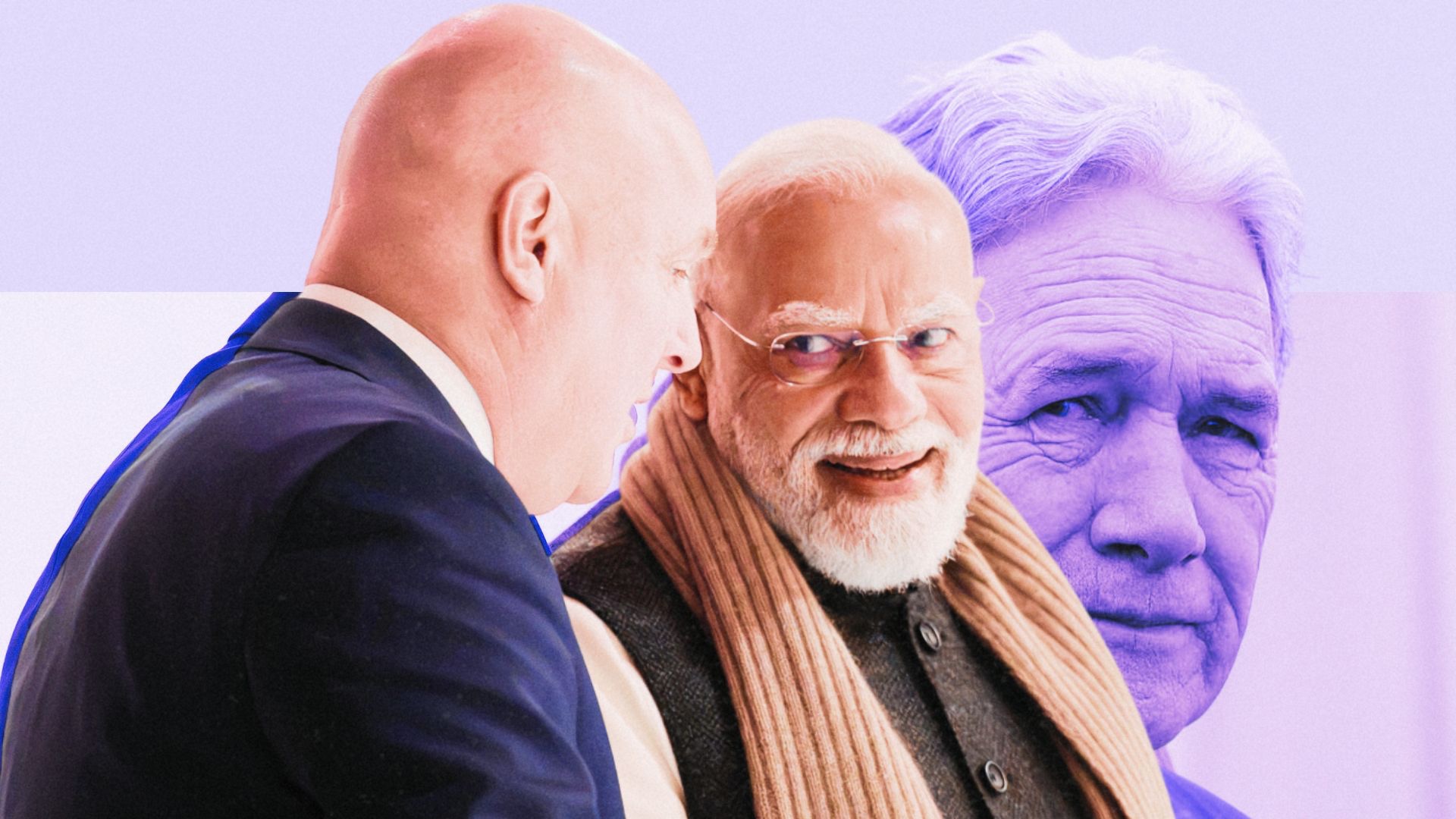
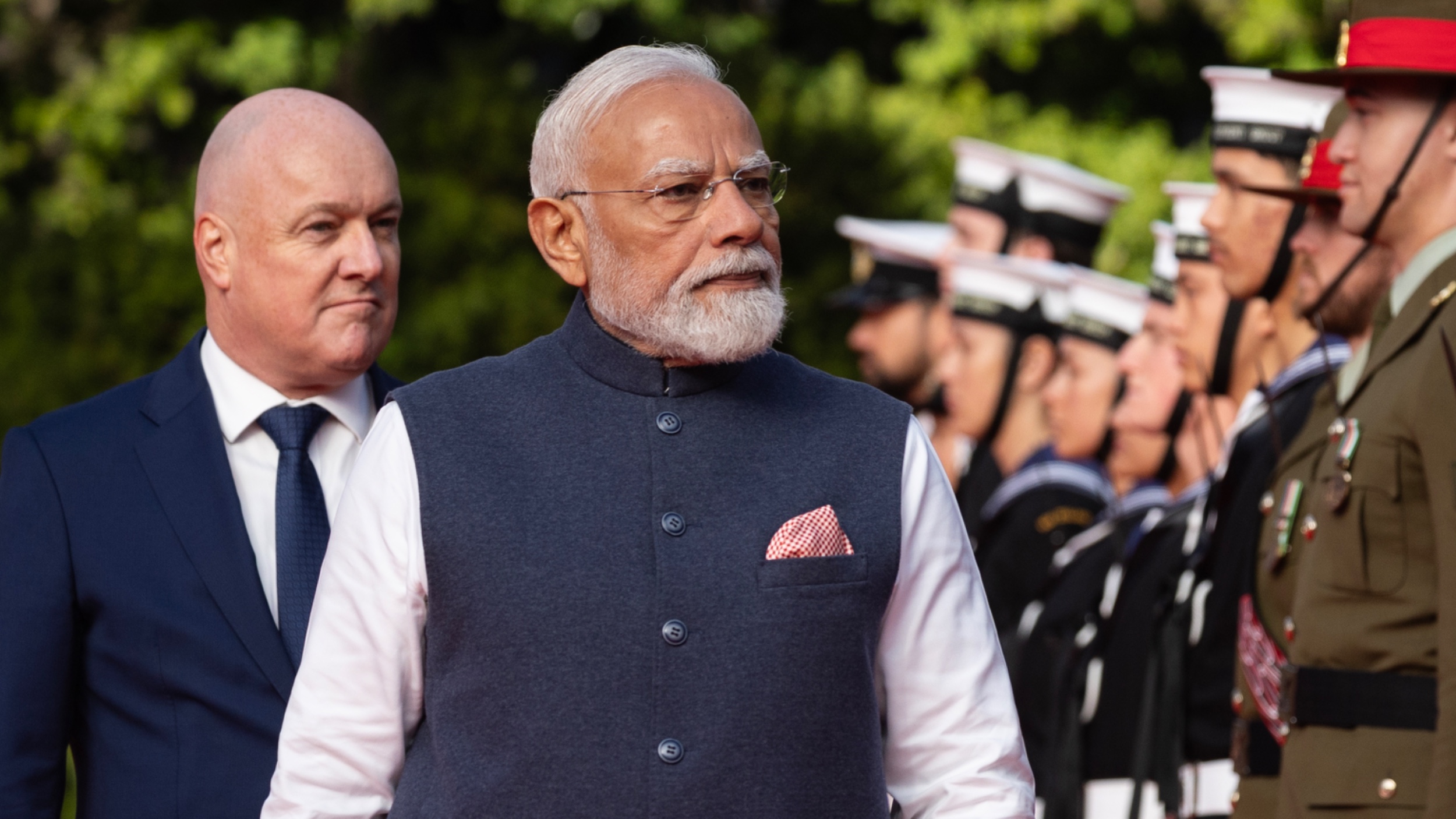
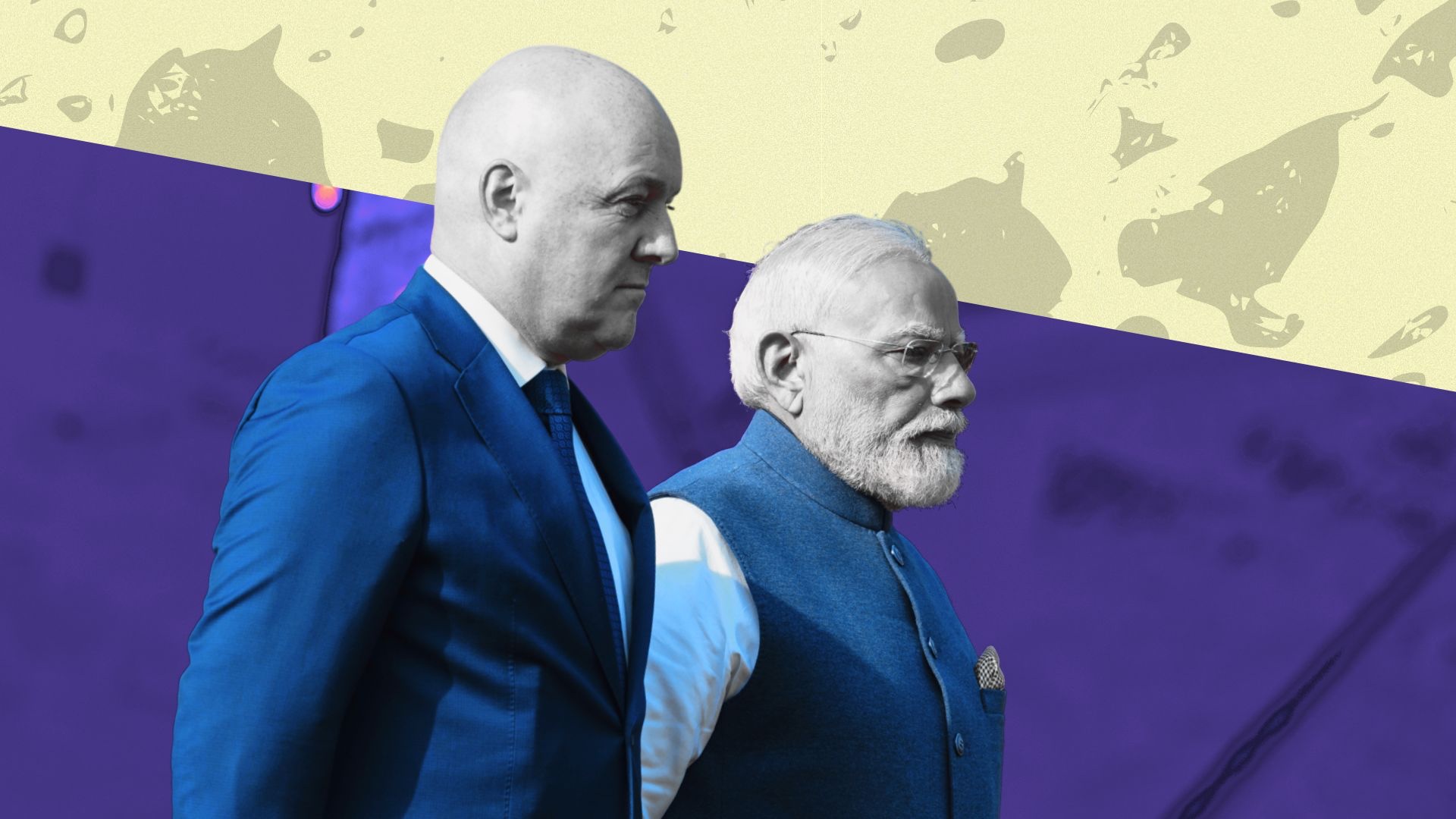
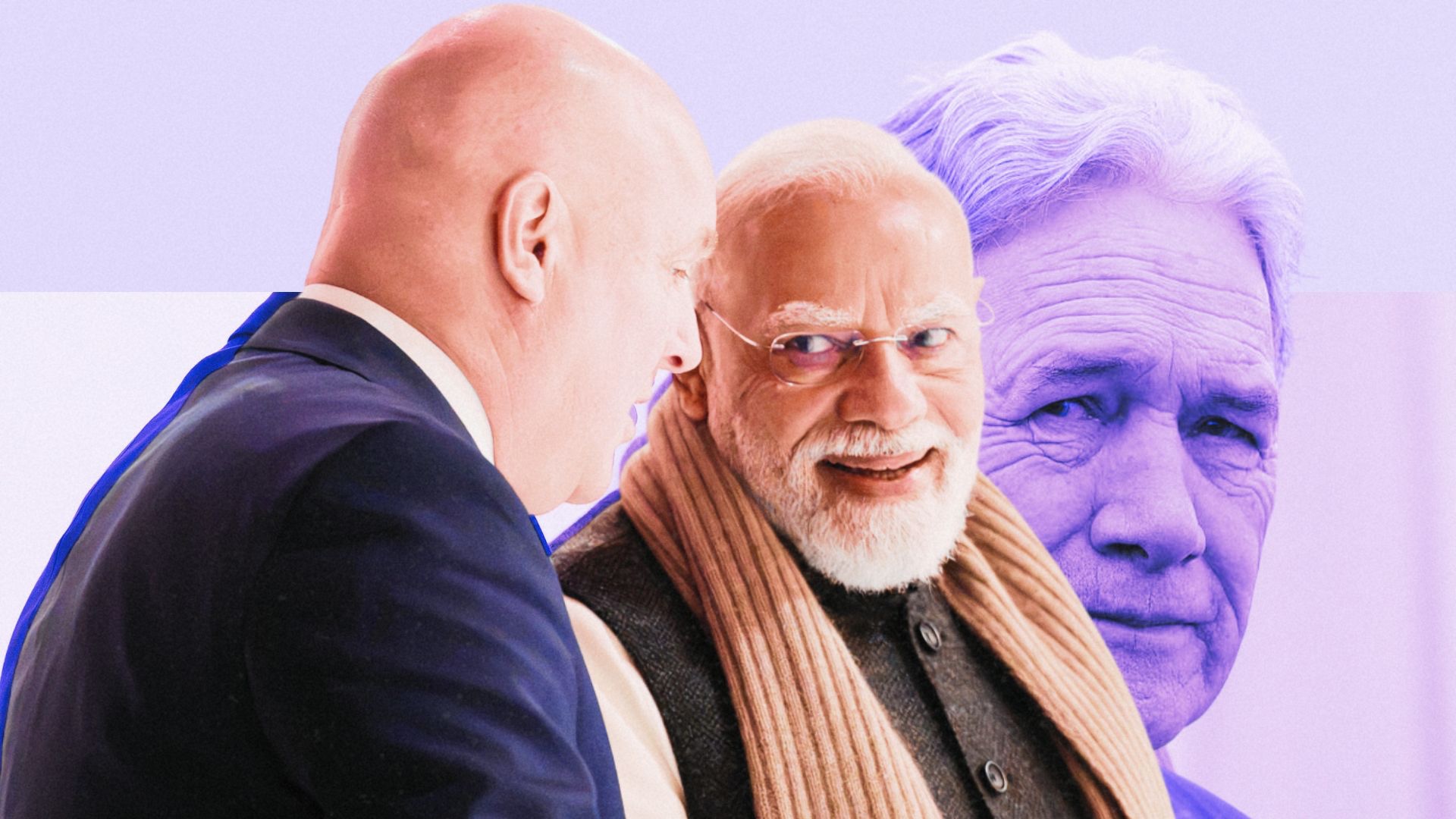
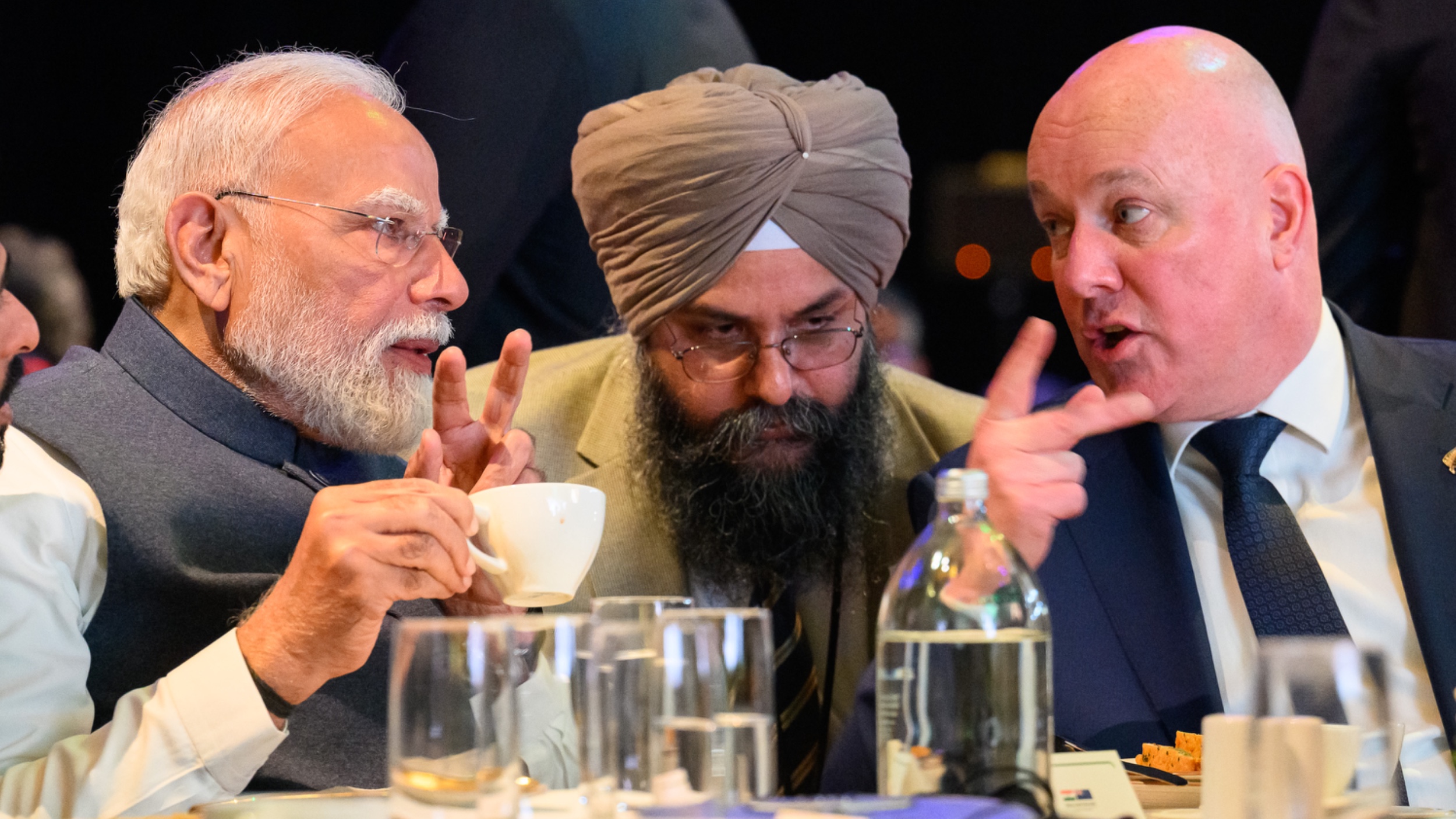
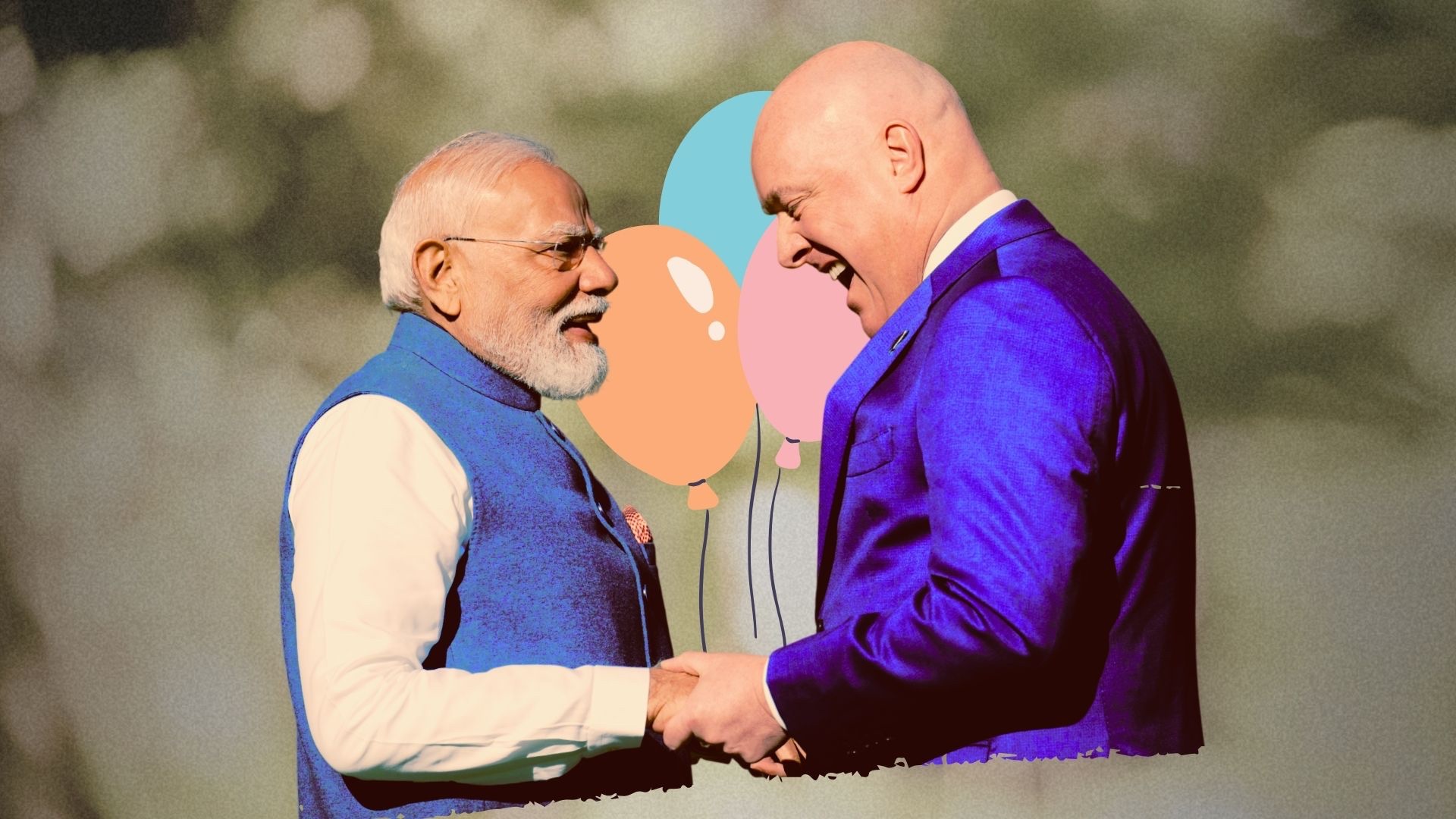
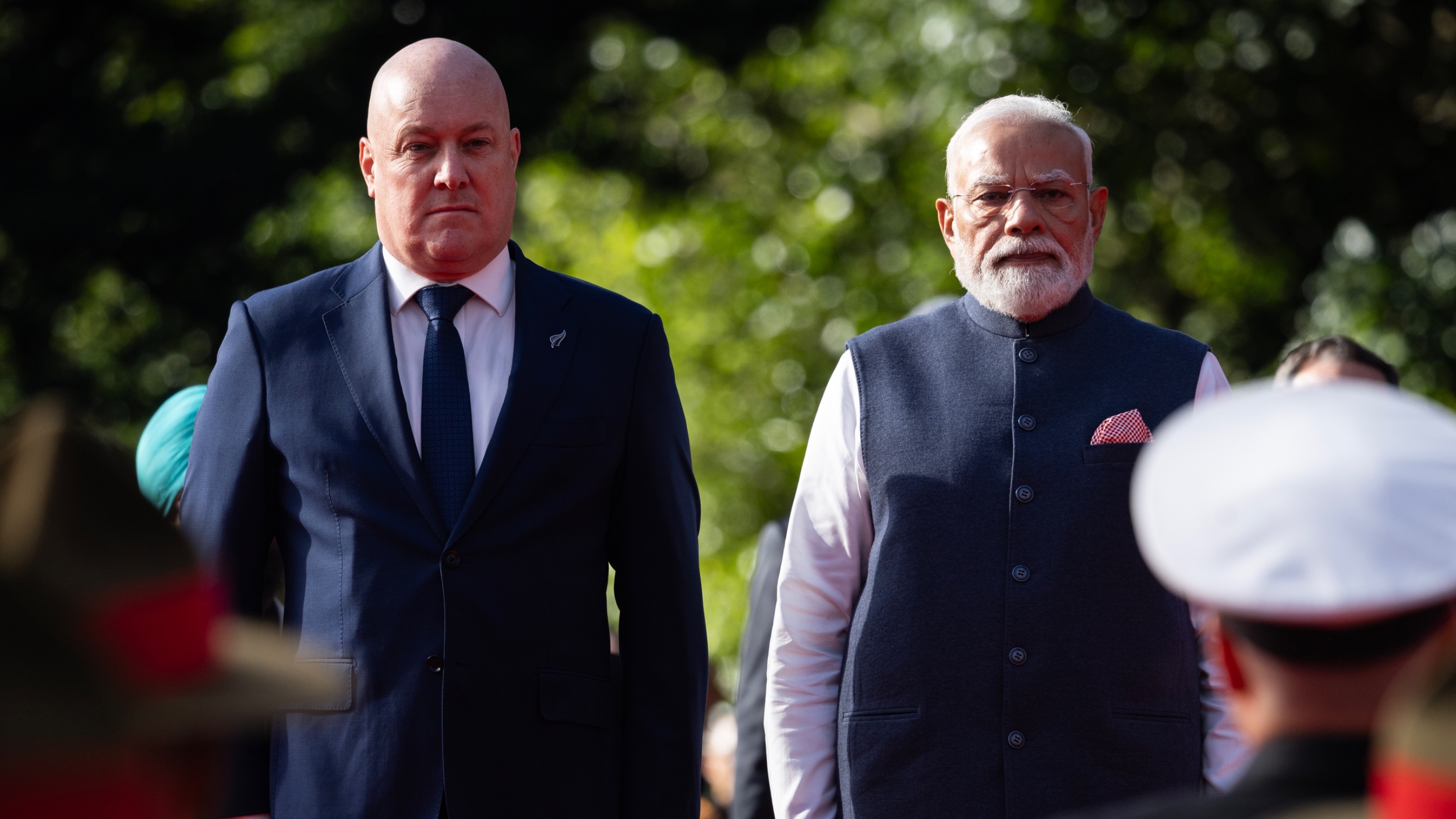
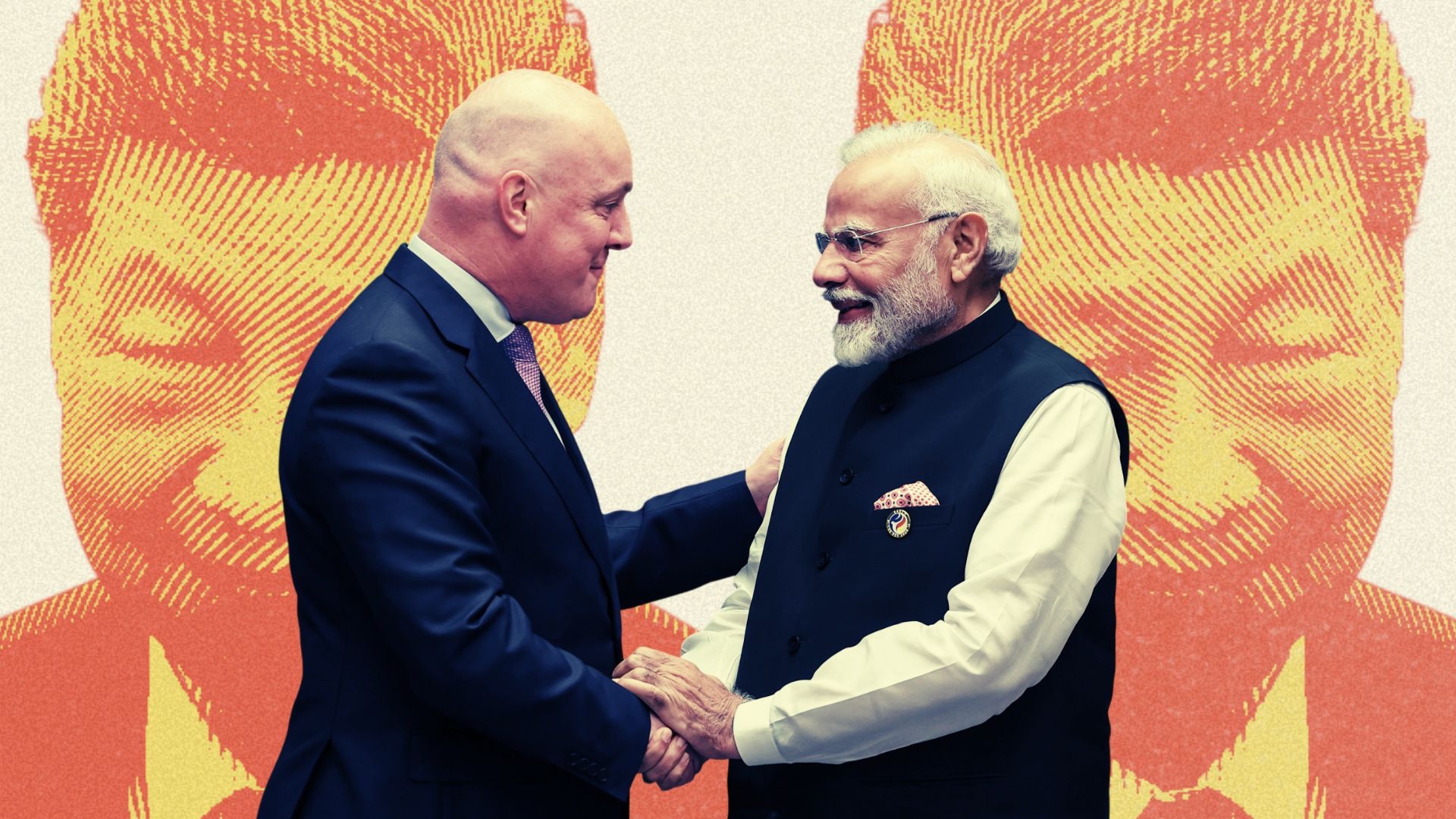
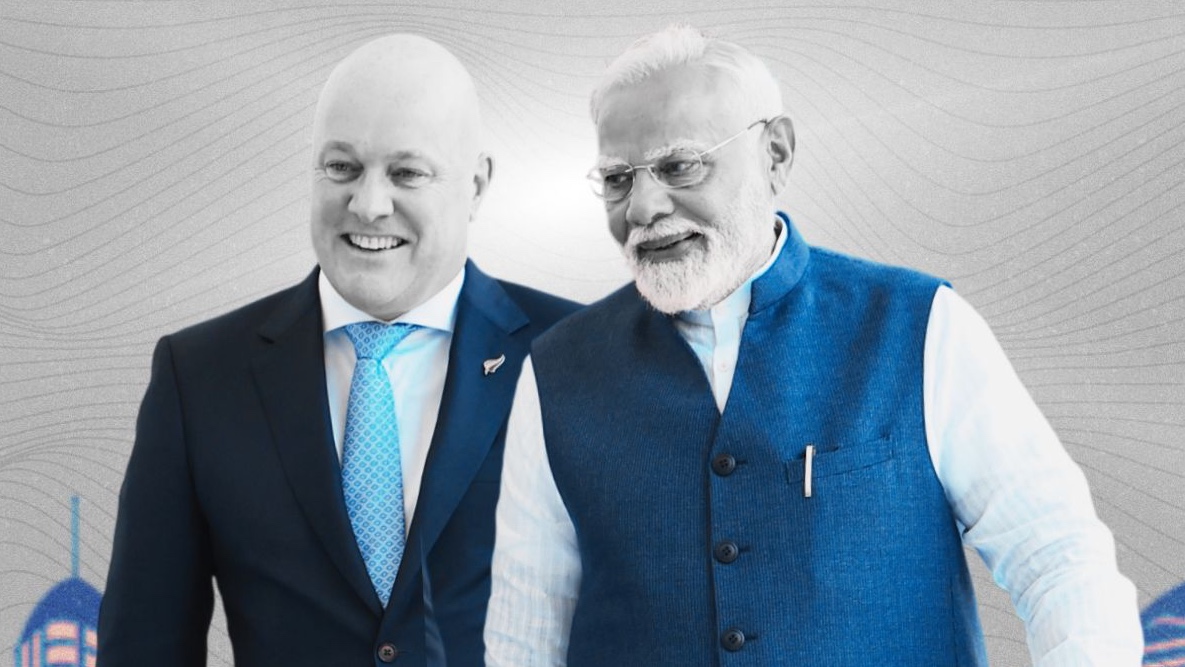
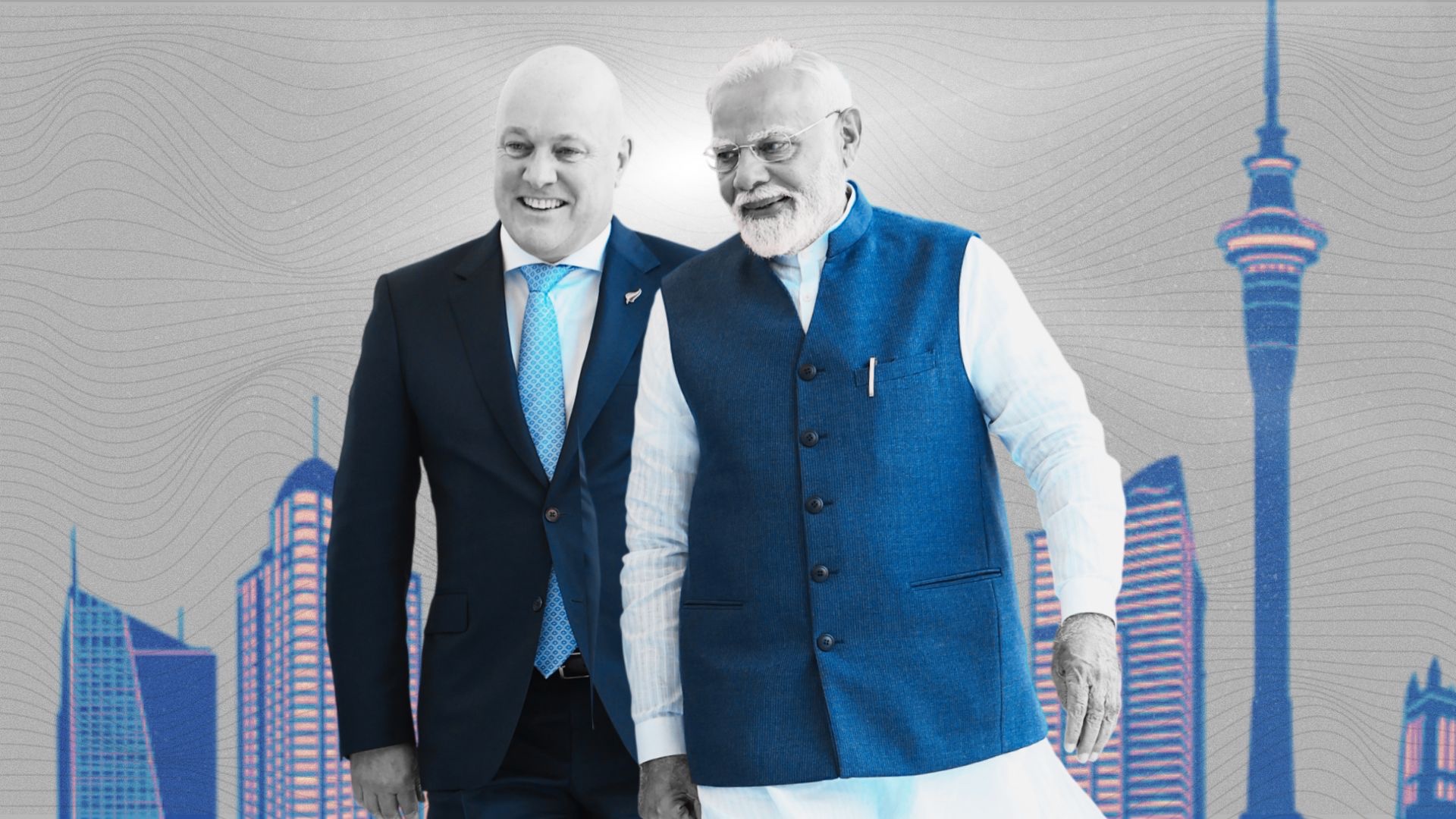
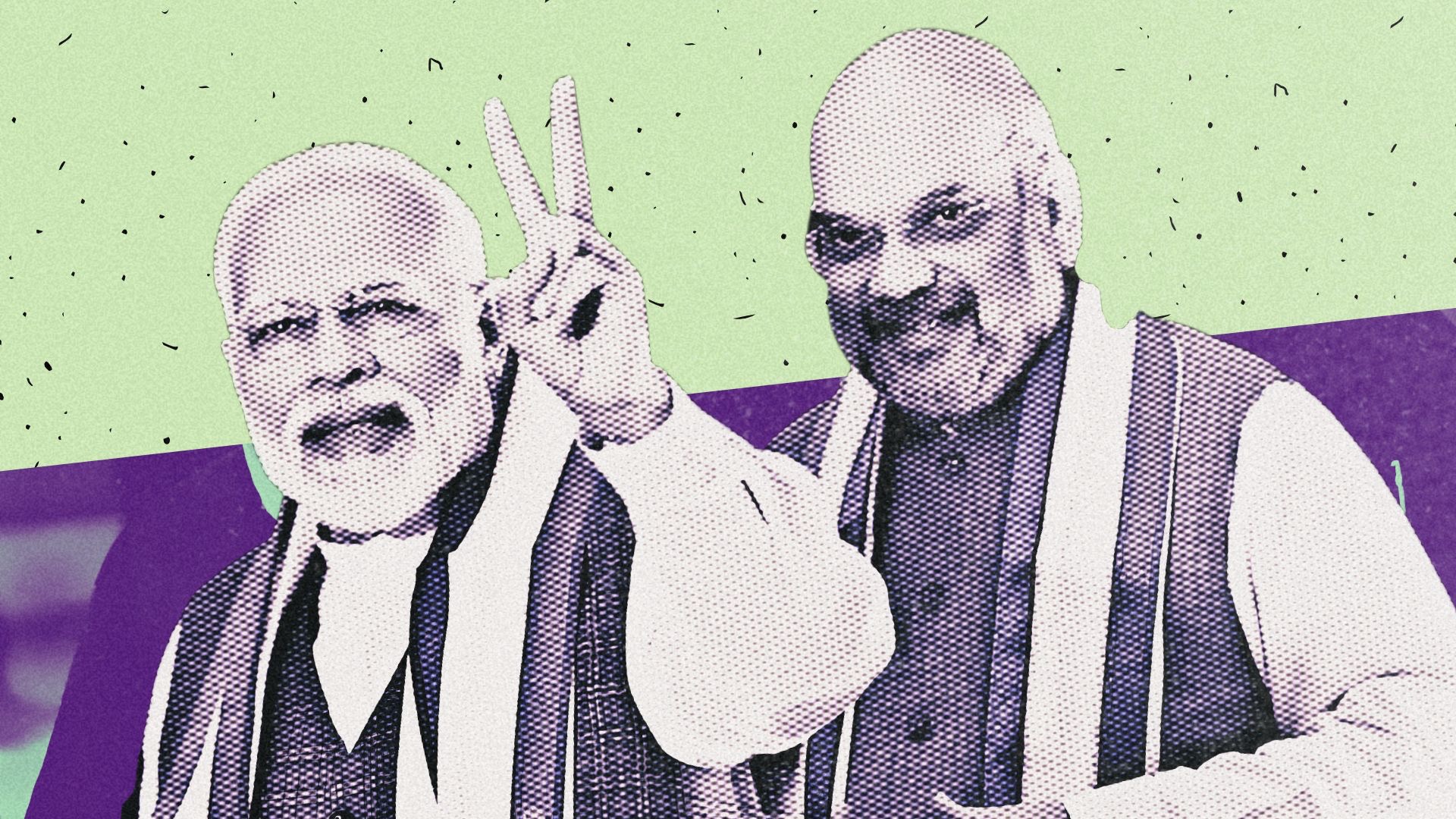
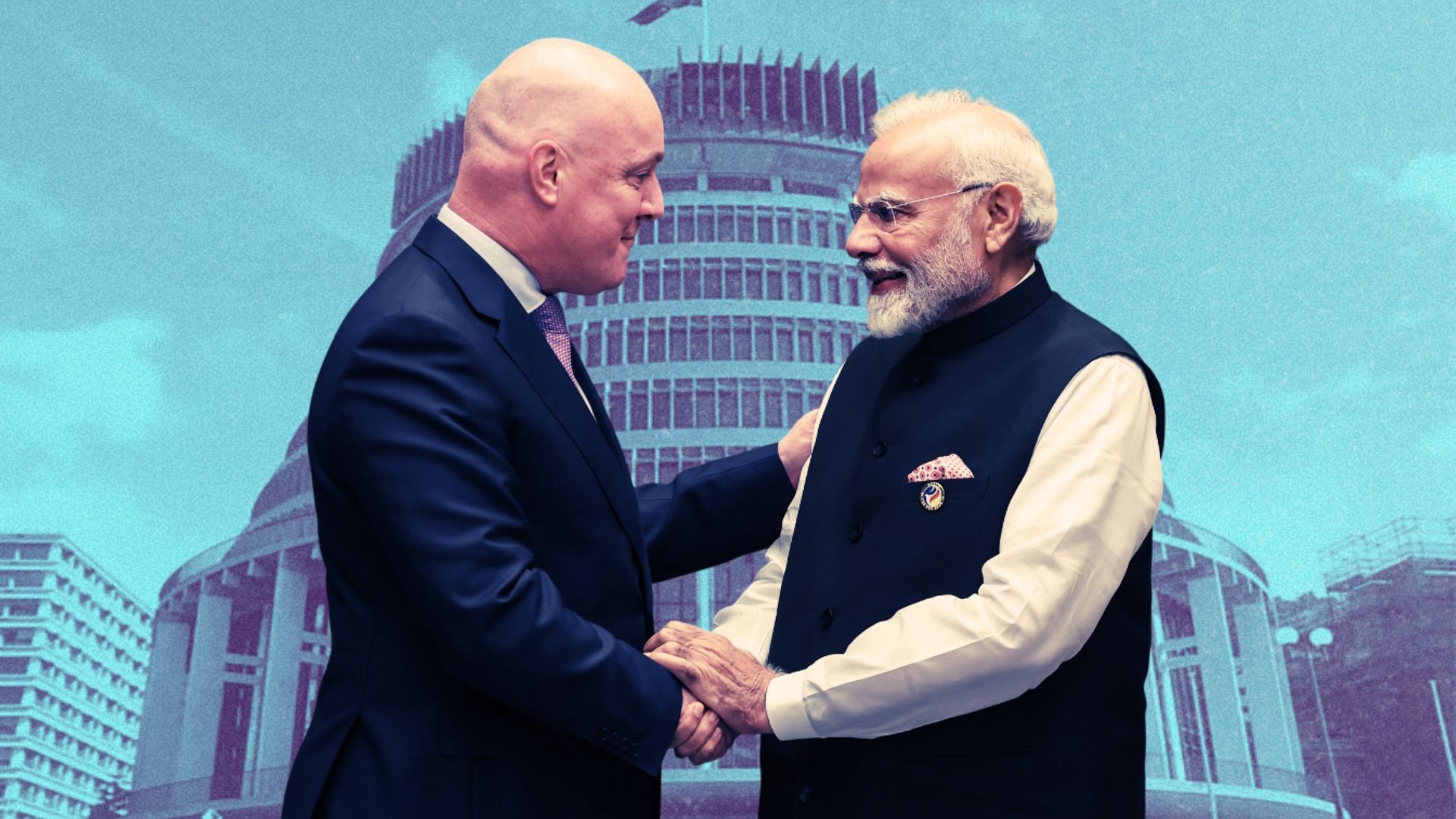
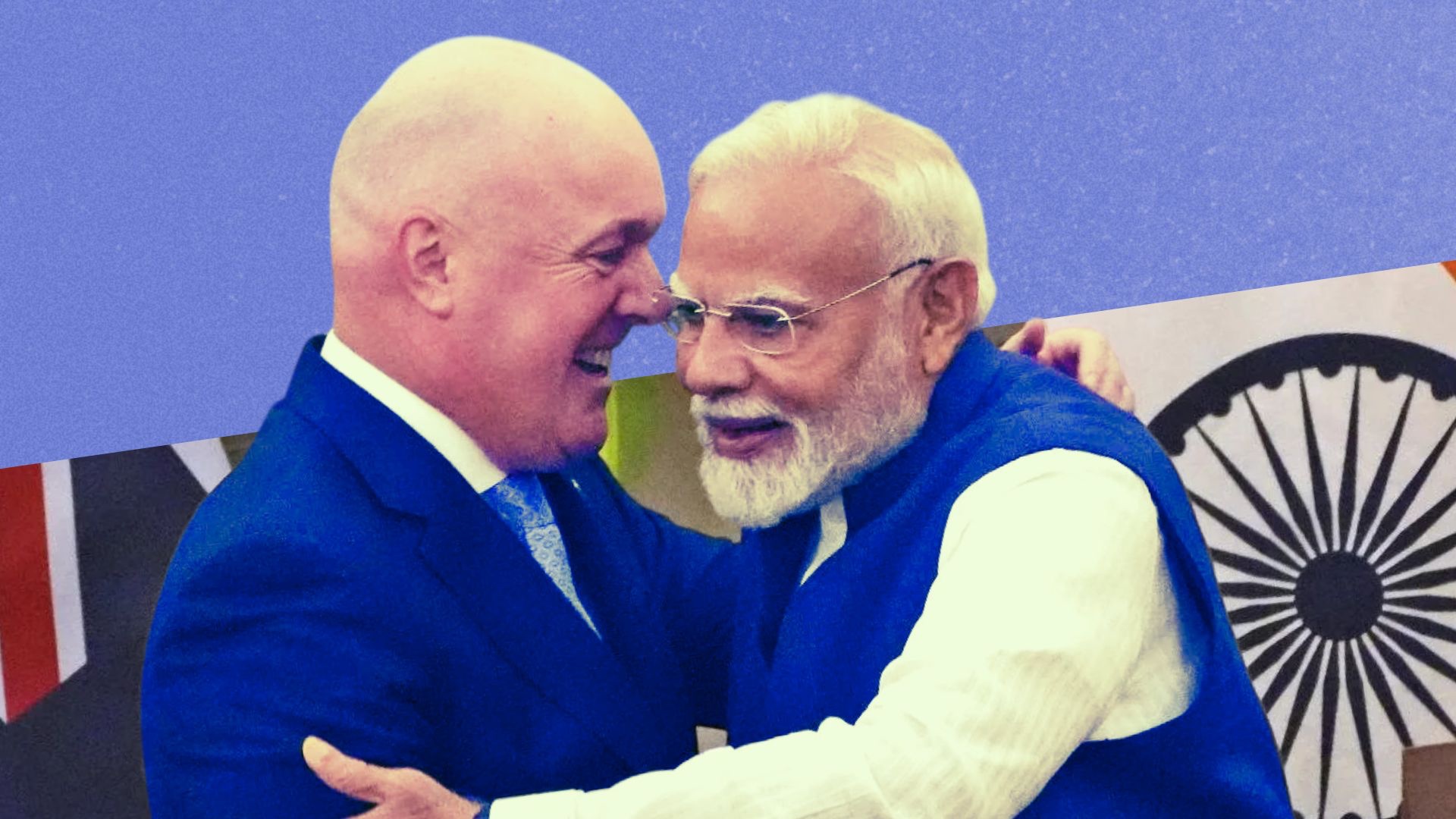
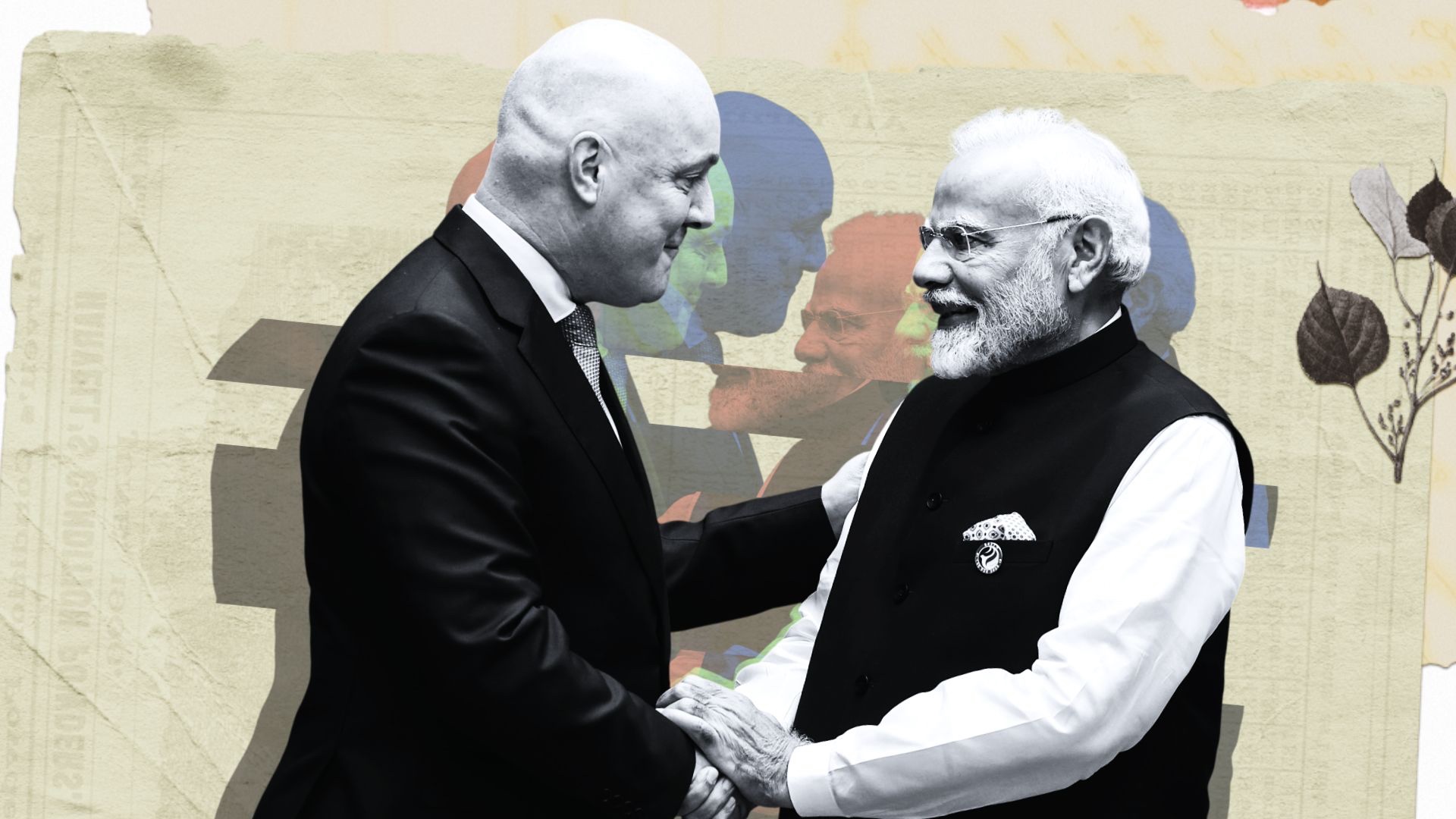
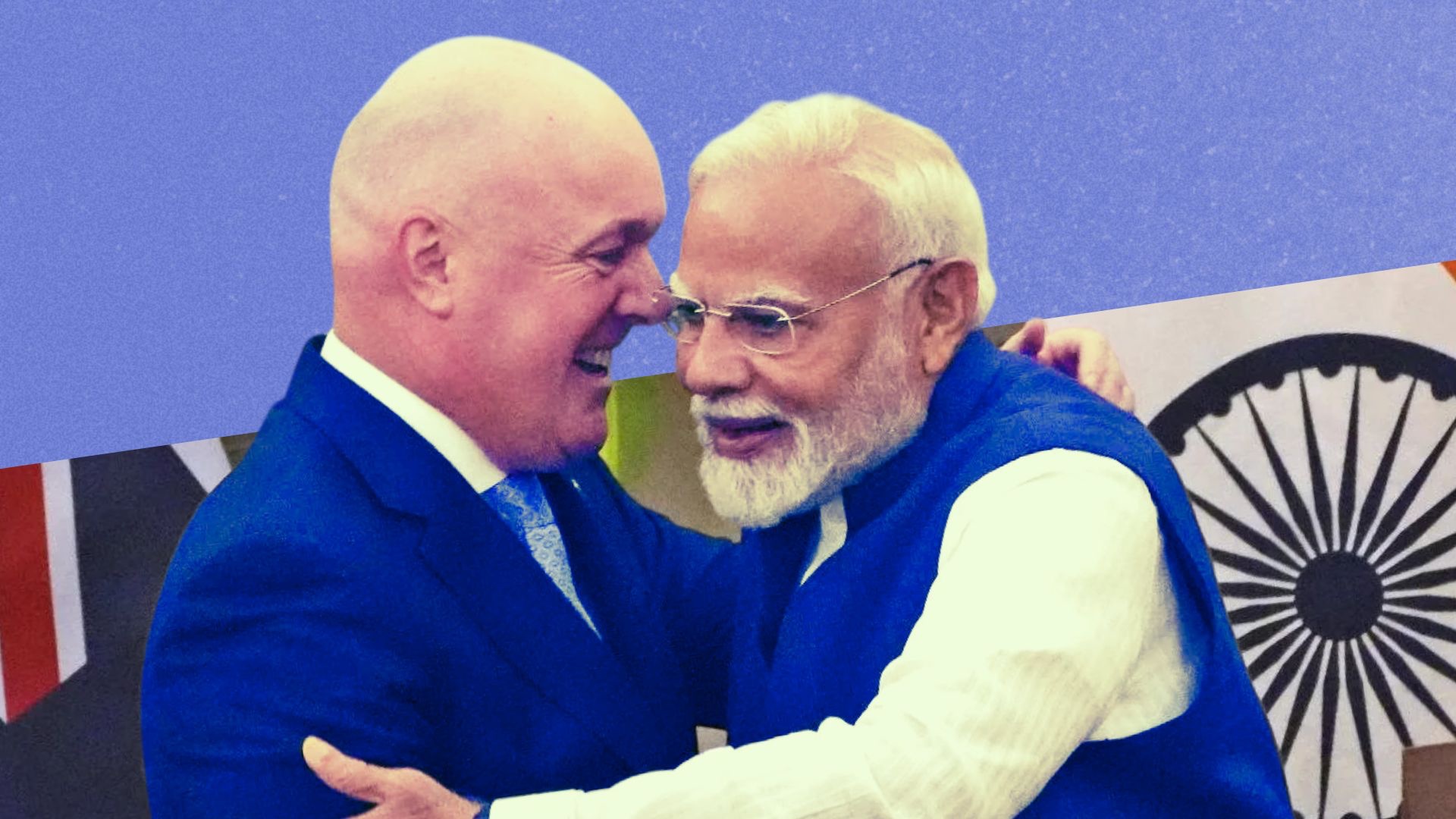
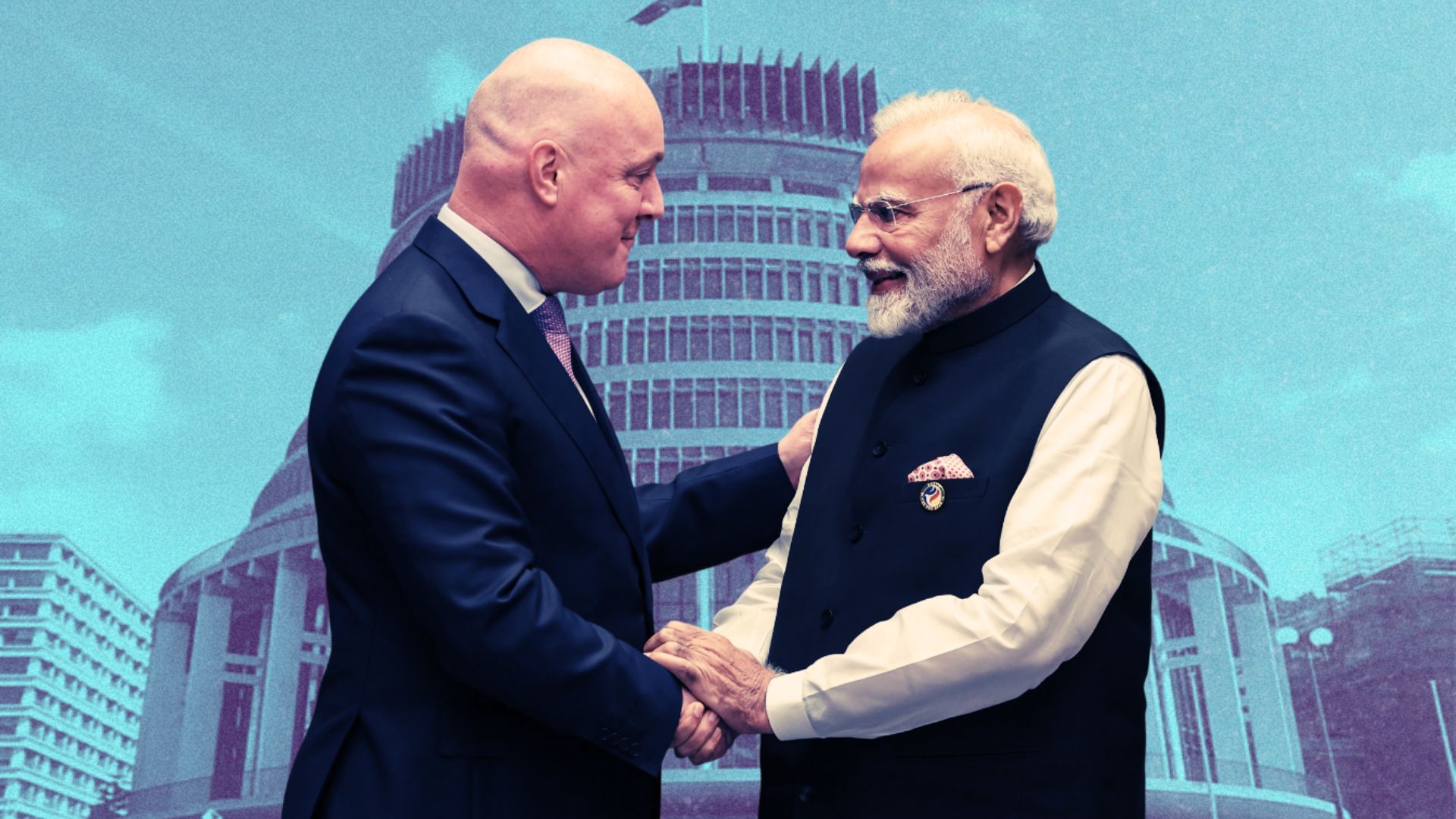
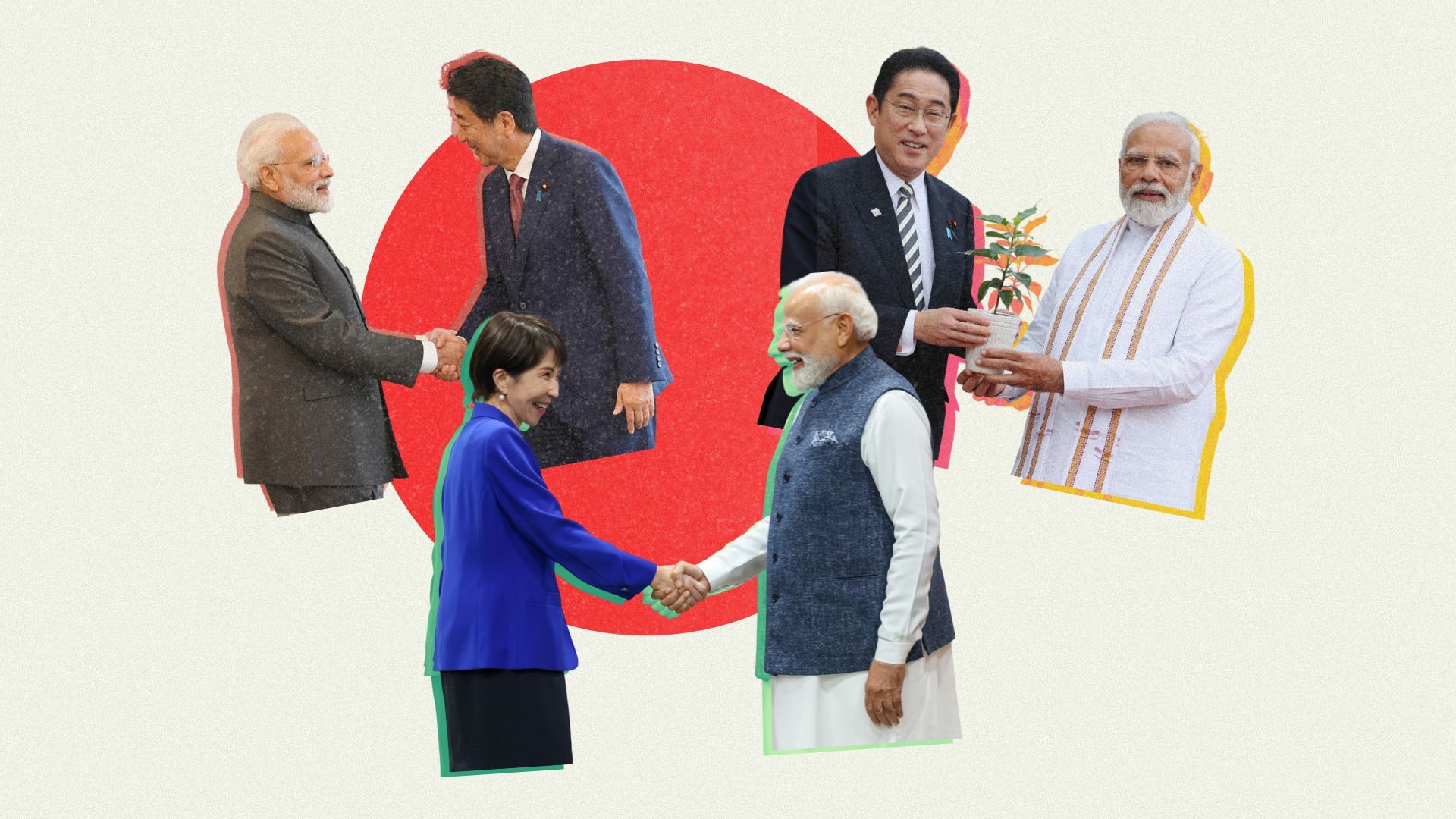
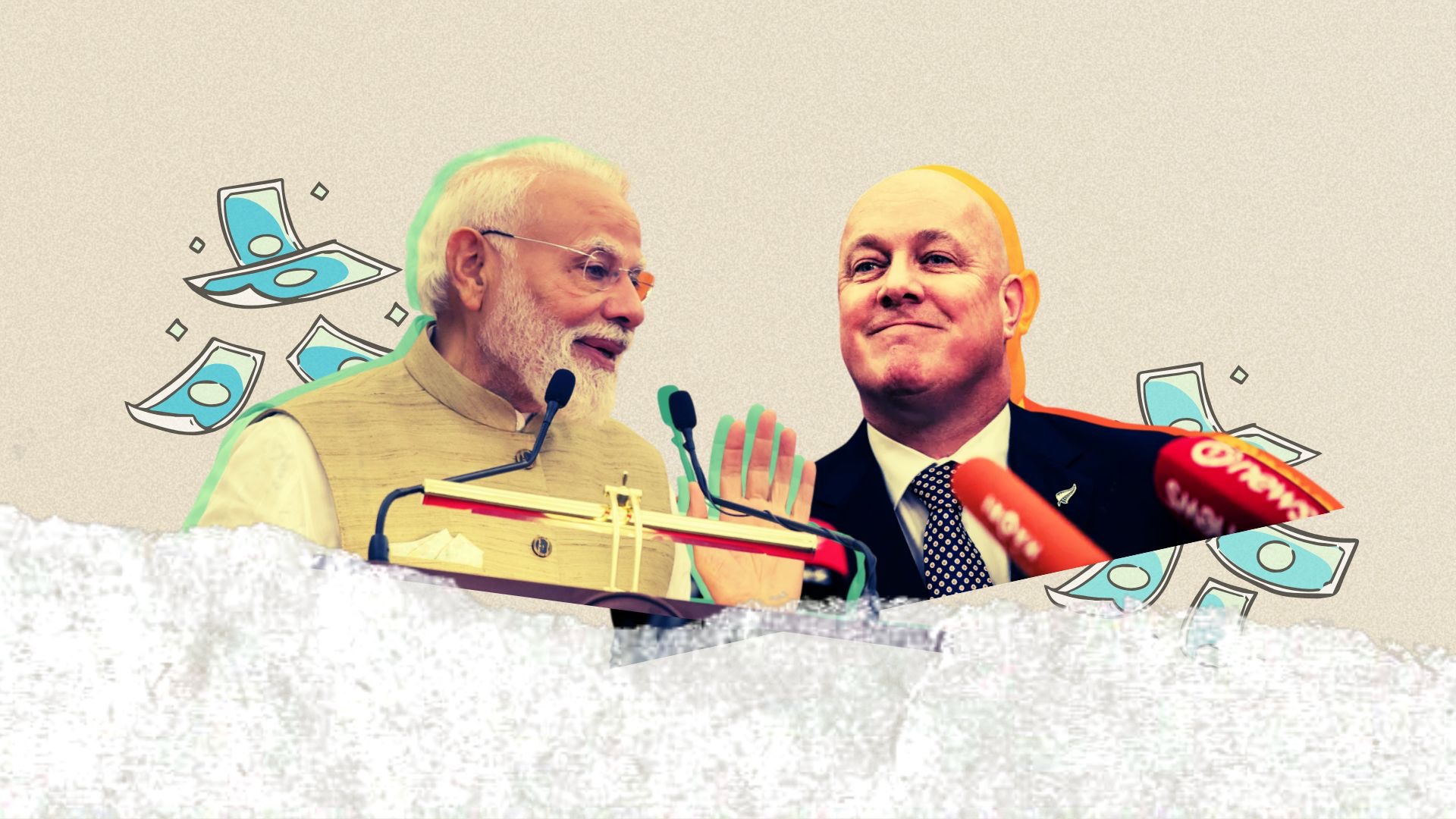
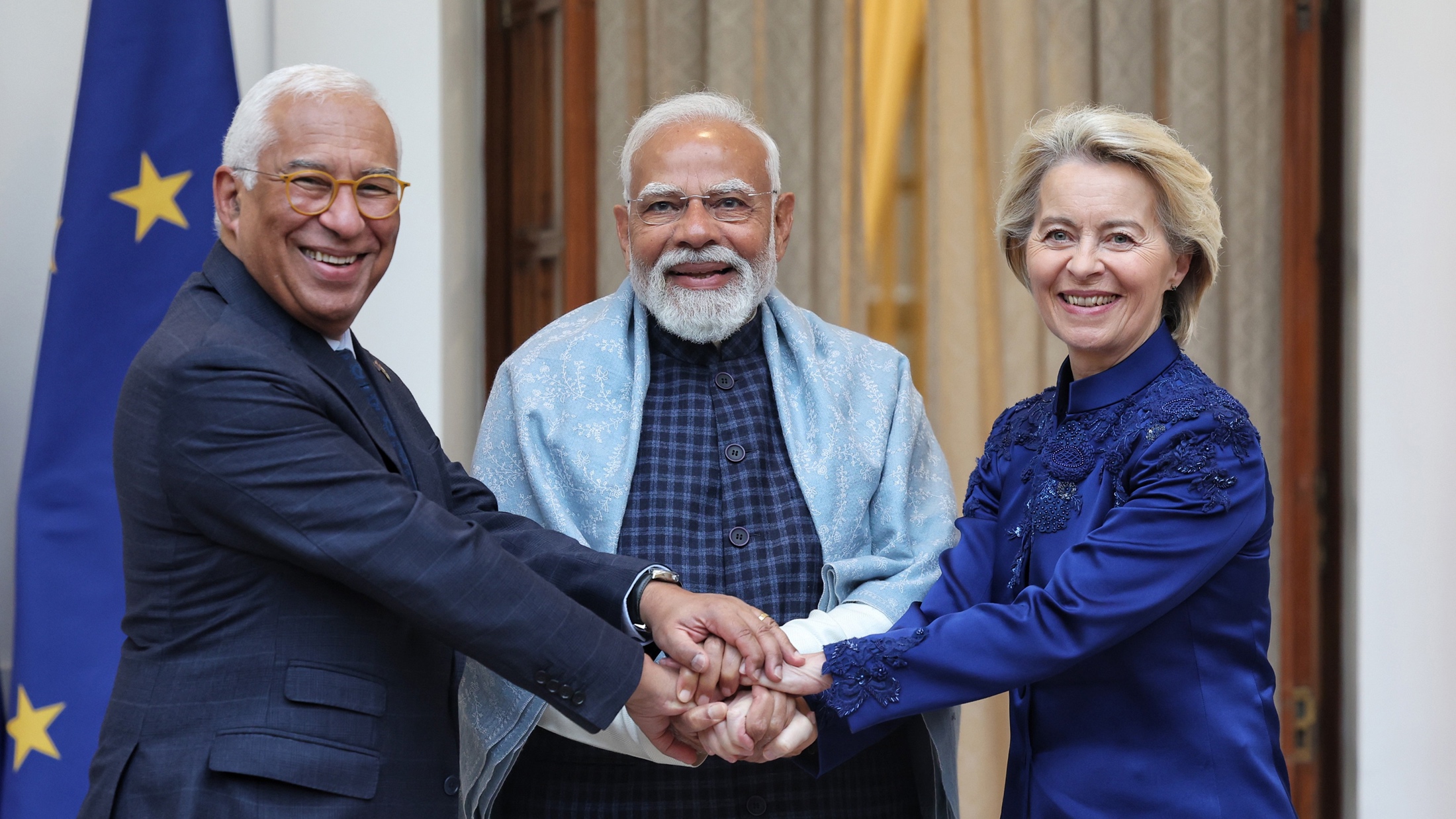
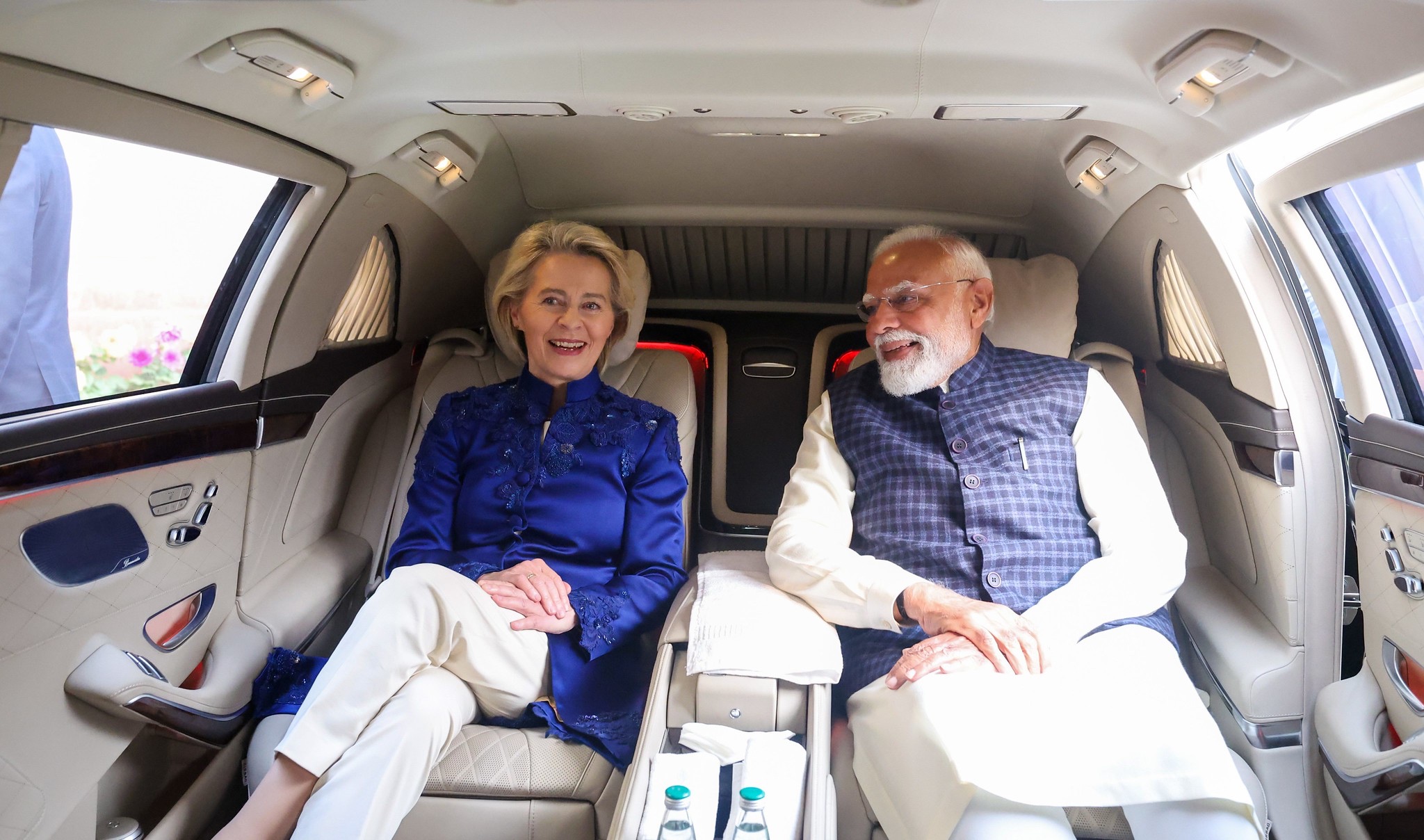
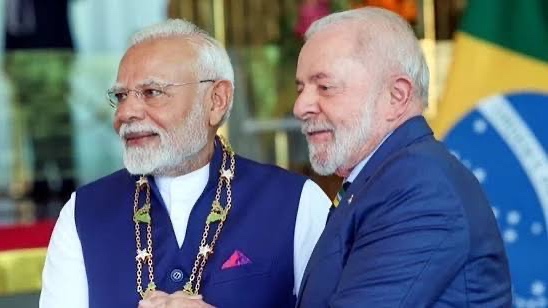
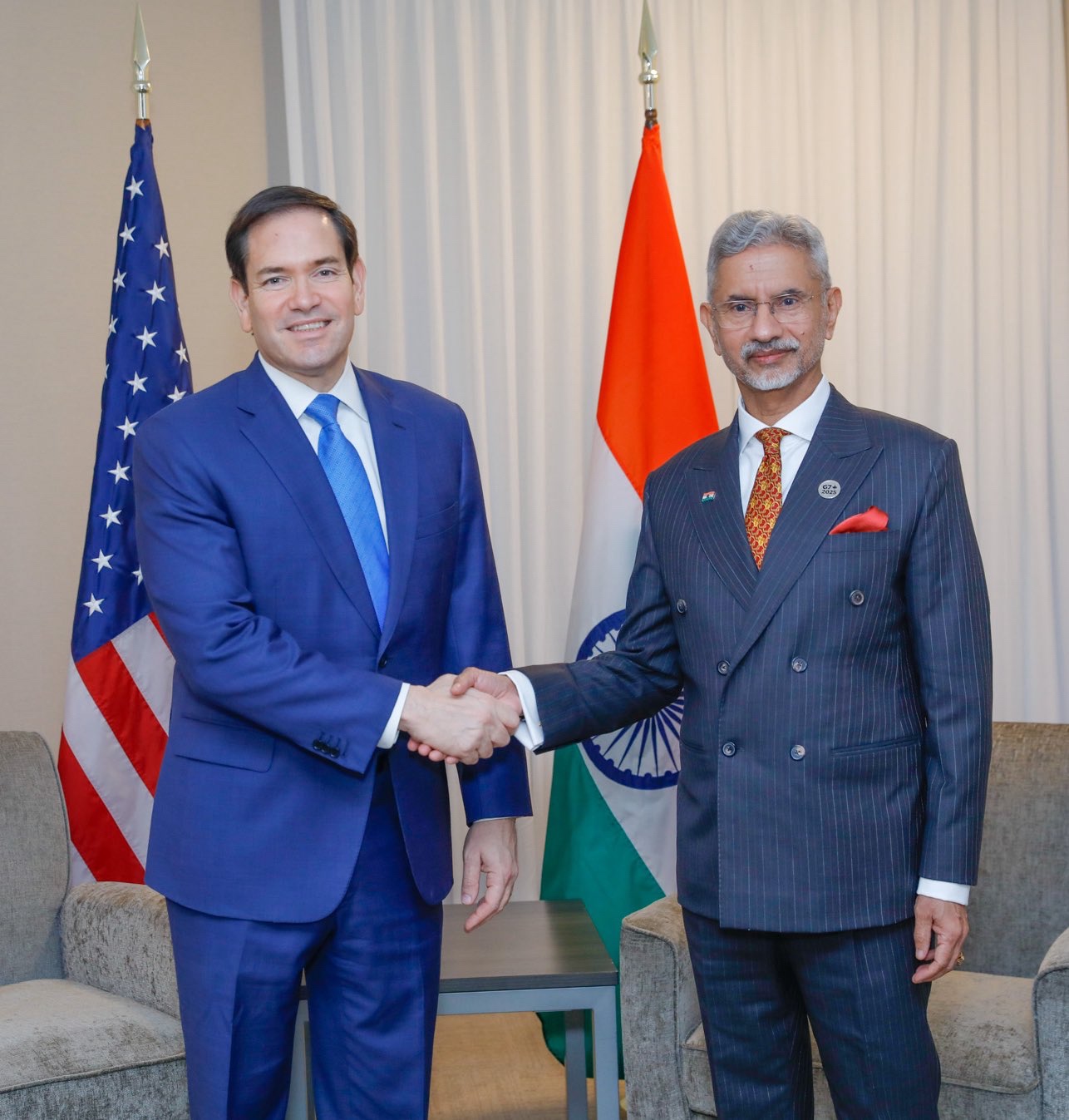
Prime Minister Mark Carney and Indian Prime Minister Narendra Modi meet on the sidelines of the 2025 G7 Summit in Kananaskis, marking a turning point in efforts to rebuild bilateral ties.
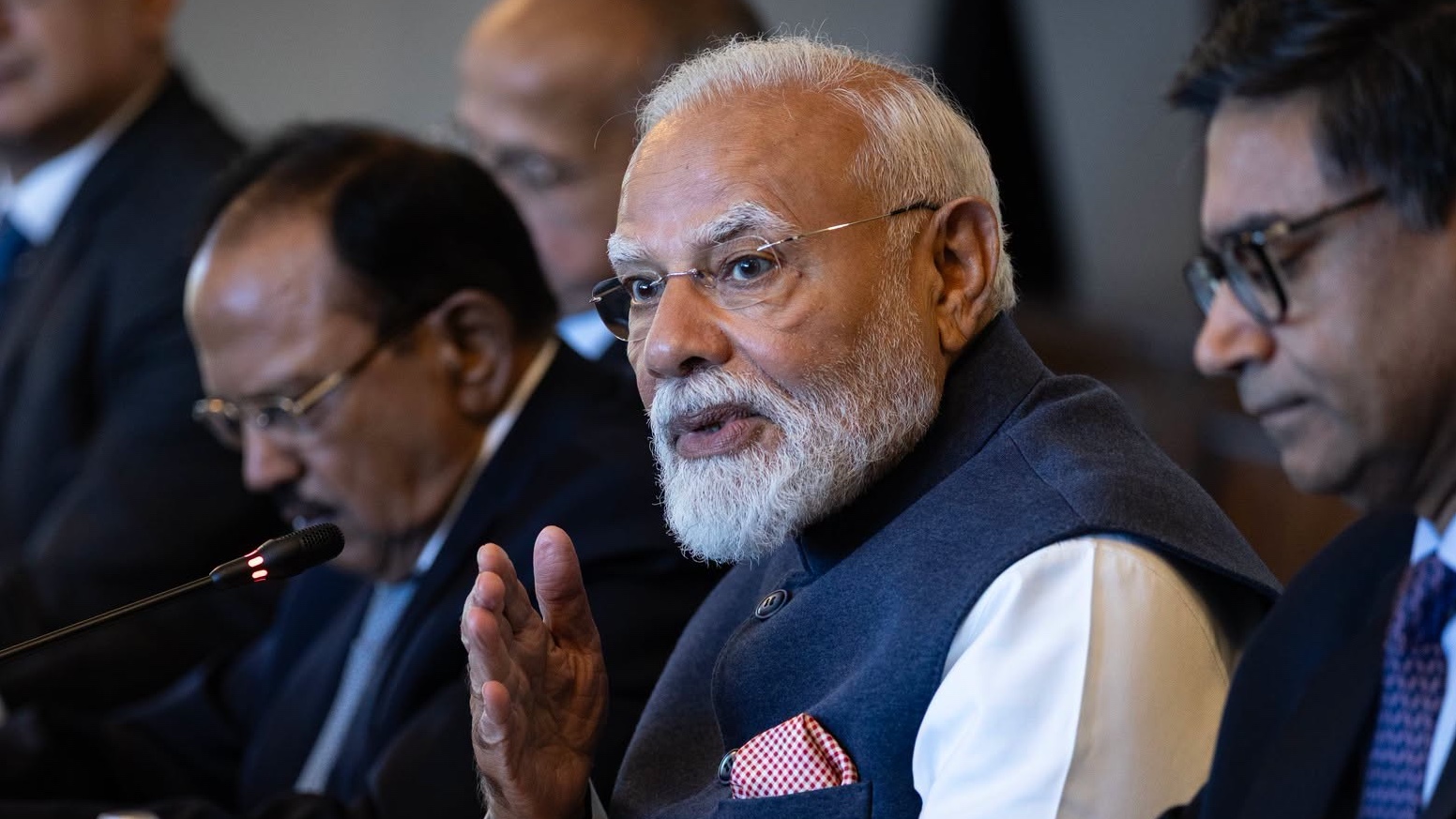
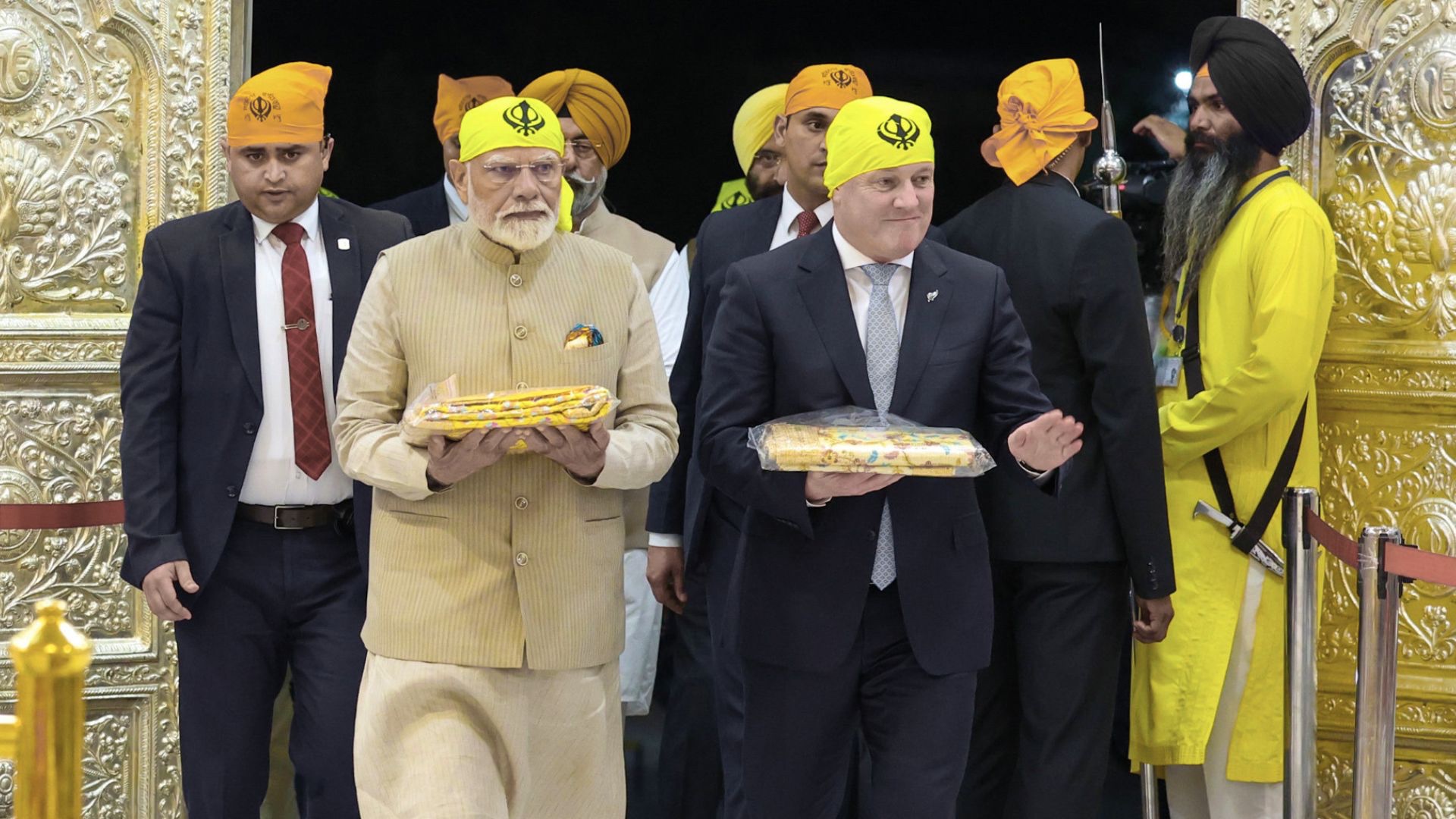
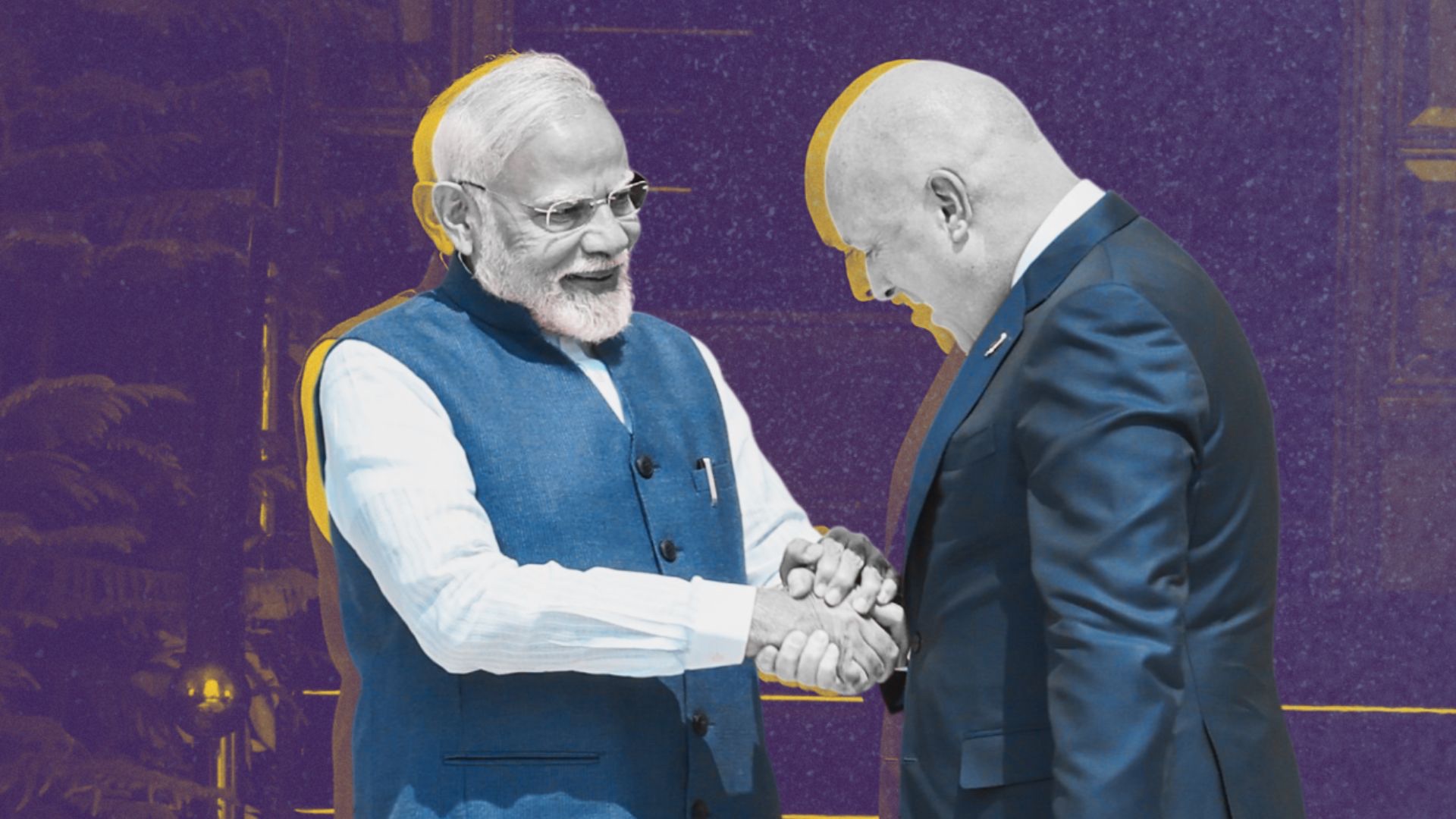
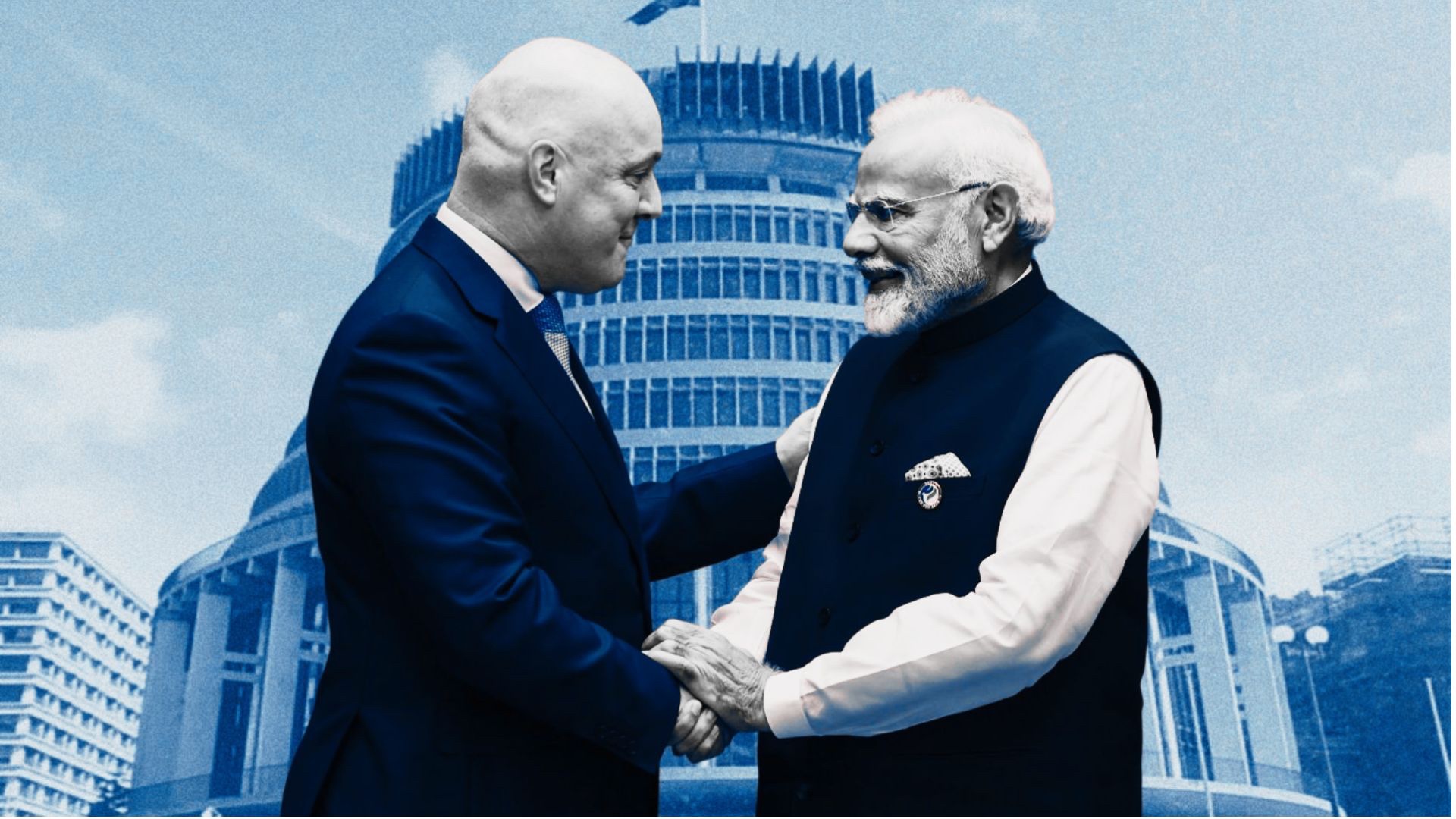
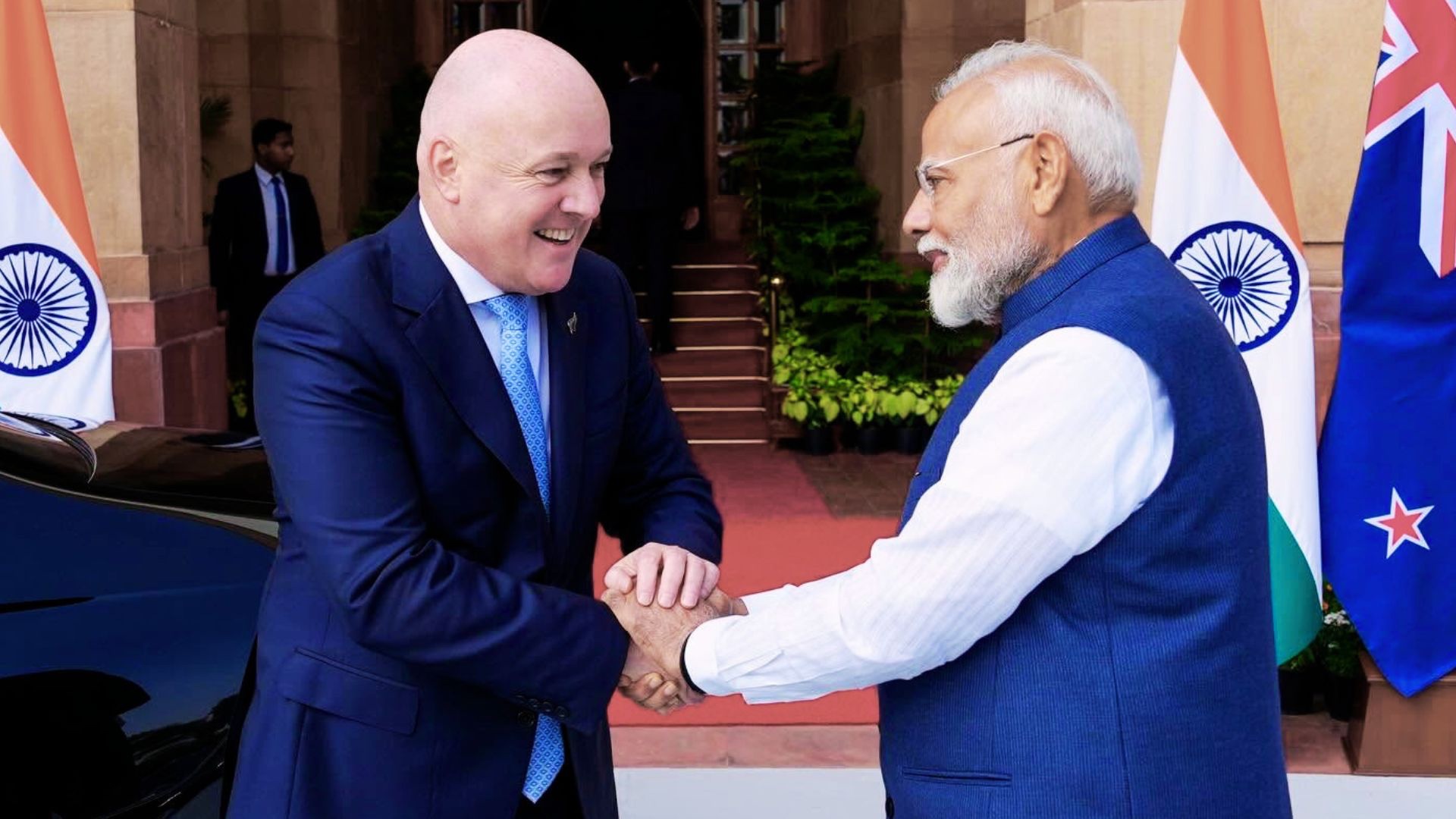
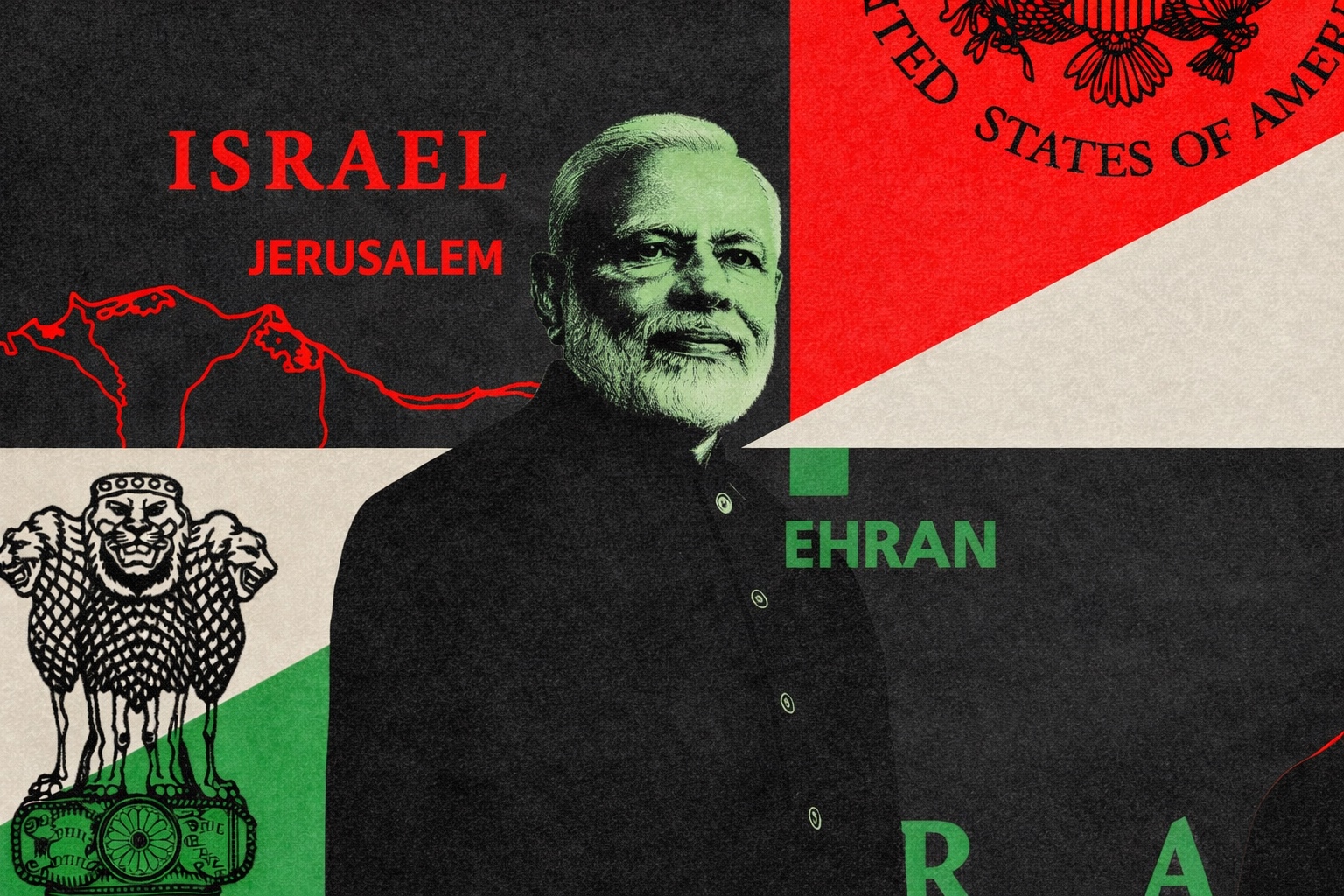
Canadian Prime Minister Mark Carney’s visit to India signals a strategic reset in Canada–India relations, shifting the focus from diplomatic tensions to trade, energy and long-term economic co-operation with Narendra Modi.
Prime Minister Mark Carney has taken a decisive step toward rebuilding Canada’s strained relationship with India, marking the most significant diplomatic shift since tensions erupted in 2023.
The visit happened from the 27th of February to the 2nd of March.
The visit reflects a move away from crisis diplomacy and toward economic strategy, with Ottawa signalling that engagement with India is no longer optional it is strategic.
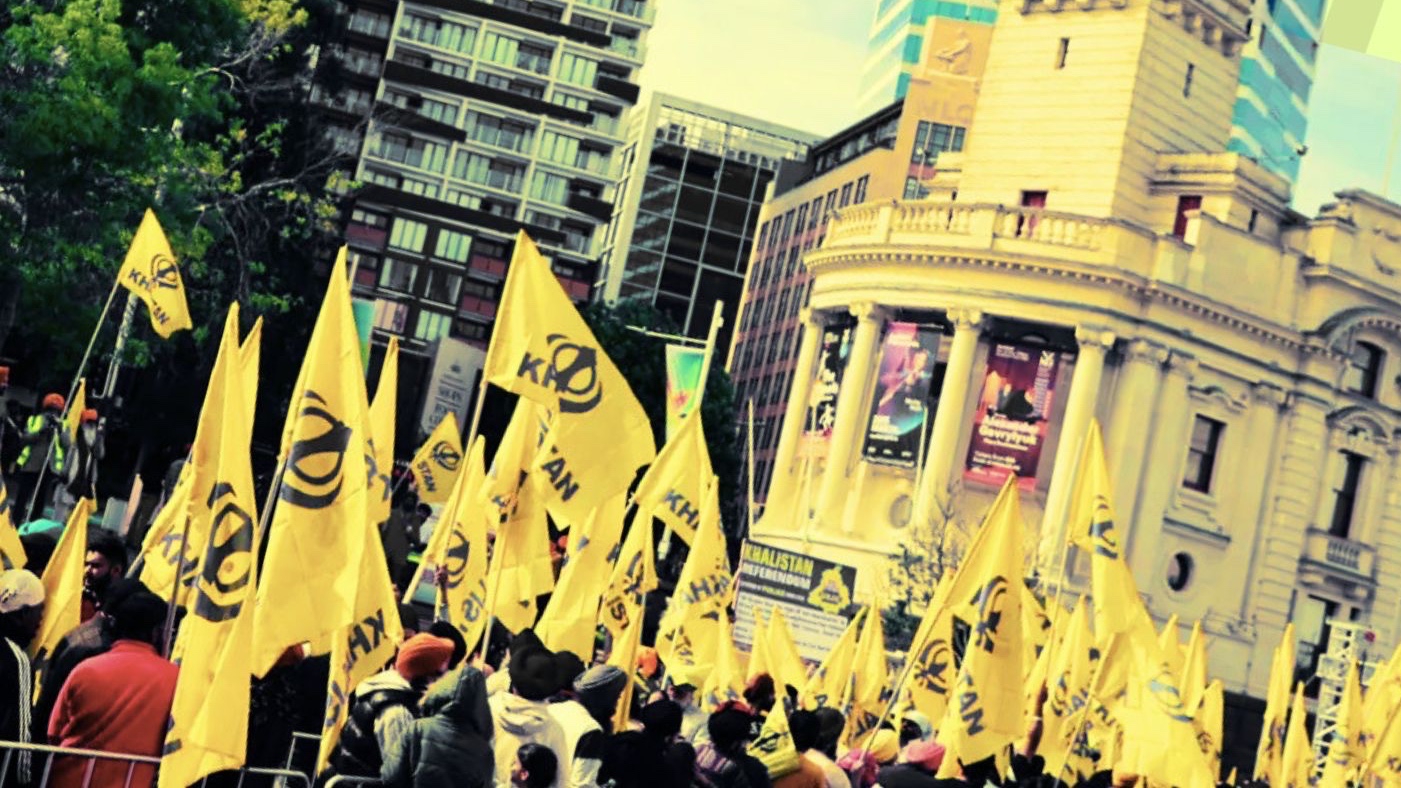
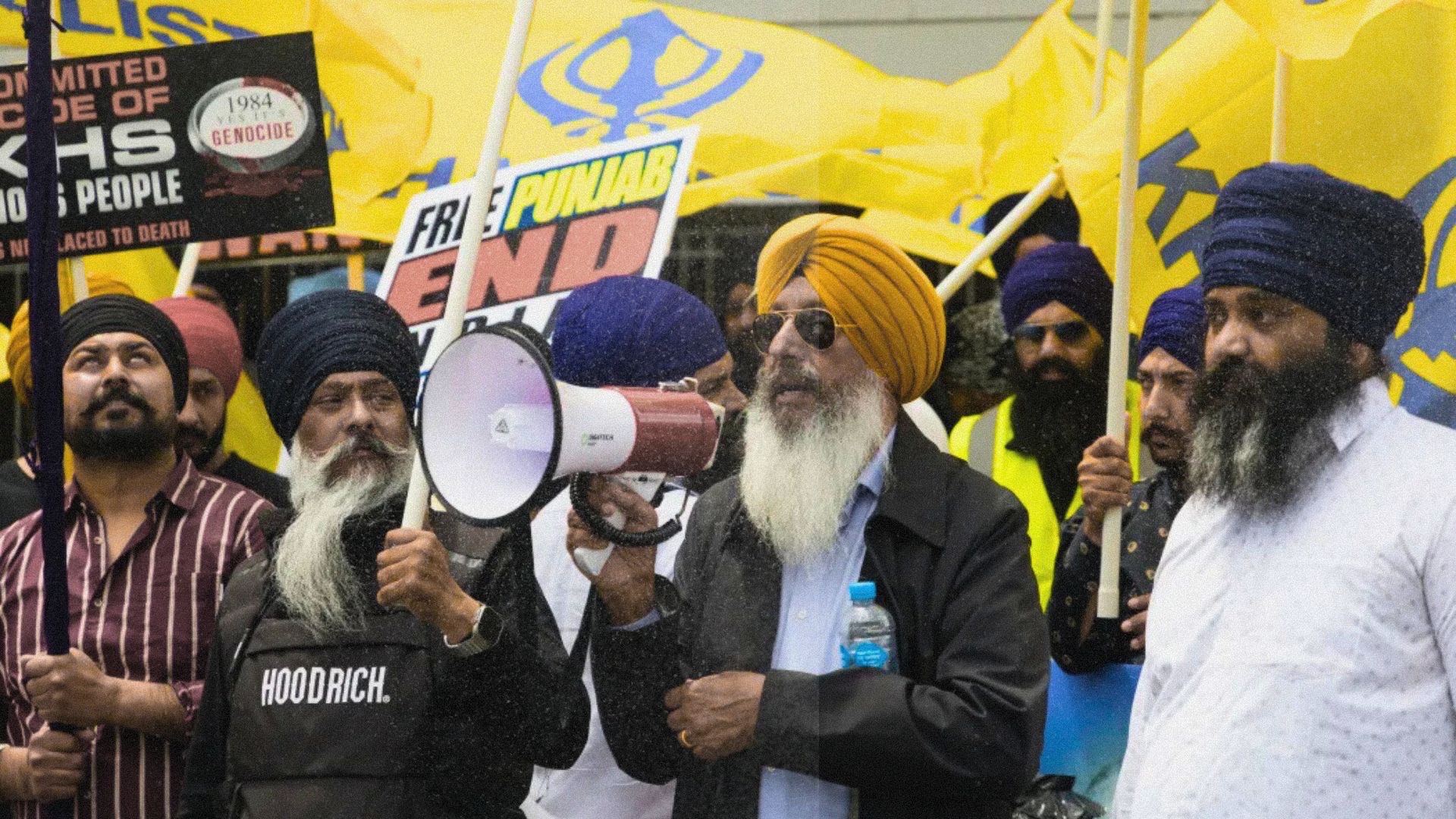
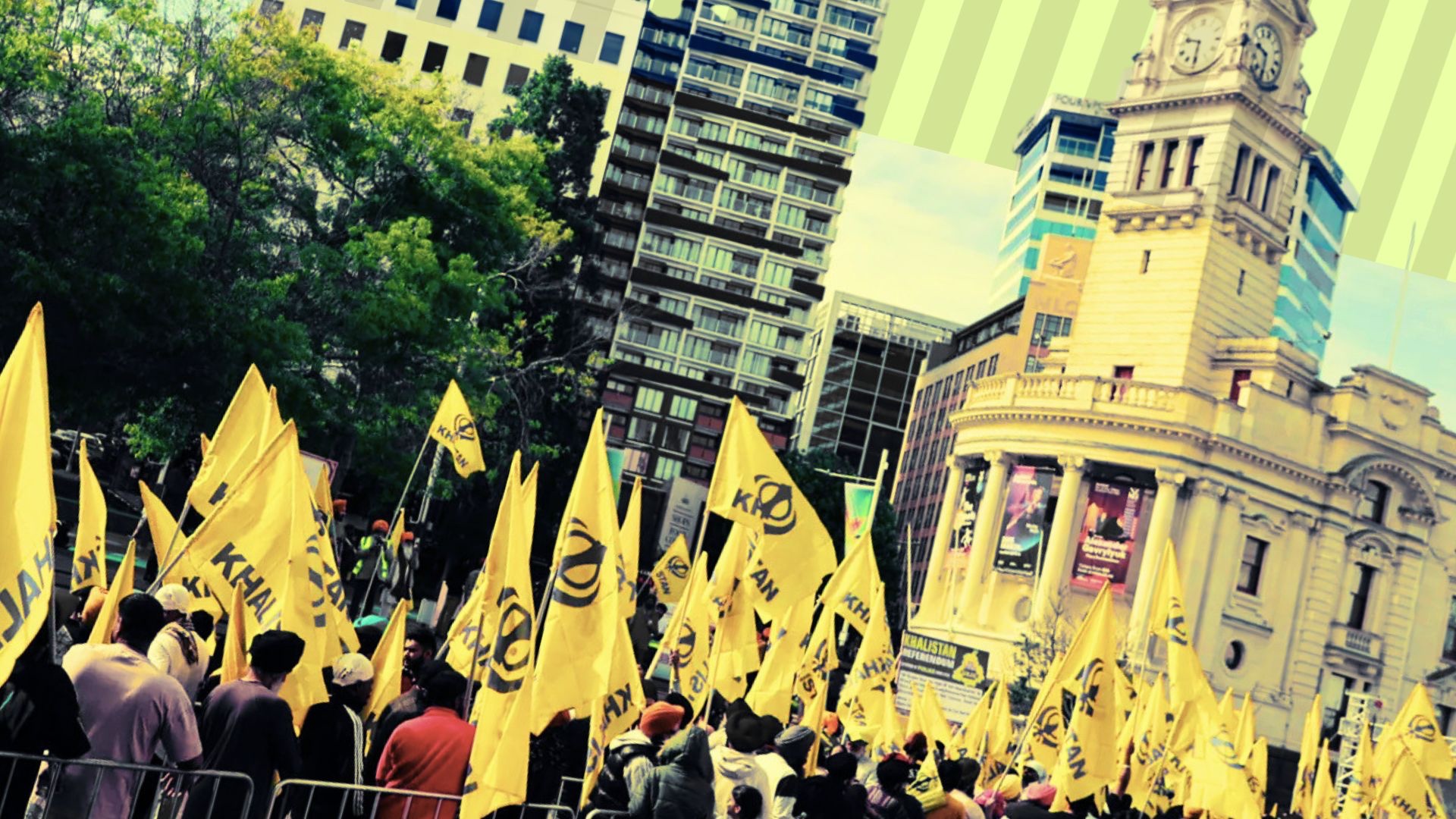
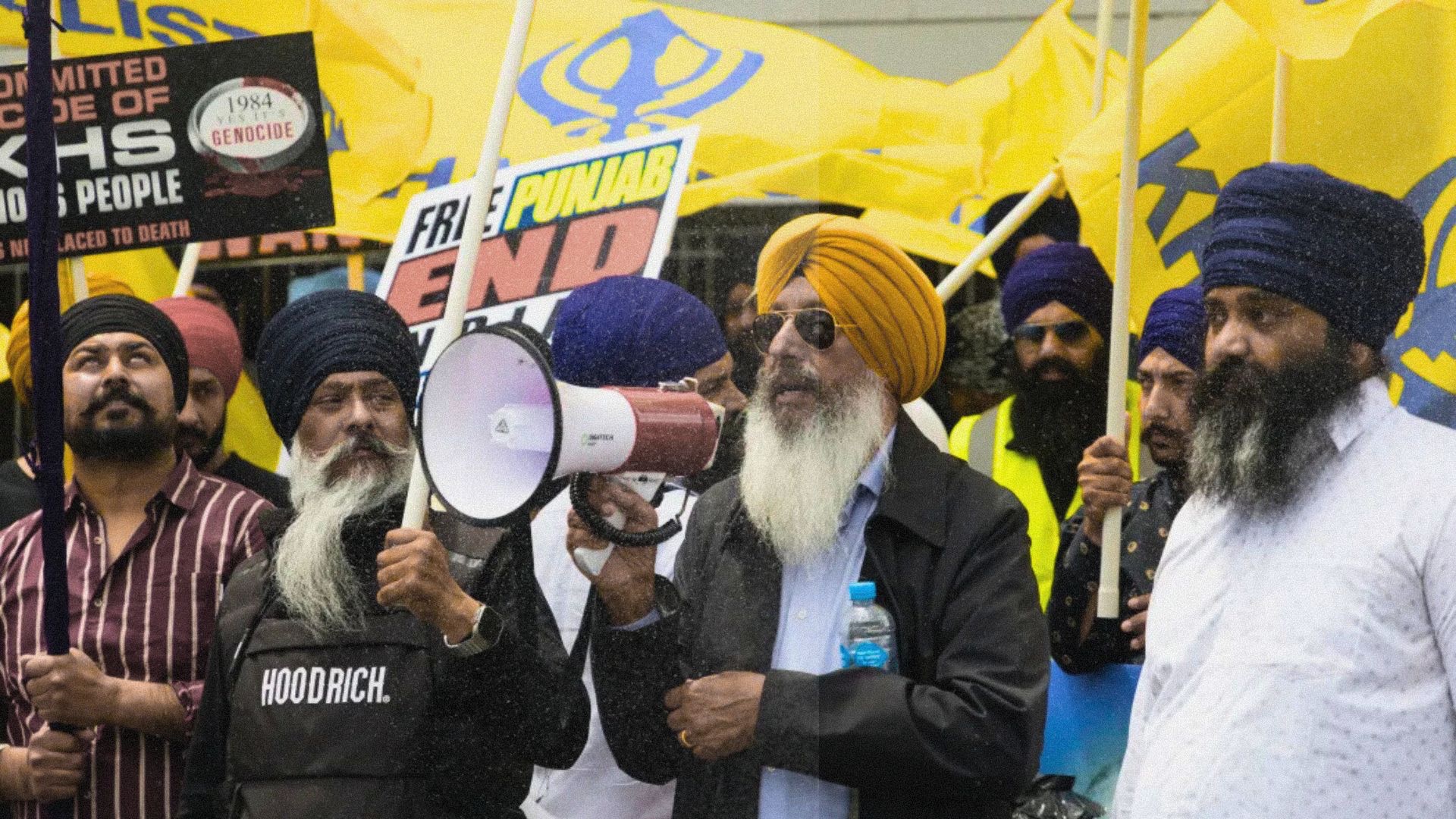
Relations between Canada and India deteriorated sharply in 2023 following allegations linking Indian agents to the killing of a Canadian Sikh activist.
The fallout led to diplomatic expulsions, reduced missions and suspended trade negotiations.
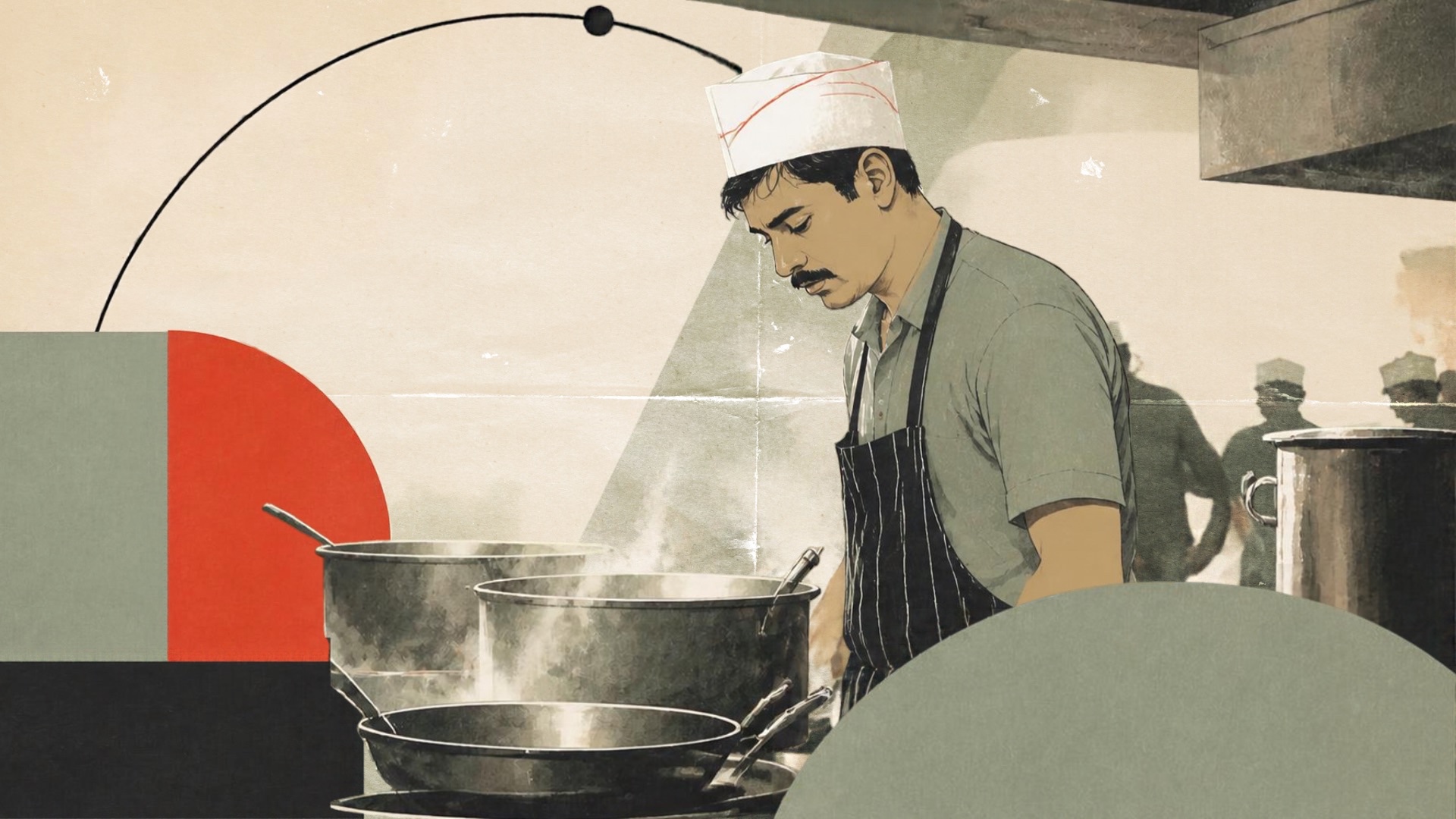
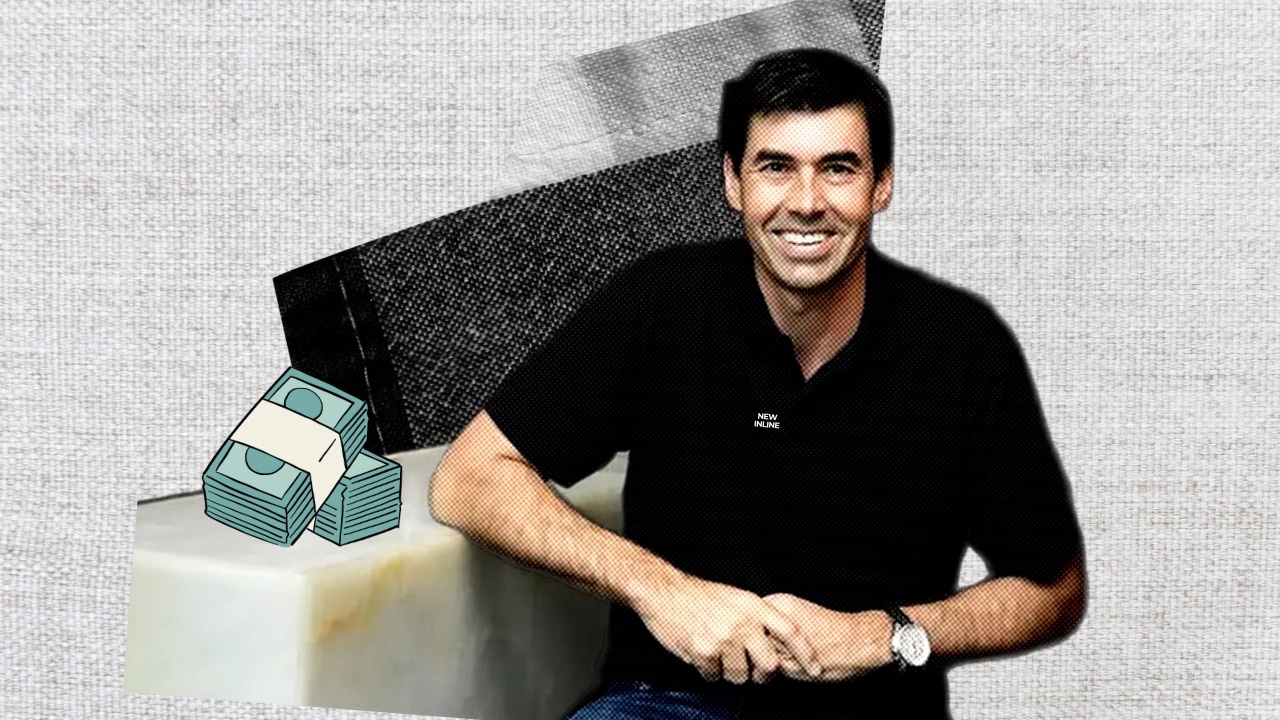
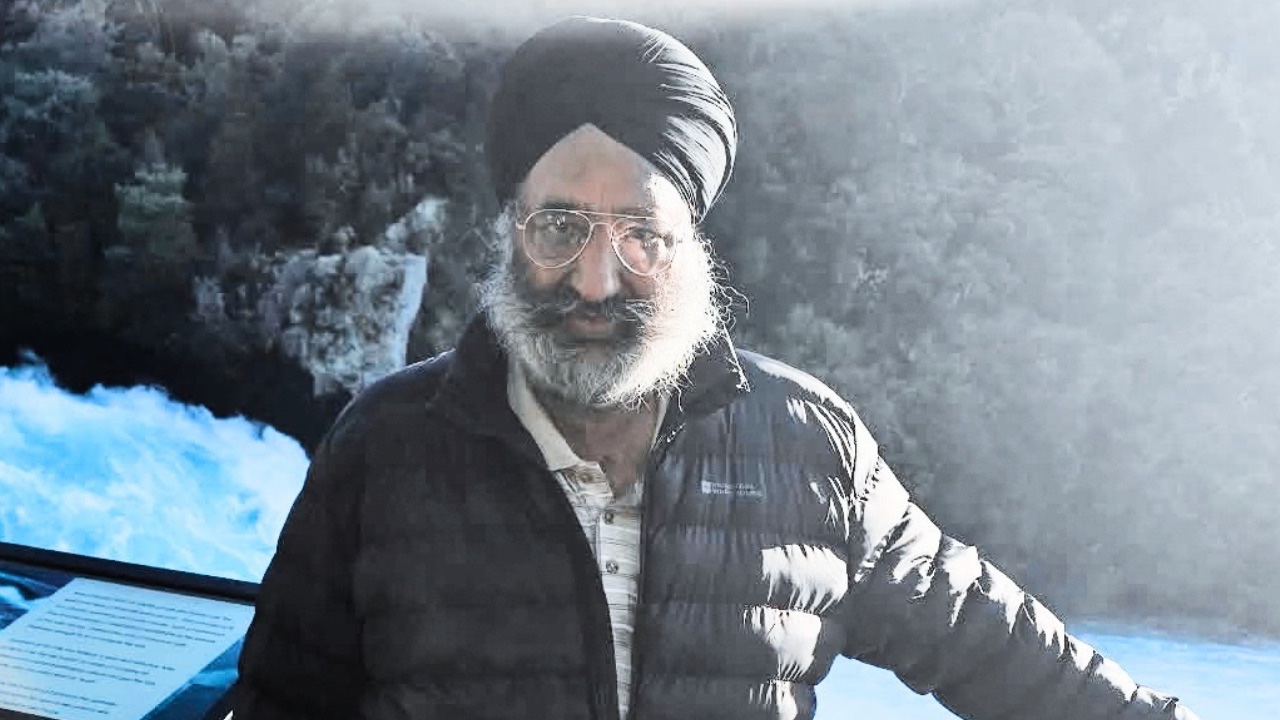
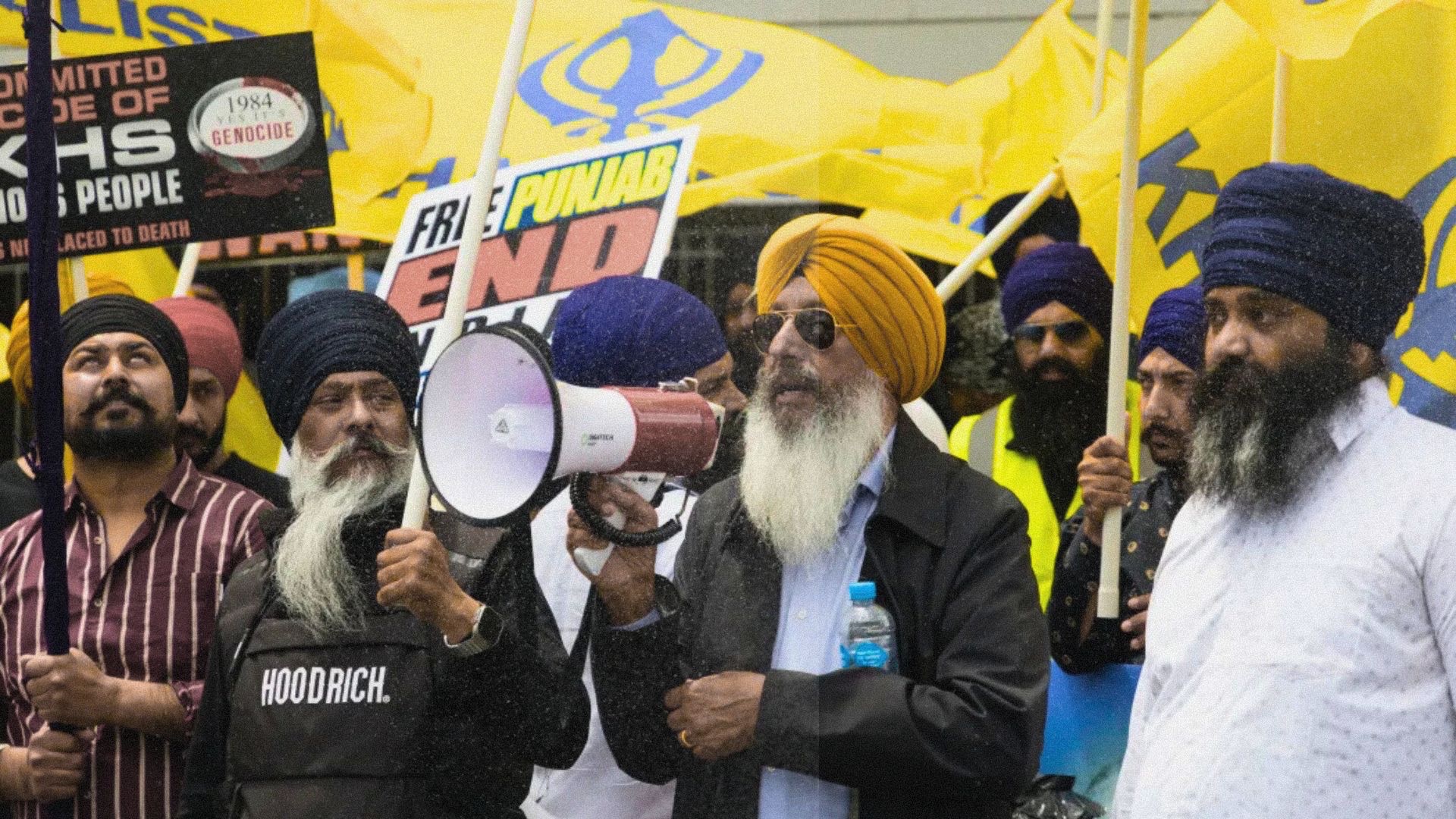
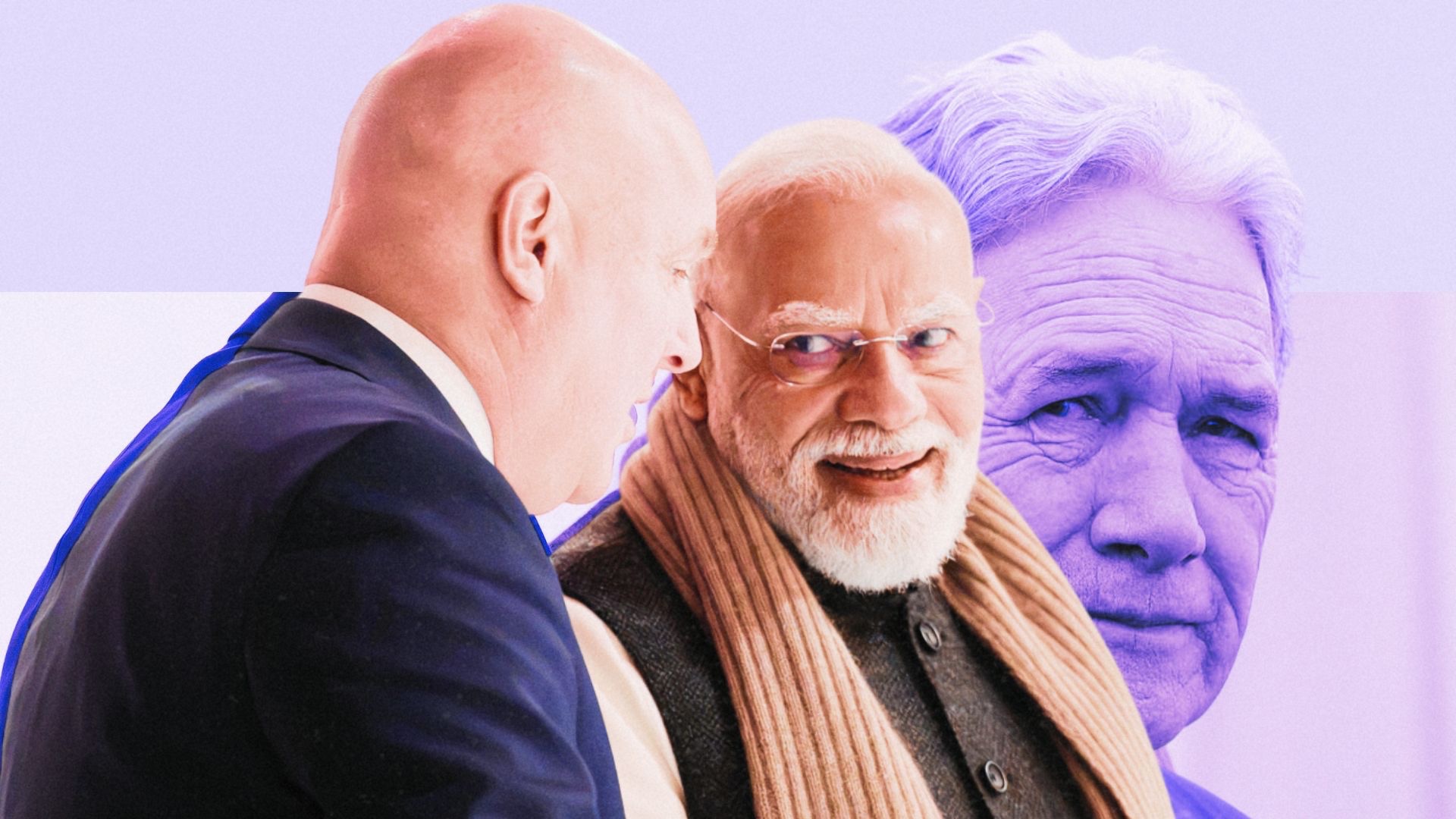
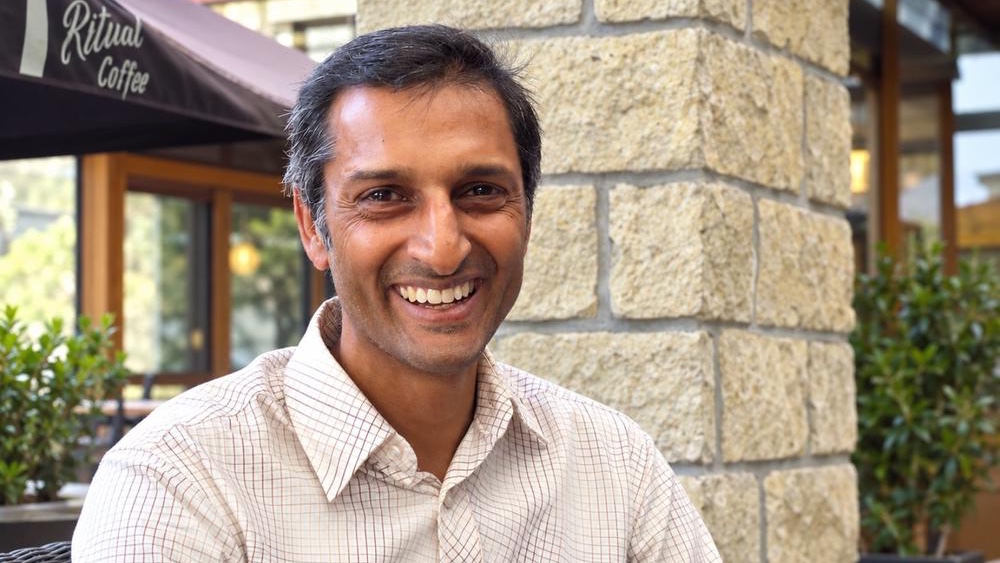
From designing restaurants to running Auckland Diwali: The many lives of Arnav Taode Taode brings his passion for Indian arts and culture to his first year managing BNZ Auckland Diwali 2026.
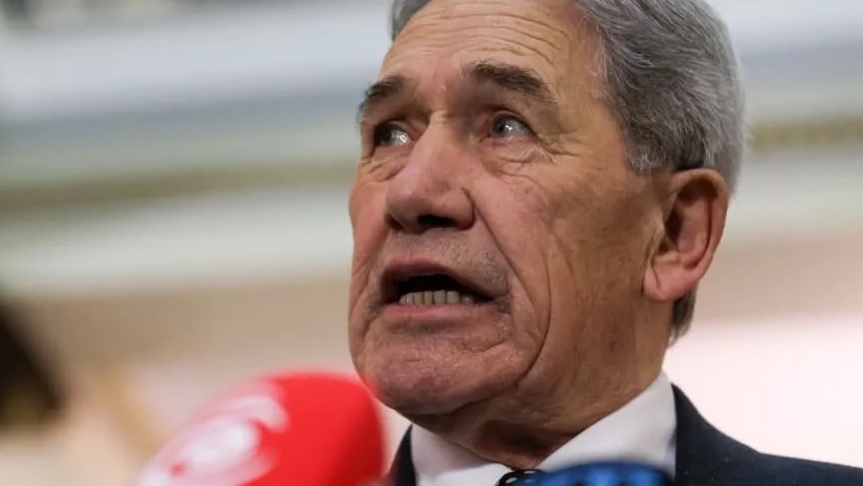
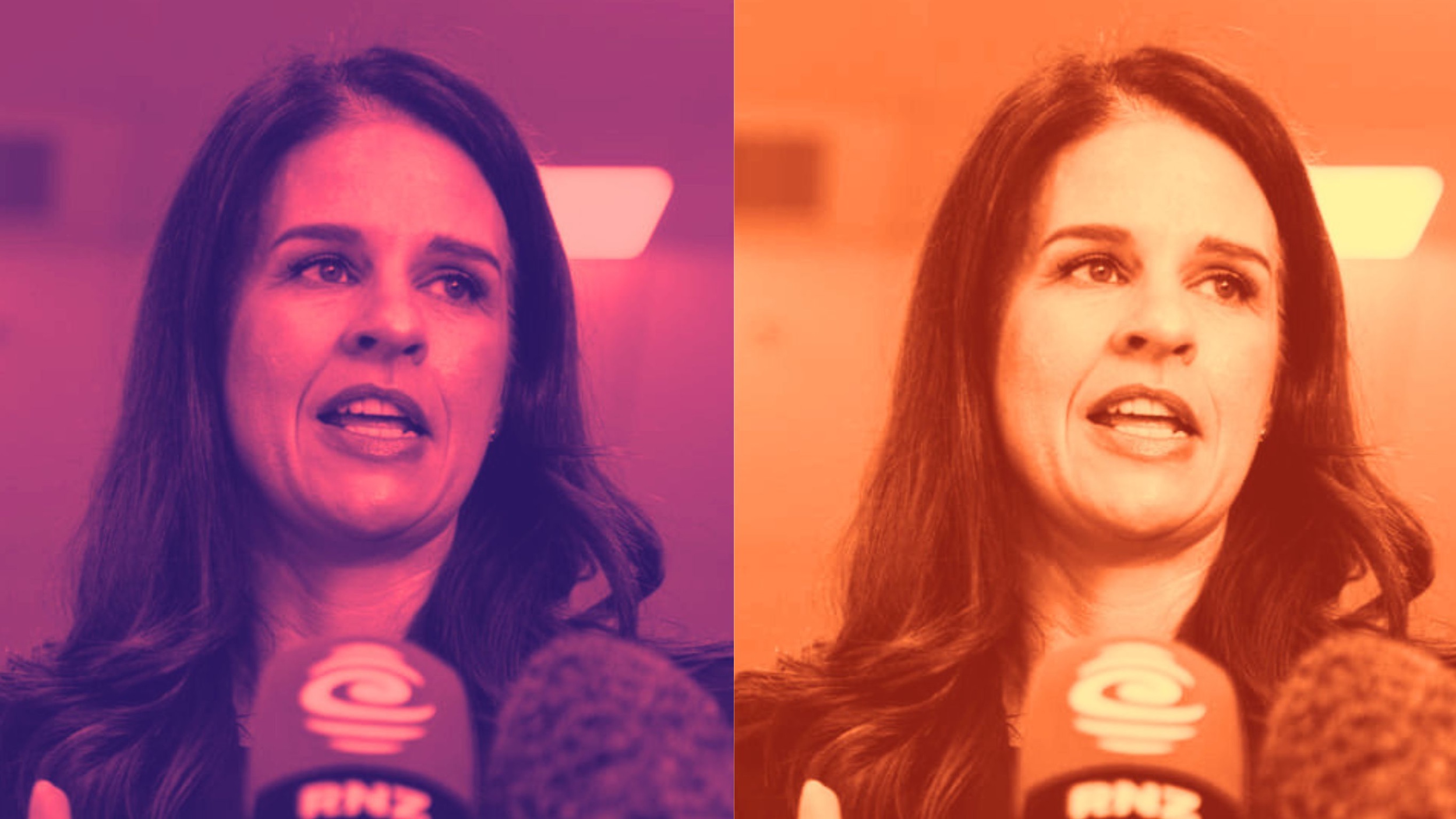
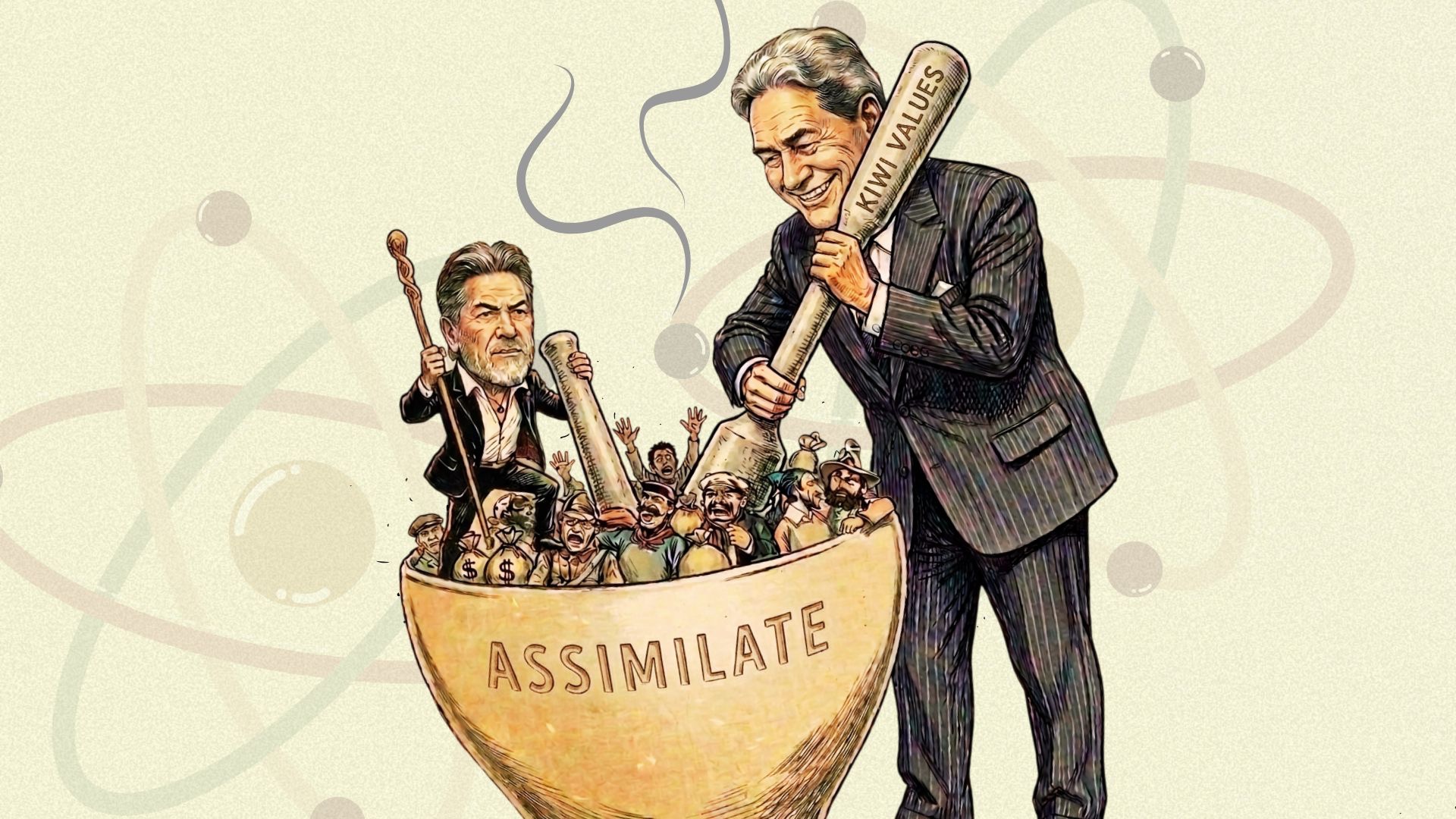
Winston Peters says ‘diversity is disunity’. What does the evidence tell us? Evidence from business, sport and social policy suggests diversity can strengthen economies and cohesion but on one condition.
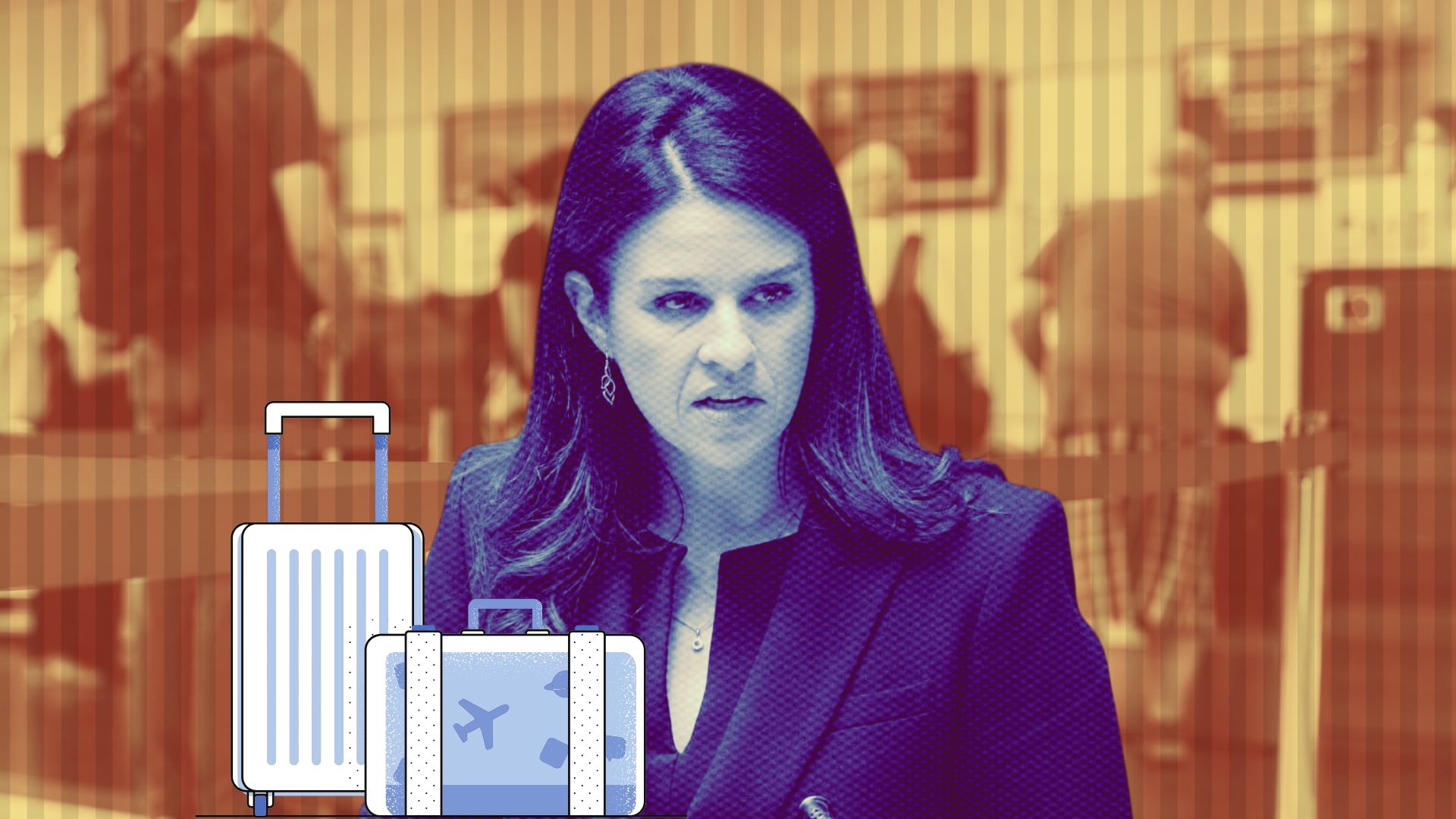
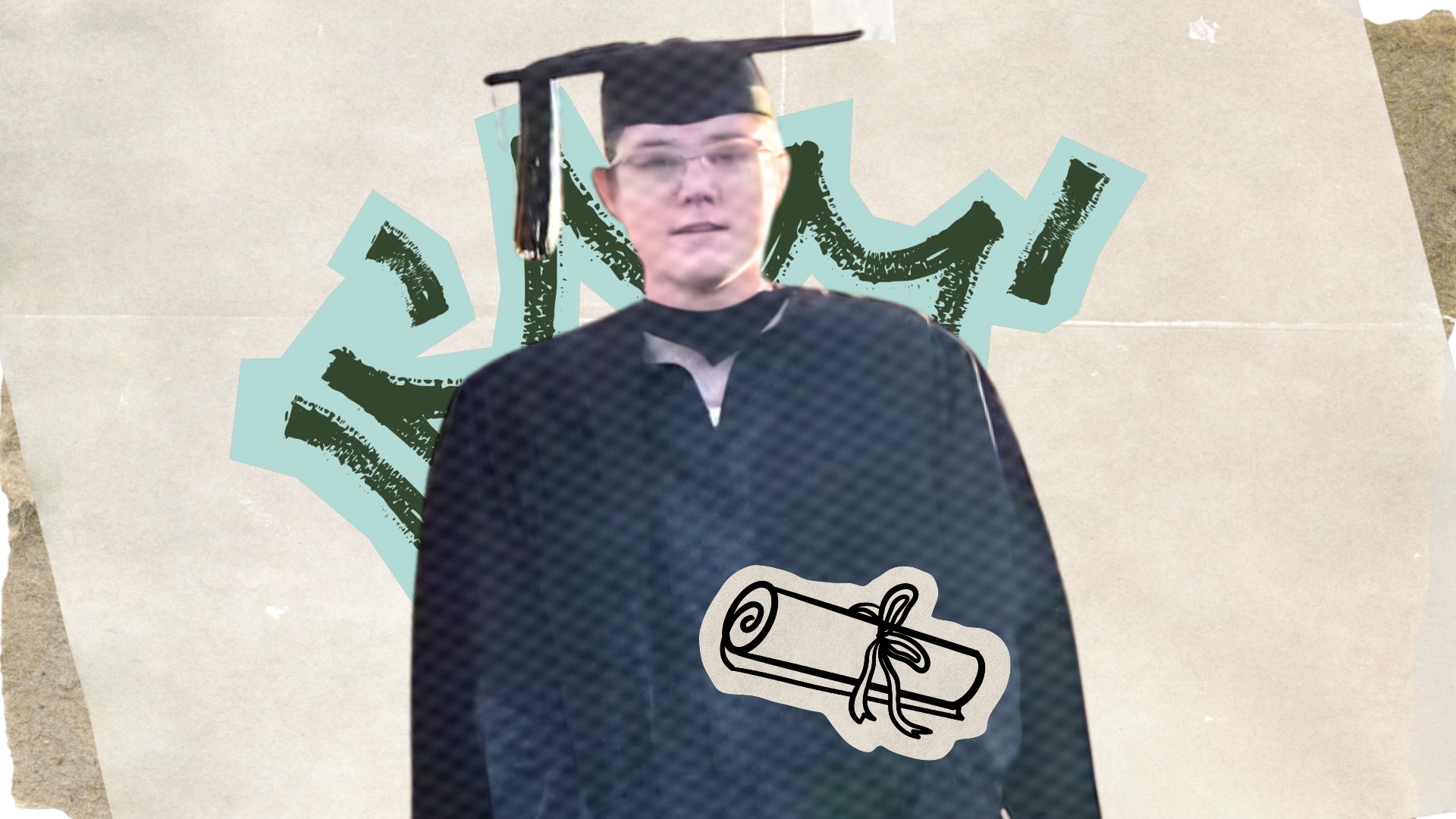
Baby born in Sri Lanka to New Zealand residents caught in limbo after Down syndrome diagnosis Immigration tribunal orders fresh residence assessment after finding a “serious mistake” by immigration officials.
Signs of stabilization first emerged at the 2025 G7 Summit in Kananaskis, where Carney’s invitation to Indian Prime Minister Narendra Modi indicated a thaw.
High commissioners were reinstated and ministerial channels reopened.
Carney’s latest visit to India suggests the reset has now moved beyond symbolism to practical implementation.
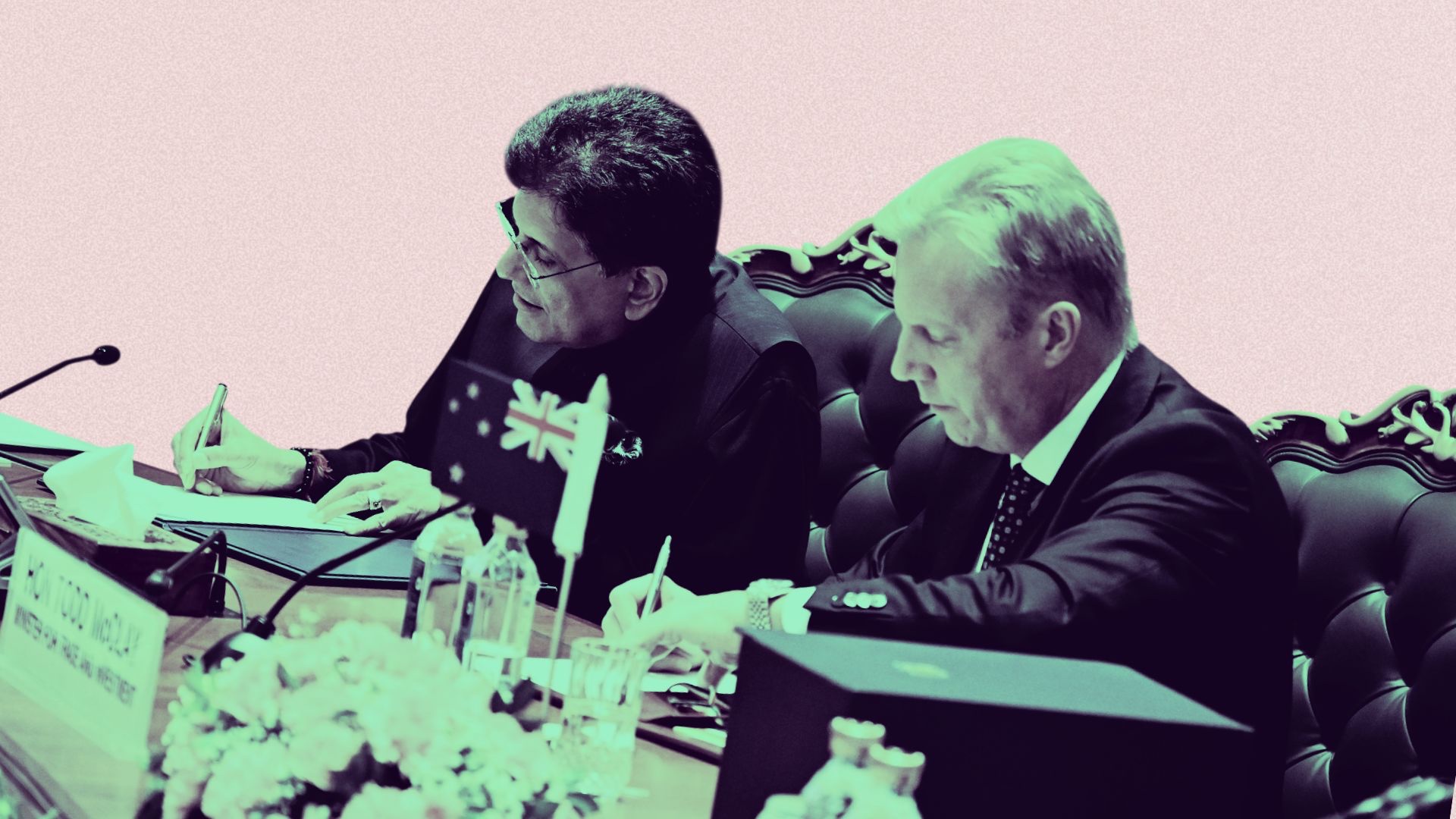
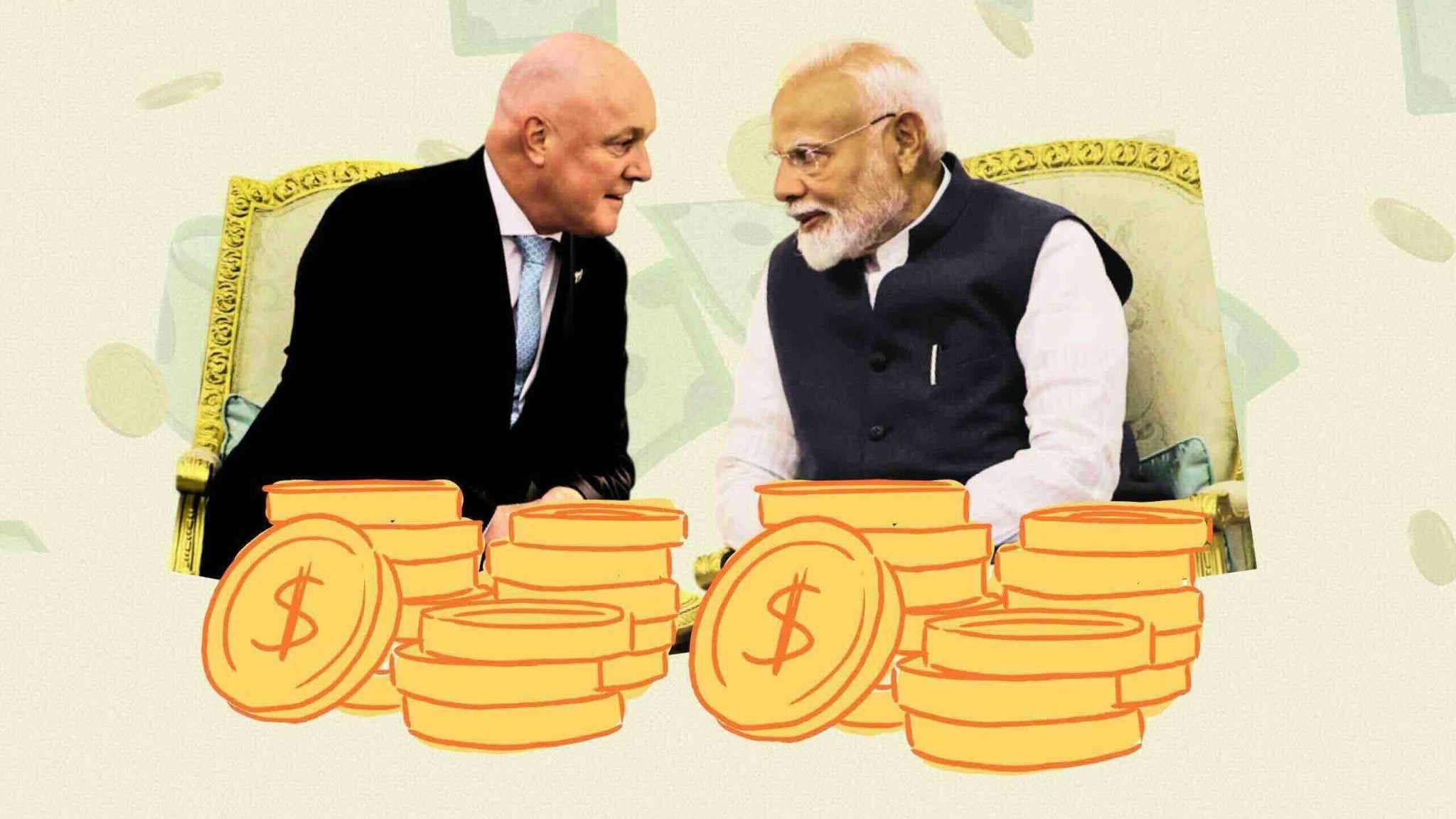
In Mumbai, Carney announced Canada’s intention to conclude a Comprehensive Economic Partnership Agreement (CEPA) with India by the end of 2026. The goal: double bilateral trade by 2030.
The logic is clear. Canada’s heavy trade dependence on the United States has become increasingly risky amid tariff threats and political uncertainty. Diversification is no longer aspirational it is strategic.
India, now one of the world’s fastest-growing major economies and a key player in global supply chains, offers long-term scale and opportunity.
Energy co-operation emerged as the central pillar of the visit. Canada and India have relaunched their Ministerial Energy Dialogue, advancing discussions on uranium supply, conventional energy trade and clean energy collaboration.
With expanded export capacity through the Trans Mountain pipeline and growing LNG infrastructure, Canada is better positioned to supply Indo-Pacific markets.
Long-term uranium agreements, in particular, are viewed as a foundation for durable commercial trust.
India’s rising energy demand and interest in expanding low-carbon baseload power make nuclear co-operation a potentially stabilizing anchor for the relationship.
Beyond fuels, critical minerals represent a strategic convergence.
Canada’s Critical Minerals Strategy aligns closely with India’s National Critical Minerals Mission, particularly in lithium, nickel, cobalt and rare earth elements materials essential for electric vehicles, semiconductors and clean energy technologies.
For Canada, the focus extends beyond raw exports to building integrated supply chains through processing partnerships and technology collaboration.
For India, reducing reliance on China-dominated processing networks remains a priority.
Progress in this sector could embed deeper structural alignment between the two economies.
Foreign Affairs Minister Anita Anand announced a new Canada-India Talent and Innovation Strategy during the visit, including 13 university partnerships in artificial intelligence, hydrogen research, digital agriculture and health sciences.
Education and research collaboration have long anchored bilateral ties. Expanding talent mobility and innovation partnerships aims to strengthen institutional linkages that outlast political cycles.
Despite economic momentum, security concerns remain unresolved.
Questions around foreign interference and transnational repression resurfaced during the visit.
While both governments appear willing to compartmentalize disputes, underlying tensions continue to shape public discourse.
Ottawa’s tone has grown more measured, but trust between the two countries is still in the process of rebuilding.
Carney’s engagement with India forms part of a wider Indo-Pacific recalibration, alongside outreach to Australia and Japan.
The strategy reflects a broader vision that middle powers must collaborate more closely amid fractures in the global order.
Stabilizing ties with India is not merely a bilateral objective. It strengthens Canada’s credibility in the Indo-Pacific and reinforces co-ordination among democratic middle powers navigating geopolitical uncertainty.
The significance of Carney’s visit lies less in rhetoric and more in trajectory.
By setting a clear trade target, advancing energy and uranium co-operation, aligning on critical minerals and expanding academic partnerships, Ottawa is seeking to anchor the relationship in long-term economic interdependence.
The reset is not complete. Security tensions continue to cast a shadow. But both governments appear willing to prioritize shared strategic and economic interests while managing areas of disagreement, a pragmatic shift in a complex relationship.
(The writer is of this article is a political affairs contributor at The Conversation. This story was first published in The Conversation.)