
The India-US India deal, and what it quietly changes
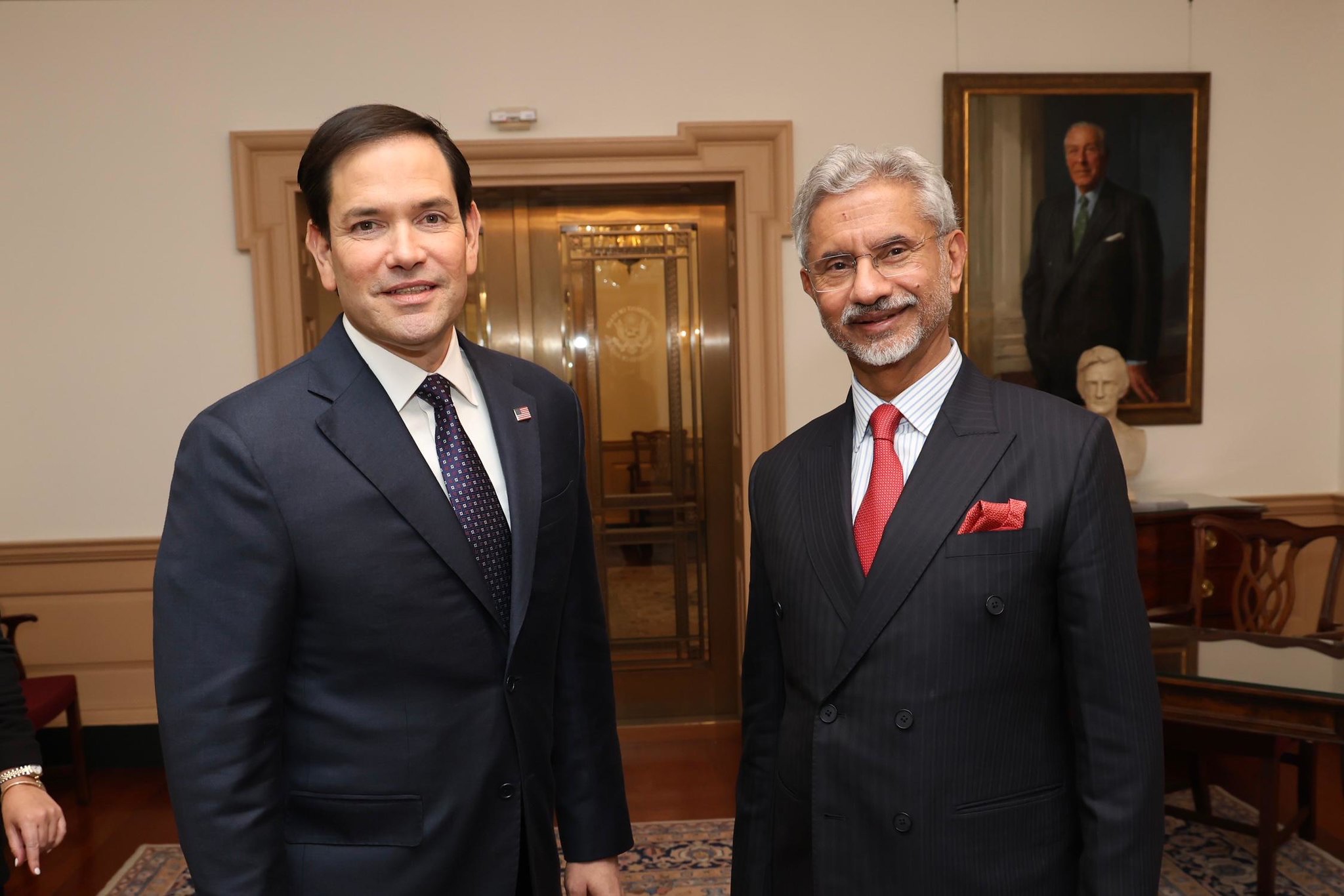
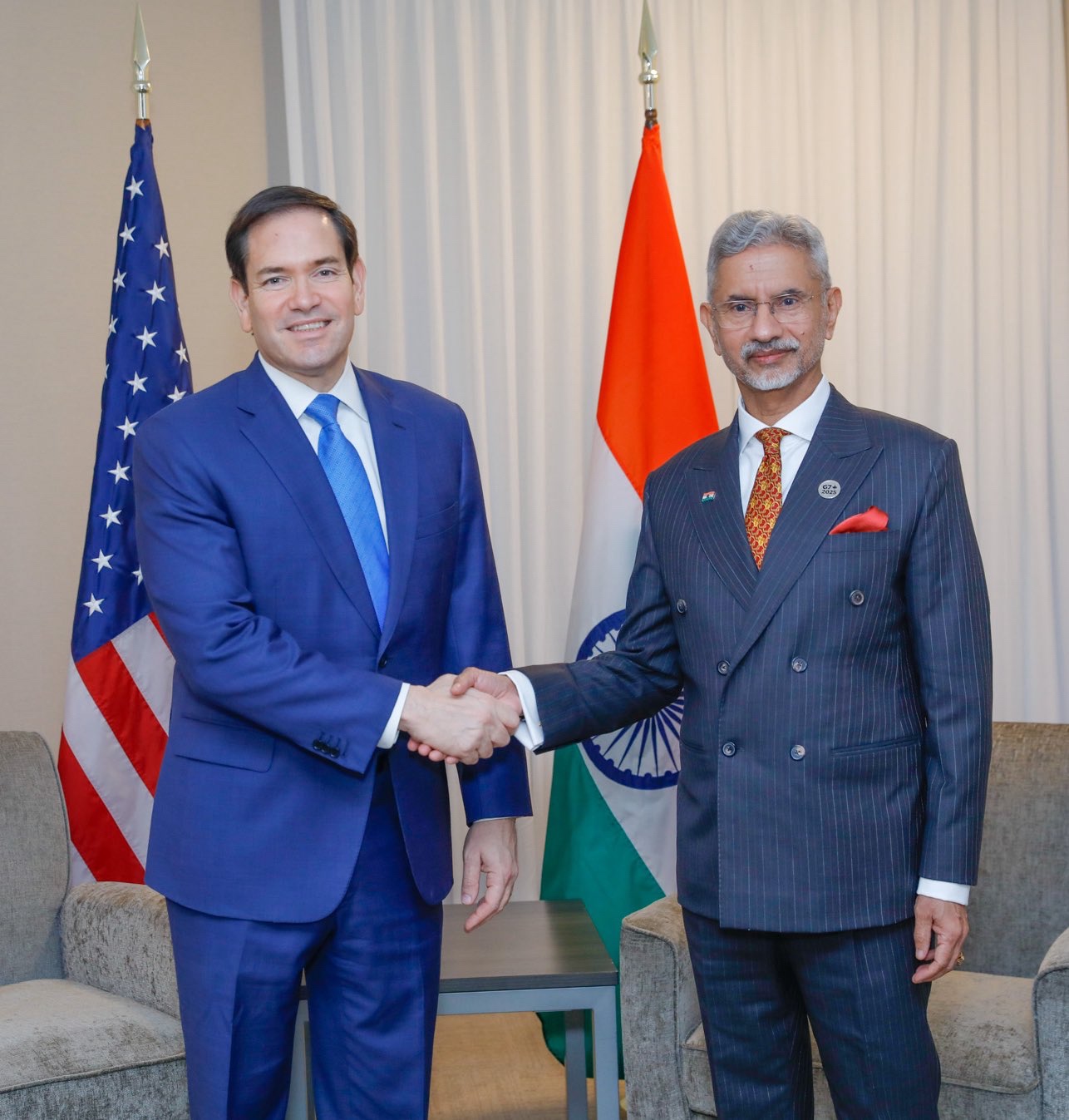
India's external affairs minister S Jaishankar with US counterpart Marco Rubio in Washington DC in January 2025. (Flickr/MEAphotogallery)
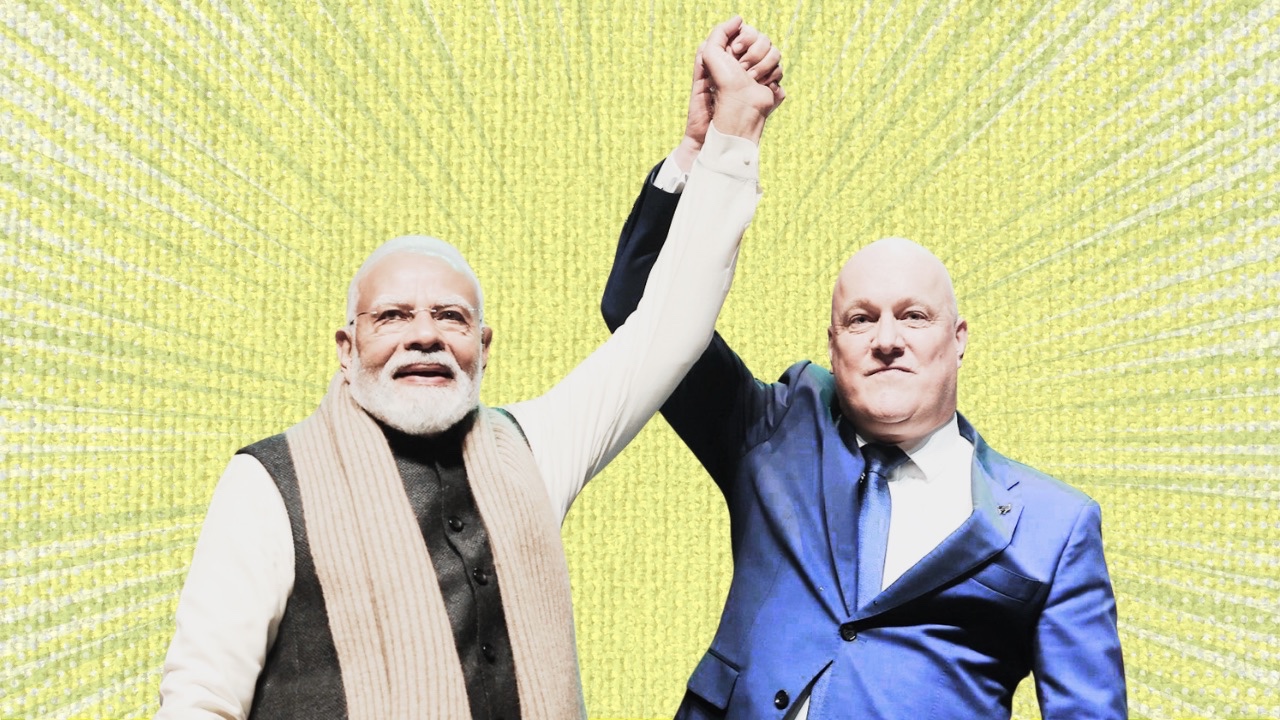
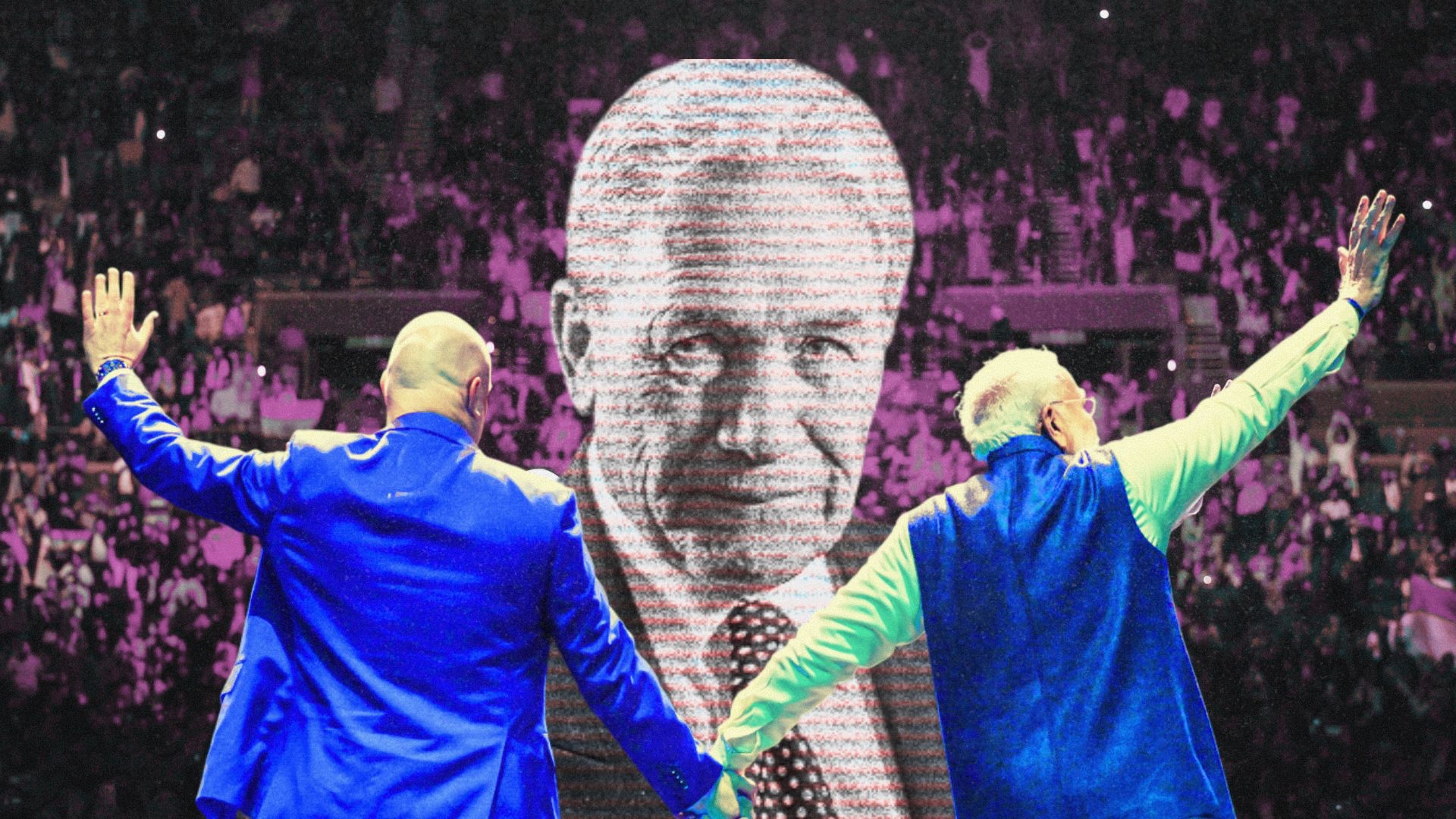
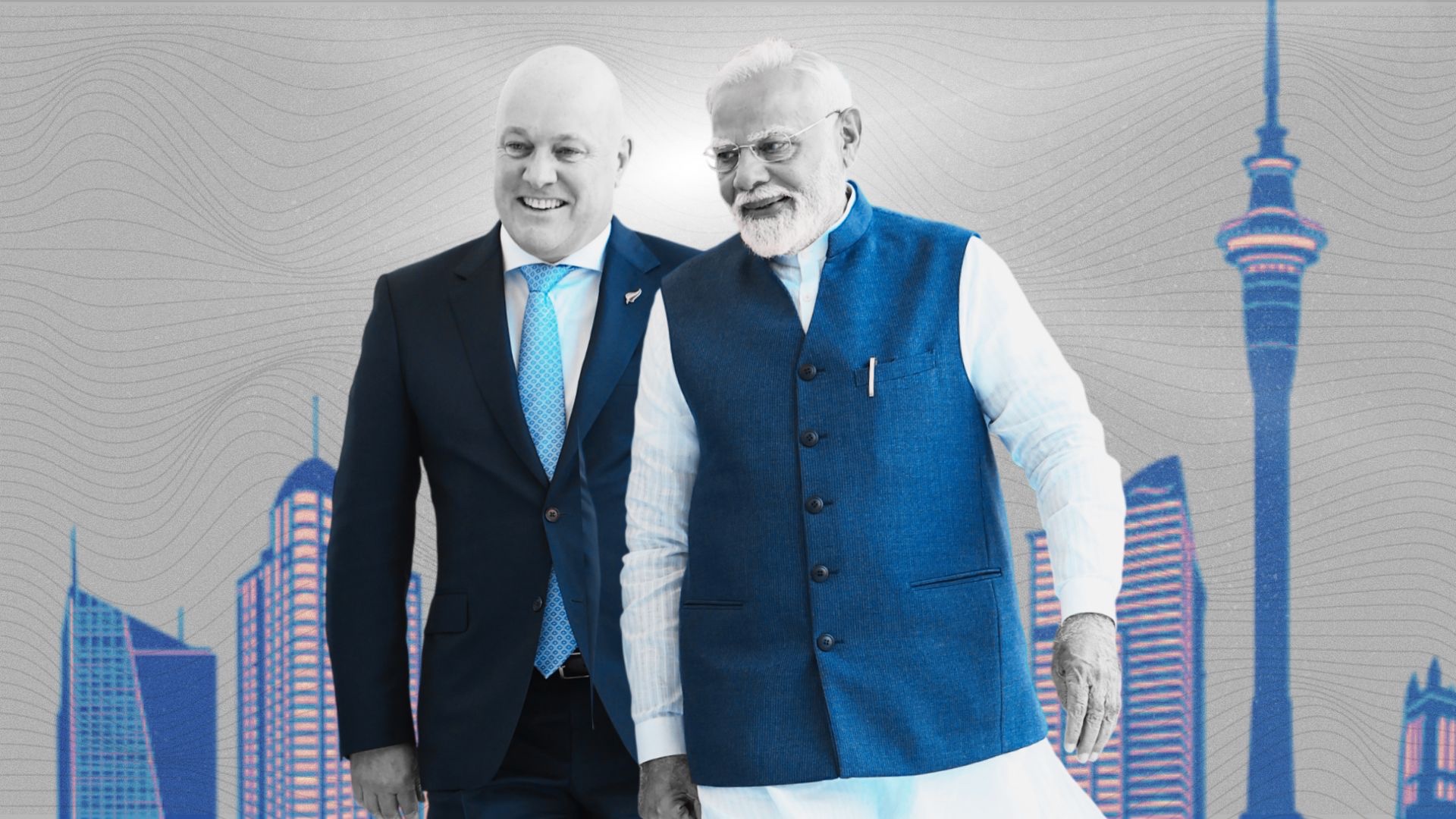
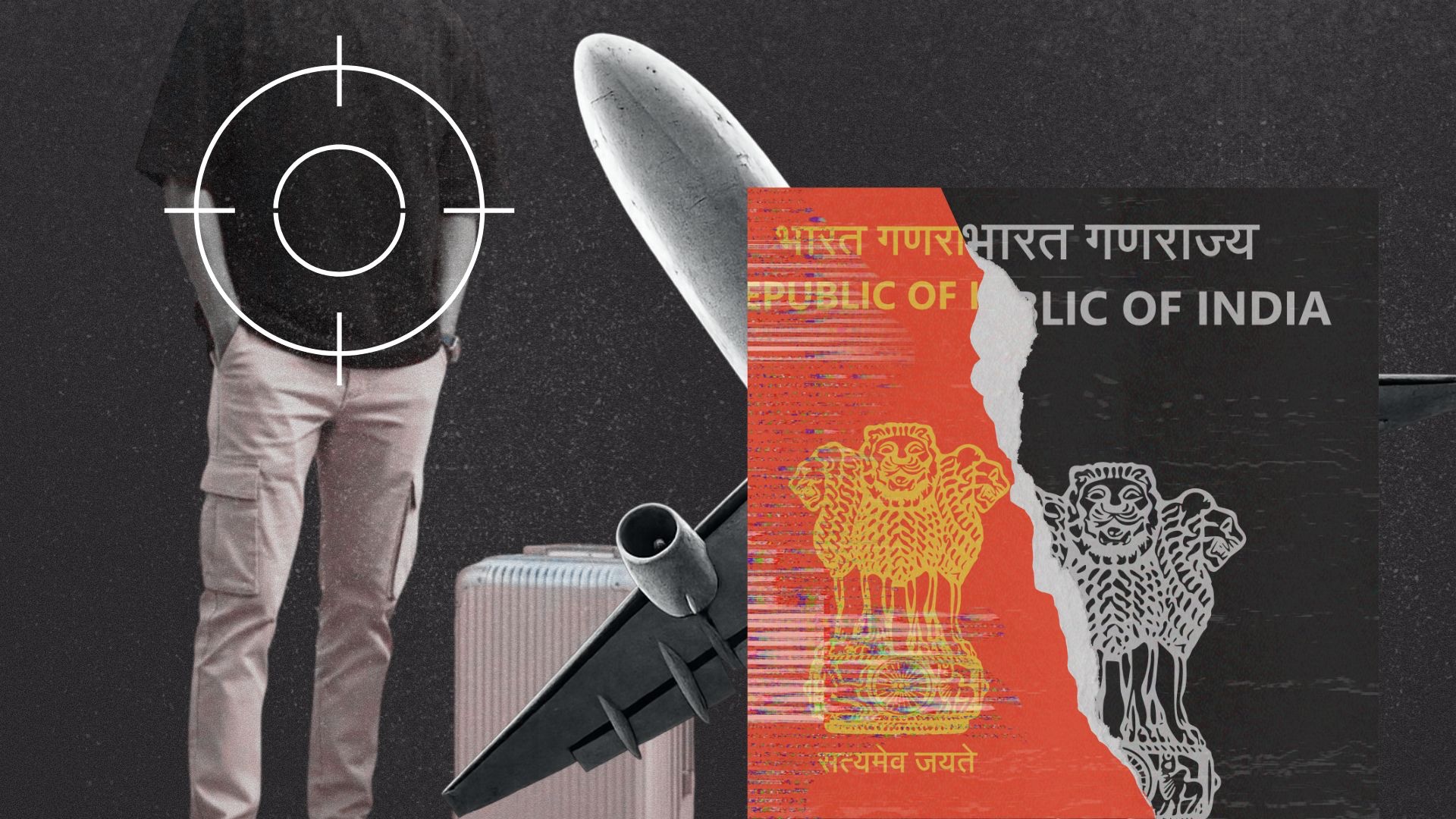
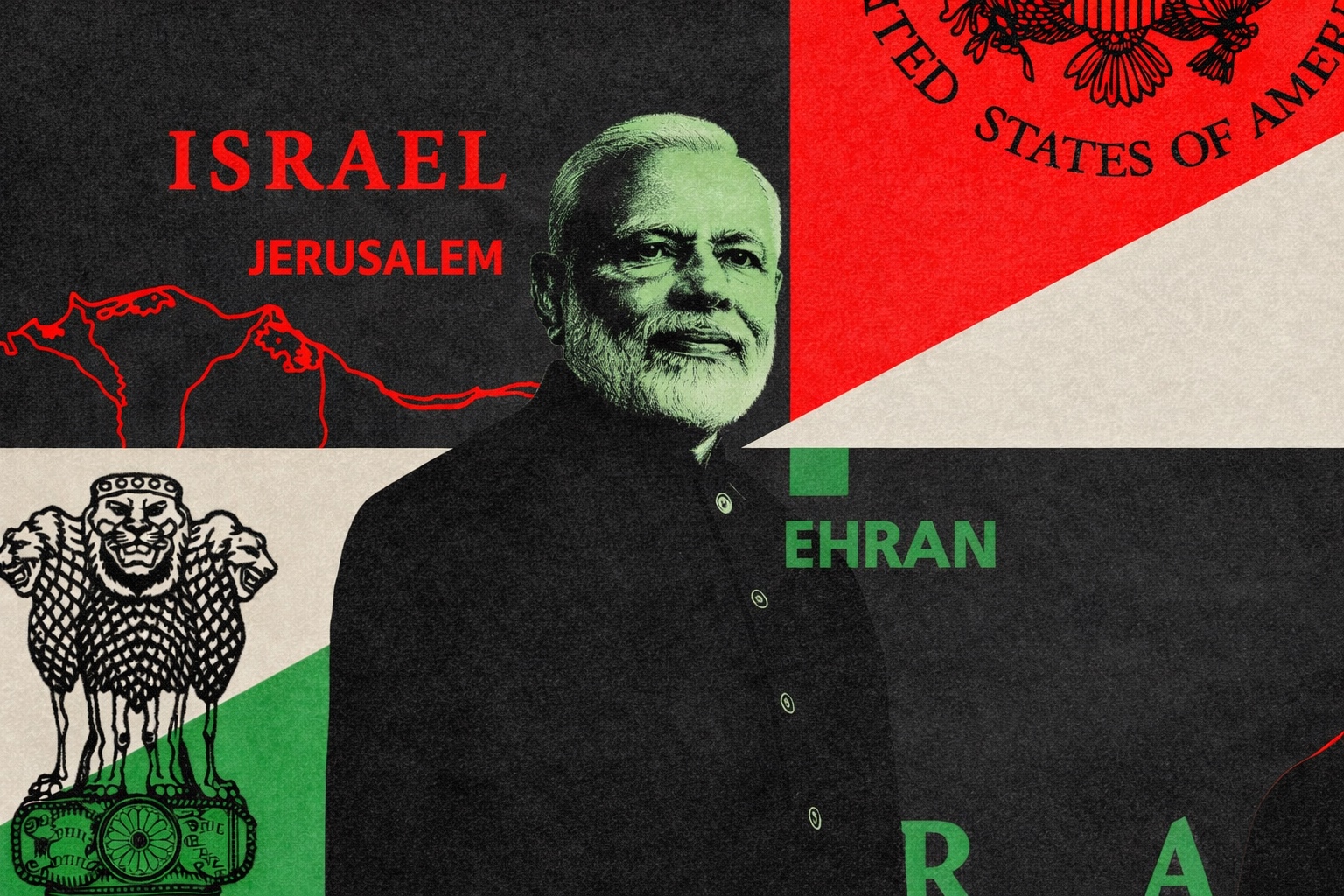
The United States has eased tariffs on Indian exports. Yet the deal’s timing and terms hint at something more cautious and calculated than a simple trade reset.
Opinion: Uncertainty feels hard to escape right now. But what we are seeing is not confusion or drift. It looks more like countries adjusting (cautiously) to a world where trade has stopped being predictable.
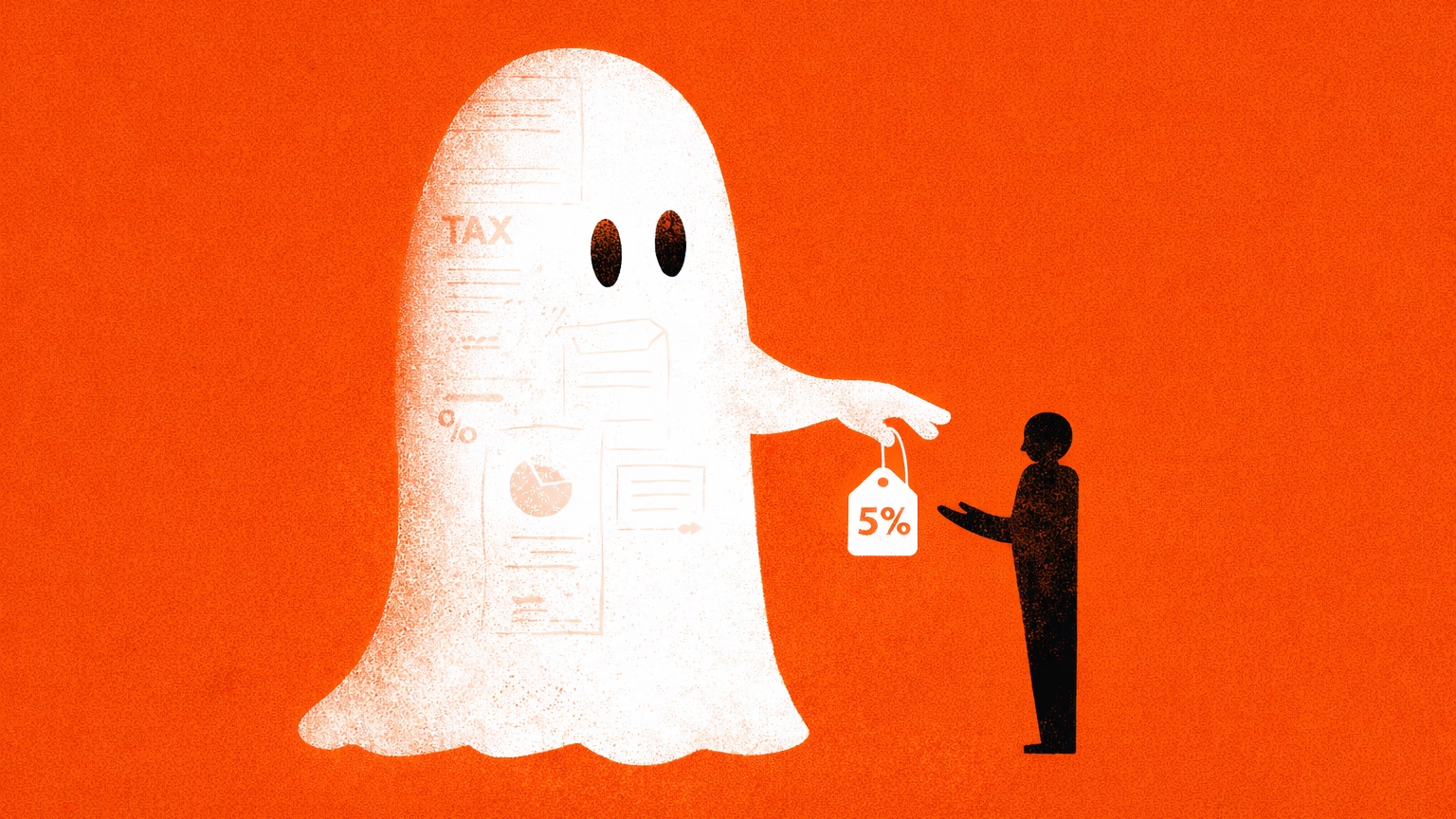
Tariffs are a good example. Once treated as a technical trade tool, they are now being used far more deliberately.
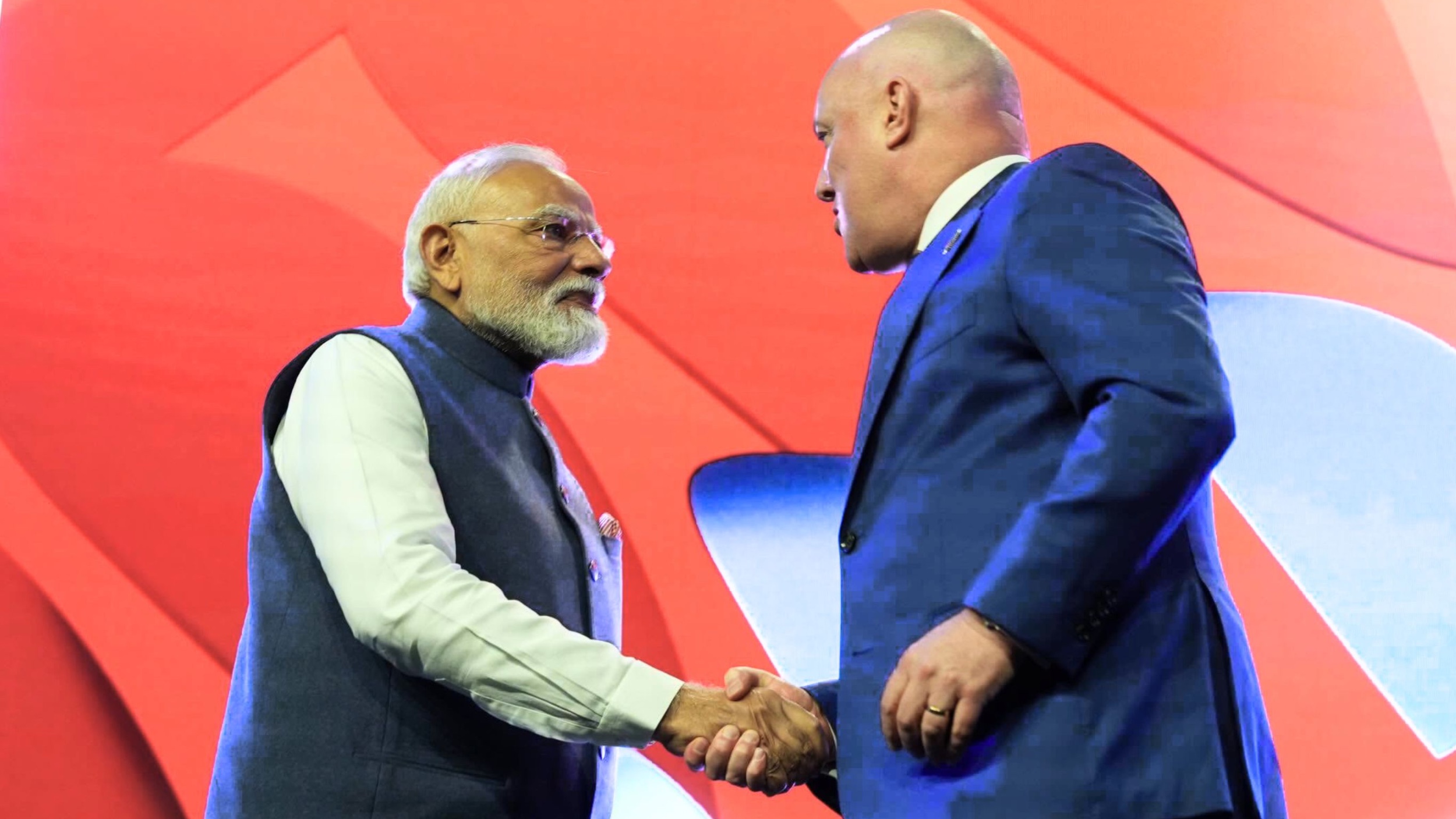
That is why the newly announced US–India trade deal deserves attention. Not because tariff rates have shifted (they always do) but because of what those shifts are tied to.
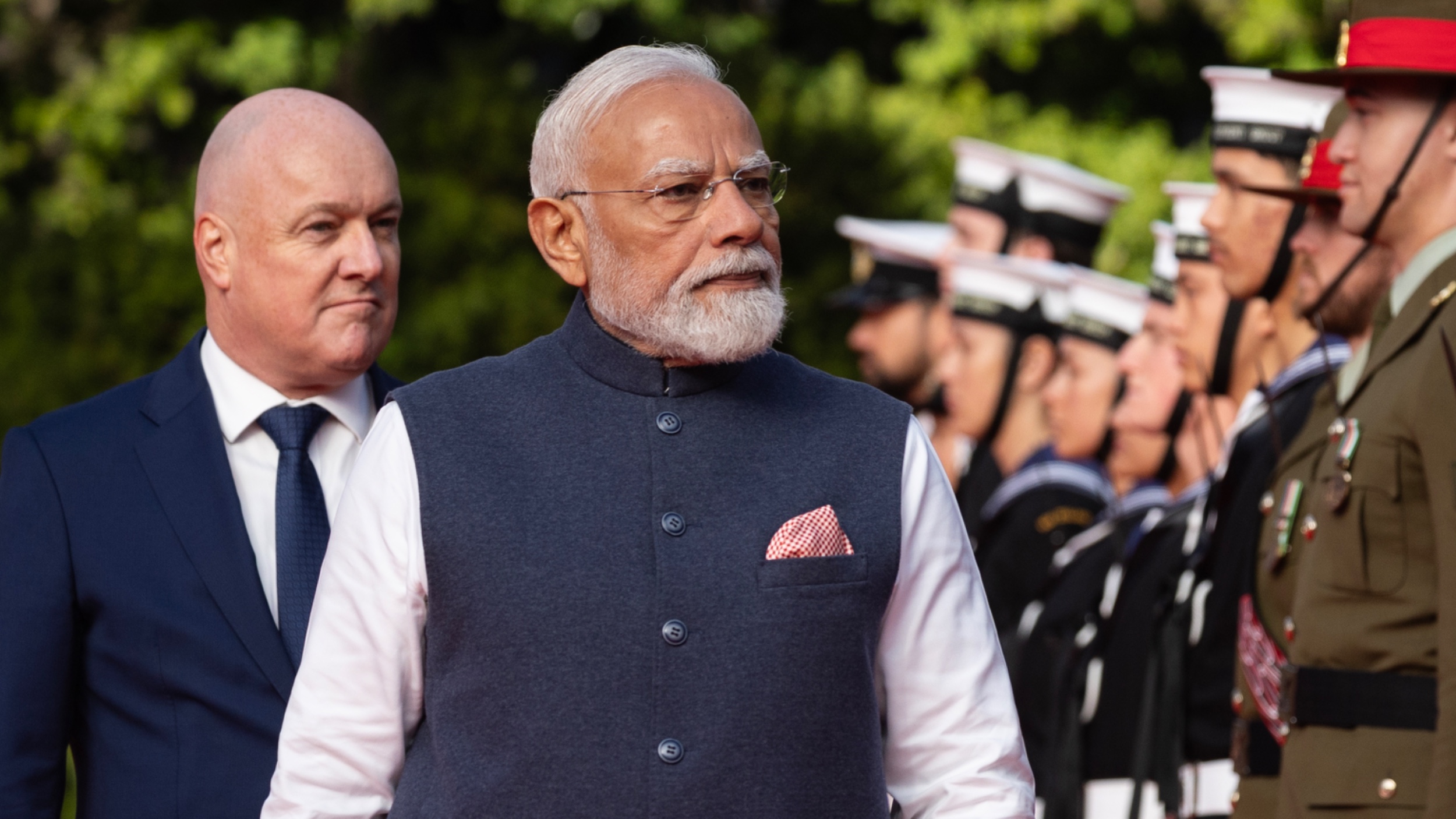
According to Reuters, the United States will lower a country-specific tariff on Indian goods from 25 percent to 18 percent, and lift a separate 25 percent punitive tariff that had been imposed over India’s continued purchase of Russian oil. In return, India has said it will stop buying Russian oil, though officials have been careful to note that this would not happen overnight, with refiners needing time to wind down existing contracts.
It would be tempting to read this as the US easing its protectionist stance. That reading doesn’t quite hold.
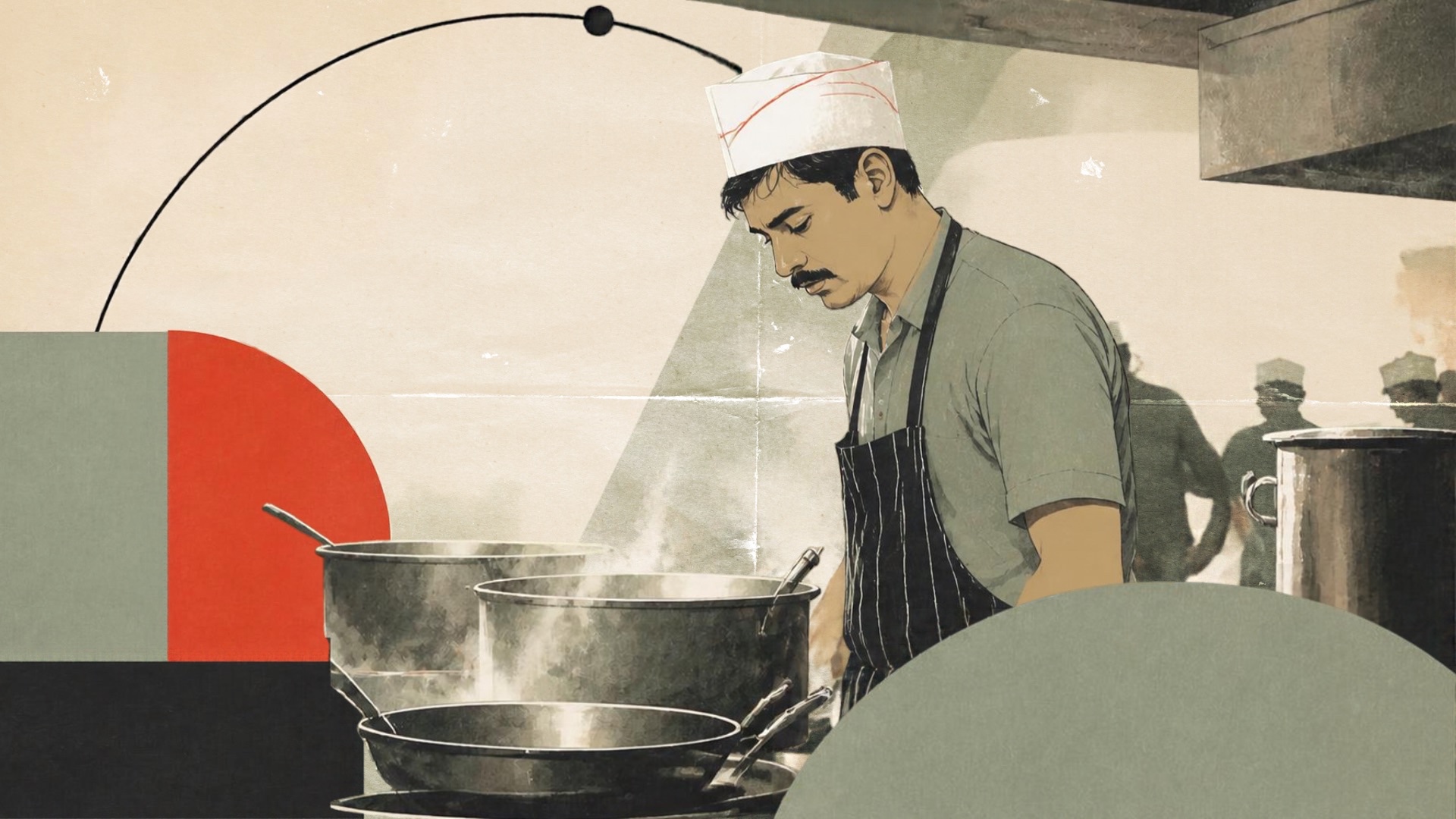
From designing restaurants to running Auckland Diwali: The many lives of Arnav Taode Taode brings his passion for Indian arts and culture to his first year managing BNZ Auckland Diwali 2026.
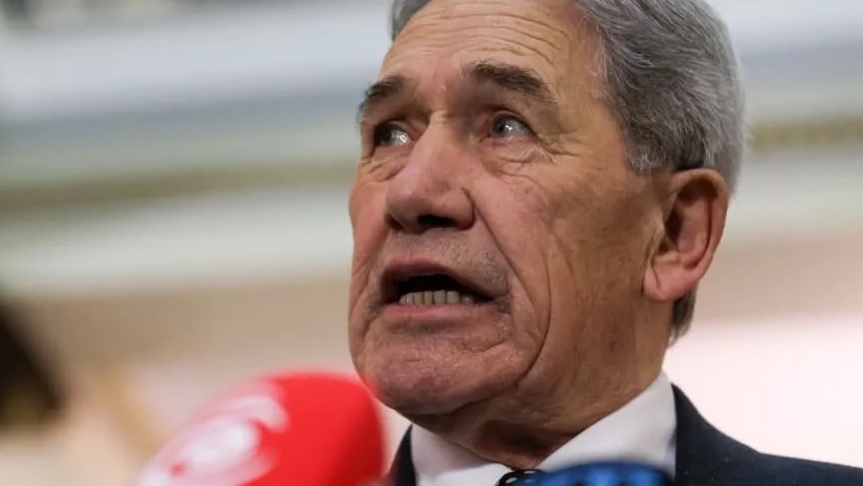
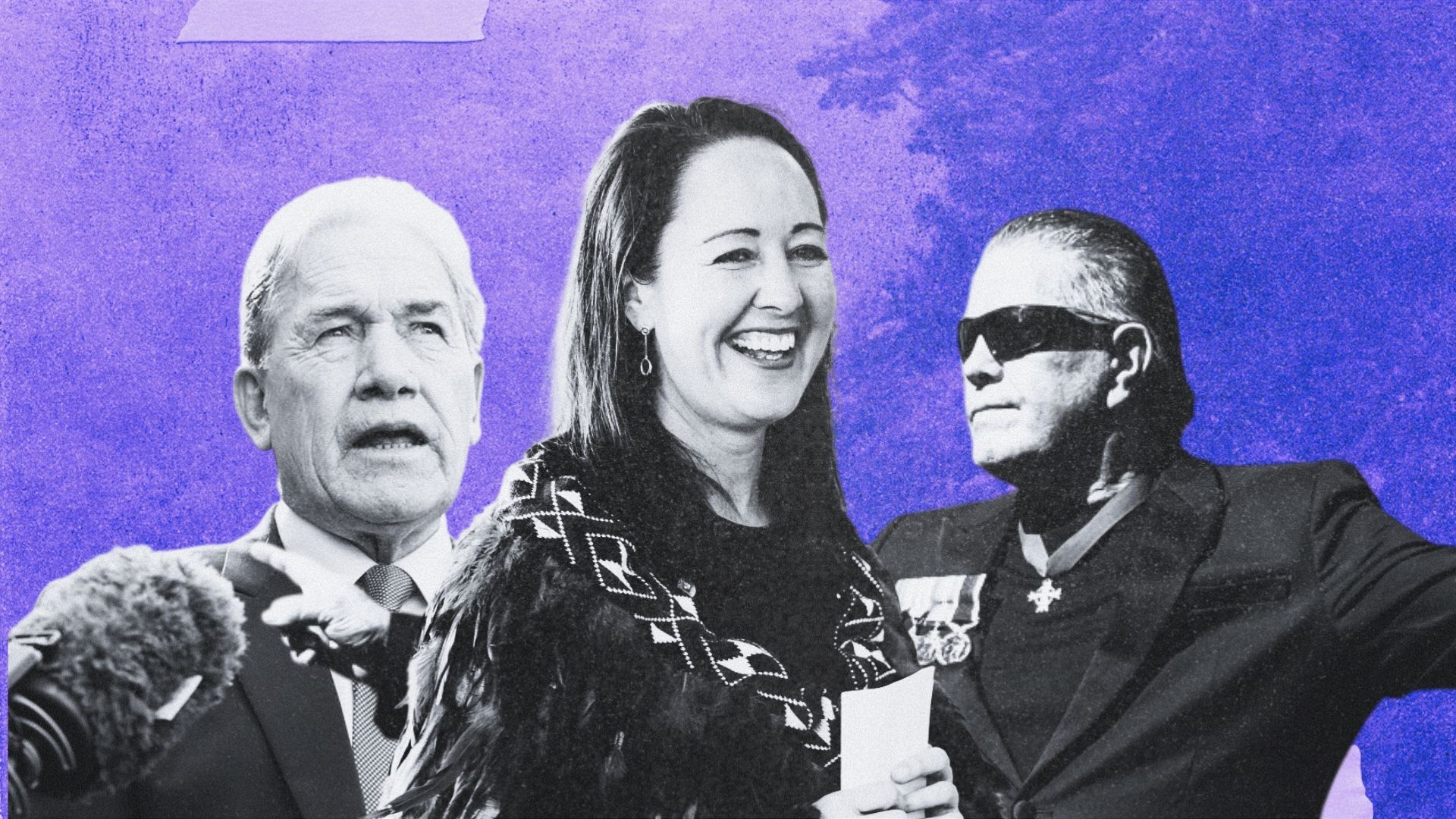
Winston Peters says ‘diversity is disunity’. What does the evidence tell us? Evidence from business, sport and social policy suggests diversity can strengthen economies and cohesion but on one condition.
Baby born in Sri Lanka to New Zealand residents caught in limbo after Down syndrome diagnosis Immigration tribunal orders fresh residence assessment after finding a “serious mistake” by immigration officials.
This looks less like a change of direction and more like a change of approach.
Trade between India and the US is now simply too large to ignore. In 2024, it crossed US$210 billion, with Indian exports forming a significant share of what the US imports. At this point, keeping tariffs high indefinitely would start to hurt American businesses as much as Indian ones.
So the question was never really whether tariffs would come down. It was what Washington would ask for when they did.
In this case, the answer sits with energy.
Why Washington moved when it did
The timing of the US announcement is hard to miss.
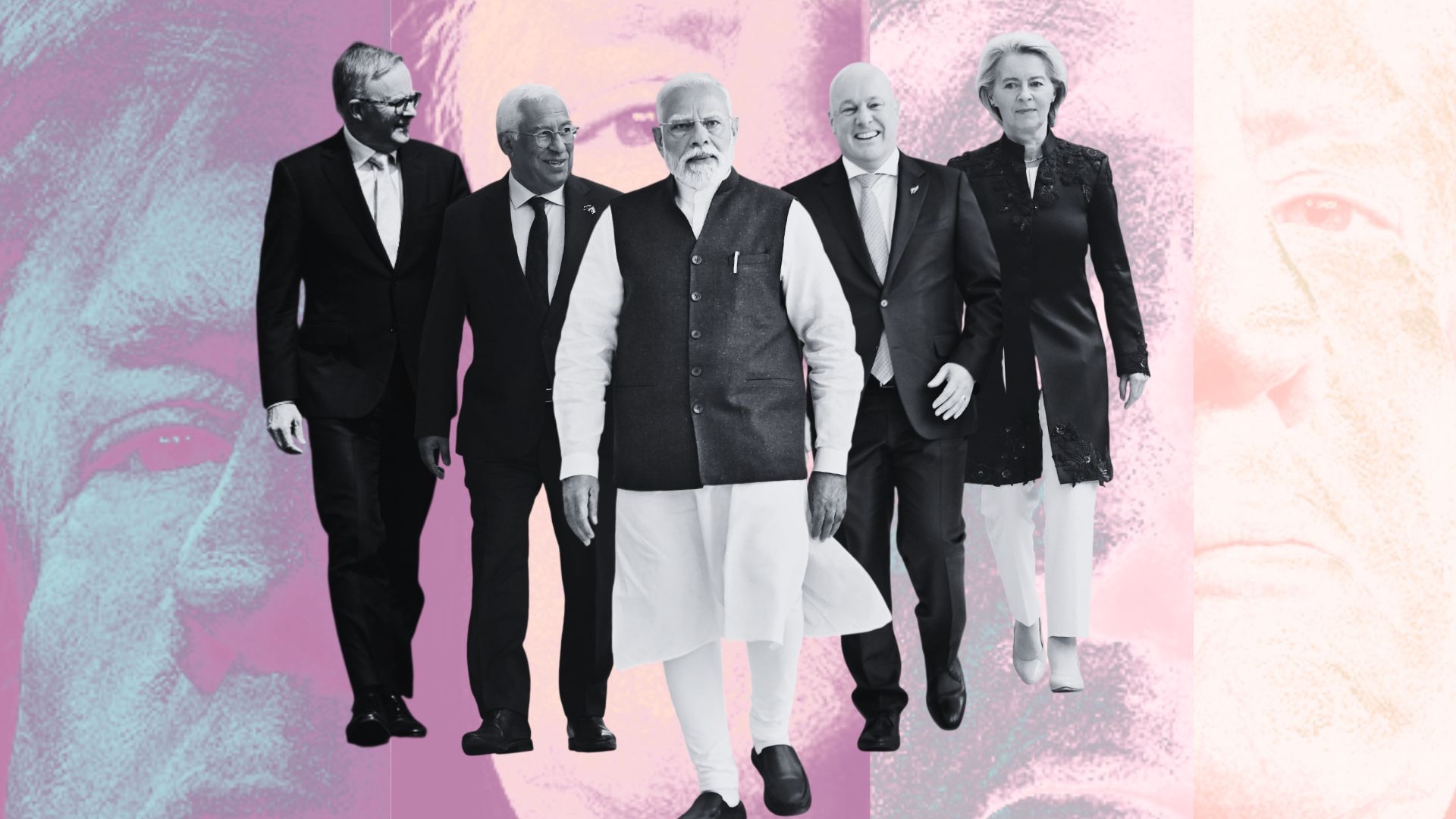
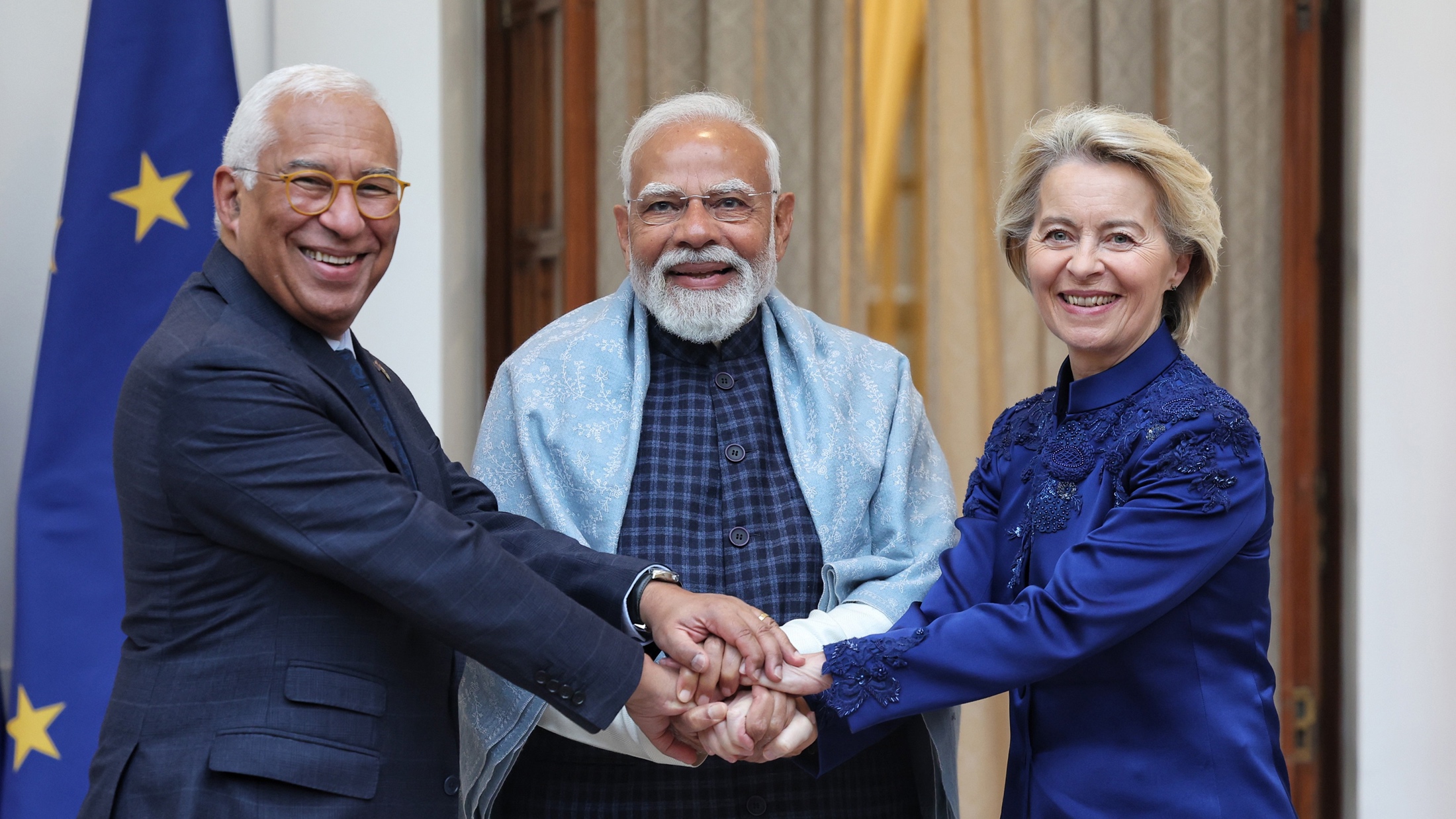
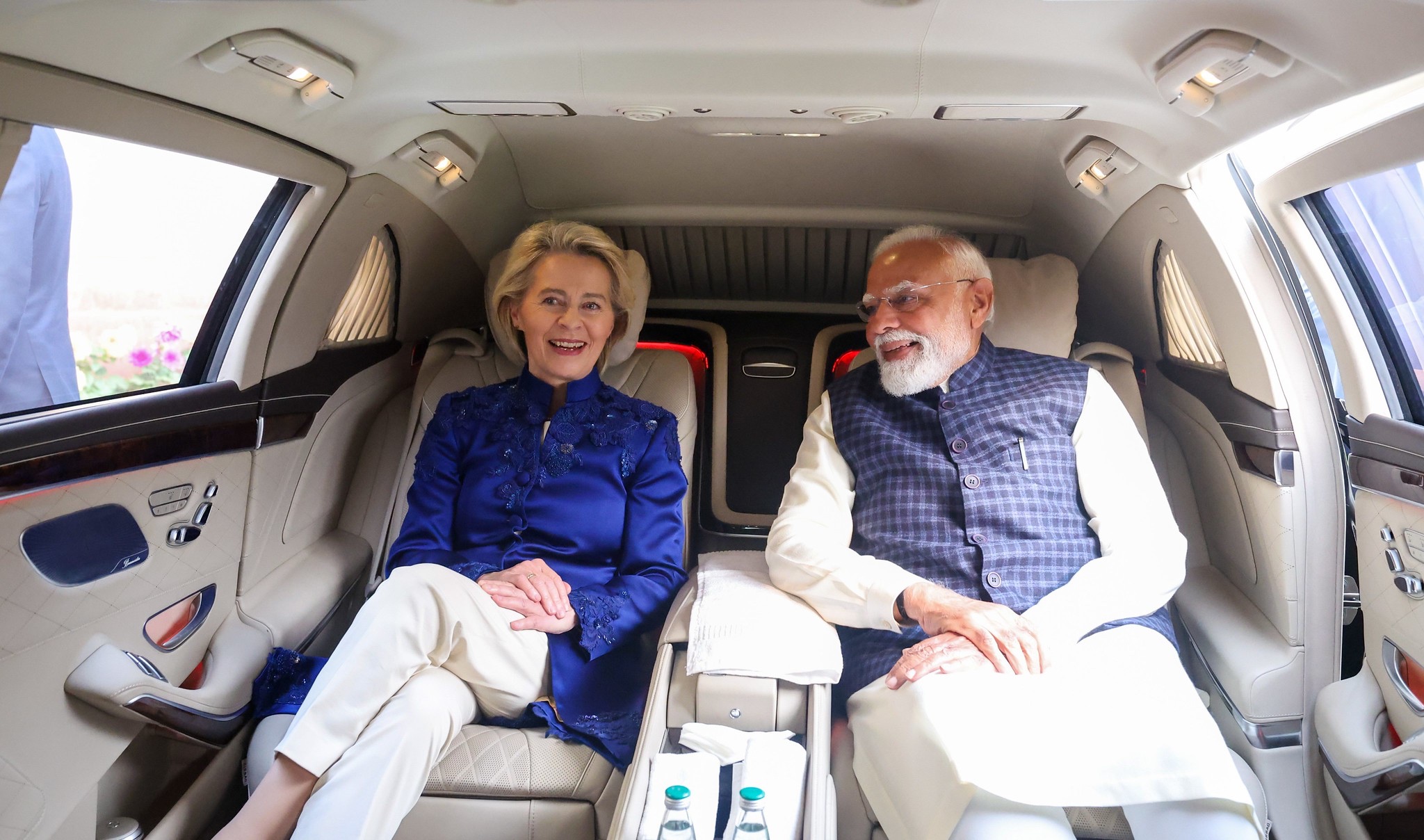
It follows closely after India concluded its free trade agreement with the European Union - a deal that stood out not for speed or spectacle, but for how carefully it was put together. Large parts of the market were opened, but with safeguards left firmly in place.
The agreement reflected a broader instinct: trade as risk management rather than ambition for its own sake.
From Washington’s point of view, this matters. A deeper EU–India trade relationship gives India more options, and with that, more confidence. It reduces reliance on any single market and makes pressure harder to sustain.
Seen this way, the US tariff cut looks less like generosity and more like a response to competition. A way of staying relevant as India’s list of serious trade partners grows.
The Russia clause — and the weight of history
This is where the deal becomes complicated.
For decades, India’s relationship with Russia carried a different kind of meaning. It was not just strategic. It was shaped by memory.
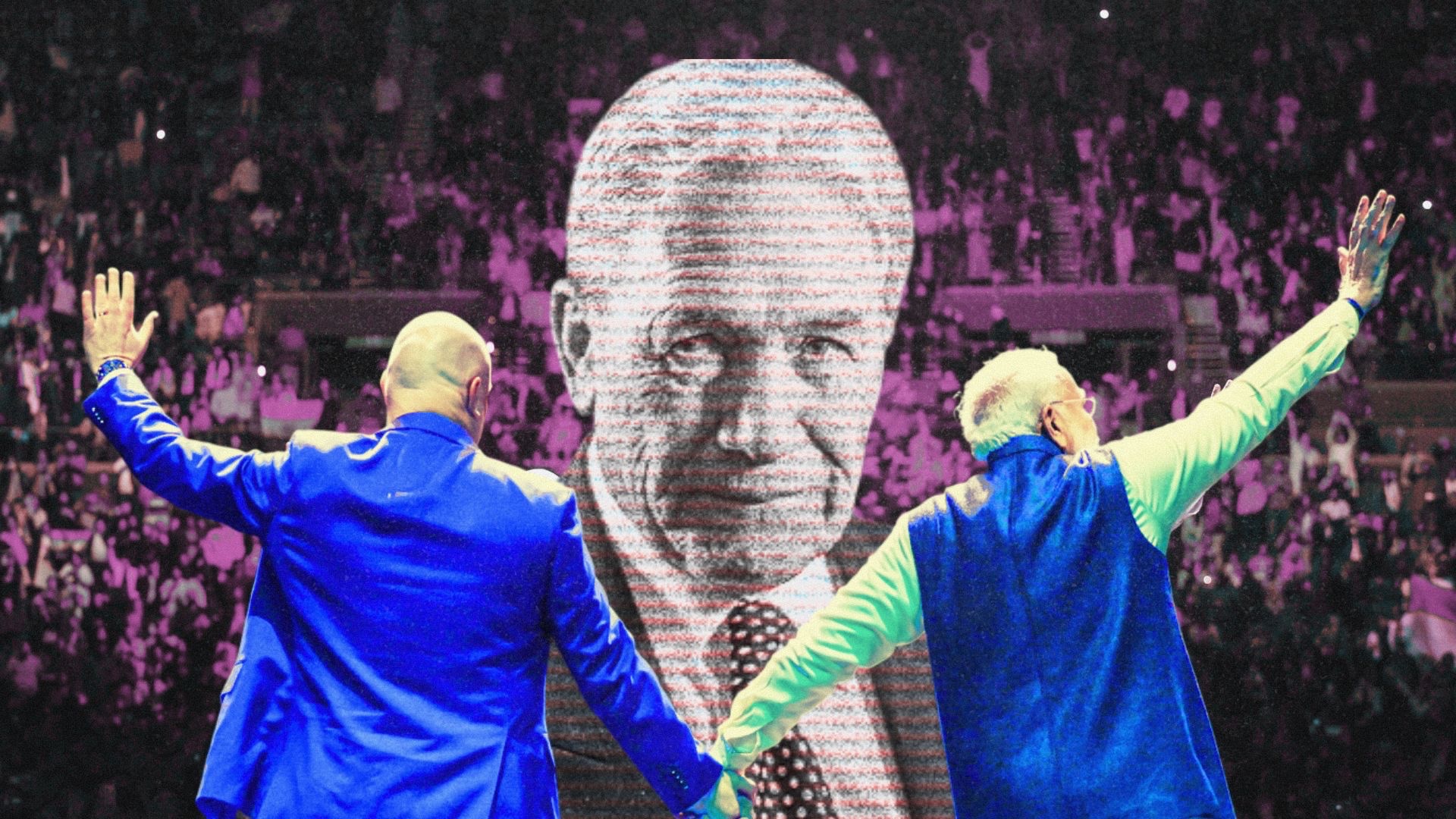
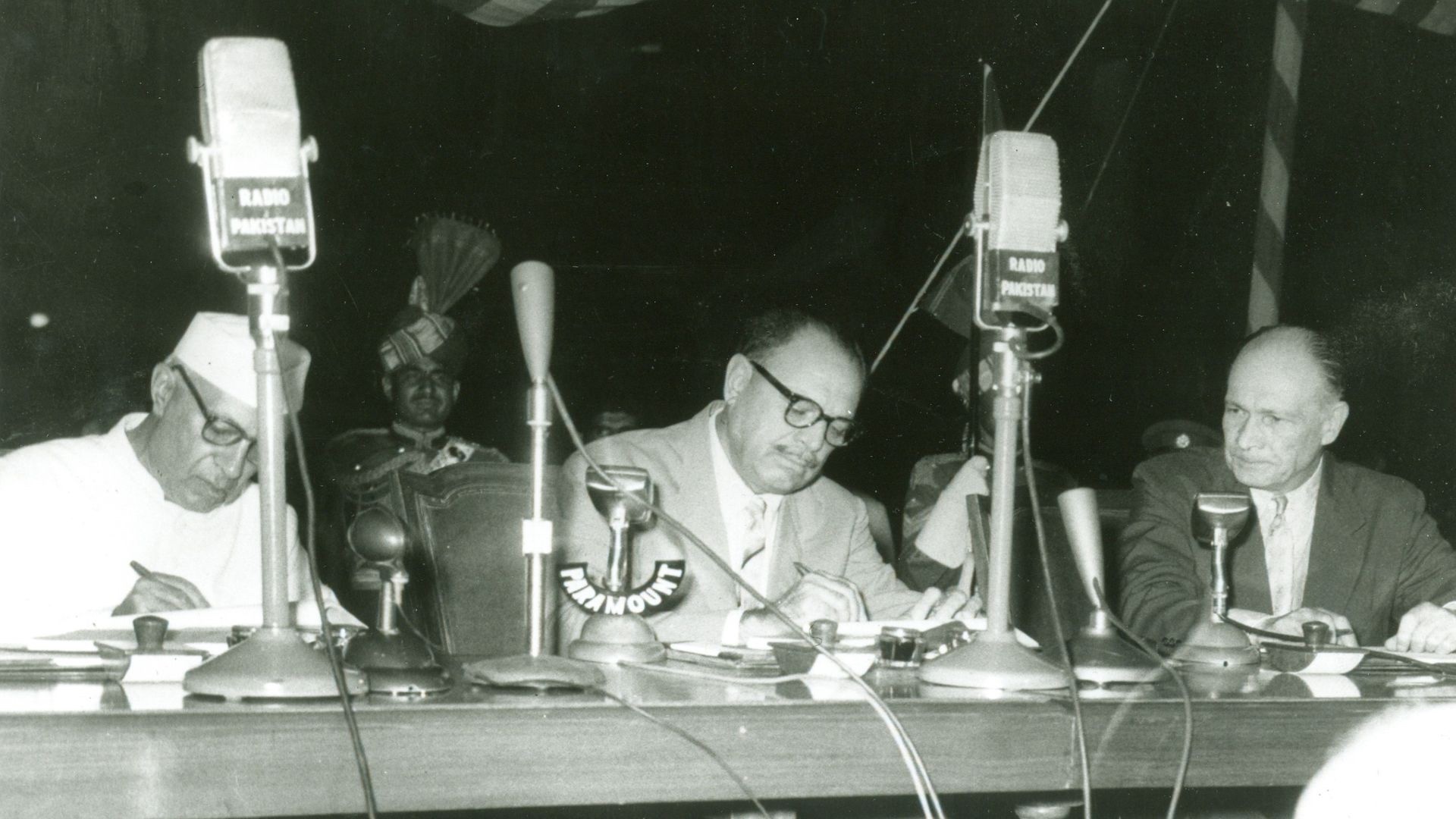
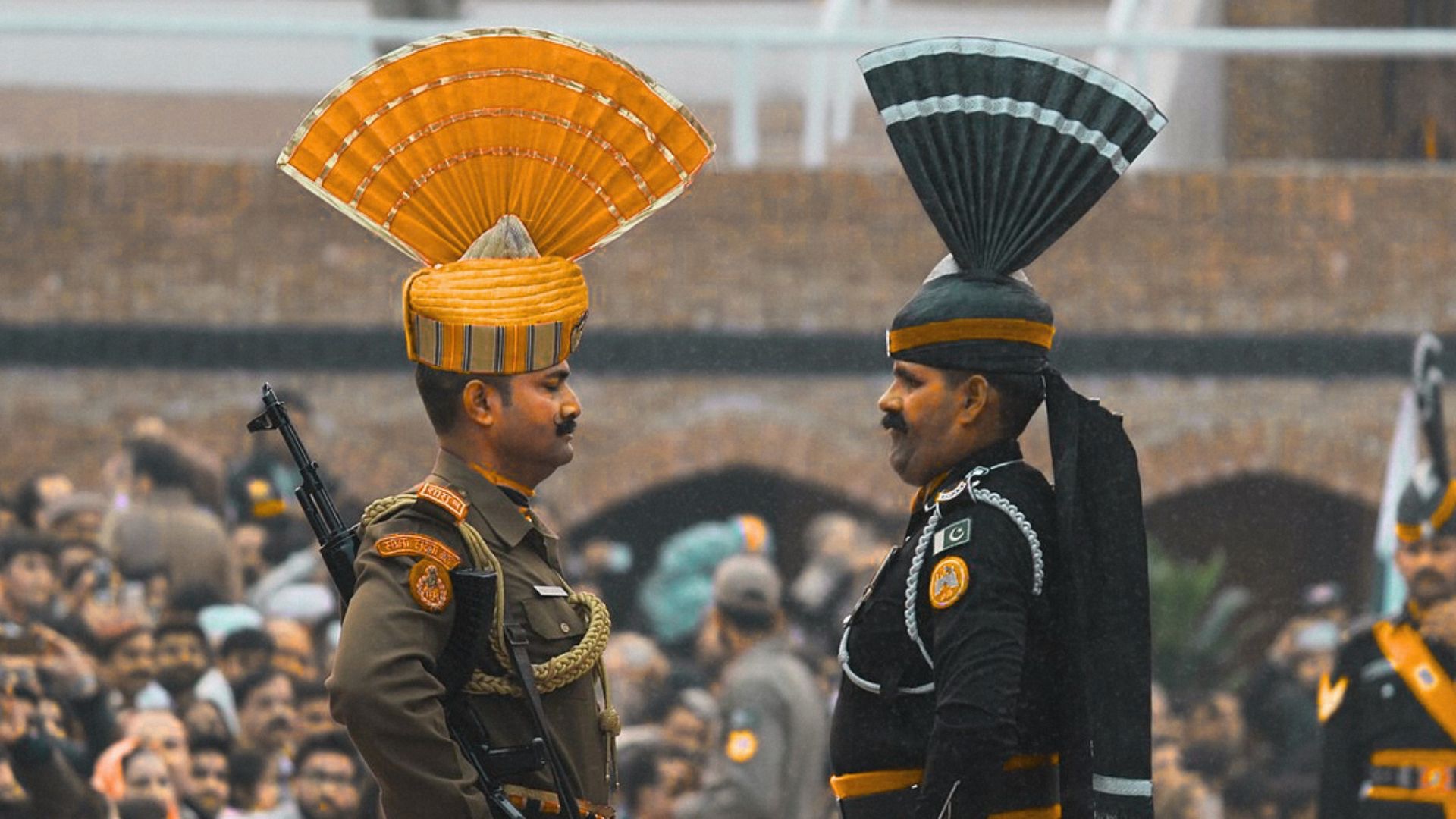
The phrase Hindi–Rusi bhai bhai (Indians and Russians are brothers) captured that sentiment. During the Cold War, the Soviet Union stood by India at moments that mattered — diplomatically, militarily, and politically. It supplied arms when others hesitated and offered support without the kind of conditions that often came with Western partnerships.
That sense of reliability stayed long after the Soviet Union collapsed. Russia remained India’s default defence partner. Military systems, supply chains, and habits of cooperation grew around that relationship.
That history matters, because what is happening now feels less like a break and more like a gradual easing away.
Once could also argue that Russia today is not the Russia of Indian strategic memory. Sanctions have narrowed its choices. Its dependence on China has deepened. Its ability to act independently, and to offer India strategic balance, has weakened.
India–Russia trade remains substantial, and Russian oil has helped cushion India from global energy shocks. But even here, the shift has begun. Russia’s share of India’s crude imports has been falling, while supplies from elsewhere have increased.
The US deal does not end the India–Russia relationship. It changes how it is held. What was once framed in the language of brotherhood is now managed more narrowly — through contracts, legacy systems, and short-term calculations.
What this means for India — and the region
For India, the calculation is pragmatic. Better access to the US market, some relief from tariffs, and greater room to manoeuvre (for now) now outweigh the costs of narrowing an energy relationship that has become politically sensitive. Ideology explains very little here. What matters more is flexibility.
For the United States, the deal helps keep India economically close while adding pressure, however limited, on Russia’s oil revenues.
For Russia, the effects are slower and structural. Losing India as a major buyer does not collapse its economy, but it reduces options and deepens reliance on fewer partners.
In South Asia, the impact is subtle.
In the short term, shifting alignments can give smaller countries more space. When larger powers are competing for trade, investment, and influence, smaller states can negotiate harder and avoid being locked into a single path.
Over time, that space becomes harder to sustain. As India’s economic ties tilt westward and China and Russia draw closer together, the region begins to organise itself around clearer poles. Trade, infrastructure, and security choices start to carry more weight than they once did.
What feels like flexibility now may look like pressure later.
Where this leaves us
What stands out in all of this is not certainty, but momentum. In a short span of time, India has adjusted trade terms with one major partner, narrowed another long-standing relationship, and signalled that it is willing to keep negotiating rather than settling.
That leaves open a larger question. If trade is increasingly being used as leverage, what will future deals ask for in return? And how long can countries like India continue to balance competing expectations before the space to do so narrows?
For now, this does not look like an endpoint. It looks like a transition - one that is still unfolding, and one that will shape the next set of choices more than this deal alone.
(This article was published in Asia Media Centre. The writer is a Wellington-based communications professional and former journalist. She is currently working as a Media Advisor for the Asia Media Centre at the Asia New Zealand Foundation in Wellington. She is also in her final trimester of Masters in Global Business at Victoria University of Wellington.)