
Opinion: The India-New Zealand wedding is done. Now comes the marriage
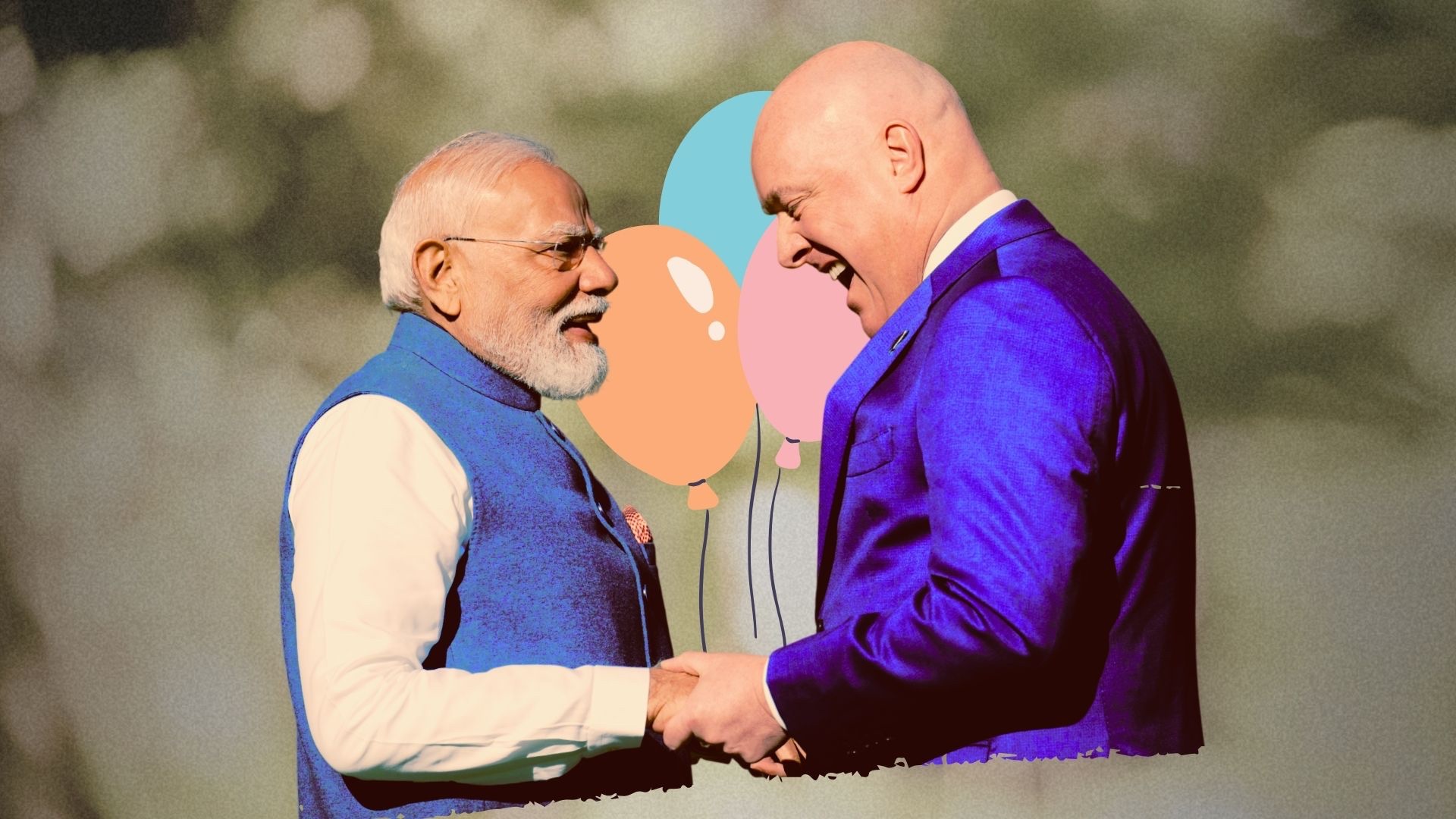
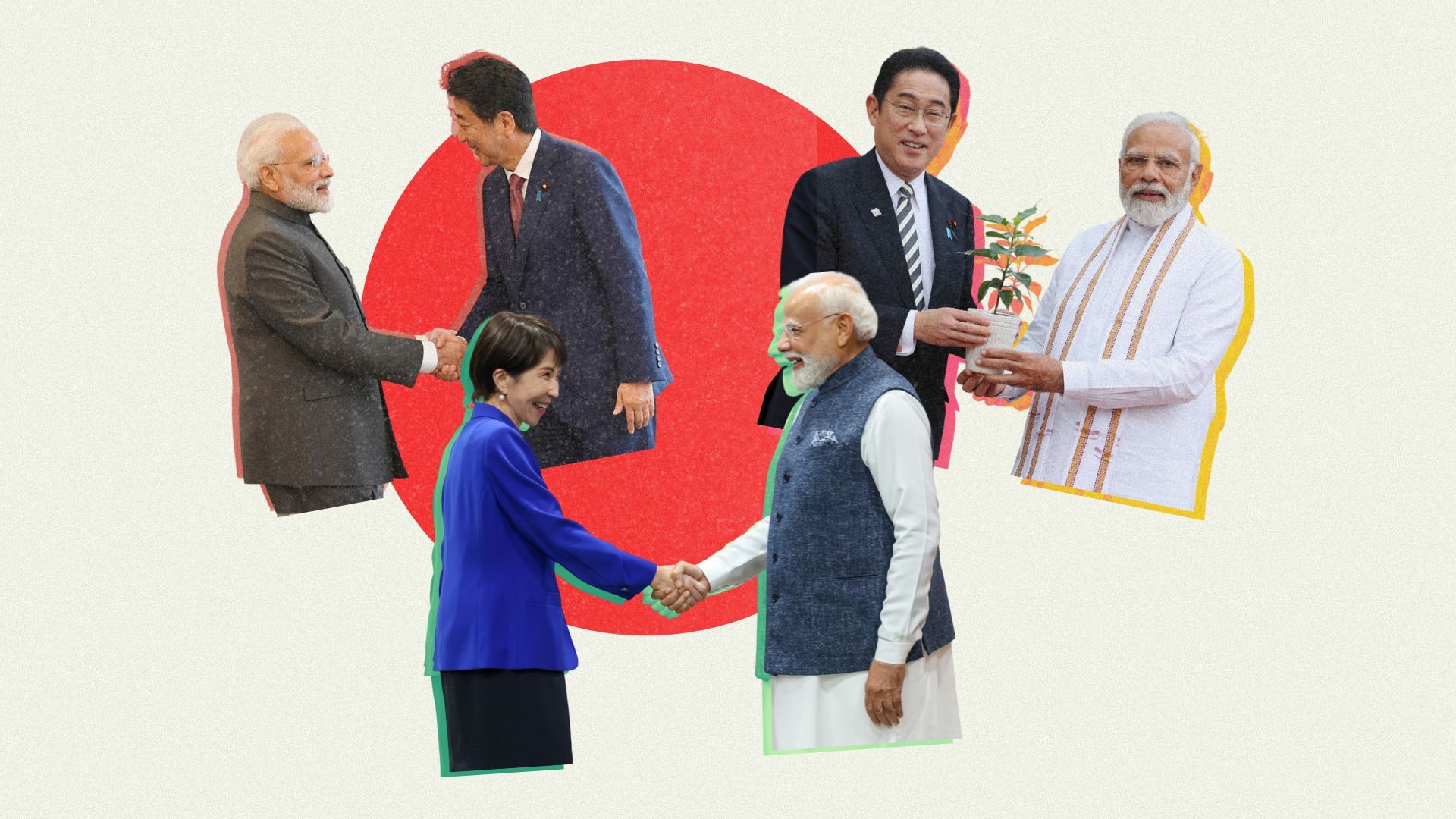
Prime minister Christopher Luxon with Indian counterpart Narendra Modi.
The success of our new strategic partnership depends on transparency, deeper India knowledge and businesses prepared to invest for the long term.
Anyone who has attended a traditional Indian wedding knows the ceremony is only part of the story. There is the courtship, the engagement and then the wedding itself. Colourful, ambitious and celebrated by everyone involved.
But anyone who has ever been married knows that the wedding is only the beginning. A successful marriage is not judged by the ceremony. It is judged by what happens in the years that follow.
The same principle should now apply to the New Zealand–India Free Trade Agreement.
After more than a decade of unsuccessful negotiations by governments of different political stripes, Prime Minister Christopher Luxon made India a priority, committed to securing an agreement within his first term and invested considerable political capital in rebuilding the relationship.
Credit where it is due: he delivered.
Migrant who shouted down Peters over racism 24 years ago now vying for Parliament From arriving with $500 in his pocket to confronting NZ First's leader, National Party's Karuna Muthu reflects on his unlikely journey into politics.
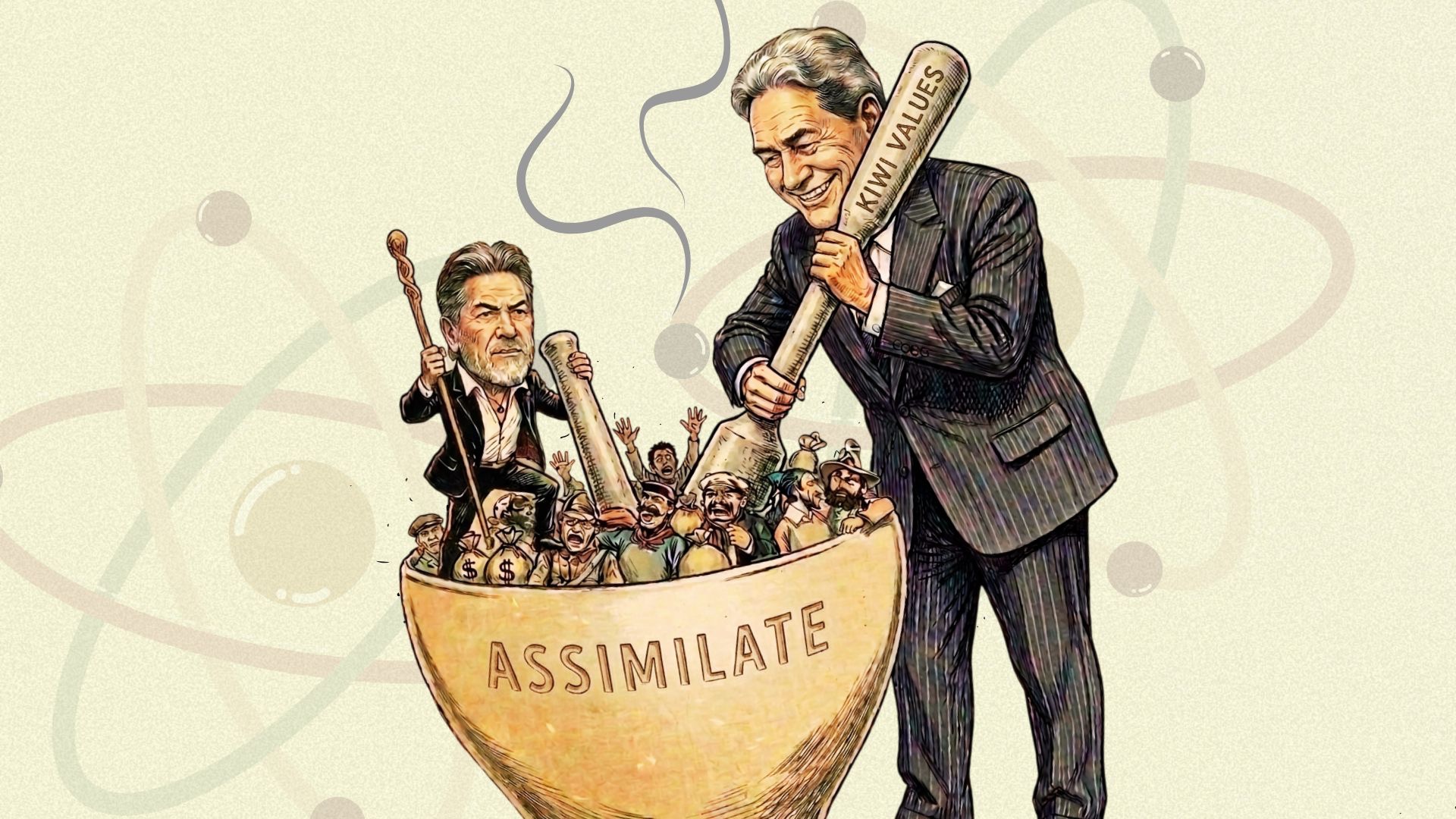
‘Two types of Indians’: Peters questions Kiwi Indians’ loyalty after watching Modi welcome The New Zealand First leader on why changing passports alone may not make someone a New Zealander.
BNZ Diwali rolls out Bollywood red carpet as Meenakshi Sheshadri revisits Damini in Auckland A Screen Auckland-backed cinema showcase is bringing South Asian films into Auckland theatres as part of this year’s Diwali celebrations.
The agreement was signed, and just months later New Zealand welcomed Prime Minister Narendra Modi in the first visit by an Indian Prime Minister in four decades.
The courtship, engagement and wedding have taken place.
Now New Zealand must prove it is prepared for the marriage.
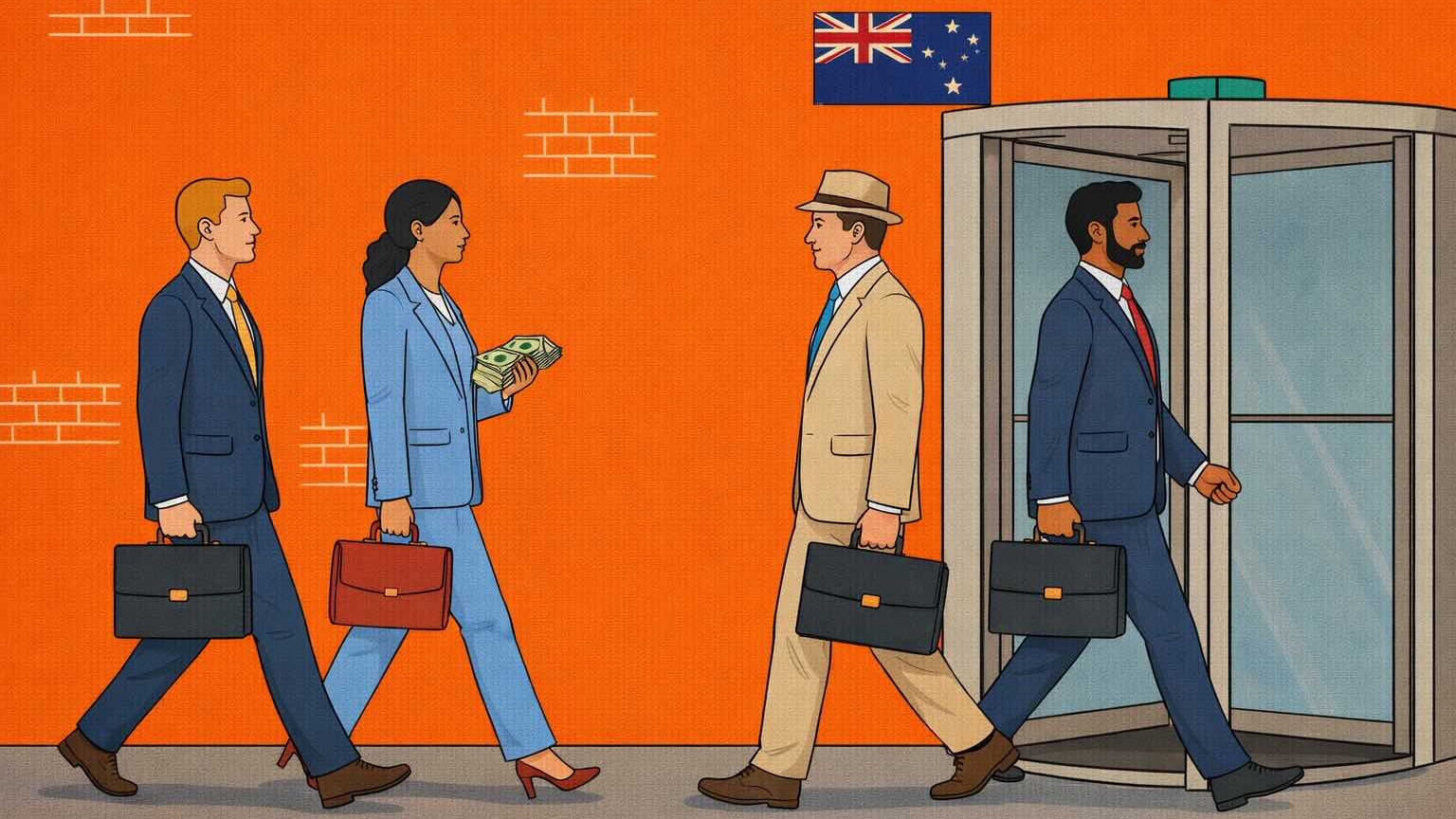
The purpose of any free trade agreement is ultimately simple: to make New Zealand a more prosperous country by creating opportunities for our businesses to compete, invest, grow and employ more people.
That means being honest about both the opportunities and the trade-offs.
Immigration is one of them.
The immigration provisions associated with the agreement have produced legitimate questions about labour mobility, transparency, fairness and the freedom future governments will retain to change domestic settings.
Those questions should not be dismissed as distractions from trade.
If the Government made commitments affecting who may work, study or bring family members to New Zealand, the public is entitled to know exactly what was agreed and why. India, in turn, is entitled to expect that New Zealand will implement the agreement honestly and consistently.
New Zealanders deserve a clear explanation of those commitments. Confidence in any trade agreement depends on transparency, not confusion.
But immigration cannot become the only measure by which the agreement is judged either.
New Zealand has a habit of discussing India through two oversized frames: migration and a market of 1.4 billion people.
Neither frame is sufficient.
India is not one large, uniform consumer market waiting for New Zealand products. It is better understood as a country of countries, made up of states and territories with different economies, regulations, political systems, languages, business cultures and consumer preferences.
Important decisions involving infrastructure, labour, land, healthcare, transport, licensing and permits are often made at state level.
The strongest market for a New Zealand product may not be the largest or wealthiest state. A state that looks attractive on paper may prove difficult to operate in. Another may offer stronger local partners, better infrastructure or a customer base more suited to a particular product.
That means asking far more specific questions than whether New Zealand exports to India will rise.
Which New Zealand sectors are best suited to which Indian states? Where will our food and beverage products be competitive? Which regions offer the best openings for technology, education, tourism, agricultural expertise and professional services? Which companies have the patience and resources to establish relationships there?
Most importantly, what practical support will the government provide to businesses that have never operated in a market of this complexity?
A tariff advantage can open a door. It cannot teach a company how to walk through it.
Government can negotiate market access, but it cannot build customer relationships, earn trust or close sales. That responsibility belongs to New Zealand businesses willing to invest for the long term.
There is another challenge that extends beyond exporters. New Zealand’s recognition of India’s importance is running ahead of its understanding of the country.
The latest Asia New Zealand Foundation research found India now ranks among the countries New Zealanders see as most important to the nation’s future.
But only 29 per cent of New Zealanders say they possess at least a fair amount of knowledge about South Asia. It remains the least-understood part of Asia.
At the same time, trust in India is becoming more polarised. More people express high trust, but more also express low trust, while the neutral middle is shrinking.
As India becomes more prominent in New Zealand’s economy, politics and public life, the space once occupied by unfamiliarity may increasingly be filled by confident but poorly informed opinions.
We have already seen how quickly discussions about an international trade agreement can slide into sweeping claims about Indian migrants, Indian values or India itself.
A stronger relationship therefore requires more than ministerial visits and export targets. New Zealand needs deeper India capability across government, business, universities, media and civil society.
It needs more people who understand India’s federal system, regional differences, political debates, languages, business practices and social complexities.
It needs exporters who know that Mumbai is not Bengaluru, Gujarat is not Kerala and one successful relationship does not amount to a national strategy.
It also needs a public conversation mature enough to examine India critically without reducing the country to stereotypes, and to debate immigration honestly without turning Indian migrants into proxies for every anxiety New Zealand has about population growth, housing or social cohesion.
None of this means avoiding criticism.
India is a major democracy with its own political controversies, social tensions and strategic interests. New Zealand will not always agree with its government. Friendship does not require silence, and trade should not prevent scrutiny.
But criticism built on knowledge is more useful than suspicion built on caricature. The same is true of optimism.
Celebrating access to 1.4 billion potential customers is meaningless unless New Zealand companies understand which customers they are trying to reach, where they live, what they want and why they should buy from us.
Those results will depend on what happens next. Will New Zealand develop a serious, state-by-state commercial strategy? Will small and medium-sized exporters receive the support needed to enter a complicated market?
Will businesses invest in relationships rather than expect immediate transactions? Will government agencies develop enough India expertise to guide them?
Will ministers explain immigration commitments clearly and defend them honestly? And will New Zealand invest in understanding a country it increasingly says is central to its future?