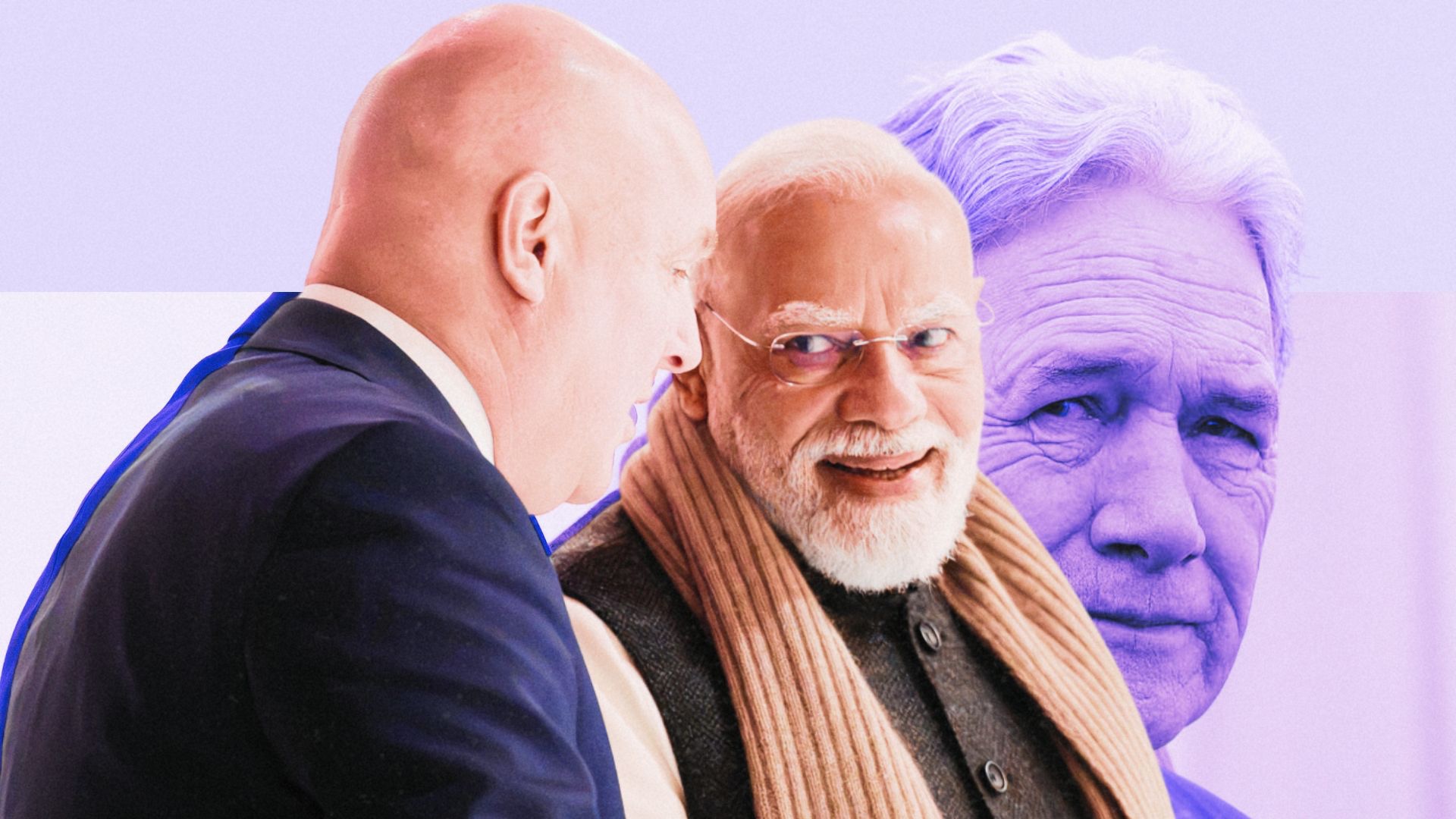

Luxon says India will face different FTA immigration settings, but denies discrimination

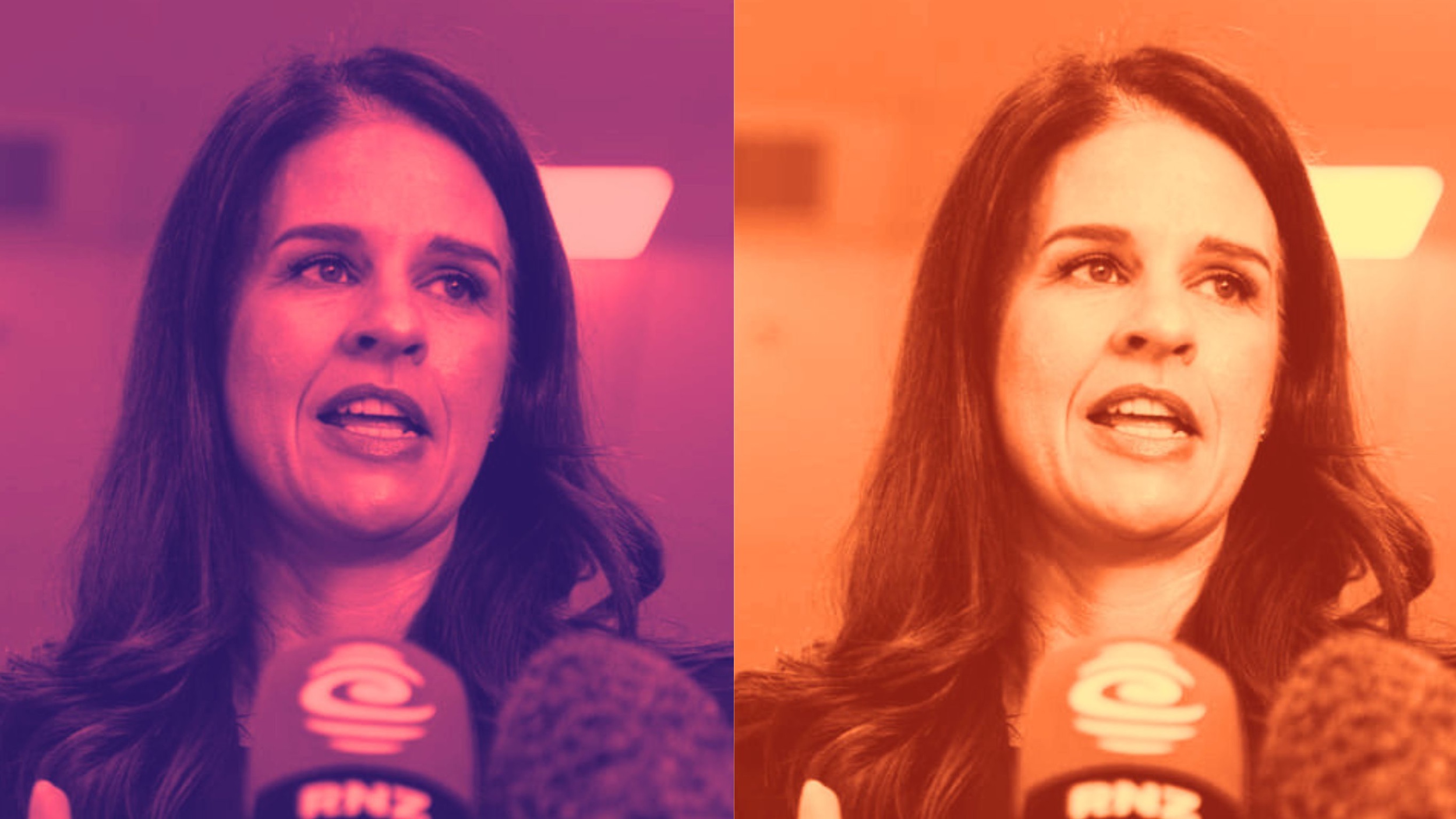
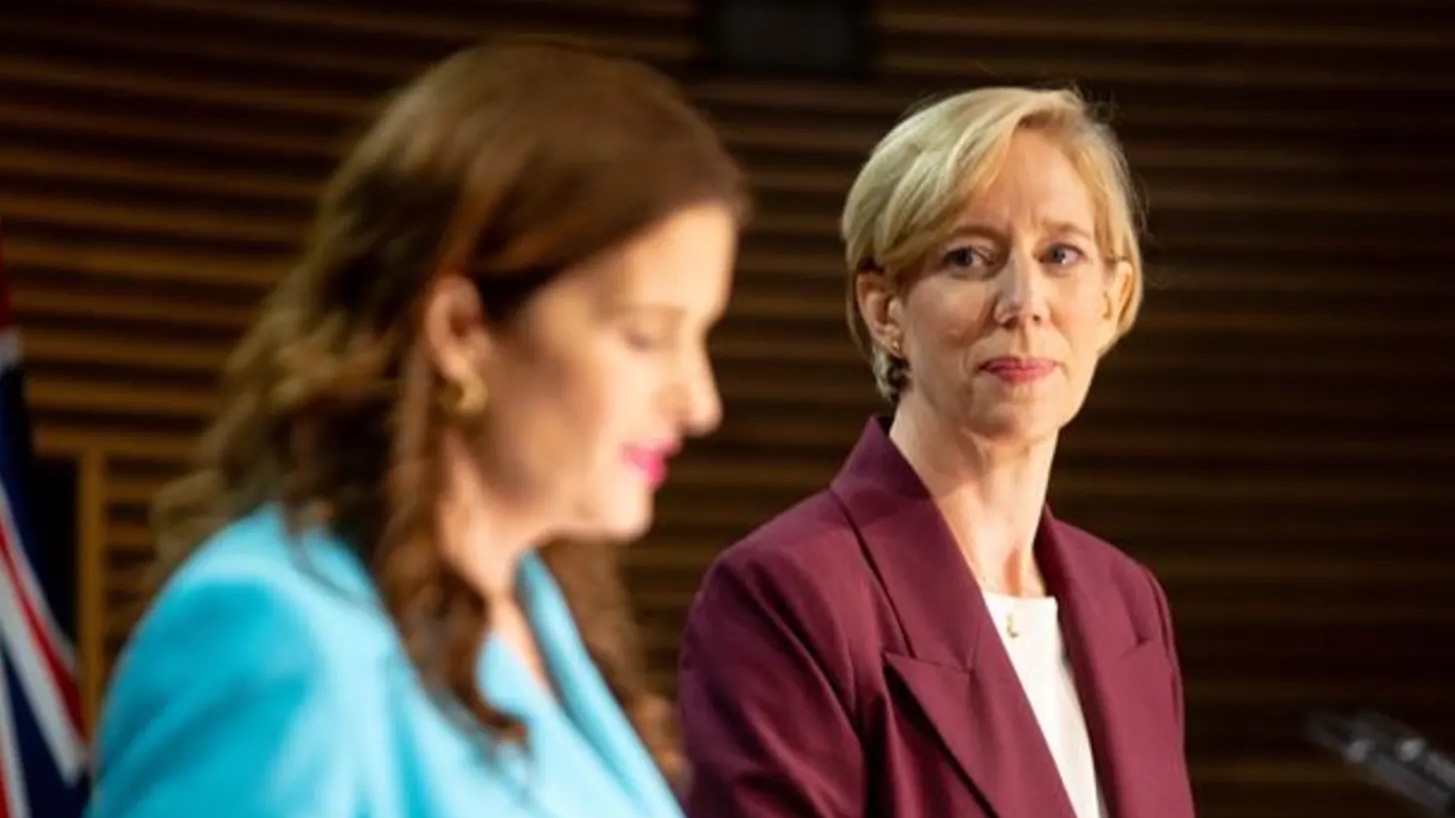
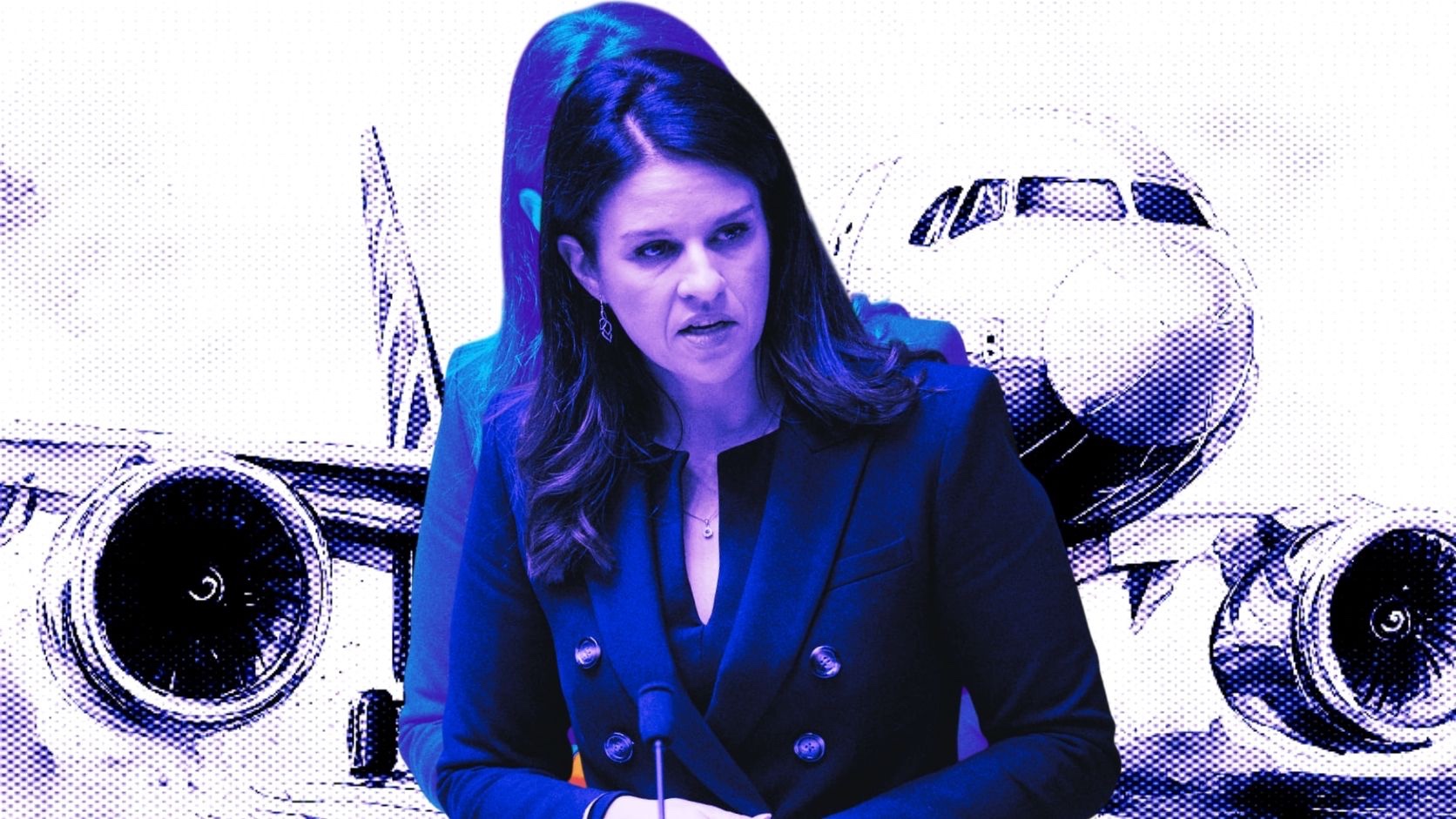
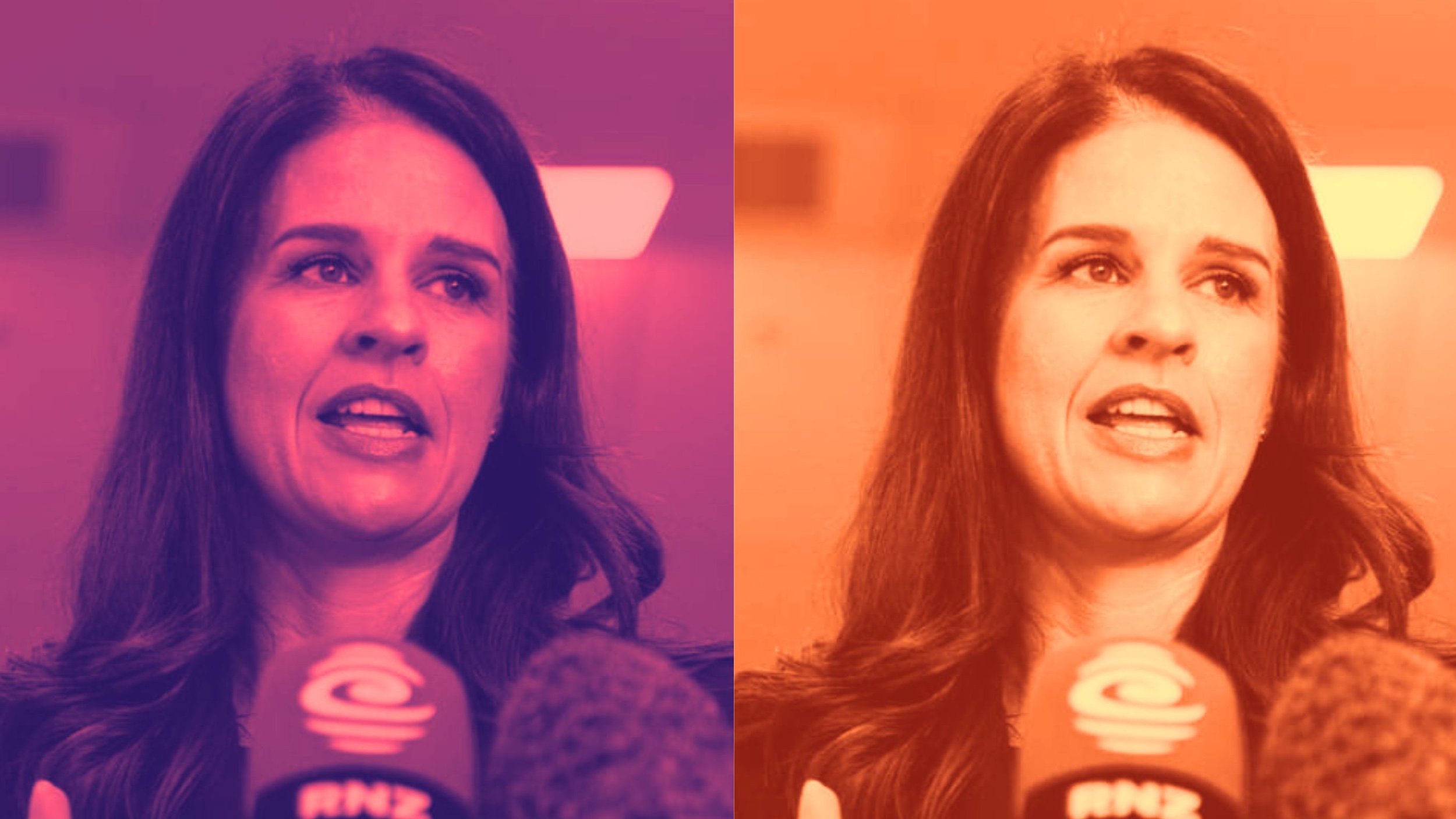
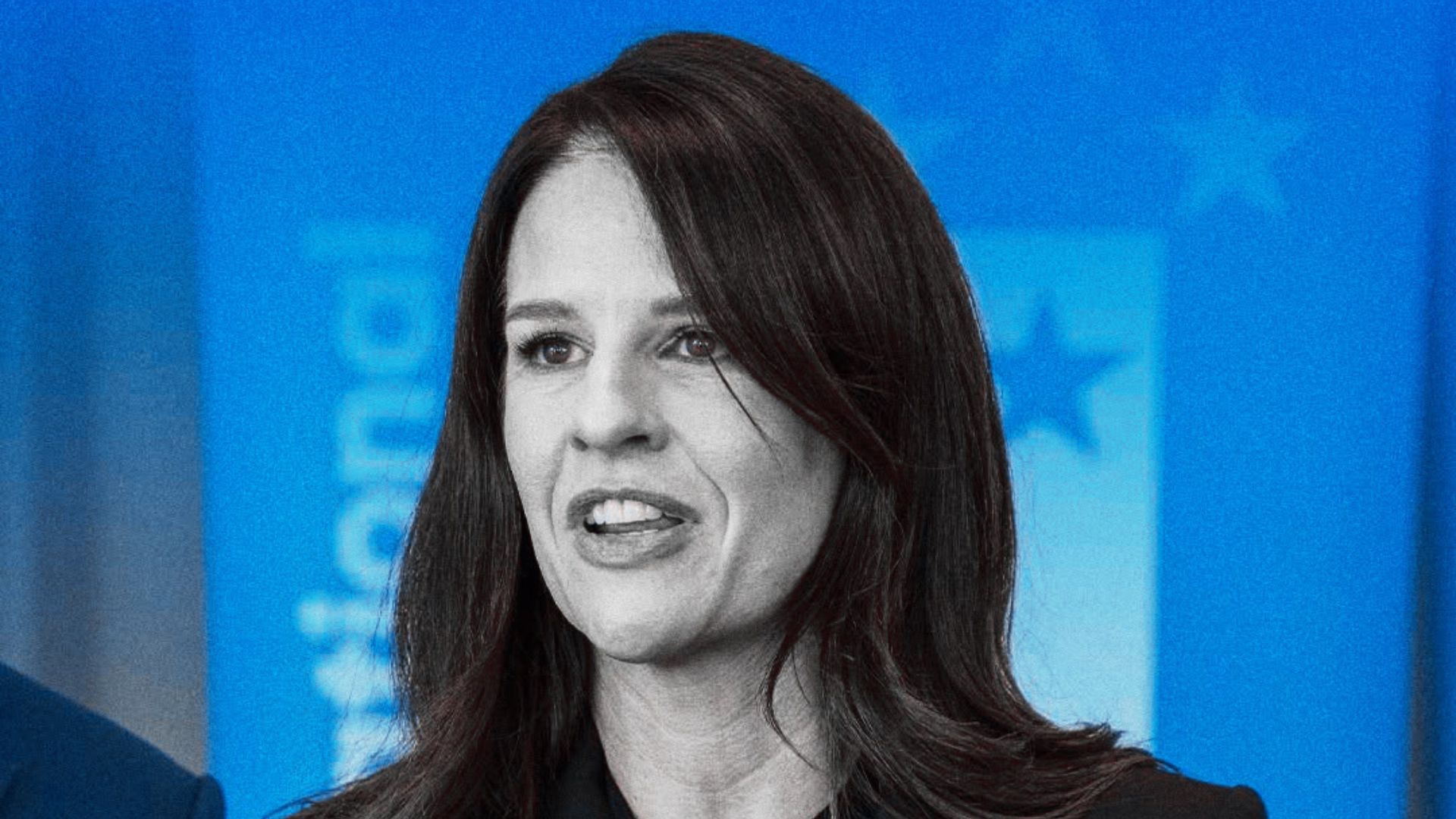
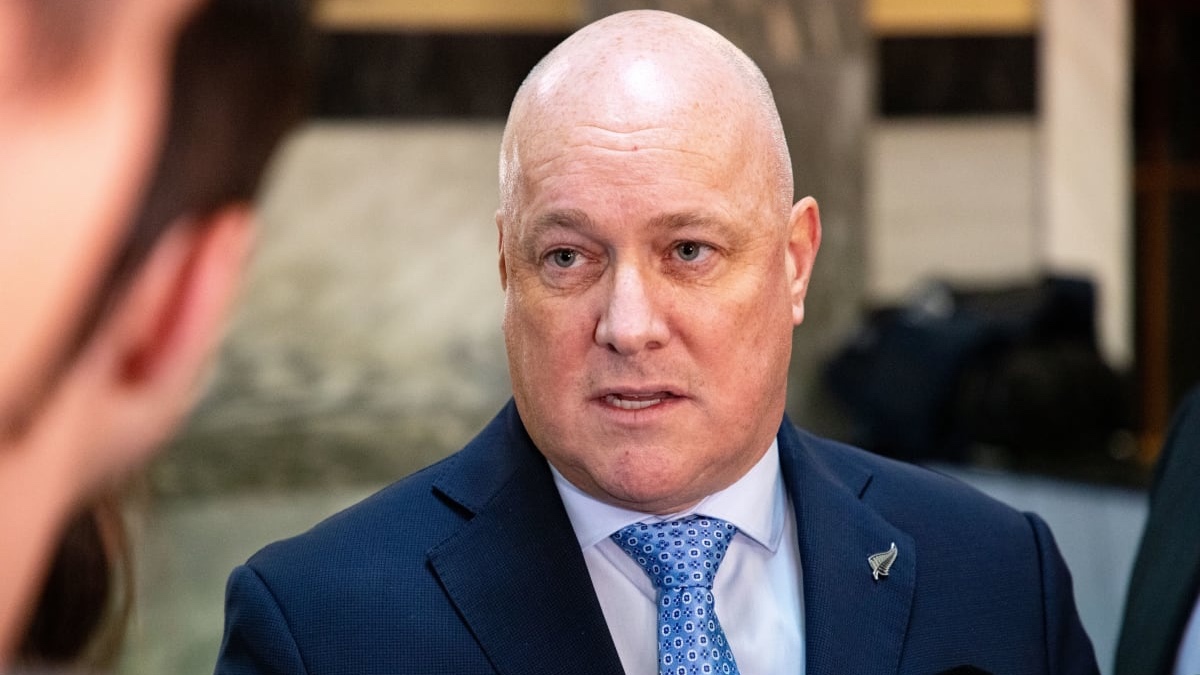
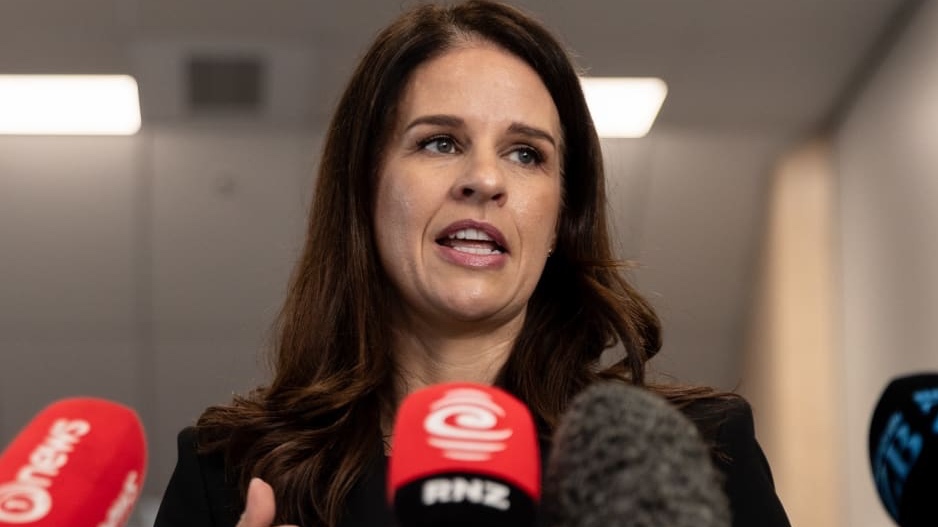
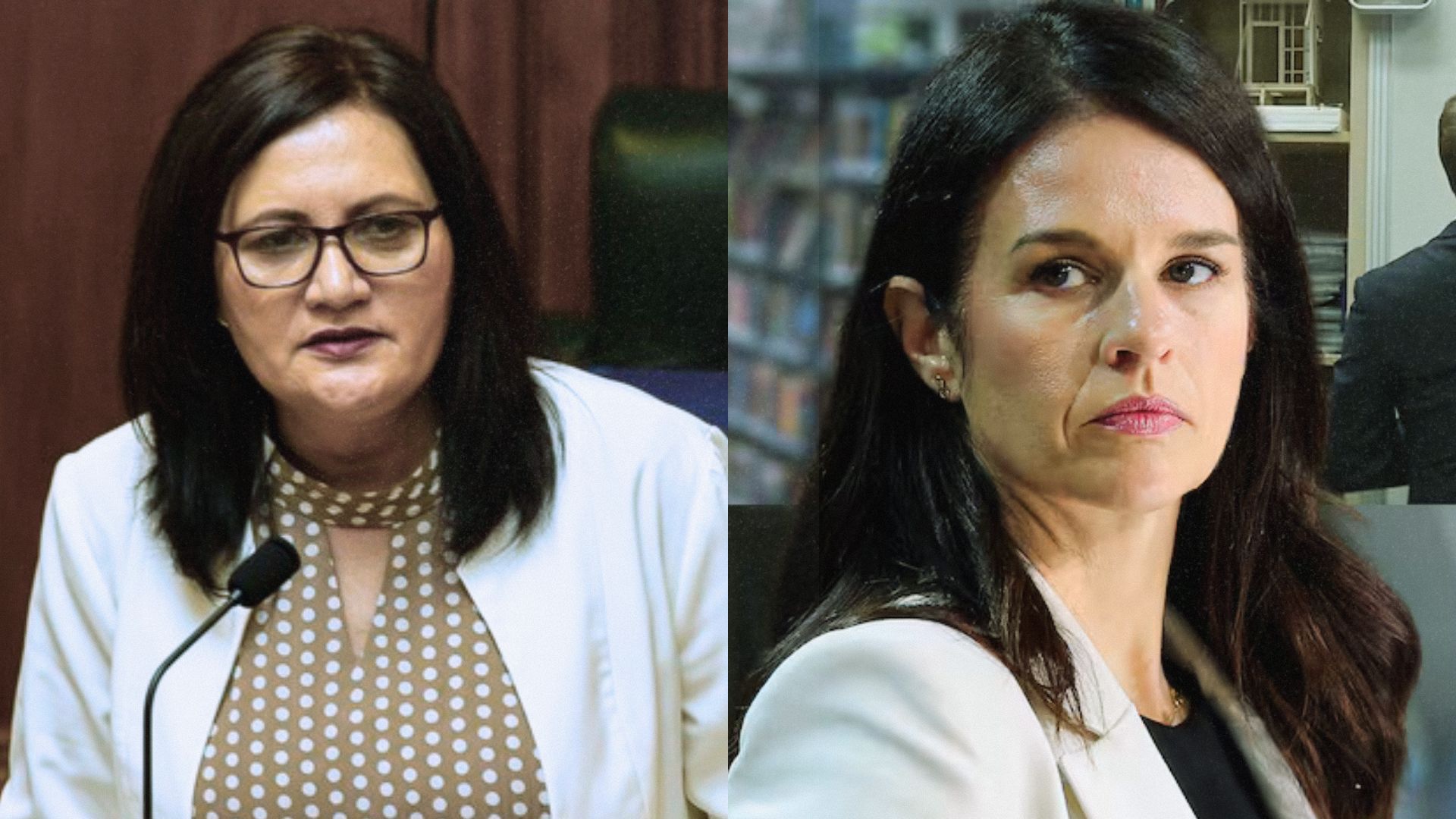
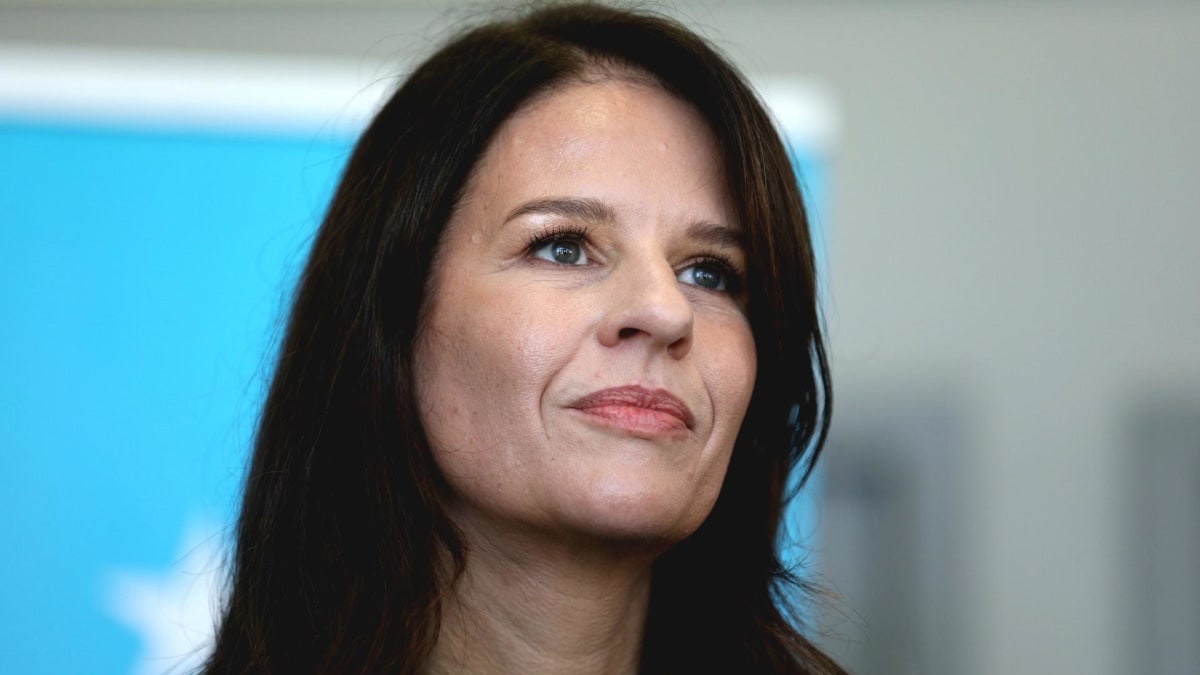
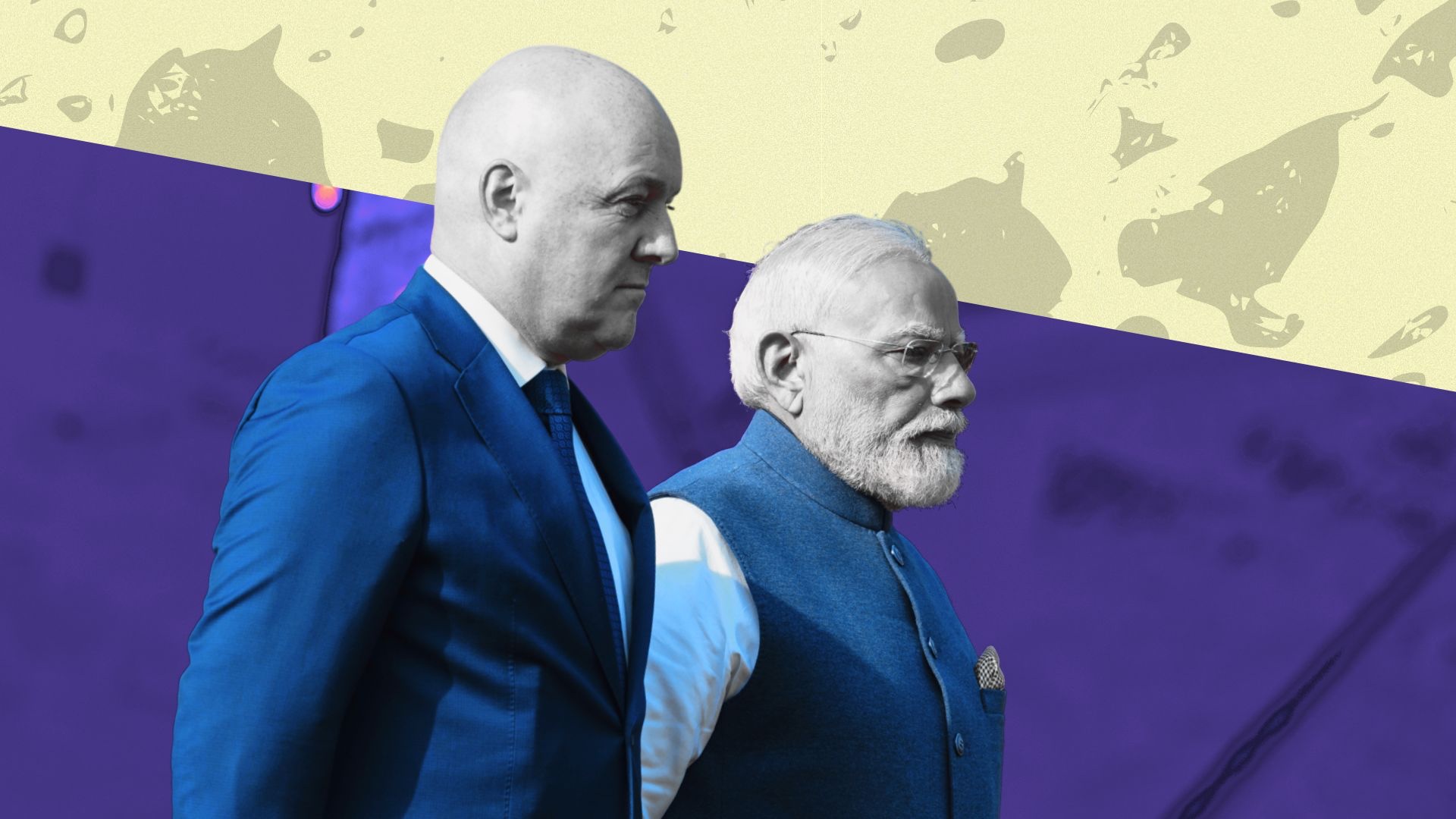
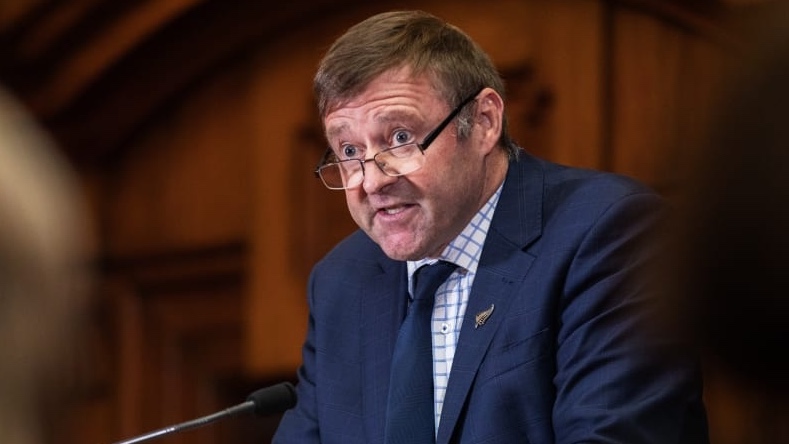
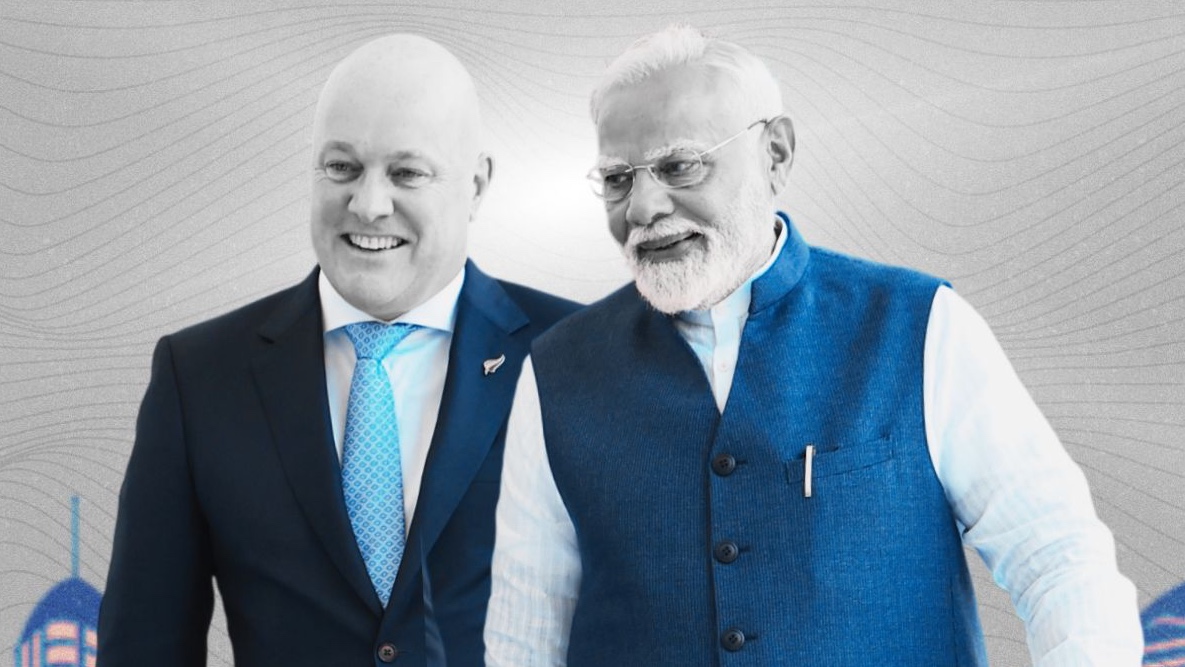
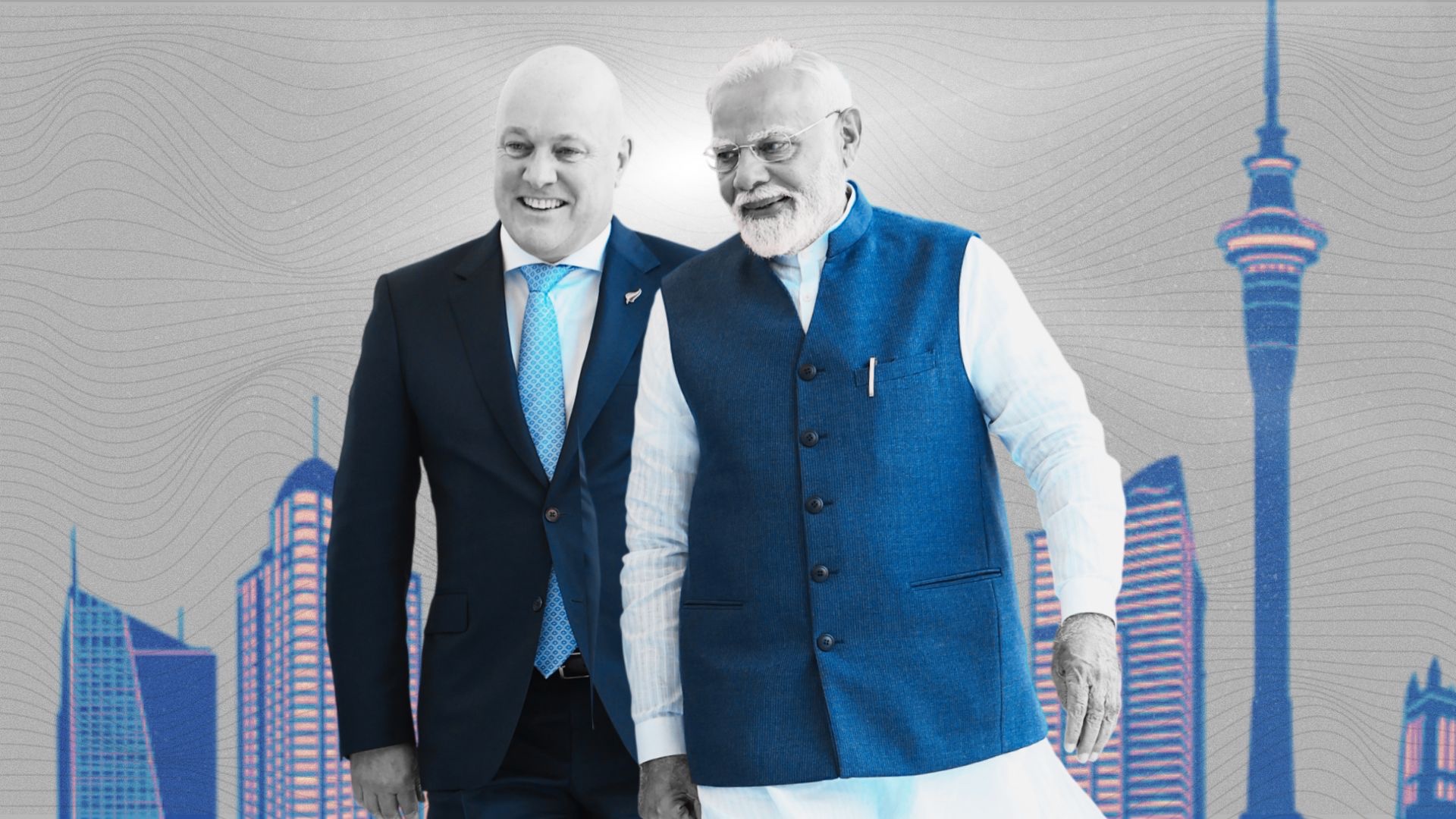
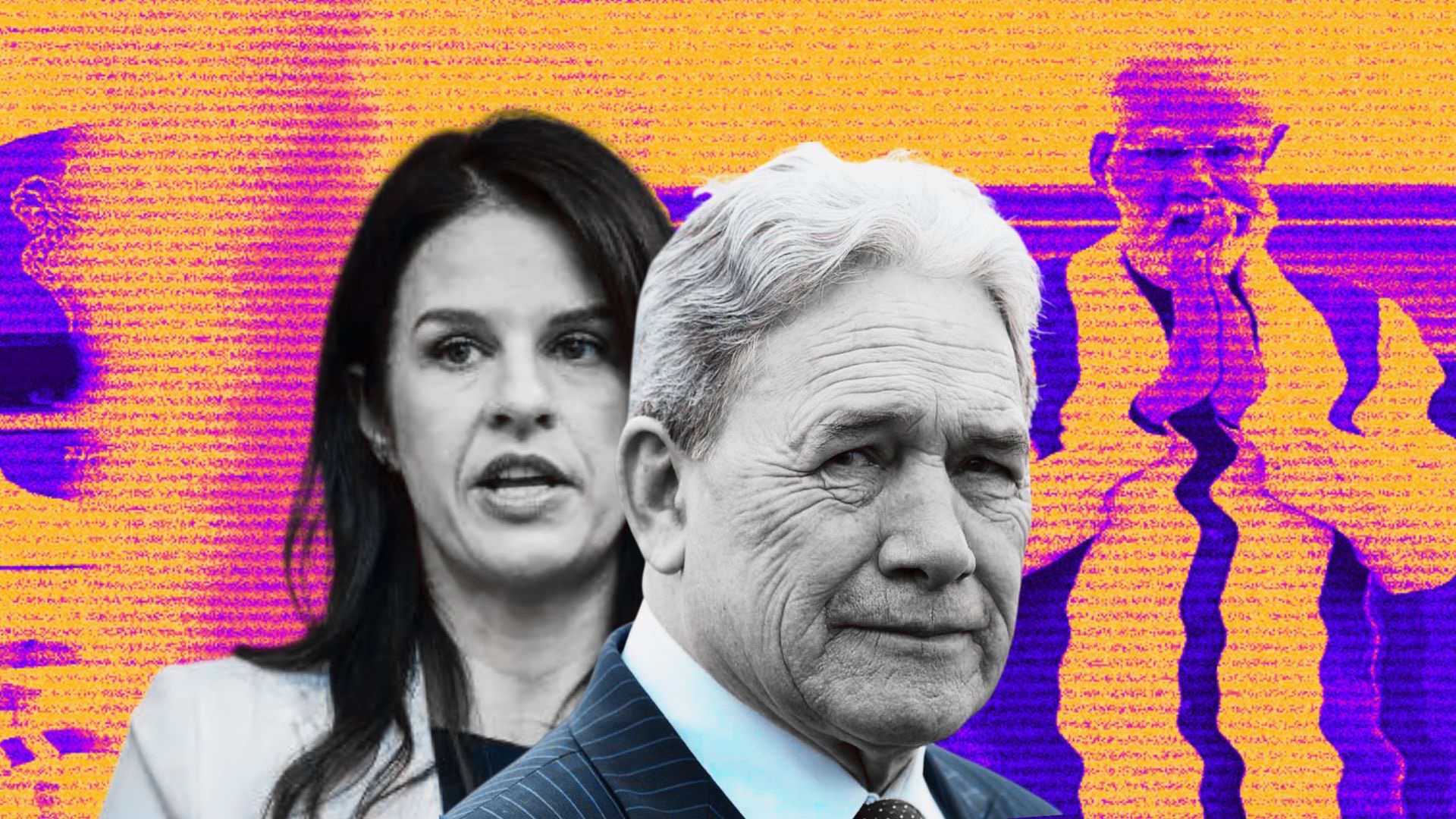
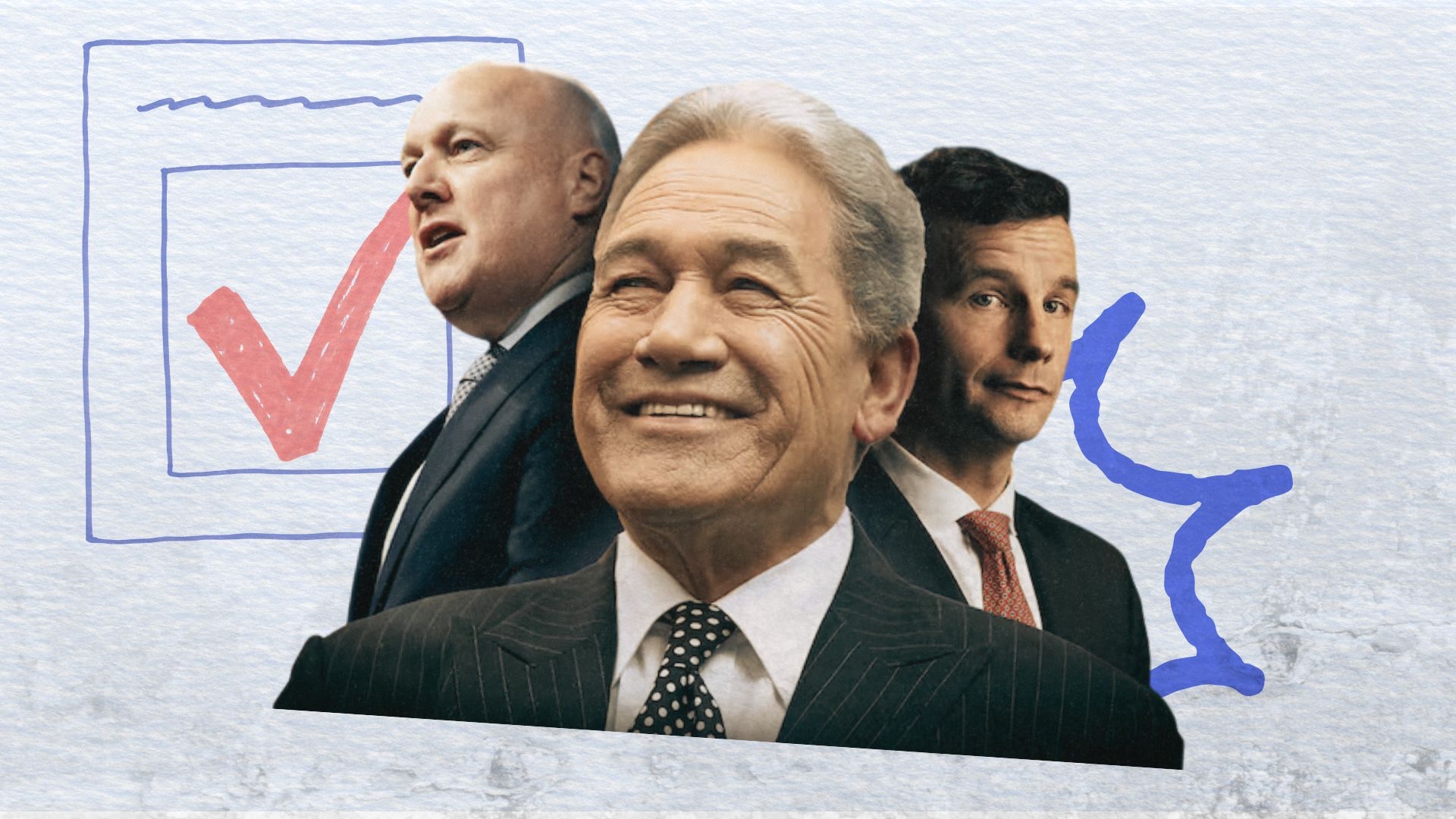
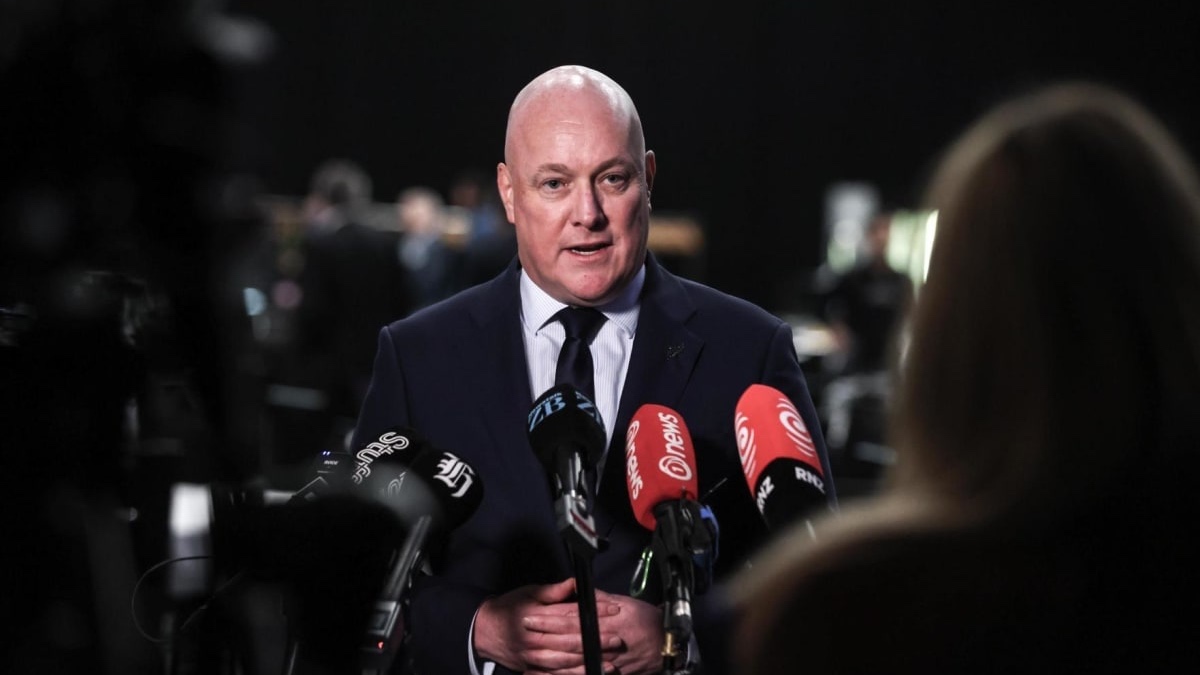
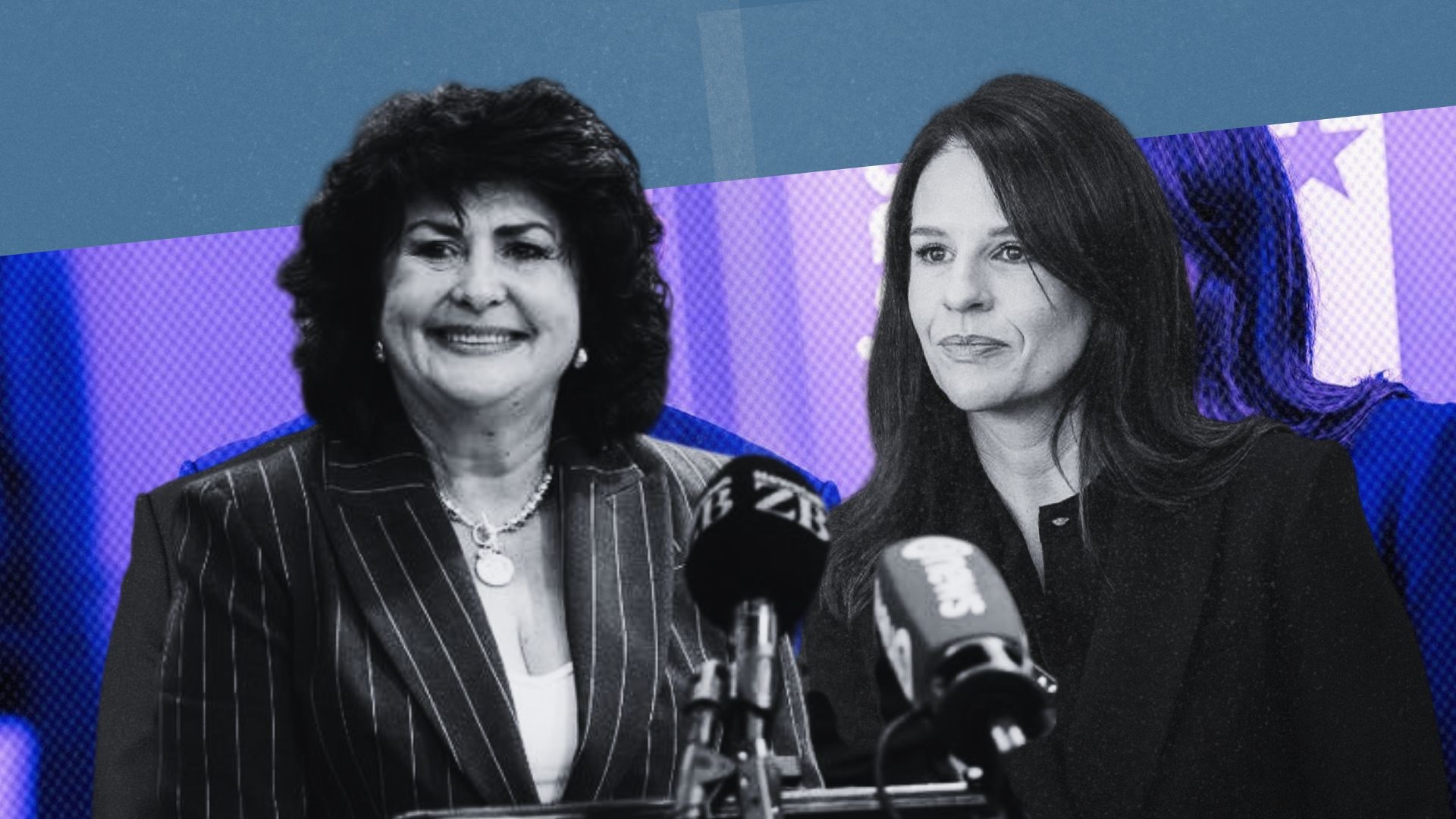
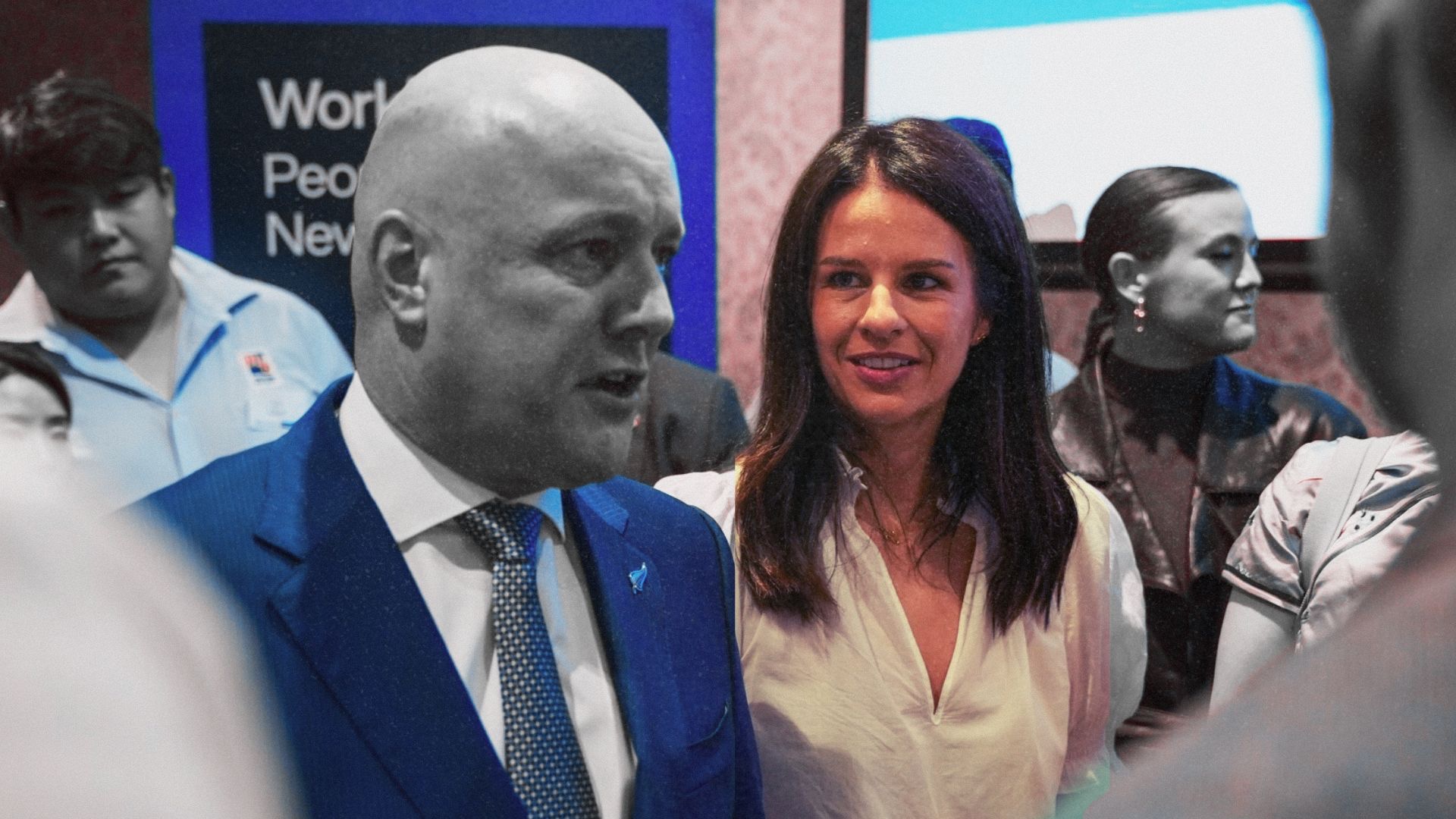
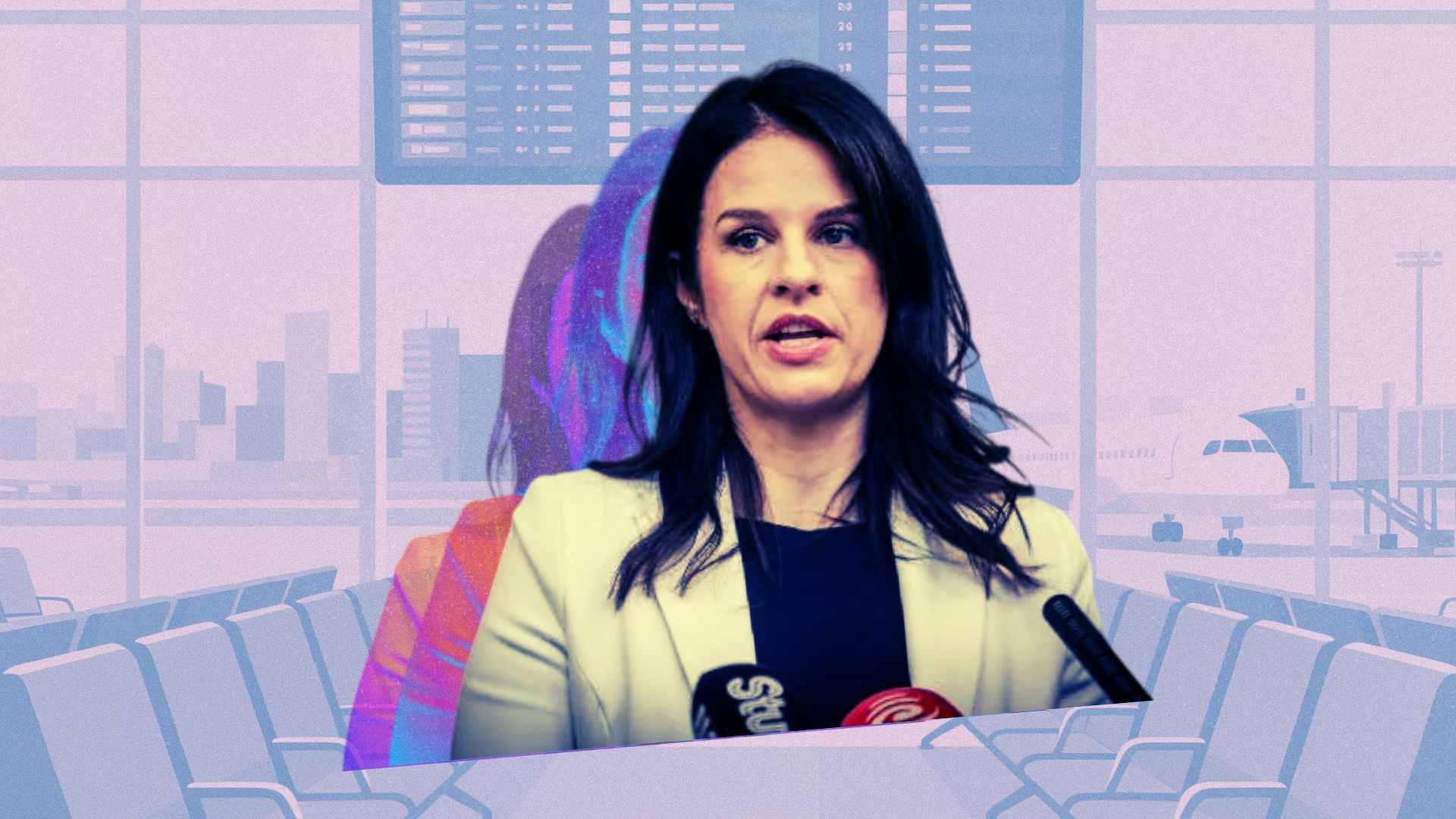
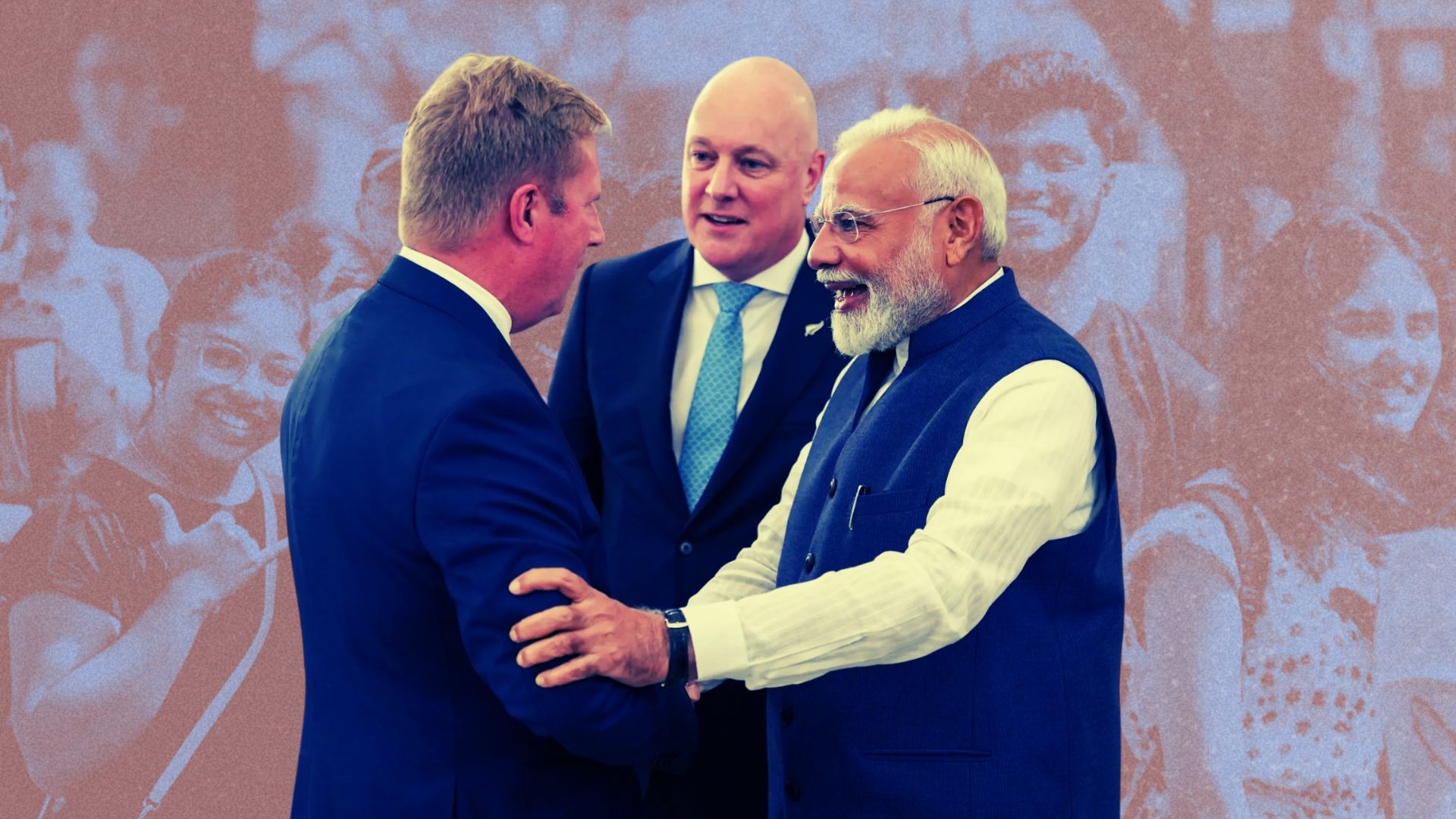
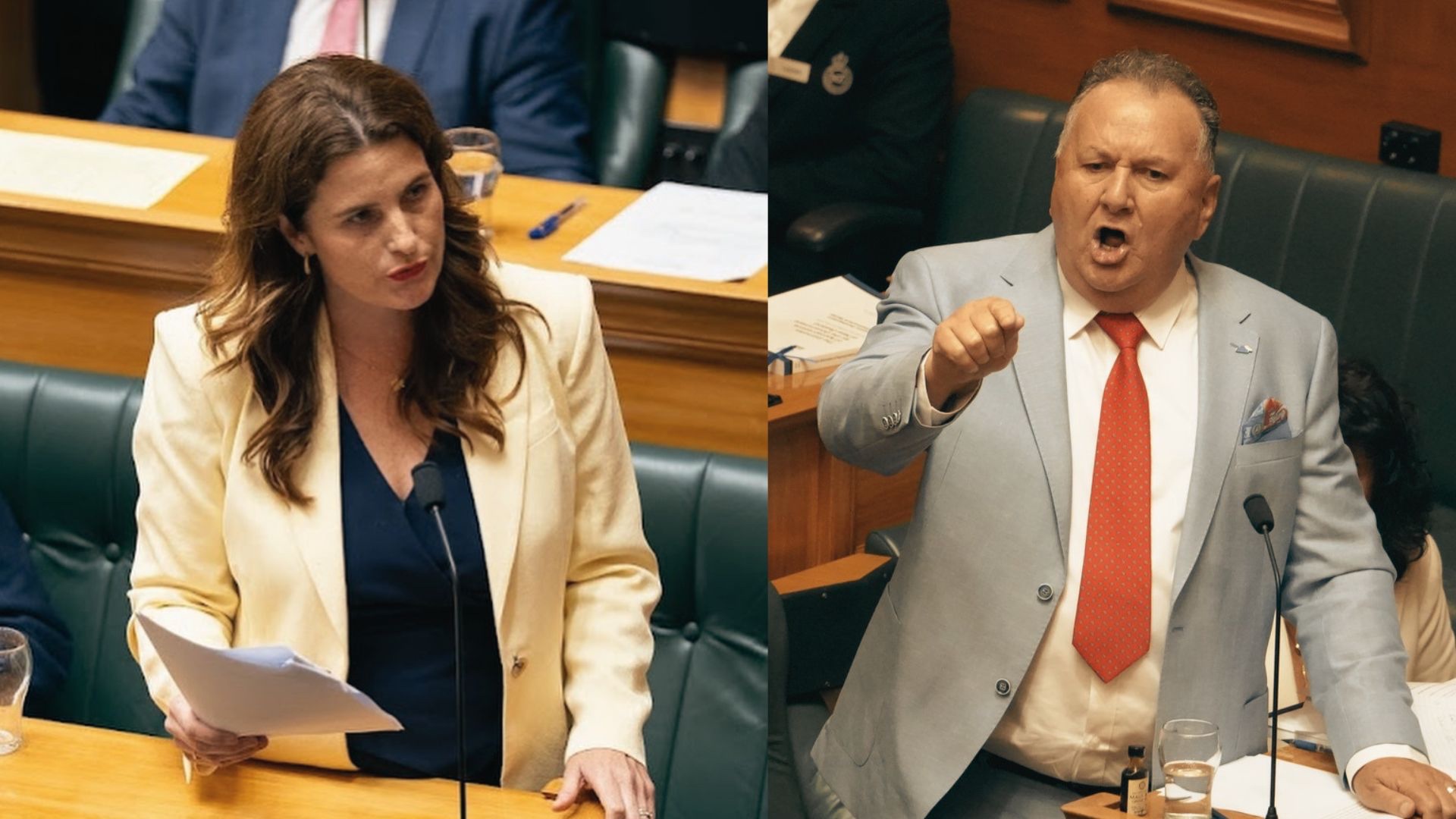
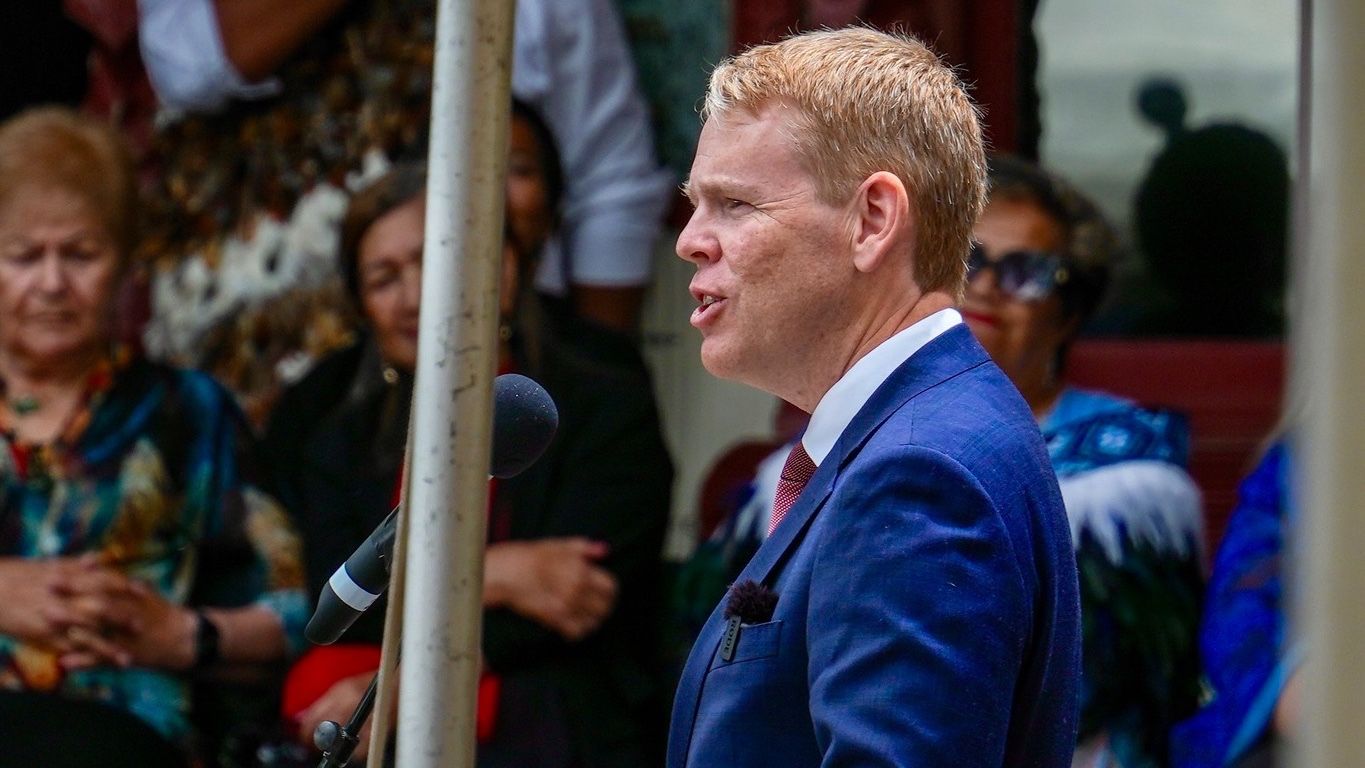
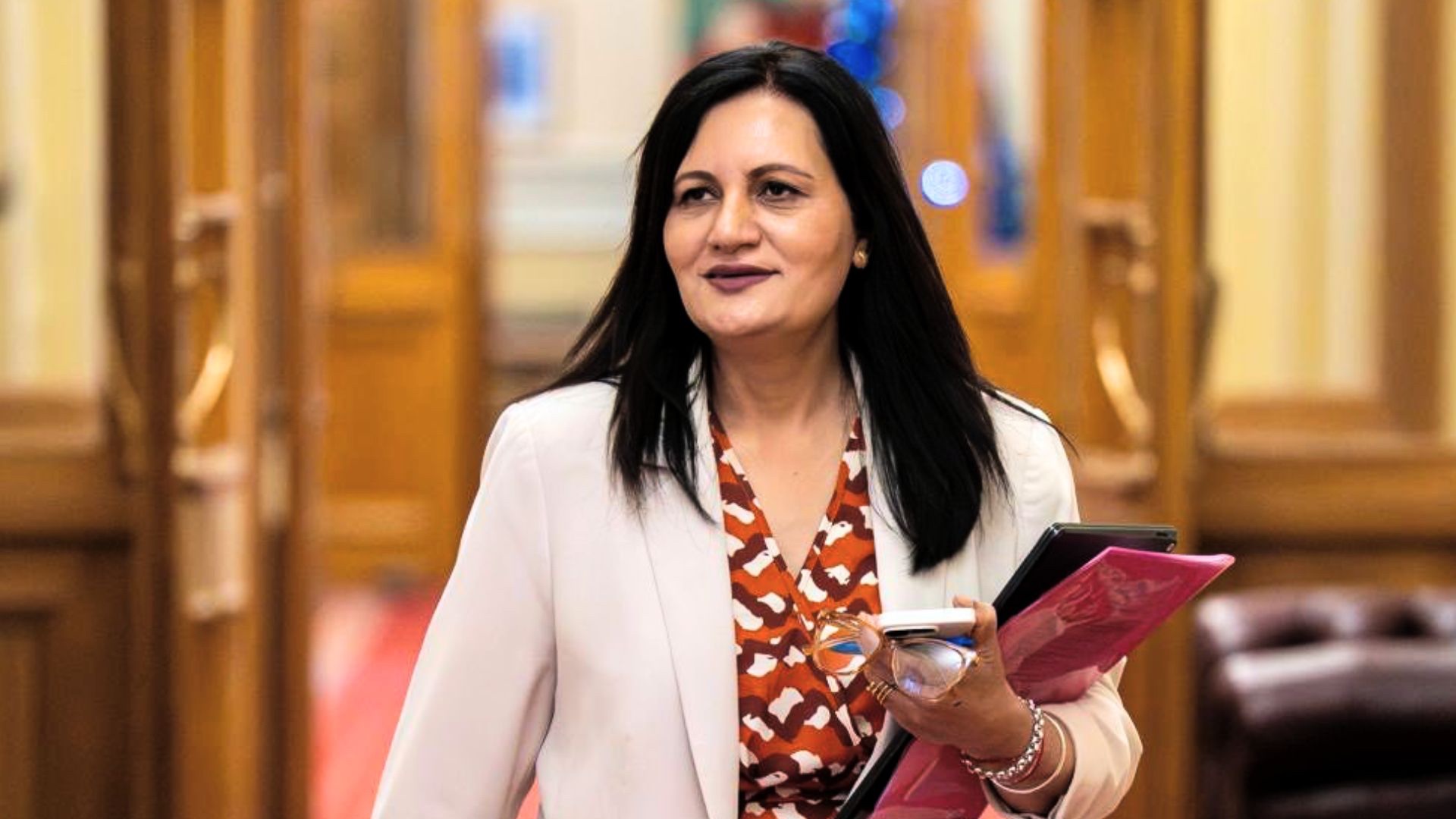
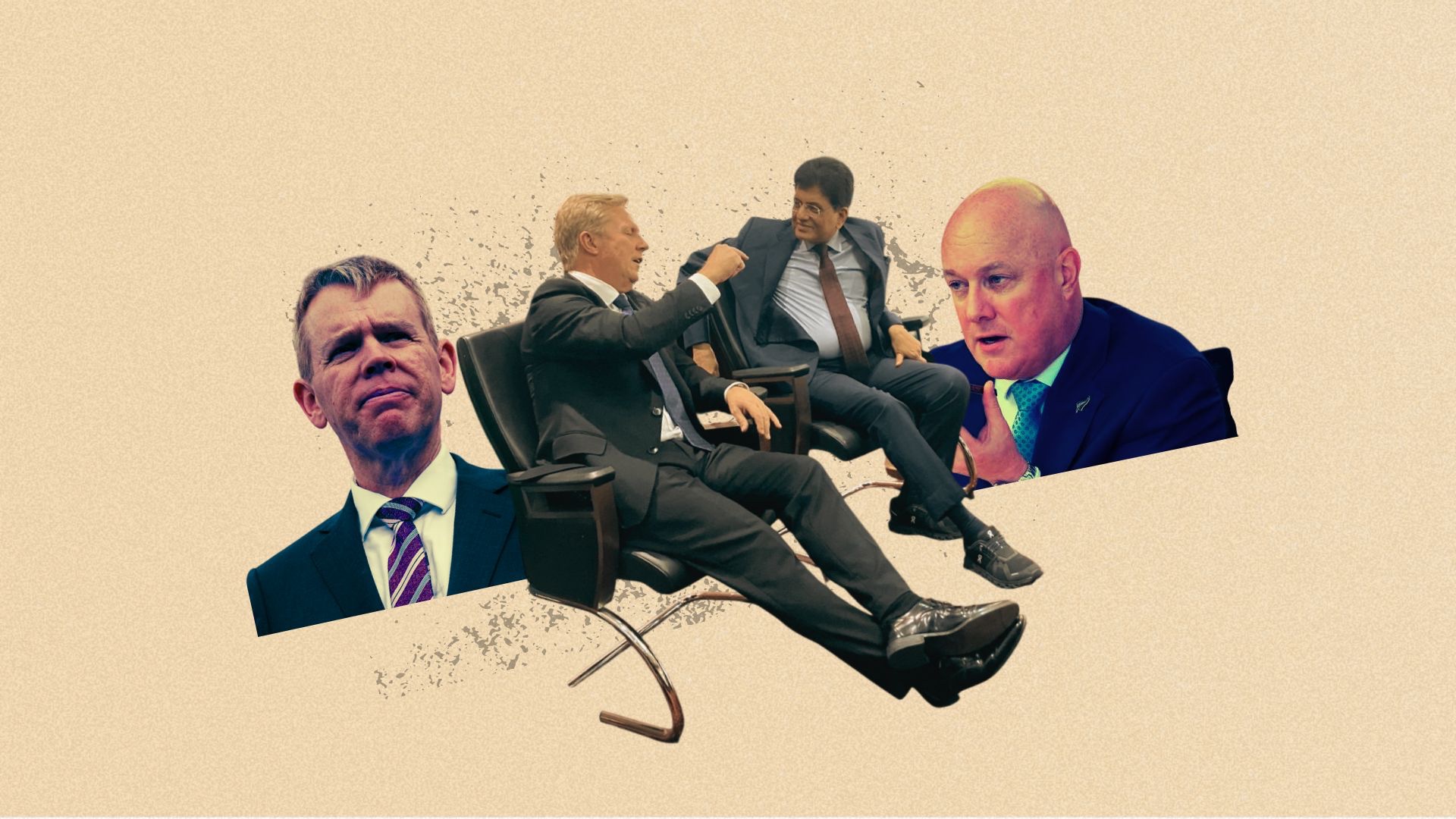
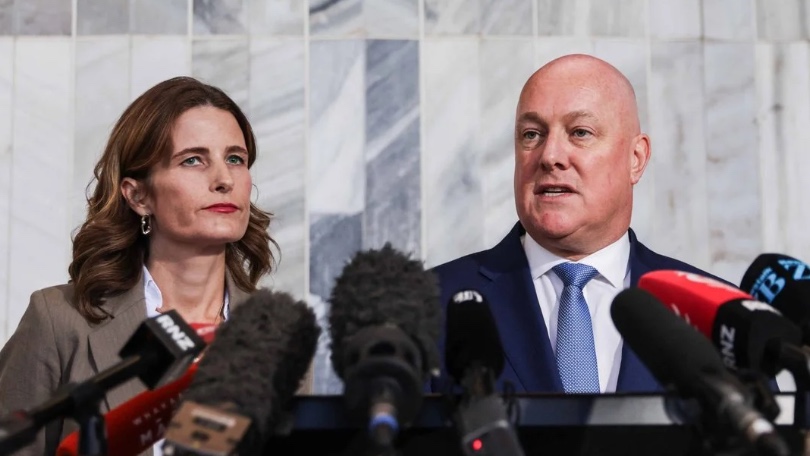
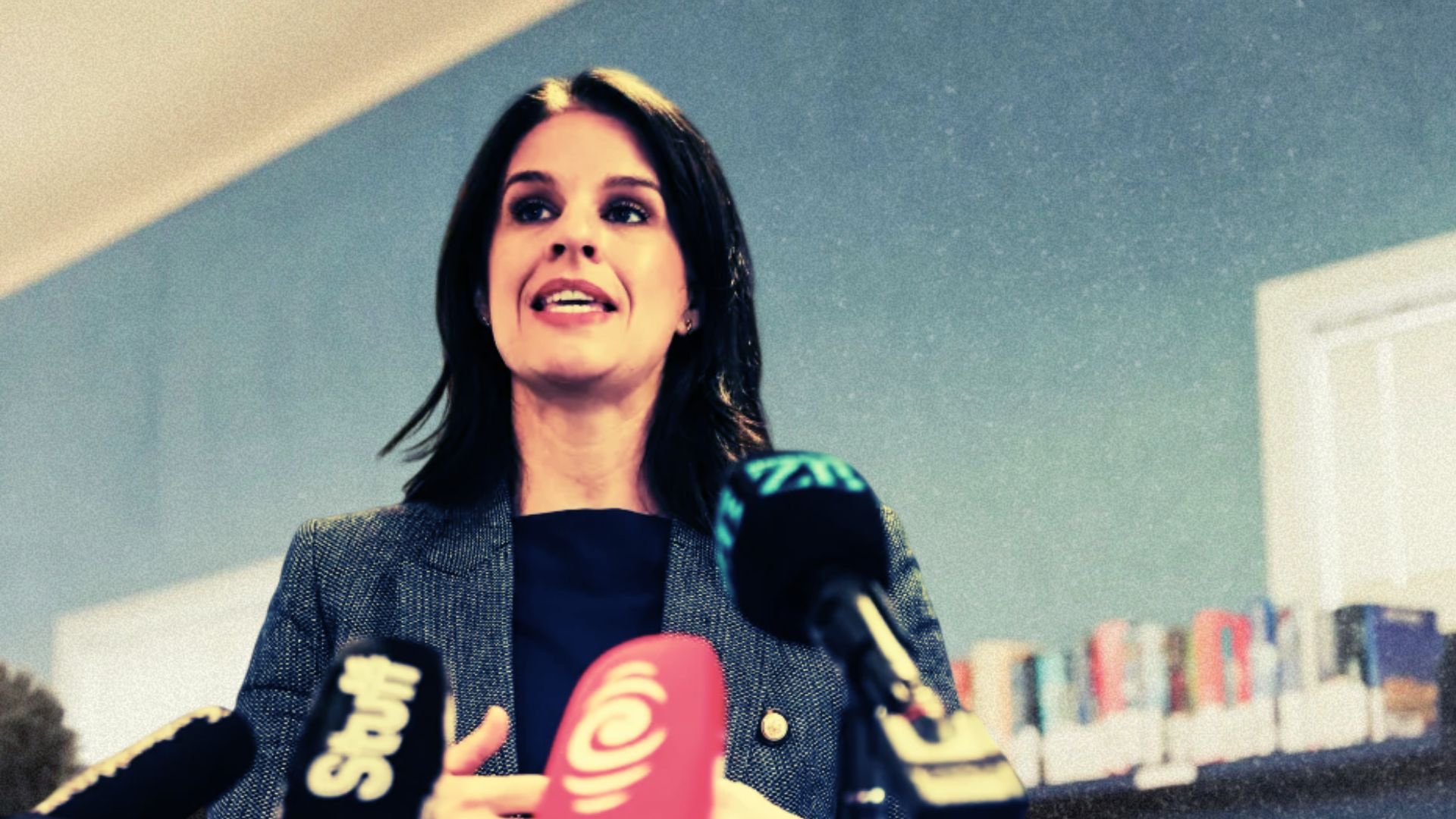
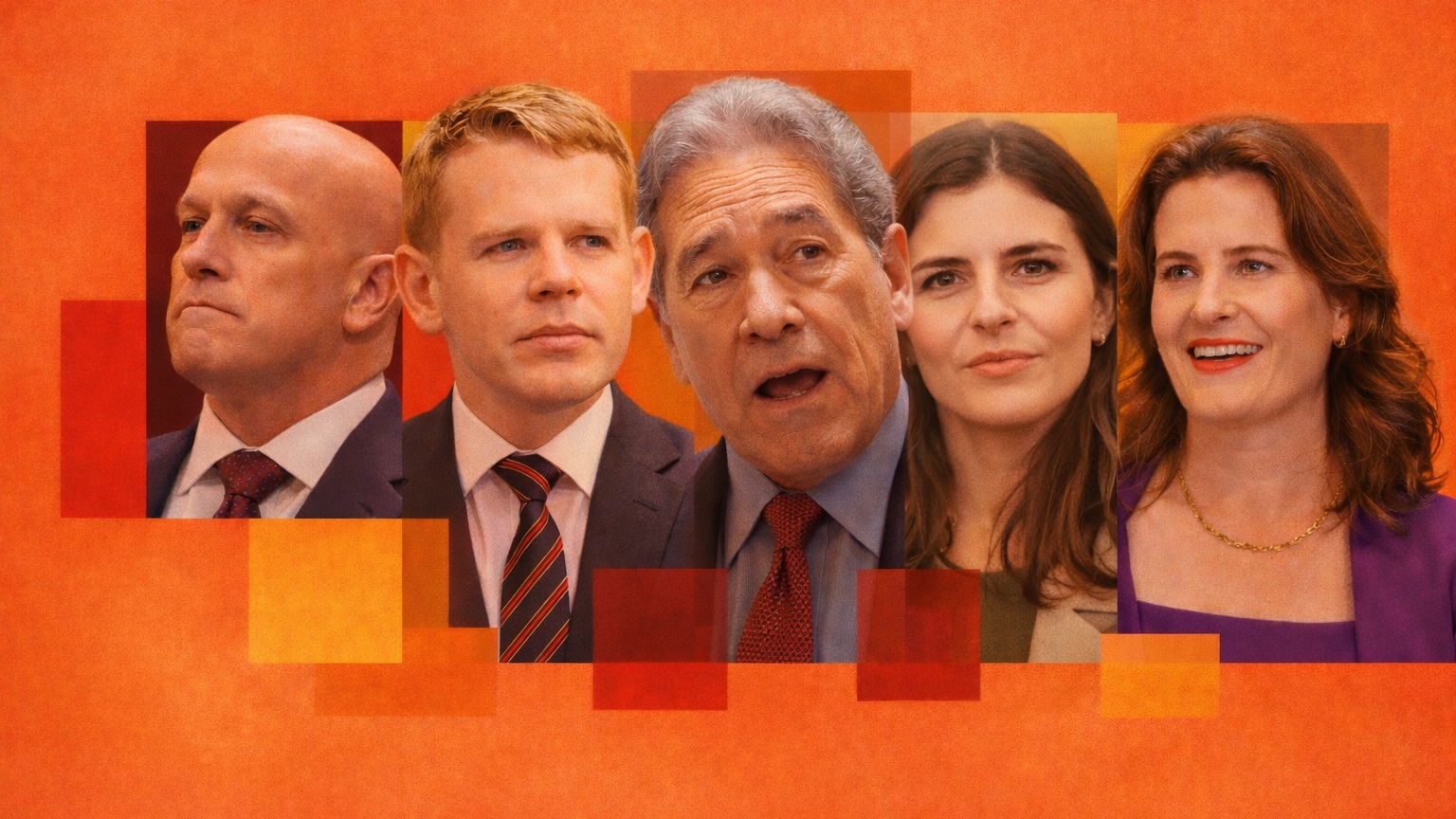
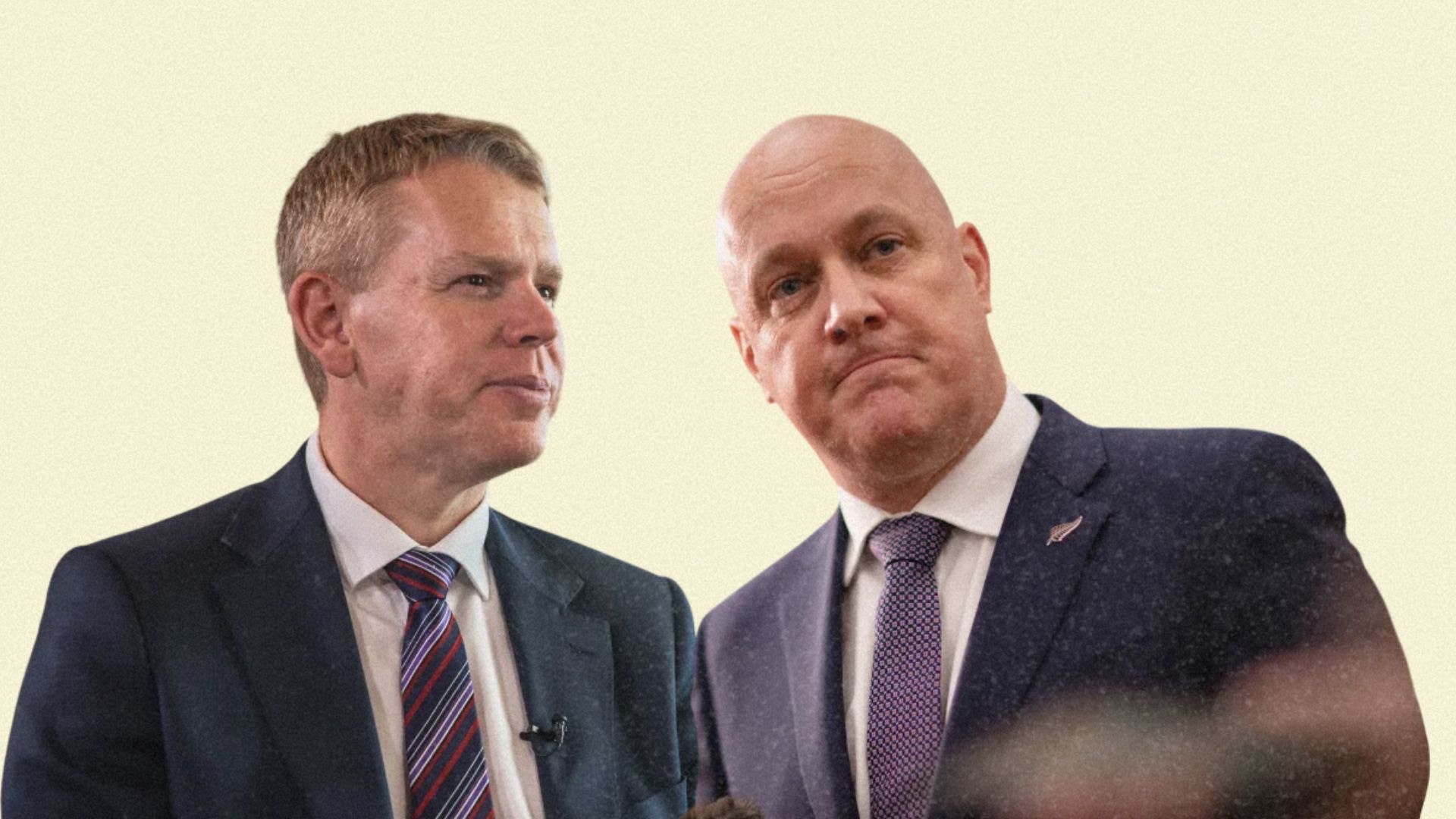
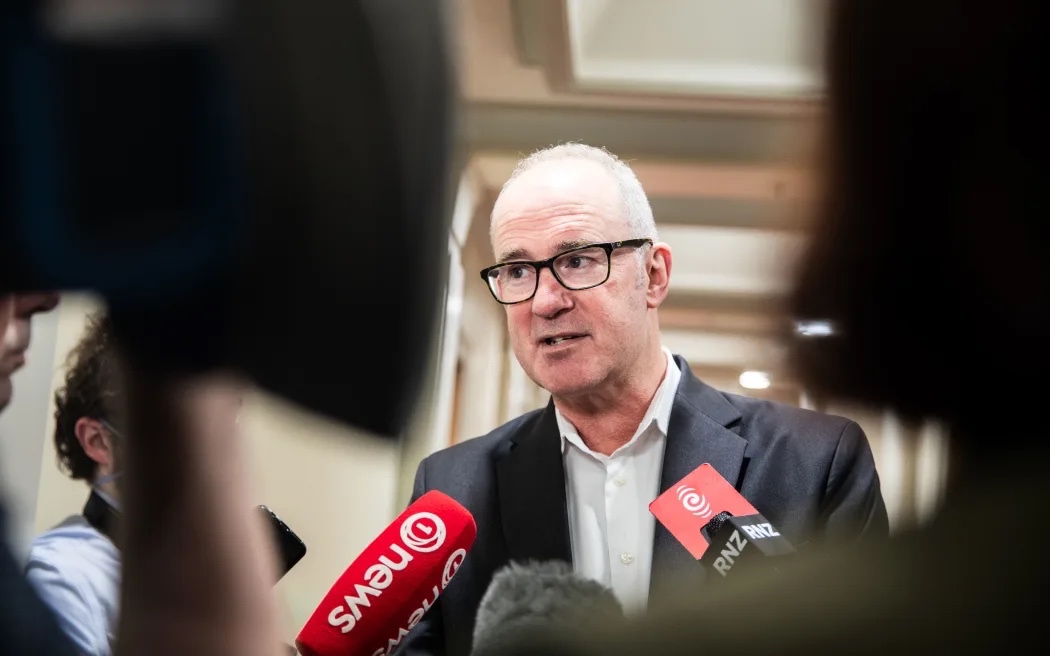
Prime minister Christopher Luxon and immigration minister Erica Stanford.
"It’s very normal that the minister of immigration imposes bespoke conditions on any FTA visas."
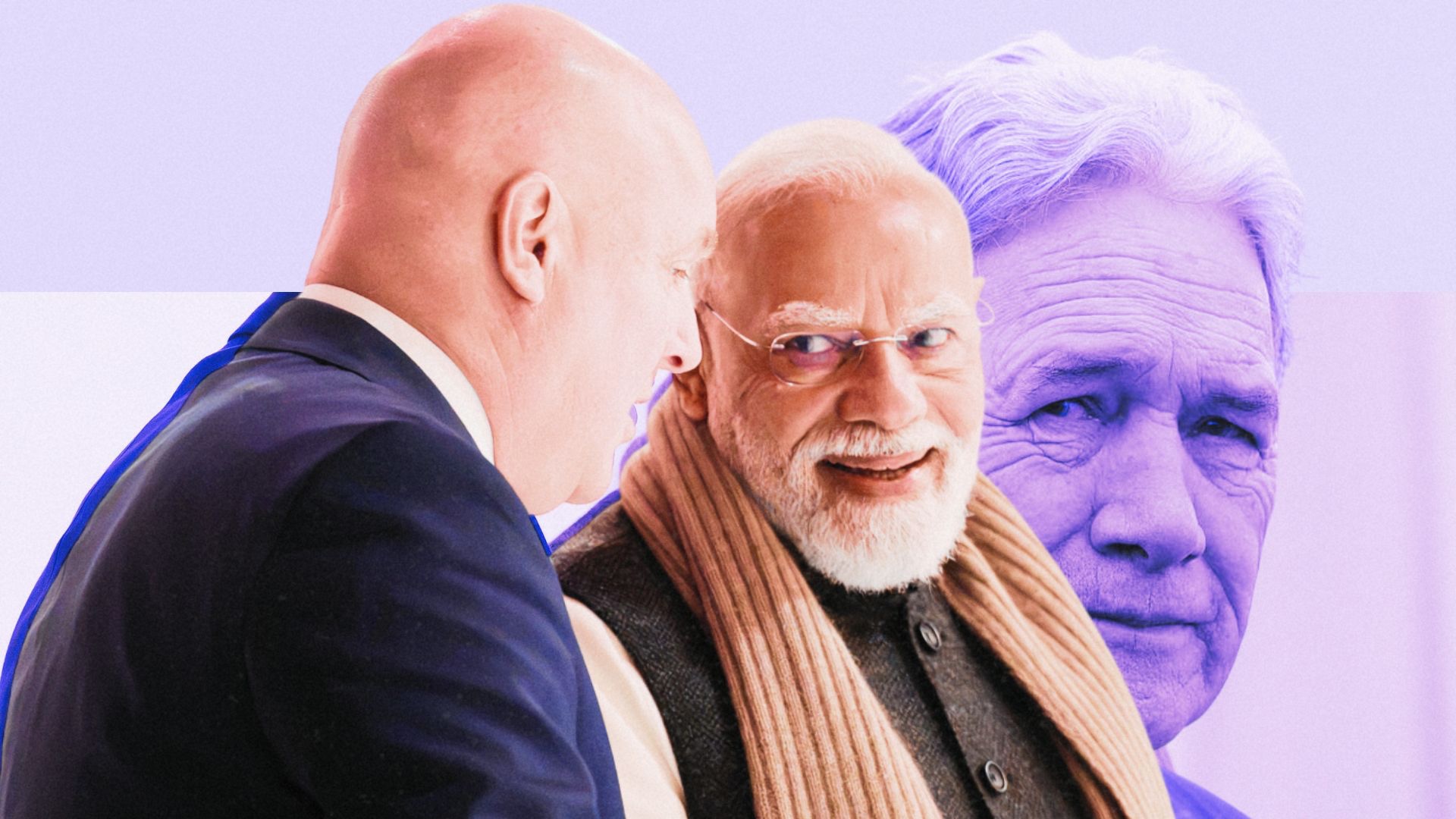
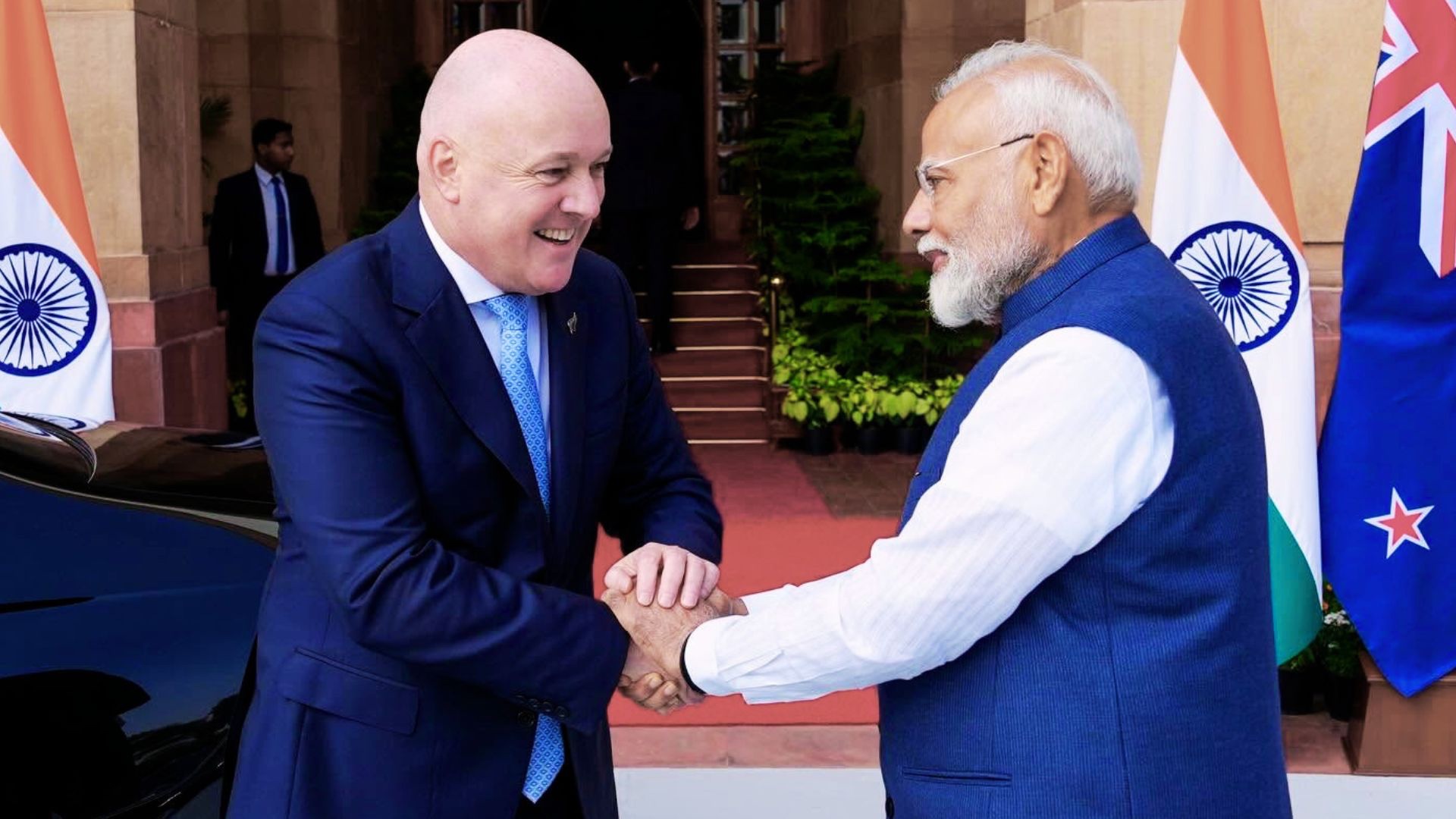
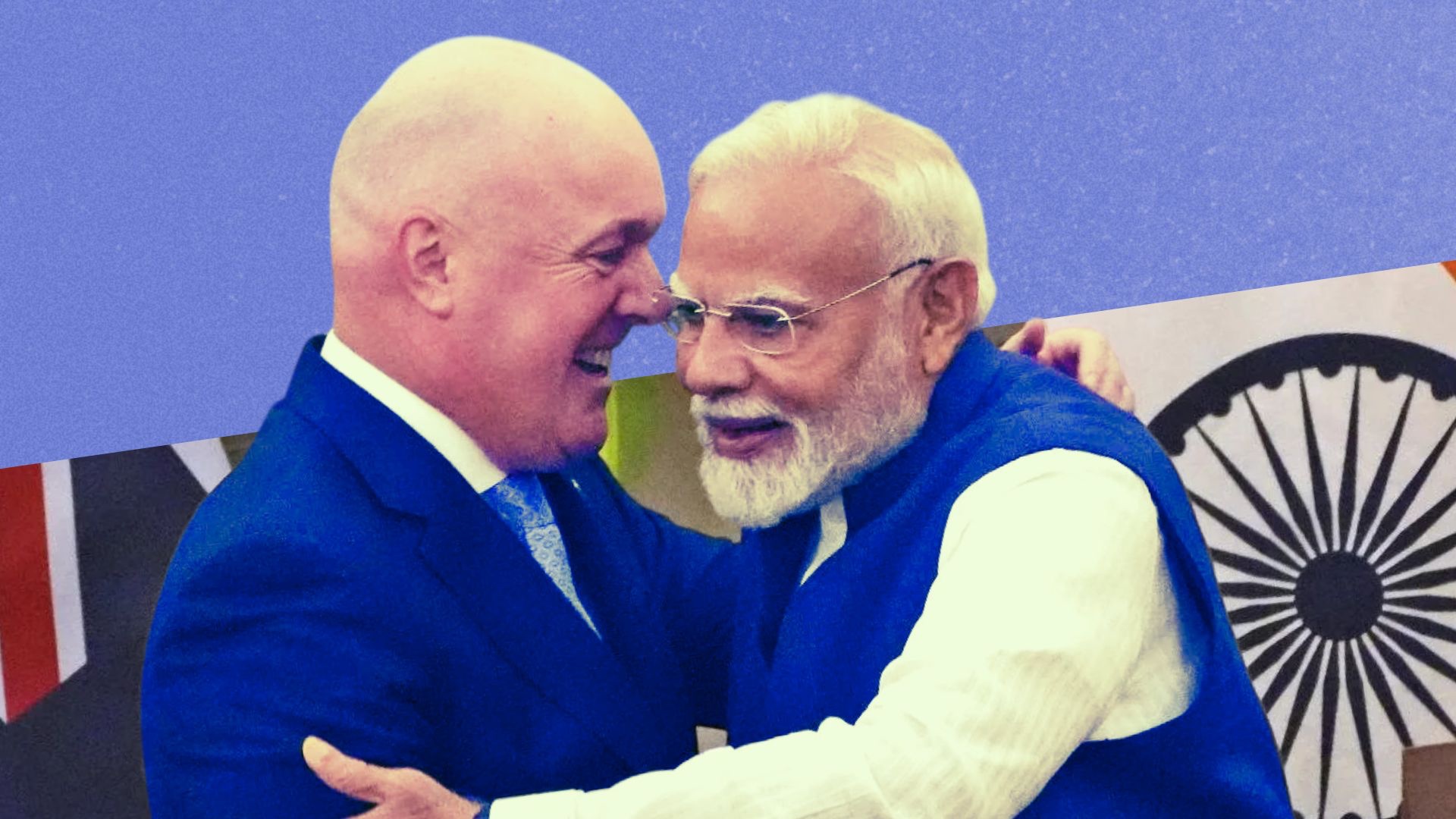
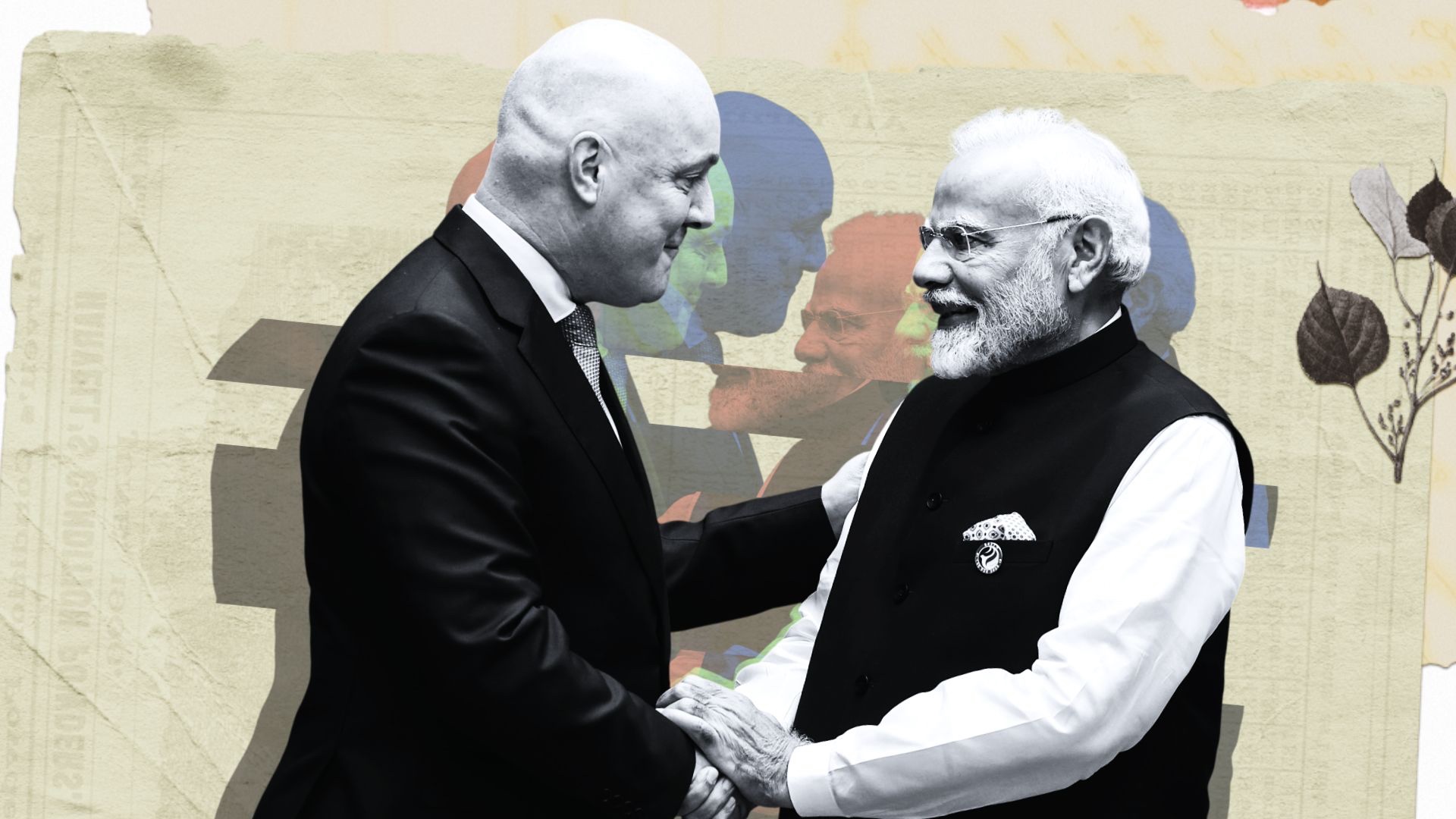
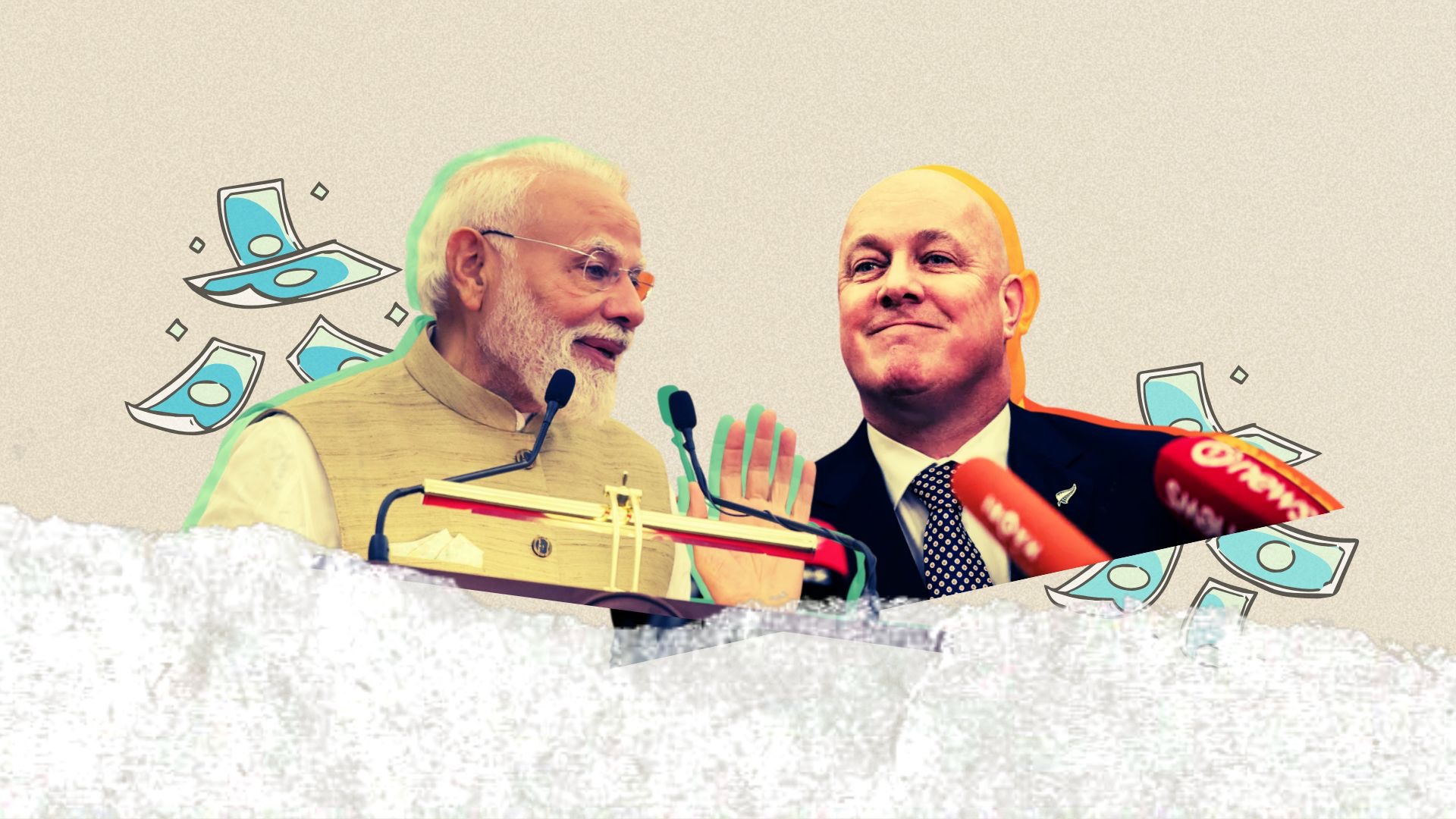
Prime minister Christopher Luxon says immigration settings linked to New Zealand’s free trade agreement with India will be different from those in agreements with other countries, but has rejected claims the approach is discriminatory.
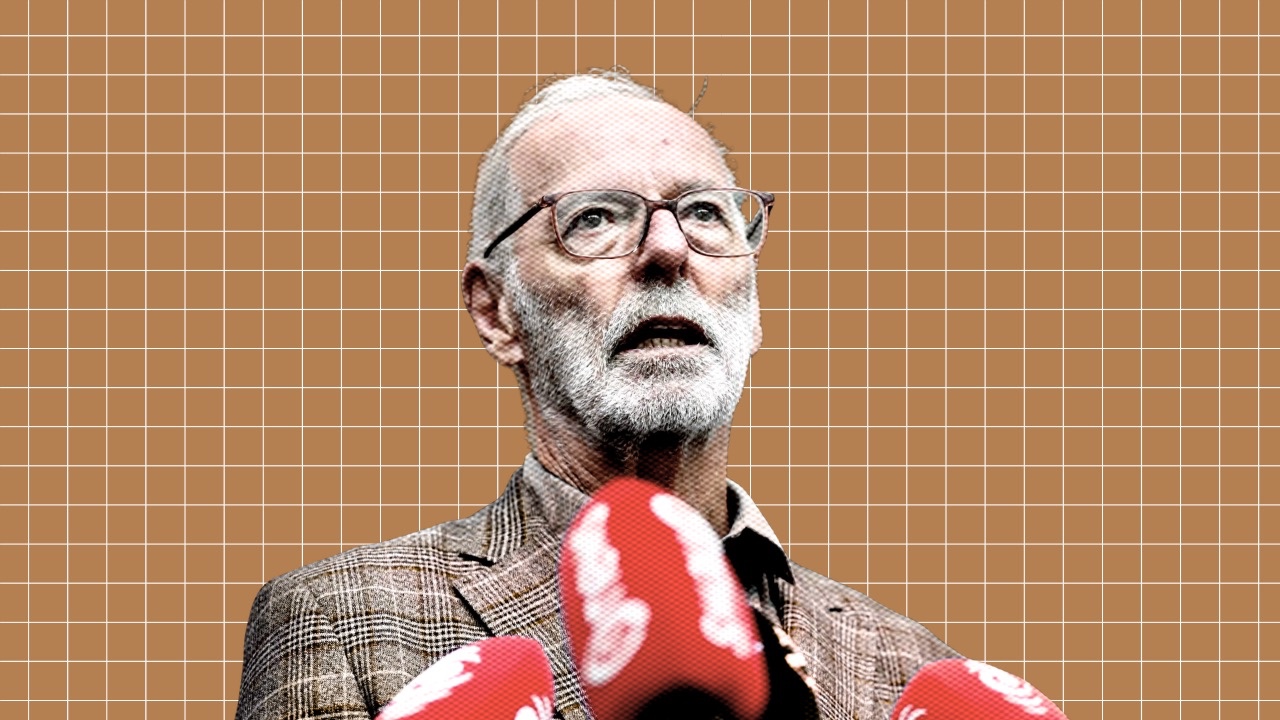
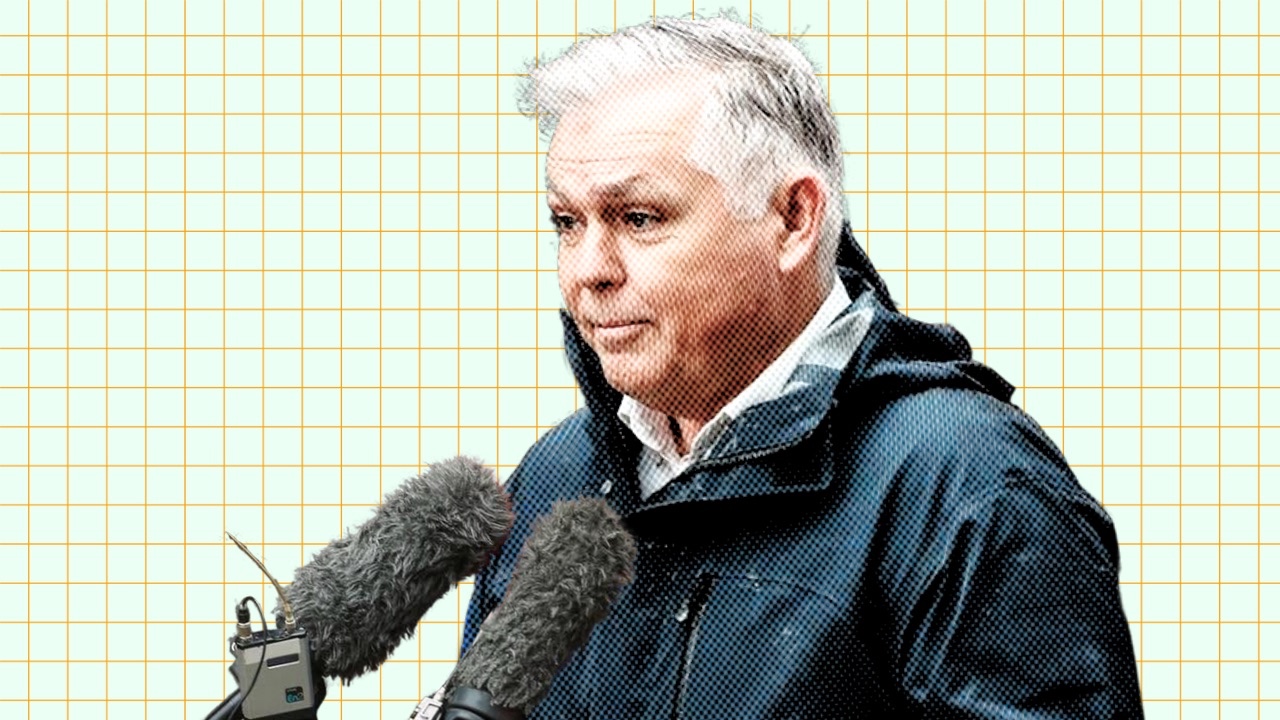
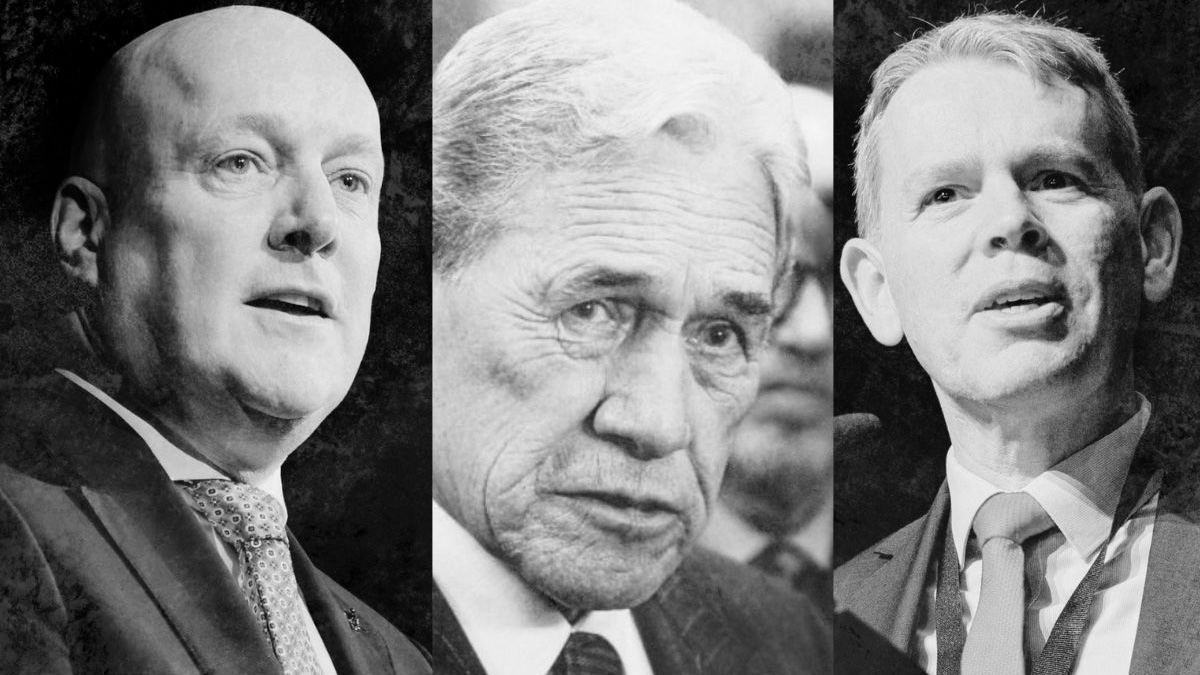
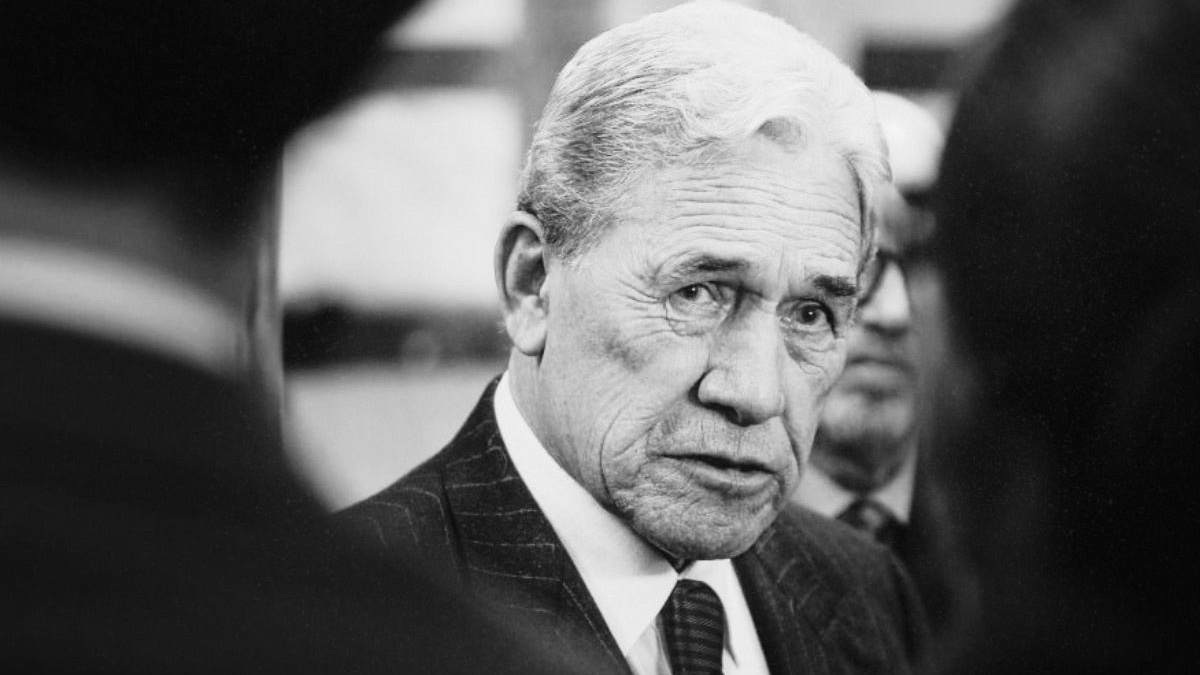
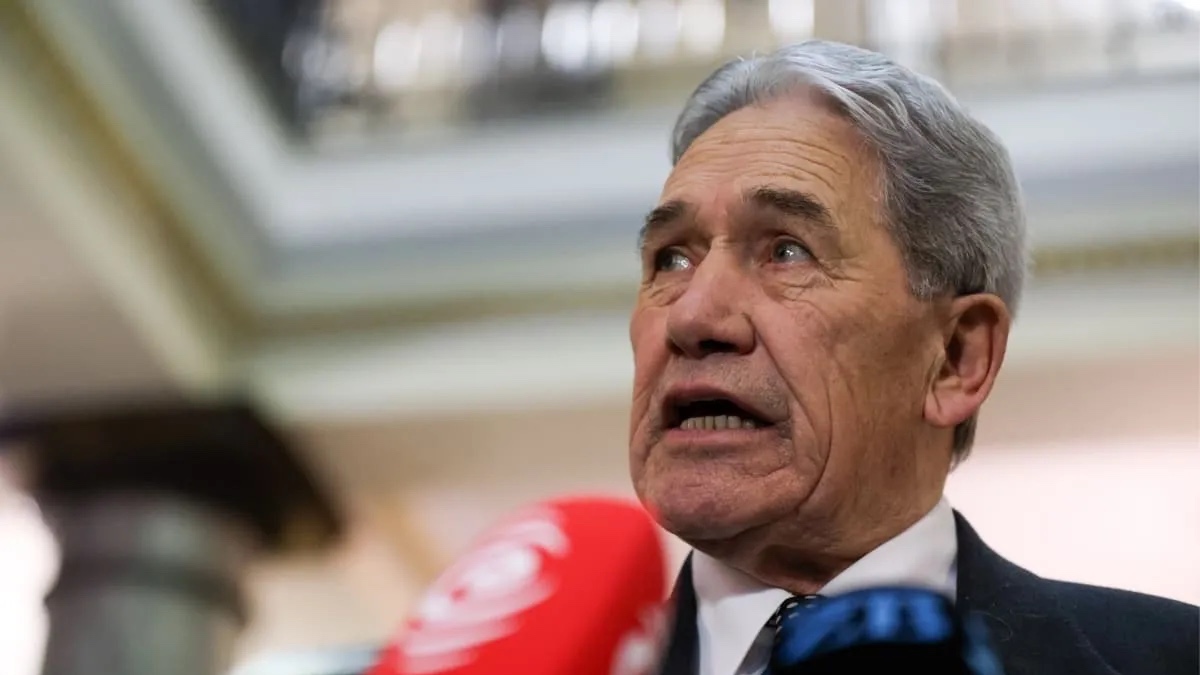
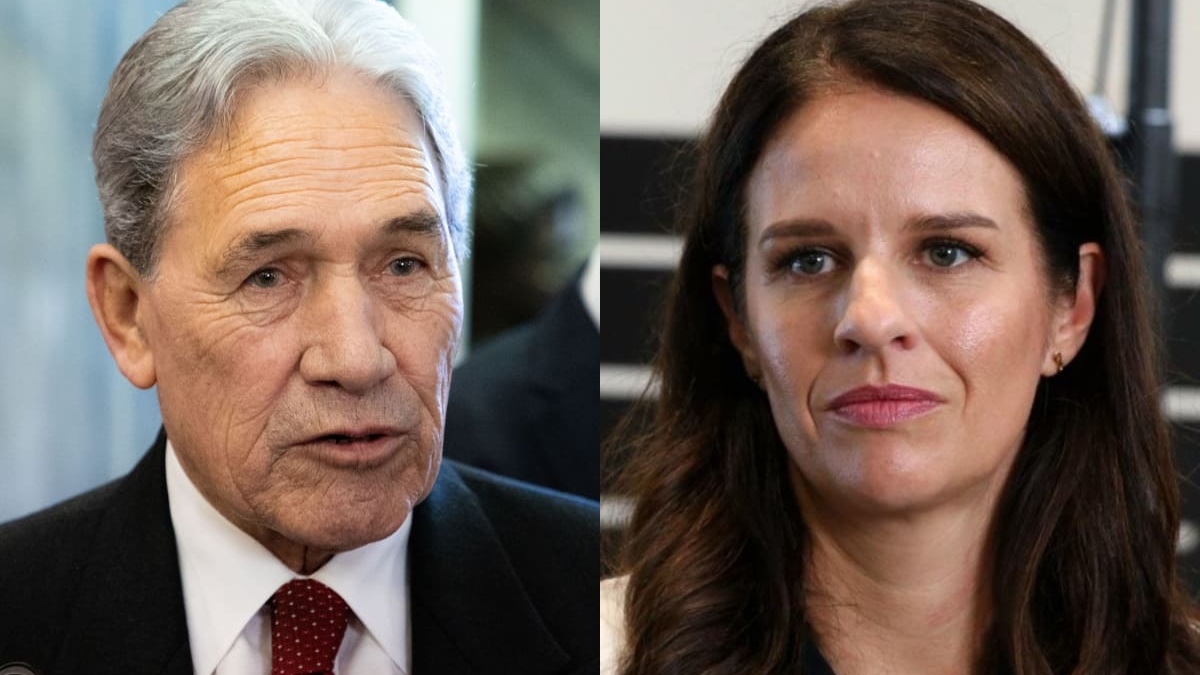
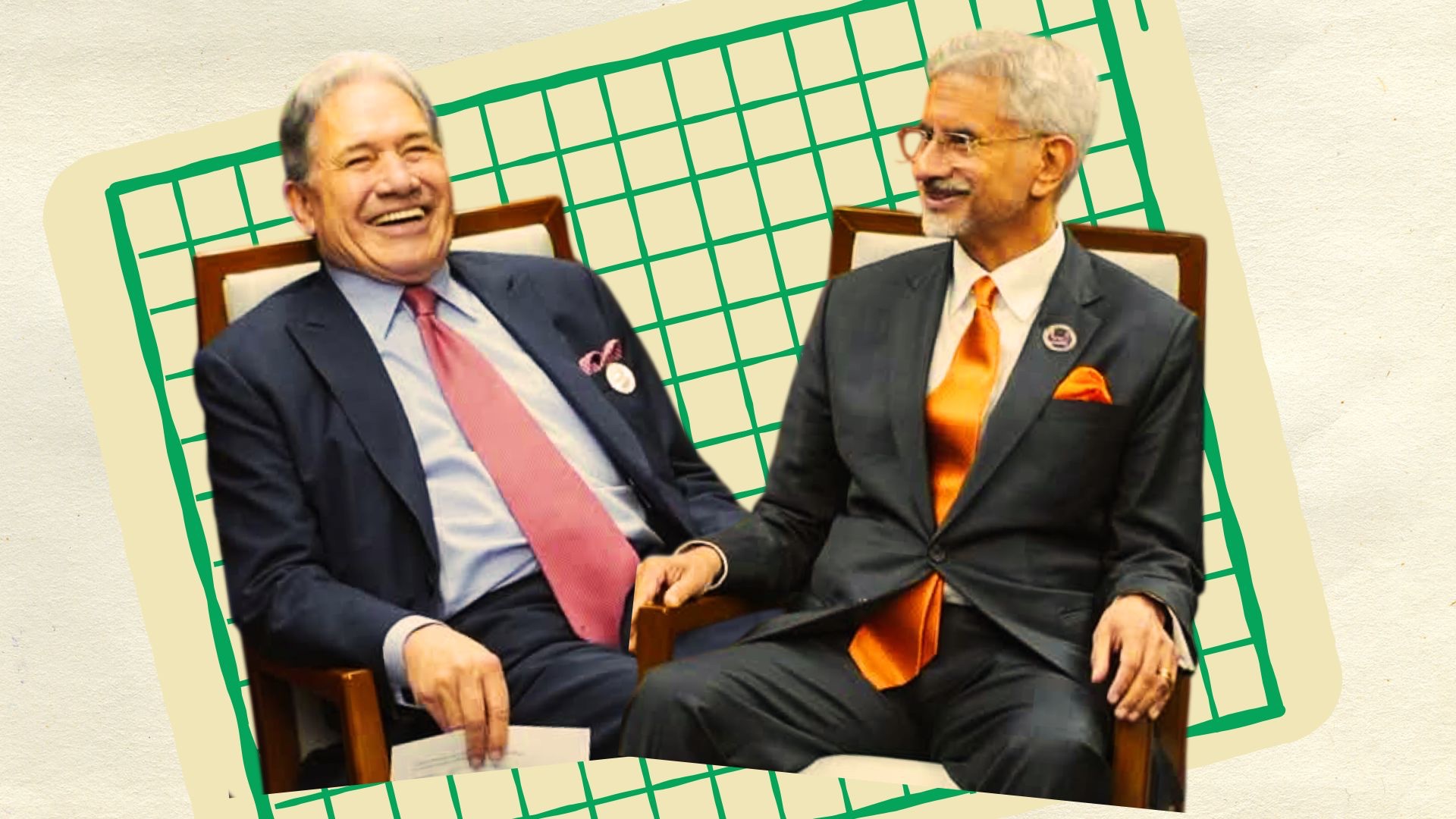
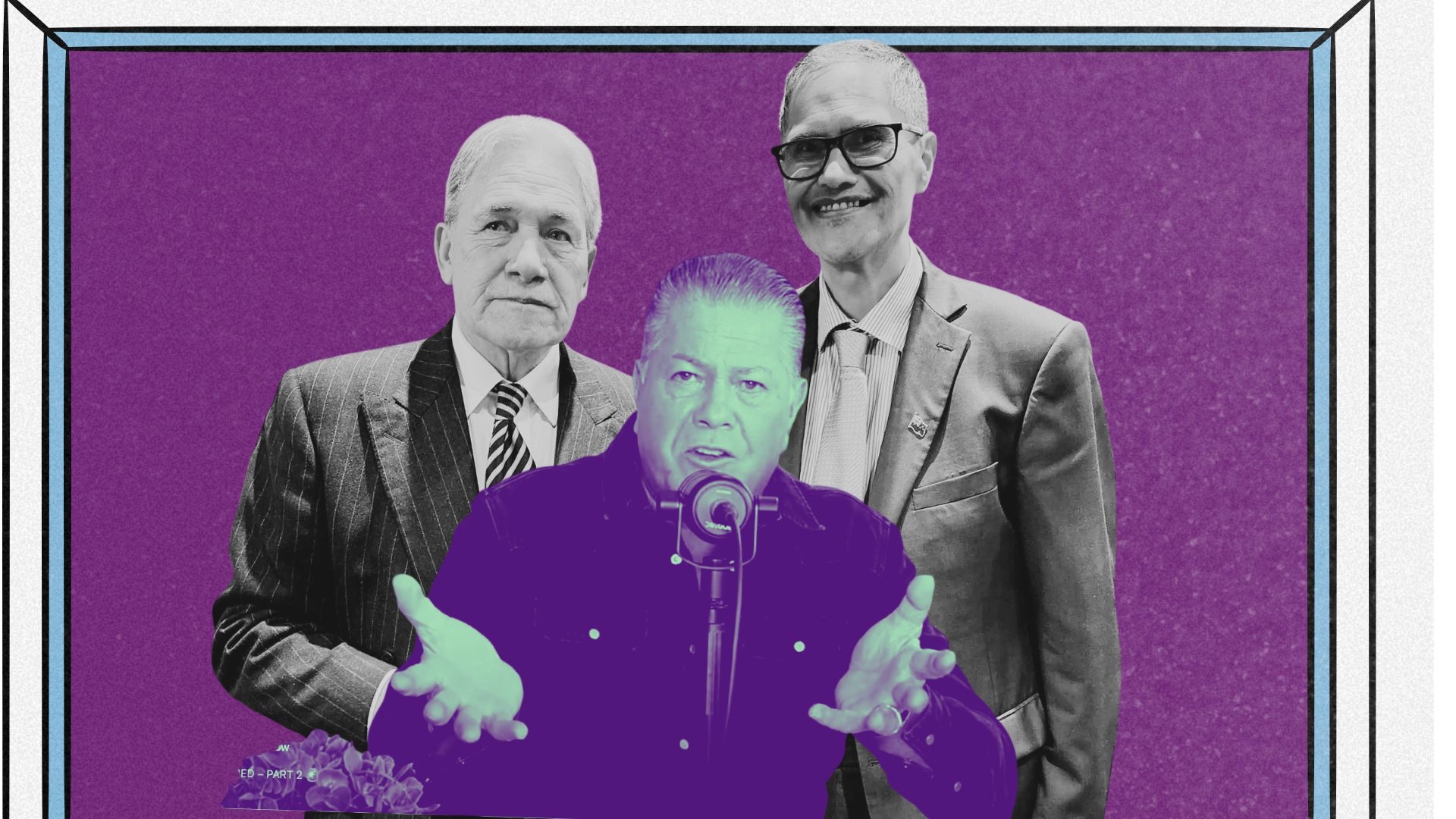
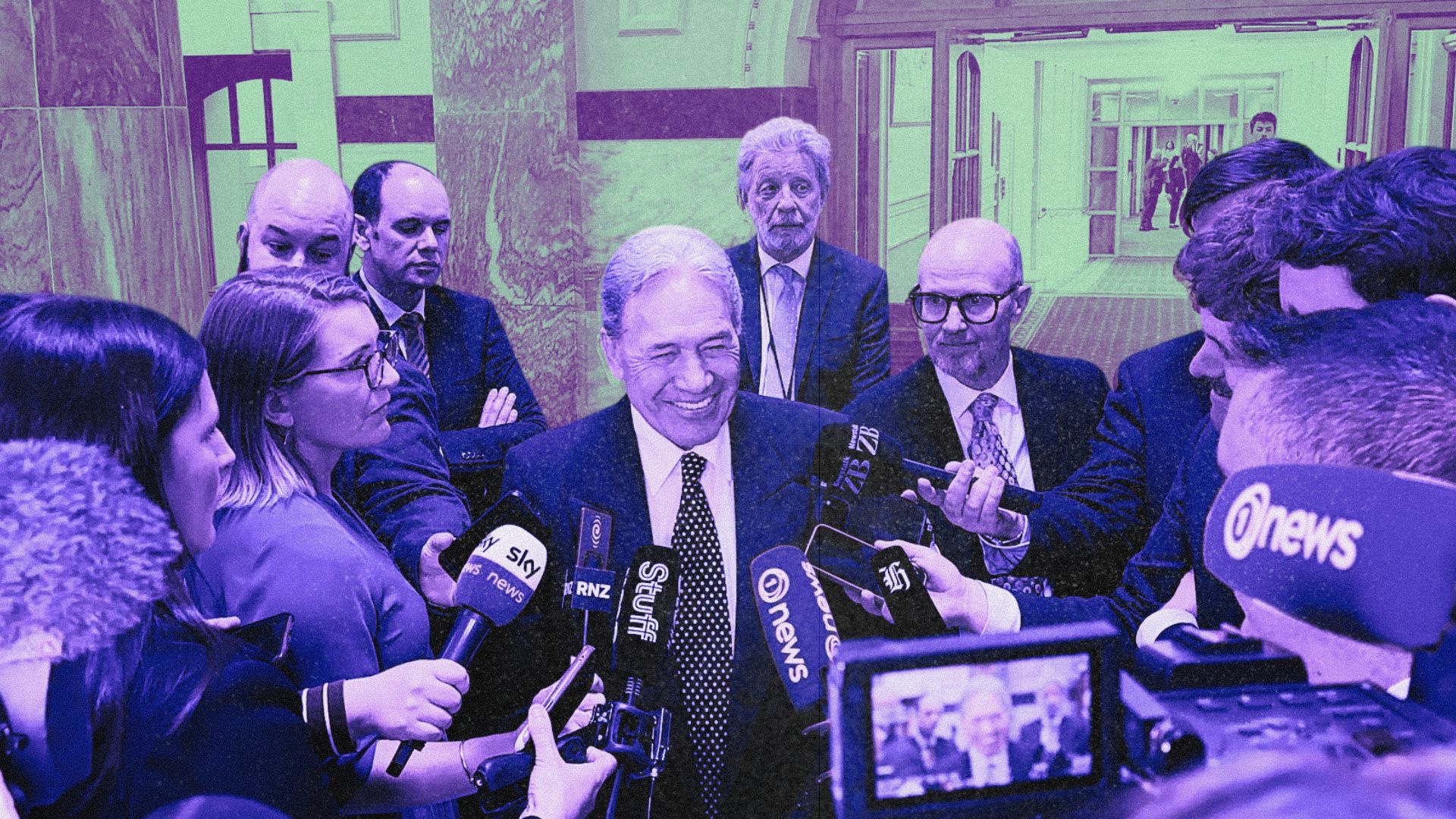
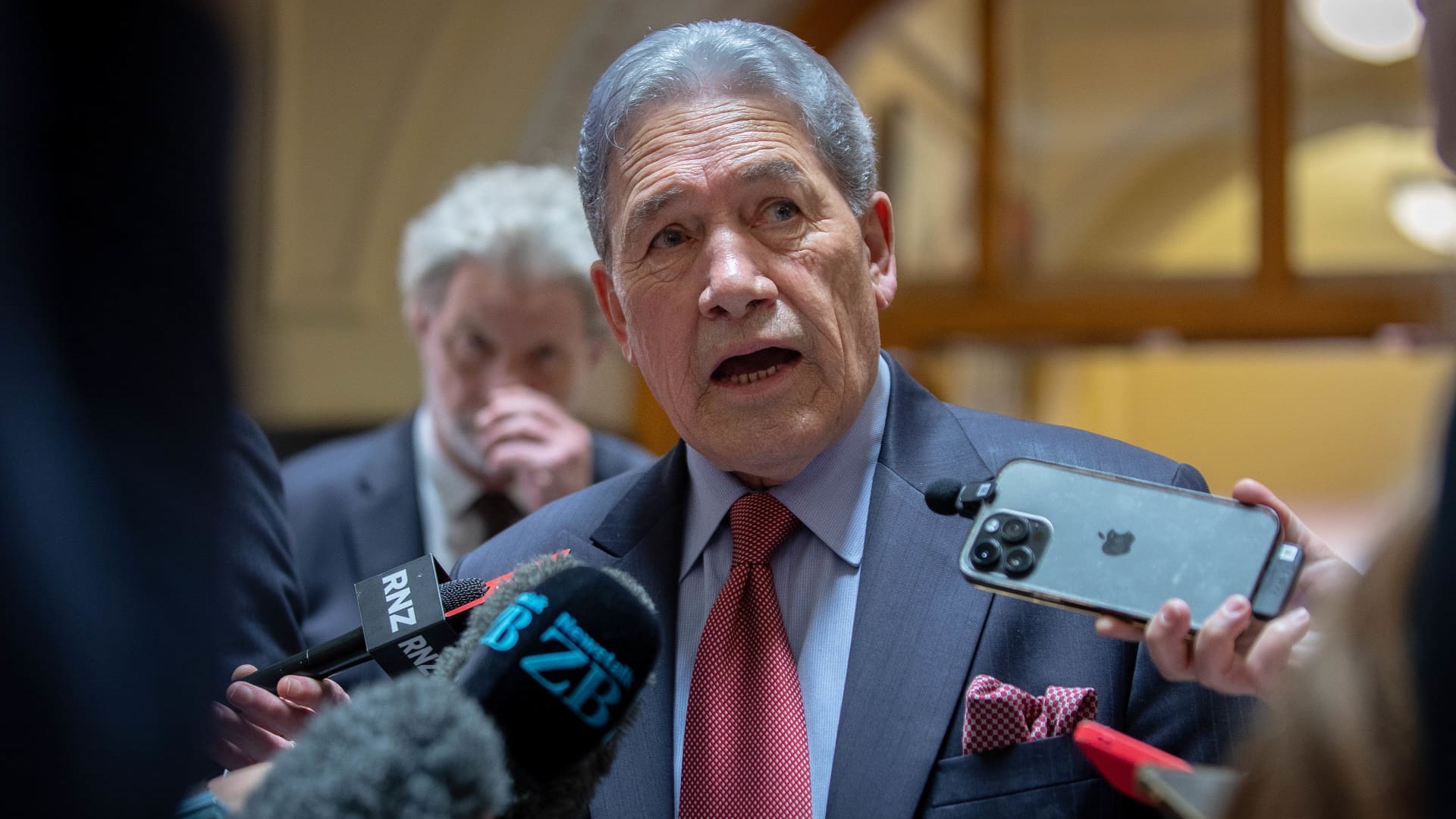
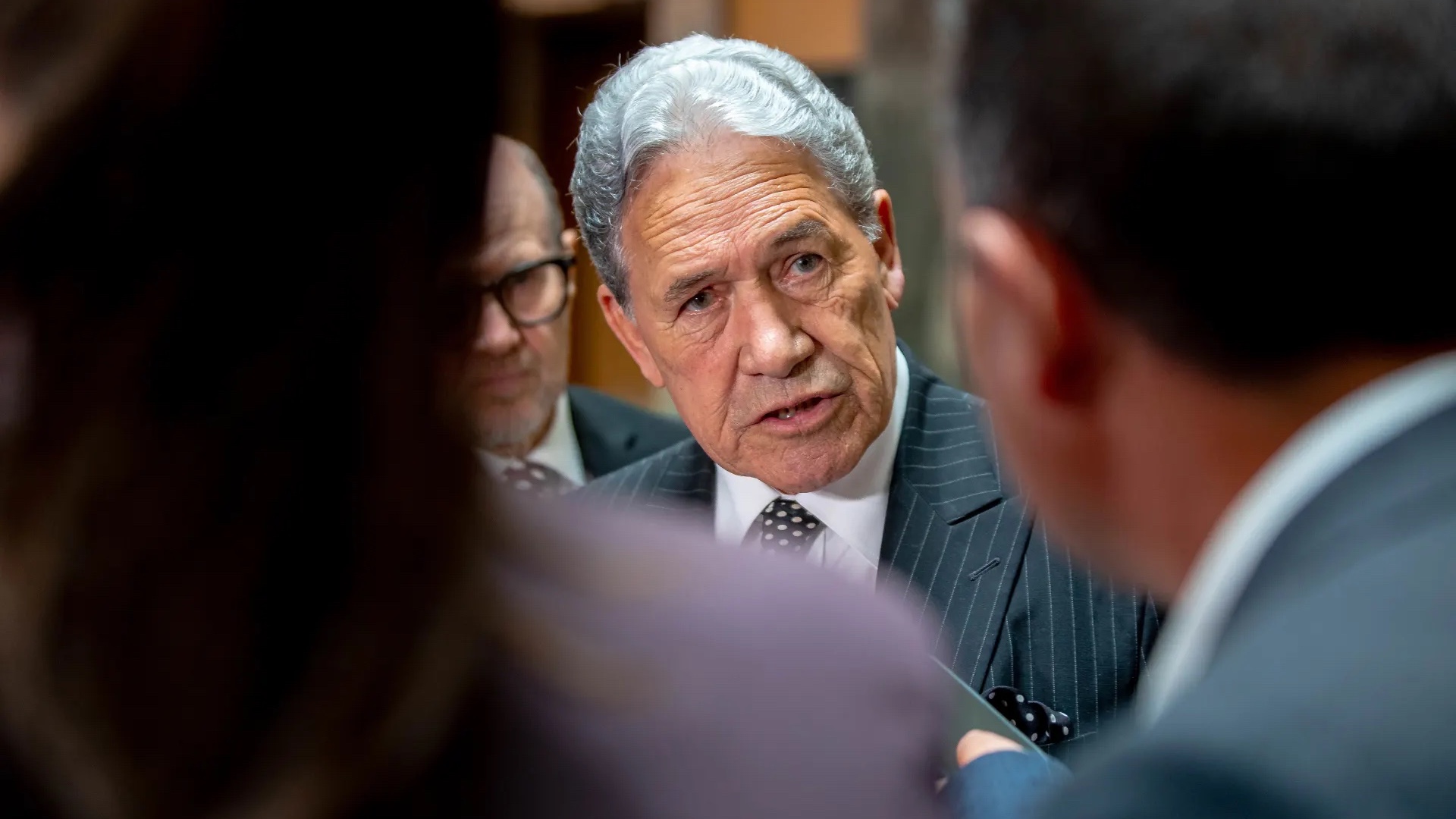
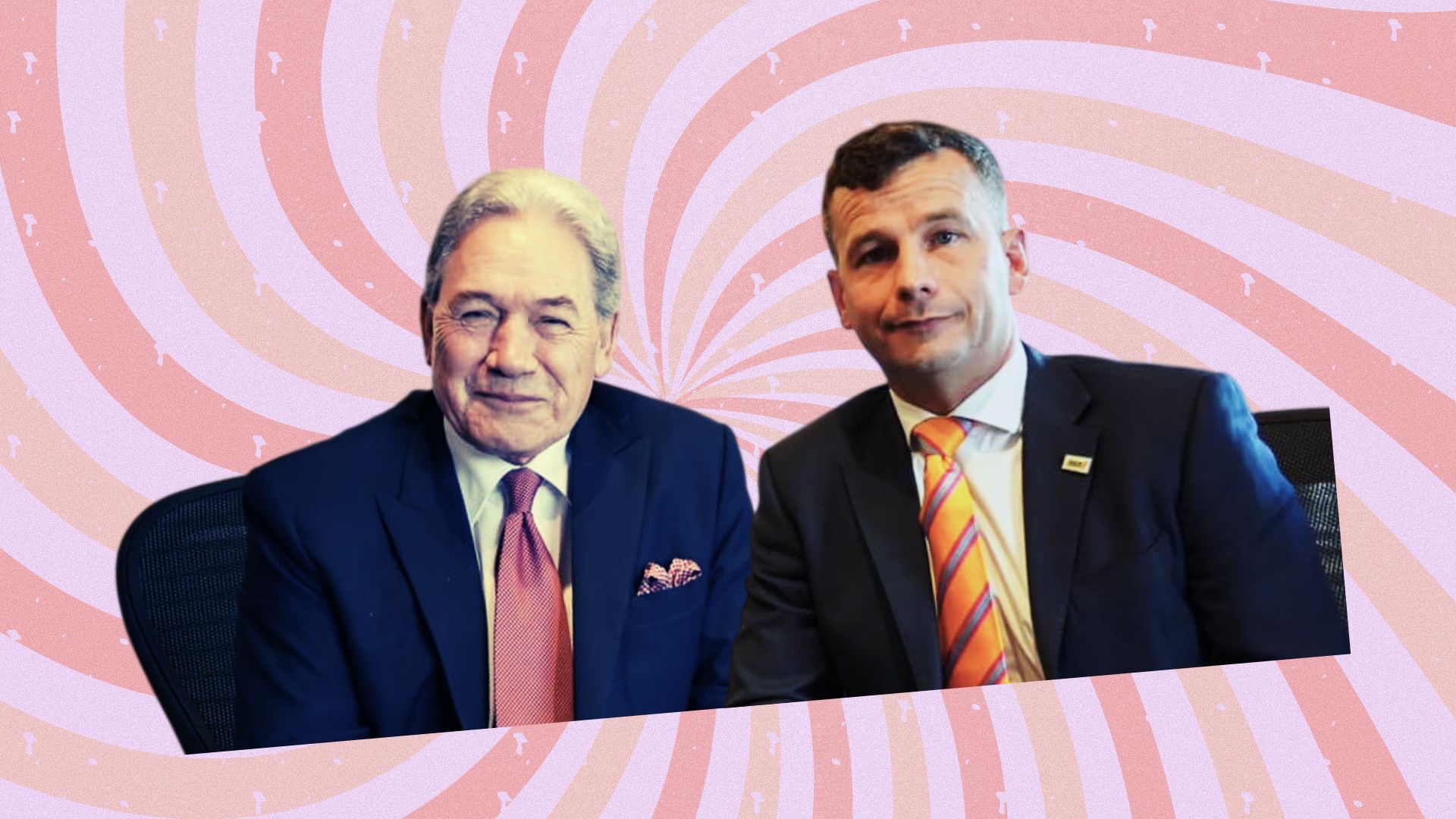
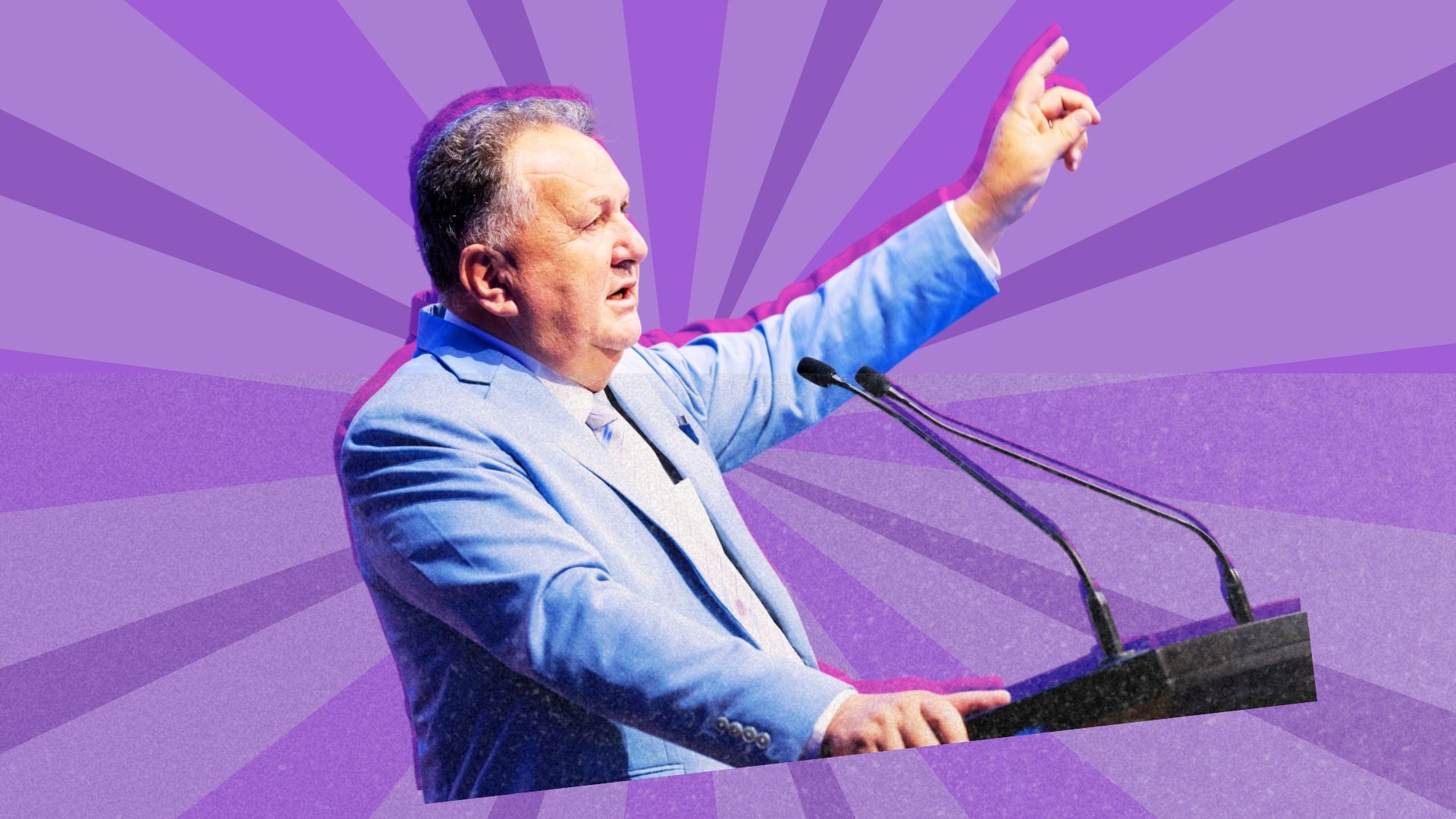
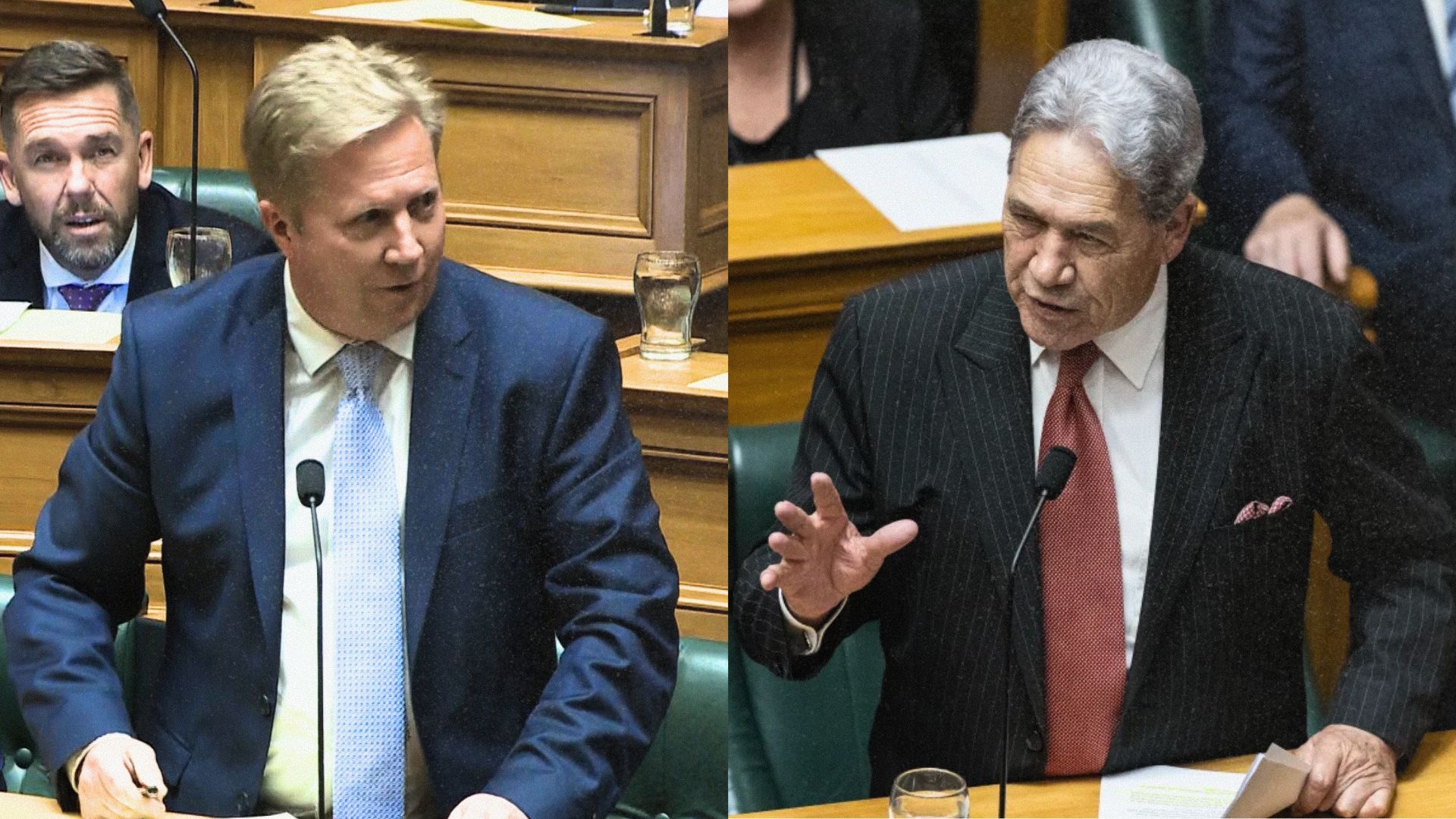
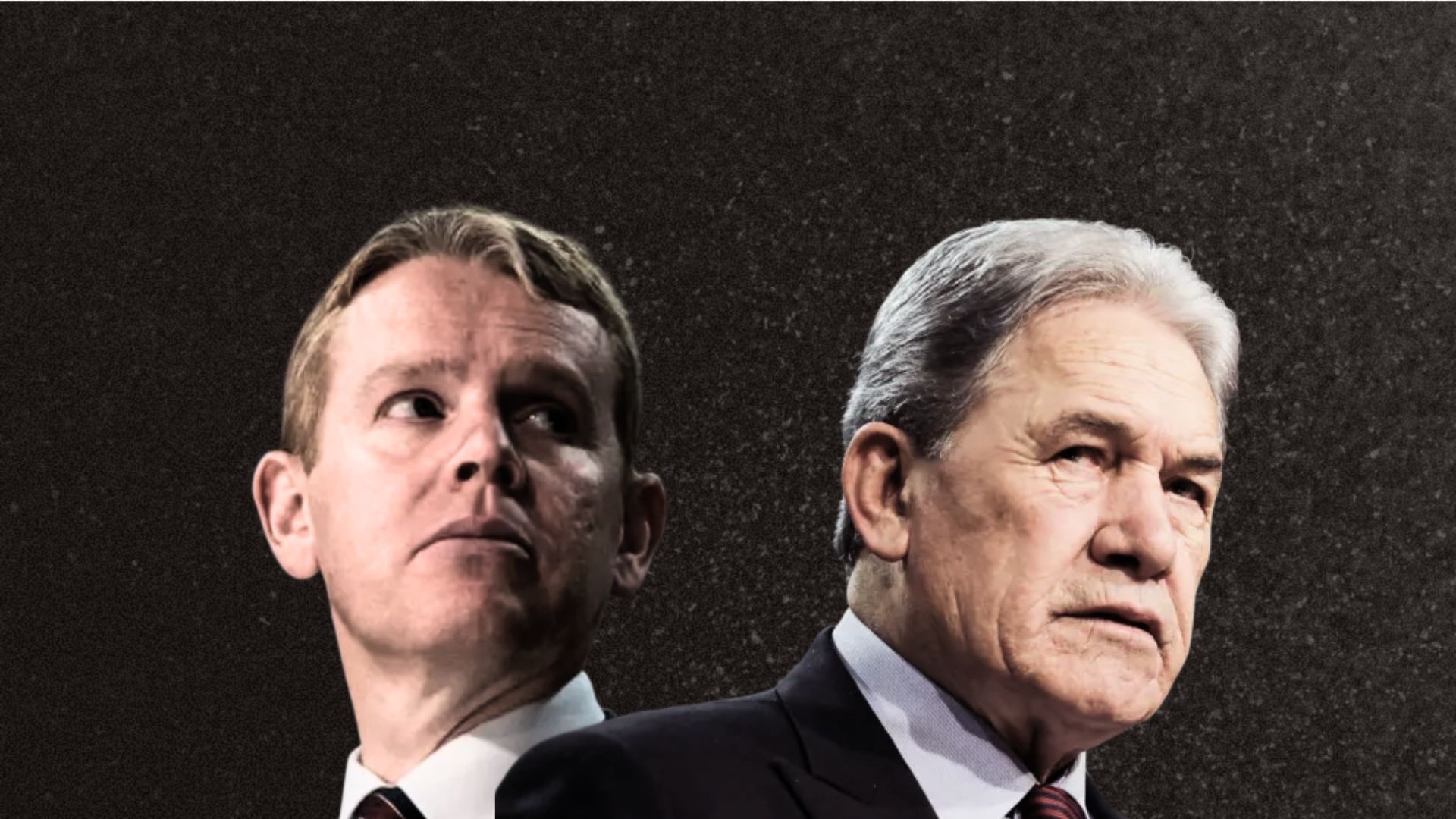
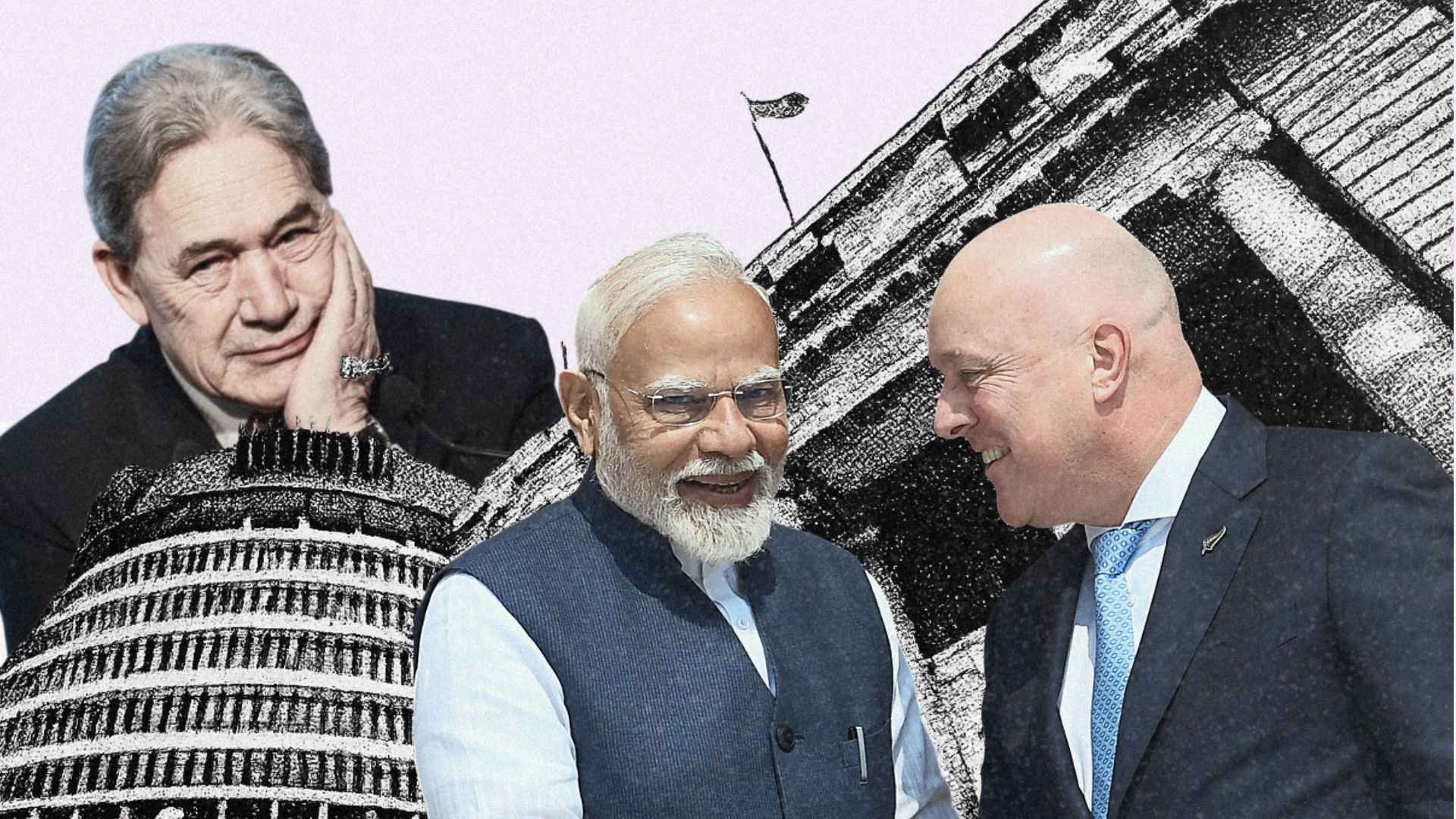
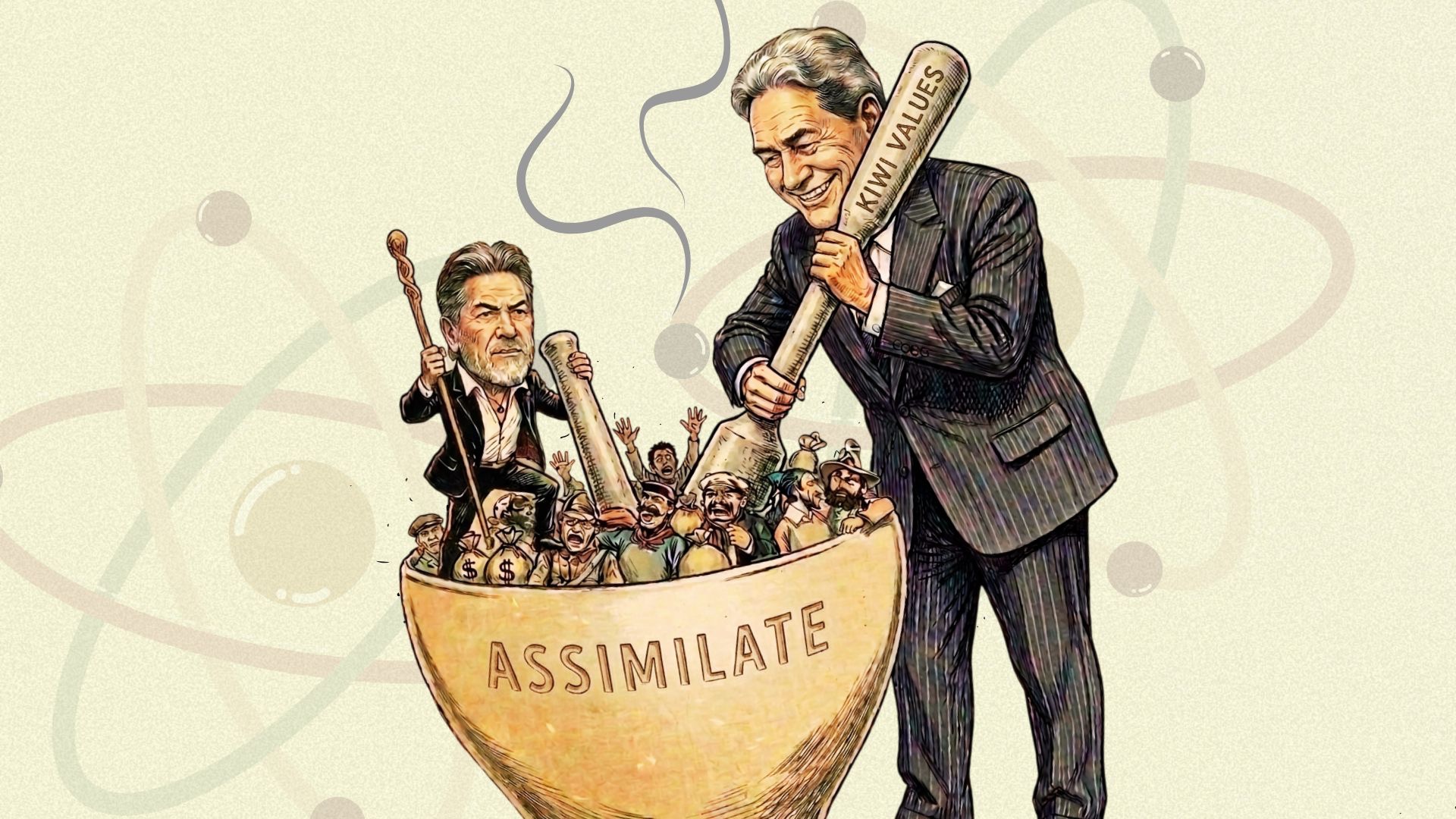
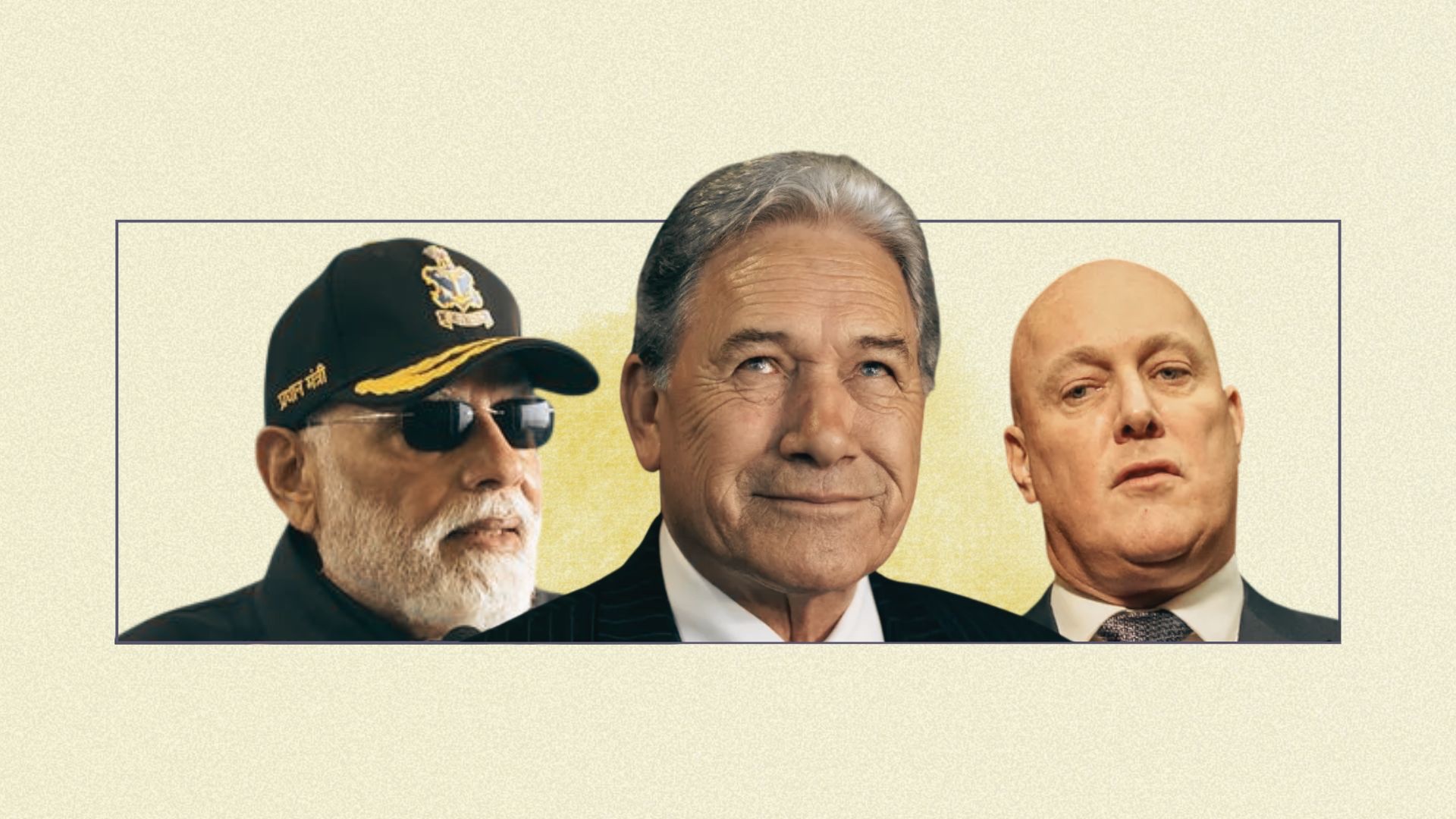
Speaking to RNZ’s Morning Report on Monday, Luxon defended the government’s handling of immigration settings attached to the India deal after foreign minister Winston Peters accused National of covertly making immigration changes that would discriminate against Indians migrating to New Zealand.
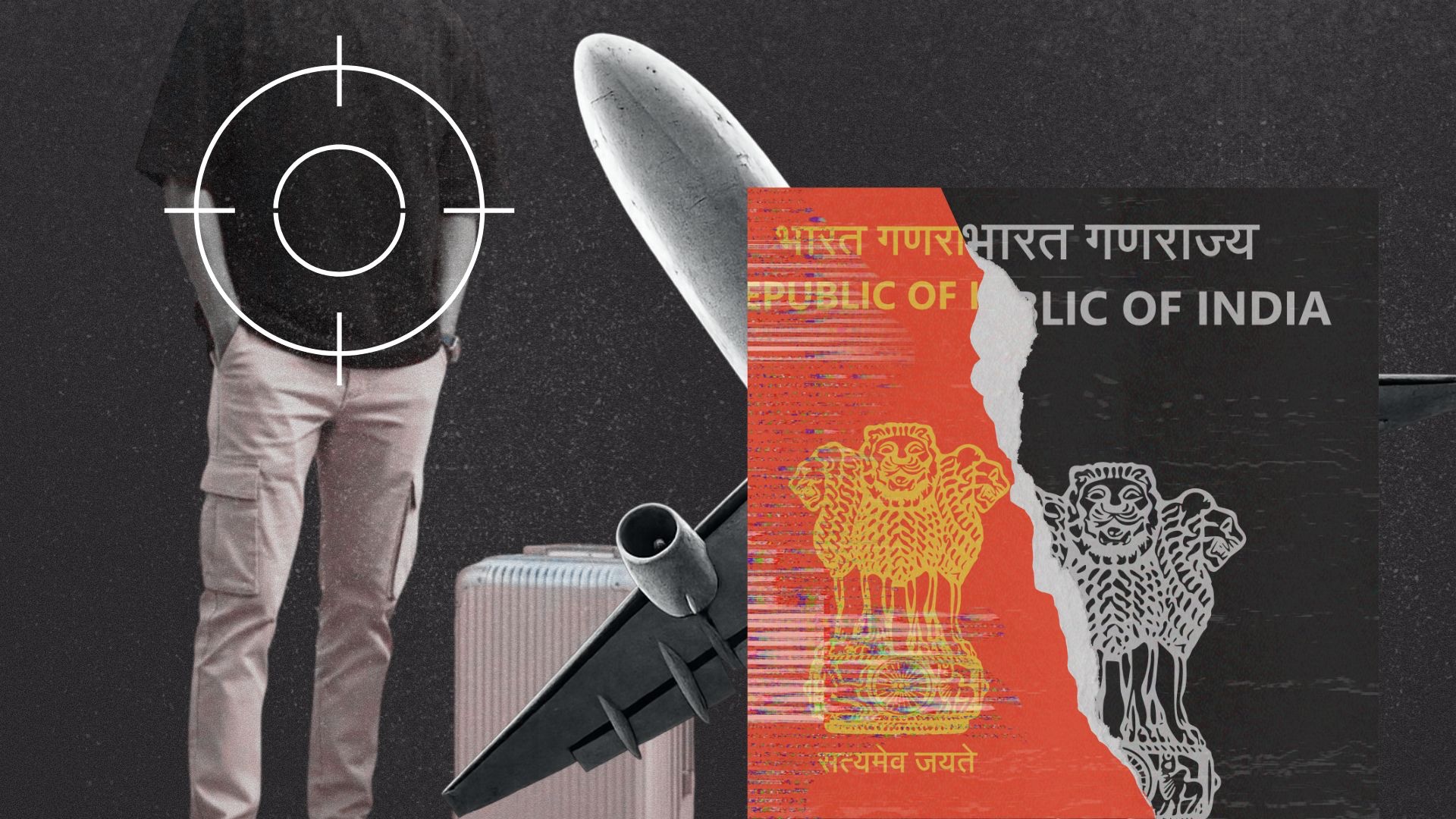
Peters said he had a document showing immigration minister Erica Stanford had approved changes that officials warned would be “more restrictive in a way which targets India and India alone”.
He said the proposed changes could affect relations with India and New Zealand’s reputation.
Luxon told Morning Report the approach was not discriminatory and said the India agreement would have different immigration settings from deals with other countries.
India is coming to Auckland: Full schedule revealed for cricket, football, hockey, Diwali From the Black Caps and All Whites taking on India to Diwali, hockey, bowls and city-wide light displays, Auckland has revealed its sporting centenary programme.
Indian man dies six months after arriving in New Zealand, fundraiser launched Emergency services were called to the crash at Kawarau Falls on Sunday.
$70,000 bill for Rotorua man after father visiting from India to help with newborn twins has stroke A fundraiser has been launched after the uninsured visit has left the family carrying the full cost of hospital treatment
“Every deal is different,” he said.
“Different access is negotiated, and in this case, as there is with all of them, there’s a new visa negotiated under a new FTA.”
Luxon said it was normal for the immigration minister to impose conditions specific to visas negotiated through trade agreements.
“It’s very normal that the minister of immigration imposes bespoke conditions on any FTA visas that are negotiated, quite normal.”
He said the government was following usual cabinet processes.
“It’s set within the confines of our government to determine all of that, and we deliver on those FTA commitments that we’ve made, so that’s exactly what we’re doing here.”
The comments come after Stanford said last week that “initial decisions consistent with the FTA have been sent to other ministers for feedback, prior to immigration instructions being finalised”.
She also said the government had “always been clear that immigration settings are specific to each free trade agreement”.
“As is standard practice Immigration New Zealand is preparing for implementation, subject to final decisions being made,” Stanford said.
The debate comes as a parliamentary committee has separately concluded that New Zealand’s immigration commitments under the India FTA are “relatively narrow” and do not open migration floodgates.
Luxon said both India and New Zealand were happy with the deal and accused Peters of playing politics over an agreement he remained staunchly opposed to.
“I think it’s very easy to indulge in some anti-immigration politics, and the reality is, this is a country that has legal immigration,” Luxon said.
“I get it’s easy politics, it’s just wrong.”
Luxon also questioned Peters’ position on Indian migration.
“On the one hand, he said few weeks back, oh we’ve got way too many Indians coming into the country, and now we’re saying we haven’t got enough.”
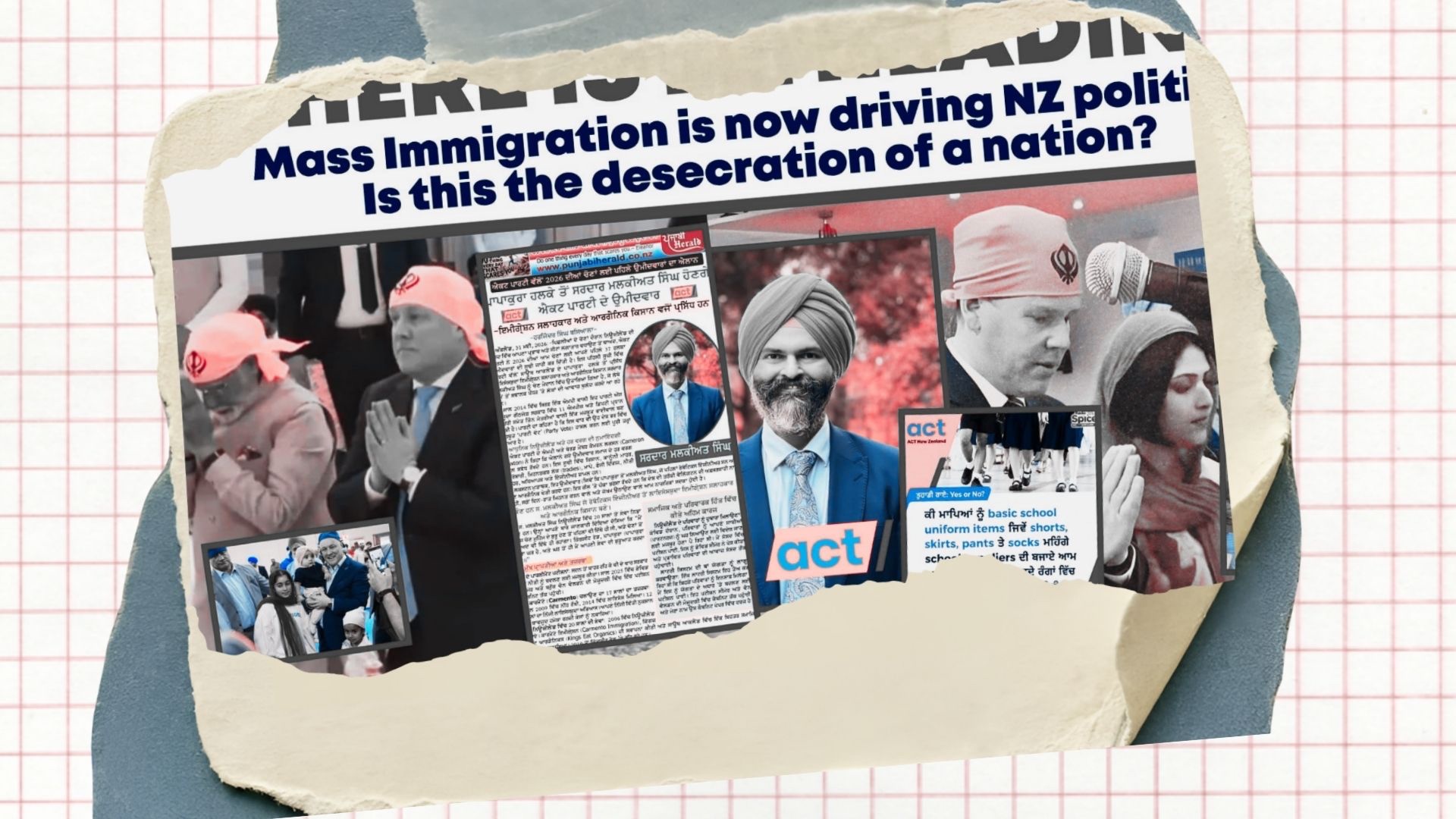
The political dispute comes against a wider debate over the tone of the FTA contest, with concern previously raised across ACT and the Greens that rhetoric and misinformation around the agreement could fuel anti-Indian sentiment.
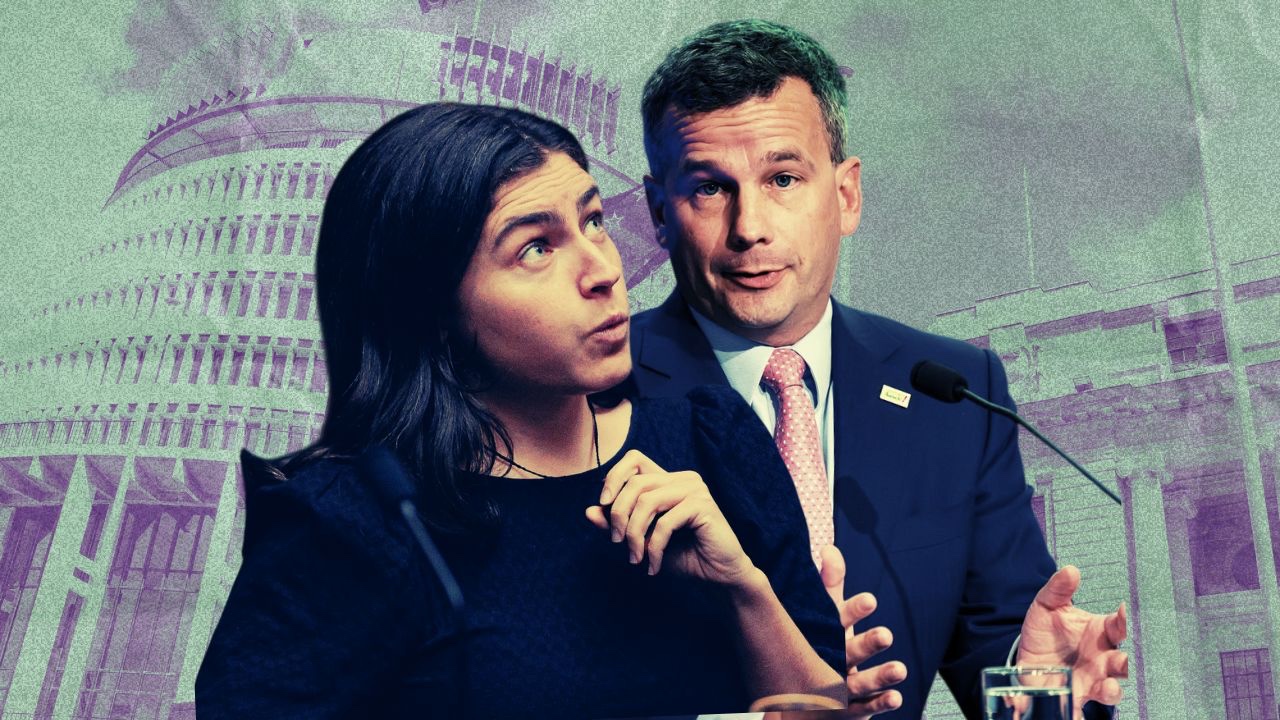
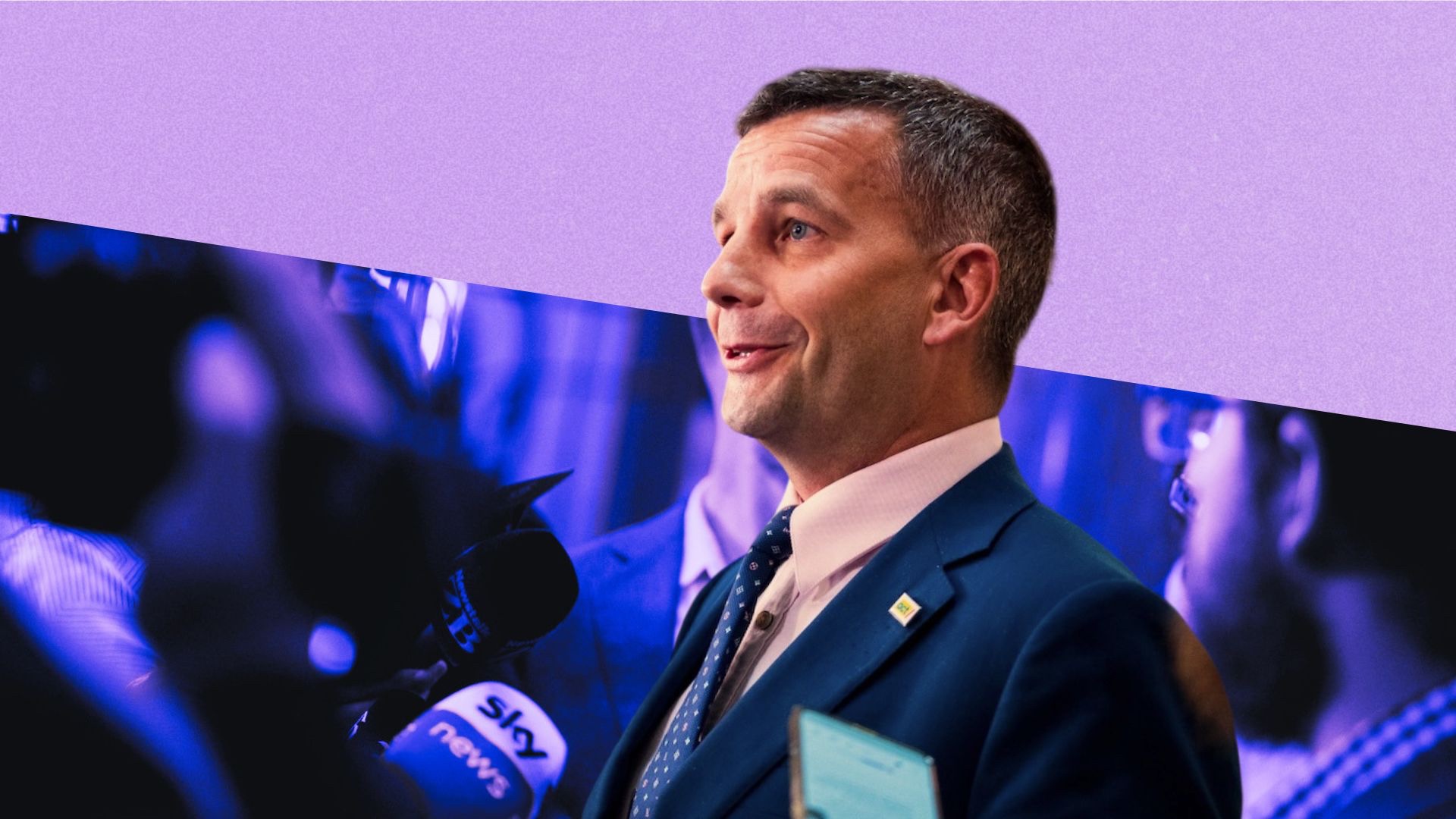
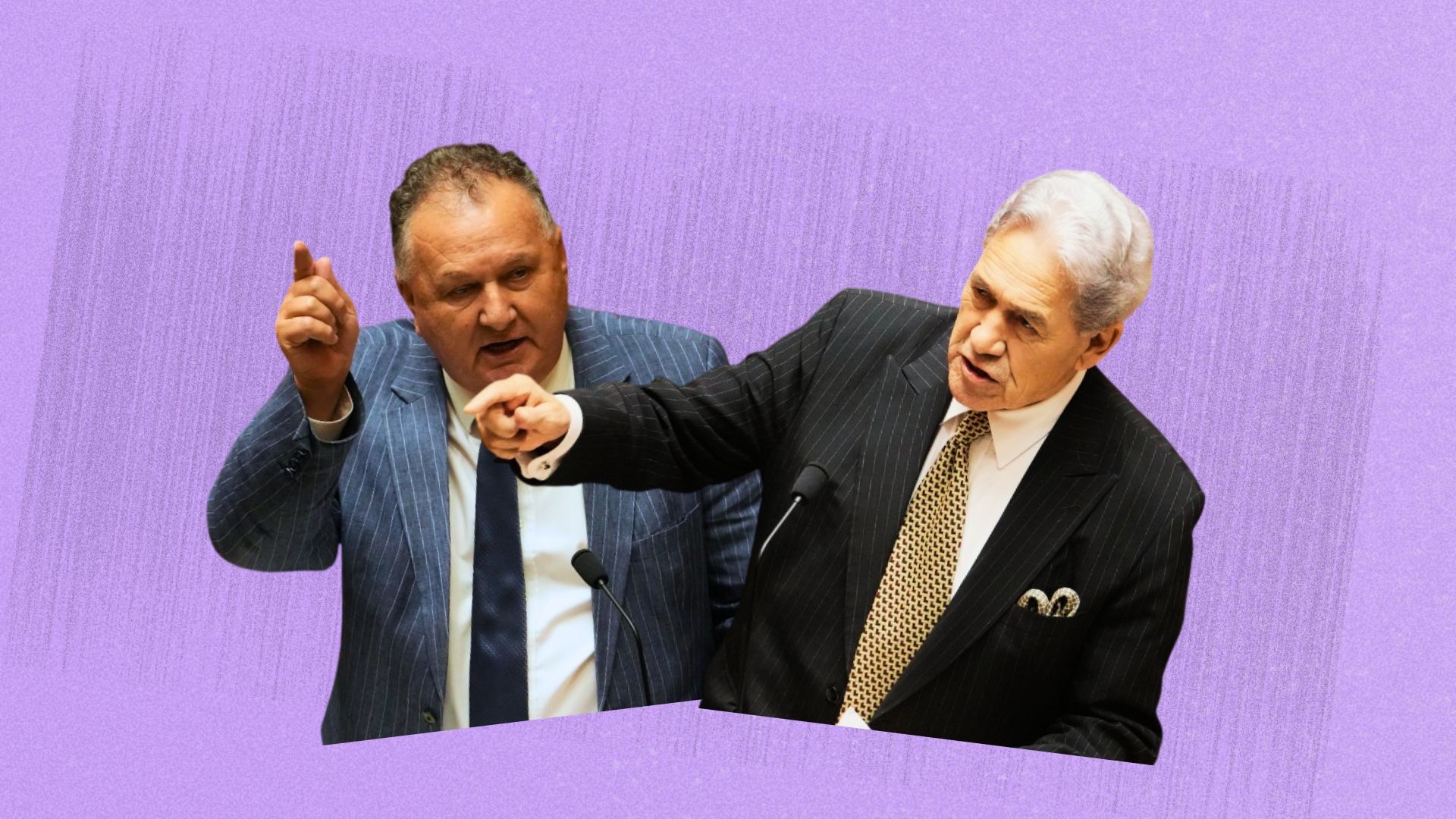
The coalition row widened again on Monday as ACT leader David Seymour criticised another part of the deal.
Seymour lashed out at trade minister Todd McClay over a line in the agreement affirming New Zealand and India’s respective positions on the United Nations Declaration on the Rights of Indigenous Peoples.
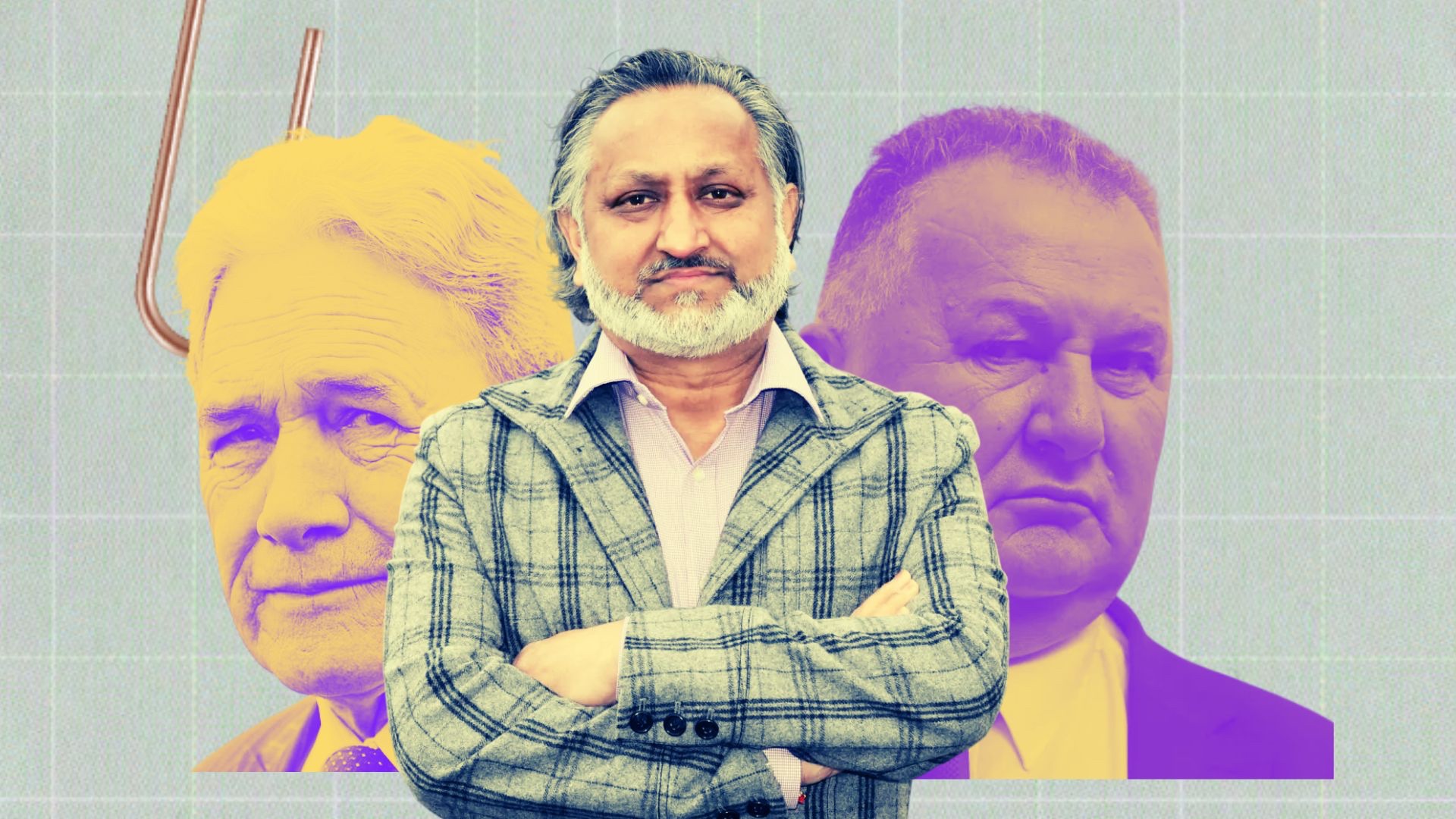
He said the provision was one of several “fish hooks” unrelated to trade in recent FTAs and claimed the UNDRIP clause had been “snuck into” the India deal.
“The government of India didn’t want it, the government of New Zealand didn’t want it, but the bureaucracy put it in there,” Seymour said.
“We relied on Todd McClay to say that we’re not doing any extraneous stuff around the Treaty in this free trade agreement, he assured us we weren’t, and it turns out we were.”
Seymour said he supported proceeding with the agreement.
“I just say rock on with the free trade agreement, but make sure ... the next trade minister is capable of ensuring it’s just a free trade agreement, not someone else’s political project or a vehicle for it.”
Labour trade spokesperson Damien O’Connor accused both New Zealand First and ACT of disloyalty.
“David Seymour, like Winston Peters, is just making politics of an agreement that has huge potential,” he said.
“On balance, Labour believes it’s worth signing. It’s not perfect, but for them to play politics is simply disloyal to our country.”
Labour has already confirmed it will support the India-New Zealand FTA through Parliament, while ACT also backs the deal and New Zealand First has refused to support it.
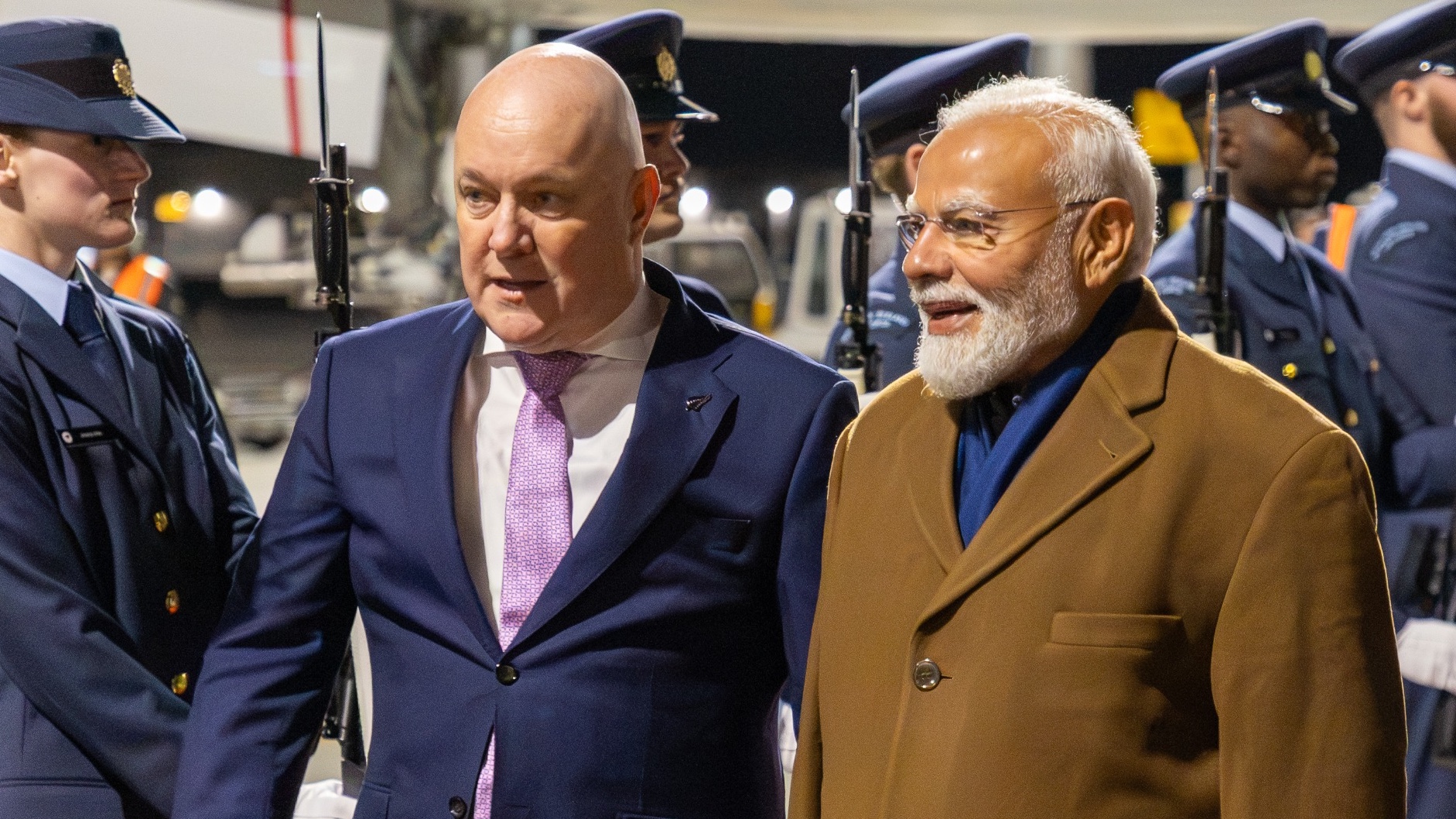
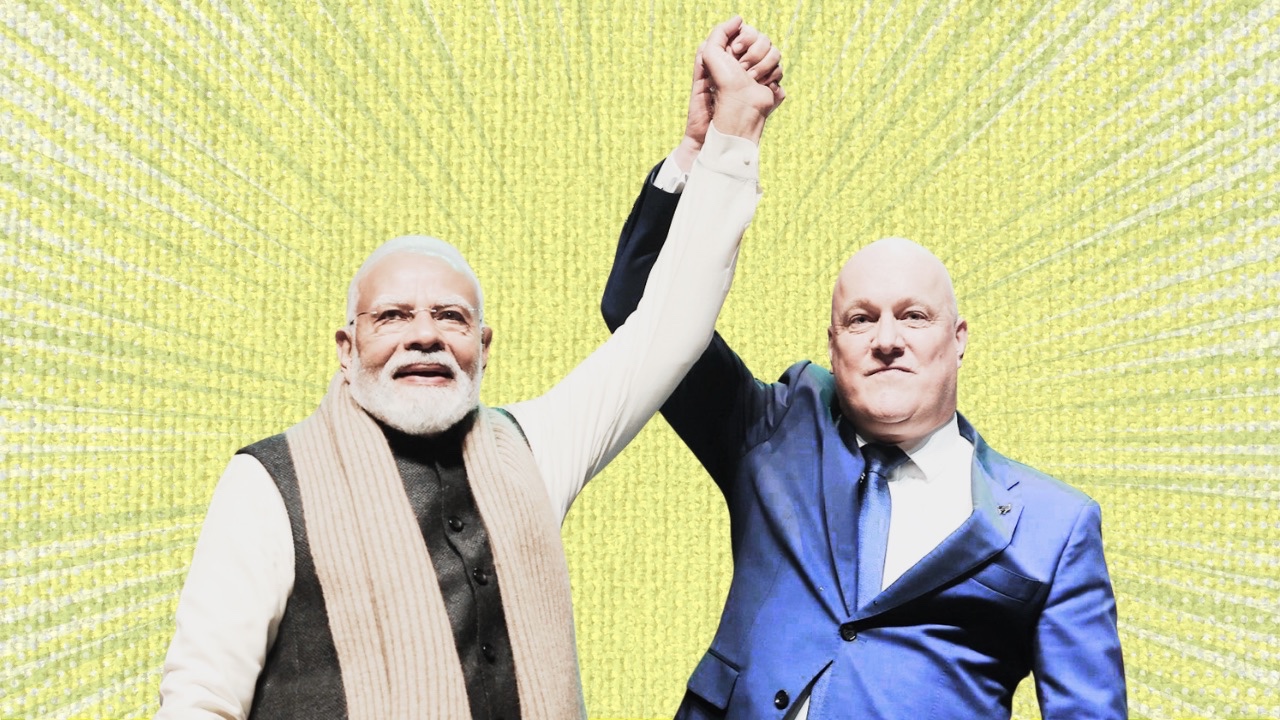
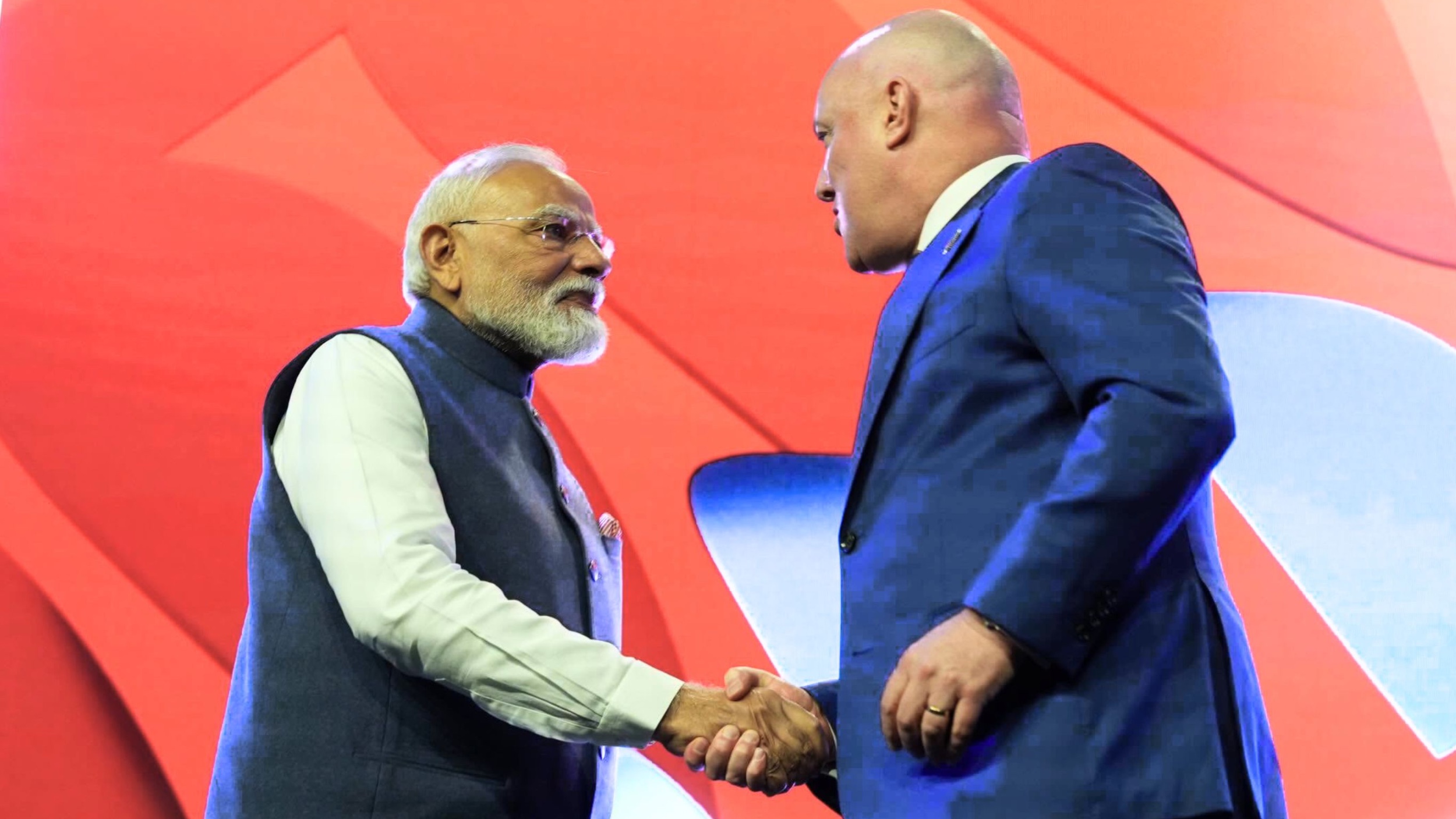
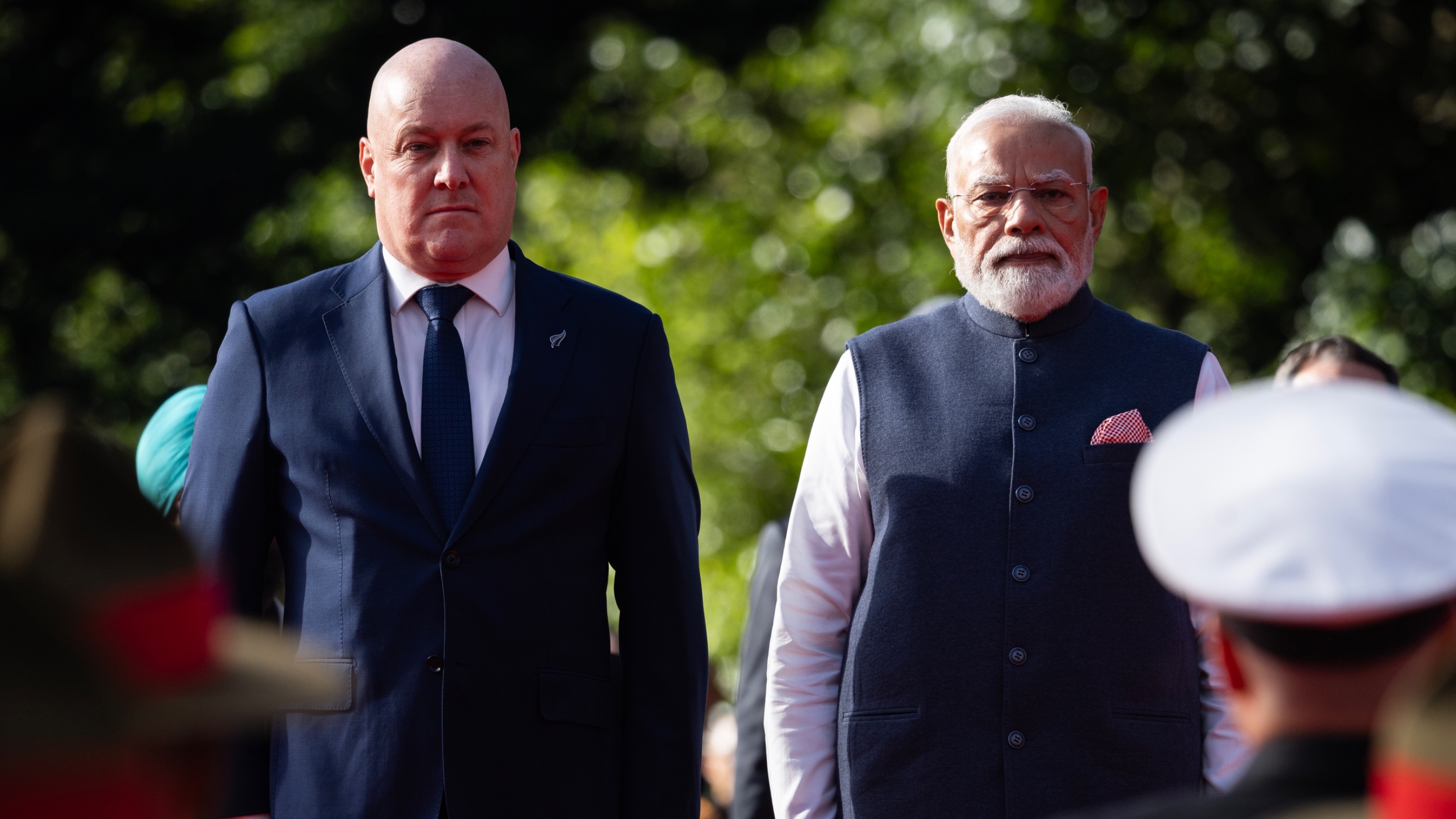
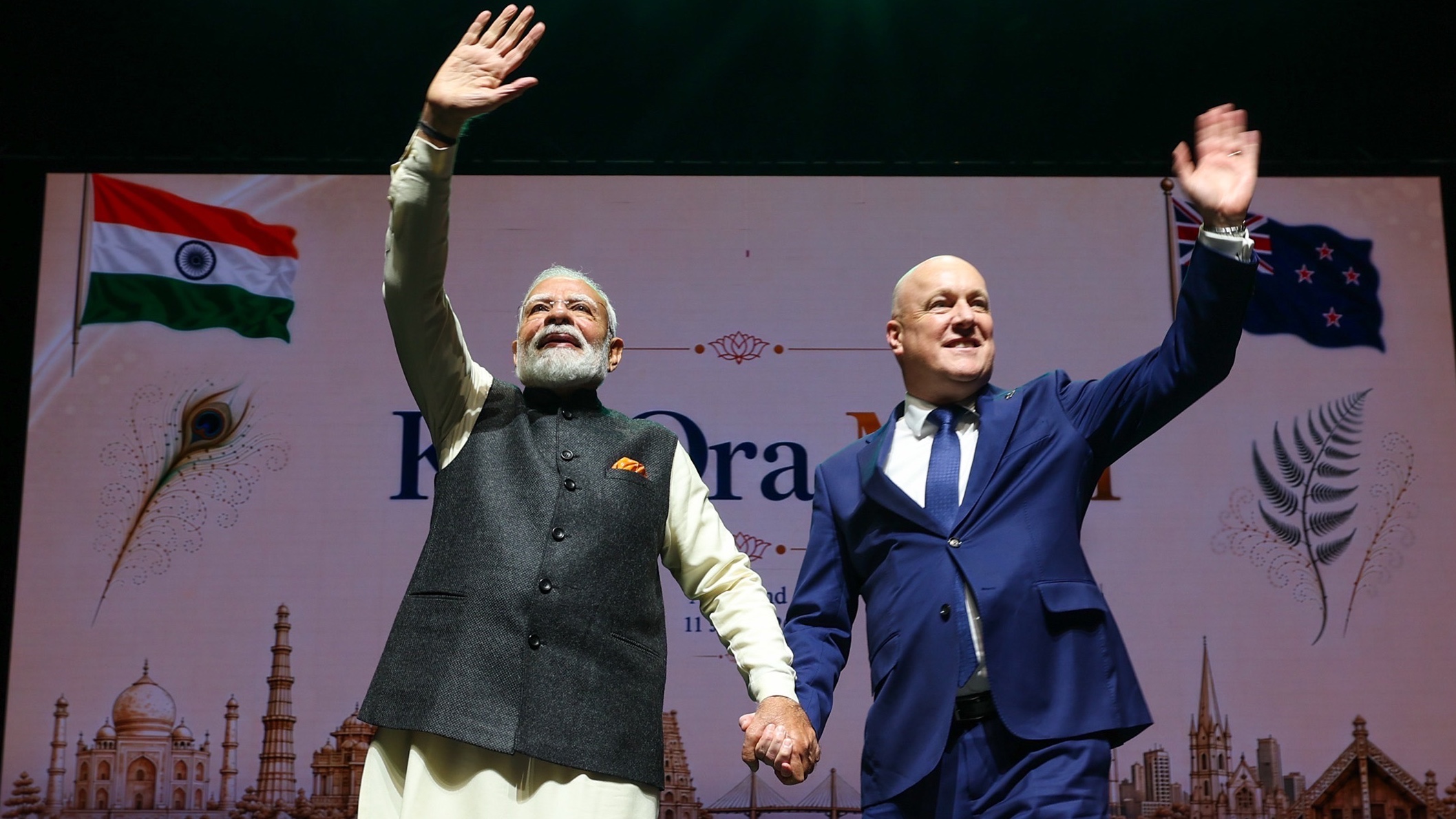
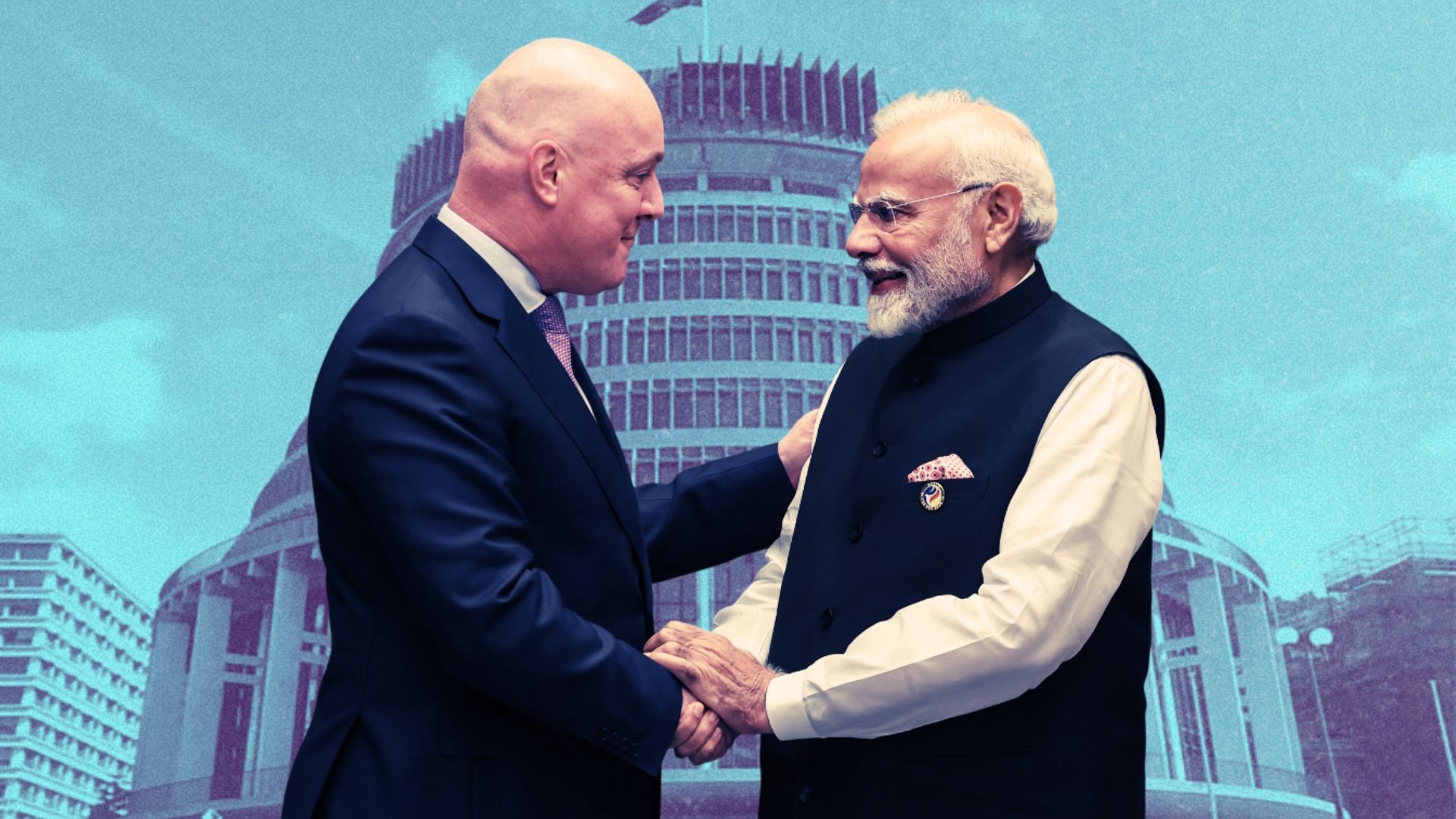
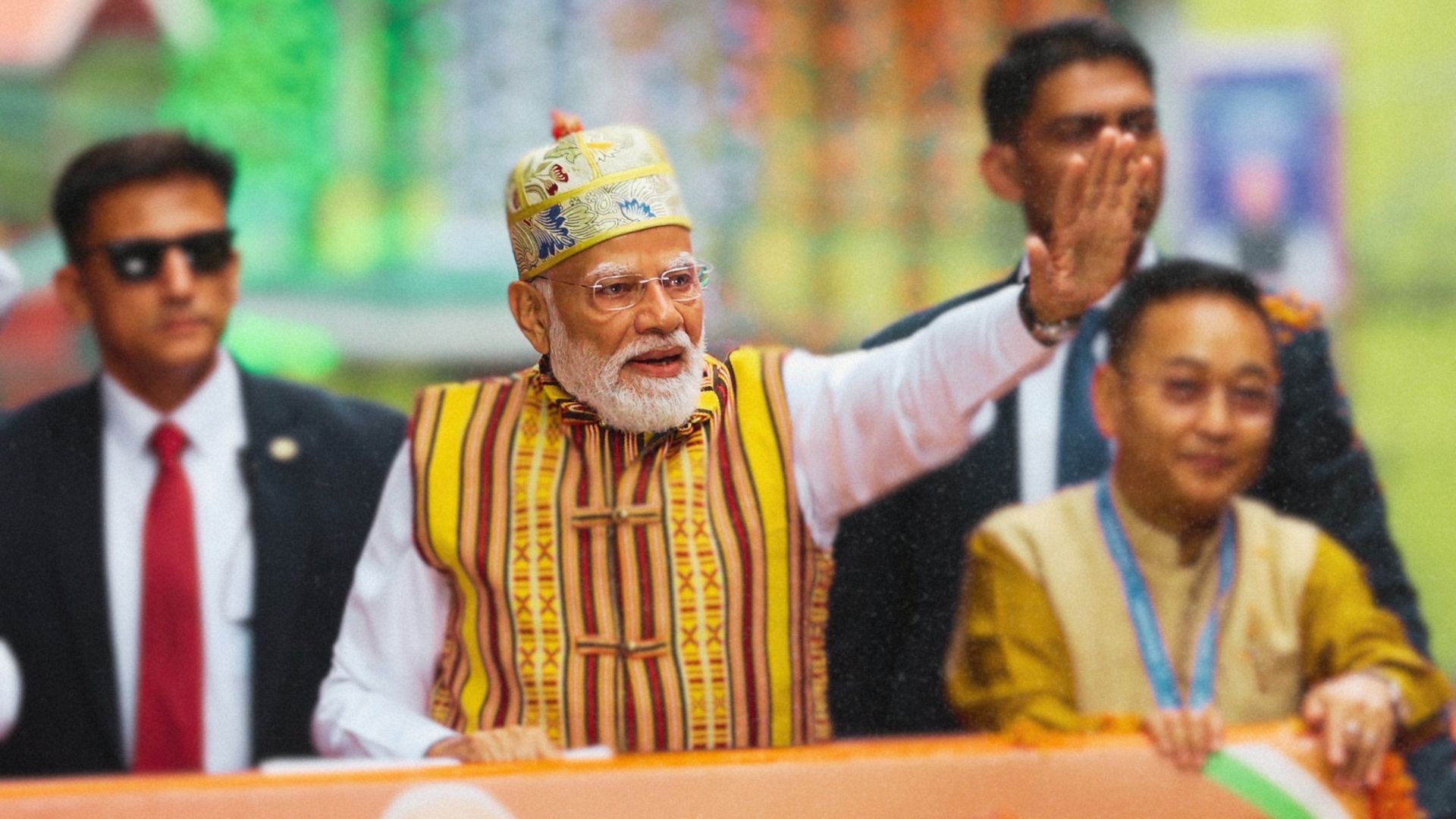
The dispute is unfolding days before Indian prime minister Narendra Modi arrives in New Zealand, with his Auckland-only programme scheduled for July 10 and 11.