
10 migrants, 1 ‘film crew’ and thousands in fees to enter NZ: Inside a visa-for-cash scam
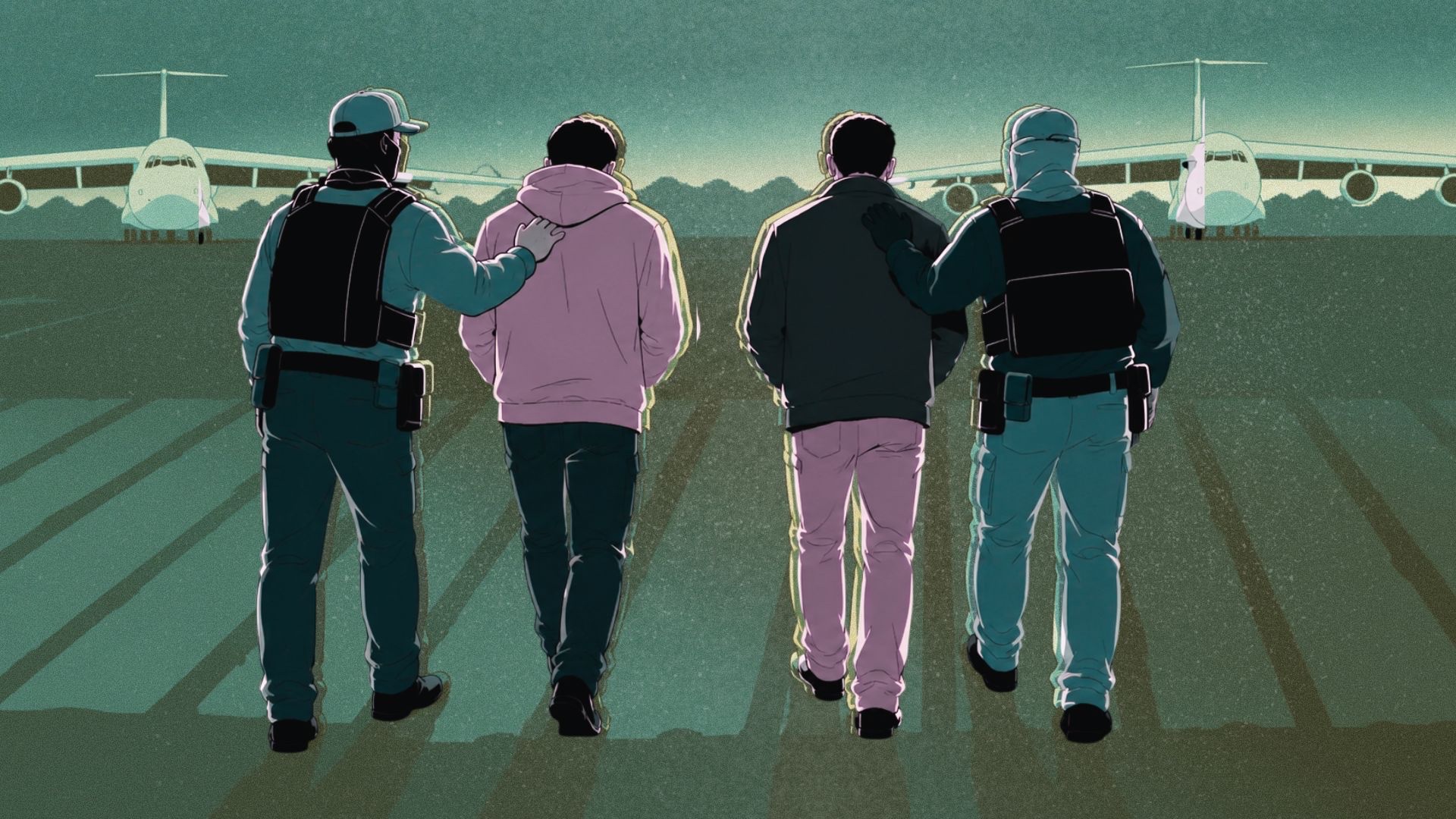
One of the 10 people who arrived in Auckland as entertainers used to work as a hair stylist in Nepal.
A tribunal decision lays bare how the alleged scheme worked. From recruitment and debt to deception and threats.
It began with the promise many migrants travelling halfway across the world want to hear. A legal way into New Zealand, an open work visa and stable employment waiting at the other end.
For one young Nepalese man, that promise would eventually cost about $25,000.
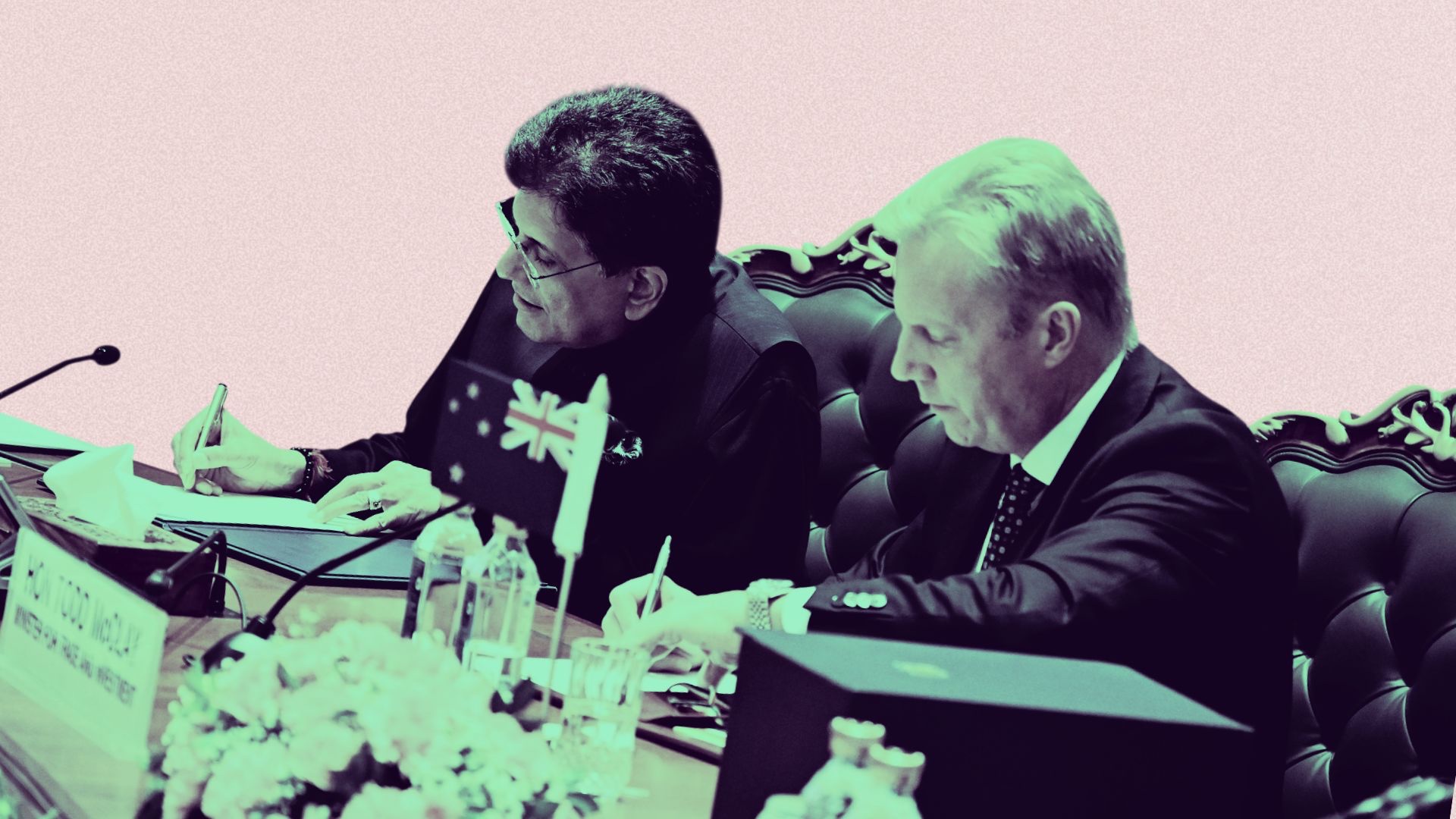
He borrowed money from friends and family, handed over the equivalent of $14,500 to a man who said he could arrange the visa and work, and joined nine others who had been made similar promises.
Someone in the group was wary enough to secretly film the first payment being handed over. But it was only after the 10 migrants had left Nepal and were transiting through Singapore on their way to New Zealand that, according to their account, they learned what had actually been arranged.
They were not travelling on the open work visas they believed they had paid for. Instead, they had been listed as members of a film crew and granted Entertainers Work Visa, which is designed for people coming to New Zealand for a limited period to work in the entertainment, music, film or television industries.
Selfie: ‘Daddy, please don’t take me to an India-NZ cricket match’. A migrant's dilemma Can a migrant embrace a new home without abandoning old loyalties? Sports often offers a reckoning for migrants.
Migrant prison guards in Auckland accused of drug smuggling can't work, can't go home Two fathers facing serious corruption charges have been unable to work elsewhere because of their visas and awaiting criminal trials in 2028.
Can you be Indian and Kiwi? National's Mahesh Muralidhar on patriotism, racism and belonging National's big ticket Indian-origin candidate on what ethnic representation really achieves and why New Zealanders still struggle to get along.
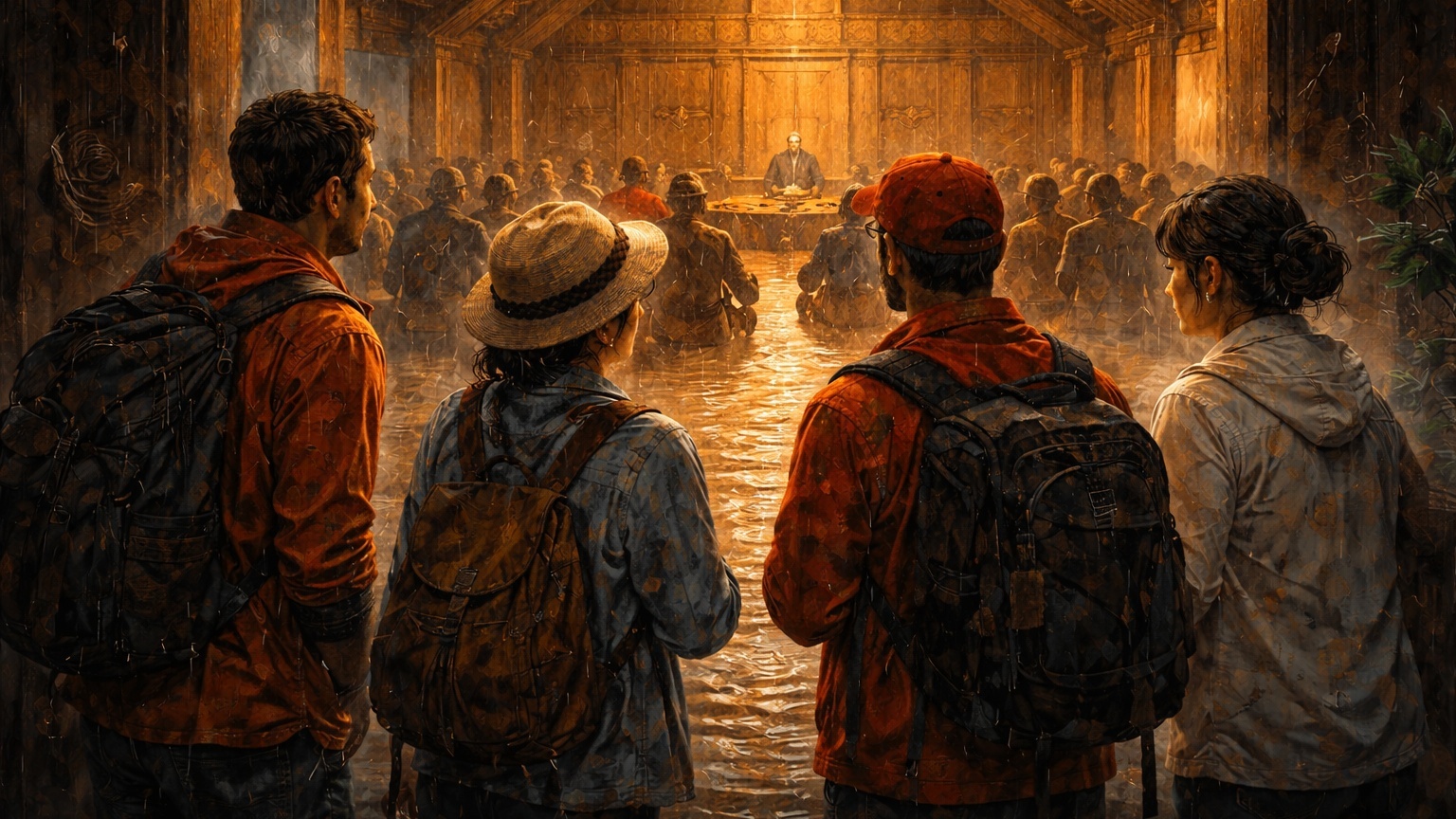
The details emerge from a recent decision of New Zealand’s Immigration and Protection Tribunal, which considered a refugee claim brought by one member of the group.
The tribunal ultimately rejected his attempt to remain in New Zealand as a refugee or protected person. But in doing so, it recorded in unusual detail his account of how an alleged migrant exploitation scheme unfolded – from recruitment in Kathmandu to thousands of dollars in additional payments after the group reached New Zealand.
For the purpose of deciding the appeal, the tribunal treated the man's claim as credible for its assessment. That does not amount to a criminal finding against the alleged organiser, identified only as AA in the anonymised decision.
The promise
The appellant, a Nepalese man born in the late 1990s, had been working as a hair stylist before he met AA in Kathmandu in October 2023. AA reportedly told him and nine others that he could arrange open work visas and stable jobs for them in New Zealand.
The man borrowed from friends and family to raise the equivalent of $14,500. His entertainers work visa application was lodged with Immigration New Zealand (INZ) in December 2023 and approved the following month.
On January 19, 2024, the group set off for New Zealand with AA. Then came the first major revelation. While they were changing flights in Singapore, AA allegedly told the migrants he had listed them as members of his film crew and obtained entertainers work visas for them.
By then, the money had been paid and the group was already on its way to New Zealand.
Arrival, but no work
Once in Auckland, the stable employment they had been promised did not materialise. The tribunal decision says AA continually moved the group between different residences around Auckland.
The appellant received no work. Yet the payments continued. He told immigration authorities he paid AA another $8,000 for accommodation in New Zealand.
During this period, AA allegedly told the migrants about his involvement with Nepal's Maoist movement and showed them photographs of himself with prominent Maoist leaders.
Those claims would later take on greater significance when the migrants began demanding their money back.
By March, another prospect was placed before them. AA allegedly persuaded members of the group to pay more money so he could secure Australian visitor visas for them.
The appellant paid another $2,500. His application was rejected on April 2. Others in the group would soon learn their Australian visa applications had also been declined.
For the appellant, the three payments recorded in the judgment – $14,500 for the journey and promised work, $8,000 for accommodation and $2,500 for the Australian visa – came to about $25,000.
The scheme unravels
By April, the group had been moved again, this time to a hotel. As more of the men discovered their Australian visa applications had failed, frustration boiled over.
On April 16, they confronted AA. They accused him of lying to them and demanded their money back. According to the appellant's account, AA responded by threatening them, reminding them of his alleged Maoist connections and fleeing the hotel.
The migrants and the hotel owner went looking for him and eventually found him behind a supermarket in Papamoa. The hotel owner persuaded him to return and face the group.
The following day, the migrants took AA to the Papamoa police station. There they told cops that they had been falsely promised open work visas and that AA was refusing to refund their money.
The tribunal records that police could not arrest him because the alleged offending had occurred overseas. As AA was leaving, members of the group physically restrained him. He allegedly threatened to have them killed. They released him. AA left New Zealand soon afterwards.
From alleged exploitation to a refugee claim
The next day, April 18, the appellant was interviewed by INZ investigators. He told them he wanted to claim refugee and protected-person status because he feared returning to Nepal.
Another member of the group, anonymised as BB, also received a telephone call from AA's wife, according to the decision. She allegedly threatened to harm members of the group and have them arrested in retaliation for forcing AA to leave New Zealand.
The following month, BB reported AA to people in Nepal's filmmaking industry, alleging scamming, visa fraud and migrant exploitation, and sought help recovering the group's money. They said they had been unaware of the allegations and could not help.
The appellant argued that AA's claimed political and immigration connections meant he could find him anywhere in Nepal and that he could not rely on authorities there to protect him.
But more than two years after the confrontation, the tribunal found those fears were now too remote to meet the threshold for refugee protection.
It noted there had been no further contact between AA and the appellant, and that AA had not contacted his wife or other family members in Nepal. It also found there was insufficient evidence that AA would be able or motivated to use his claimed political connections to harm him.
“The protection afforded by the Refugee Convention is not focussed on harm in the past,” the tribunal said in its July judgment, adding that its focus was on the risk of future harm.
It concluded that any future risk to the man was “speculative and remote” and dismissed his appeal.