Partner or caregiver? Woman, 56, fails immigration test over relationship with 82-year-old Kiwi

The couple first met online in 2017.
Immigration authorities questioned whether the Filipino woman’s relationship was genuine.
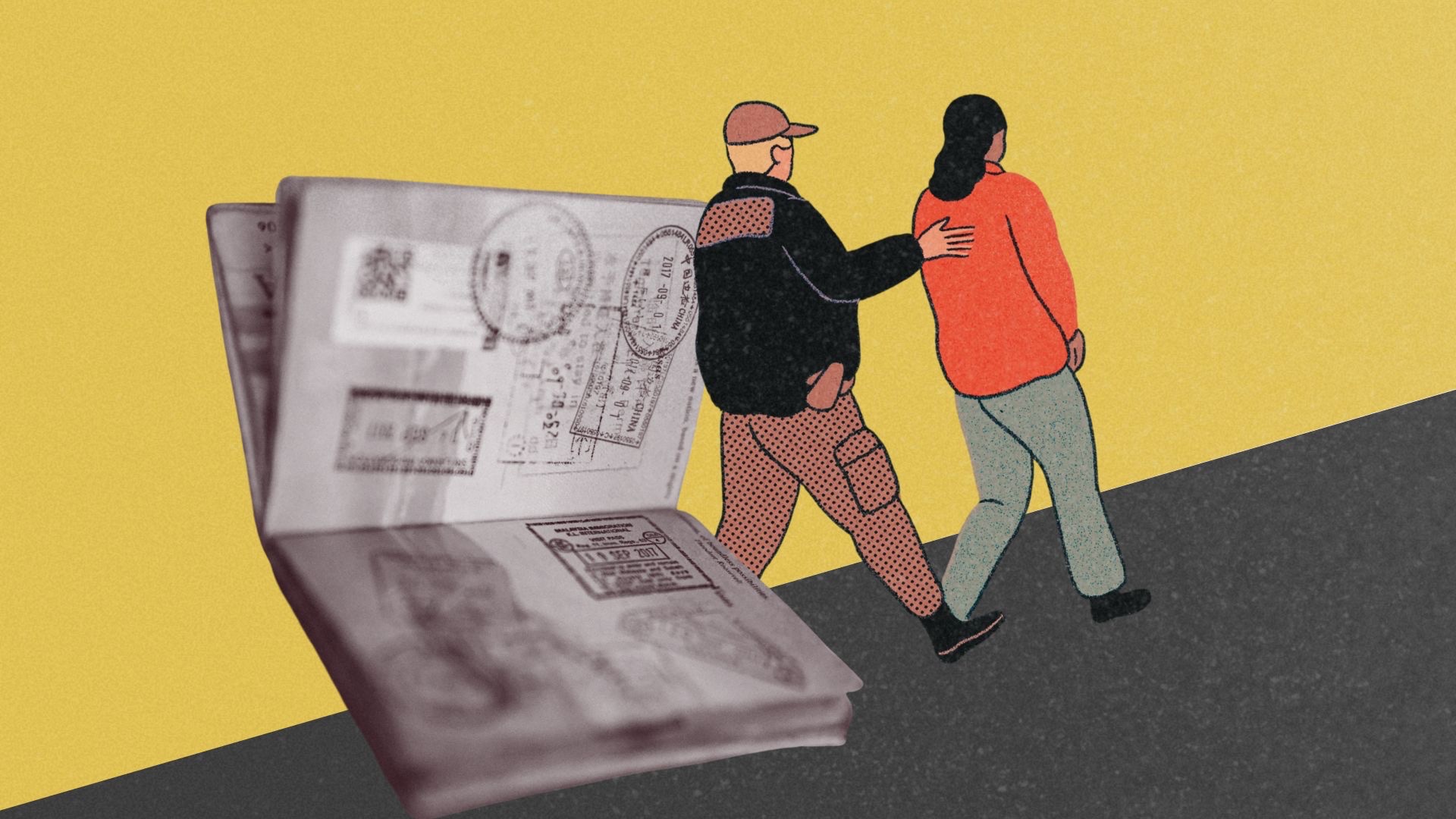
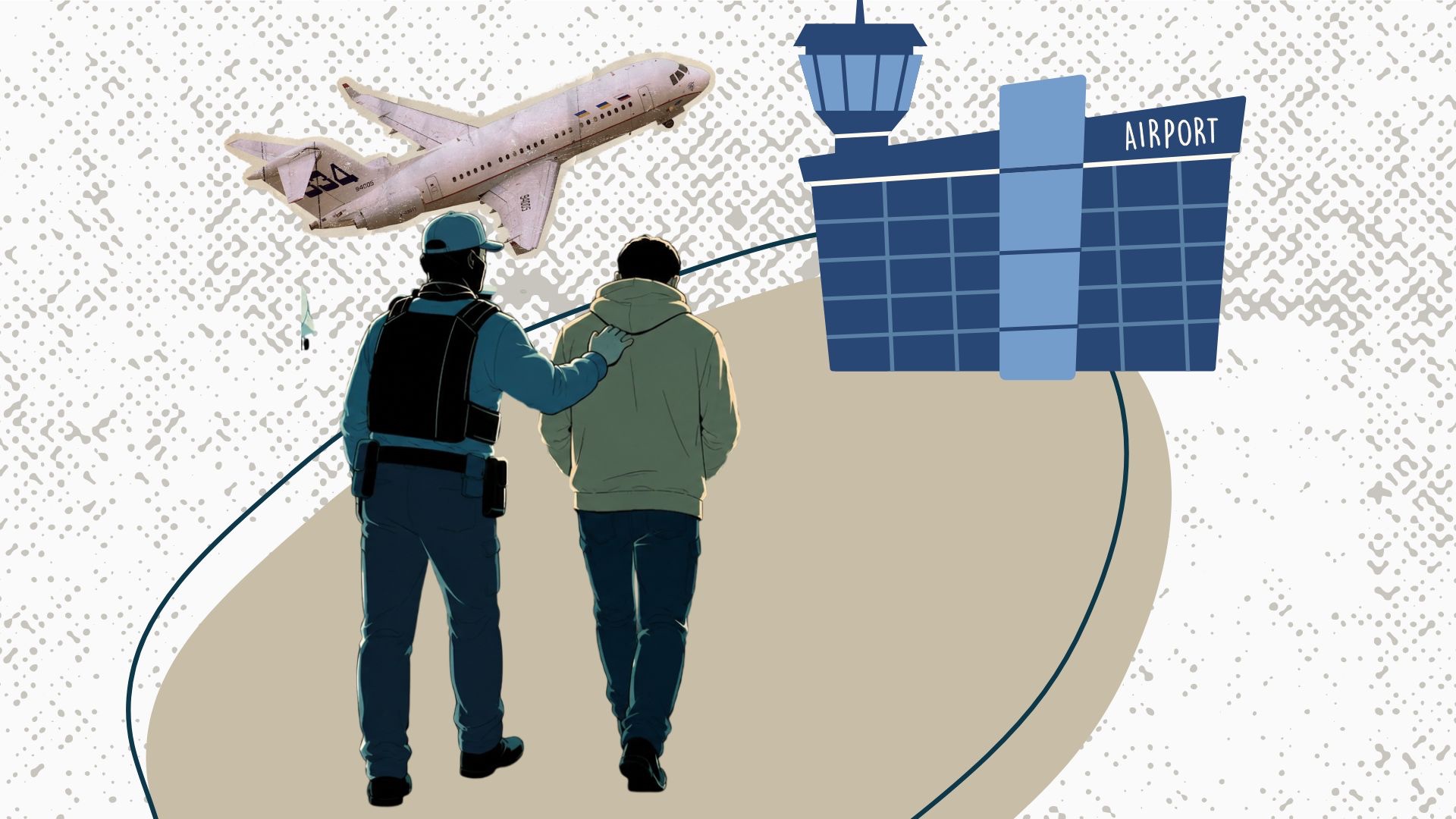
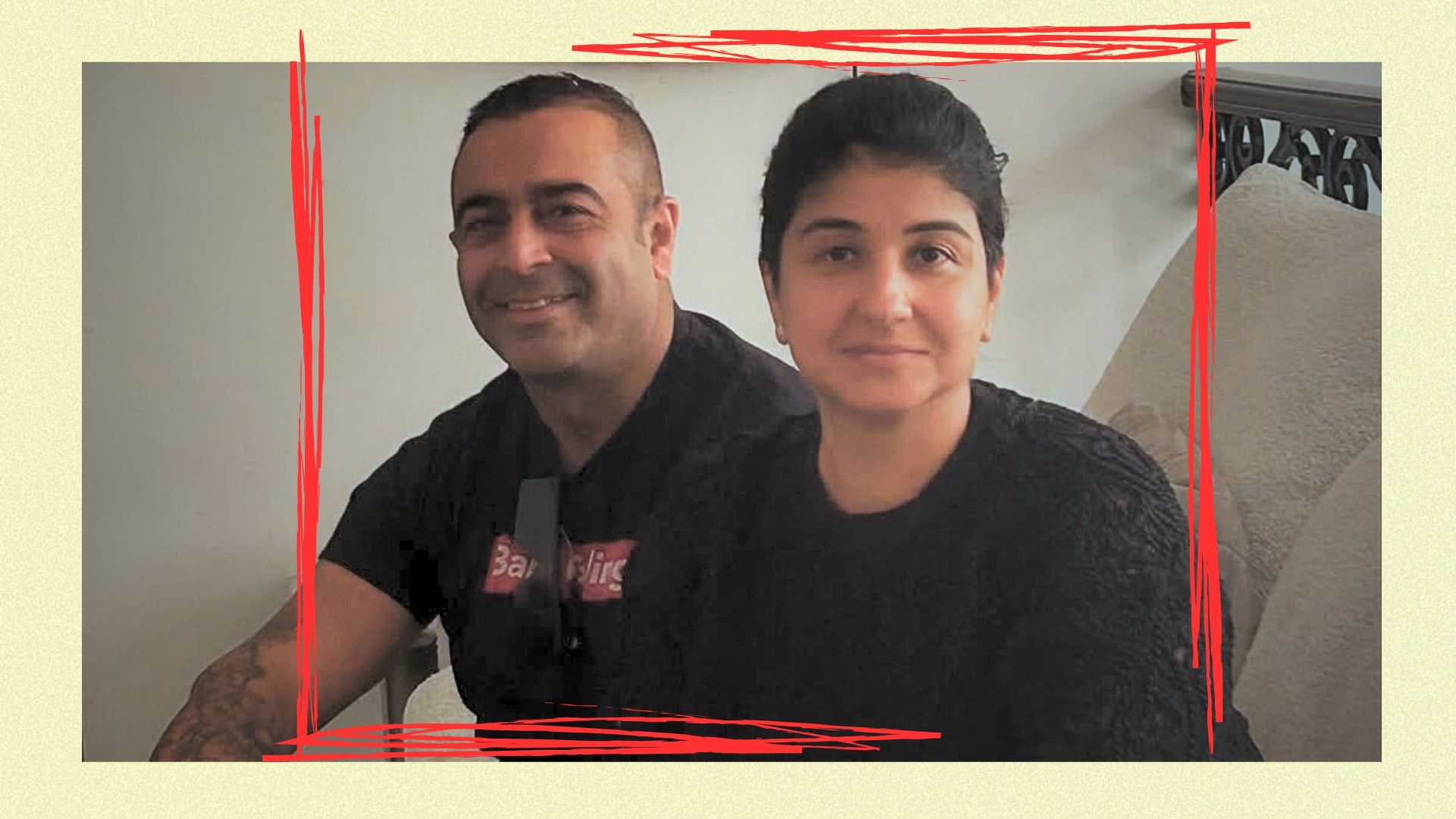
A Filipino woman who says she may have saved her elderly New Zealand partner's life during a medical emergency has been told to leave the country after immigration authorities questioned the nature of their relationship.
The 56-year-old woman had been living with her 82-year-old partner, who suffers from serious respiratory and heart conditions, and helping him manage his daily medical needs.
But the country's appellate immigration body, the Immigration and Protection Tribunal (IPT), found that caregiving appeared to be the primary motivation for their relationship, rather than a partnership meeting immigration requirements.
In a decision dated October 23, tribunal member S McDowall dismissed her humanitarian appeal against deportation, although she was granted a further three months in New Zealand to allow her partner to arrange alternative care.
A relationship that began online
Partner or caregiver? Woman, 56, fails immigration test over relationship with 82-year-old Kiwi Immigration authorities questioned whether the Filipino woman’s relationship was genuine.
Father's bid to get disabled teenage son New Zealand residency exposes dilemma migrants face Including his son could have jeopardised his own residency. Leaving him out has now put their future together at risk.
Analysis: National lost votes but data shows how split voting has kept Luxon in the game National’s vote collapsed, but a quirk of MMP may have turned its biggest weakness into Luxon’s political lifeline.
The couple first connected online in 2017 and began a romantic relationship in September 2023. They met in person for the first time when the woman arrived in New Zealand in June 2025.
Her partner, a New Zealand citizen, suffers from emphysema, atrial fibrillation and sleep apnoea. Until March 2026, he required a continuous supply of oxygen.
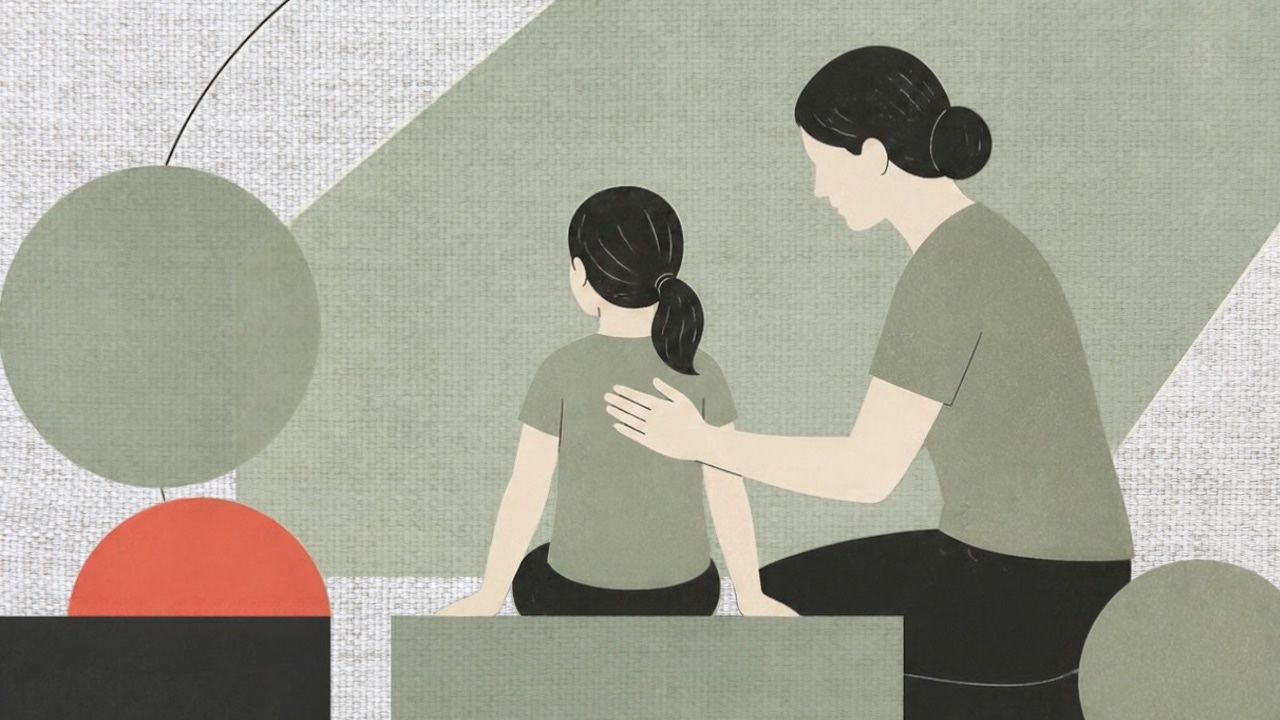
The woman became closely involved in looking after him, helping with his health needs and providing companionship. In one incident, a power cut interrupted his oxygen supply while he was asleep. She woke up, found a backup oxygen cylinder and connected it to him.
The man told the tribunal that she "may well have saved [his] life". He had also added her to his bank account and changed his will to give her the right to live in his property for the rest of her life.
The words that raised questions
The woman applied for a partnership-based work visa in September 2025, but Immigration New Zealand (INZ) declined the application the following month, unconvinced that the relationship met the requirements for a genuine and stable partnership.
Central to the dispute was the man's own description of how their arrangement began. He had said the woman accepted his offer to sponsor her to New Zealand "initially as my companion-carer until granted residence", after which he would support her ambitions to qualify as a nurse.
Immigration authorities considered this evidence established that the arrangement was primarily about providing care rather than establishing a genuine partnership.
The woman disputed that interpretation, arguing that being a companion and caregiver was entirely consistent with loving someone. The tribunal acknowledged that the couple were emotionally involved and supportive of each other, but concluded that the evidence did not establish a partnership meeting immigration requirements.
Why the tribunal rejected her appeal
The tribunal said the woman's care had made a significant positive difference to her partner's life, including improvements in his health. However, it found that his medical needs could be met through other arrangements.
Before the woman's arrival, he had been approved for government-funded home help, which he subsequently declined. His surviving son also lived in a downstairs flat and could assist him if necessary.
The tribunal acknowledged that having a live-in partner provide personal care was easier and more pleasant, but said the availability of alternative support meant his circumstances did not meet the exceptional humanitarian threshold.
The woman also argued that returning to the Philippines would leave her financially vulnerable. She had given up her job and sold most of her belongings before moving to New Zealand, and feared she would struggle to find employment at her age.
She said her sisters were not in a position to support her, although she could stay briefly with one of them.
The tribunal noted that her two adult sons, aged 31 and 21, remained in the Philippines and could be expected to provide some support. It also considered that she was familiar with the country's employment market, having spent most of her life there.
Although the couple had known each other online since 2017, the woman had lived in New Zealand for only 17 months. The tribunal concluded that the hardship and emotional distress caused by their separation did not amount to exceptional humanitarian circumstances.
Three months to make arrangements
The woman became unlawfully present in New Zealand in November 2025 after her interim visa expired following the rejection of her partnership-based work visa.
While dismissing her deportation appeal, the tribunal exercised its discretion to grant her a three-month visitor visa from October 23. The additional time would allow her partner to undergo a needs assessment and arrange home help through Health New Zealand.
It would also give the woman an opportunity to organise accommodation and financial support before returning to the Philippines.
The Tribunal emphasised that it could not use a humanitarian deportation appeal to review or overturn INZ's original decision to decline her partnership visa.
That would require a separate legal challenge through judicial review in the High Court.