Father's bid to get disabled teenage son New Zealand residency exposes dilemma migrants face

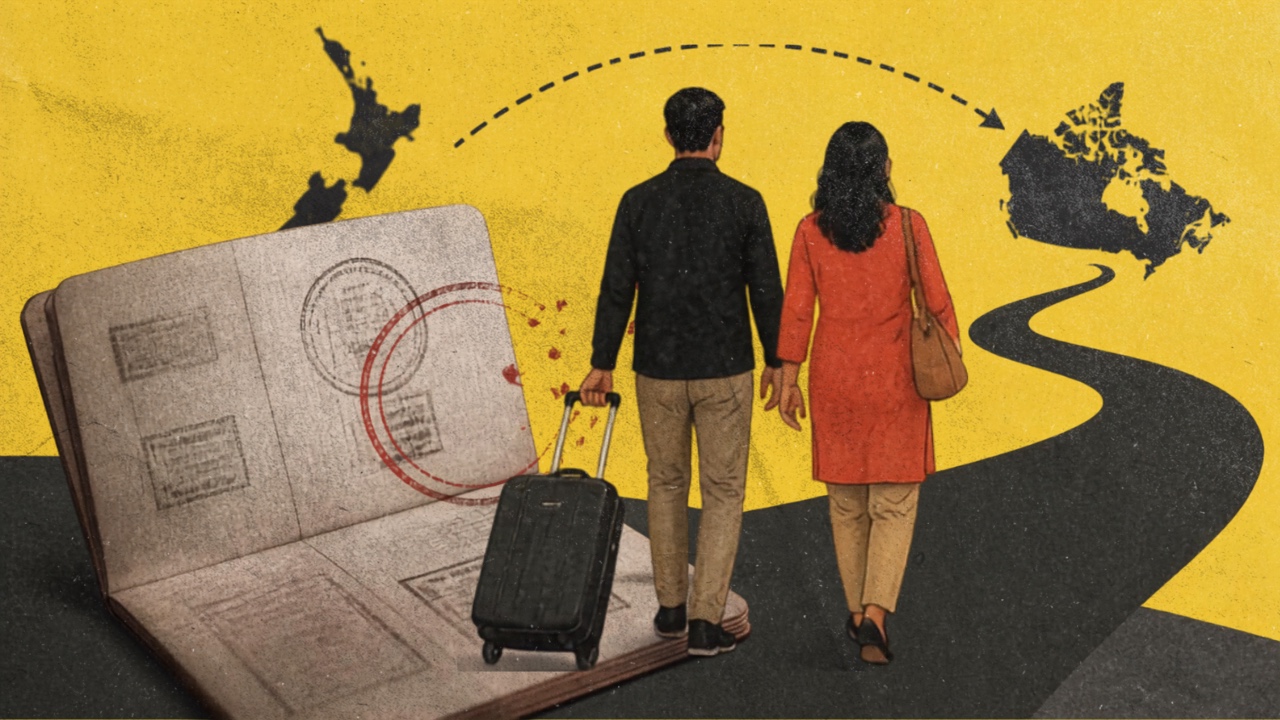
A Malaysian father living in New Zealand since 2012 is seeking residency for his 17-year-old disabled son.
Including his son could have jeopardised his own residency. Leaving him out has now put their future together at risk.
A Malaysian man who has lived in New Zealand for more than a decade faces the prospect of being separated from his 17-year-old intellectually disabled son after immigration authorities refused the teenager residency.
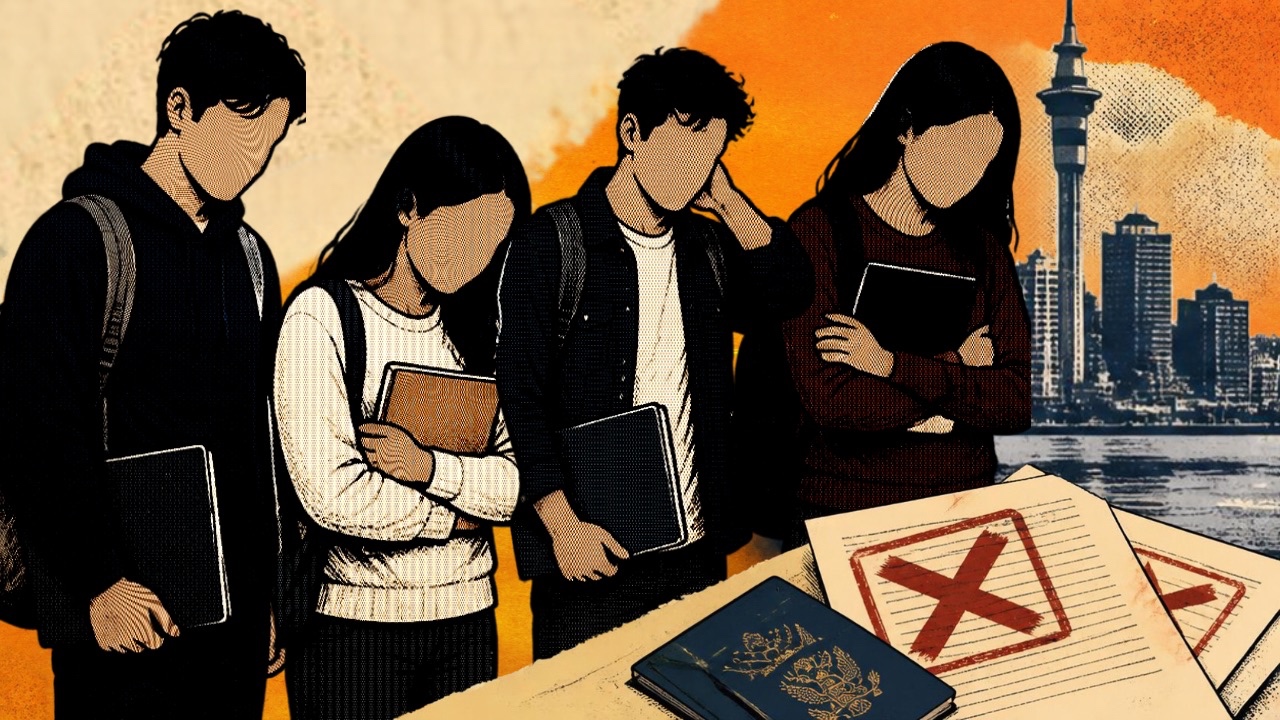
The father obtained residency in 2022 without including his son, a decision that became a crucial obstacle when he subsequently tried to bring the boy to New Zealand permanently.
The country's appellate immigration body, the Immigration and Protection Tribunal (IPT), upheld the refusal on October 27, 2026, finding that the teenager was ineligible for a medical waiver because he had been left out of his father's original application.
But in a significant observation, tribunal member T R Cook acknowledged that including the boy in 2022 might also have jeopardised the father's own residency prospects.
There was a "real prospect" that the entire application would have failed, Cook observed, given the teenager's disability and the medical assessments of his care needs.
Partner or caregiver? Woman, 56, fails immigration test over relationship with 82-year-old Kiwi Immigration authorities questioned whether the Filipino woman’s relationship was genuine.
Father's bid to get disabled teenage son New Zealand residency exposes dilemma migrants face Including his son could have jeopardised his own residency. Leaving him out has now put their future together at risk.
Analysis: National lost votes but data shows how split voting has kept Luxon in the game National’s vote collapsed, but a quirk of MMP may have turned its biggest weakness into Luxon’s political lifeline.
How the father ended up in this situation
The teenager has experienced significant developmental delays since infancy. He previously lived in New Zealand between 2013 and 2015 but returned to Malaysia after Immigration New Zealand (INZ) refused to renew his student visa on health grounds.
He subsequently lived with his paternal aunt while his father continued working in New Zealand. When the father applied for residence under the special 2021 Resident Visa scheme, he did not include his son.
The family's immigration representative argued that the boy's mother had not consented to his relocation from Malaysia. But the tribunal found insufficient evidence that the father lacked the legal right to include his son. It also identified inconsistencies in the explanation concerning the mother's consent.
Under immigration rules, dependent children who were eligible for inclusion in an earlier residence application but were left out can be excluded from receiving a medical waiver. That exclusion became decisive when the teenager applied for residency in 2025.
The tribunal also observed that the boy's disability could independently have prevented him from qualifying for a medical waiver, although INZ had not relied on that ground.
Family faces uncertain future
The teenager returned to New Zealand in March 2025 and has since been living with his father and his father's partner. Medical assessments found that he has severe intellectual impairment, cannot read or write, and requires ongoing supervision.
However, a psychologist reported that he had made significant progress in his father's care, learning practical skills such as preparing simple meals and performing household chores.
His aunt in Malaysia, now in her seventies, was reportedly unable to continue caring for him, while his mother was unwilling to assume responsibility.
The father, now 60, argued that returning to Malaysia would mean abandoning the life he had built in New Zealand, while remaining here could separate him from his son.
The tribunal acknowledged the family's difficulties but found insufficient evidence that suitable care could not be arranged in Malaysia.
It also noted that the father had known about his son's immigration difficulties since 2015 and should have anticipated the consequences of settling permanently in New Zealand without him.
The appeal was dismissed, with Cook finding no special circumstances warranting a recommendation for ministerial intervention. The teenager's temporary visa remains valid until May 2027 but his long-term future in New Zealand remains uncertain.