Analysis: National lost votes but data shows how split voting has kept Luxon in the game
National’s poor election showing may have more to it than meets the eye.
National’s vote collapsed, but a quirk of MMP may have turned its biggest weakness into Luxon’s political lifeline.
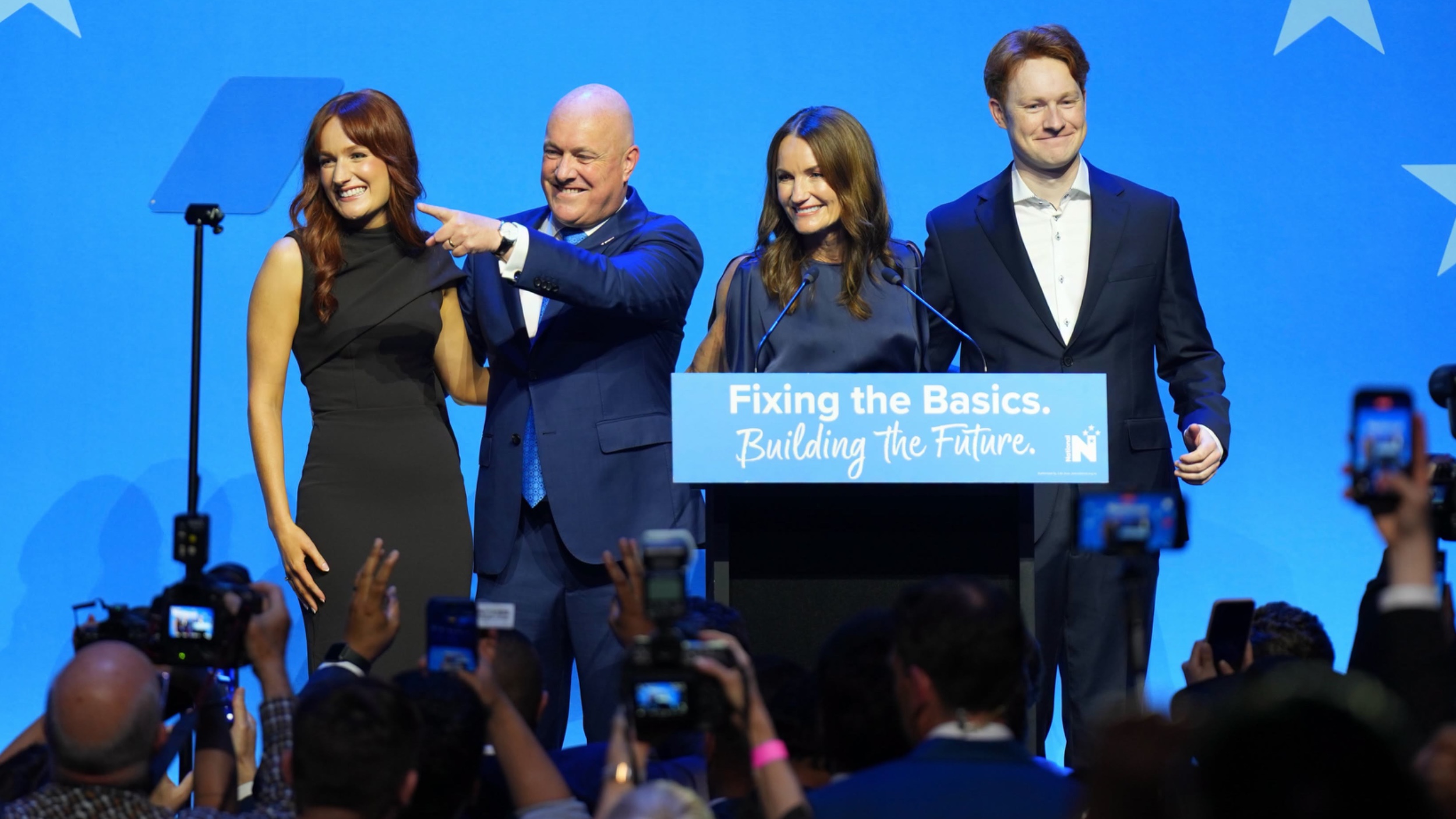
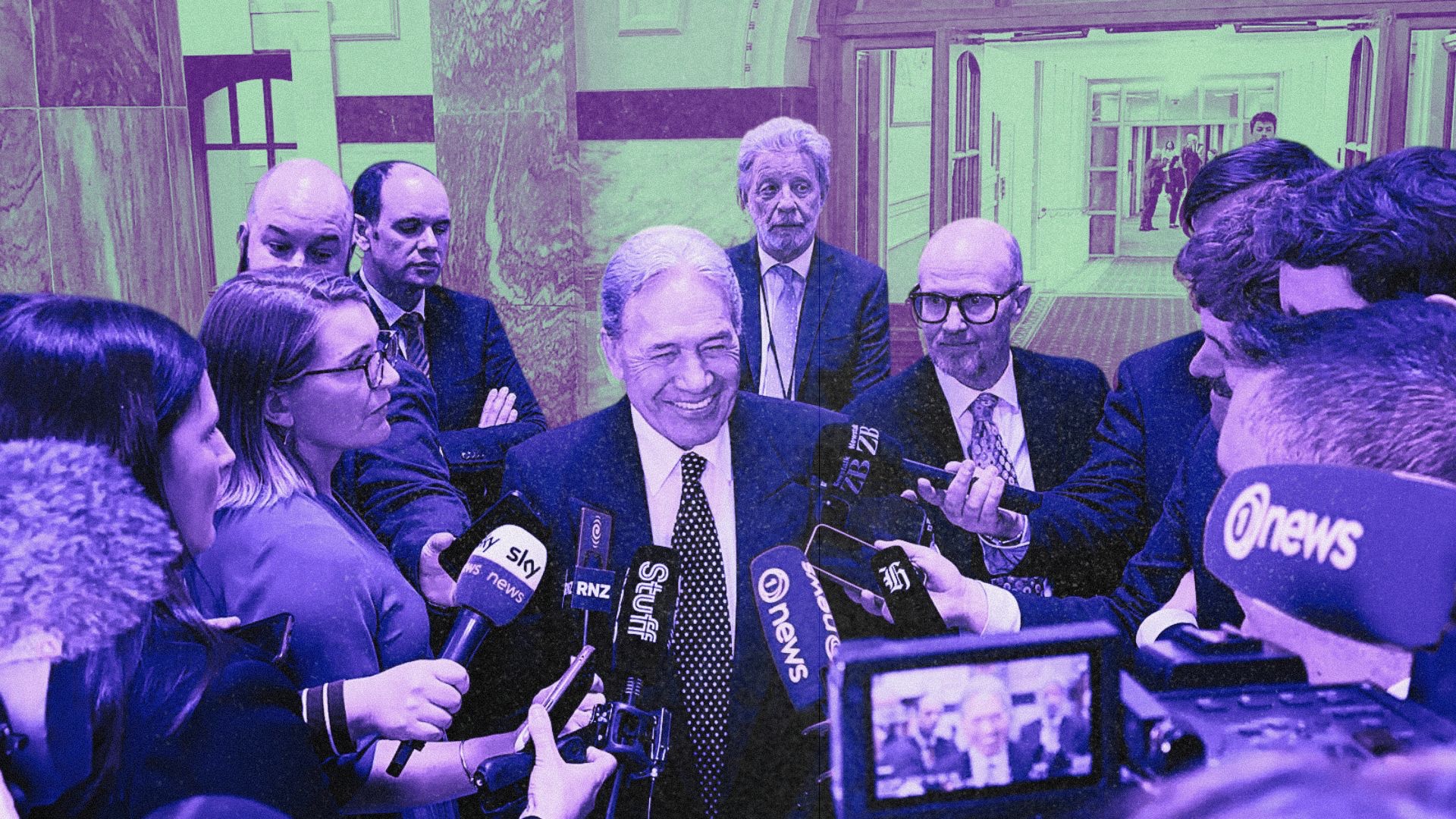
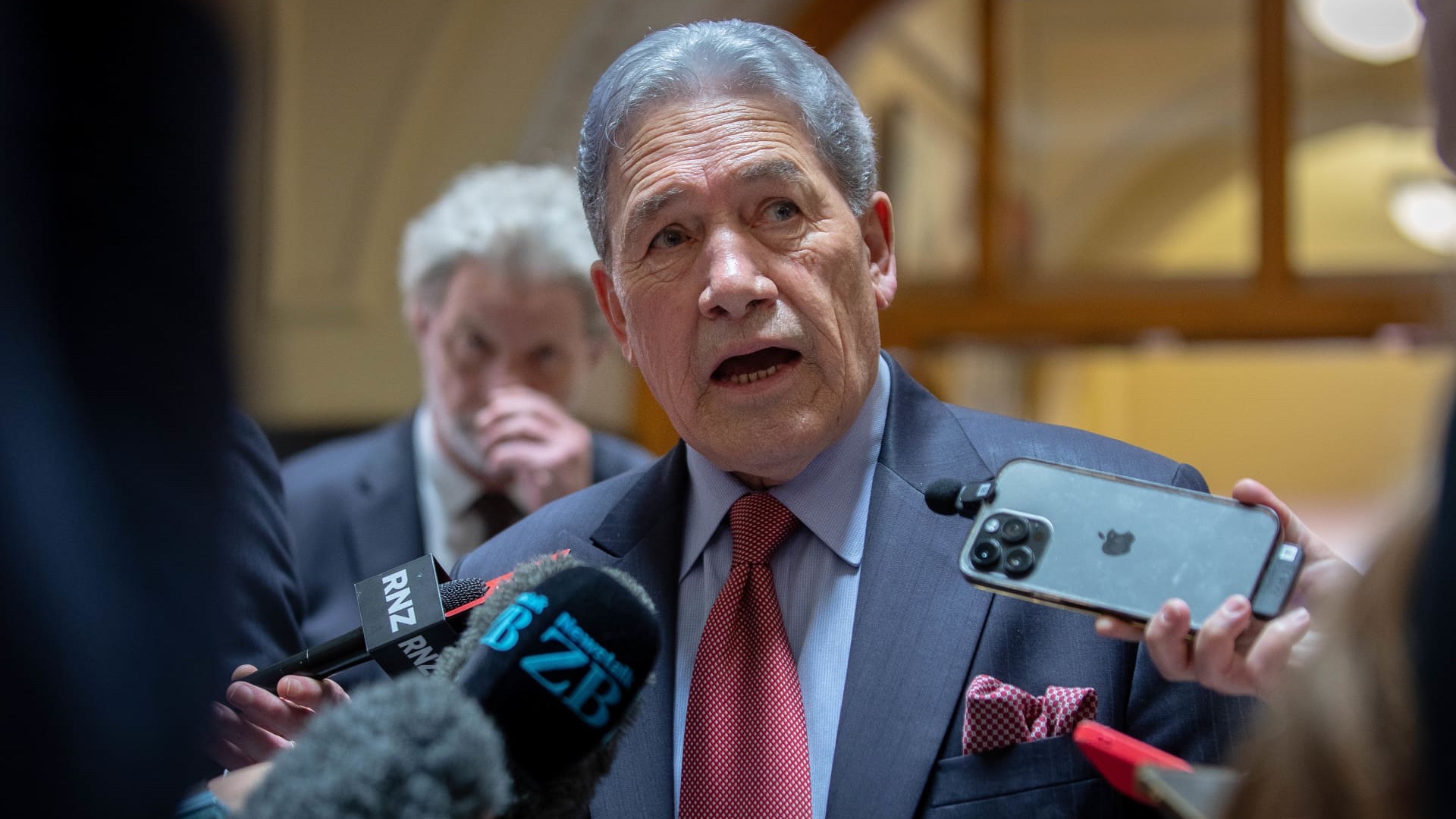
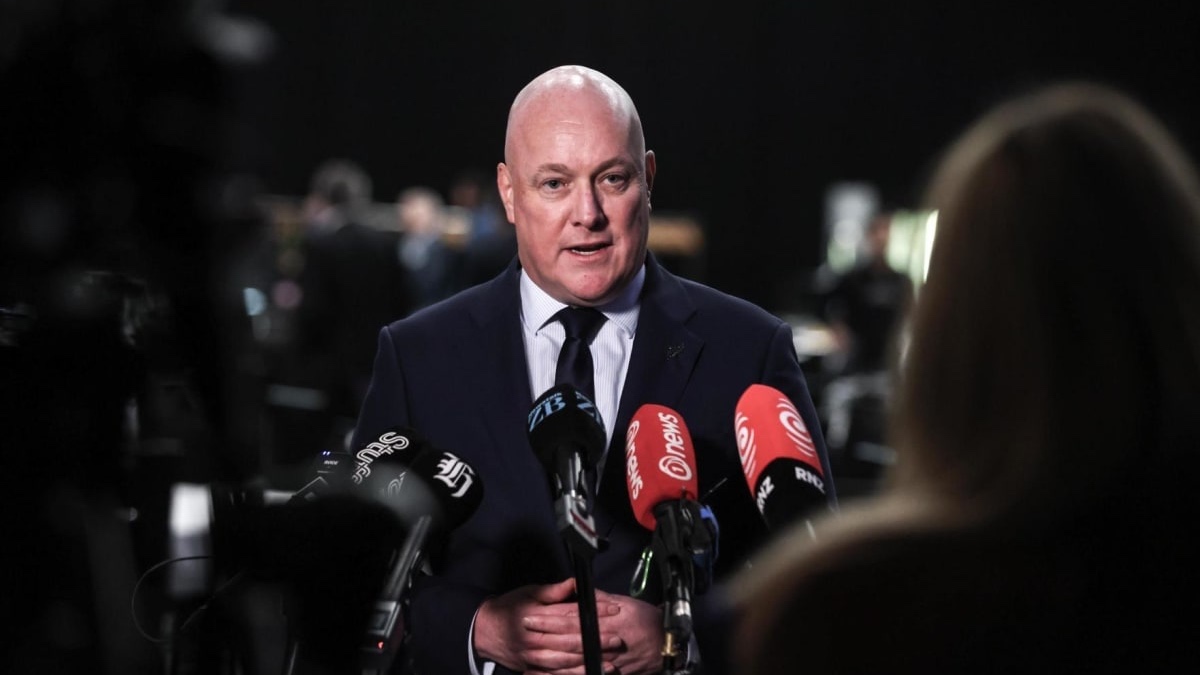
National Party appears to have been one of the biggest losers of Saturday's election. Its party vote slumped to 29.20 per cent, Labour overtook it, and its coalition partners ACT and New Zealand First gained ground.
Yet, Christopher Luxon remains in contention for another term as prime minister. And the very voting pattern that appears to have weakened National may also explain how the governing bloc has retained its narrow parliamentary majority.
The key lies in New Zealand's electoral system, where winning local electorates and winning party votes can produce very different political rewards.
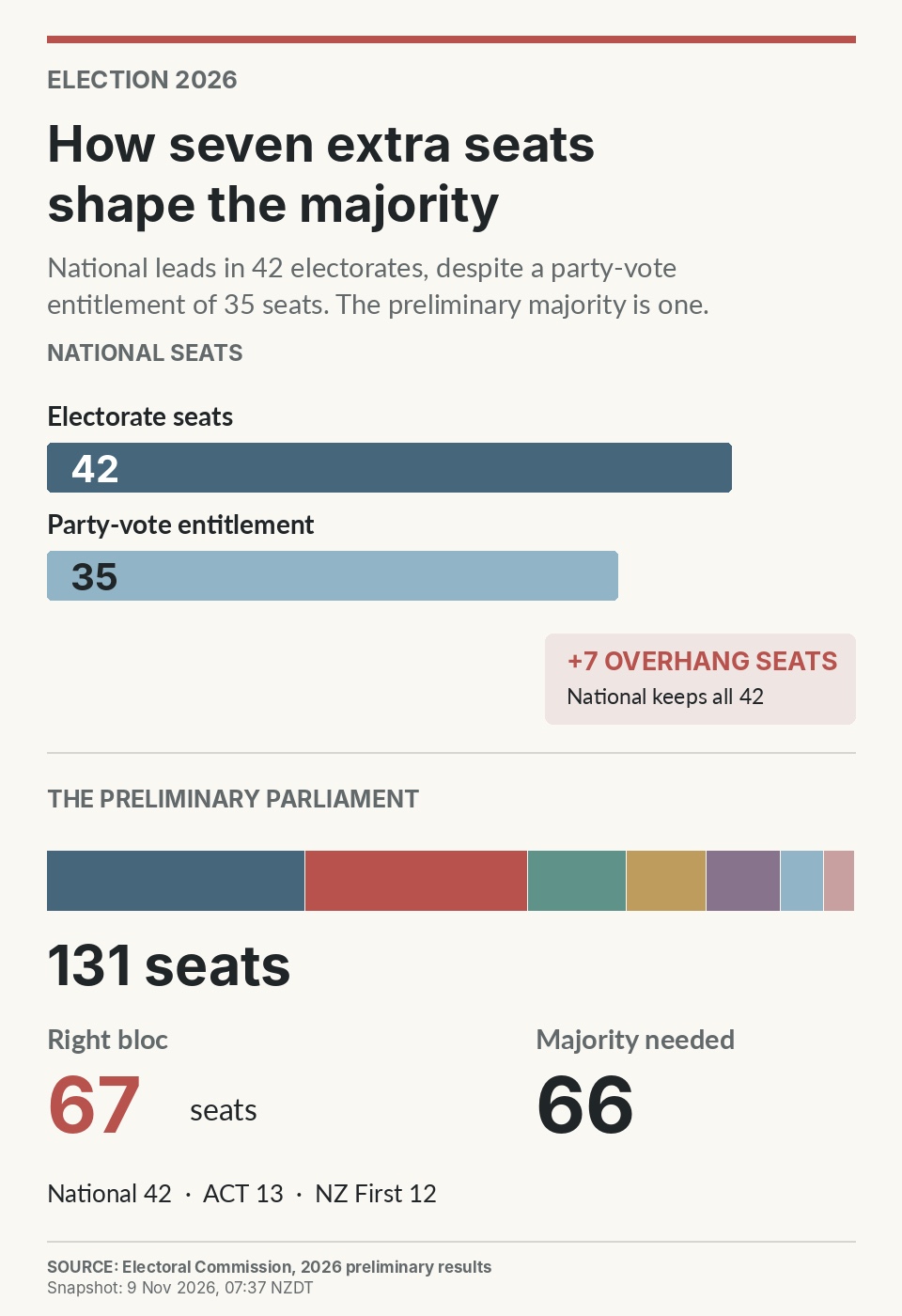
National's candidates are leading in 42 electorates, seven more than the party's share of the vote would ordinarily entitle it to. Those additional seats, combined with ACT's 13 and NZ First's 12, give the right bloc 67 seats in a 131-member Parliament — one above the threshold for a majority.
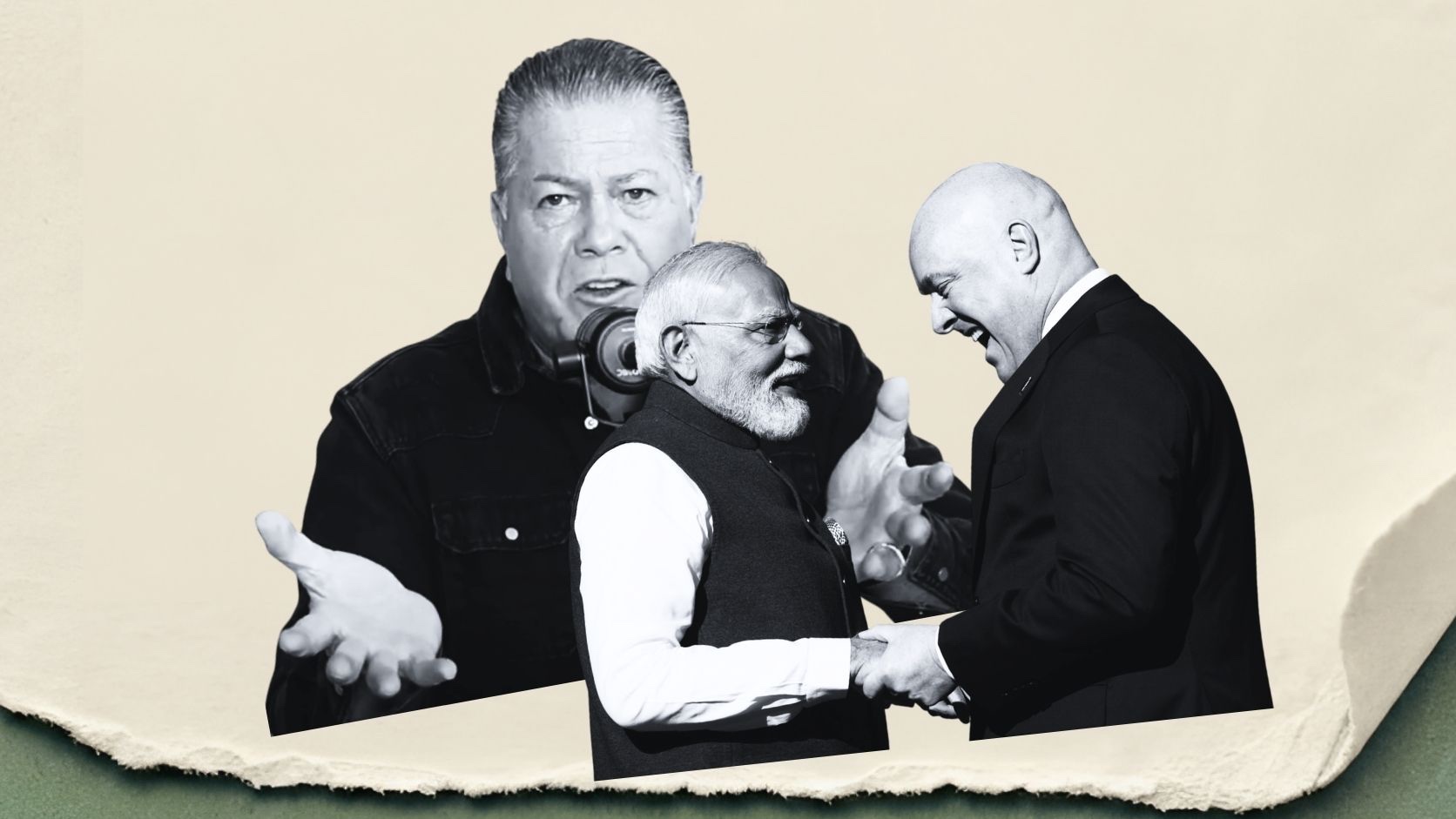
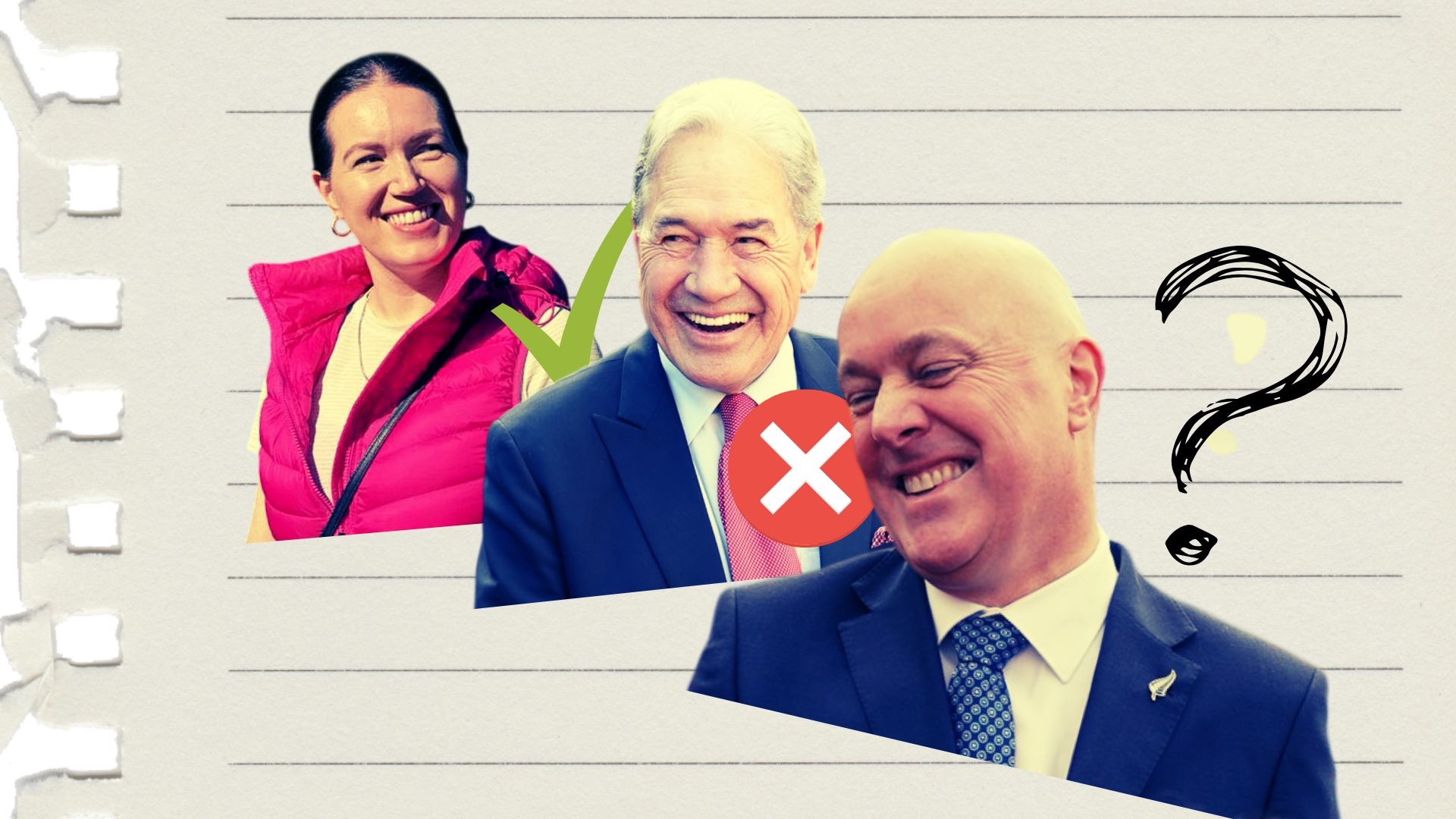
It is remarkably close to the parliamentary outcome sought by the controversial pre-election campaign encouraging voters to back National's local candidates while giving their party votes to ACT or NZ First.
Who won, who lost, who came close: How Kiwi-Indian candidates fared on election night Narrow margins and political setbacks as Kiwi-Indian candidates battle for Parliament.
Kharag Singh trails in Takanini cliffhanger as Radhakrishnan struggles in Maungakiekie Just 796 votes separate Singh from victory in Takanini, while former minister Radhakrishnan trails by 2,746 in Maungakiekie.
Mahesh Muralidhar makes history as National's first Indian-origin electorate MP A calculated move to Tāmaki, years of groundwork and a campaign backed by National's top leadership have paid off.
How losing party votes can still deliver seats
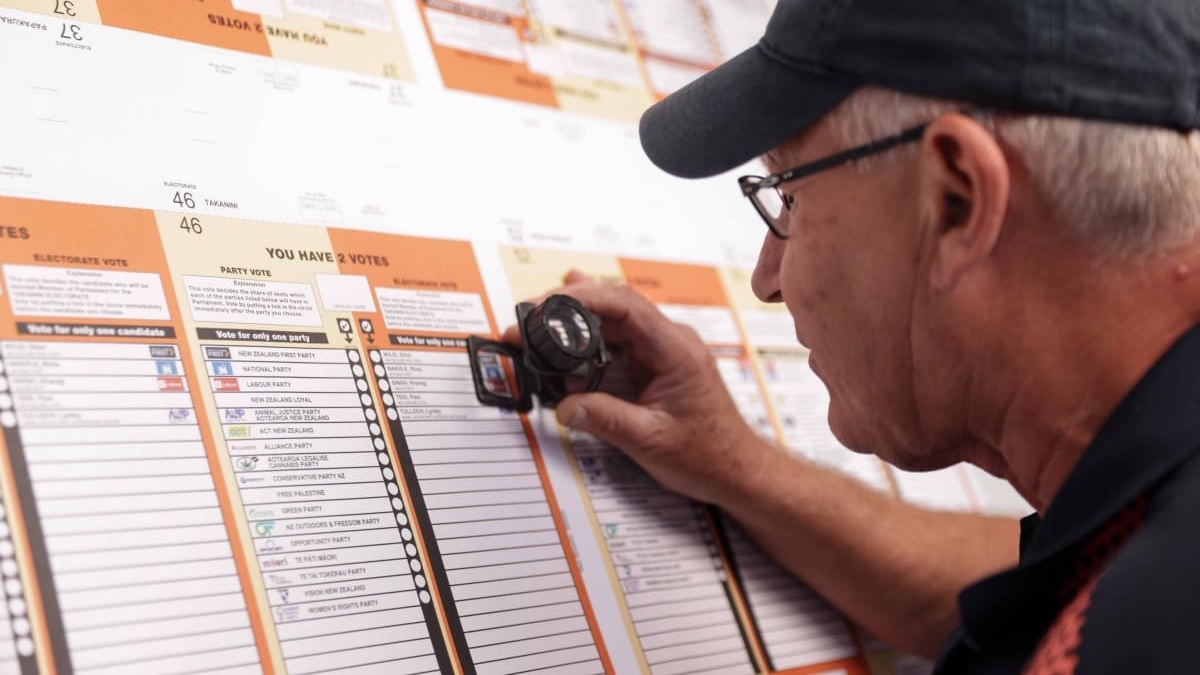
New Zealand voters have two votes. One for their local MP and another for a political party. Under Mixed Member Proportional (MMP) representation, the party vote normally determines how many seats each party receives in Parliament.
But there's a quirk. A party keeps every electorate it wins, even if its party vote would normally entitle it to fewer MPs. Parliament expands to accommodate those additional seats, creating what is known as an overhang.
On the preliminary results, National's party vote entitles it to 35 seats, but it leads in 42 electorates, producing seven overhang seats. Te Pāti Māori adds another four, having secured five electorate seats despite a party-vote entitlement of just one.
Together, these projected 11 extra seats could expand Parliament from its usual 120 members to 131.
This is where the split-vote strategy becomes particularly interesting. The approach promoted by businessman Harry Mowbray before the election was to retain National's electorate victories while encouraging voters to give their party votes to ACT or NZ First.
For National, the proposition might have appeared counterproductive. Why encourage voters to support other parties at your own expense? The preliminary result reveals the answer.
What the votes reveal
To examine this pattern, we compared National's performance with ACT and NZ First across 14 electorates whose boundaries had remained unchanged between the 2023 and 2026 elections. That allowed a direct comparison.
The results show a consistent divergence between support for National as a party and support for its local candidates. Across the 14 electorates, National's party-vote share declined about 7.6 percentage points in 2026, down to 30.9 per cent.
Meanwhile, ACT and NZ First's combined party-vote share increased from 17.5 per cent to 24.5 per cent. ACT rose from 10.1 per cent to 12.8 per cent, while NZ First increased from 7.4 per cent to 11.7 per cent.
National's local candidates performed considerably better than the party itself. Measured against the same total of party ballots, their combined candidate votes actually increased slightly, from 45 to 45.8 for every 100 party ballots.
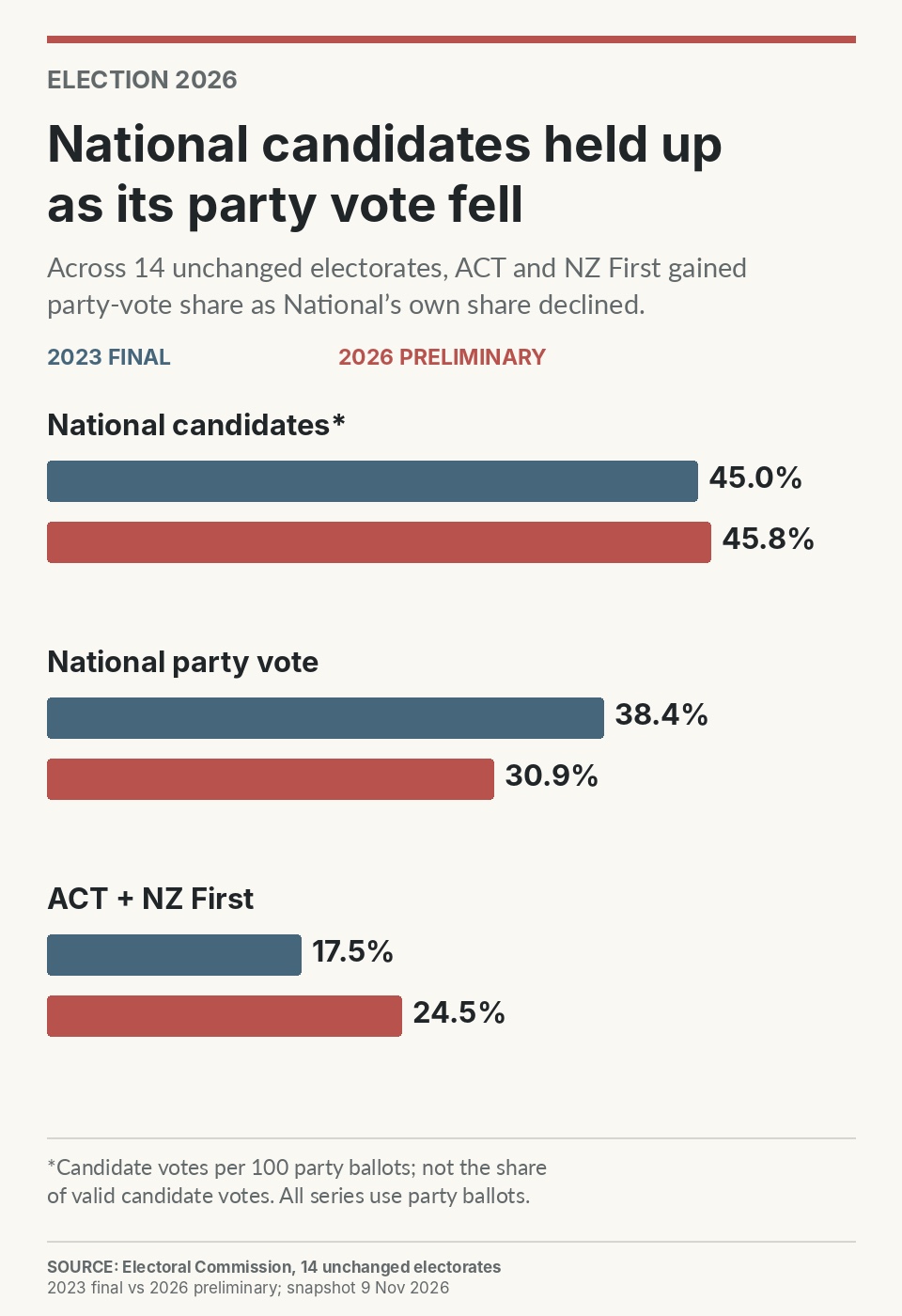
National did not simply lose support across the board. Its candidates retained much of their local strength, even as its party vote weakened and its coalition partners attracted a greater share.
That does not establish how individual voters divided their two votes. But the aggregate results show the kind of separation between electorate and party support that the split-vote campaign sought to encourage.
Five electorates illustrate the divide
The pattern is particularly revealing in five electorates where National's candidates performed substantially better than the party itself. Candidate support increased in two of these seats and declined in three, but even the declines were smaller than the corresponding falls in National's party vote.
In Rangitata, James Meager's candidate-vote share increased from 57 per cent in 2023 to 62.4 per cent in 2026, a gain of 5.4 percentage points. National's party vote, however, fell from 44.70 per cent to 36.40 per cent. ACT rose from 10 per cent to 14.70 per cent, while NZ First climbed from 7.40 per cent to 11.90 per cent.
In Coromandel, Scott Simpson's candidate-vote share edged up from 54.3 per cent to 54.9 per cent, an increase of 0.7 percentage points. National's party vote fell from 42.8 per cent to 34.4 per cent, while ACT increased from 11.8 per cent to 16.3 per cent and NZ First from 10.4 per cent to 15.9 per cent.
The pattern persisted even where National's candidates lost support.
In Waikato, Tim van de Molen's candidate-vote share declined from 65.5 per cent to 58.3 per cent, a fall of 7.2 percentage points. National's party vote fell more sharply, from 50.2 per cent to 39.4 per cent. ACT rose from 12.2 per cent to 16.9 per cent, while NZ First increased from 7.70 per cent to 13.60 per cent.
In Hamilton West, Tama Potaka's candidate-vote share fell from 46.8 per cent to 42.7 per cent, down 4.1 percentage points. National's party vote dropped from 41.20 per cent to 29.50 per cent, while ACT increased from 8.70 per cent to 9.80 per cent and NZ First from 6.20 per cent to 9.90 per cent.
In Waimakariri, Matt Doocey's candidate-vote share slipped from 58.30 per cent to 55.20 per cent, a decline of three percentage points. National's party vote fell from 42.6 per cent to 33.5 per cent, while ACT rose from 10.5 per cent to 14 per cent and NZ First from 7 per cent to 12.90 per cent.
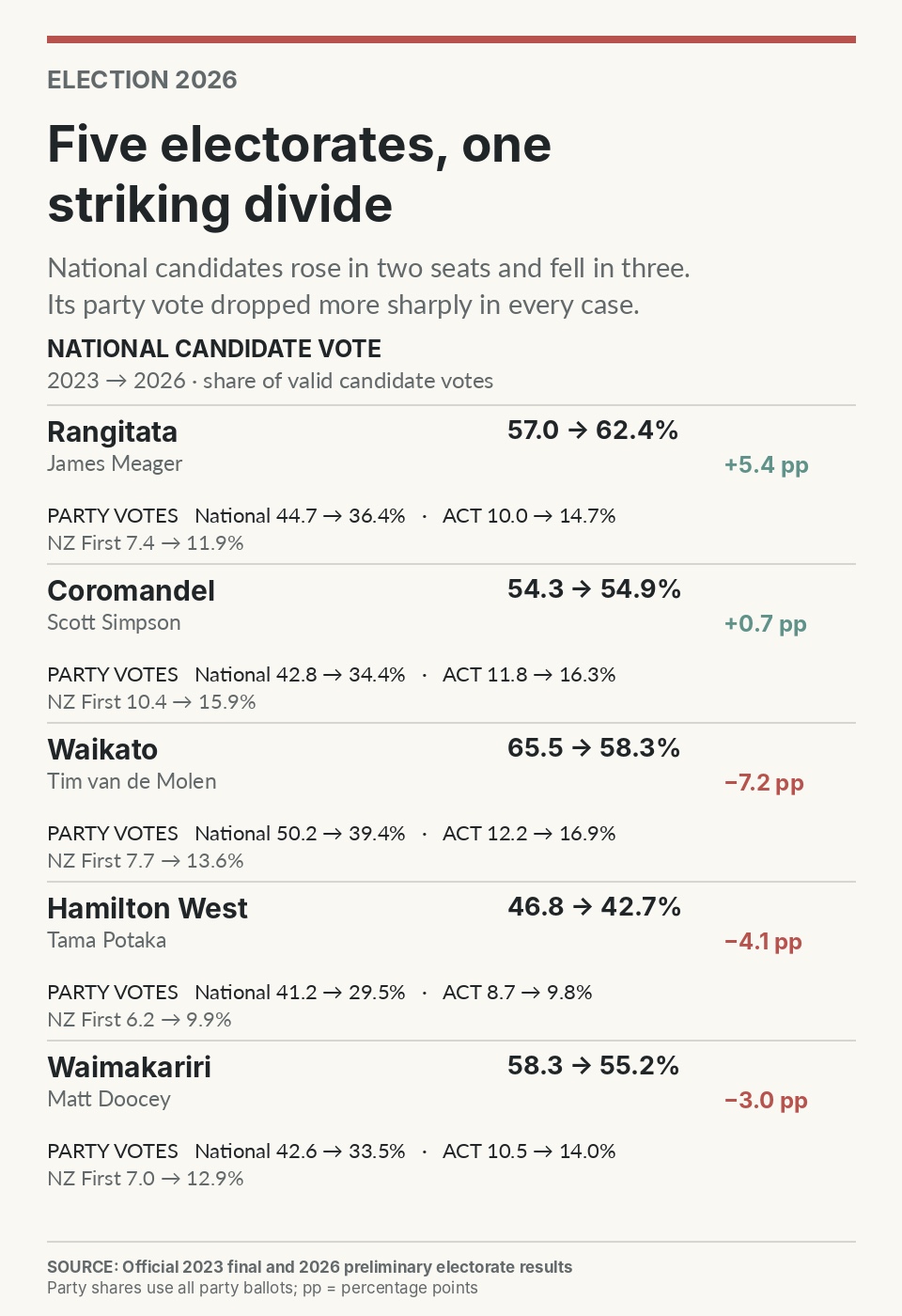
These five contests capture the distinction between National's weakening party brand and its continuing strength at electorate level. Even where local candidates lost support, they generally proved more resilient than the party vote. At the same time, ACT and NZ First gained ground.
What if those votes had stayed with National?
The importance of the distribution of votes becomes clearer through a hypothetical calculation.
Using the preliminary results, we modelled what would happen if 100,000 party votes were moved from ACT and NZ First to National, proportionately to the two parties' current votes, without changing any electorate results or the right bloc's combined party vote.
Under that scenario, National's normal party-vote entitlement would increase from 35 to 40 seats. But because it would still hold 42 electorates, its overhang would shrink from seven seats to two.
The right bloc would then have 62 seats in a 126-seat Parliament, short of the 64 required for a majority.
National's loss, or the right bloc's survival?
The conventional reading of the election is that National has been weakened by voters moving towards its coalition partners. That interpretation is understandable when measured by the party vote alone.
But the parliamentary arithmetic tells a more complicated story. Whether the organised split-vote campaign contributed meaningfully to those results remains unknown. The same pattern could also reflect voters independently distinguishing between their preferred local candidates and their preferred parties.
Nor should the preliminary majority be treated as secure. Special votes and official checks are still outstanding, and even a small change in the allocation could alter the parliamentary balance.
But one conclusion is already apparent from the preliminary count. That National's loss of party-vote support and the right bloc's survival are not necessarily contradictory outcomes.